Hey There! Before You Go. 😧
Get the best vintage content straight into your inbox!

Don't worry, we don't spam

Beatniks In New York City: Fascinating Photos That Capture Lifestyle And Culture Of Beatniks In 1950s and 1960s

The Beat Movement was a social and literary force that took shape in the late 1940s. It grew out of the writings of Allen Ginsberg, William Burroughs, Jack Kerouac, and a circle of like-minded writers and artists. While it also took root in San Francisco’s North Beach and Los Angeles’ Venice West, New York City’s Greenwich Village became one of its most visible centers. Its followers—called beatniks—rejected mainstream American values and built a culture around bohemian living, sexual liberation, and free-spirited self-expression.
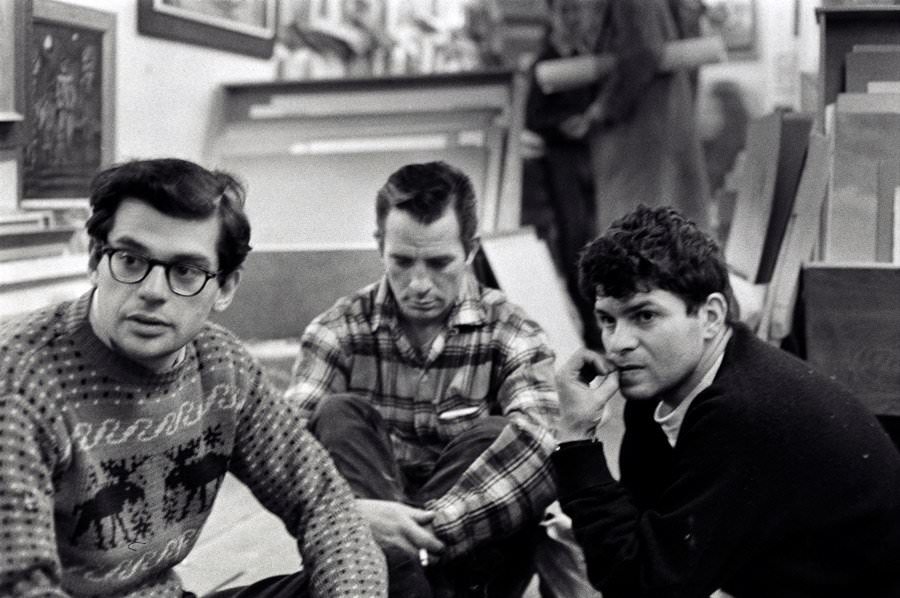
Beat movement writers Allen Ginsberg, Gregory Corso, and Jack Kerouac, who maintained lifelong friendships with one another, New York, 1957

The vocabulary of the beatniks was borrowed heavily from jazz musicians. Jazz wasn’t just background music—it was a philosophy. The free-flowing, improvisational nature of jazz mirrored how the Beats approached writing, conversation, and life itself. They also drew on the disciplines of Zen Buddhism, experimented with drugs, and sought what they described as personal release and purification. Beat poets, in particular, wanted to strip poetry of its academic stiffness and turn it into something raw and real—an expression of genuine lived experience.
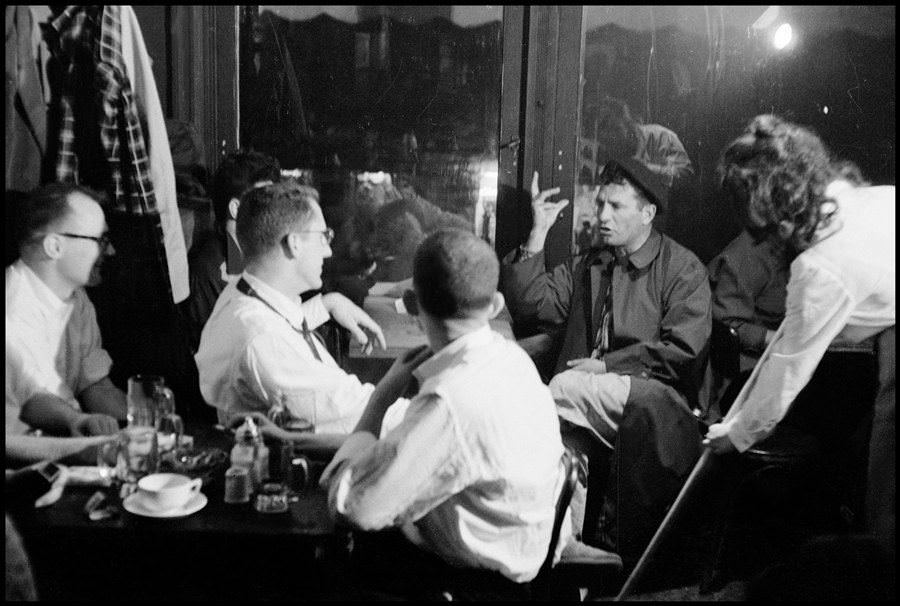
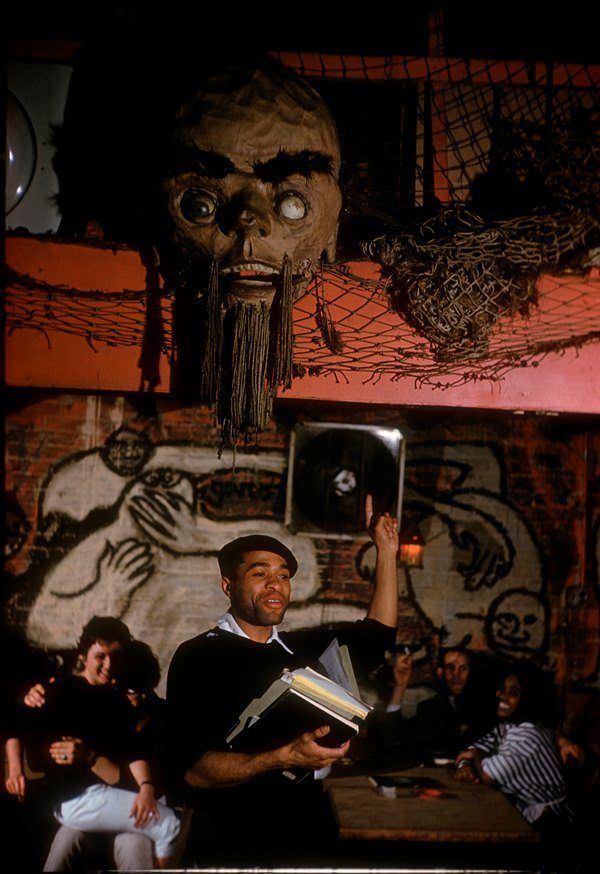
Writer Kerouac, holds court at the Seven Arts Cafe in Greenwich Village in 1959. He novel On The Road explored America from the lens of a new generation that embraced drugs, sexual liberation, and jazz.

Jack Kerouac’s 1957 novel On the Road put the Beat Generation on the cultural map. Written in a breathless, stream-of-consciousness style, it chronicled cross-country road trips fueled by jazz, drugs, and a desperate hunger for experience. The book spoke directly to a generation that felt suffocated by postwar conformity. Kerouac became one of the most recognizable faces of the movement, frequently holding court at Greenwich Village venues like the Seven Arts Cafe.
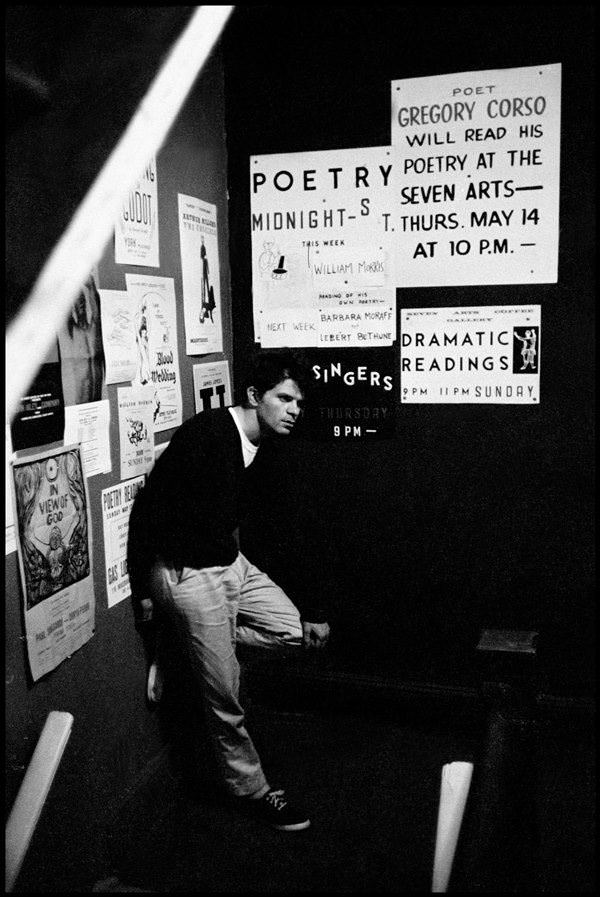
Gregory Corso in New York, 1959
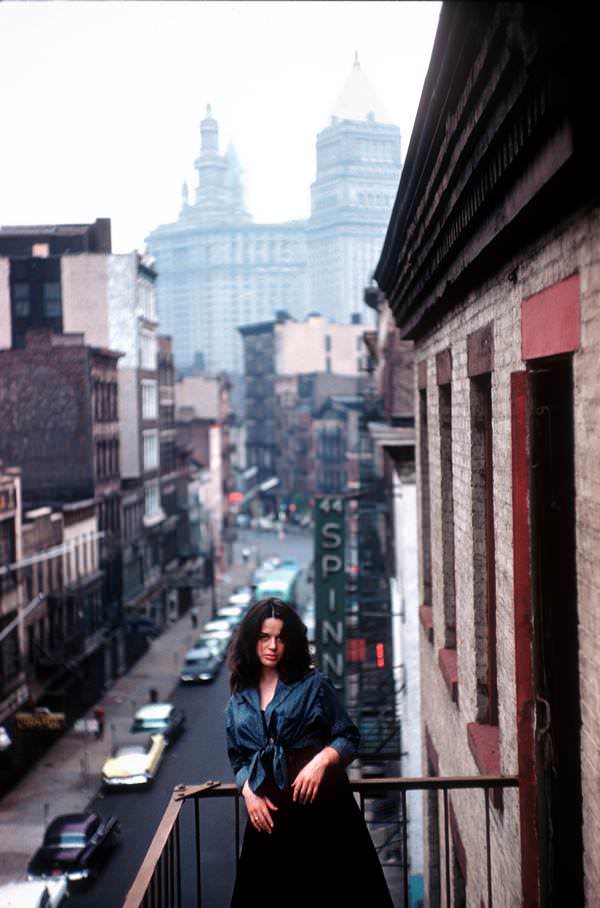
Mimi Margaux, who described herself as a "dancer, actress, model and follower of 'la Vie Boheme,'" enjoys the view from the balcony in an East Village hangout in 1959.
Mimi Margaux, who described herself as a “dancer, actress, model and follower of ‘la Vie Boheme,'” enjoys the view from the balcony in an East Village hangout in 1959.

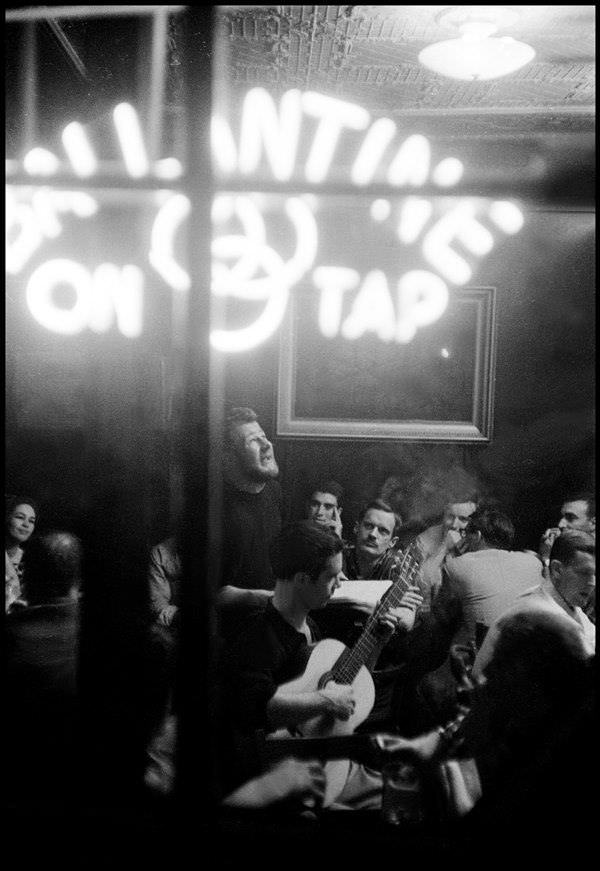
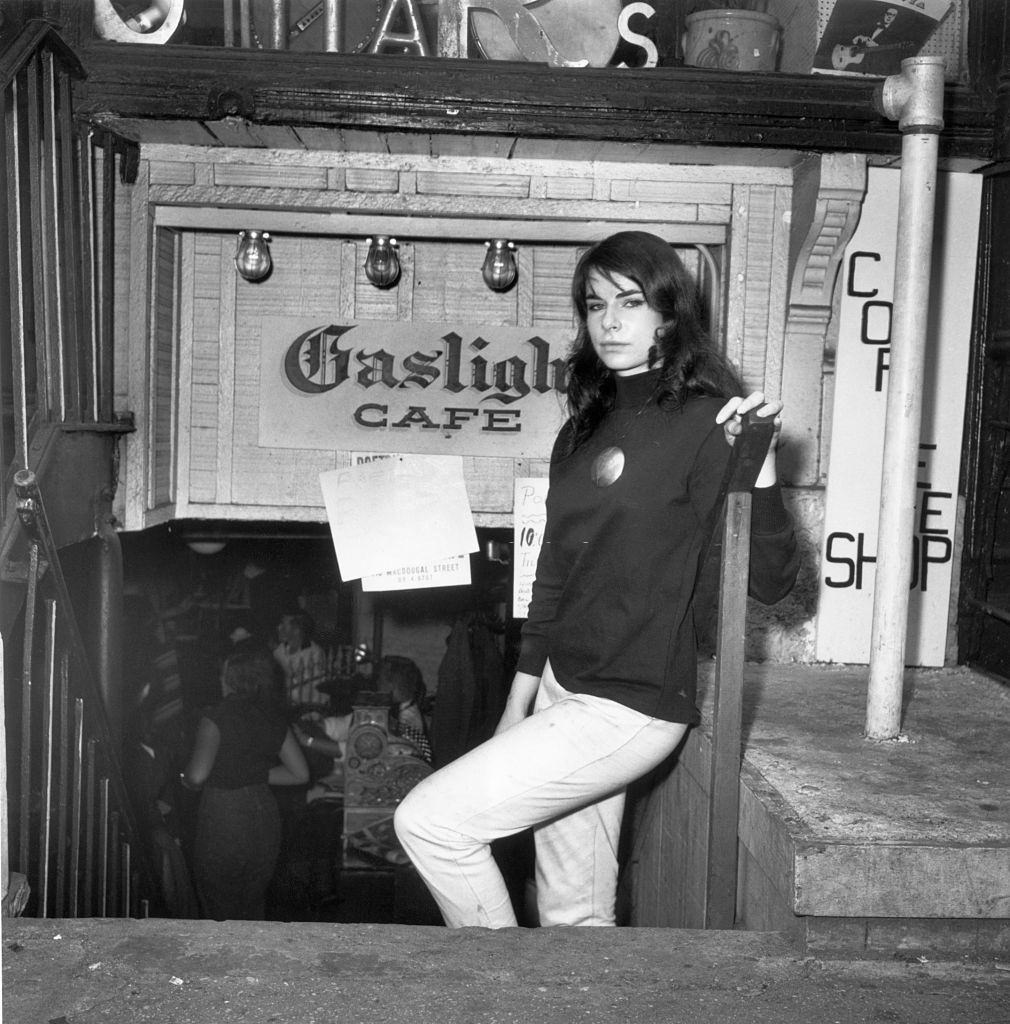
The coffeehouses and bars of Greenwich Village were the beating heart of beatnik social life. Places like the Gaslight Cafe, the Cock N’ Bull on Bleecker Street, and the Half Note nightclub drew crowds of writers, musicians, and artists nightly. Coffee shops served as informal gathering spaces where poetry readings, philosophical debates, and spontaneous musical performances happened side by side.
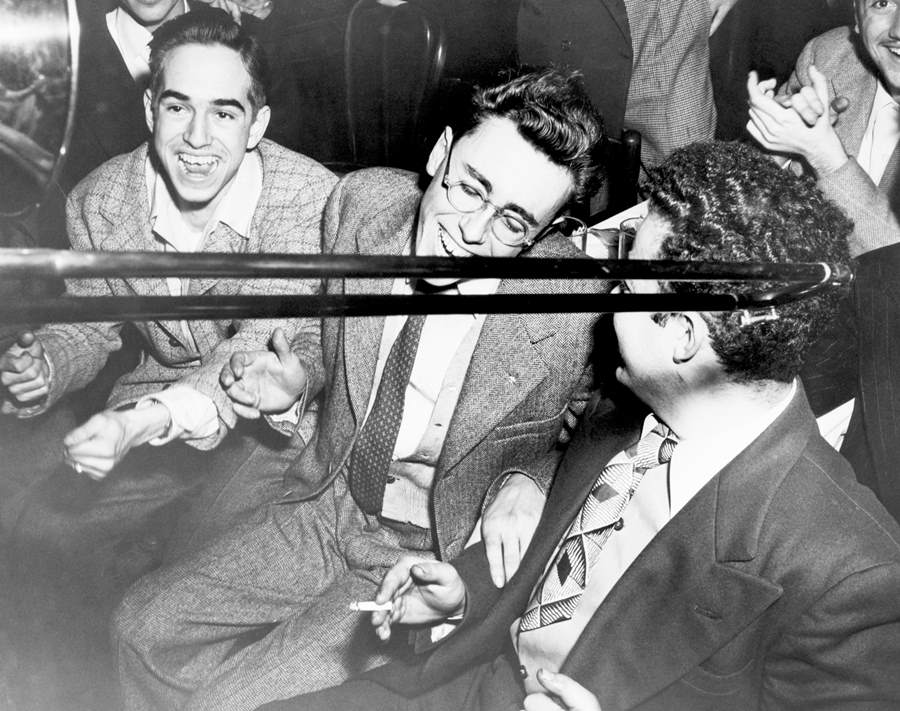
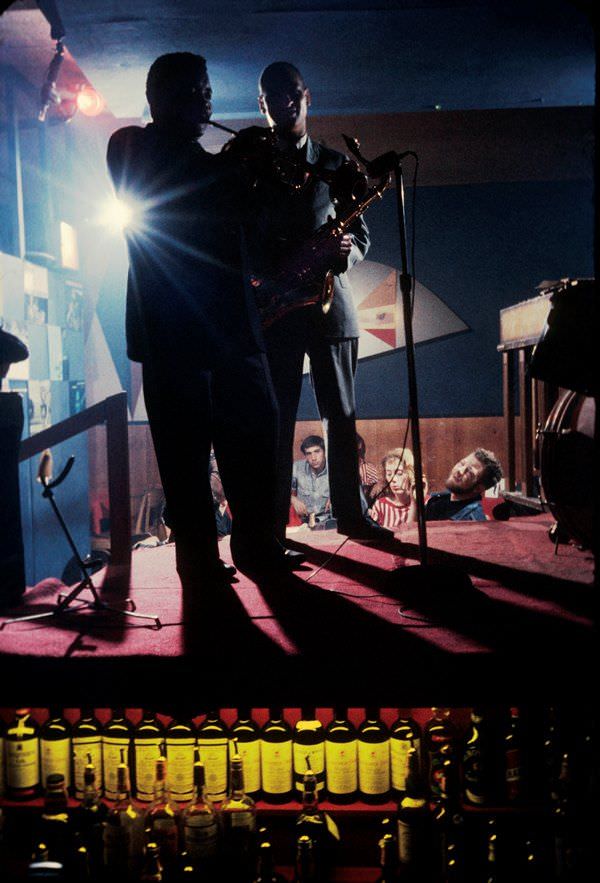
Beatniks Enjoying the Music, 1959
A jazz bands plays from the top of a liquor cabinet at the Half Note nightclub, a regular hangout for the New York Beats, in 1959.

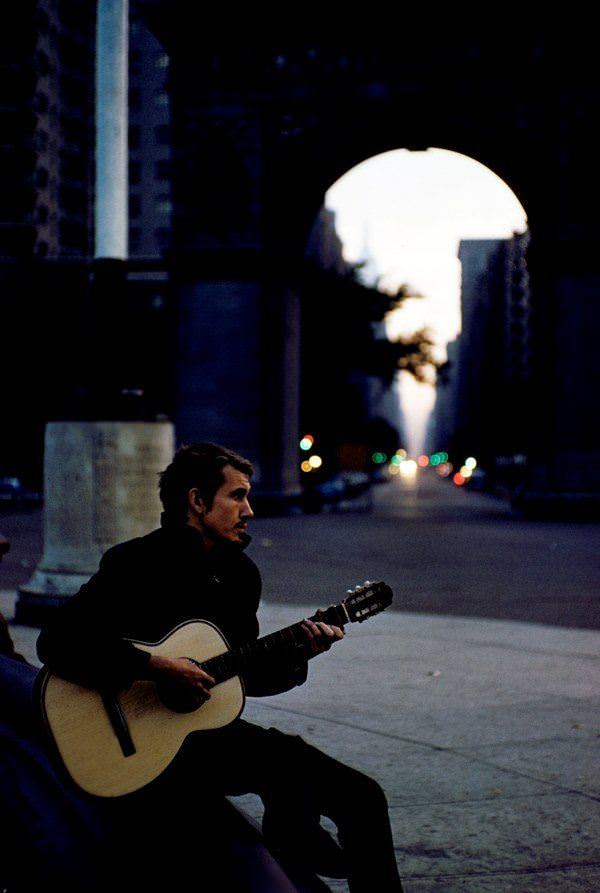
Poetry readings weren’t confined to coffee shops. On Thompson Street in Greenwich Village, poets recited their work outdoors, sometimes accompanied by live musicians. The streets themselves became a stage. Washington Square Park was another favored spot, where guitarists played at dusk and crowds gathered without much prompting.
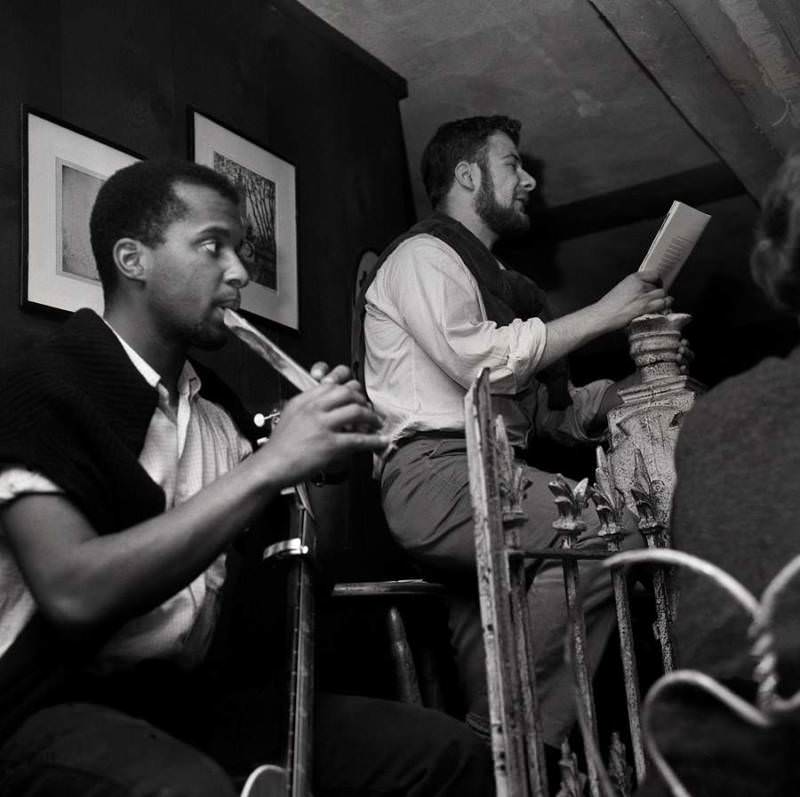
One man recites poetry while accompanied by a flutist, on Thompson Street in Greenwich Village, 1957
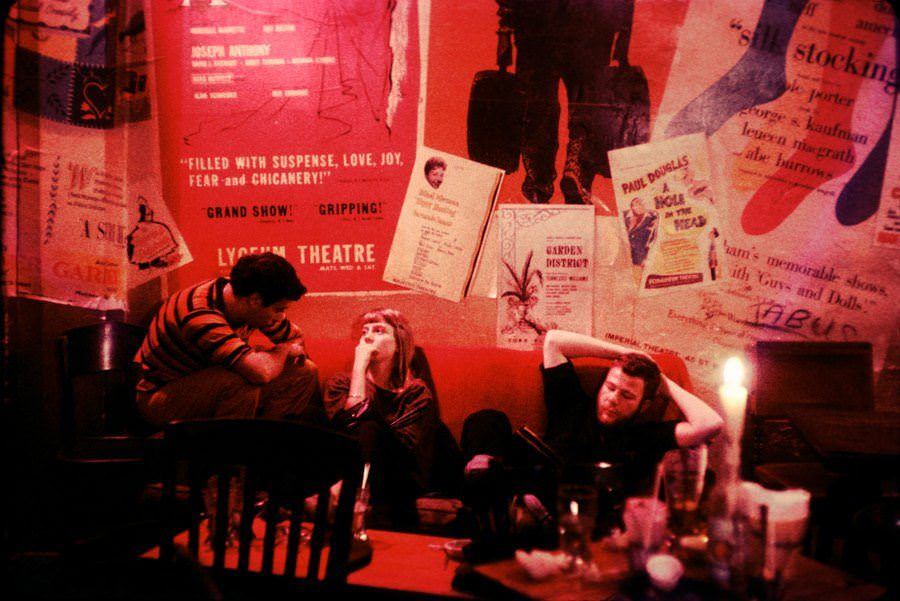
A candid moment from the N' Bull coffee shop in 1959.
A candid moment from the N’ Bull coffee shop in 1959.
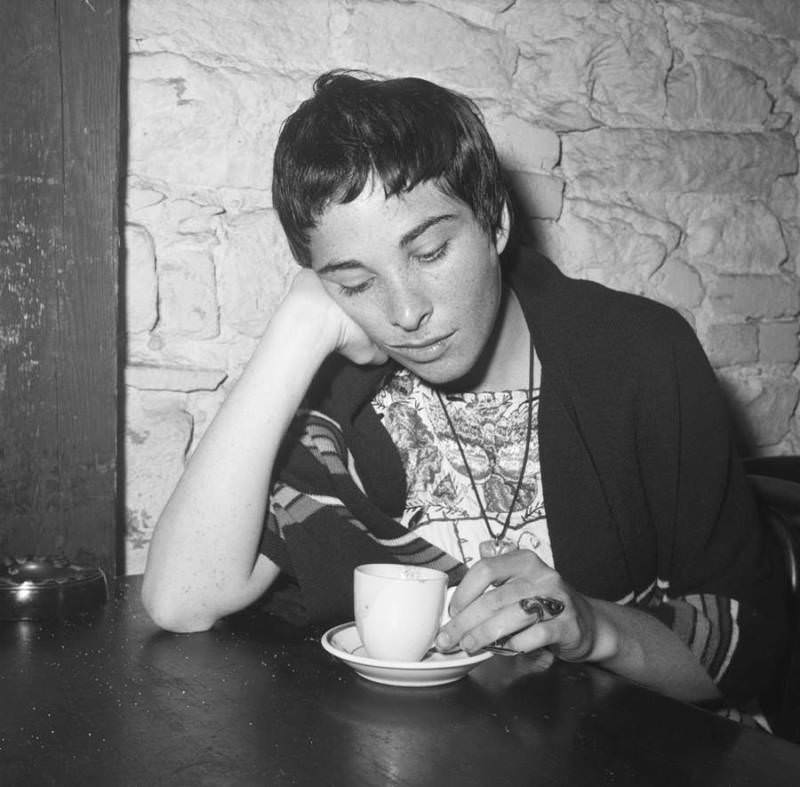
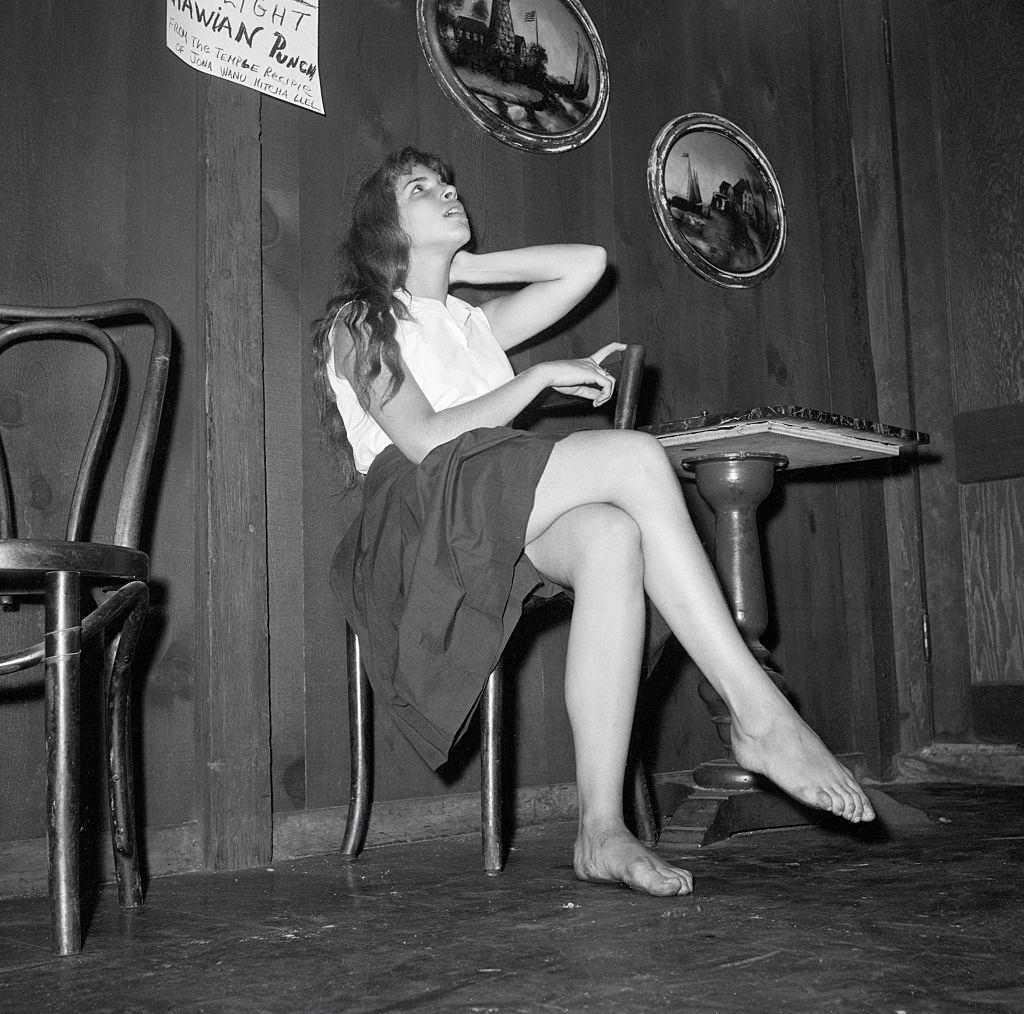
A woman sits in contemplation while enjoying an espresso at Gaslight Cafe in 1959.

Cafe Rienzi, opened by painter David Grossblatt on MacDougal Street, was one of New York’s first coffee shops. The New York Times described it as the center of intellectual life in the Village during the Beat Generation. These spaces weren’t just places to drink coffee—they were venues where ideas circulated, where writers workshopped lines aloud, and where the movement’s identity was shaped in real time.
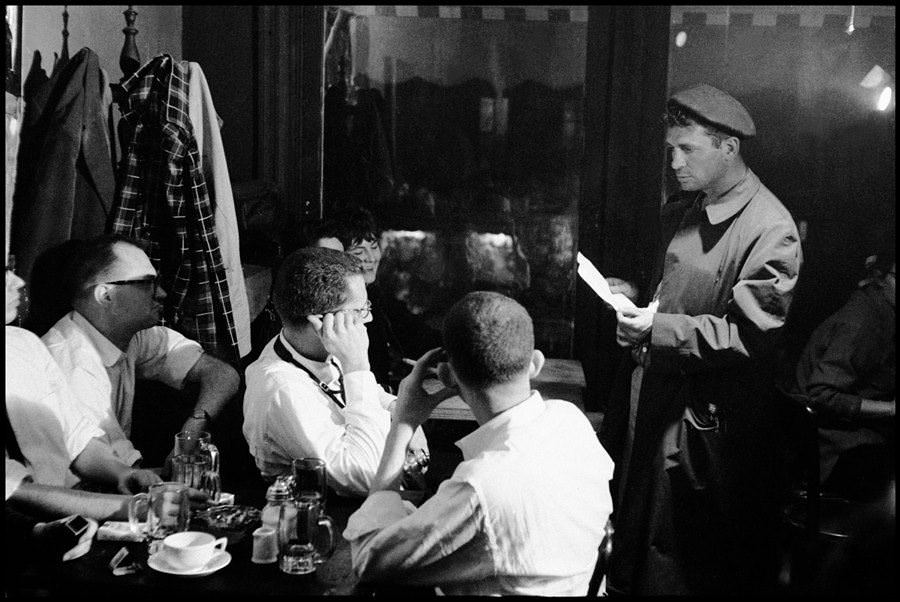
Jack Kerouac reads for an audience at the Seven Arts Cafe in 1959.
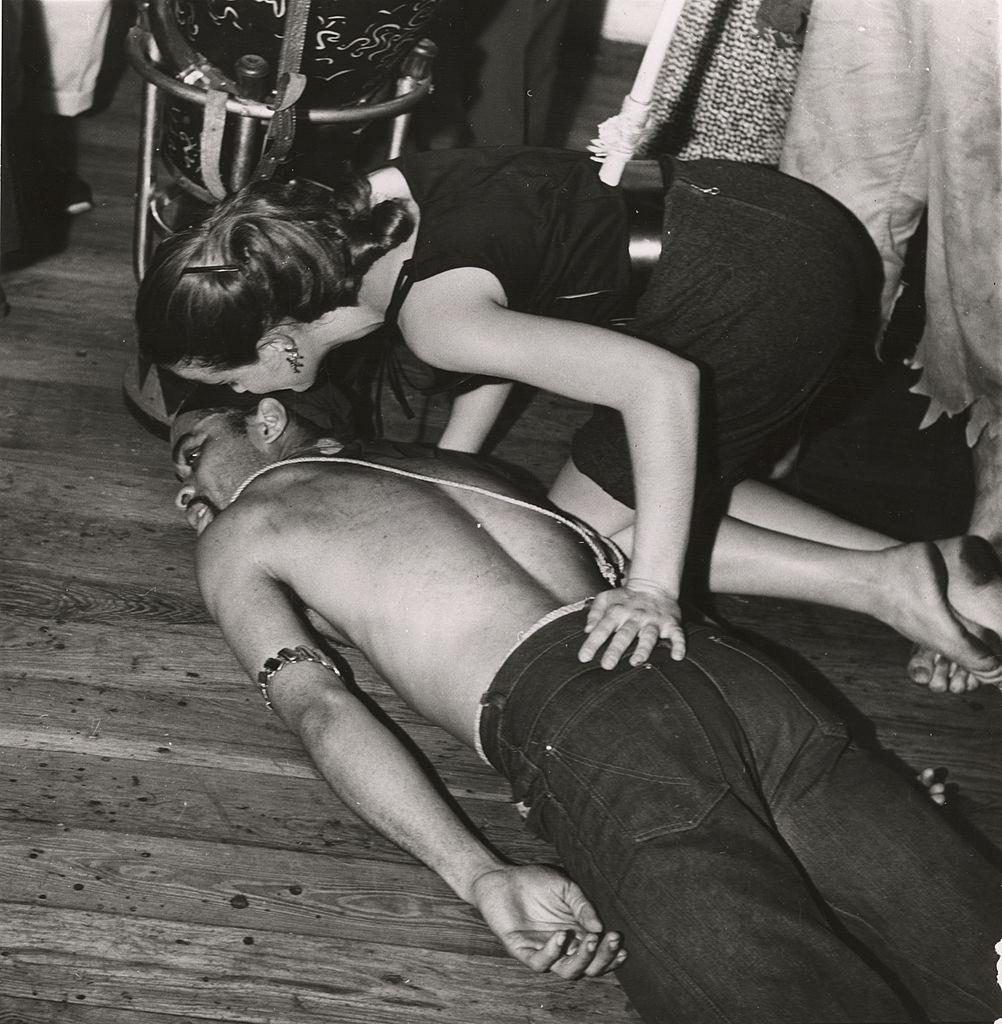
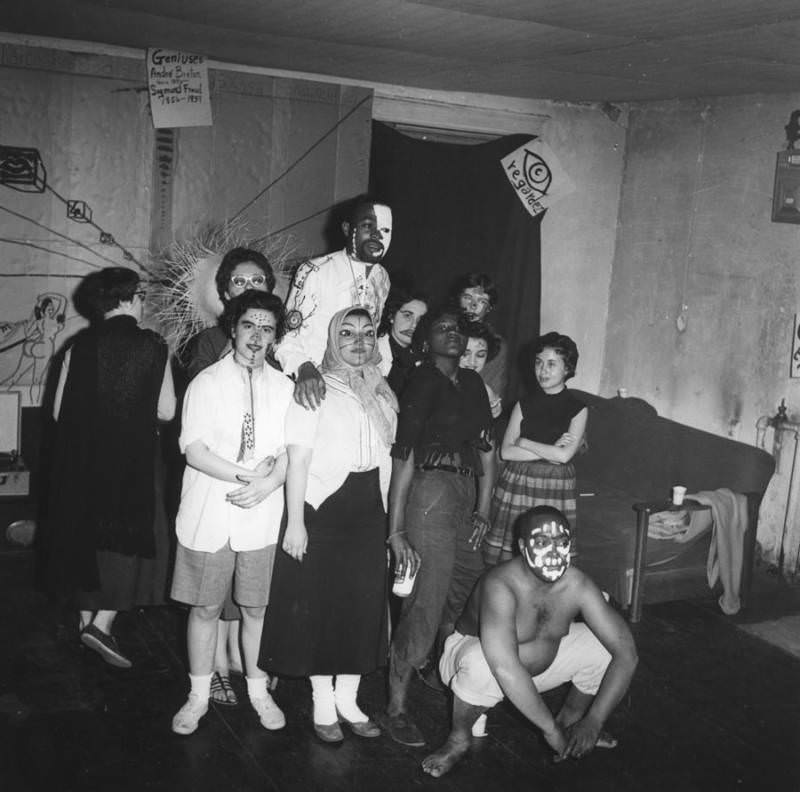
Poet and trumpeter Ted Joans at a costume party in Greenwich Village in 1960.

Ted Joans was one of the most distinctive figures in the New York Beat scene. A poet, painter, and musician, Joans brought together visual art, music, and verse in a way few others did. He read his poetry at spots like the Bizarre coffee shop and was a regular presence at Greenwich Village gatherings. He was also known to push the boundaries of performance, as photographs from 1960 attest.
Ted Joans reads poetry at the Bizarre coffee shop in 1959.
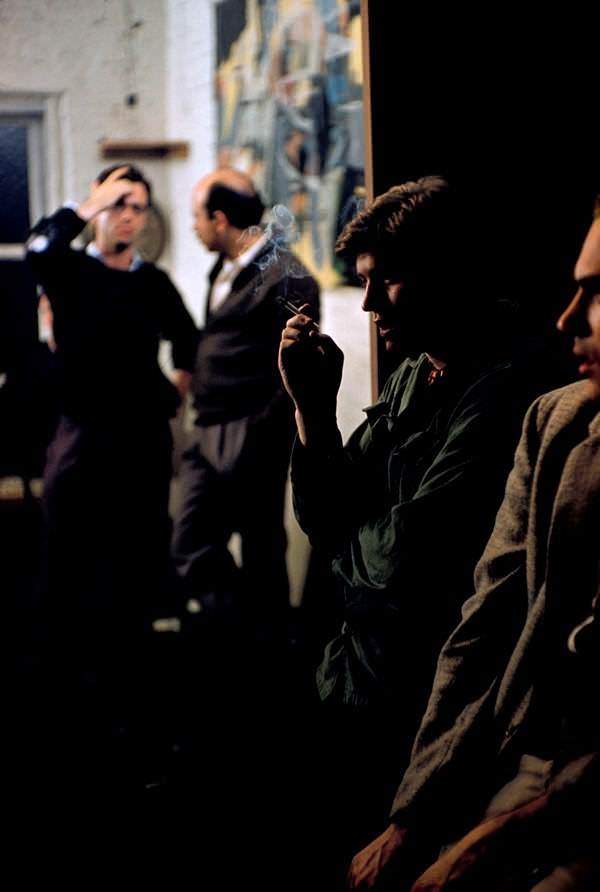
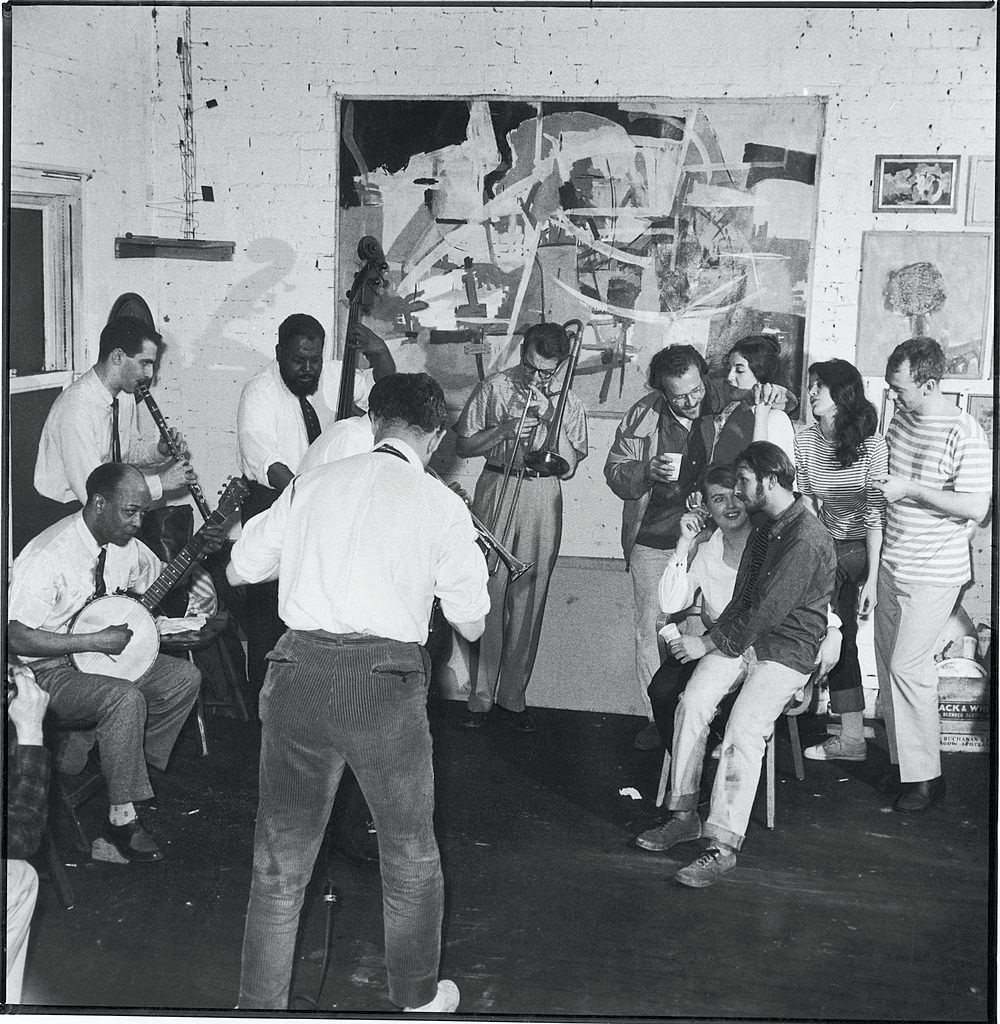
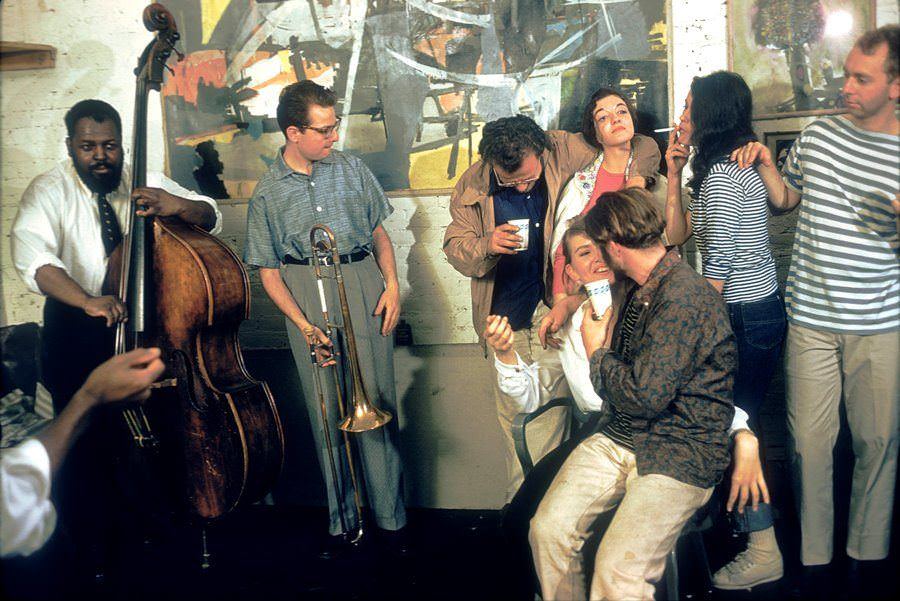
The Walter Bows Band plays a party at an artist's loft in 1959.
The Walter Bows Band plays a party at an artist’s loft in 1959.

Beat parties were a fixture of Village life. They took place in cramped apartments, artist lofts, and rented spaces. Music, dancing, and conversation ran long into the night. Drummer-led conga sessions, live bands playing in tight quarters, and informal jam sessions were all common. The parties weren’t performances put on for an audience—they were the social fabric of the movement itself.
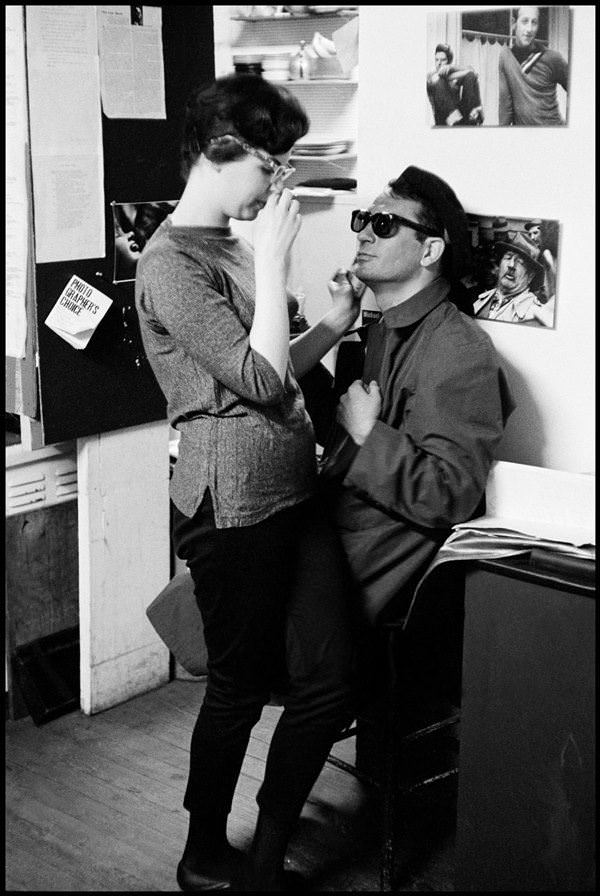
Jack Kerouac talks to a friend at a Beat party.
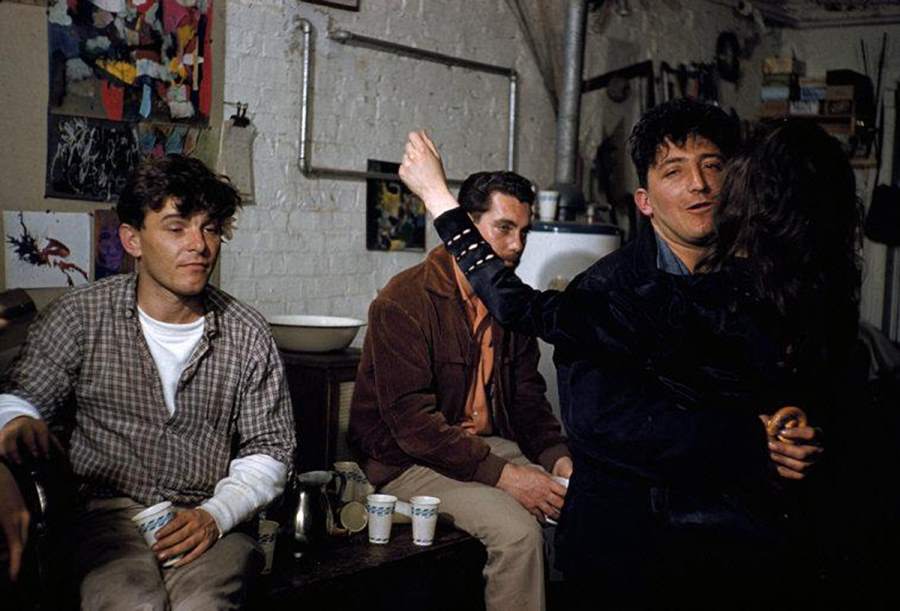
A few late stragglers at a Beat party who have enjoyed some libations.
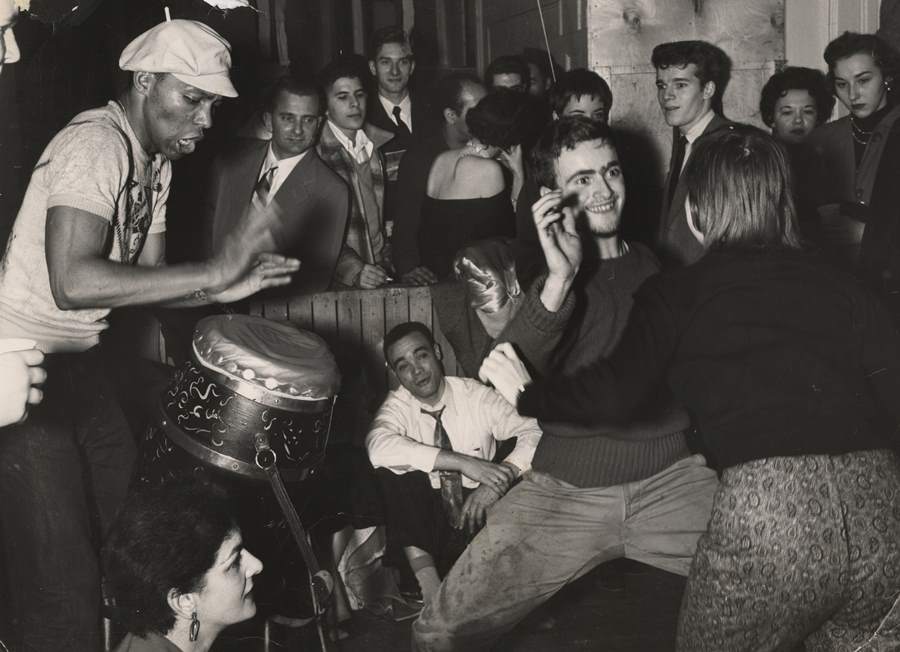
A woman and man dance to the accompaniment of a drummer beating on congas at a party in Greenwich Village in 1956.
Beats enjoying a party, 1959.
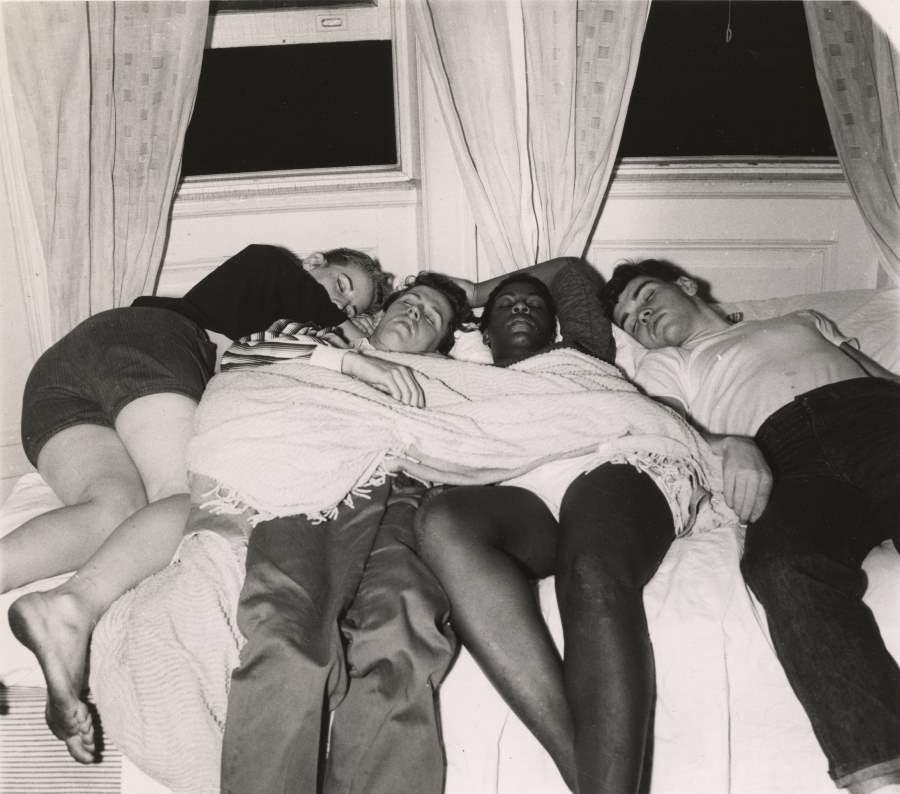
Four friends share a bed in a Greenwich Village apartment after a long night out in 1956.

The beatnik scene had a commercial side that sometimes clashed with its countercultural identity. Holiday magazine staged a “Rent a Beatnik” party in 1959—an event where real beatniks were essentially hired to perform their lifestyle for curious outsiders. A “Miss Beatnik” competition also drew contestants that year, with the winner, known only as “Angel,” crowned by a panel of judges. These events showed how quickly mainstream culture attempted to package and sell the subculture it claimed to find threatening.
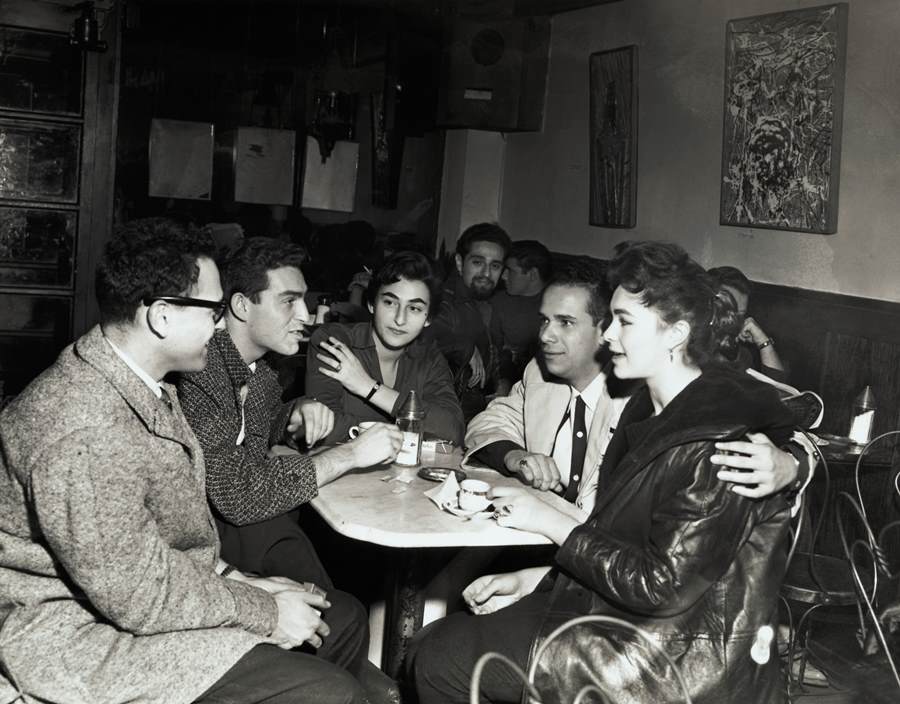
Cafe Rienzi, opened by painter David Grossblatt, was one of the first coffee shops in New York. Located on MacDougal Street, 1957 It was described by The New York Times as the center of intellectual life in the Village during the Beat Generation.
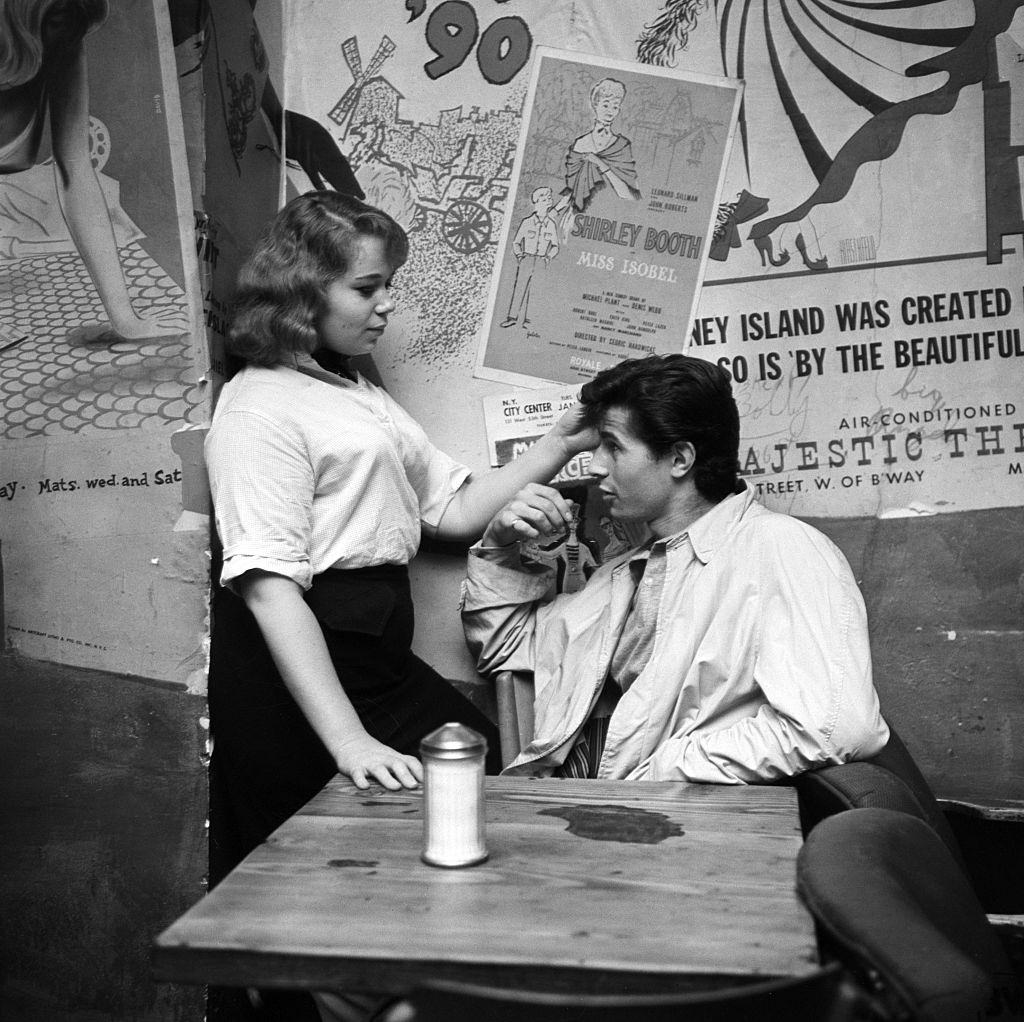
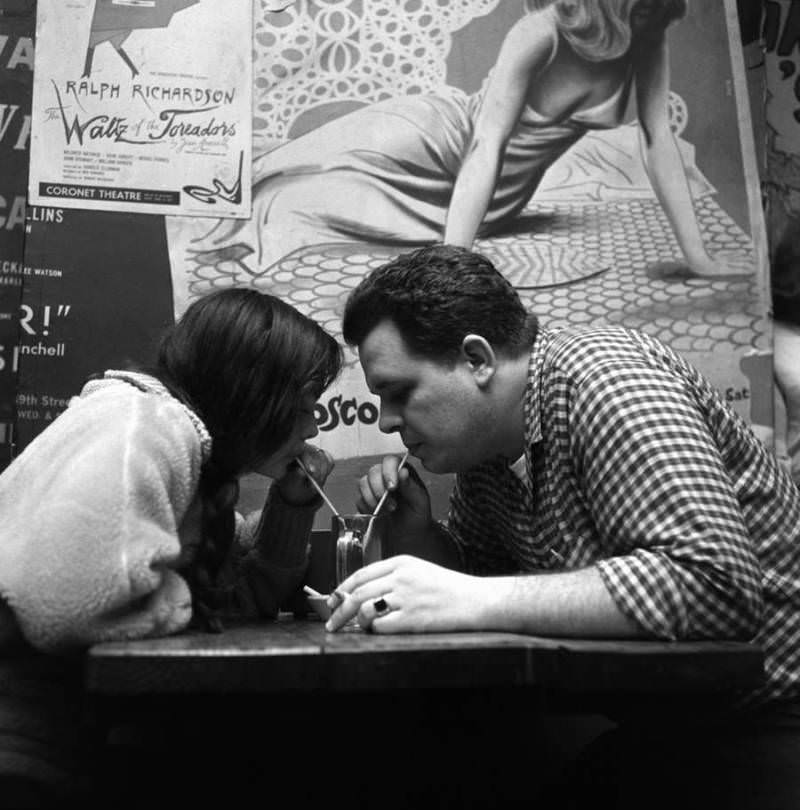
A couple share a soda at the Cock N' Bull on Bleecker Street in 1959.
A couple share a soda at the Cock N’ Bull on Bleecker Street in 1959.
A man plays guitar at dusk in Washington Square Park in 1959.
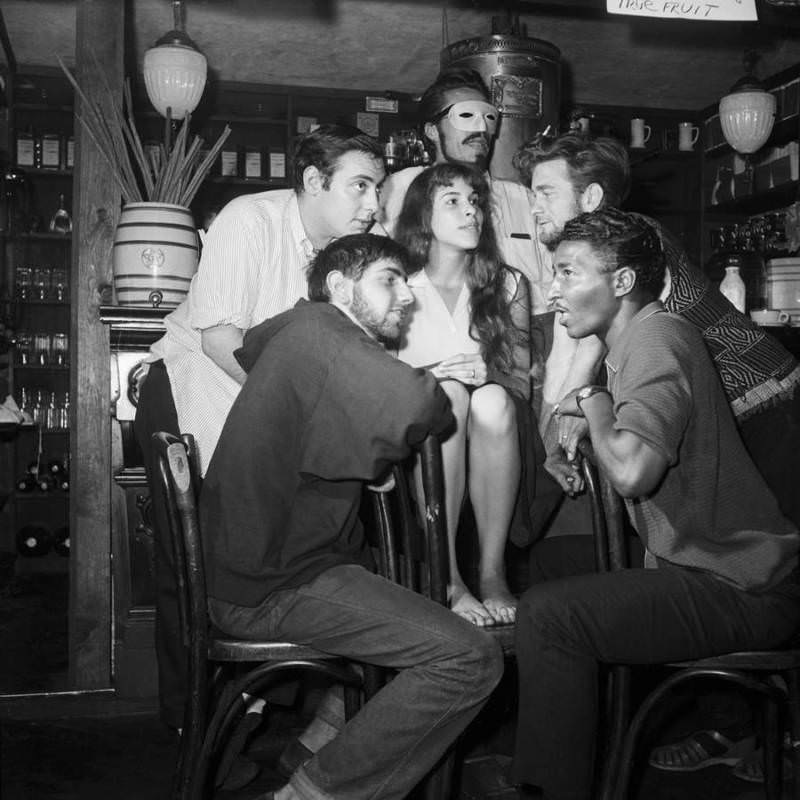
Hugh Nanton Romney sings at McSorley's saloon in 1959. Later, Romney would adopt the name "Wavy Gravy" and become a lifelong peace activist.
Hugh Nanton Romney sings at McSorley’s saloon in 1959. Later, Romney would adopt the name “Wavy Gravy” and become a lifelong peace activist.

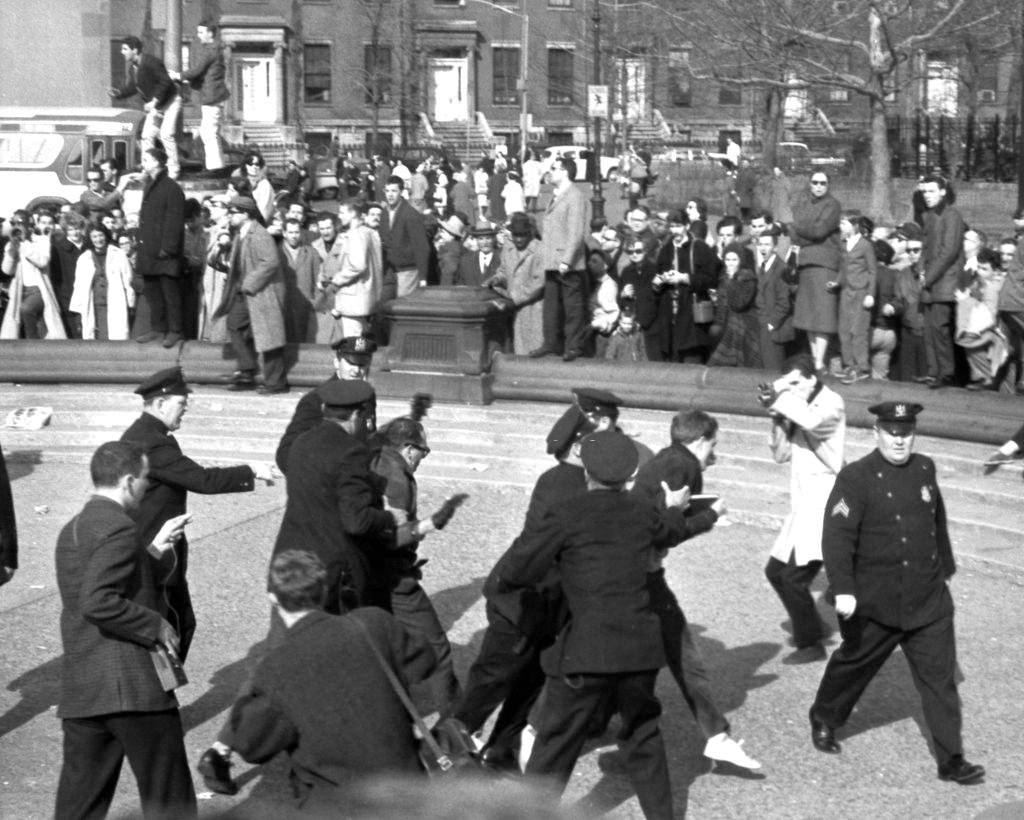
Not all beatnik activity was celebratory. When New York City authorities began shutting down coffeehouses in 1960, beatniks organized protests in front of City Hall. The following year, clashes in Washington Square Park resulted in arrests. Residents of Greenwich Village turned out en masse to serve as character witnesses for those charged. The movement had a genuine political edge that surfaced whenever its spaces or freedoms were threatened.
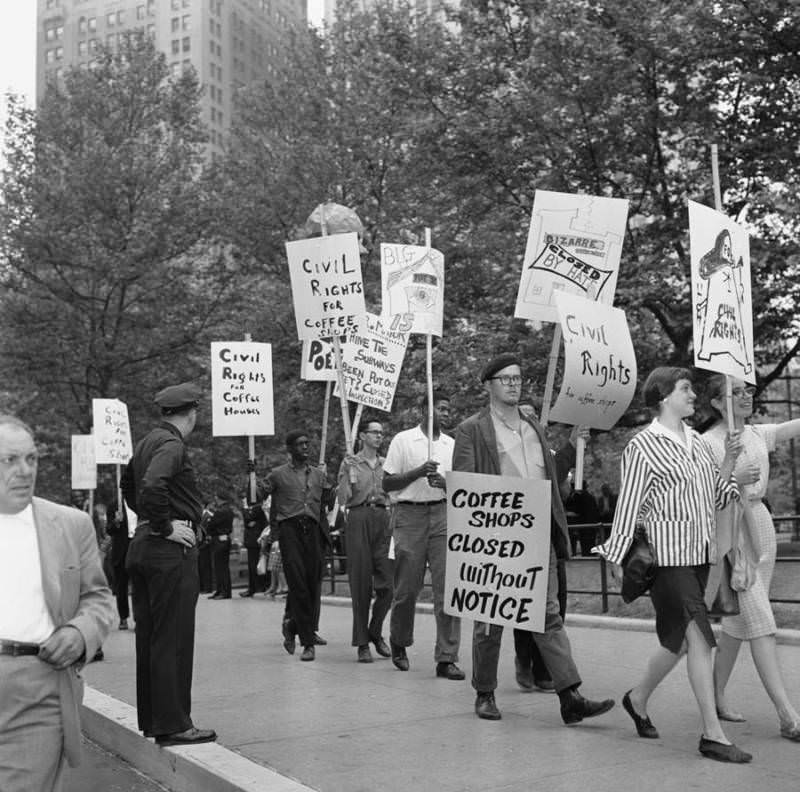
Beatniks protest in front of New York's City Hall in 1960 in response to closures of coffee shops.
Beatniks protest in front of New York’s City Hall in 1960 in response to closures of coffee shops.
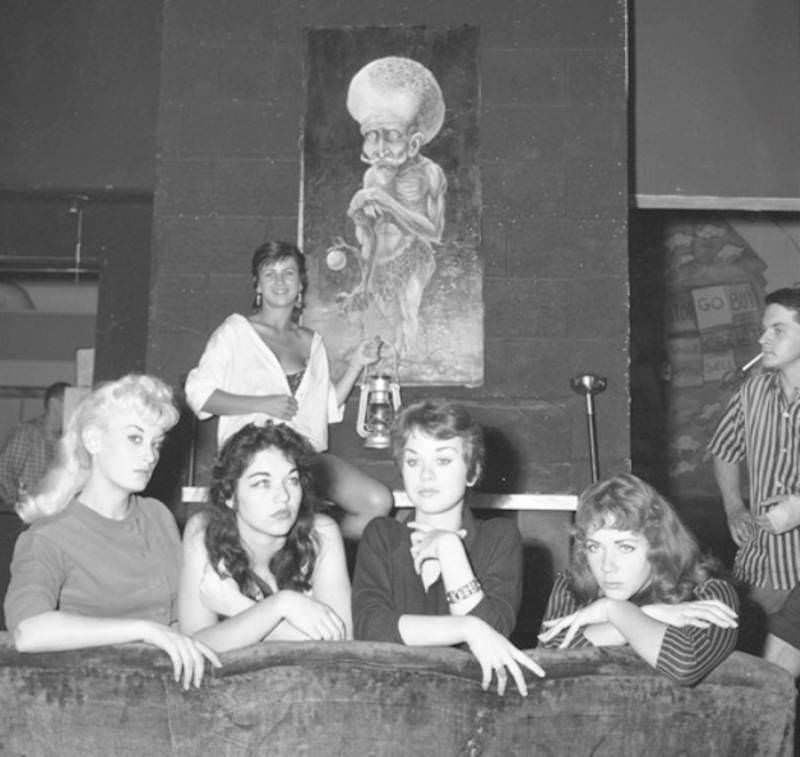
Contestants for the "Miss Beatnik" competition pose for a photograph in 1959.
Contestants for the “Miss Beatnik” competition pose for a photograph in 1959.
The winner of "Miss Beatnik," identified only as "Angel," is surrounded by the judges of the contest.
The winner of “Miss Beatnik,” identified only as “Angel,” is surrounded by the judges of the contest.
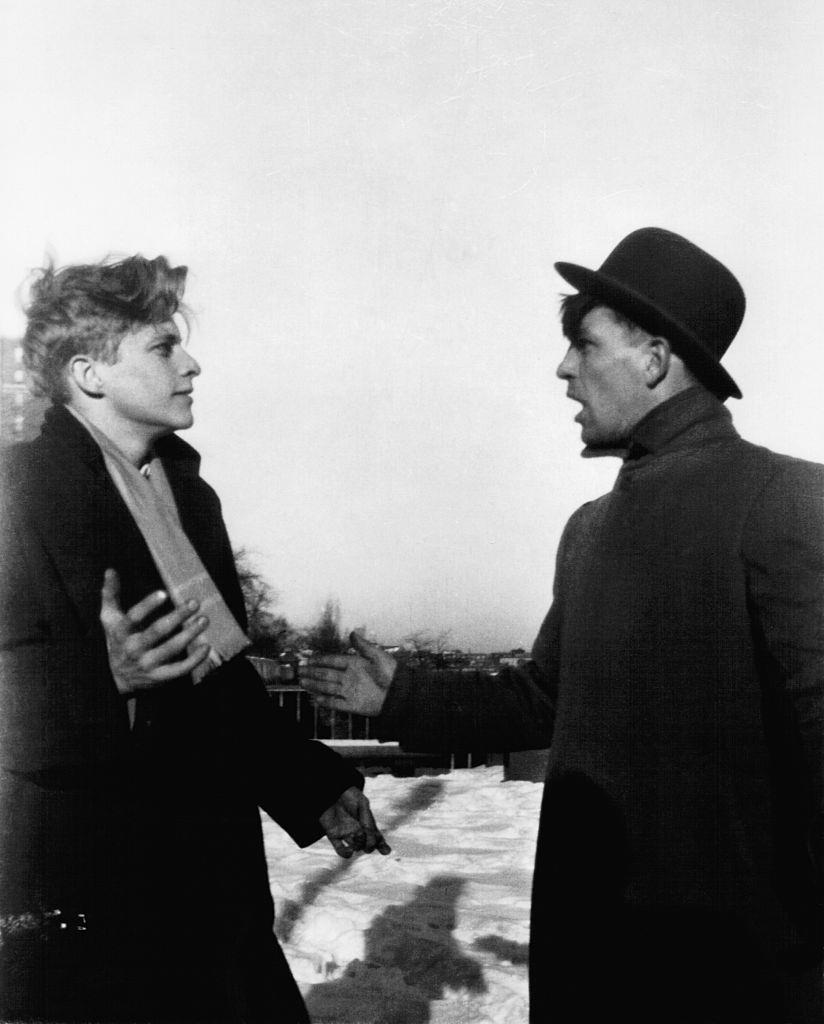
Hal Chase and Jack Kerouac at the Morningside Heights, NYC
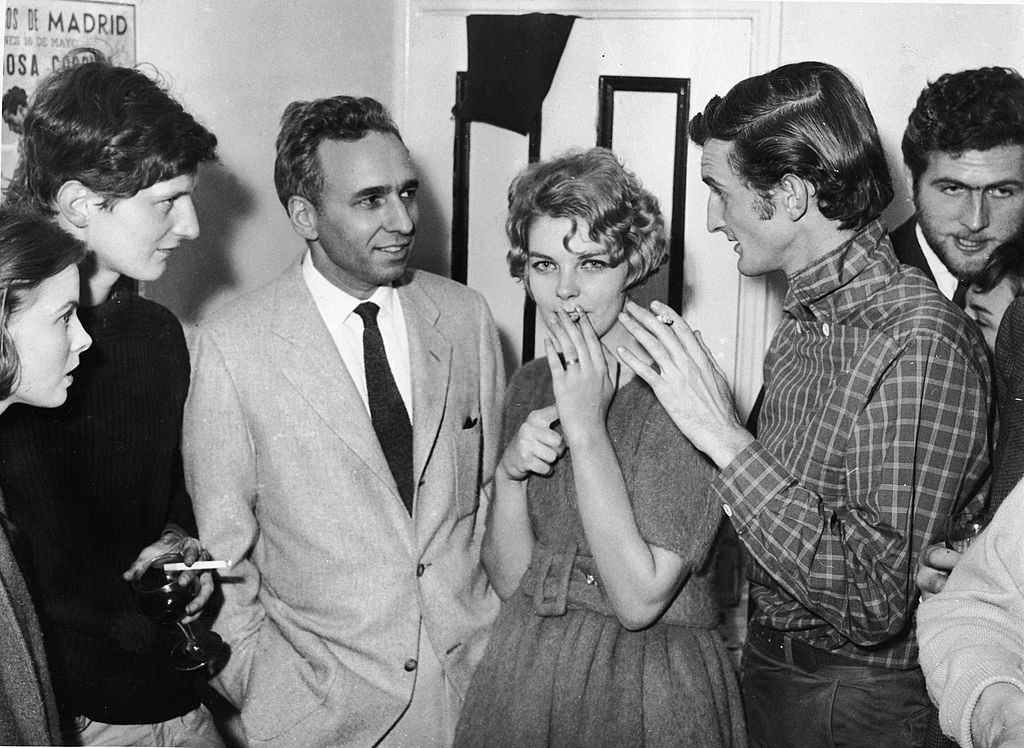
American A&P supermarket chain heir and art collector Huntington Hartford  with  Lord Valentine Thynne Jennifer Osborne, and Lord Christopher Thynne, 1950s
American A&P supermarket chain heir and art collector Huntington Hartford with Lord Valentine Thynne Jennifer Osborne, and Lord Christopher Thynne, 1950s
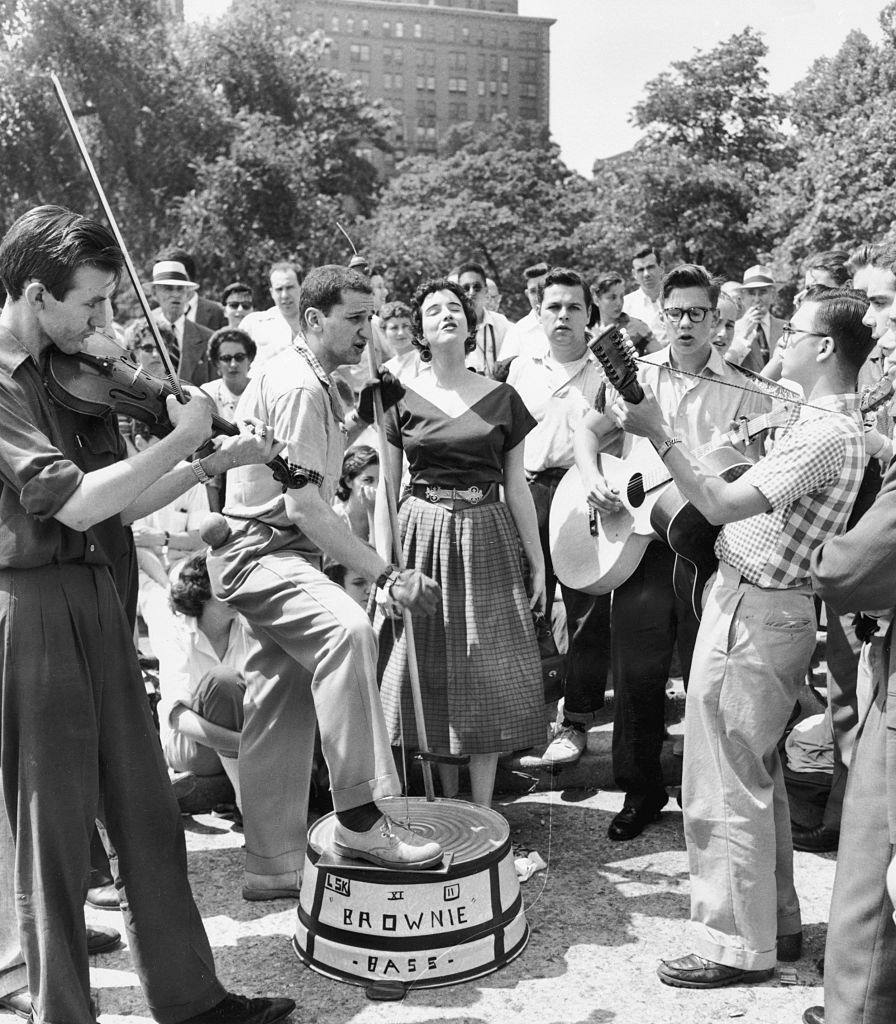
Army veteran, plays "Brownie Bass" in New York City, 1950s
Army veteran, plays “Brownie Bass” in New York City, 1950s
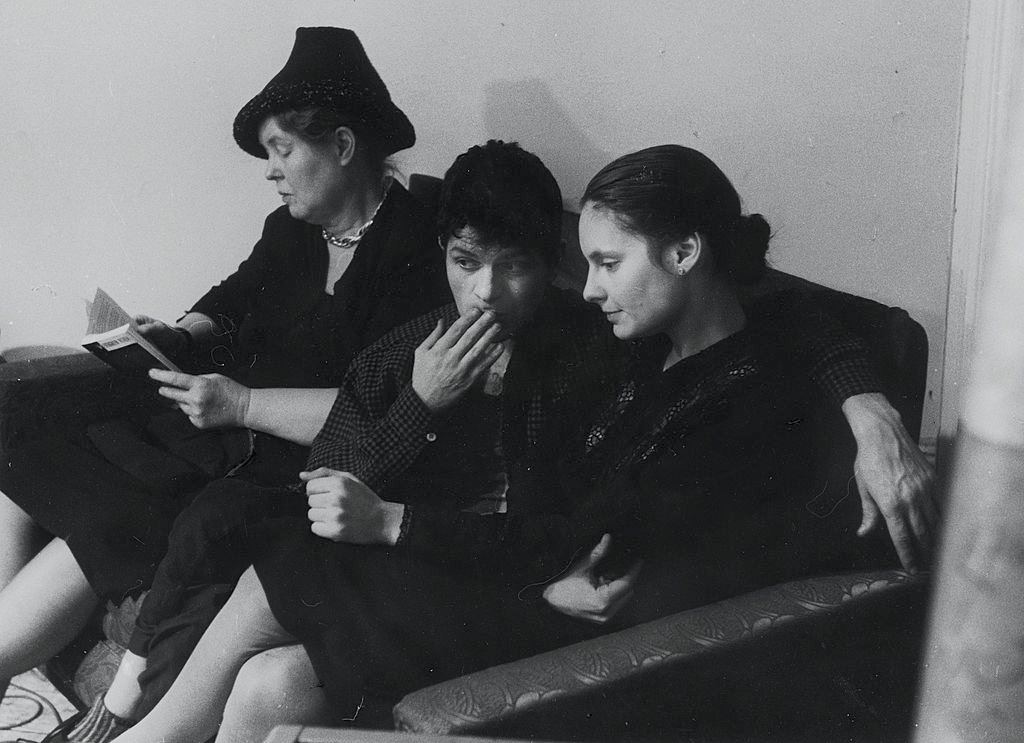
Beatnik artist, Alice Nee with poet Gregory Corsoand American dancer and choreographer Sally Gross,  New York, New York, 1959
Beatnik artist, Alice Nee with poet Gregory Corsoand American dancer and choreographer Sally Gross, New York, New York, 1959
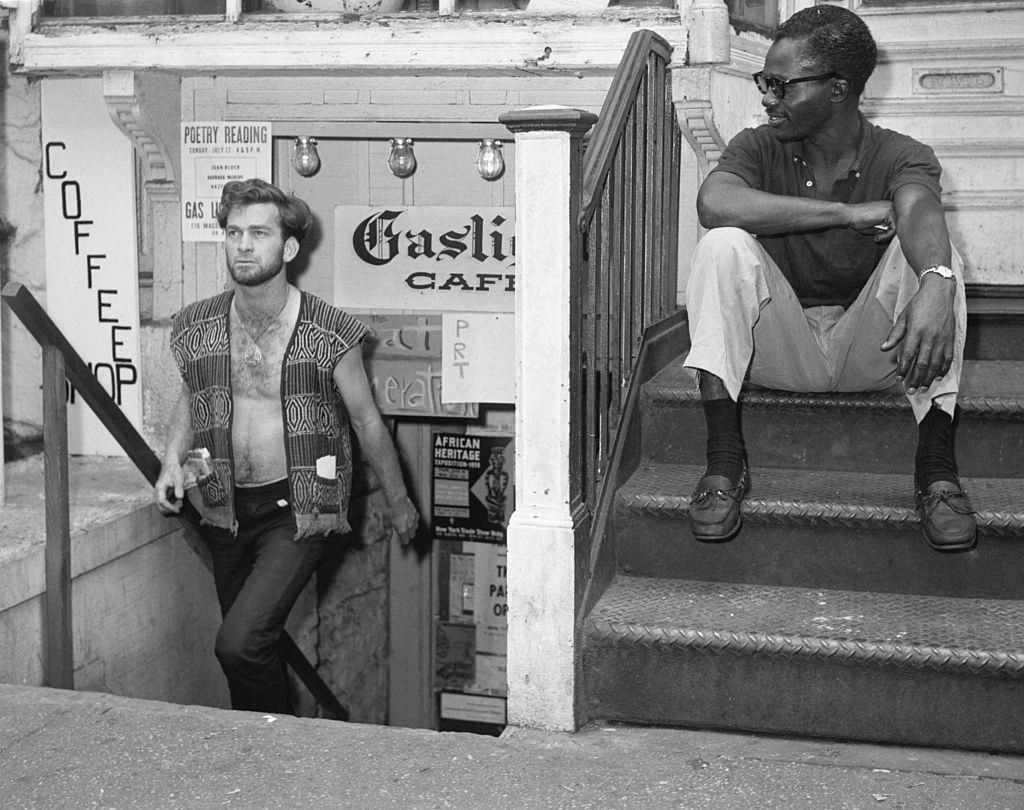
In the world of the beatnik, Dick Woods walks up the steps of the Gaslight Coffee Shop in New York's Greenwich Village, 1959
In the world of the beatnik, Dick Woods walks up the steps of the Gaslight Coffee Shop in New York’s Greenwich Village, 1959
A beatnik woman stands in front of the entrance to the Gaslight Cafe, a center of beatnik poet life, in Greenwich Village, 1959
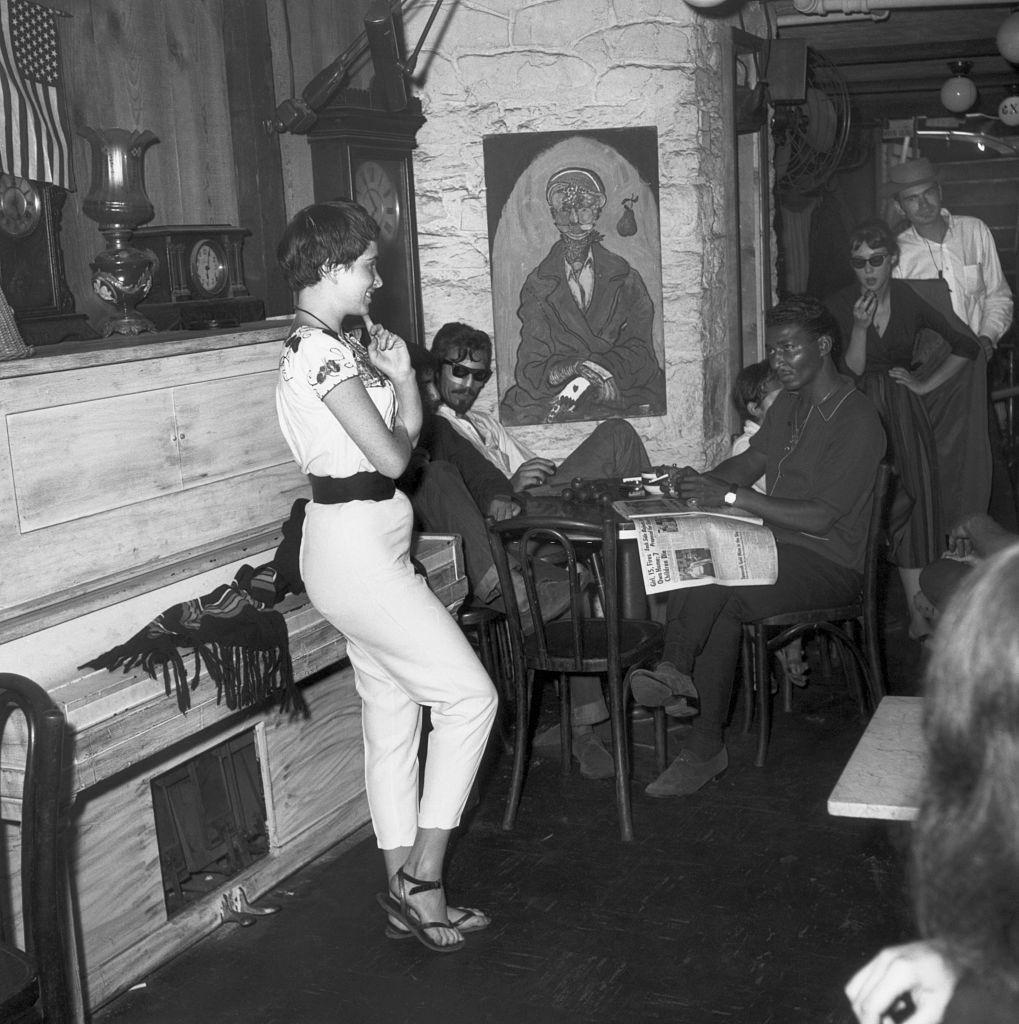
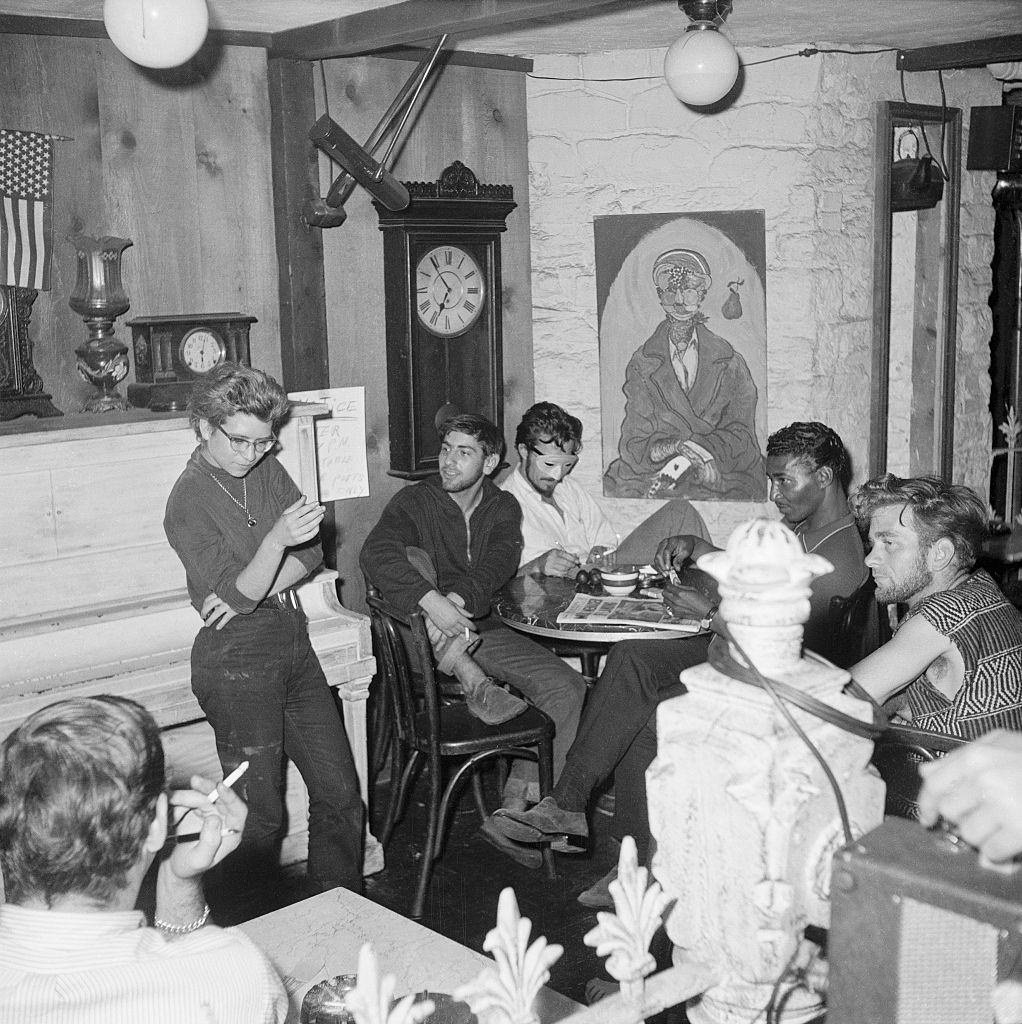
Beatniks inside a Greenwich Village Coffee Shop, 1959
A jazz band plays at a 'Rent a Beatnik' party staged by Holiday magazine, New York, 1959
A jazz band plays at a ‘Rent a Beatnik’ party staged by Holiday magazine, New York, 1959
Miss Beatnik Poses in the Gaslight coffee house, 1959
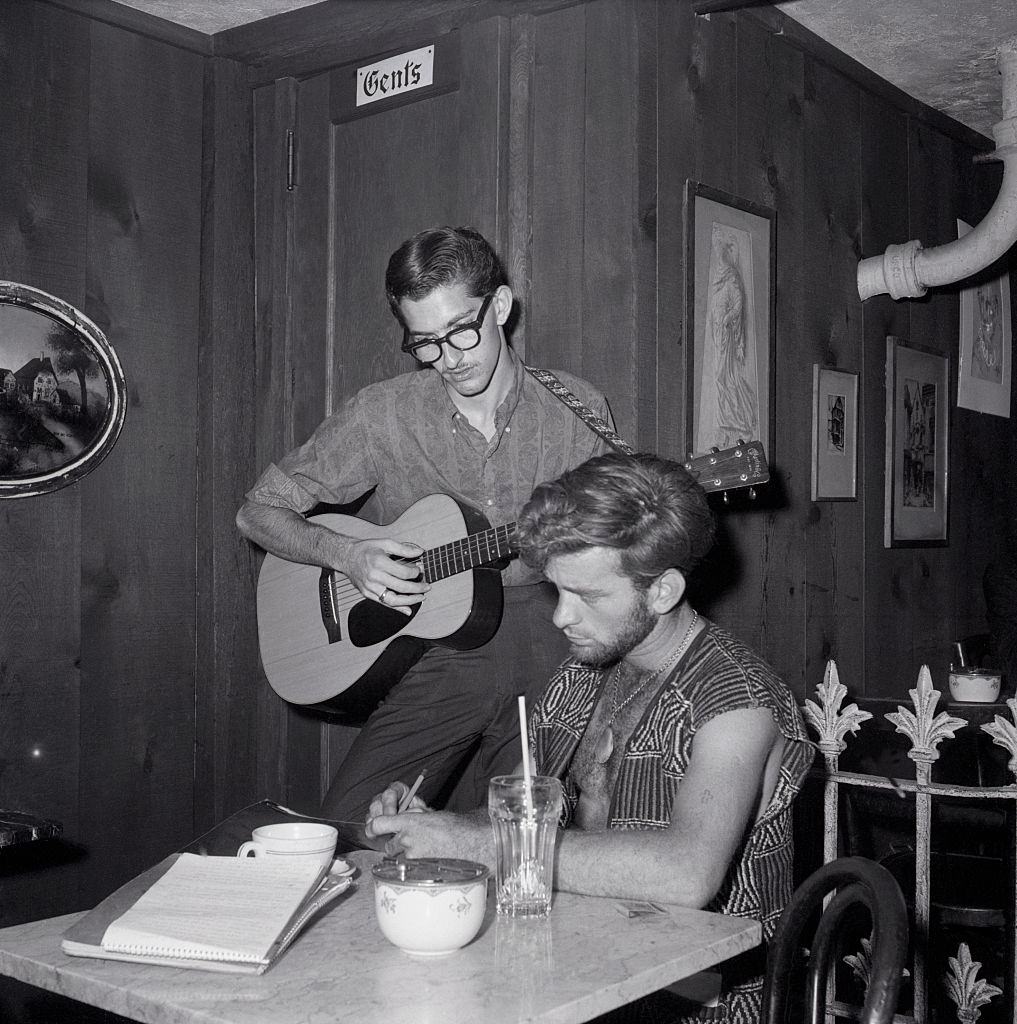
Beatnik Playing Guitar in Cafe, 1959
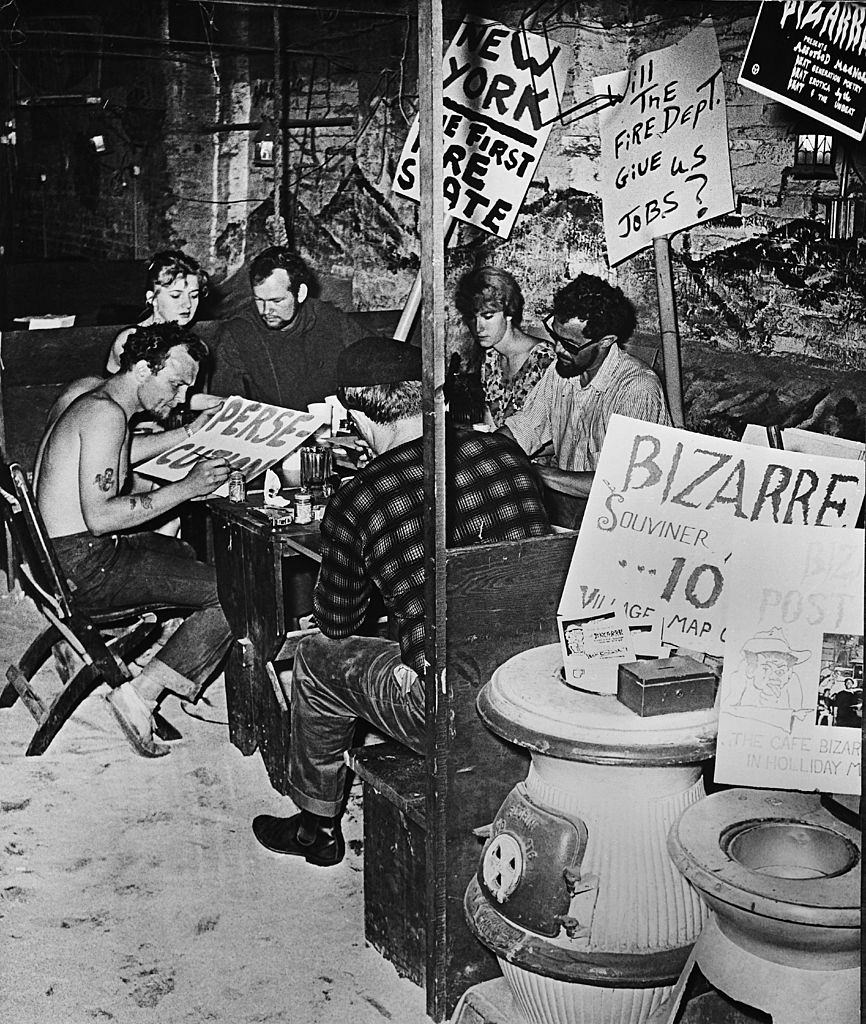
Inside the Beatnik street level coffee shop, the Beatniks make their own entertainment, 1959
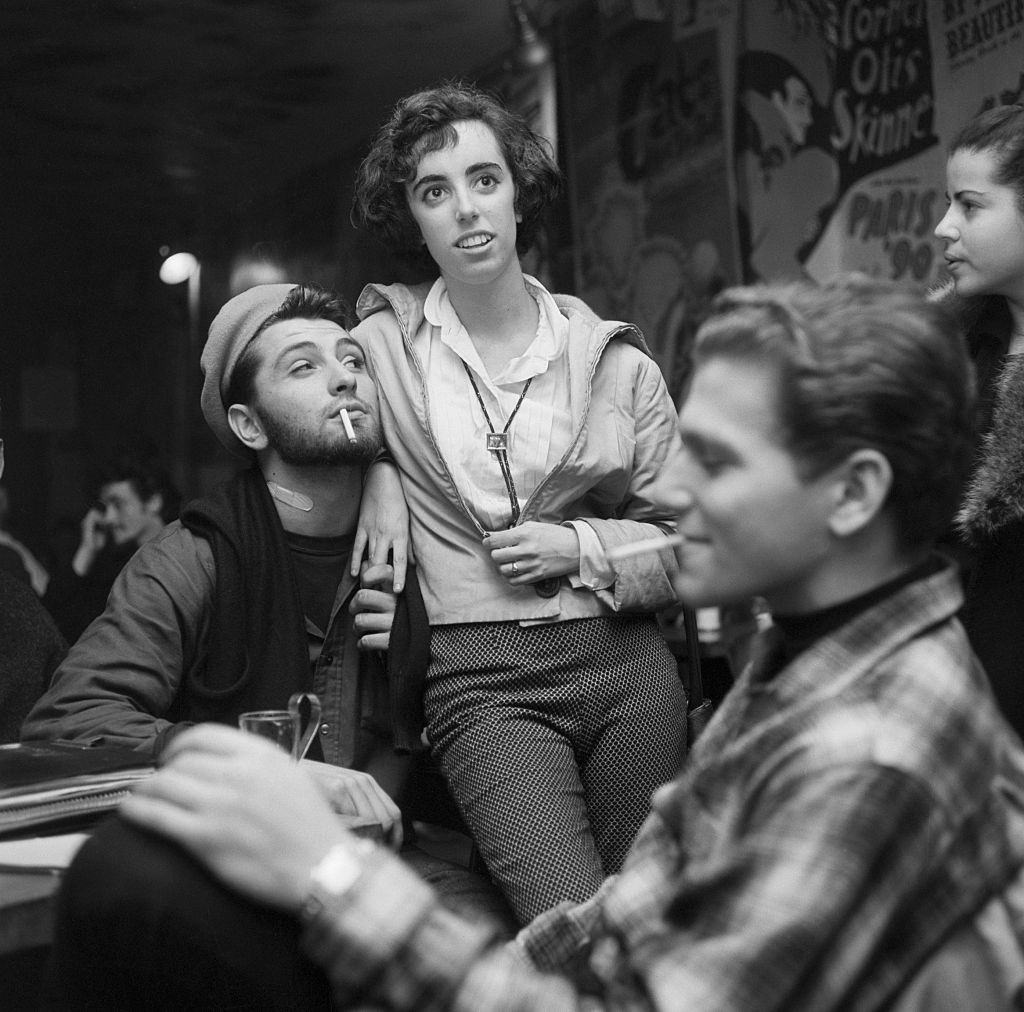
Beatniks at the Cock N' Bull on Bleecker Street, 1959
Beatniks at the Cock N’ Bull on Bleecker Street, 1959
Beatniks gather at a Greenwich Village coffeehouse in November 1959.
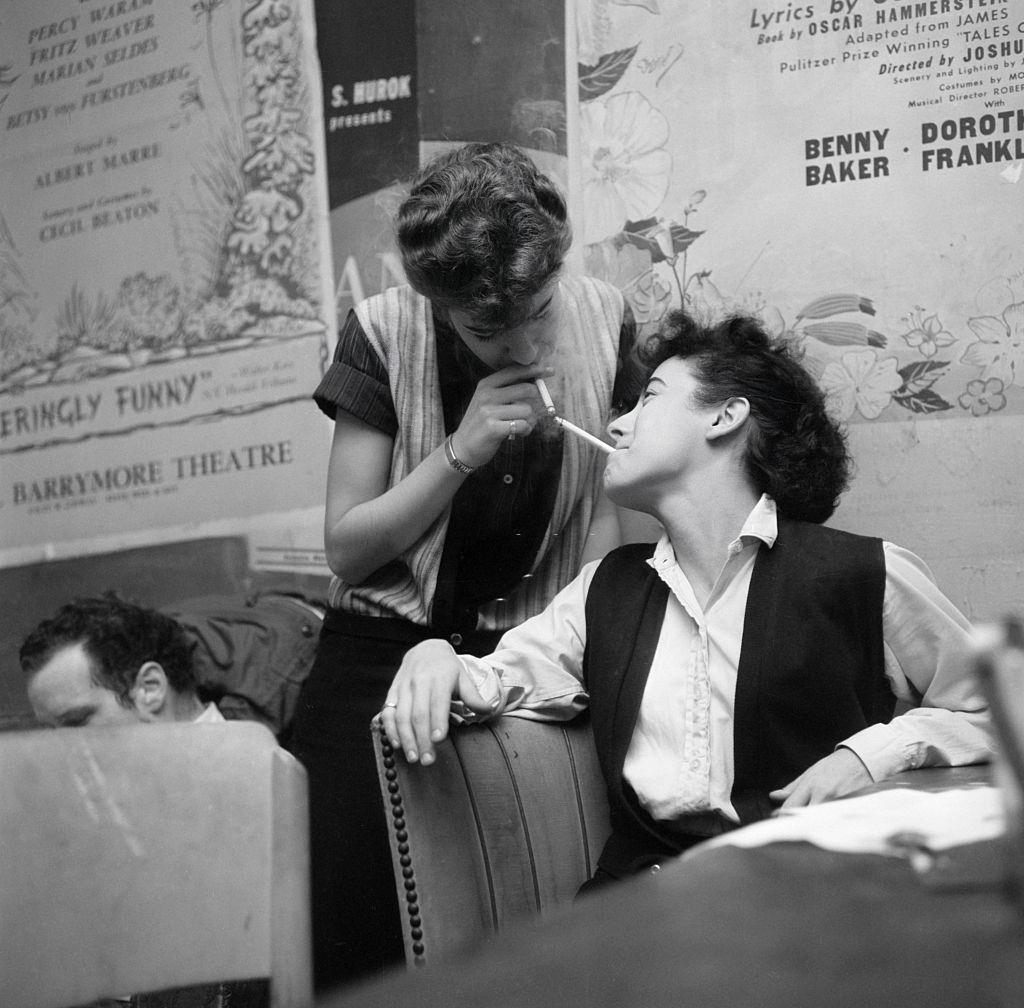
Beatniks at the Cock N' Bull lighting cigarettes off each other, 1959
Beatniks at the Cock N’ Bull lighting cigarettes off each other, 1959
Ted Joans, Beat Generation poet, painter, and musician, in a Voodoo trance, lying shirtless on a wooden floor, 1960
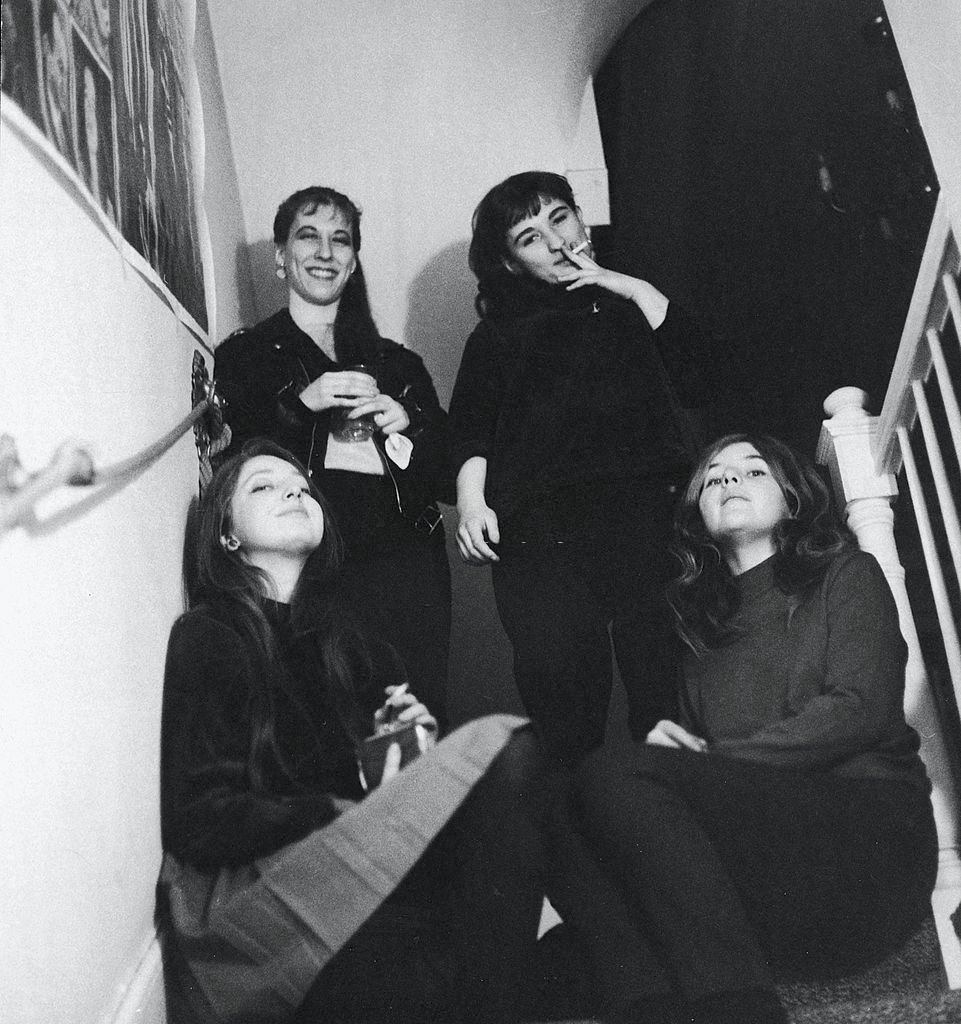
Dressed in black, female attendees at a 'Rent-a-Beatnik' party smoke at the top of a staircase in a townhouse in Sniffen Court, New York, 1960
Dressed in black, female attendees at a ‘Rent-a-Beatnik’ party smoke at the top of a staircase in a townhouse in Sniffen Court, New York, 1960
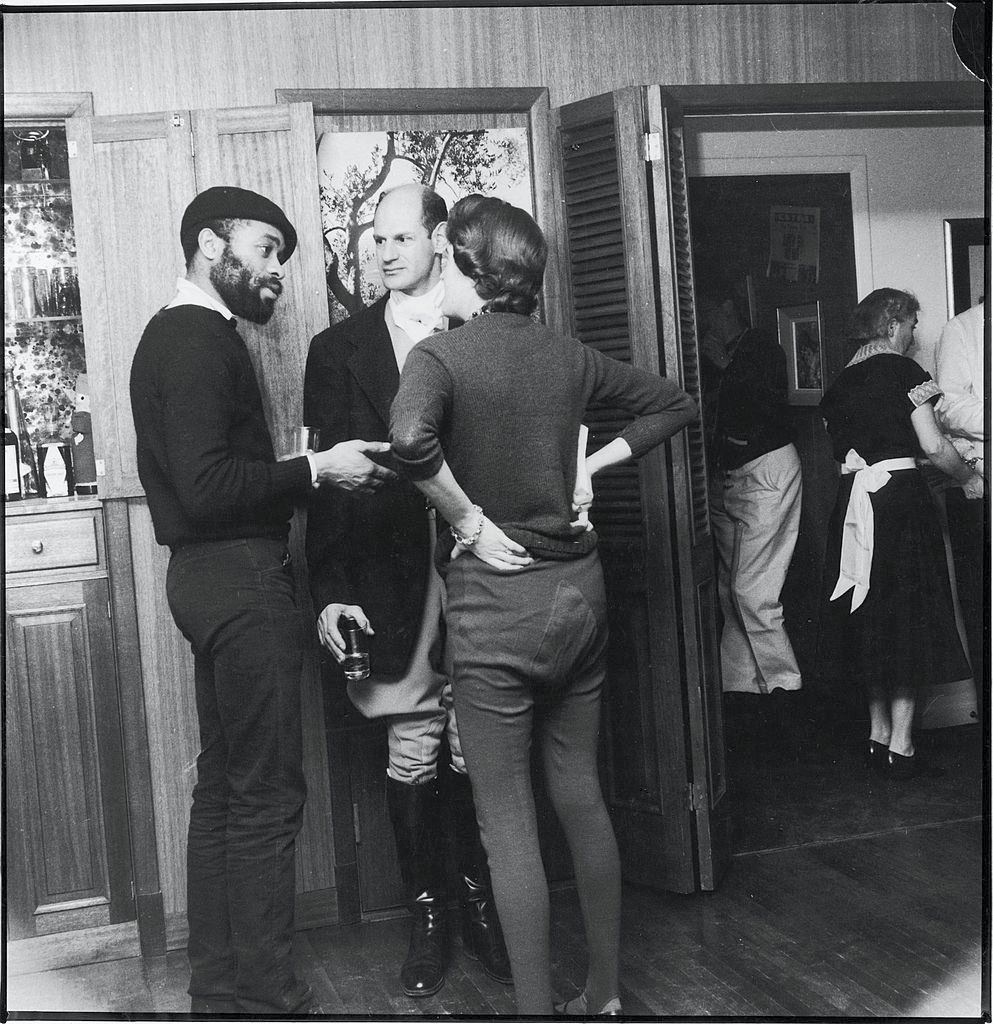
Ted Joans speaks with eccentrically dressed guests at a 'Rent-a-Beatnik' party, 1960
Ted Joans speaks with eccentrically dressed guests at a ‘Rent-a-Beatnik’ party, 1960
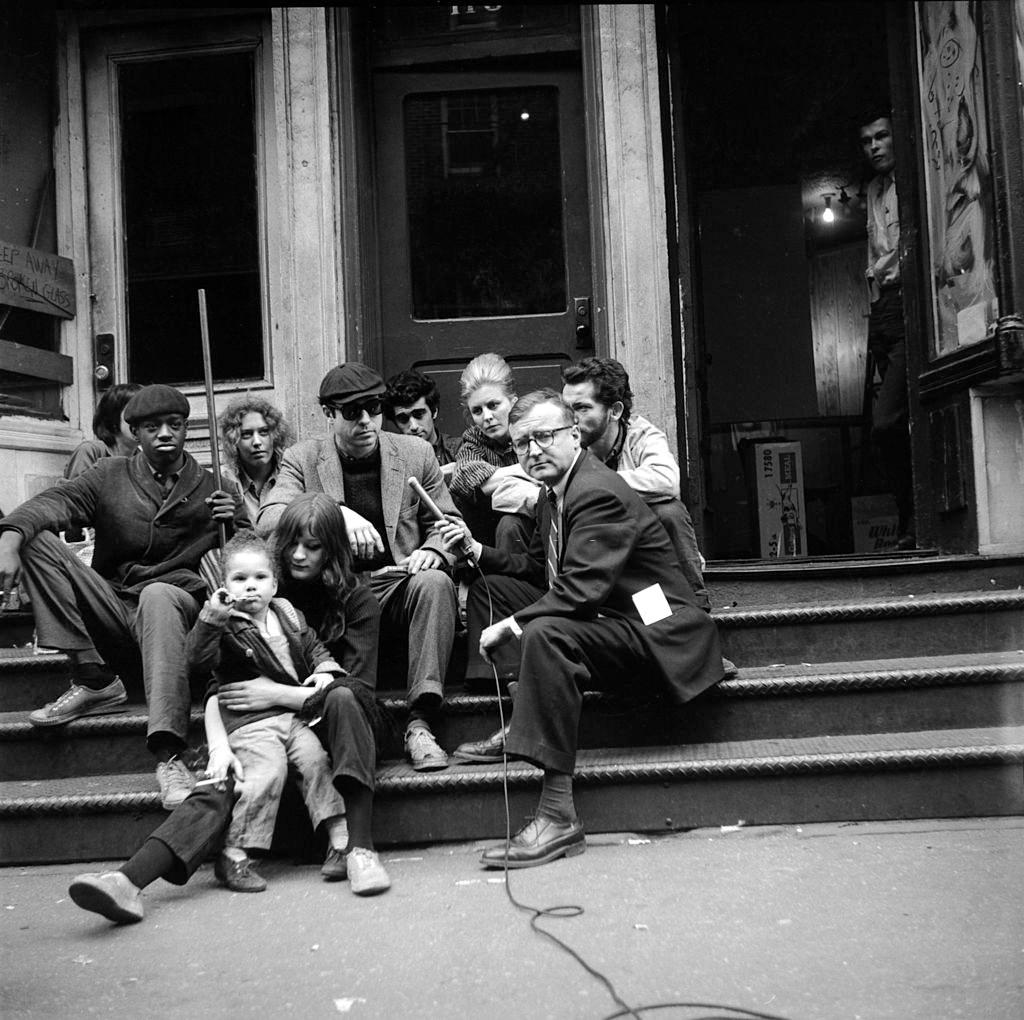
Television journalist Danny Meenan interviewing Beatnik members, New York, 1960
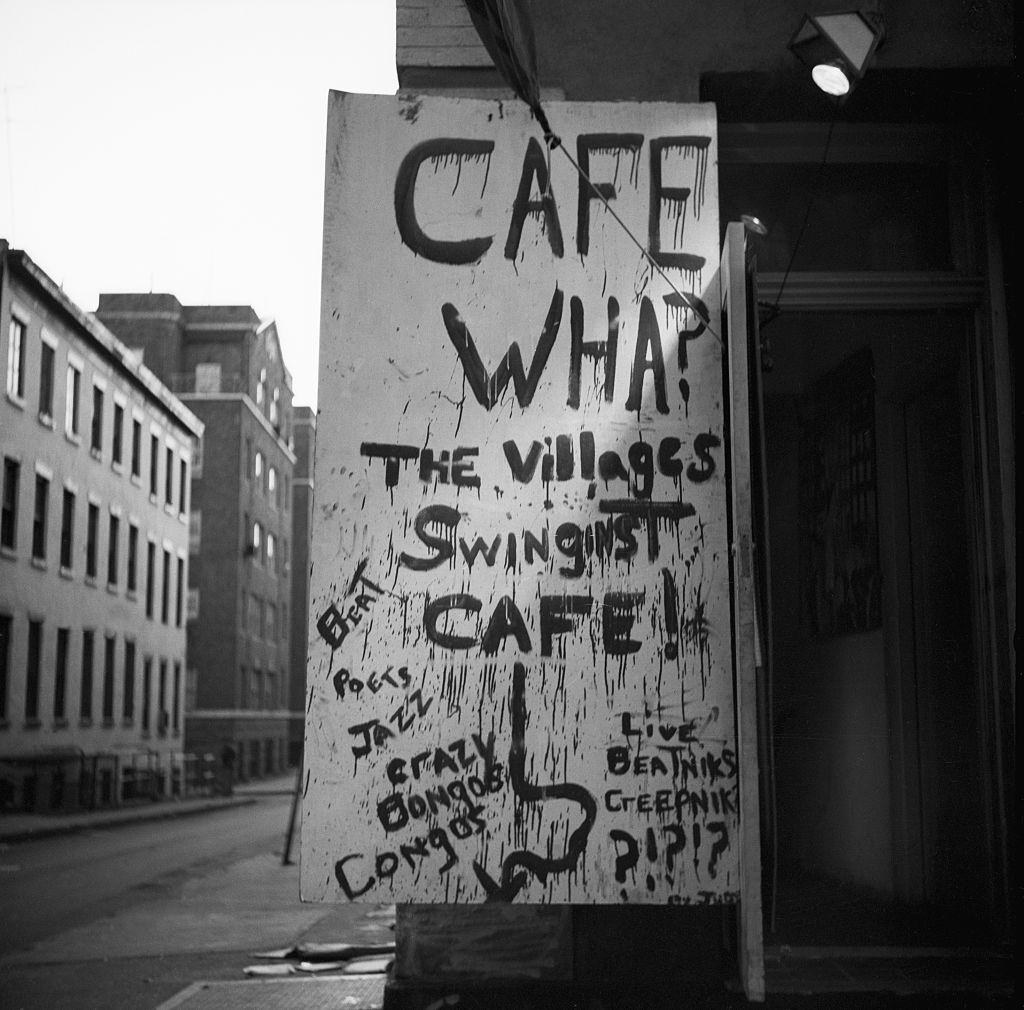
A spray-painted sign outside Greenwich Village's Cafe Wha, 1960
A spray-painted sign outside Greenwich Village’s Cafe Wha, 1960
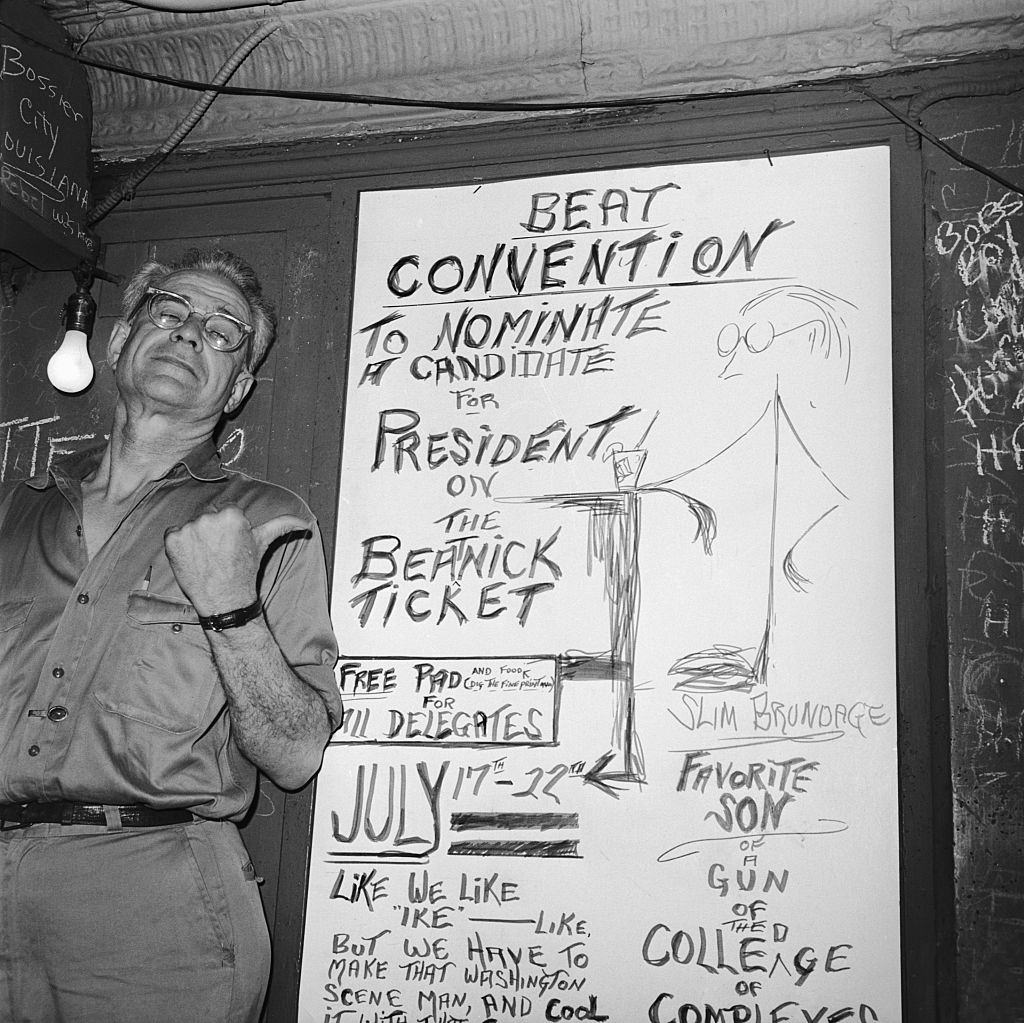
Beatnick Convention Poster, 1960
Police officers arrest beatniks demonstrators in Washington Square Park during a march, April 9, 1961.
Festive residents of Greenwich Village make their way to night court to act as character witnesses for some accused rioters, 1961
Beatniks preparing for a demonstration in New York Around 1962
Enjoyed this post? Get new ones in your inbox.

Leave a Comment

Your email address will not be published. Required fields are marked *

Share this Post 🥺

Please take a moment to share this content. Your support is greatly appreciated! 🙌🙏

Share this Post 🥺

Please take a moment to share this content. Your support is greatly appreciated! 🙌🙏
Scroll to Top
 
Hey Friend, Before You Go.. Please like & follow for more interesting content