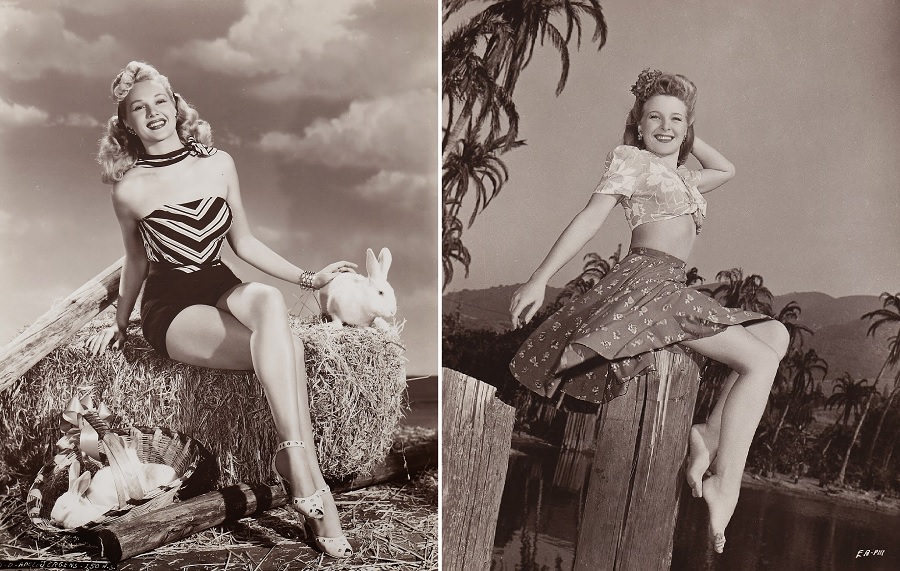
Perched 500 meters above Lake Lucerne on the Bürgenstock Mountain ridge, the Bürgenstock resort was one of the most exclusive addresses in Europe during the mid-20th century. Its sweeping Alpine views, private grounds, and quiet remove from the outside world made it a natural draw for the wealthy and the famous. During Hollywood’s Golden Age, it became a genuine retreat for some of the biggest names in film — and few arrivals were as notable as Audrey Hepburn’s in 1954.
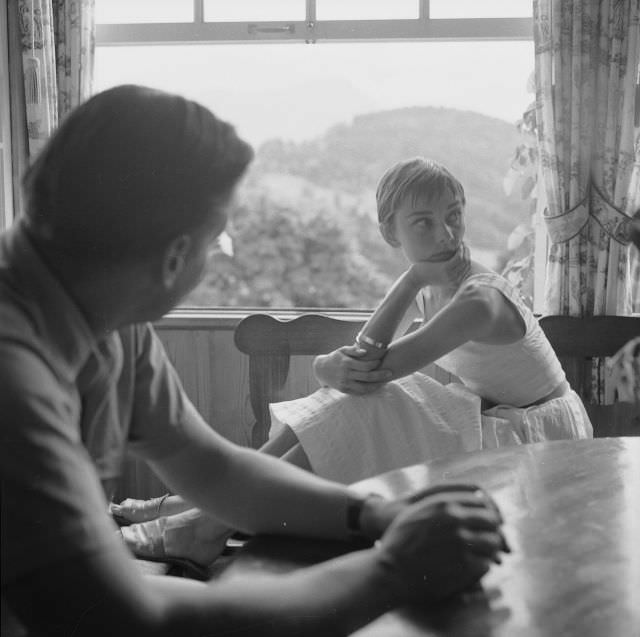
Hepburn had just come off the success of Roman Holiday (1953), for which she won the Academy Award for Best Actress. She arrived at Bürgenstock not simply as a vacationing celebrity, but as a woman about to make one of the biggest decisions of her personal life. On September 25, 1954, she married actor and director Mel Ferrer at the small Bürgenstock Chapel on the estate grounds. The ceremony was intimate, set against the backdrop of the Swiss Alps.
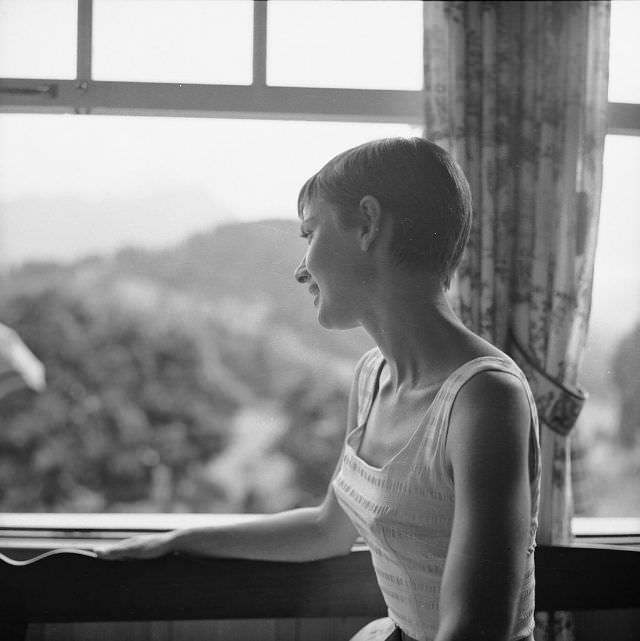
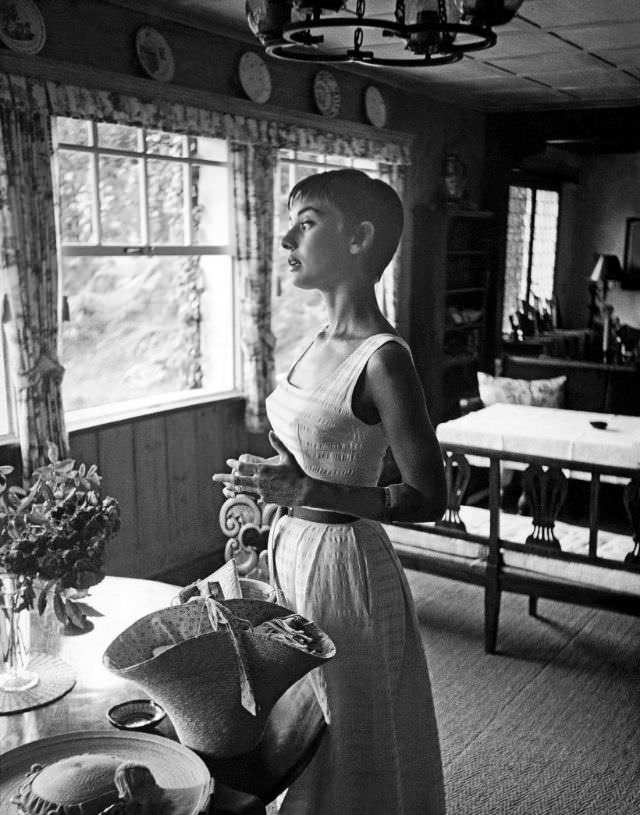
The Bürgenstock estate sits on a narrow ridge that juts out over the lake, offering panoramic views in nearly every direction. Its isolation from the valley below made it easy for residents and guests to move about freely without the constant attention that followed them in cities like Rome, London, or Los Angeles. For Hepburn, that kind of privacy was rare and valuable.
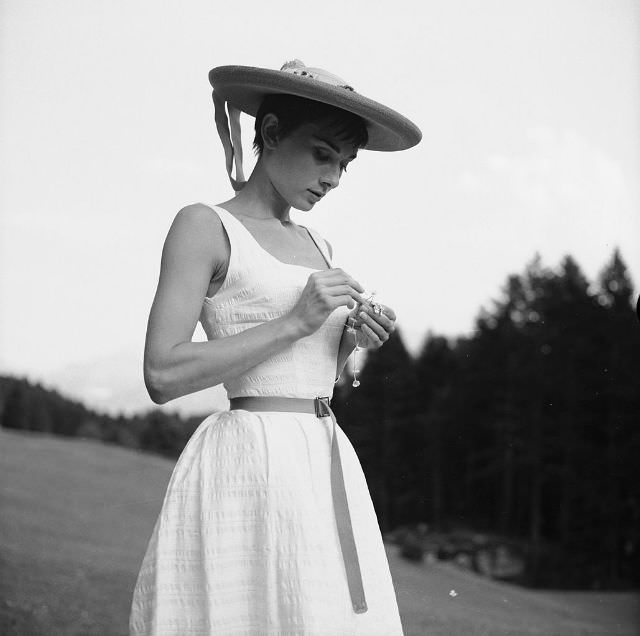
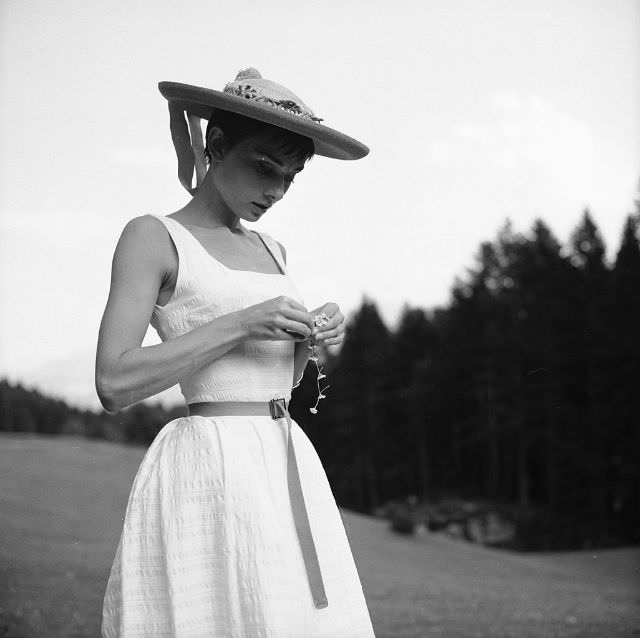
Hepburn was far from the only star to call Bürgenstock home. Sophia Loren and her husband Carlo Ponti settled into the Villa Daniela on the estate in the 1960s and stayed for 14 years, becoming long-term residents of the mountain community. During the production of the James Bond film Goldfinger in the mid-1960s, Sean Connery also lived at Bürgenstock for a stretch. The resort quietly became one of the most star-studded addresses in Europe without ever advertising itself as such.
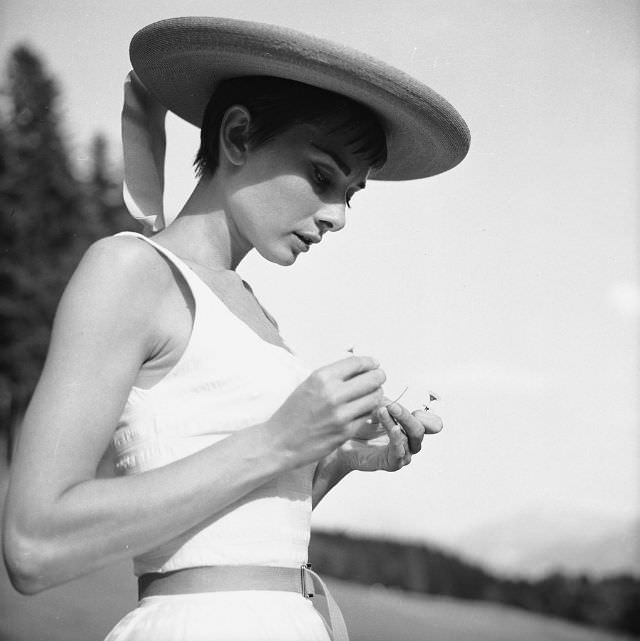
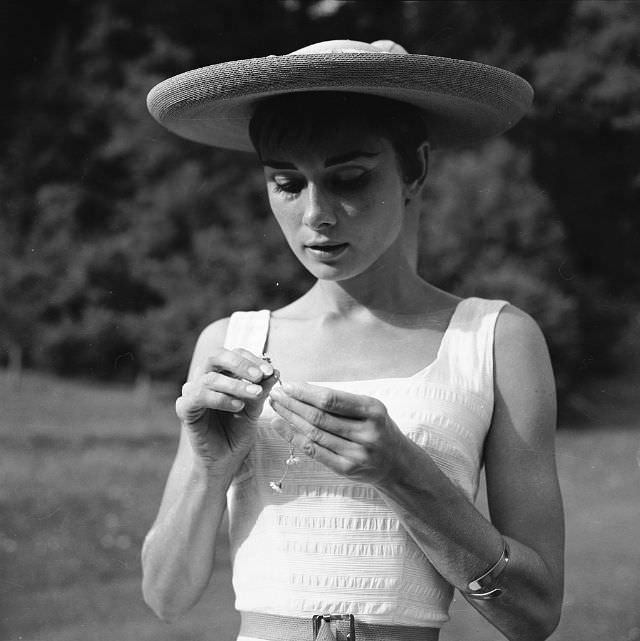
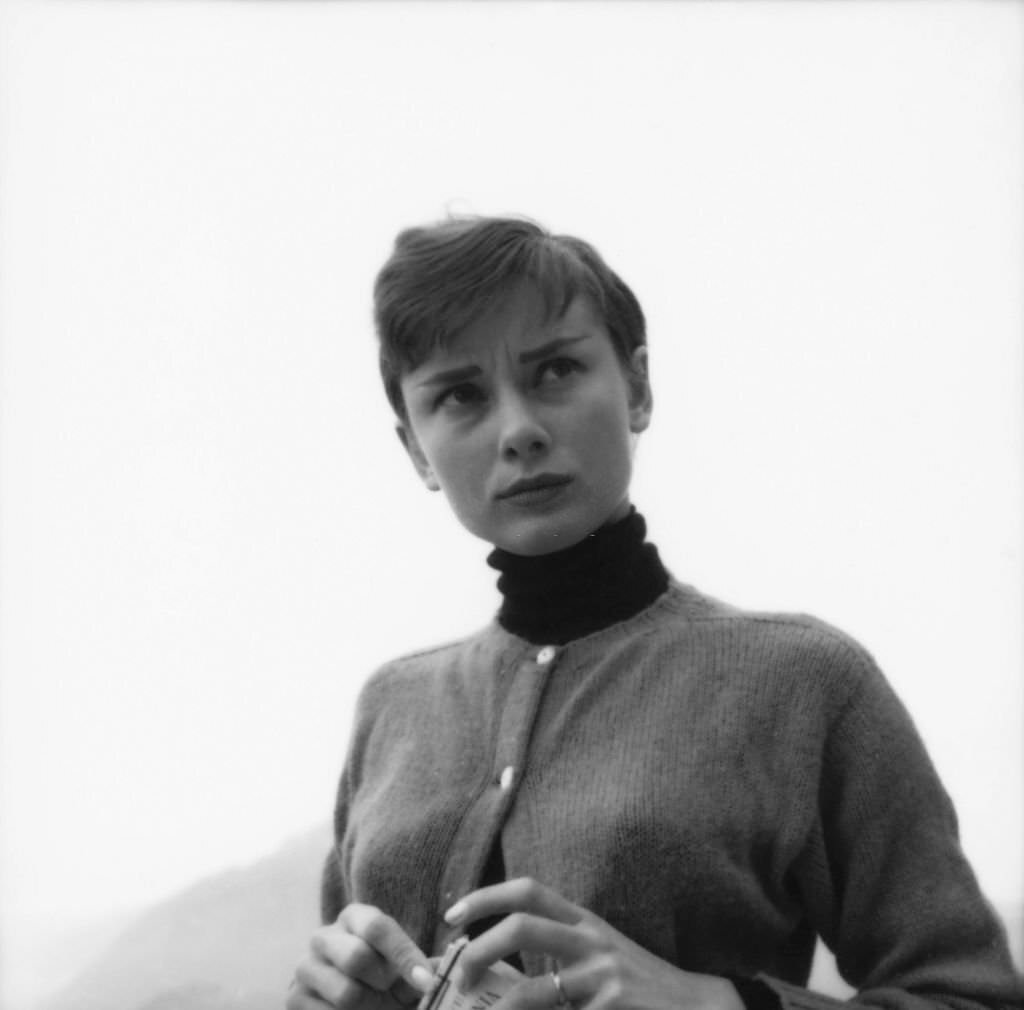
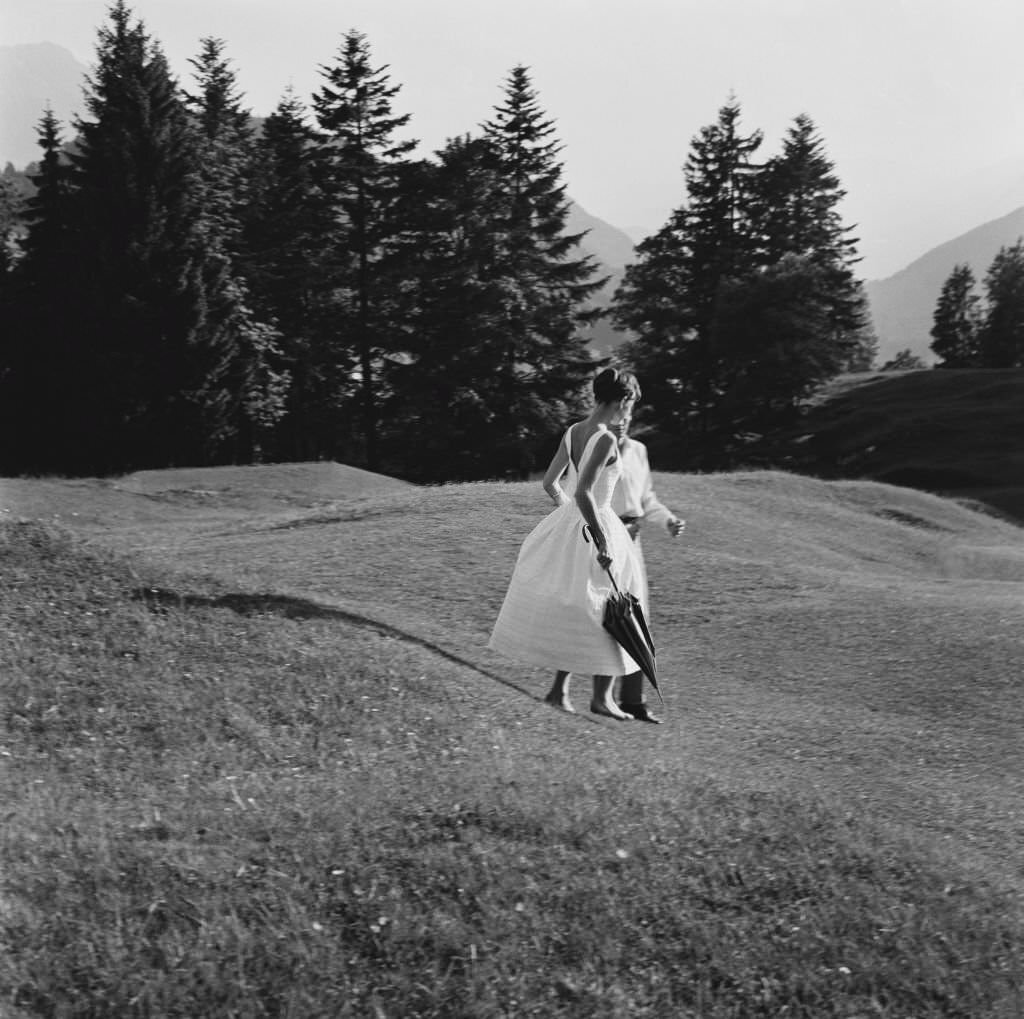
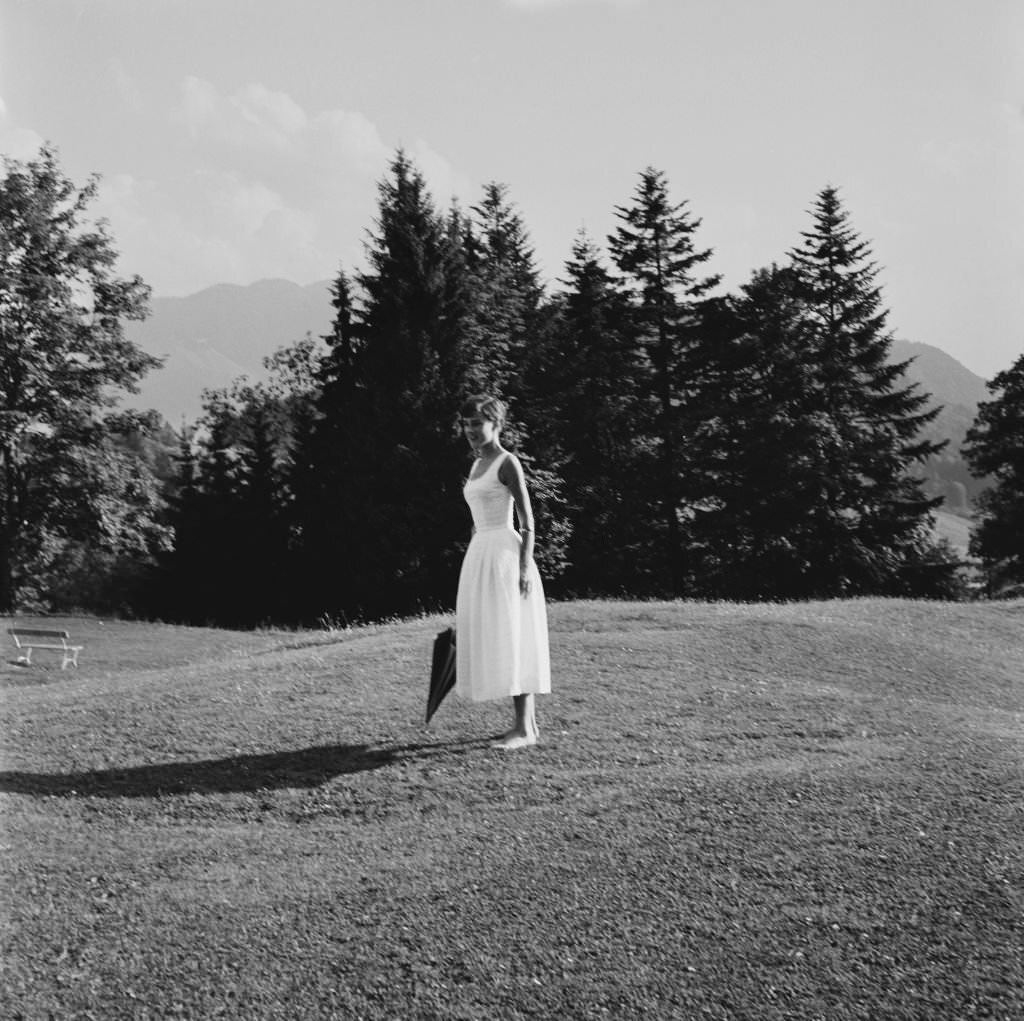
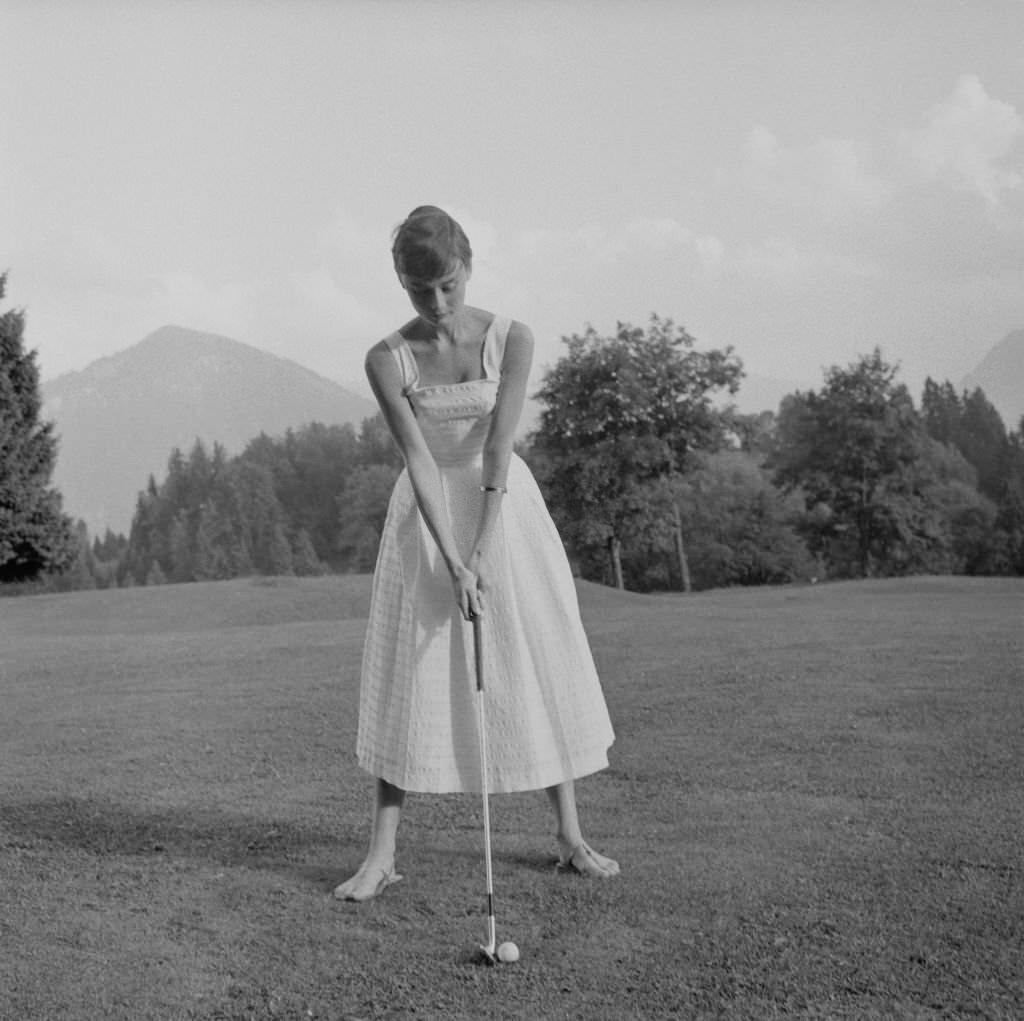
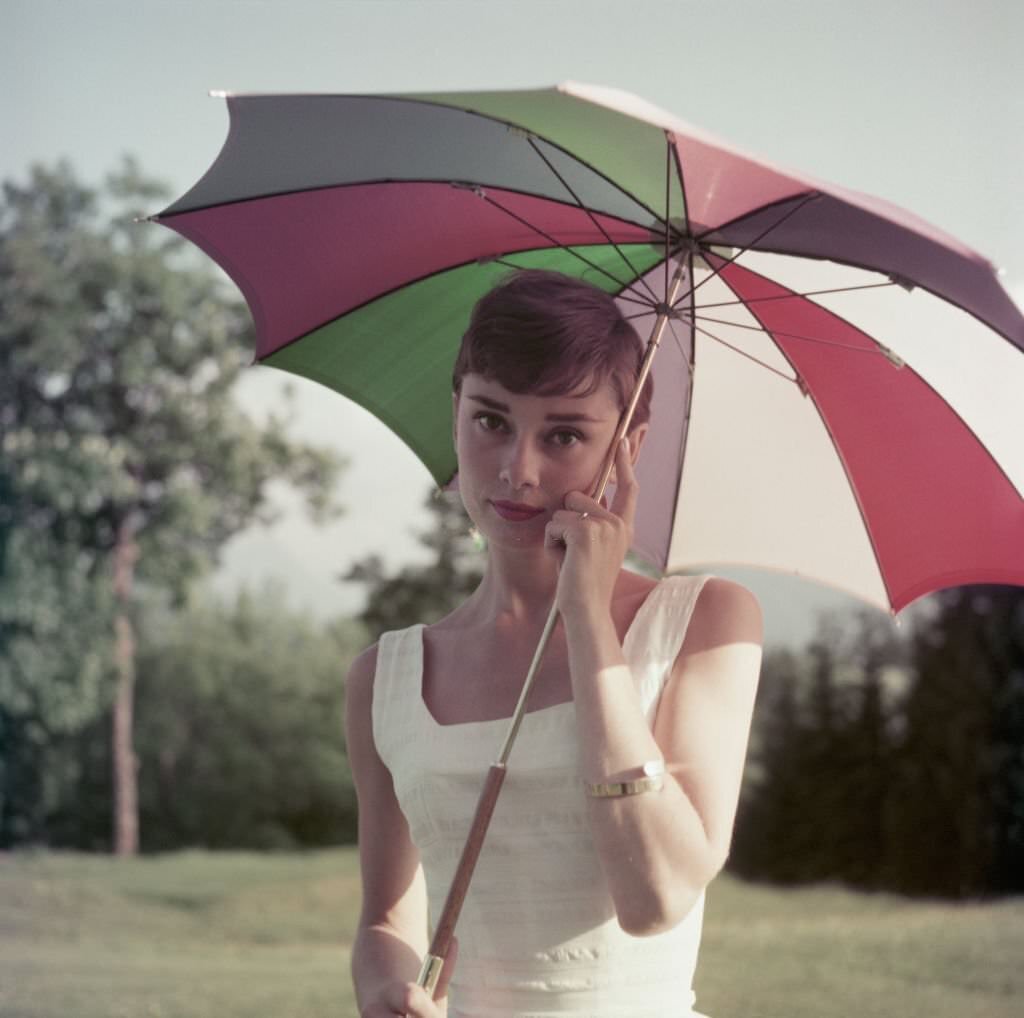
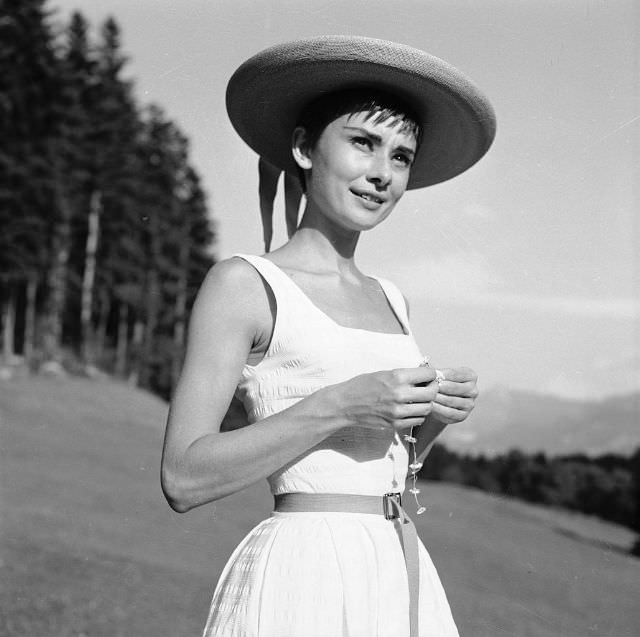
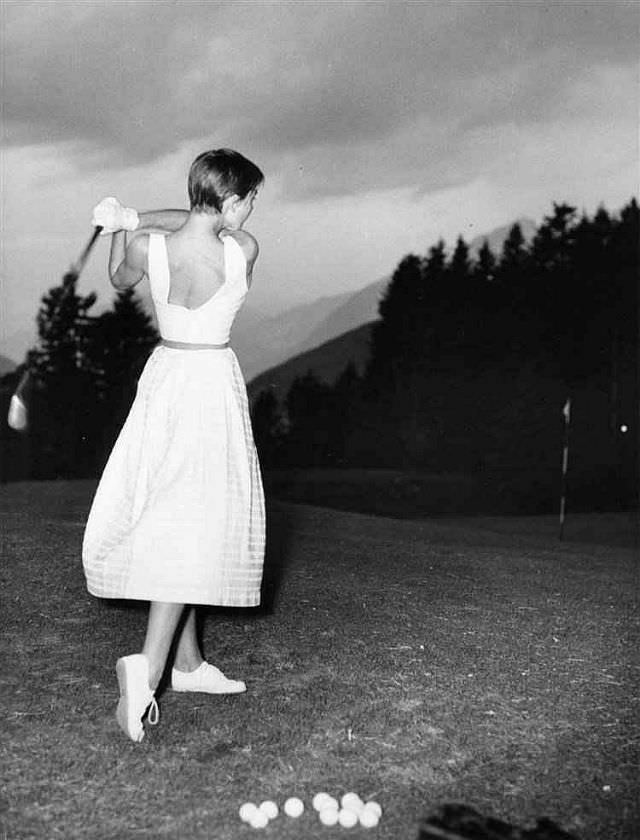
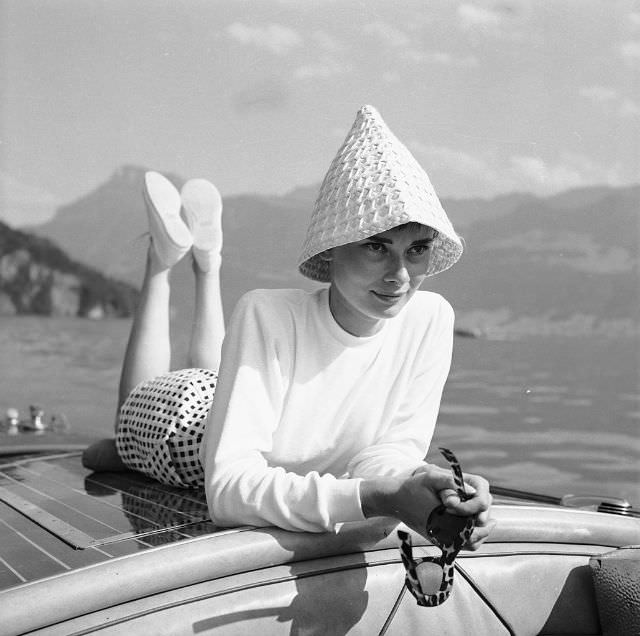
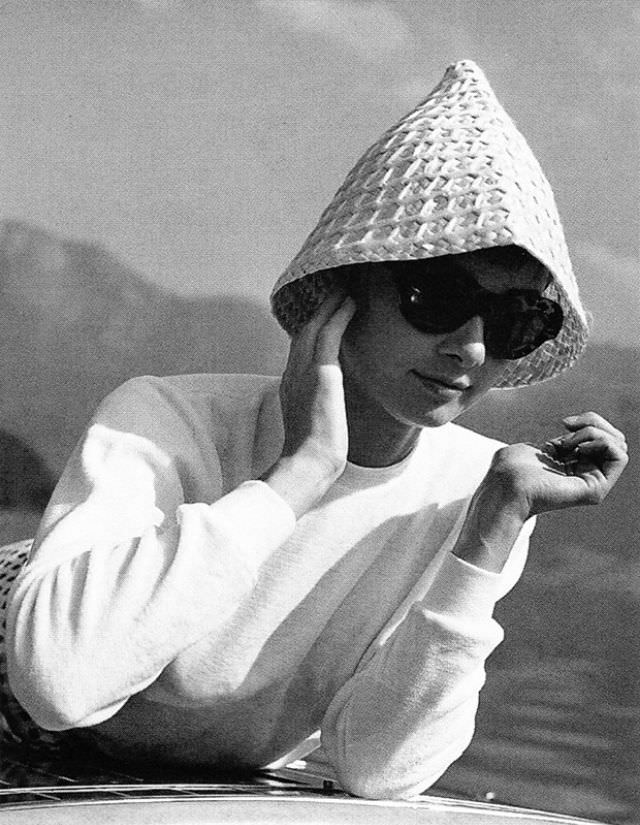
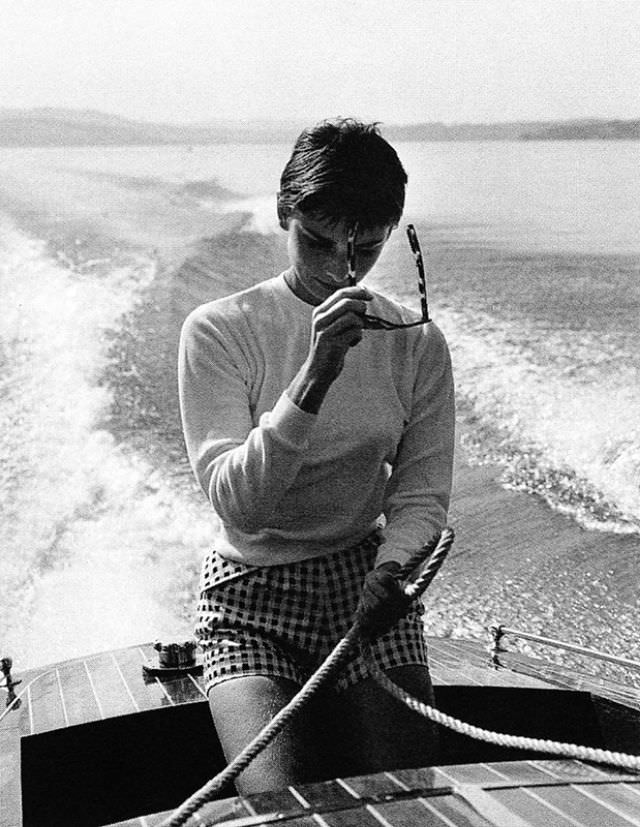
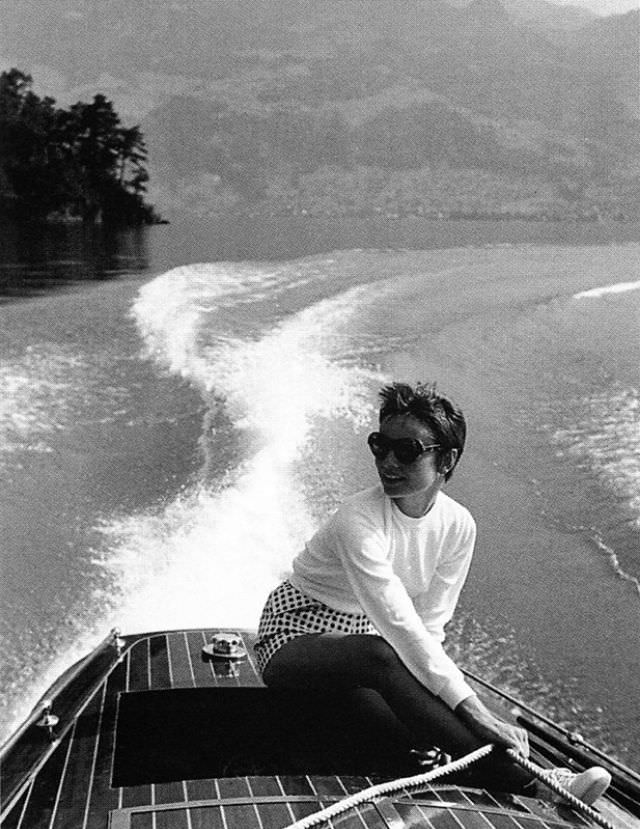
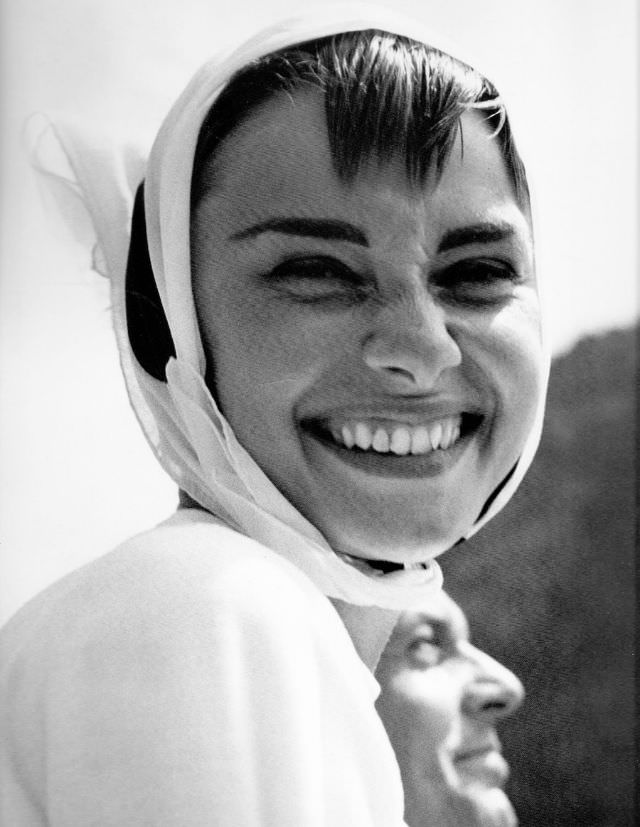
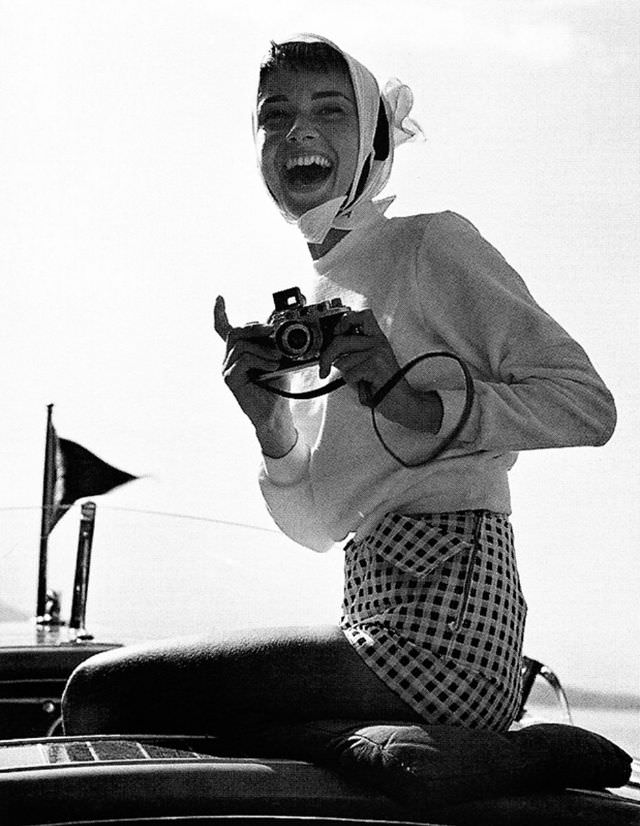
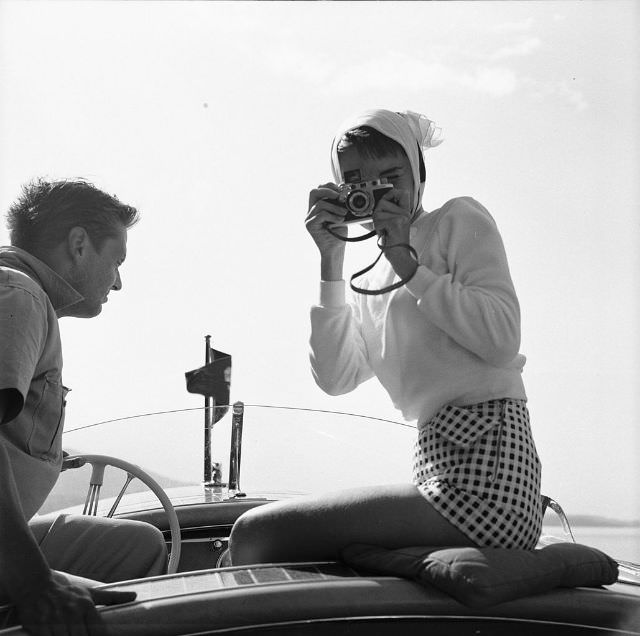
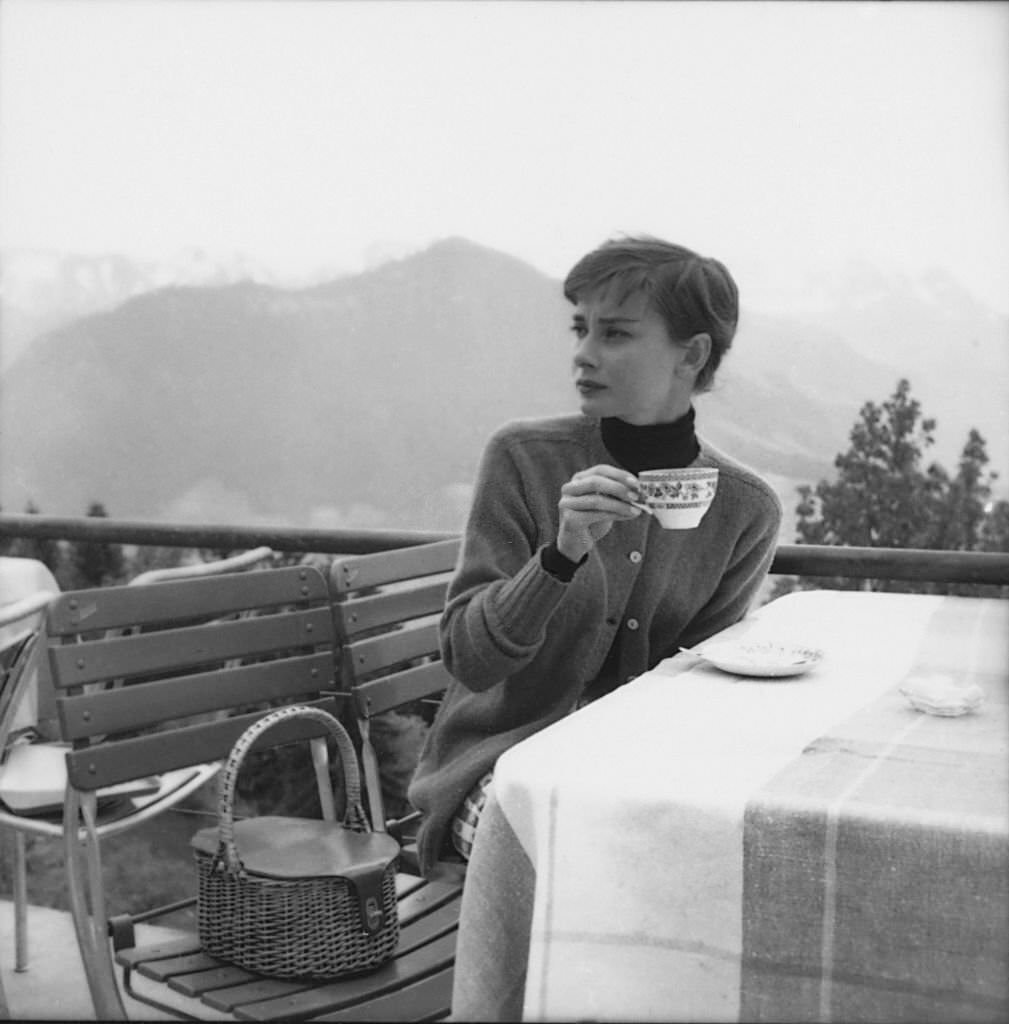
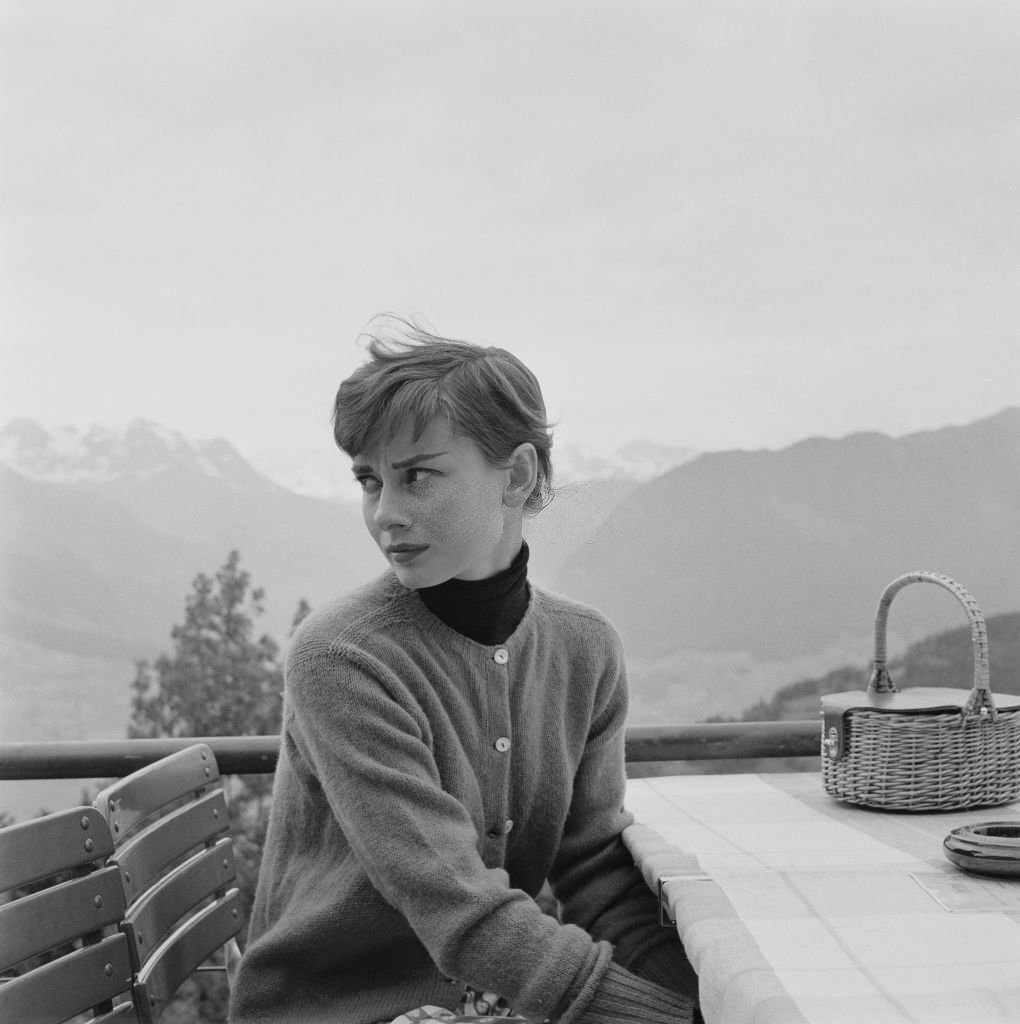
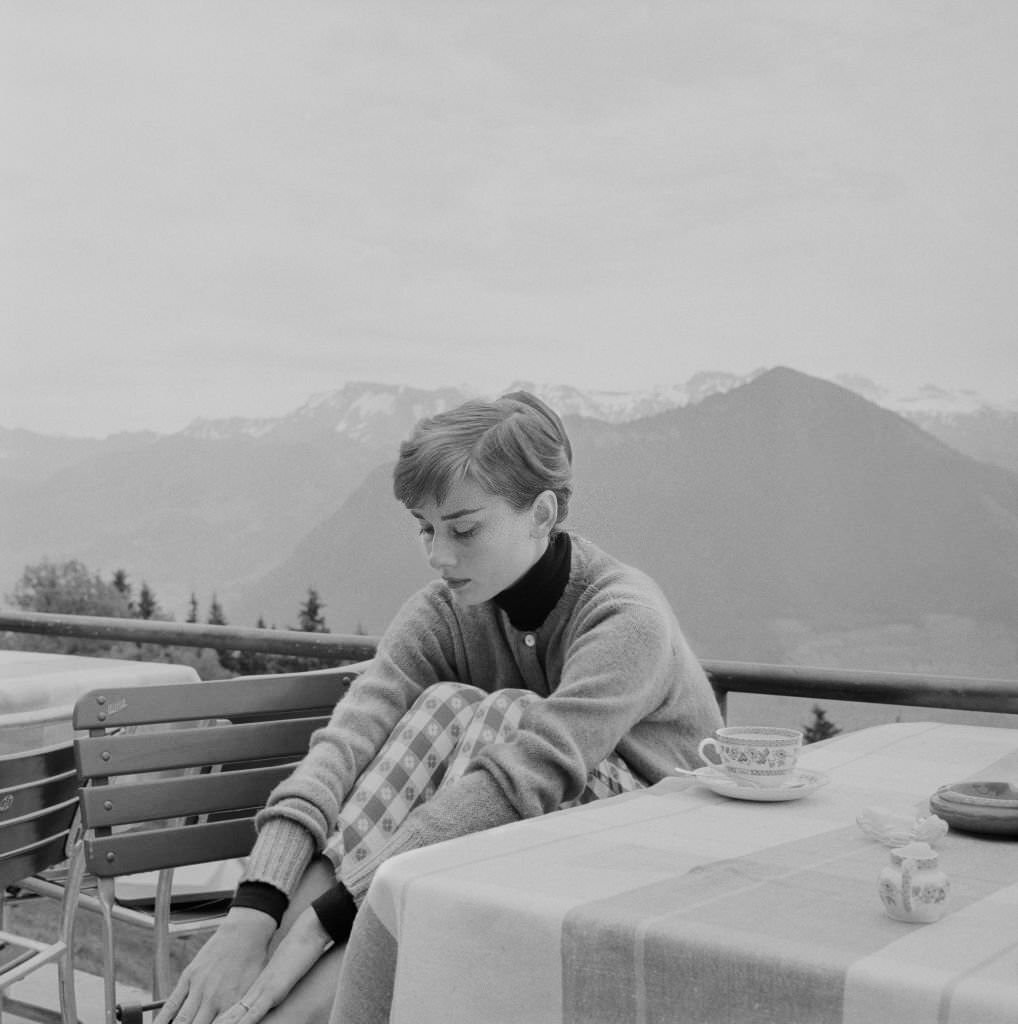
The photos from Hepburn’s time at Bürgenstock in 1954 capture her in an unusually relaxed setting. Away from studio lots and press junkets, she appears at ease — walking the estate paths, taking in the mountain air, and simply existing outside the spotlight that followed her everywhere else. These are not posed publicity shots. They are pictures of a young woman in a remarkable place at a turning point in her life.
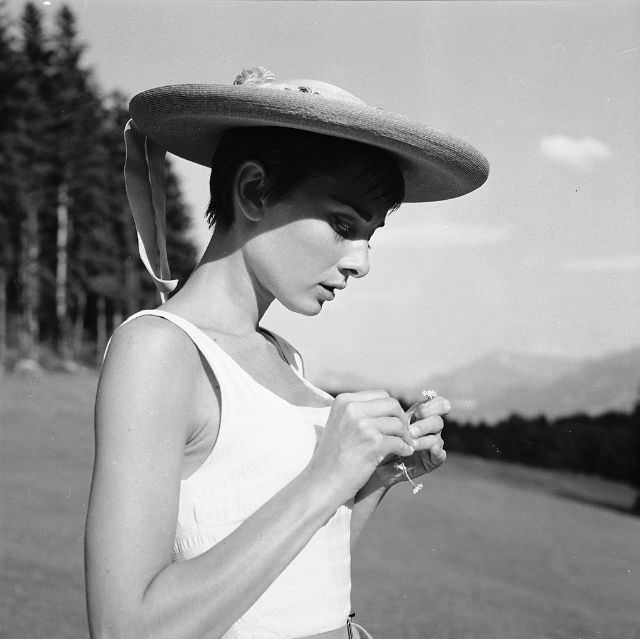
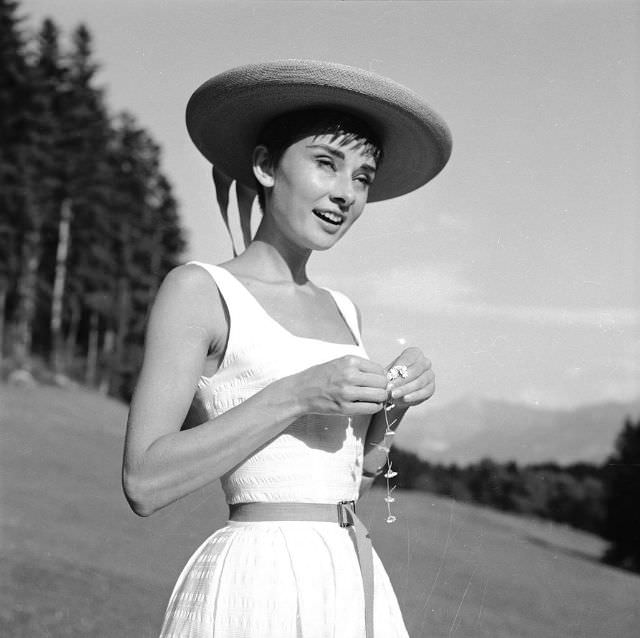
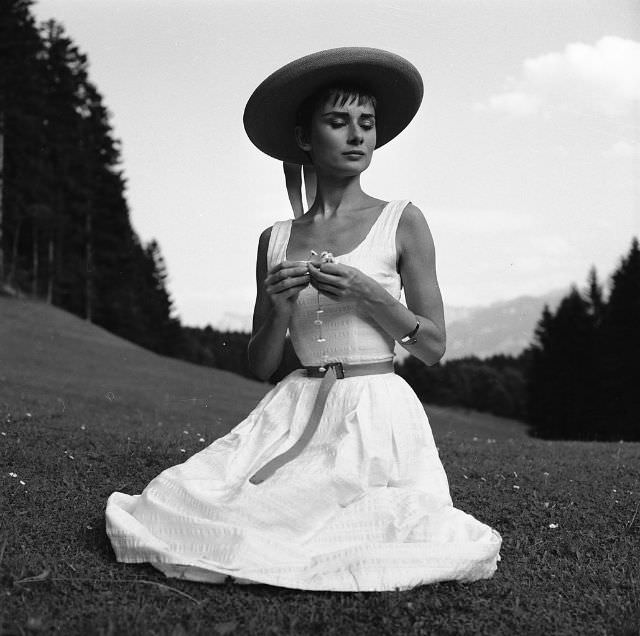
At 25 years old, Hepburn was already one of the most recognized faces in the world. Her career was accelerating fast — Sabrina, her next major film, was released the same year as her wedding. Bürgenstock offered a counterweight to all of that momentum. The stillness of the Alpine setting stood in sharp contrast to everything happening in her professional life.
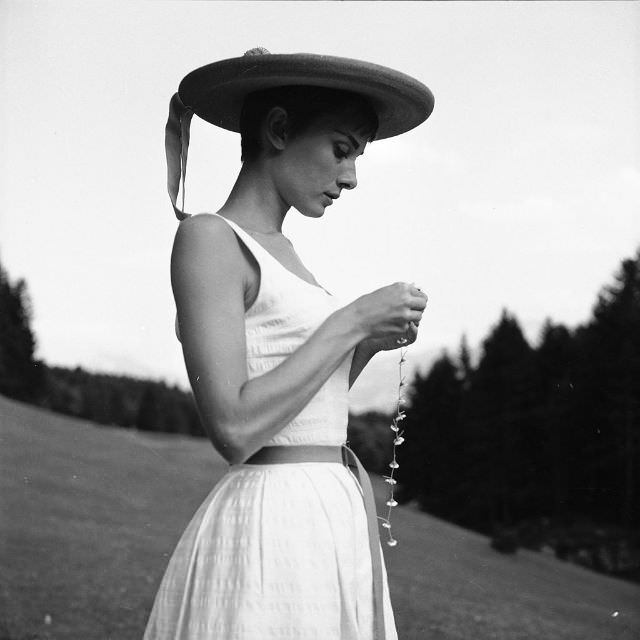
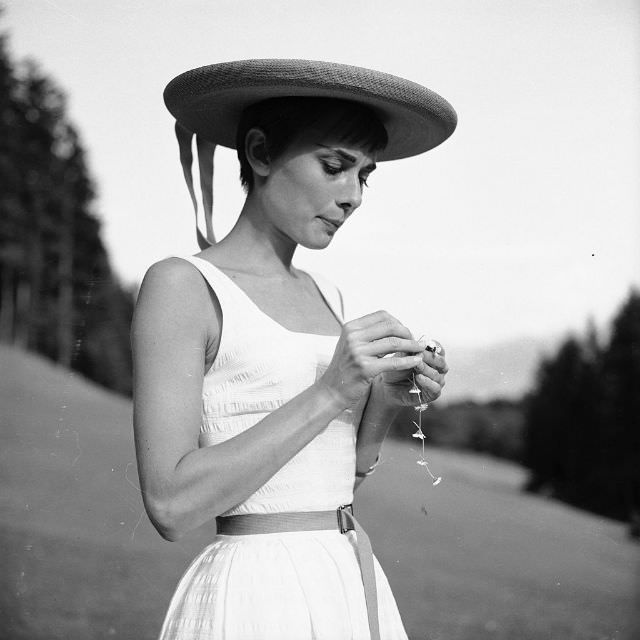
The Bürgenstock Chapel, where Hepburn and Ferrer exchanged vows, is a small stone structure on the estate. Its size suited the occasion — the wedding was a private affair, not a Hollywood event. The guest list was kept short, and the setting was defined more by the surrounding mountain landscape than by any grand ceremony.
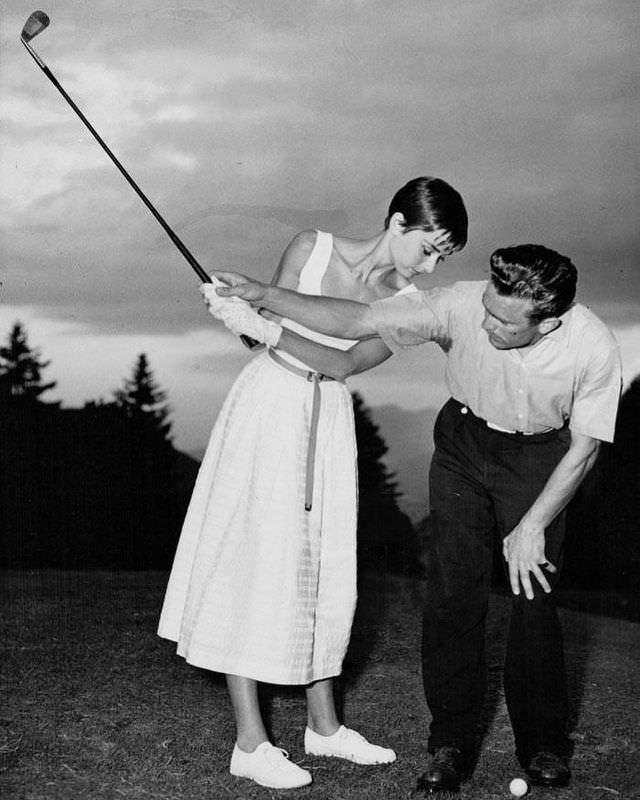
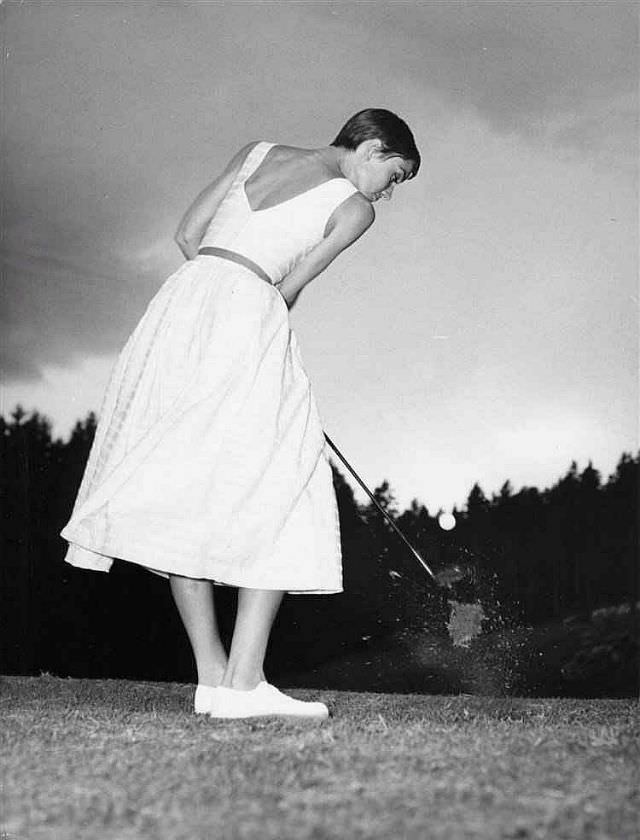
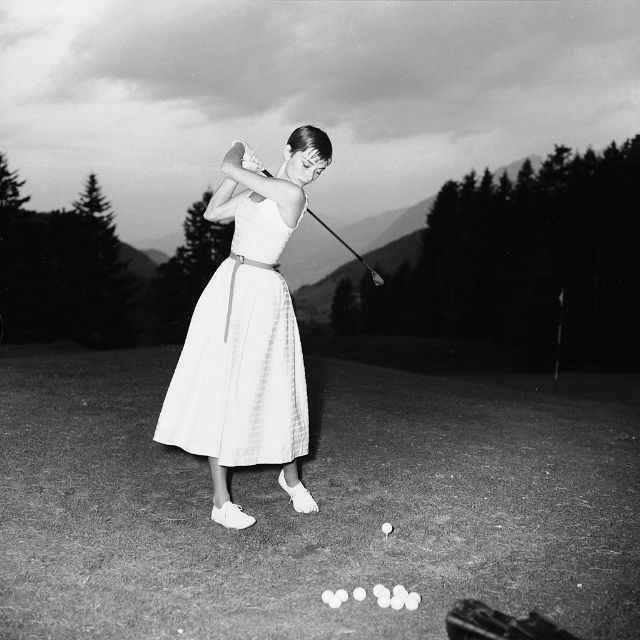
What makes these photographs genuinely compelling is their context. They were taken during a very specific window of time — between Hepburn’s first major Oscar win and the next wave of her career. She was at Bürgenstock during a brief pause in an otherwise relentless rise, and the photos reflect that. There’s a calm in them that’s hard to find in images from any other period of her public life.
Bürgenstock itself had been drawing elite visitors since the late 19th century. The estate was developed by Franz Josef Bucher and Josef Durrer in the 1870s and expanded steadily over the following decades. By the time Hepburn arrived, it had long been established as one of Switzerland’s most prestigious private retreats, with its own funicular railway, hotels, and walking paths cut along the ridge.
The mountain setting gave visitors something that few other luxury destinations could offer — genuine seclusion. The road up to Bürgenstock was narrow and limited in access, and the ridge itself formed a natural barrier from the valley below. For someone like Hepburn, who was photographed and followed constantly in any major city, the physical geography of the place provided a real buffer from public life.
Ferrer, whom Hepburn met while both were working on Broadway in 1951, was 12 years her senior. By 1954, the two had maintained a relationship through the demands of separate film and stage careers on two continents. Choosing Bürgenstock as the place to marry was a deliberate decision — one that prioritized quiet over spectacle.
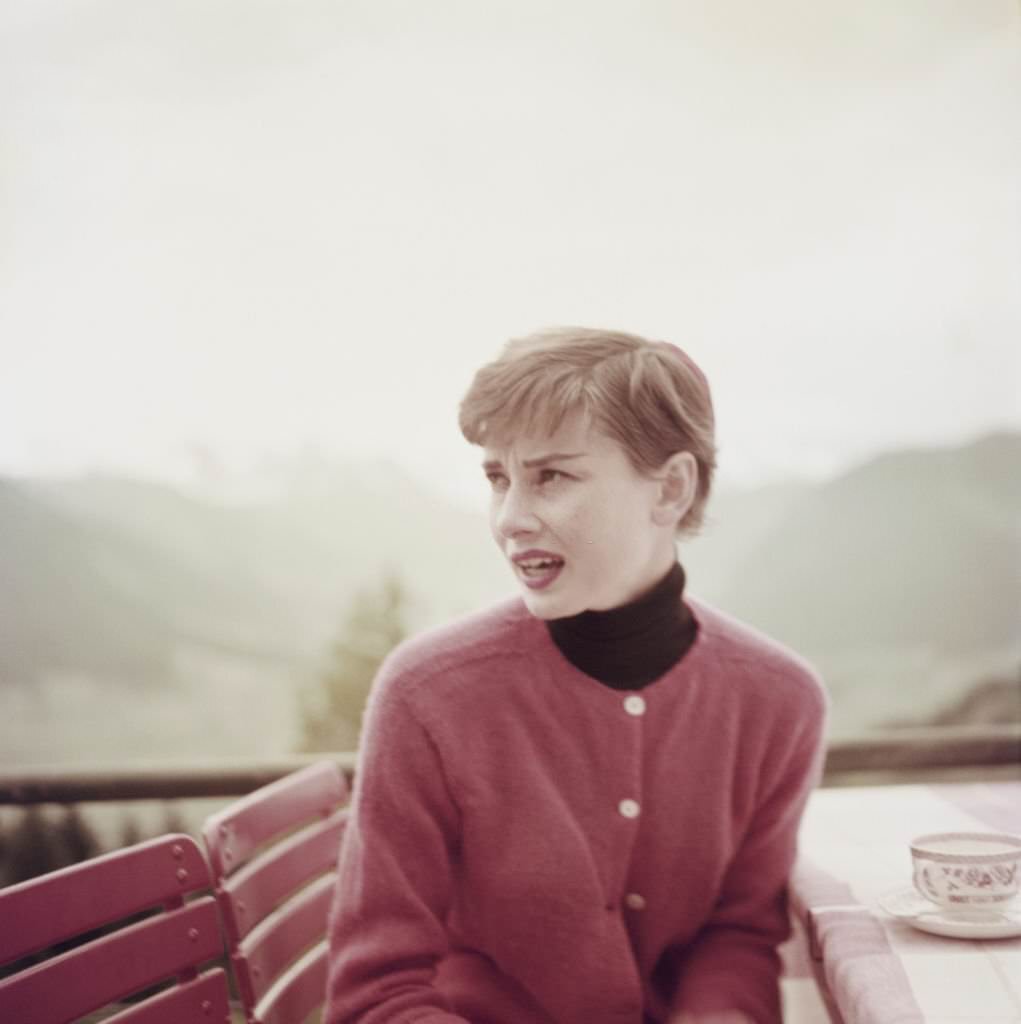
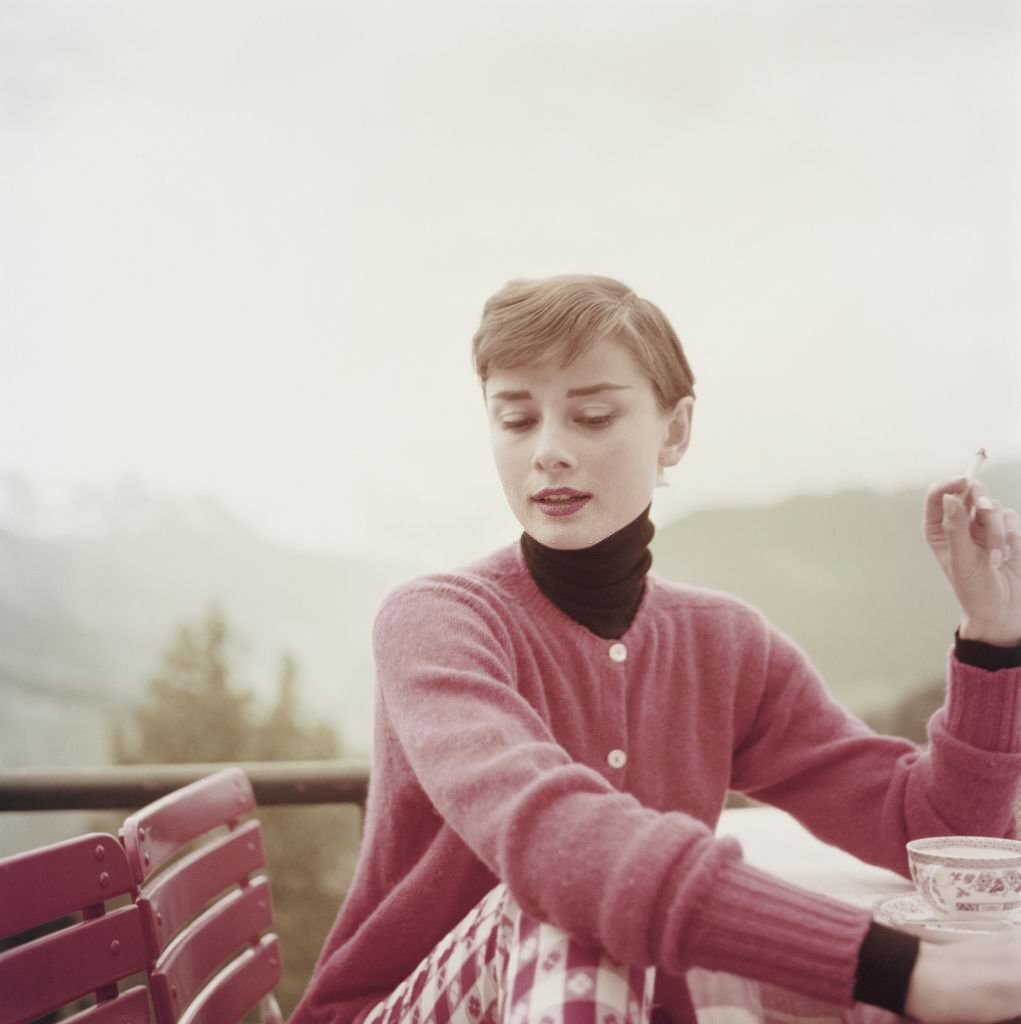
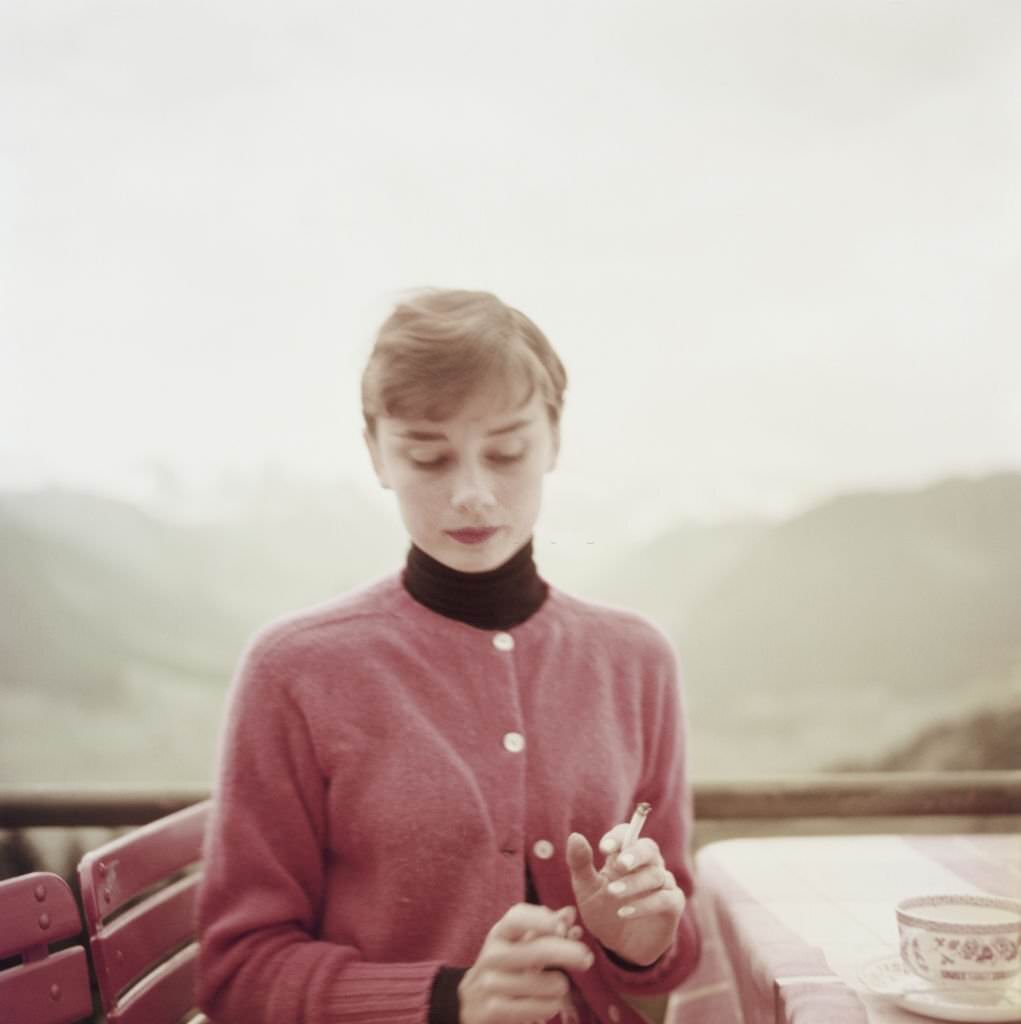
Switzerland held an appeal for many Hollywood figures during this era for practical reasons beyond scenery. Its political neutrality, strong privacy laws, and favorable financial structures made it an attractive place to establish residence. Several actors and directors made Swiss cantons their permanent or semi-permanent homes during the 1950s and 1960s. Bürgenstock, sitting within that broader Swiss context, offered all of those advantages along with an extraordinary physical setting.
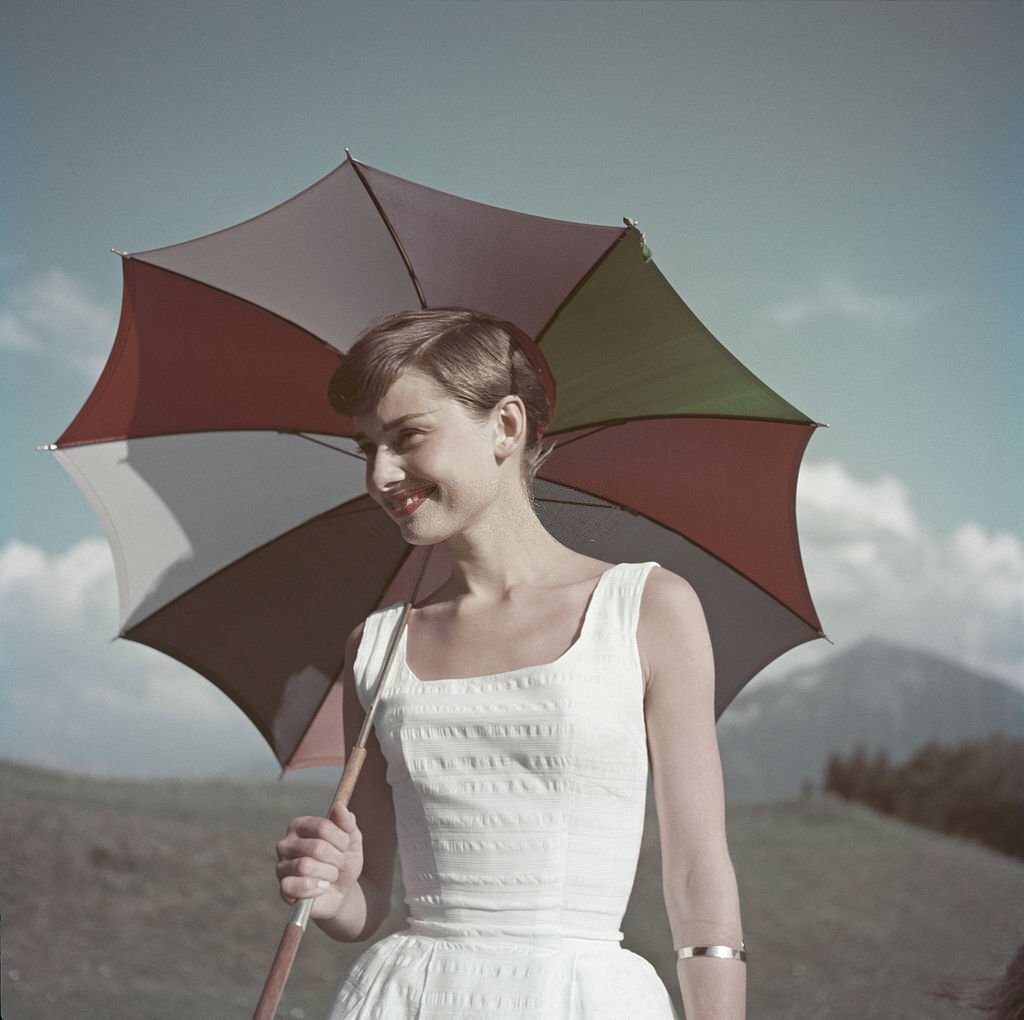
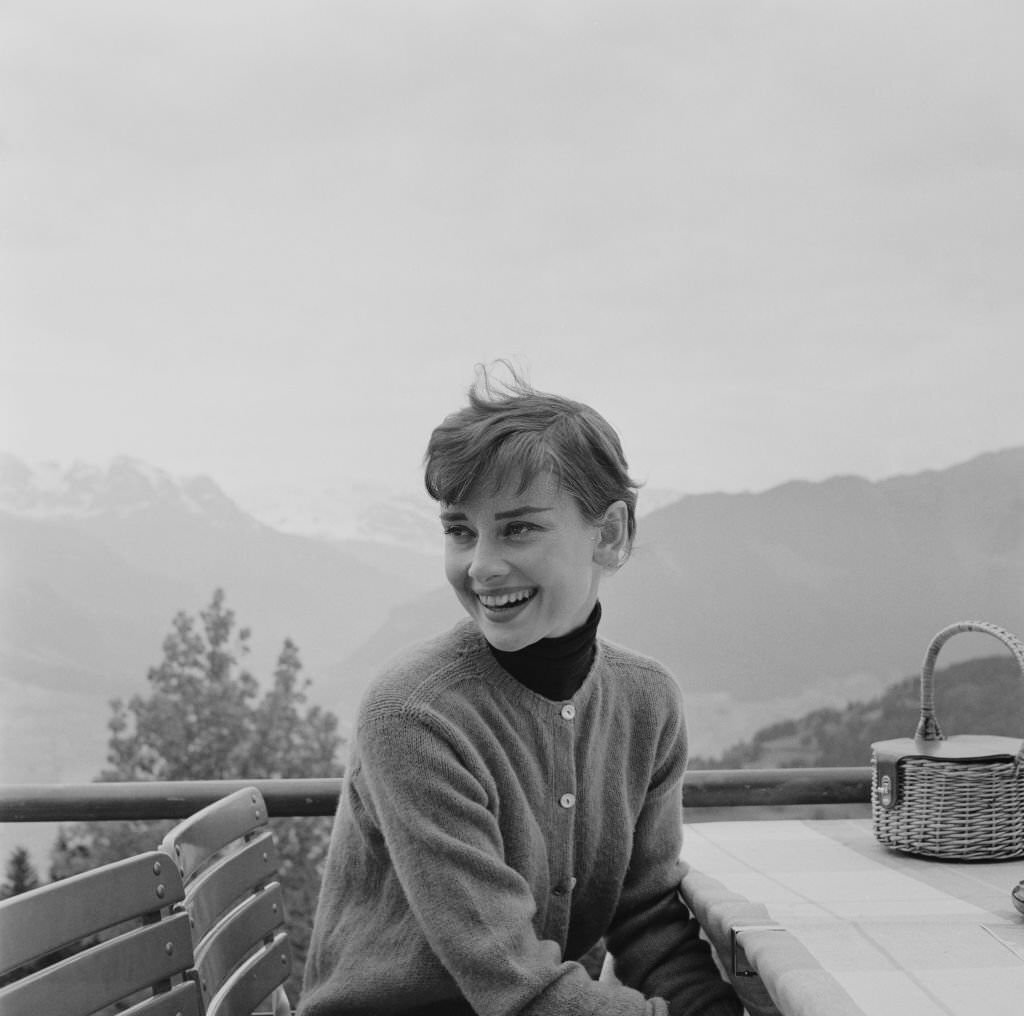
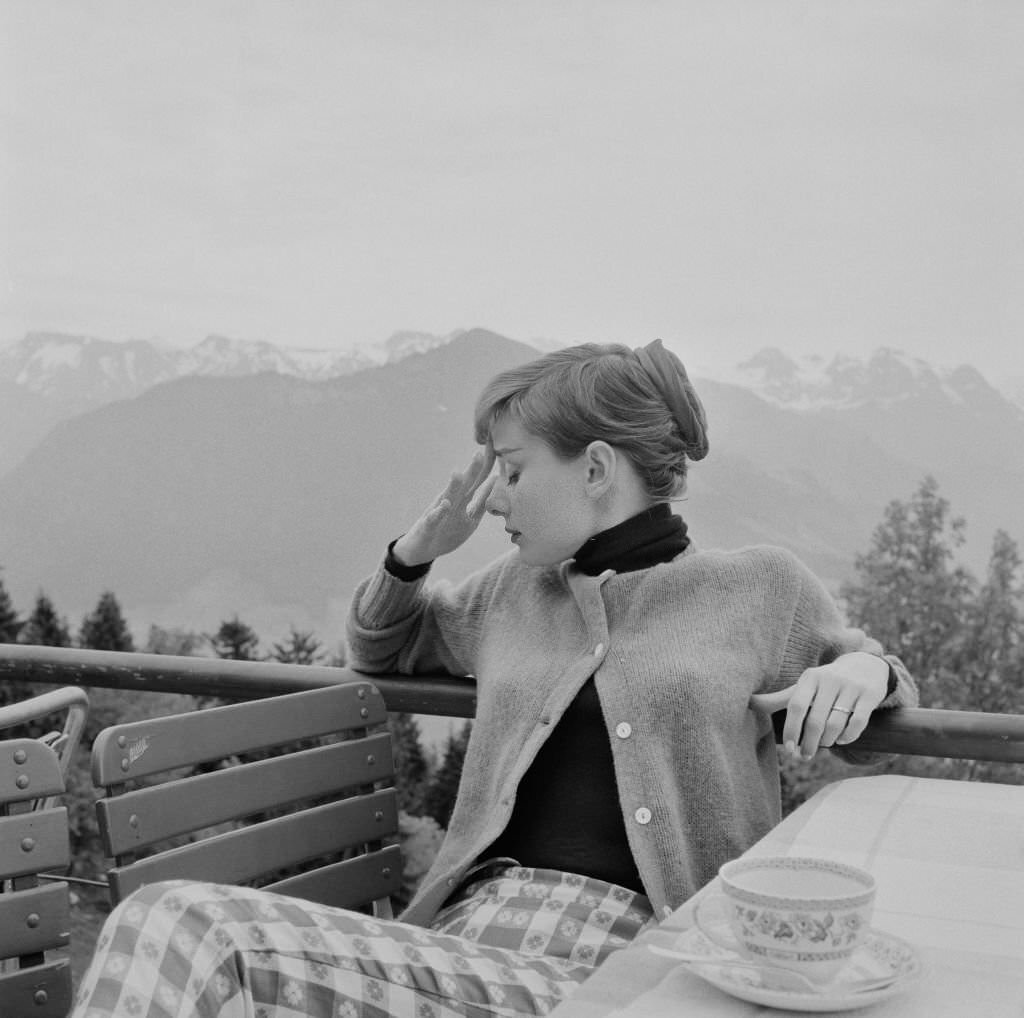
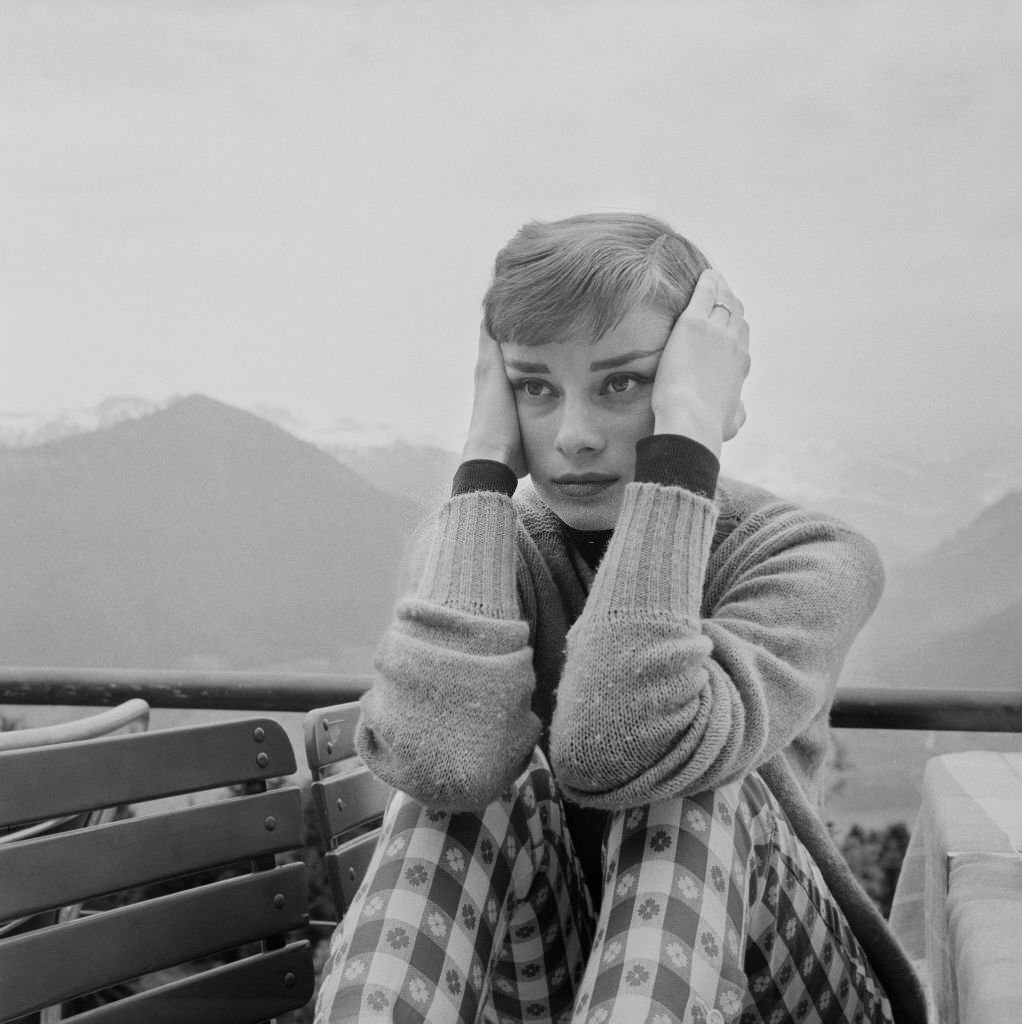
The collection of photos here spans Hepburn’s time at Bürgenstock throughout 1954. Some images show her outdoors on the estate grounds, others are closer and more candid. Taken together, they form one of the more complete visual records of her private life during this particular year — a year that marked both a personal milestone and a professional peak arriving at the same time.