In 1882, a magazine hit American newsstands that would go on to capture the imaginations of readers for nearly a century. Argosy Magazine started as a straightforward publication focused on adventure — stories of distant lands, daring expeditions, and bold explorers pushing into the unknown. It was simple, exciting, and readers loved it. By the time it folded in 1978, it had passed through several distinct lives, each one reflecting what American readers craved at the time.
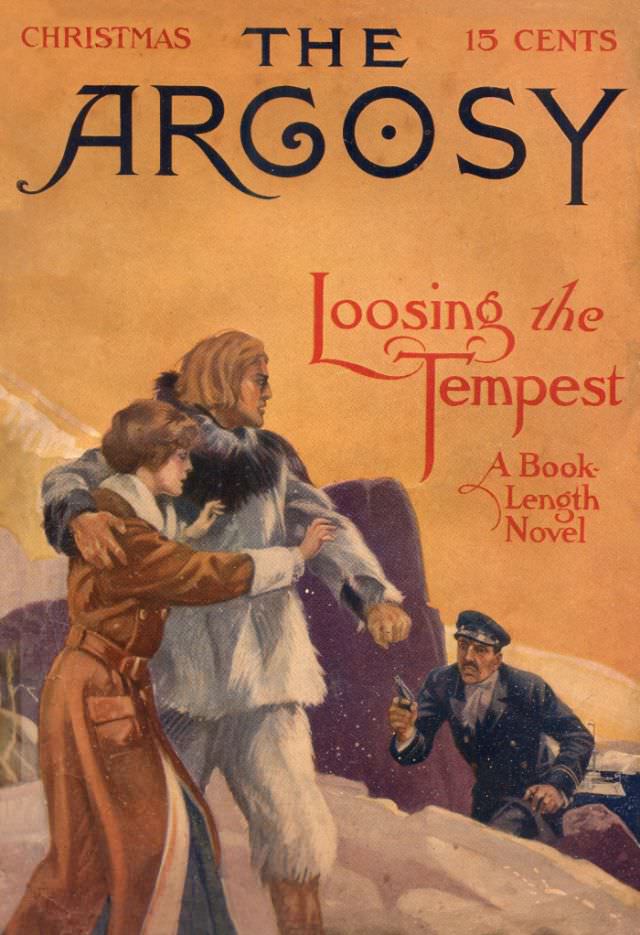
The early issues leaned heavily into exploration and travel. Stories took readers to jungles, mountain ranges, and uncharted coastlines. The writing was action-driven and fast-paced. There were no slow burns or literary experiments — just men (and occasionally women) in dangerous situations, fighting their way through. This formula worked. Argosy built a loyal readership that came back issue after issue to see where the next story would take them.
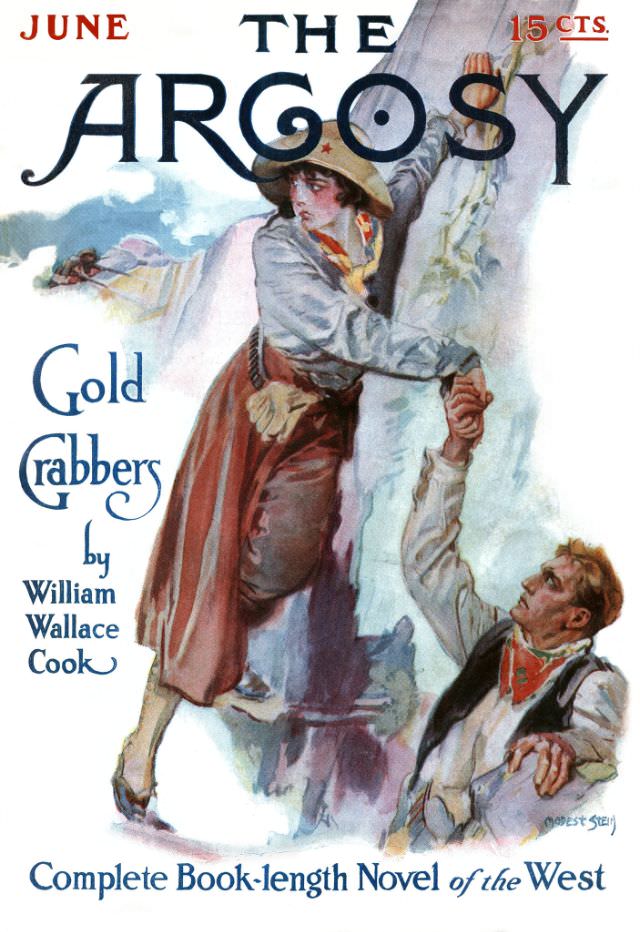
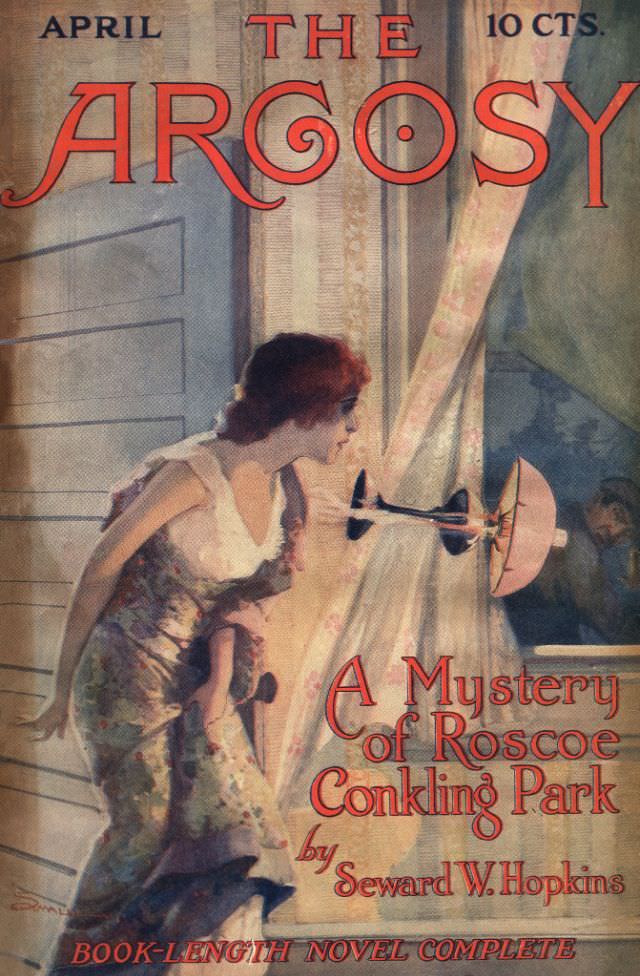
As the years went on, the magazine expanded its scope. Fiction became a larger part of the mix, and detective stories began sharing space with adventure tales. Mystery plots — crimes, investigations, dangerous secrets — proved just as gripping as any jungle expedition. By the time the United States entered World War I, Argosy was already evolving into something broader than its original format.
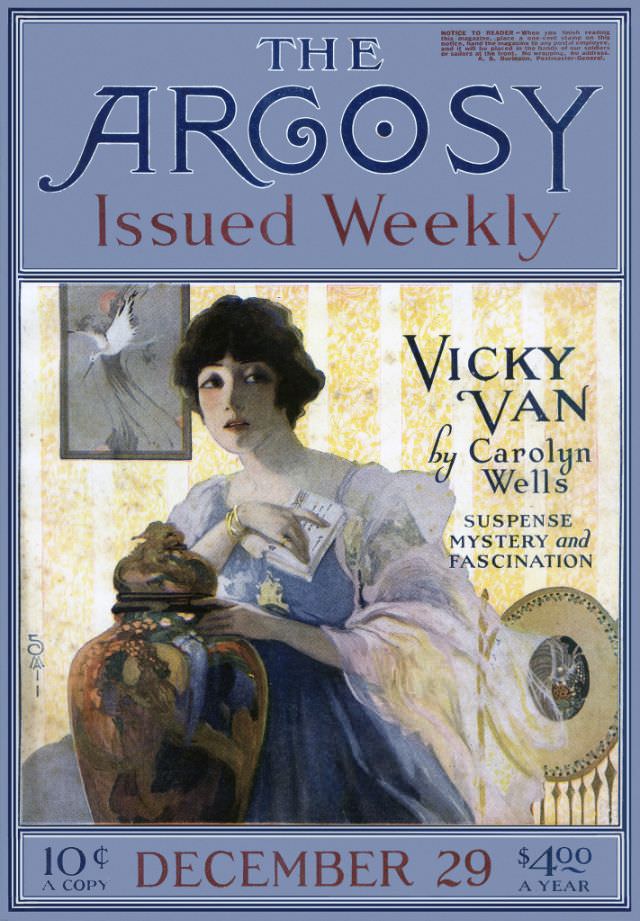
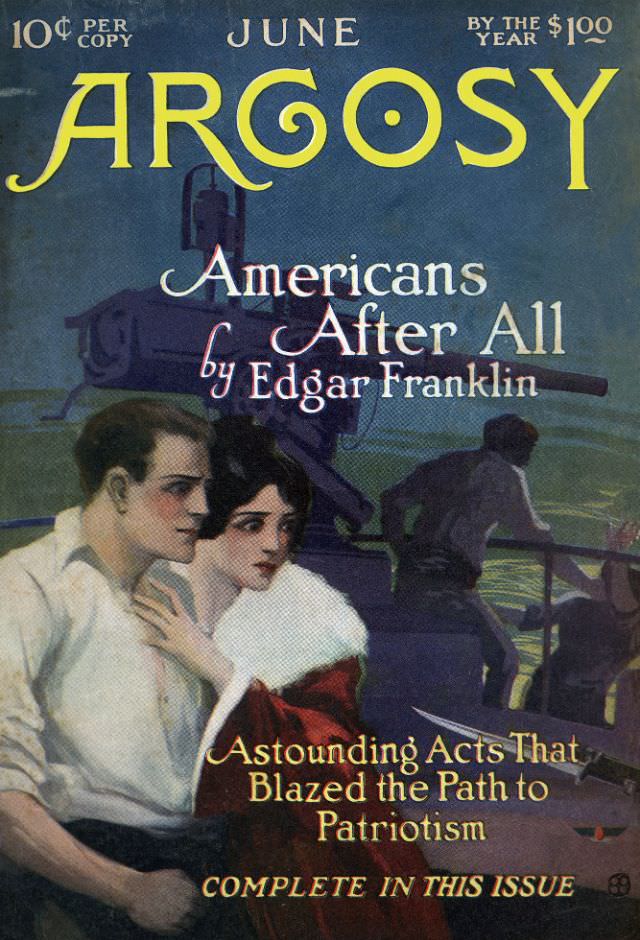
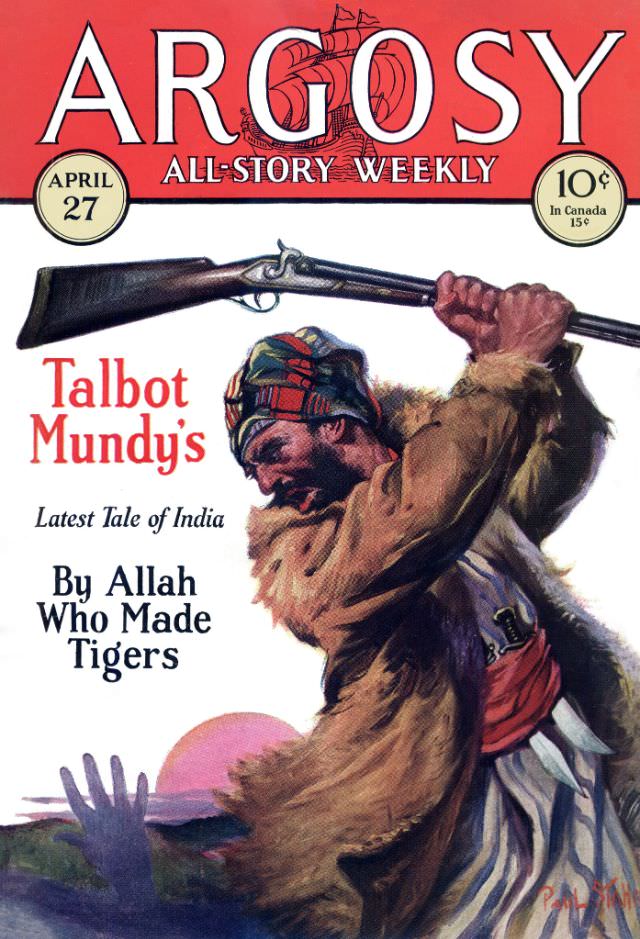
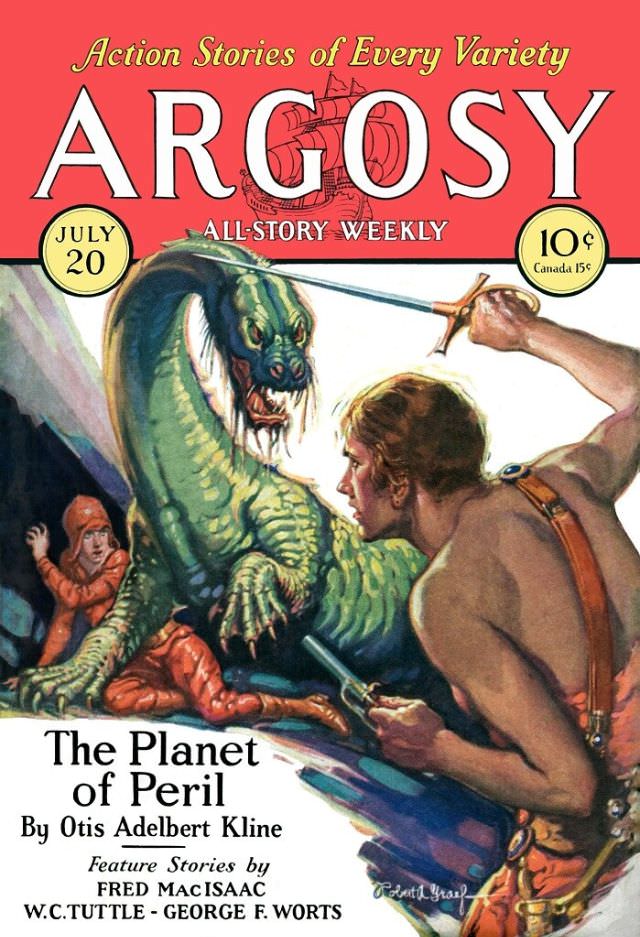
One of the magazine’s greatest assets was its cover art. Each issue featured a full illustrated cover, usually depicting a dramatic scene — a fistfight on a ship’s deck, a standoff in a shadowy alley, a chase through an exotic city. These images were painted with vivid colors and tight compositions designed to stop a reader cold at the newsstand. The covers didn’t just sell the magazine; they set a mood before anyone opened to the first page.
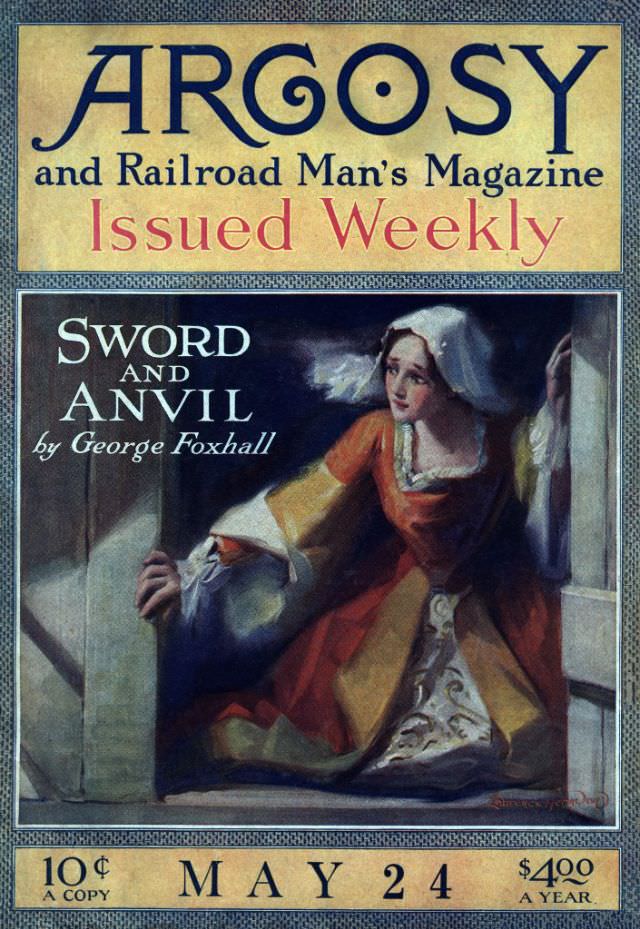
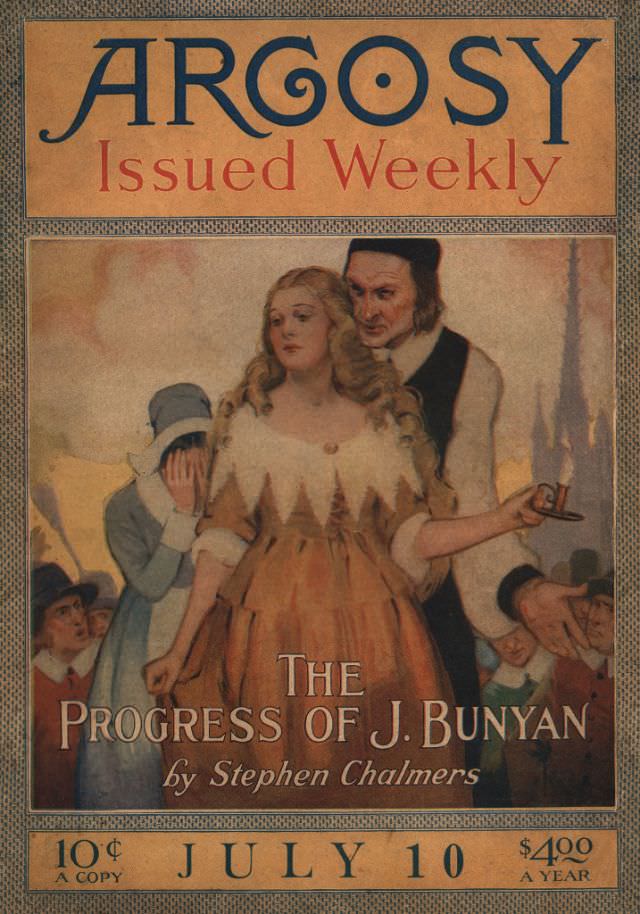
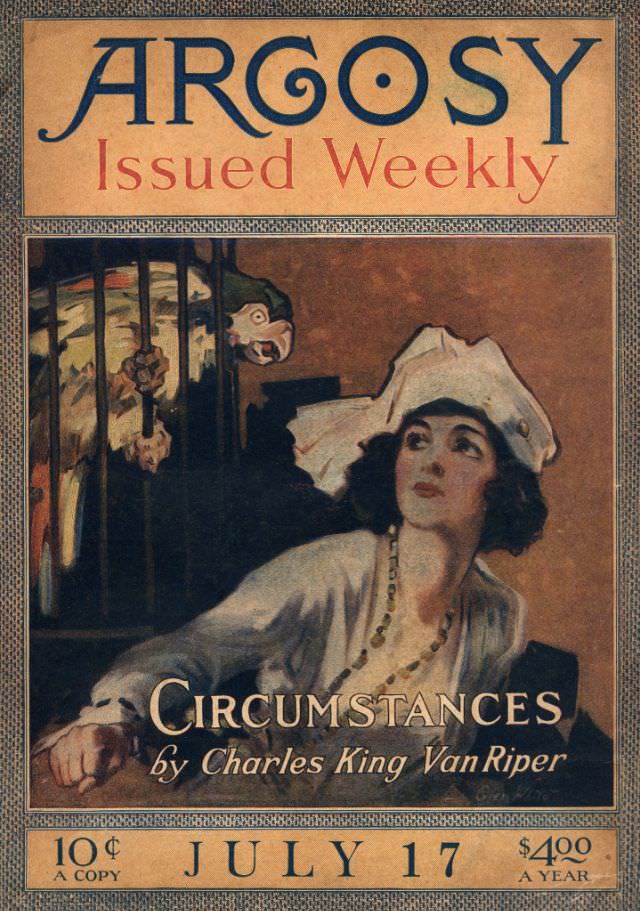
The early 1920s marked one of the magazine’s most productive periods. New stories appeared weekly, and the variety of genres on offer widened. Sea adventures, war stories, crime dramas, and tales of the American West all found a home in Argosy’s pages. The magazine was one of the first major publications to take genre fiction seriously as a commercial product, treating it with the same production effort that glossier publications gave to literary fiction.
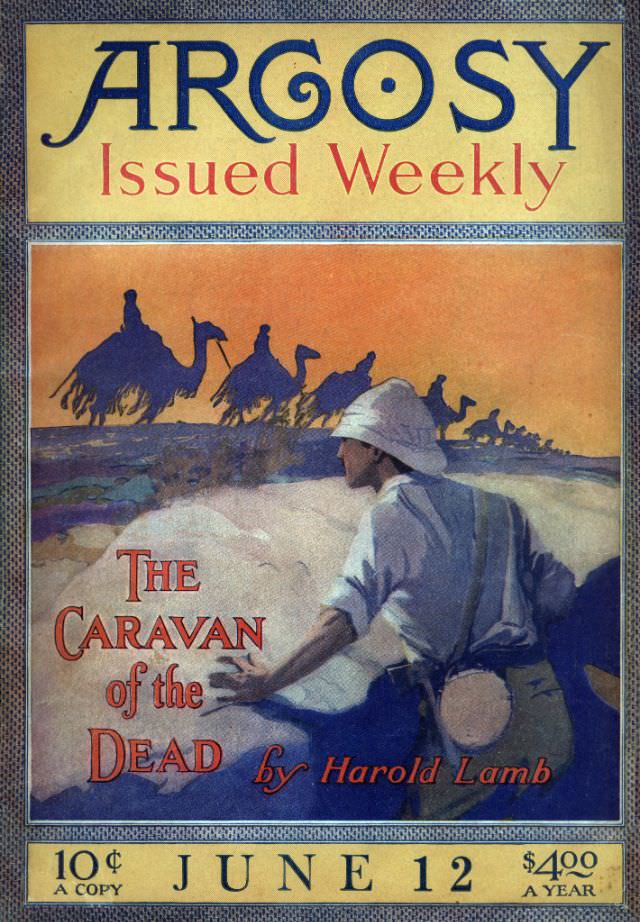
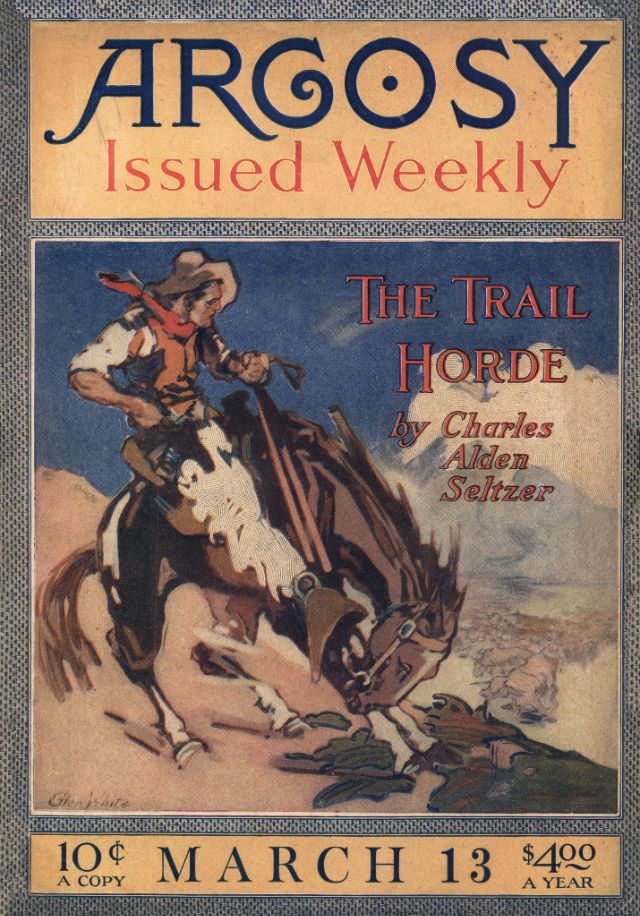
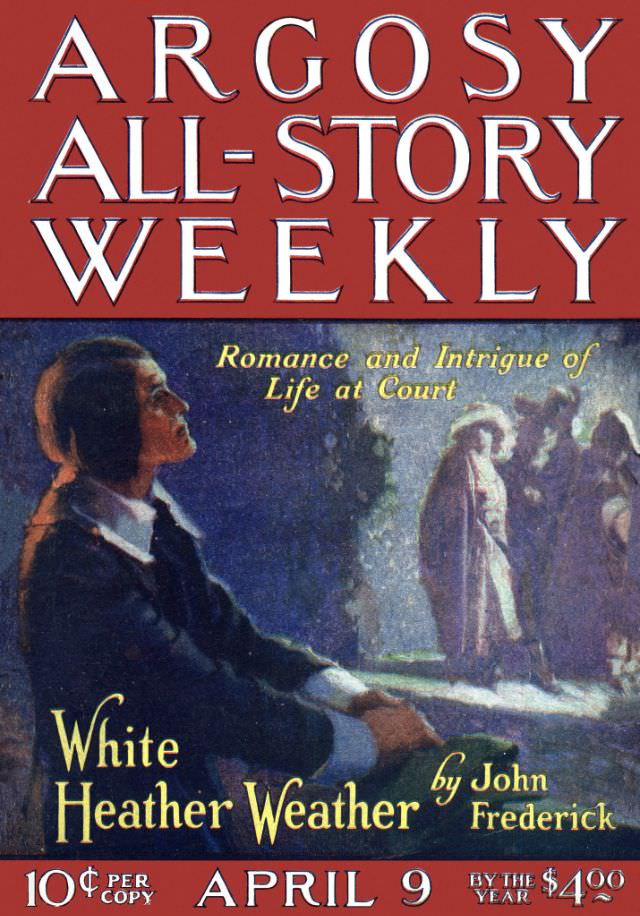
The covers from this era show a clear artistic confidence. Illustrators knew their audience and delivered scenes packed with tension and movement. Whether it was a man dangling from a cliff or a detective peering through a rain-slicked window, each image promised a story worth reading. These weren’t throwaway designs — they were carefully crafted to compete for attention on crowded newsstands across the country.
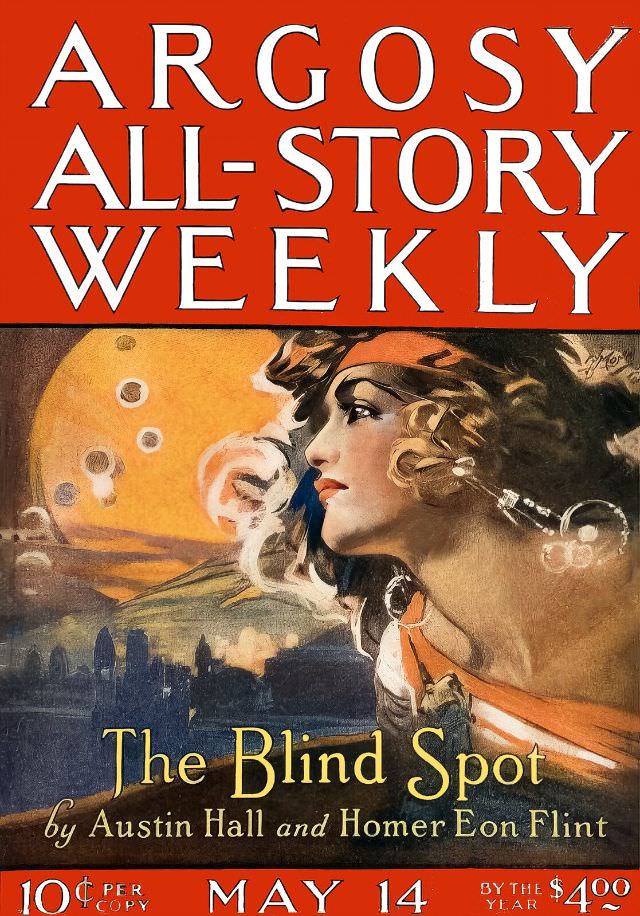
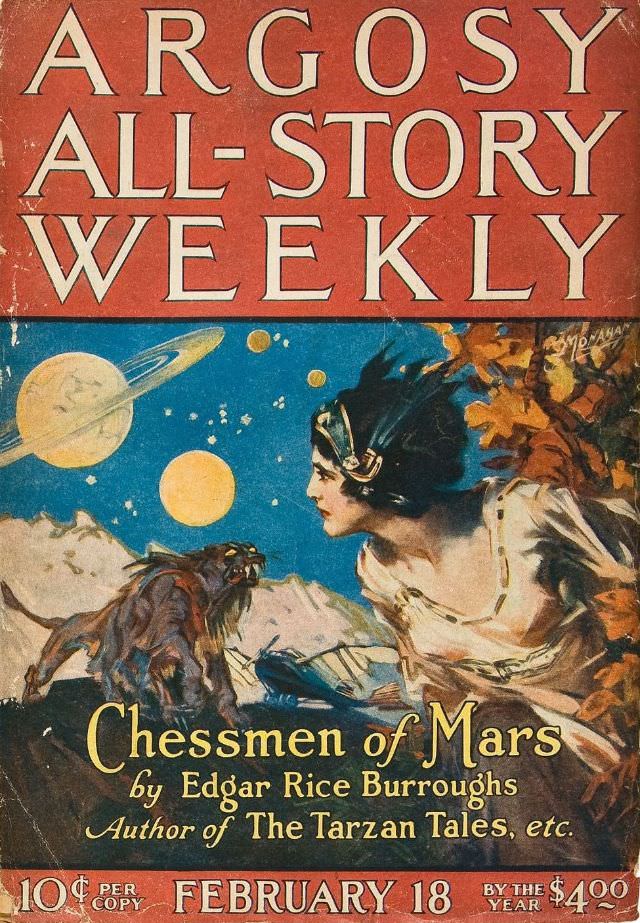
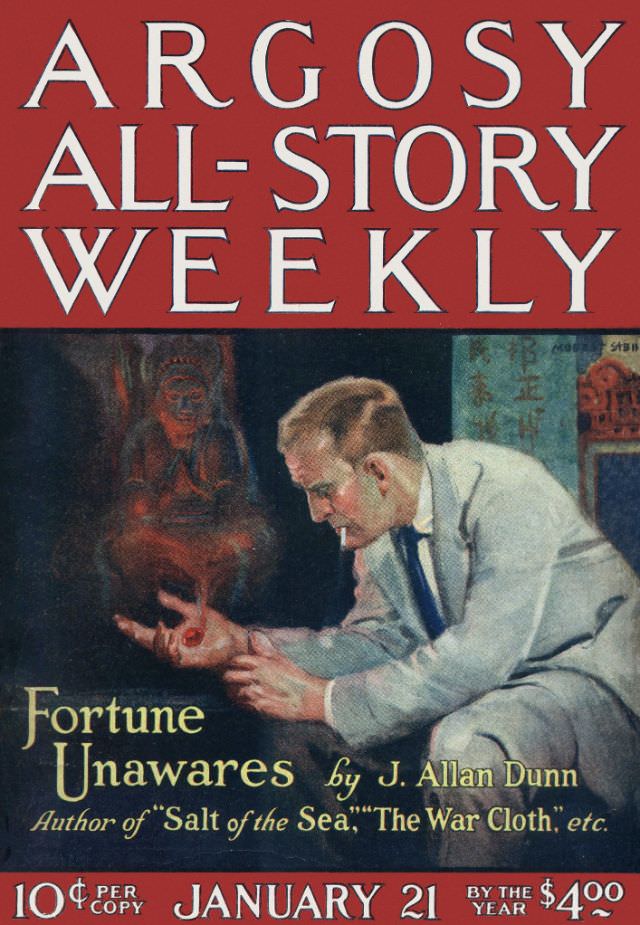
Through 1922 and into the mid-1920s, Argosy continued publishing at a relentless pace. Weekly issues meant a constant need for new stories, new writers, and new cover concepts. The magazine drew from a wide pool of contributors — some established, many unknown — and gave readers fresh material every single week. That consistency built trust. Subscribers knew that whatever was happening in their own lives, a new Argosy was always around the corner.
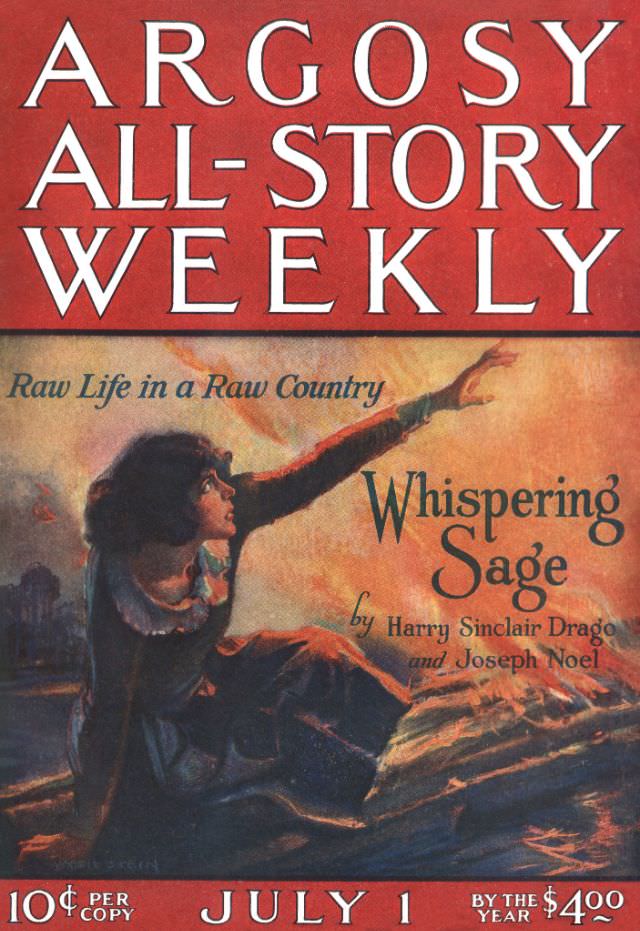
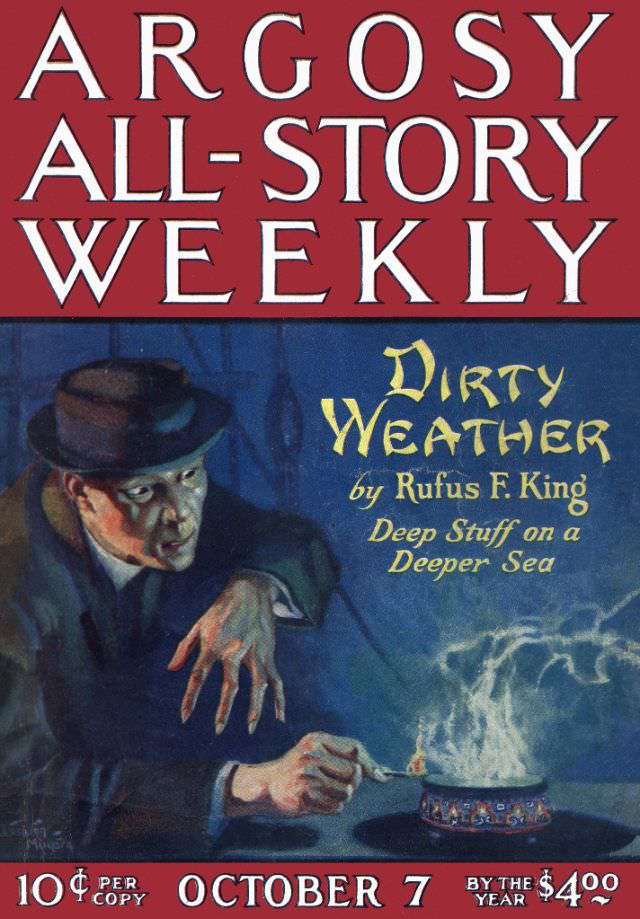
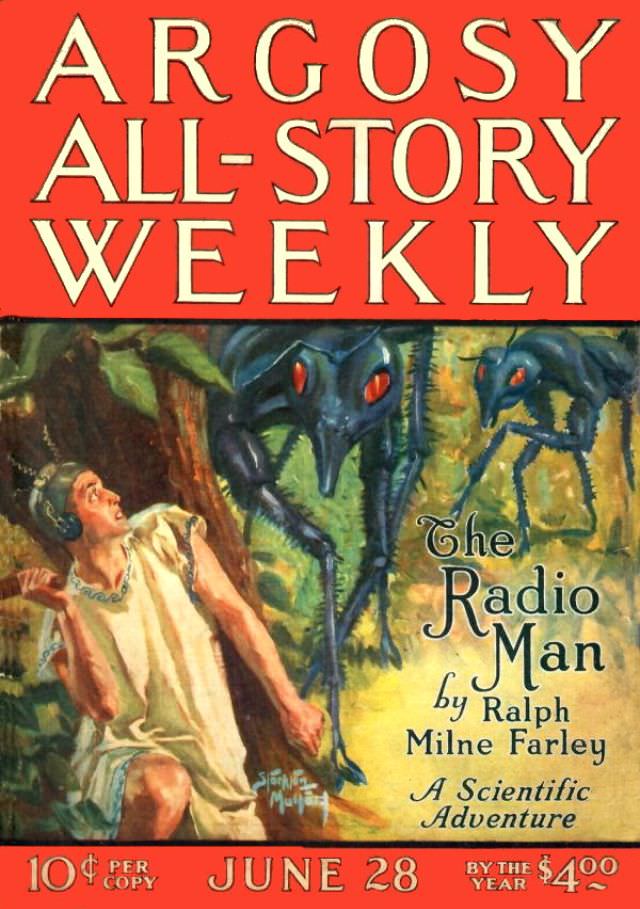
The mid-1920s covers reflect the broader cultural energy of the decade. Scenes grew more stylized. Color palettes became bolder. The figures on the covers — heroes, villains, femmes fatales — were drawn with a slickness that matched the optimistic pace of the era. Argosy was tapping into the same current of excitement running through American popular culture, and it showed in every brushstroke.
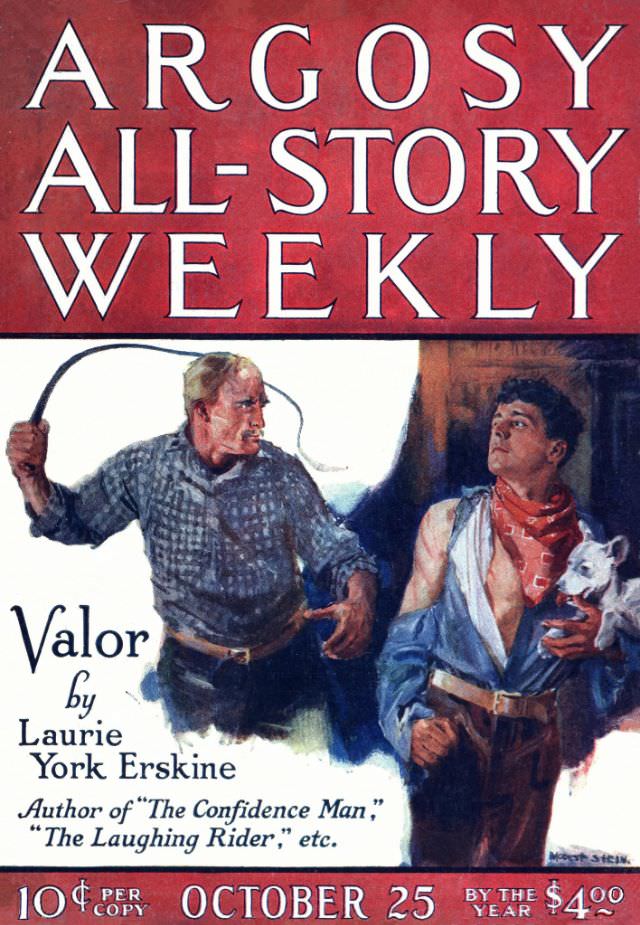
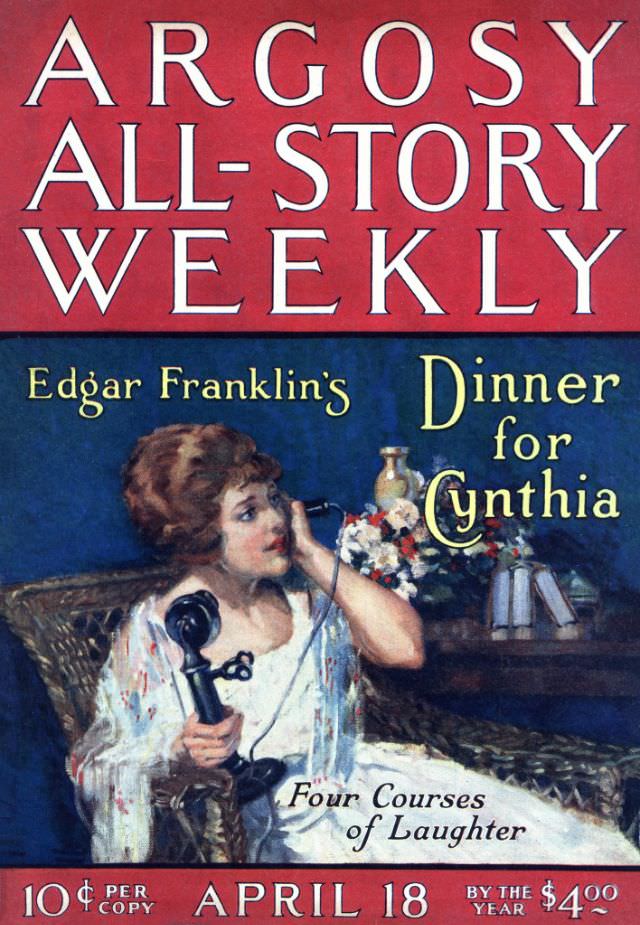
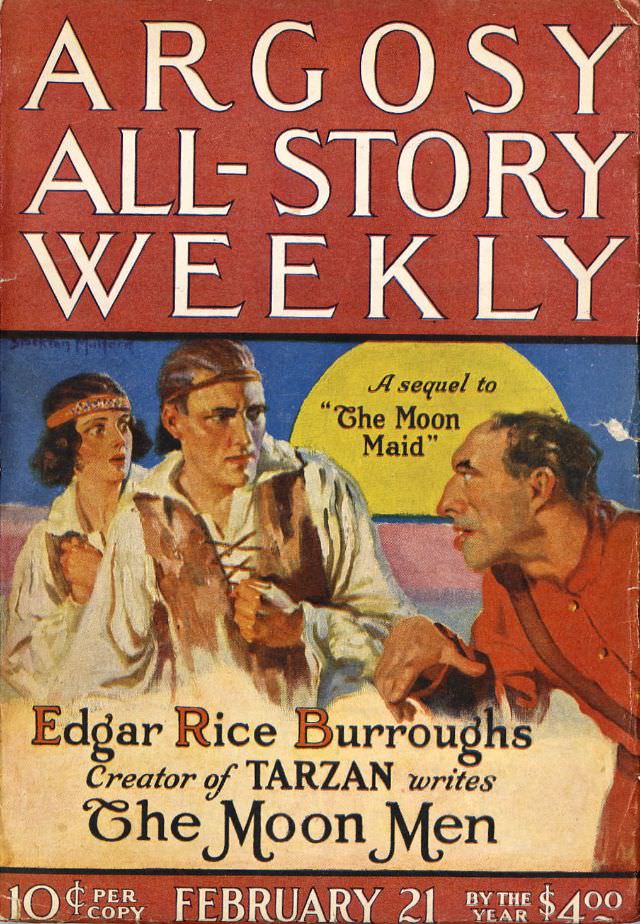
By the summer of 1925, the magazine’s visual identity was firmly established. The covers of that year show a publication at peak confidence — compositions that are dynamic without being cluttered, scenes that communicate story immediately. A reader glancing at any one of these covers knew exactly what kind of magazine this was and exactly what they were getting inside.
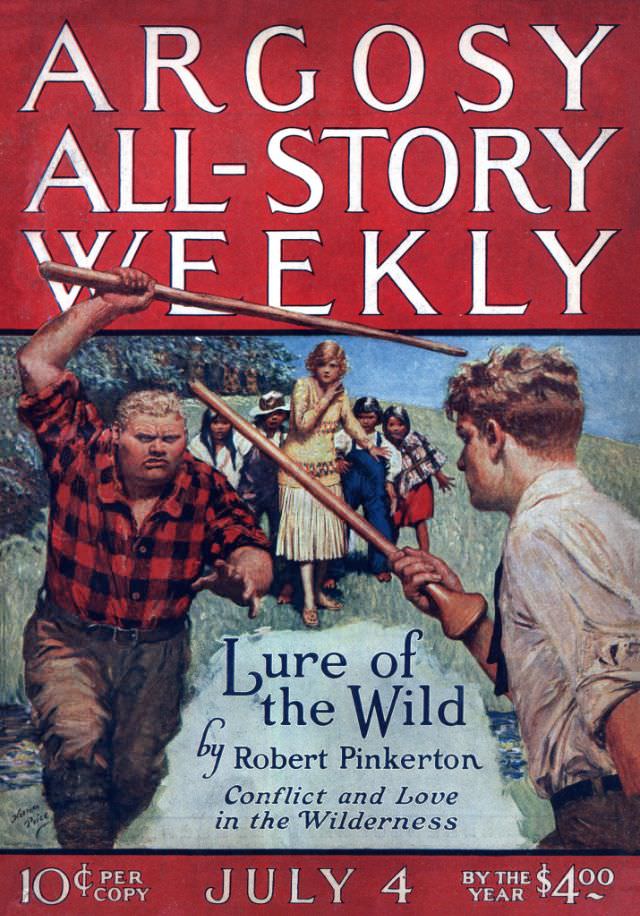
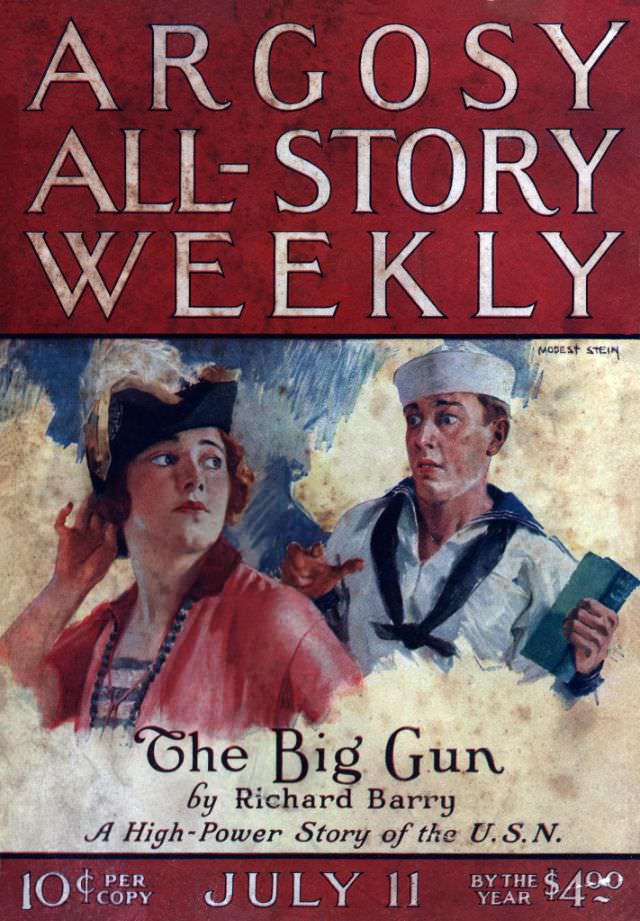
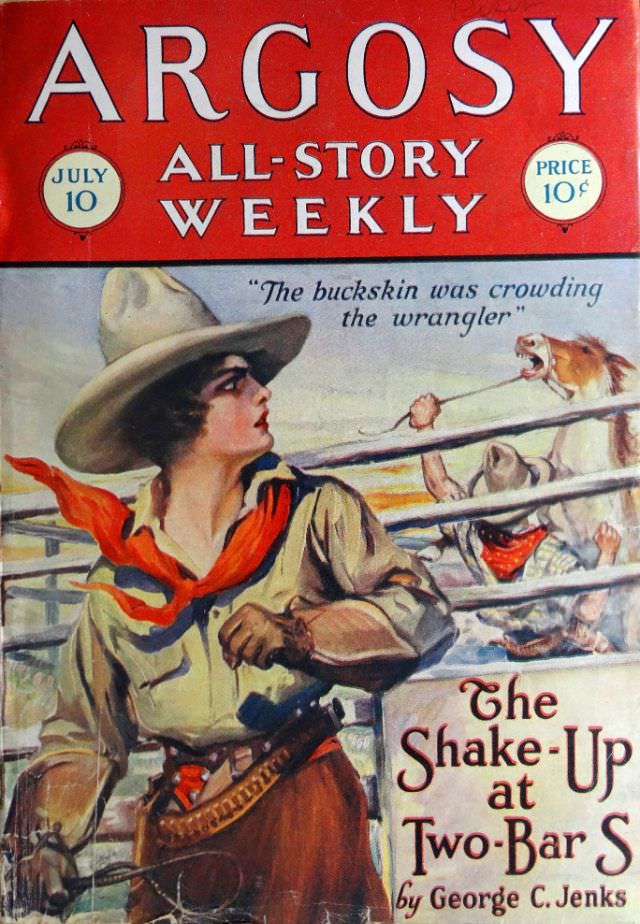
Into 1926 and 1927, the adventure and mystery themes continued to dominate. Stories set at sea, in foreign countries, and in the criminal underworlds of American cities kept the fiction varied. No single genre ever took over completely — Argosy’s editorial approach always favored breadth over depth, keeping any one type of story from wearing out its welcome.
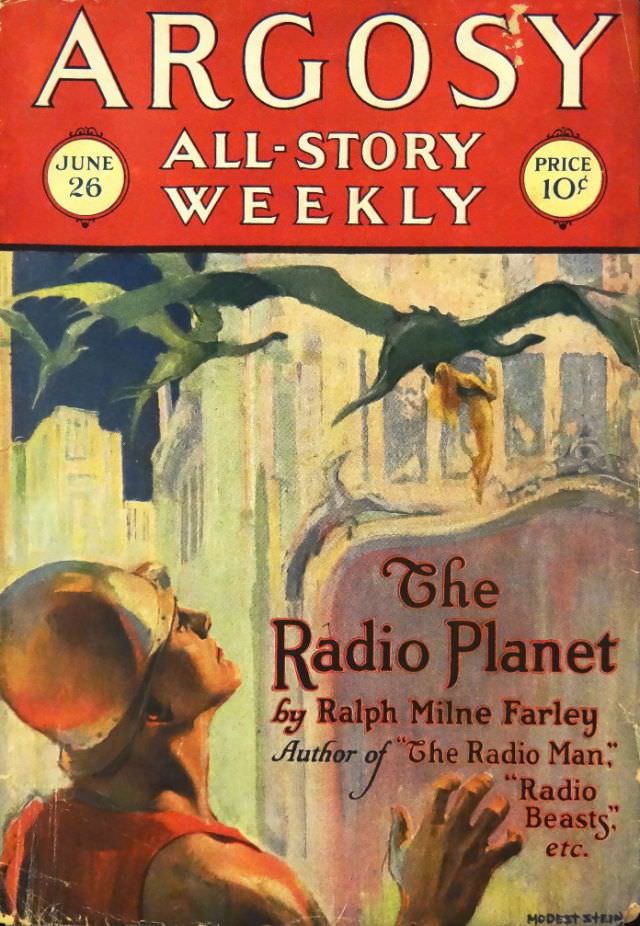
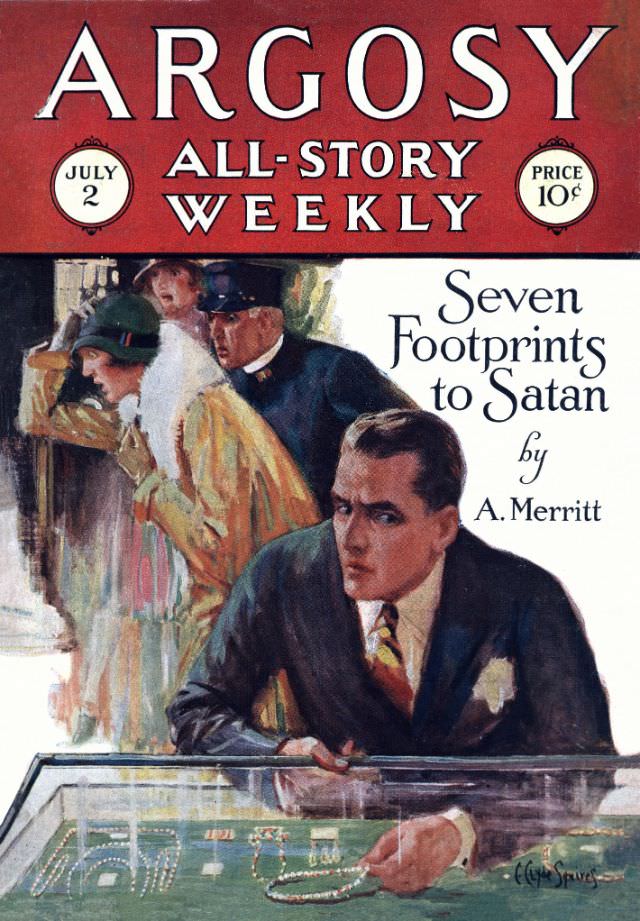
The late 1920s brought a burst of creative energy to the magazine’s covers. The 1928 issues in particular show an unusually high volume of striking images — dramatic lighting, close-cropped action scenes, and compositions that feel almost cinematic. This was no accident. Hollywood was reshaping how Americans thought about storytelling, and Argosy’s illustrators absorbed those visual lessons and applied them directly to the newsstand.
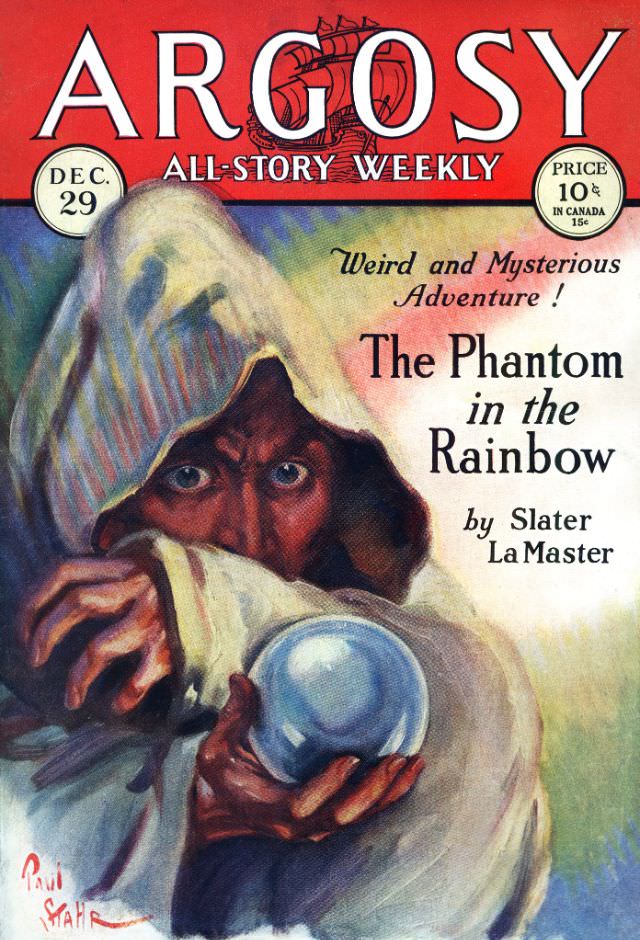
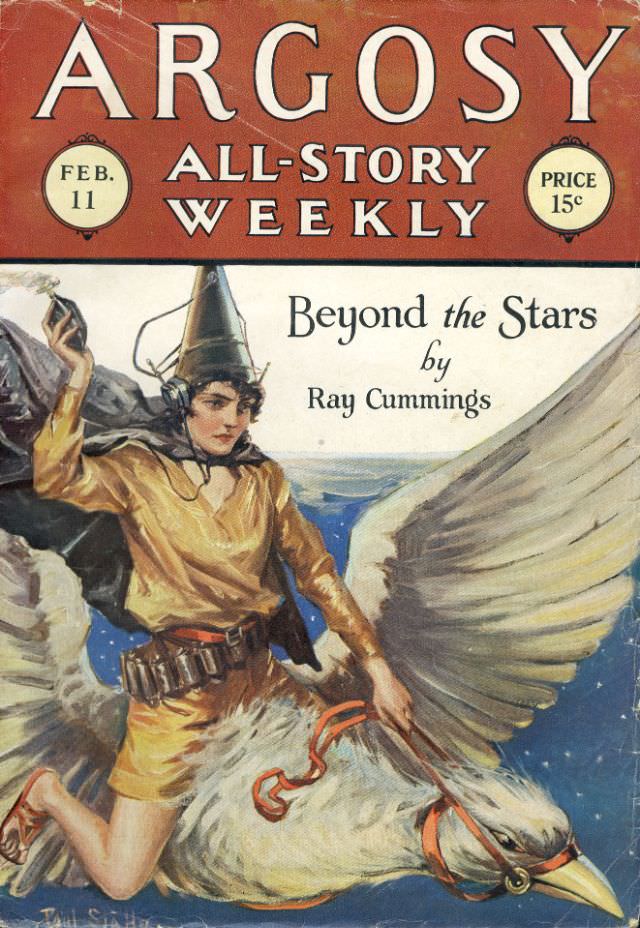
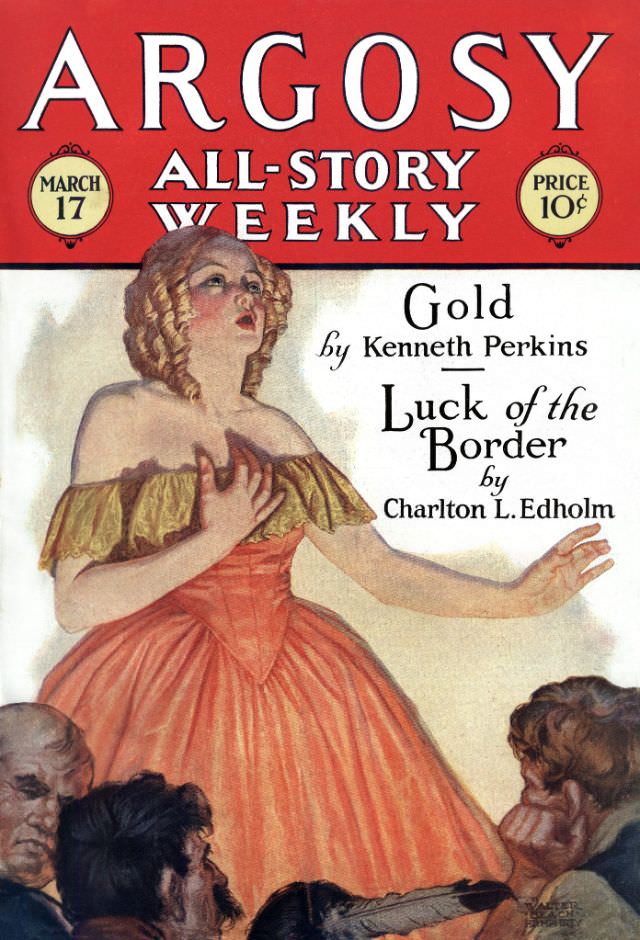
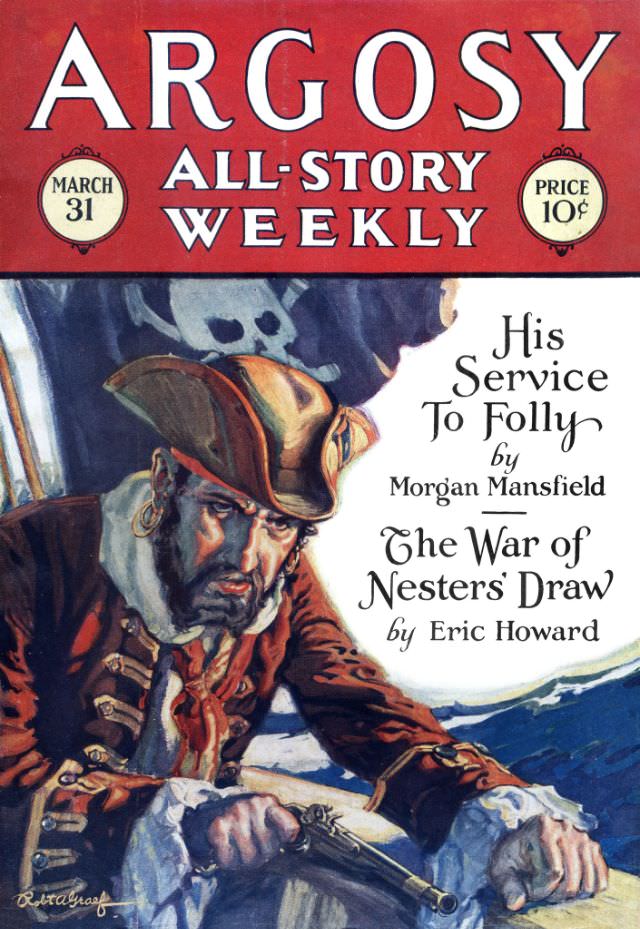
The final issues of the decade closed out a remarkable run. From the autumn covers of 1928 through the summer of 1929, the magazine maintained the same visual and editorial energy it had built over forty-plus years of publication. Each cover remained a promise — of action, of tension, of a story that would hold a reader’s attention from first page to last.
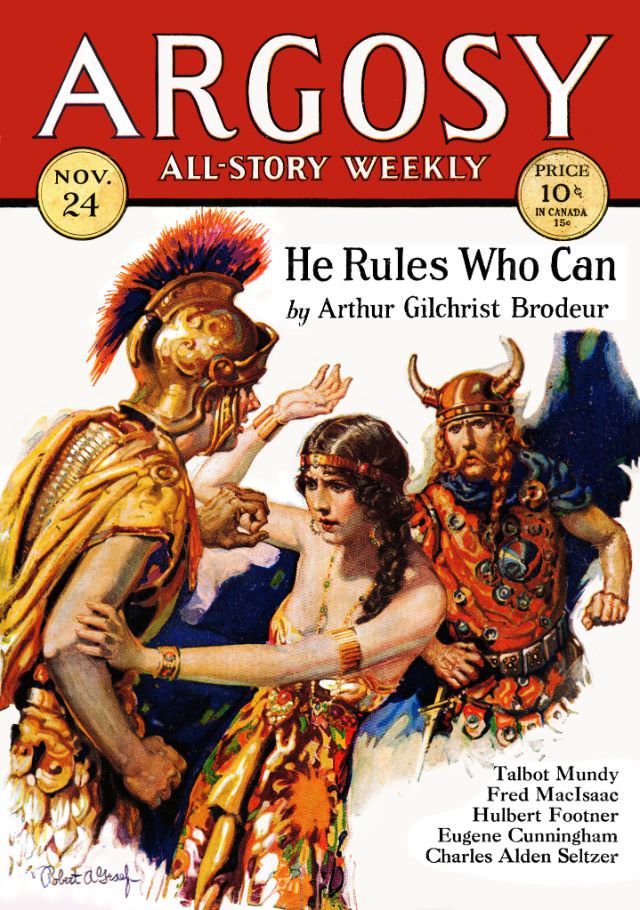
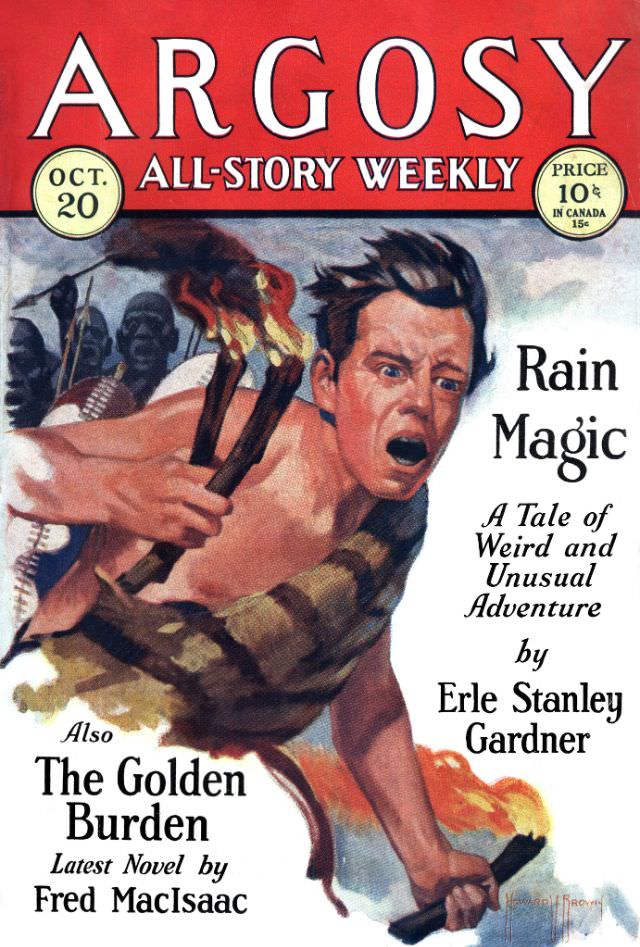
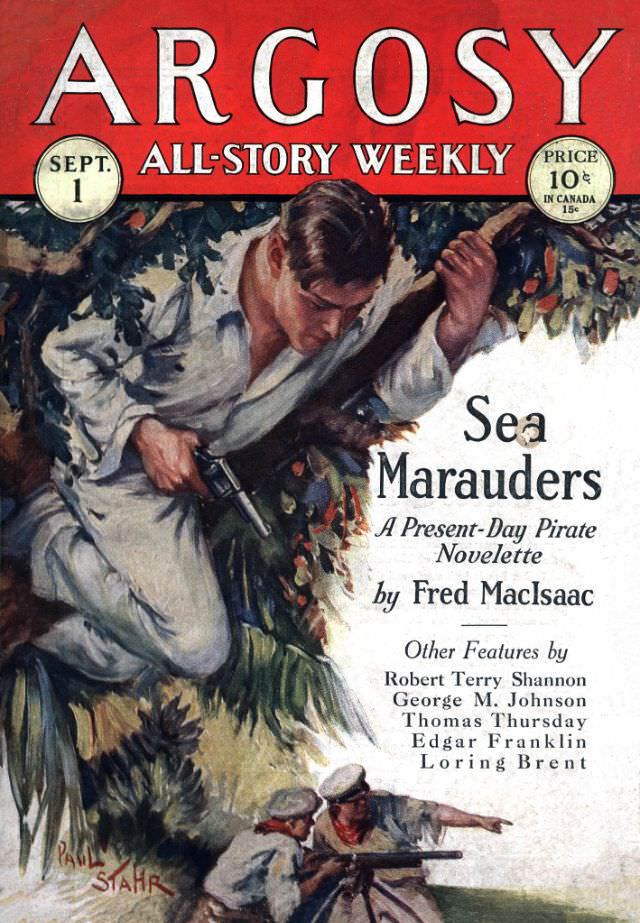
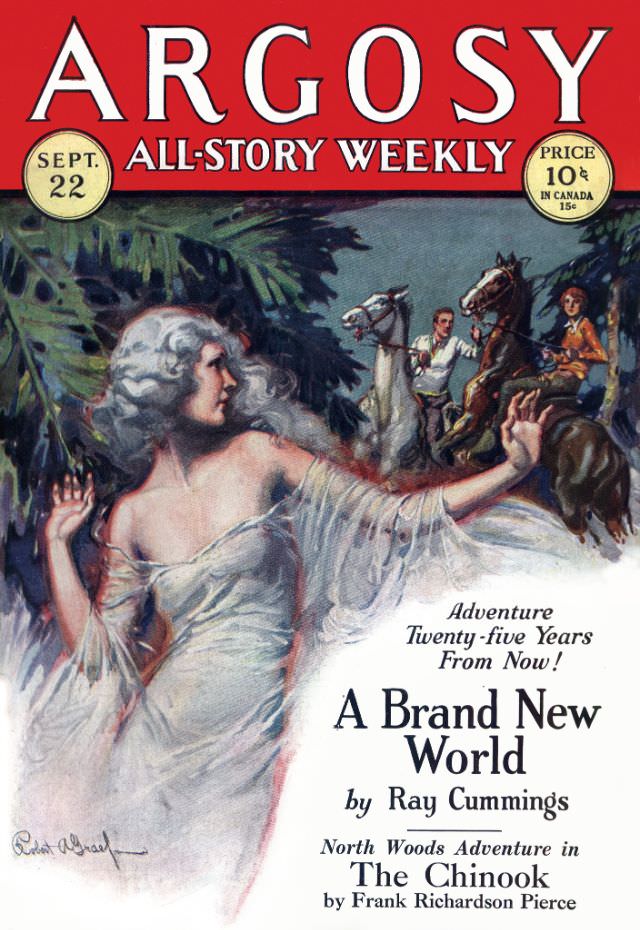
By 1929, Argosy was nearly fifty years old — an extraordinary run for any publication, let alone one built on weekly genre fiction. The magazine had outlasted dozens of competitors and survived major shifts in American culture. Television and film were still decades away from fully replacing print entertainment, but the seeds of that shift were already being planted. Argosy continued publishing, adapting where it could, for another five decades before finally ceasing publication in 1978.