San Marcos, Texas was home to one of the strangest amusement parks in American history. Aquarena Springs sat at the headwaters of the San Marcos River, where the water rises from underground springs so clear it looks almost unreal. From the 1950s onward, the park packed in crowds with a lineup of attractions that no one else in the country could match — an underwater ballet troupe, a pig that could swim on cue, and a clown who performed his act beneath the surface of Spring Lake.
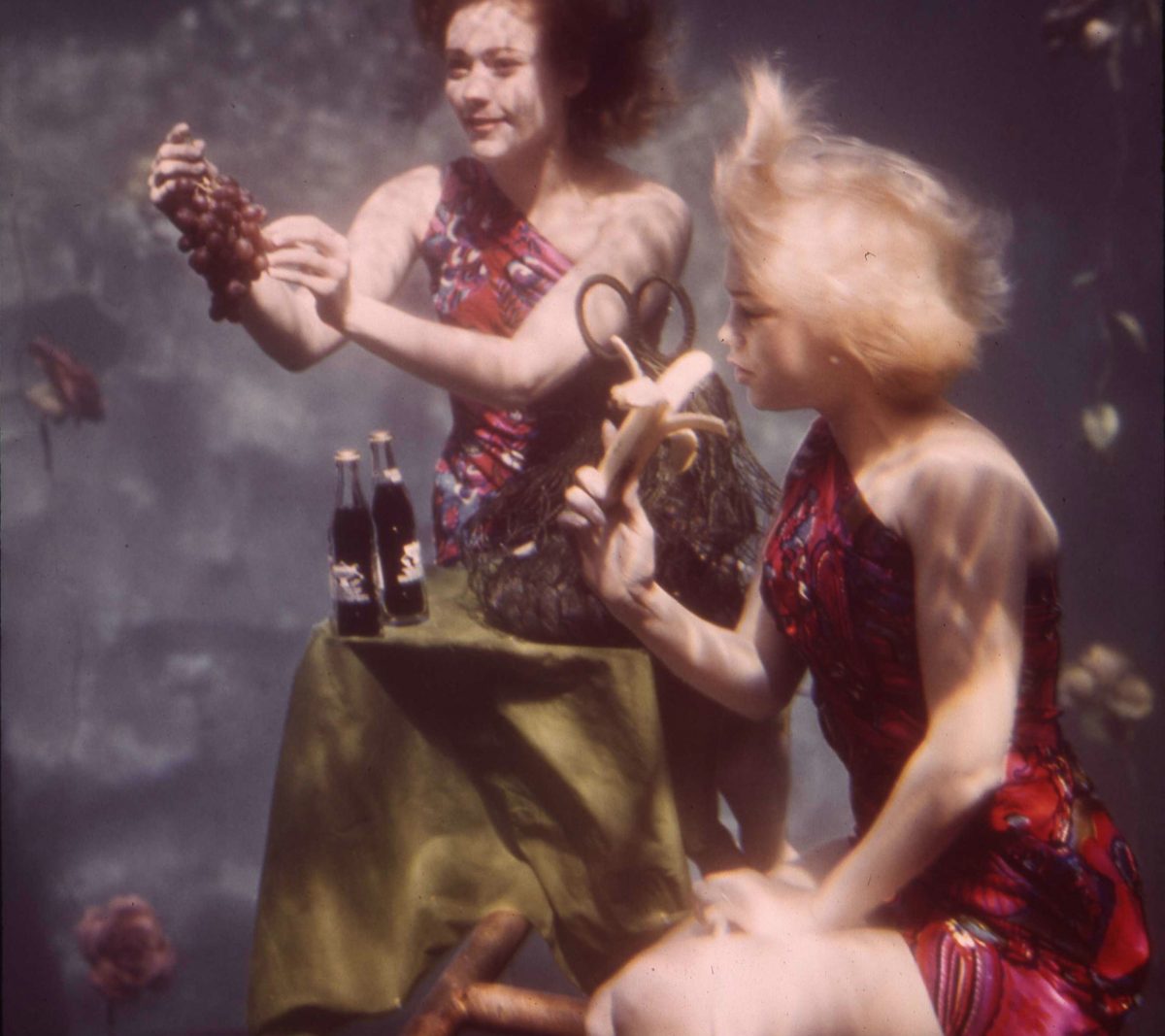
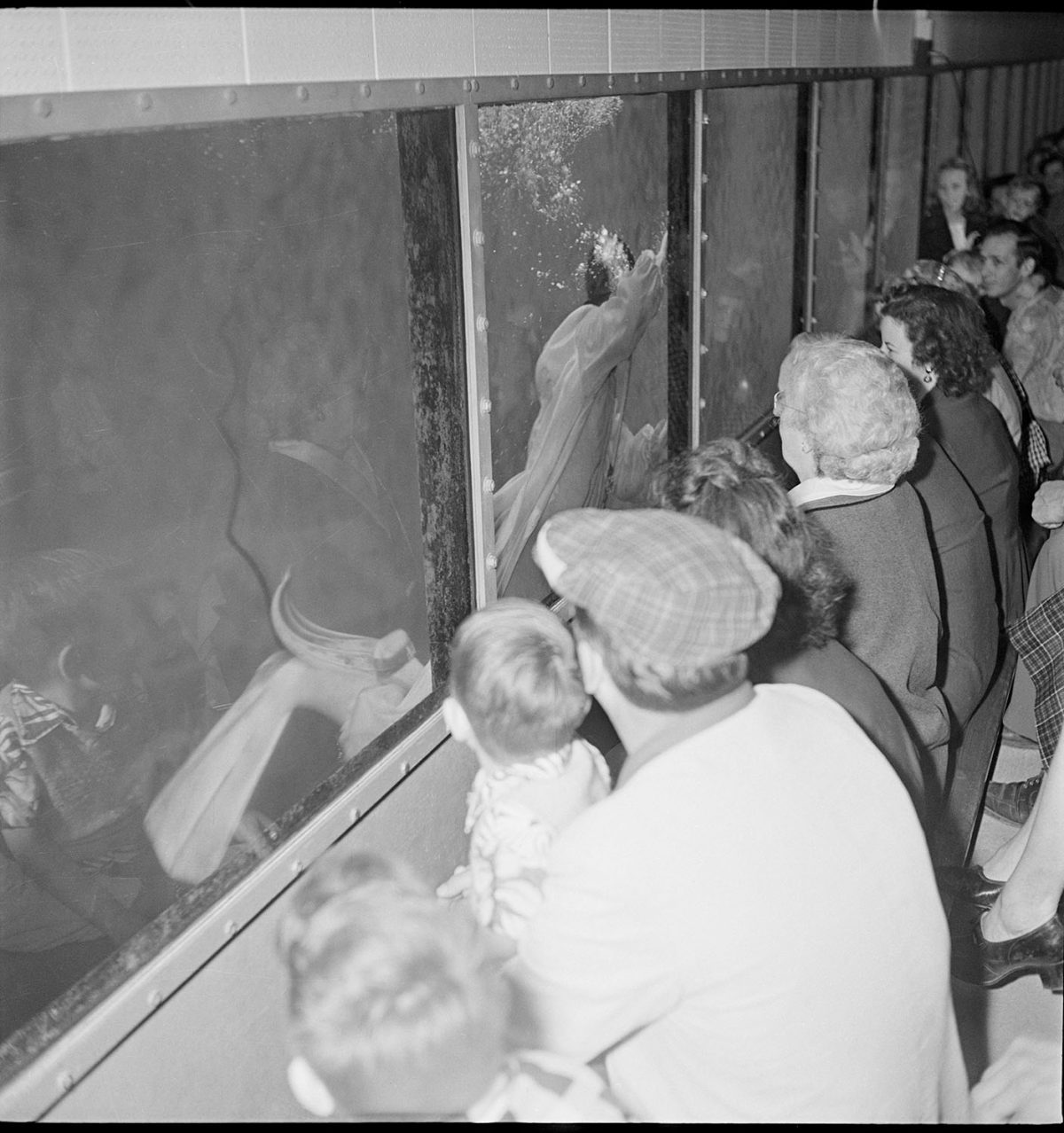
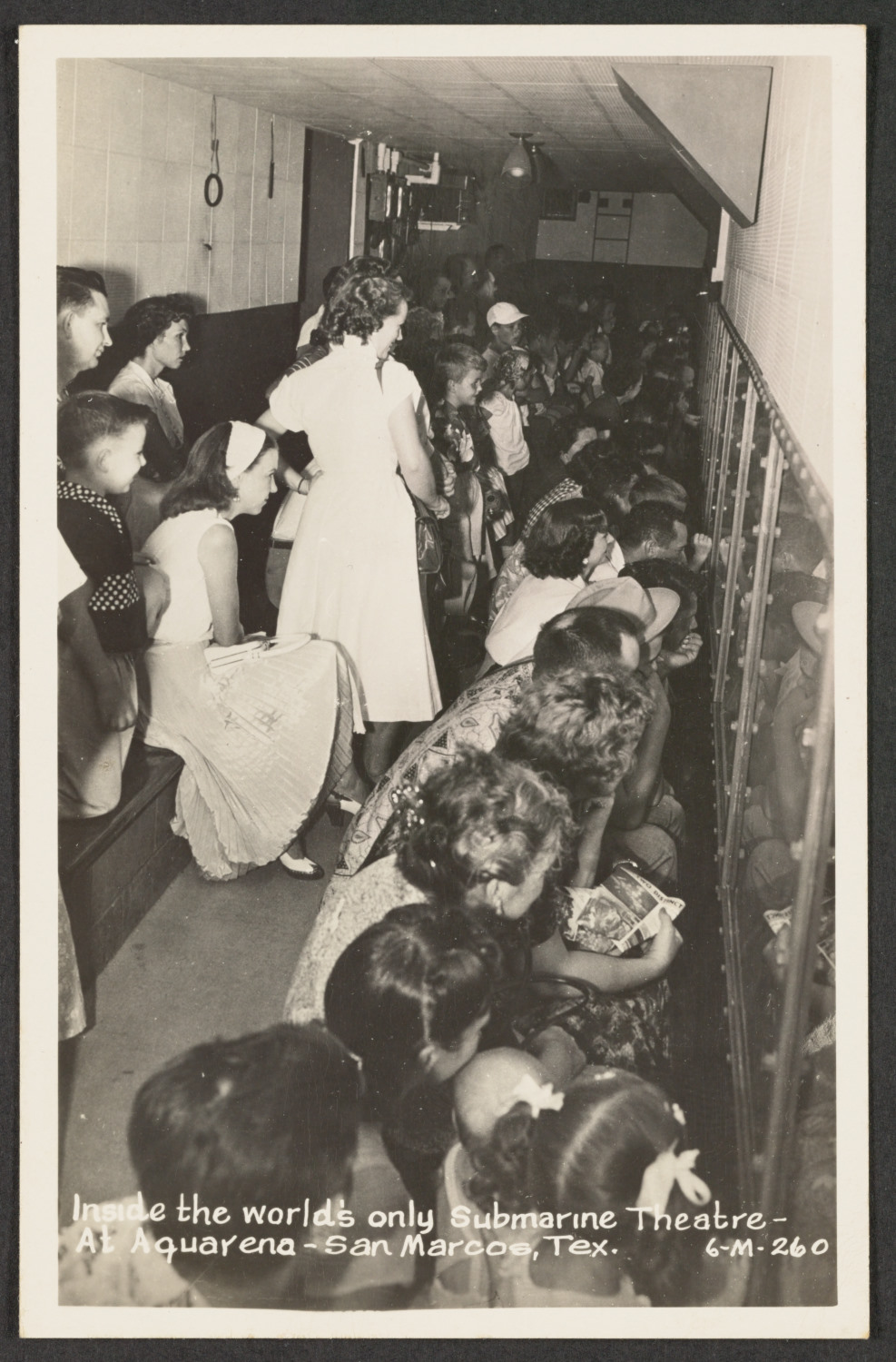
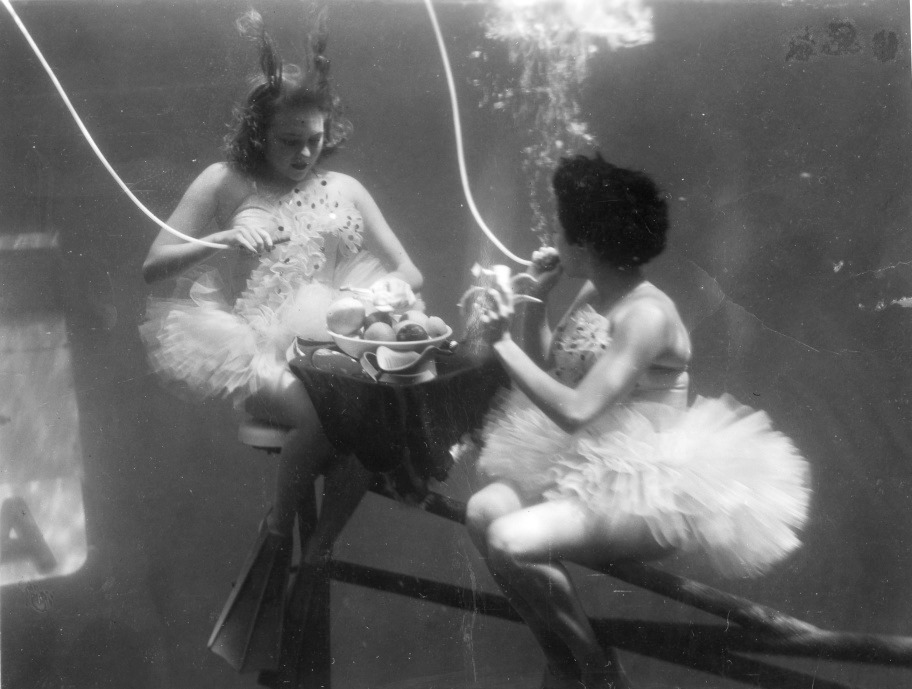
The stars of the show were the Aquamaids, a troupe of women who performed synchronized underwater ballet every single day to sold-out crowds. Spring Lake, fed by the San Marcos River’s headwaters, gave them a stage unlike anything else — the water was so clear that spectators watching from a glass-bottomed submarine theater could see every movement in perfect detail. The Aquamaids were graceful, disciplined performers who turned holding their breath into high art.
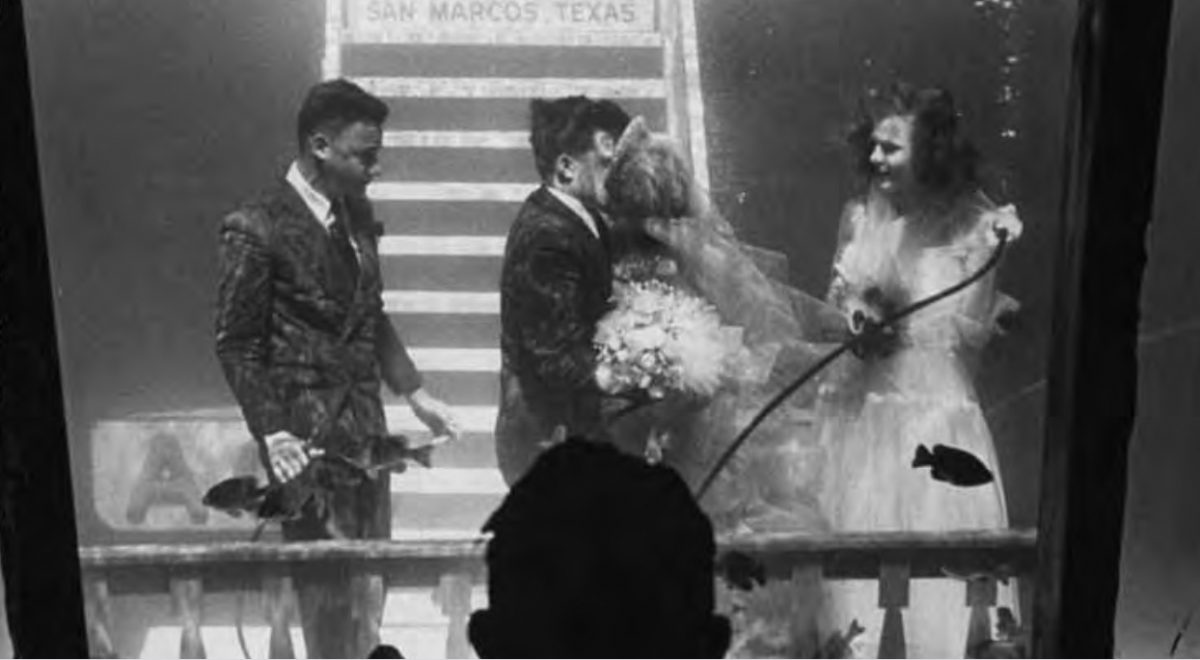
The most talked-about Aquamaid performance wasn’t a ballet — it was a wedding. In 1954, Bob Smith and Mary Beth Sanger got married beneath the surface of Spring Lake in front of an audience watching through the submarine theater’s windows. The event was unusual enough to catch the attention of national media. Life magazine ran a two-page photo spread on the ceremony in its March 8, 1954, issue. One detail stood out: the bride had sewn small lead balls into the hem of her wedding gown to keep it from floating up around her during the ceremony.
The Aquamaids performed their routines using compressed air delivered through a hose. Breathing underwater while performing a choreographed routine required a second person working just out of frame — someone who knew exactly when each swimmer needed air and could place the hose in her hand at precisely the right moment.
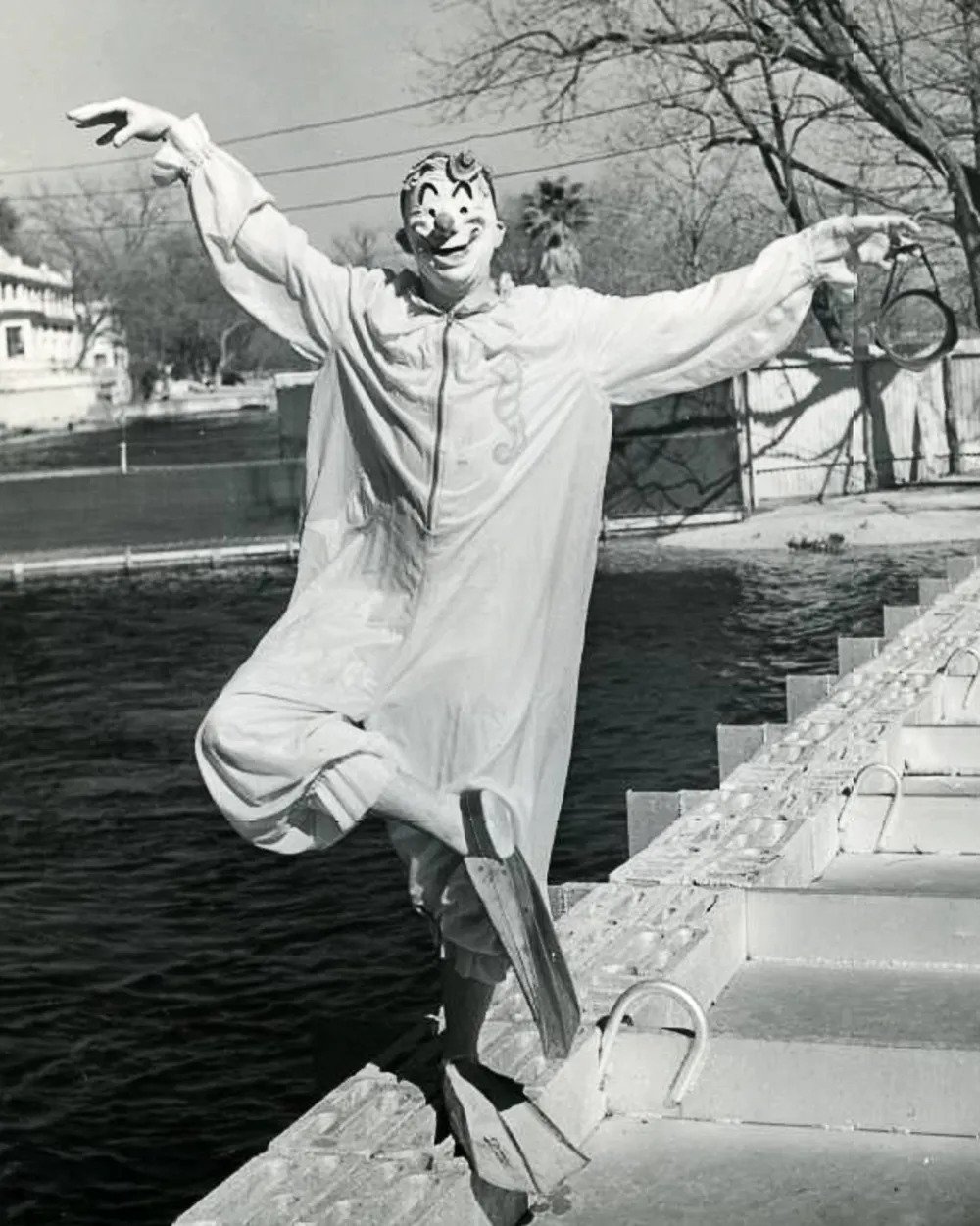
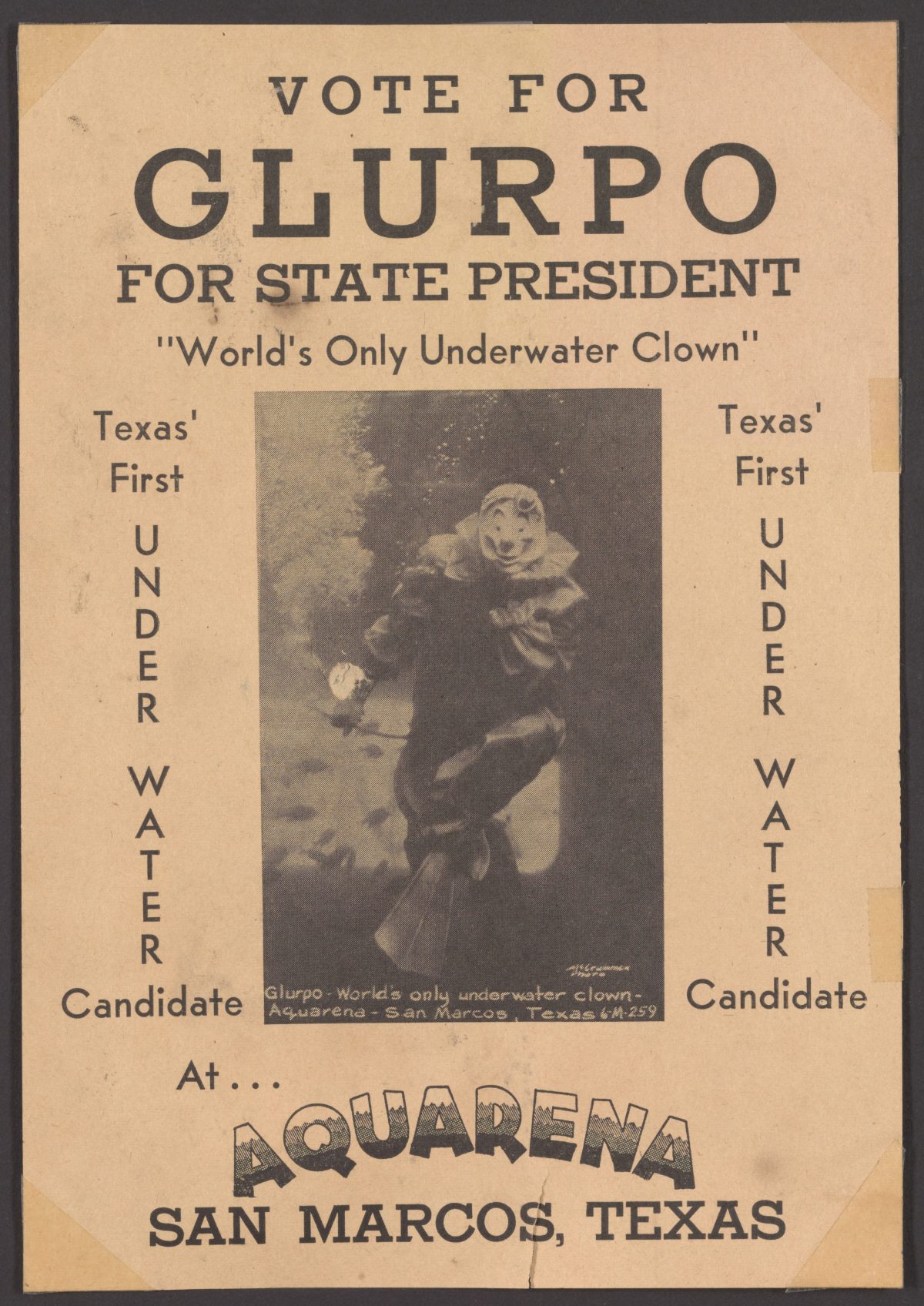
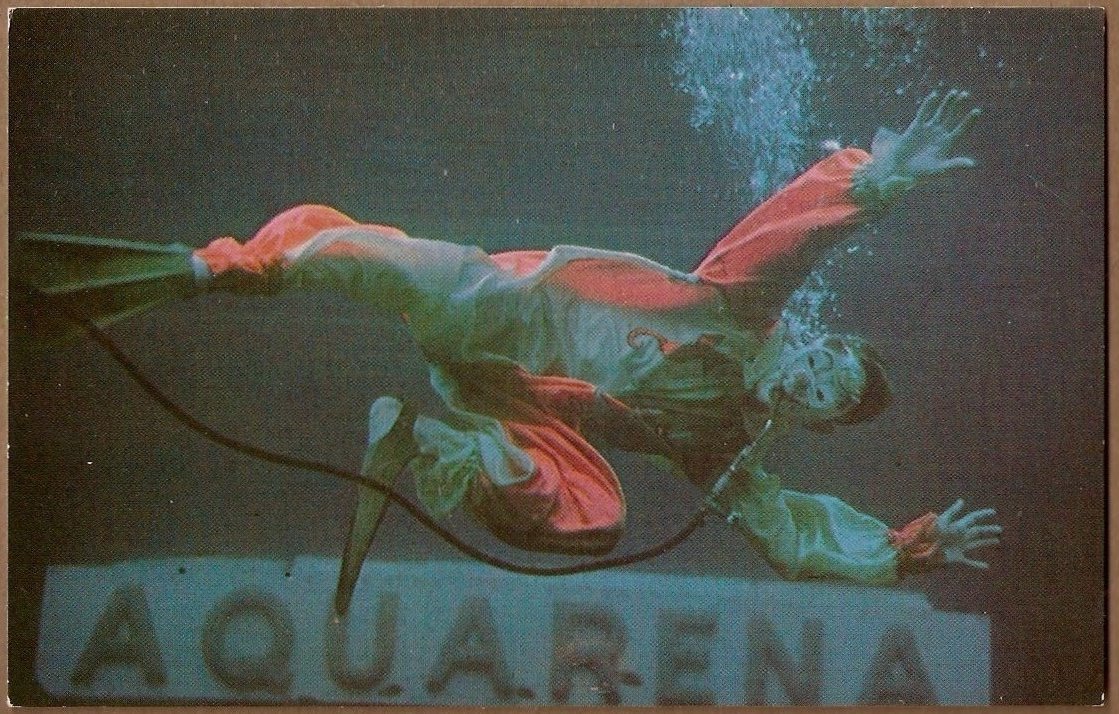
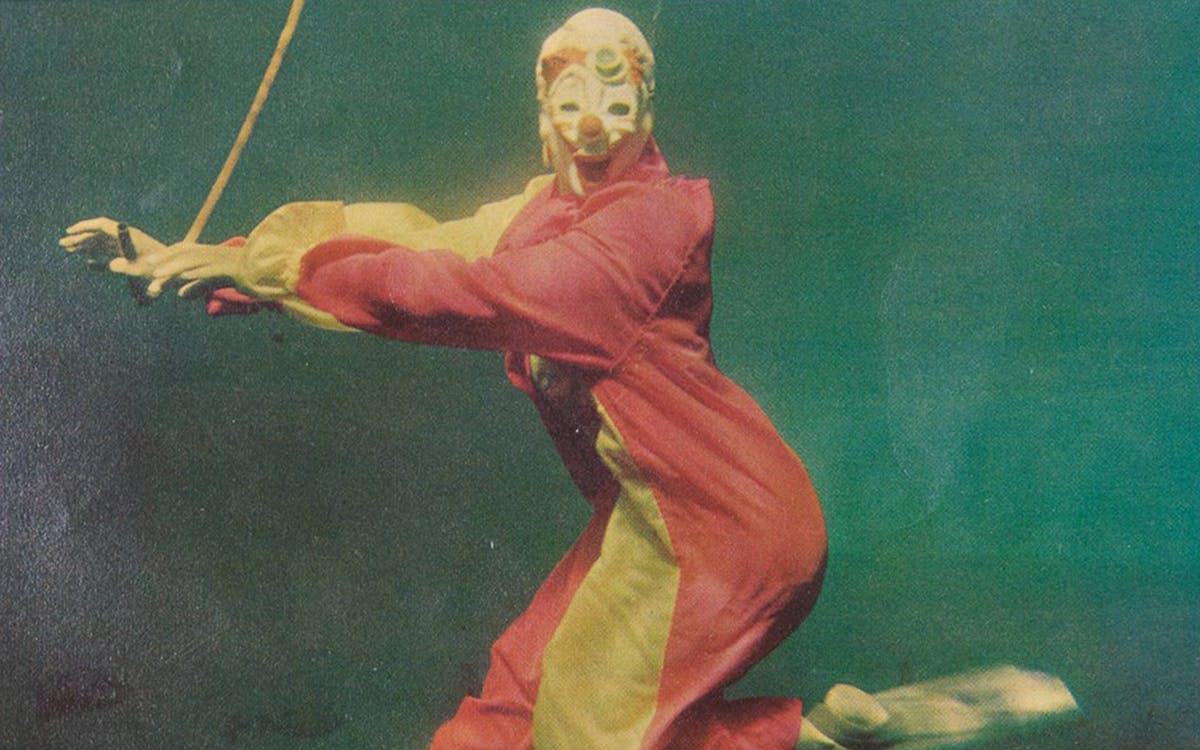
That job belonged to Glurpo — billed as the world’s first underwater clown. Glurpo arrived at Aquarena Springs in the early 1950s as a comic foil to the glamorous Aquamaids. While the women performed their elegant routines, Glurpo stumbled around them in costume, playing the fool. But behind the slapstick, he had a critical job. He managed the air hose connected to the compressed air tank that kept the performers breathing. Bob Phillips, who played Glurpo during the 1960s, described the precision it required: “After she finishes doing her ballet, after a minute and a half, you look for her hand, and when she opens up her thumb, you put the air hose in her hand right there.” One missed cue could have been dangerous. The comedy was real — but so was the responsibility.
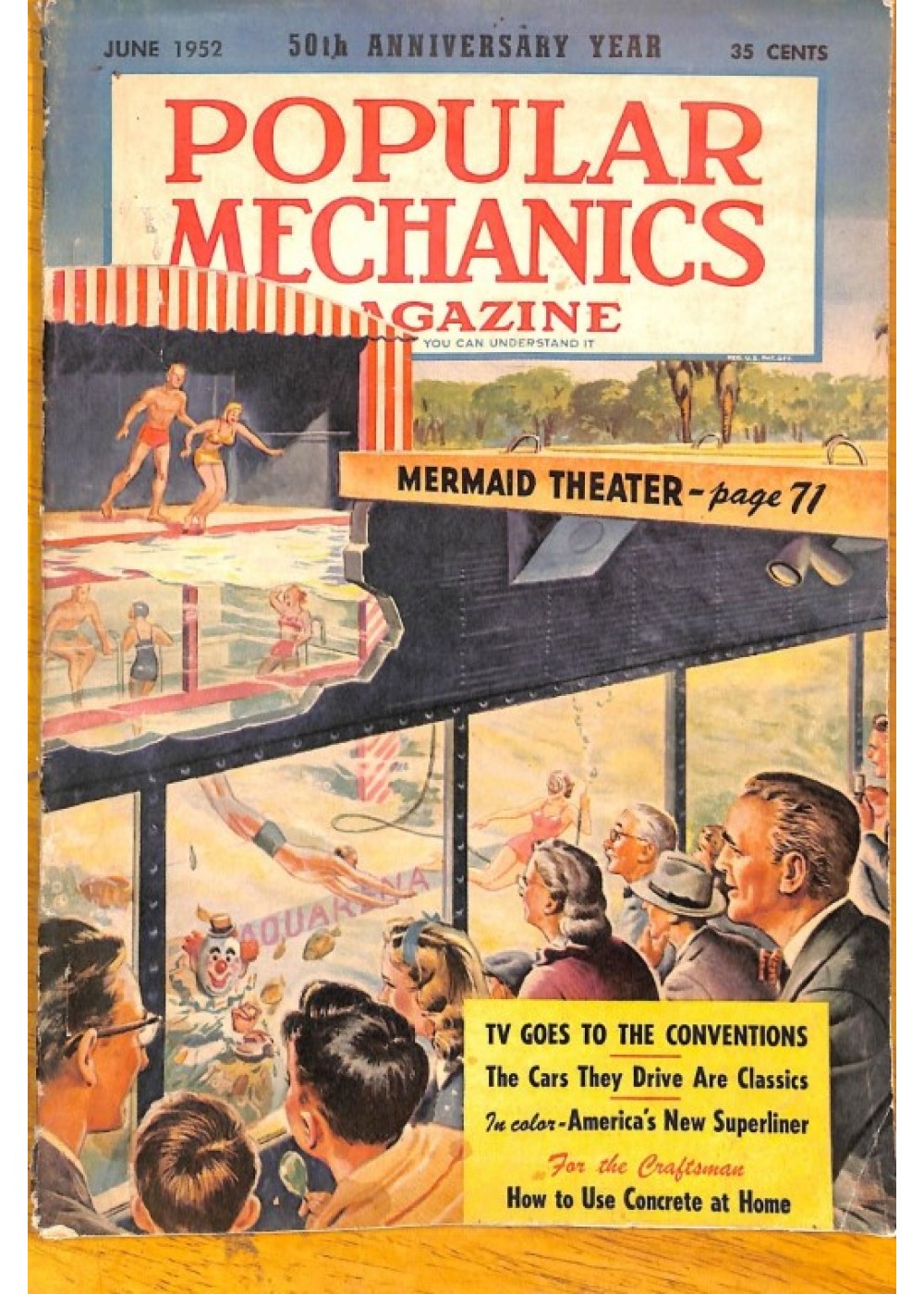
Glurpo’s fame extended well beyond San Marcos. The character landed on the cover of Popular Mechanics in June 1952, introducing the concept of an underwater clown to readers across the country. It was a remarkable piece of publicity for a regional Texas amusement park.
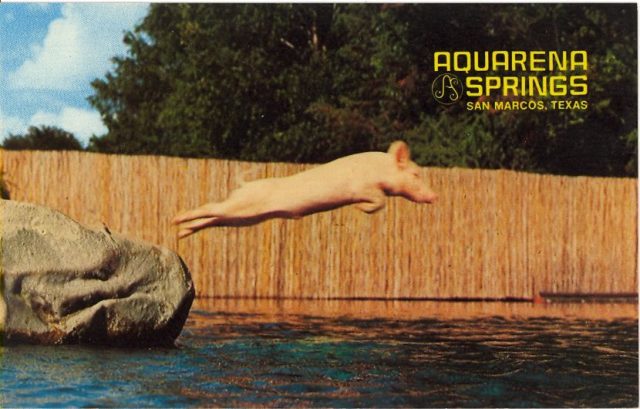
Glurpo wasn’t the only unconventional performer at the park. Ralph the Swimming Pig became one of Aquarena Springs’ most beloved attractions. Ralph was so good at what he did that journalist Molly Ivins once called him “the Greg Louganis of Porkerdom.” Ralph eventually earned his own feature-length documentary — a level of fame most human performers never reach.
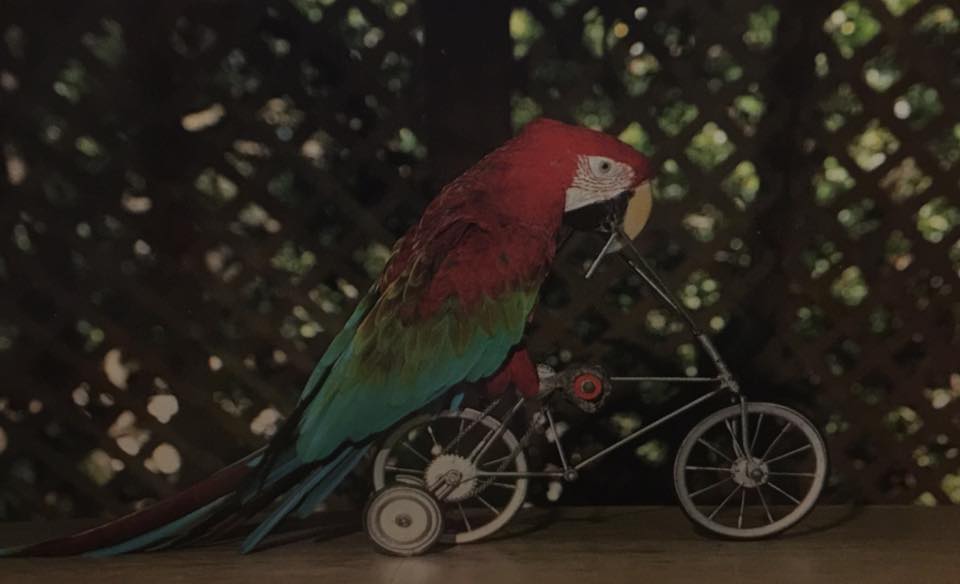
Above the water, the park offered its own brand of spectacle. A bird show featured parrots trained to ride bicycles, giving visitors an entirely different kind of performance to watch between trips to the submarine theater.
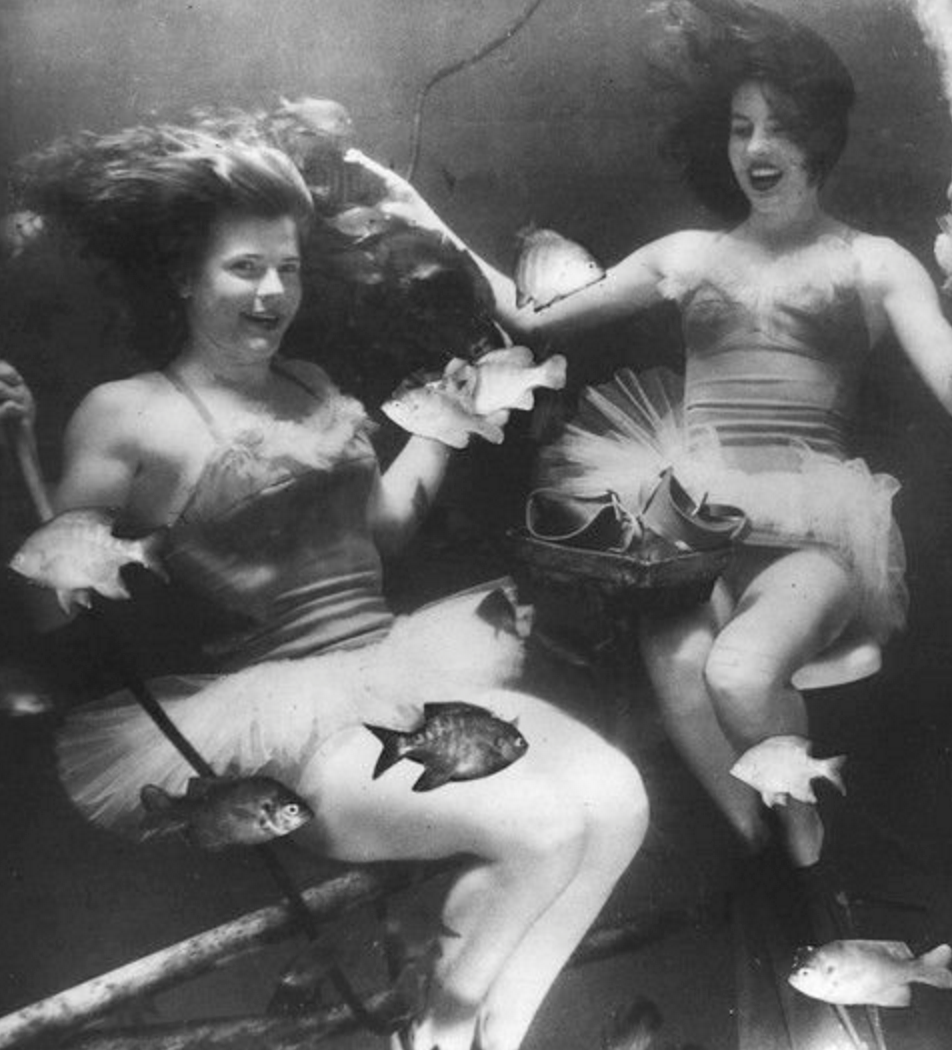
What made Aquarena Springs work was the setting. Spring Lake’s crystal-clear water made underwater viewing possible in a way that murky lakes or pools simply couldn’t. The headwaters of the San Marcos River produced a natural theater, and the park’s creators filled it with performers willing to eat, dance, get married, and clown around beneath the surface — all while an audience watched through thick glass from below.