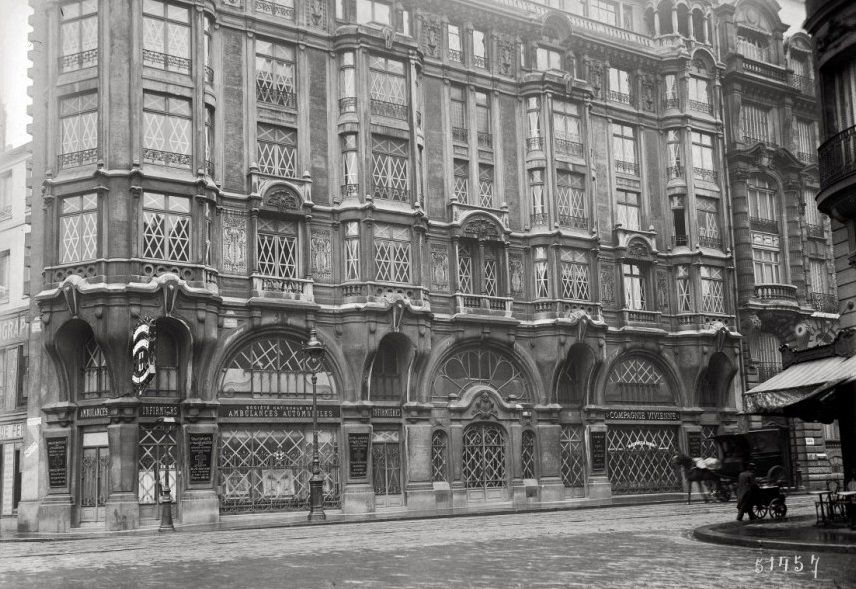
When war came to France in 1914, the threat wasn’t only on the battlefield. Paris itself was in danger. That summer, the German Army pushed to the city’s eastern outskirts before the First Battle of the Marne stopped their advance. But stopping troops at the city’s edge didn’t stop the danger from above. German airplanes and zeppelins could still reach the French capital, and the risk of aerial attack was very real.
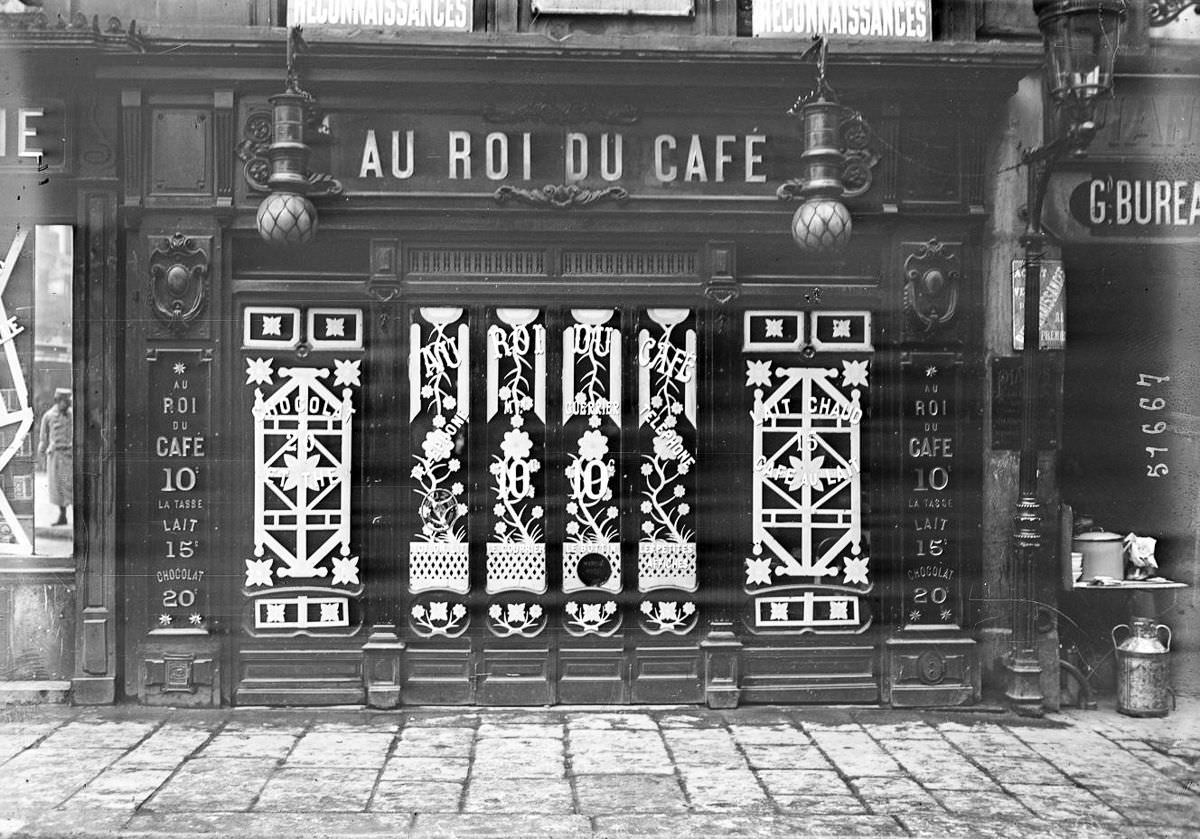
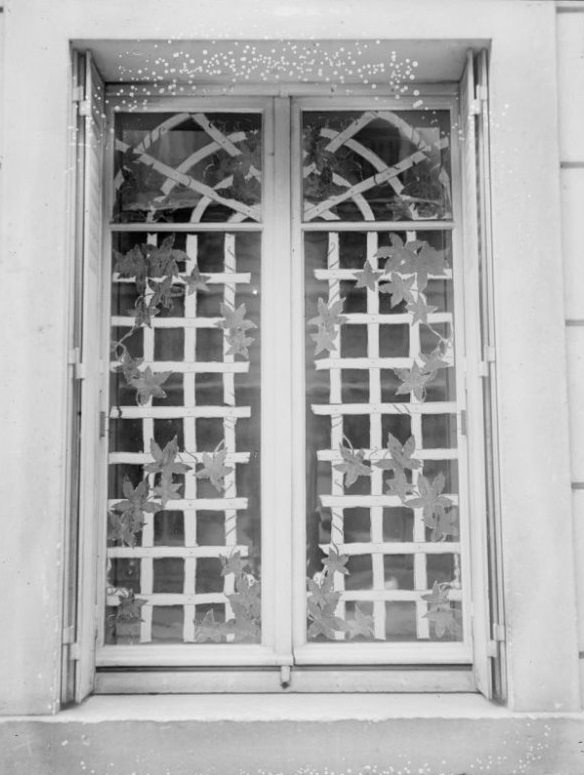
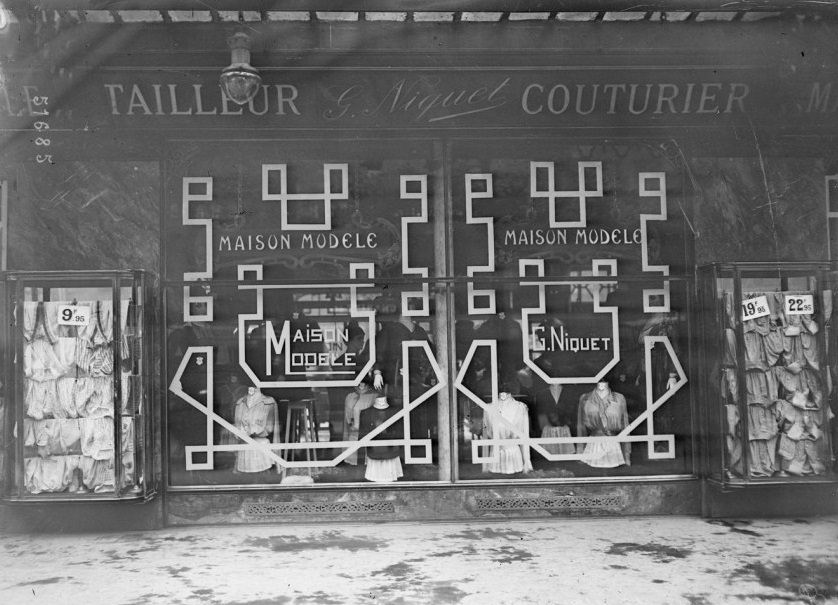
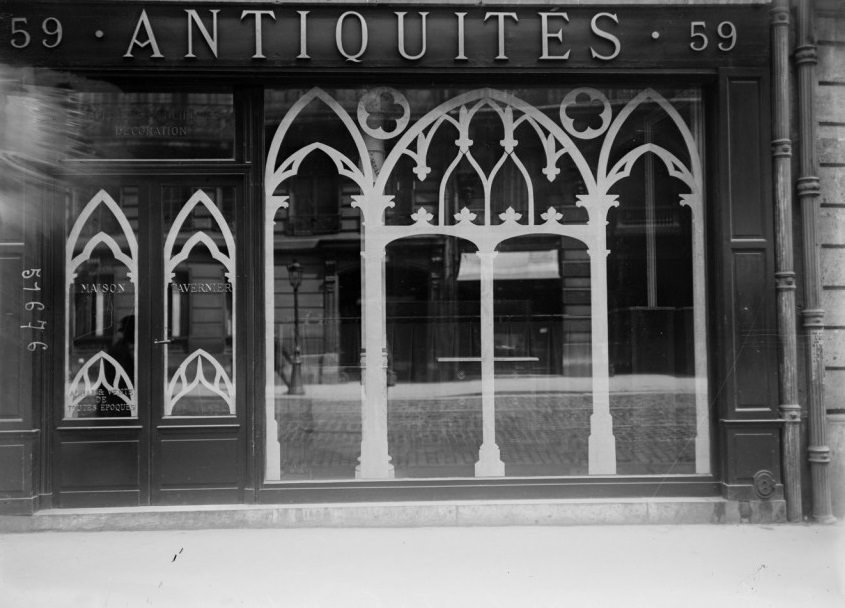
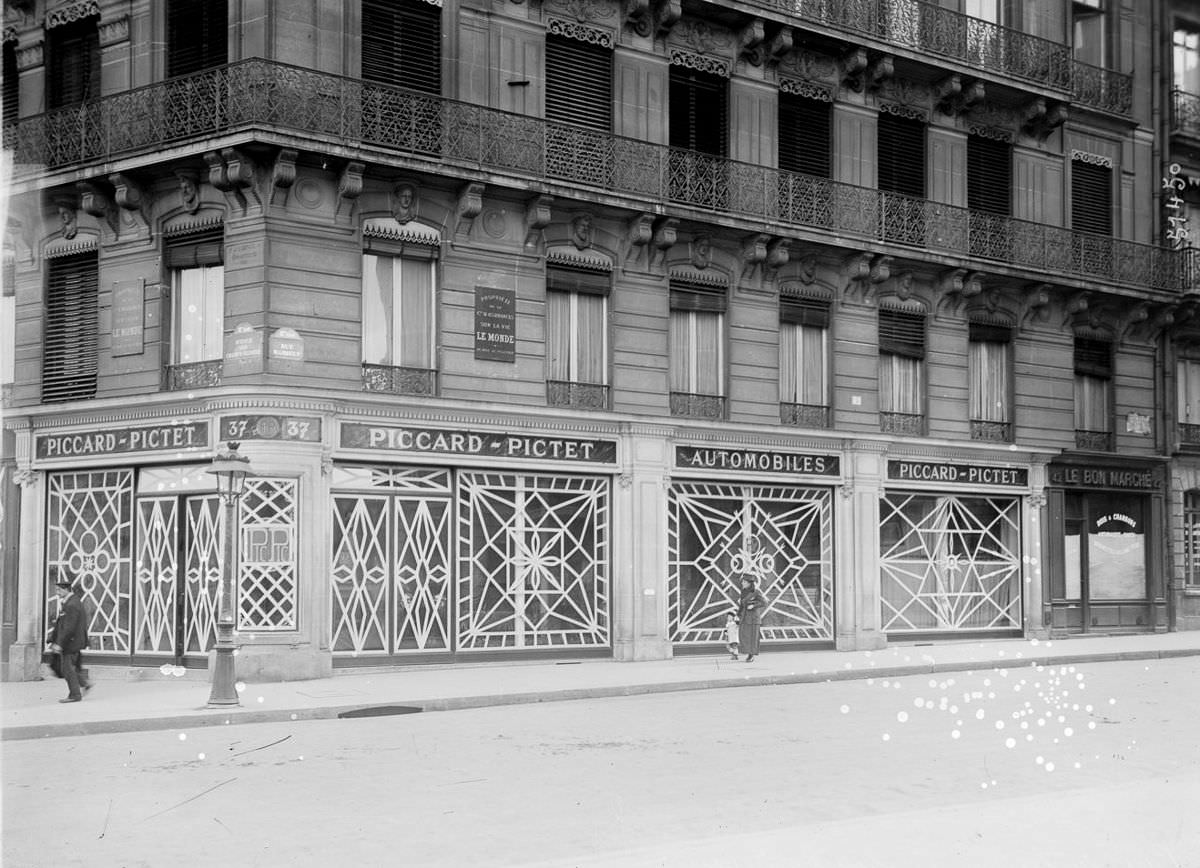
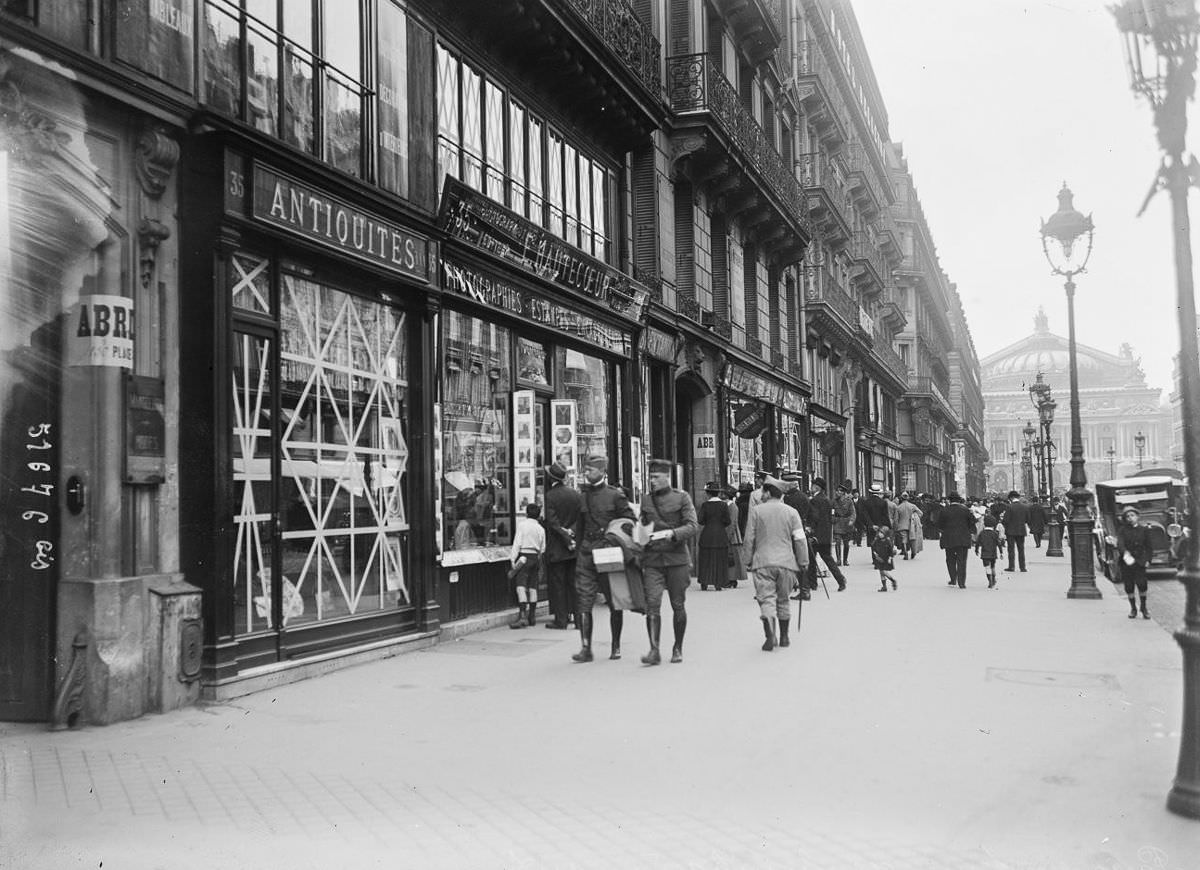
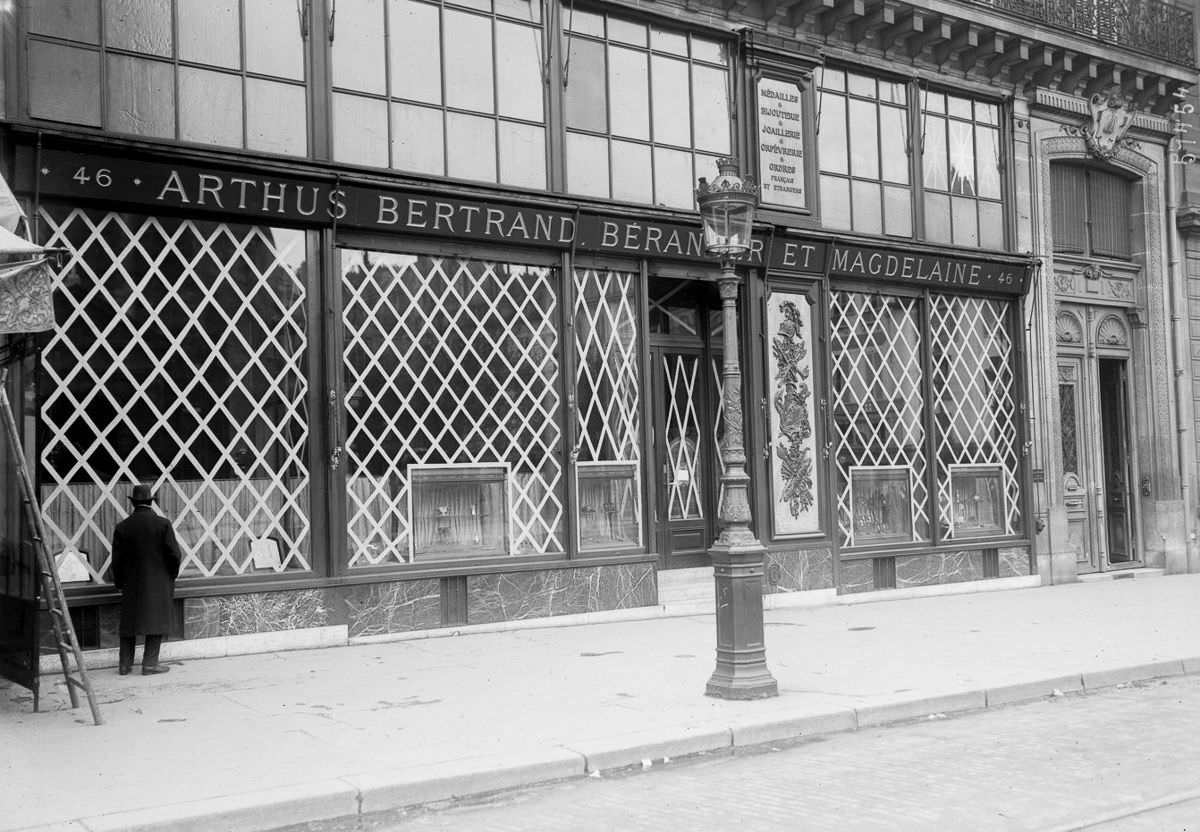
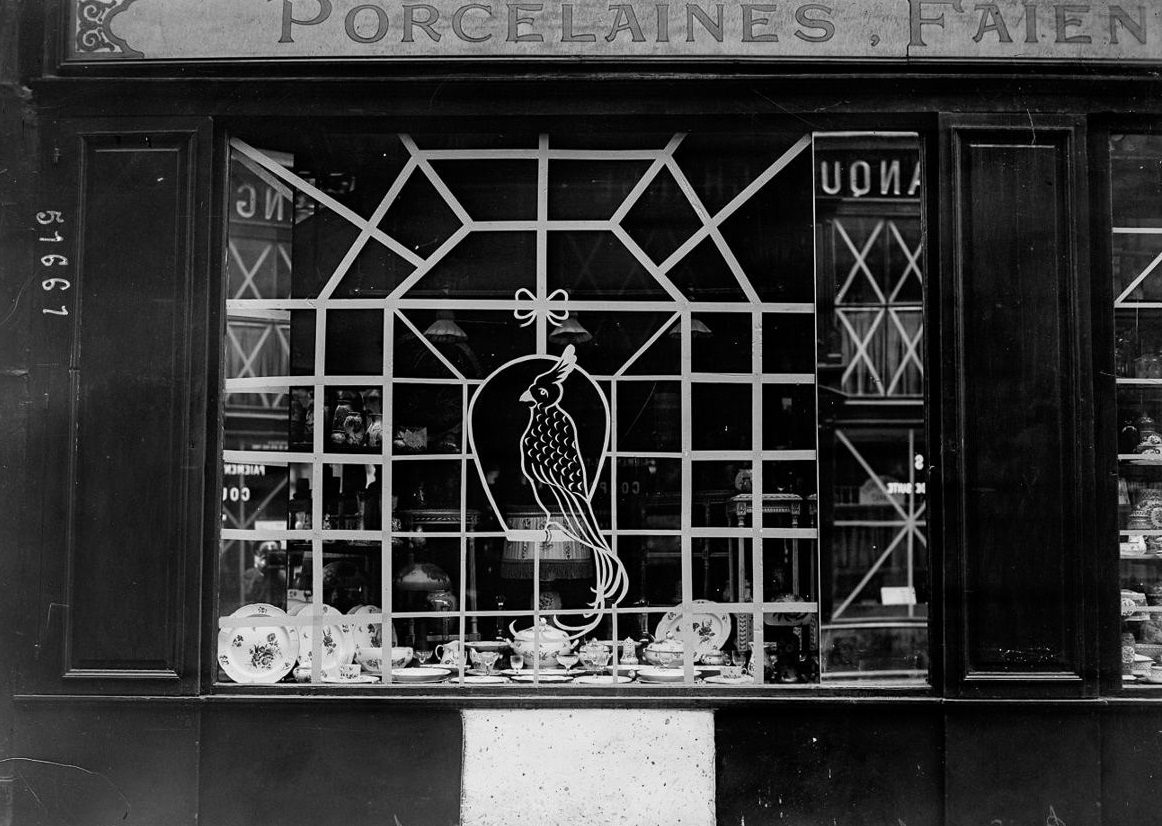
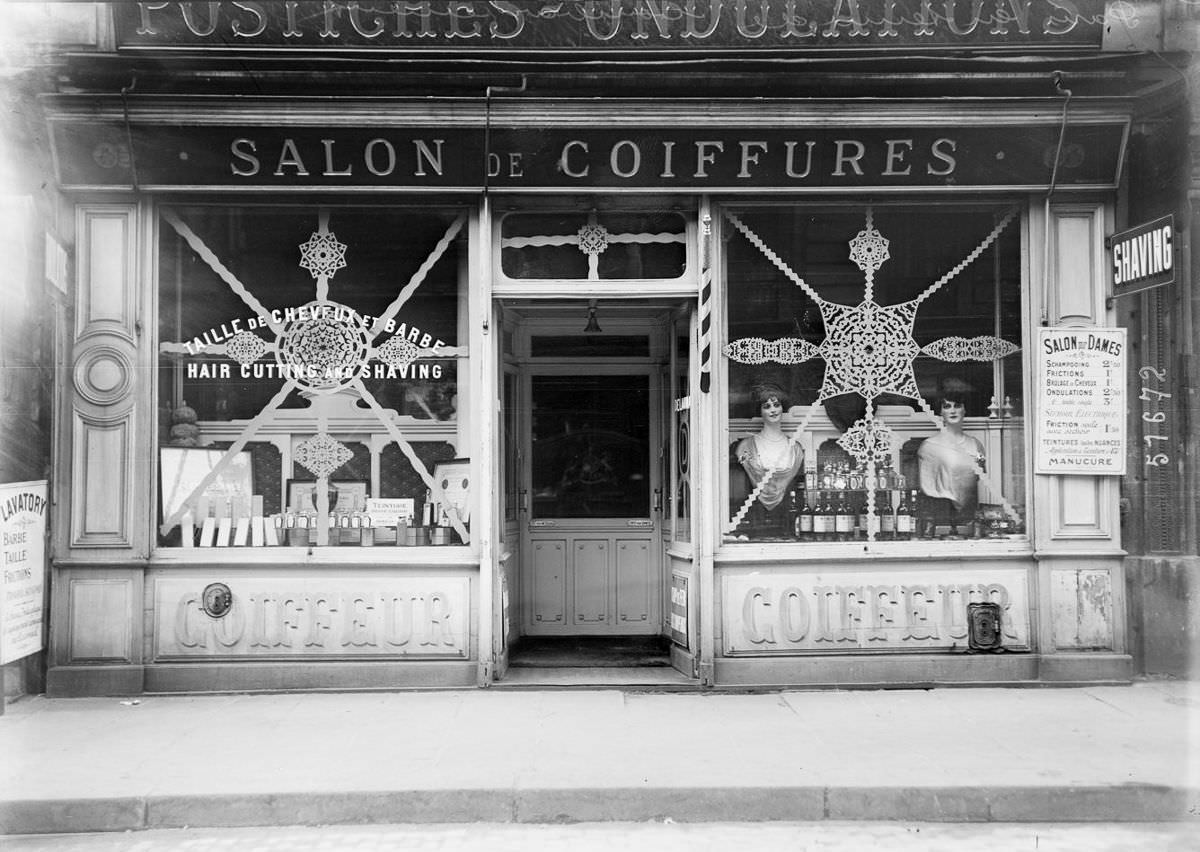
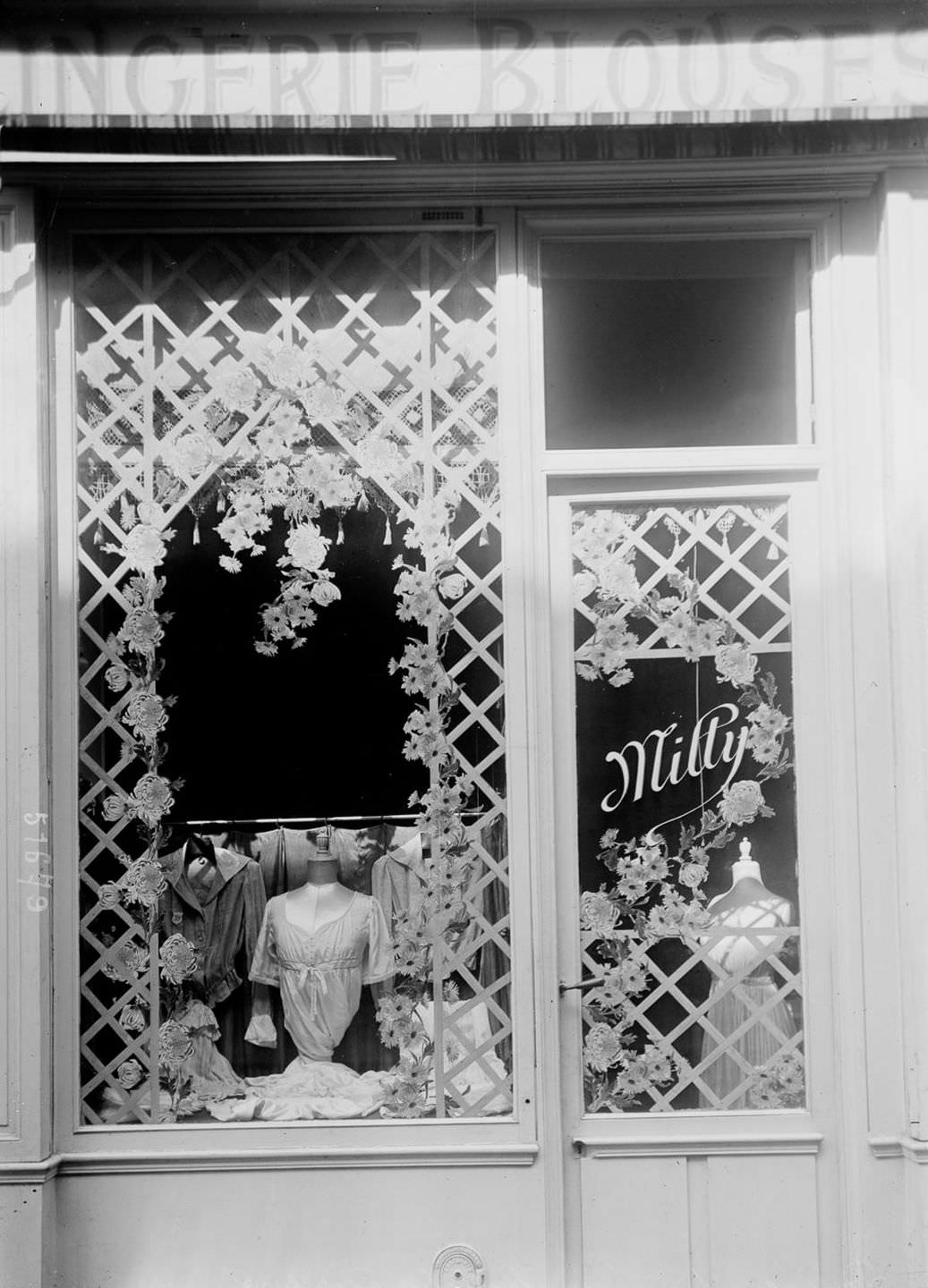
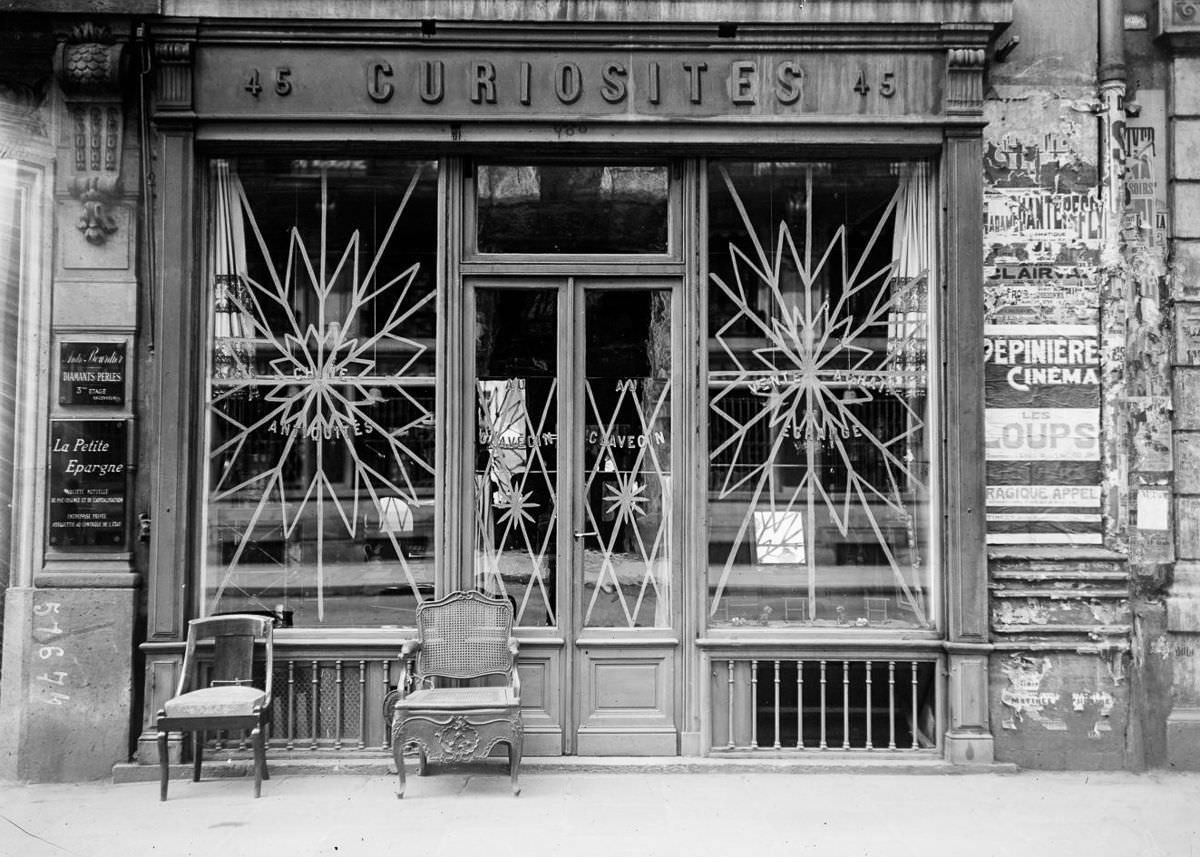
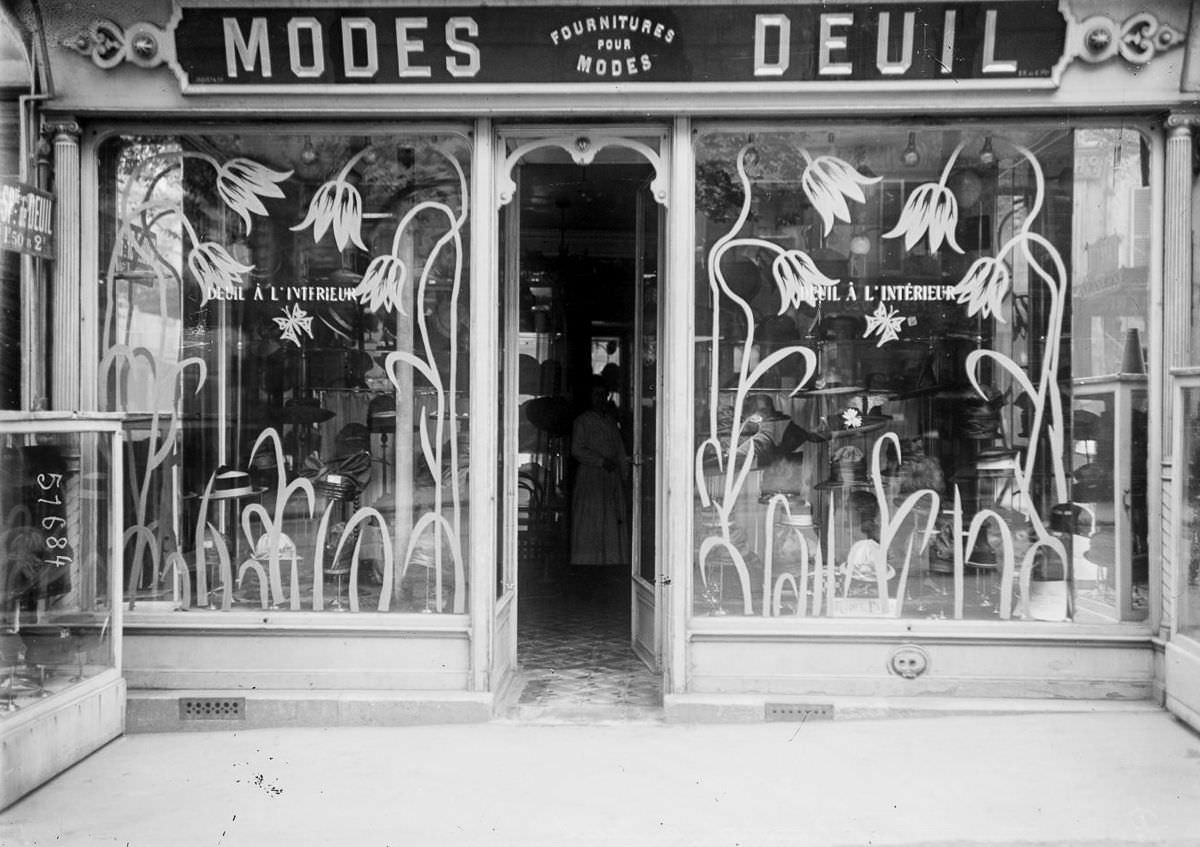
The French government responded by issuing gummed paper strips to shopkeepers across Paris. The purpose was practical: if a bomb or shell caused an explosion nearby, windows would shatter and send razor-sharp glass flying in every direction. Strips of sticky brown paper applied to the glass held the pieces together, reducing the danger of flying shards.
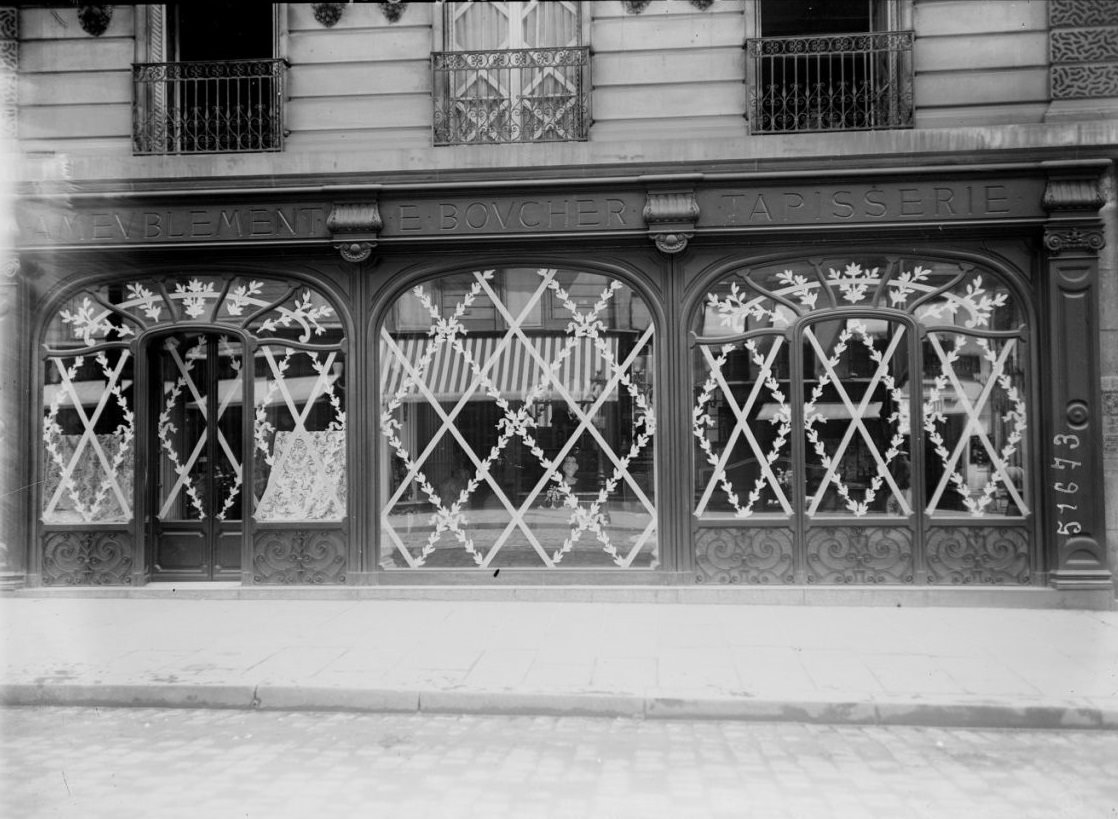
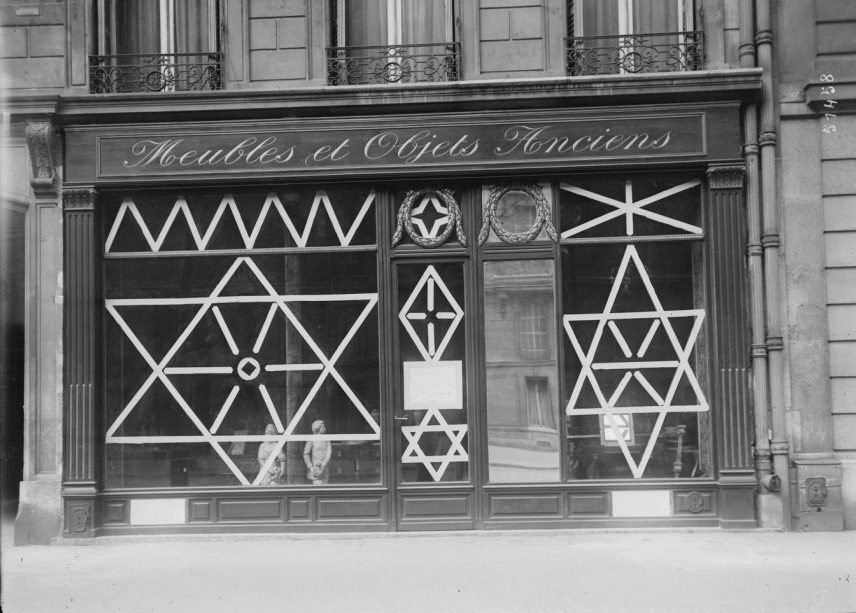
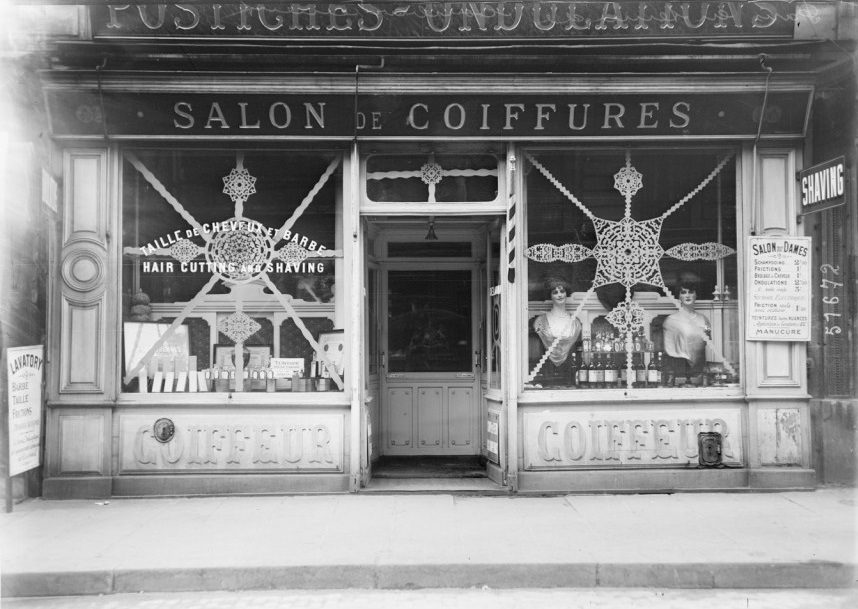
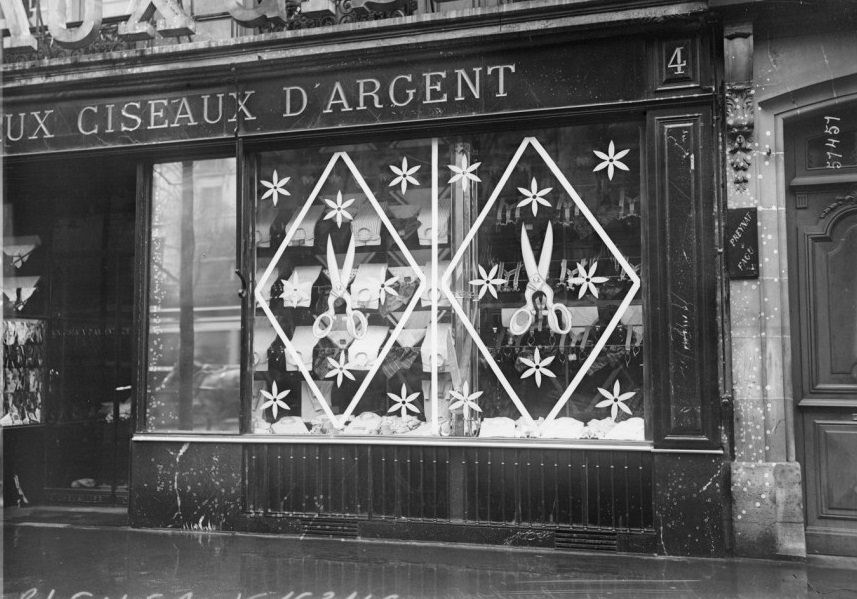
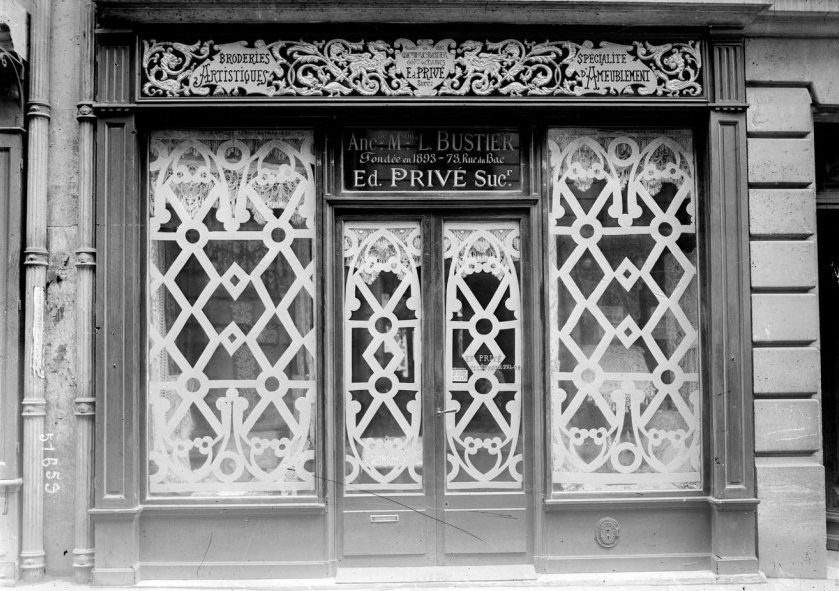
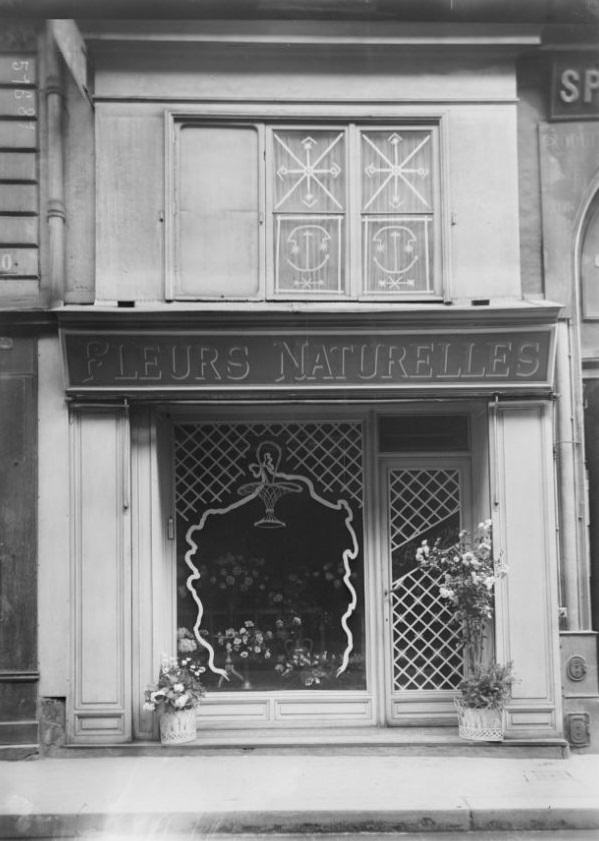
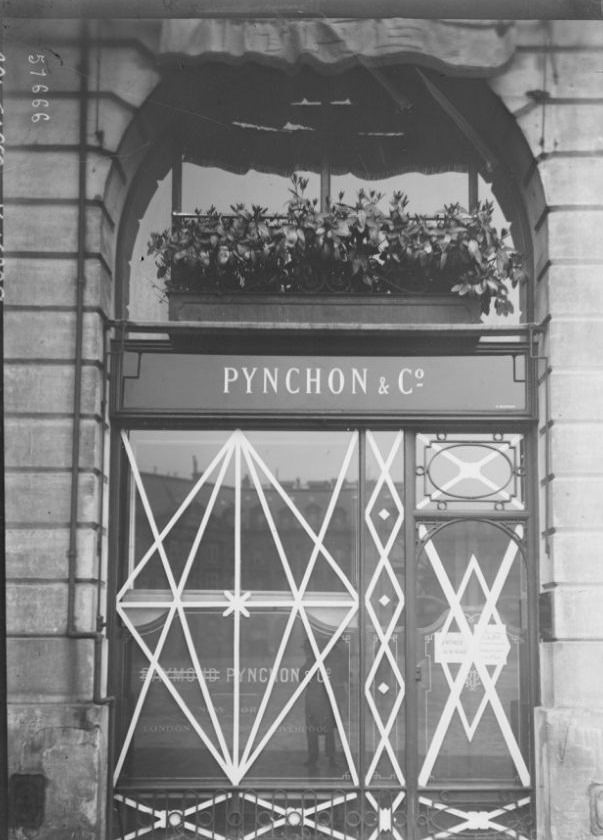
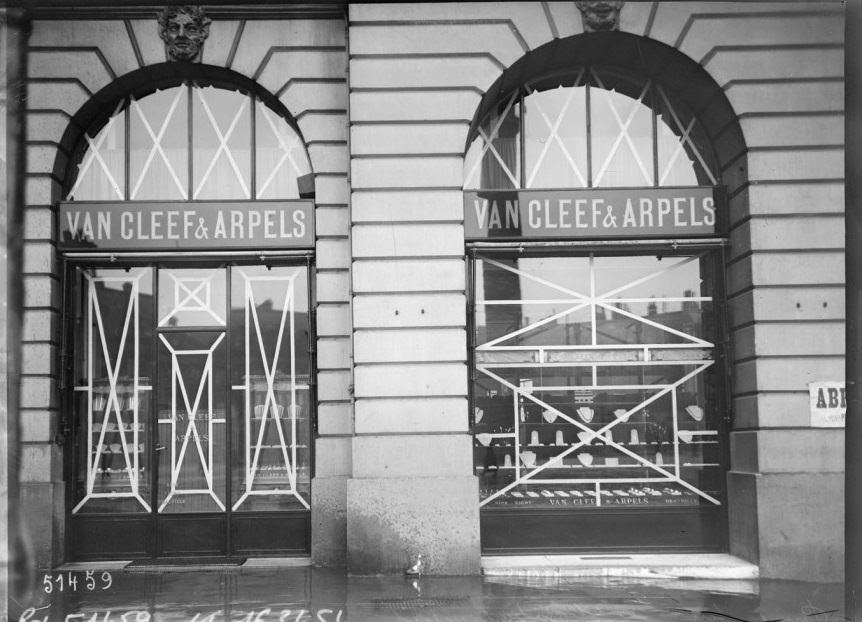
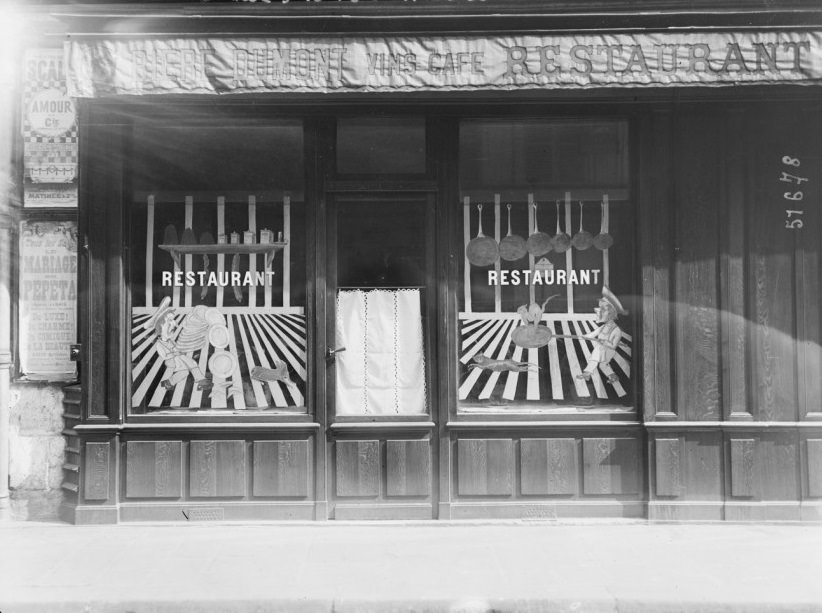
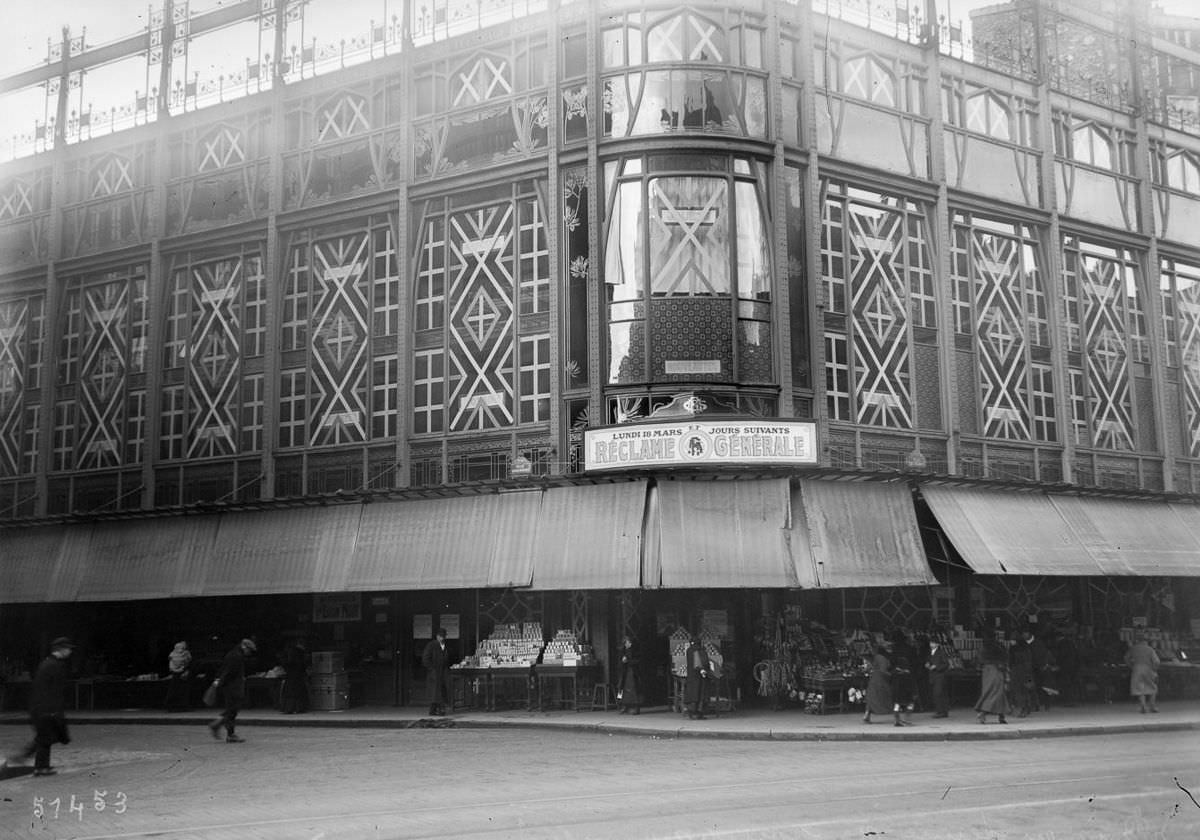
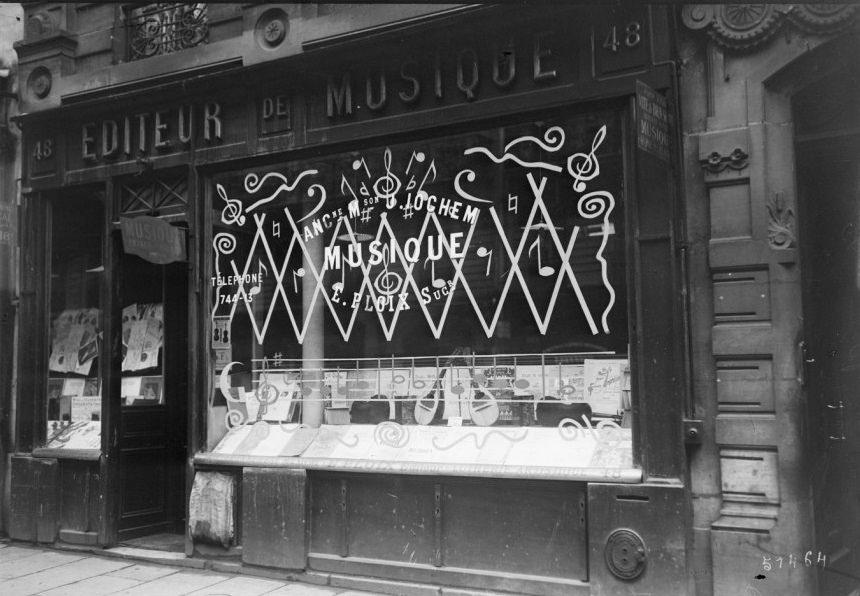
Shopkeepers didn’t just slap the strips on haphazardly. Many of them arranged the paper into geometric shapes, decorative patterns, and artistic designs. What started as a safety measure became a form of street-level art. Storefronts across the city displayed windows covered in carefully arranged strips that caught the eye of passersby.
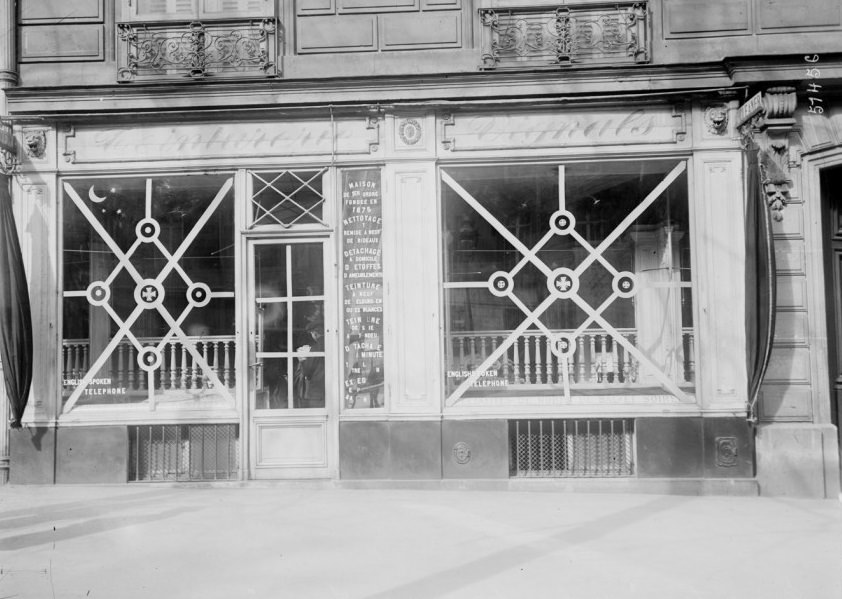
The threat from above grew more serious as the war continued. In March 1918, Germany deployed the Paris Gun — a massive artillery piece capable of firing 234-pound shells directly into the city. It was one of the largest guns ever used in warfare at that time. The shells could travel over 80 miles, making Paris a target even from deep behind German lines.
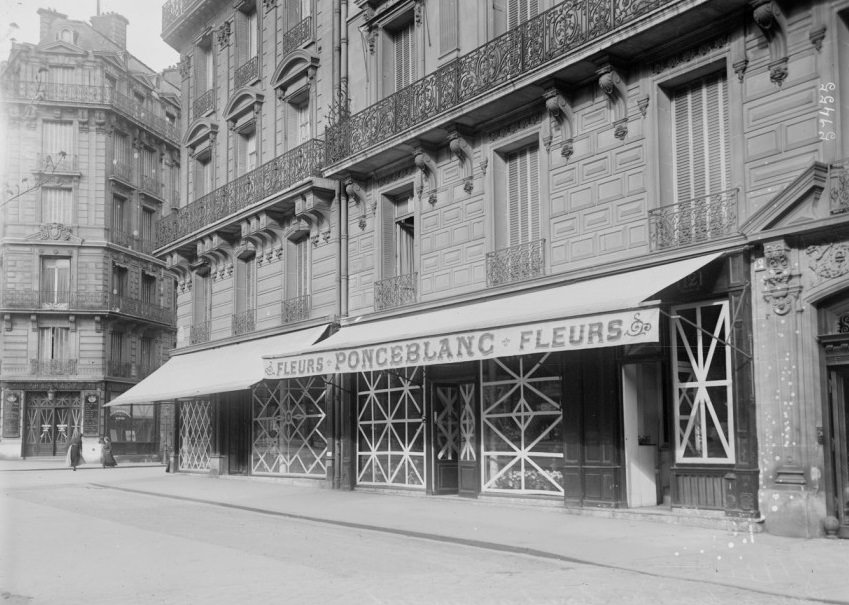
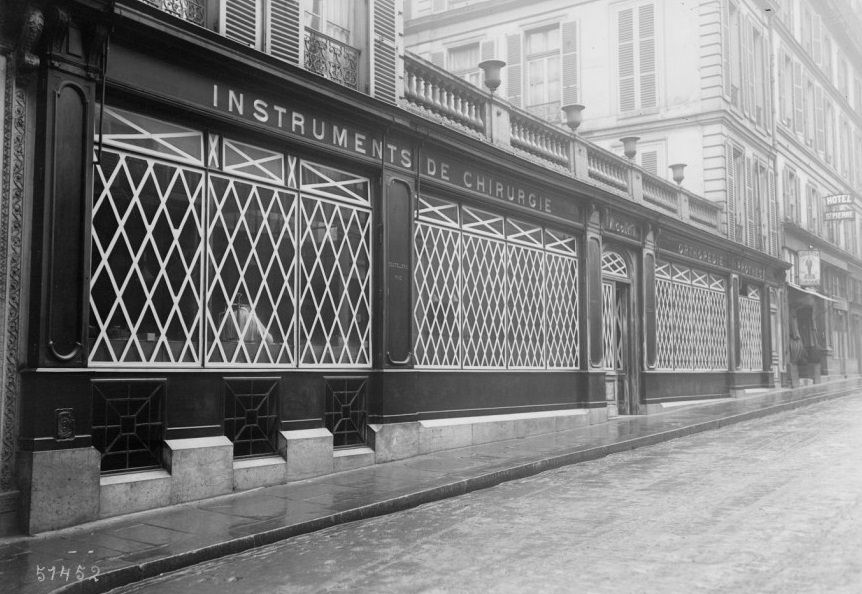
The decorated windows were more than just clever — they were a daily reminder of the war pressing in on civilian life. Every patterned strip of brown paper on a bakery or dress shop window told the same story: the city was under threat, and its people were adapting.
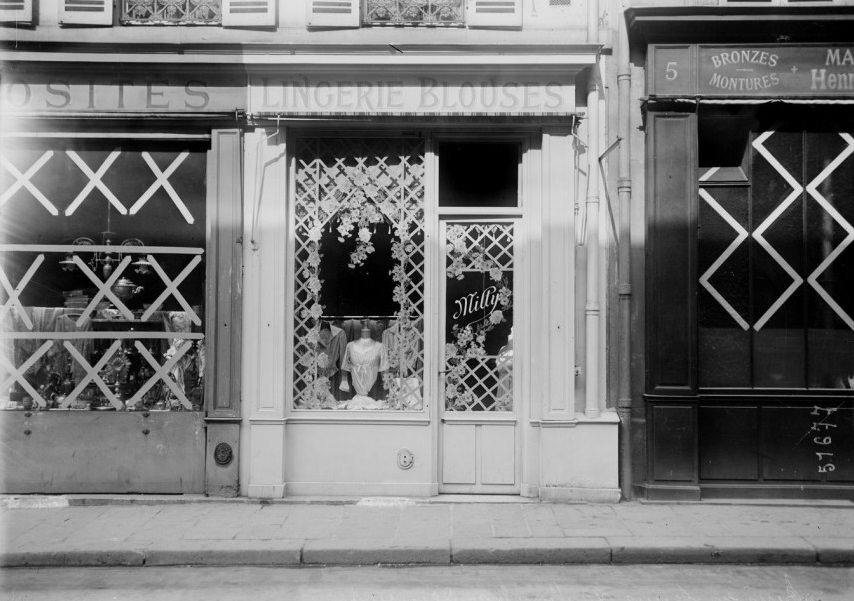
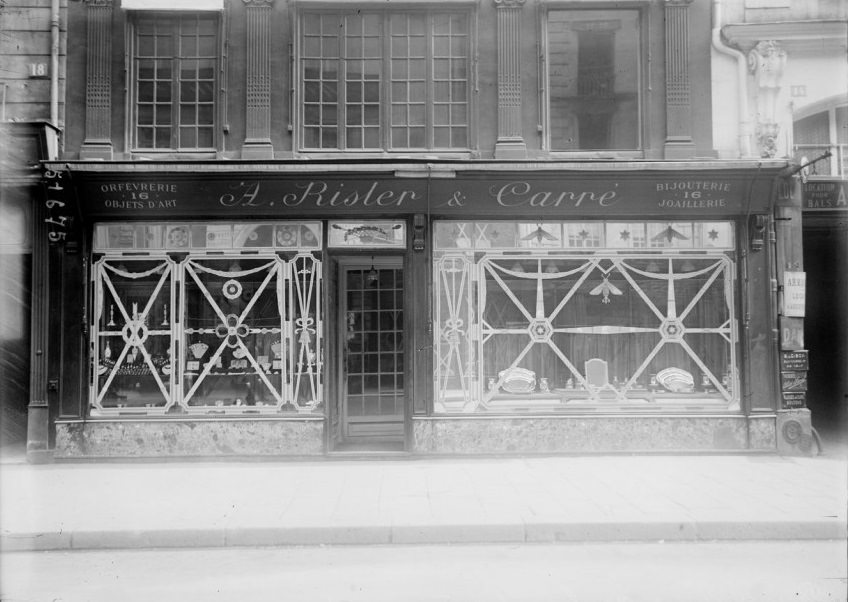
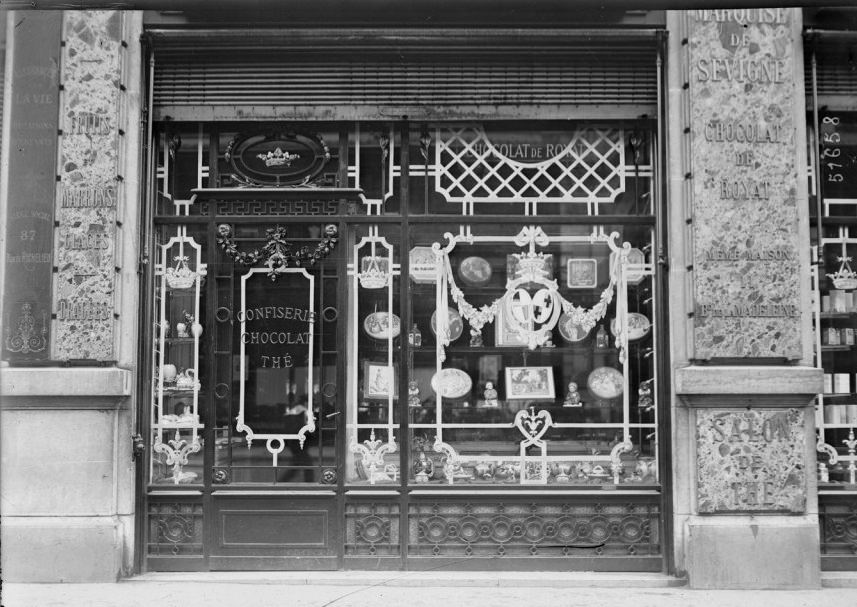
The same idea carried into the next world war. During World War II, the United Kingdom issued rolls of gummed brown paper — commonly called “scrim” — to households across the country. Families applied it to their home windows for the same reason Parisian shopkeepers had decades earlier: to keep glass from becoming a weapon in a blast.
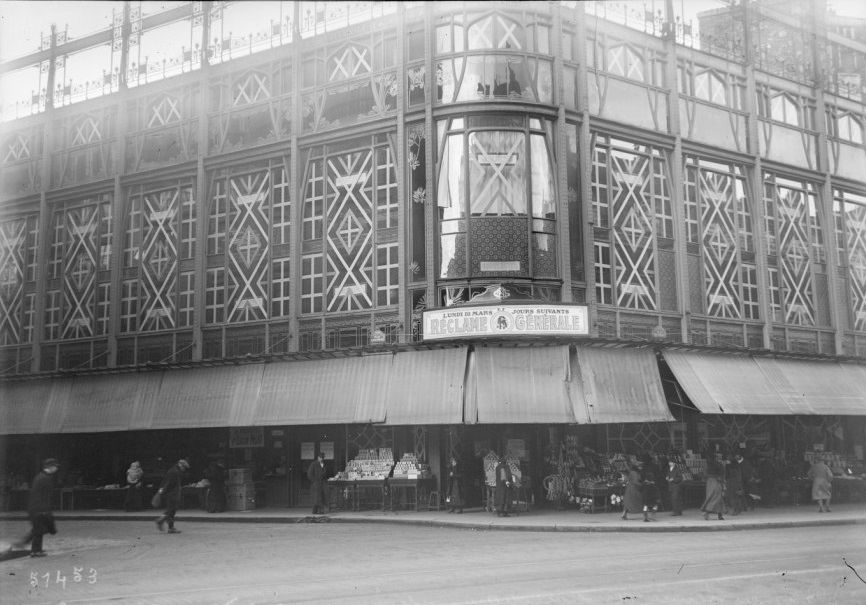
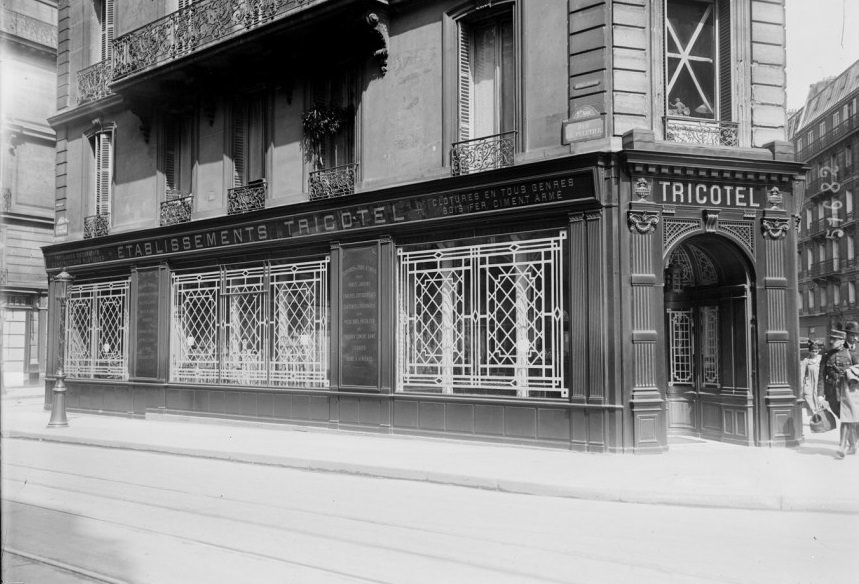
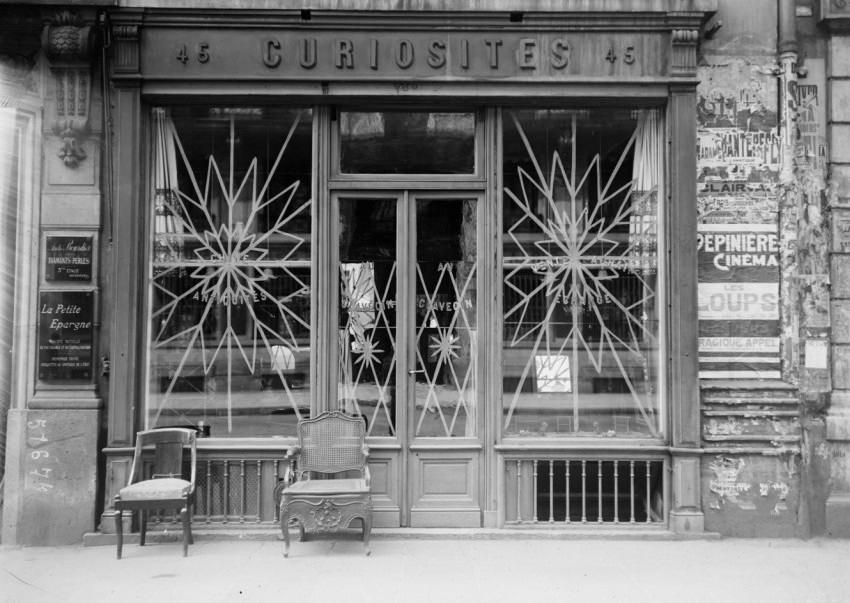
Back in Paris during the First World War, the patterned shop windows became one of the most visible signs of a city living under the shadow of war. The strips of brown paper weren’t glamorous, but in the hands of resourceful shopkeepers, they became something worth noticing.