The 1950s marked a turning point for American teenagers. After World War II, parents who had lived through years of hardship were determined to give their children better lives. That shift created something new: a generation of teens with more freedom, more spending money, and more time to simply be young. They developed their own slang, their own fashion, and their own social world — one that looked very different from anything that had come before.
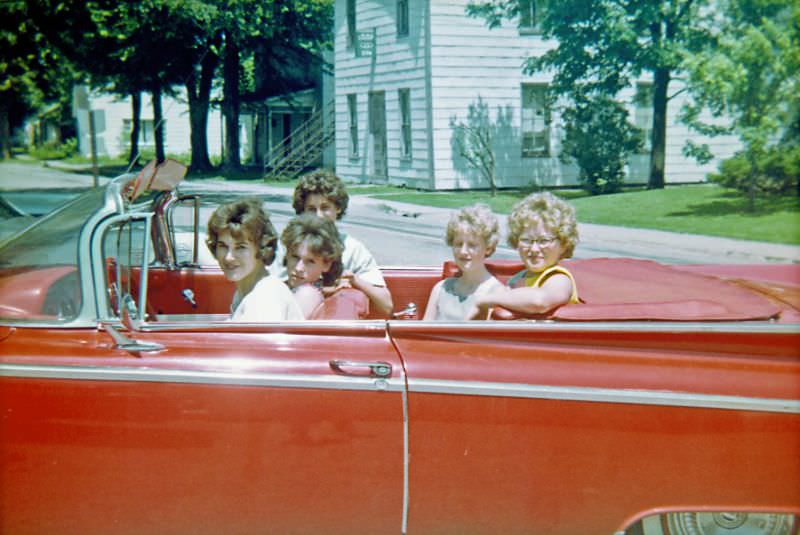
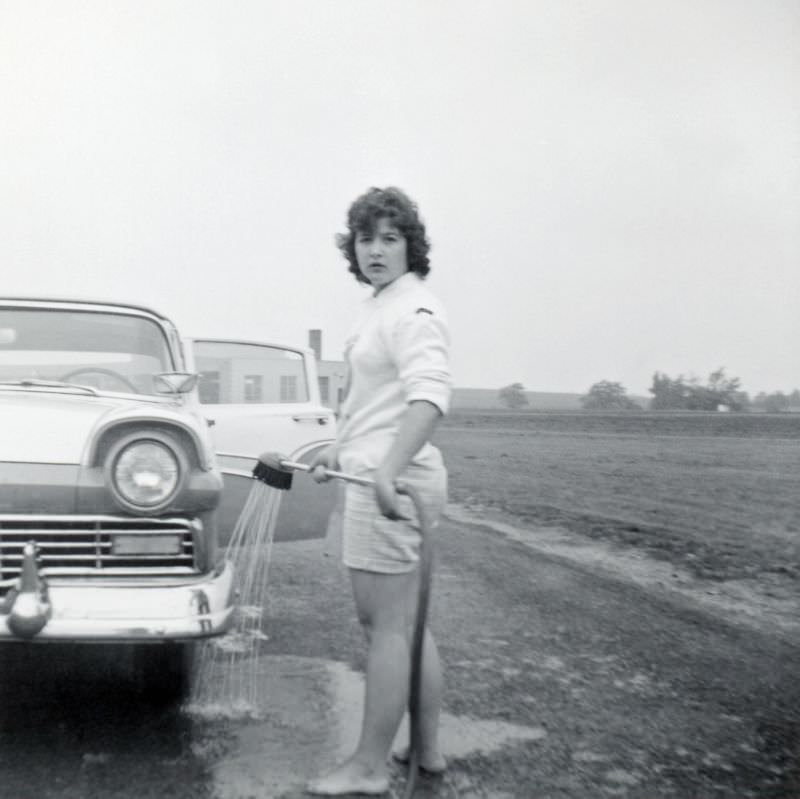
Cars were central to 1950s teen culture. A convertible wasn’t just transportation — it was freedom. Teens cruised main streets, drove to drive-in movies, and used cars as a social space. Owning or having access to a car gave teenagers a sense of independence that previous generations simply didn’t have.
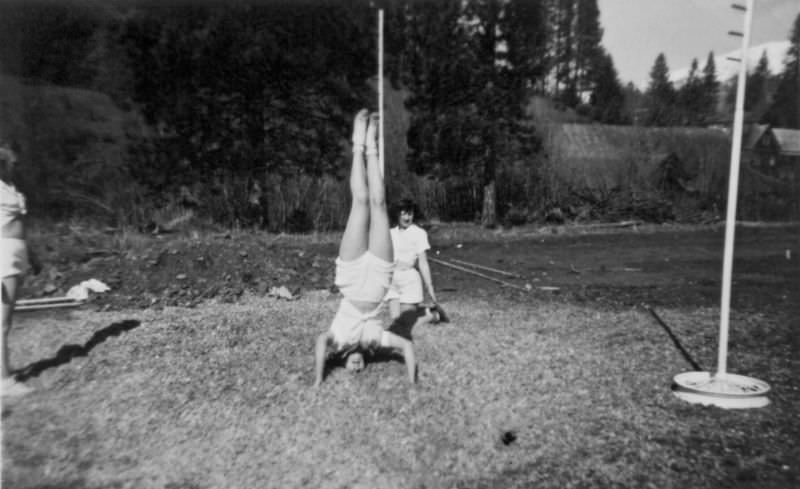
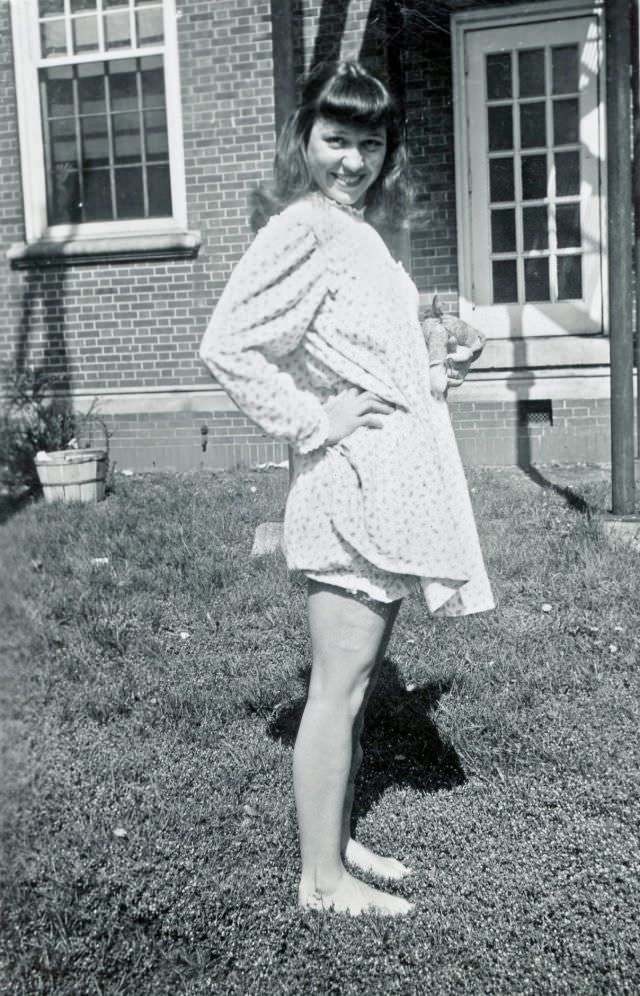
Music drove much of the cultural change. Before the 1950s, families gathered around the radio together — everyone listening to the same broadcast at the same time. The rise of the vinyl record changed that completely. Teens could now buy the music they wanted, play it at home, and build their own collections. Rock and roll exploded out of this shift, pulling young people toward a sound that felt entirely their own.
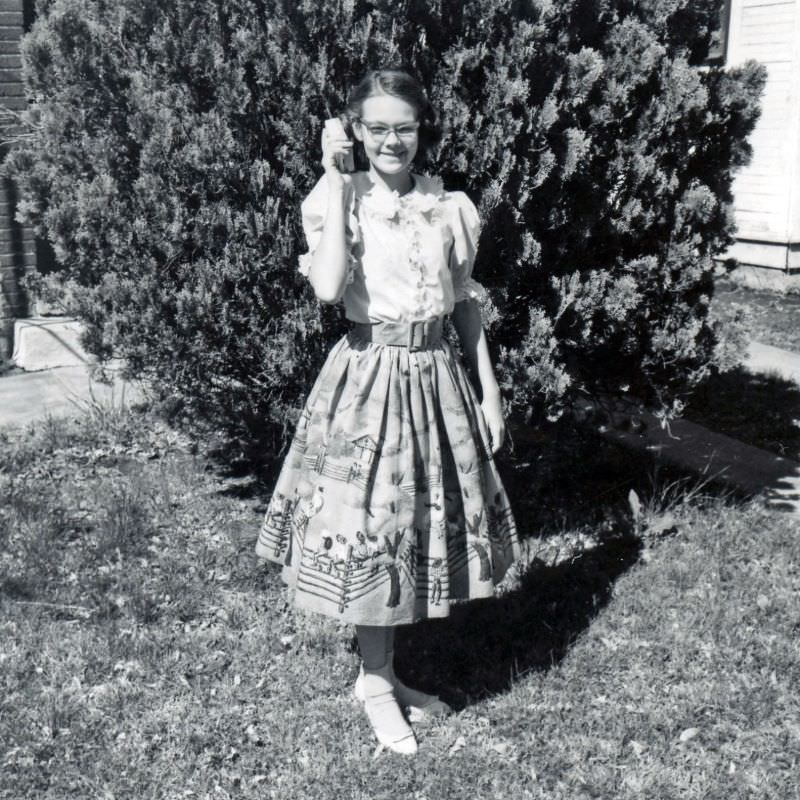
The transistor radio made music even more personal. Small enough to carry anywhere, it meant teenagers no longer had to be at home to listen to their favorite stations. Music followed them to the park, the beach, and anywhere else they gathered.
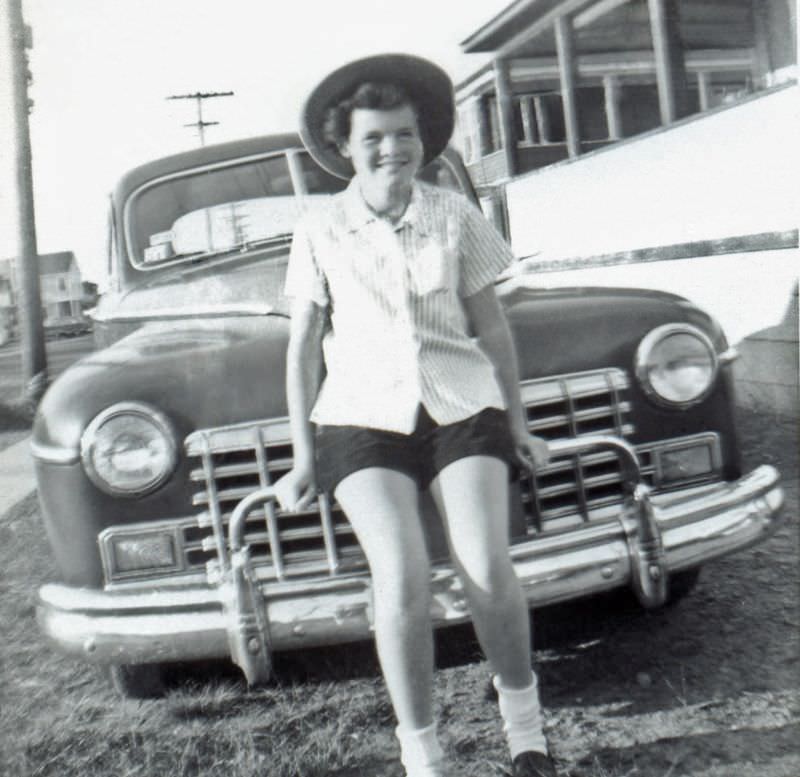
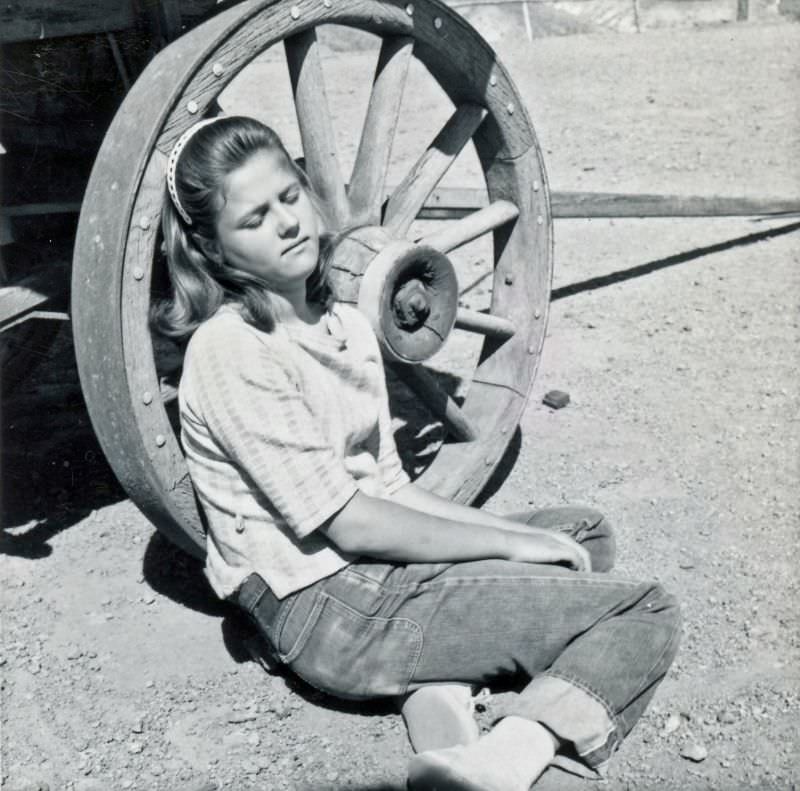
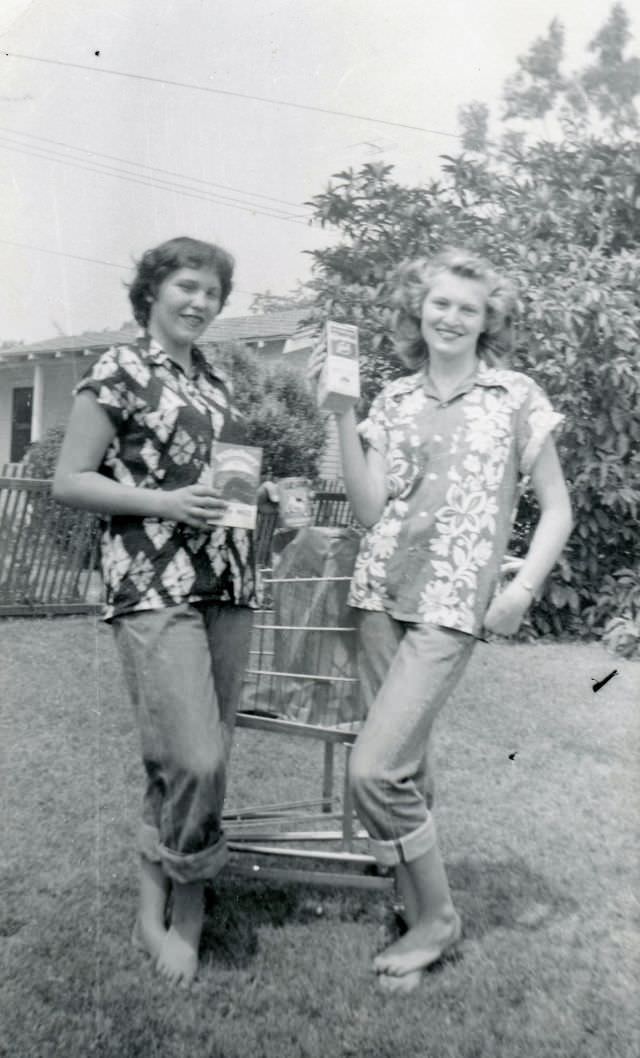
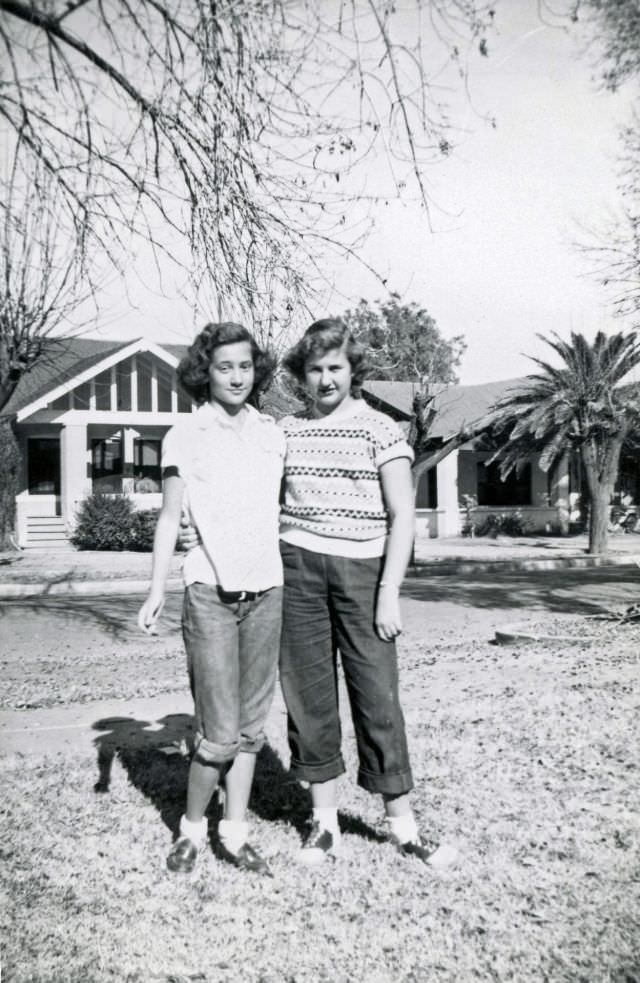
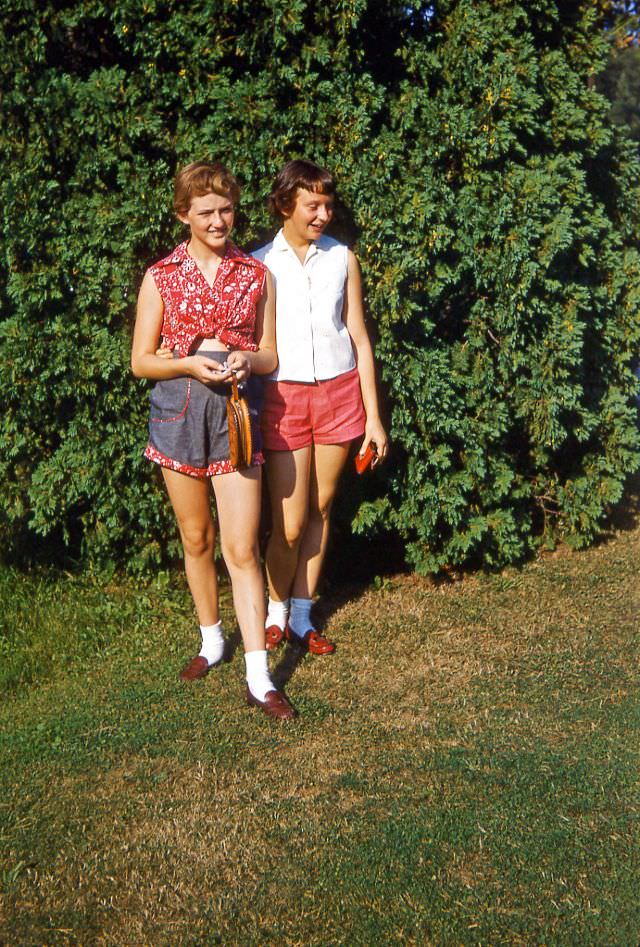
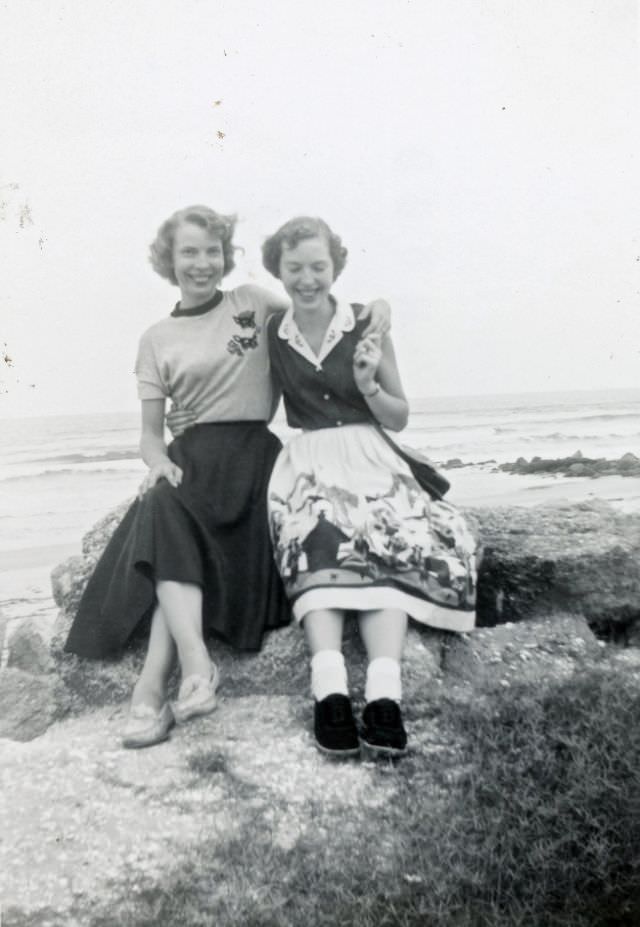
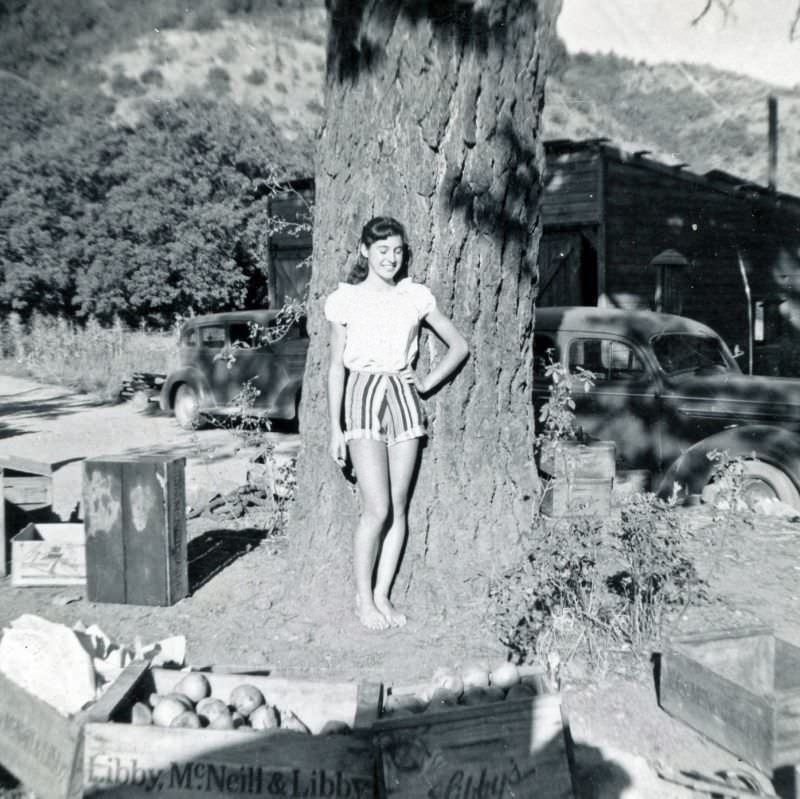
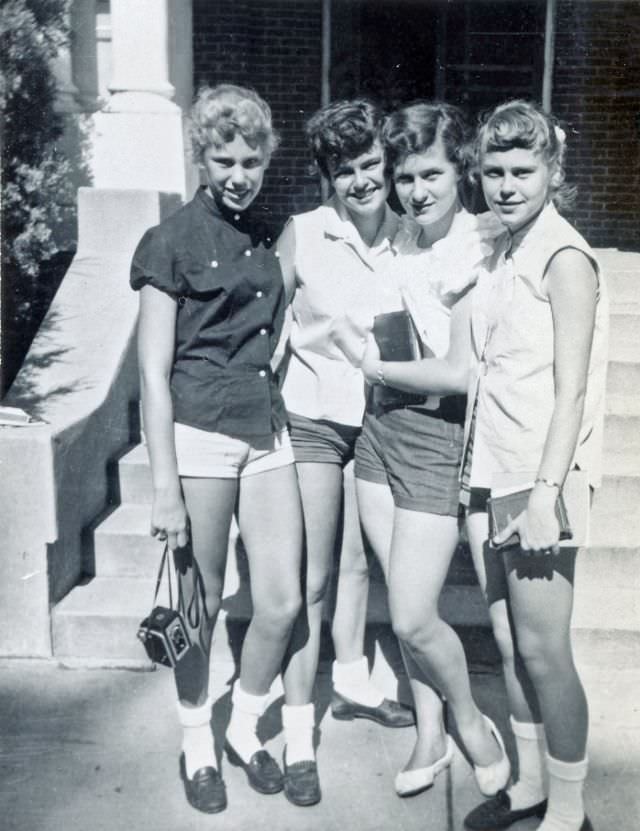
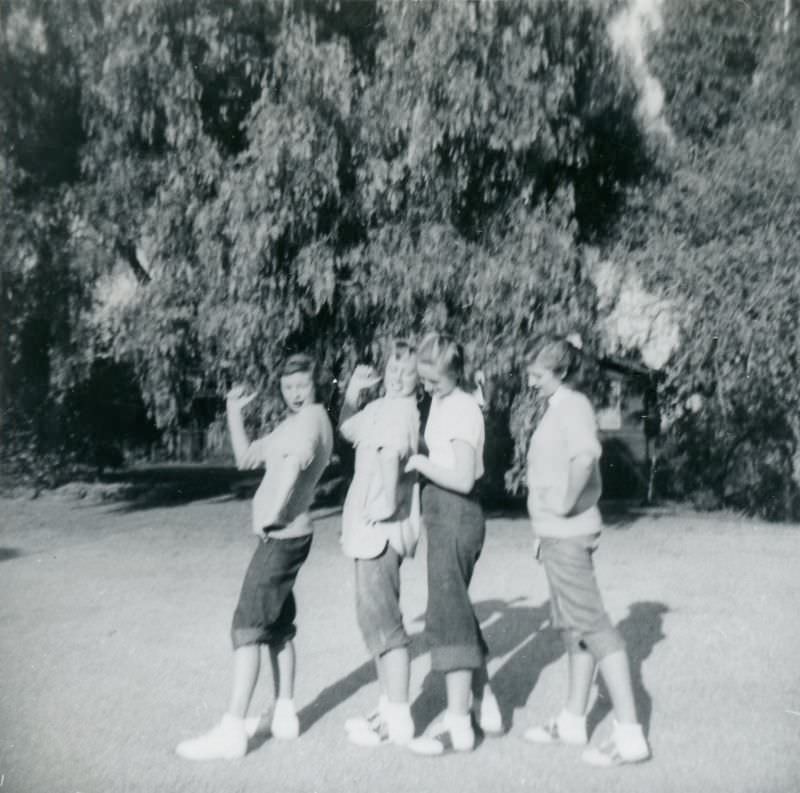
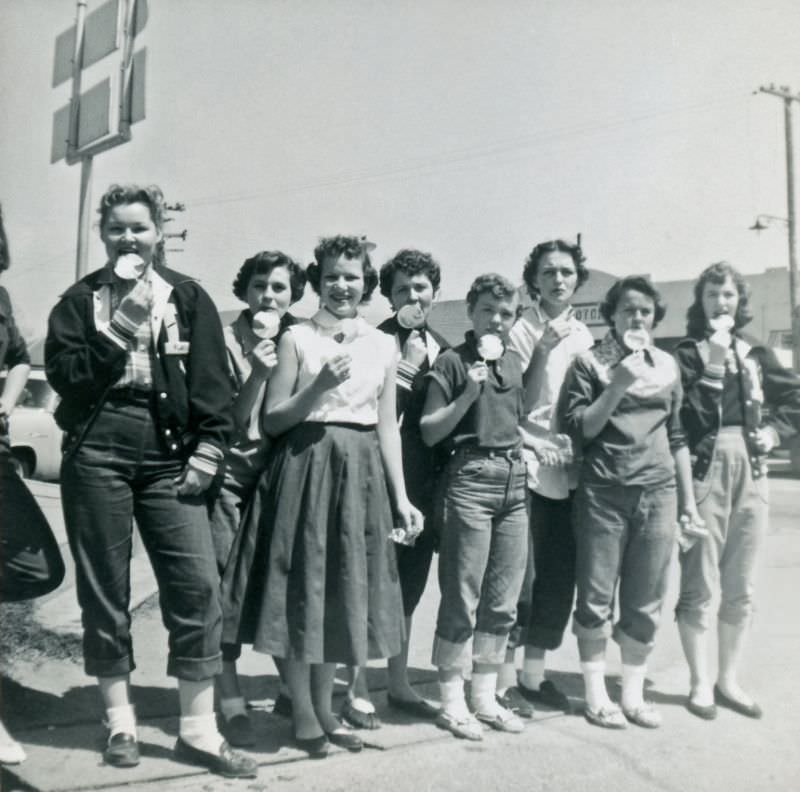
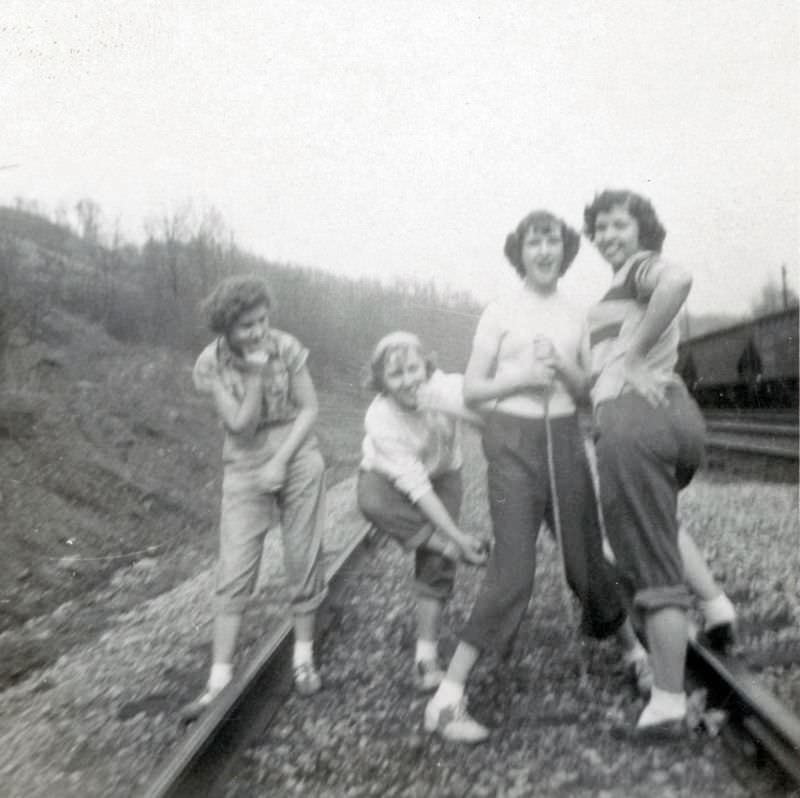
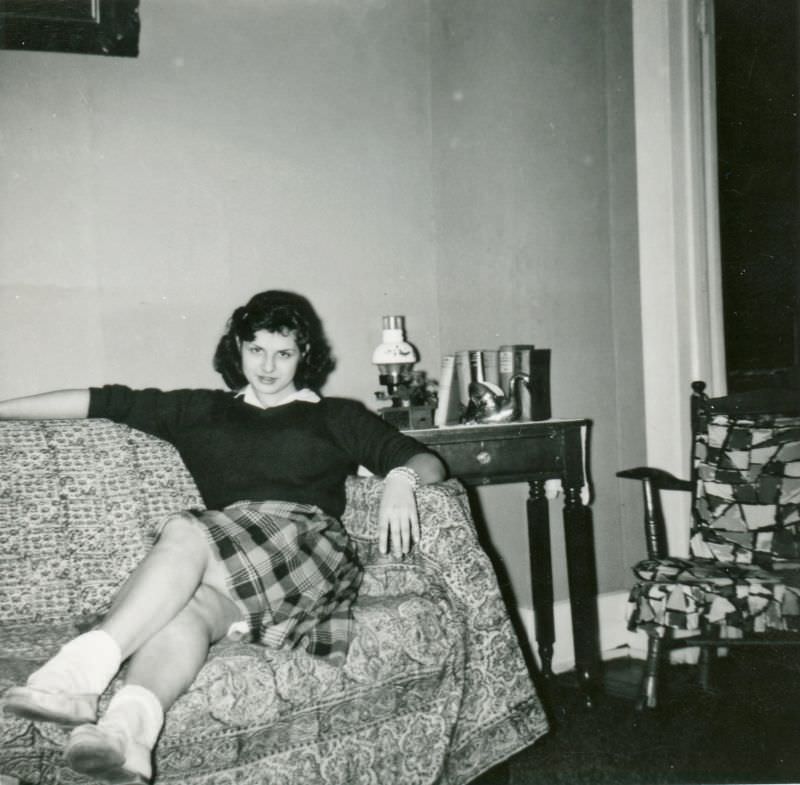
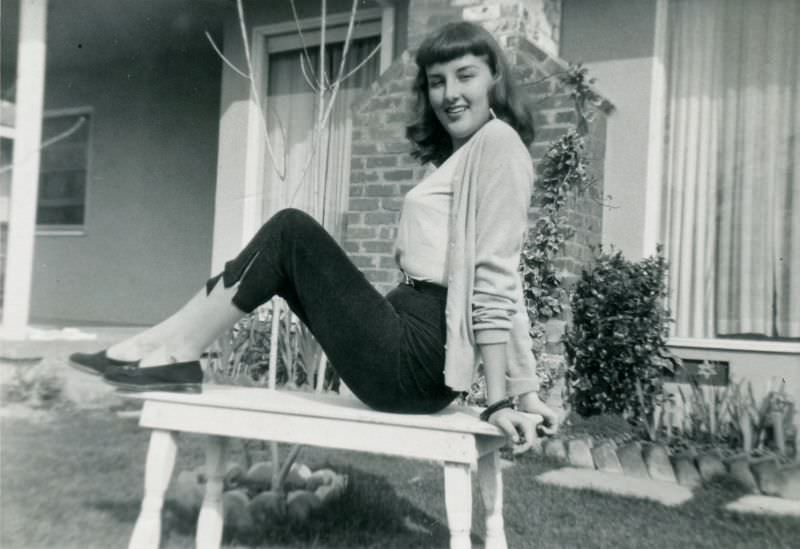
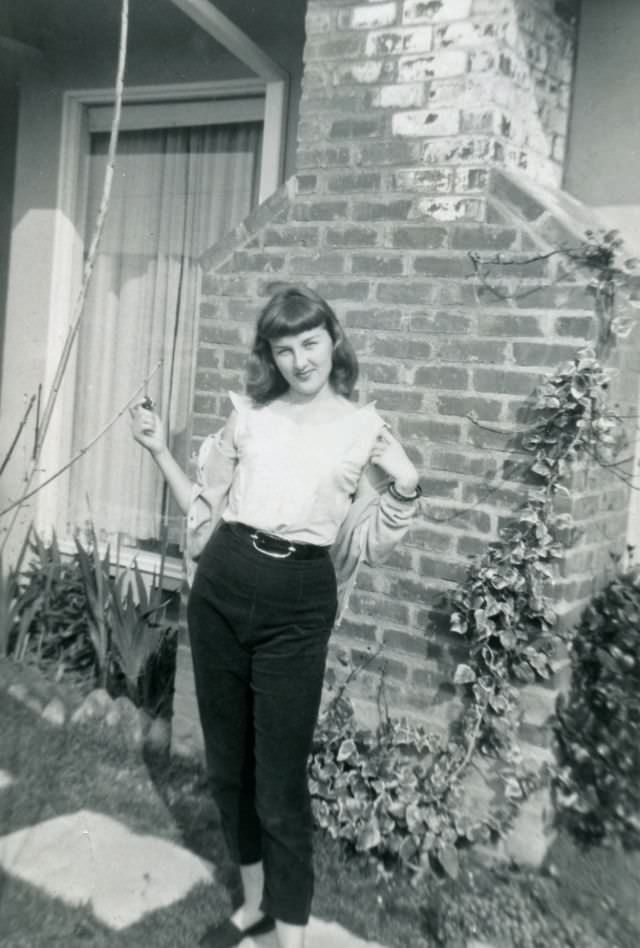
Teen fashion in the 1950s had its own clear identity. Girls wore rolled jeans, saddle shoes, crop tops, and full skirts. These weren’t just clothing choices — they were signals of belonging to a specific generation with its own style. Looking the part mattered, and teens paid close attention to how they put themselves together.
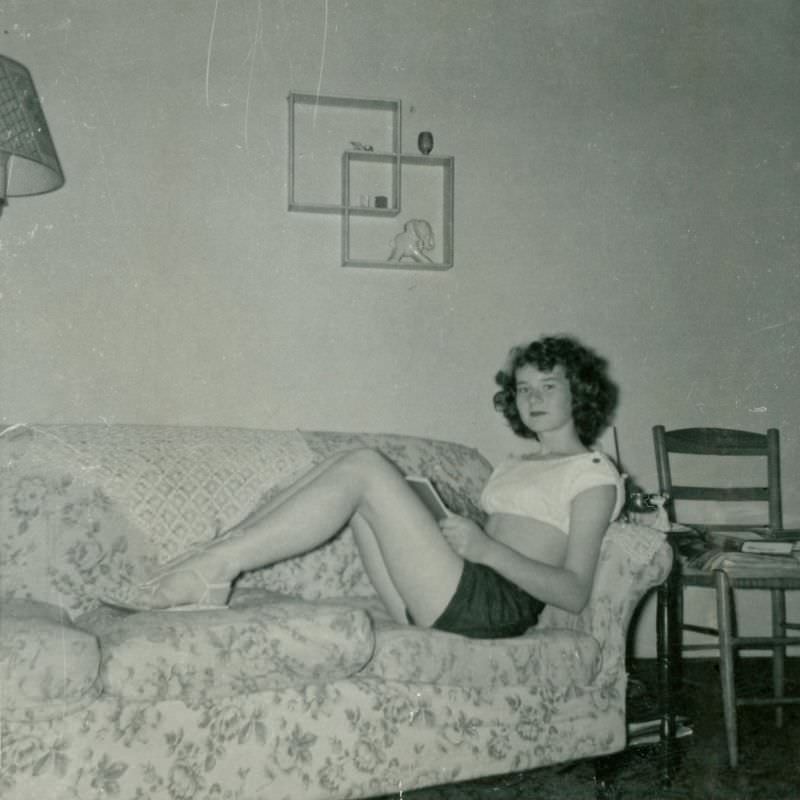
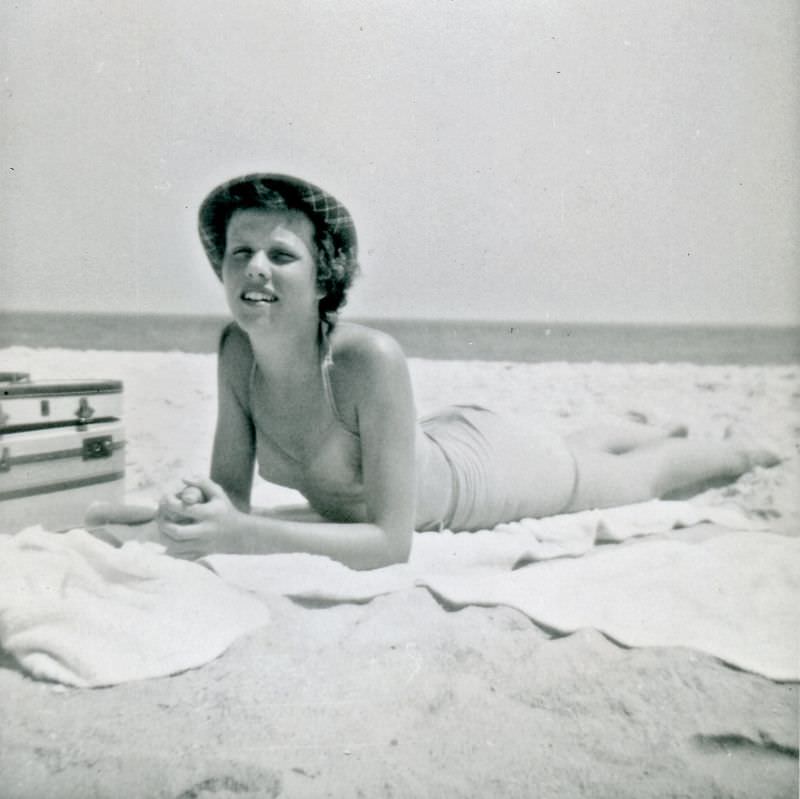
Everyday chores still had a place in teenage life. Washing the family car was a common task, and for many teens it doubled as an outdoor social event — something to do in the driveway on a warm afternoon.
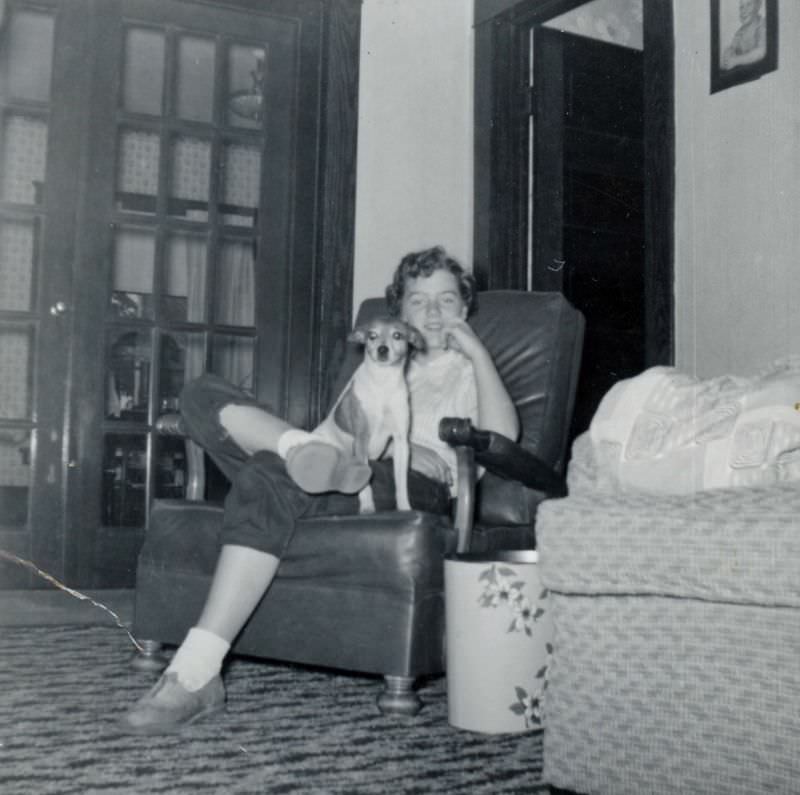
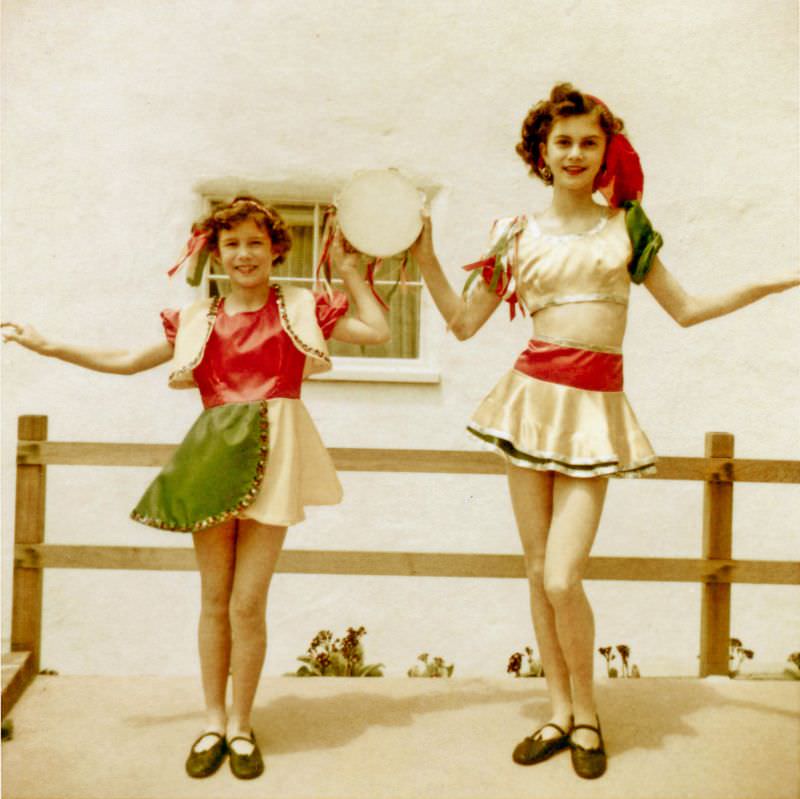
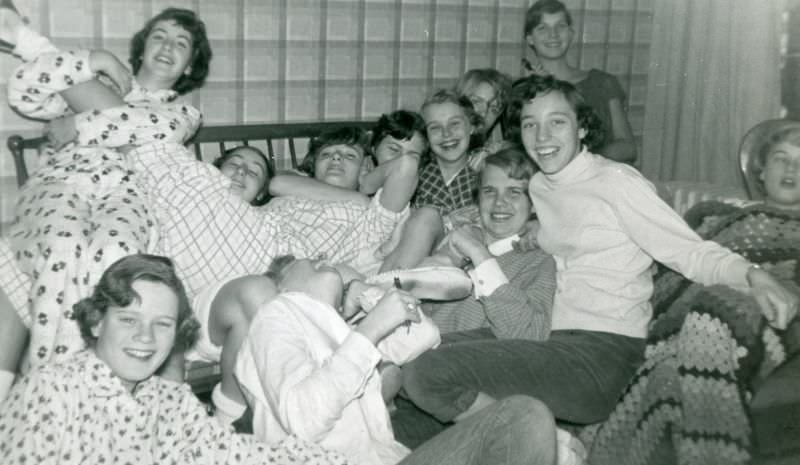
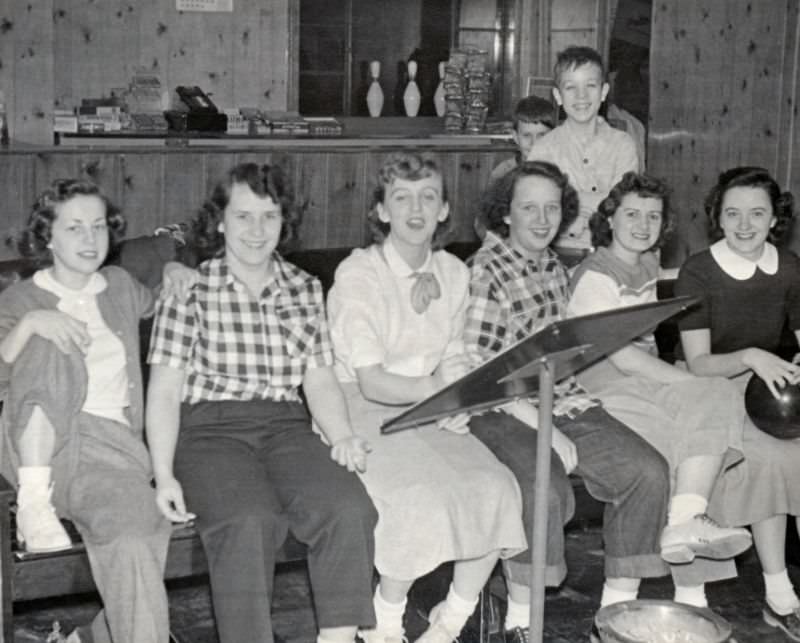
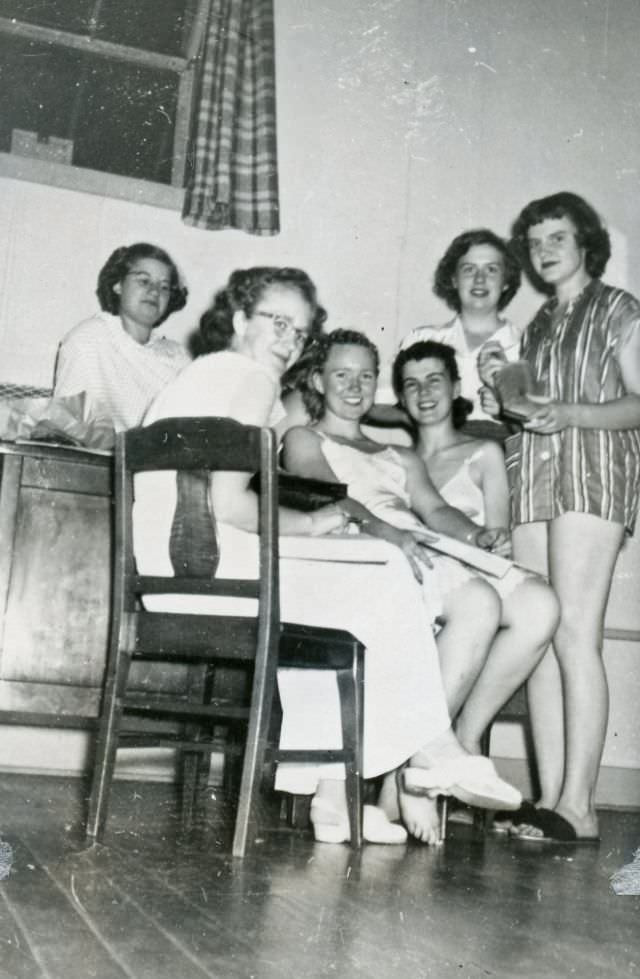
Social life for teenage girls revolved around a mix of casual hangouts and organized activities. Slumber parties, bowling alleys, school plays, and dance recitals were all regular parts of the calendar. These gatherings reinforced friendships and gave teens a structured social world outside of school.
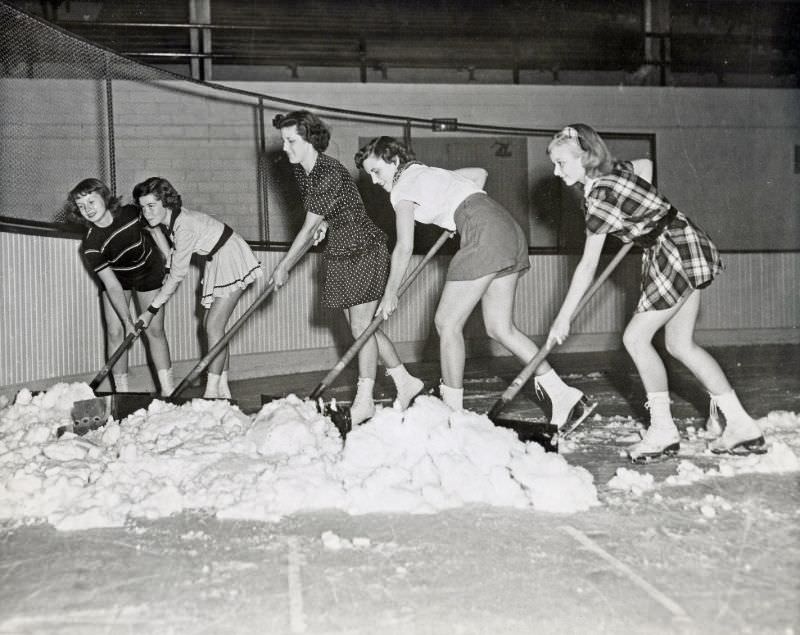
Winter didn’t slow things down. Teens took to outdoor ice rinks, shoveling and skating as part of their seasonal routine. Physical activity and outdoor recreation were woven into daily life in a way that required little more than a free afternoon and a group of friends.
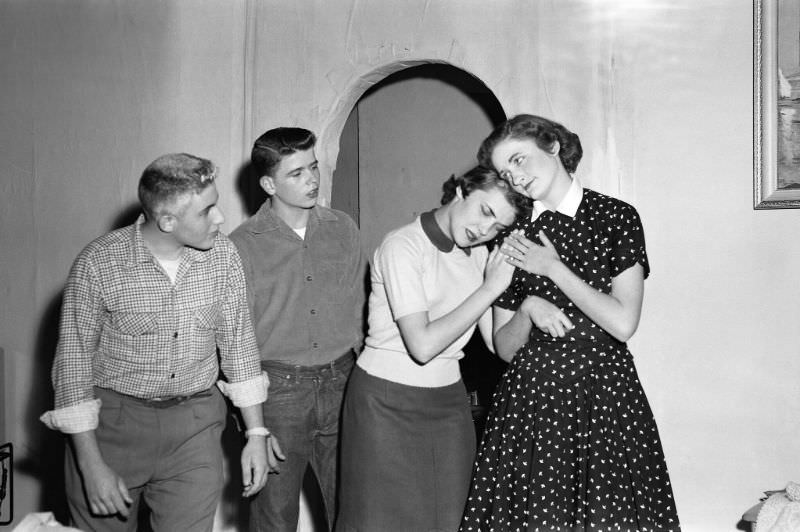
School events played a big role in teen social life. Plays and performances gave students a chance to take on roles beyond the classroom, and attending them was a community event. The 1950s American high school was, in many ways, its own small society.
Snapshot photography captured moments that teens themselves wanted to remember. Parties like Karen Tomasouic’s and Carolyn Hoch’s “Come as you are” gathering in November 1954 were documented on the back of photos with precise dates and times — a habit that shows just how much these ordinary moments meant to the people living them.
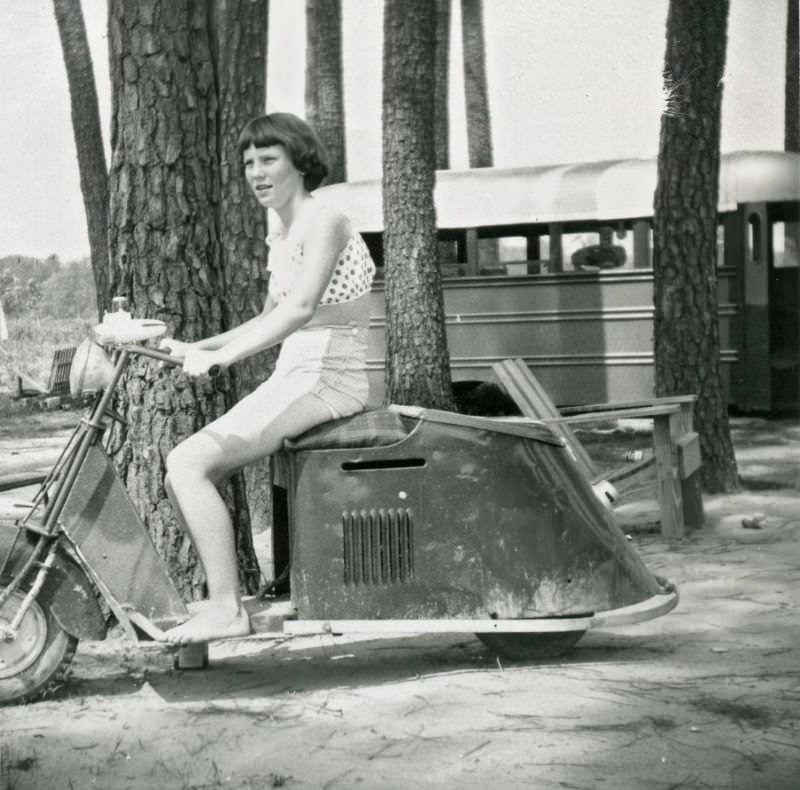
Motor scooters offered another layer of independence. Cheaper than cars and easy to ride, they let teens get around on their own terms — another sign of how postwar prosperity opened up new options for young Americans.
Bowling alleys were a popular gathering spot. They offered a place to compete, socialize, and spend an afternoon without parental supervision. For teenage girls especially, a trip to the bowling alley was a regular outing that blended sport with socializing.
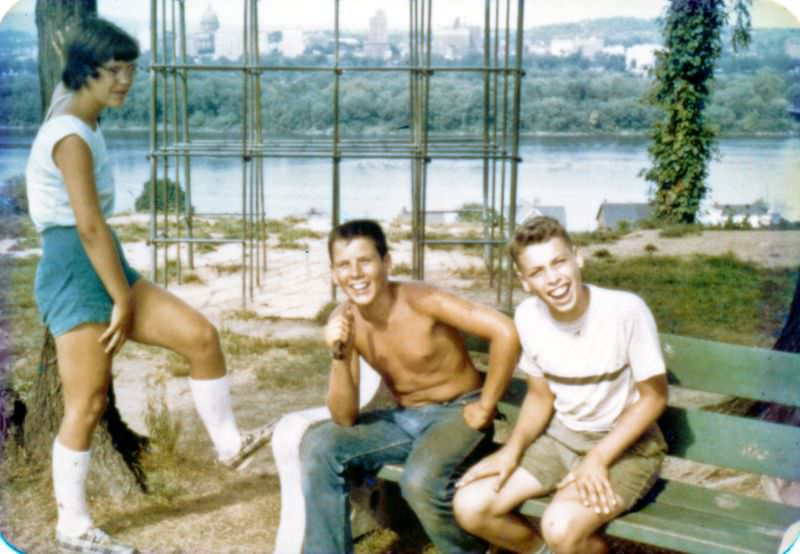
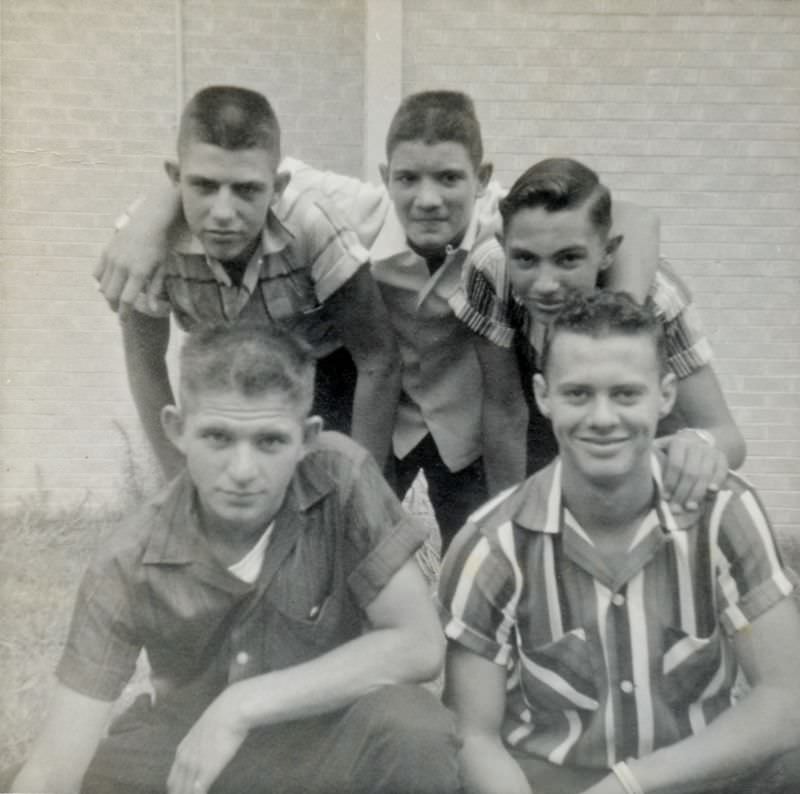
Boys were part of this changing social landscape too. Spending time outdoors, posing for photos with siblings or friends, and taking part in the same car and music culture that shaped their female peers — 1950s teenage boys navigated a world that was shifting just as fast for them.
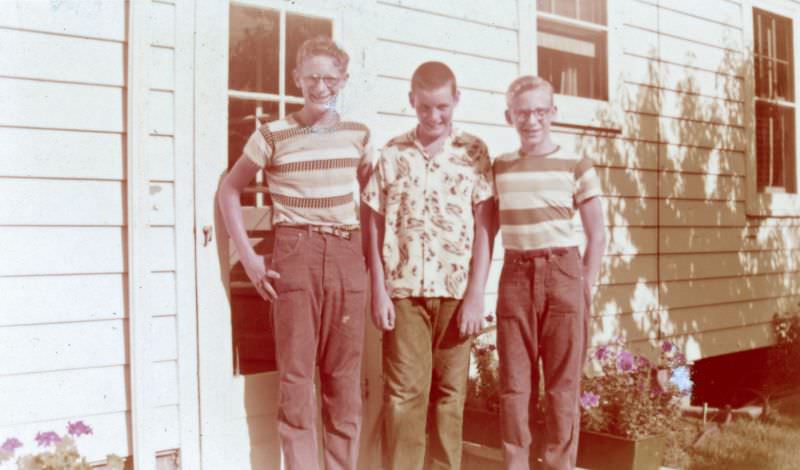
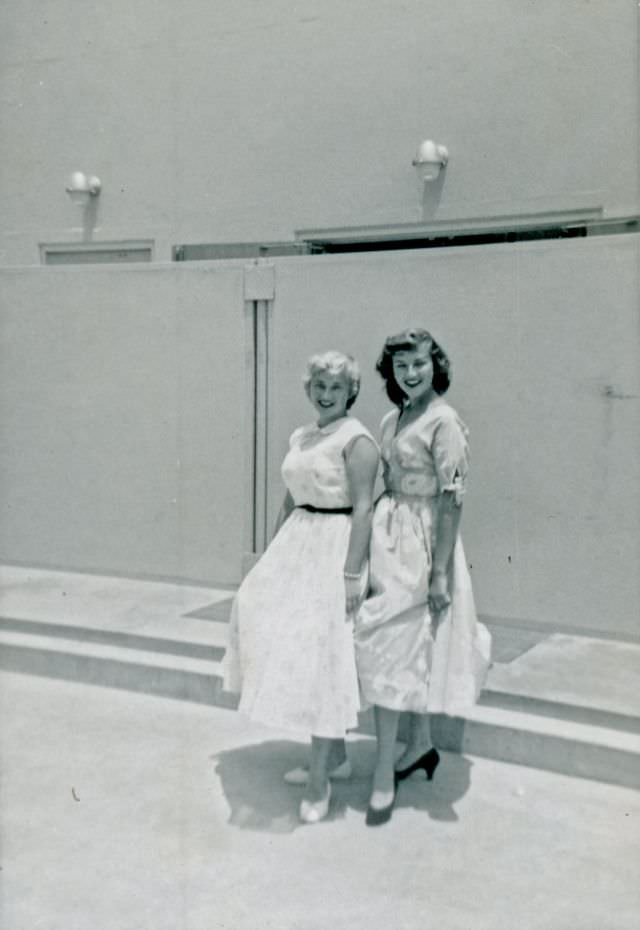
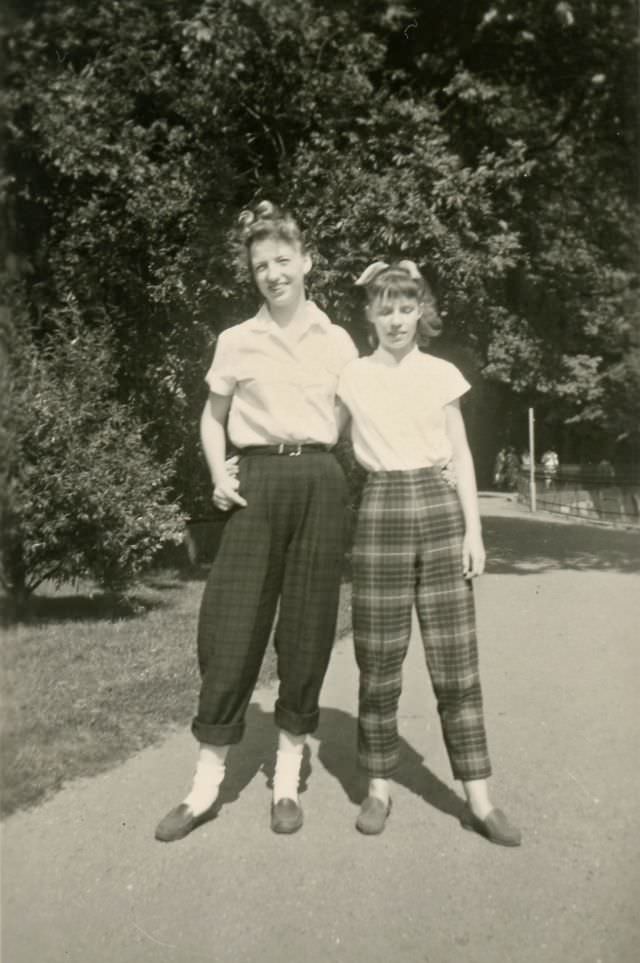
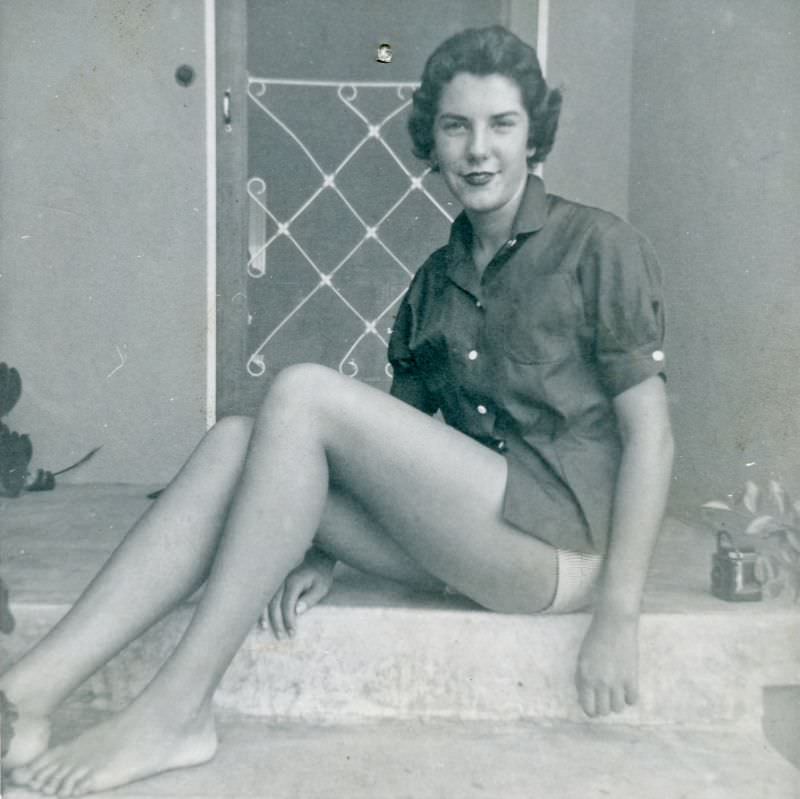
Hawaiian shirts, rolled jeans, and barefoot afternoons paint a picture of a generation that was relaxed, expressive, and comfortable in its own skin. These weren’t posed studio portraits — they were candid snapshots of real life, taken by friends and family who wanted to hold onto ordinary moments.