Alexandria, Virginia entered the 1920s with a sense of relief and momentum. World War I was over, and the city wasted no time shifting from wartime footing to peacetime growth. Industry, commerce, and construction all picked up speed within just a few years. The population grew, new buildings went up, and daily life in Alexandria took on a faster, more modern character than the decade before.
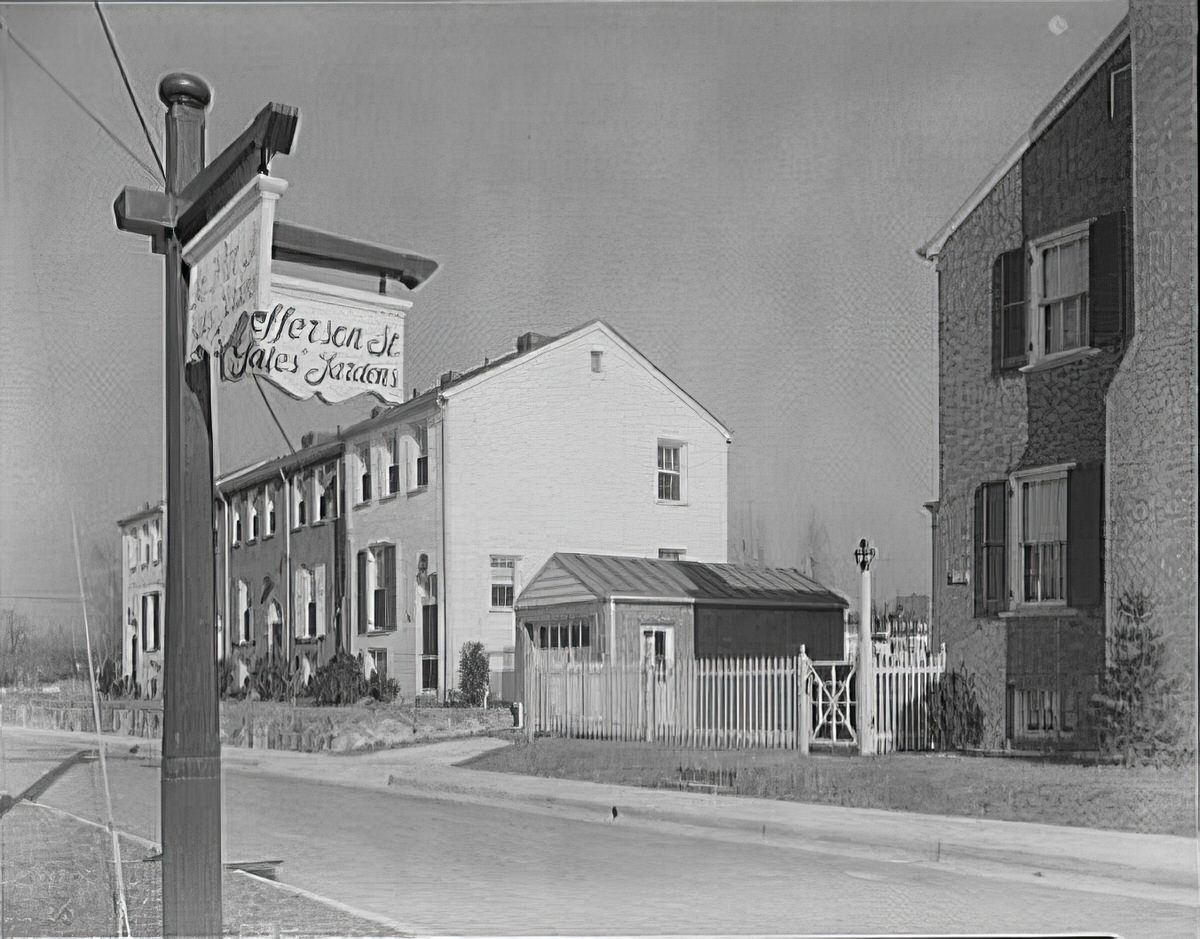
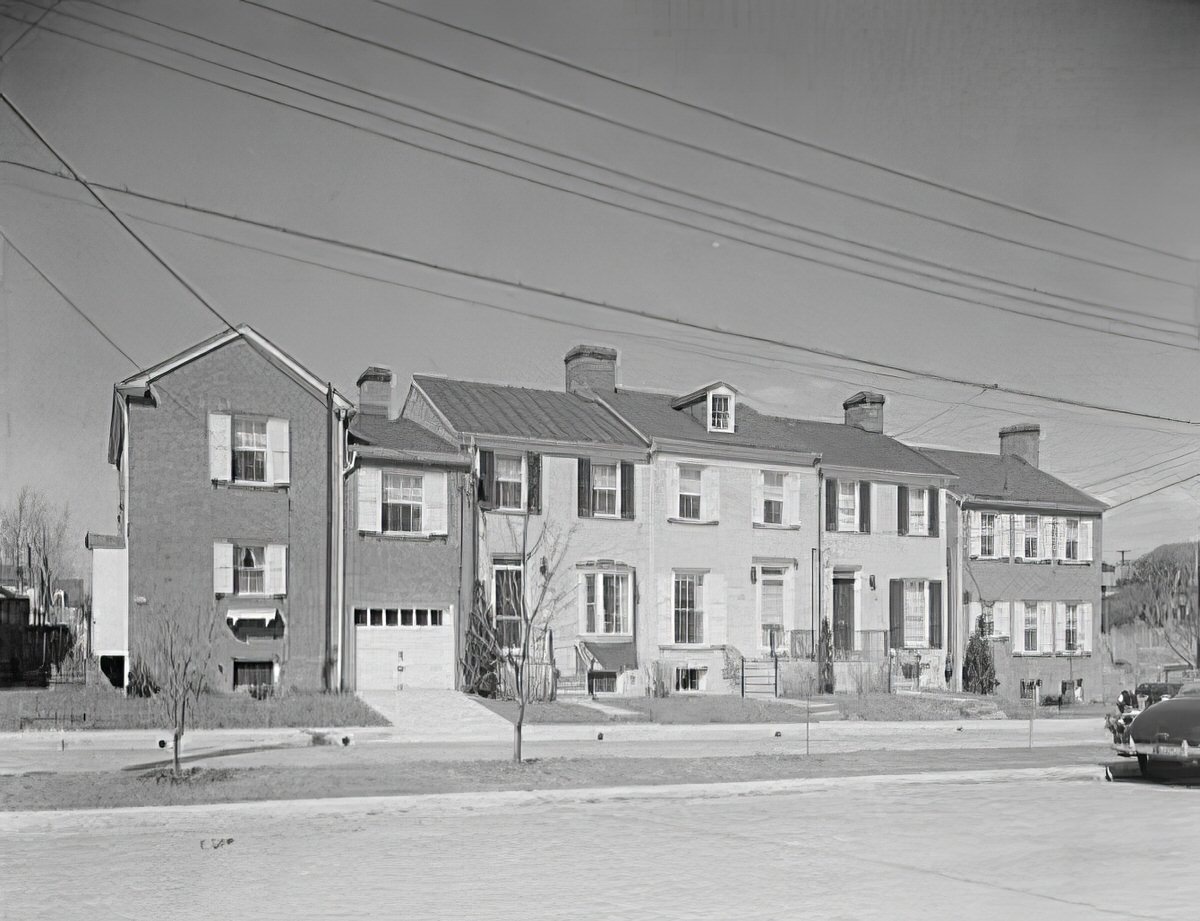
One of the most visible signs of that growth was in housing. Workers and families needed places to live, and neighborhoods expanded to meet that demand. Yates Gardens was one such development — a planned residential community that offered orderly row houses for Alexandria’s growing workforce.
Commercial activity was equally busy. Businesses of all kinds lined Alexandria’s streets, from paint and chemical suppliers to financial institutions. The city’s commercial district reflected a mix of established firms and newer enterprises capitalizing on the postwar economic boom.
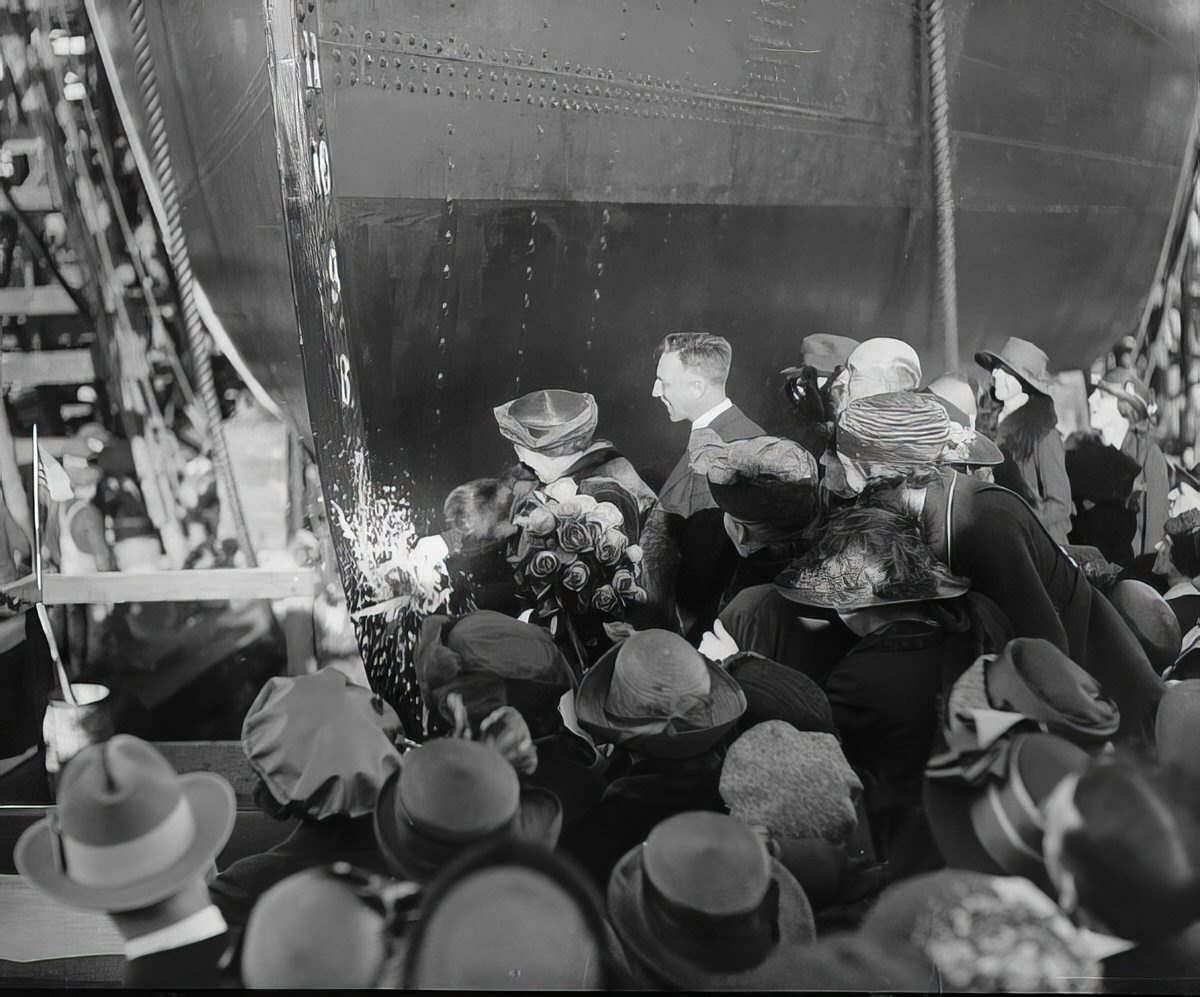
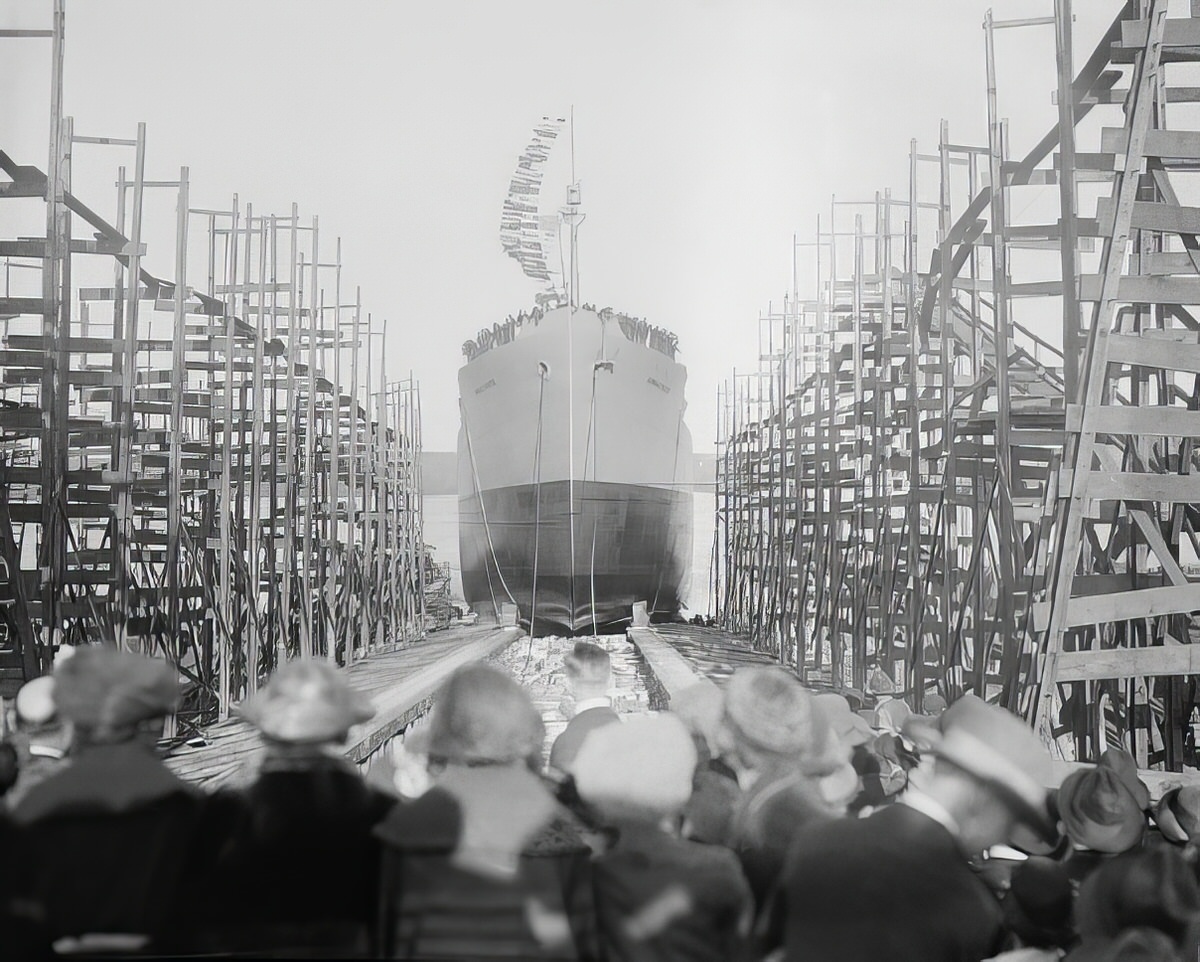
Alexandria’s position along the Potomac River made it a natural center for maritime trade. In 1920, the launch of the Annie E. Morse drew onlookers to the waterfront — ship launchings were public events that drew crowds and marked real moments of local industrial pride.
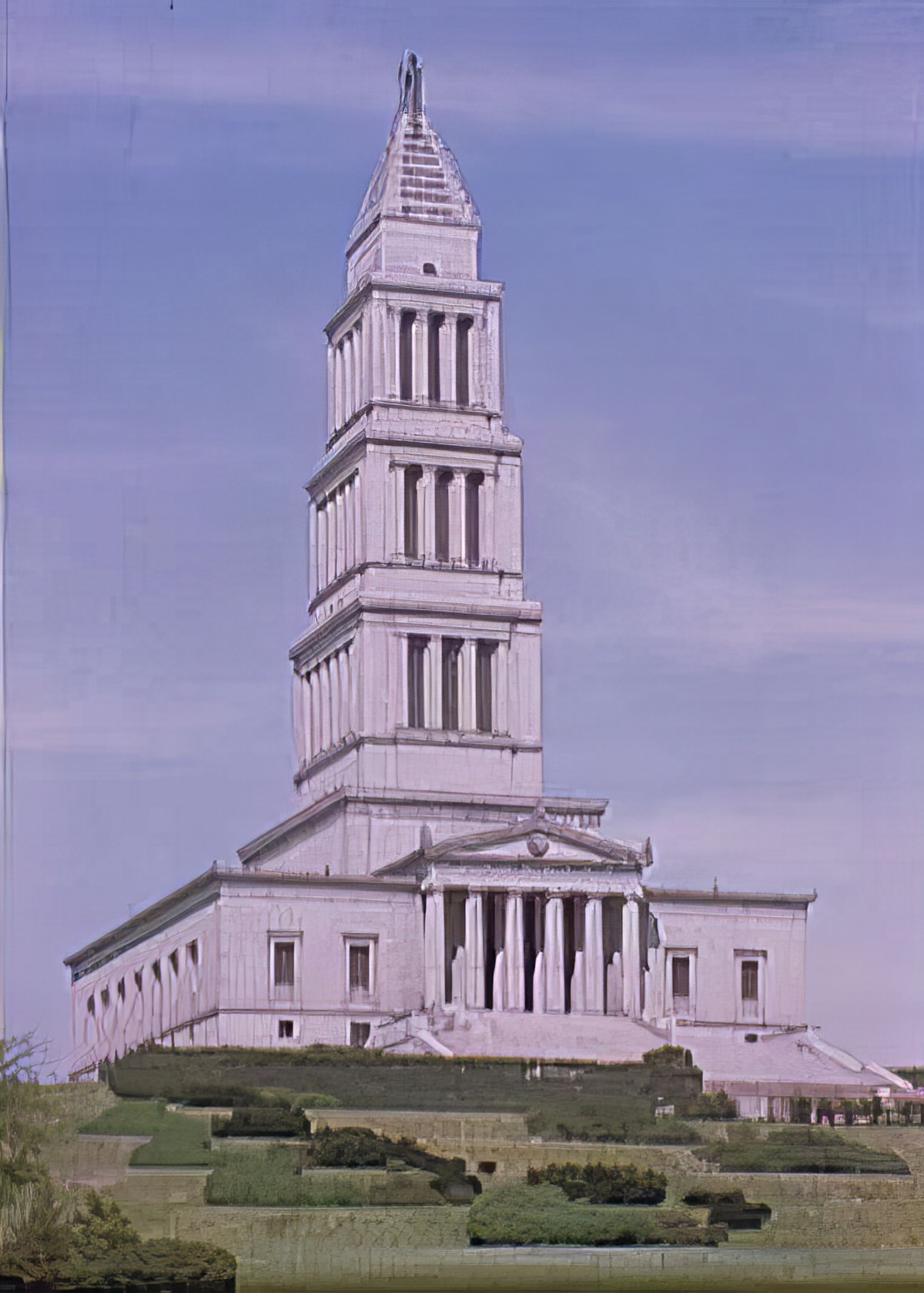
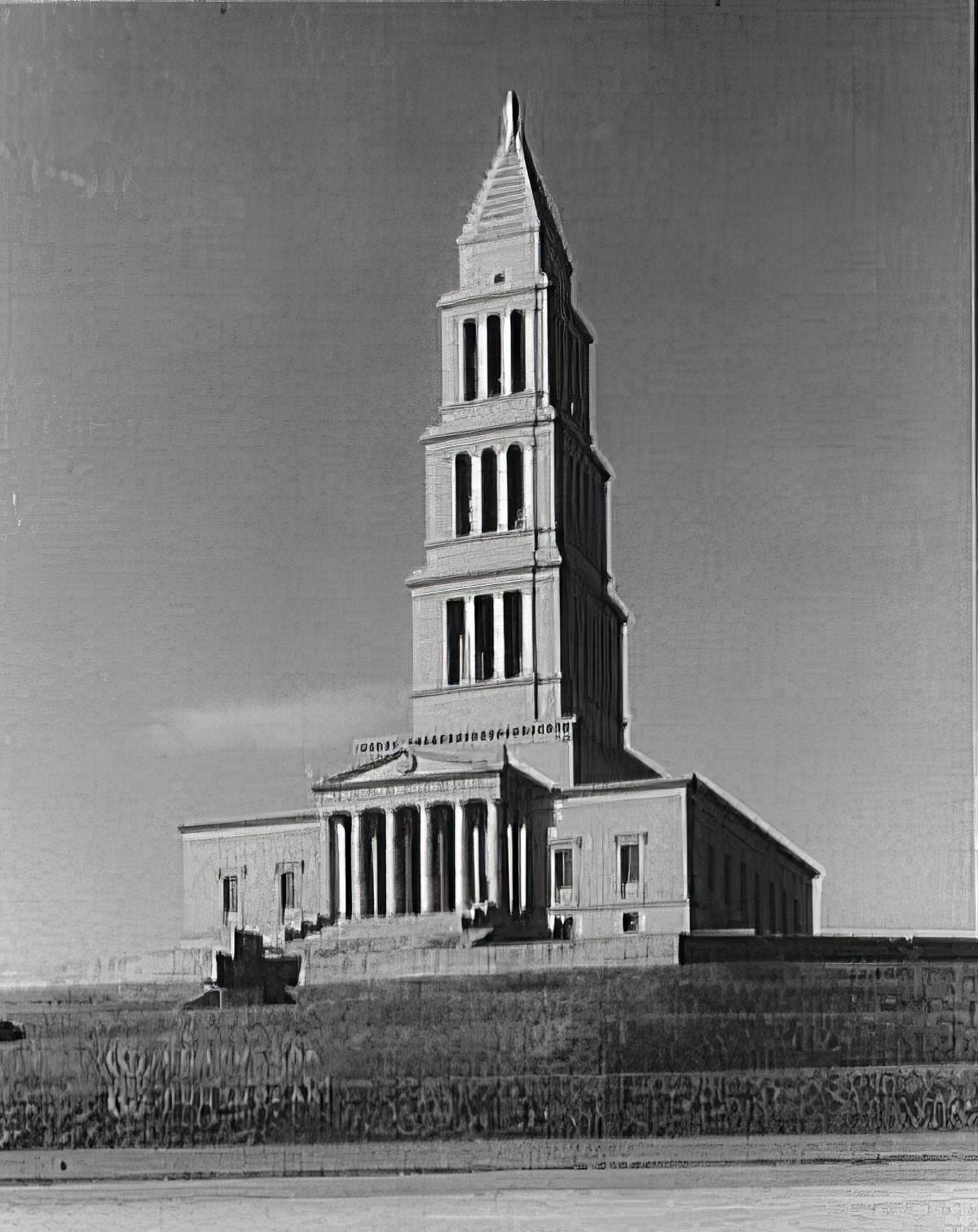
No single construction project defined Alexandria’s 1920s skyline more than the George Washington Masonic National Memorial. Work on this massive structure began early in the decade on Shooter’s Hill, a prominent elevation that made the building visible from miles away. It was designed to honor George Washington and serve as a gathering place for Masonic lodges across the country.
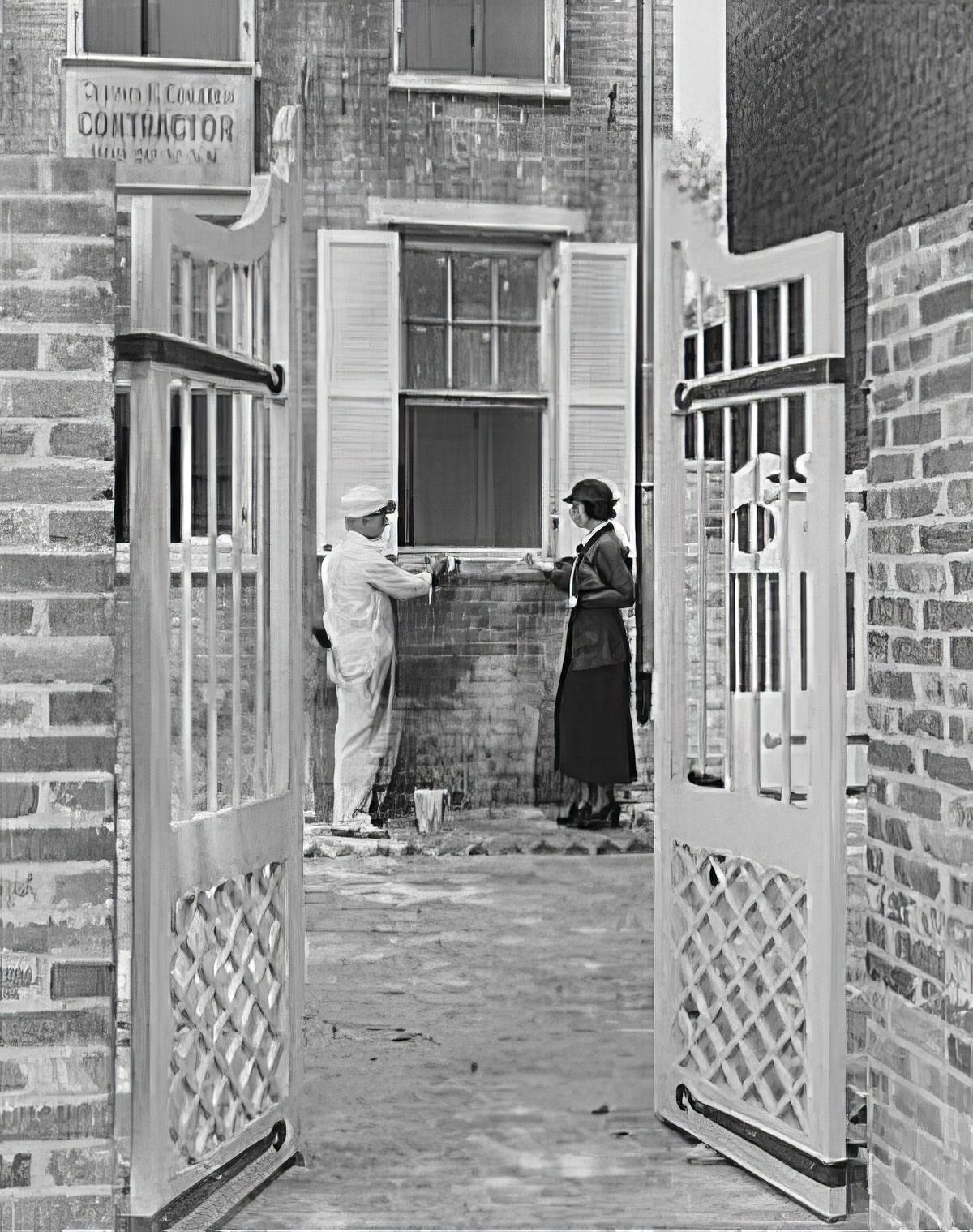
Residential upkeep was taken seriously in Alexandria. The National Paint, Varnish & Lacquer Association documented several home painting jobs in the city during 1920, including a challenging project on the steep terrain near 319 Wolfe Street. These photographs captured working tradesmen on the job — a rare glimpse into the labor that kept the city’s homes in order.
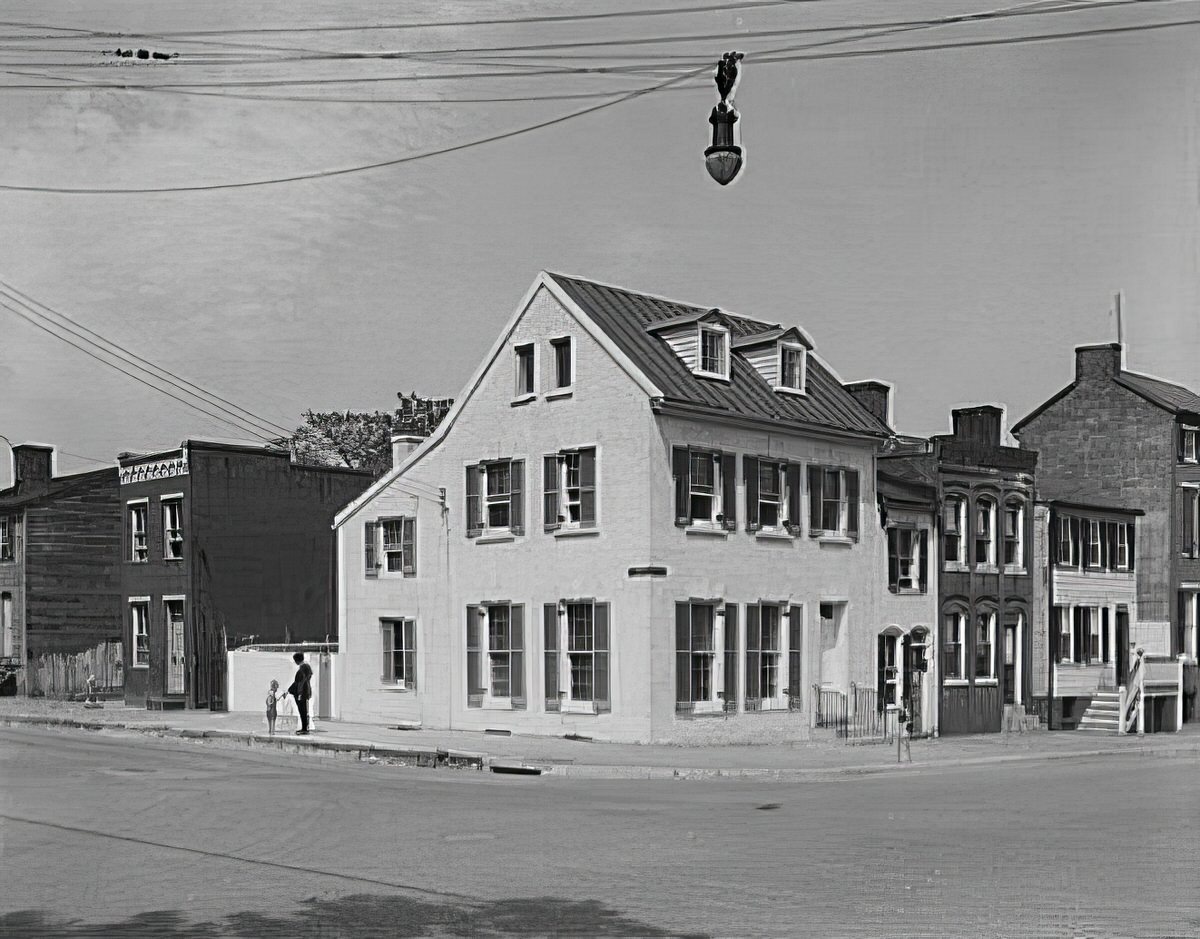
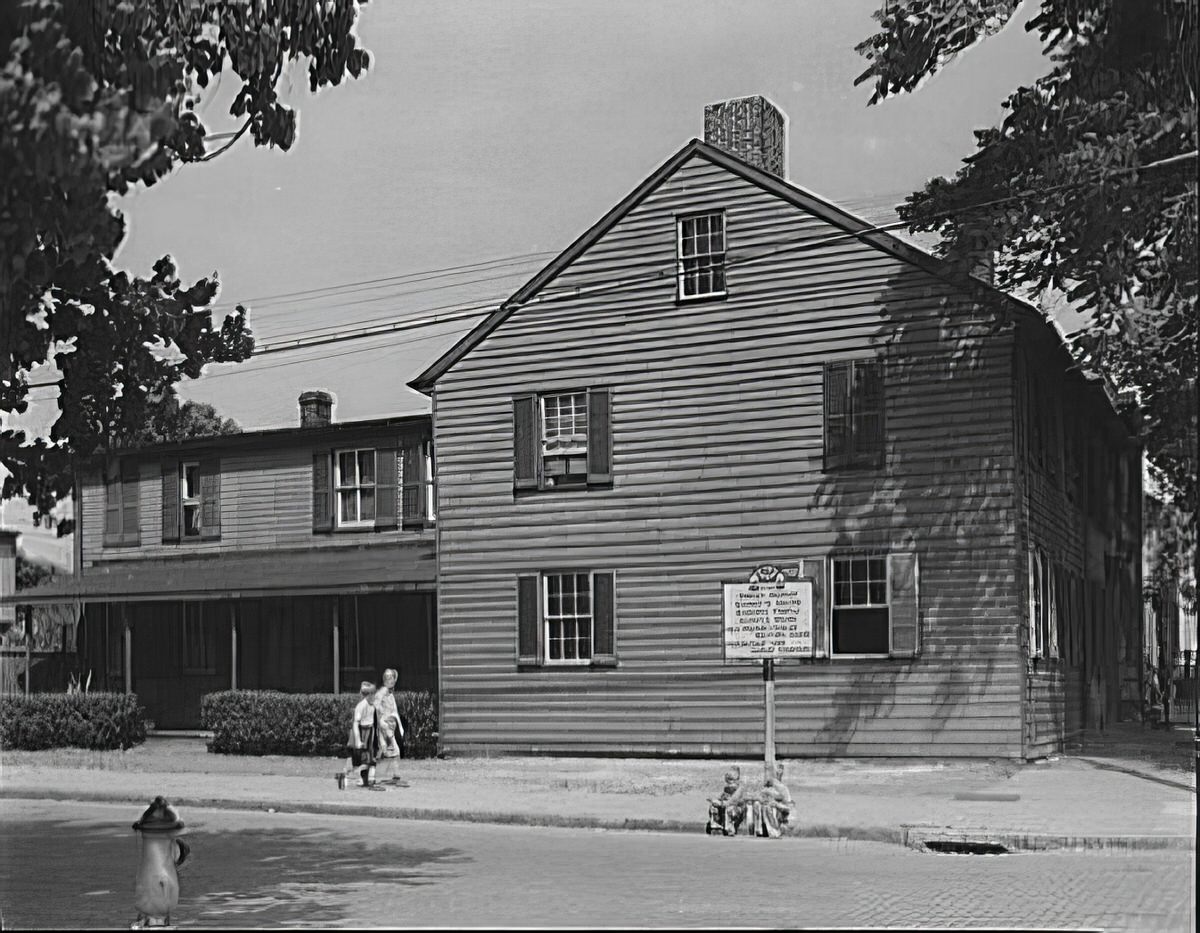
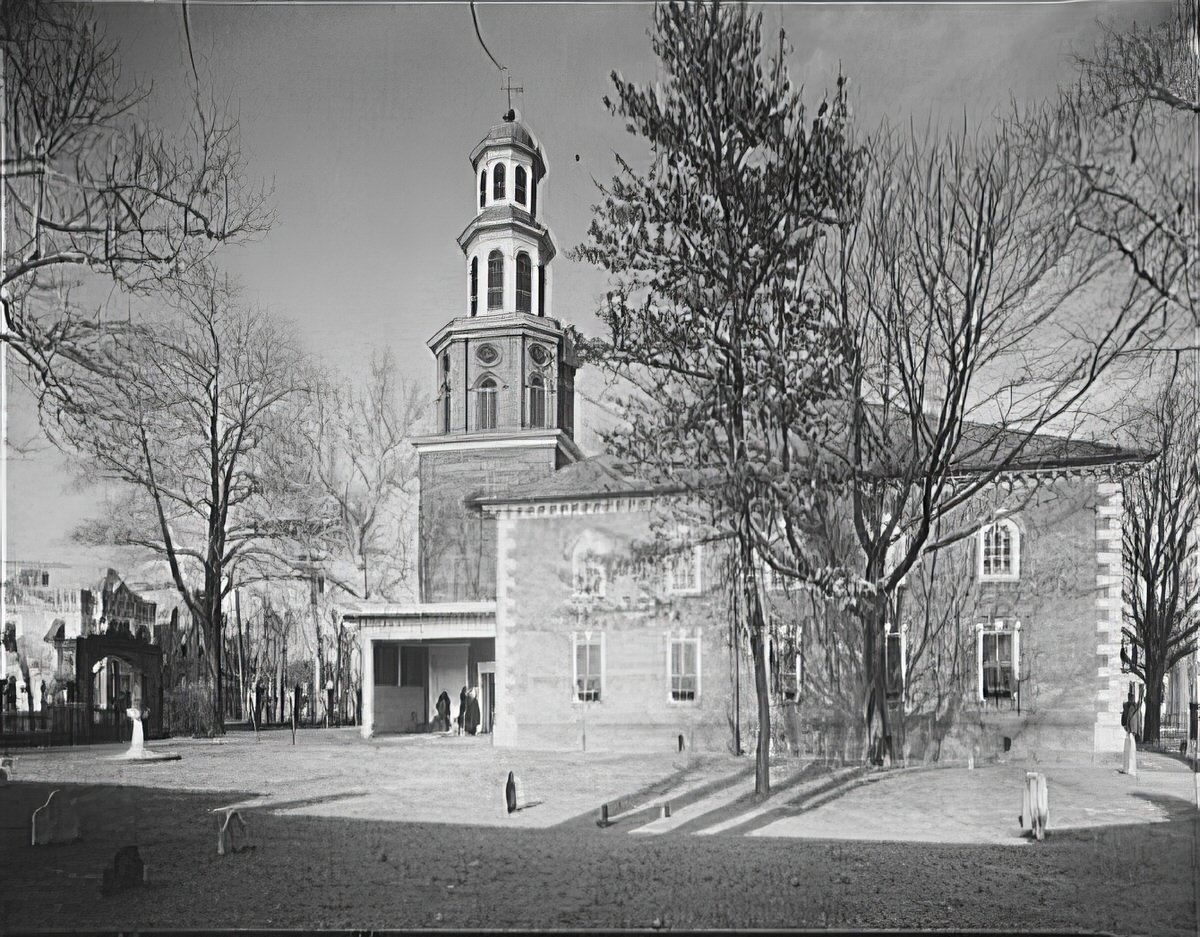
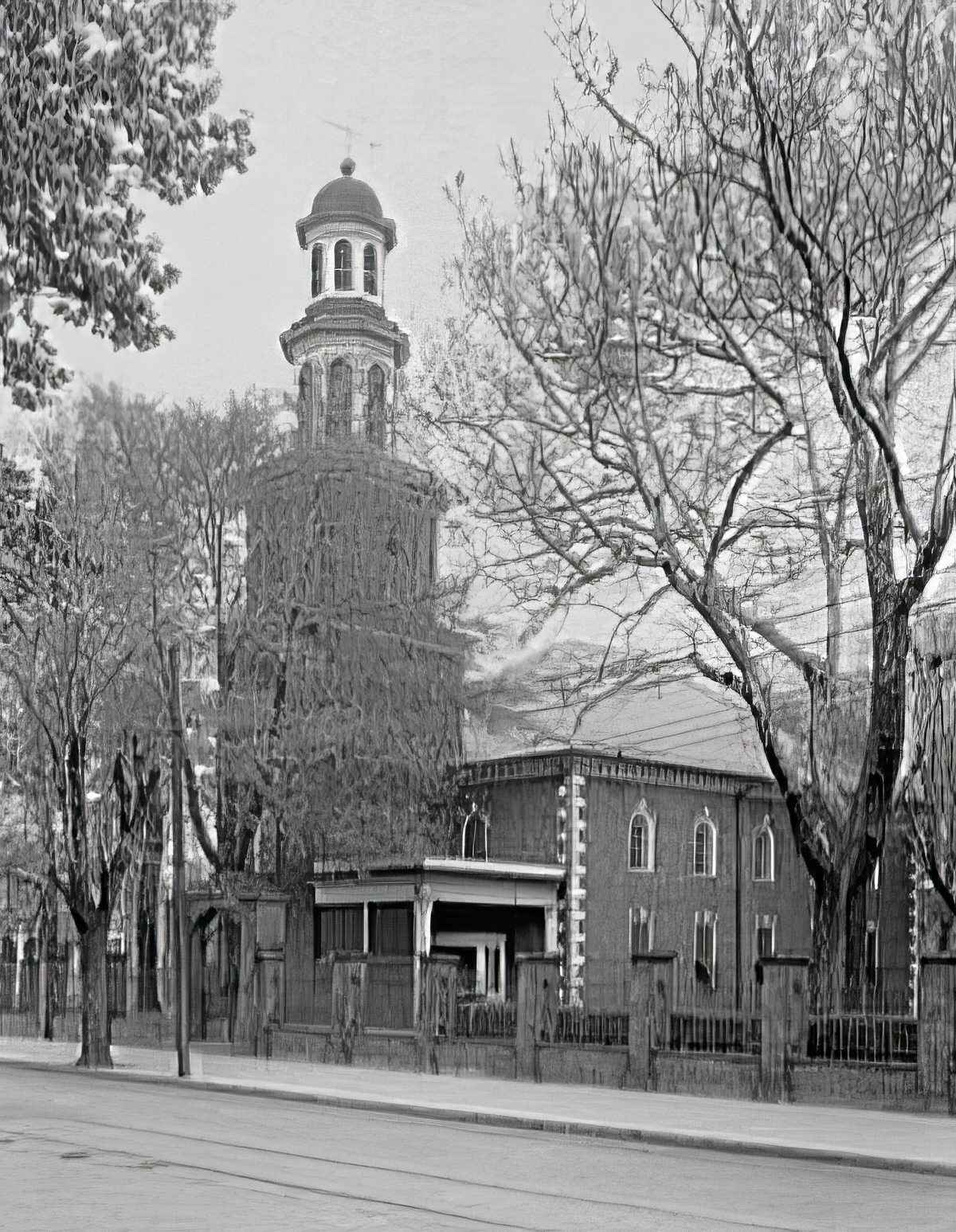
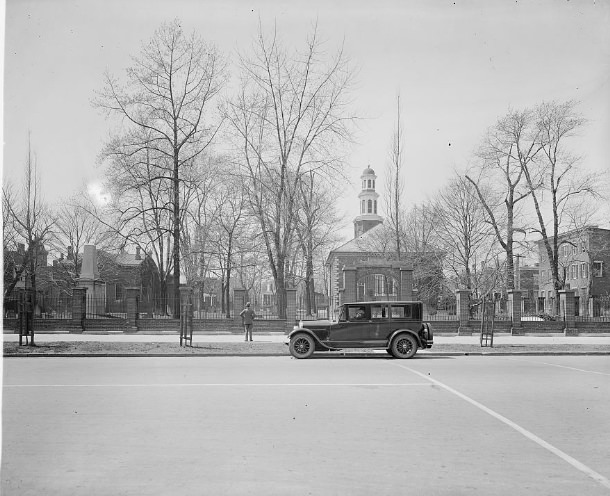
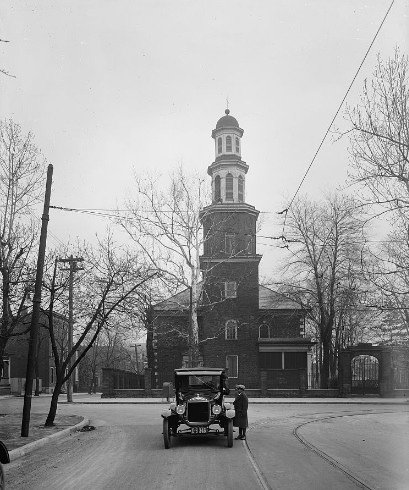
Alexandria’s churches were anchors of community life. Christ Church, which dated back to the colonial era, remained one of the most recognizable landmarks in the city. Its brick walls and white steeple stood as a reminder of Alexandria’s deep historical roots even as the city modernized around it.
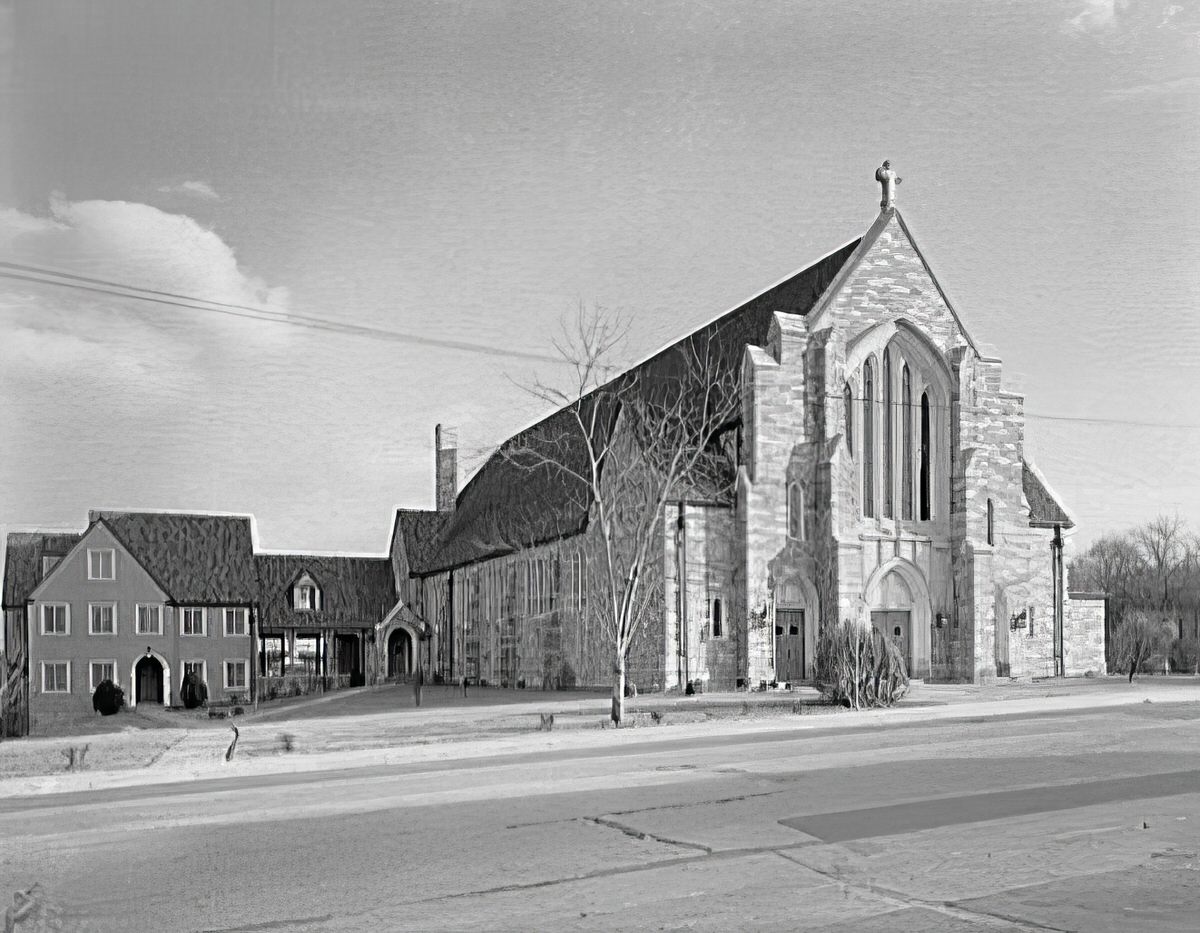
St. Rita’s Church on Russell Road was another gathering point for Alexandria’s Catholic community. The building’s exterior, documented in 1920, showed a modest but well-maintained structure that served a growing congregation.
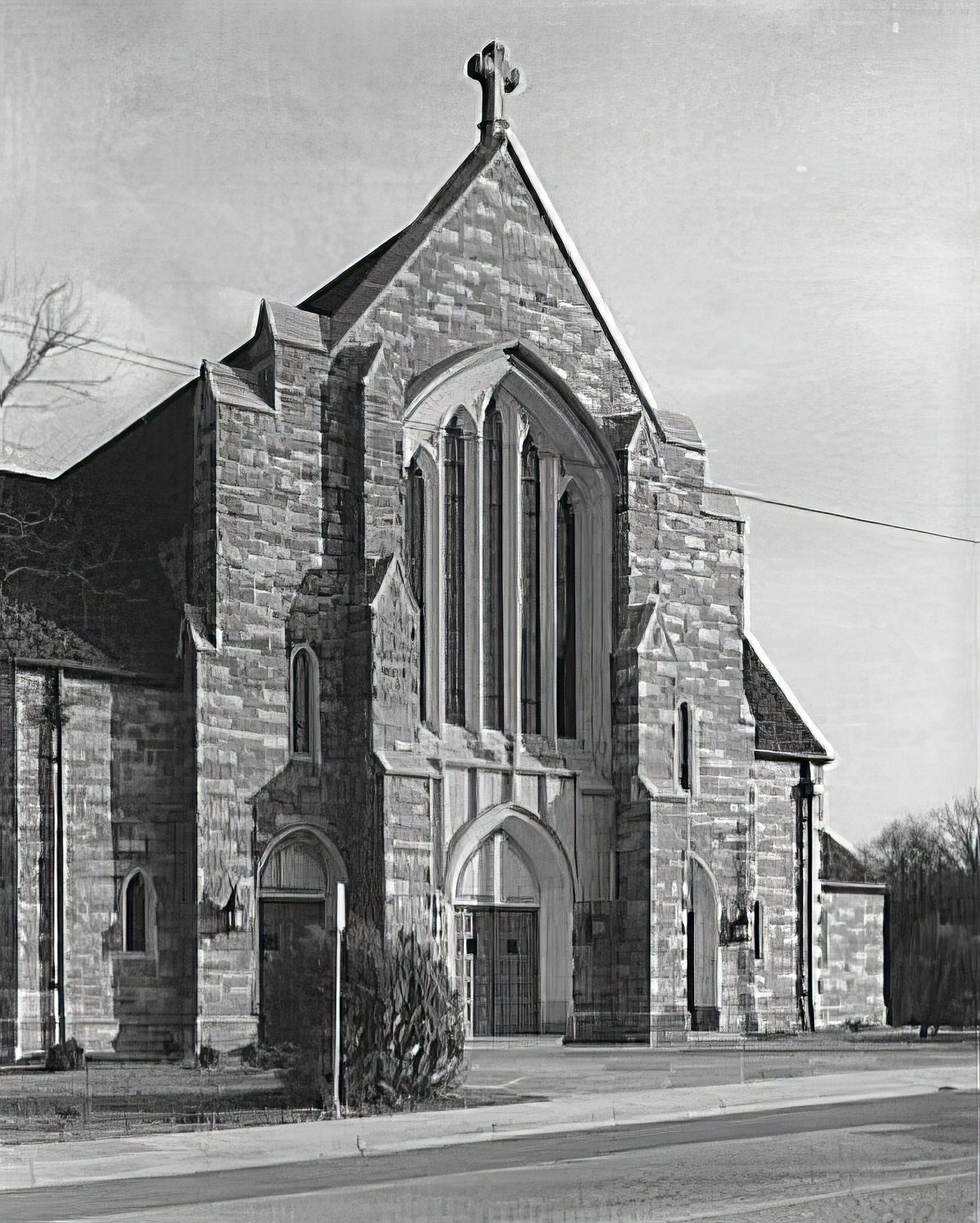
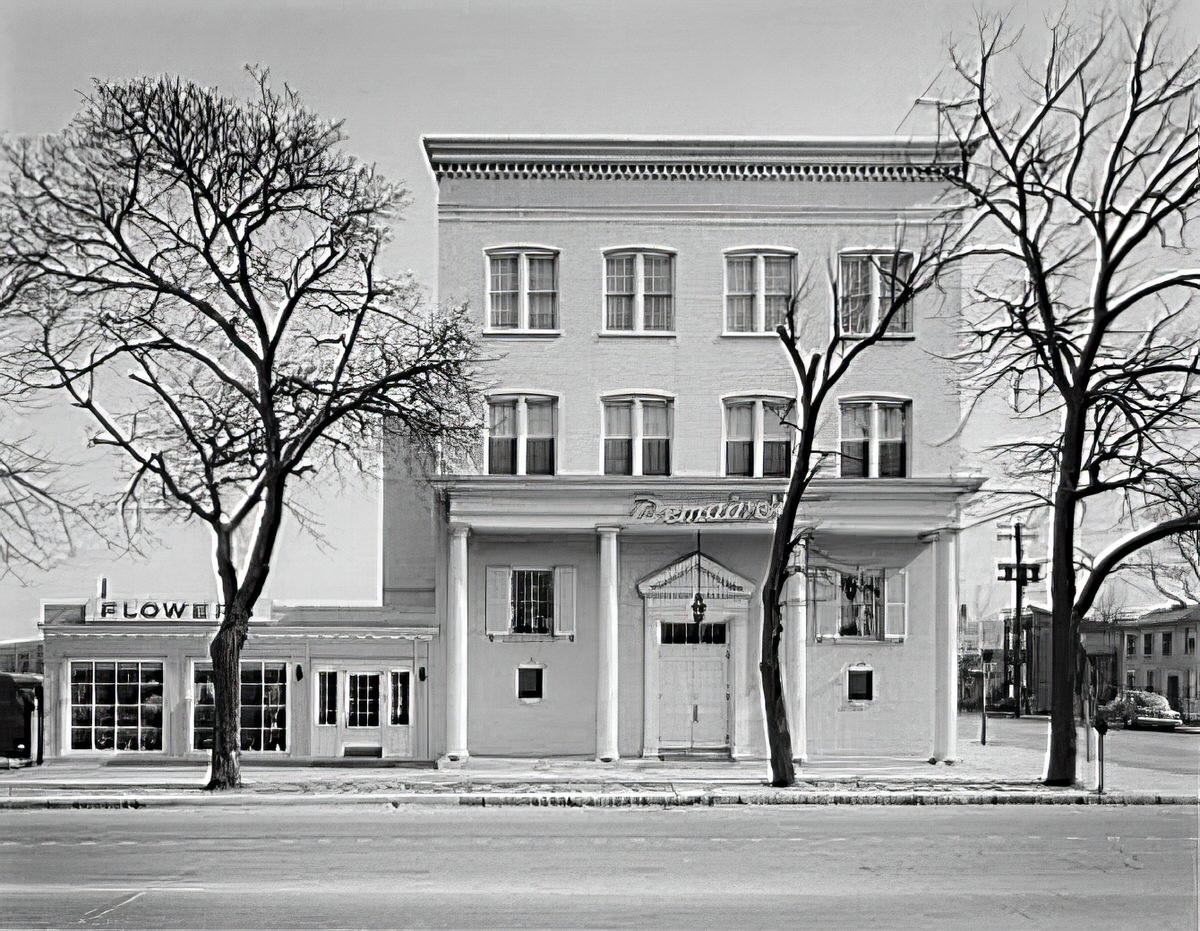
Funeral homes were a fixture of city life, and Demaine’s Funeral Home on South Washington Street was one of Alexandria’s well-known establishments. Located in a converted residential building, it served families across the city throughout the decade.
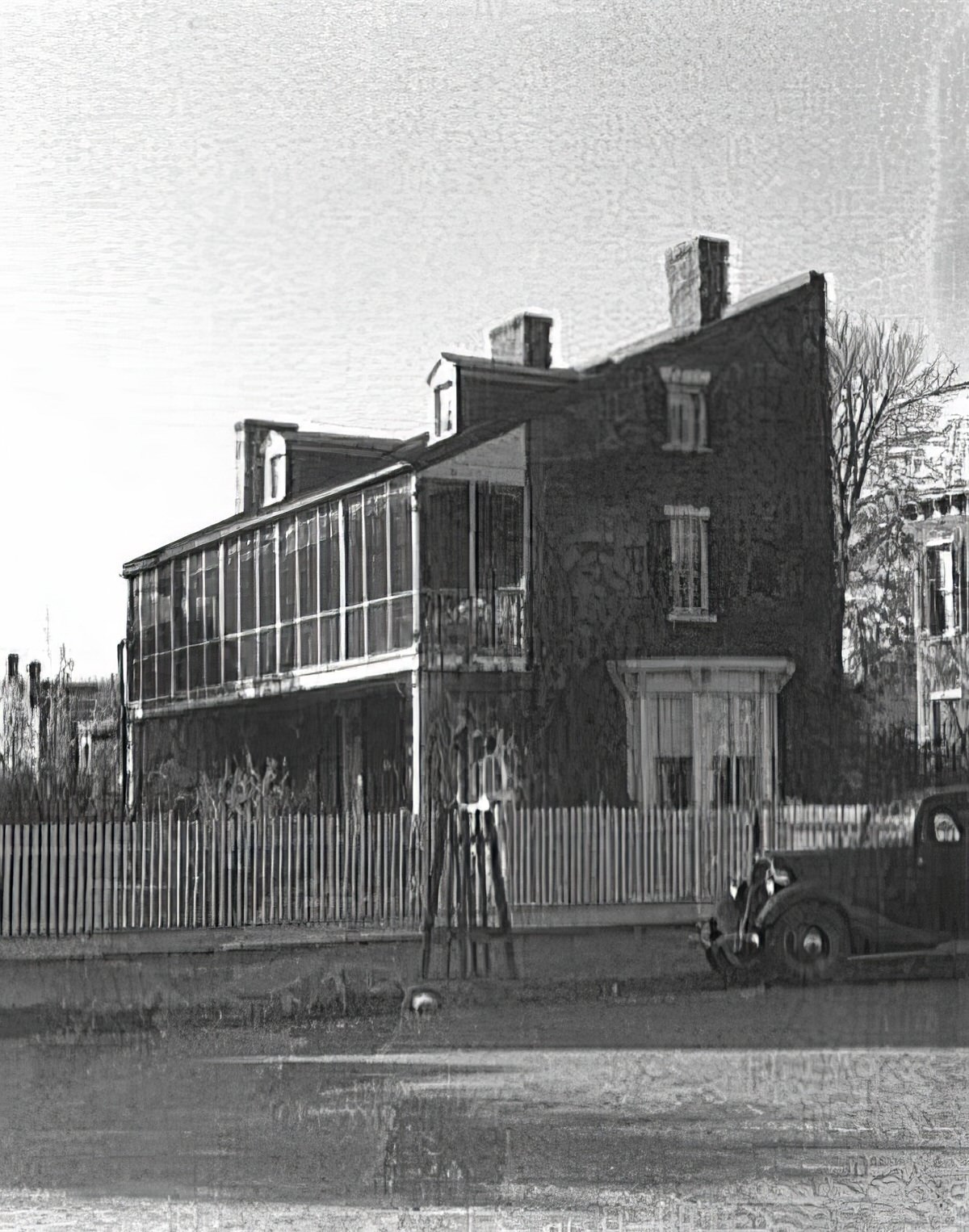
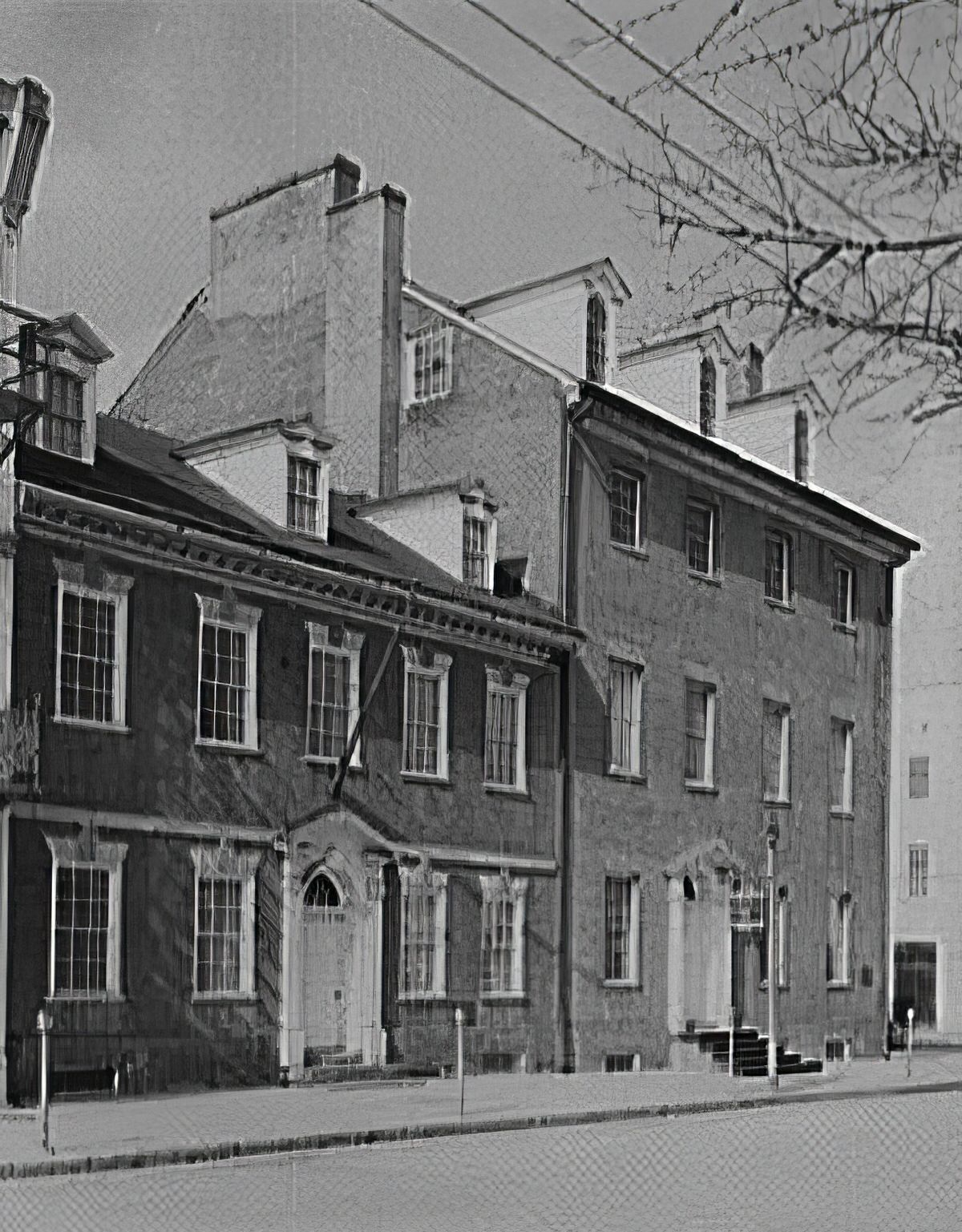
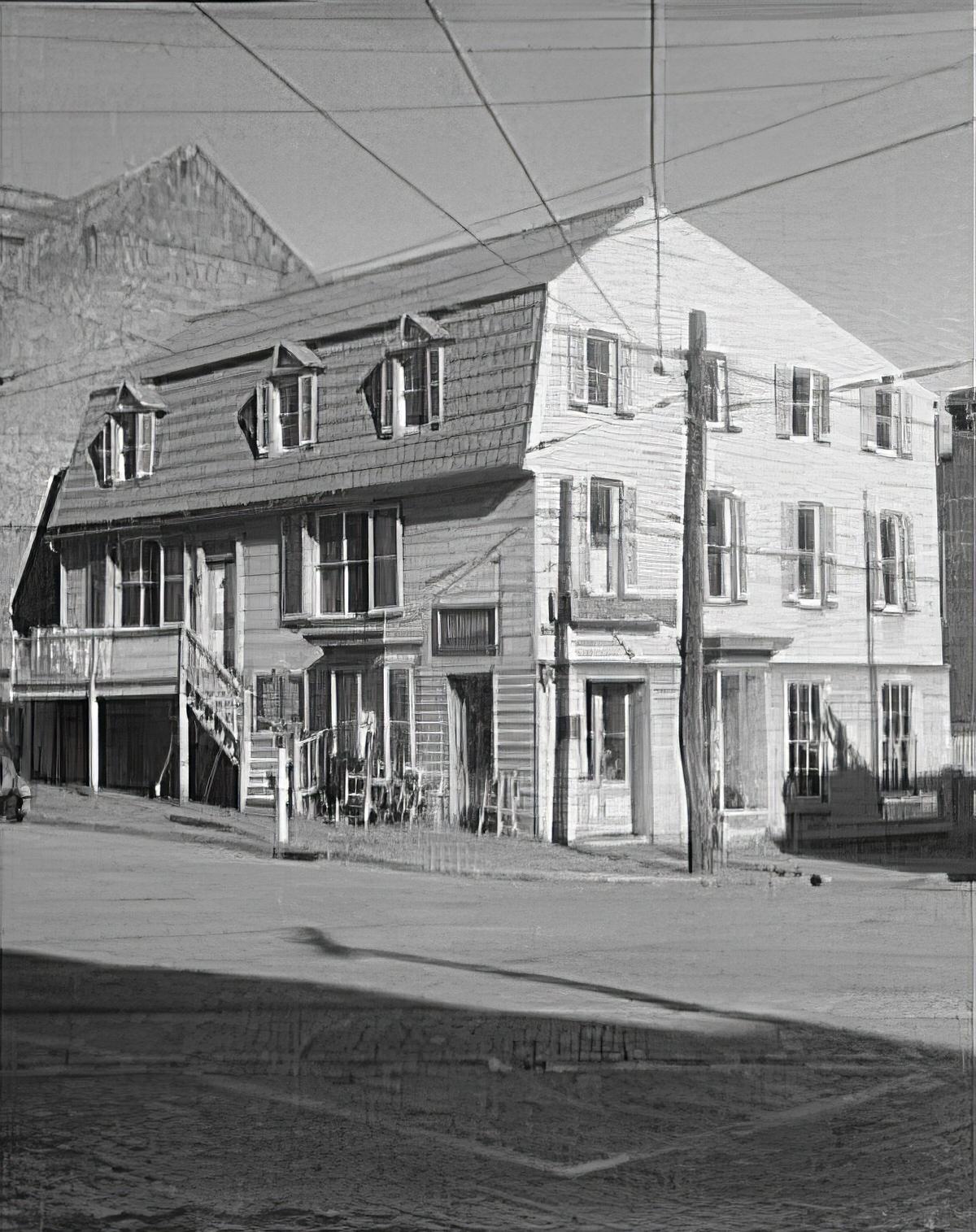
Alexandria’s architecture told the story of its layered history. The so-called flounder house — a local style with a pitched roof that slopes to one side, presenting a flat face to the street — was a design unique to the region. These buildings dotted residential blocks and gave Alexandria a distinct visual character.
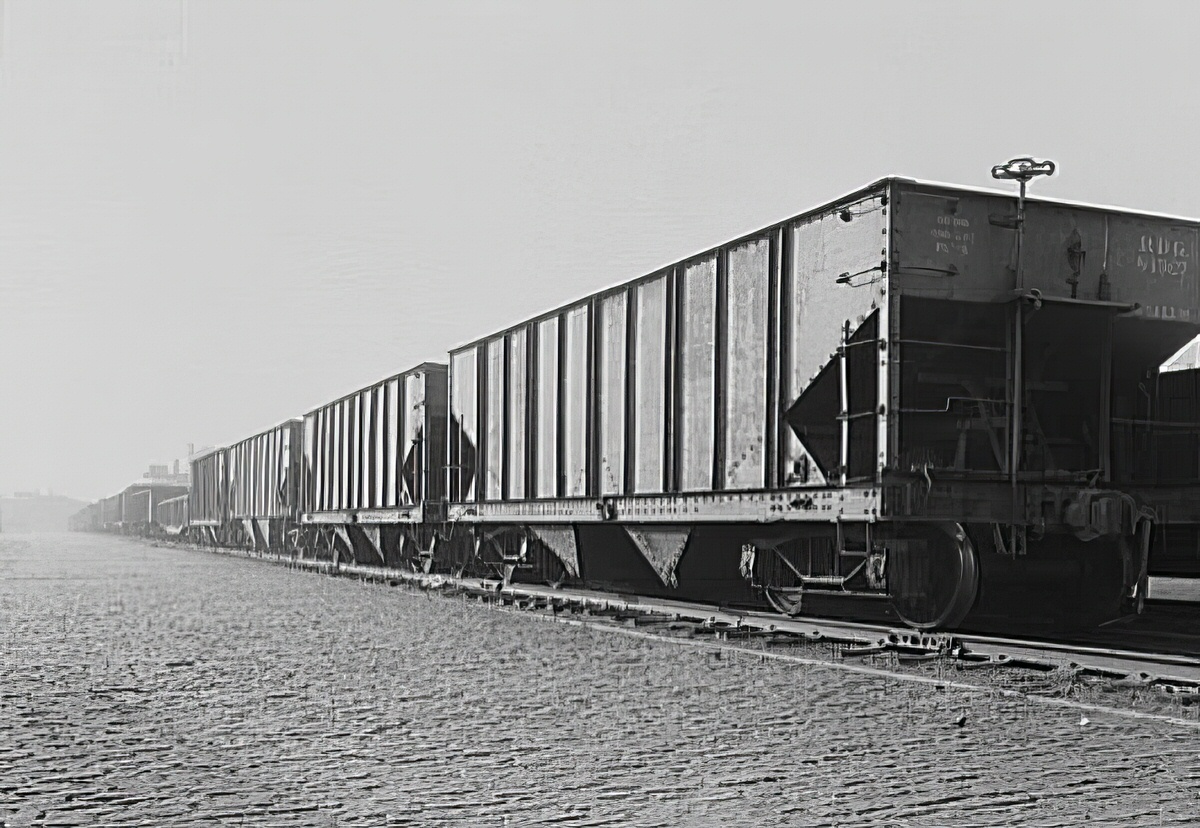
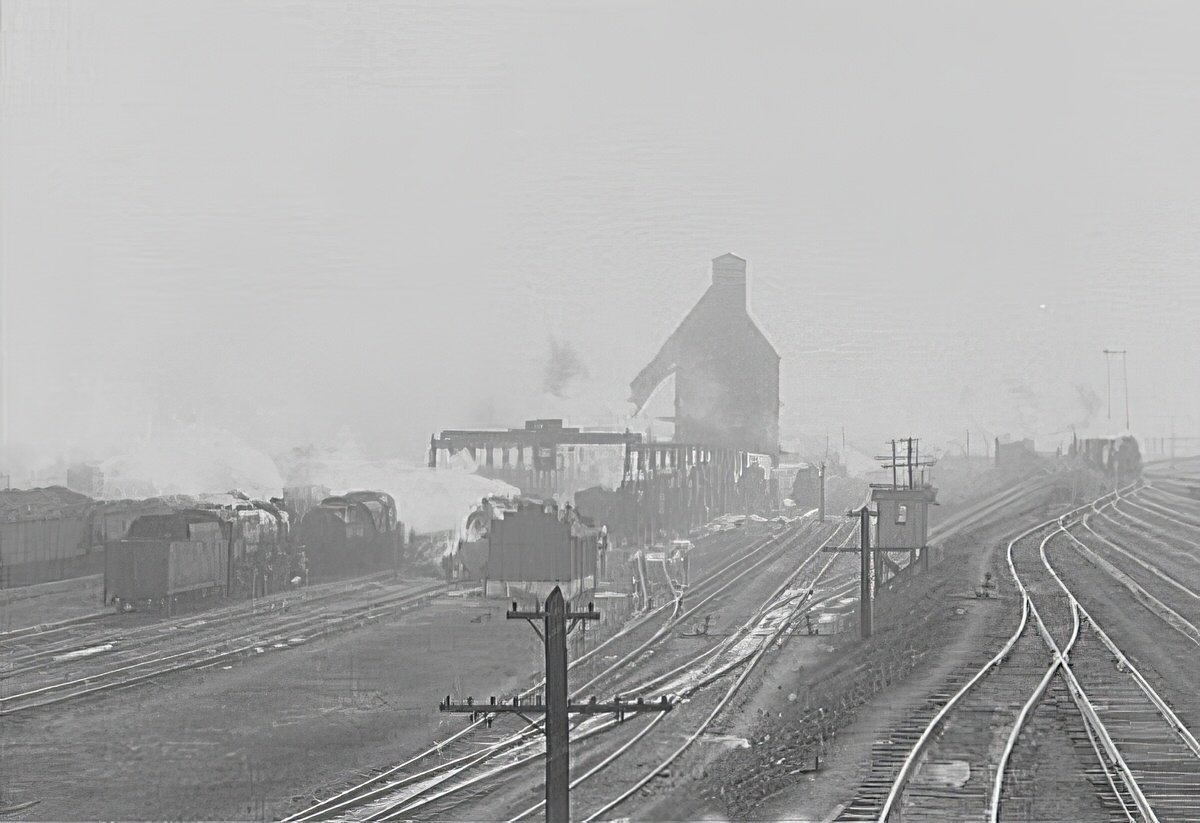
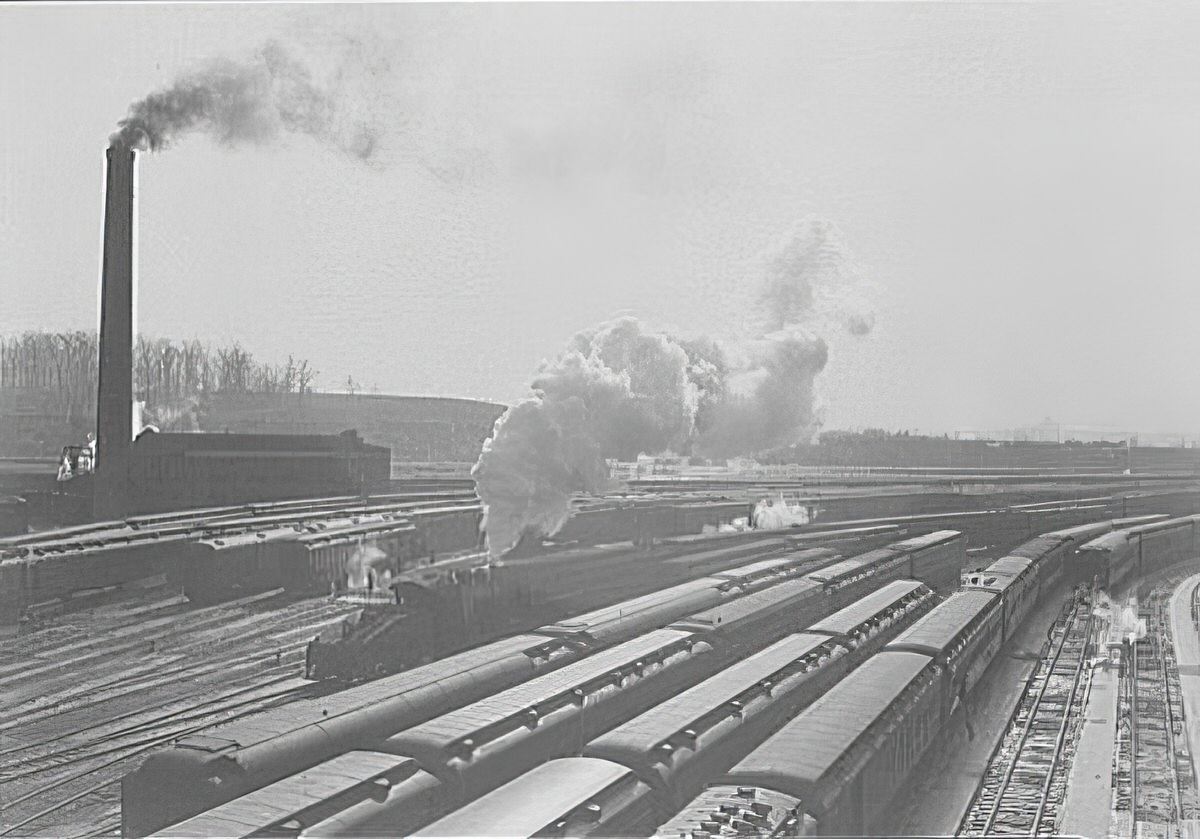
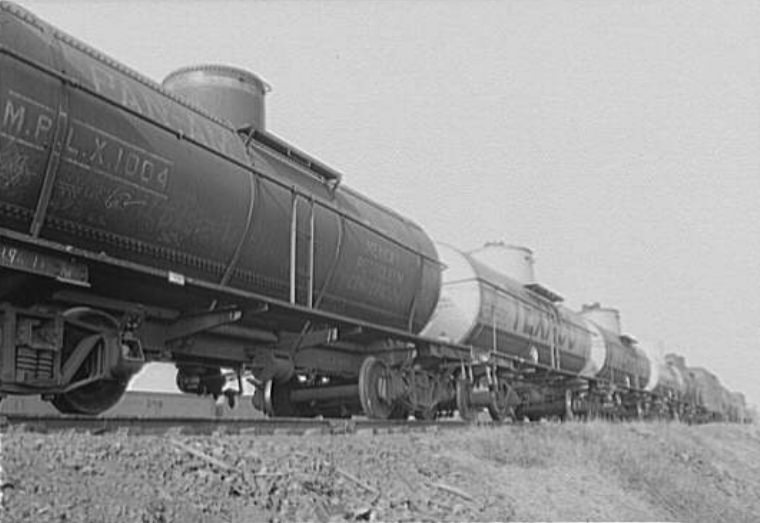
At the heart of Alexandria’s economic engine was Potomac Yard. One of the largest railroad classification yards on the East Coast, it processed thousands of rail cars each day. Coal cars, tank cars, and freight cars moved through in a constant stream, connecting the interior of the country with ports and cities along the Atlantic seaboard.
Beyond industrial sites, the National Paint, Varnish & Lacquer Association also photographed private homes undergoing renovation. The Weller residence was one example — a well-kept Alexandria home that received professional exterior work, documented as part of the association’s ongoing industry records.
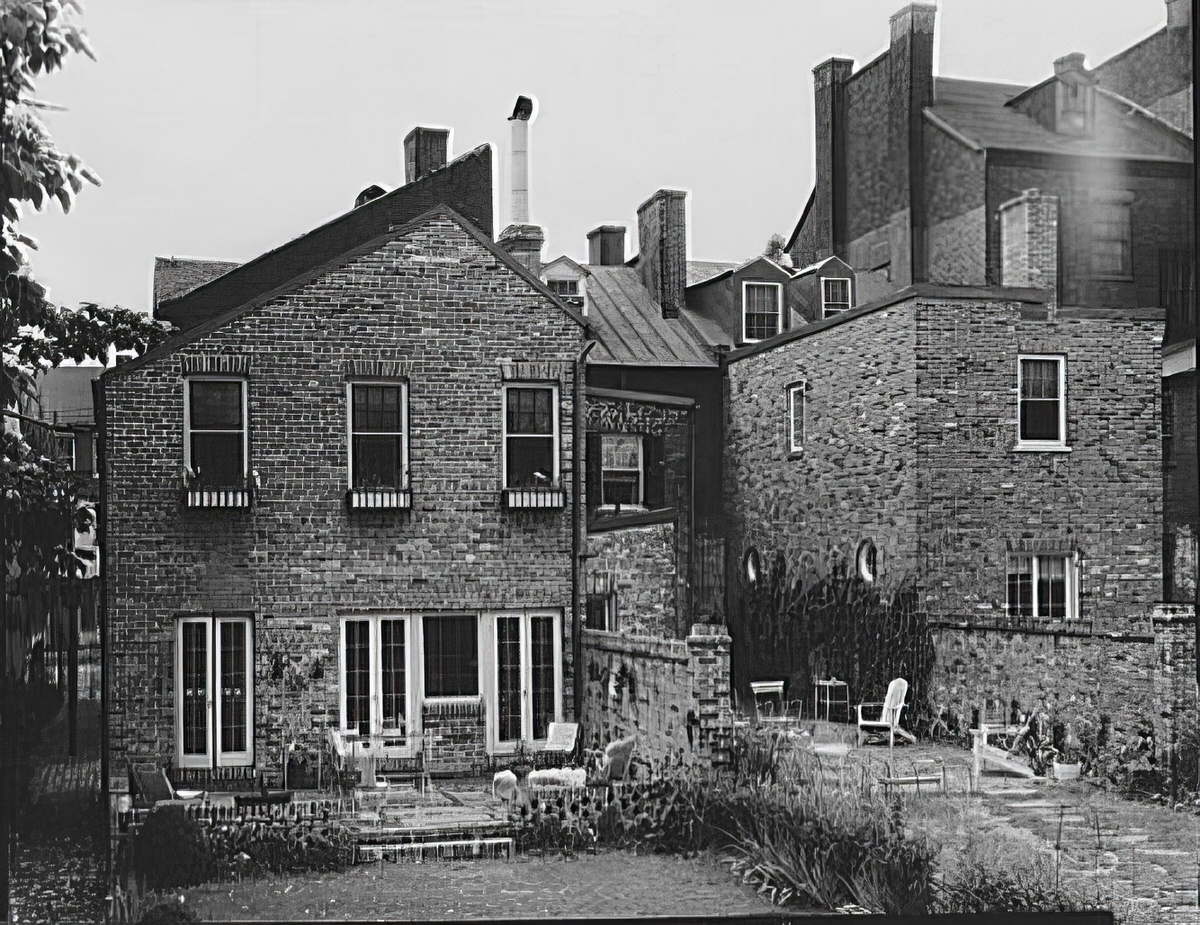
Gadsby’s Tavern, one of Alexandria’s most storied buildings, had served travelers and politicians since the eighteenth century. By 1920, it stood as both a functioning establishment and a historical touchstone. George Washington himself had dined and danced there during his lifetime, and the building carried that weight into the modern era.
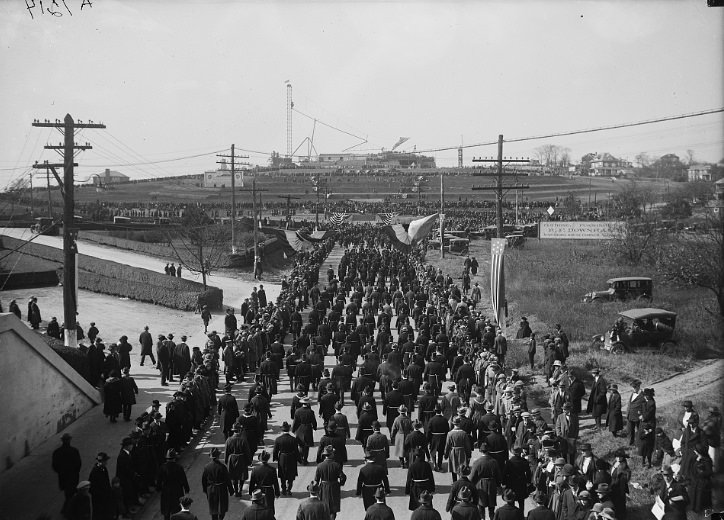
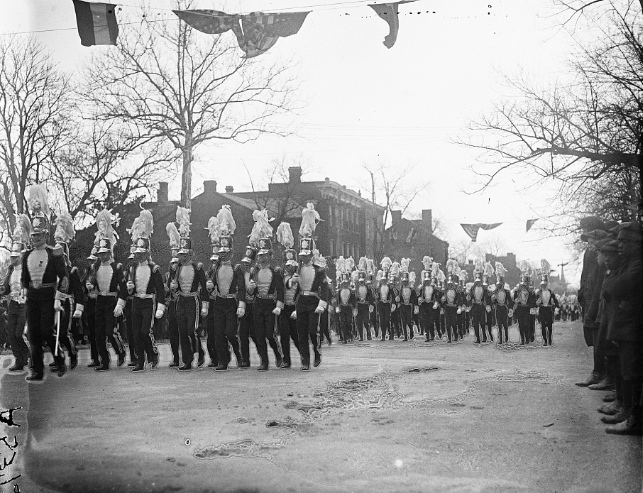
Construction on the George Washington Masonic National Memorial continued across the decade. The structure rose steadily on Shooter’s Hill, photographed at multiple stages from 1920 through 1929. In 1923, thousands of Masons marched through Alexandria’s streets in a public procession tied to the memorial’s ongoing construction — a civic spectacle that drew national attention.
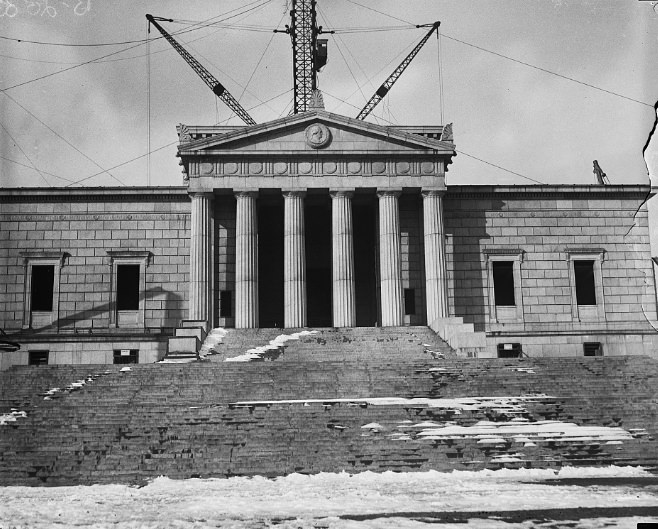
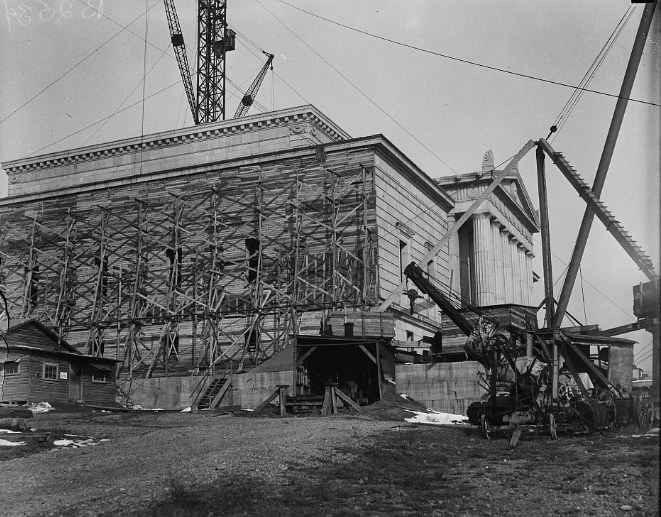
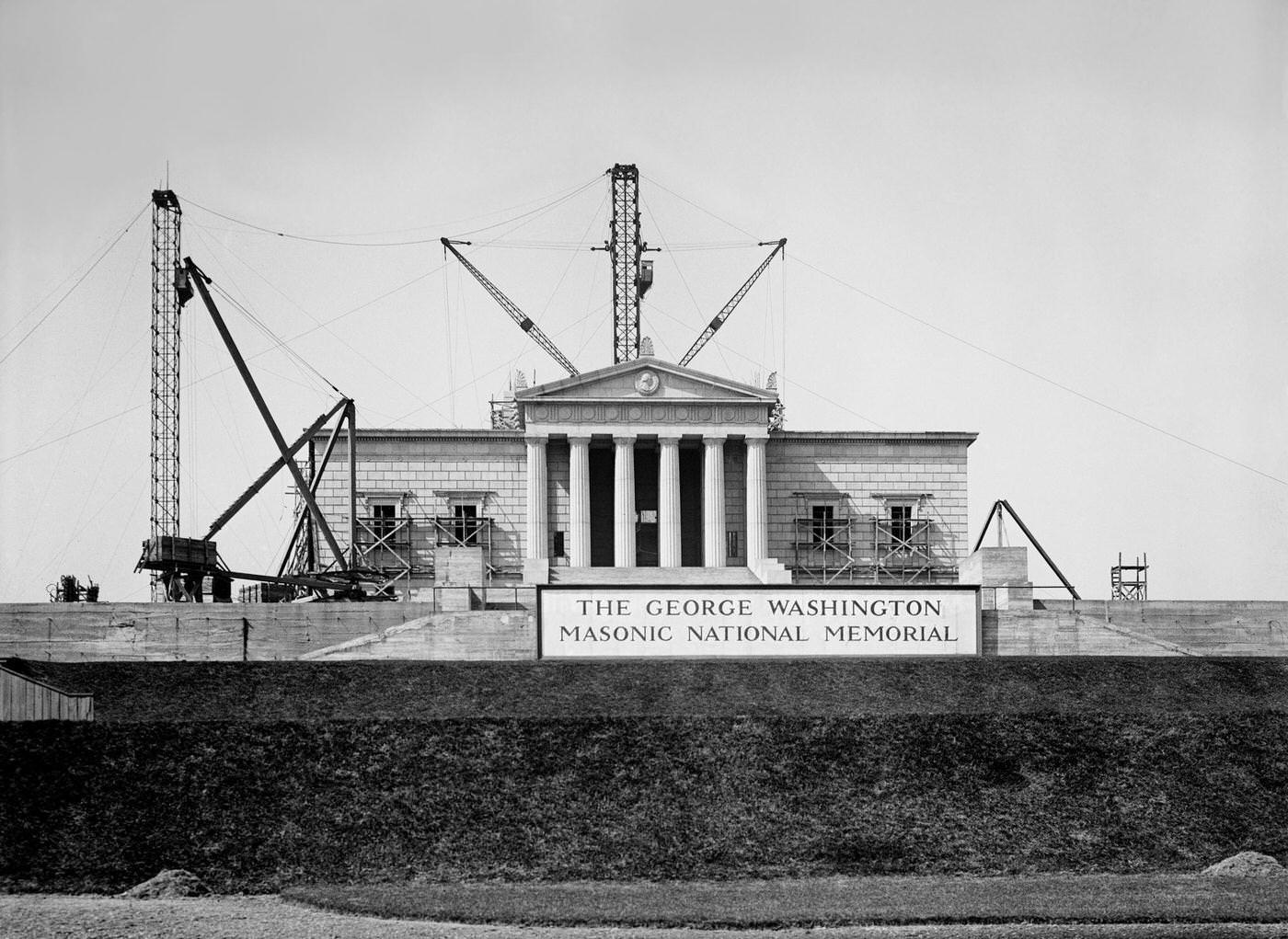
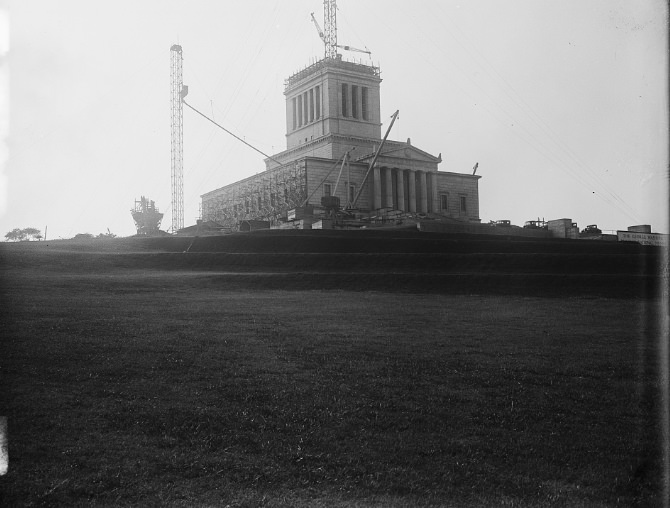
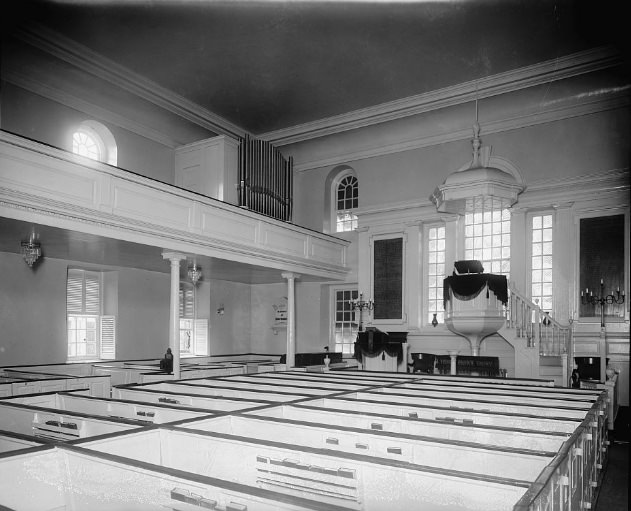
Christ Church continued to draw visitors and parishioners throughout the decade. A 1922 photograph captured the interior of the church — its box pews and chandelier intact, largely unchanged from the colonial period. By 1925, a Ford touring car was parked outside the church, a symbol of how modern life was pressing up against Alexandria’s oldest landmarks.
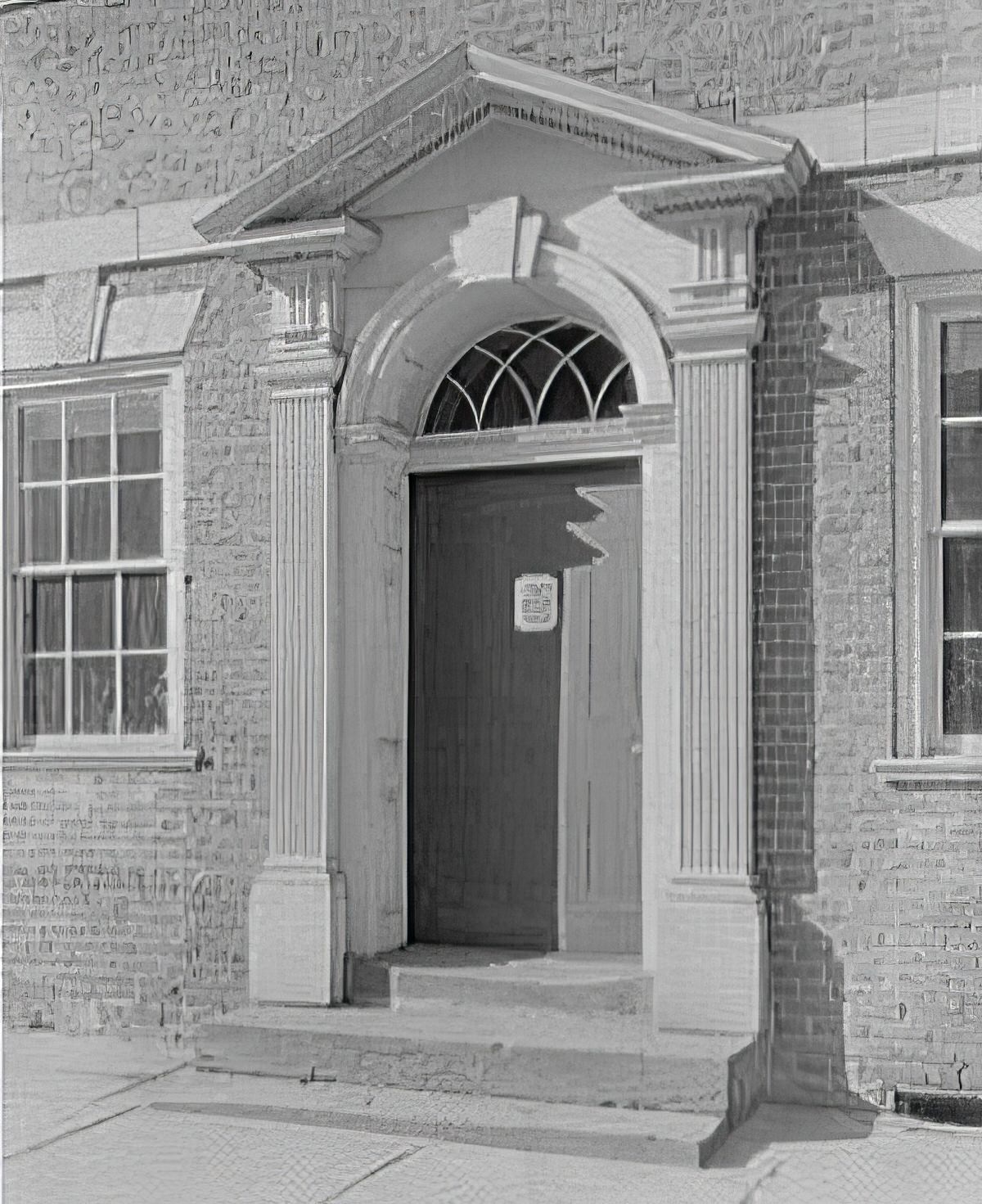
Historic homes from Alexandria’s earliest days were also photographed during this period. Dr. Craik’s house and Dr. William Brown’s house both dated to the colonial era. Dr. James Craik had served as George Washington’s personal physician, and his Alexandria home remained standing into the 1920s as a well-preserved example of eighteenth-century domestic architecture.
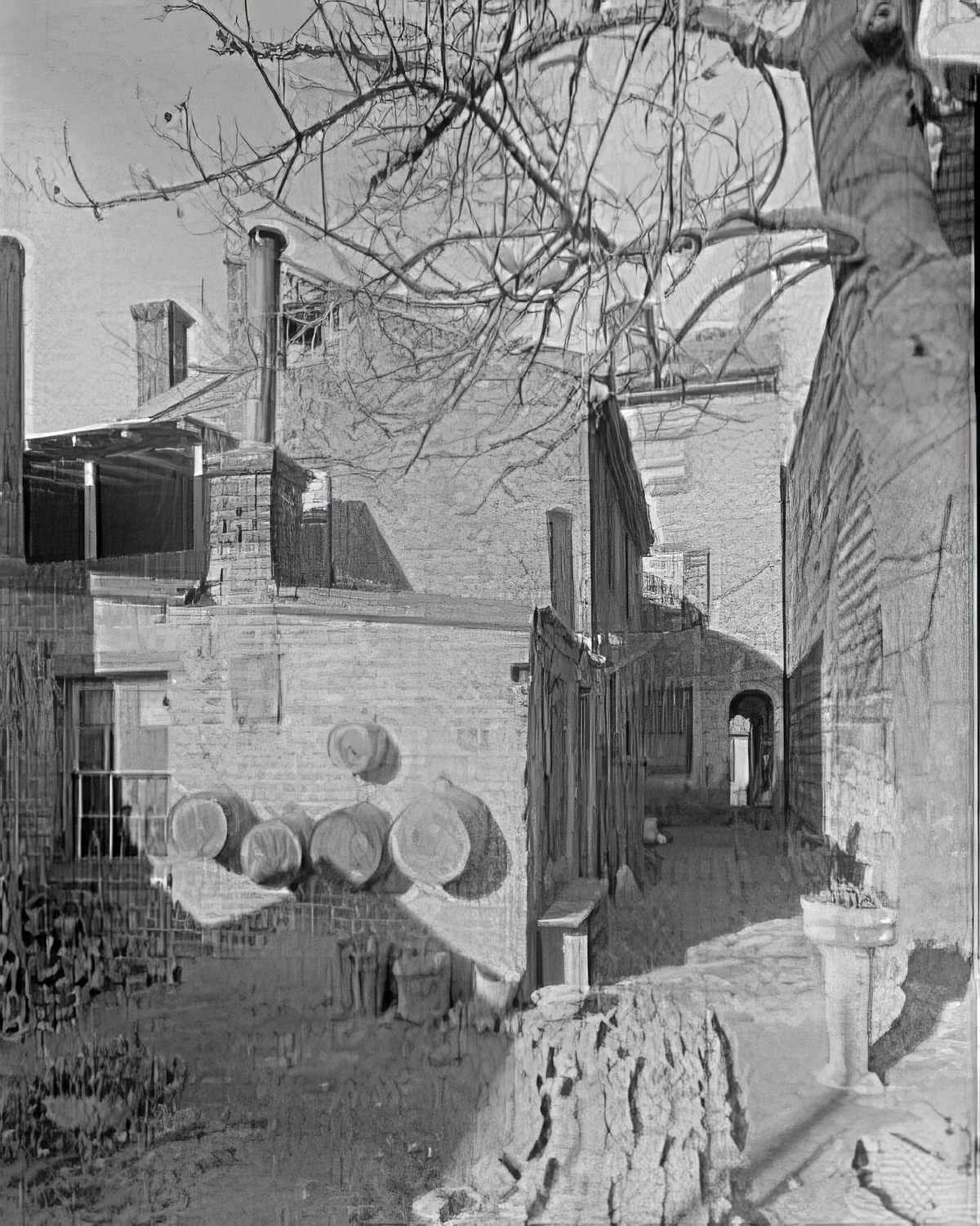
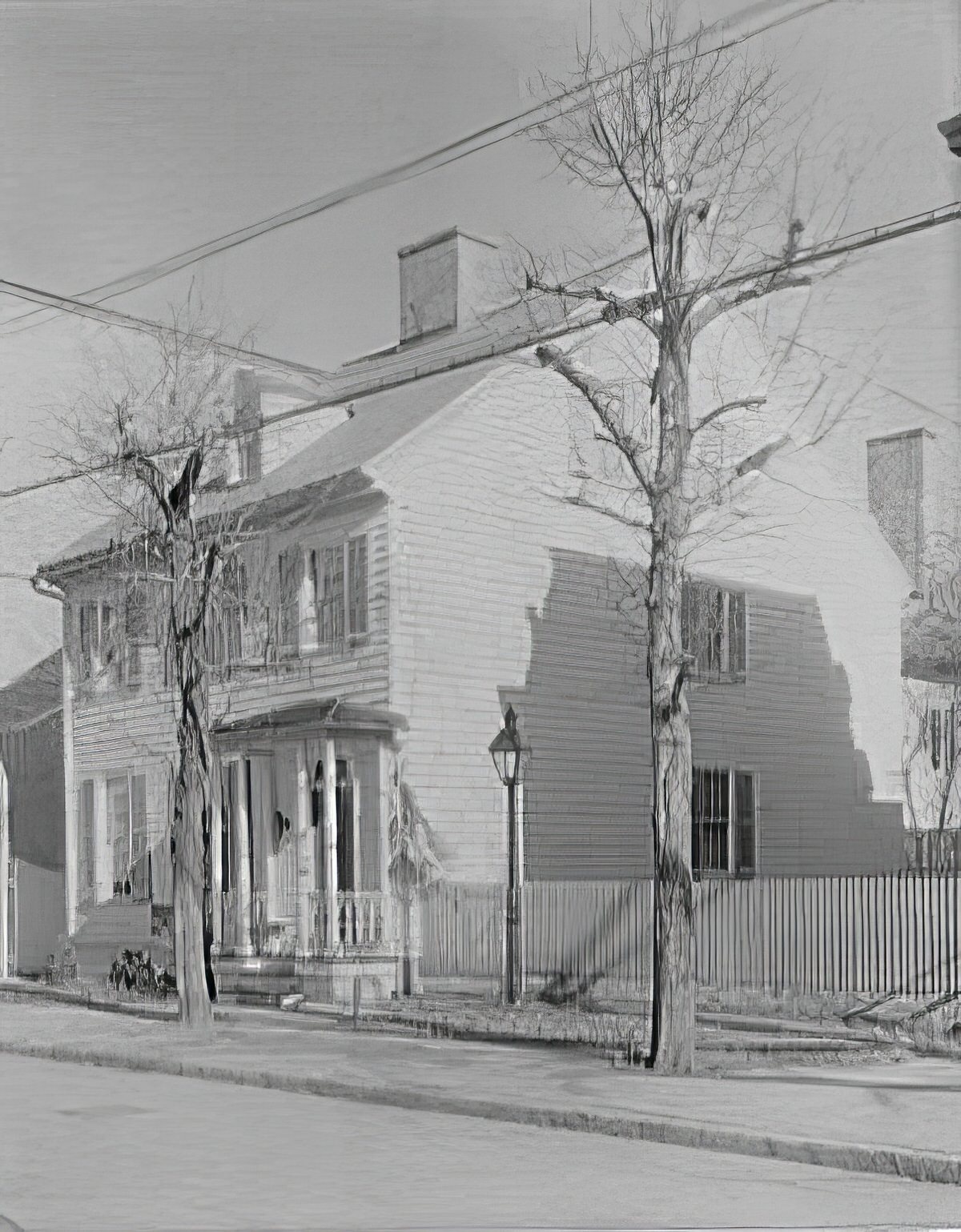
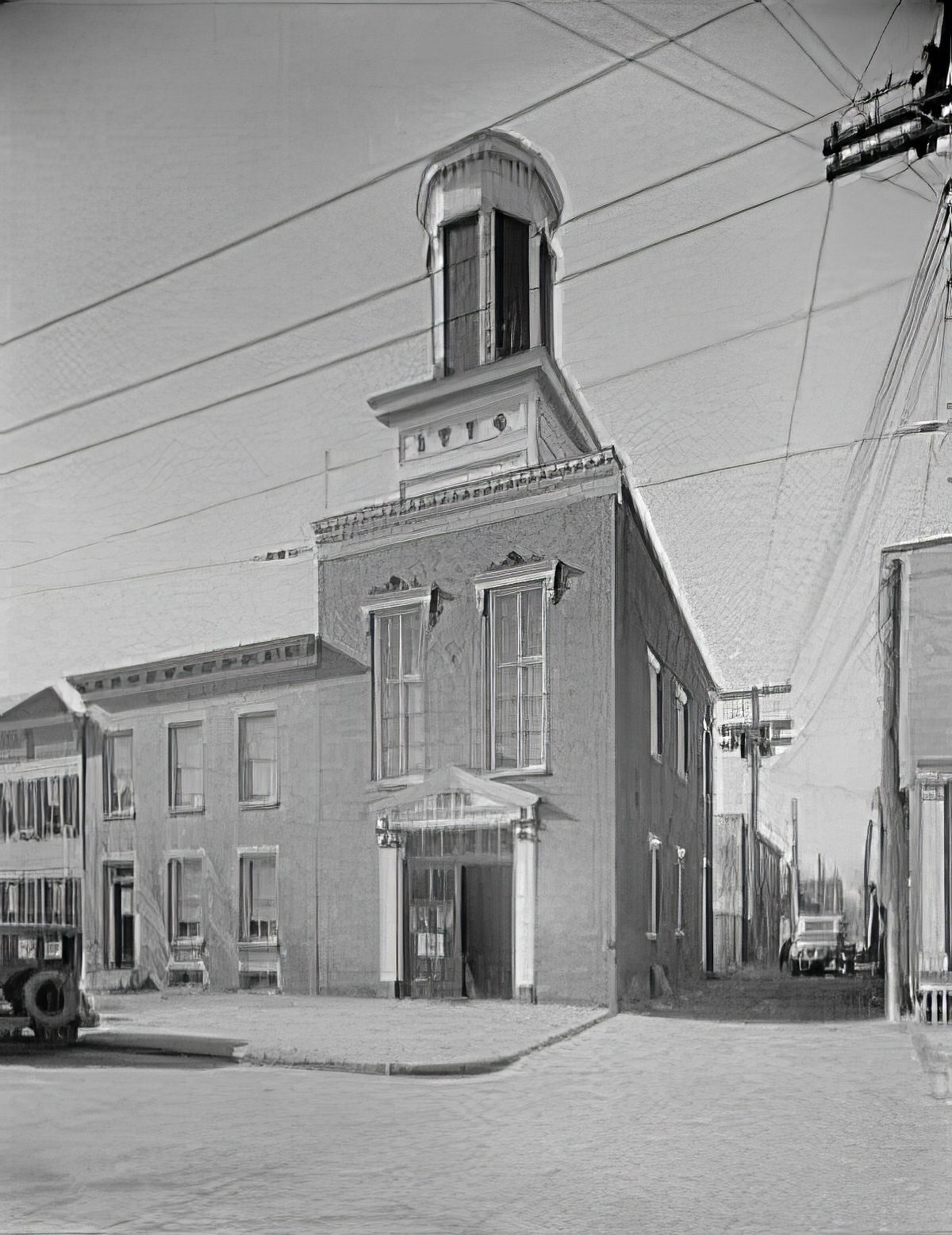
Public safety infrastructure was also part of the city’s growing identity. Alexandria’s firehouse stood as a functional and civic building, photographed in the 1920s as part of broader documentation of the city’s public services.
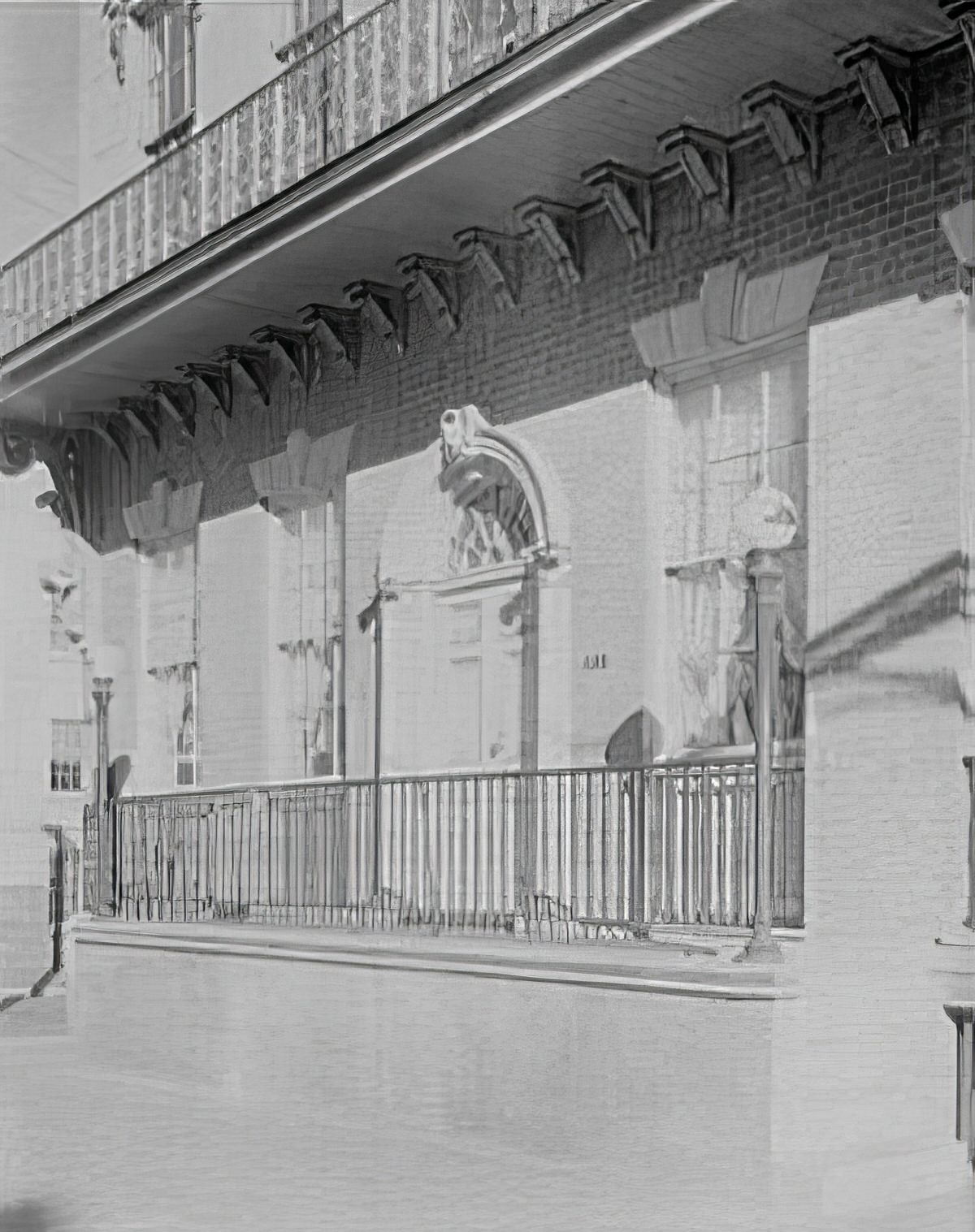
Banking reflected the city’s economic confidence. Alexandria’s bank exteriors, including the Citizens National Bank photographed in 1921, showed institutions that projected stability and prosperity — qualities that defined the early years of the decade before the economy darkened toward the end of it.
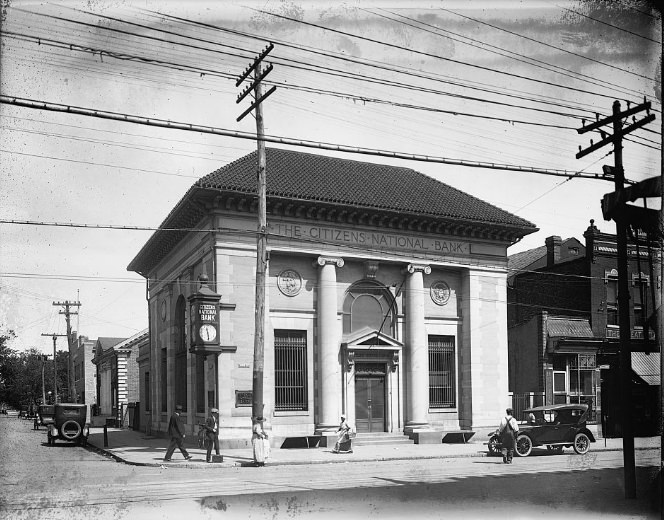
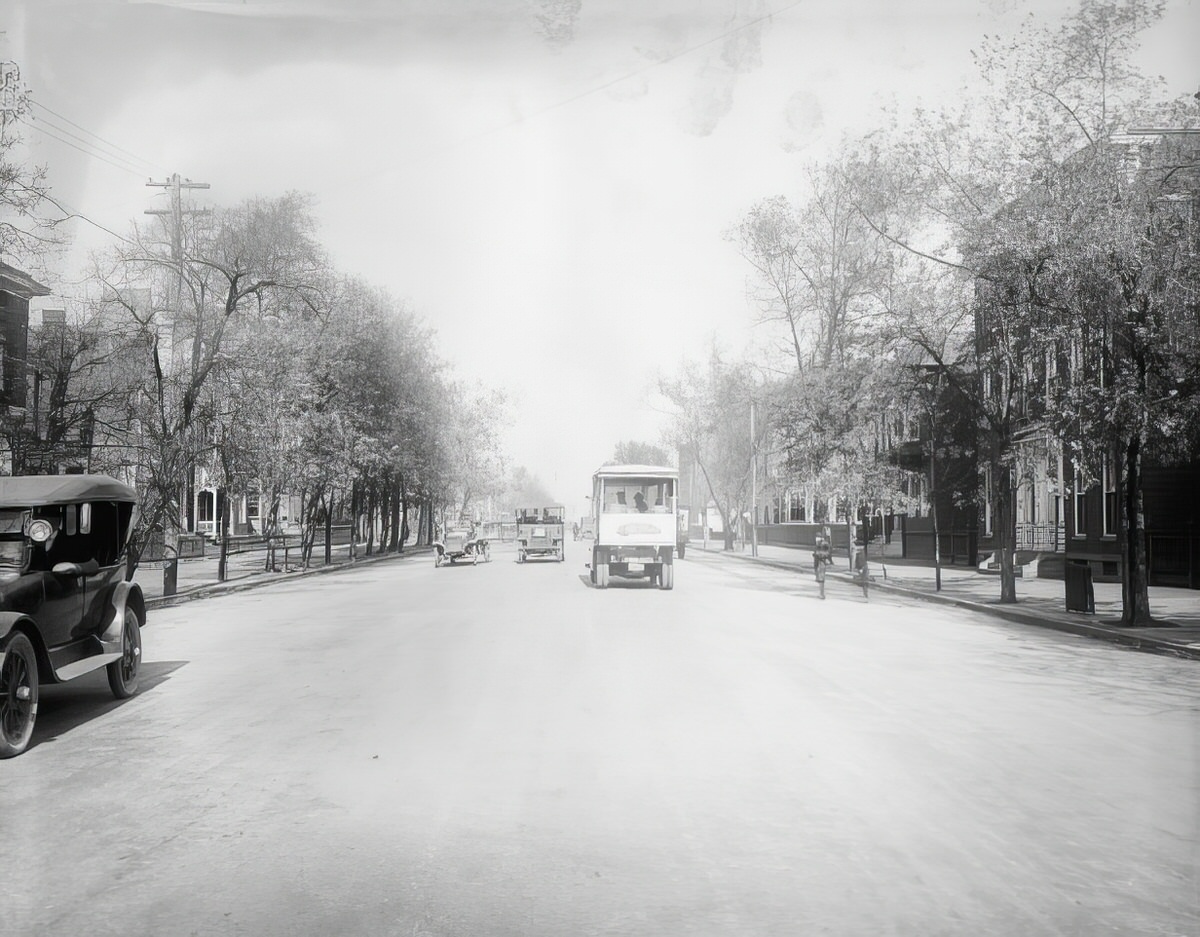
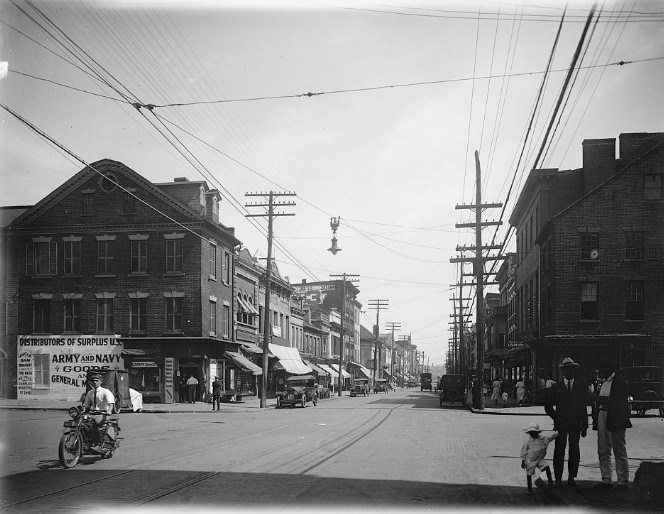
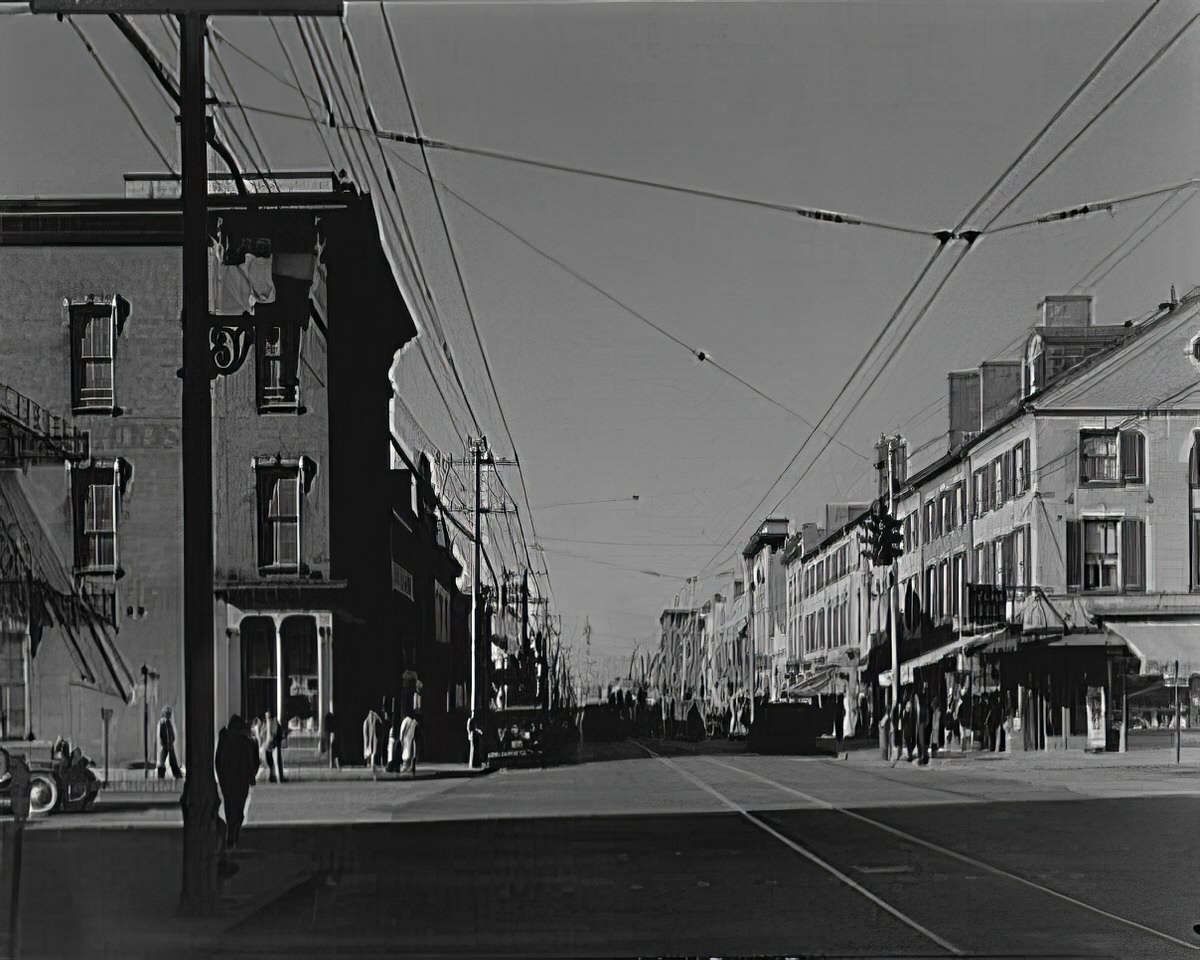
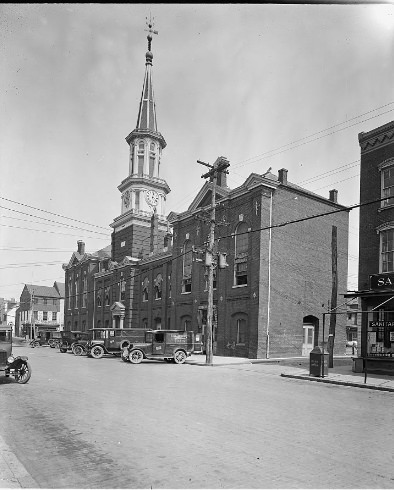
King Street was Alexandria’s commercial spine. A 1922 photograph of King Street showed a bustling urban corridor lined with storefronts, utility poles, and early automobiles. It captured a city in transition — one foot in its nineteenth-century past, the other stepping into a modern future.
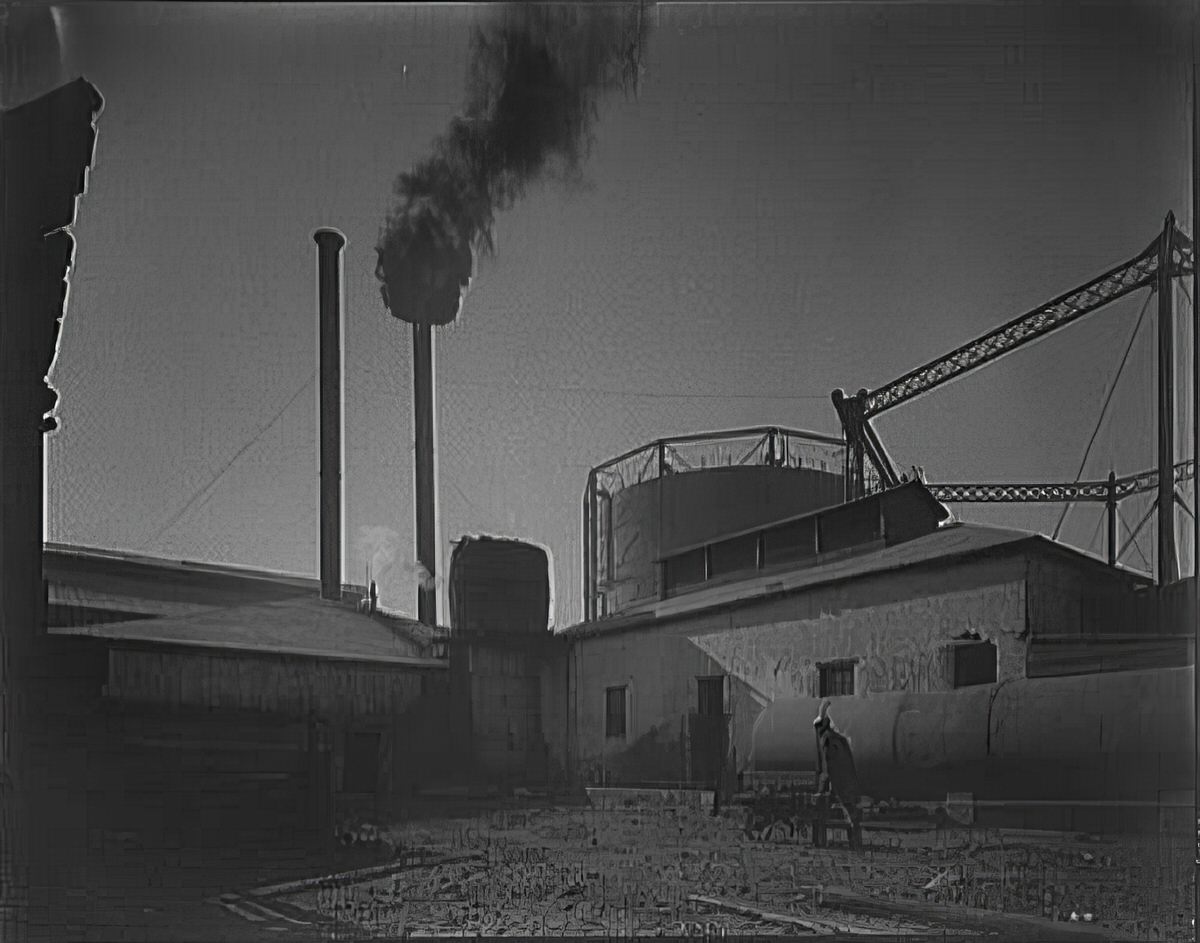
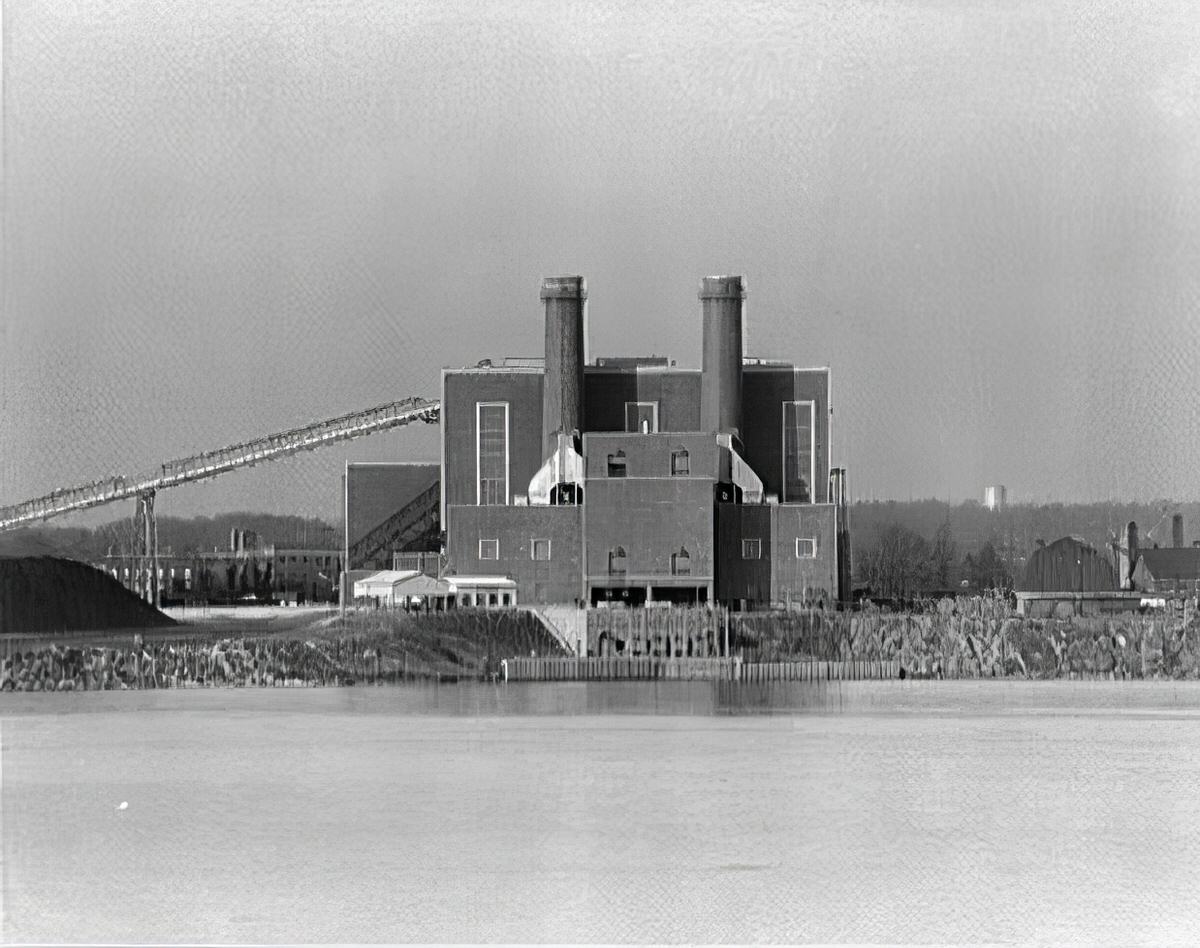
Utility infrastructure expanded rapidly in the 1920s. The Alexandria City gas plant and the Potomac Electric Power Company both served a growing demand for electricity and gas as homes and businesses adopted modern conveniences. These facilities were unglamorous but essential, quietly powering the decade’s growth.
Education was another pillar of city life. Alexandria’s old school building, photographed in 1920, served generations of students. The exterior showed a no-frills but solid structure built to last — typical of public school construction in the region during the late nineteenth and early twentieth centuries.
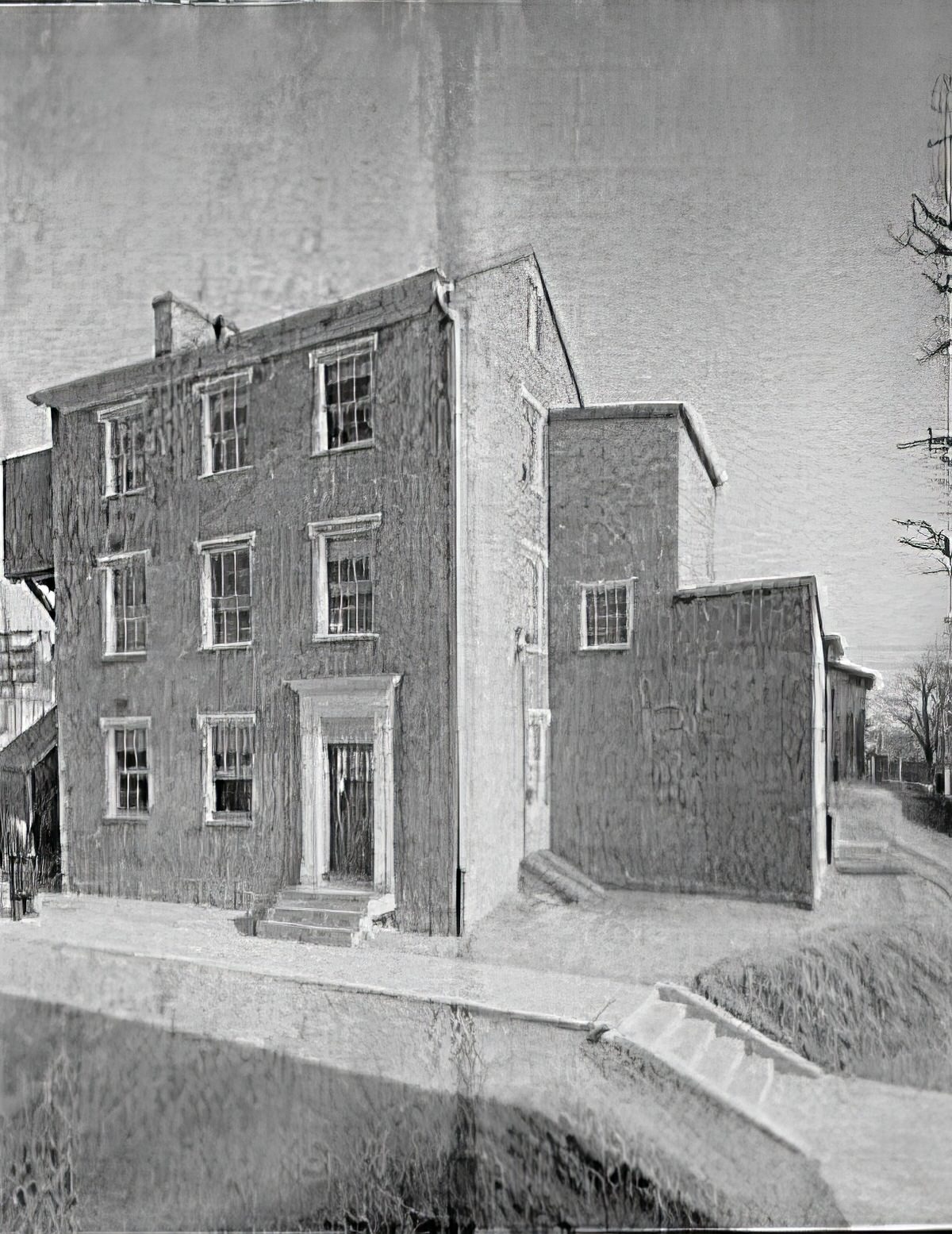
The Ramsay House, one of Alexandria’s oldest surviving structures, dated to around 1724. By 1920, it stood near the waterfront as a low-profile reminder of the city’s Scottish merchant heritage. William Ramsay, one of Alexandria’s founders, had built the original structure, and the house carried his name into the twentieth century.
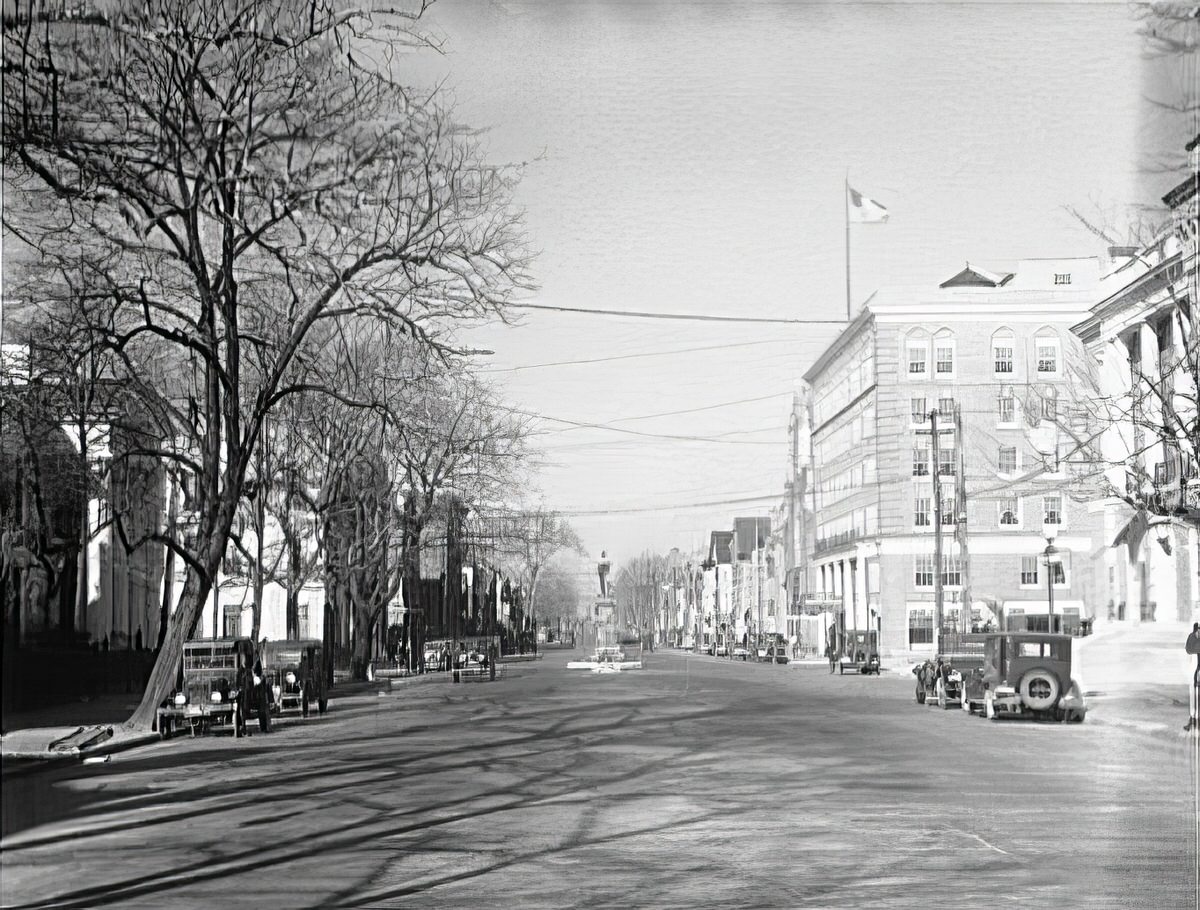
Washington Street ran through the heart of Alexandria, lined with both historic and modern buildings. A 1920 photograph captured the street’s mix of residential and commercial properties, with mature trees shading the sidewalks. The William Albert Smoot Jr. house at 220 North Washington Street was one of the well-documented private residences along this corridor.
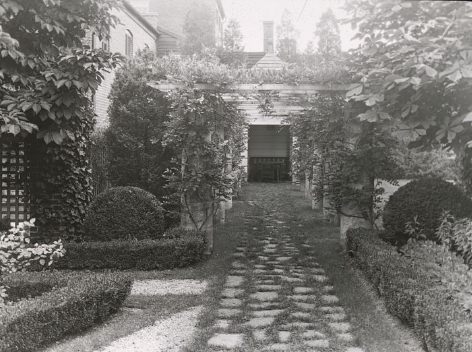
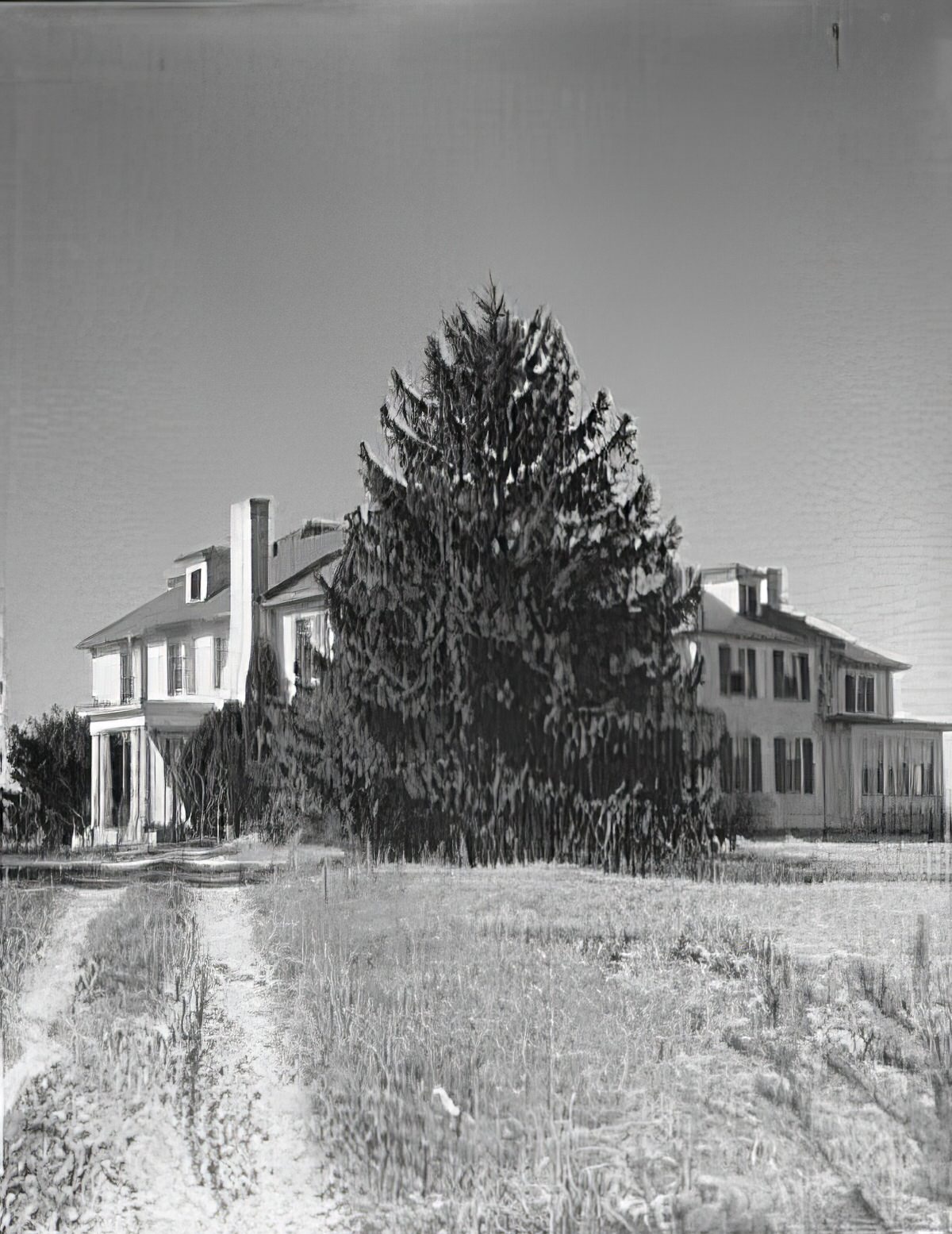
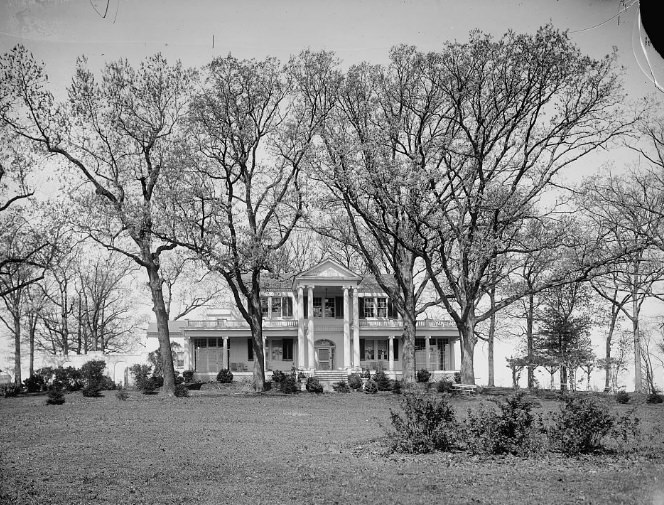
Mount Eagle and Mount Ida were two of Alexandria’s notable private estates. The James Groves house at Mount Ida, photographed in 1922, was a substantial Federal-style property set back from the road. Mount Eagle, also photographed in 1920, showed a similarly grand residence typical of the prosperous families who had called Alexandria home for generations.
The Market House was a center of daily commerce, where residents bought fresh produce, meat, and goods. Keefer’s Market House, photographed in 1920, showed a working market building that connected Alexandria’s farmers and vendors directly to the public — a tradition that had existed in the city since the colonial period.
The Torpedo Factory, which had manufactured naval weapons during World War I, was still operating in its transition period in 1921. The federal government repurposed sections of the facility for commercial production after the war, and photographs from 1921 documented the site during this changeover.
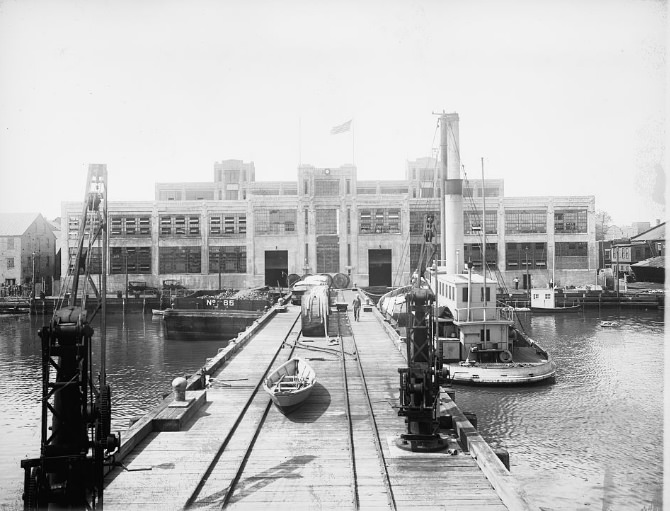
Alexandria’s Union Station served as the city’s main rail passenger hub. Photographed in 1923, the station building was a functional transit point connecting Alexandria to Washington, D.C., and destinations along the East Coast. As automobile ownership climbed during the decade, rail travel remained essential for longer journeys.
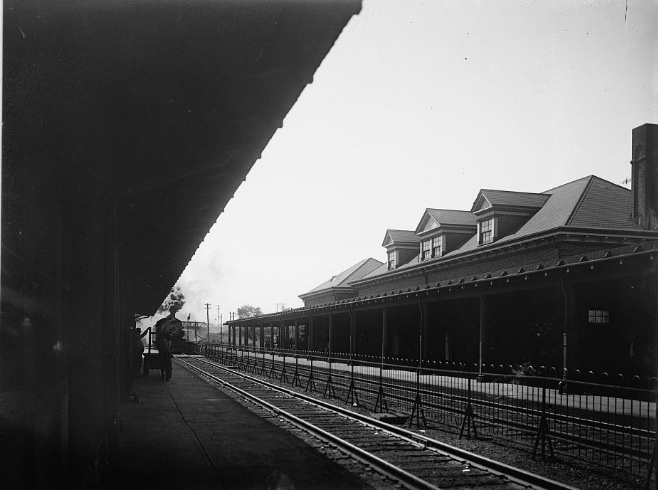
Virginia’s shipyards were busy with more than construction. In 1923, vessels were actively being broken down and destroyed at Alexandria’s waterfront yards. A photograph from that year documented the demolition process — a practical and largely unsentimentalized end for ships that had outlived their usefulness.
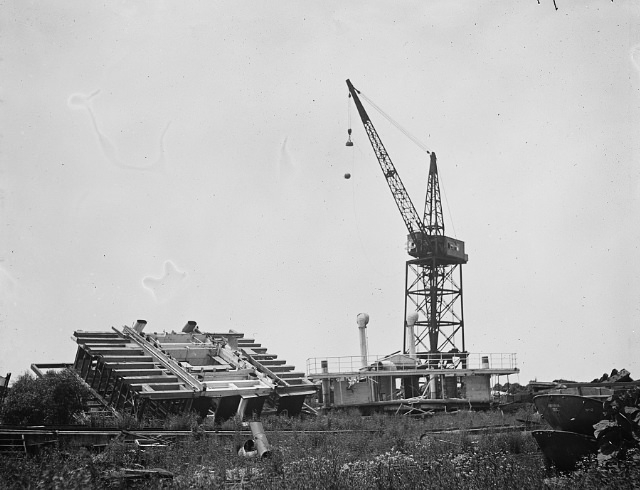
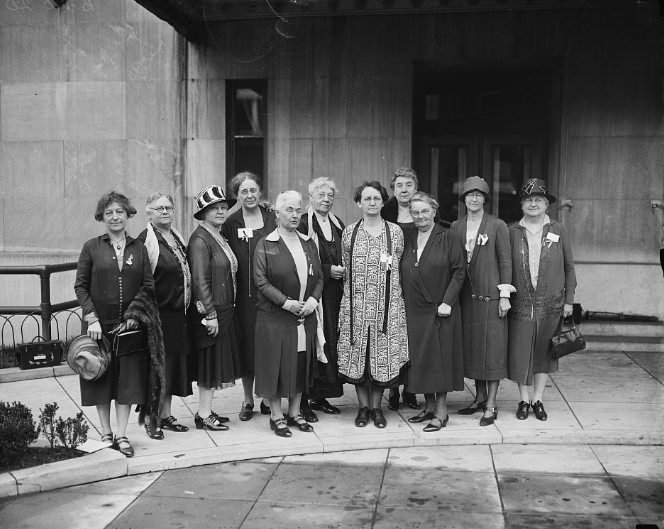
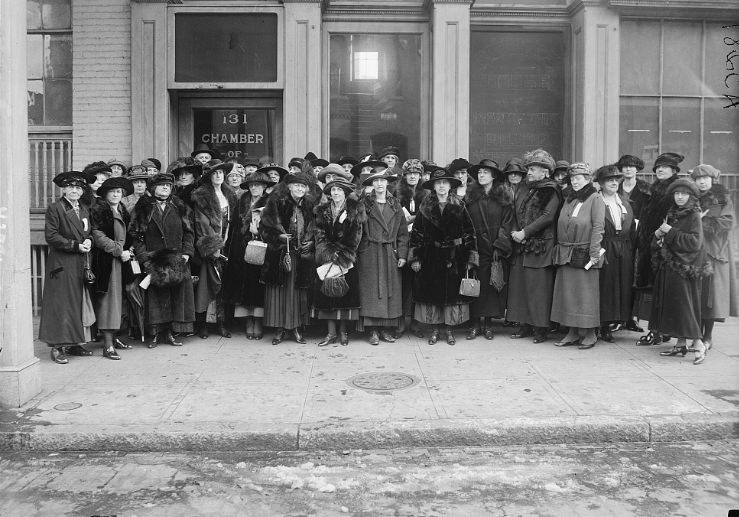
Public events and civic organizations were a visible part of Alexandria’s social life. In February 1923, the Richmond Blues participated in Washington’s Birthday celebrations in the city — a tradition that Alexandria, as Washington’s hometown, observed with particular seriousness. That same year, members of the Virginia League of Women Voters held a meeting in Alexandria, reflecting the newly expanded political participation of women following the Nineteenth Amendment’s ratification in 1920.
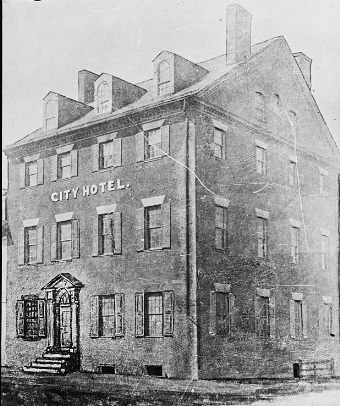
The City Hotel, photographed in 1925, was a central fixture of Alexandria’s hospitality trade. Hotels like this one served traveling merchants, government workers, and visitors making their way through the region. Washington Street’s mix of hotels, banks, and civic buildings gave the corridor a distinctly urban character.
The Daughters of the American Revolution in Virginia paid tribute to an Unknown Soldier of the Revolutionary War during this period — a solemn ceremony that connected Alexandria’s residents to the city’s role in the founding of the nation. Alexandria had been a key colonial port, and events like this reinforced a civic pride rooted in that history.