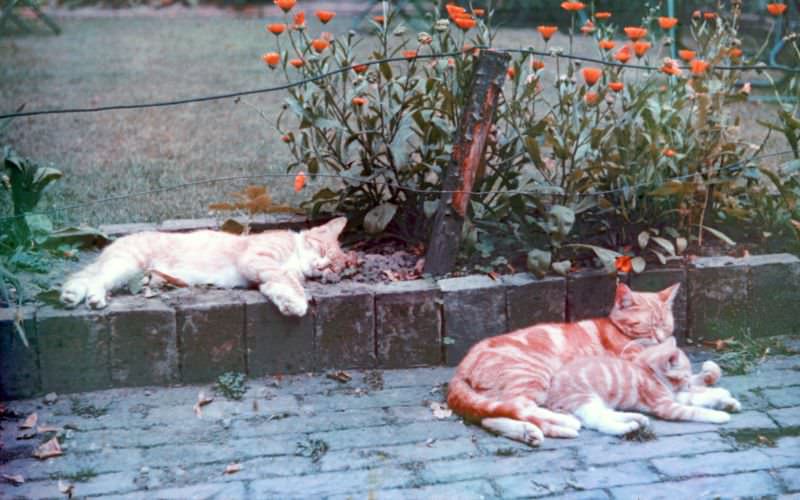
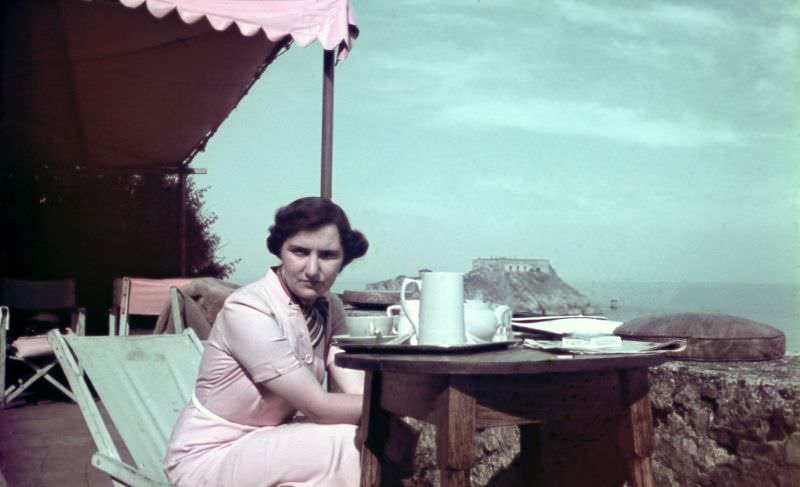
Before digital cameras and smartphone snapshots, capturing the world in color was a technical achievement. In the 1930s, one film made that possible for a growing number of photographers: Agfacolor. Developed by the German company Agfa, the original Agfacolor debuted in 1932 as a screen-plate film similar to the French Autochrome process. Then in 1936, Agfa released Agfacolor Neu — a new reversal film that became a milestone in color photography history.
Agfacolor Neu was a reversal film, meaning it produced slides rather than negatives. Photographers shot it, had it processed, and then projected the resulting transparencies to view full-color images. By 1939, the German film industry had also adapted versions of the technology into negative and print film for motion pictures. The film used Color Developing Agent 1 as its core chemical developer — a formula that became foundational to color film technology for decades.
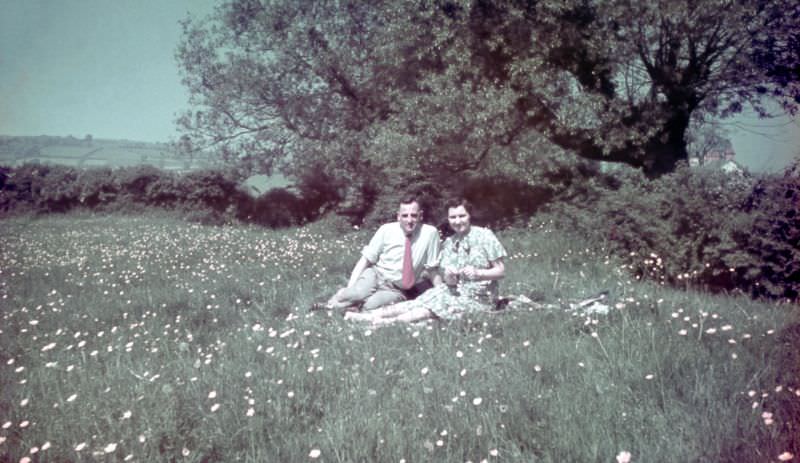
The slides in this collection were taken in Tenby, a walled seaside town on the southwestern coast of Wales. In the late 1930s, Tenby was a popular holiday destination, drawing visitors to its sandy beaches, medieval town walls, and brightly painted harbor-front buildings. These images preserve that world in rare early color.
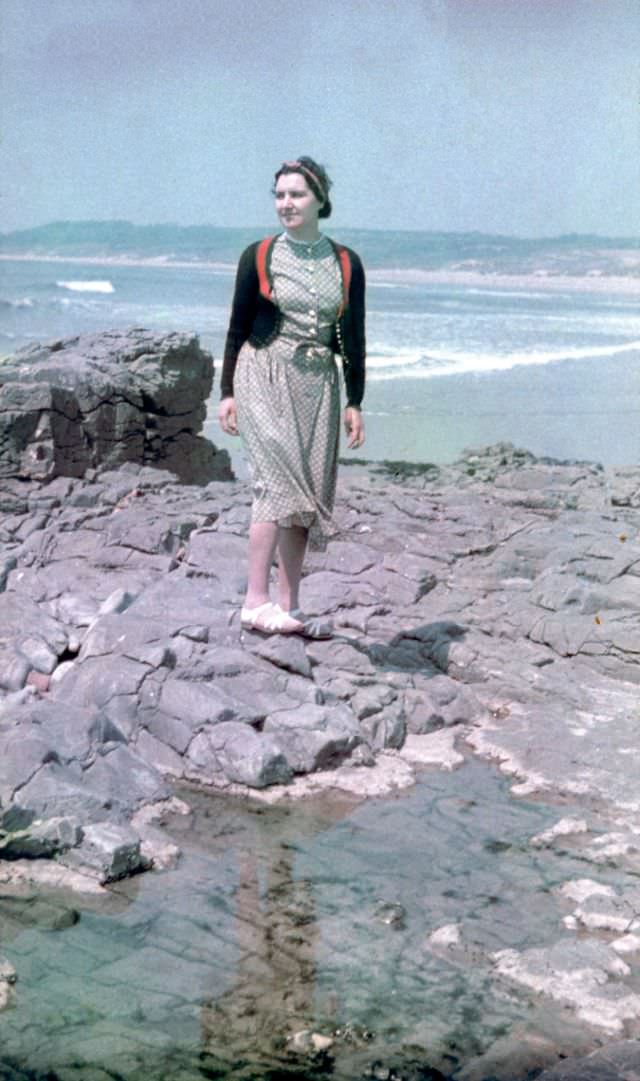
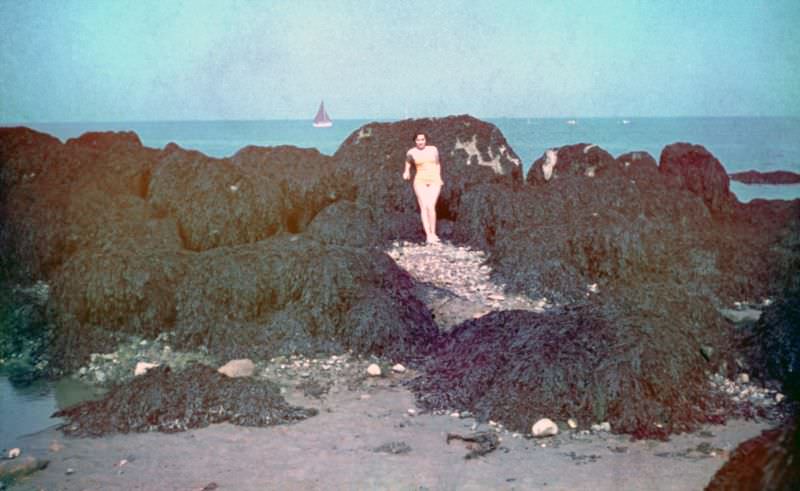
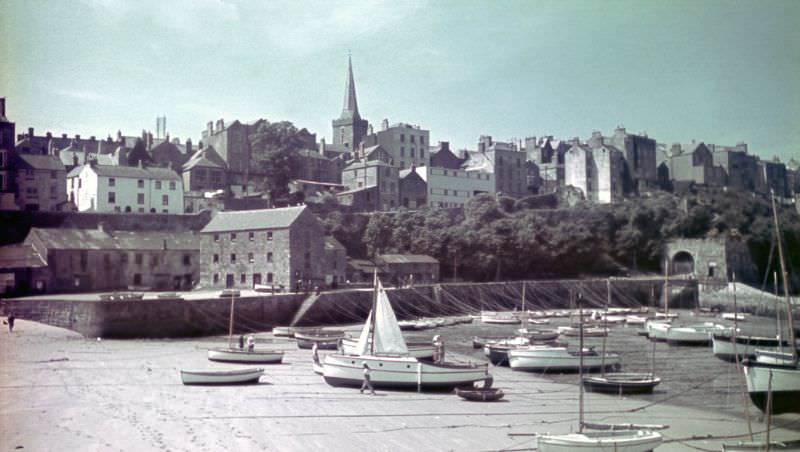
Tenby’s harbor has always been central to the town’s identity. Fishing boats, stone quays, and the ever-present sound of gulls defined daily life along the waterfront. These slides show the harbor as it looked just before the outbreak of World War II — calm, busy, and full of color.
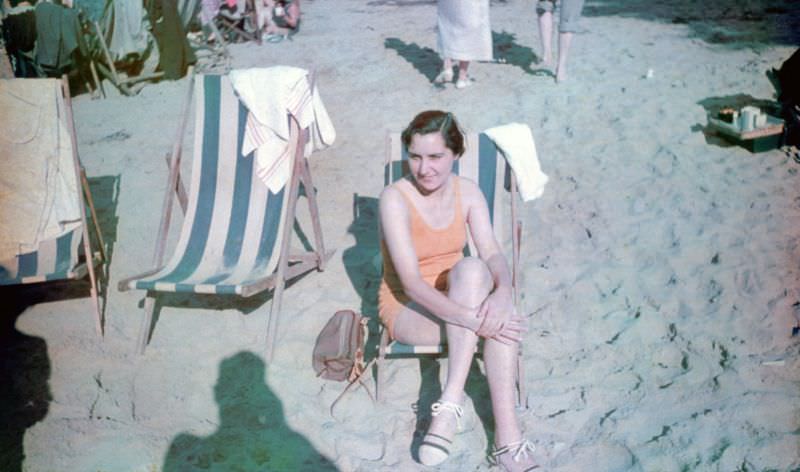
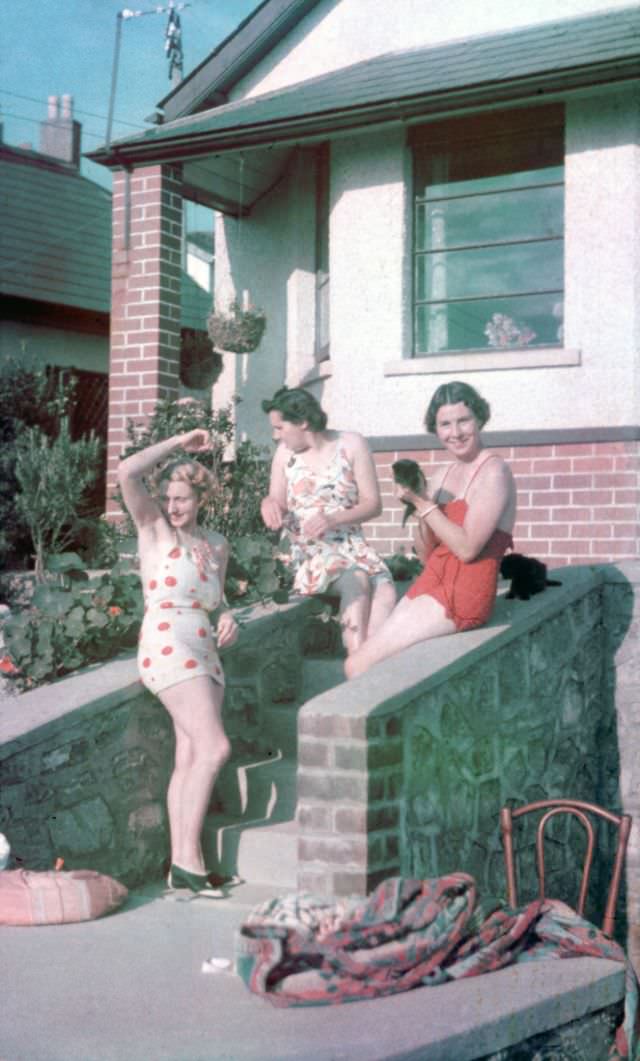
The town of Tenby sits within medieval walls that date back to the 13th century. Much of the original fortification still stood intact in the 1930s, framing narrow streets lined with Georgian and Victorian buildings. Visitors walking through the town gates in this era stepped into a place where history was built into every stone.
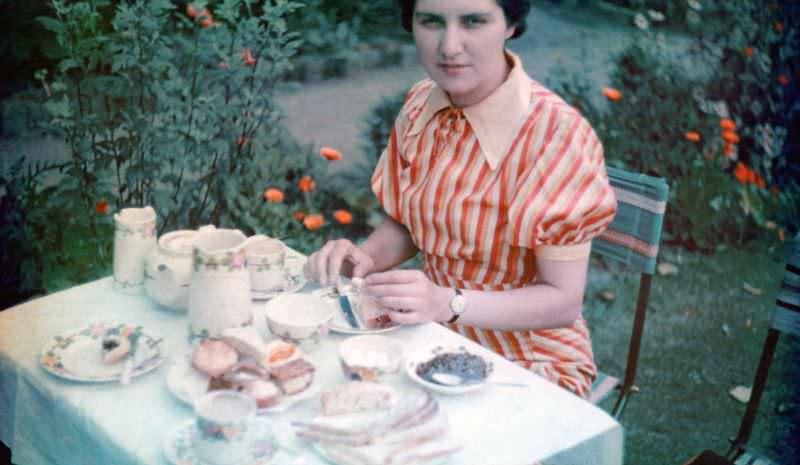
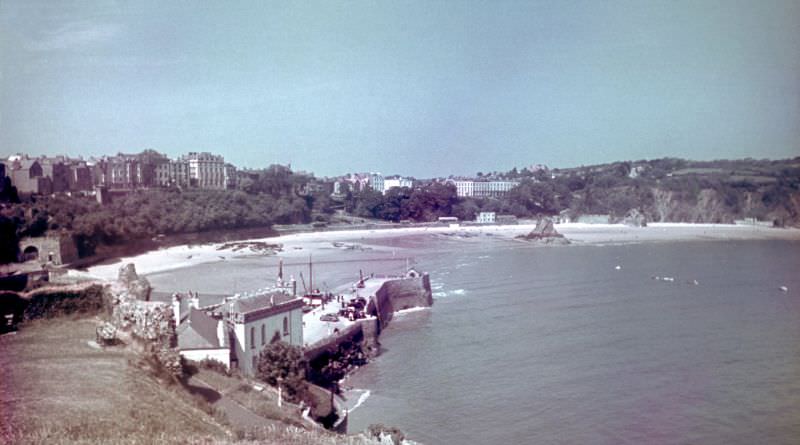
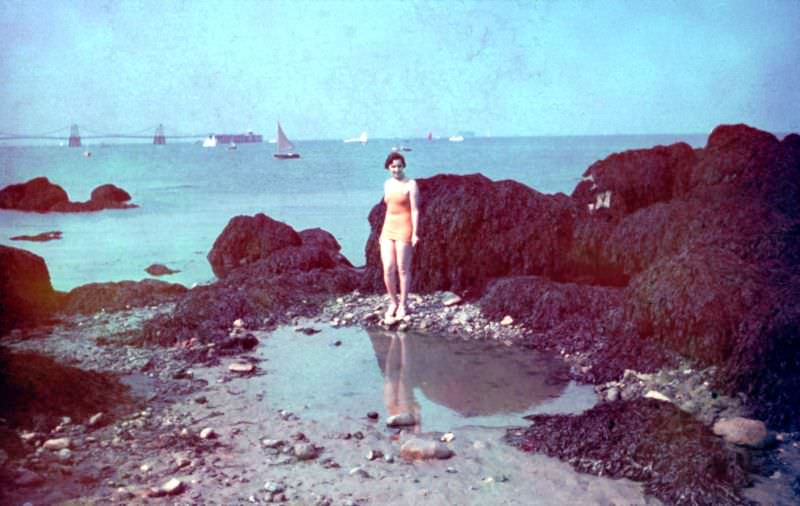
Tenby’s beaches — North Beach and South Beach — were major draws for holidaymakers. In the late 1930s, British seaside culture was at a high point. Families packed the sands, children played at the water’s edge, and deck chairs lined the shoreline in long, orderly rows.
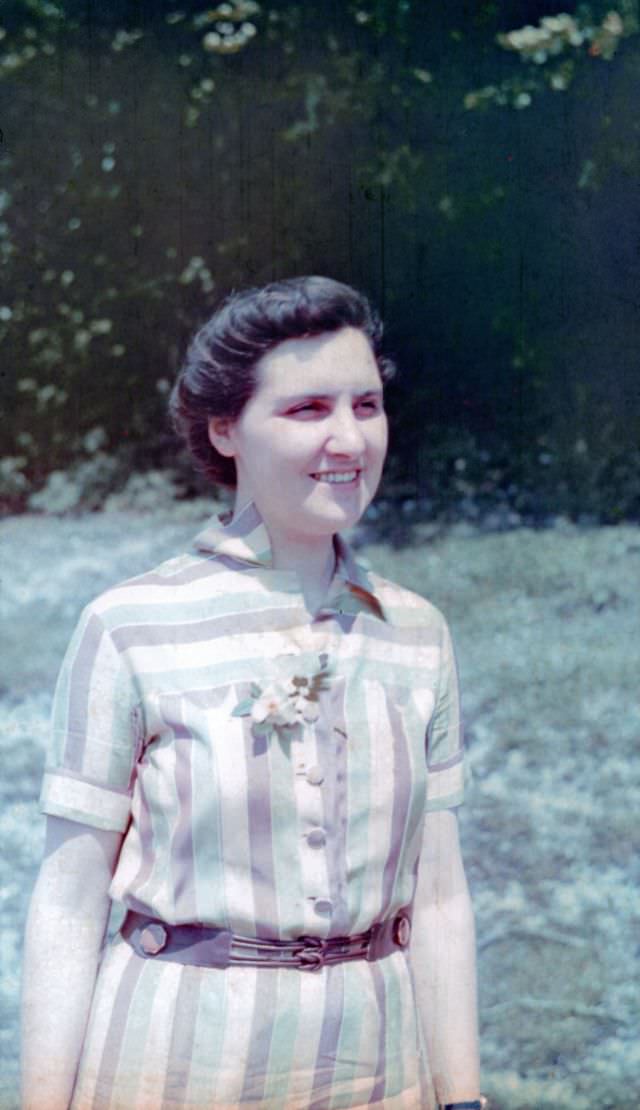
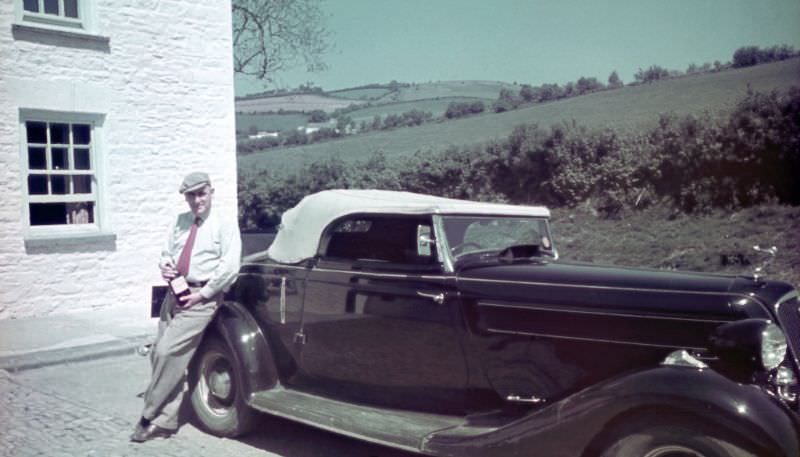
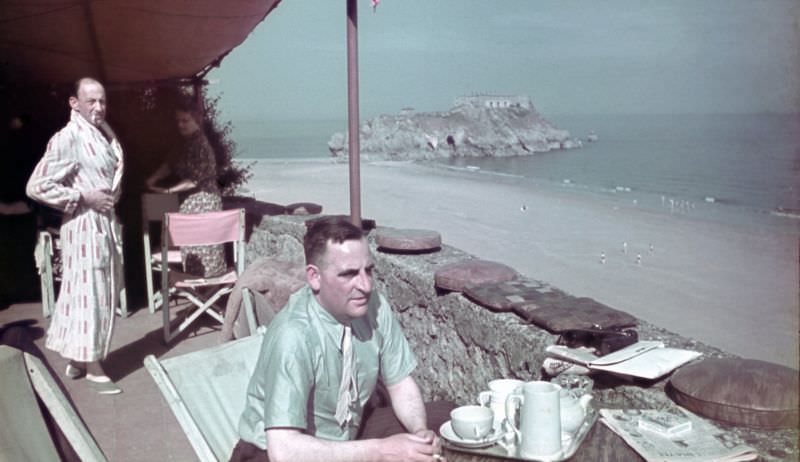
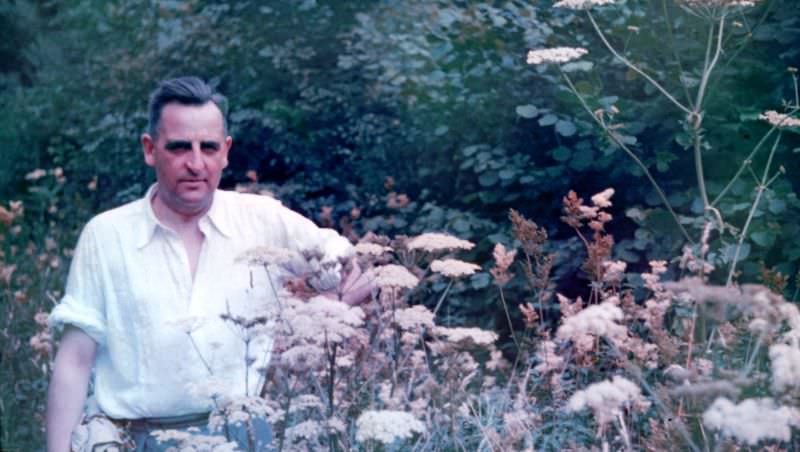
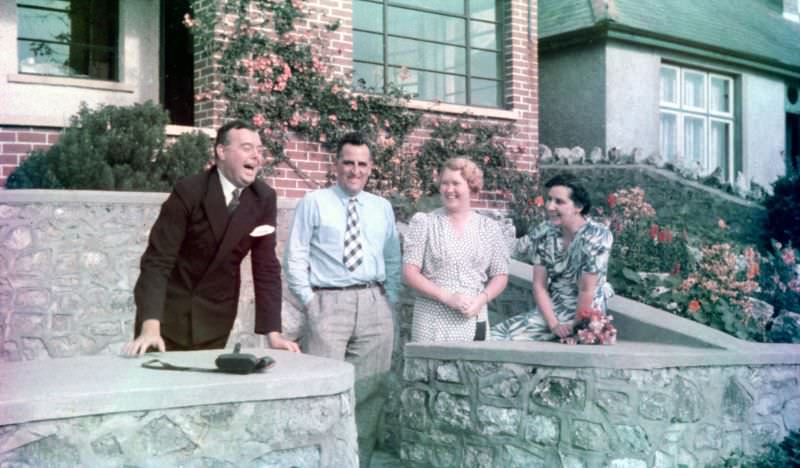
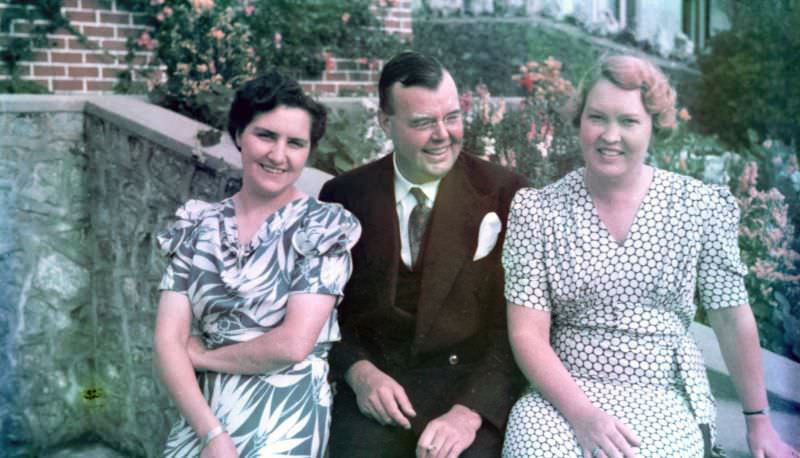
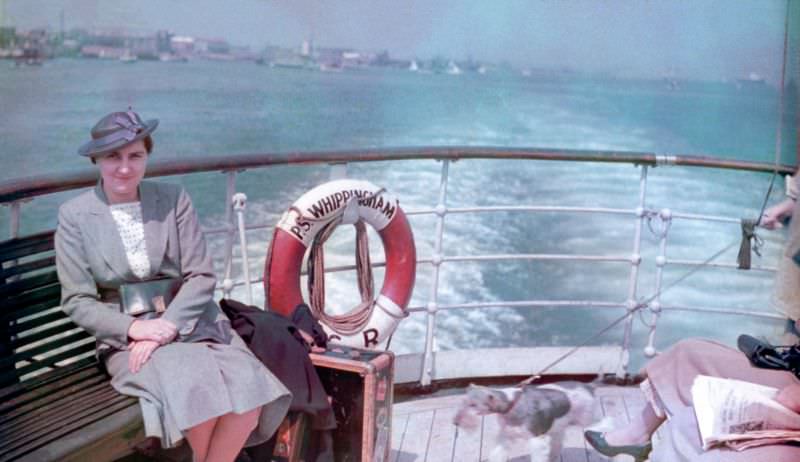
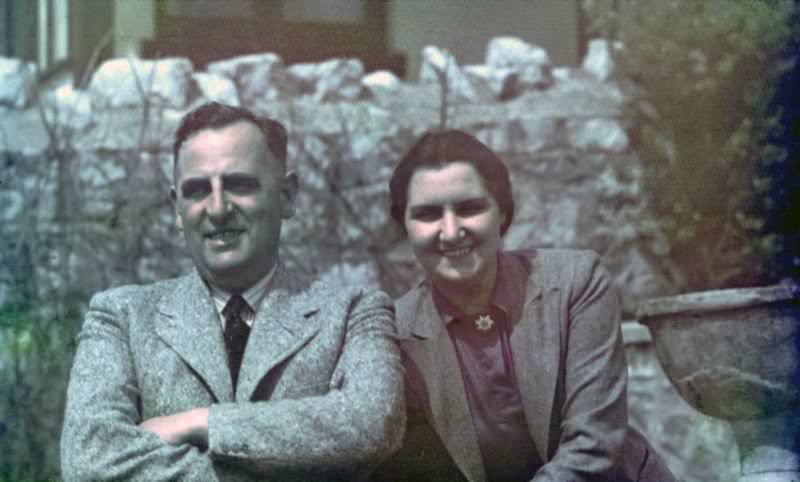
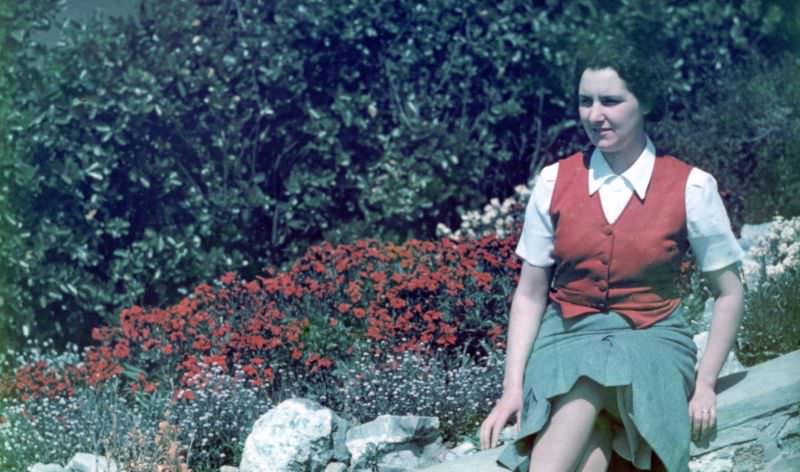
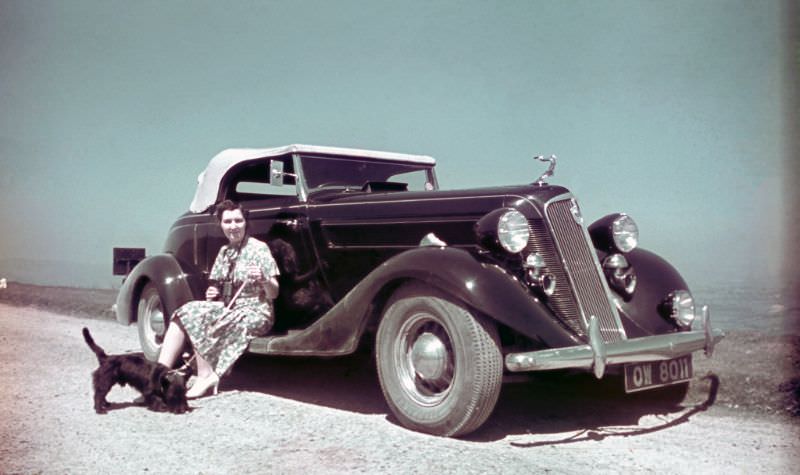
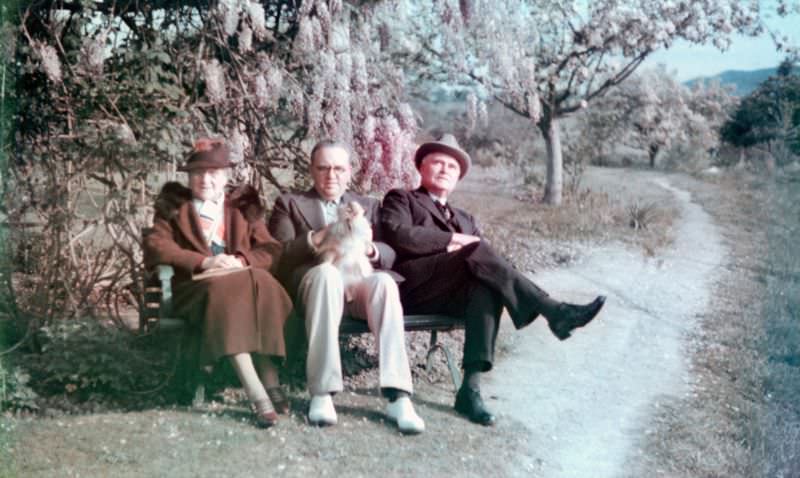
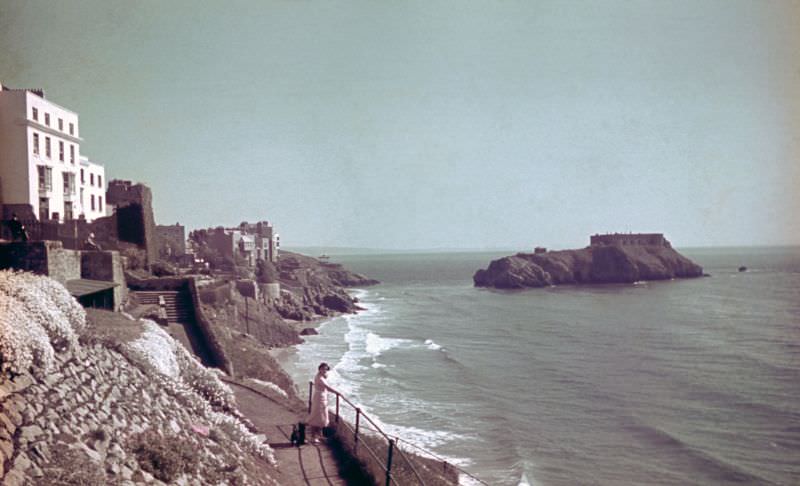
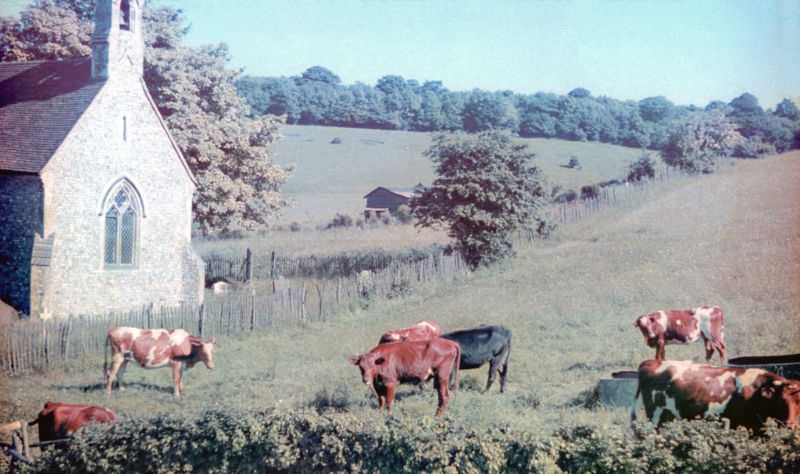
What makes these slides especially striking is the color. Most photographs from this period are black and white. Agfacolor changed that, rendering the warm tones of Tenby’s stone buildings, the blue-green of Carmarthen Bay, and the everyday clothing of townspeople and tourists in vivid, lifelike hues.
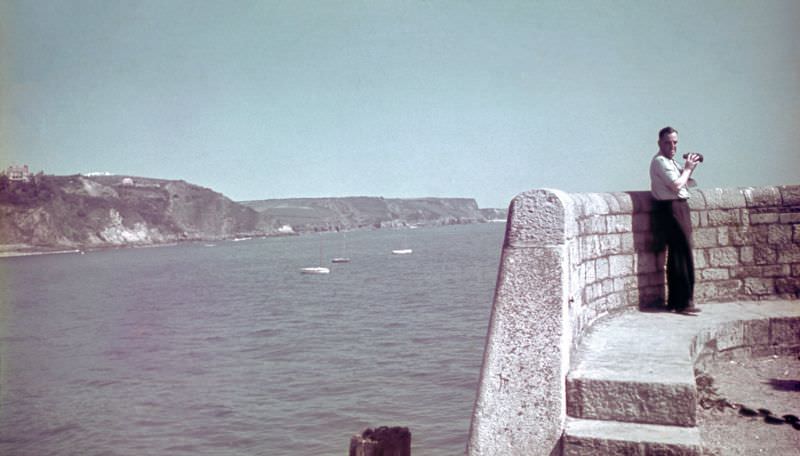
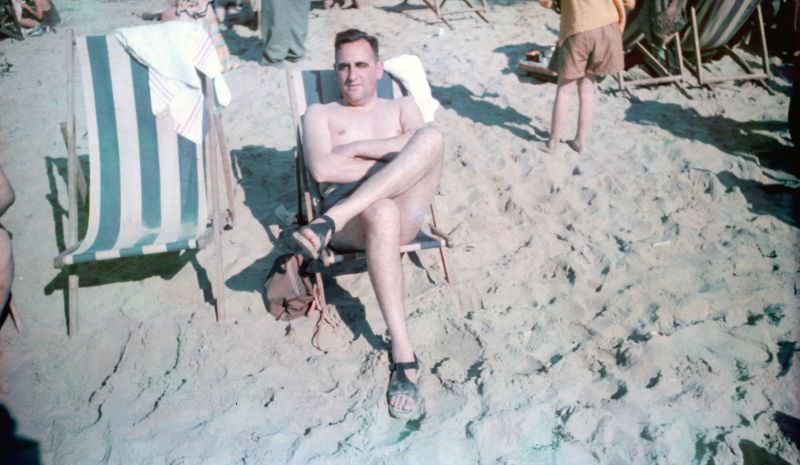
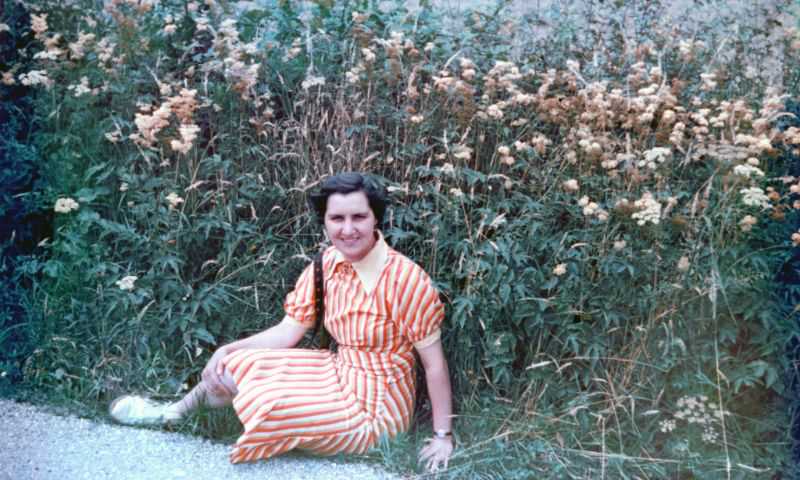
The streets of Tenby in this era were quiet by modern standards. Horses still shared roads with early motor cars. Shopfronts displayed hand-painted signs. People dressed formally even for a day at the seaside — men in jackets and caps, women in dresses and headscarves.
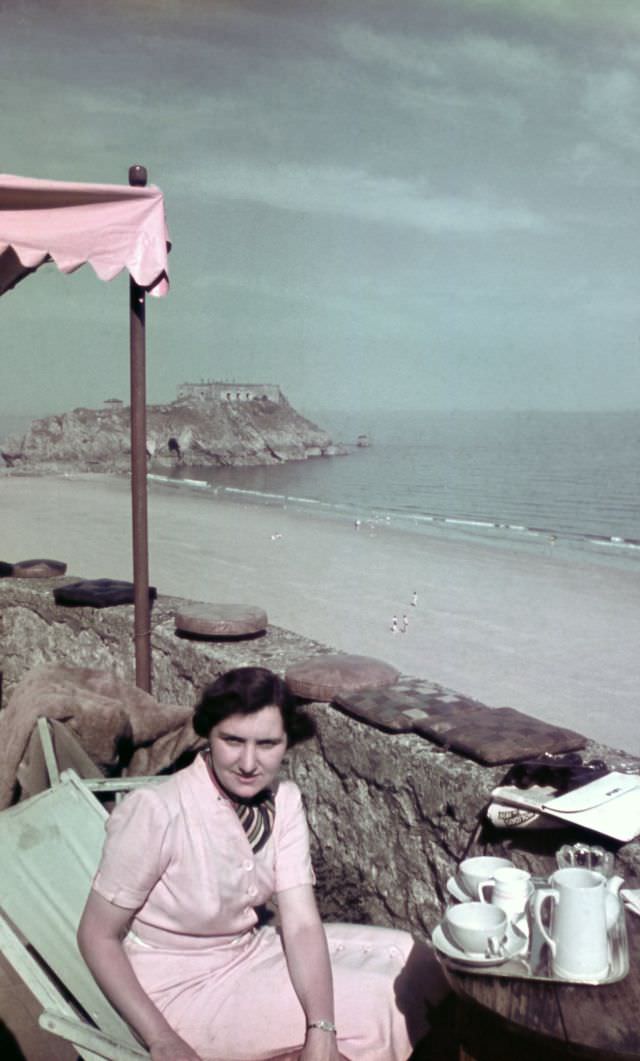
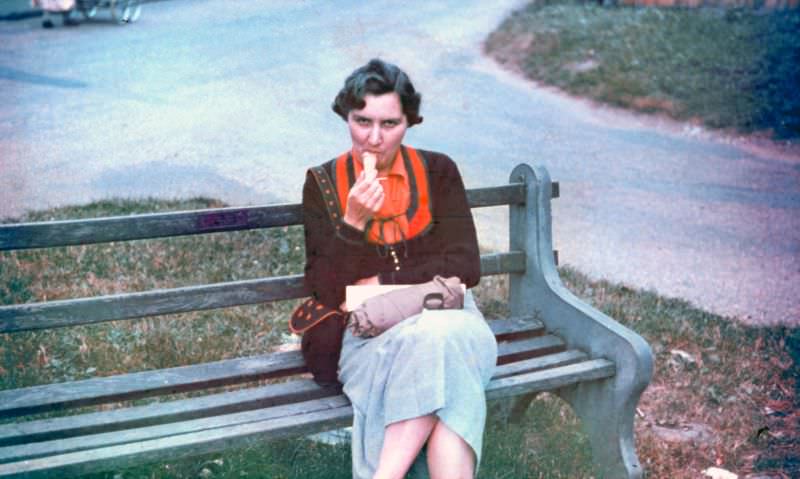
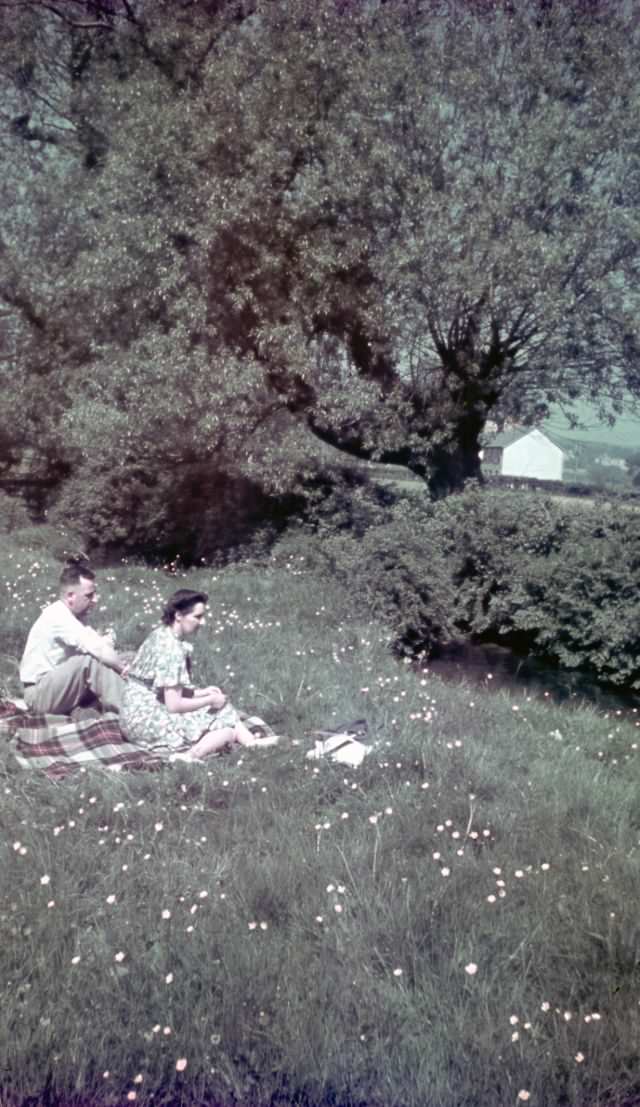
St. Mary’s Church, the largest parish church in Wales, dominates the skyline of Tenby’s old town. Its tower is visible from much of the surrounding coastline. In the 1930s, the church remained a central part of community life in the town, as it had been for centuries.

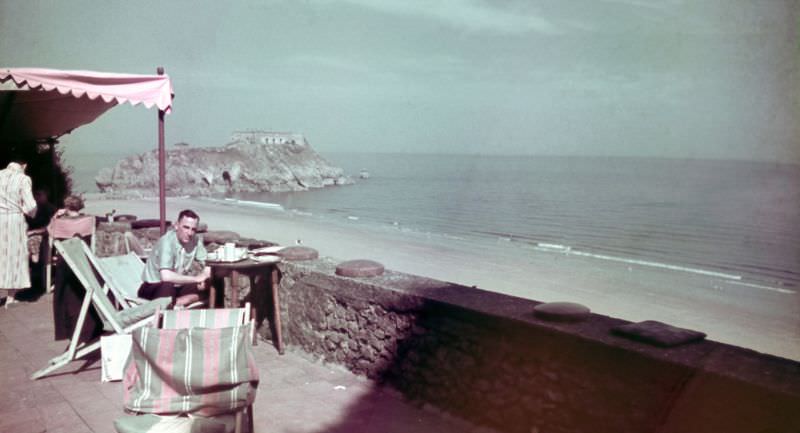
Caldey Island sits just under three miles off Tenby’s South Beach. Boats ferried visitors across the water to visit the island’s Cistercian monastery and enjoy its quiet landscape. The island had been home to monks since the early 20th century and was a popular short trip for Tenby’s holidaymakers.
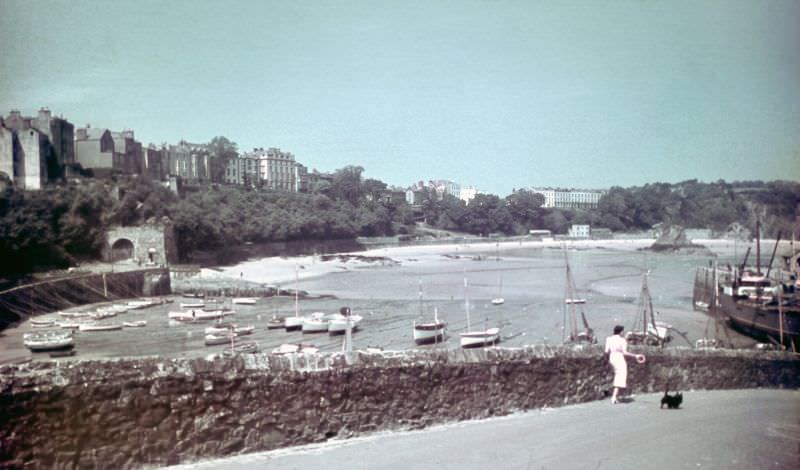
The harbor area featured boat builders, fishermen, and traders working side by side. The mix of working waterfront and tourist activity gave Tenby a dual character — part working Welsh fishing town, part genteel Victorian resort — that made it unlike most other coastal destinations in Britain.
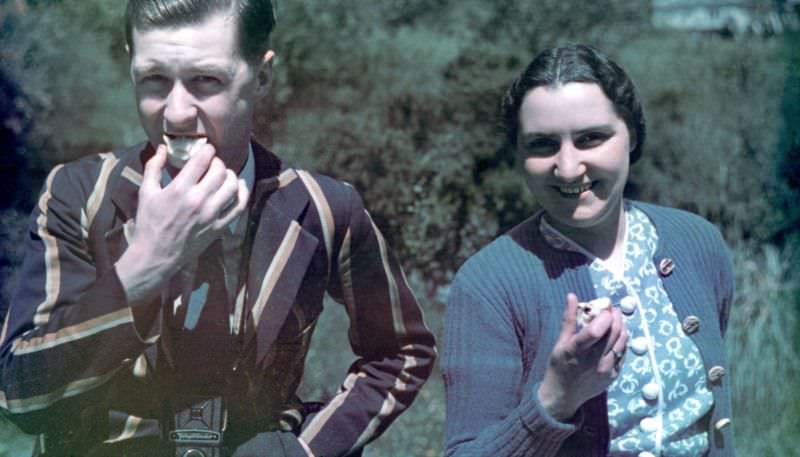
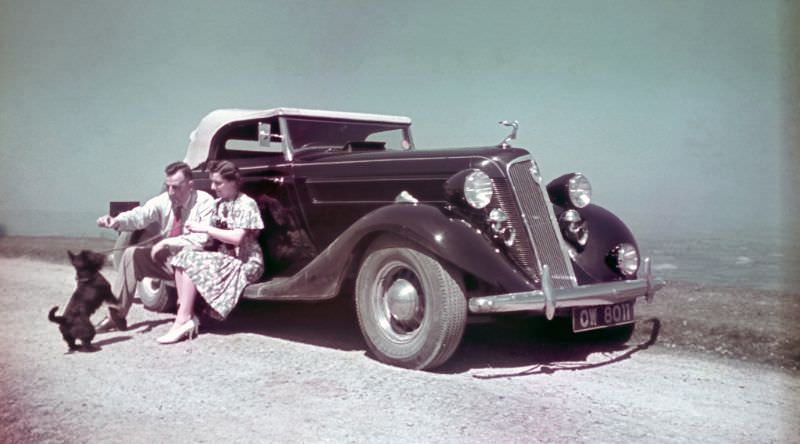
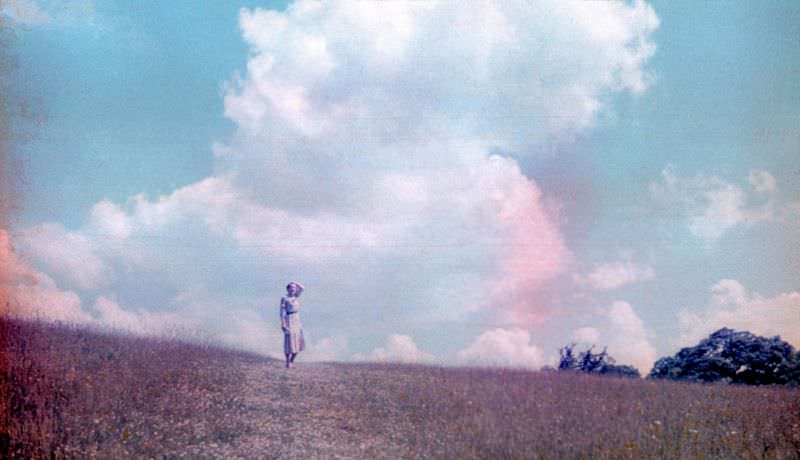
The Agfacolor reversal process gave these slides a warmth and depth that black-and-white film simply could not match. The technology required precise exposure and careful processing, but the results — as seen here — were extraordinary. Photographers who used Agfacolor in the late 1930s were working at the absolute frontier of what color imaging could do.
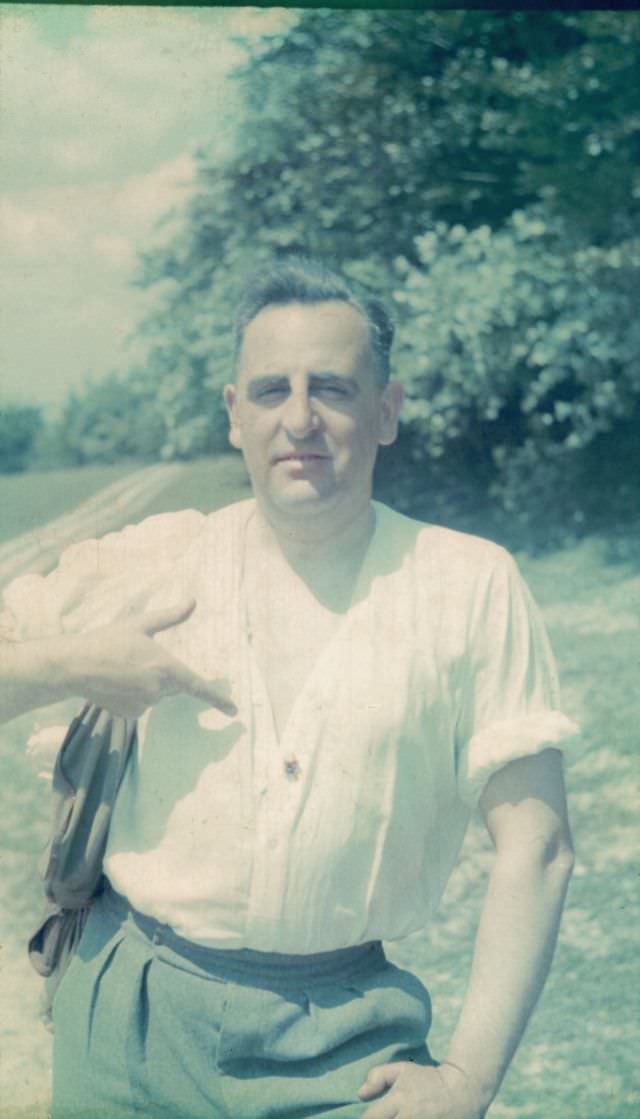
After World War II, Agfa’s color negative film for still photography took the Agfacolor name, while the reversal slide film was rebranded as Agfachrome. The split reflected how the technology had grown — from a single pioneering product into a family of specialized films serving different photographic needs.
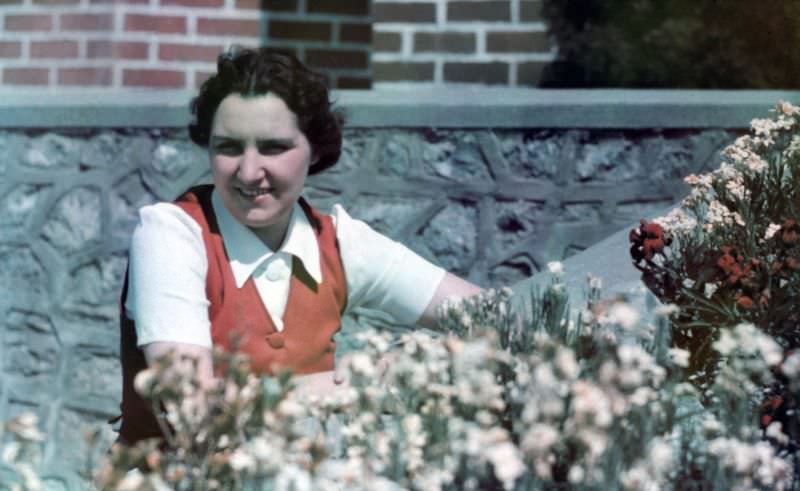
These slides represent a frozen moment in Tenby’s history. The town would change dramatically once the war began. Coastal defenses, evacuees, and military activity transformed Welsh seaside towns across Pembrokeshire. The relaxed, sunlit scenes captured in these images belong entirely to the pre-war world.