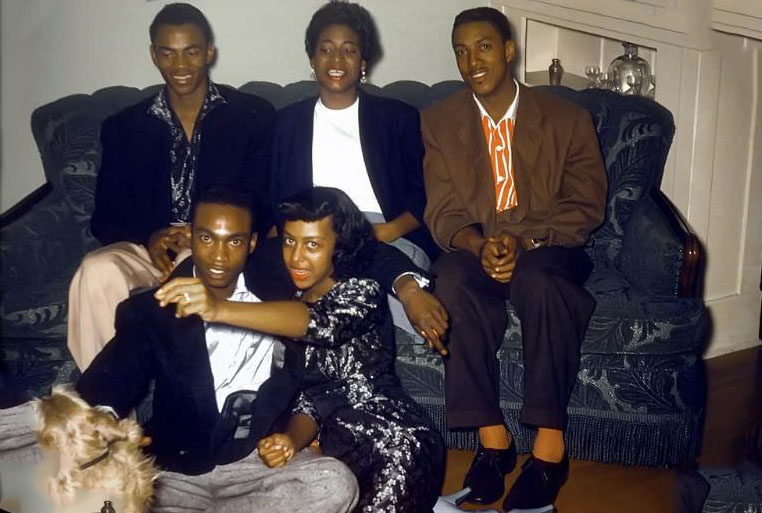
The 1950s in America were a time of sharp contrasts. The economy was booming. New cars filled suburban driveways, television sets lit up living rooms, and consumer goods were everywhere. But that prosperity was not shared equally. For millions of African Americans, the decade was defined just as much by what they were denied as by what they built for themselves.
Segregation shaped nearly every part of Black life — where families could live, where children could go to school, and what opportunities were within reach. While white working-class wages rose steadily, African Americans were largely shut out of those same gains. Discrimination in housing kept Black families out of the new suburbs. Underfunded schools limited what their children could achieve. These were not isolated problems — they were built into the system.
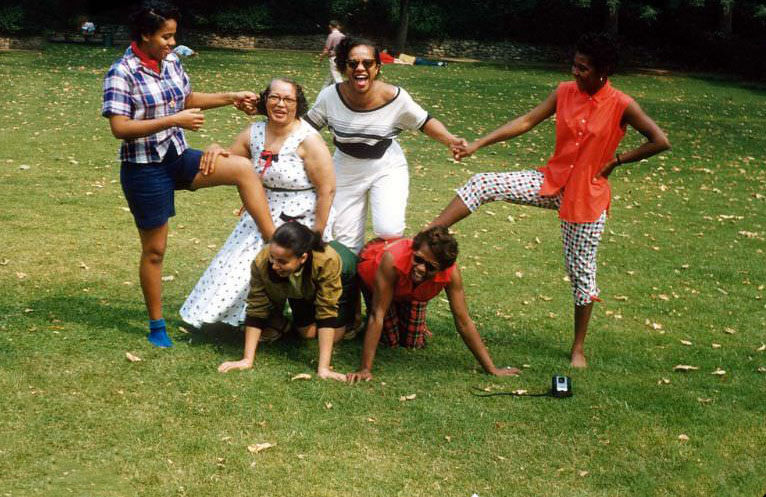
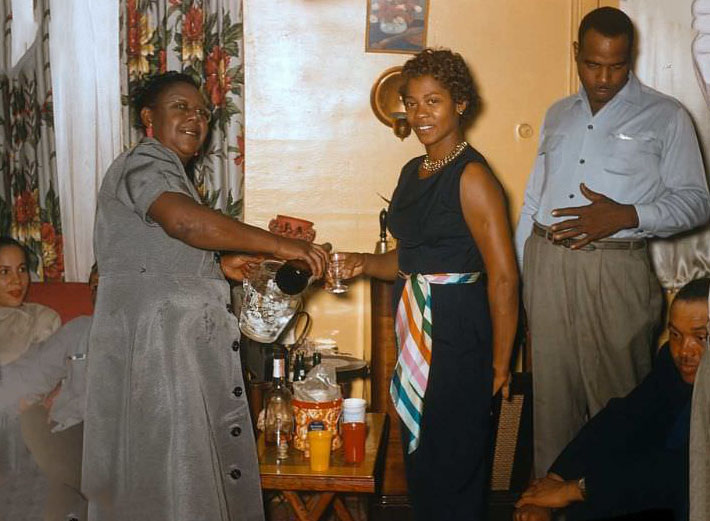
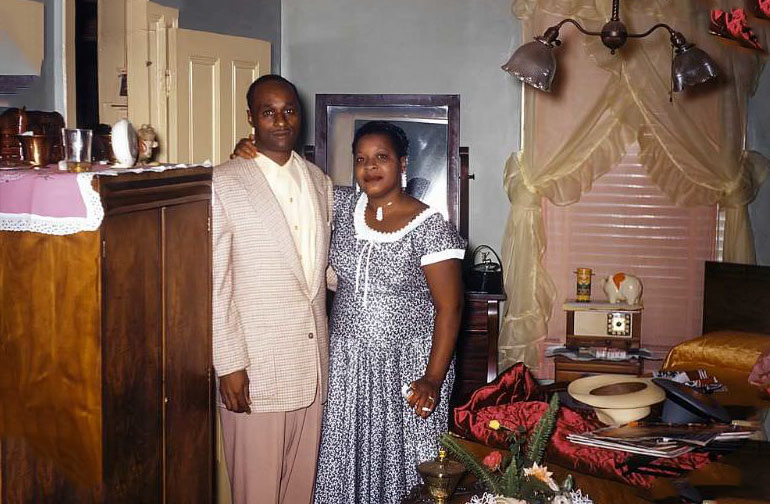
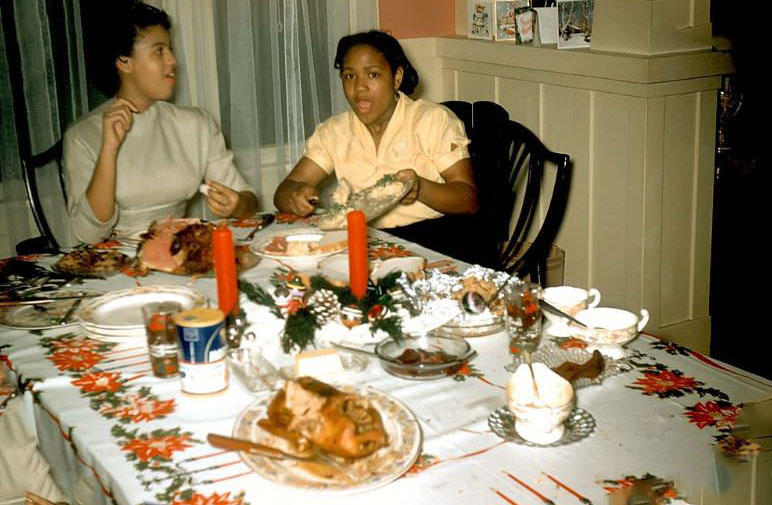
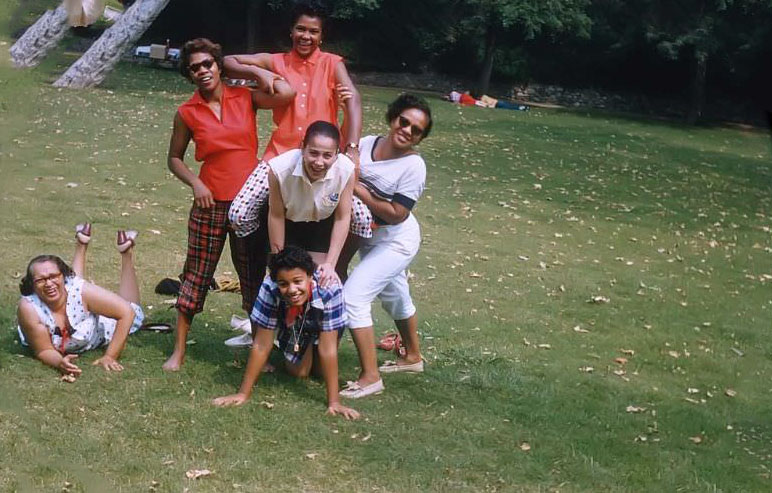
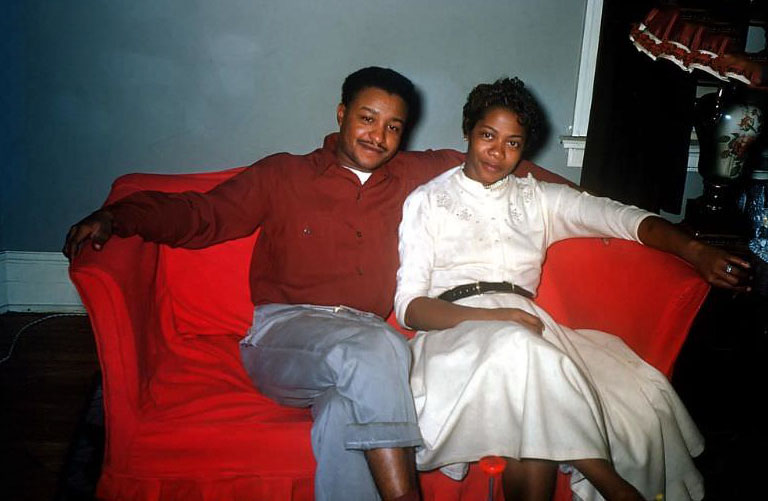
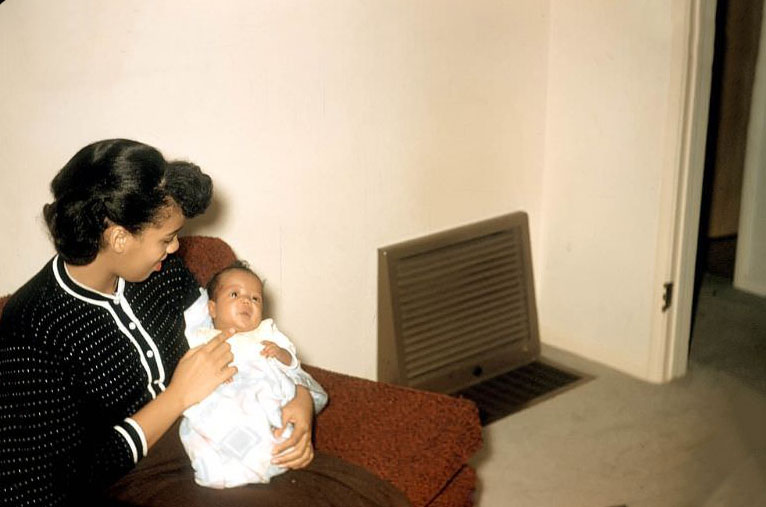
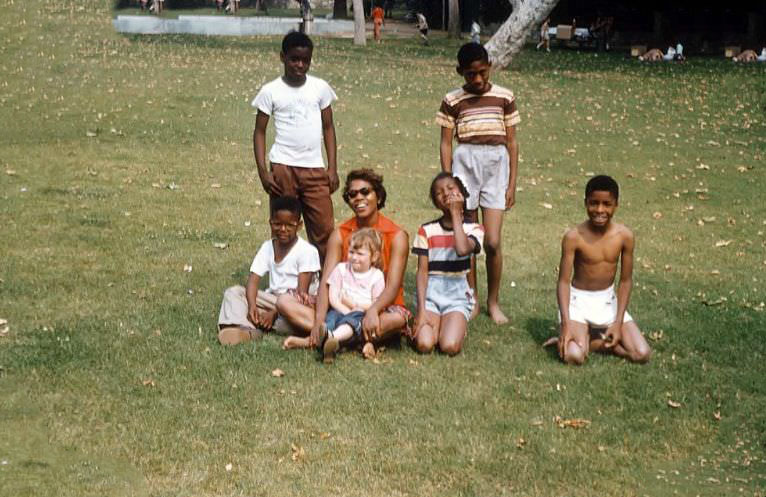
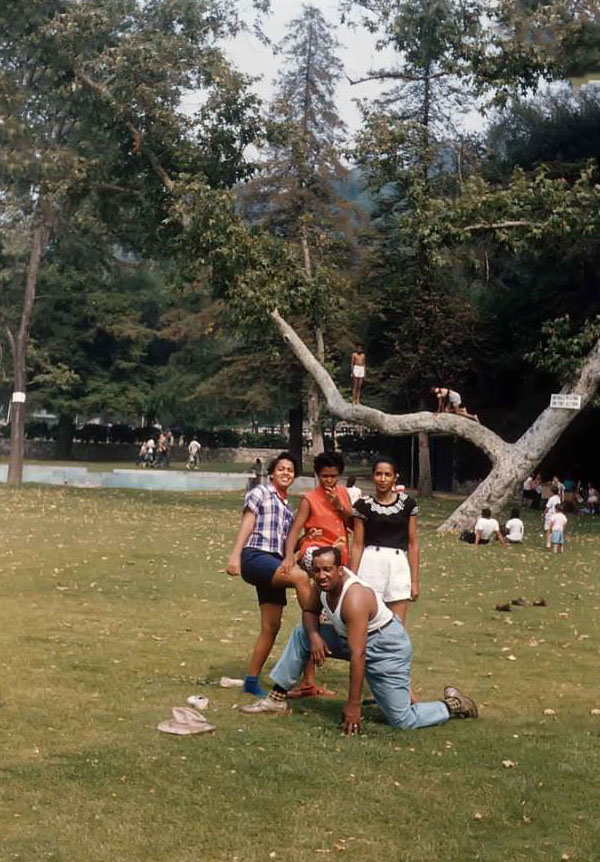
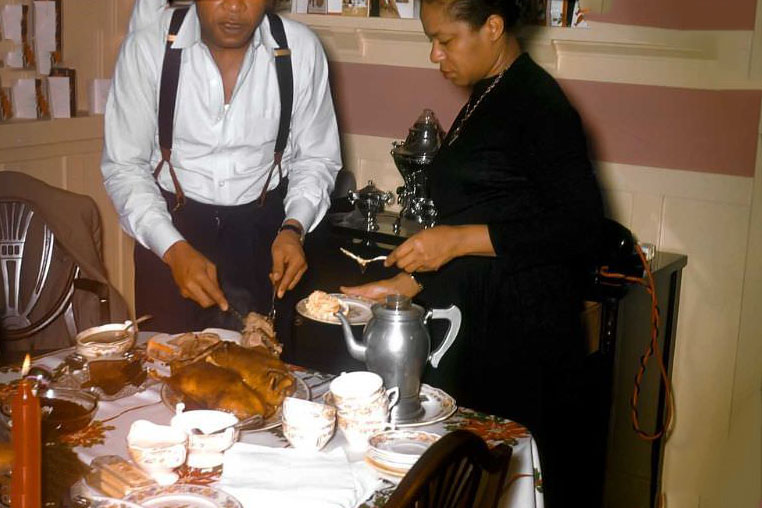
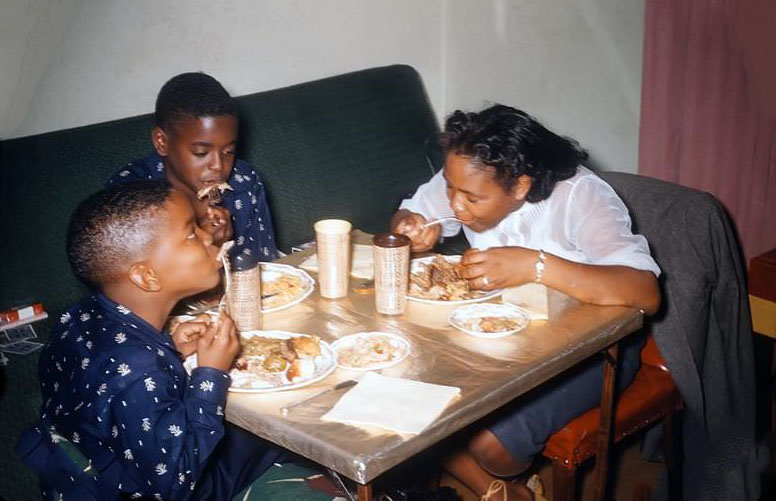
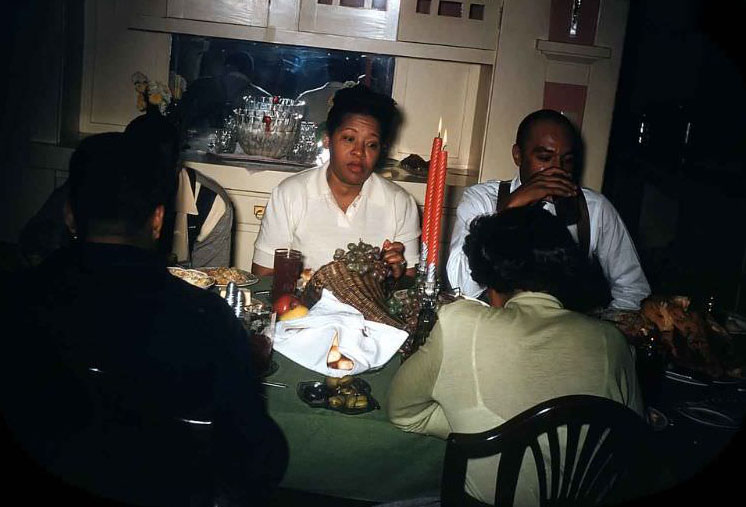
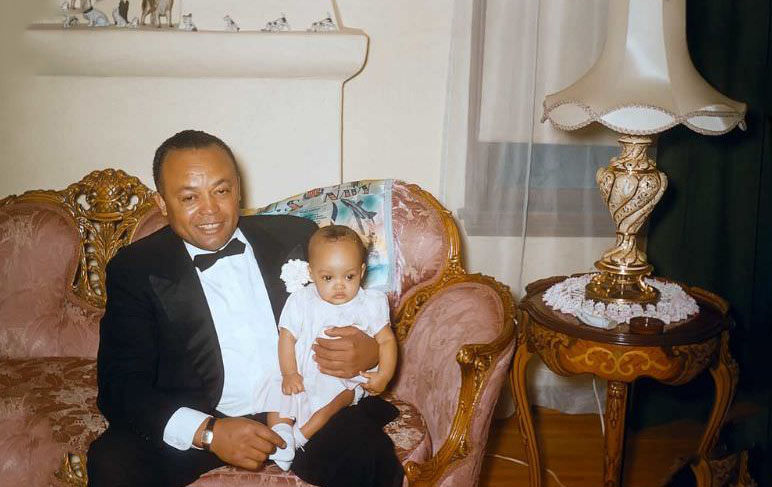
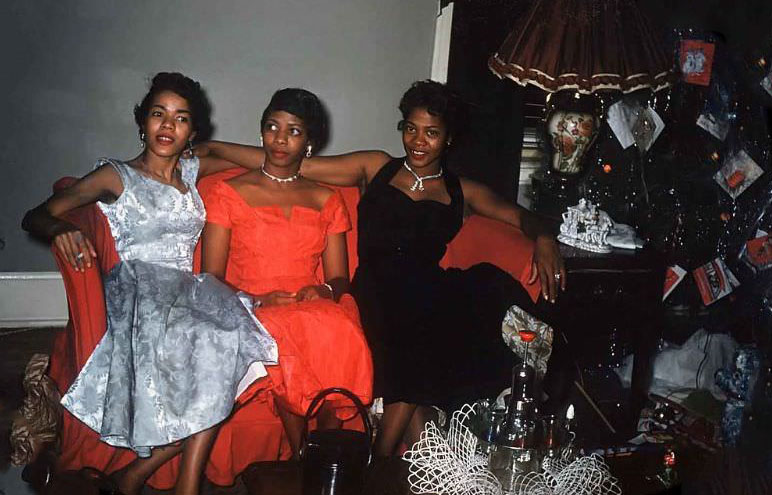
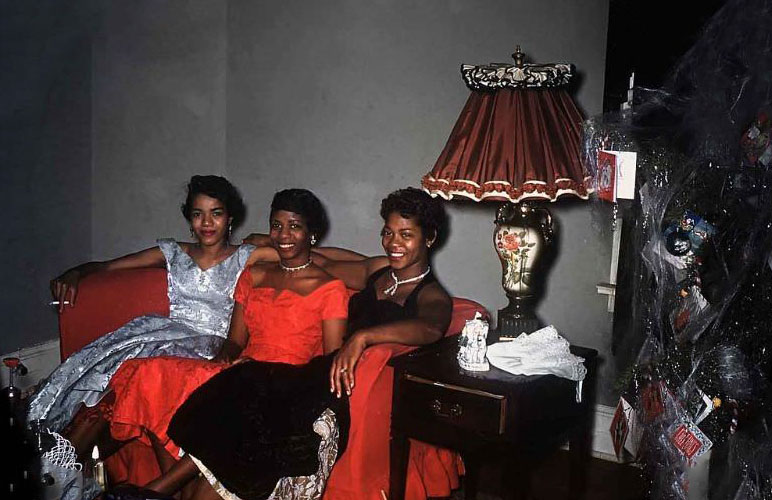
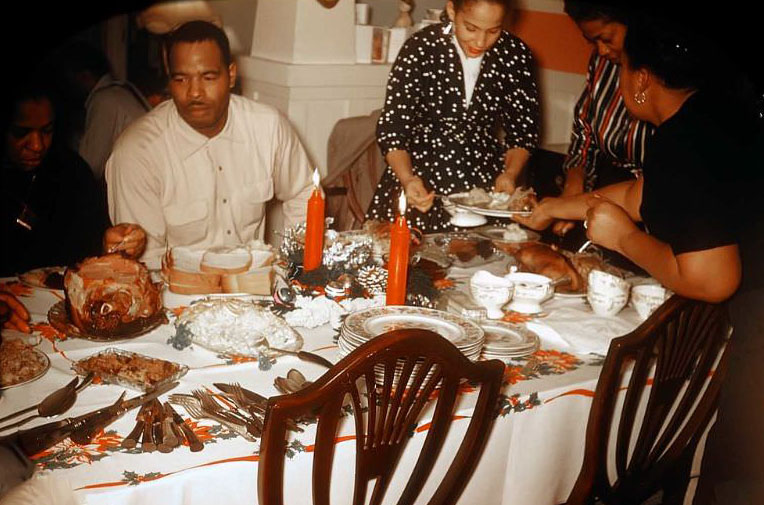
Yet within their own communities, African Americans created full, rich lives. They gathered in parks, celebrated birthdays, threw weddings, and sat around Thanksgiving tables together. These photos capture those everyday moments — candid, warm, and deeply human.
Publications like Ebony magazine, launched in 1945, gave Black Americans a space to see themselves reflected — their style, their achievements, their families. Ebony covered everything from politics to fashion and became one of the most widely read magazines in the country.
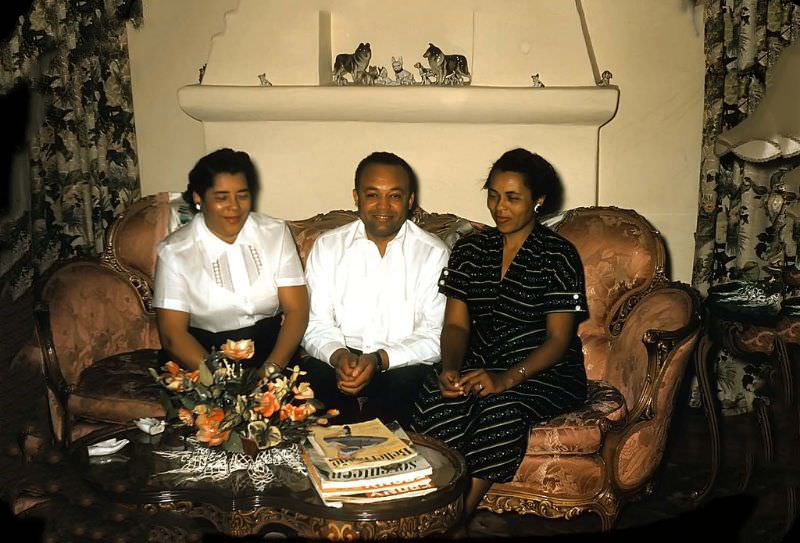
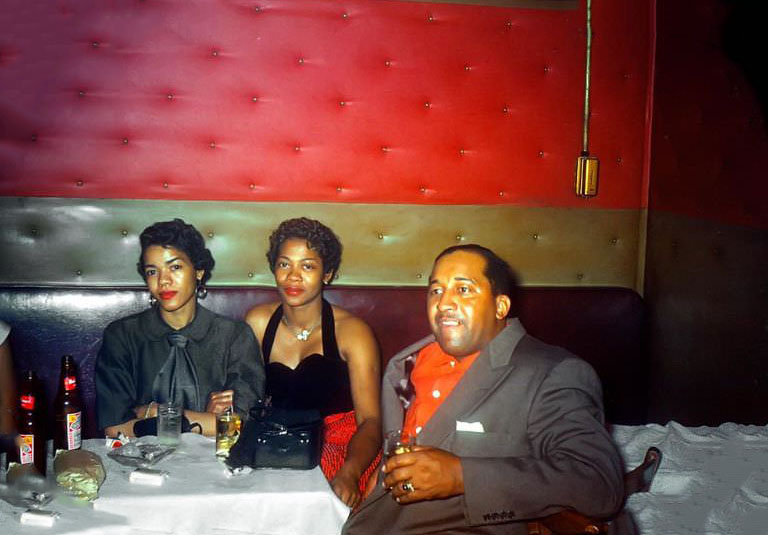
Social gatherings were a cornerstone of community life. Dances, church events, and neighborhood get-togethers gave people a place to connect and unwind. The jitterbug, a fast-paced swing dance style, was still a crowd favorite in the early part of the decade.
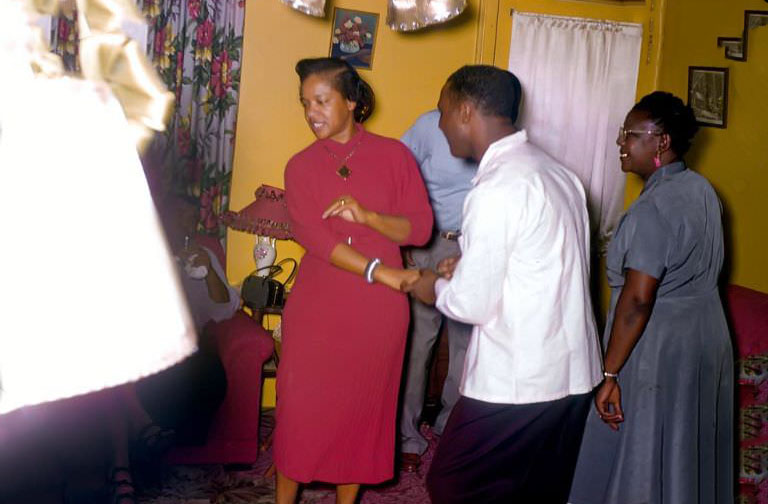
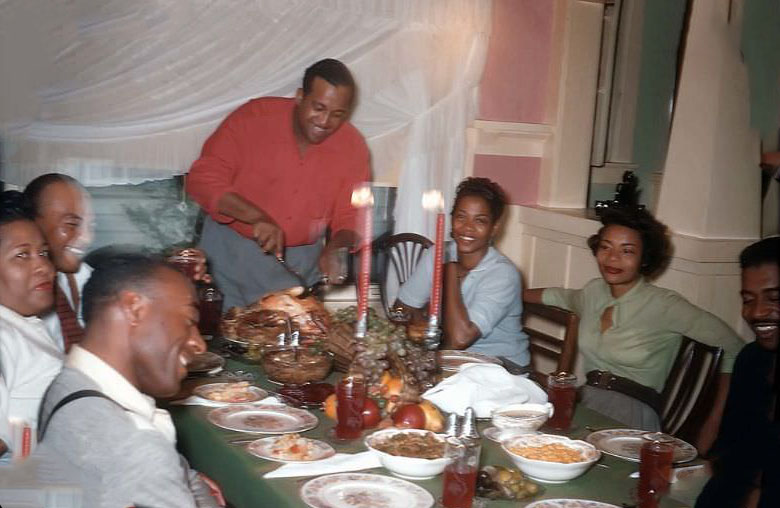
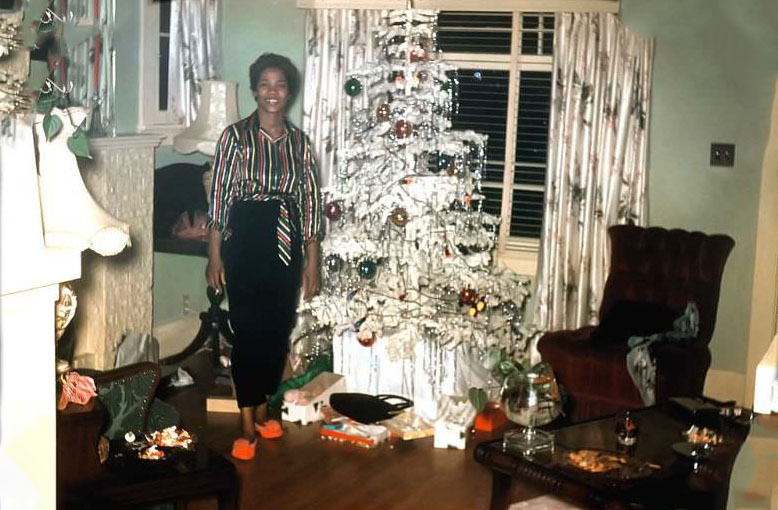
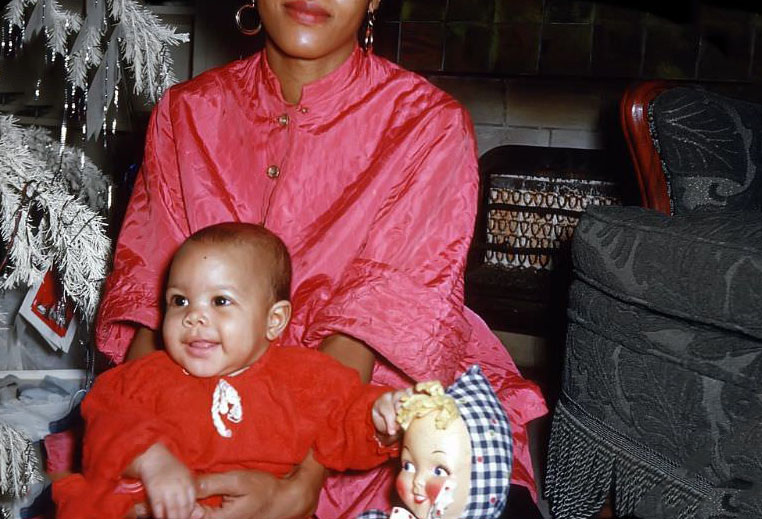
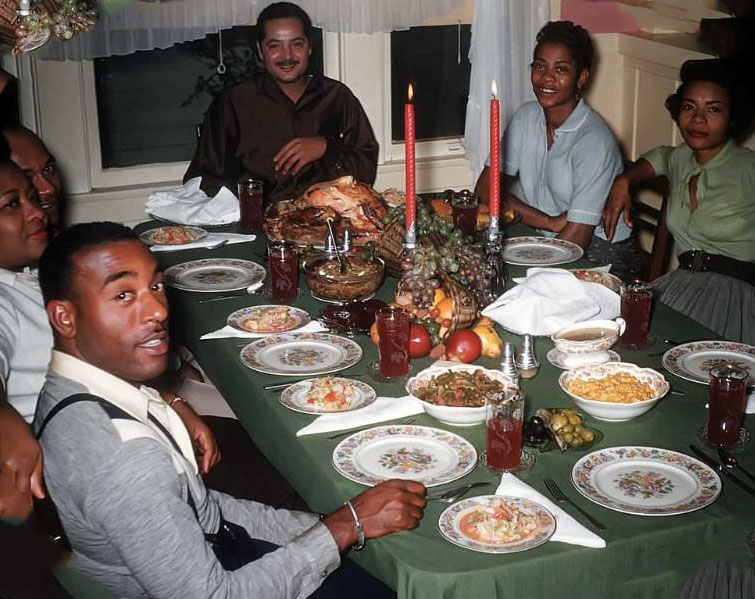
The holidays were no exception. Christmas and Thanksgiving brought extended families together under one roof — kids crowded around smaller tables, adults lingered over plates of food, and someone always had a camera ready.
The Civil Rights Movement was gaining momentum throughout the decade. The 1954 Brown v. Board of Education ruling declared school segregation unconstitutional. The Montgomery Bus Boycott of 1955–1956 showed the power of organized resistance. More Americans — Black and white — began speaking out against inequality in ways that could no longer be ignored.
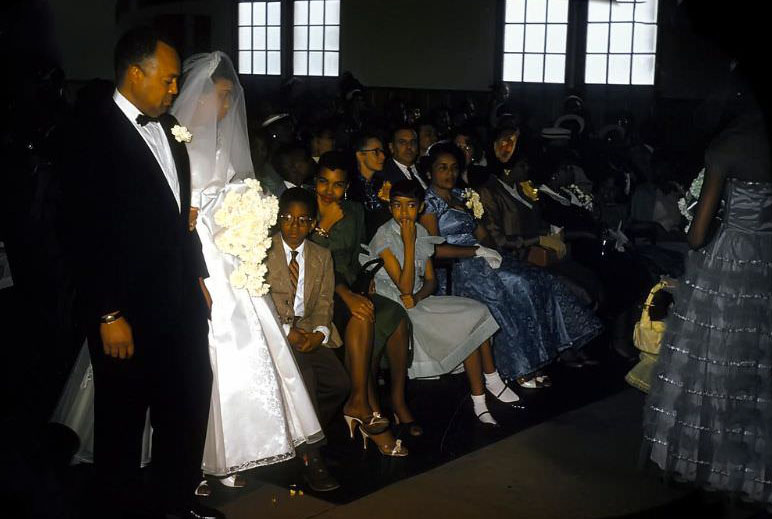
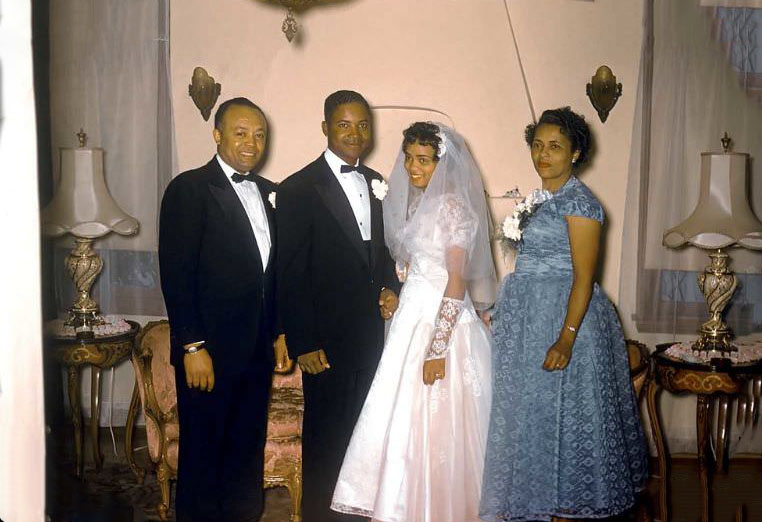
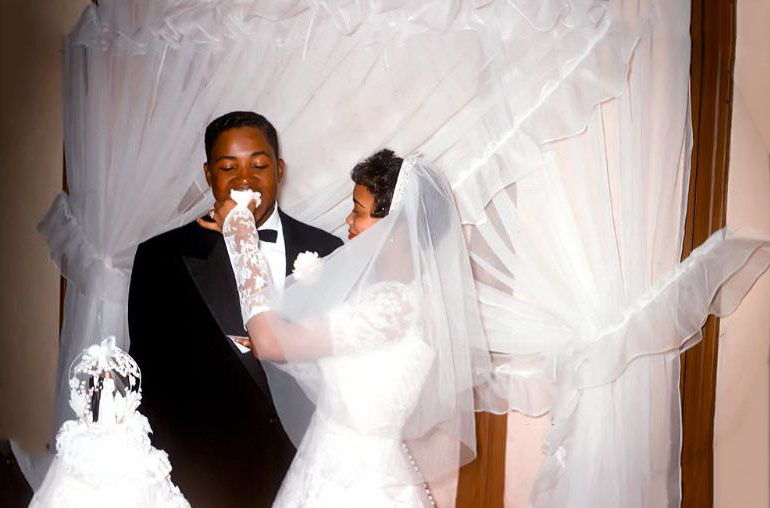
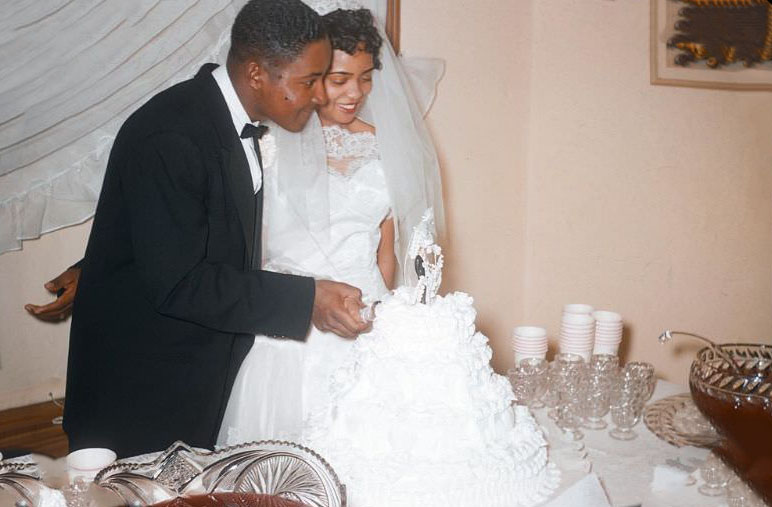
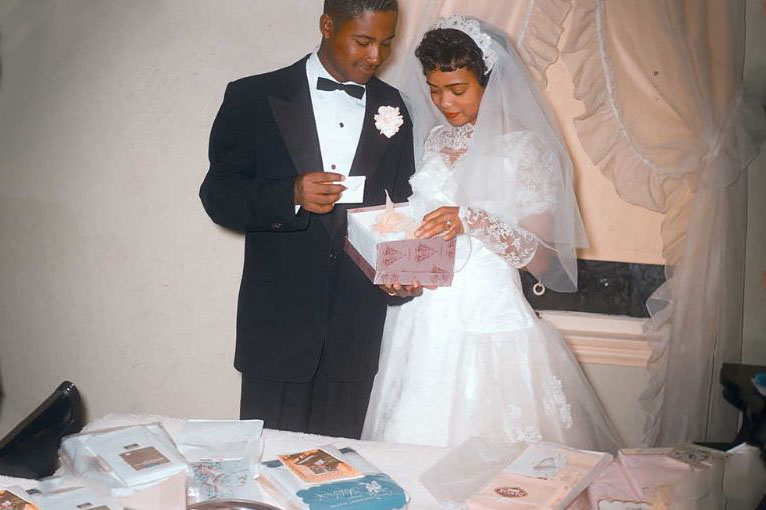
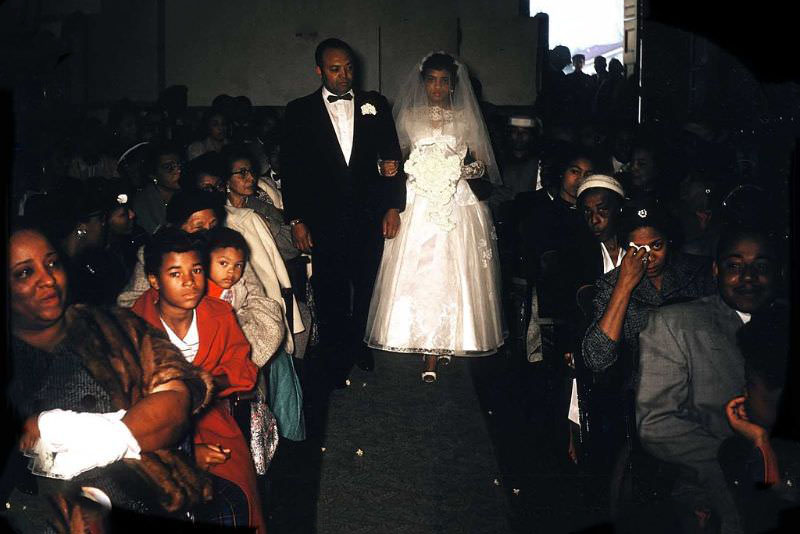
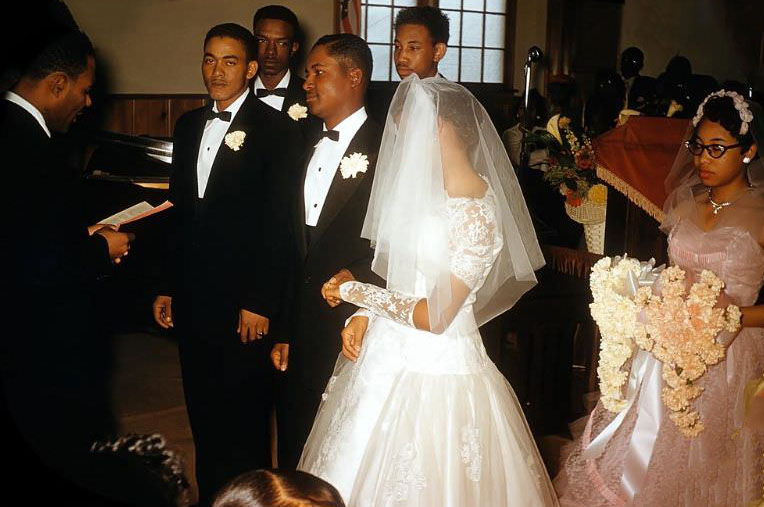
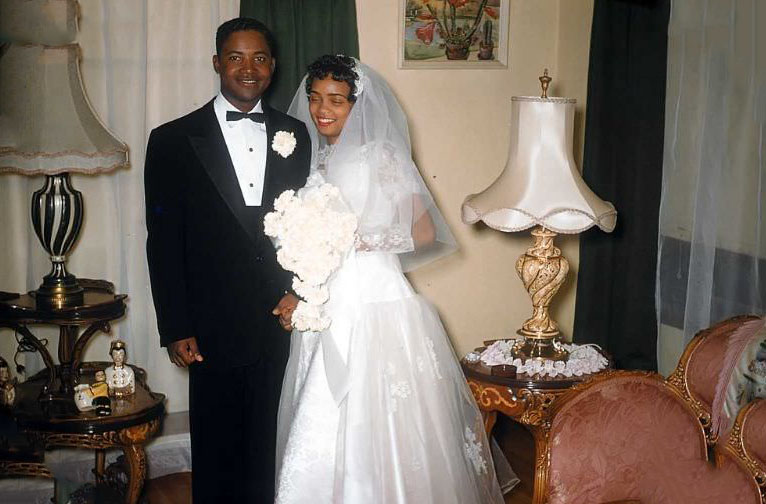
Weddings were major community events, often planned with great care and celebrated with everyone in attendance. The bride and groom, their families, and the whole social circle came together to mark the occasion.
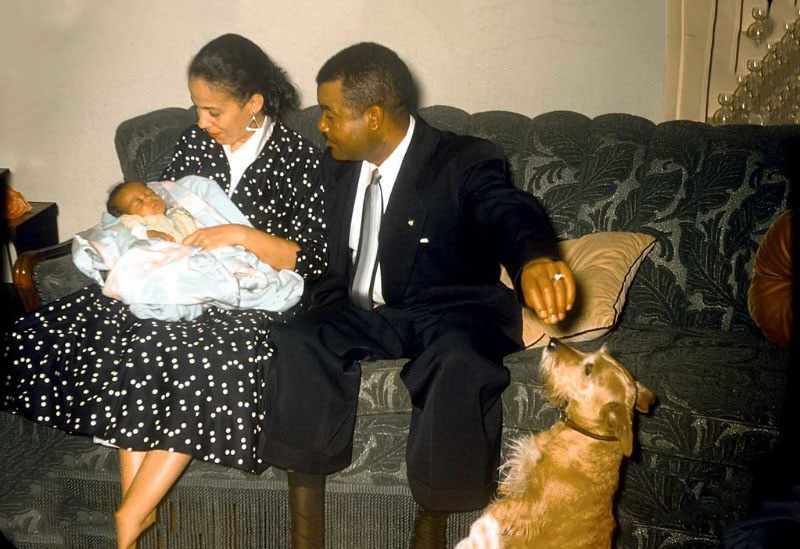
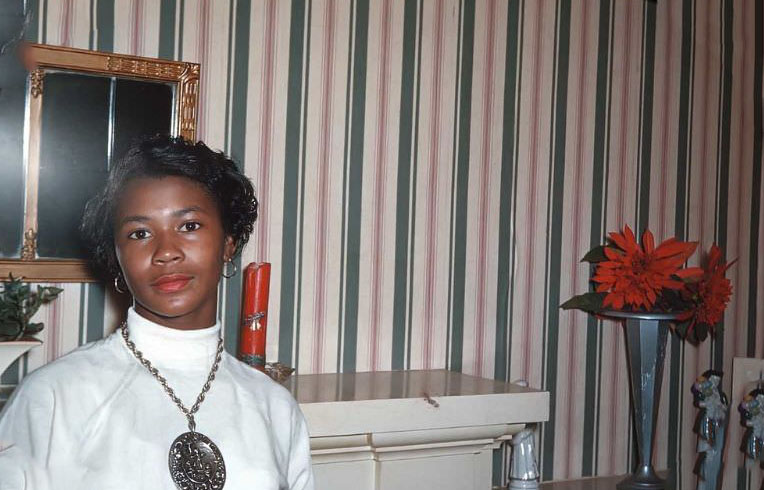
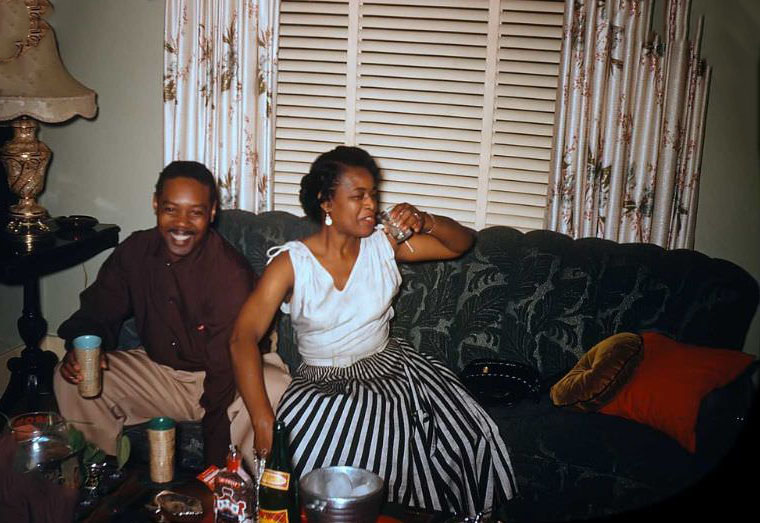
Home life in the 1950s carried its own distinct look. Rotary telephones sat in hallways. Living rooms were small but well kept. Families made the most of modest spaces, and a couch in a warm living room was often where the day ended.
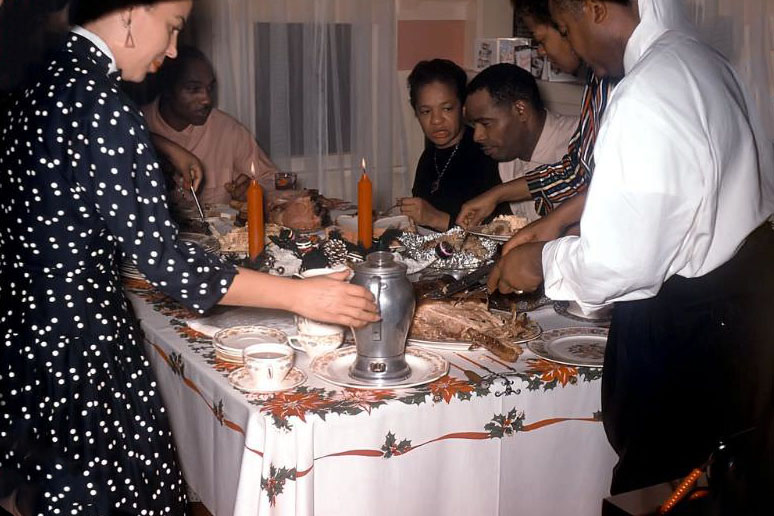
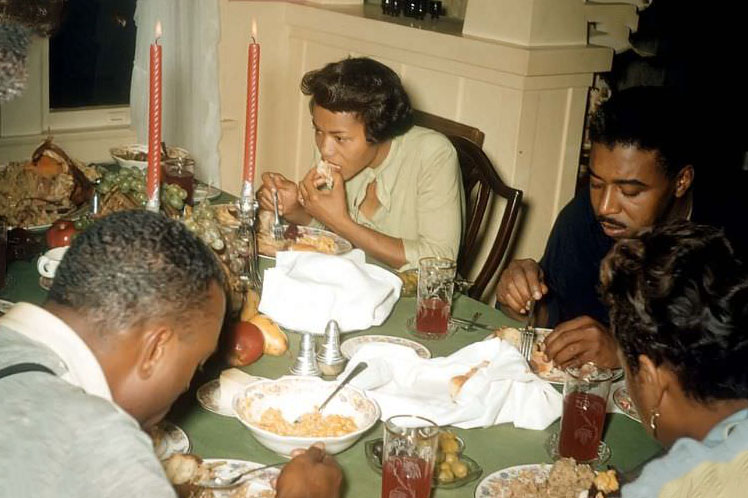
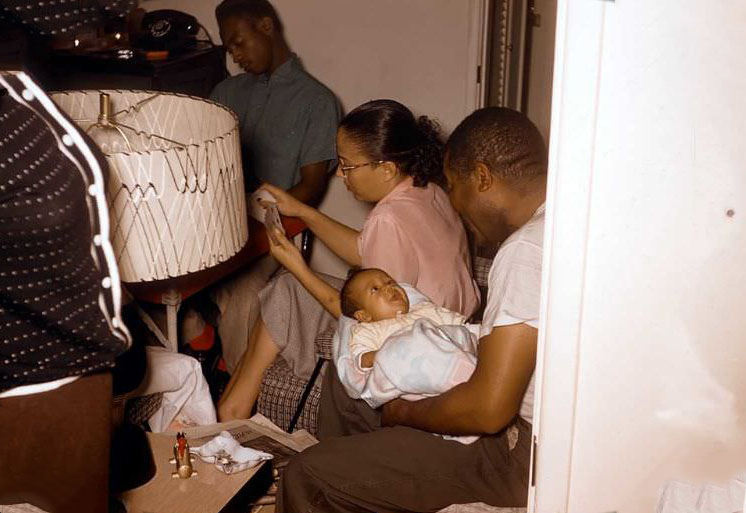
Grandparents, parents, and children often shared space across multiple generations. Babies were passed around rooms full of relatives. Grandparents held grandchildren close. These family bonds were a source of stability during a decade that offered African Americans little institutional support.
Wedding receptions were lively affairs. Tables were set, cakes were cut, and the dancing went late into the evening. These celebrations were as joyful and elaborate as any others in America at the time.
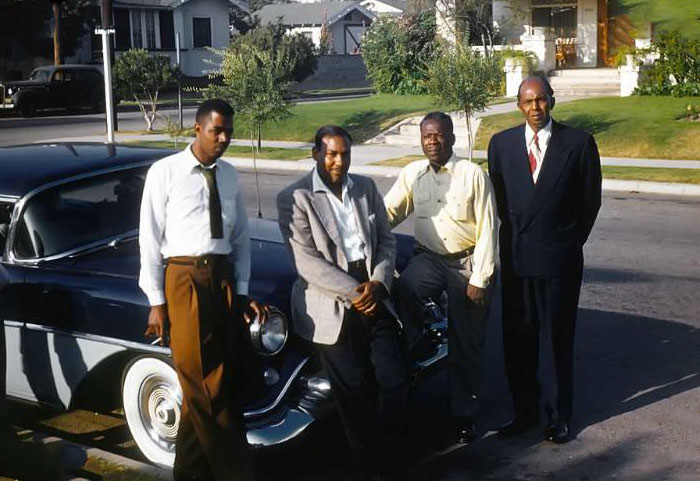
Owning a car in the 1950s carried real meaning for African Americans. Beyond being a practical necessity, a car offered a degree of freedom — the ability to travel without depending on segregated public transit. Posing beside a new car was a point of pride, and the photos show it.