The strapless dress made its first appearance in the 1930s, but it did not truly take off until strapless evening gowns became a major fashion statement in the 1950s. The strapless bra followed a similar timeline—introduced in the late 1930s, it sat on the edges of mainstream fashion for years before finding a real audience. In that gap between invention and popularity, one man decided the strapless bra did not go far enough. His solution was far bolder: ditch the band entirely and glue each cup directly to the skin.
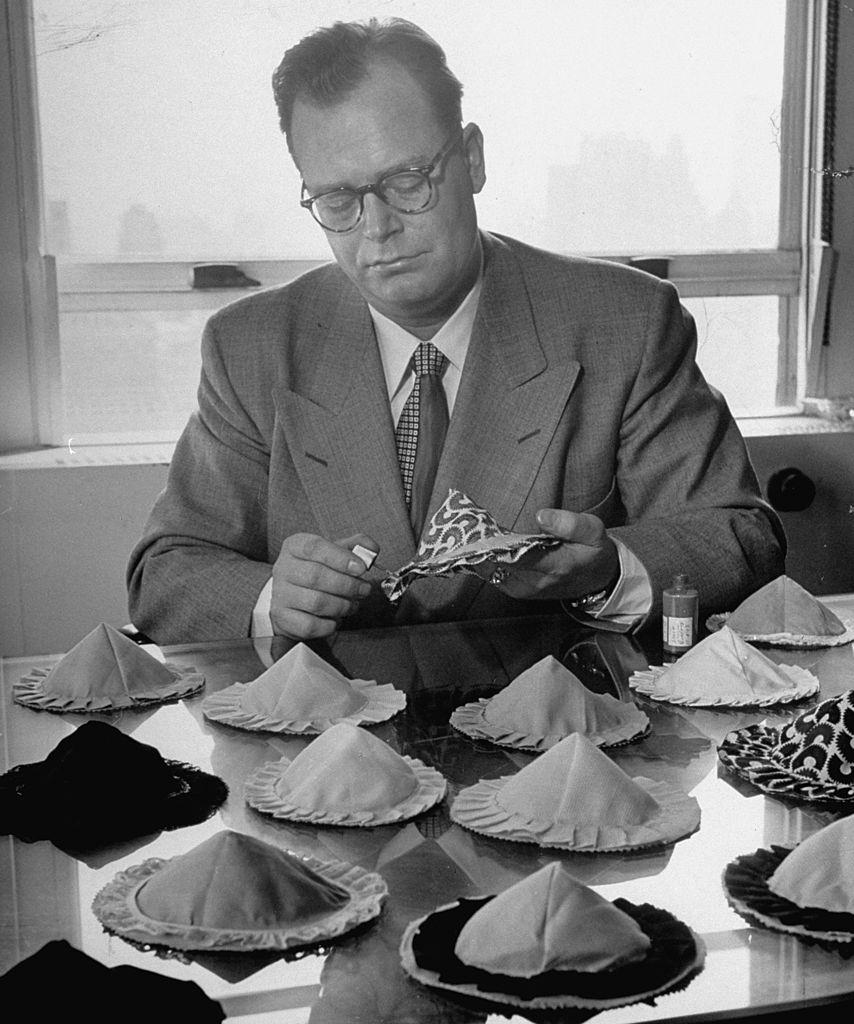
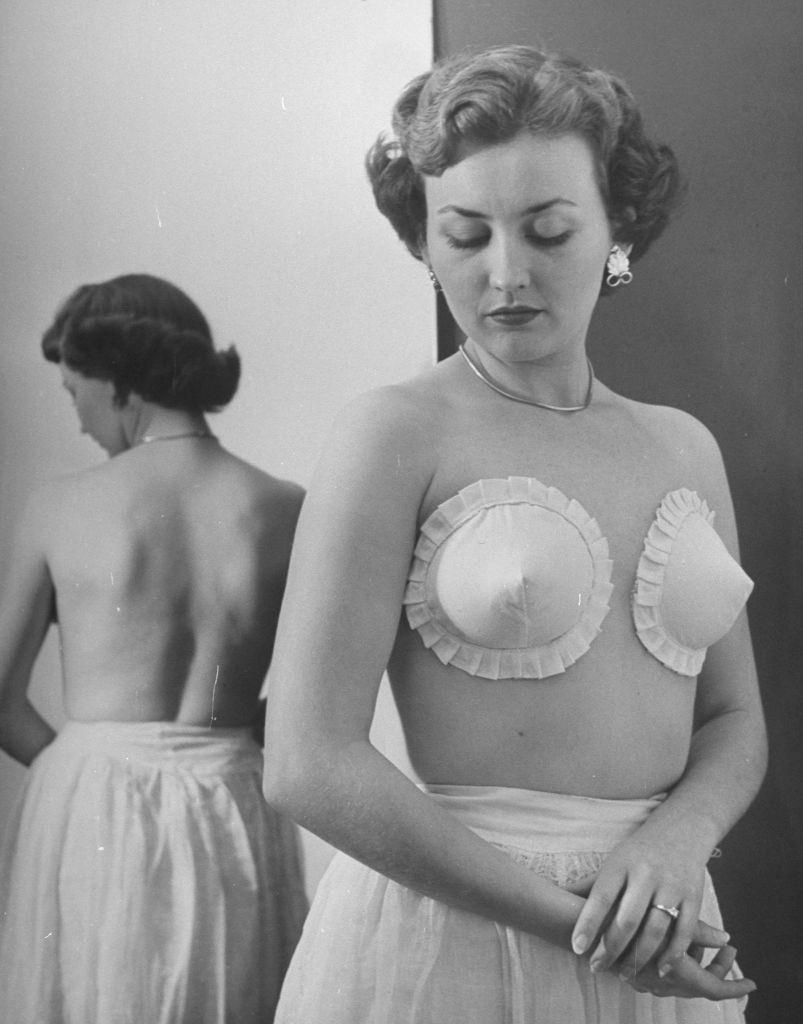
Charles L. Langs came up with the concept around 1945. His idea was simple in theory—two individual cups, one for each breast, held in place by adhesive rather than straps, hooks, or bands. No back strap. No shoulder strap. Nothing but glue. He called the product “Poses.” The design was completely invisible under a strapless gown, which was exactly the point. Langs believed he had found the answer to a problem that conventional bra designers had not fully solved.
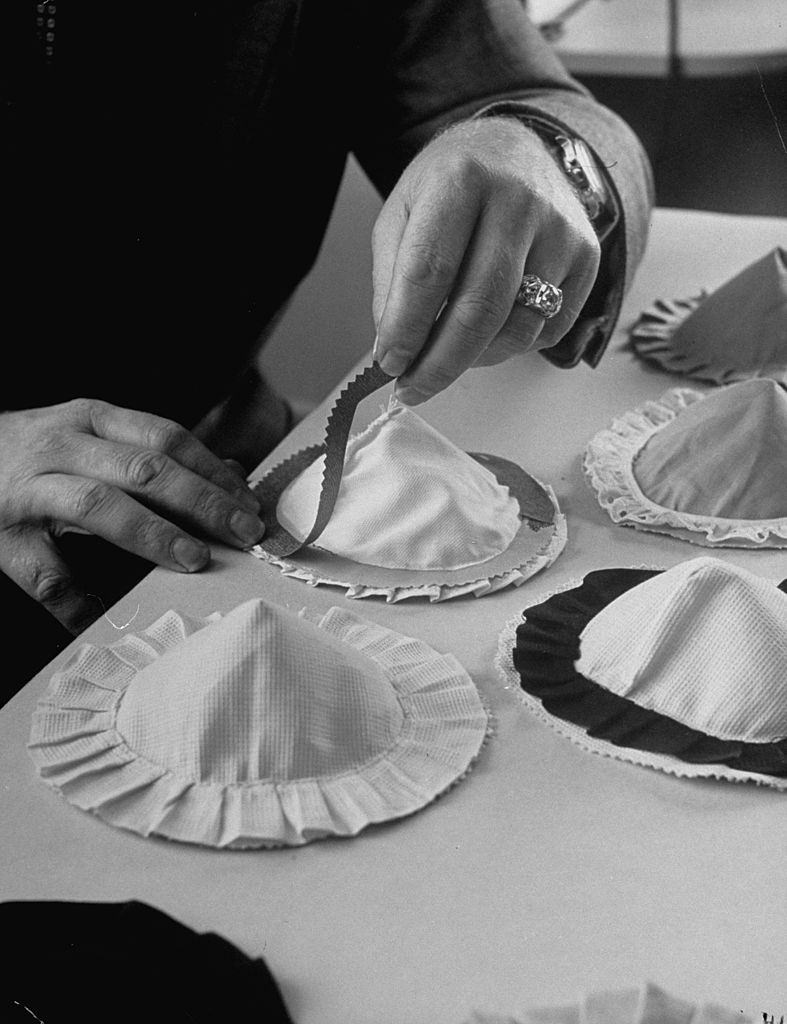
Getting the adhesive right was the hardest part. Langs brought in a chemist named Walton to develop a glue that could meet two very specific demands: it had to hold firmly while worn, and it had to come off cleanly without leaving any sticky residue on the skin. That balance proved difficult to achieve. Walton worked on the formula for four years. The two men finally filed for a patent on February 14, 1949—Valentine’s Day. They were confident enough in the adhesive’s strength to claim it would stay in place even if the wearer dove from a ten-foot board.
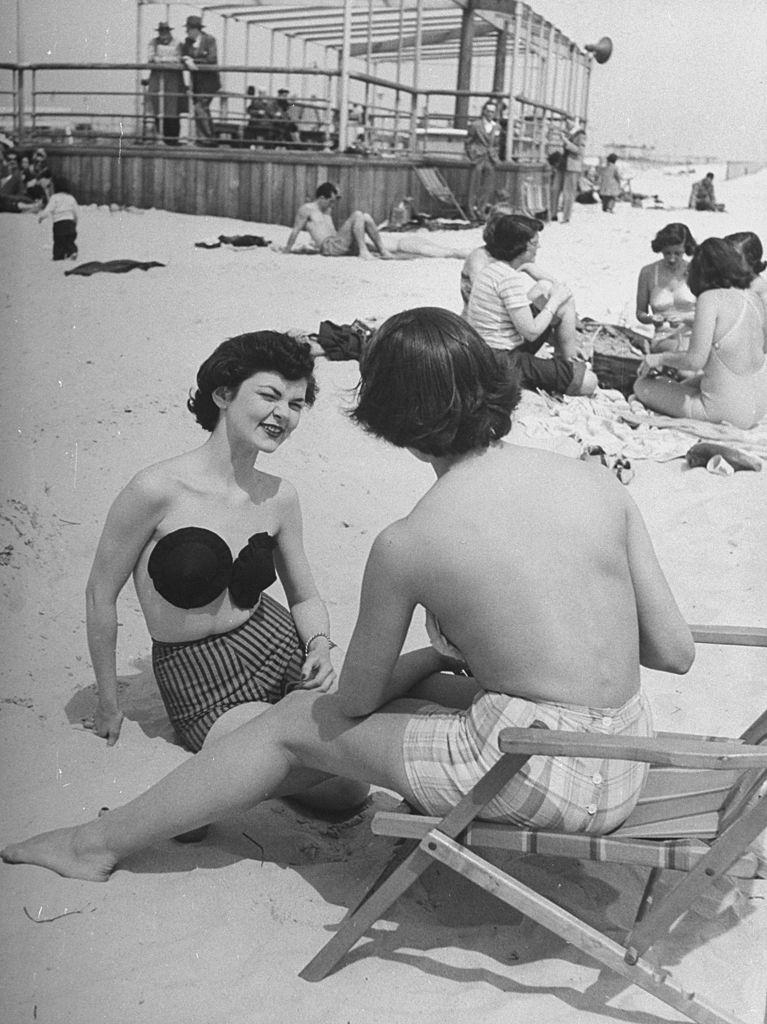
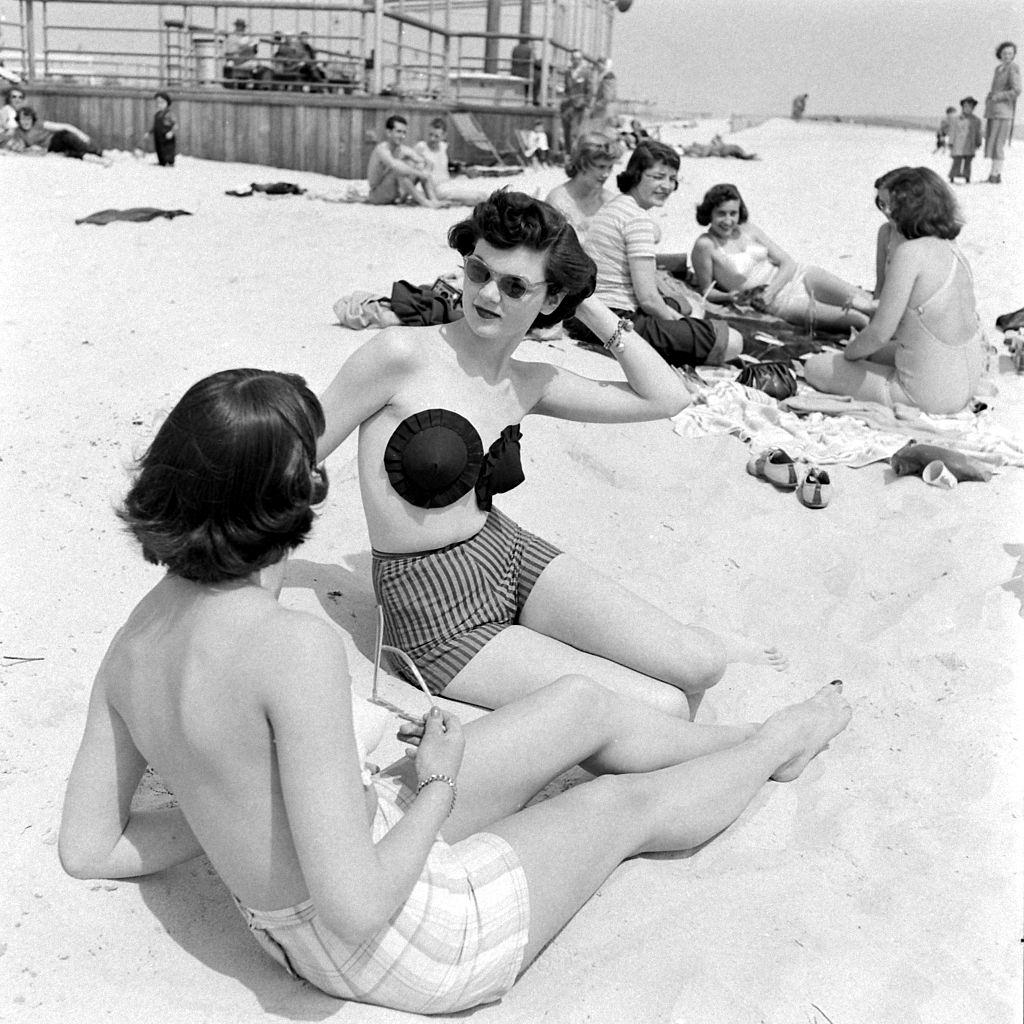
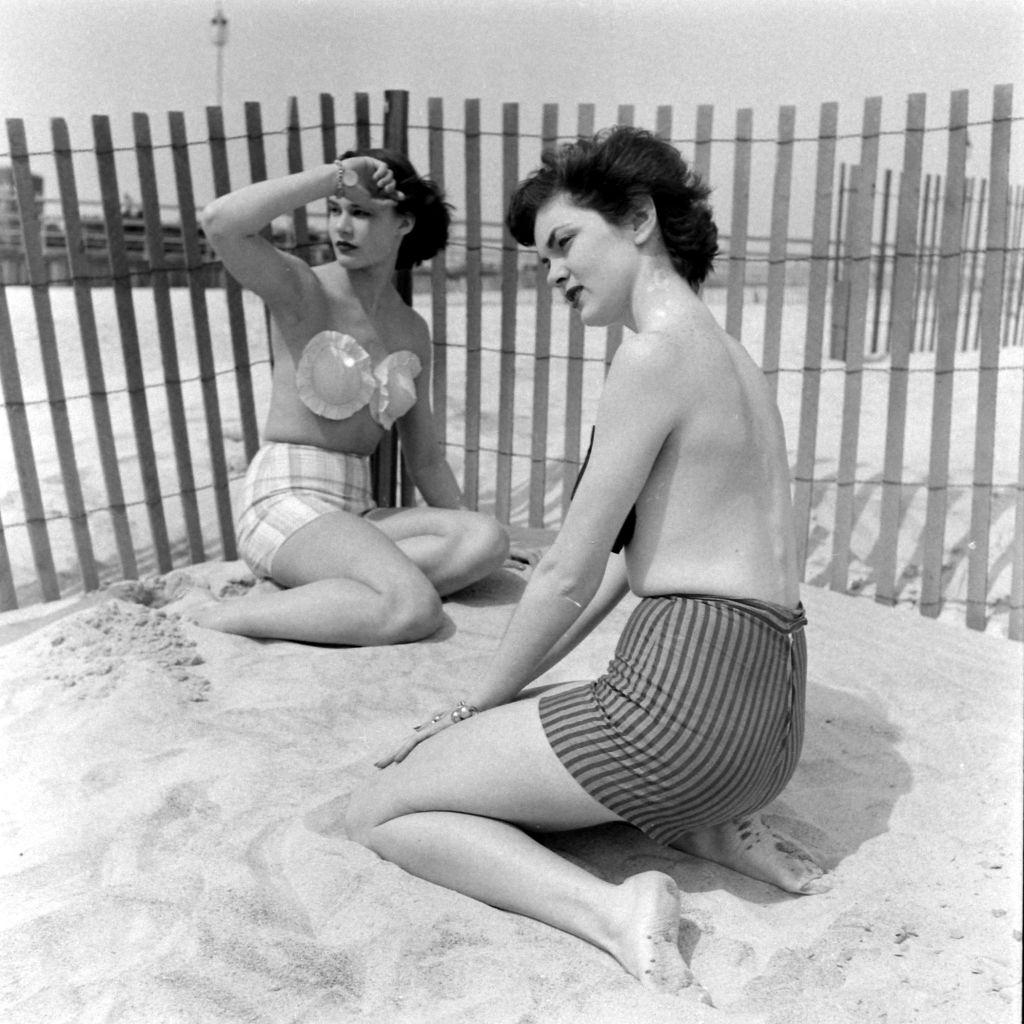
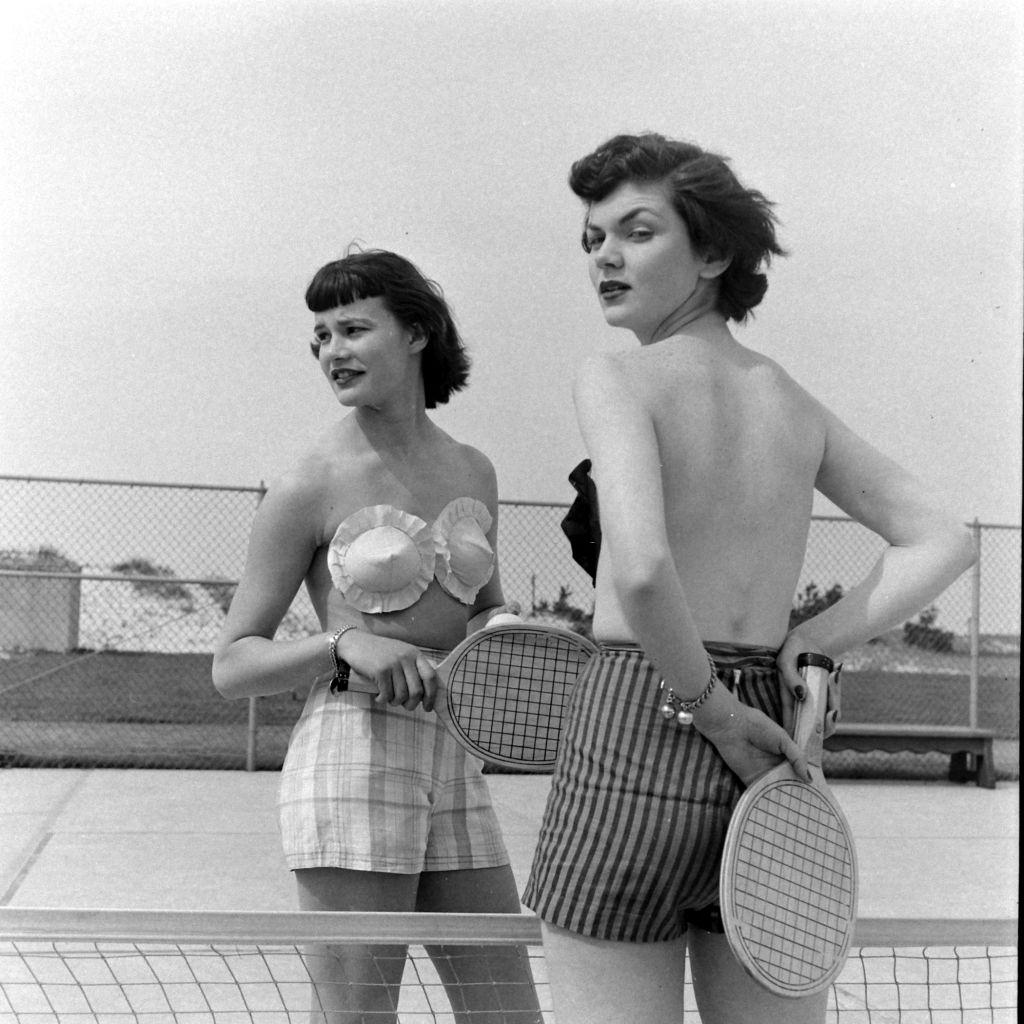
Photos from 1949 show women wearing the adhesive bra at Jones Beach in New York, which served as a natural testing ground for the product’s durability claims. The beach setting was a deliberate showcase—if the cups stayed put through swimming and sun, the product could be trusted anywhere.
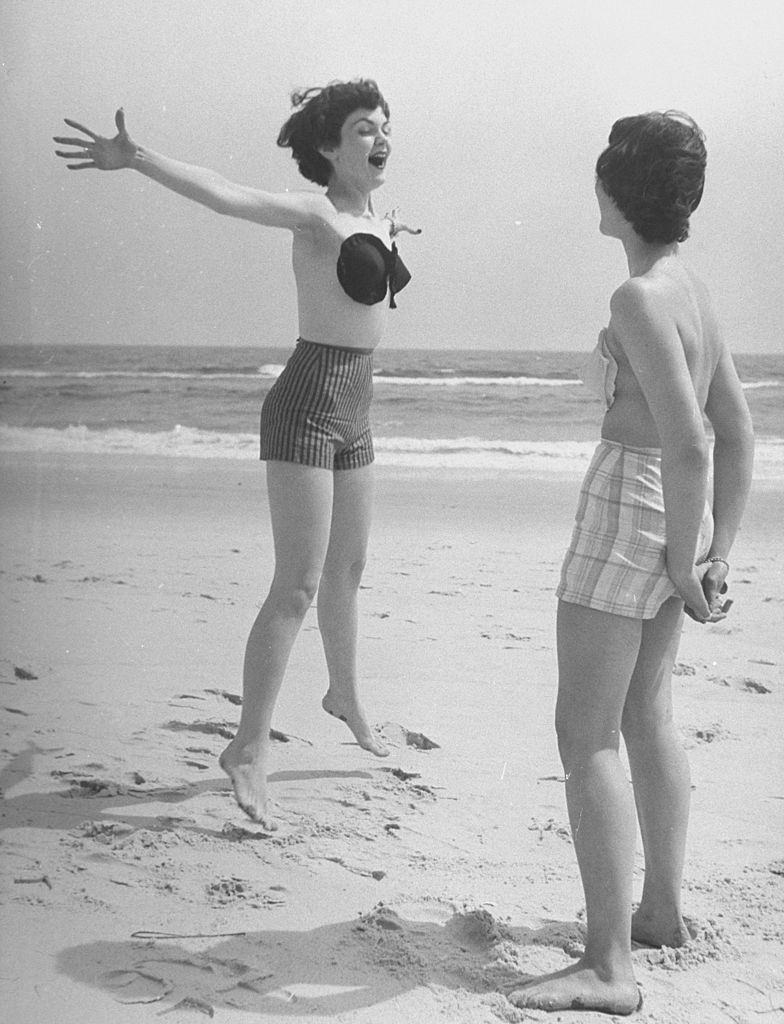
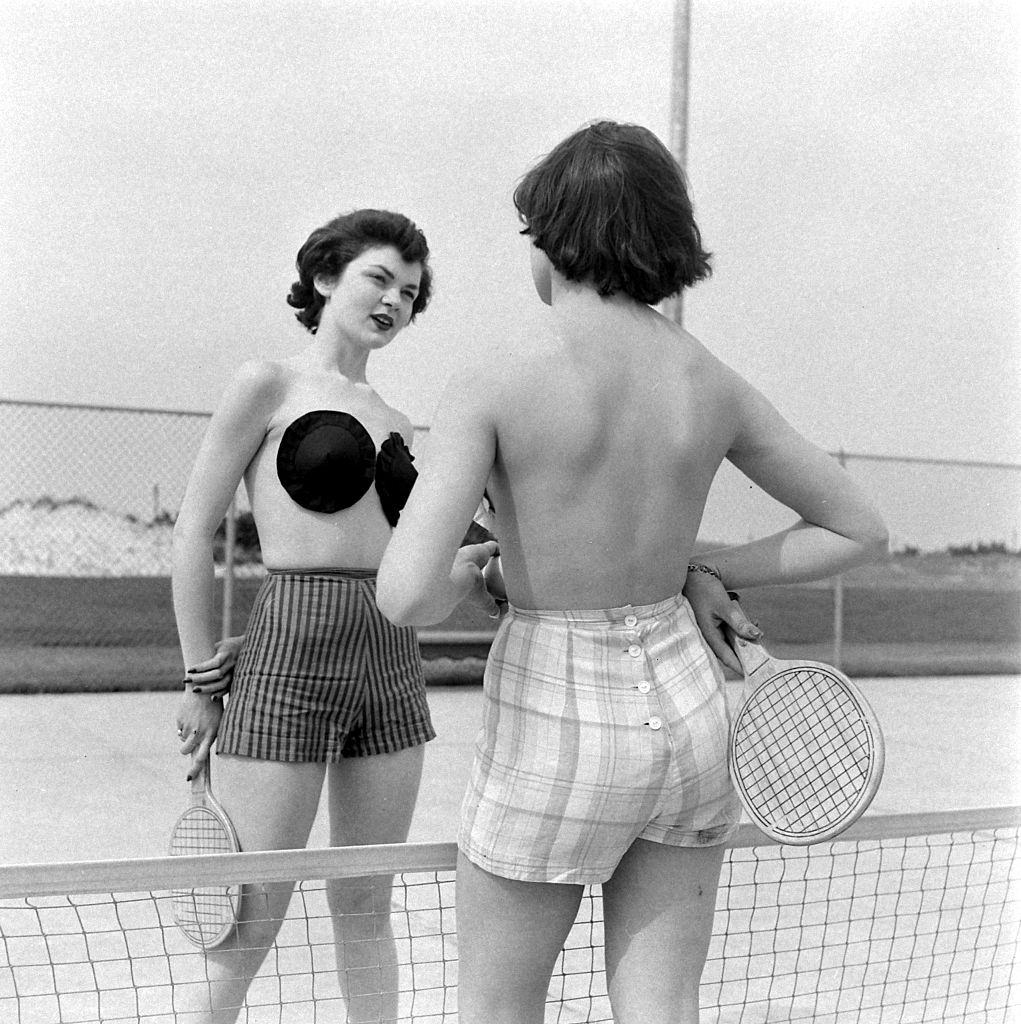
The Jones Beach appearances were part of a broader promotional push. Models posed in shorts and the adhesive cups, going about ordinary activities to show how naturally the bra functioned without any visible support structure. The images were striking—the complete absence of straps or a back band made the design look unlike anything else on the market at the time.
Despite the confident marketing, the product ran into serious trouble almost immediately after launch. Customers filed complaints about poor workmanship and orders that were never delivered. The fulfillment problems alone were enough to damage the brand’s reputation. On top of that, the adhesive bra was simply not suitable for every woman. Those with skin sensitivities or allergies to the adhesive had no way to wear it at all, which cut the potential customer base significantly.
The combination of quality complaints, delivery failures, and a limited audience proved fatal. By the time the U.S. Patent Office formally granted the patent in 1952, Poses had already disappeared from the market. The patent arrived three years after filing—and the product it was meant to protect was gone before the paperwork was even finalized.
The idea itself, however, did not stay buried. Decades later, adhesive bras re-entered the market under different names—silicone bra, sticky bra, backless bra—but the core concept was the same one Langs had patented in 1949. The materials improved, the manufacturing became more reliable, and the skin-safe adhesives that Walton had struggled to perfect became far easier to produce. What failed in 1952 found a second life in a market that was finally ready for it.