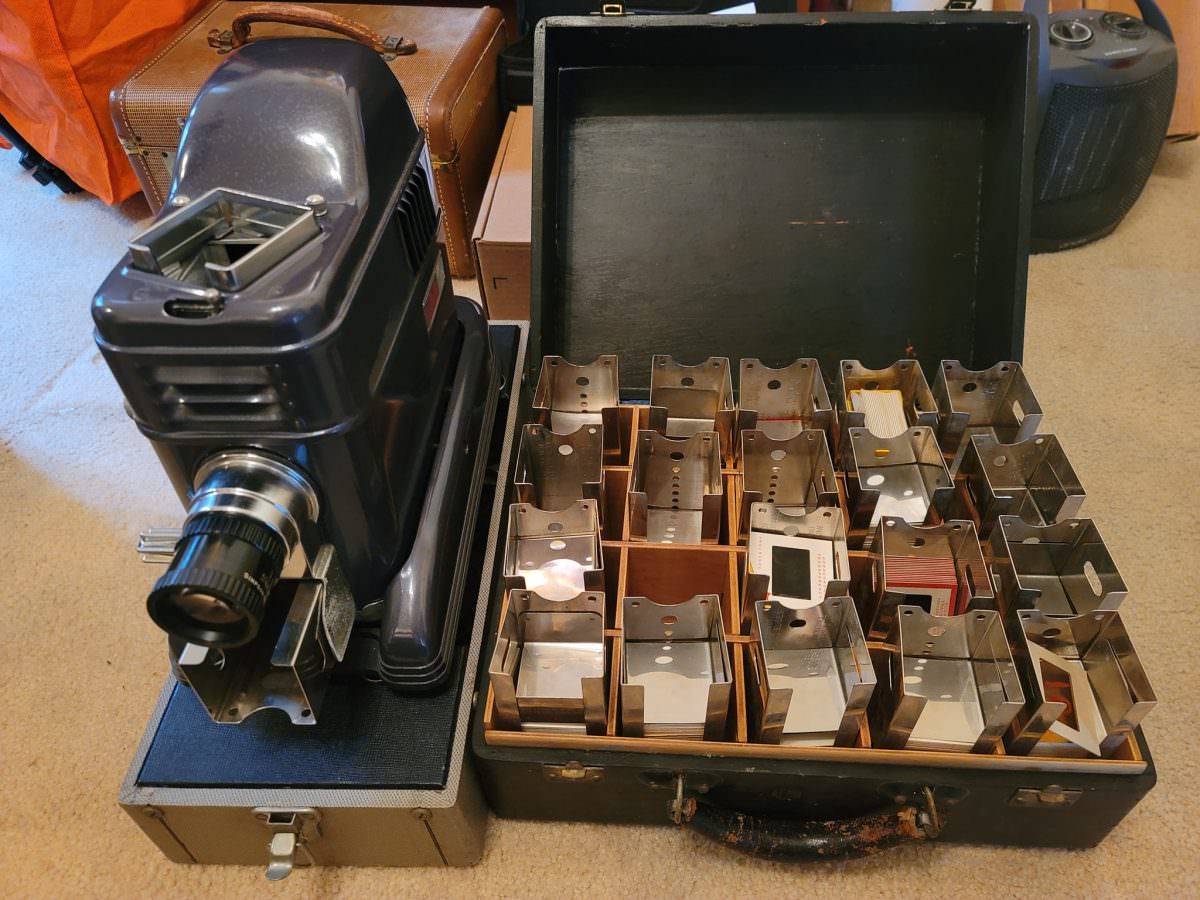
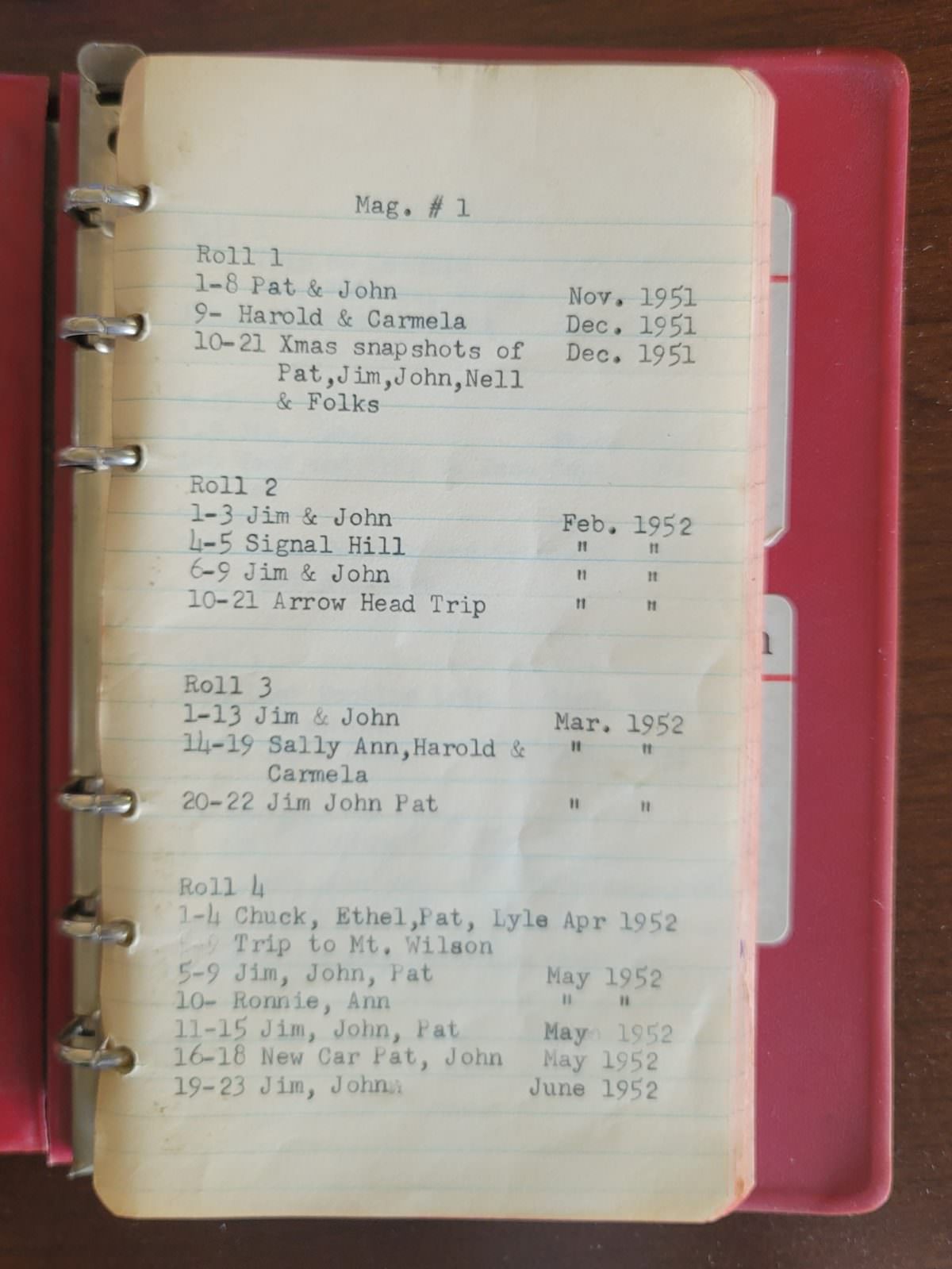
Before digital cameras and smartphones, a father in Bellflower, California picked up his Kodachrome slide film and started shooting. The result is a vivid, color-saturated record of his son John Sievers growing up in 1950s Southern California. These slides survived decades, and John later shared them as a window into a very specific slice of American postwar life.
Kodachrome film, introduced by Kodak in 1935, was famous for its sharp detail and rich color. By the 1950s it was the go-to choice for amateur photographers who wanted their memories to last. John’s father clearly knew how to use it. His shots are well-framed and carefully lit, capturing real moments rather than stiff poses.
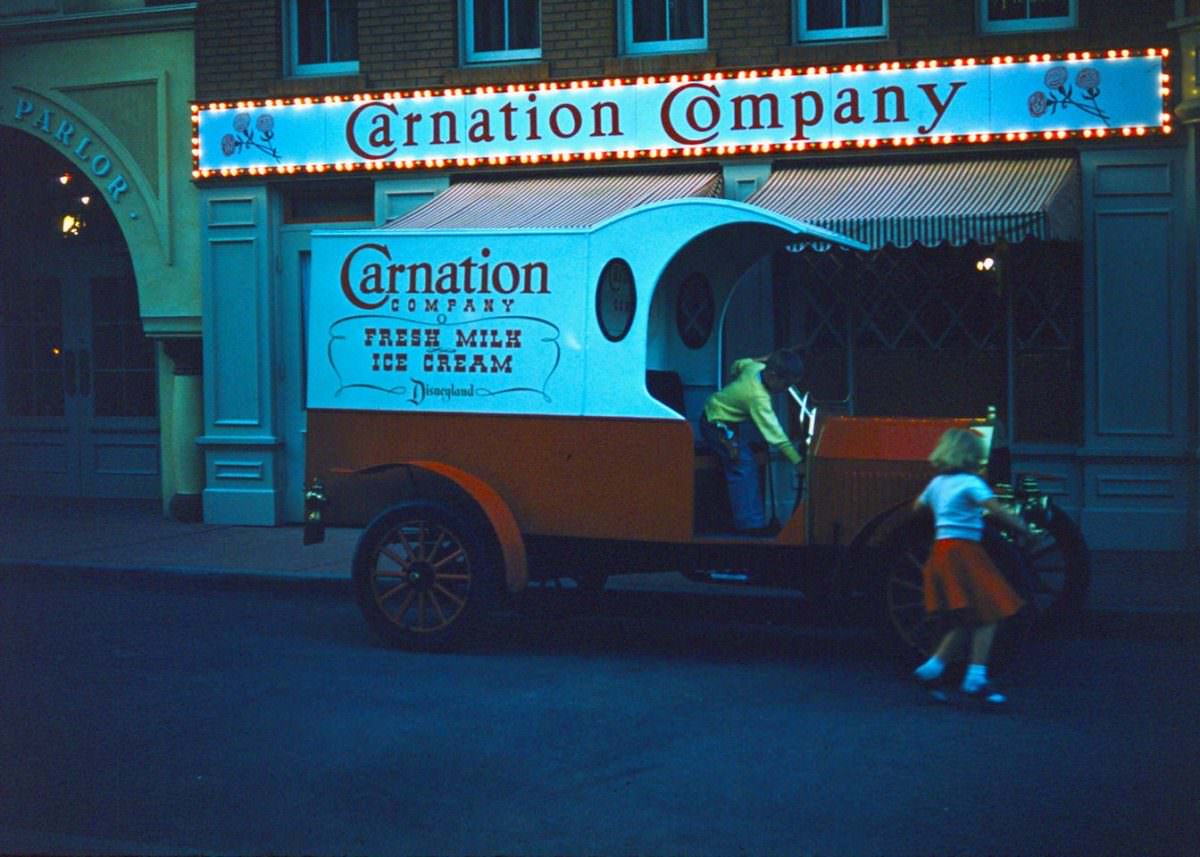
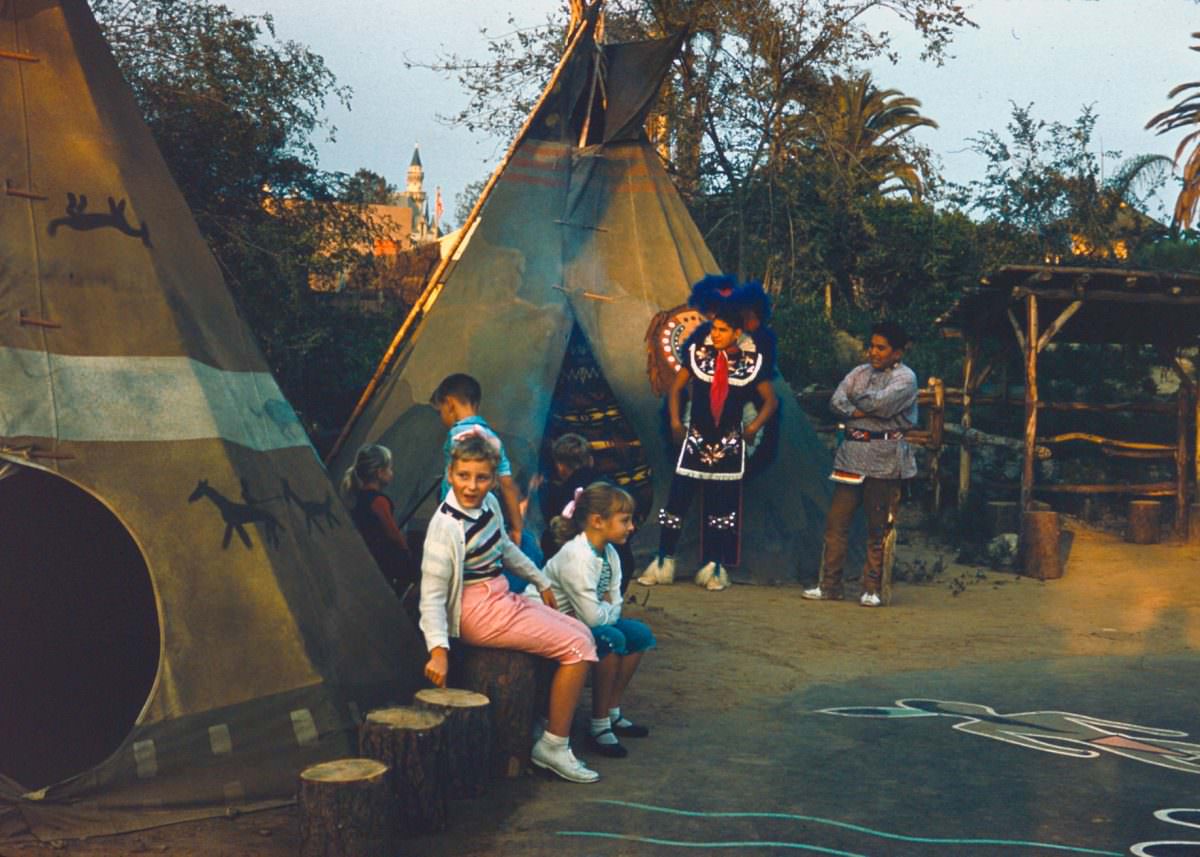
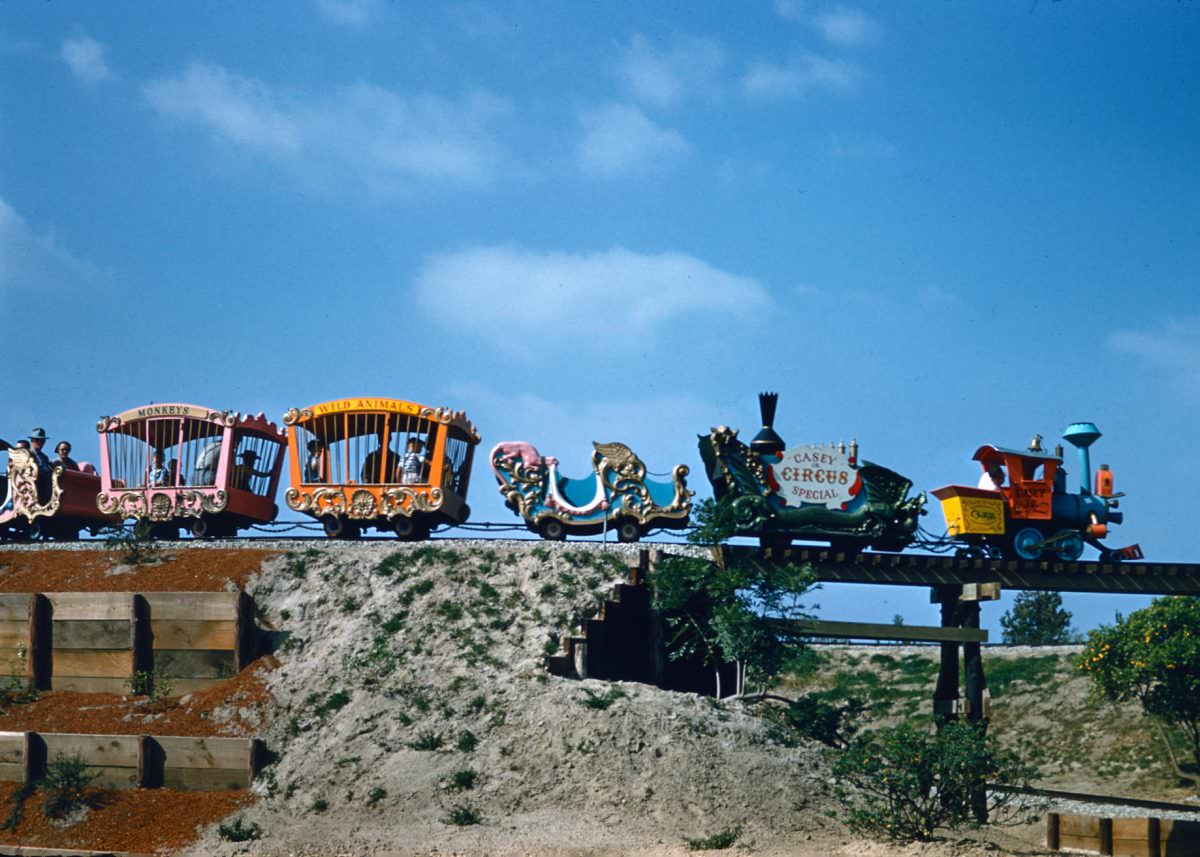
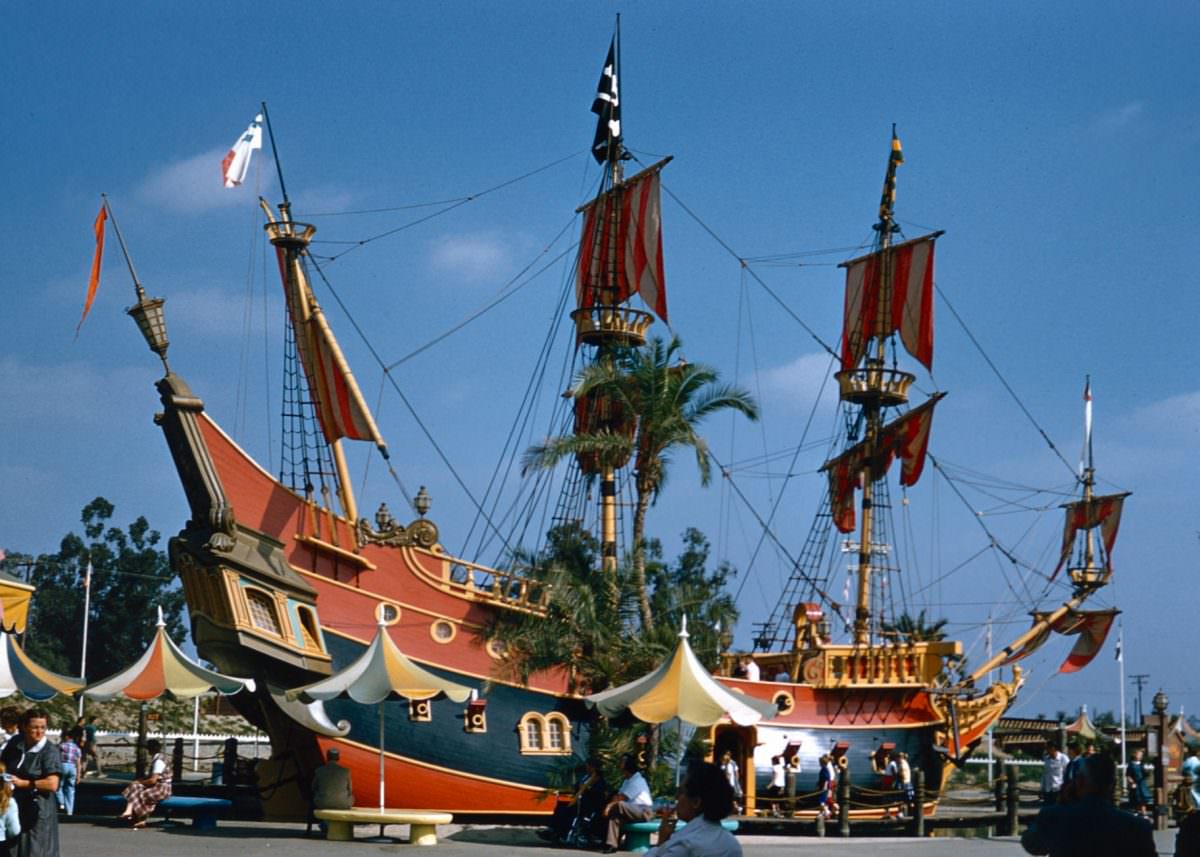
Disneyland opened in Anaheim, California in July 1955, and it quickly became a pilgrimage site for Southern California families. John and his older brother were among the early visitors, photographed in Tomorrowland that same year.
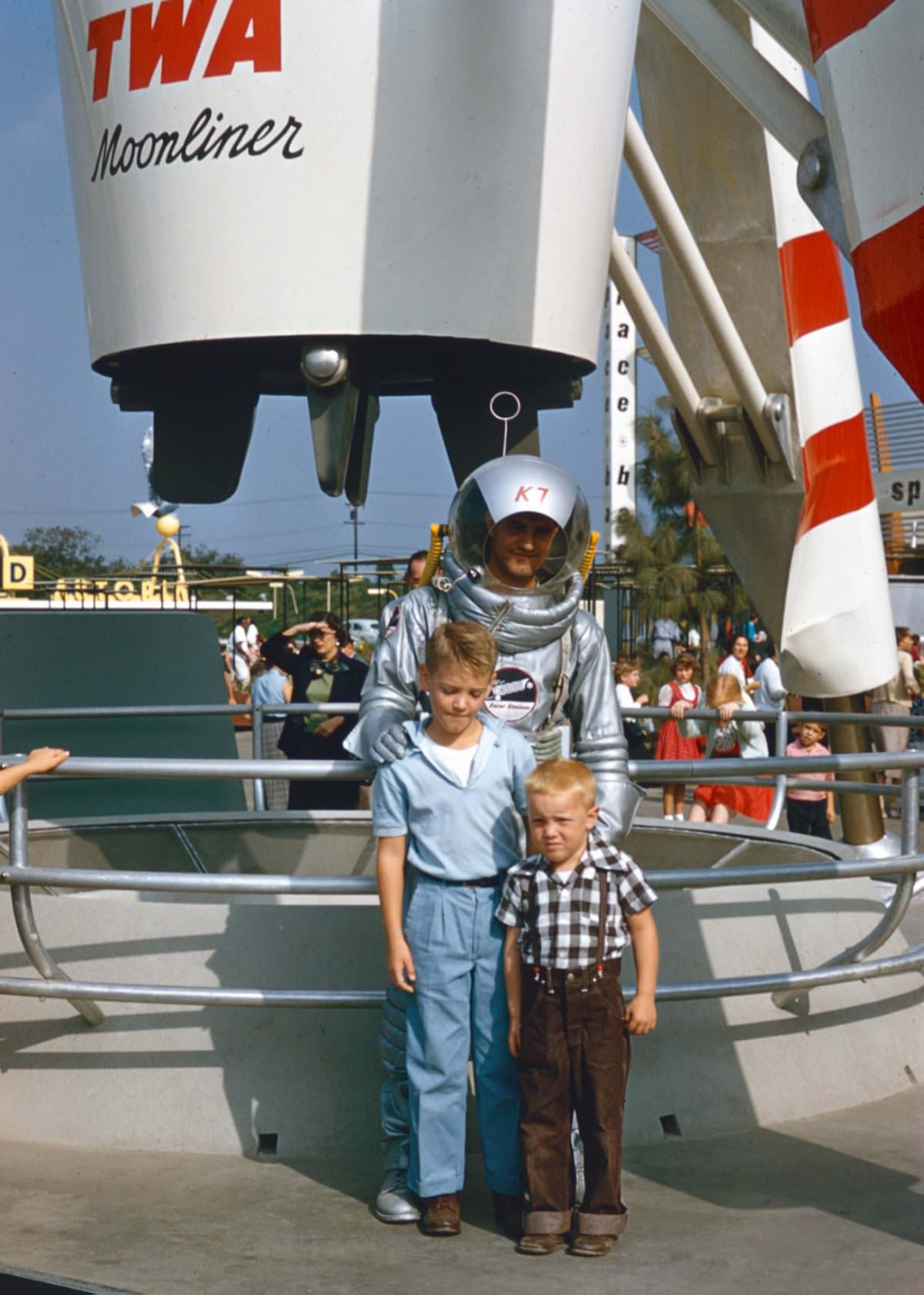
Tomorrowland was designed to show visitors what the future might look like — rockets, atomic energy, and gleaming technology. For a four-year-old in 1955, it must have been overwhelming in the best way. The park was less than a year old when this photo was taken.
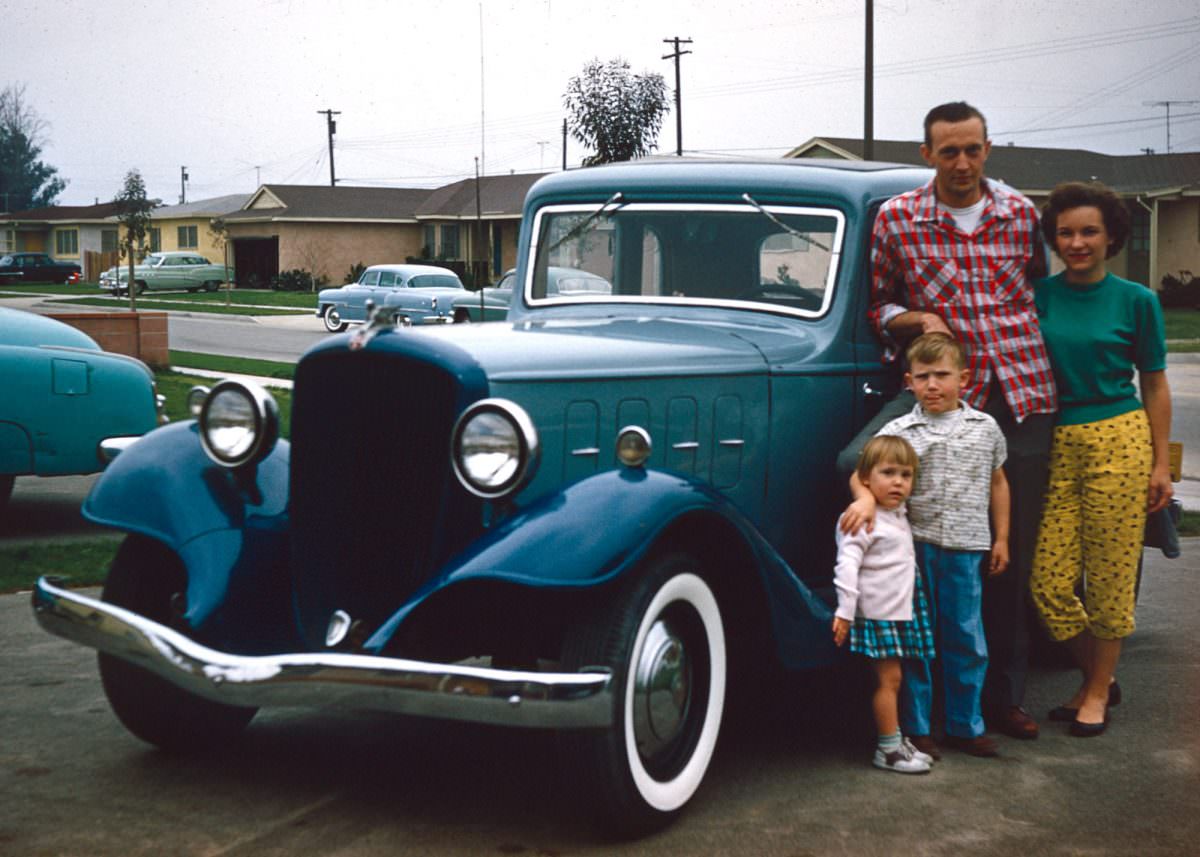
Beyond the theme park, the family’s life played out across Southern California’s suburbs and highways. Bellflower, where the Sievers family lived, was a working-class city in Los Angeles County that grew rapidly after World War II as veterans settled down and started families. Tract homes, wide streets, and open skies defined the neighborhood.
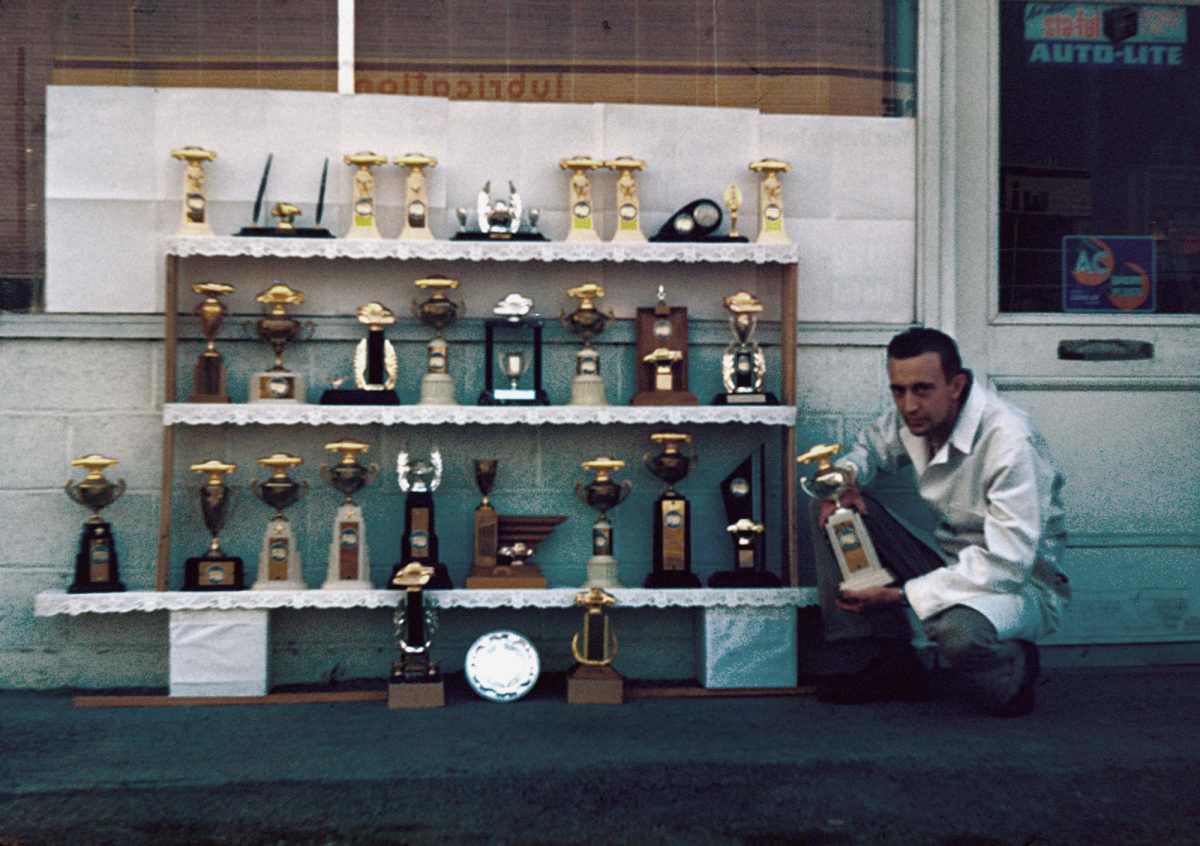
Uncle Dwight Sievers also appears in the collection, along with his cars at Lions Drag Strip in Long Beach. Lions was one of the premier drag racing venues in the country during the 1950s and 1960s, drawing serious competitors and weekend enthusiasts alike. It was a defining part of Southern California car culture.
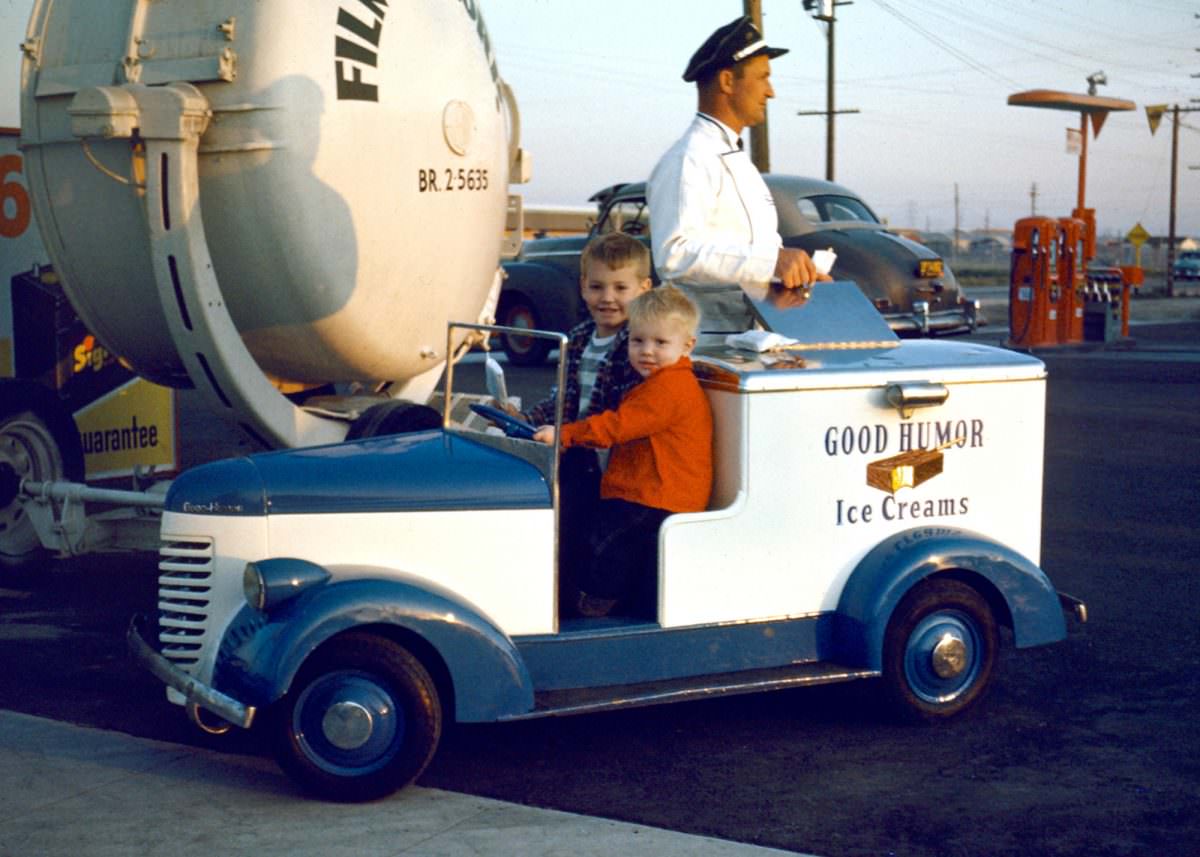
By 1954, John and his brother Jim were already fixtures in their father’s viewfinder. This shot from somewhere in Southern California shows the two boys at ease — the kind of unguarded moment that makes old family photos feel so immediate.
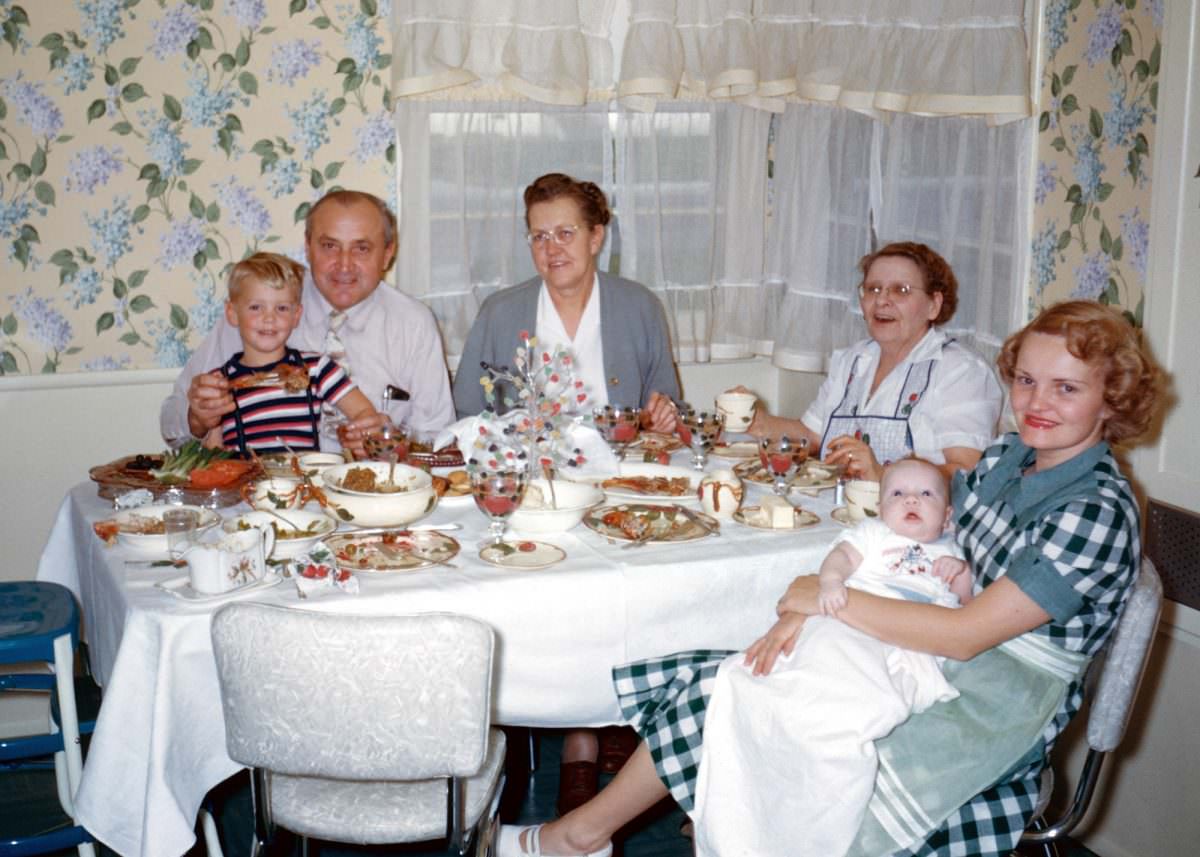
The holidays were well documented too. A 1951 Thanksgiving brought together three of John’s grandparents and his brother around the table, with John himself still an infant in his mother’s arms and his father behind the camera.
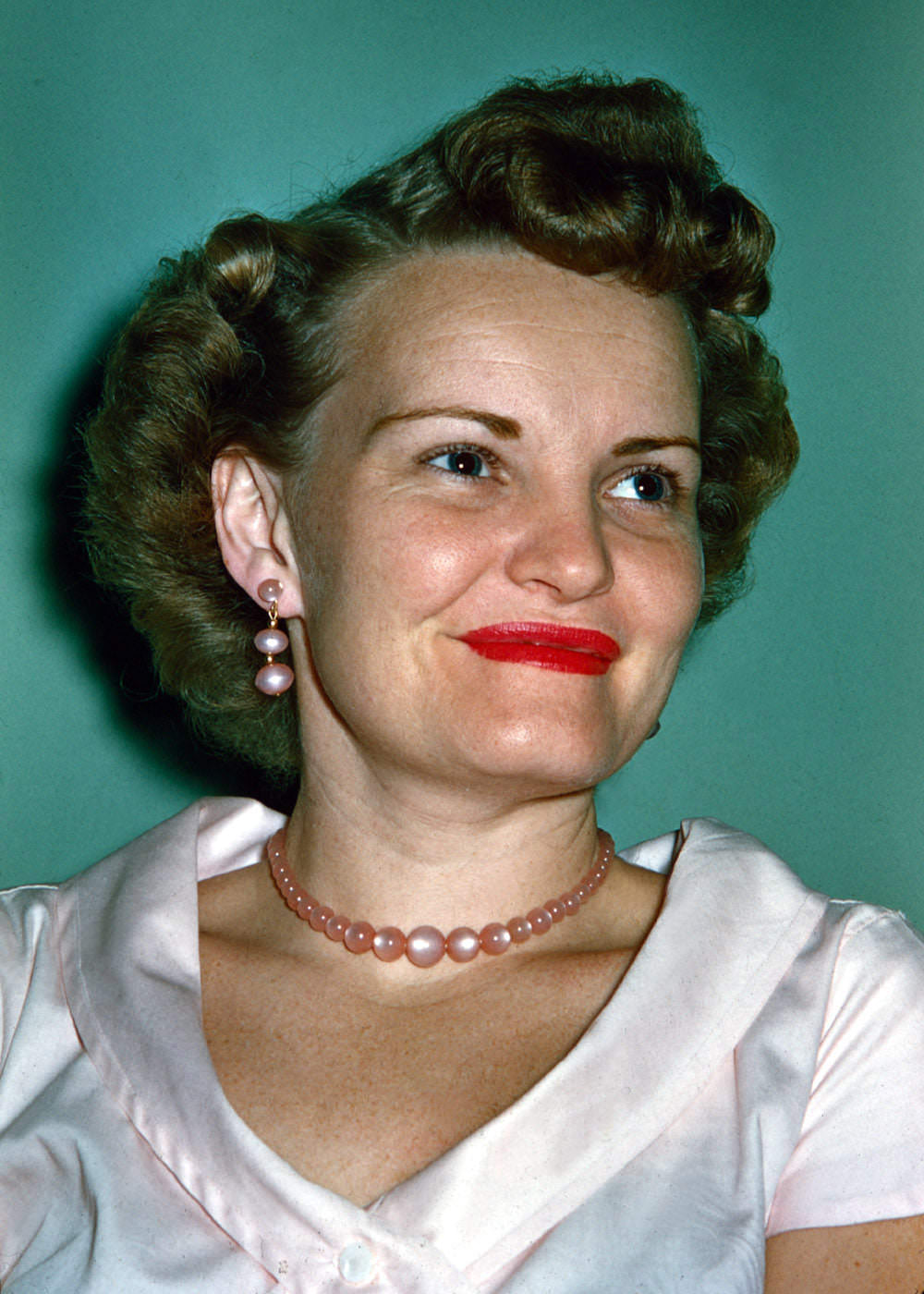
John’s father also had an eye for portraiture. His photograph of John’s mother from 1954 stands apart from the casual family snapshots — it’s a deliberate, composed image that shows real skill.
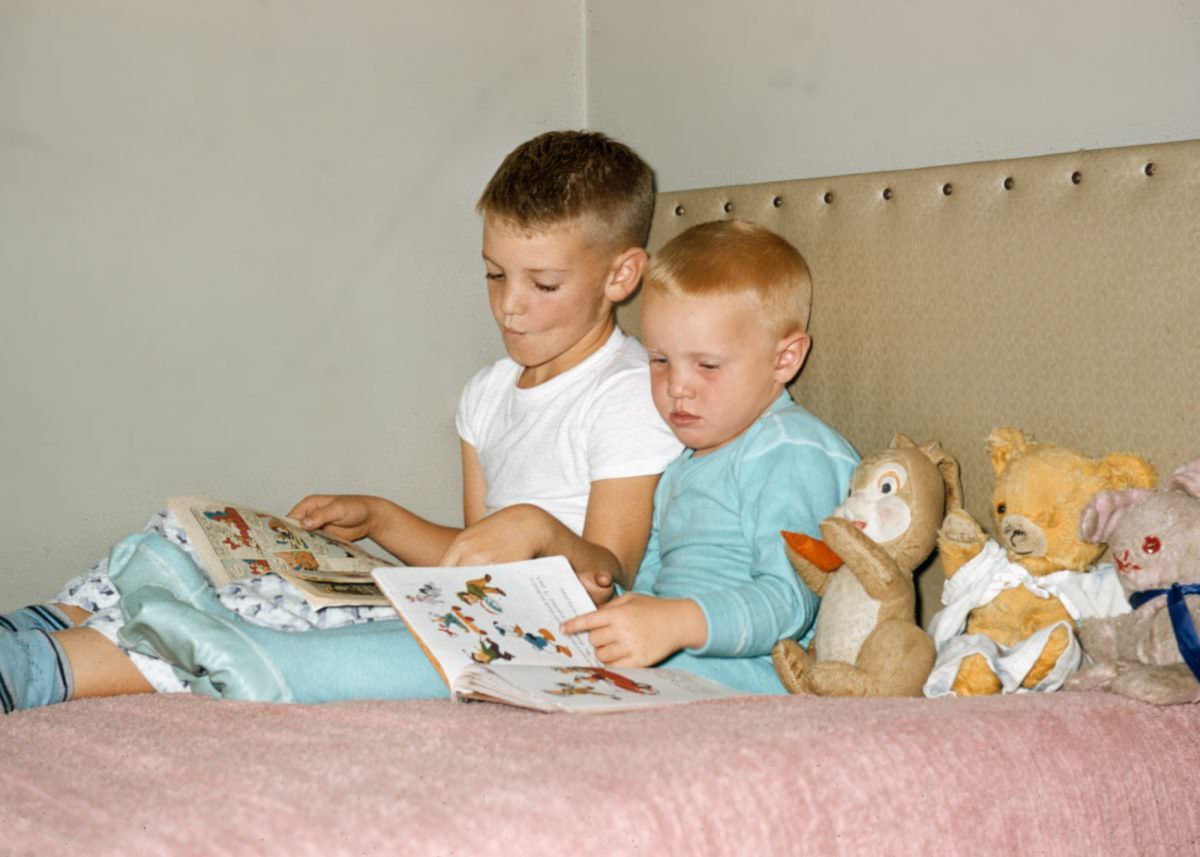
Quieter domestic moments fill the collection as well. In one 1954 image, John and his brother sit with their stuffed animals, reading Donald Duck comic books — a perfectly ordinary afternoon that the Kodachrome film has made permanent.
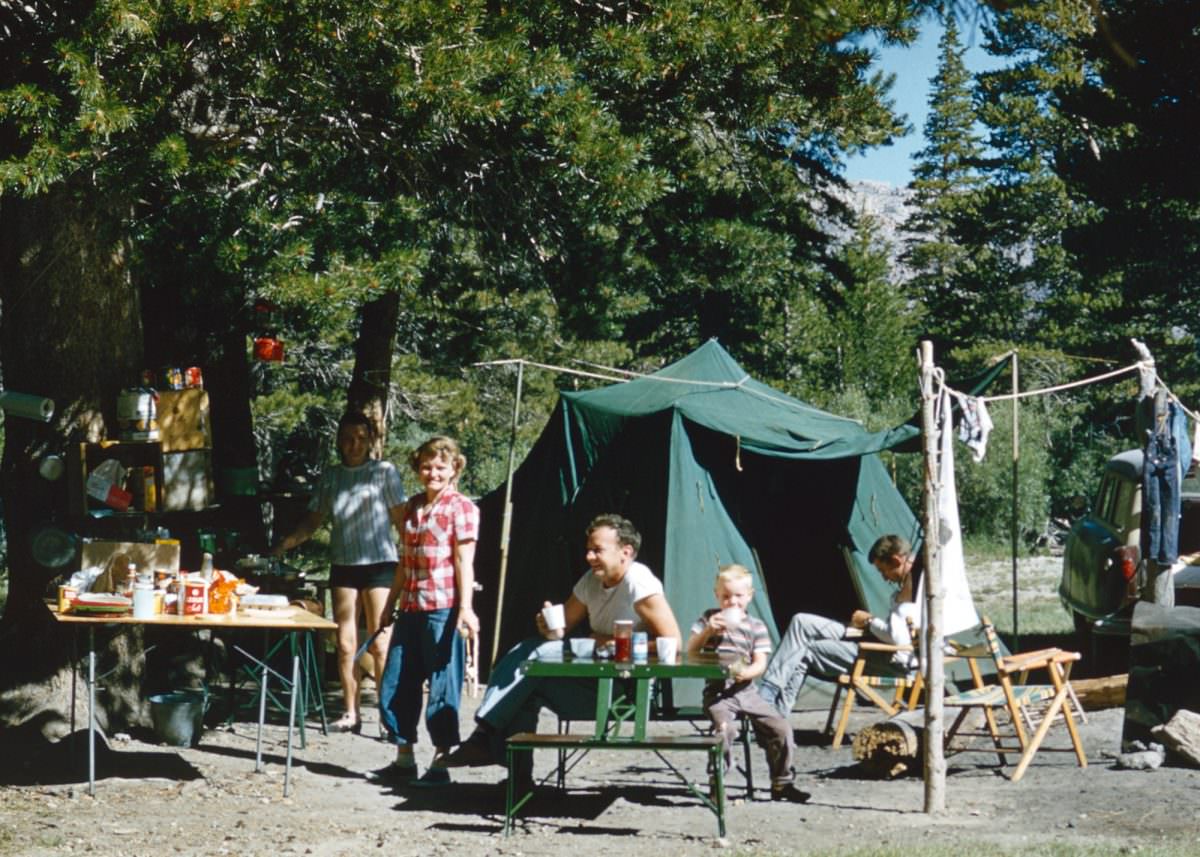
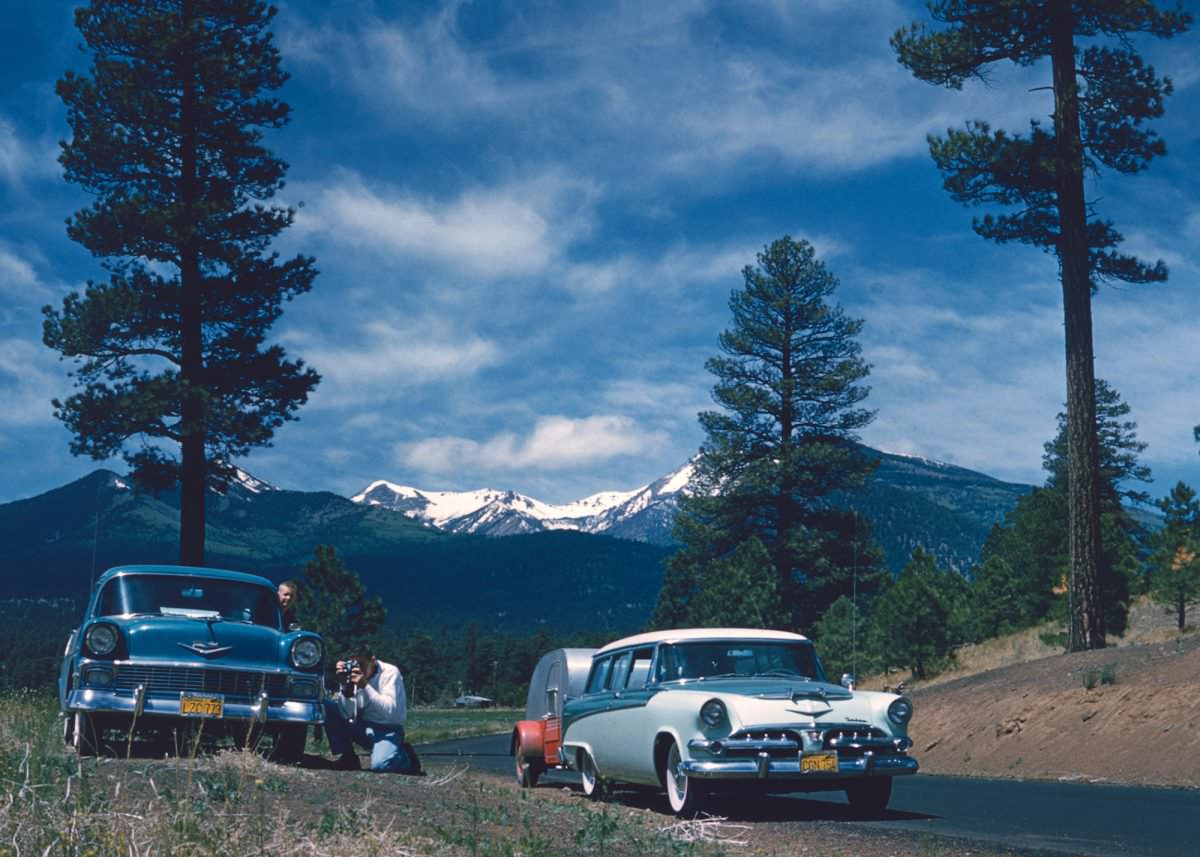
Road trips were a regular part of family life. California’s geography made it easy to drive from the flat Los Angeles basin into dramatic mountain terrain within a few hours. The High Sierra range offered a stark contrast to suburban Bellflower.
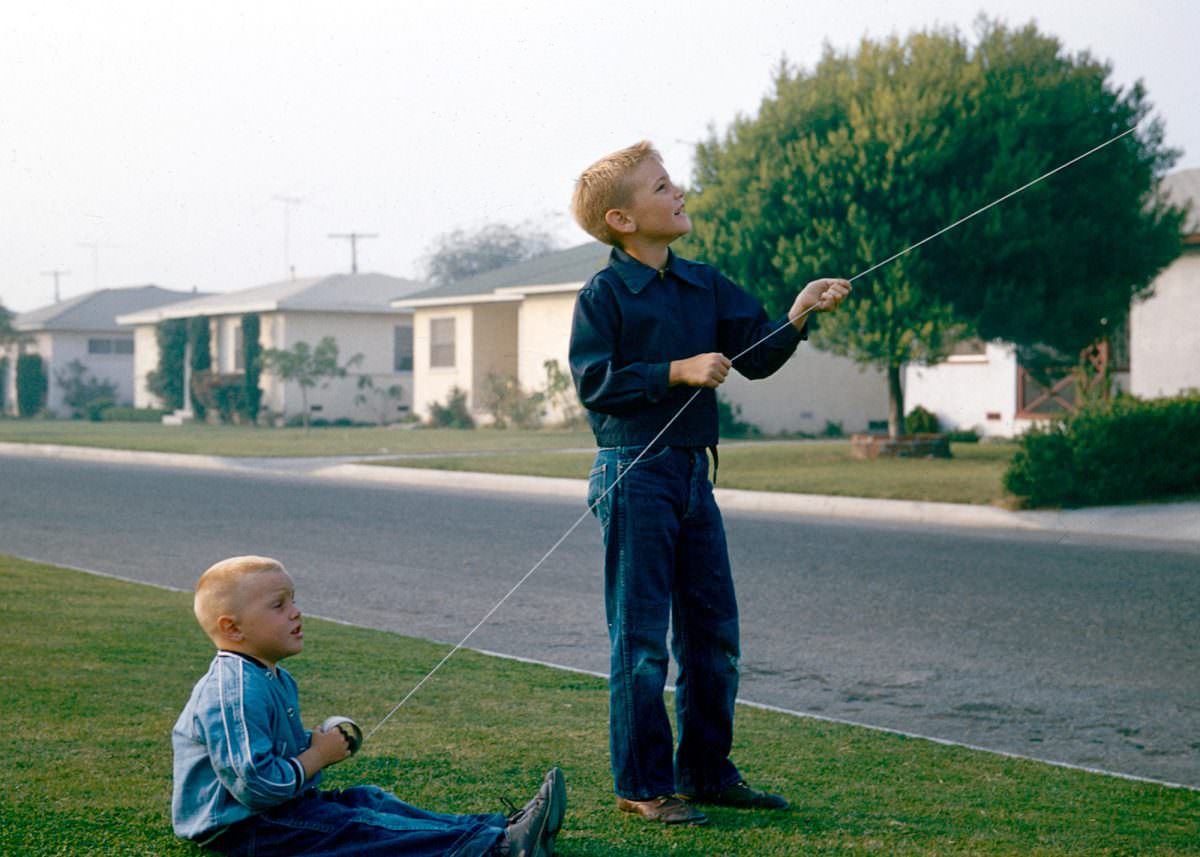
Back in Bellflower, the boys found simpler entertainment. Kite flying was a cheap and popular pastime, and the open fields around the suburban edges of the city were perfect for it.
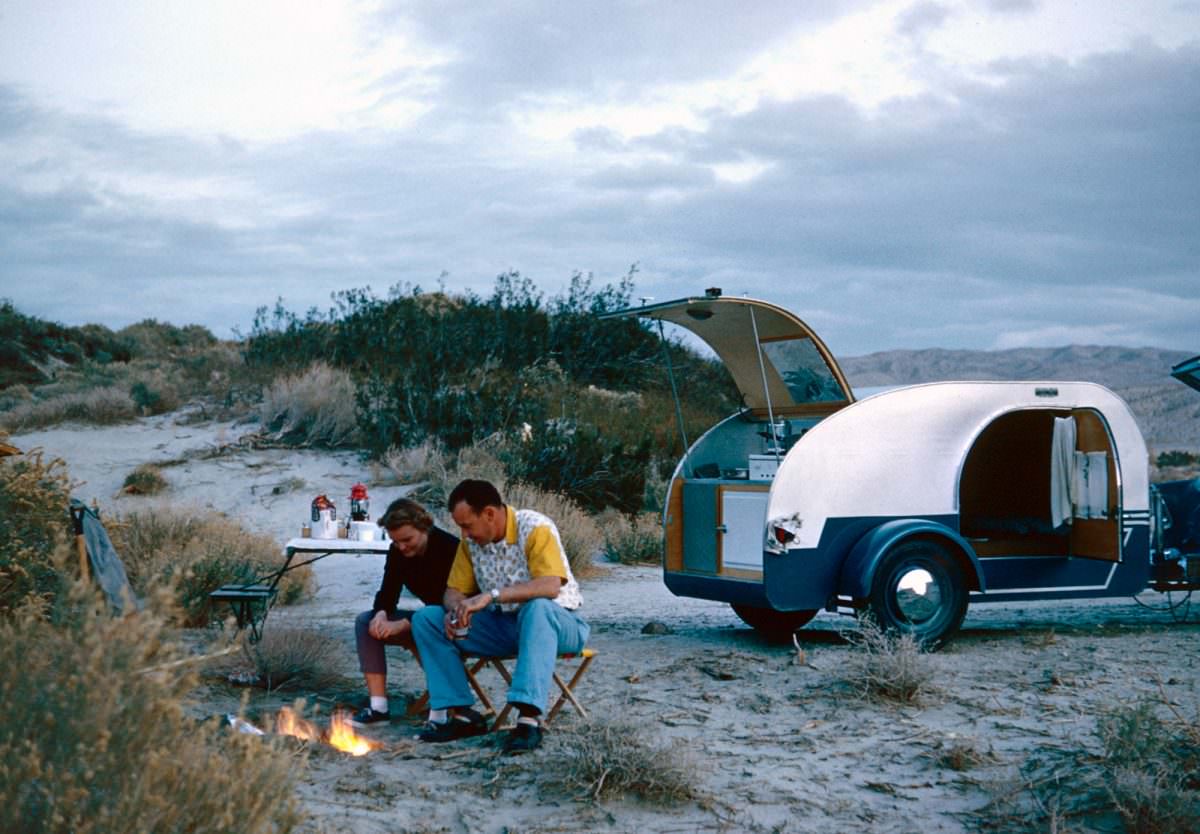
Yosemite National Park was another family destination. Camping there in 1955 placed the Sievers family among millions of postwar Americans who discovered the national parks system during a period of rising car ownership and expanding highways.