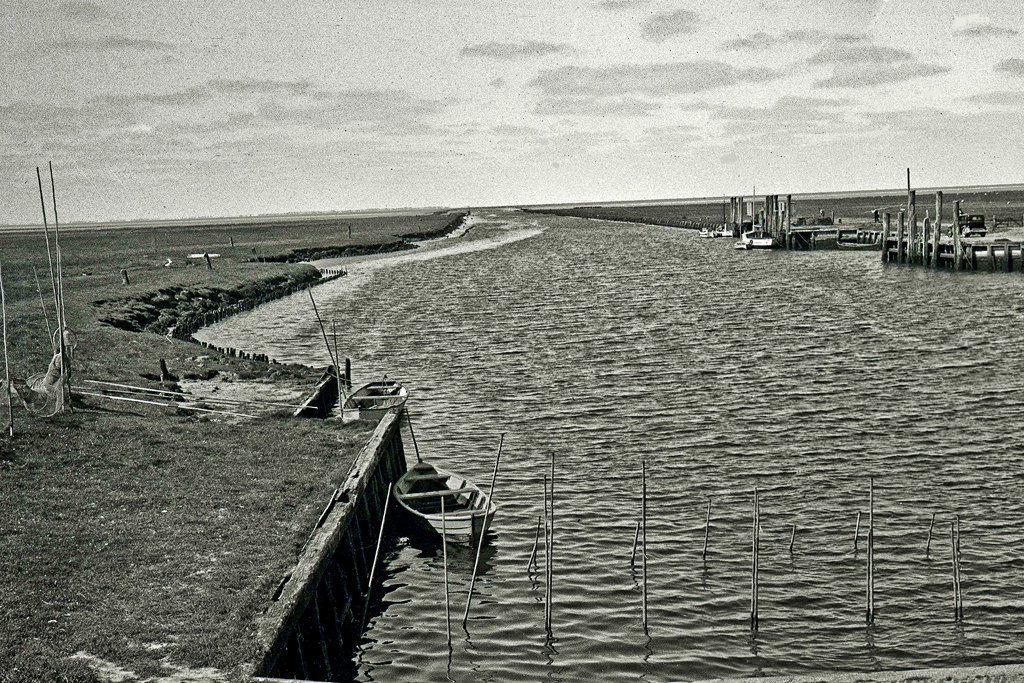
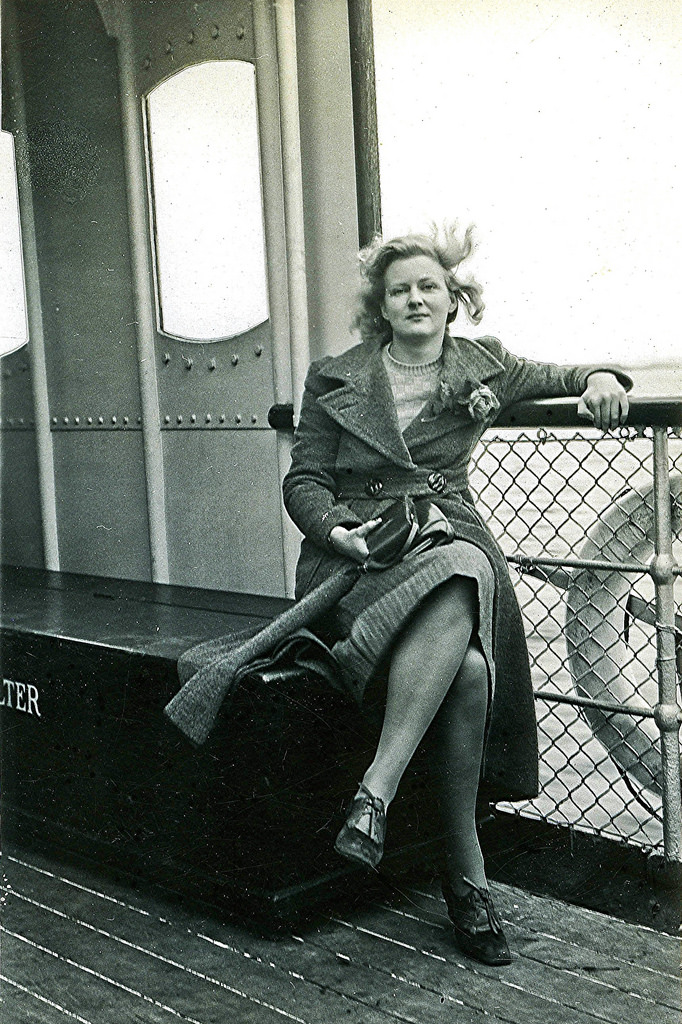
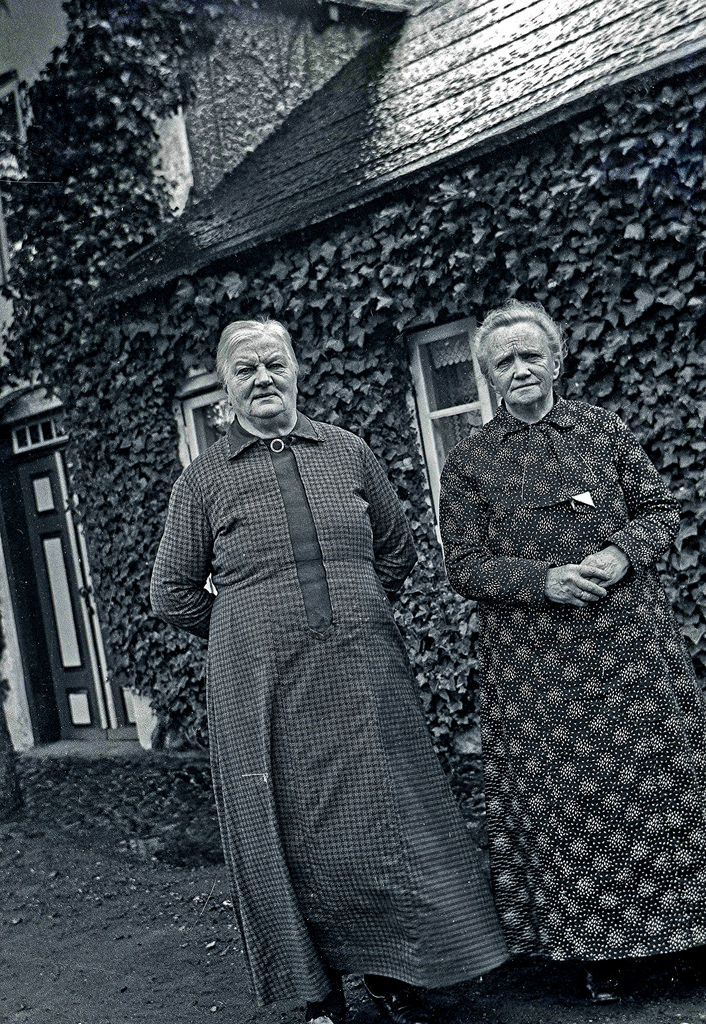
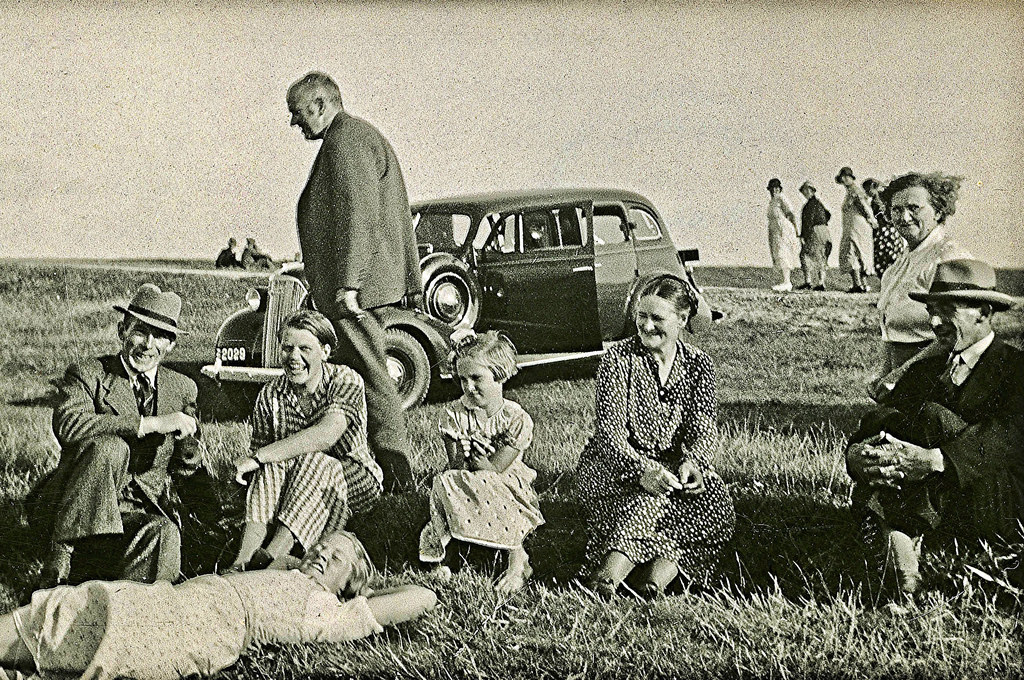
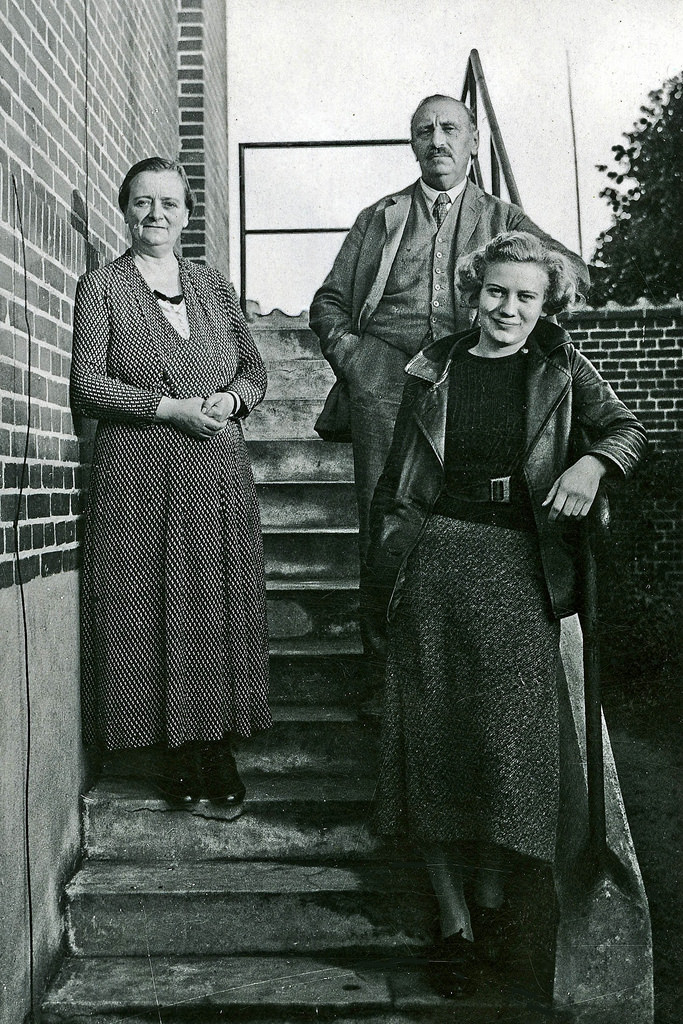
In 1937, a young woman traveled through Europe with her parents and brought a camera along. The photographs she took in Denmark offer a rare, ground-level look at ordinary Danish life during a pivotal year. The country was pulling itself out of the economic hardship brought on by the Great Depression. Trade was recovering, and Danish industry was beginning to grow again. These images freeze that moment in time — the cities, the countryside, the people, and the rhythms of daily life.
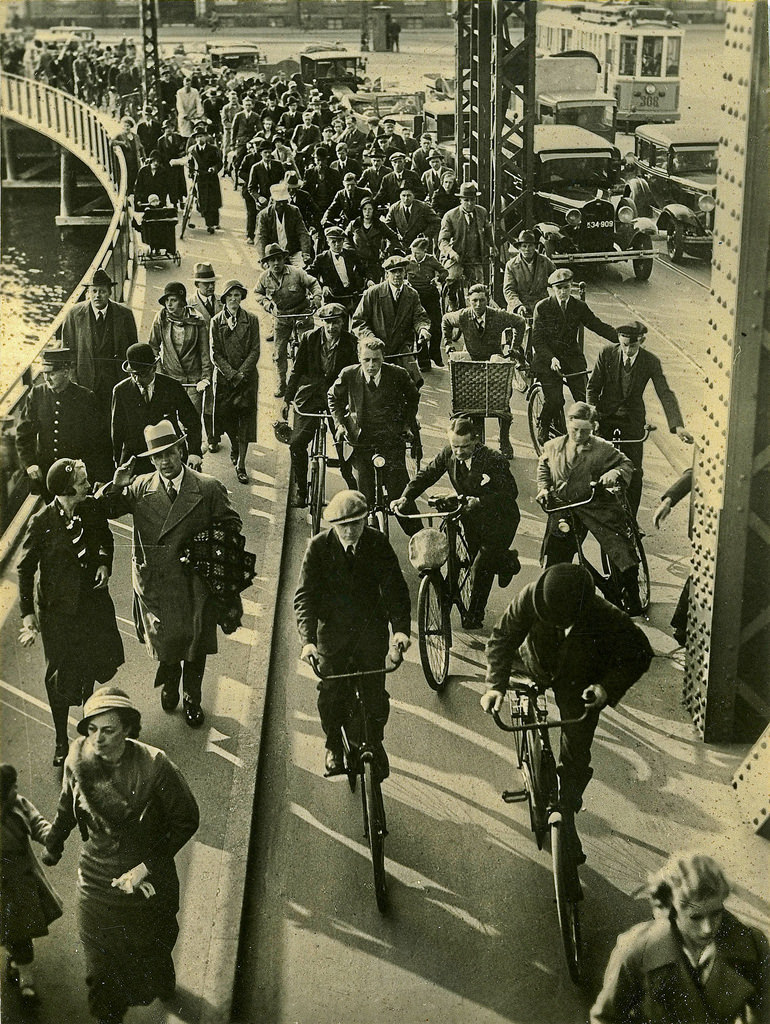
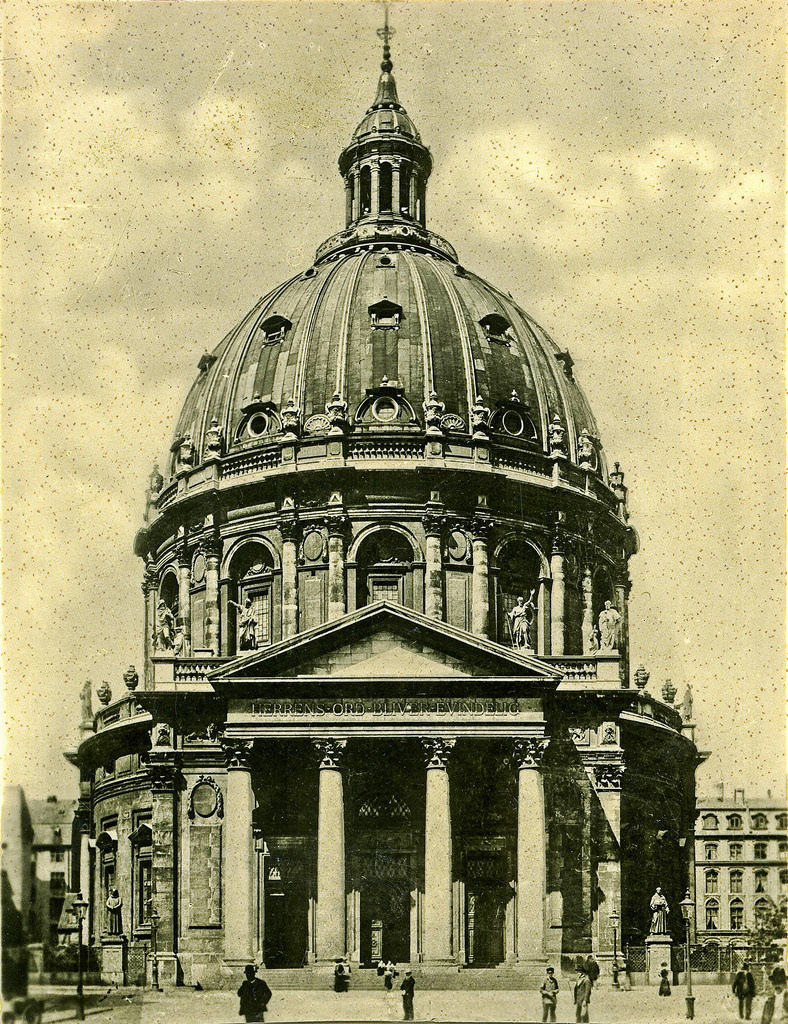
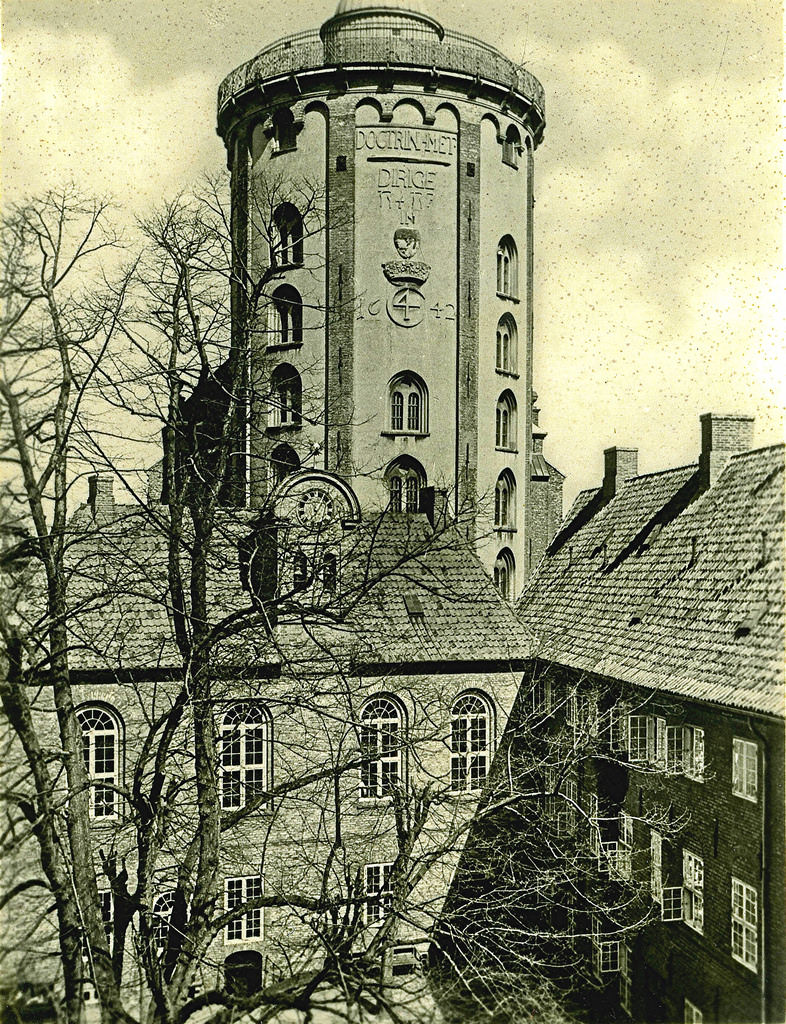
Copenhagen was the beating heart of Denmark in 1937. The city’s streets were active with commuters, shoppers, and workers moving through their daily routines. Trams, bicycles, and pedestrians shared the same roads, giving the capital a lively, layered energy. The architecture of the old city stood firm behind all of this movement — spires, cobblestones, and canal-front buildings that had watched centuries pass.
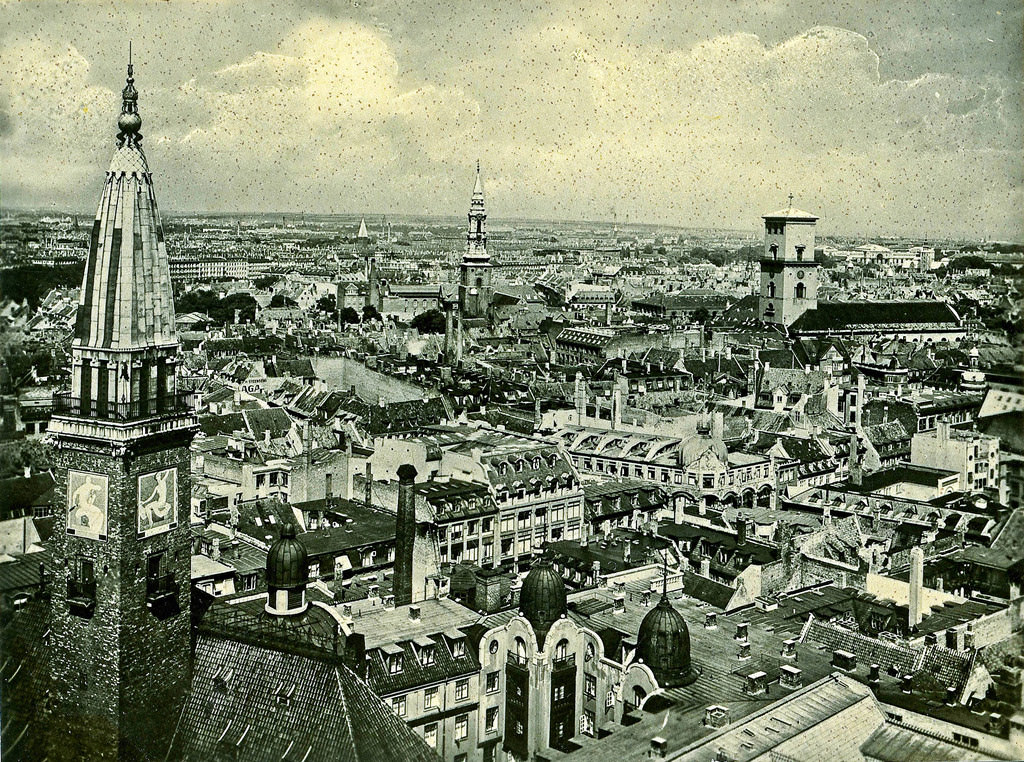
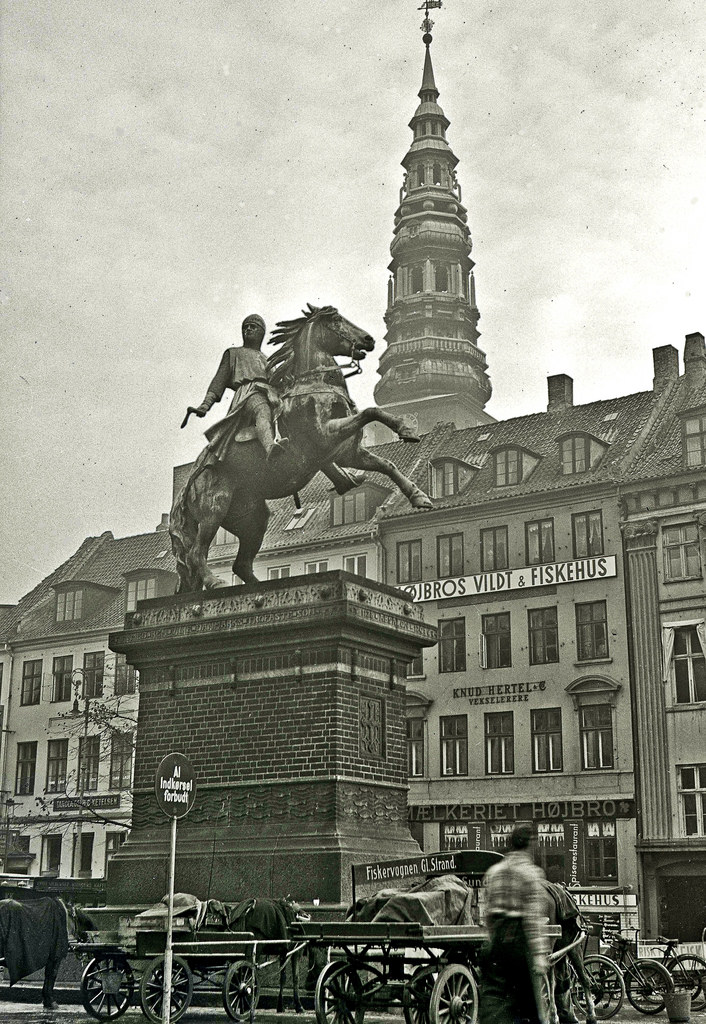
Street-level Copenhagen reveals a city in transition. Storefronts line the avenues, and well-dressed residents go about their errands with purpose. The late 1930s brought a cautious optimism to urban Denmark — jobs were returning, and consumer life was slowly picking back up after years of belt-tightening.
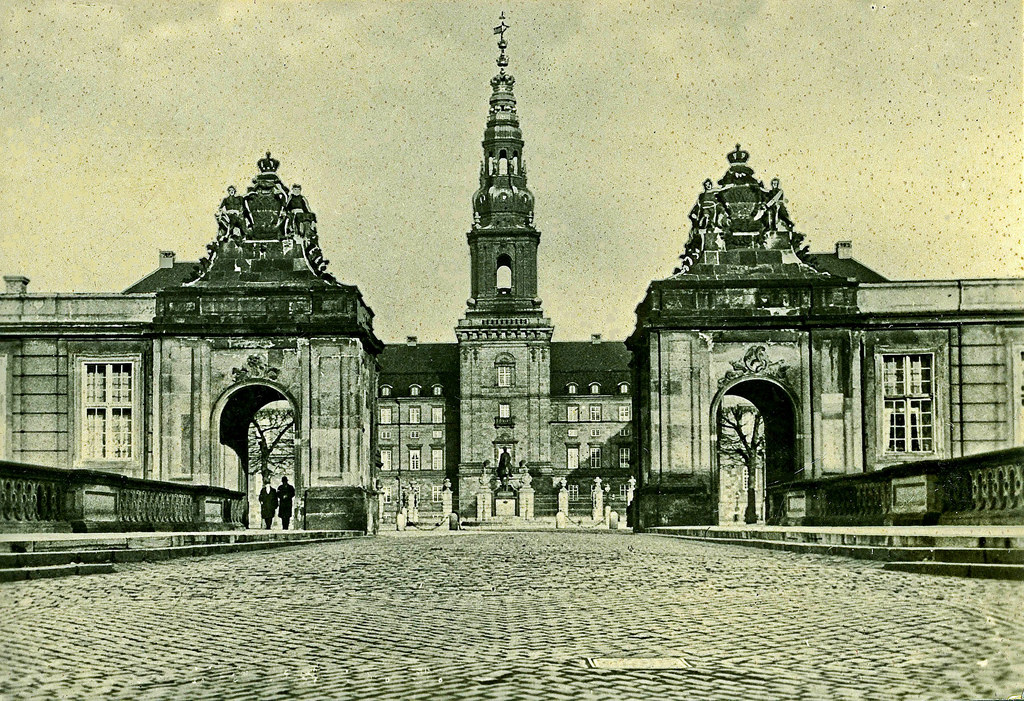
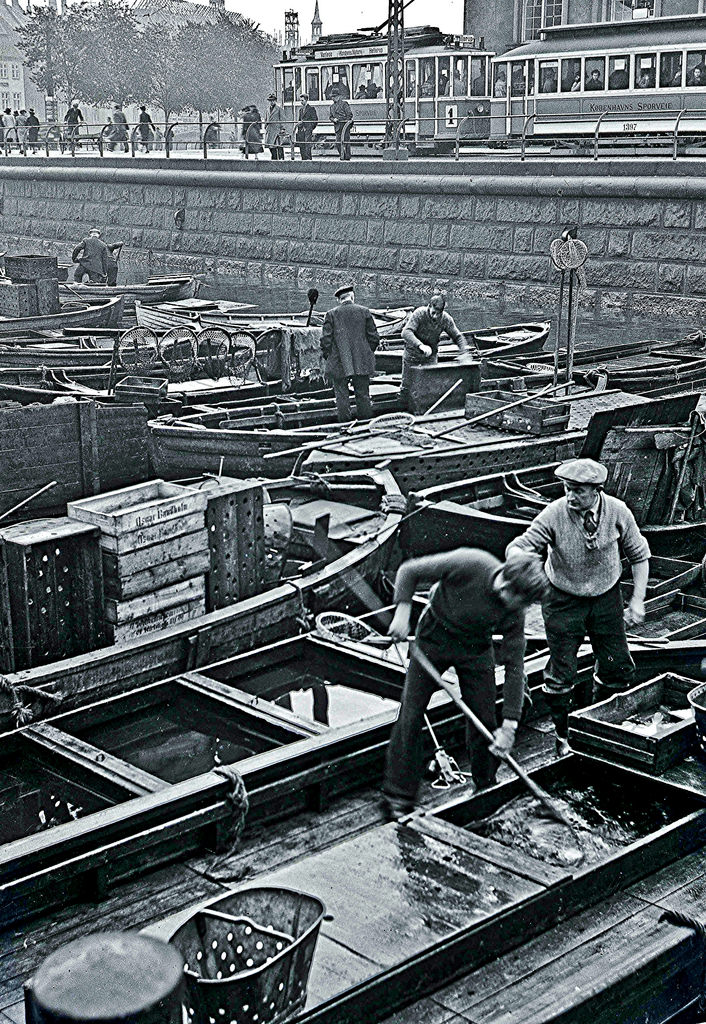
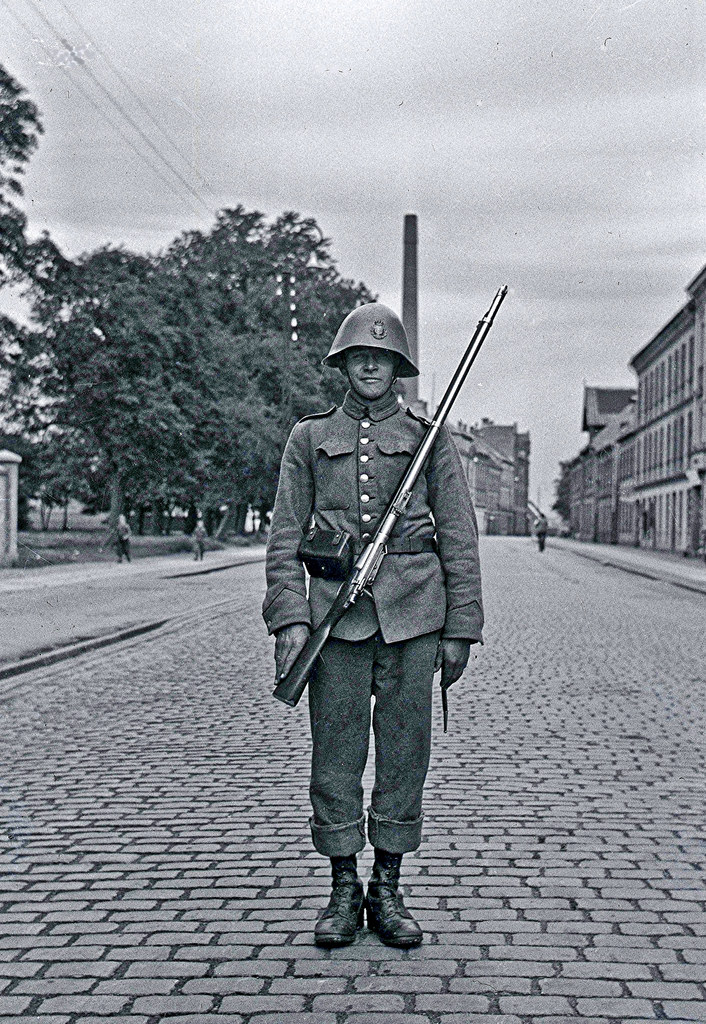
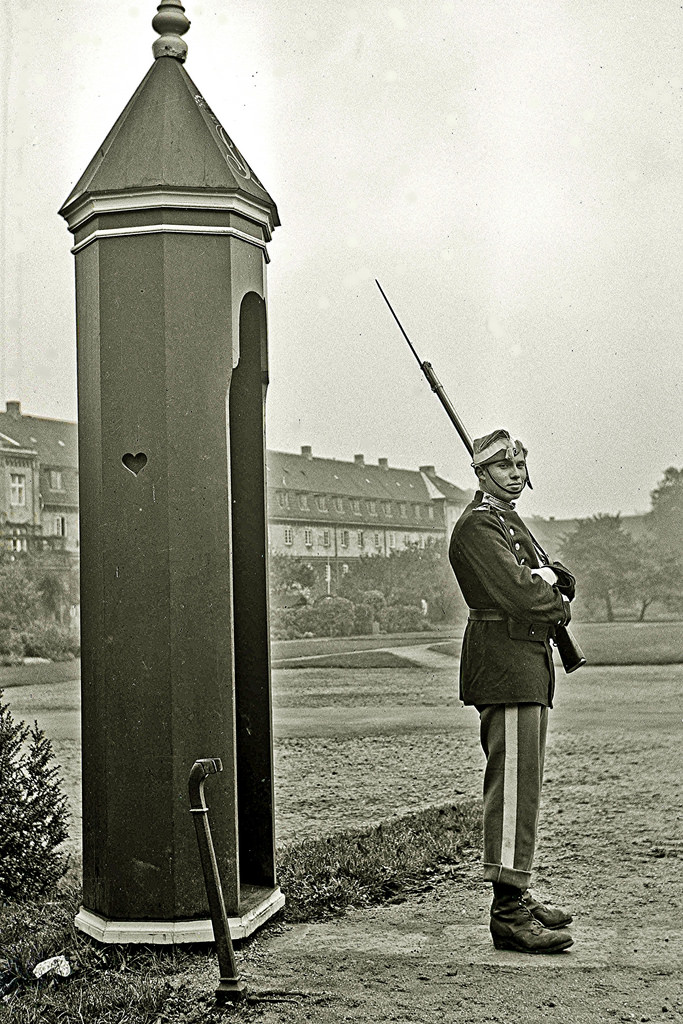
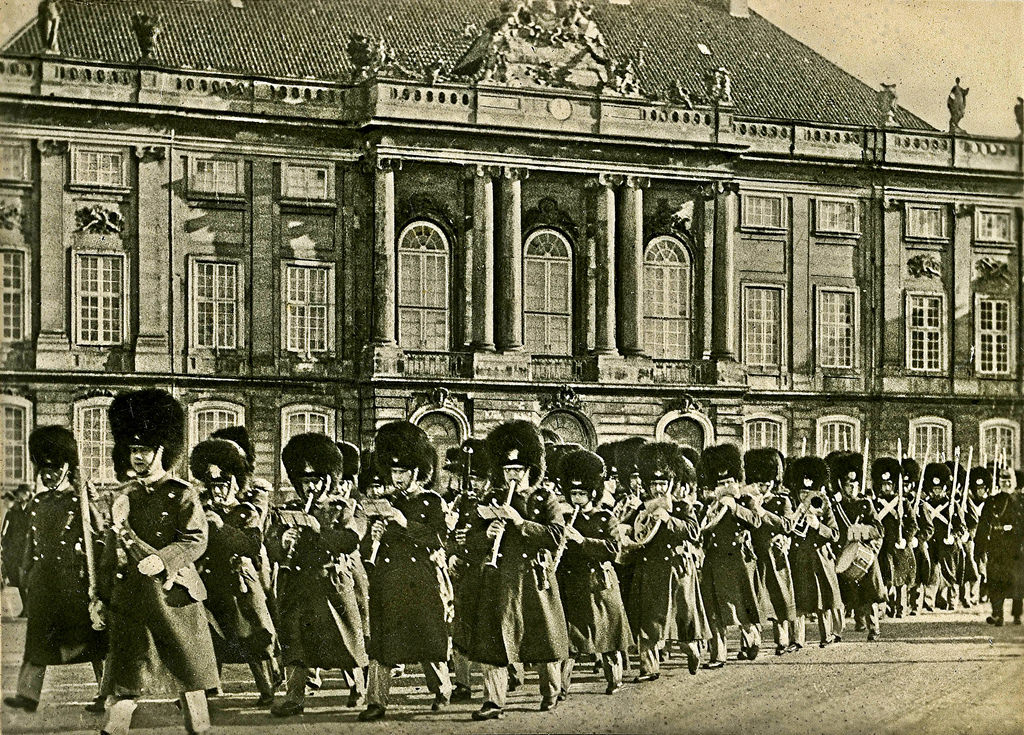
The Danish military maintained a visible presence in Copenhagen. Soldiers in uniform could be seen on city streets, a reminder that Europe in 1937 was not entirely at peace. Tensions were rising across the continent, and Denmark, like its neighbors, kept its armed forces active and present.
A full military parade rolled through Copenhagen’s streets, drawing crowds to the sidewalks. Soldiers marched in formation past the city’s grand buildings, their uniforms crisp and their steps precise. Events like these served both as military exercises and as public demonstrations of national strength.
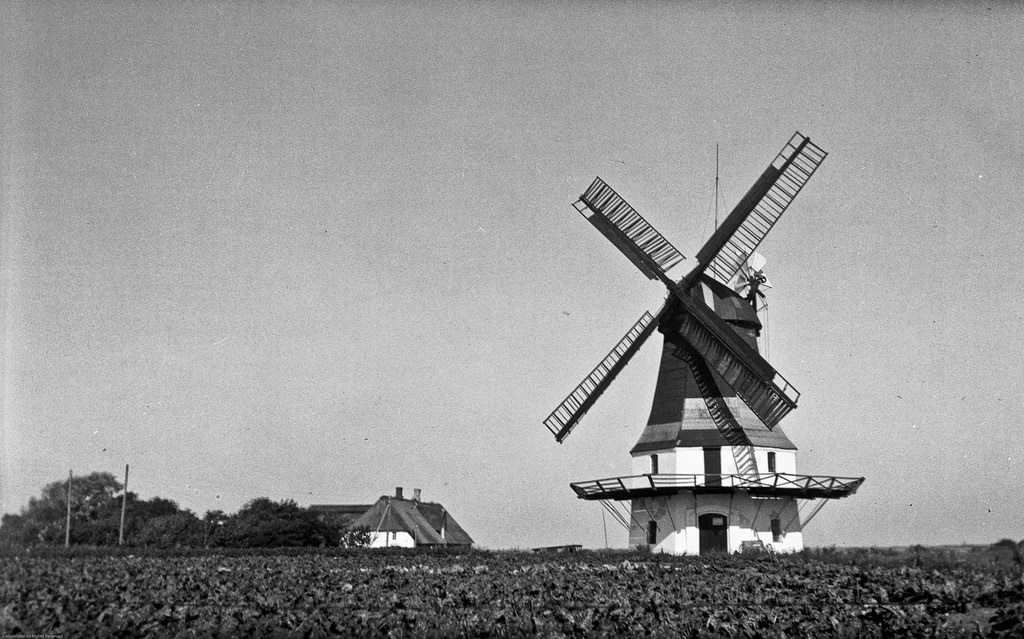
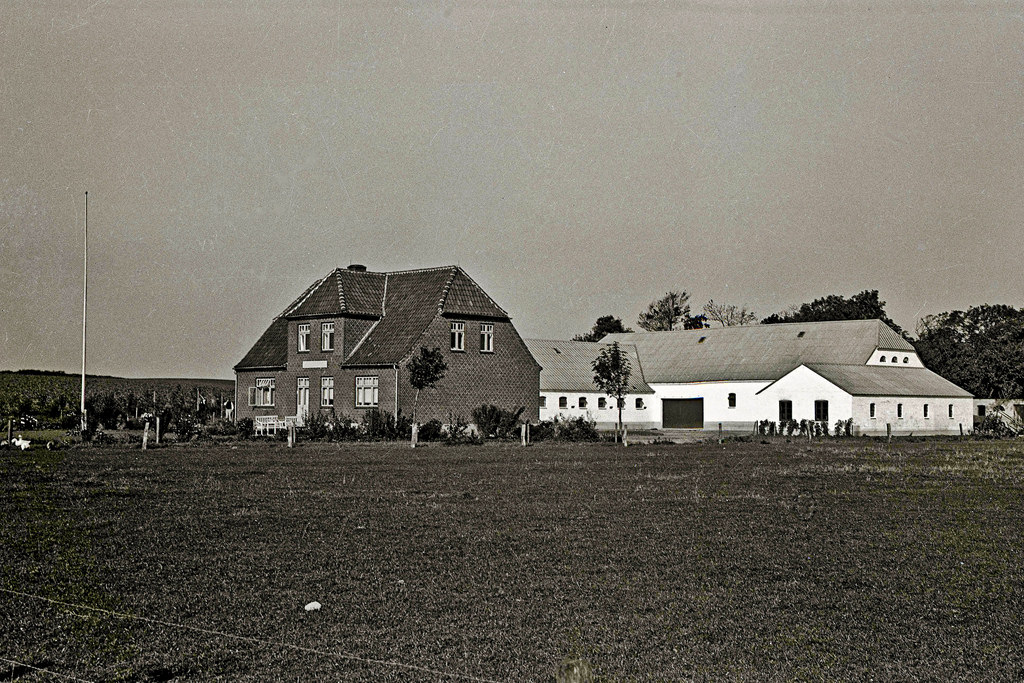
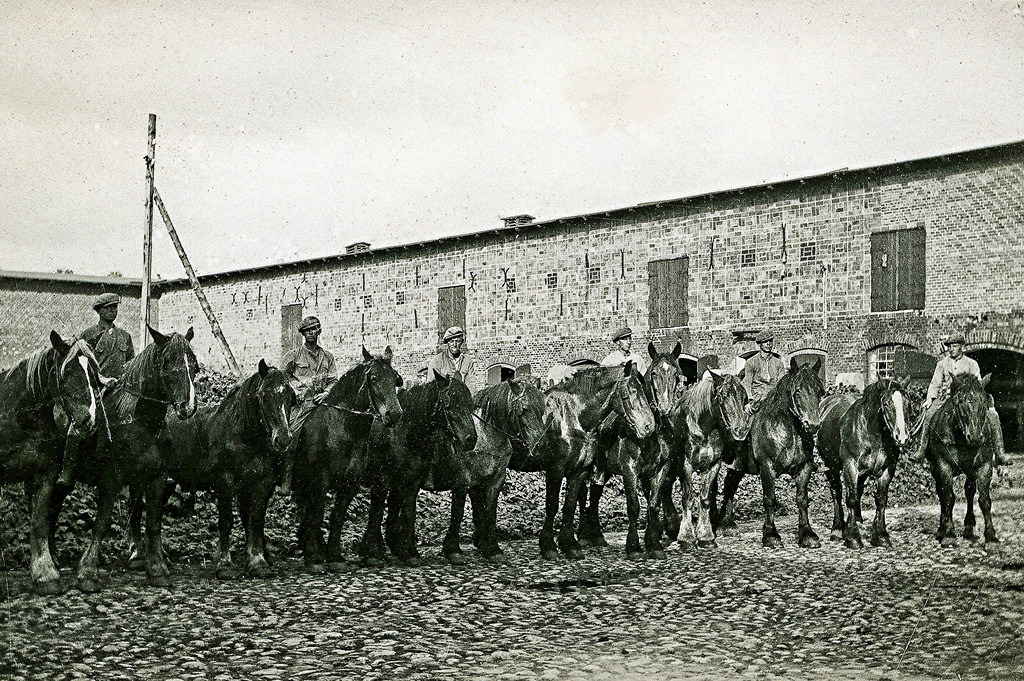
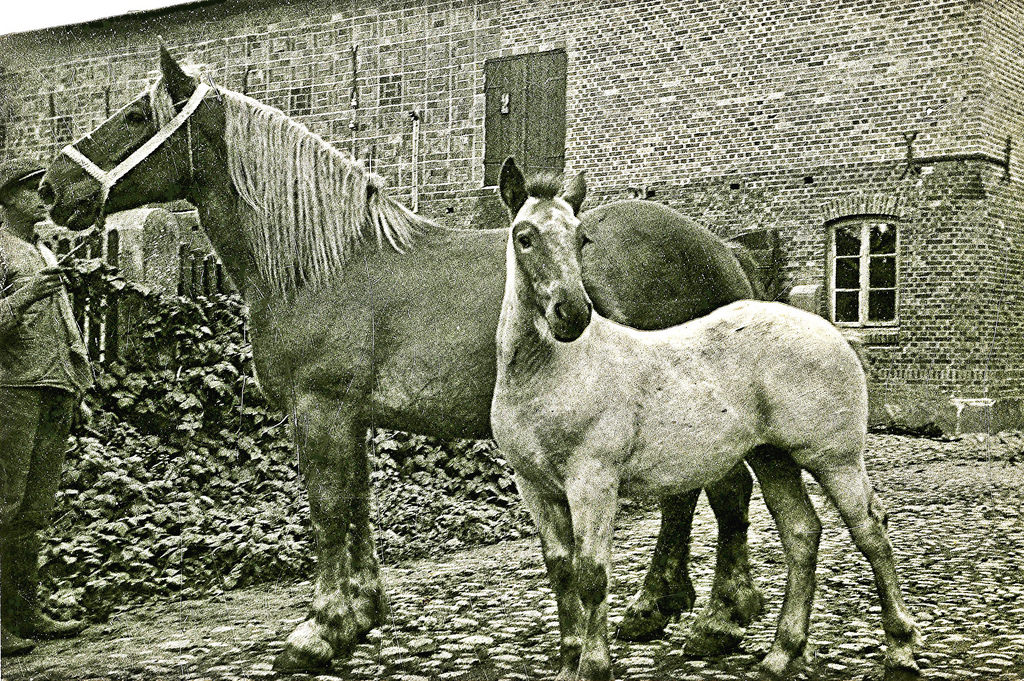
Outside the capital, the Danish countryside told a quieter story. Farms stretched across flat, green land. Farmhands worked the fields and tended to livestock, keeping up the agricultural traditions that had sustained Danish rural communities for generations. Horses were still a central part of farm work, used daily alongside the people who cared for them.
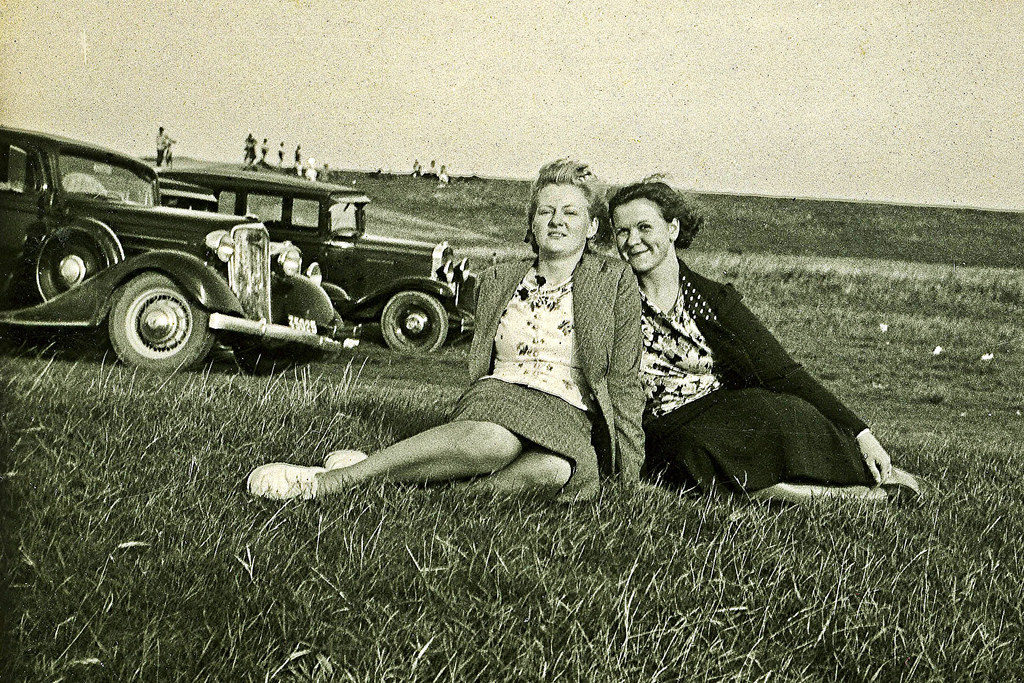
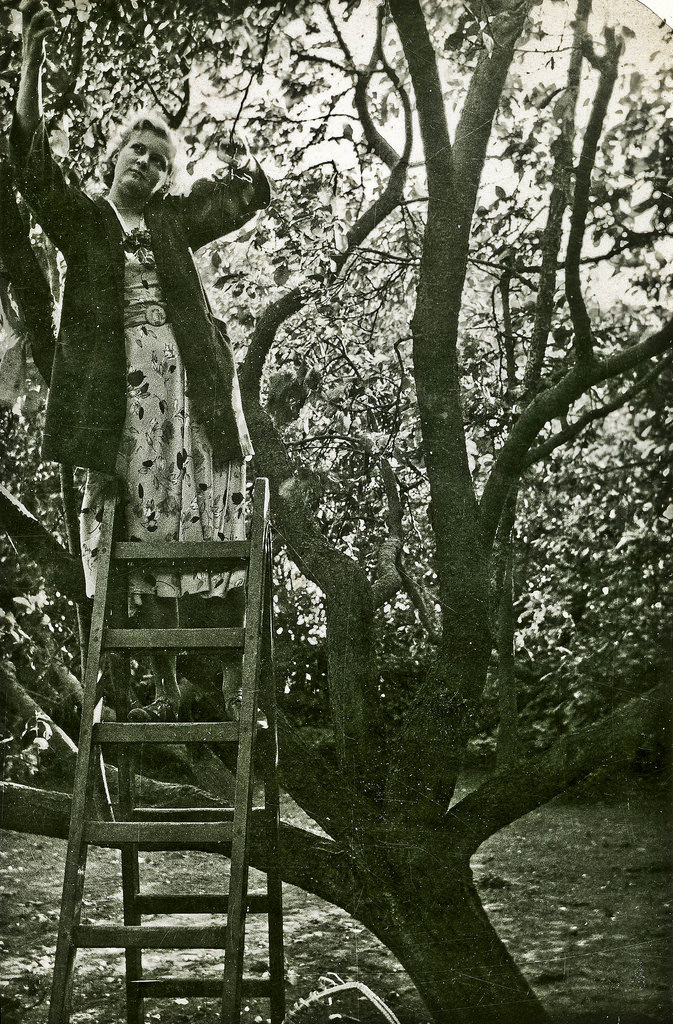
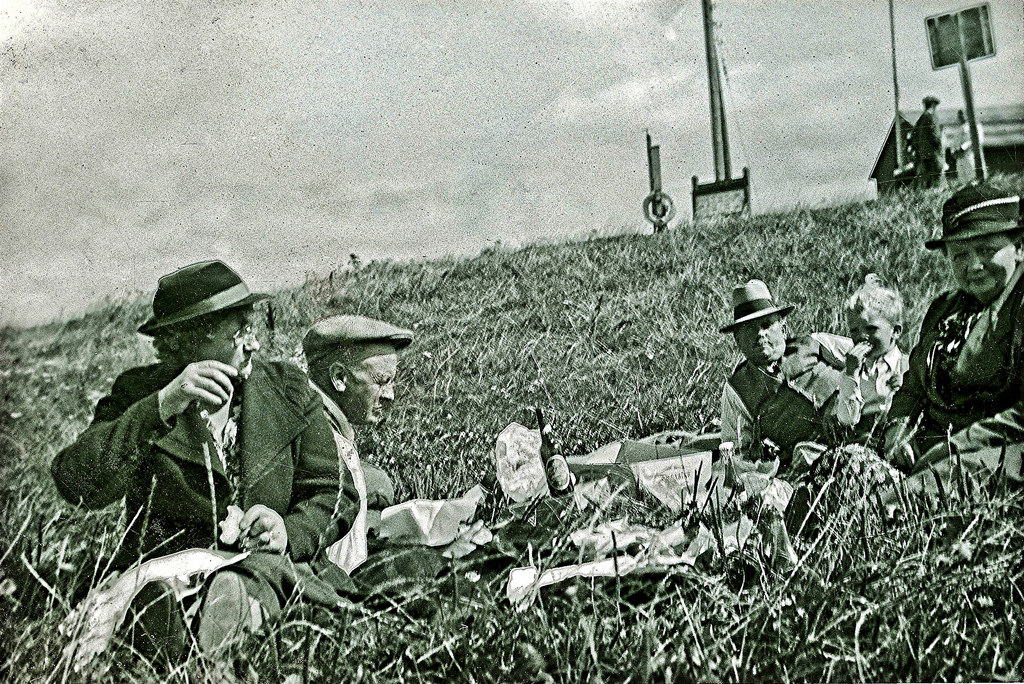
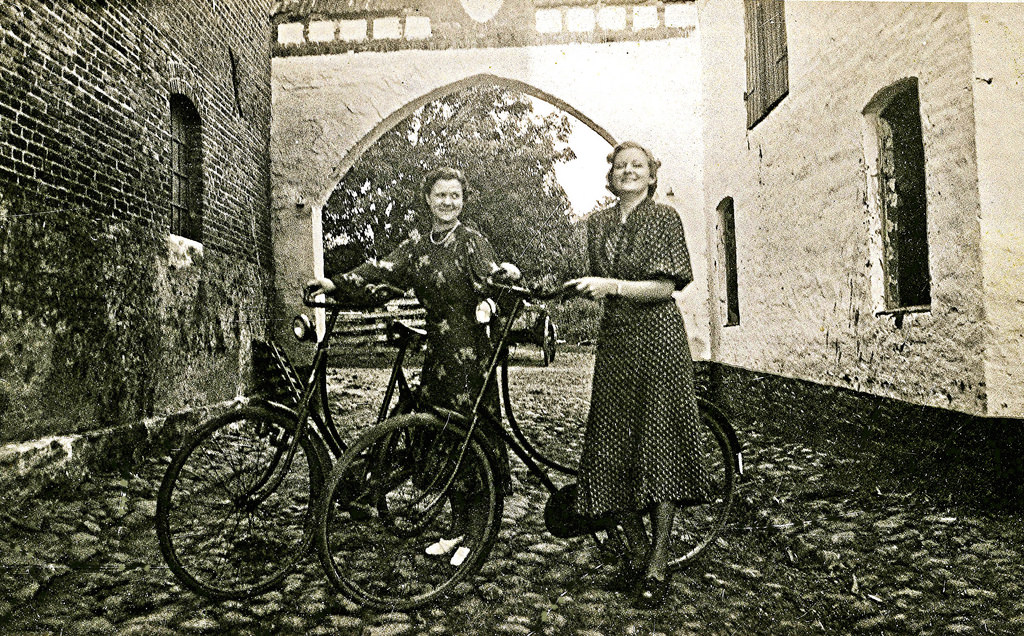
Rural life also had its leisure moments. Families spread out blankets in open fields for picnics, and women with bicycles gathered near farmhouses for conversation. Children picked fruit in garden orchards. These small, informal scenes made up the texture of everyday Danish life far from the city.
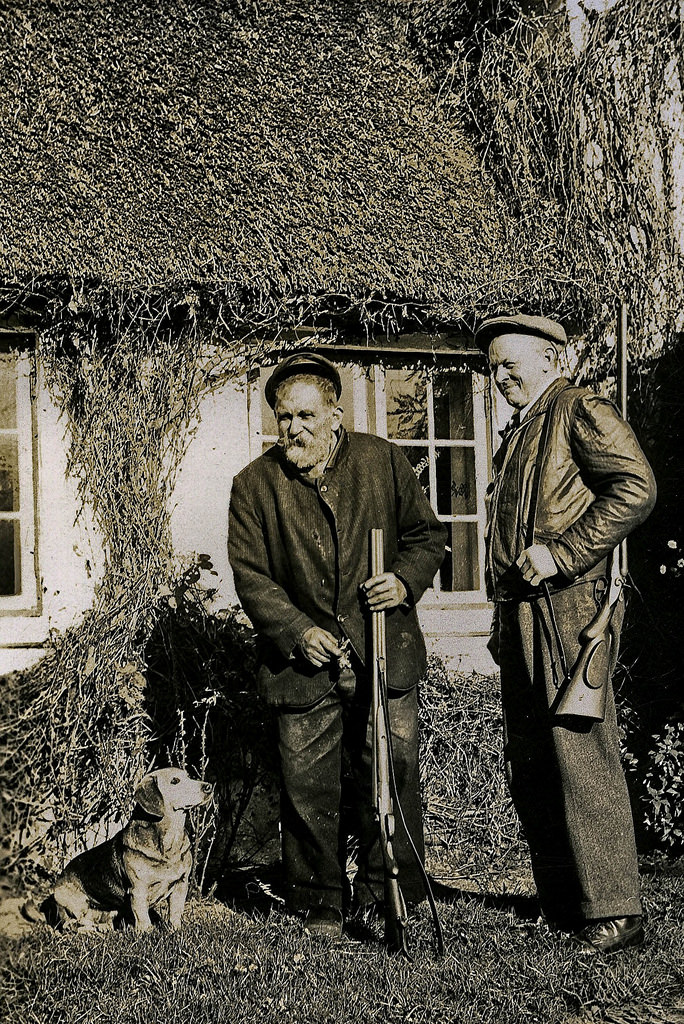
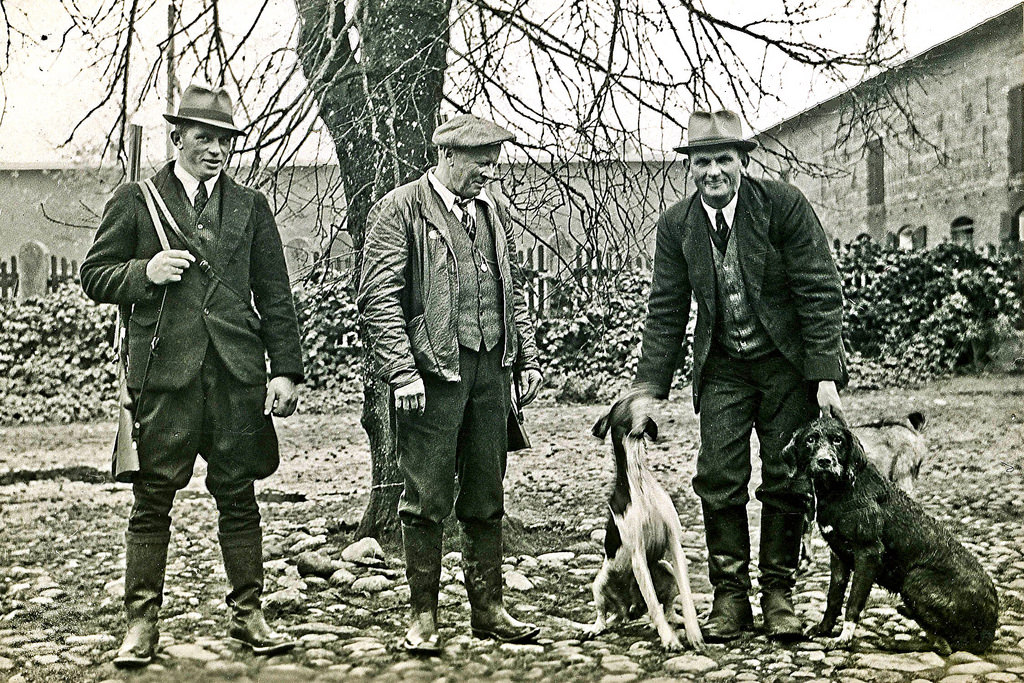
Hunting was another fixture of Danish rural culture. Groups of older men headed out with rifles and dogs, a pastime that had long been tied to the land and the seasons. Whether for sport or for food, hunting brought people together in the open countryside.
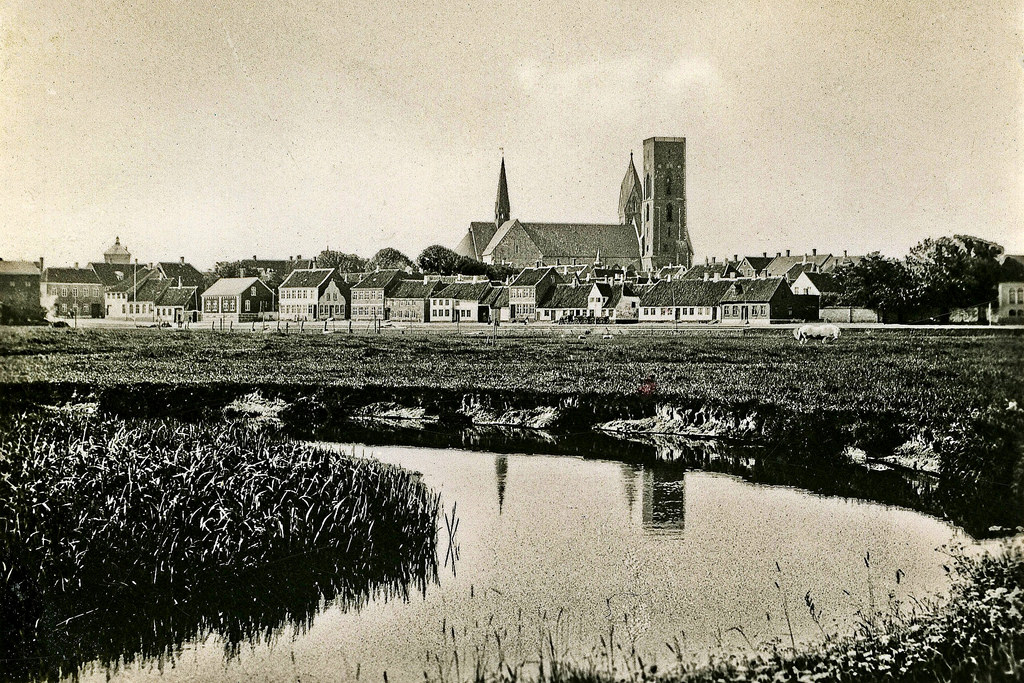
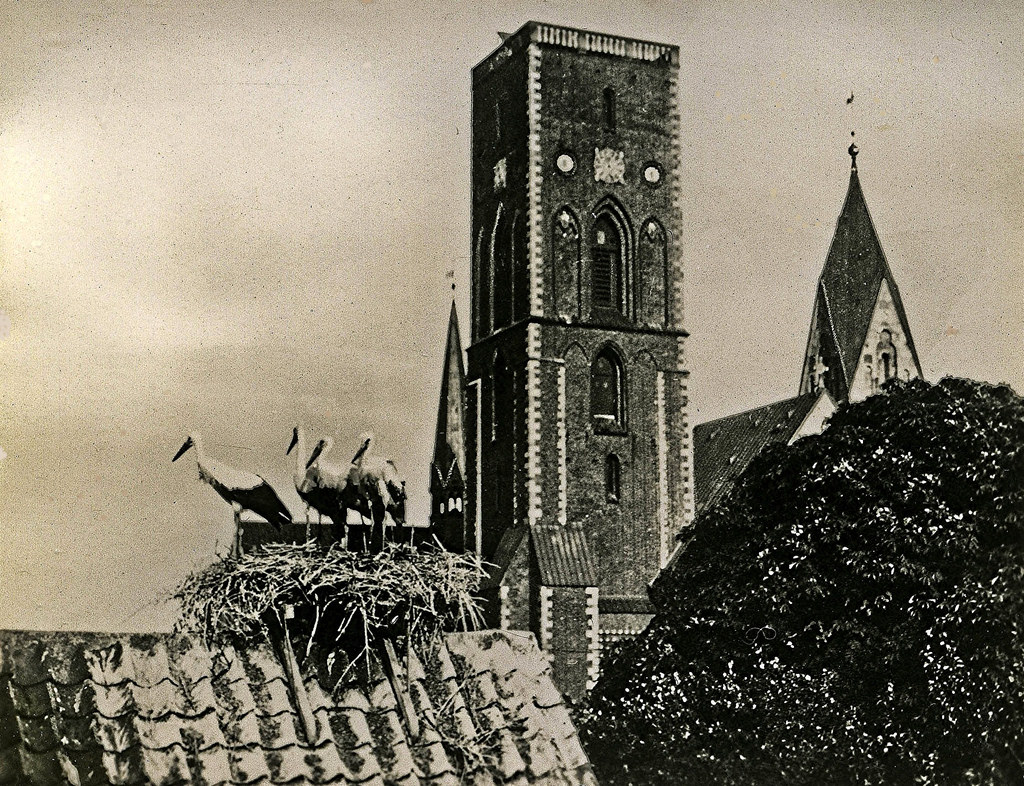
The ancient city of Ribe, located in western Denmark, is one of the oldest towns in Scandinavia. By 1937, its narrow medieval streets and old stone buildings had remained largely unchanged for centuries. Storks nested on rooftops — a sight Ribe had been known for since the Middle Ages. Views from the Domkirke cathedral tower stretched out over the flat western landscape, just as they had for hundreds of years.
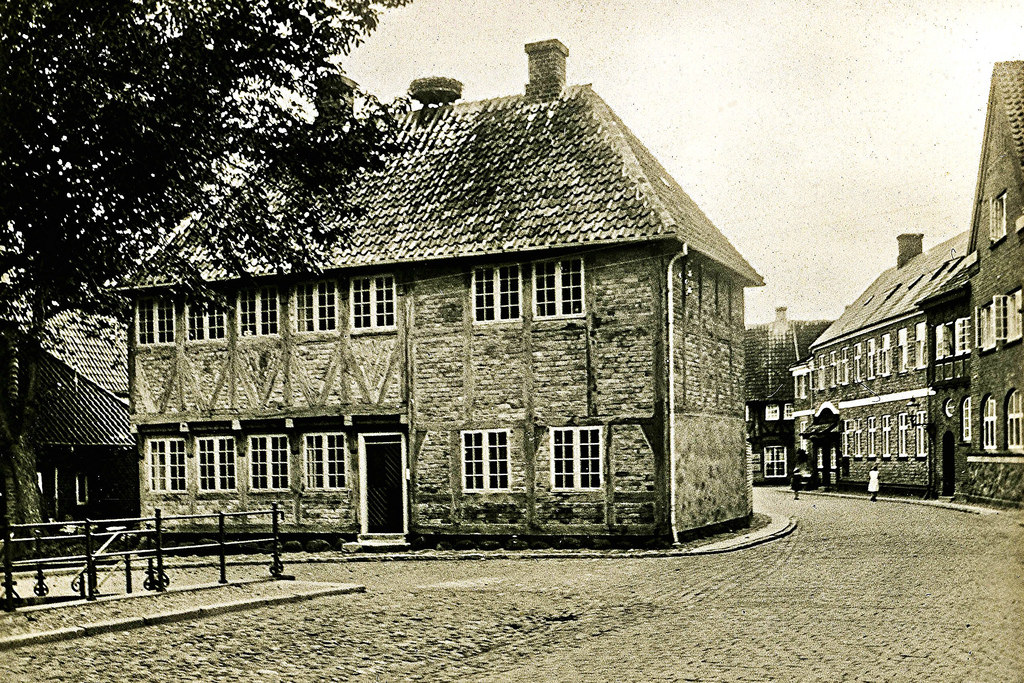
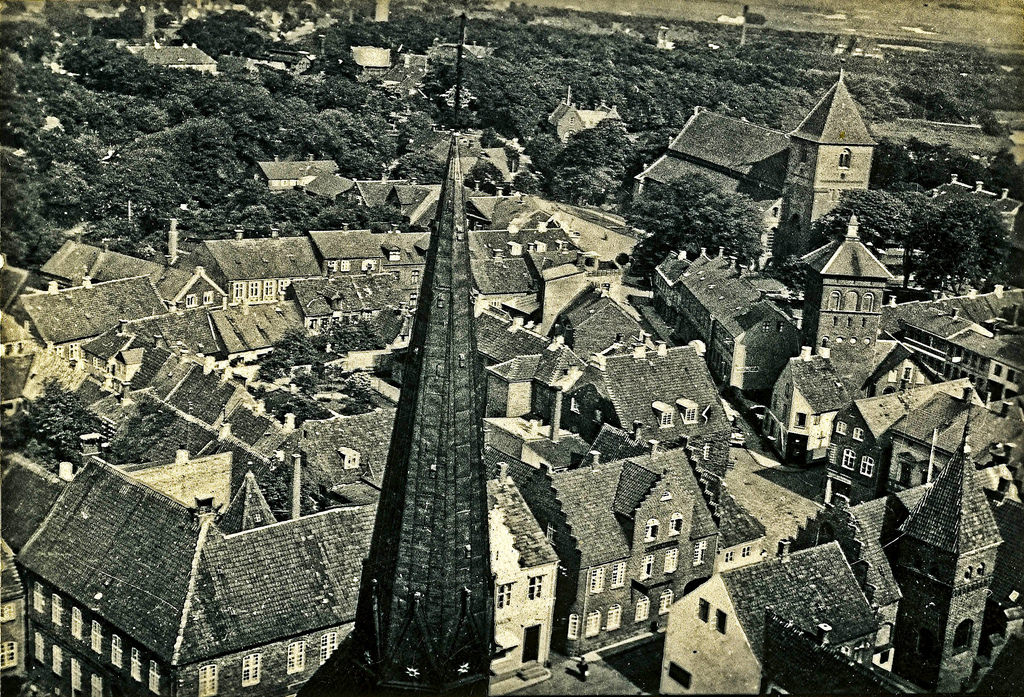
Up on the northern tip of Jutland, the coastal town of Skagen drew visitors to its shores and beaches. The North Sea and the Skagerrak meet just beyond Skagen’s sandy coastline, and in summer the beaches came alive with locals enjoying the water and the sun. The Badehotel — a traditional seaside hotel — offered accommodation to travelers passing through.
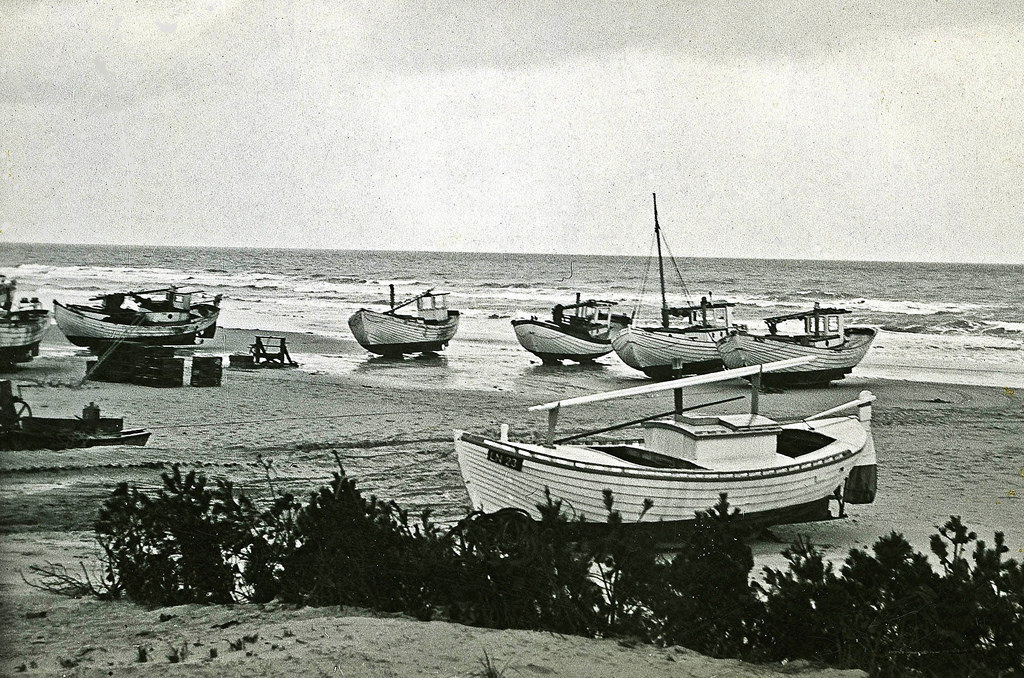
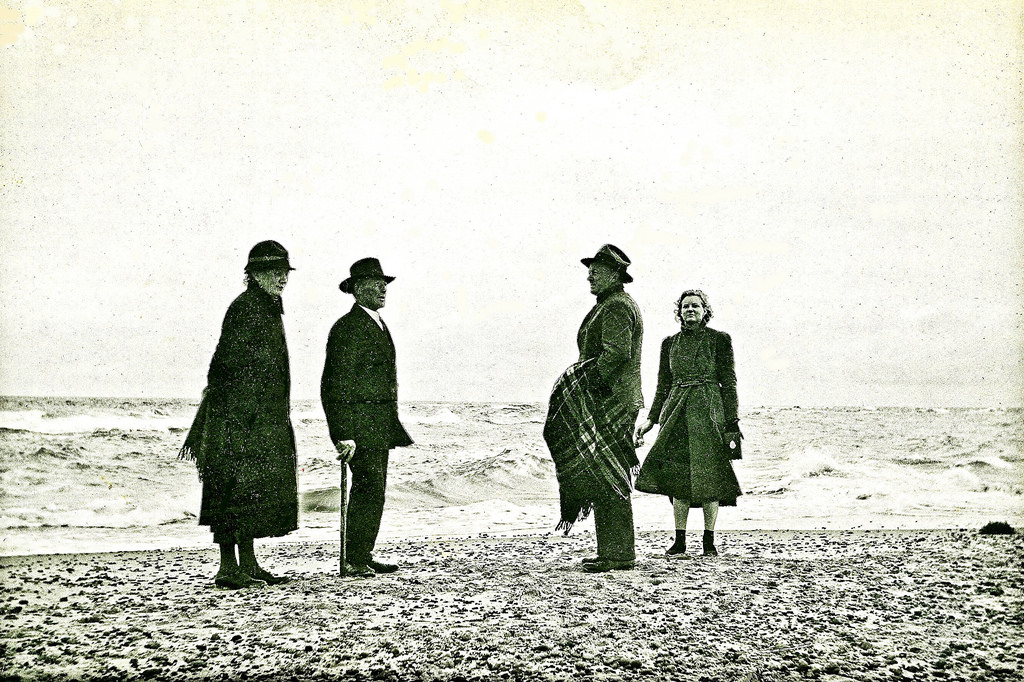
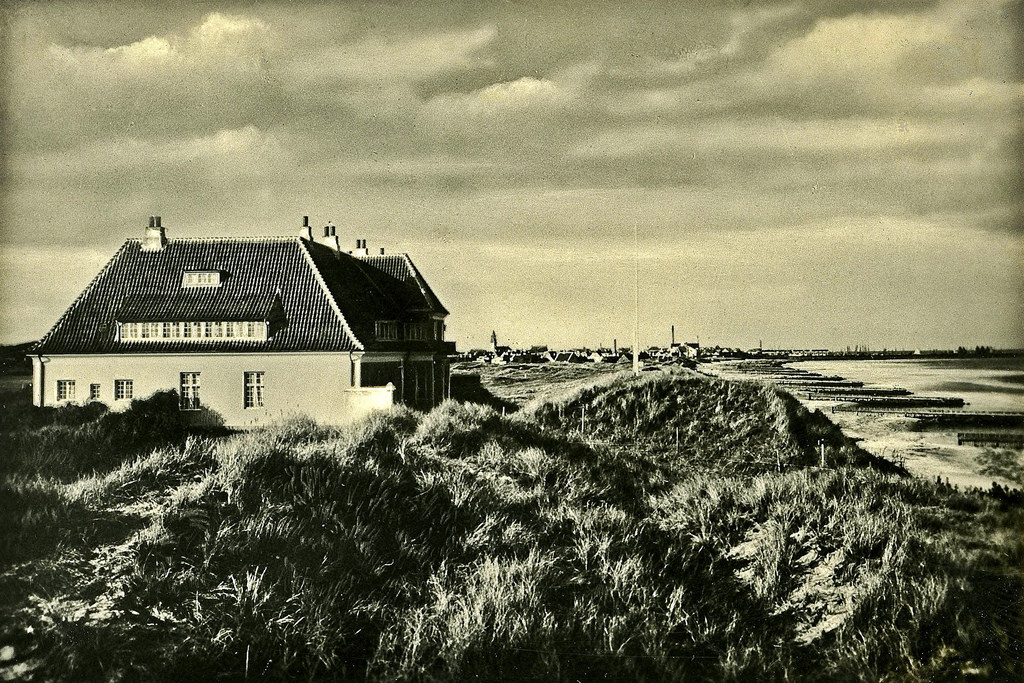
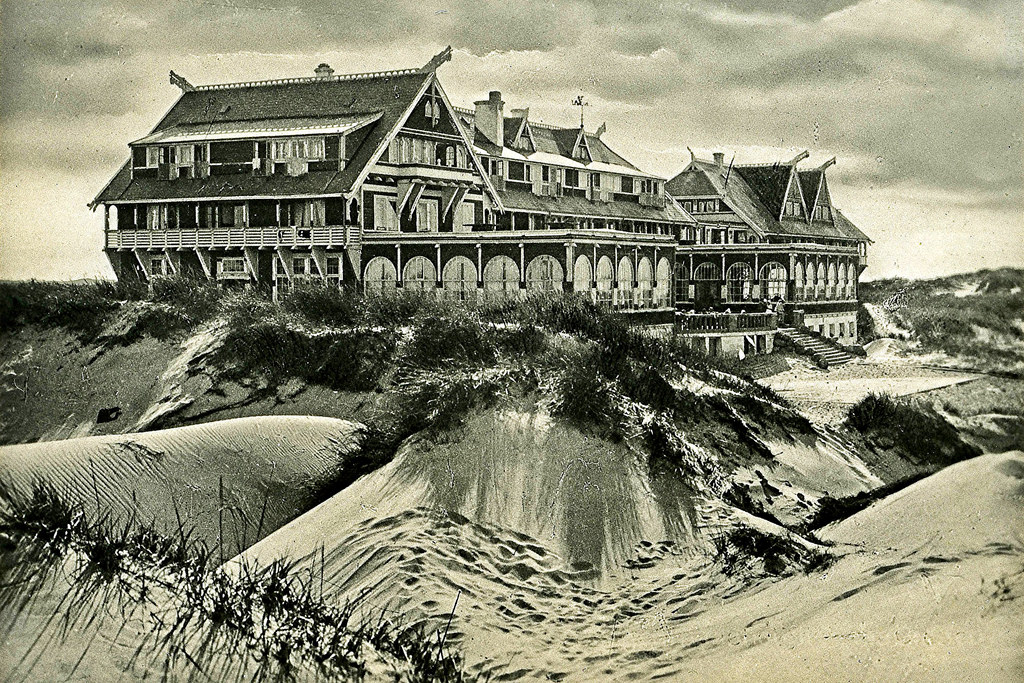
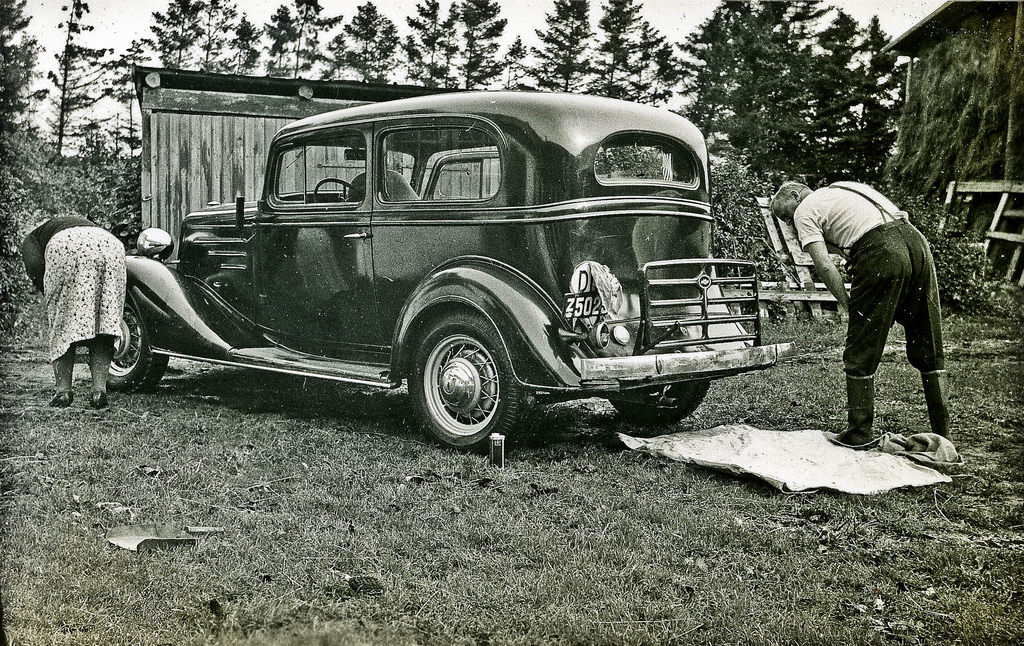
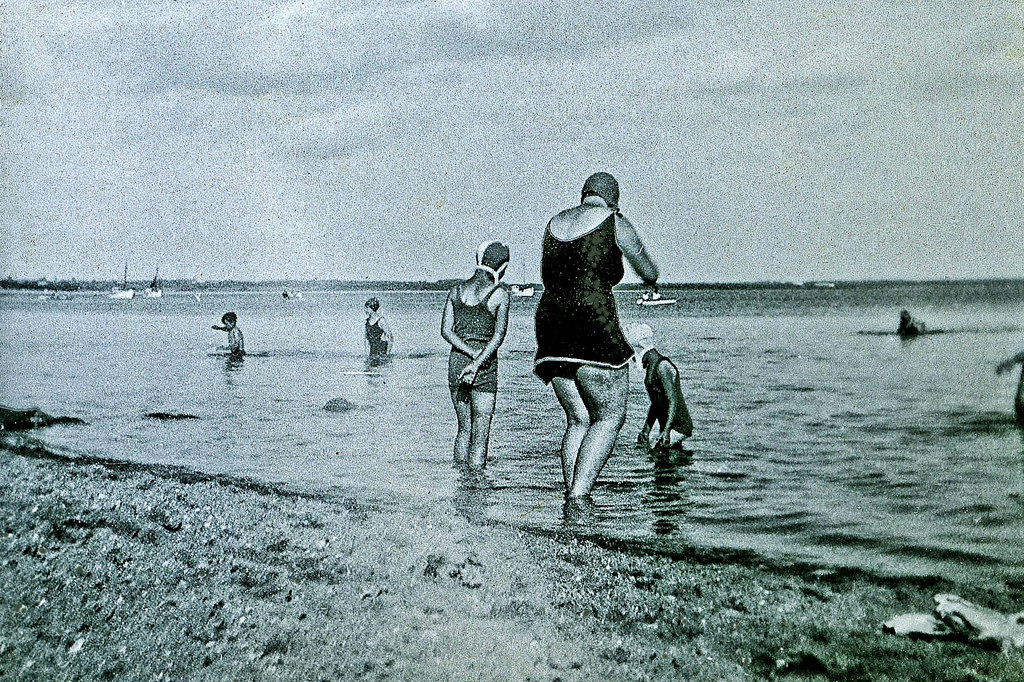
Other beaches across Denmark also saw families and groups spending time outdoors. People dressed in the fashions of the day — women in skirts and blouses, men in trousers and collared shirts — even at the water’s edge. The beach was a social space, not just a recreational one.
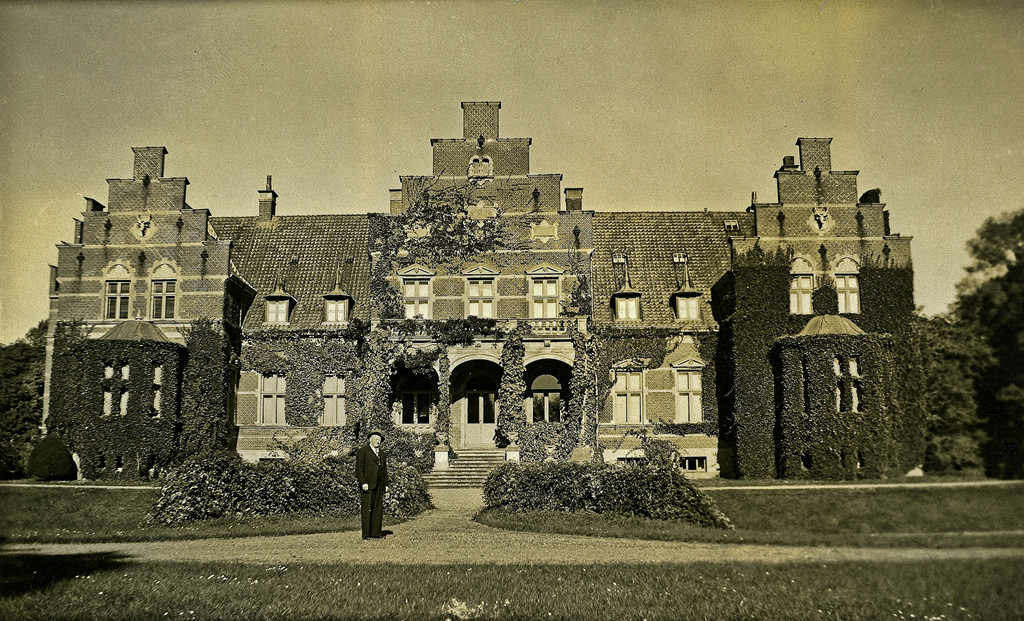
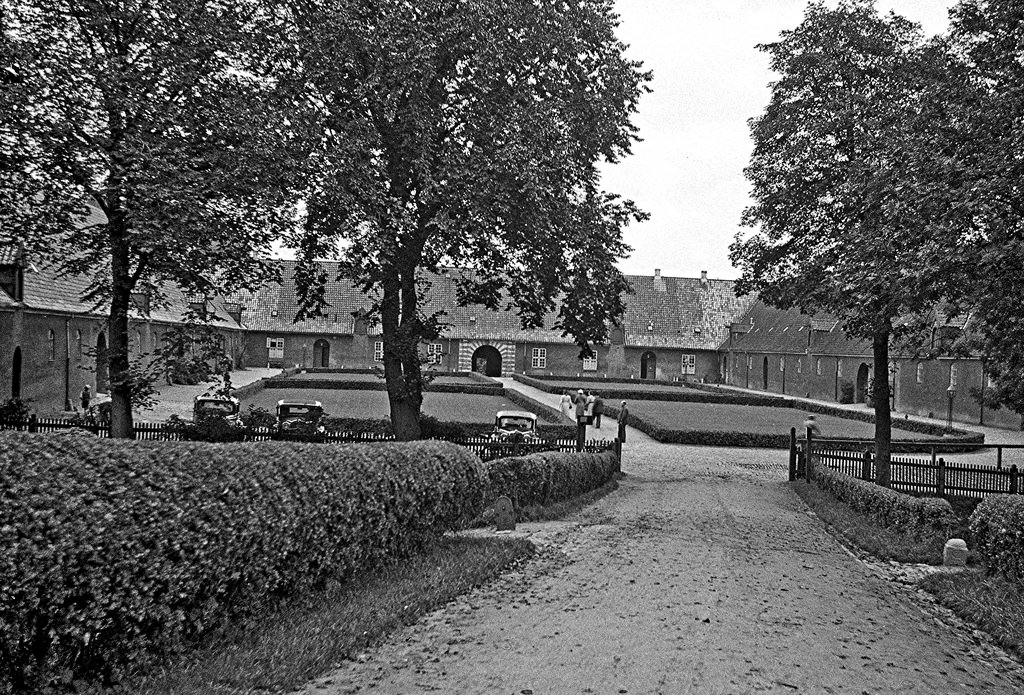
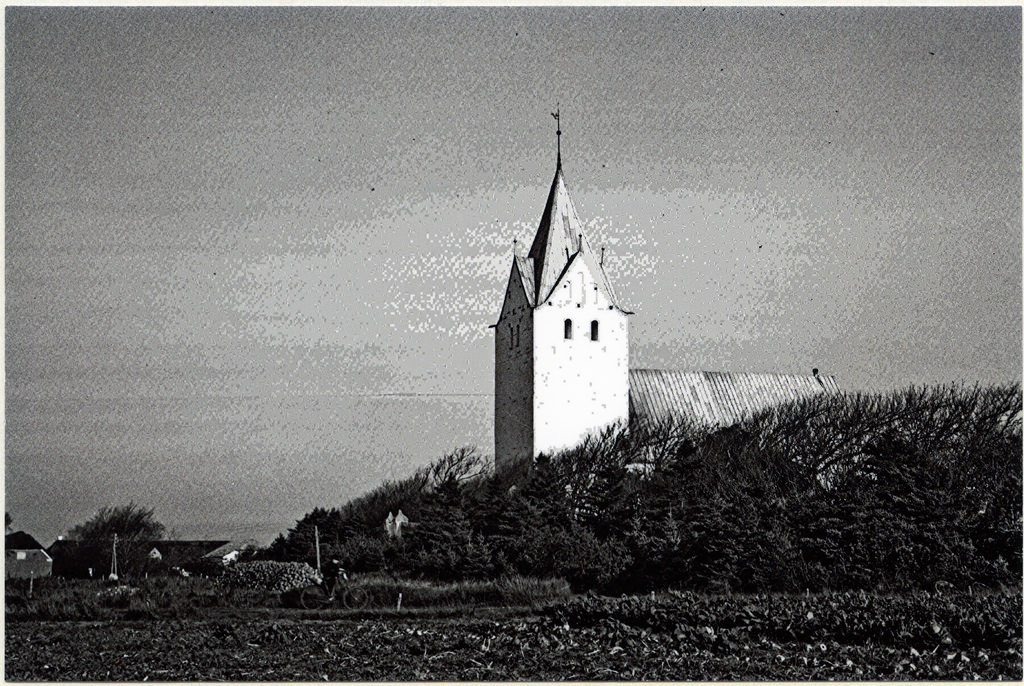
Historic manor houses and landmarks dotted the Danish landscape. Fuglsang Manor, with its grand estate grounds, reflected the enduring presence of aristocratic architecture in Denmark. Koldinghus, a historic castle in Kolding, still maintained a stable on its grounds. The old church buildings of western Denmark, some dating back to the Romanesque period, continued to serve their communities as they had for nearly a thousand years.
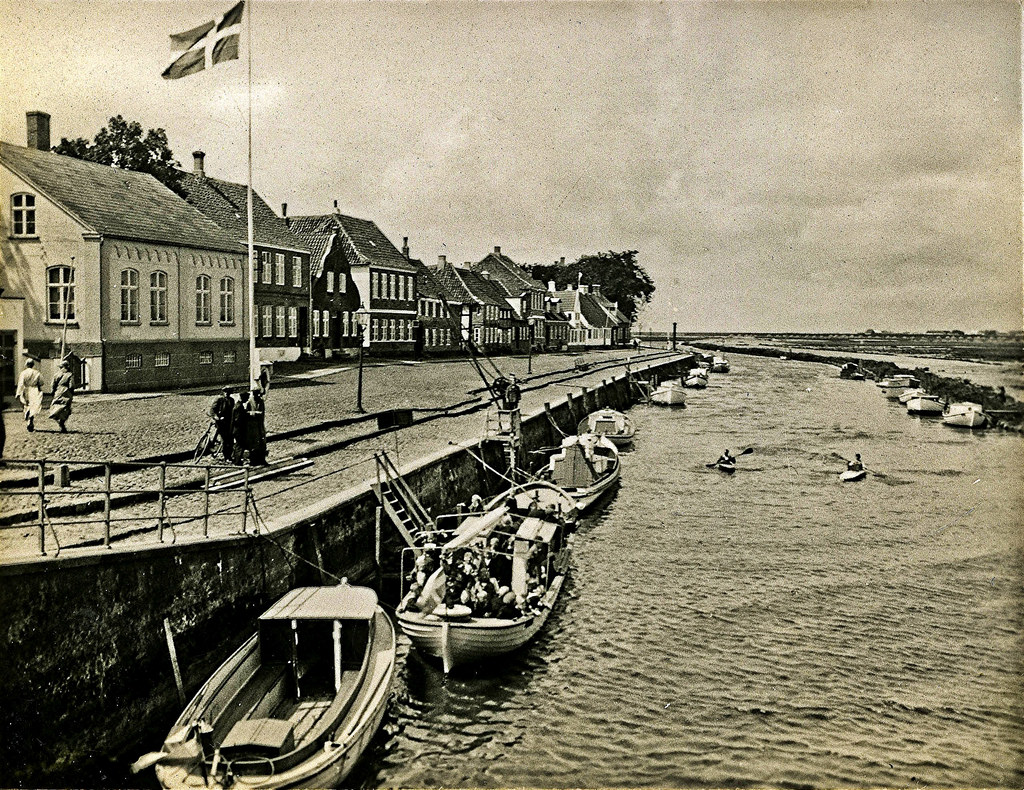
Canals wound through western Denmark’s towns and villages, their still water reflecting the surrounding buildings. Travel by ship was still common, with passengers boarding vessels that moved along Denmark’s extensive coastline and waterways. Two elderly women stood outside their home, posing for the camera with the ease of people entirely comfortable in their surroundings.