
Long before cameras existed, there was only one way to preserve exactly what a person’s face looked like after they died — press a mold against it. Death masks were created by applying wax, plaster, or clay directly onto the face of a deceased person. Once the material dried and hardened, it was carefully removed, leaving behind a precise physical record of that person’s features. The process sounds simple, but the results were powerful. For centuries, these masks were the closest thing to a photograph the world had.
The tradition is ancient. In Egypt, funeral masks were part of the mummification process, made to honor the dead and guide the soul. Across Europe and beyond, the practice continued well into the 19th century. The method rarely changed: the corpse’s face was lubricated or covered with a thin layer of gauze to protect the skin, then the molding material was applied. After it set, the mask was lifted away — a frozen, permanent impression of the deceased.
There were actually two types of face masks created in this tradition. A “life mask” was made while the subject was still alive, and artists and sculptors used these to study and accurately reproduce a person’s real features. A “death mask,” made after death, served a different purpose — it was an act of memorialization. Both types were considered an honor, and having one made was typically reserved for prominent figures: musicians, poets, military leaders, philosophers, and heads of state.
Austrian composer Gustav Mahler died in 1911, and a death mask was taken to preserve his likeness for posterity.
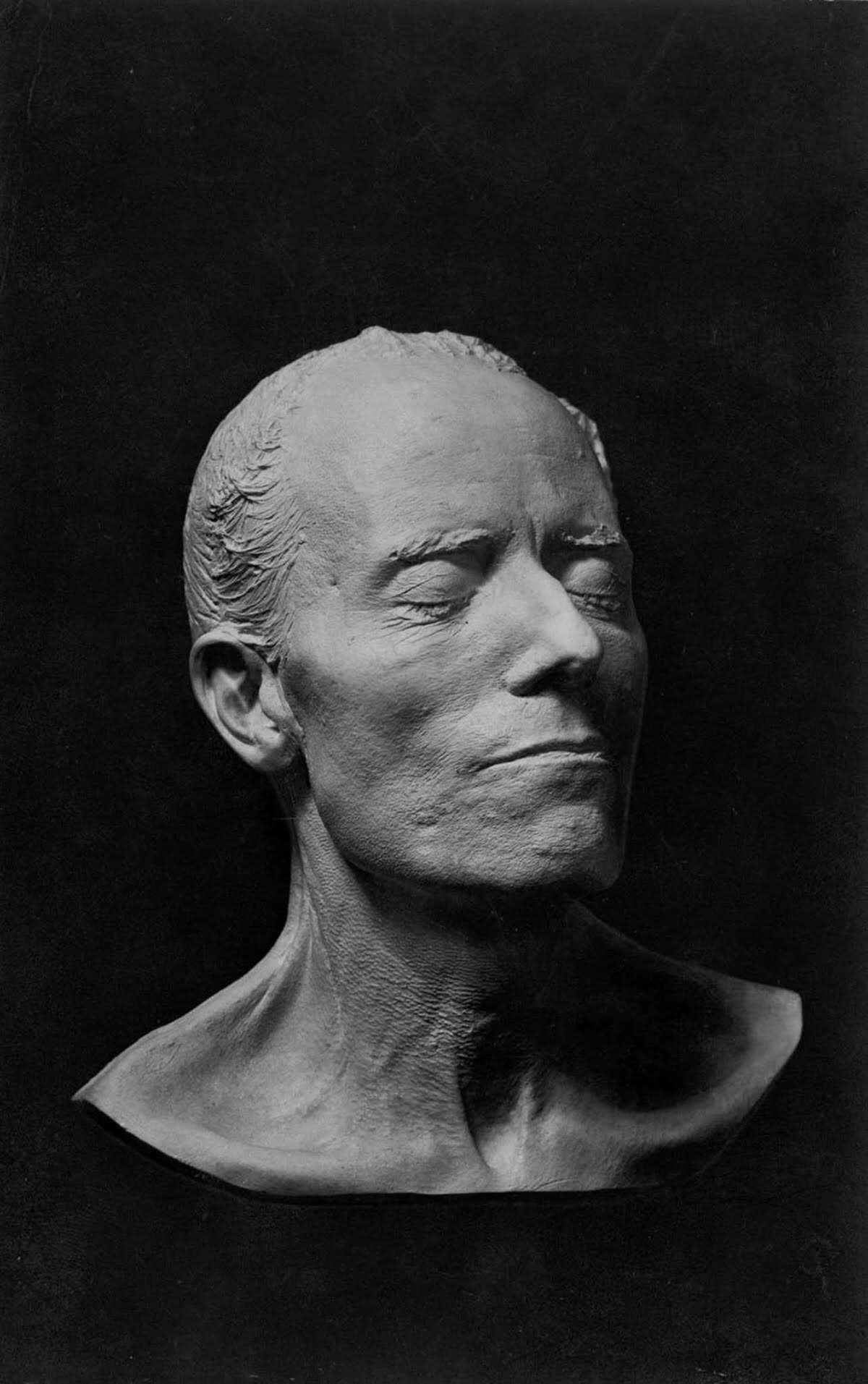
Among the most celebrated scientists ever to have a death mask made was Sir Isaac Newton, who died in 1727. His mask remains one of the earliest surviving examples tied to a major scientific figure.
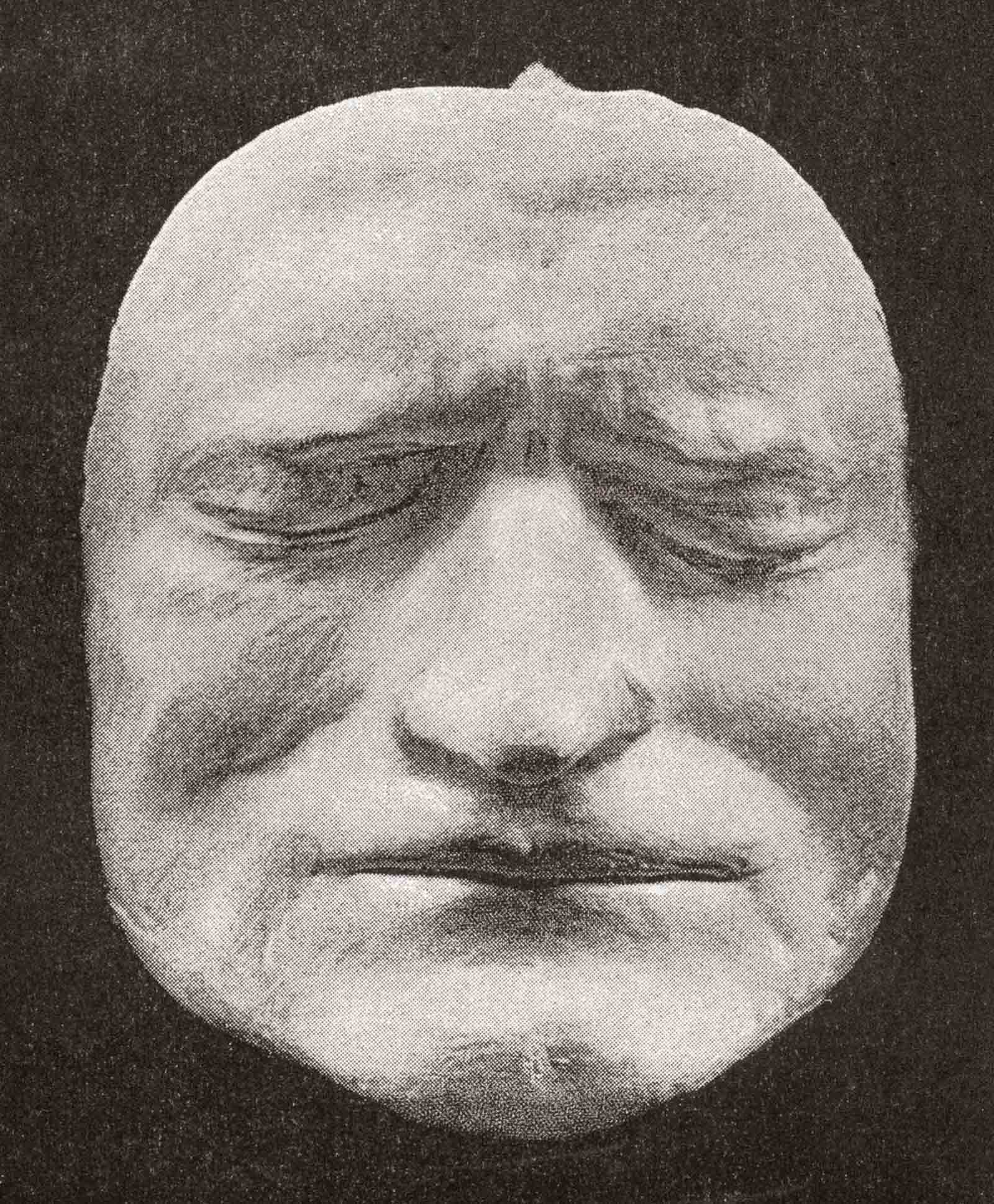
Admiral Horatio Nelson, the British naval hero who died at the Battle of Trafalgar in 1805, also had his face cast after death. His mask was made aboard the ship that carried his body back to England.
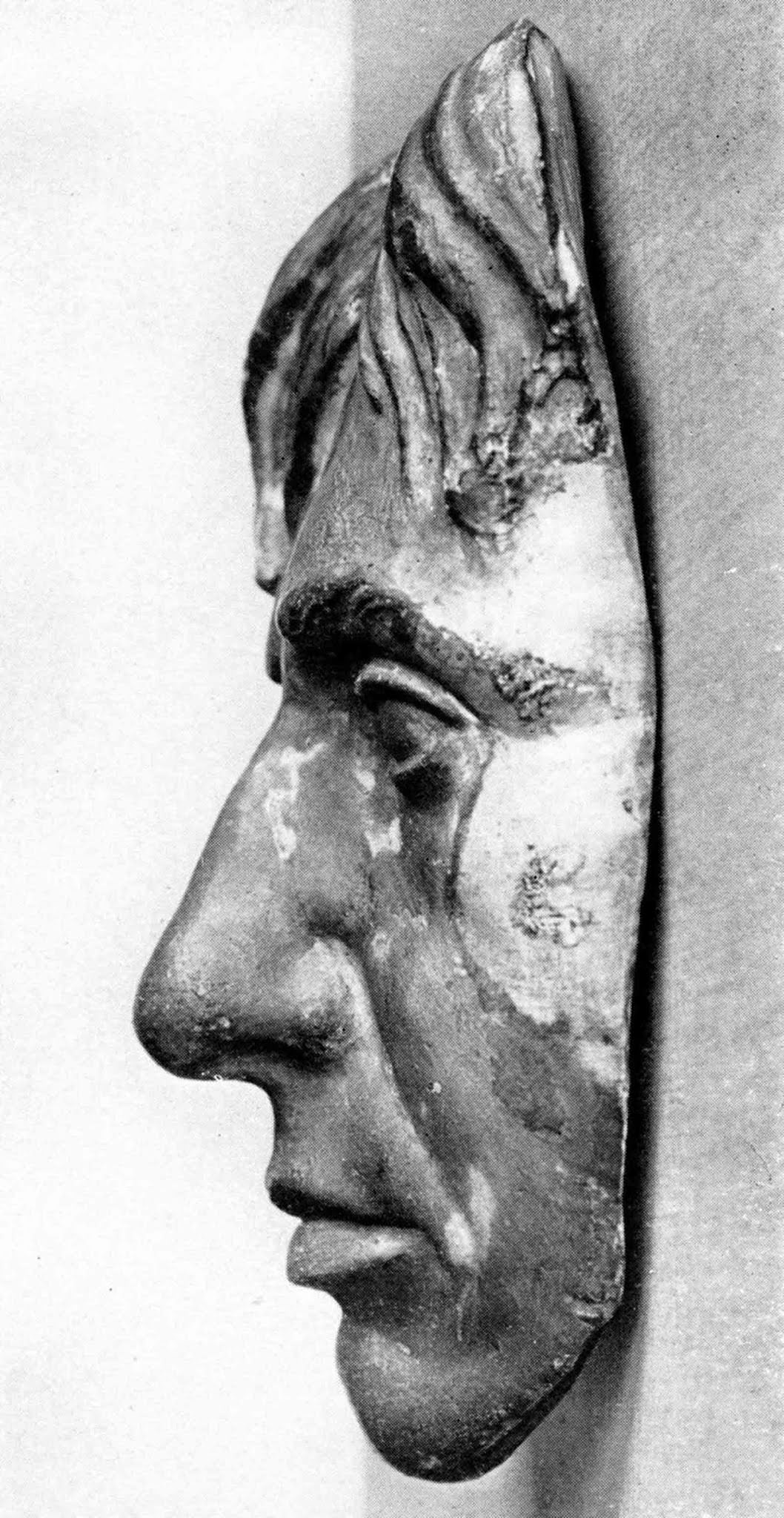
One of the most debated death masks in history is the one believed to belong to William Shakespeare. Since no confirmed portraits of Shakespeare made during his lifetime survive, this mask has been the subject of intense scrutiny by scholars for generations.
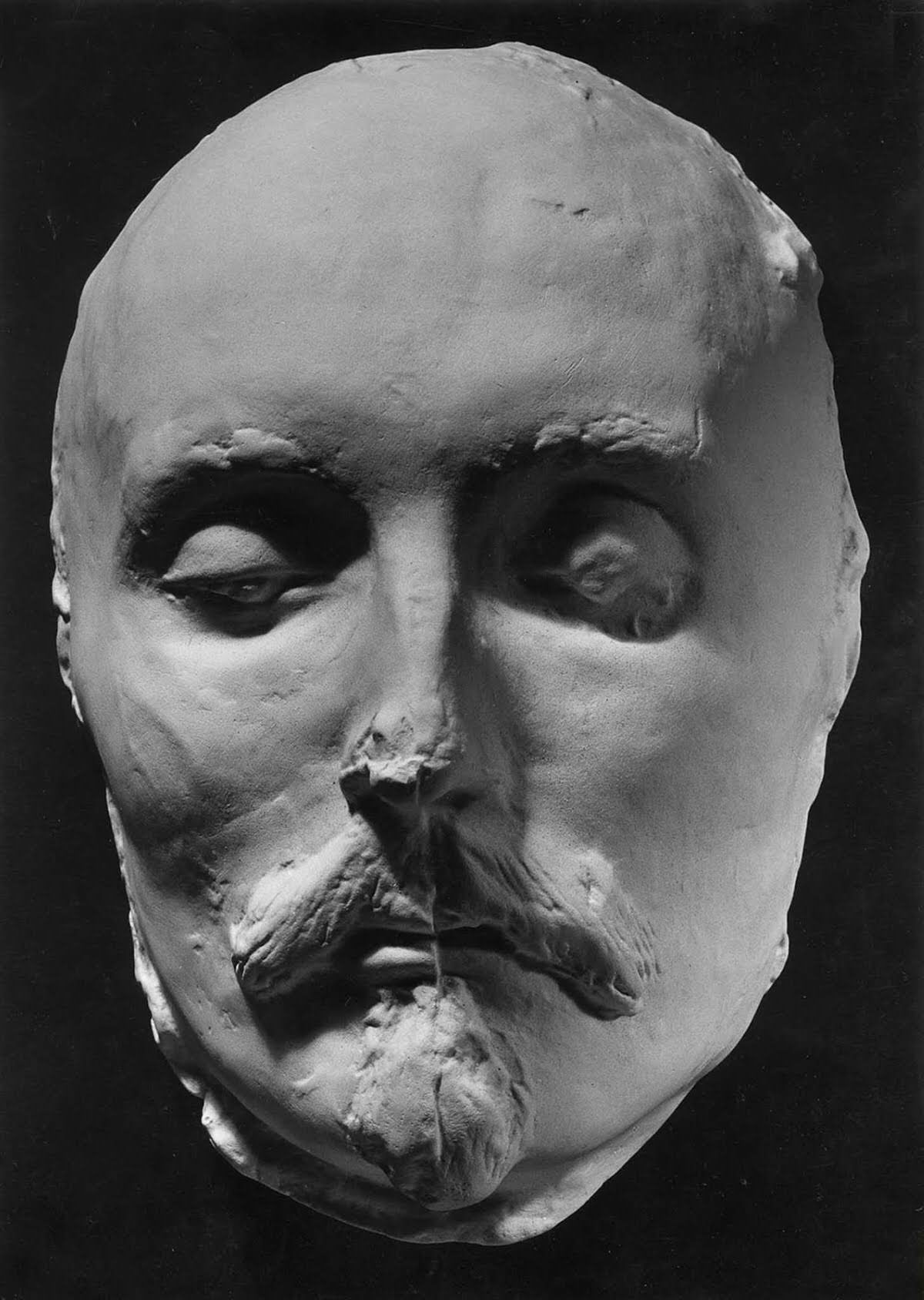
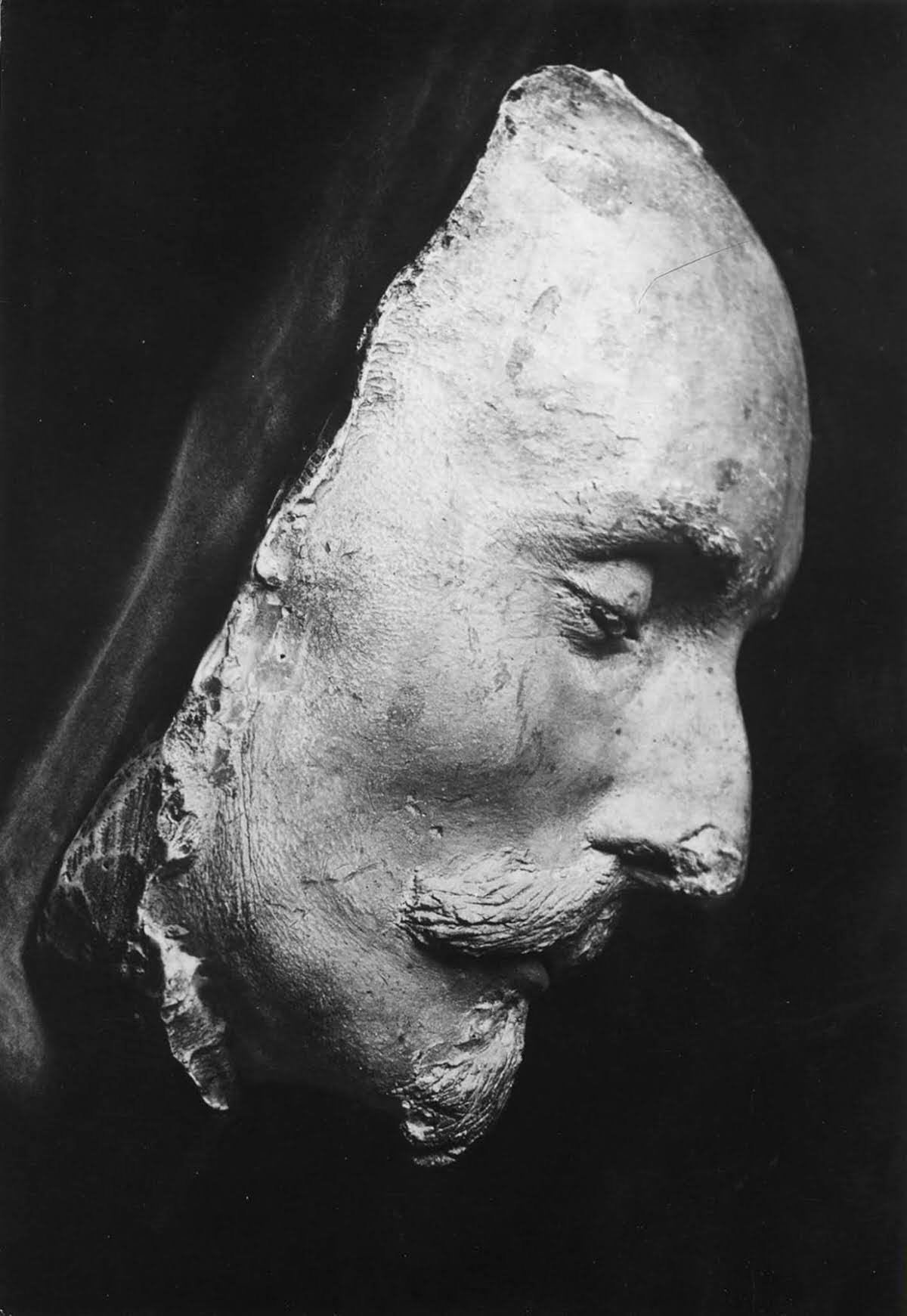
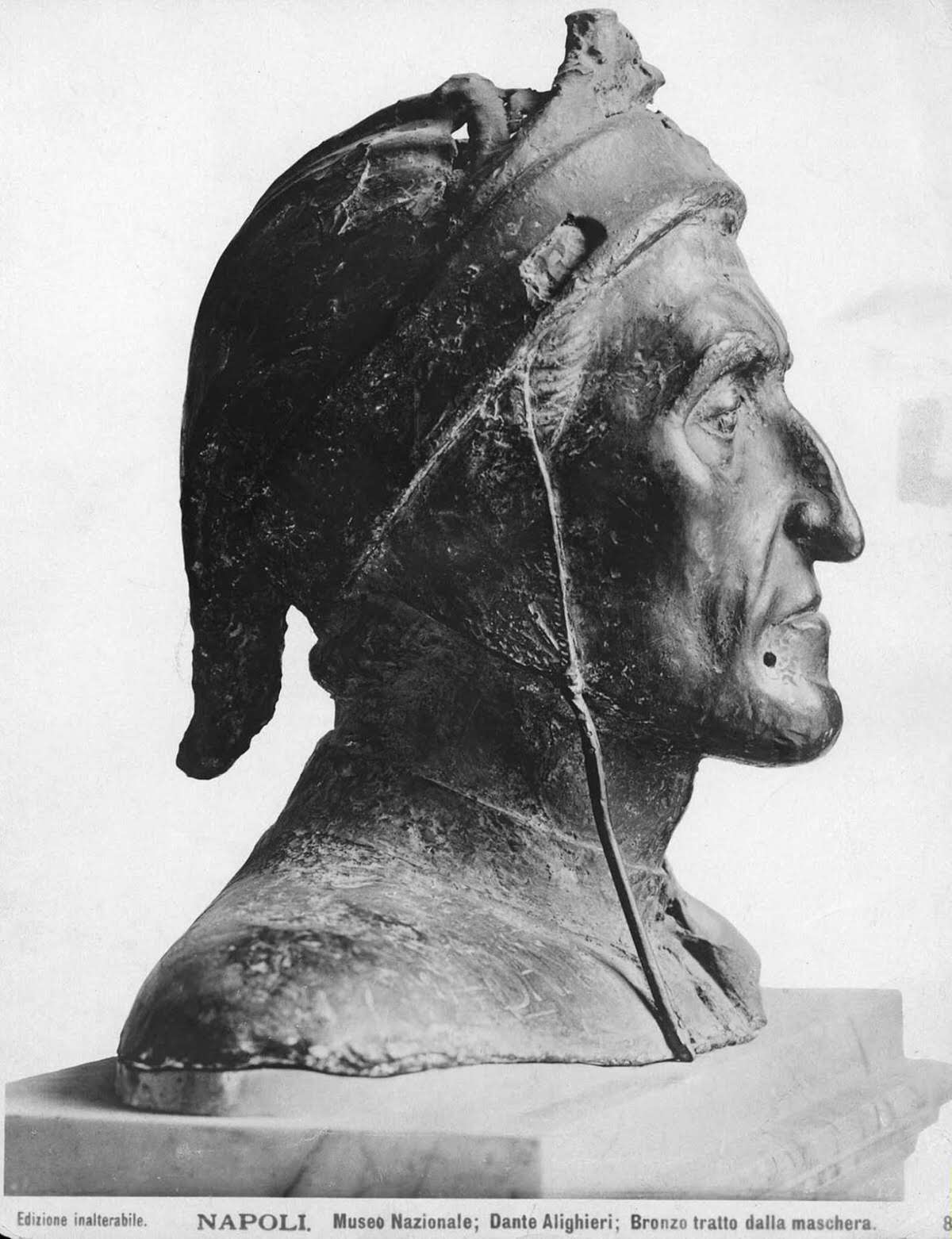
The Italian poet Dante Alighieri, best known for writing the Divine Comedy, died in 1321. His death mask is one of the oldest surviving examples of the form and has been studied and reproduced countless times.
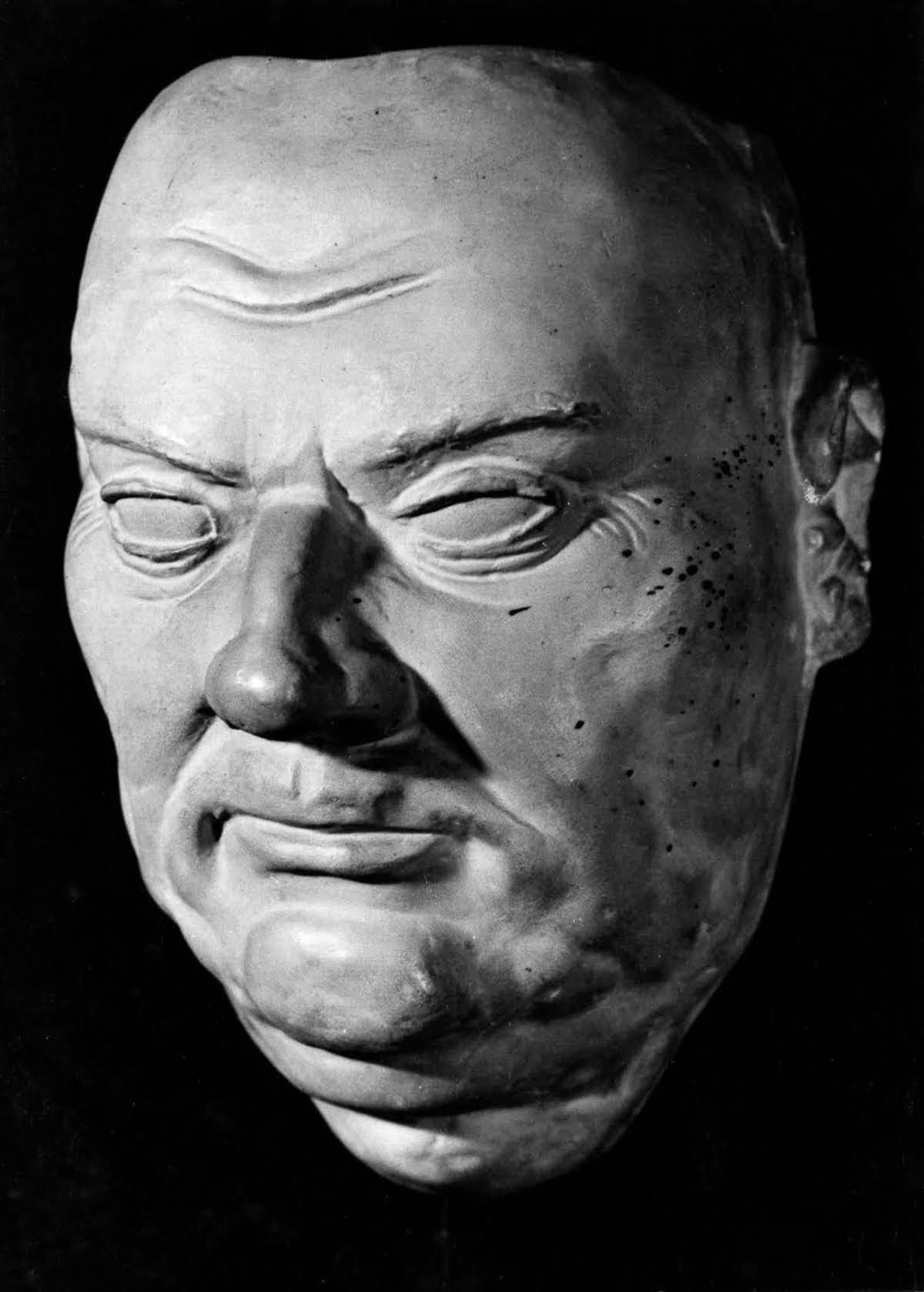
Martin Luther, the German theologian whose writings triggered the Protestant Reformation, died in 1546. His death mask survives and is among the most historically significant religious artifacts of the early modern period.
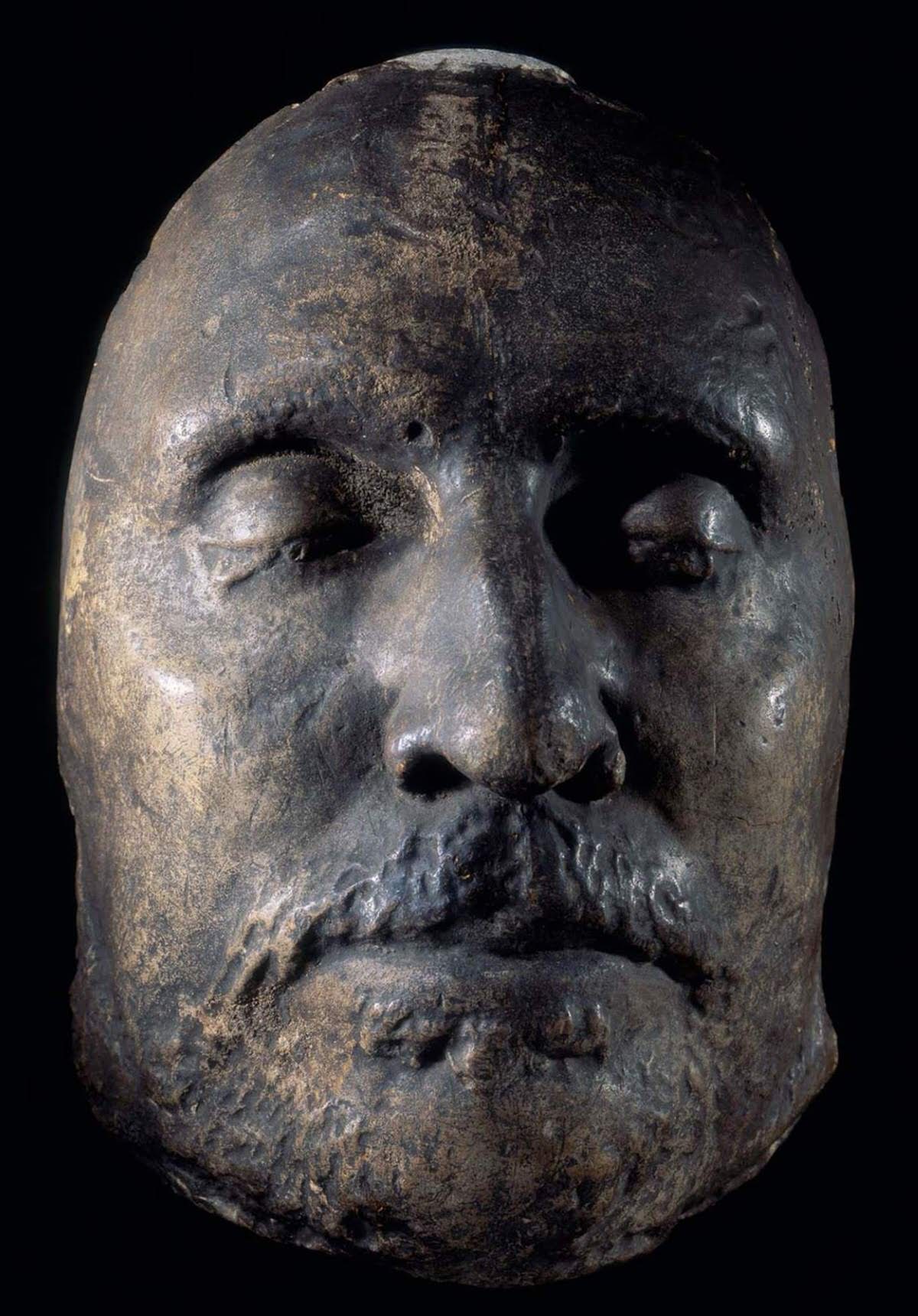
Oliver Cromwell, who ruled England as Lord Protector after the execution of King Charles I, had a death mask created when he died in 1658. Cromwell’s face is one of the best-documented of any English ruler from that era.
Ludwig van Beethoven had not one but two masks made — a life mask created in 1812 and a death mask taken in 1827. Both have survived and together give an unusually complete record of how his face changed over 15 years.
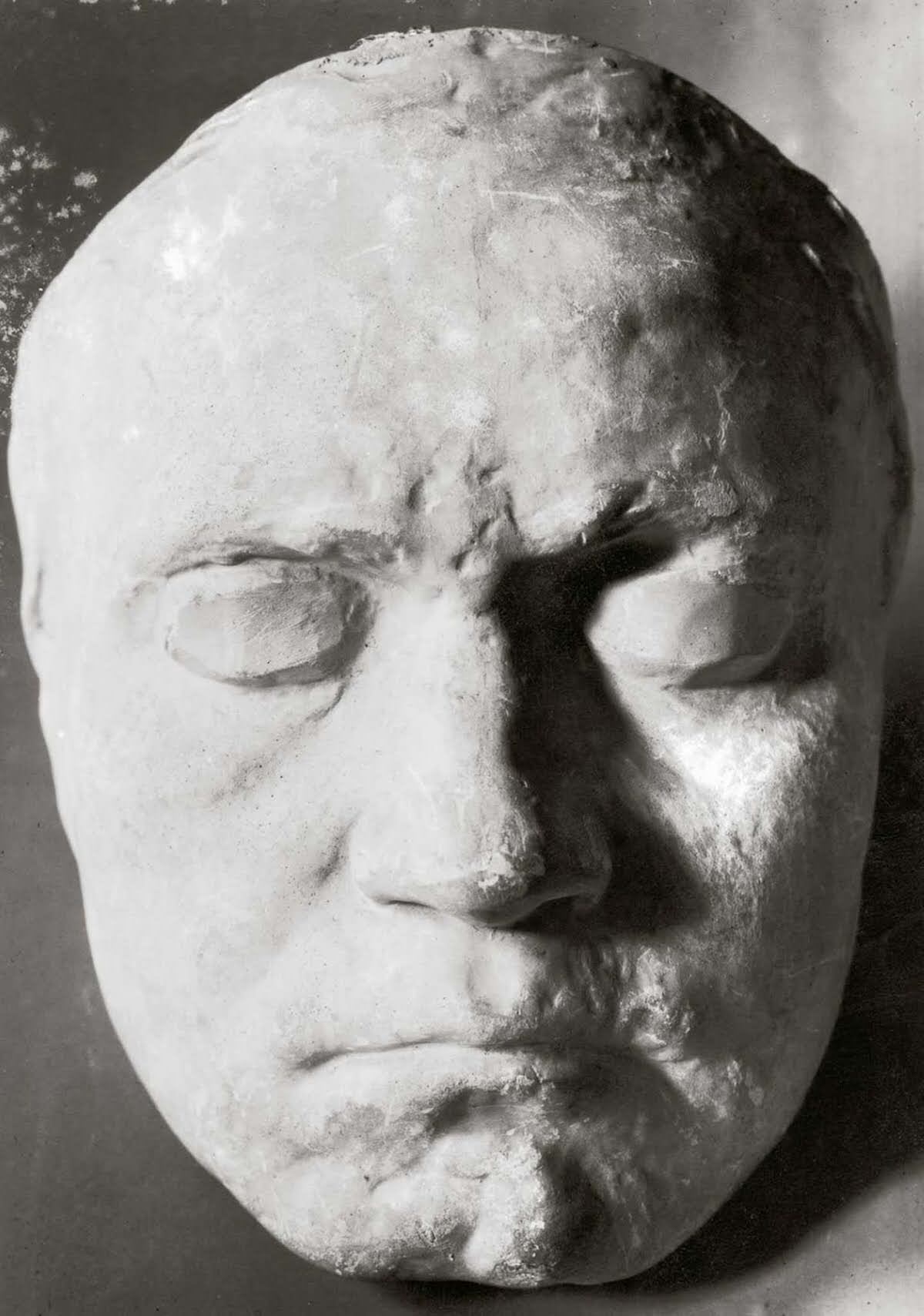
The Romantic poet John Keats died at just 25 years old in Rome in 1821, likely from tuberculosis. His death mask was made shortly after his death and is now held at the Keats-Shelley House in Rome.
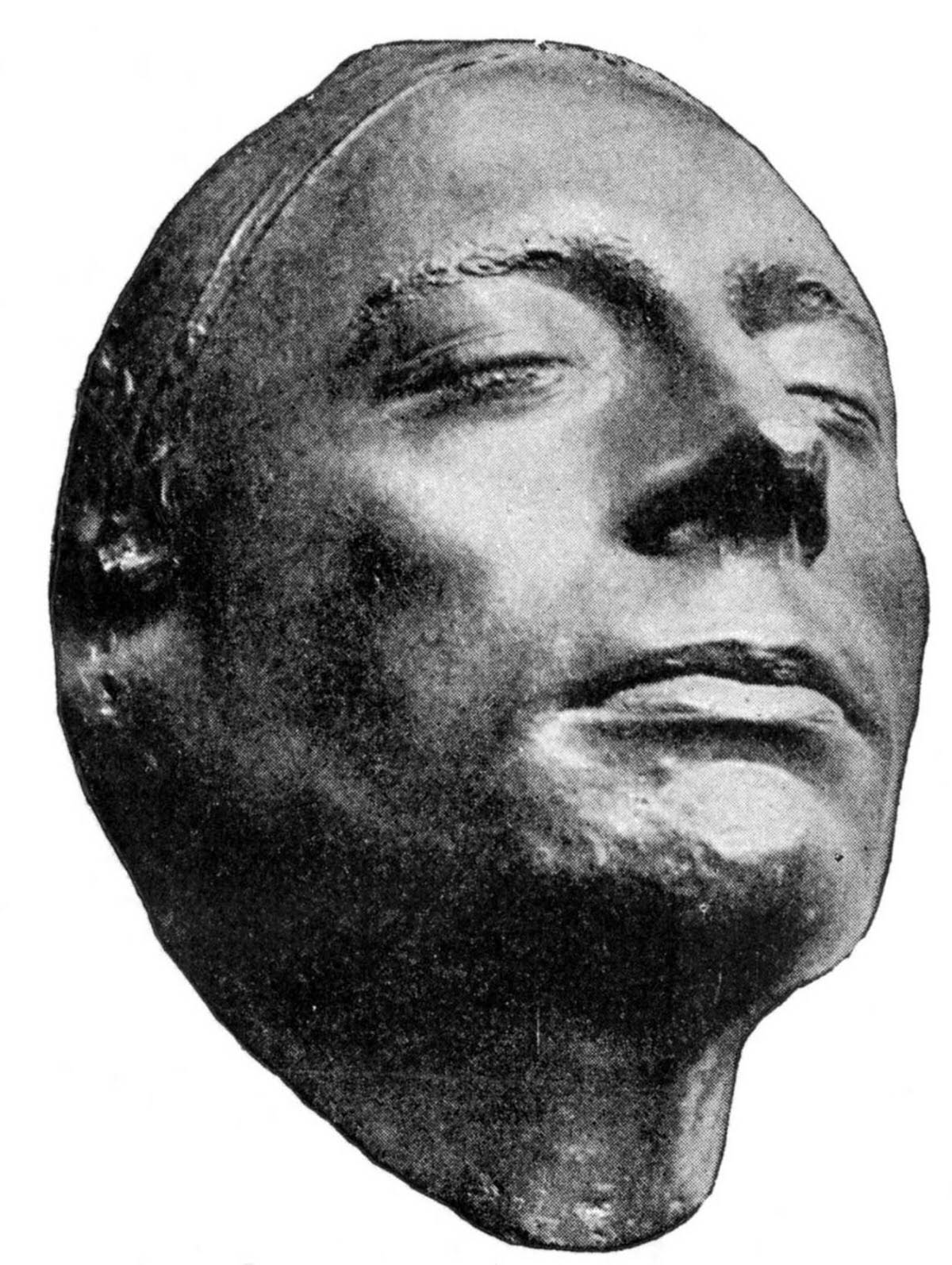
Composer Felix Mendelssohn died in 1847 at age 38. His death mask was preserved and offers a direct physical connection to one of the 19th century’s most beloved musical talents.
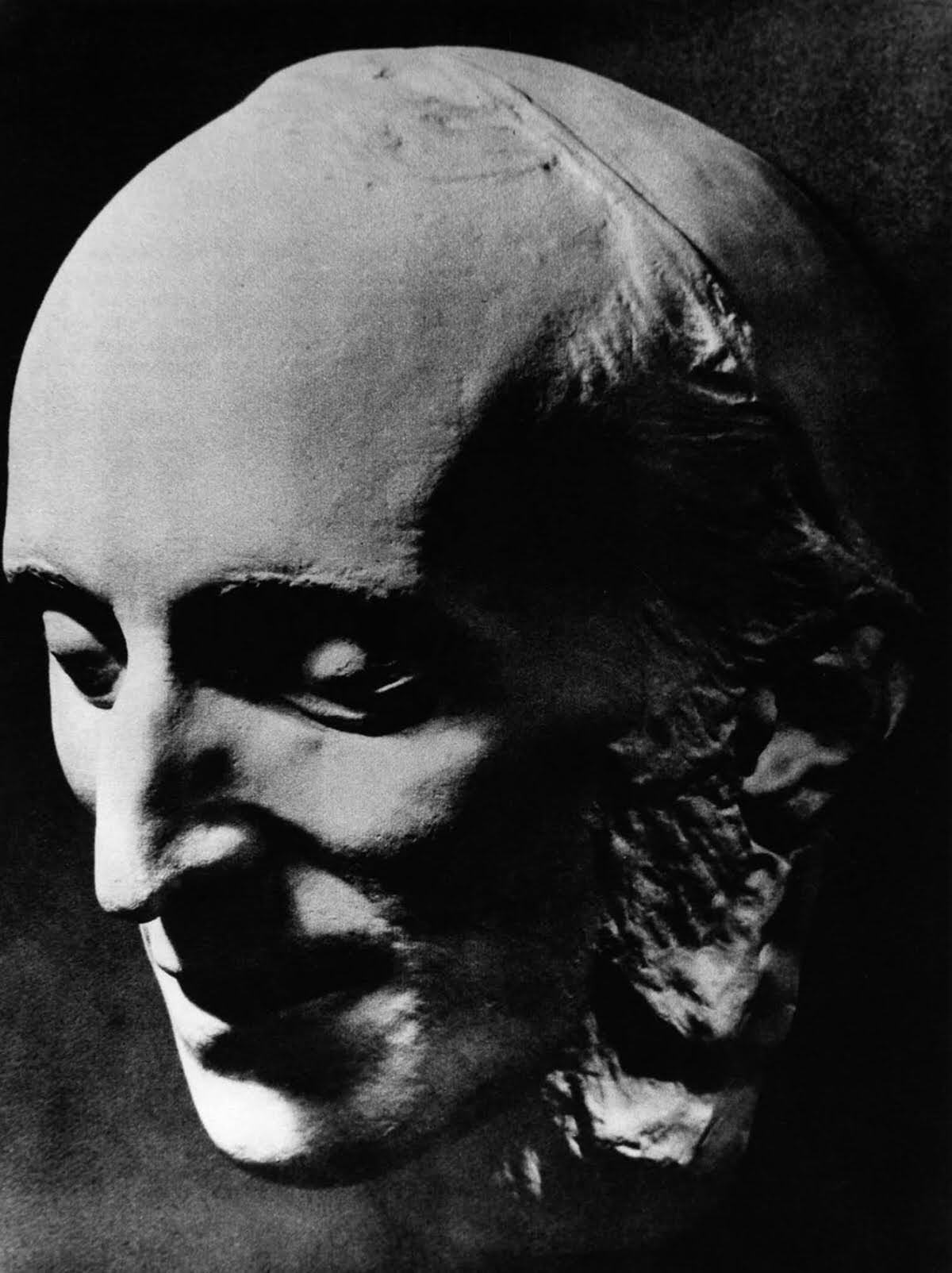
The German philosopher Georg Wilhelm Friedrich Hegel, whose ideas shaped modern philosophy and political theory, died in 1831. His death mask was carefully preserved alongside those of other leading intellectual figures of the era.
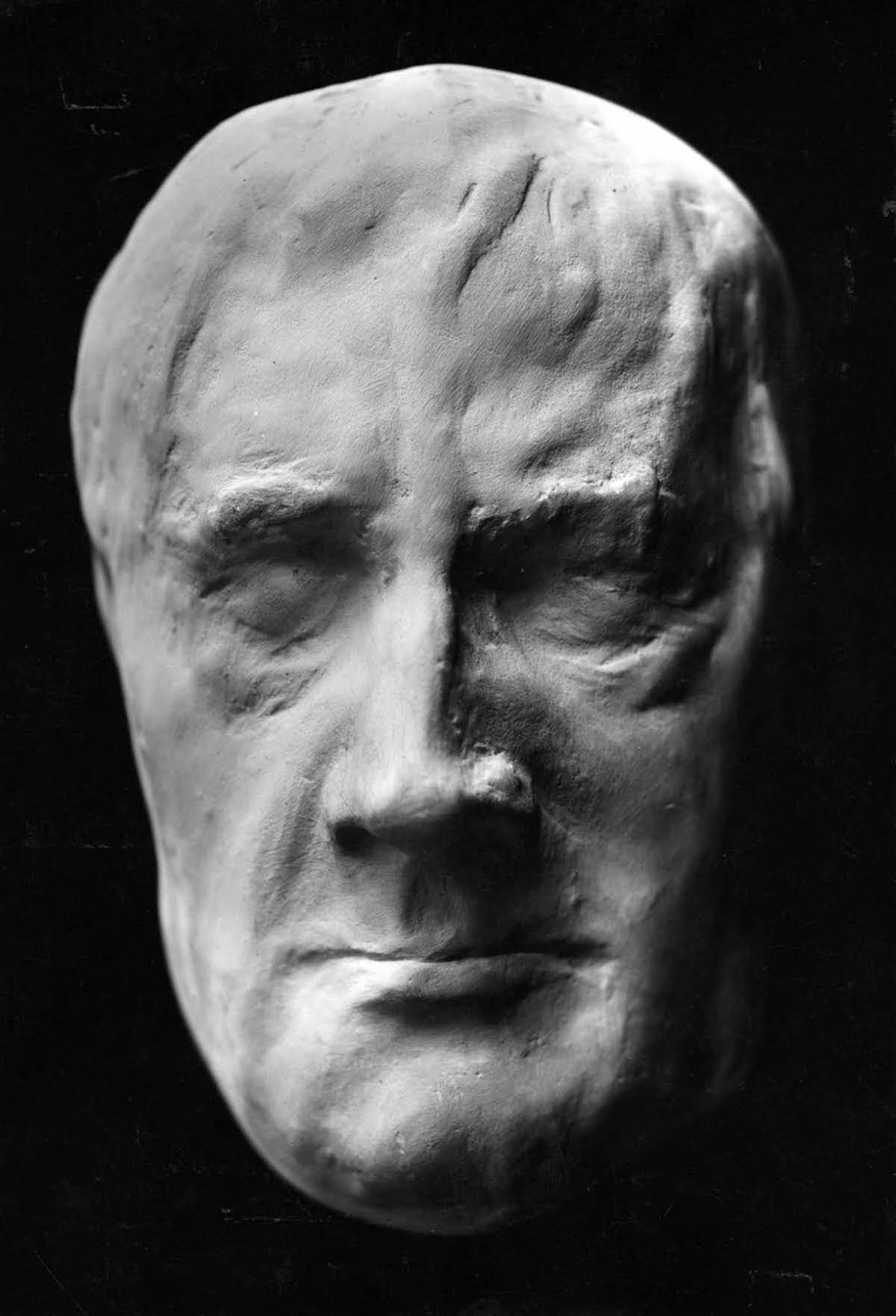
Perhaps no death mask carries as much historical weight as that of Napoleon Bonaparte. The French emperor died in 1821 in exile on the island of Saint Helena. Multiple casts were made of his face, and disputes over which is the true original death mask have continued among historians ever since.
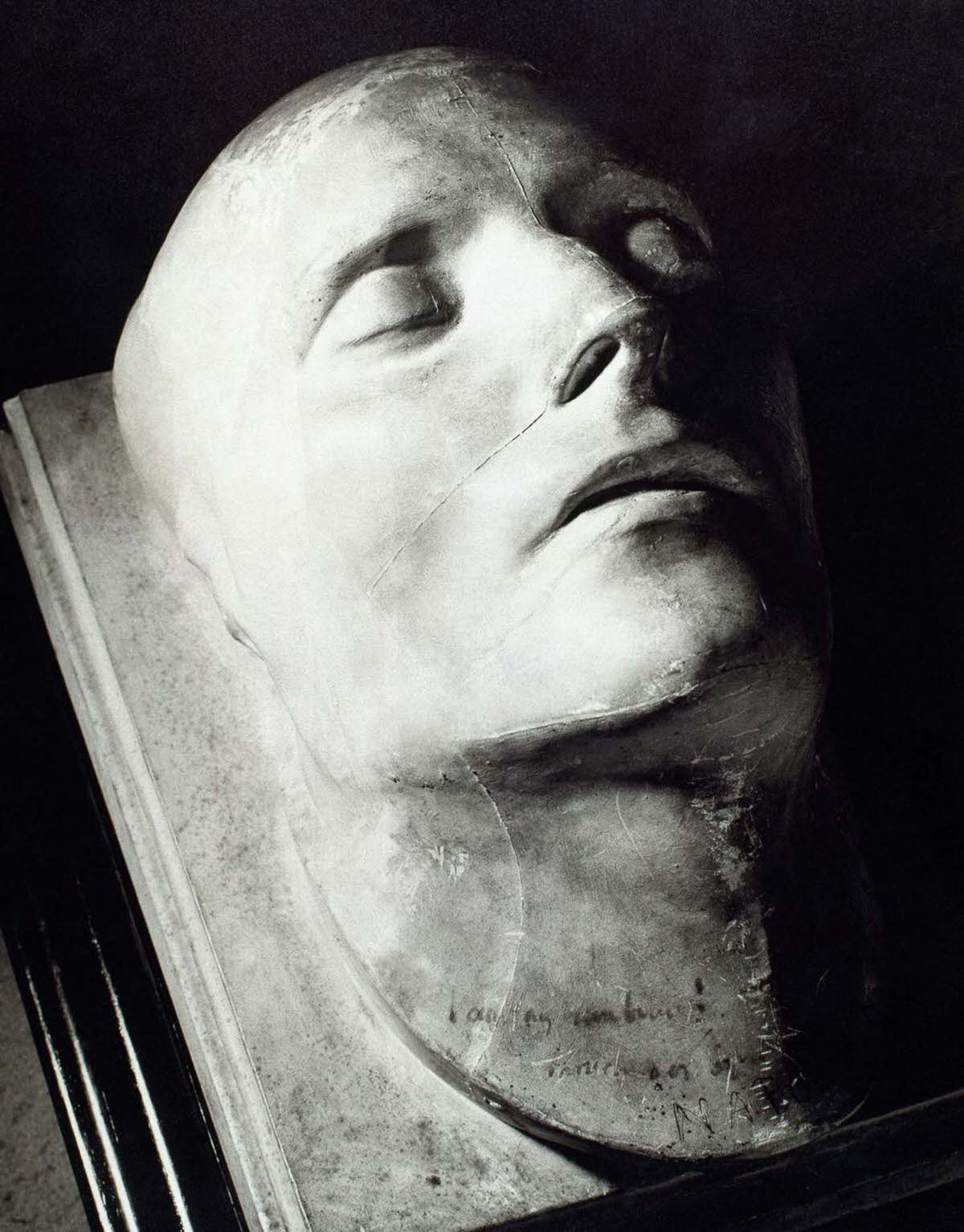
Pianist and composer Franz Liszt, one of the greatest virtuosos of the 19th century, died in 1886. His death mask was taken and preserved, adding to the growing collection of musical figures memorialized in this way.
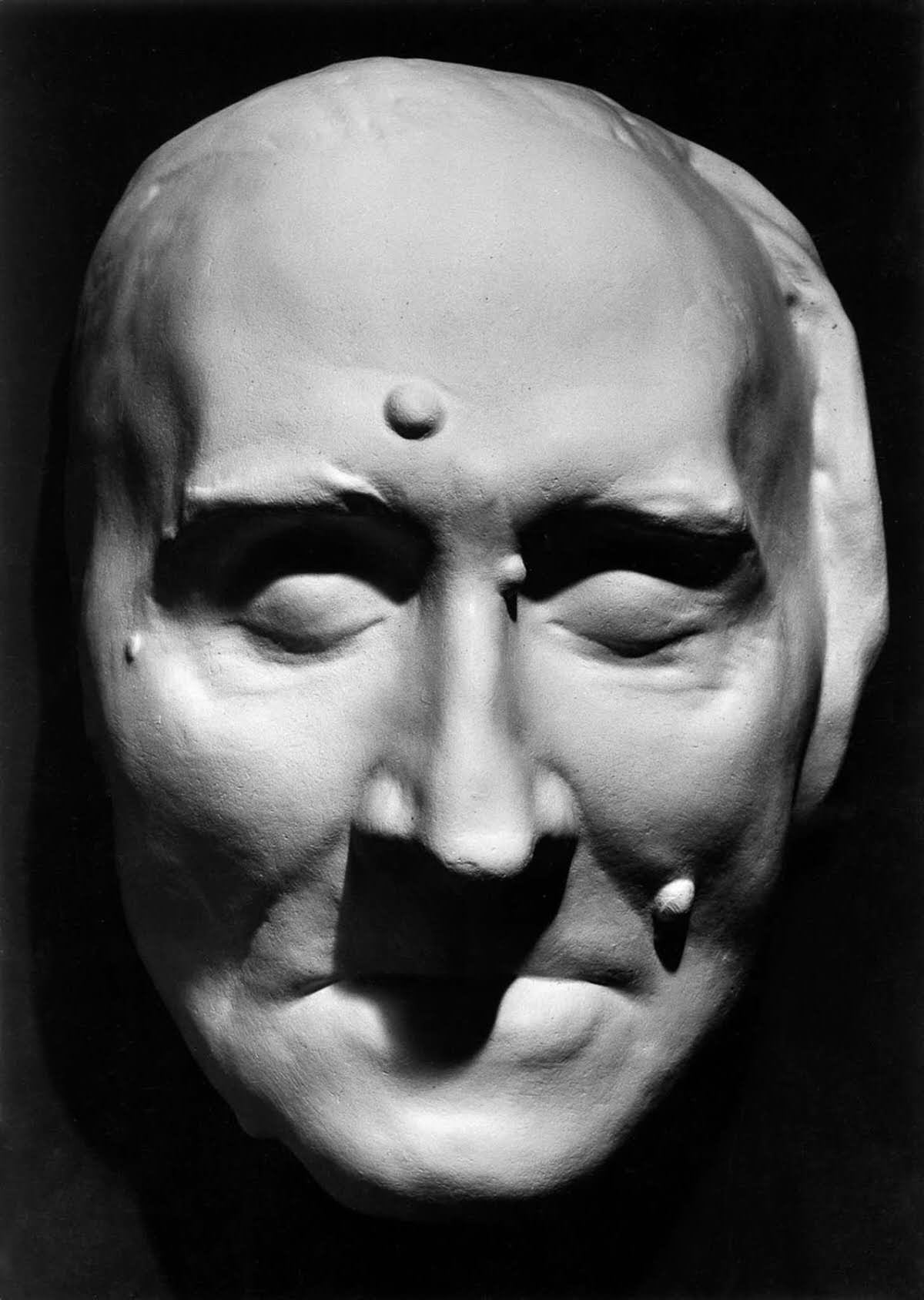
The poet and artist William Blake, known for works like Songs of Innocence and of Experience, died in 1827. His death mask captures the face of a man who was largely unrecognized during his own lifetime but later celebrated as a visionary.
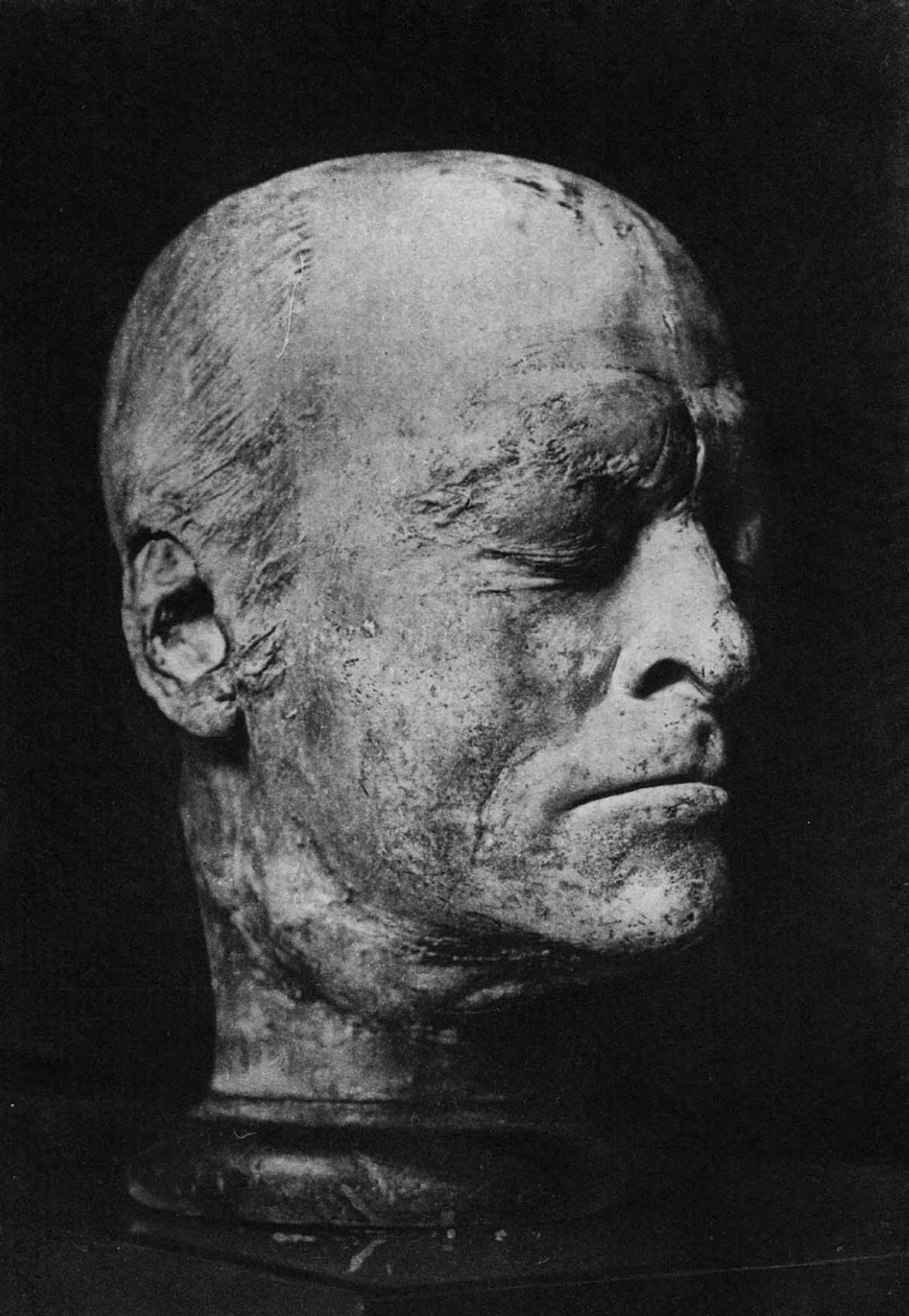
A second death mask of Beethoven is also widely circulated and studied. Taken in 1827 by Josef Danhauser, it shows the composer’s face in his final hours and remains one of the most reproduced death masks in history.
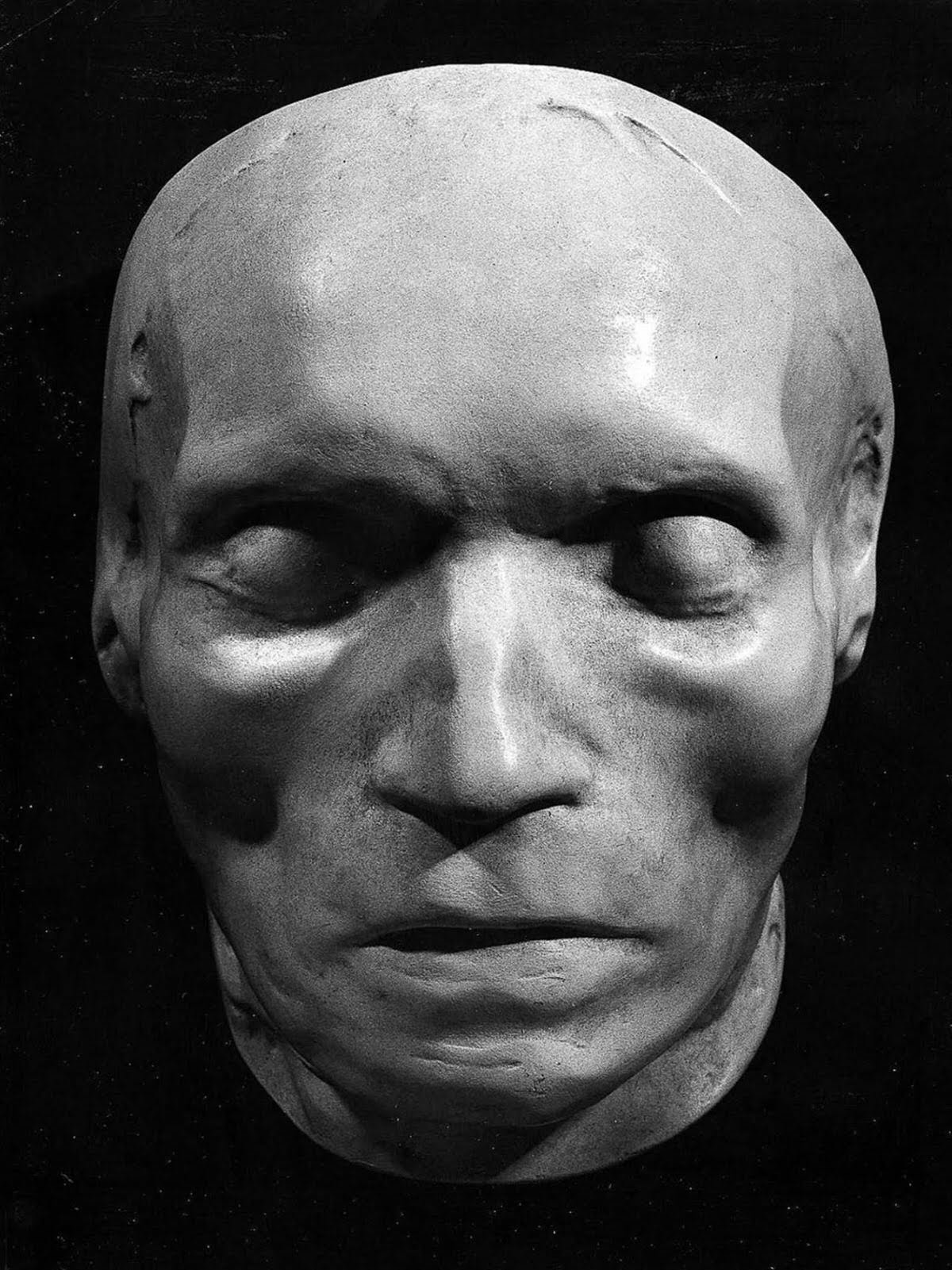
Irish novelist James Joyce, author of Ulysses, died in Zurich in 1941. His death mask was made by the sculptor Paul Speck and preserves the face of one of the most influential writers of the 20th century.
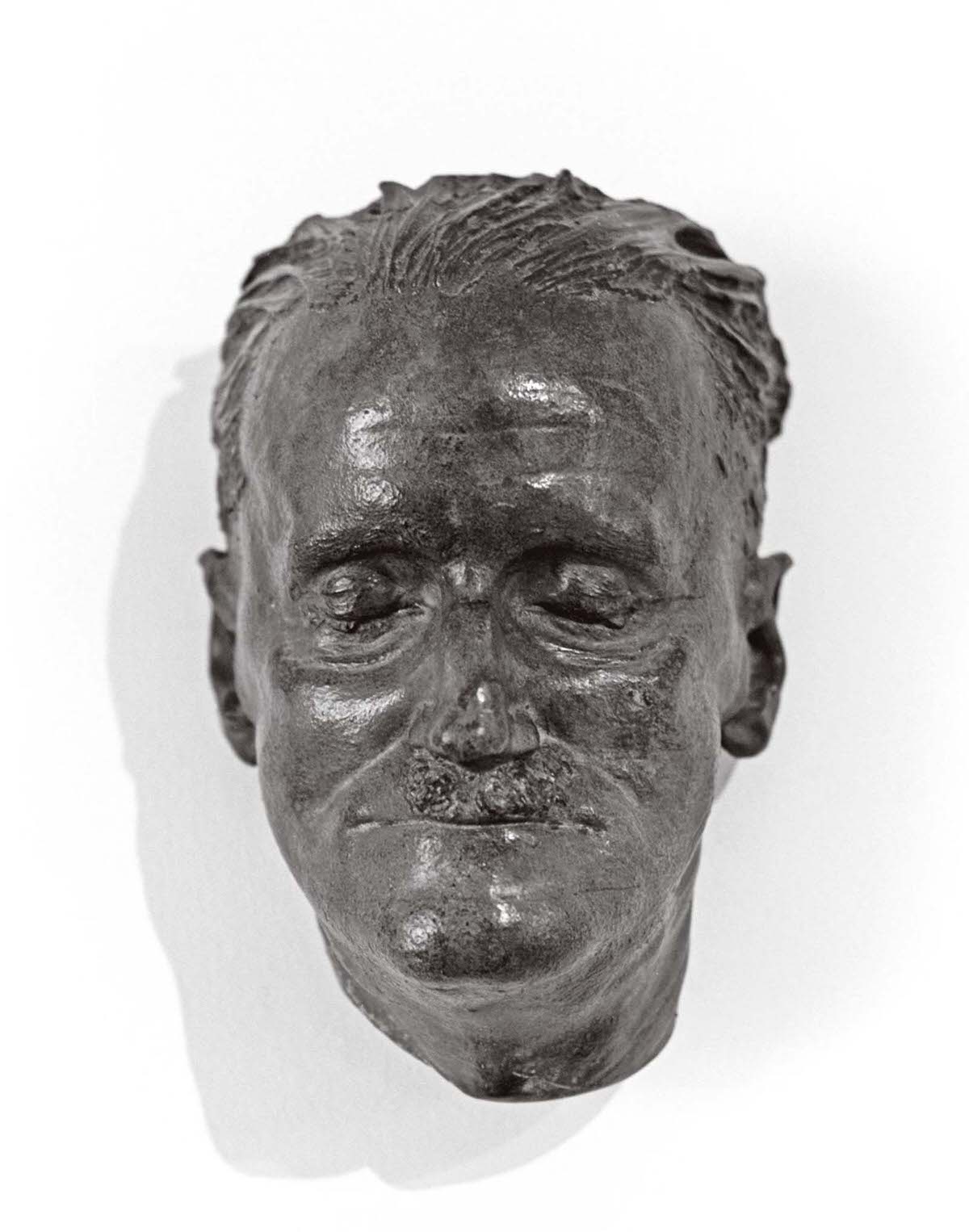
Johannes Brahms, the German composer known for his symphonies and chamber music, died in 1897. His death mask was taken and has been preserved in several collections across Europe.
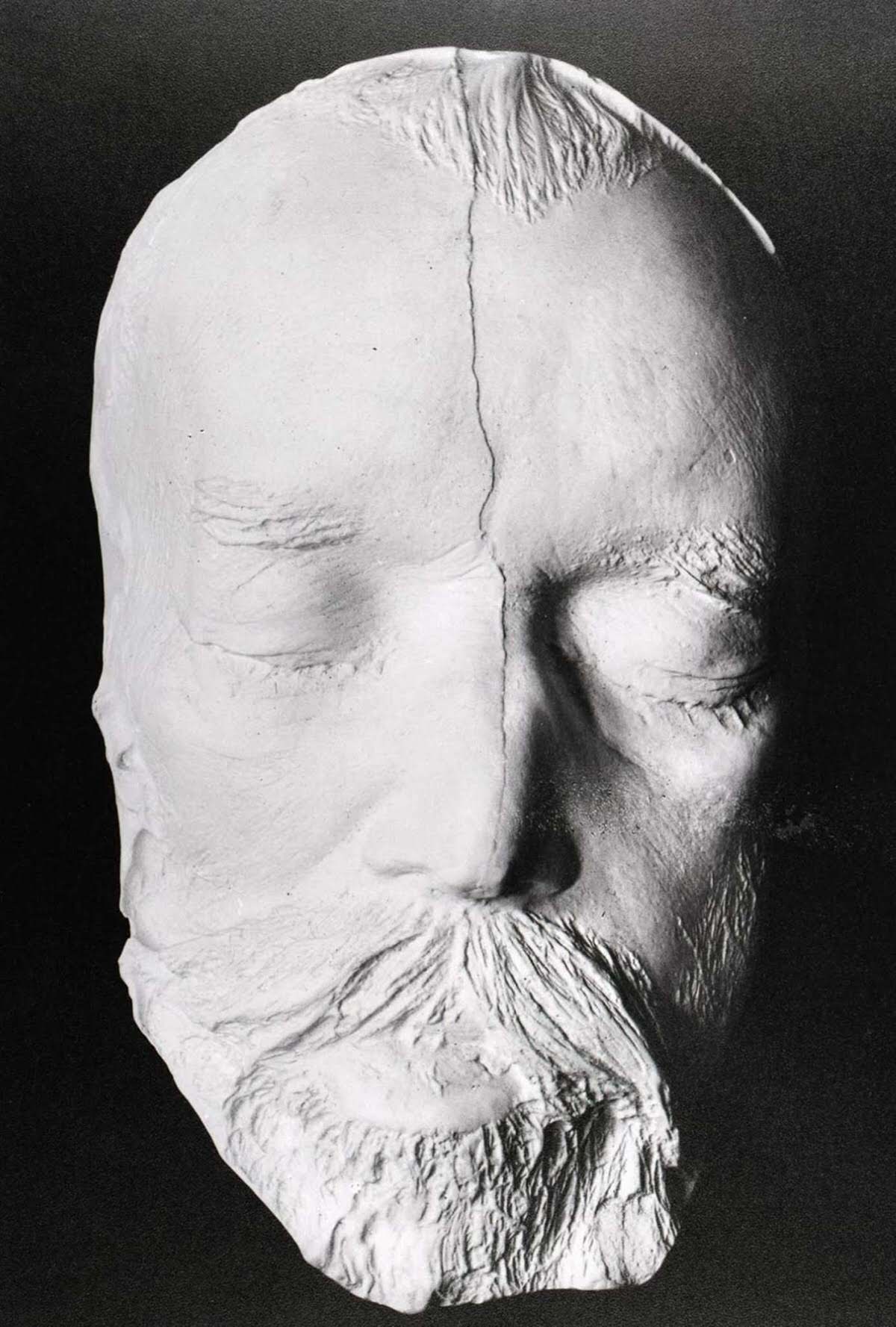
Cosima Wagner — daughter of Franz Liszt and wife of composer Richard Wagner — died in 1930 at the age of 92. Her death mask connects two of the most important musical families in European history.
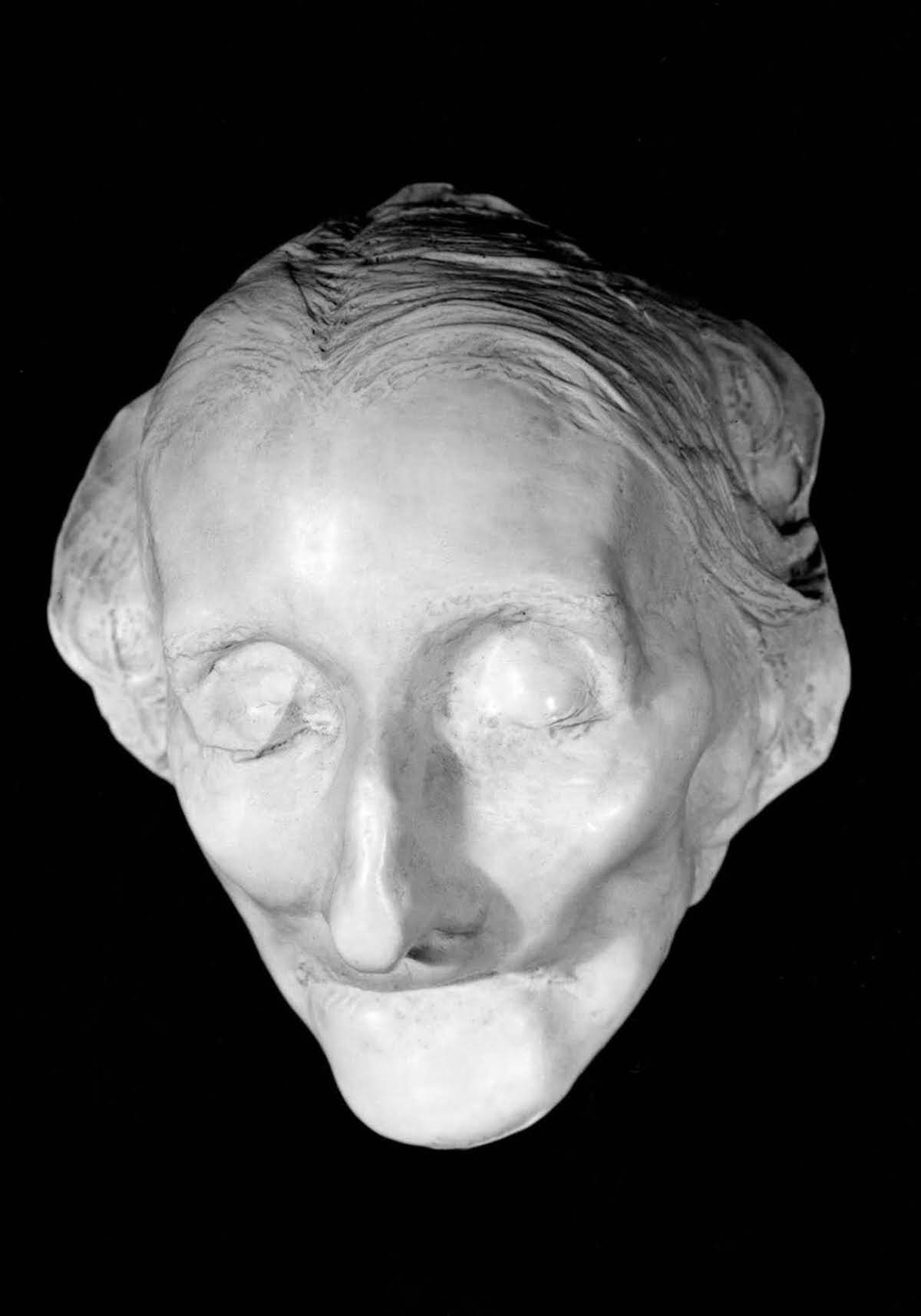
Lorenzo de’ Medici, the powerful Florentine statesman and patron of the arts who helped fund the Italian Renaissance, died in 1492. His death mask is one of the most significant surviving portraits of a Renaissance ruler.
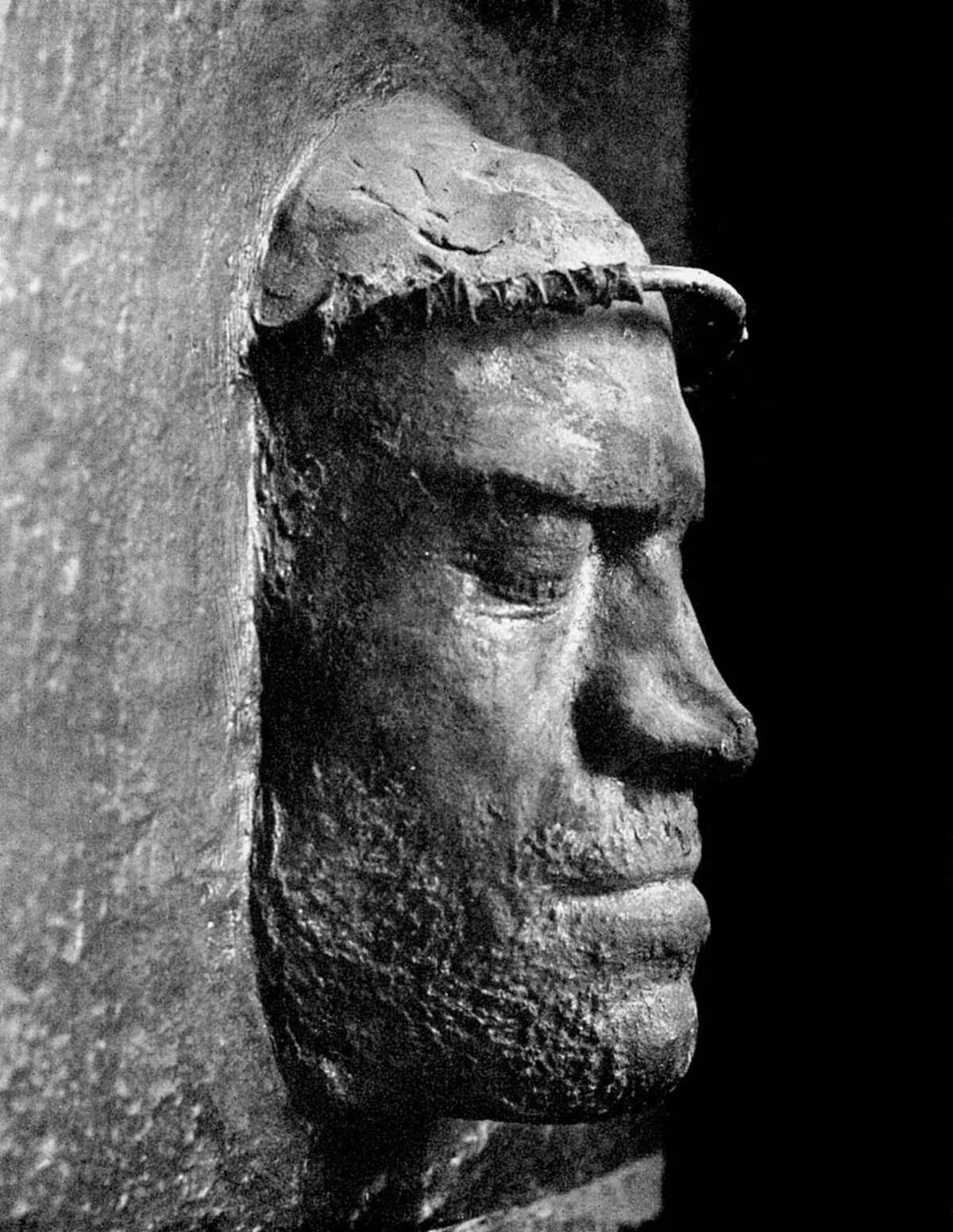
Austrian symbolist painter Gustav Klimt, best known for The Kiss, died in 1918 following a stroke. His death mask was taken and survives as a record of one of art history’s most recognizable faces.
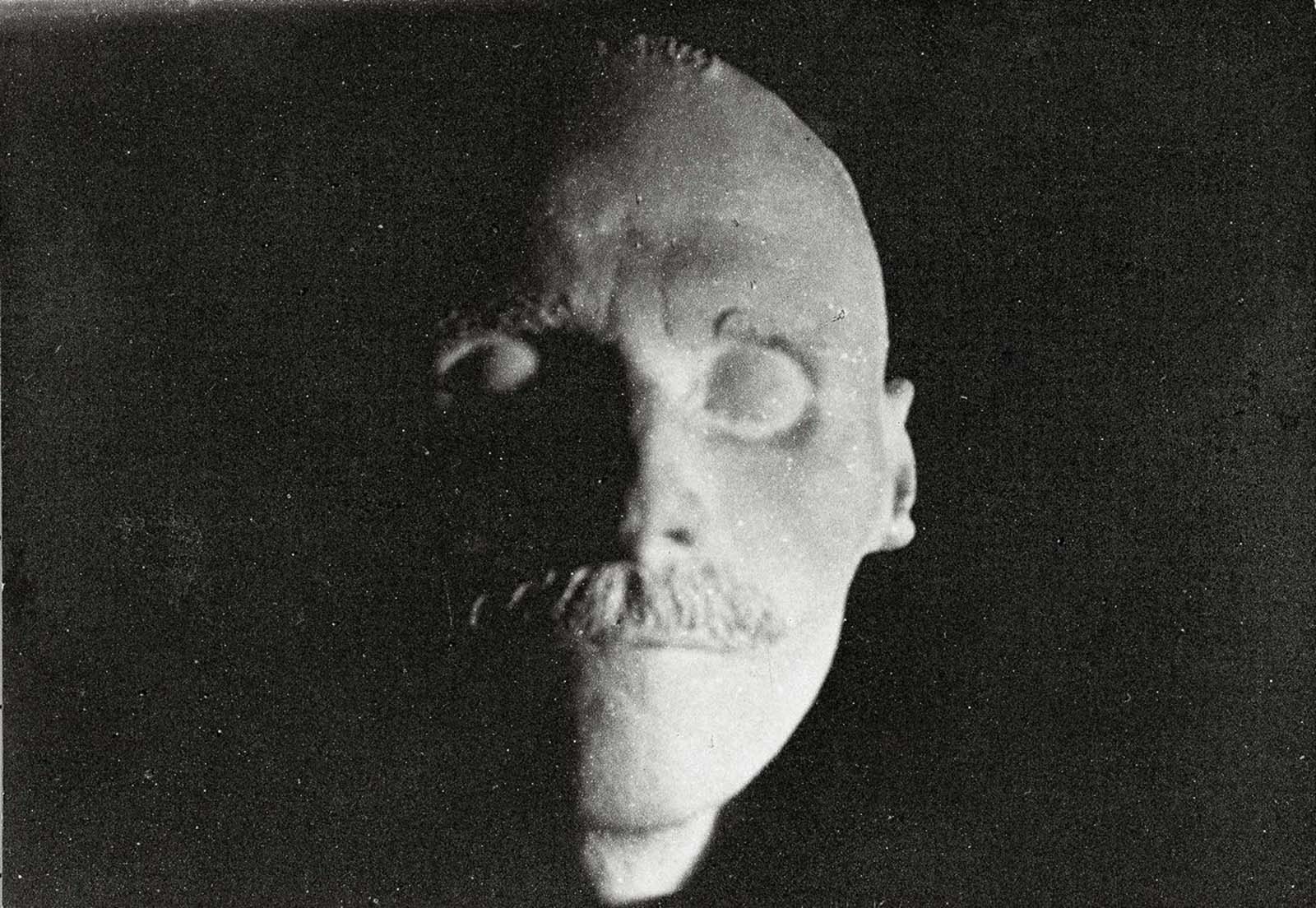
Mary Queen of Scots was executed in 1587 after years of imprisonment. Her death mask, made after her beheading, is one of the few physical records of her actual appearance and is considered a sobering historical artifact.
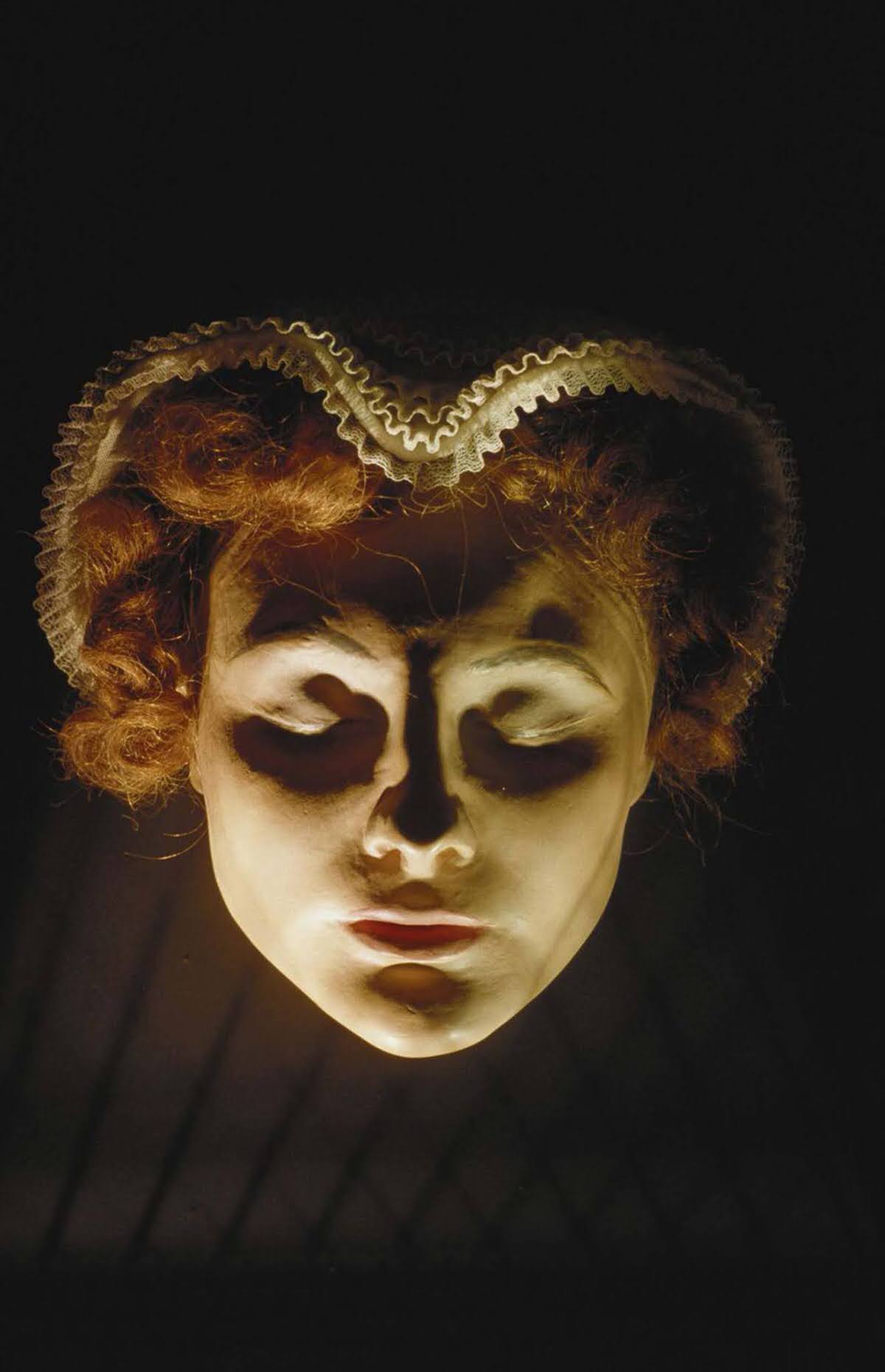
Johann Wolfgang von Goethe, the German writer behind Faust and The Sorrows of Young Werther, died in 1832. Both a life mask and a death mask were made of Goethe, giving historians a rare comparison of his face at different stages of life.
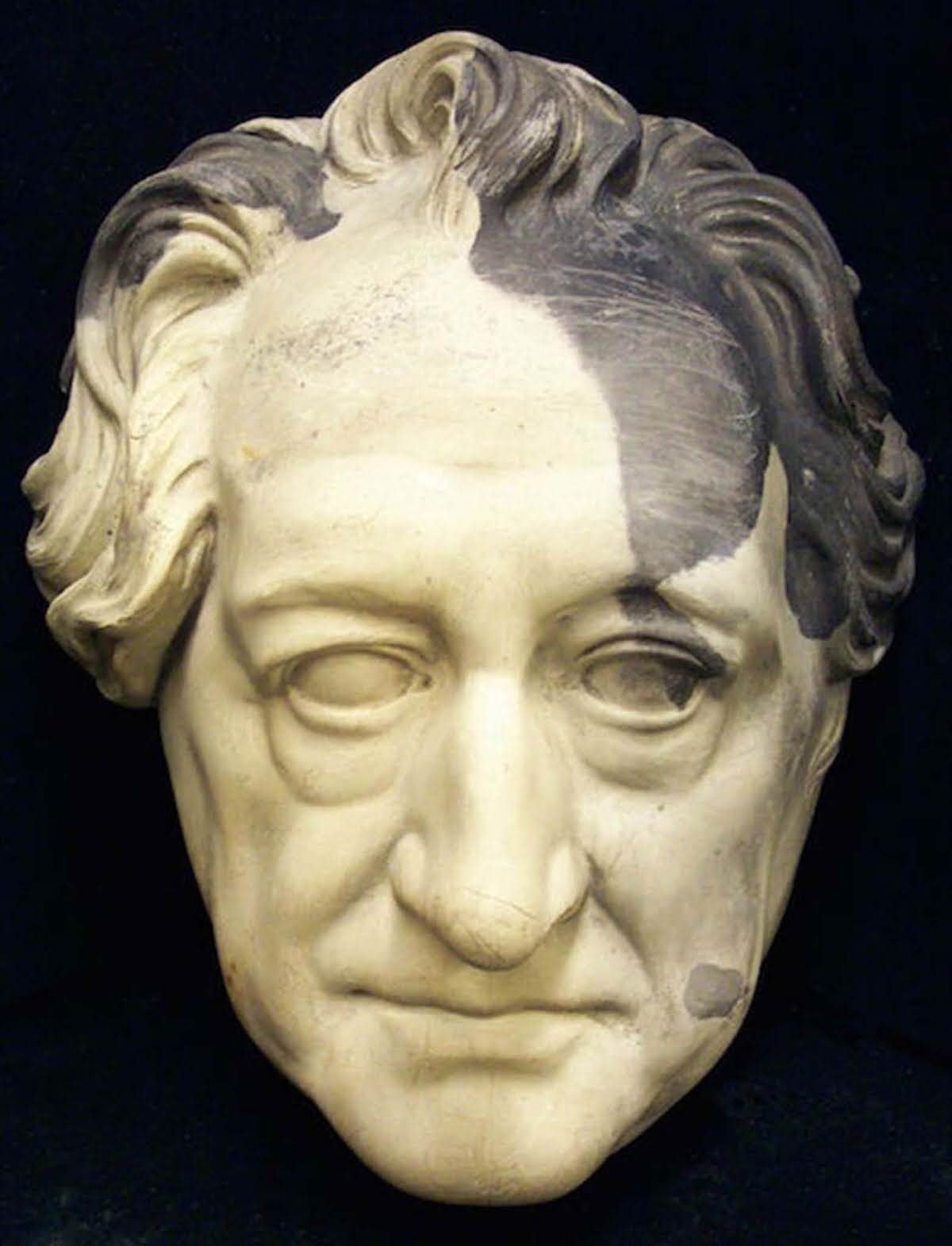
George Washington had a life mask created in 1785 by the French sculptor Jean-Antoine Houdon, who traveled to Mount Vernon specifically to make the cast. It remains one of the most accurate depictions of Washington’s face ever produced.
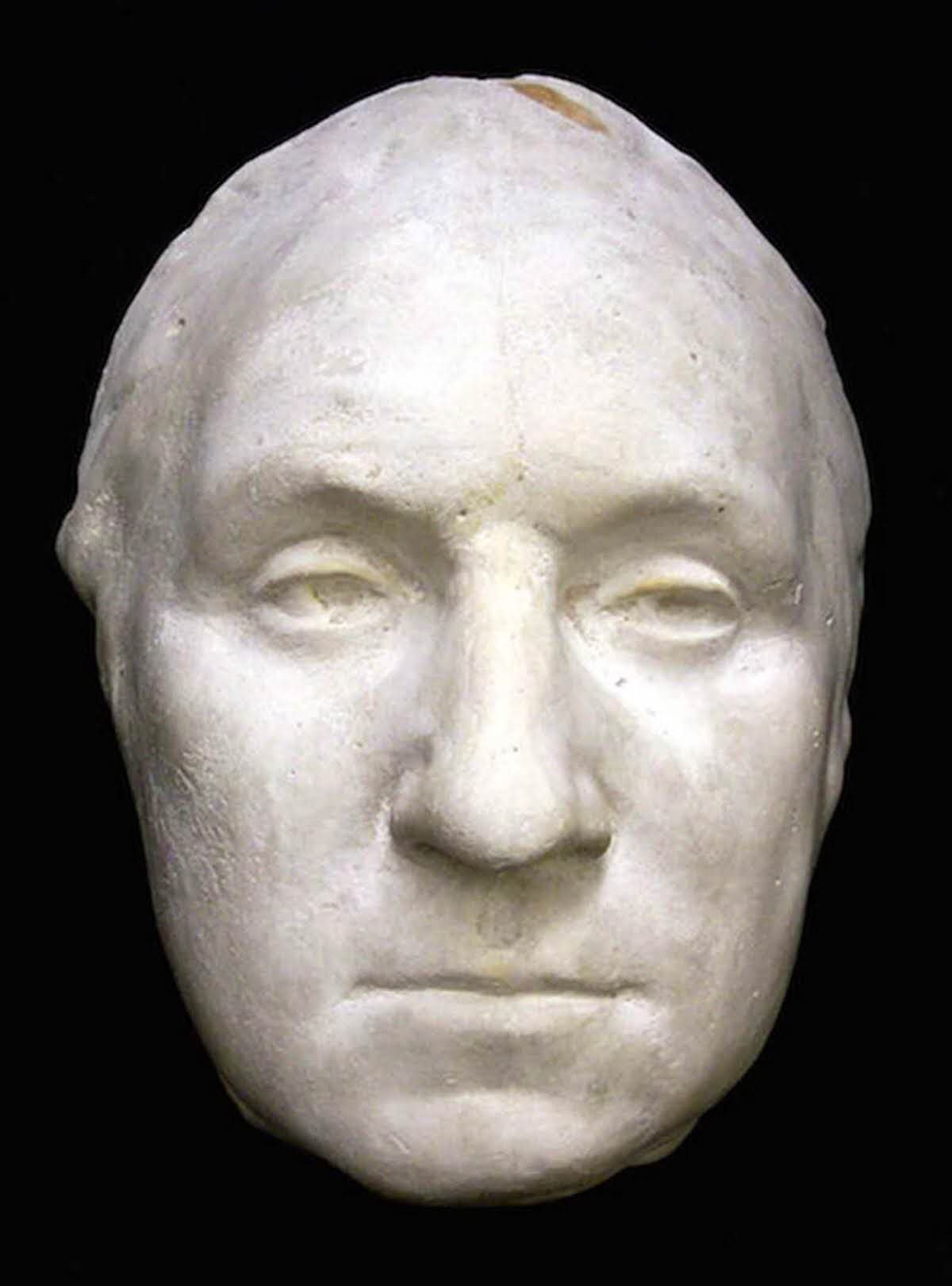
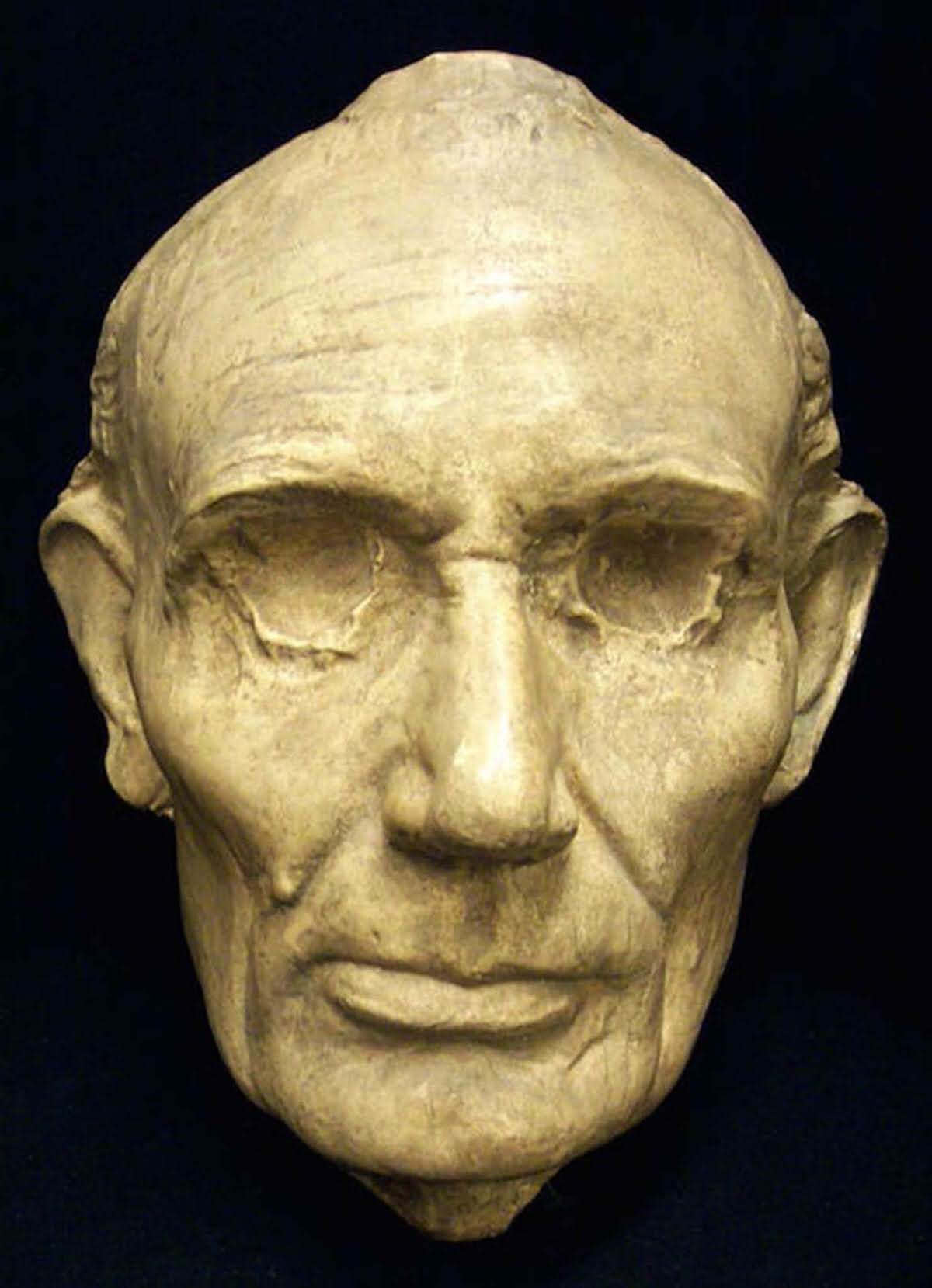
Abraham Lincoln had both a life mask and a death mask made. His life mask was cast in 1860 by sculptor Leonard Volk, and his death mask was created after his assassination in 1865. The contrast between the two — showing the physical toll of the Civil War years — is striking. When Queen Victoria died in 1901, her grandson Kaiser Wilhelm II of Germany attempted to have a death mask made, but members of the British Royal Family refused his request. It was one of the last high-profile moments in which the tradition of the death mask became a matter of political and family contention.
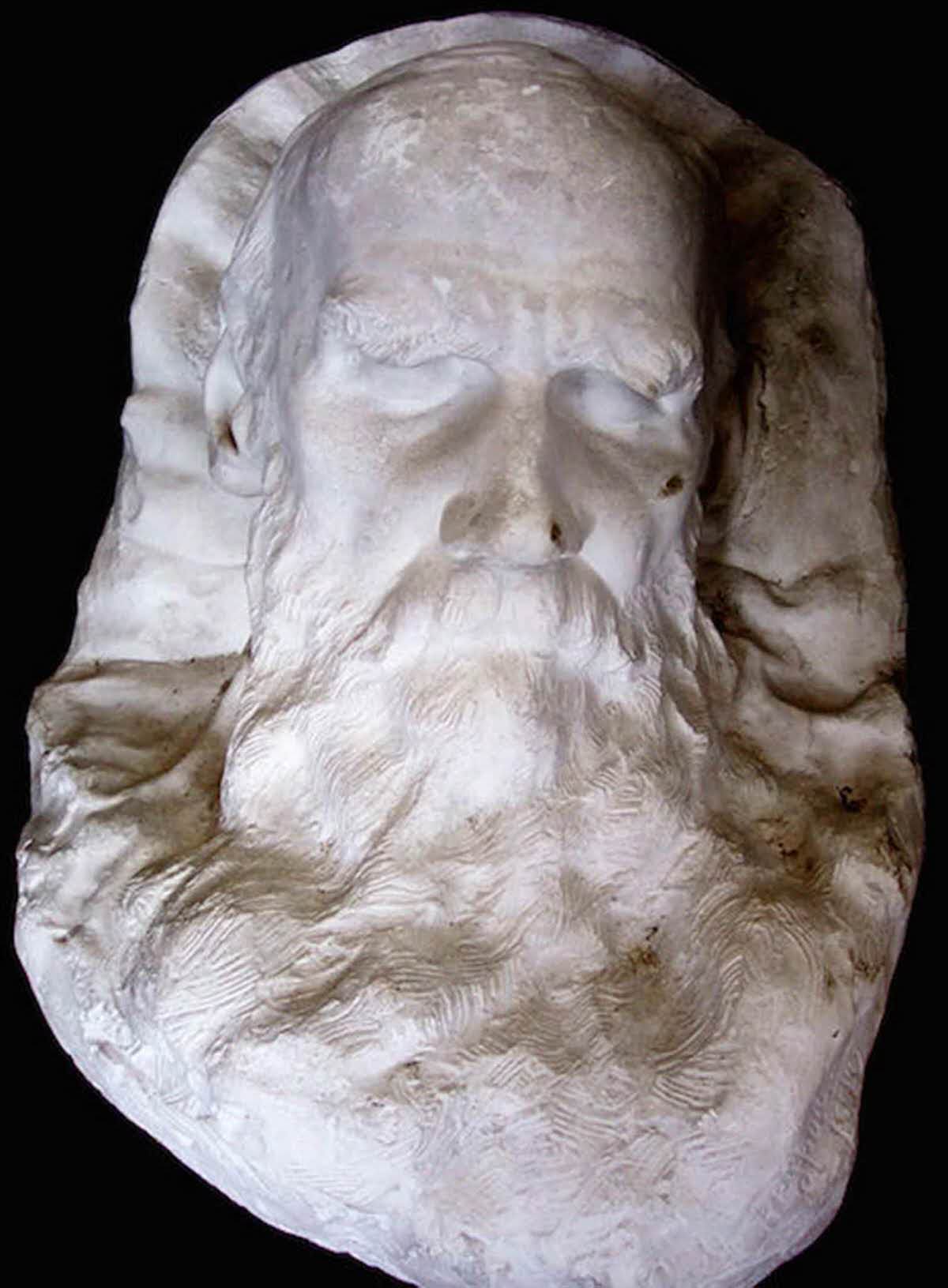
Russian novelist Leo Tolstoy, the author of War and Peace and Anna Karenina, died in 1910. His death mask was taken and preserved, closing out a long tradition that by then was already fading fast. By the early 20th century, photography had made death masks largely unnecessary. A camera could capture a face in seconds, with no molds, no waiting, and no physical contact with the deceased. The era of the death mask quietly came to an end.

Cromwell’s mask must have been easy to wear. Also, why is Lincoln’s eye socket empty? Although the other masks have stunning detail, his is ghoulish.
Lincoln’s eyes were usually covered in a square-ish shape to protect the eyelashes, which gives Lincoln’s cast the appearance of “no eyes.” It doesn’t help that he had probably died for a while, causing his eyes to sink in, as well as that he had been shot in the head, which would also cause his eyes/eye to fall in more.
Something is hypnotizing about these. Some look like someone asleep, but there are a couple that is dead
I was confused by the ones with the eyes open.
A person died in 1941, but we certainly had cameras then. Perhaps they lived in a very rural area?
It took me a moment to realize this was the severe/smiling Hank Schrader meme