
By the spring of 1968, Robert F. Kennedy had become one of the most galvanizing figures in American politics. The country was fracturing. Martin Luther King Jr. had been shot and killed in Memphis in April. President Lyndon B. Johnson had announced he would not seek re-election. The Vietnam War was tearing the nation apart. Into that storm stepped Kennedy, the former U.S. Attorney General and sitting senator from New York, who launched his campaign for the Democratic presidential nomination in March 1968. Massive crowds turned out for him across the country. Many Americans believed he was the one person capable of holding a divided nation together.
On the night of June 4, 1968, Kennedy won the California Democratic primary — one of the biggest prizes in the race. He also claimed victory in South Dakota that same evening. These back-to-back wins put him in a strong position heading toward the Democratic National Convention. The mood at the Ambassador Hotel in Los Angeles was electric. Supporters packed the ballroom, and Kennedy took the stage to deliver his victory speech alongside his wife, Ethel.
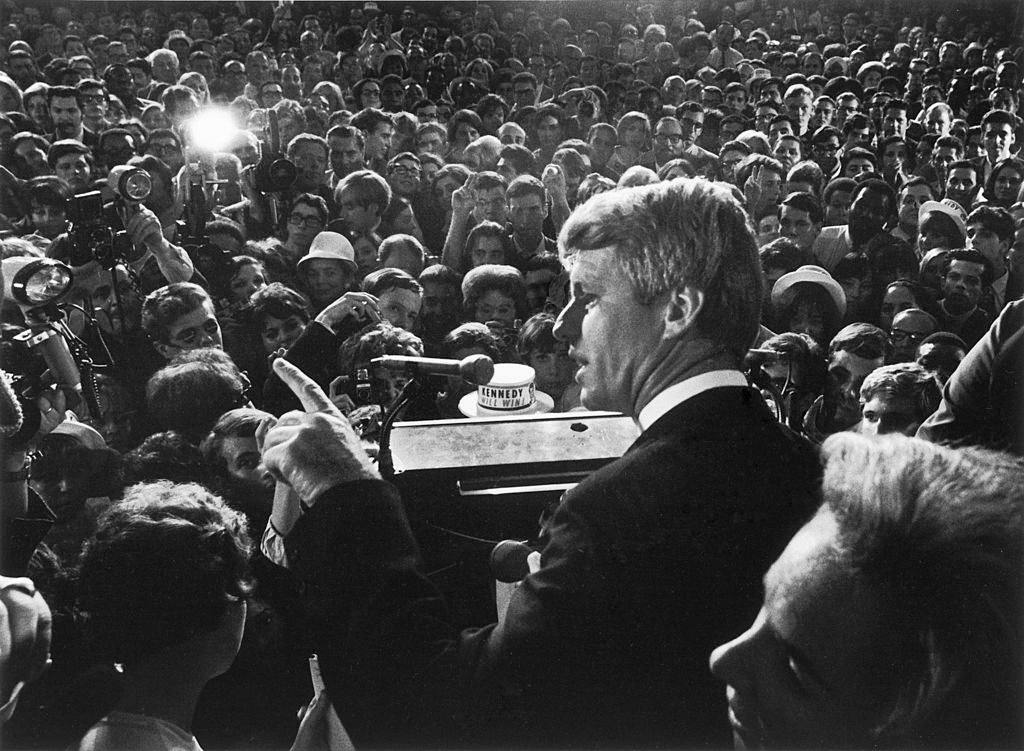
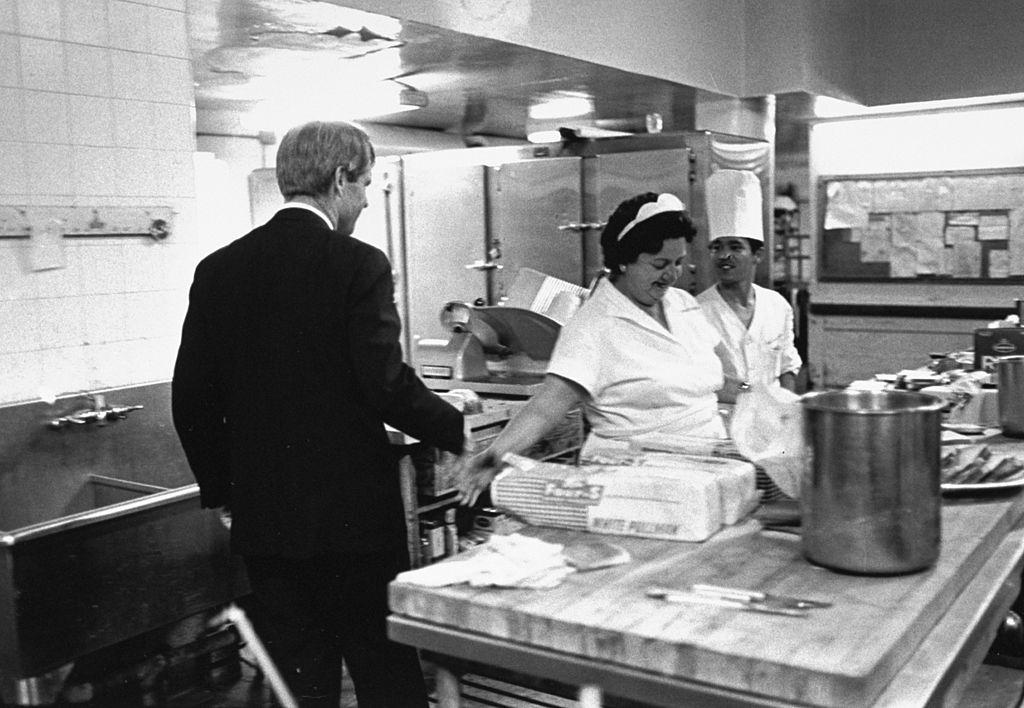
Kennedy wrapped up his speech just after midnight. He thanked his campaign staff, cracked a joke about his dog, and urged the crowd to move forward united. As he stepped away from the podium, he was led through the kitchen pantry of the hotel — a shortcut to a press room where reporters were waiting. He paused along the way, greeting hotel workers.
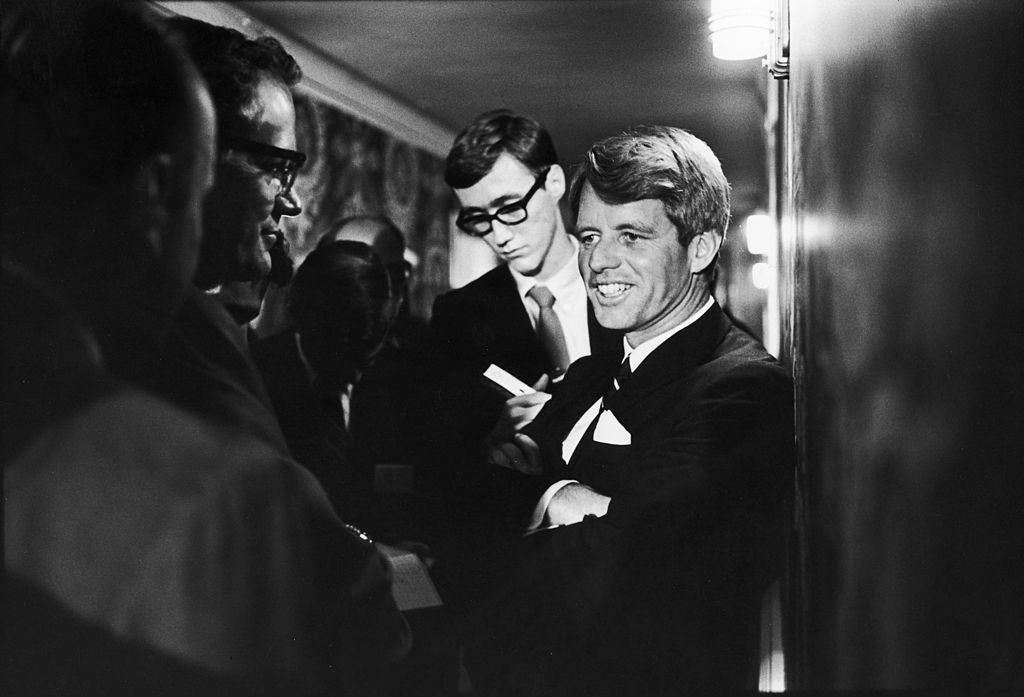
Before reaching the press room, Kennedy spoke briefly with journalists in the hotel. These were among the last ordinary moments of his life — a senator at the height of his political career, speaking candidly with the press after a landmark victory.
At approximately 12:15 a.m. on June 5, 1968, a 24-year-old Palestinian immigrant named Sirhan Sirhan opened fire in the kitchen pantry of the Ambassador Hotel. He fired a .22 caliber revolver at close range, striking Kennedy three times. One bullet entered behind his right ear and lodged in his brain. Two others struck him in the back. Several bystanders were also wounded in the chaos that followed. Kennedy fell to the floor and did not get up.
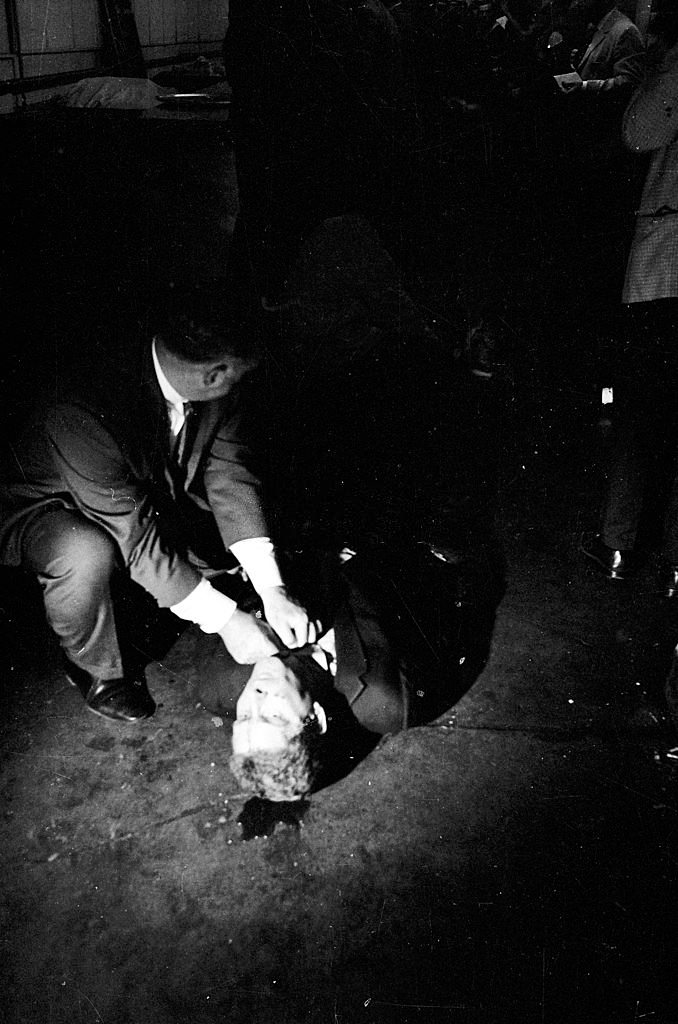
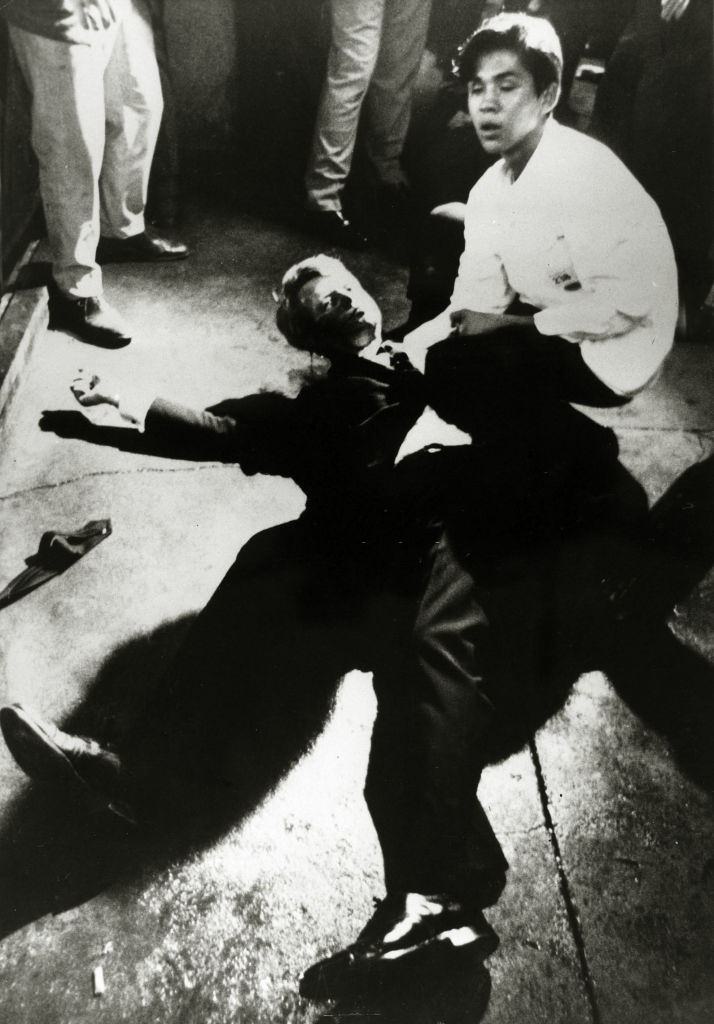
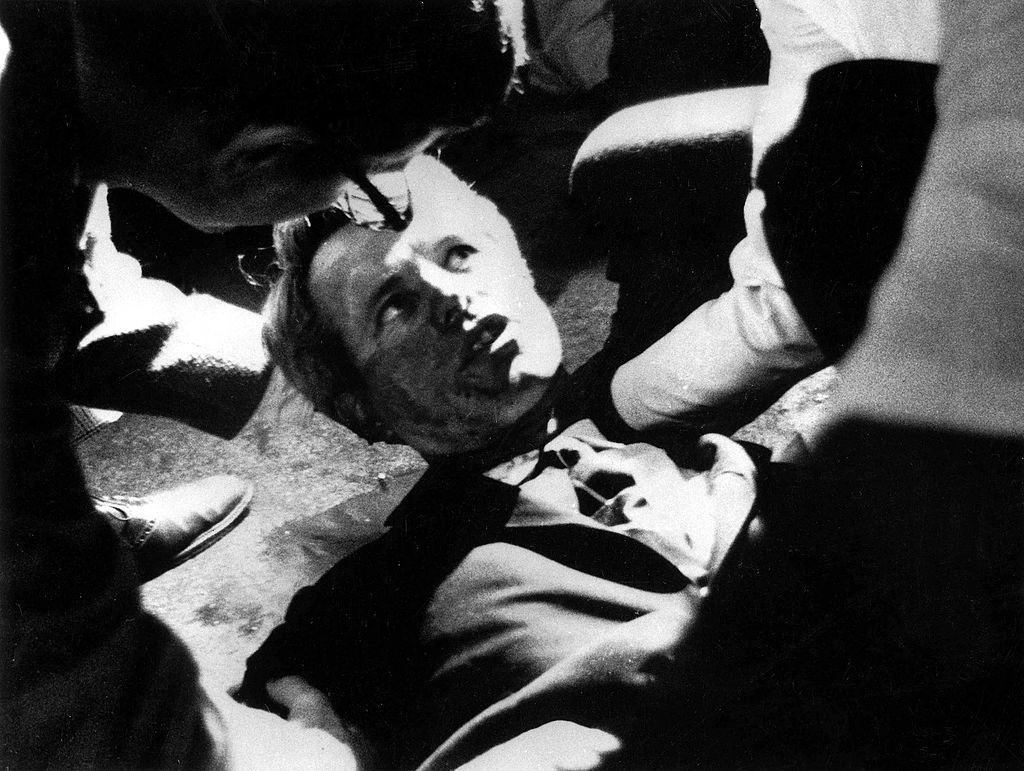
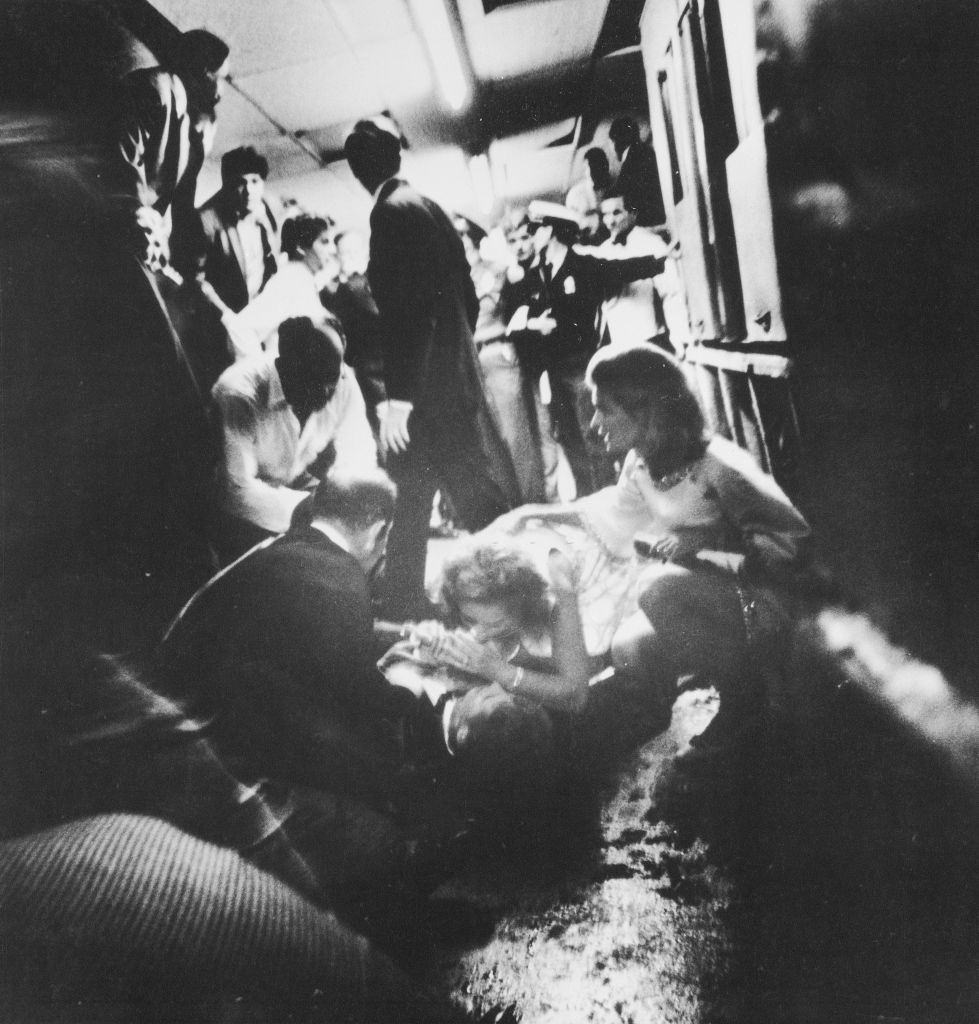
Kennedy lay on the concrete floor of the kitchen pantry, conscious but critically wounded. Hotel staff and campaign workers rushed to his side. His shirt was torn open as people tried to help. He remained aware of his surroundings for a short time after the shooting, and photographs taken in those moments show him looking upward, surrounded by people kneeling over him.
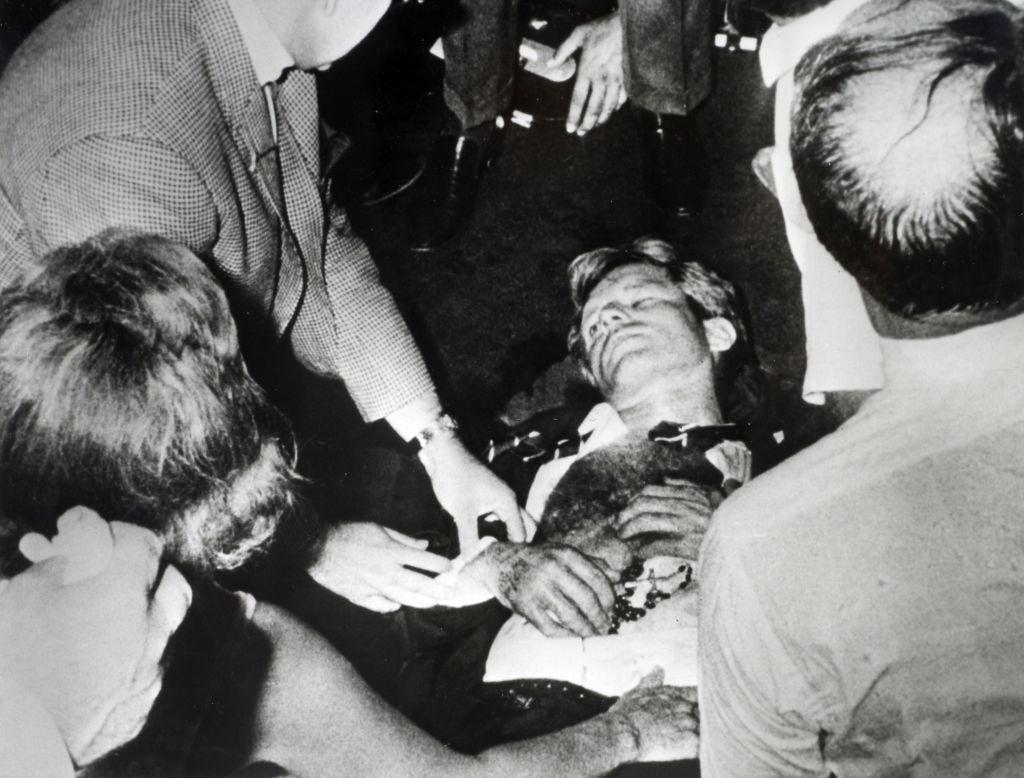
One of the most enduring images from that night was captured by photographer Boris Yaro. It showed 17-year-old busboy Juan Romero kneeling beside Kennedy on the kitchen floor. Romero had just shaken Kennedy’s hand moments before the shots were fired. When Kennedy fell, Romero dropped to his knees and cradled the senator’s head, placing rosary beads in his hand. He stayed with Kennedy, trying to keep him calm and conscious, until paramedics arrived.
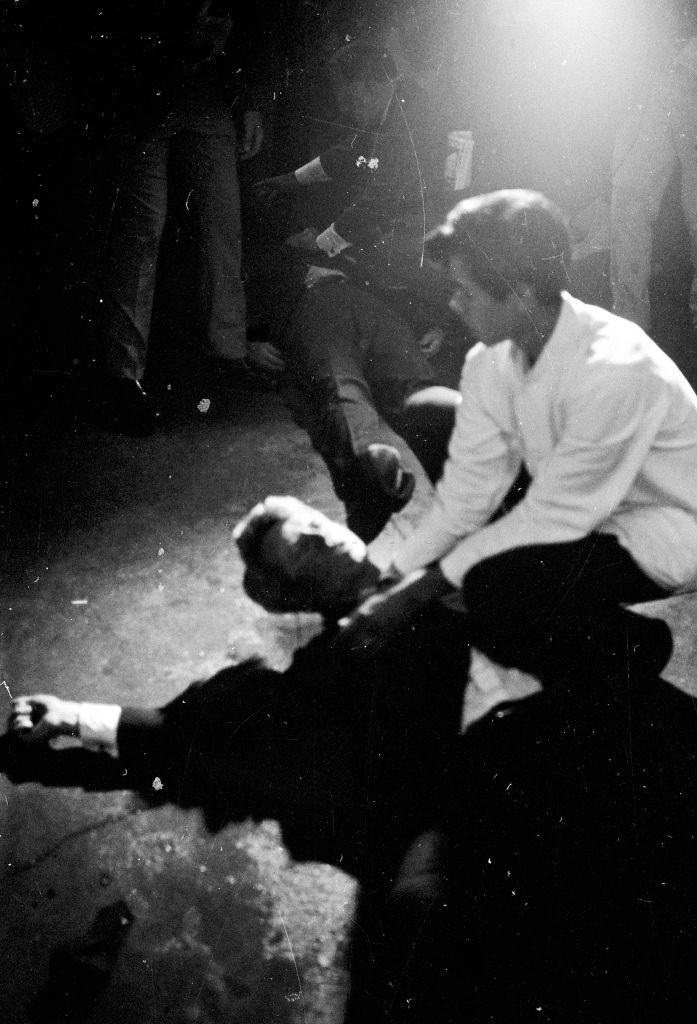
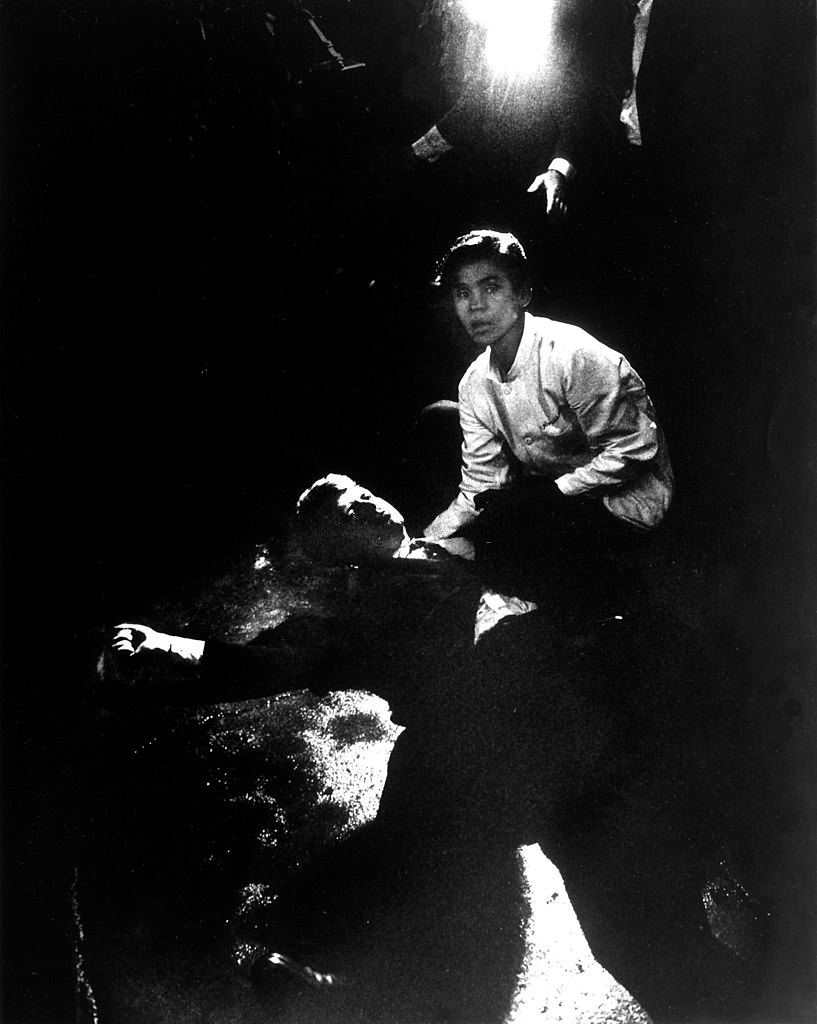
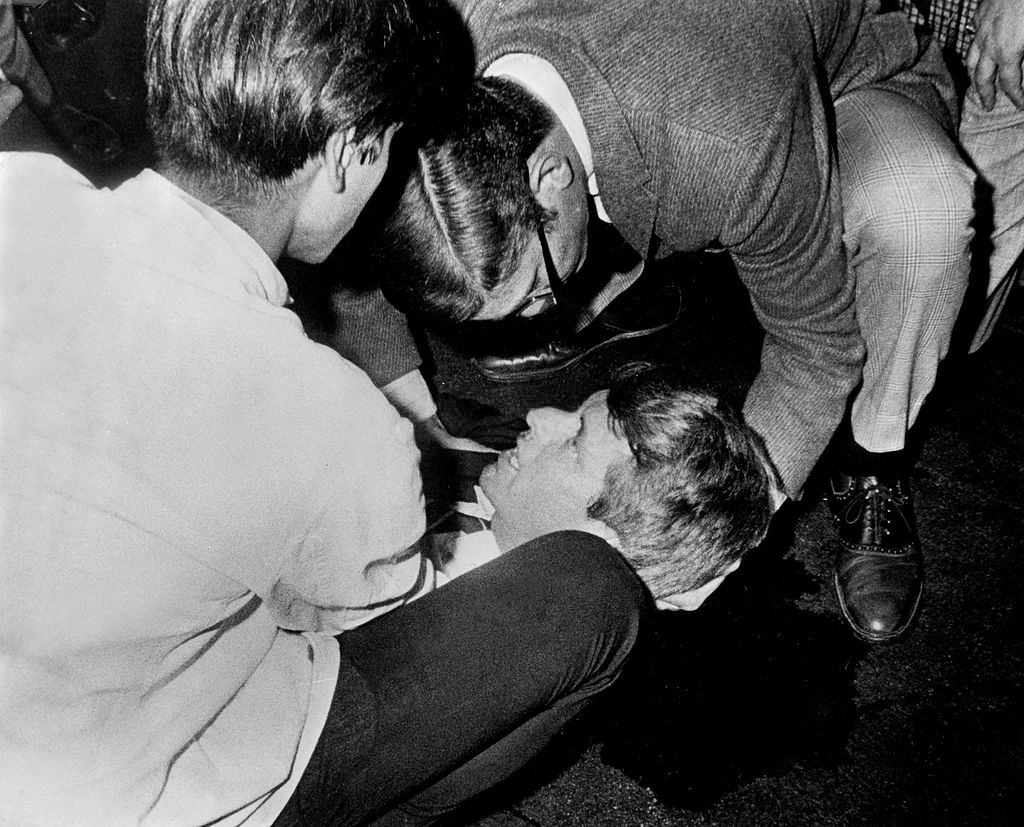
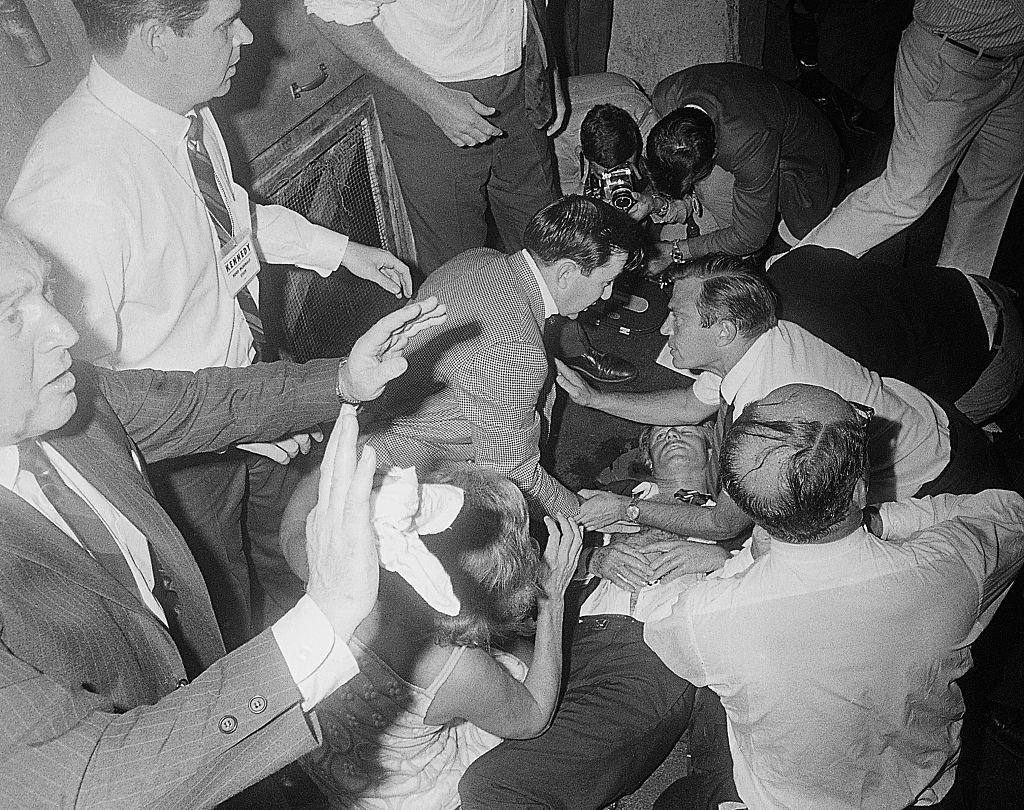
Kennedy was transported to Good Samaritan Hospital, less than a mile from the Ambassador Hotel. Surgeons operated on him for nearly four hours in an effort to remove the bullet lodged in his brain. The damage was too severe. Robert F. Kennedy died at 1:44 a.m. on June 6, 1968, twenty-six hours after he was shot. He was 42 years old. Sirhan Sirhan was tackled and subdued at the scene by several people, including Olympic gold medalist Rafer Johnson and football player Rosey Grier. He was arrested immediately and charged with murder.
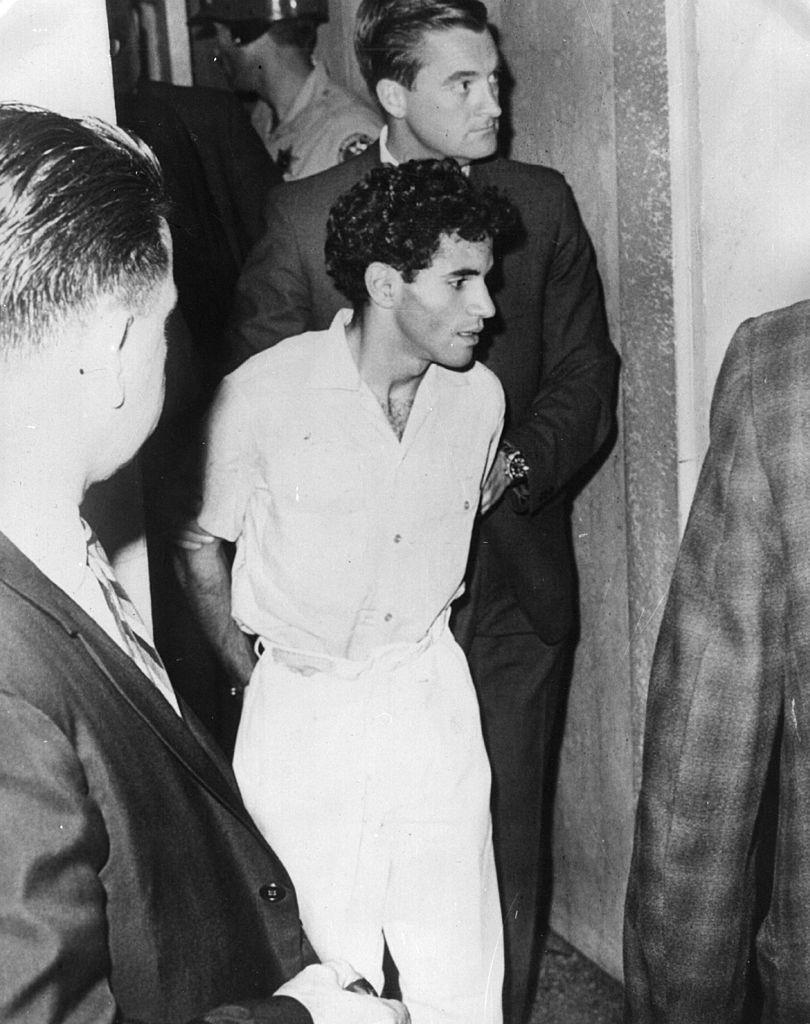
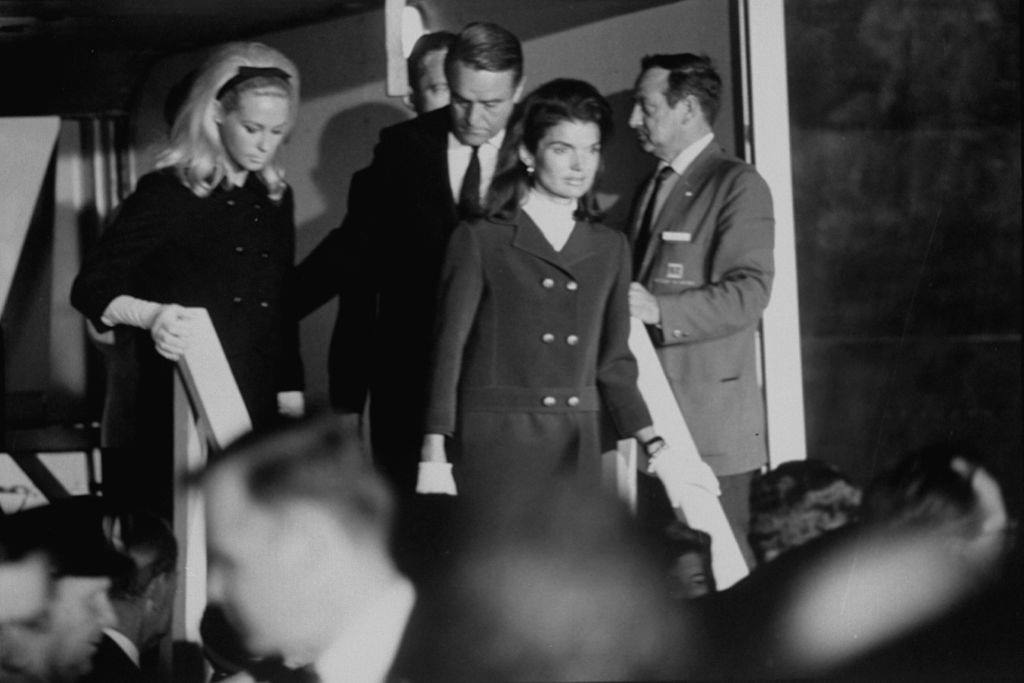
In 1969, Sirhan Sirhan was convicted of first-degree murder and sentenced to death. California abolished the death penalty in 1972, and his sentence was automatically commuted to life in prison. He remains incarcerated to this day, having been denied parole multiple times. The grief that swept the country after Kennedy’s death was immediate and widespread. Members of the Kennedy family, including Ethel Kennedy, gathered together in the painful hours and days that followed. Jacqueline Kennedy, who had watched her husband President John F. Kennedy assassinated just five years earlier in 1963, was again thrust into public mourning.
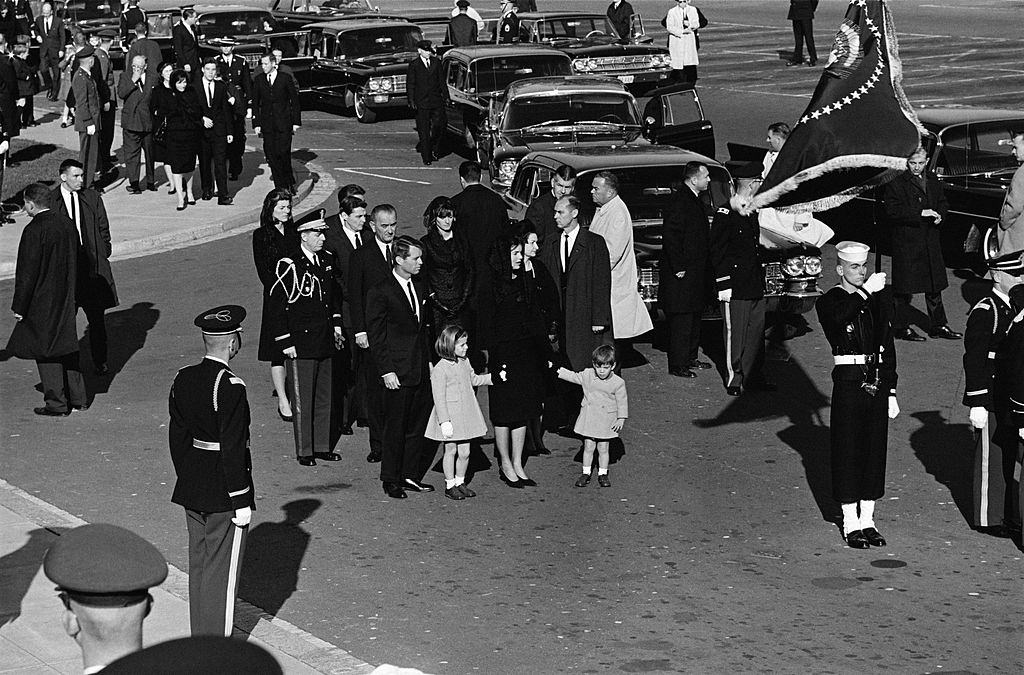
Kennedy’s body was flown from Los Angeles to New York City, where a funeral mass was held at Saint Patrick’s Cathedral on June 8, 1968. Hundreds of thousands of people lined the streets of Manhattan to pay their respects. After the service, his body was placed aboard a private funeral train bound for Washington, D.C., where he was to be buried at Arlington National Cemetery. Along the entire length of the rail route, thousands of ordinary Americans stood at trackside — some holding signs, some saluting, many in tears — to watch the train pass. Kennedy was buried near his brother, President John F. Kennedy, whose own state funeral procession five years earlier had drawn the world’s attention.
With Kennedy gone, the Democratic Party turned to Vice President Hubert Humphrey as its nominee for the 1968 presidential election. Humphrey lost to Republican Richard Nixon in November. The political path that Kennedy had been carving — one that drew support from Black voters, working-class whites, and anti-war activists simultaneously — closed with him. The 1968 campaign remained one of the most turbulent and consequential in American political history, defined in no small part by the gunshots fired in that hotel kitchen just after midnight on June 5.

This is okay, but Ashli Babbit’s pictures aren’t?
If I had to guess: the amount of time since it happened
There are plenty of videos on the Internet of that act of insurrection by domestic terrorists.
Stop it with the f***ing “insurrection by domestic terrorists” crap. It’s time everyone finally acknowledged it was only a stupid group of trespassers who didn’t kill anyone, and the only one murdered was Ashli Babbit, a Trump supporter. Go away, you hysterical un-American lying morons.
Mo, you make it sound like a group of innocent kids breaking into the Capitol. It was a mob, breaking in through locked doors.
Babbitt and orher screaming miscreants trying to break and force the door that was the last line of defence to the House lobby, where Congress and the persons first, second and third in the line of succession were gathered.
Babbitt and others were warned and the officer’s gun was brandished before Babbitt attempted her enthusiastic header through the broken door window.
Her death is tragic but sadly she was an active, reckless participant in her own demise.
Not to get all conspiracy theorists here, but Sirhan Sirhan was in front of Bobby Kennedy, but Kennedy was shot behind the right ear. Sirhan Sirhan’s only memory from that night is of a girl in a polka dot dress. Wow!