

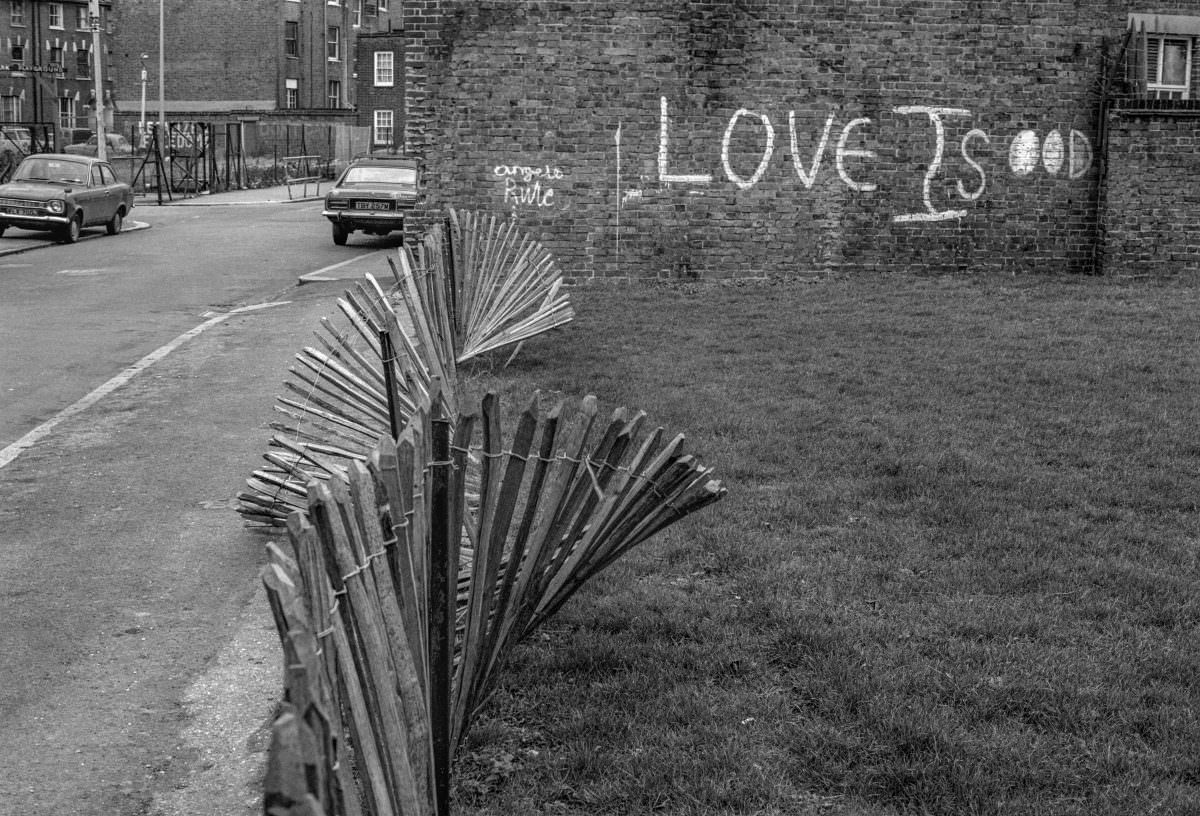
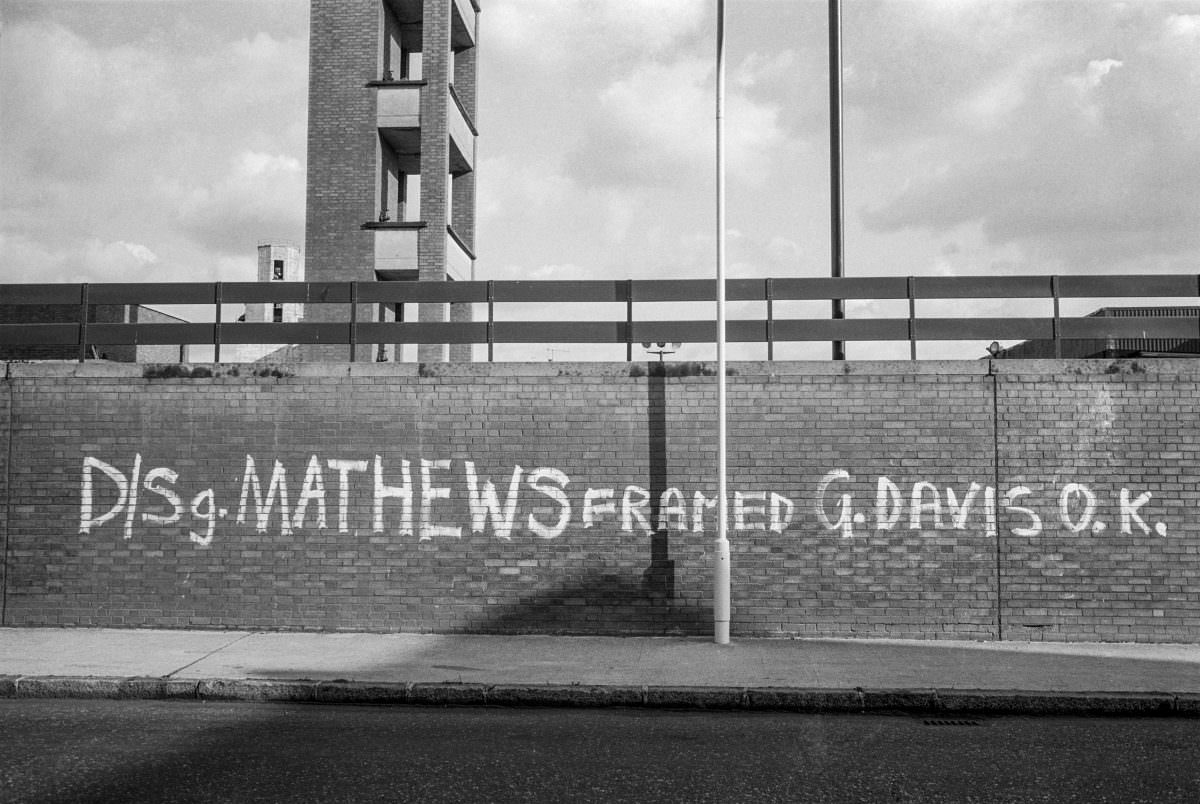
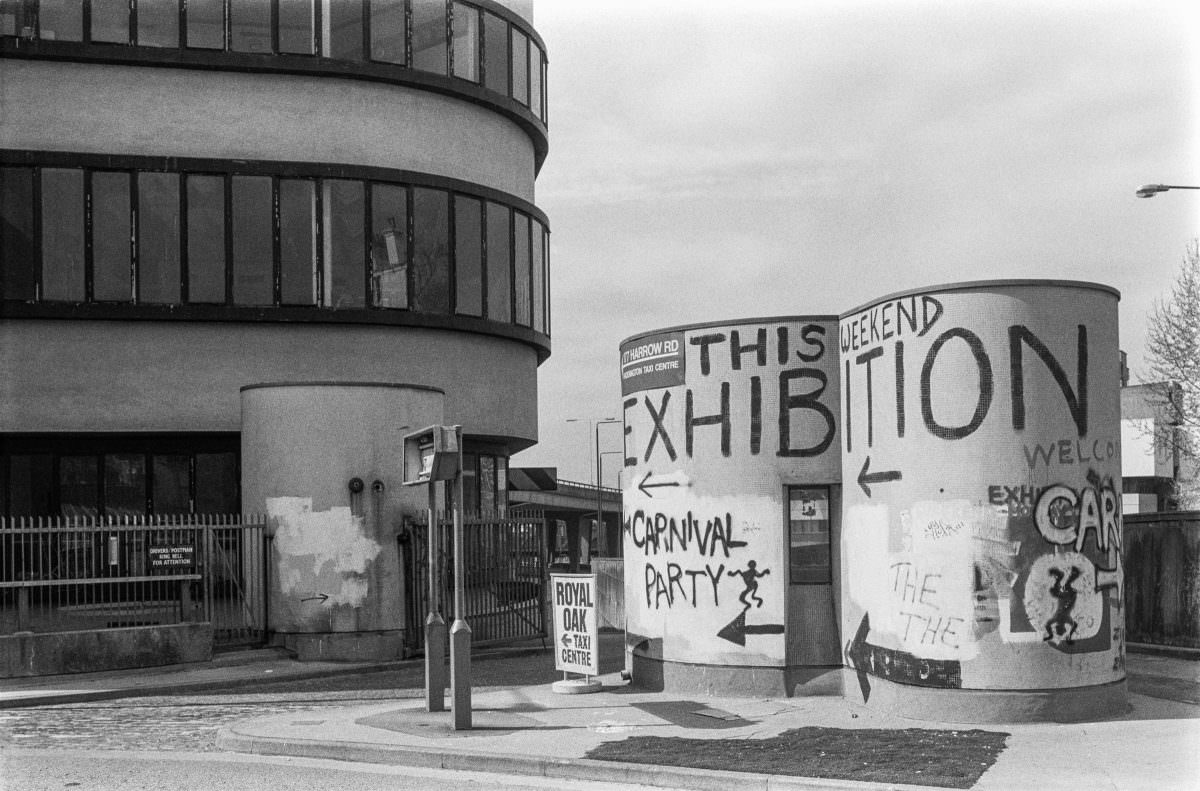
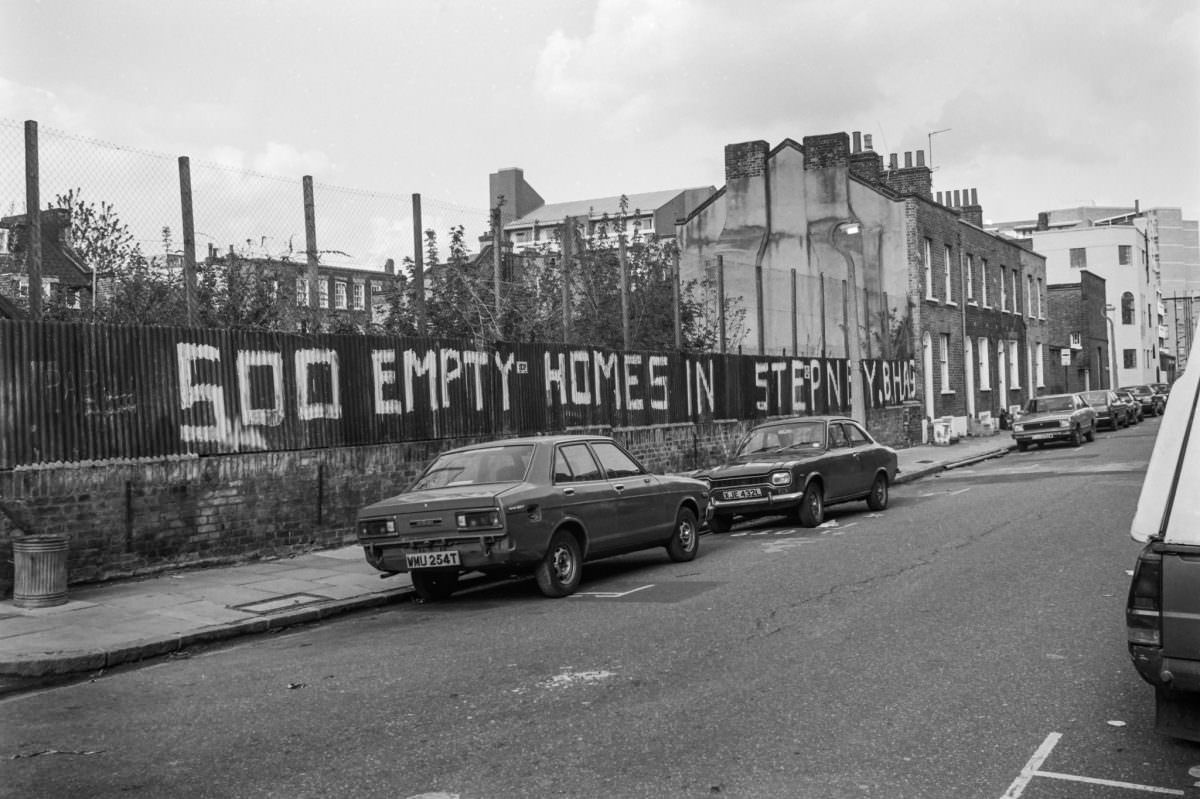
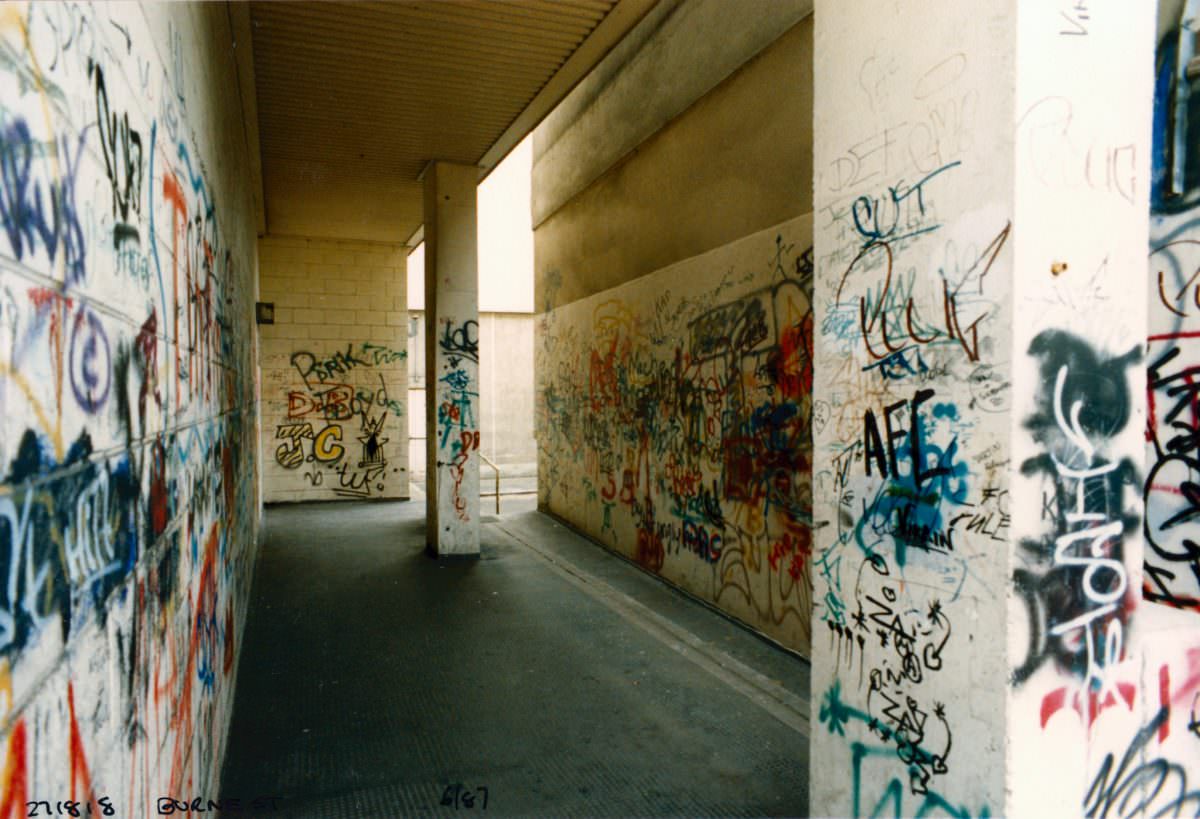
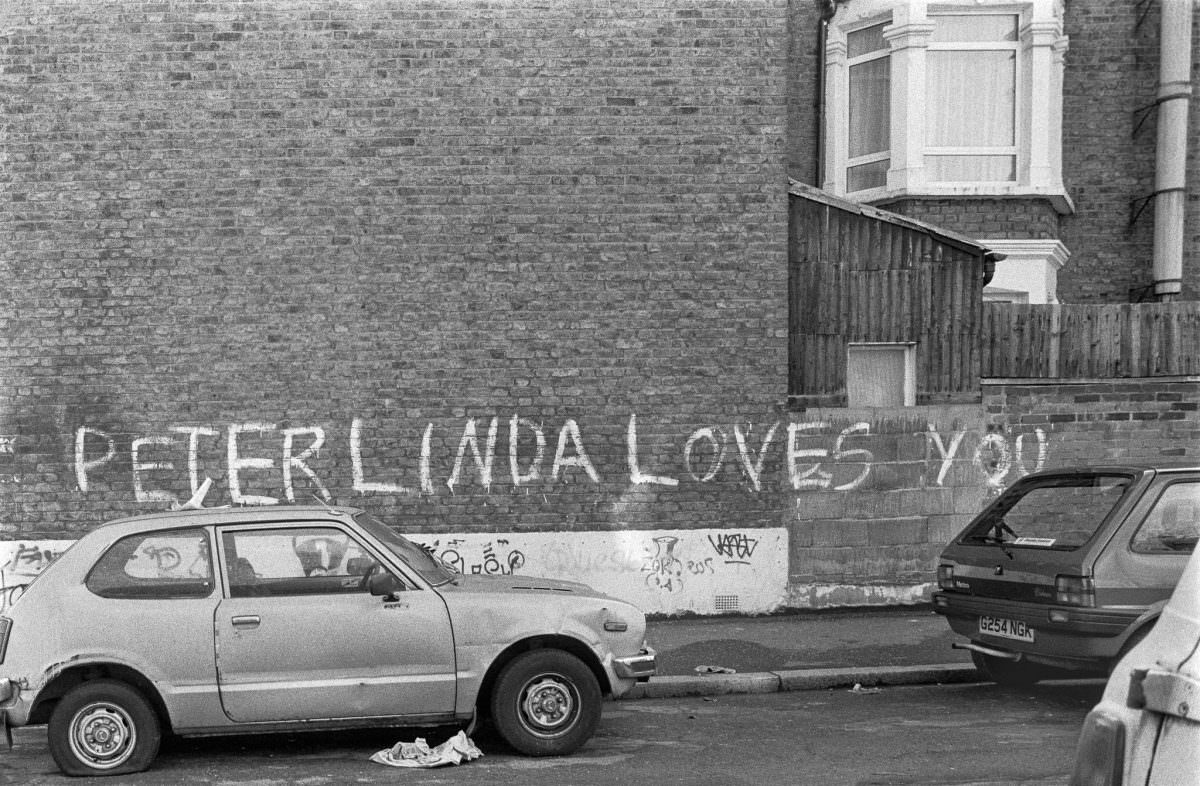
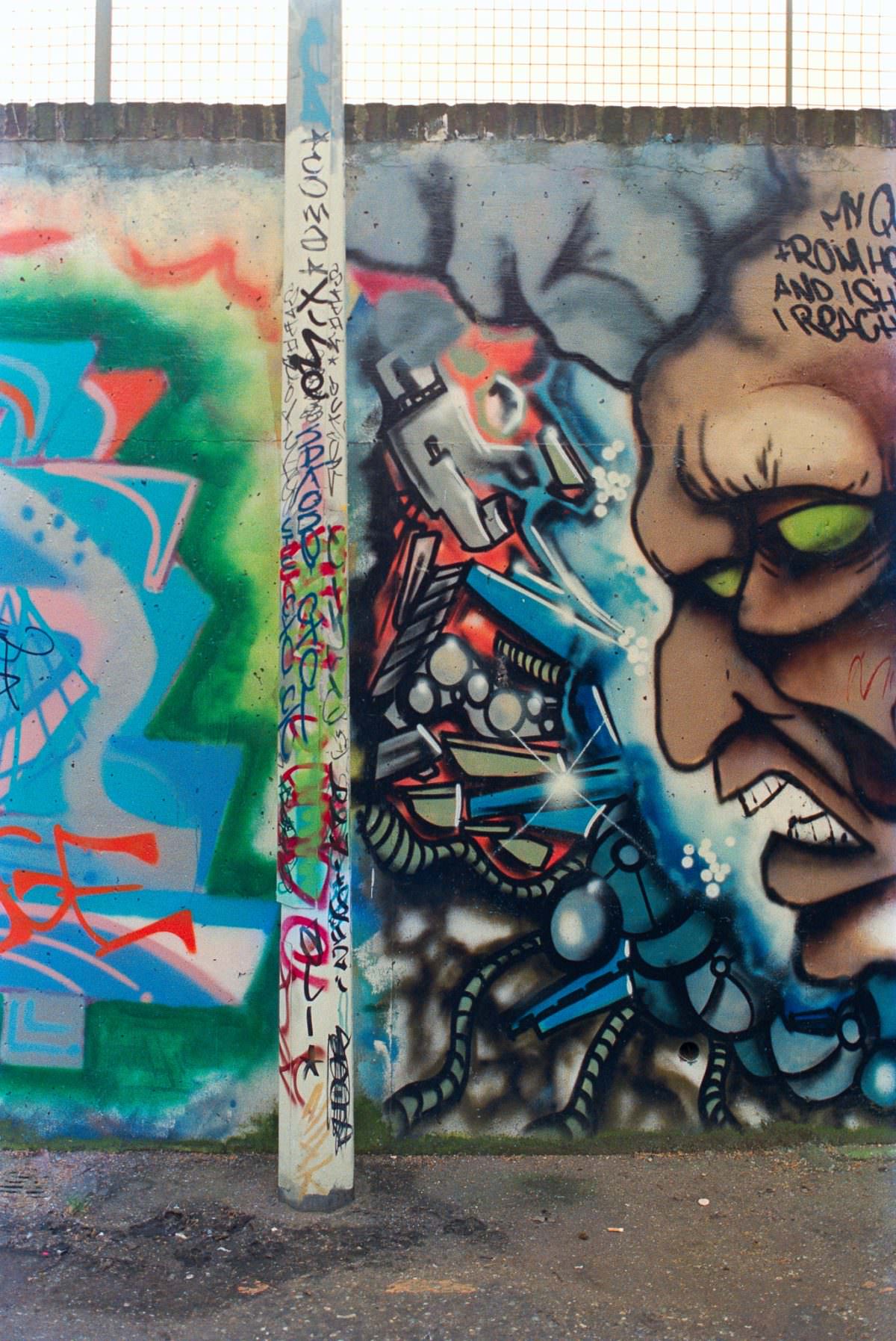
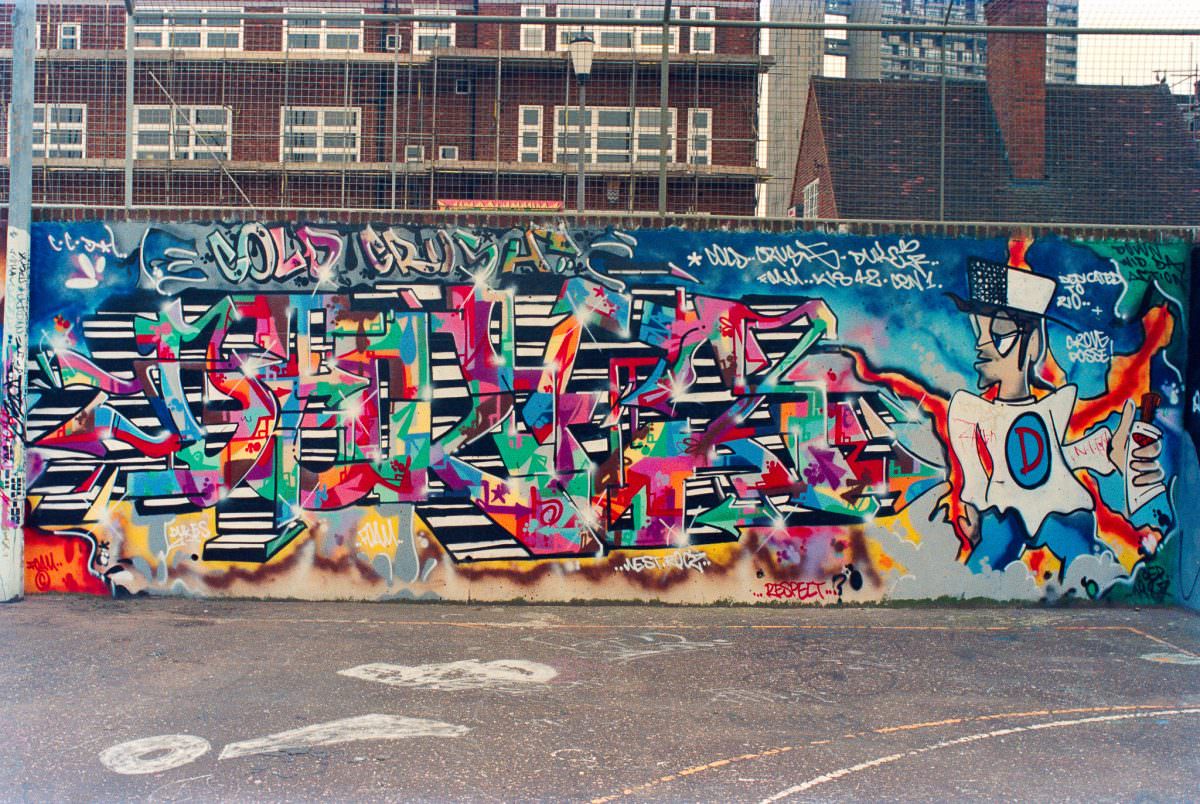
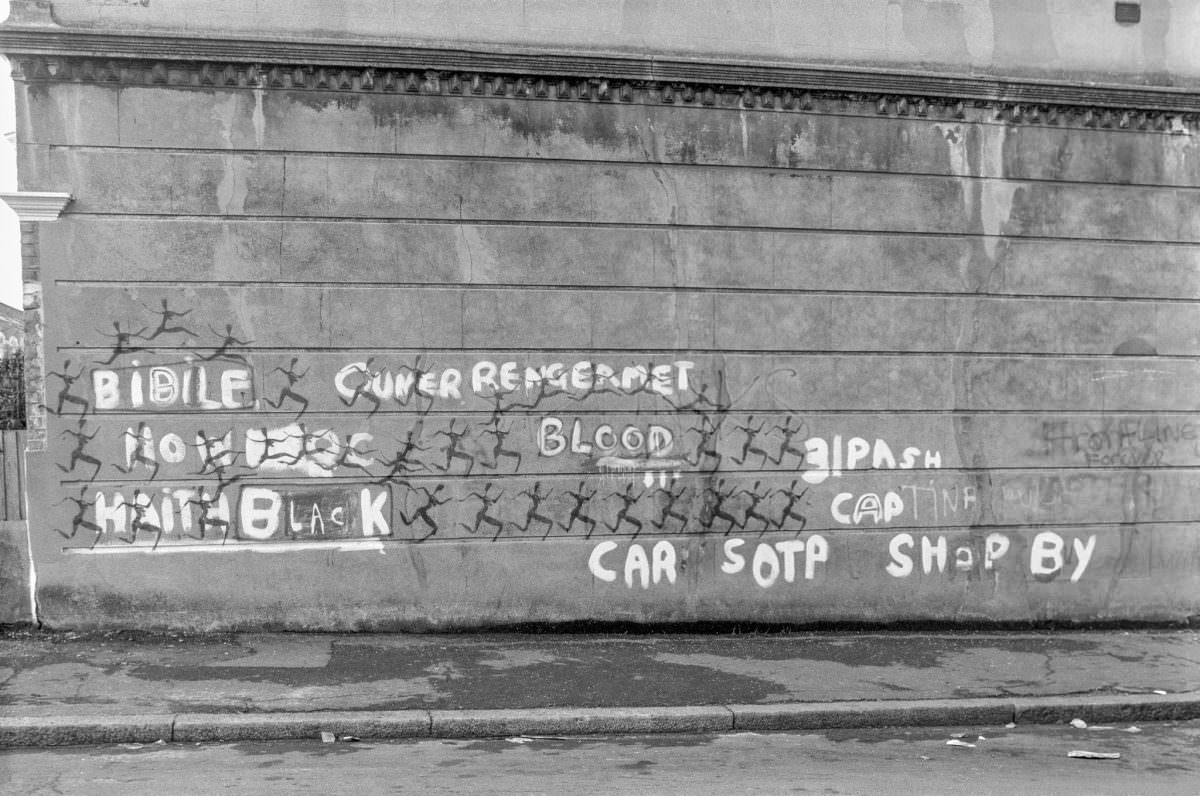
London in the 1980s looked and felt nothing like it does today. Fewer chain restaurants, less gentrification, and no smartphones meant people engaged with their surroundings differently. One of the most visible forms of that engagement was graffiti. Across brick walls, shipping containers, bus shelters, and Underground trains, Londoners painted, scrawled, and sprayed their frustrations, politics, and humor for anyone passing by to read.
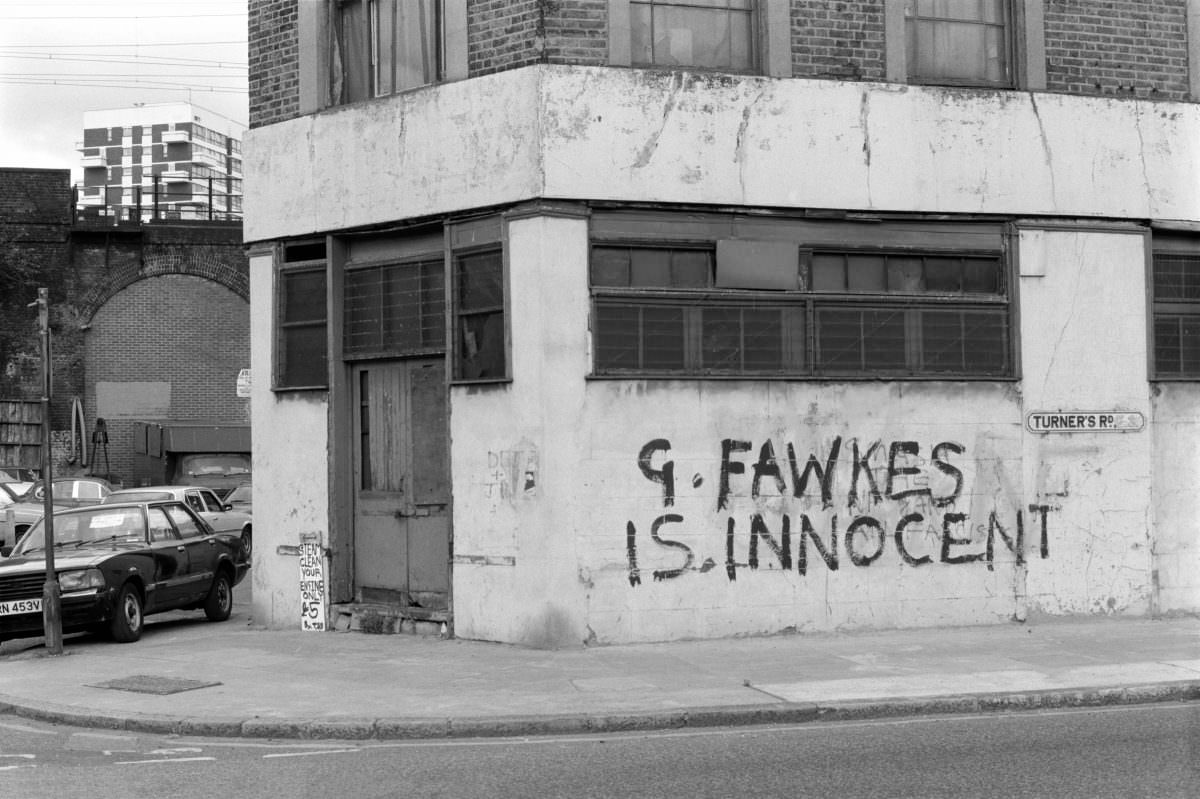
The messages ranged from political provocation to dark humor. Some writers invoked Guy Fawkes, others declared war on fascism or called for the legalization of personal freedoms. Political graffiti wasn’t fringe — it was plastered on bus shelters in Battersea, fences in Wandsworth, and walls throughout Tower Hamlets. These weren’t commissioned murals. They were acts of defiance, often painted at night, and just as often painted over by morning.
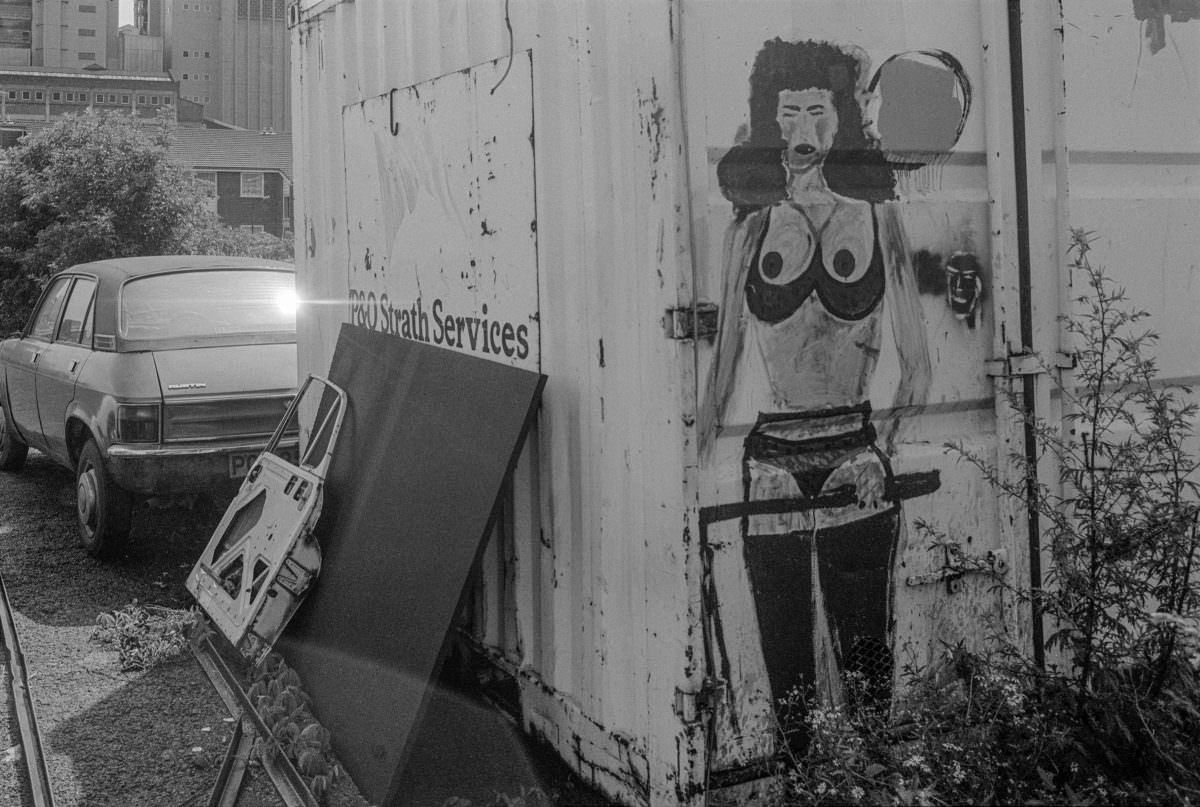
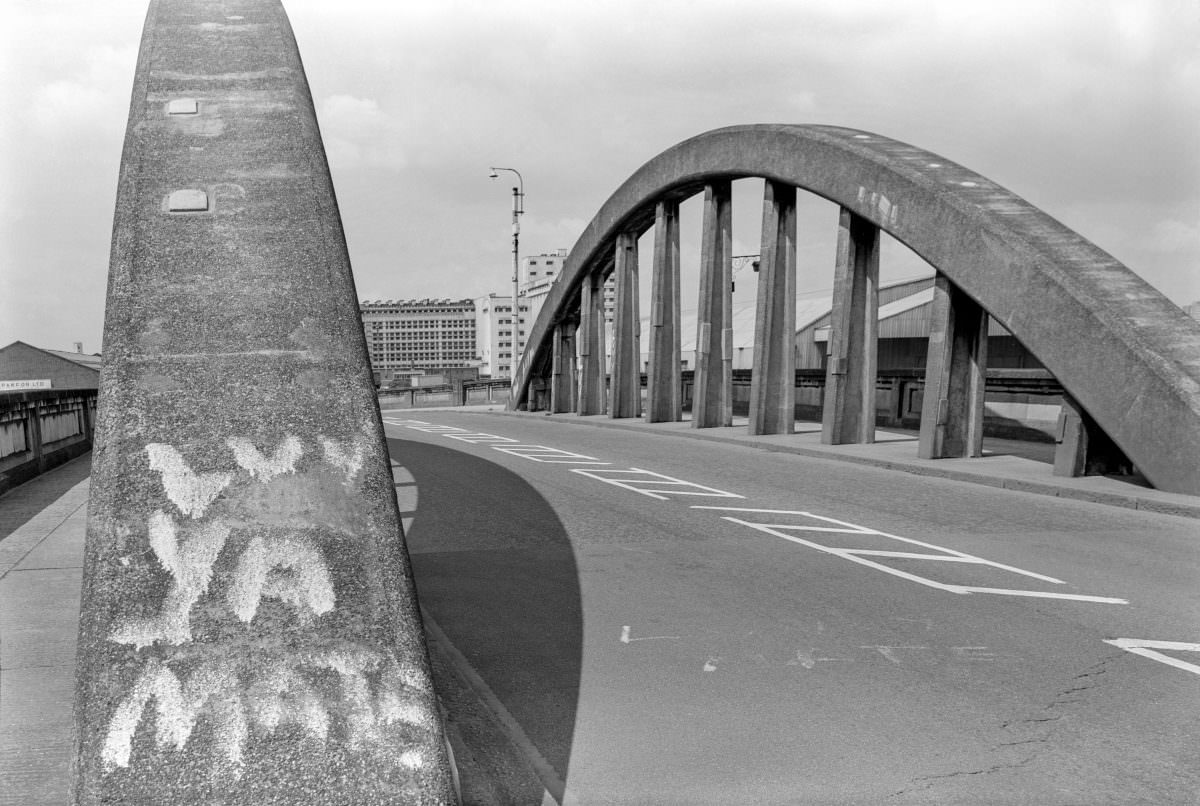
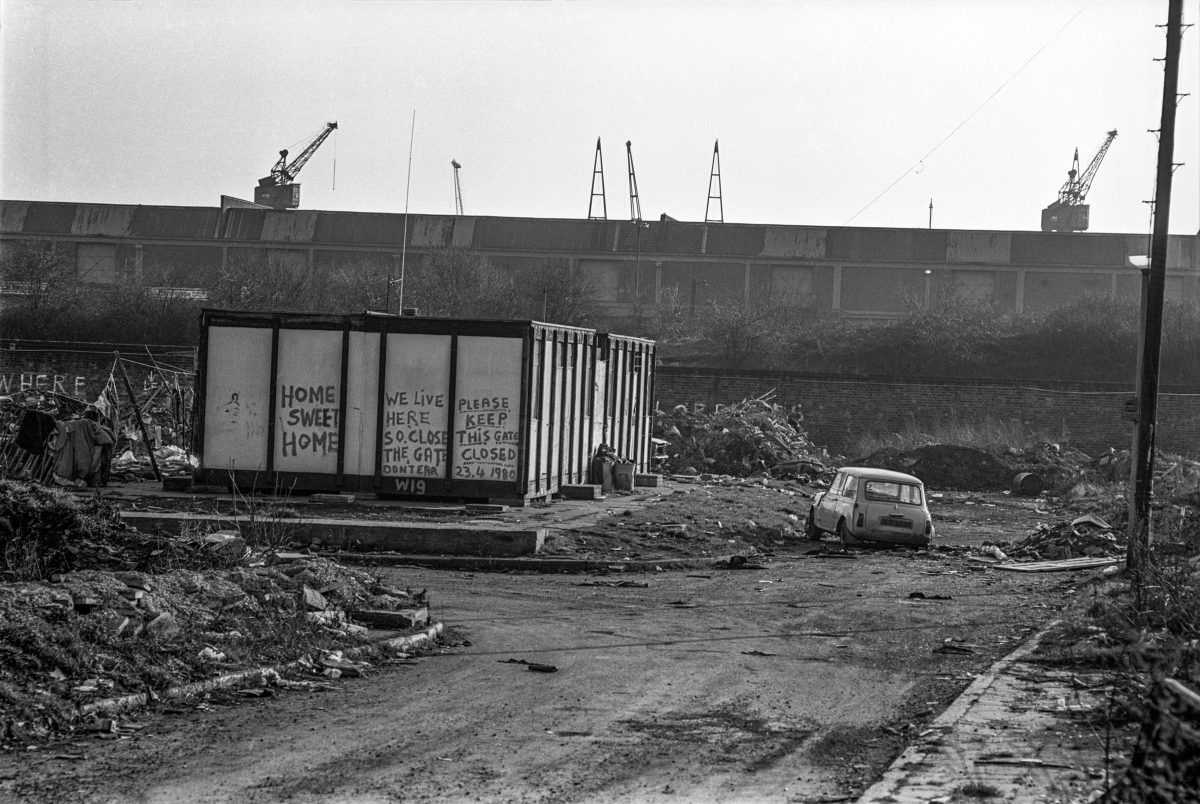
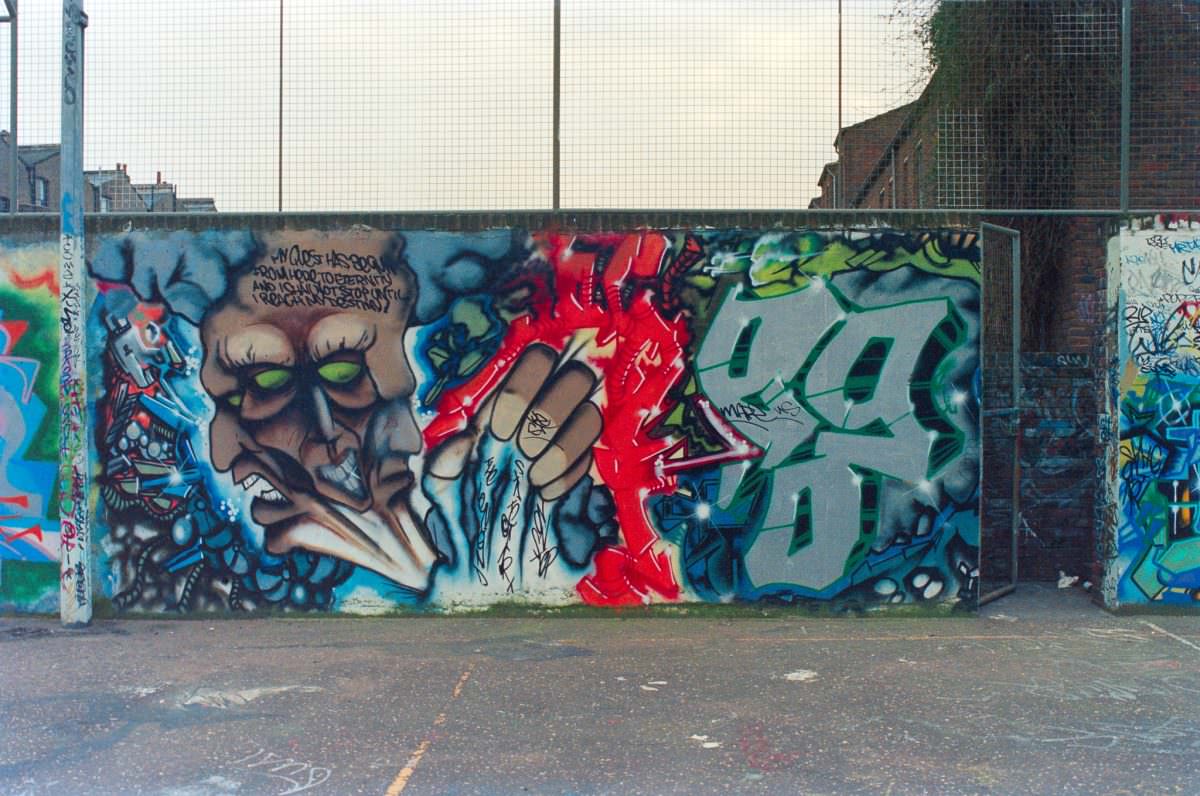
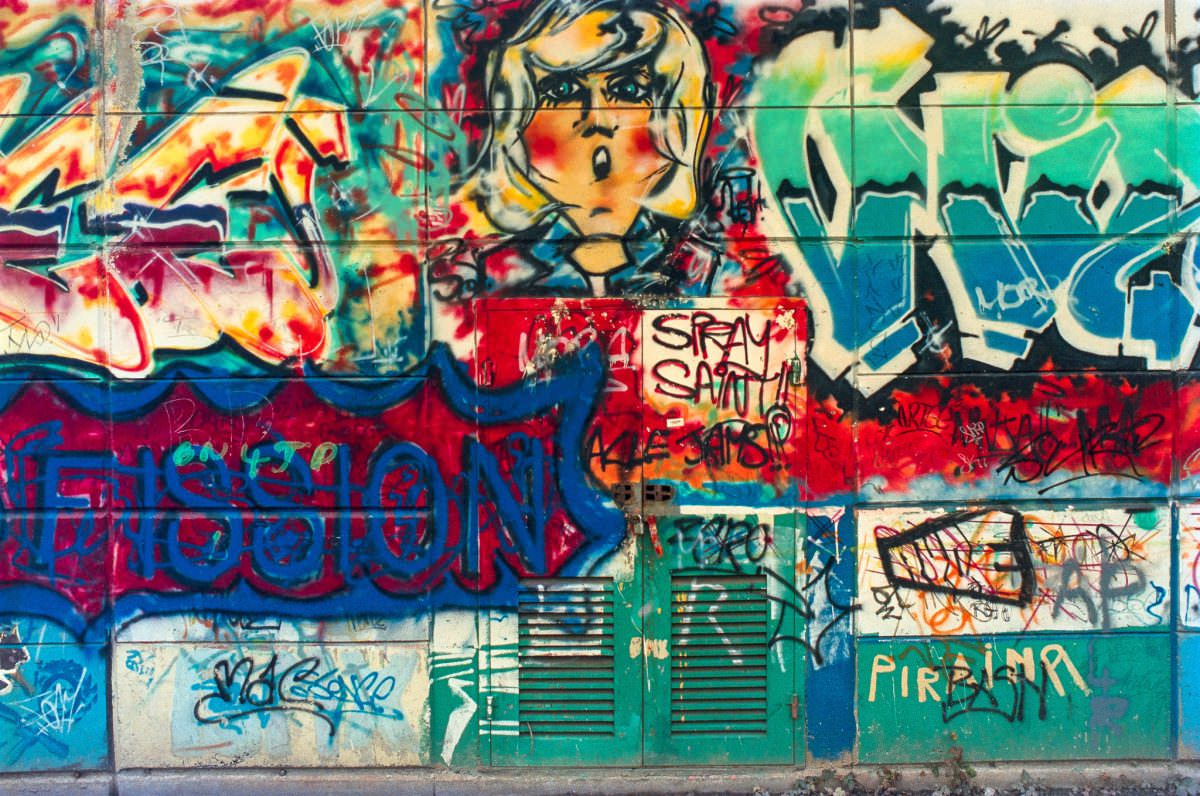
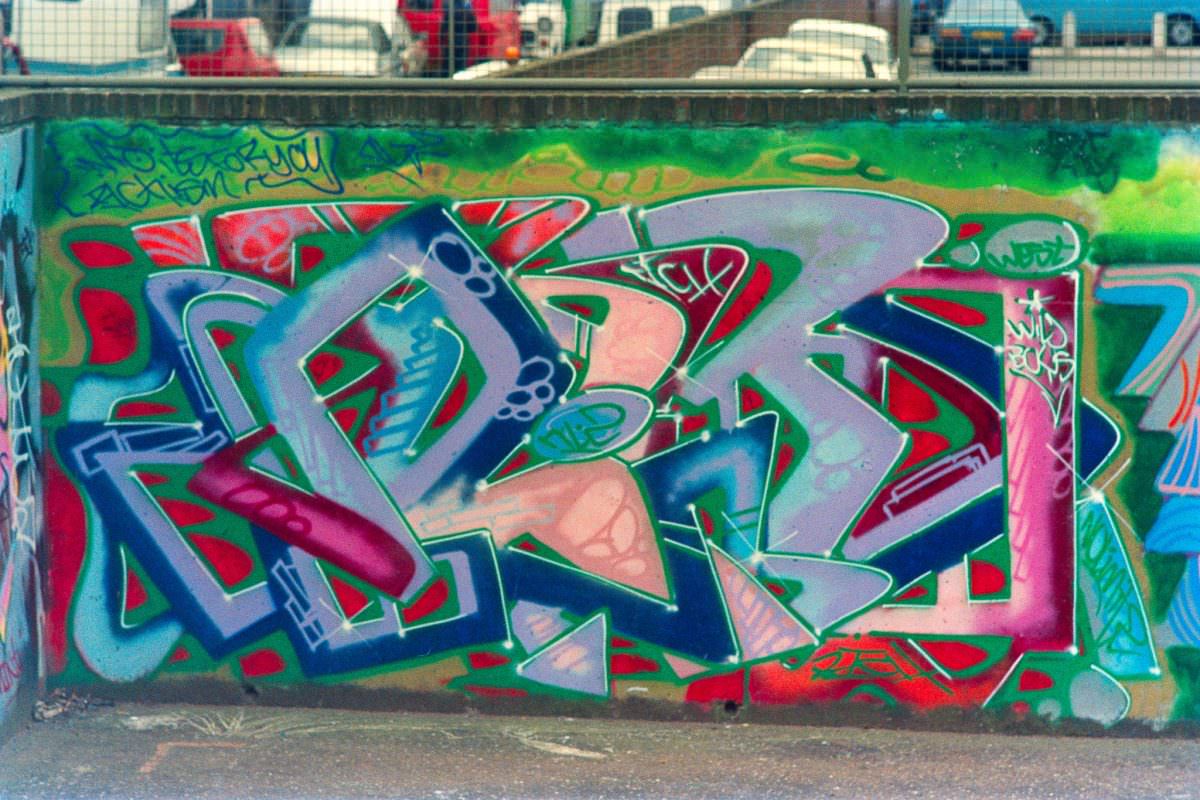
Photographer Peter Marshall walked these streets with a camera and documented what he saw — not the tourist landmarks or the postcard versions of London, but the neighborhoods where ordinary people lived. Marshall photographed docklands, prefabs, flyovers, and alleyways. His work captured graffiti as it appeared in context: on decaying walls, industrial structures, and housing estates.
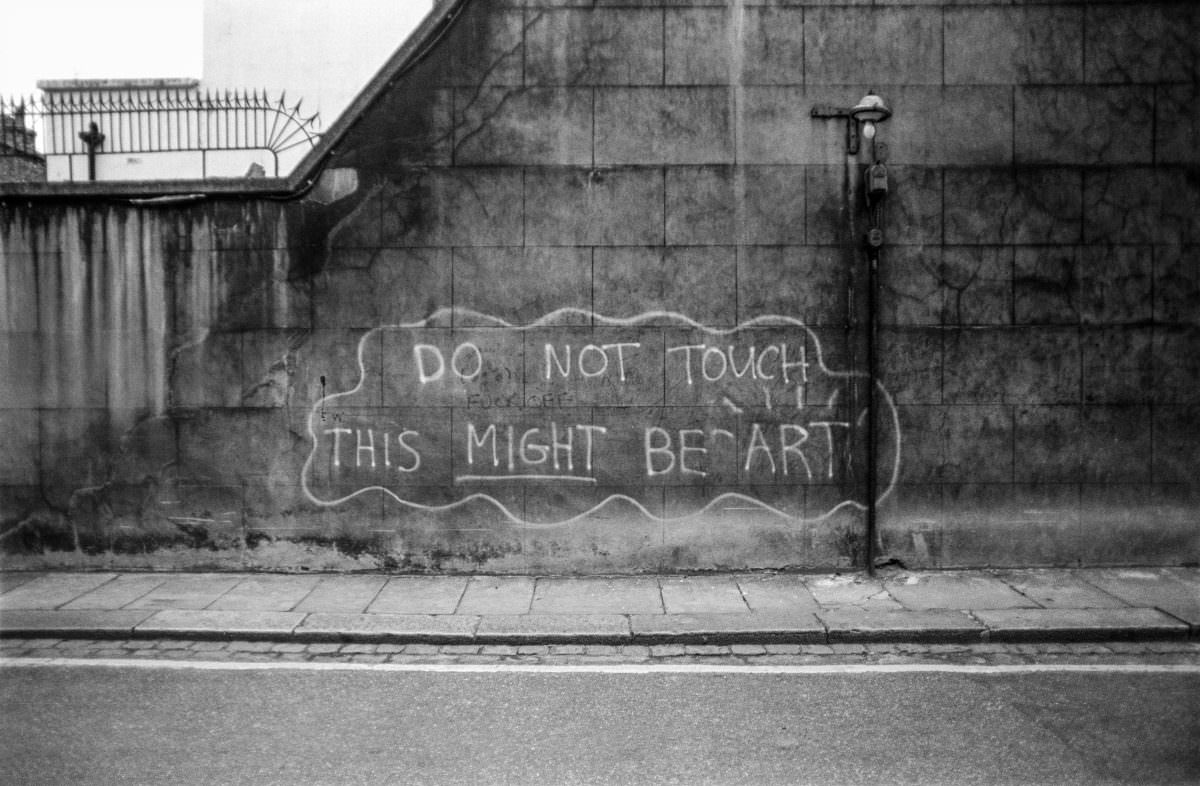
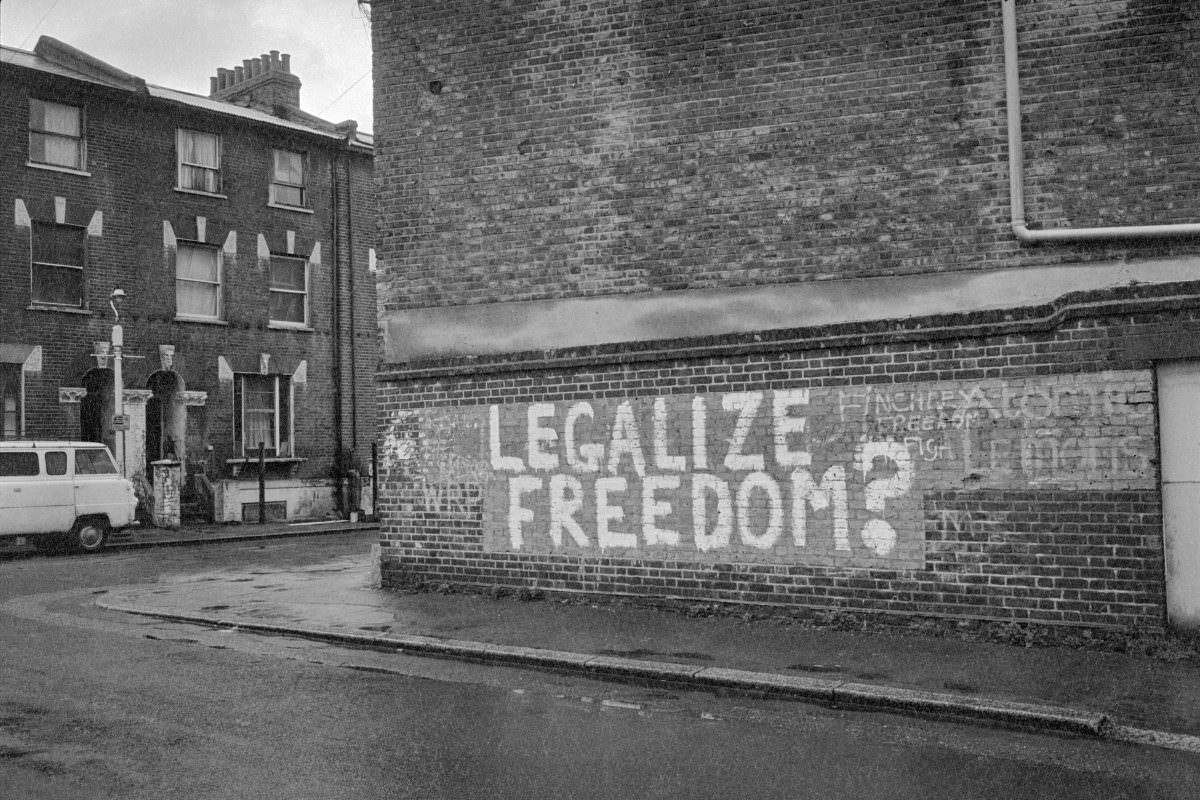
St Agnes’s Place in Vauxhall and Kennington appeared in Marshall’s lens multiple times. The area, known for its squats and countercultural activity, was a hotspot for political street writing throughout the early 1980s. Calls to ‘Legalise Freedom’ sat alongside anarchist slogans and anti-nuclear messages — a snapshot of a community pushing back against authority.
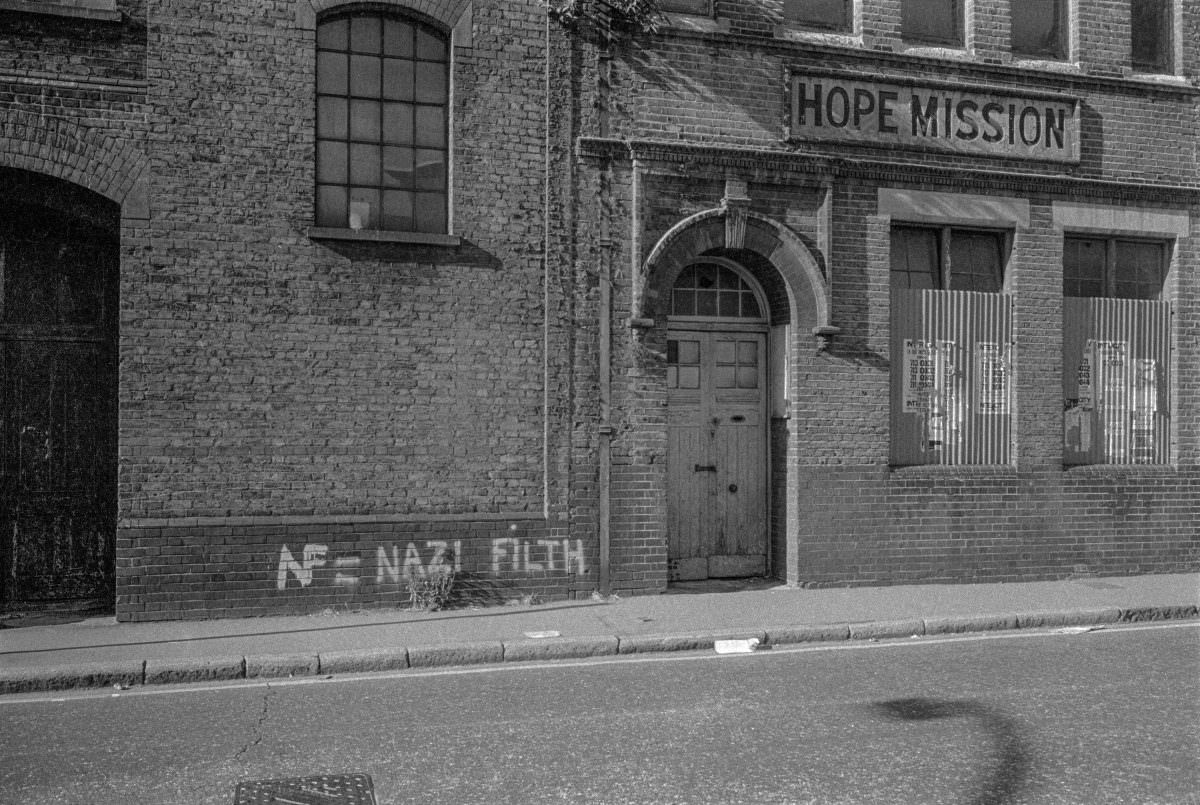
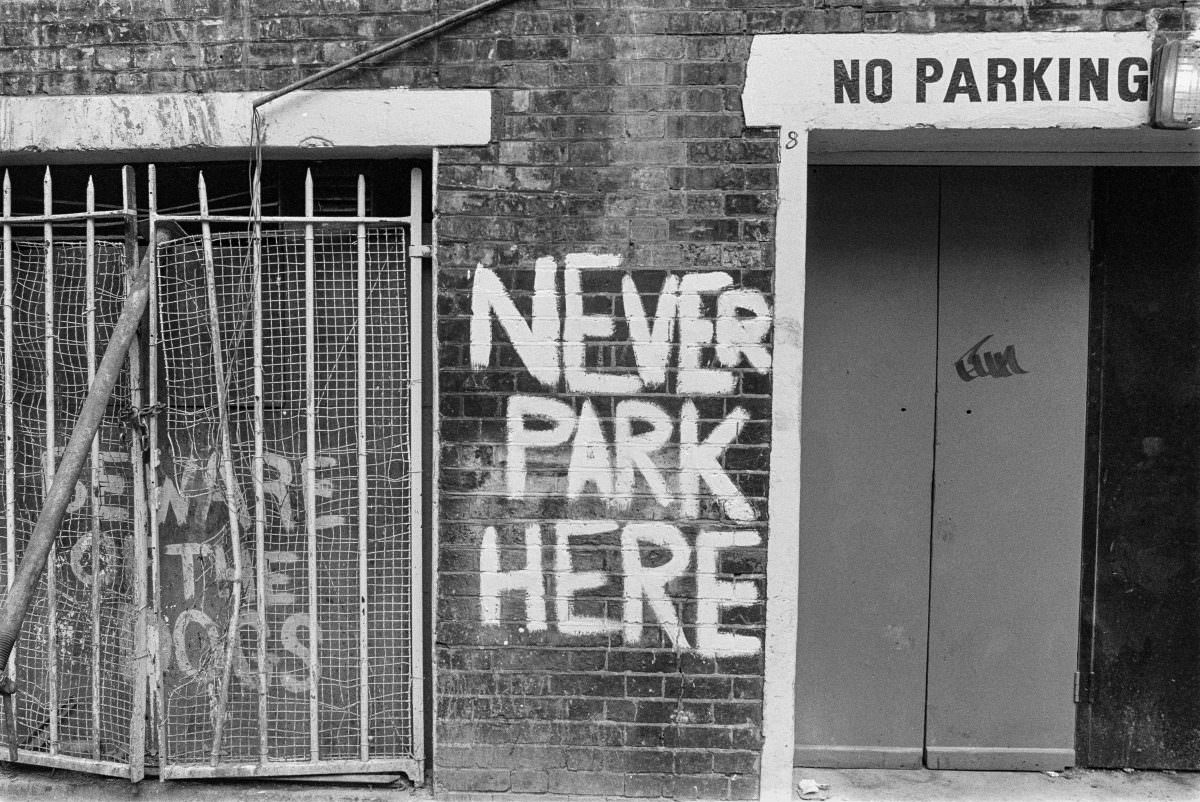
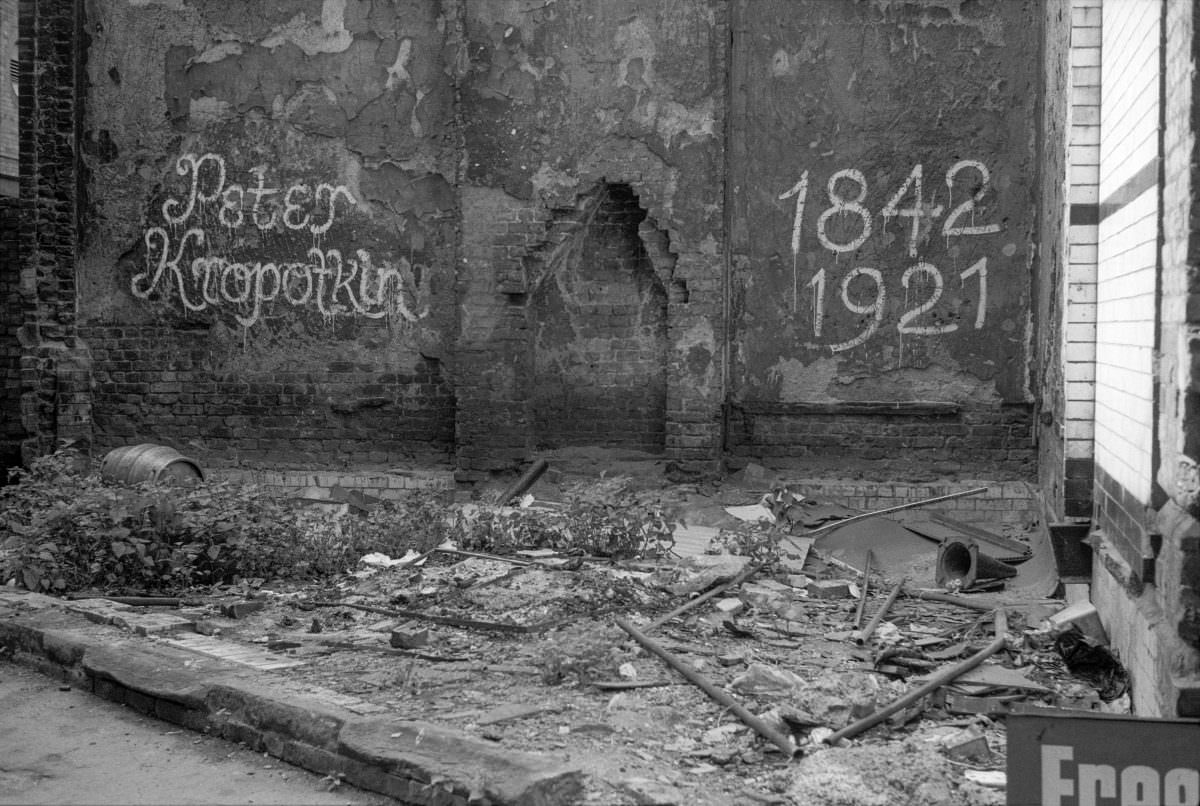
Whitechapel had its own stretch known as Freedom Alley on Whitechapel High Street, photographed by Marshall in 1980. The alley served as an open canvas for the area’s residents — many of them working class, many politically engaged. Tower Hamlets, one of London’s most deprived boroughs at the time, saw some of the most concentrated graffiti activity throughout the decade.
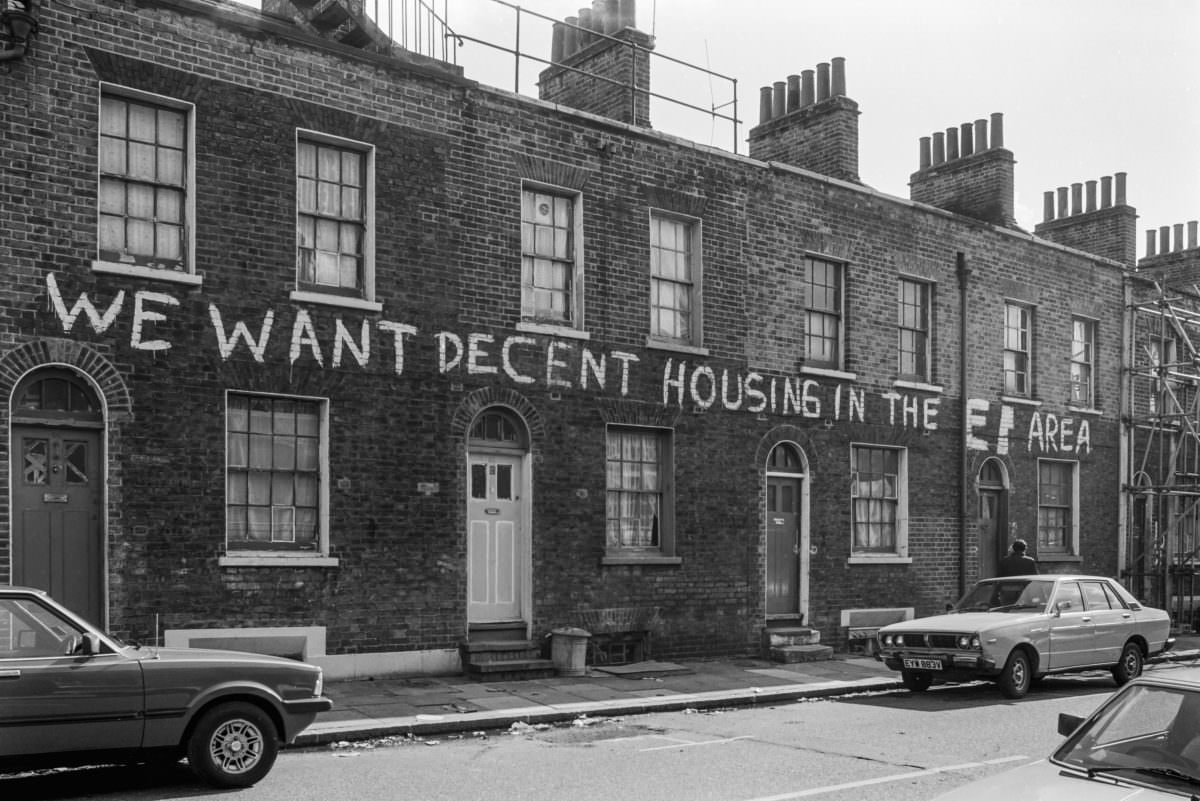
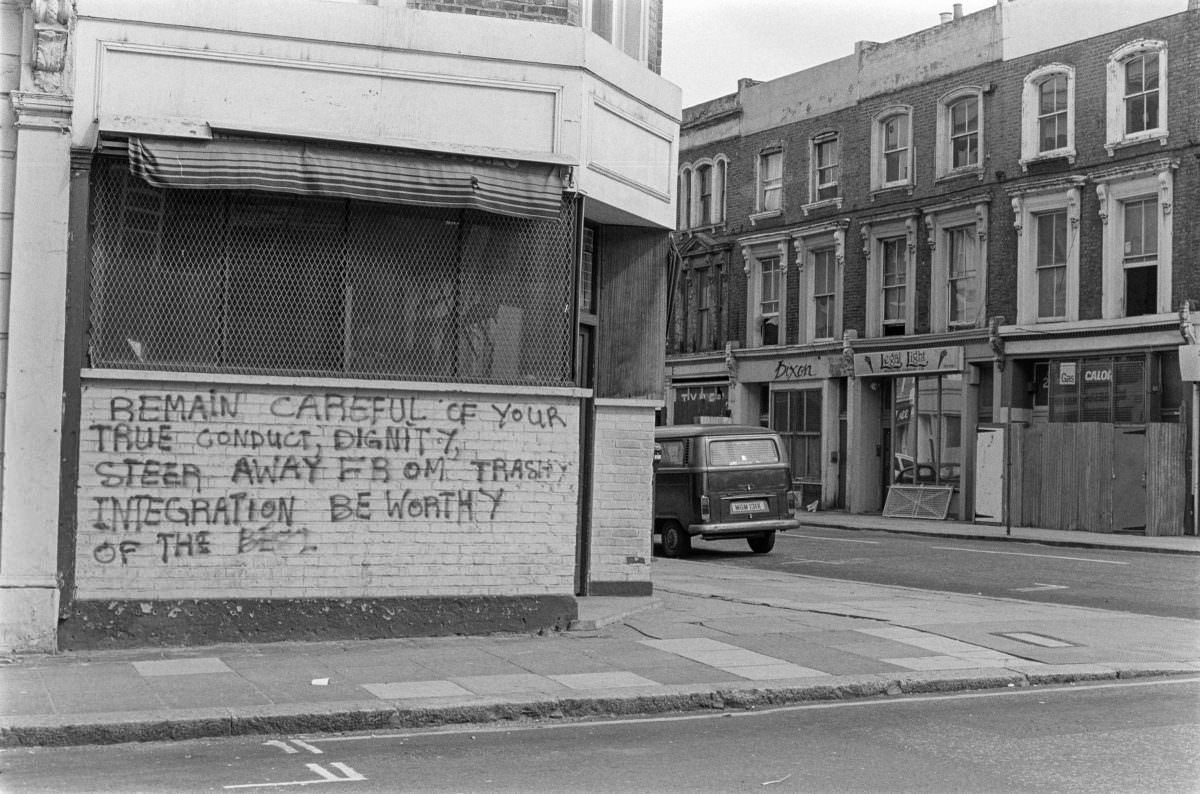
Notting Hill, particularly around Wornington Road and Basing Street, carried a heavy load of graffiti throughout the late 1980s. It was a neighborhood in tension — gentrification beginning to creep in from one side while long-established Caribbean and working-class communities held their ground. The walls reflected that tension directly.
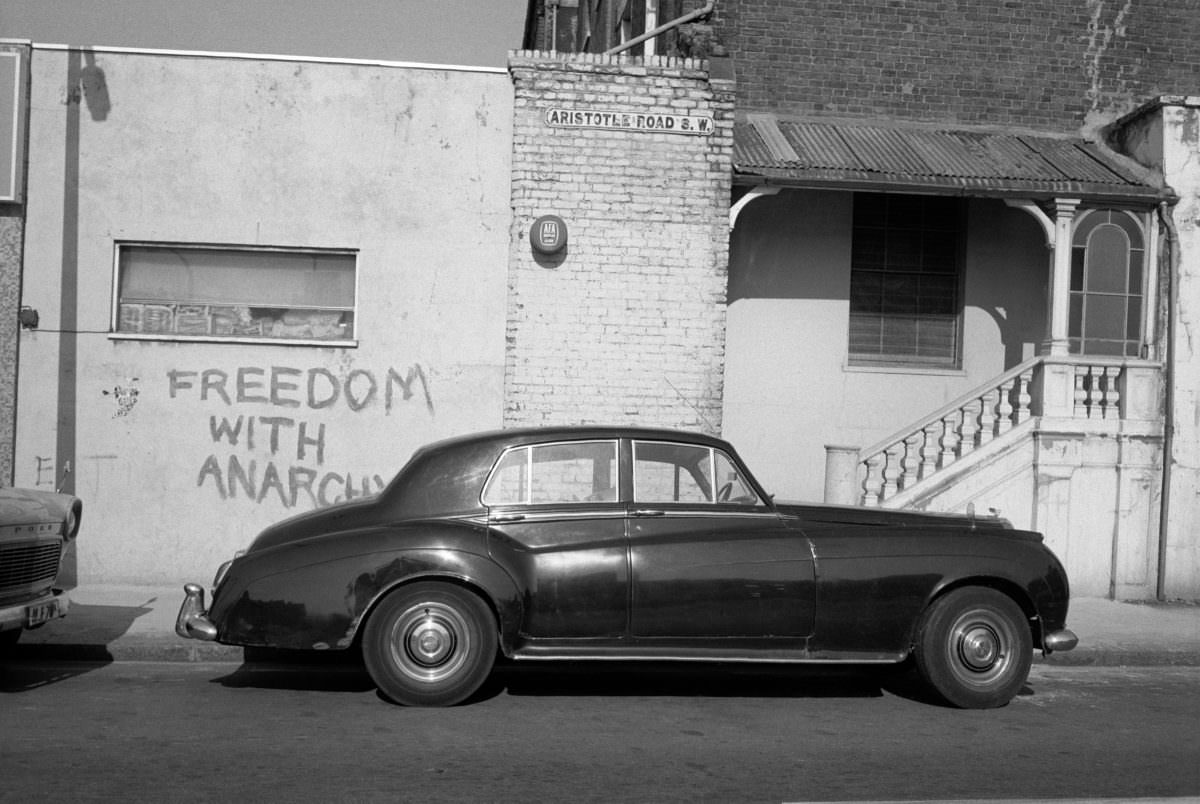
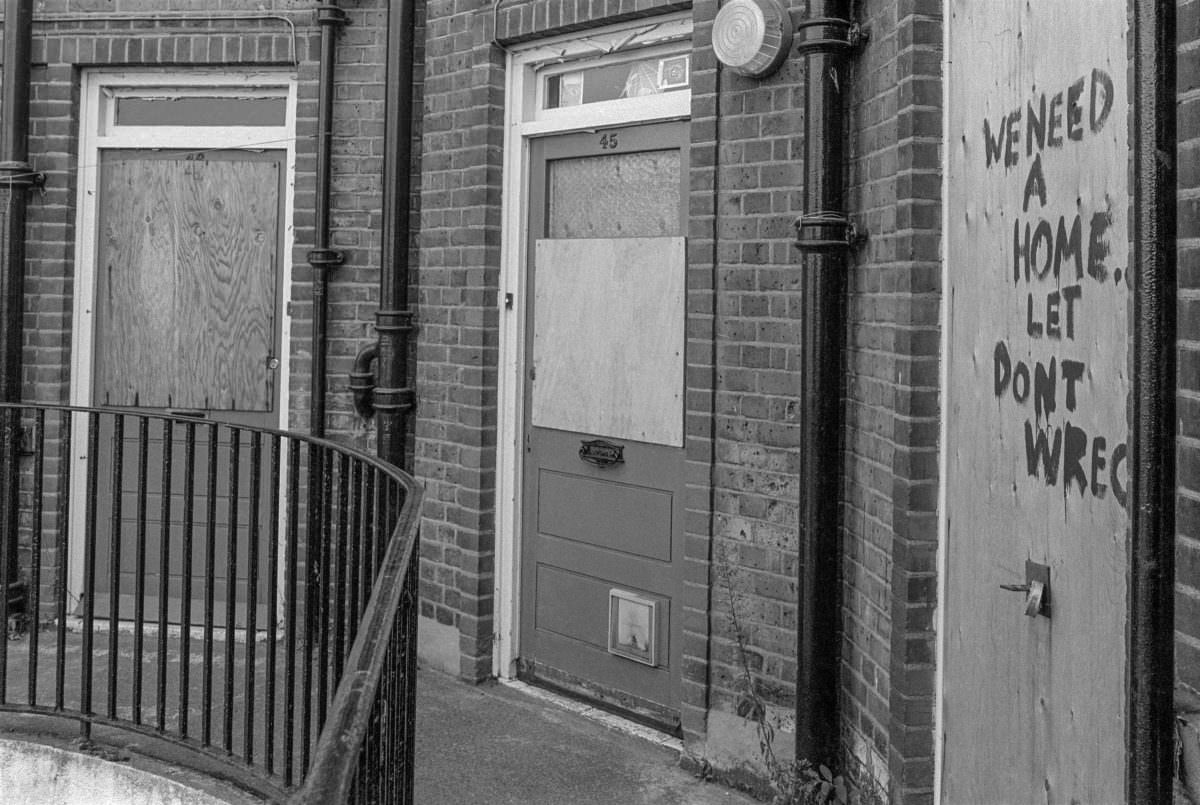
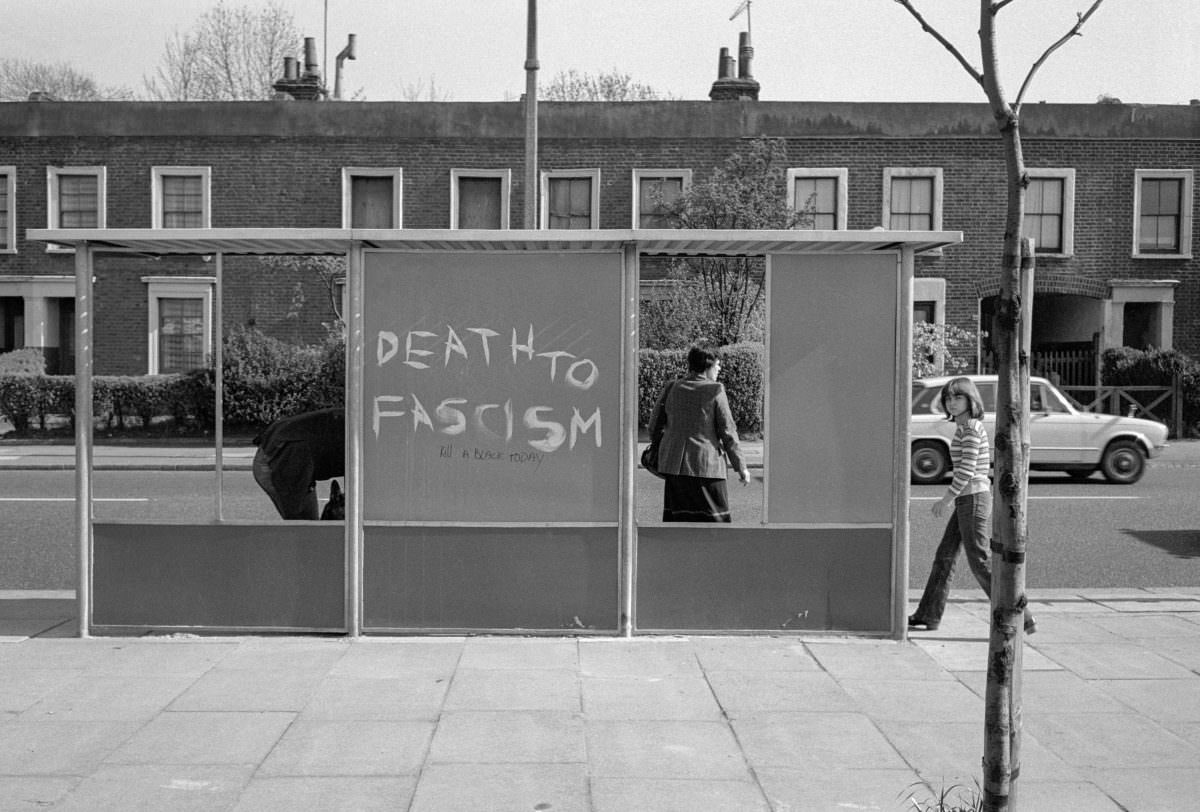
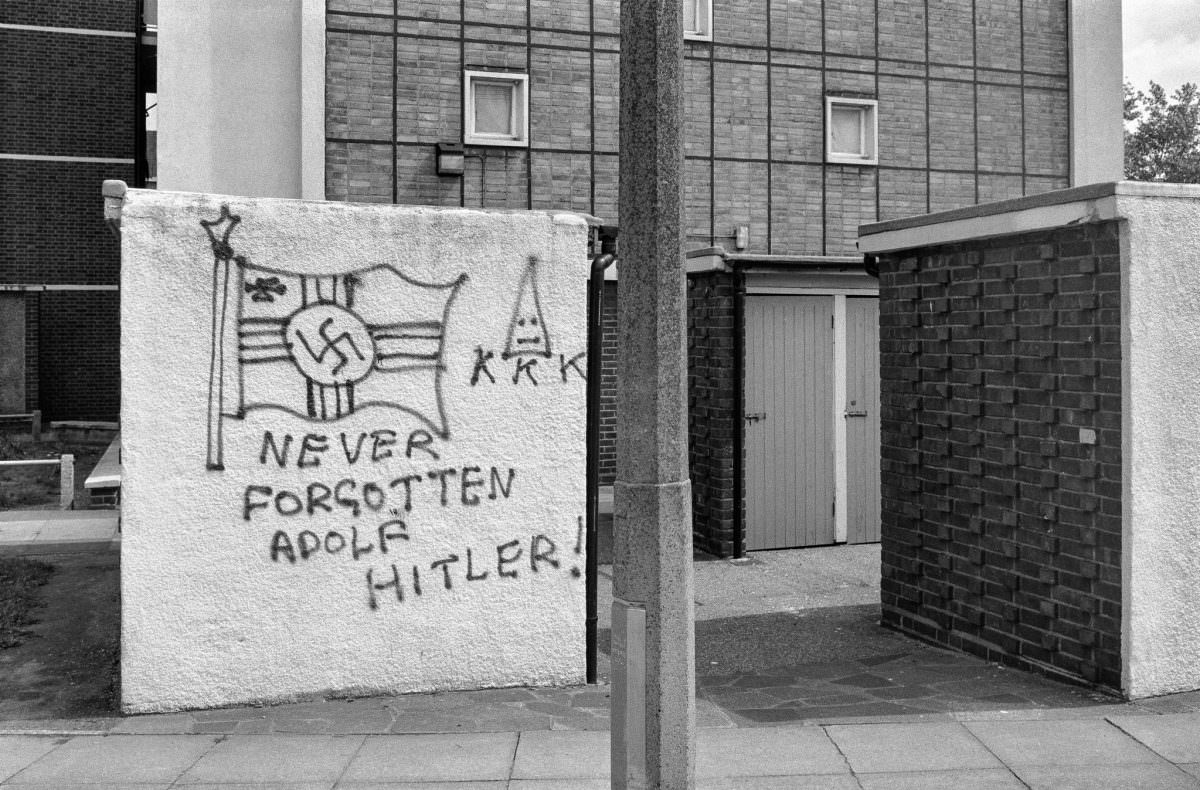
Not all the graffiti was abstract or artistic. Some of it was stark and ugly. A bus shelter in Battersea carried the words ‘Death to Fascism’ in 1980. A fence in Wandsworth bore National Front initials. An Edmonton wall was marked with ‘Never Forgotten Adolf Hitler’ as late as 1991. Marshall photographed all of it without filtering — the hateful alongside the hopeful.
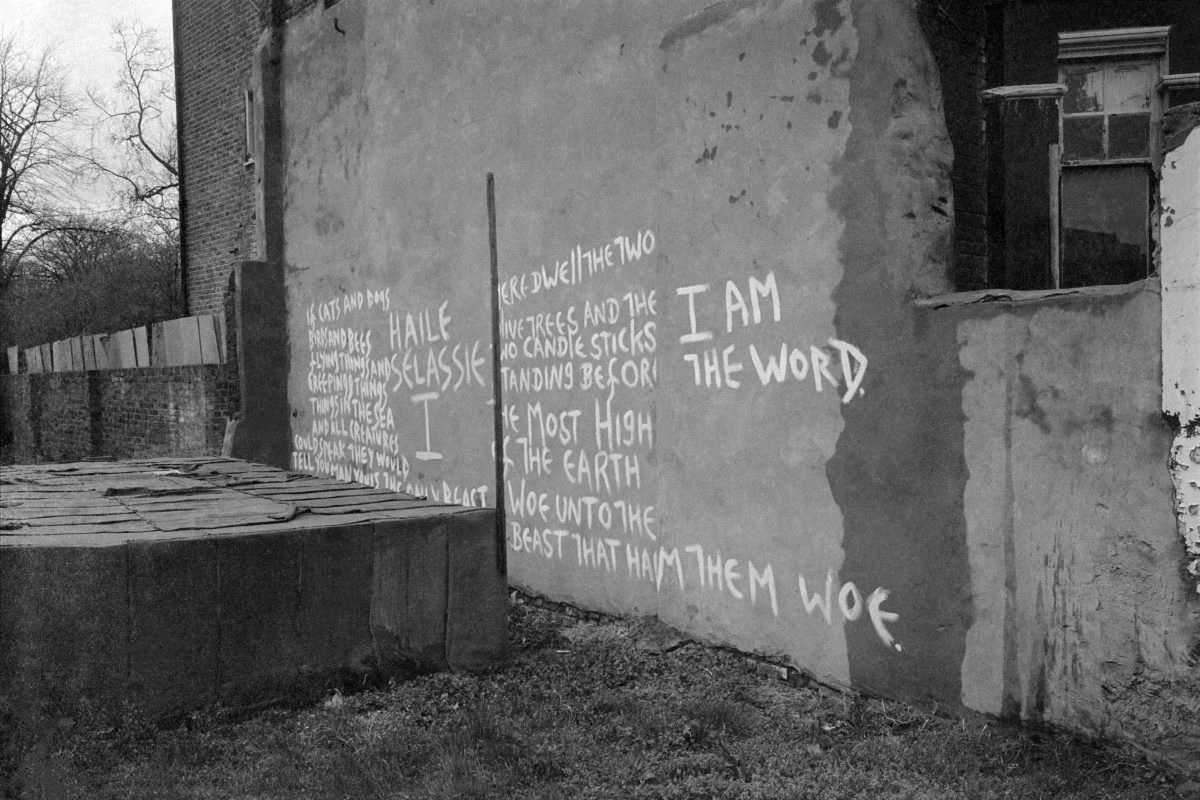
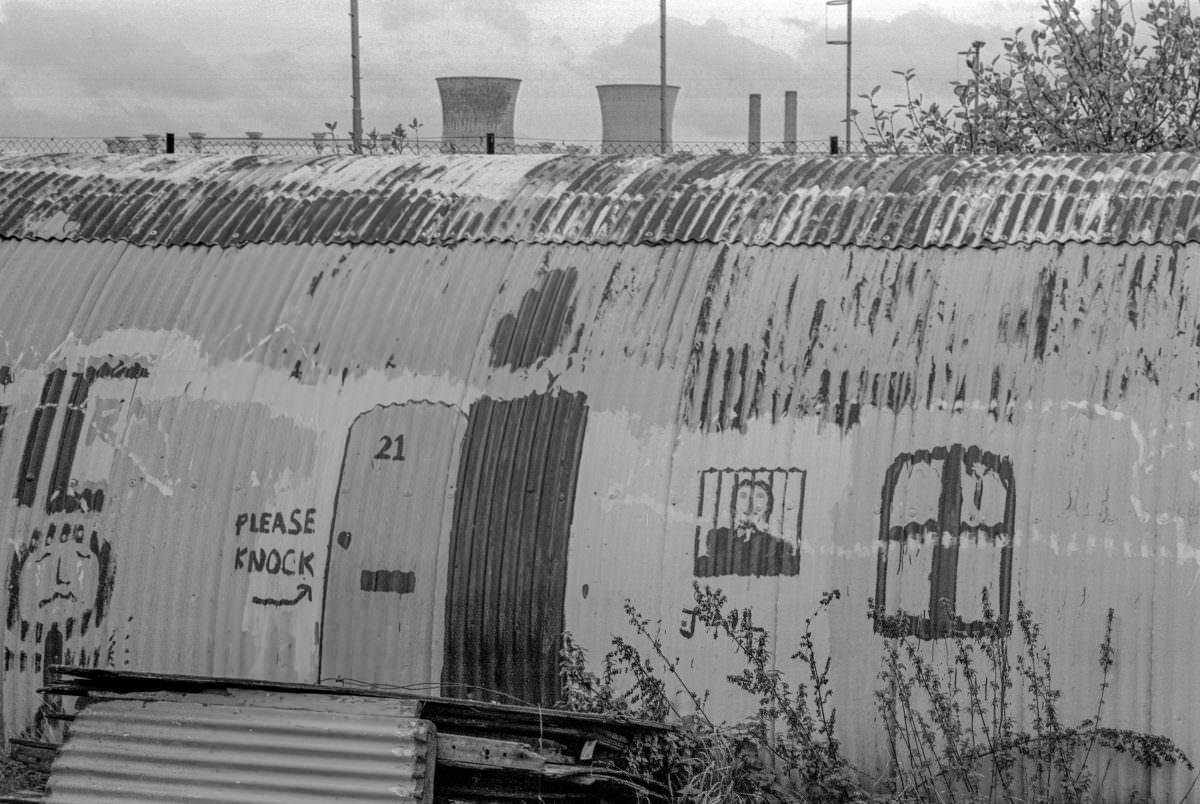
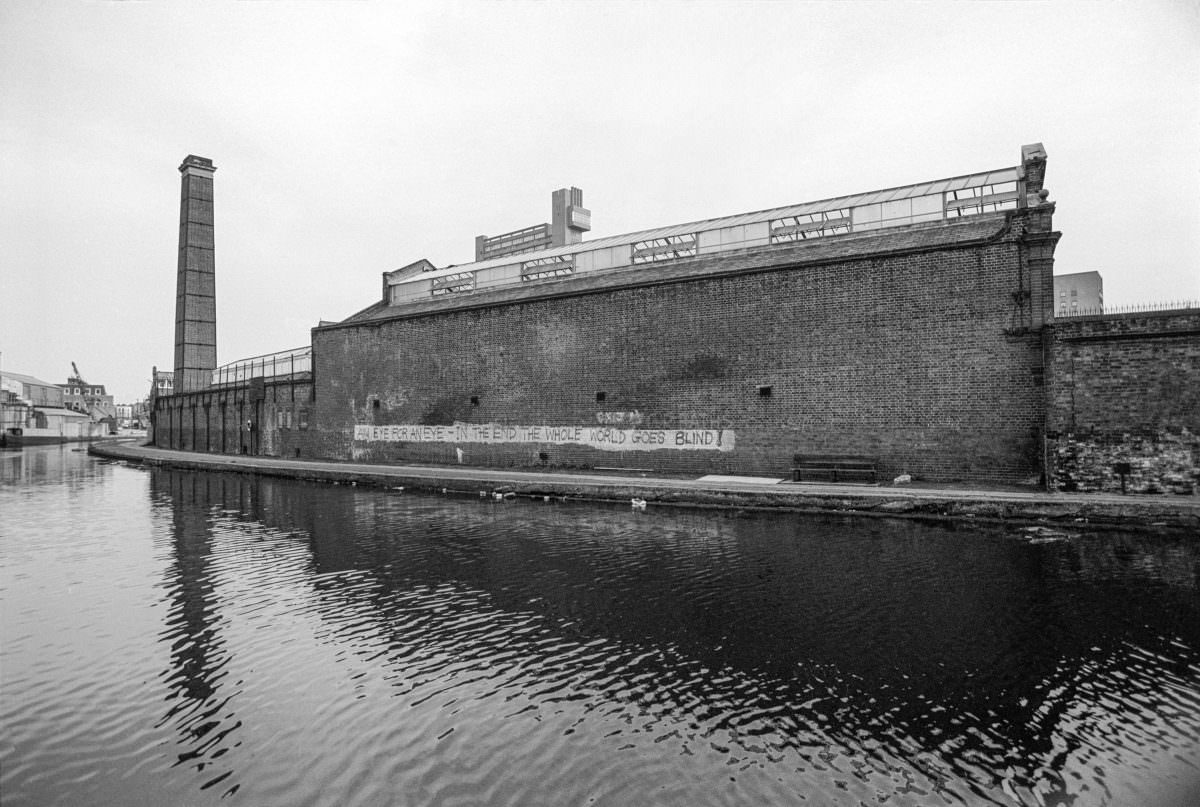
The reach of street writing extended well beyond the inner city. Marshall photographed the Three Mills Wall River in Stratford, the Lea Navigation in Tottenham, Lovell’s Wharf in Greenwich, and the Grand Union Canal in Queen’s Park. Waterways, industrial sites, and forgotten infrastructure all became surfaces for expression.
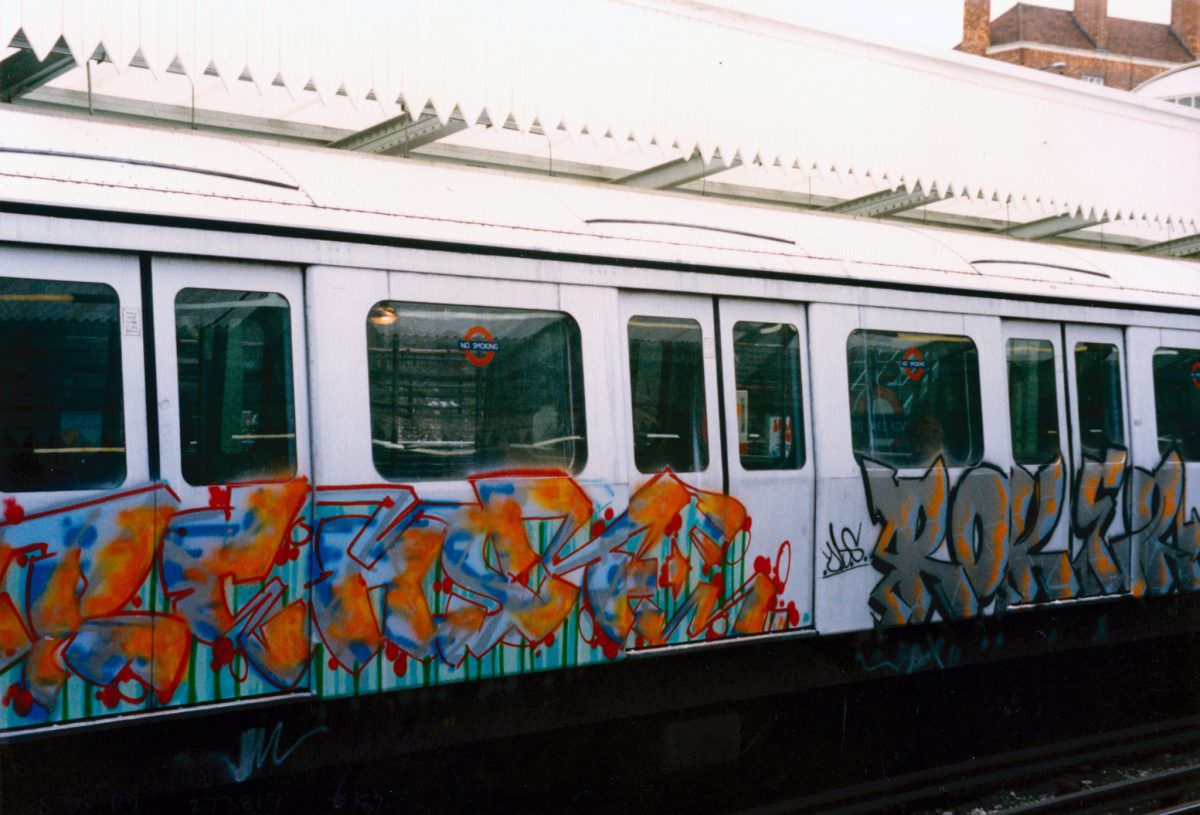
Graffiti also appeared on London Underground trains, captured by Marshall on the Edgware Road line in 1987. Train carriages were a prime target across the decade — highly visible, moving through the entire city, impossible to ignore. The Metropolitan Police and London Transport both treated train graffiti as a serious problem, deploying cleaning crews and surveillance to combat it.
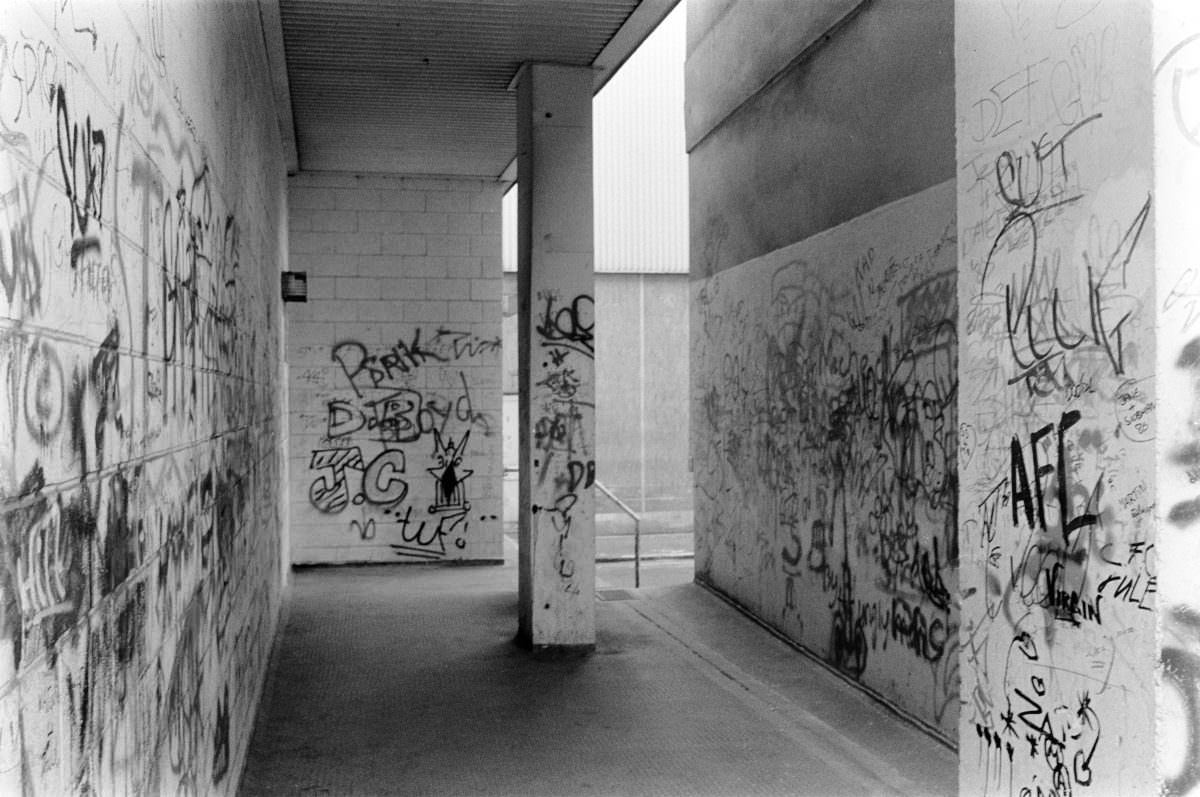
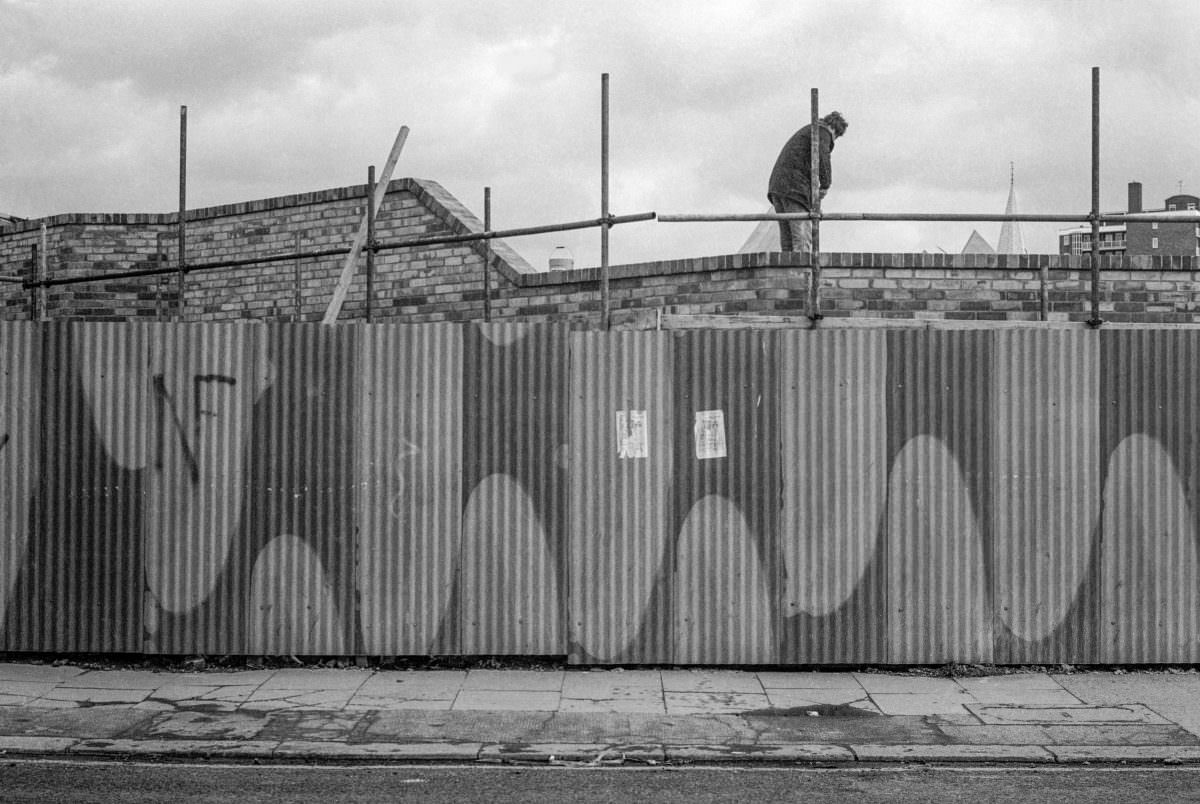
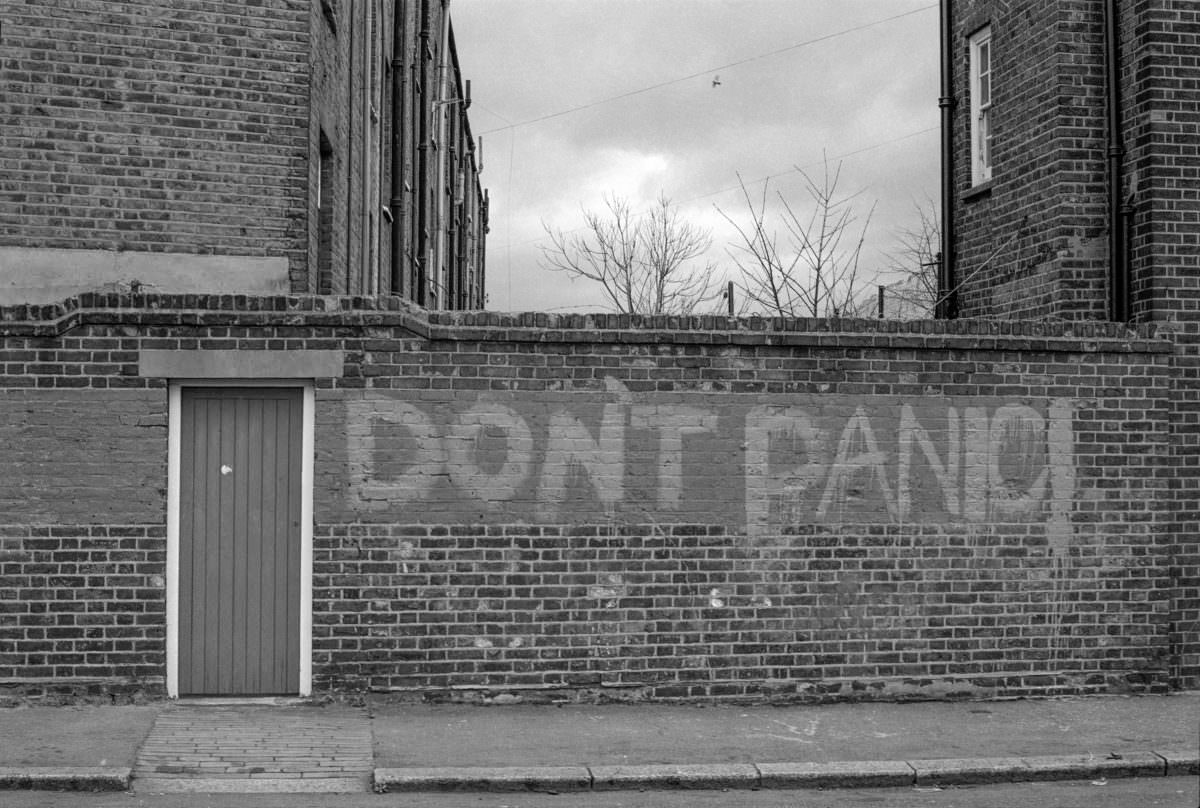
The back-and-forth between graffiti writers and authorities was relentless. Councils painted over walls only for new messages to appear within days. Police arrested writers caught in the act. Despite the crackdowns, the volume of graffiti across London grew steadily through the 1980s rather than shrinking. It was a cat-and-mouse dynamic that defined the era.
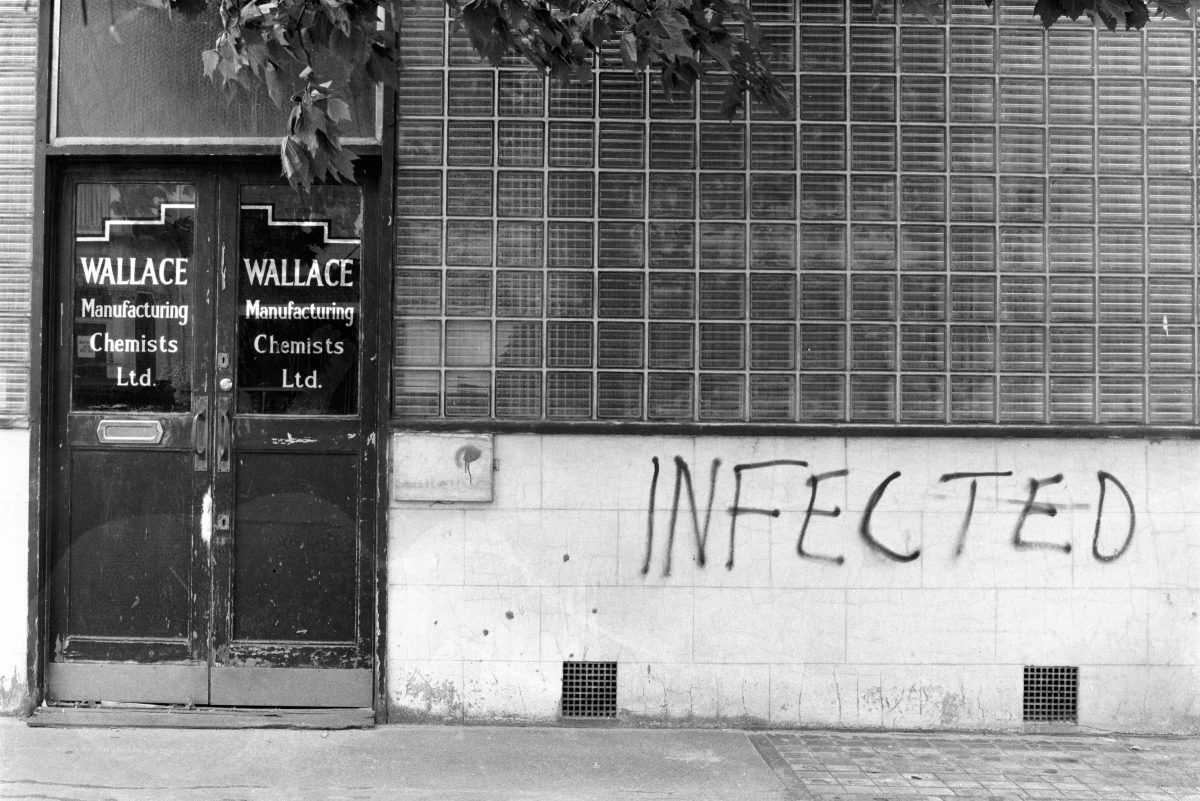
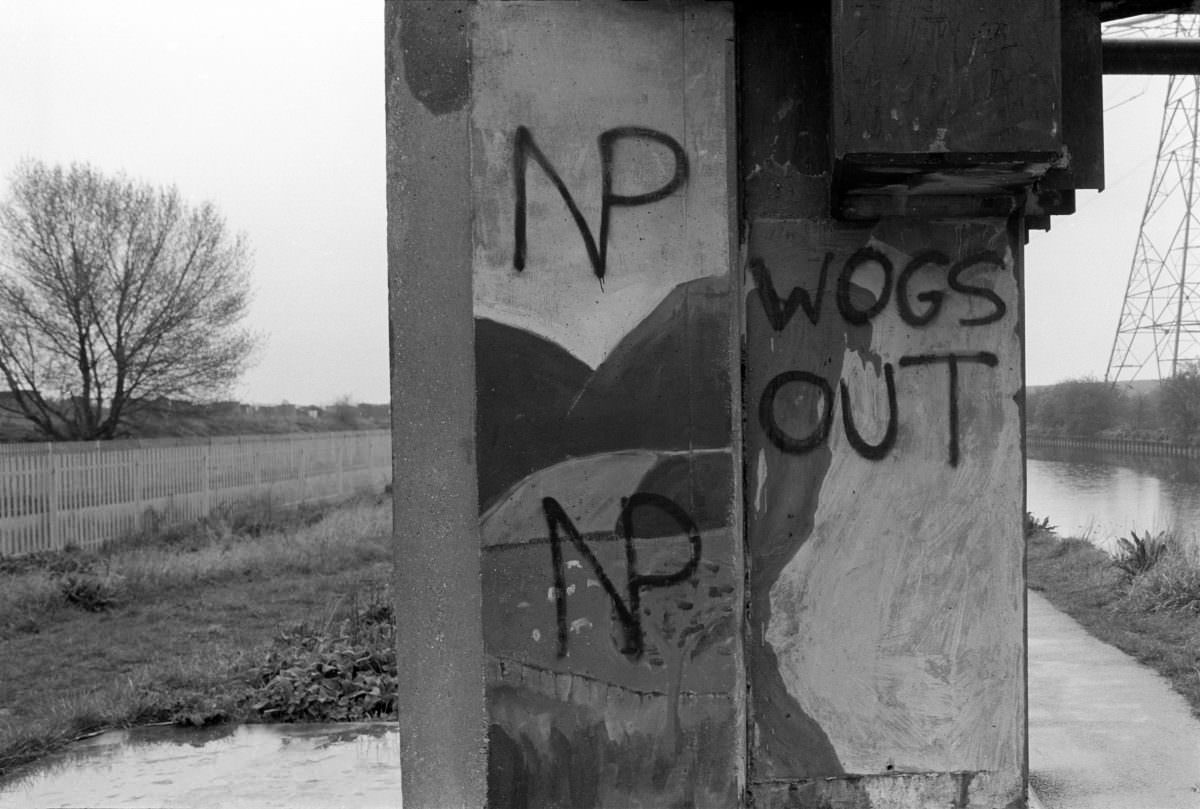
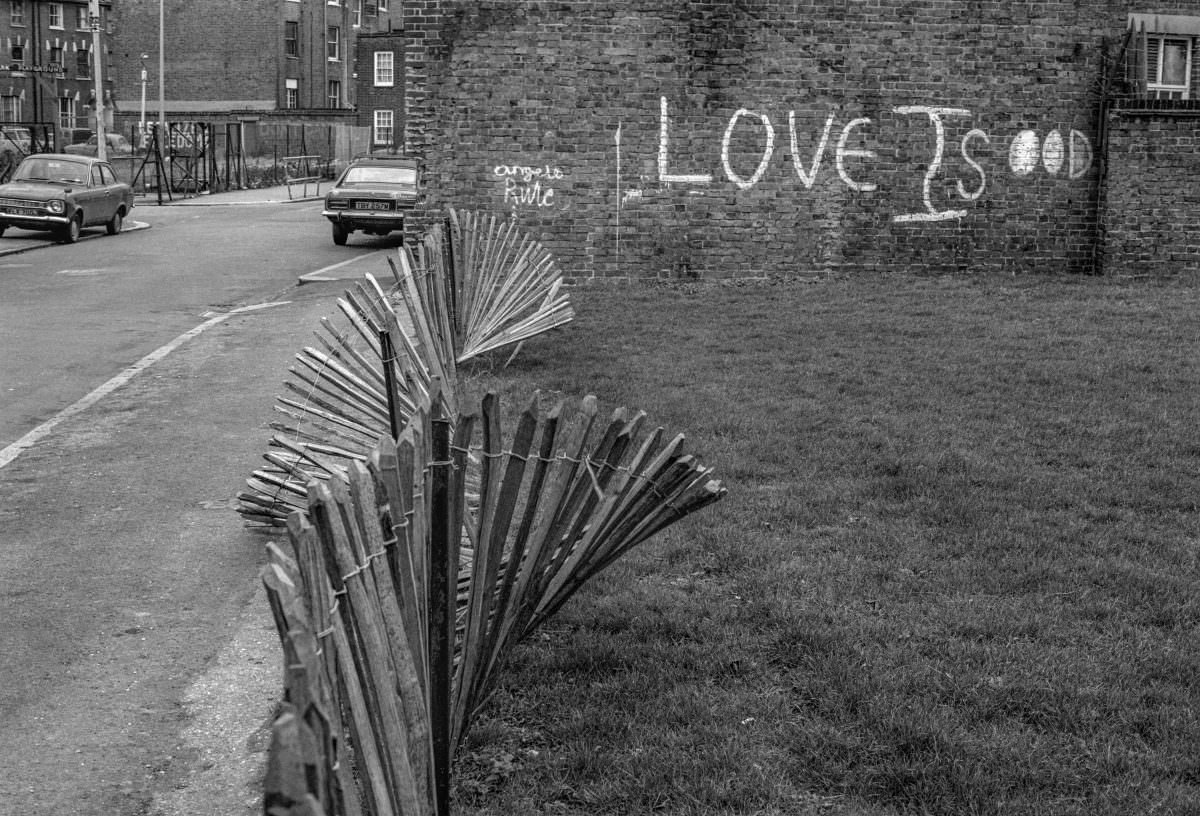
Marshall’s photographs span locations from Brixton Hill to Lisson Grove, from Hackney to Paddington. Together they form a street-level record of a city under social and economic pressure. The Thatcher years brought unemployment, housing crises, and civil unrest — and much of that reality bled directly onto London’s walls.
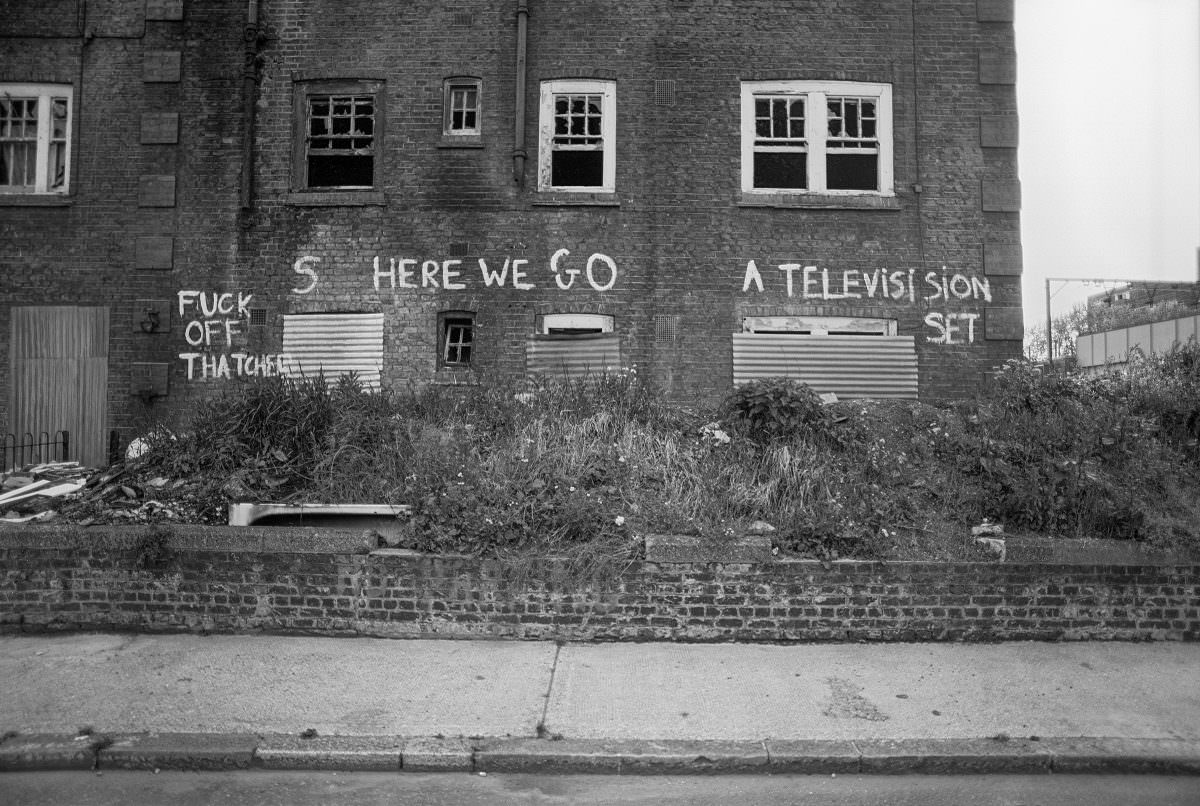
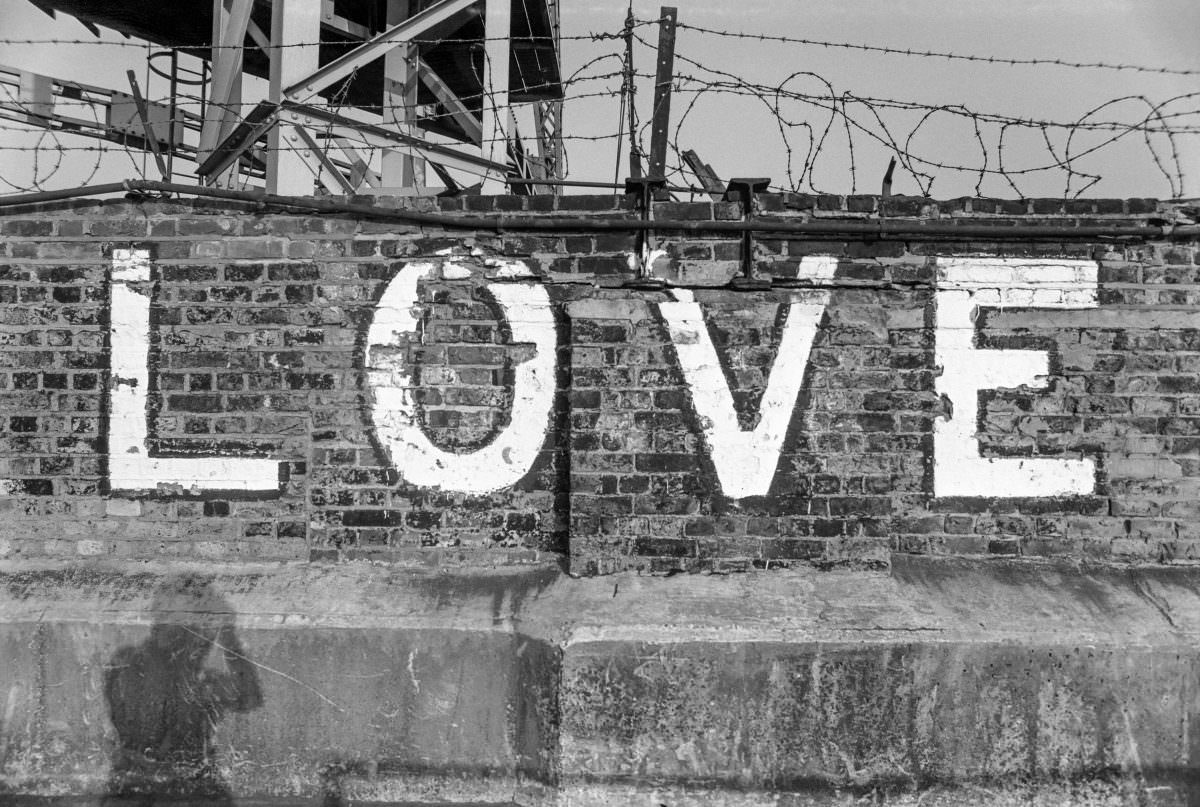
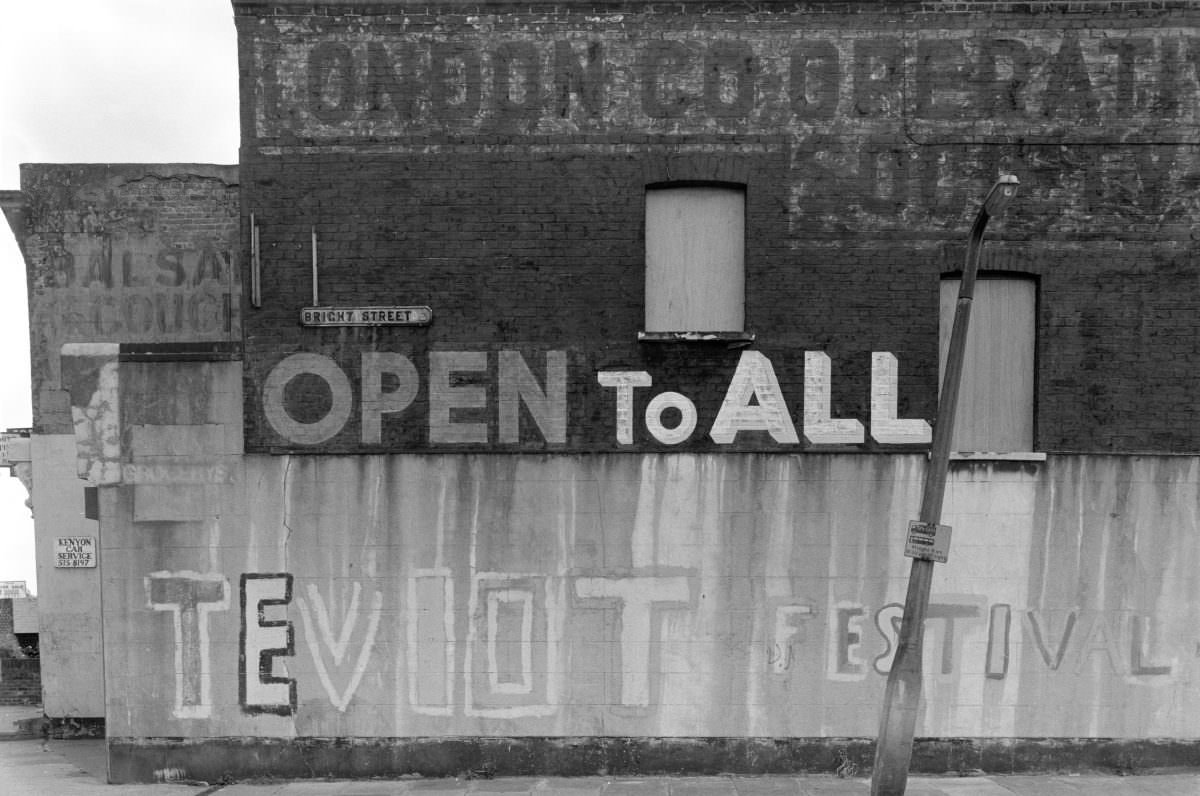
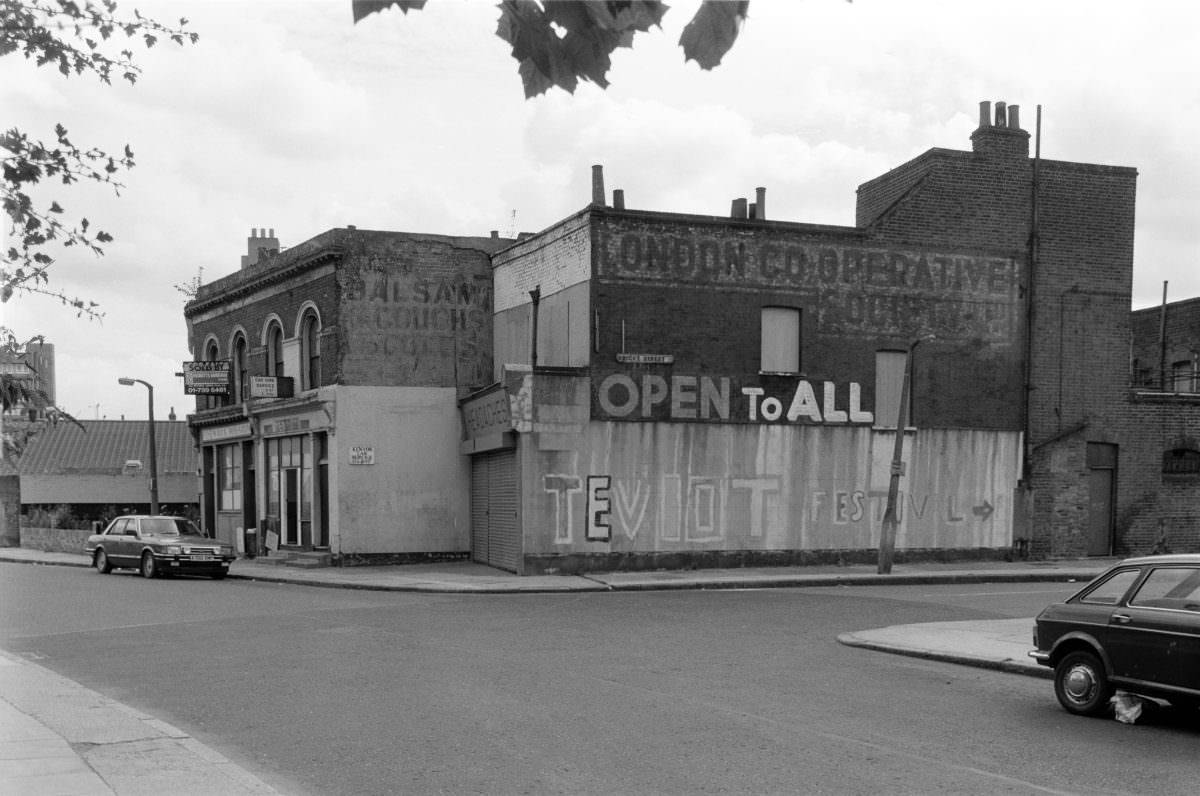
Hackney, known locally as ‘The Gruesome Clapton’ in street slang of the time, had its own graffiti identity. Marshall photographed it in 1982, capturing the rough texture of a neighborhood that wore its reputation openly. Islington, Kilburn, and Brixton each carried their own distinct visual languages on their walls.
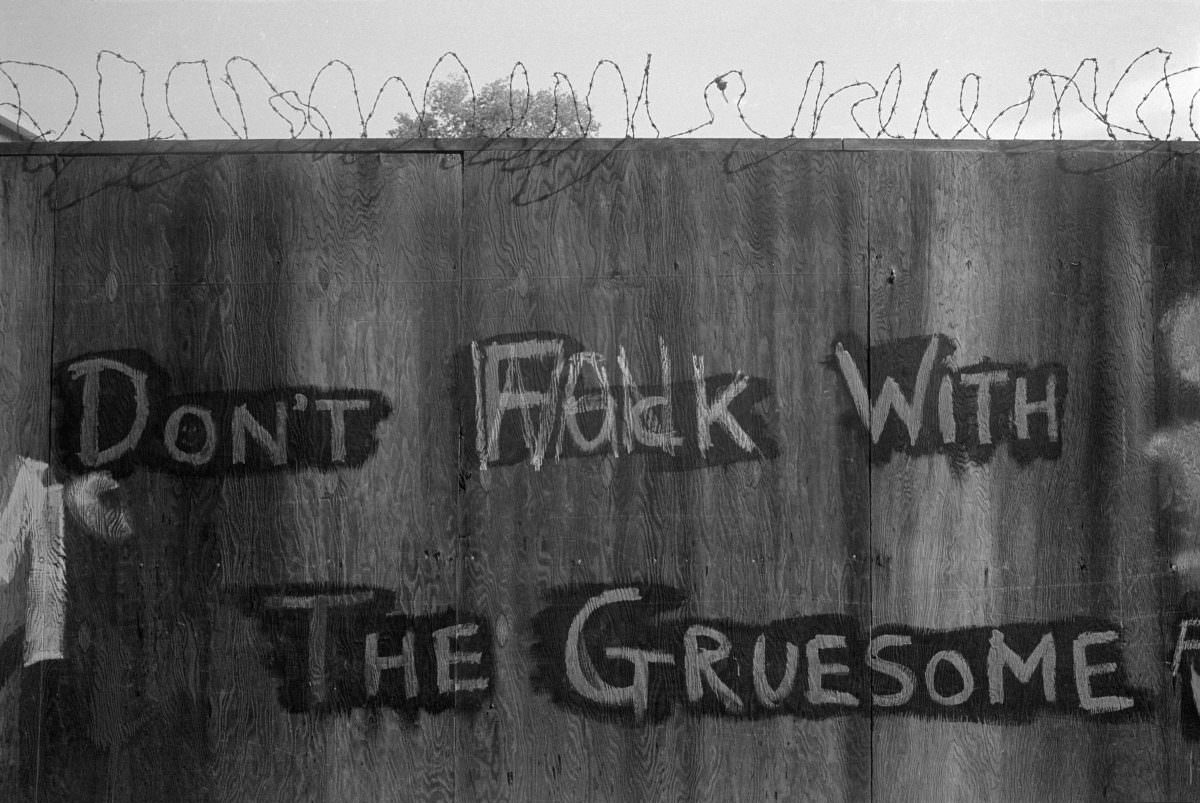
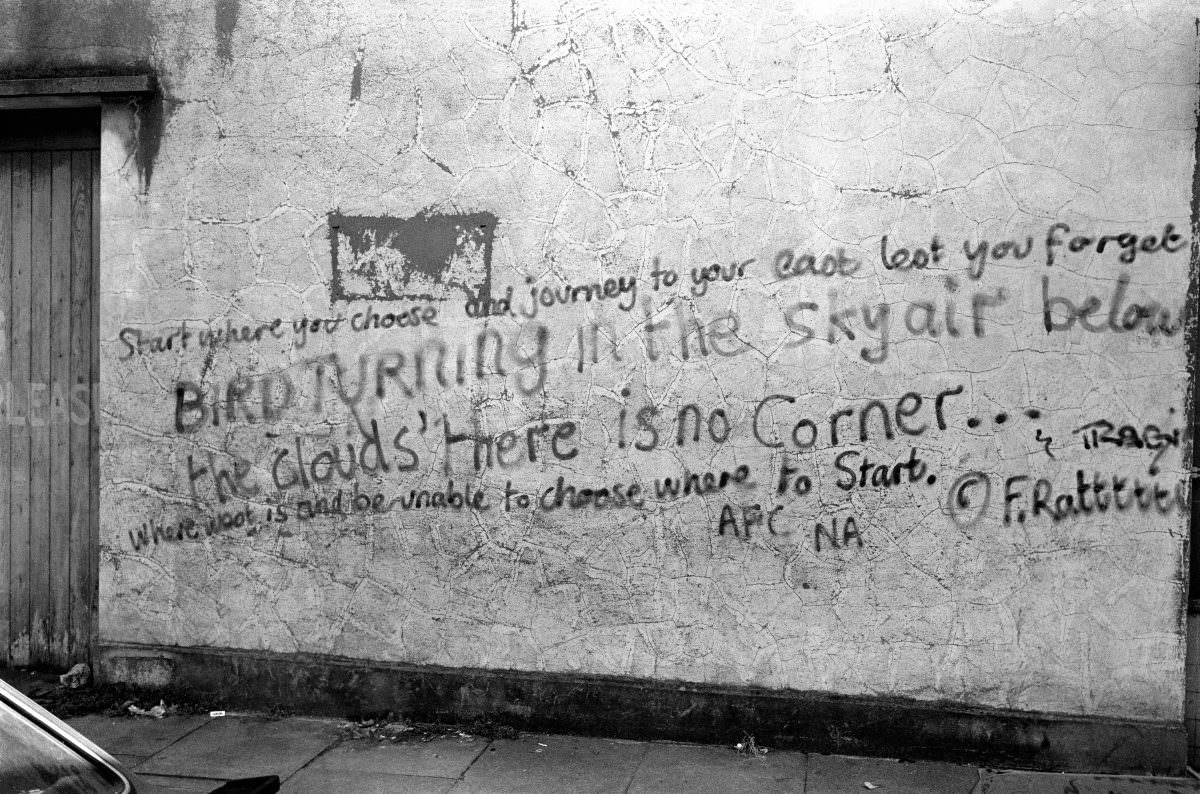
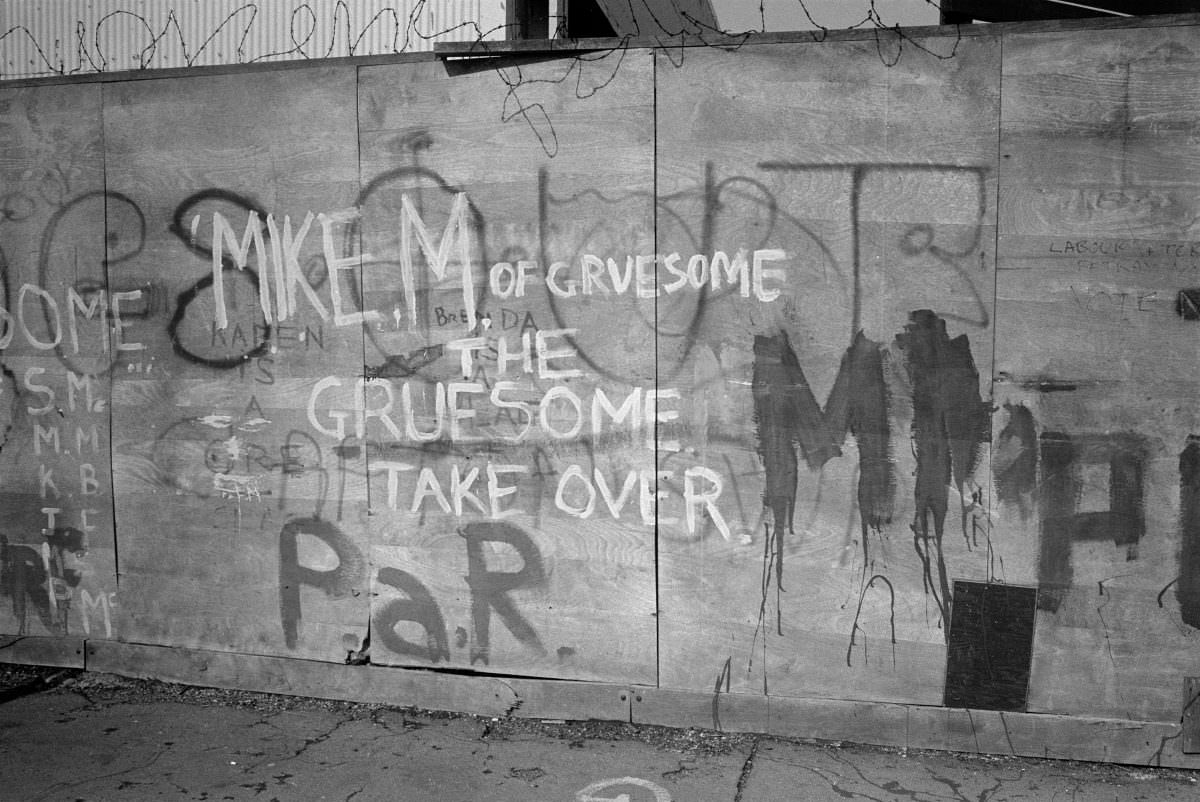
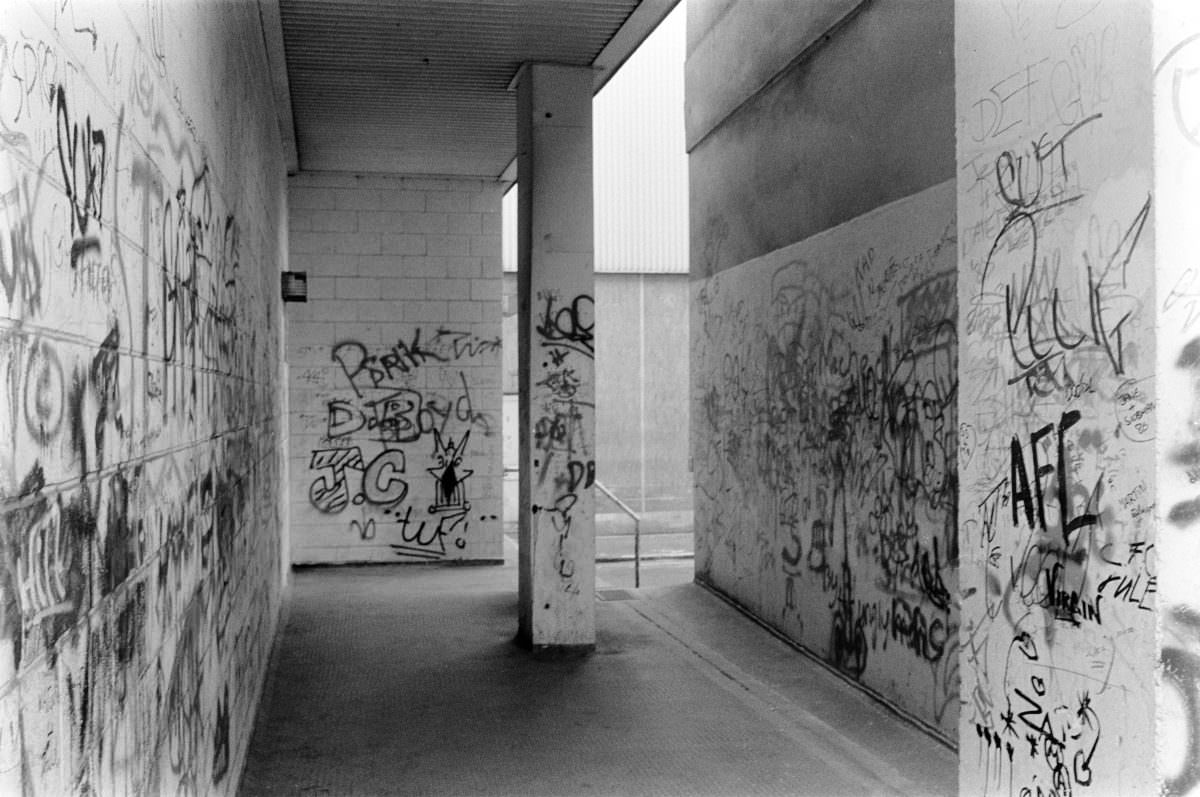
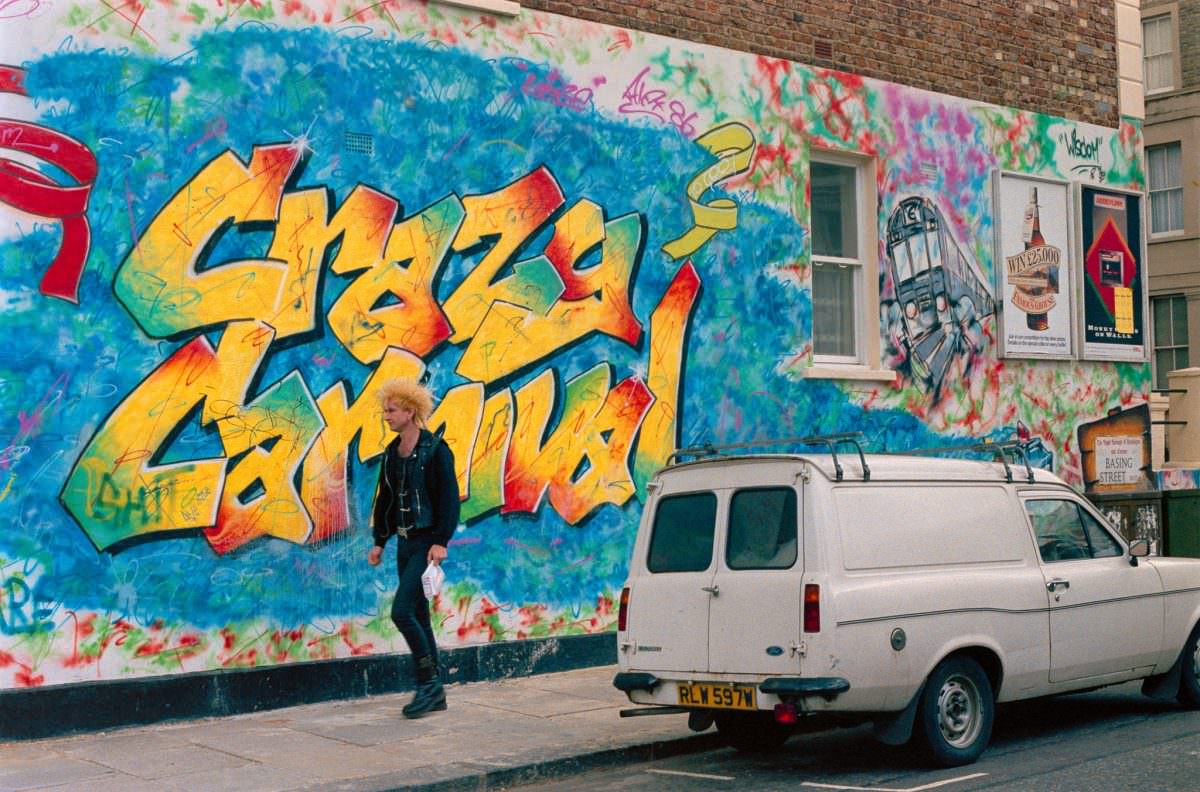
Brixton in the late 1980s and early 1990s showed some of the densest graffiti in Marshall’s archive. Coldharbour Lane, Helix Road, and Leander Road all feature in his photographs from this period. The 1981 Brixton Riots had left deep marks on the borough — both physical and psychological — and the graffiti that followed reflected an ongoing conversation about policing, race, and rights.
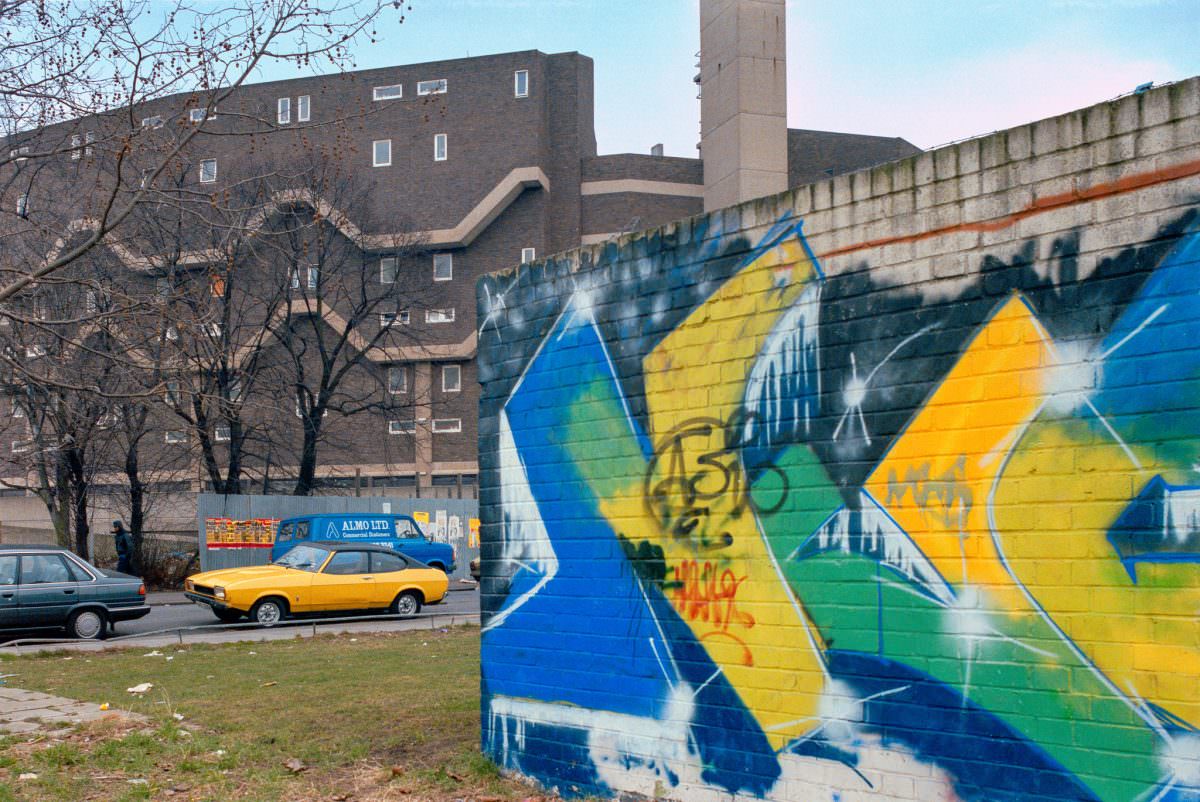
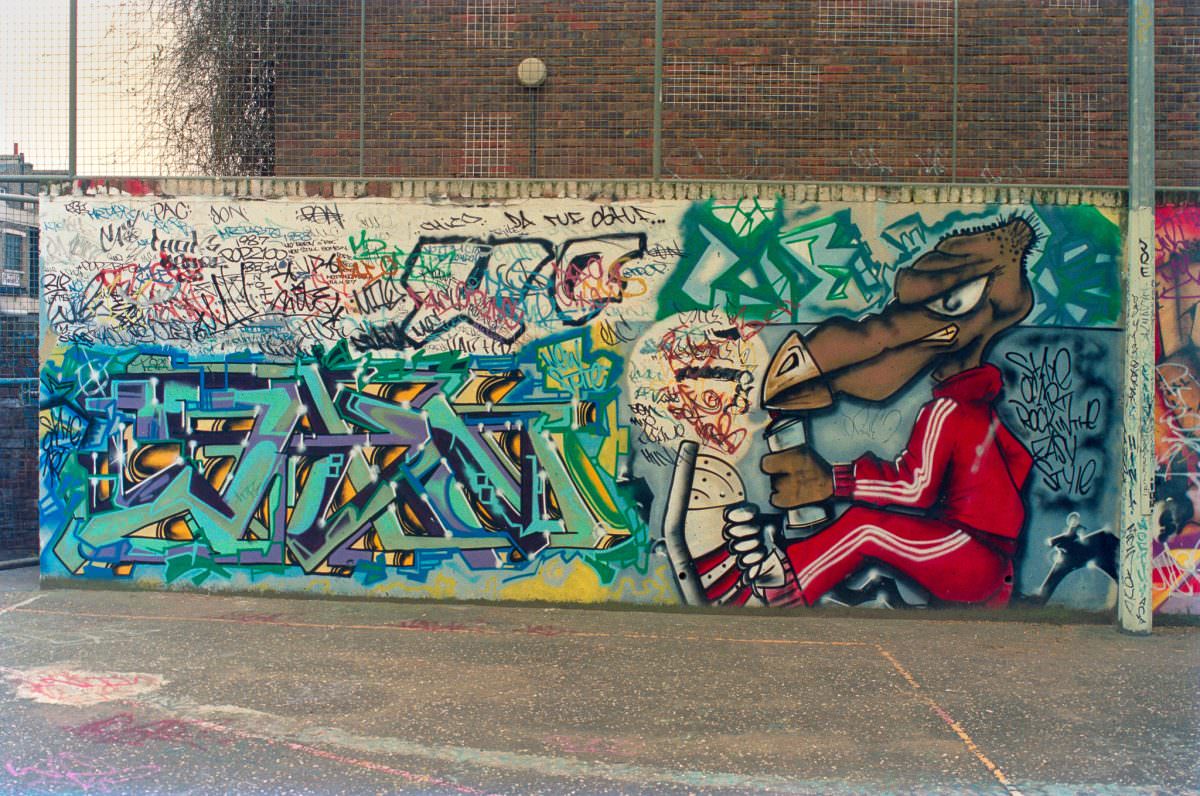
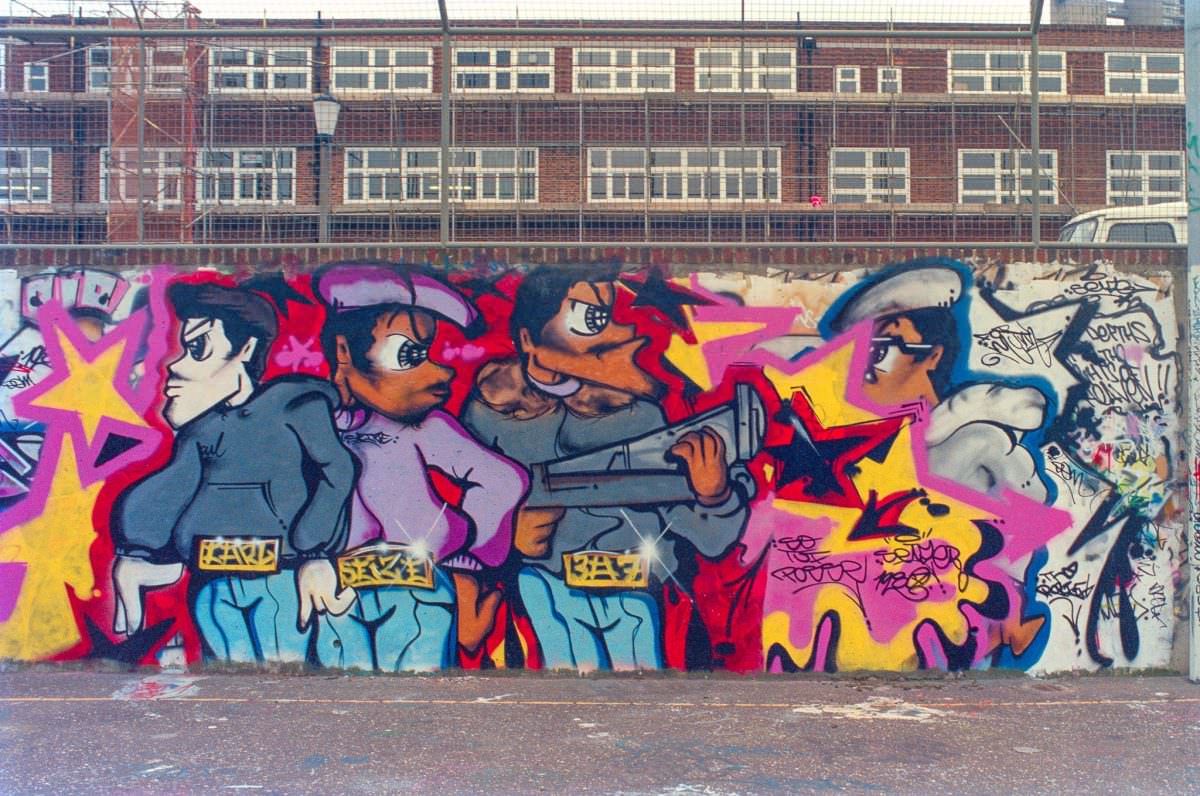
London Underground trains were a favored target for writers throughout the 1980s. A carriage photographed by Marshall on the Edgware Road line in 1987 showed how thoroughly some trains were covered — side panels, windows, and doors all marked. The Underground began aggressive anti-graffiti measures in the late 1980s, introducing new cleaning chemicals and tighter depot security.
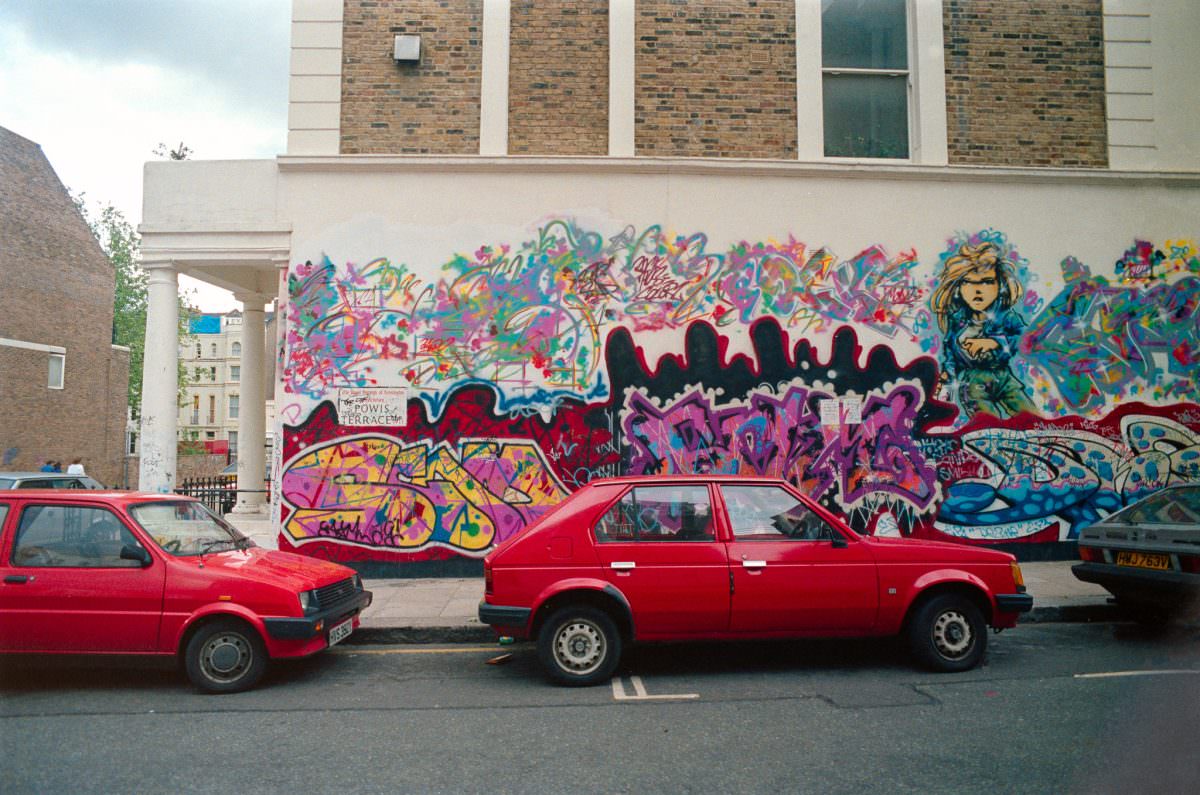
Graffiti is now illegal across London, and it is officially permitted only in designated areas. The walls Marshall photographed in the 1980s have long since been cleaned, demolished, or redeveloped. His archive stands as one of the most detailed photographic records of a practice that was, for many Londoners, the loudest voice they had.

Some of those photos show London looking quite rundown, as well as its population being several million lower than now.
I remember playing a lot of “Smash H block!”. As well as “Wot no…” Chads.
Fewer cars because they were all in the canals