
Brooklyn in the 1970s was a borough in the middle of major change. Its economy, which had long depended on manufacturing, was shifting toward services. Factories were closing, jobs were moving, and neighborhoods were feeling the strain. At the same time, large numbers of immigrants from Russia, China, and Puerto Rico were making Brooklyn their home, adding new layers to its already diverse communities.
Despite the economic pressure, everyday life continued in parks, on sidewalks, and along busy avenues. Lynch Park, in particular, was a hub for local residents — kids playing, teenagers hanging out, and families moving through the neighborhood. The walls around the park were covered in graffiti, which by the mid-1970s had become a defining visual element of Brooklyn’s streets.
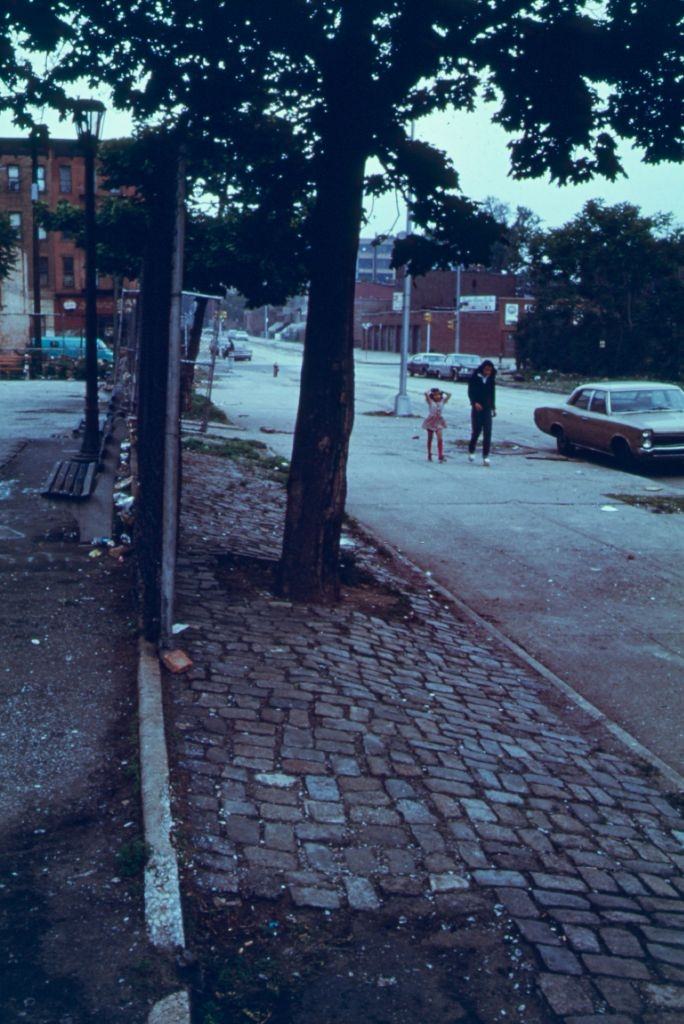
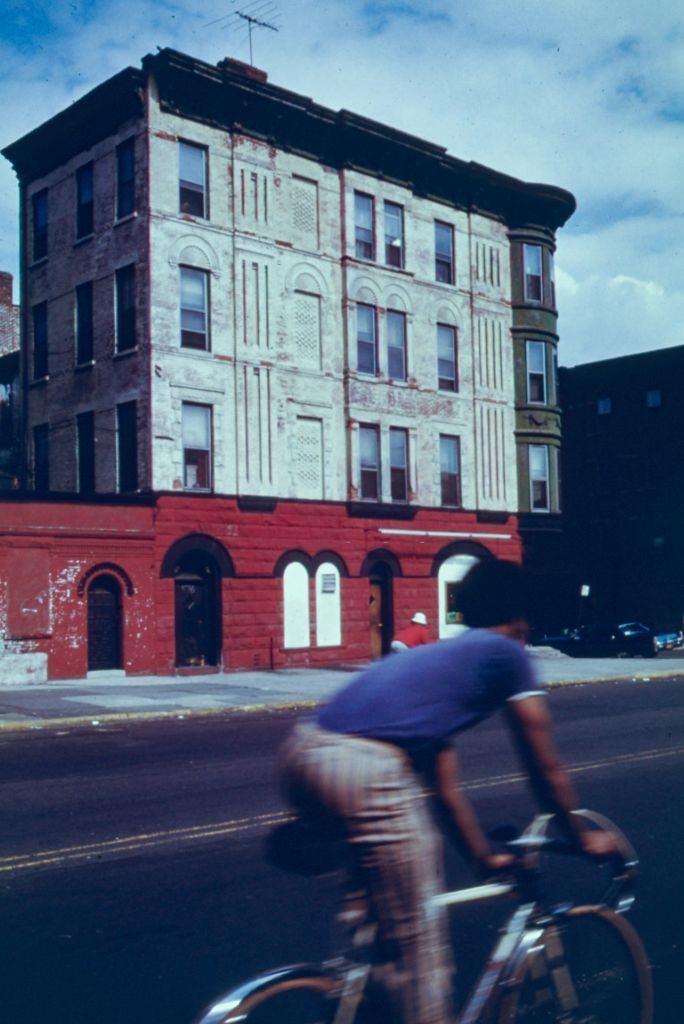
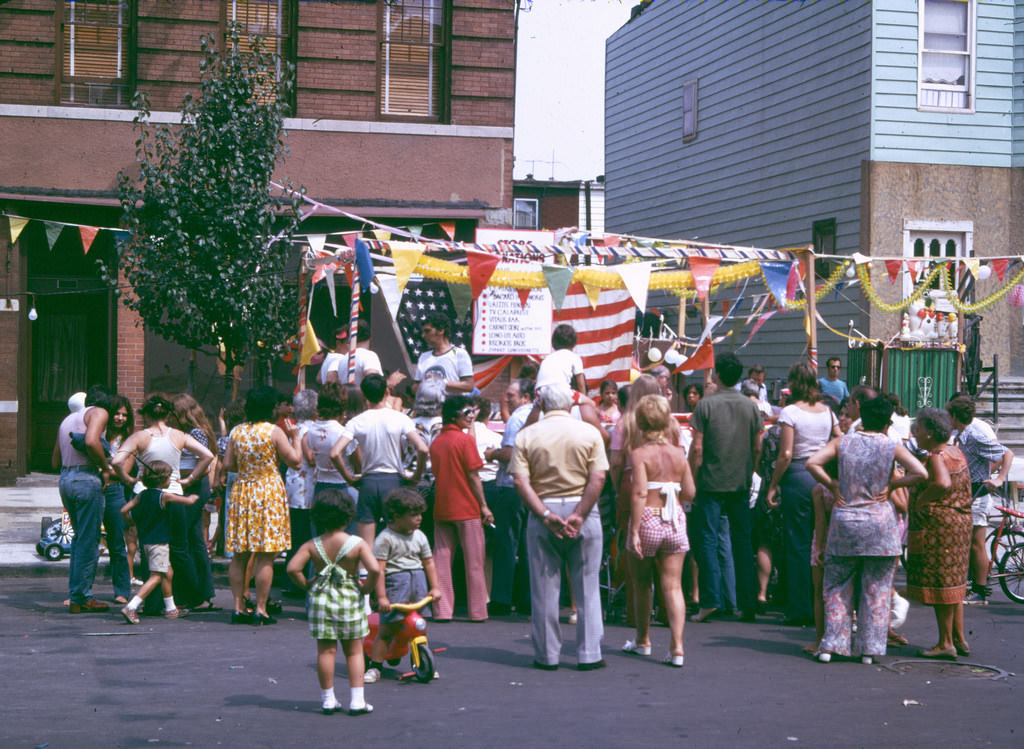
Vanderbilt Avenue in 1974 captured the borough’s mix of energy and grit. Cyclists, pedestrians, and shop owners shared the same tight stretches of pavement. These streets weren’t quiet — they were working streets, full of noise, commerce, and the constant motion of people going about their day.
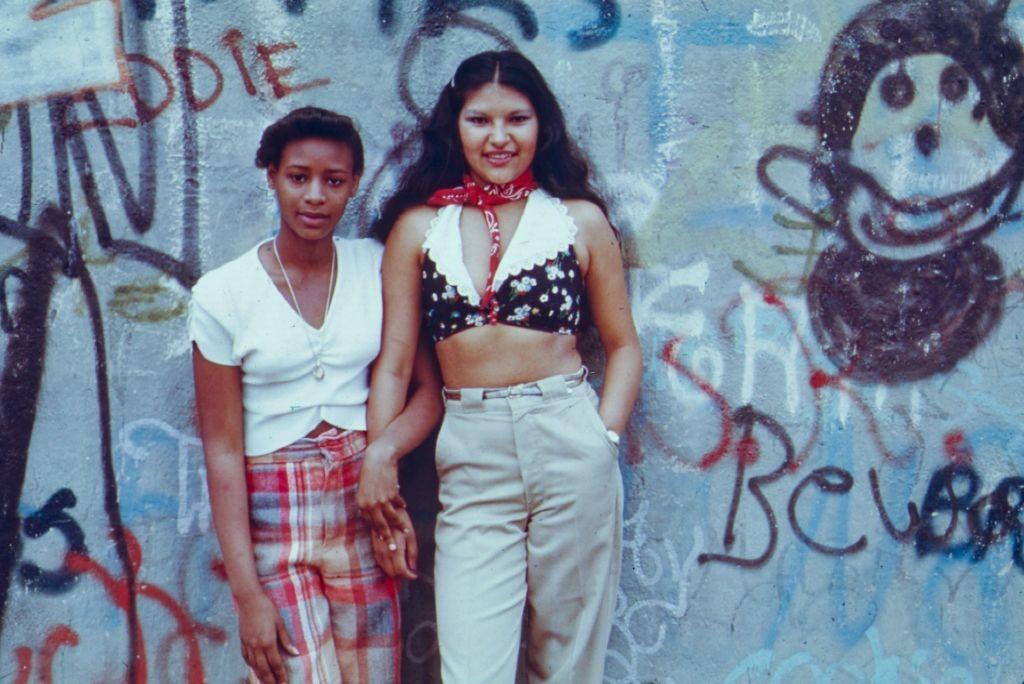
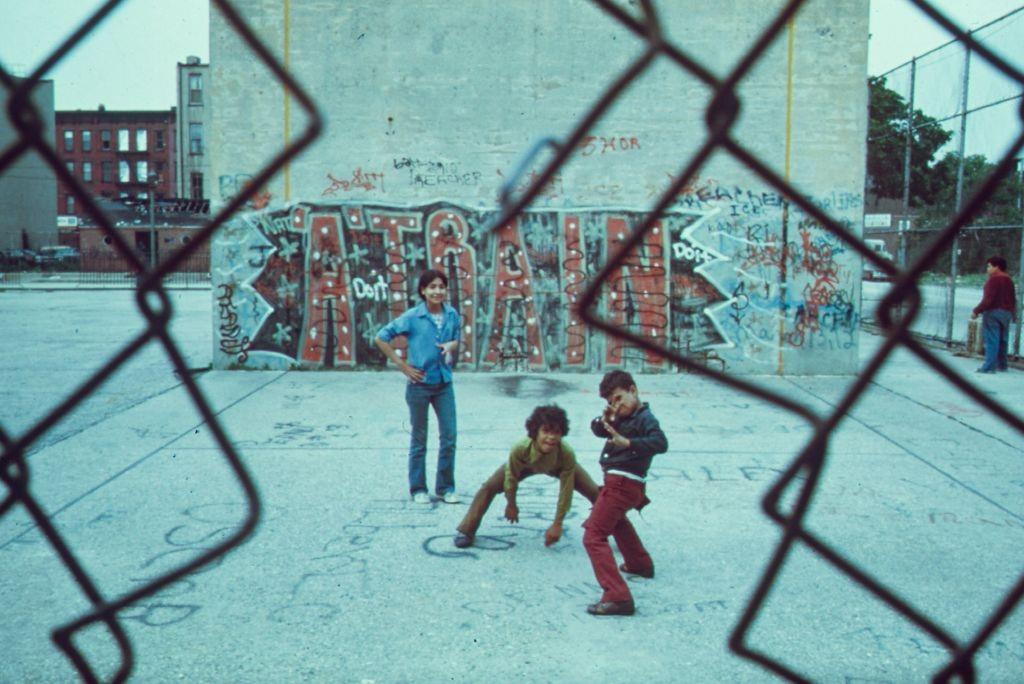
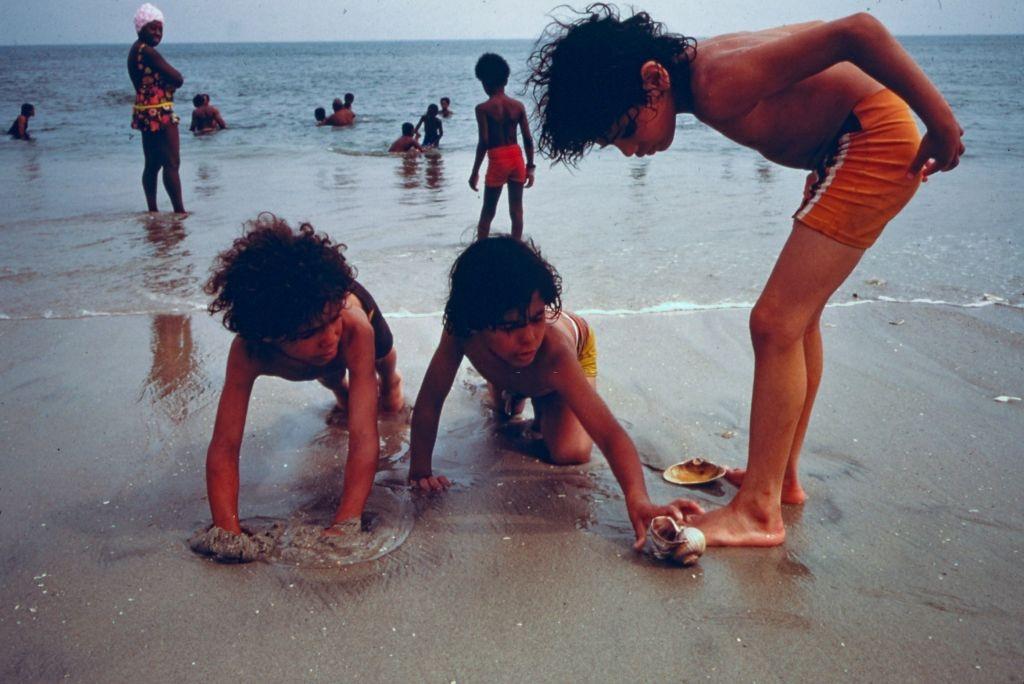
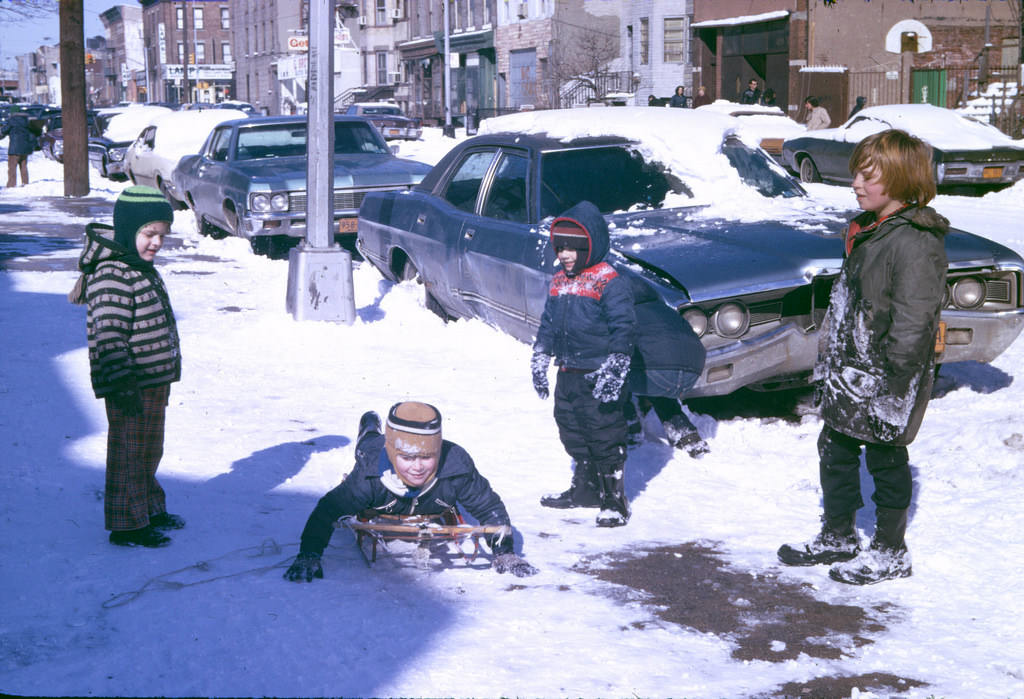
Children found ways to make use of whatever space was available. Fenced lots, park corners, and stretches of shoreline all became playgrounds. Reis Park, a public beach in Brooklyn, drew families looking to escape the summer heat without leaving the borough.
By 1977, Brooklyn’s streets told a harder story. The city’s finances had collapsed, services were being cut, and many neighborhoods were visibly deteriorating. Then, on the night of July 13, 1977, a massive power failure knocked out electricity across New York City. What followed in Brooklyn was devastating.
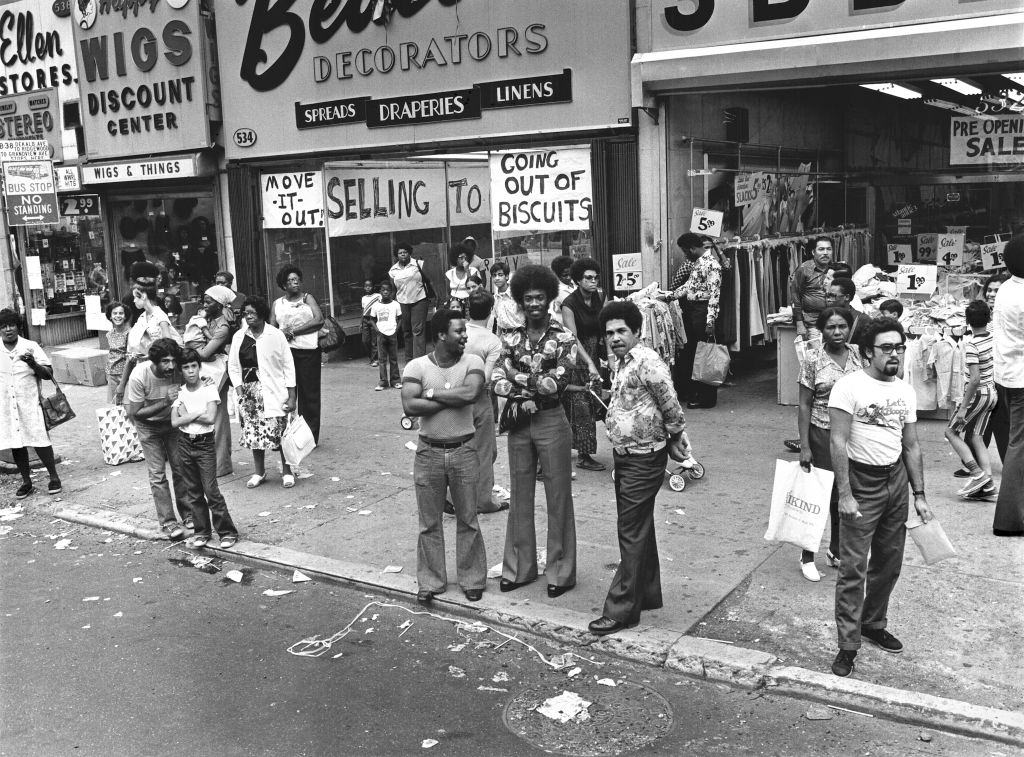
During the blackout, widespread rioting, looting, and arson broke out across Brooklyn. The Bushwick neighborhood was hit especially hard. Several blocks of the main Broadway shopping district were set on fire, and the destruction left parts of the neighborhood looking like a war zone. Stores that had served the community for decades were gone in a single night.
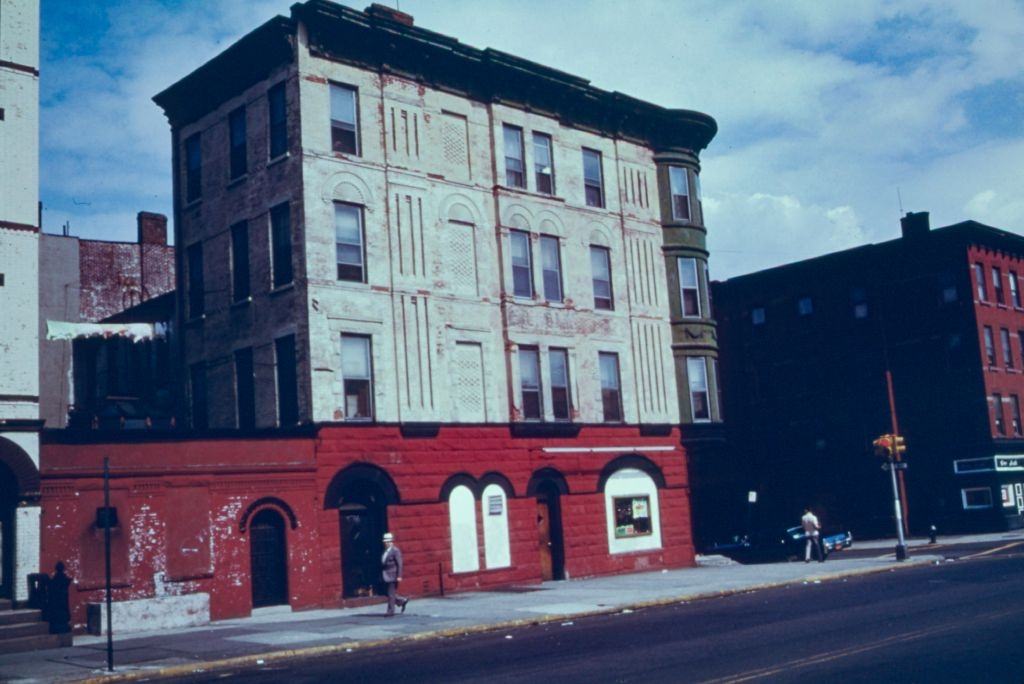
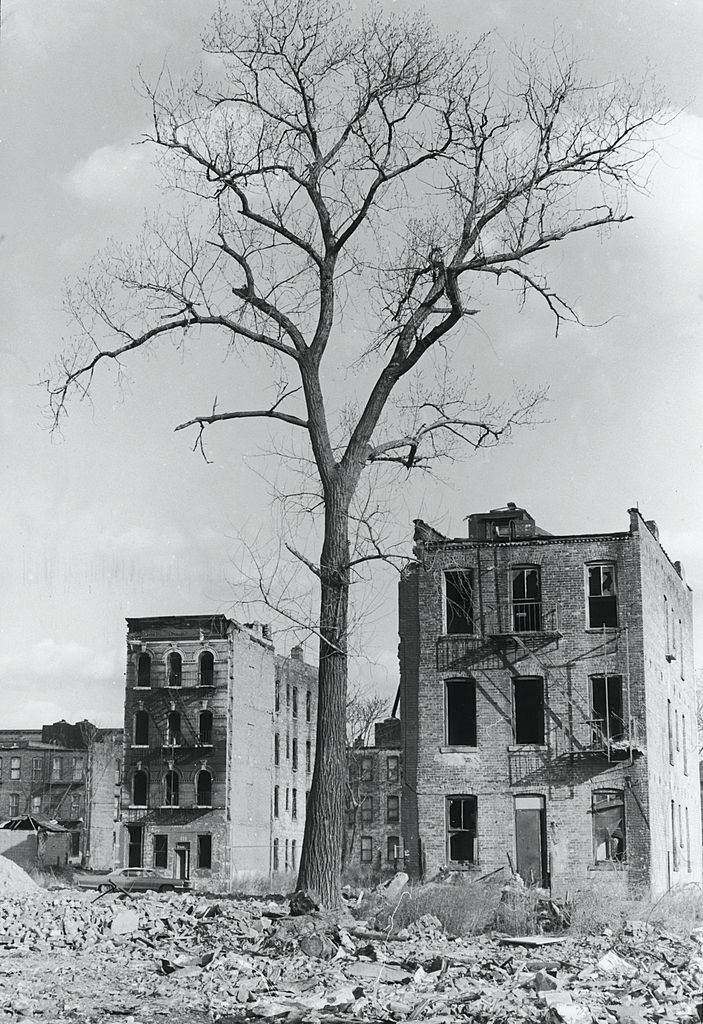
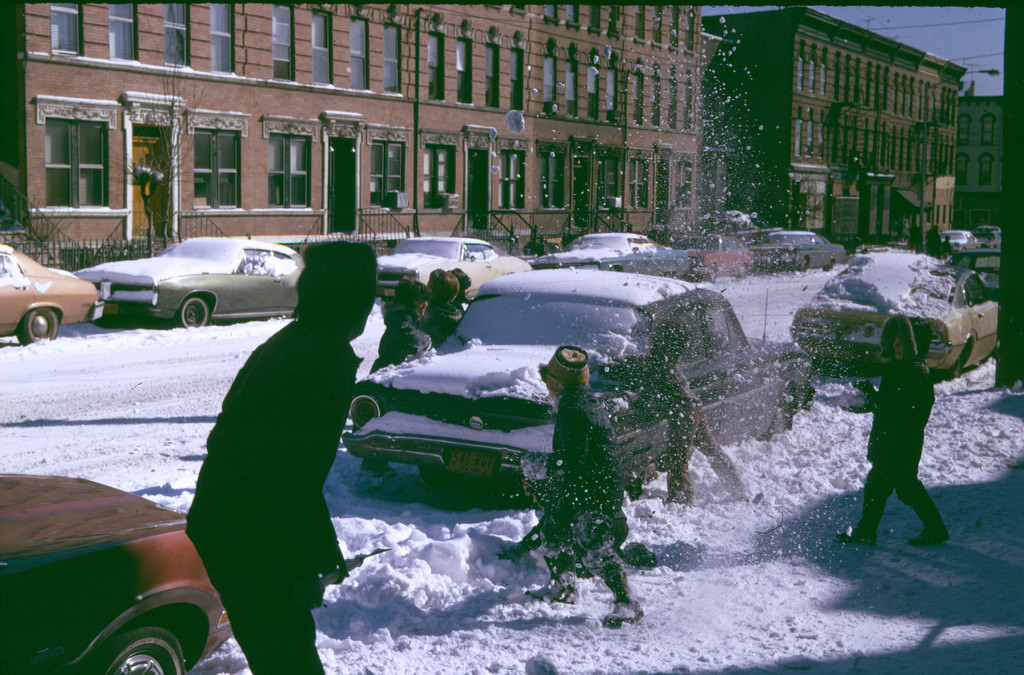
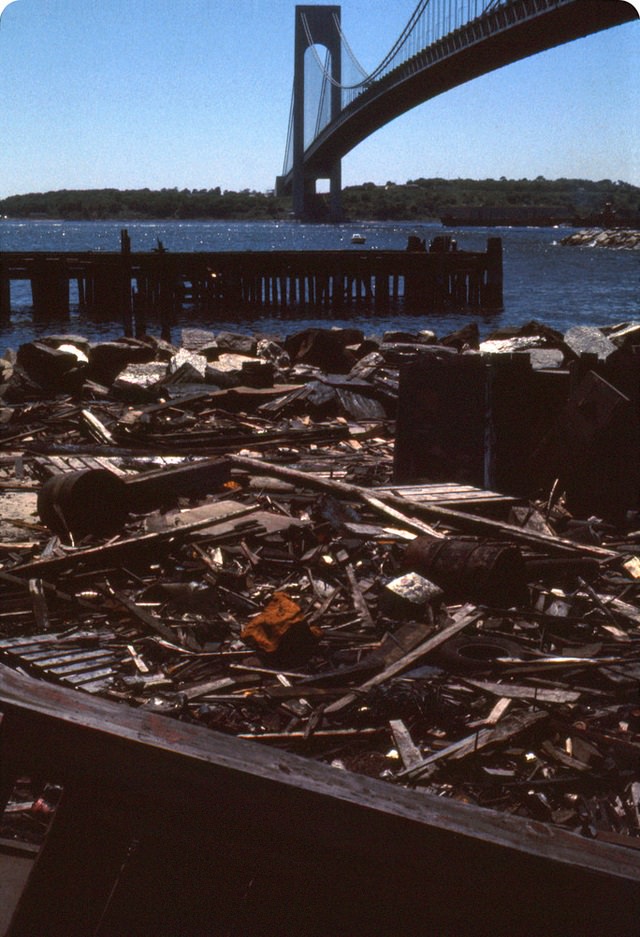
Even before the blackout, some Brooklyn neighborhoods were already in serious decline. The Brownsville neighborhood showed this clearly — abandoned apartment buildings sat across from vacant lots filled with debris as early as 1971. Disinvestment had been eating away at these blocks for years.
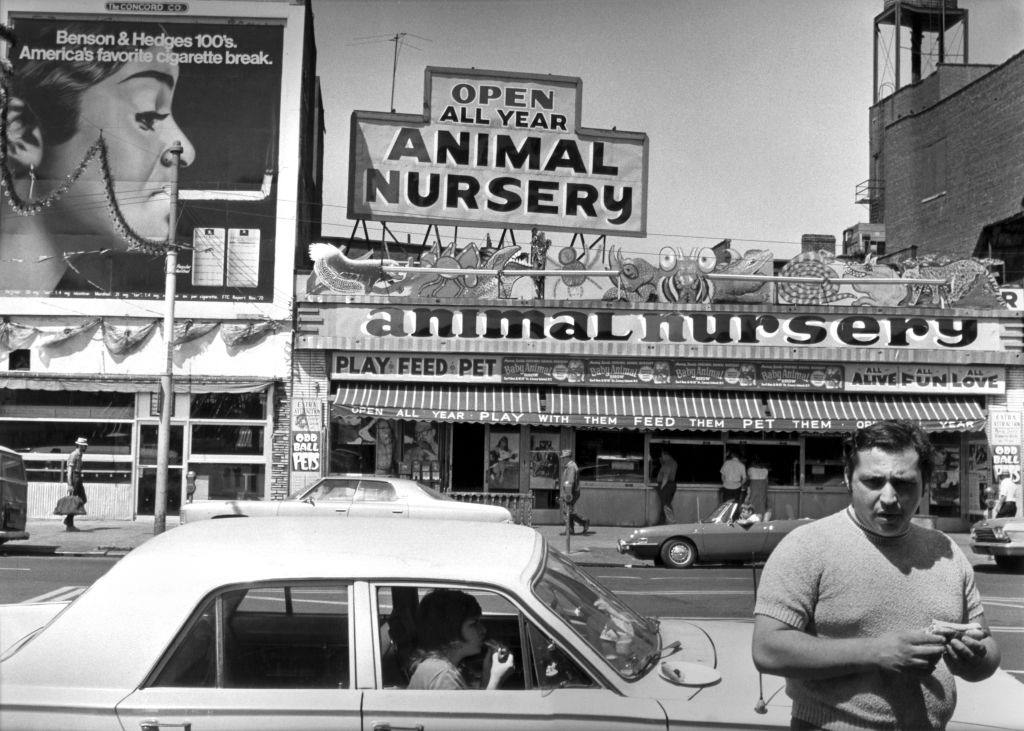
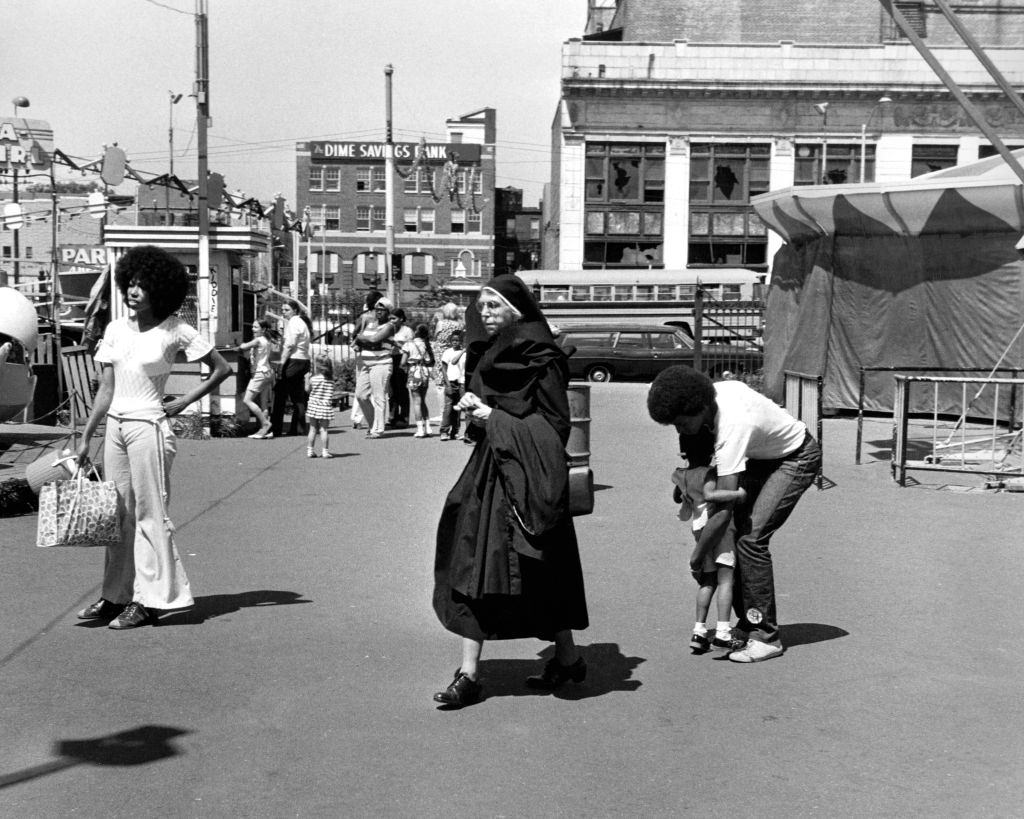
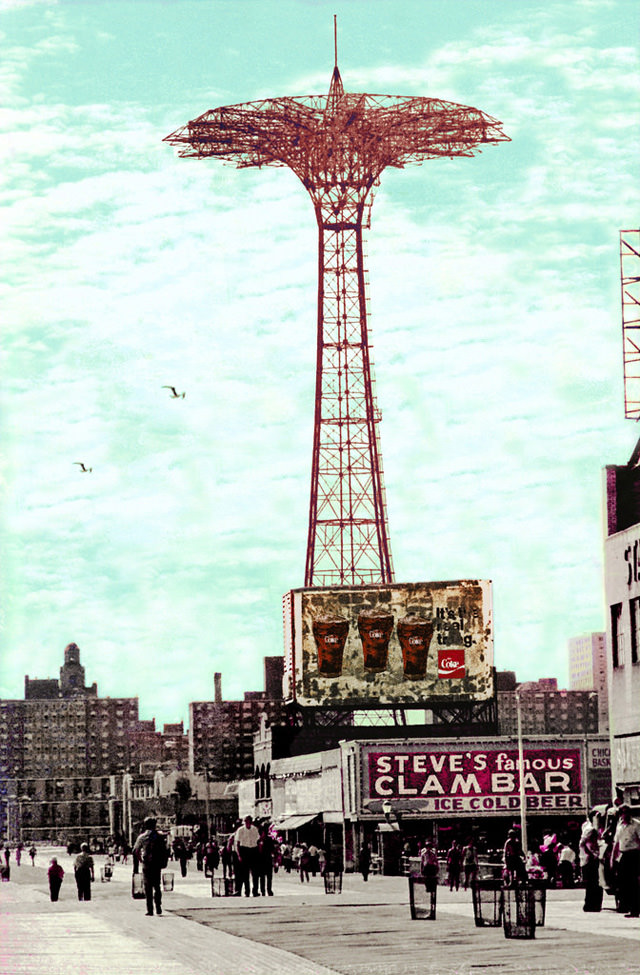
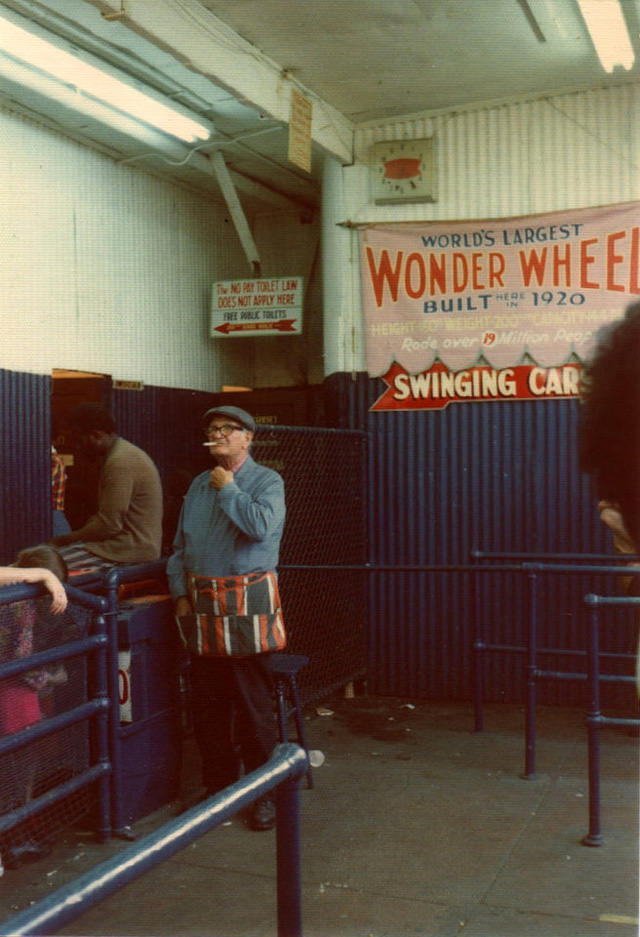
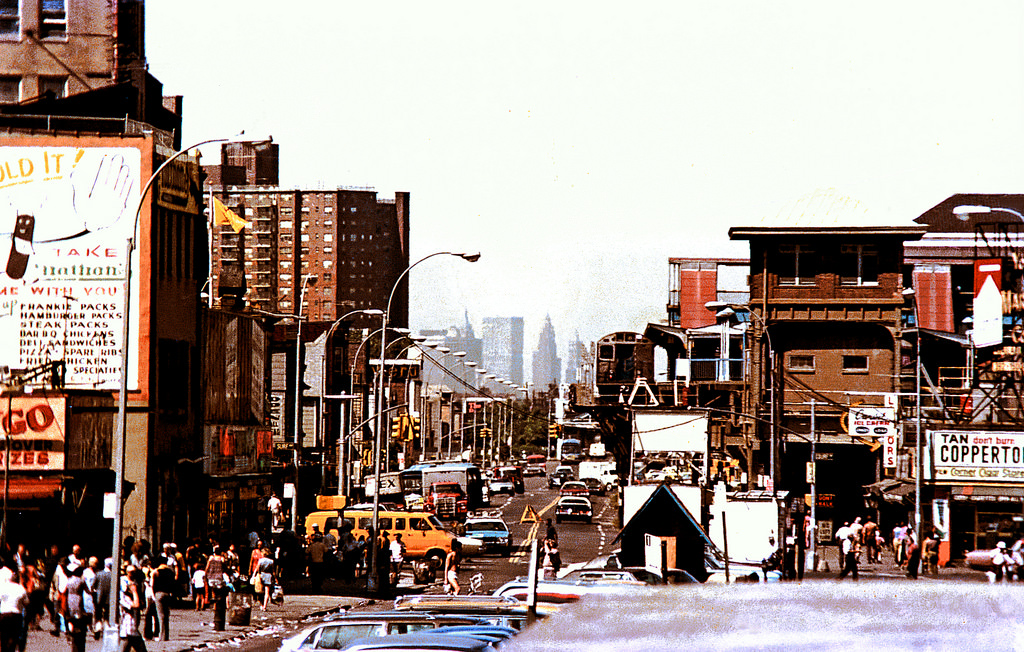
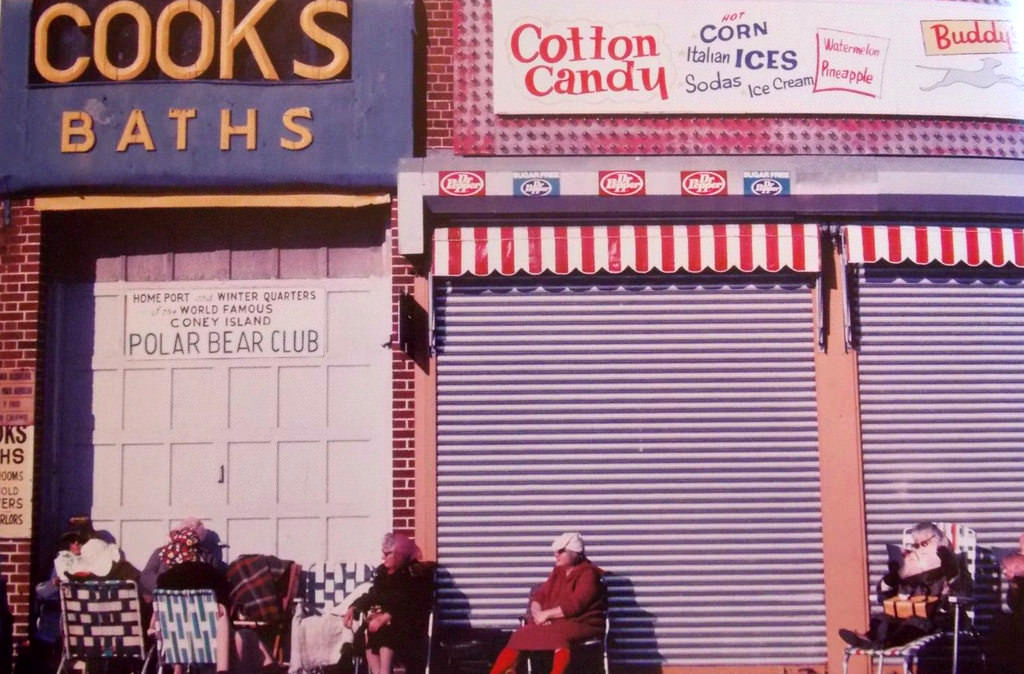
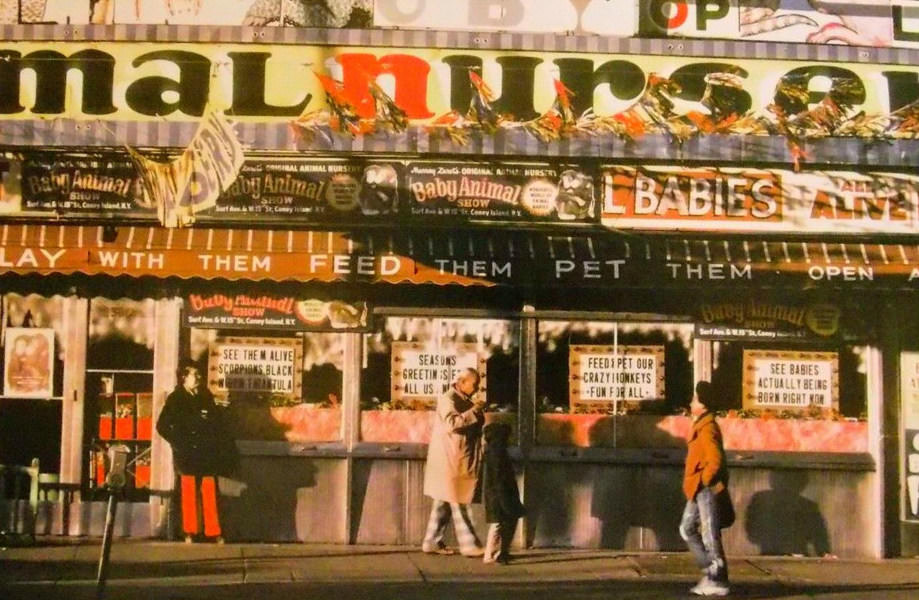
Not all of Brooklyn shared the same fate. Coney Island remained a destination throughout the decade, drawing visitors to its boardwalk, amusement park, and beachfront. Surf Avenue in 1973 still hummed with activity, and the rides and attractions of the Coney Island amusement park continued to draw crowds, even as other parts of the borough struggled.
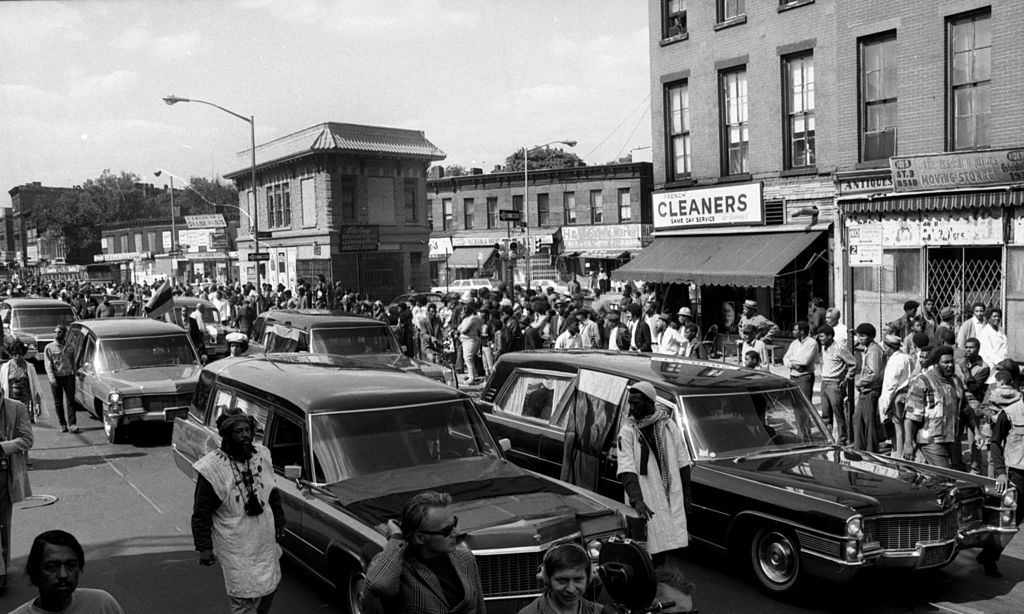
Brooklyn was also the backdrop for some of the decade’s most significant news events. In 1971, six hearses carrying victims from the Attica prison uprising moved in procession along Fulton Street and Grand Avenue. The Attica rebellion, which ended in a deadly state-ordered assault on September 13, 1971, left 43 people dead — 33 prisoners and 10 hostages. The procession through Brooklyn was a somber public moment of mourning.
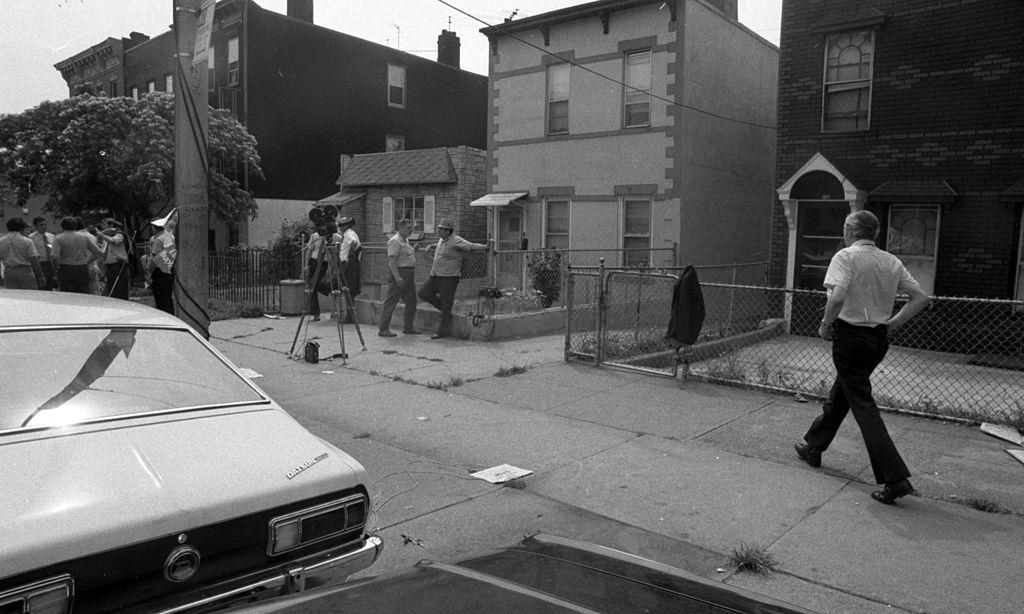
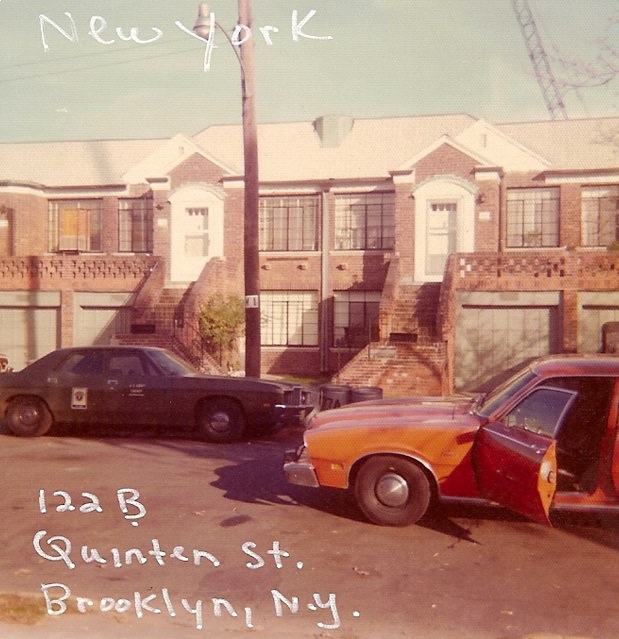
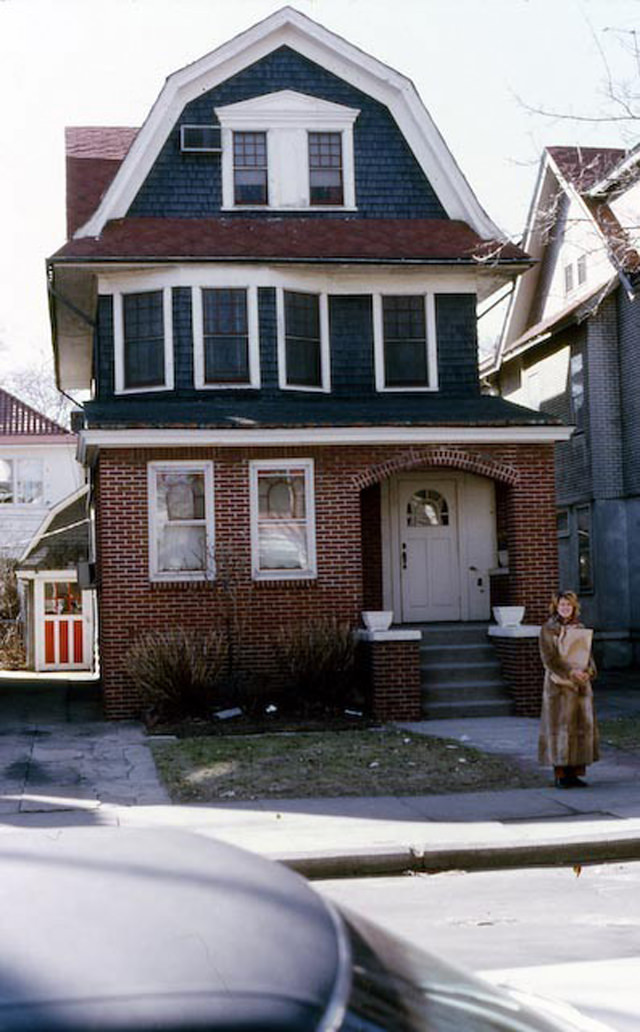
In 1972, a quiet Crown Heights street became a crime scene. Thomas Eboli, also known as Tommy Ryan, the acting boss of the Genovese crime family, was shot five times by a gunman and killed. The street itself looked like any other block in Brooklyn — parked cars, row houses, ordinary surroundings — yet it was the site of one of the decade’s most high-profile mob killings.
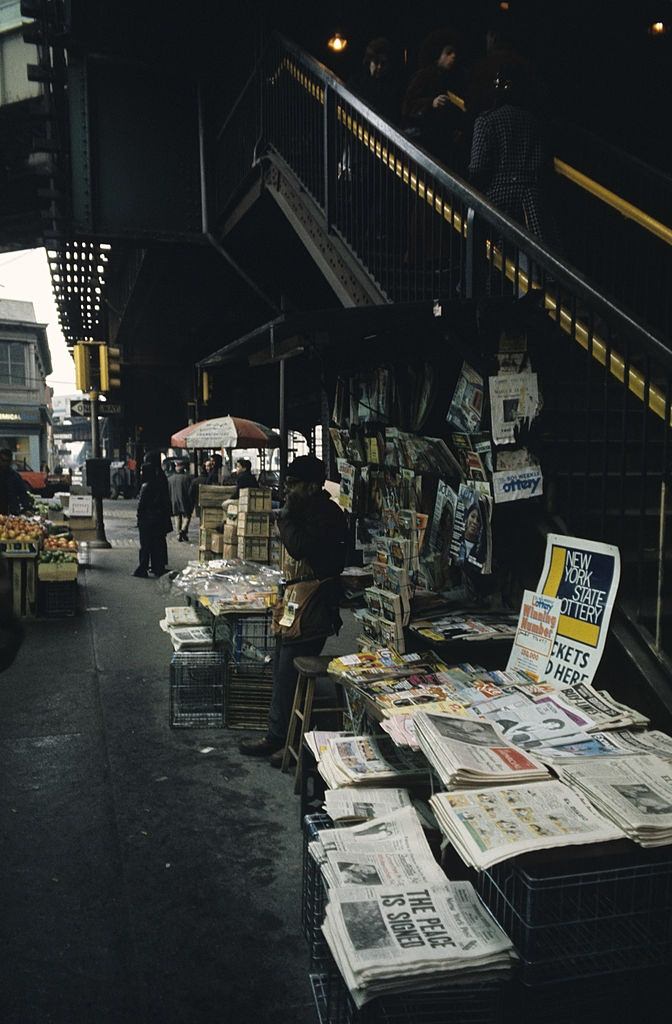
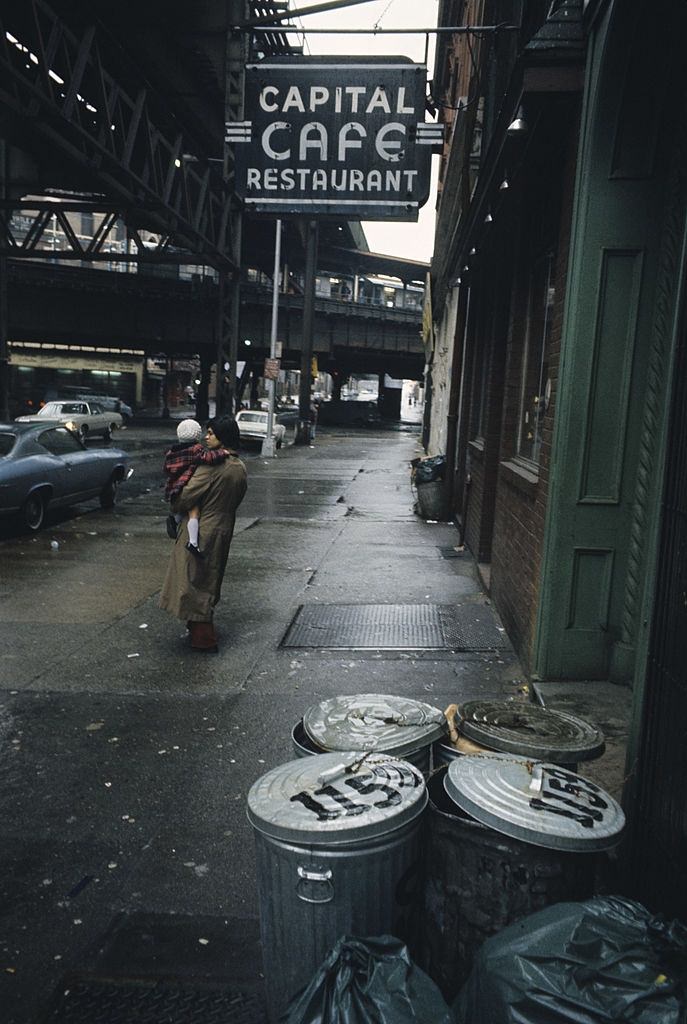
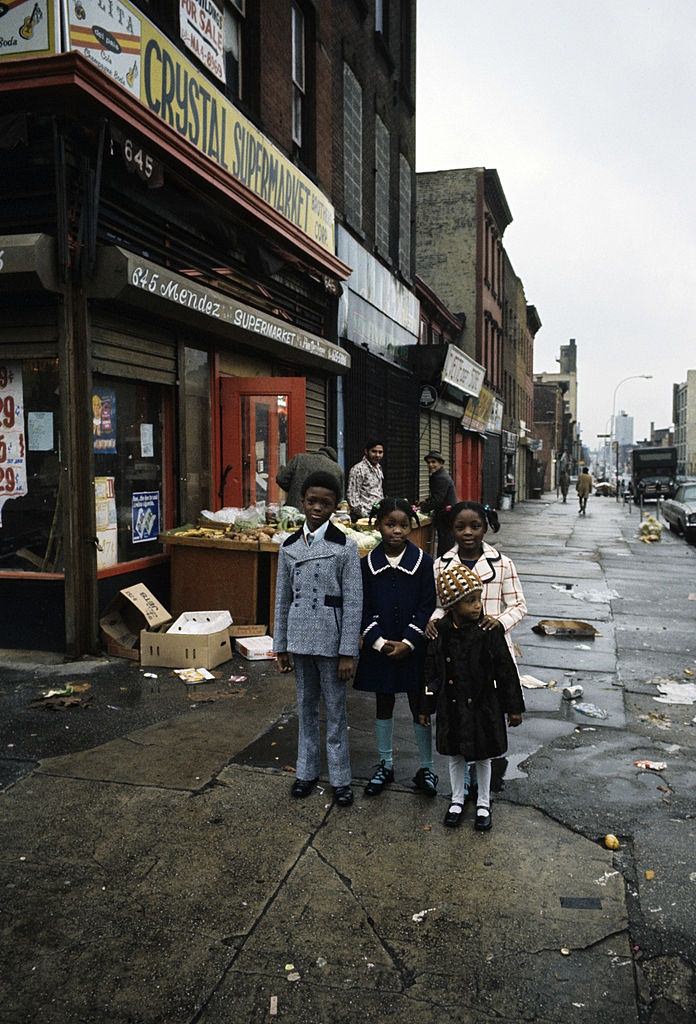
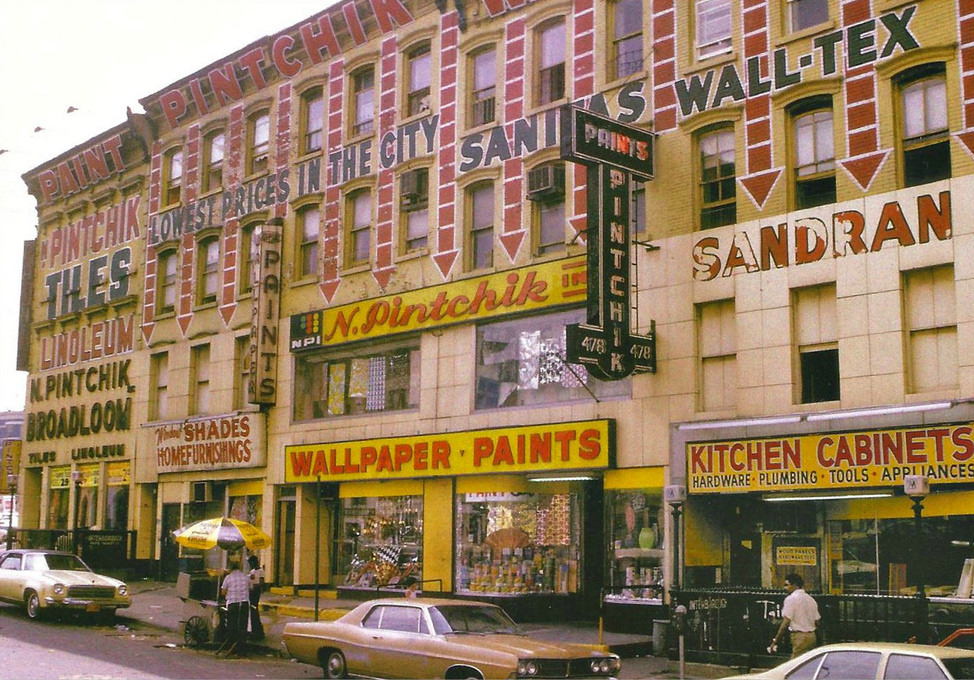
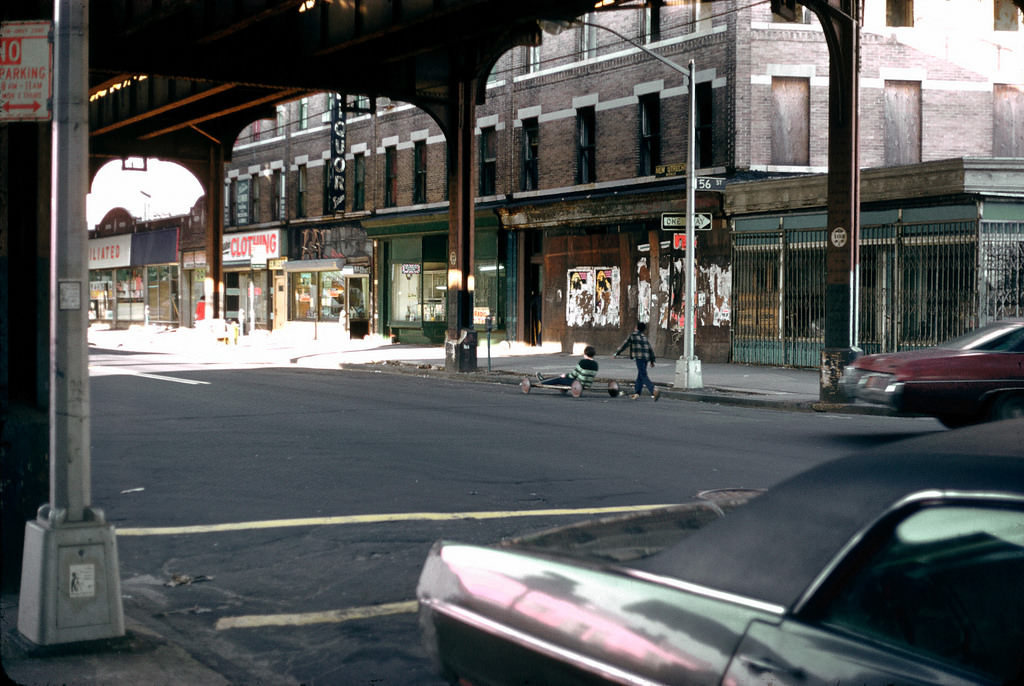
Small businesses and street vendors were a constant presence in Brooklyn during this era. A newspaper seller working beneath a subway staircase, a café tucked under an elevated train line, a row of parked cars along a bridge-shadowed street — these scenes made up the texture of daily life in the borough.
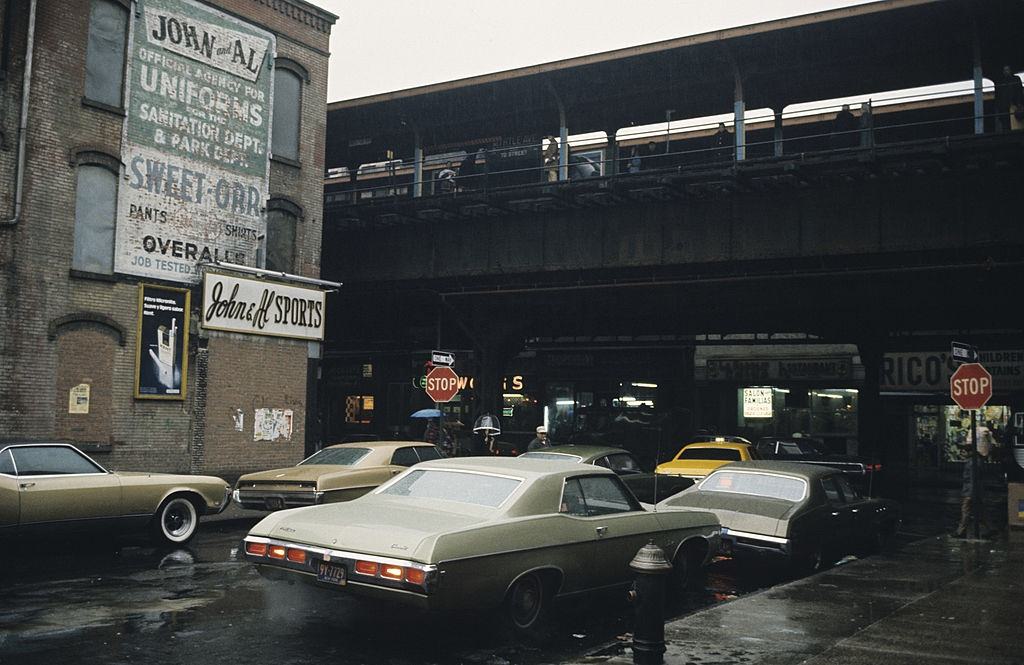
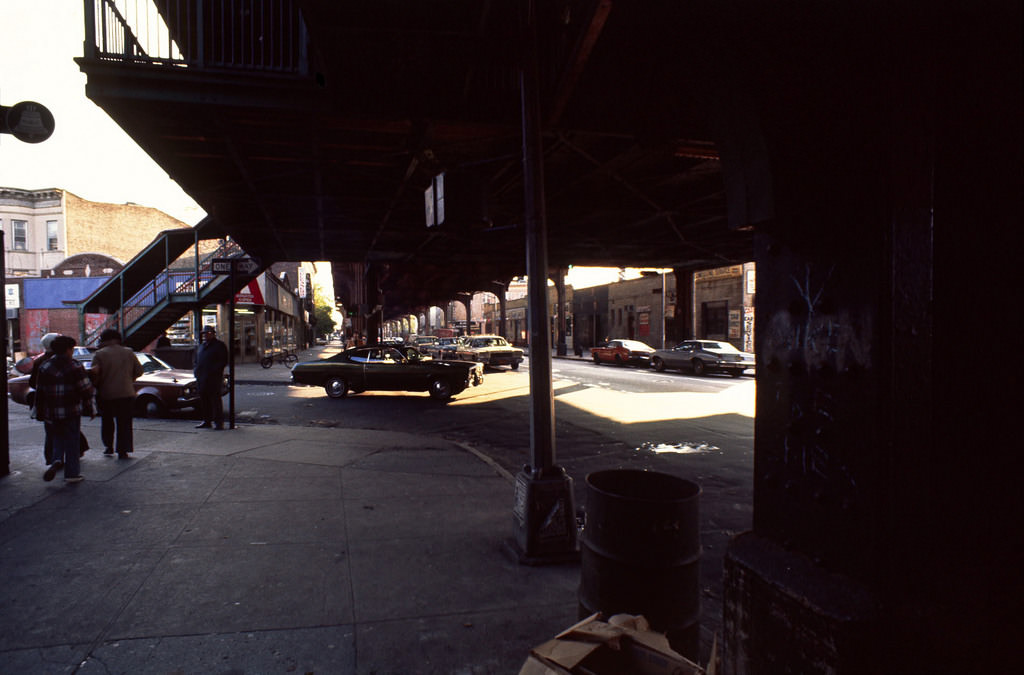
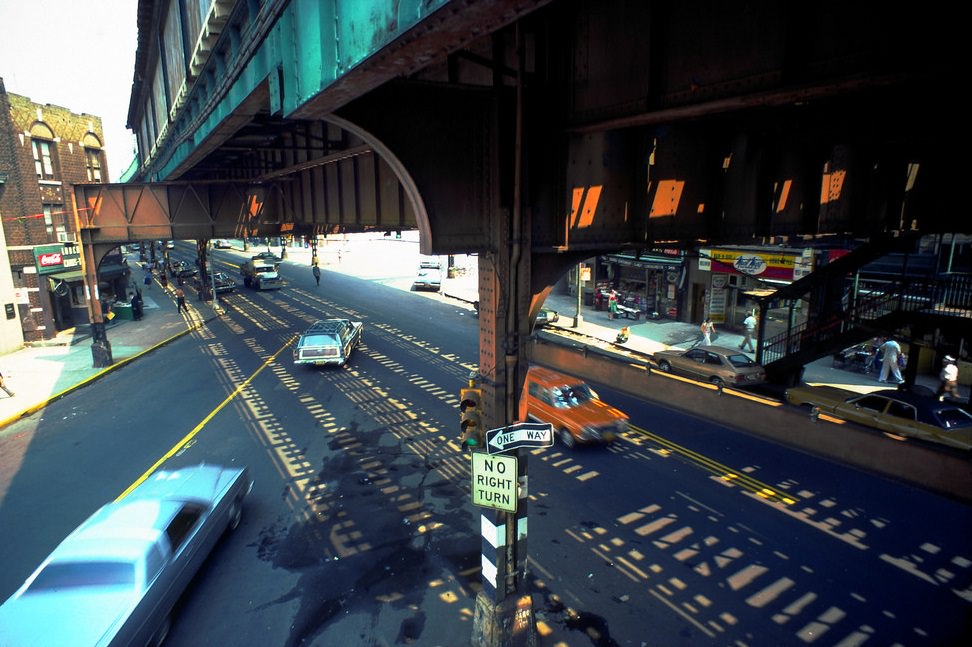
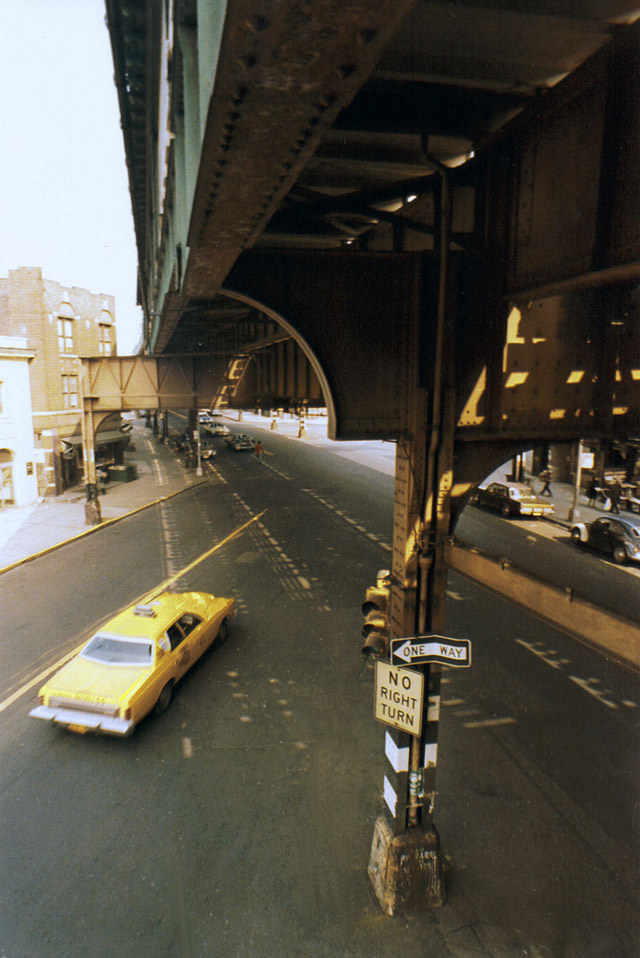
Neighborhoods like Boro Park and Park Slope each had their own character. Boro Park, with its elevated subway lines running along New Utrecht Avenue, was home to a large Orthodox Jewish community. The 55th Street station and surrounding intersections were familiar landmarks for residents navigating the neighborhood throughout the mid-1970s.
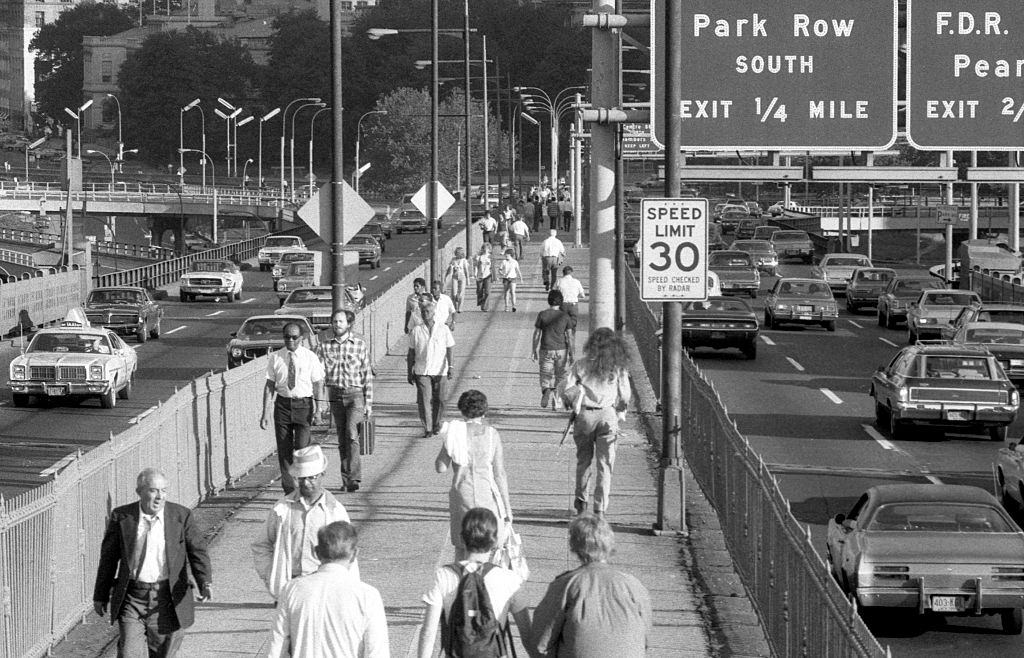
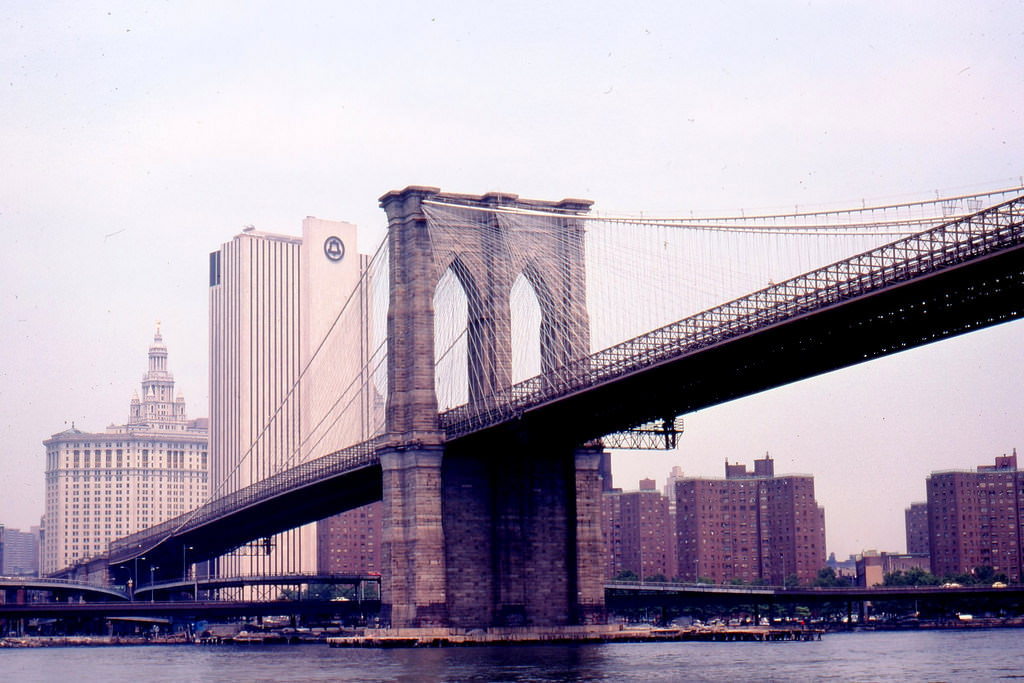
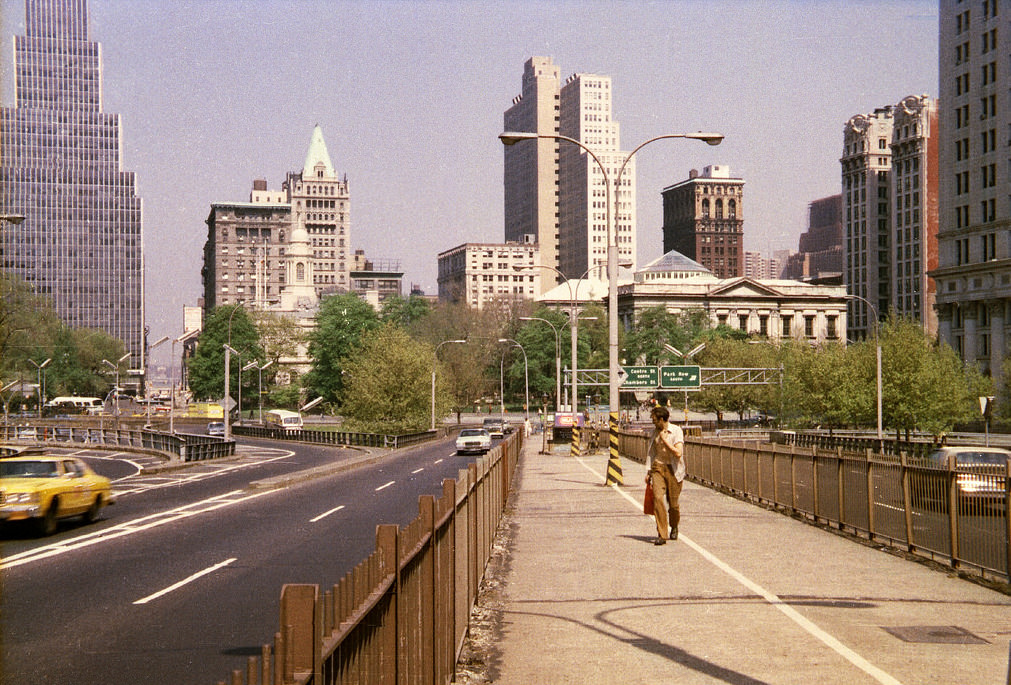
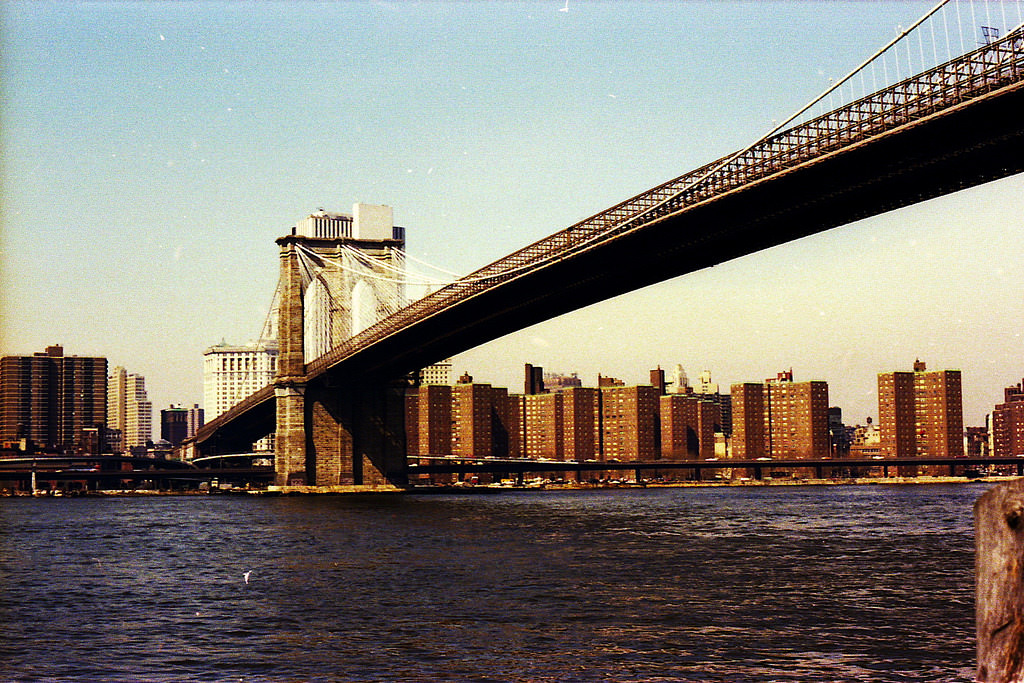
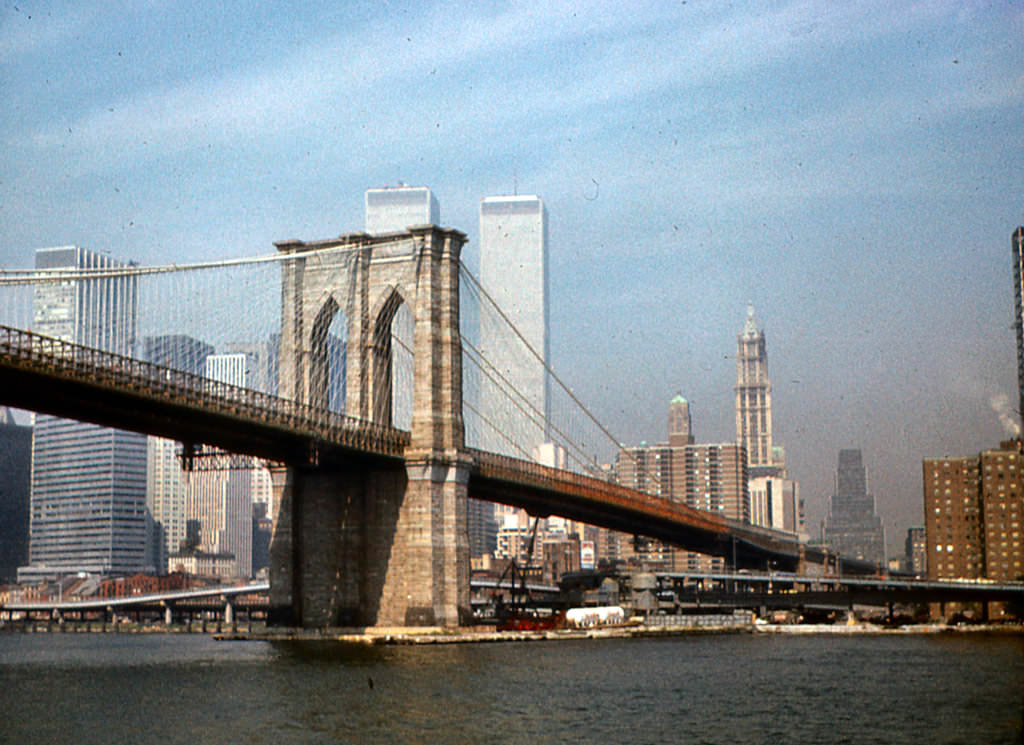
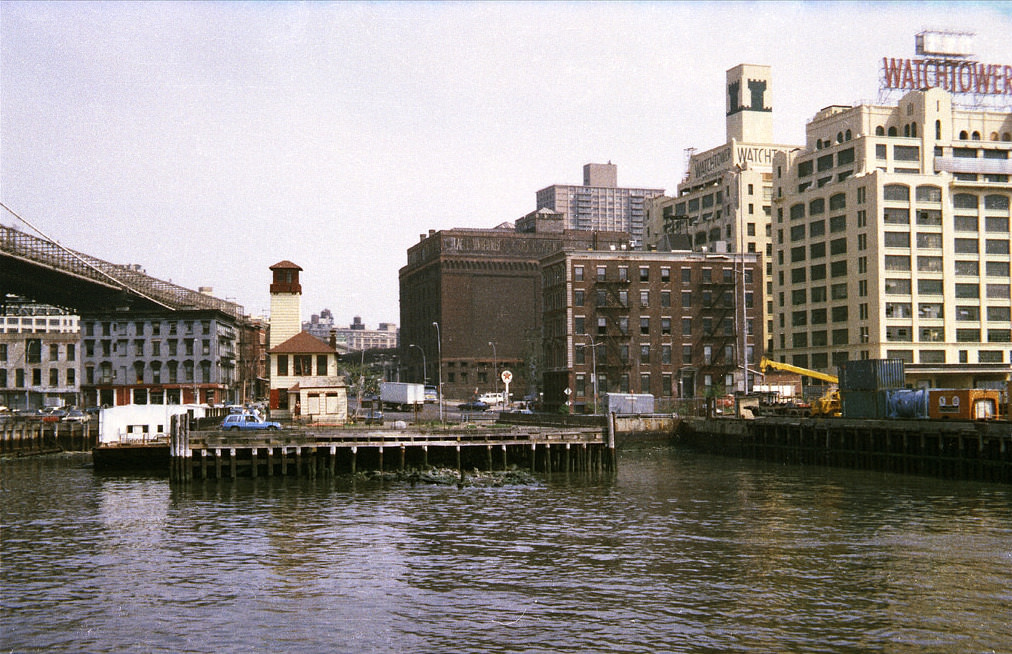
Brooklyn at night in the mid-1970s was a different world from its daytime self. Street lighting was inconsistent, and many blocks took on a darker, more isolated feel after sundown. The Brooklyn Bridge, one of the borough’s most enduring landmarks, was photographed repeatedly throughout the decade — a symbol of permanence in a borough that was changing fast.
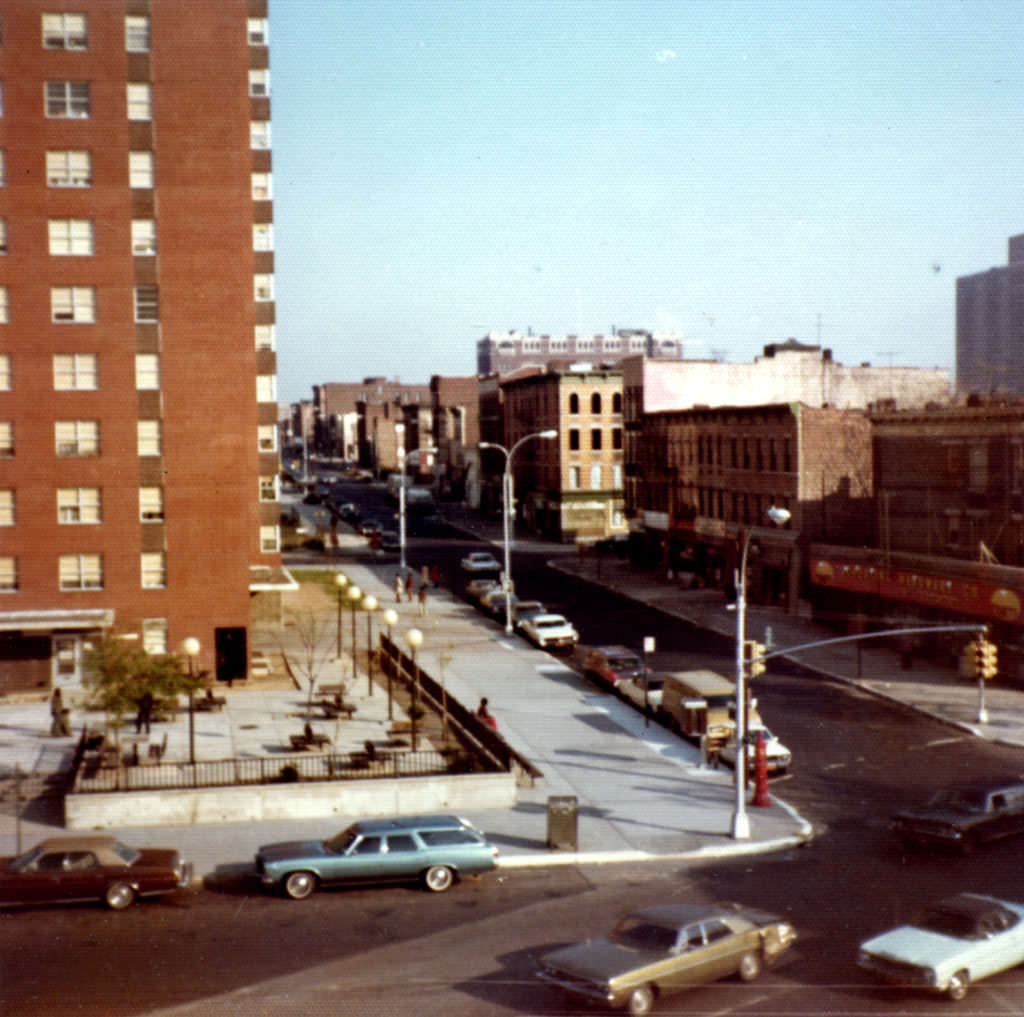
The Brooklyn Zoo and green spaces gave residents a break from the density of city living. Families visited the zoo in 1976, and spots like Columbia Heights offered quieter streets with views of the harbor. Fort Greene, with its tree-lined blocks, was another neighborhood that held onto a calmer pace even as broader pressures mounted across the borough.
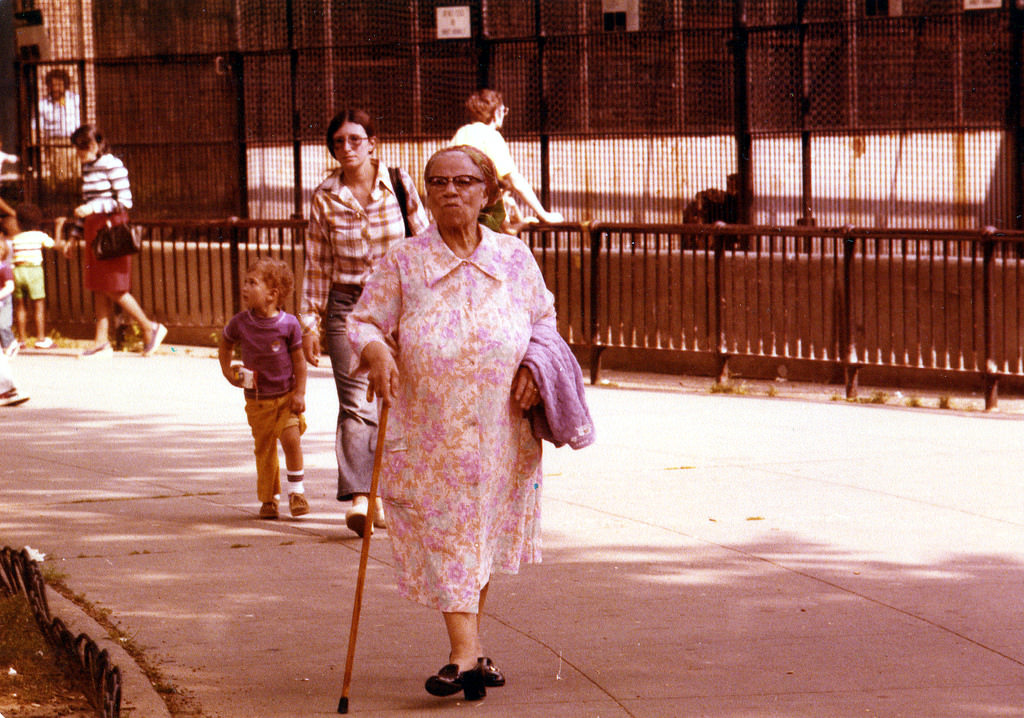
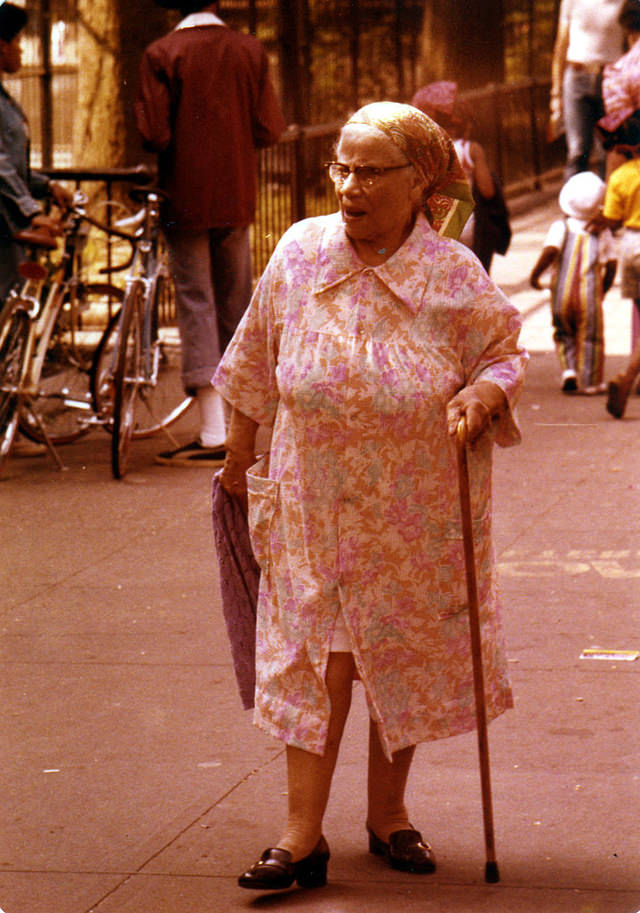
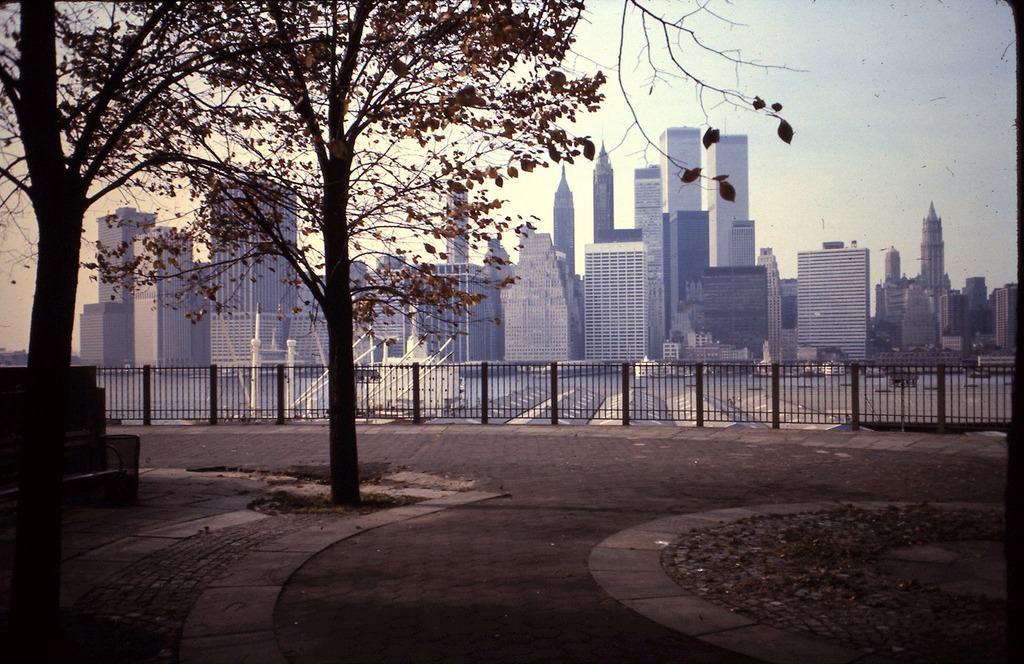
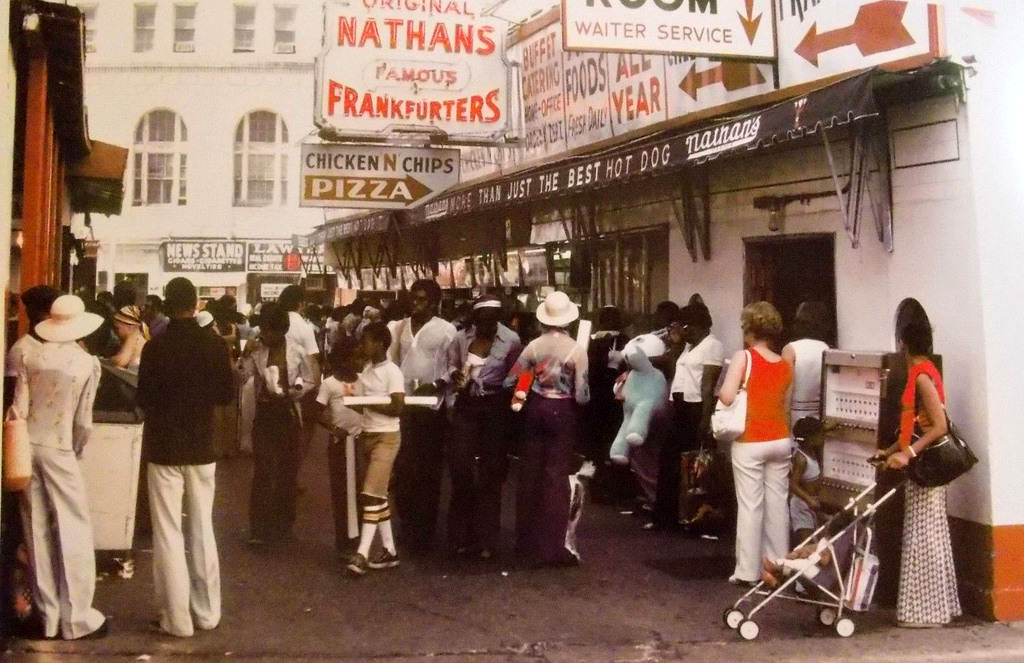
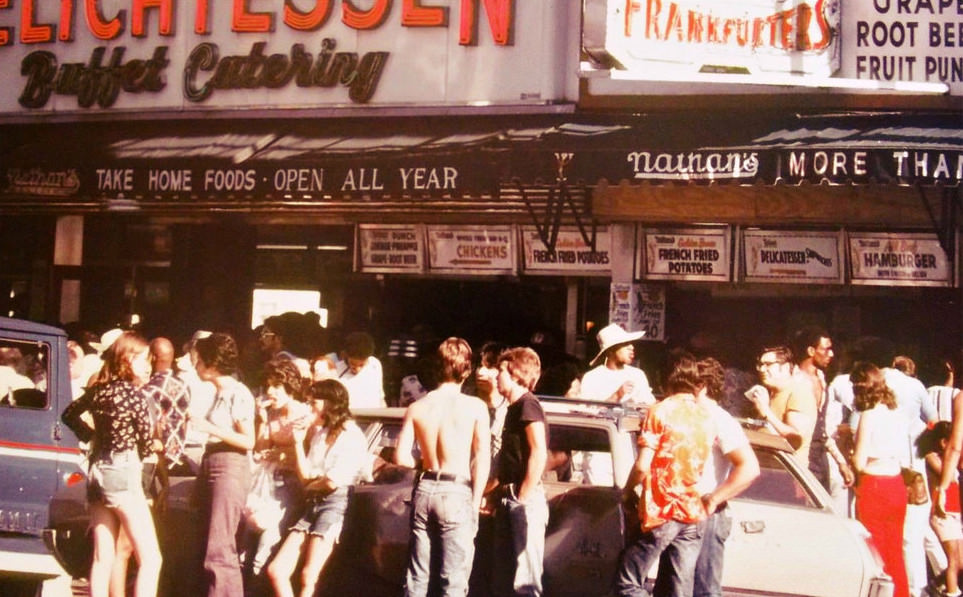
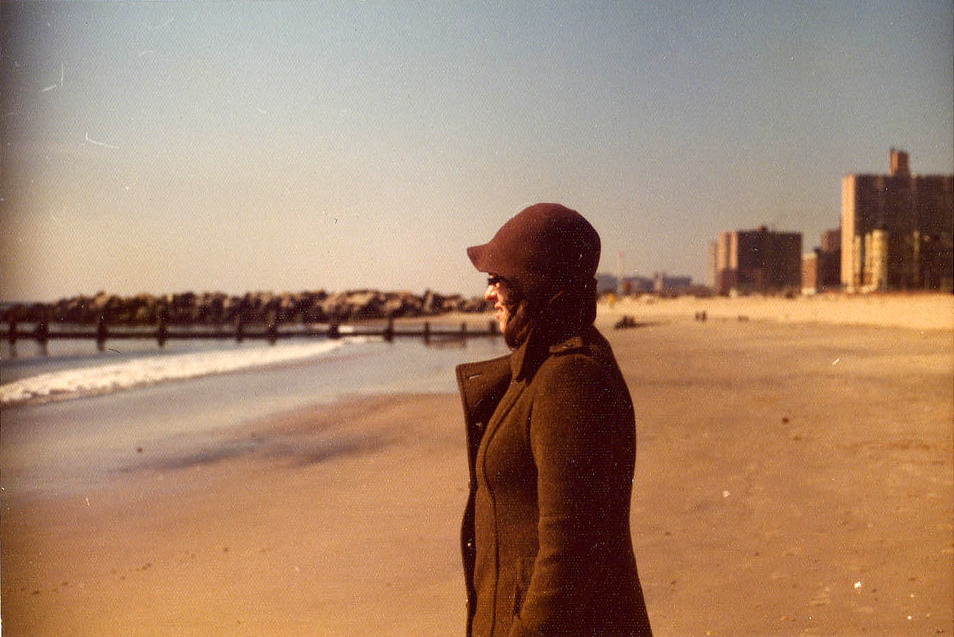
Coney Island’s boardwalk was a year-round presence in Brooklyn life — busy in summer, empty and windswept in winter. The Stillwell Avenue station, the last stop on several subway lines, funneled visitors in and out of the neighborhood. Outside Nathan’s Famous, street scenes played out just as they had for decades, even as the surrounding area aged.
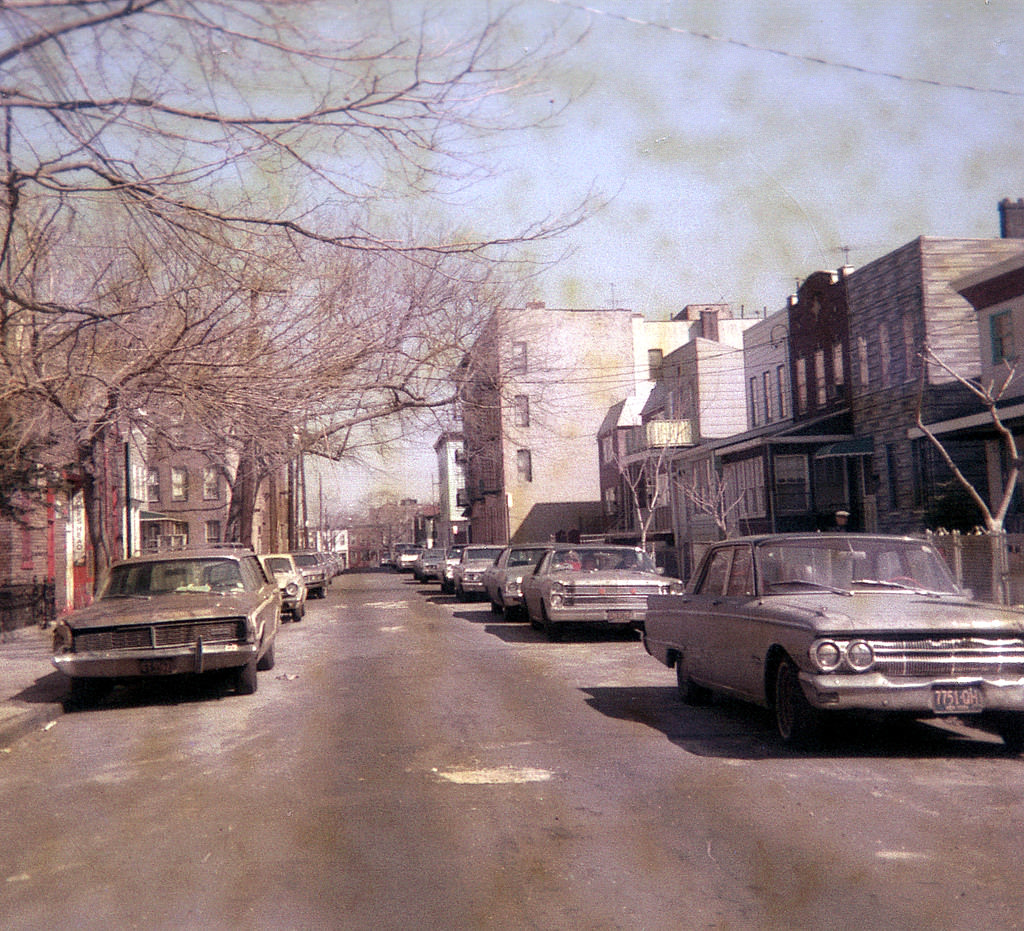
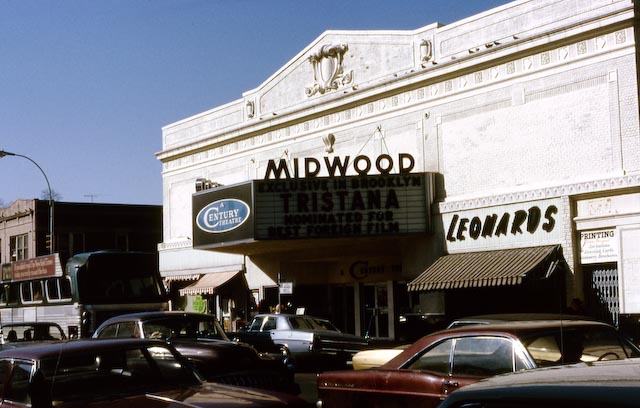
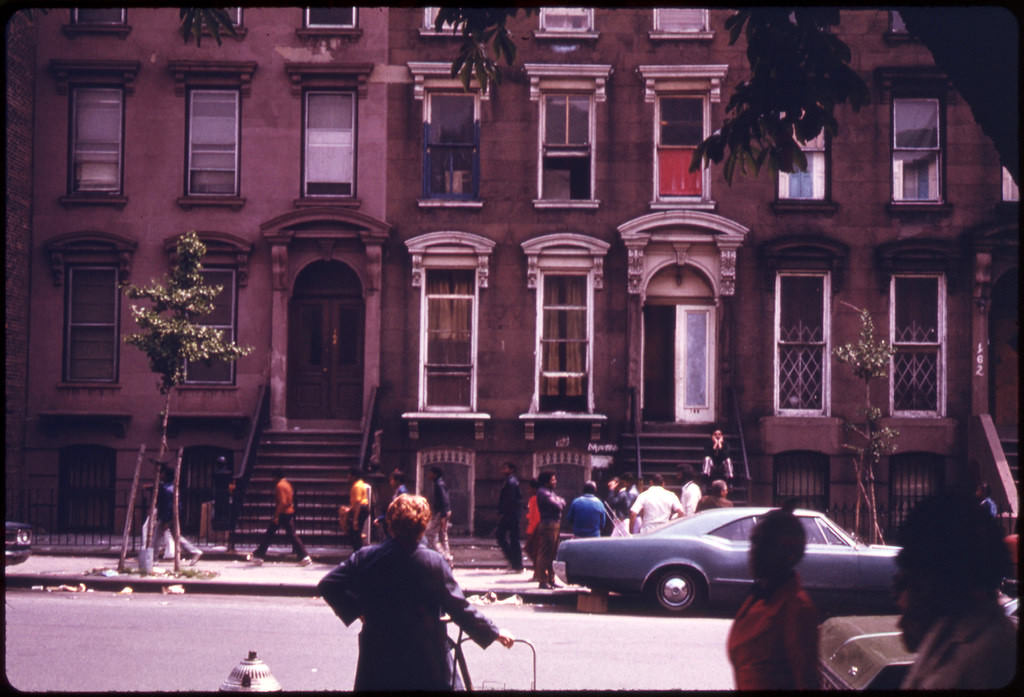
Local theaters like the Midwood Theater served as community anchors in the early part of the decade. By 1971, many of Brooklyn’s neighborhood movie houses were already beginning to feel the pressure of declining attendance and rising costs. Streets like McKinley Street and Washington Place in Fort Greene captured the quieter, residential side of the borough — rows of brownstones and modest storefronts that housed generations of Brooklyn families.





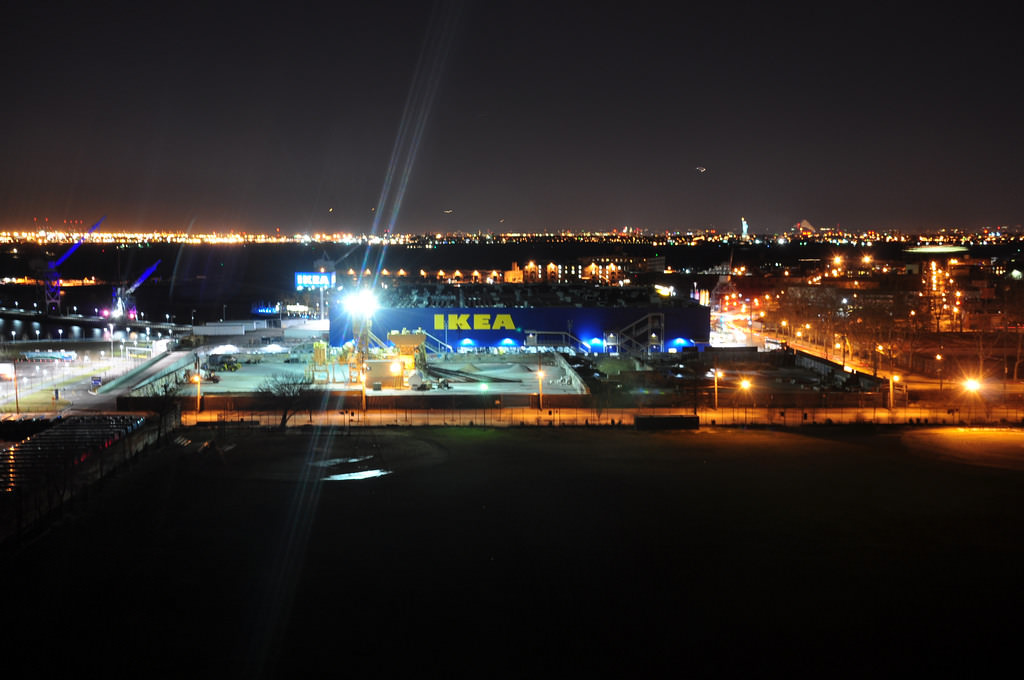
I’ve only been here for nine years. My guess is that there were no IKEA stores in Brooklyn in 1976 Other than that, very cool. Thank you for sharing.
I’m pretty sure they didn’t have early 90s honda civics in 1975, but what do I know?
Yes, that made me look twice…or three times
There are some great shots of the Brooklyn Bridge before it was crowded with tourists.
Lotsa tight shirts and loose pants.
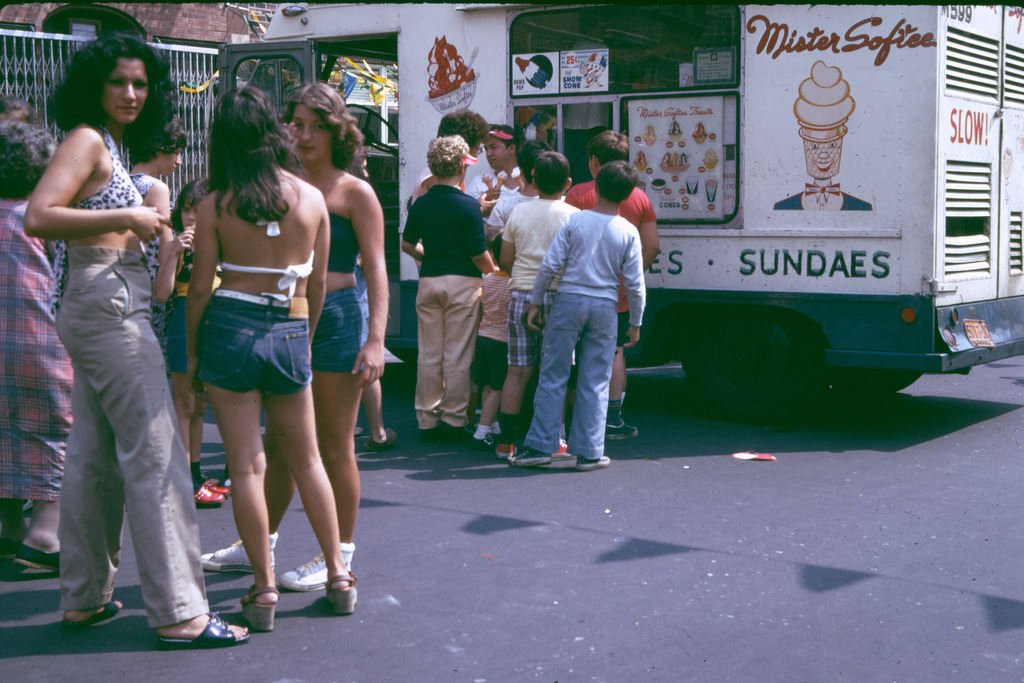
The ice cream truck needs innovation… or at least a different tune
Looks so clean and civilized
Mister Softee still playing that song…
The last picture of an IKEA store is definitely not 1976.
Yeah. The first IKEA in the US was in Pennsylvania, in 1985
These are really great
The house in pic 50 shows value on Zillow of over 2 million dollars today😳😳
Not a single person absent-mindedly doomscrolling. Miss those times.
I enjoyed these, thanks for posting!