
Mexico in the 1960s was a country caught between rapid growth and deep tension. Cities expanded, tourism picked up along the northern border, and rural communities carried on traditions that had changed little over generations. Tijuana, sitting just across from the United States, became a busy hub where American tourists mixed with local vendors, street performers, and craftsmen. These photos capture that world in sharp detail.
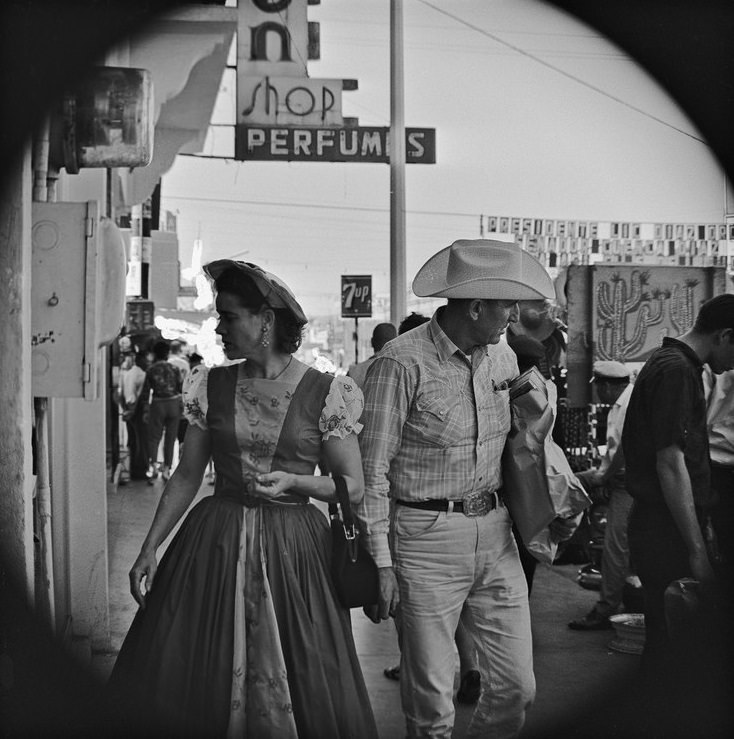
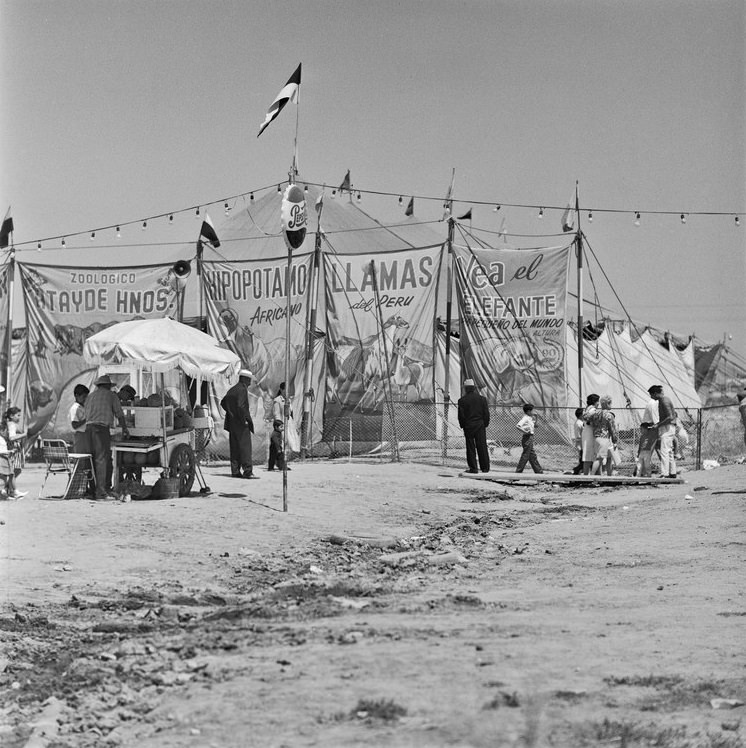
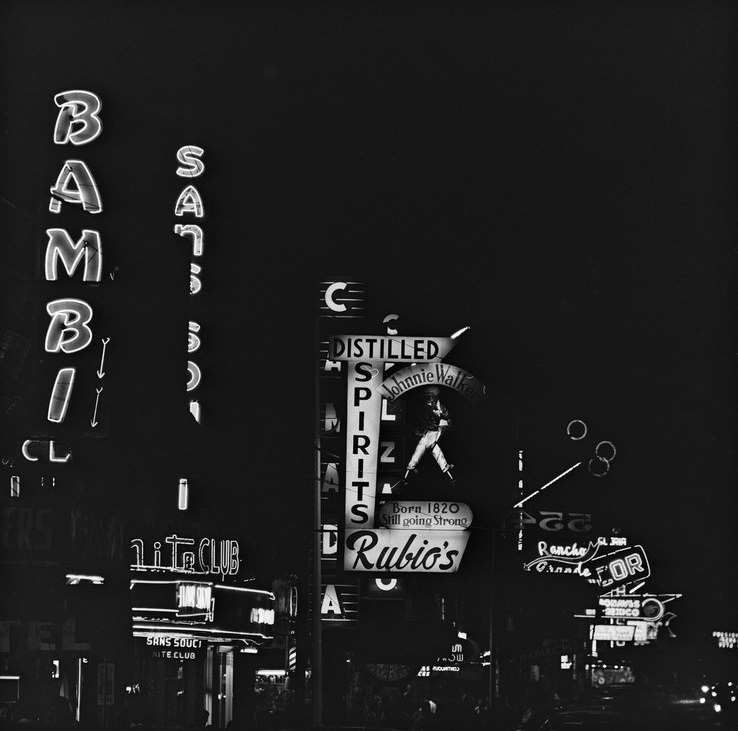
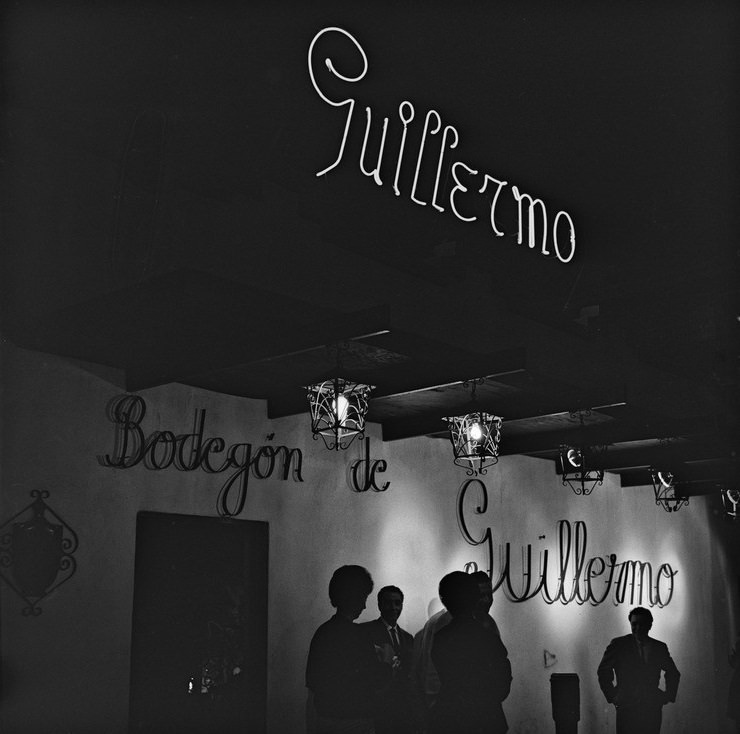
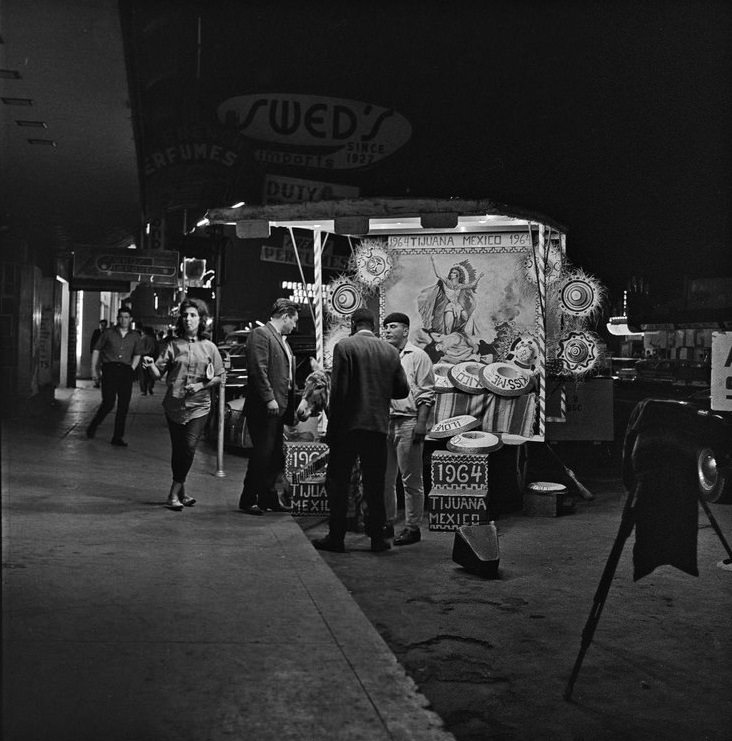
Tijuana in 1964 had a distinct energy. Markets, restaurants, and street vendors lined the main avenues. At Bodegón de Guillermo — one of the most well-known restaurants of the era — bullfighters and their fans gathered regularly. The city also had its lighter side: outdoor burro portrait studios drew tourists looking for a memorable souvenir photo, and circus troupes like Circo Atayde rolled into town to entertain locals and visitors alike.
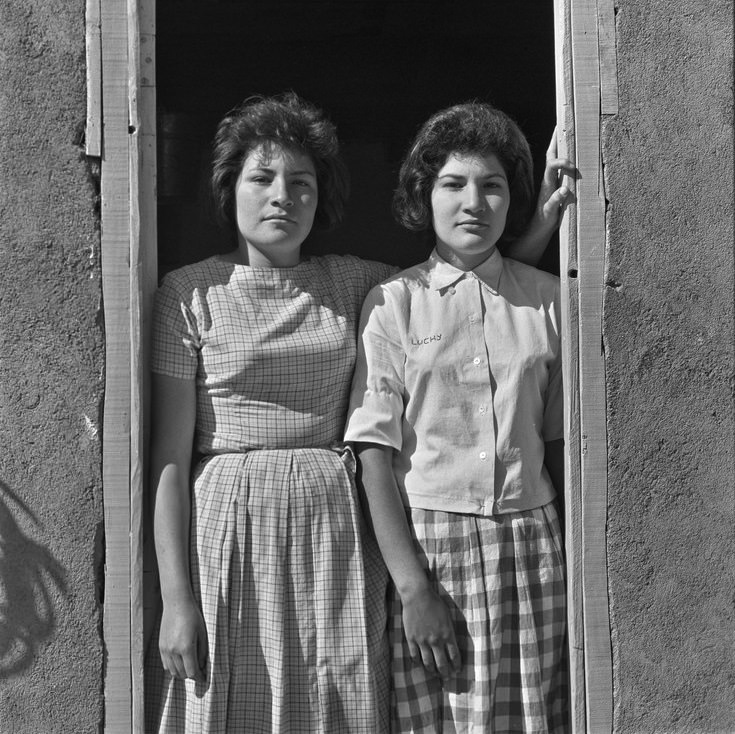
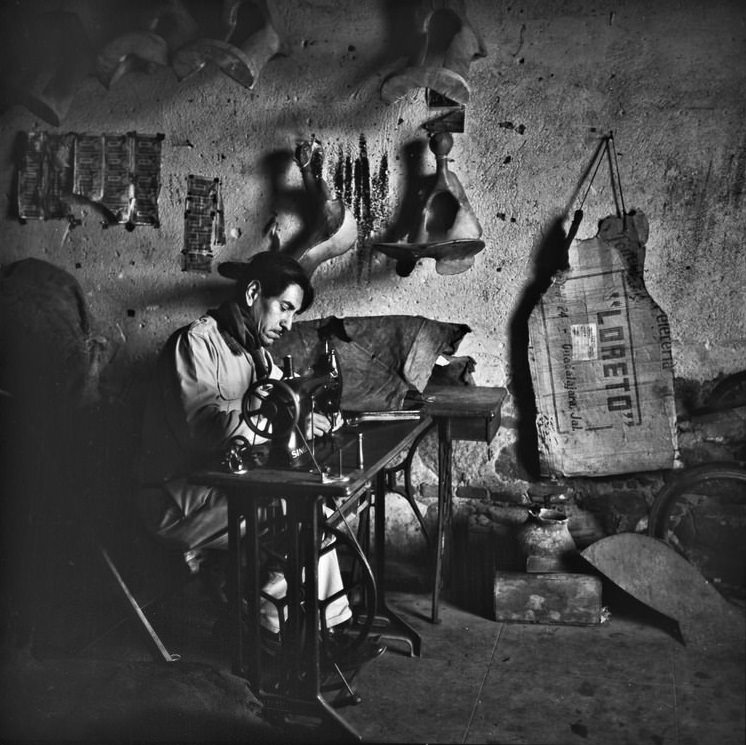
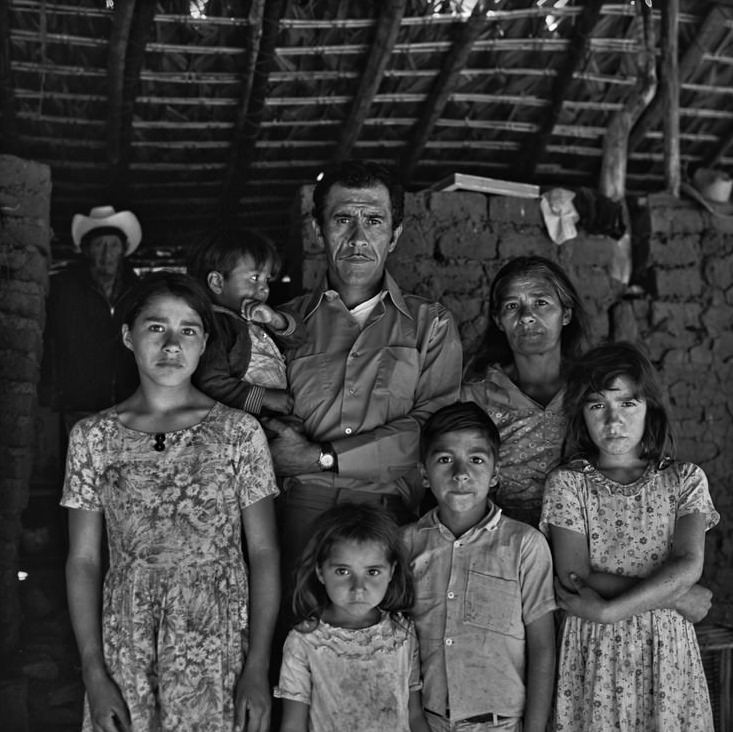
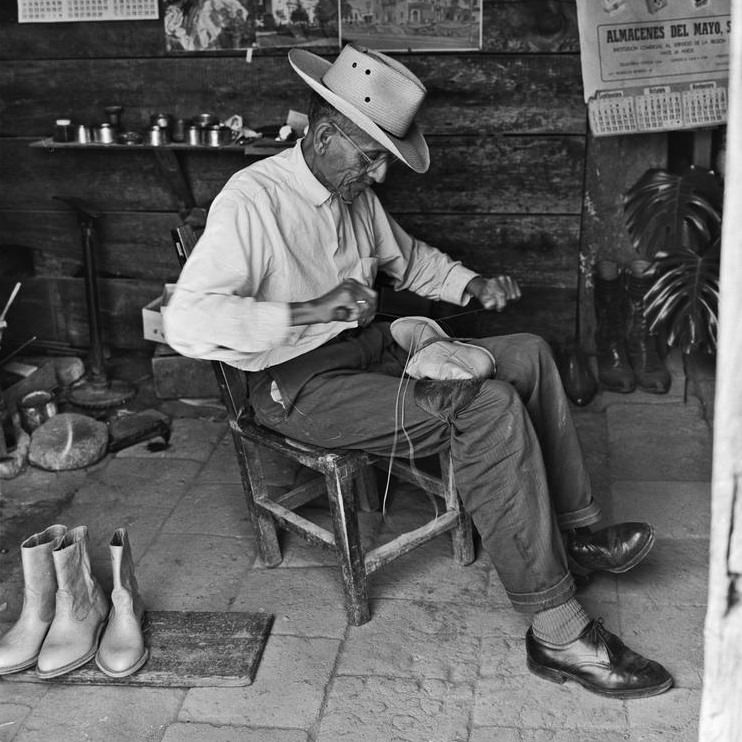
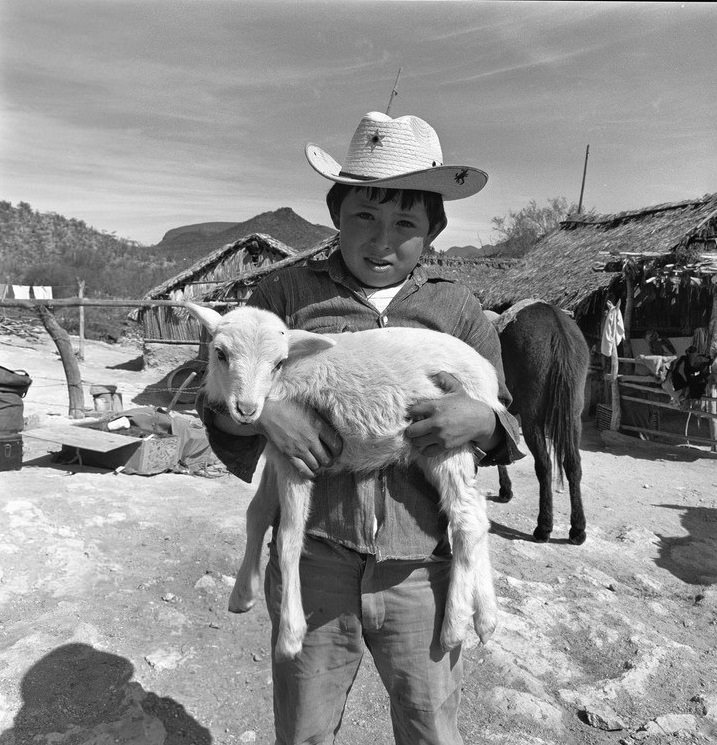
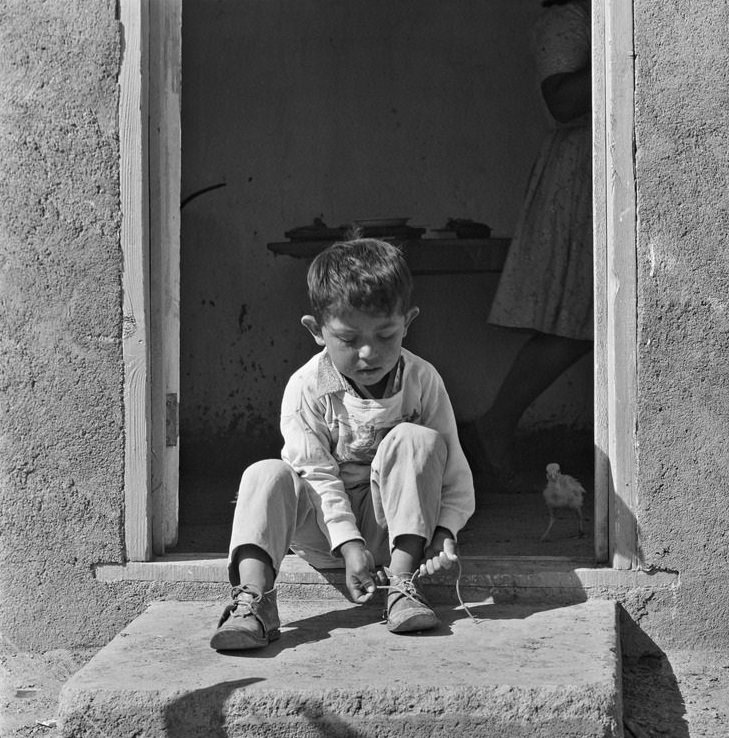
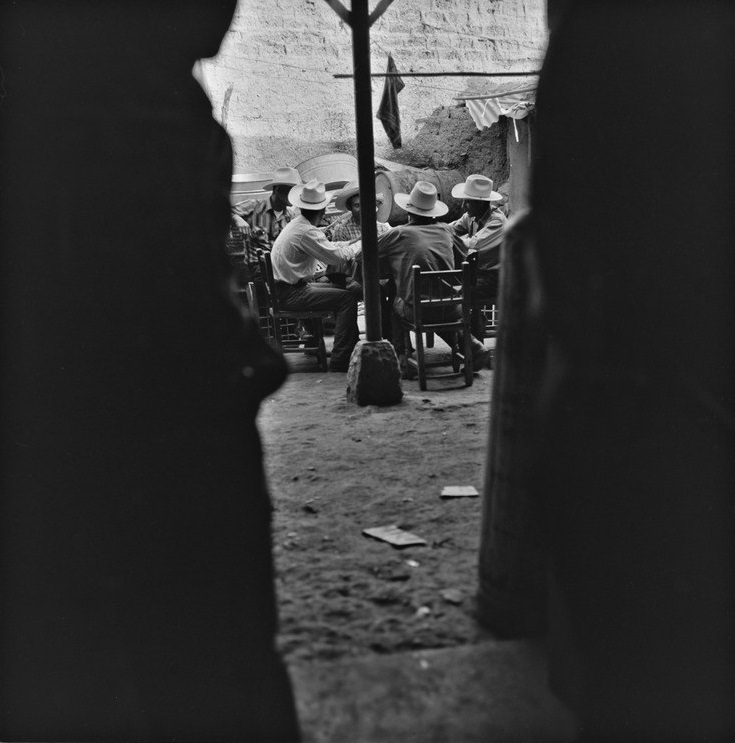
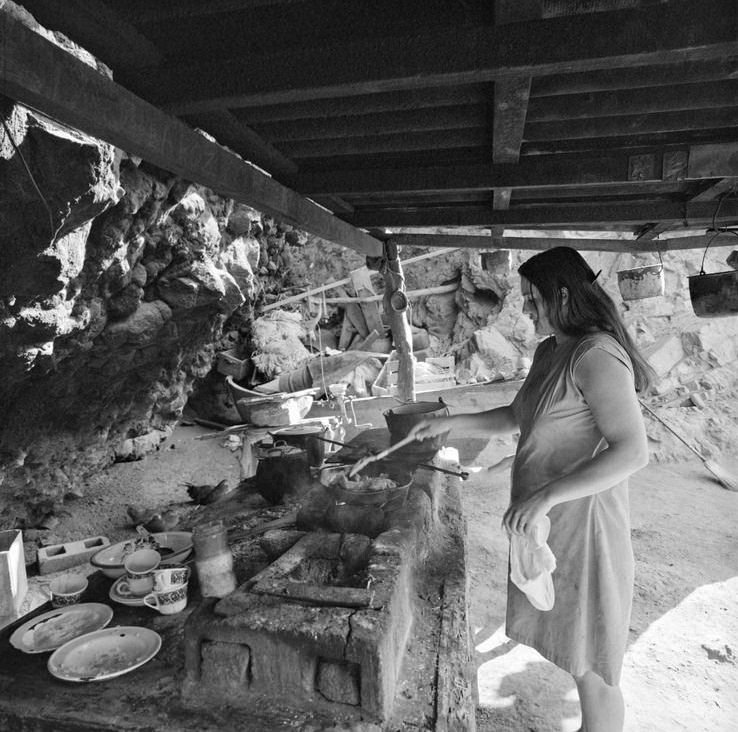
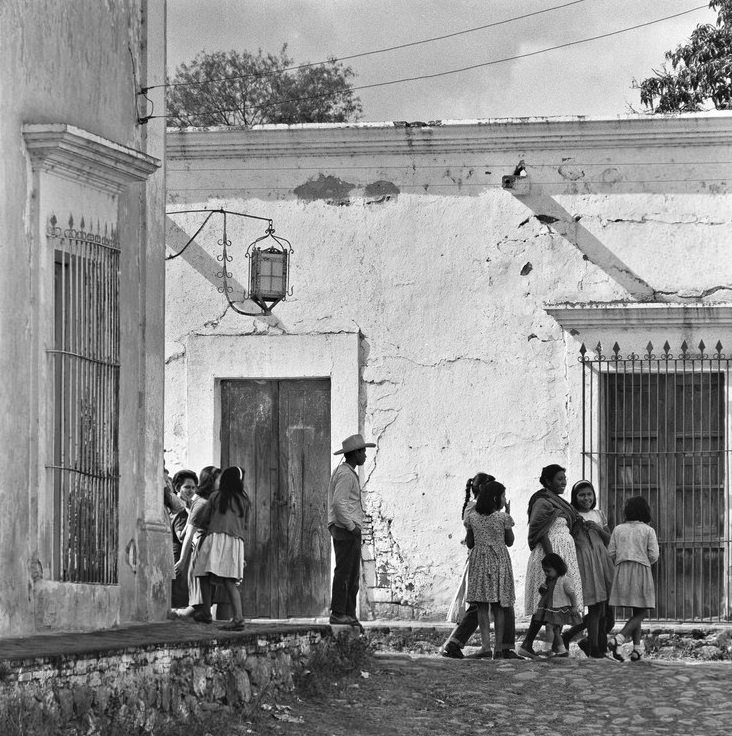
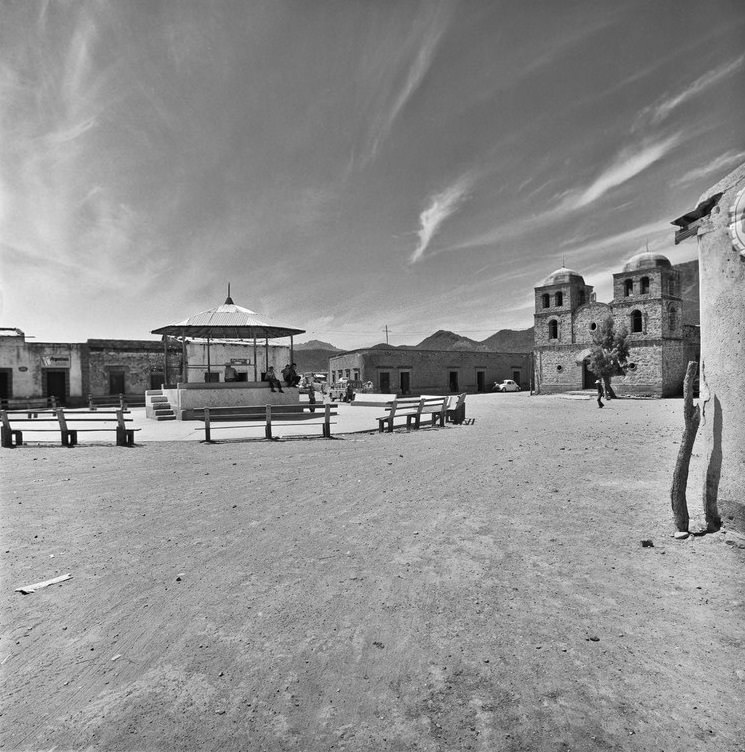
Away from the border cities, small-town and rancho life moved at a slower pace. In Álamos, craftsmen worked leather into saddles and repaired shoes by hand. Families at ranchos like Compostela and Rosarito lived close to the land, raising animals and working long days. A young boy carrying a goat at Rancho Represito or a rancher at Rancho Laguna Chapala tell a story of self-sufficient rural Mexico that rarely made the news.
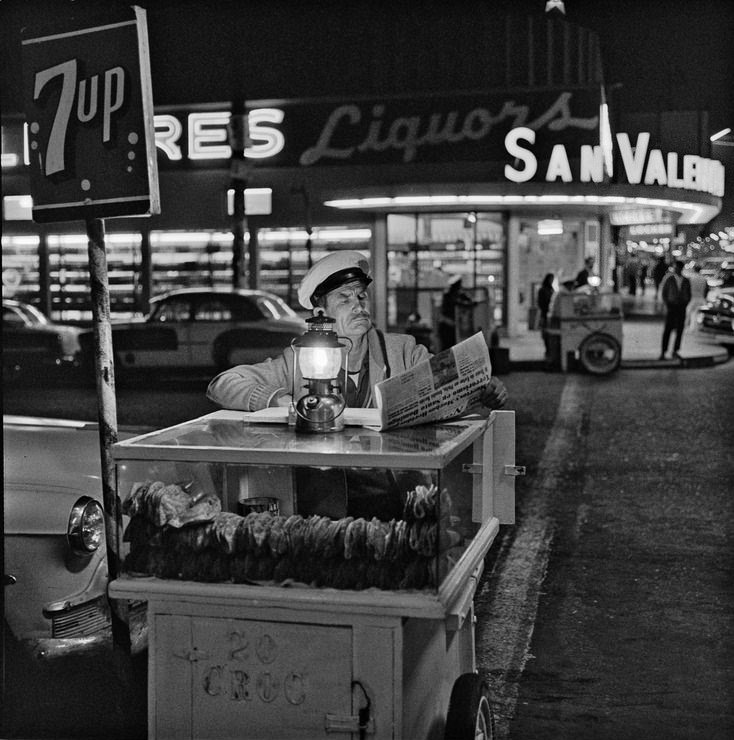
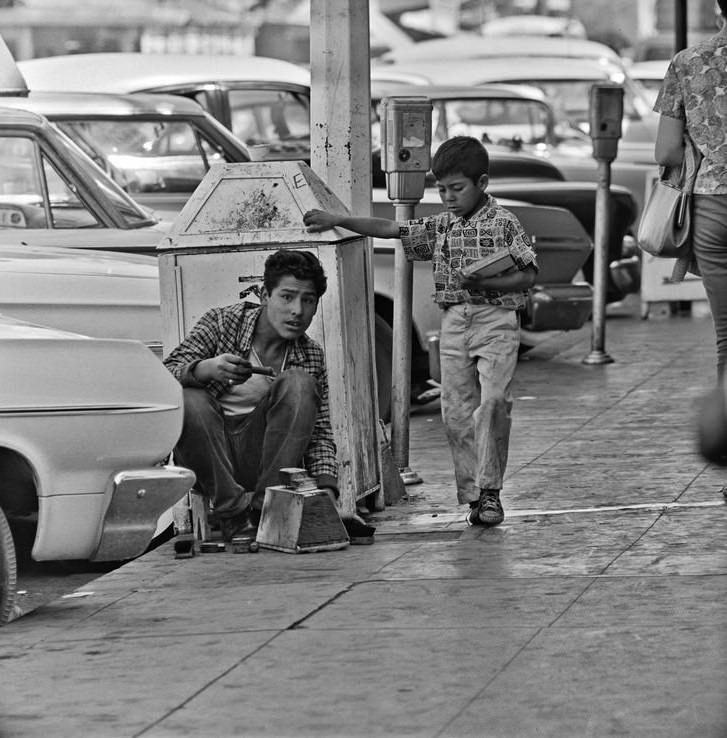
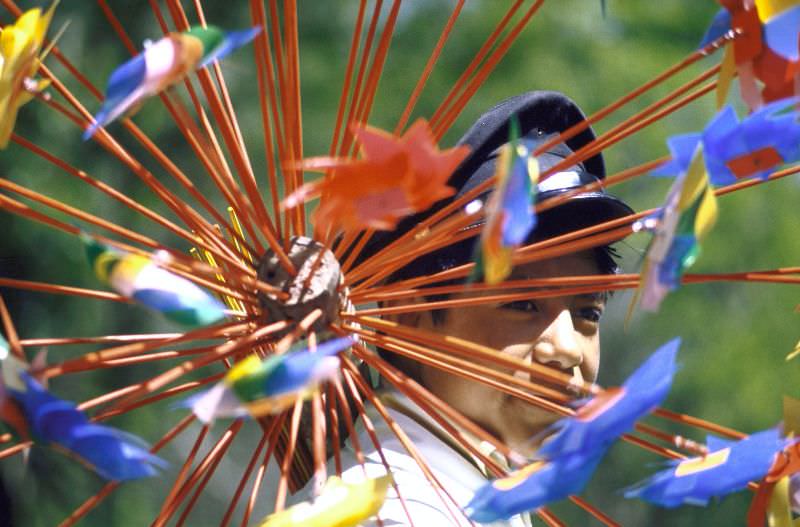
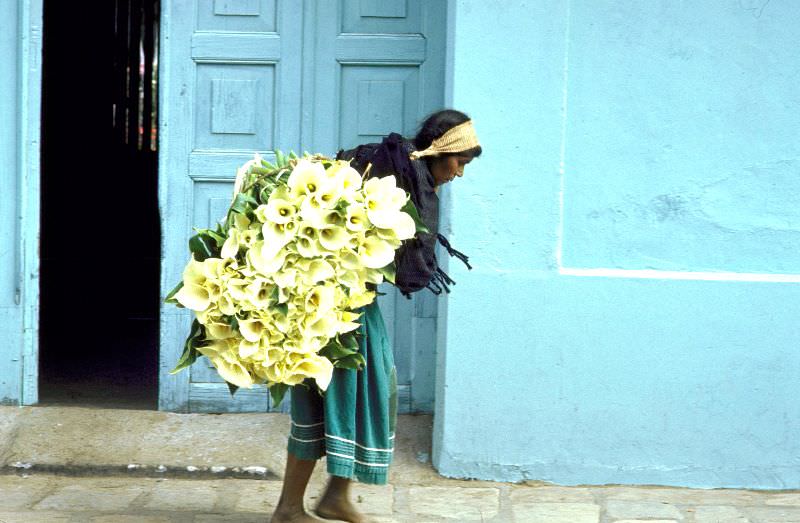
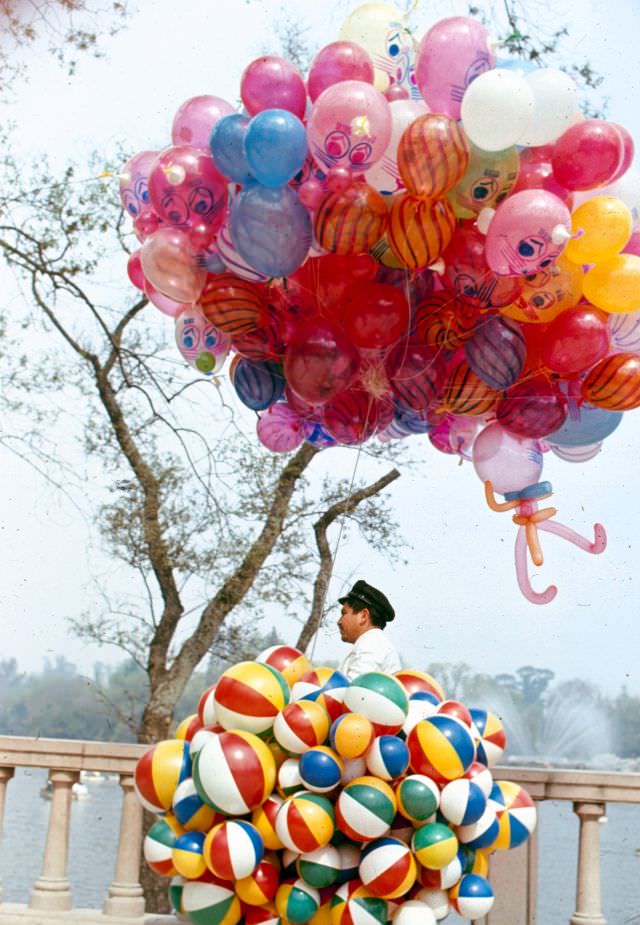
Street commerce was a constant thread running through everyday Mexican life. In Tijuana, a shoe-shine boy worked beside a young gum salesman hawking Chiclets. A vendor kept an eye on the newspaper between customers. Colorful markets like La Merced in Mexico City overflowed with goods — from pinwheels to fresh lilies. These weren’t staged scenes; they were the ordinary workings of a busy economy.
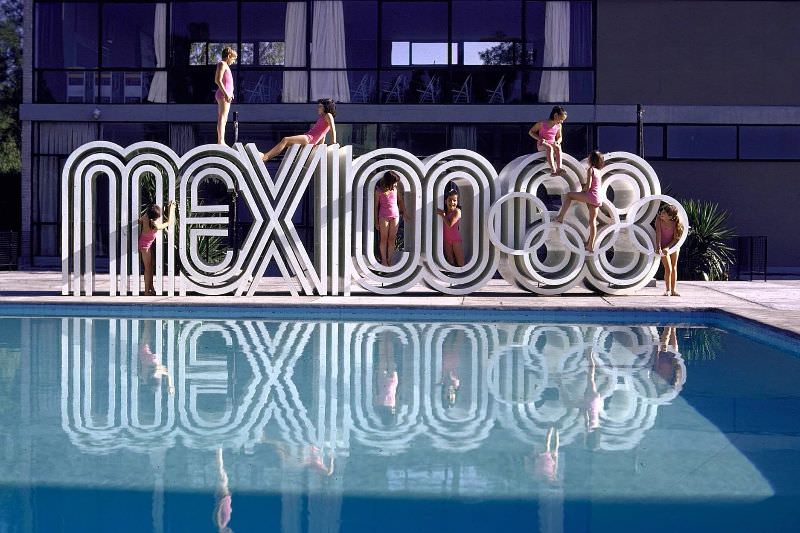
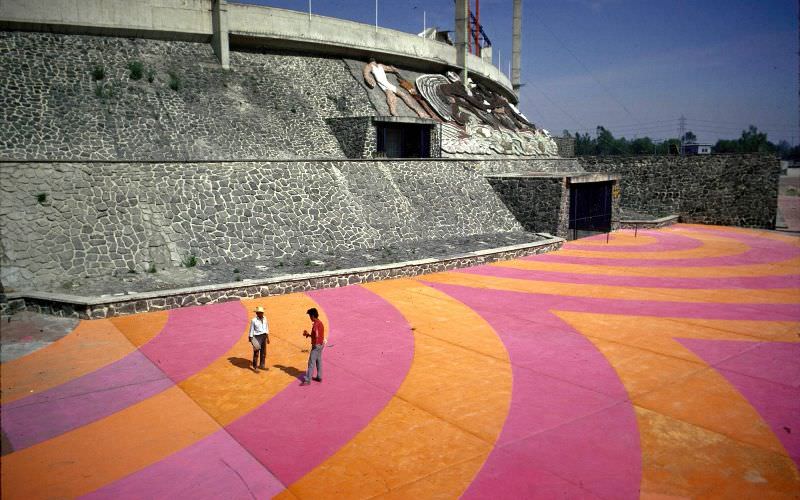
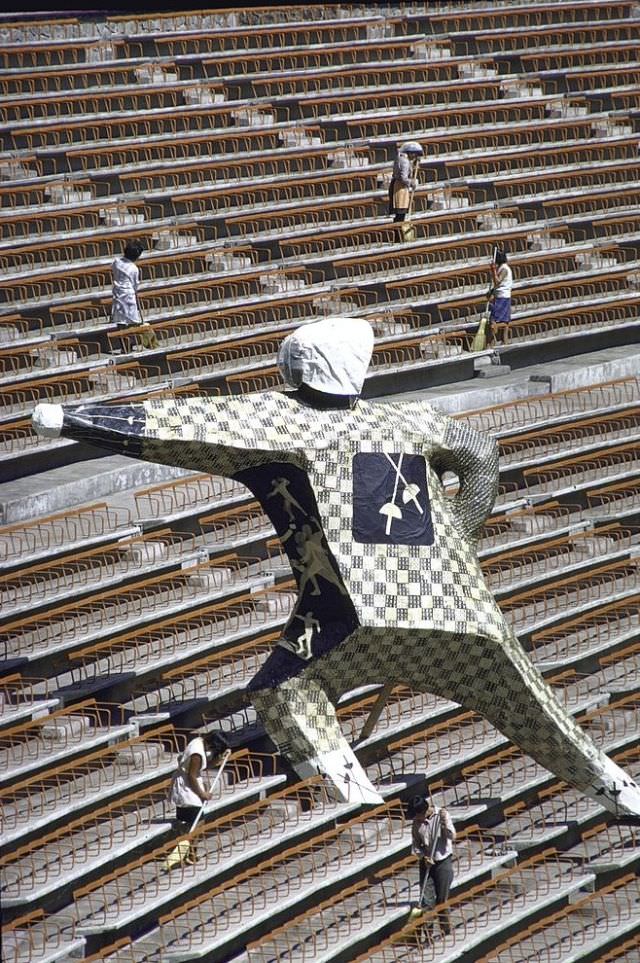
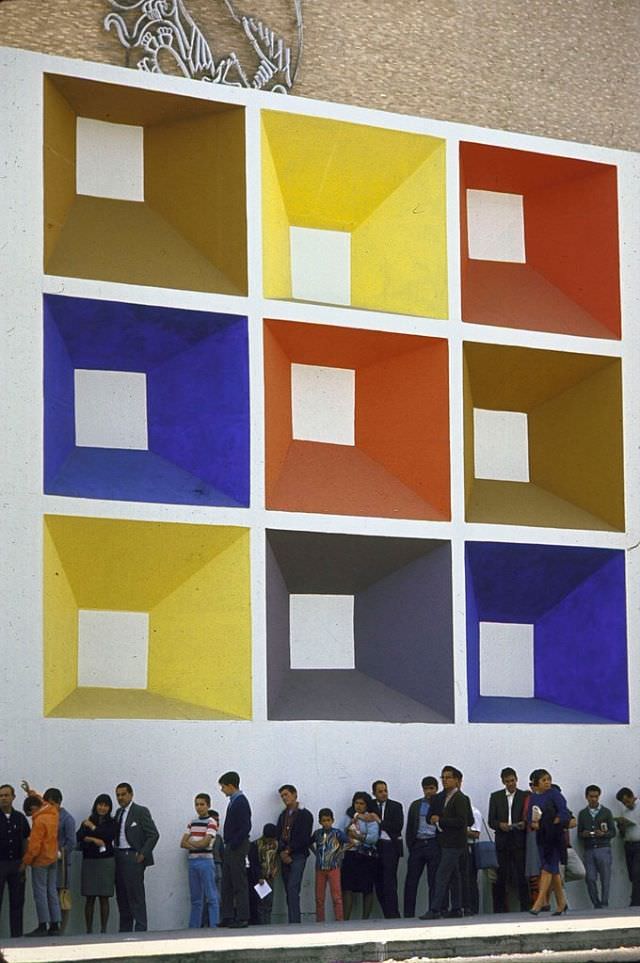
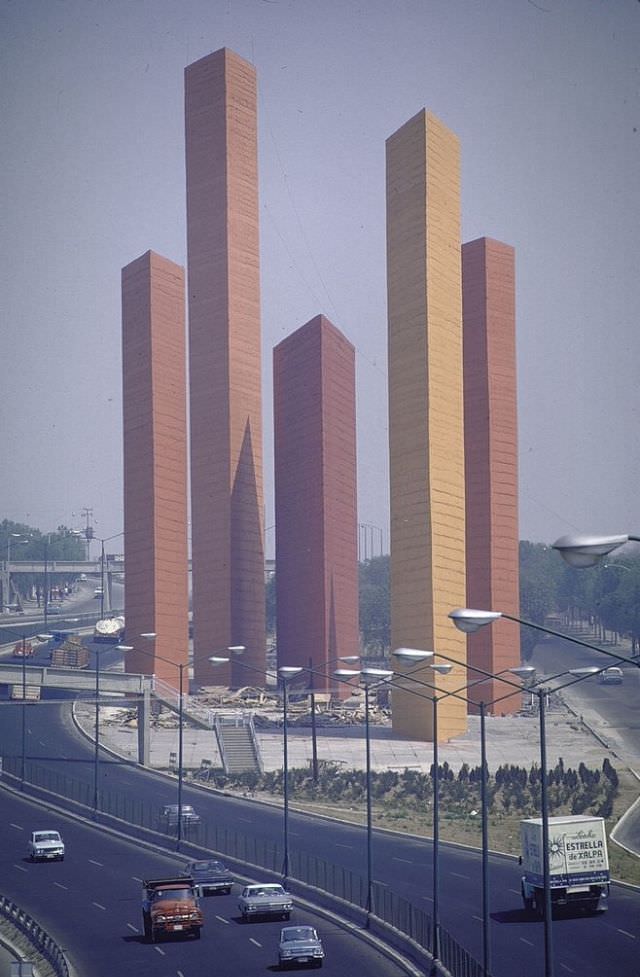
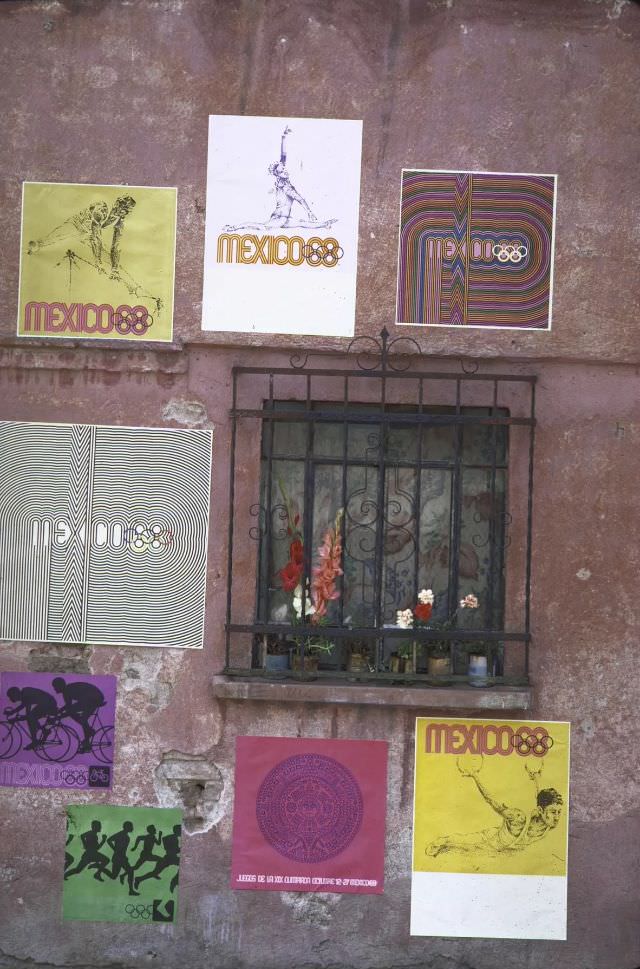
By 1968, Mexico City was preparing to host the Summer Olympics — the first to be held in Latin America. The 16-year-old Olympic Stadium was refurbished with a new colored apron to guide crowds through its entrances. A 15-foot plastic fencer in an en garde position stood in the stands at Aztec Stadium. Olympic posters decorated walls across the city, and schoolchildren played on the iconic Mexico 68 logo.
But the Olympic year was also marked by tragedy. On October 2, 1968 — ten days before the Games opened — military troops surrounded a student-led demonstration at Tlatelolco Plaza in Mexico City. Soldiers opened fire on the crowd. Hundreds of people were killed. The Mexican government worked to suppress news of the massacre, and the Olympics proceeded on schedule just days later.
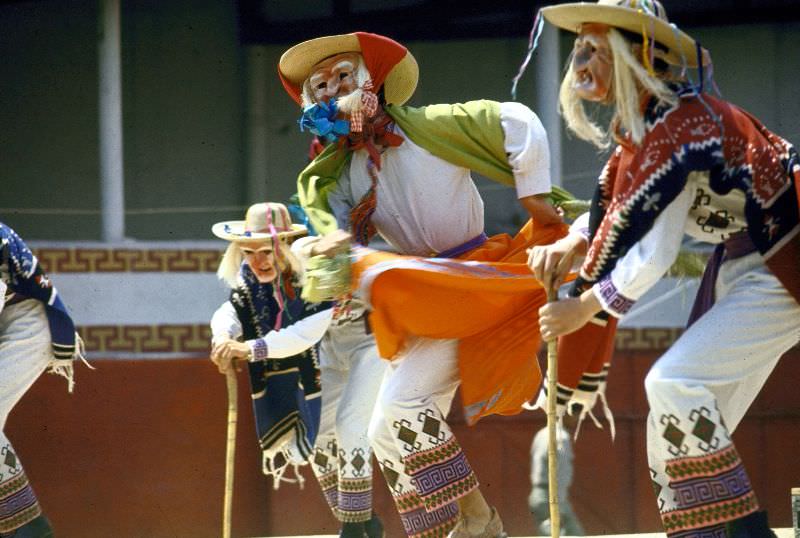
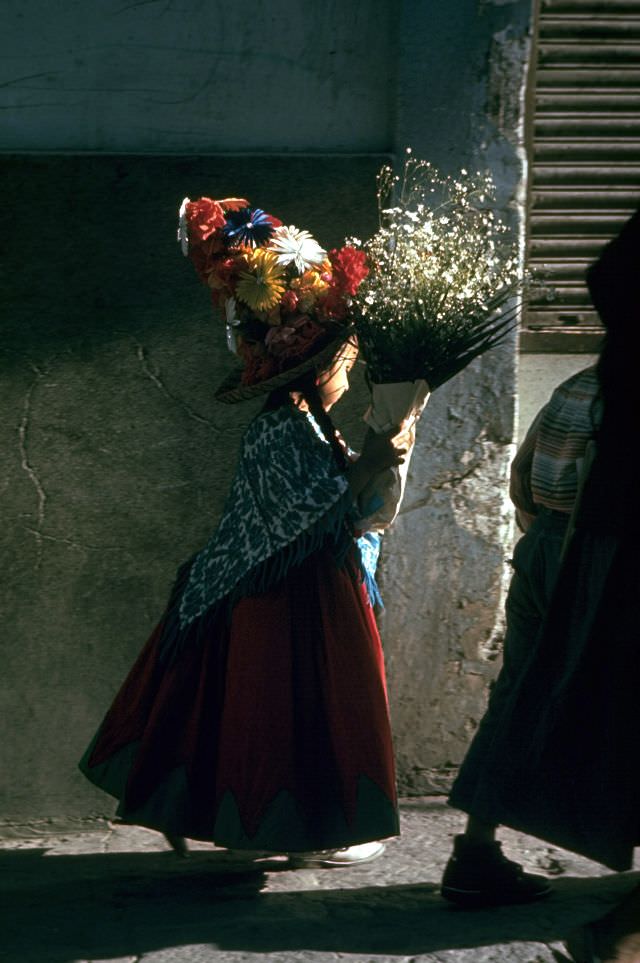
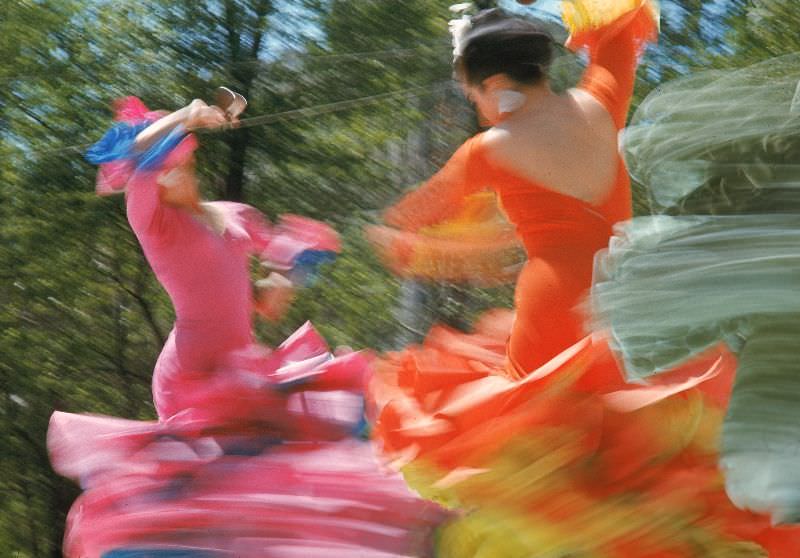
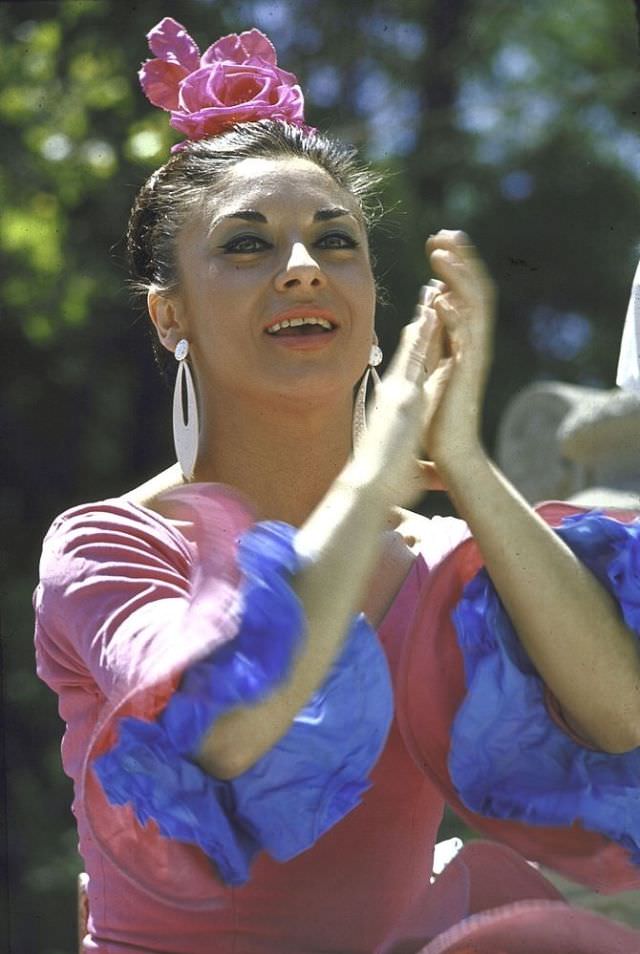
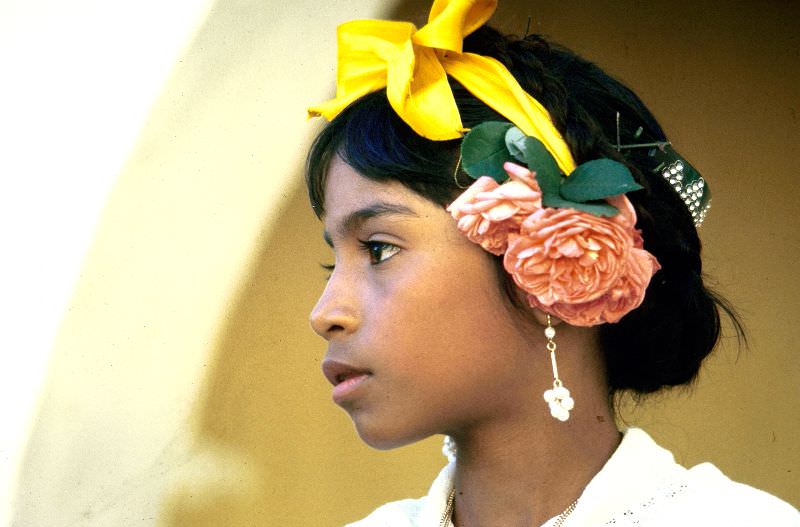
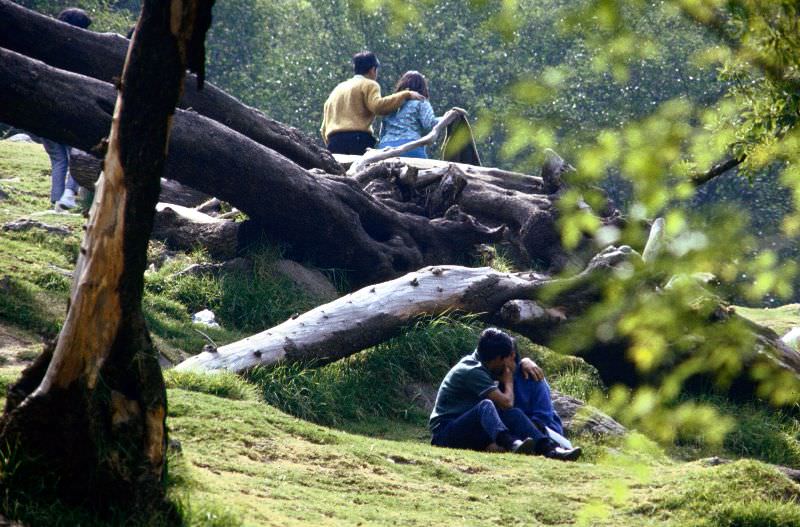
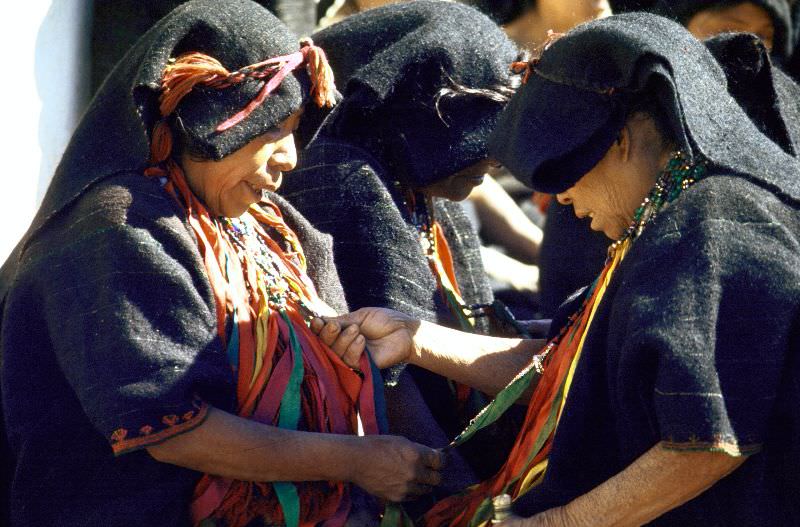
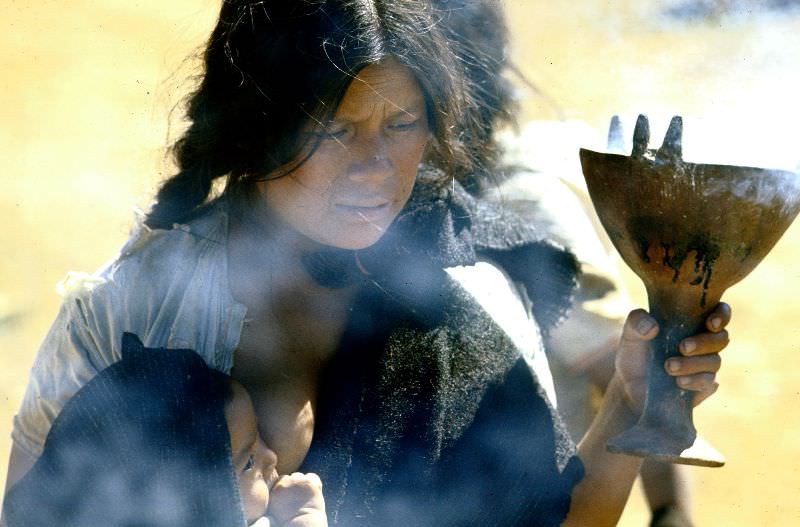
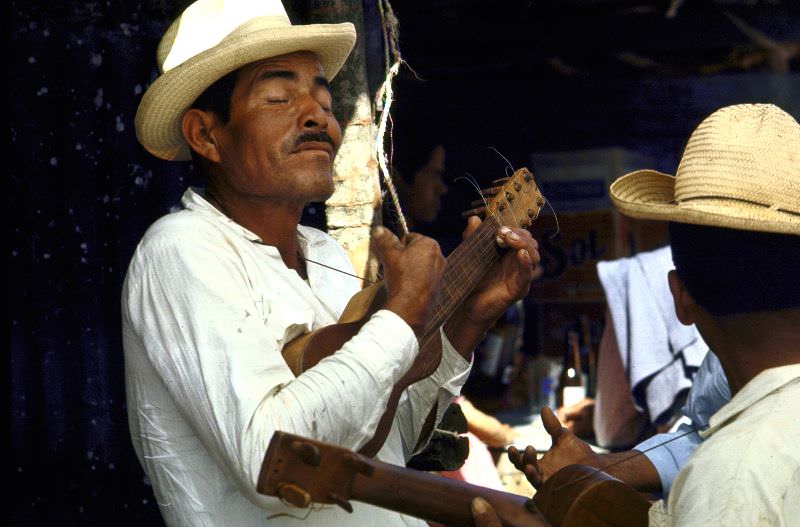
Away from the political violence, daily life in Mexico City in 1968 carried on with vibrancy. Couples relaxed in Chapultepec Park. Park dancers moved in a flurry to clapped rhythms. Mariachi singers performed on street corners. Chamula women participated in the cambio de mayordomo ceremony. A child carried flowers to a fiesta. These moments show a society full of culture and color, even during one of its most turbulent years.





Thanks for sharing; the photos are great!