
Eskilstuna sits in Södermanland County in central Sweden, roughly 100 kilometers west of Stockholm. Its identity has long been tied to metal. Craftsmen were working iron and steel here as far back as the 17th century, and that tradition never really stopped. By the 1950s, Eskilstuna was a fully functioning industrial city — busy, practical, and built around the trades that kept Sweden’s manufacturing economy moving.
The city’s central square, Fristadstorget, served as the civic heart of Eskilstuna. In the 1950s, it was a place where residents gathered, commerce moved through, and the rhythm of daily life played out in full view. The architecture around the square reflected the modest, functional style that defined many Swedish cities of that era.
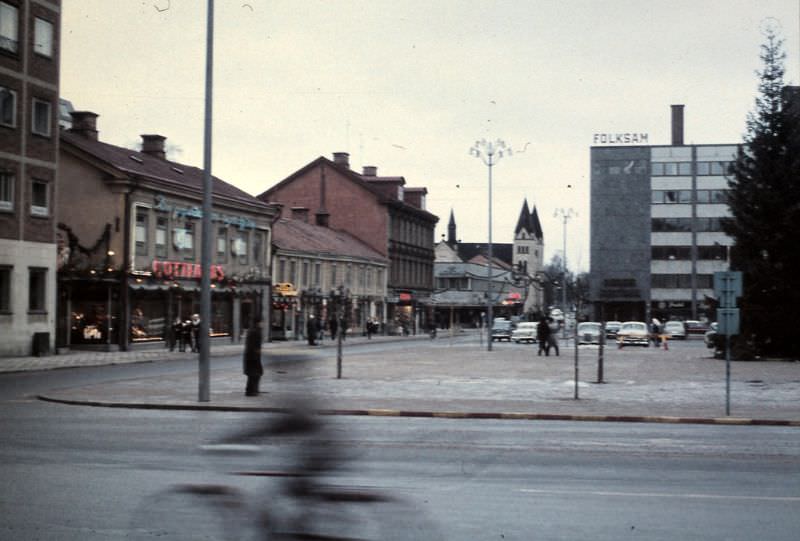
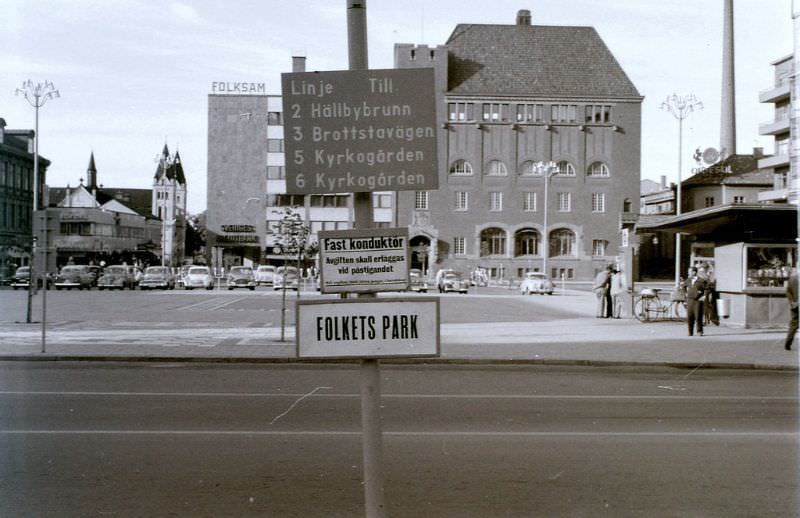
Furugatan was one of the residential streets that gave Eskilstuna its neighborhood character. The street hosted a mix of apartment buildings and smaller homes, where factory workers and tradespeople lived close to their workplaces. Life on these blocks was compact and communal.
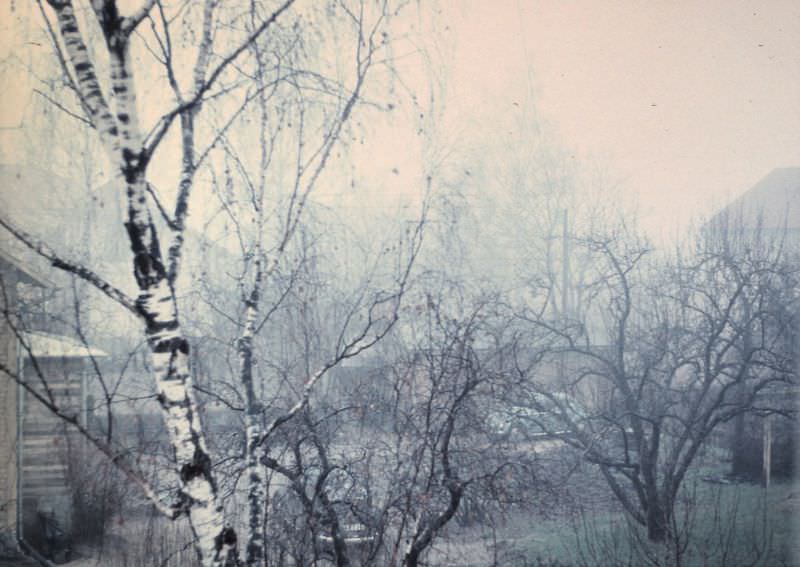
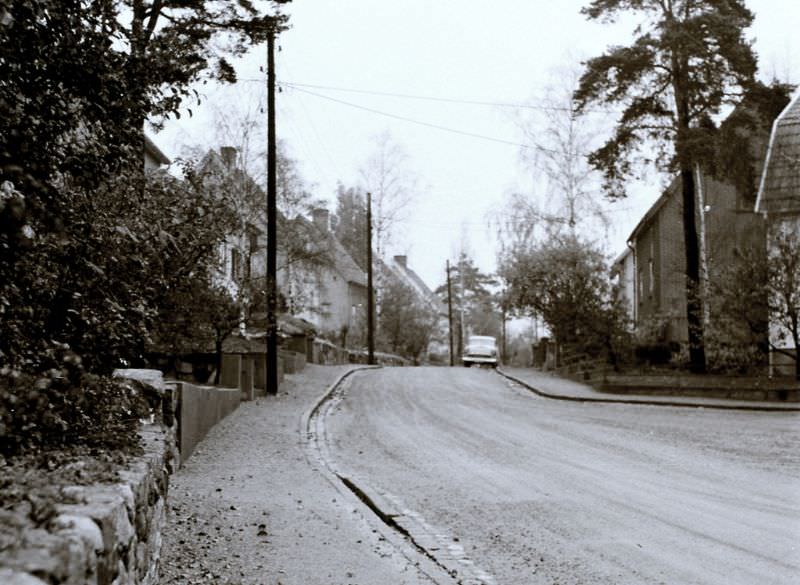
Furuhällsgatan offered a similar window into working-class Eskilstuna. The backyards along this street were shared spaces — areas for storage, small gardens, and the kind of everyday activity that rarely made it into official city records but defined how people actually lived.
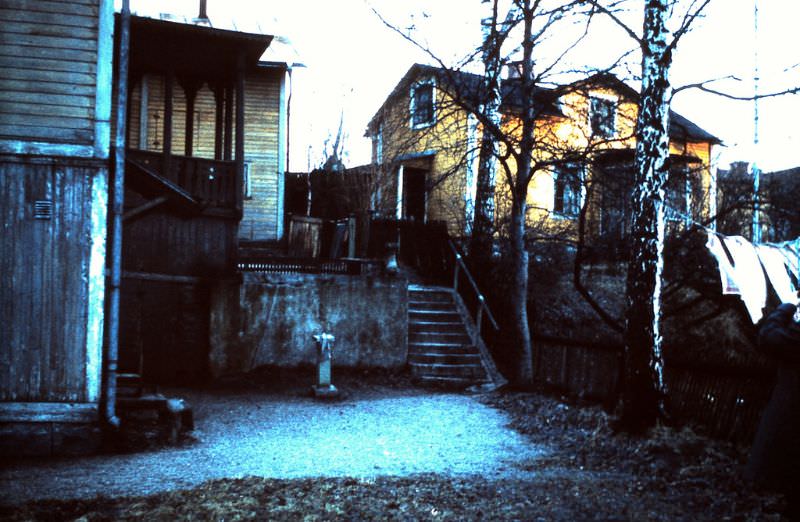
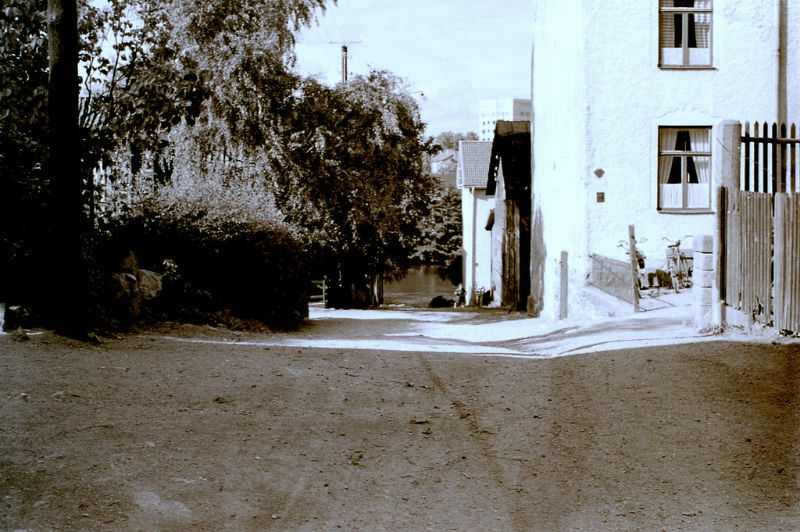
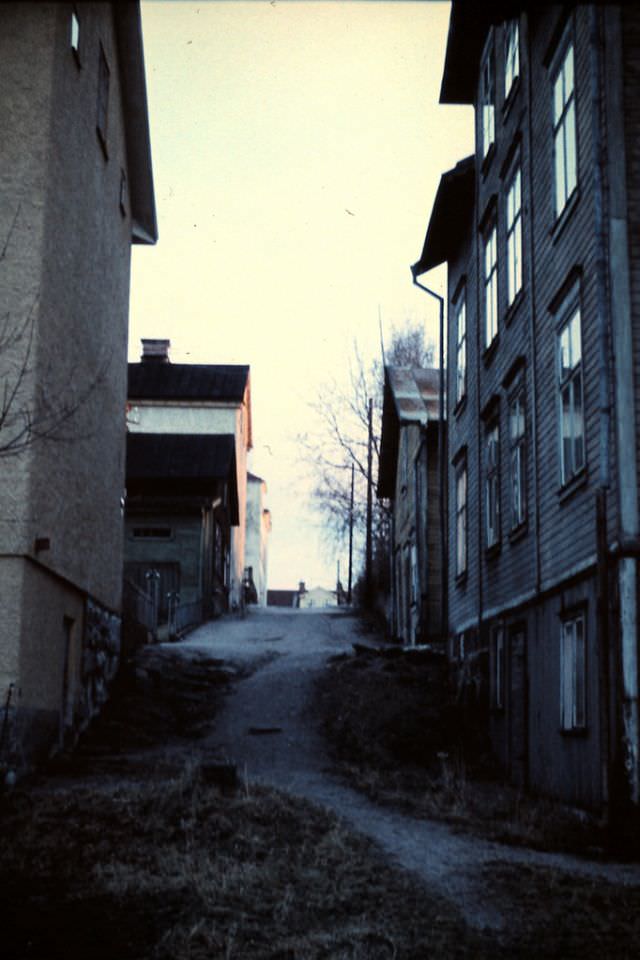
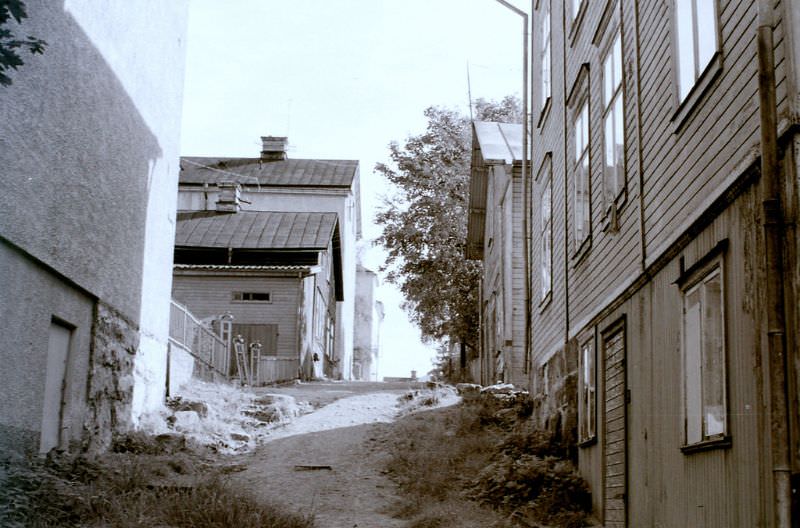
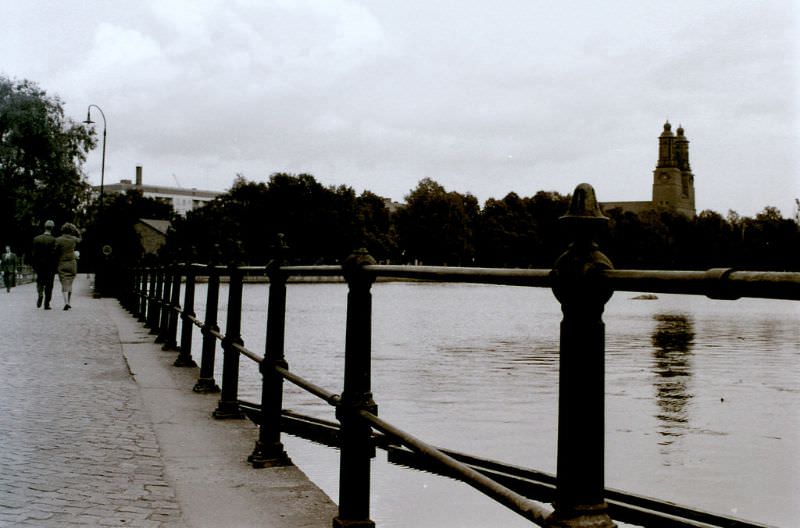
Köpmangatan — literally “Merchant Street” — ran through the commercial core of the city. Shops lined its length, and it connected to the Eskilstunaån river, which had powered the city’s mills and forges for centuries. The river remained a central geographic feature of the city in this period.
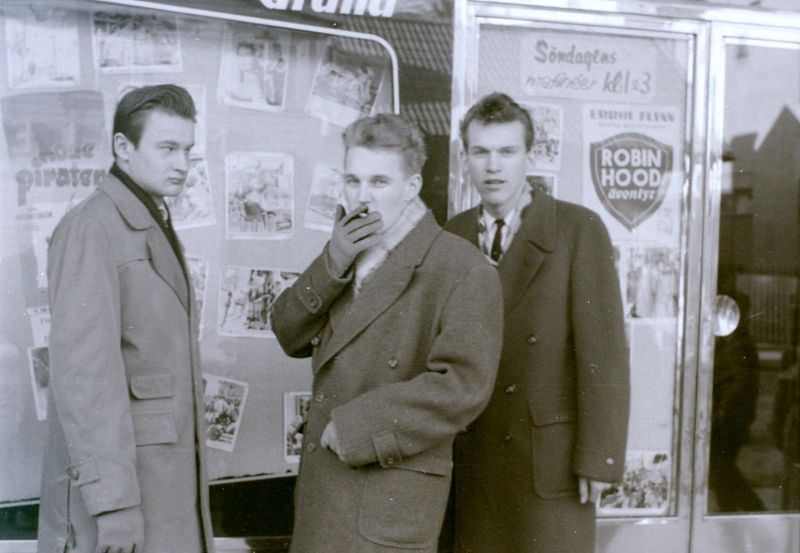
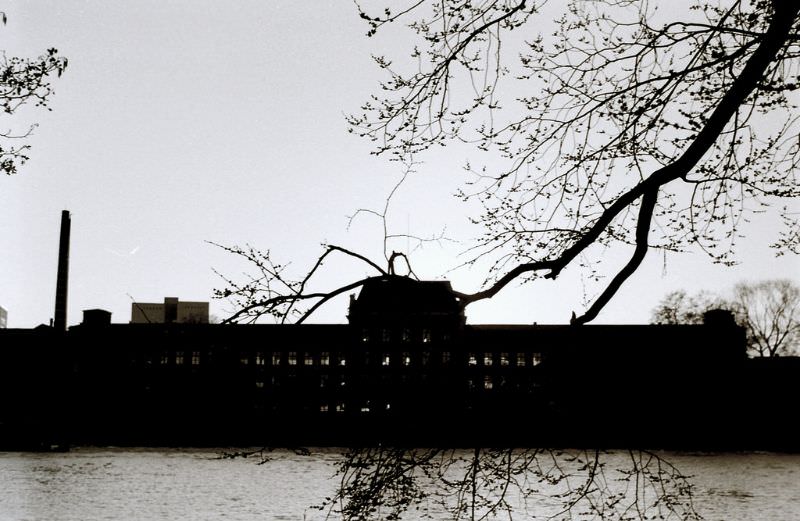
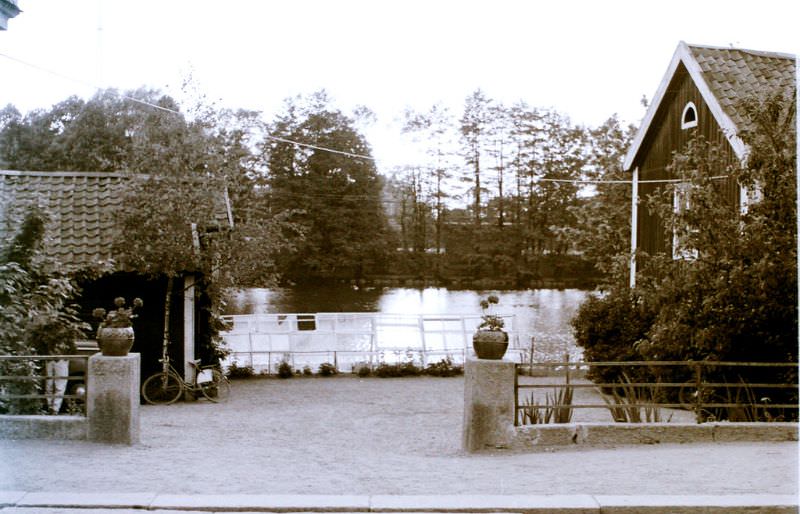
Nybron, one of the bridges spanning the Eskilstunaån, connected different parts of the city across the water. Bridges like this were essential to how Eskilstuna functioned — linking the industrial zones with residential areas and the commercial center.
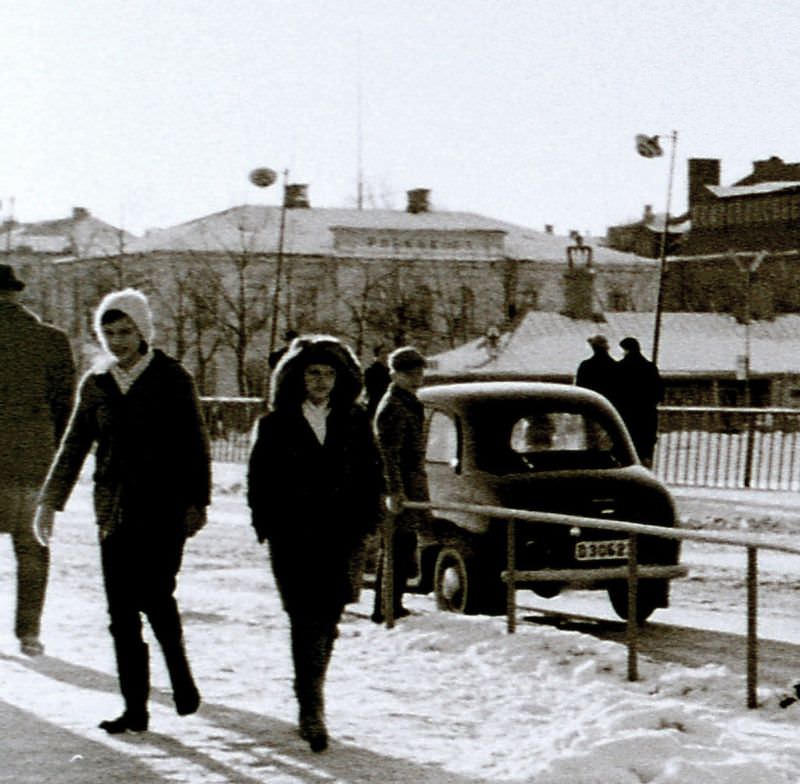
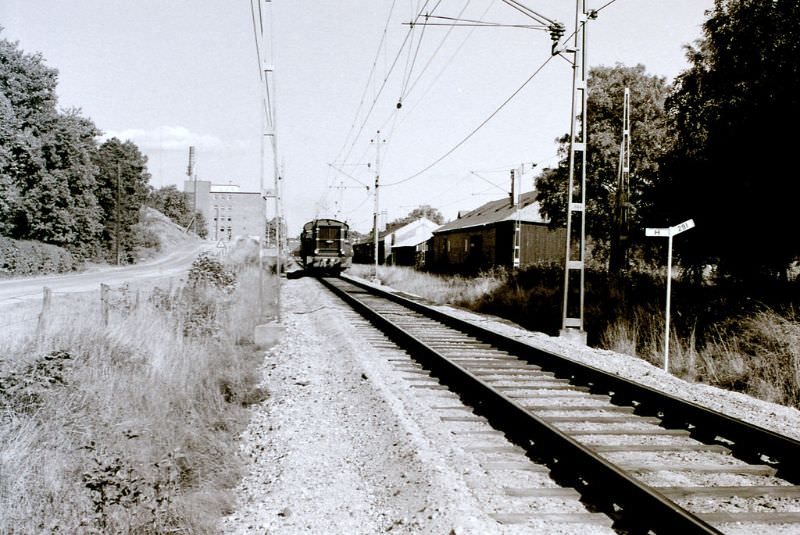
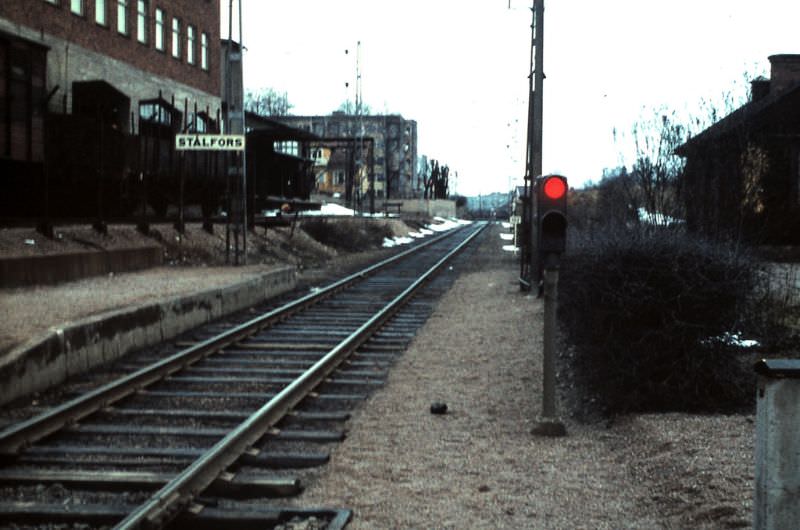
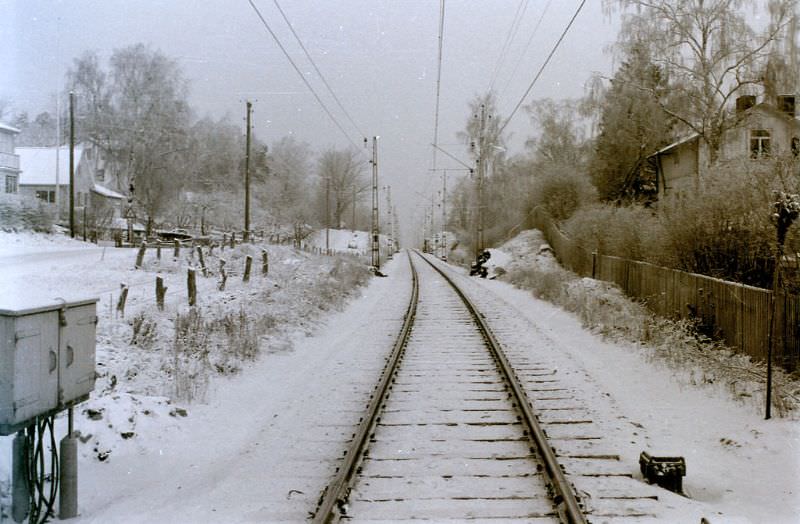
The railroad atStålfors was a critical artery for Eskilstuna’s industrial output. Steel and metal goods produced in the city needed reliable rail connections to reach markets across Sweden and beyond. These tracks carried the weight of the local economy on a daily basis.
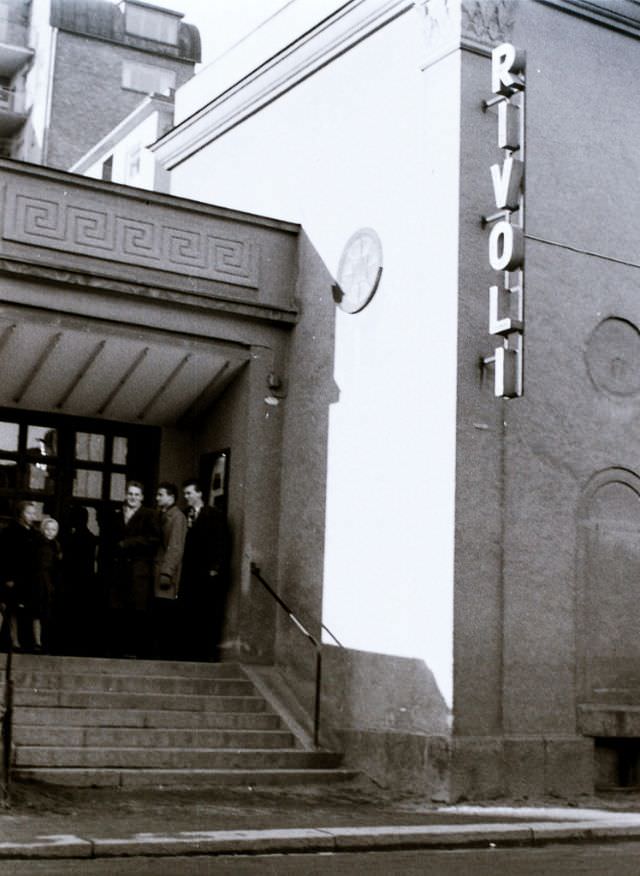
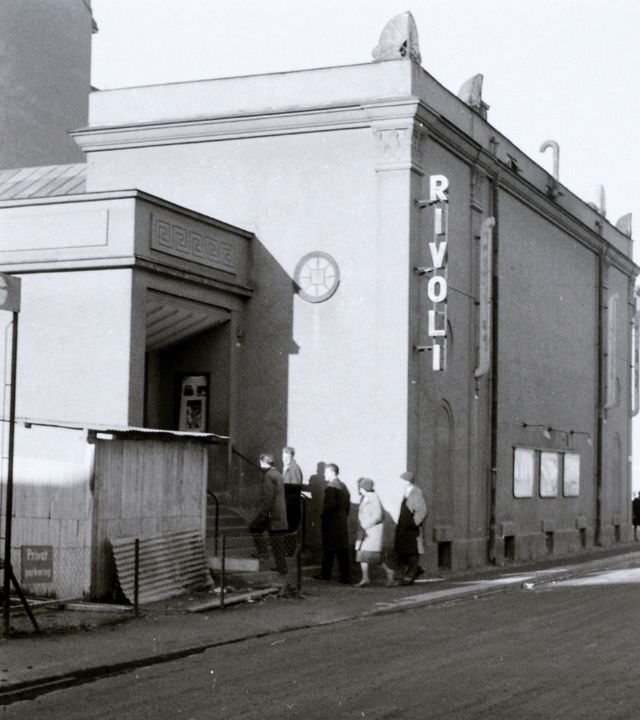
The Rivoli was a cultural landmark in 1950s Eskilstuna. Cinema was one of the most popular forms of entertainment in Sweden during this decade, and theaters like the Rivoli drew steady crowds from across the city. A night at the movies was a genuine event for most families.
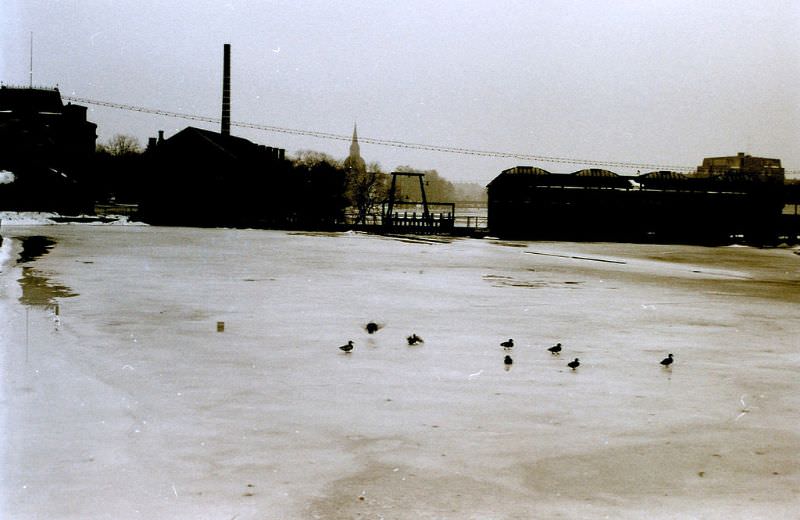
The railway at Brunnsbacken and the views from Stålforsbronn bridge show how tightly infrastructure and landscape were woven together in Eskilstuna. The city was built along and around its waterways, and the bridges and rail lines reinforced that geography.
Klosters church stood as one of Eskilstuna’s most recognized landmarks. The church had deep roots in the city’s history, and its presence in the 1950s landscape served as a visual reminder of how long people had been living and working in this part of Sweden.
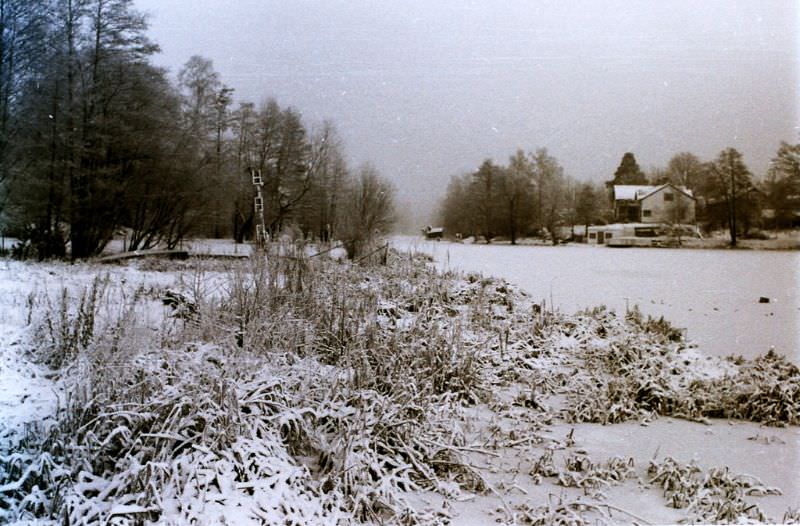
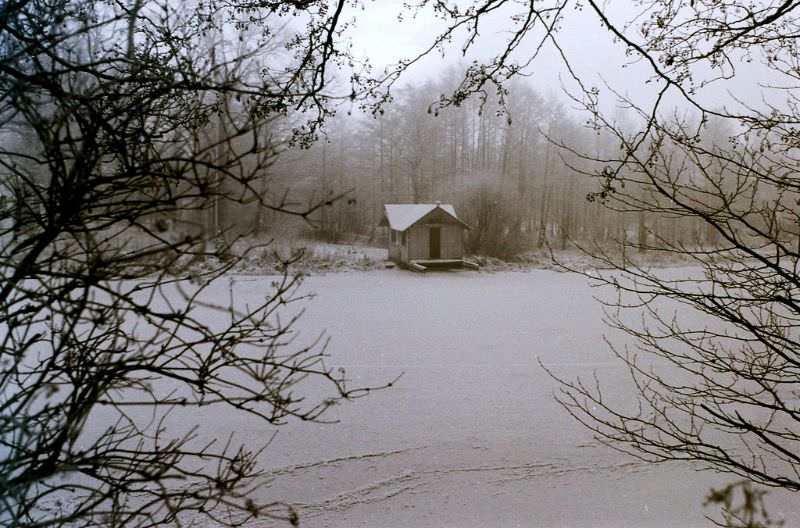
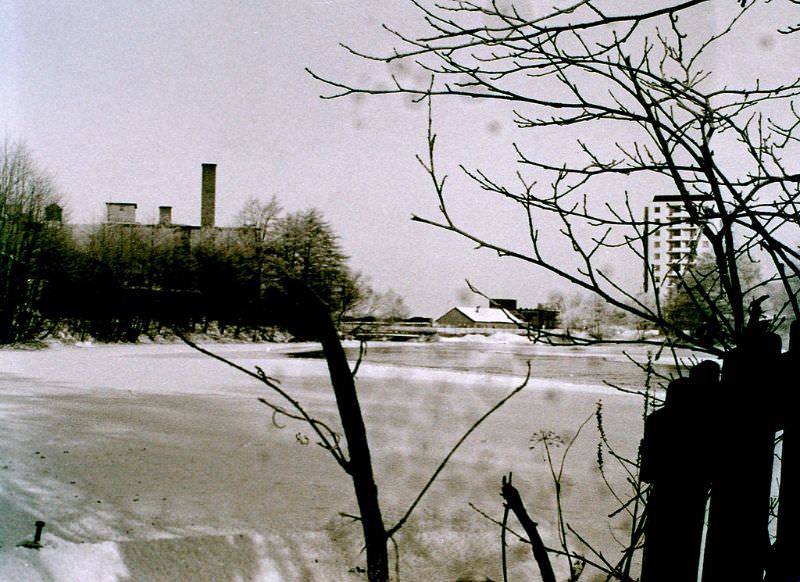
Vilsta was a recreational area on the outskirts of Eskilstuna. During the 1950s, it provided residents with open space away from the factory floors and city streets — a place for leisure in a city that was otherwise defined by its industrial output.
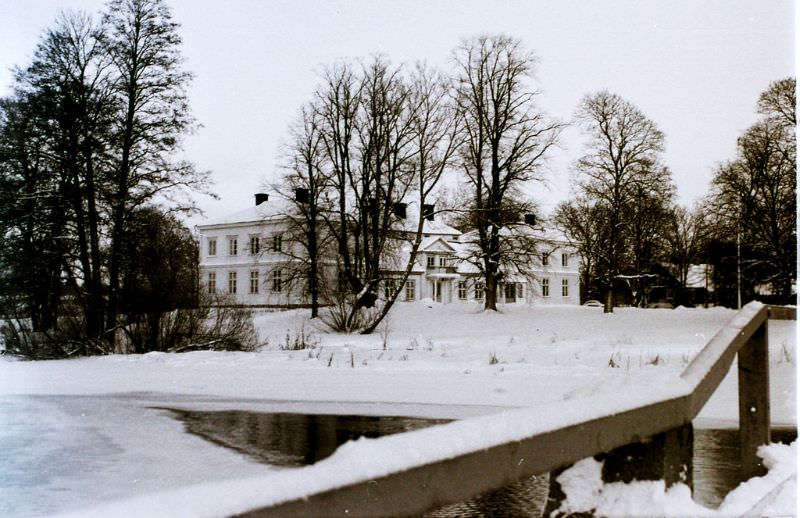
The late 1950s photos below capture Eskilstuna at a moment of transition. Sweden’s postwar economy was expanding, and cities like Eskilstuna were modernizing their infrastructure and public spaces while holding onto the industrial character that had defined them for generations.
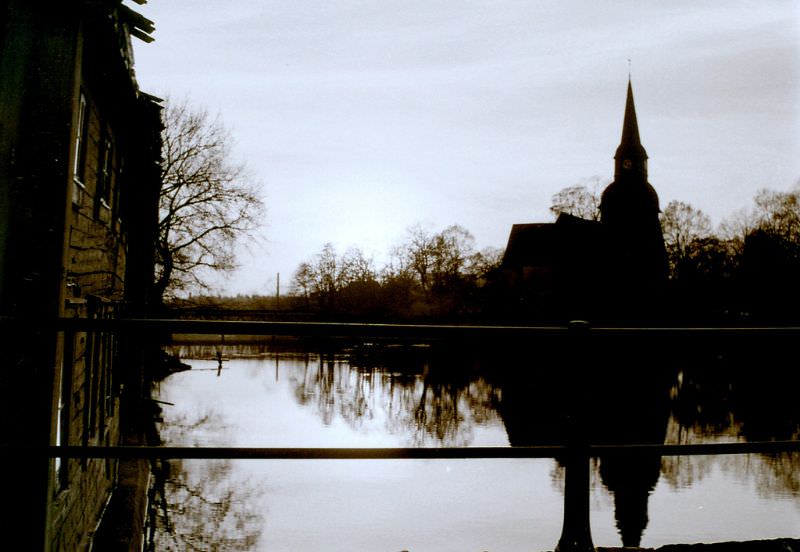
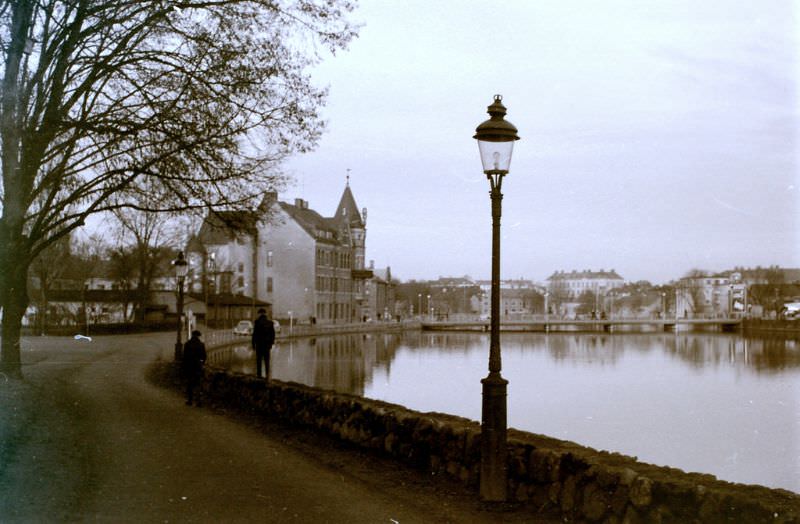
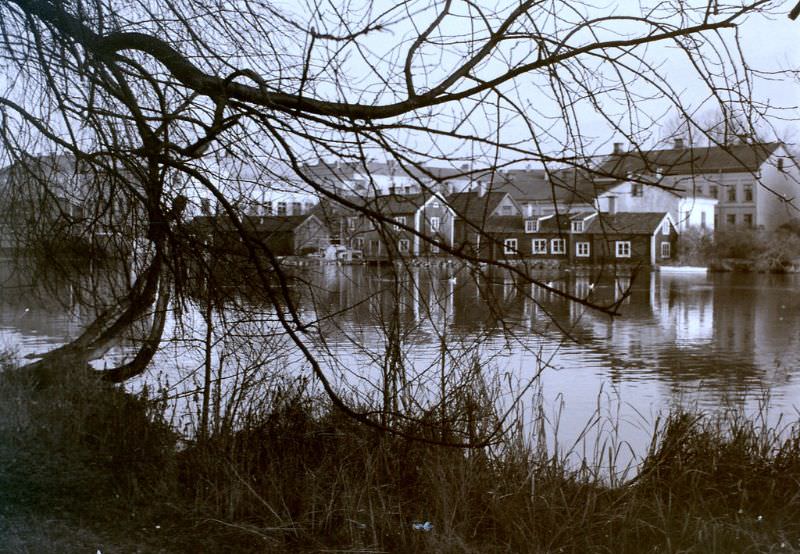
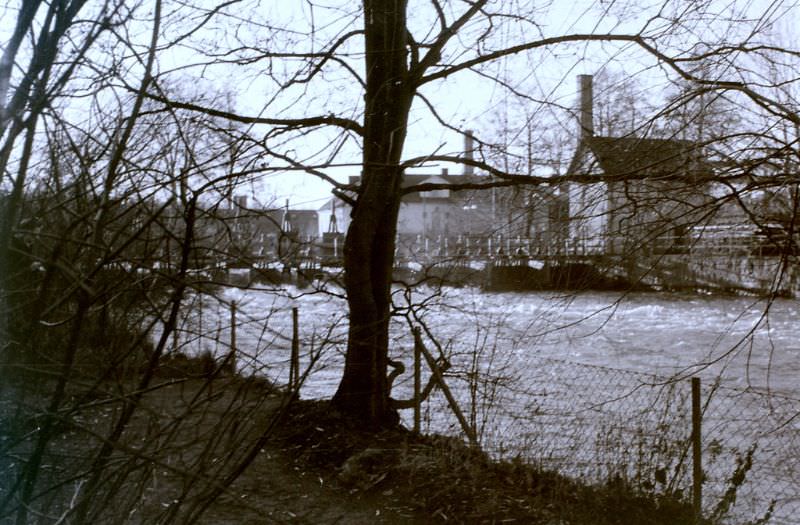
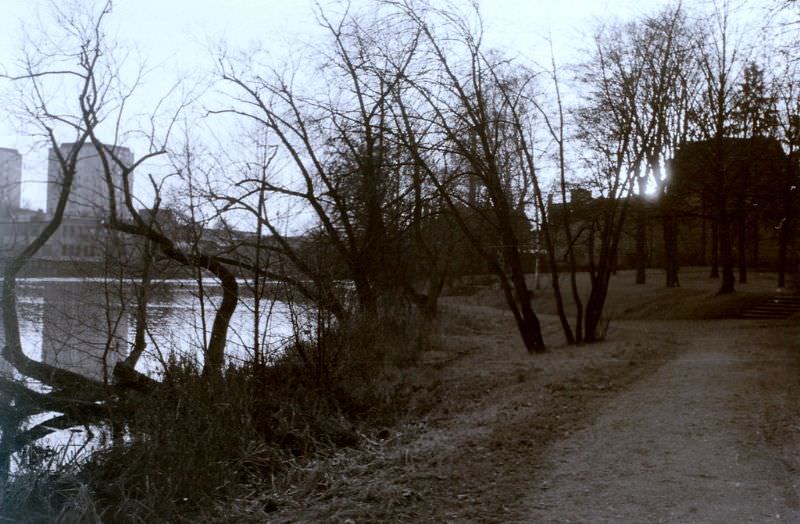
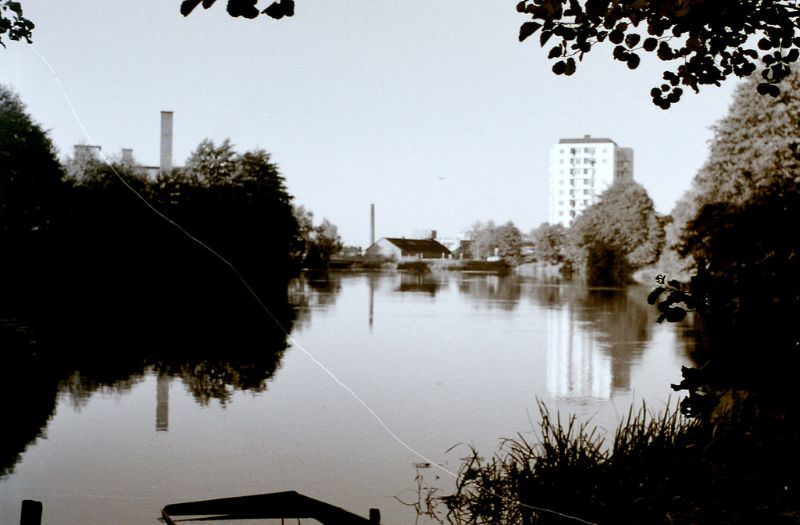
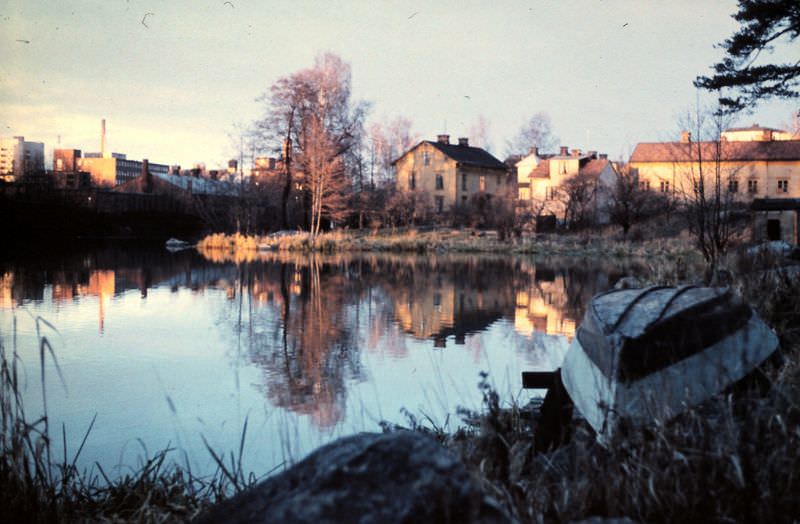
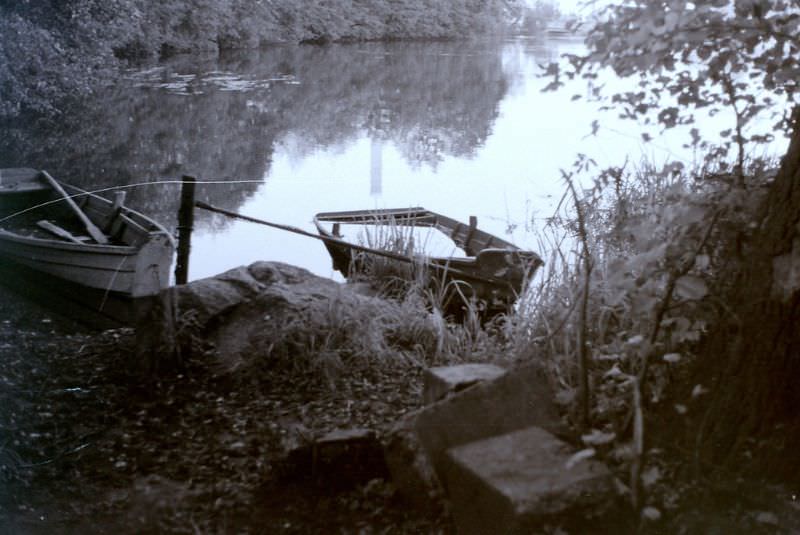
Bryggartorpsgatan and the stretch along the Eskilstunaån toward Köpmangatan show the city from a different angle — one that highlights how the river remained a working and visual feature of the urban environment throughout the decade.
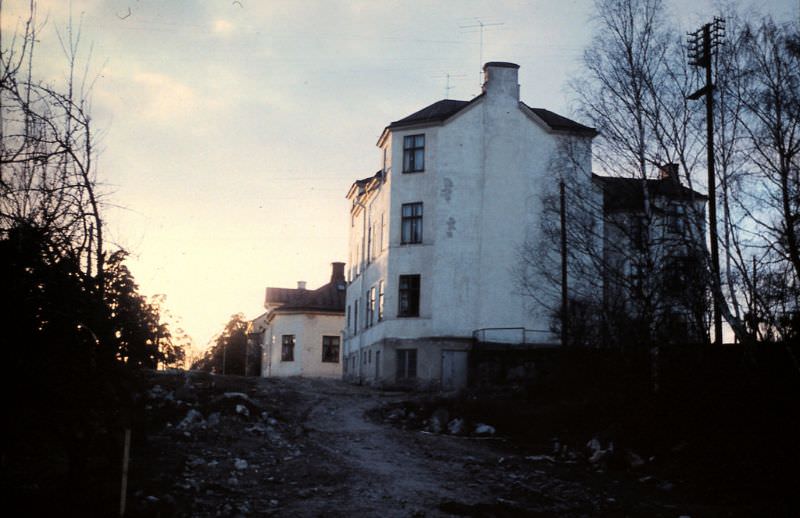
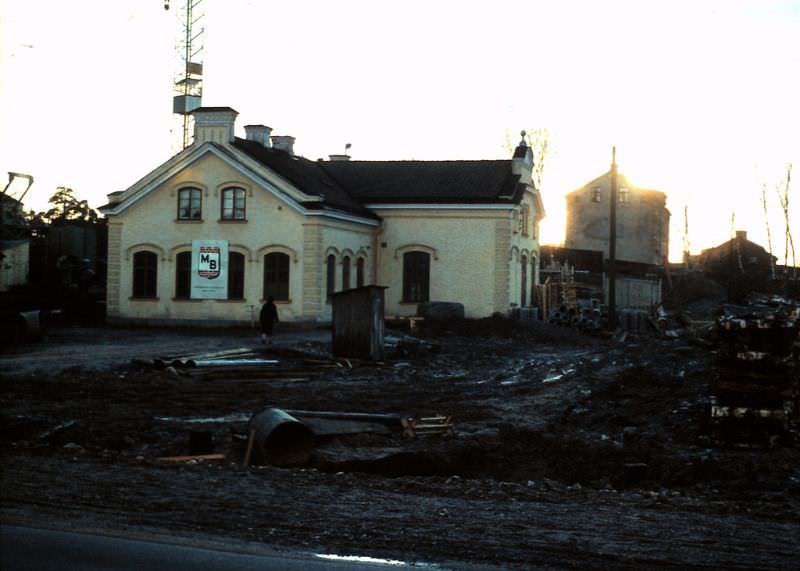
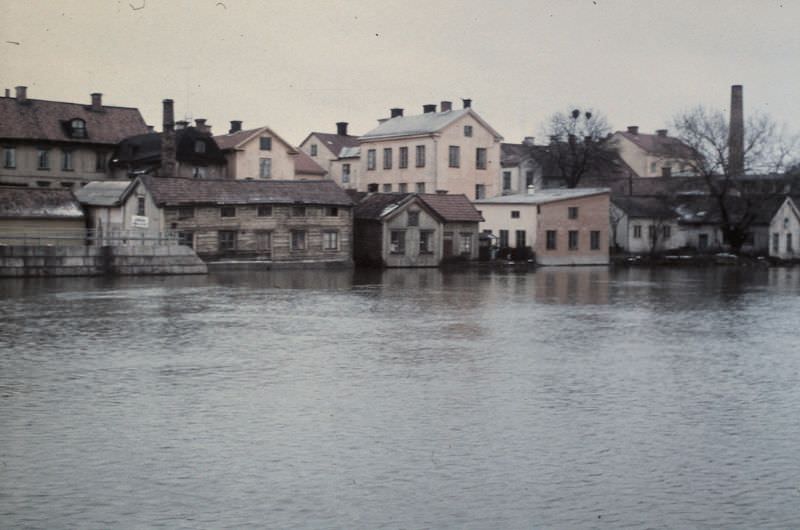
The Frimurarehotellet — the Freemasons’ Hotel — was one of the more prominent buildings in the city center. Hotels of this kind served traveling businessmen, visiting officials, and the merchants who moved through a busy industrial city. It was a fixture of Eskilstuna’s commercial life in this period.
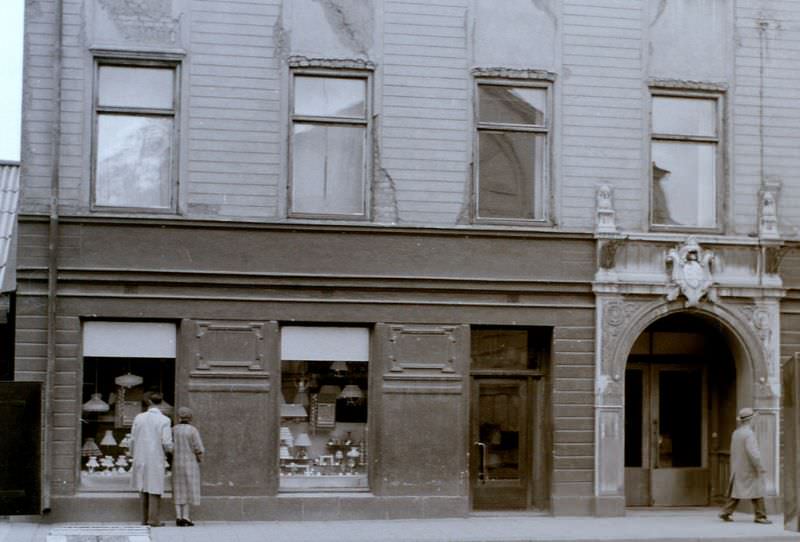
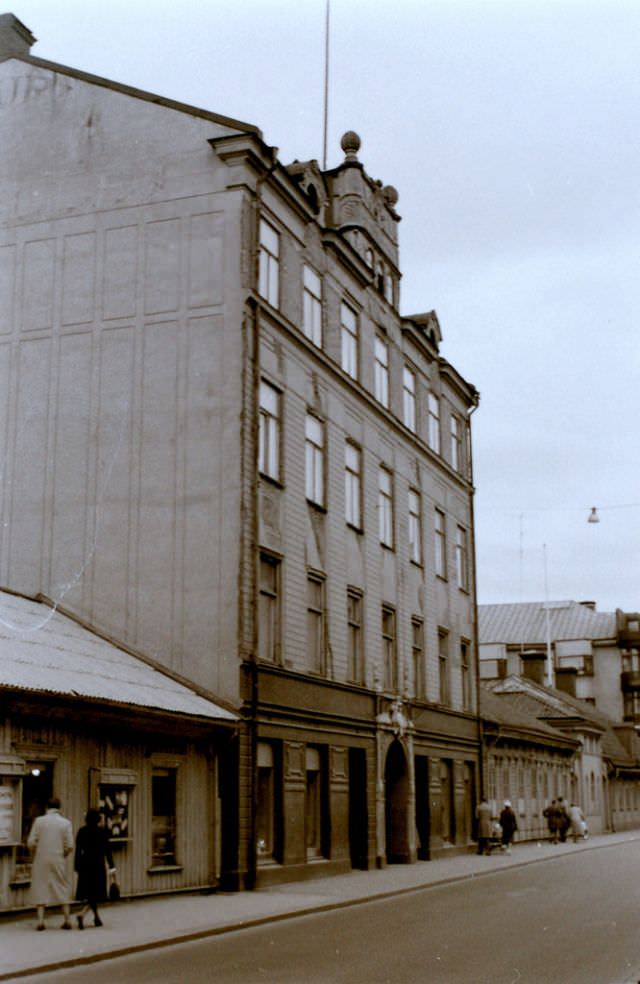
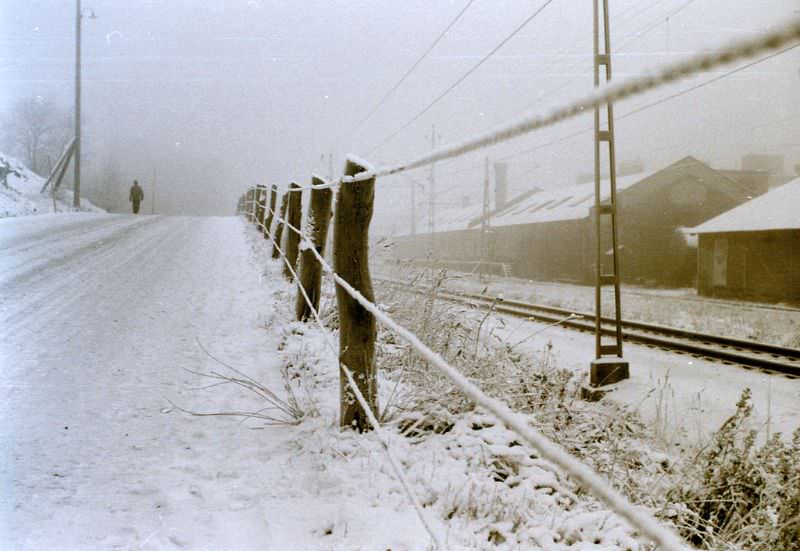
On the city’s edge, the fence at Stenkvistavägen marked a boundary between the urban core and the surrounding countryside. Details like this — a simple city fence along a road — are rarely photographed, which makes images like this one genuinely rare documentation of how Eskilstuna looked at street level in the 1950s.
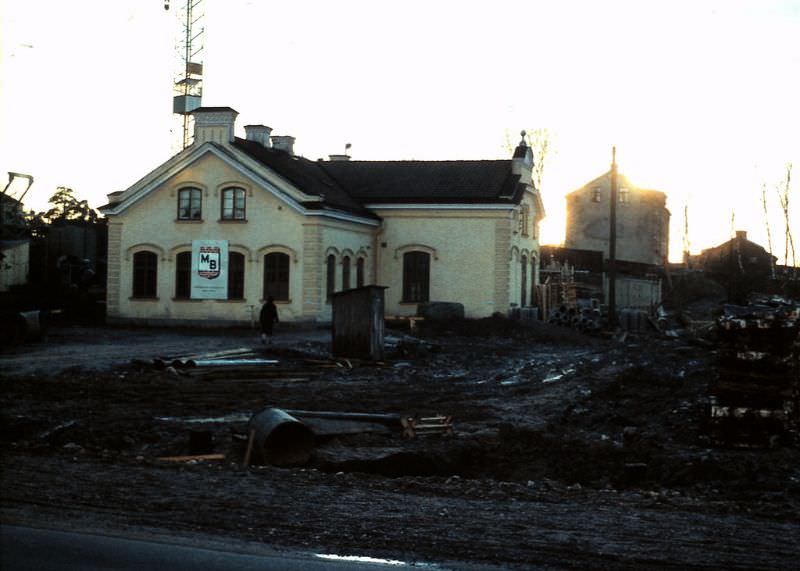





Och nu är det typ skott hål i alla väggar