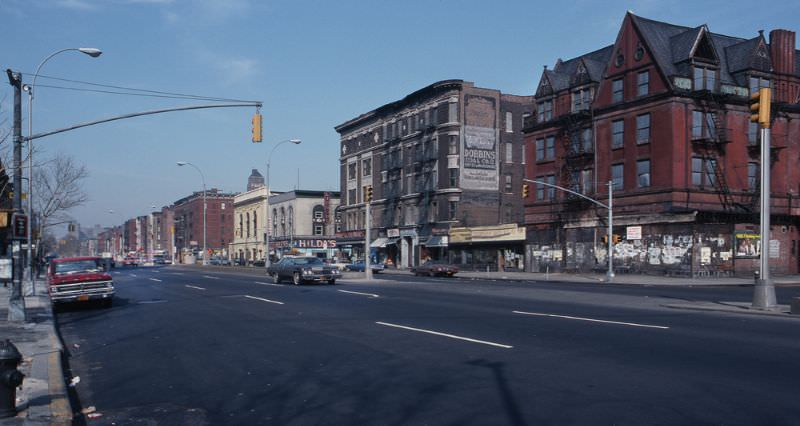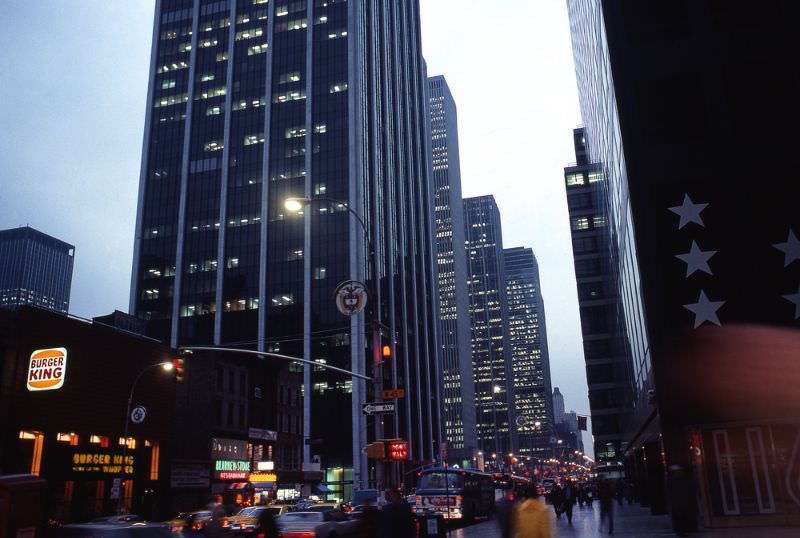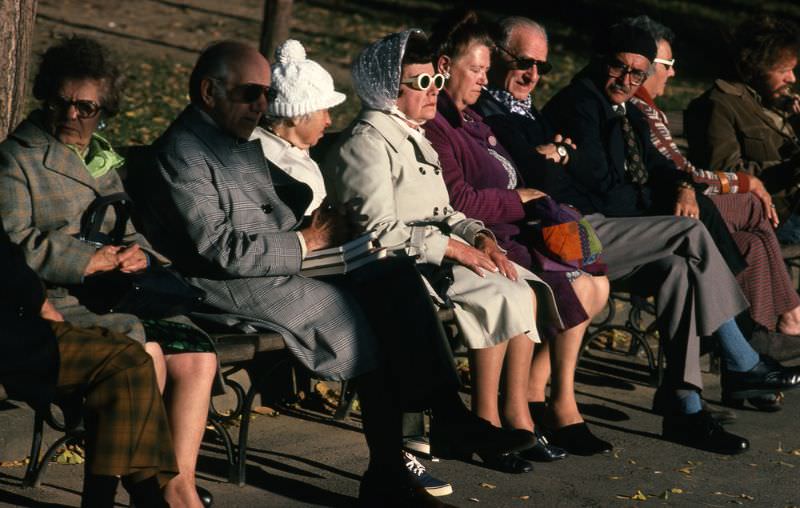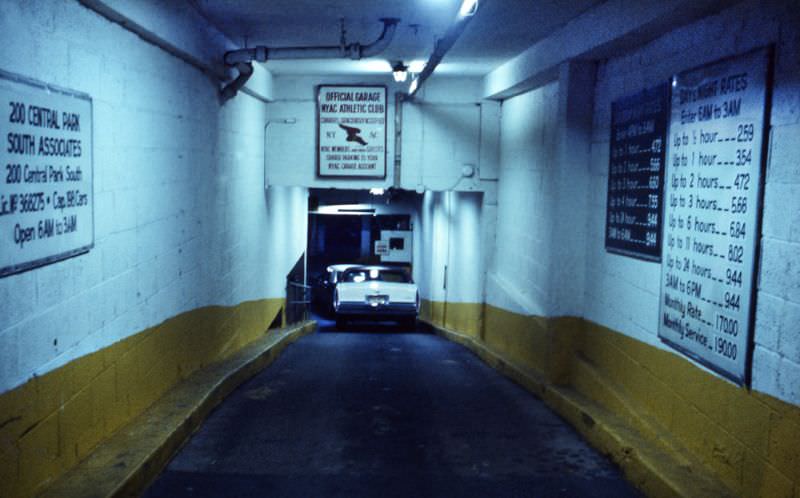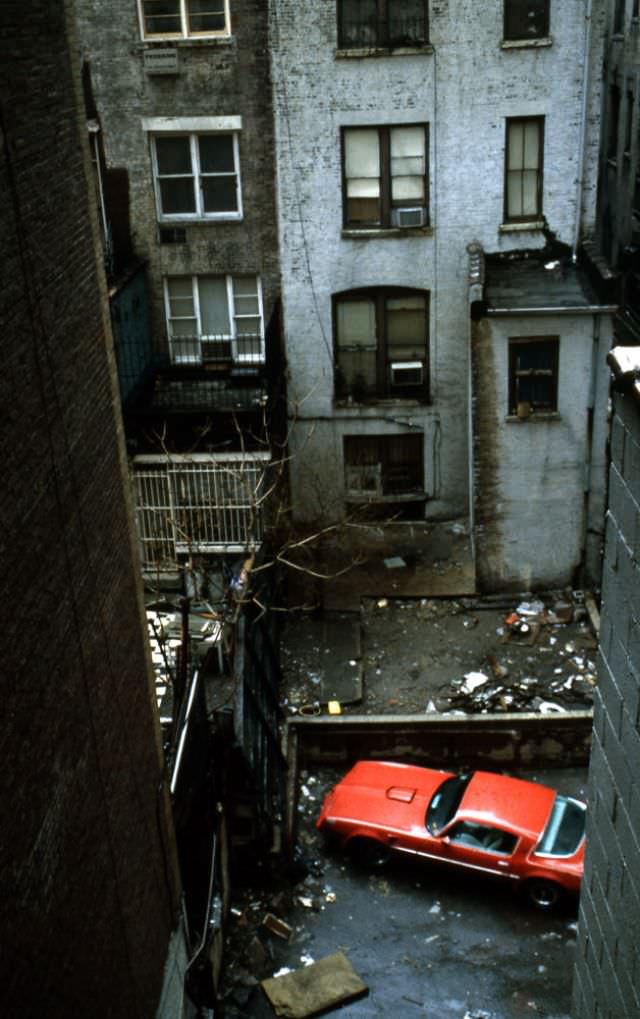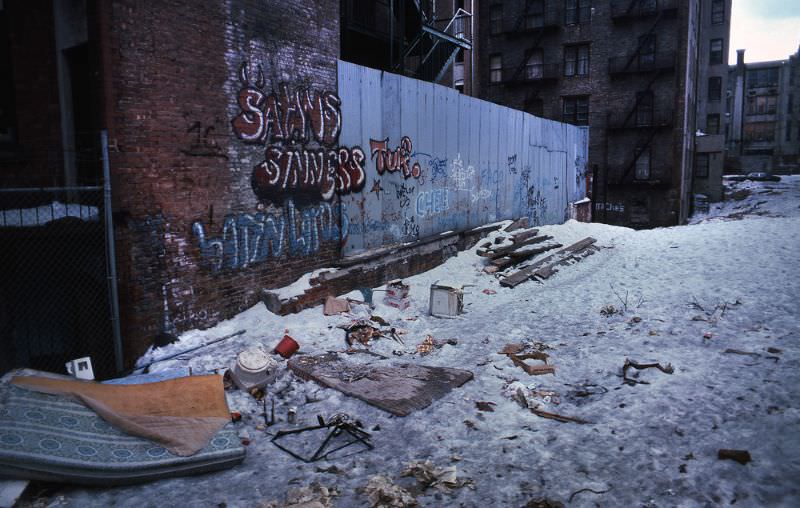

By 1978, Manhattan was a city in crisis. New York City faced a financial collapse that had nearly bankrupted it just a few years earlier in 1975. The streets reflected that strain in every direction. Crime was rampant — muggings, stabbings, and robberies were everyday concerns for residents and visitors alike. Times Square had become a hub for prostitution and illegal activity. Whole blocks of buildings sat boarded up and abandoned, occupied by homeless people and drug dealers. The city that once stood as a global symbol of ambition and energy had become, for many, a place to fear.
Spanish photojournalist Manel Armengol walked those streets with a camera in 1978 and documented what he saw without flinching. His photographs capture the full picture — not just the grime and danger, but the texture of daily life that continued despite it all. People went to work, played in parks, rode motorcycles, and watched the sun set behind the skyline. The images below offer a rare, honest window into Manhattan during one of its most turbulent decades.
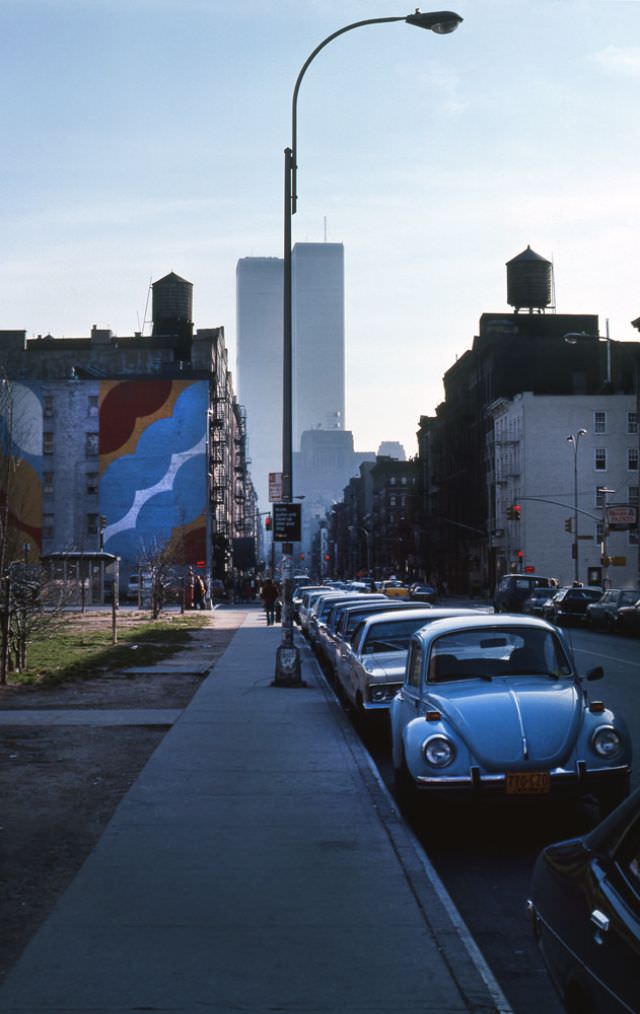
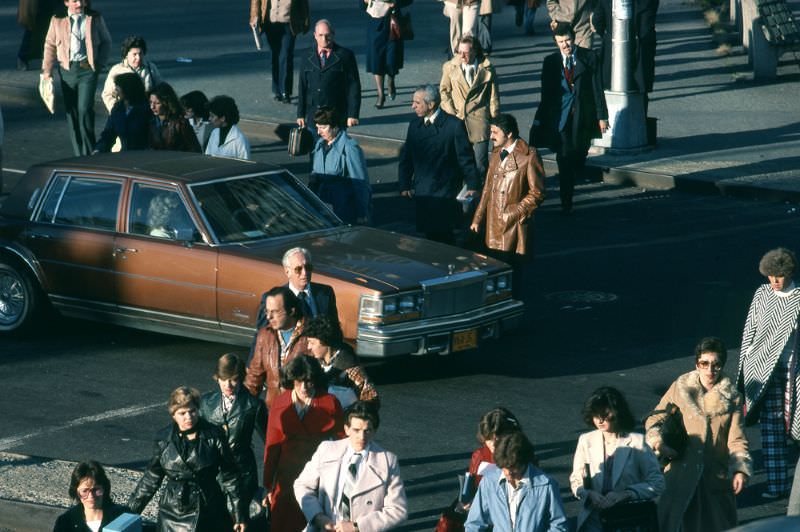
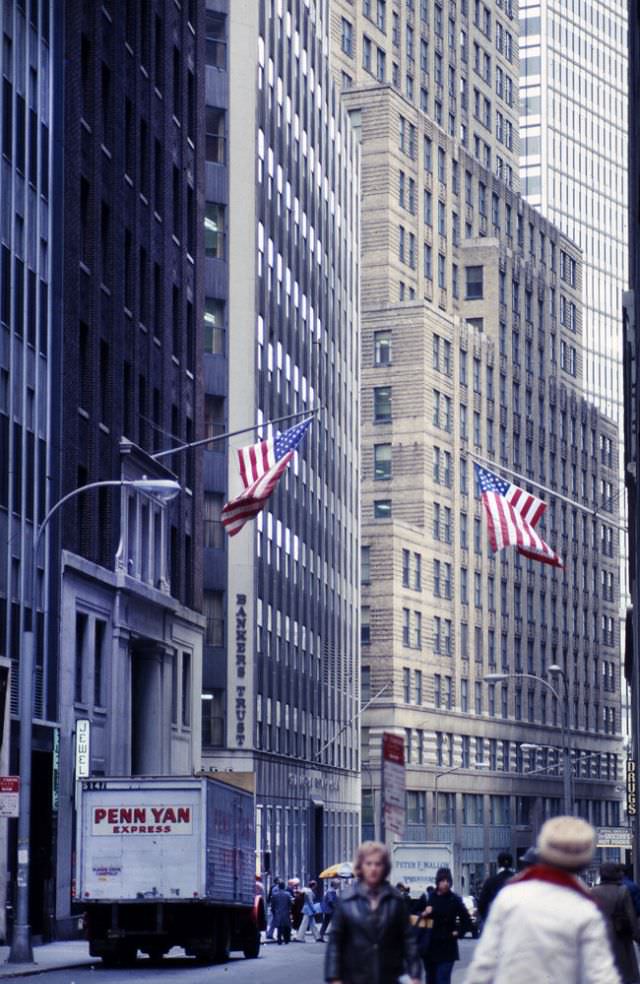
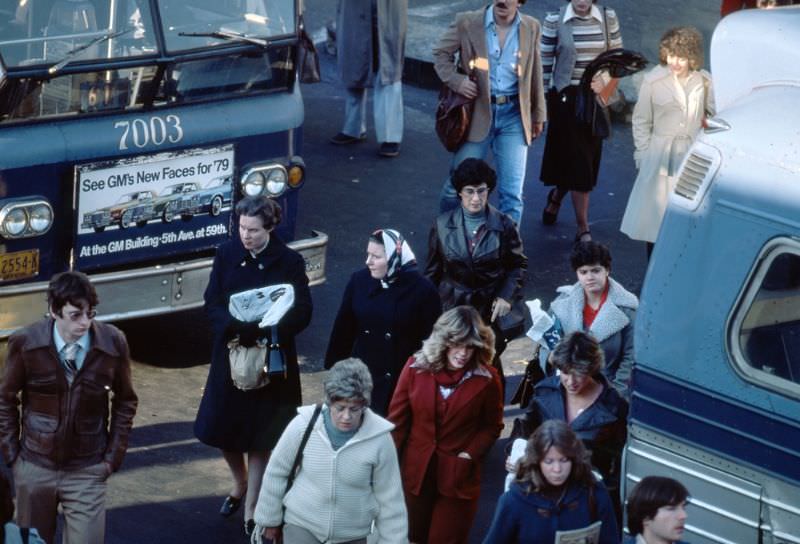
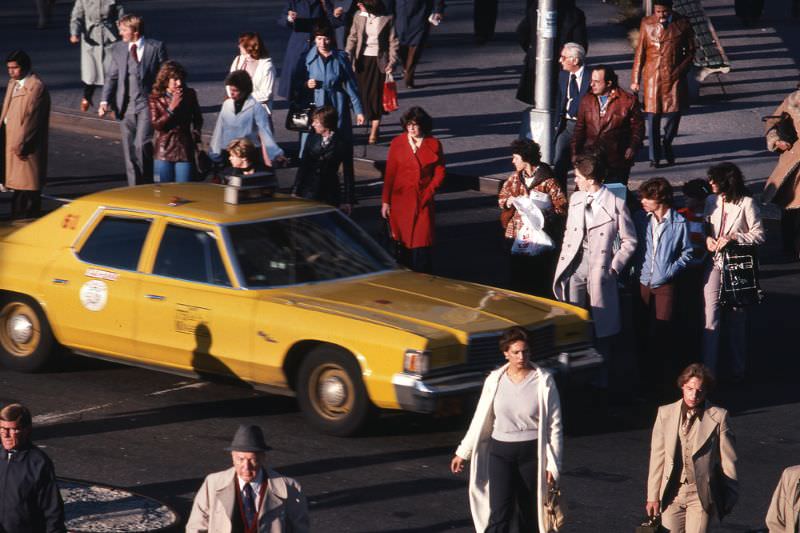
The Financial District was the beating heart of Manhattan’s economy, even as the rest of the city struggled. Office workers flooded the sidewalks during rush hour, suits and briefcases weaving past delivery trucks and idle taxis. Wall Street continued to function while just blocks away, entire neighborhoods crumbled.


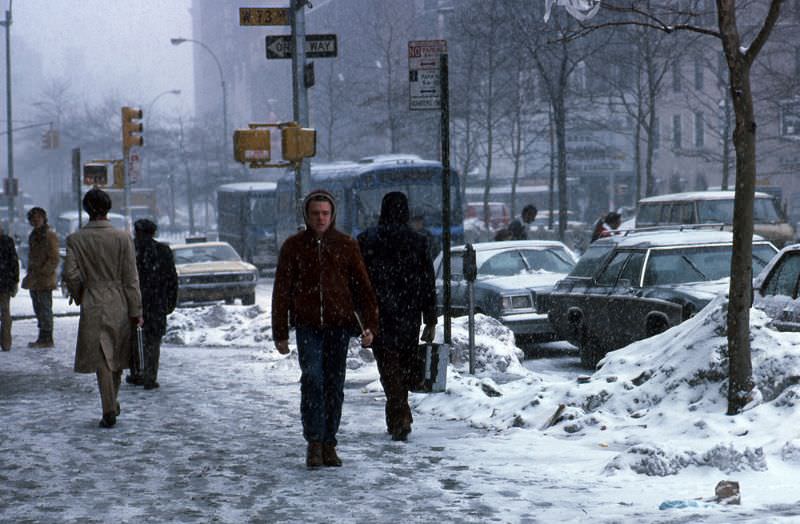
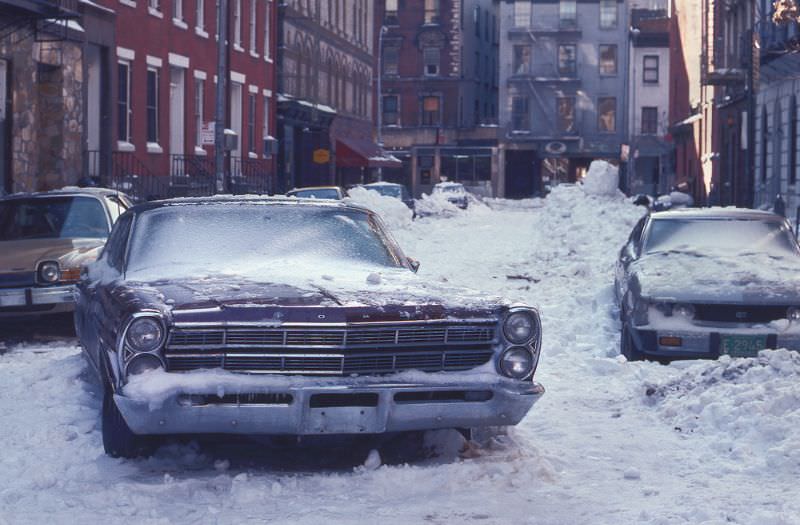
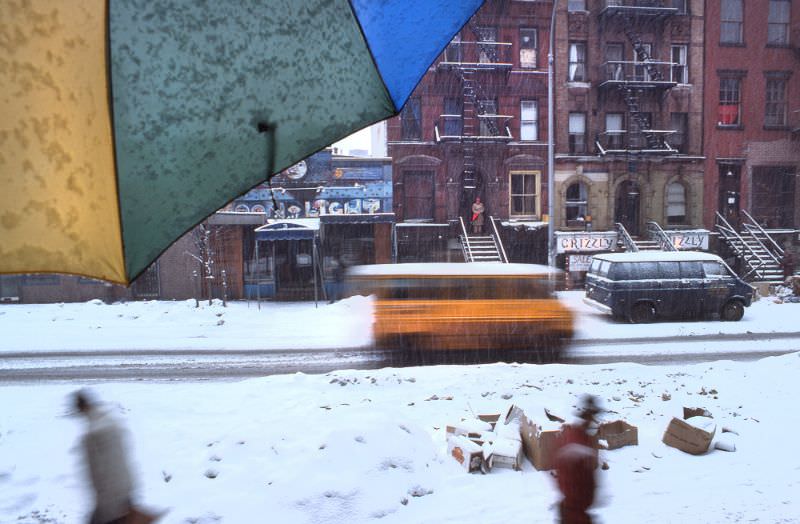
Winter in Manhattan was brutal in 1978. A historic blizzard struck the Northeast that year, burying cars under feet of snow and grinding city streets to a halt. Vehicles sat frozen and buried for days while the city dug itself out.

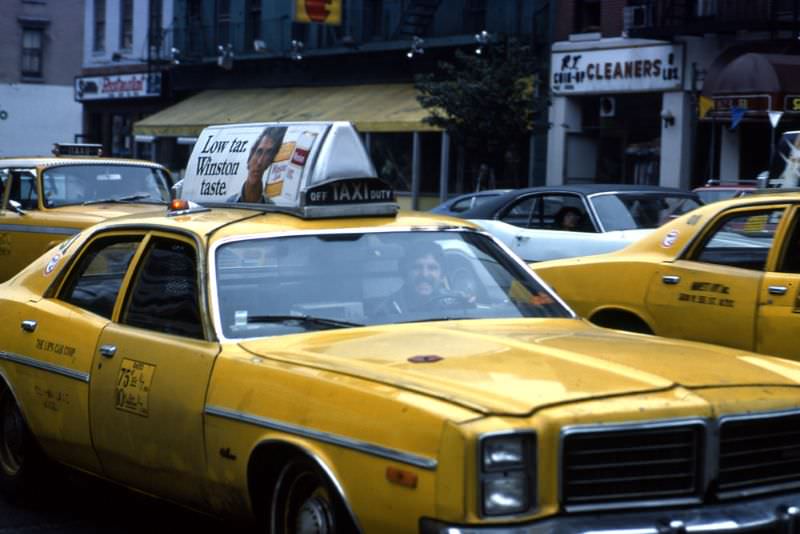
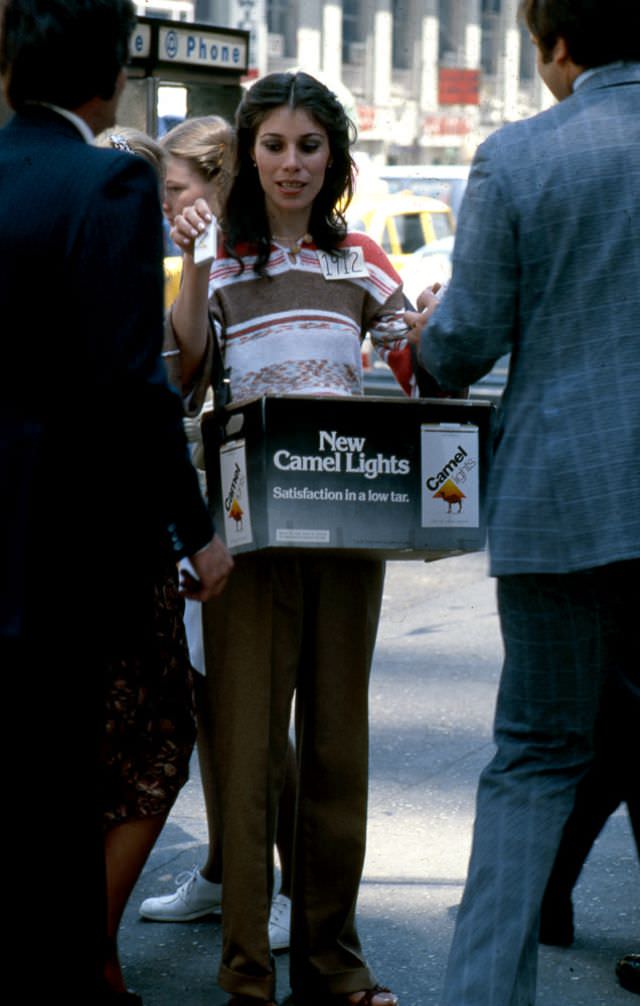
Street-level marketing was everywhere in late-1970s Manhattan. Brand promoters handed out samples and worked the crowds directly, turning busy sidewalks into open-air sales floors. Tobacco companies in particular relied heavily on street promotion at a time when cigarette advertising still had enormous reach.

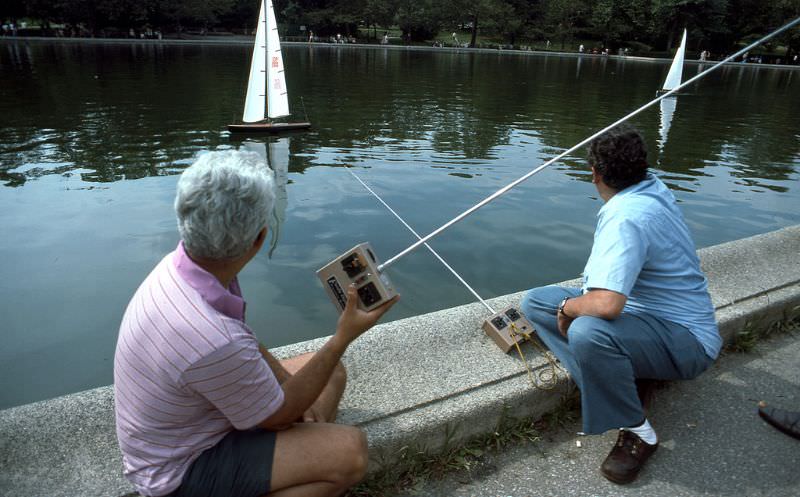
Central Park served as a refuge for New Yorkers across all walks of life. Despite the city’s troubles, the park remained a place where people gathered to relax, exercise, and enjoy the outdoors. On any given day, joggers, hobbyists, and older residents shared its paths and benches.

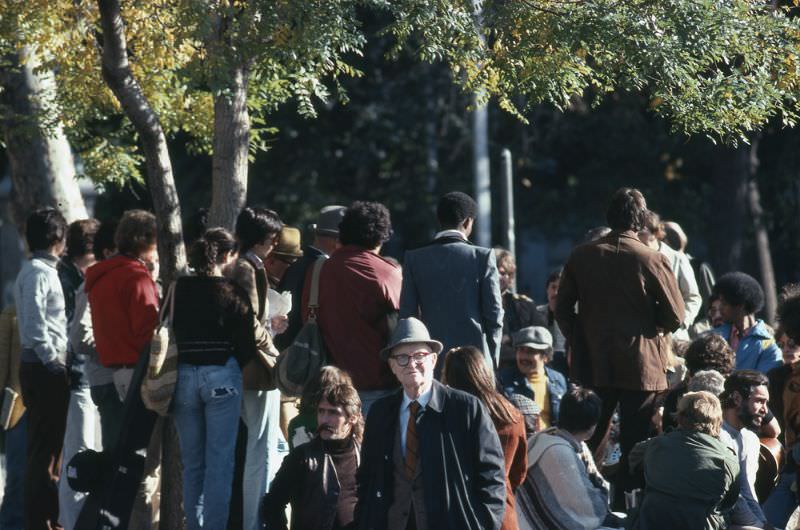
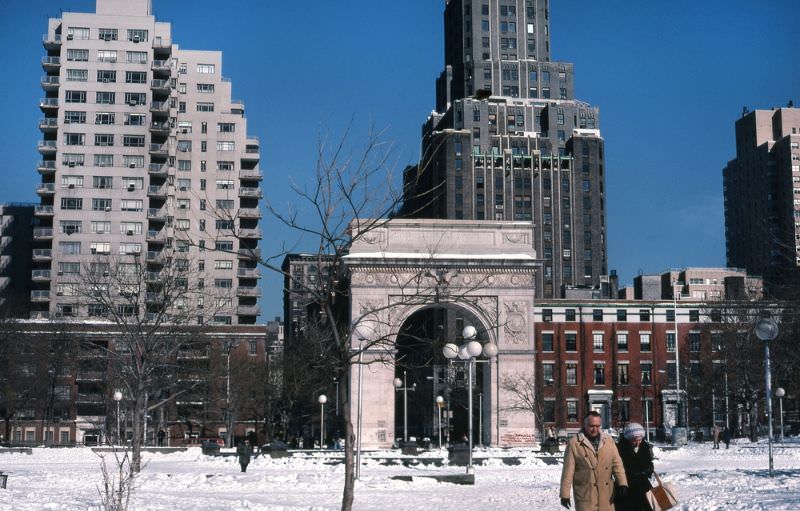
Washington Square Park in Greenwich Village was another gathering point for the city’s many subcultures. Musicians, chess players, activists, students from nearby NYU, and drug users all shared the space. The park’s famous arch loomed over scenes that ranged from peaceful to chaotic depending on the hour.

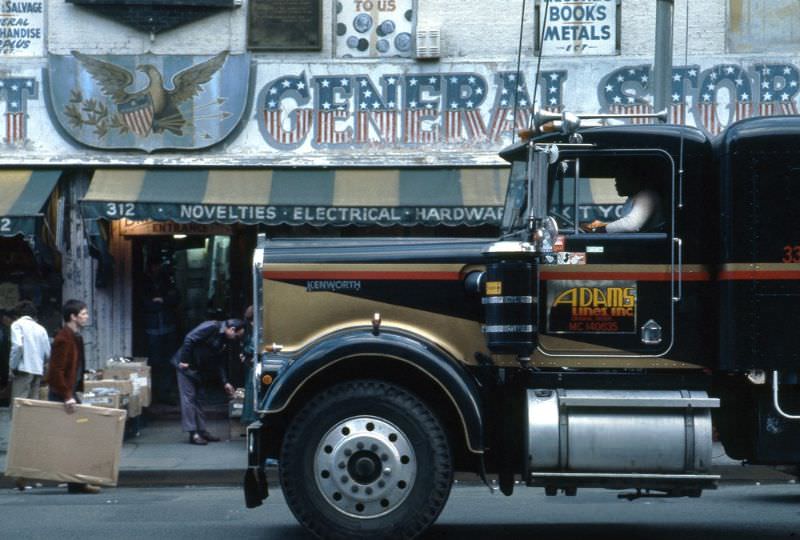
Commercial traffic was a constant presence on Manhattan’s streets. Heavy trucks navigated narrow lanes lined with storefronts, loading docks, and parked cars. Canal Street, running through lower Manhattan, was known as a busy commercial corridor packed with wholesale shops and warehouses.

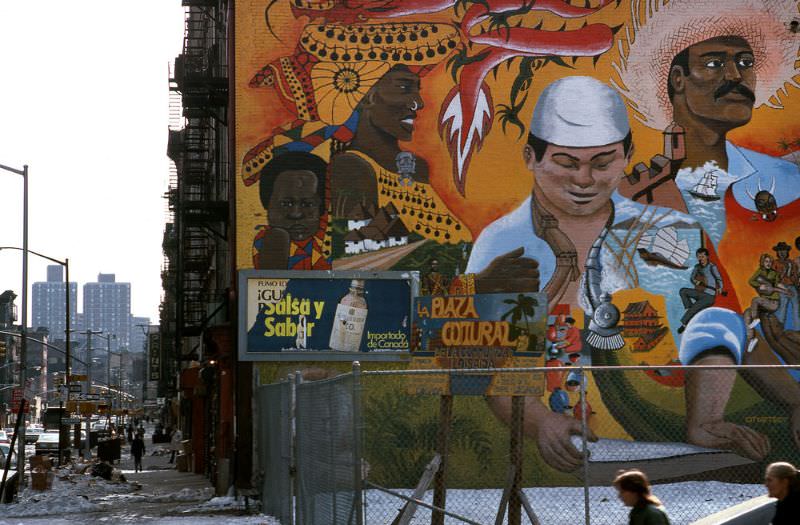
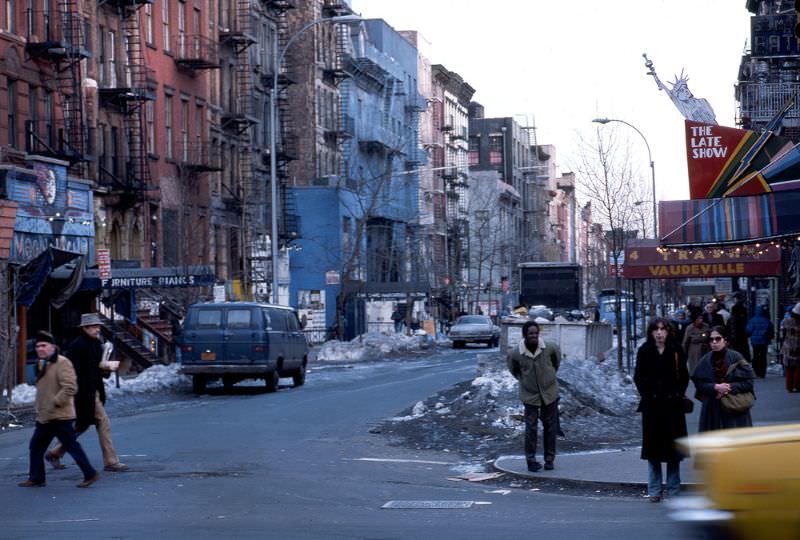
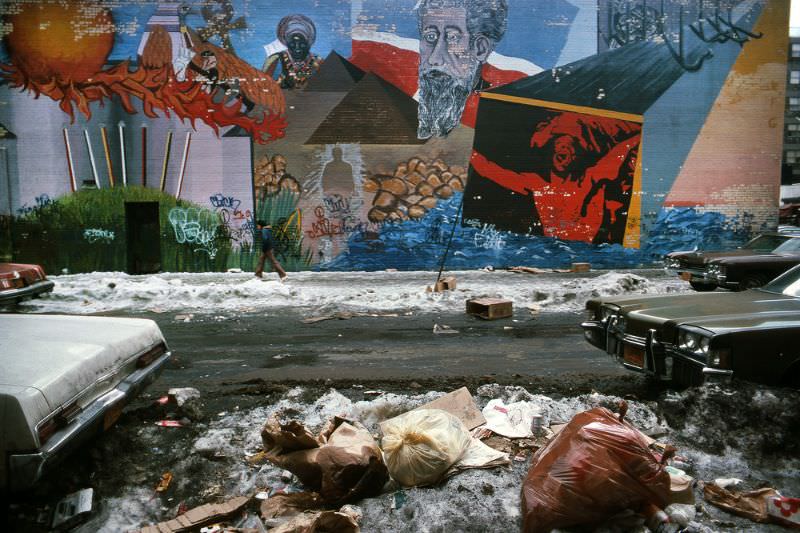
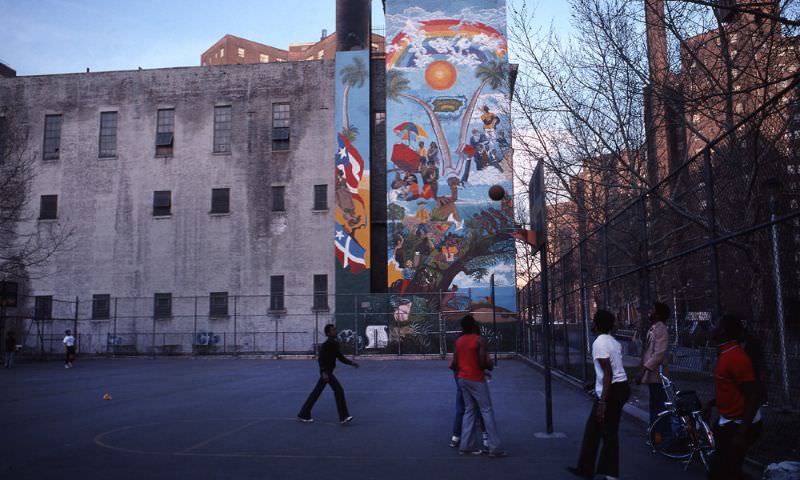
The Lower East Side was home to the Loisaida community — a nickname used by Puerto Rican residents for the area around Avenue C and its surrounding blocks. It was one of the most economically struggling neighborhoods in the city, with high unemployment and deteriorating housing. Yet it was also a place of strong community identity, activism, and cultural pride.

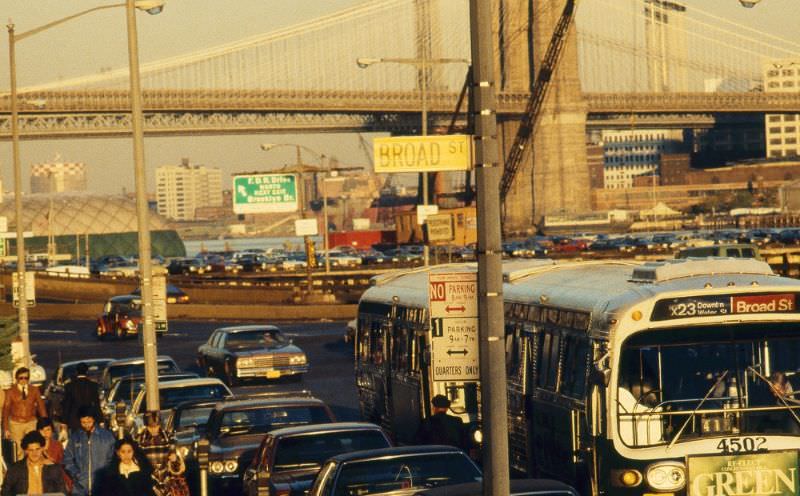
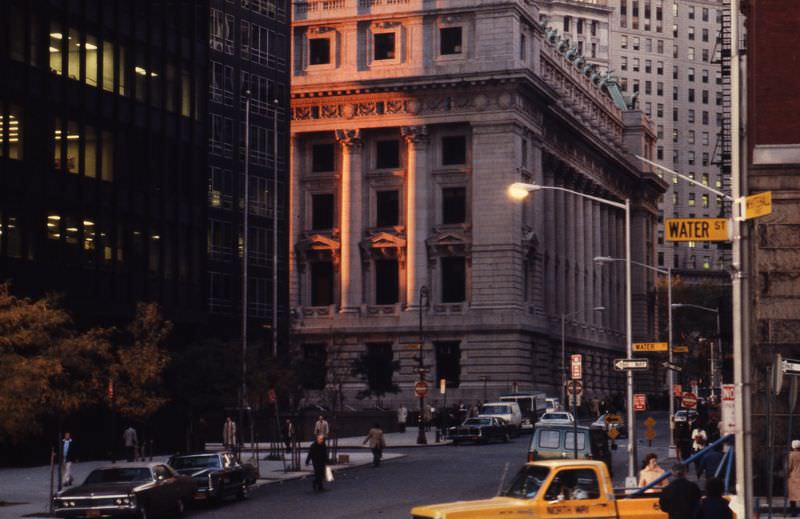
Lower Manhattan’s streets carried a constant mix of pedestrians, vehicles, and the noise of commerce. The area near the waterfront and the financial corridors showed the contrast between grand architecture and the worn, unpolished reality of everyday city life.


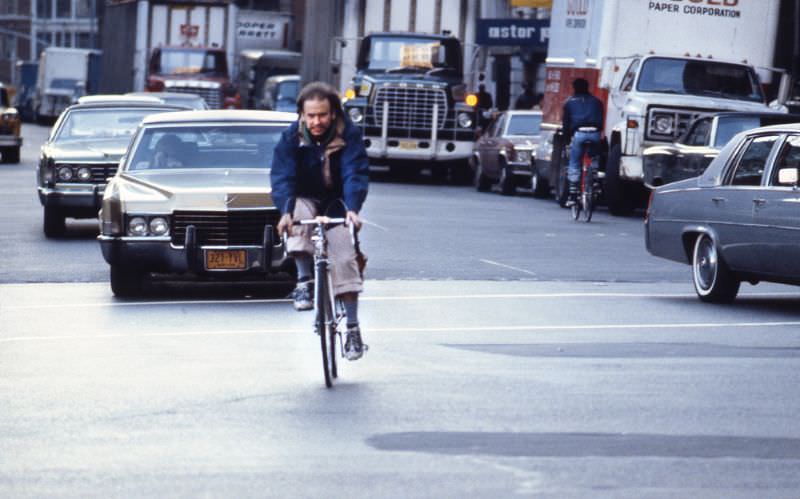
The car culture of 1970s New York was distinct — long hoods, chrome bumpers, and wide bodies crowded every available curb and parking lot. Auto dealers and repair shops dotted the outer edges of neighborhoods, and the streets themselves often looked more like parking lots than thoroughfares.

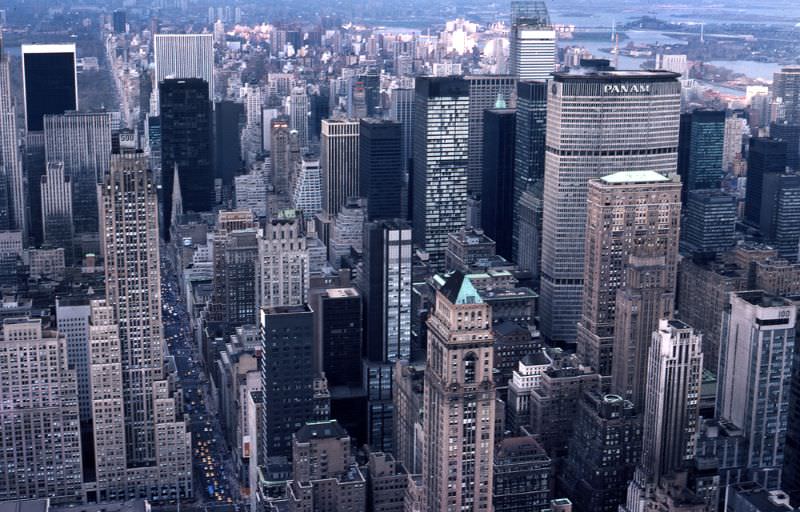
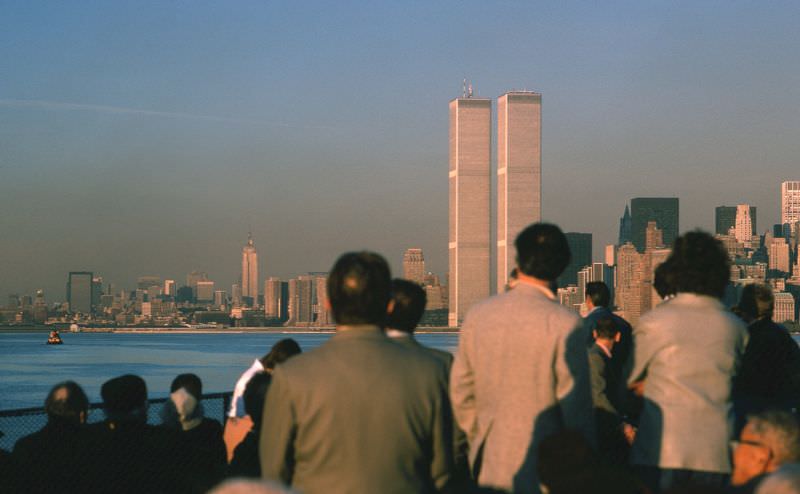
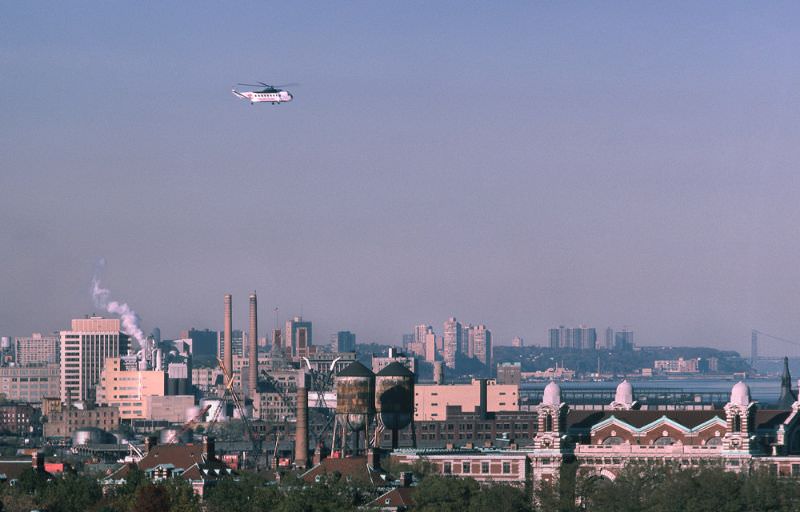
Viewed from a distance, Manhattan’s skyline told a different story than its streets did. The towers rose clean and sharp against the sky, offering no hint of the disorder below. By 1978, the Twin Towers of the World Trade Center had only recently been completed, and they dominated the southern tip of the island.


St. Mark’s Place in the East Village was the center of New York’s punk and counterculture scene in 1978. Record shops, leather goods stores, and cheap restaurants lined the block. At night, the street came alive with musicians, artists, and young people who defined the era’s underground energy.

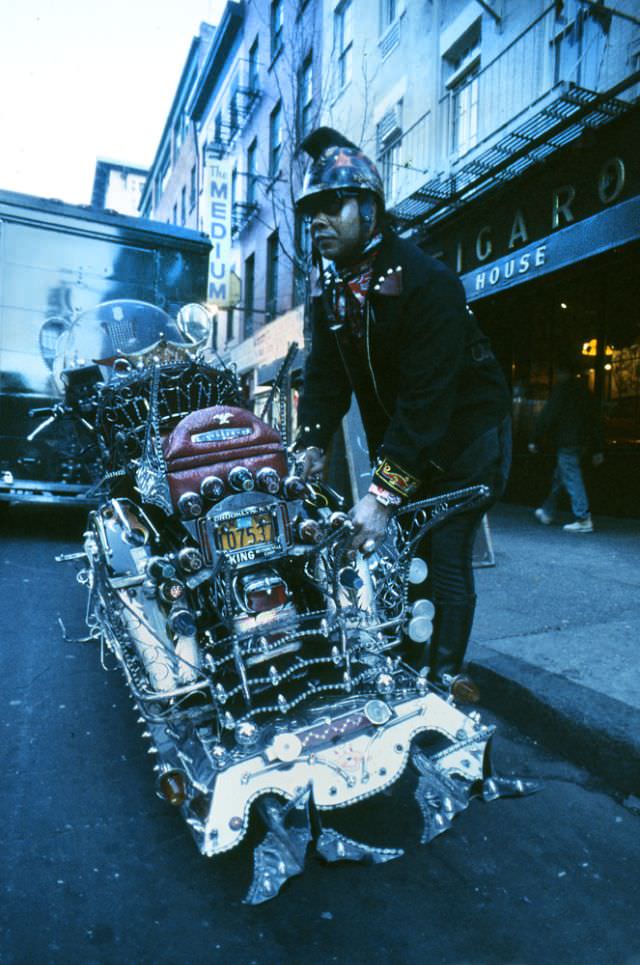
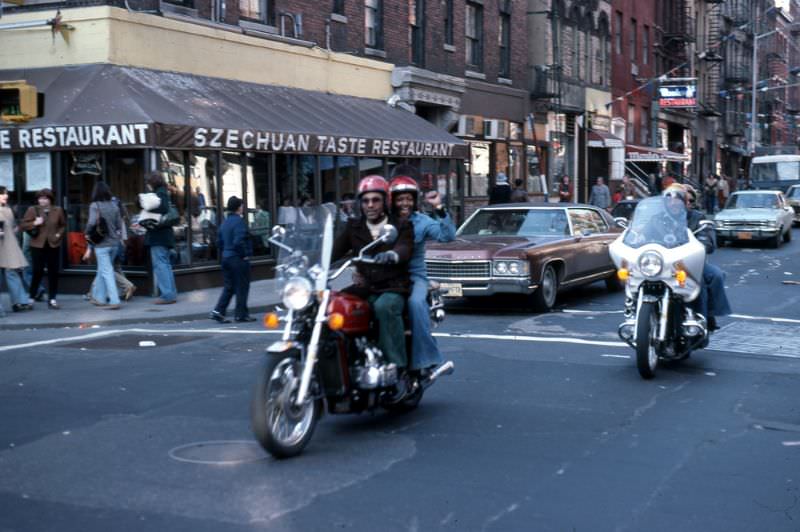
Motorcycles were a practical choice on Manhattan’s congested streets. Riders could cut through gridlock and find parking where cars could not. Armengol captured both solo riders and groups, showing how two-wheeled transport was woven into the daily rhythm of the city.


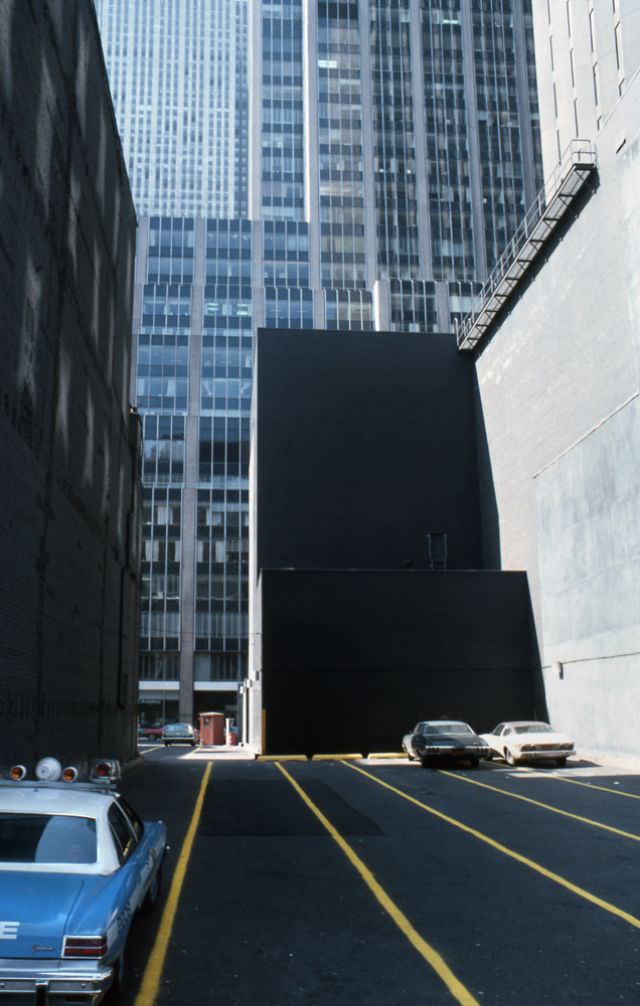
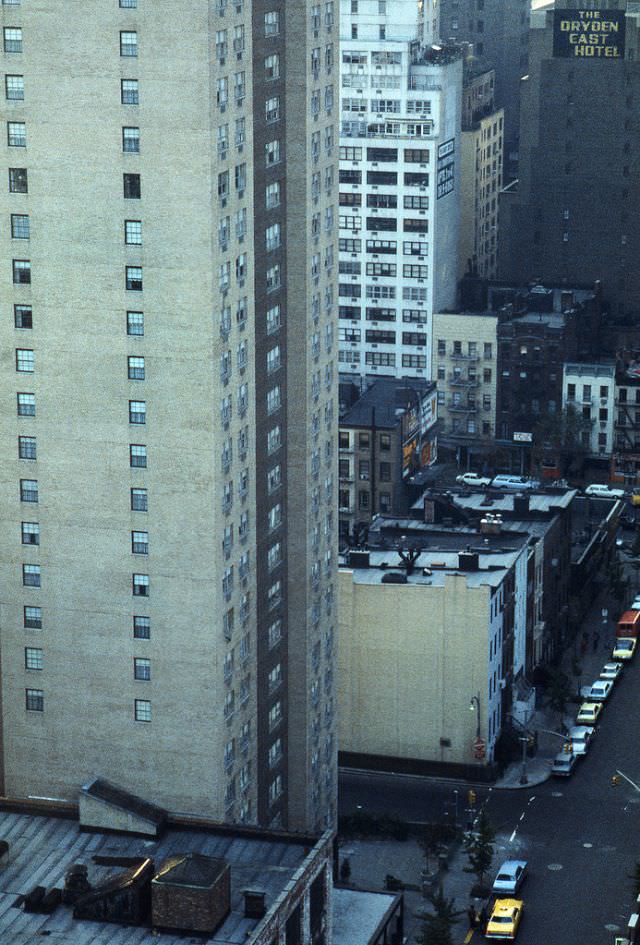
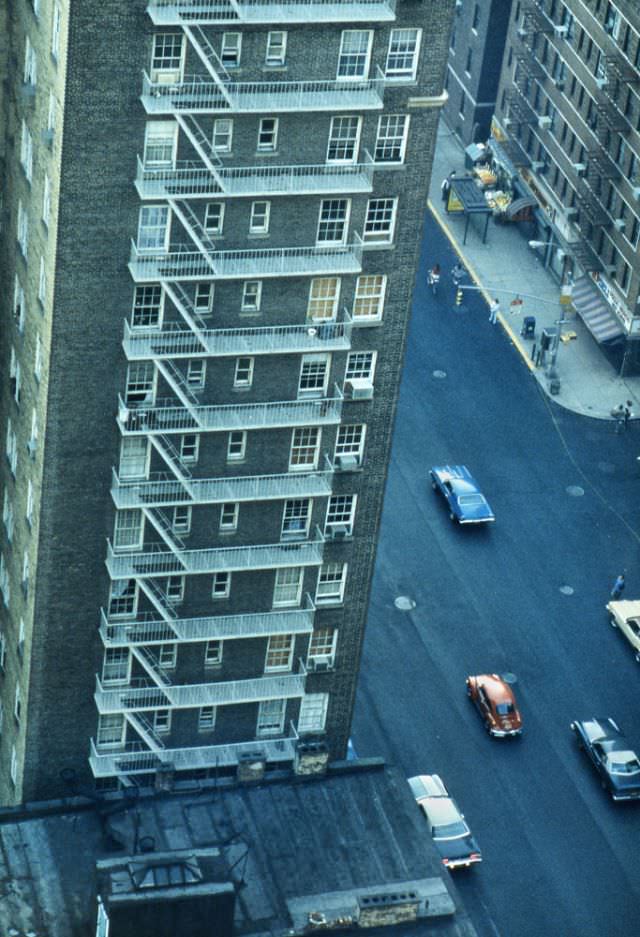
Manhattan’s architecture was a collision of eras. Cast-iron buildings from the 19th century stood next to glass office towers from the 1960s. Water towers perched on rooftops, fire escapes zigzagged down brick facades, and ornate stone details decorated buildings that had been standing for over a century.


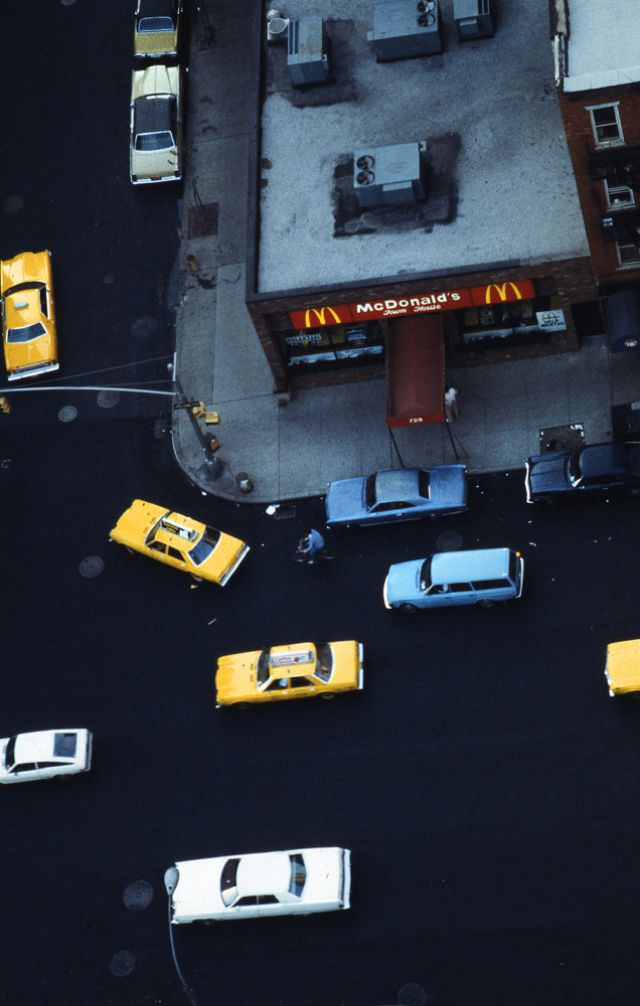
Yellow cabs were everywhere in 1978 Manhattan. The city had tens of thousands of licensed taxis at the time, and they filled every major avenue in a near-constant stream of yellow. Hailing a cab was second nature to New Yorkers, though the rides themselves were often unpredictable.

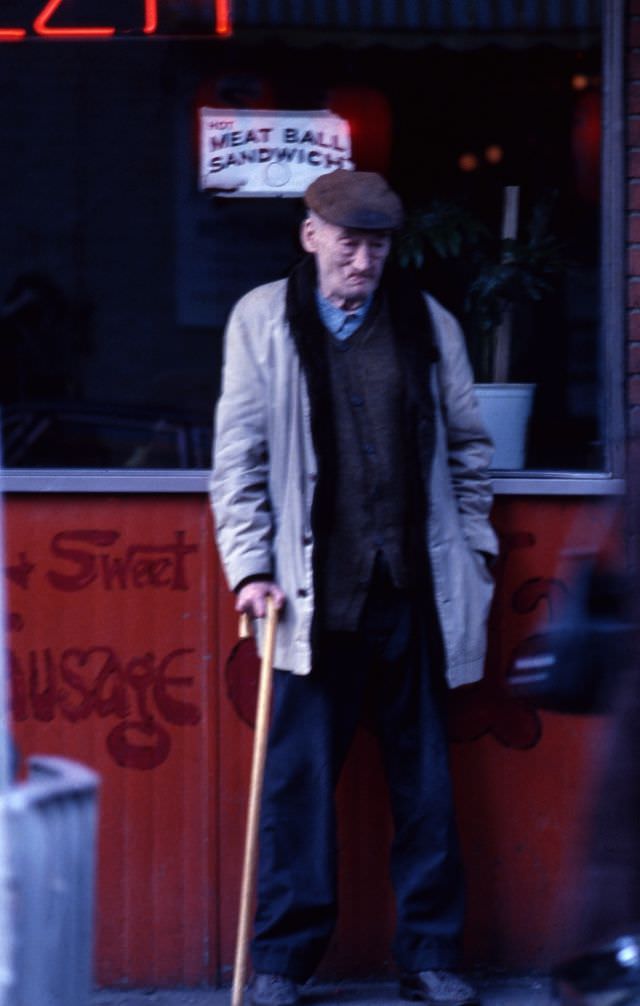
Central Park gave older residents a place to slow down and breathe. On sunny days, retirees claimed benches and patches of grass, watching the park’s activity from a comfortable distance. It was a simple pleasure that the chaos of the surrounding city could not take away.

Street parking in Manhattan was a competitive sport. Cars were wedged into every available space along the curbs, often with little room to spare. Double-parking was common, and drivers routinely blocked bus stops and fire hydrants. The scenes Armengol photographed reflect just how car-dense the city was before major traffic reforms took hold.


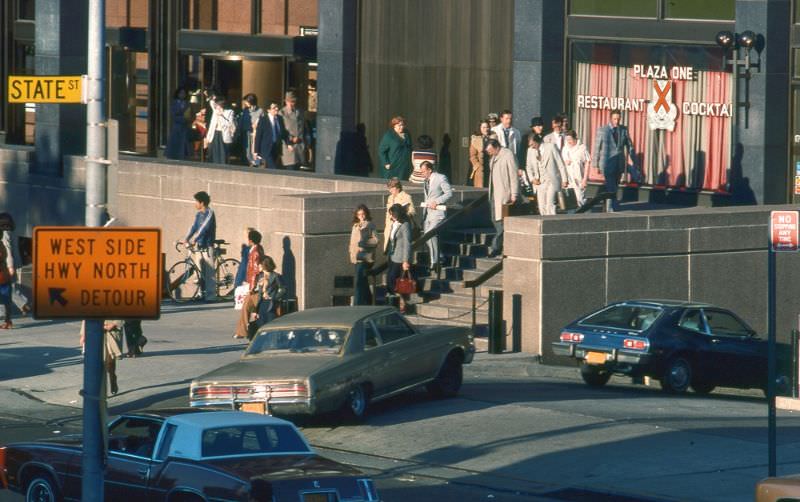
Rush hour in the Financial District was intense. Workers poured out of office buildings onto narrow sidewalks, heading for subway entrances, bus stops, and parking garages. The evening exodus happened fast, and the streets shifted from packed to quiet within the span of an hour.

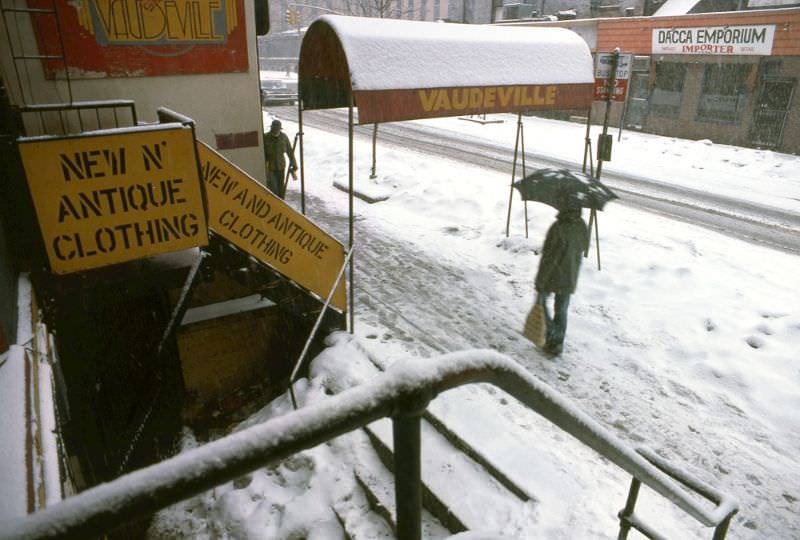
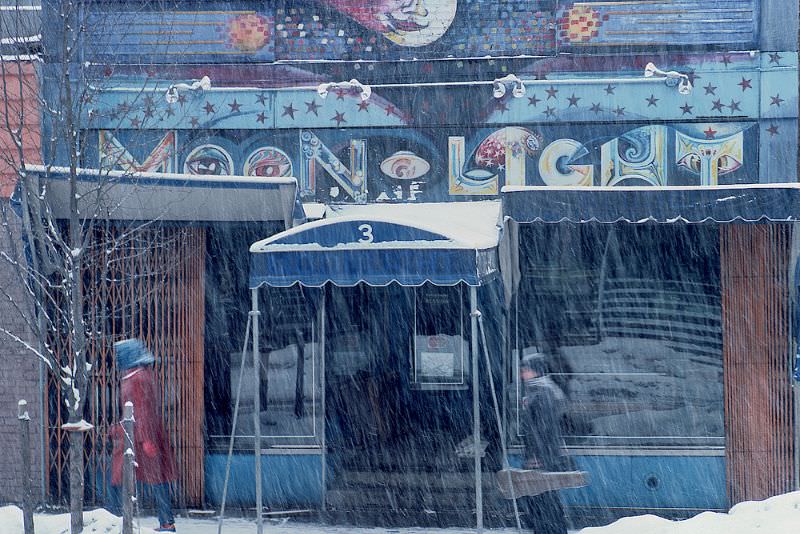
Snow transformed the city’s familiar spaces. Washington Square Park under a layer of white looked far removed from its usual state of noise and foot traffic. The 1978 winter storms left deep snow across the city, and Armengol documented those quiet, altered landscapes.


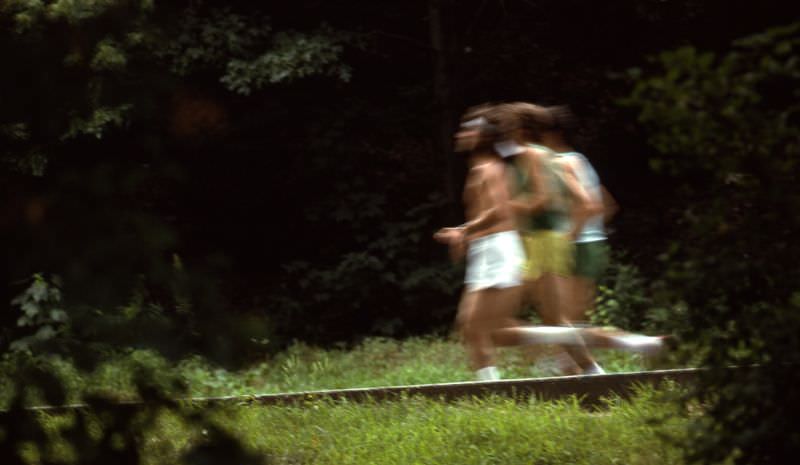
Sports were a daily fixture in Central Park. Joggers ran its loop long before running became a mainstream fitness trend. Basketball courts and open fields drew athletes of all ages, and the park functioned as the city’s largest free gym.

St. Mark’s Place was the kind of street that looked different depending on what time you arrived. During the day, it was a busy commercial block. At night, it became the East Village’s main stage, drawing musicians, performers, and crowds who spilled out of bars and clubs.


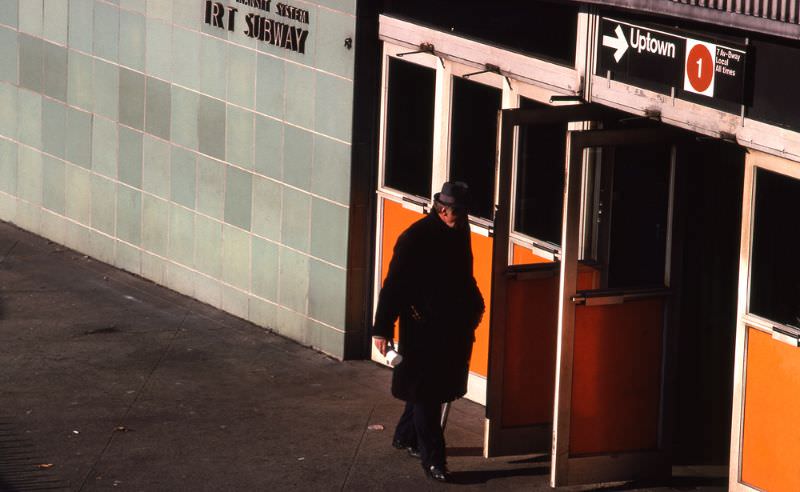
New York’s subway system in 1978 was in serious decline. Trains were covered in graffiti inside and out. Stations were poorly lit, dirty, and considered dangerous, especially at night. Riders packed platforms during rush hour and navigated a system that was underfunded and unreliable. The subway entrance was often the threshold between the street’s chaos and an underground world that felt even more unpredictable.

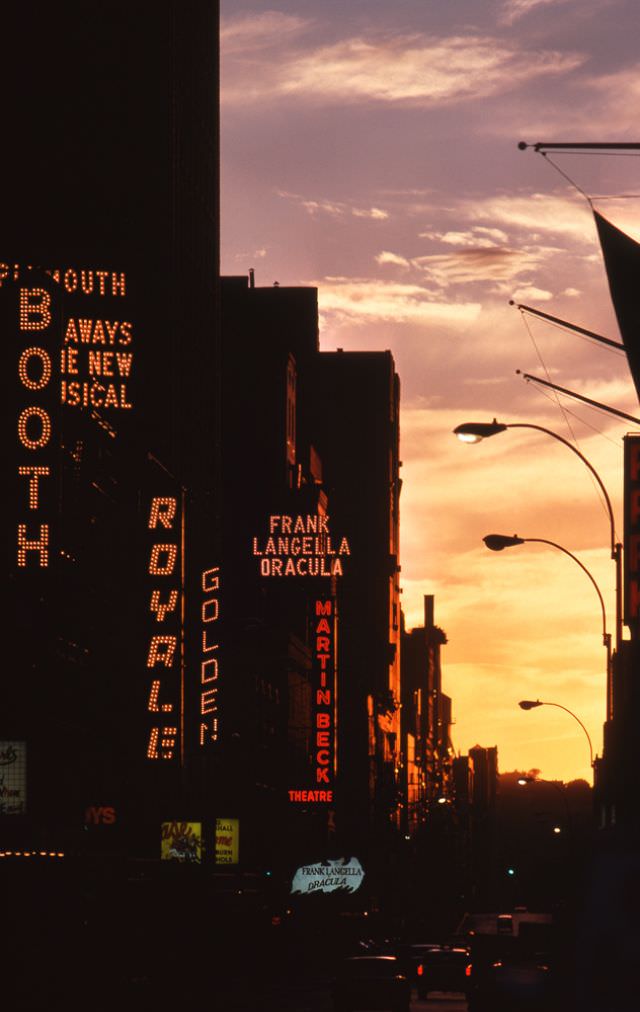
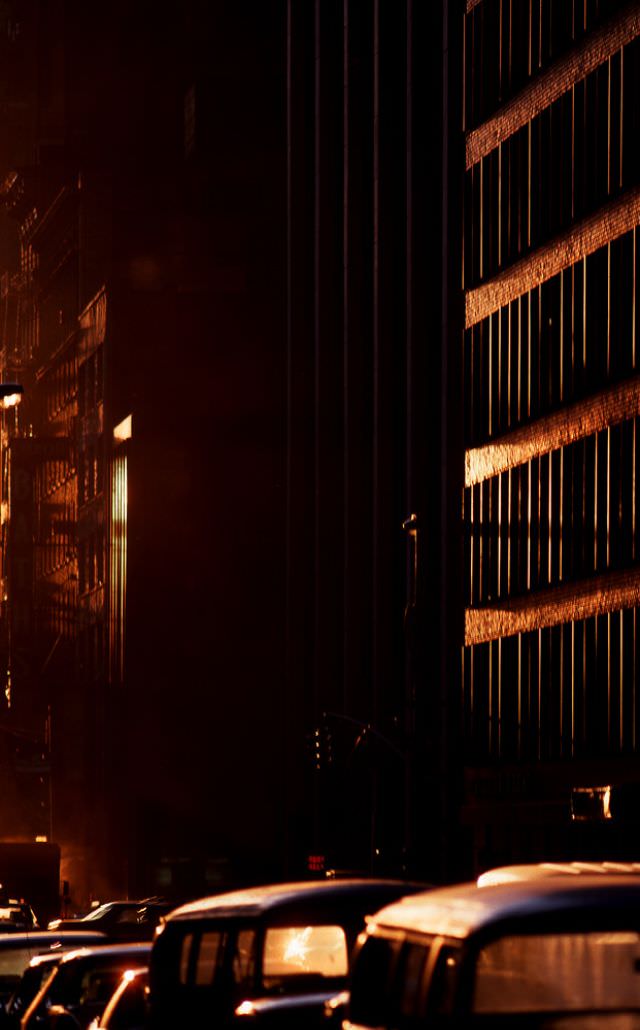
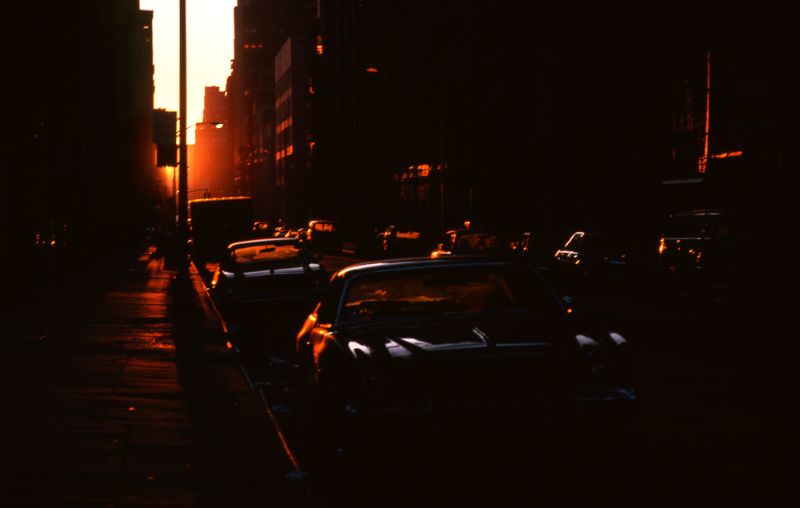
Midtown Manhattan’s sunsets were a dramatic sight. The dense grid of towers caught the last light of the day at every angle, turning glass and steel orange and gold. For a city under so much strain, these moments offered a striking kind of beauty.


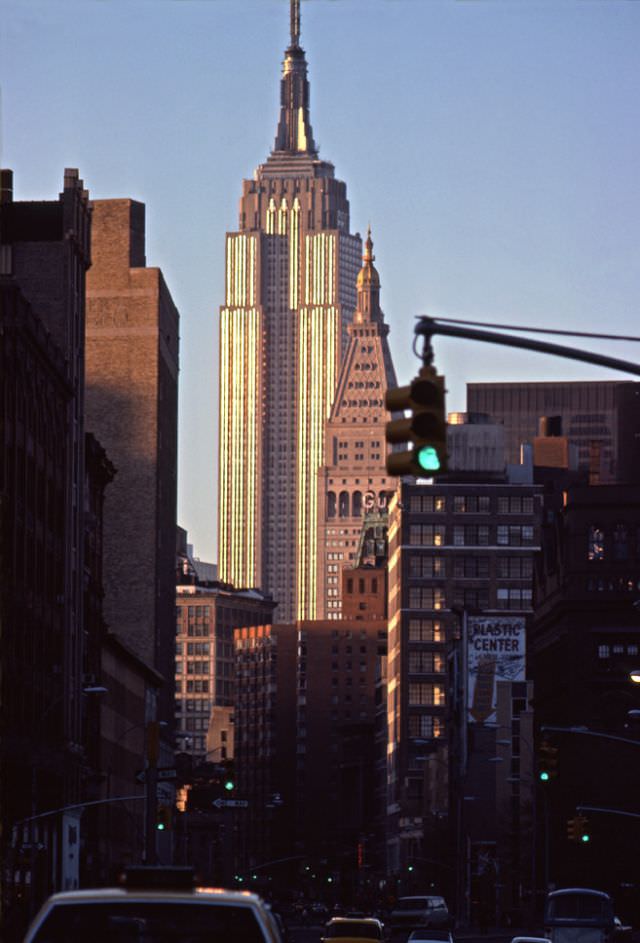
The Empire State Building remained one of the most recognizable landmarks on earth in 1978. From downtown, it rose above the midtown skyline with a presence that no other structure in the city could match. It had been the world’s tallest building for decades and still defined the Manhattan silhouette for millions of people.

The Twin Towers of the World Trade Center were newly finished landmarks in 1978, completed just a few years earlier in 1972 and 1973. They loomed over Lower Manhattan with a scale unlike anything else in the city. Armengol captured them bathed in light, standing as a bold statement of what New York still was — and what it was still reaching to become.

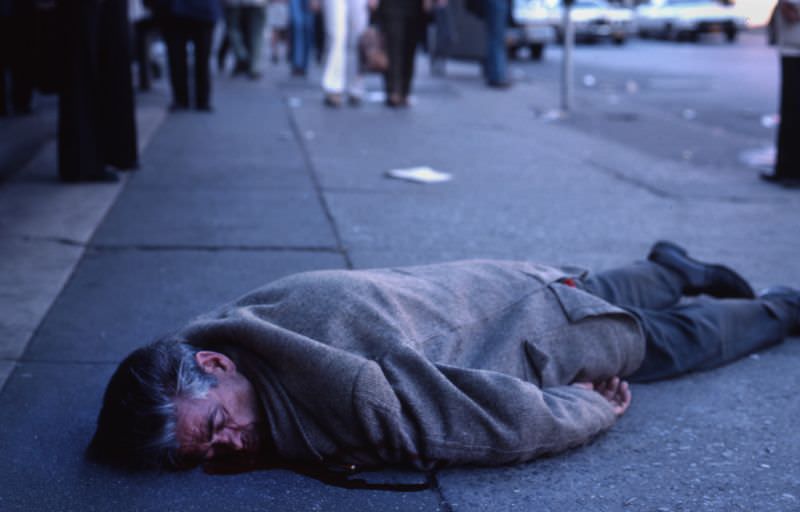
The violence that defined late-1970s Manhattan was not abstract. Armengol photographed it directly. A wounded man on the street — bloodied and in distress — was a sight that reflected the city’s sky-high crime rate. In 1978, New York recorded over 1,500 murders for the year. Street crime touched nearly every neighborhood.

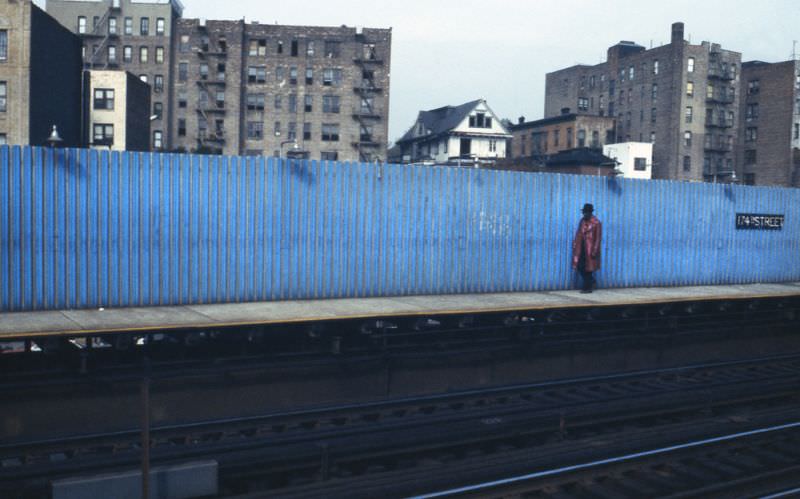
The subway stations were worlds of their own. The 174th Street station in upper Manhattan served neighborhoods that were among the hardest hit by the city’s economic decline. Platforms were often dim and graffiti-covered, with transit workers stretched too thin to maintain order or cleanliness.

The winter of 1978 brought some of the coldest temperatures New York had seen in years. Pedestrians bundled up and moved quickly through the streets, steam rising from grates in the sidewalk. The cold added another layer of hardship to a city already dealing with more than enough.

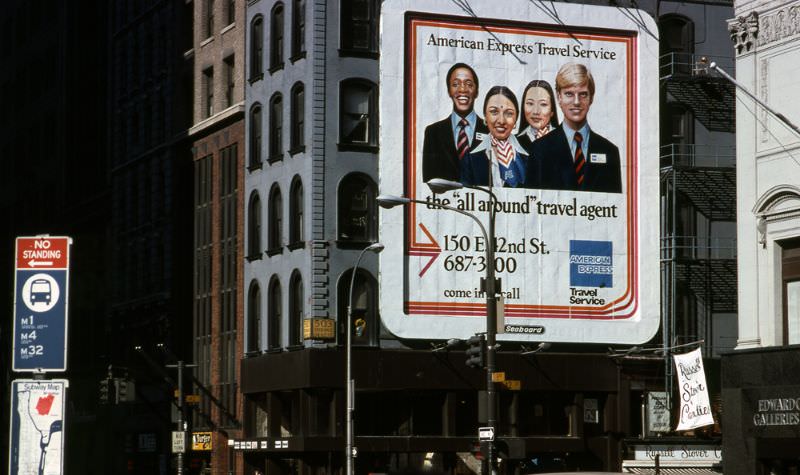
Despite the city’s struggles, commercial life carried on. Banks, travel agencies, and retail shops kept their doors open, serving a population that still needed to move money, plan trips, and buy goods. American Express operated a visible presence in midtown, catering to tourists and business travelers who still came to New York in large numbers.

Little Italy, centered around Mulberry Street in lower Manhattan, remained a tight-knit neighborhood in 1978. Italian-American families had lived there for generations, and the streets still carried the feel of a distinct ethnic enclave — restaurants, bakeries, social clubs, and residents who had known each other for decades.

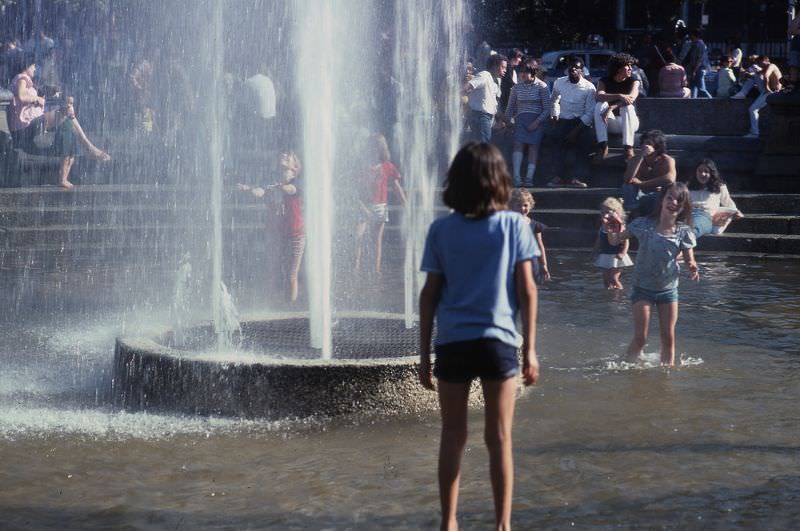
Washington Square Park drew a cross-section of New York that few other places could match. On a single afternoon, you might see folk singers, chess hustlers, NYU students, drug transactions, and families with strollers — all sharing the same public space.

The blues and live street music that drifted through St. Mark’s Place were a fixture of the block. The East Village in 1978 was a breeding ground for punk, new wave, and experimental music, and the streets themselves often served as an informal stage.

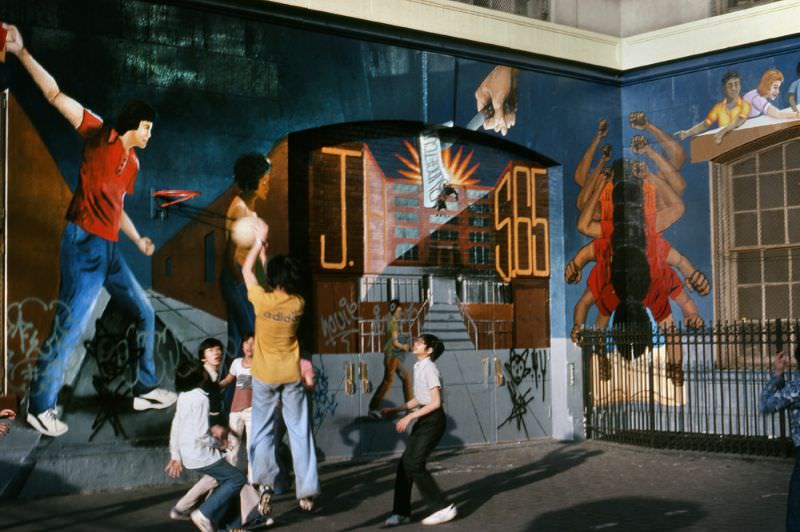
Basketball was deeply embedded in New York street culture. Boys played on courts throughout the city’s neighborhoods, from Harlem to the Lower East Side. The games were competitive and the courts were community spaces — places where kids spent hours after school and on weekends.


The built environment of Manhattan was layered and dense. Buildings rose directly from the sidewalk, with cars parked tight against the curb below fire escapes and storefront awnings. Every block had its own personality — a mix of residential, commercial, and industrial uses crammed together in a way that no other American city quite matched.

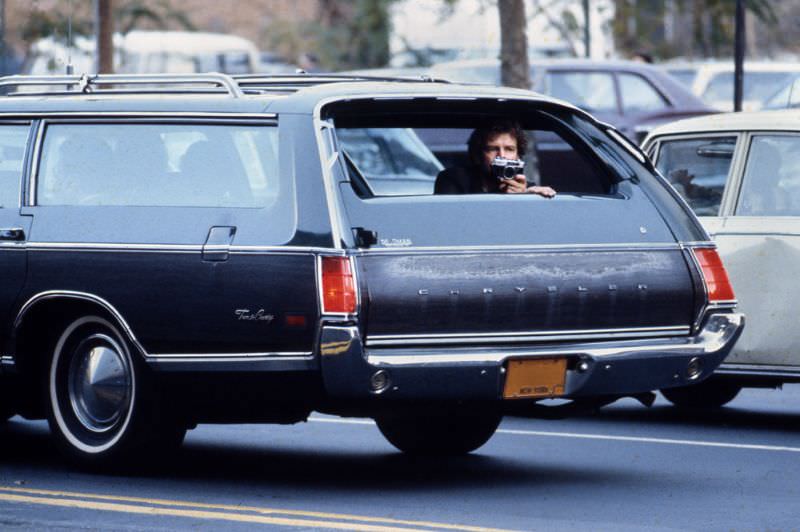
Armengol’s own presence on the street was not always invisible. At least once, his lens caught another photographer in the act — a moment of two documentarians acknowledging each other across the frame. It’s a small reminder that 1978 Manhattan attracted serious photographic attention from multiple directions.

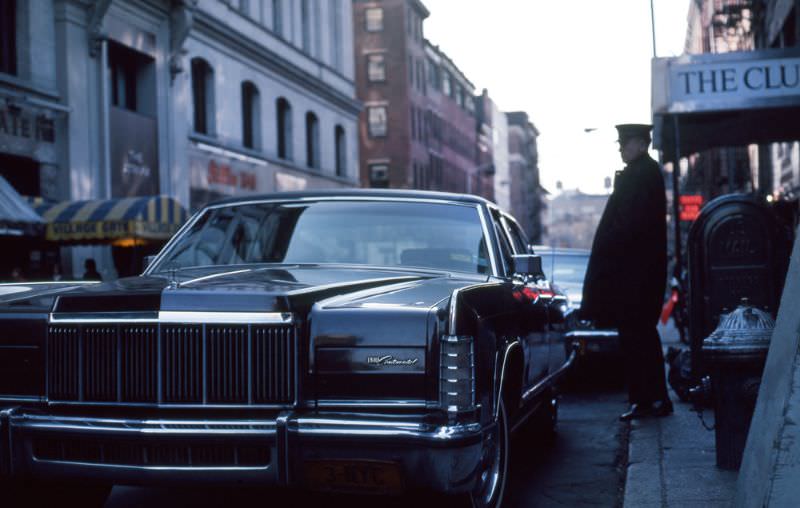
Nightlife in Manhattan ran late and loud. Clubs drew crowds from across the city, and the cars parked outside them were as much a part of the scene as the people inside. The late 1970s were the height of the disco era, and New York’s club culture was at its most intense.

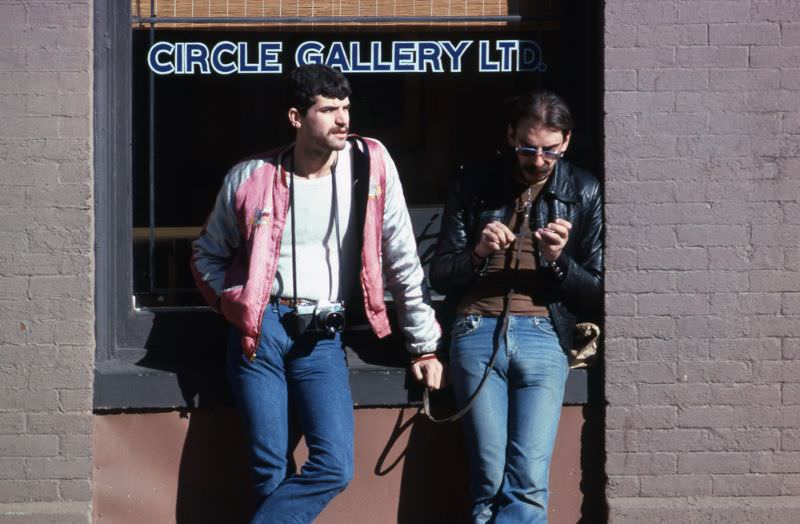
Art galleries operated throughout Manhattan, even in areas that were economically struggling. The Circle Gallery Ltd. was one of many commercial galleries that sold prints and original works to collectors. In a city where rents were low due to the financial crisis, artists and galleries found affordable space that would have been out of reach a decade later.

Taken together, Manel Armengol’s 1978 photographs show a Manhattan that was raw, crowded, dangerous, and alive. The city’s sidewalks held a thousand different stories on any given day — workers, artists, athletes, hustlers, families, and tourists all moving through the same battered streets.