
Portugal sits along the Atlantic coast of the Iberian Peninsula in southwestern Europe, making it one of the oldest nation-states in the world. Its land has been settled, fought over, and reshaped since prehistoric times. By the 1970s, Portugal was carrying the weight of that long history while standing at the edge of dramatic change. These photographs capture everyday life, political upheaval, and the landscapes of a country in transformation.
Lisbon served as the country’s capital and economic heart throughout the decade. While the city was modernizing, its historic neighborhoods stayed largely intact. The old quarter of Alfama, with its narrow stone streets and tightly packed houses, remained home to working-class families. Life there was modest and deeply rooted in tradition.
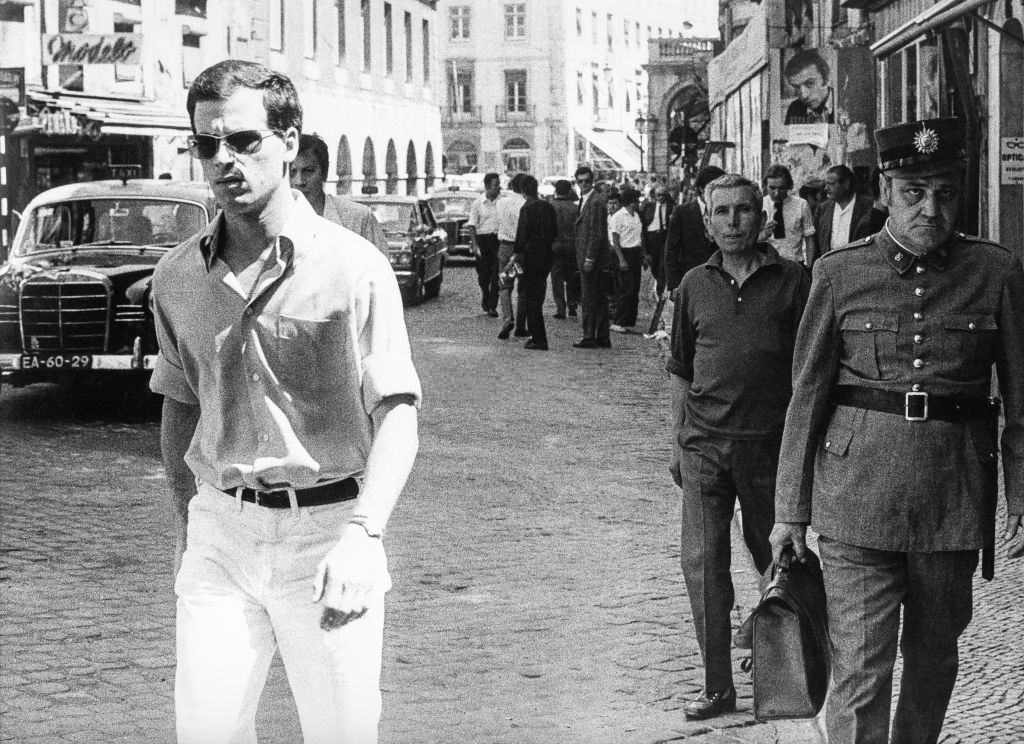
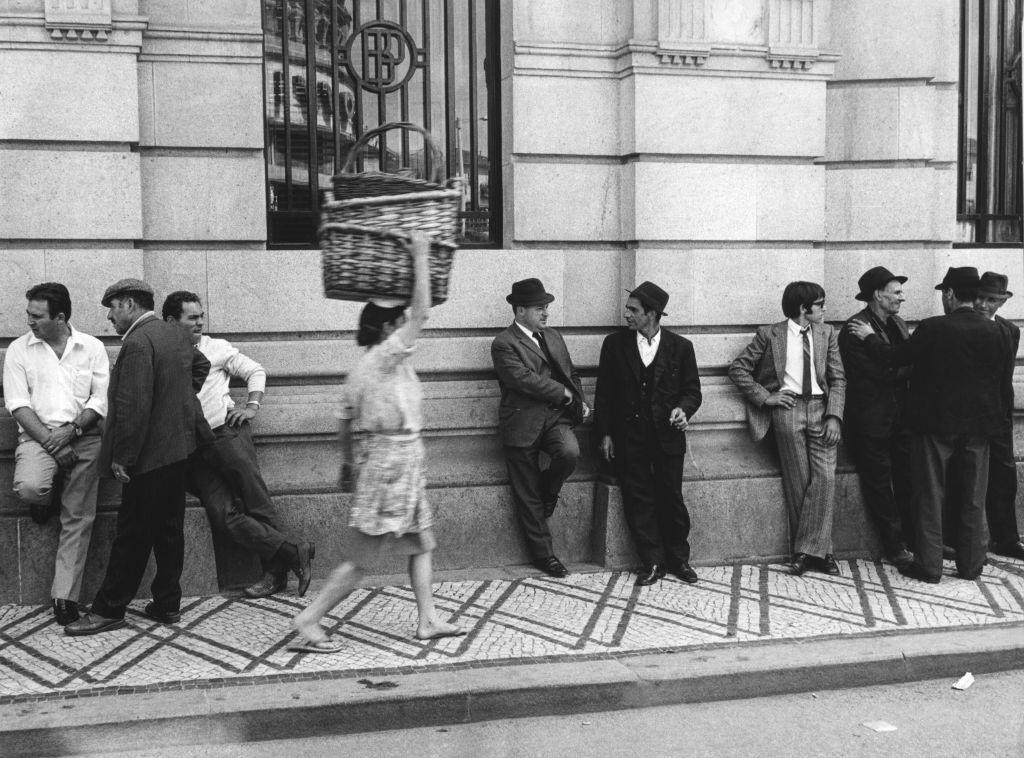
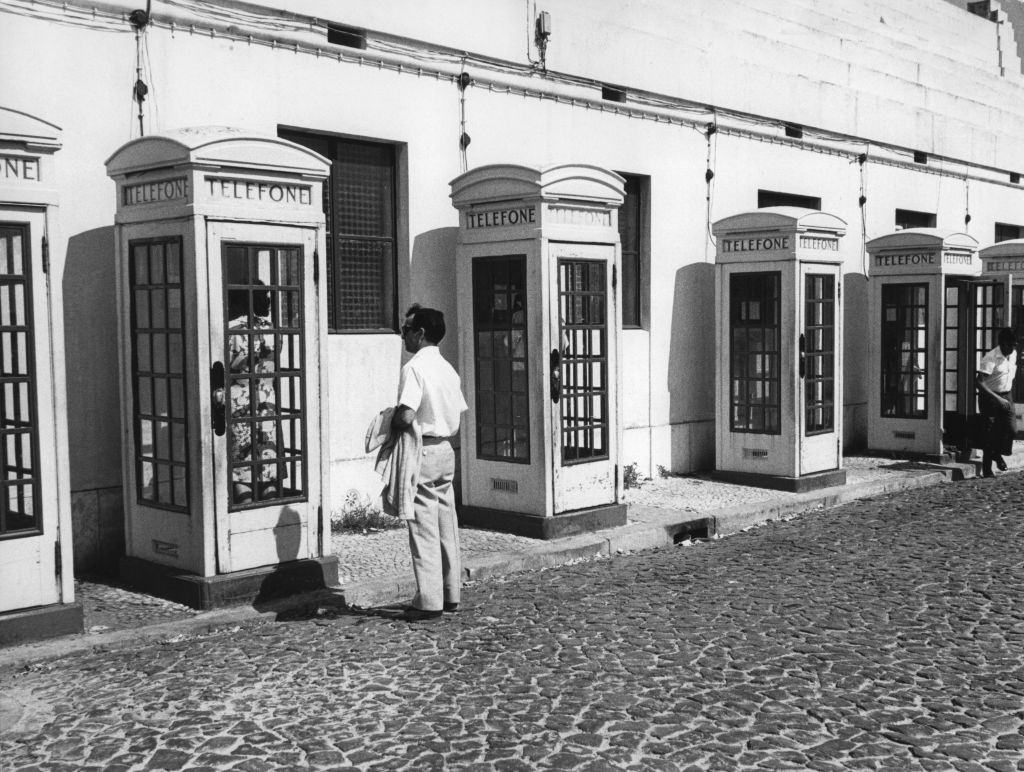
Out on the streets of Lisbon in 1970, men gathered in small groups, public phone booths lined the sidewalks, and the pace of daily life moved at an unhurried rhythm. The city’s architecture, a mix of old stone buildings and tiled facades, gave it a character that set it apart from other European capitals.
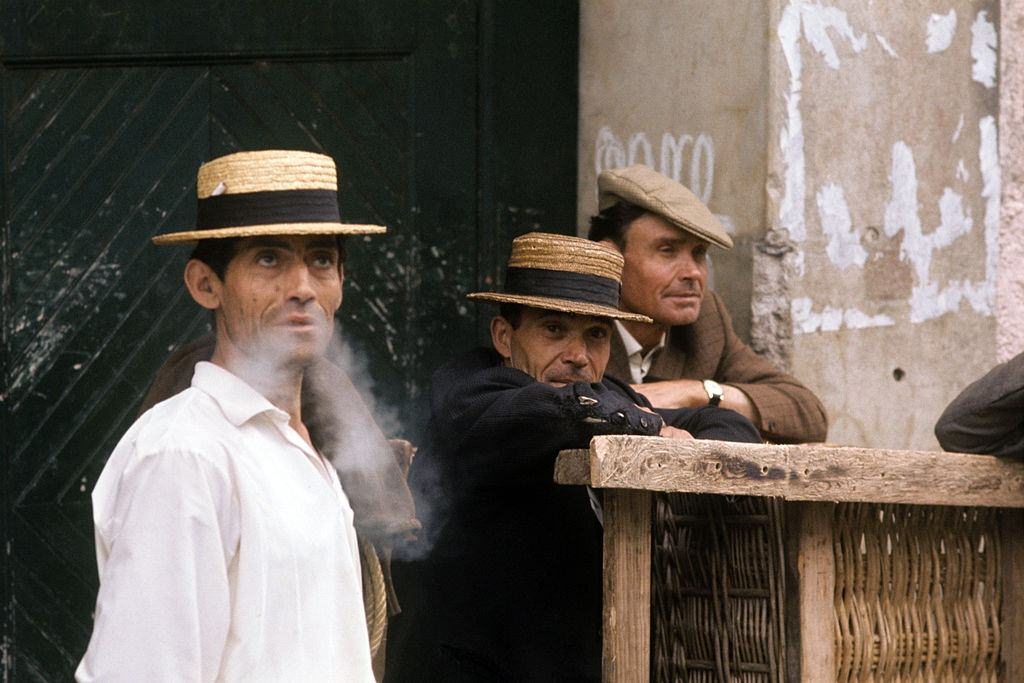
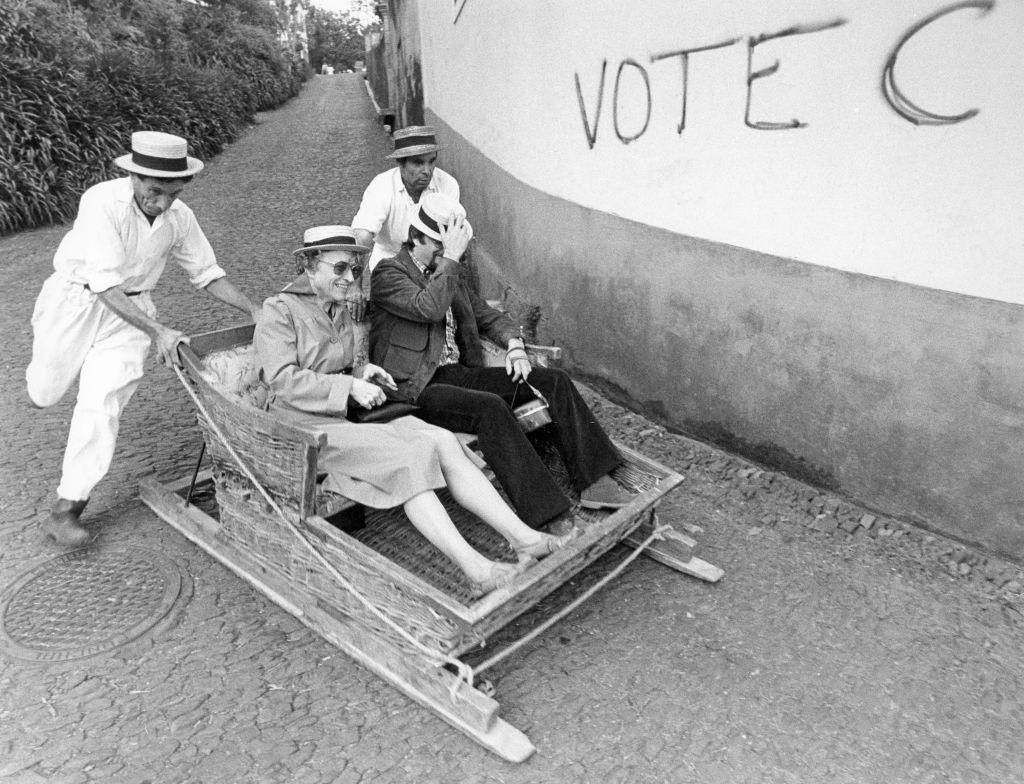
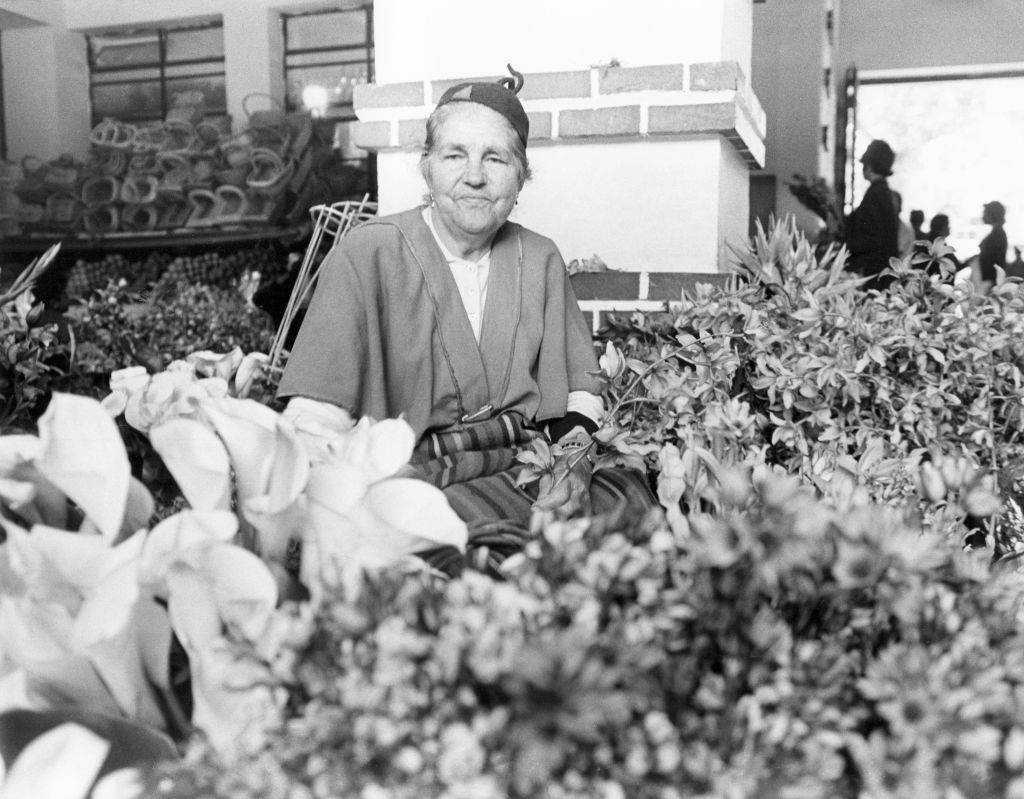
Madeira, Portugal’s island territory in the Atlantic, offered a very different but equally vivid scene. In Funchal, the island’s main city, flower girls worked the central square and vendors sold souvenirs from small boats in the harbor. Traditional hammock-bearers — men who transported tourists in wicker sleds down the island’s steep hillsides — took breaks along the road, cigarettes in hand.
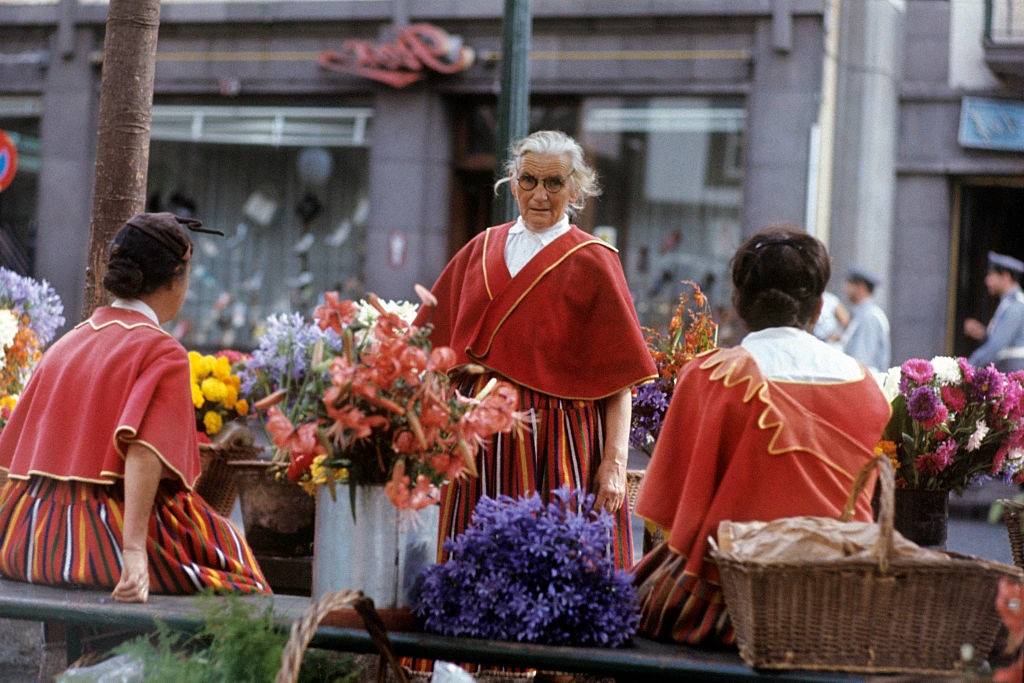
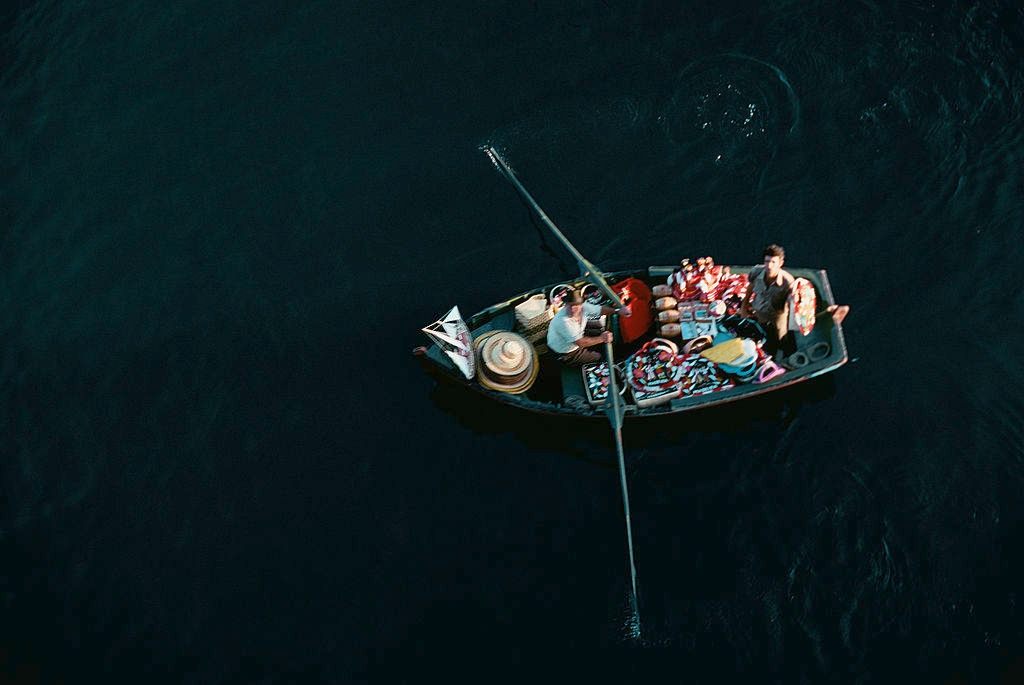
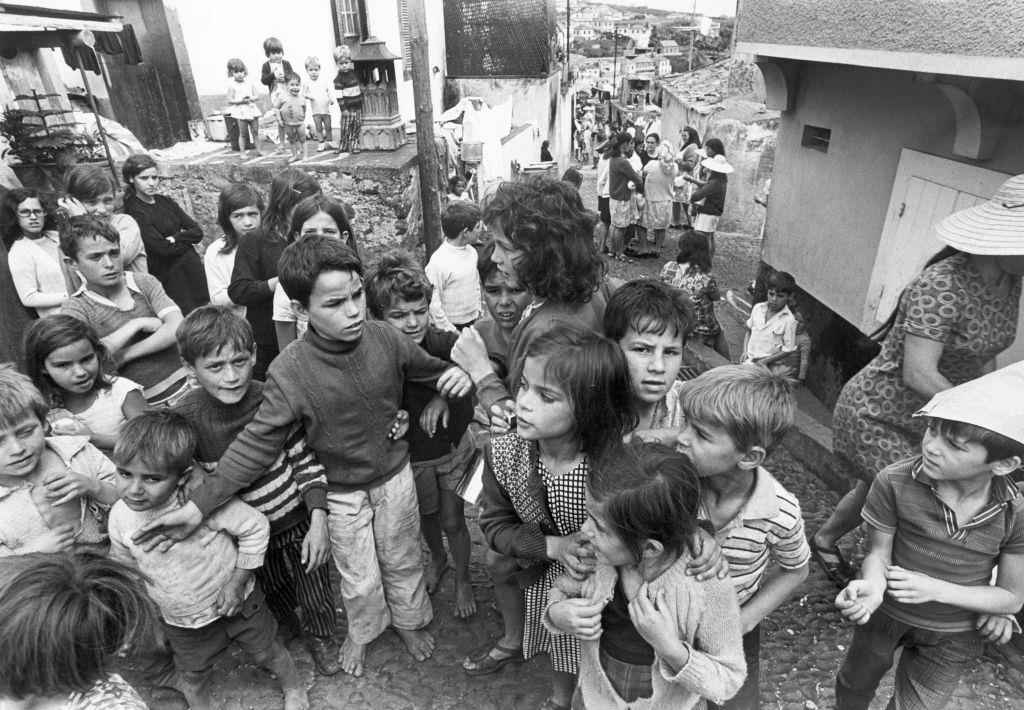
Tourism in Madeira brought visitors eager to experience local customs. One of the most well-known traditions was the toboggan ride — tourists seated in wooden sledges pushed by men in white uniforms and straw hats down the cobblestone streets. Children on the island played freely in small squares, while local markets buzzed with vendors selling flowers and fresh produce.
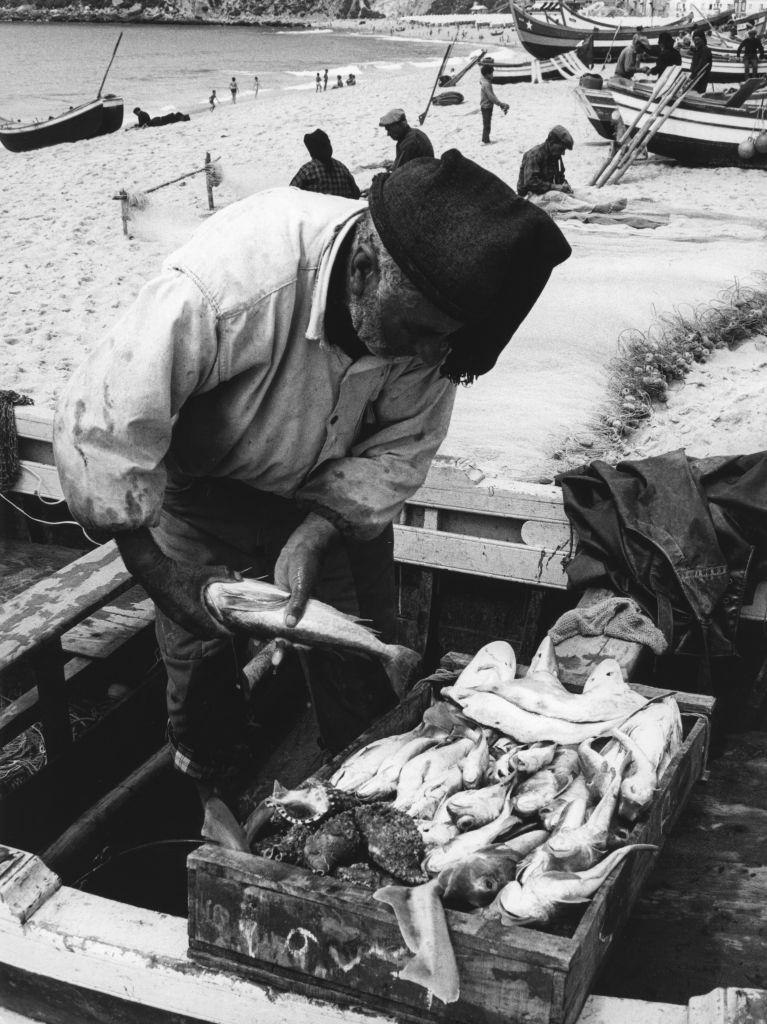
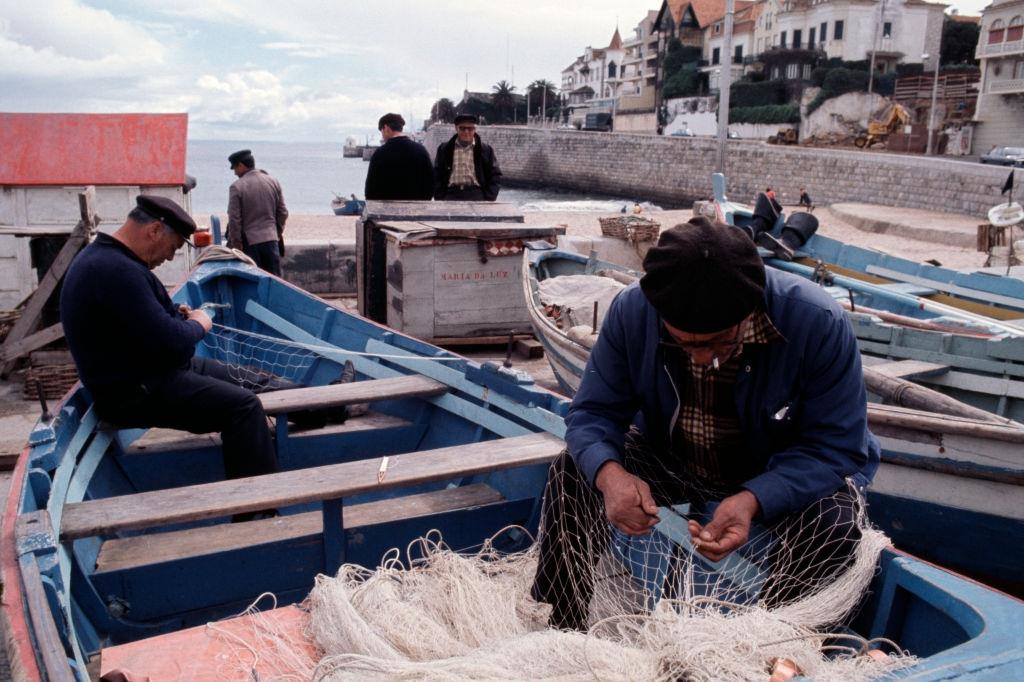
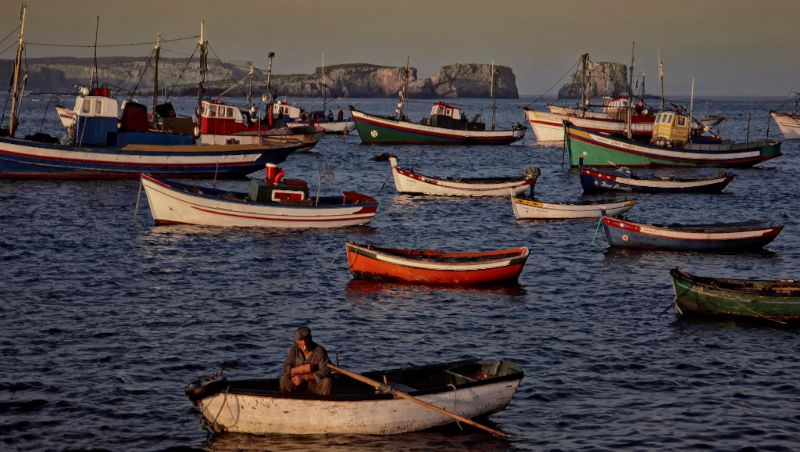
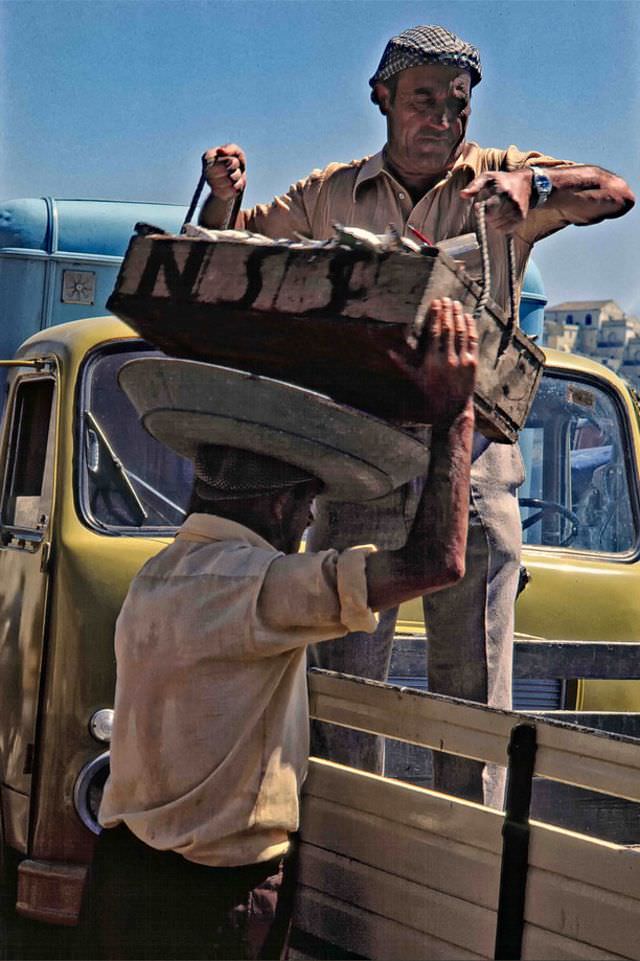
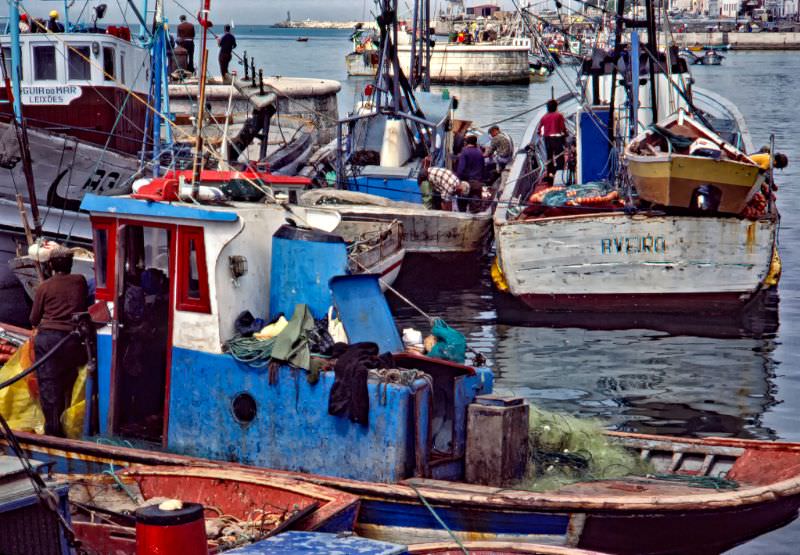
Fishing was central to Portuguese life along the coast. In Nazaré, fishermen sorted their catches on the beach, and the sea shaped nearly every aspect of daily existence for the town’s people. In Sines and Sagres, fishing boats lined the shores and communities depended on the ocean’s yield. Along the docks, fishermen sat repairing their nets — a slow, skilled task done by hand.
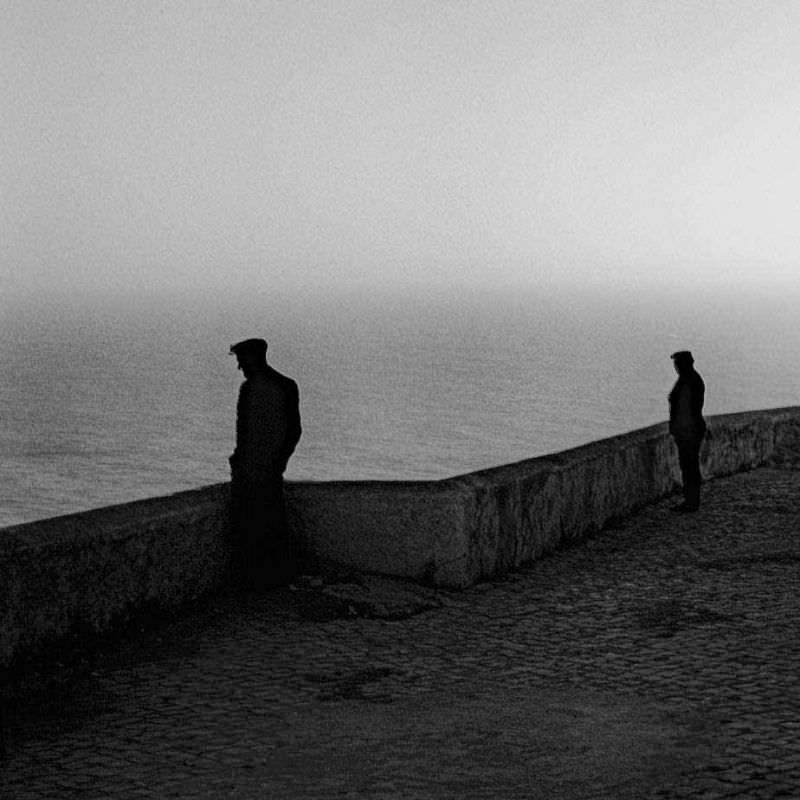
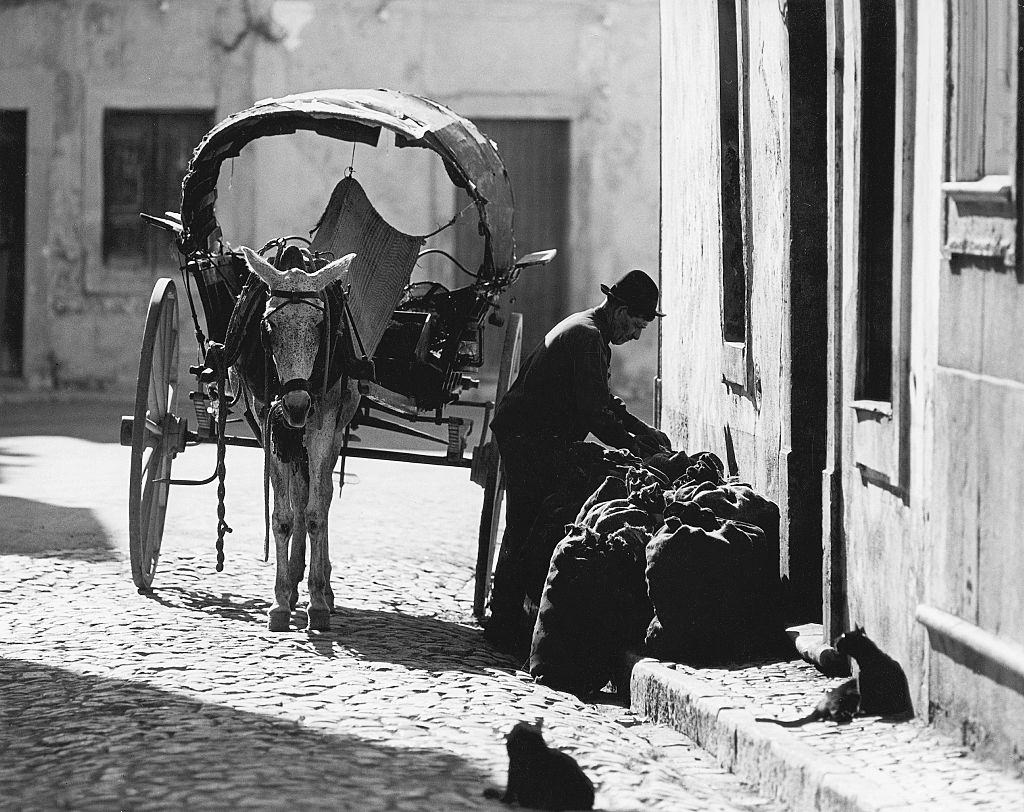
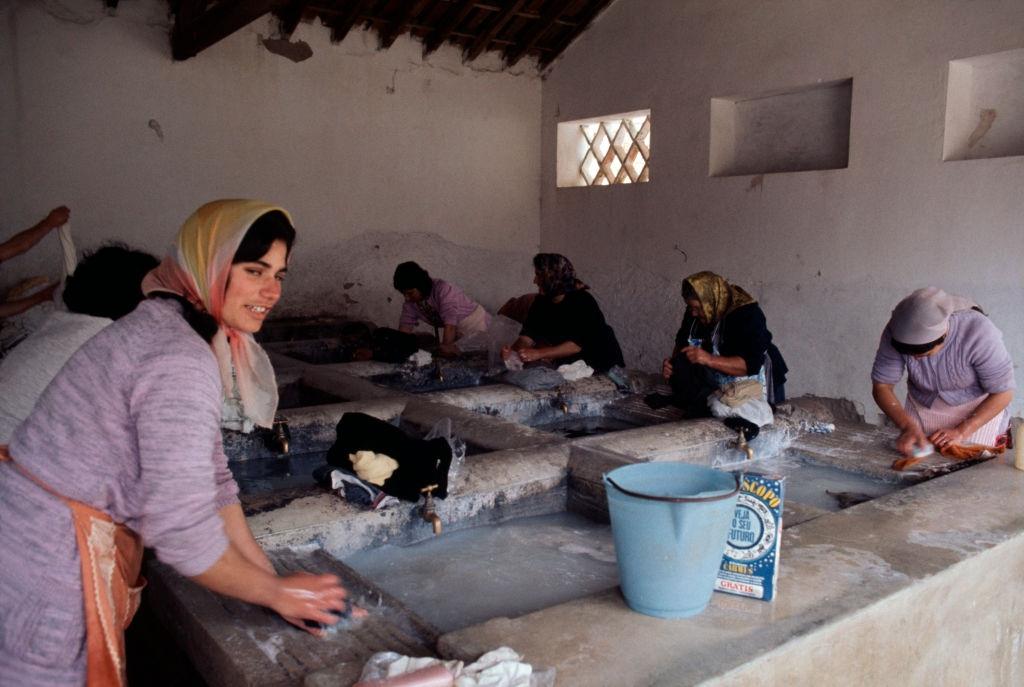
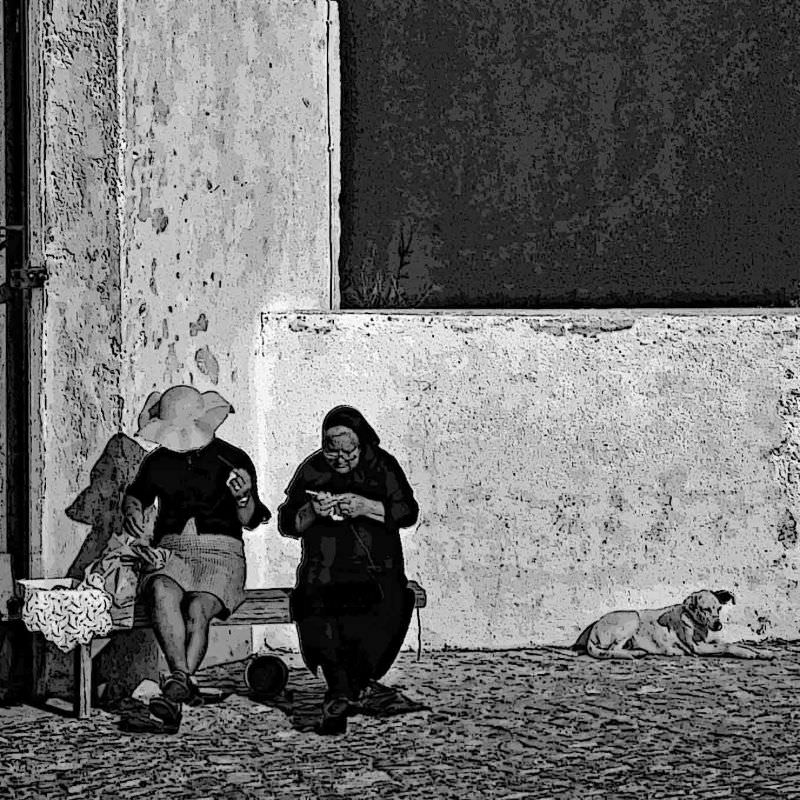
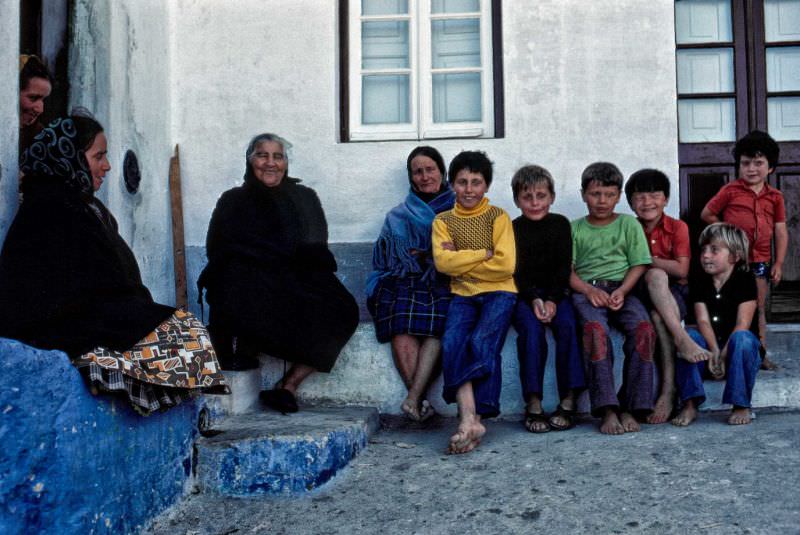
Rural Portugal moved at its own pace. A coal merchant in Olhão in the Algarve still made deliveries by donkey cart. Women washed laundry by hand in communal areas. In the mountain city of Guarda, children played in the streets and elderly residents sat quietly on stone walls, watching the day pass. These scenes reflected a Portugal where older ways of living were still very much present.
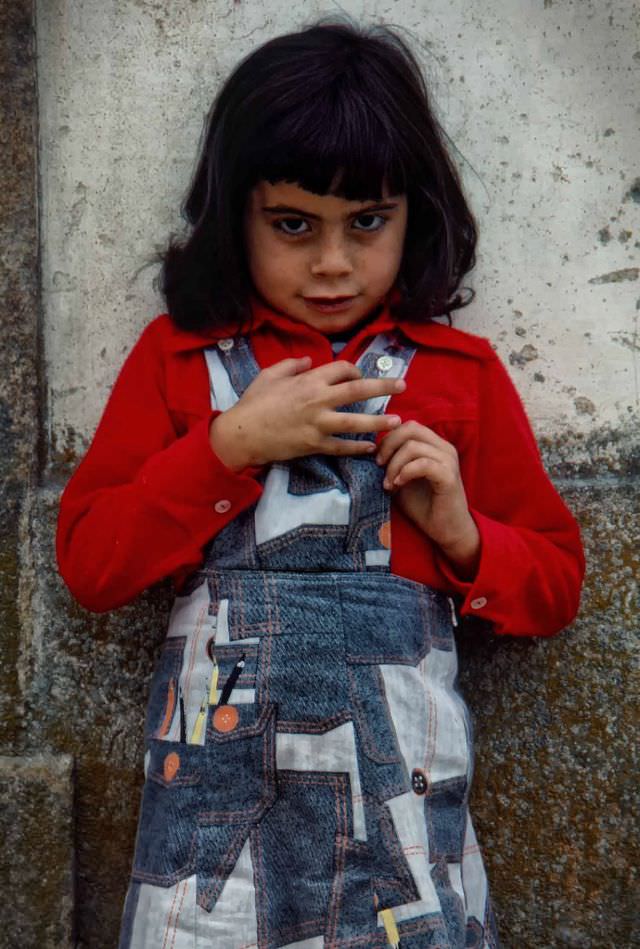
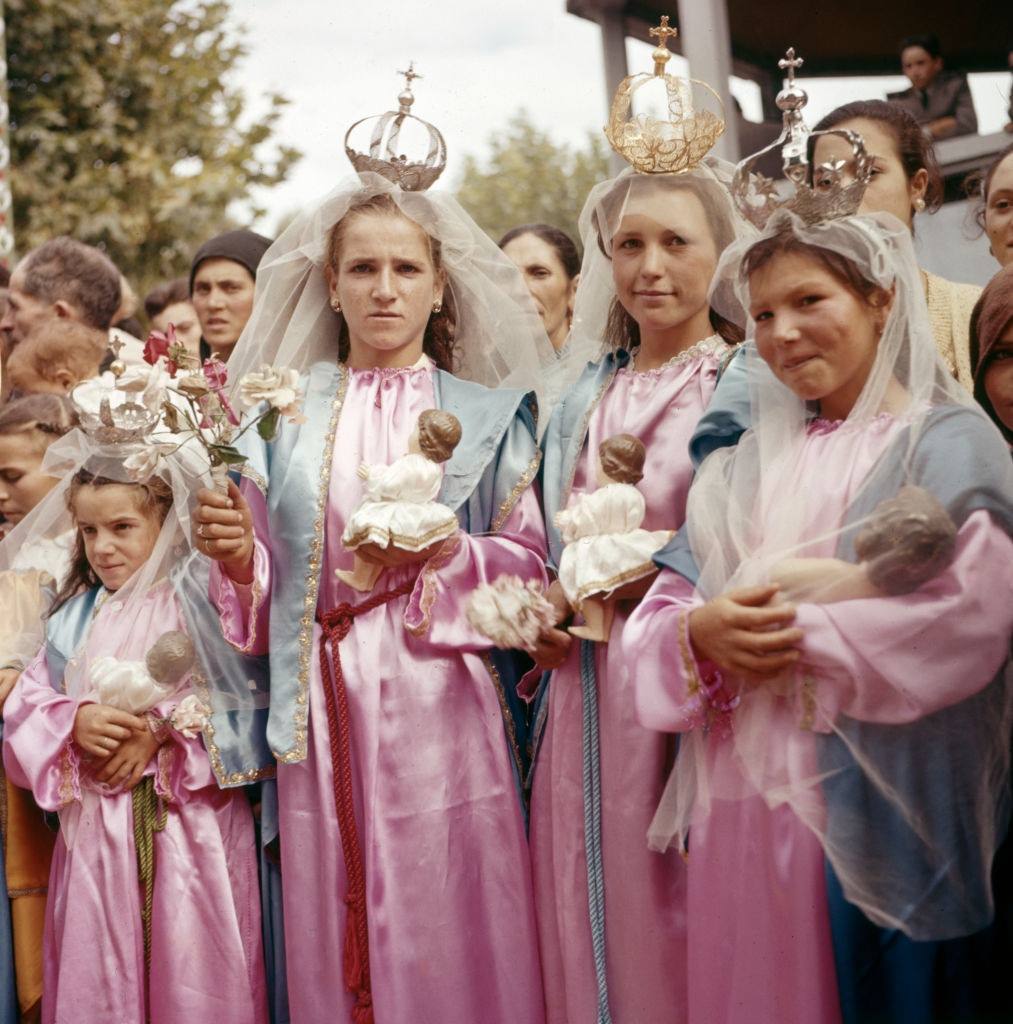
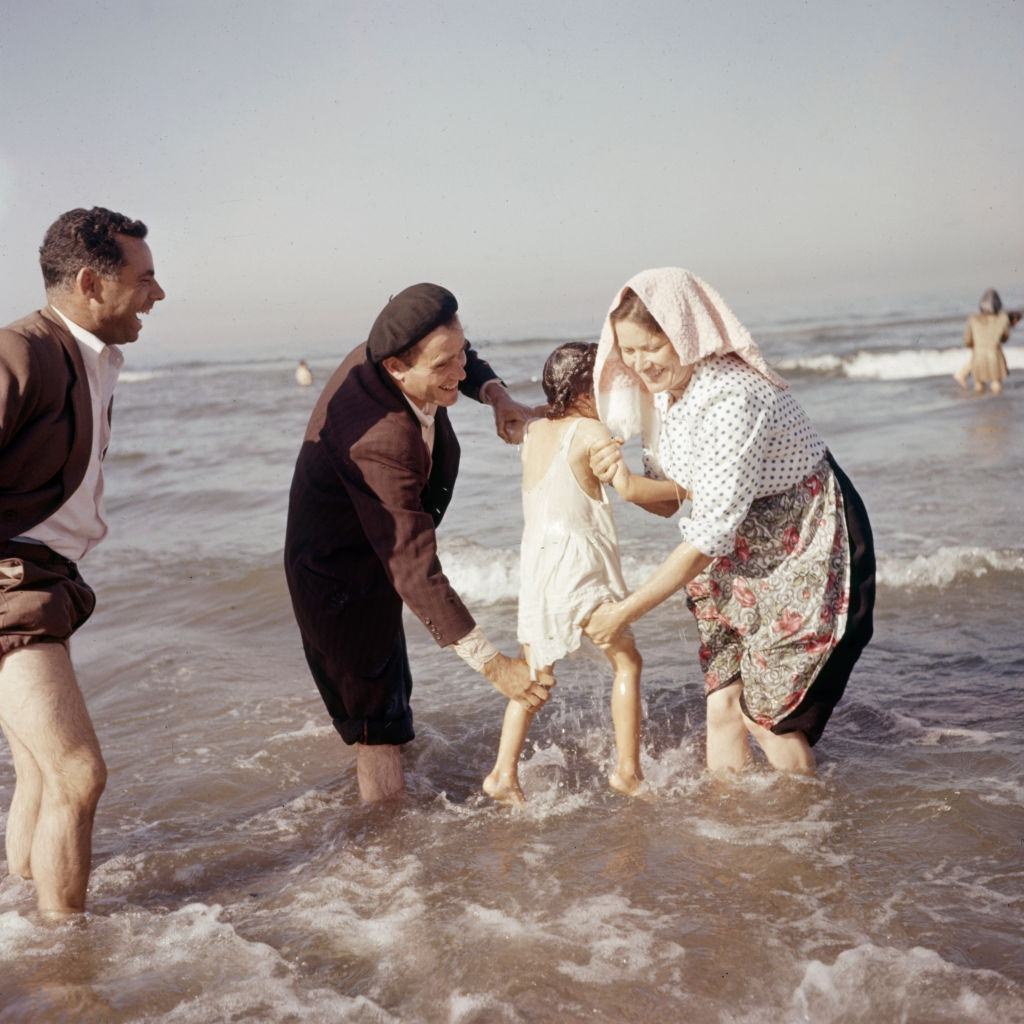
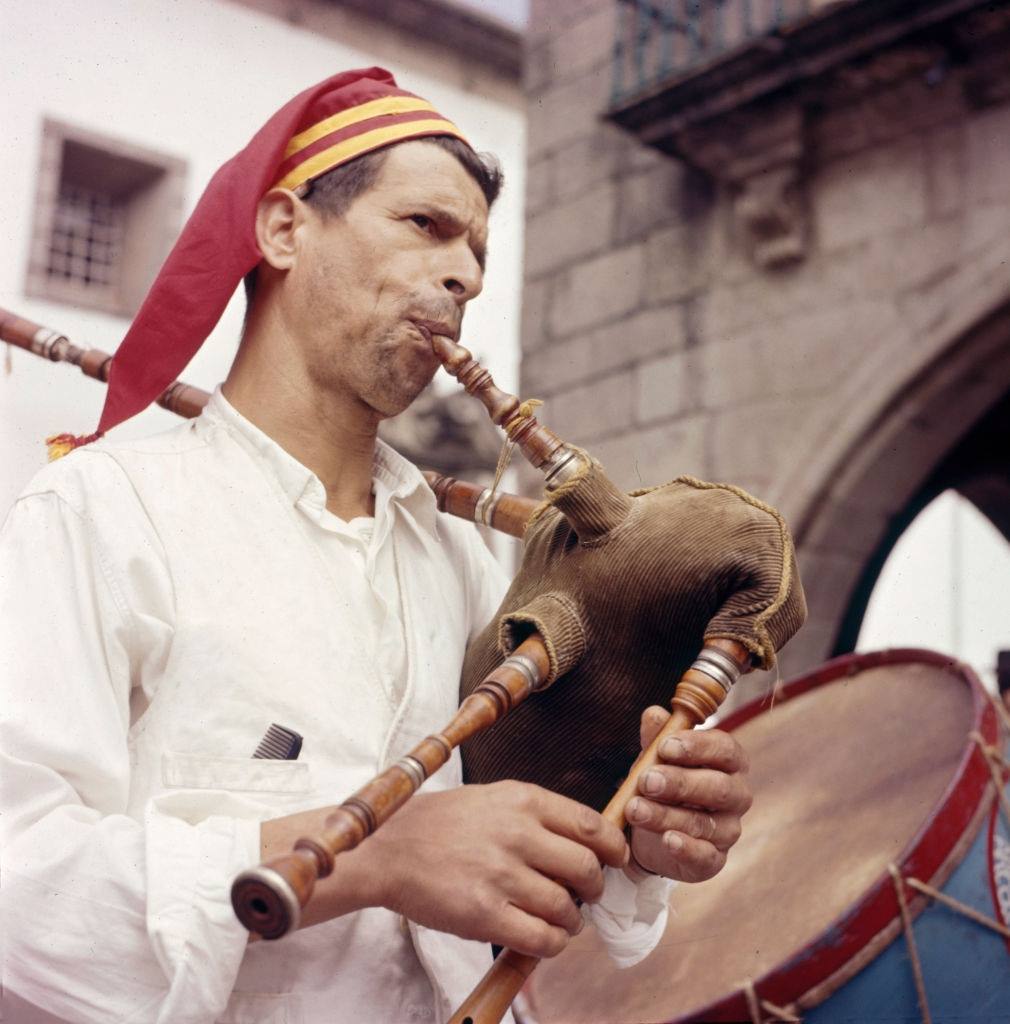
Religion remained a powerful force in Portuguese society. In the province of Minho, costumed young women marched in religious festival processions. Bathing rituals tied to religious observance were still practiced in parts of the country. A gaita-de-foles player — performing on a traditional bagpipe native to northern Portugal — was a common sight at local gatherings.
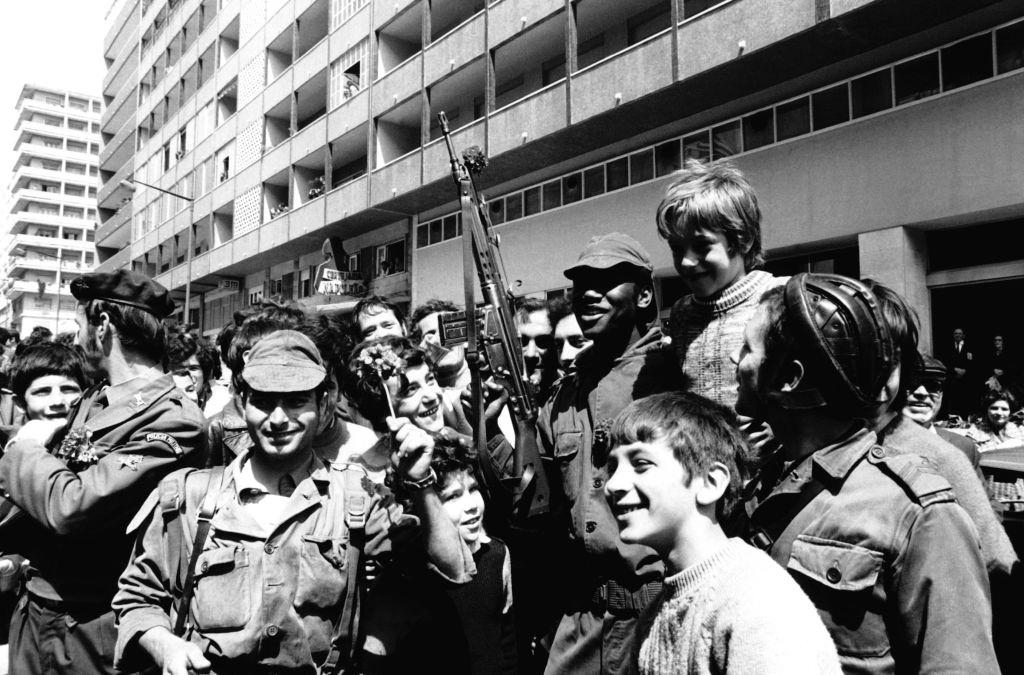
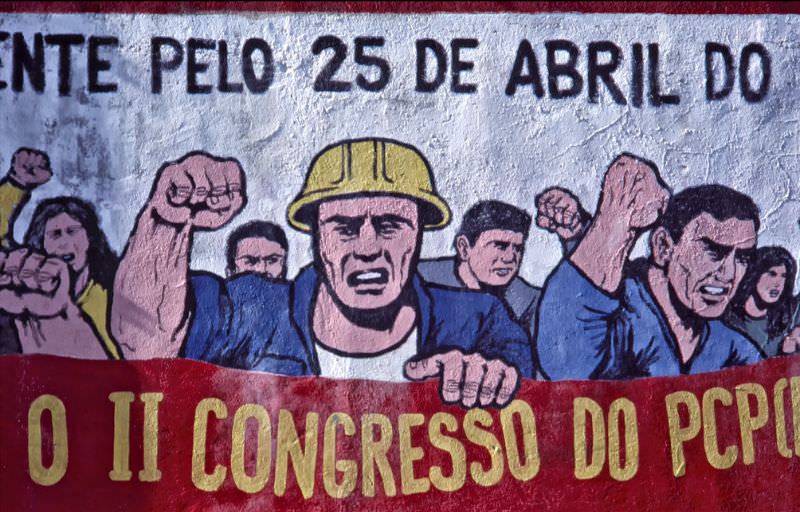
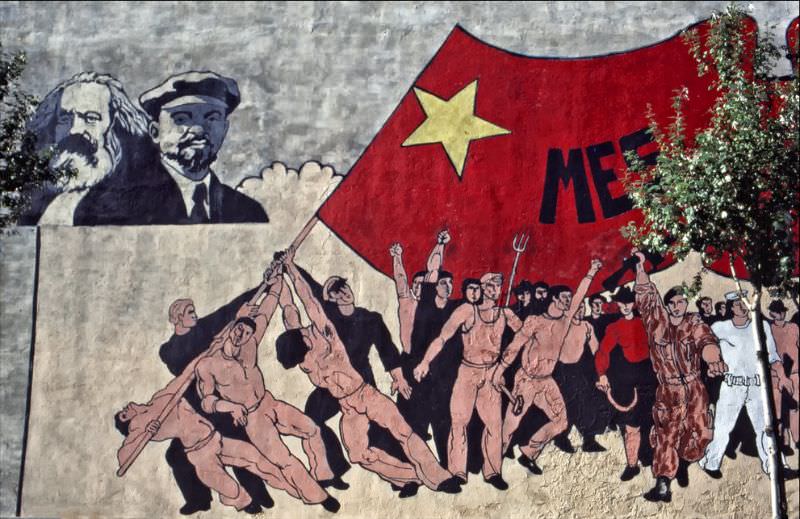
The political landscape of Portugal shifted violently in April 1974. A military coup, known as the Carnation Revolution, ended nearly five decades of authoritarian rule. Soldiers took positions outside key government buildings, including the Ministry of Defense in Lisbon. The revolution got its name from carnations that citizens placed in the barrels of soldiers’ rifles. After the coup, murals celebrating the revolution appeared across Lisbon’s walls.
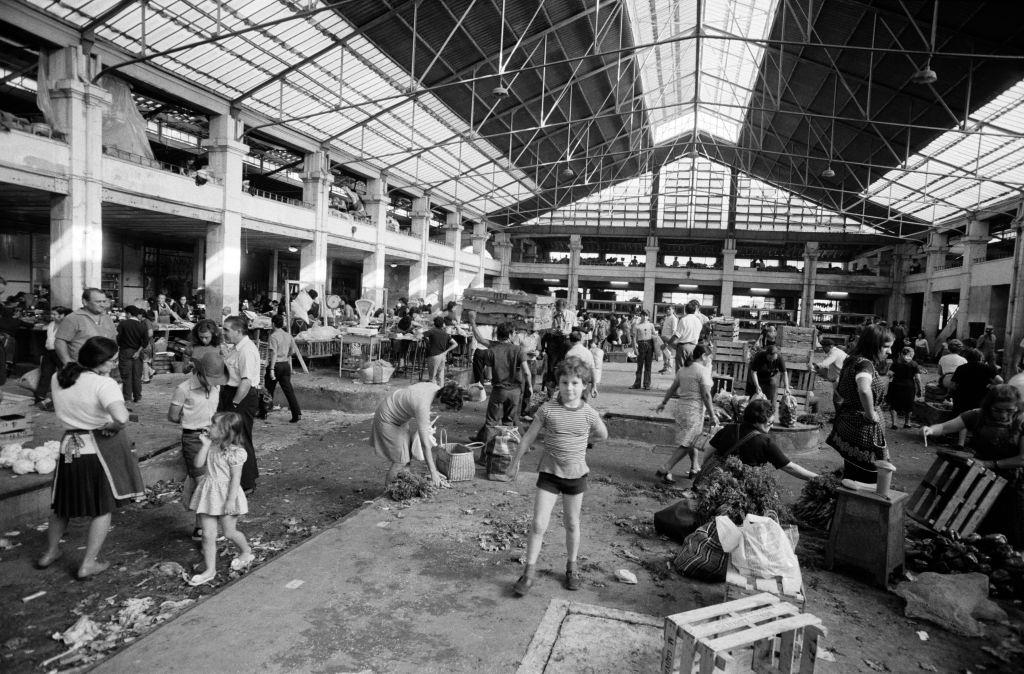
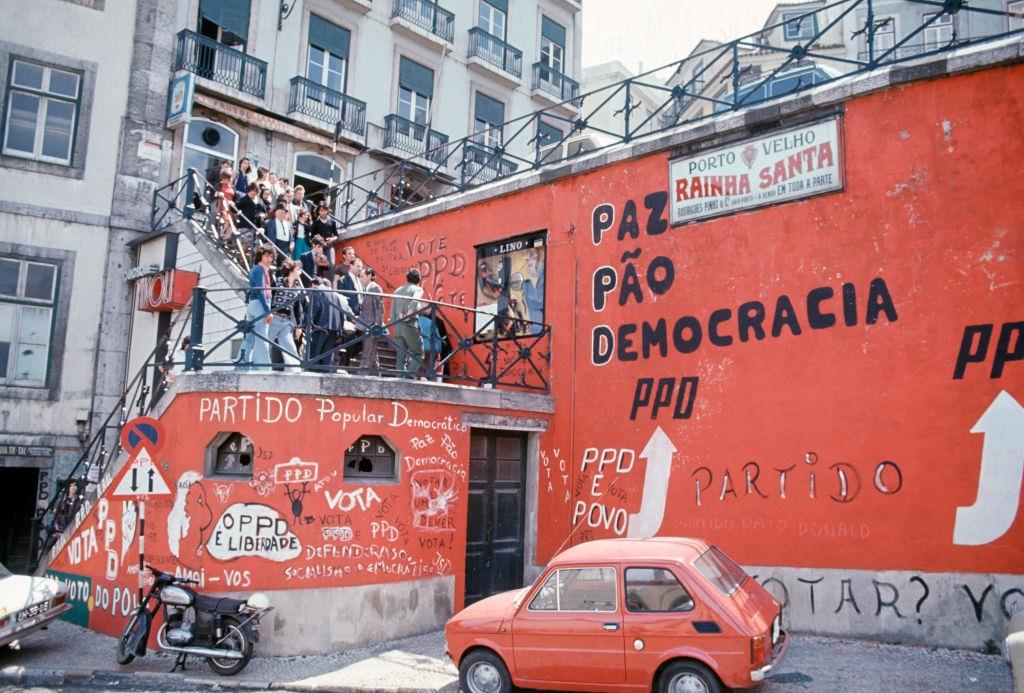
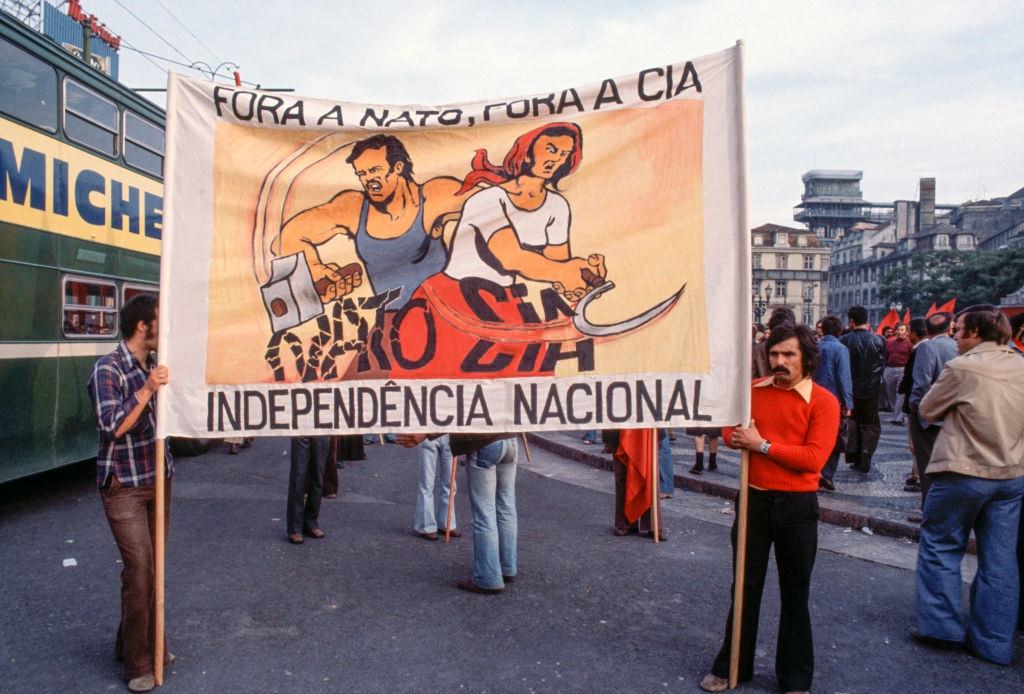
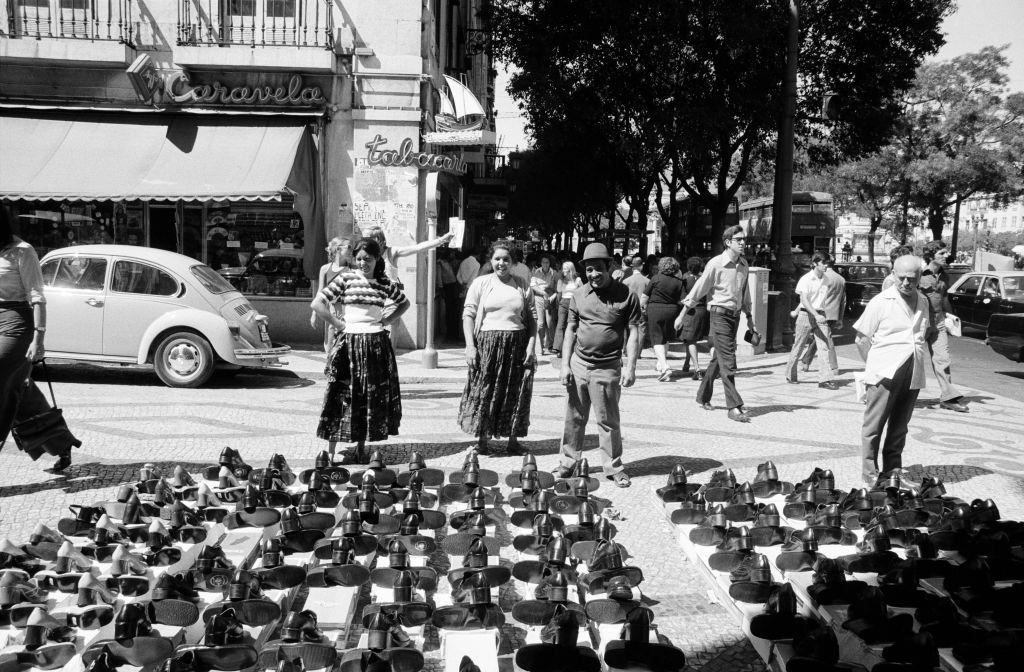
The months that followed were turbulent. On August 27, 1974, a failed right-wing coup attempt threw Lisbon into brief chaos. Life in the city’s markets continued even as the political situation remained unstable. Pacifist graffiti appeared on walls in 1975, and signs calling for national independence reflected the deep divisions in Portuguese society during this period.
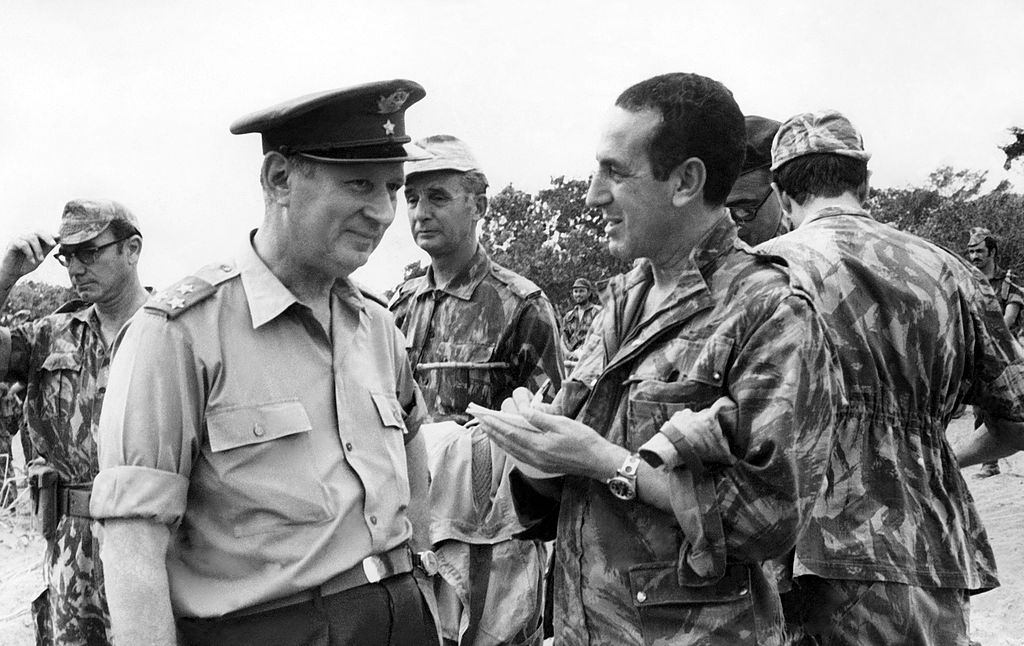
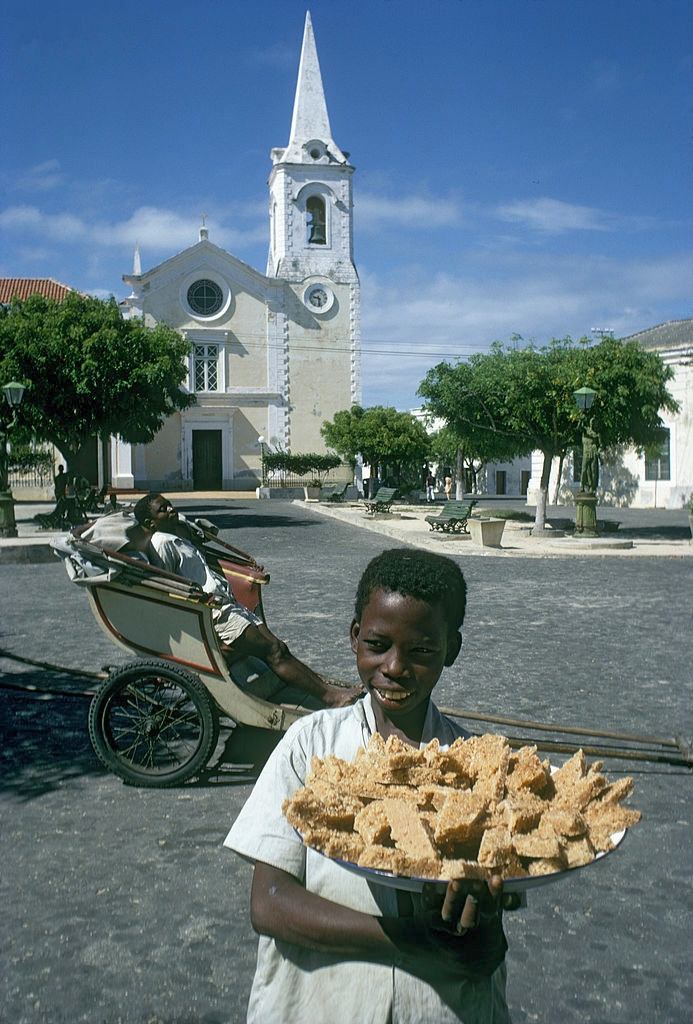
Portugal’s colonial war had been grinding on since 1961, fought across Angola, Mozambique, and other African territories. The Carnation Revolution brought that war to an end. General Kaulza de Arriaga had served as Commander in Chief of the Armed Forces in Mozambique during the conflict. The Ilha de Moçambique, a small island that had served as a major colonial administrative center, was among the territories that gained independence as Portugal dismantled its overseas empire.
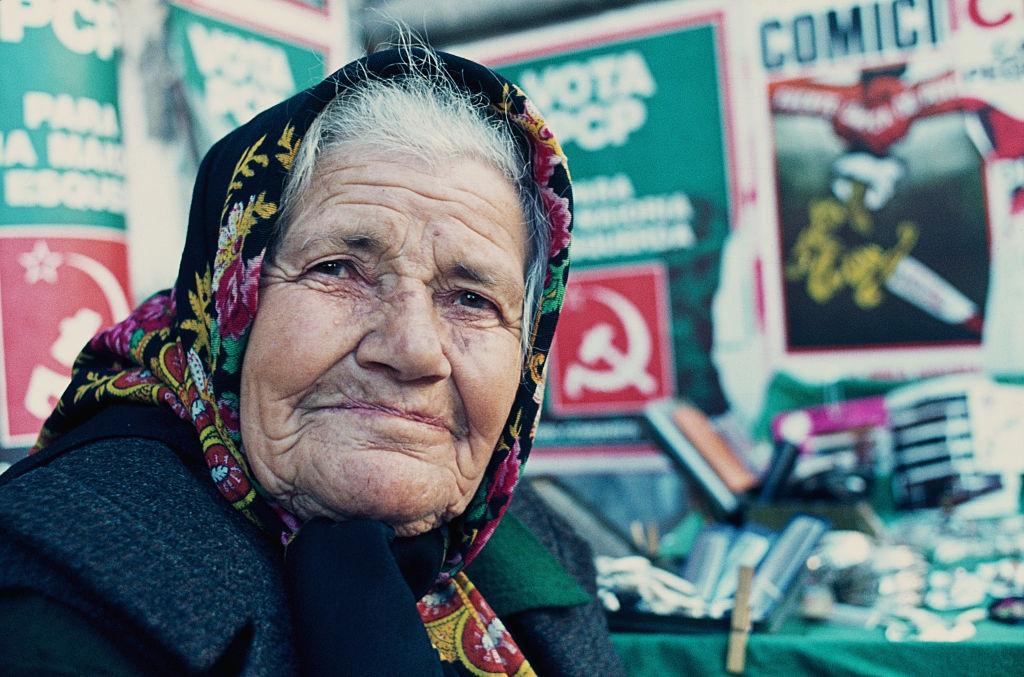
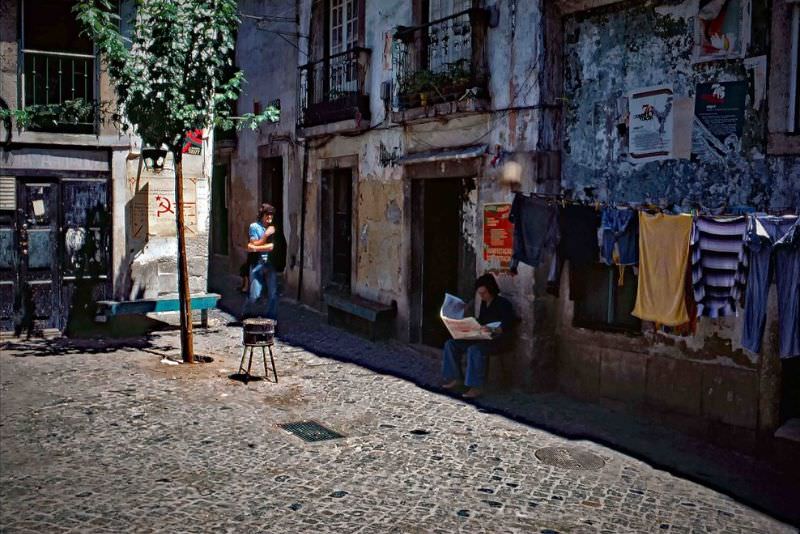
Back inside Portugal, political posters from the Portuguese Communist Party covered walls, and an elderly woman stood before them — a quiet image that spoke to how politics had seeped into every corner of daily life. Communist Party posters became a common sight after the revolution lifted the ban on opposition parties that had existed under the previous dictatorship.
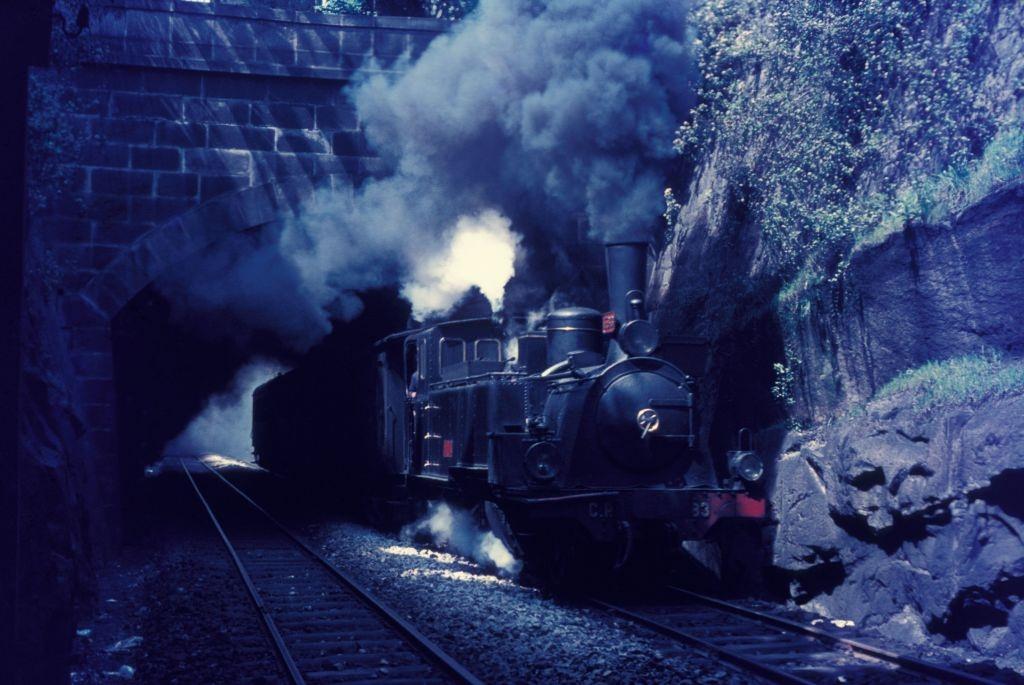
Portugal’s rail network was aging but functional. Out of Porto’s Trindade station, a narrow-gauge suburban line still ran steam-powered locomotives. A Kessler-built 2-6-0T engine from 1886 pulled trains toward Fafe as late as September 1970. The sight of a 19th-century locomotive in regular service spoke to how slowly some parts of Portugal’s infrastructure had changed.
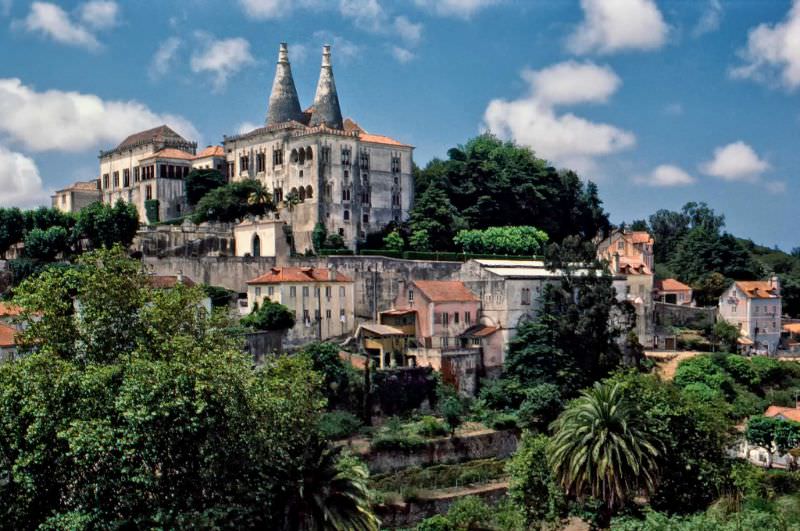
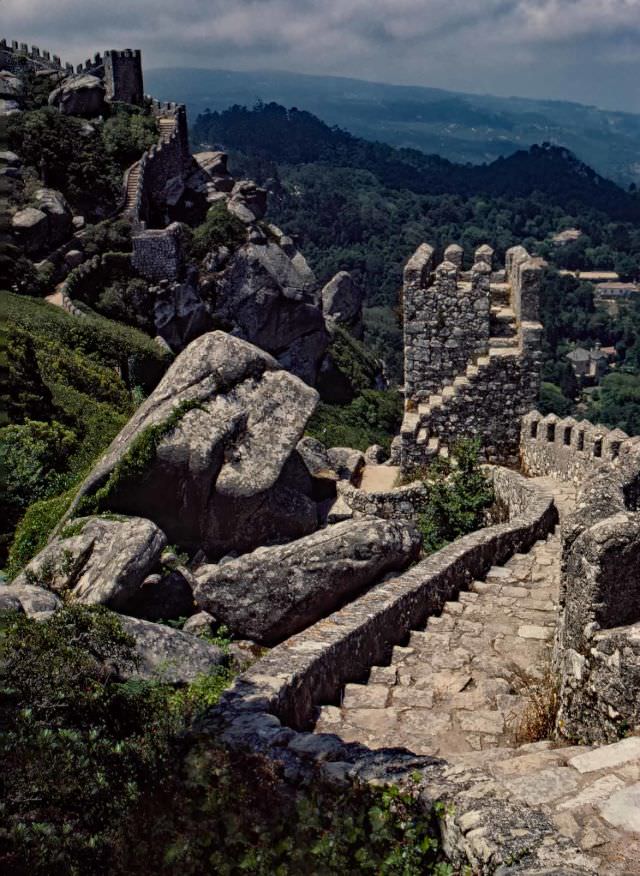
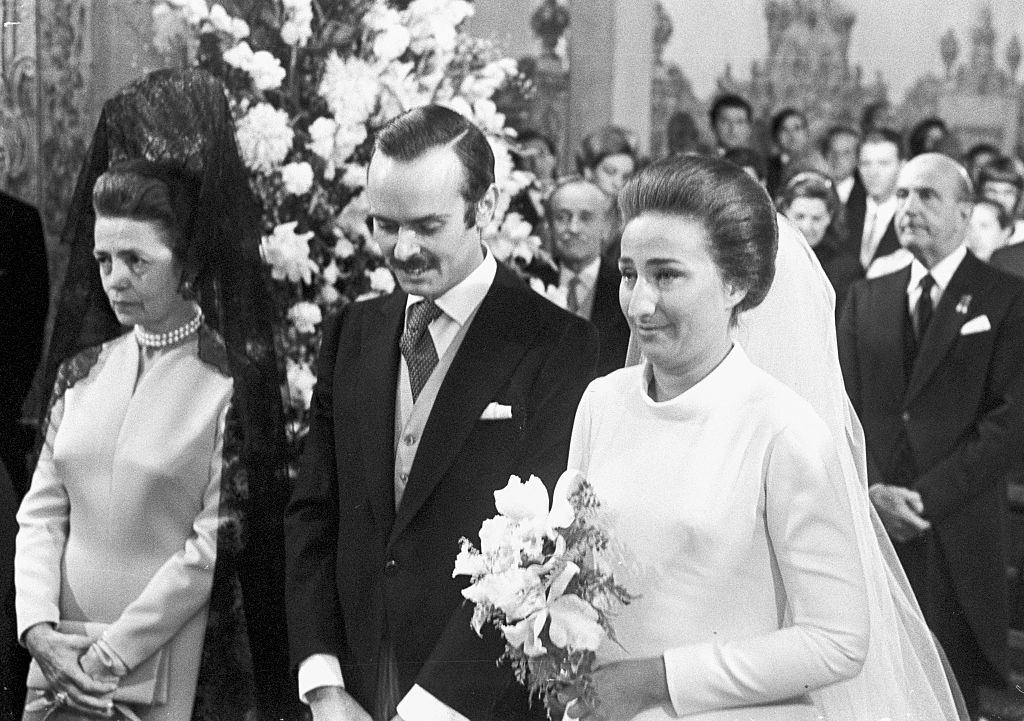
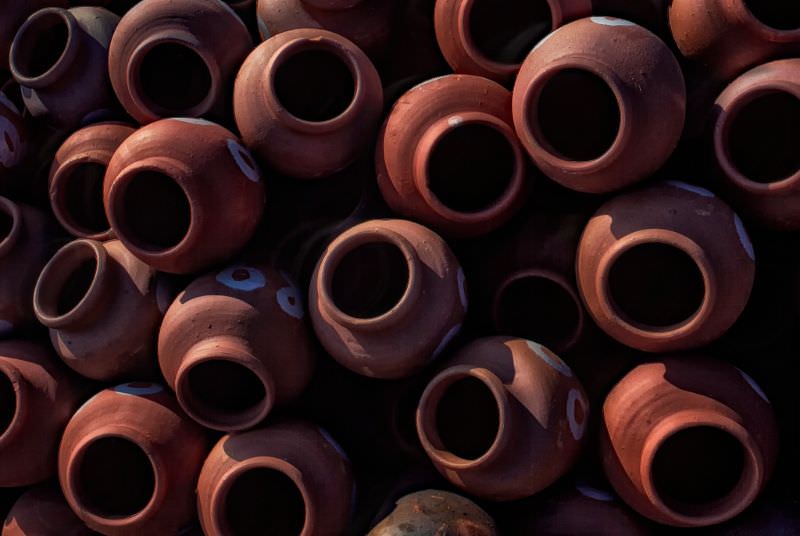
In 1973, the medieval town of Sintra drew visitors with its National Palace and the ancient Castle of the Moors perched high above the town on a forested hillside. Nearby Estoril made international headlines when it hosted the wedding of Princess Margarita of Bourbon and Carlos Zurita that same year. Sintra’s local craftspeople continued producing terracotta pottery, keeping traditional crafts alive.
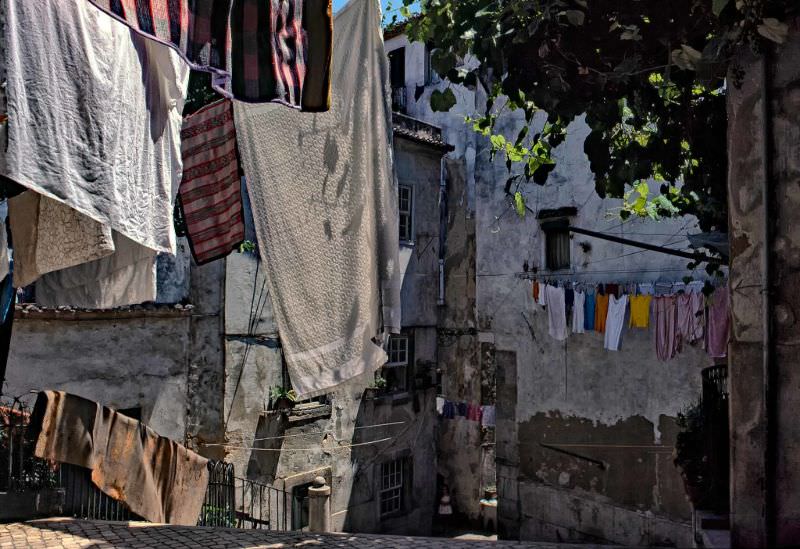
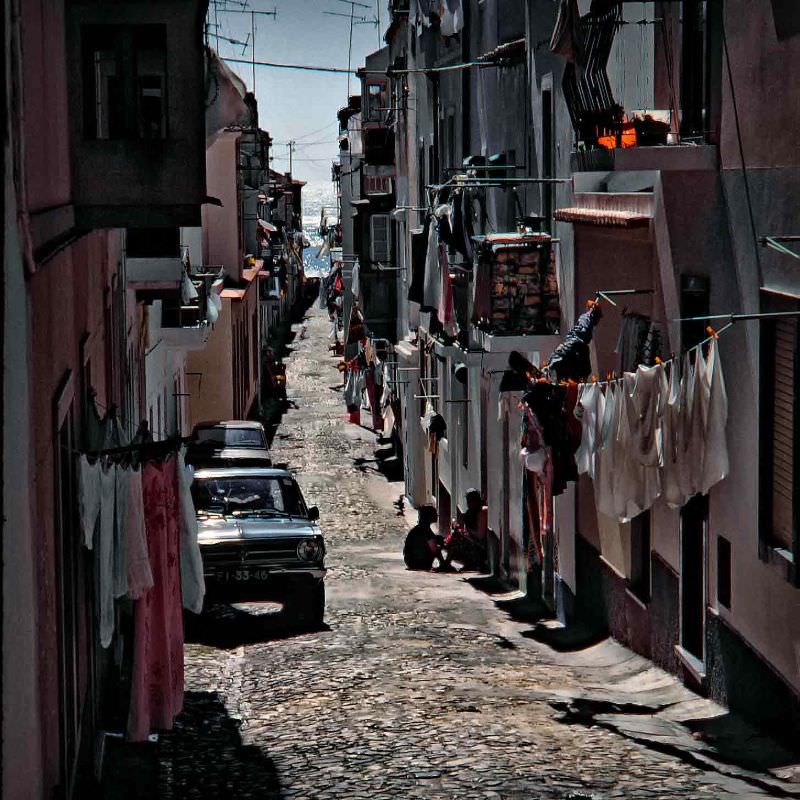
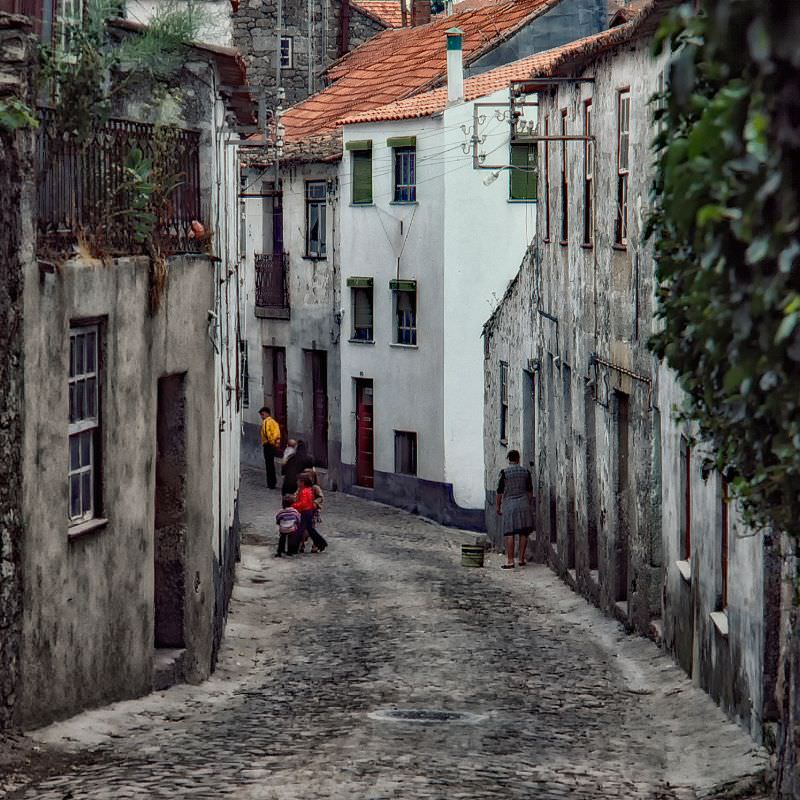
The Alfama district of Lisbon, known as the neighborhood of the poor, showed a different face of the capital. Laundry hung between buildings on wash days, children played on uneven cobblestones, and neighbors lived packed tightly together in old stone houses. The district’s narrow lanes and stairways had changed little over centuries.
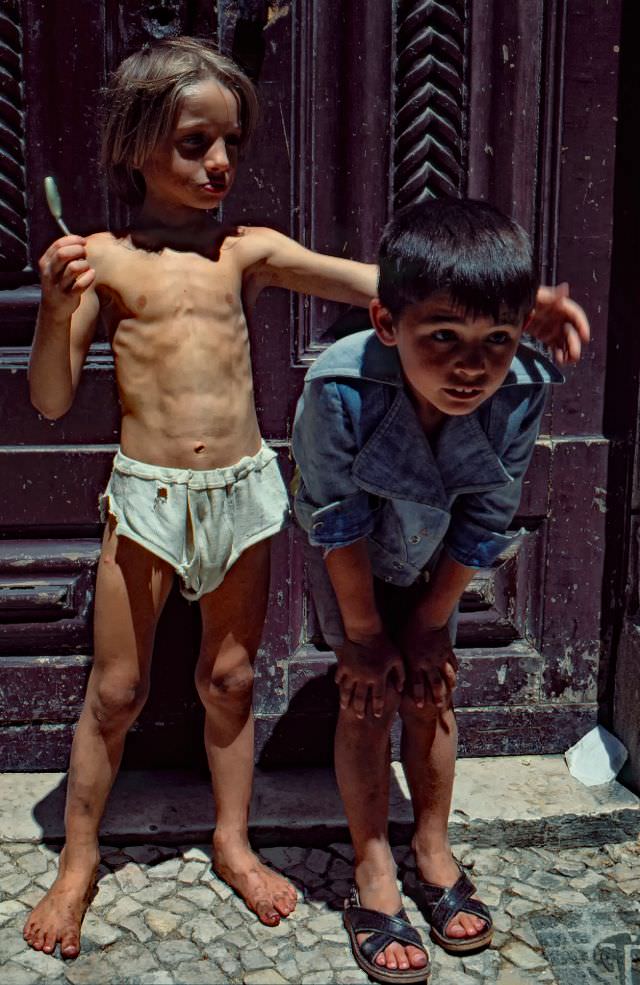
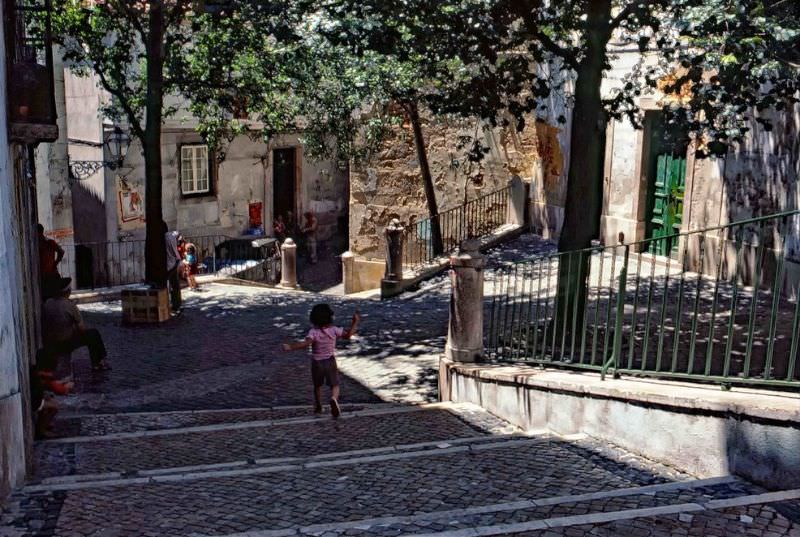
In Sagres, at the southwestern tip of Portugal, women embroidered fabric in the open air — younger women learning the craft by watching their elders work. The town’s fishing boats sat in the harbor, ready for the next trip out to sea. In Sines, the day’s catch was laid out on the beach, and fishermen worked through it with practiced efficiency.
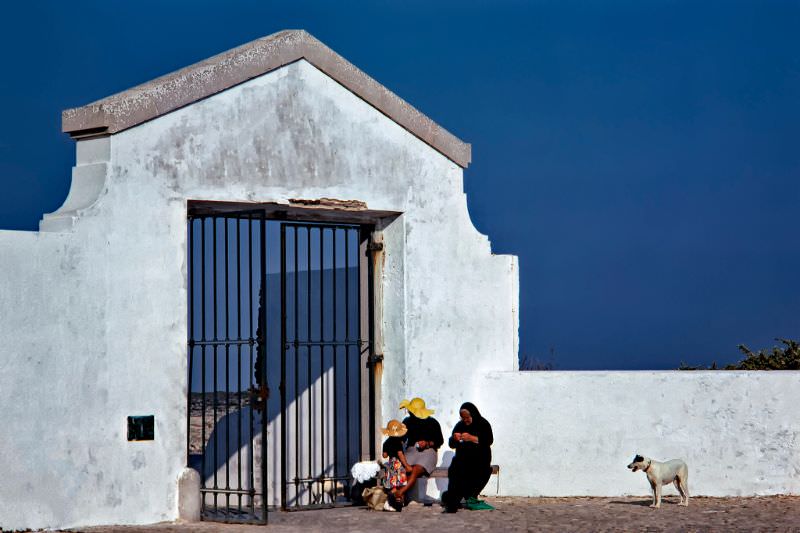
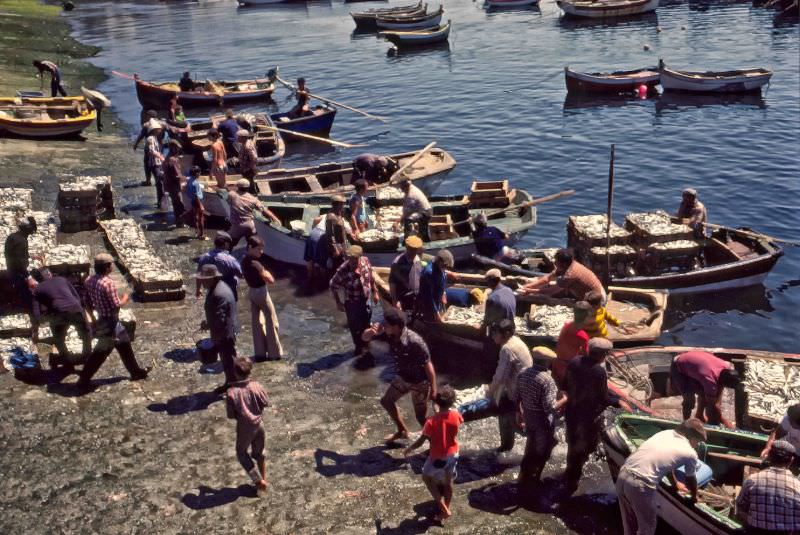
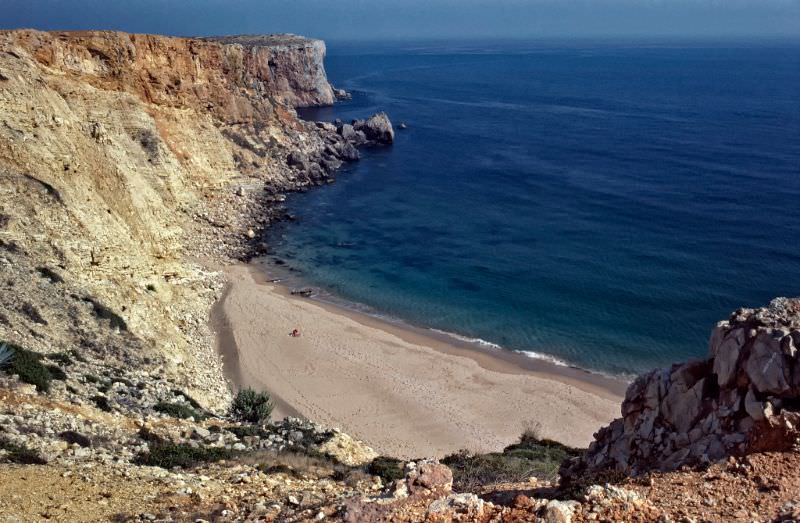
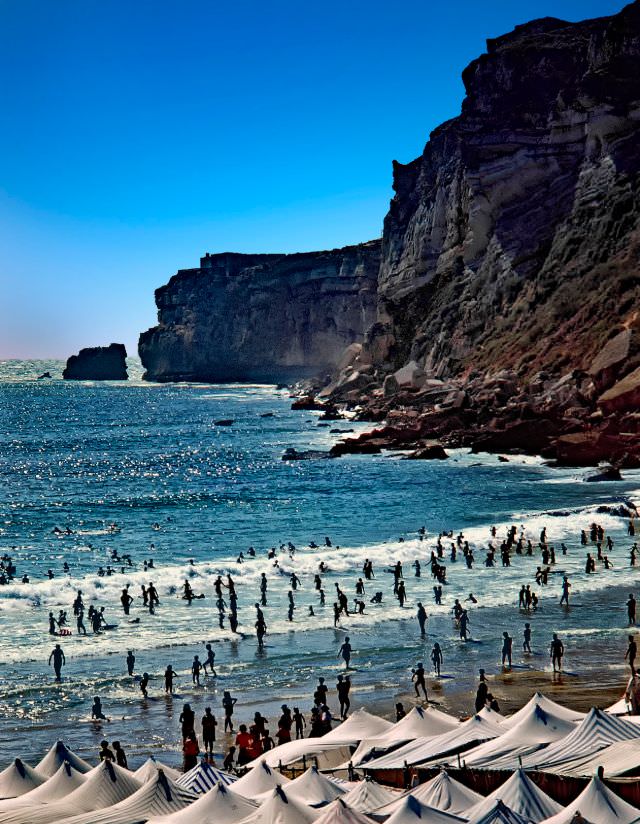
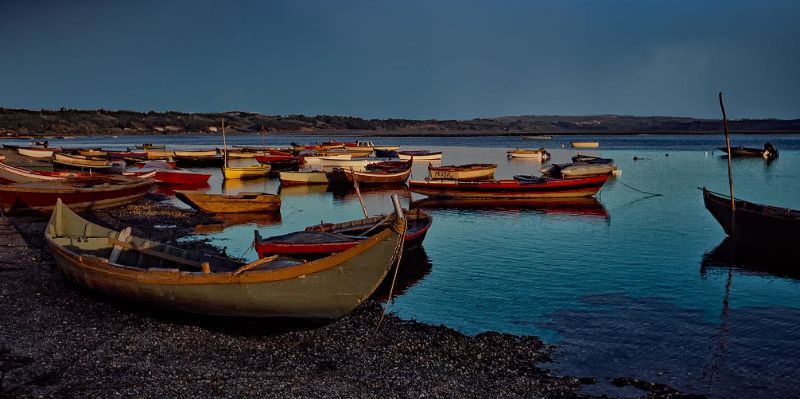
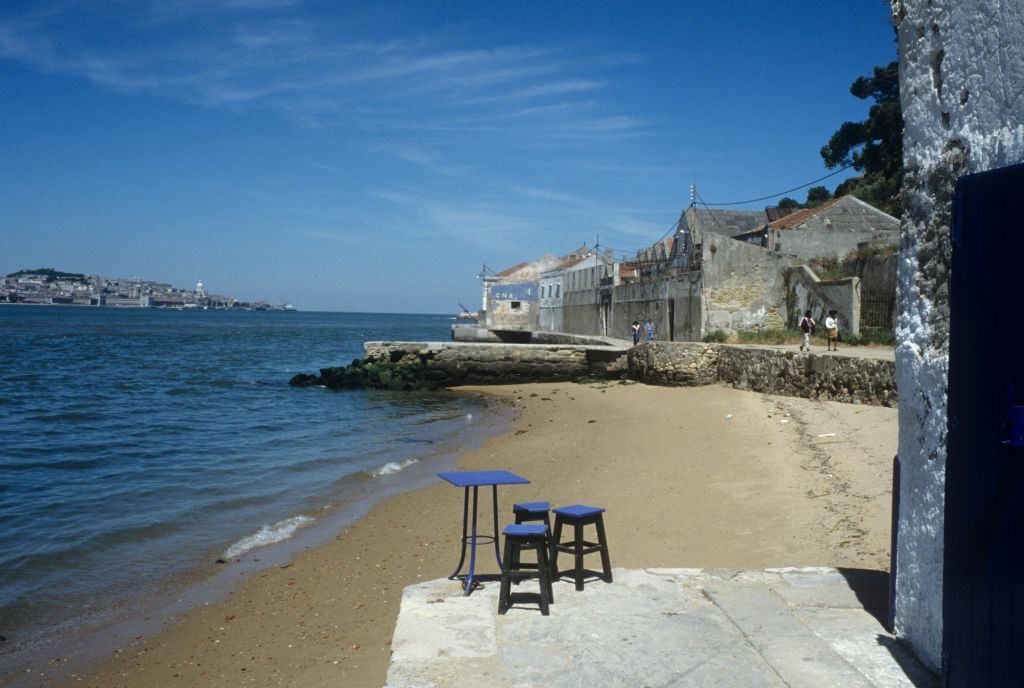
The beaches of Portugal offered both work and leisure. At Praia do Tonel in Sines, the rugged Atlantic coastline stretched out under wide open skies. In Nazaré, women and children moved along the beach while fishermen went about their routines nearby. The coastal town of Figueira da Foz and the lagoon beach of Foz-do-Arelho captured the quieter, unhurried atmosphere of Portugal’s shoreline in those years.
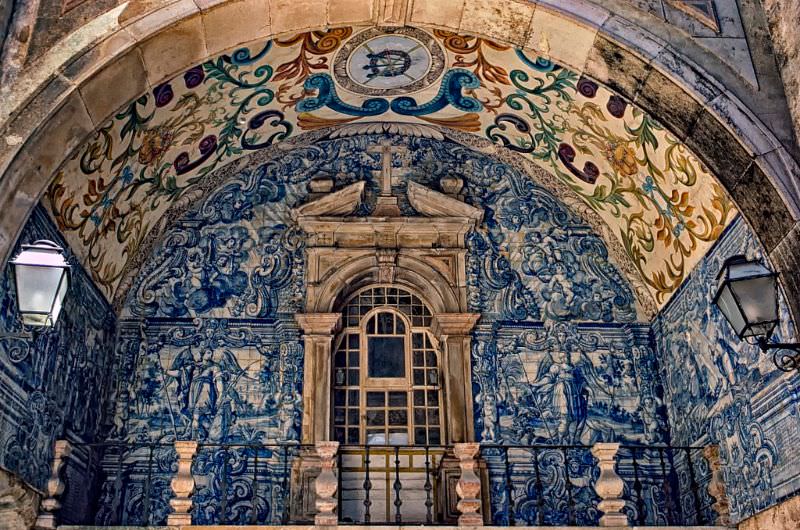
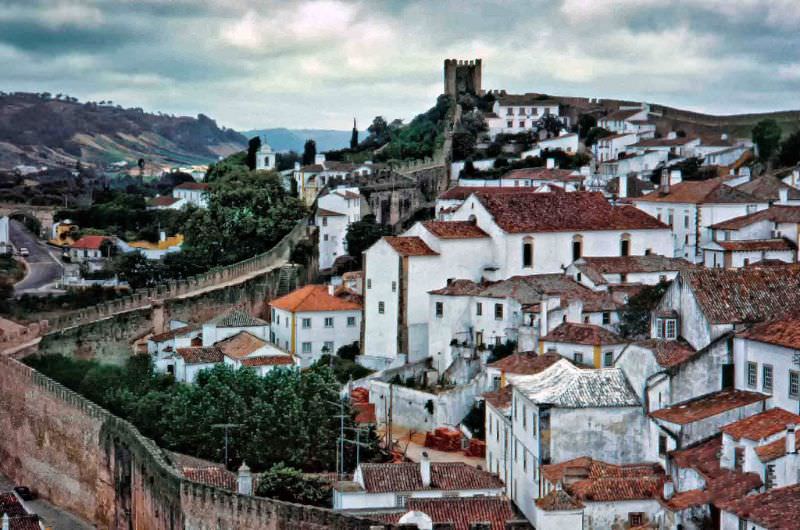
The walled town of Óbidos stood as one of Portugal’s best-preserved medieval settlements. Its chapel featuring the Door of the Lady of Piety, set into the old city walls, was a landmark that had stood for centuries. The town of Coimbra, home to one of Europe’s oldest universities, sat along the Rio Mondego — its riverbanks offering a calm contrast to the political noise echoing across Portugal in 1974.
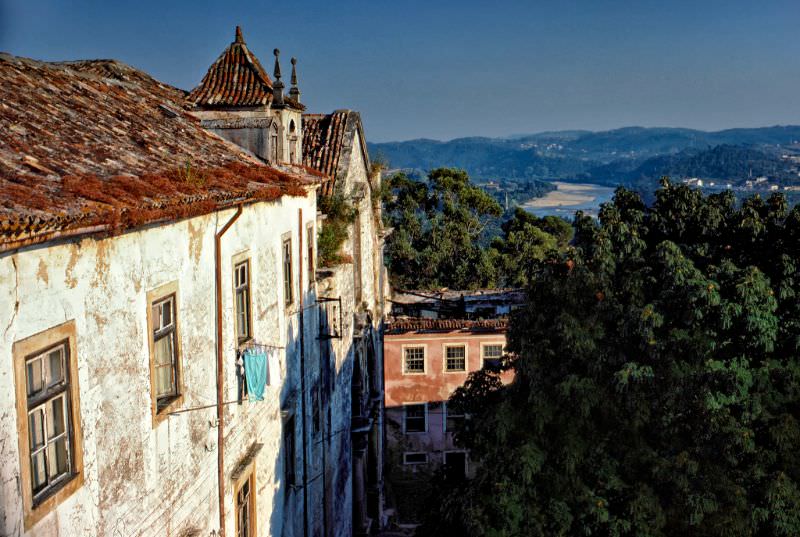
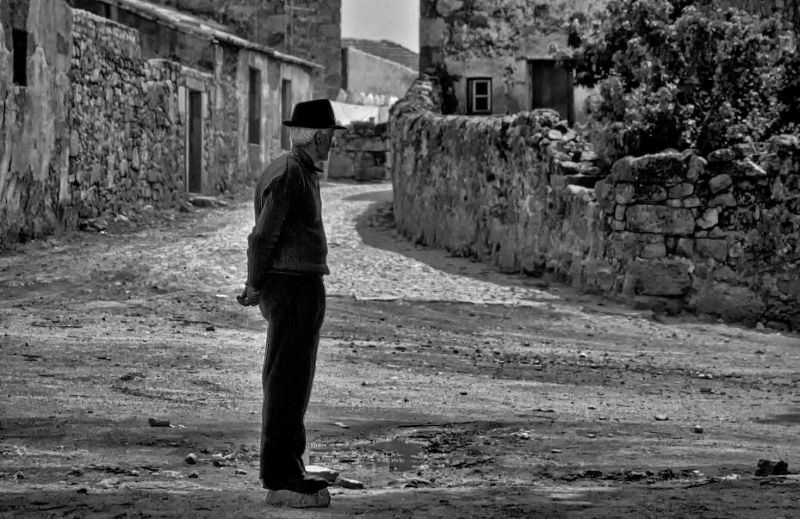
The beach resort of Praia das Maçãs, north of Sintra along the Atlantic coast, drew visitors in the summer months. In Guarda, Portugal’s highest city, residents went about their days against a backdrop of granite buildings and open mountain views. A man watched time pass from a stone seat — a simple, unhurried moment that captured the mood of much of Portugal’s interior during the 1970s.
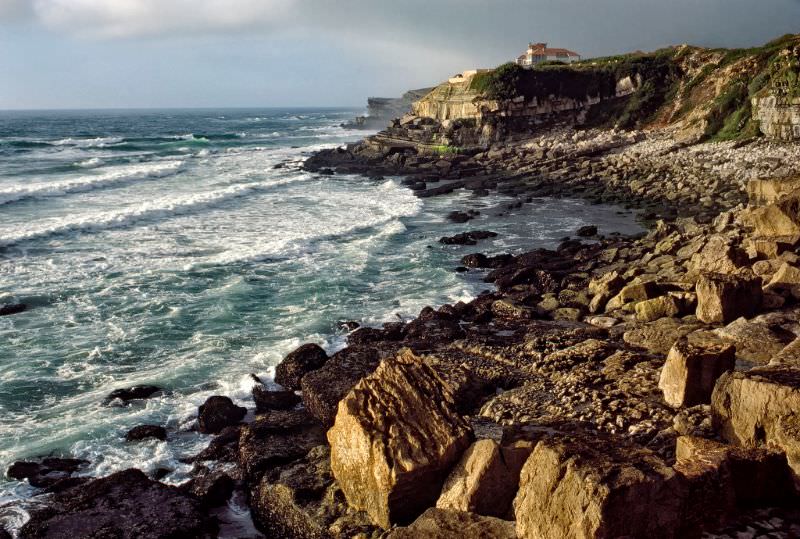
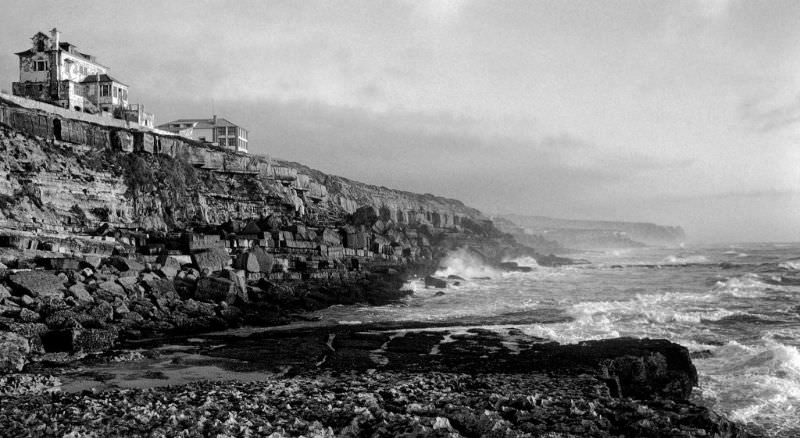
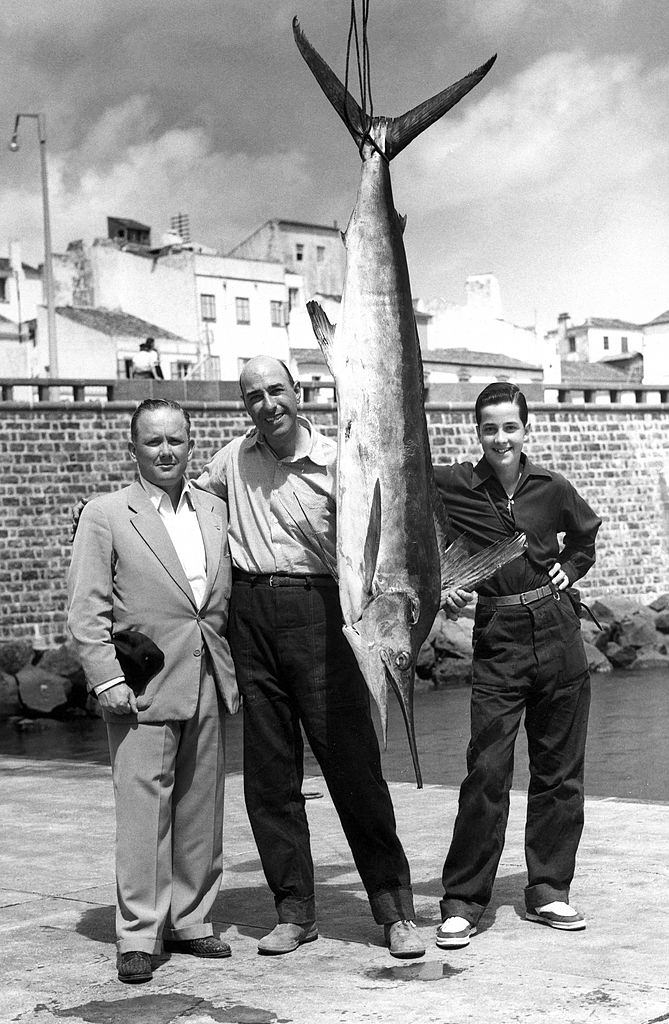
Elsewhere across Portugal, a large white marlin caught off the coast drew admiring onlookers, and the old streets of Lisbon in August 1974 sat quiet under the summer sun just weeks after the revolutionary upheaval. The city and the country were both, in their own ways, catching their breath.
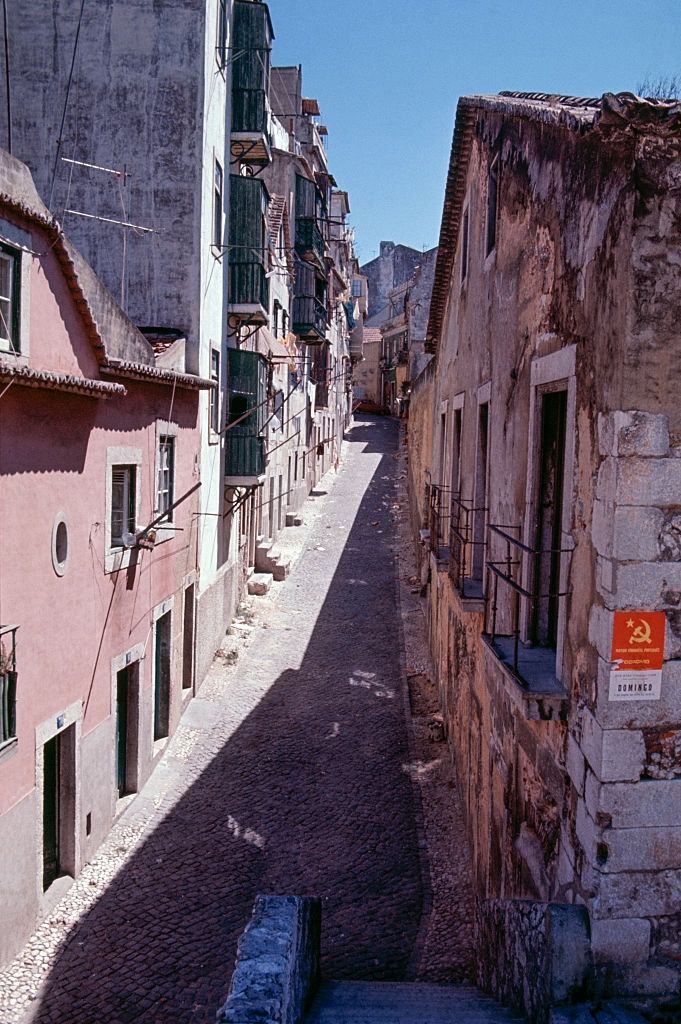





Could you see PCP posters in the year 1970?
Excellent pictures. Some are very representative of everyday life at the time, but it is also possible to see the extreme poverty experienced at the time.
I like the fans of the dictatorship who here uncritically repeat Marcello Caetano’s lunatic idea that the country would be Switzerland. In a country where there were slums and slums galore.
A series of images have the wrong dates. For example, there are some with PCP symbols identified as in 1970.
Can anyone tell me where I can find more information about the attempted coup by the right (supporters of the Estado Novo, I suppose) on August 27, 1974? I don’t remember ever reading about it, and Google isn’t helping.
The putative coup of the right is the events of September 1974, with the manifestation of the “silent majority” and the movements of Spínola.
It seems that some sympathizer of the Estado Novo woke up in the morning wanting to overthrow the PREC, saw that he was not going to make it to the city centre because transport was on strike, and struck the blow as a failure.
Oh? Are you not referring to Spínola’s resignation in September of that year?
Fascinating, very good!
Very interesting photos