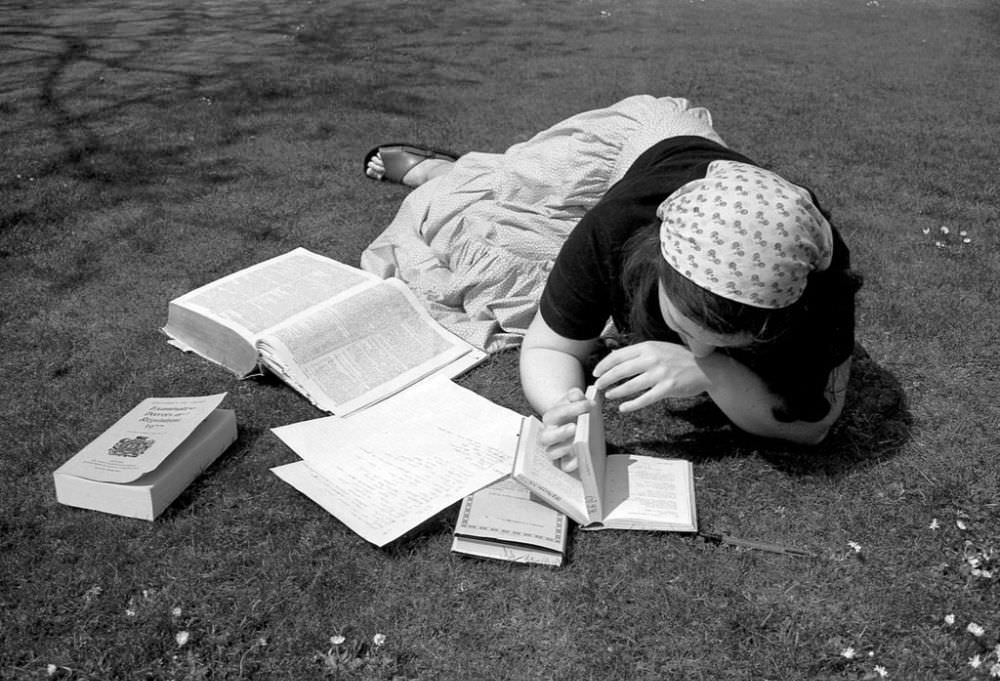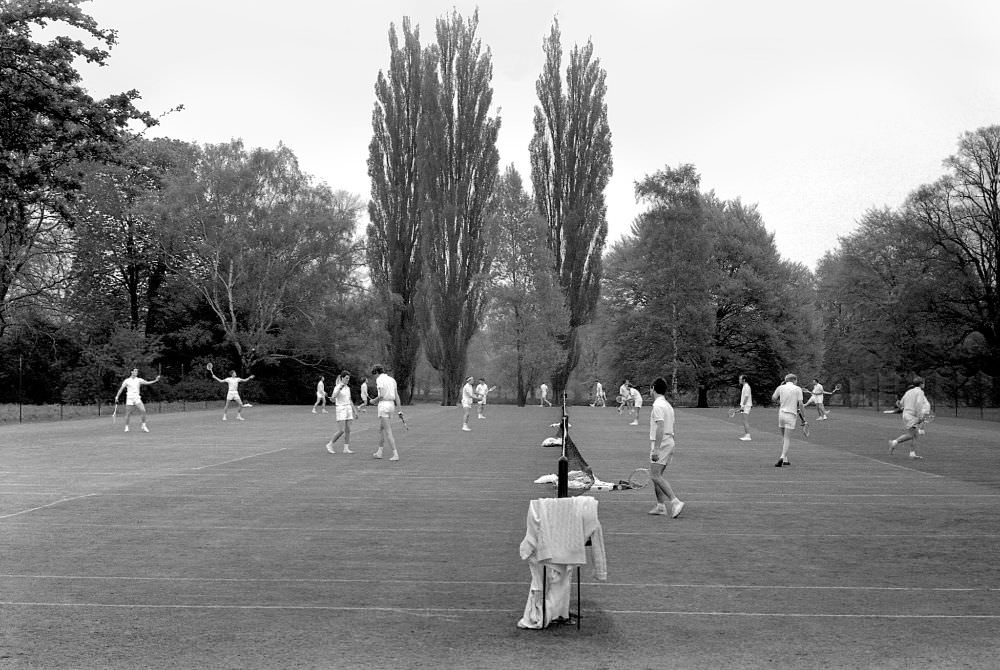

When most people think of Oxford University in the 1970s, they picture privilege — punting on the river, long afternoons on green lawns, and the easy confidence of England’s brightest young minds. British photographer Paddy Summerfield spent his summers inside that world, and what he found was something far more complicated. His photographs of Oxford students don’t celebrate the glamour of university life. They expose the quiet ache that runs underneath it.
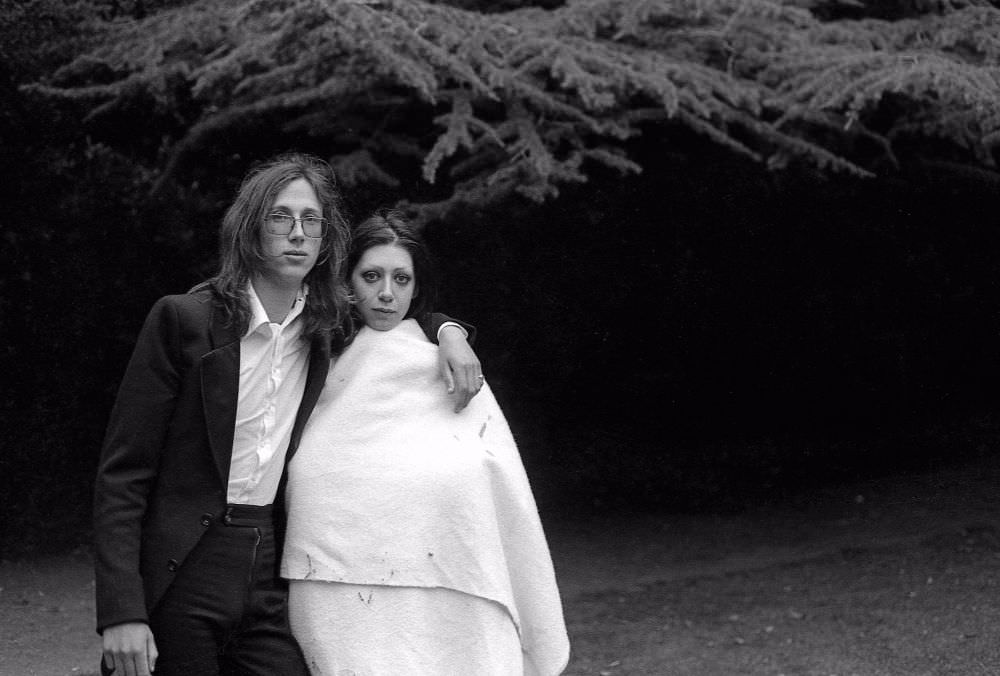
Summerfield shot his subjects in the places where student life naturally gathered — beside the rivers, on sunlit college lawns, in the open air of an English summer. The settings were beautiful. But Summerfield wasn’t interested in beauty for its own sake. He used those bright, familiar surroundings to frame something much harder to photograph: the inner life of a young person who isn’t sure of themselves.
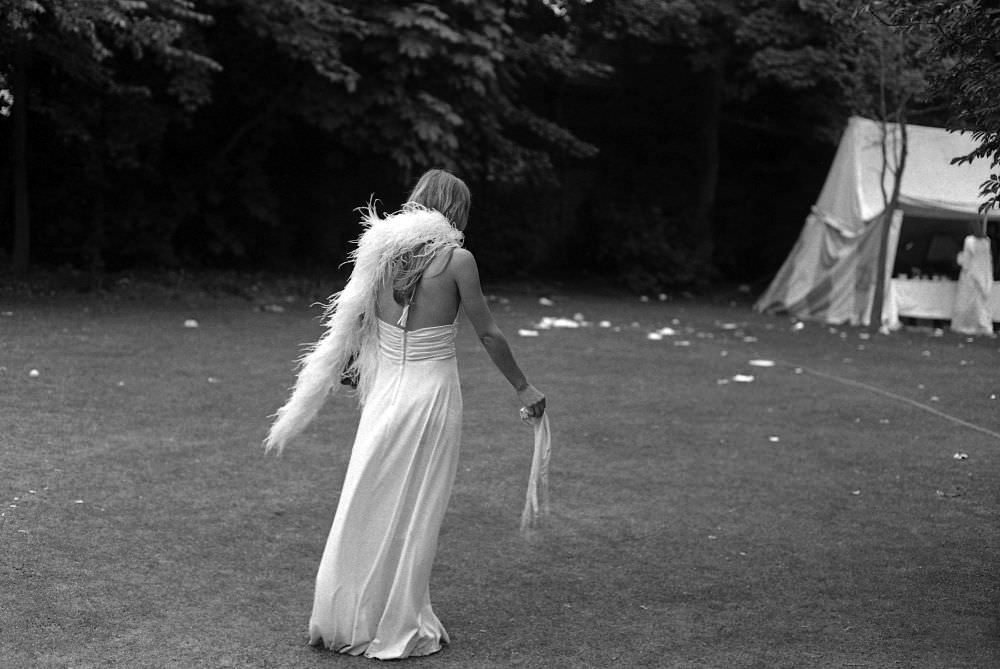
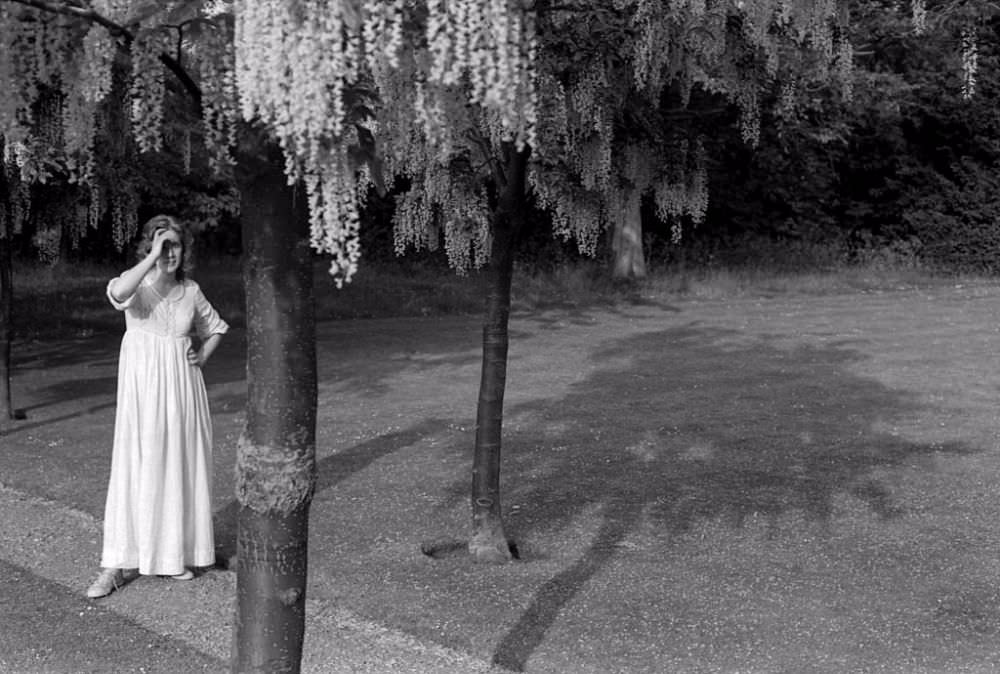
His approach was psychological. He was drawn to the tension between wanting closeness and feeling cut off from it — the gap between longing for love and the anxiety that gets in the way. These aren’t pictures of students laughing at parties. They’re pictures of students standing slightly apart from the crowd, caught in a moment of self-consciousness or quiet withdrawal.
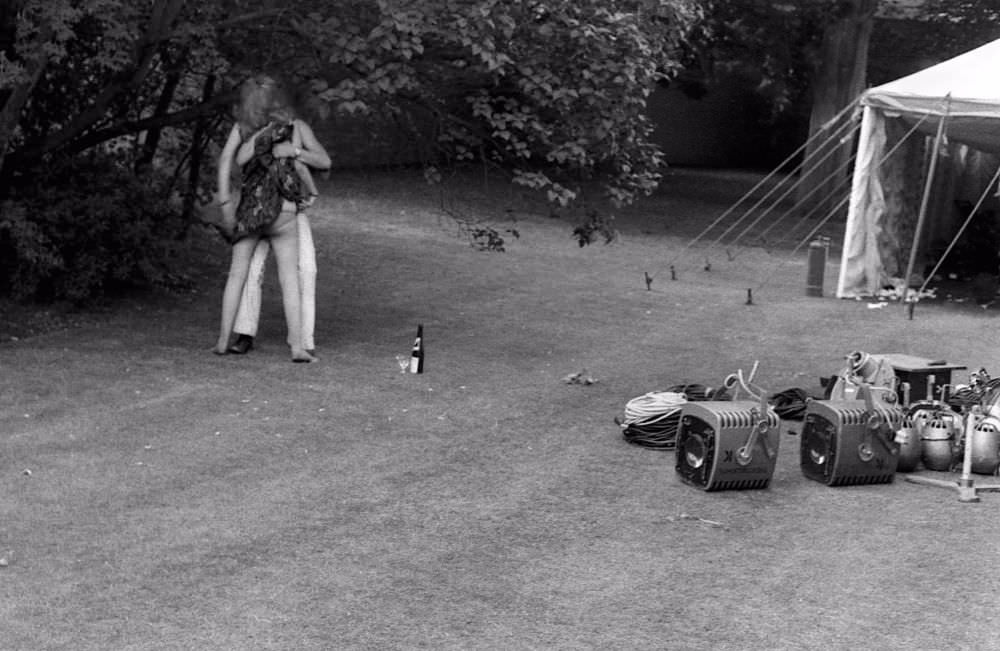
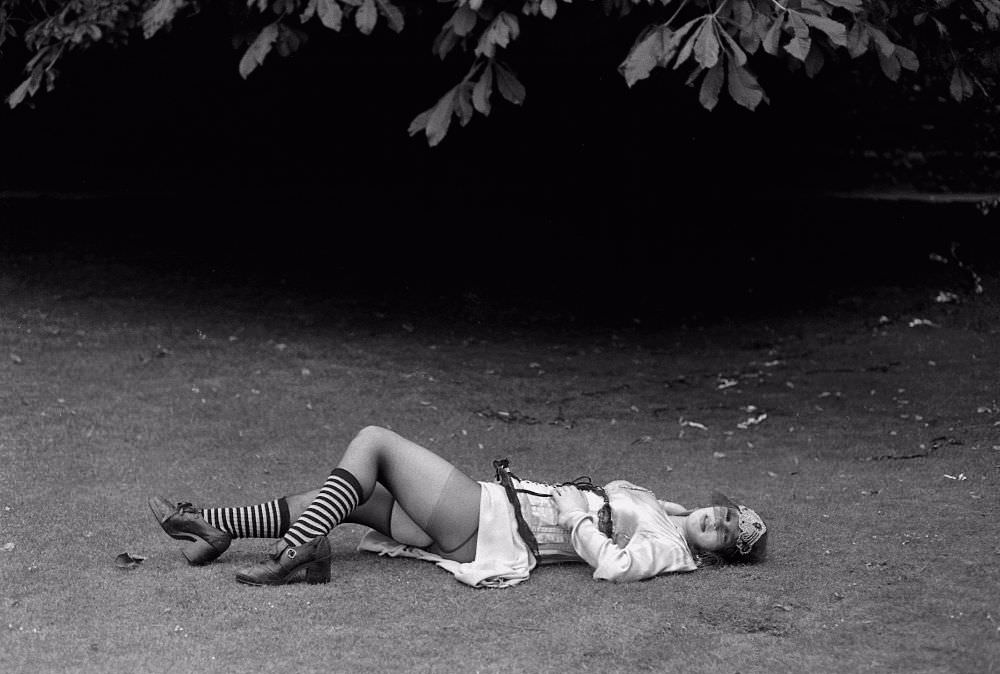
Summerfield has spoken openly about where this vision came from. “I was young and unsure and found a way to show this,” he said. “I felt like an outsider, and lonely, that there was always something going on, parties and drinking, but elsewhere.” He wasn’t just documenting students — he was working through his own experience of being on the edge of a social world that seemed to exist just out of reach.
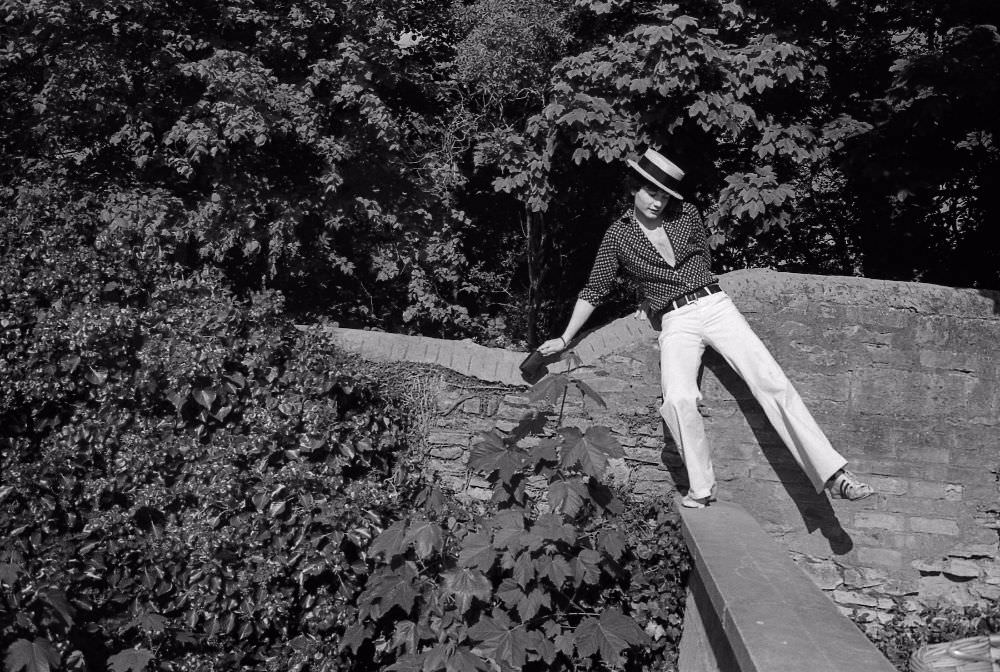
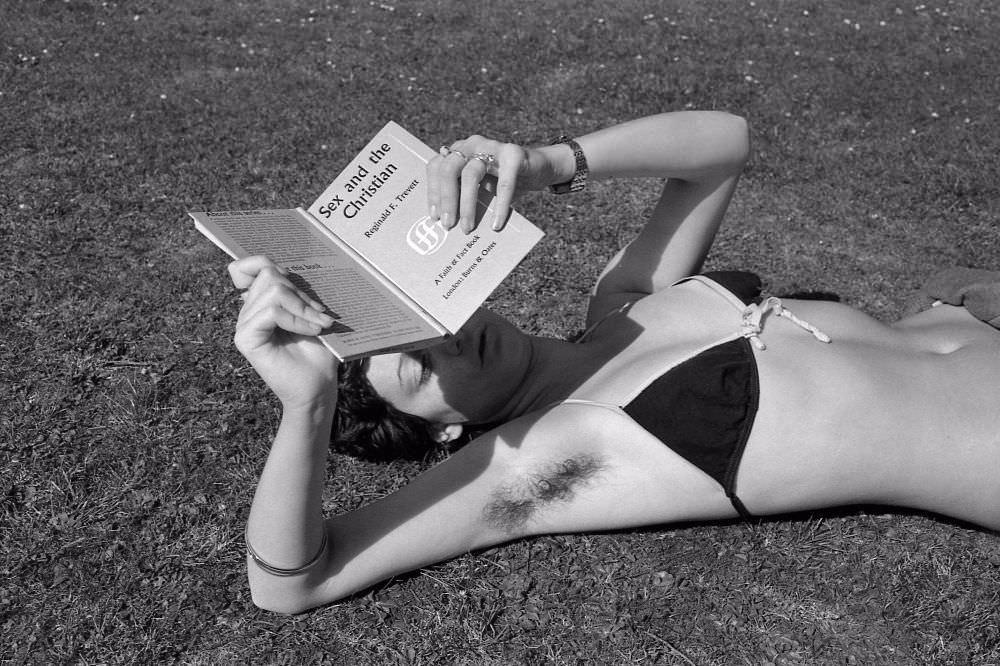
That personal investment is visible in the images. Solitary figures appear again and again — a student alone by the water, a face turned slightly away from the camera, a body language that suggests both presence and distance. These weren’t posed moments. Summerfield captured what was already there, recognizing in his subjects the same feelings he carried himself.
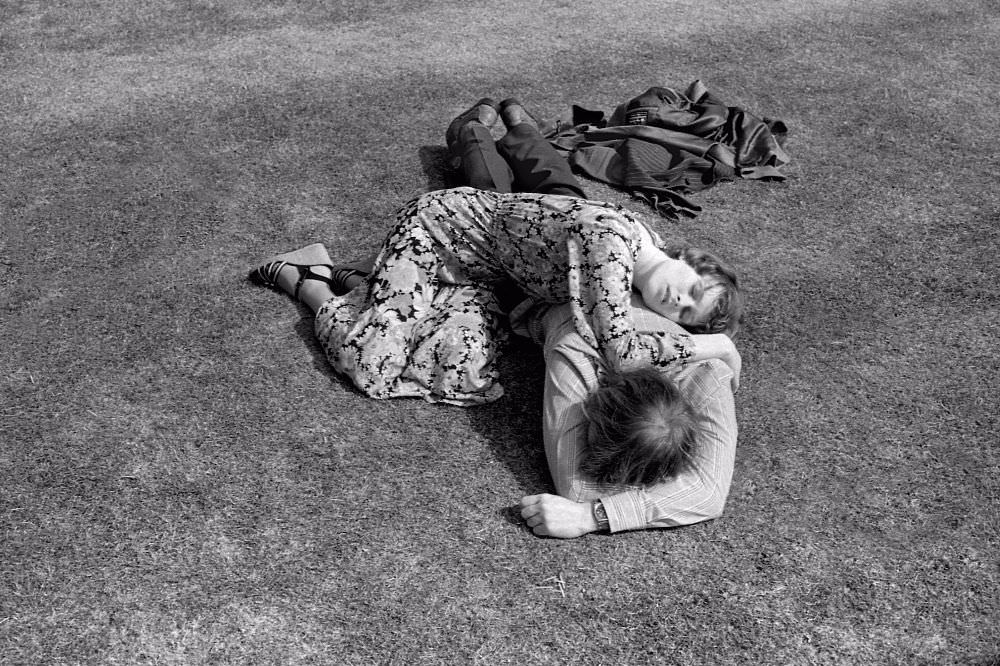
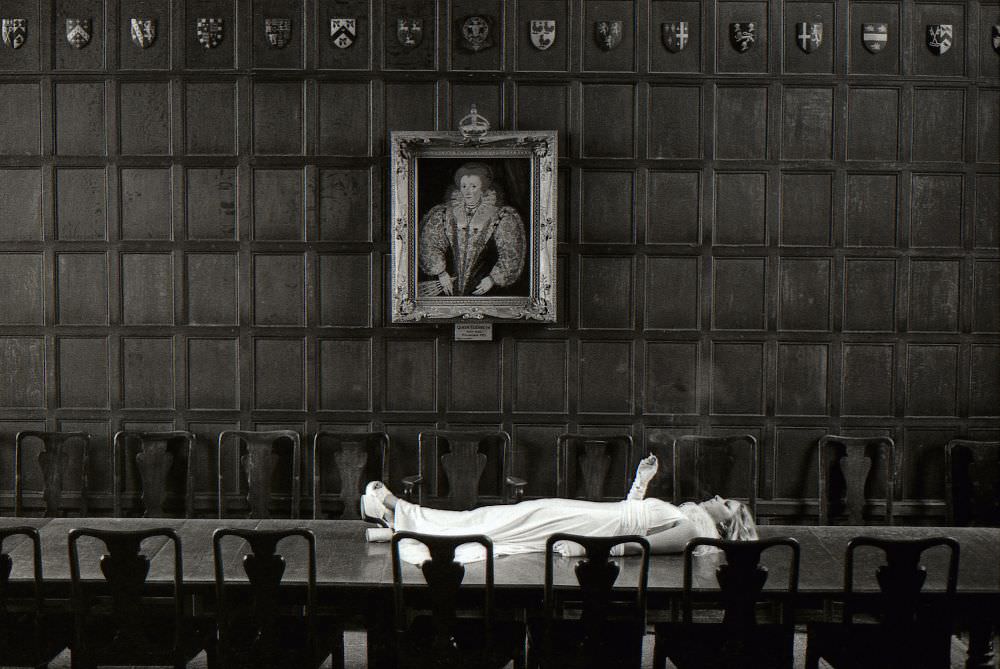
Oxford in the 1970s was still a place of sharp social divisions. The university carried centuries of tradition and class, and not everyone who walked through its gates felt they belonged there. For many students, especially those from outside the established elite, there was a constant awareness of being watched, judged, or simply out of place. Summerfield’s camera caught that awareness in small, telling details.
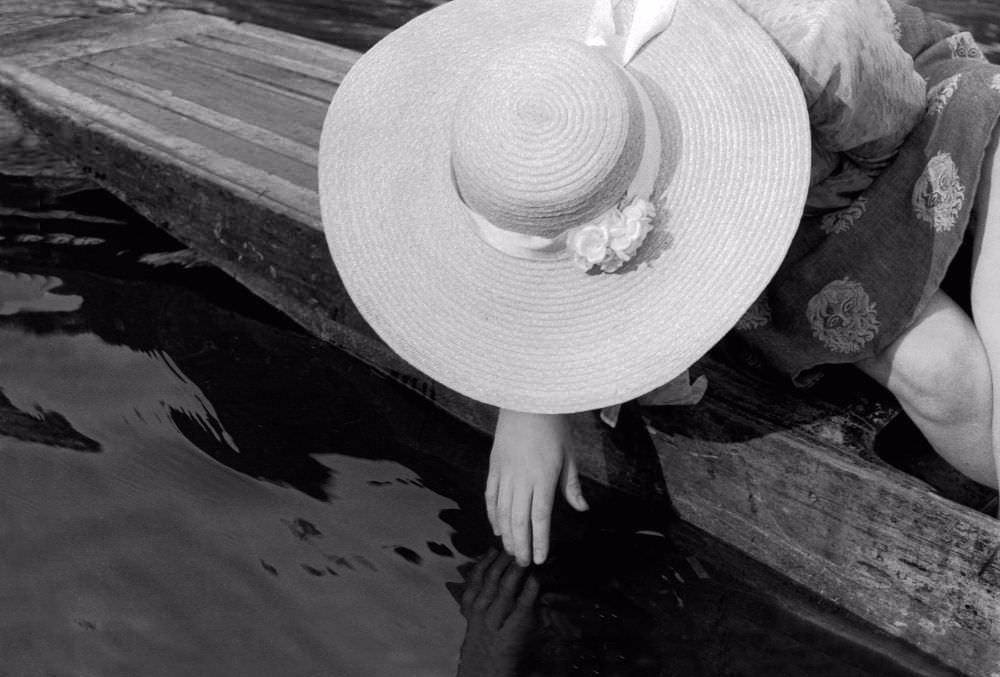
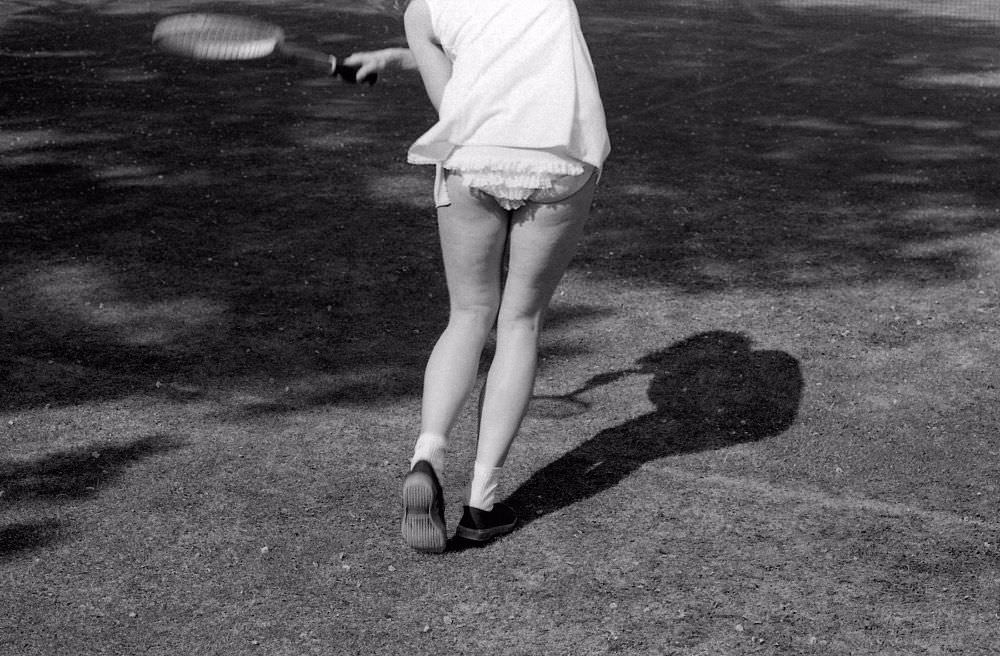
“Often, I sensed a loneliness in the students I photographed,” Summerfield said. “We were all lonely together.” That phrase captures something true about youth at any level of society — the way a room full of people can still feel isolating, the way everyone else always seems more comfortable than you are. At Oxford, surrounded by high expectations and centuries of stone, that feeling was amplified.
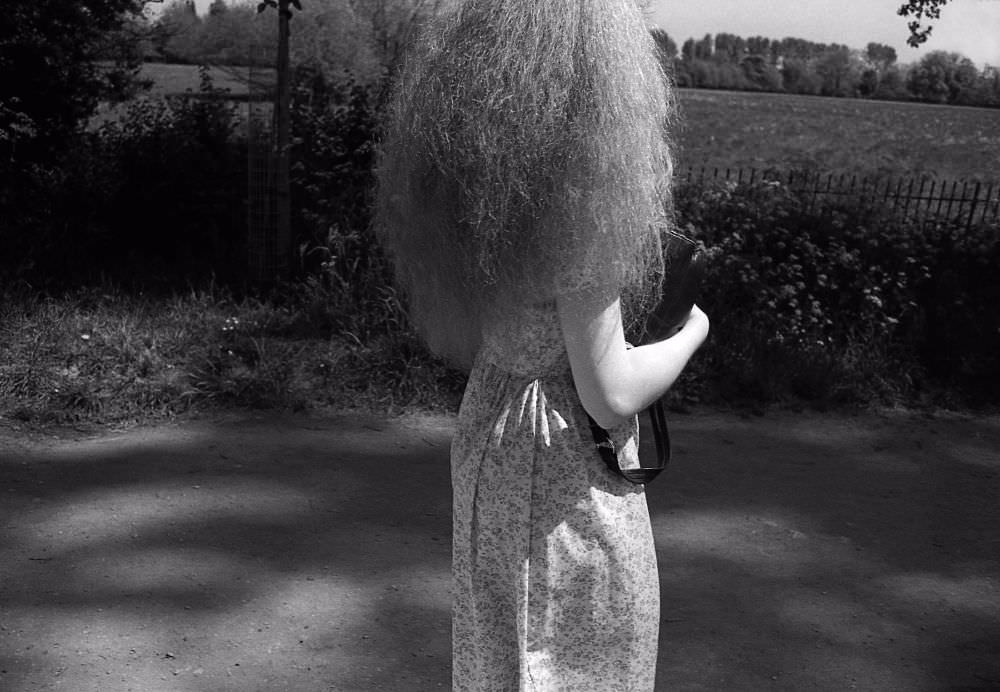
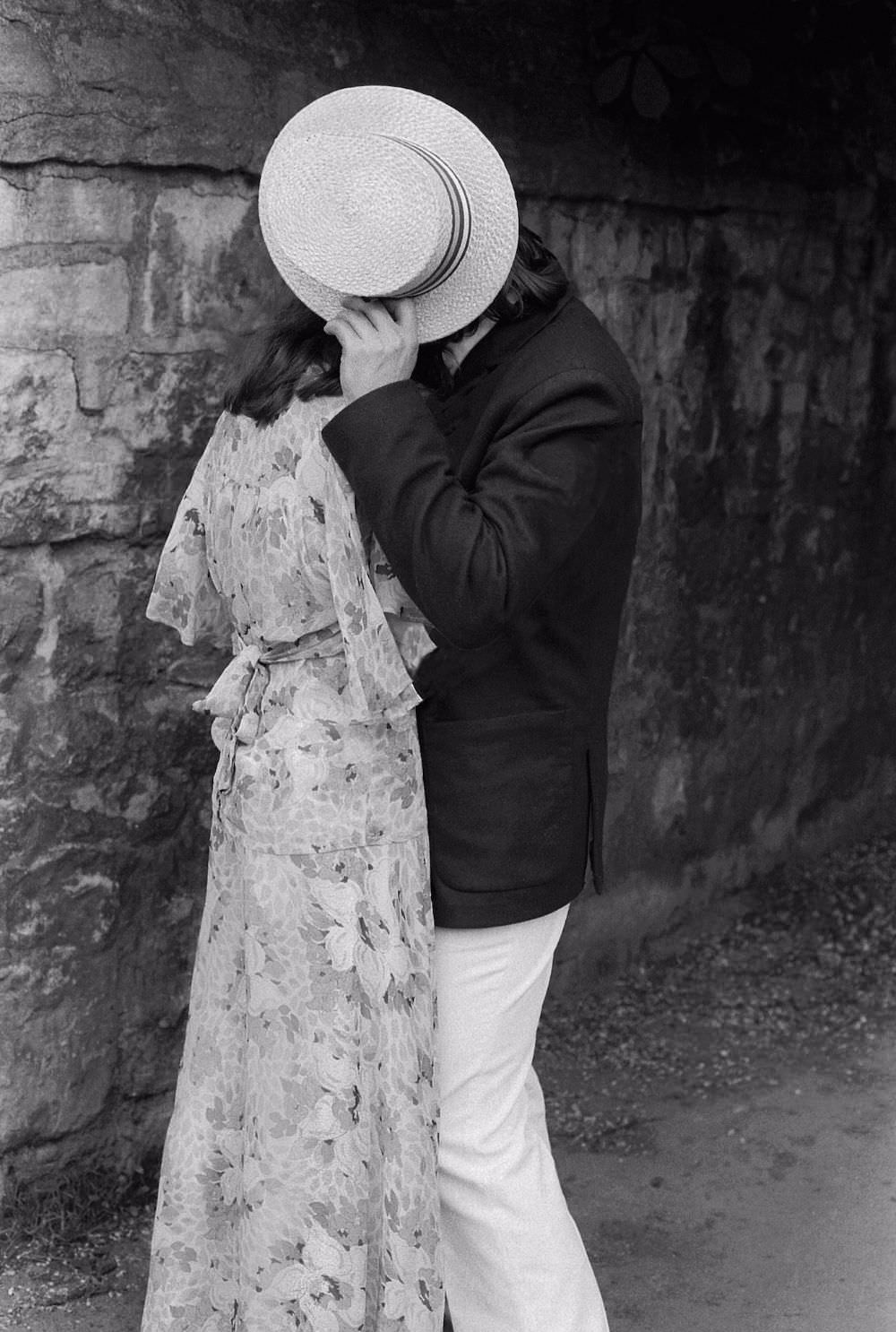
What makes these photographs stand apart from standard documentary work is the emotional honesty in them. Summerfield wasn’t shooting for a student newspaper or a university brochure. He was making art that asked real questions about what it feels like to be young and uncertain in a place that expects you to be confident and capable.
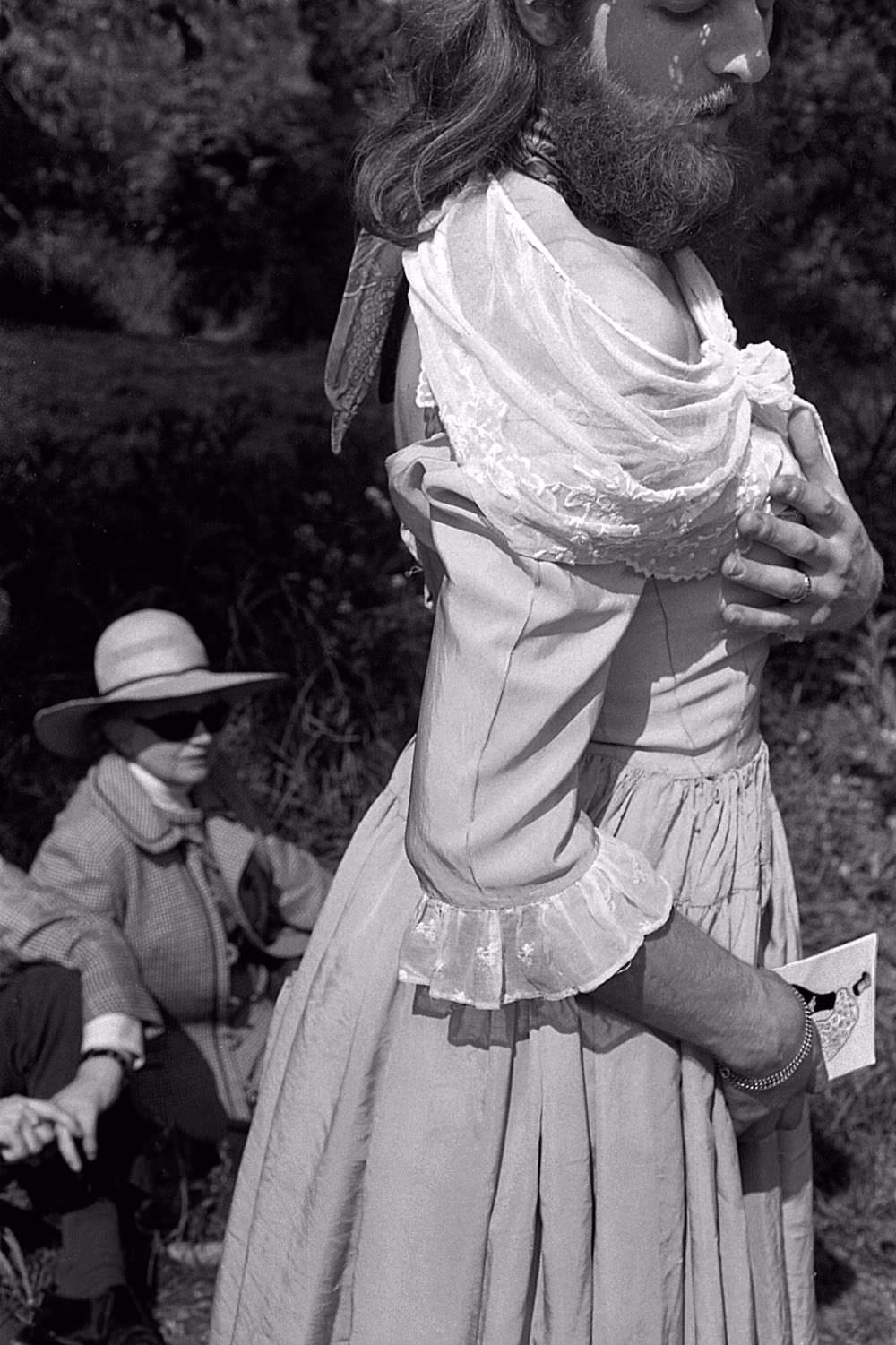
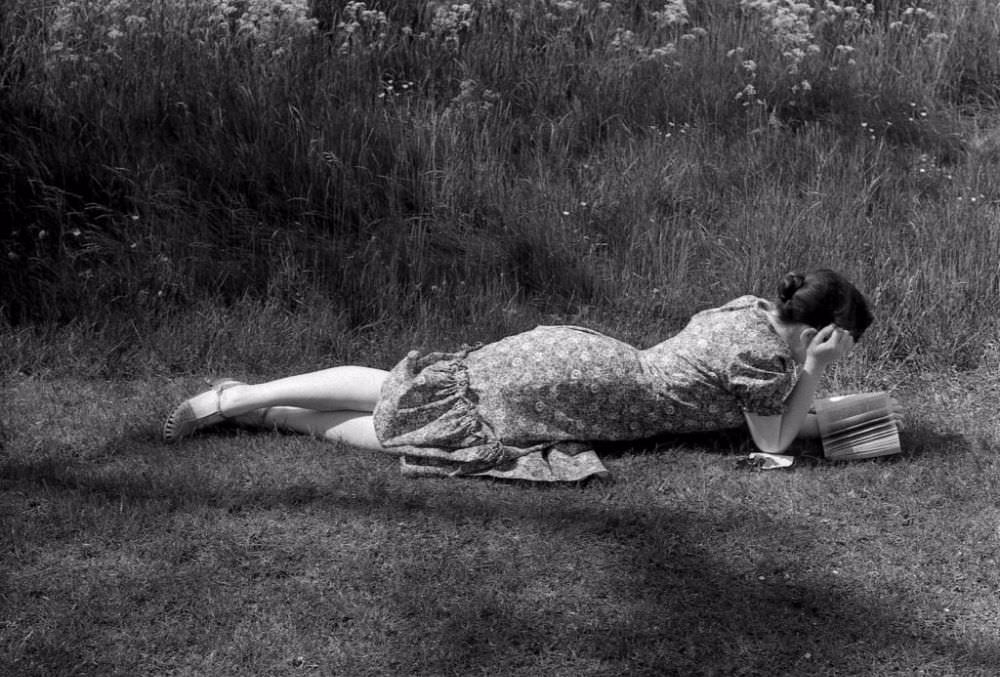
The summer light in Oxford is particular — long, golden, and generous. It fills courtyards and glances off the river in a way that makes everything look timeless. Summerfield used that light, but he didn’t let it do the work of softening what he saw. A student sitting alone in the sun is still alone. A group gathered on a lawn can still feel like a collection of people who don’t quite know how to reach each other.
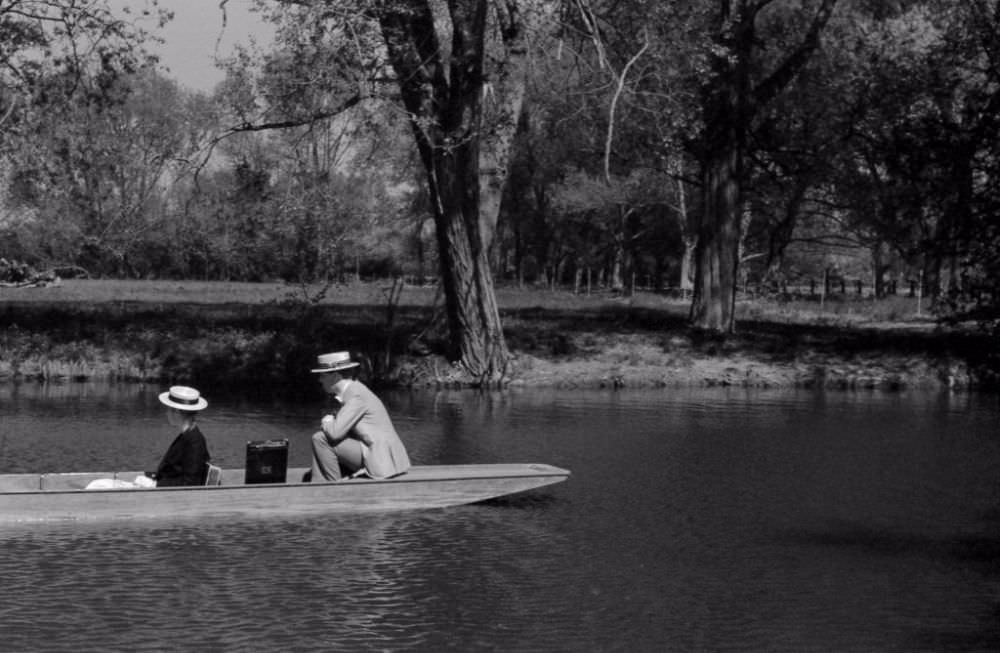
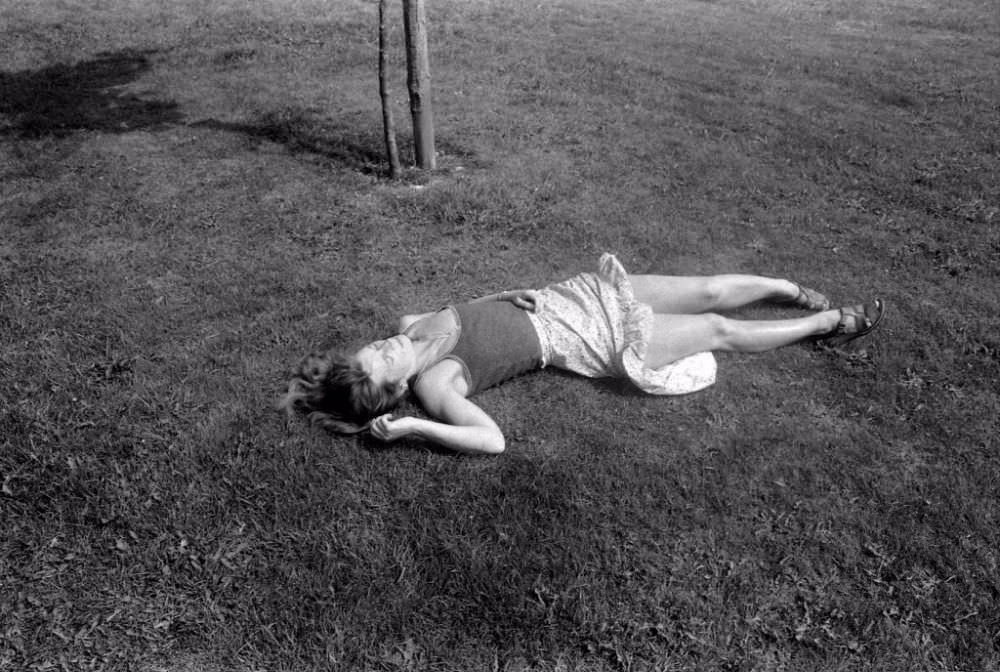
The 1970s were a decade of real social change in Britain. Youth culture was loud and visible — music, politics, fashion, protest. But Summerfield’s Oxford exists in a quieter register. His students aren’t marching or performing. They’re sitting, thinking, drifting. The drama in these images is interior, played out in posture and expression rather than action.
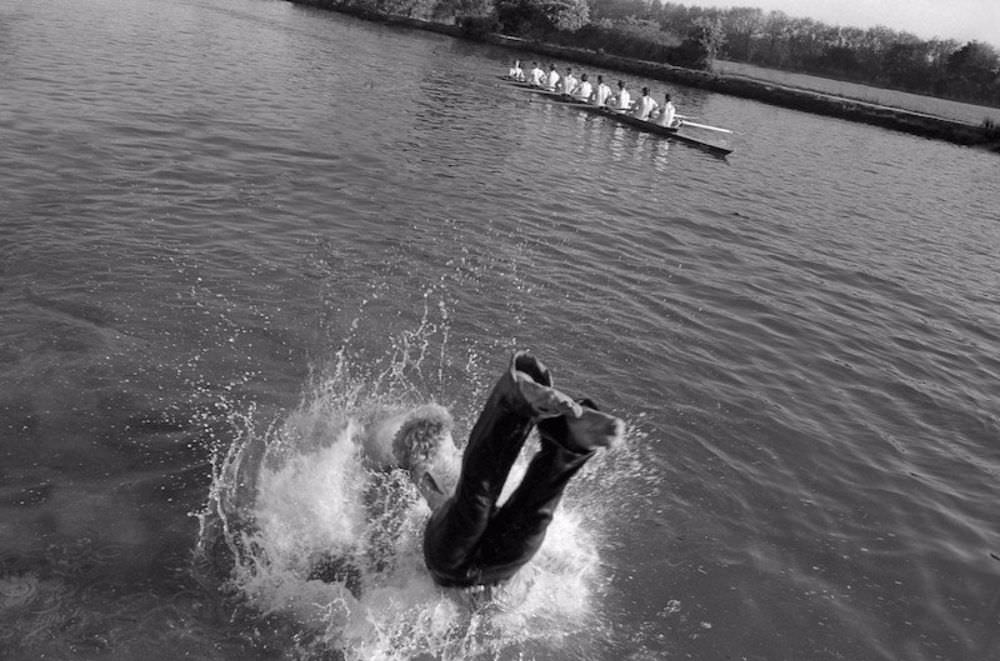
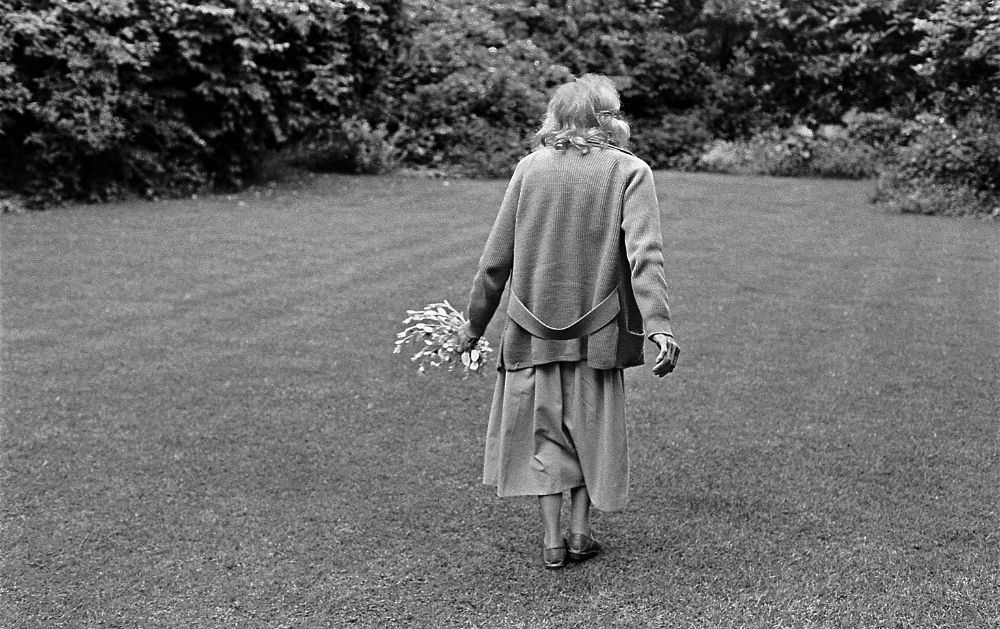
There’s a recurring quality in the photographs — a sense that the subject has been caught between two states, not quite engaged with whatever is happening around them, not quite turned inward either. It’s the look of someone mid-thought, or mid-feeling, suspended in a moment that hasn’t resolved itself yet. It’s an honest portrait of what being twenty feels like.
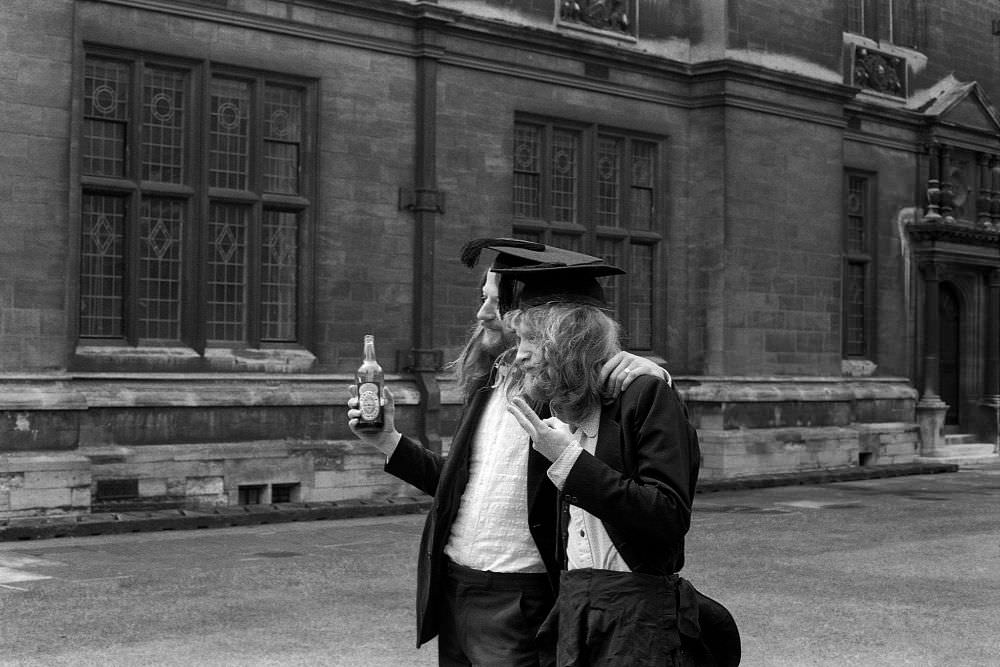
Summerfield’s work is a reminder that a place’s reputation and a person’s experience of that place are two very different things. Oxford carried enormous prestige. The students within it were supposed to be the lucky ones. And yet, behind the stone walls and the academic robes and the summer afternoons, there were real people navigating the same fears and insecurities that everyone else carries into early adulthood.

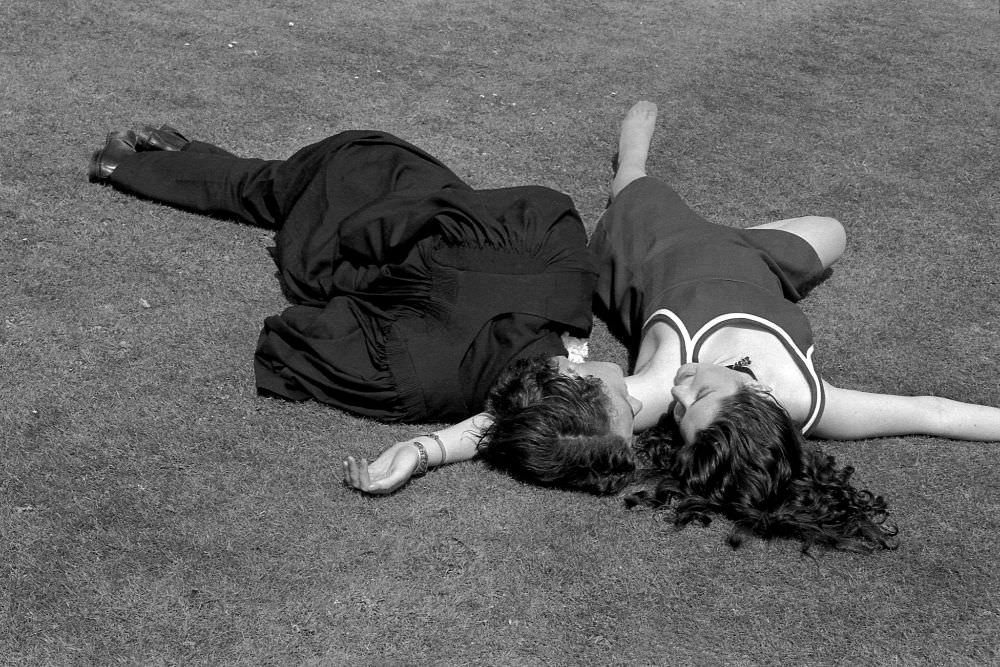
These photographs are a document of a specific time and place — Oxford in the 1970s, captured in black and white by a young photographer who was as much a subject of his work as the people he pointed his camera at. The insecurities and the longing he brought to the project are baked into every frame.