In the years following World War II, an organization operating off the Trøndelag coast of Norway harpooned three fin whales from the sea. Rather than process them for commercial products alone, they had a different plan: preserve the massive carcasses and send them on the road. For roughly two decades, from the 1950s through the 1970s, these three dead whales rolled across Europe on custom-built trailers, drawing enormous crowds at every stop.
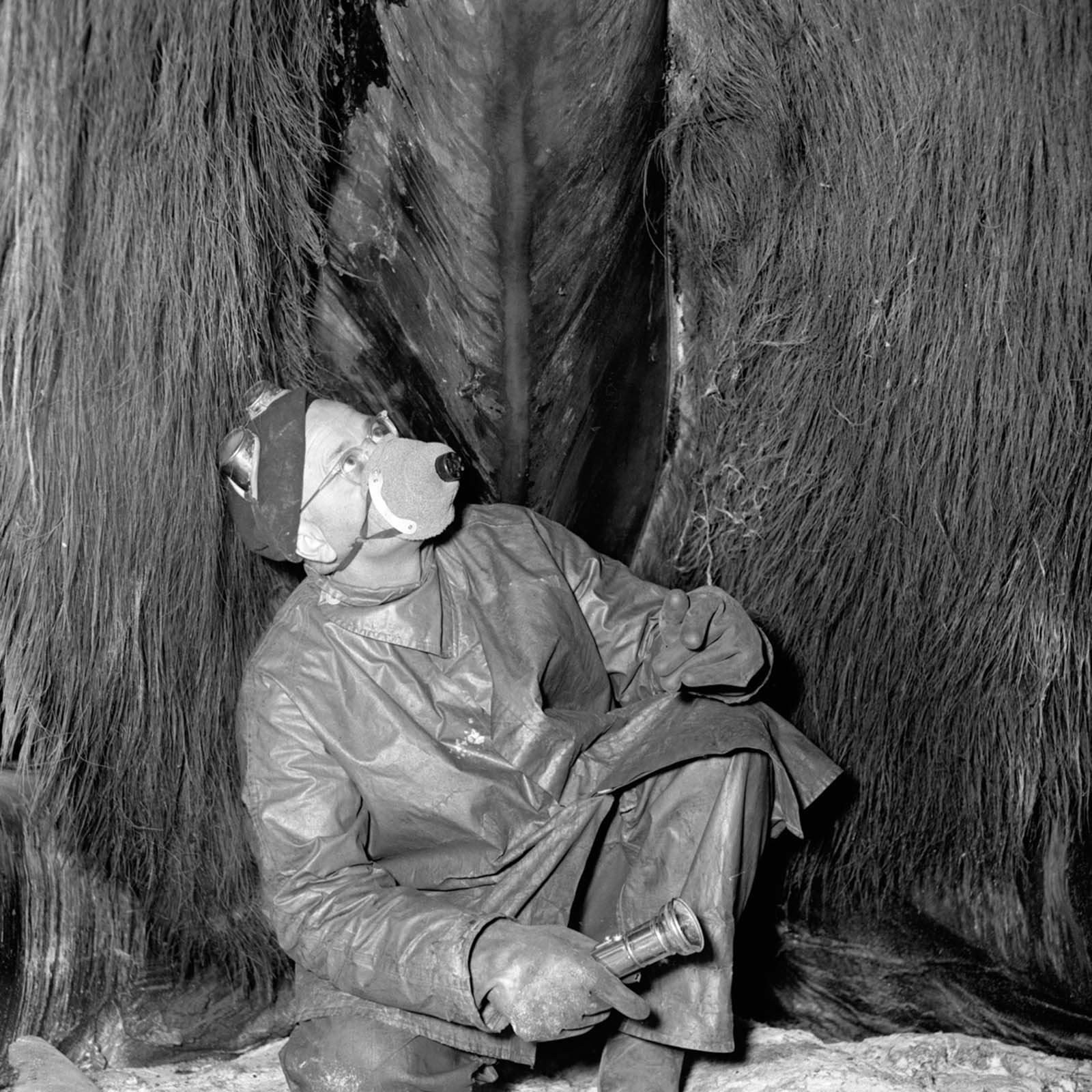
The whales were given names — Hercules, Goliath, and Jonah. Each one measured close to the length of its trailer, which stretched 100 feet. Before hitting the road, a team of scientists got to work on the bodies. They drained the blood, removed the six-ton liver, the two-and-a-half-ton tongue, and several other large organs that would have rotted quickly. The remaining cavities were pumped full of formalin, a chemical solution used to preserve tissue. Refrigeration units were then installed inside the hollowed-out interiors to keep decomposition in check — at least partially.
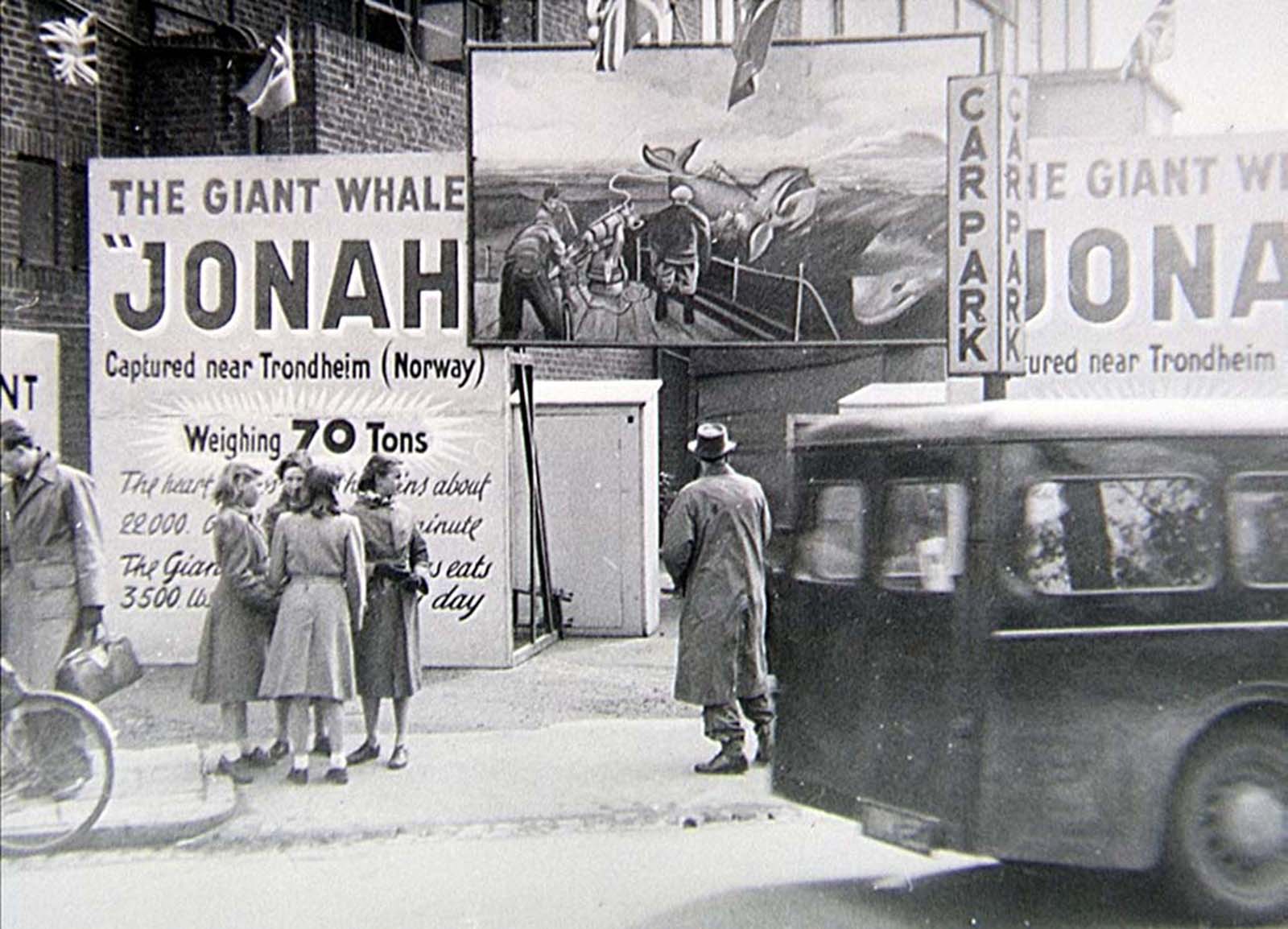
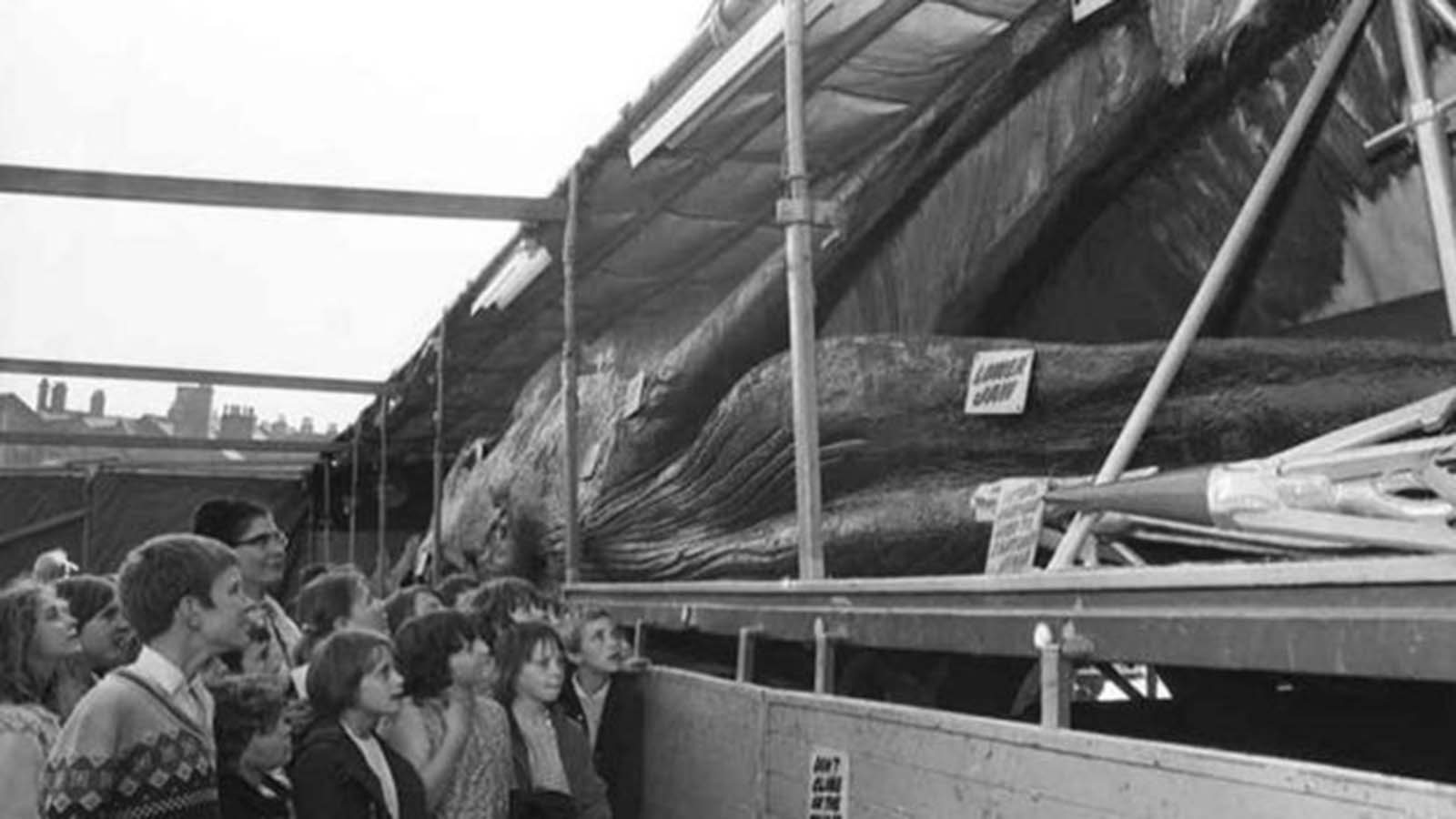
The purpose of the tour was promotional. The whaling industry was shrinking, facing public pressure and declining catches, and the traveling whale exhibit was meant to renew interest in it. The whales appeared at car parks, racetracks, and large open fields across the continent. Visitors paid an entrance fee to walk up close — and sometimes through — the carcasses. Schools sent children. Families turned out on weekends. The sheer scale of the animals made them a spectacle unlike anything most Europeans had ever seen up close.
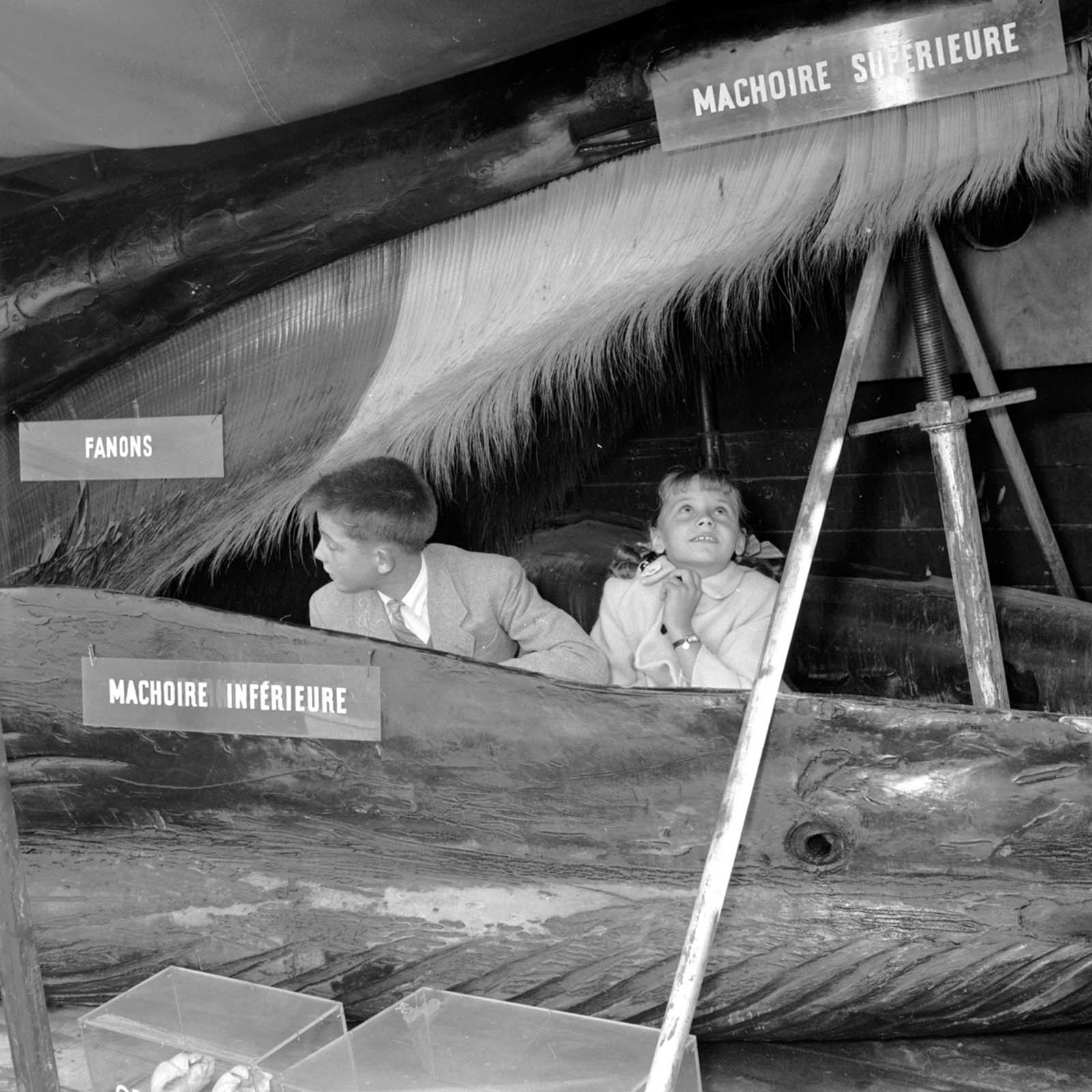
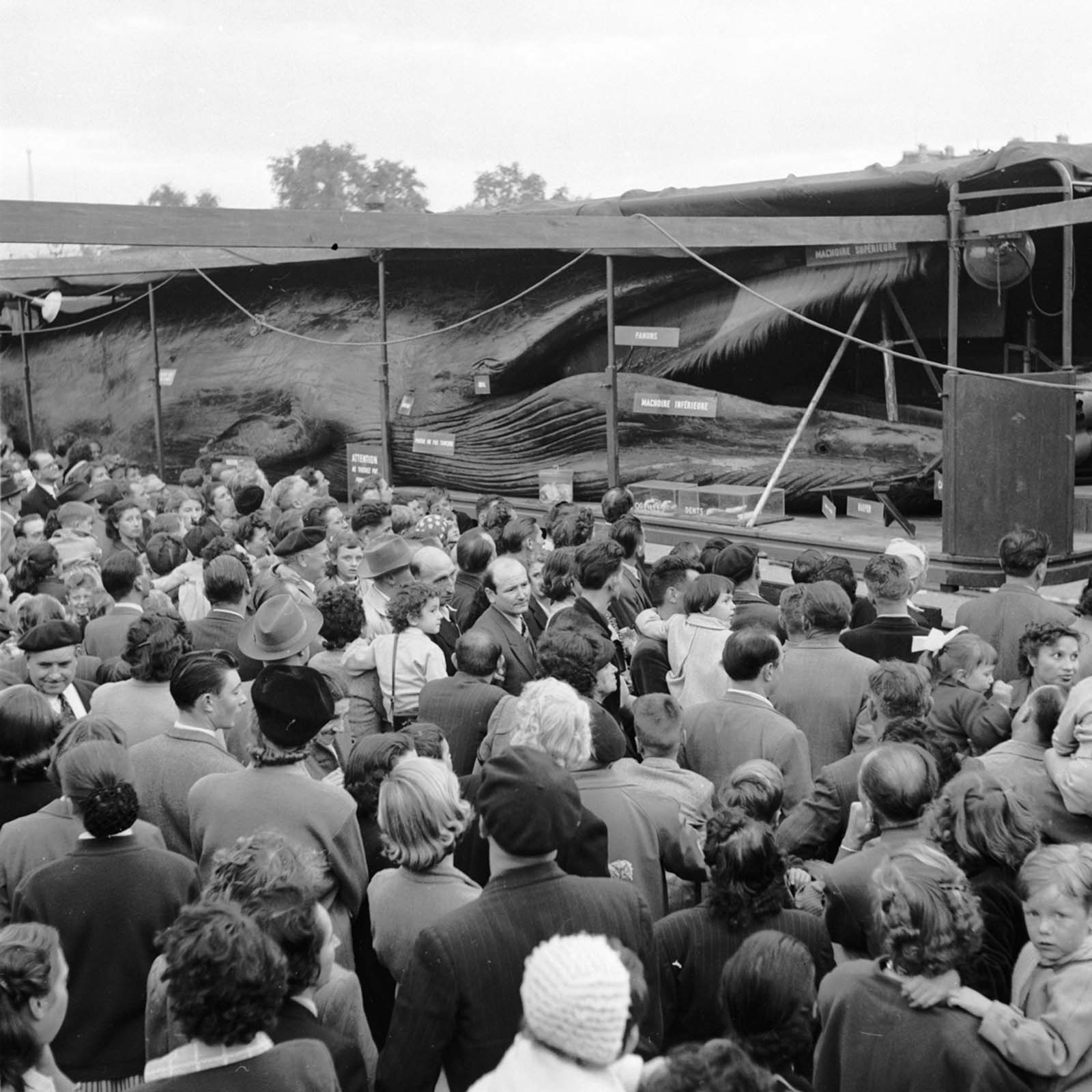
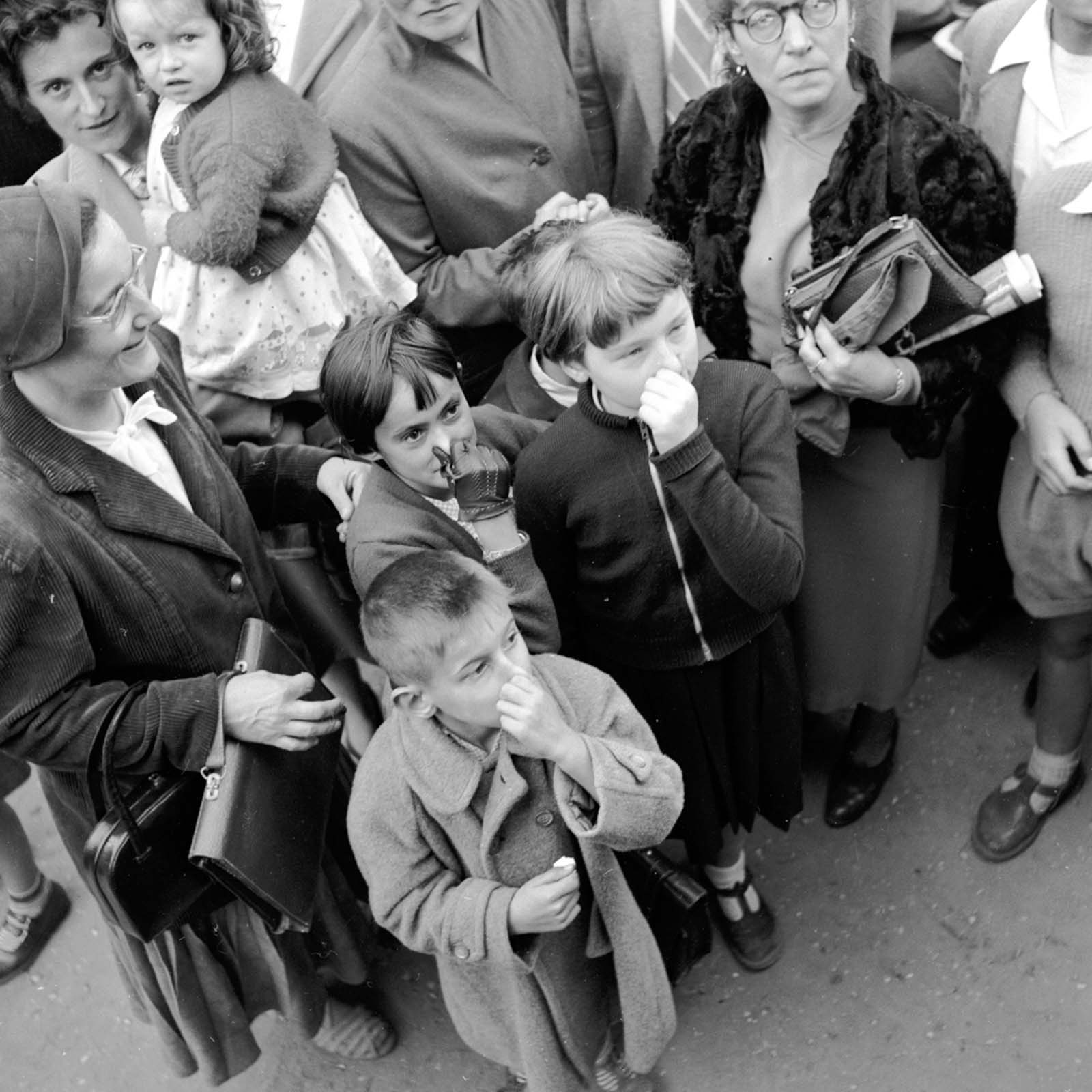
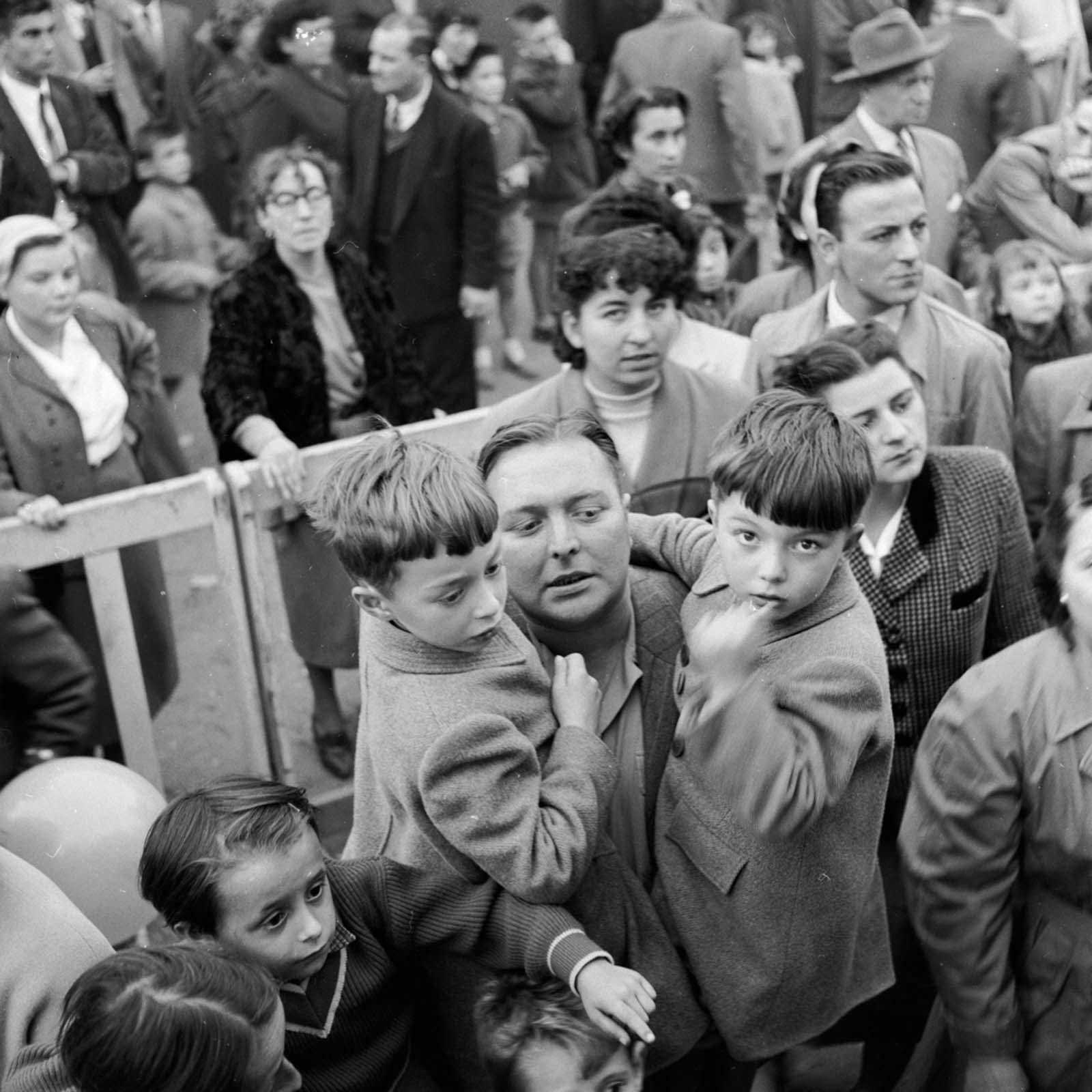
One of the most visited stops was Paris, where crowds gathered at the famous Les Invalides esplanade to see one of the whales laid out on its trailer. The exhibit drew people of all ages, from curious adults to schoolchildren who treated the outing like a field trip.
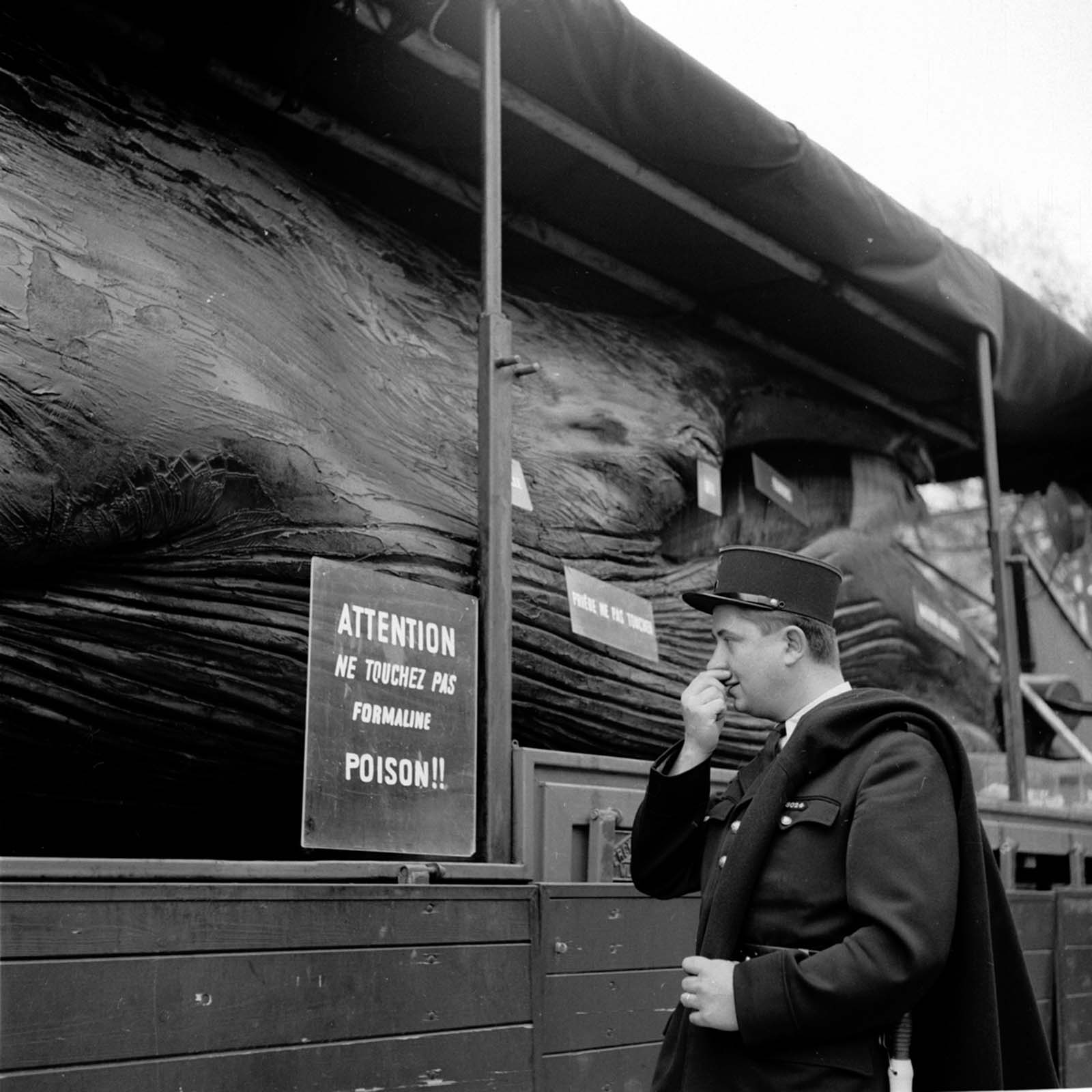
The formalin preservation was effective enough to keep the whales intact, but it did little to eliminate the smell. The stench radiating off the carcasses was intense and immediate. Visitors and bystanders alike reacted the moment they got close. Even with the organs removed and chemicals pumped in, a dead 60-ton animal decomposing slowly inside a metal shell produced a powerful odor that no amount of refrigeration could fully contain.
Scientists took advantage of the exhibit for research purposes. The sheer accessibility of such a large specimen — fully preserved and stationary — gave researchers a rare opportunity to examine anatomy that was normally only available far out at sea aboard a whaling vessel. Doctors and marine biologists joined the crowds, but with a more clinical purpose.
For children especially, the whale tours became a vivid, unforgettable event. In an era before the internet and with very limited television, a 90-foot whale parked in your town was extraordinary news. Schools organized visits. Parents brought their kids on weekends. The exhibits sometimes doubled as a sideshow attraction, blurring the line between education and entertainment — something closer to a circus than a museum.

Warnings were posted around the exhibits, largely because the formalin soaking the whale’s flesh was hazardous to touch. Anyone who made direct contact with the skin risked chemical burns. Signs instructed visitors to keep their hands to themselves, though enforcing that rule with a crowd of curious onlookers was its own challenge.
By the 1970s, the whale tours were winding down. Goliath was last documented in Italy, Hercules in Spain. Jonah continued to appear at various locations and was photographed as late as the early 1970s before eventually being placed in storage, where it has remained for over four decades. Despite being dead for more than seventy years, Jonah’s preserved state is remarkably intact — a testament to how thoroughly the formalin did its job.
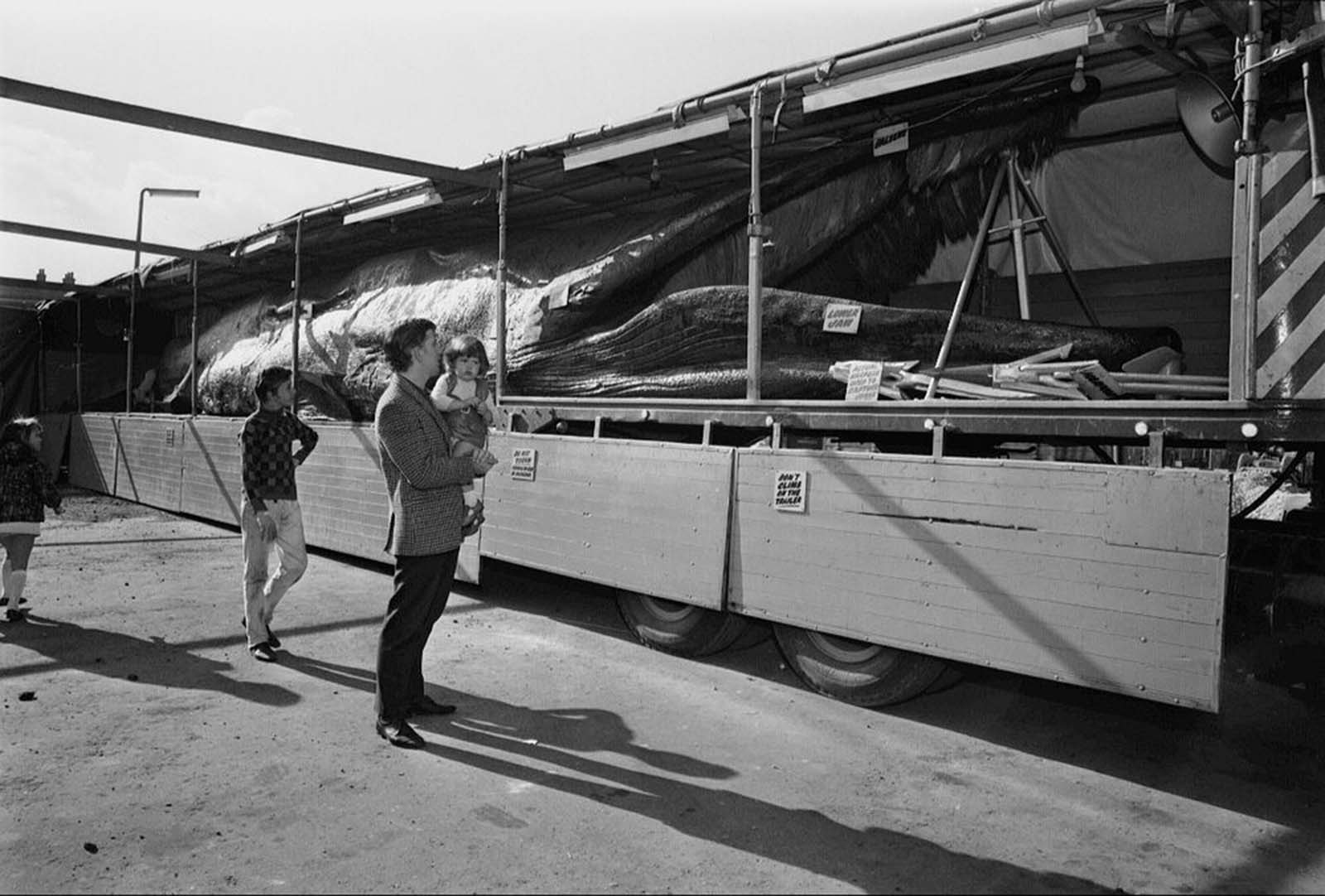
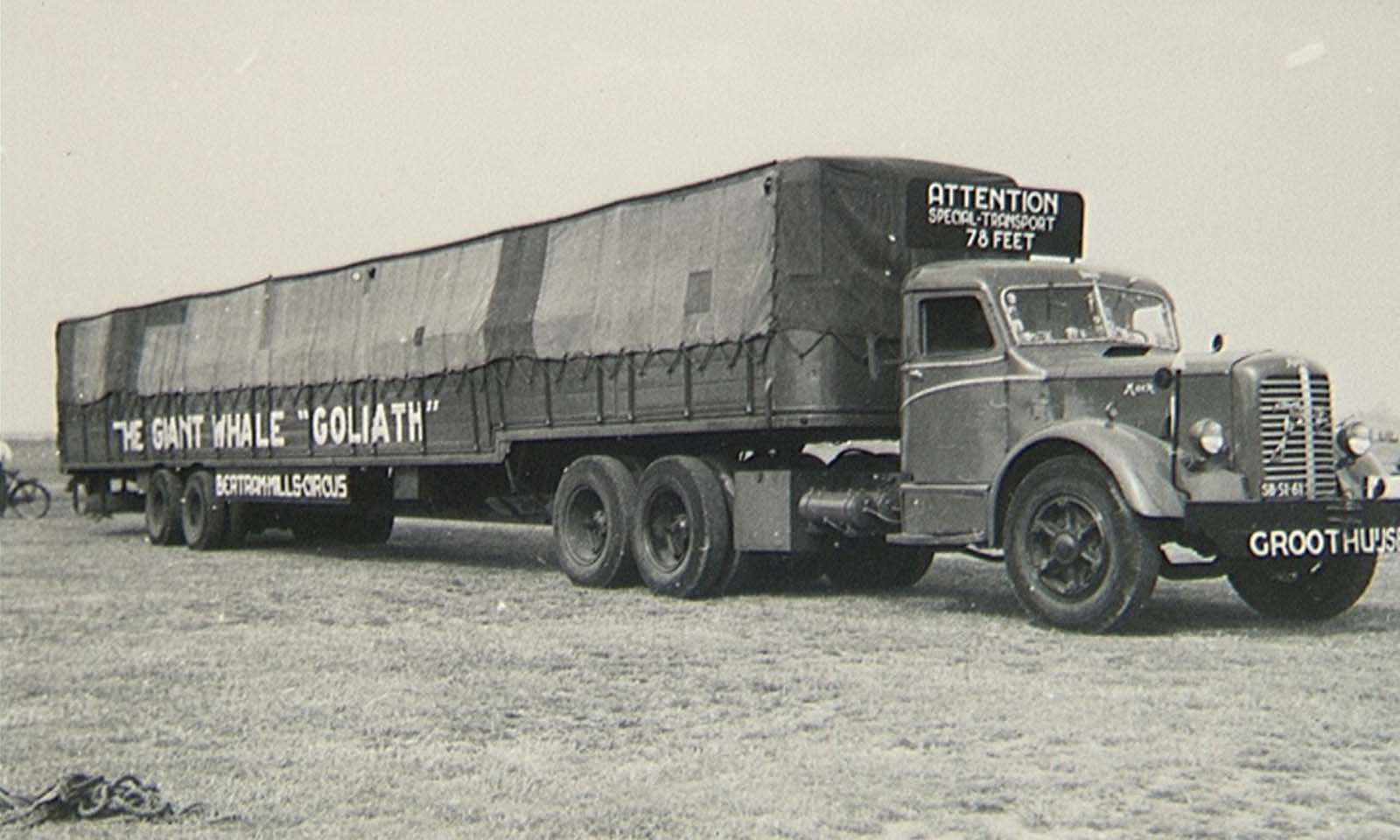
The exhibits weren’t only about the whale itself. Displayed alongside the carcasses were the actual tools used to kill them — harpoons and other whaling equipment. This was a deliberate choice. The tour was meant to promote whaling, and showing the hardware made that intent clear. Visitors could see both the result and the means.
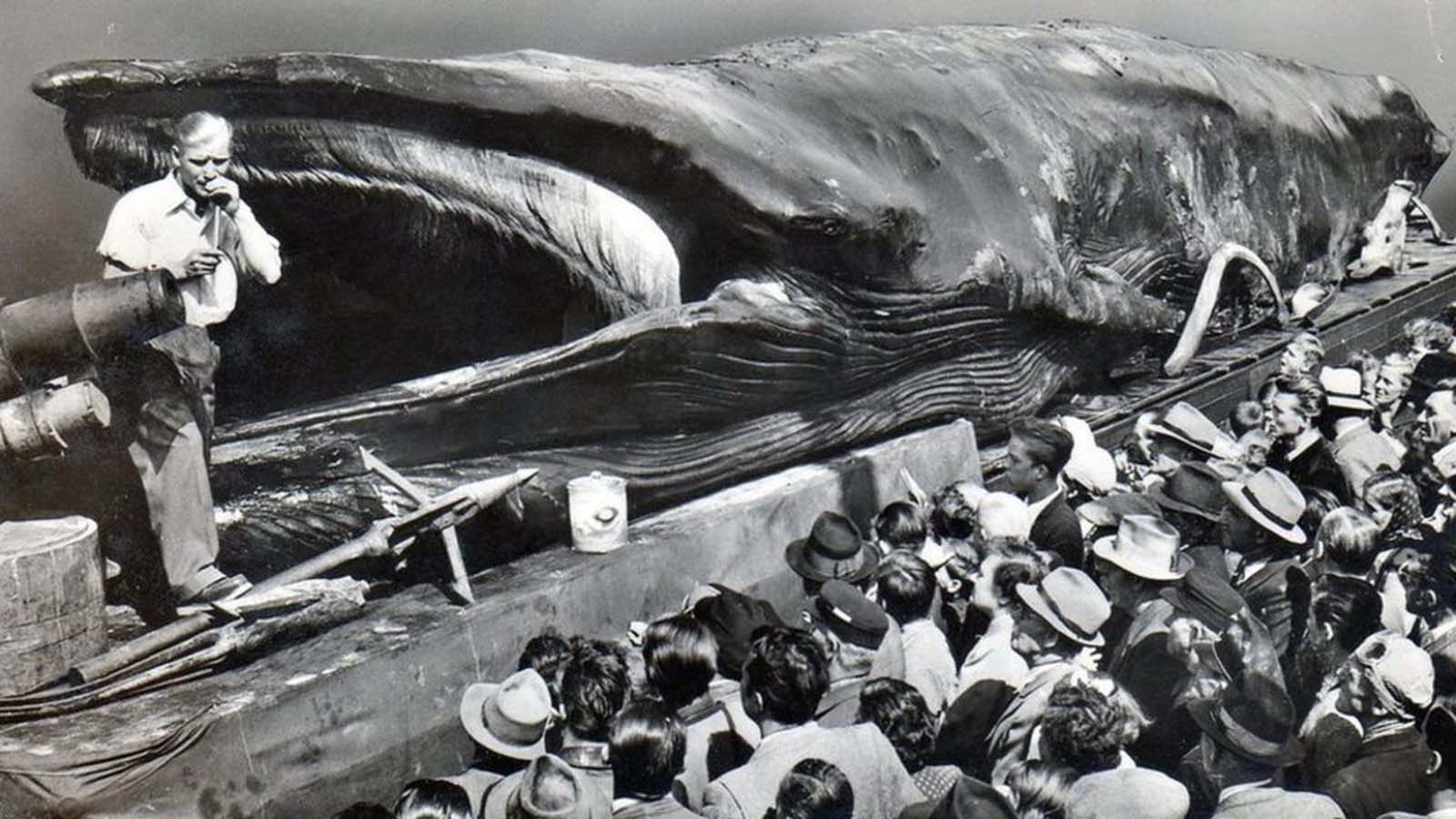
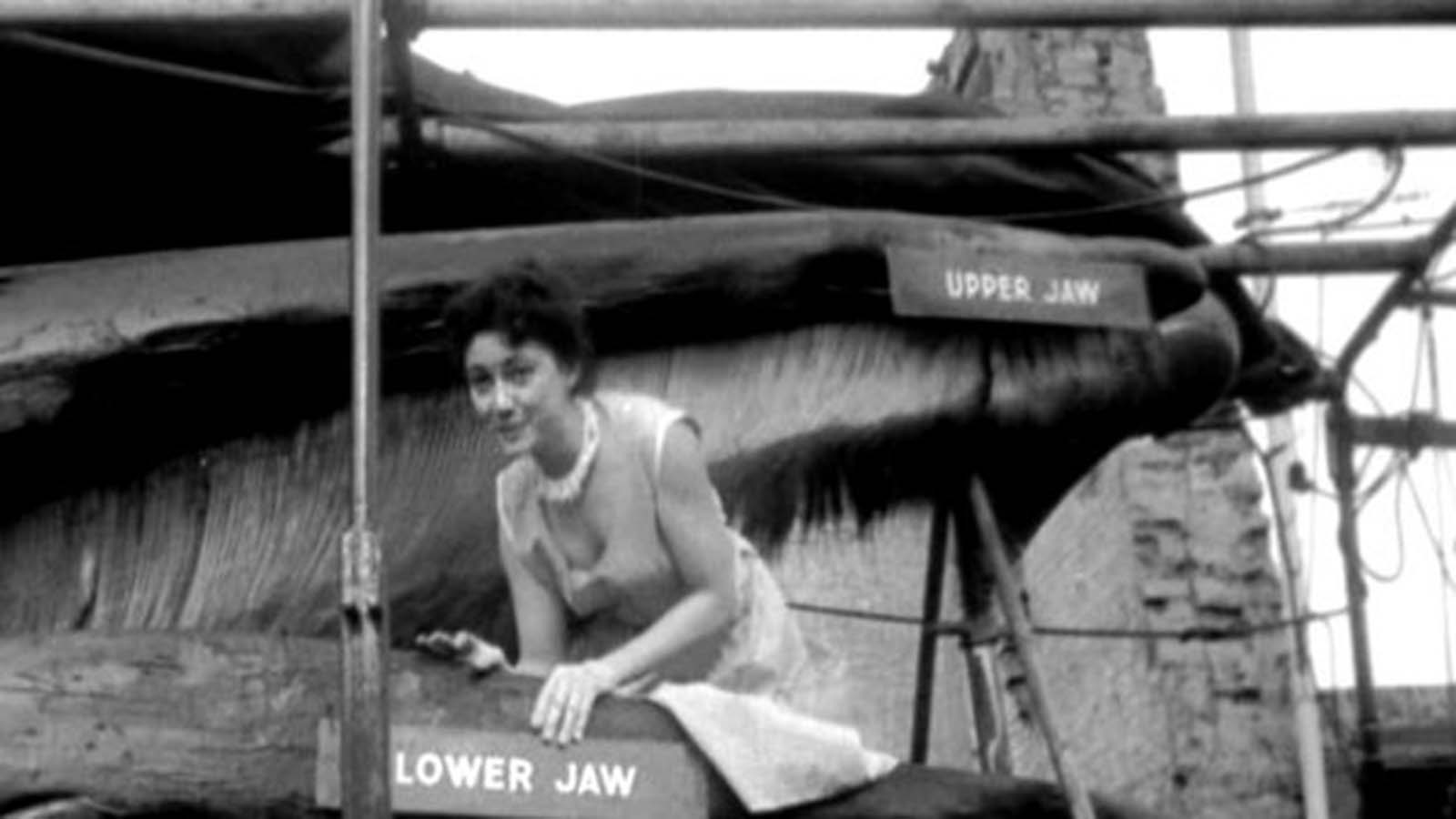
Posing for photographs with the whale became a common ritual at every stop. People stood beside the towering flank, sat near the open mouth, or gathered in groups at the tail end. The whale was a backdrop as much as it was an attraction — something to prove you had been there.
The audiences that turned out for these exhibitions came from all walks of life. With few competing forms of entertainment and no way to see wildlife documentaries on demand, a dead whale in a parking lot was genuinely considered a worthwhile outing. The crowds were real, the fascination was genuine, and for many Europeans of that era, the traveling whale was one of the strangest and most memorable things they ever saw.