
Mick Jagger is one of the most recognizable figures in rock music history. As the lead singer and a founding member of the Rolling Stones, he built a career that stretched over five decades and produced some of the most iconic songs ever recorded — “(I Can’t Get No) Satisfaction,” “Angie,” and “Miss You” among them. But before the sold-out arenas and magazine covers, there was a boy growing up in Dartford, Kent, with no idea he was about to change music forever. These early photos trace his life from a toddler in 1946 all the way through the Rolling Stones’ rise in the late 1960s and early 1970s.
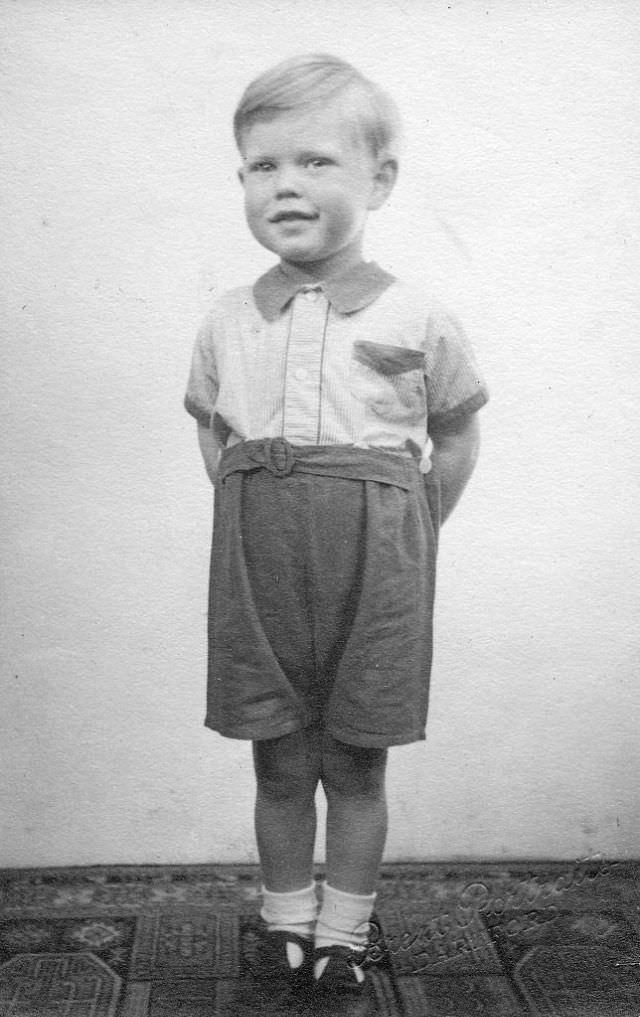
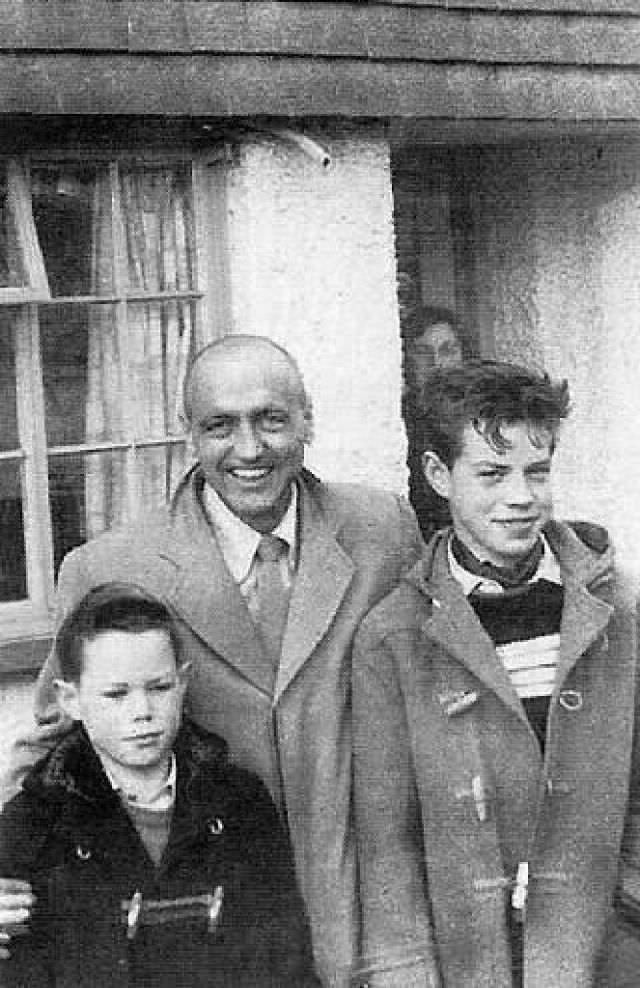
Michael Phillip Jagger was born on July 26, 1943, in Dartford, Kent, England. His father, Joe Jagger, was a physical education teacher, and his mother, Eva, was a hairdresser and a local Conservative Party activist. The family lived a modest, respectable working-class life in the town. As a child, Jagger was energetic, curious, and well-liked. Neighbors and teachers described him as sharp and sociable. He attended Wentworth Junior County Primary School, where his natural confidence made him stand out from an early age.
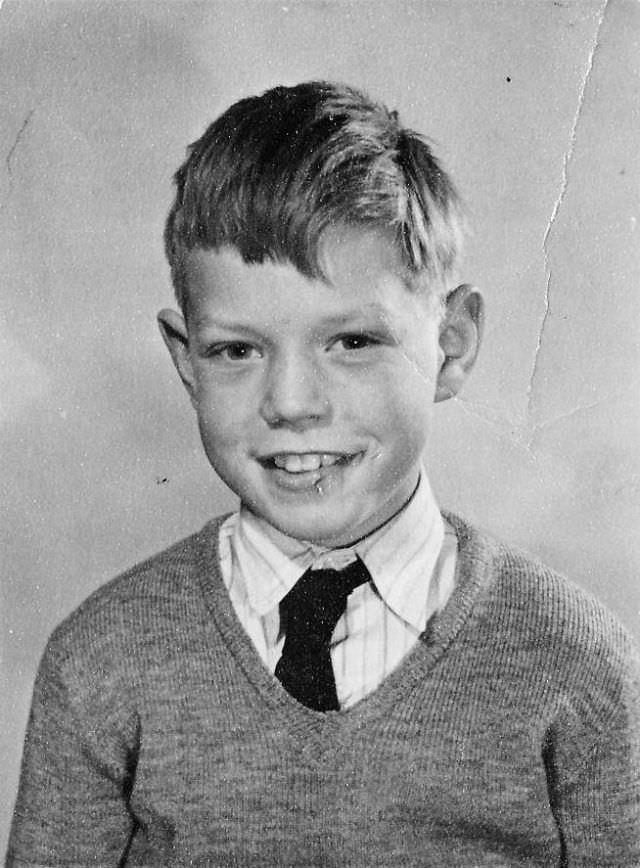
It was at Wentworth Primary School that a key moment in rock history quietly took place. A young Mick Jagger crossed paths with Keith Richards, a classmate who would later become his bandmate, co-writer, and lifelong musical partner. Neither could have known then what that friendship would become. Outside of school, Jagger spent much of his time with his younger brother Chris, and the two were close throughout their childhood years.
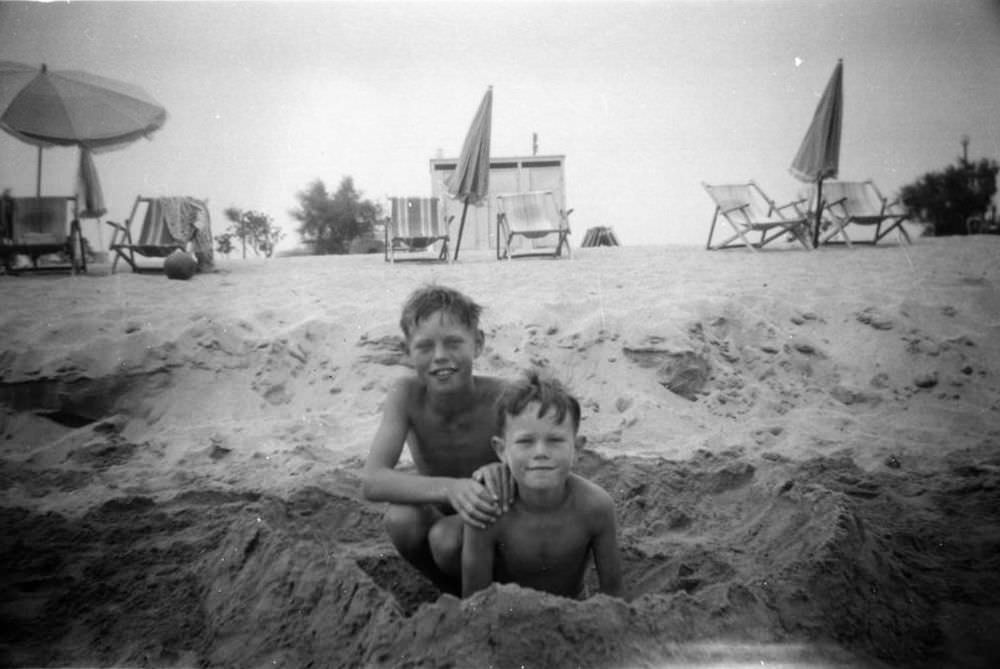
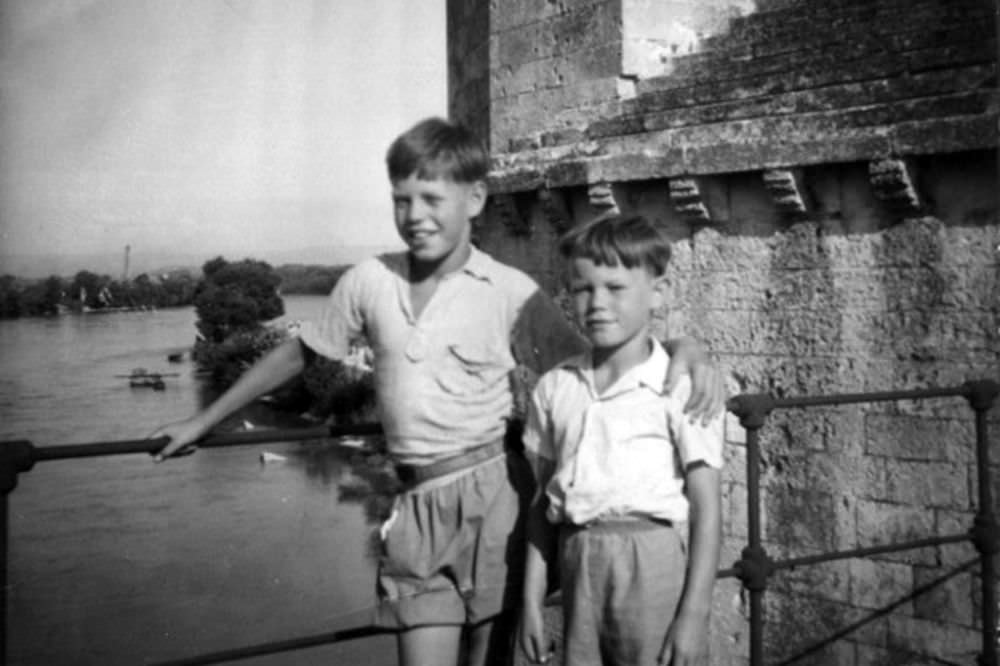
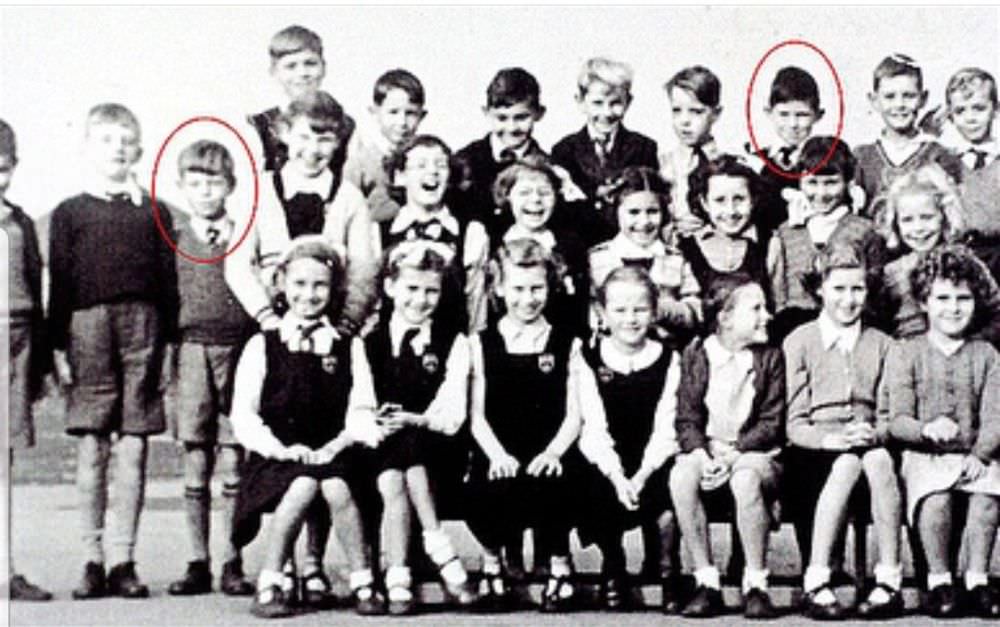
Looking at class photos from 1951, you’d never guess that two future rock legends were sitting just a few seats apart. Jagger and Richards both passed through the same classrooms and schoolyards before life took them in different directions for a few years. They reconnected later as teenagers, and that reunion set everything in motion. These early school years also gave Jagger a strong academic foundation. He was a good student, well-regarded by his teachers, and popular among his peers.
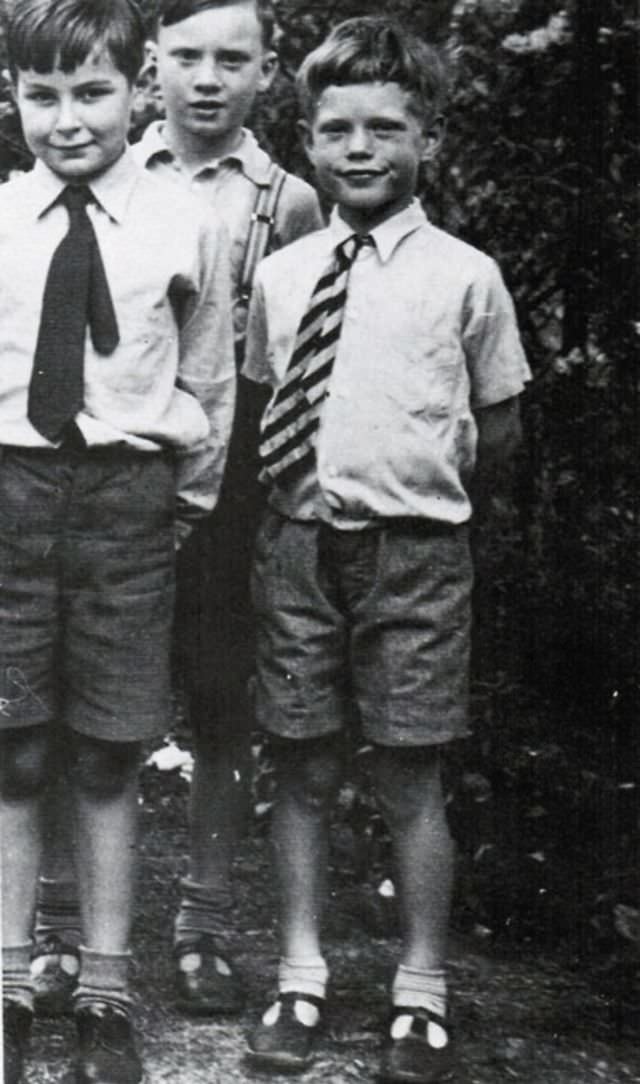
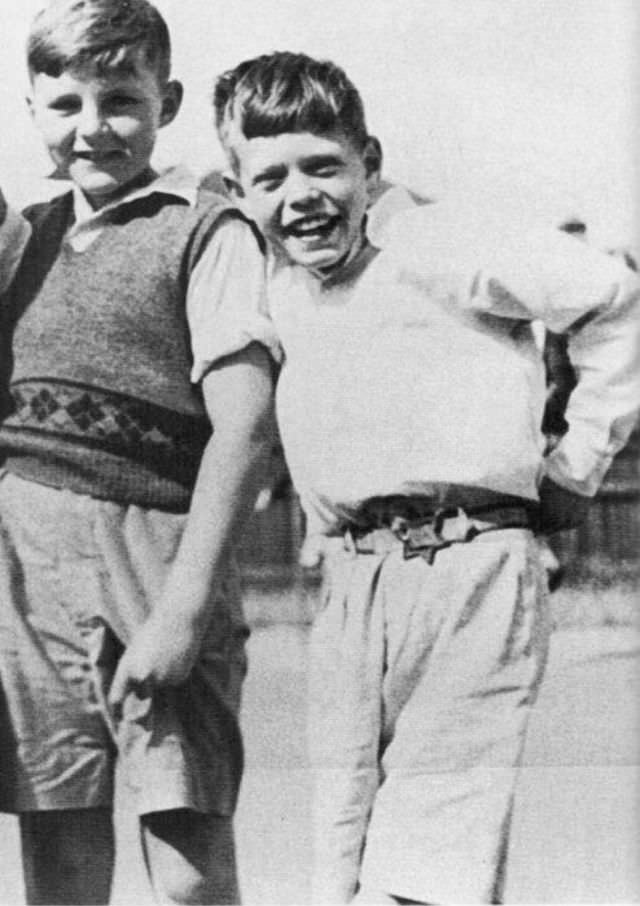
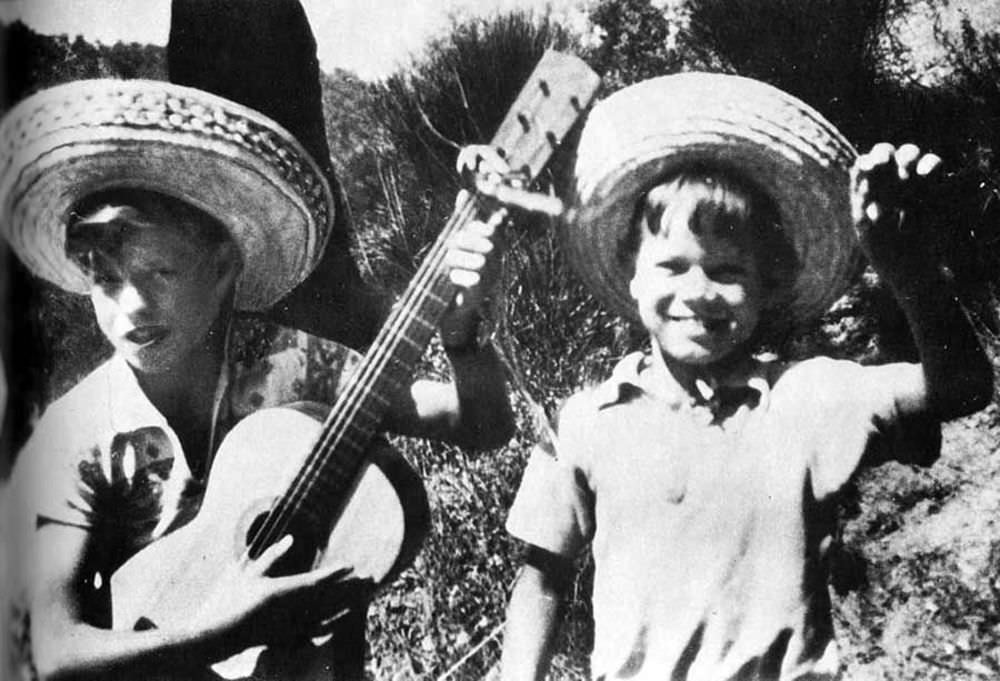
By his early teens, Jagger had developed a deep interest in American blues and rhythm and blues music. He was drawn to artists like Muddy Waters, Chuck Berry, and Little Richard — musicians whose raw energy and style felt completely different from the pop sounds on British radio. At age 14, he got his first guitar and began teaching himself to play. That guitar marked a turning point. From that moment on, music was no longer just something he listened to — it was something he pursued.
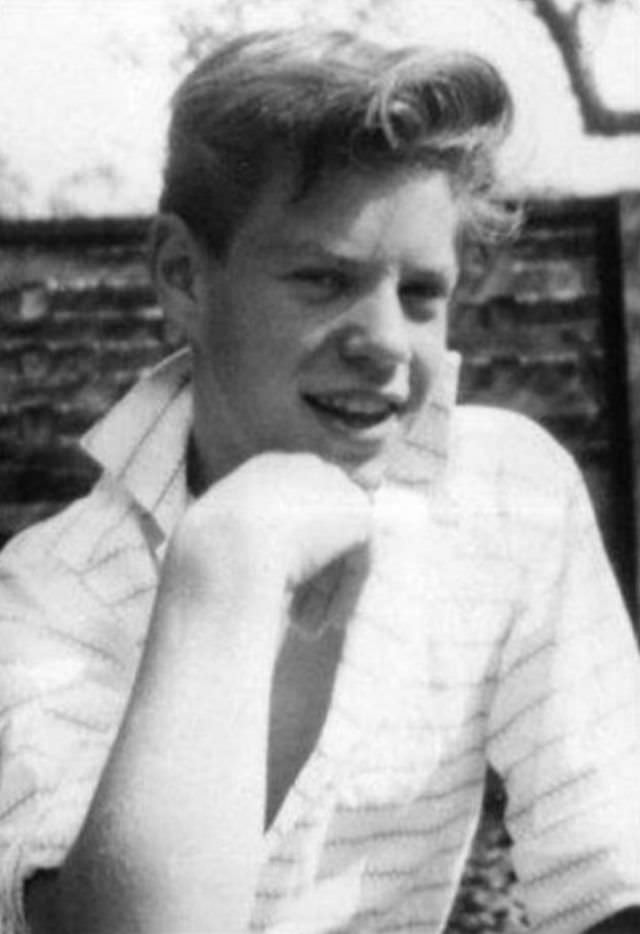
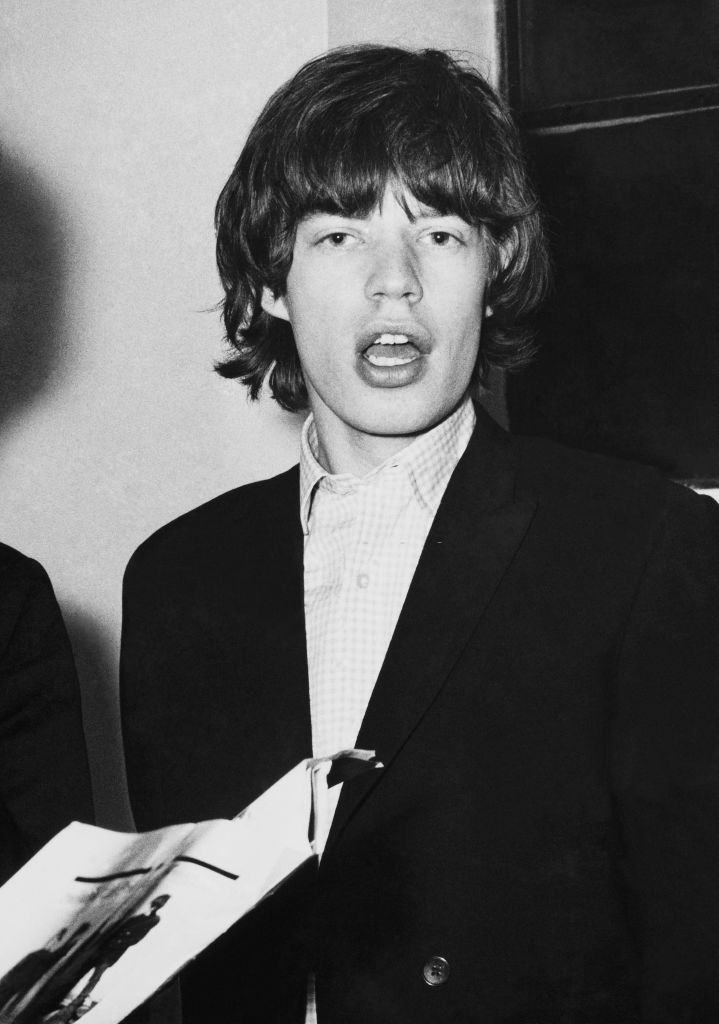
After finishing secondary school, Jagger enrolled at the London School of Economics. His parents expected him to pursue a solid career — perhaps in business or law. He performed well academically and kept up his studies for a time. But music kept pulling him in a different direction. He began appearing as a guest vocalist with Blues Incorporated, a band led by Alexis Korner that was at the heart of the British blues scene. These early performances introduced Jagger to a network of musicians who would shape the rest of his life.
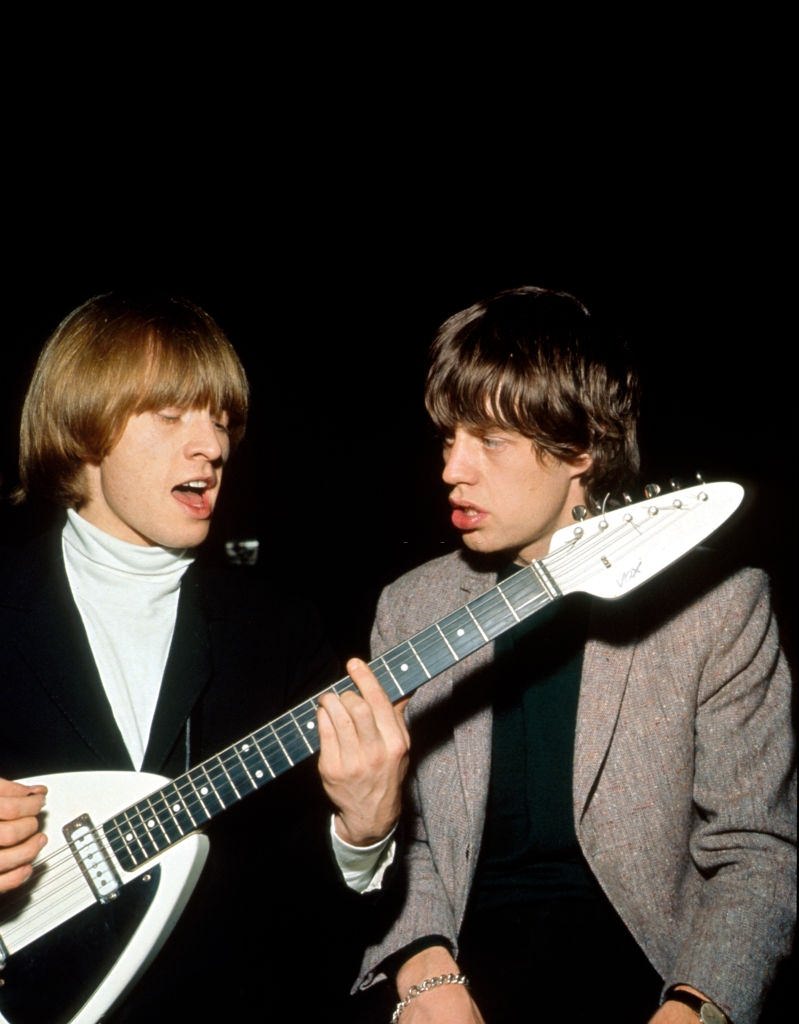
It was through this scene that Jagger reconnected with Keith Richards and met Brian Jones, a skilled multi-instrumentalist with a passion for the blues. Together, the three formed the core of what would become the Rolling Stones. The group made their first public appearance under the name the Rollin’ Stones on July 12, 1962, at the Marquee Club in London. The name came from a Muddy Waters song, a fitting tribute to the American blues music that had inspired all of them.
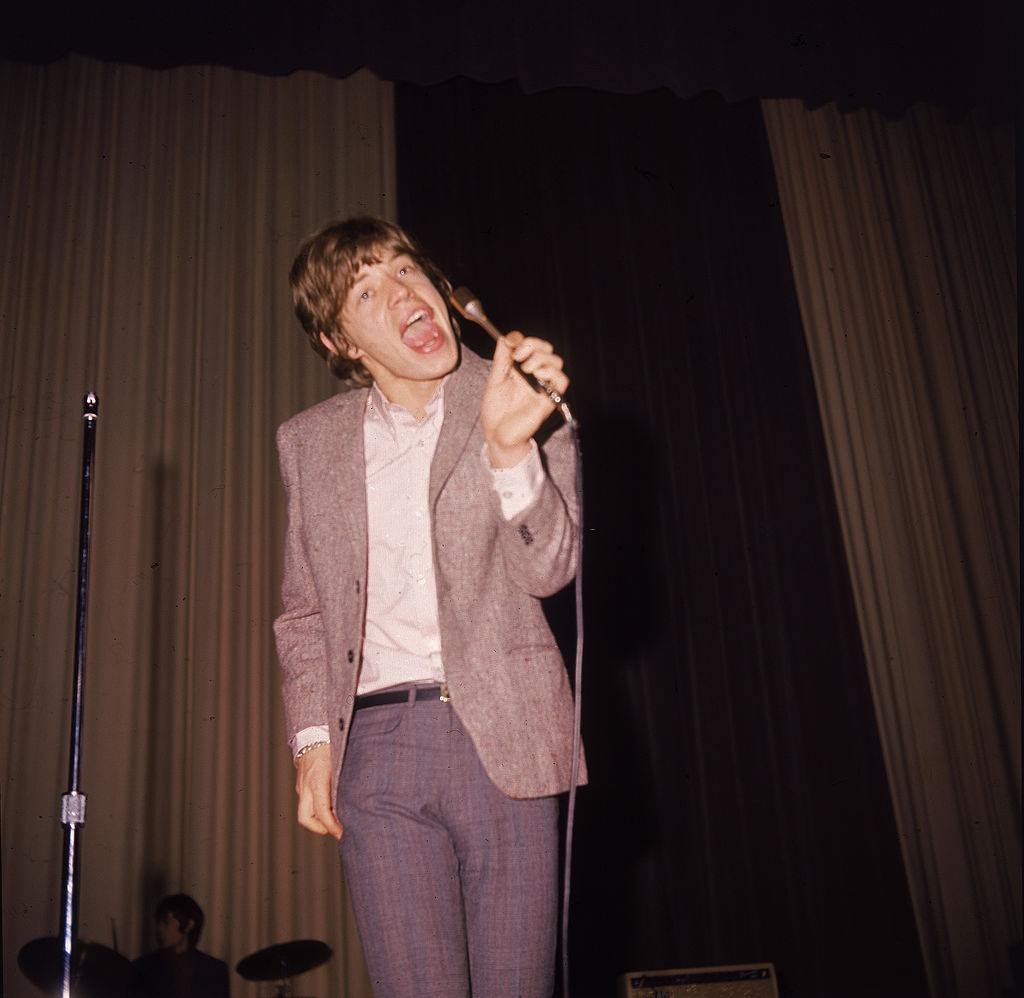
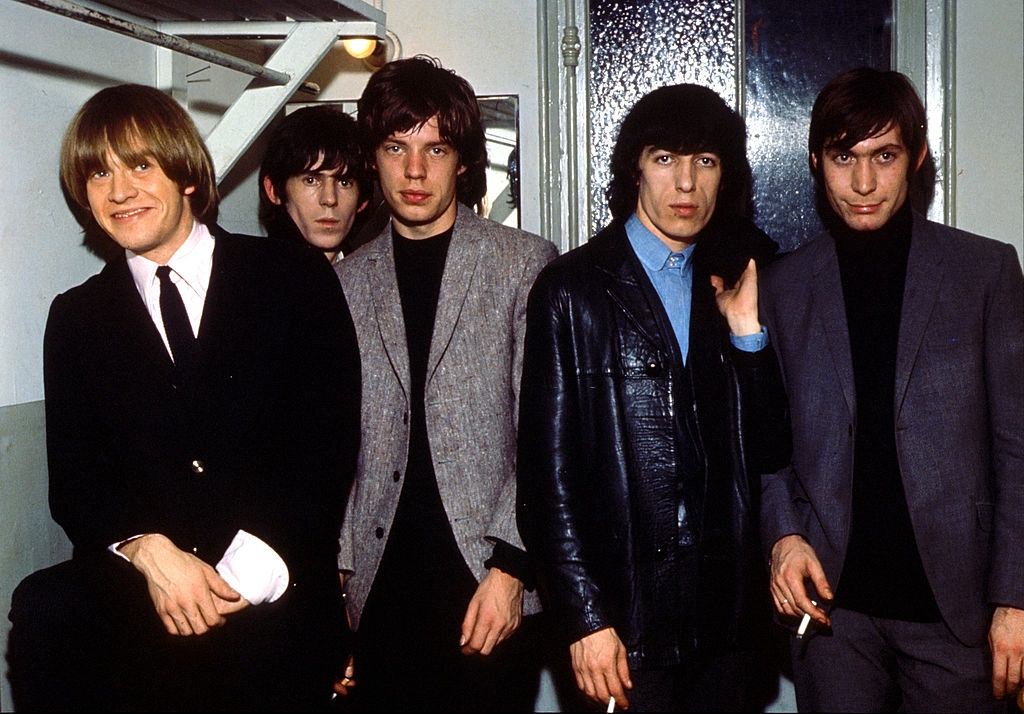
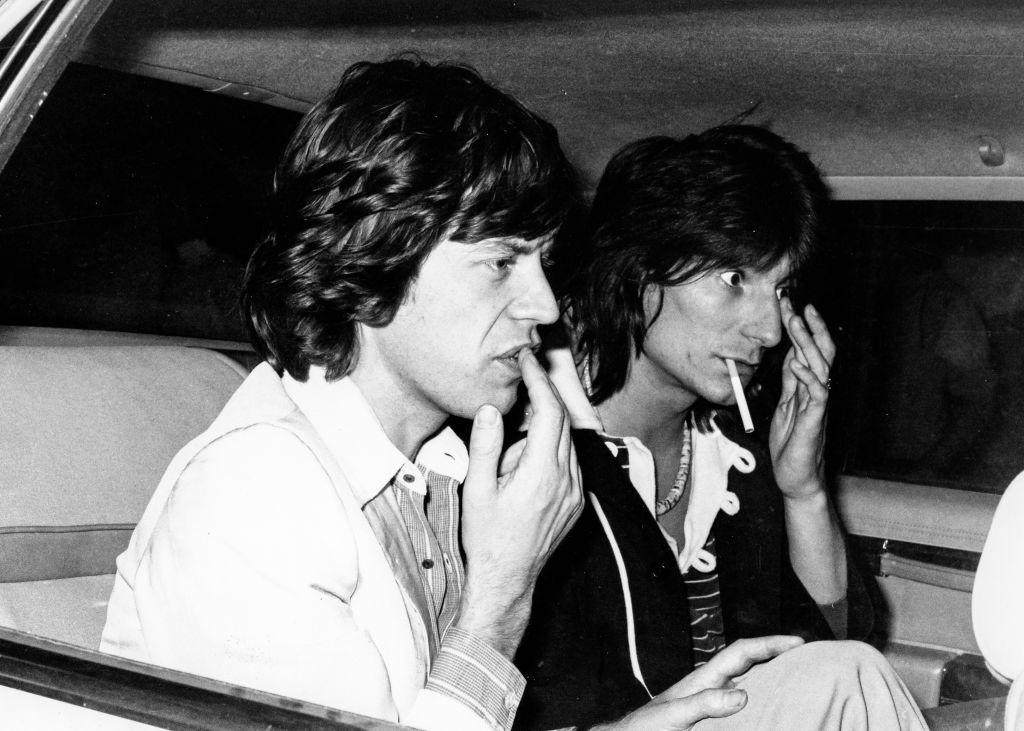
By 1963, the Rolling Stones were gaining serious momentum in London’s club scene. Jagger made the decision to leave the London School of Economics that year to focus entirely on the band. It was a significant gamble, but the signs were already there that the group had something special. That same year, the band began making appearances on British television, including rehearsals and broadcasts at the BBC. These early TV spots helped bring their sound to a national audience for the first time.
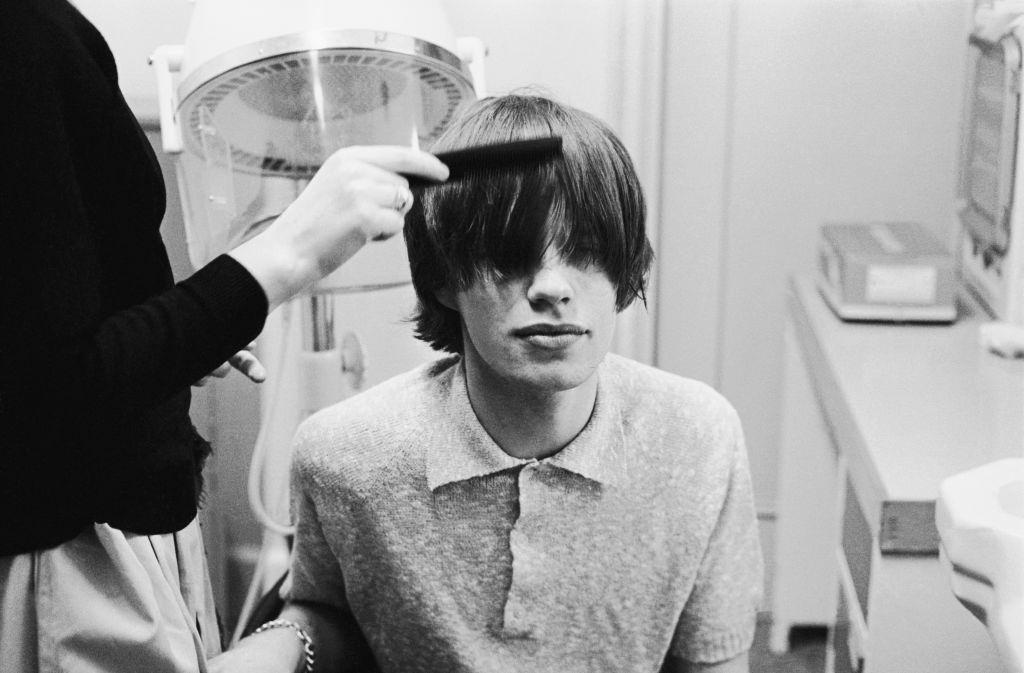
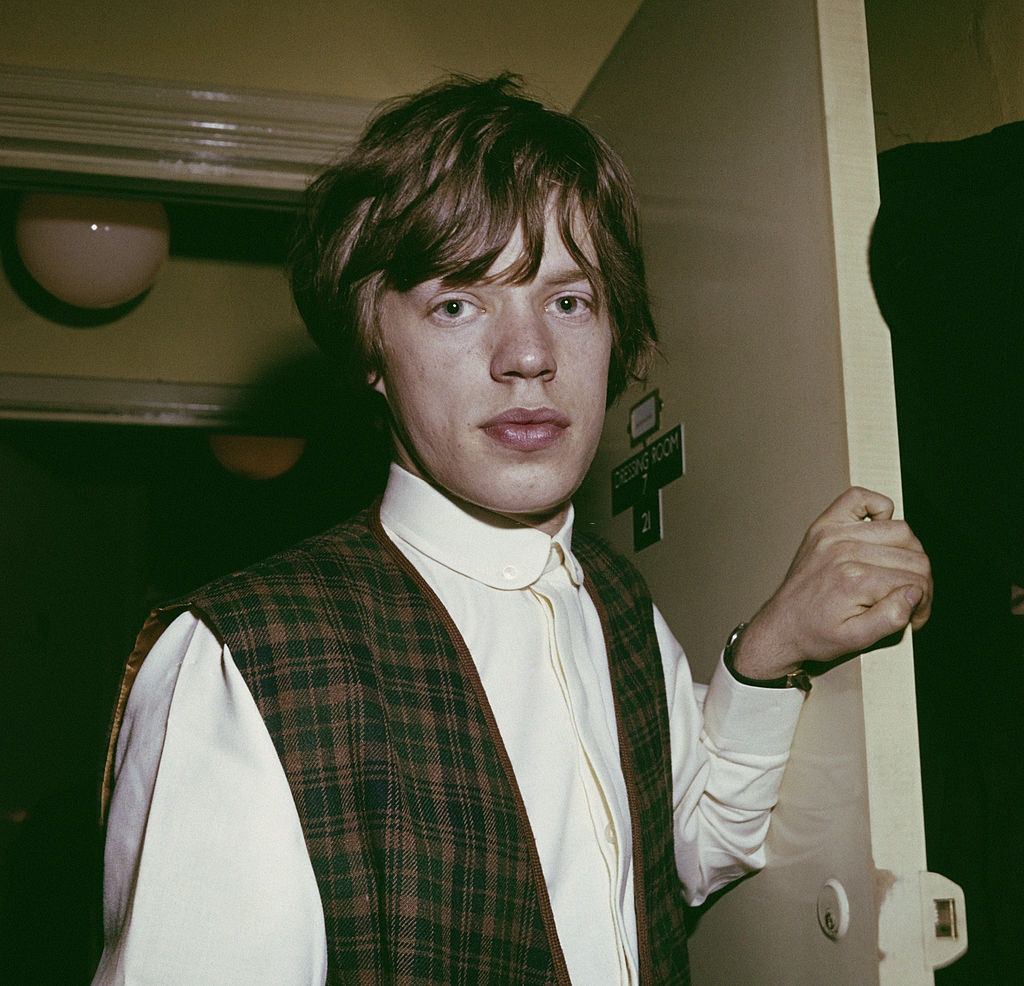
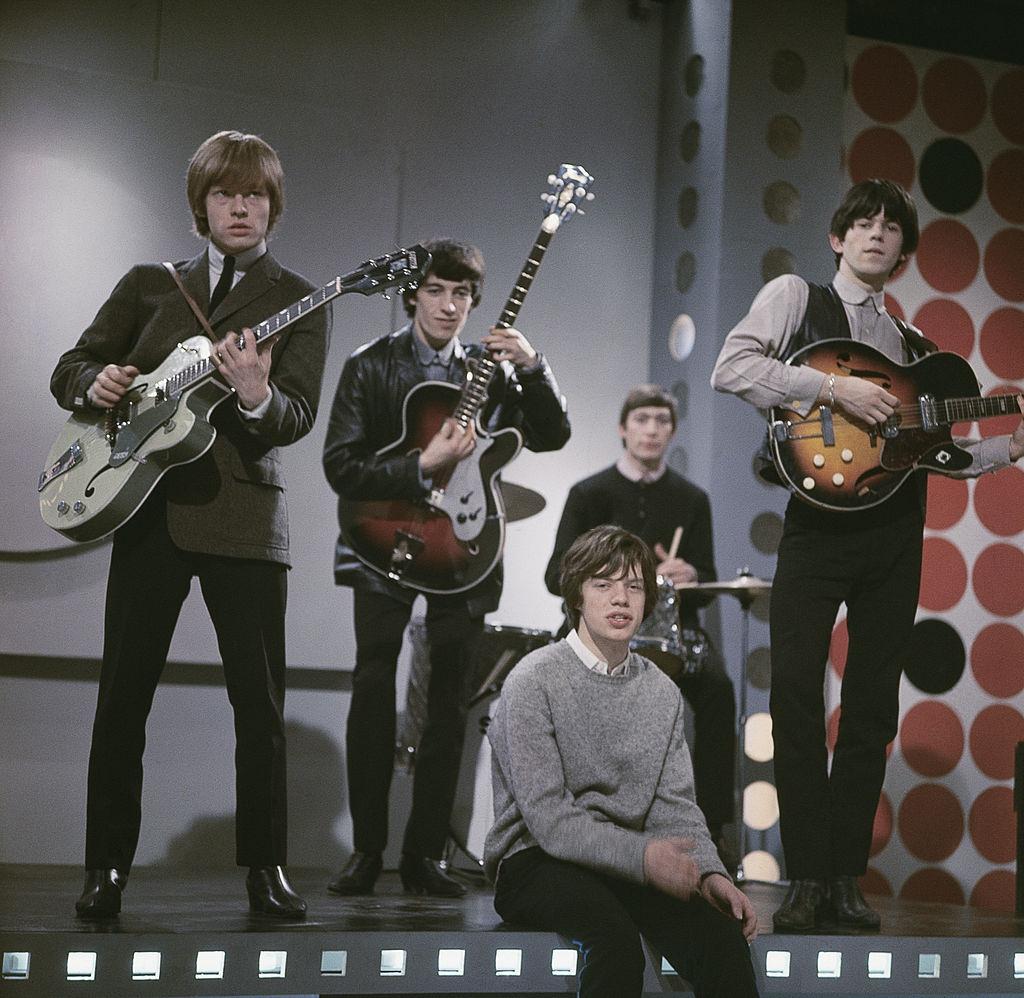
The Rolling Stones moved through London in 1963 with the energy of a band that knew its moment had arrived. They recorded their second single, “I Wanna Be Your Man” — a track written for them by John Lennon and Paul McCartney — at De Lane Lea Studios in October of that year. The recording session captured the band at an exciting, raw stage of their development, before the polished productions that would come later.
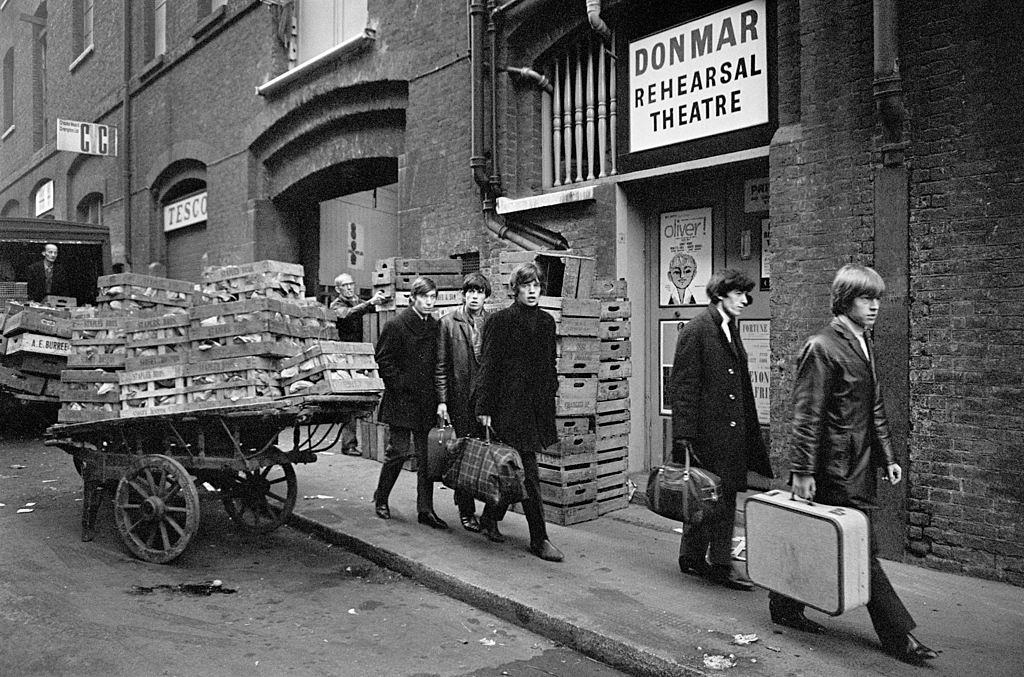
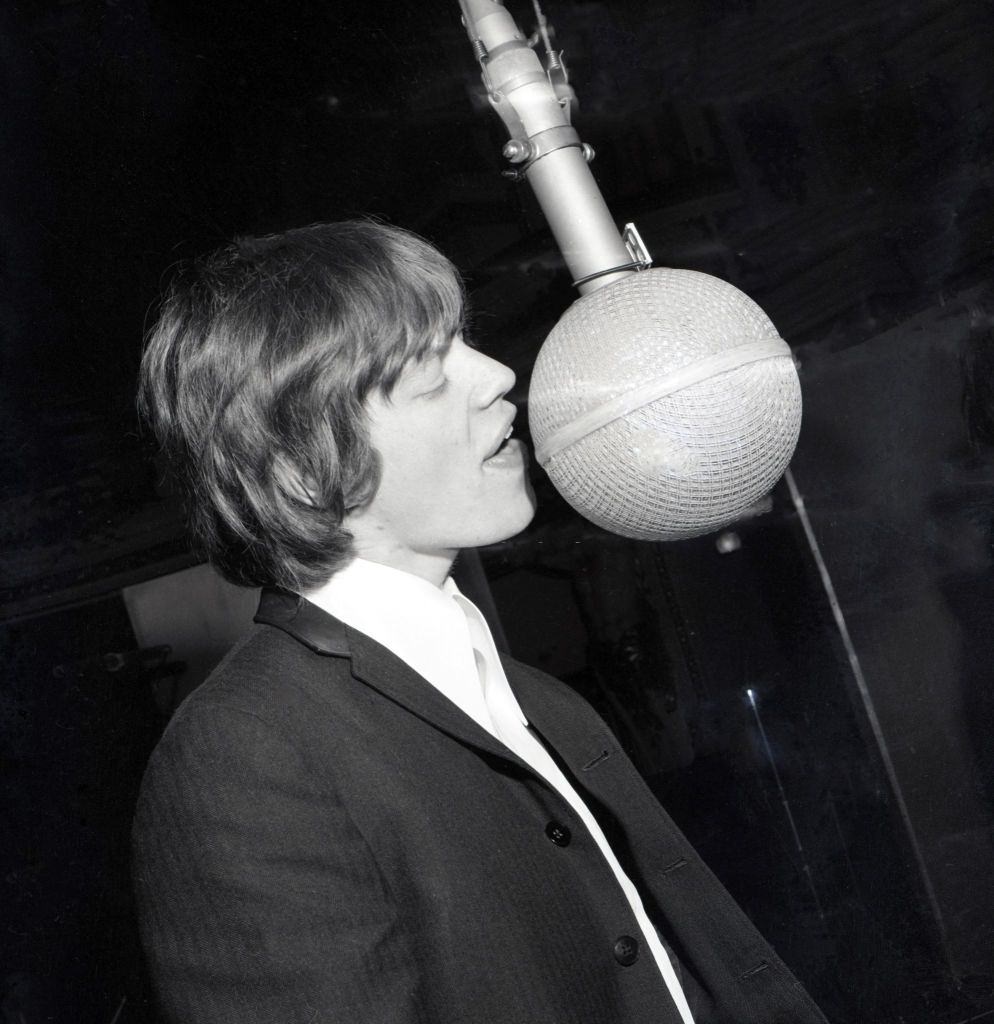
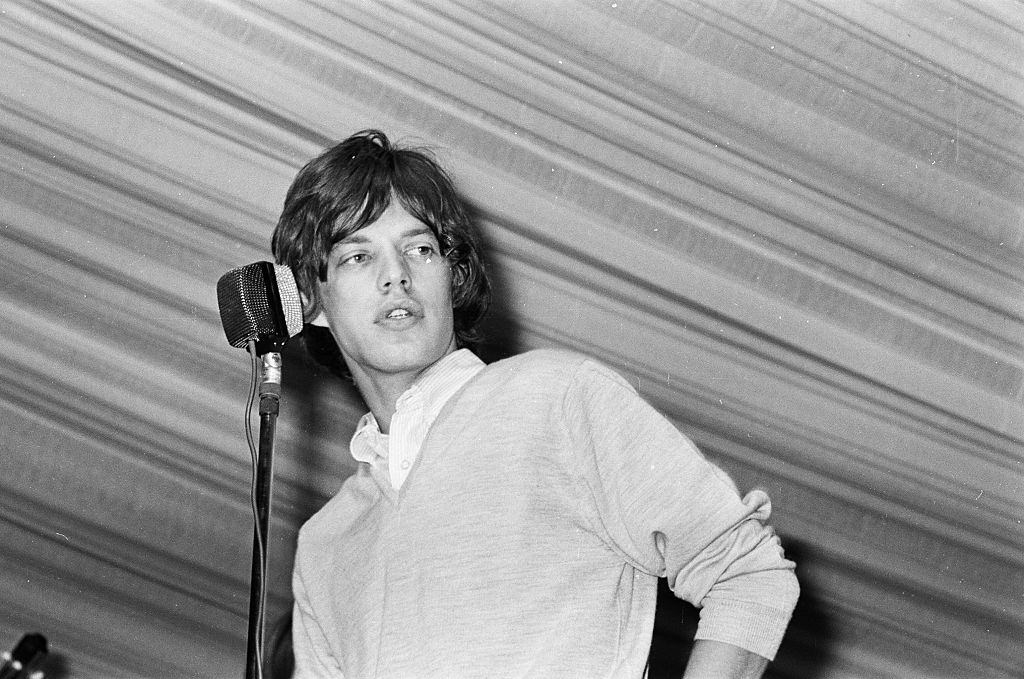
In 1964, the Rolling Stones released their debut album, simply titled *The Rolling Stones*. It reached number one on the UK charts and announced the band as a genuine force in British rock. Jagger was 20 years old. The same year, the group began touring relentlessly — across the UK, into Europe, and eventually to the United States. Jagger threw himself into every performance, developing the energetic, loose-limbed stage presence that would come to define him. His movements on stage were unlike anything audiences had seen from a British singer before.
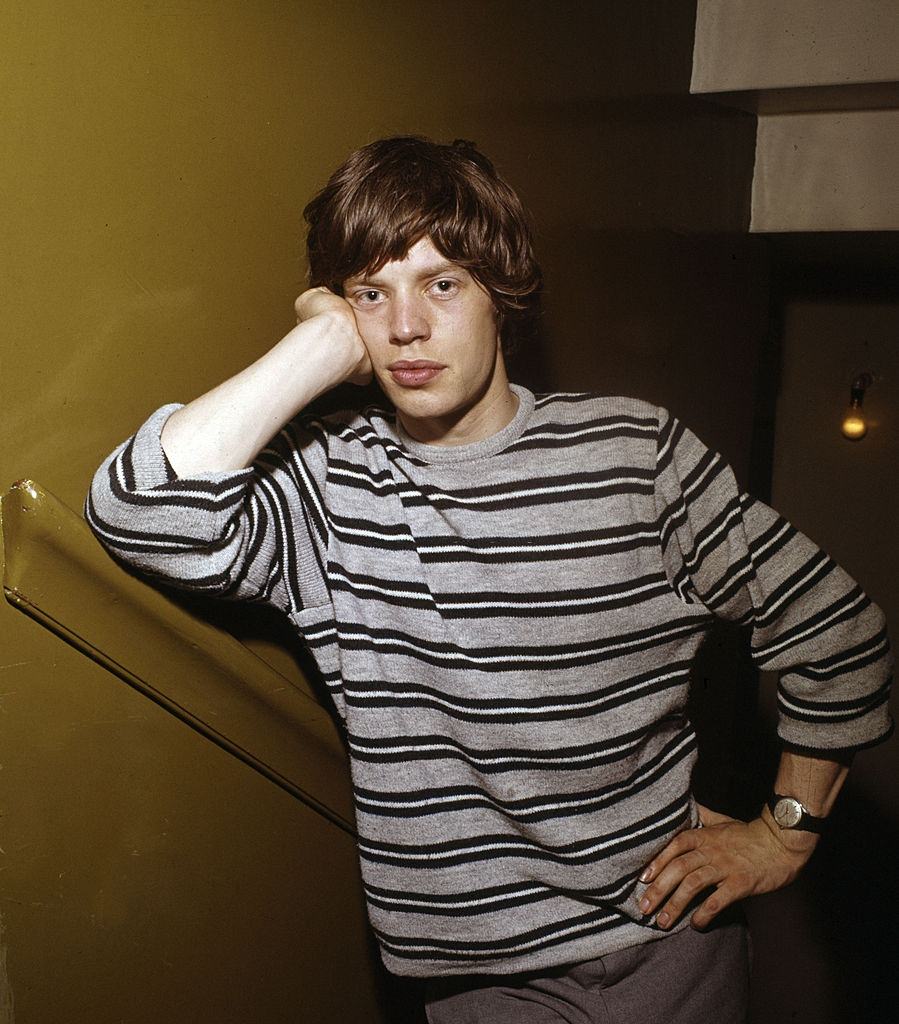
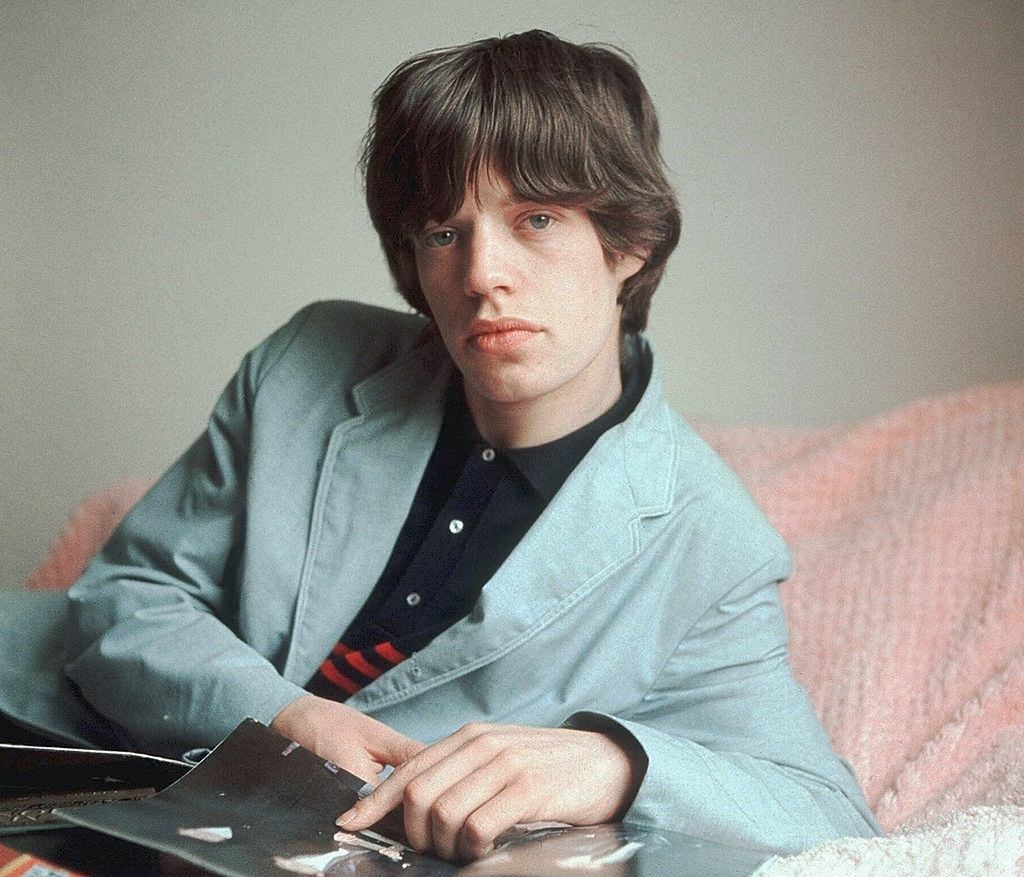
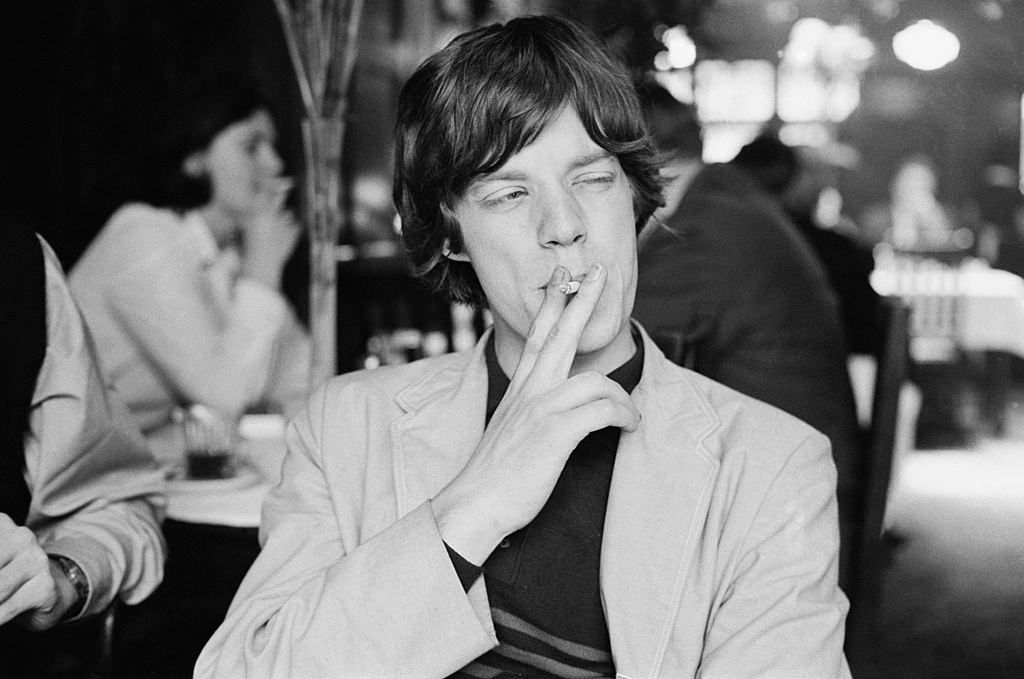

The 1964 tour photos show a young Jagger in his natural element — backstage, on stage, and everywhere in between. Whether he was wearing a rugby jersey on tour in Scotland, waving at fans outside a studio, or lounging at a rehearsal for a TV show, his ease in front of the camera was already second nature. The contrast between the ordinary settings — a phone call in an office, standing in a queue — and the scale of fame he was fast approaching makes these photos especially striking.
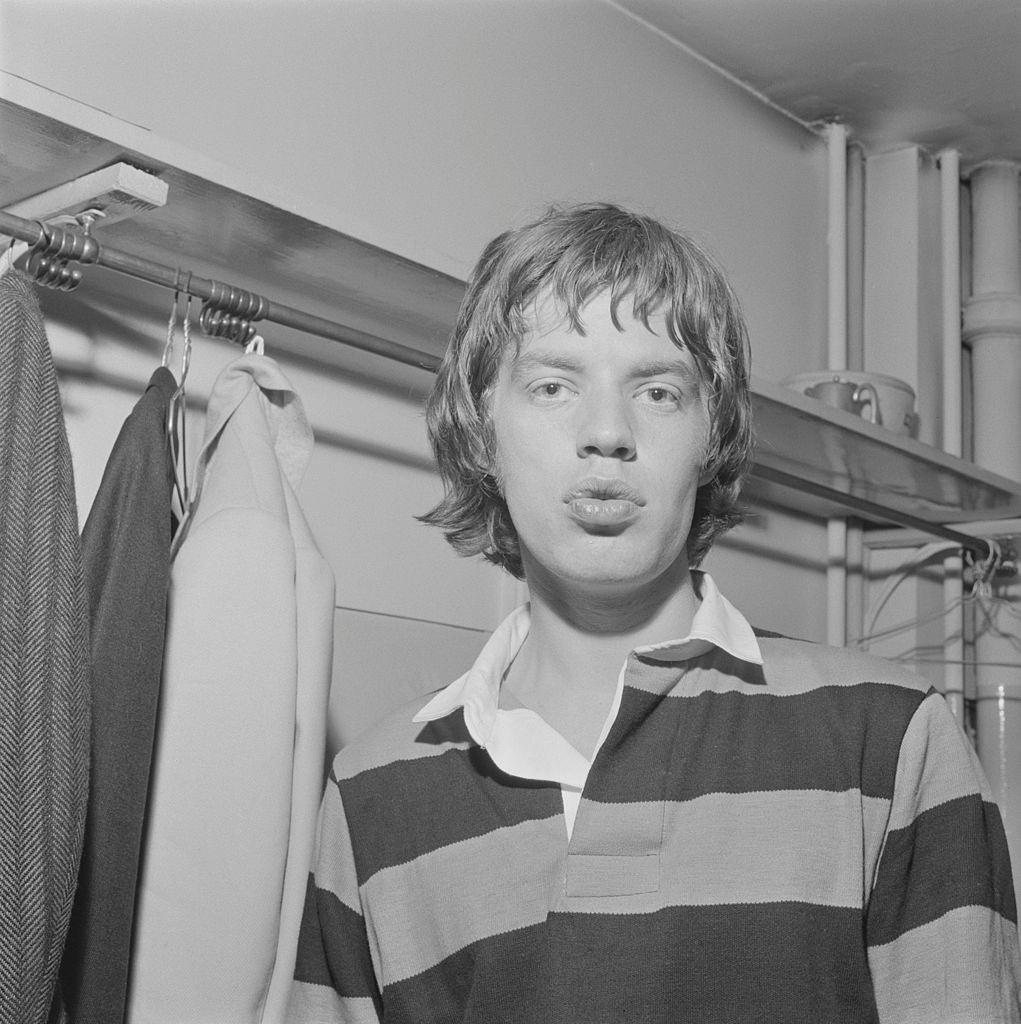
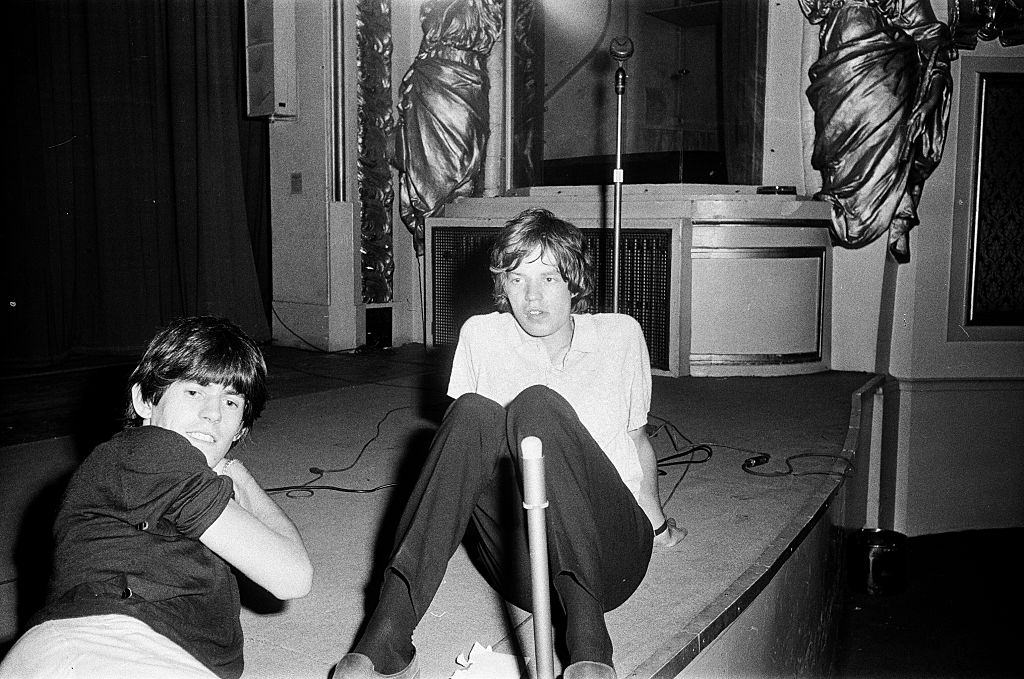
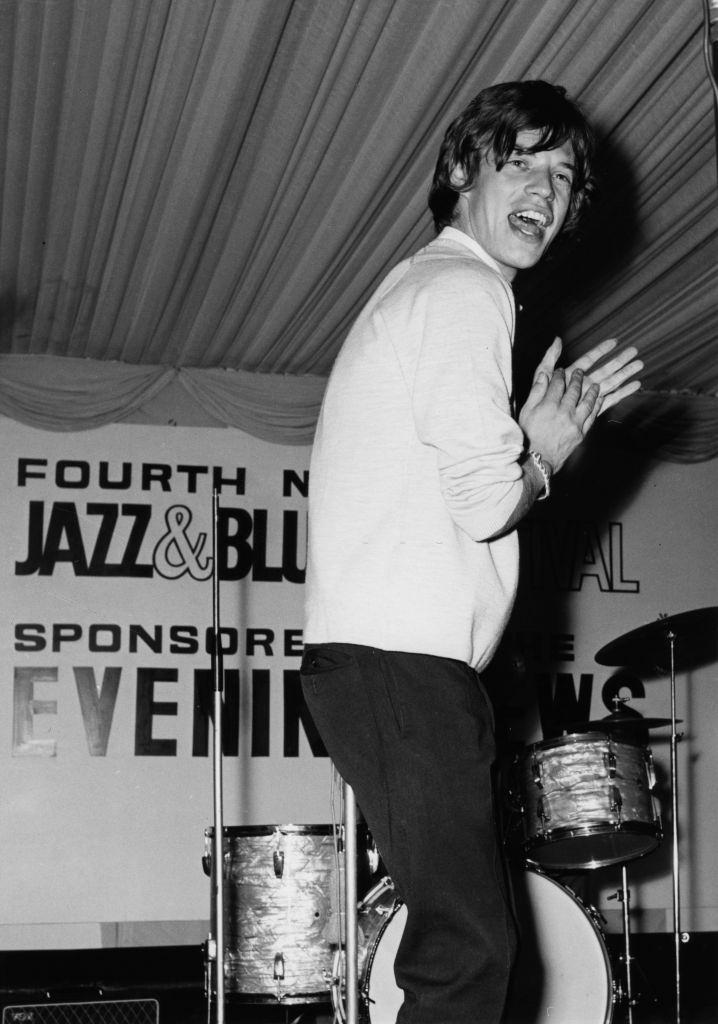
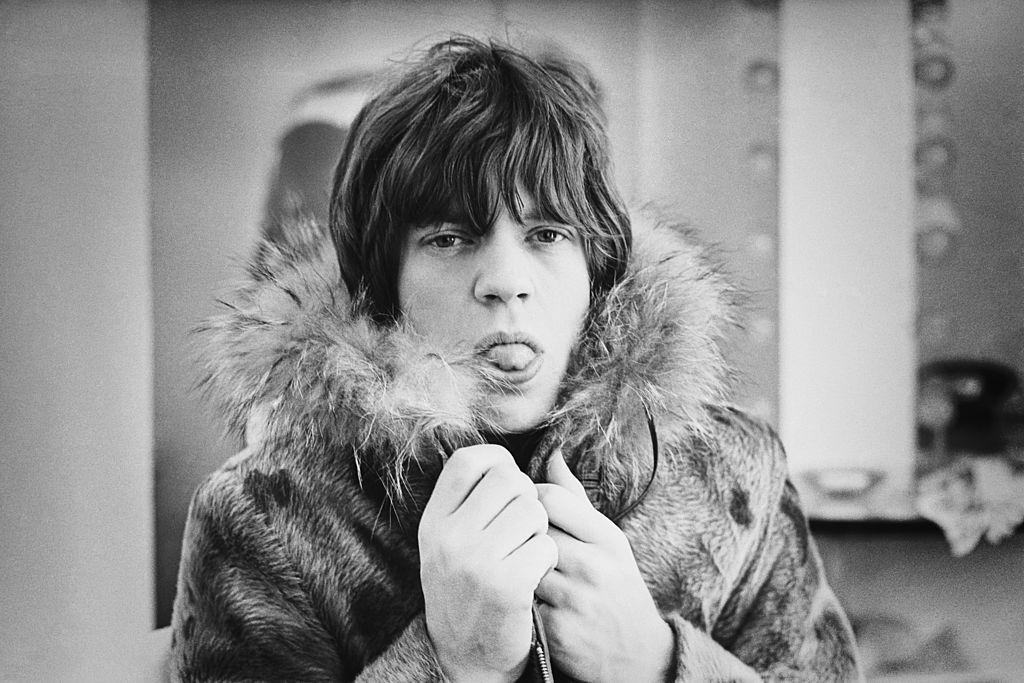
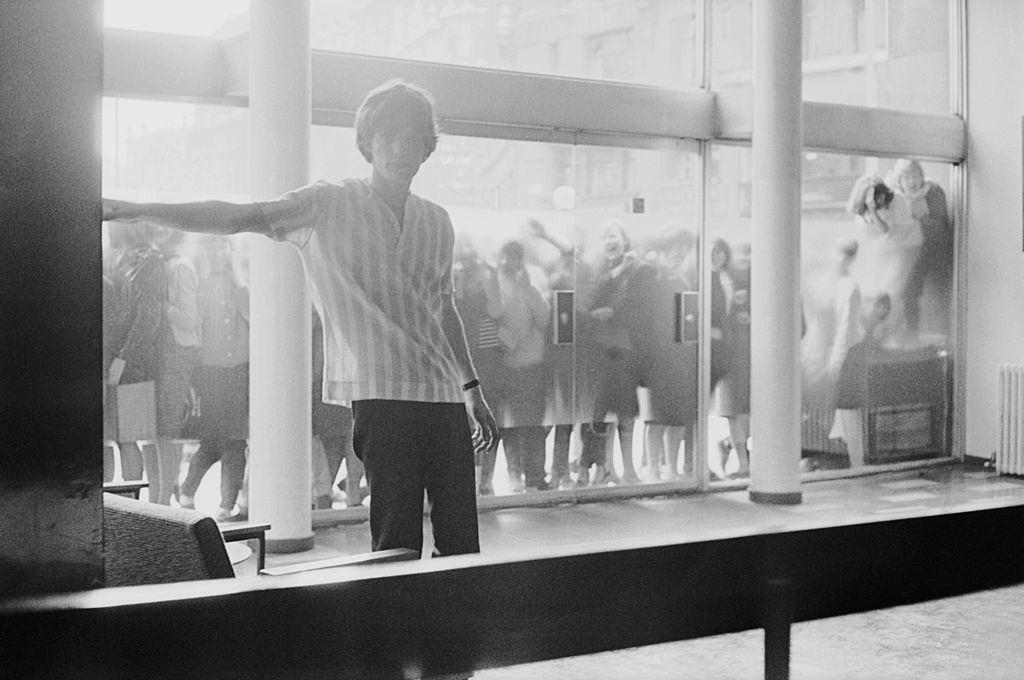
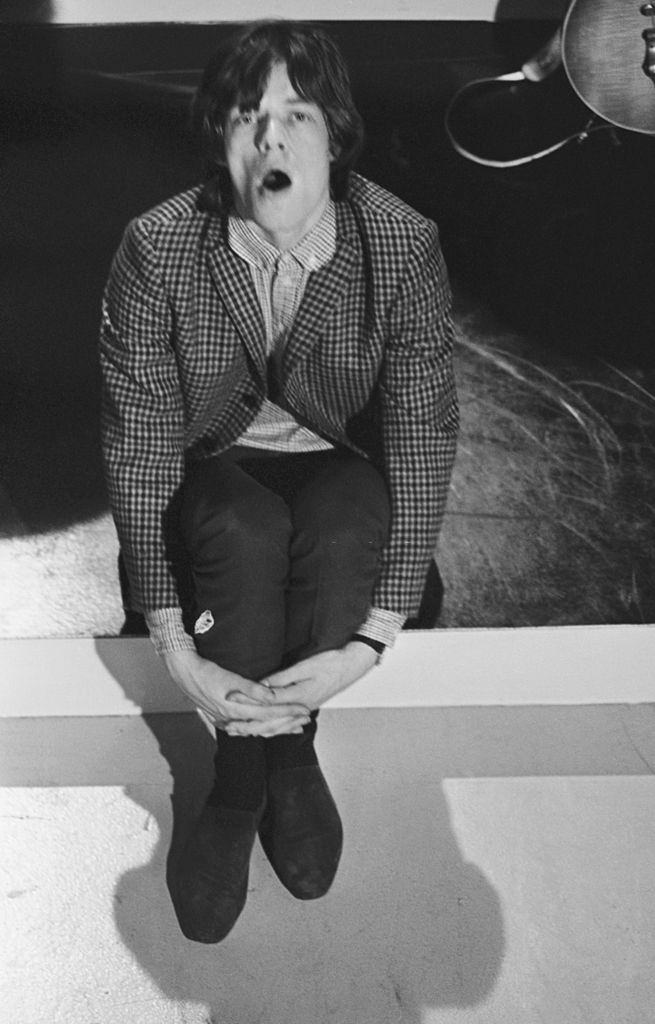
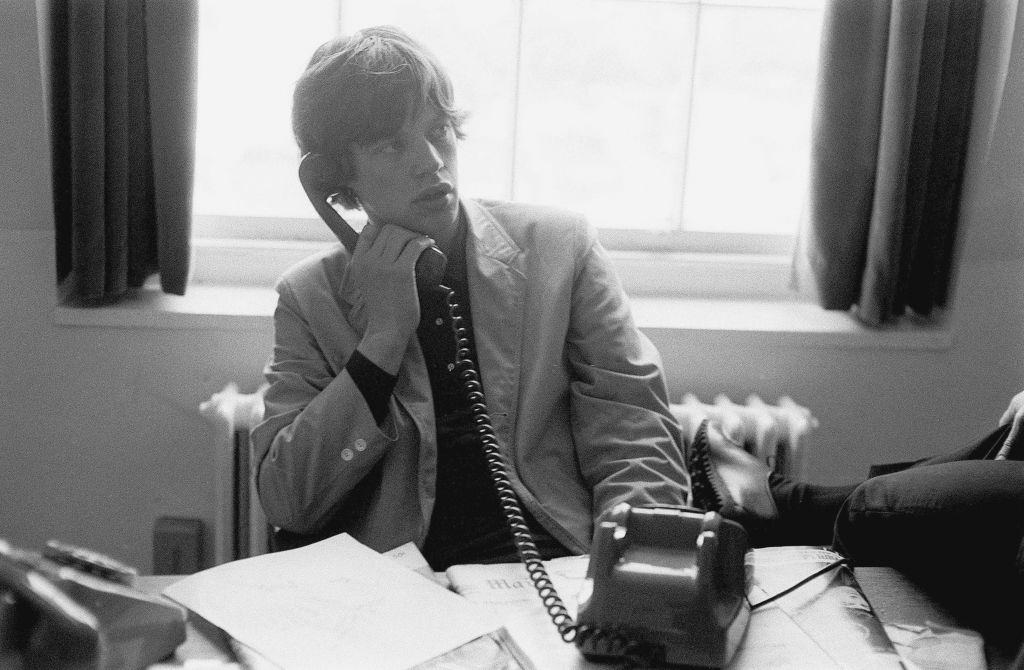
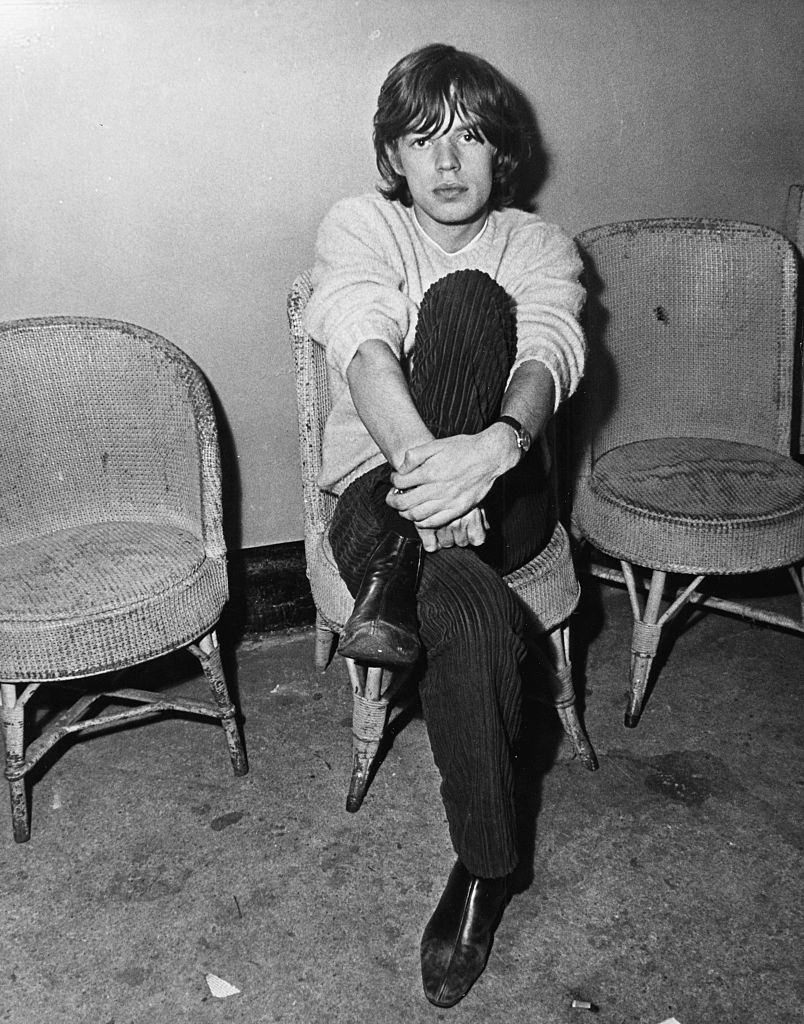
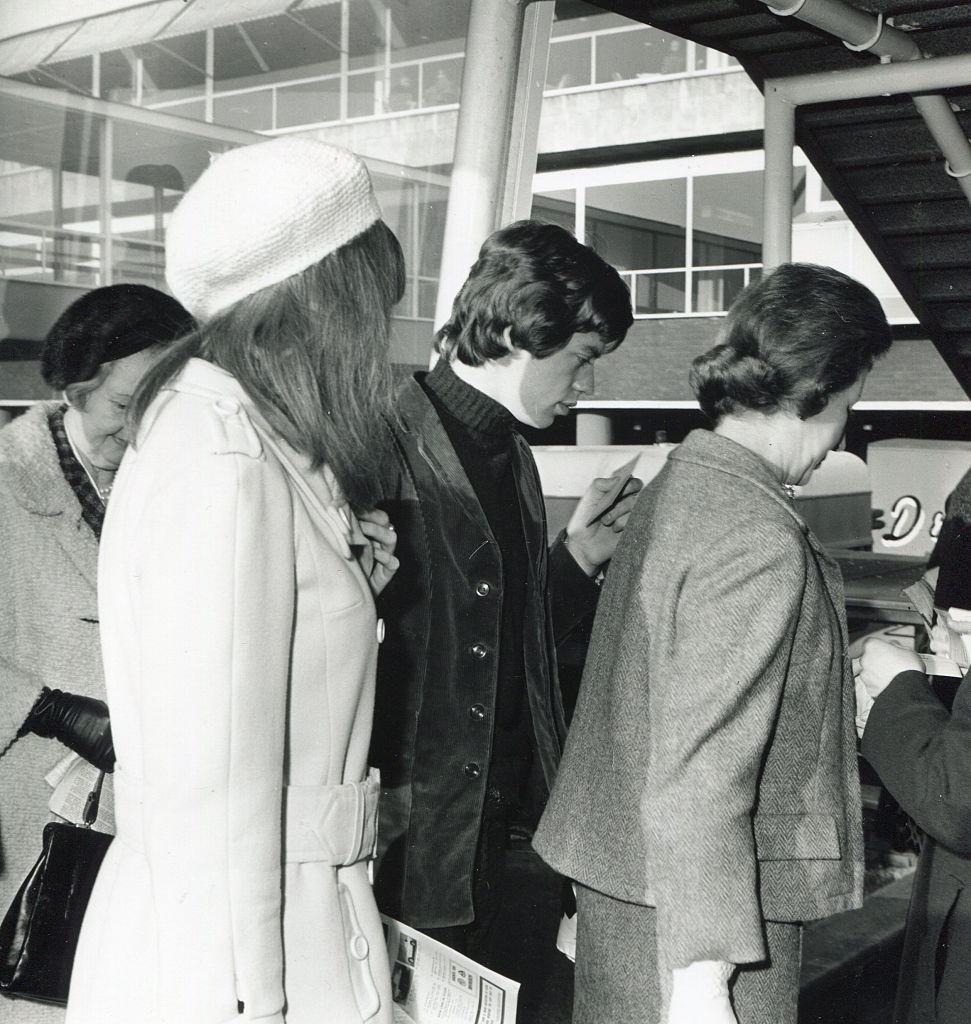
By 1965, the Rolling Stones were a household name in Britain and were making serious inroads in America. Jagger’s personal life was also becoming more public. He was in a relationship with model Chrissie Shrimpton, and photos of the two together began appearing in the British press. The band continued to tour and release music at a relentless pace, and Jagger continued to sharpen his persona both on and off the stage.
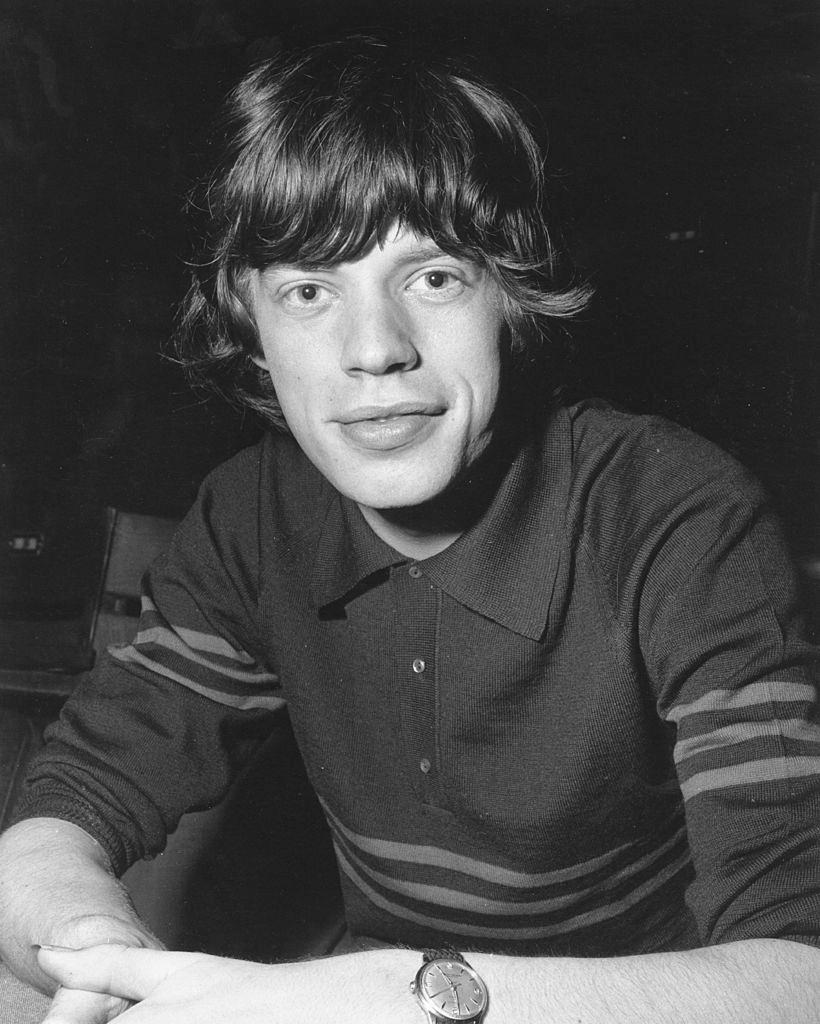
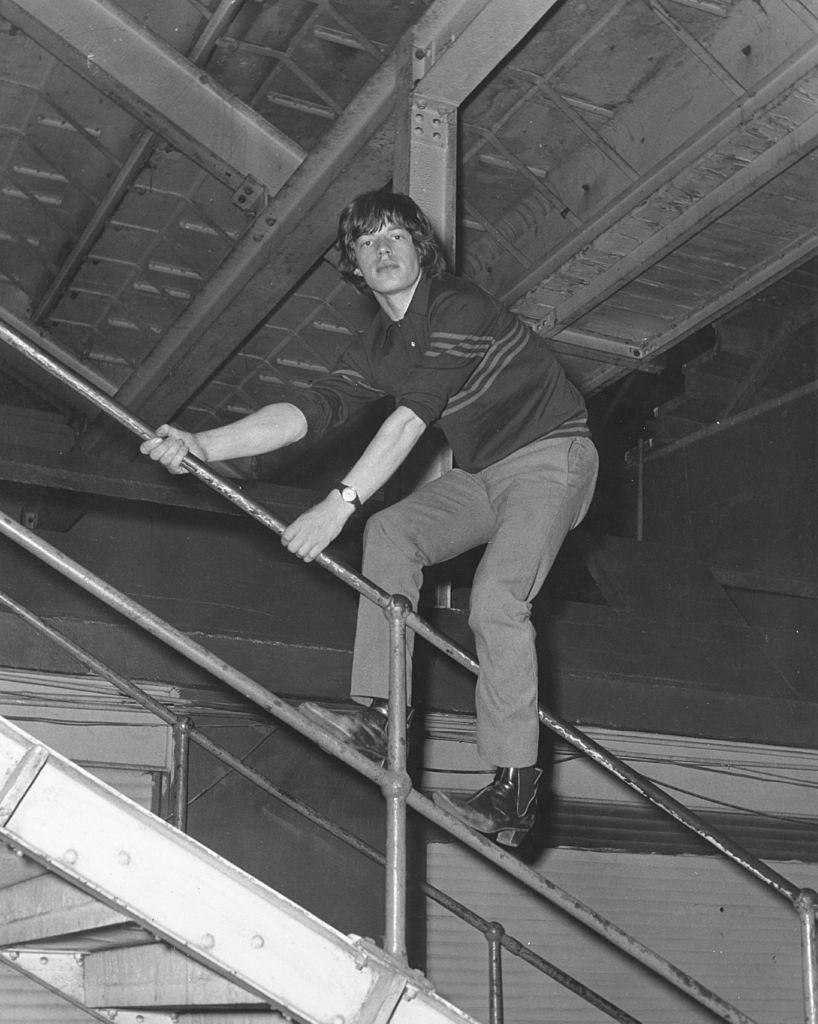
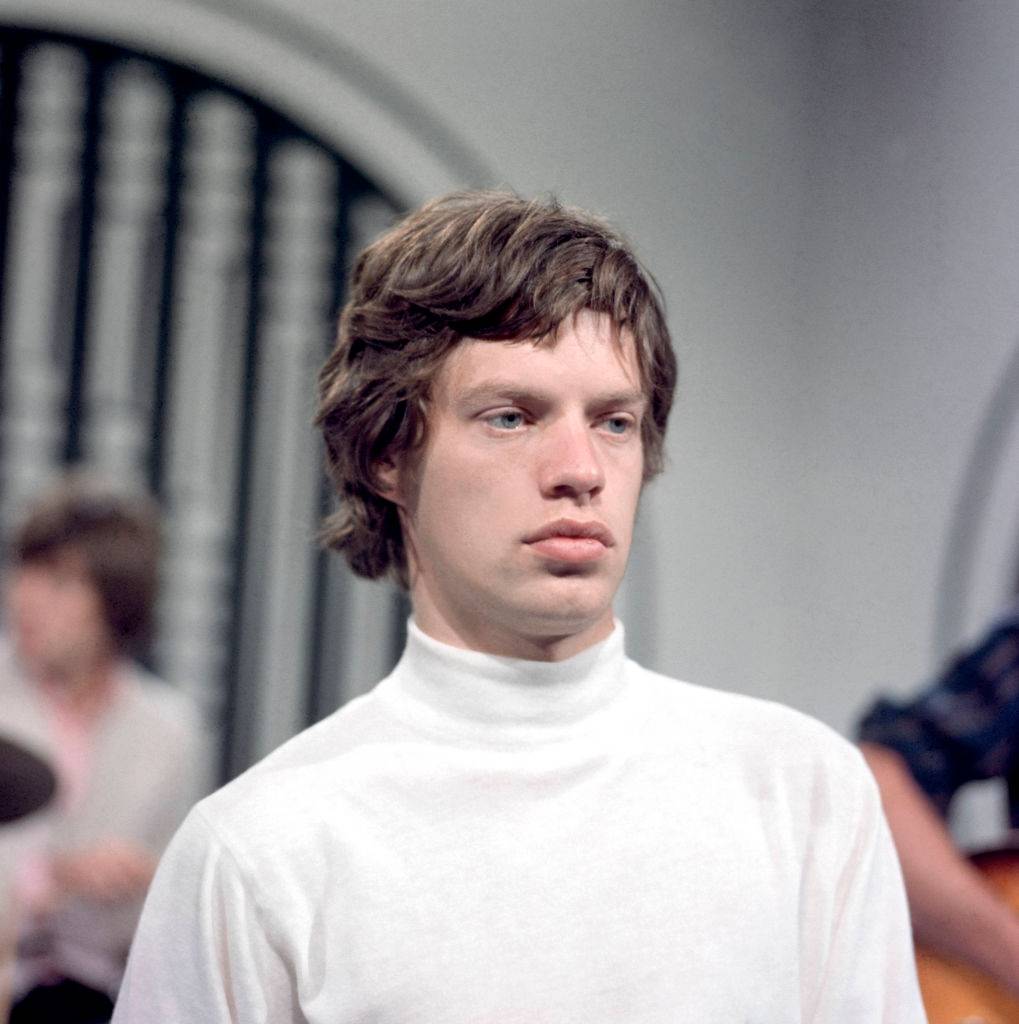
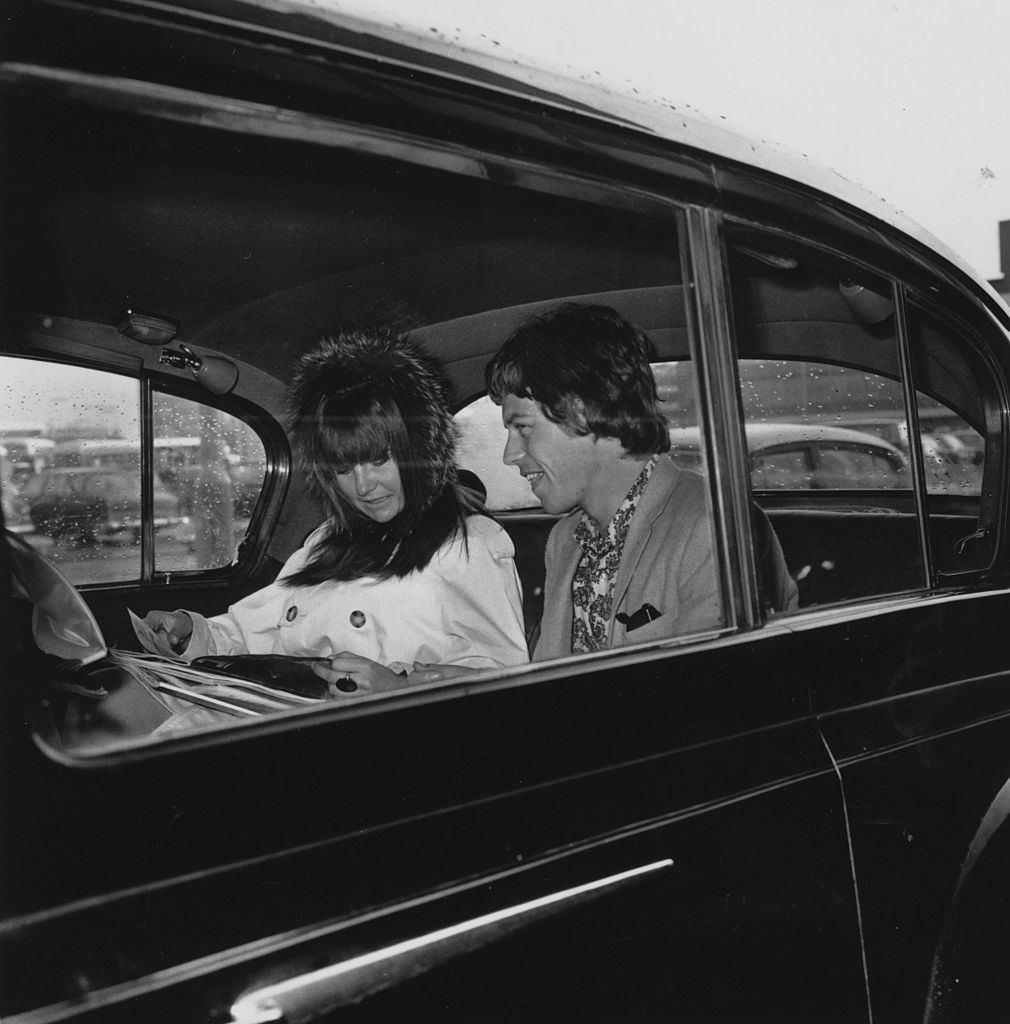
As the decade moved into its second half, Jagger’s life grew increasingly complicated. His relationship with Chrissie Shrimpton ended, and he began a new relationship with singer and actress Marianne Faithfull. In February 1967, police raided Keith Richards’ home and arrested Jagger along with Faithfull and several others. Jagger was convicted on a drugs charge and briefly sentenced to jail, though his conviction was later overturned on appeal. Two years later, in 1969, Jagger and Faithfull were arrested again after police raided Jagger’s London home.
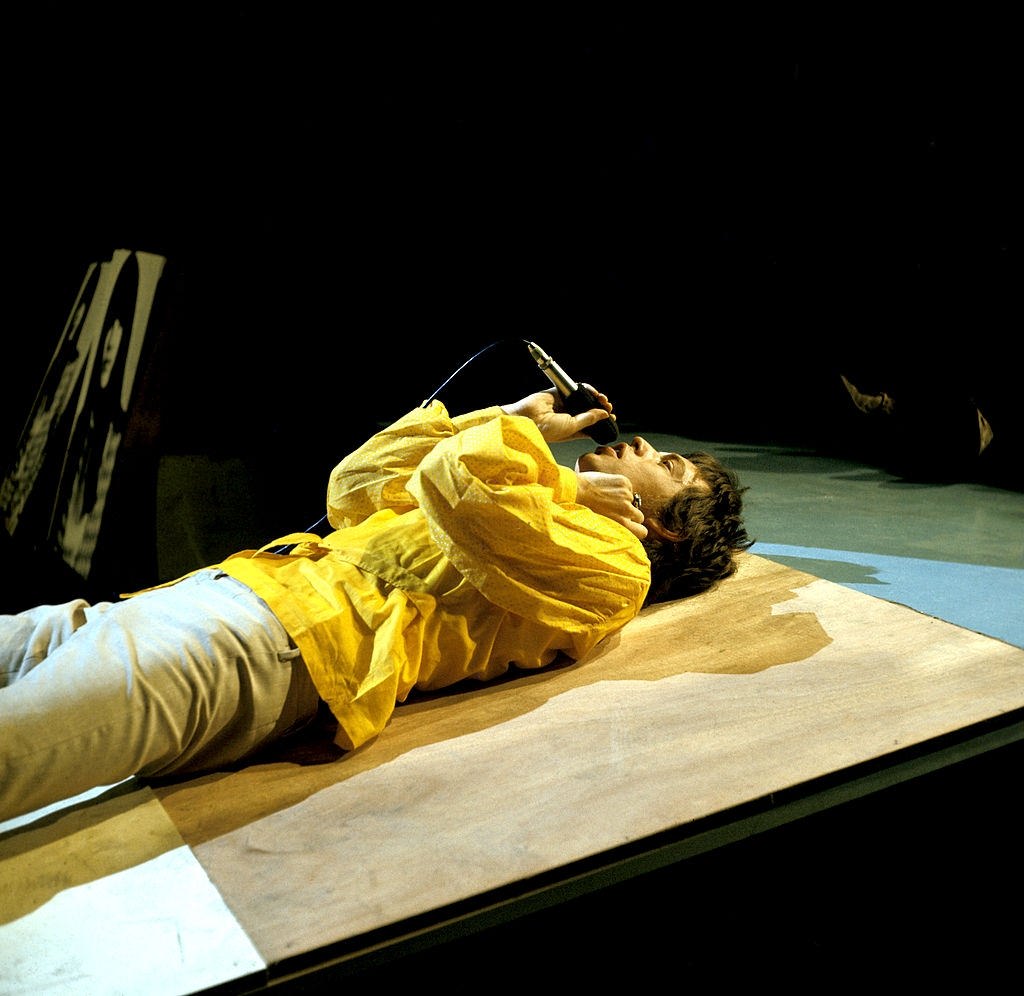
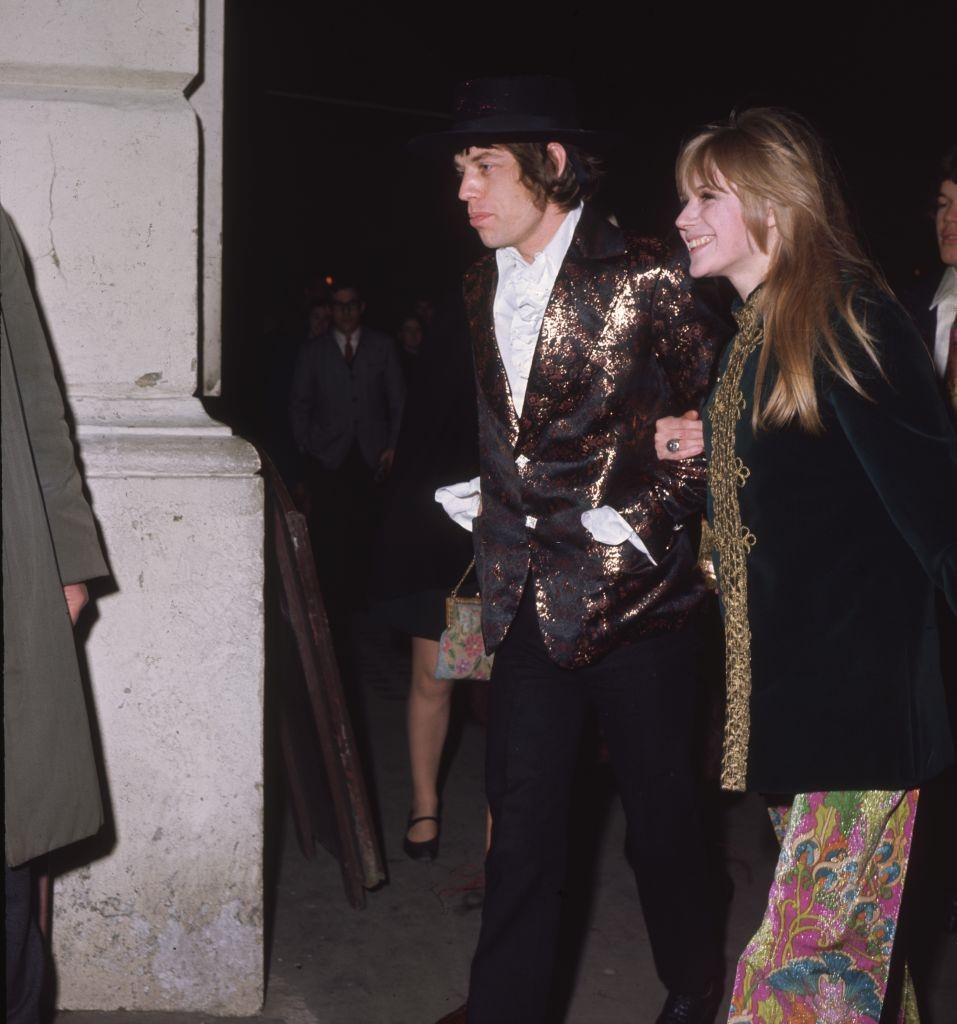
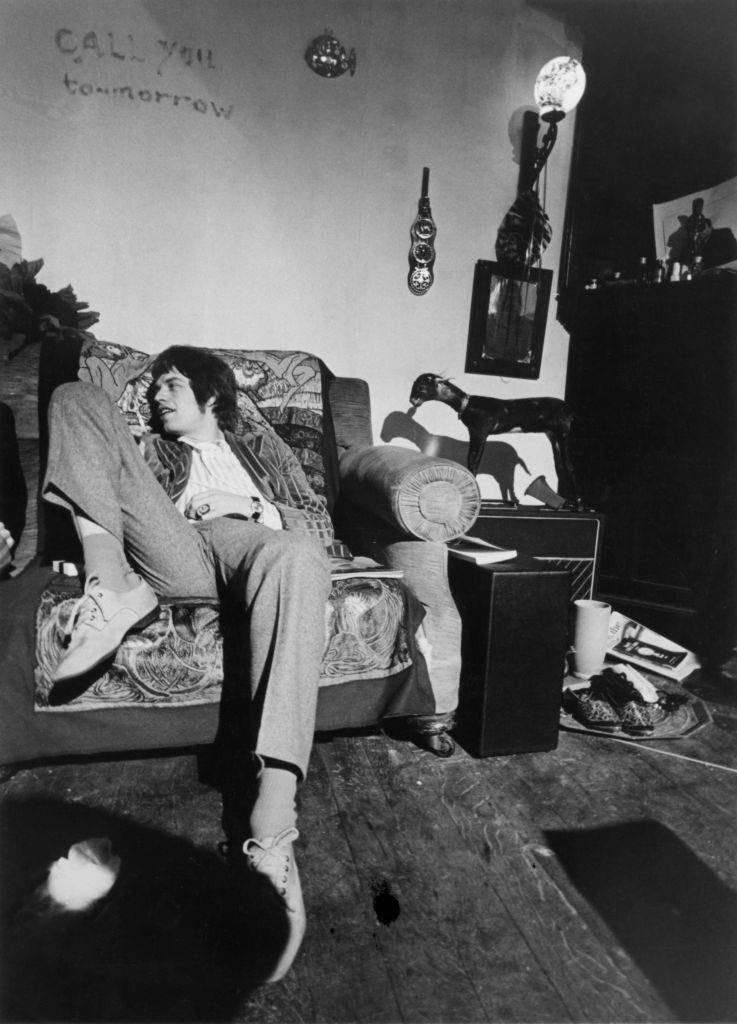
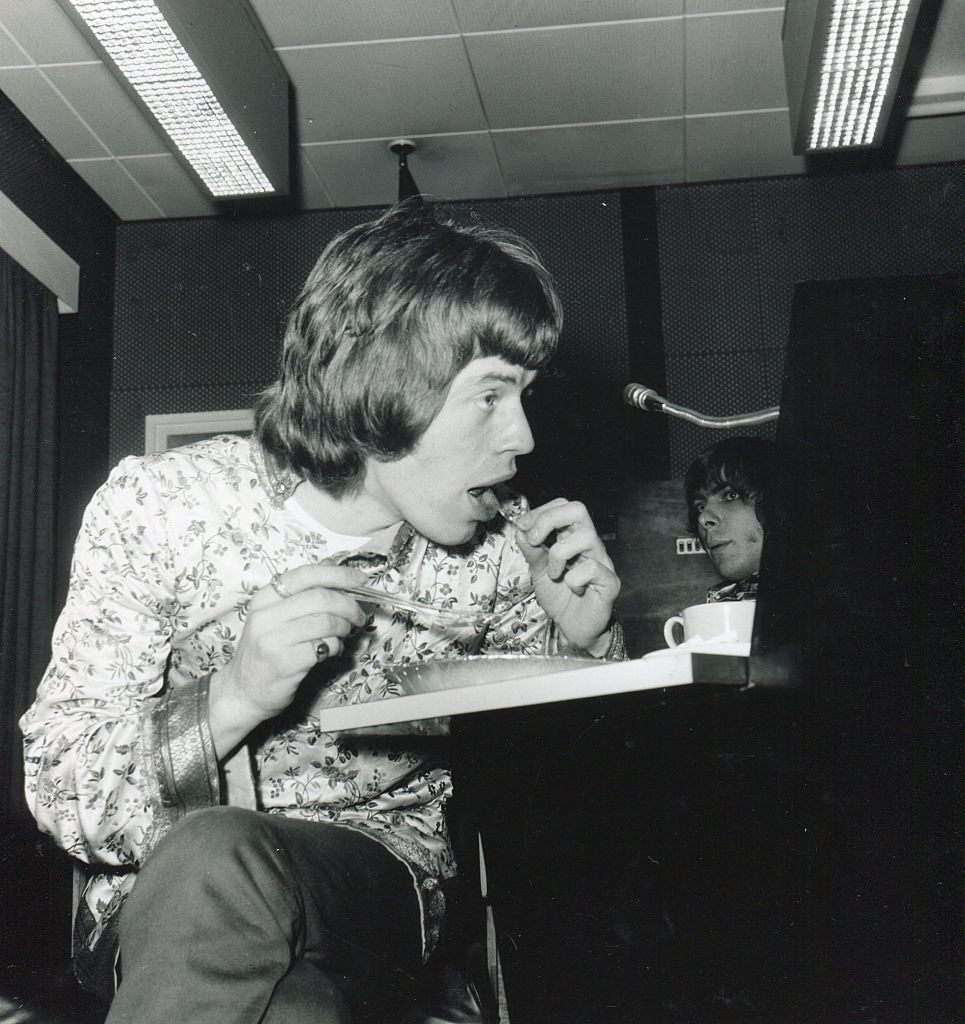
Despite the legal troubles, the band’s creative output never slowed. In 1967, the Rolling Stones released *Their Satanic Majesties Request*, a psychedelic album that reflected the experimental spirit of that era. Behind the scenes, the recording sessions were long and often chaotic, with sessions stretching into the early hours of the morning. Jagger was present for all of it, eating, sleeping, and living in and around the studio during the album’s production.
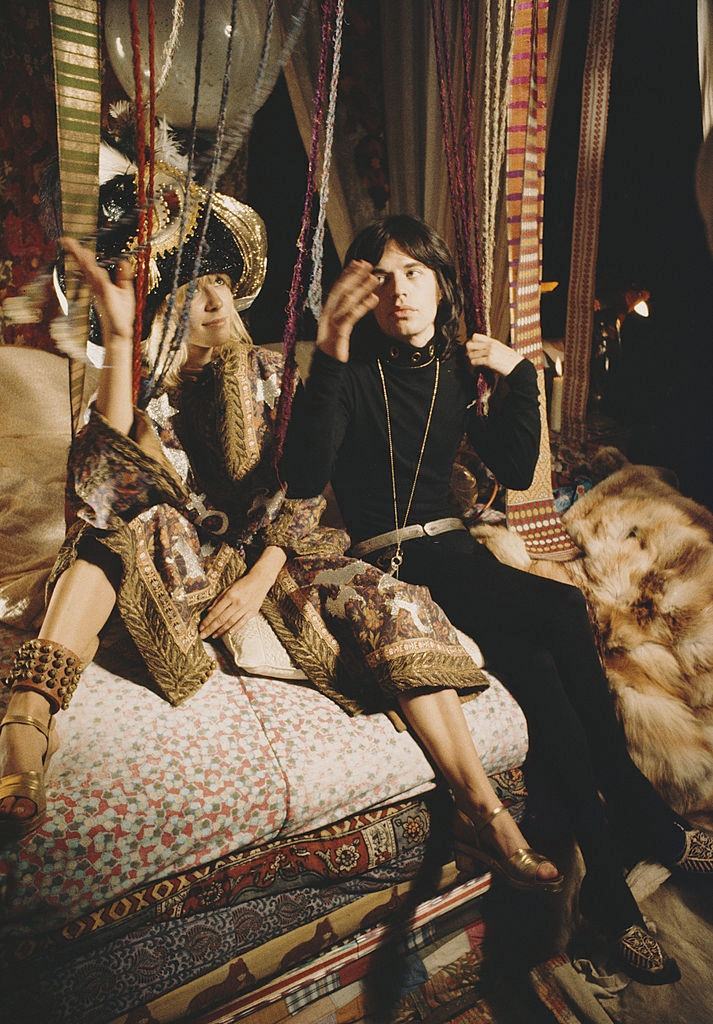
Jagger also began exploring acting during this period. In 1968, he took on the lead role in *Performance*, a British crime drama directed by Donald Cammell and Nicolas Roeg. He played Turner, a reclusive rock star living in hiding in London. The film was dark, experimental, and controversial — Warner Bros. initially refused to release it, and it didn’t reach theaters until 1970. On set, Jagger worked alongside actress Anita Pallenberg and actor James Fox in what became one of the most talked-about British films of the era.
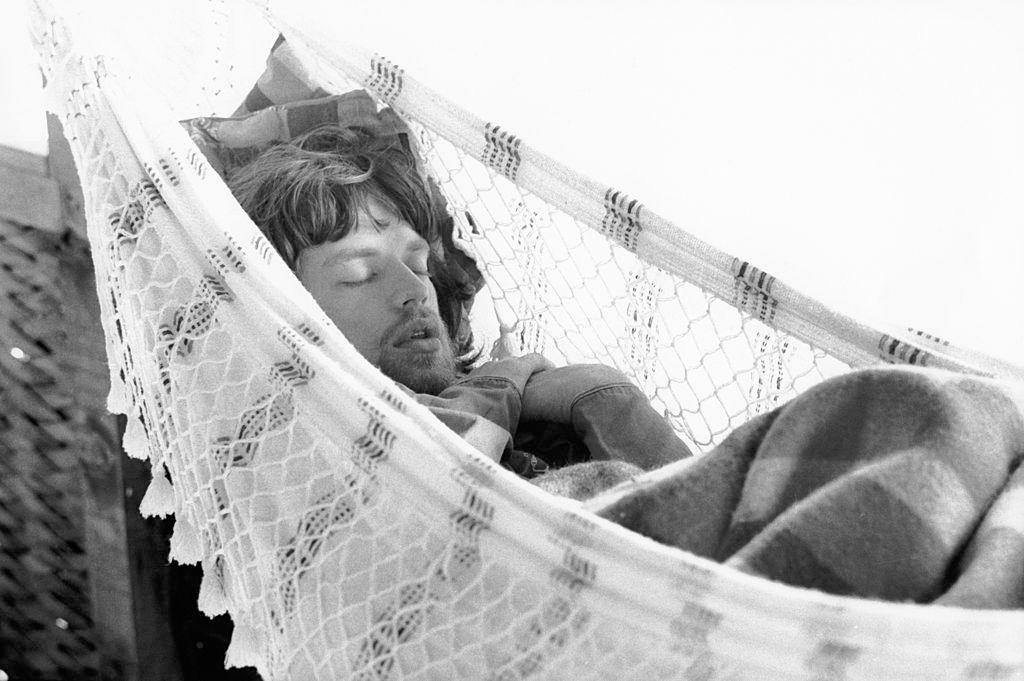
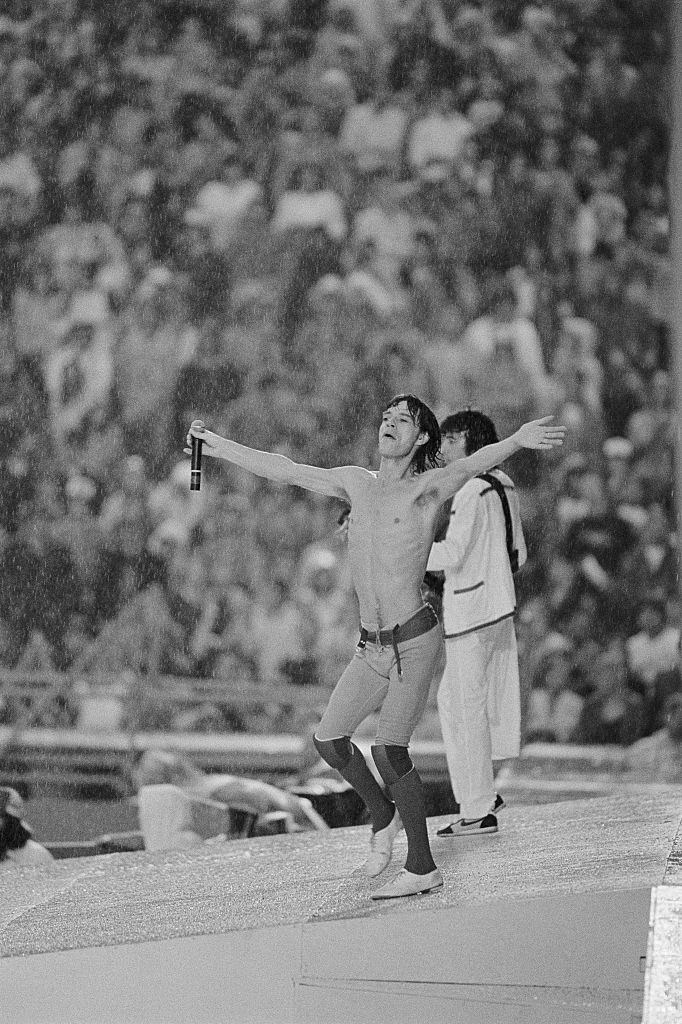
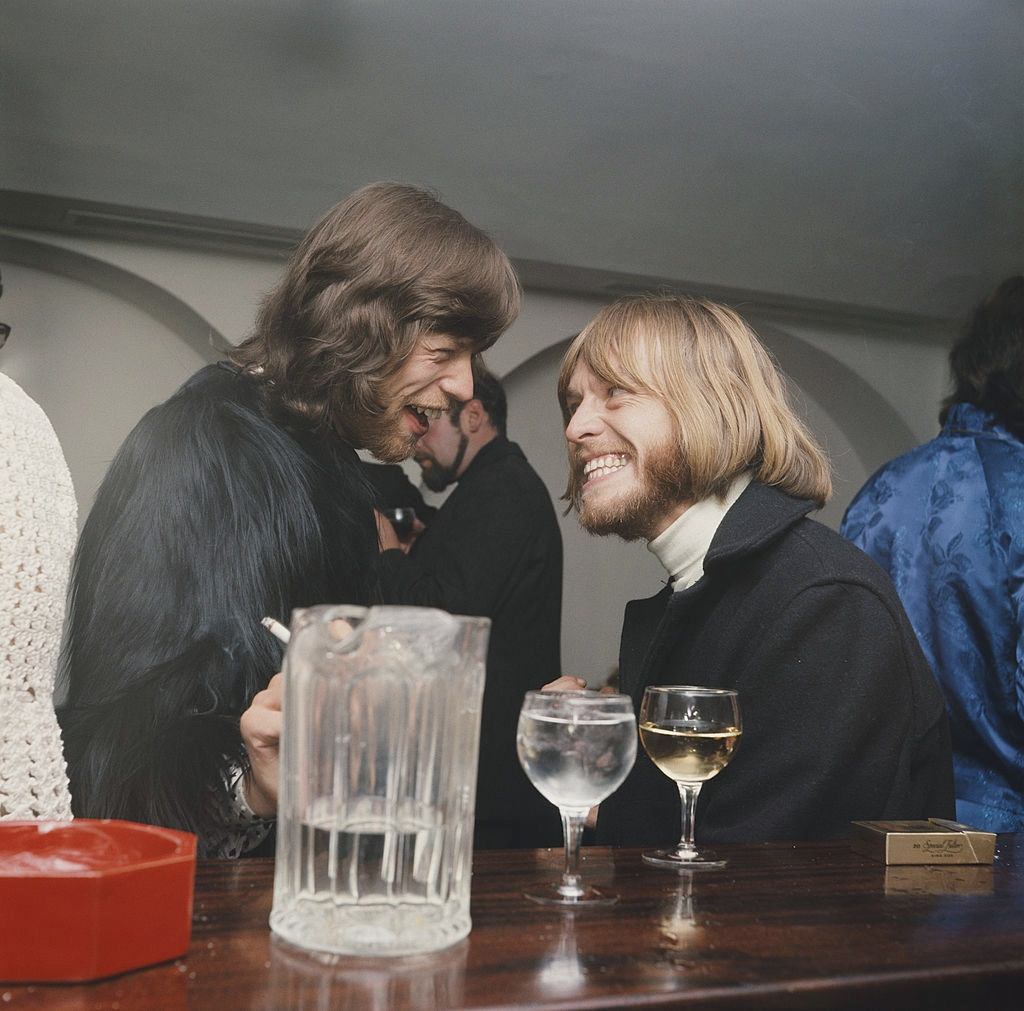
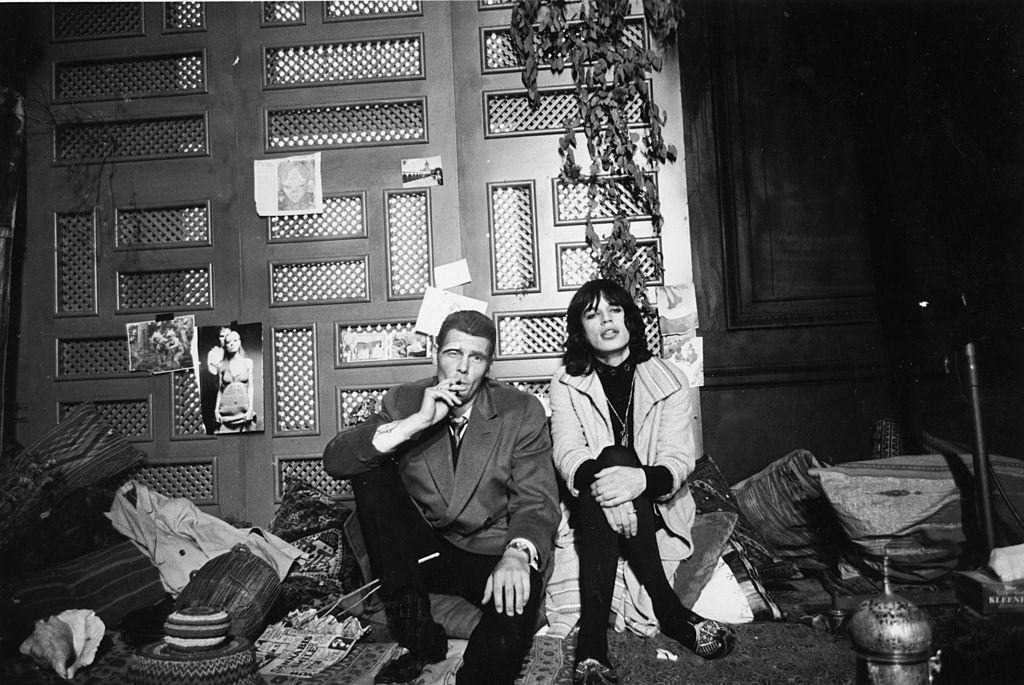
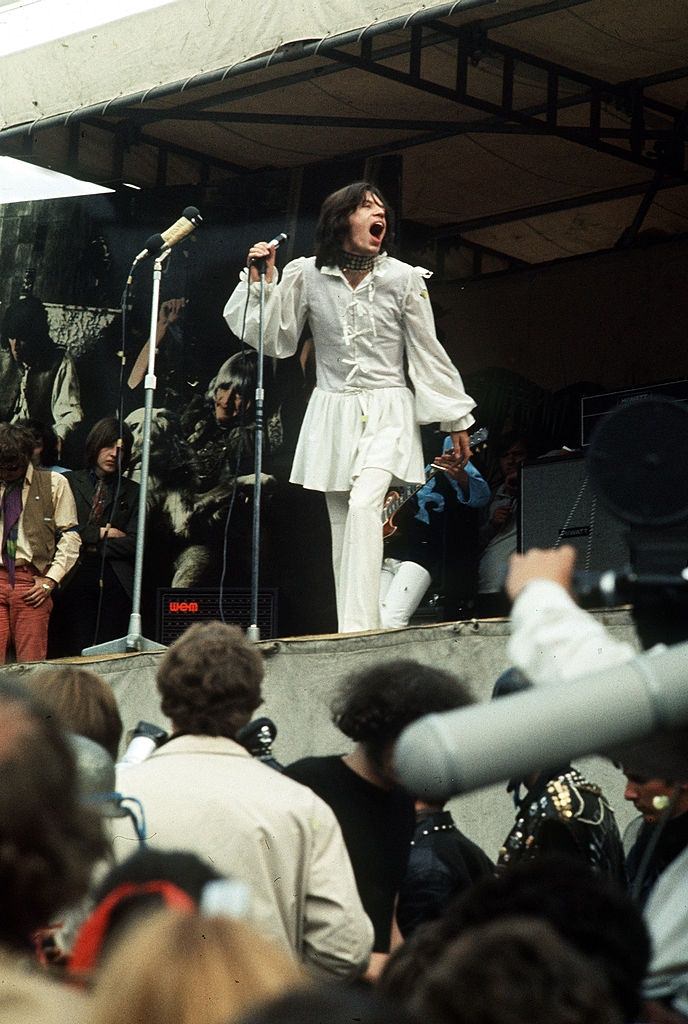
The year 1969 brought both triumph and tragedy for Jagger and the Rolling Stones. Brian Jones, a founding member and one of the band’s original driving forces, left the group in June 1969 due to deteriorating health and personal struggles. He died just weeks later, on July 3, 1969, found at the bottom of his swimming pool at age 27. Two days after his death, the Rolling Stones performed a free concert in Hyde Park, London, before an audience of roughly 250,000 people. Jagger opened the show with a tribute to Jones, reading Percy Bysshe Shelley’s poem *Adonais* and releasing thousands of white butterflies into the crowd.
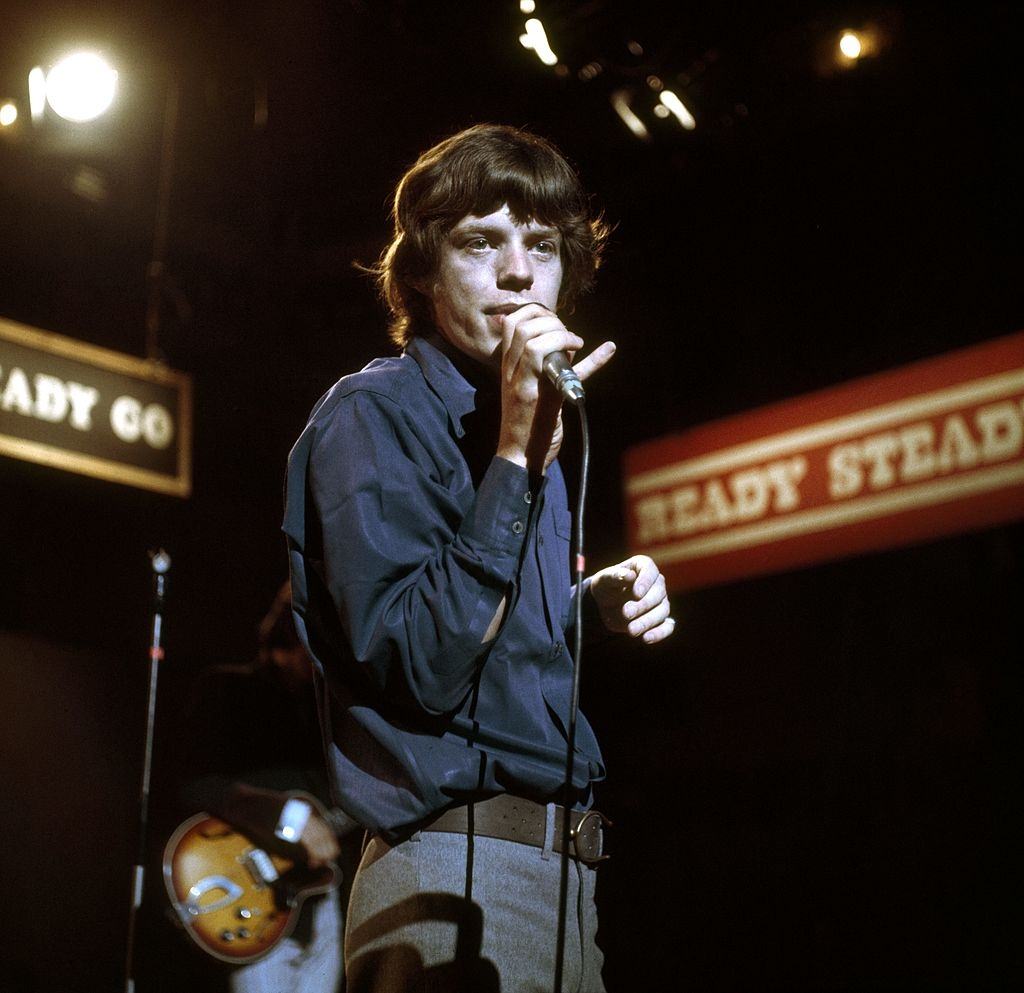
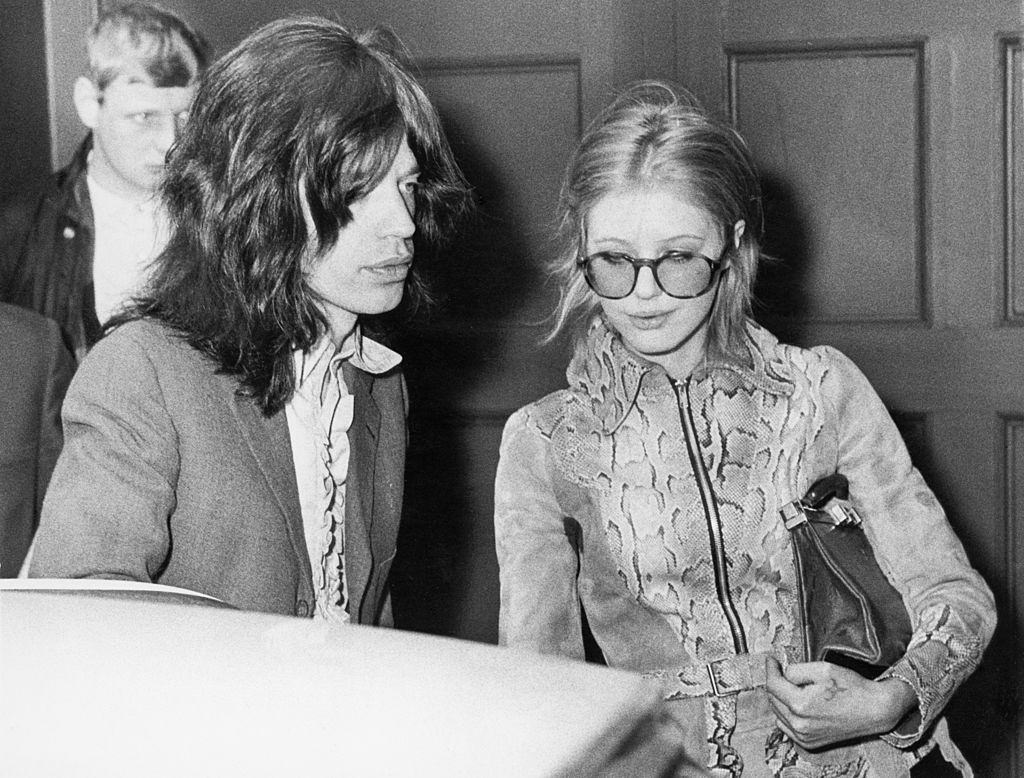
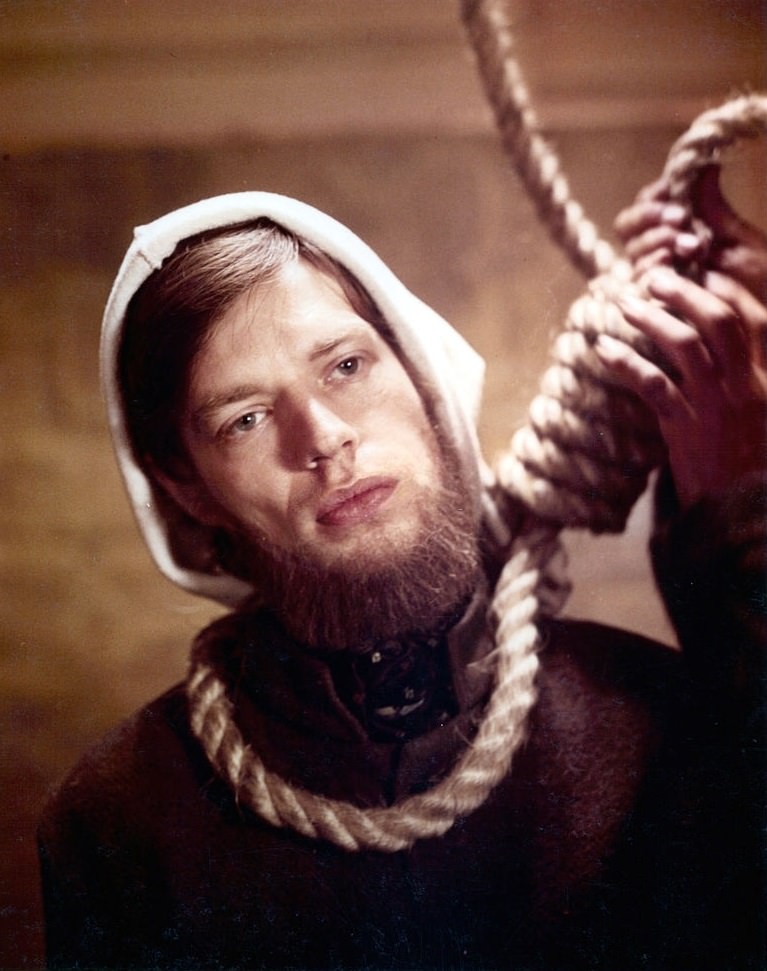
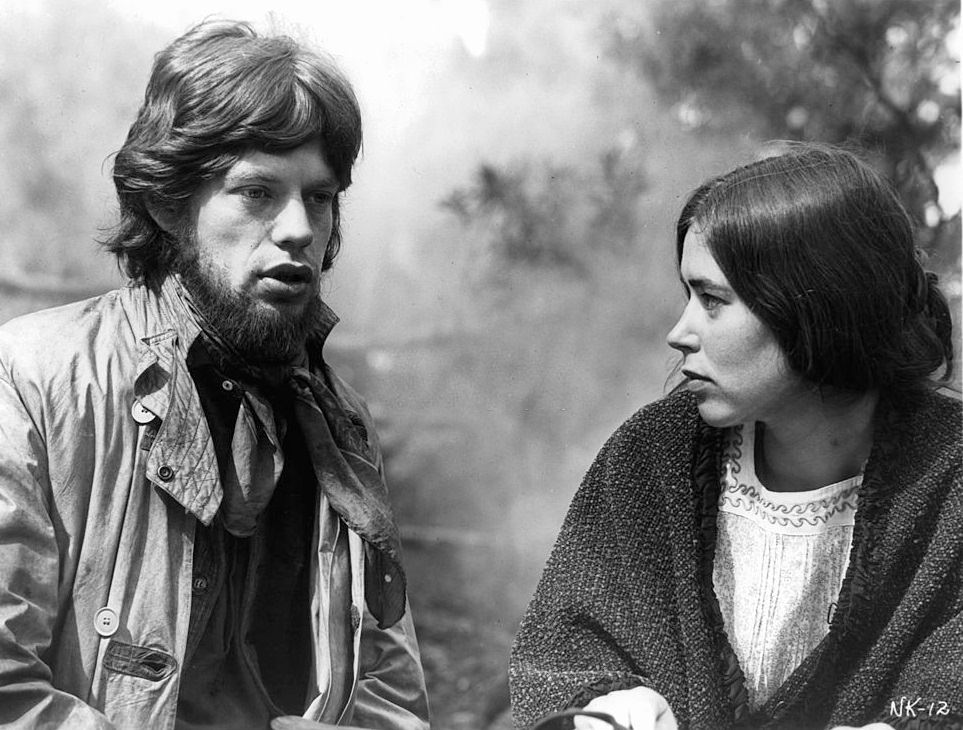
In 1970, Jagger took on his second major film role, playing the Australian outlaw Ned Kelly in the biographical film of the same name. The role required a different kind of performance — grounded and physical rather than the abstract, stylized work of *Performance*. Scenes from the production show Jagger in costume and, in one memorable image, standing with a noose around his neck for a scene depicting Kelly’s execution. The film received a mixed critical response but demonstrated Jagger’s continued willingness to take creative risks outside of music.
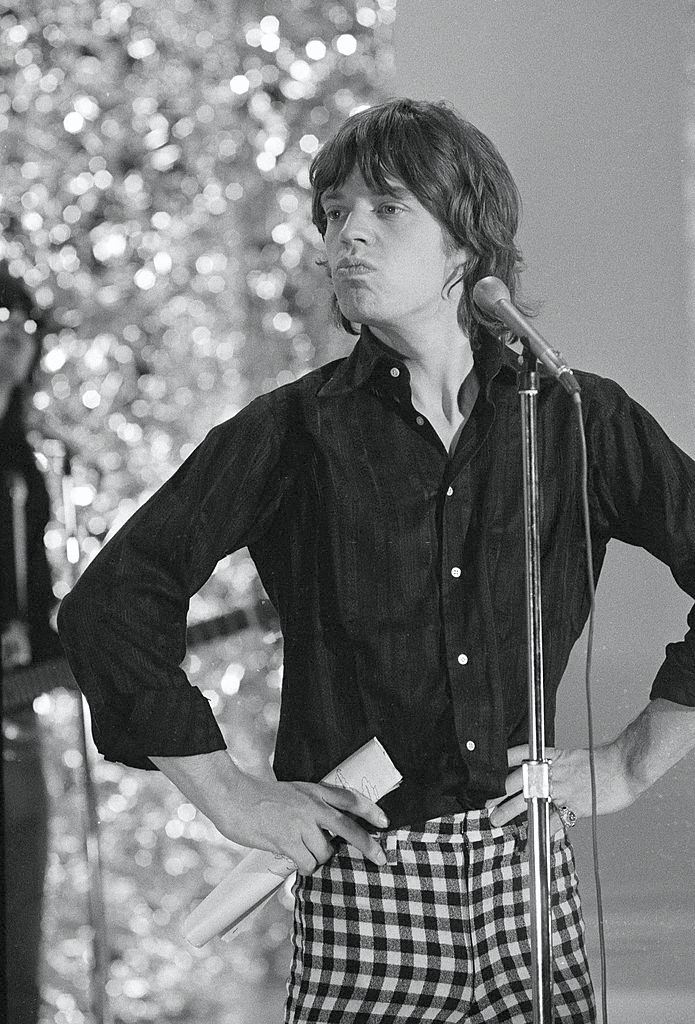
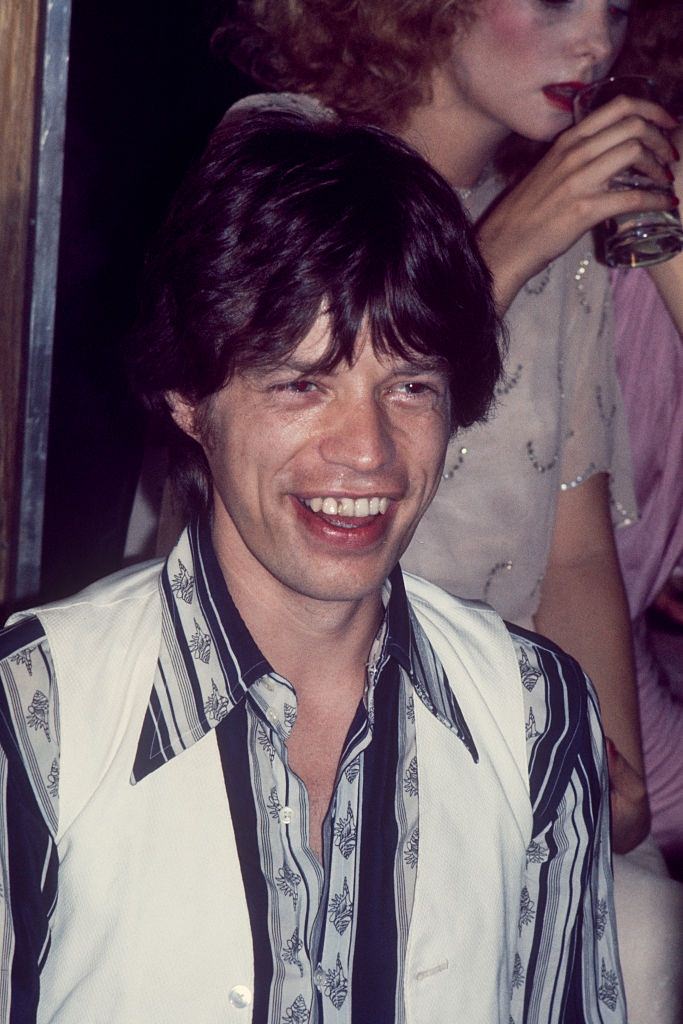
The Rolling Stones entered the 1970s as one of the biggest bands on the planet. In 1971, they released *Sticky Fingers*, an album that topped the charts in both the UK and the US and contained some of the most celebrated songs of their career. That same year, Jagger married Nicaraguan-born socialite and actress Bianca Pérez-Mora Macías in Saint-Tropez, France. The wedding was a media event, drawing crowds of photographers and onlookers. The couple had one daughter, Jade Jagger, before divorcing in May 1978. The photos from this era show a man who had traveled a long distance from the boy in Dartford — confident, famous, and fully in command of his world.
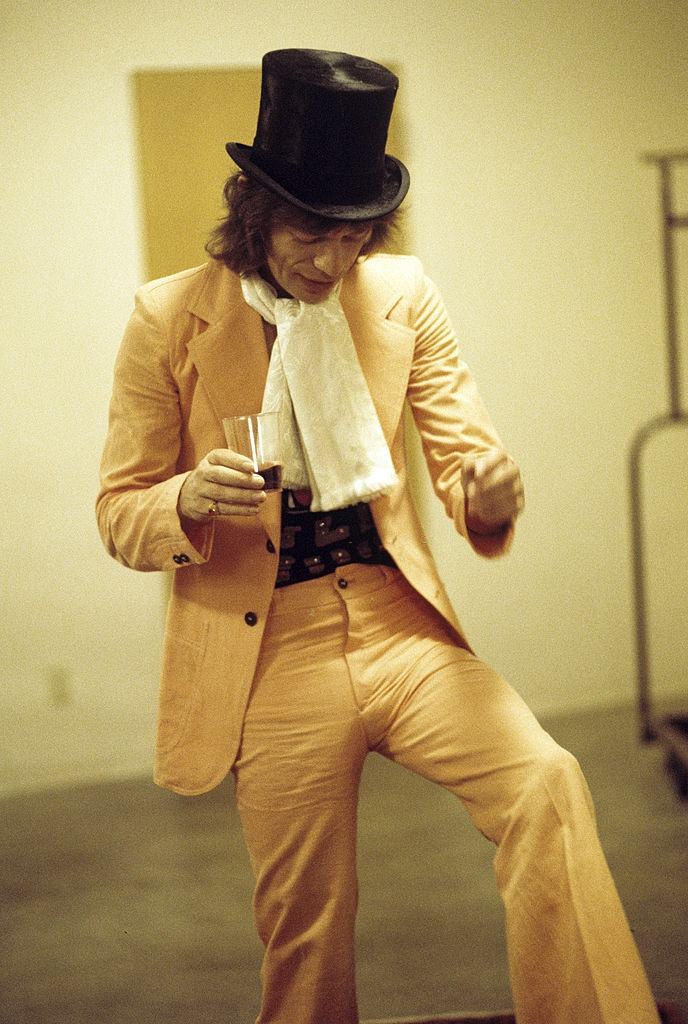
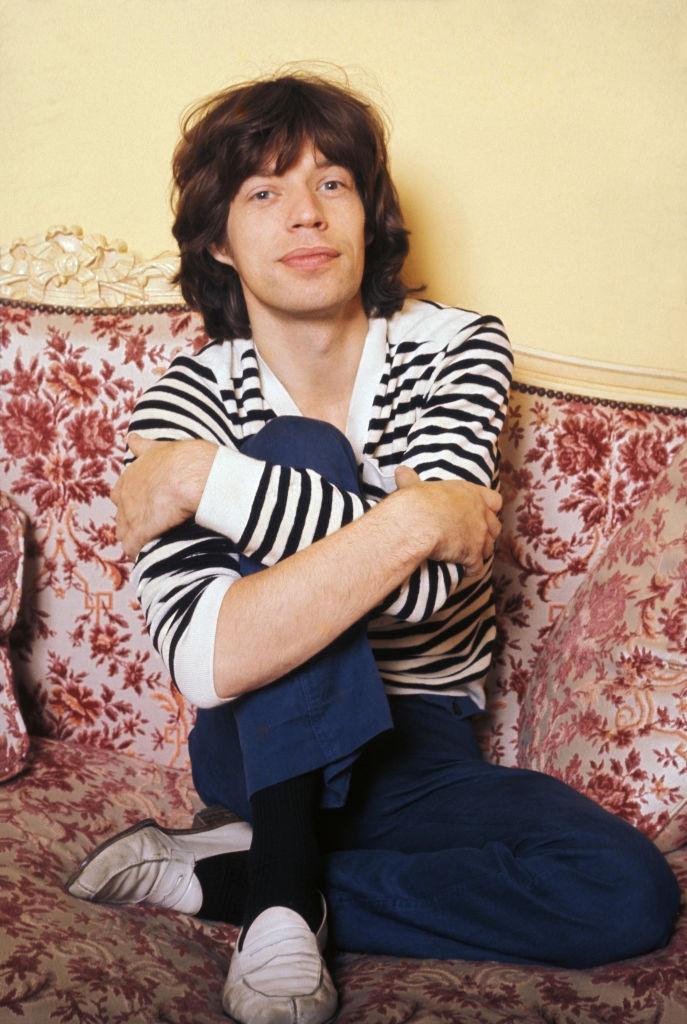
You know you’re a real fan when you can say definitively which of these captions are not accurate
Many of the dates are impossible, but the childhood pix present quite a different aspect of the mid-century Dionysius.
These photos of teenage Mick, Brian, and even Keith are interesting to me.
The photos are very similar to those taken by the Beatles at the same age, and why not? Having grown up loving rock and roll and being English boys.
But with the stones.. even beautiful Mick looks kinda ridiculous with the 50s greaser hair. It’s like their faces were designed exclusively for 60s fringes and shaggy hair.