

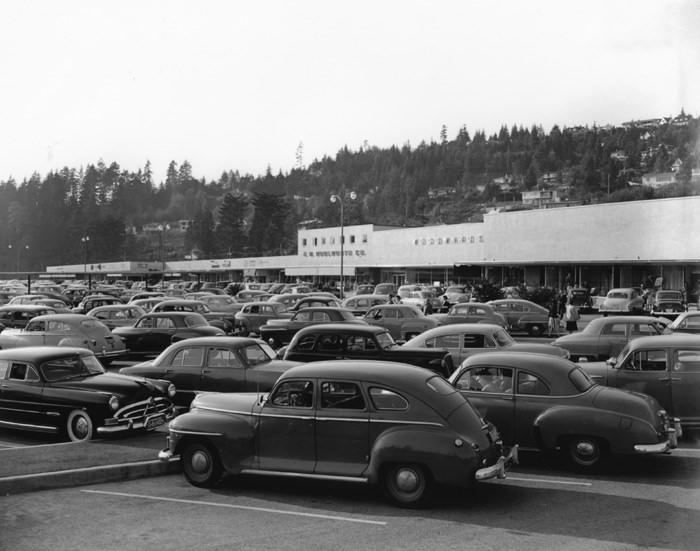
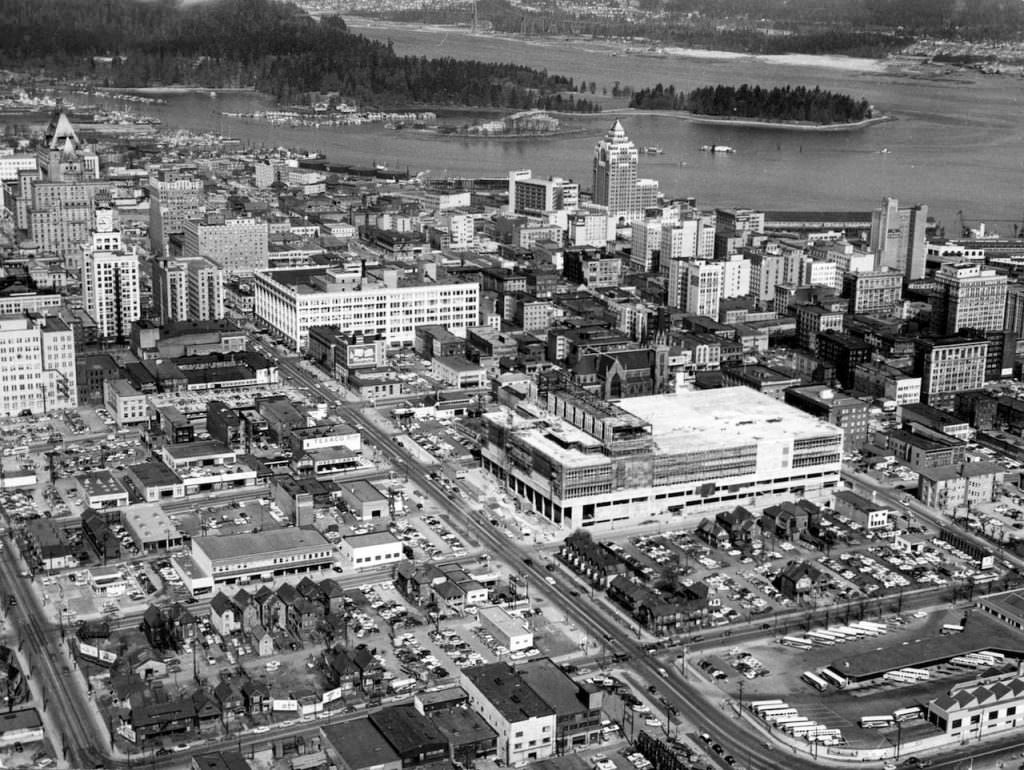
Vancouver in the 1950s was a city on the move. Coming out of the World War II era, it was building fast — new landmarks, new infrastructure, and a rapidly growing population. By the end of the decade, more than 620,000 people called the city home. Major projects opened throughout the decade, including the Oakridge Centre, the Vancouver Maritime Museum, the Queen Elizabeth Theatre, and the Deas Island Tunnel. In 1953, Vancouver got its first television station when CBUT went on the air. The streets were busy, the skyline was changing, and the city had an energy that these photographs capture remarkably well.
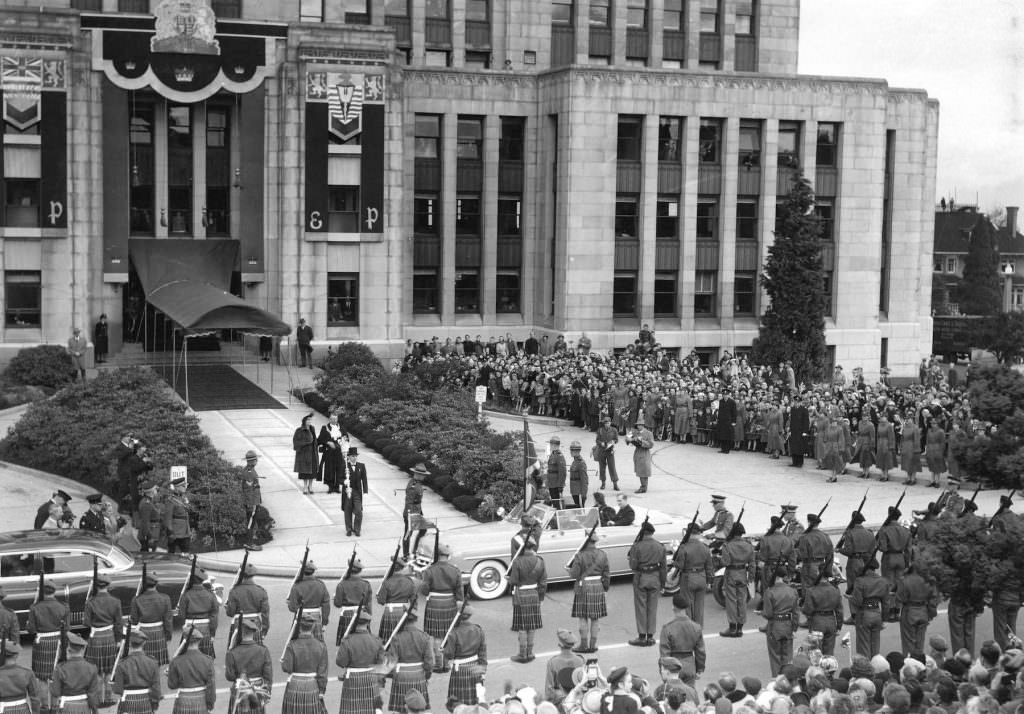
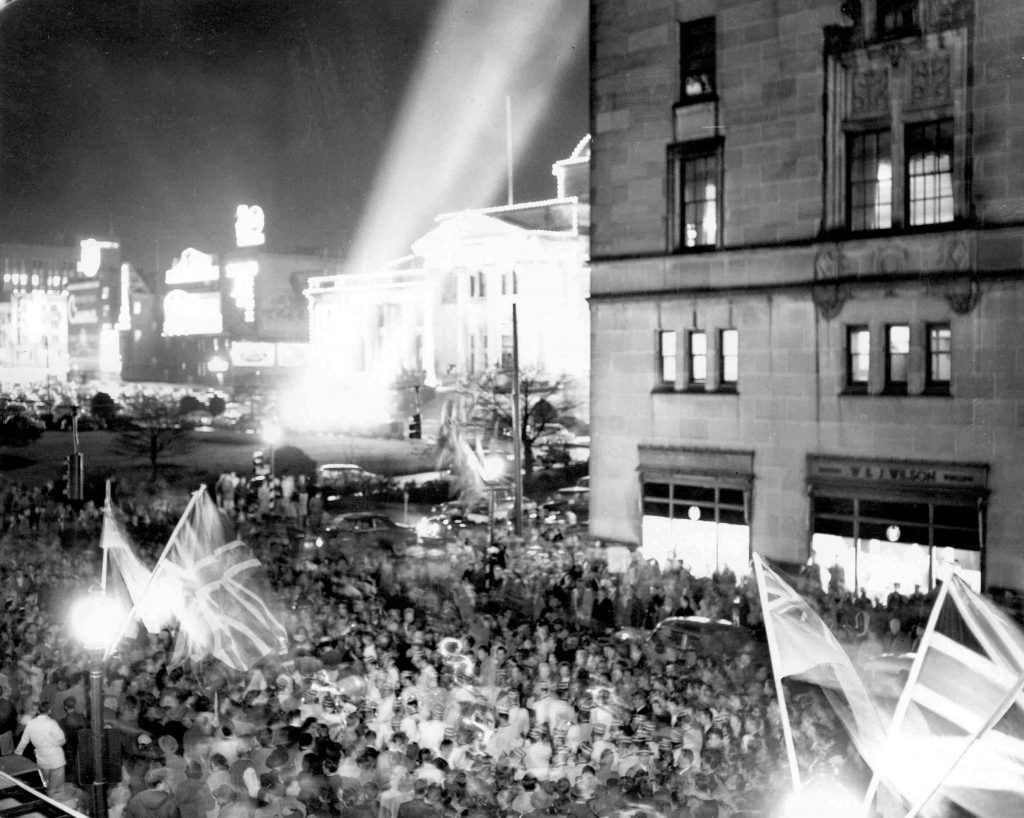
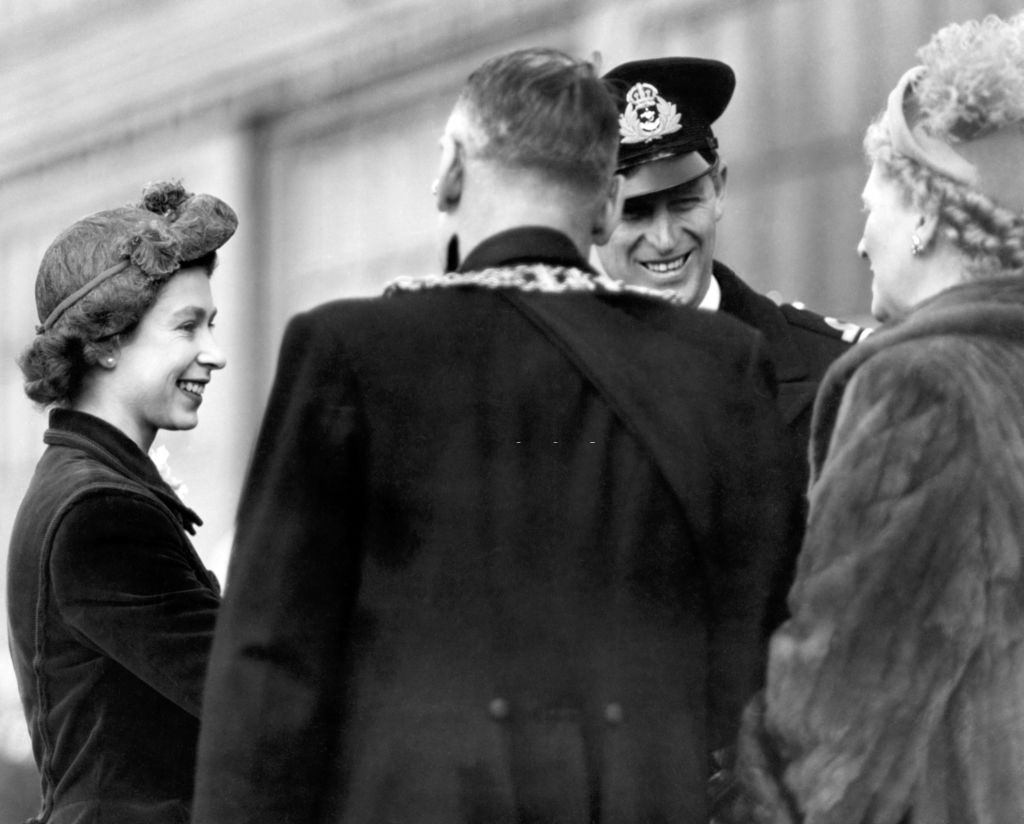
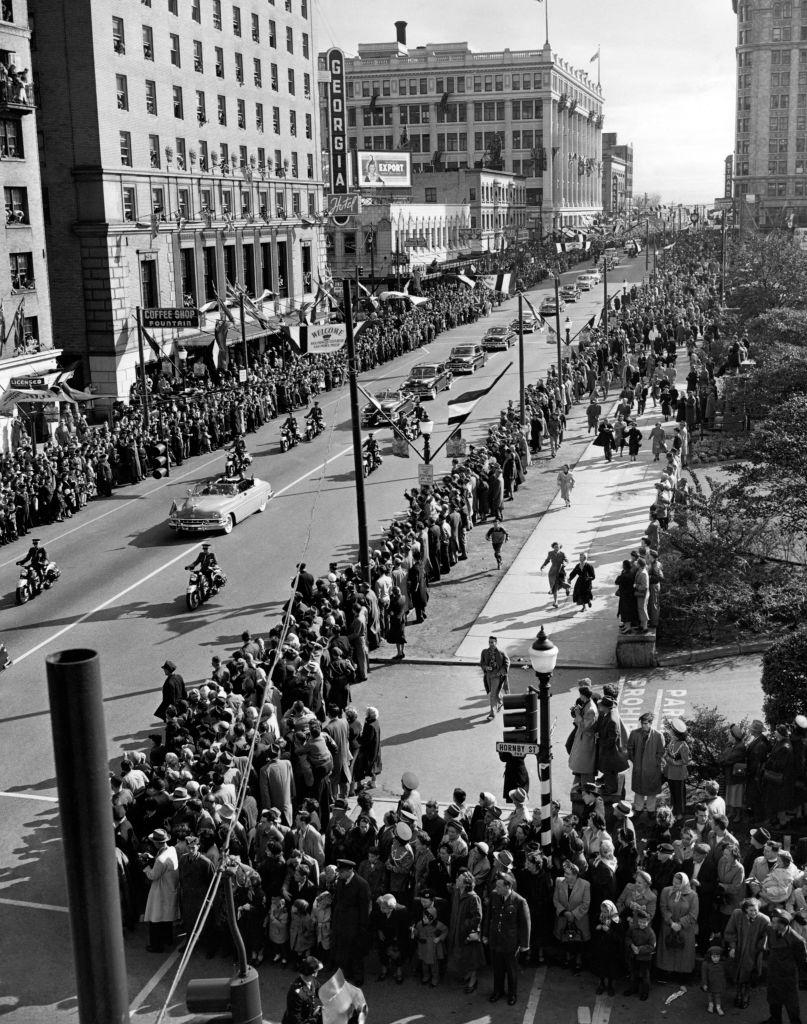
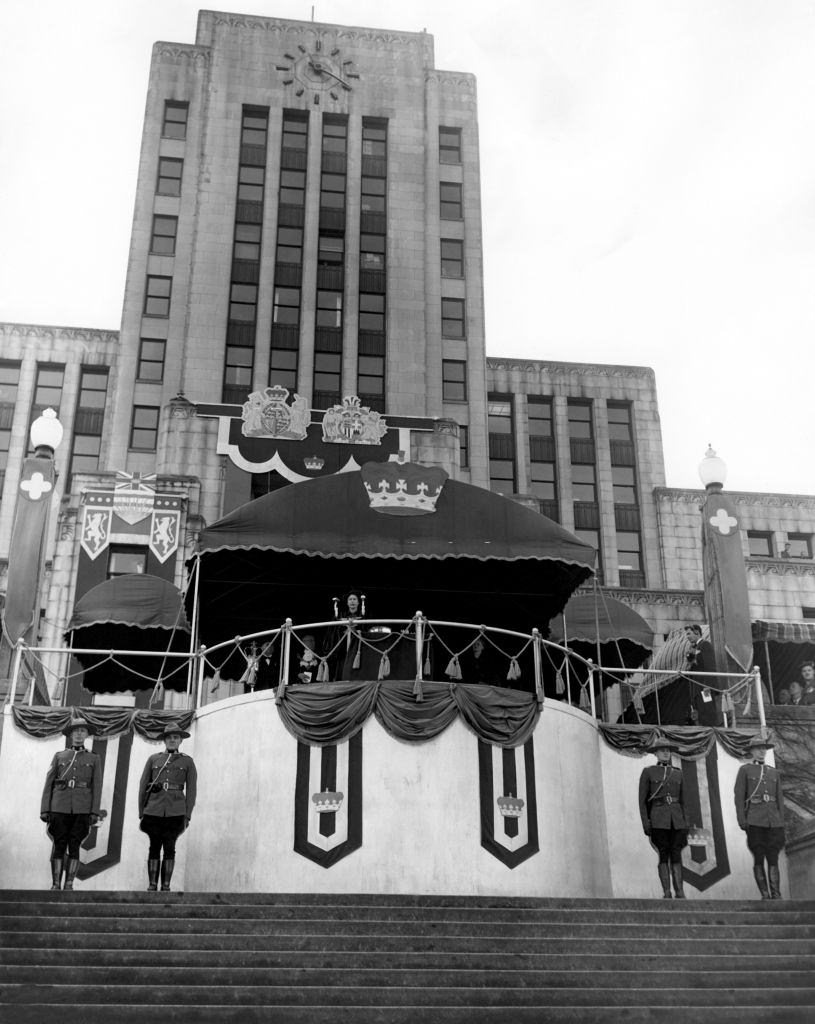
One of the decade’s earliest highlights was a royal visit. Princess Elizabeth and Prince Philip arrived in the city in 1950, drawing large crowds. The future queen was greeted with enormous enthusiasm at City Hall and during a public procession through Vancouver’s streets.
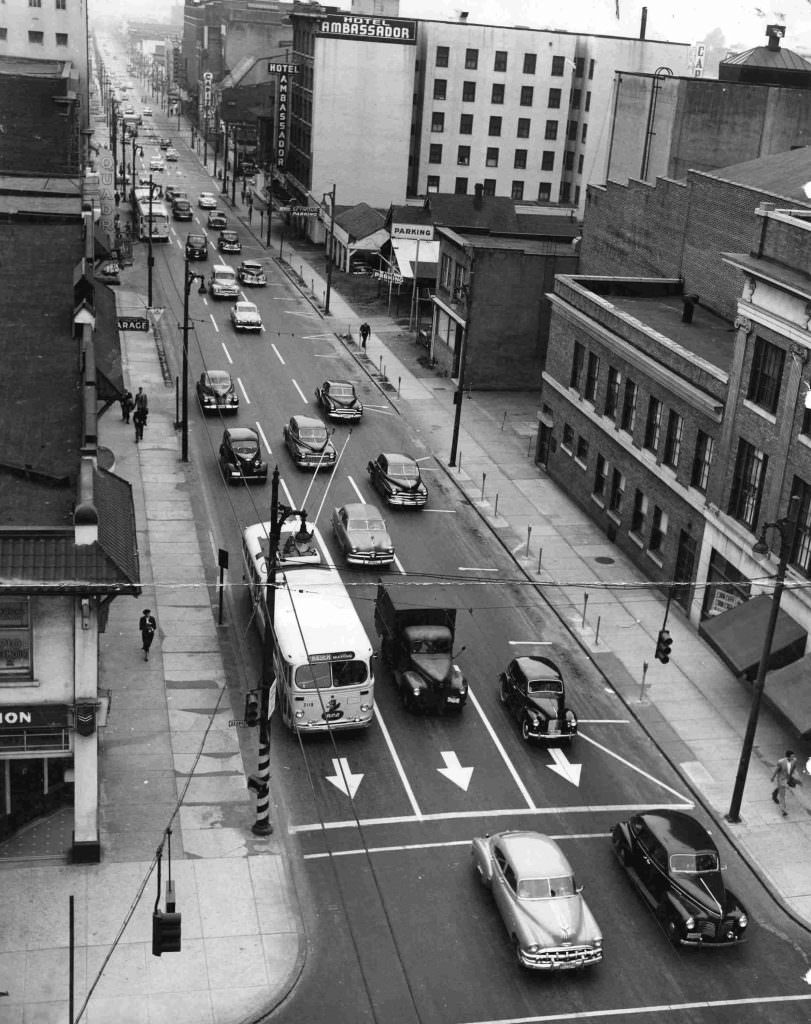
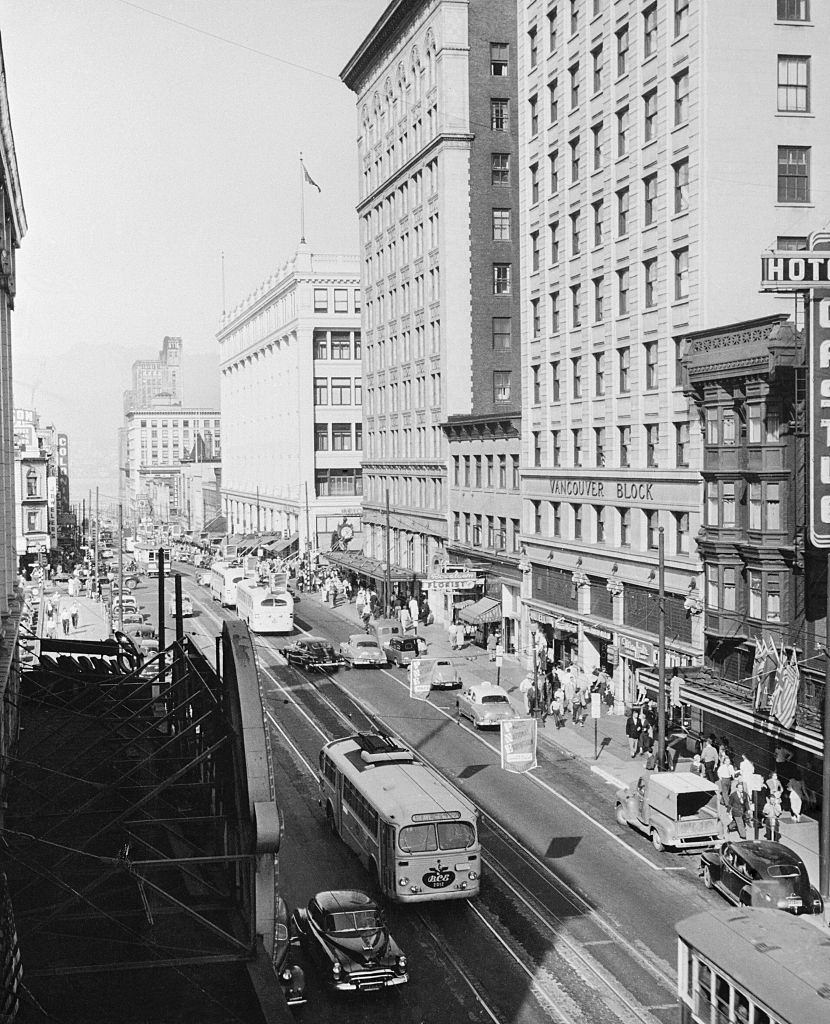
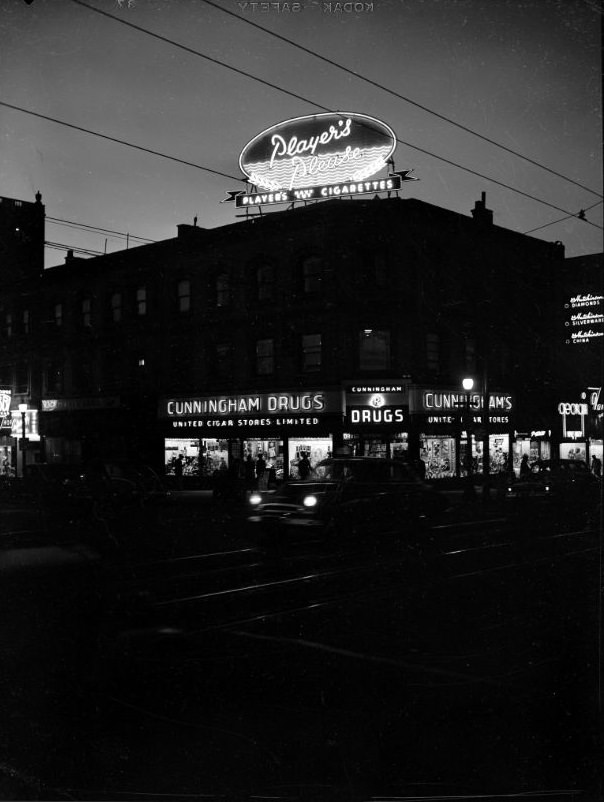
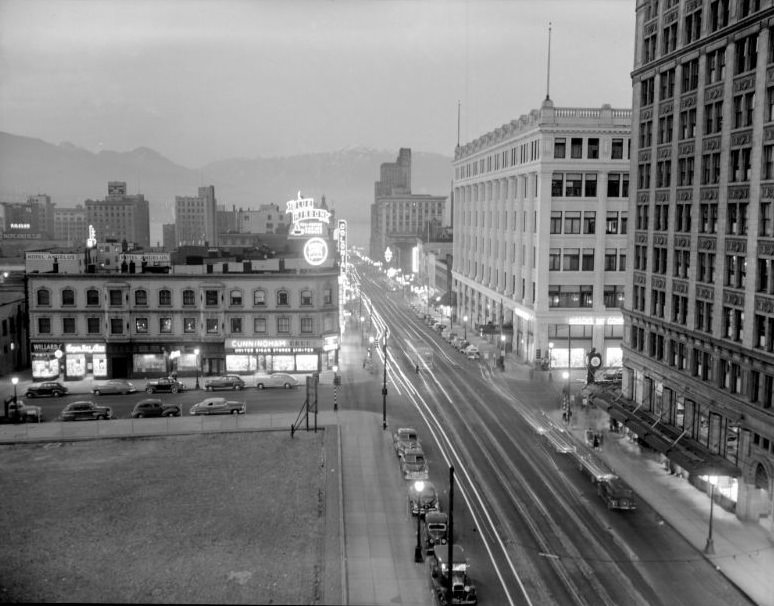
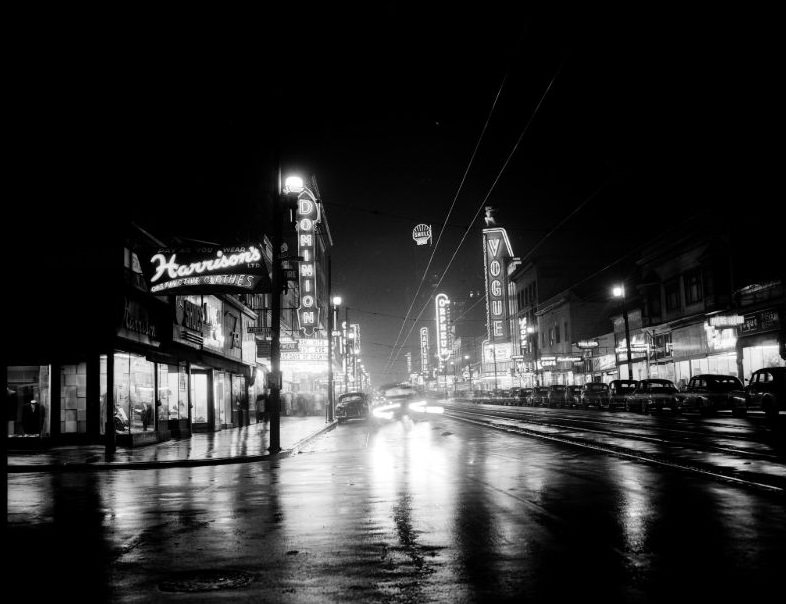
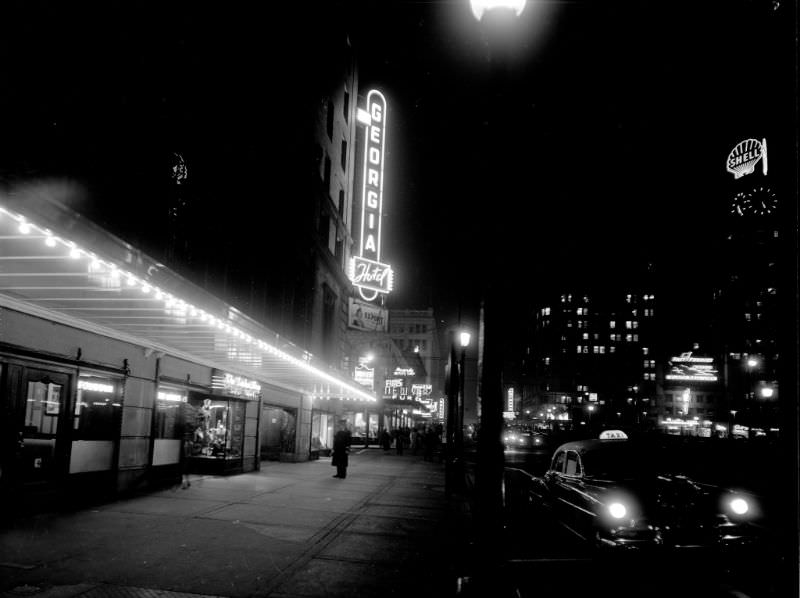
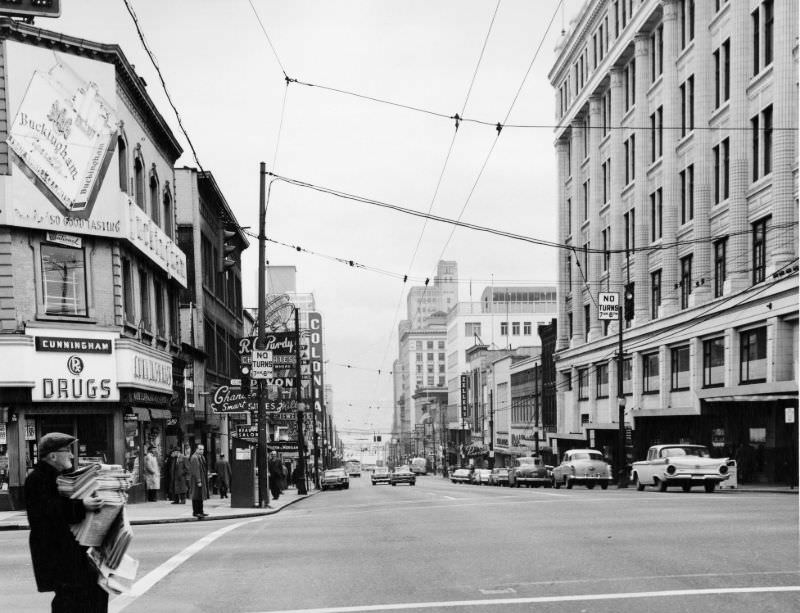
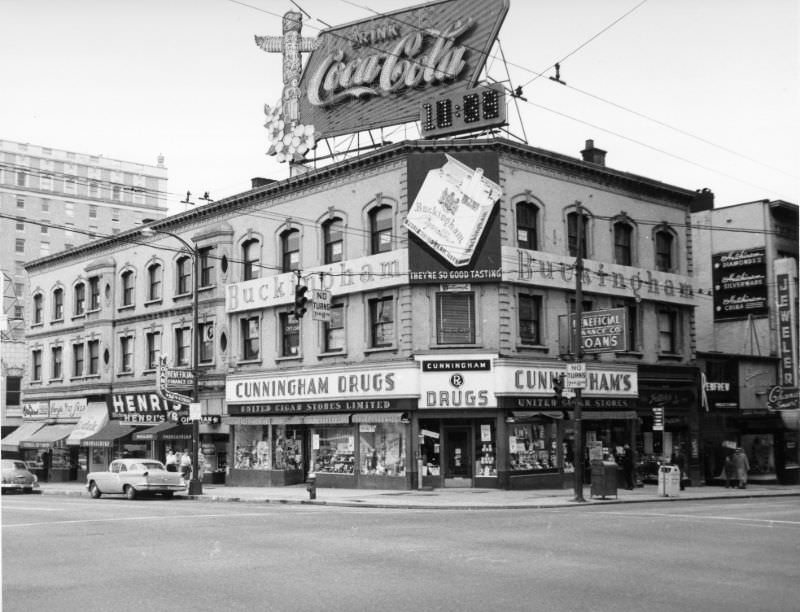
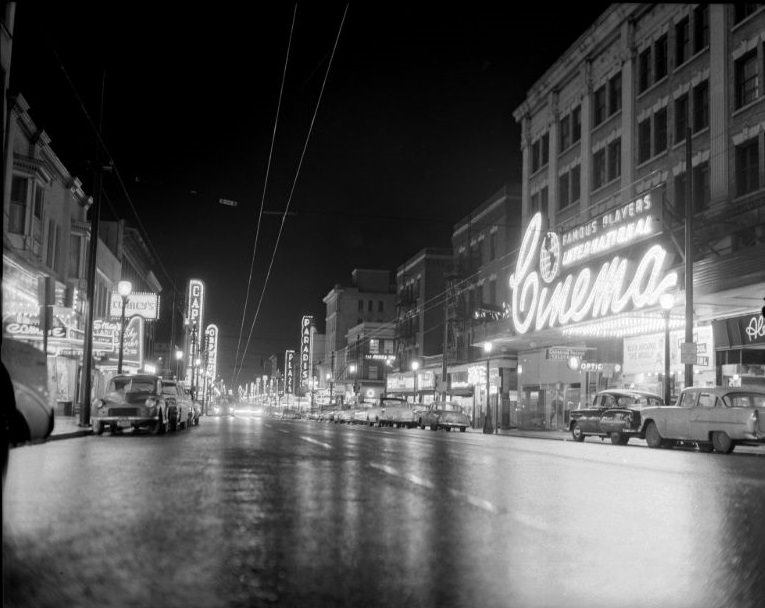
Downtown Vancouver’s street corners were full of life. Granville Street served as the commercial and entertainment heart of the city, lined with theatres, restaurants, drug stores, and neon signs that lit up the night. Georgia Street was equally active, a crossroads where shoppers, workers, and visitors all converged.
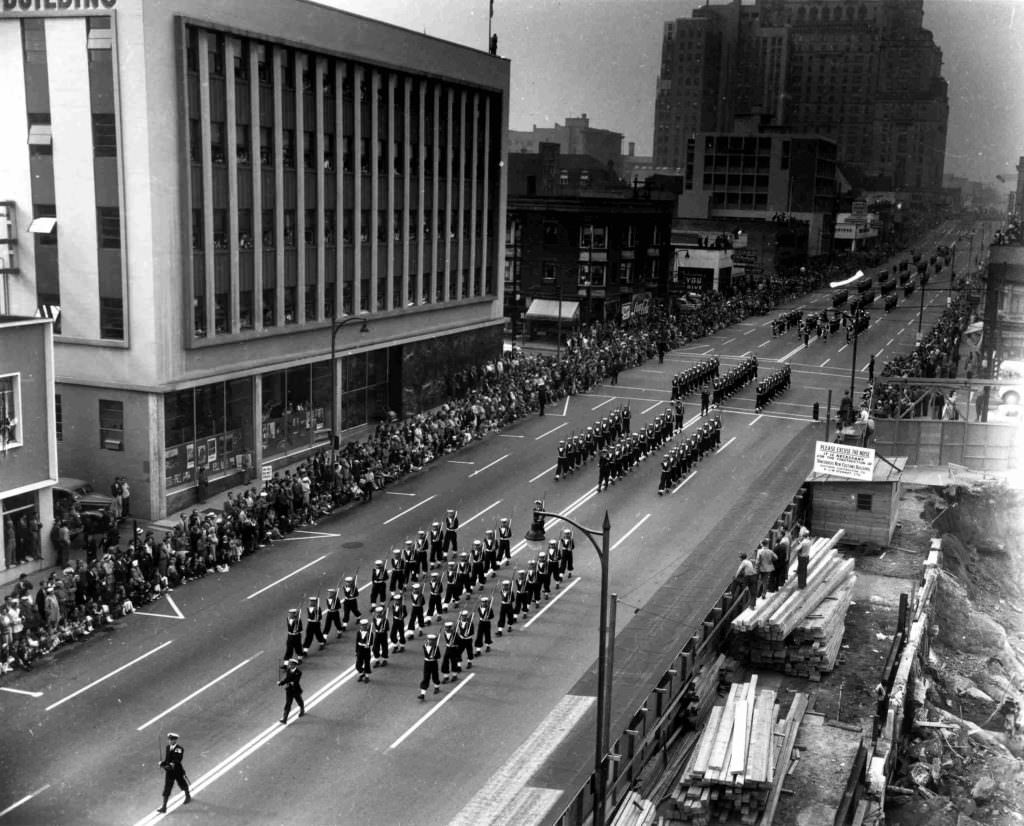
The Hotel Vancouver was a landmark gathering point. Celebrations spilled onto the street outside it, reflecting the optimism of a postwar city enjoying prosperity and growth.
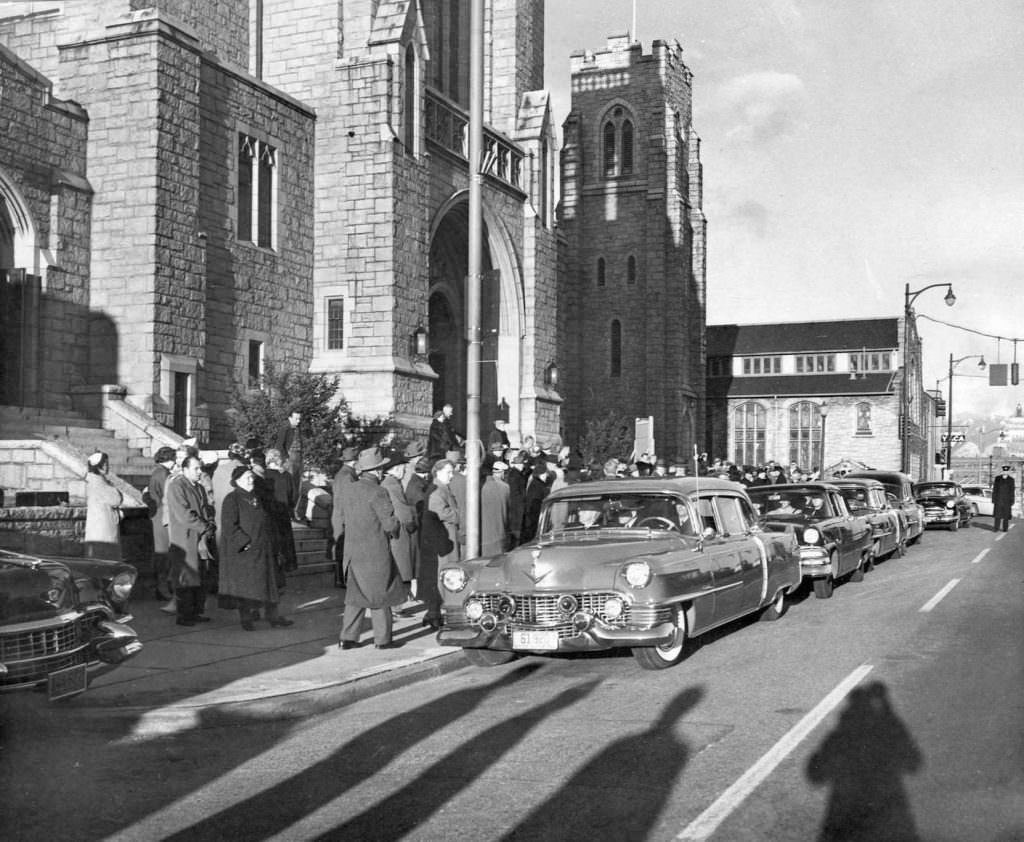
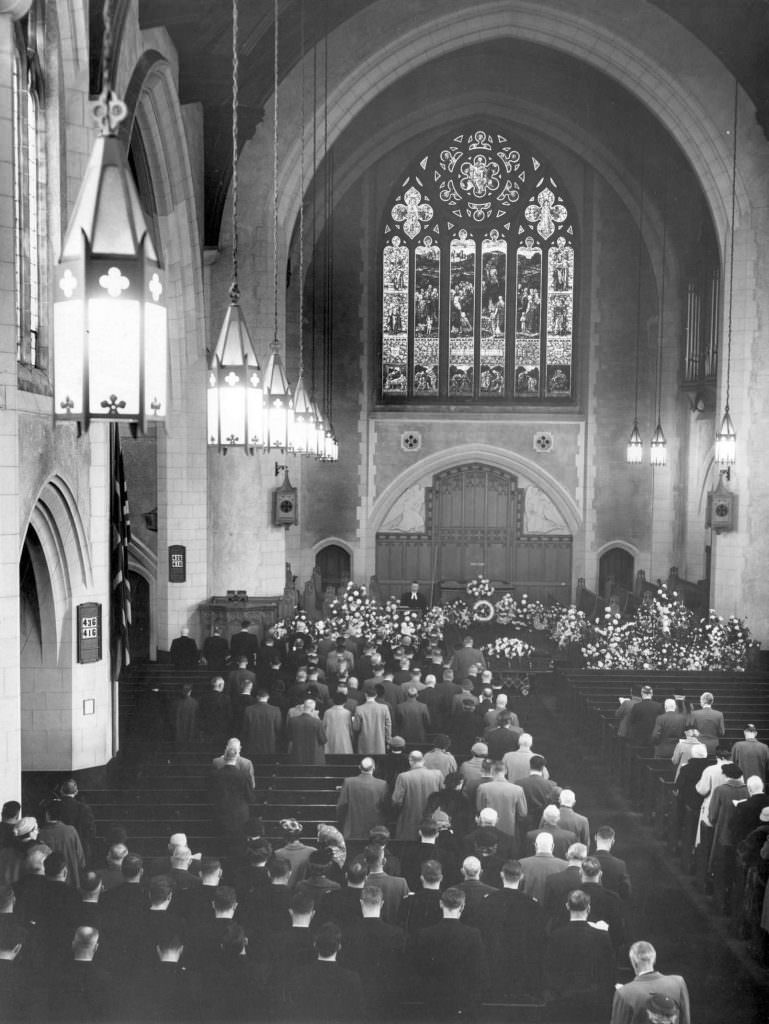
Not every public gathering in the 1950s was festive. St. Andrew’s Wesley United Church on Burrard Street hosted both community celebrations and solemn occasions, including funeral processions that drew respectful crowds to its steps.
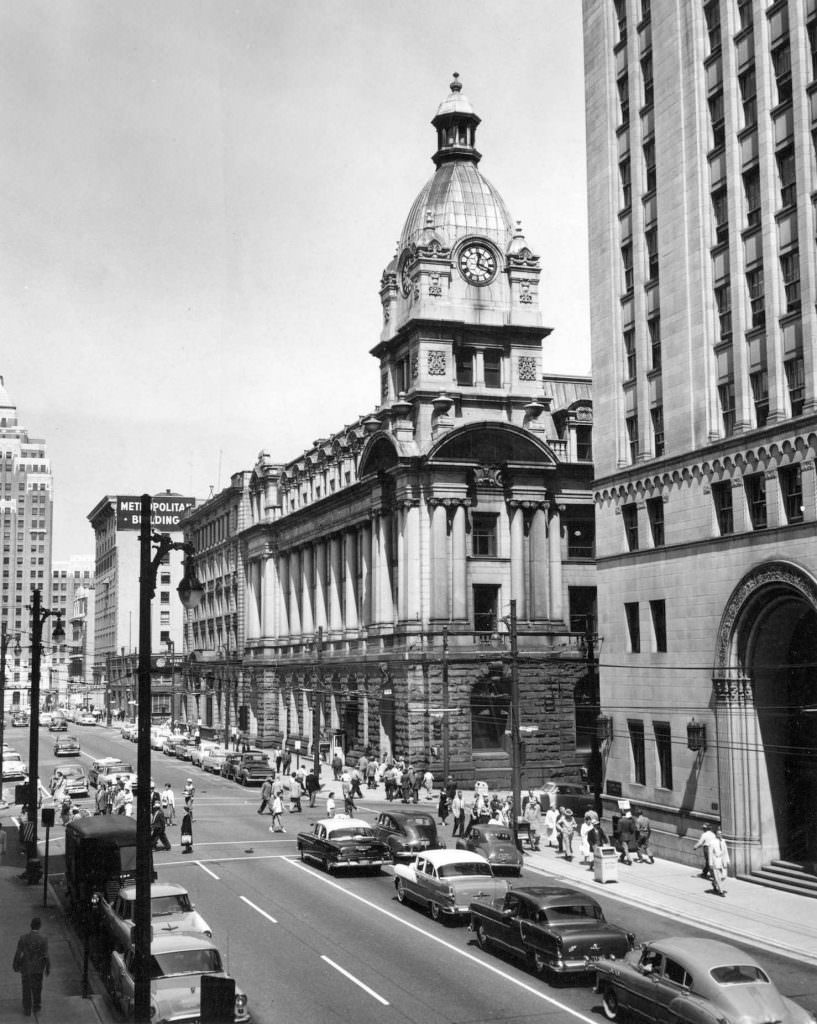
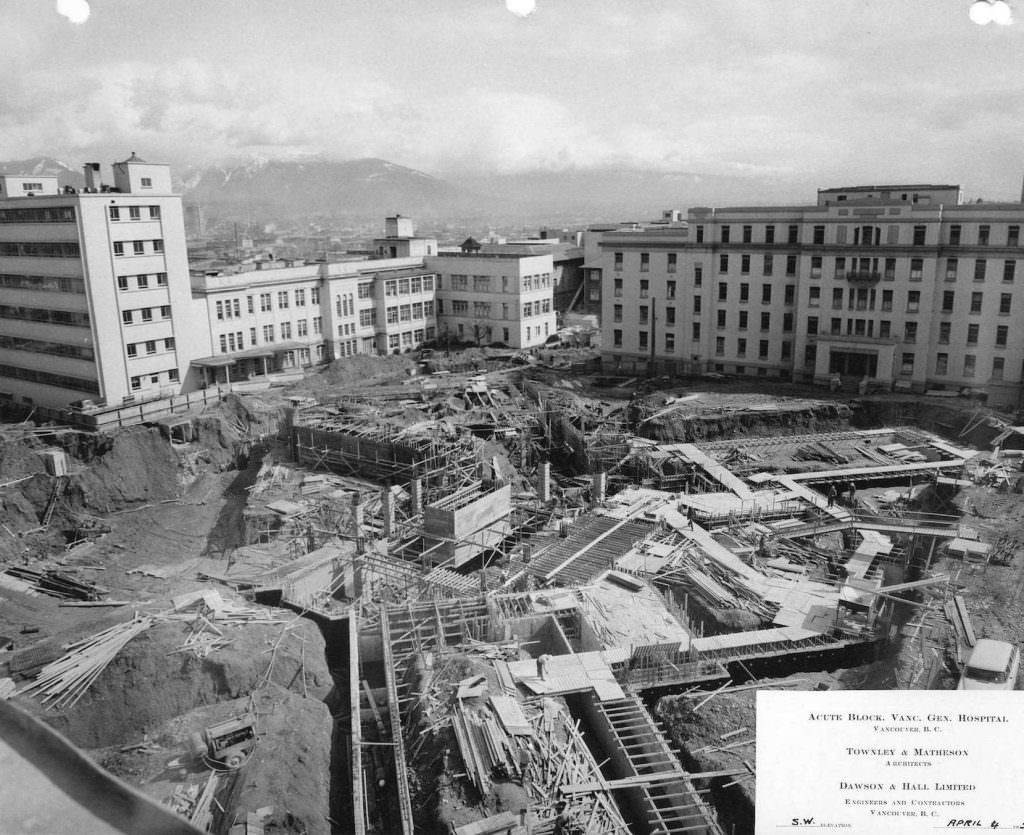
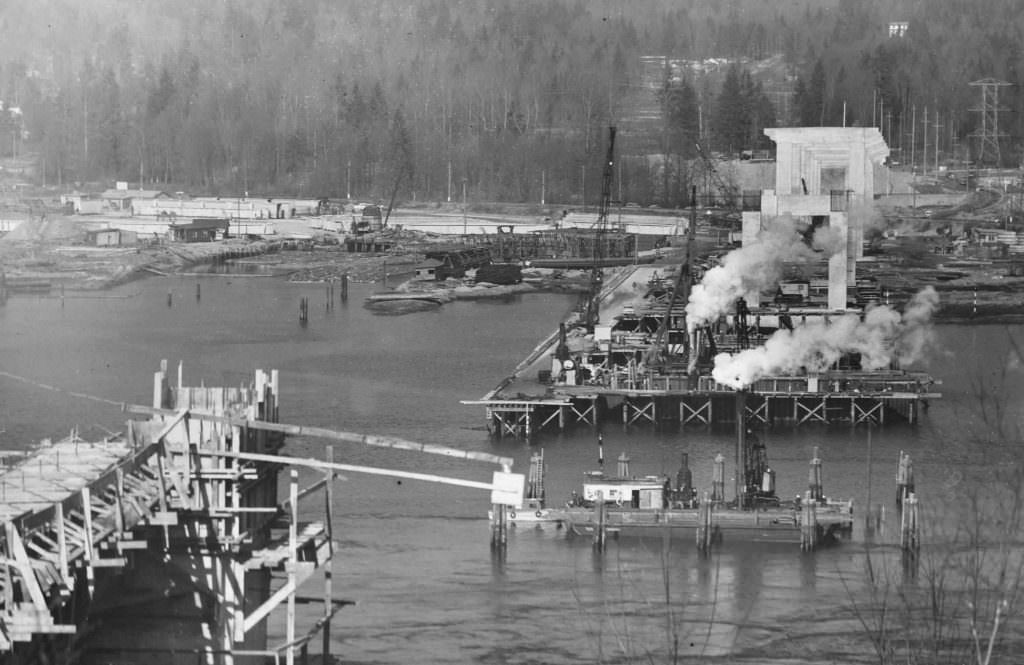
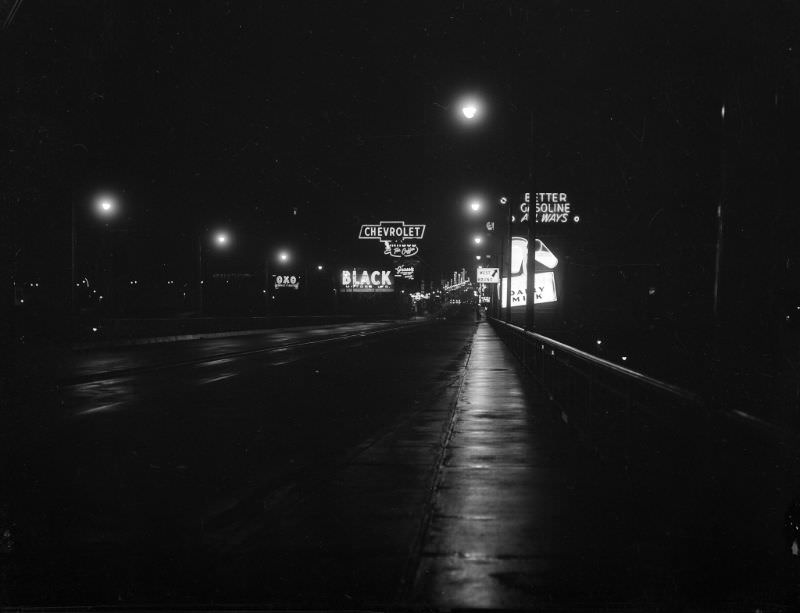
The post office on West Hastings was one of many civic institutions anchoring daily life in the city. Alongside it, construction projects were reshaping the urban landscape — Vancouver General Hospital and the Second Narrows Bridge were both going up at the same time, signaling the city’s ambition.
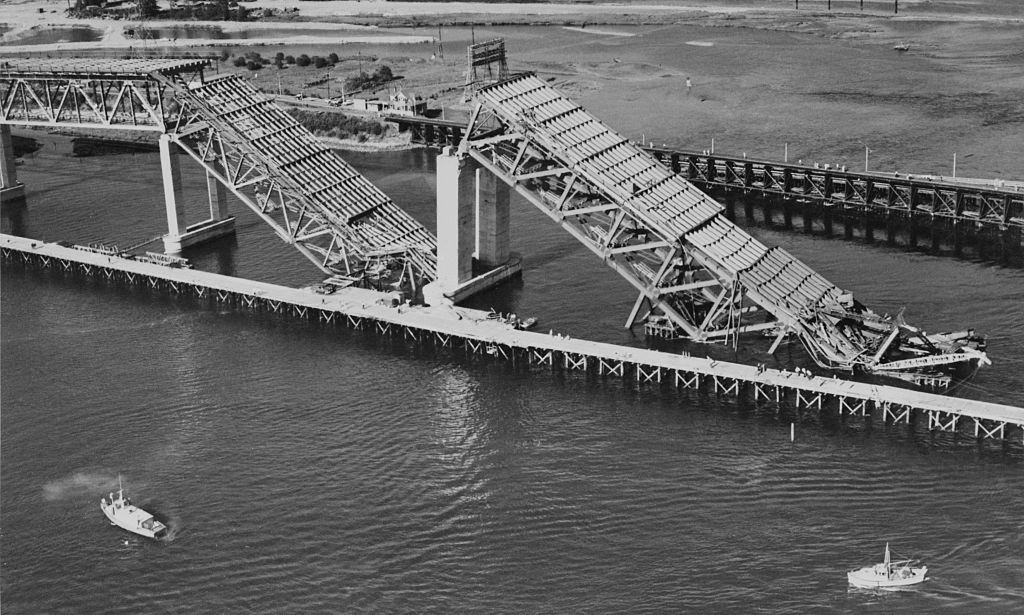
The Second Narrows Bridge was one of the most significant infrastructure projects of the decade. Construction began in the mid-1950s, but in 1958 two spans collapsed into Burrard Inlet in a catastrophic accident that killed 18 workers. The tragedy shocked the city and the country.
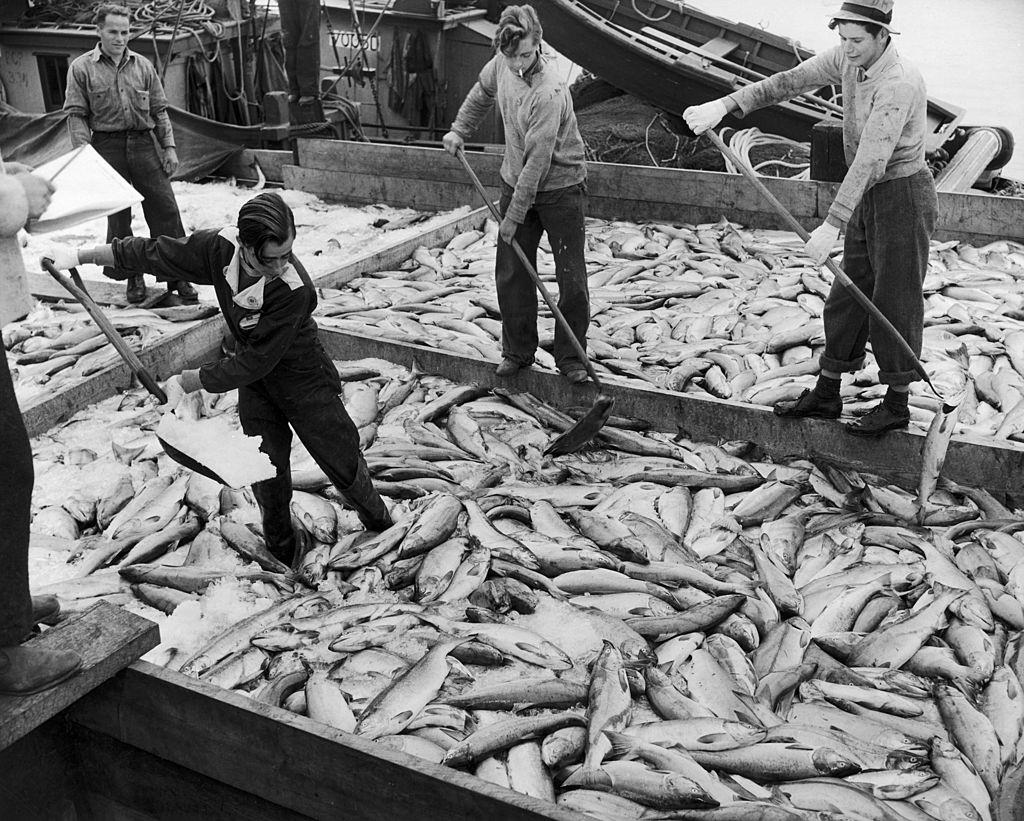
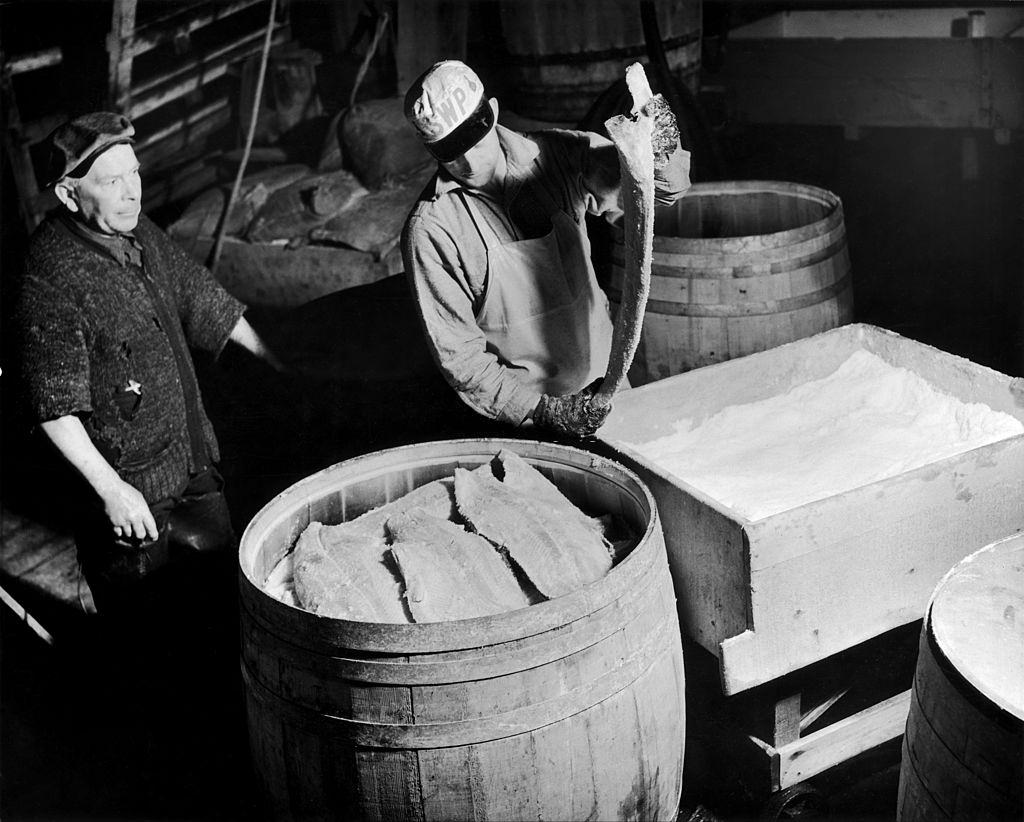
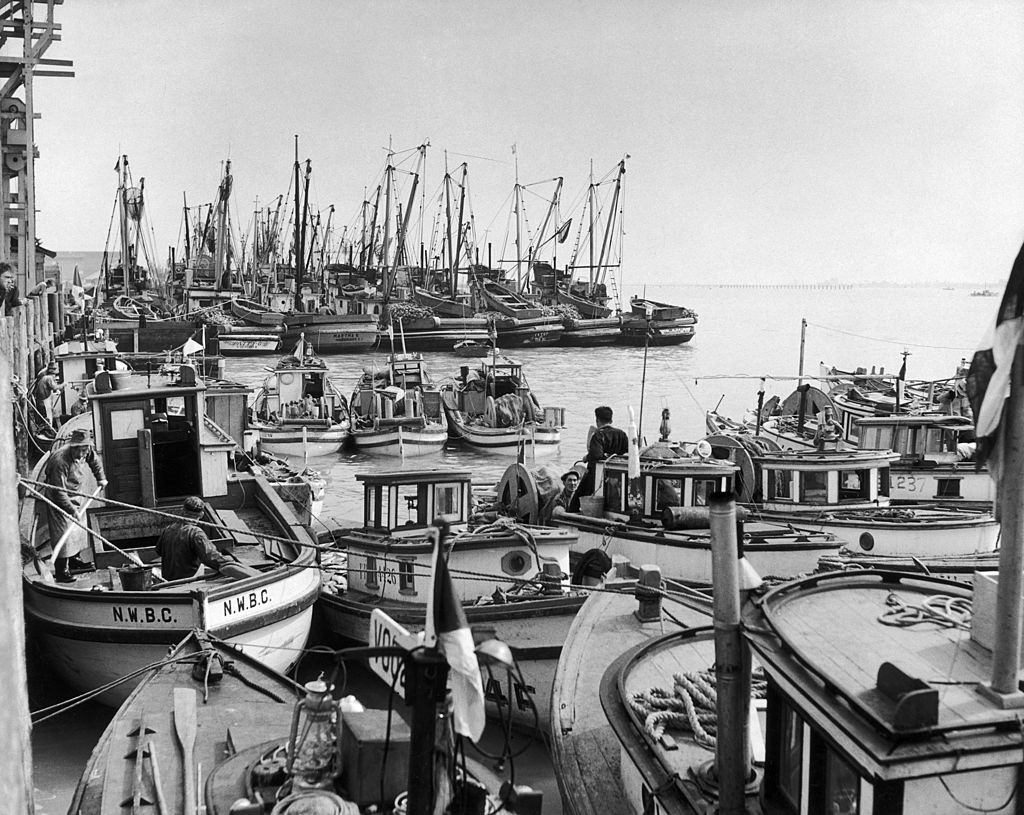
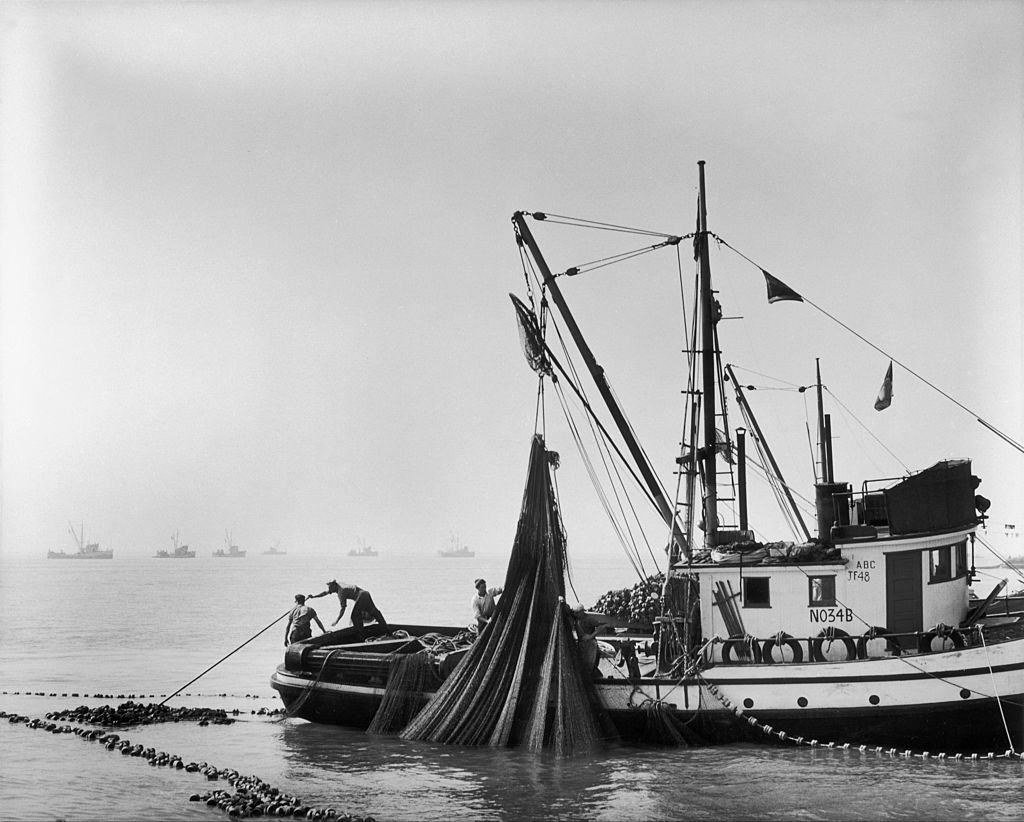
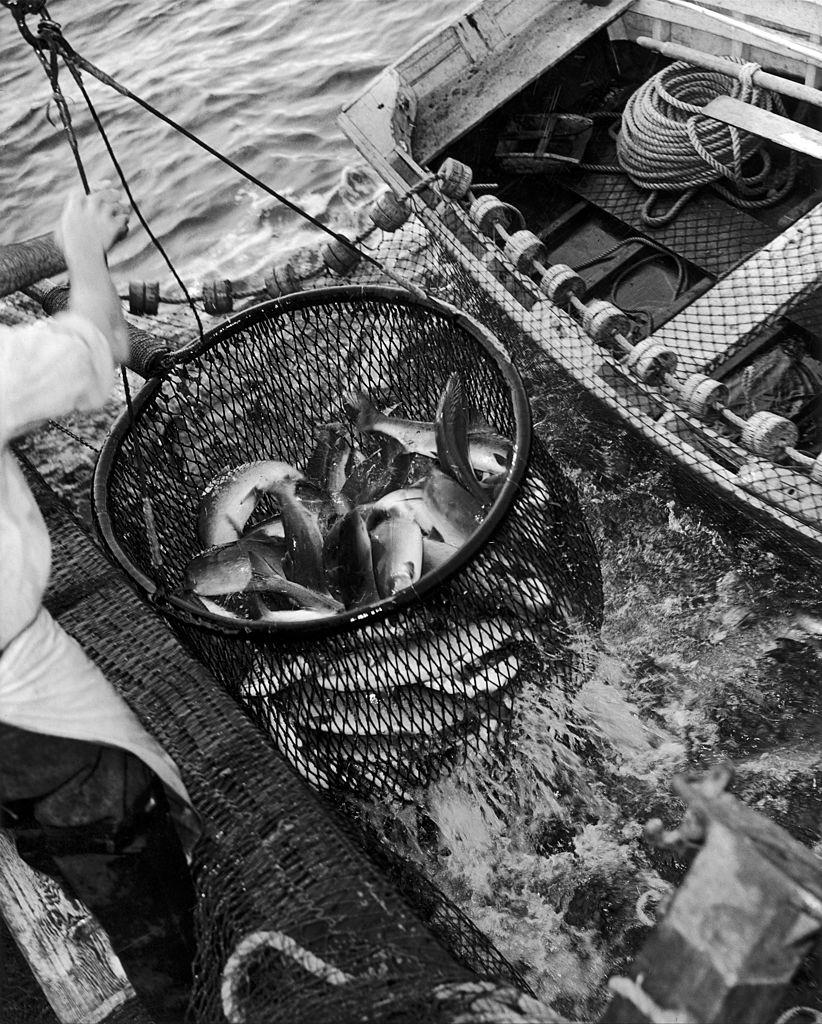
Vancouver’s fishing industry was a vital part of its economy throughout the decade. Workers at the harbor shoveled ice over fresh catches to keep fish viable before they reached canning factories. Cod was filleted, salted, packed in wooden brails, and exported to Prince Rupert and beyond. Draggers worked the Gulf of Georgia, hauling up heavy nets, while fishermen at smaller ports ended long days pulling baskets from the water.
Princess Elizabeth and the Duke of Edinburgh returned to Vancouver in 1951 for a royal procession through the city. They were greeted formally by Major and Mrs. Hume of Vancouver, and Elizabeth addressed a large crowd of British Columbians at the western terminus of her cross-country Canadian tour.
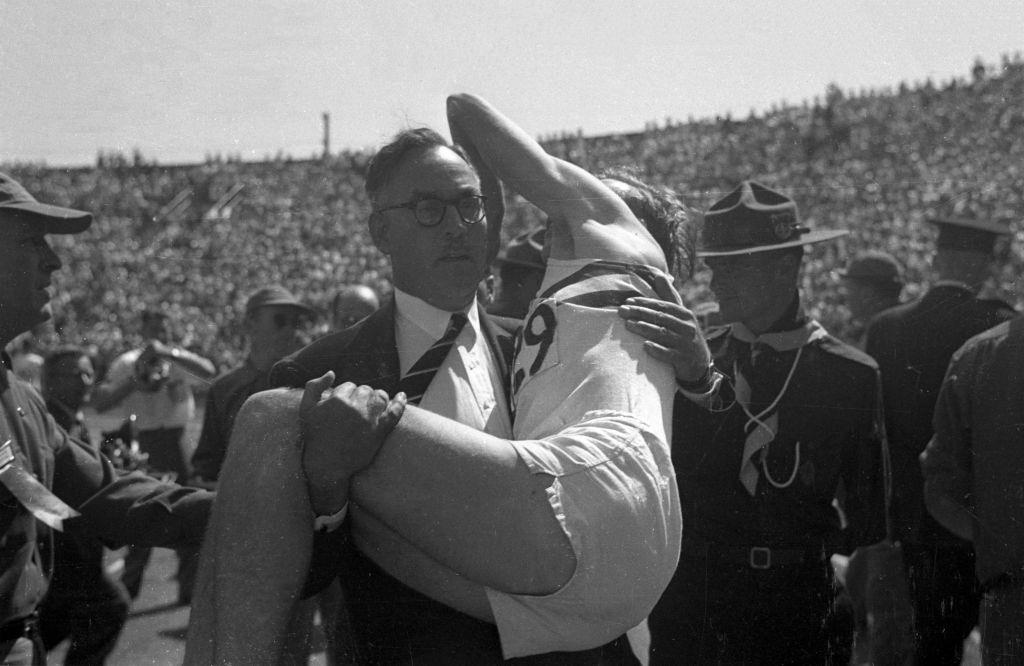
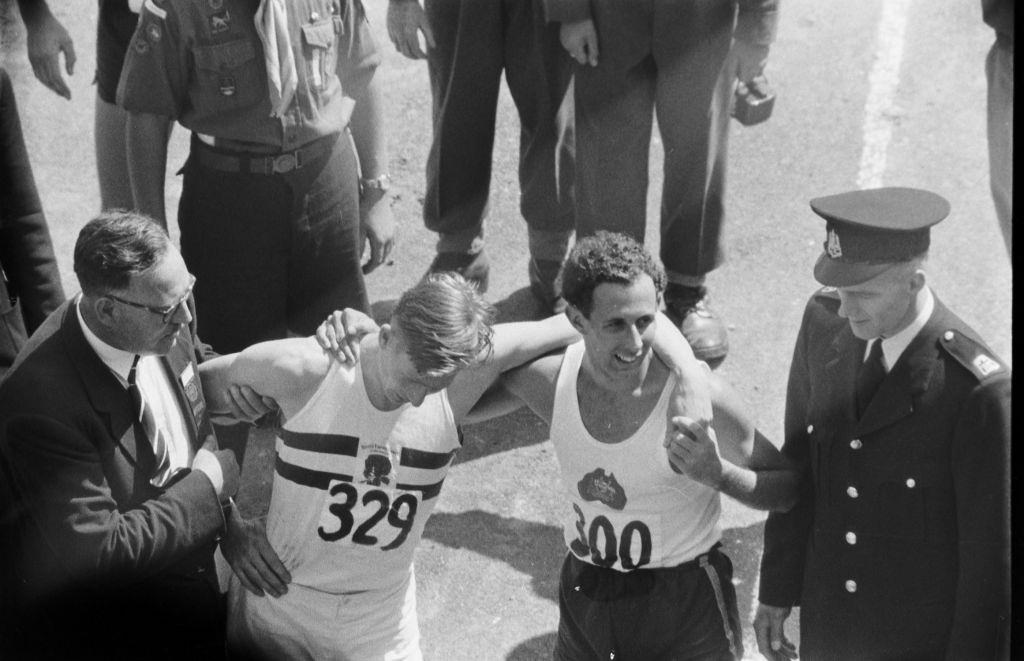
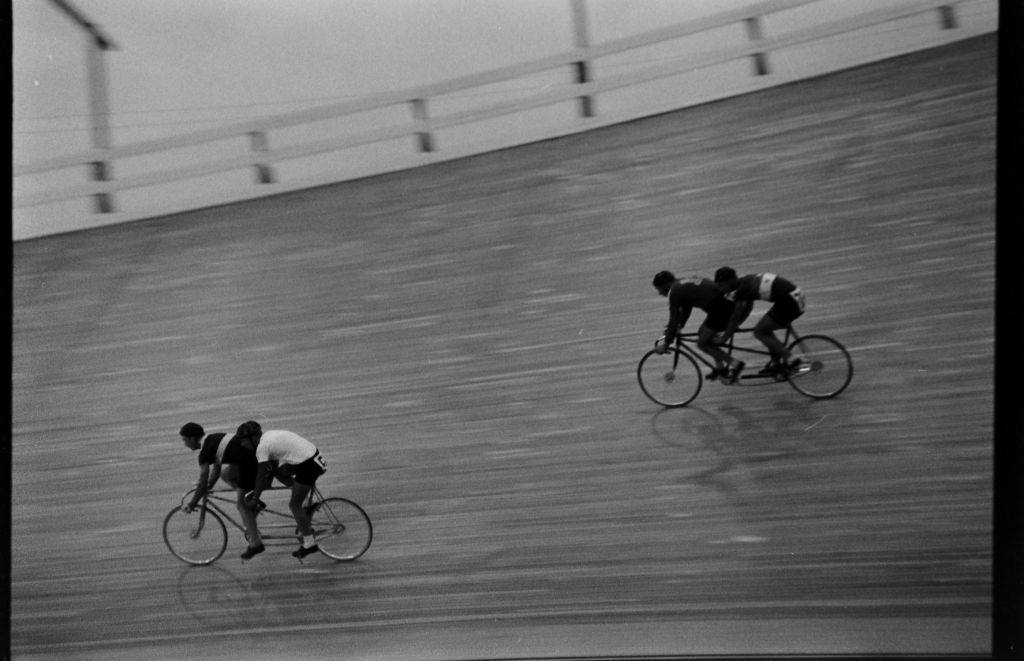
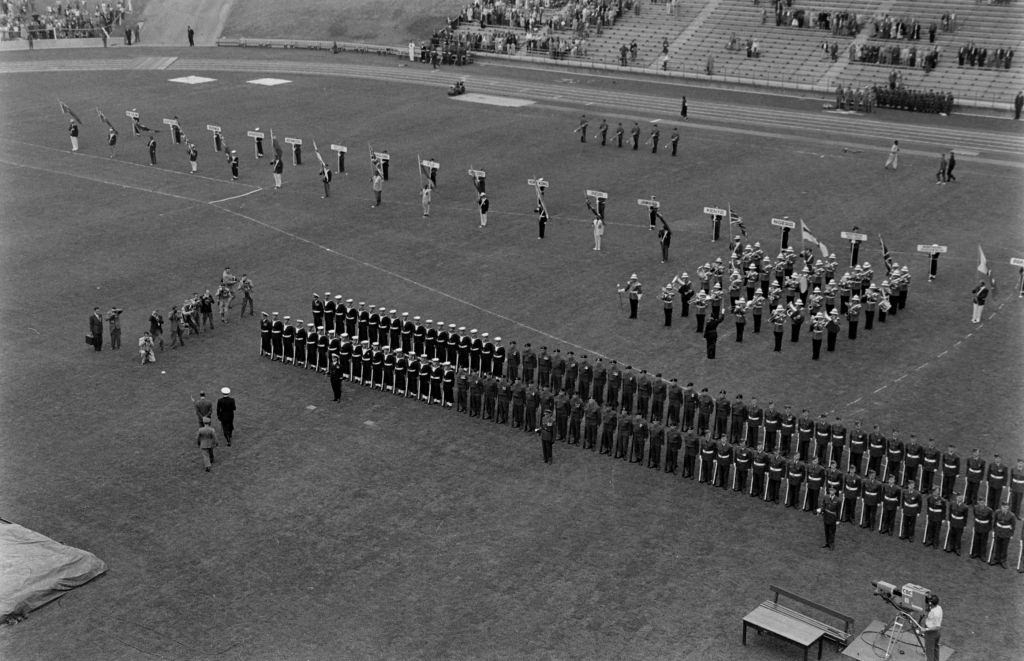
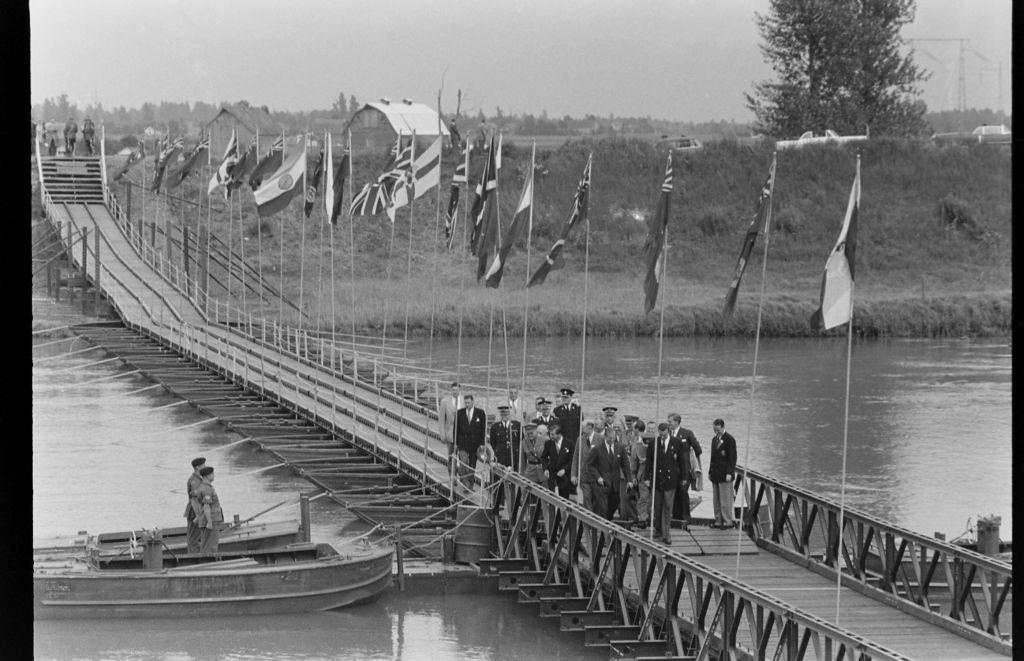
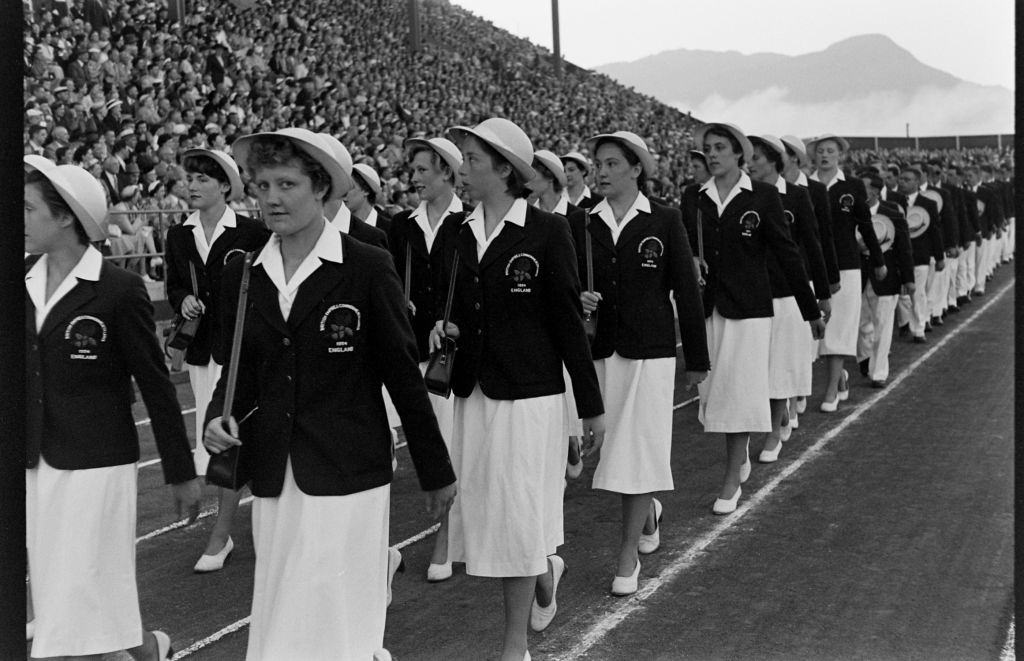
In 1954, Vancouver hosted the British Empire and Commonwealth Games at Empire Stadium. Roger Bannister of Great Britain, who had broken the four-minute mile earlier that year, won the mile race at the Games and was carried off by his manager afterward. The event drew athletes and crowds from across the Commonwealth for cycling, track events, and ceremonies that filled the stadium.
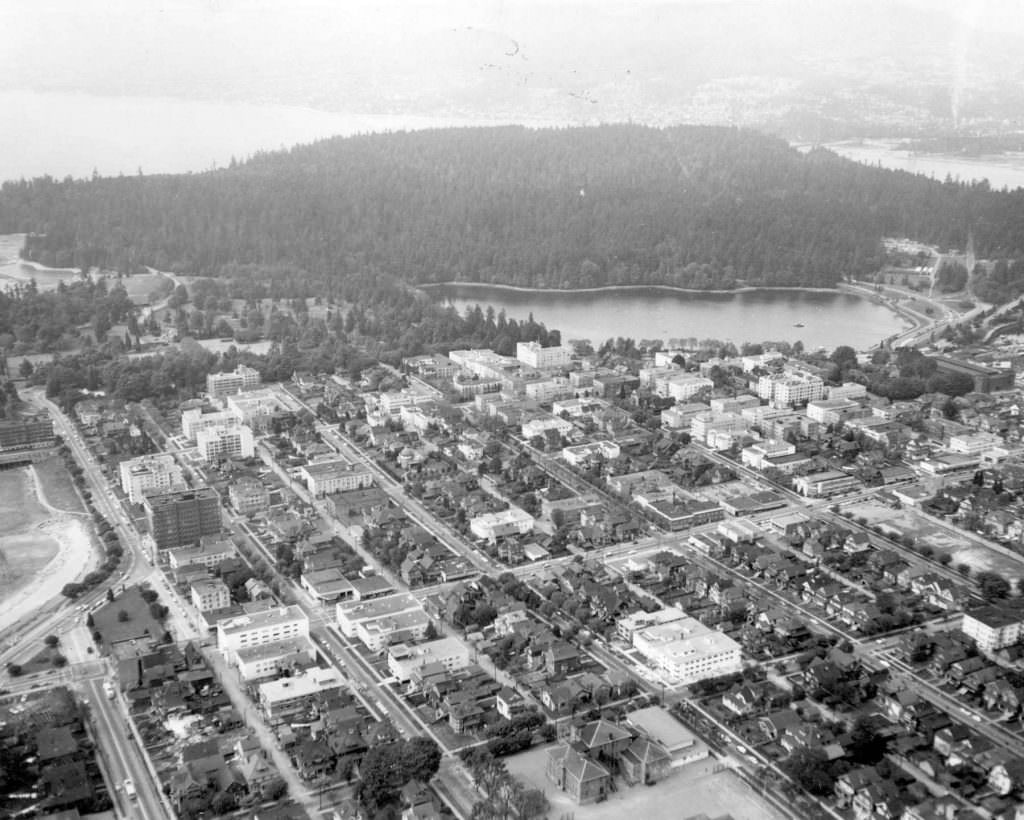
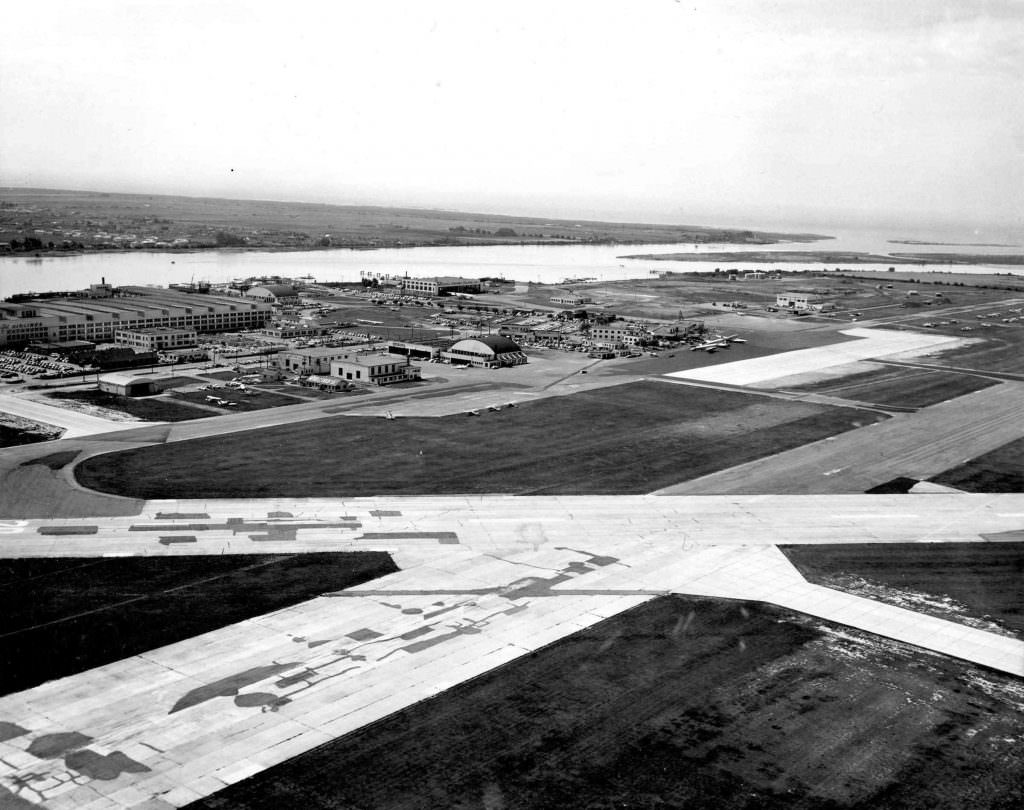
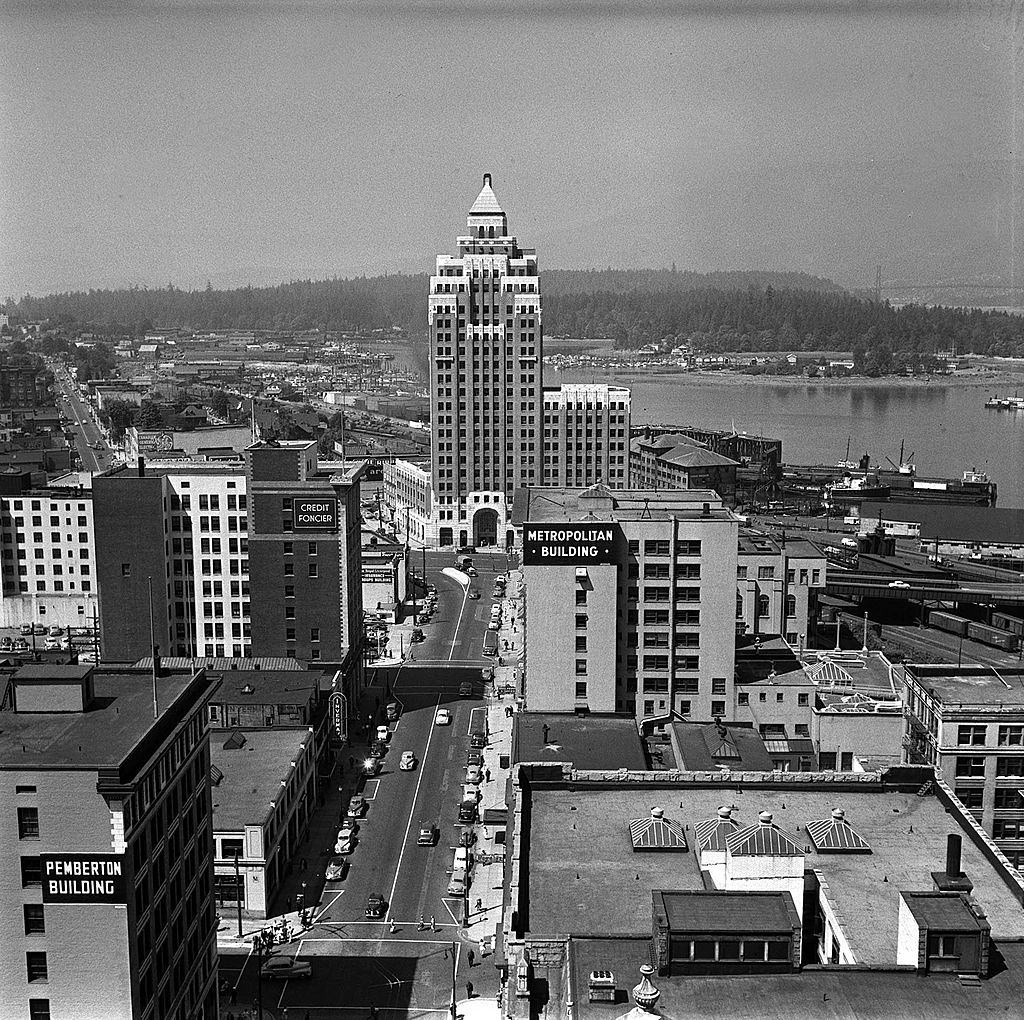
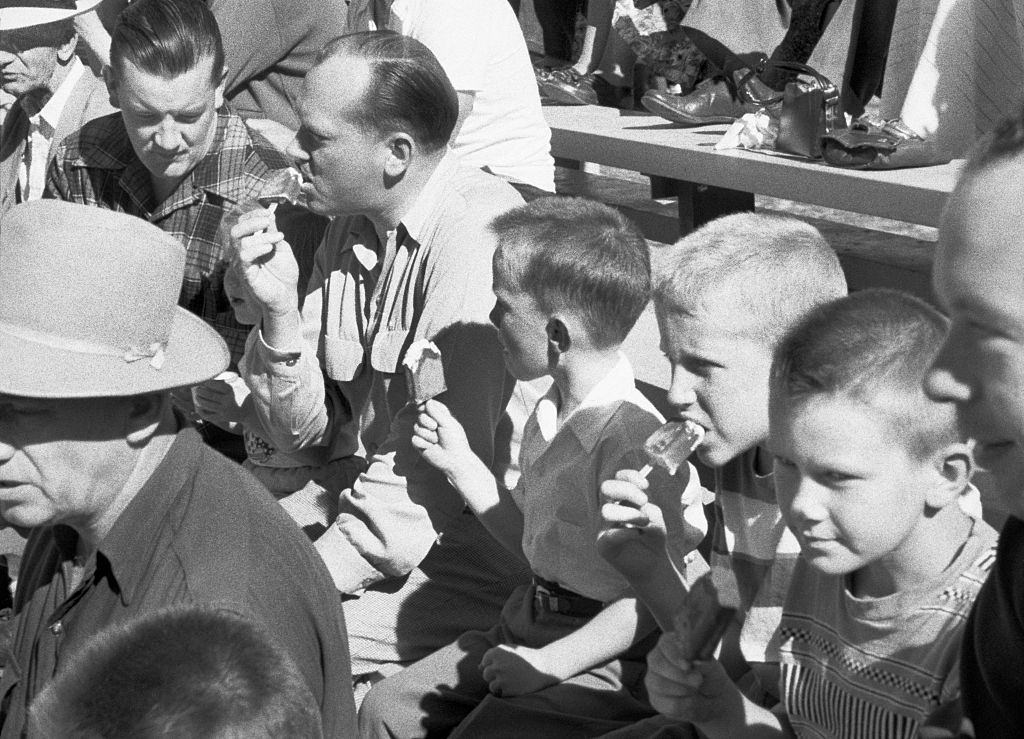
Everyday life in Vancouver had its own rhythms. Aerial views from 1951 show how the city was already spreading outward, with Coal Harbour and the West End beginning to fill in. At Hillcrest Park in 1954, Jaycee Little League baseball games between teams like the Kinsmen and the Gyros were a summer fixture, with men and boys enjoying ice cream in the stands.
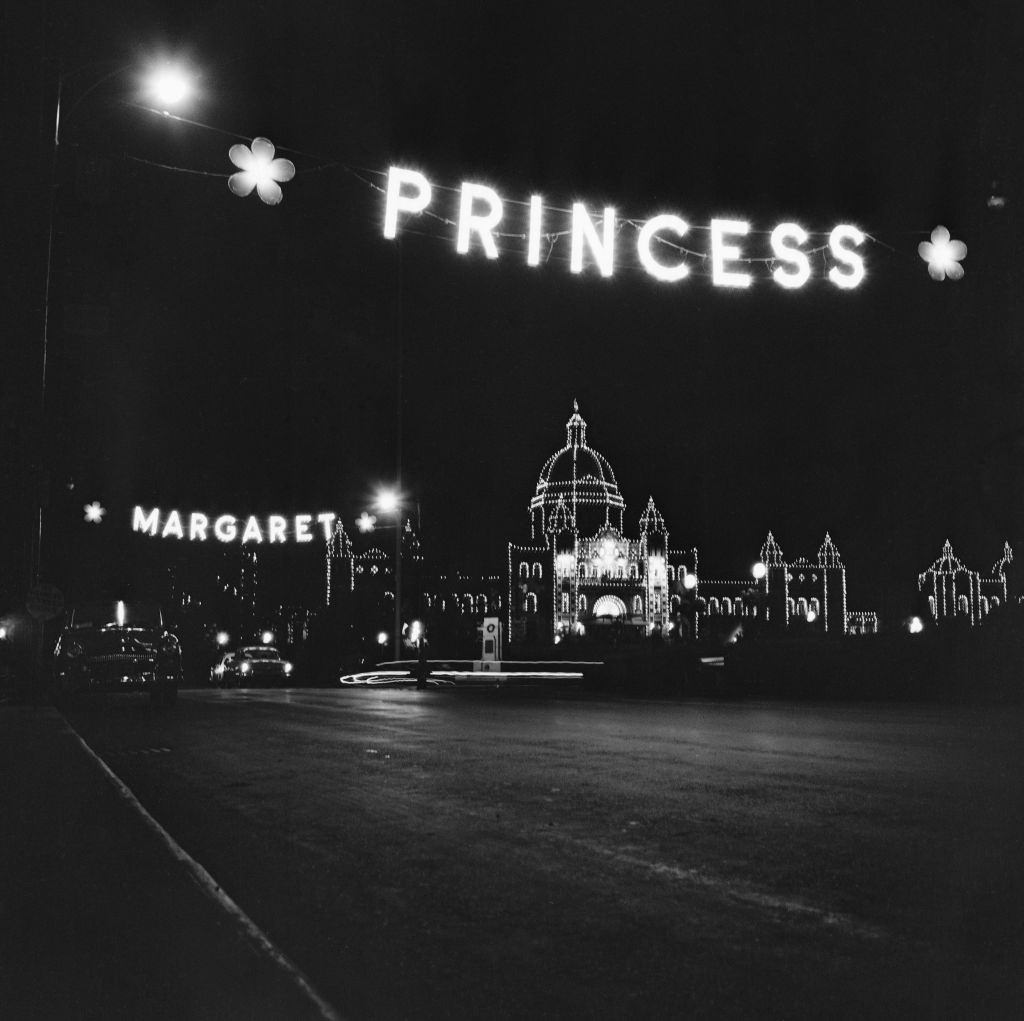
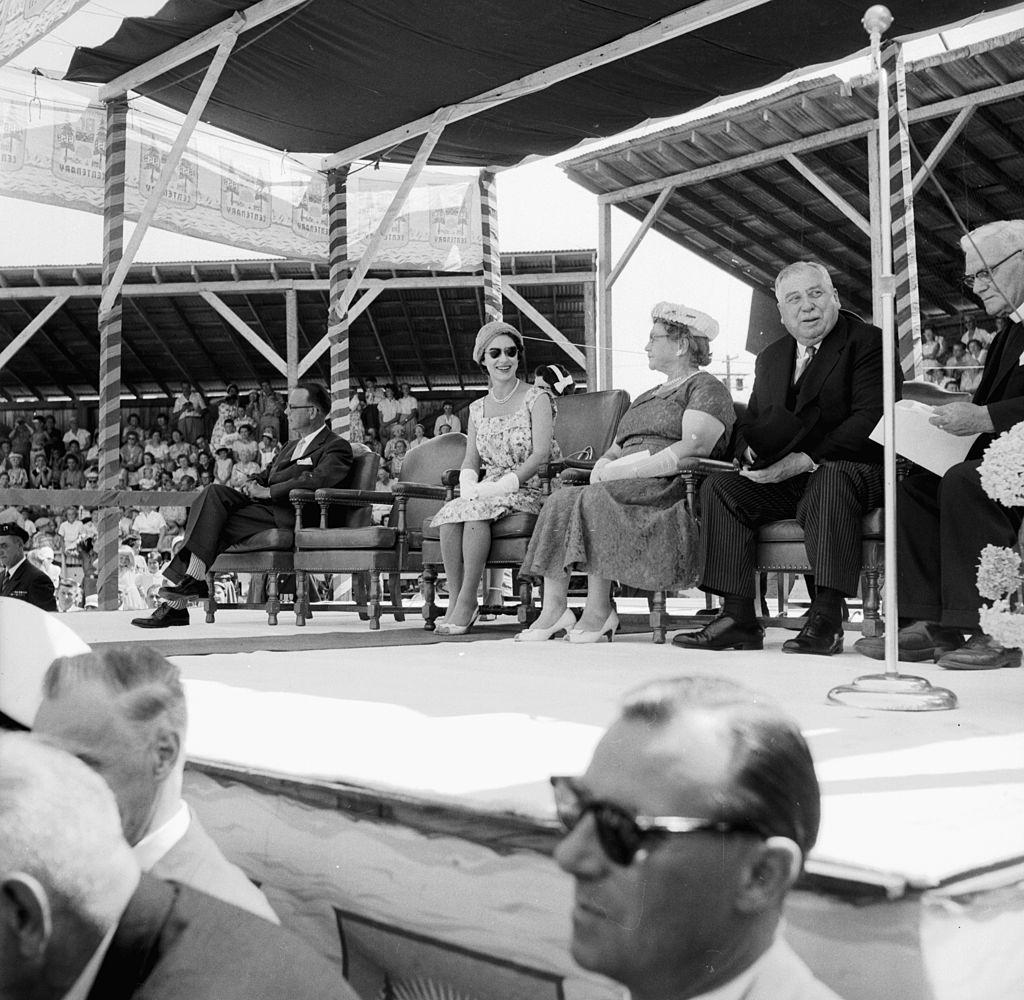
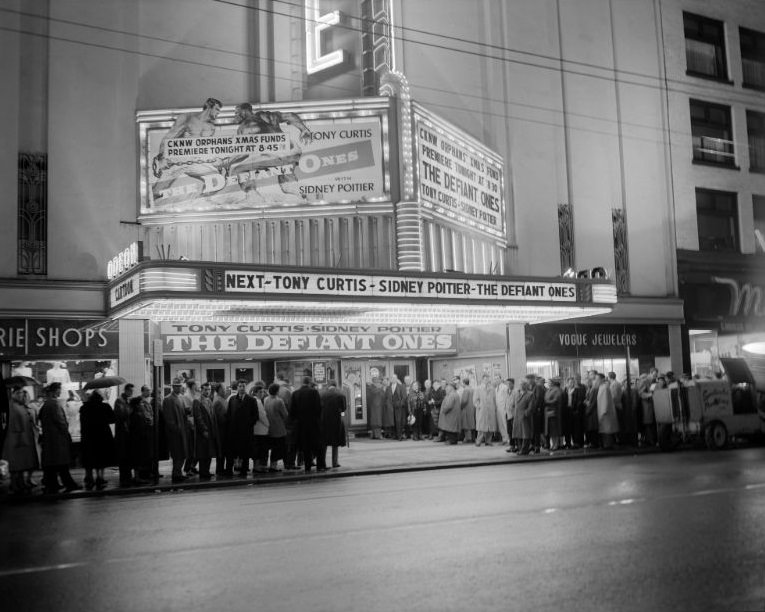
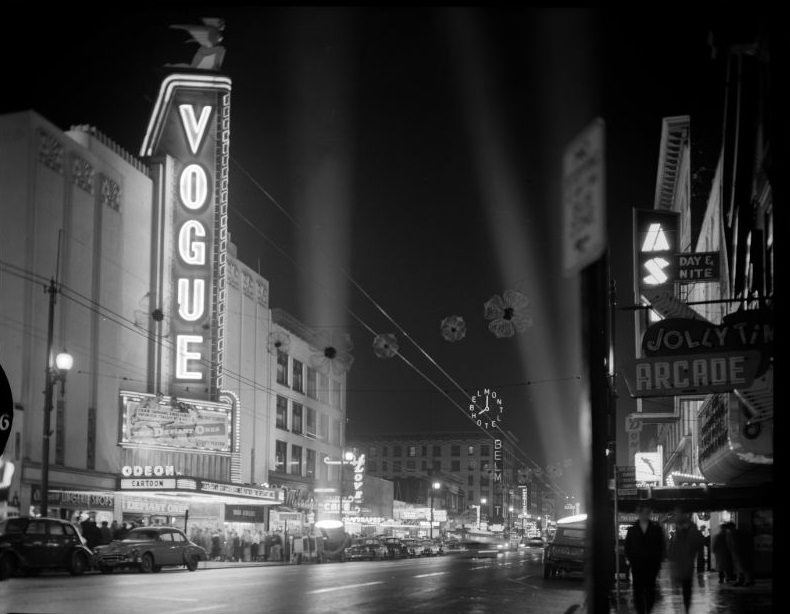
By 1958, Princess Margaret visited Vancouver on an official royal tour. The parliament buildings were lit up with her name in lights on July 18th, marking the occasion publicly. That same year, long lines formed outside the Vogue Theatre for the opening of the film The Defiant Ones, and the theatre blazed with spotlights into the night.
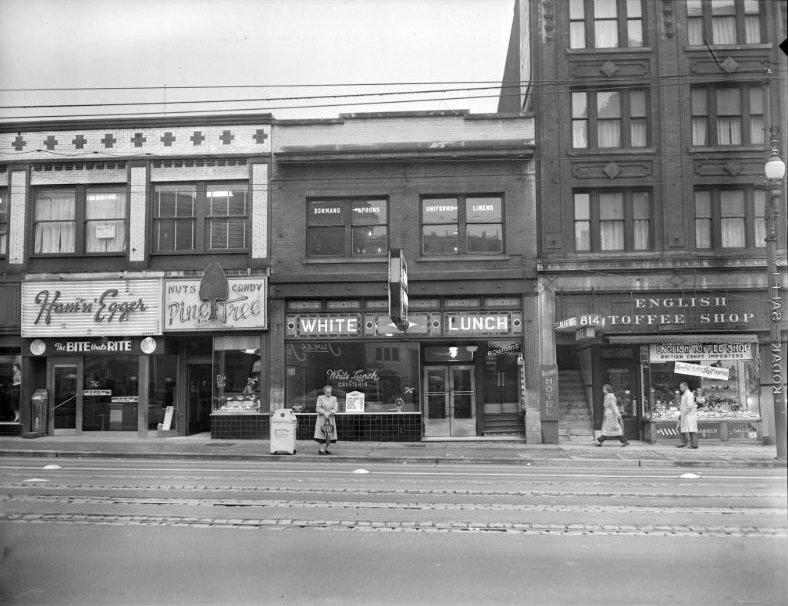
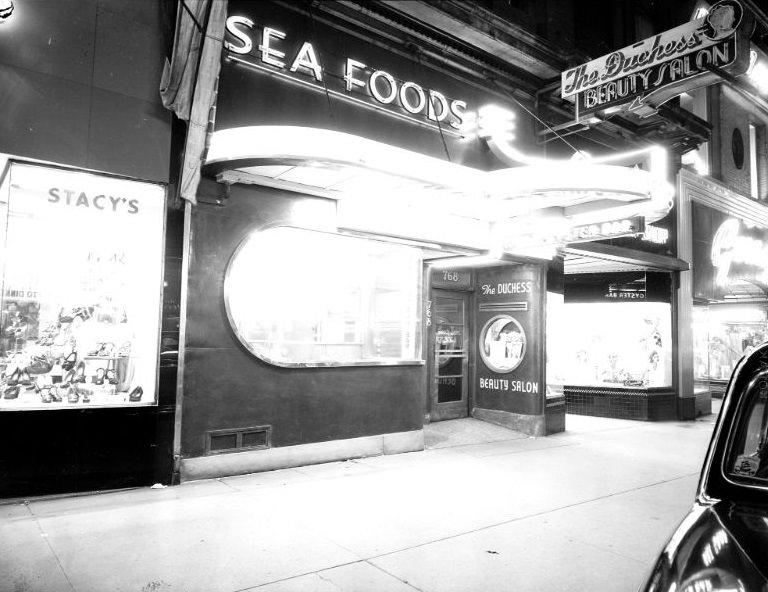
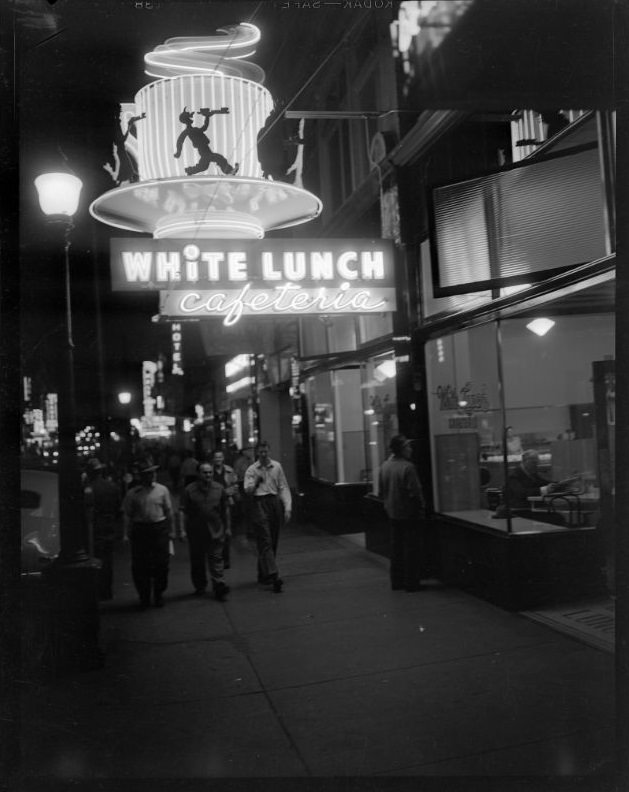
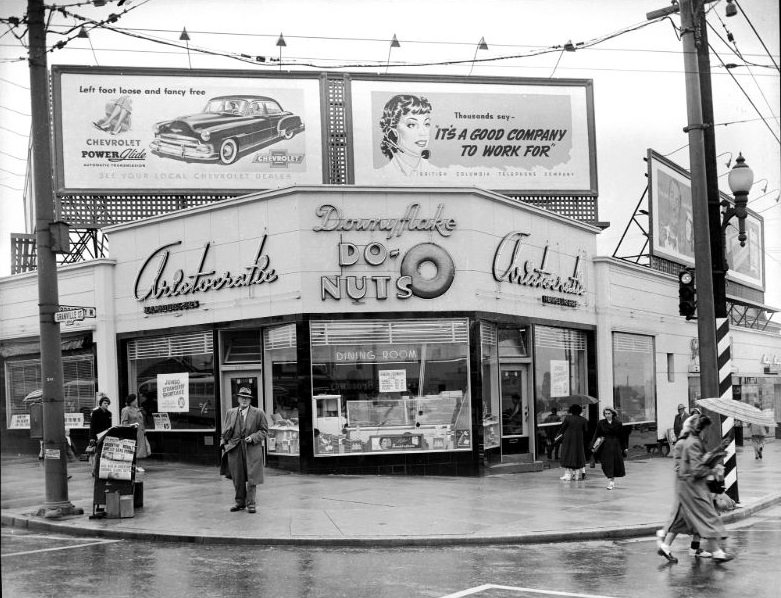
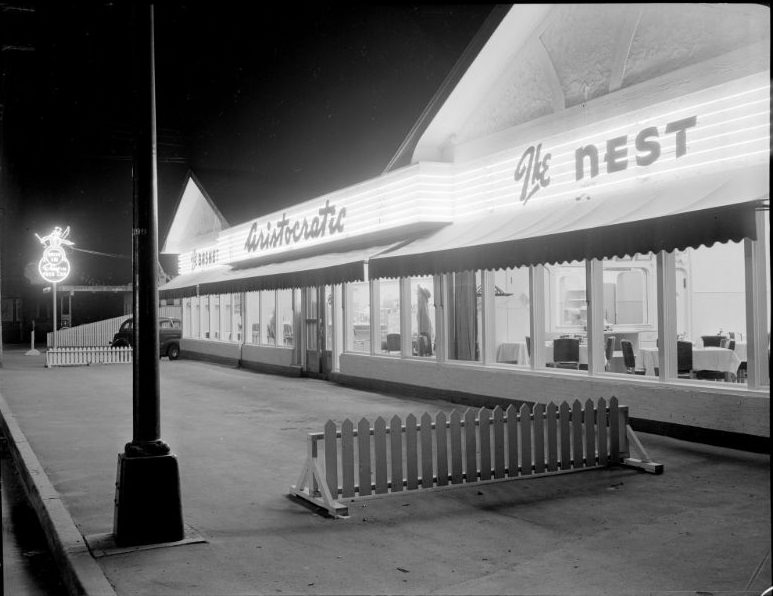
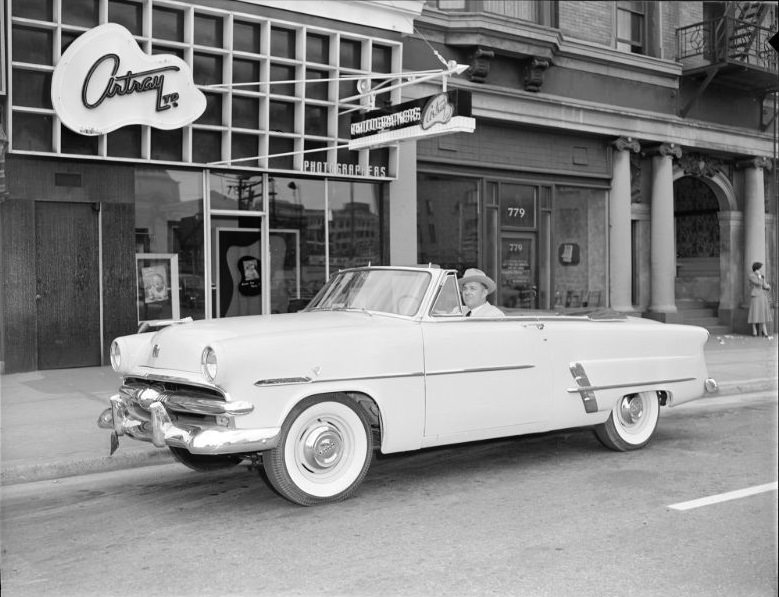
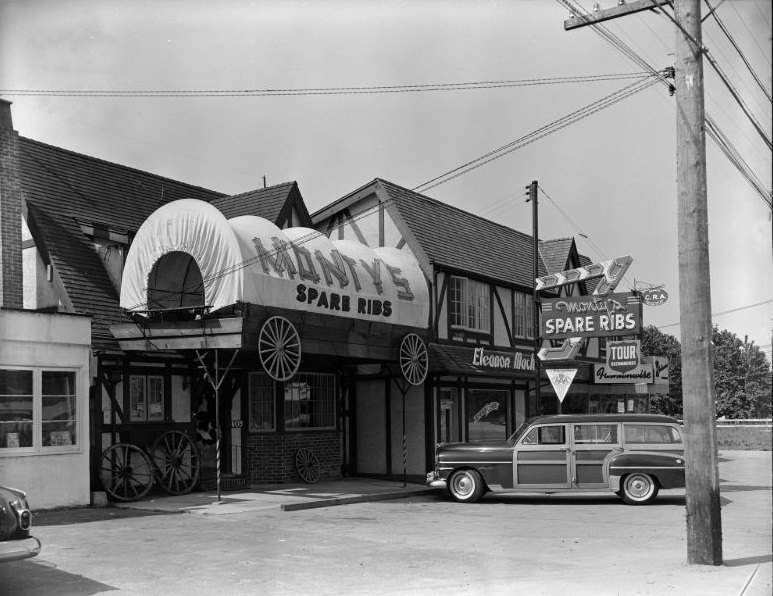
Granville Street ran through the heart of it all. From the Fish & Oyster Bar at one end to the glowing theatre marquees of Theatre Row at night, the street was a showcase of Vancouver’s commercial life. Restaurants like the Aristocratic had multiple locations across the city — on Cambie Street, at Granville and West Broadway, and on Kingsway — reflecting a growing dining culture. The White Lunch Cafeteria’s neon sign hung over the sidewalk on West Hastings, and Monty’s Spare Ribs on Richards Street was another neighborhood fixture.

It’s incredible to see how far the city has come. I wish I were living there back then. There were fewer people, and it was less messy. Looked classy
That view of West Vancouver is just oof.
Wow. Great post and thanks for it.
Victoria may want its Parliament Buildings back
50s was a rough decade for urban design as the auto industry basically lobbied governments to build more roads, push people to live in the suburbs, and eliminate public transit.