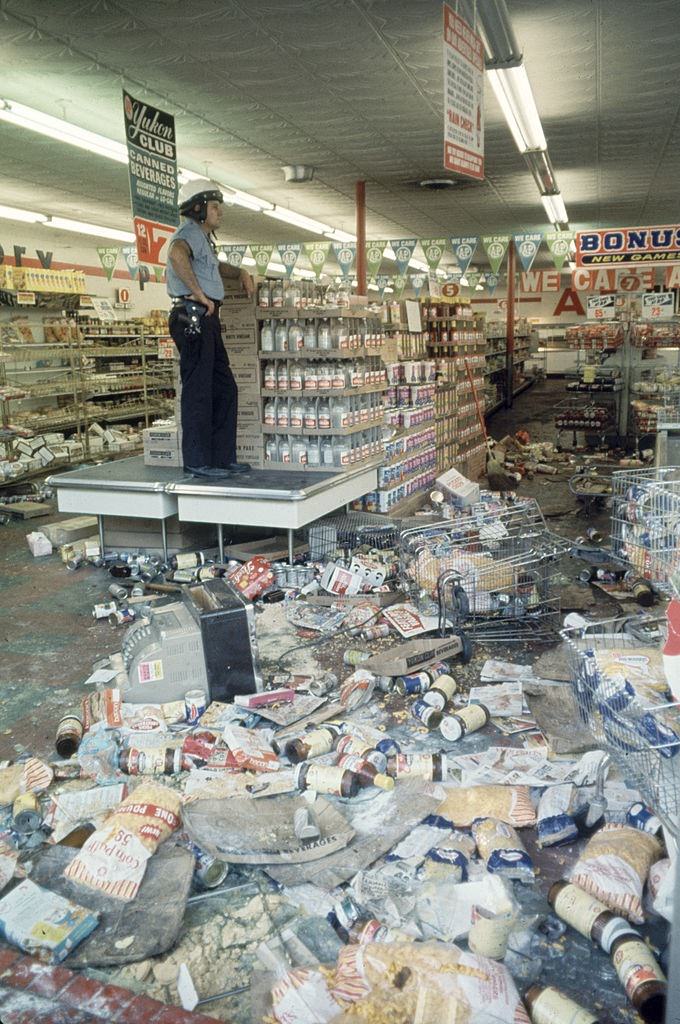
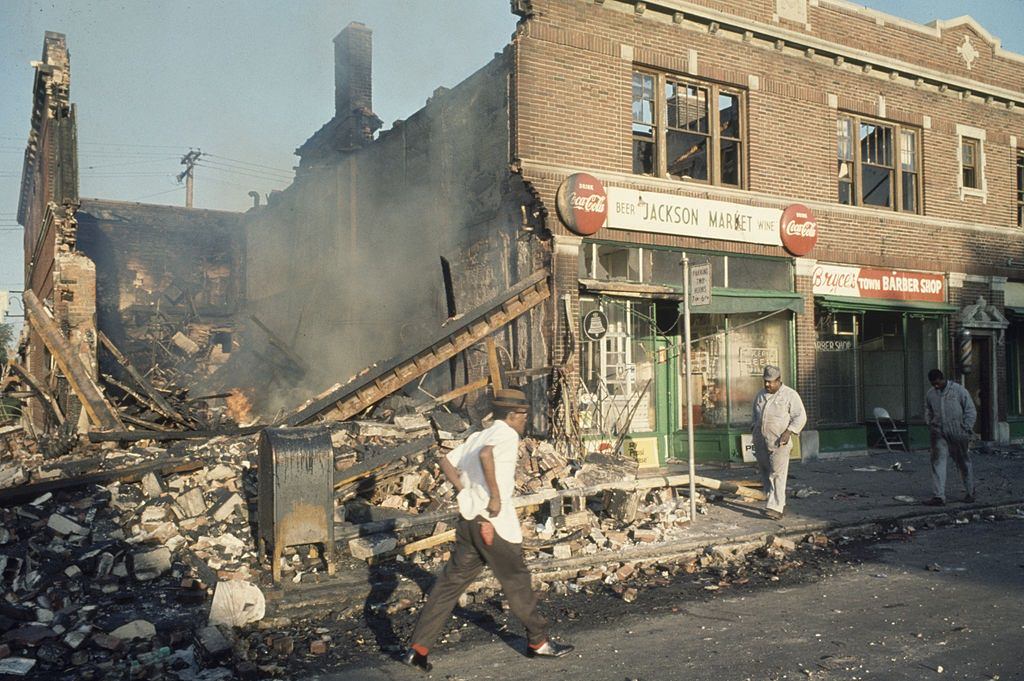
In the summer of 1967, Detroit exploded. What began as a police raid on an unlicensed bar in the early hours of July 23 turned into one of the deadliest and most destructive urban uprisings in American history. By the time order was restored four days later, 43 people were dead, 342 were injured, more than 7,000 had been arrested, 1,700 stores had been looted, and nearly 1,400 buildings had been burned to the ground. Property damage totaled roughly $50 million.
To understand what happened on 12th Street, you have to understand what Detroit had become by the mid-1960s. During World War II, the city boomed. The automobile and defense industries opened thousands of jobs, drawing workers — many of them Black — from across the country. Detroit developed a larger Black middle class than most American cities. But that prosperity was fragile. As the postwar decades wore on, auto plants and other major employers moved out of the city center. What they left behind were vacant storefronts, rising unemployment, and neighborhoods sinking into poverty. Racial tensions between white and Black residents ran high, especially over jobs and housing.
12th Street was the beating heart of Detroit’s Black community nightlife. It was lined with bars, jazz clubs, and gathering spots — some legal, some not. At the corner of Clairmount Avenue, a man named William Scott ran what was known as a ‘blind pig,’ an after-hours club that operated without a license. Police had raided establishments like this before. On the night of July 22 into the early morning of July 23, officers from the Detroit Police Department moved in on Scott’s club.
What the police did not expect was what they found inside. The club was packed — nearly 85 people were there celebrating the return of two veterans from Vietnam. Officers arrested all 85 patrons and waited outside for transport vehicles to arrive. As they waited, a crowd began to gather on the street. Within an hour, thousands of people had poured in from surrounding blocks. The tension broke. The riot erupted, the police fled, and looting began almost immediately.
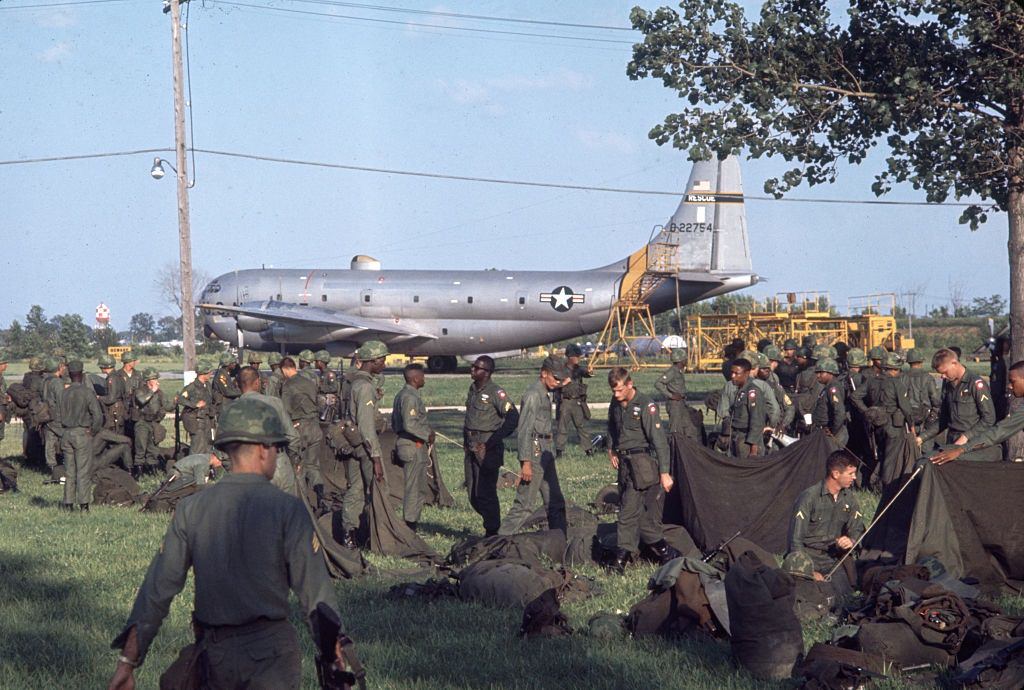
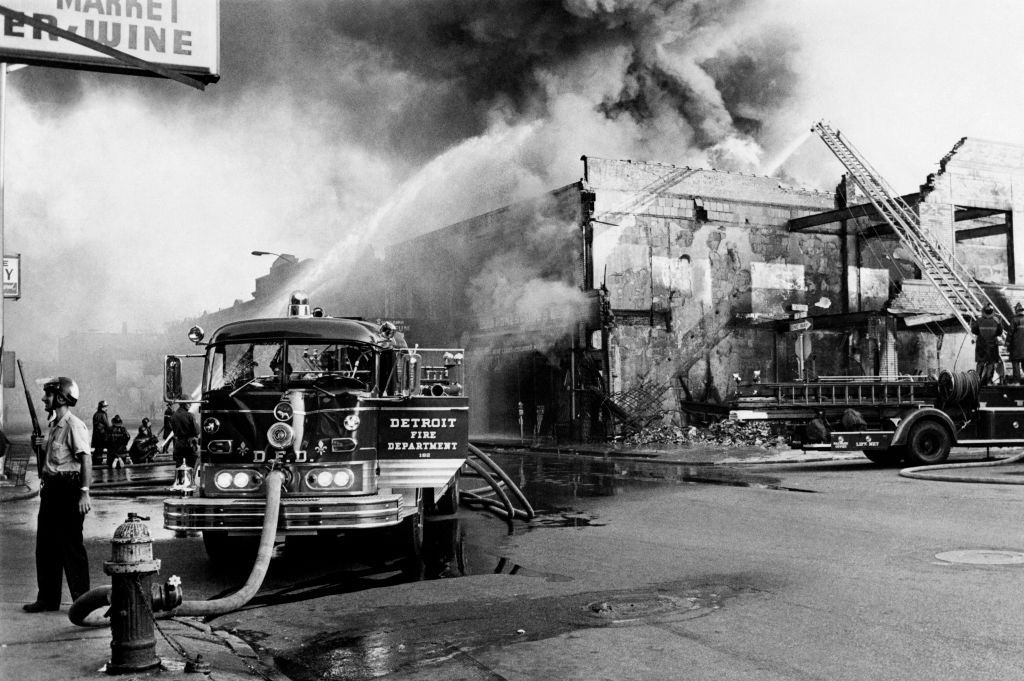
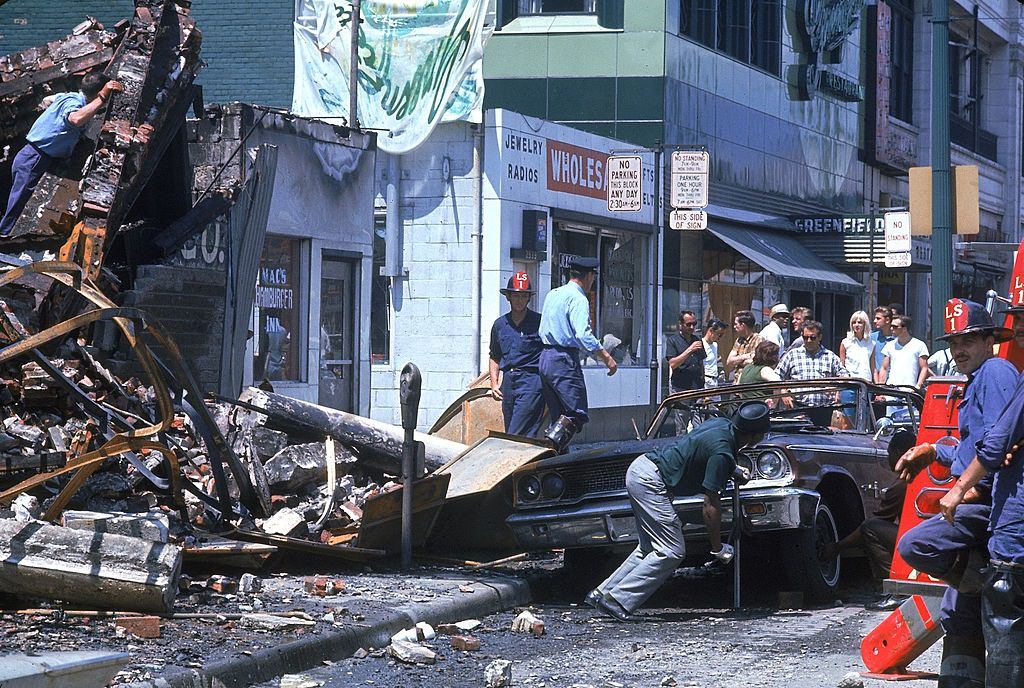
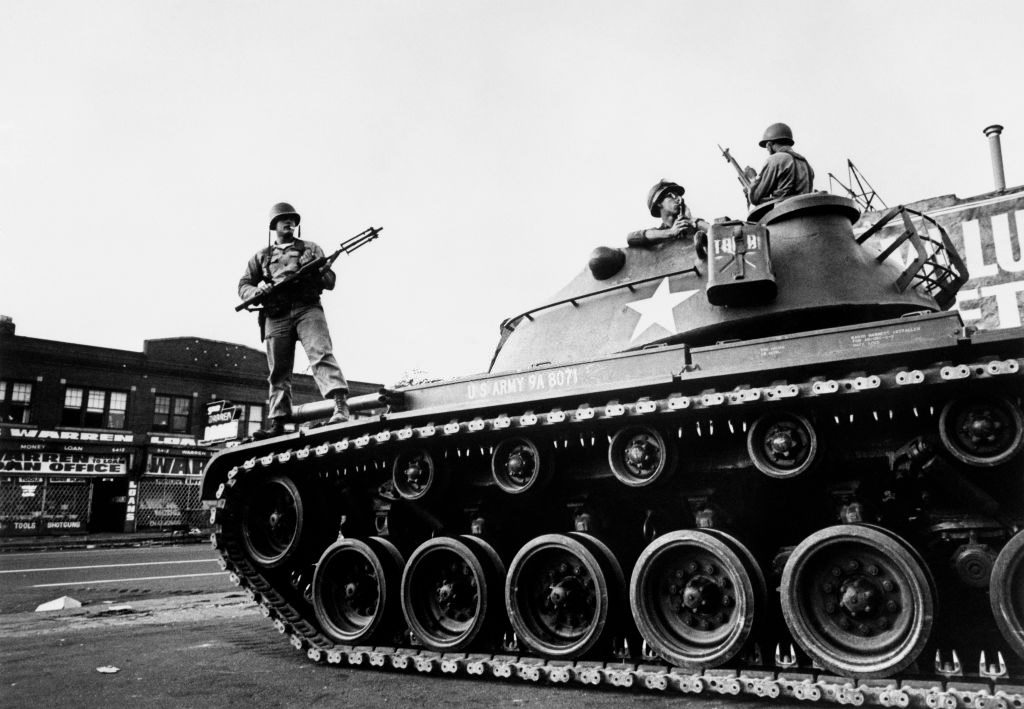
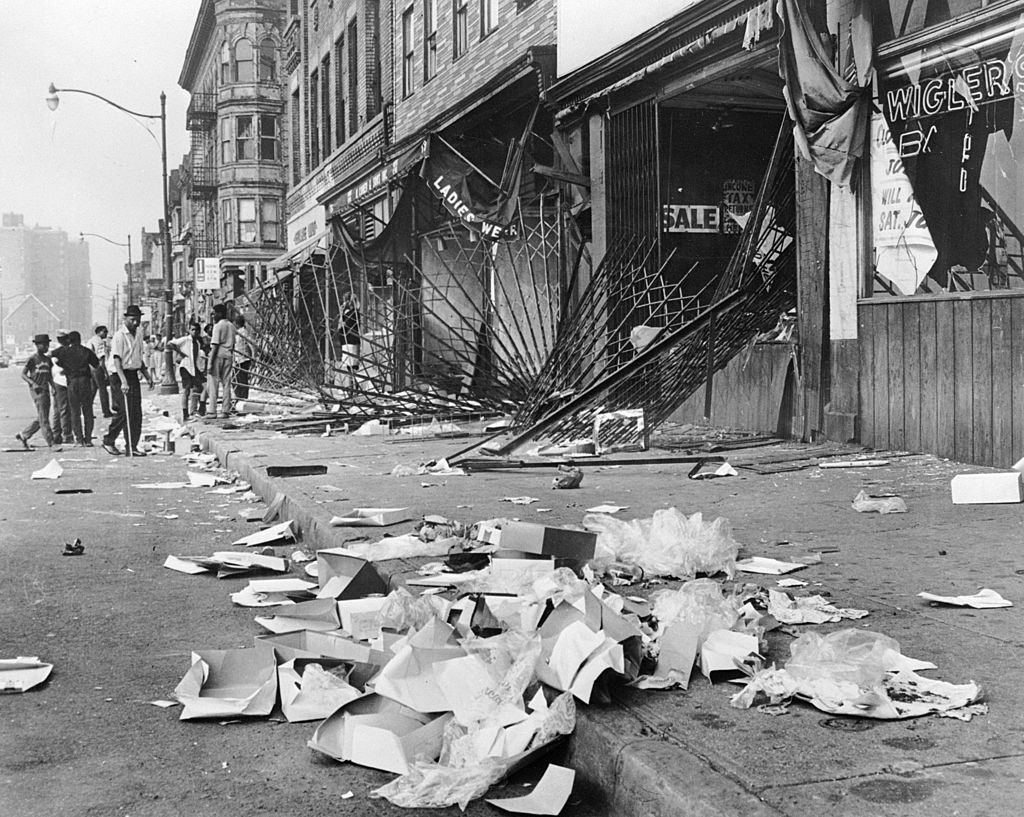
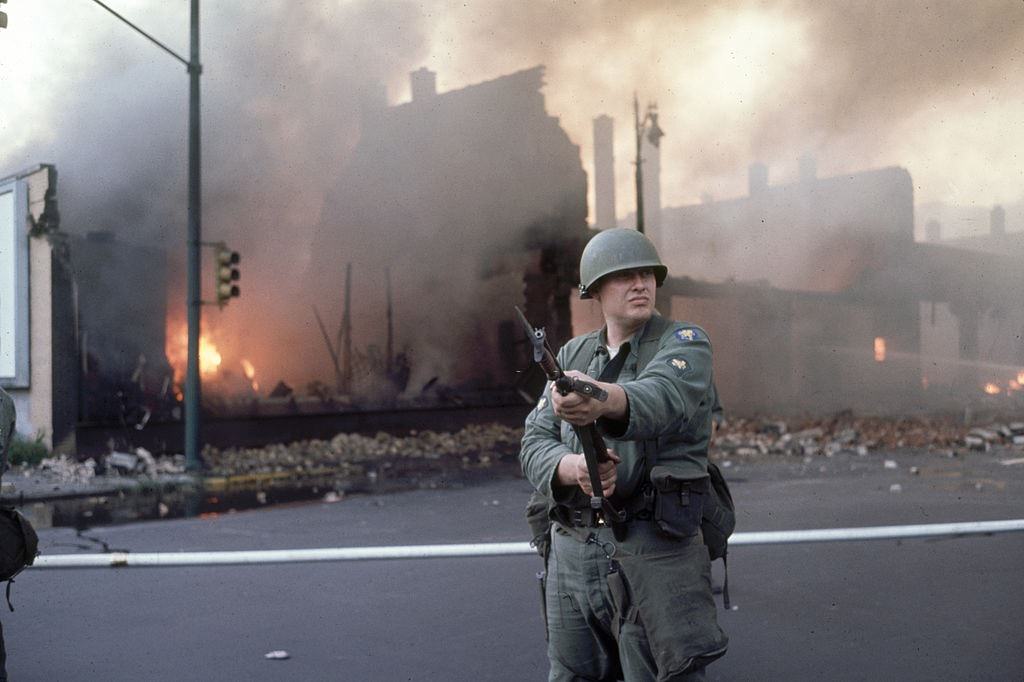
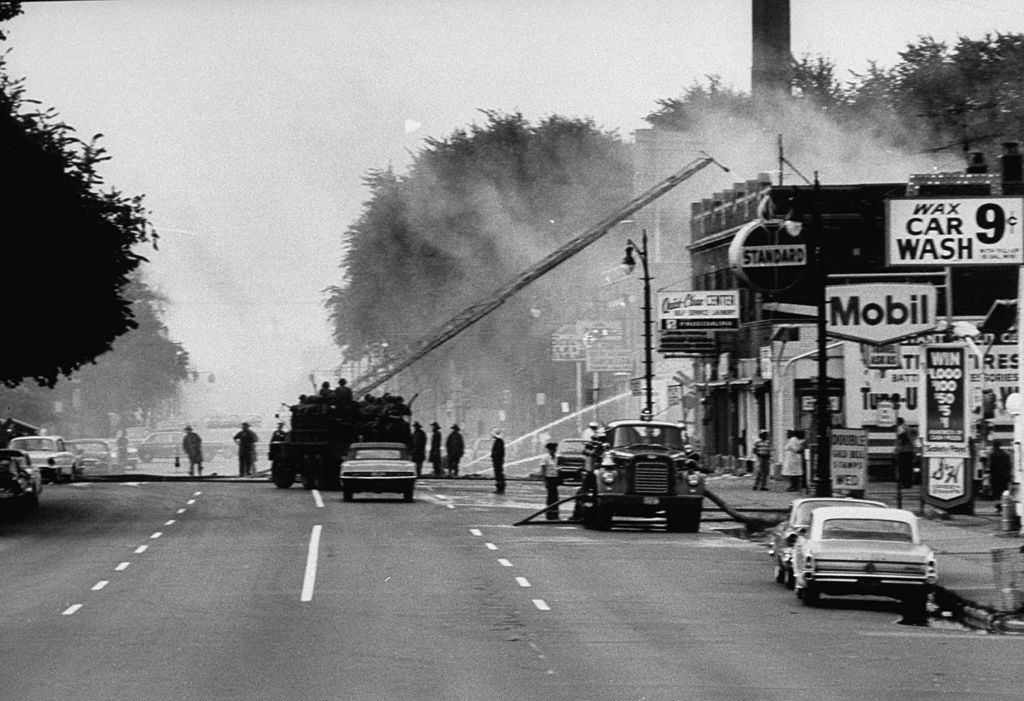
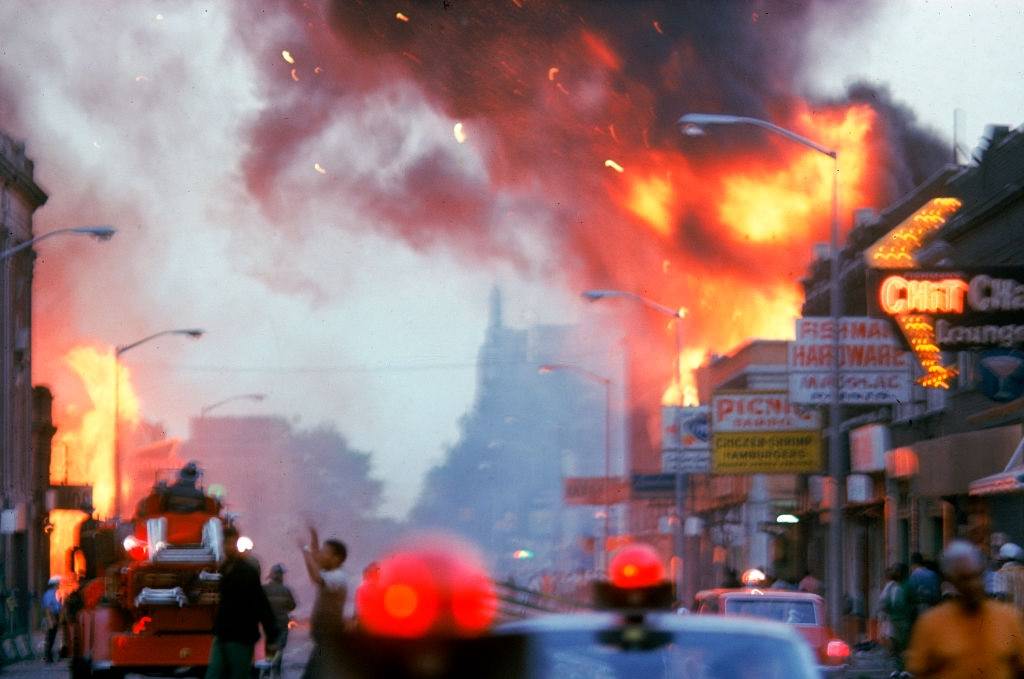
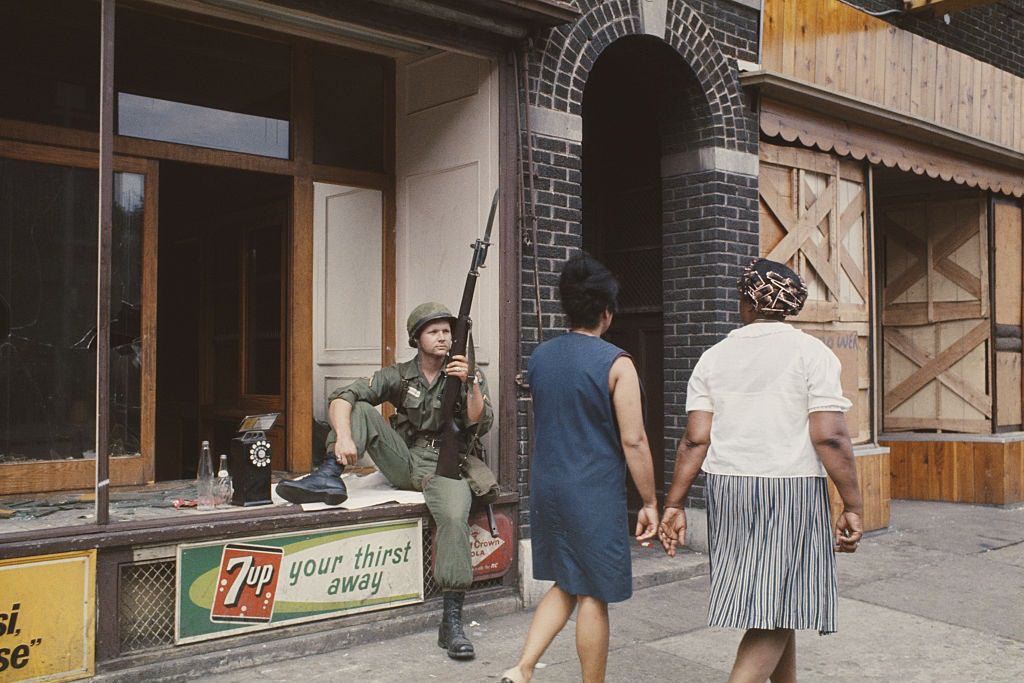
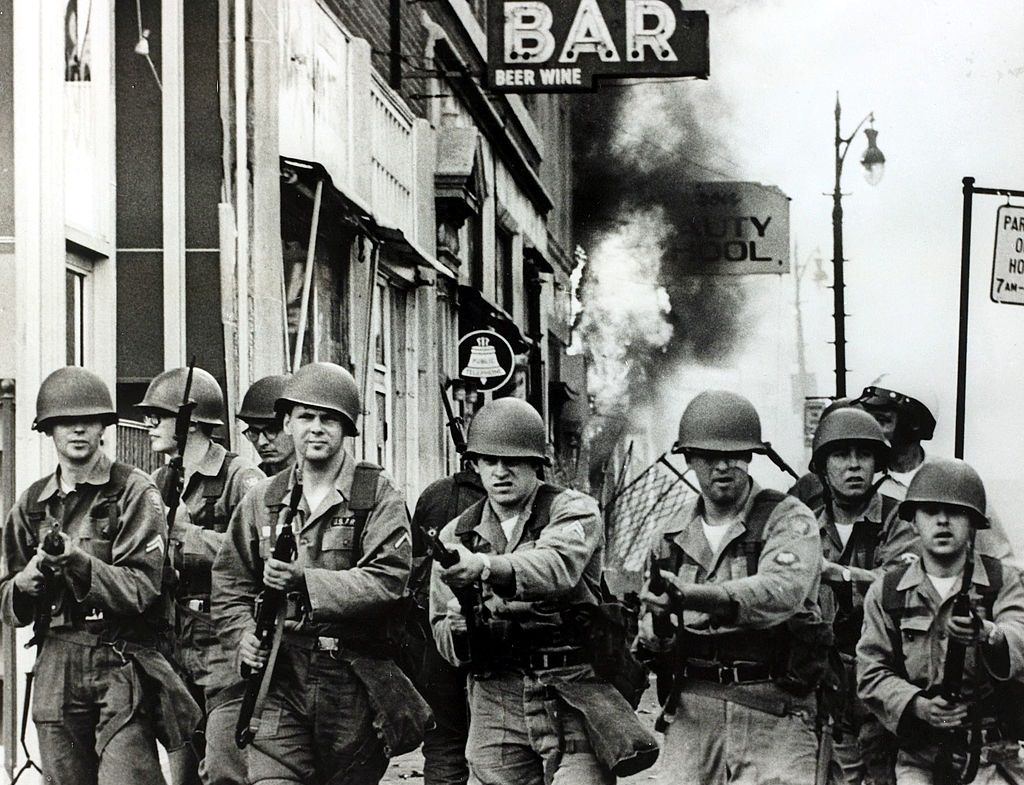
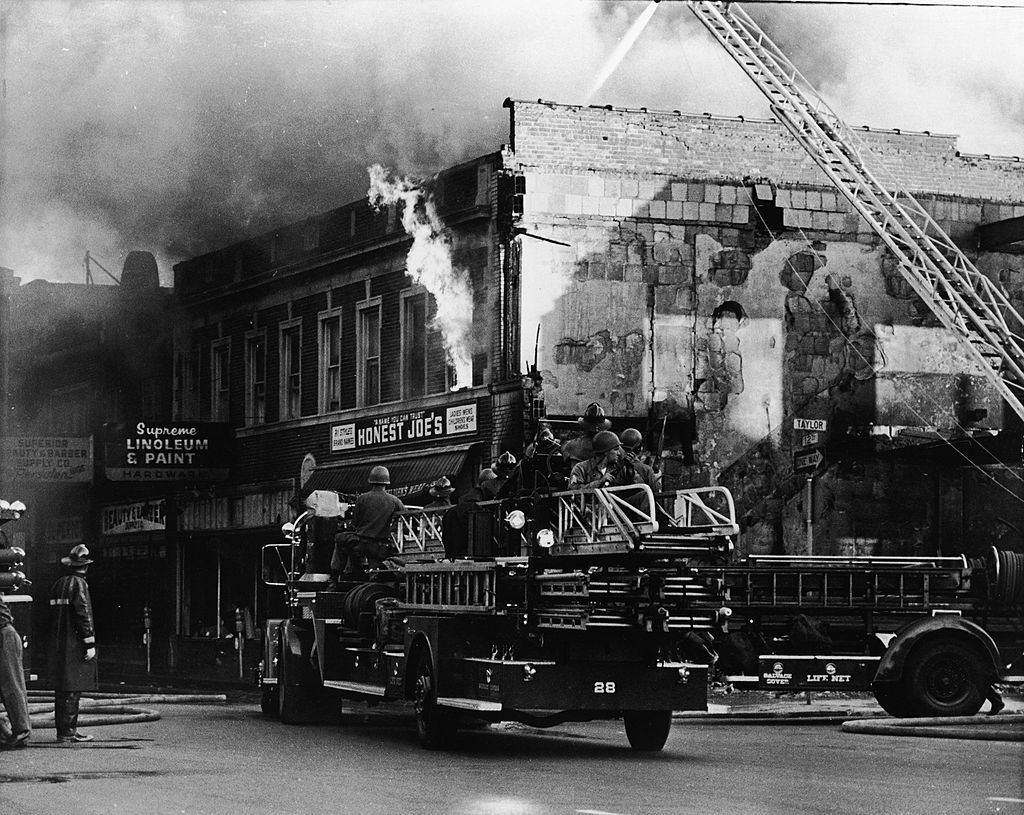
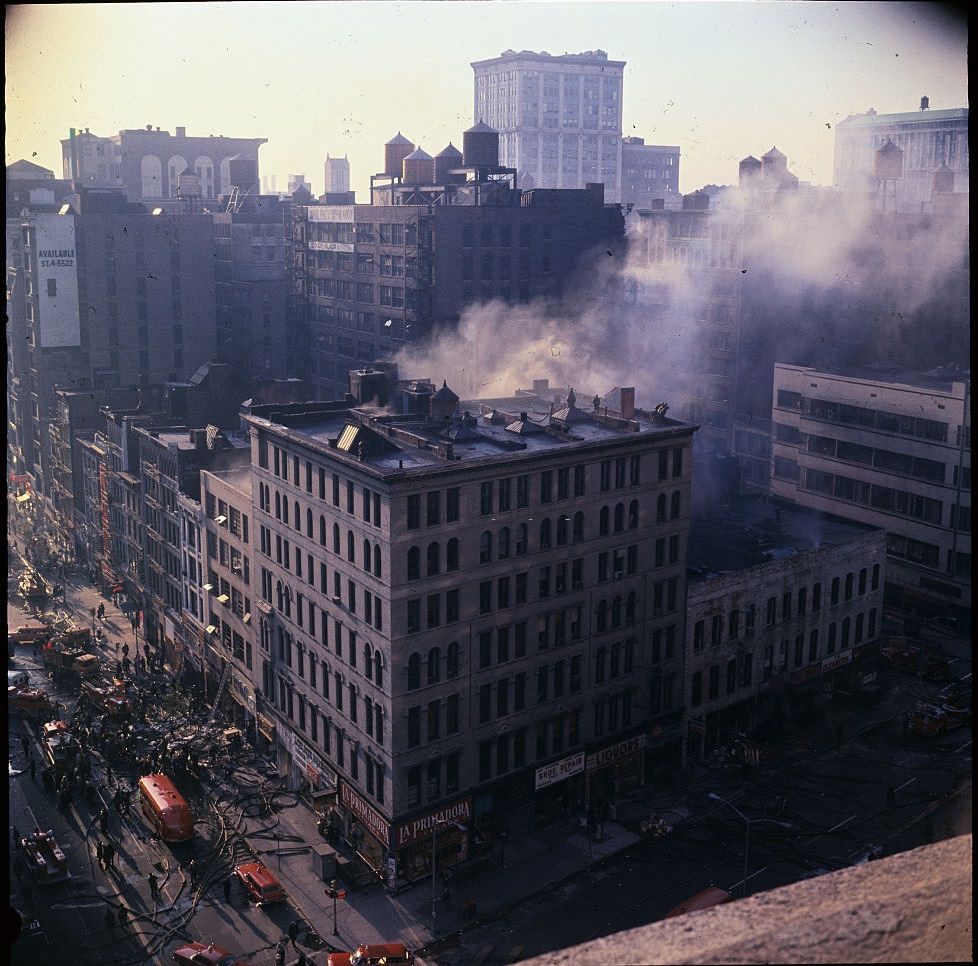
Stores were ransacked up and down 12th Street. Fires broke out and spread fast. Firefighters who arrived to battle the flames were attacked. The unrest quickly expanded beyond the immediate neighborhood, eventually spreading across a 100-block area around Virginia Park. Detroit Mayor Jerome P. Cavanaugh called on Michigan Governor George Romney to deploy the National Guard. President Lyndon B. Johnson ultimately ordered paratroopers from the 82nd Airborne Division into the city.
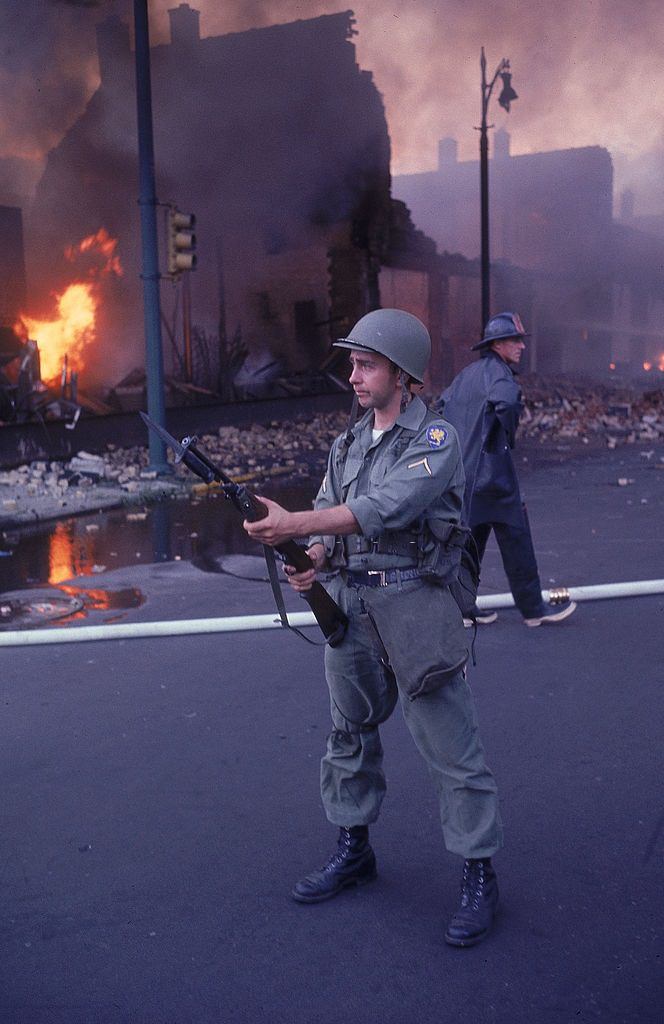
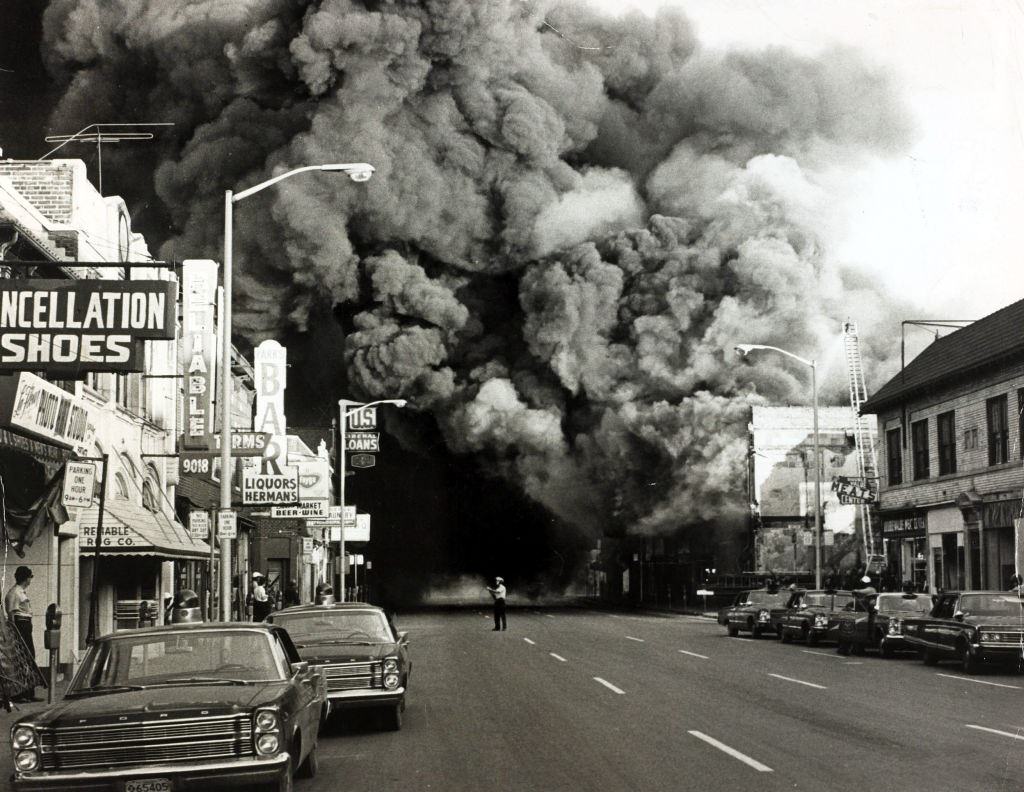
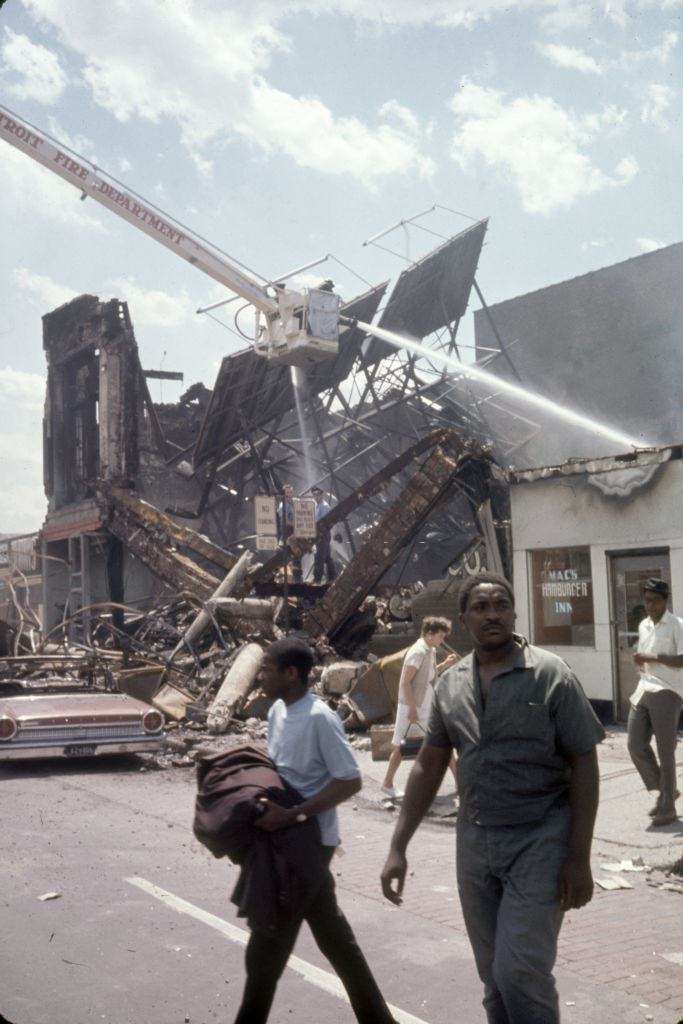
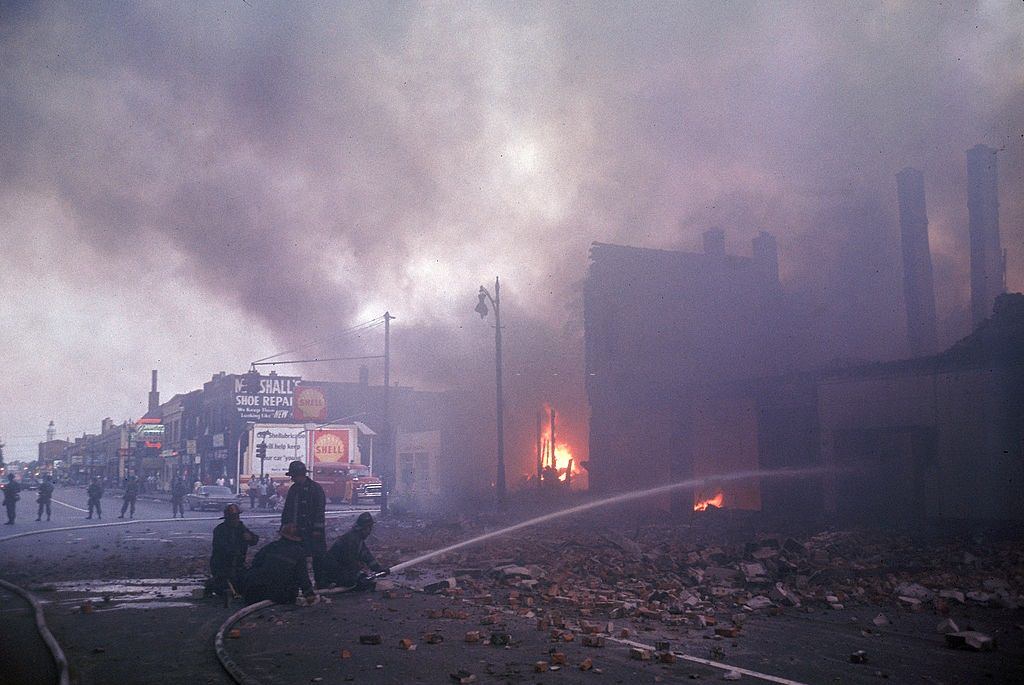
The fires were relentless. Block after block of buildings burned as firefighters struggled to keep up, sometimes under threat from snipers and hostile crowds. Federal troops rode fire engines to shield firefighters from gunfire. In some neighborhoods, Black residents grabbed fire hoses dropped by retreating firefighters and tried to put out the flames themselves.
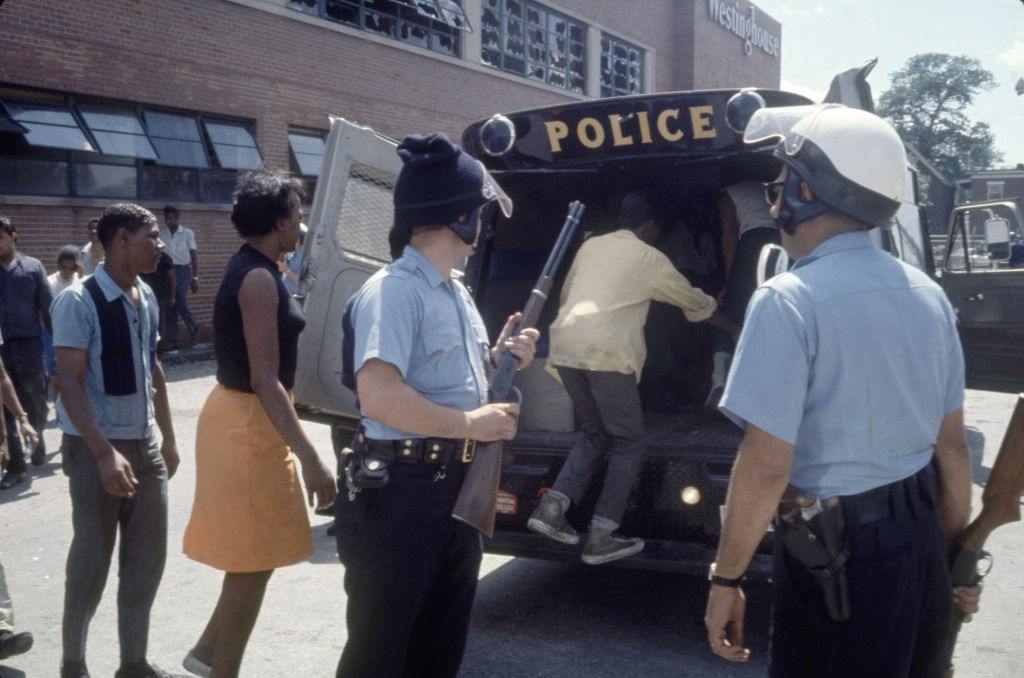
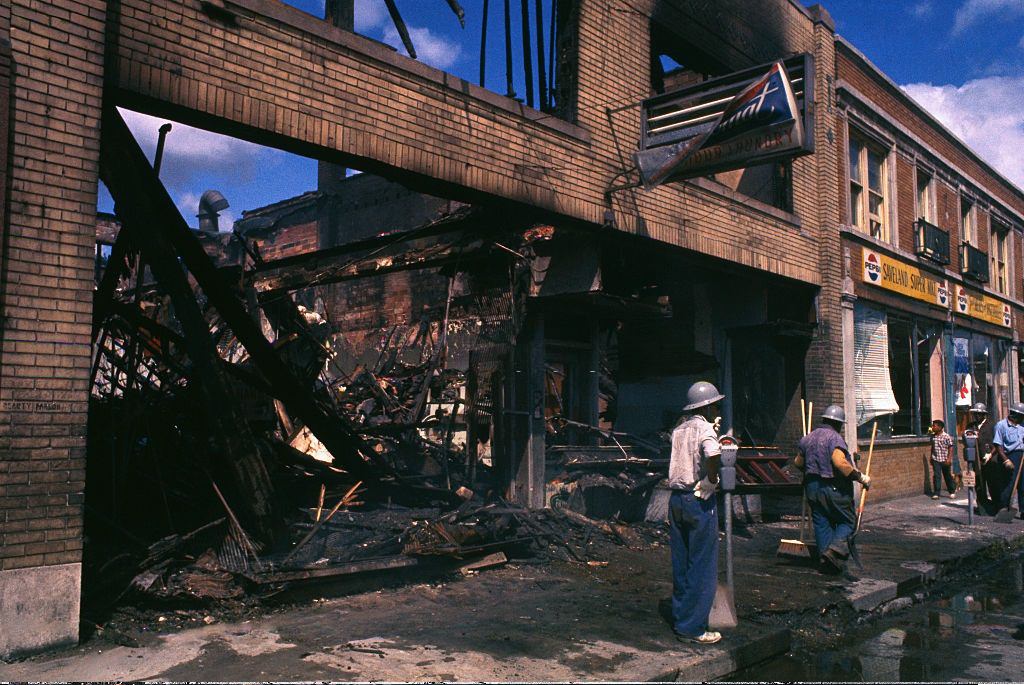
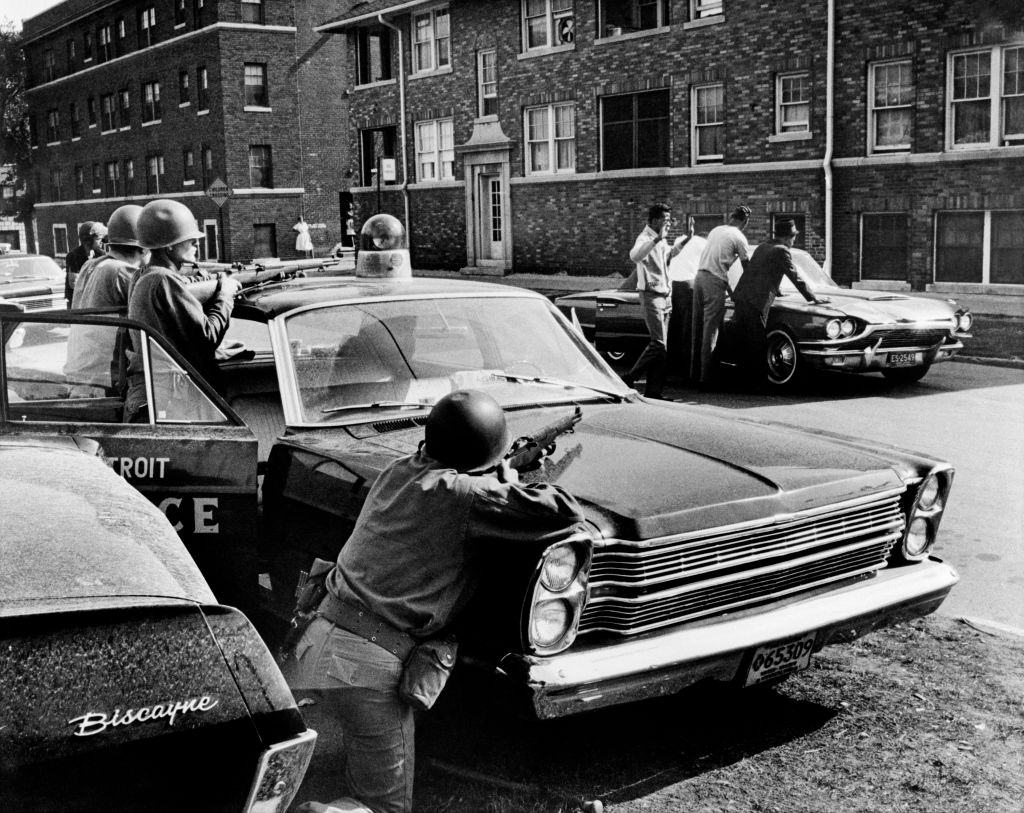
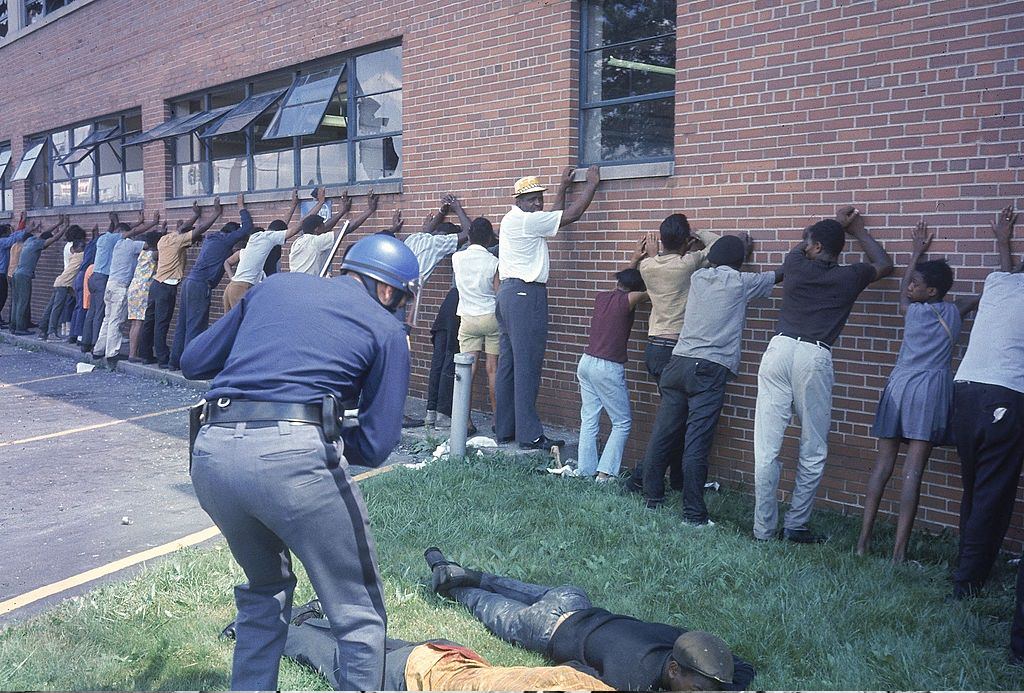
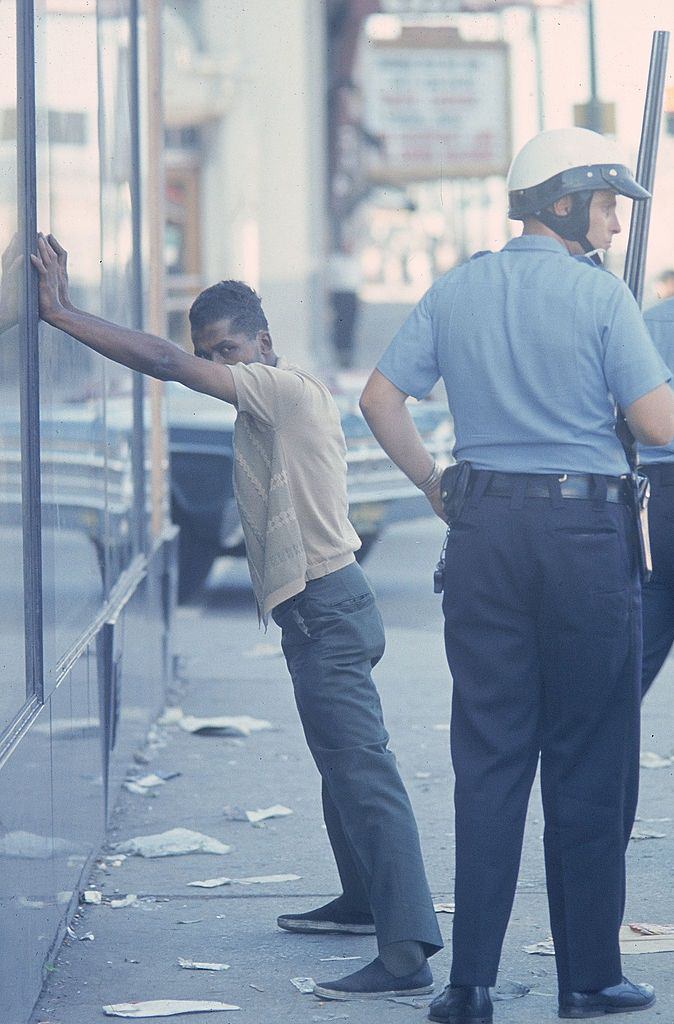
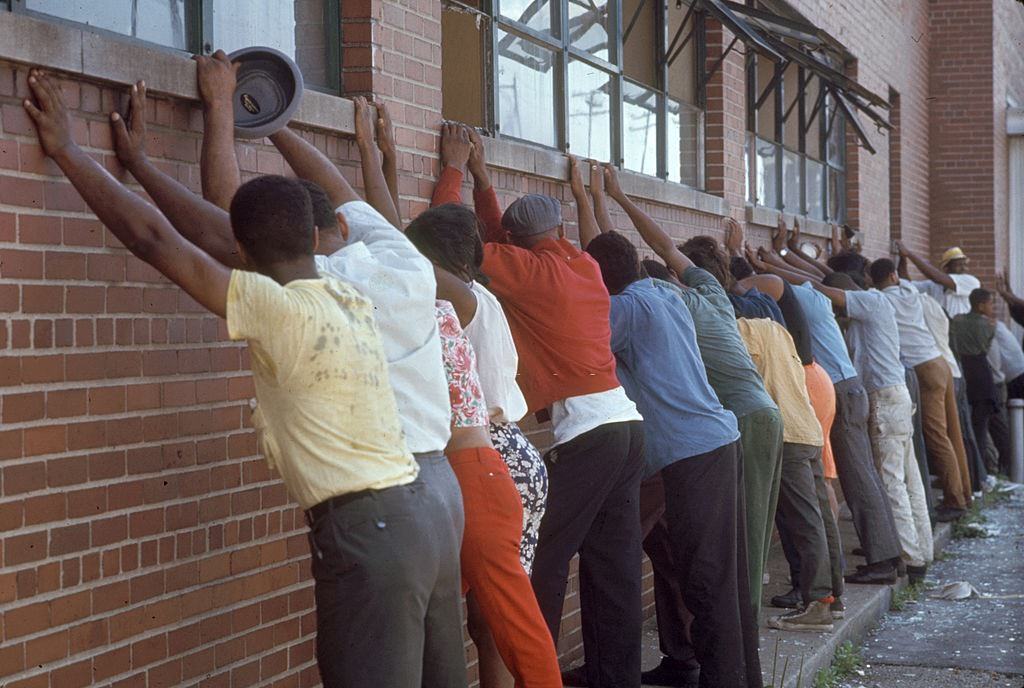
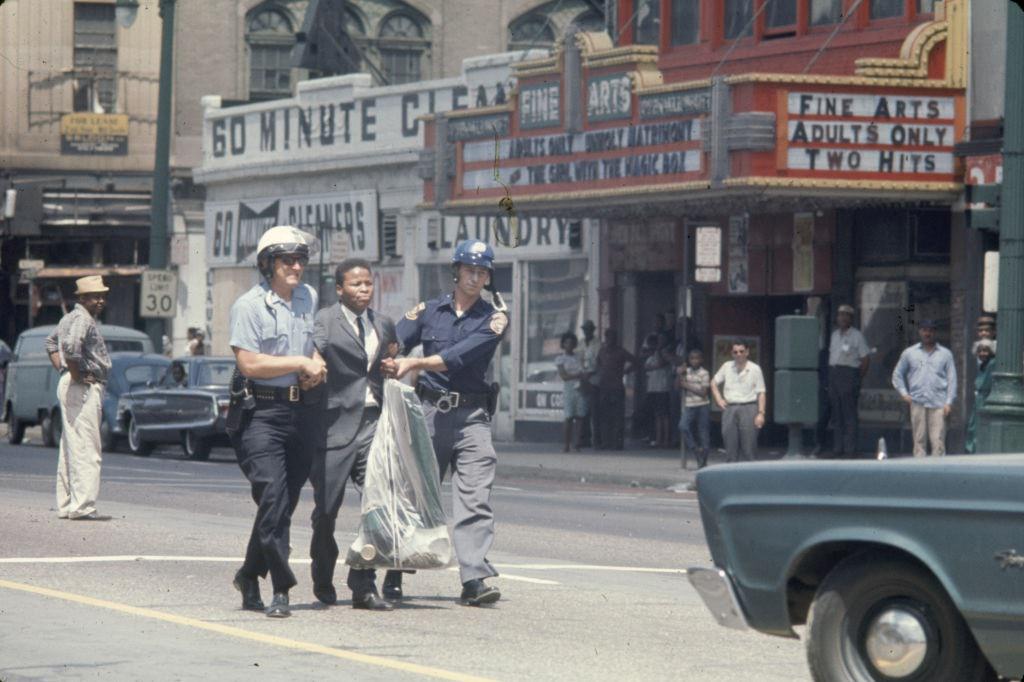
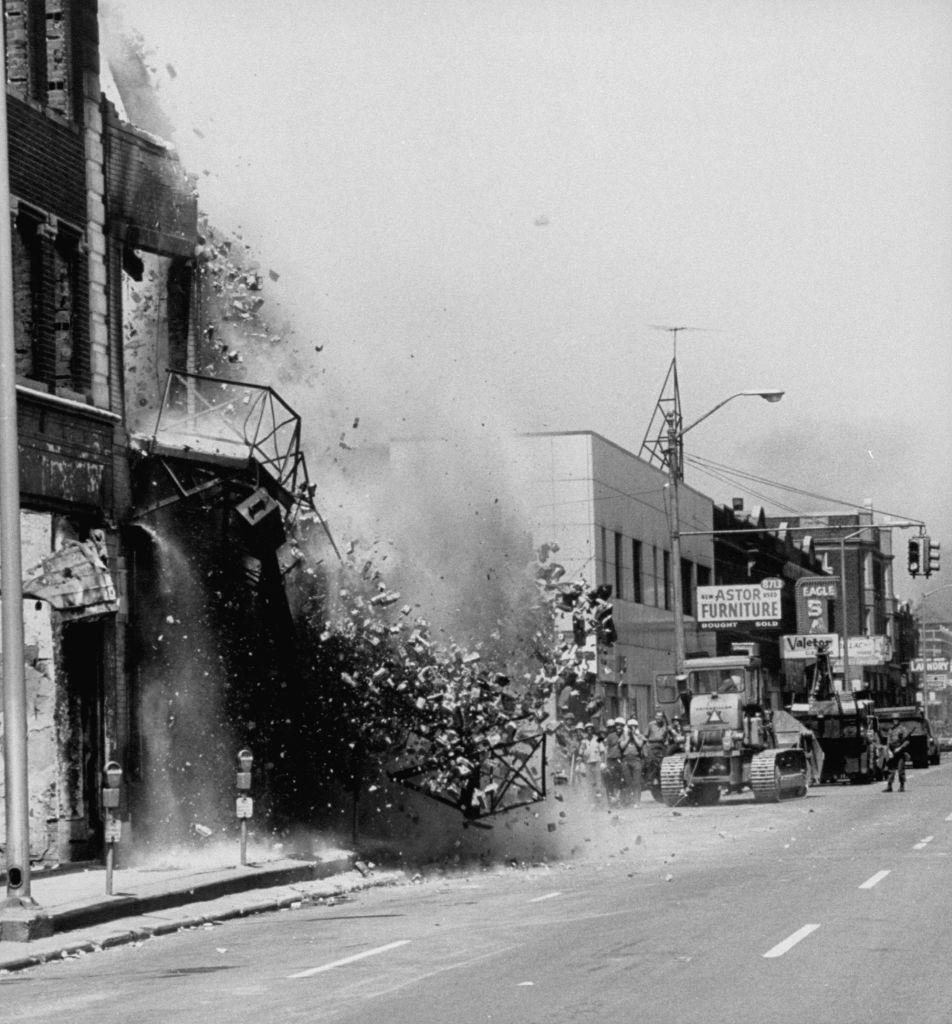
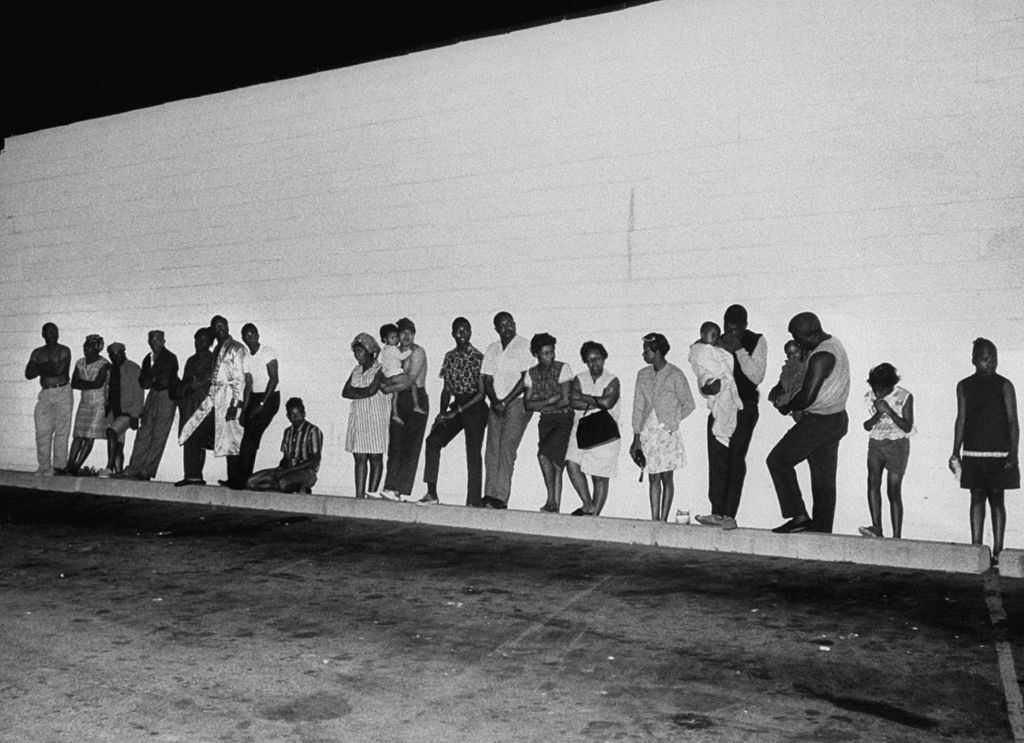
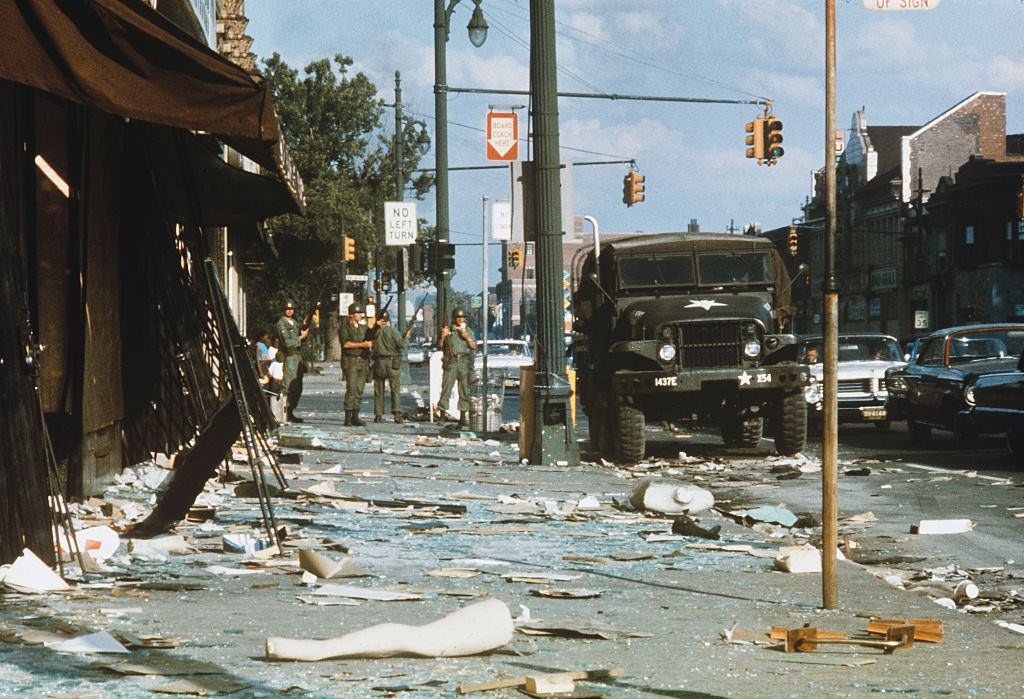
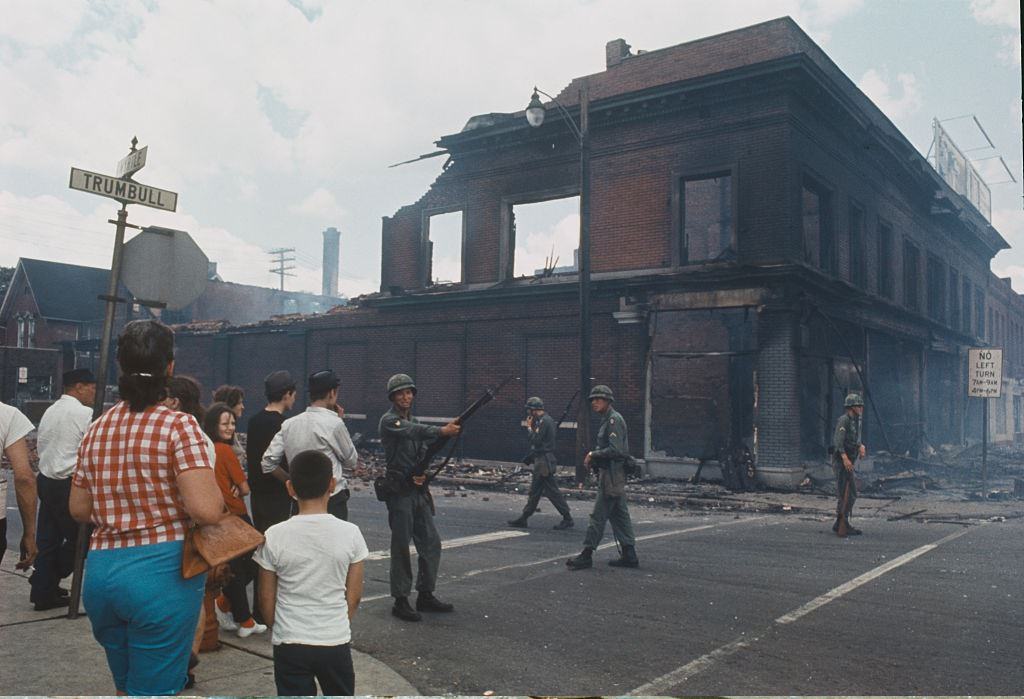
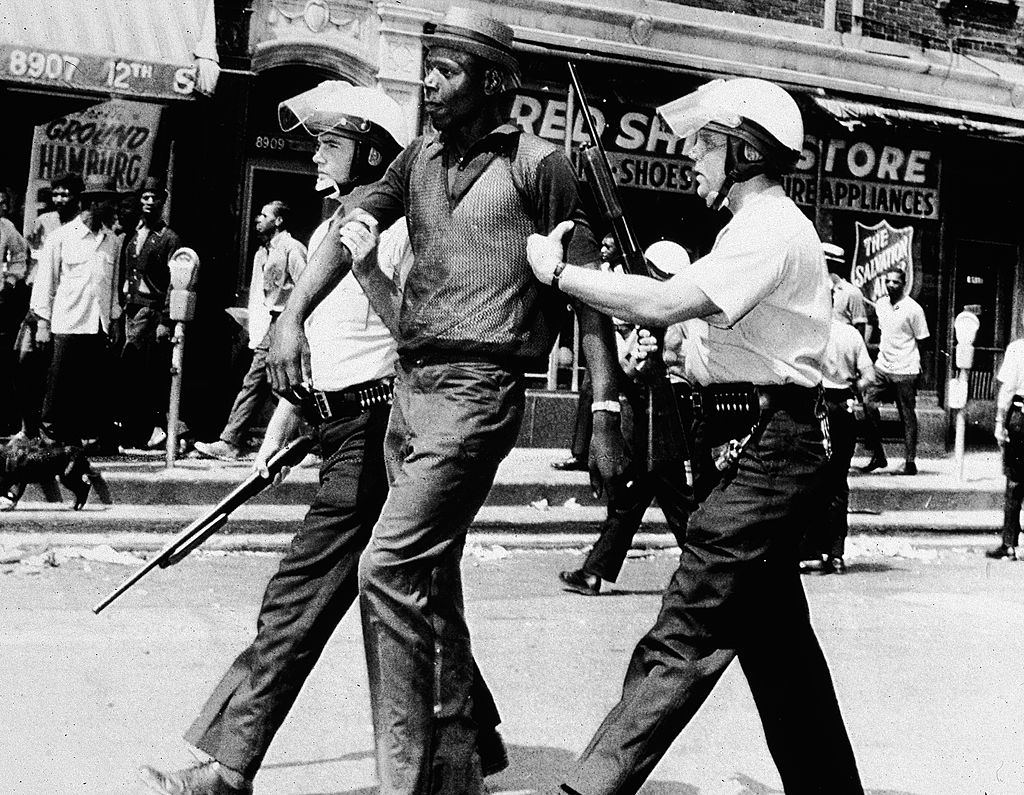
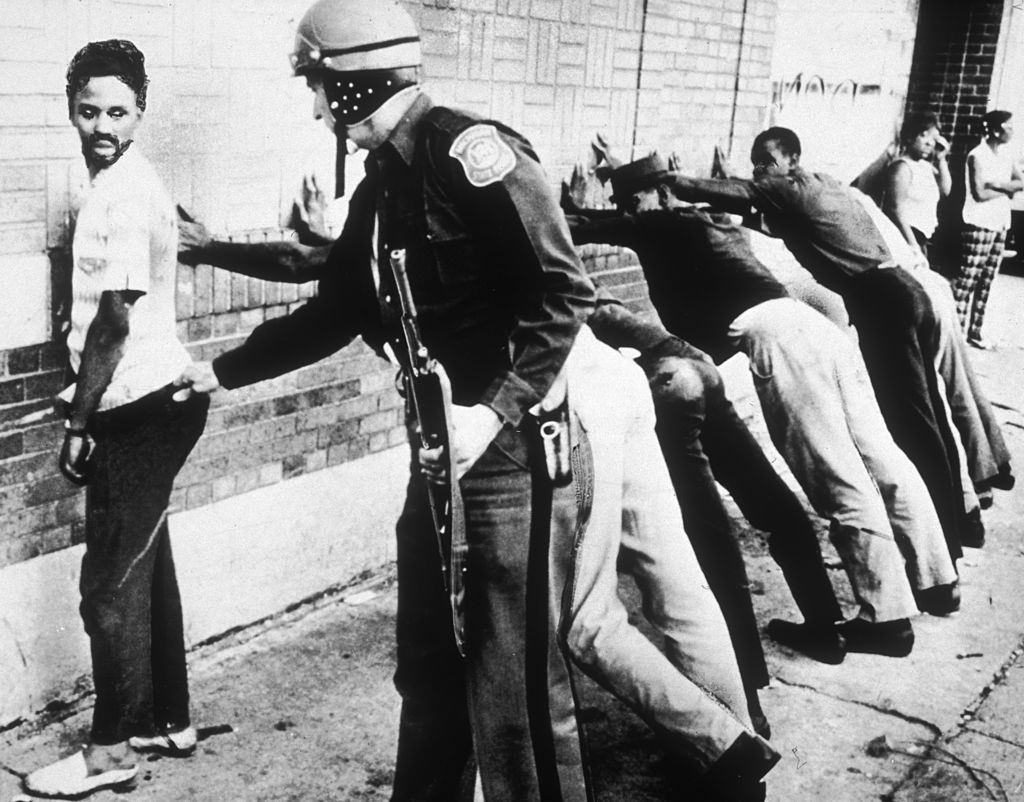
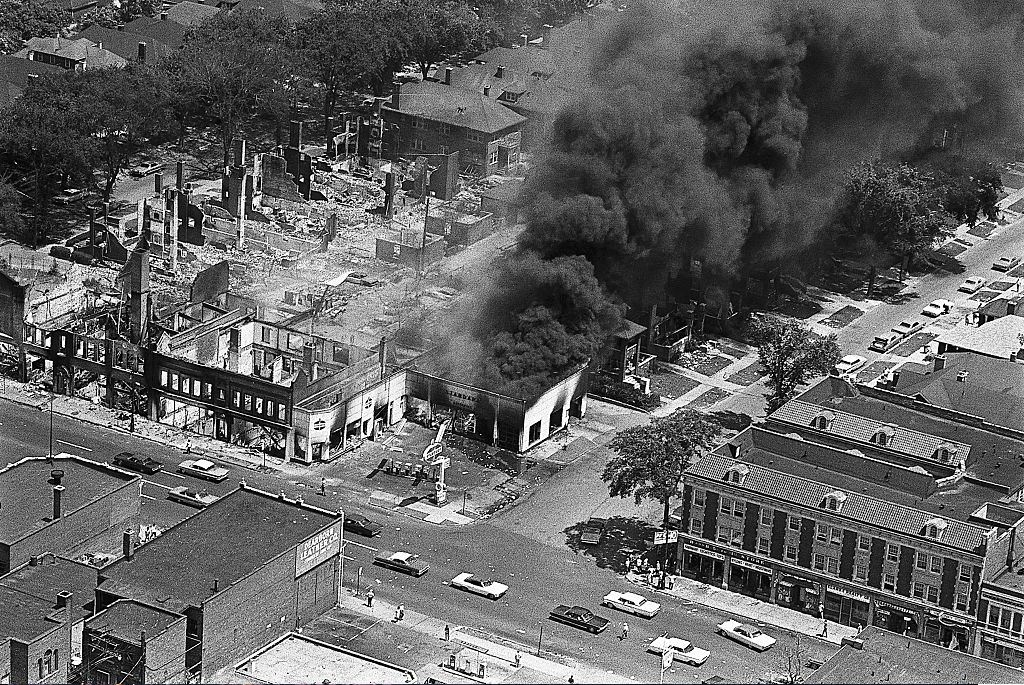
Arrests came by the thousands. Police lined suspects against walls, loaded them into vans, and processed them in bulk. The sheer volume overwhelmed the city’s jails. Streets that had been lively commercial corridors were reduced to charred shells within days.
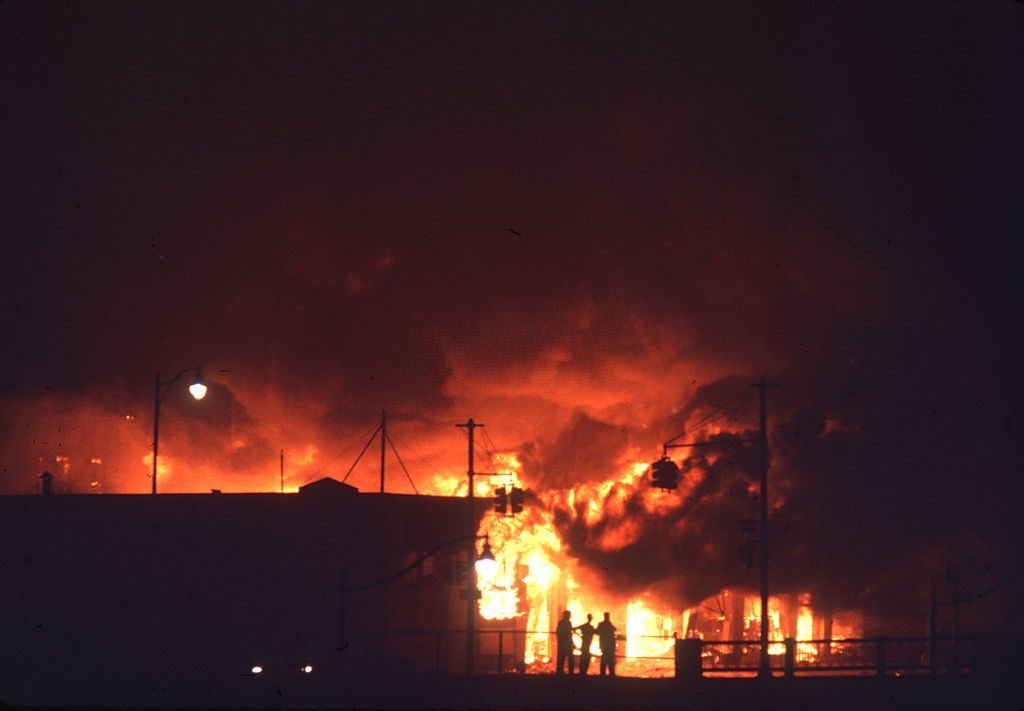
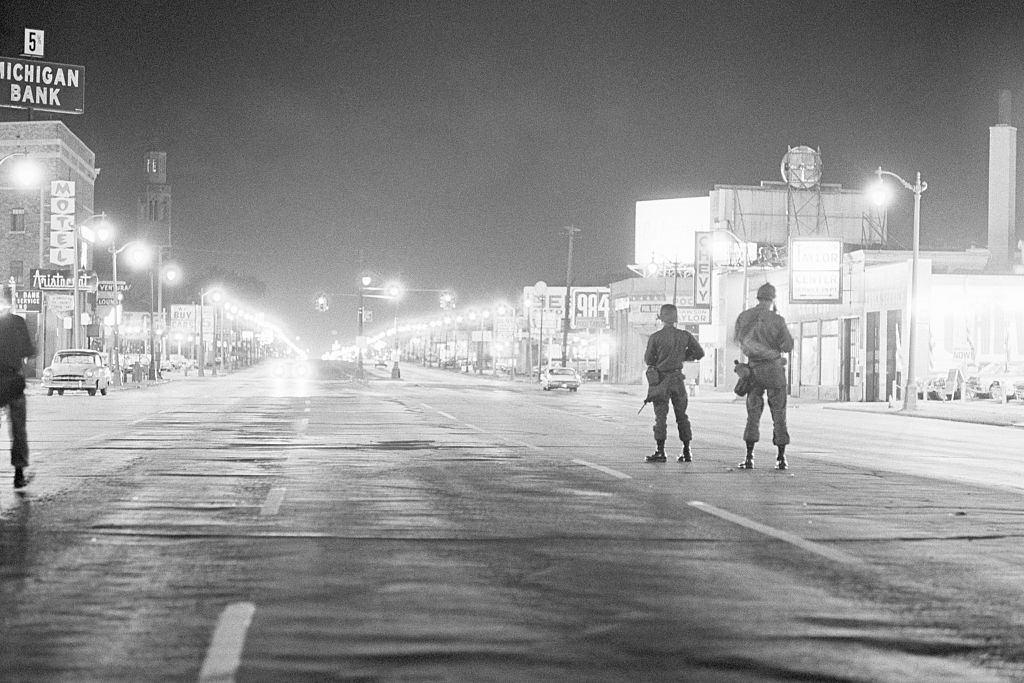
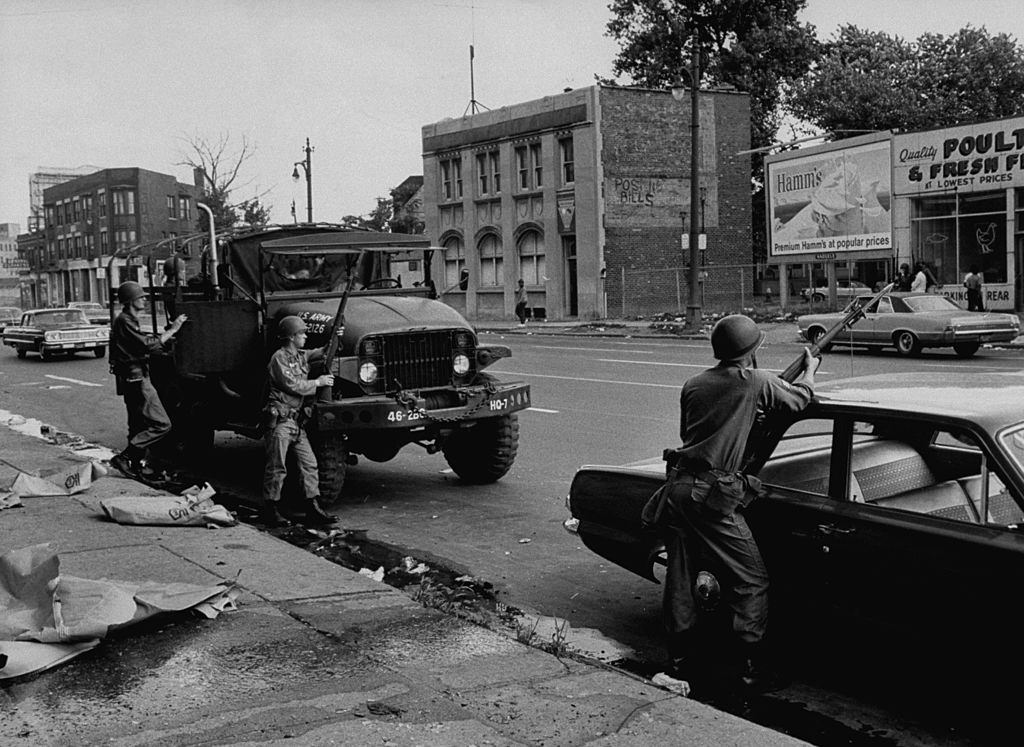
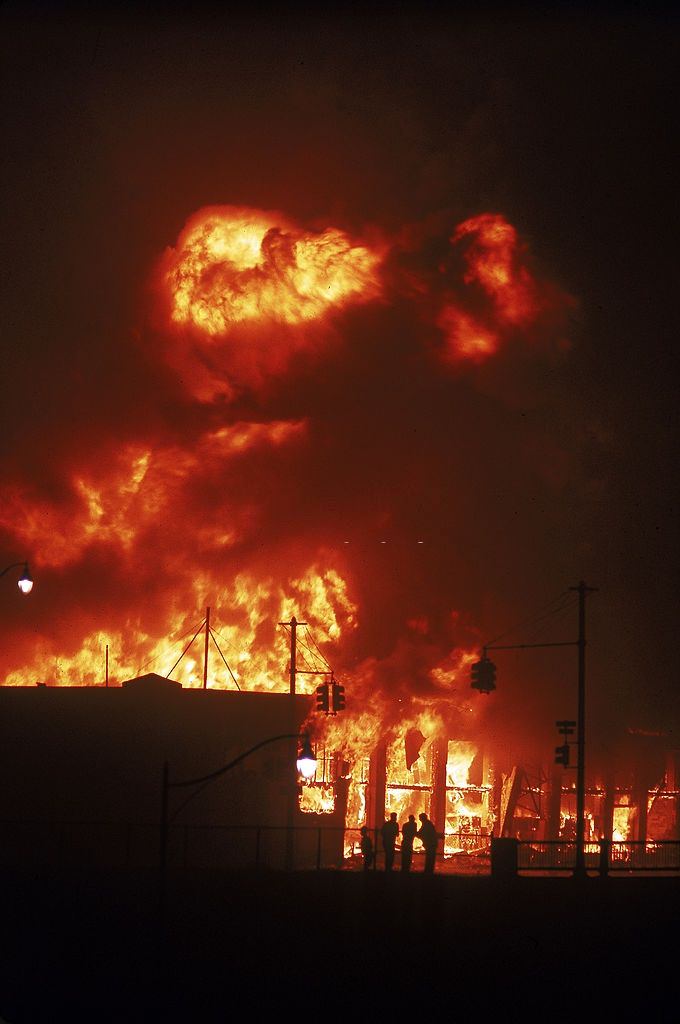
At night, the scale of the destruction was even more visible. Fires lit up entire sections of the city, and the skyline glowed orange against the dark. National Guardsmen with fixed bayonets patrolled nearly empty streets, standing watch in front of gutted buildings and smoldering rubble.
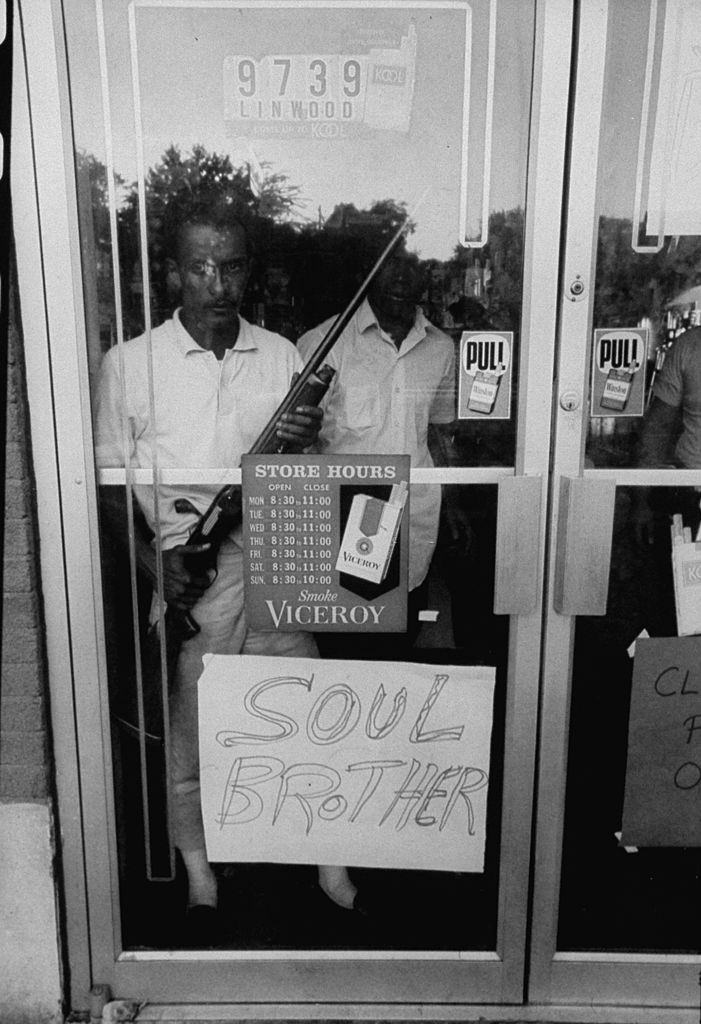
Some Black business owners painted ‘Soul Brother’ signs on their storefronts in an attempt to signal to rioters that the businesses were Black-owned — a plea to be spared from the looting and burning that was consuming so many other establishments on the same blocks.
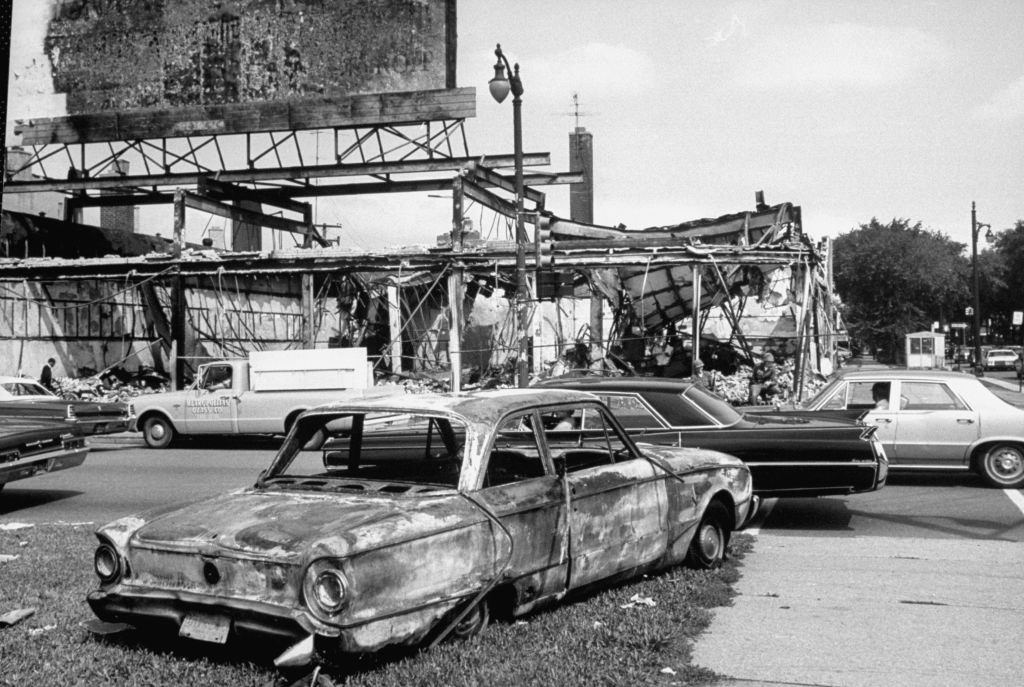
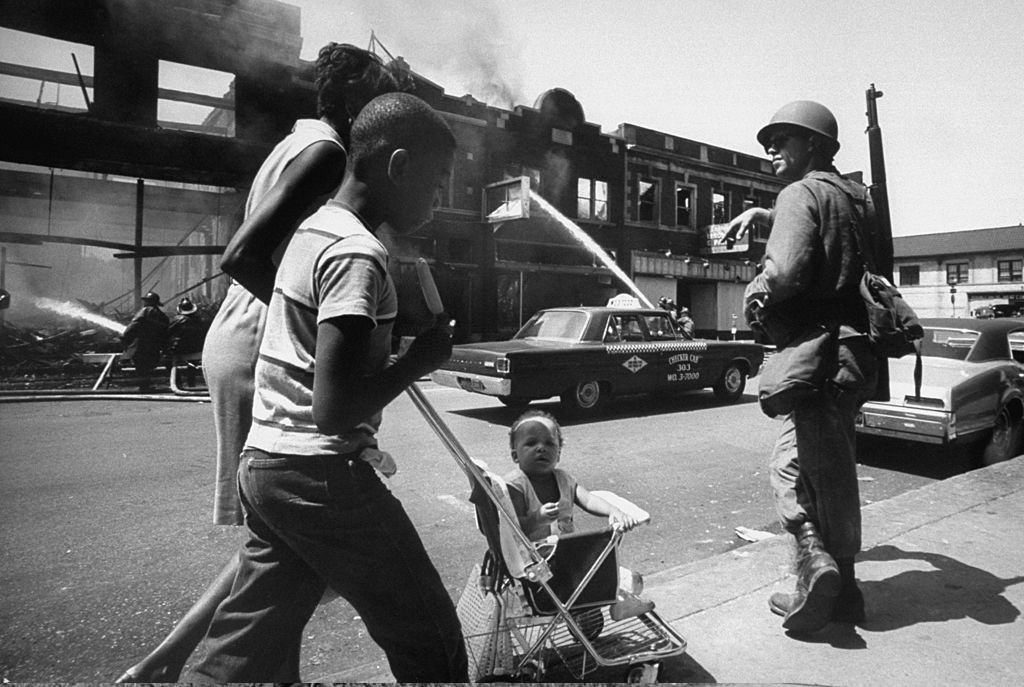
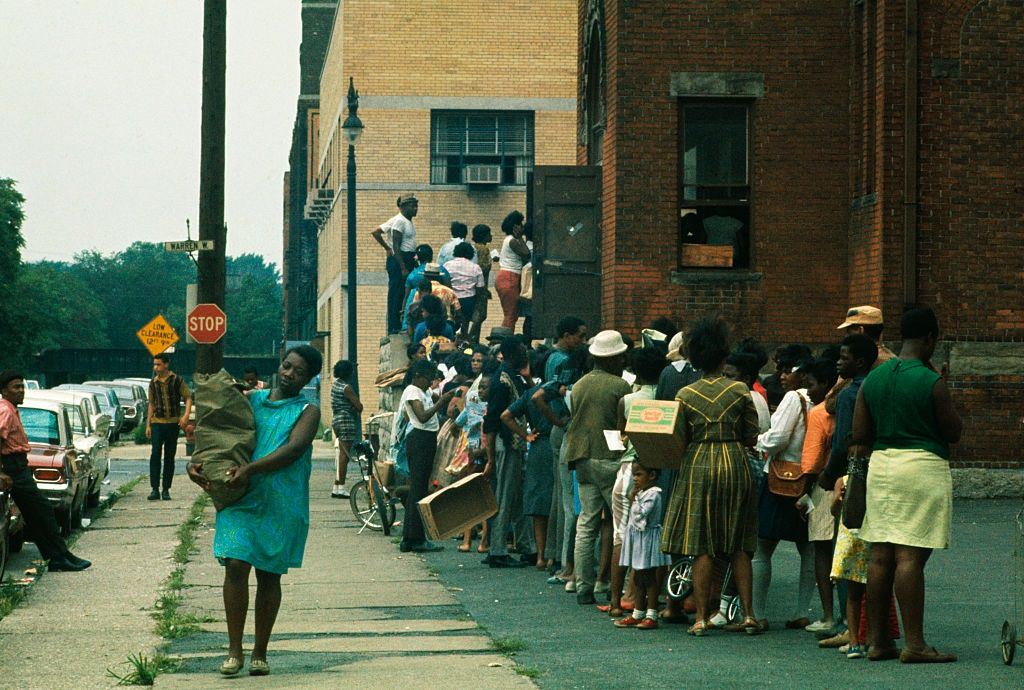
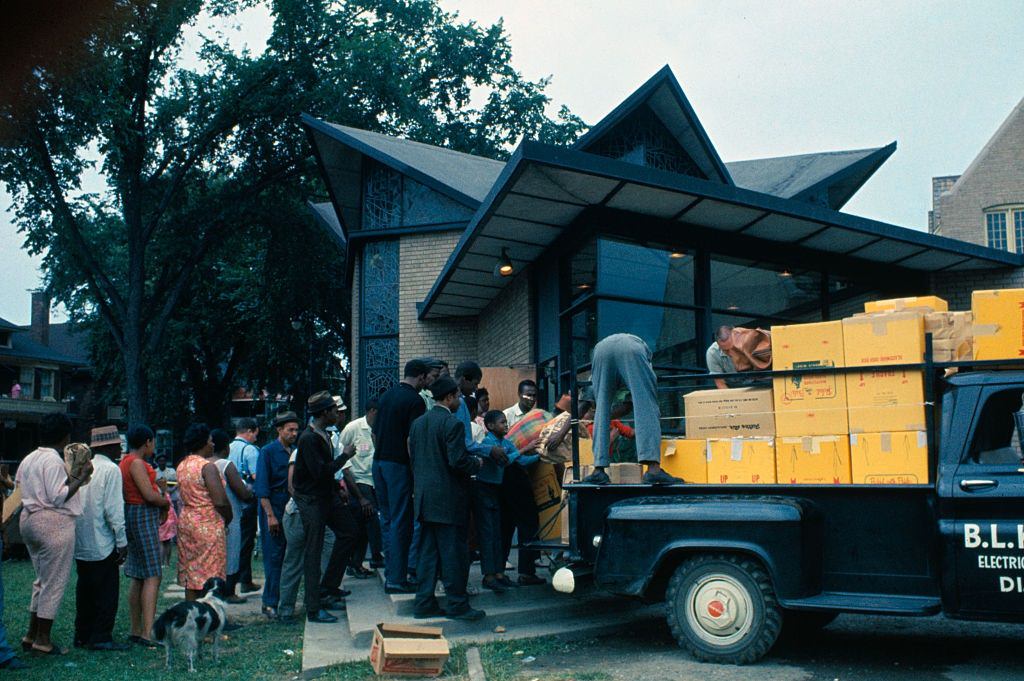
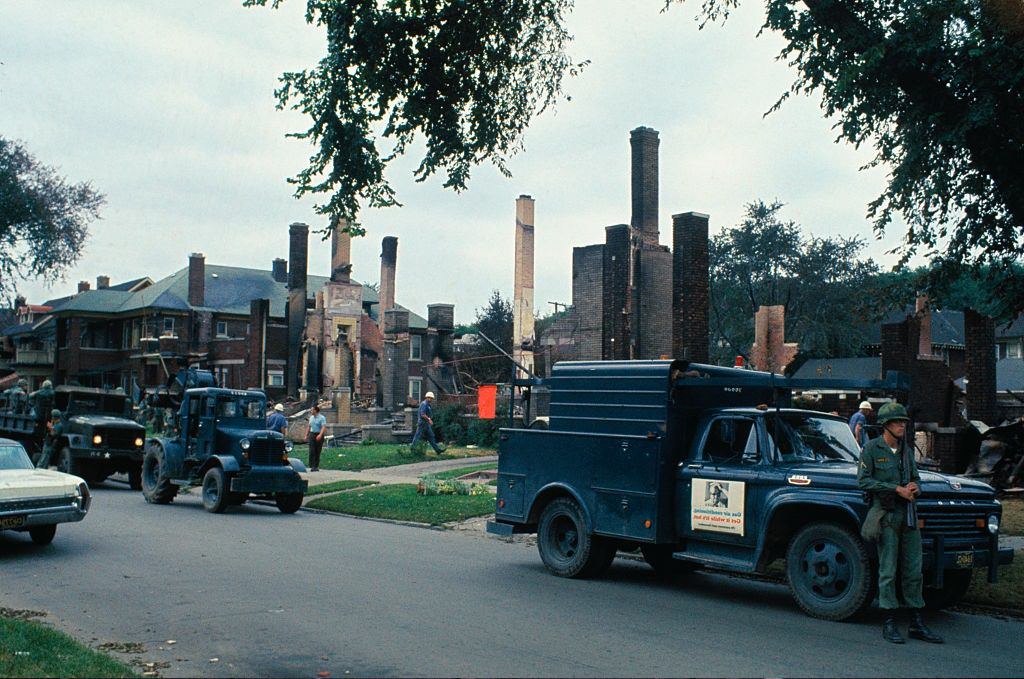
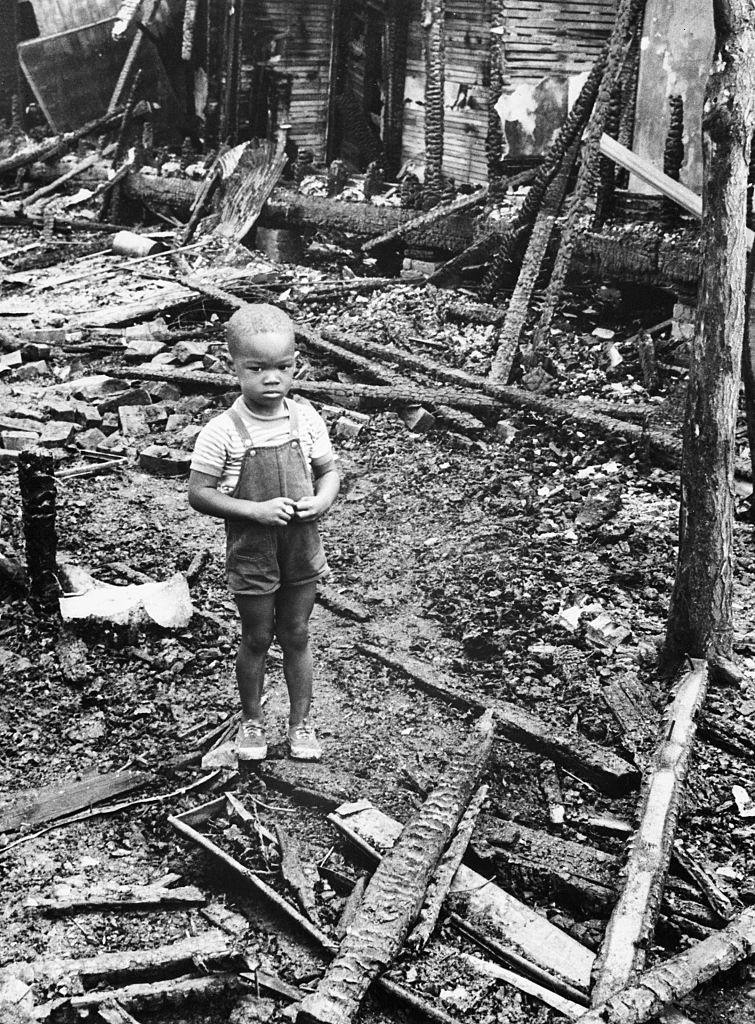
Once the riots were suppressed on July 27, the full scope of the damage came into view. Thousands of residents were left homeless. Families walked past rubble where buildings had stood days before. Children played near the ruins. Residents lined up outside relief distribution centers, carrying empty cardboard boxes, waiting for food and clothing.
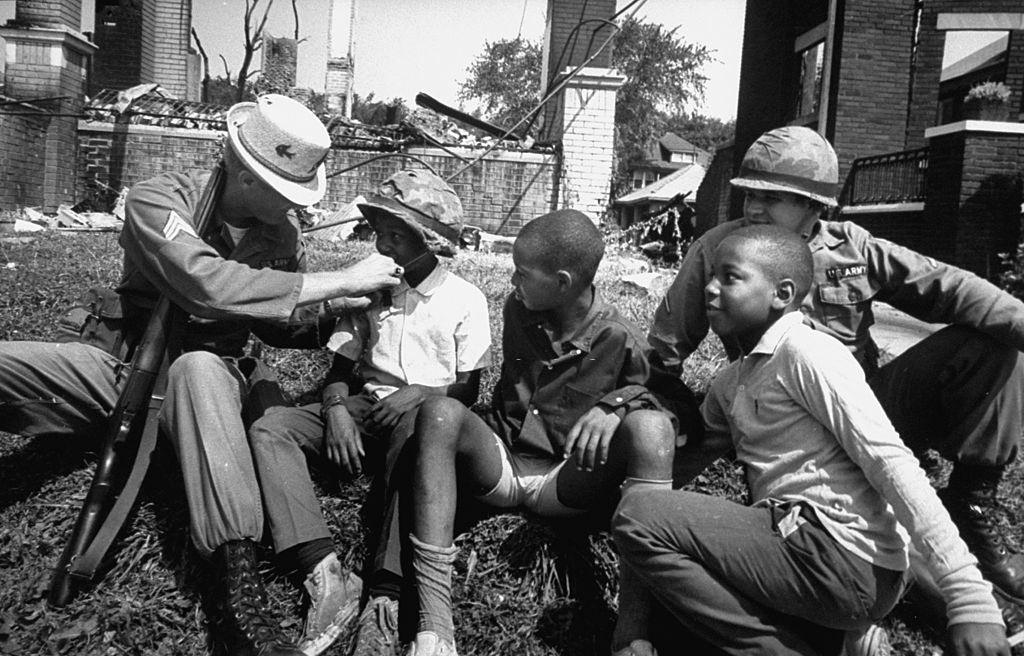
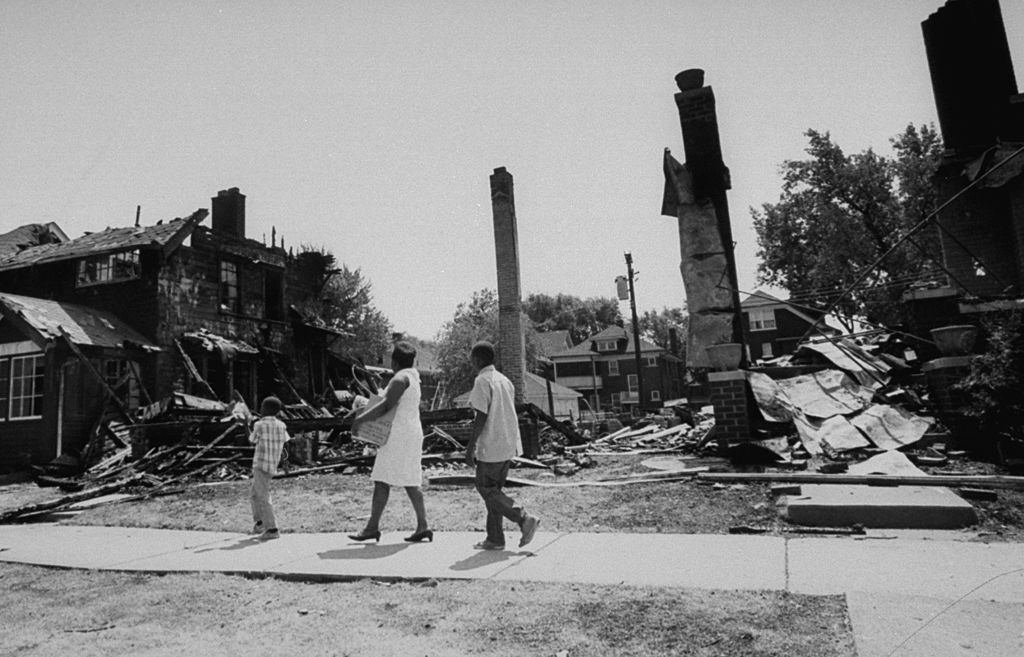
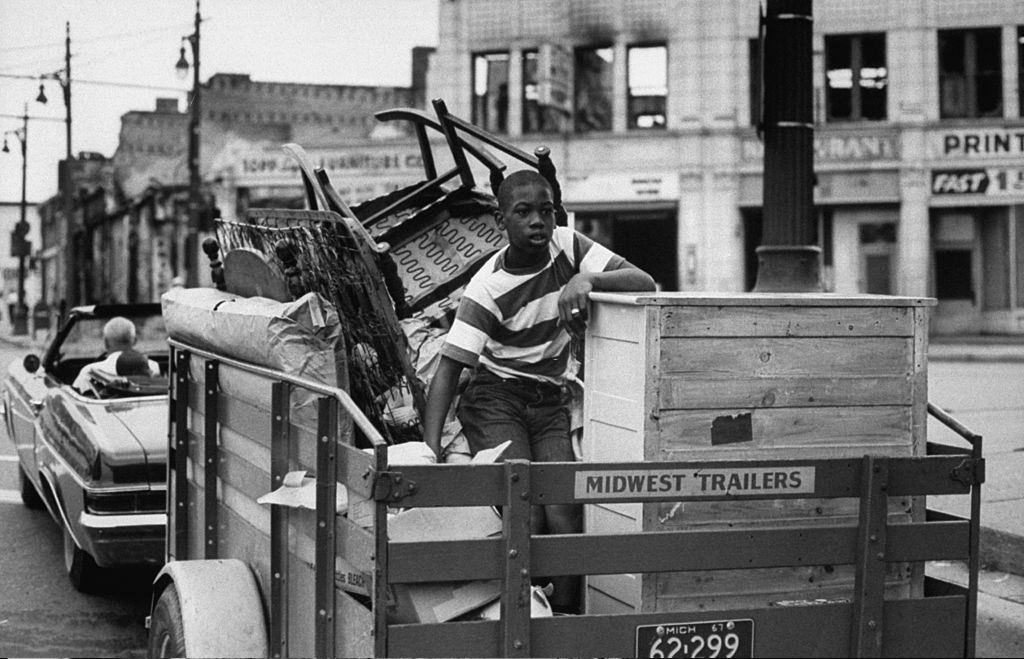
Many families left Detroit entirely. Some loaded their belongings into cars and trucks and moved out of neighborhoods that no longer had the shops, services, or safety they once relied on. Three-year-old Thomas Allen was photographed standing in the ruins of his home on Detroit’s east side — one image among many that captured the human cost of those four days.
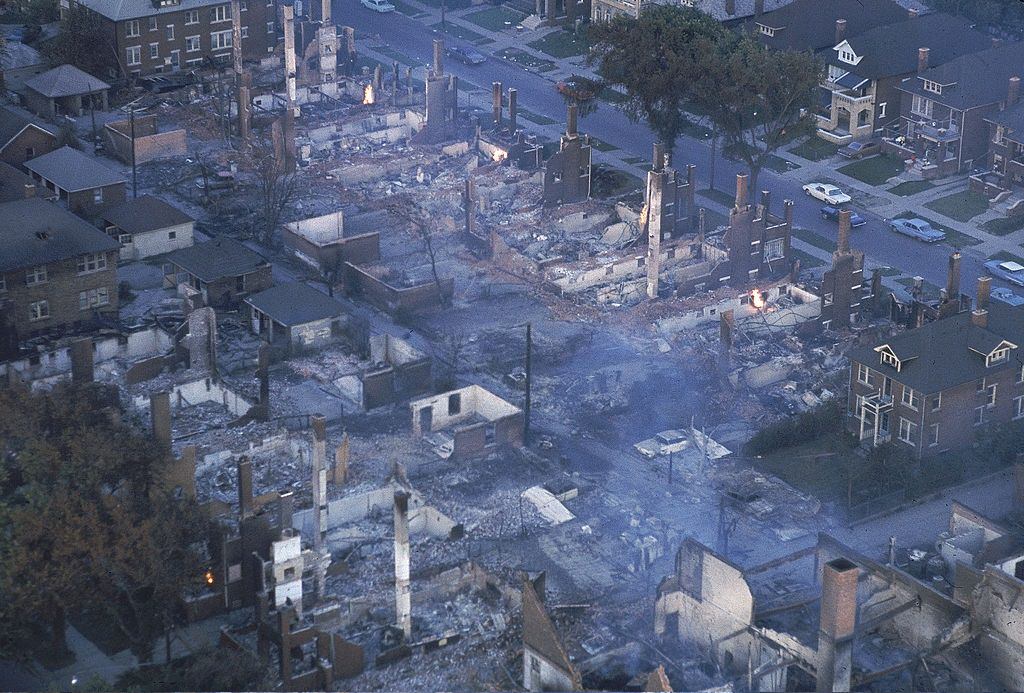
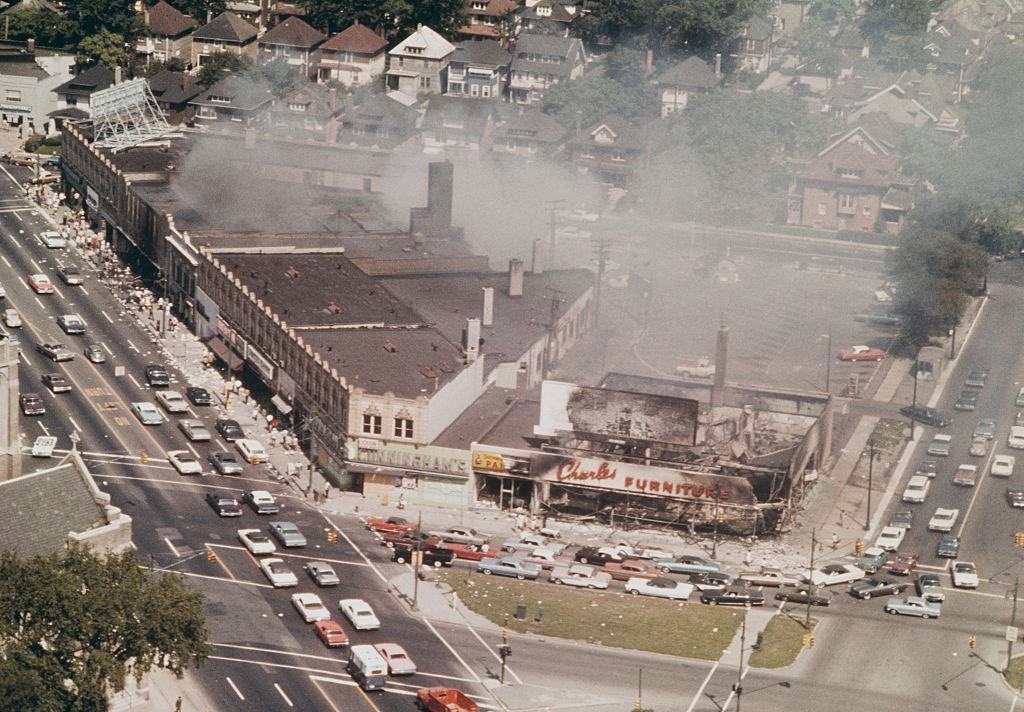
Aerial photographs taken after the riots showed the true extent of the damage — block after block of burned-out shells where shops and homes had been. From above, entire stretches of the west side looked as though they had been bombed.
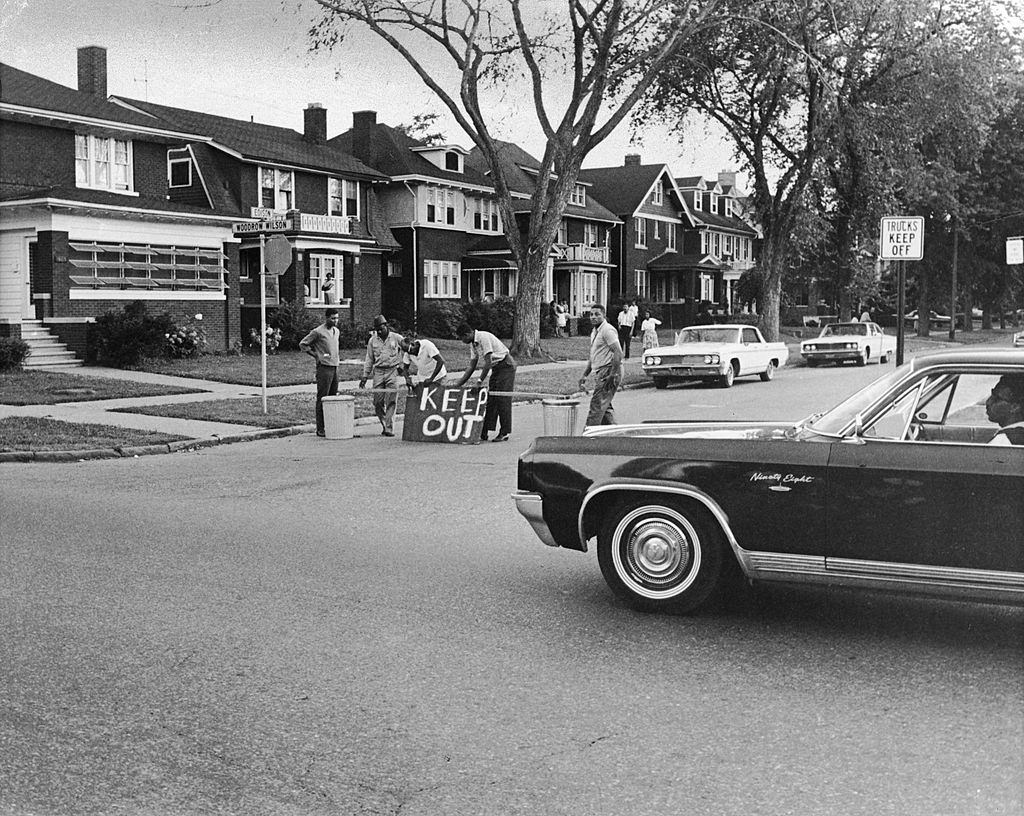
Residents in some neighborhoods organized their own protection. On July 27 — the final day of the riots — groups of men built barricades from wood and garbage cans at the ends of their streets, trying to keep the violence from reaching their homes.
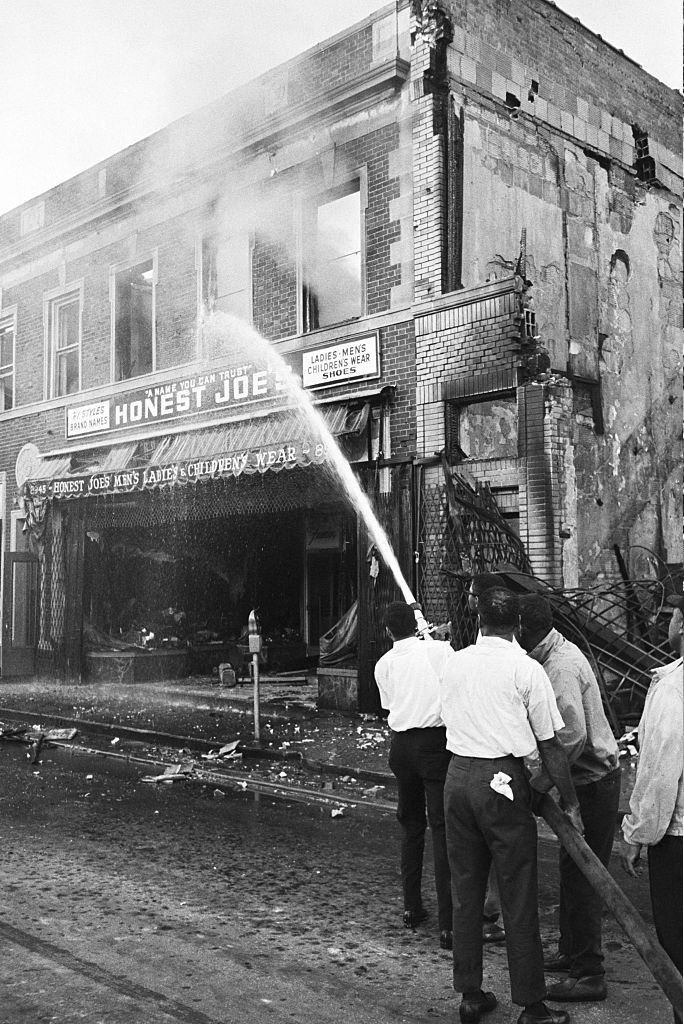
In the weeks that followed, workers began clearing the debris. President Johnson appointed a National Advisory Commission — known as the Kerner Commission — to investigate the riots and the broader wave of urban unrest sweeping the country. After seven months of work, the commission released a 426-page report. It identified more than 150 riots or major civil disorders between 1965 and 1968 and concluded that racial discrimination was the primary cause driving them. The commission stated plainly that the United States was moving toward two separate and unequal societies — one Black, one white.