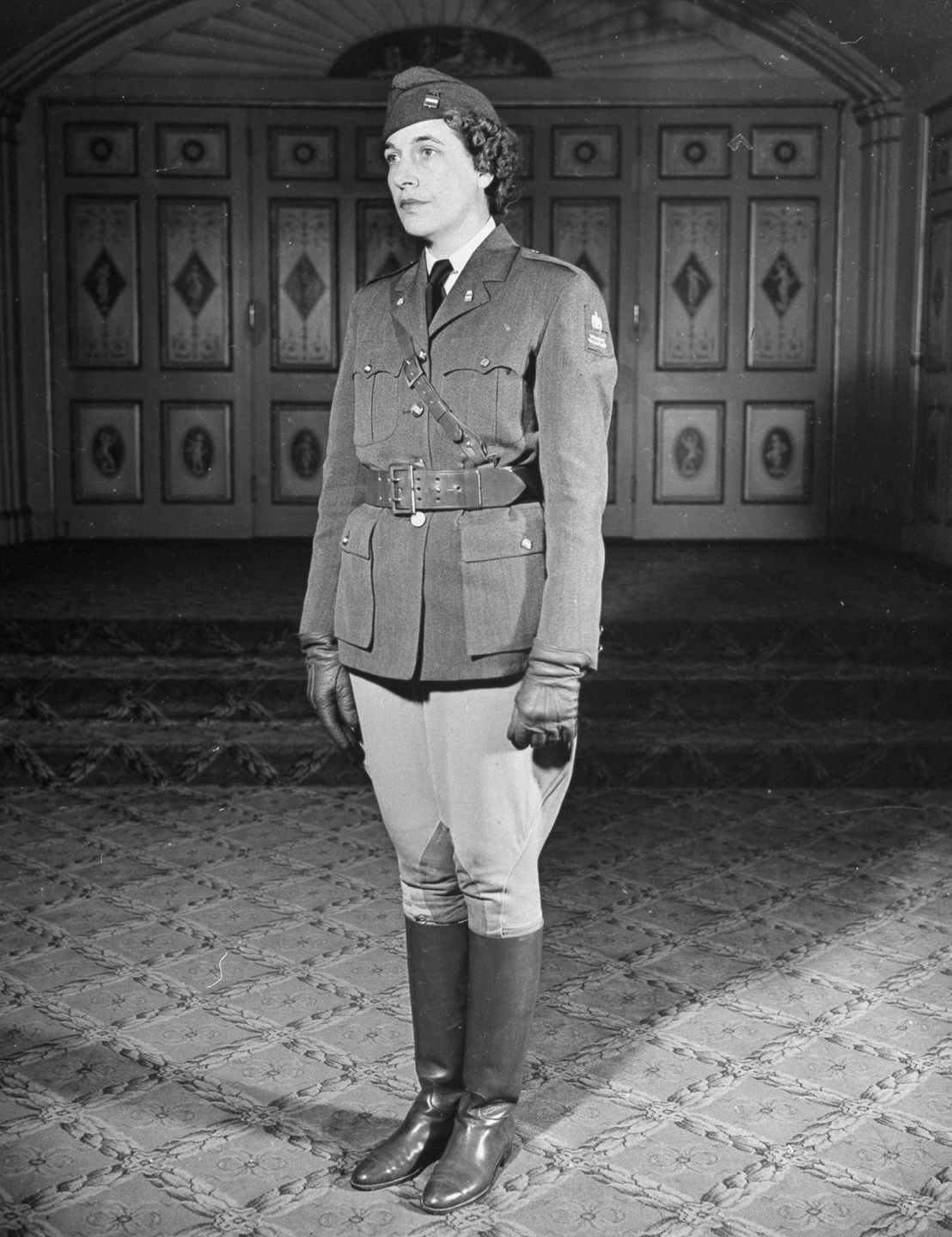
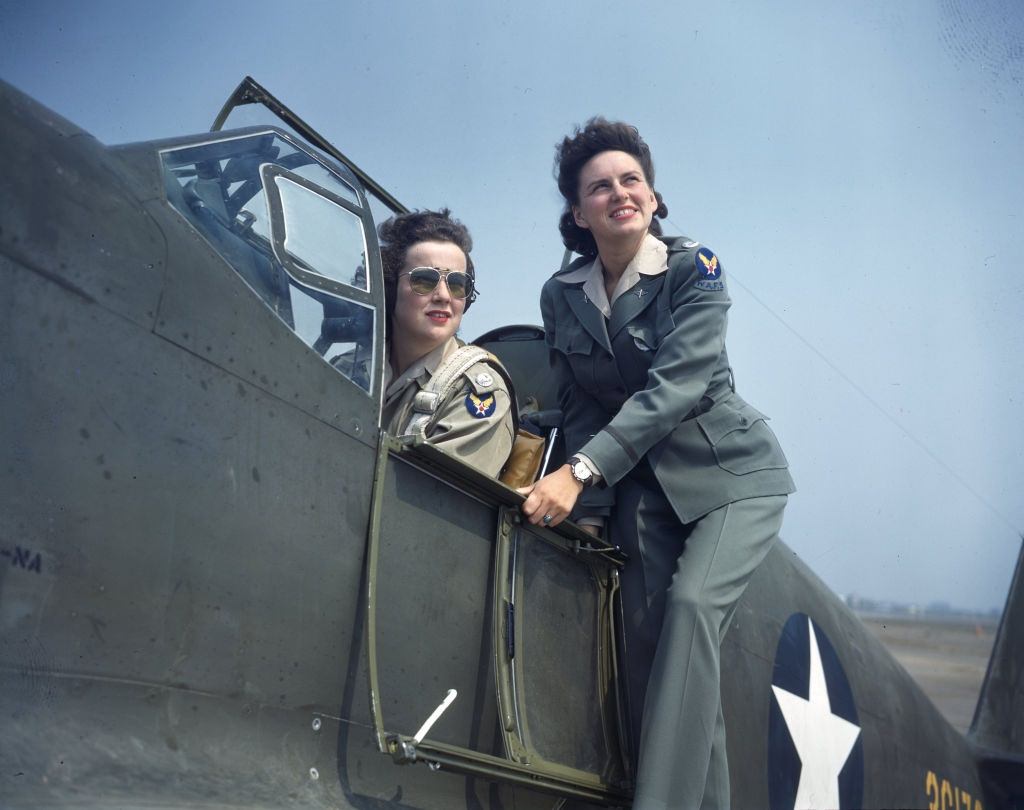
Before World War II, most American women worked in a narrow set of fields — sewing, teaching, nursing, and domestic service. Many were expected to quit the moment they married or had children. The war changed all of that almost overnight. Between 1940 and 1945, over five million women entered the U.S. workforce, filling the jobs left vacant by the millions of men who shipped off to fight. Approximately 350,000 American women joined the military directly, serving as nurses, drivers, mechanics, and aviation personnel who repaired and manufactured airplanes, tanks, vehicles, and vessels.
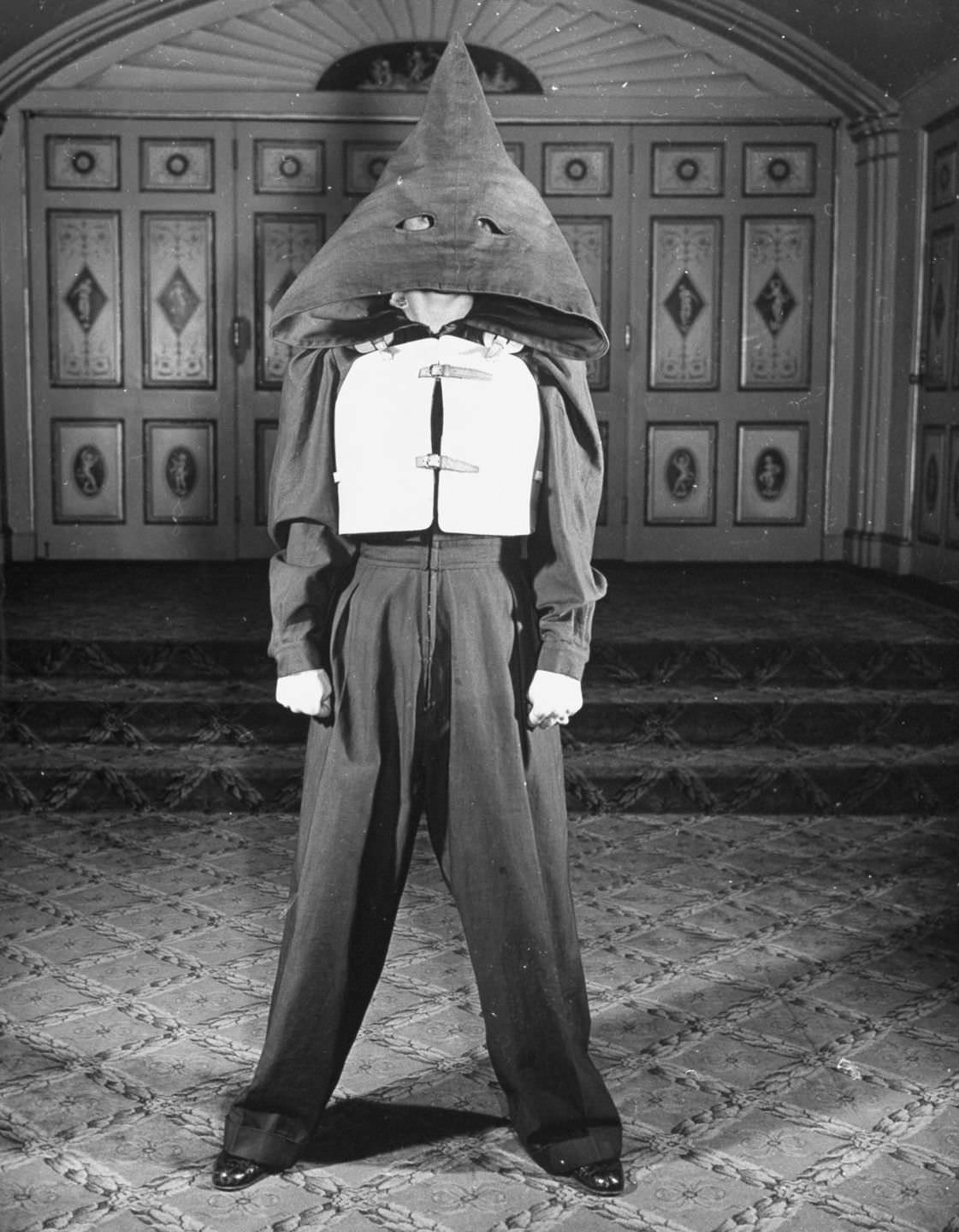
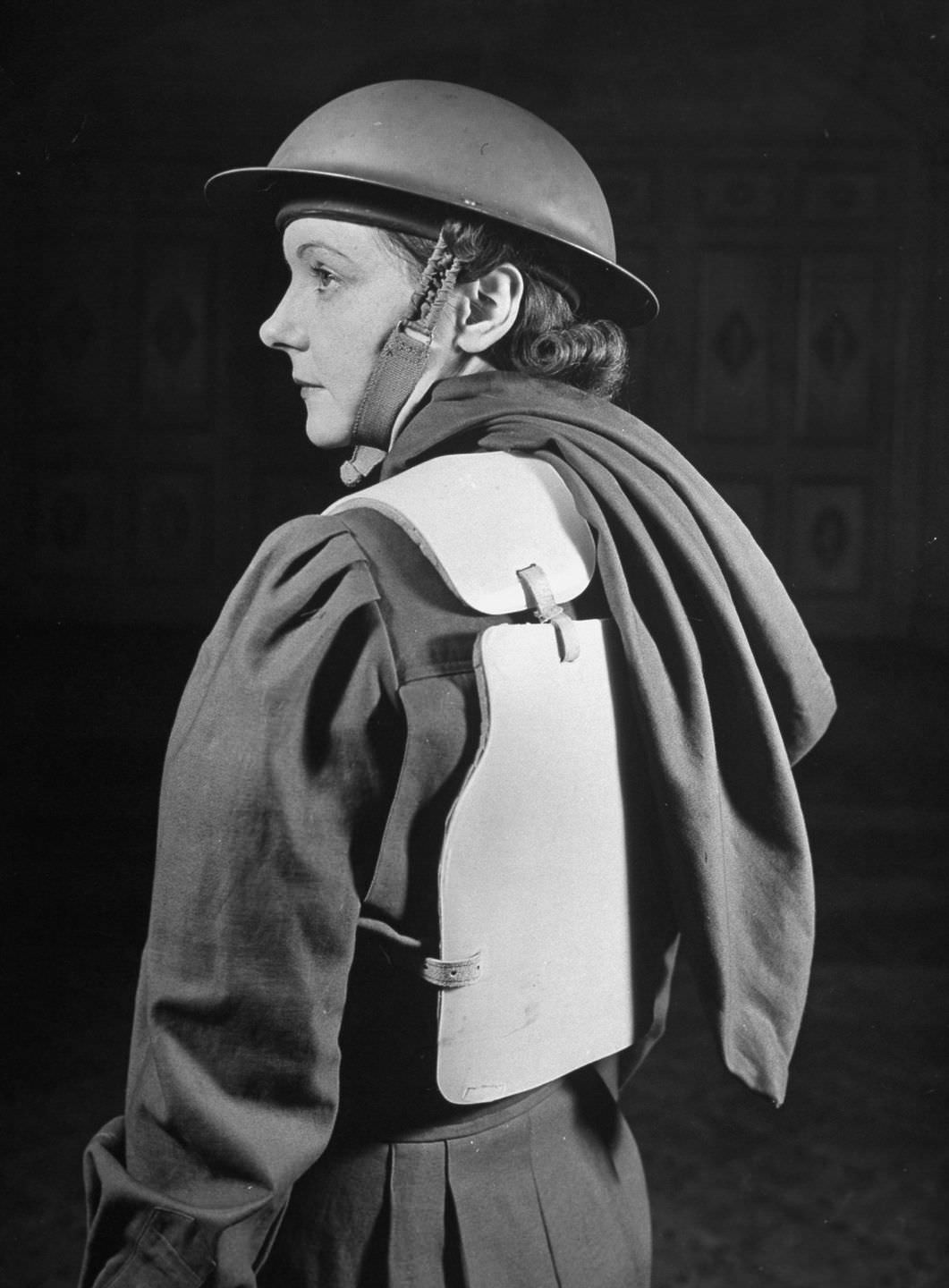
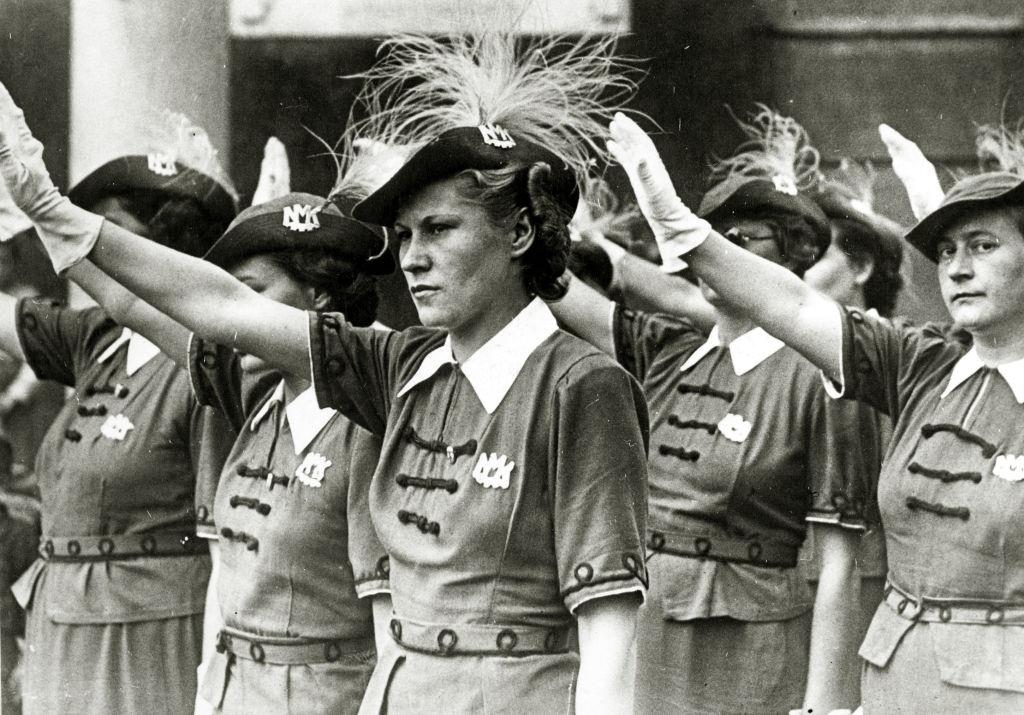
Women also worked in heavy industry, wartime production plants, and chemical factories. Some served as volunteer policewomen. The roles were as varied as the uniforms that came with them. Each branch, organization, and duty required specific gear — and those uniforms told a clear story about what women were actually doing on the front lines of the war effort. Some of the most specialized gear protected against fire, chemical attack, and even open water.
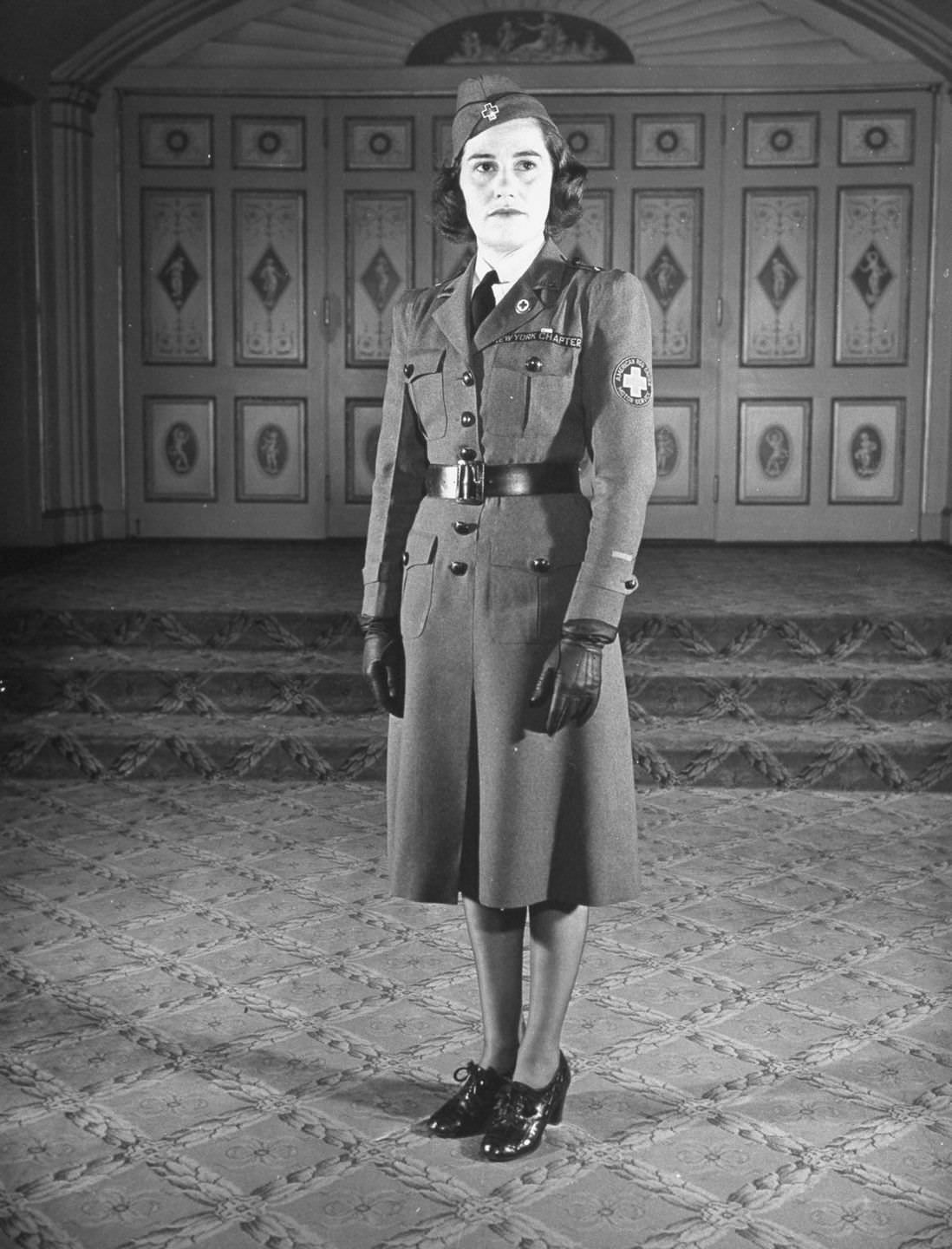
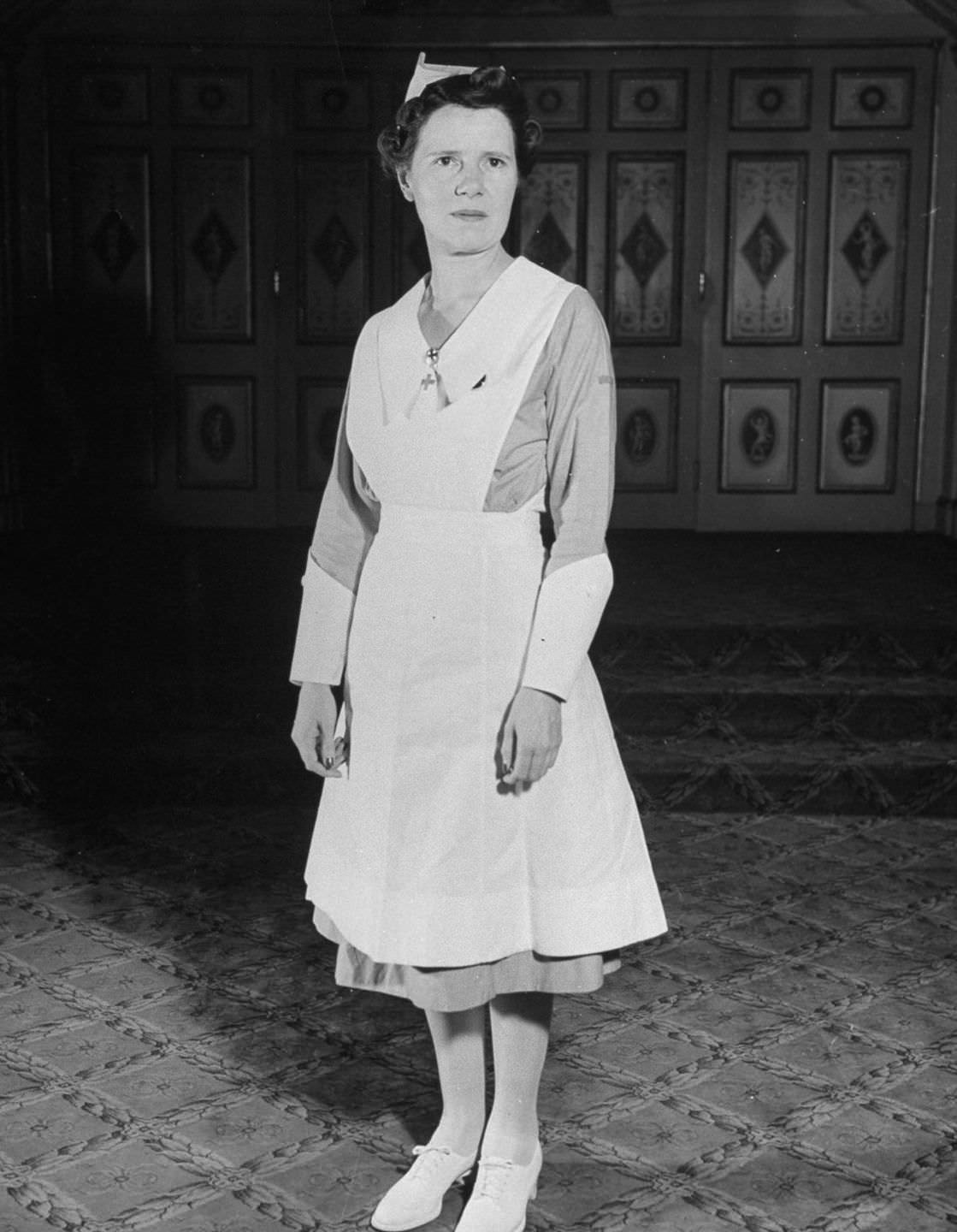
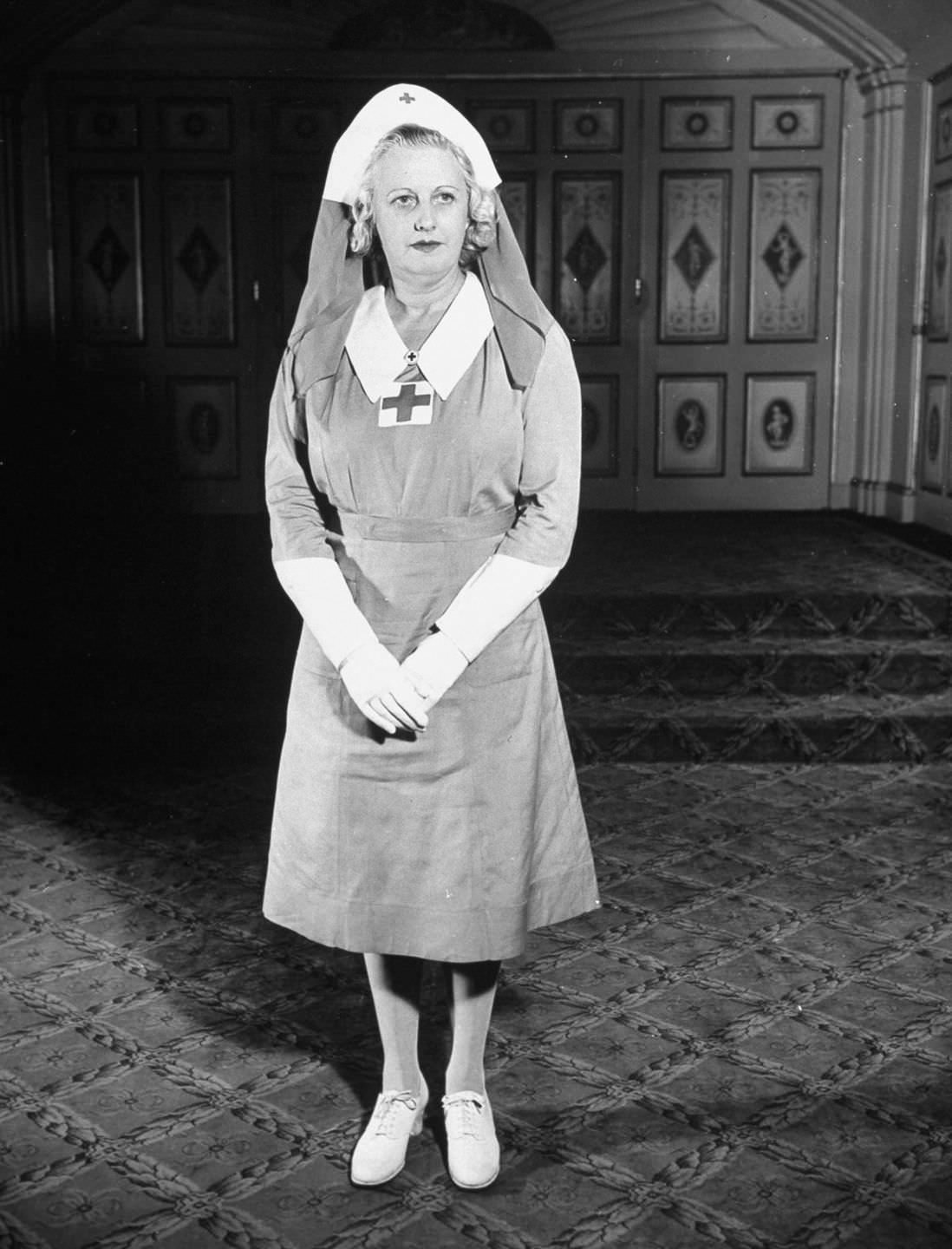
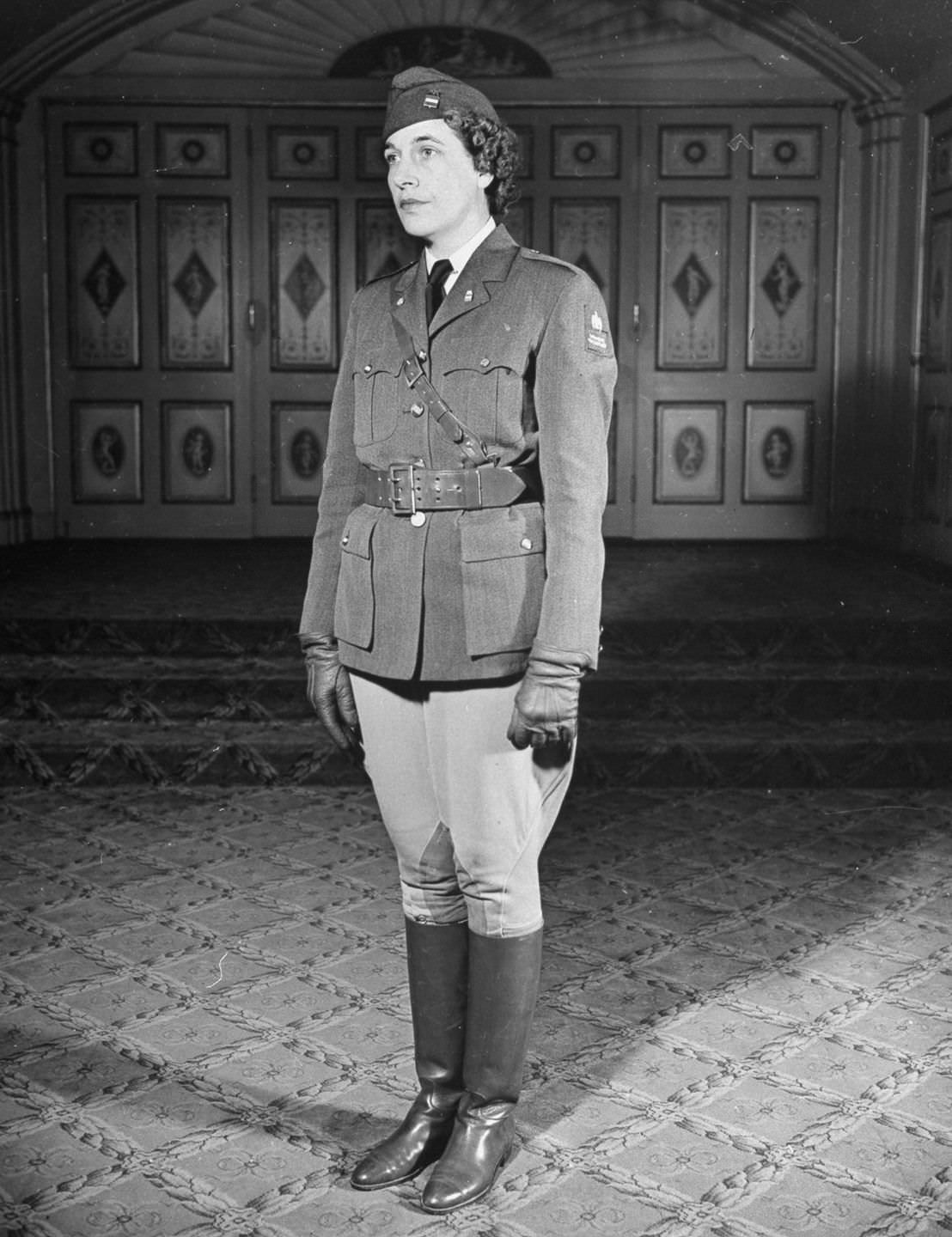
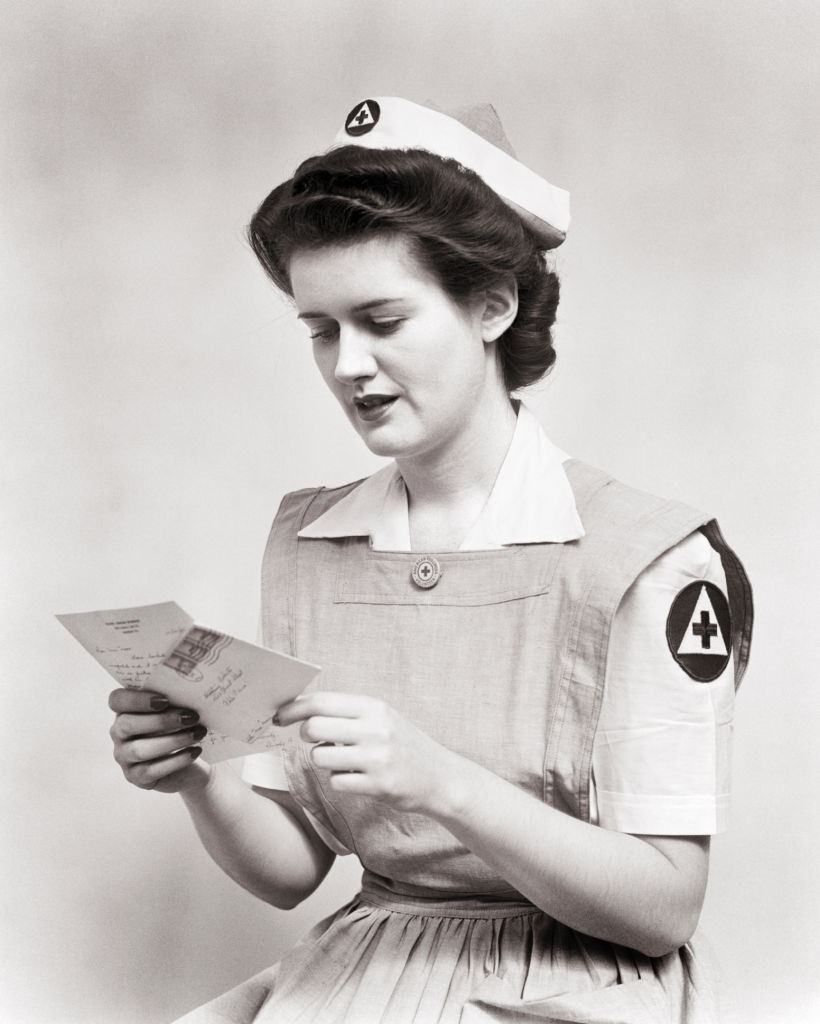
The Red Cross was one of the largest organized deployments of women during the war. Its members worked across multiple divisions — outdoor field units, motor transport corps, and medical aide stations. Each division had its own distinct uniform, designed to match the demands of the job. Motor Corps drivers, for example, wore practical, durable outfits suited for long hours behind the wheel, often in difficult conditions.
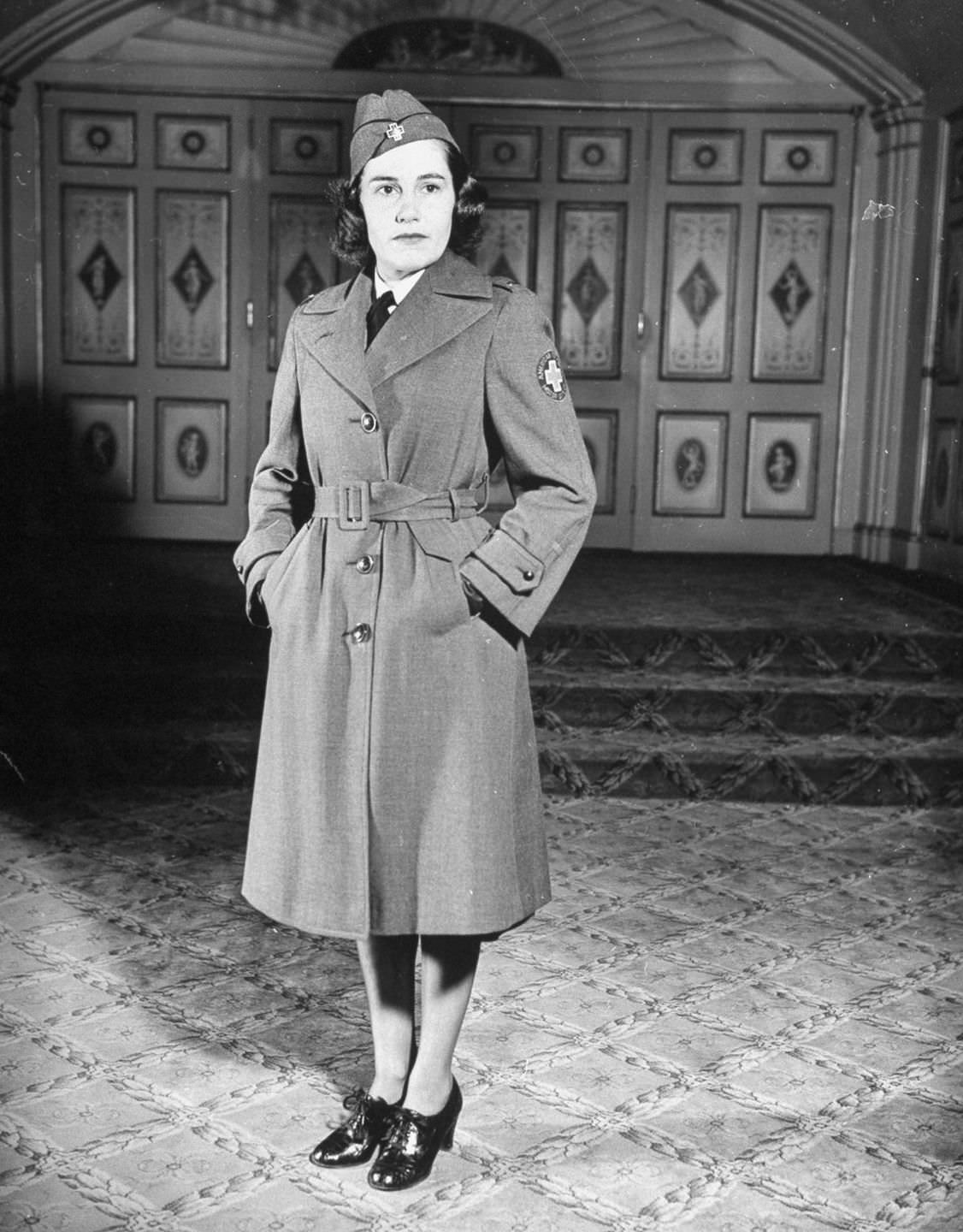
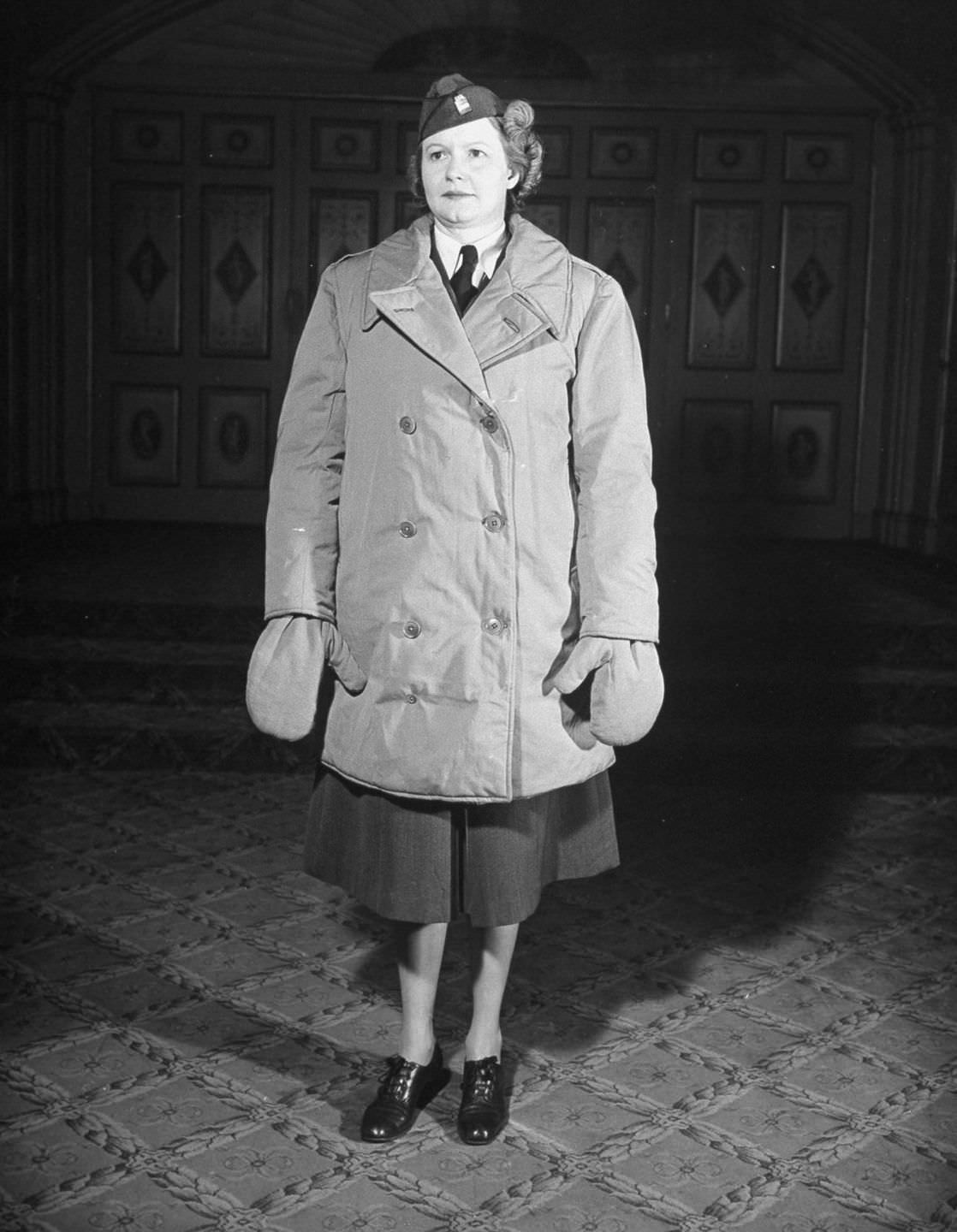
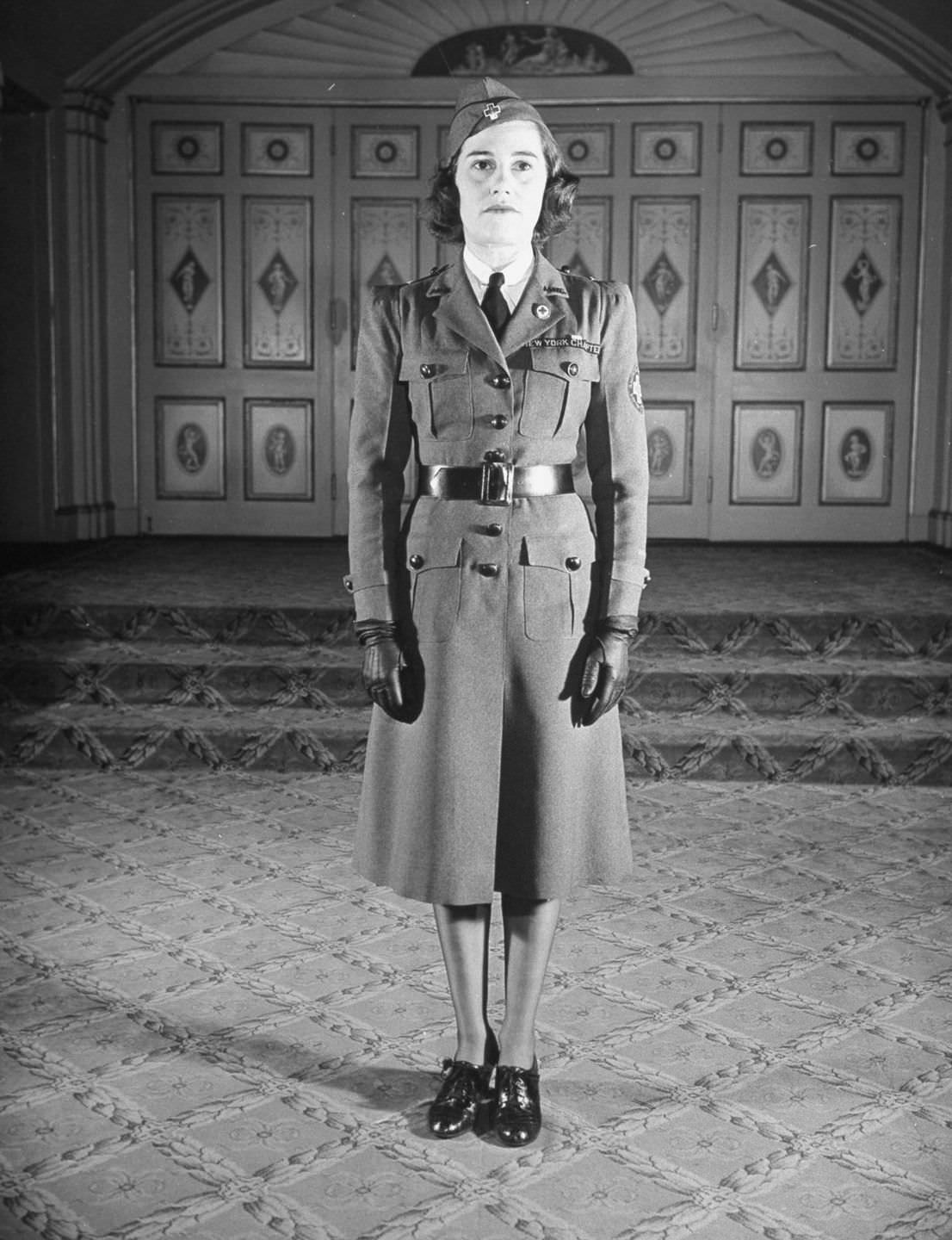
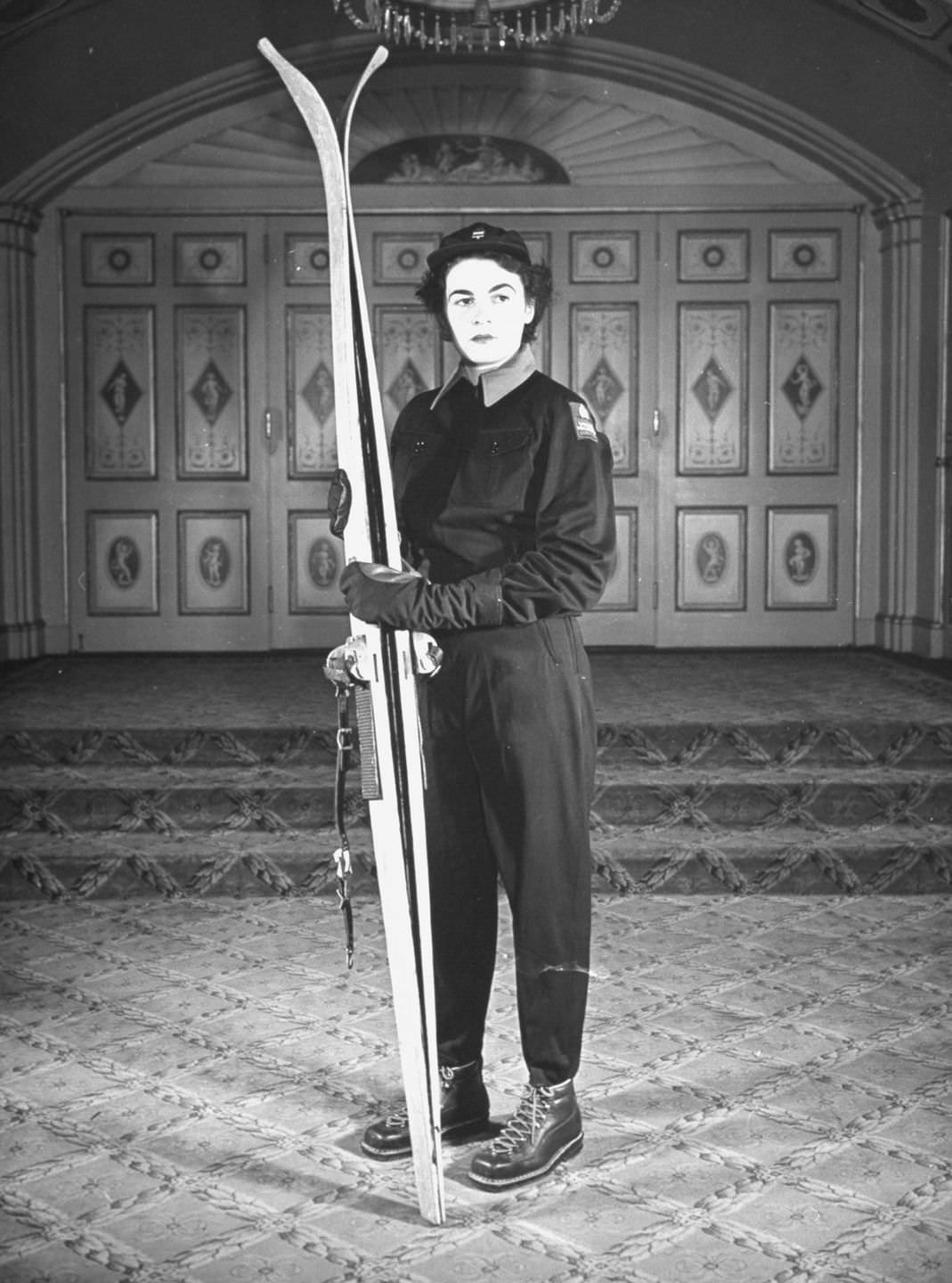
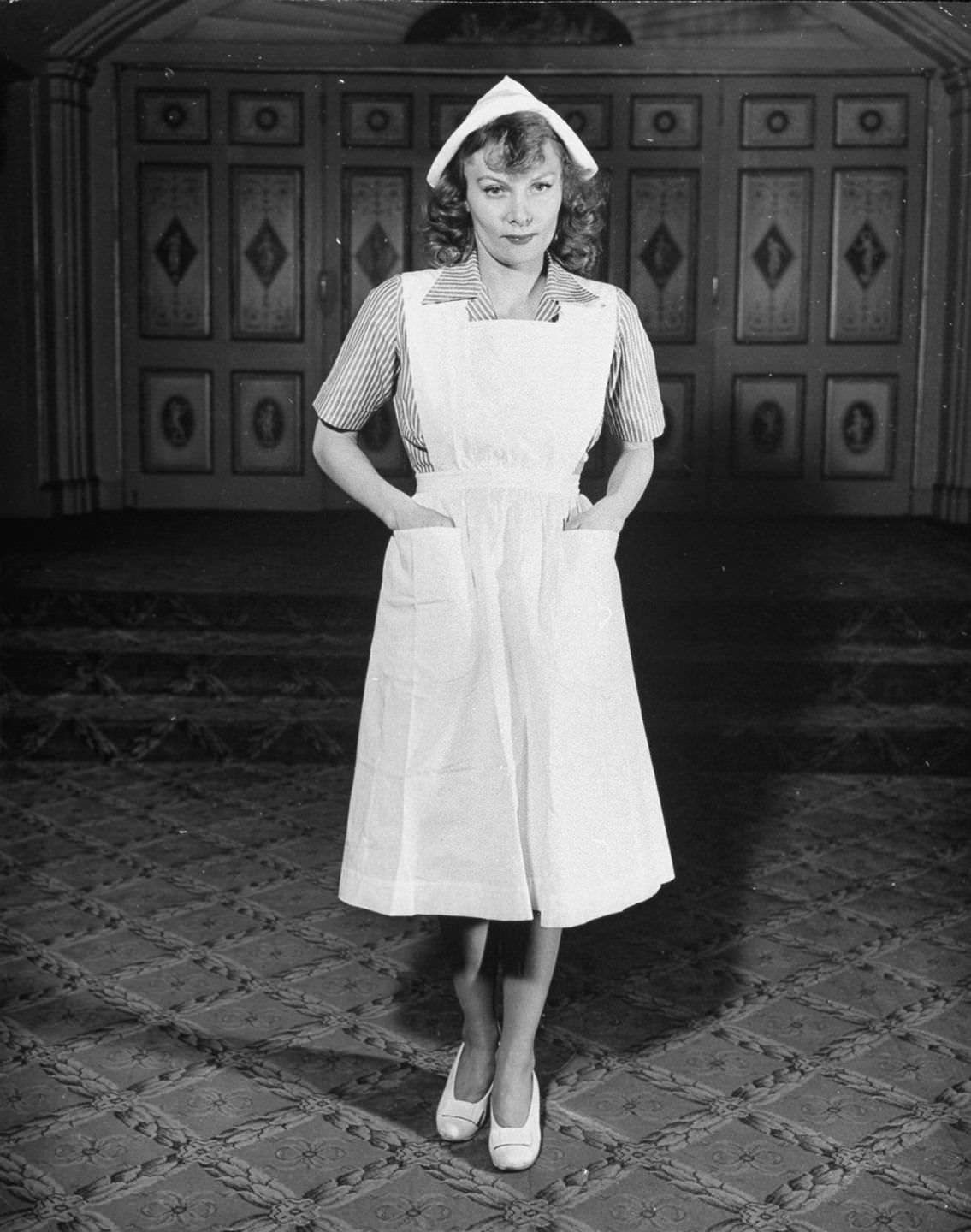
Civil Defense roles brought another layer of uniform variety. Canteen workers kept emergency stations stocked and staffed during air raids and other crises. Civil Defense nurses were stationed to respond to mass casualty events on home soil. The American Women’s Voluntary Services (AWVS) organized women into specialized units, including ski patrol teams deployed in mountainous regions and motorcycle couriers who carried messages and supplies.
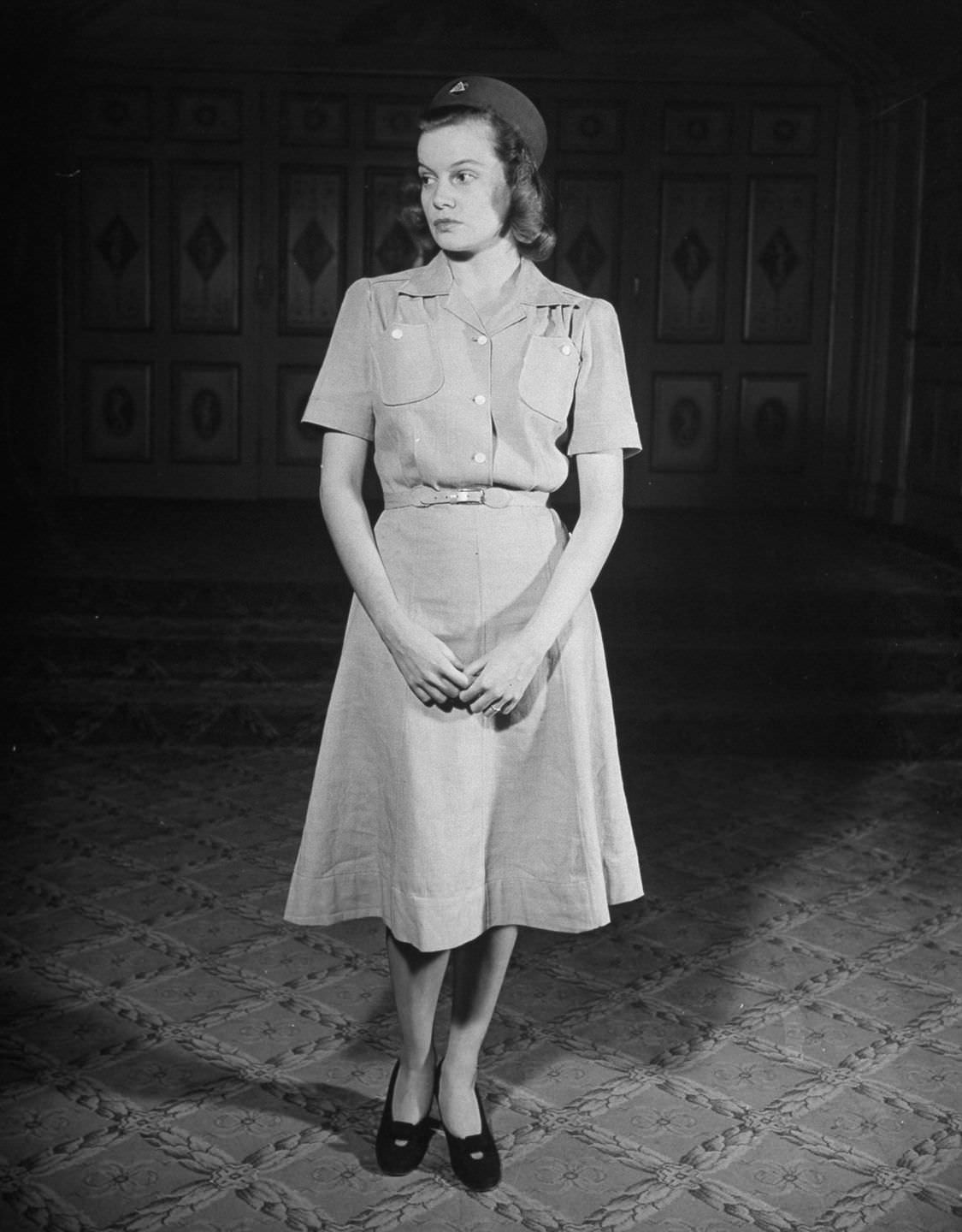
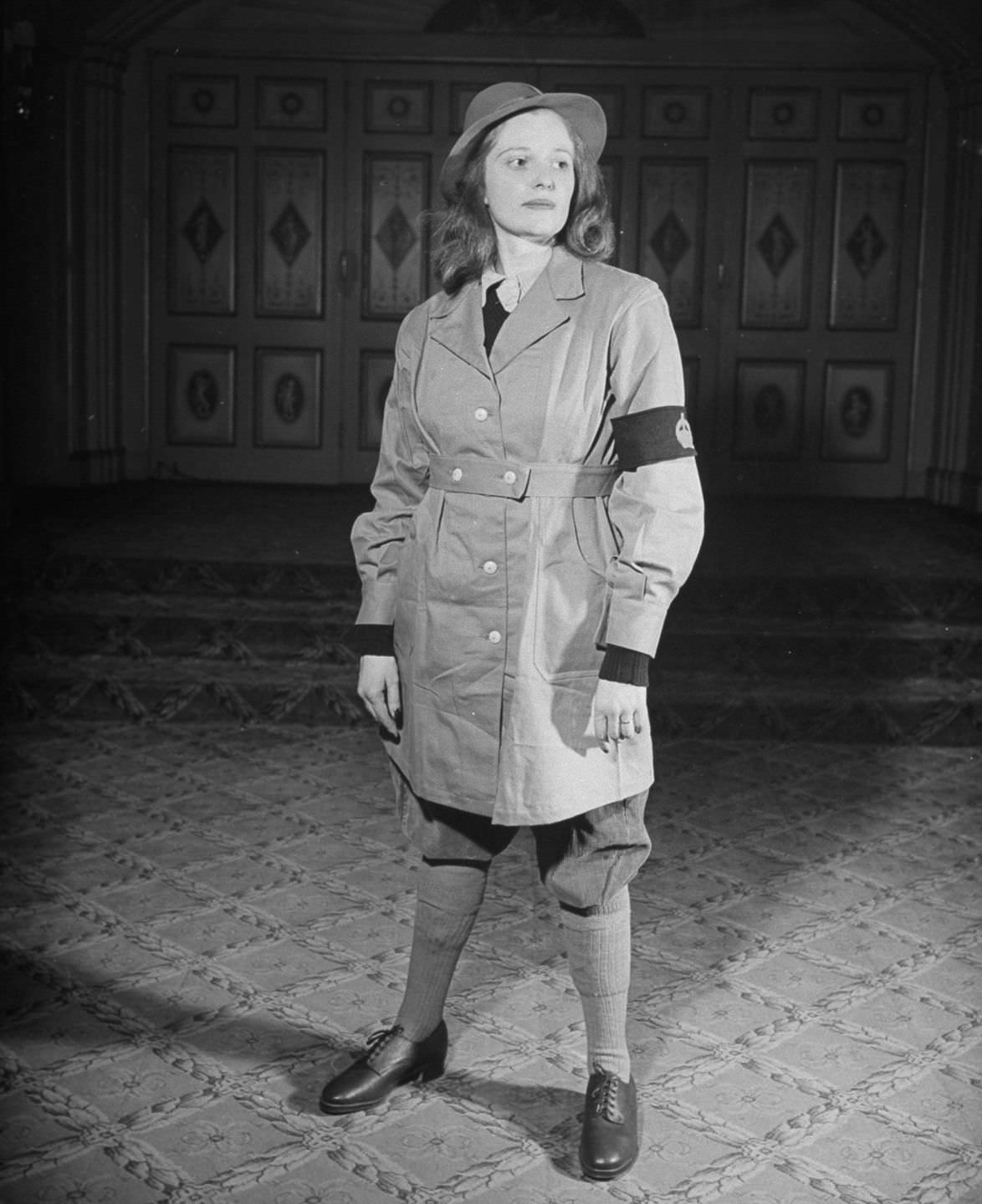
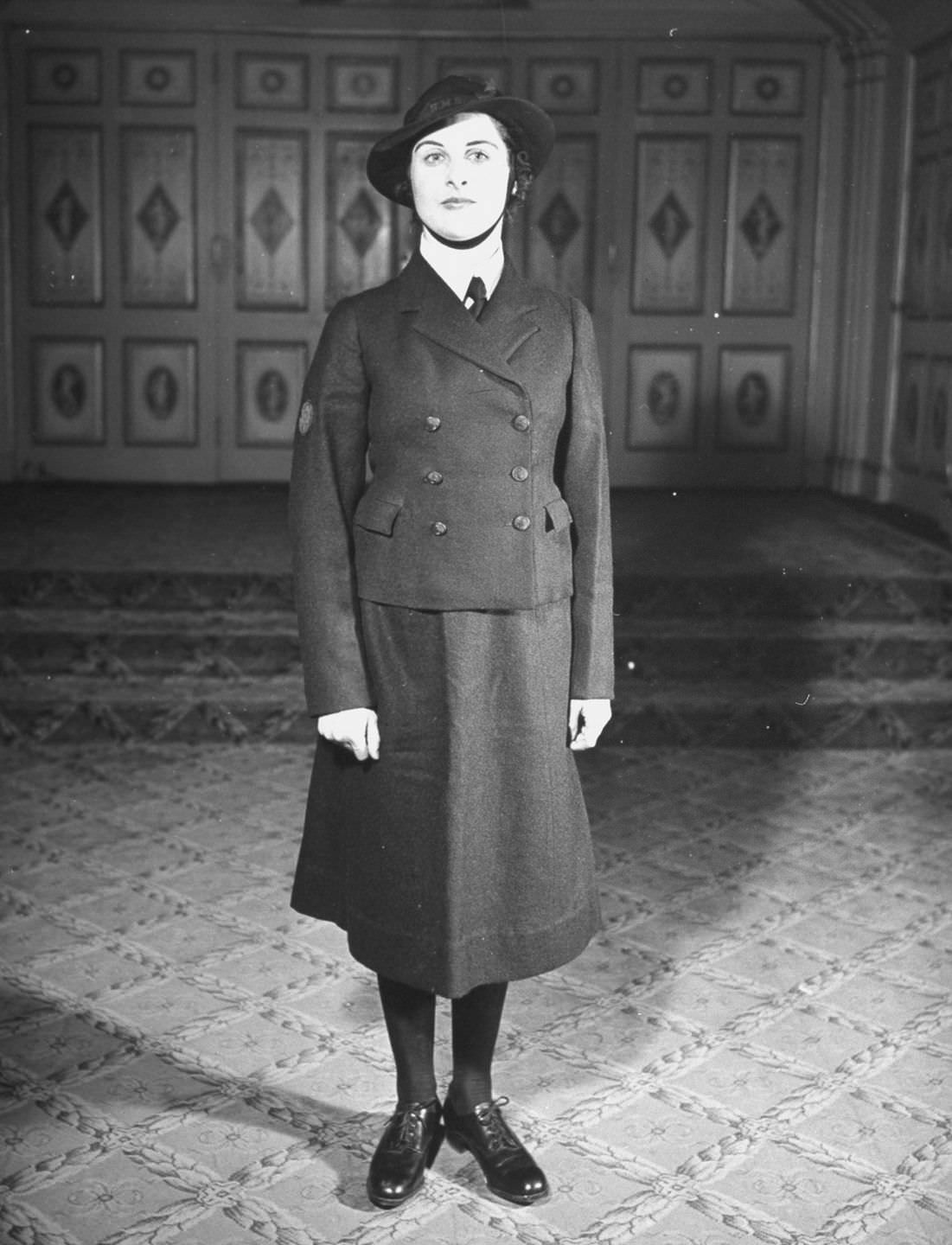
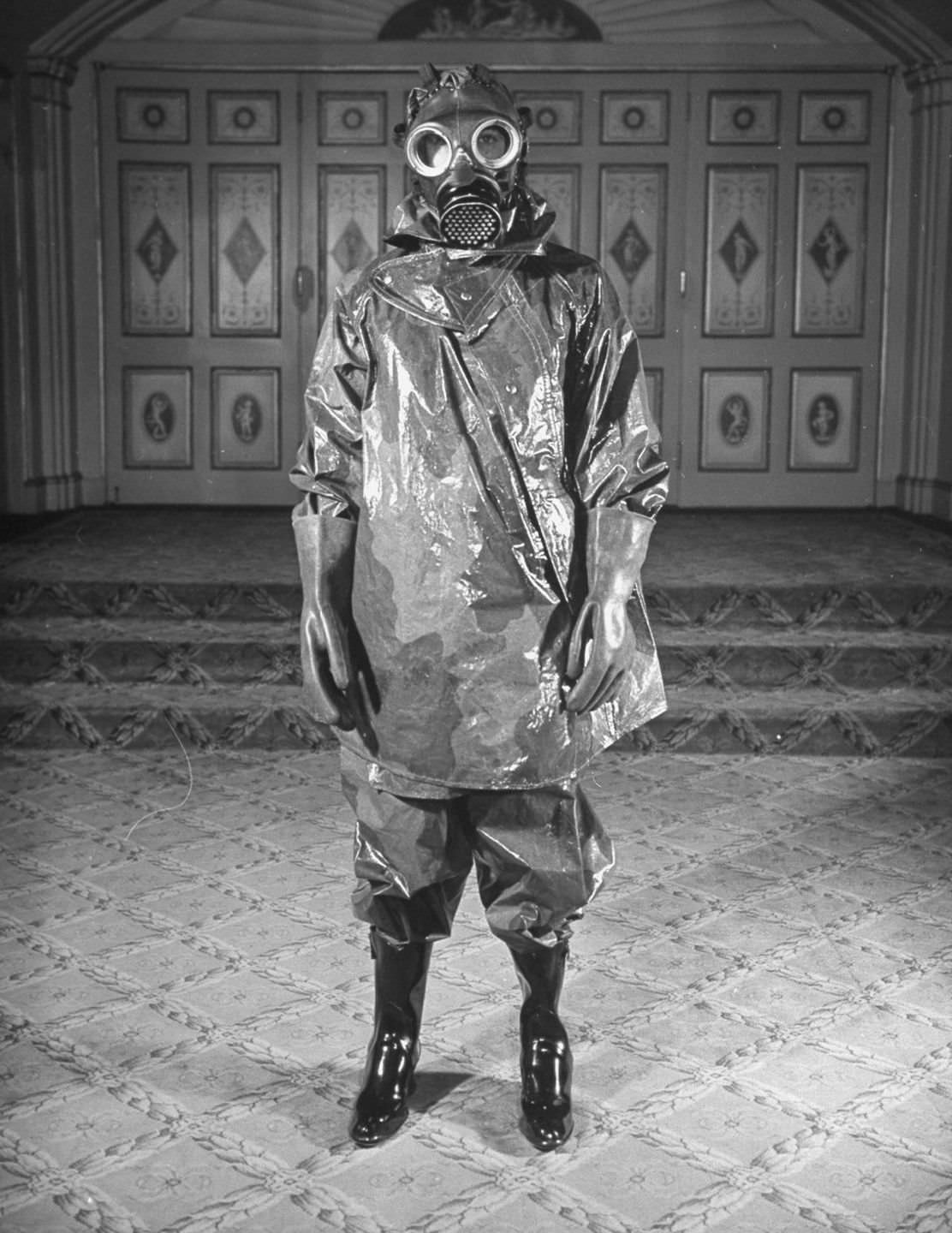
On the agricultural side, the Women’s Land Army filled the critical gap left by male farmworkers who had enlisted. Their uniform was built for fieldwork — sturdy, plain, and functional. Navy servicewomen wore regulation uniforms that mirrored the structure of their male counterparts, adapted for women’s service roles aboard shore-based stations. Decontamination suits, worn by women trained to handle chemical weapon cleanup, were among the most striking and sobering pieces of wartime gear.
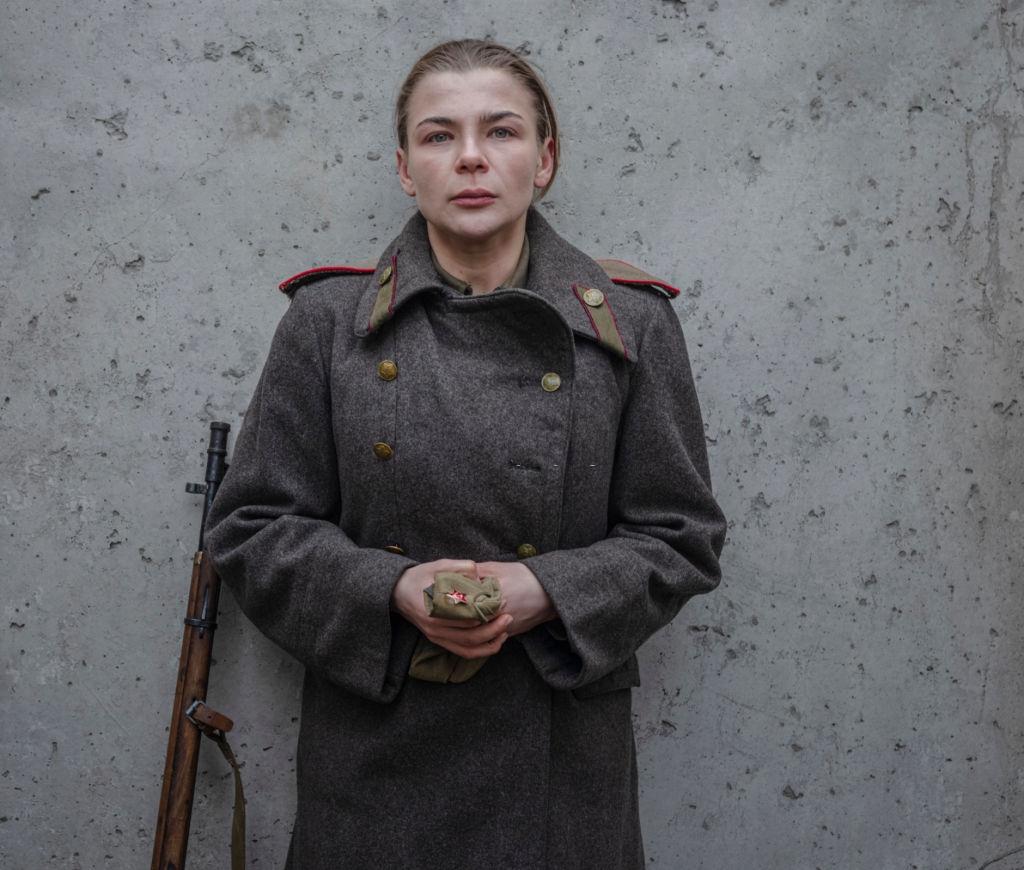
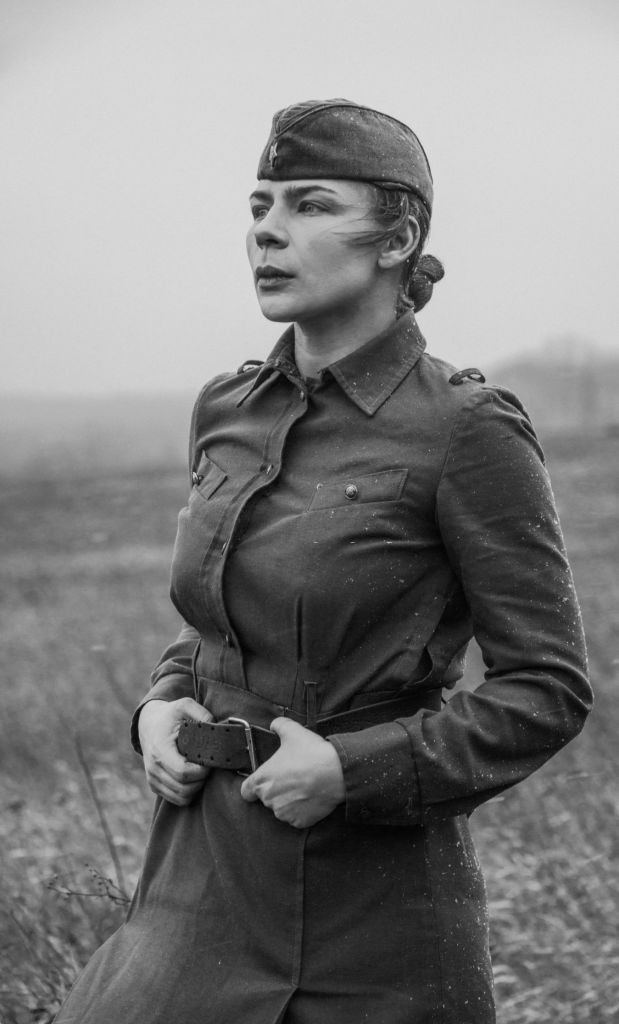
The Soviet Union deployed women in combat roles to a degree unseen in any other Allied nation. Soviet women served as snipers, fighter pilots, and frontline officers. Their military uniforms matched those of male soldiers in most respects, with rank insignia and branch markings clearly displayed. These women fought in active combat zones and were subject to the same conditions and dangers as their male counterparts.
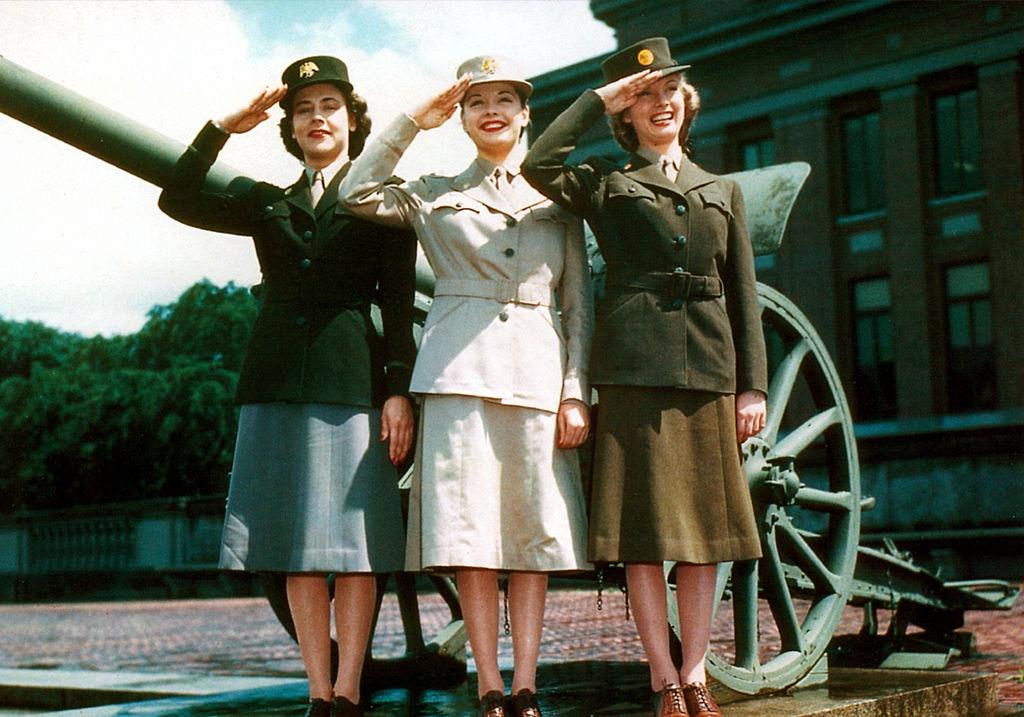
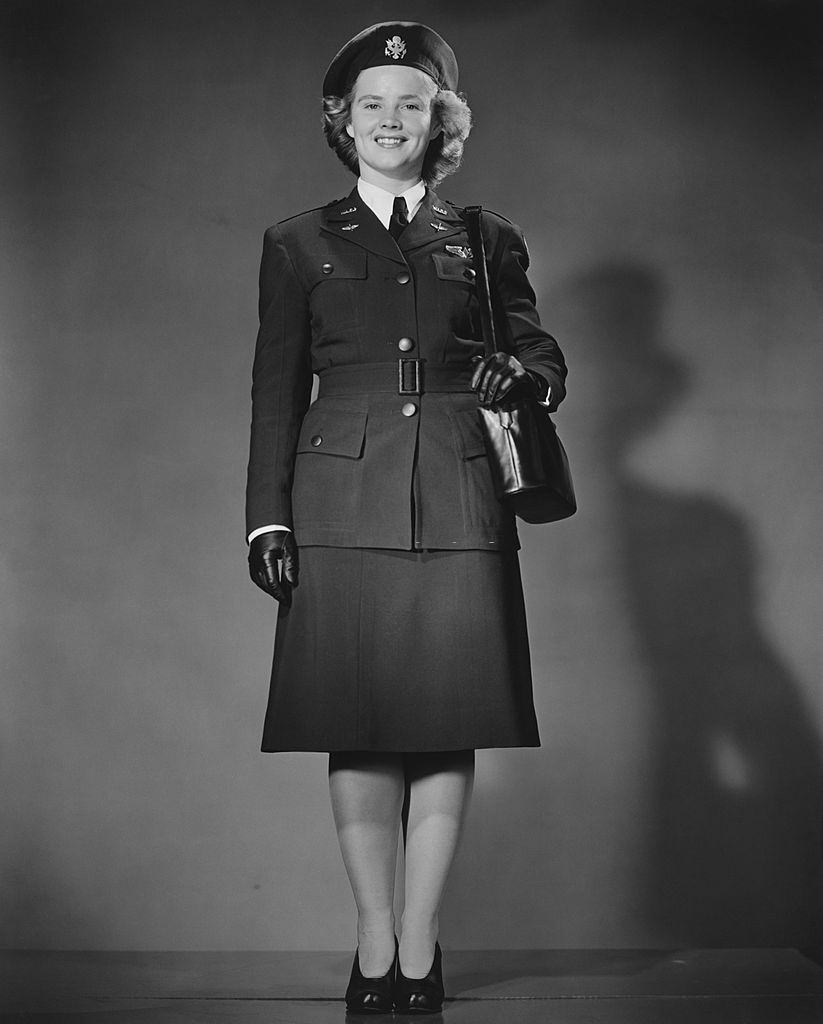
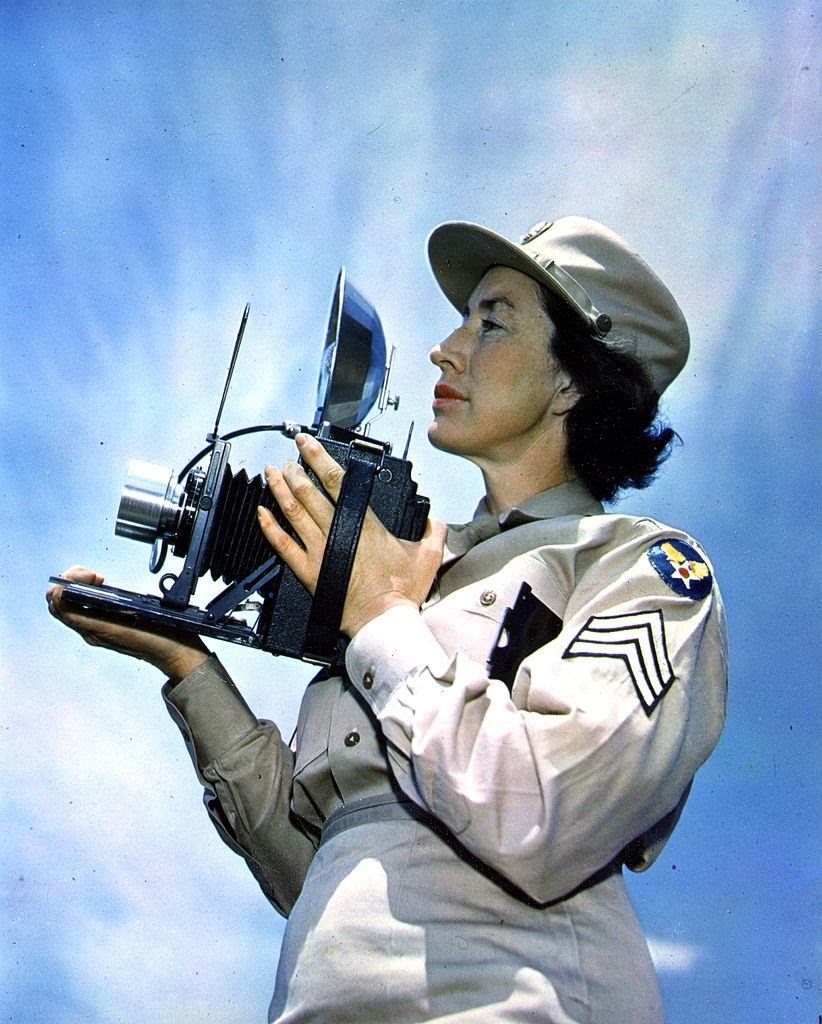
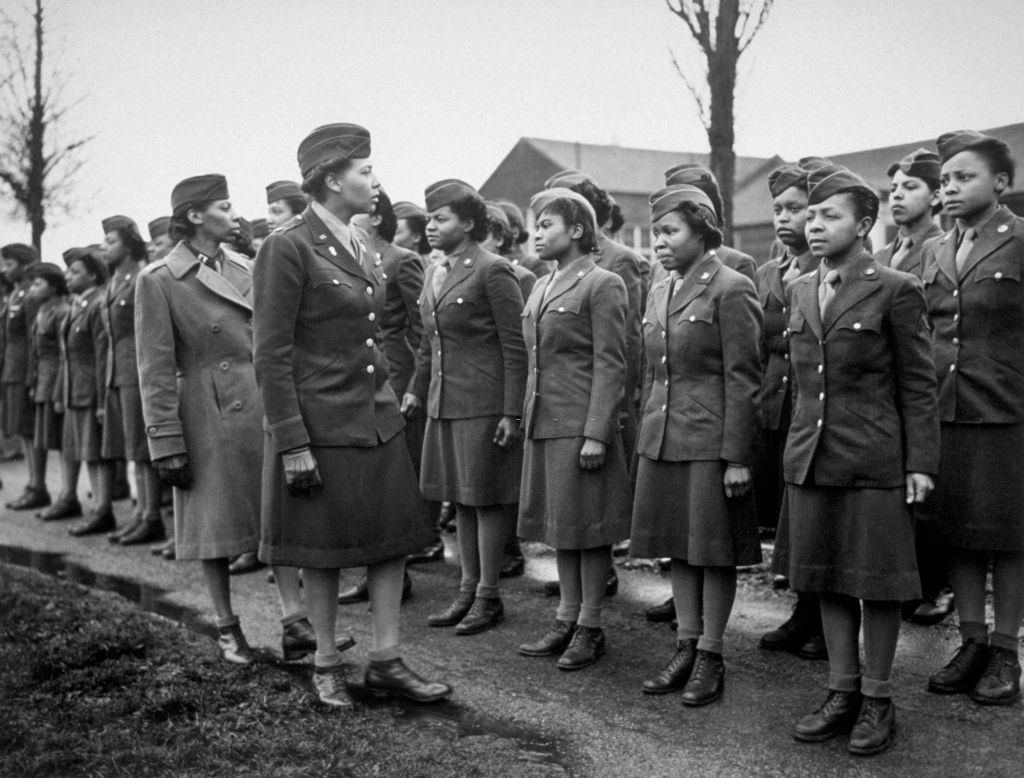
Back in the United States, the Women’s Army Corps (WAC) became a formal branch of the U.S. Army in 1943. WAC members wore Army-issued uniforms and served in roles ranging from clerical work to military photography. Notably, a contingent of Black women from the WAC became the first African American women assigned to overseas service — a historic milestone that came amid the continued reality of military segregation.
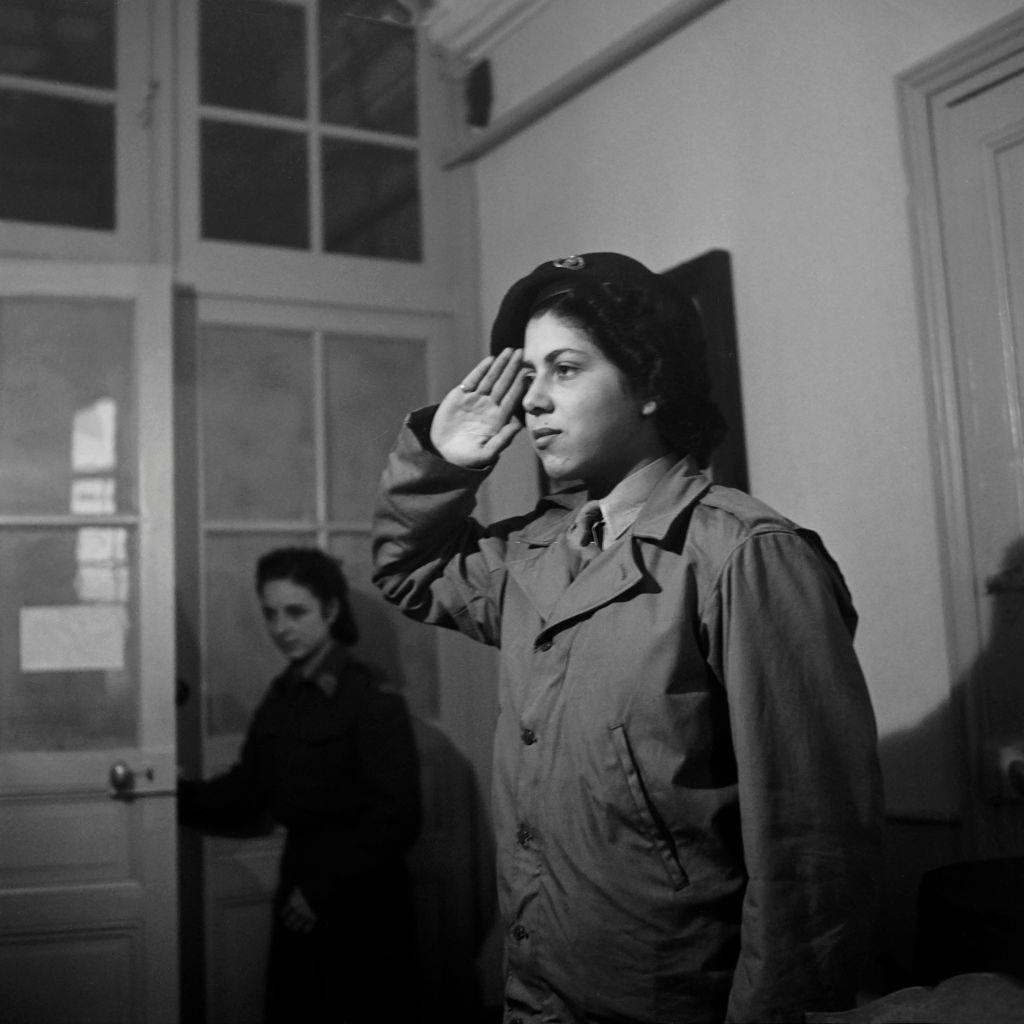
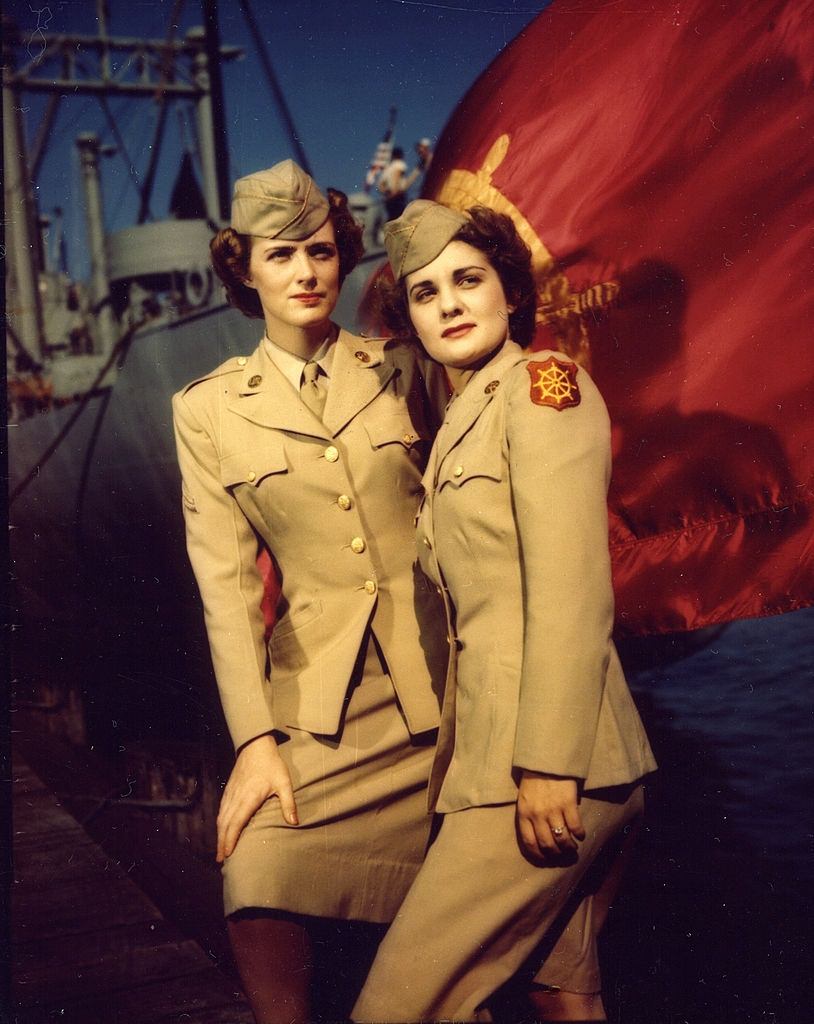
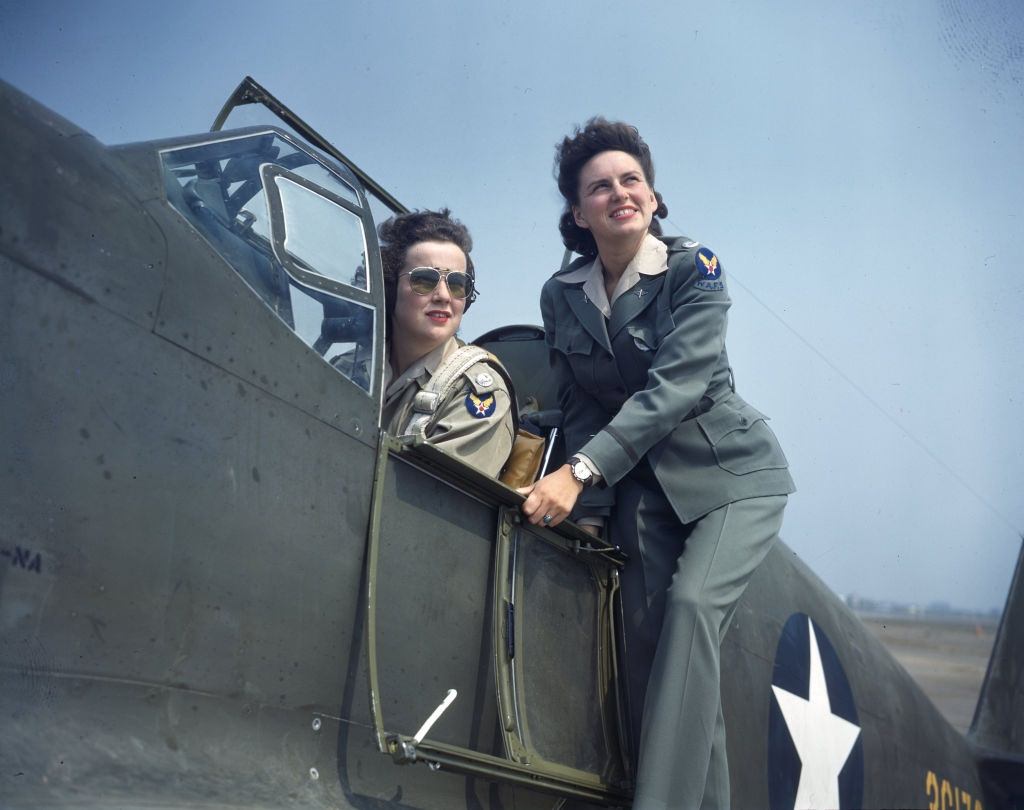
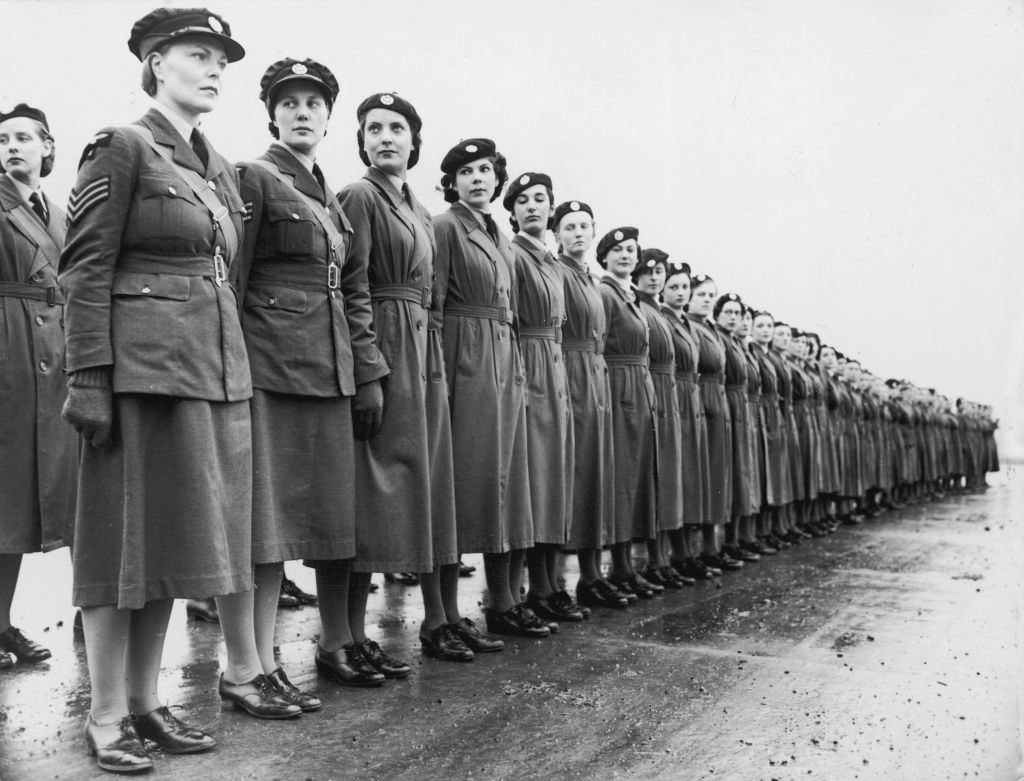
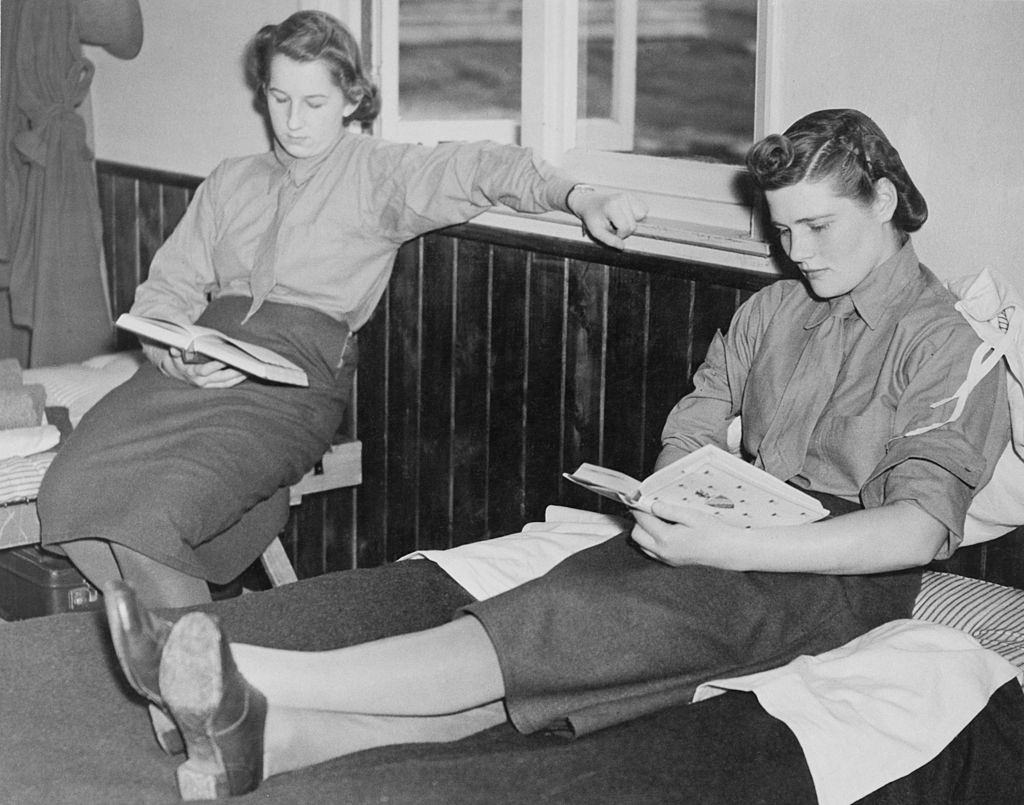
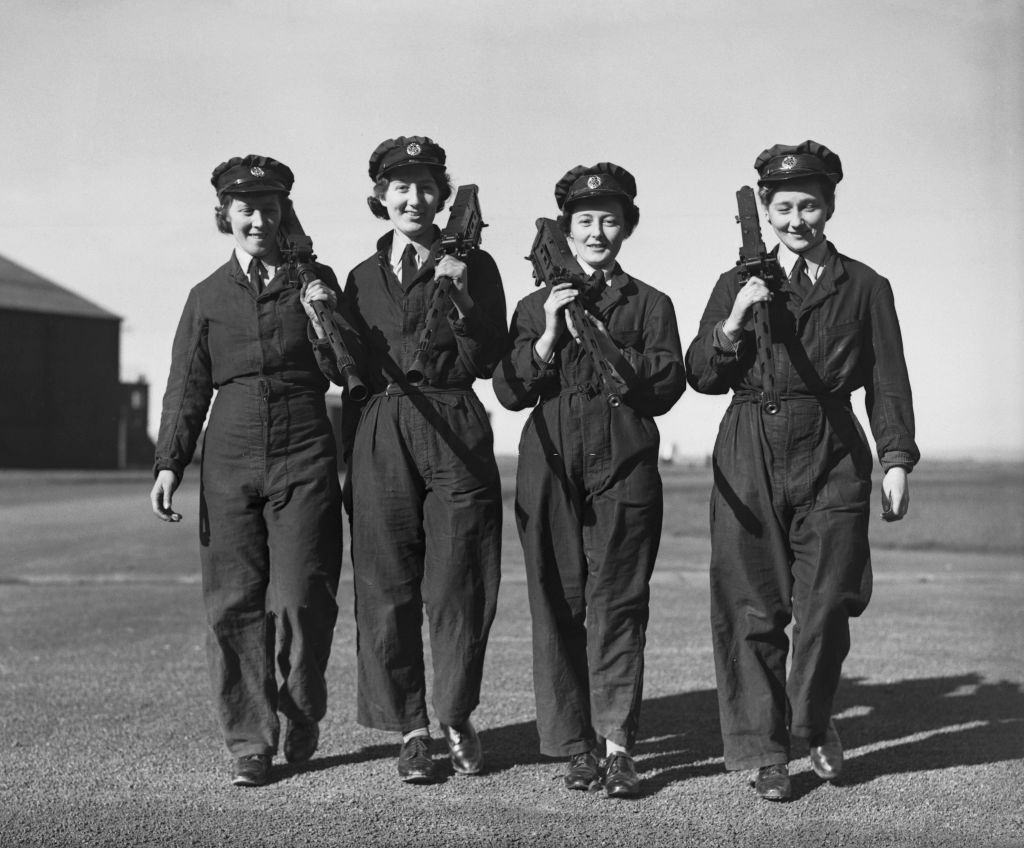
American female pilots who flew for the Women’s Airforce Service Pilots (WASP) wore flight suits and gear that matched the demands of high-altitude aviation. In Britain, the Women’s Auxiliary Air Force (WAAF) performed critical support roles, including handling and transporting aircraft machine guns. WAAF members regularly lined up for formal inspections at their London headquarters, maintaining the same standards of dress and discipline as the RAF. Mary Churchill, the youngest daughter of Prime Minister Winston Churchill, served as an ATS recruit — a visible sign of how broadly the call to service cut across British society.
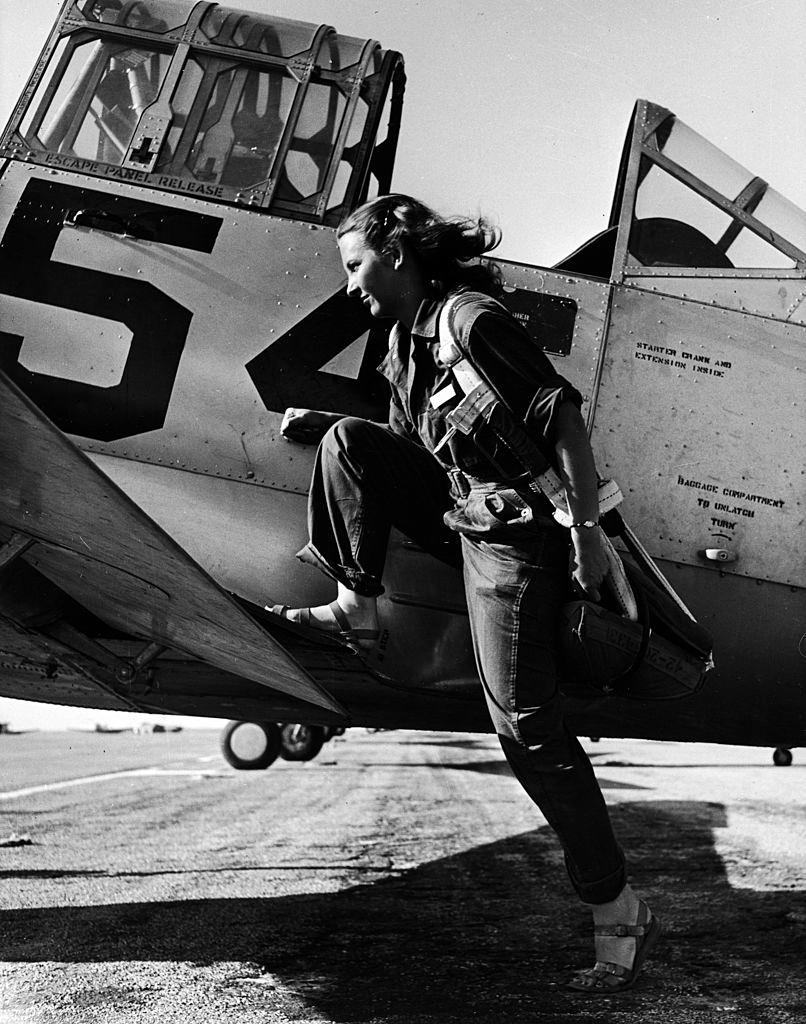
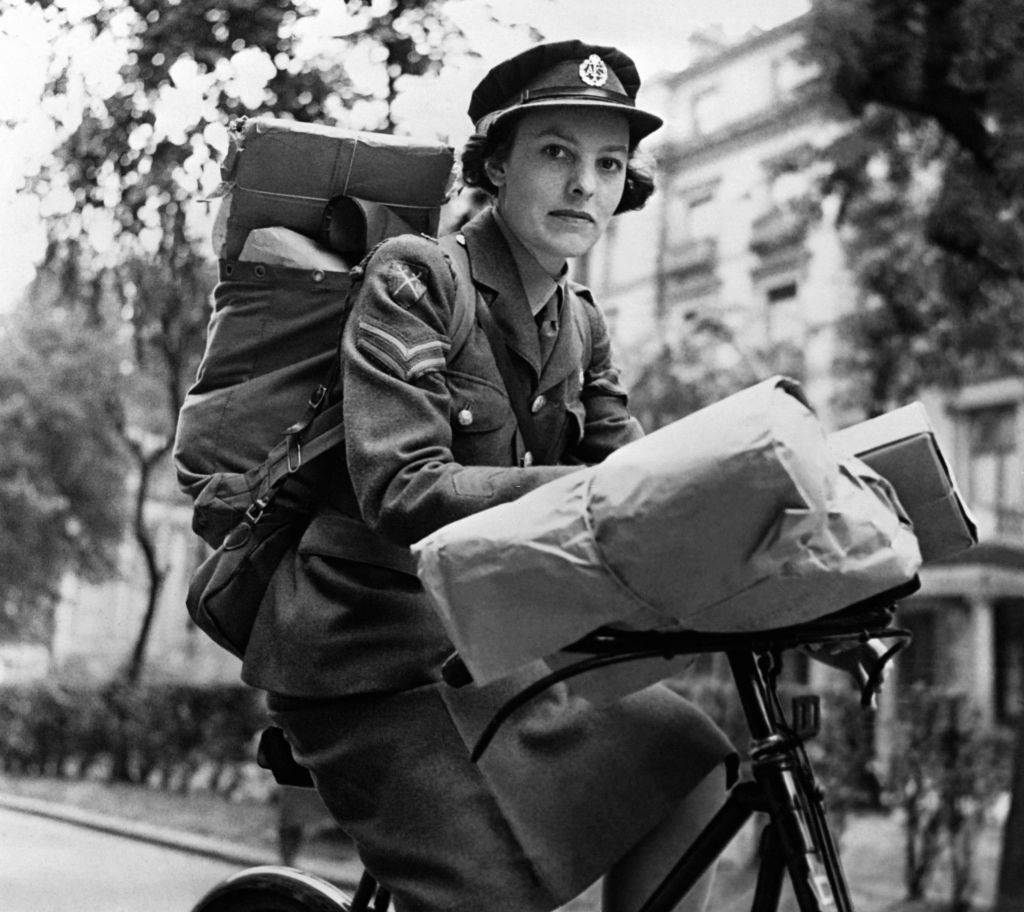
The AWVS also trained motorcycle couriers, who wore riding-specific uniforms built for speed and mobility. U.S. military pilots — male and female — shared common flight gear that prioritized function over form. Across every branch and organization, the uniforms worn by women during World War II reflected the exact nature of their service: specialized, serious, and built for real work.