
Nashville was founded in 1779 and grew into Tennessee’s capital and most populated city. Its location on the Cumberland River and its role as a railroad hub made it a vital center for manufacturing and shipping, especially after the Civil War. By 1900, the city’s population had climbed to over 80,865, and its streets were alive with industry, commerce, and community. Jefferson Street had become the historic heart of Nashville’s African-American community, a cultural anchor that shaped the city’s identity for generations.
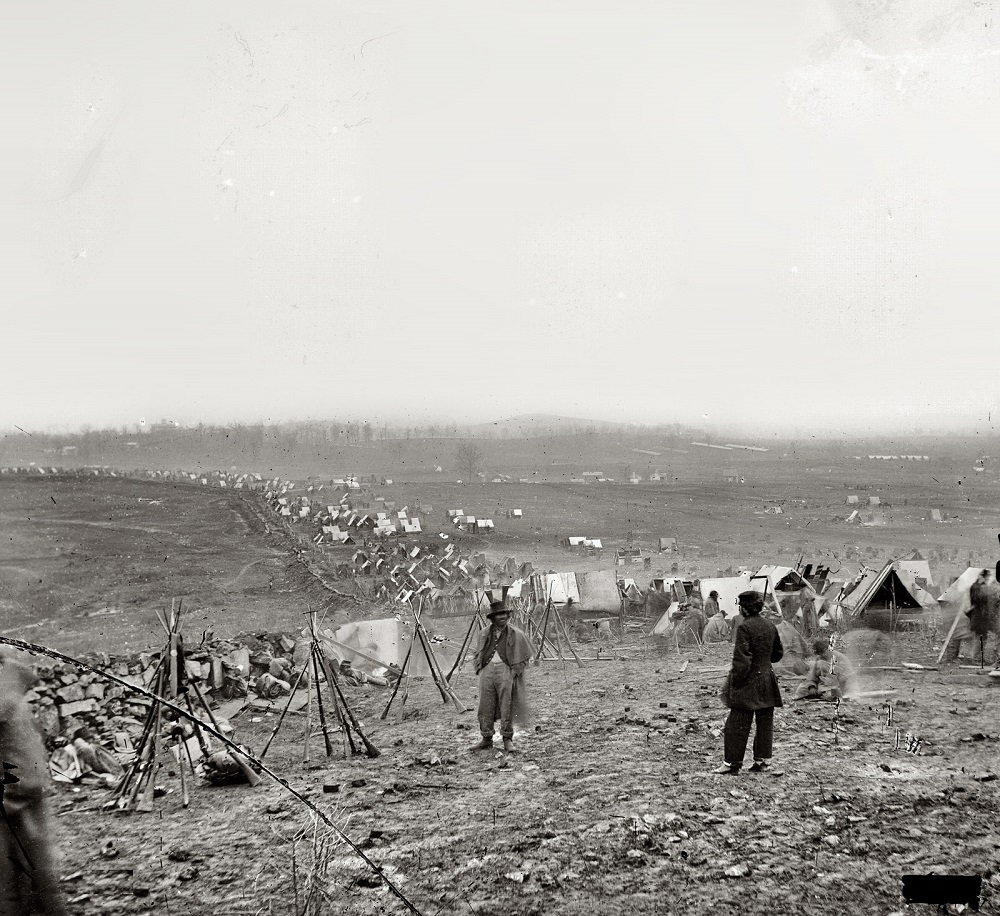
During the Civil War, Nashville’s railroad infrastructure was among the most strategically important in the South. Union forces moved quickly to control and fortify the city’s rail yards and river crossings after capturing Nashville in 1862. By 1864, the city had become a major Union supply base, and photographers documented its busy depots and military installations in remarkable detail.
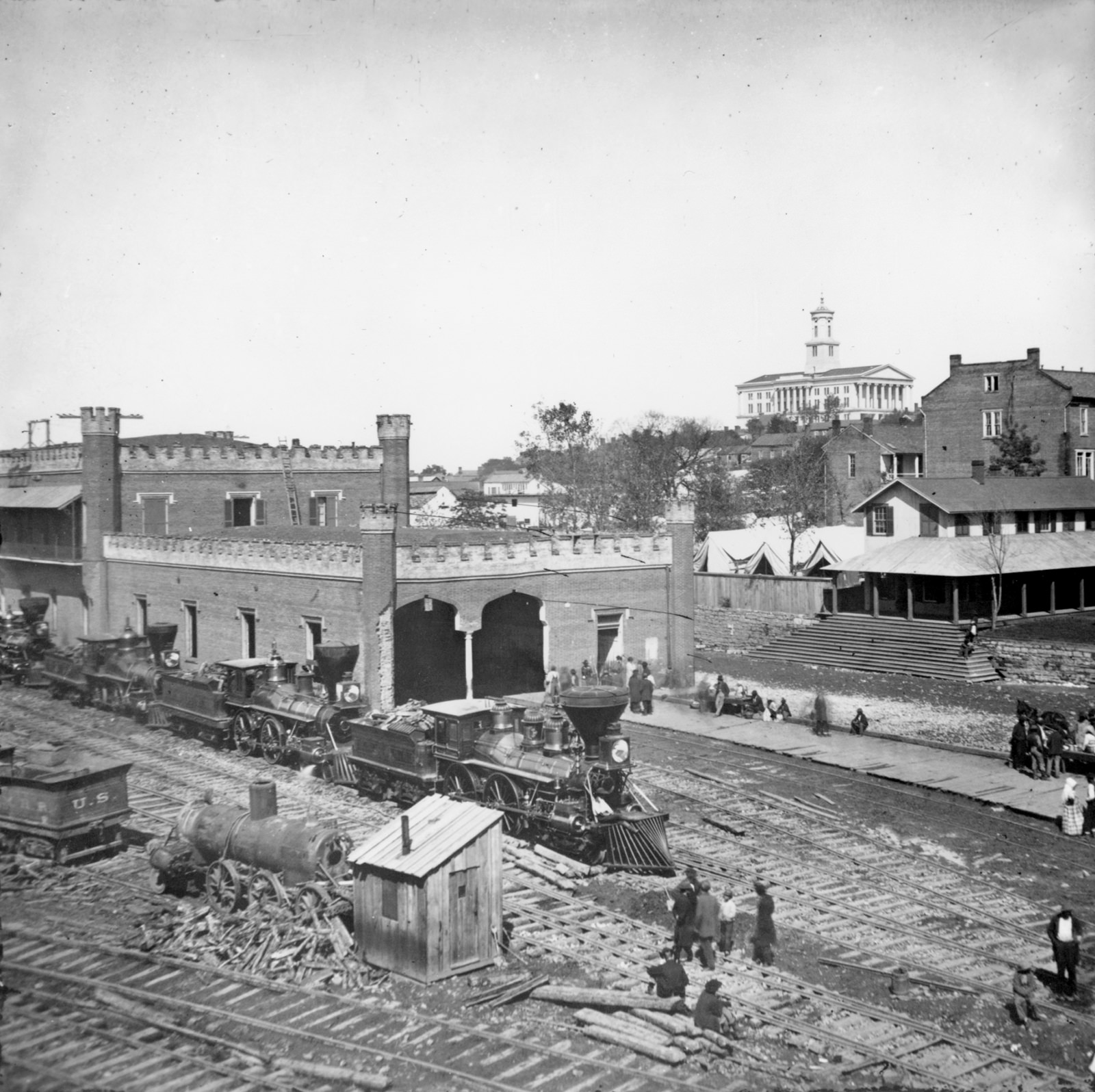
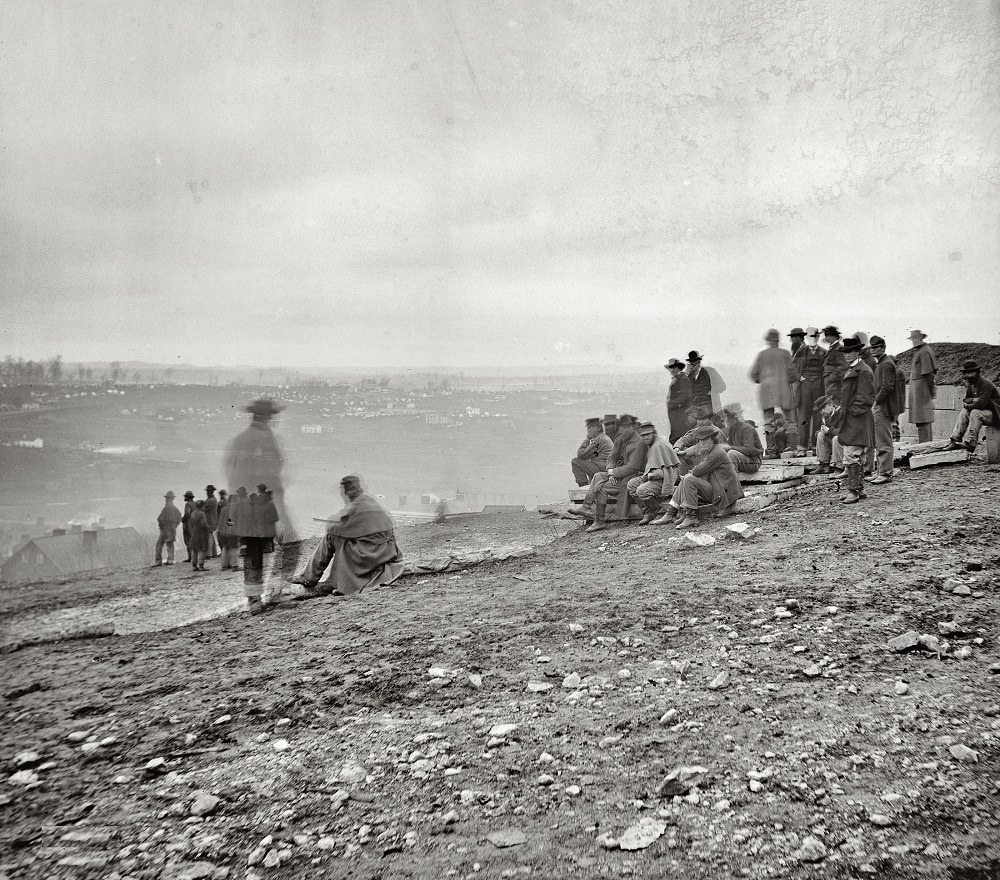
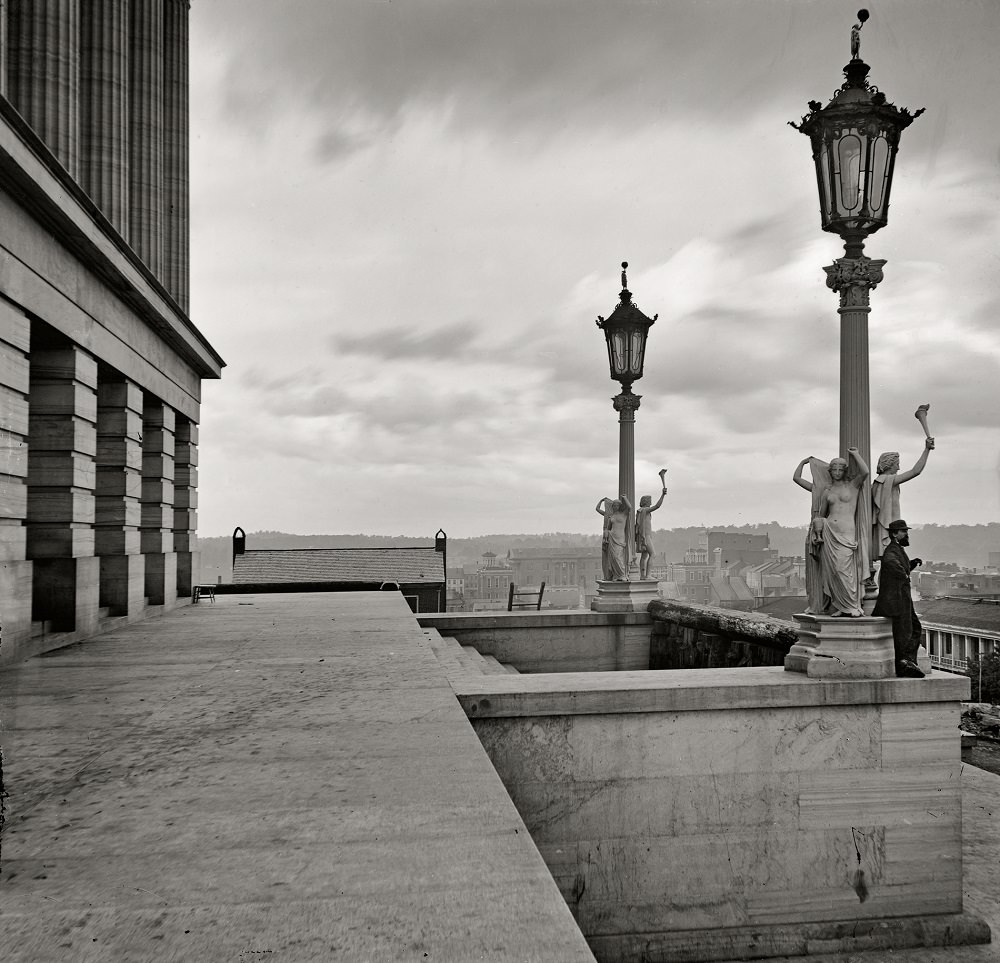
From the heights of the Tennessee State Capitol, the scale of Union occupation was clear. The view stretched across rooftops and rail lines, revealing a city transformed by war. These vantage points were not just scenic — they were tactically significant, used by commanders to monitor troop movements and supply lines across the Cumberland River valley.
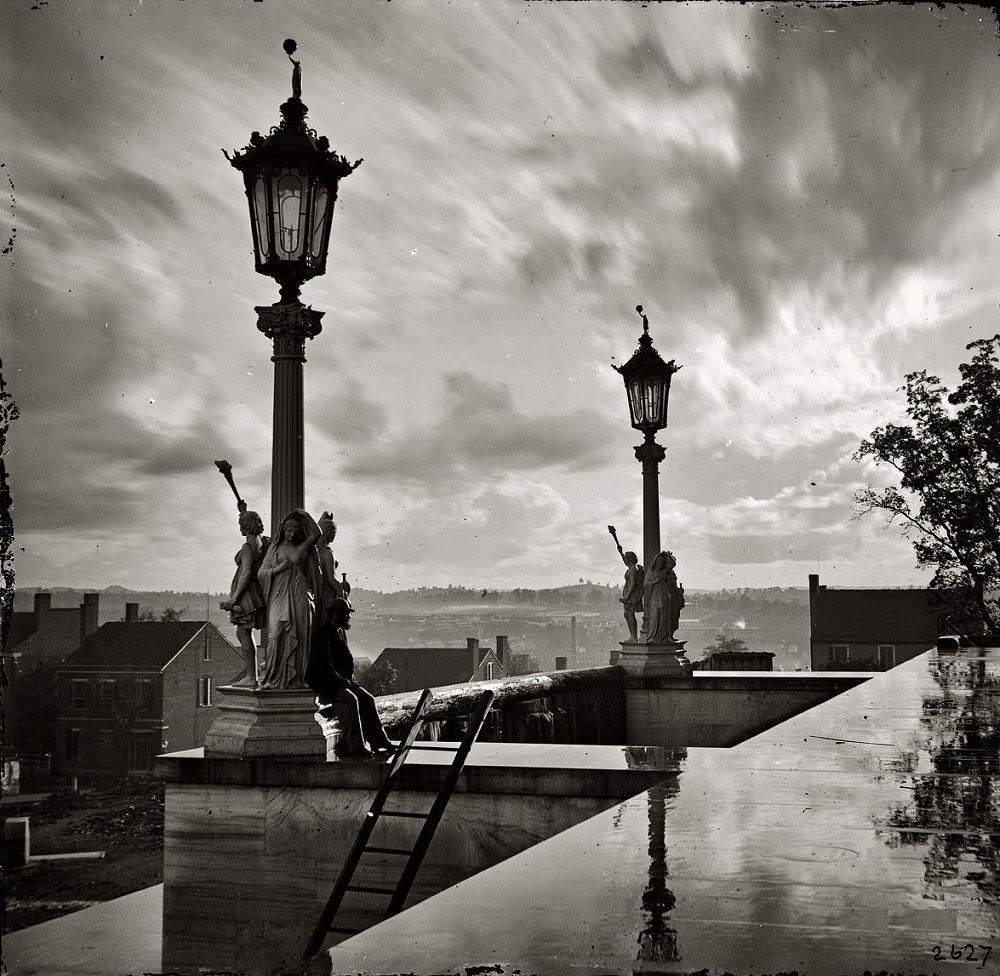
The Cumberland River was Nashville’s lifeline, and Union engineers made sure it stayed under their control. The railroad bridge spanning the river was heavily fortified, with blockhouses and armed guards protecting it around the clock. Losing this crossing would have crippled the entire Union supply chain in the region.
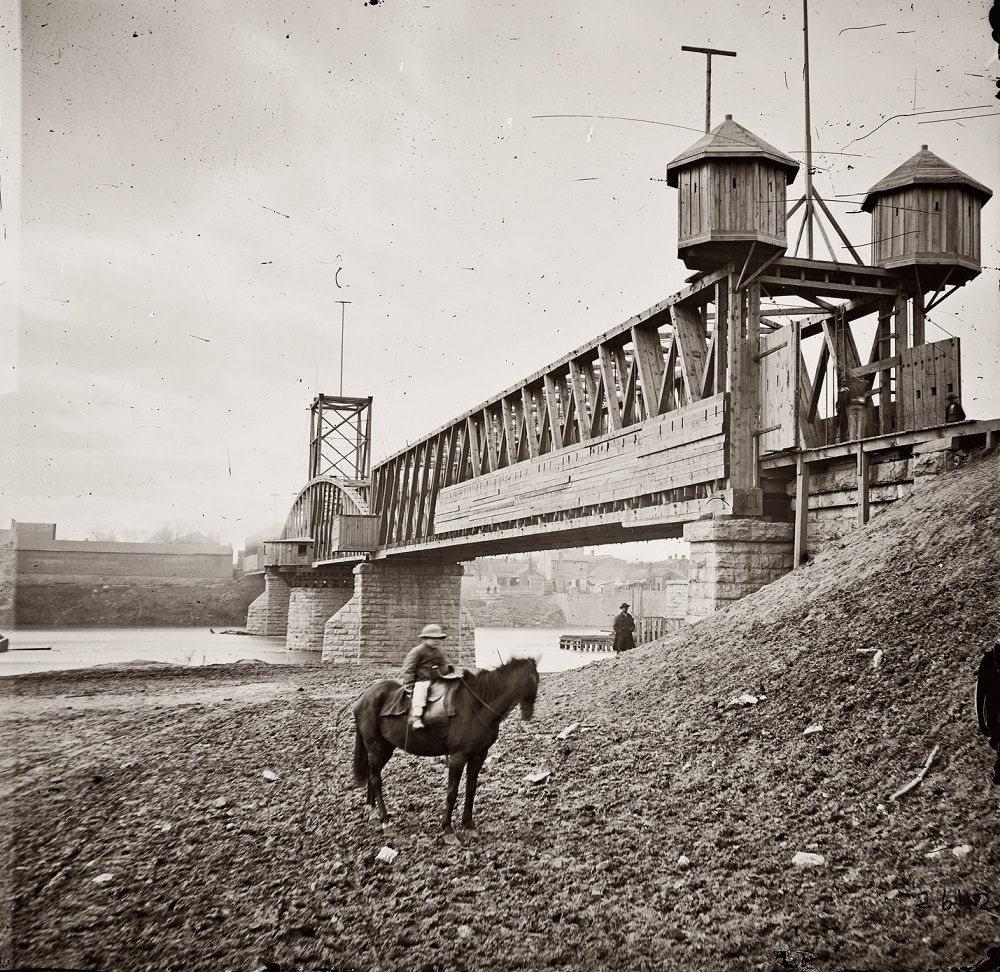
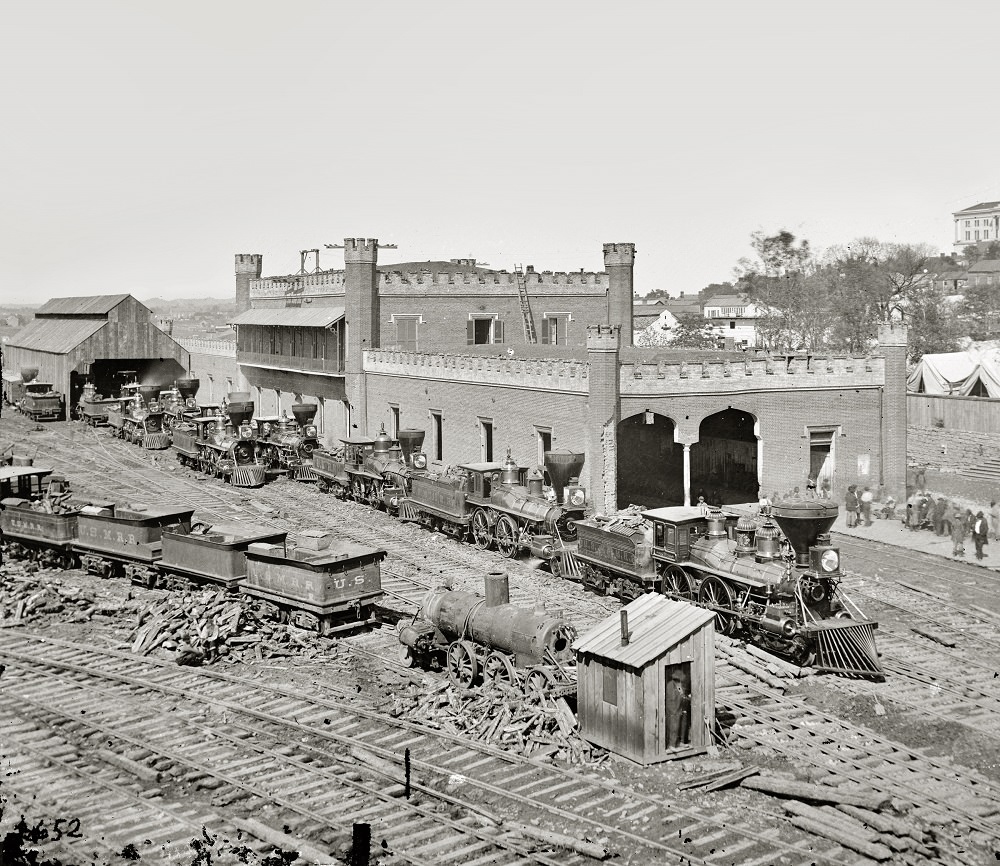
Capitol Hill offered a sweeping view of the rail yards below. Dozens of locomotives and freight cars filled the depot, a constant flow of men, weapons, and supplies moving in and out of the city. Nashville’s railroads were the backbone of Union operations across the Western Theater of the war.
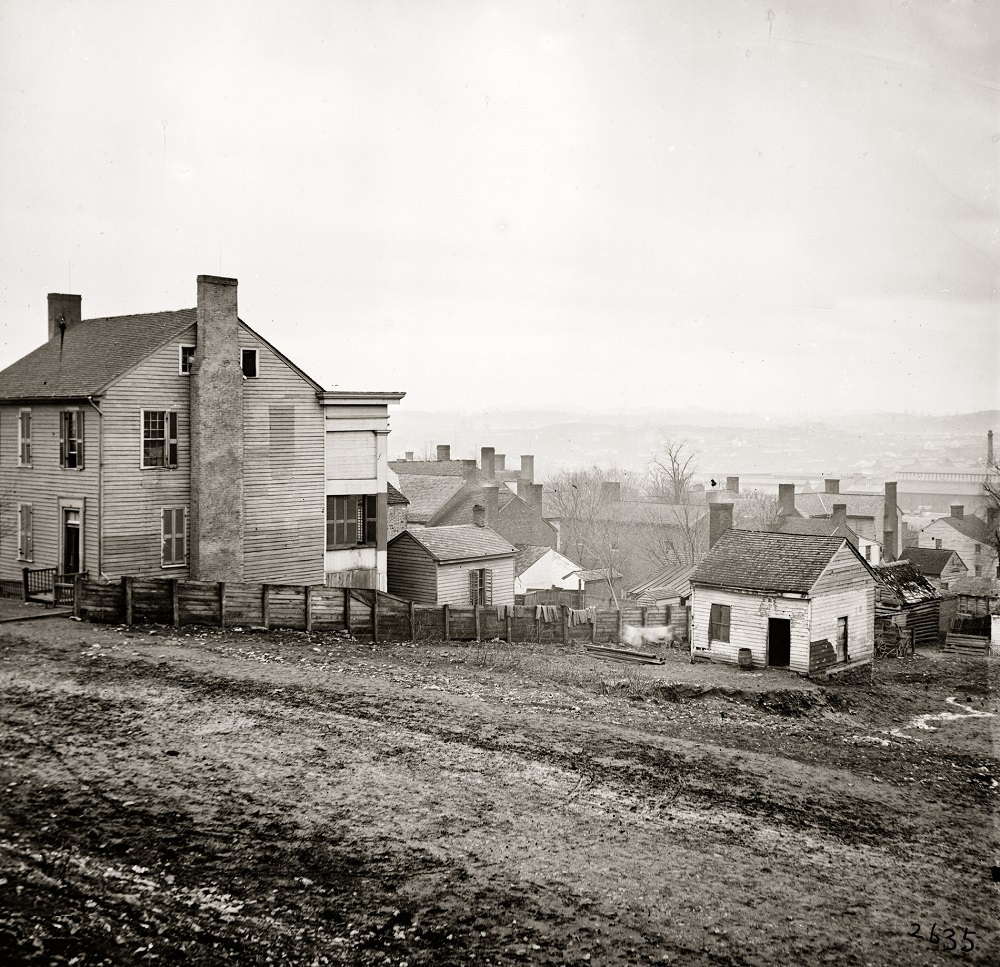
December 1864 brought one of the war’s decisive moments to Nashville’s doorstep. Confederate General John Bell Hood had marched his battered Army of Tennessee north in a desperate gamble to reclaim the city. Union General George Thomas responded with a two-day assault that shattered Hood’s forces. The Battle of Nashville, fought on December 15–16, 1864, effectively destroyed the Confederate army as a fighting force in the West.
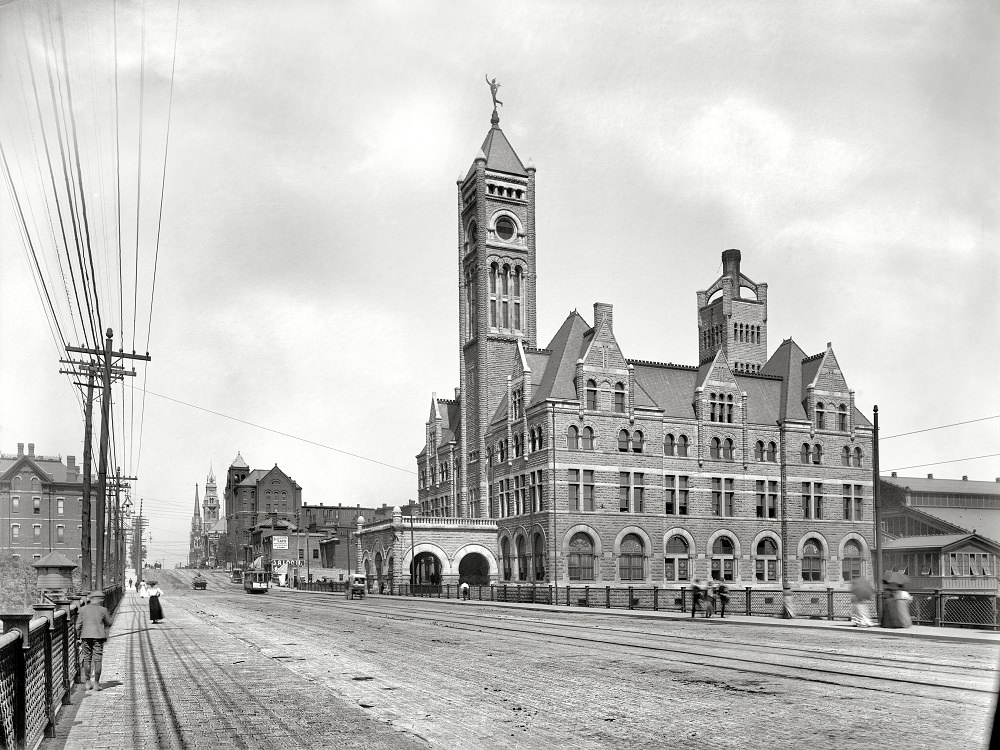
As the 20th century opened, Nashville embraced a new era of growth and architecture. Union Station, completed in 1900, stood as a grand symbol of the city’s railroad prosperity. Built in Romanesque Revival style with a 200-foot clock tower, it was one of the most impressive train stations in the South and served as a gateway for thousands of travelers.
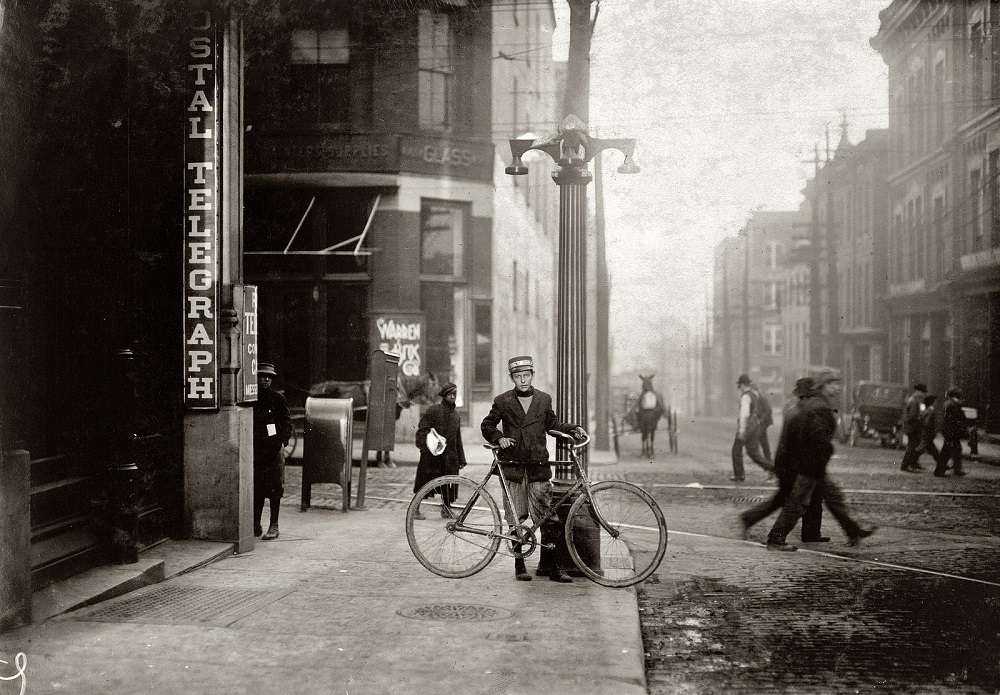
In November 1910, child labor was still common in American cities. George Christopher worked as a Postal Telegraph messenger in Nashville, one of many boys employed to carry messages across the city on foot or by bicycle. Photographer Lewis Hine documented child workers like George as part of a national campaign to expose the widespread use of child labor in American industry.
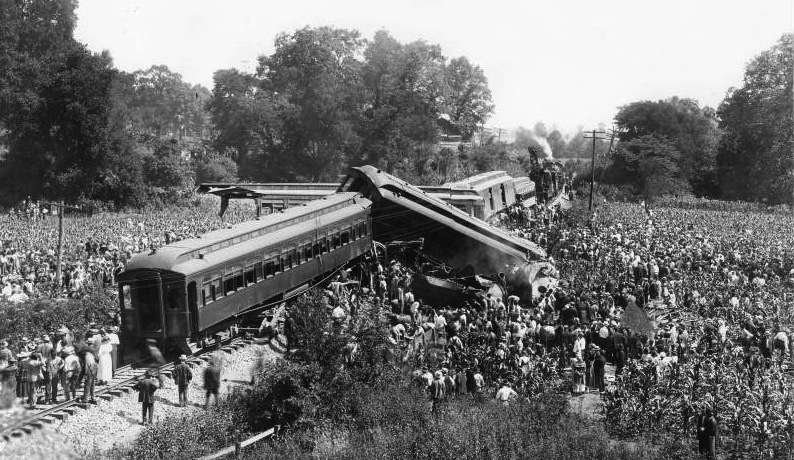
In 1913, Nashville adopted a commission form of government, with all members elected at-large. Three years later, on March 22, 1916, a catastrophic fire tore through East Nashville and destroyed more than 500 homes. Only one person died, but the economic damage to the neighborhood was severe and lasted for decades. Then in 1918, the city was struck by another disaster — a massive train wreck that became one of the worst rail accidents in Tennessee history.
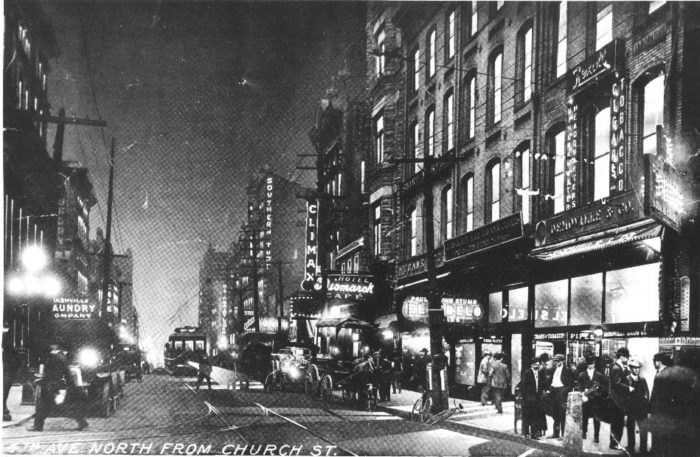
By December 1940, Nashville’s streets reflected the everyday rhythms of a mid-sized American city on the edge of a new decade. The Great Depression had taken its toll, but the city was rebuilding. Residents went about their daily lives against the backdrop of a changing urban landscape, with downtown blocks filling in as commerce slowly recovered.

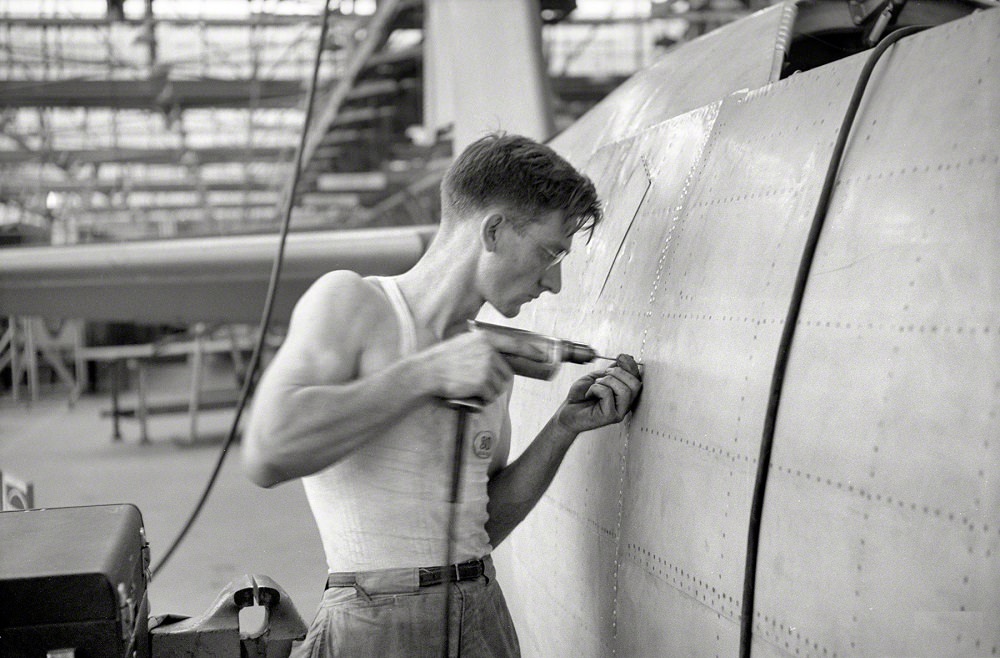
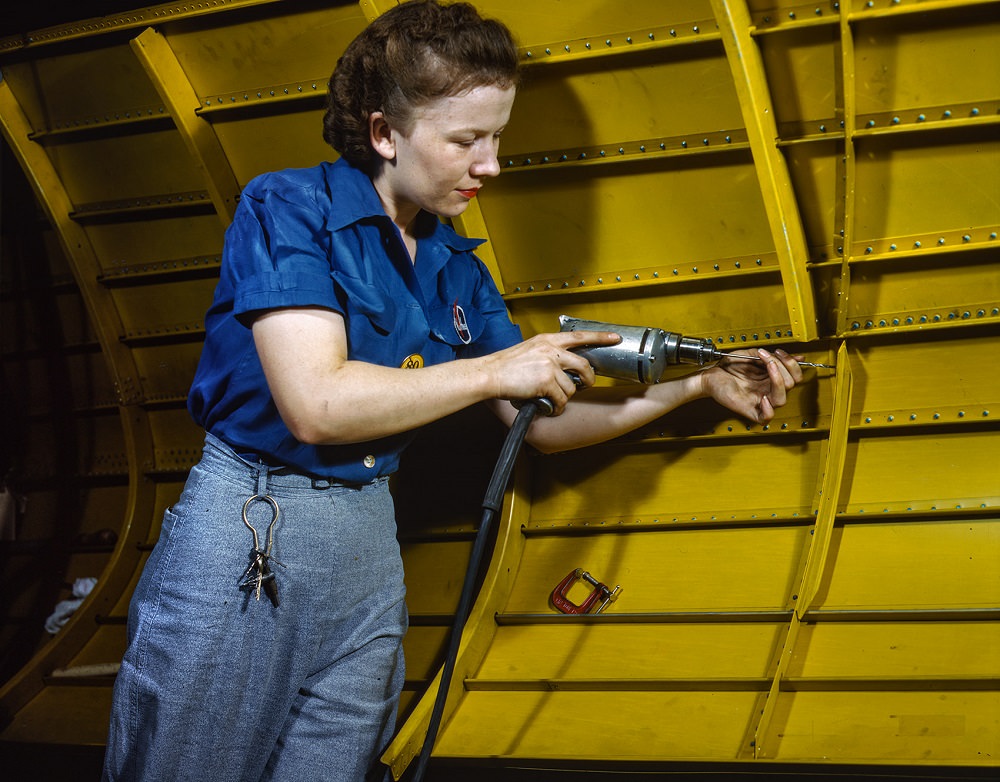
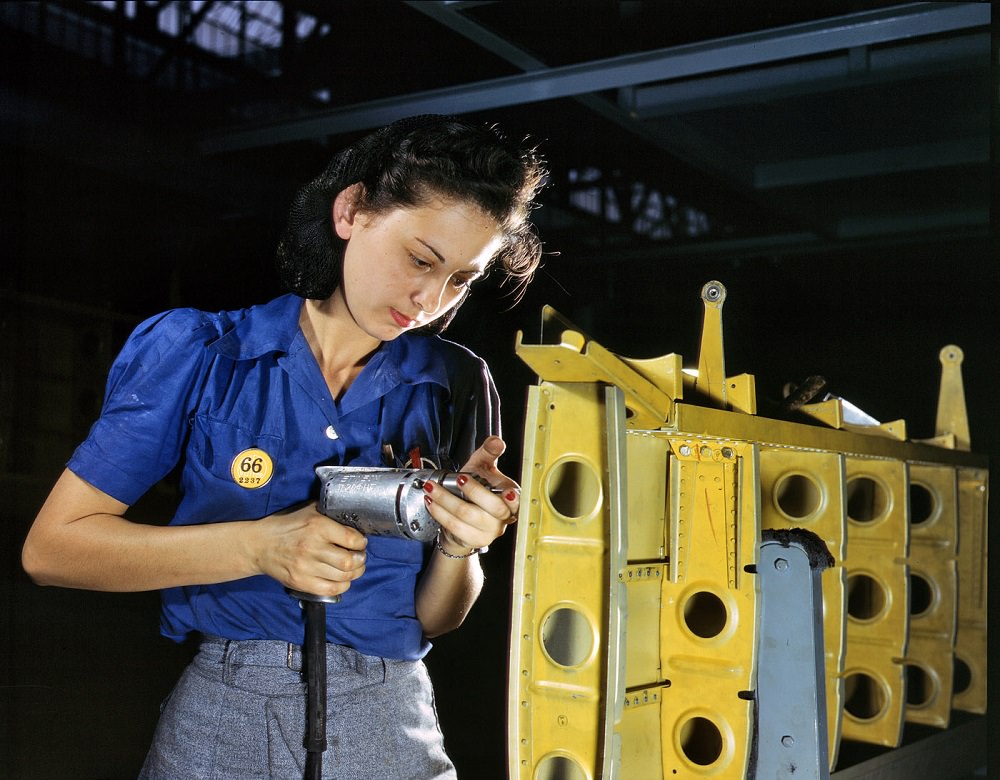
World War II brought a surge of industrial activity to Nashville. The Consolidated-Vultee aircraft plant became one of the city’s most important wartime employers, producing Vultee A-35 Vengeance dive bombers for Allied forces. Workers on the factory floor included both men and women, many of whom had never worked in manufacturing before the war effort demanded it. The plant ran at full capacity through much of the early 1940s.





What happened to Union Station’s original digital clock? I had heard that it was difficult to maintain, but was it scrapped or stored away?