
Louisville is the largest city in Kentucky, founded in 1778 and named after King Louis XVI of France. Sitting on the south bank of the Ohio River, the city grew quickly through the 19th century as a key frontier and trading hub. Its position along the river made it one of the most important commercial stops between the eastern states and the American West. By the time the Civil War broke out, Louisville had become a major Union military headquarters and supply depot, a role that kept Kentucky from joining the Confederacy.
The late 1800s brought further growth. The Louisville and Nashville Railroad extended its line all the way to Jacksonville, Florida in the 1880s, tightening Louisville’s grip as a regional economic center. Tobacco, timber, and river commerce drove much of the city’s wealth into the early 20th century. The photos below, taken between 1905 and 1943, offer a direct window into what Louisville looked and felt like during that era.
The Ohio River was Louisville’s lifeline. The levee along the riverfront was a constant hub of activity — dockworkers unloading freight, merchants moving goods, and boats lining the banks in long rows. These early 1905 images capture that working waterfront at full stride.
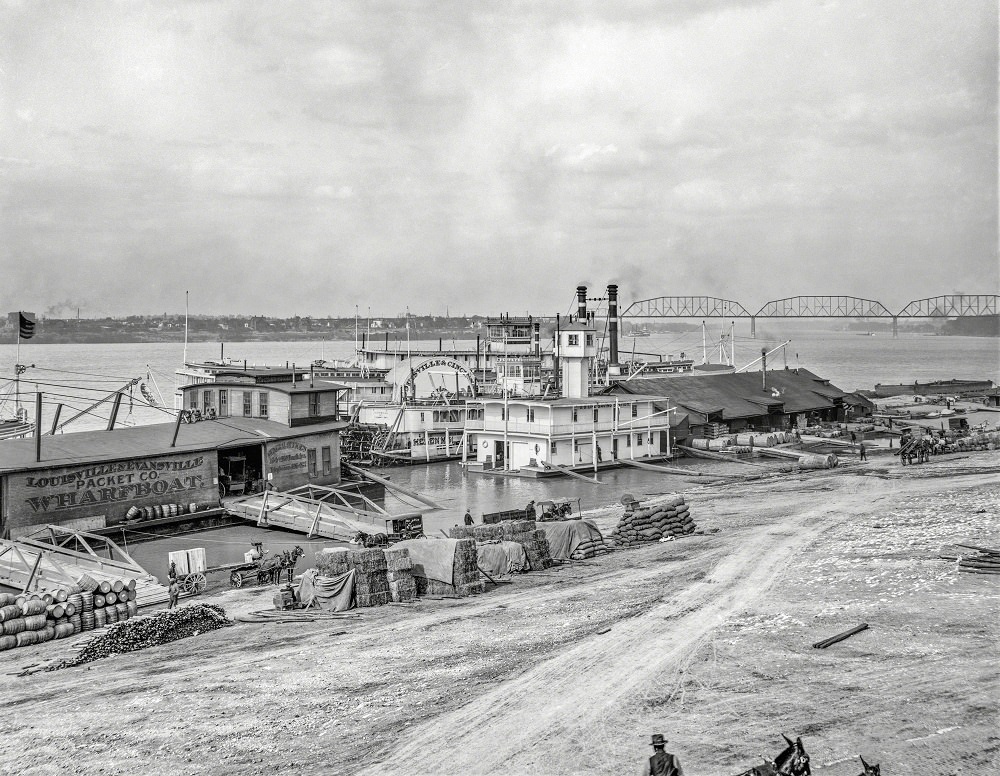
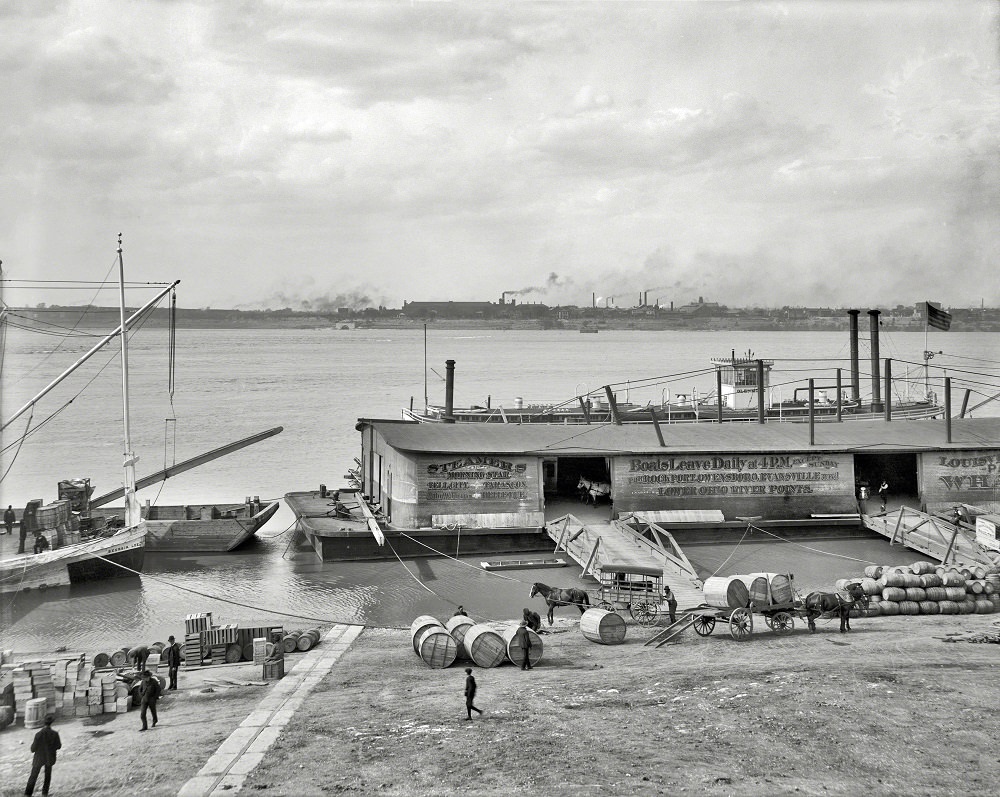
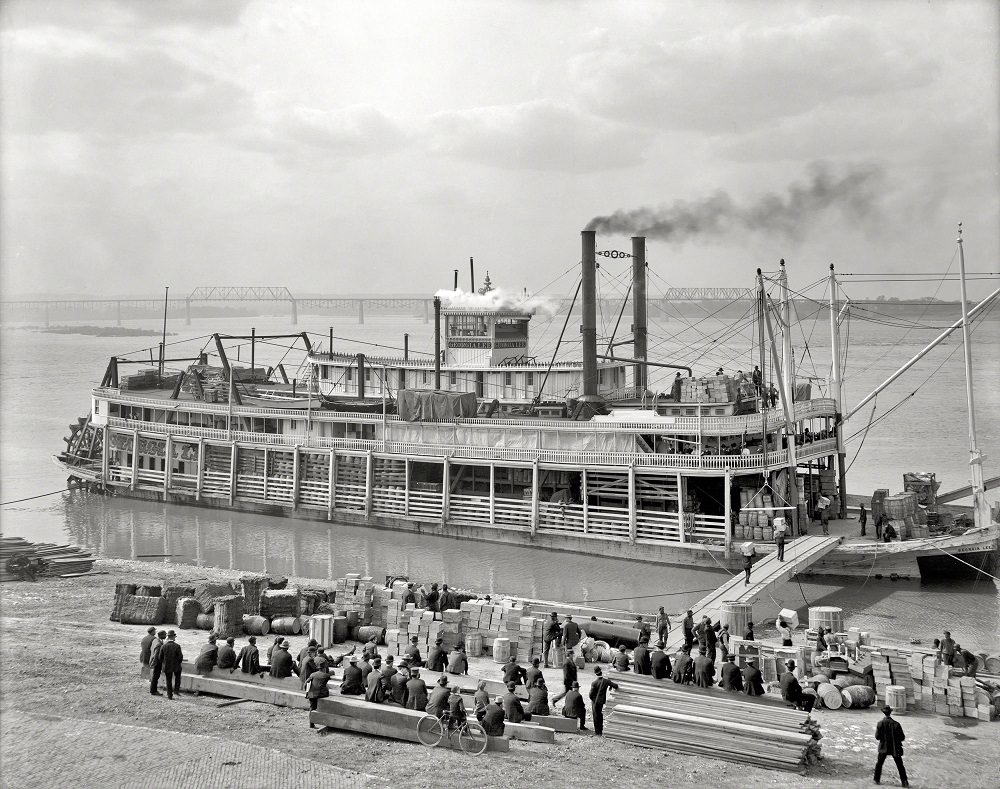
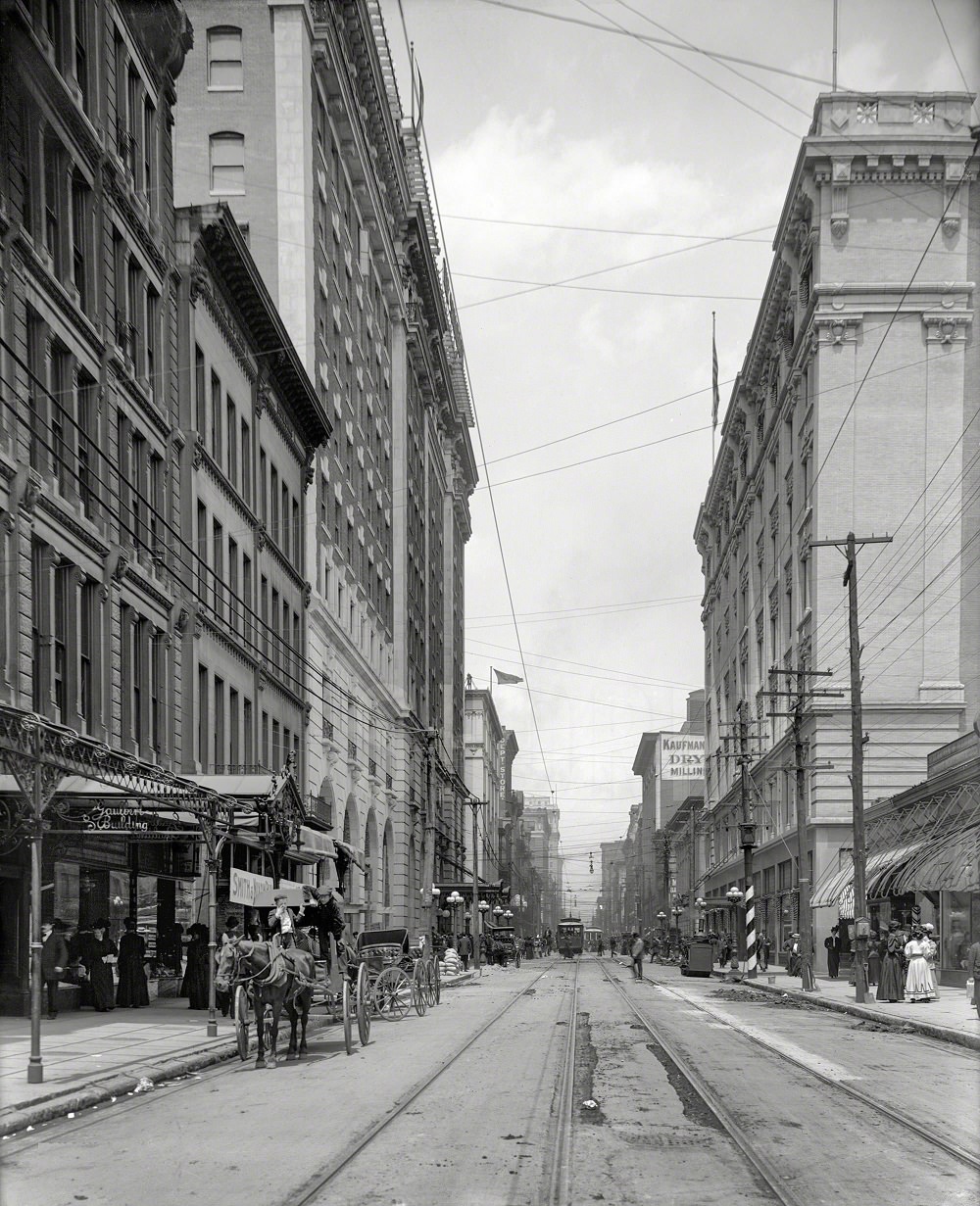
By 1905, Fourth Street was one of Louisville’s main commercial corridors. Storefronts, pedestrians, and horse-drawn vehicles crowded the wide avenue, giving the street the energy of a city already well into its stride. A year later, Fourth Avenue carried much of the same bustle, lined with buildings that reflected the city’s growing architectural ambition.
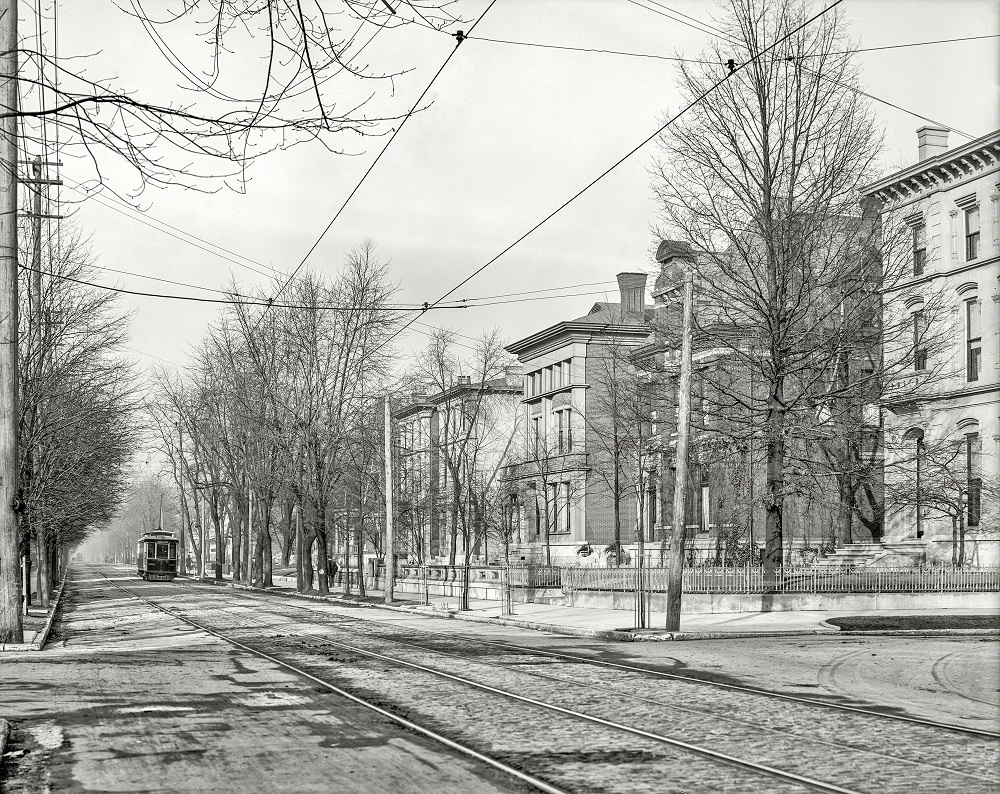
The Ohio River itself offered more than just commerce. On summer weekends, residents took to the water for recreation. Canoeing along the river was a popular pastime, a sharp contrast to the freight traffic that dominated the levee during the week.
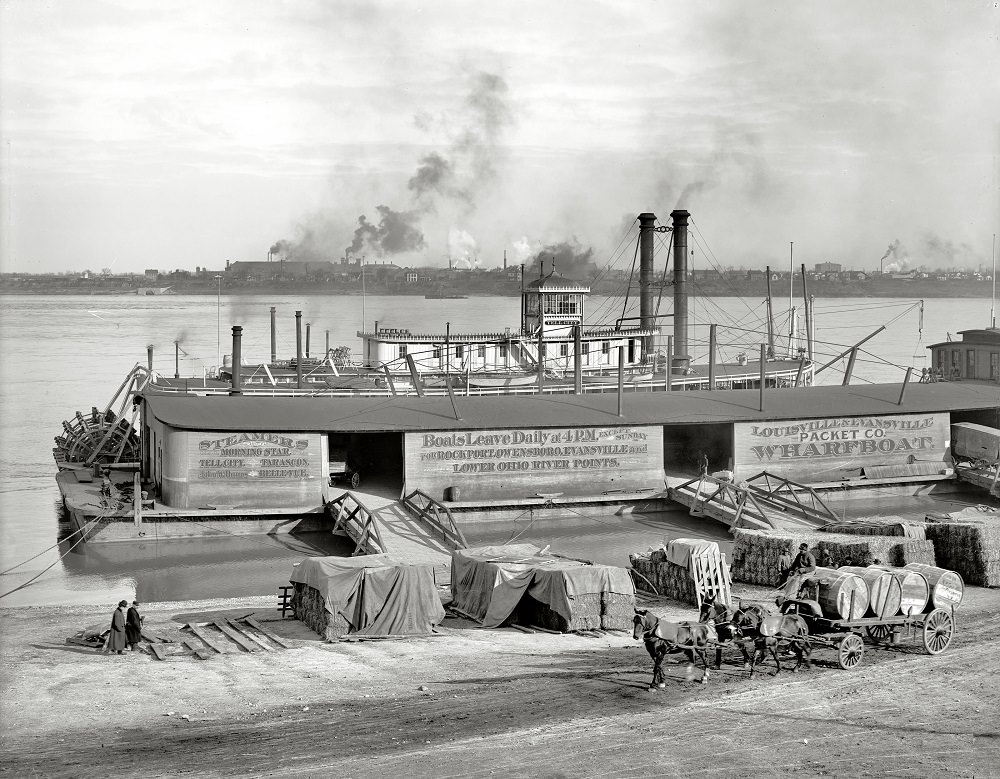
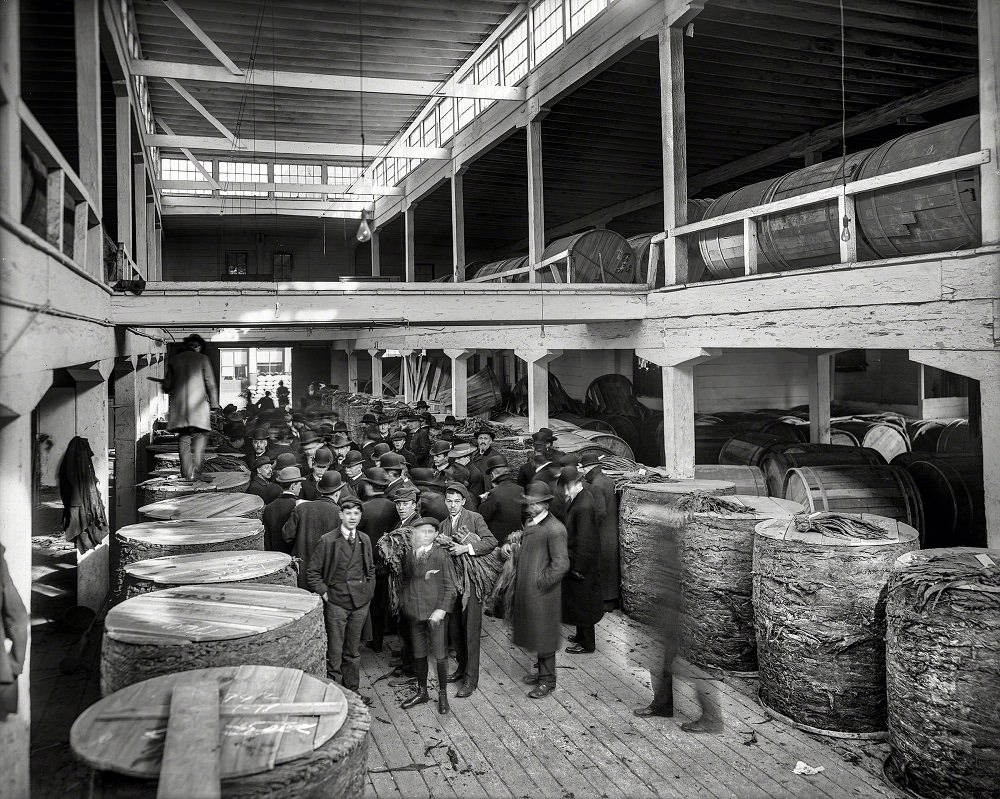
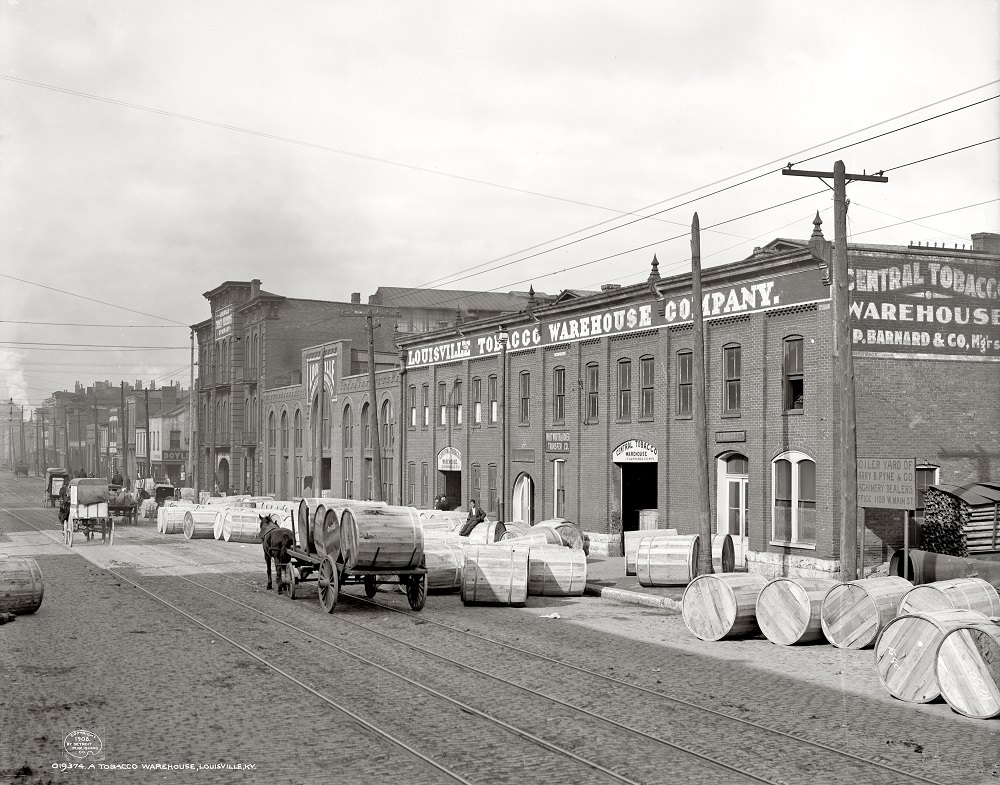
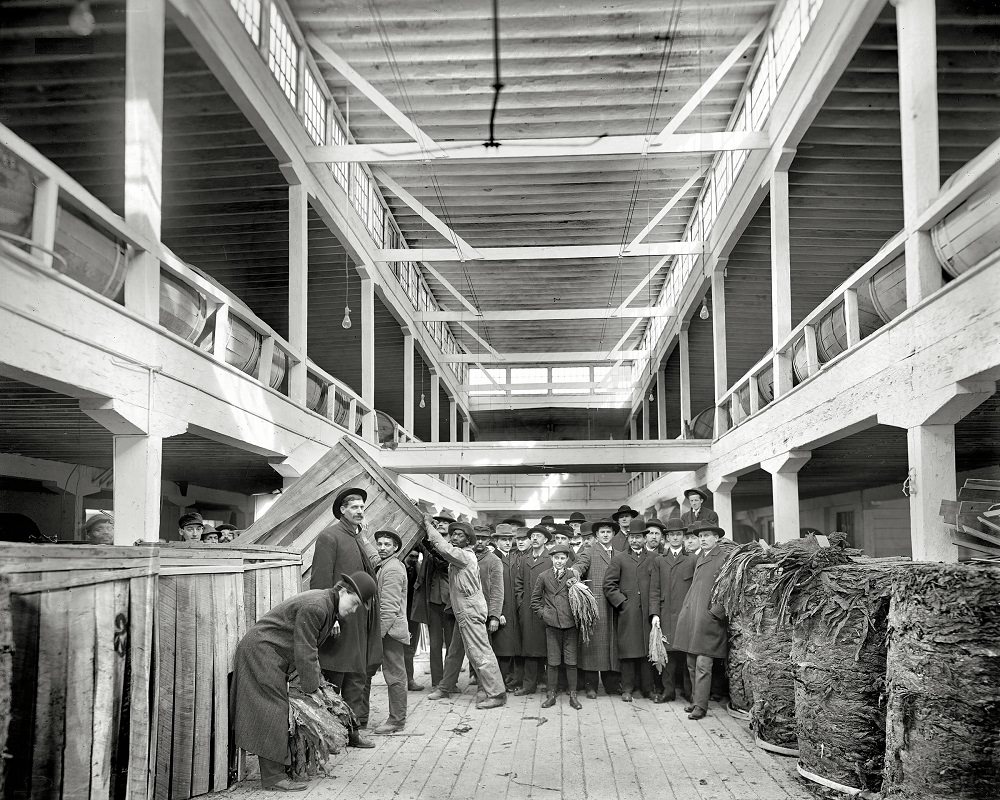
Tobacco was one of Louisville’s most profitable industries in the early 20th century. The city hosted large tobacco markets and warehouses where buyers and sellers from across the region came to do business. These 1906 images show the scale of that trade — vast warehouse floors covered in processed leaf tobacco, with workers managing the flow of product that kept Louisville’s economy running.
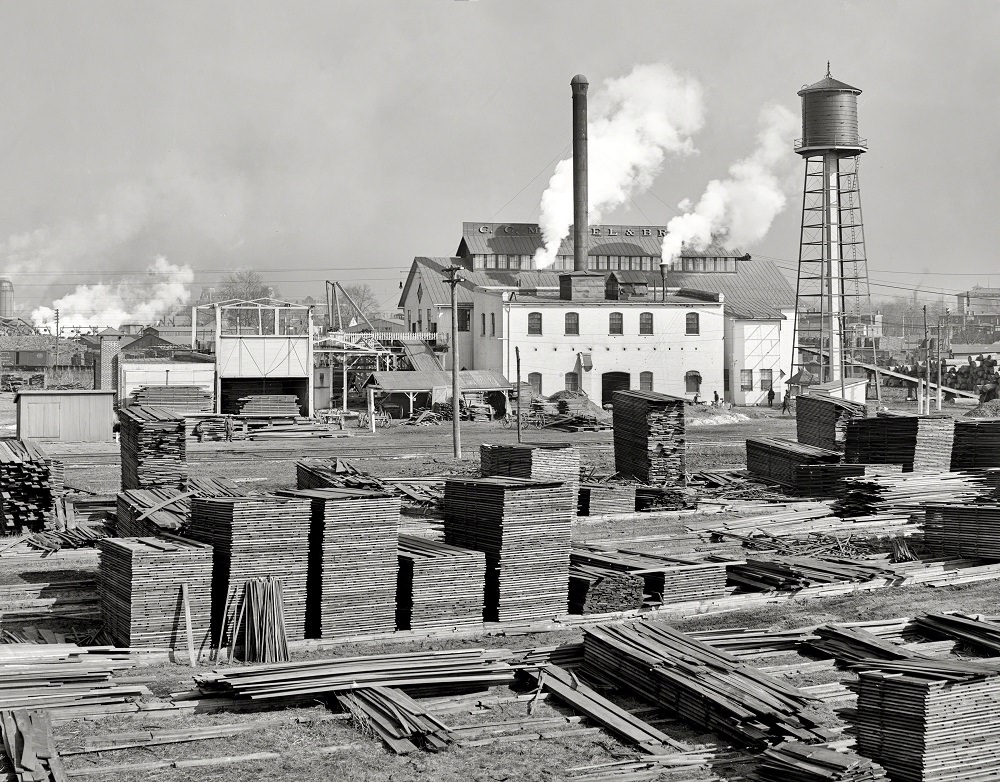
Timber and woodworking were equally important industries. C.C. Mengel & Bros operated a major mahogany mill in Louisville, processing imported tropical hardwood into finished lumber and furniture-grade material. The mill was one of the largest operations of its kind in the region.
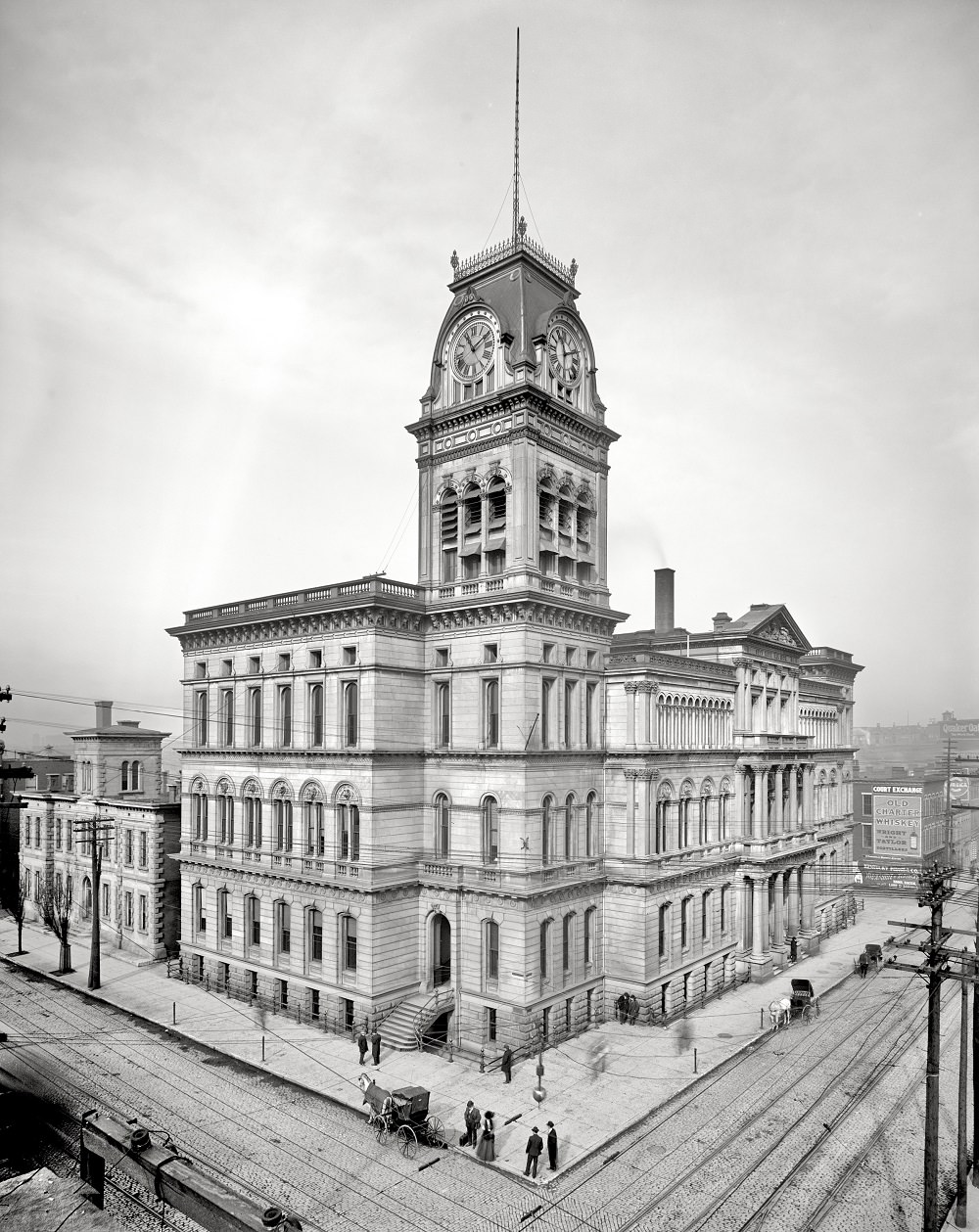
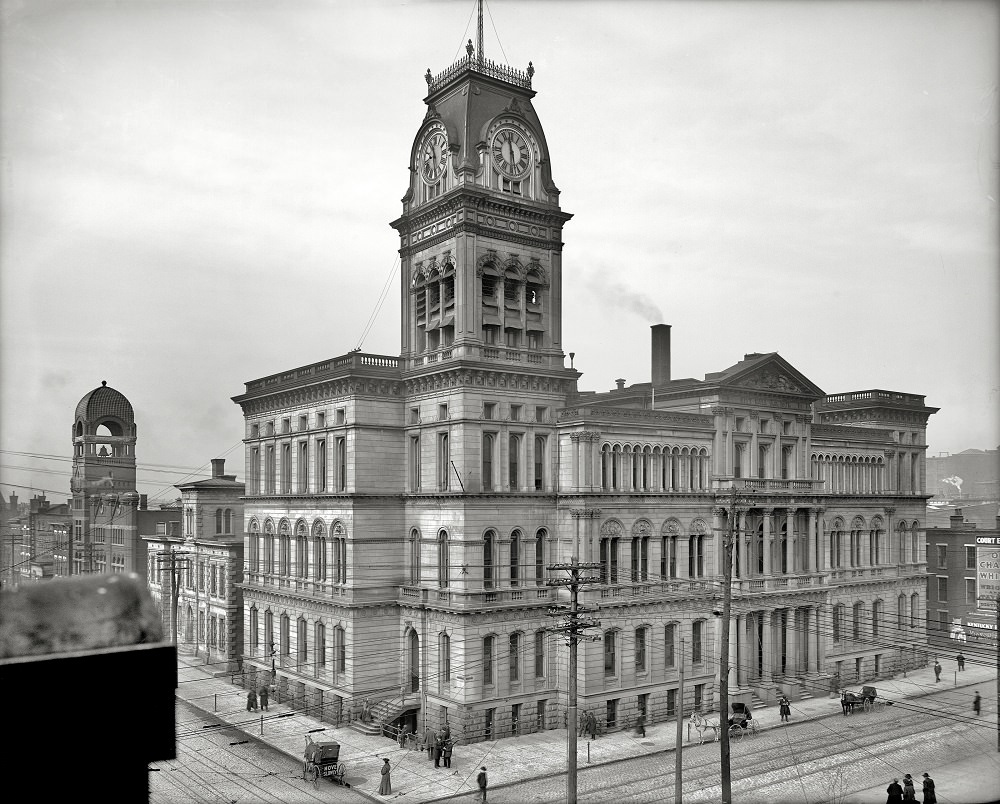
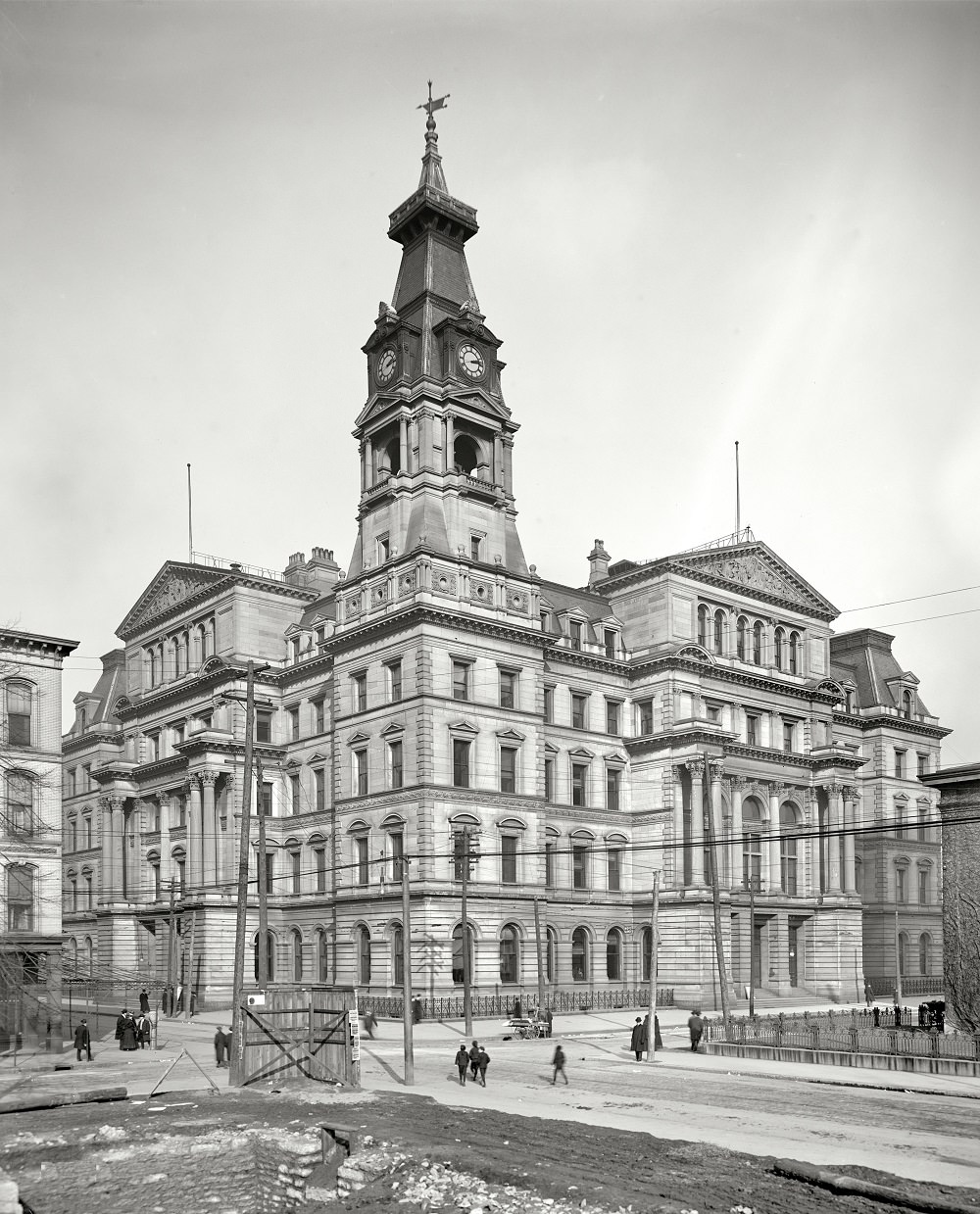
Louisville’s civic buildings reflected the city’s confidence in the early 1900s. City Hall stood as a symbol of local governance, its architecture built to impress. Nearby, the courthouse was anchored by a statue of Thomas Jefferson — a reminder of Kentucky’s connection to the founding era of the nation.
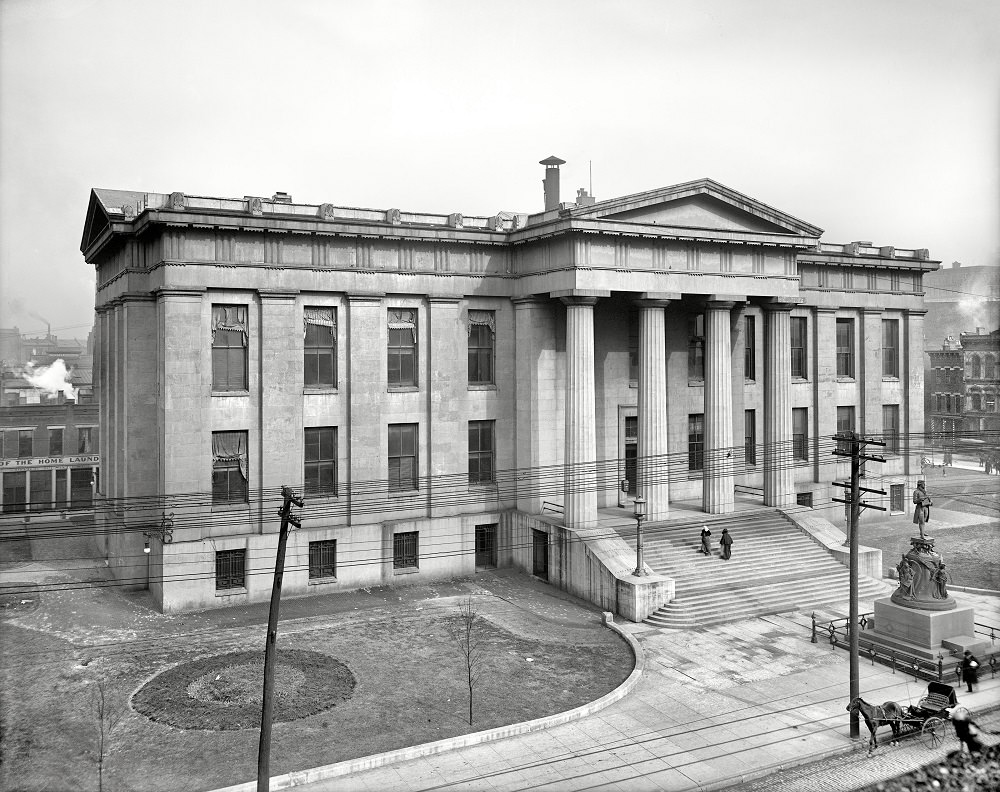
The Post Office and the Lincoln Savings Bank were two other prominent landmarks shaping Louisville’s downtown in the early 1900s. The bank, which appears again in a 1906 photo, was a center of financial activity for the city’s growing Black community, and it remained a fixture on Market Street well into the 1940s.
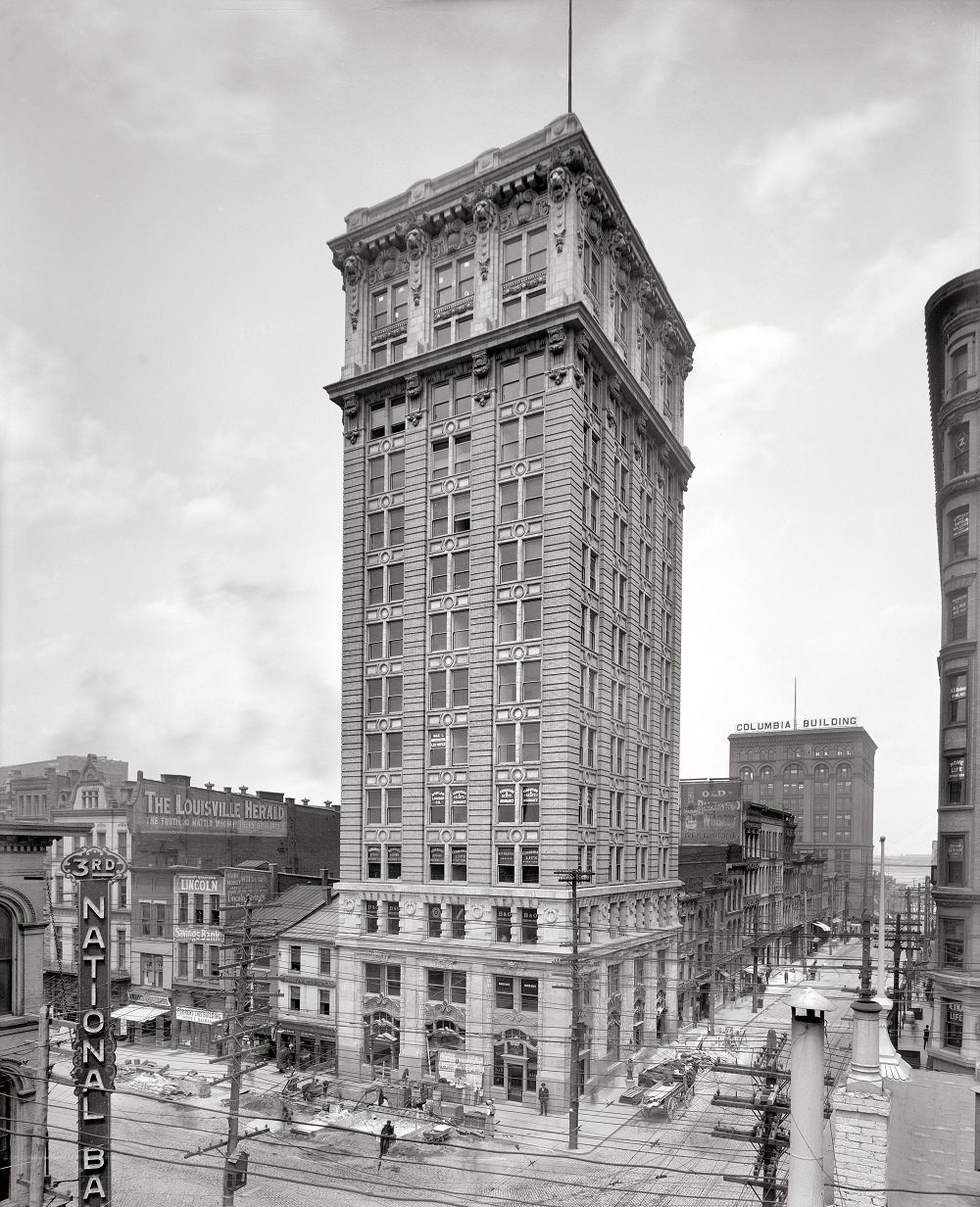
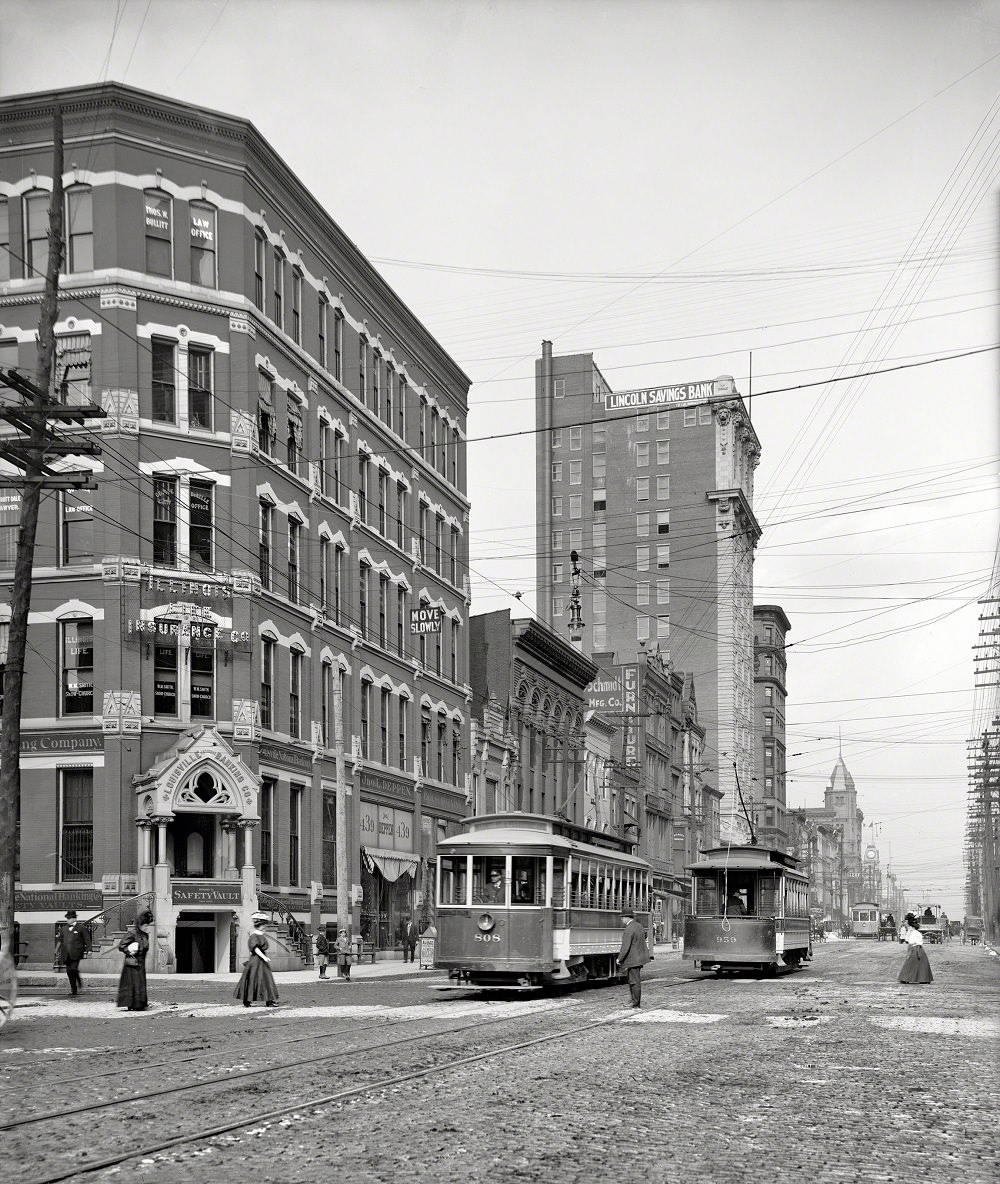
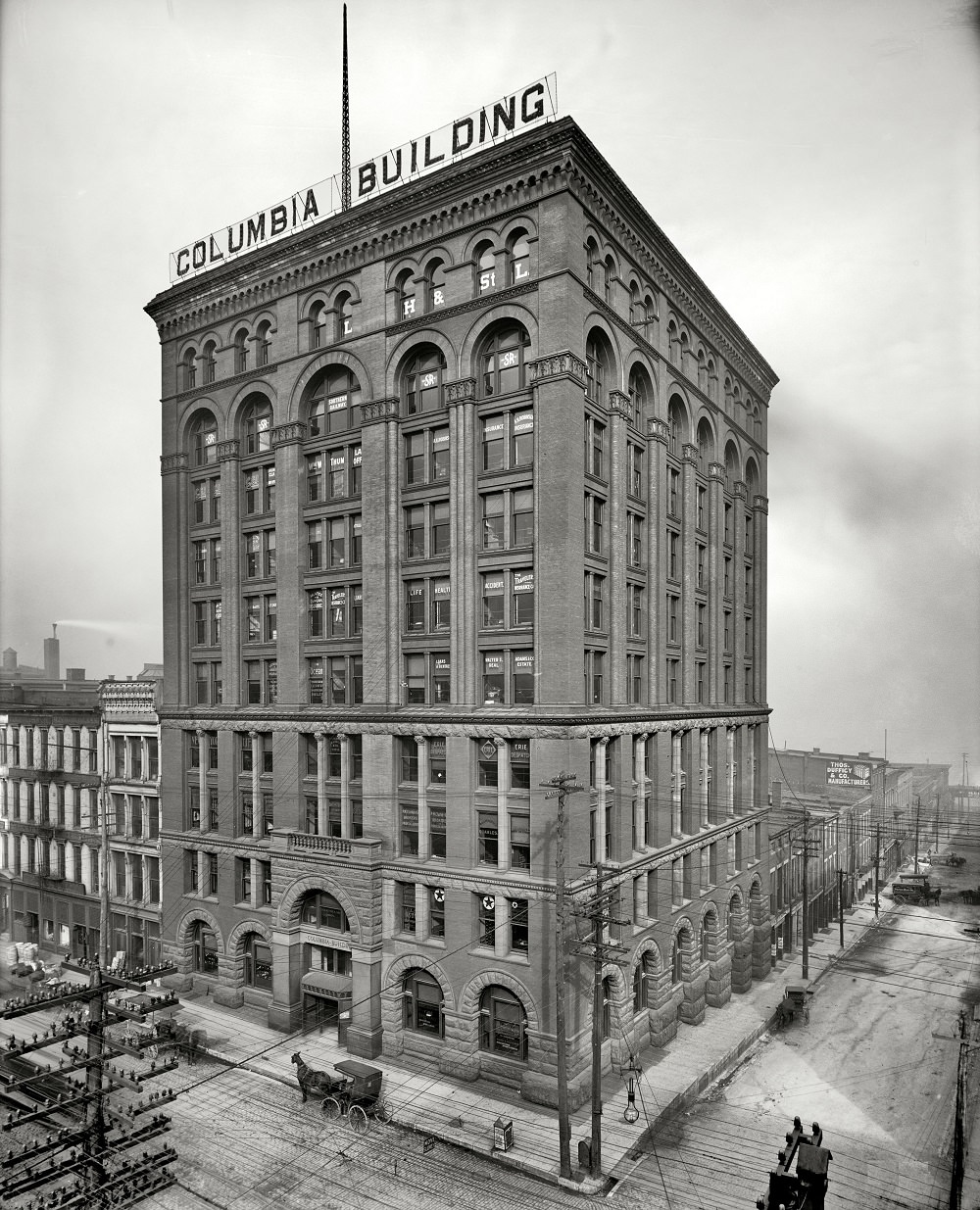
The Columbia Building at the corner of Fourth and Main was one of the city’s most recognizable commercial structures. Its location at a major intersection made it a landmark that residents and visitors alike used to orient themselves in downtown Louisville.
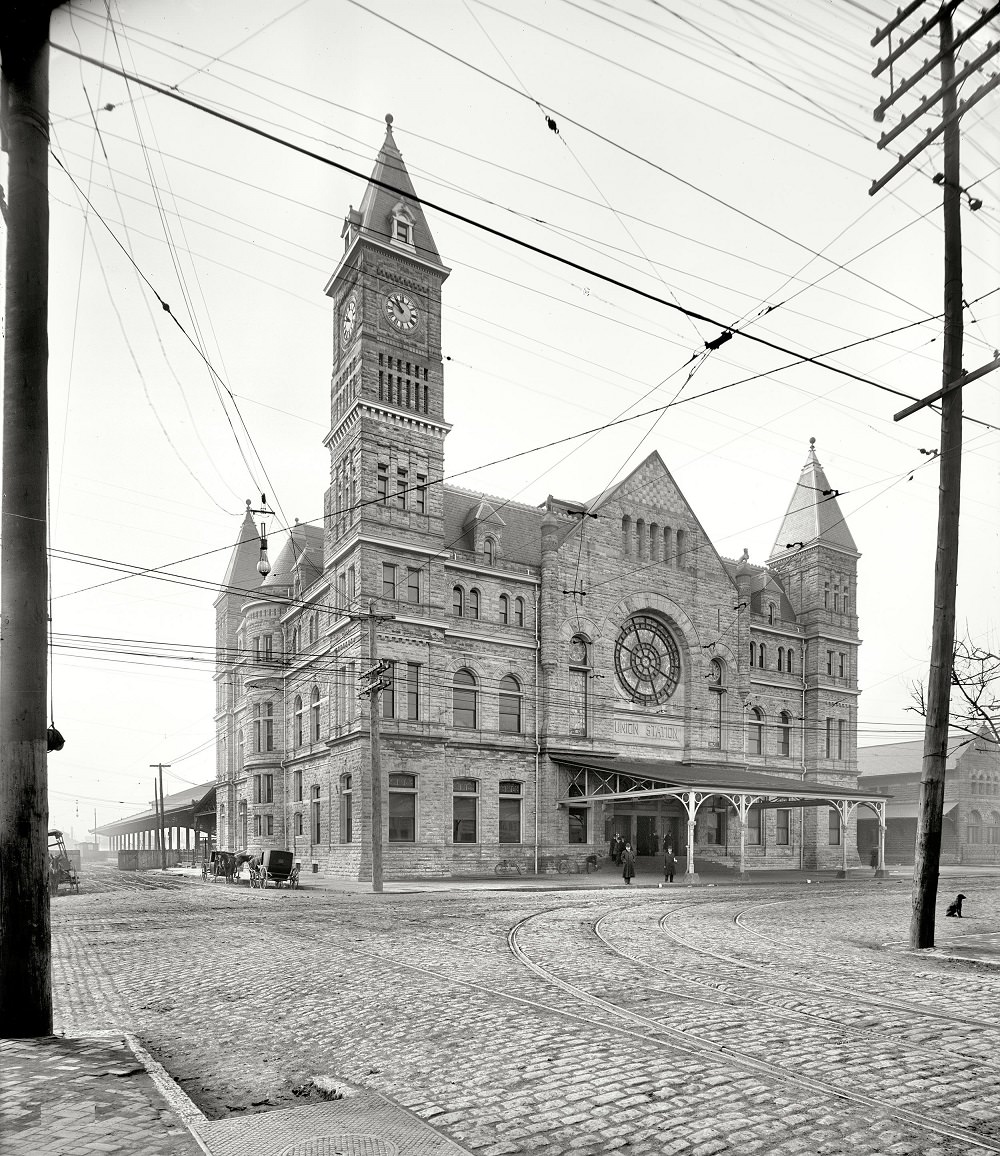
Union Station served as Louisville’s main rail hub, handling the steady flow of passengers and freight that the expanded railroad network brought through the city. The station’s grand design was typical of the era, when rail travel was at its peak and cities built their stations to reflect that importance.
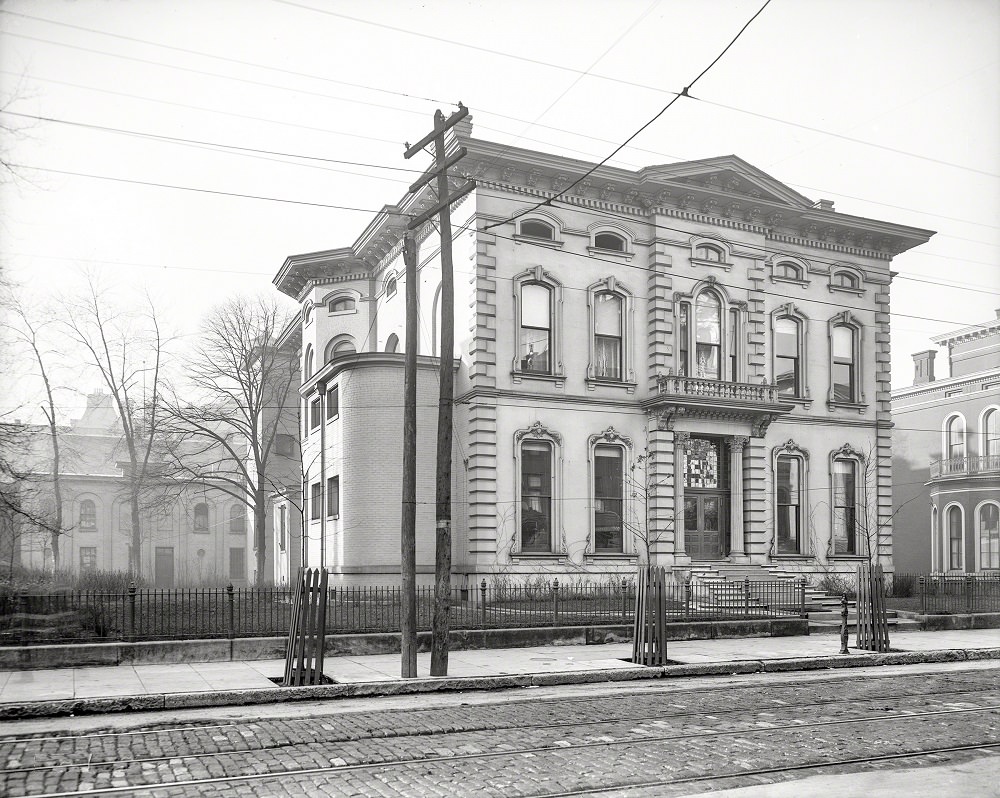
The Pendennis Club on West Walnut Street was one of Louisville’s most exclusive private social clubs. Founded in 1881, it catered to the city’s business and political elite. By 1906, the club had established itself as a fixture in Louisville’s upper-class social life.
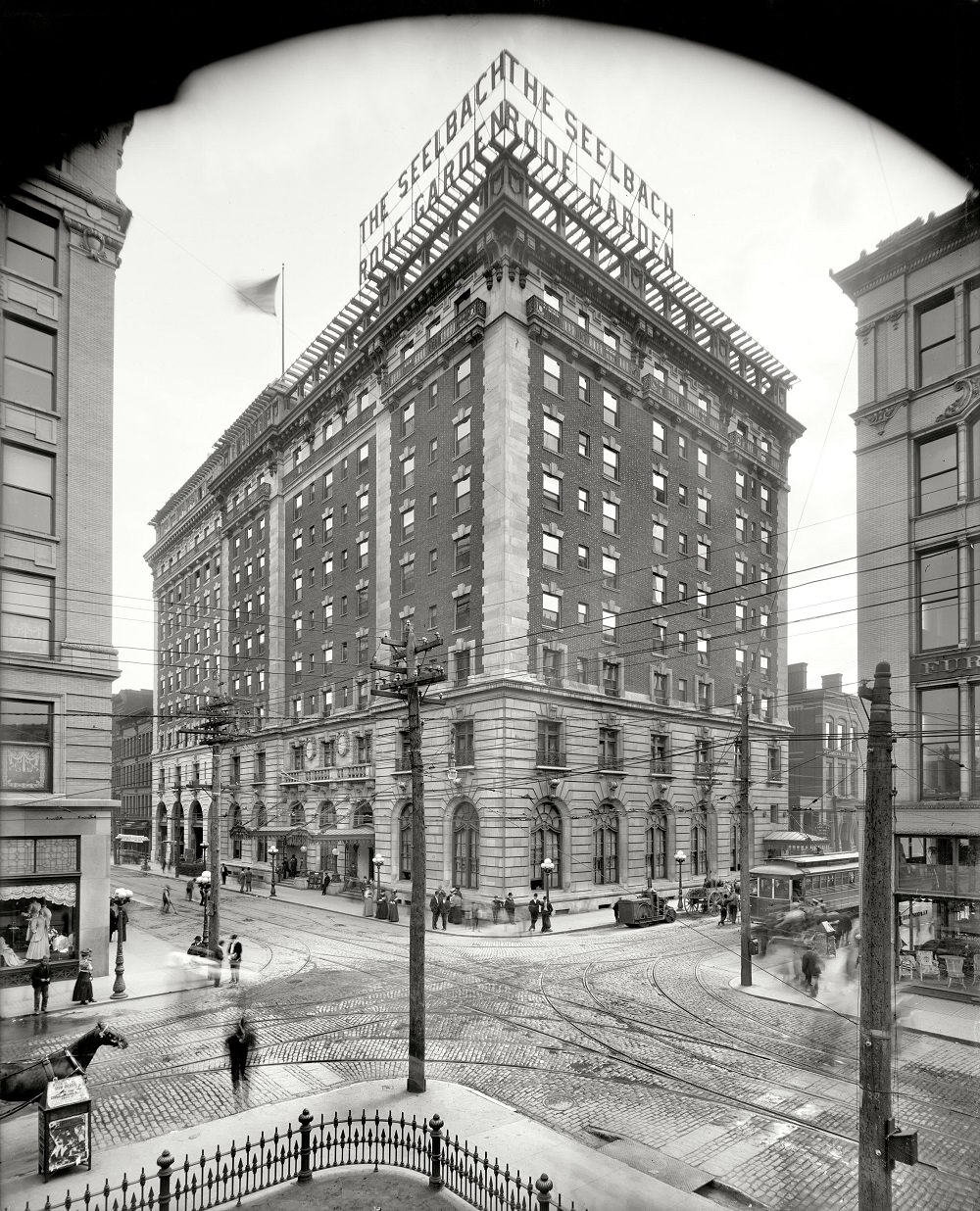
The Seelbach Hotel opened in 1905 and quickly became one of the finest hotels in the South. Its ornate lobby and opulent decor set it apart from anything else in Louisville at the time. The hotel drew wealthy guests, celebrities, and political figures from across the country.
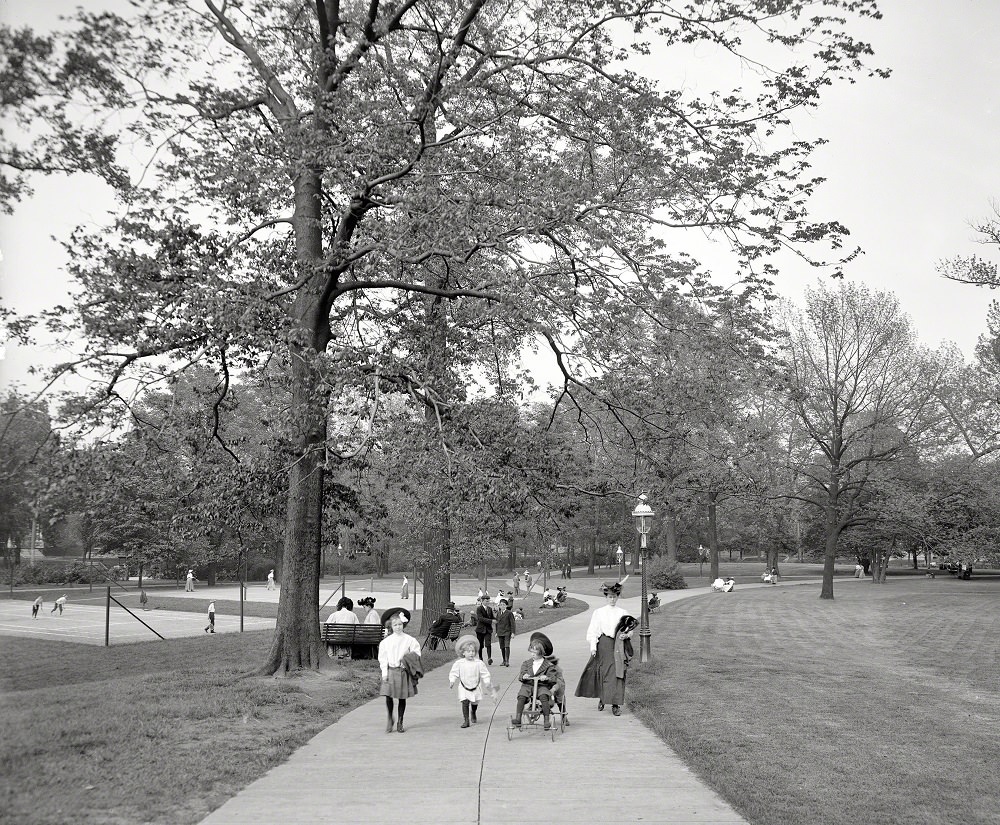
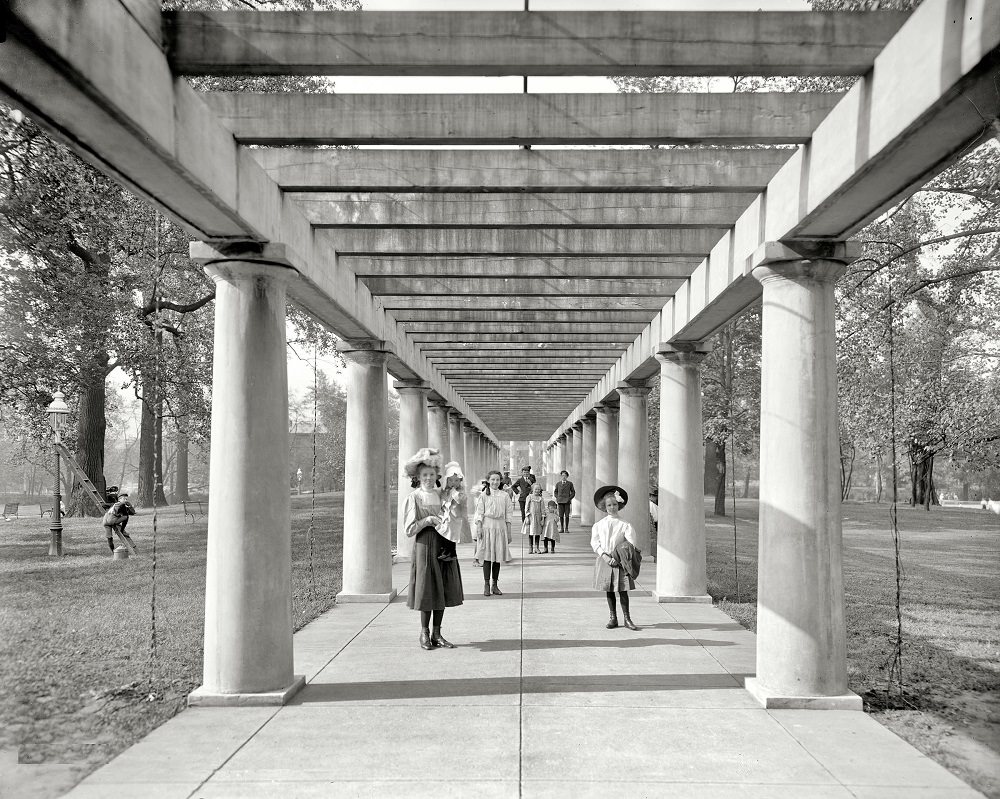
Central Park gave Louisville residents a formal green space in the heart of the city. By 1907, the park was well established, with walking paths, open lawns, and architectural features like the colonnade that made it a popular destination for families and city dwellers looking to step away from the noise of downtown.
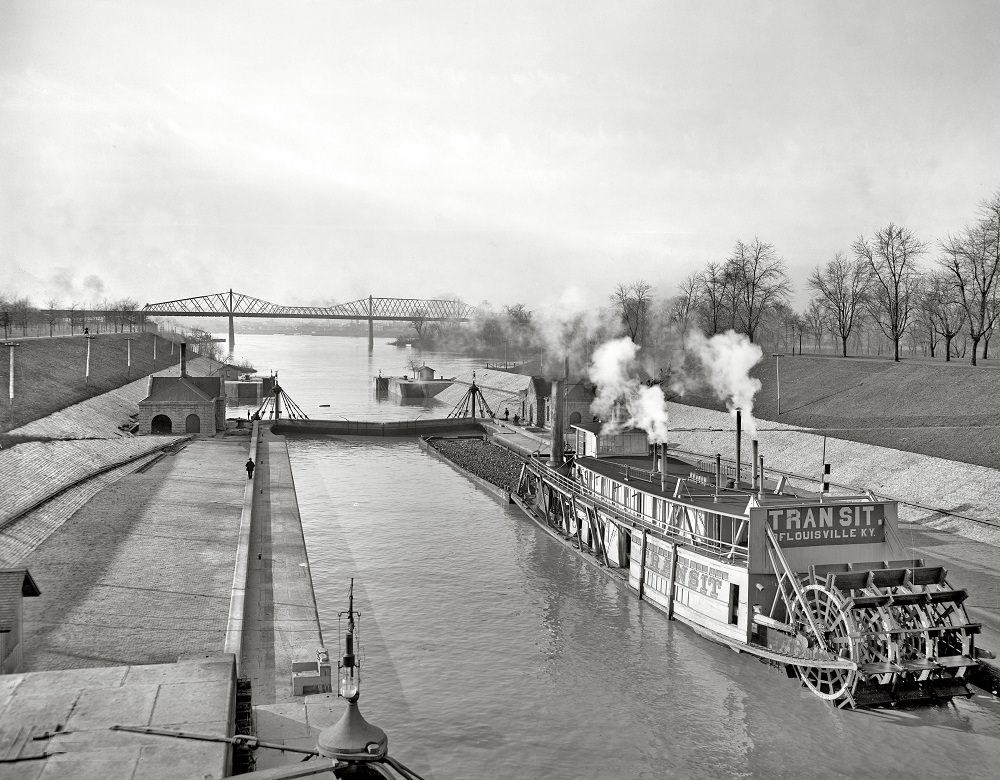
The canal locks at Louisville were a critical piece of infrastructure. Built to allow boats to navigate around the Falls of the Ohio — a stretch of rapids that made direct river passage impossible — the canal had been in operation since 1830. By 1906, it was still actively used by commercial river traffic.
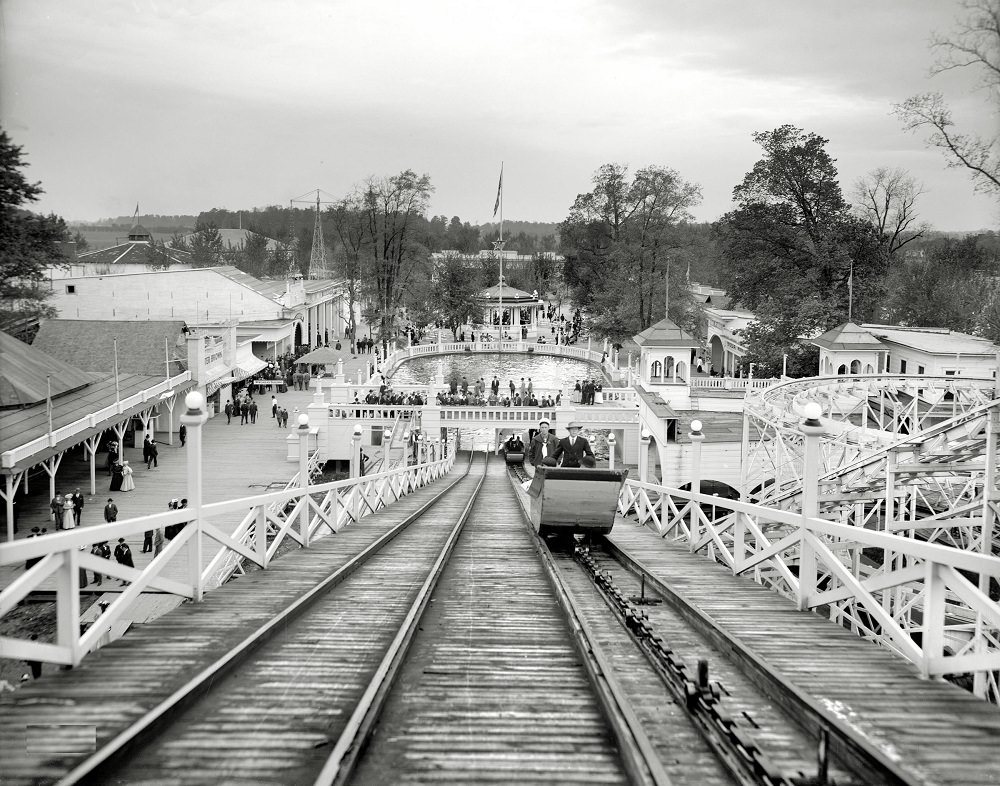
White City was an amusement park that opened in Louisville in 1907. Named after the famous “White City” at the 1893 Chicago World’s Fair, it offered rides, entertainment, and electric lights that drew large crowds. By 1910, it had become one of the city’s most popular leisure destinations.
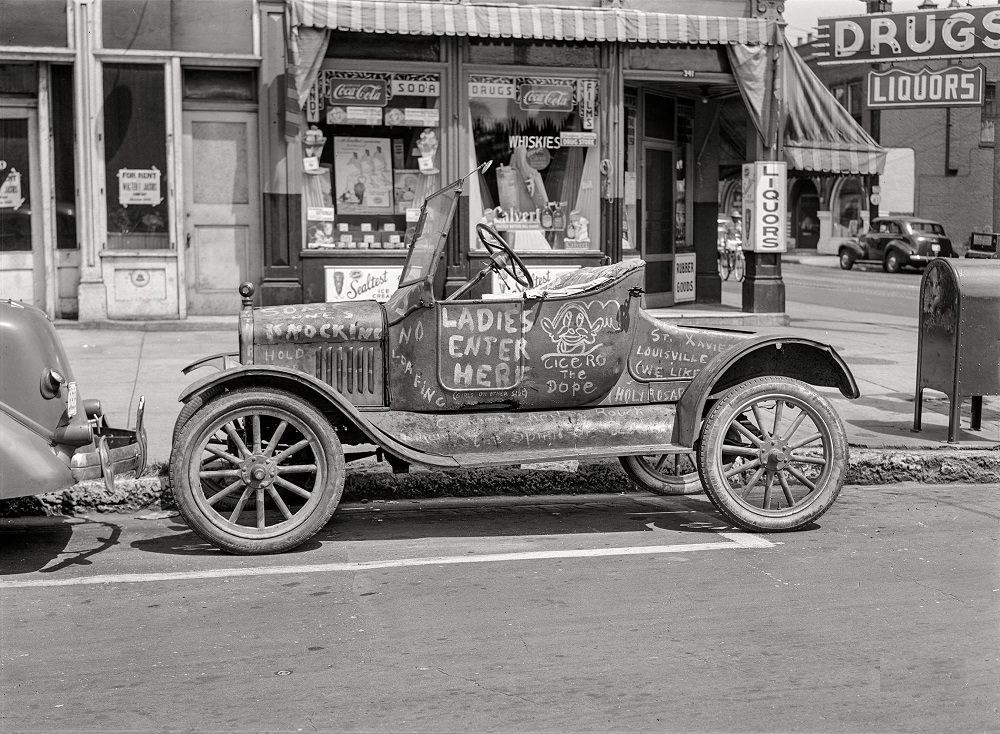
By 1940, Louisville’s downtown had transformed significantly. Motor vehicles had replaced horse-drawn transport entirely, and the streets reflected a city fully adjusted to the automobile age. The “Hep Cats” — a reference to jazz culture that had taken root in American cities — were a visible part of Louisville’s social scene, as this August 1940 street photo shows.
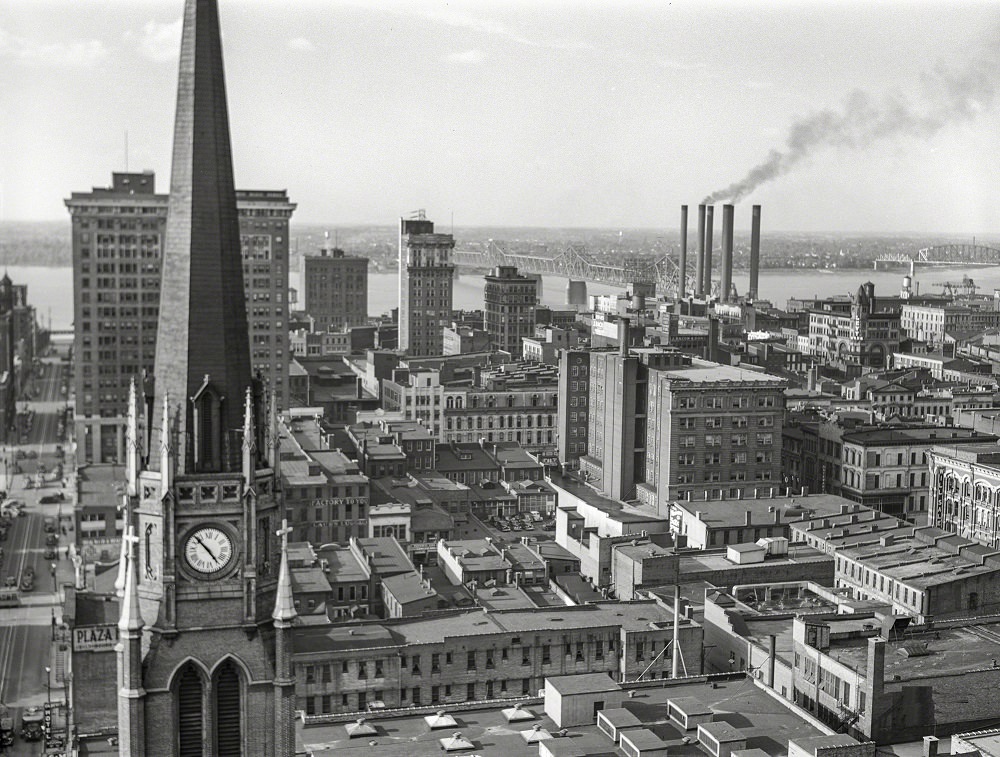
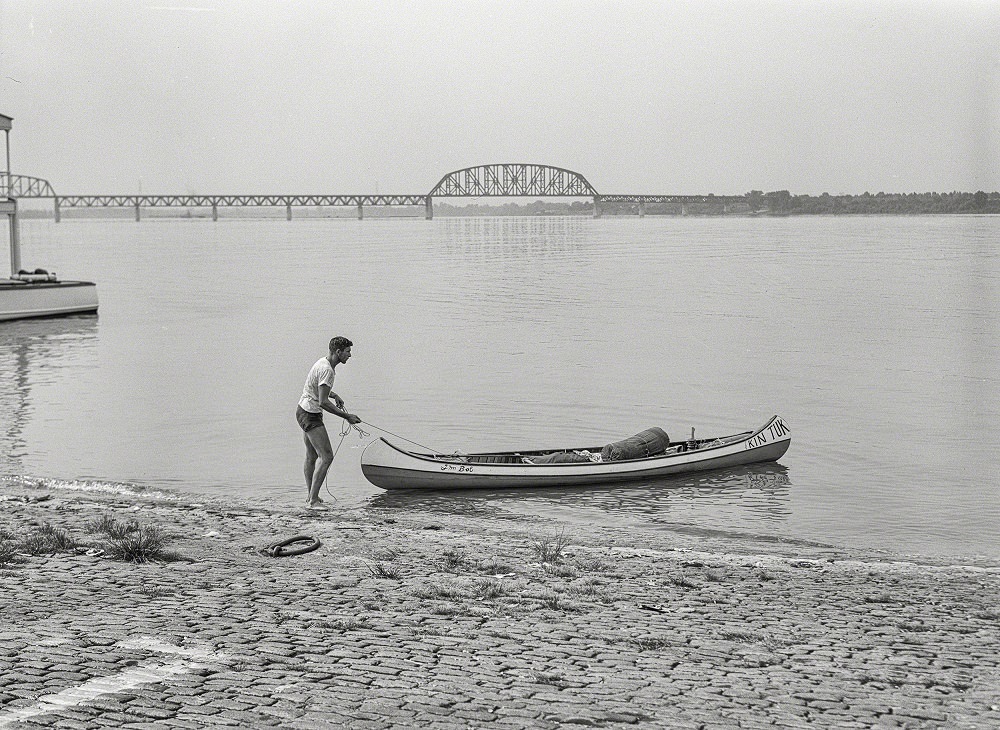
The waterfront remained an active and recreational space into 1940. The Ohio River levee, photographed in August of that year, still drew people to its banks — both for work and leisure. Canoeing on the river continued to be a weekend activity for Louisville residents throughout the summer months.
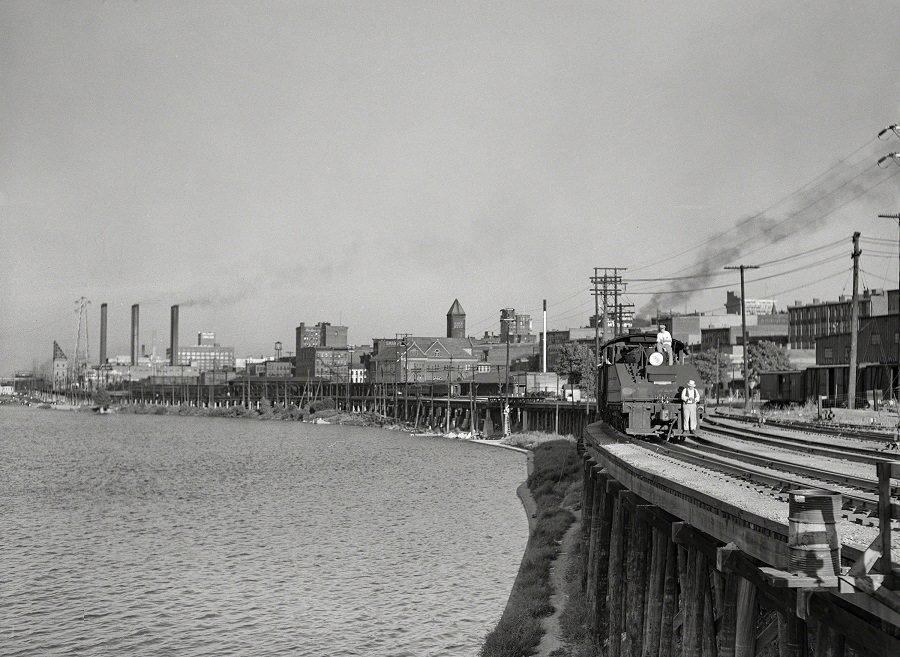
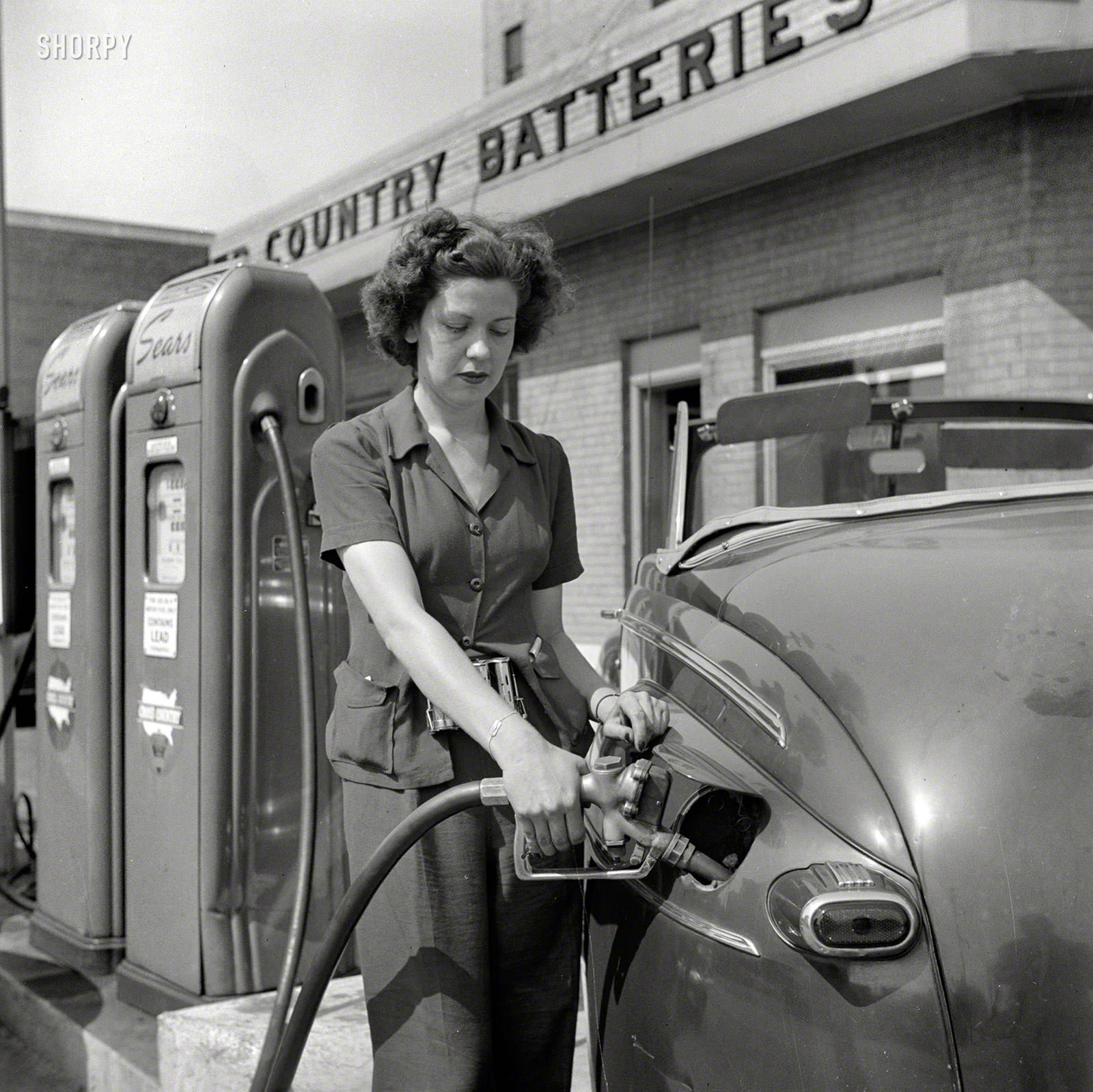
World War II brought major industrial changes to Louisville. The city became a production center for synthetic rubber, paint, aluminum items, appliances, and printed materials — all critical to the war effort. This shift reshaped the city’s workforce. Virginia Lively, photographed in June 1943, was one of many Louisville residents whose working life changed during the war years. She had previously worked as a beauty operator before the war economy redirected labor into industrial roles.





I wish that the trolleys could return.
Same. The trolley system was once magnificent until a revolt against the trolley barons brought it to an end.
I understand and agree.
Is that drugs sign still there. Looks so familiar
These photos evoke a sense of frustration within me. The downtown area, as depicted in images #2 and #29, was far more captivating, vibrant, and desirable a hundred years ago than it is today. It’s hard to comprehend the choices the city made to systematically dismantle itself in the subsequent decades.
Downtown Louisville was killed by urban sprawl.
To provide some context, the large number of horses in the streets made for a public health hazard.
Personally, I’m more concerned about and saddened by the loss of the frequent, efficient public transportation provided by trams and streetcars that made the city a desirable place to live. While I don’t necessarily advocate for the return of horses to the streets, it’s worth noting that between 700-800 Kentuckians are killed by cars each year, which suggests that the replacement of equine travel with personal motorized vehicles has not necessarily improved the public health hazard angle.
I wholeheartedly agree with your sentiments regarding the trolleys. I’ve personally been advocating for the addition of light rail to the city since moving here, and prior to that, I was in favor of light rail between Louisville and Elizabethtown.
It’s remarkable to see what Louisville had in terms of public transportation back in 1906 and 1937. At that time, you could travel to downtown from a range of locations such as Prospect, Jeffersontown, Peewee Valley, Okolona, Iroquois, Valley Station, Riverview, and Shawnee. It’s unbelievable that we discarded such a comprehensive network in favor of parking lots. It’s disheartening how many people see even a single line of public transportation as a far-fetched idea when the city had already accomplished so much over a century ago.
The Mengals, who owned the mahogany business, are the grandparents of my mother-in-law. They initially built car bodies using the wood and later moved into the furniture business. They even constructed a commercial ship, making for an intriguing history. Their house is located beside the Filson Club’s house in Old Louisville.
Makes me feel old when they say ” from the 20th century ” , LOL !
What makes these photos rare?
Maybe rare, but not the most important. For that refer to the Margaret Bourke White photo made on 13th after the flood.
Thanks for sharing; these are really cool!