The Victorians had a surprisingly playful side. Beneath their reputation for stiff manners and formal dress, they embraced novelty photography with real enthusiasm — and few styles were stranger than the headless portrait.
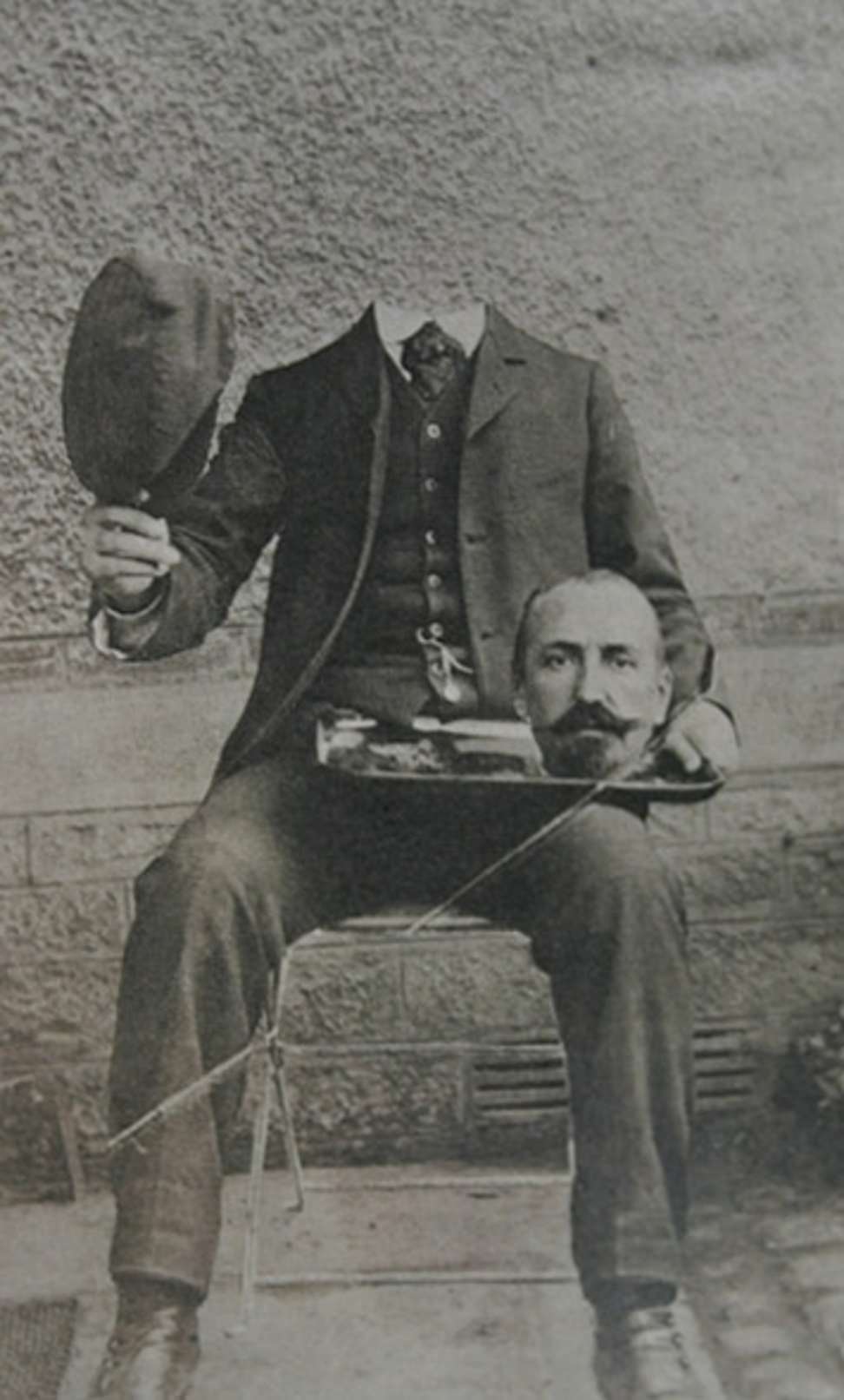
Photography was still a new and exciting technology in the Victorian era. People saw it as almost magical, which made it the perfect tool for optical tricks. Photographers quickly began experimenting with ways to create illusions using the camera.
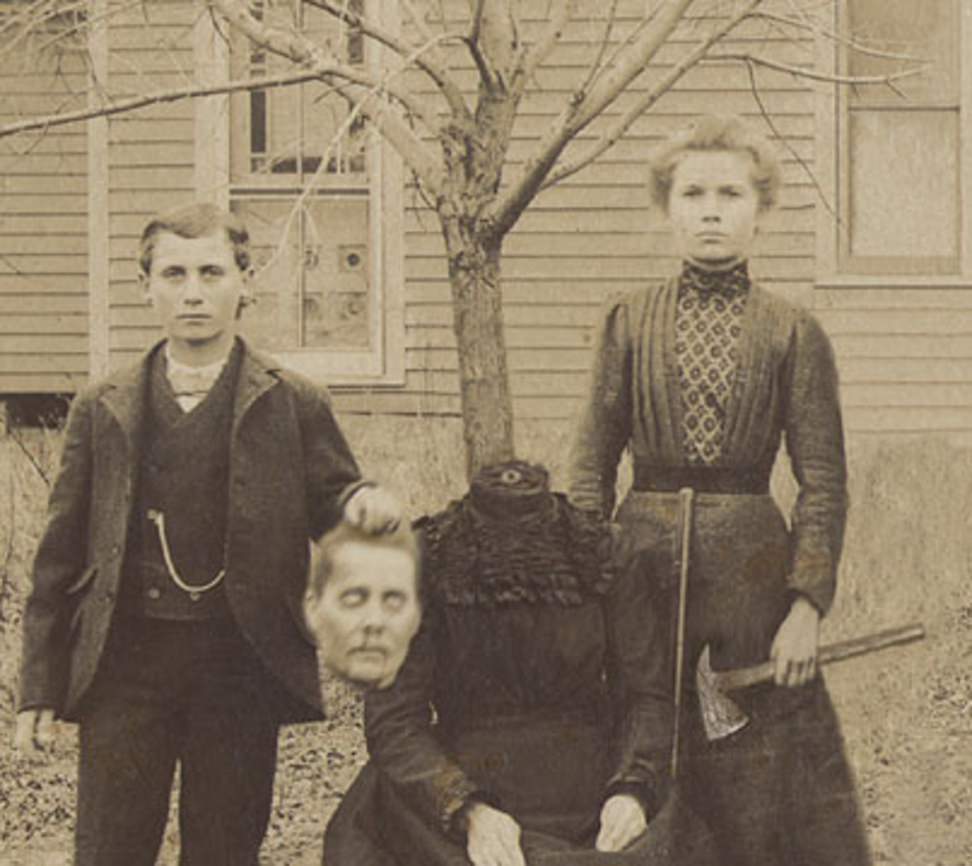
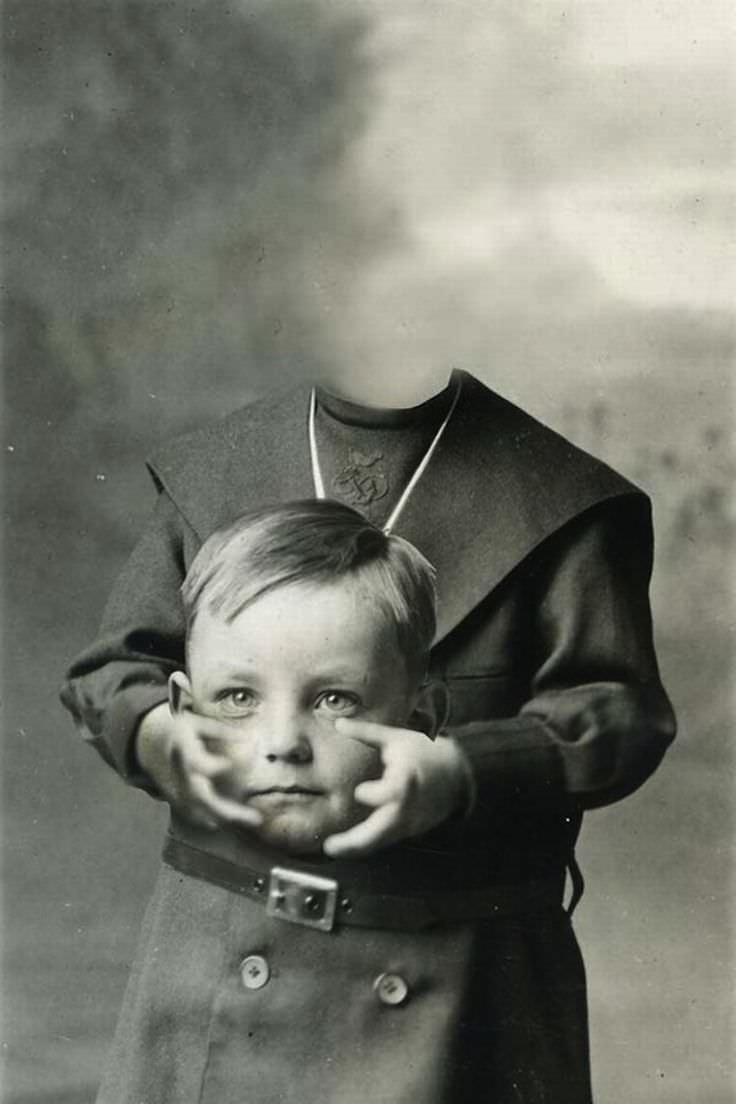
The headless effect was achieved entirely in the darkroom. Photographers shot the same subject twice — once in a normal pose, and once with their head hidden behind a dark cloth. They then carefully combined both film negatives to produce a single, seamless image.
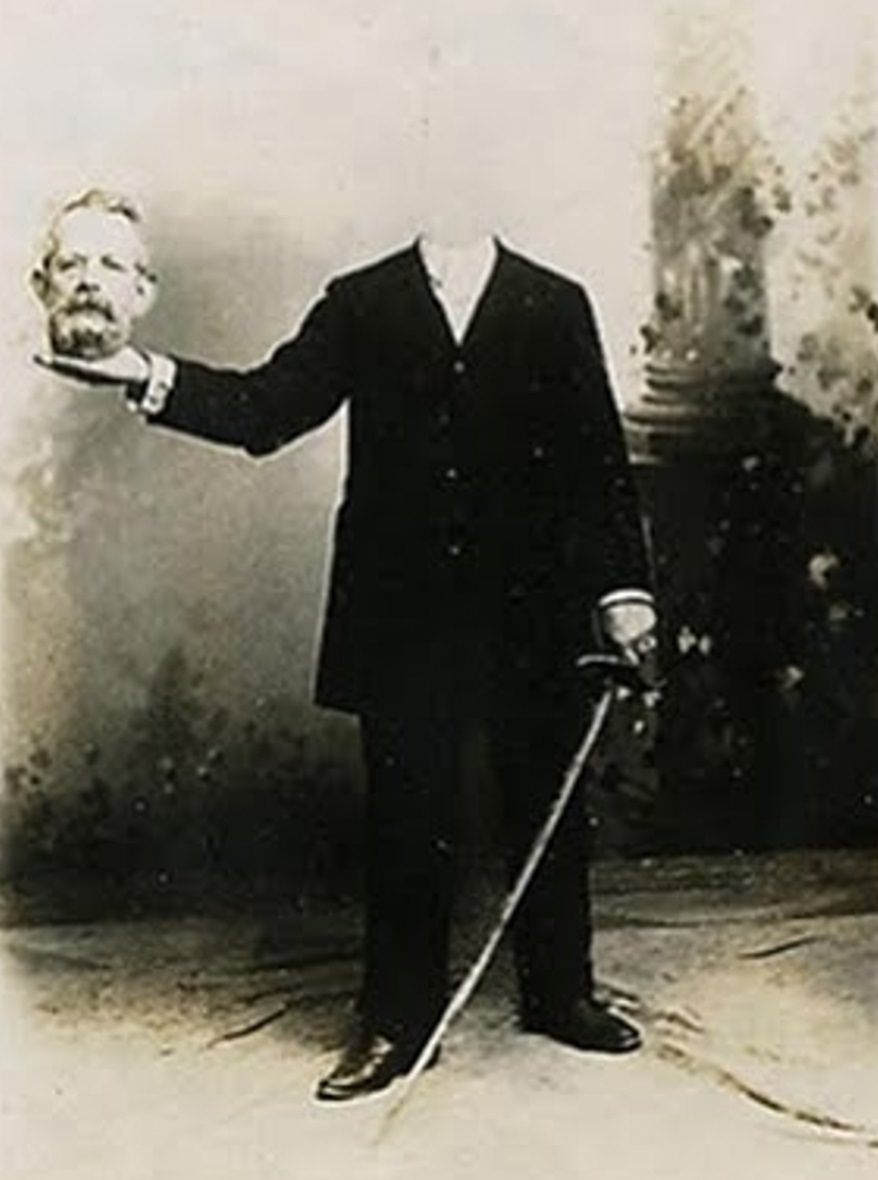
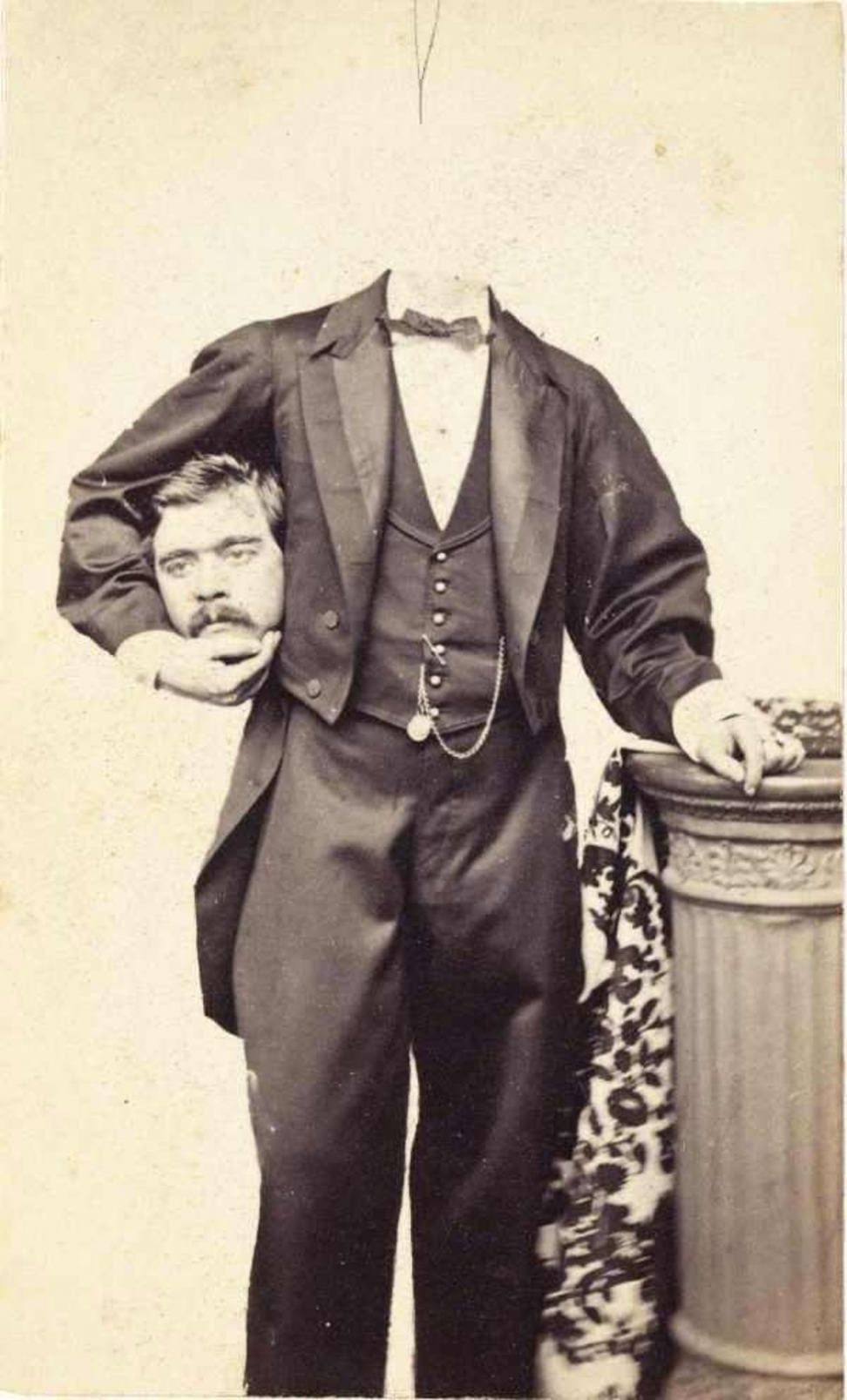
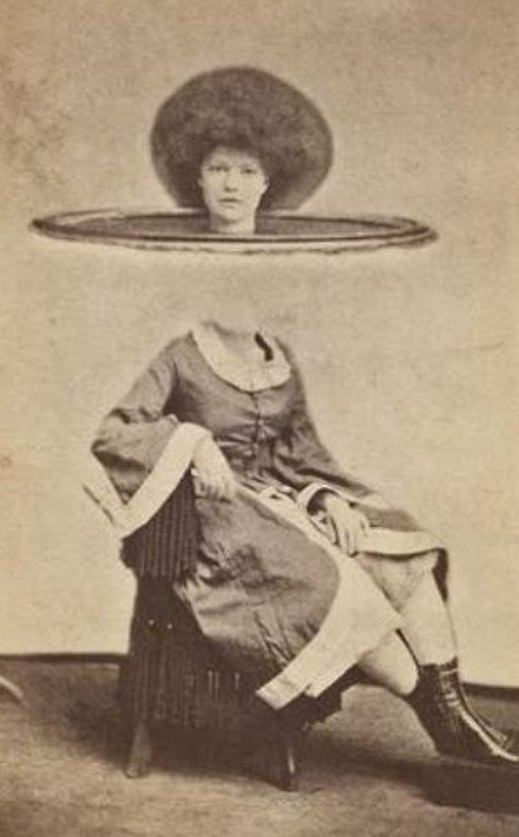
The results were striking. A subject’s head might appear to float beside them, rest in their lap, or sit on a nearby table. The images were eerie, but that was exactly the point.
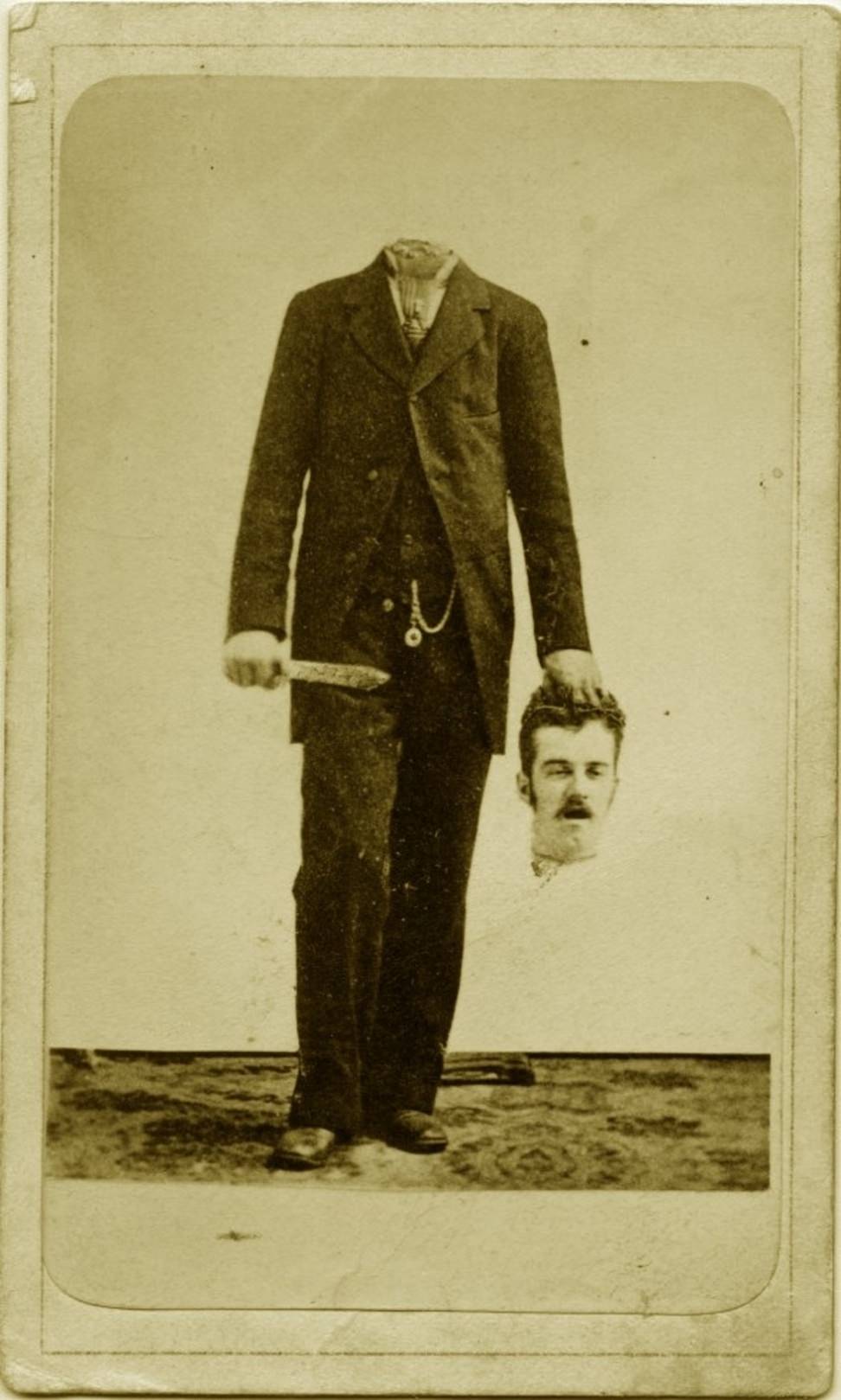
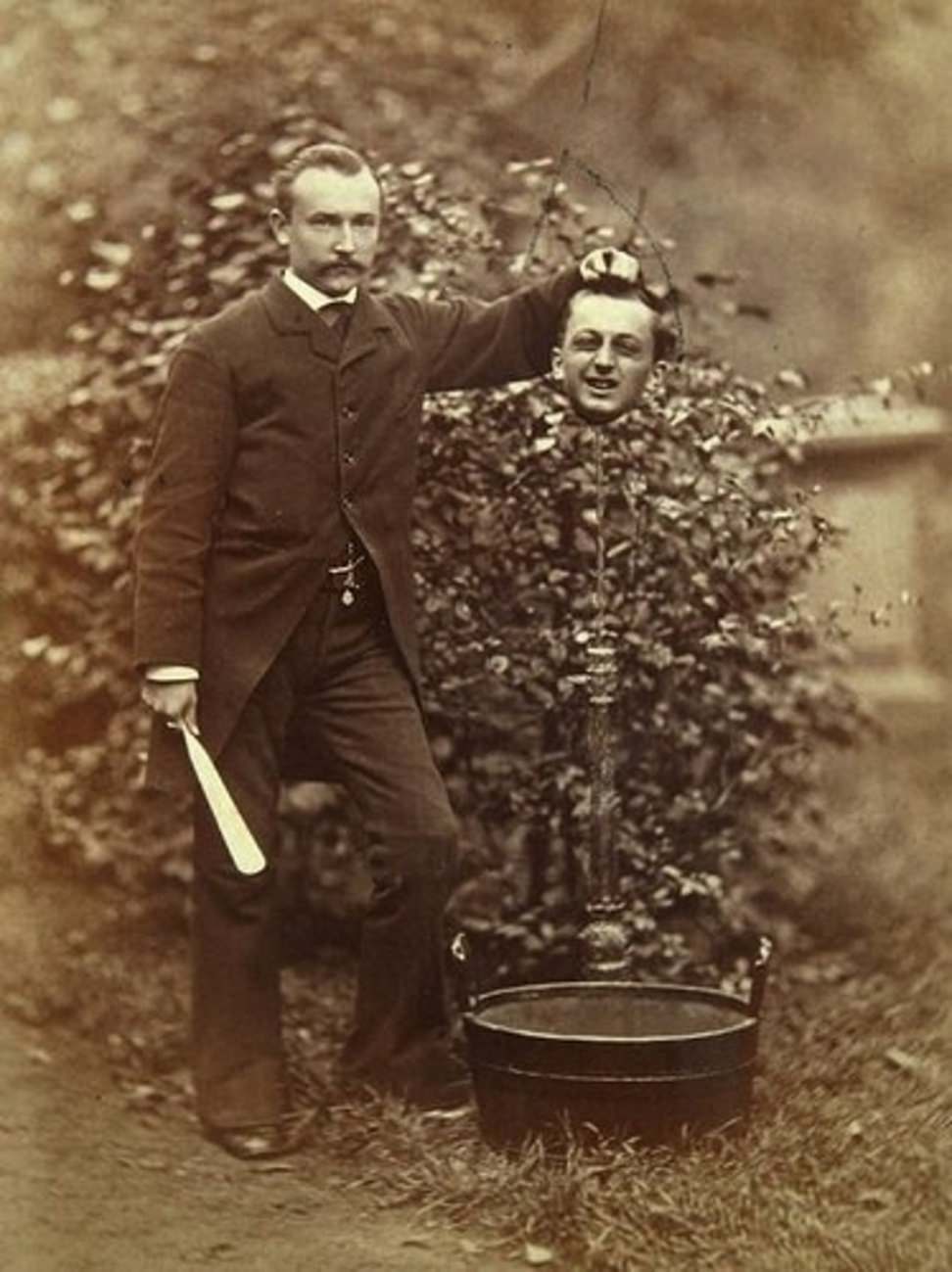
These portraits were never meant to be disturbing in a serious way. They were a popular novelty — a way to amuse friends and family with something unexpected. Think of them as the Victorian version of a clever party trick.
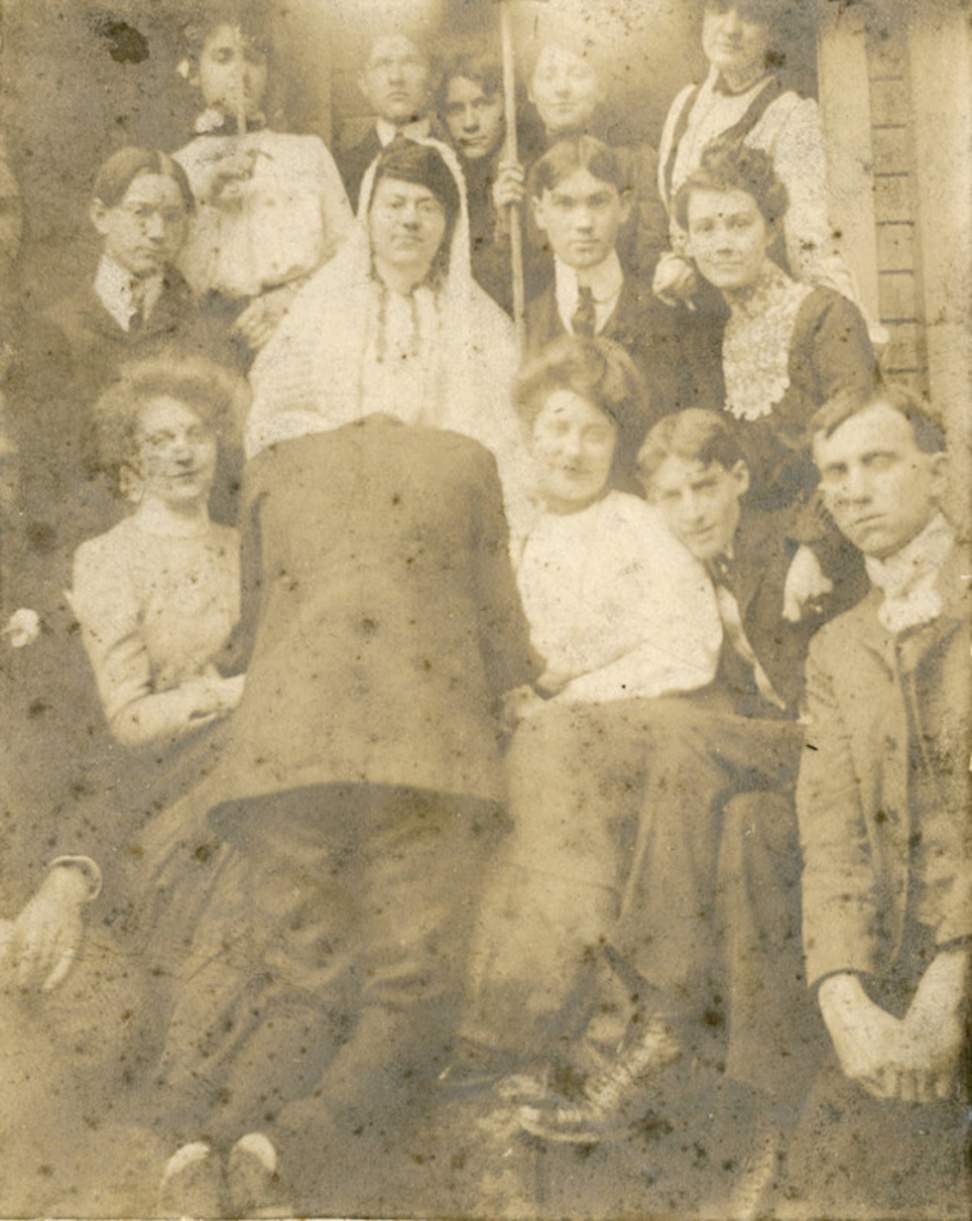
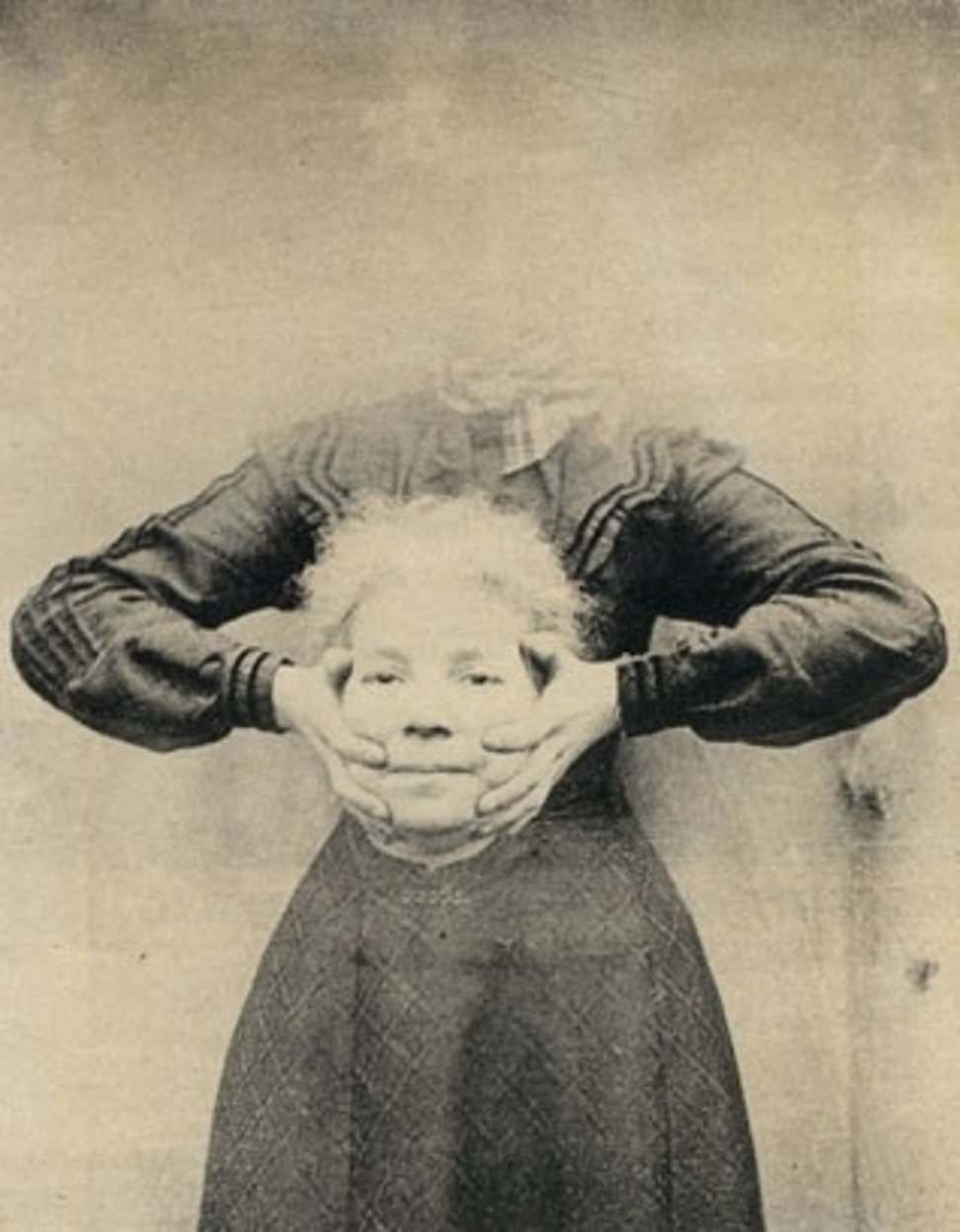
Pulling off a convincing headless photo required real skill. The lighting, posing, and darkroom work all had to align perfectly. A small mistake in combining the negatives would ruin the illusion entirely.
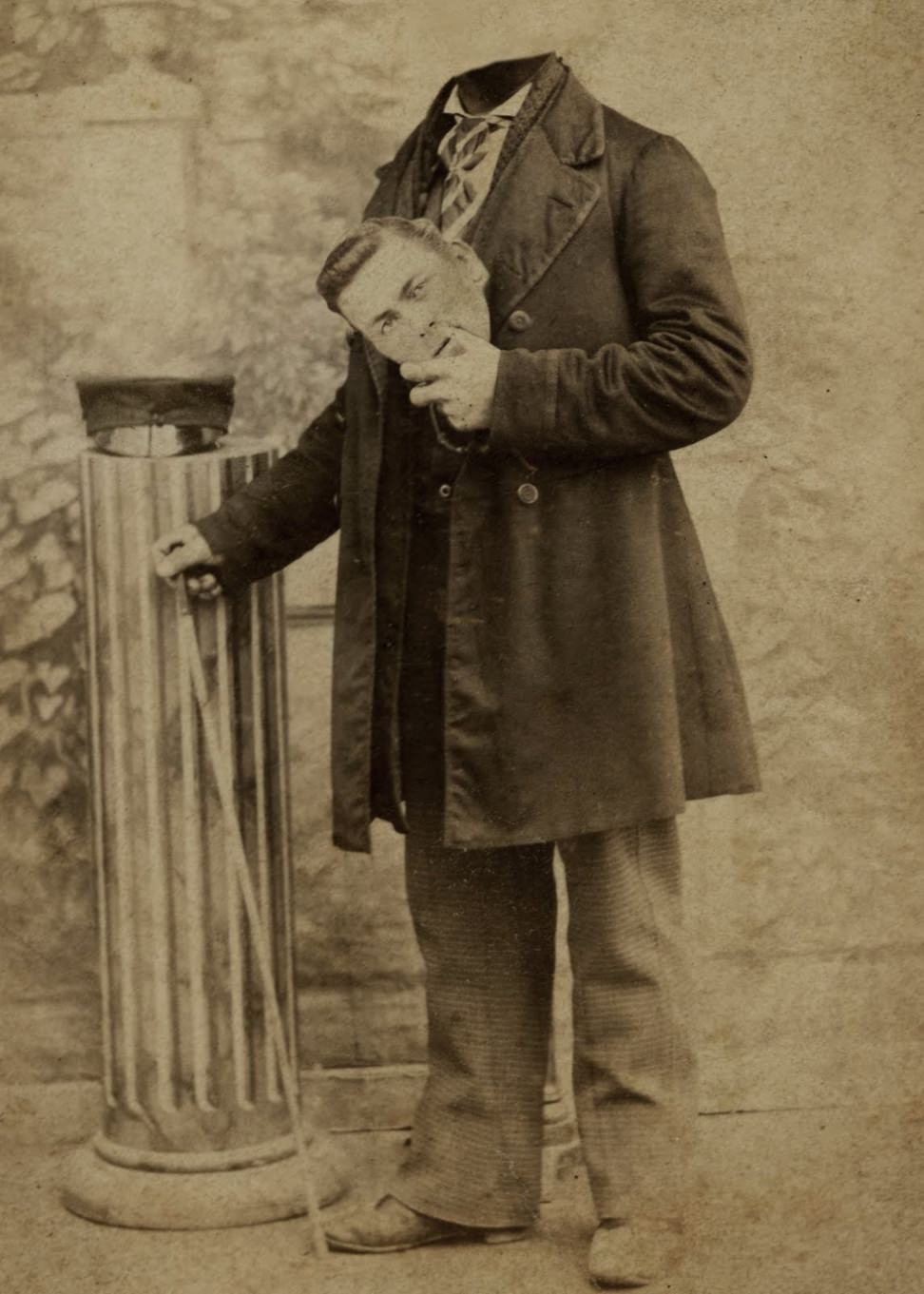
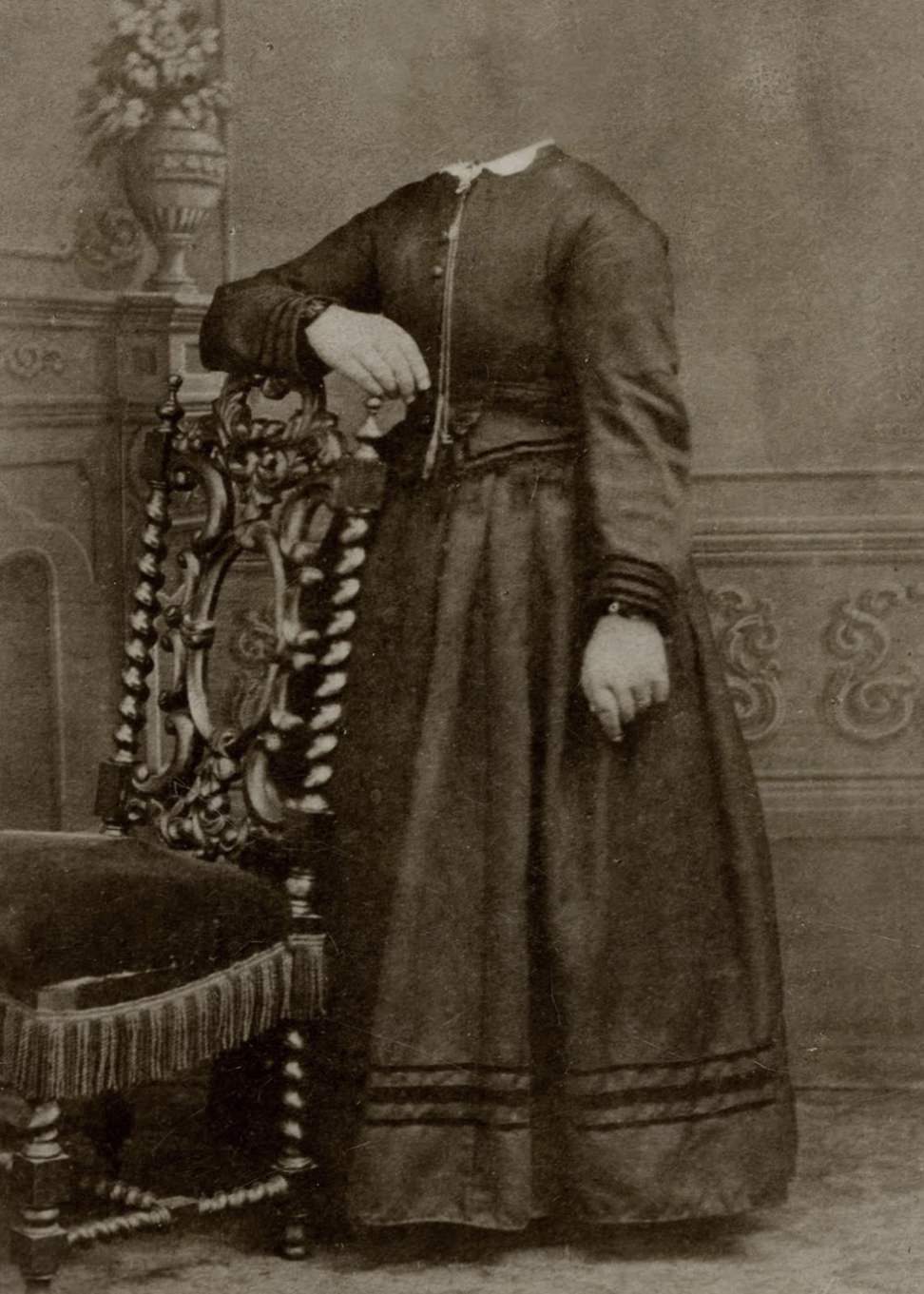
Subjects posed with great commitment. Some held their “severed” heads by the hair. Others placed them on platters or tucked them under their arms, leaning fully into the theatrical nature of the shot.
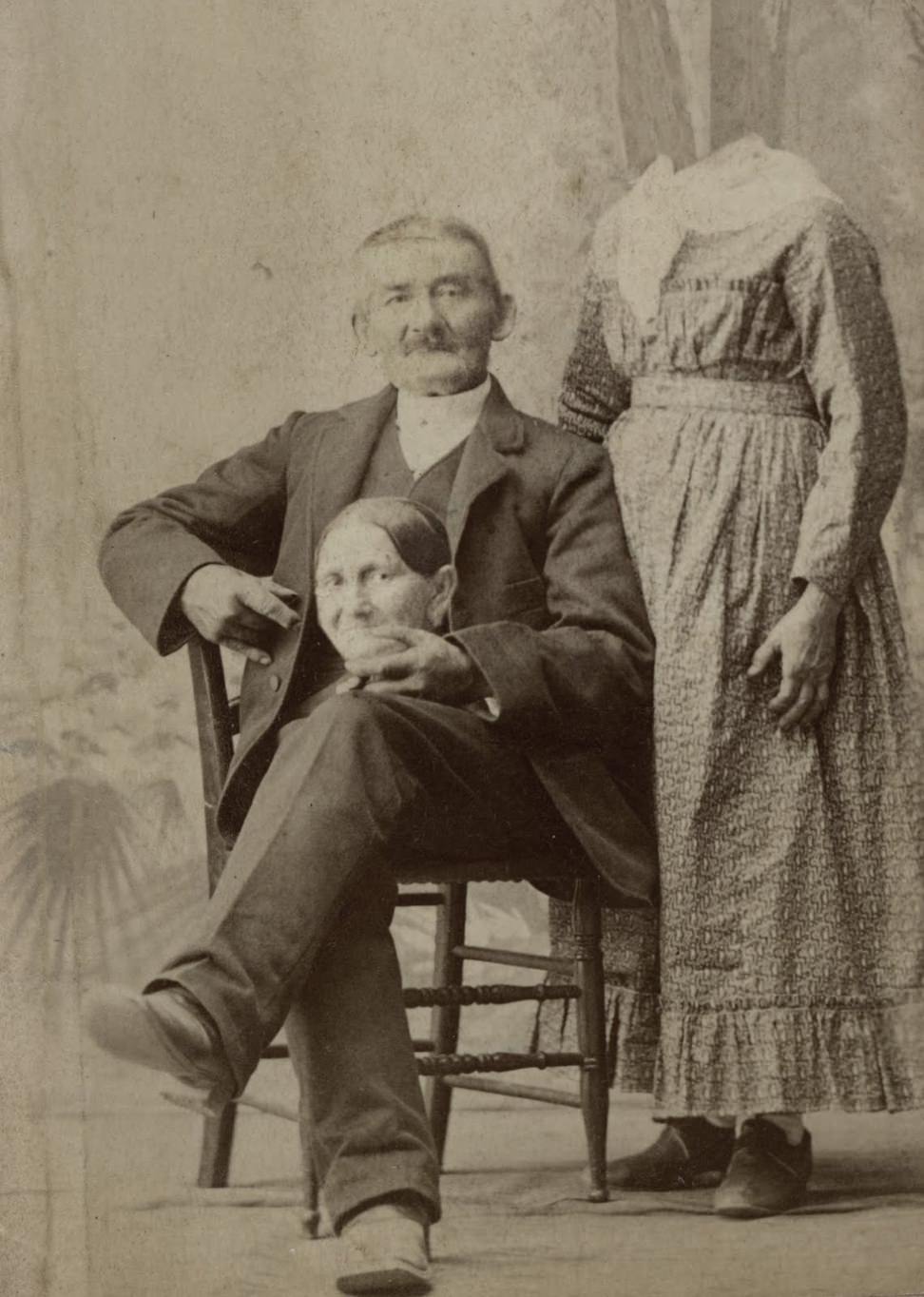
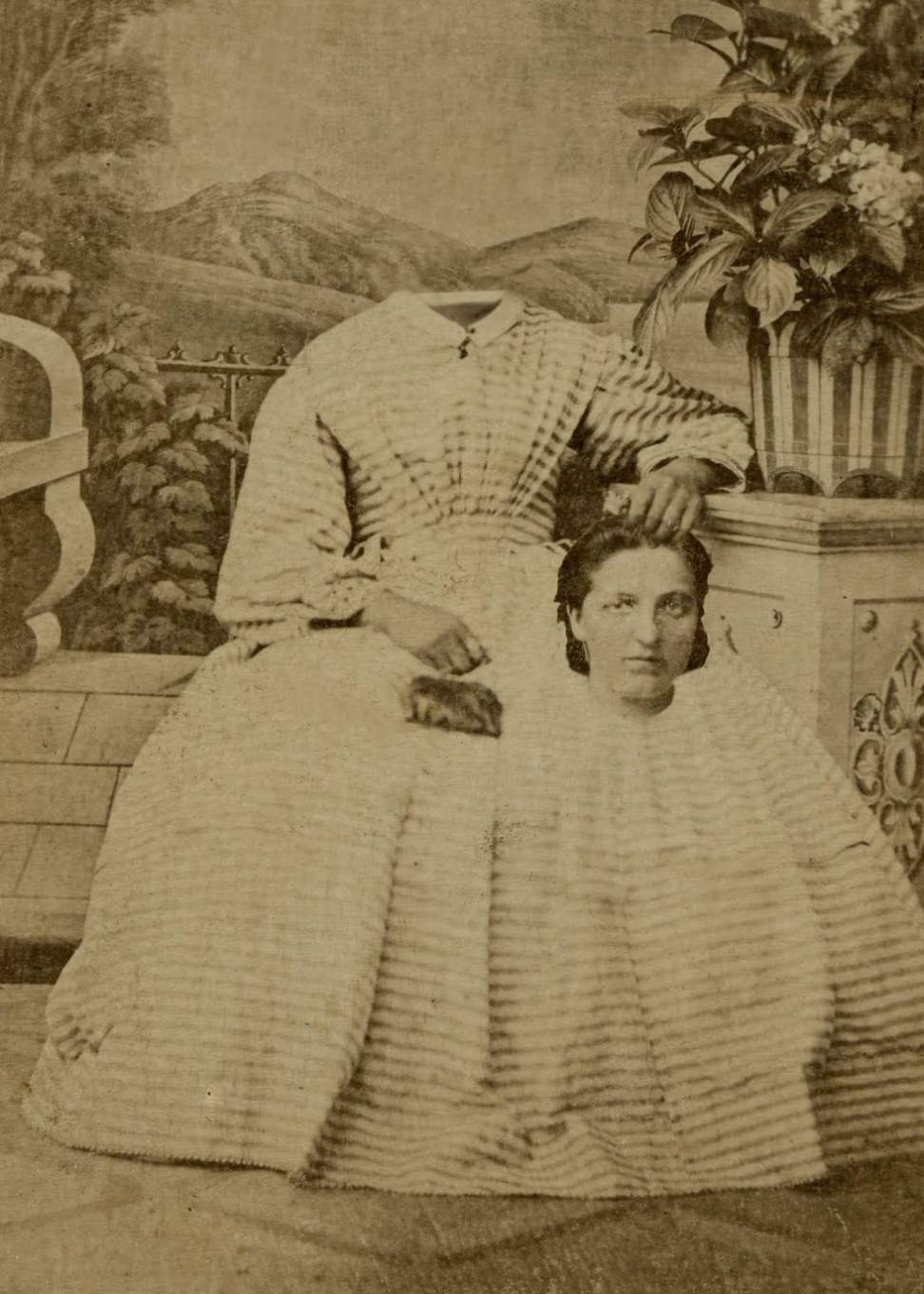
The trend reflected a broader Victorian fascination with the macabre. Ghost stories, séances, and Gothic fiction were all popular during this period. Headless photography fit naturally into that appetite for the spooky and surreal.
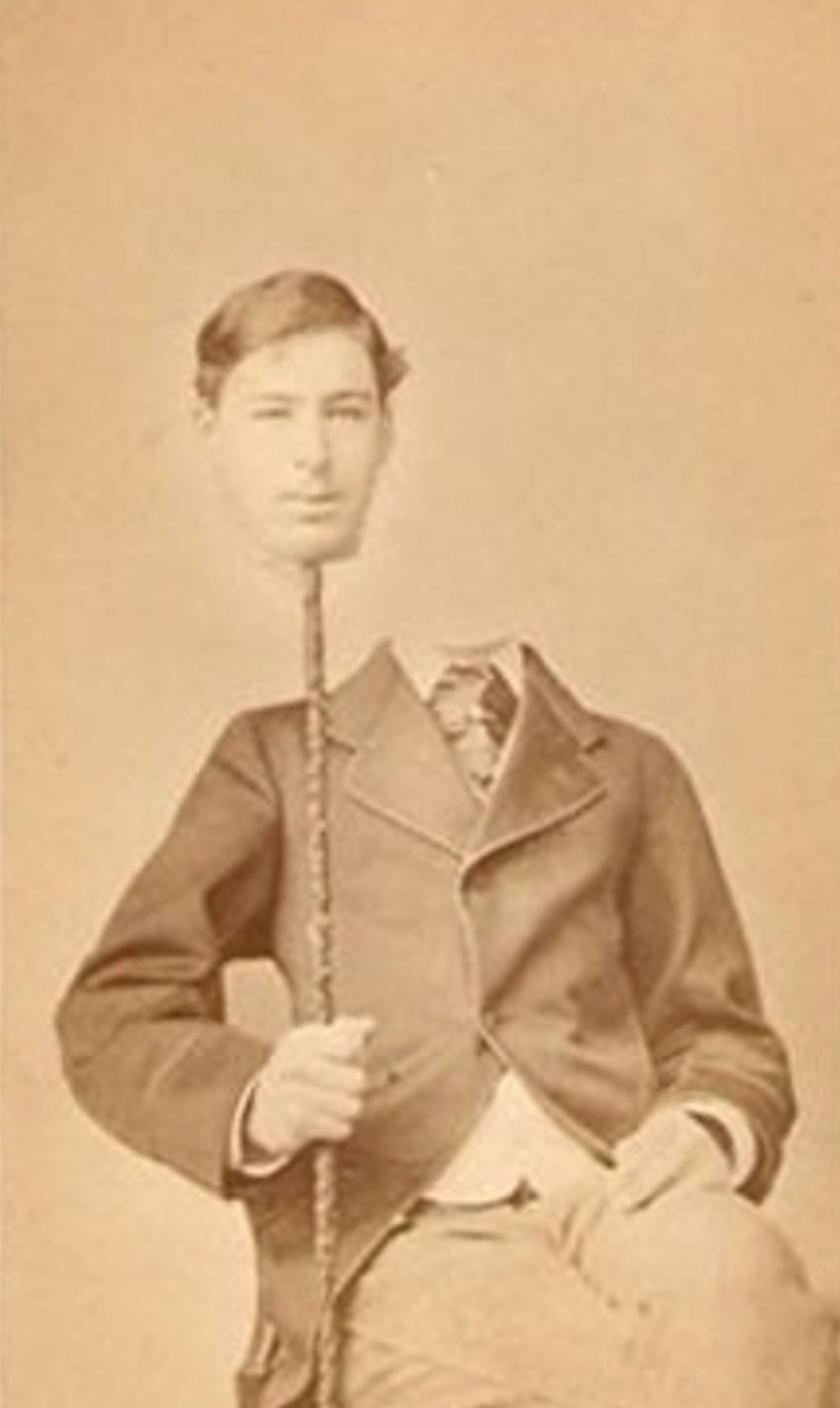
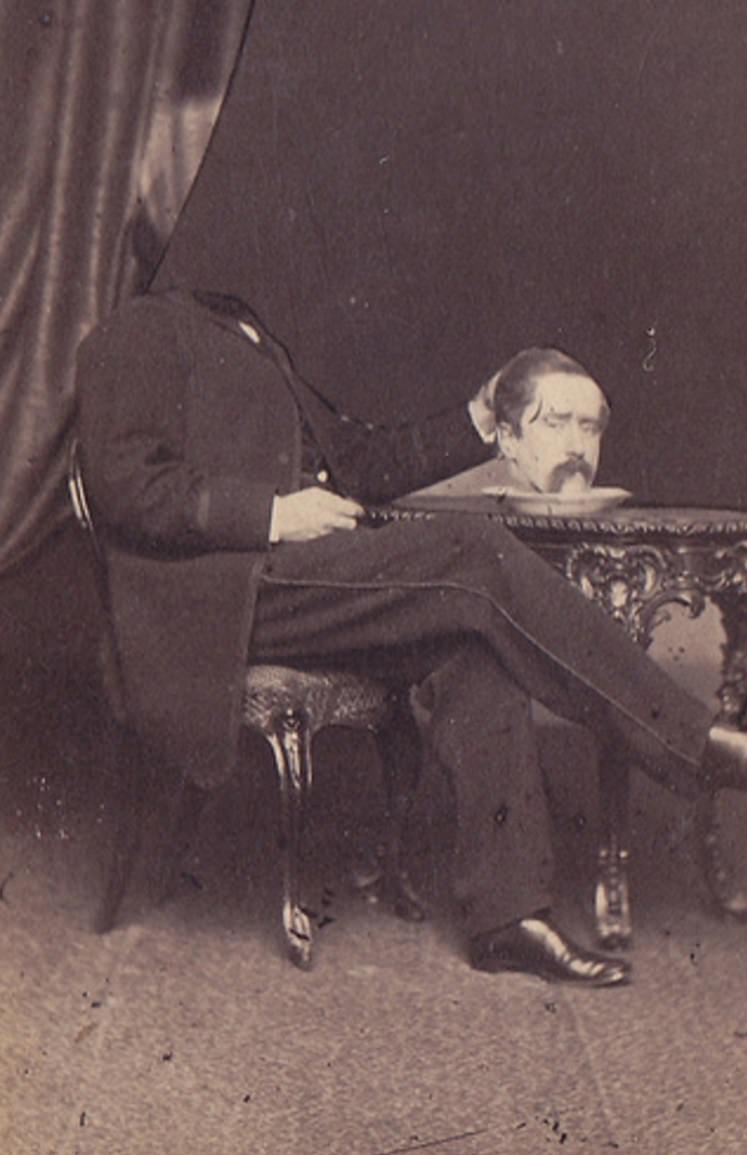
Men, women, and children all sat for these portraits. The style crossed social lines, from working-class families to well-dressed professionals, all eager to own a piece of photographic novelty.
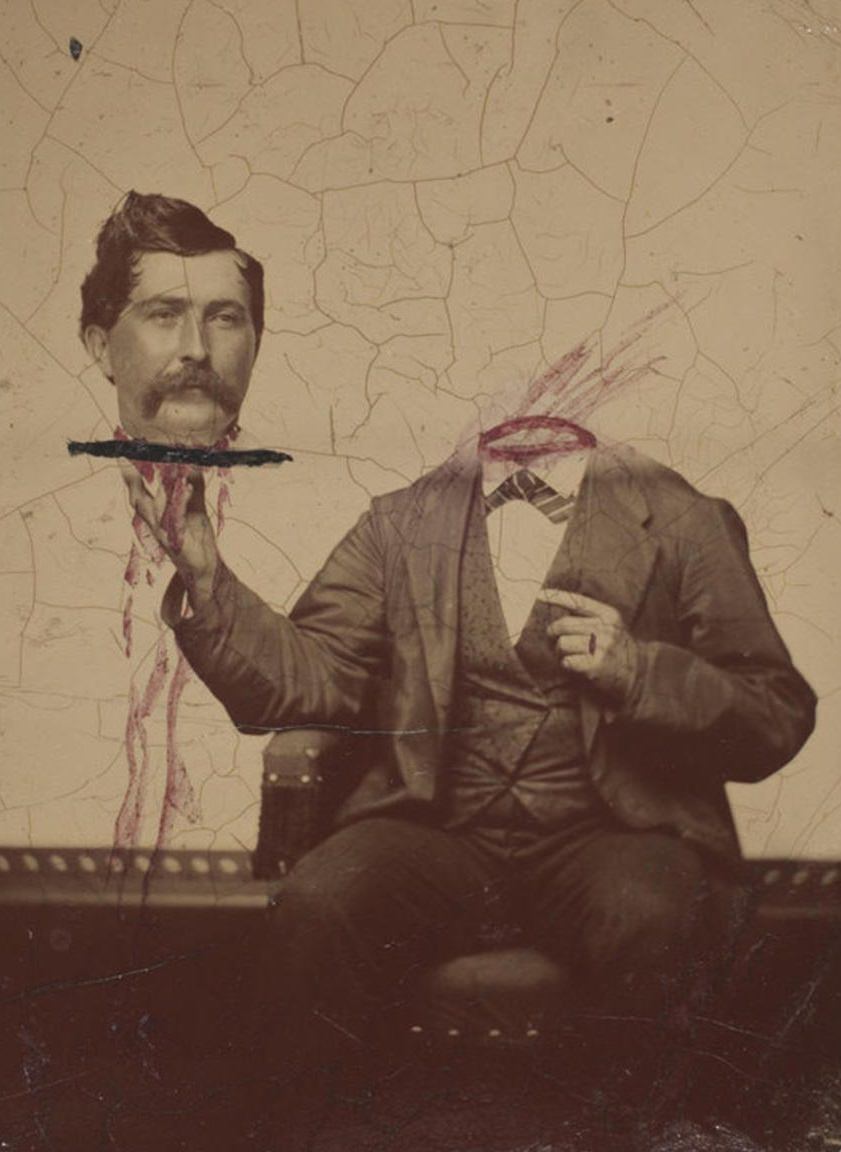
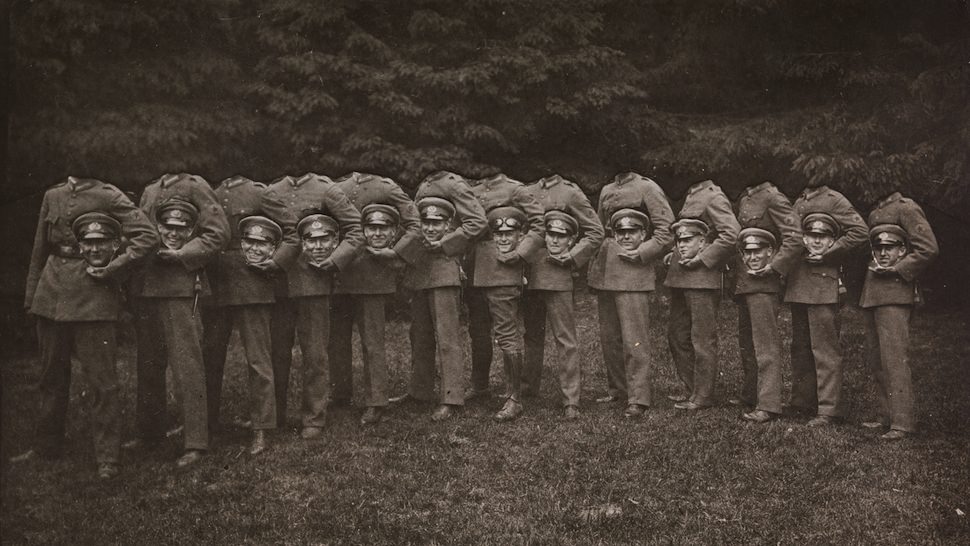
No two images were quite alike. Each photographer brought their own approach to the setup, and each subject chose a different way to display their detached head, making every portrait its own small spectacle.
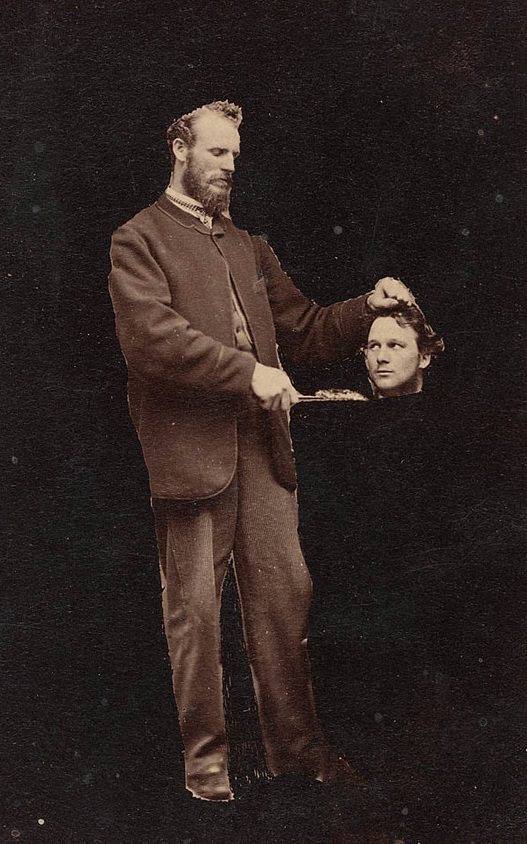
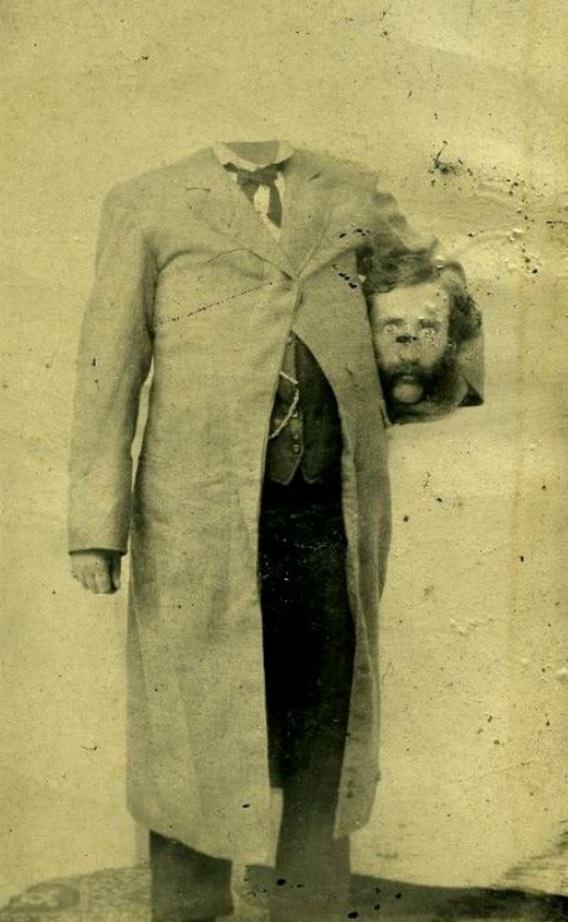
Long before digital editing existed, Victorian photographers were already bending reality. These headless portraits stand as proof that the urge to create something strange and surprising is anything but a modern invention.