Chattanooga, Tennessee, was one of the most strategically important cities of the Civil War. Its railroads connected major Confederate supply lines, making it a top target for Union forces. Capturing it gave the Union Army a gateway into the Deep South. These 1865 photographs document the Army’s firm grip on the region after the hard-fought Battle of Chattanooga in November 1863.
The railroad network around Chattanooga was central to Union operations. Troops depended on it for food, ammunition, and reinforcements. Engineers worked constantly to keep bridges and depots functioning under wartime pressure.
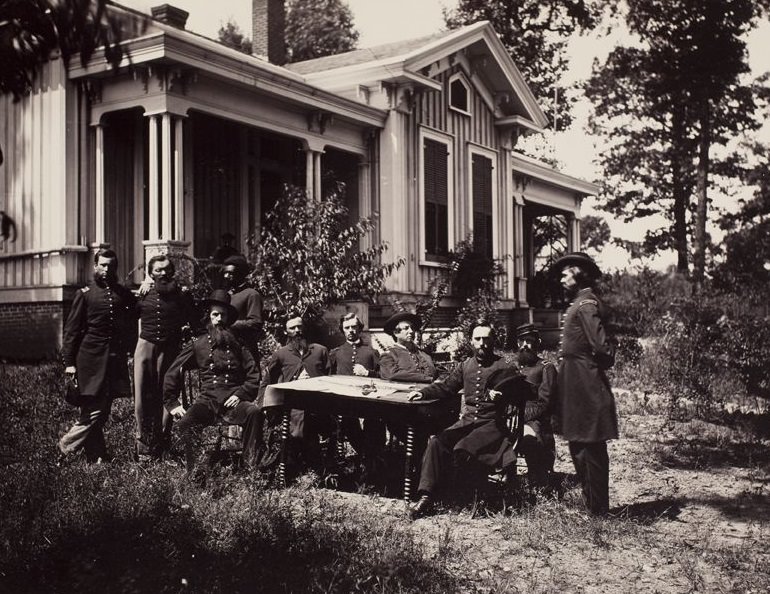
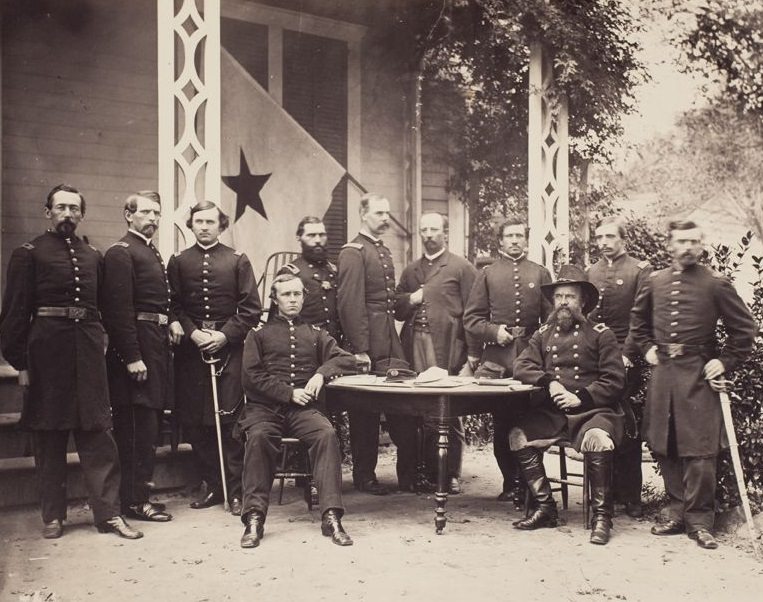
Group portraits of officers and their staffs provide a direct look at the men who commanded Union forces across Tennessee and Georgia. These photographs were taken at various headquarters, showing both formal military structure and the daily reality of life in the field.
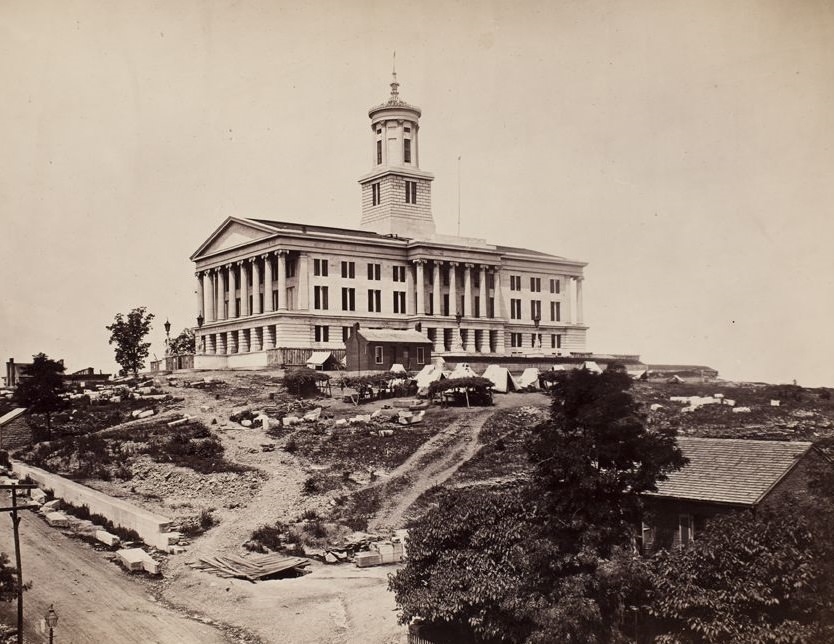
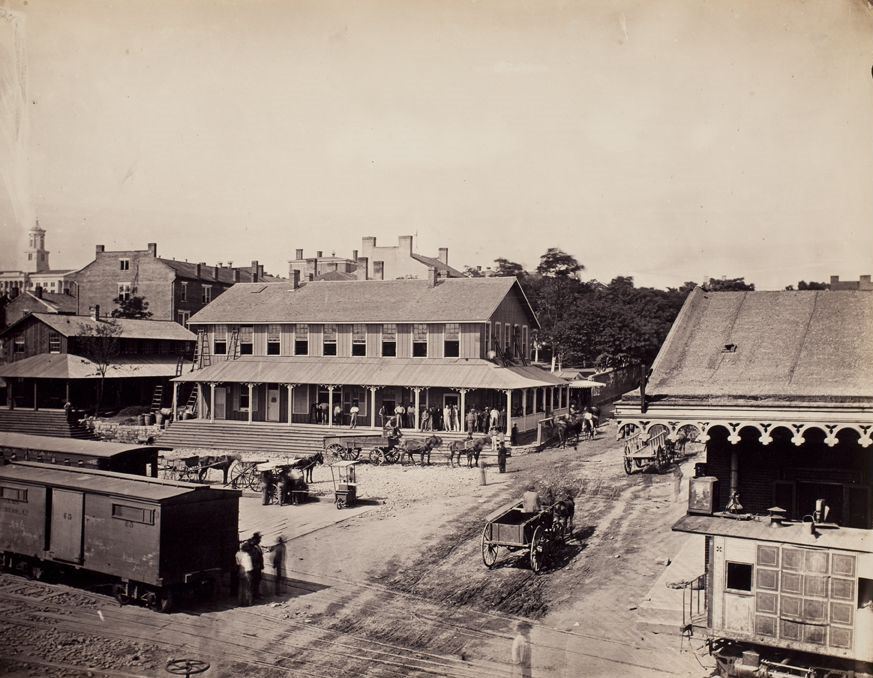
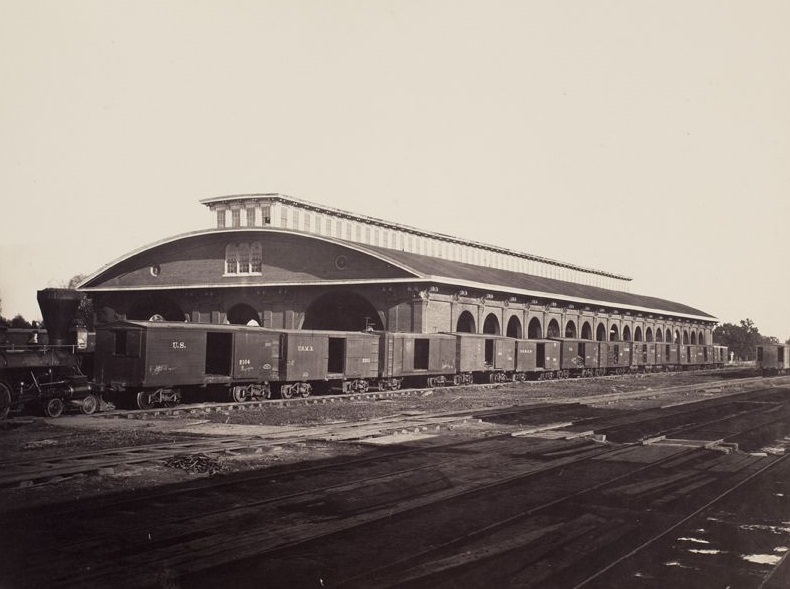
Nashville served as a major Union logistics hub feeding operations further south. The Chattanooga Depot there processed enormous quantities of supplies bound for front-line troops.

The Nashville & Chattanooga Railroad ran directly past Lookout Mountain, the site of a dramatic Union assault in November 1863. Control of this line was essential to sustaining the Army’s advance into Georgia.
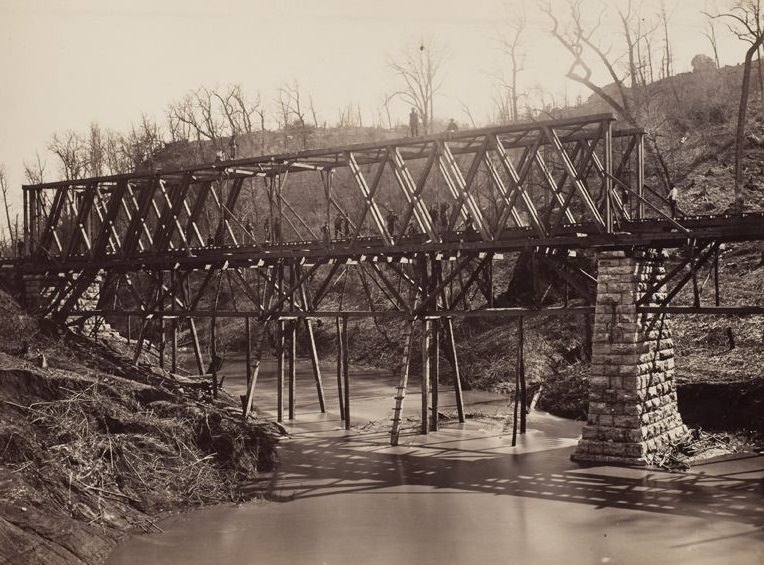
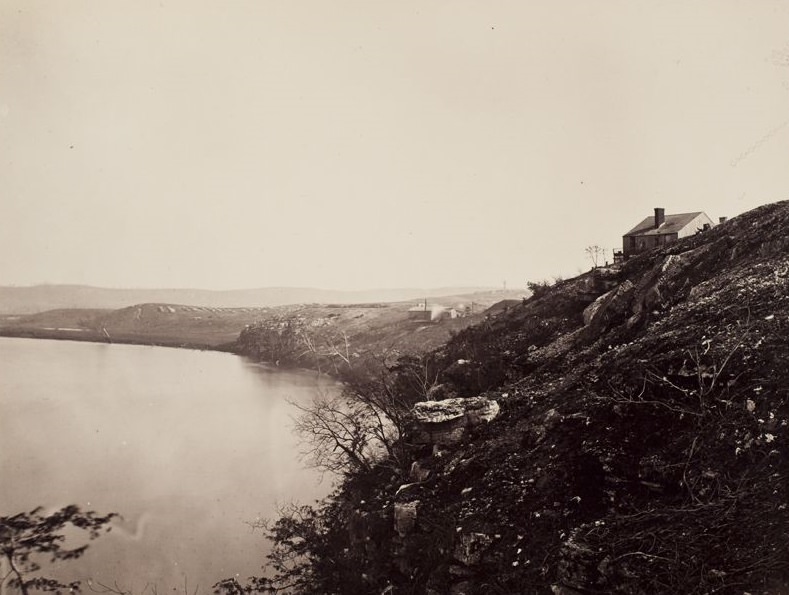
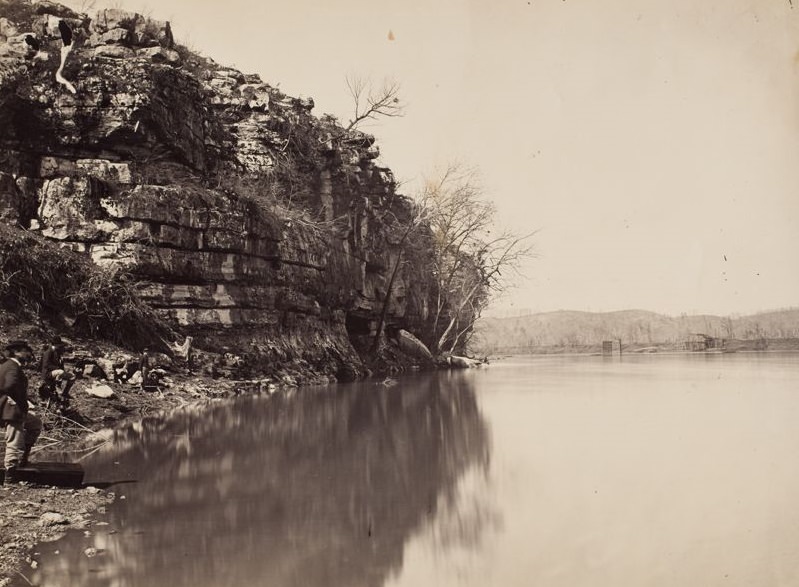
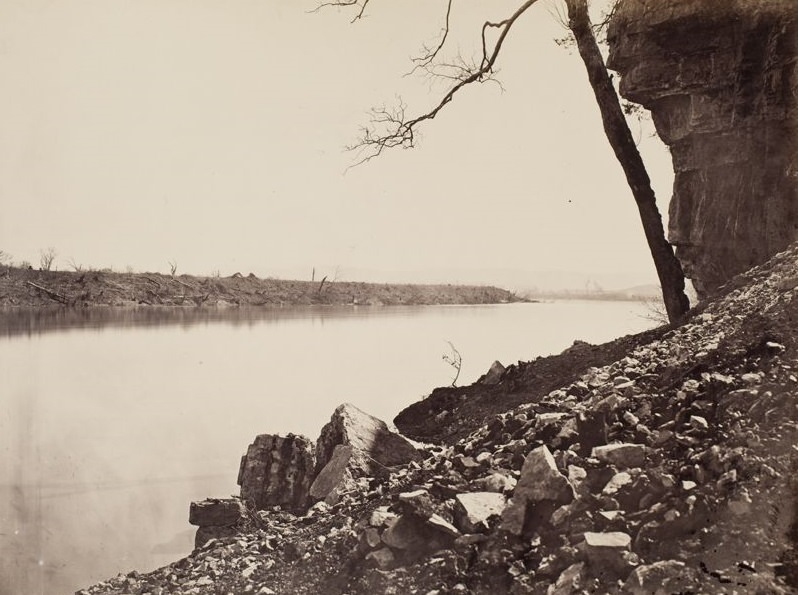
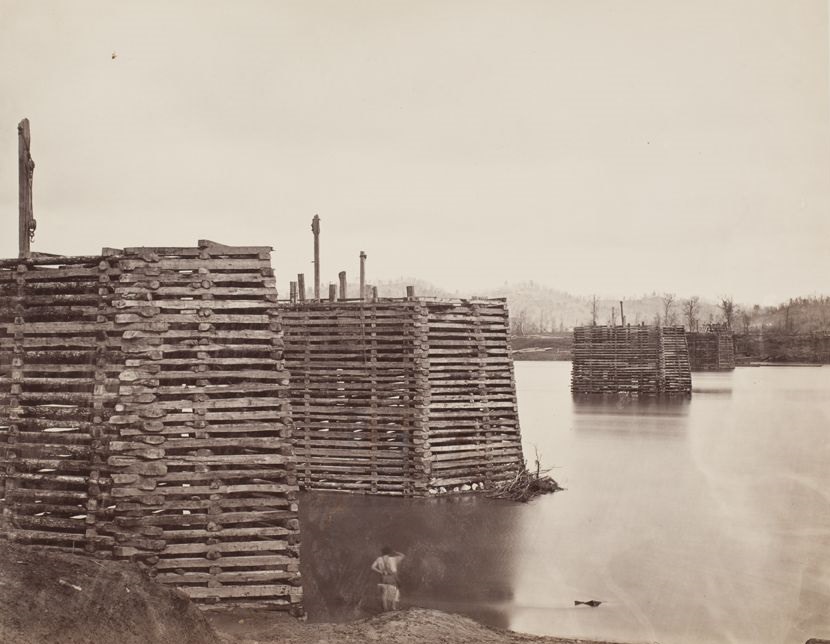
The Tennessee River appears repeatedly across these images. It was a natural barrier and a vital supply route. The Union Army built and maintained multiple crossings to keep men and materiel moving.
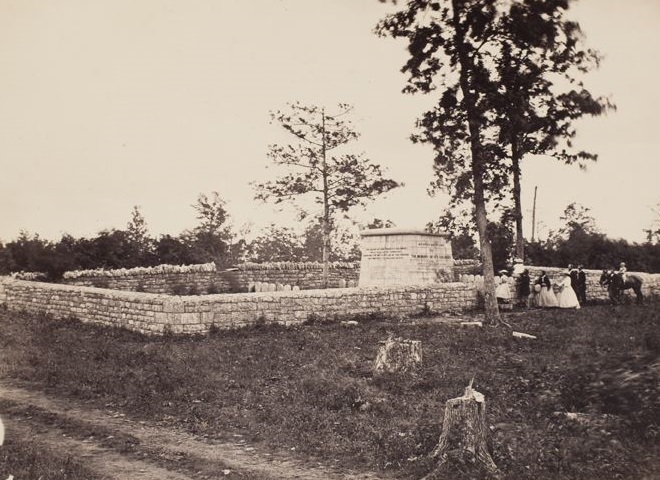
The Hazen’s Brigade monument at Stones River stands as one of the earliest battlefield memorials erected during the war itself. Soldiers built it in 1863 to mark where their comrades fell. One album page holding this photograph is surrounded by handwritten inscriptions copied from each of the monument’s four sides — a careful act of remembrance by whoever assembled the collection.
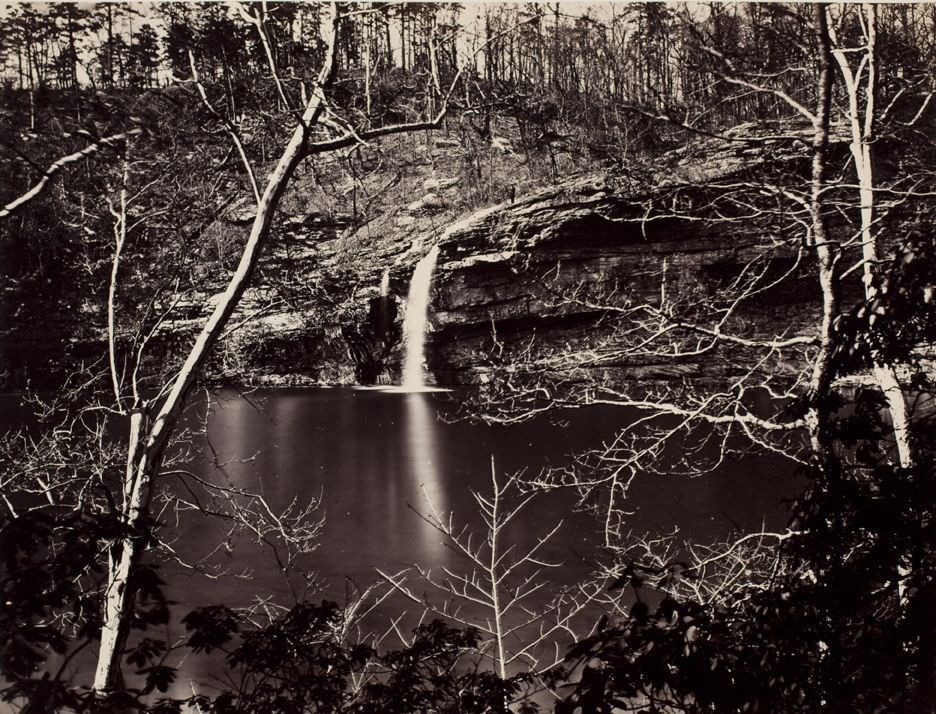
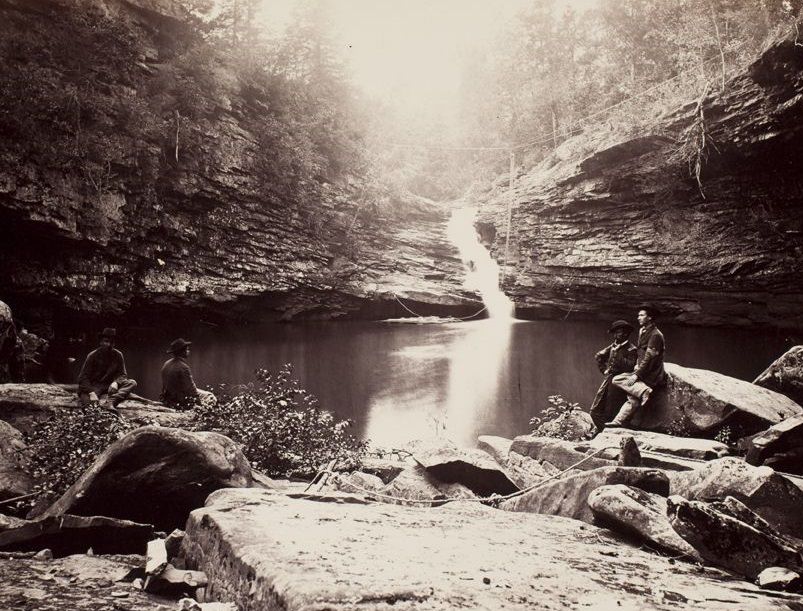
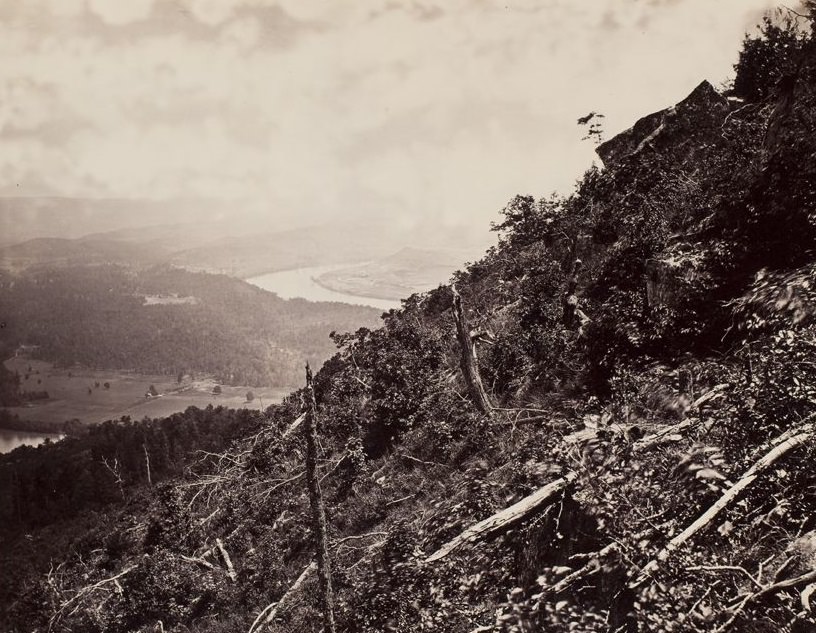
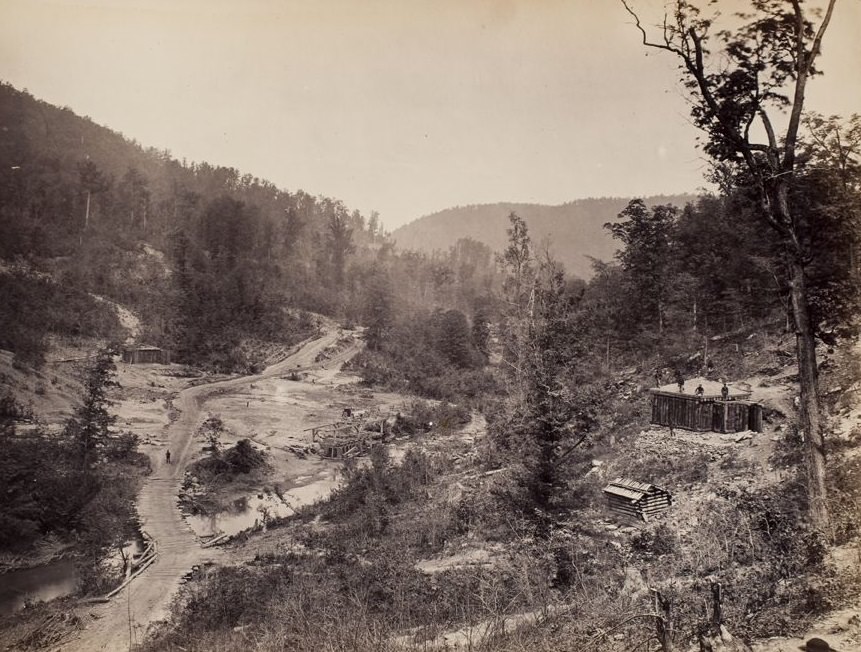
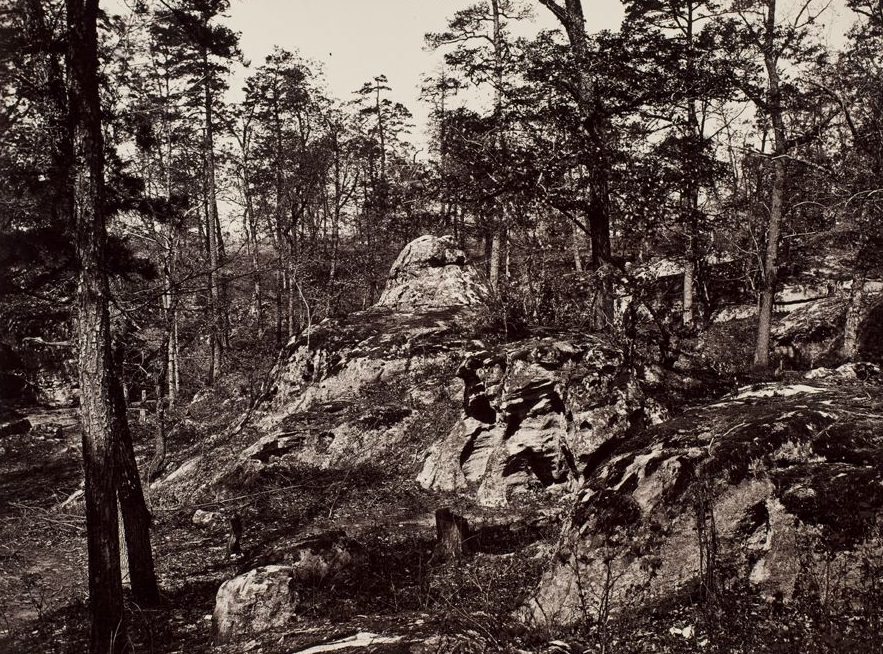
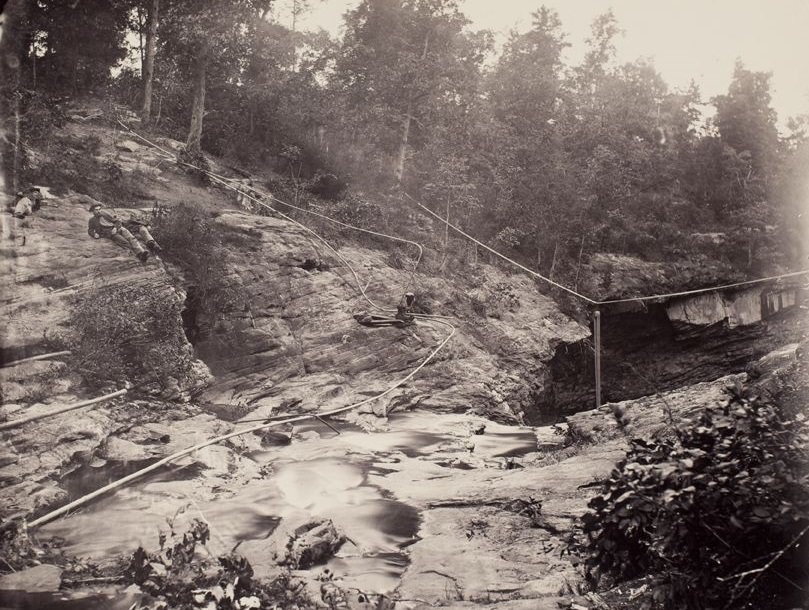
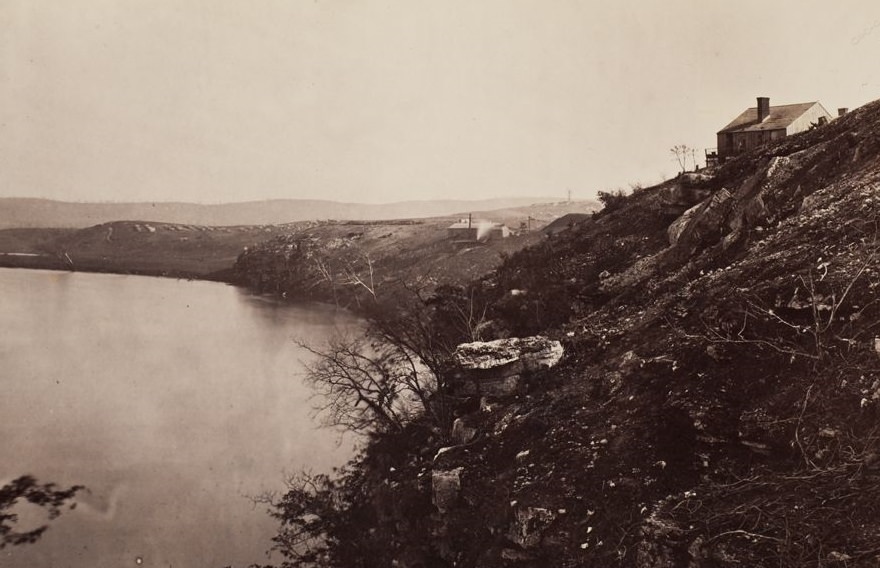
The landscape around Chattanooga — ridges, rivers, and lakes — shaped every military decision made in the region. Walden’s Ridge and Lookout Mountain offered commanding views of the valley below, making them prized positions for observation and defense.
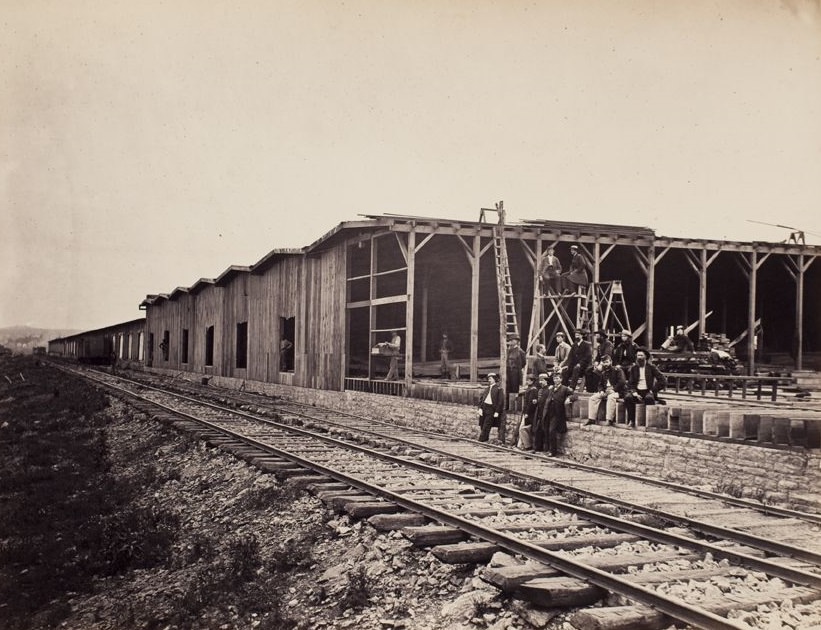
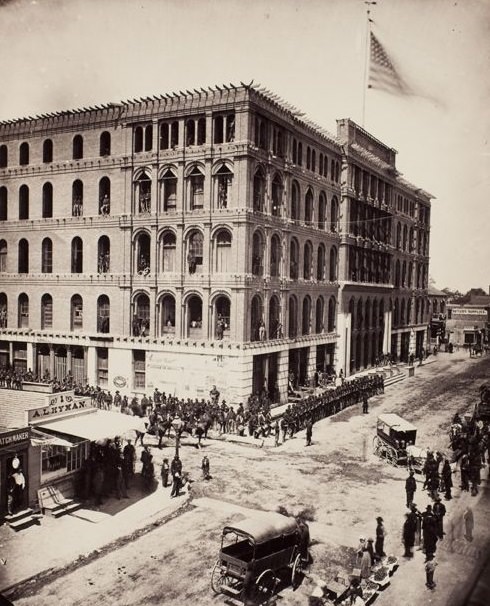
Civilian buildings across the region were converted to military use. The Overton House in Nashville became Union barracks, a common practice as the Army took over whatever structures it needed to house and feed tens of thousands of troops.
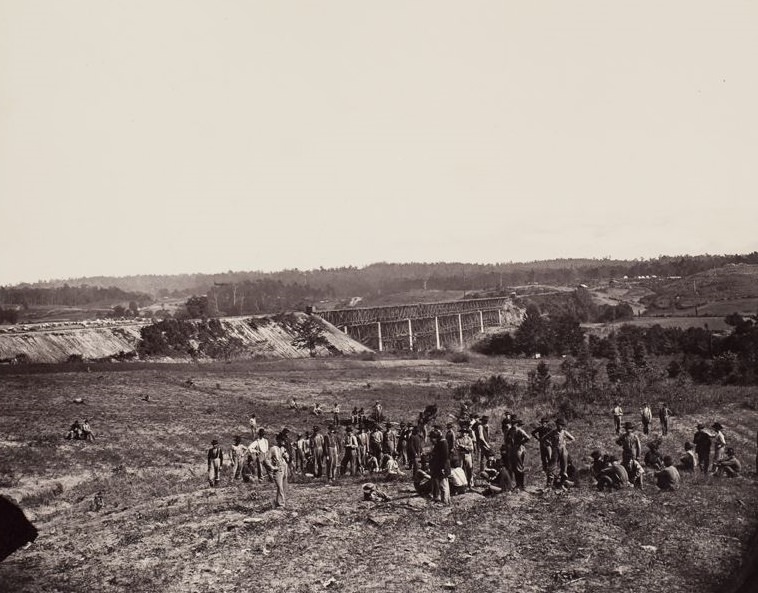
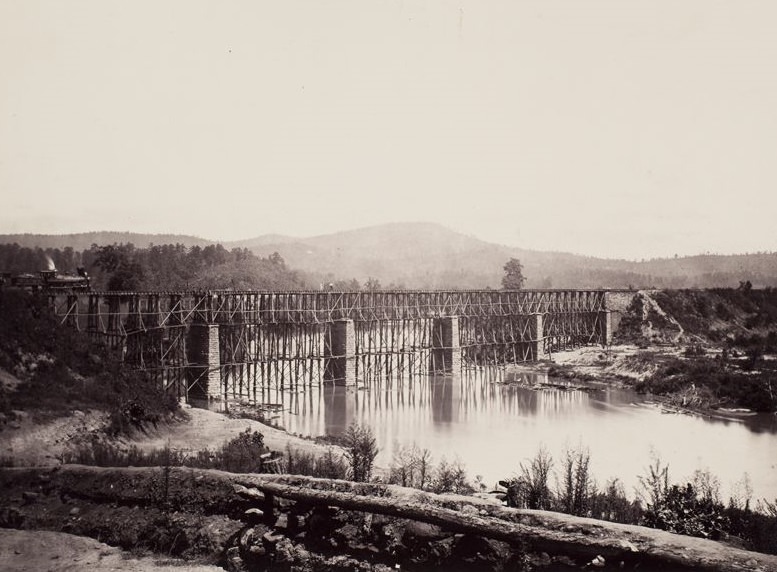
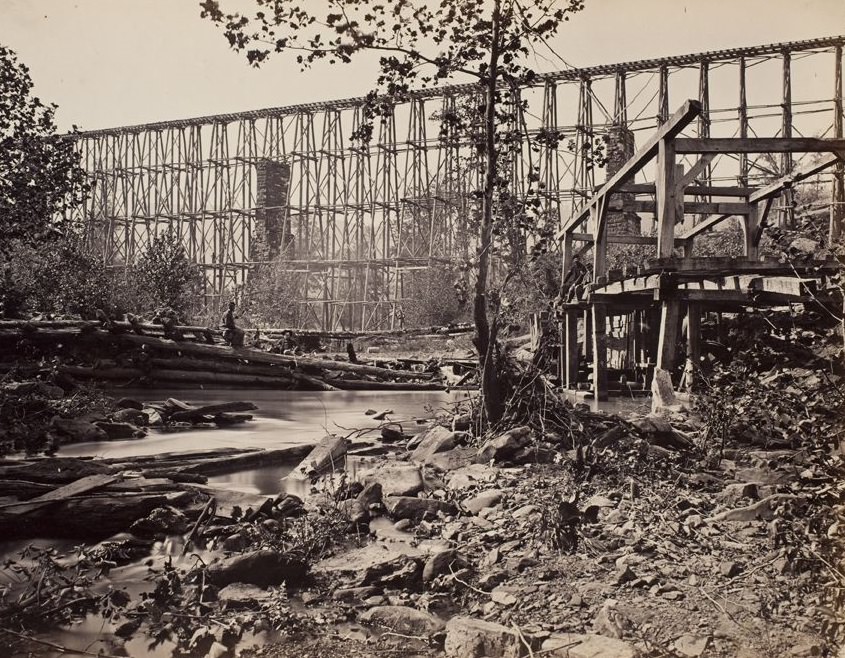
Bridge construction and repair was relentless work. Union engineers rebuilt destroyed spans across Georgia and Tennessee with remarkable speed, keeping Sherman’s supply lines intact during the Atlanta Campaign.
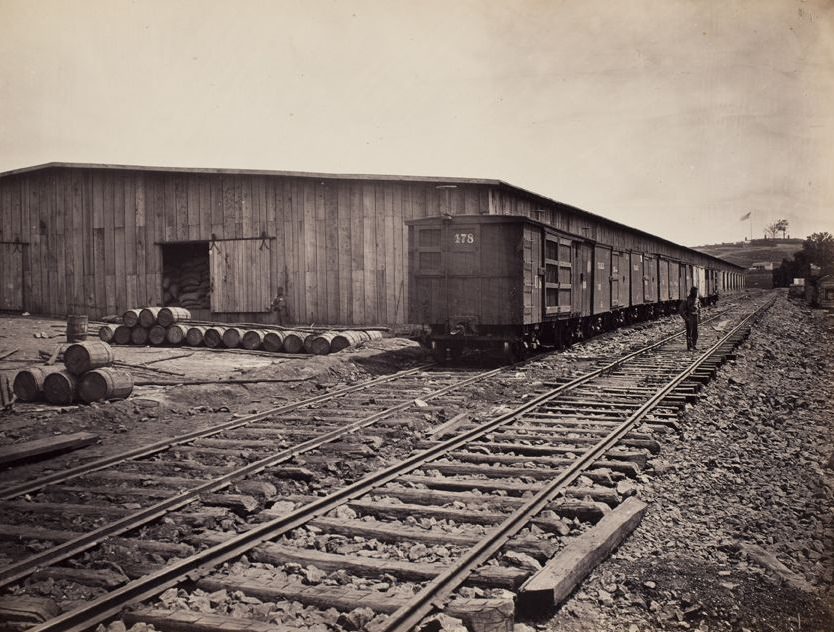
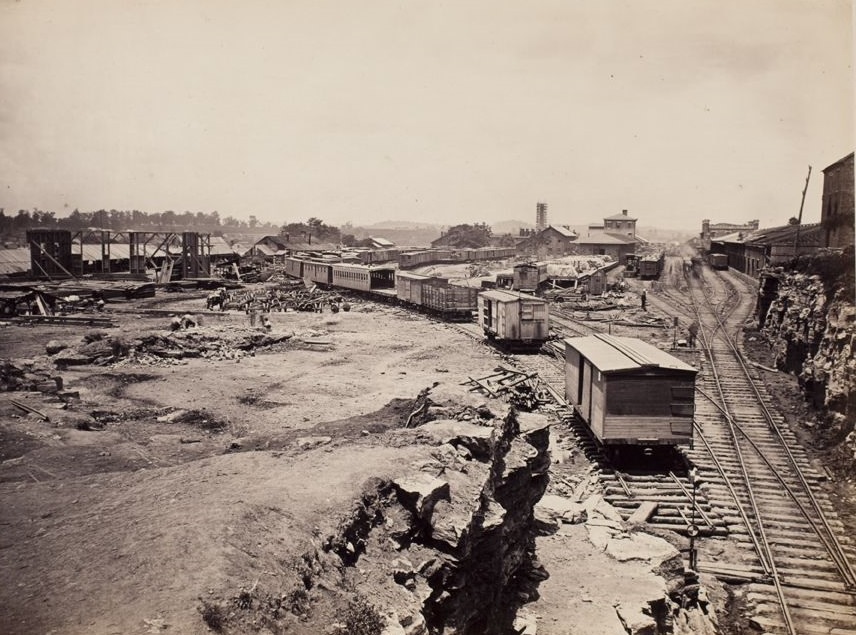
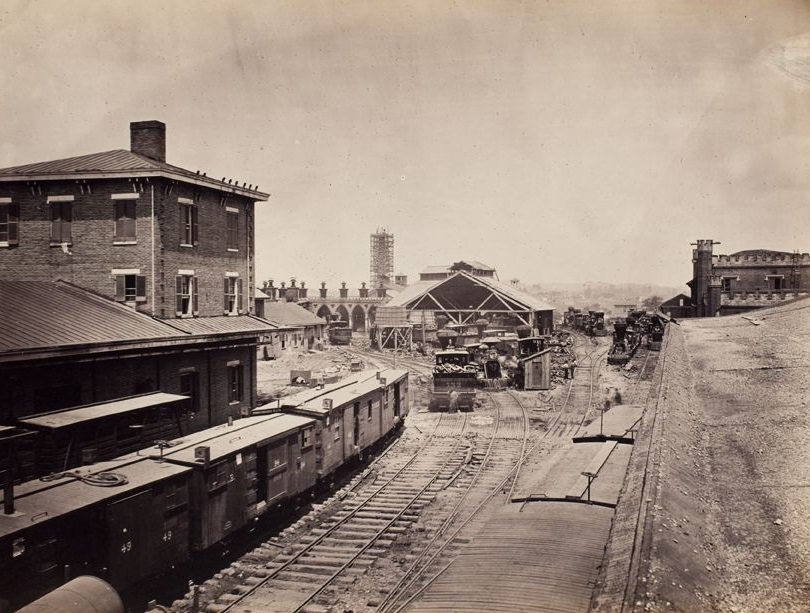
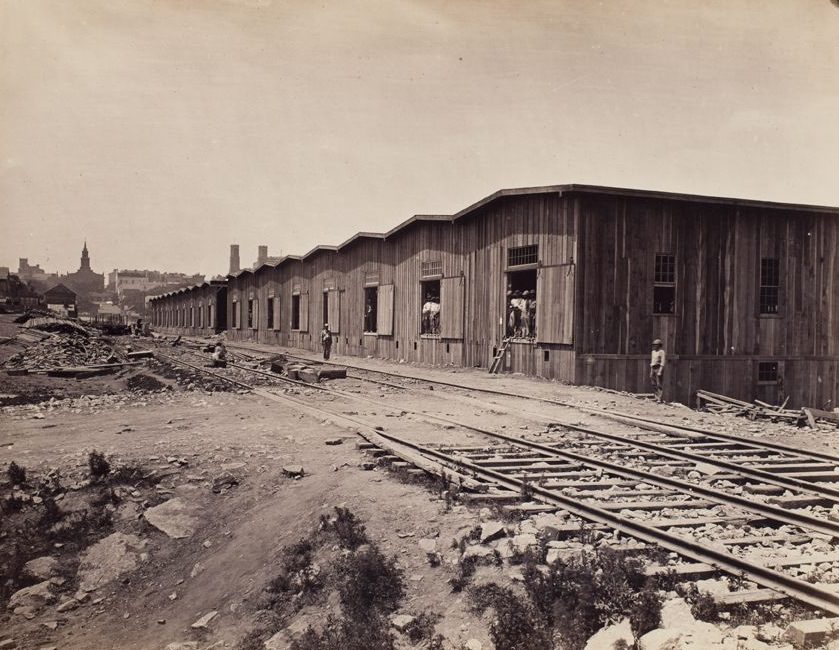
Railroad yards around Chattanooga filled with cars, warehouses, and workers. The sheer volume of goods stockpiled here reflects how thoroughly the Union Army had transformed the city into a logistical base.
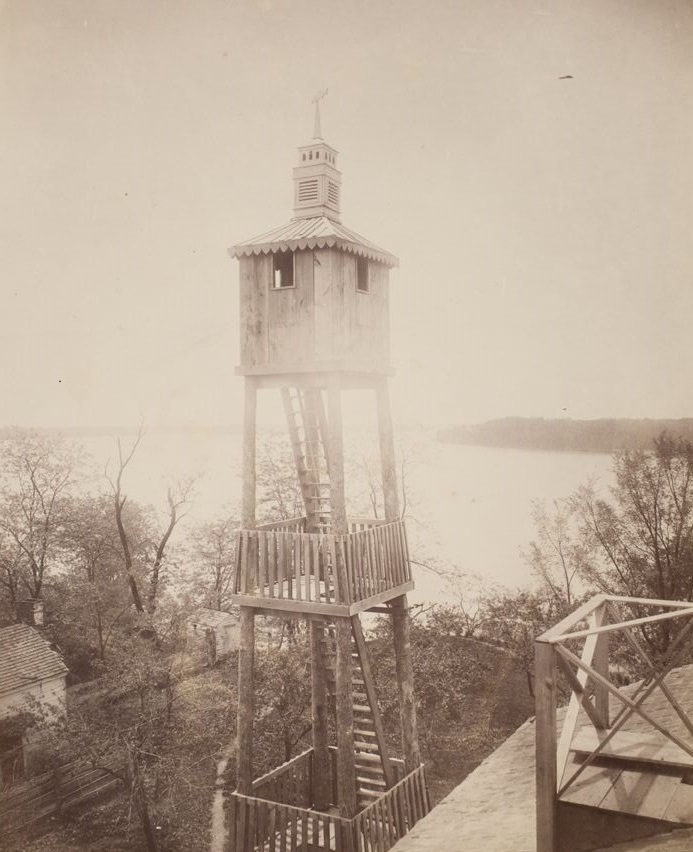
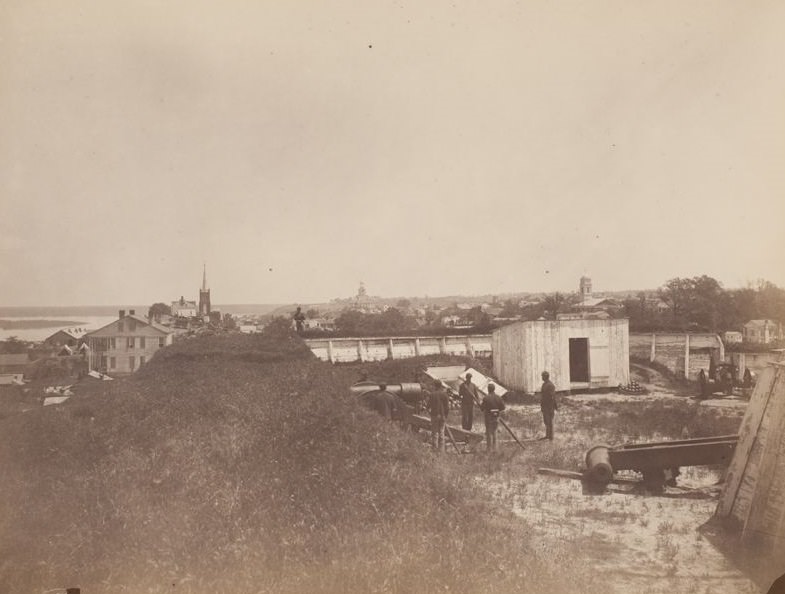
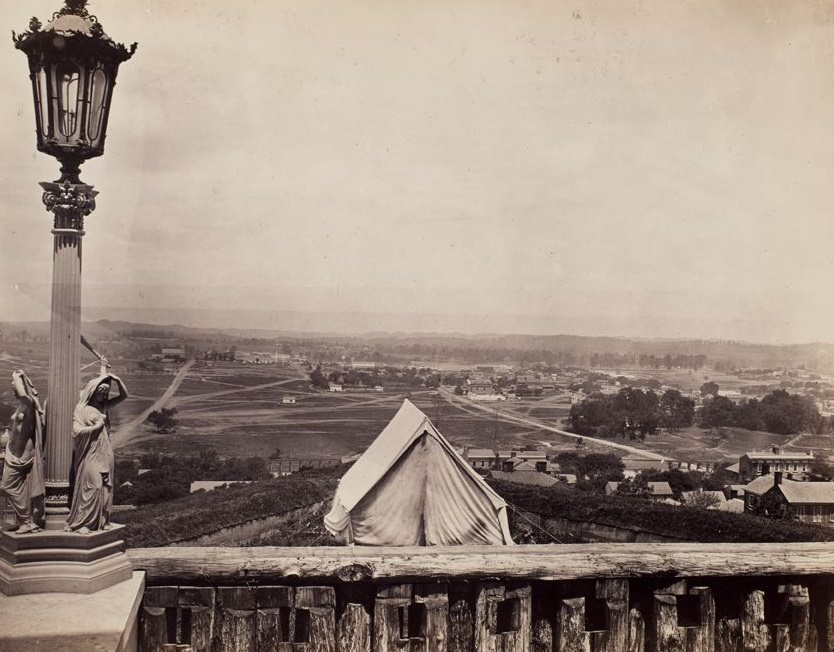
Sherman’s Lookout Tower at Fort Pickering in Memphis gave Union observers a clear sightline over the surrounding area. The tower’s height made it a practical tool for monitoring Confederate movements along the Mississippi River corridor.
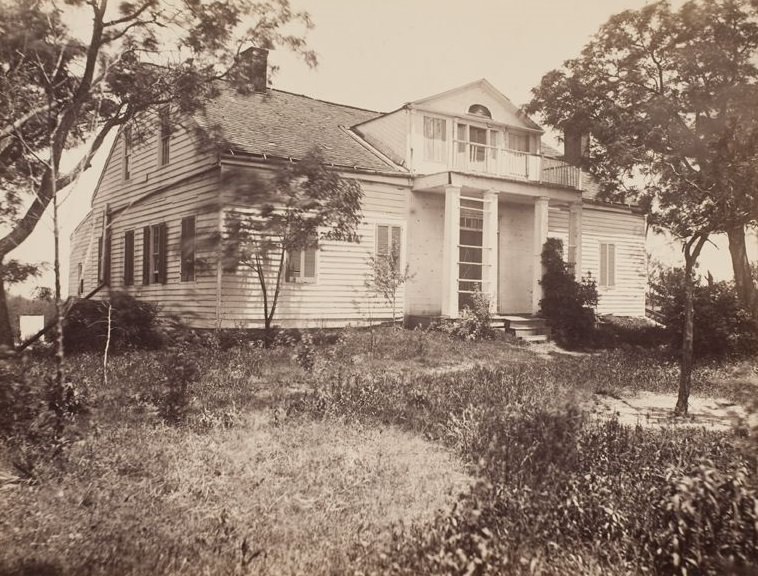
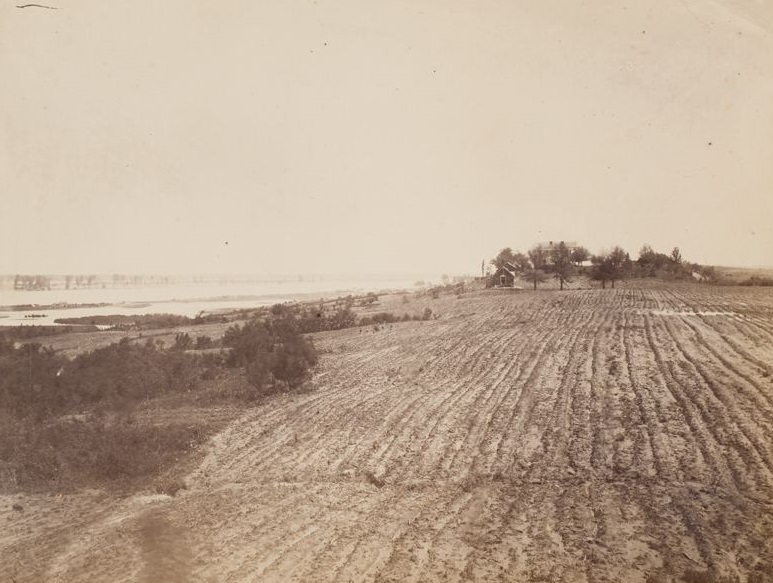
The proposed national cemetery at Vicksburg reflects the enormous human cost of the western campaigns. Thousands of Union soldiers died during the Vicksburg siege of 1863, and by 1865 the Army was already planning permanent burial grounds to honor them.
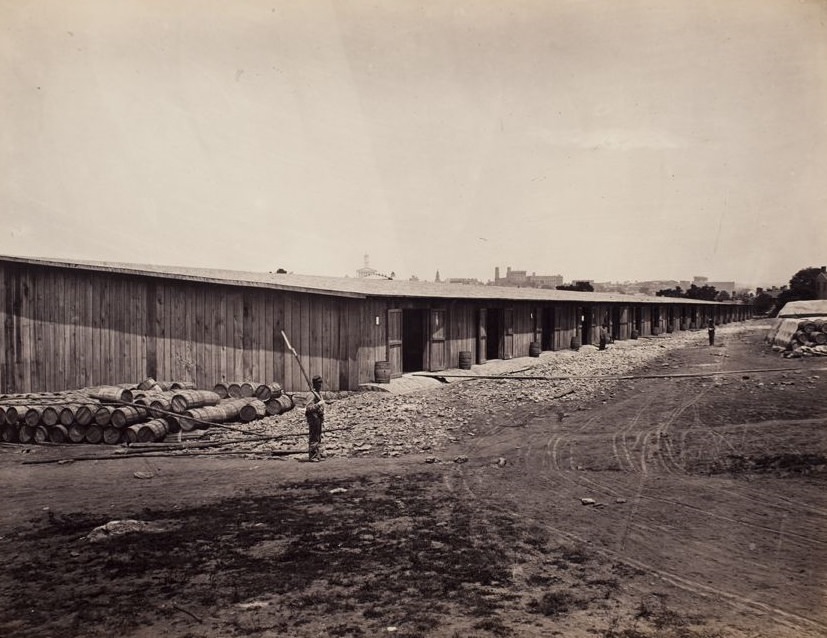
Armed guards posted at warehouses around Chattanooga protected irreplaceable stockpiles. A single raid on a supply depot could stall an entire army’s advance. Security of these facilities was treated as a military priority equal to battlefield readiness.
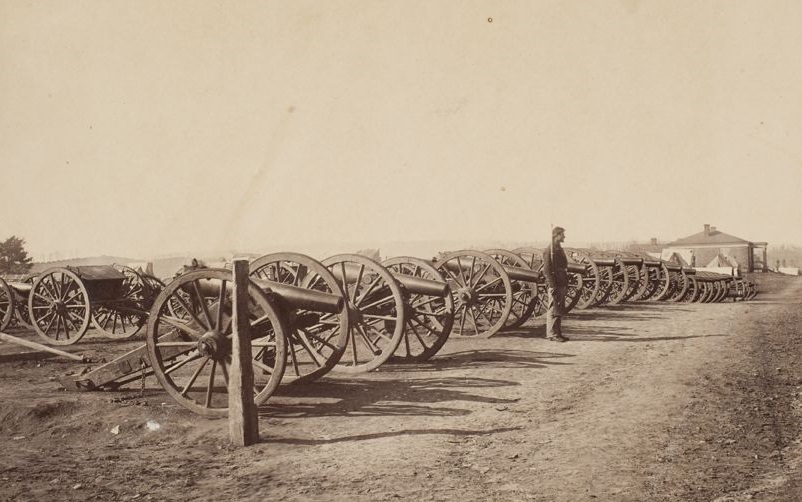
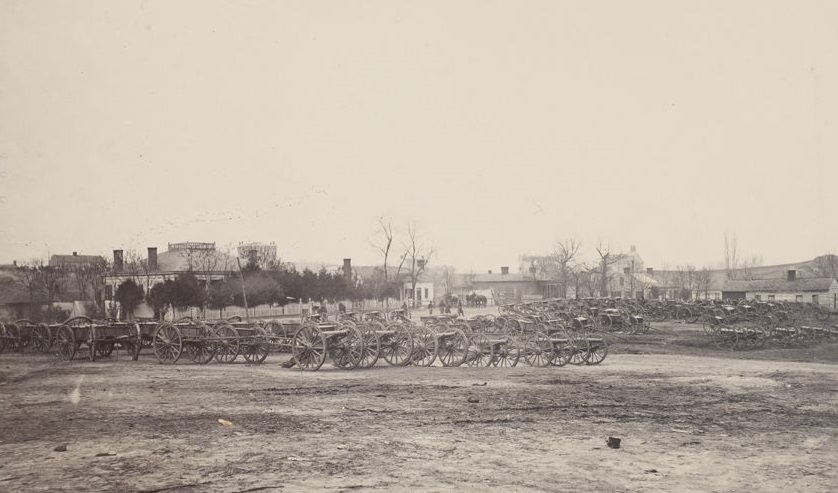
The artillery captured at the Battle of Chattanooga was put on display as a direct symbol of Union victory. Dozens of Confederate guns, taken during the fighting of November 24–26, 1863, were photographed in organized rows — a deliberate visual record of what had been won.
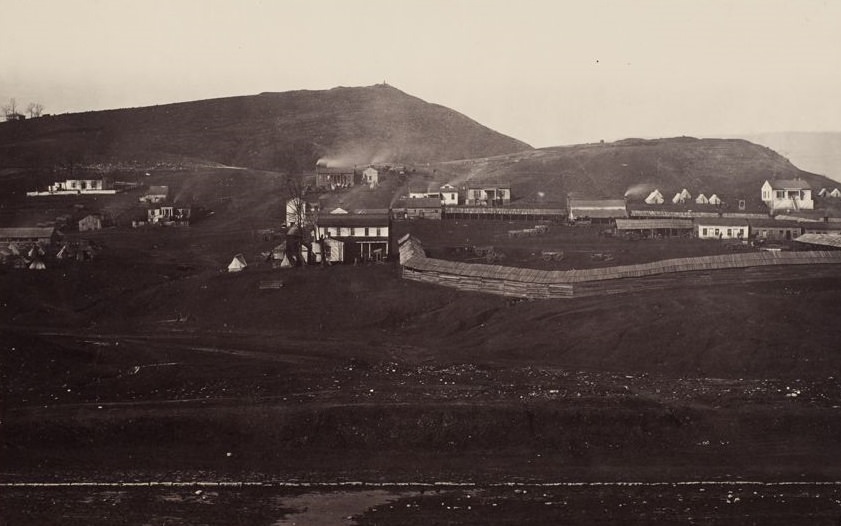
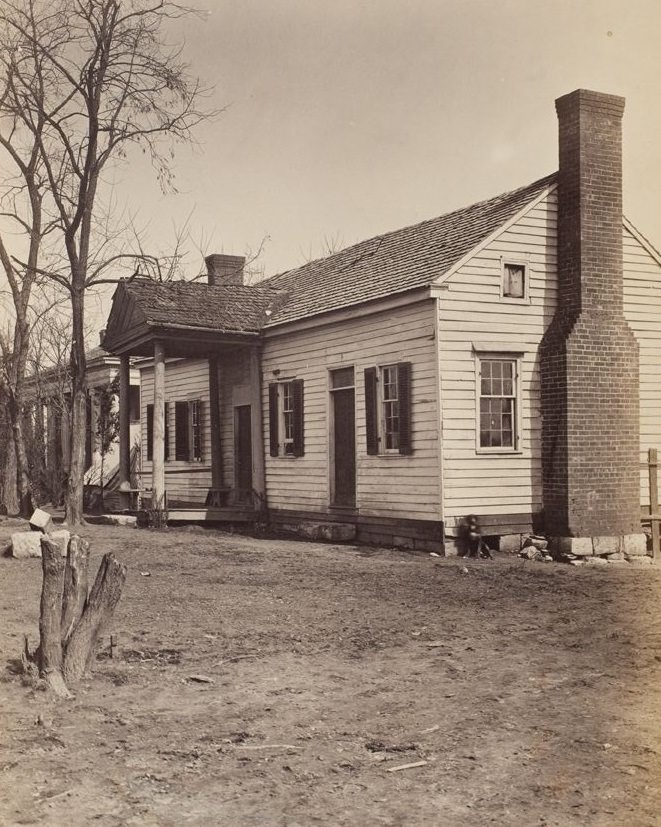
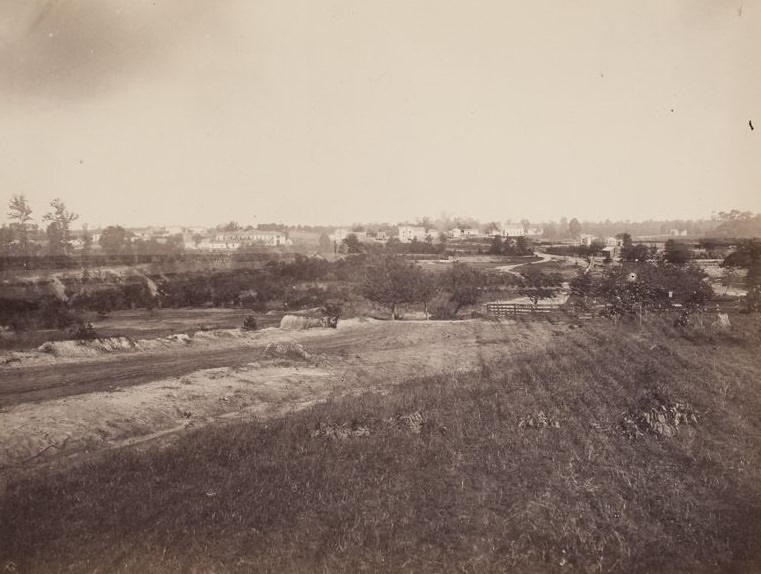
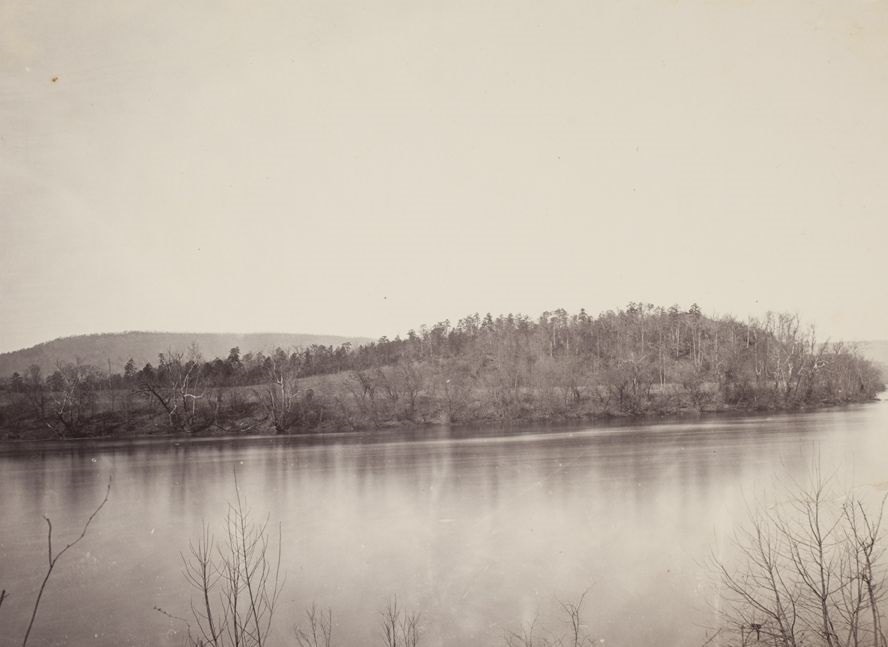
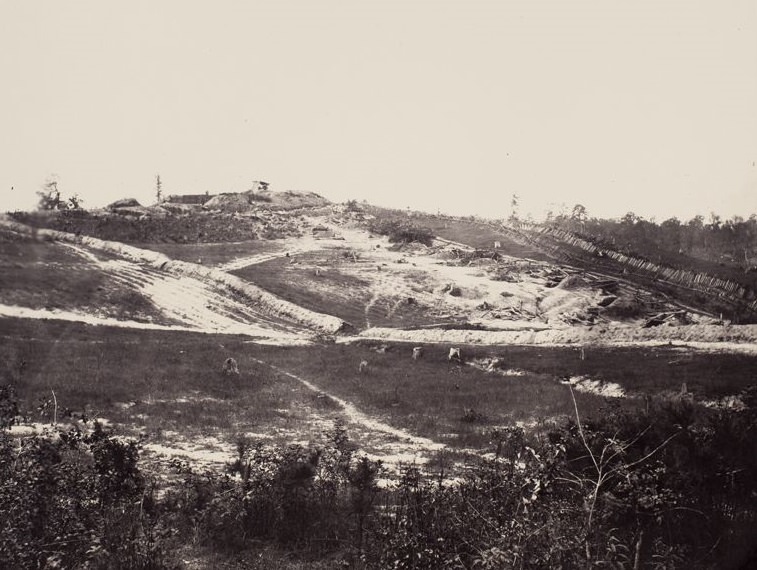
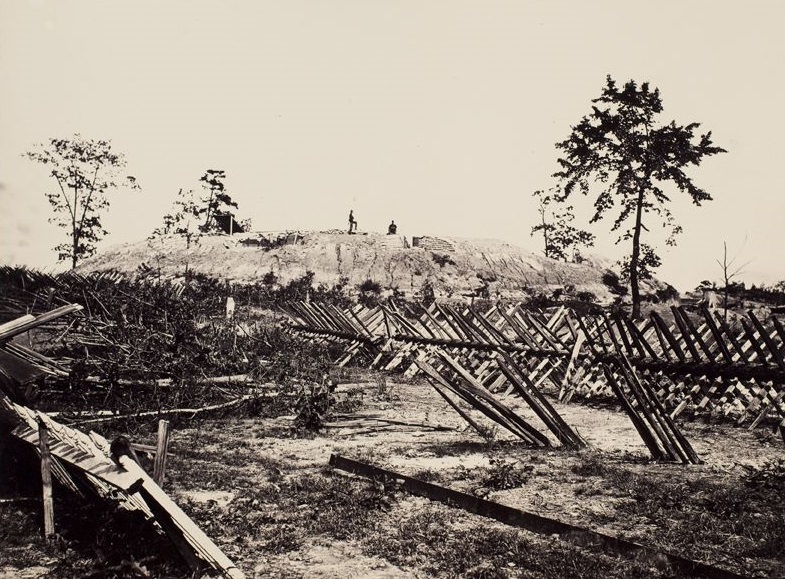
Confederate fortifications in Atlanta, photographed after the city fell, show the scale of defensive works the Union Army had to overcome during the summer of 1864.
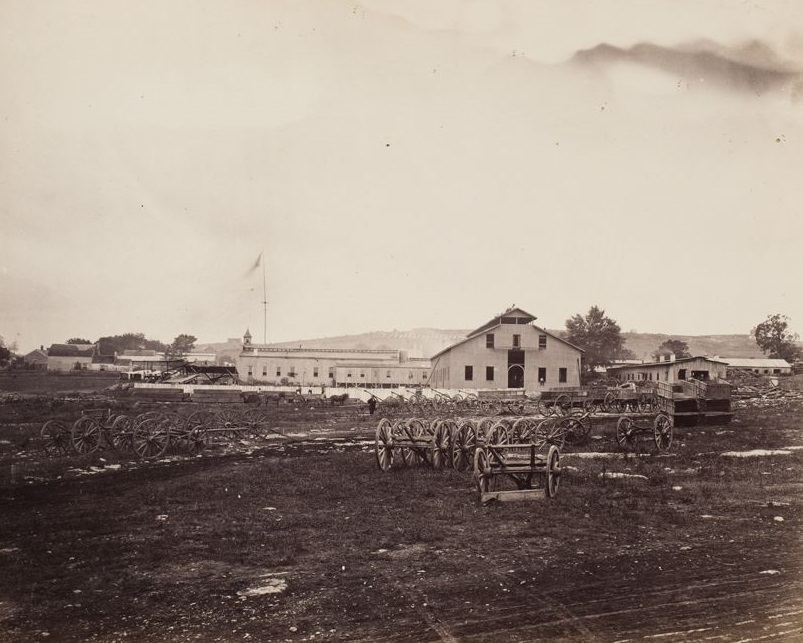
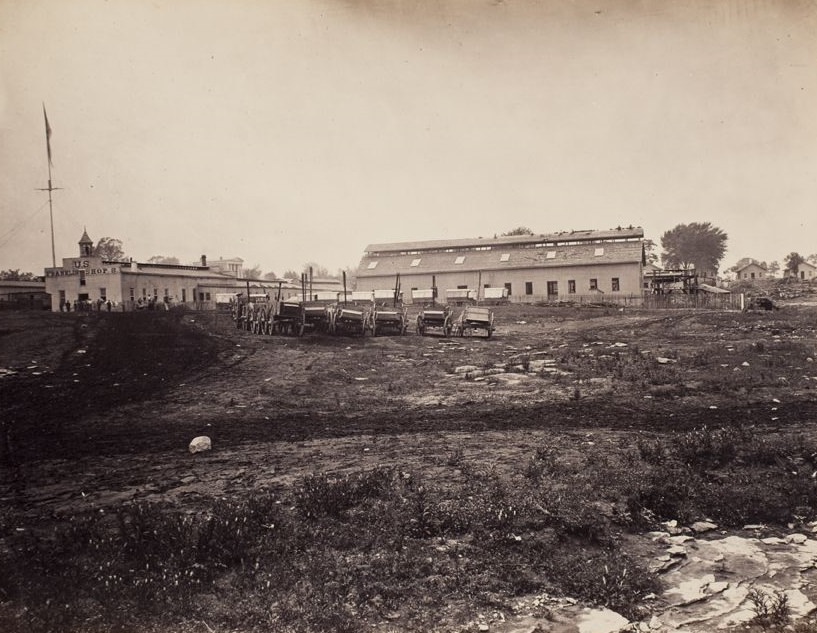
Wagon repair shops and supply yards captured in these photographs underscore how much mechanical and logistical work kept the Army moving. Broken wagons were rebuilt on site, keeping the constant flow of supplies from stalling.
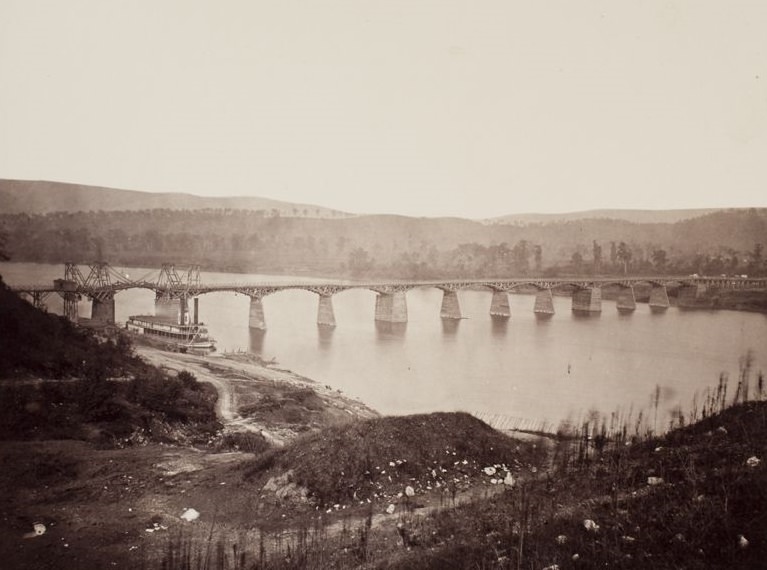
The wooden piers of the wagon bridge across the Tennessee River at Chattanooga represent one of the most critical engineering achievements of the campaign. This crossing allowed troops and supplies to move freely across the river, supporting every major operation in the region.