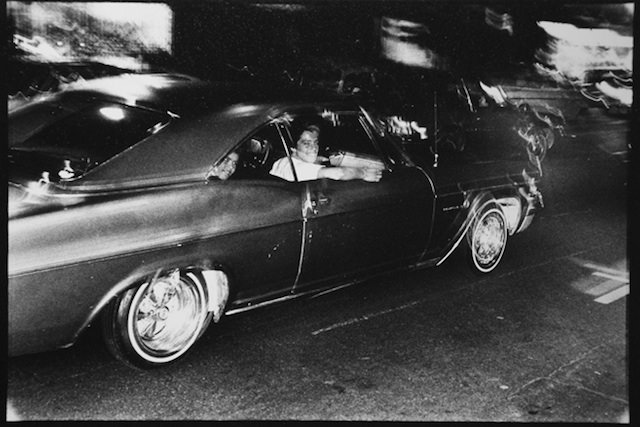
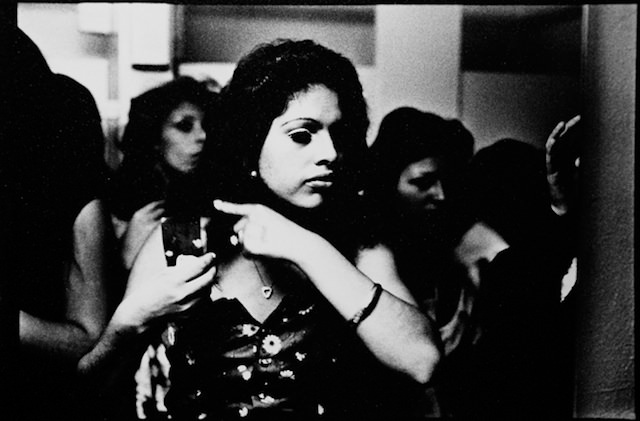
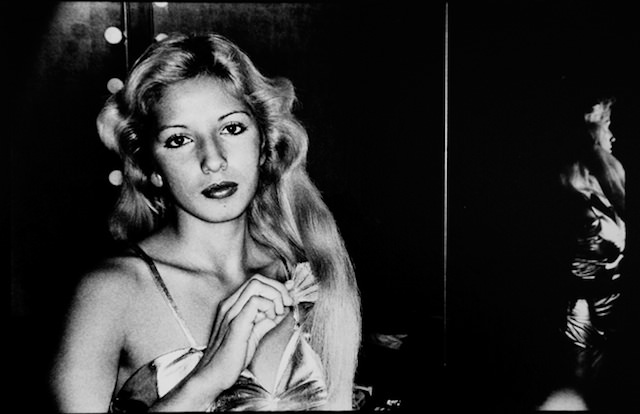
When Italian photographer Gusmano Cesaretti arrived in Los Angeles in 1969, he didn’t head for Hollywood. He went to East LA. The neighborhoods there pulled him in — the people, the streets, the energy. He became one of the first photographers to document that world from the inside.
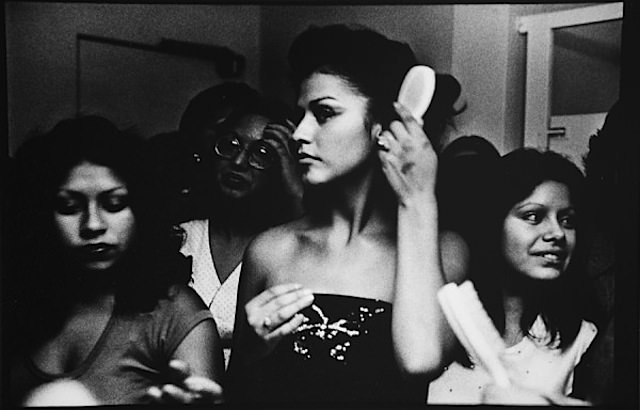
Cesaretti didn’t shoot from a distance. He built real relationships with the people he photographed, earning trust over time. That access shows in every frame. His images of East LA capture Chicano culture in full — lowriders gleaming at the curb, friends gathered on front stoops, kids loose in the streets.
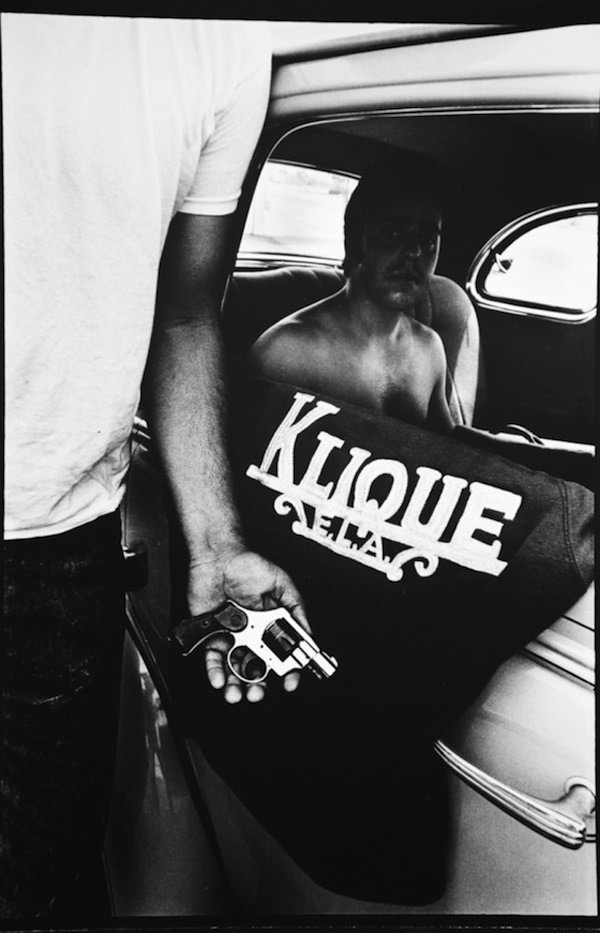
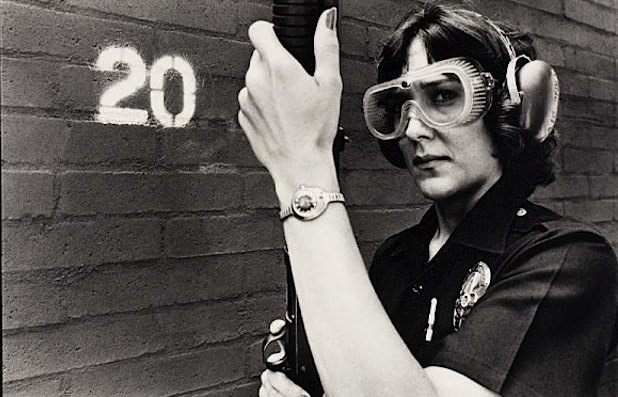
Nothing in his photos feels staged. Families at home, young men leaning on cars, women in doorways — these are unguarded moments. Cesaretti used his camera to document a community that mainstream media largely ignored.
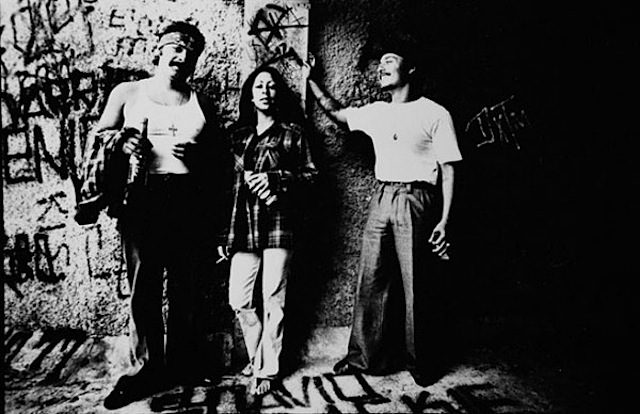
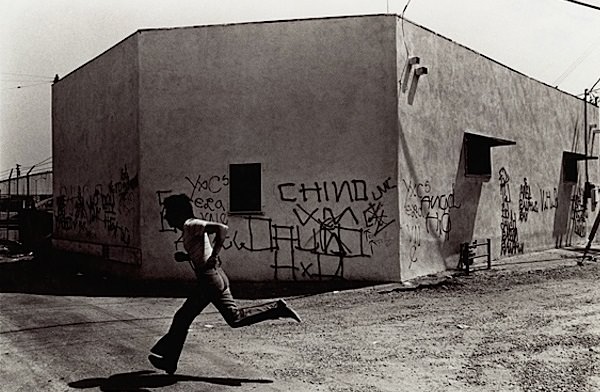
His work from this period spans well beyond East LA. Cesaretti also turned his lens on bikers, the weight lifters of Muscle Beach, and inmates at Folsom Prison. Together, these subjects make up his book, “The Thrill Is Gone” — a document of 1970s Los Angeles life in its many forms.
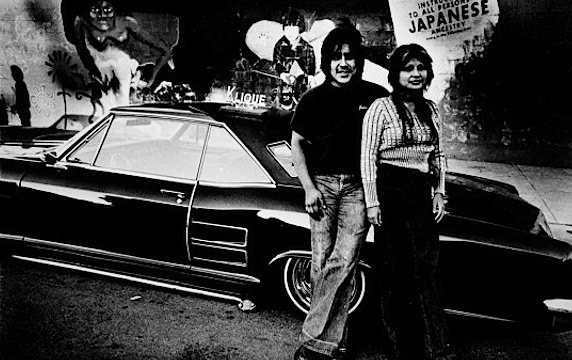
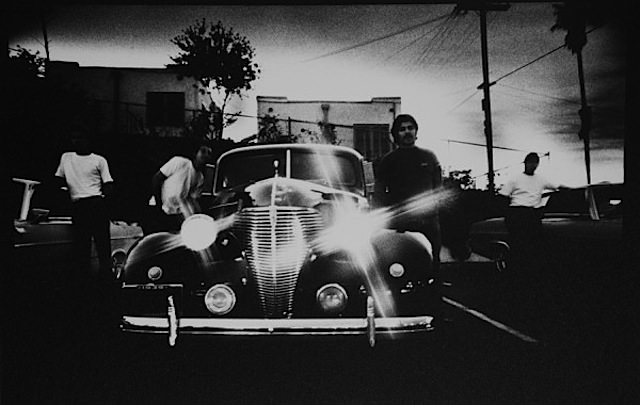
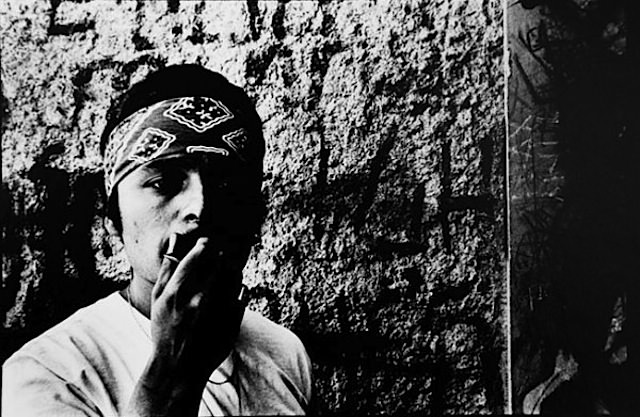
Each section of the book reads like a separate world, yet all of them belong to the same city. Cesaretti moved between these subcultures with the same intent: to show people as they actually were.
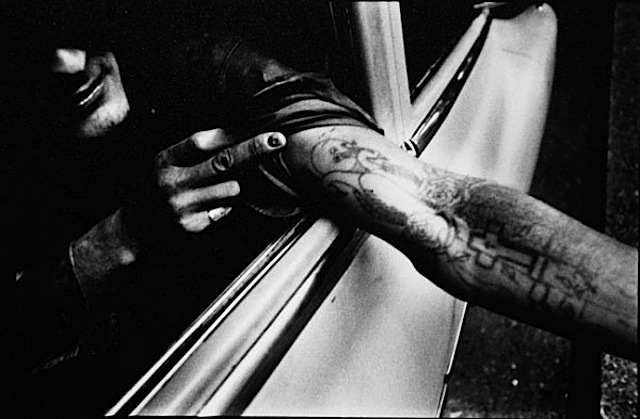
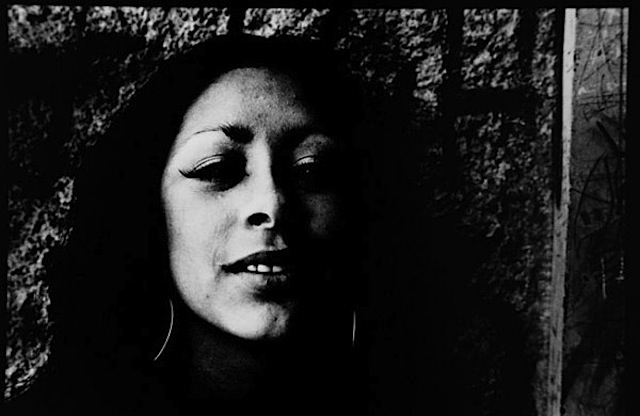
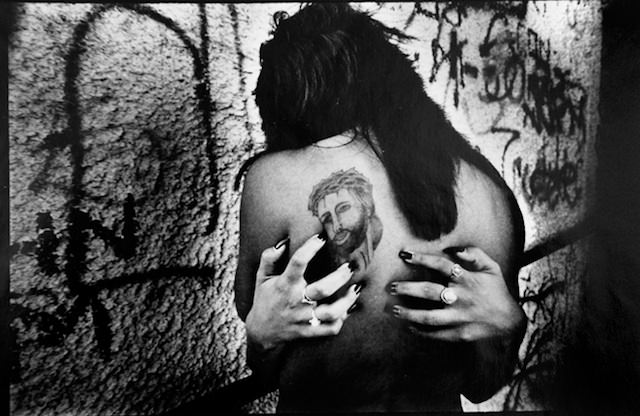
The Los Angeles he recorded in the 1970s no longer exists in the same form. Streets have changed, communities have shifted, and the specific texture of that era has faded. Cesaretti’s photographs are among the clearest records of what it looked like then.