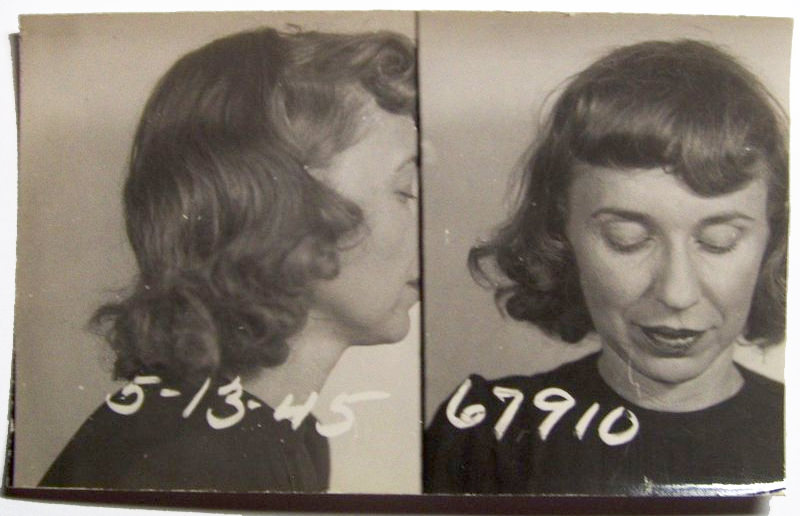
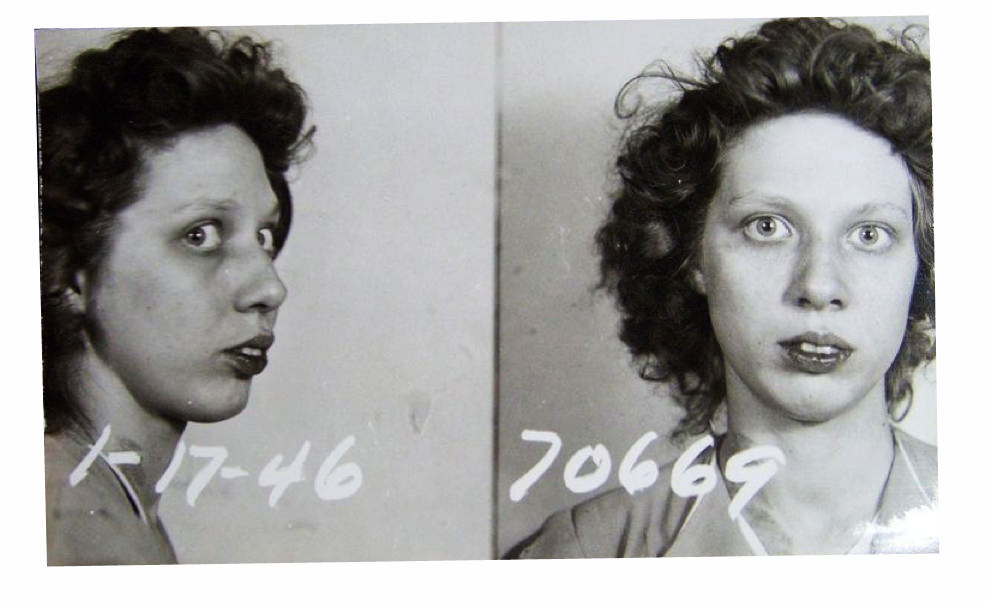
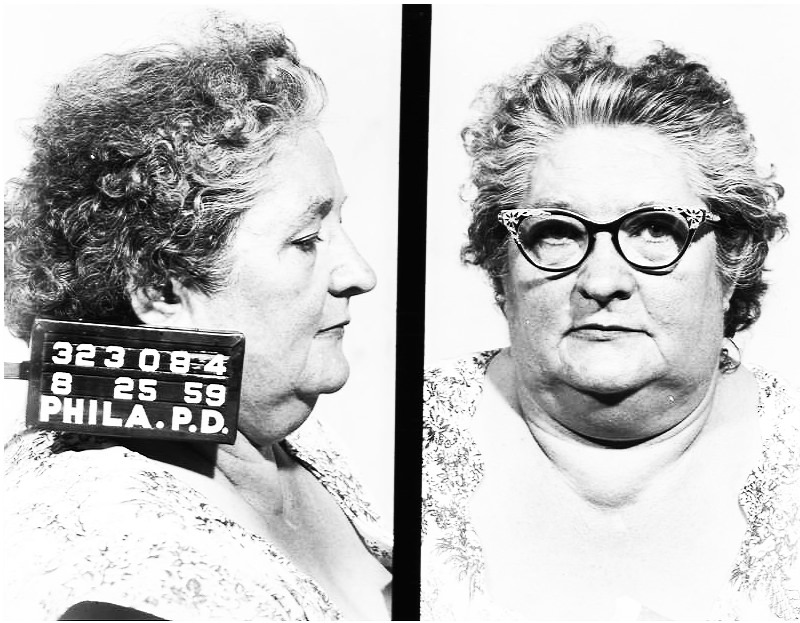
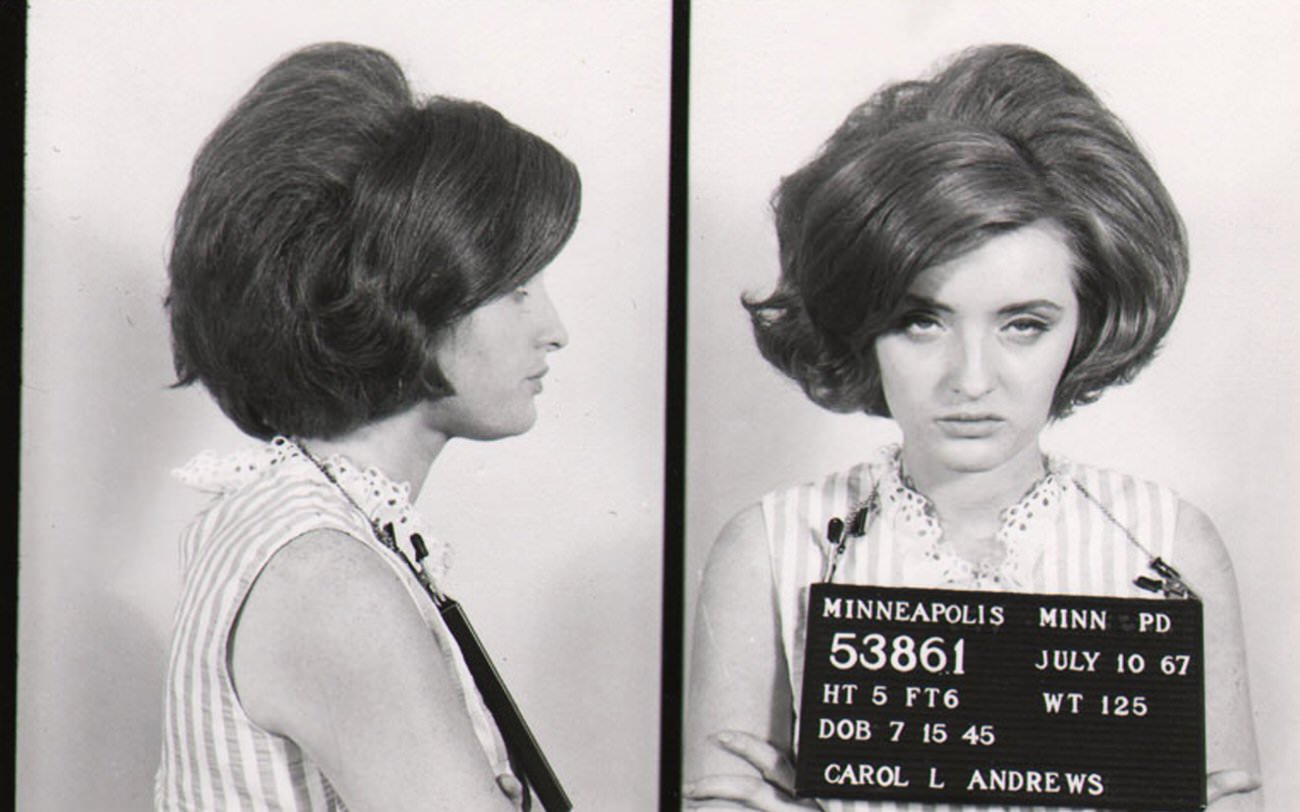
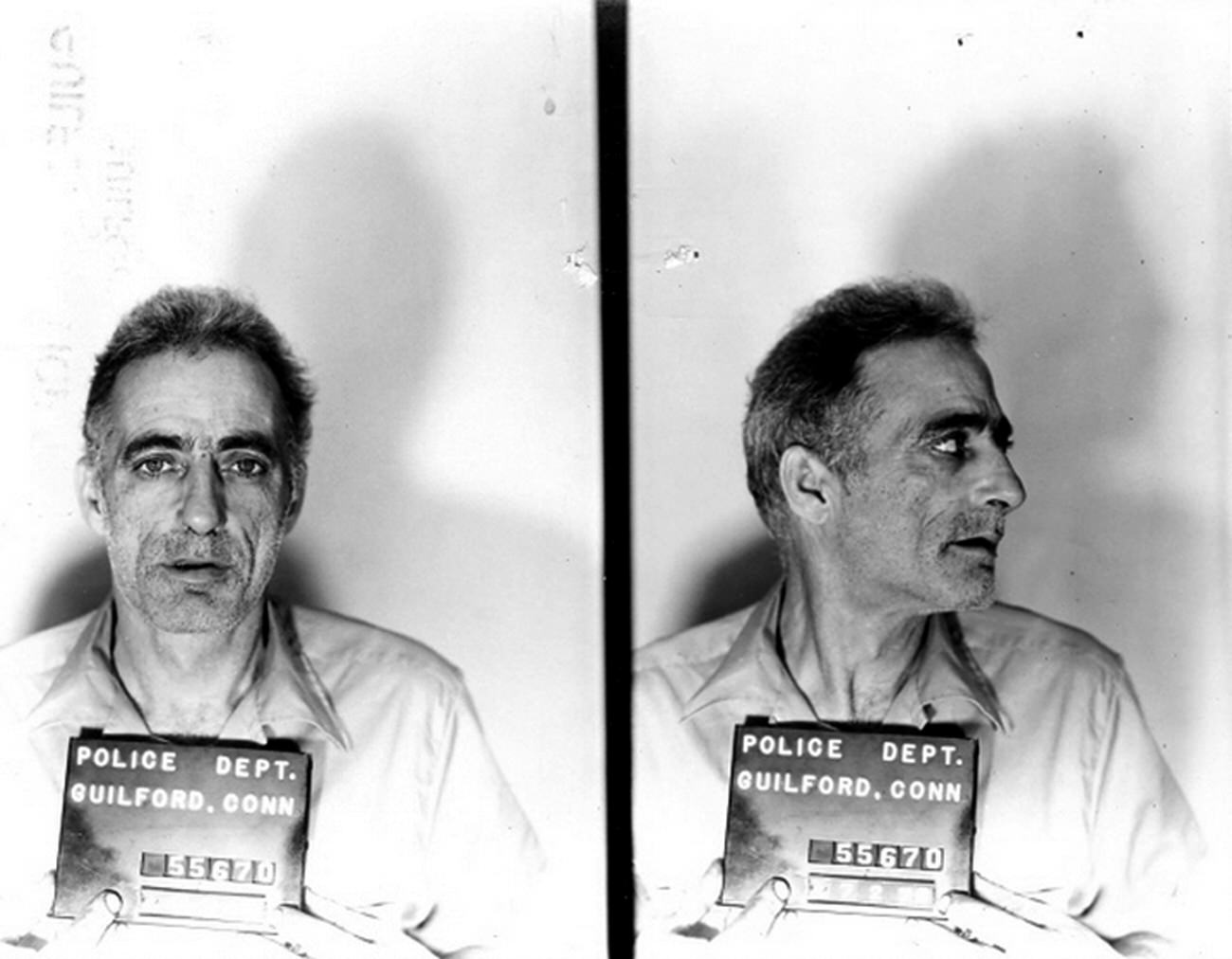
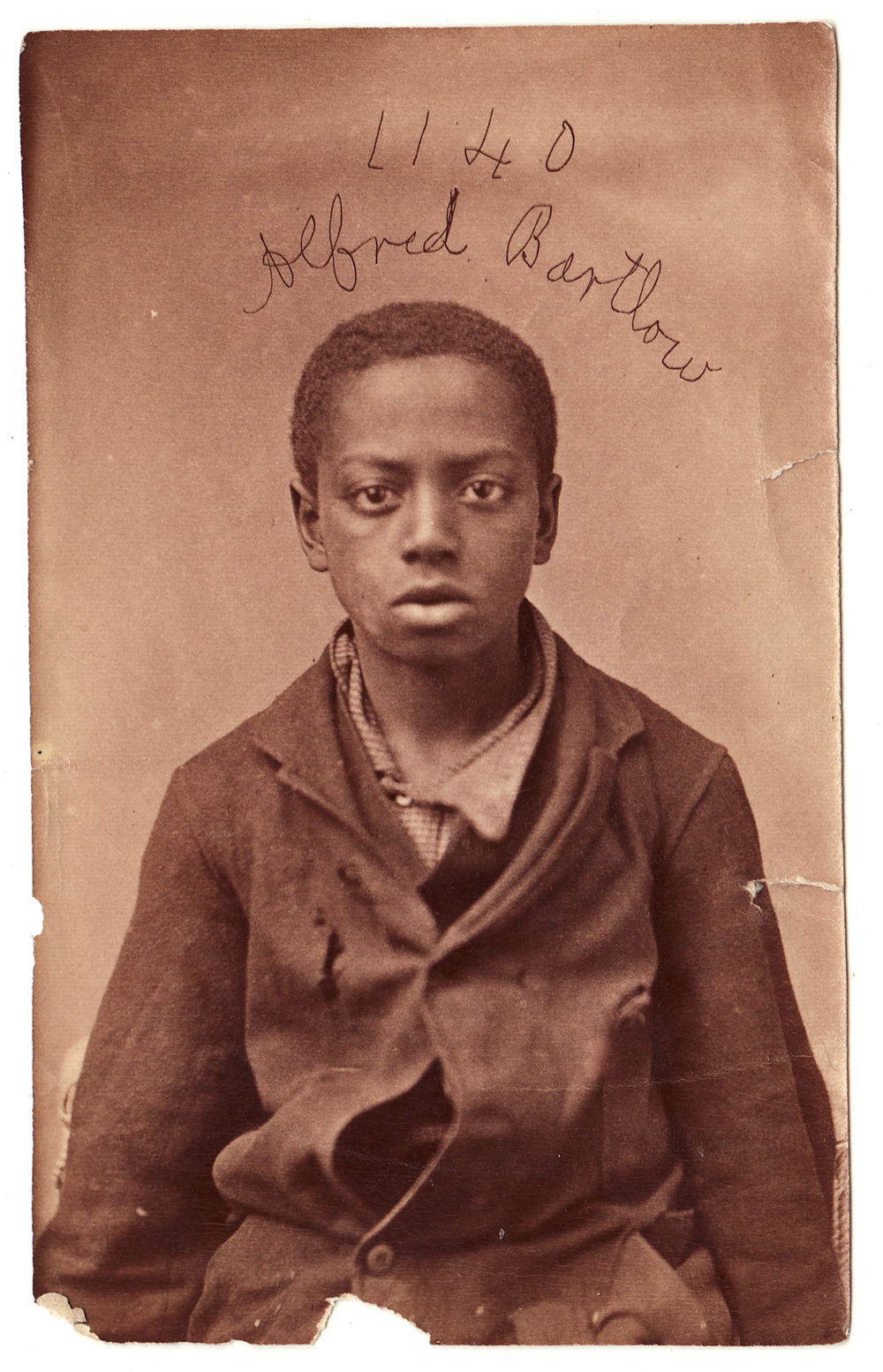
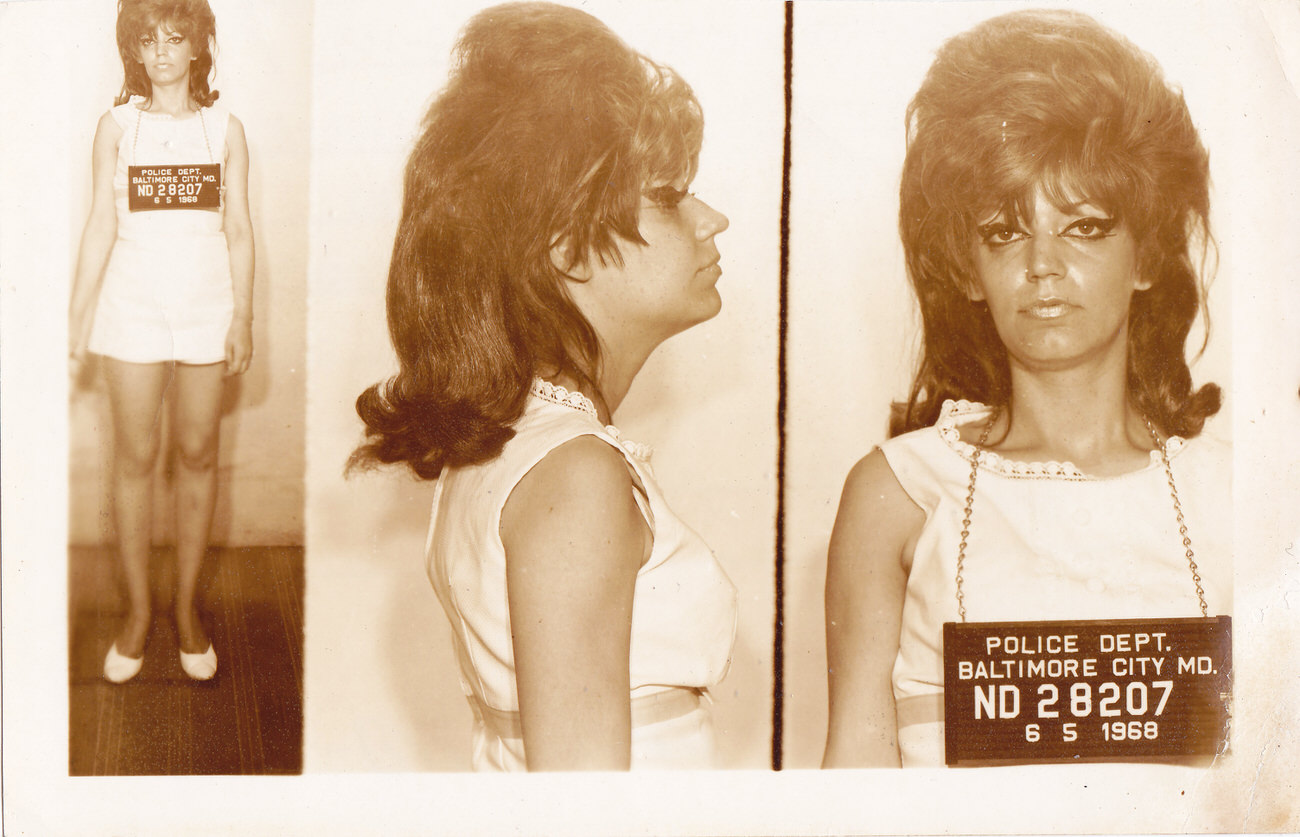
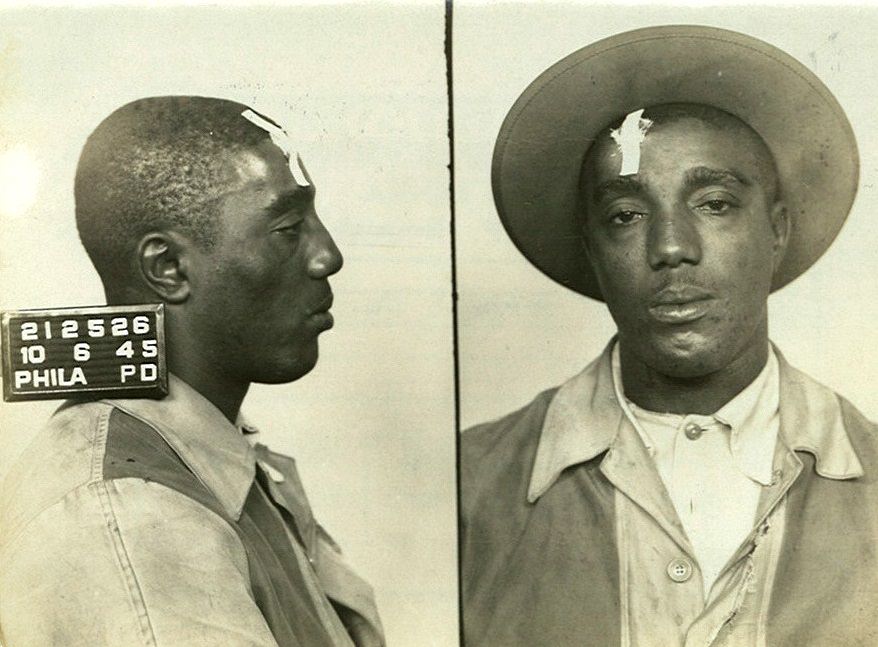
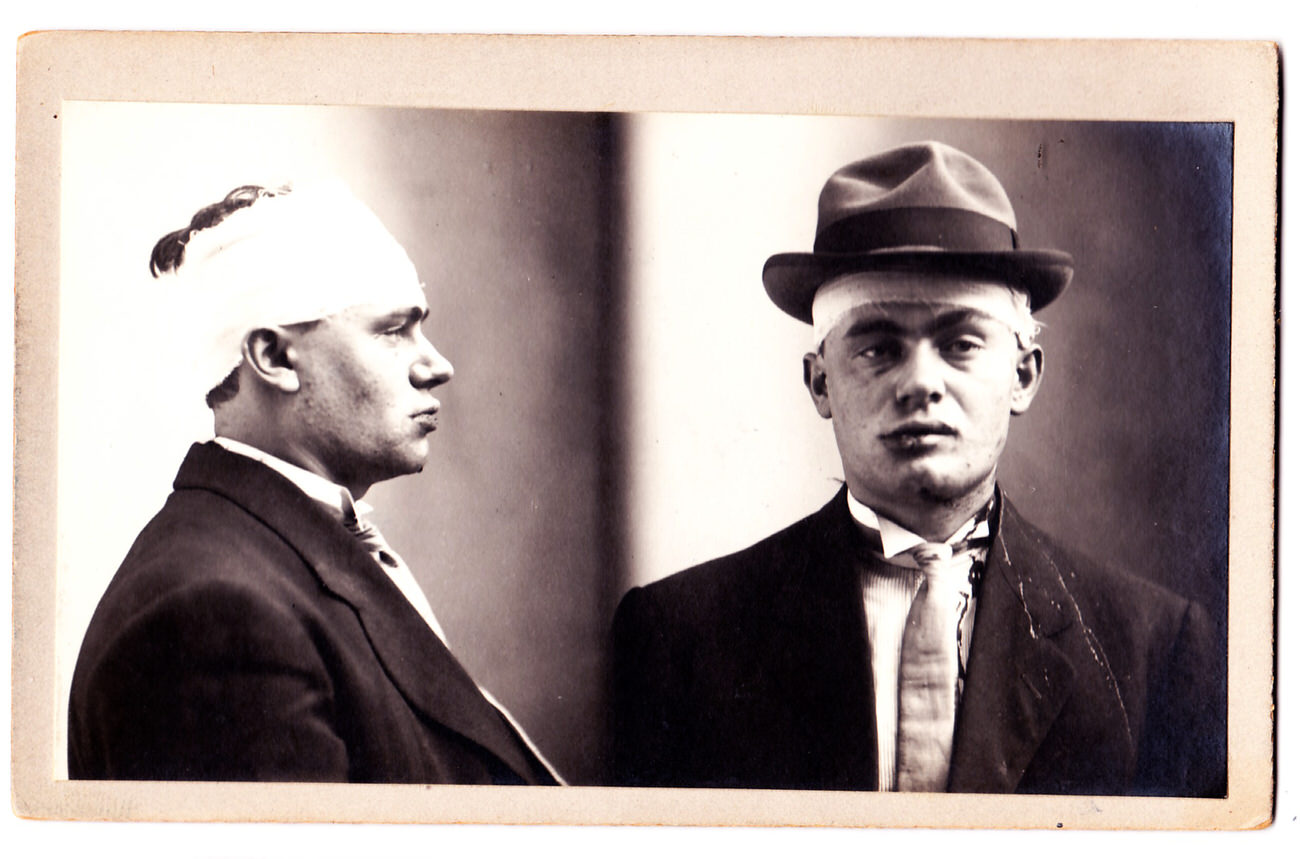
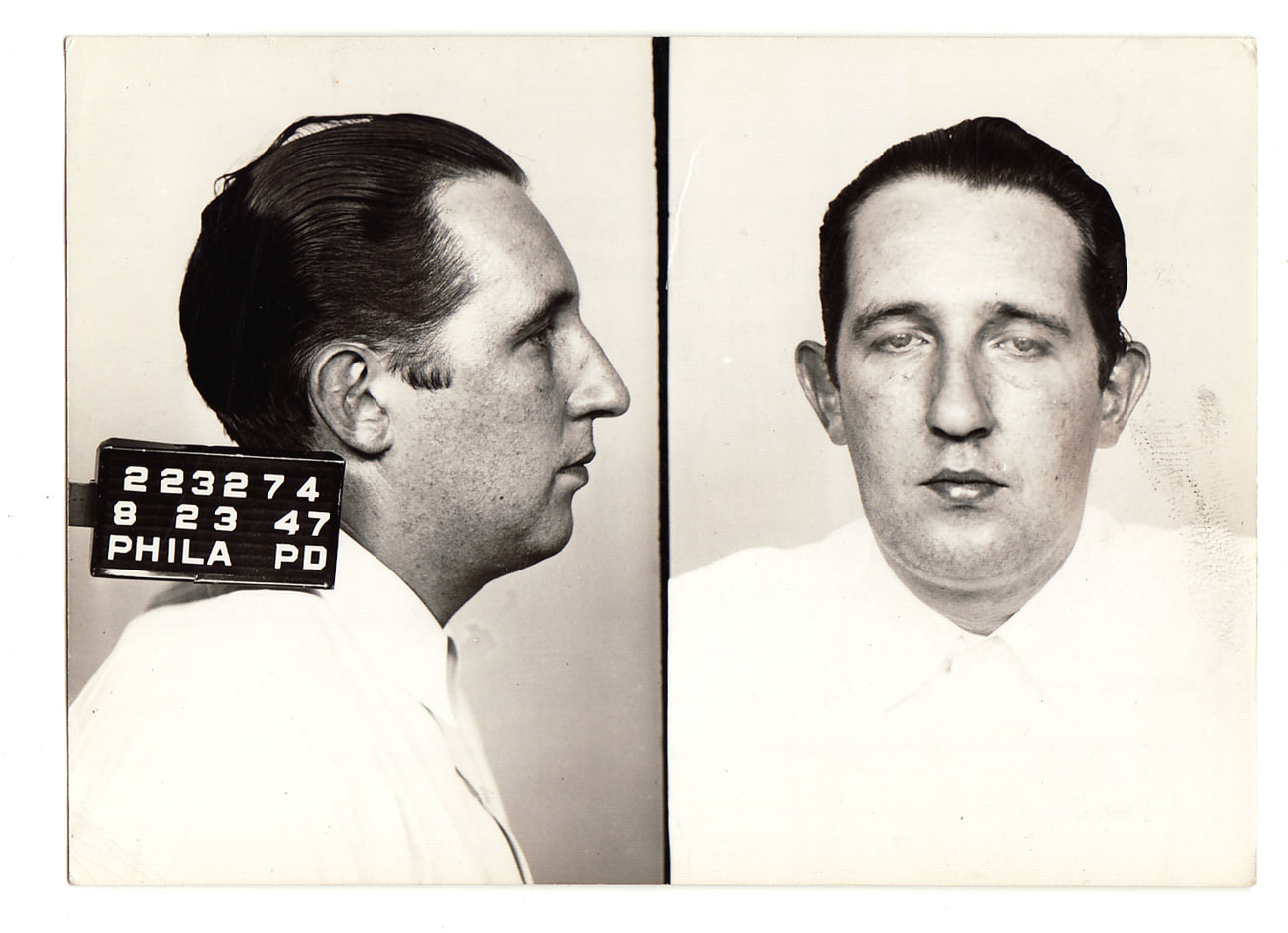
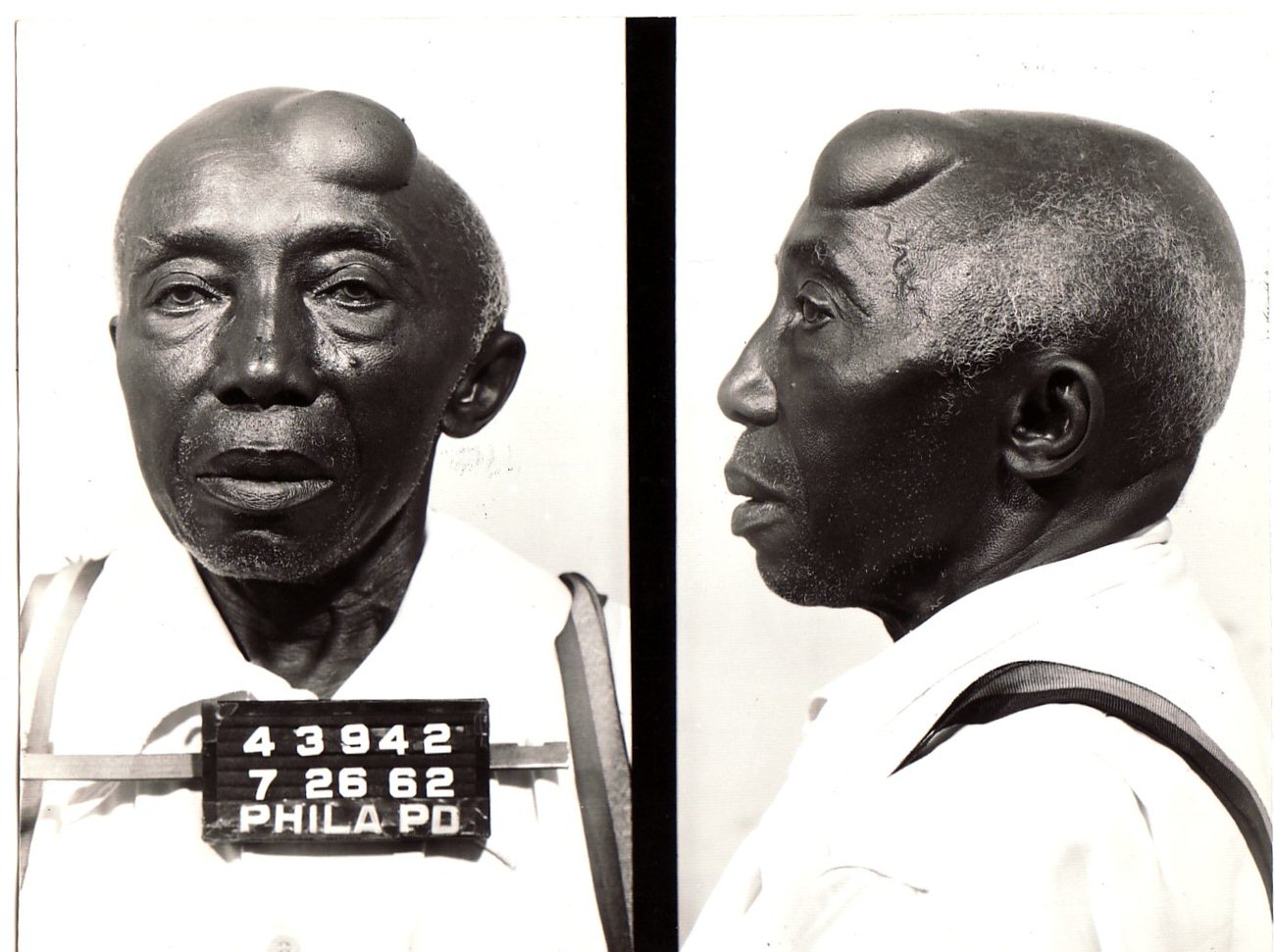
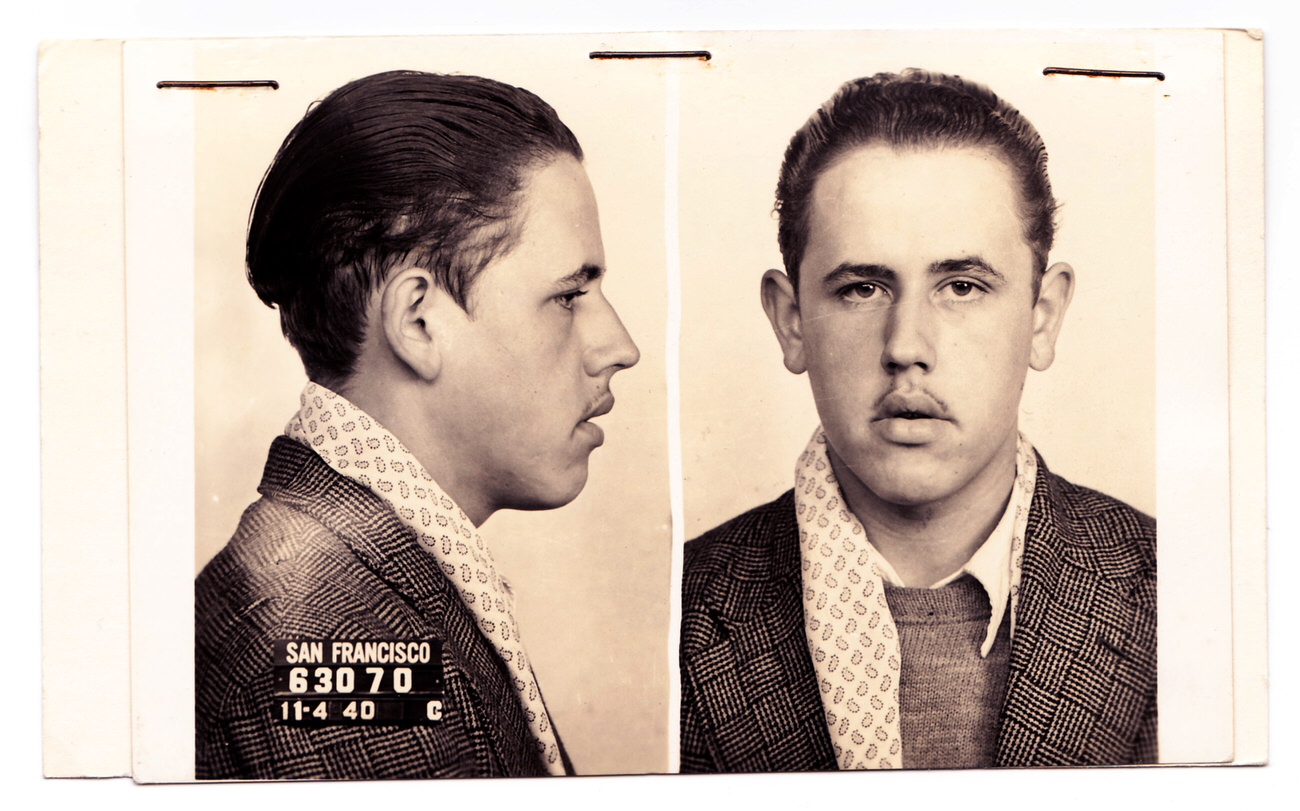
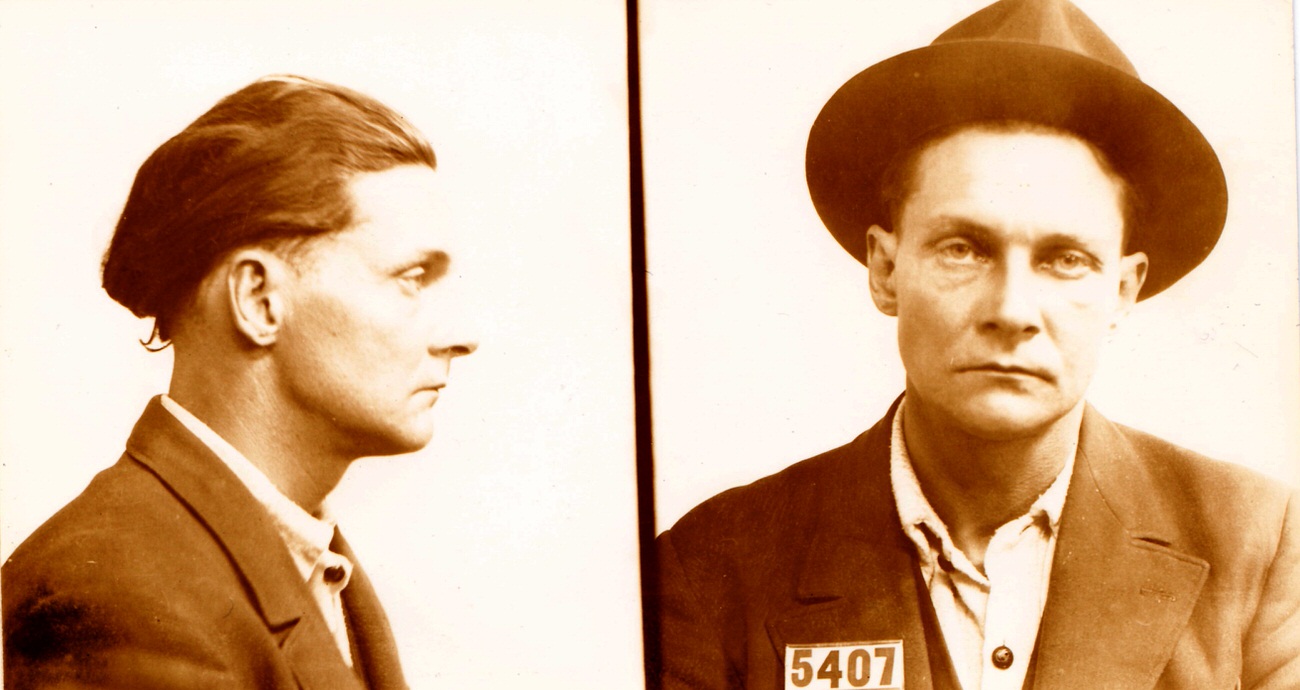
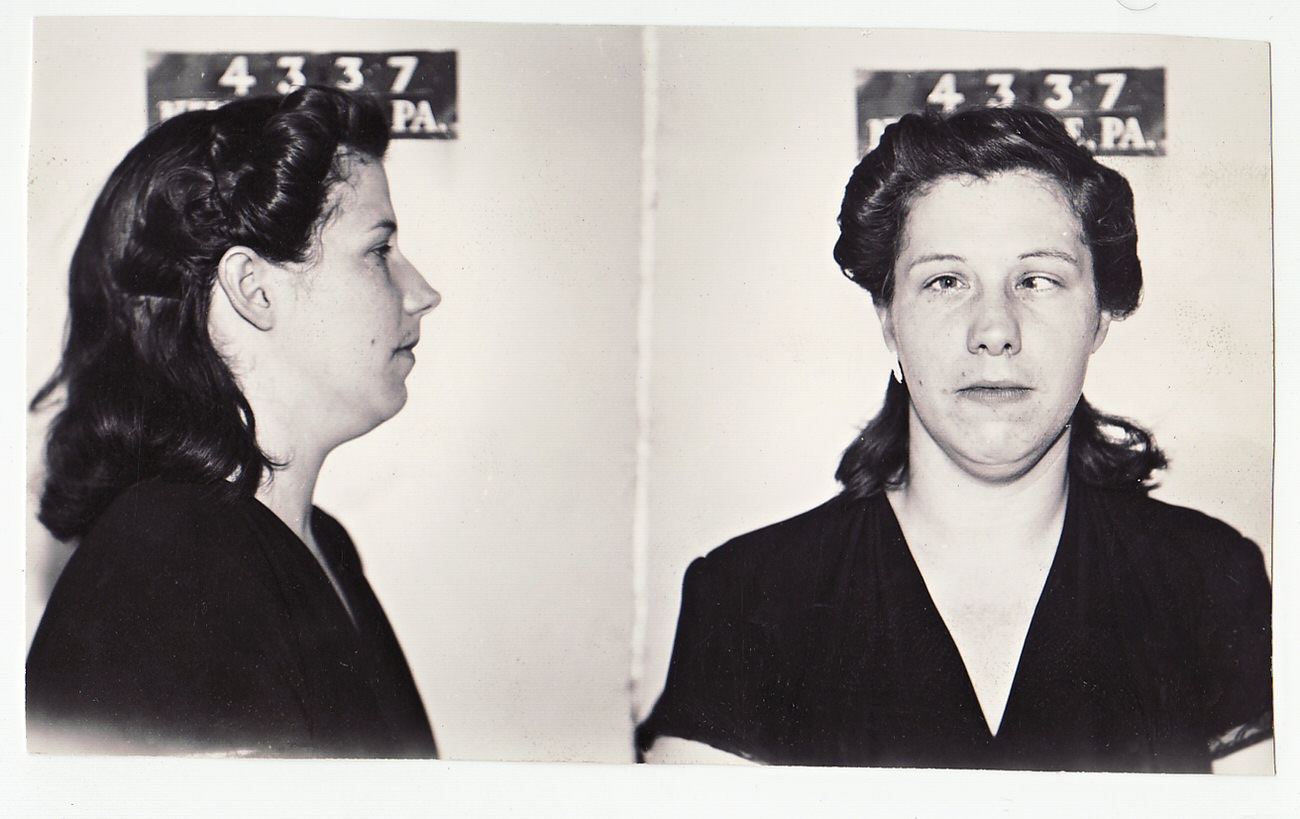
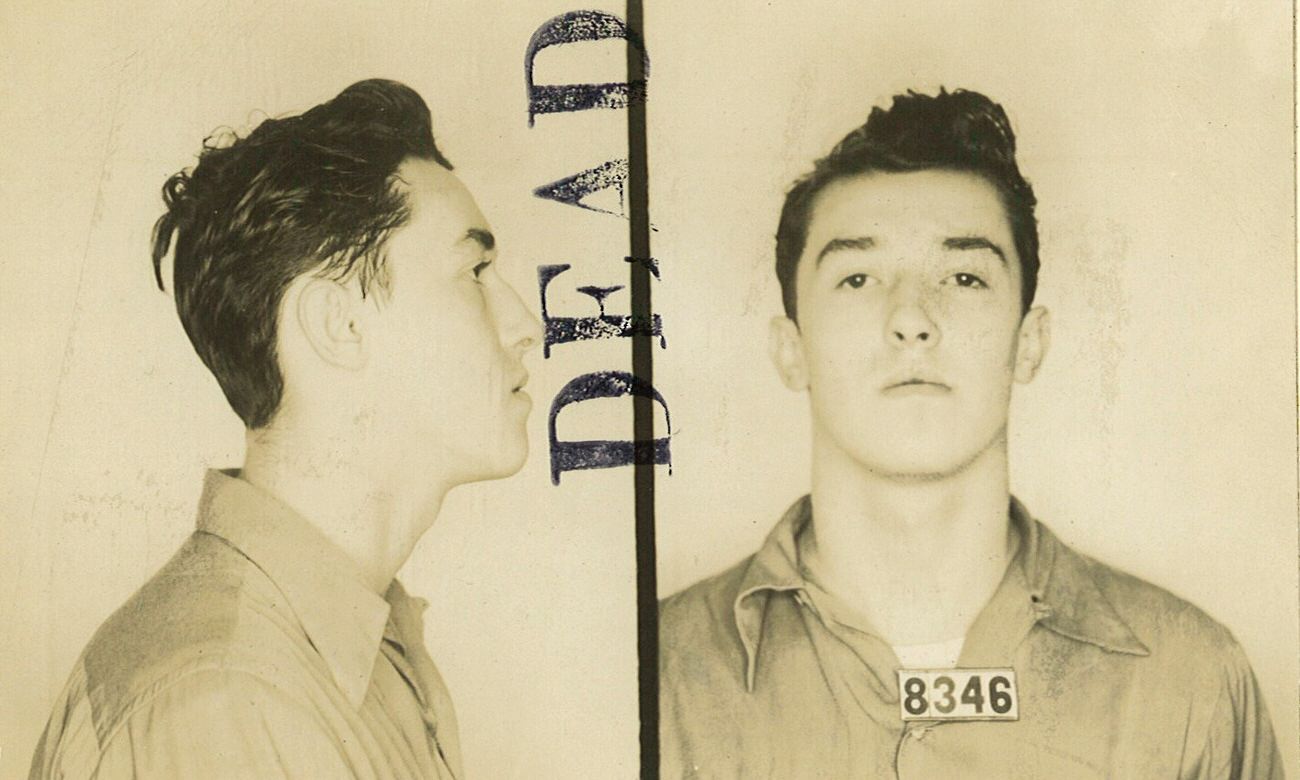
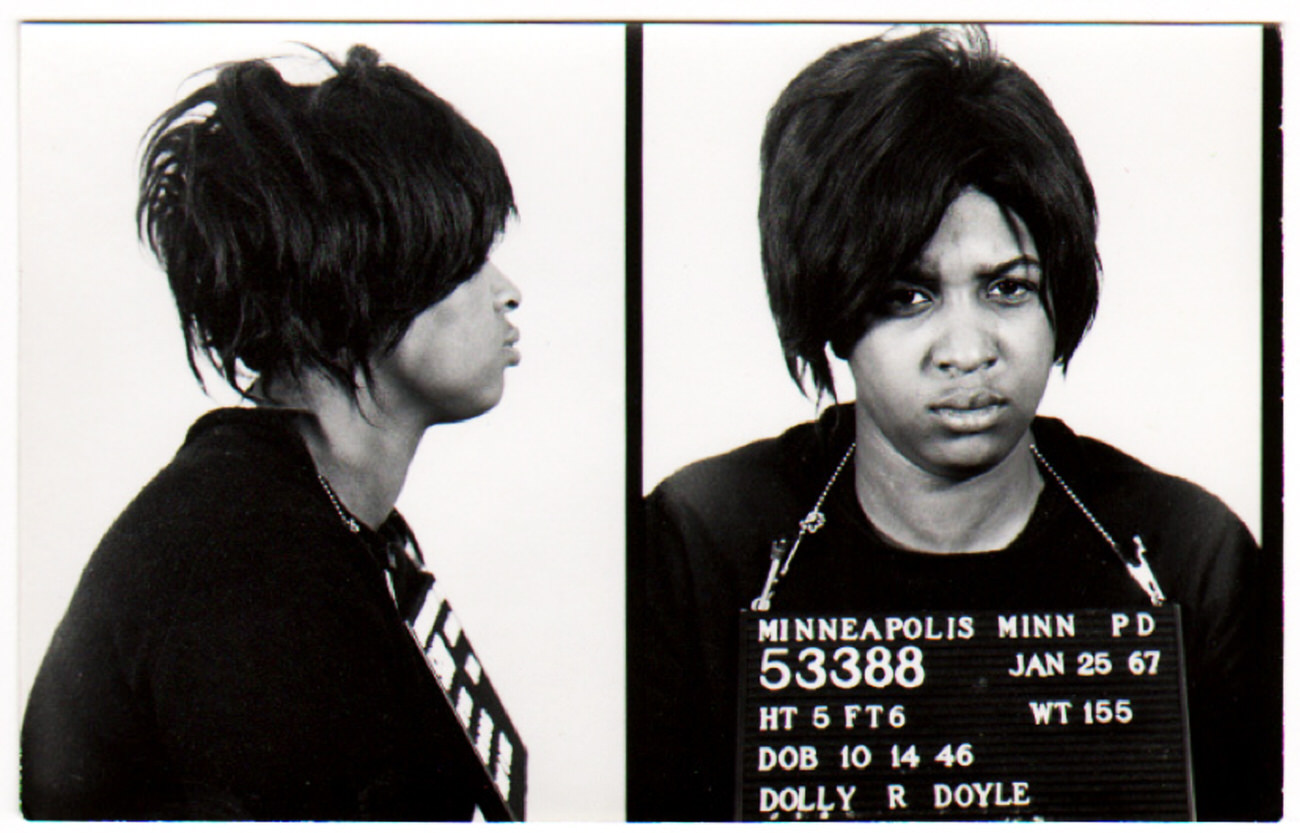
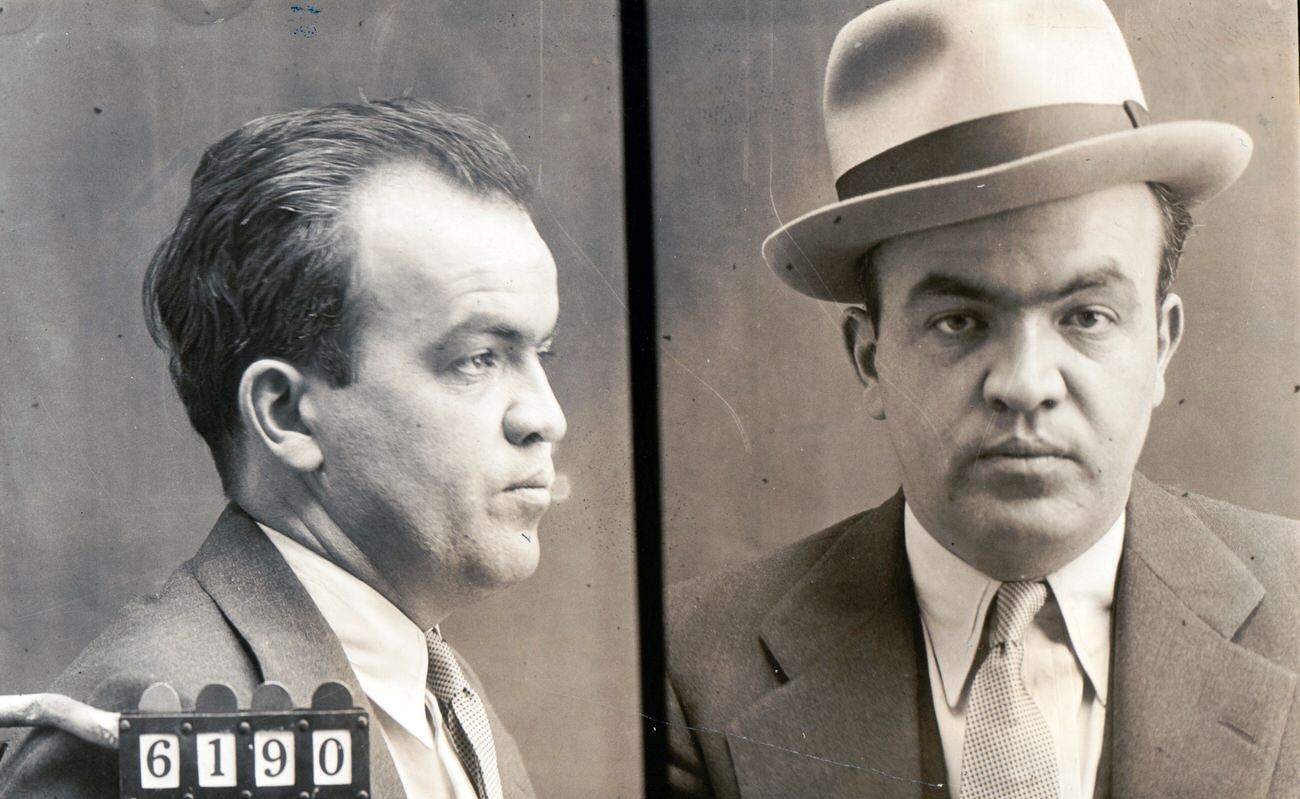
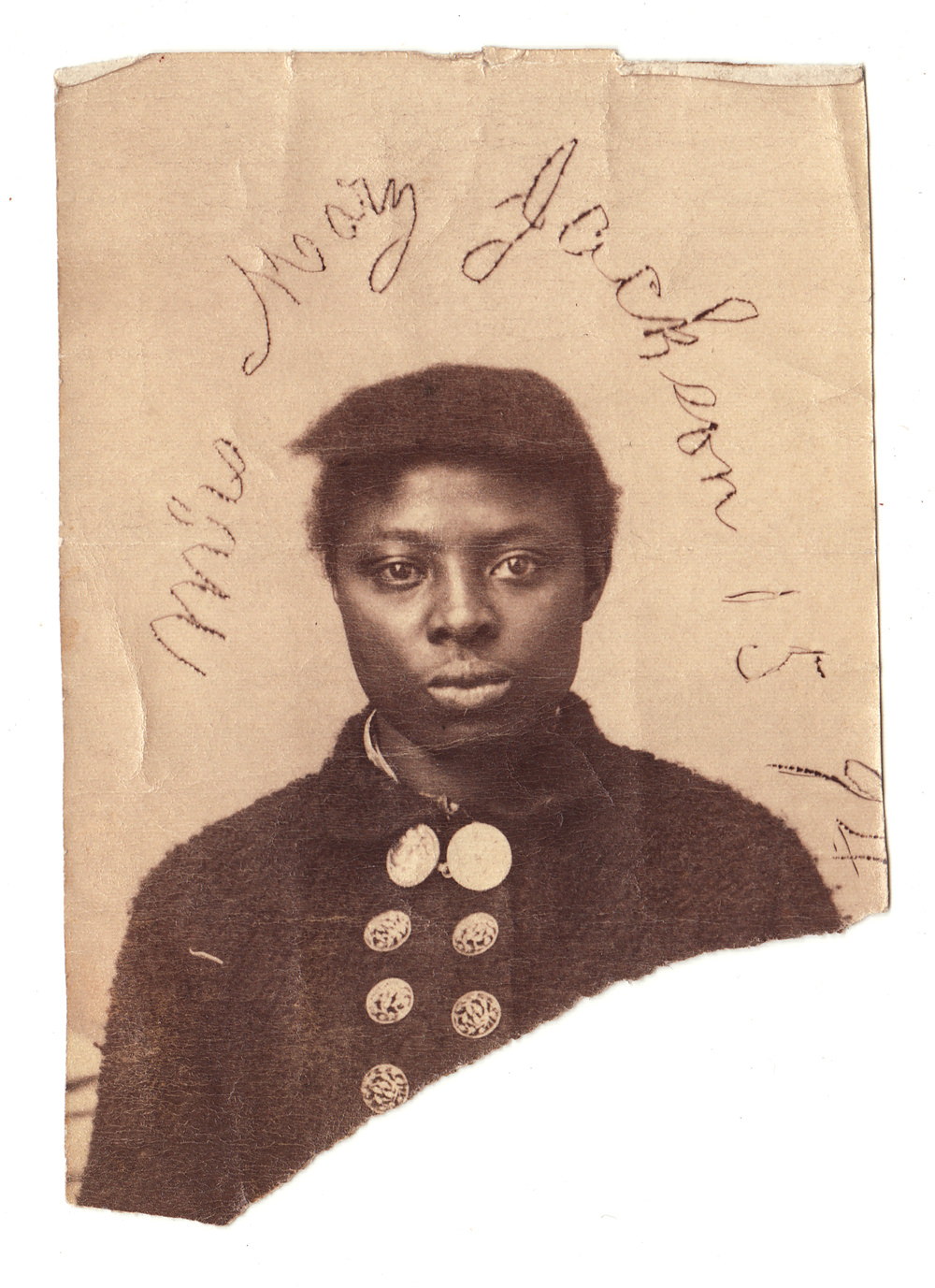
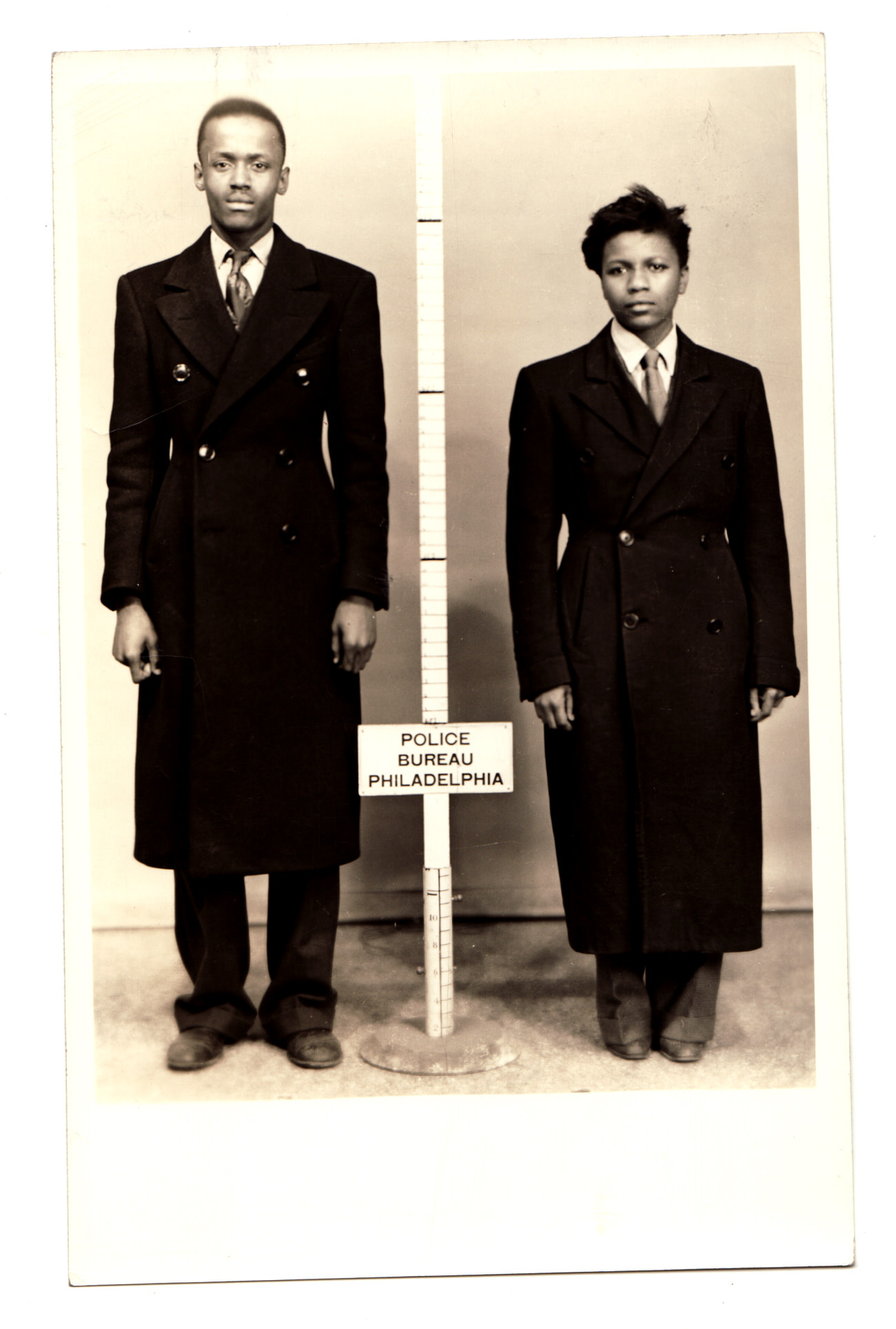
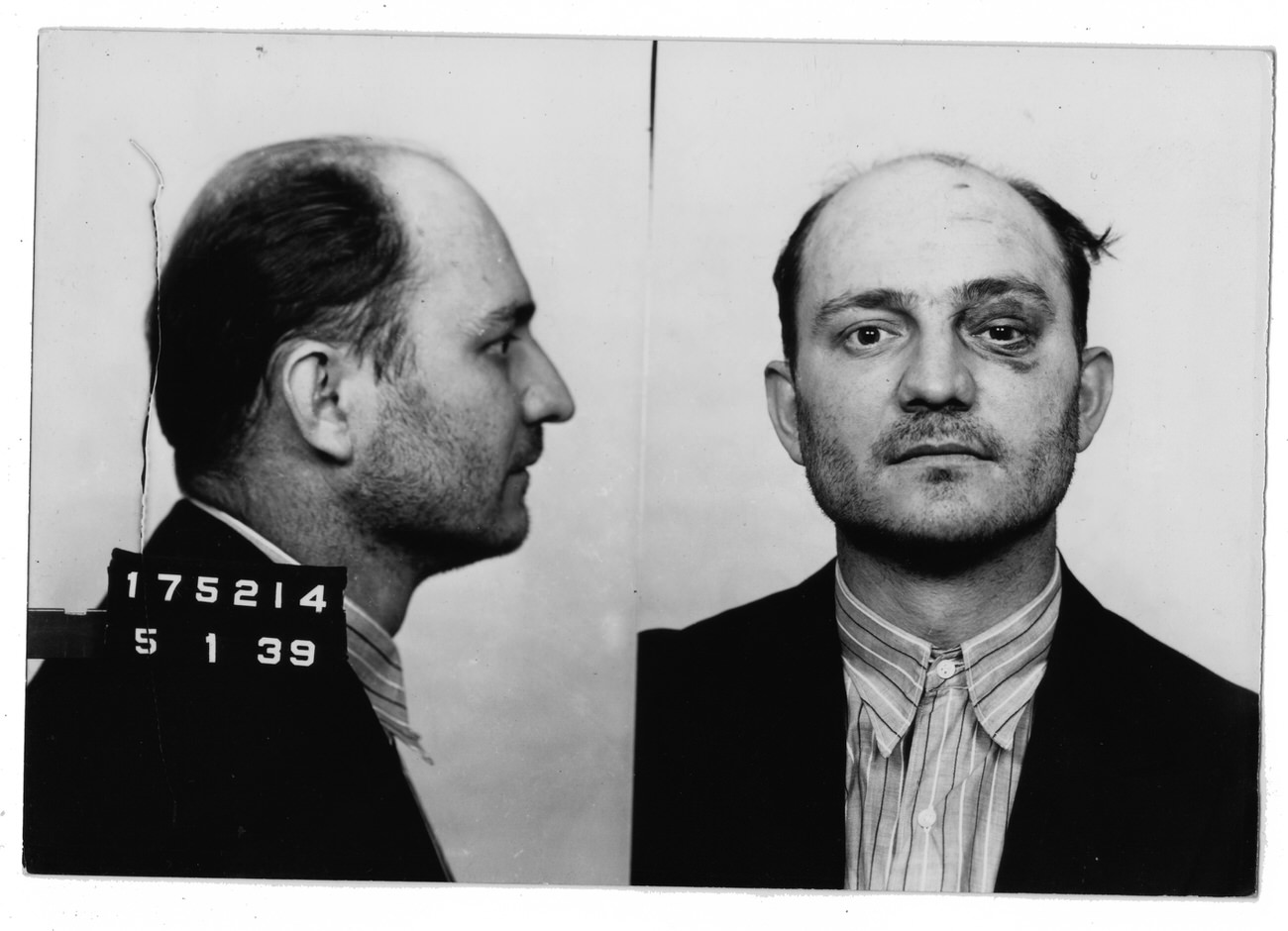
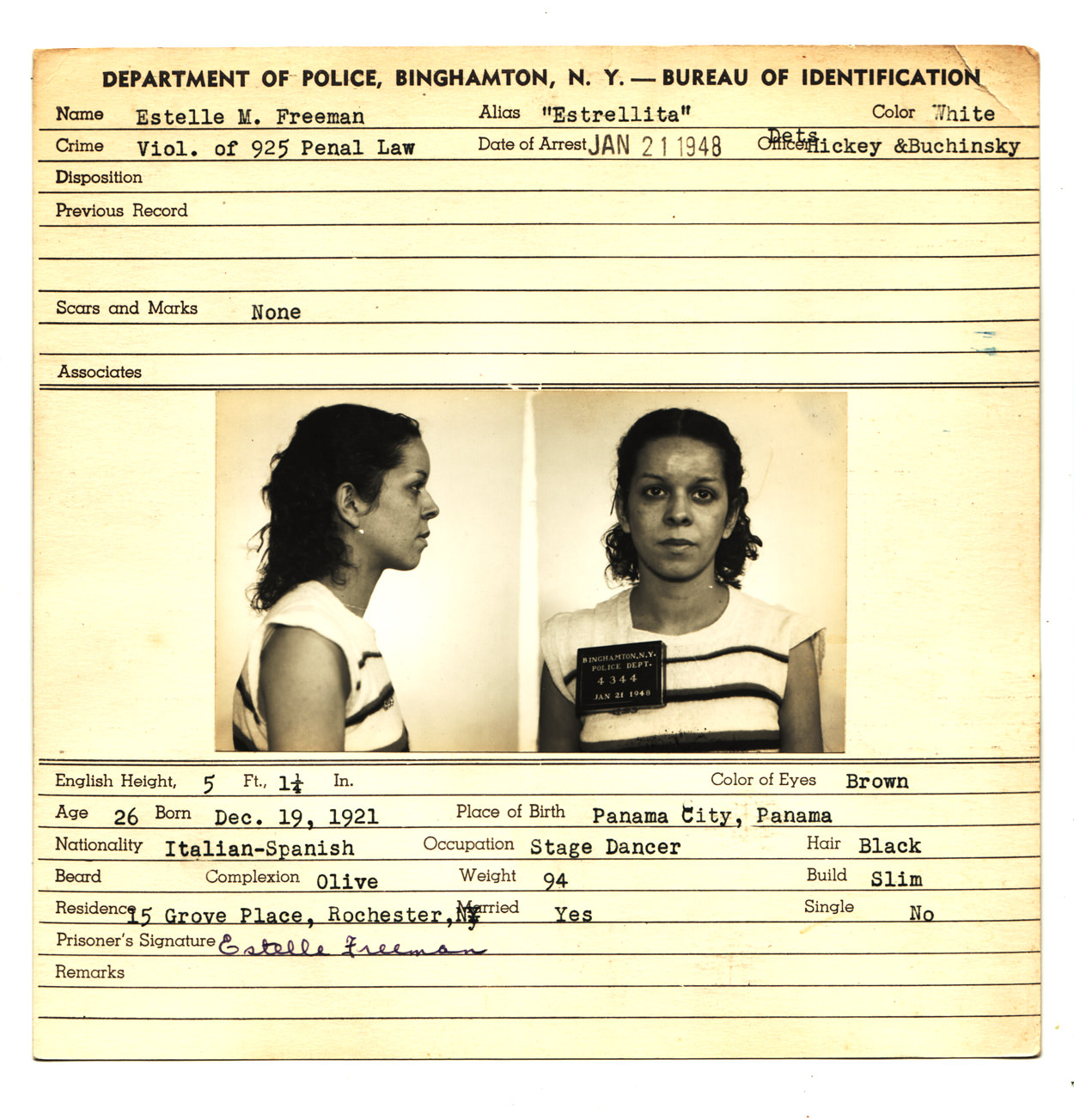
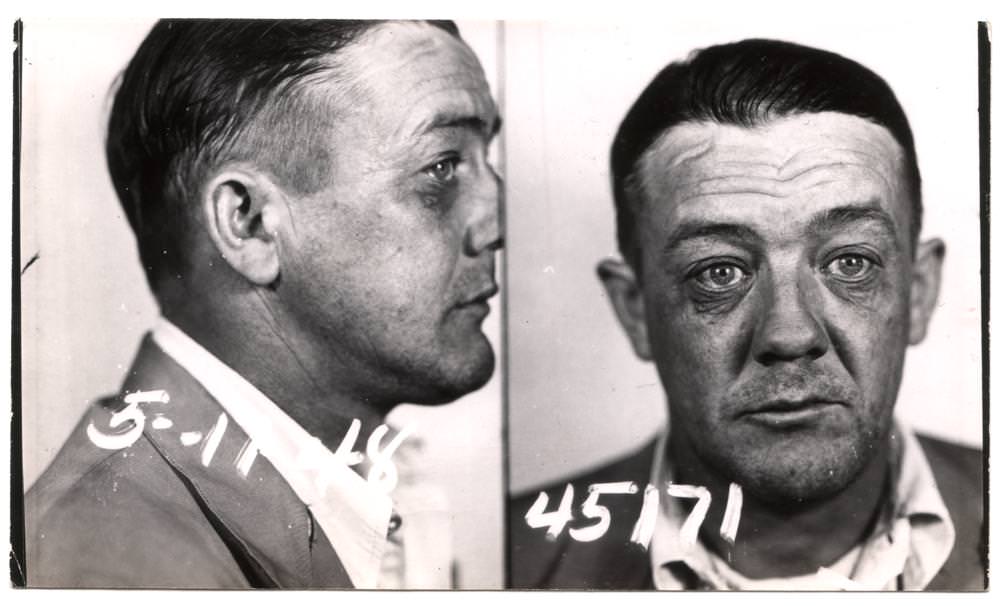
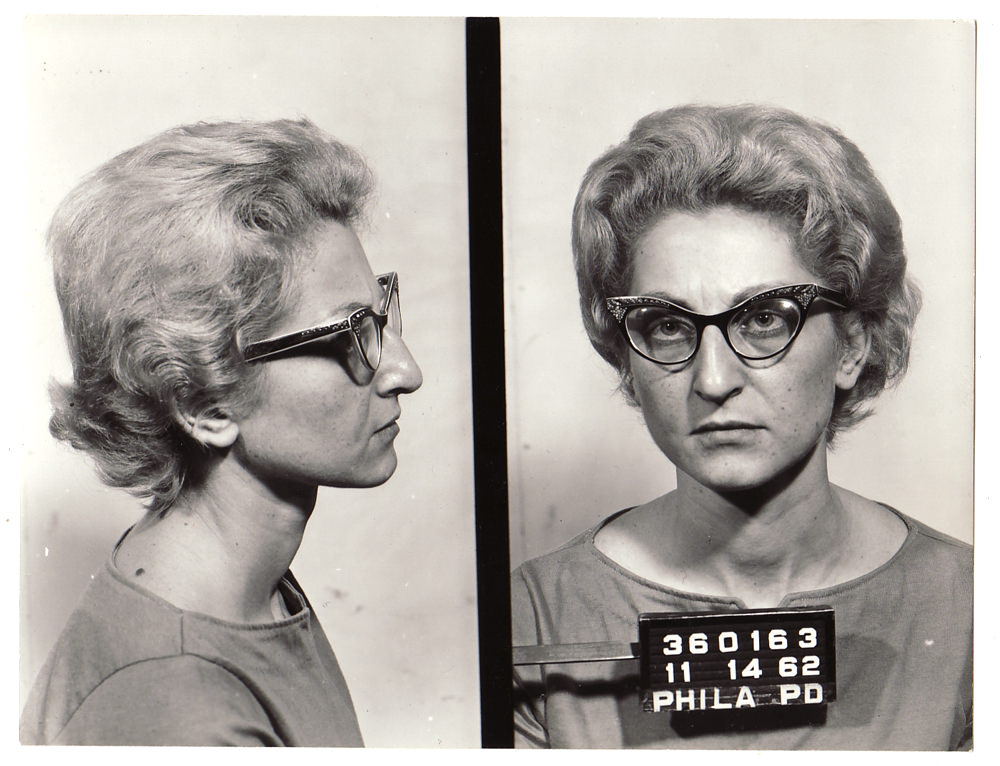
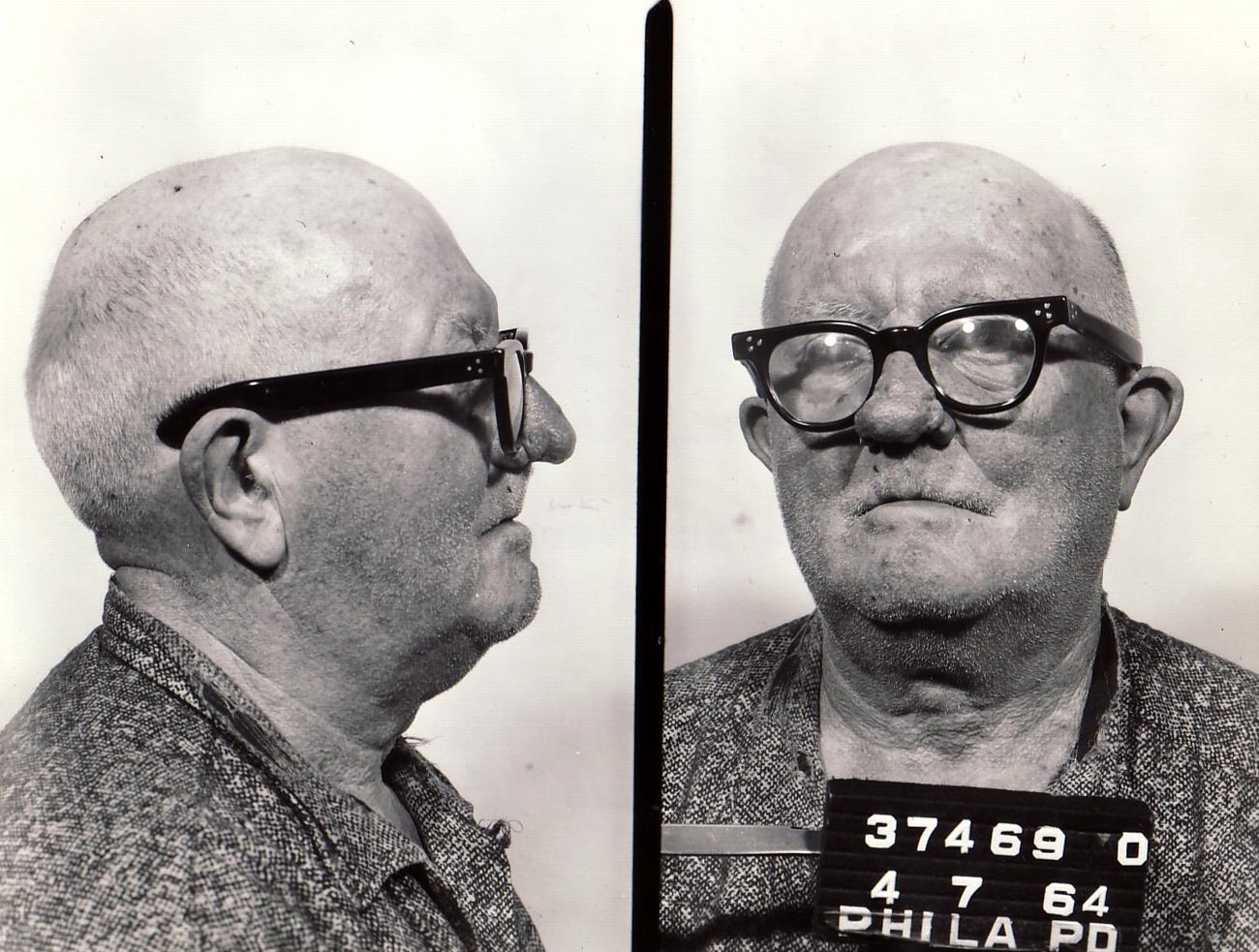
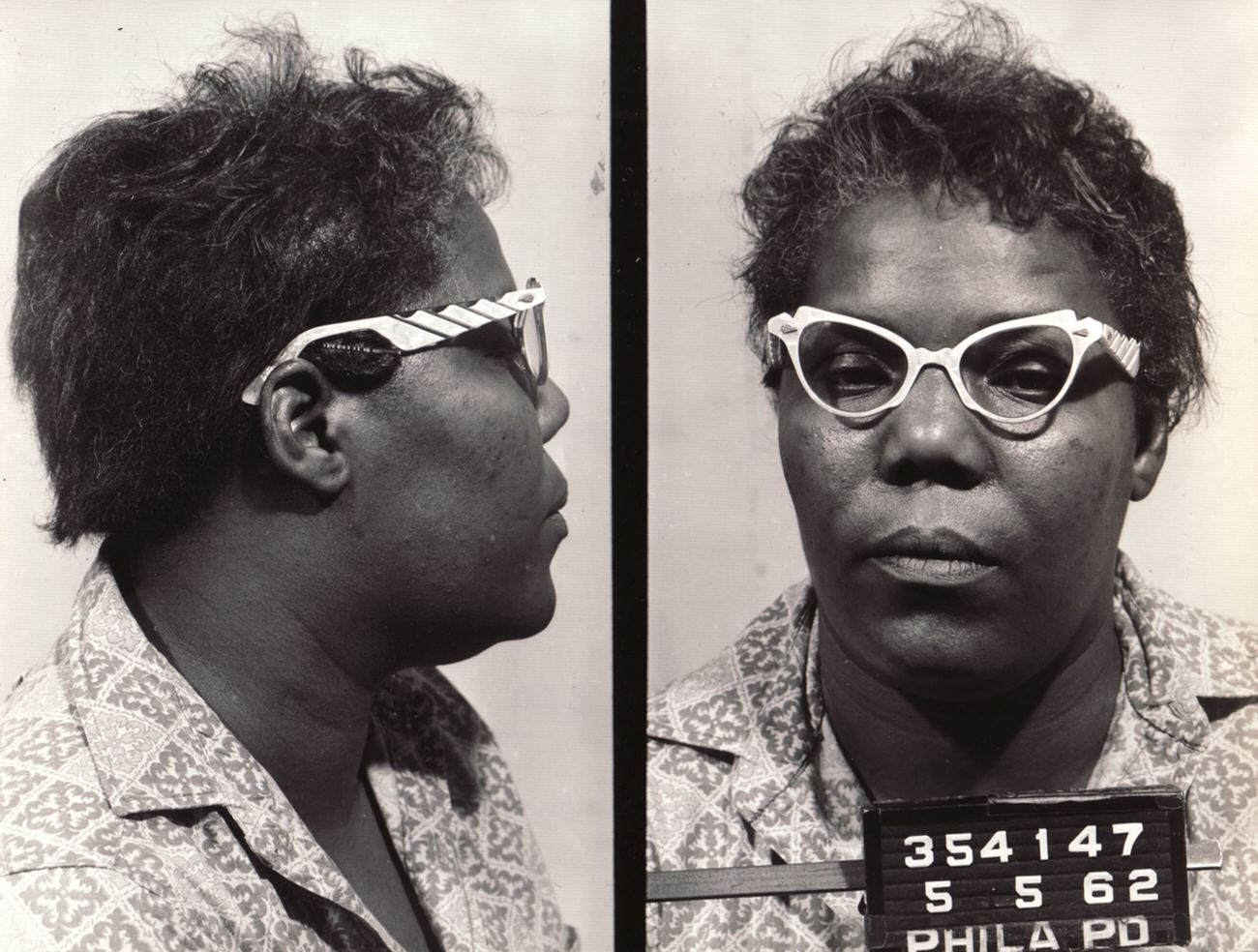
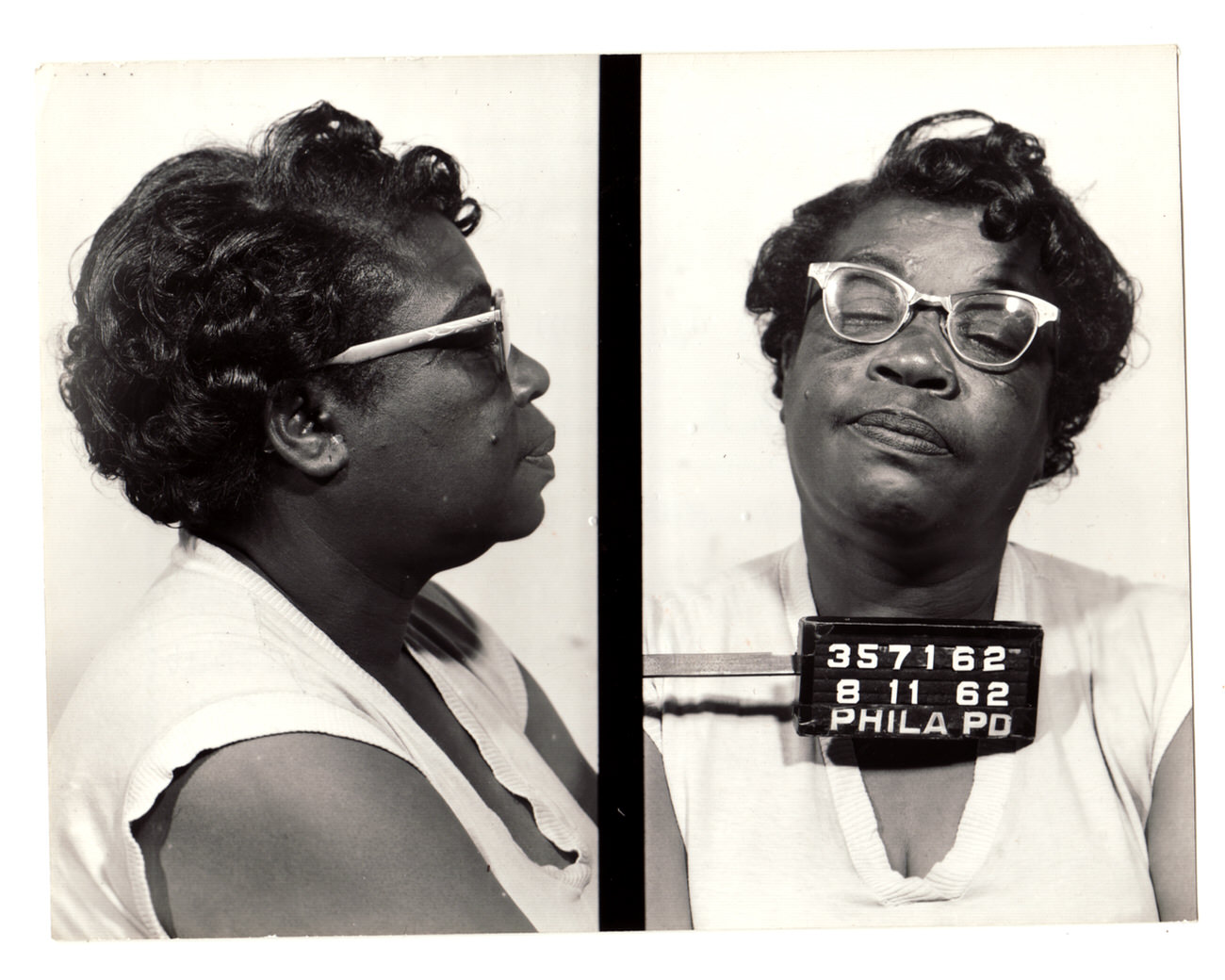
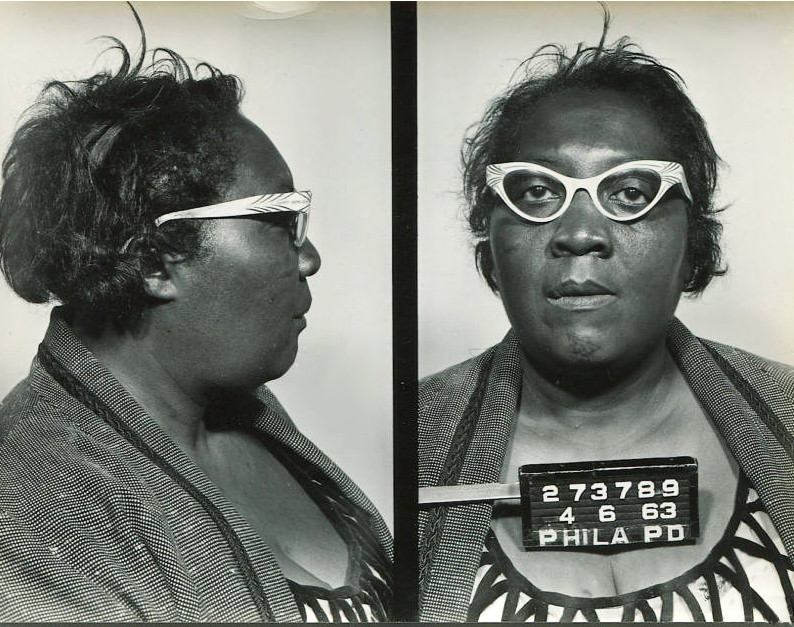
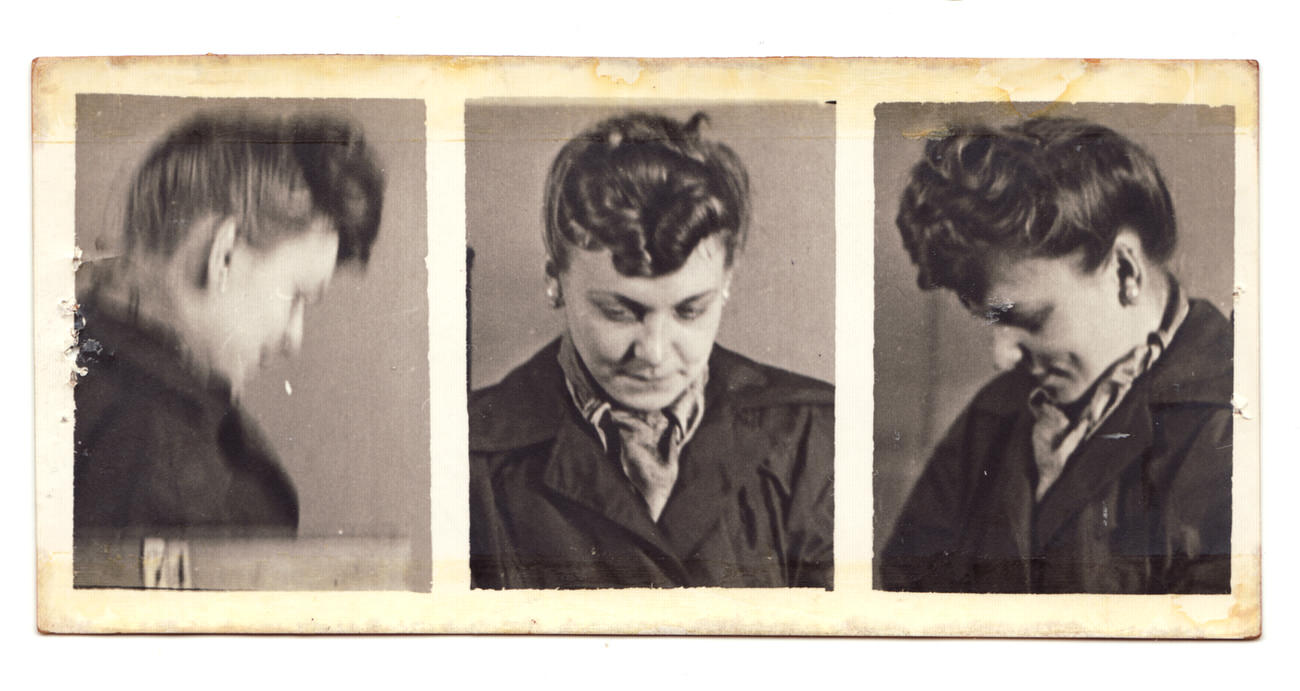
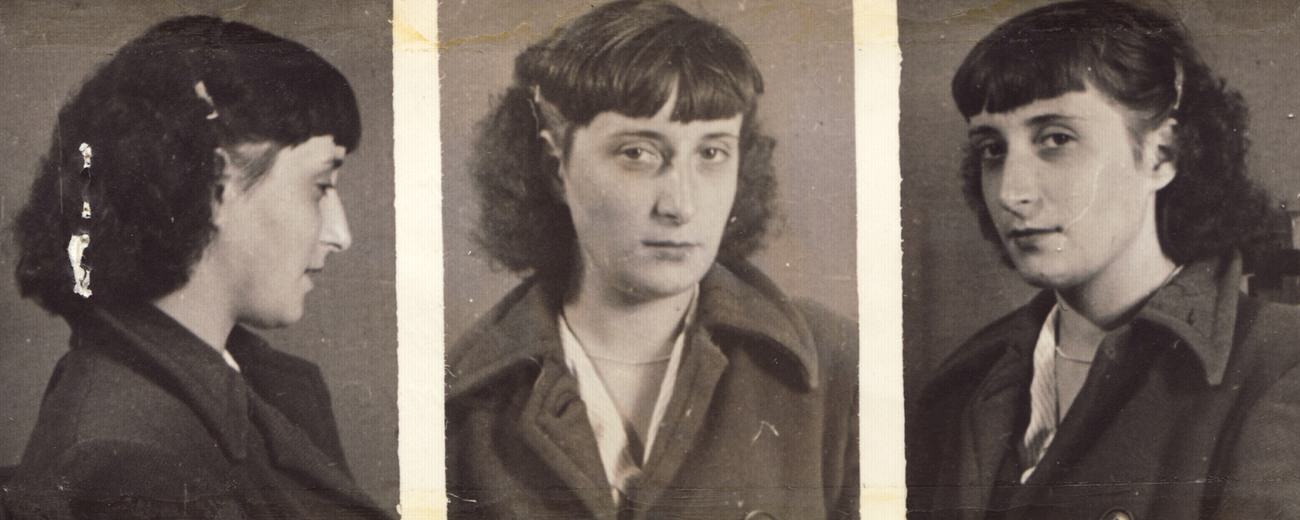
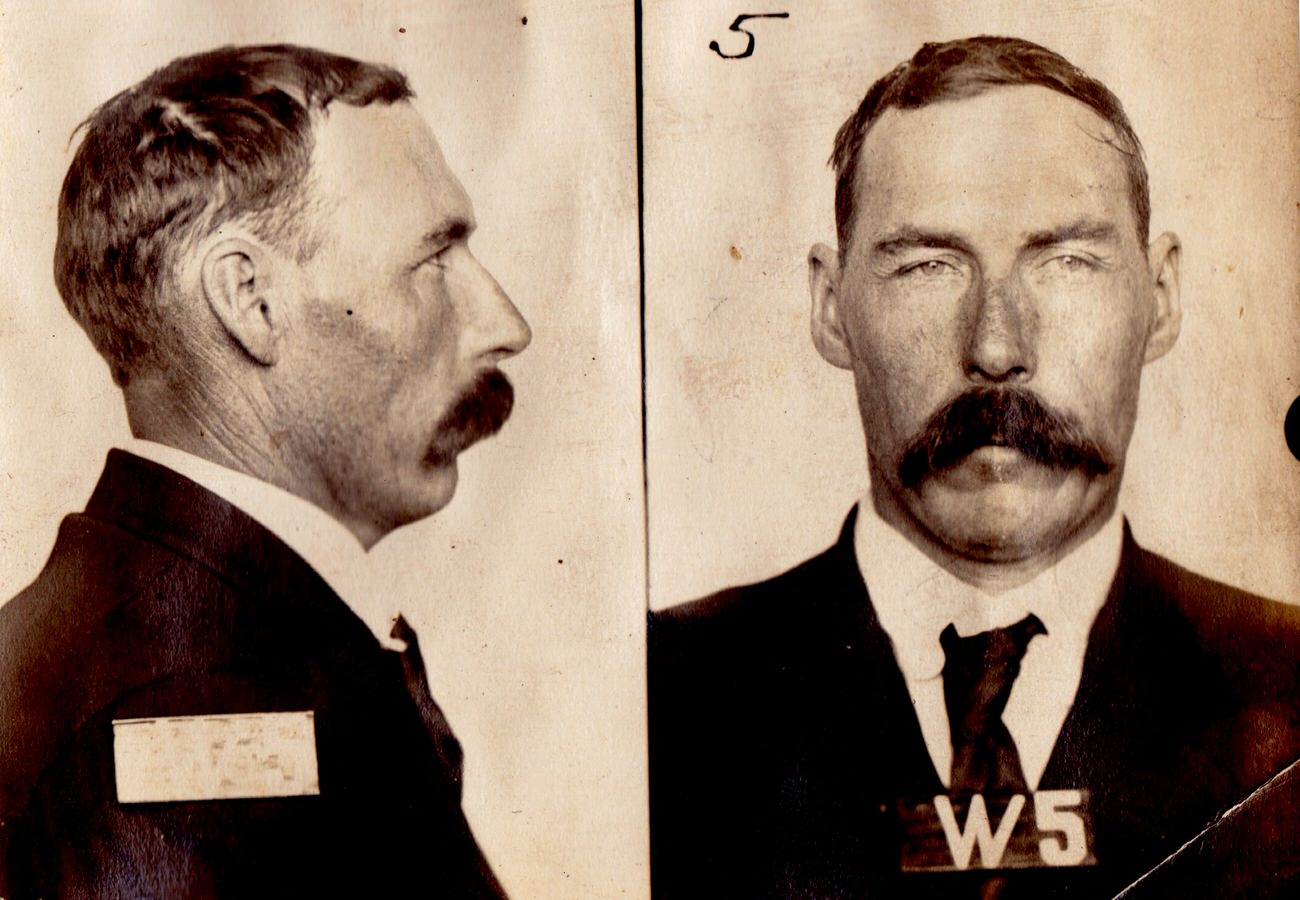
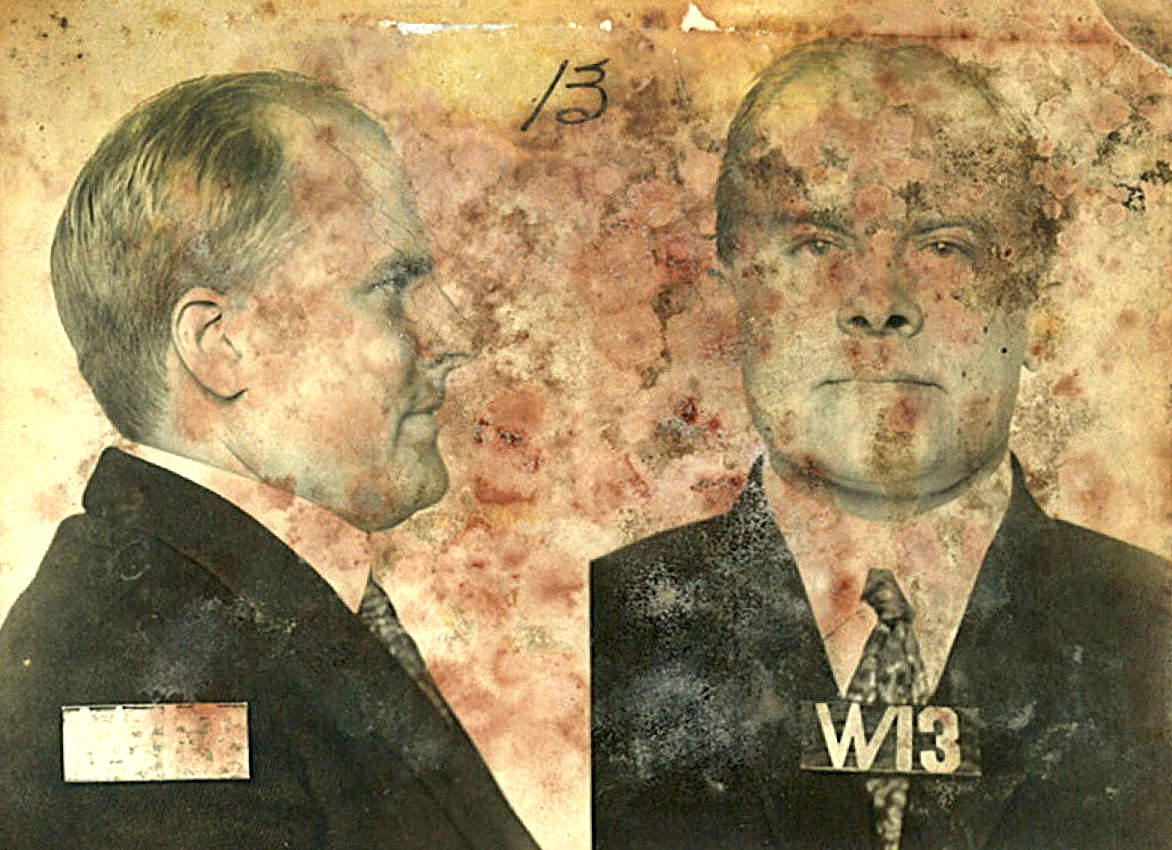
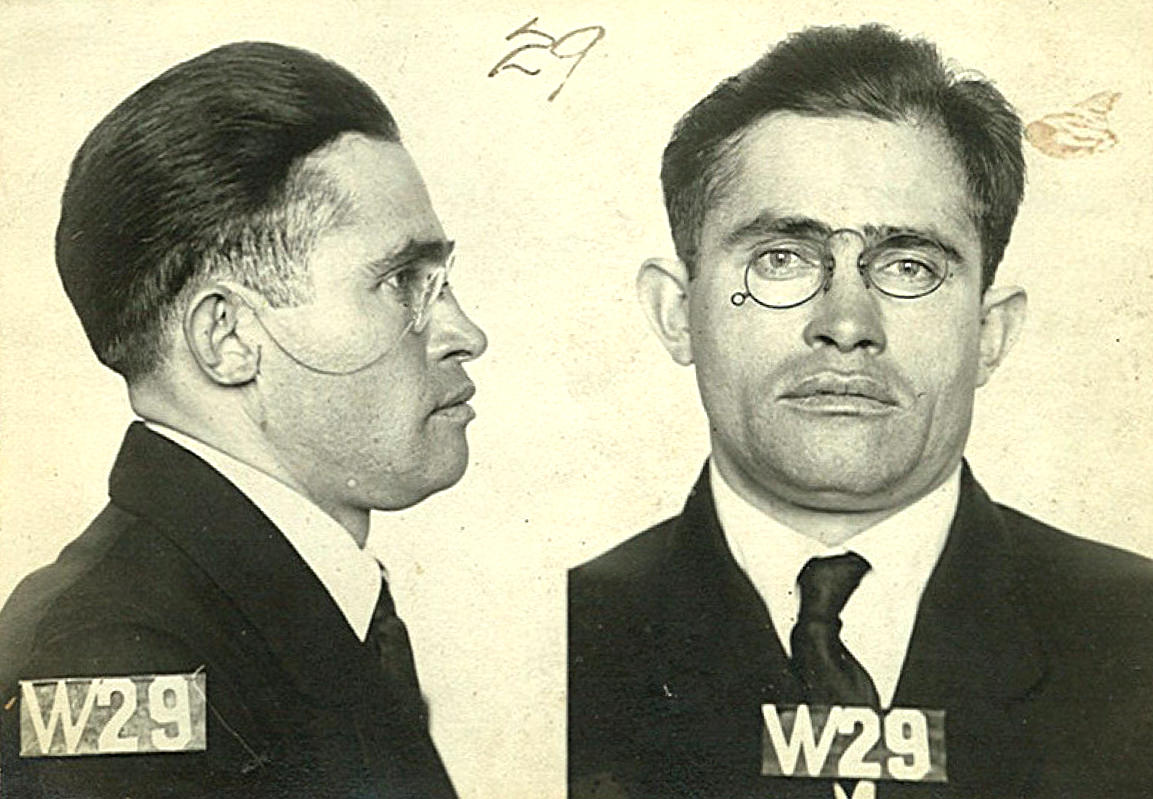
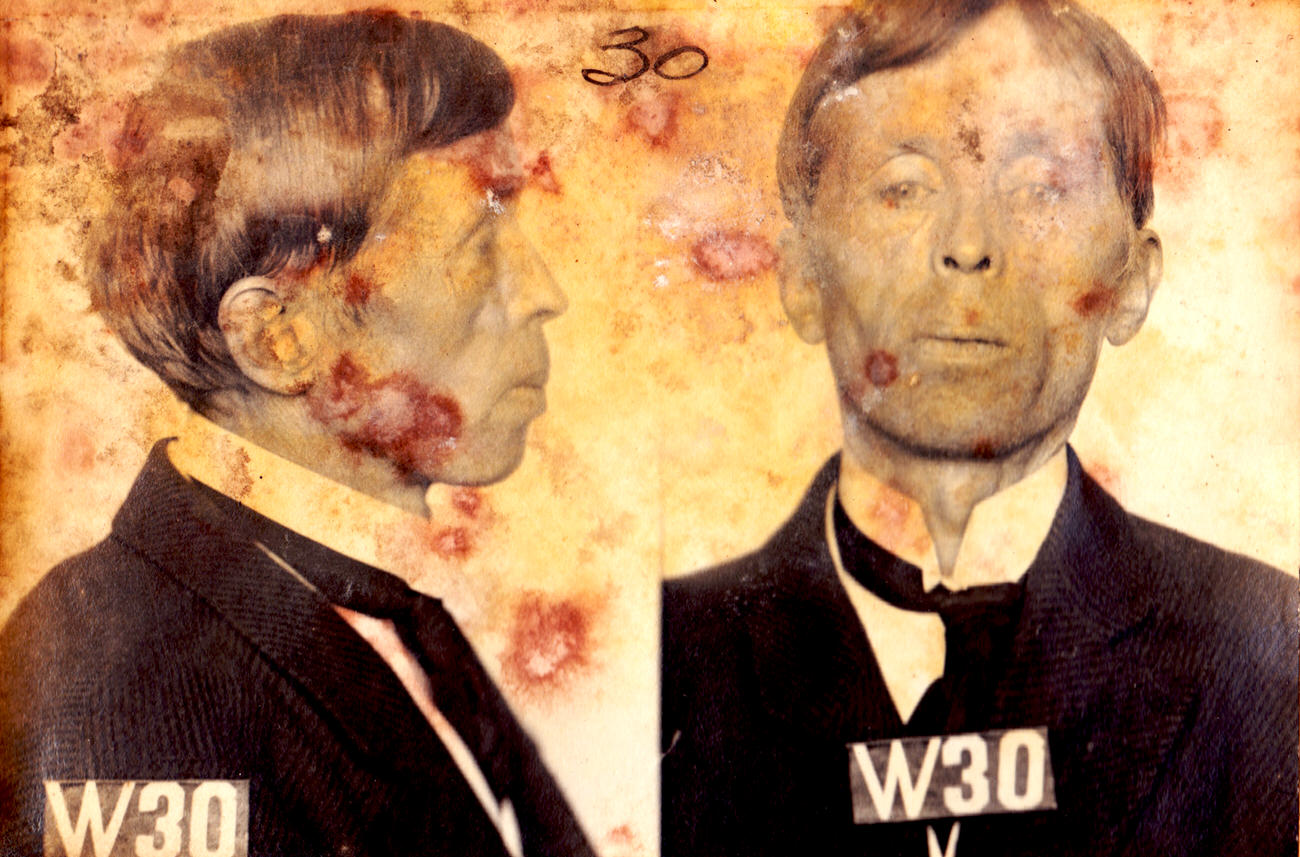
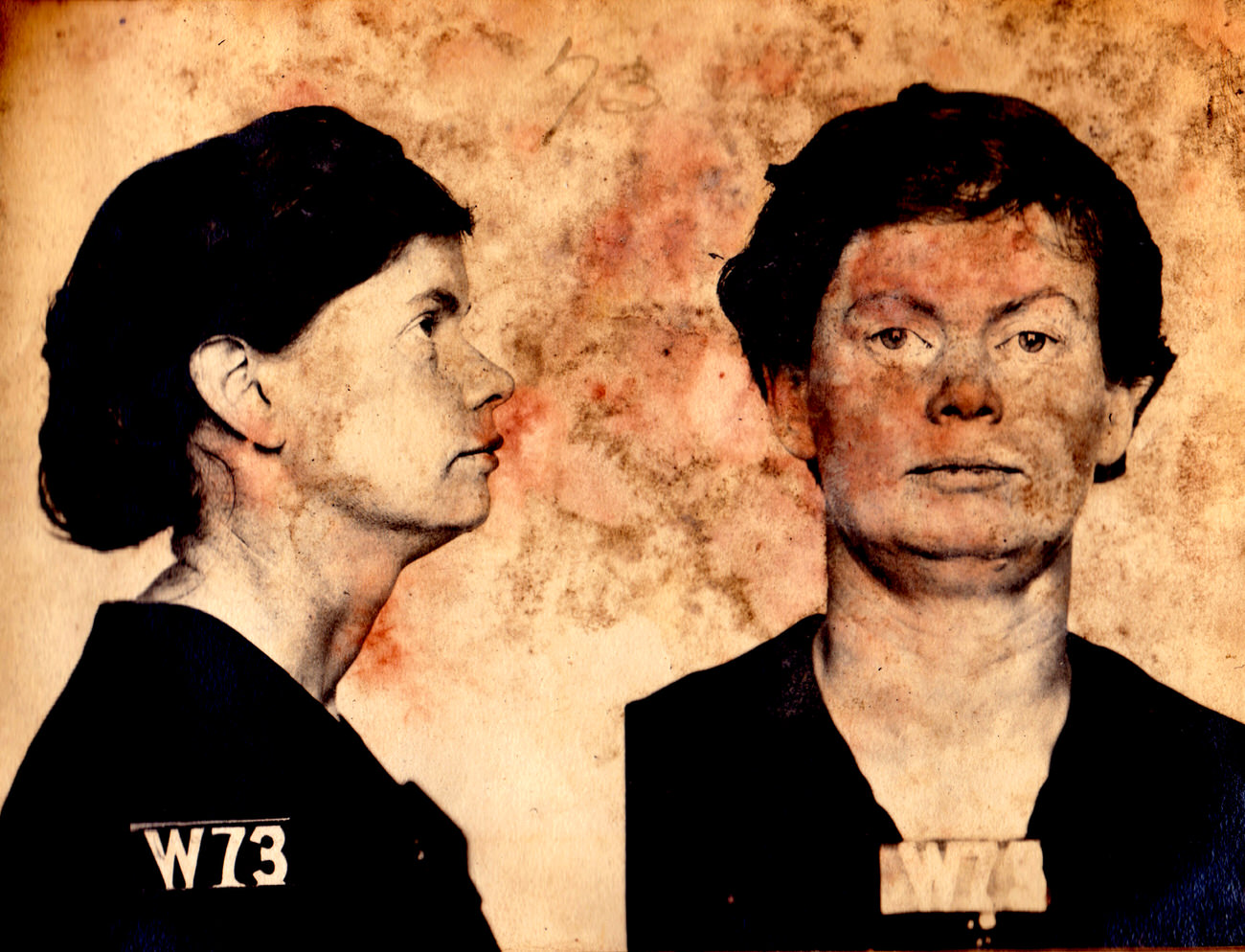
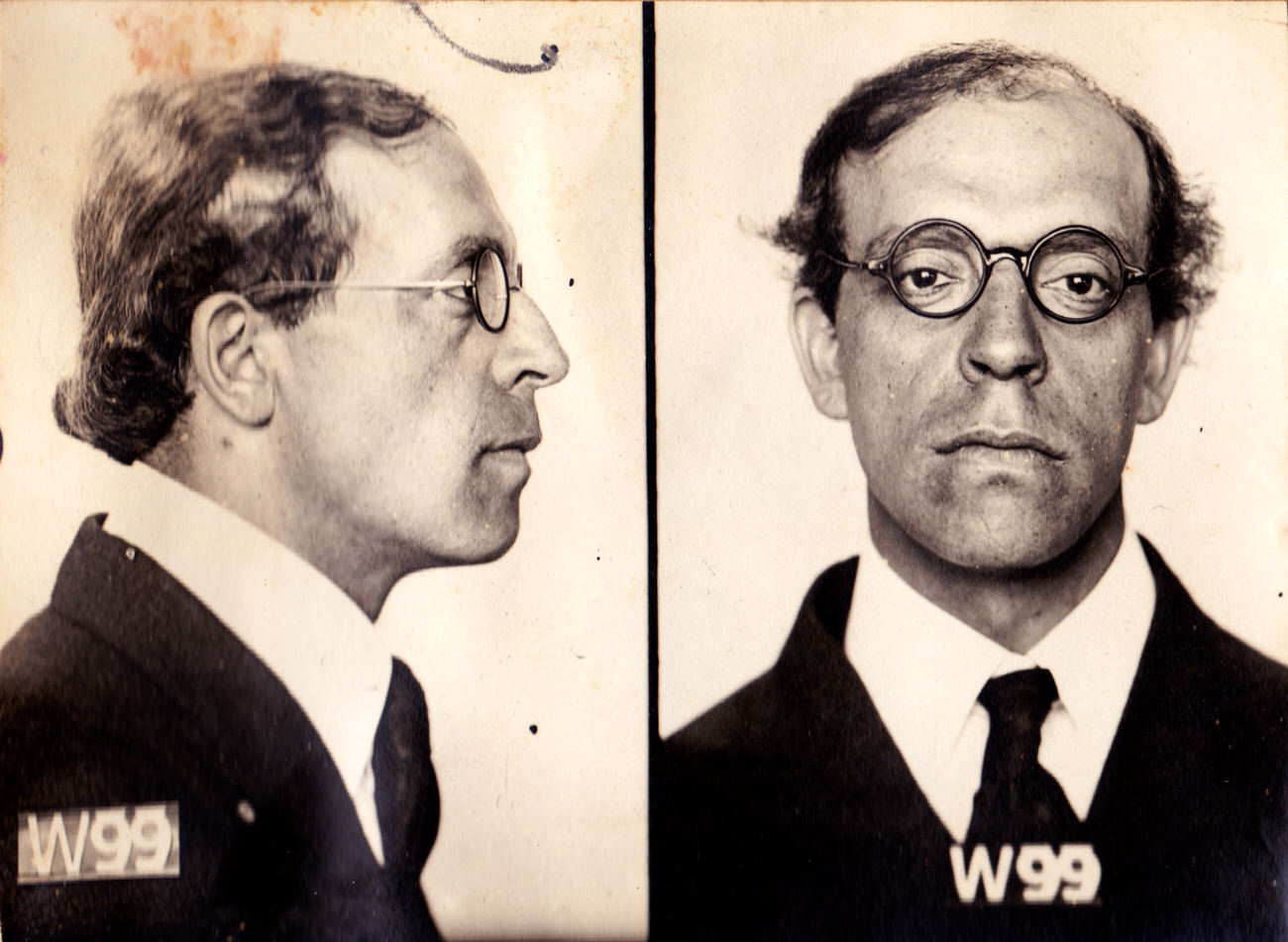
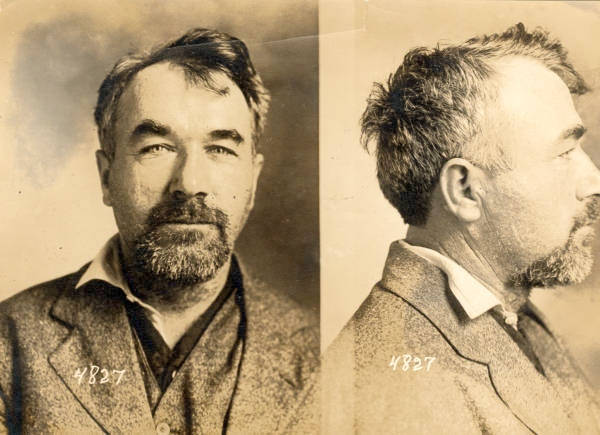
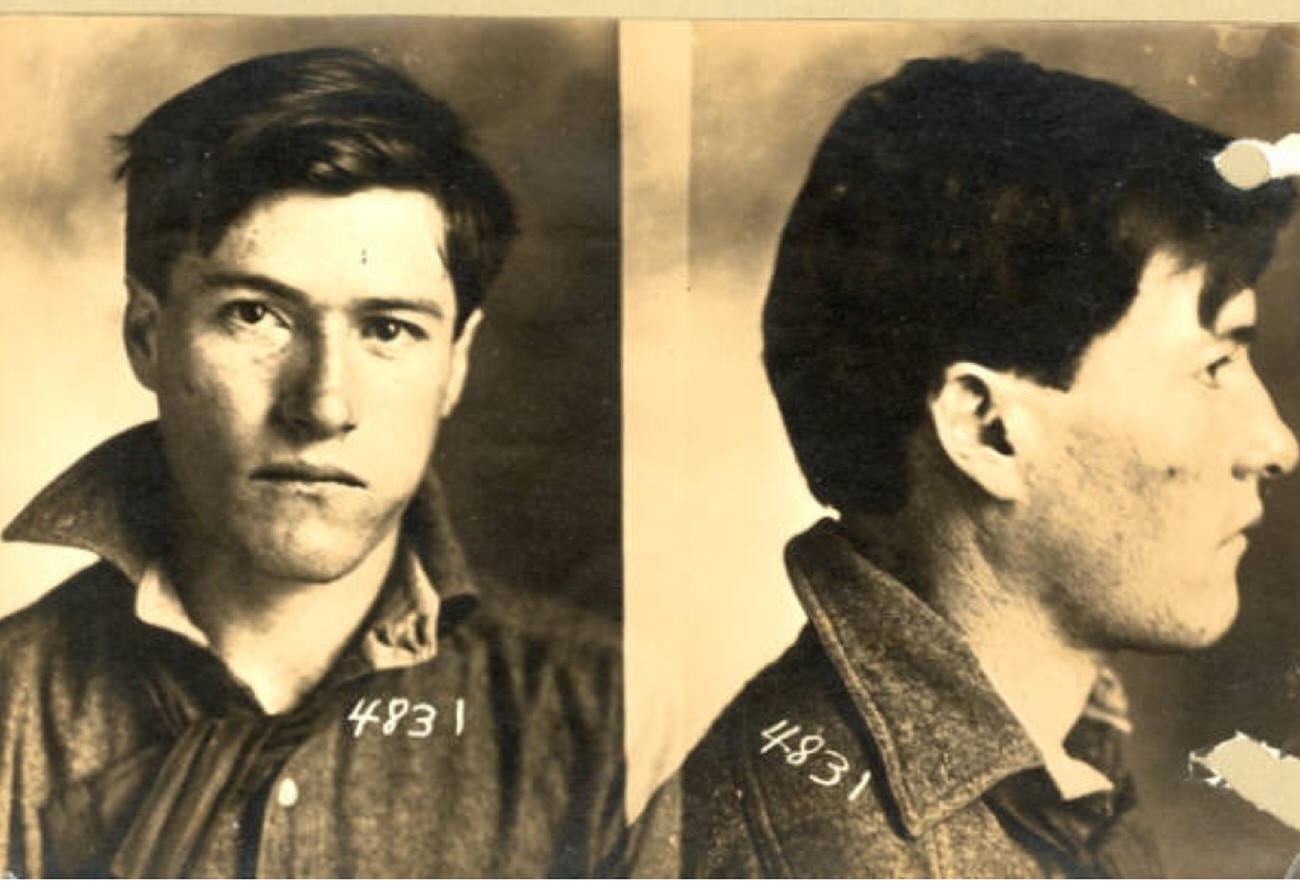
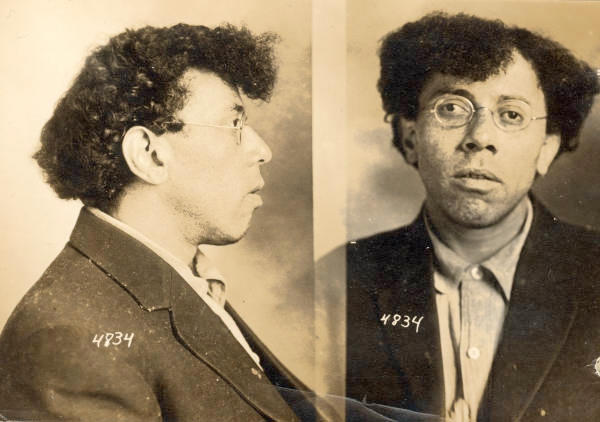
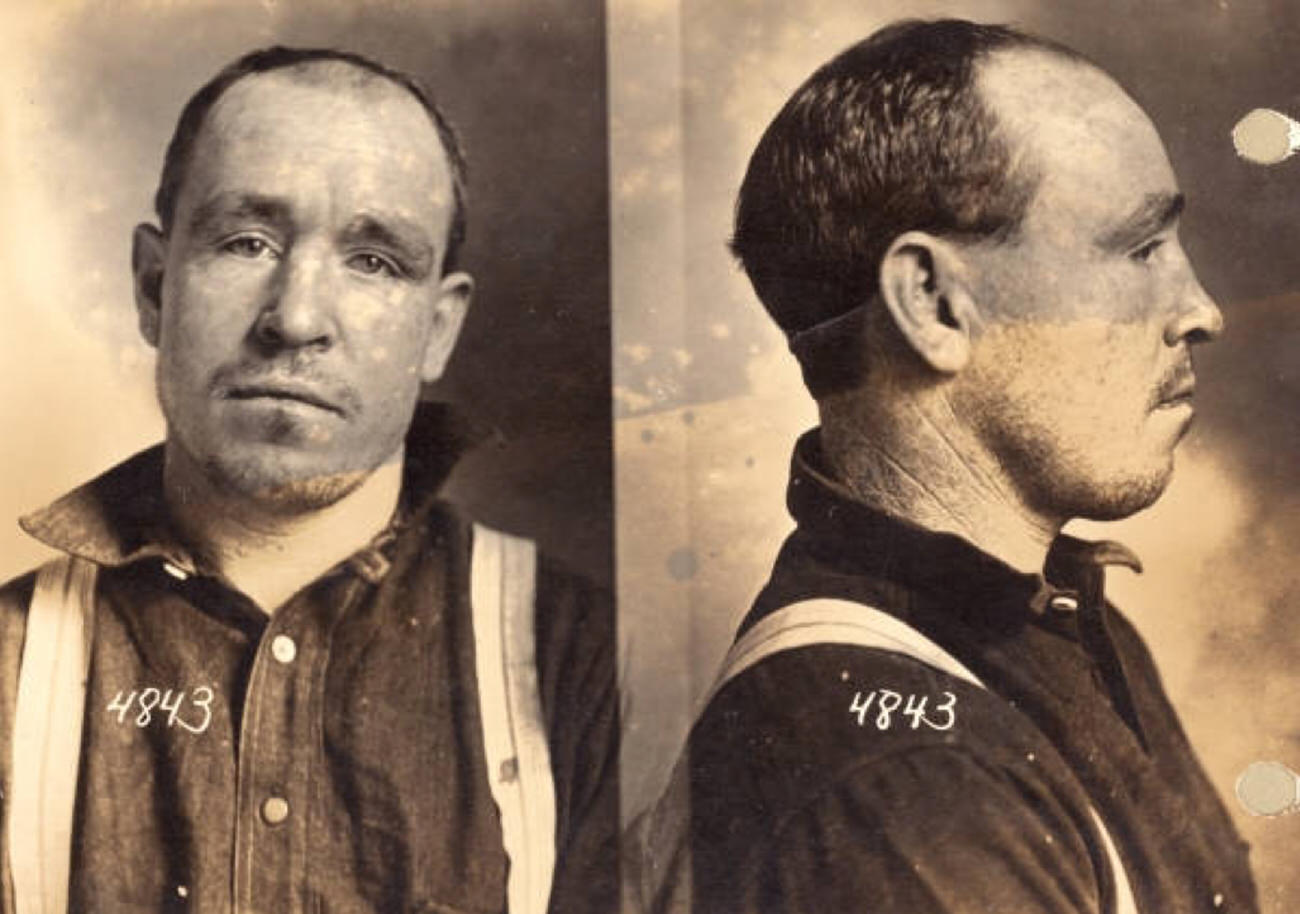
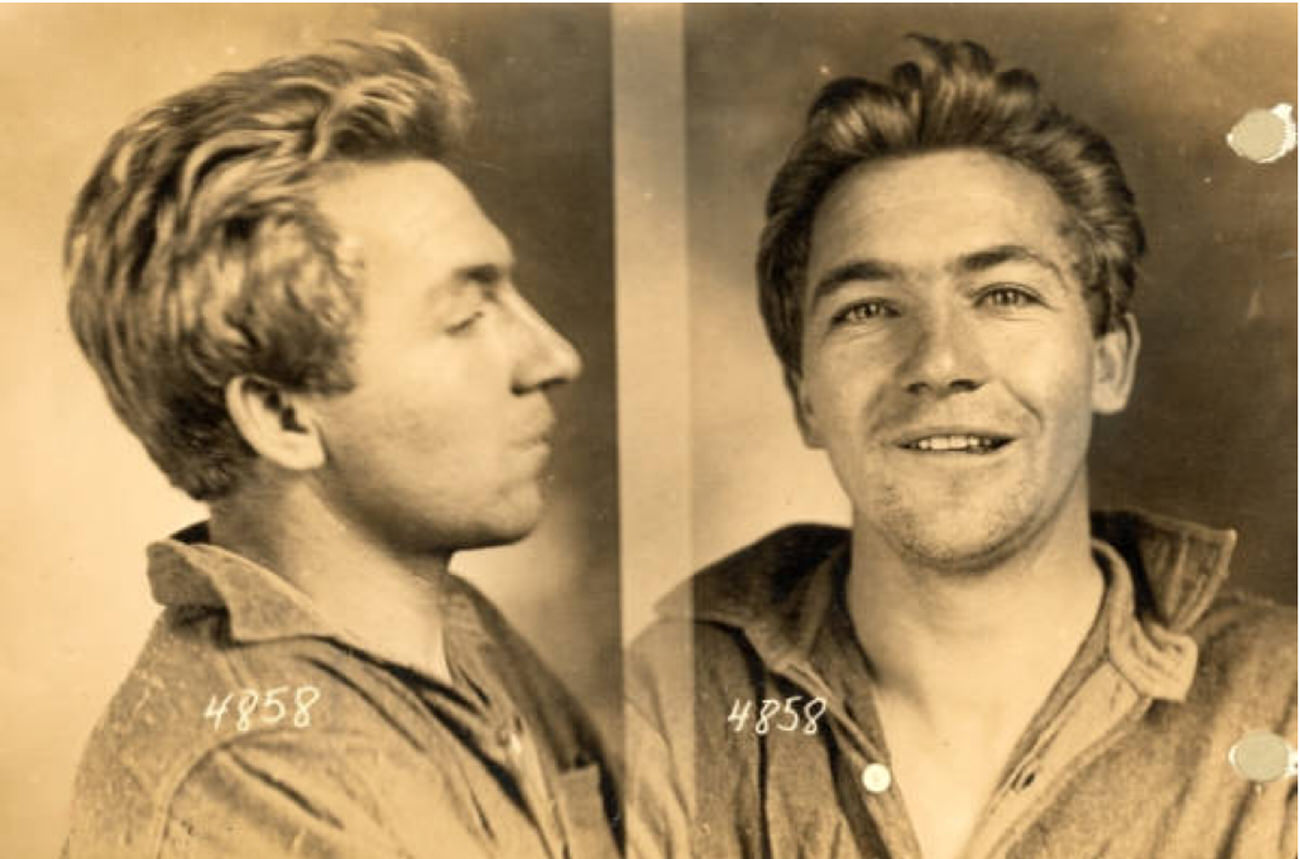
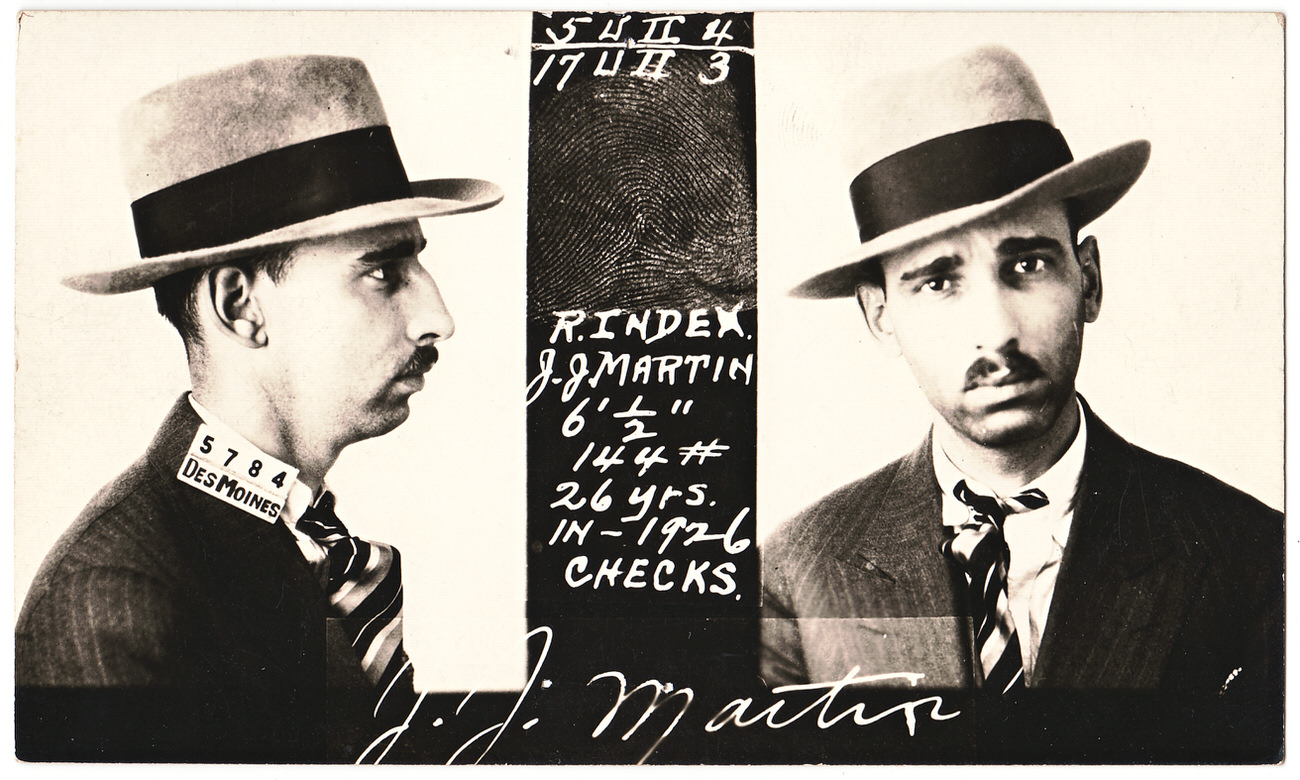
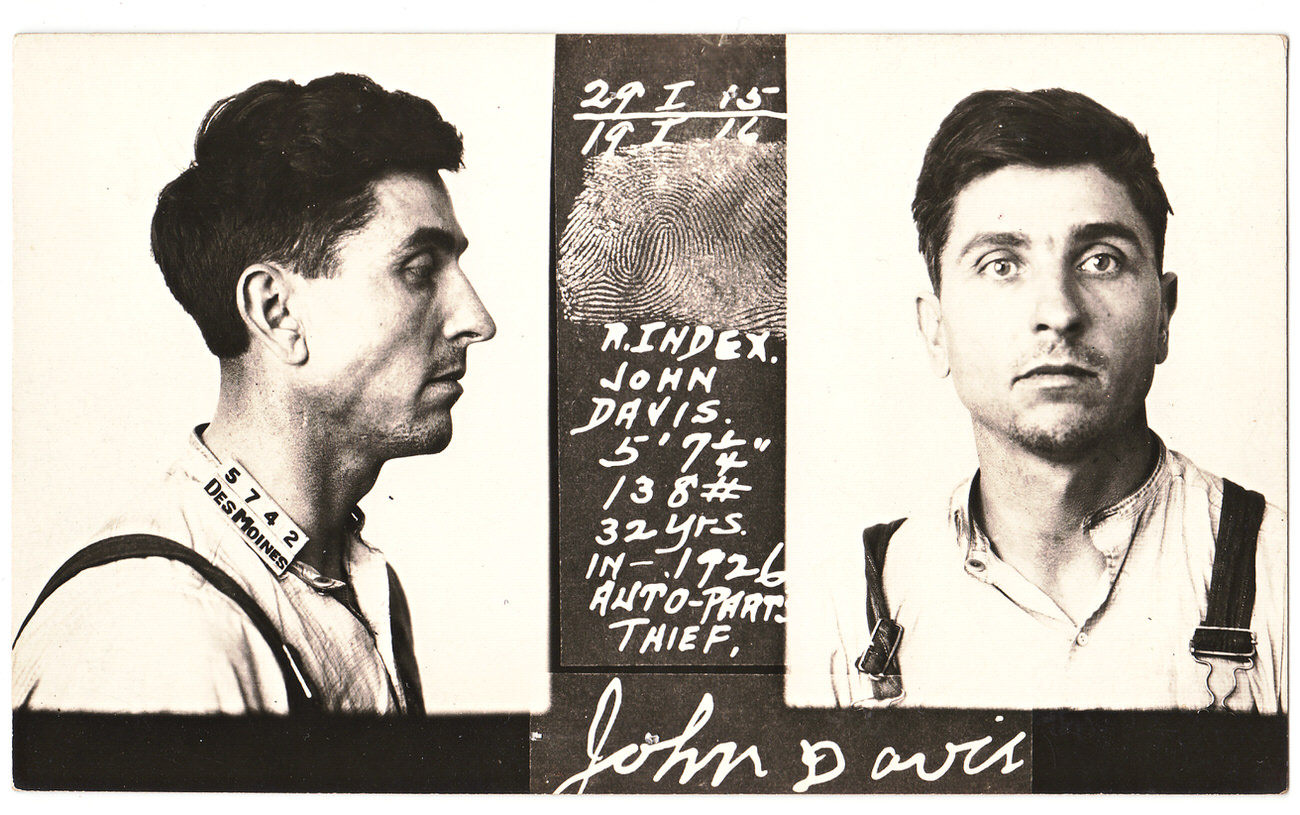
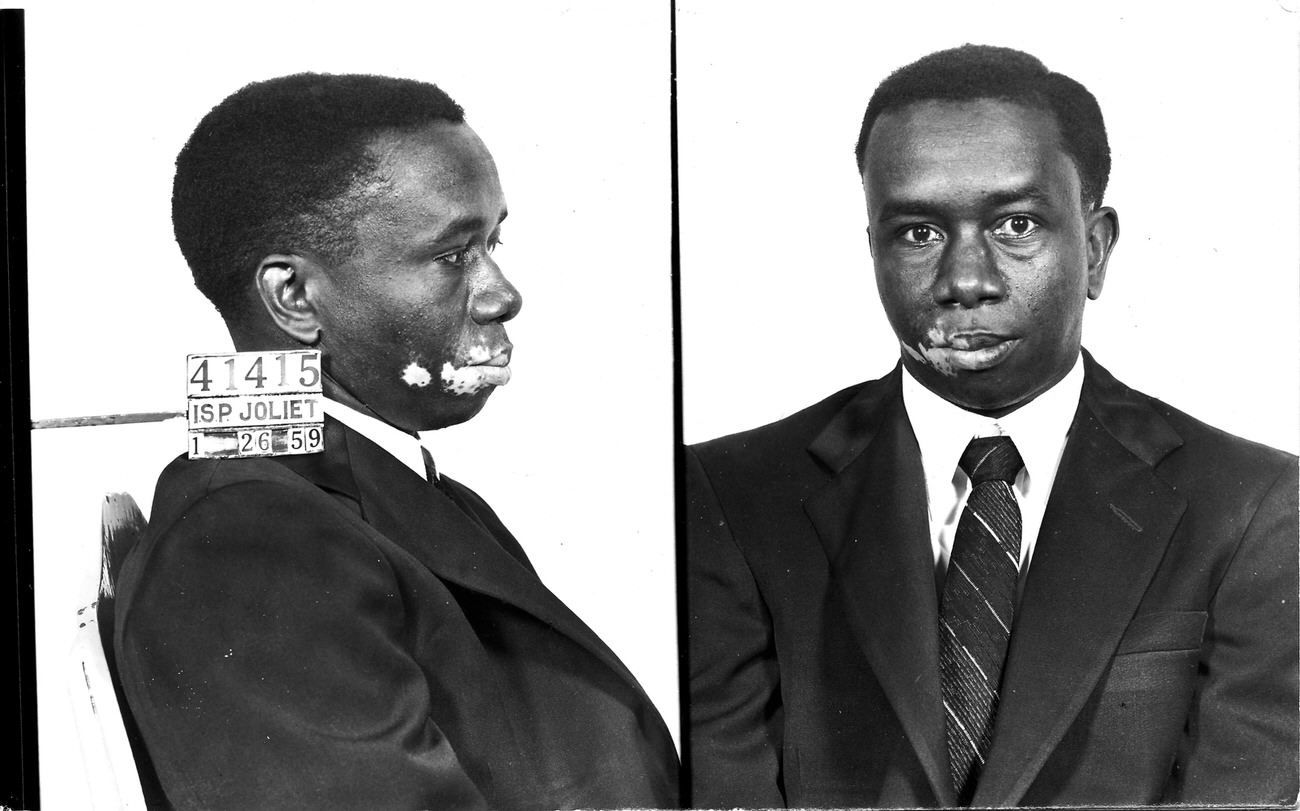
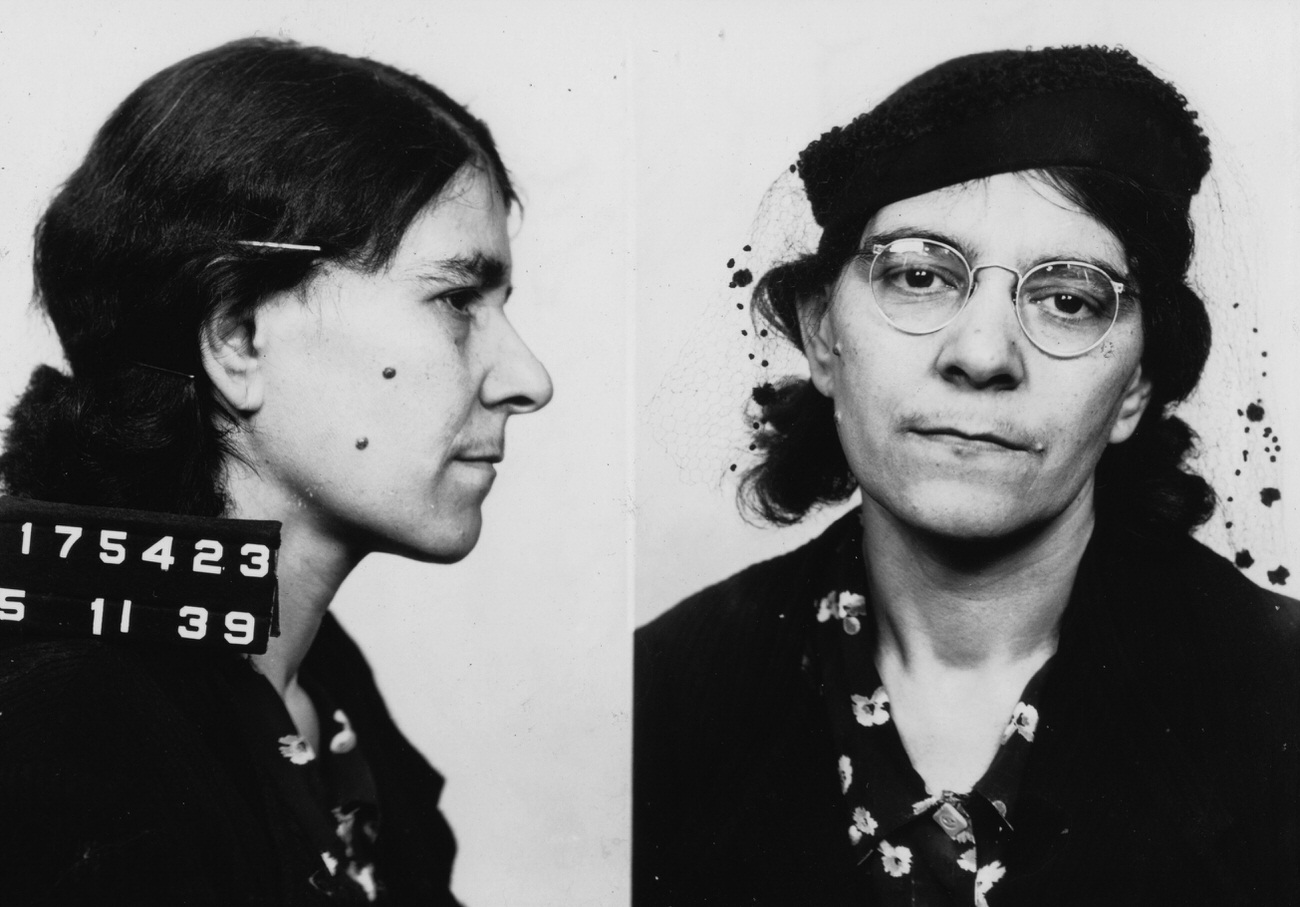
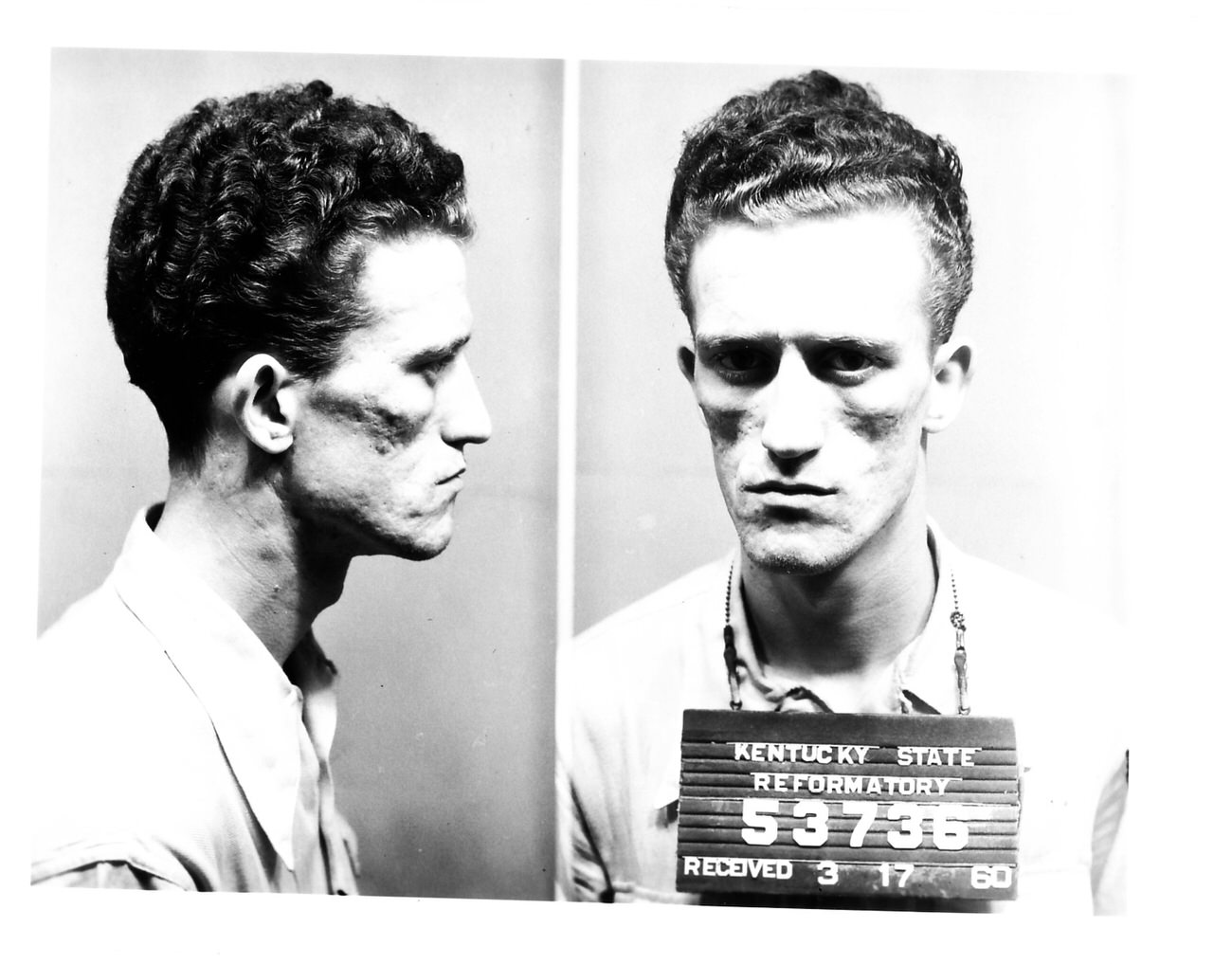
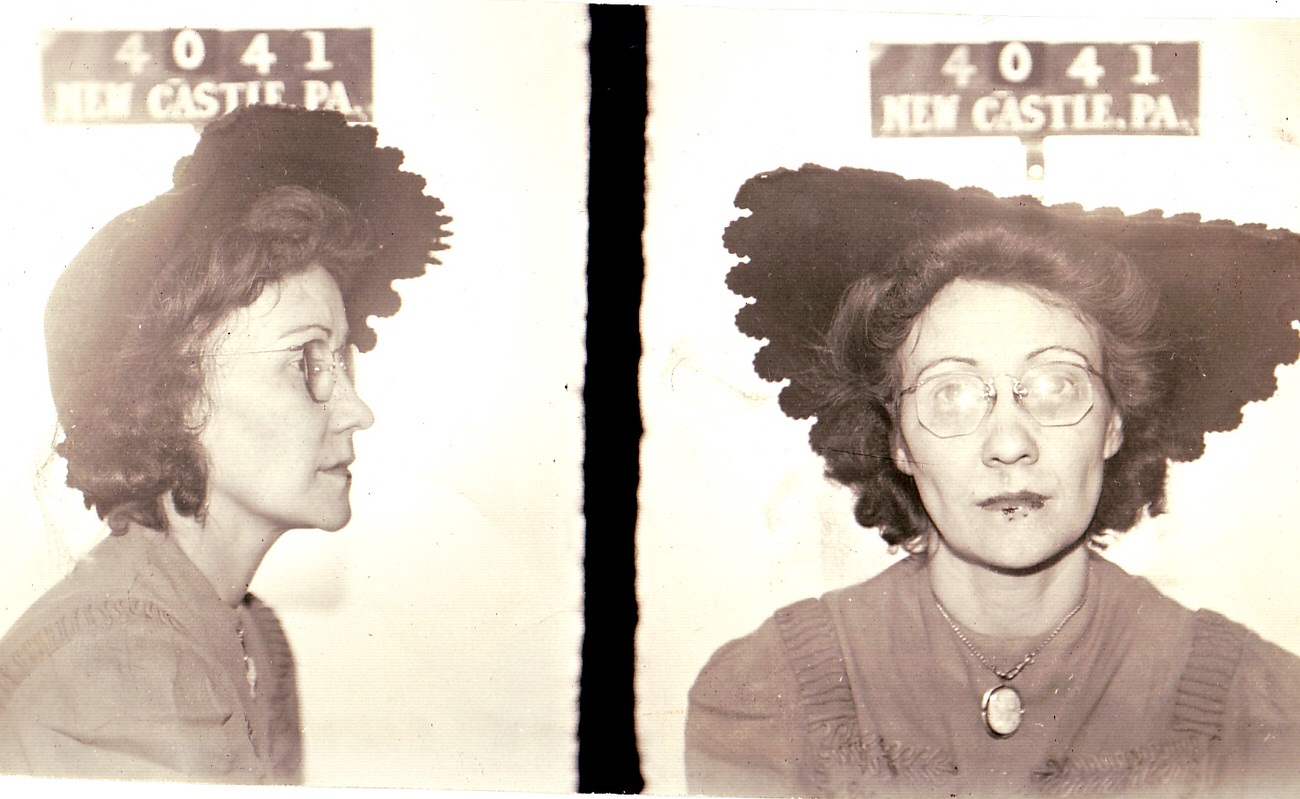
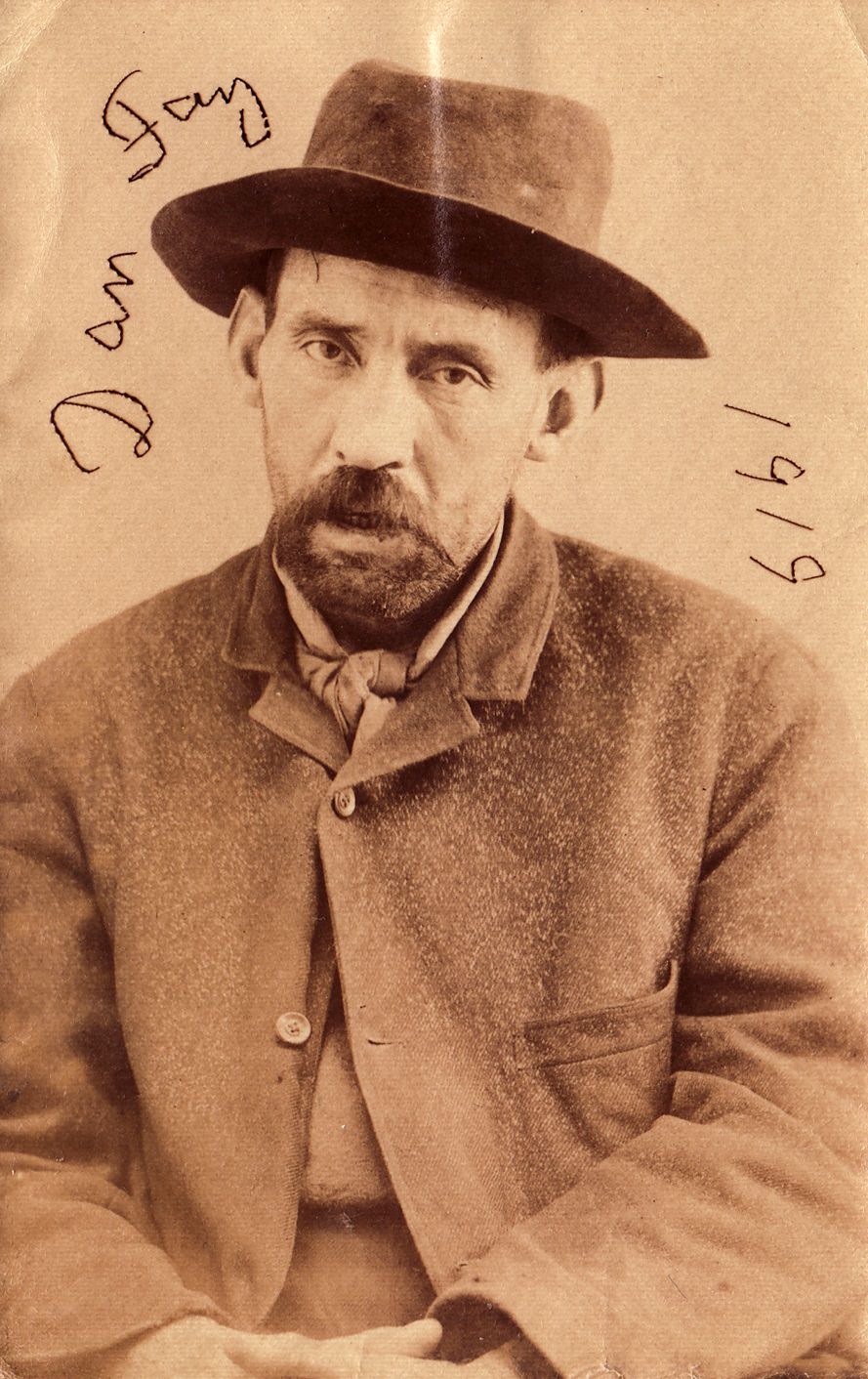
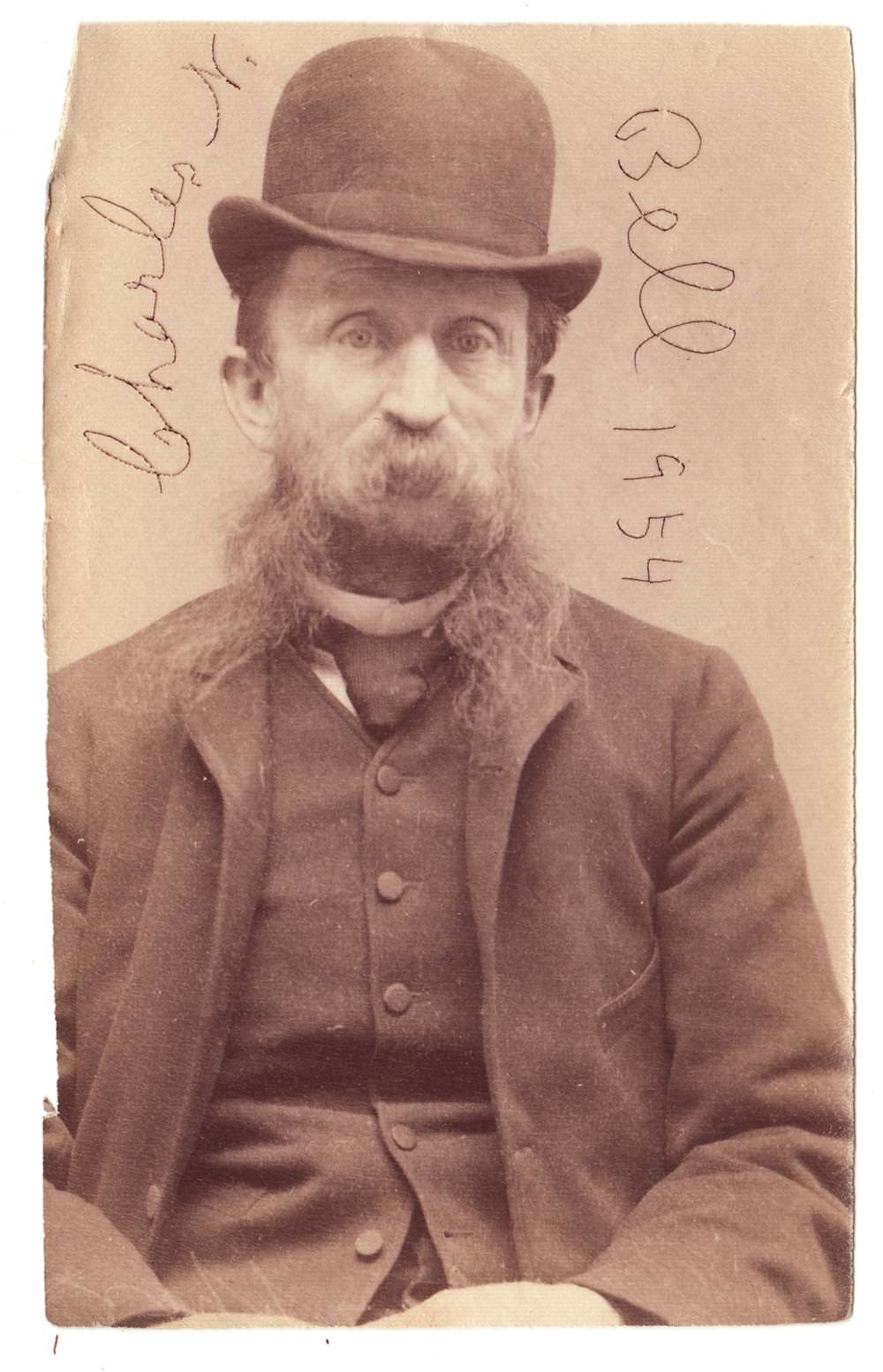
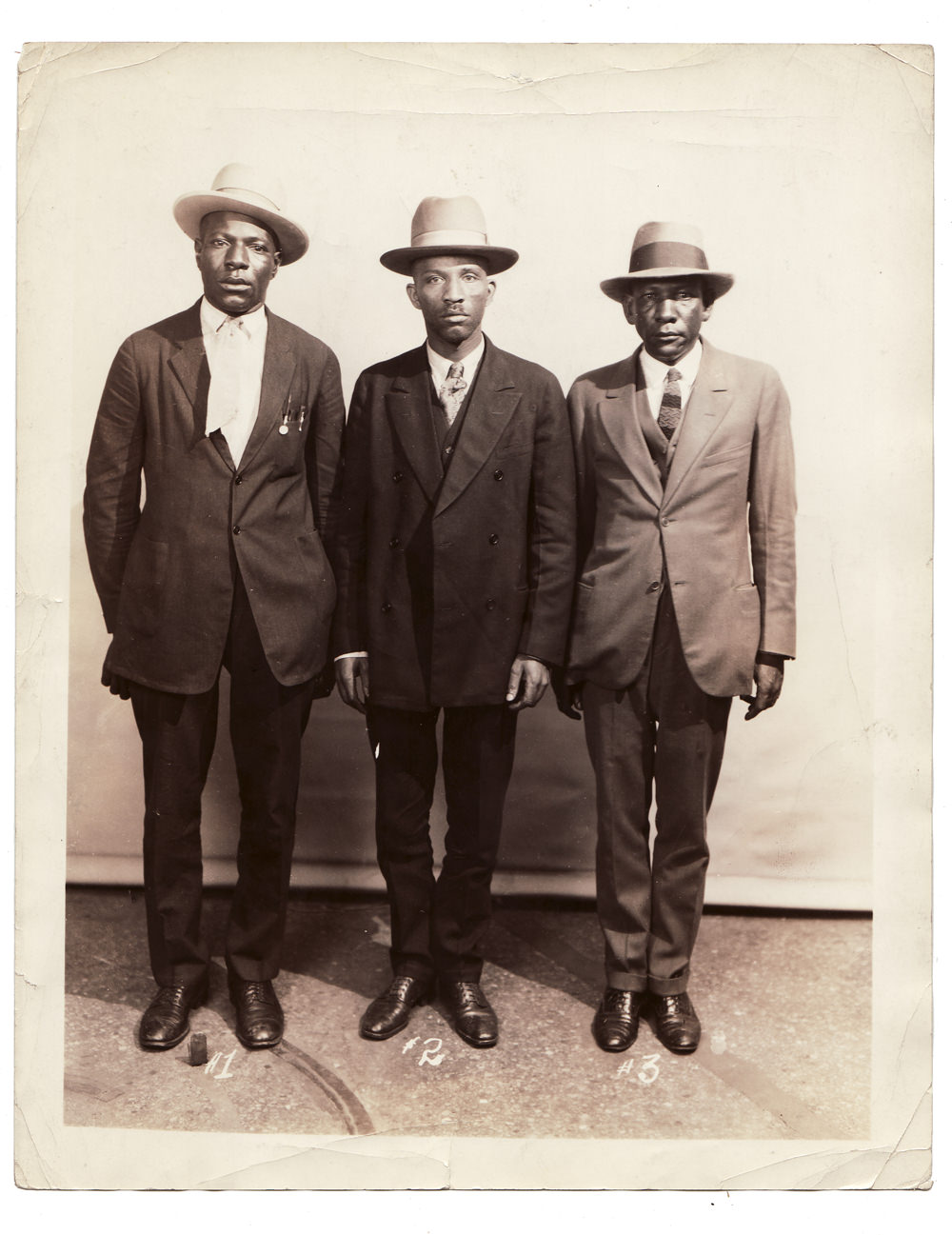
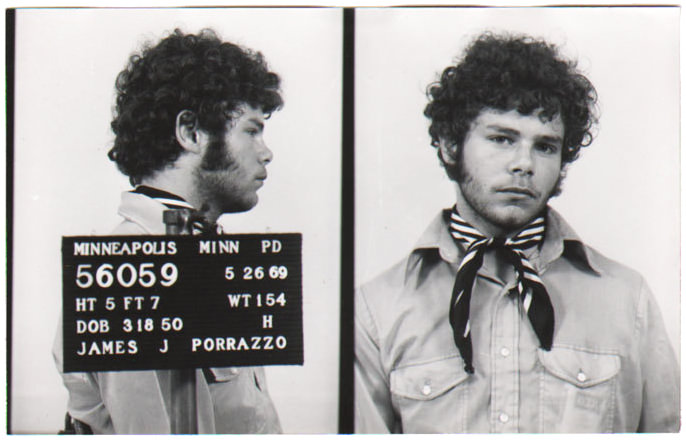
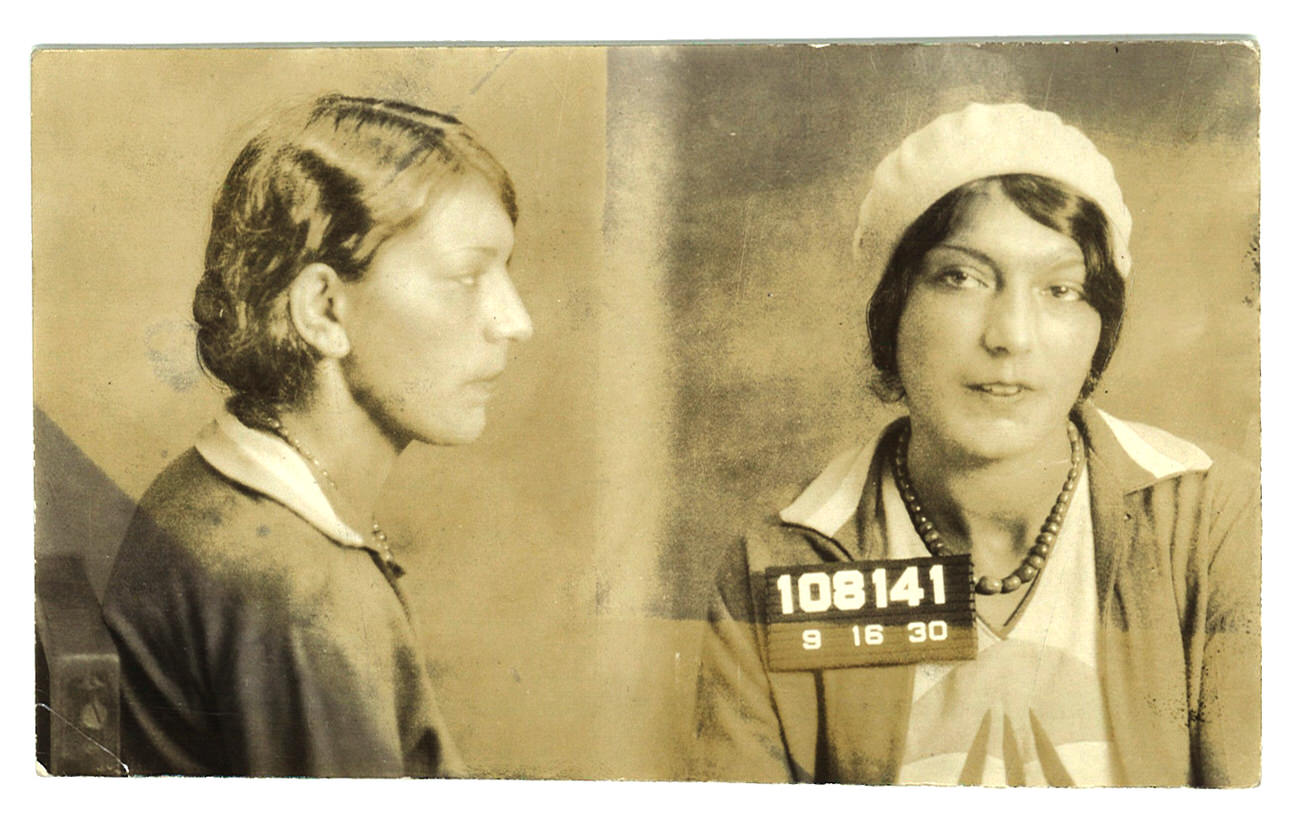
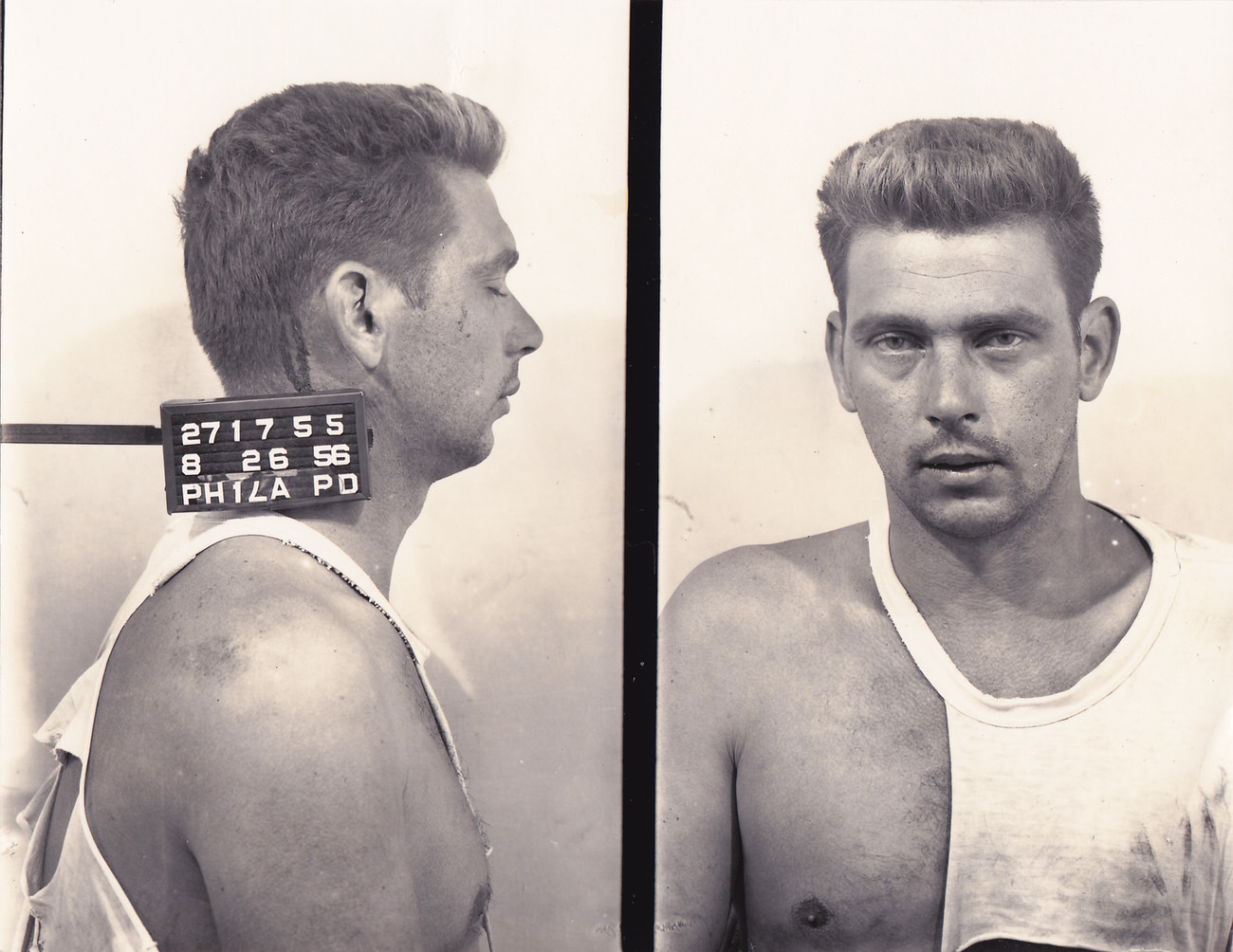
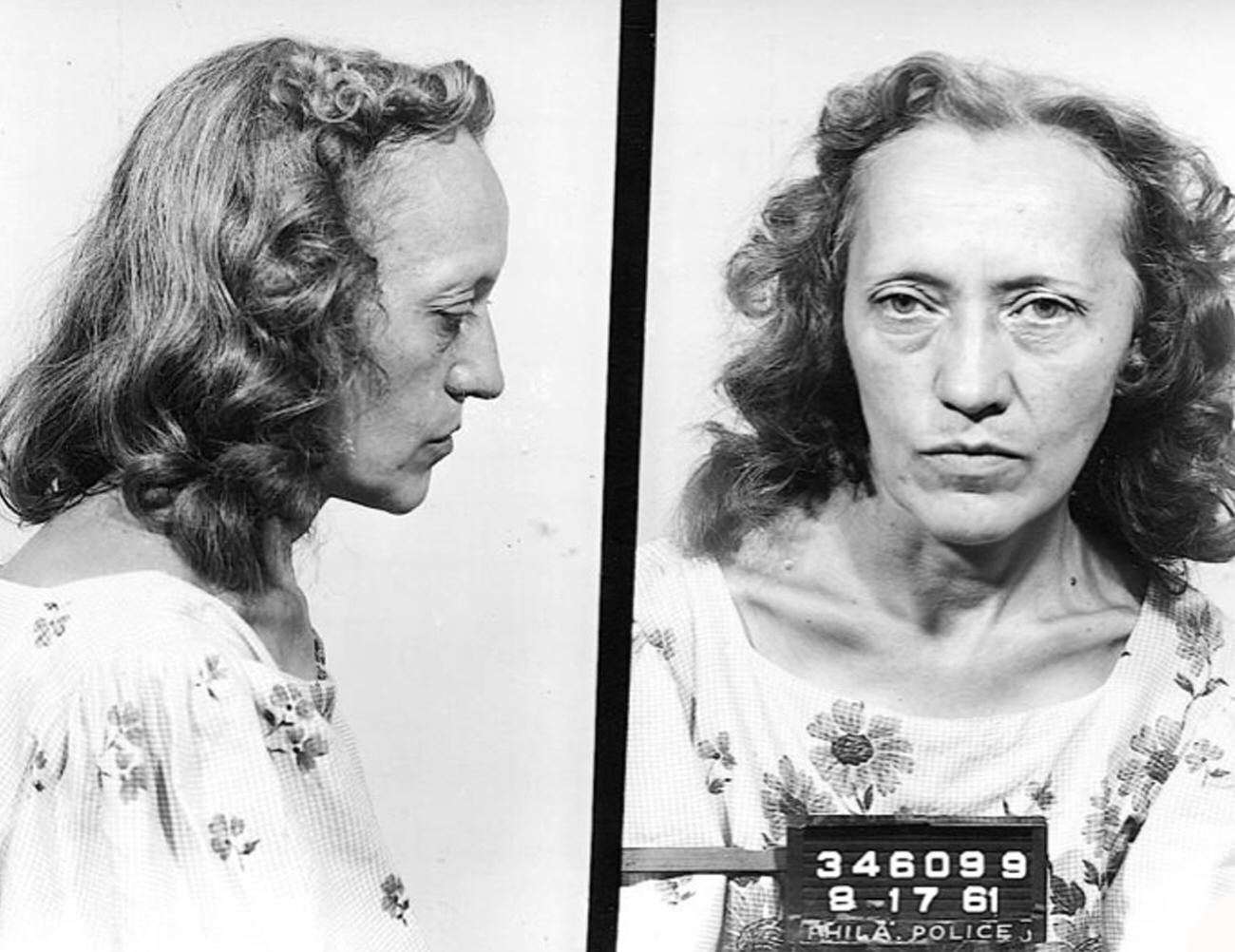
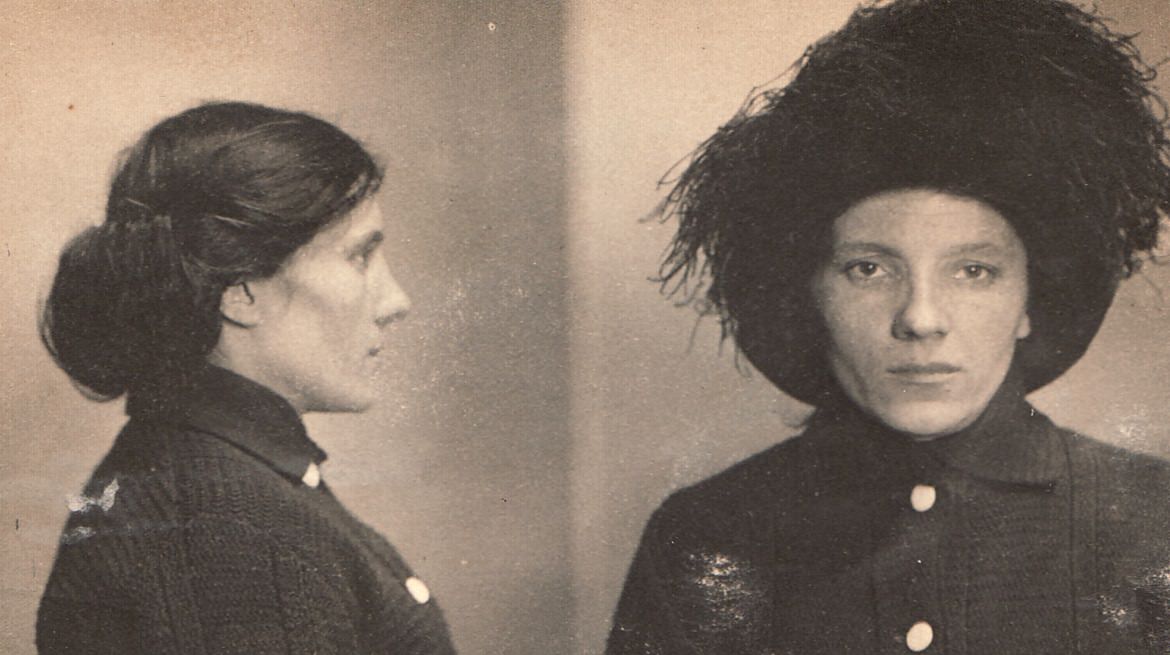
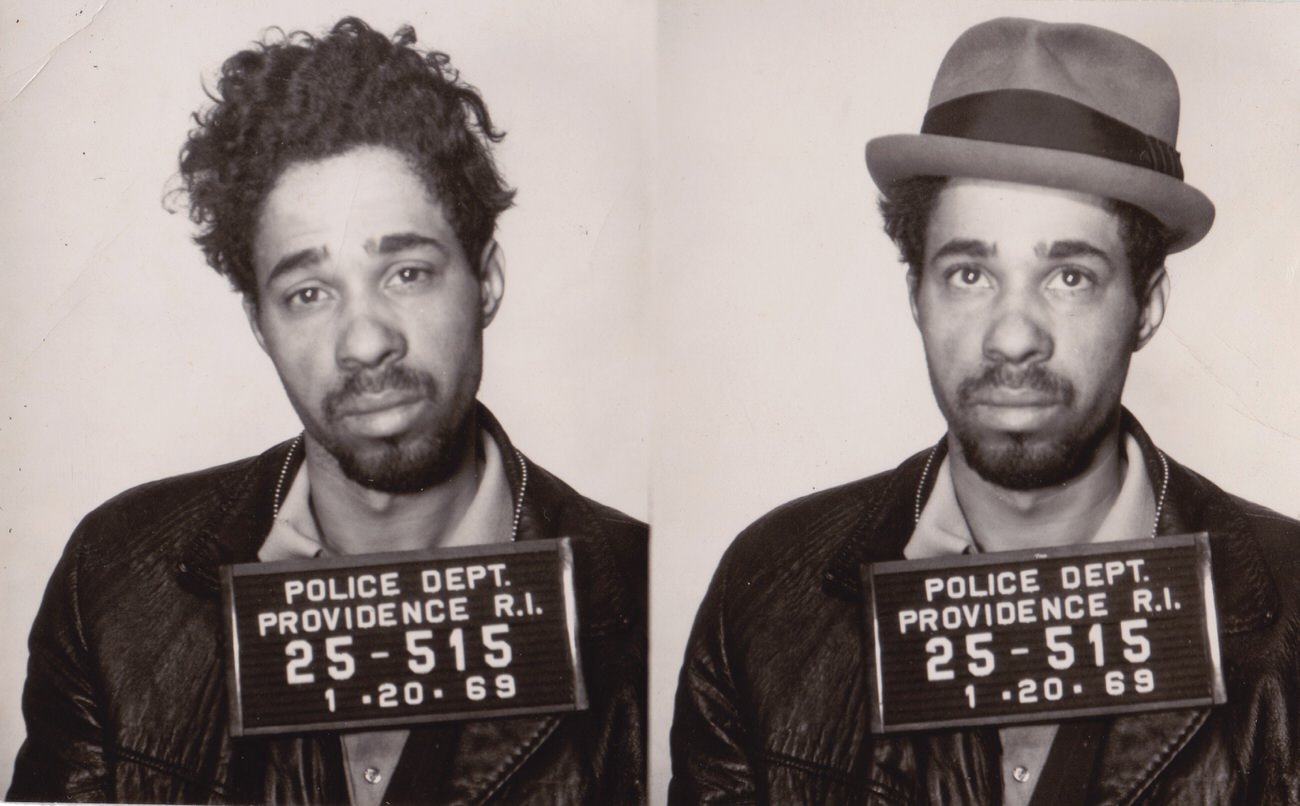
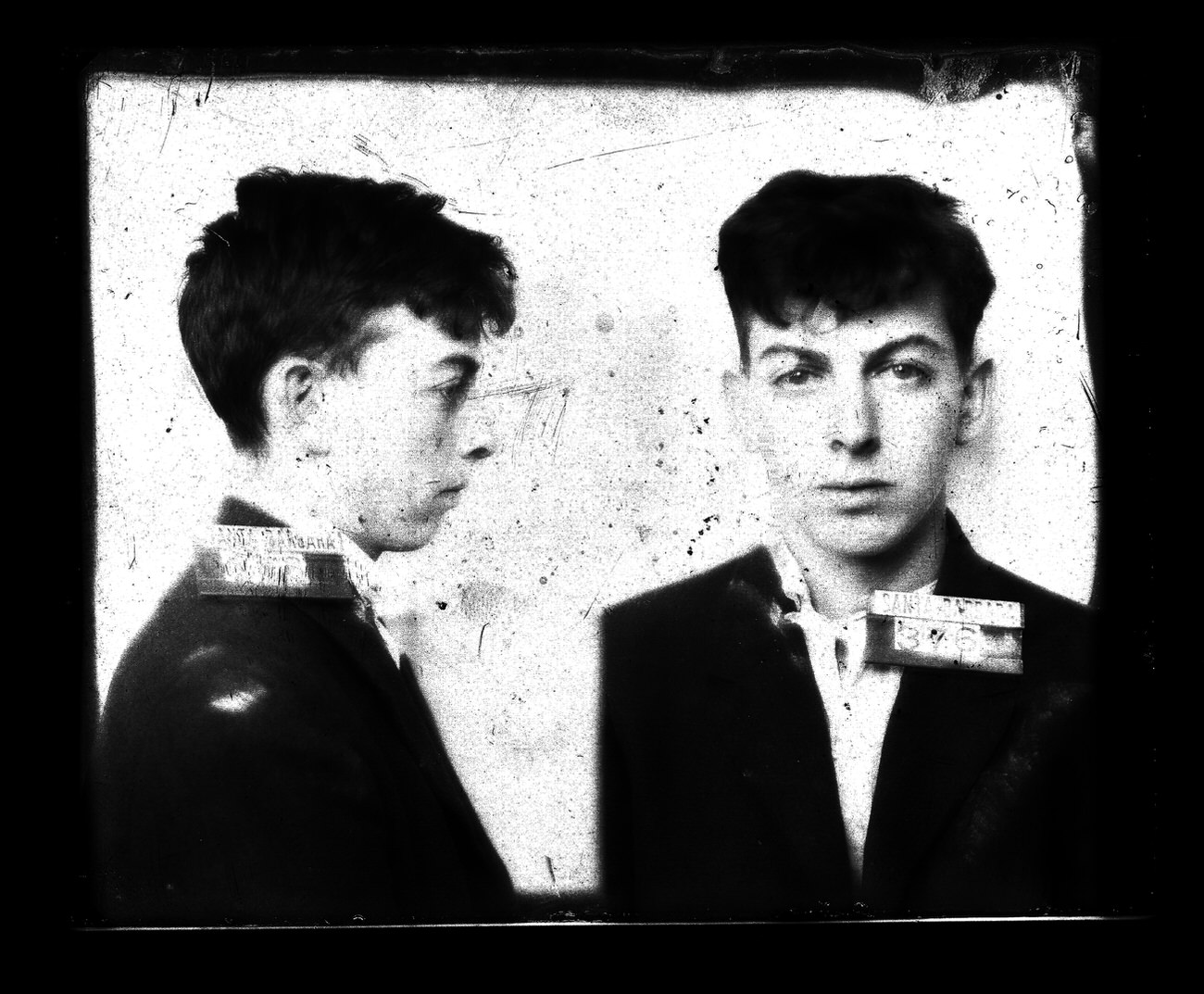
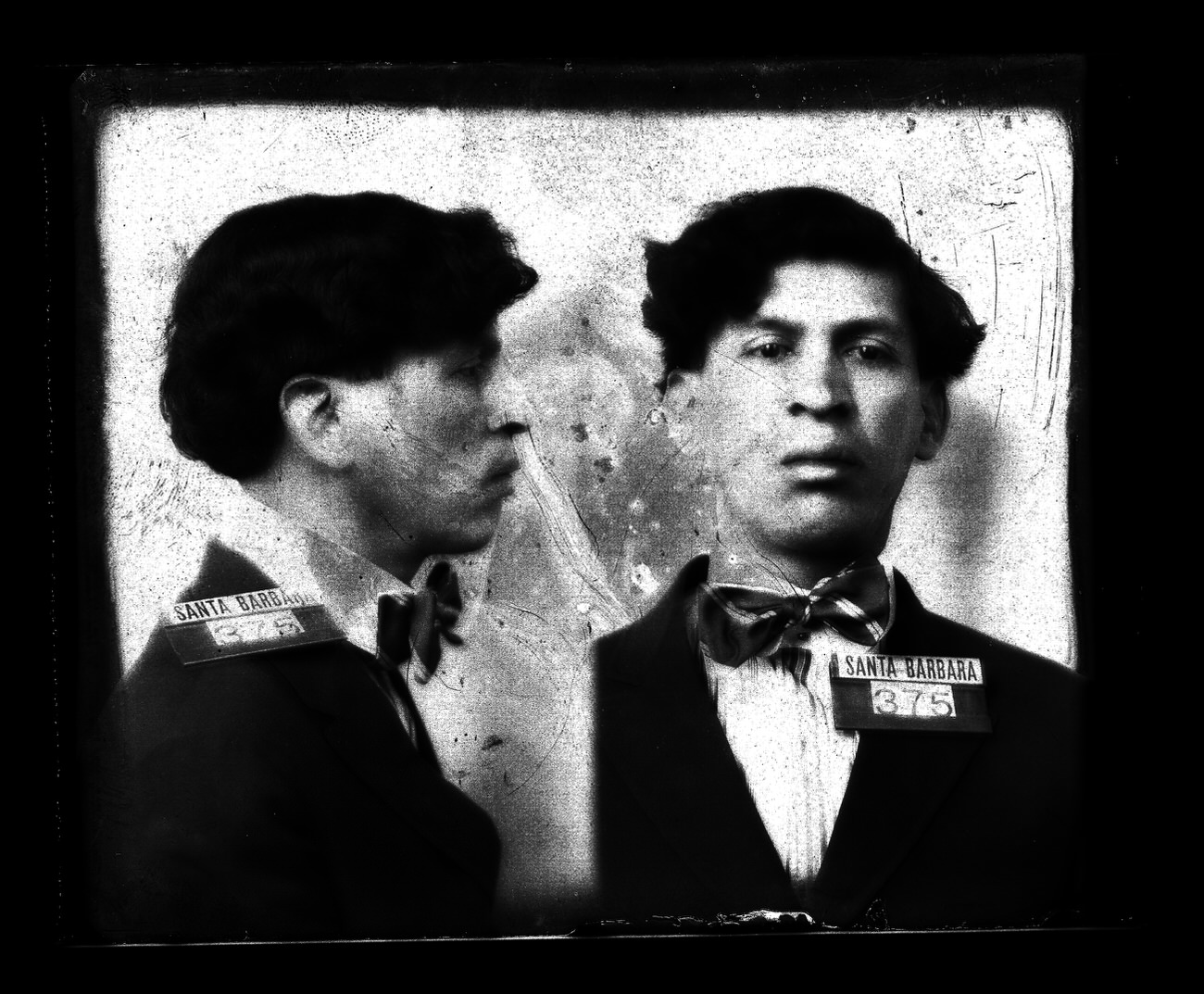
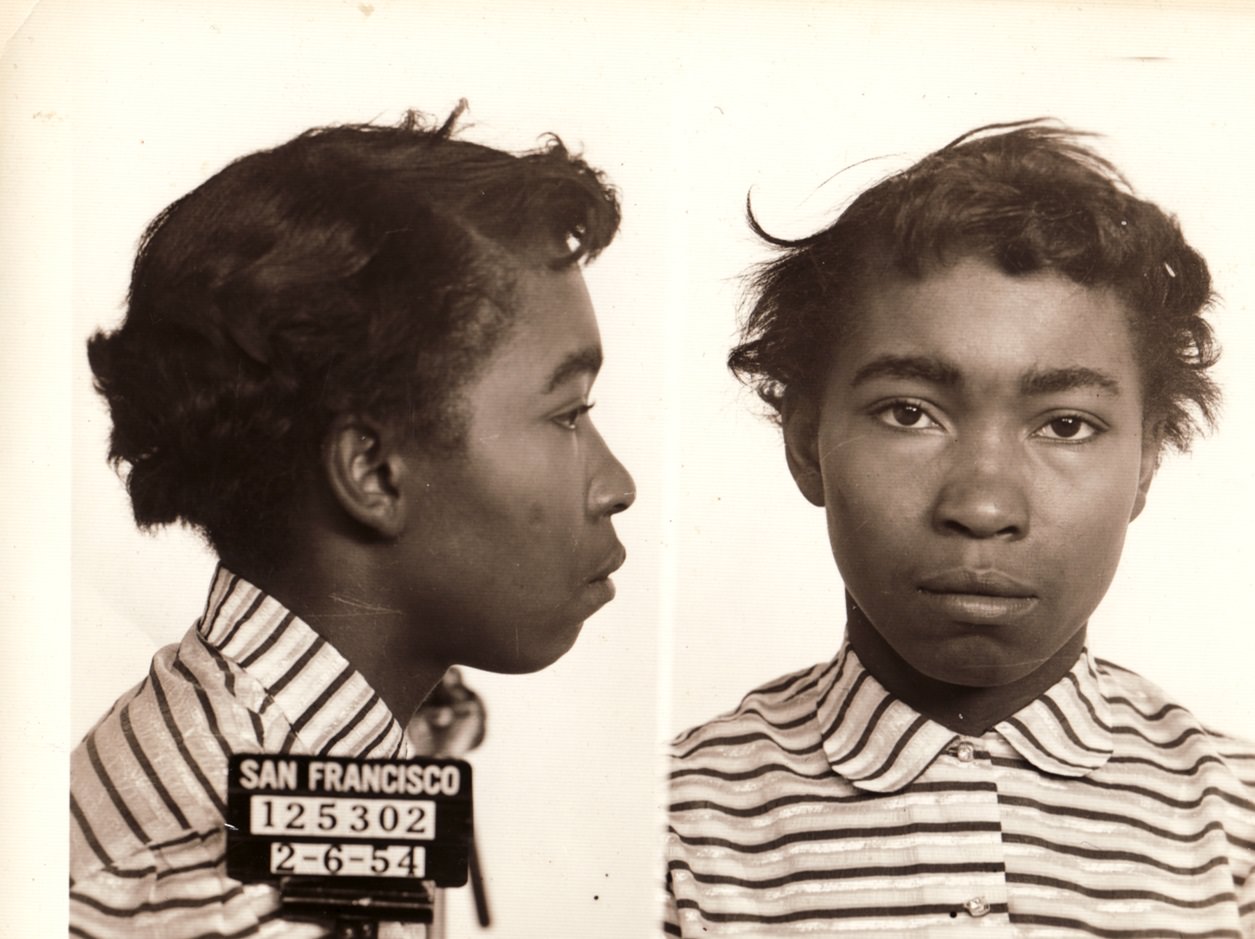
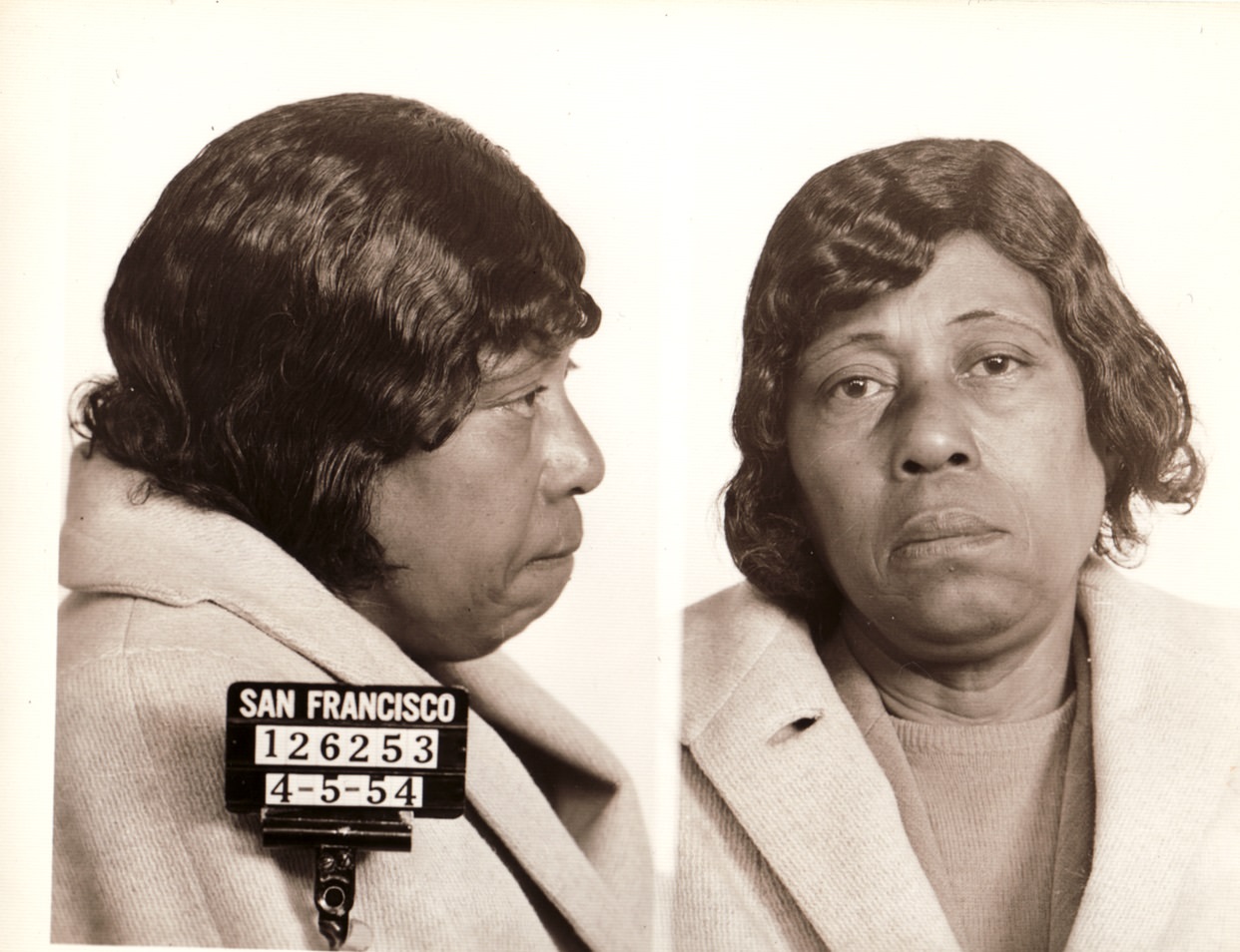
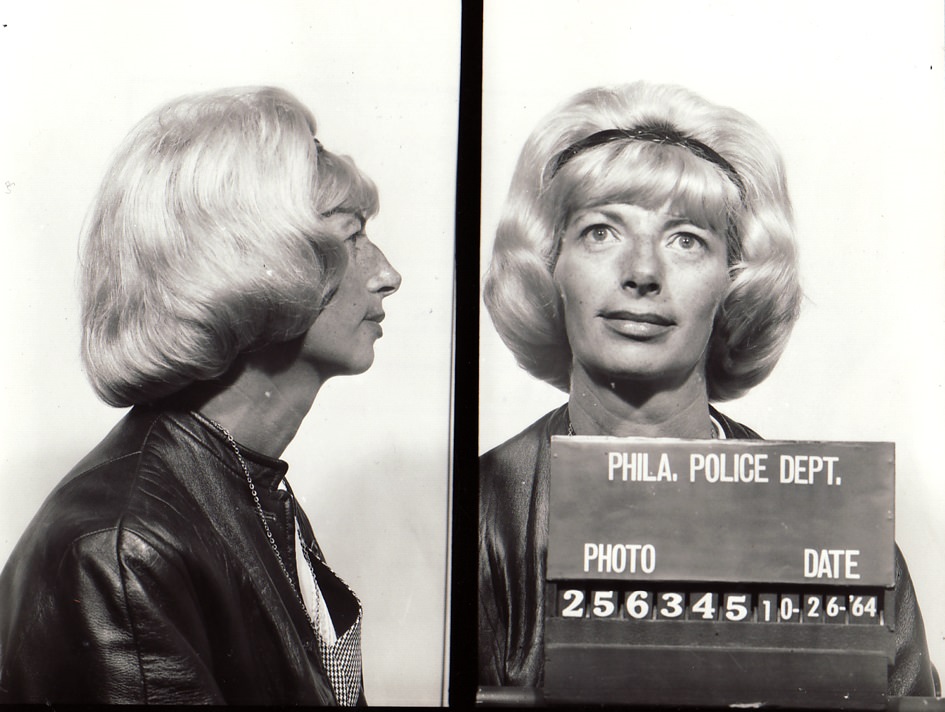
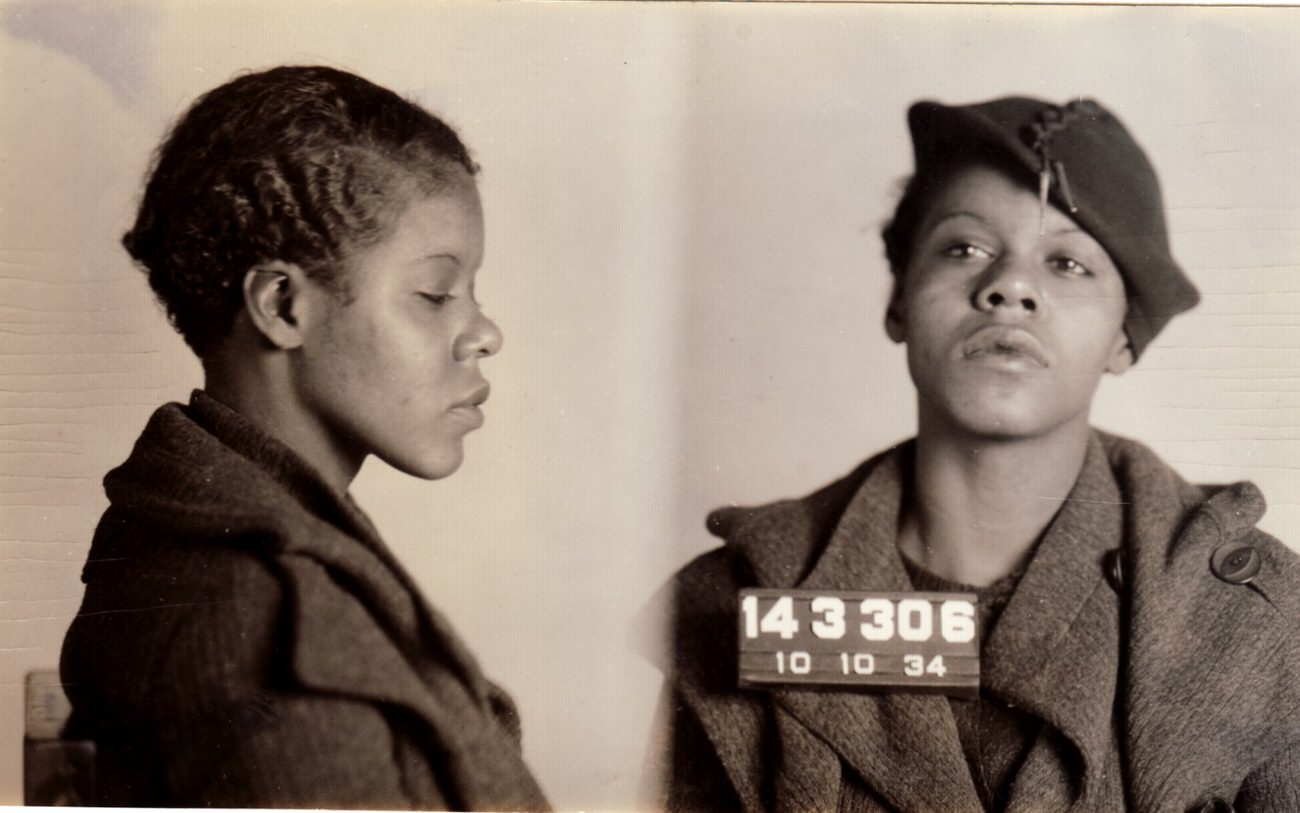
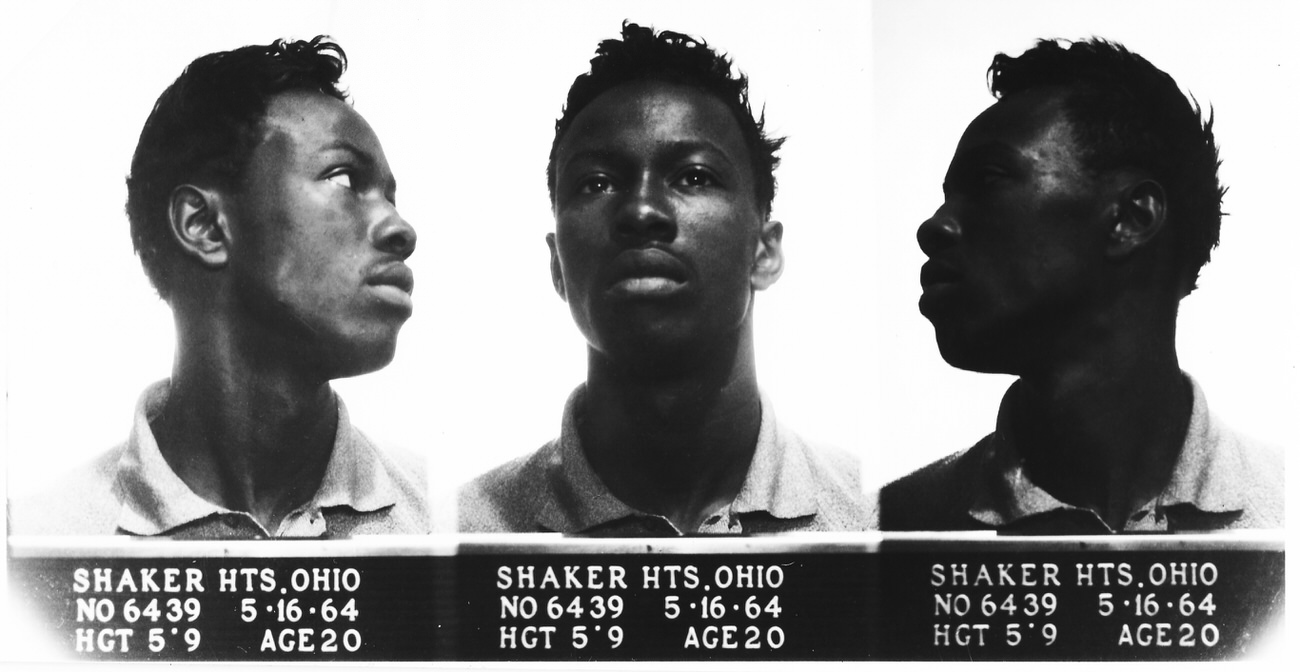
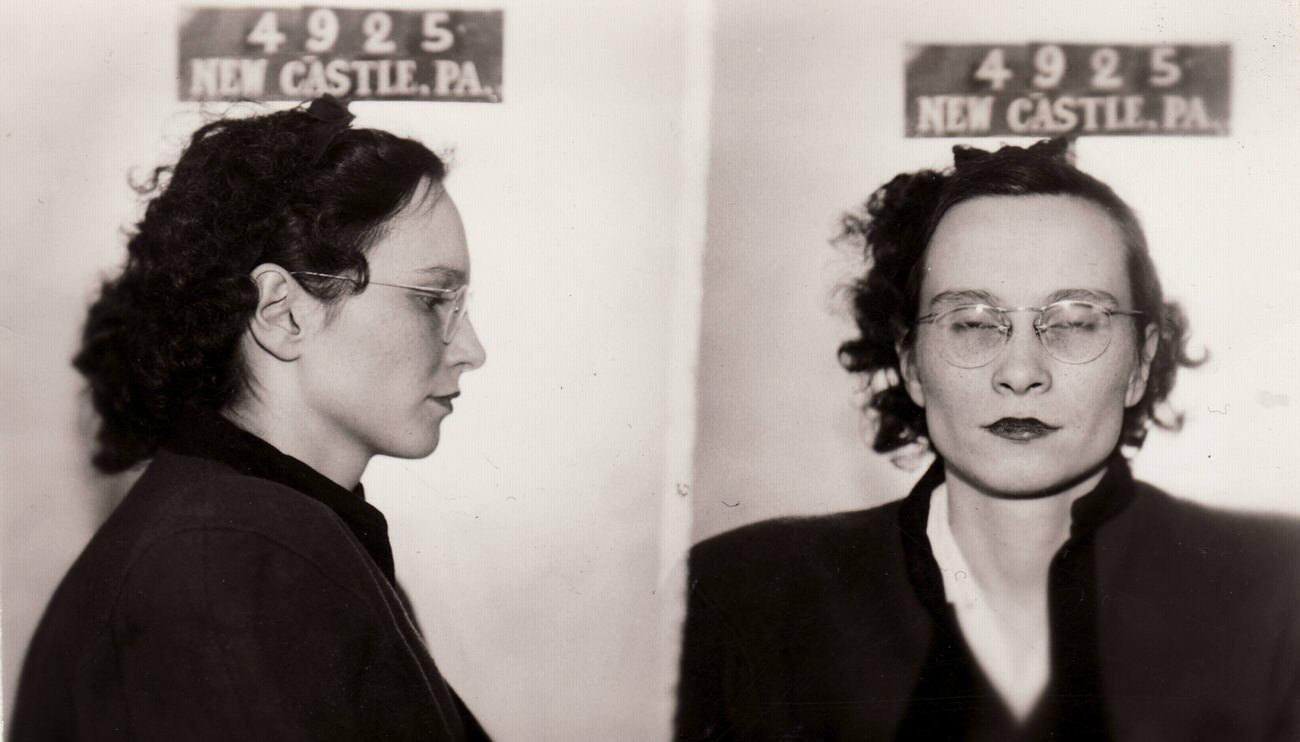
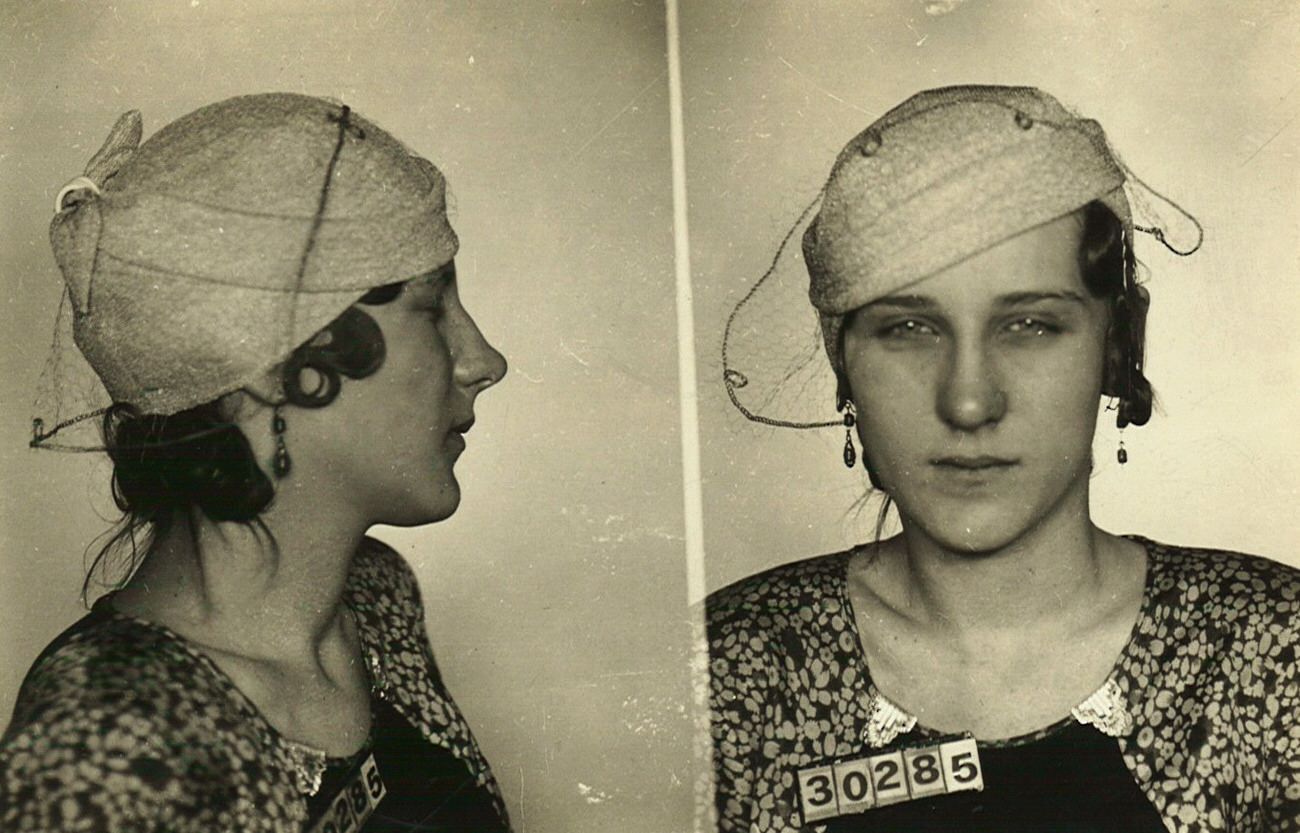
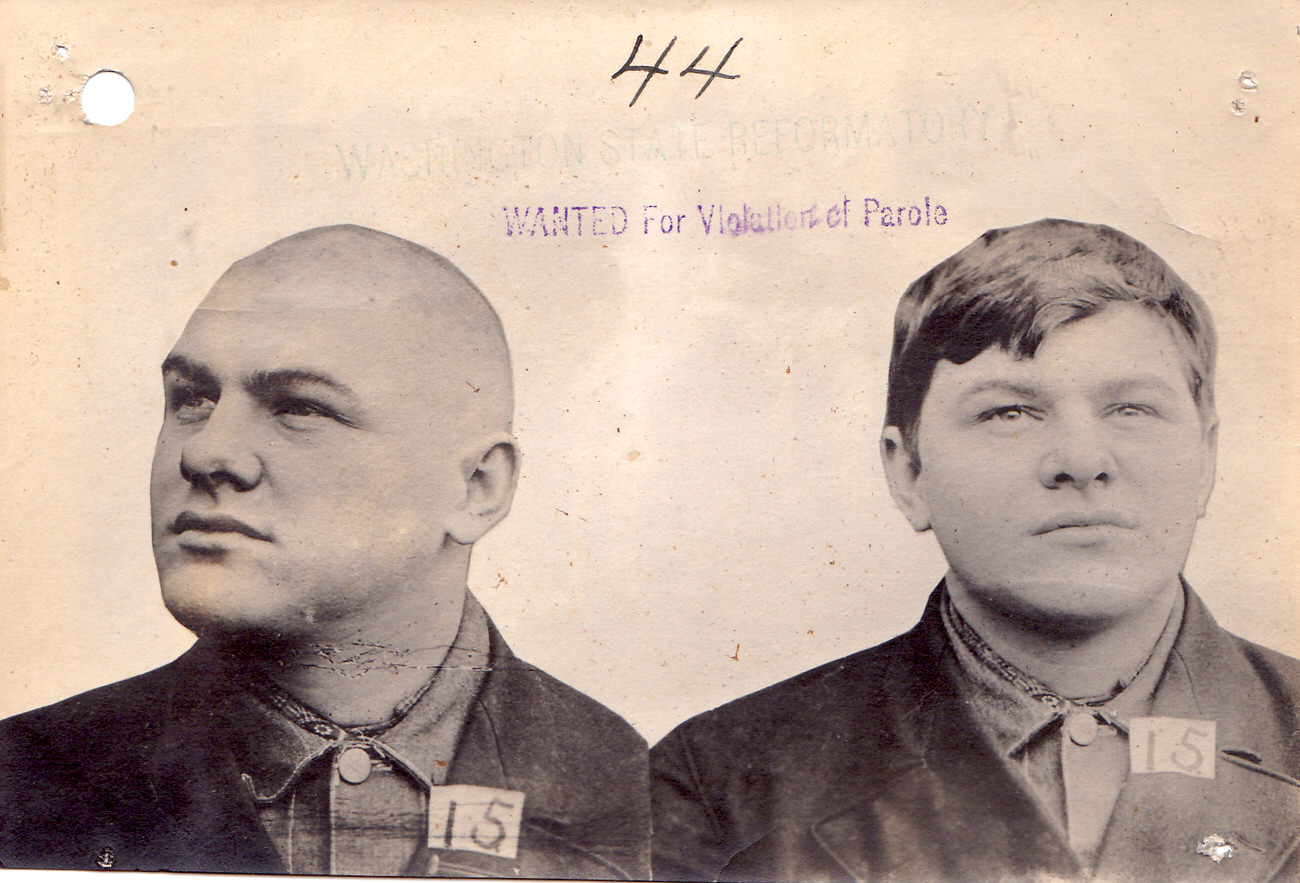
A mugshot is a photograph taken by police at the time of an arrest. It typically includes a front-facing view and a side profile, giving officers two angles for identification. If the same person was arrested again, the photos made recognition fast and reliable. By the early 1900s, mugshots had become standard practice in police departments across the United States and beyond.
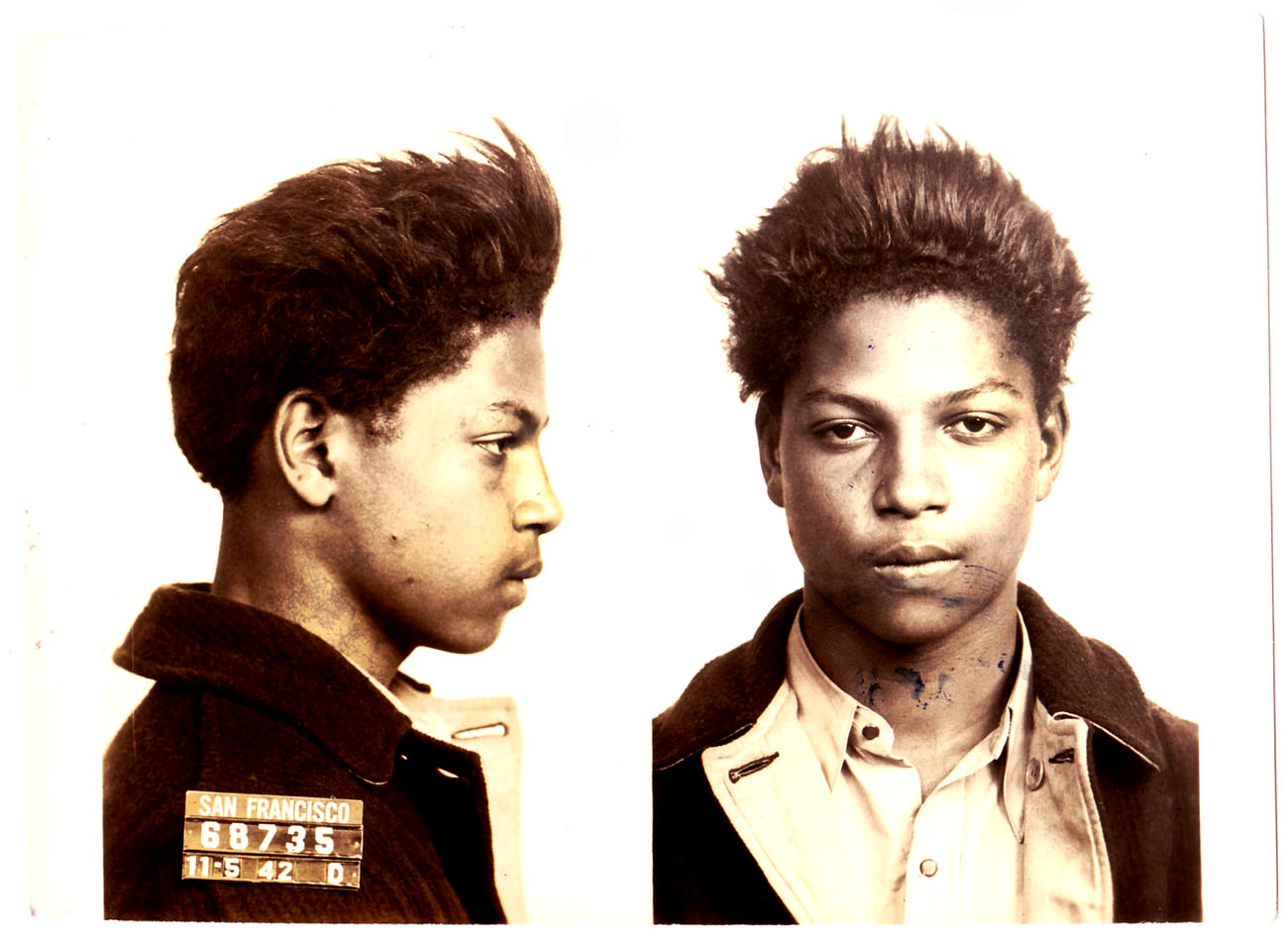
Before photography, police relied on written descriptions to track criminals. As cameras became more practical in the late 1800s, departments quickly adopted them. The shift to photographic records gave law enforcement a far more accurate and lasting tool. Each image captured not just a face, but a name, an age, and often the specific crime charged.
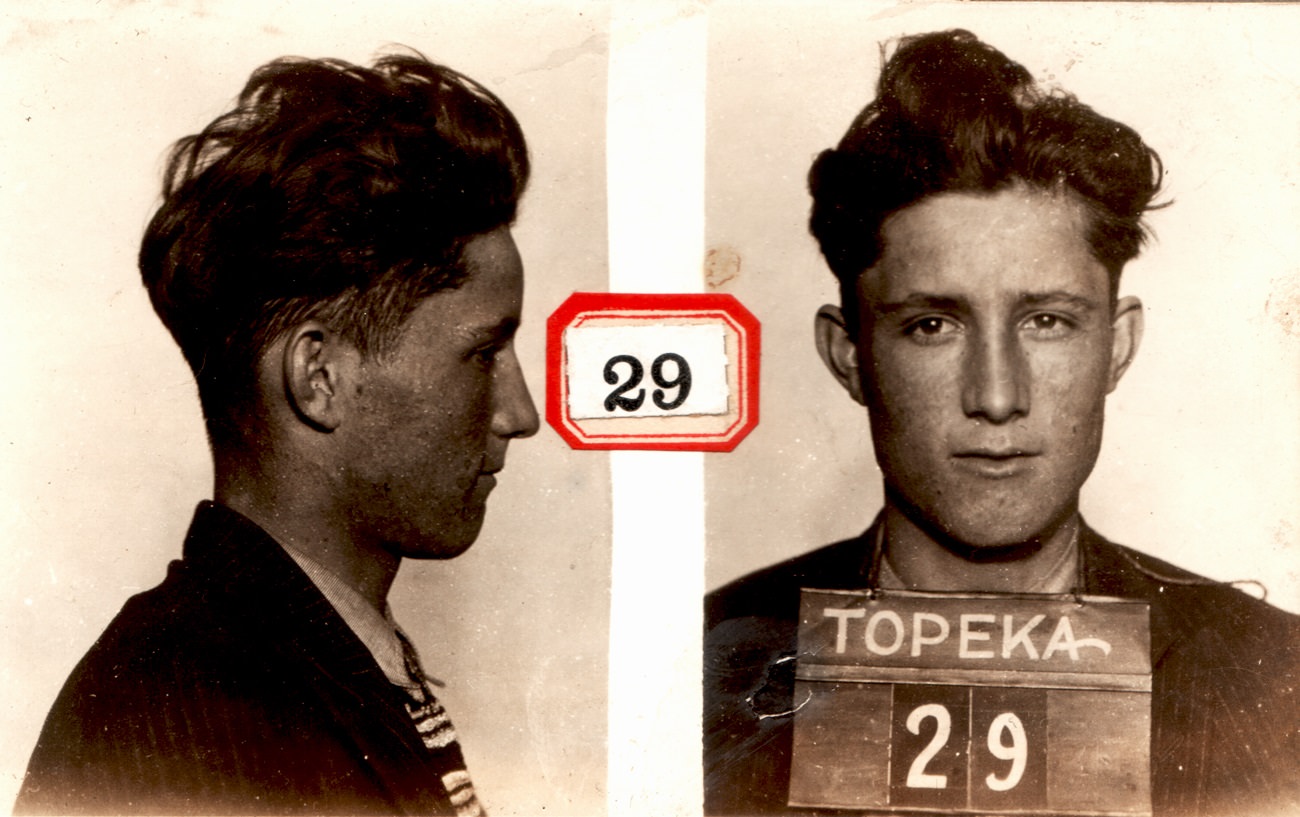
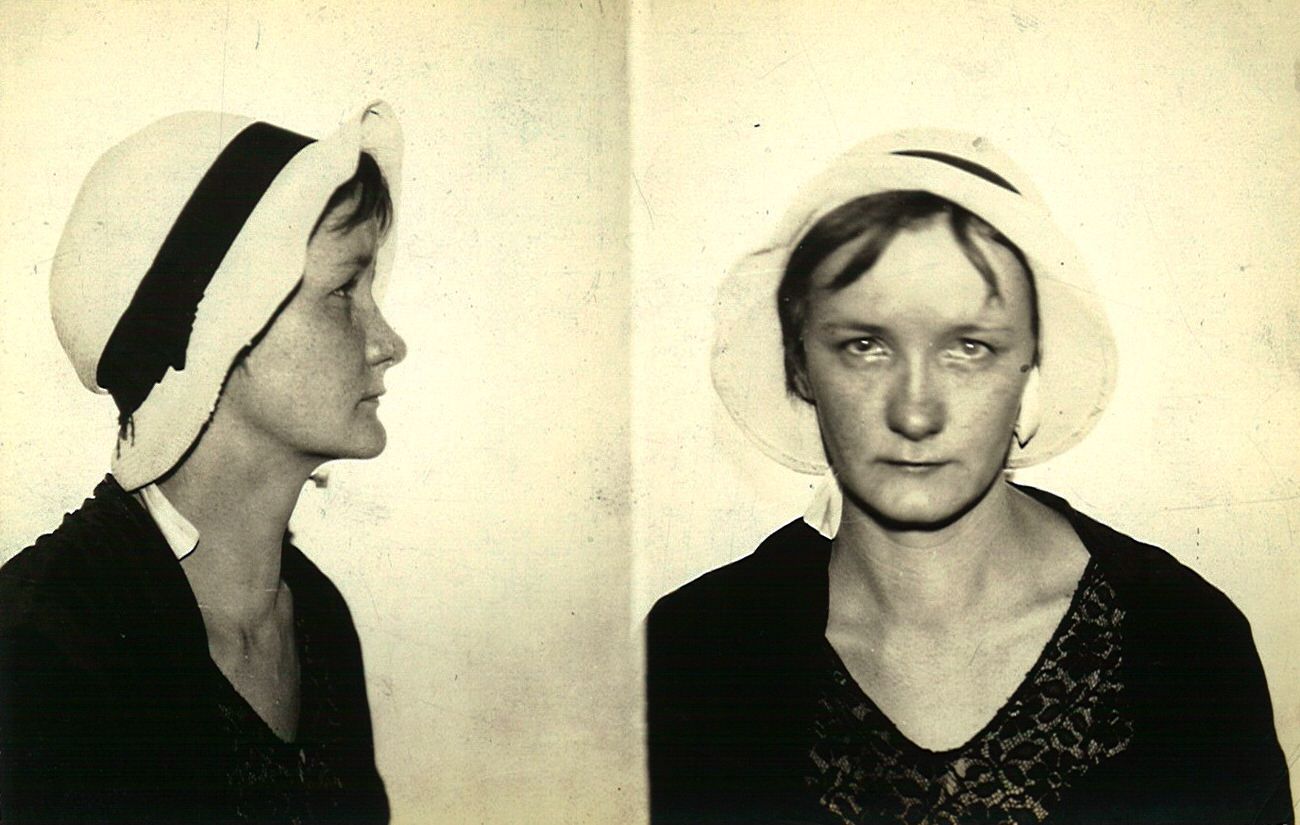
The early 1900s saw massive migration into American cities. Crowded neighborhoods, scarce jobs, and poor living conditions created fertile ground for crime. Police departments expanded their record-keeping systems to keep pace. Mugshots became a core part of that effort, filed and catalogued for future reference.
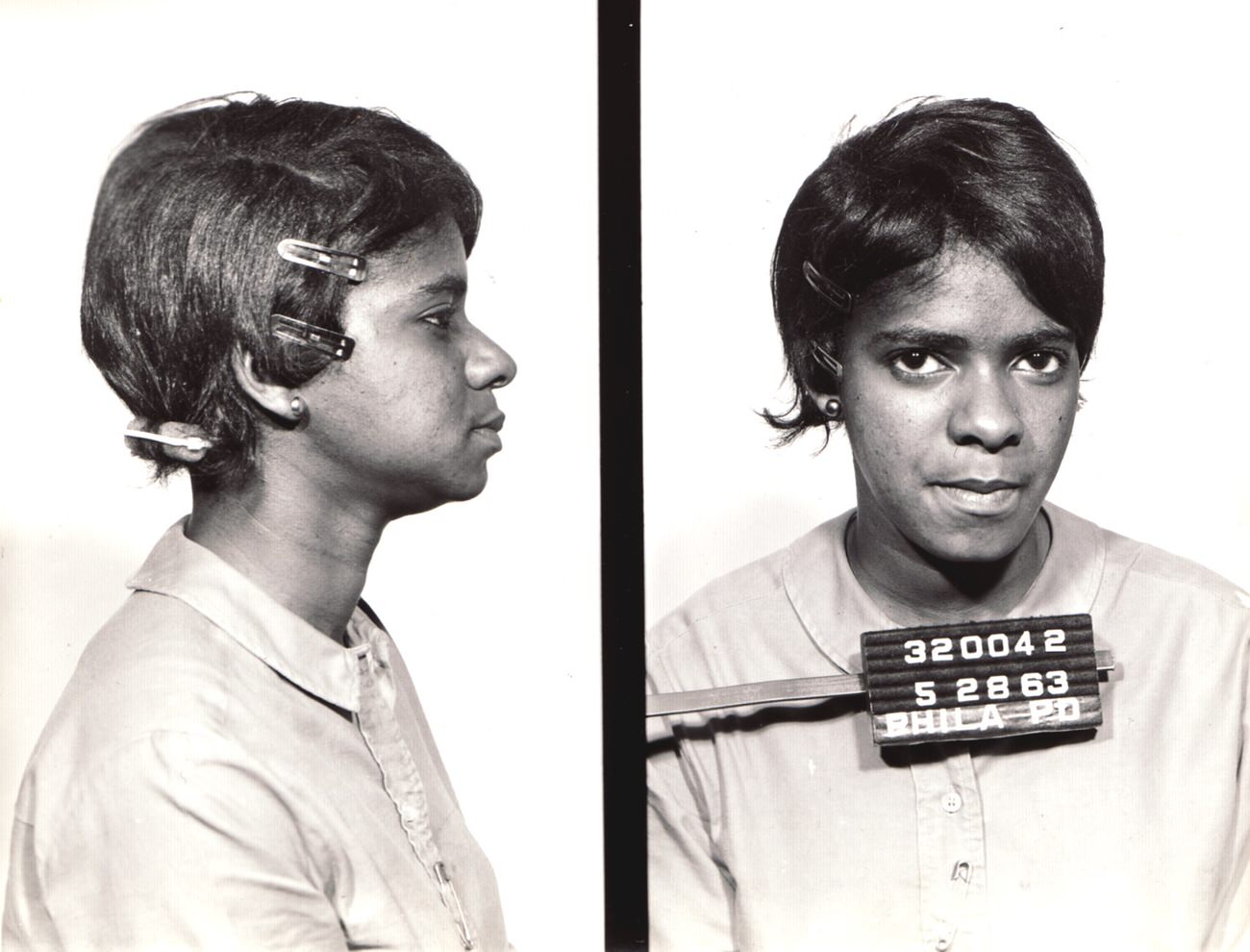
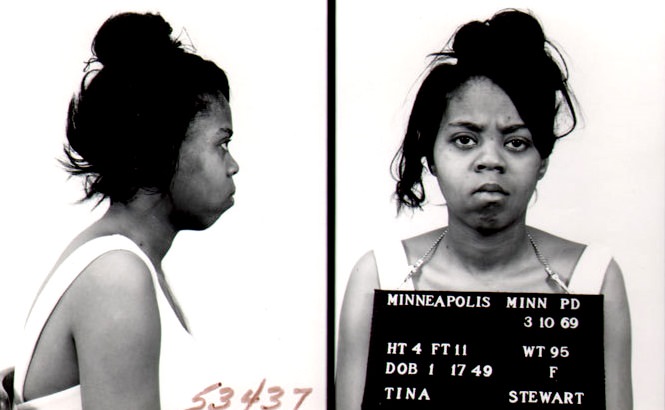
The 1920s brought Prohibition, which made selling alcohol illegal. That single law gave rise to bootlegging networks, speakeasies, and organized crime figures like Al Capone. Law enforcement arrested thousands during this era, and the mugshot files swelled. The faces in those photographs ranged from mob enforcers to small-time street hustlers.
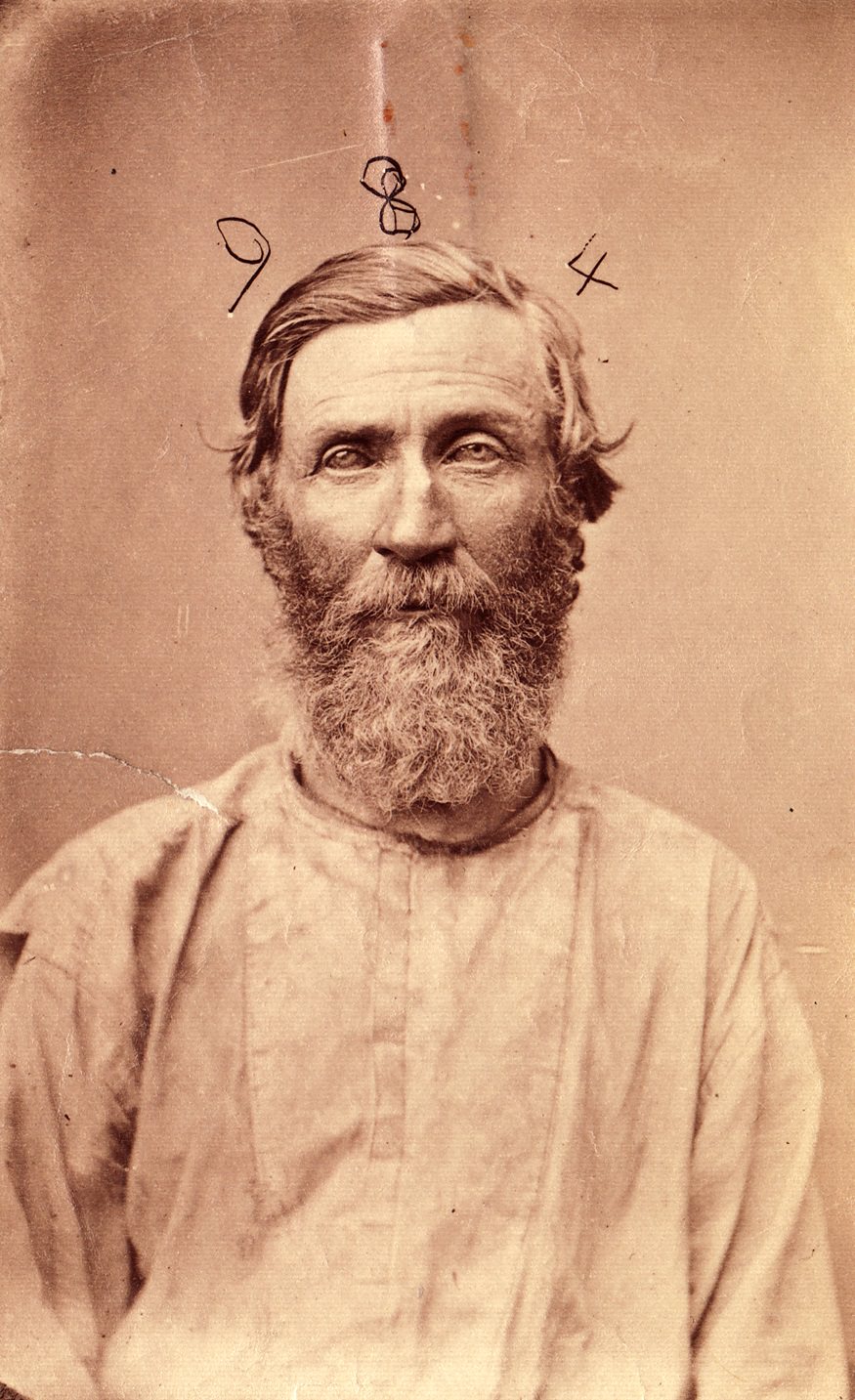
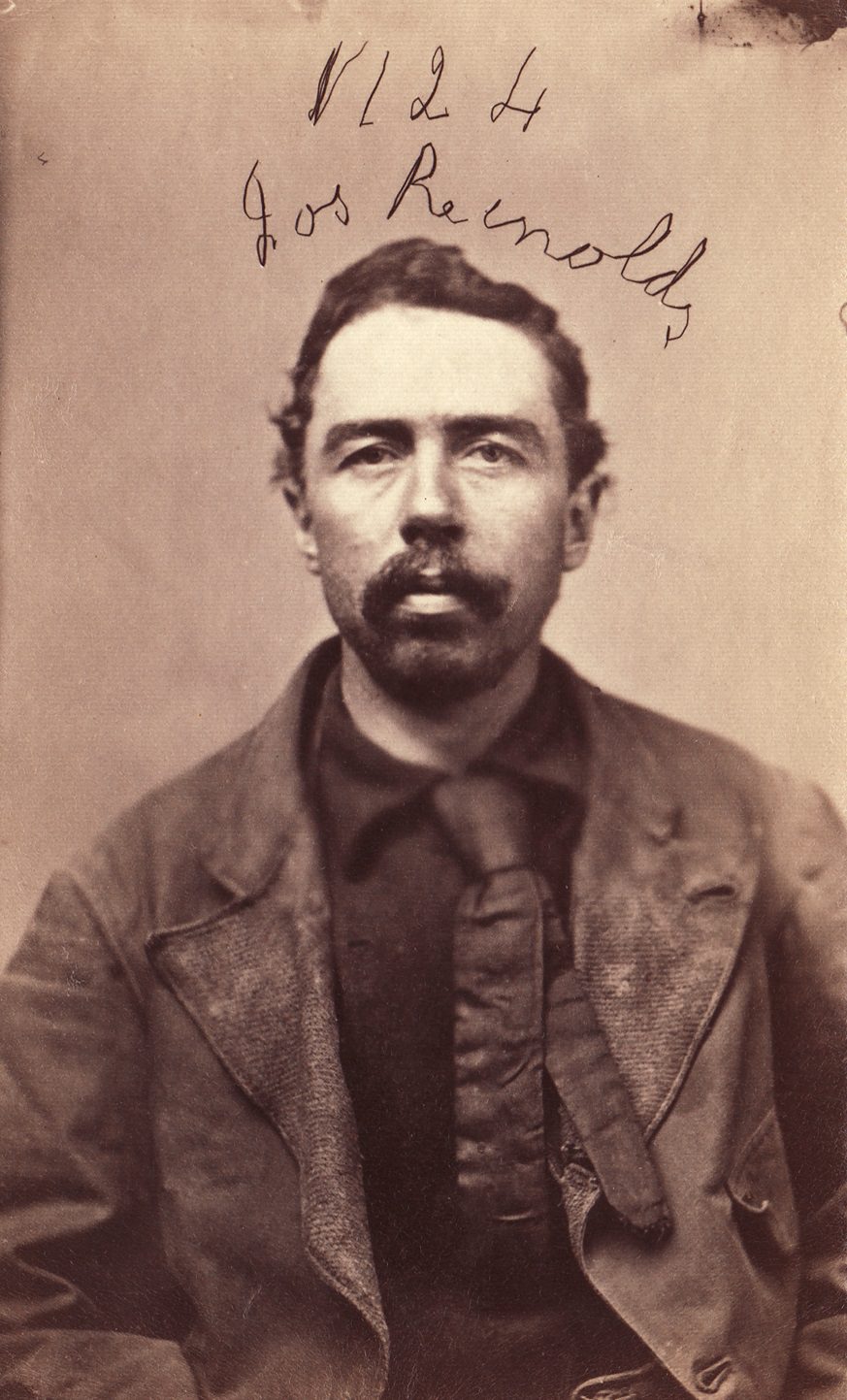
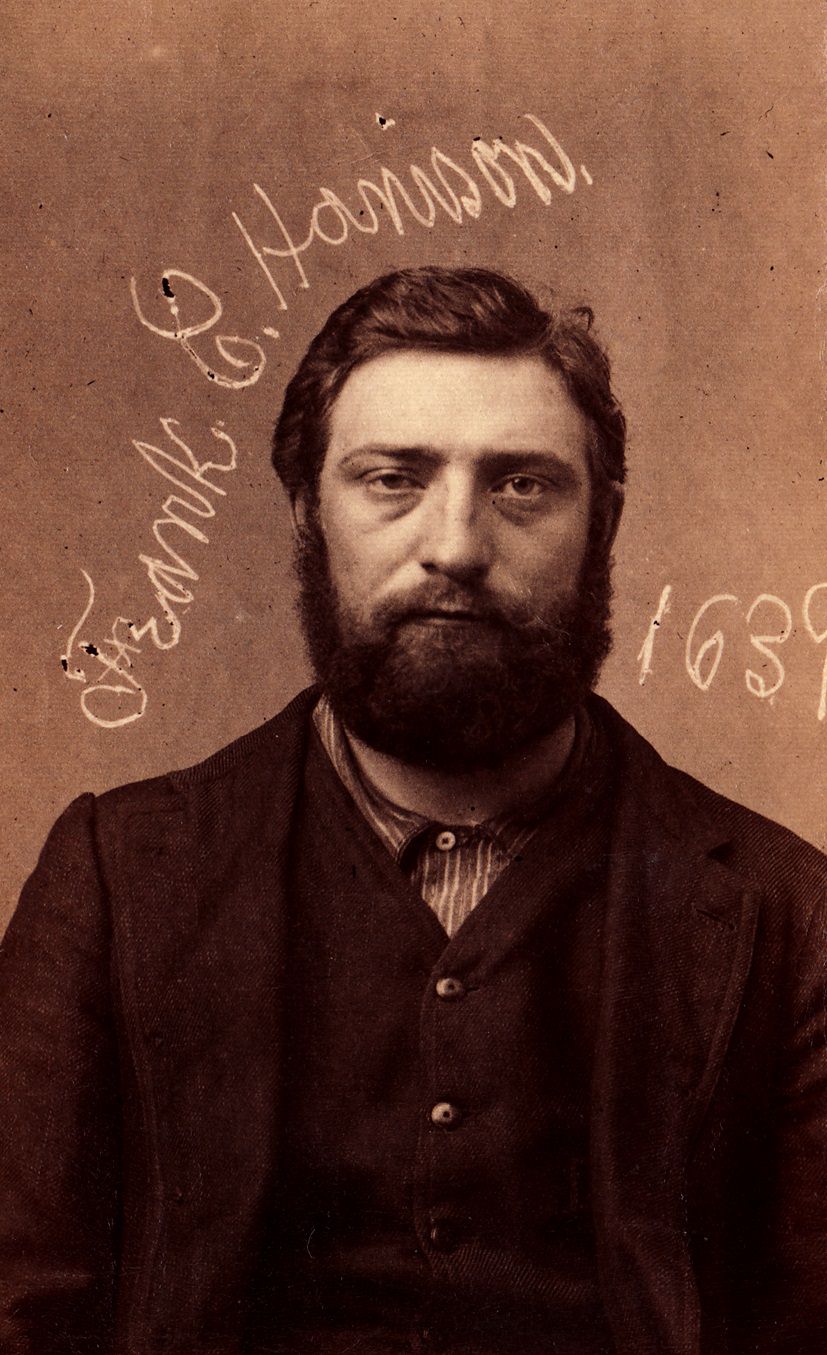
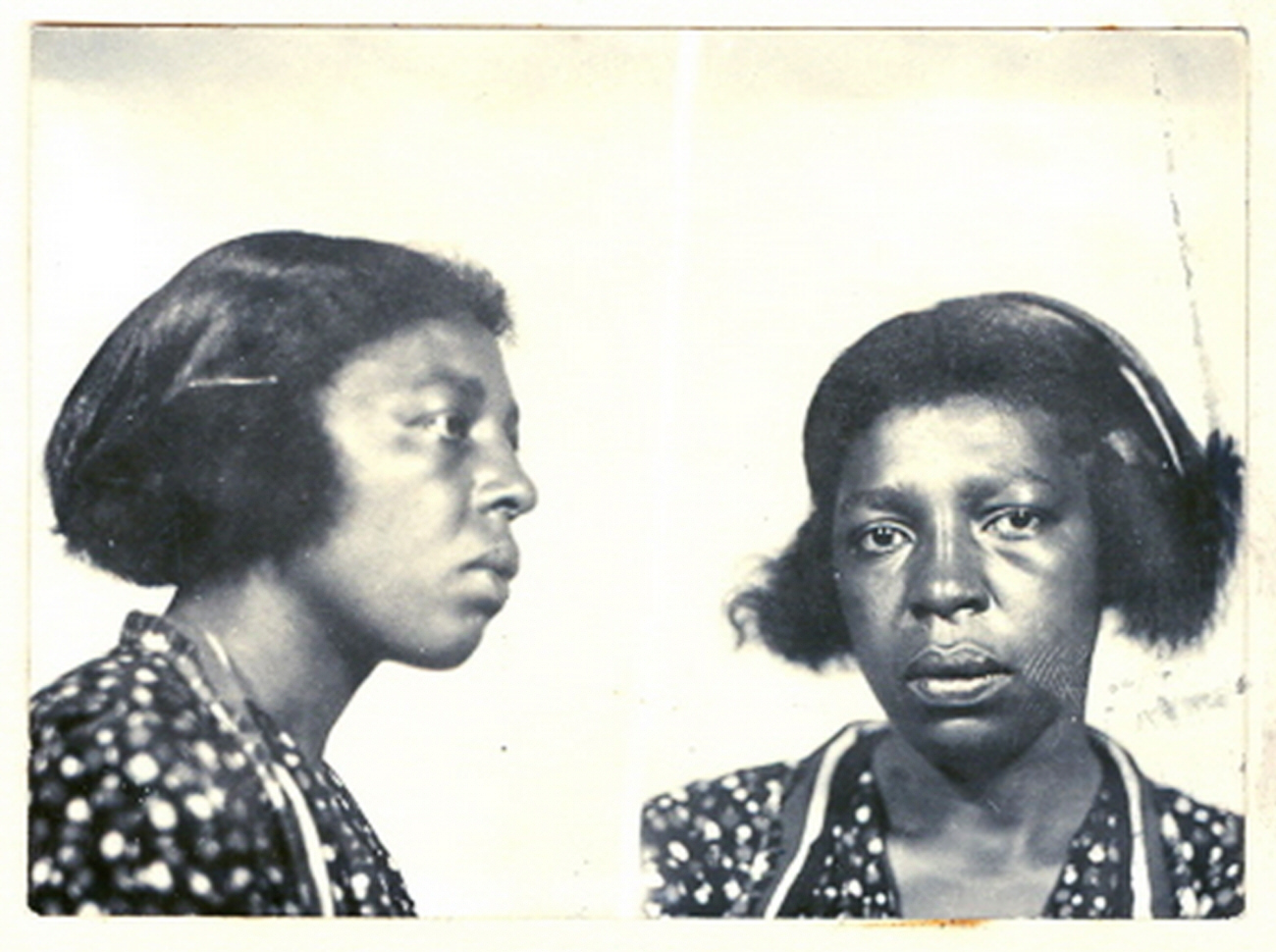
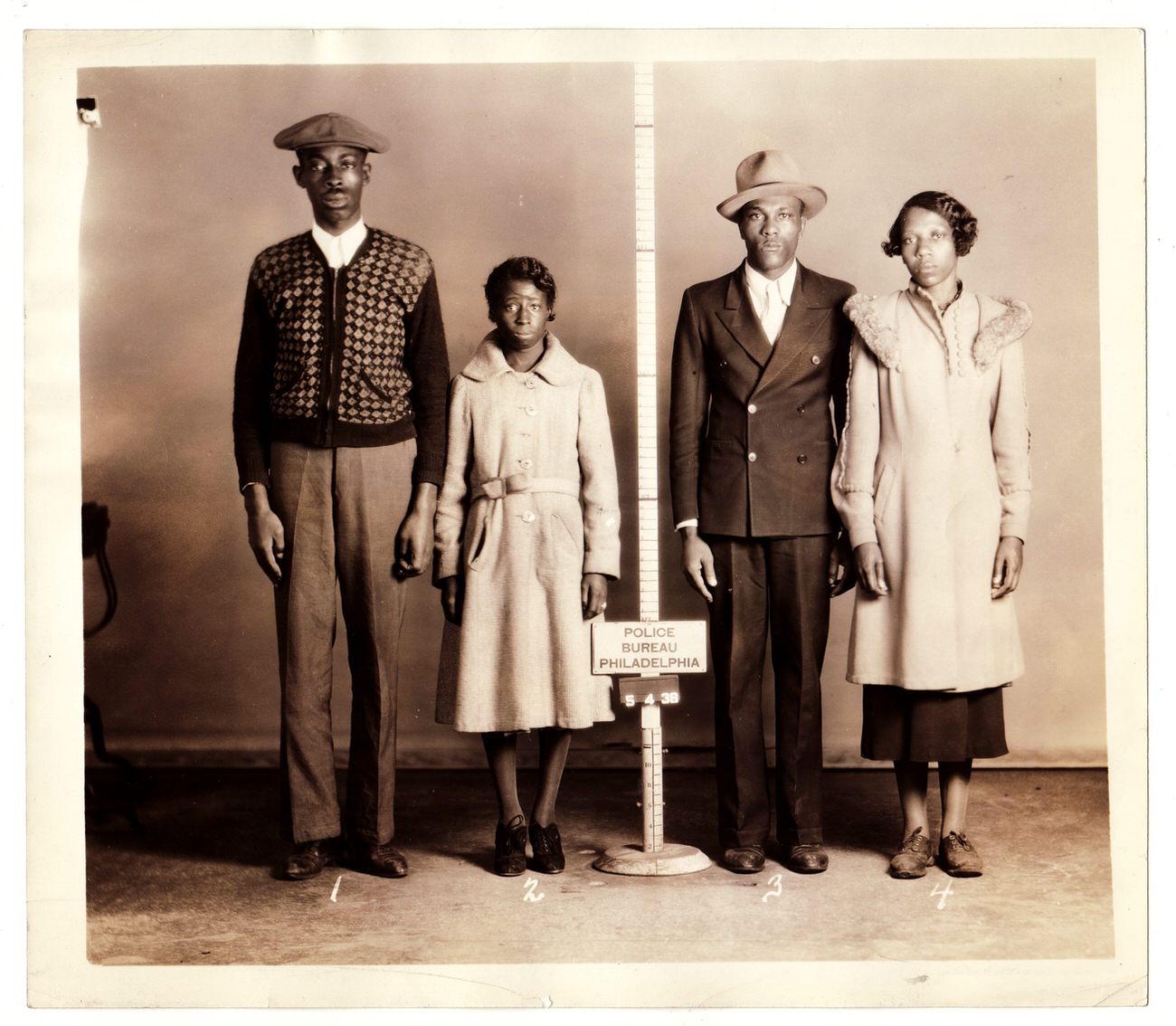
The Great Depression of the 1930s pushed many people to desperation. Unemployment soared, families lost their homes, and theft became common. Mugshots from this decade reflect that economic collapse — ordinary men and women arrested for crimes driven by poverty rather than career criminality.
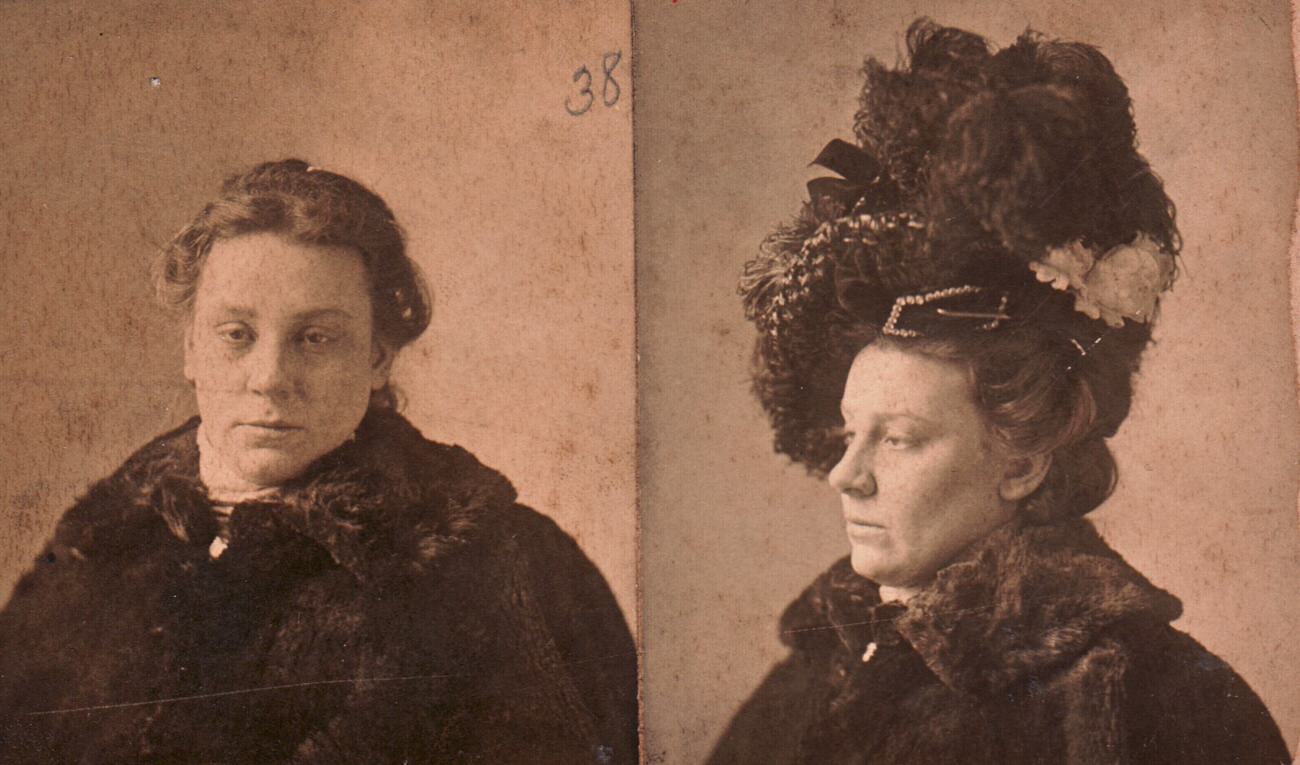
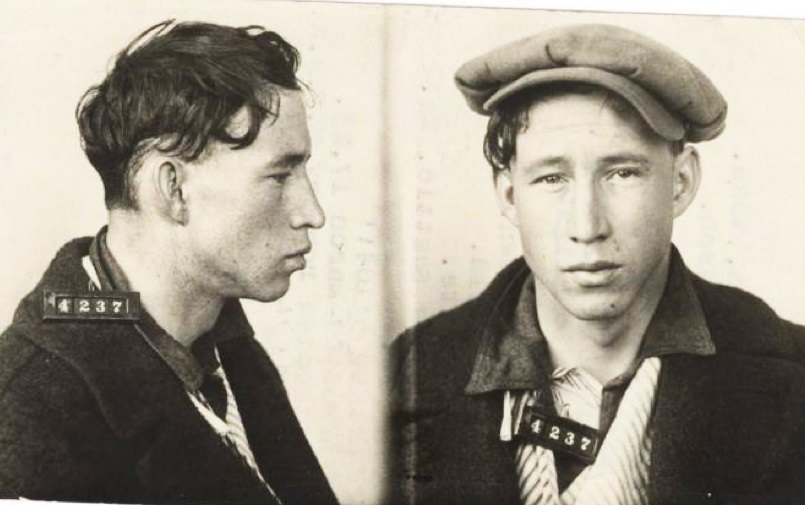
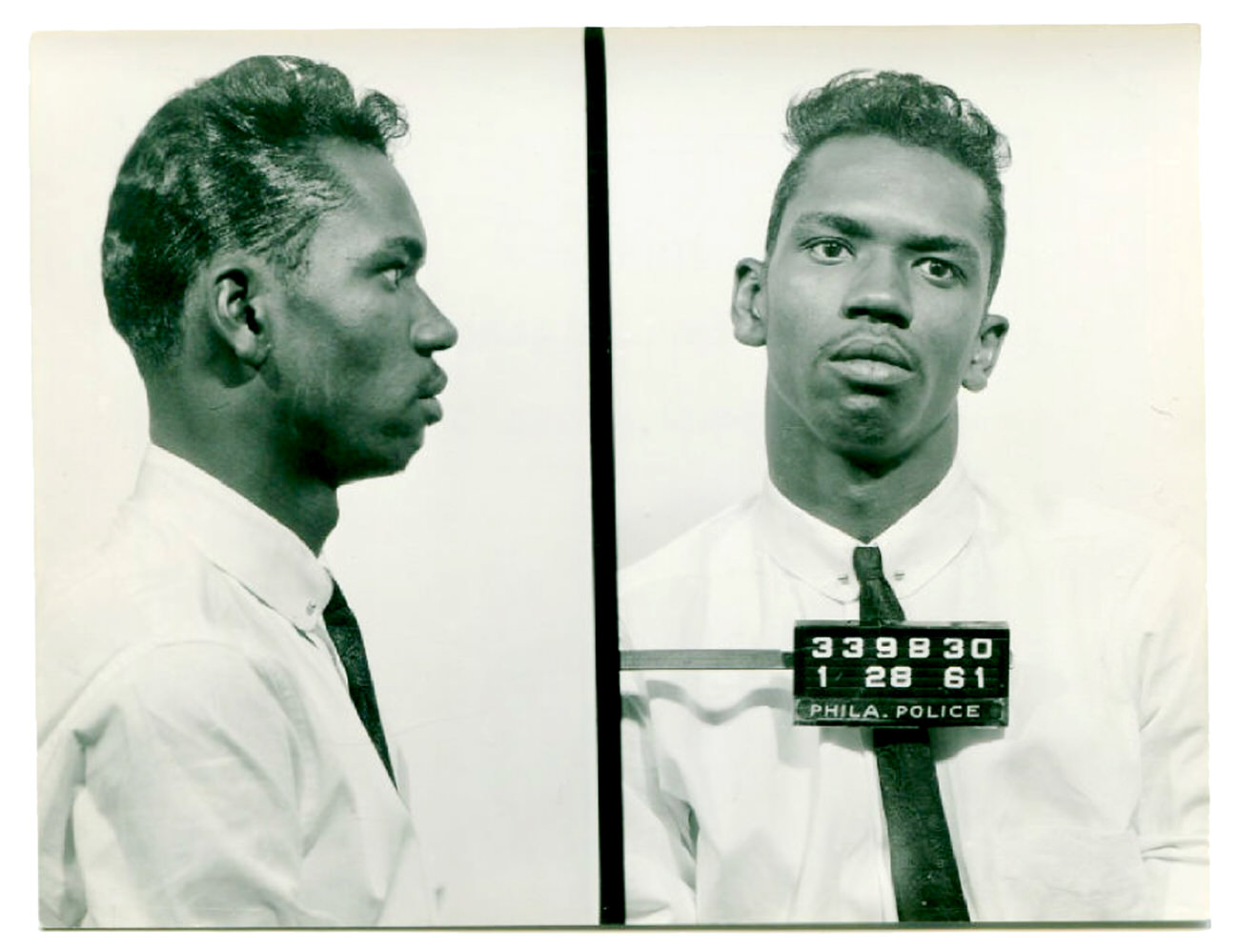
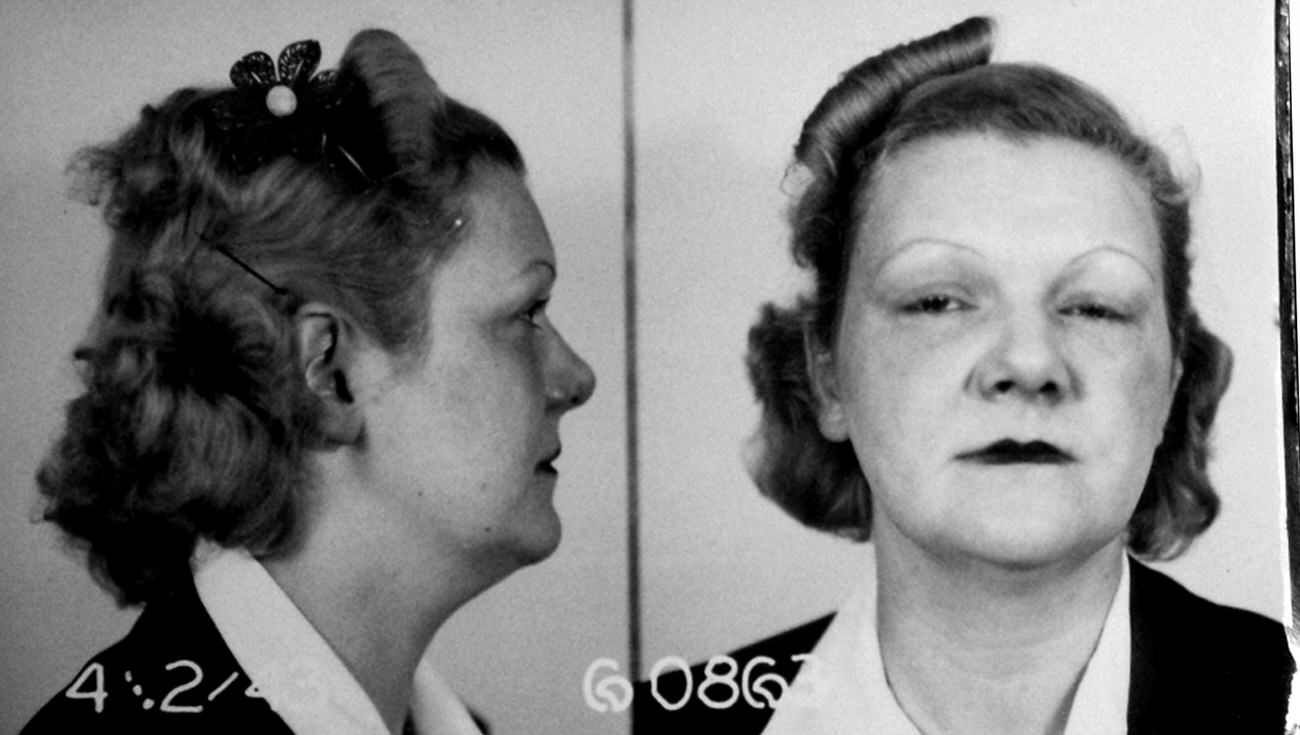
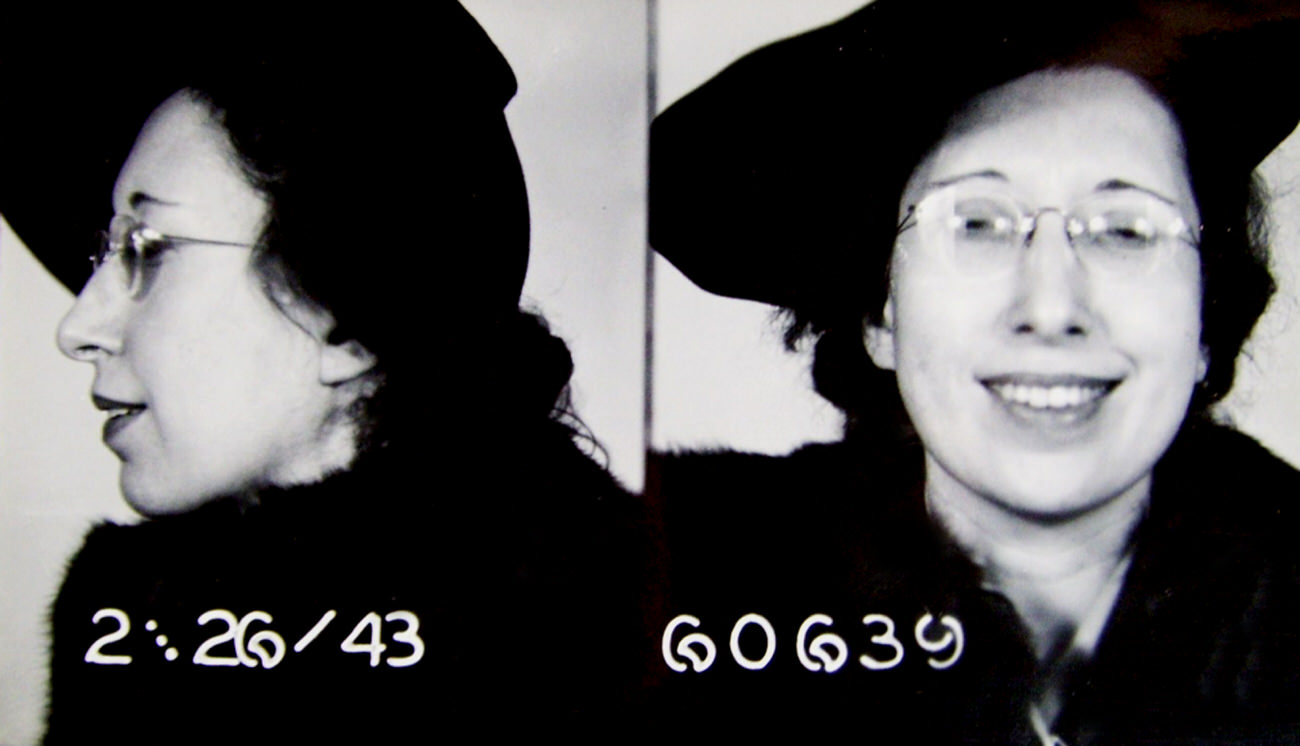
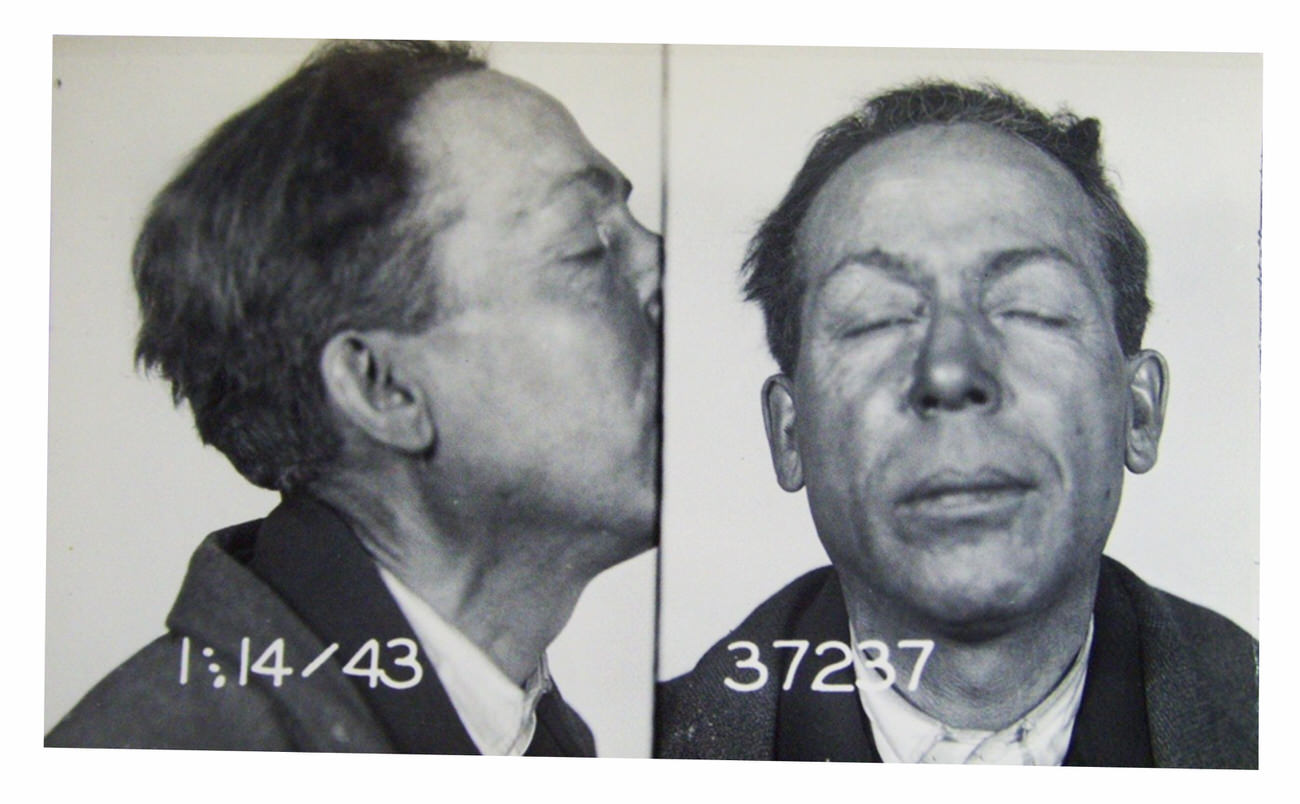
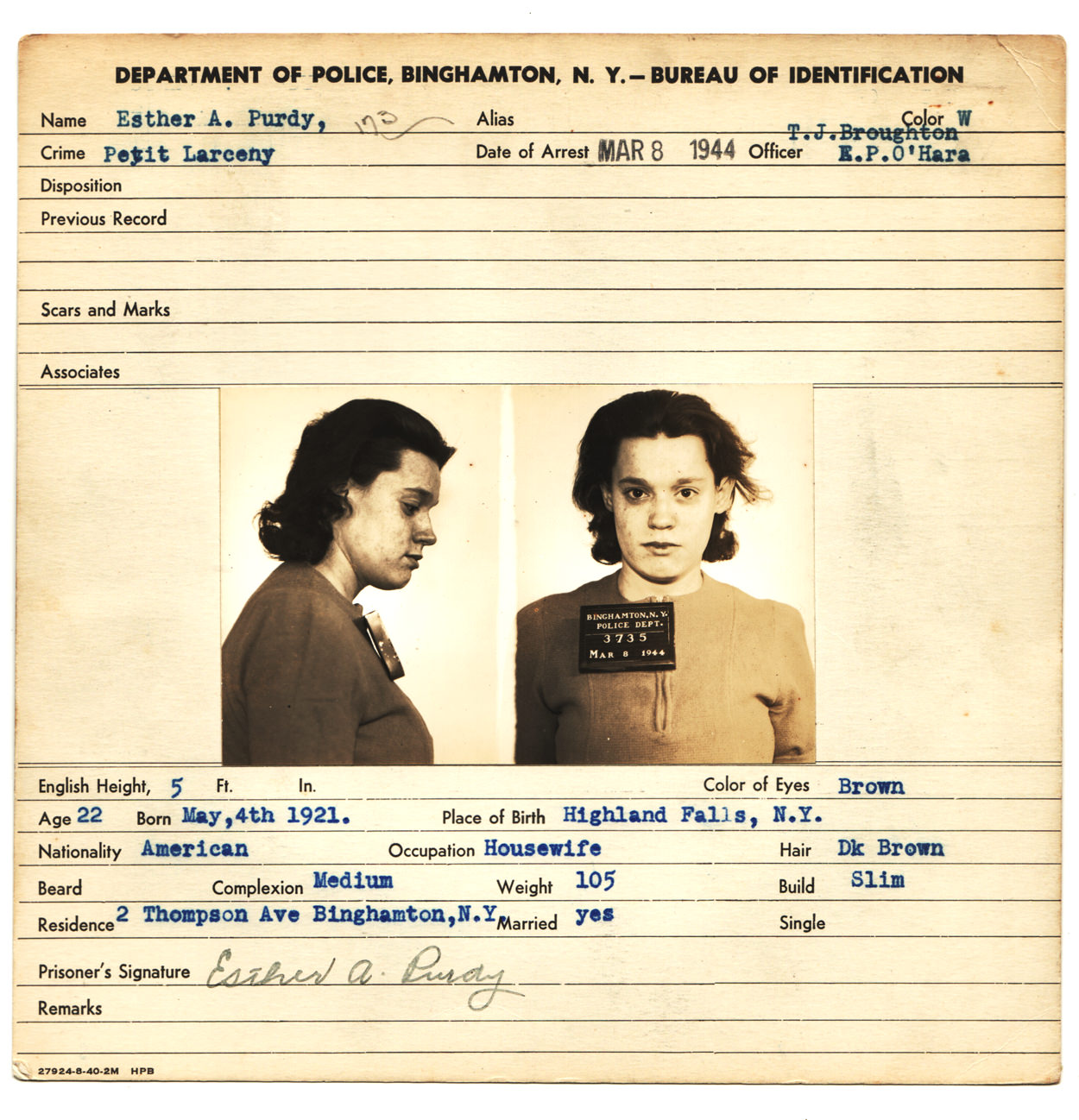
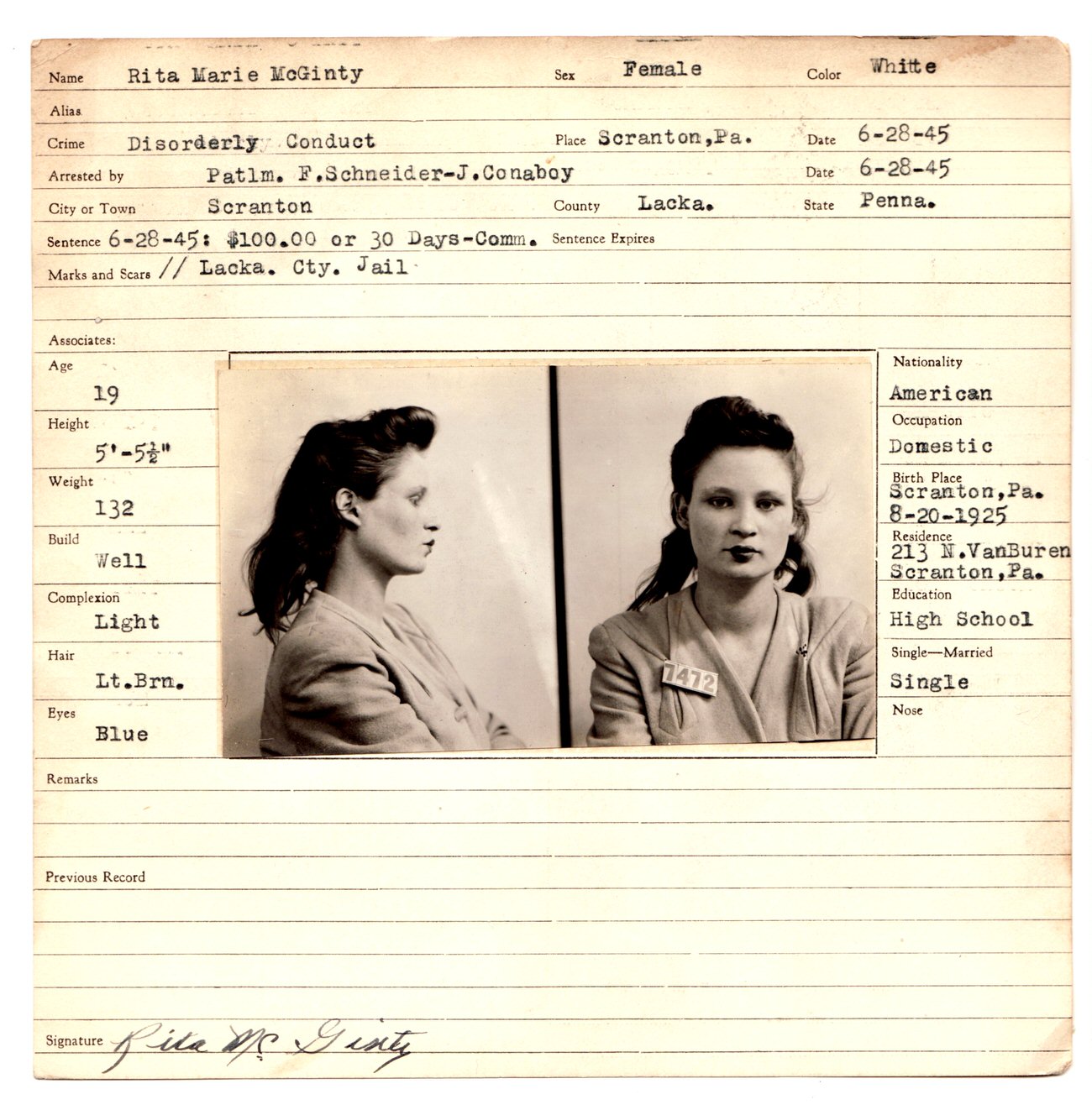
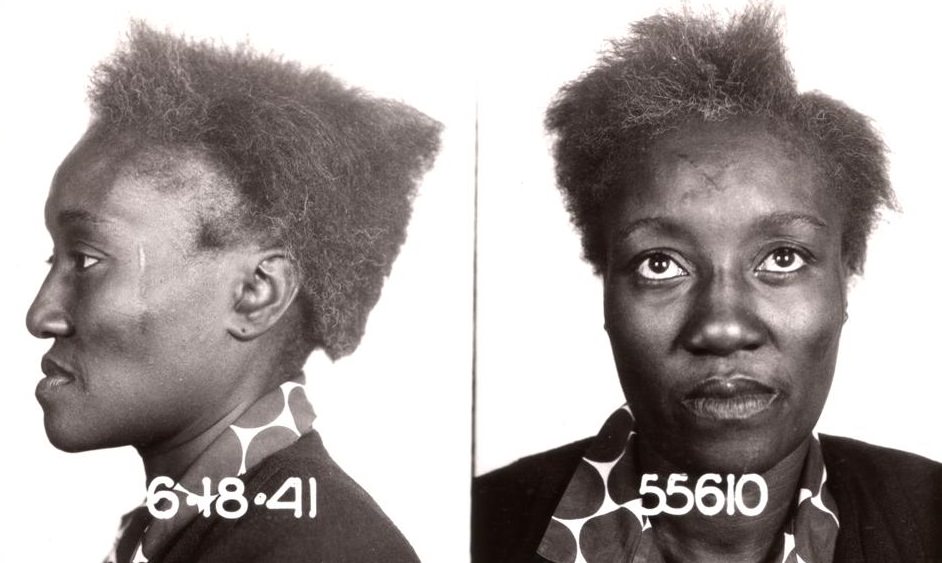
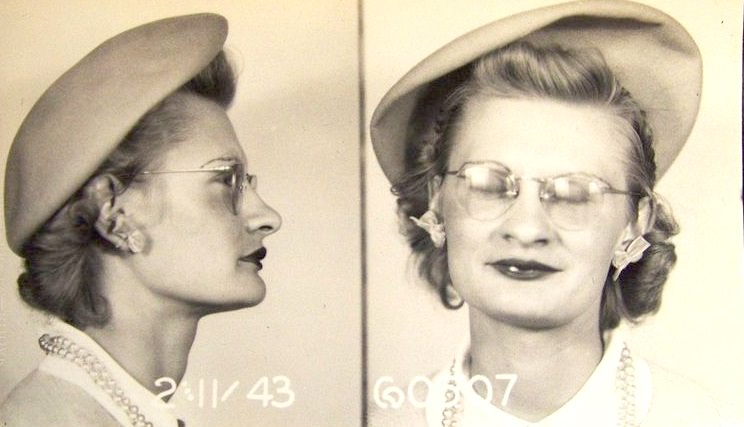
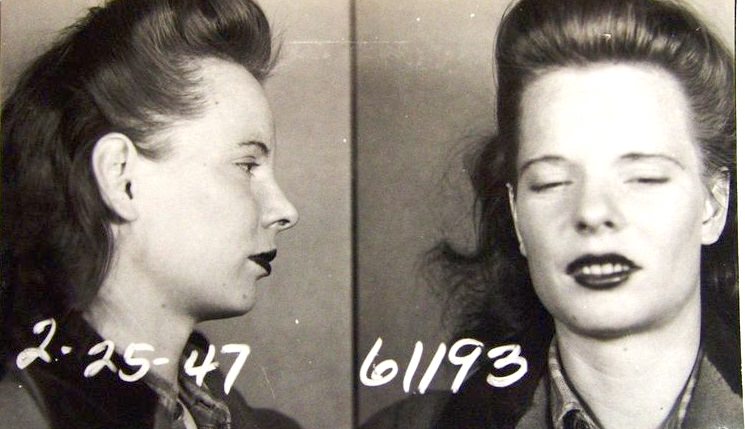
World War II reshaped American society through the 1940s. With millions of men overseas, women filled new roles both in the workforce and, in some cases, in criminal activity. Mugshots from this period show a notably broader cross-section of society than earlier decades — different ages, backgrounds, and crimes represented in stark black and white.
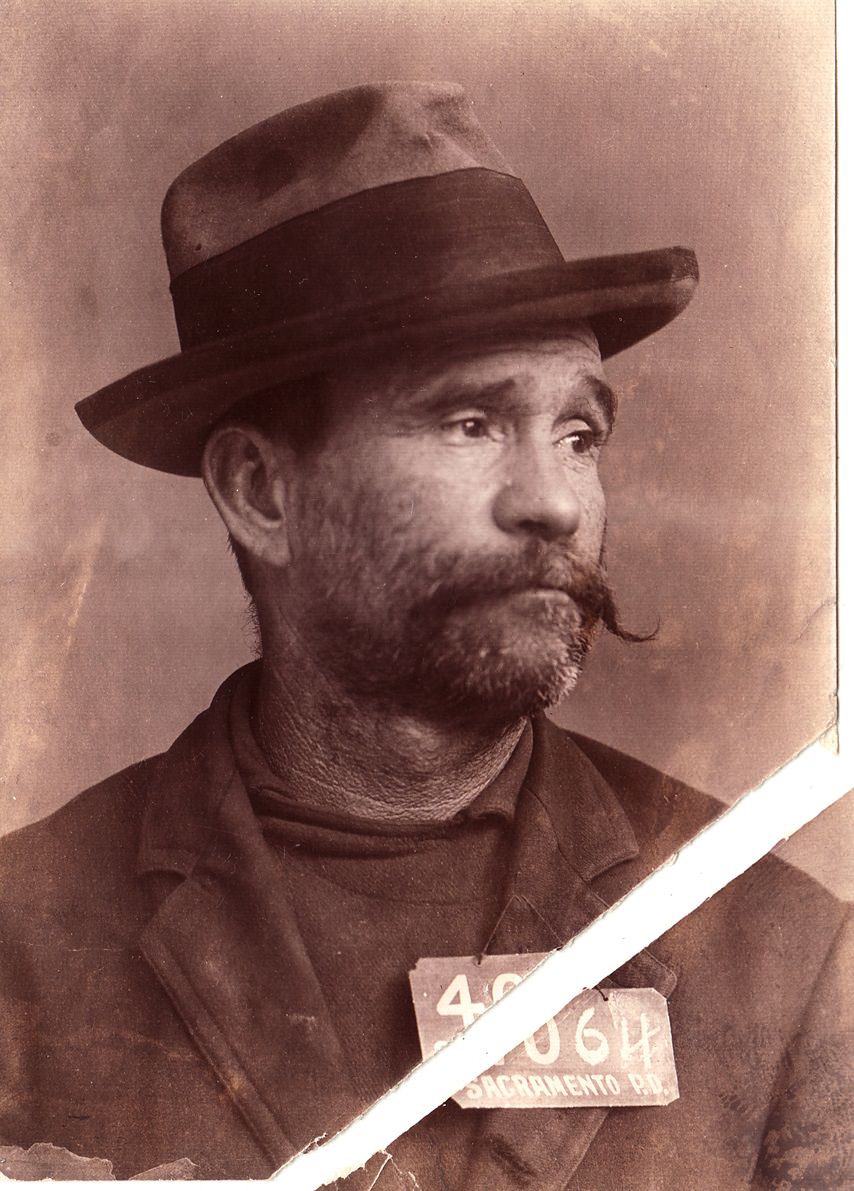
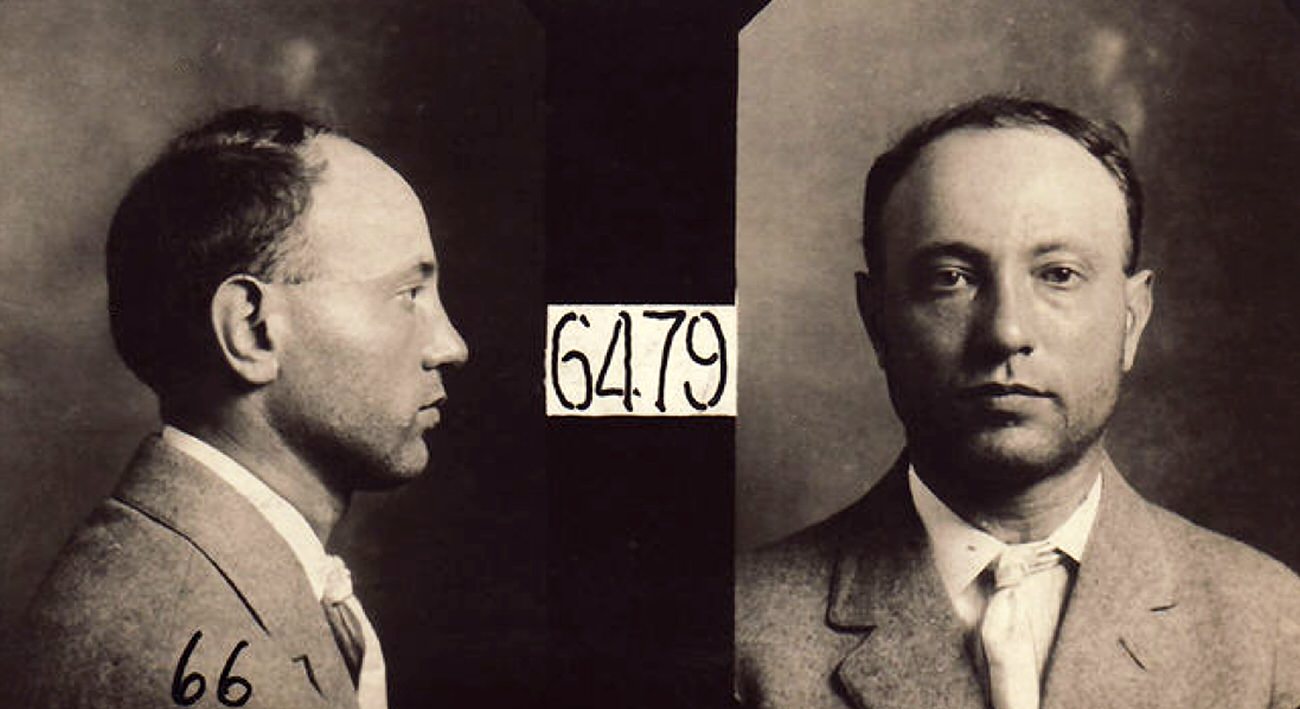
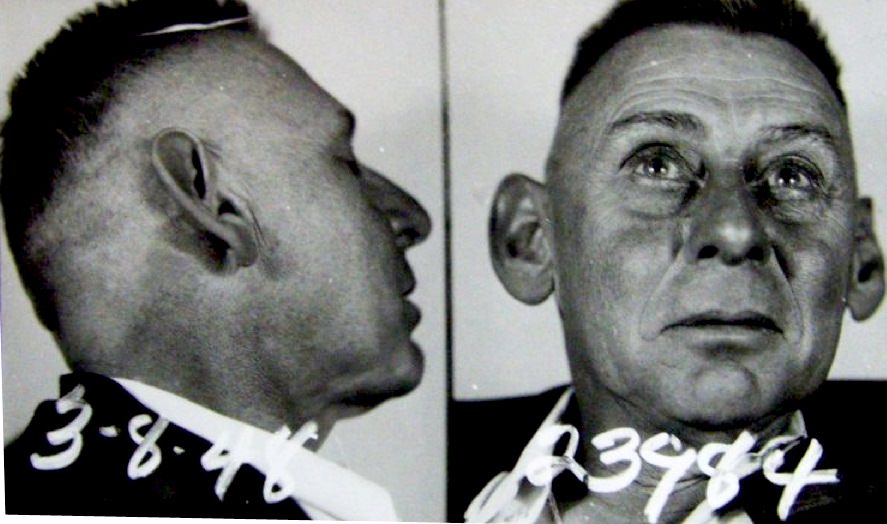
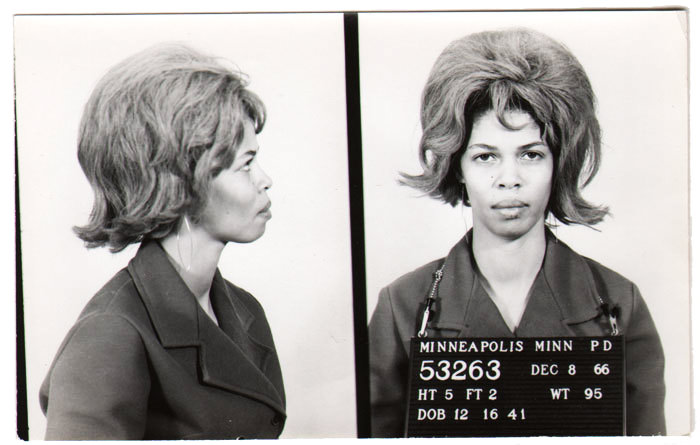
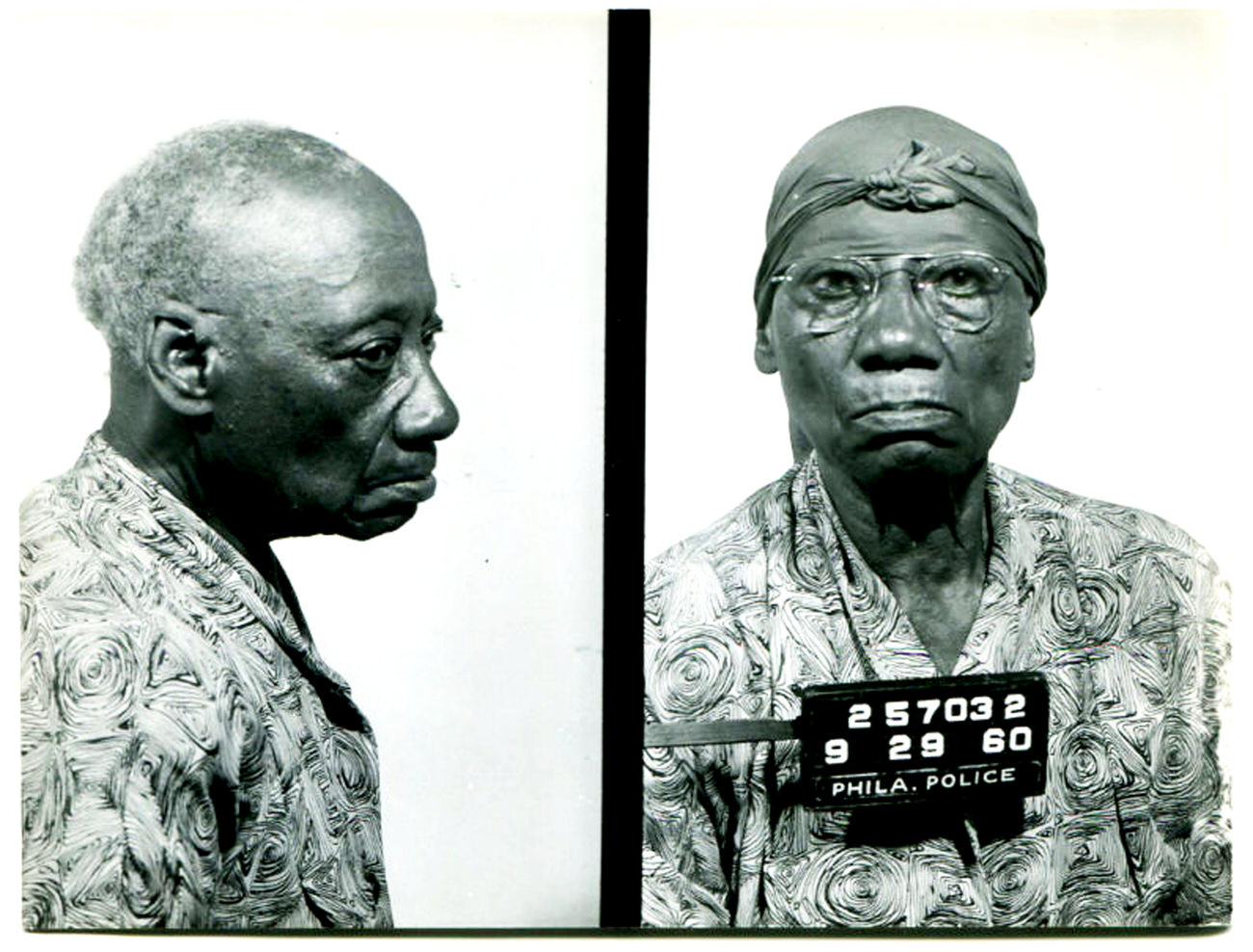
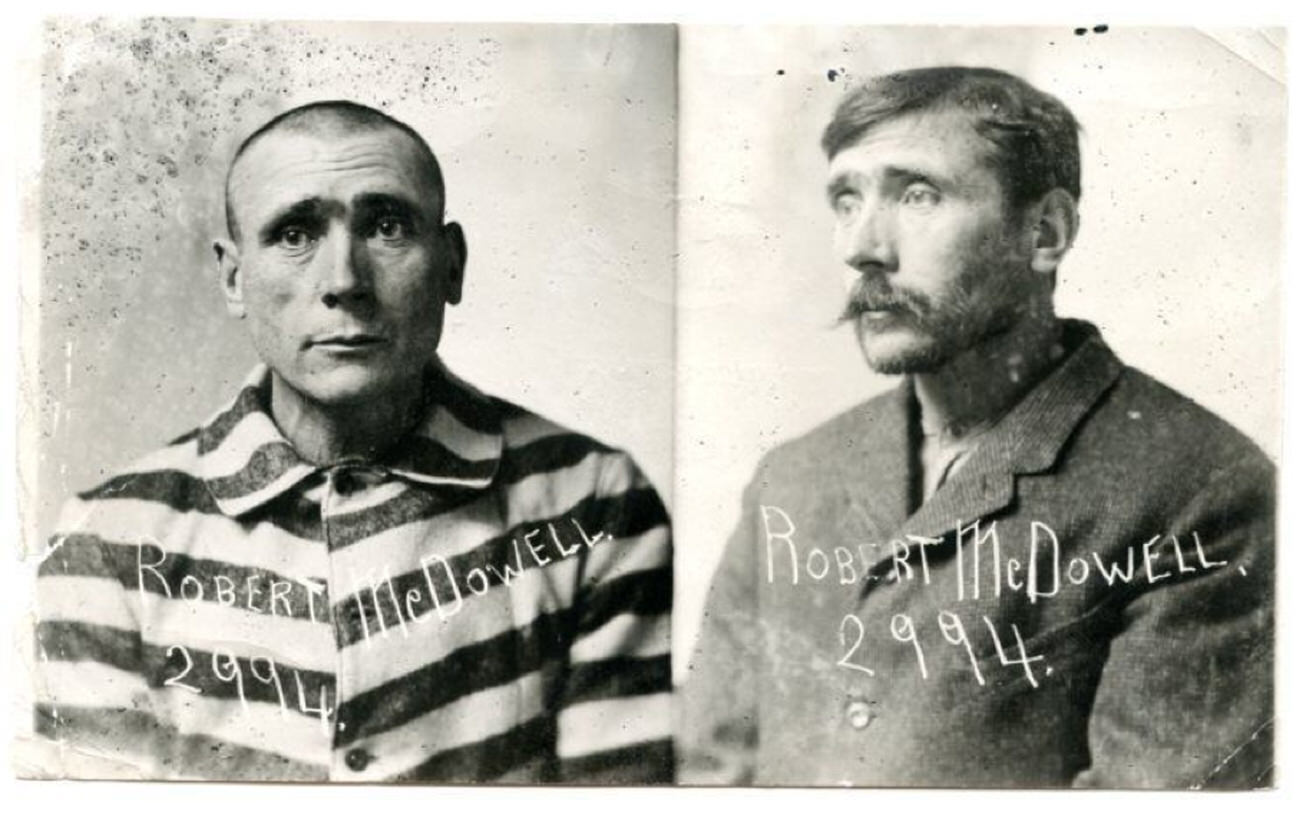
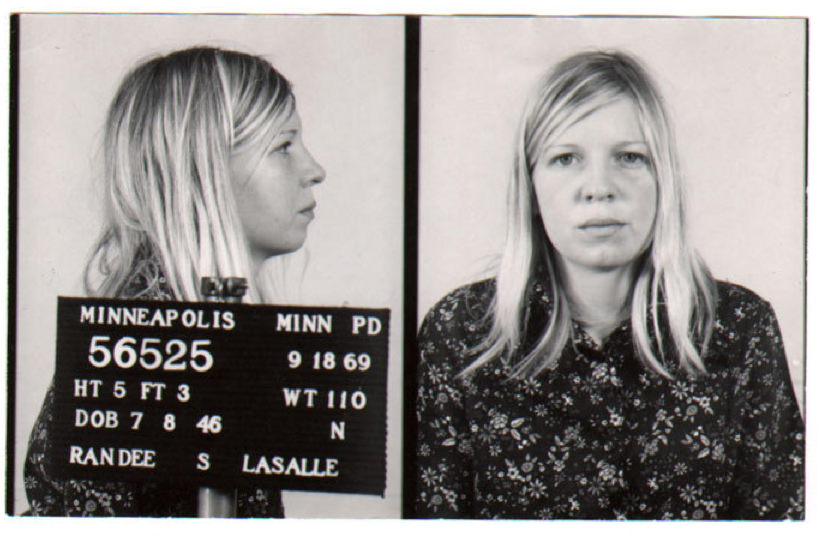
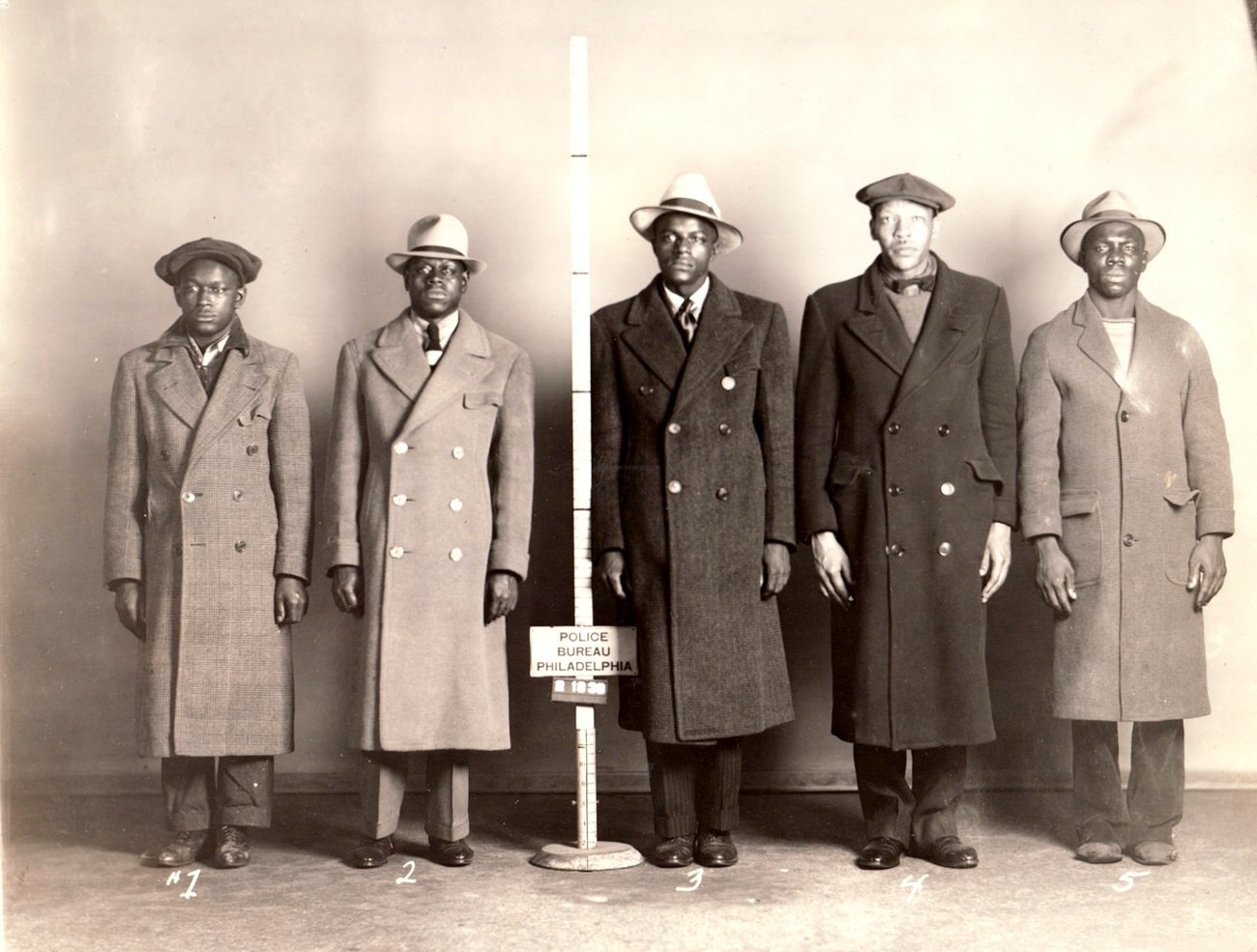
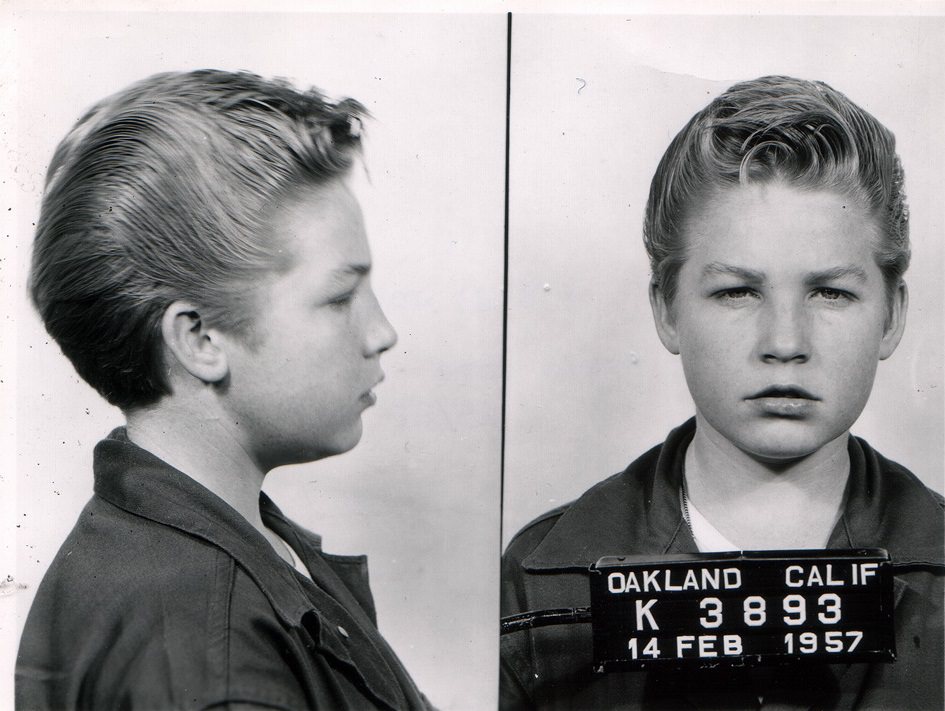
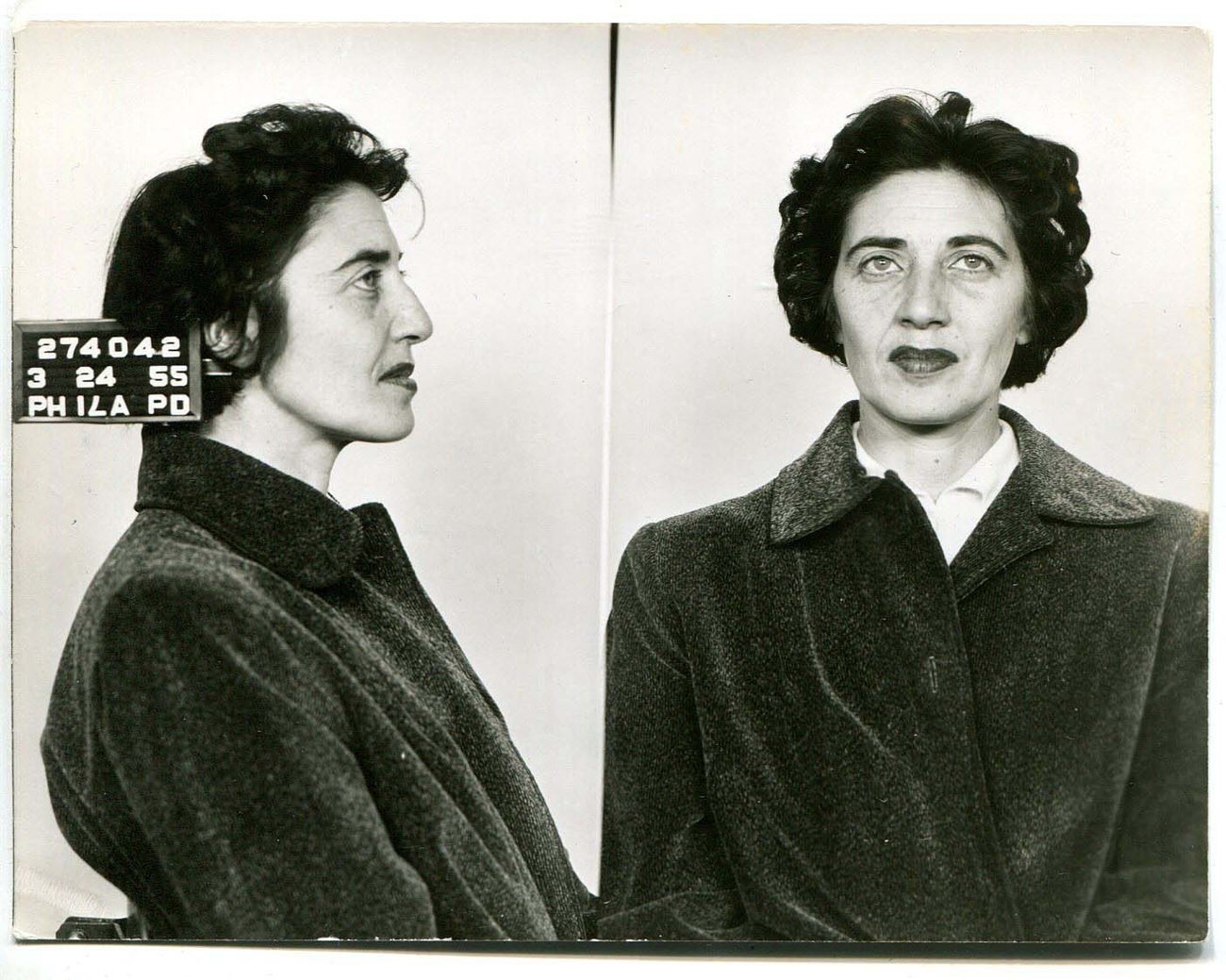
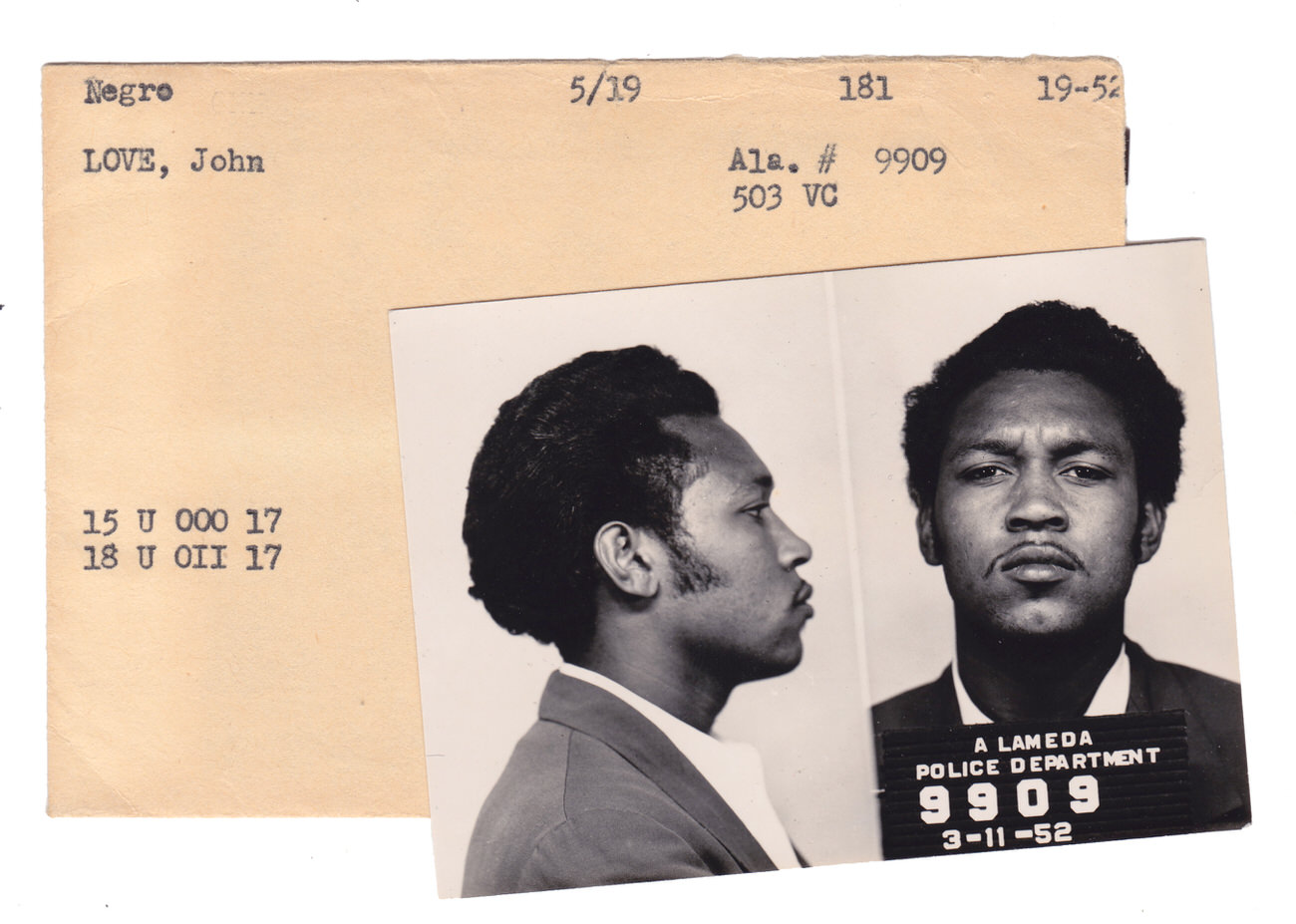
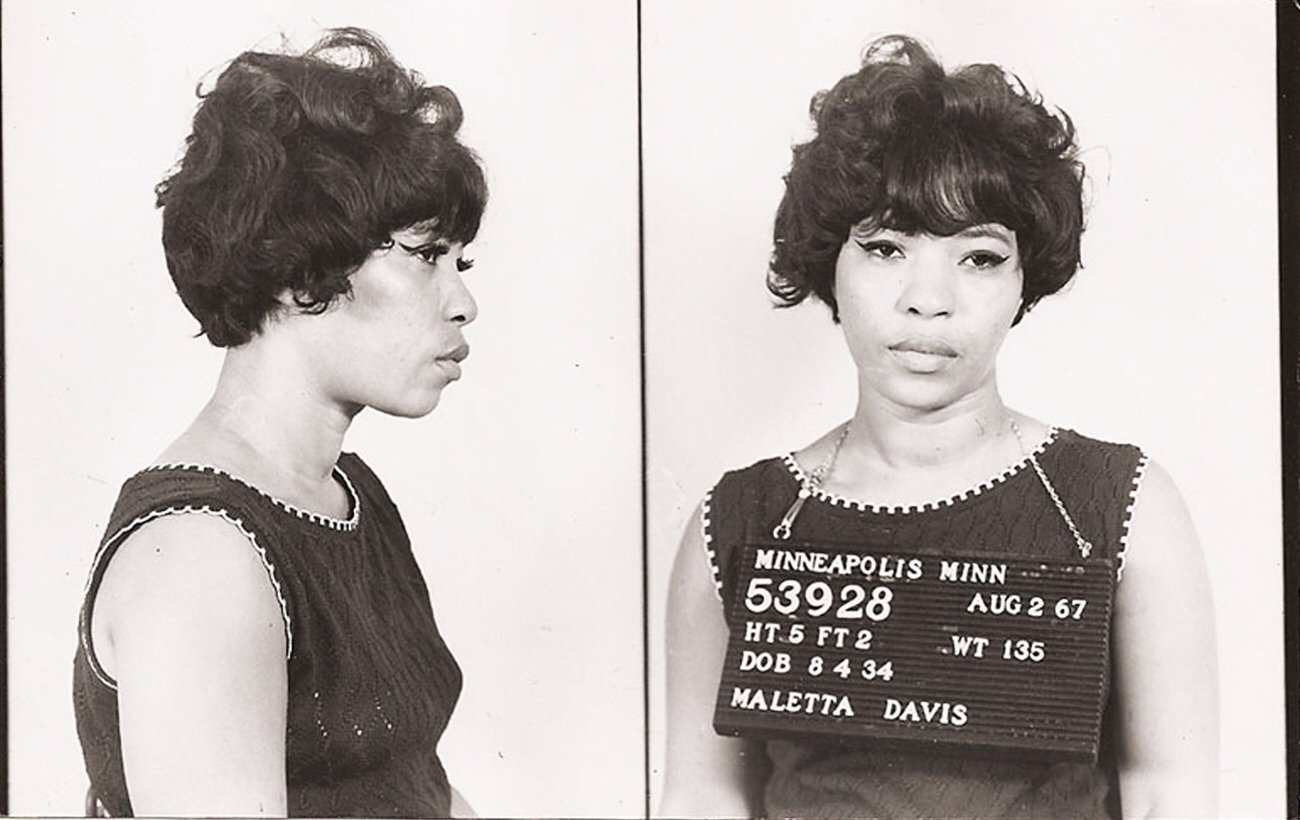
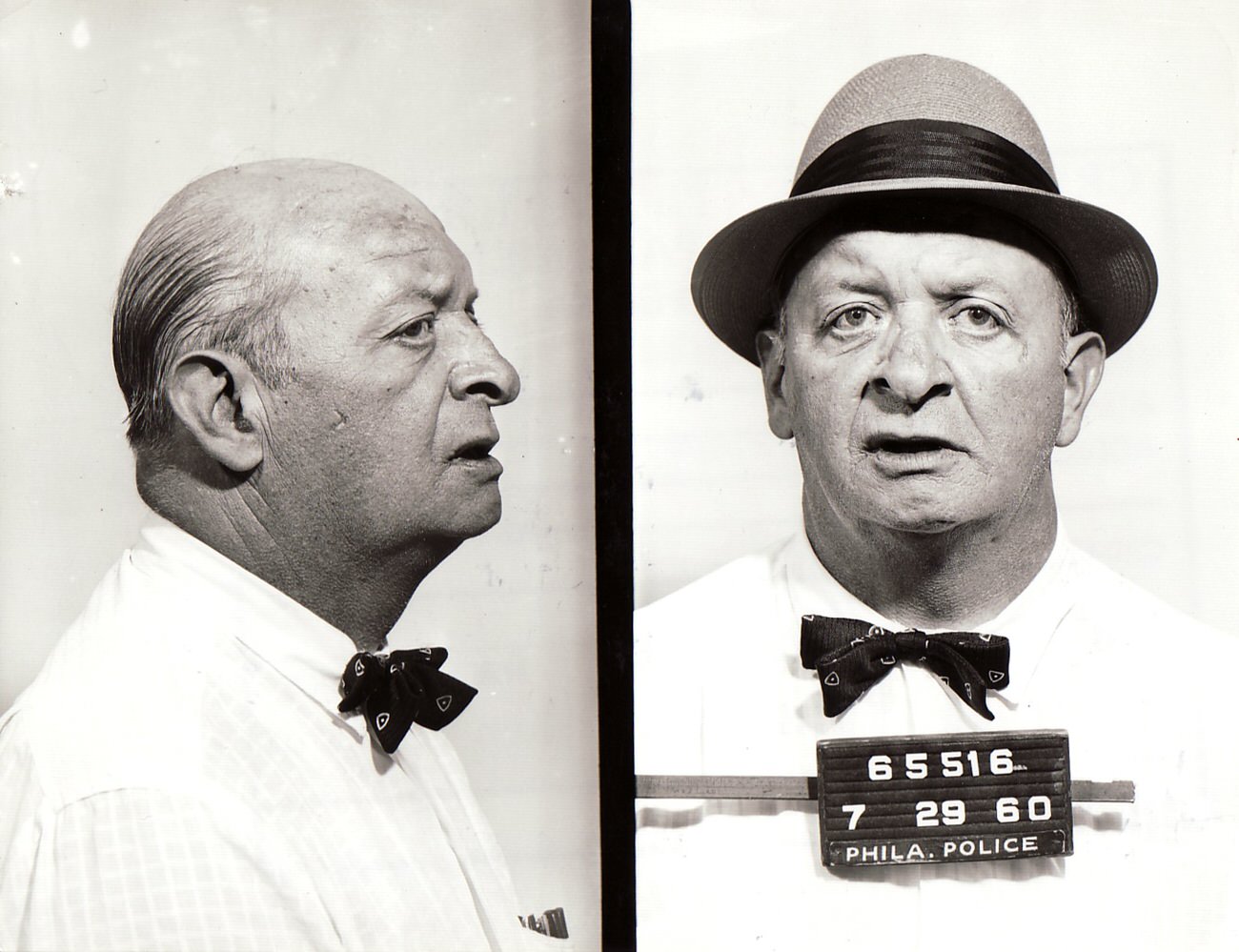
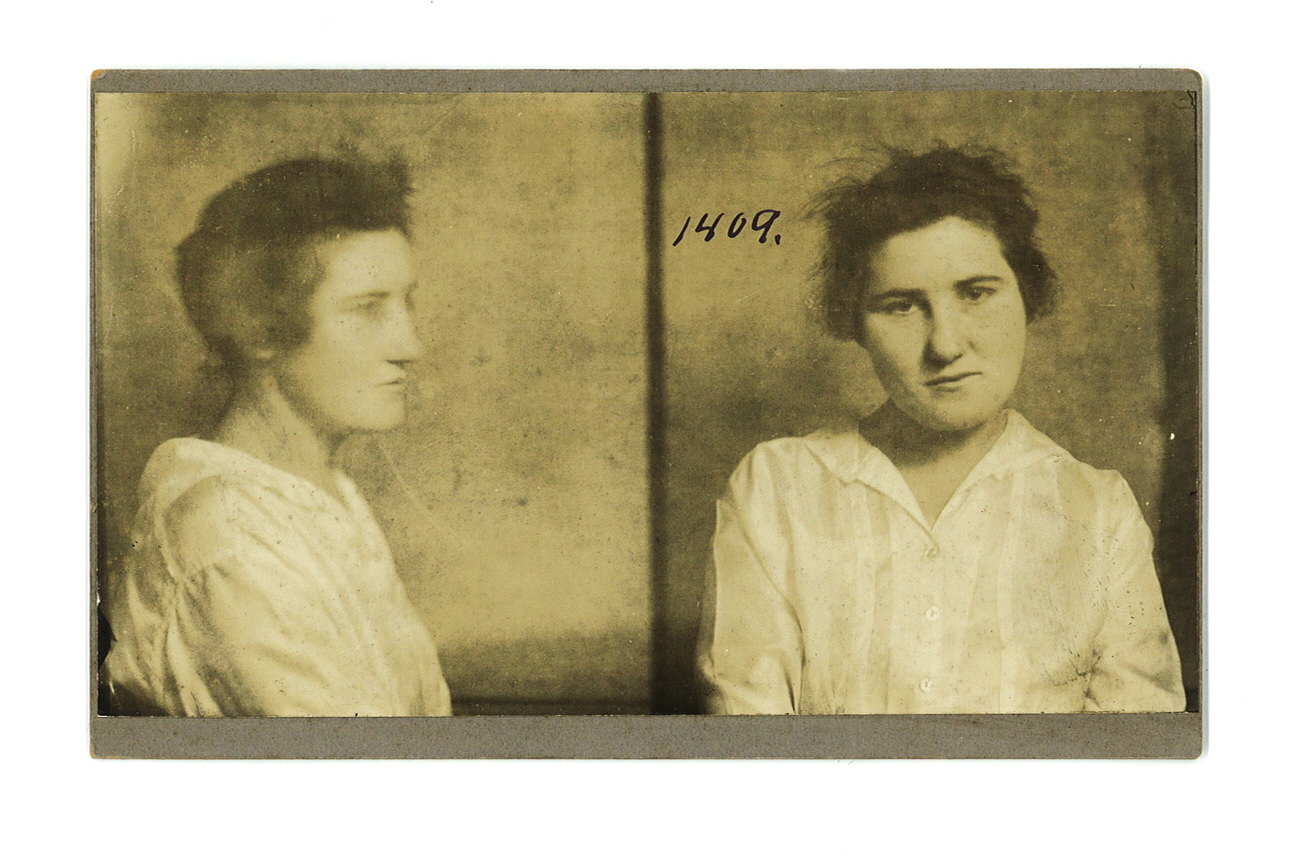
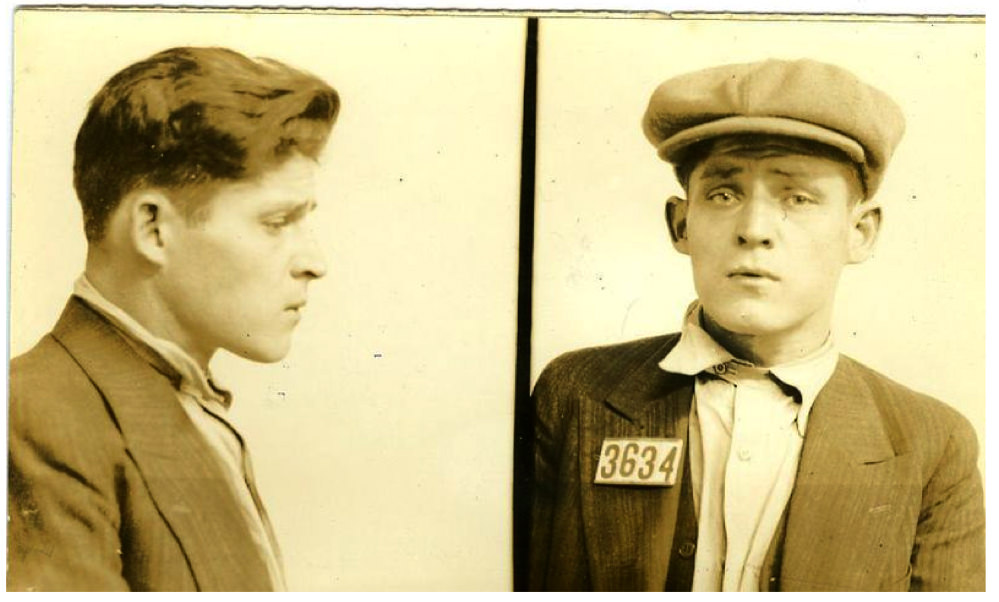
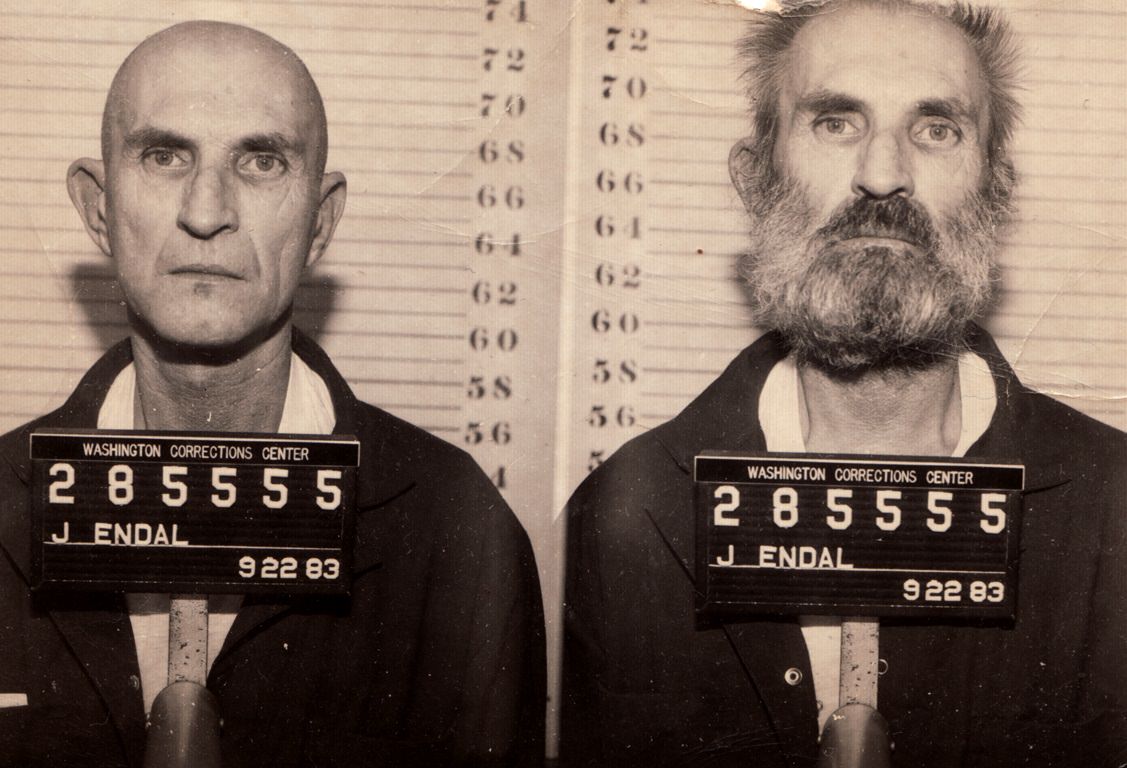
The format of vintage mugshots was deliberately plain. Police stations used simple backdrops and harsh lighting to make facial features as clear as possible. There was no attempt at flattery. The goal was clinical accuracy — a reliable visual record that could be matched against a face years later.
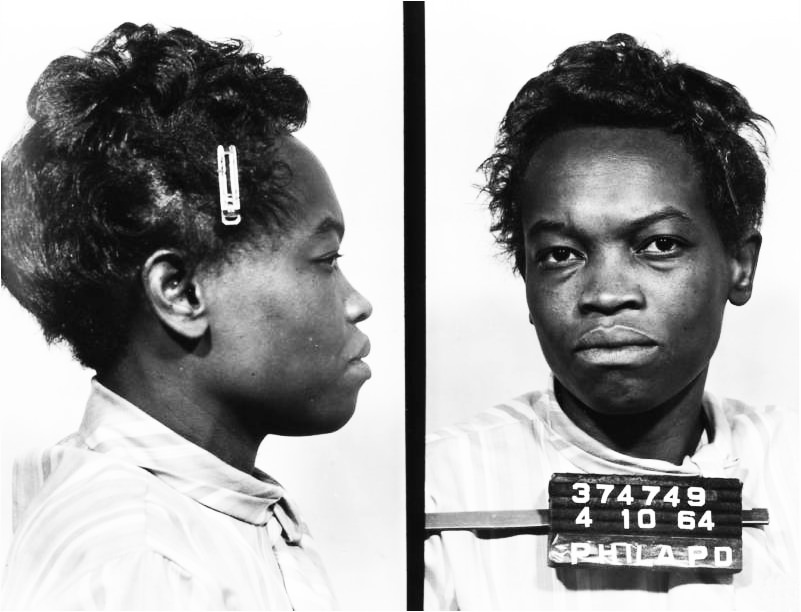
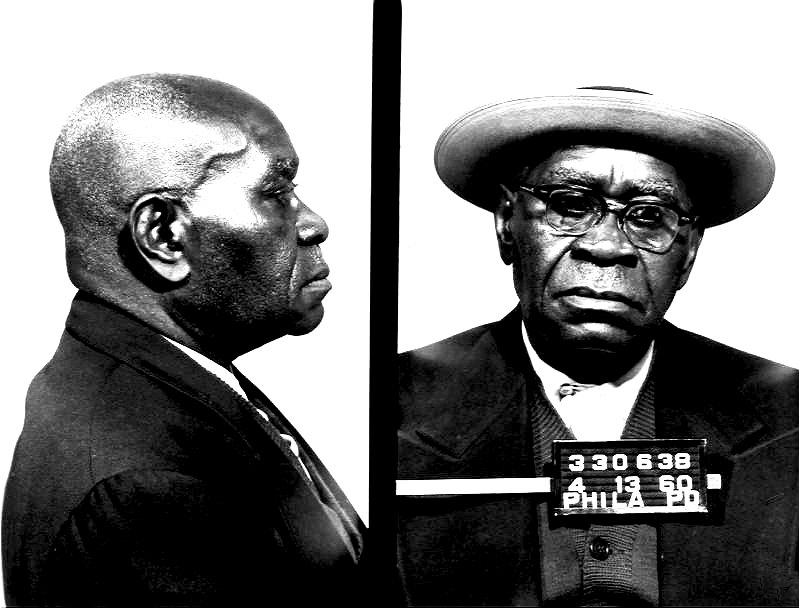
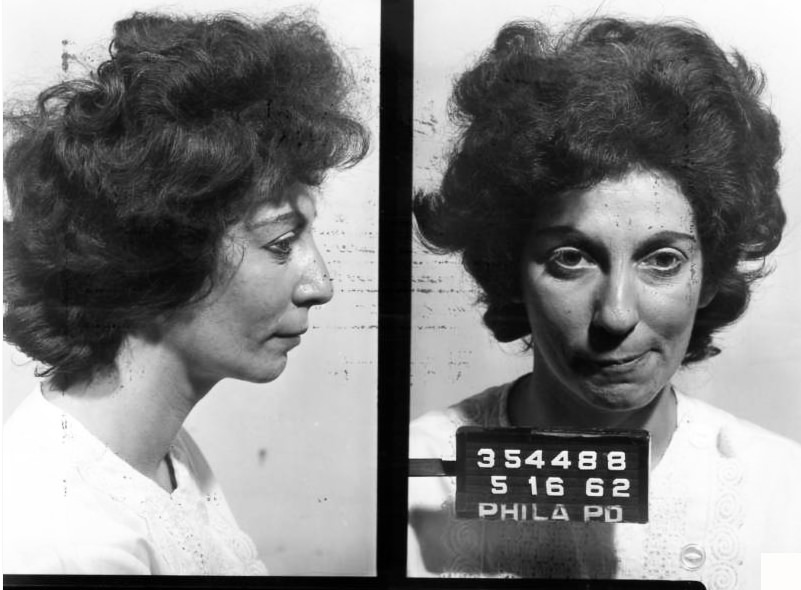
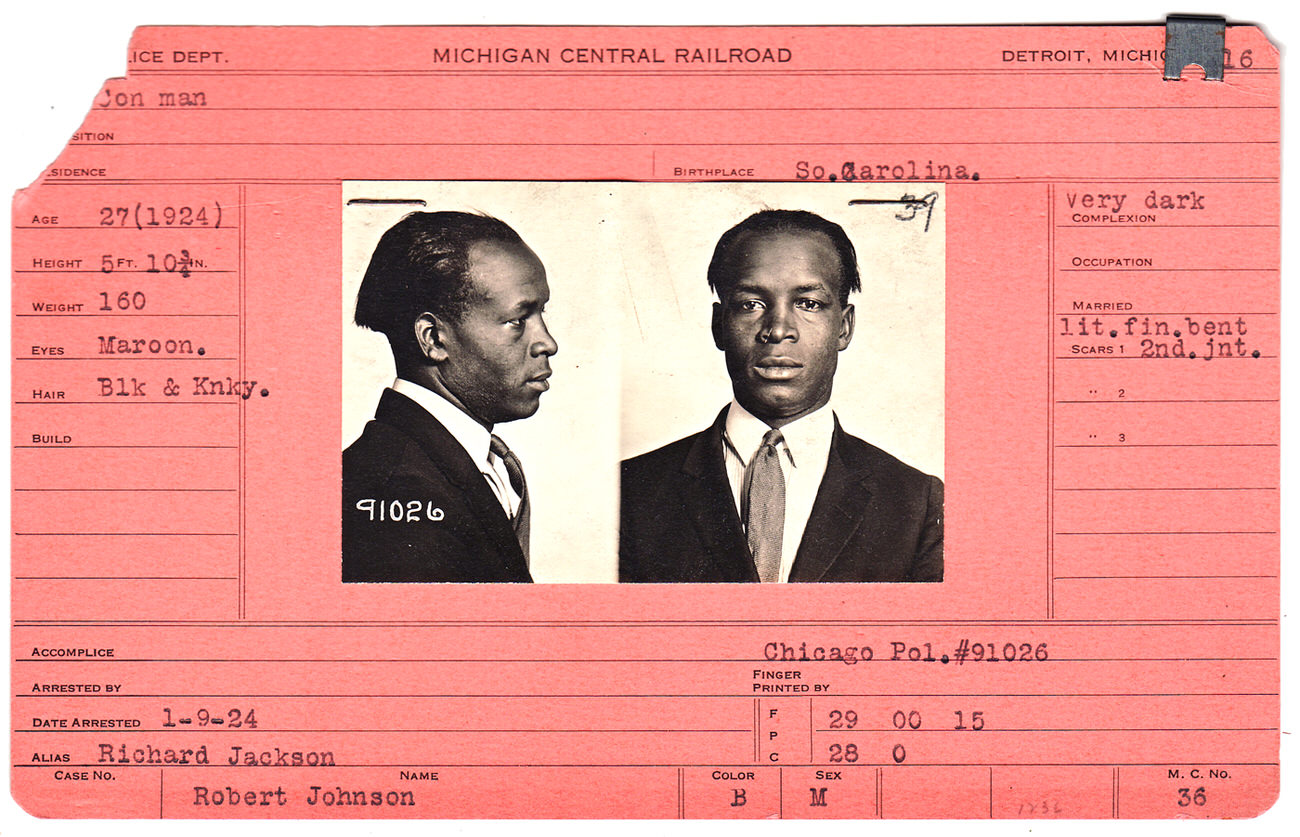
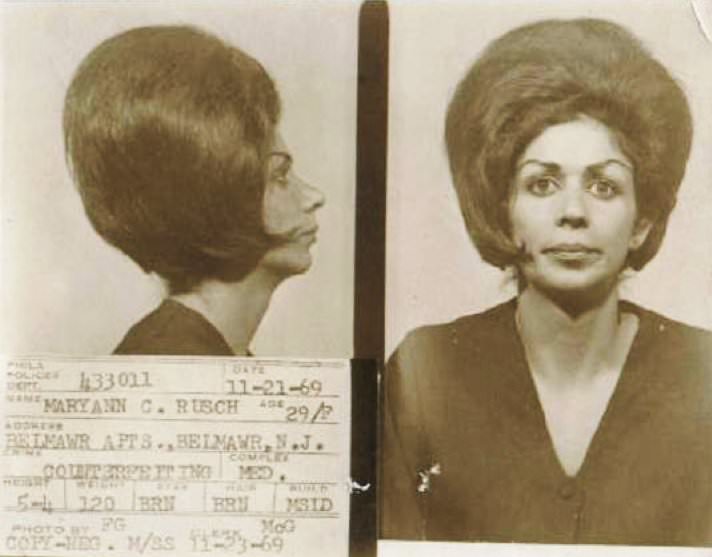
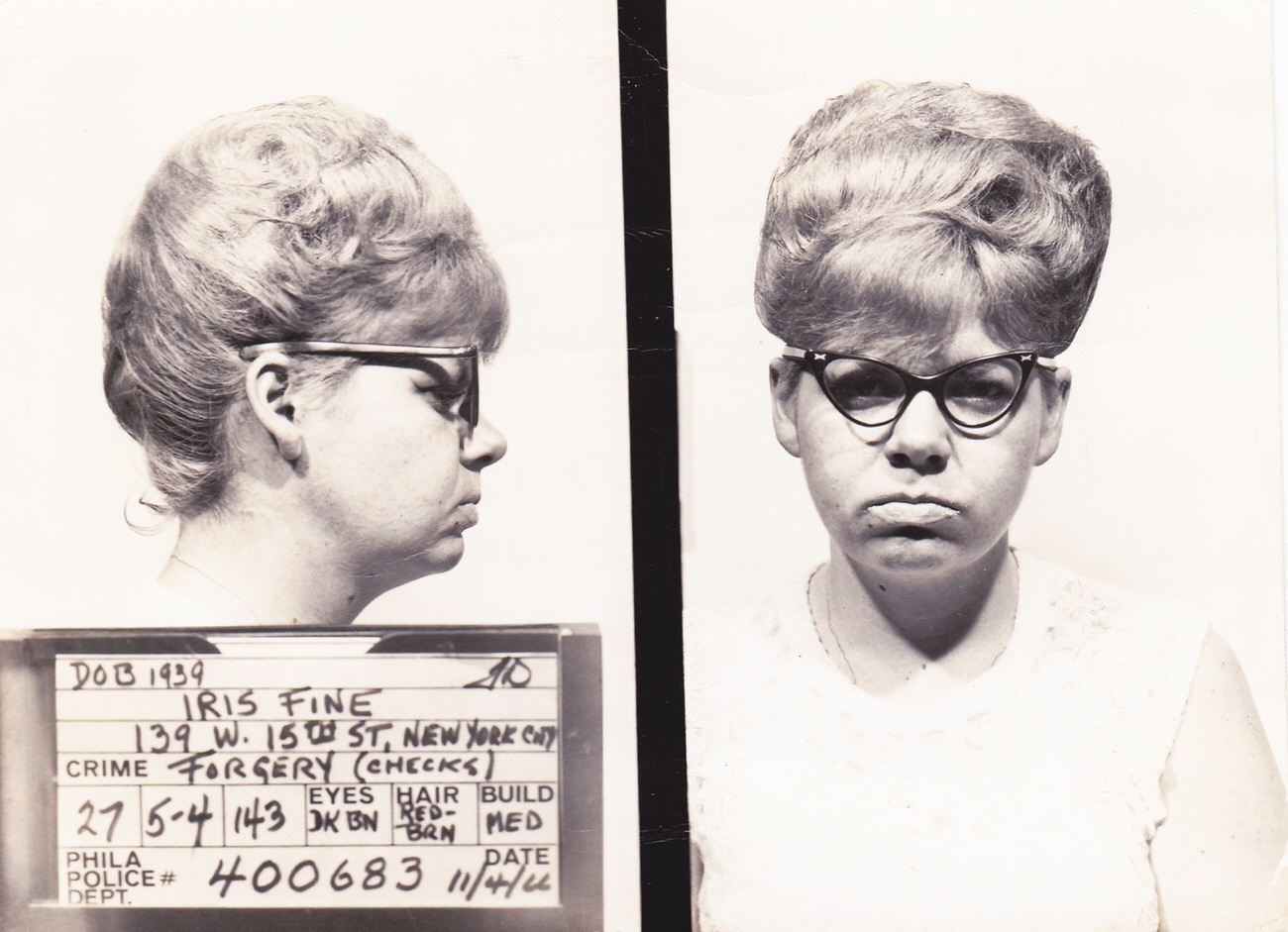
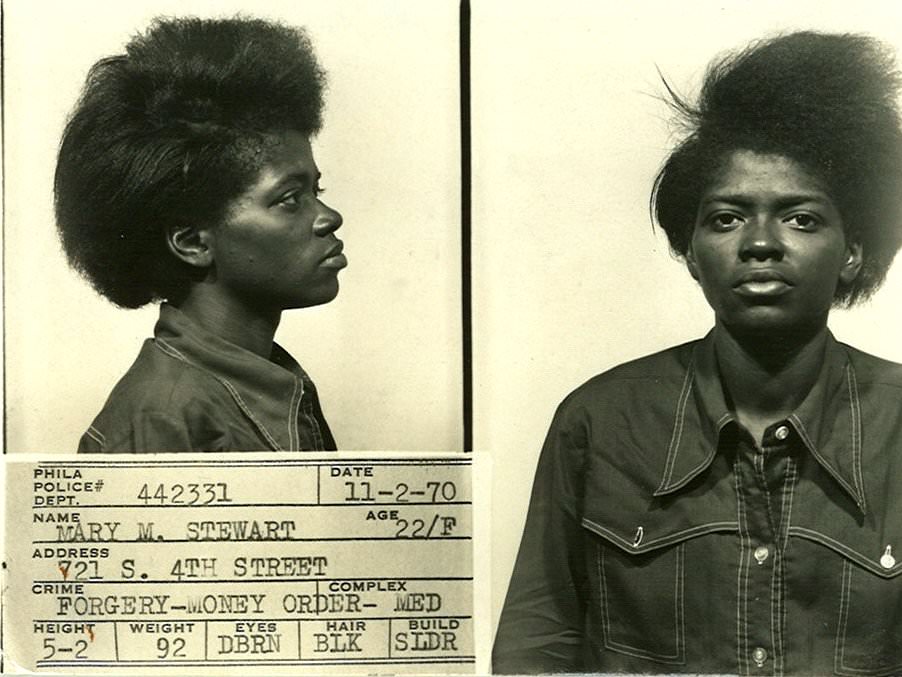
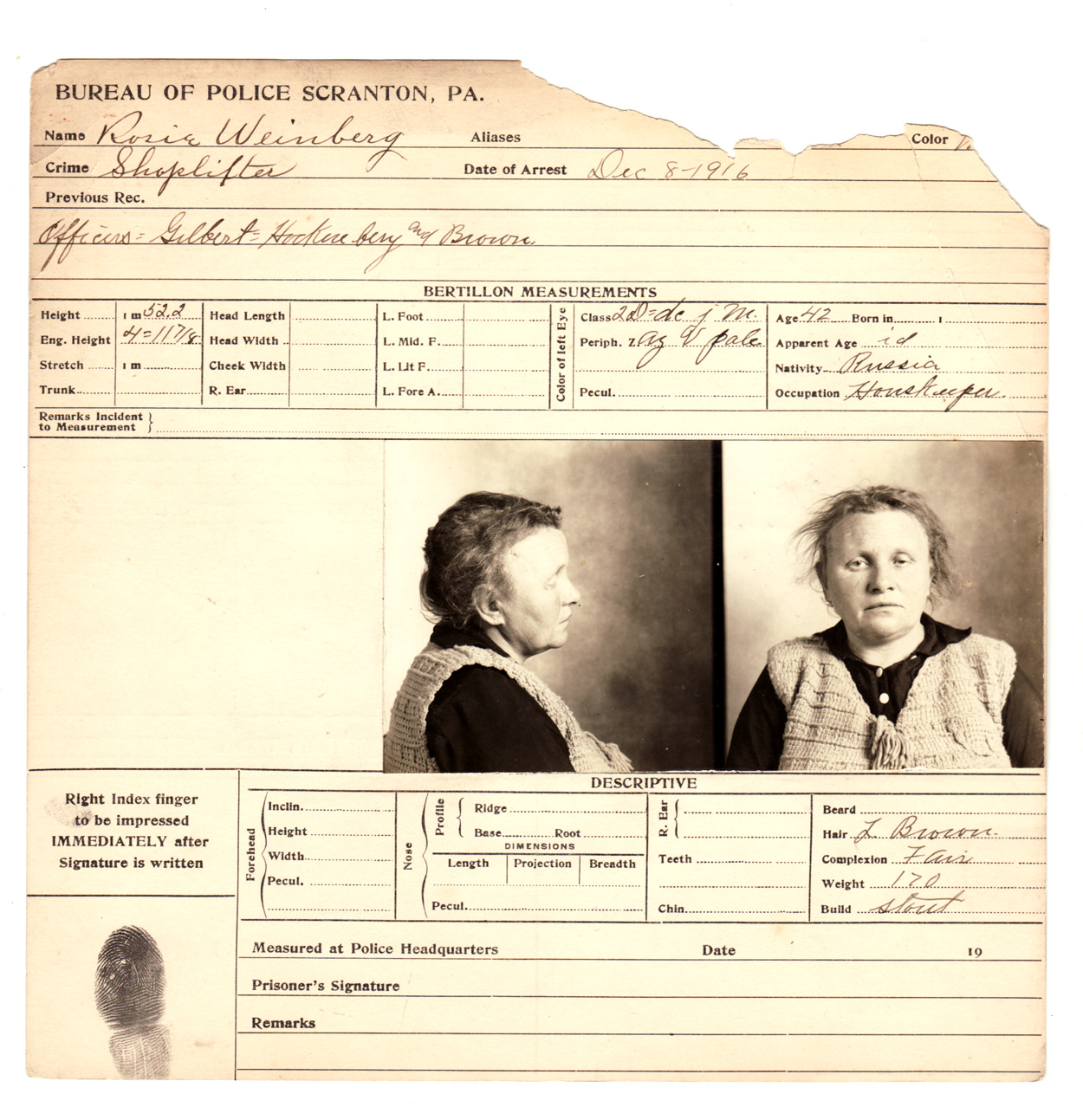
Many mugshots included handwritten or printed details directly on the photograph or the board held by the subject. A prisoner number, a date, a city, a charge — these details turned the image into a document. Some noted physical details like weight. Others listed the specific offense: burglary, forgery, counterfeiting, pickpocketing.
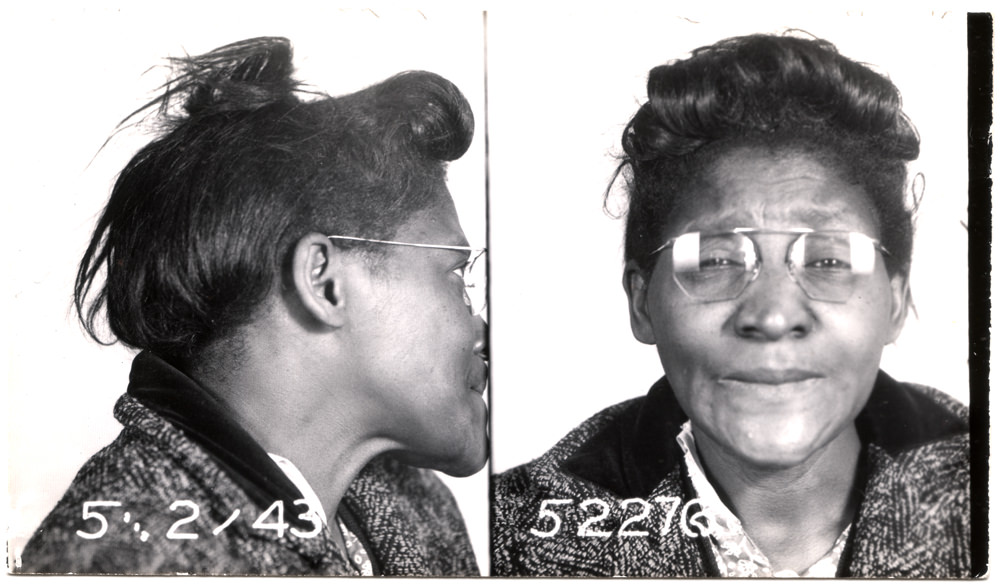
By the 1950s, post-war prosperity had changed the nature of crime. Organized gangsters gave way to con artists, forgers, and petty thieves. The crimes were often non-violent but still filled police records. The mugshots of this decade show well-dressed subjects — a reminder that not every criminal looked the part.