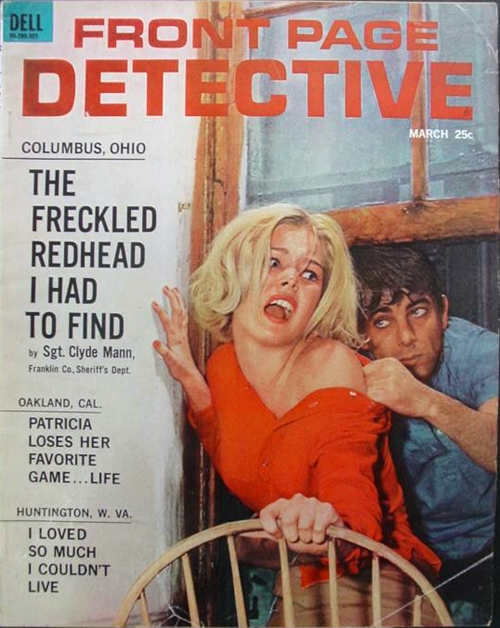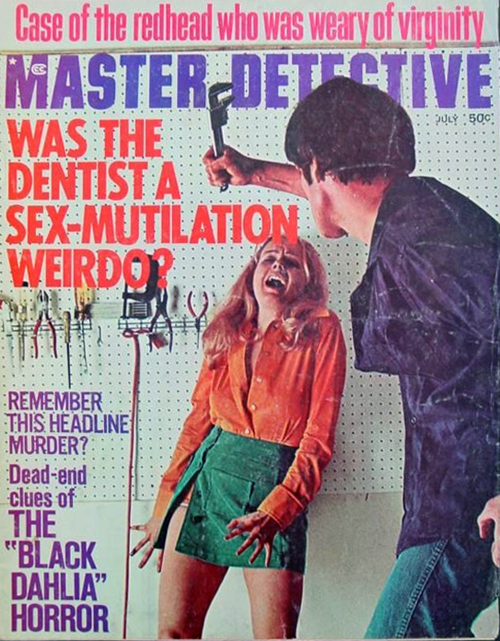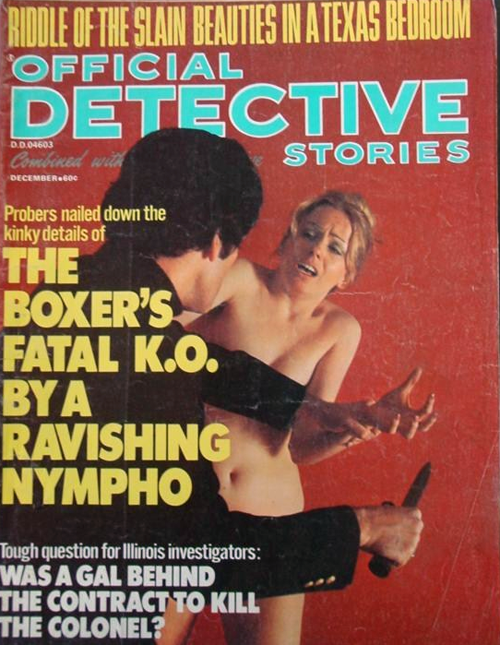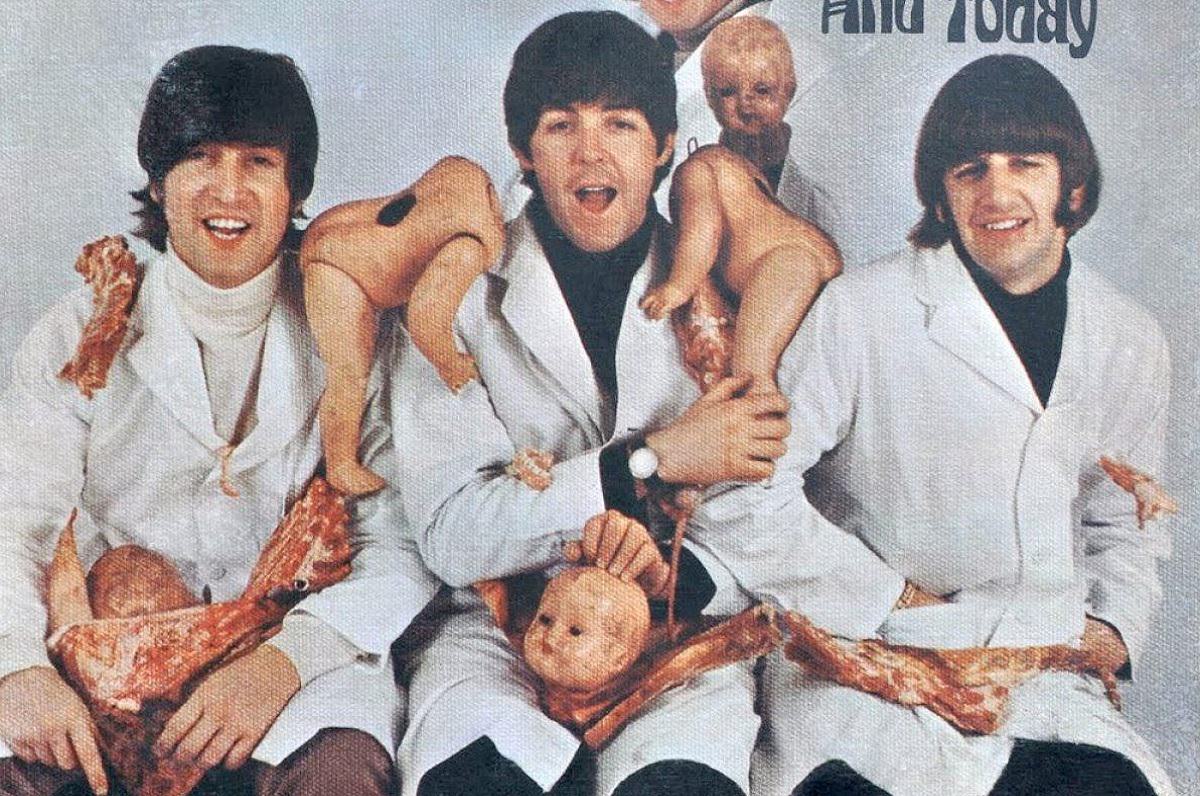
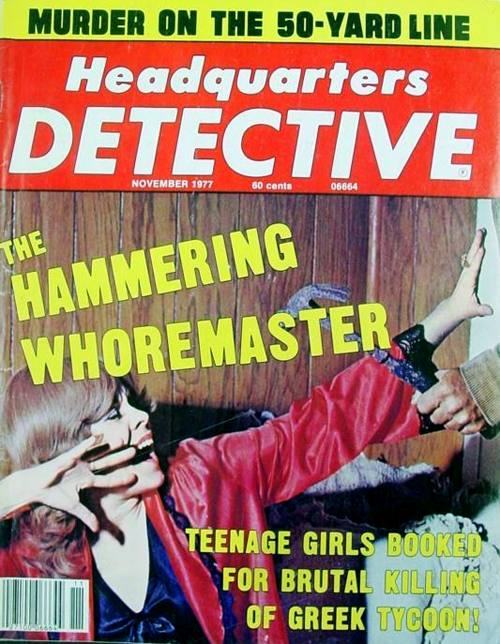
Before cable news and true crime podcasts, there were the magazines. Stacked at grocery store checkout aisles across America in the 1970s and 80s, true crime publications lived and died by their headlines. They were loud, lurid, and engineered to make you stop walking and start reading. The covers promised murder, sex, scandal, and everything in between — all condensed into a single, outrageous line of type.
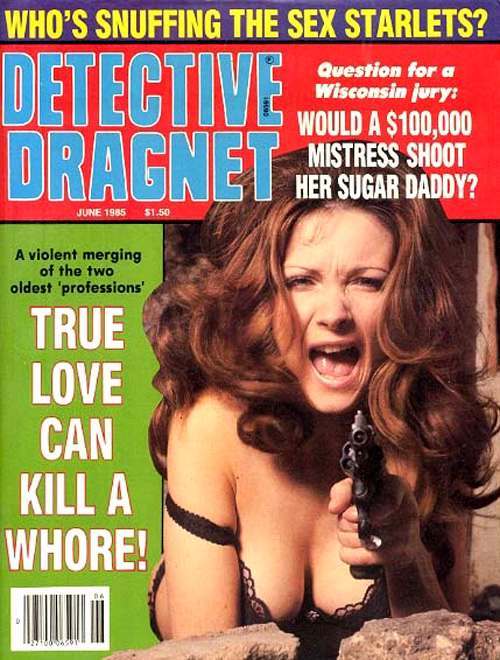

These headlines didn’t dance around the subject. They named names, assigned blame, and framed every crime as a morality play with a sensational twist. Editors understood that a shopper glancing at a rack for three seconds needed to feel something immediately — shock, disgust, or morbid curiosity. The language was blunt in ways that would be unprintable by today’s standards.
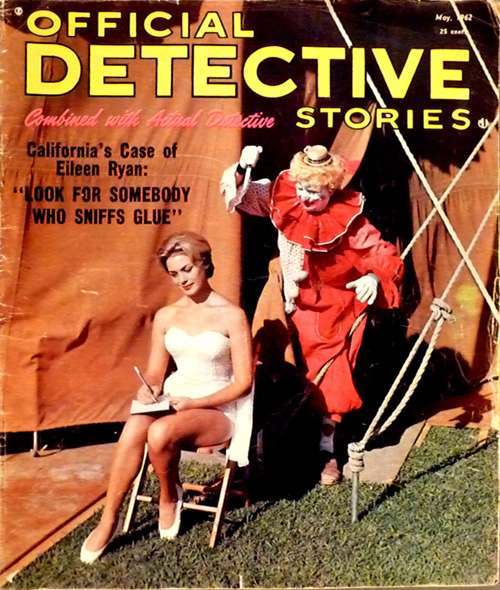
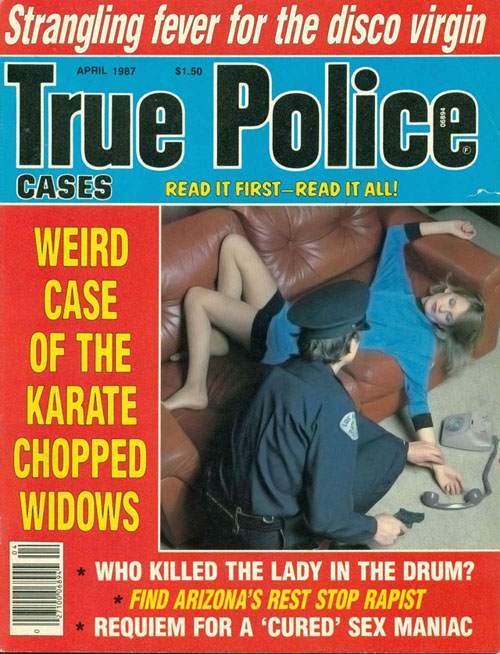
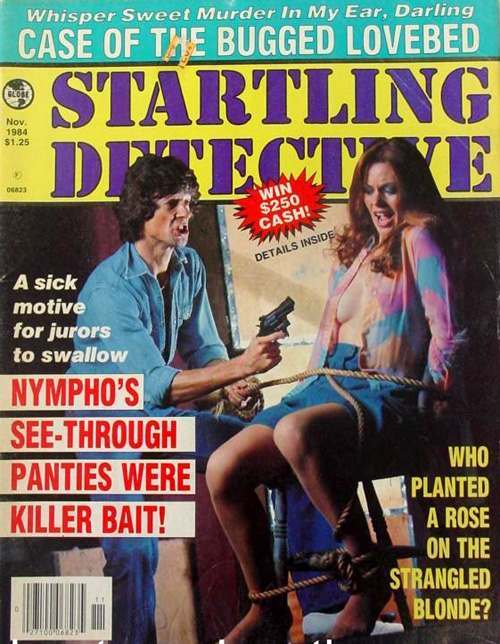
The magazines leaned heavily on stock character types — the scheming femme fatale, the jealous husband, the deviant outsider. Headlines routinely sexualized victims while simultaneously casting them as cautionary figures. The stories themselves often had a thin factual basis, padded with speculation and dramatic reconstruction. But the headlines? Those were pure craft — blunt, punchy, and engineered to sell.
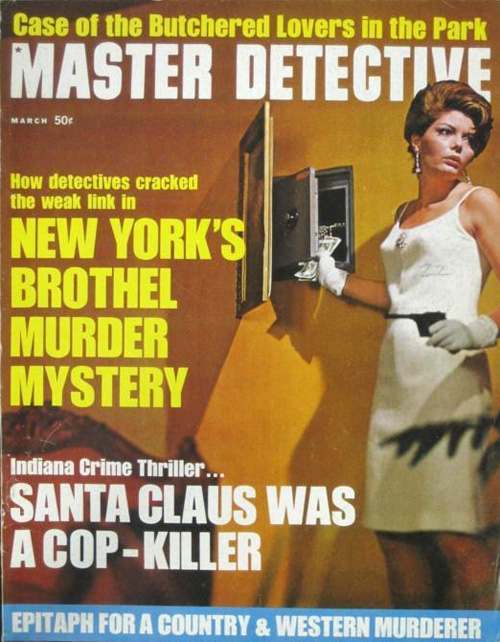
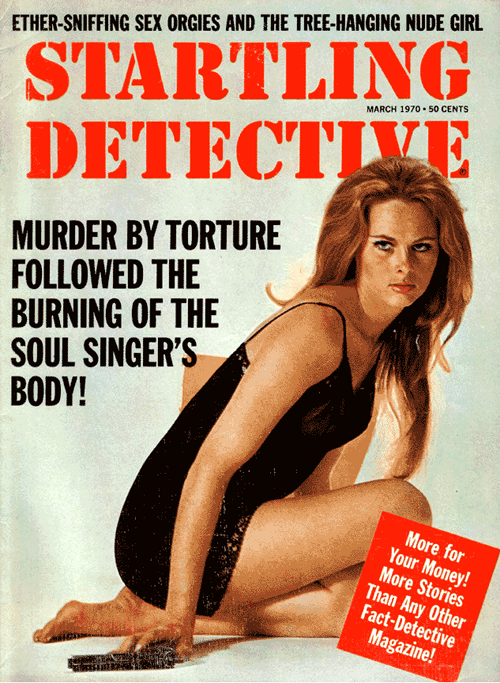
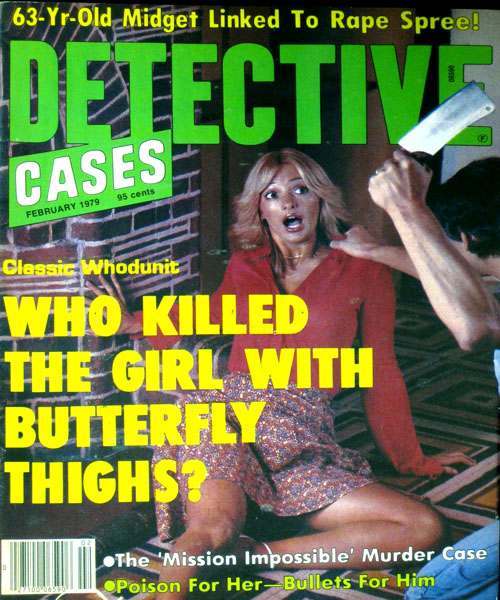
Some headlines leaned into legal absurdity, framing court verdicts as punchlines. Others borrowed the grammar of pulp fiction novels, giving victims and killers alike nicknames that reduced real tragedies to entertainment. The magazines never pretended to be neutral. They had a point of view, and that point of view was always the most scandalous possible angle.
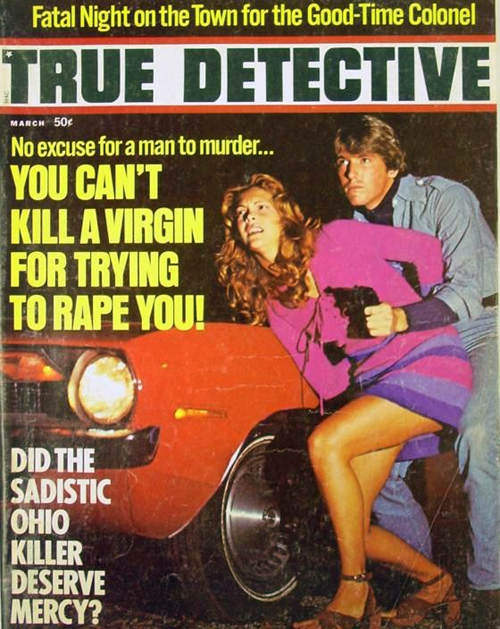
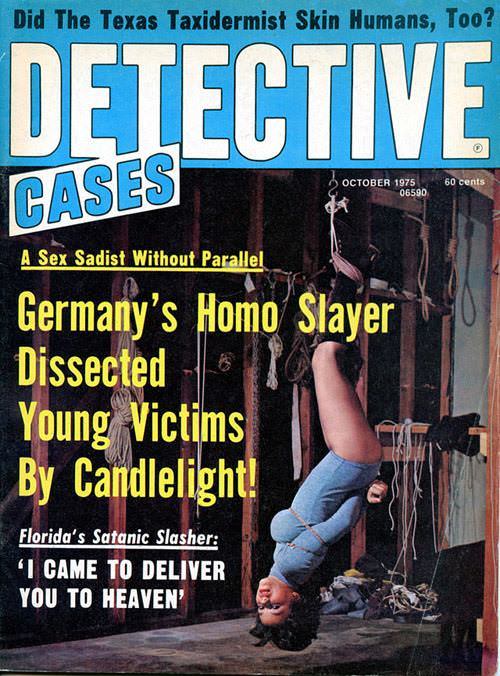
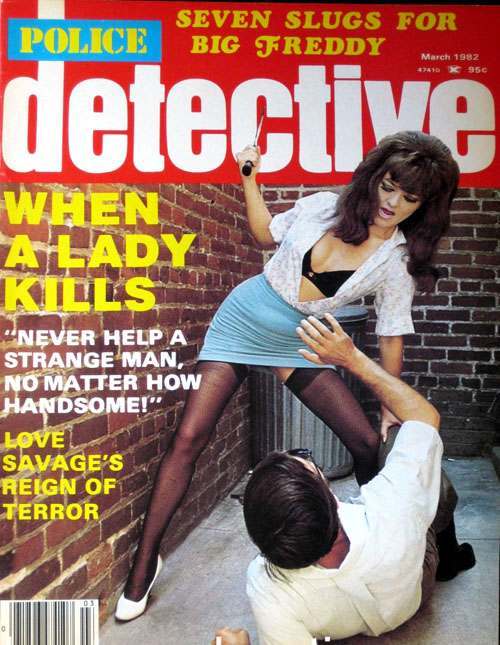
Warning-style headlines were a genre of their own. They addressed readers directly, offering the crime story as a survival lesson. The implication was always the same: this happened to someone just like you. That personal threat — disguised as public service — was one of the most effective tools in the true crime magazine playbook.
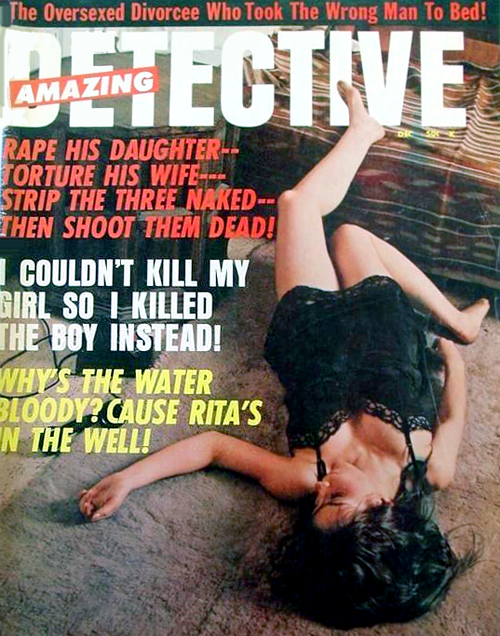
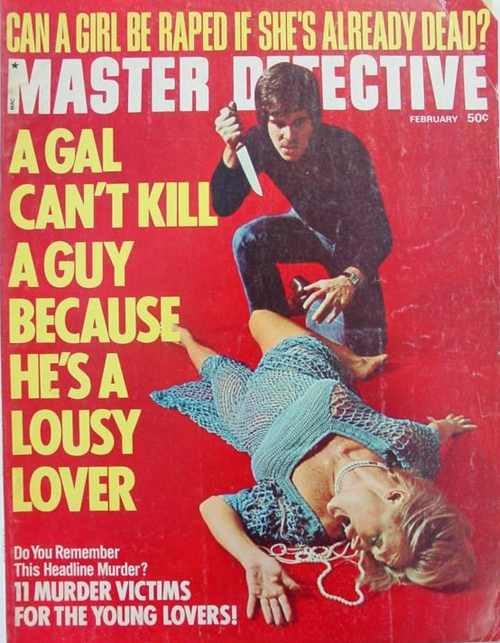
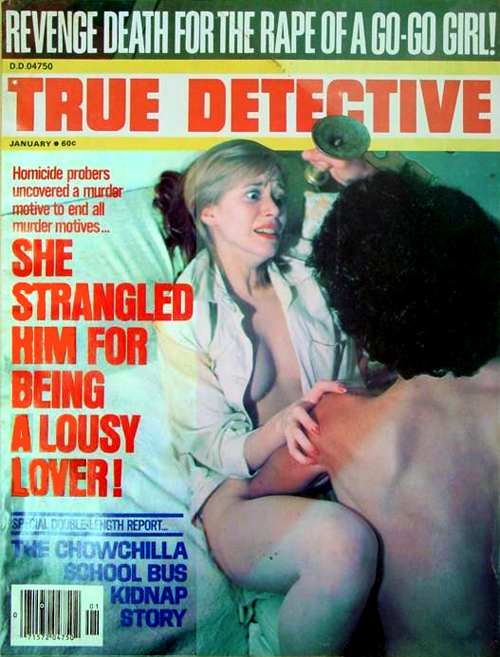
The sheer variety is striking. In the same rack, you might find a headline mocking a court ruling sitting right next to one detailing a dismemberment by candlelight. The tonal range — from darkly comic to genuinely horrifying — was part of the appeal. Readers never knew exactly what they were going to get, which kept them coming back.
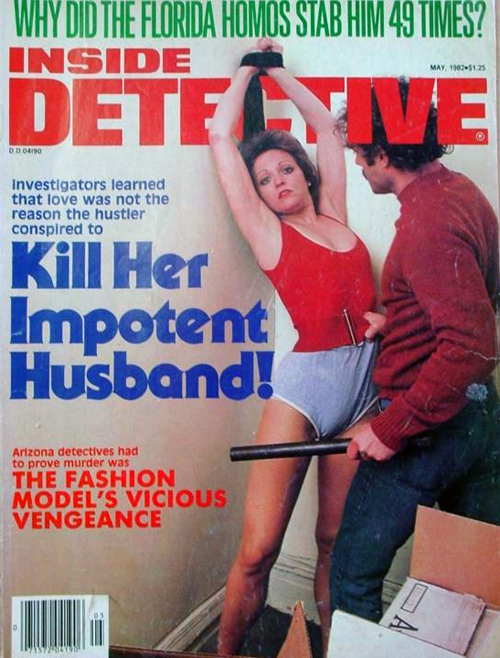
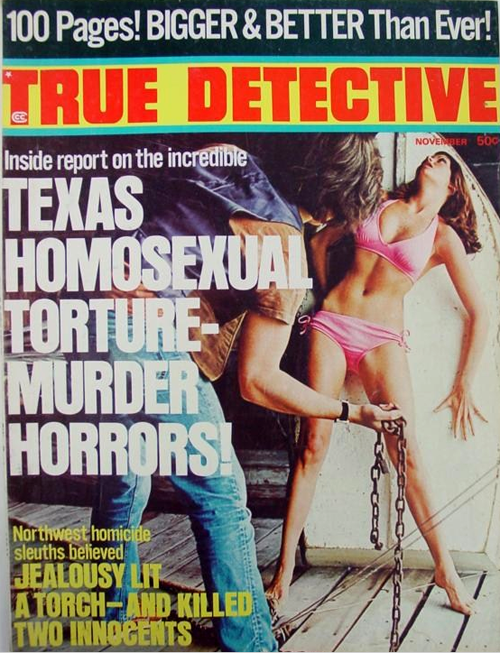
What these publications captured — however crudely — was a genuine public appetite for crime stories. That appetite hasn’t gone away. It has simply migrated to podcasts, streaming documentaries, and social media threads. The vocabulary has changed. The obsession hasn’t.