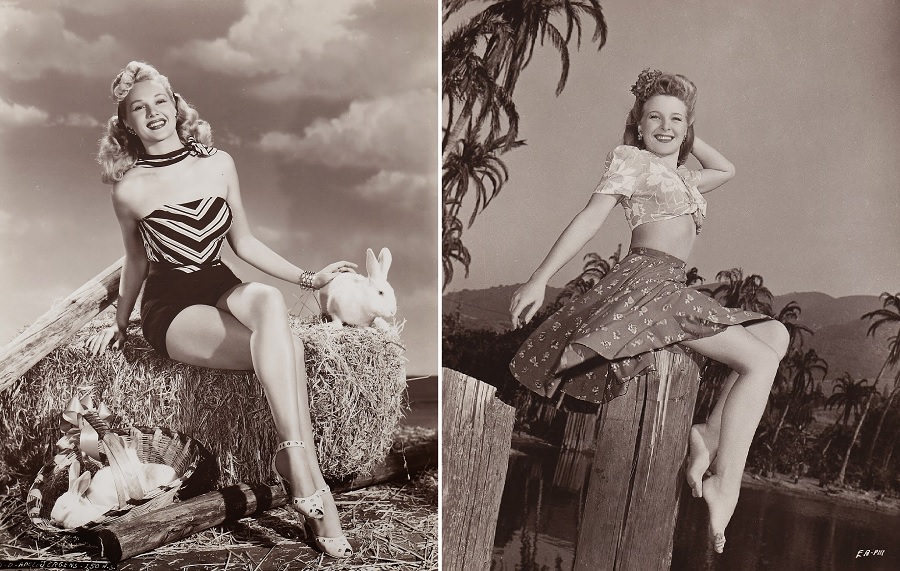
Charlotte Rampling was born on February 5, 1946, in Sturmer, Essex, England. Her full name is Tessa Charlotte Rampling. Her father, Godfrey Rampling, was a British Army officer and an Olympic gold medalist in track and field. Her mother, Isabel Anne, was a painter. That mix of military discipline and artistic sensibility defined Charlotte’s early home life. Because of her father’s postings, she spent stretches of her childhood in Gibraltar and France, picking up different languages and cultural perspectives along the way. She attended the Jeanne d’Arc Académie pour Jeunes Filles in Versailles and later St. Hilda’s School in Bushey, England. By the time she entered adult life, she was fully fluent in French — a skill that would open doors throughout her career.
When Charlotte was 20, her older sister Sarah died by suicide. The loss was profound and permanent, shaping her emotional depth and informing many of the intense, interior performances she would go on to give. She rarely shied away from talking about it. Charlotte began her professional life as a model in London during the 1960s, moving quickly through fashion circles before the film industry came calling.
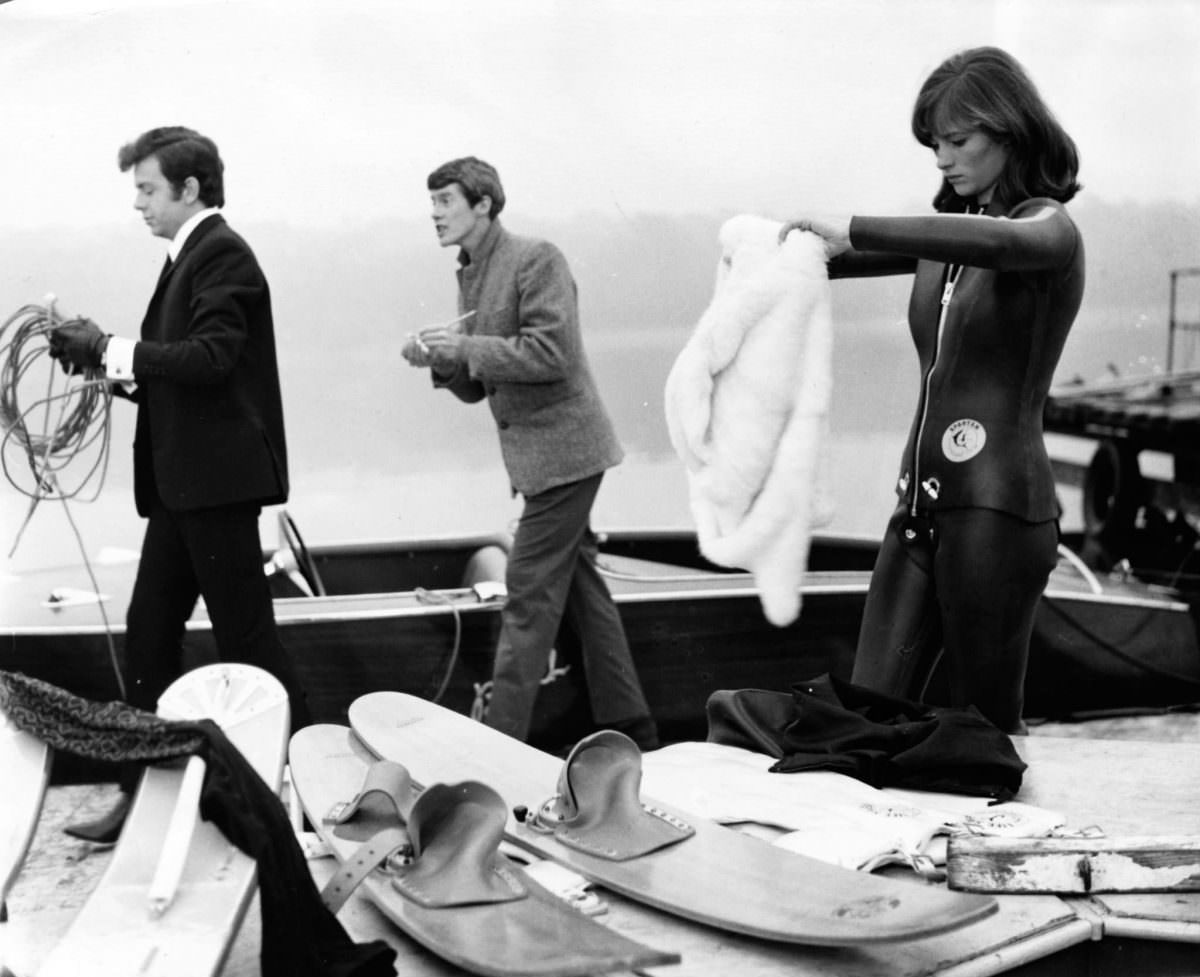
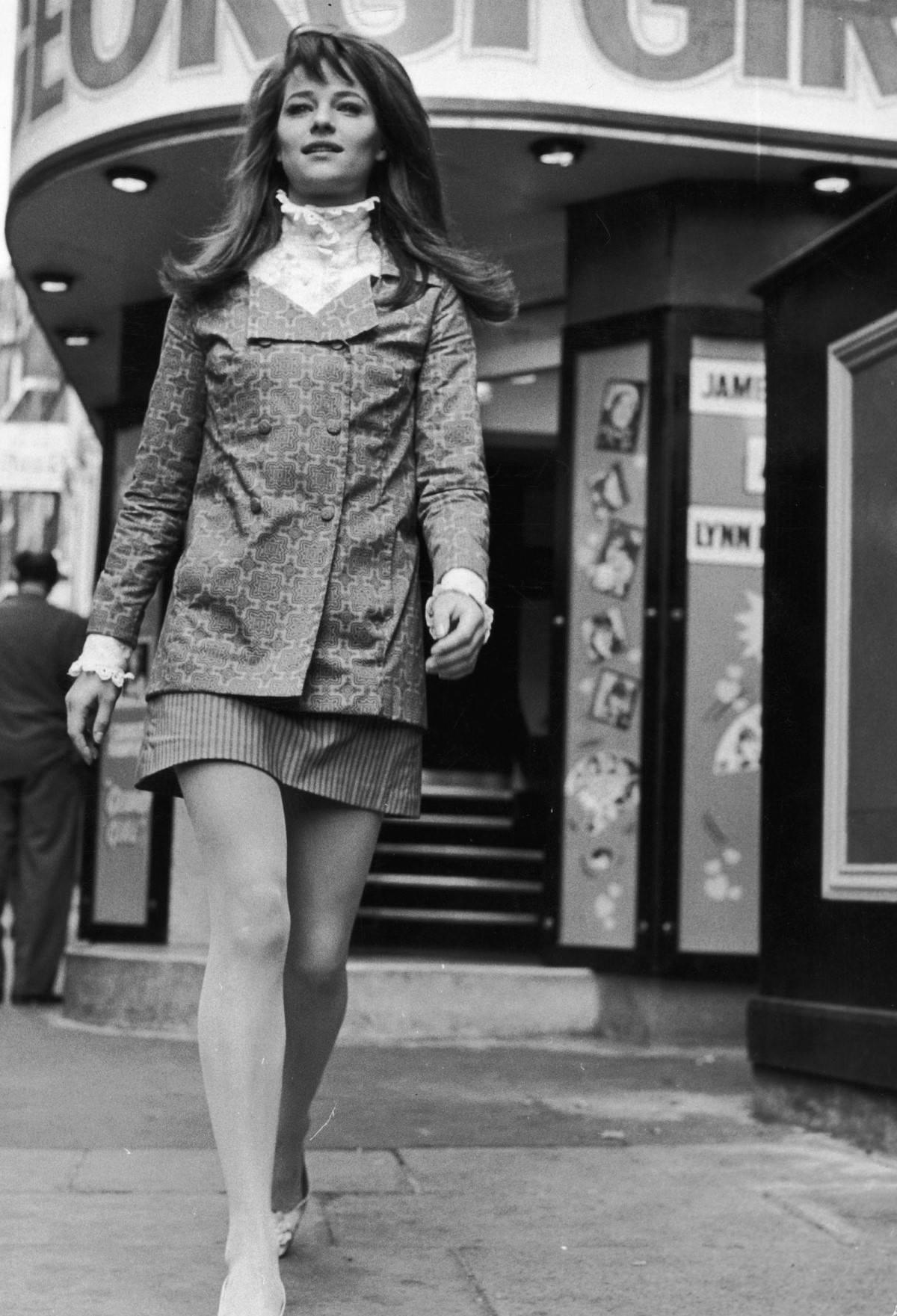
Her first film role came in 1965, when director Richard Lester cast her in the British comedy “The Knack …and How to Get It.” It was a small part — she played a water skier — but it got her foot firmly in the door. That same year she appeared in “Georgy Girl,” a film that earned international attention and gave her wider exposure.
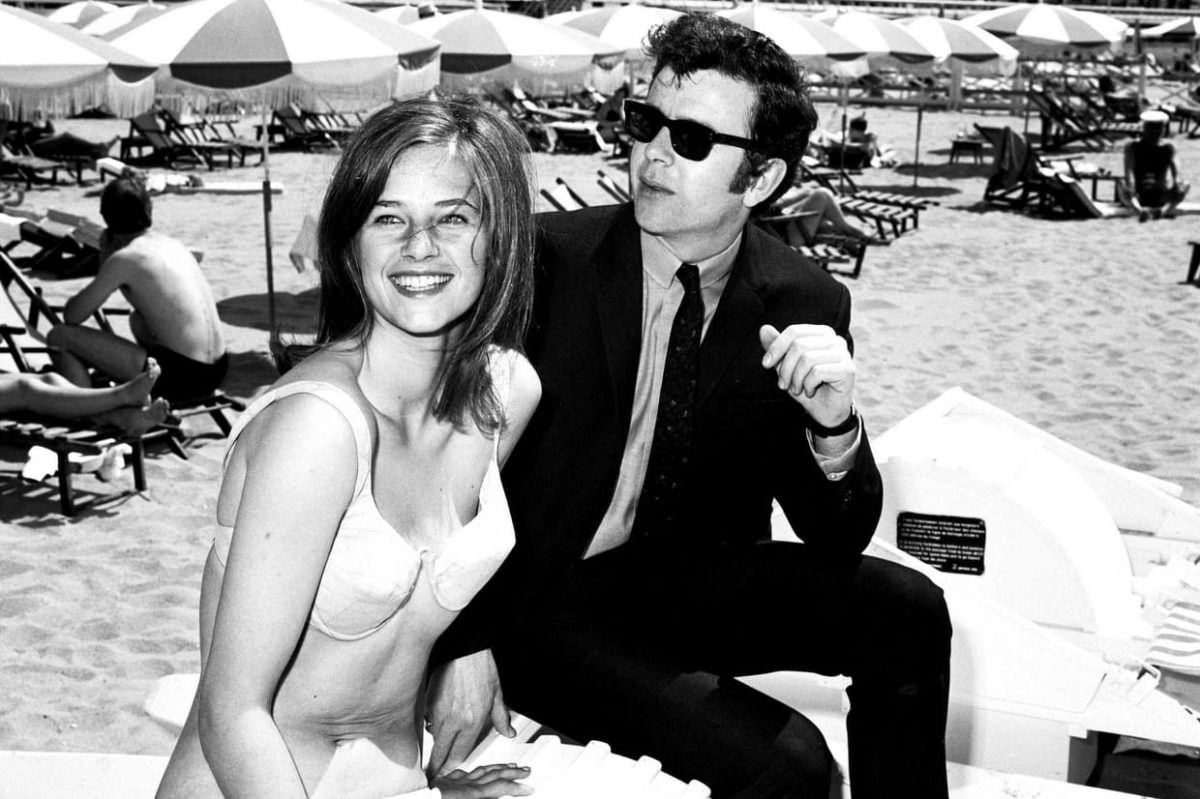
The Cannes Film Festival in 1965 put Rampling in front of the cameras in a different context — photographed on the beach, relaxed and youthful, a fresh face on an international stage.
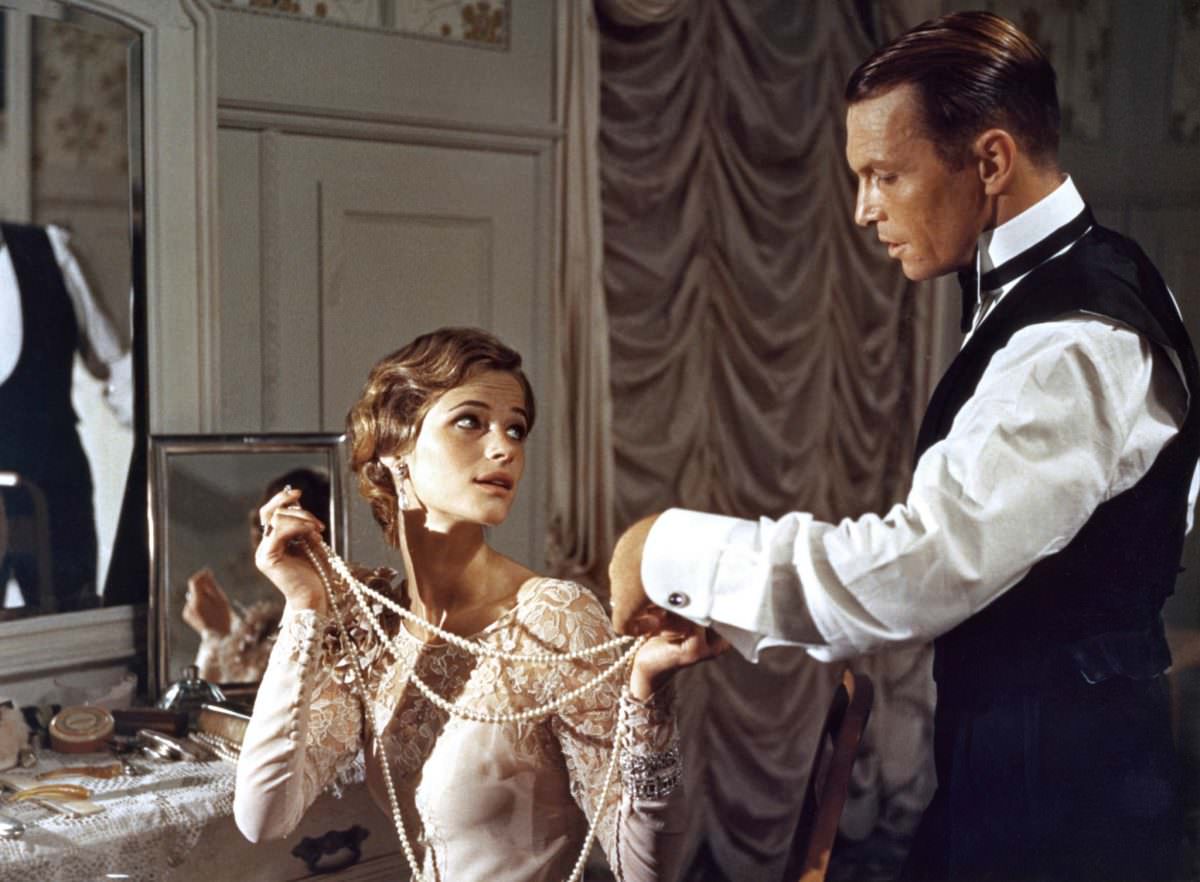
Her first major breakthrough came in 1969 with Luchino Visconti’s Italian-German epic “The Damned” (“La Caduta degli dei”). Though Rampling appeared in a supporting capacity, her screen presence was impossible to overlook. The film’s critical success opened the door to serious European cinema.
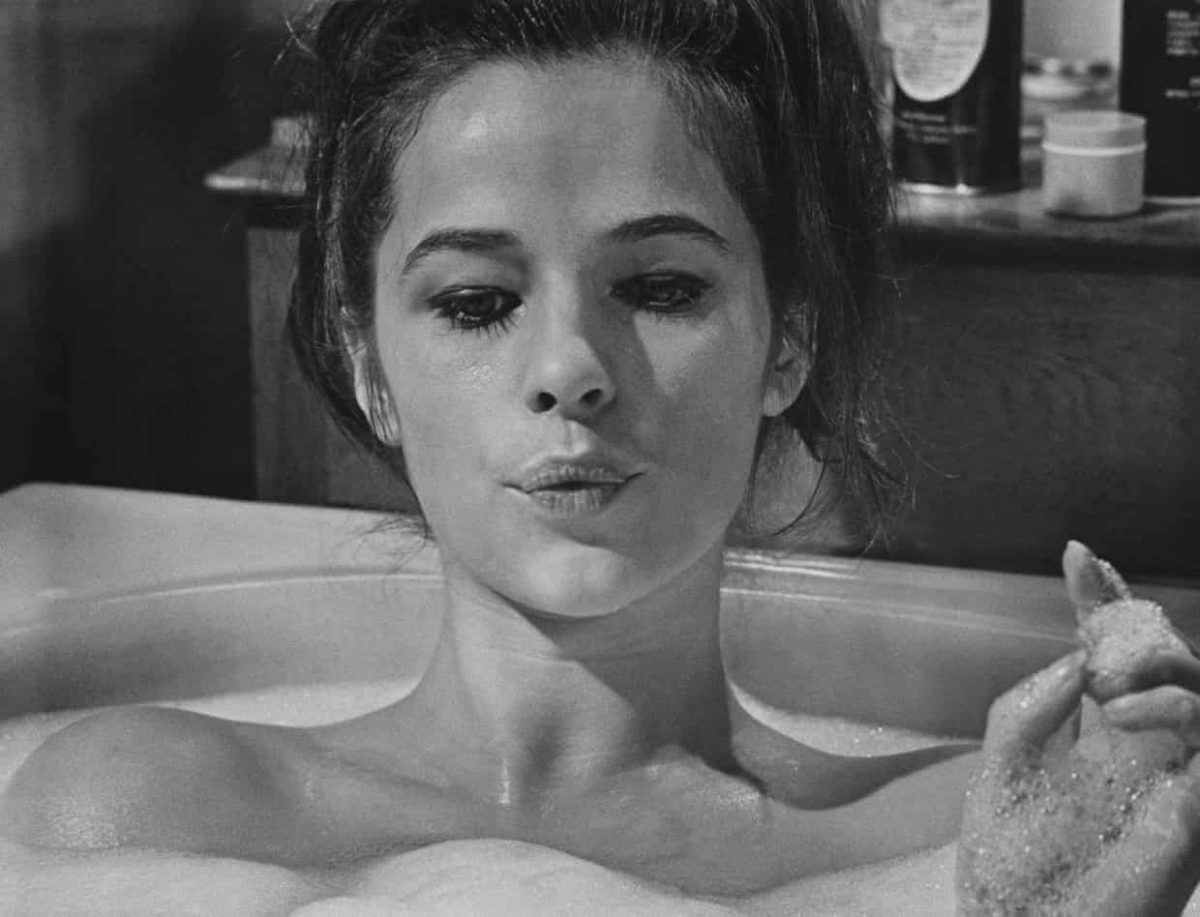
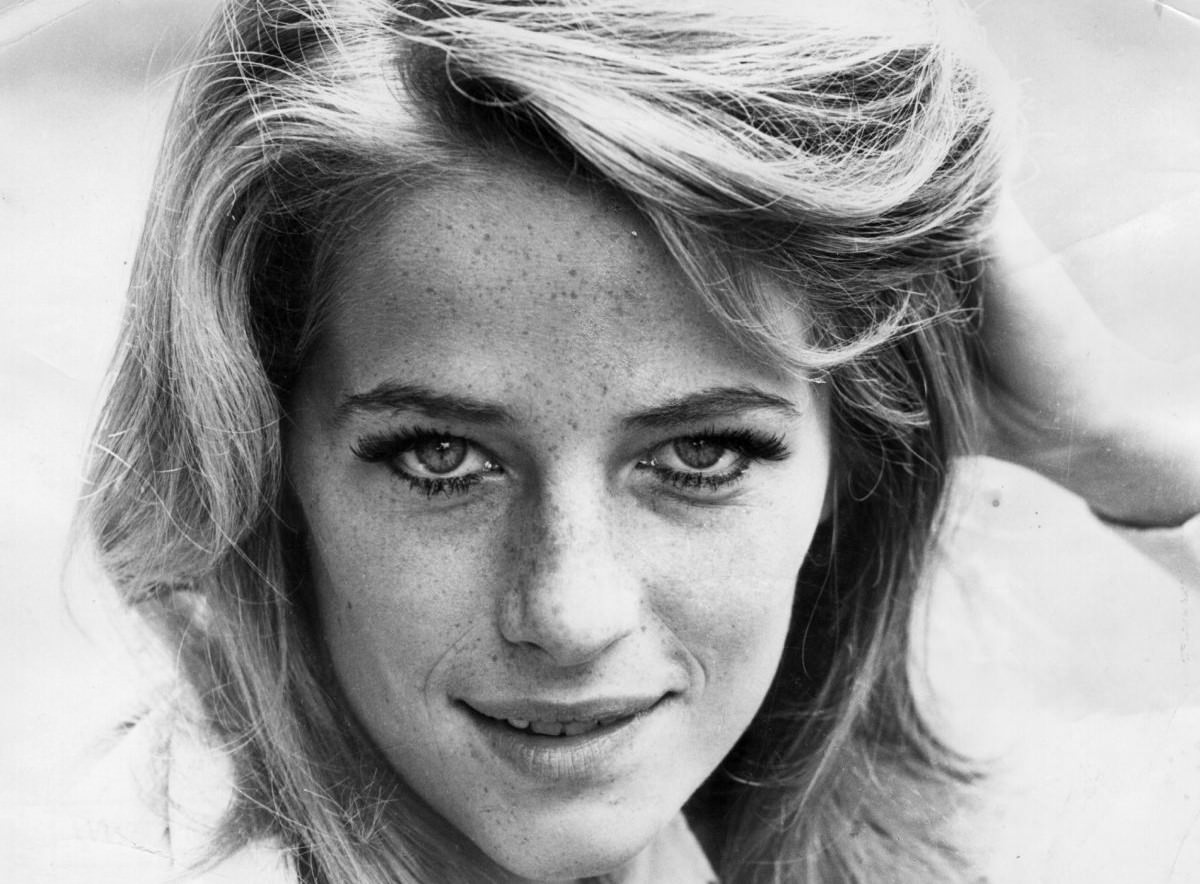
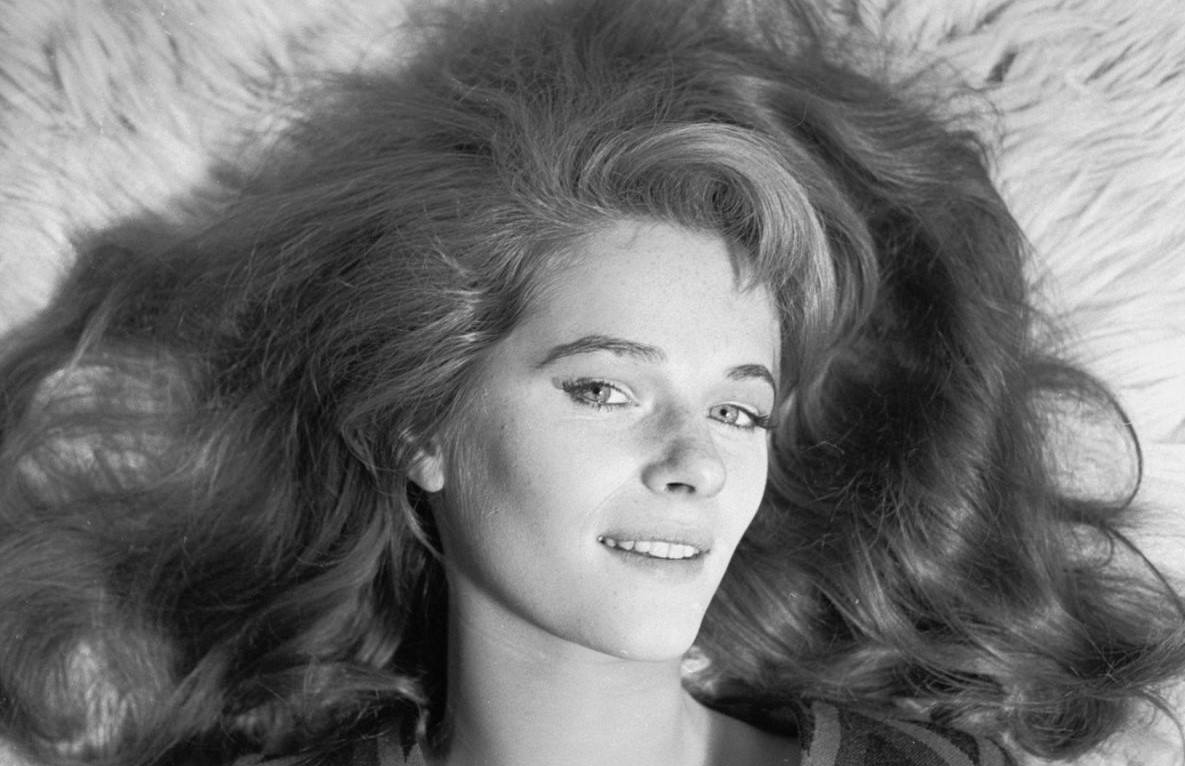
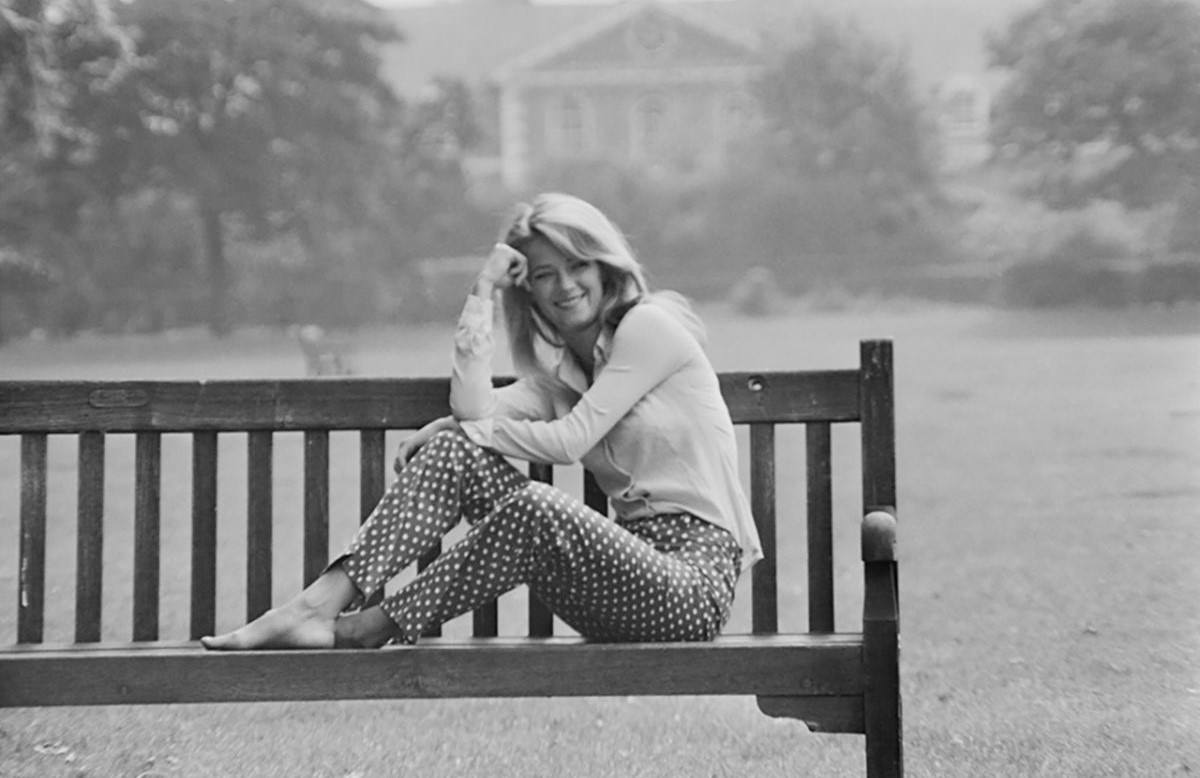
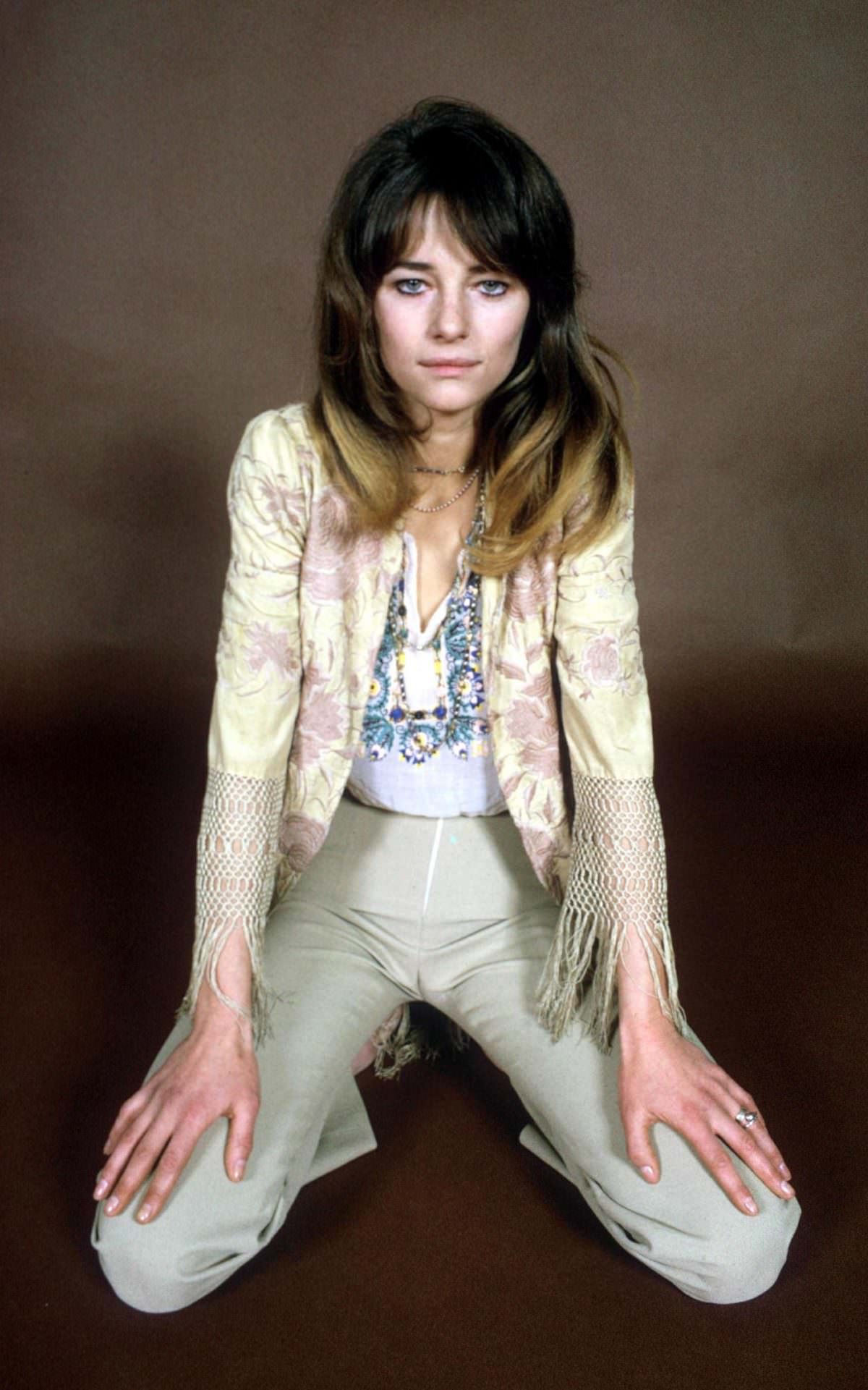
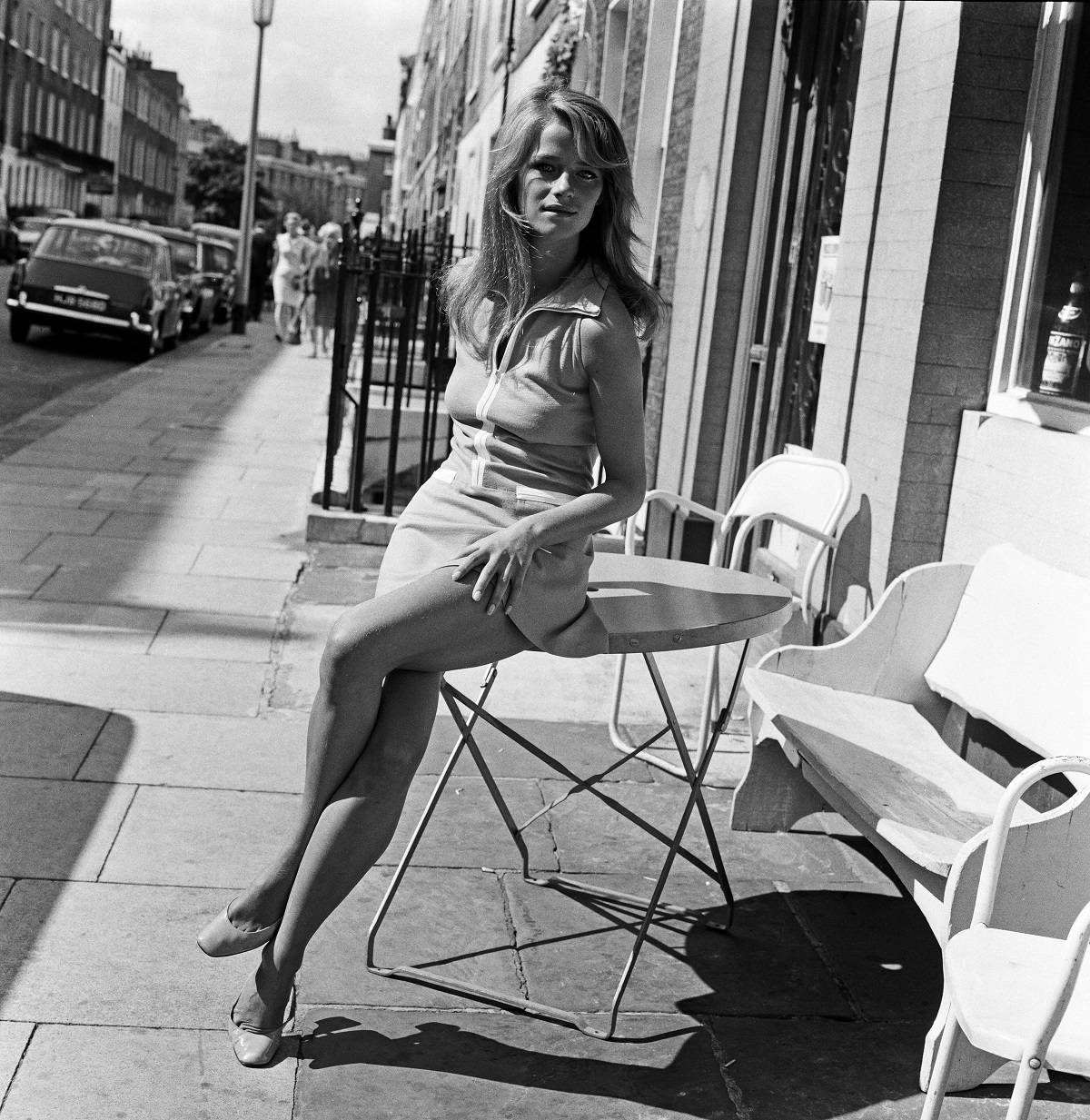
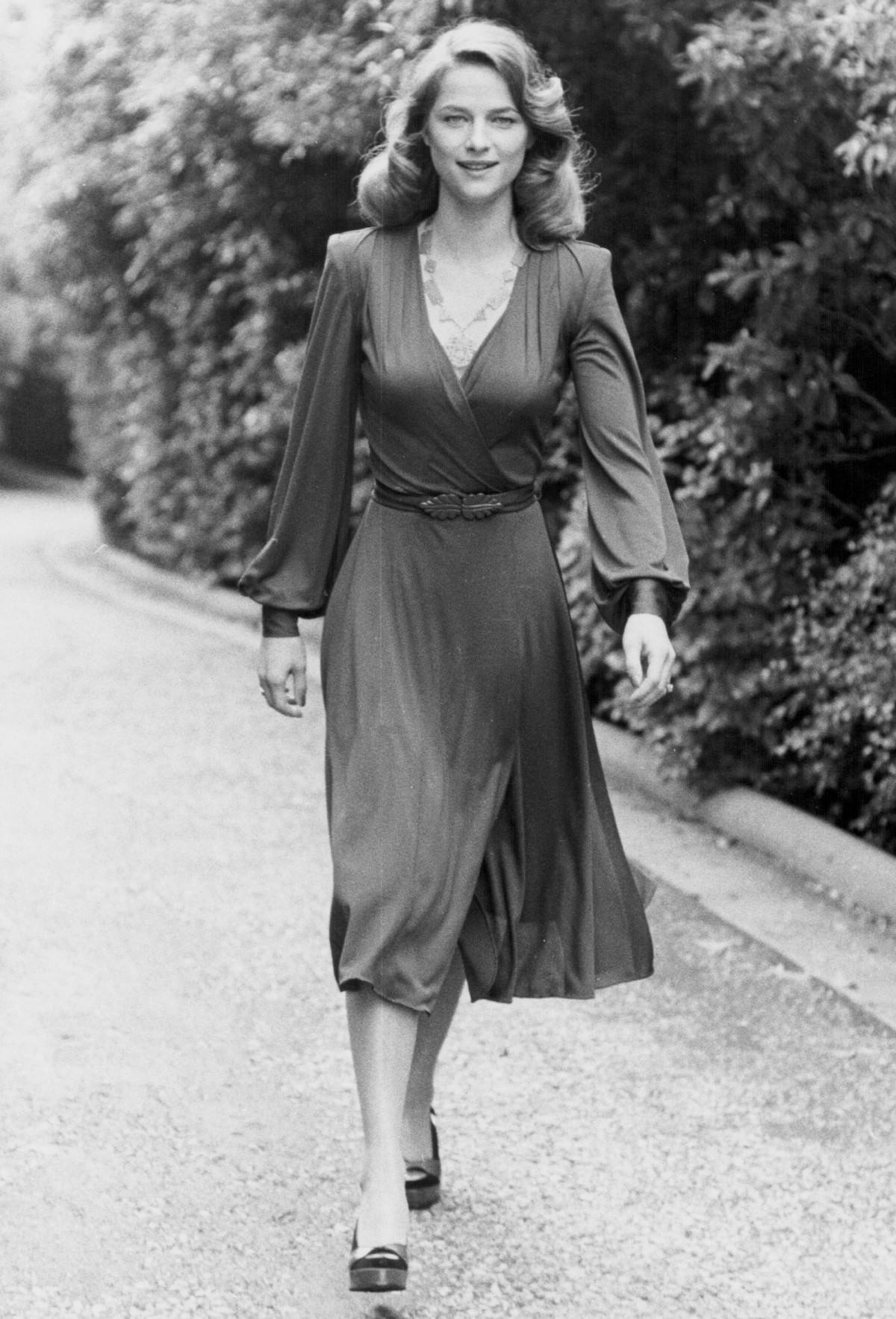
Throughout the late 1960s, Rampling’s face was appearing in both film credits and fashion editorials. London knew her well by 1968.
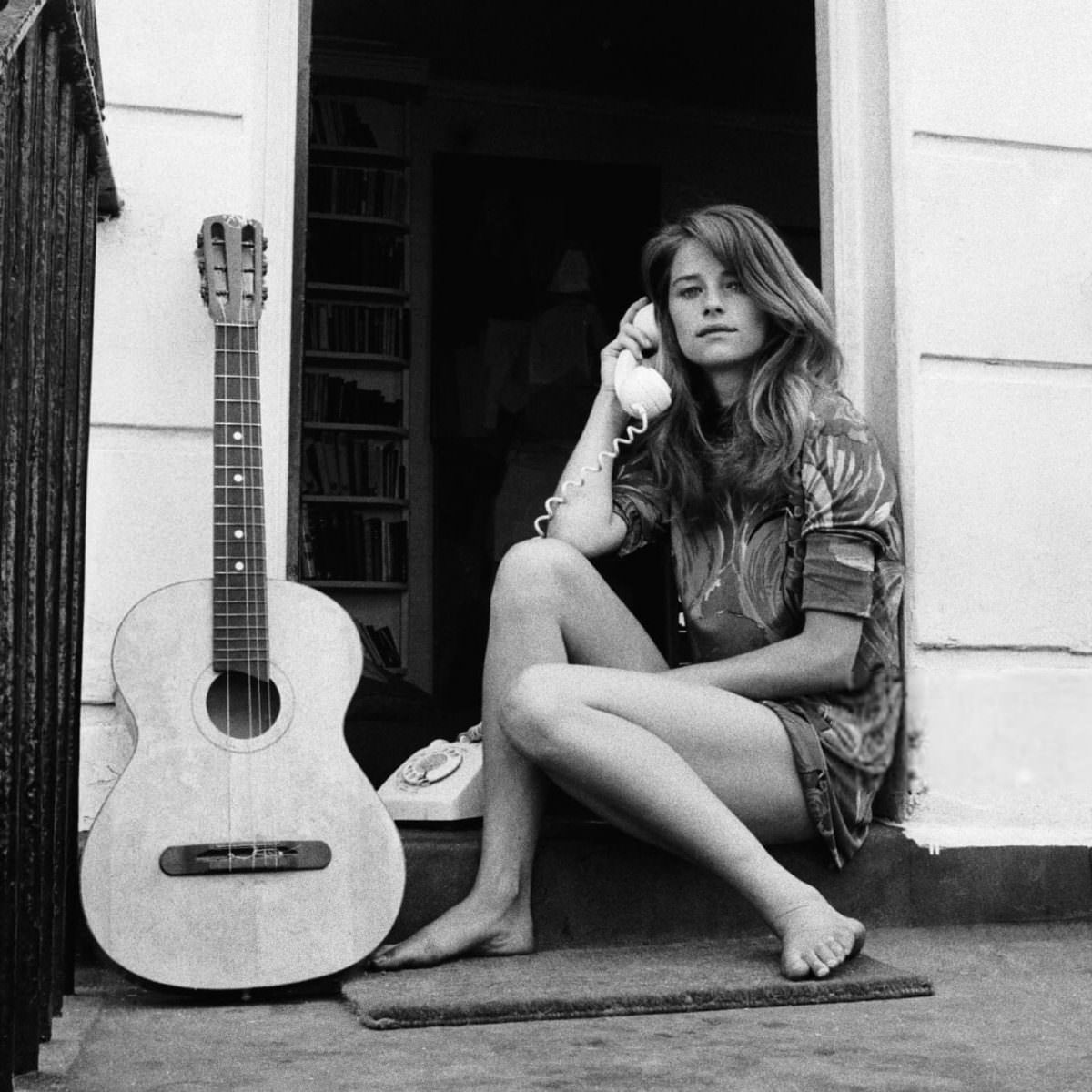
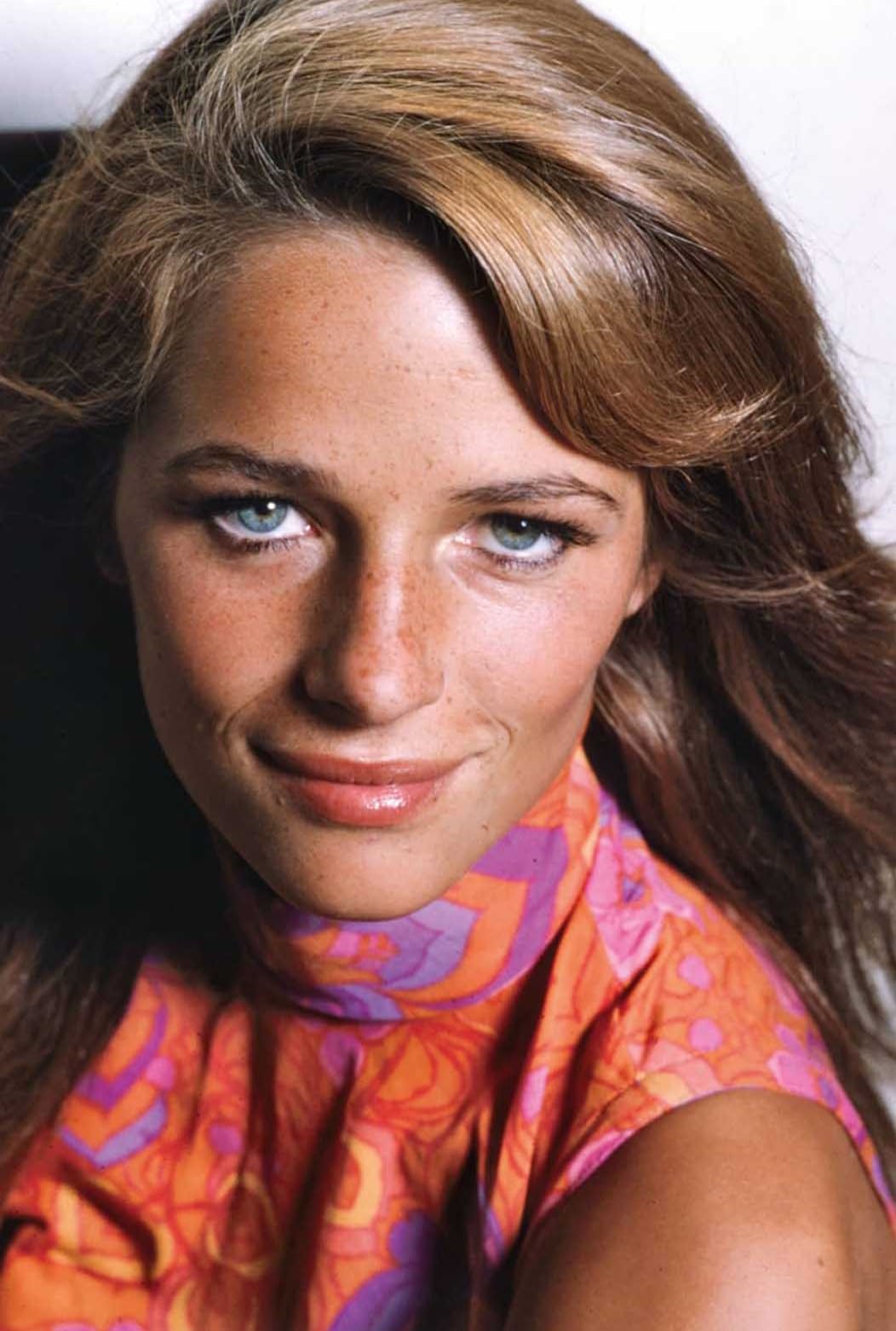
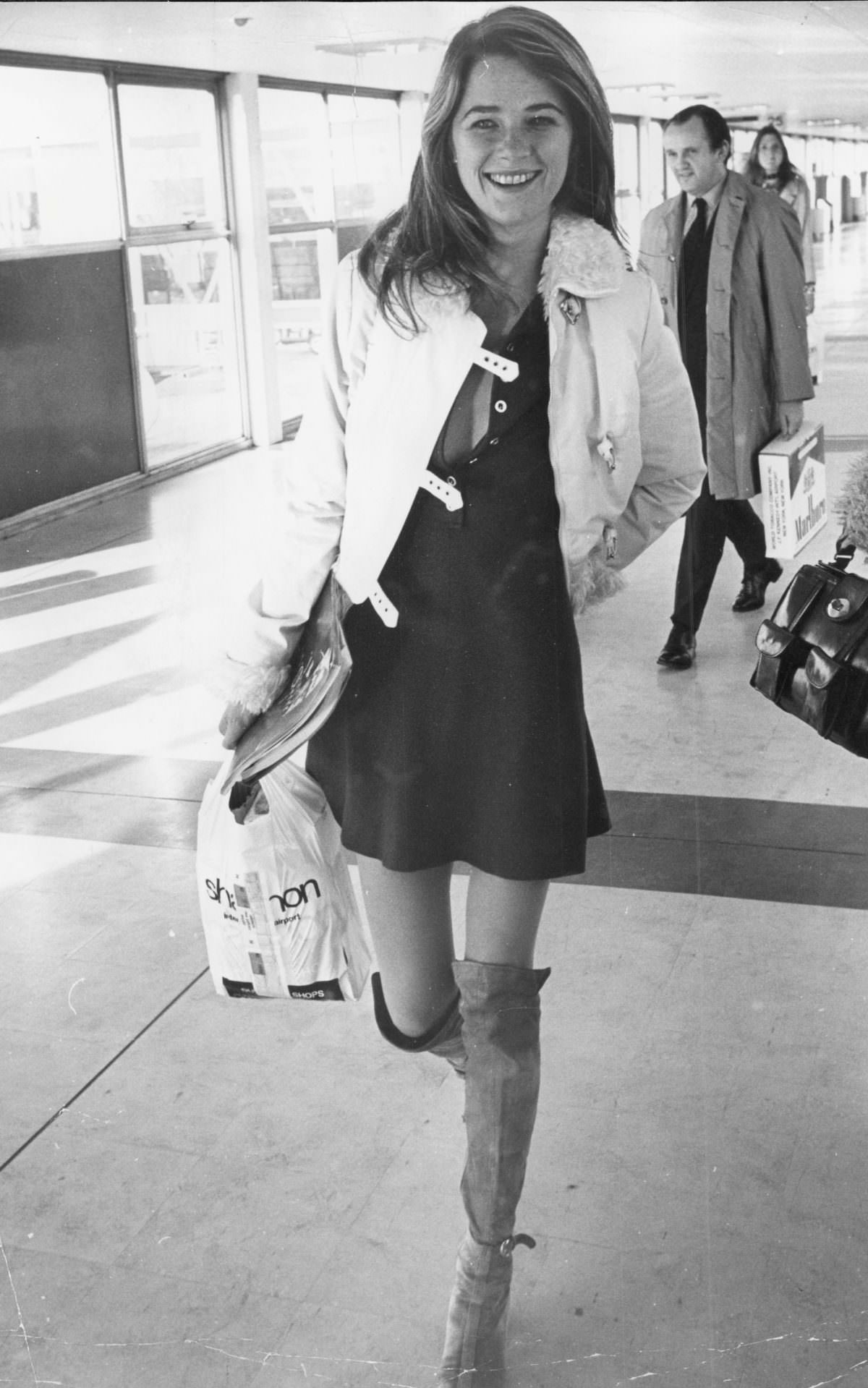
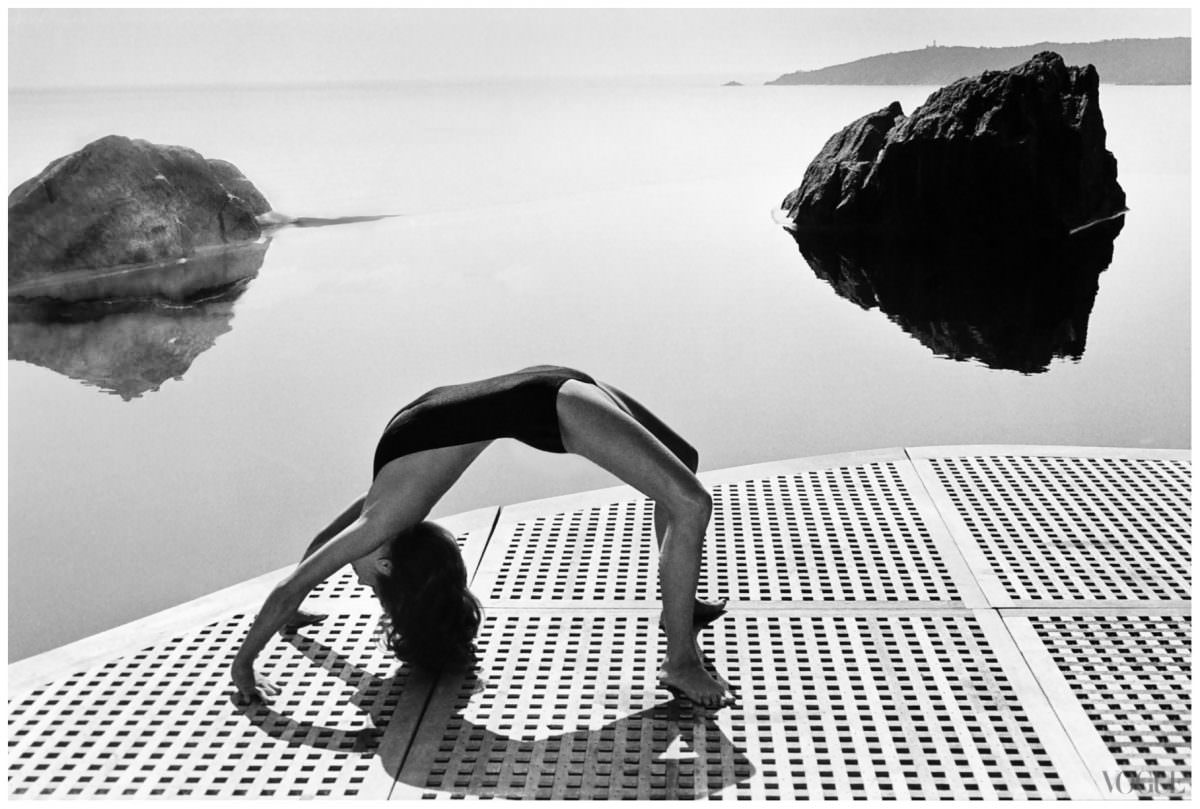
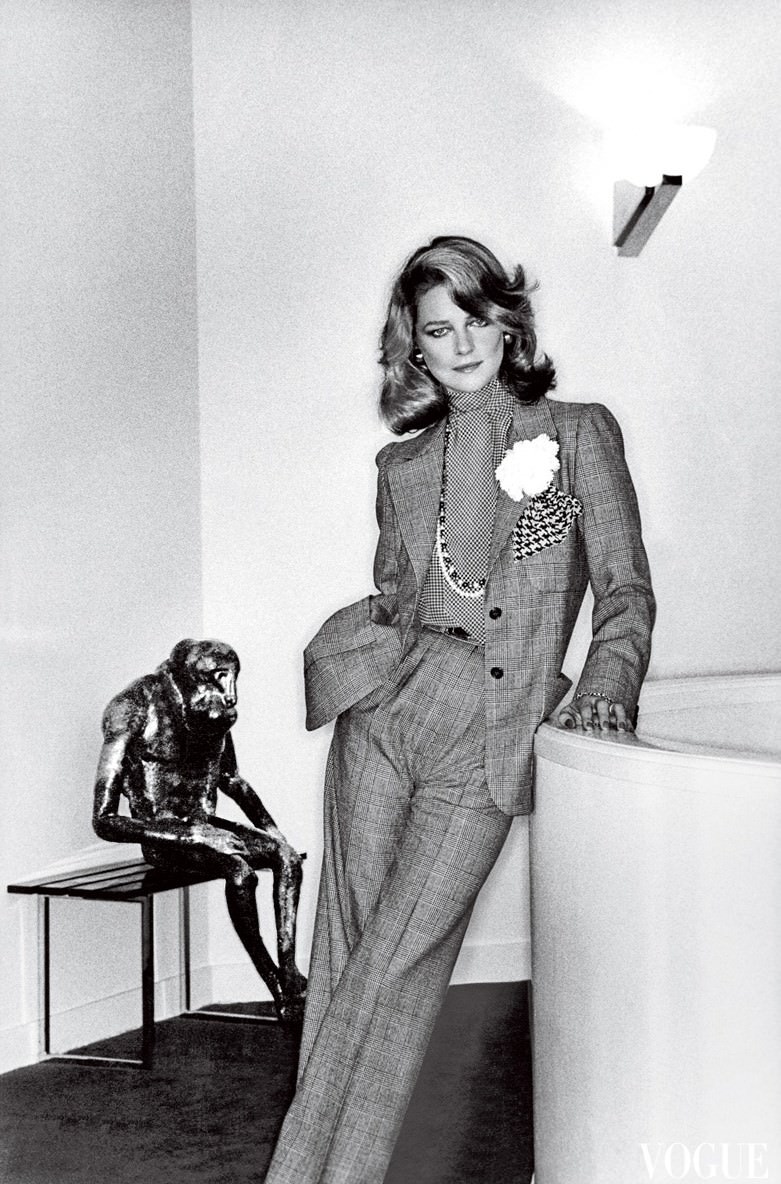
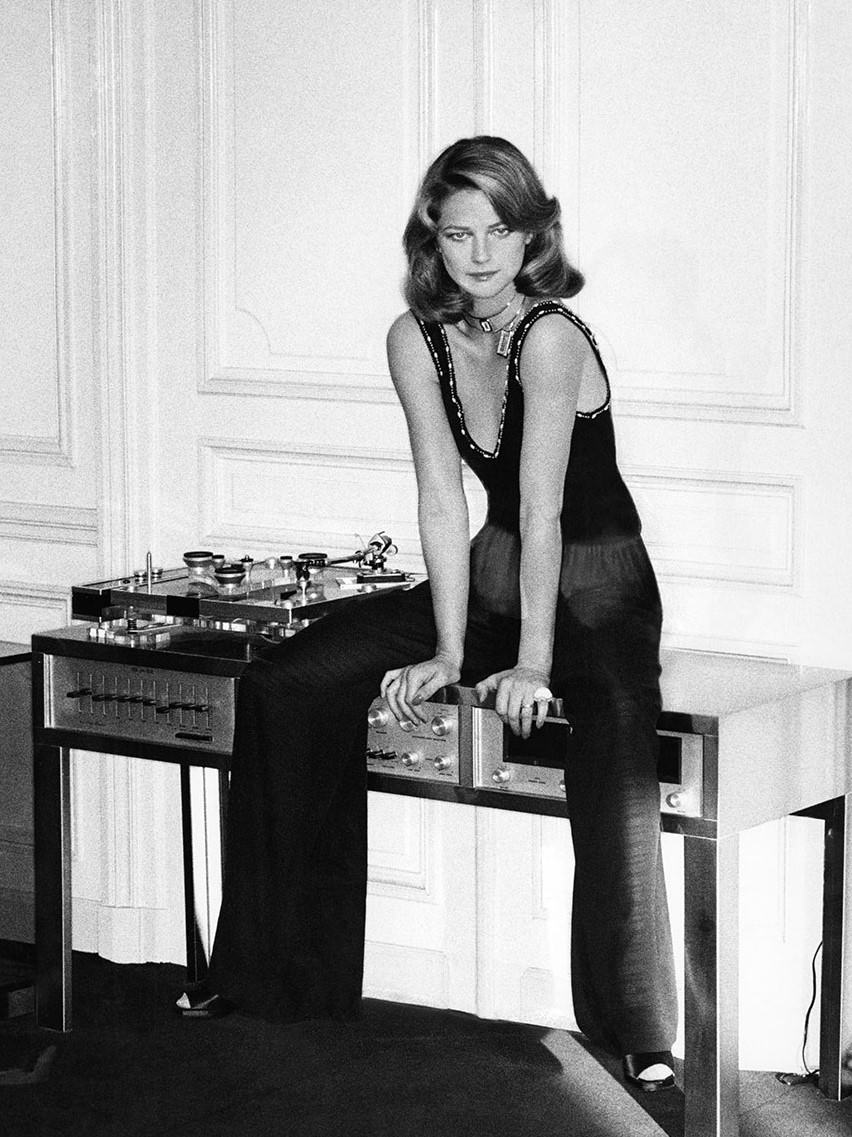
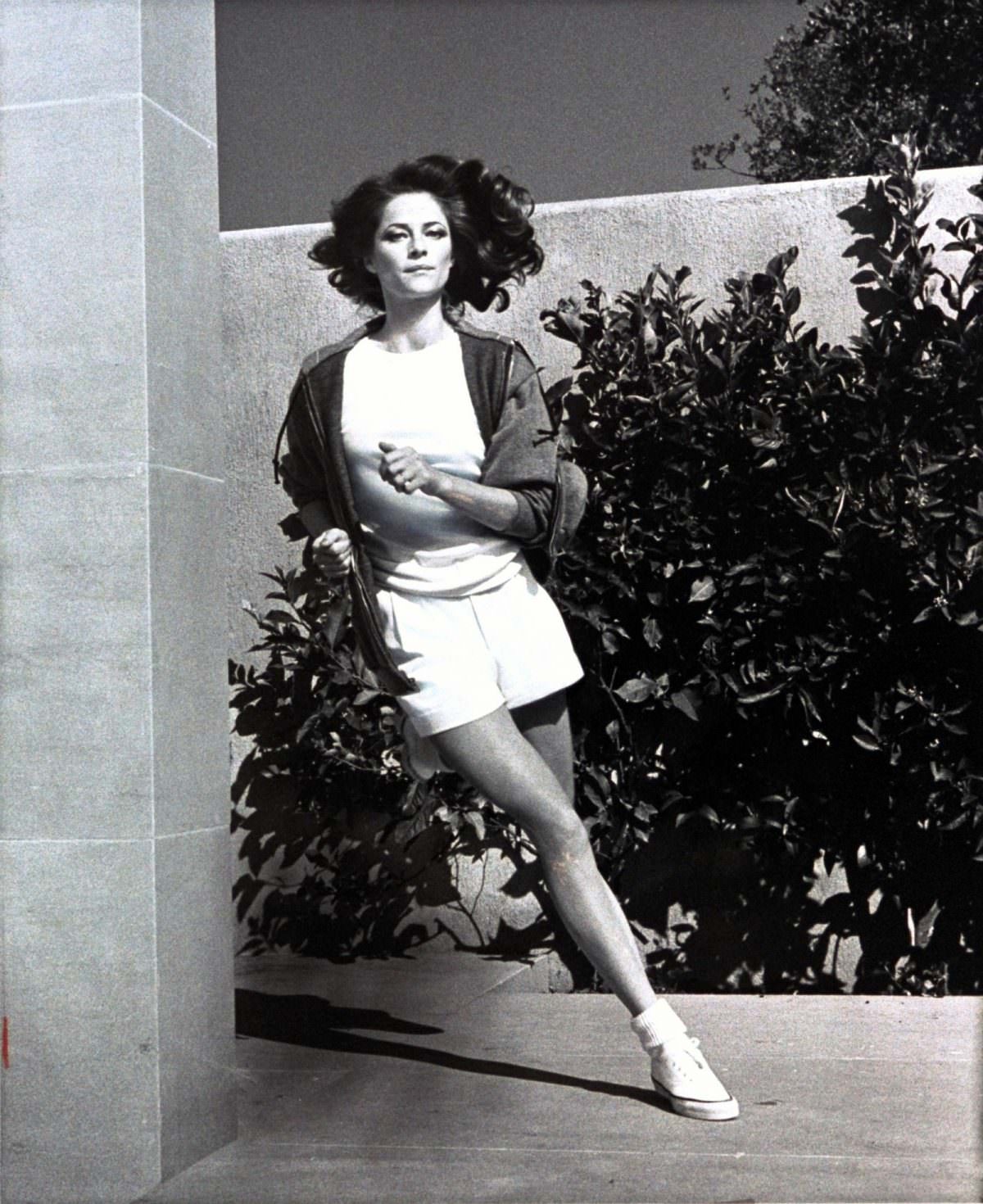
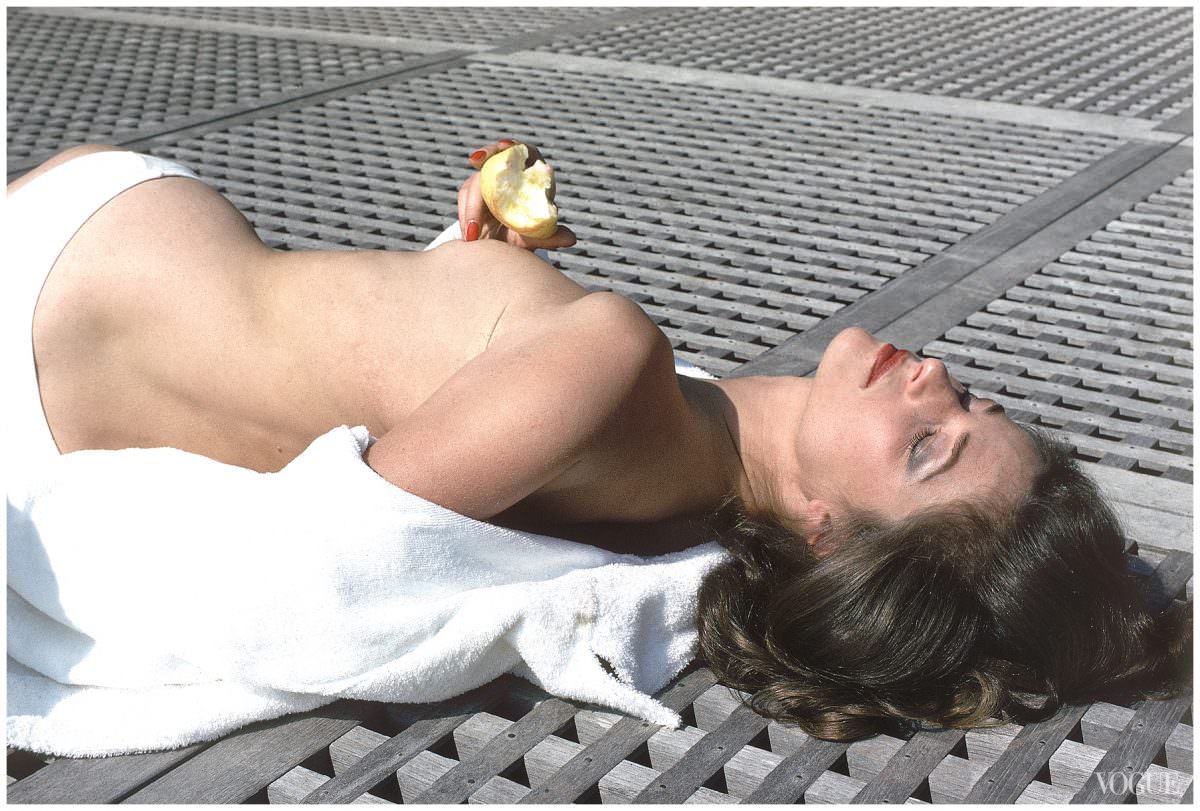
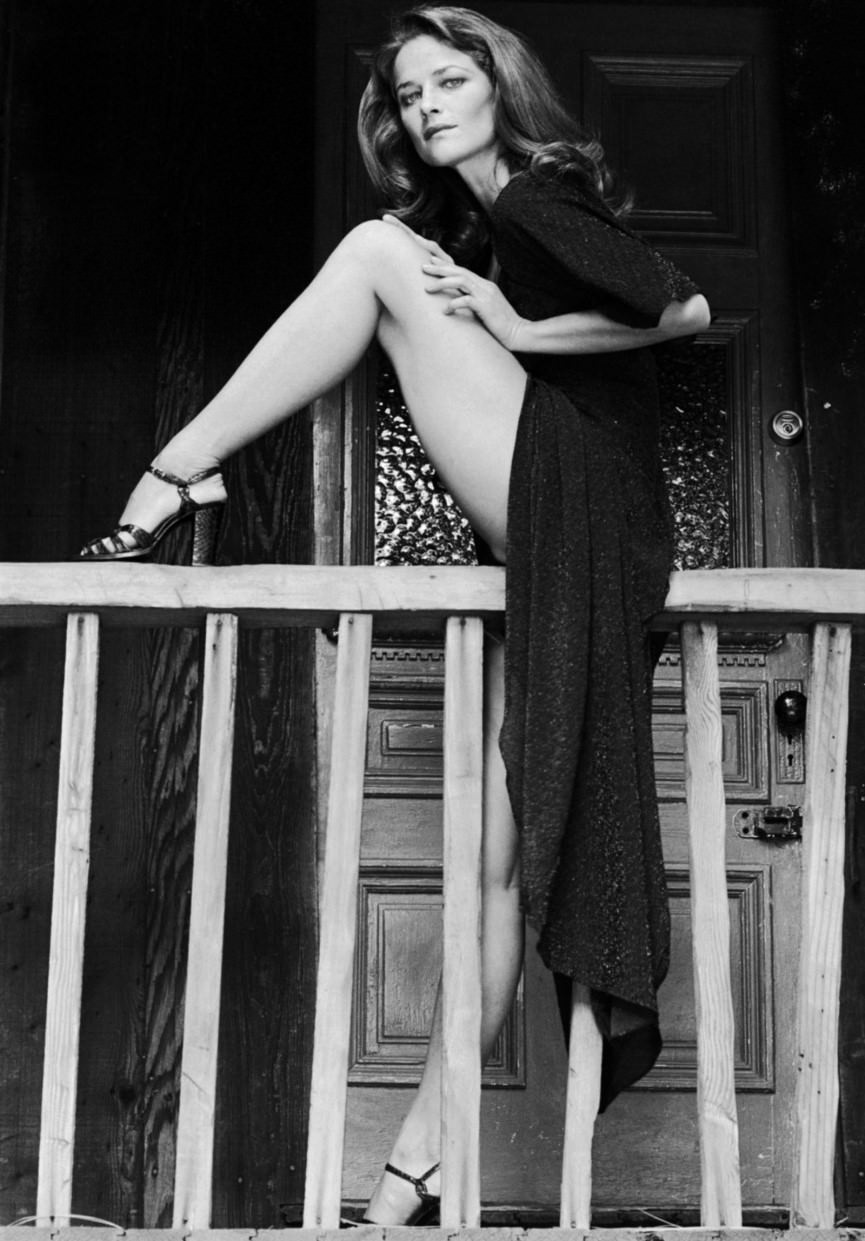
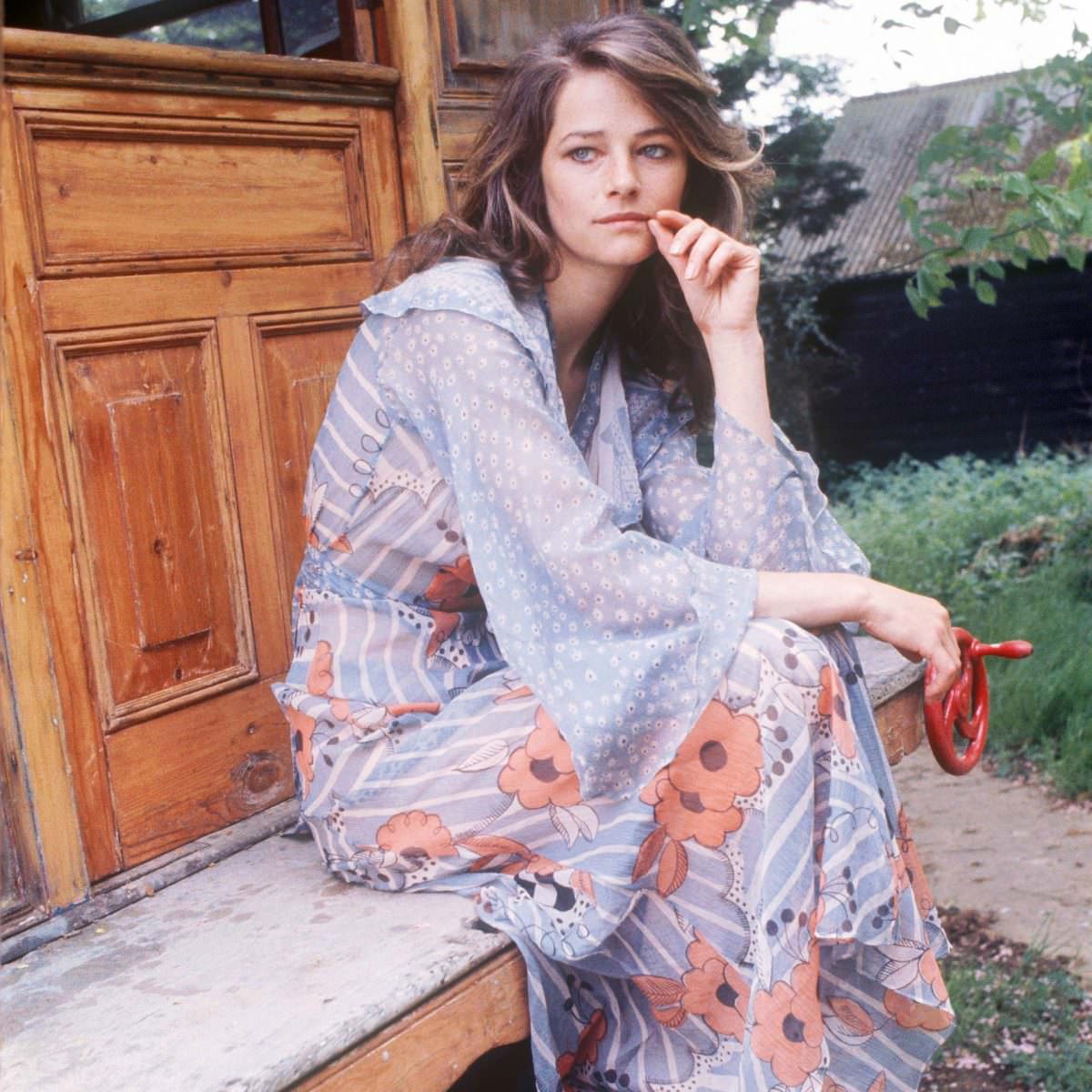
By the early 1970s, Rampling was a fixture in the fashion world as much as in cinema. Her image appeared regularly in Vogue, and she was photographed by some of the most prominent names in the business.
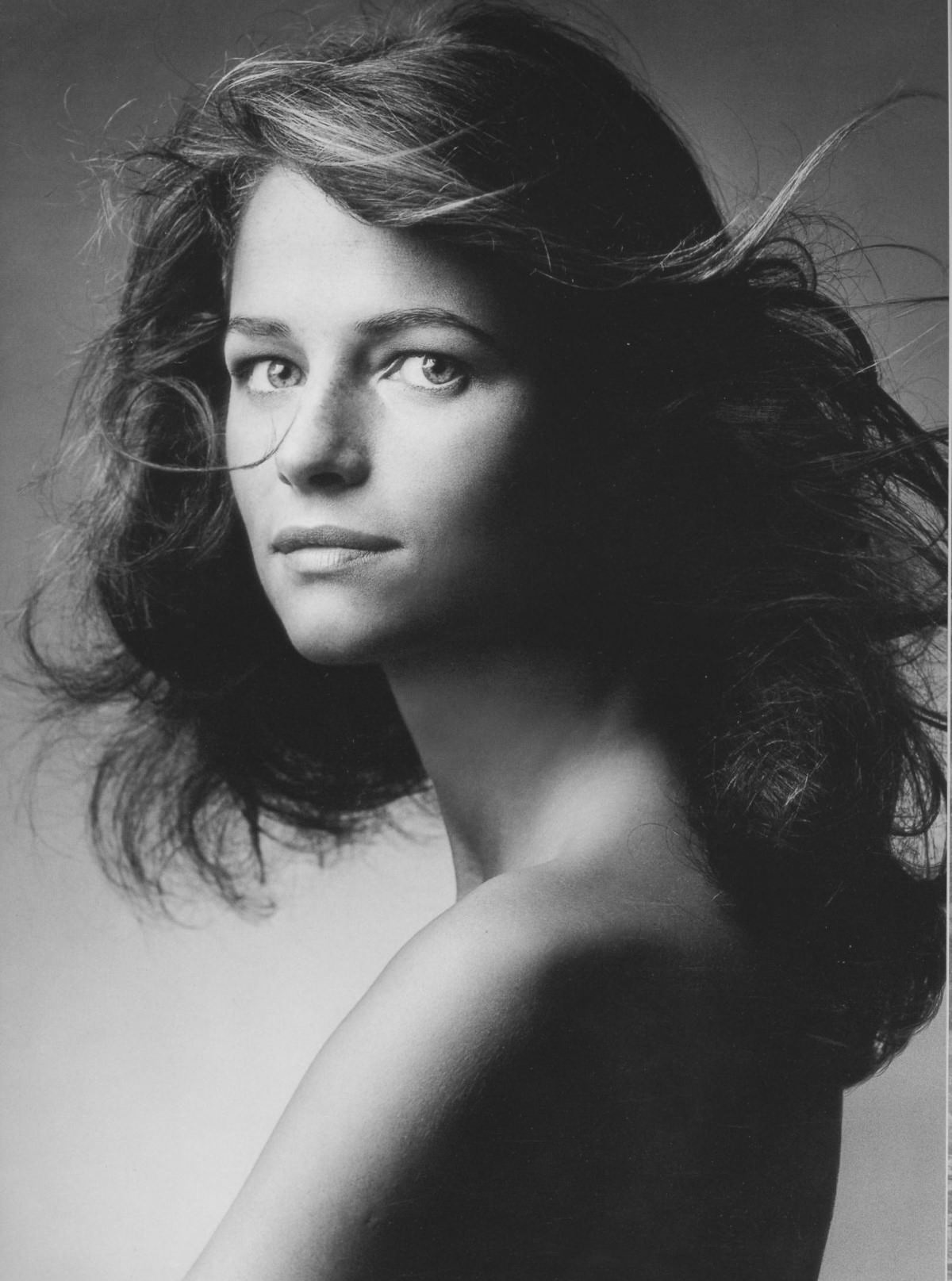

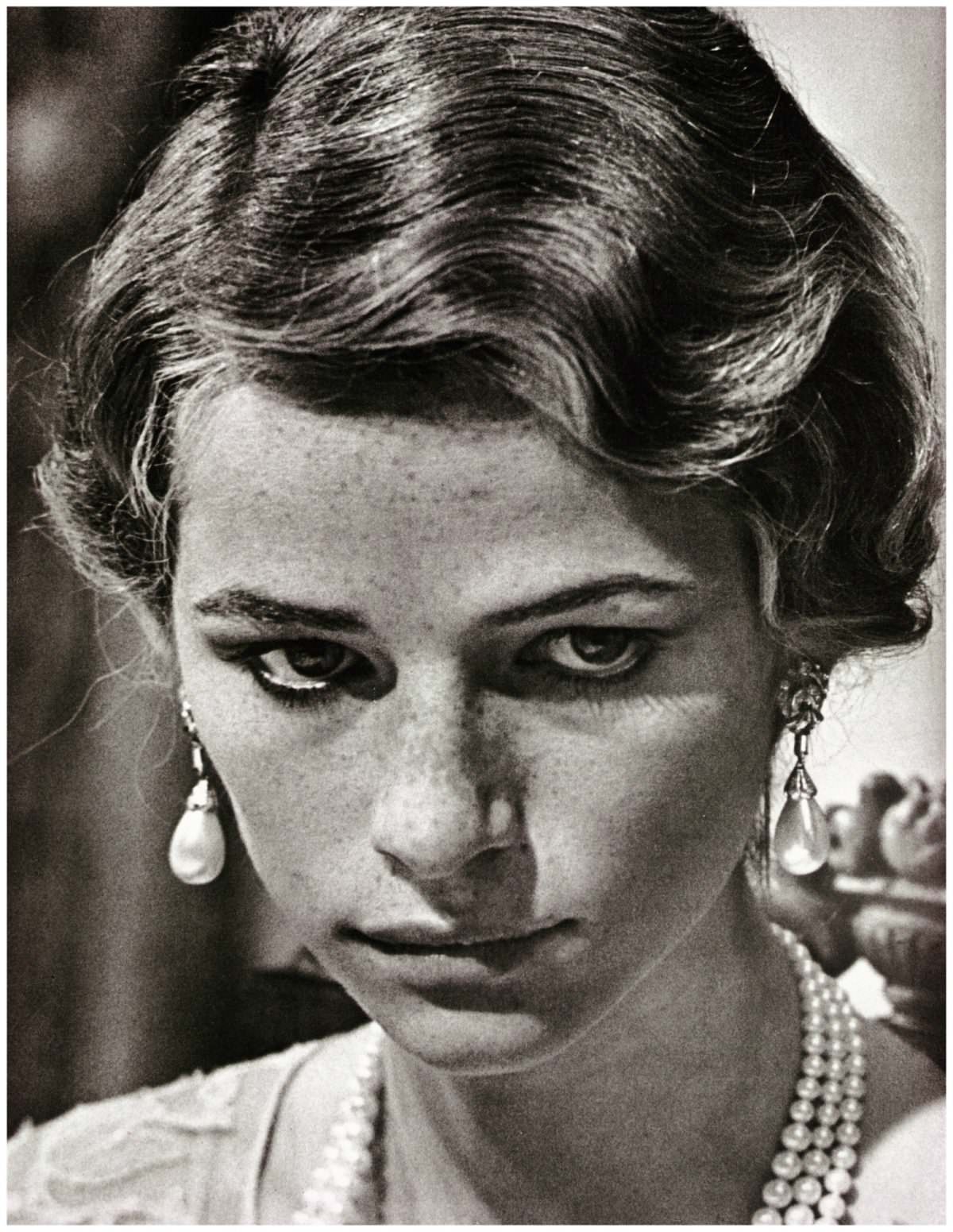
In 1974, director Liliana Cavani cast Rampling in “The Night Porter” (“Il Portiere di notte”), the film that cemented her as one of cinema’s boldest performers. She played Lucia, a concentration camp survivor who, years after the war, encounters her former SS tormentor. The two resume their disturbing relationship. The film was controversial from the moment it was released, drawing sharp criticism as well as serious critical attention. Rampling never flinched from the material, and her performance was widely recognized as fearless.
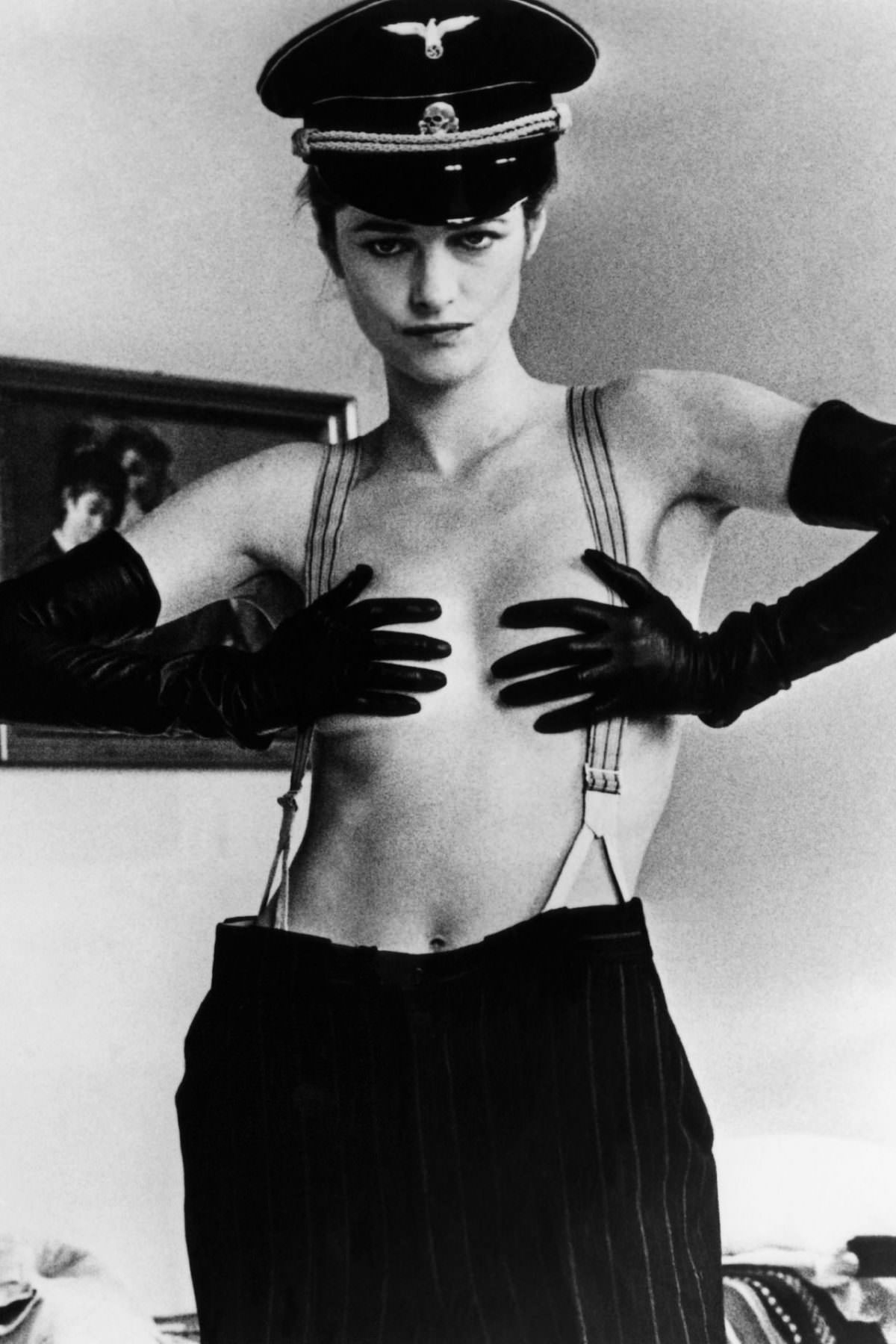
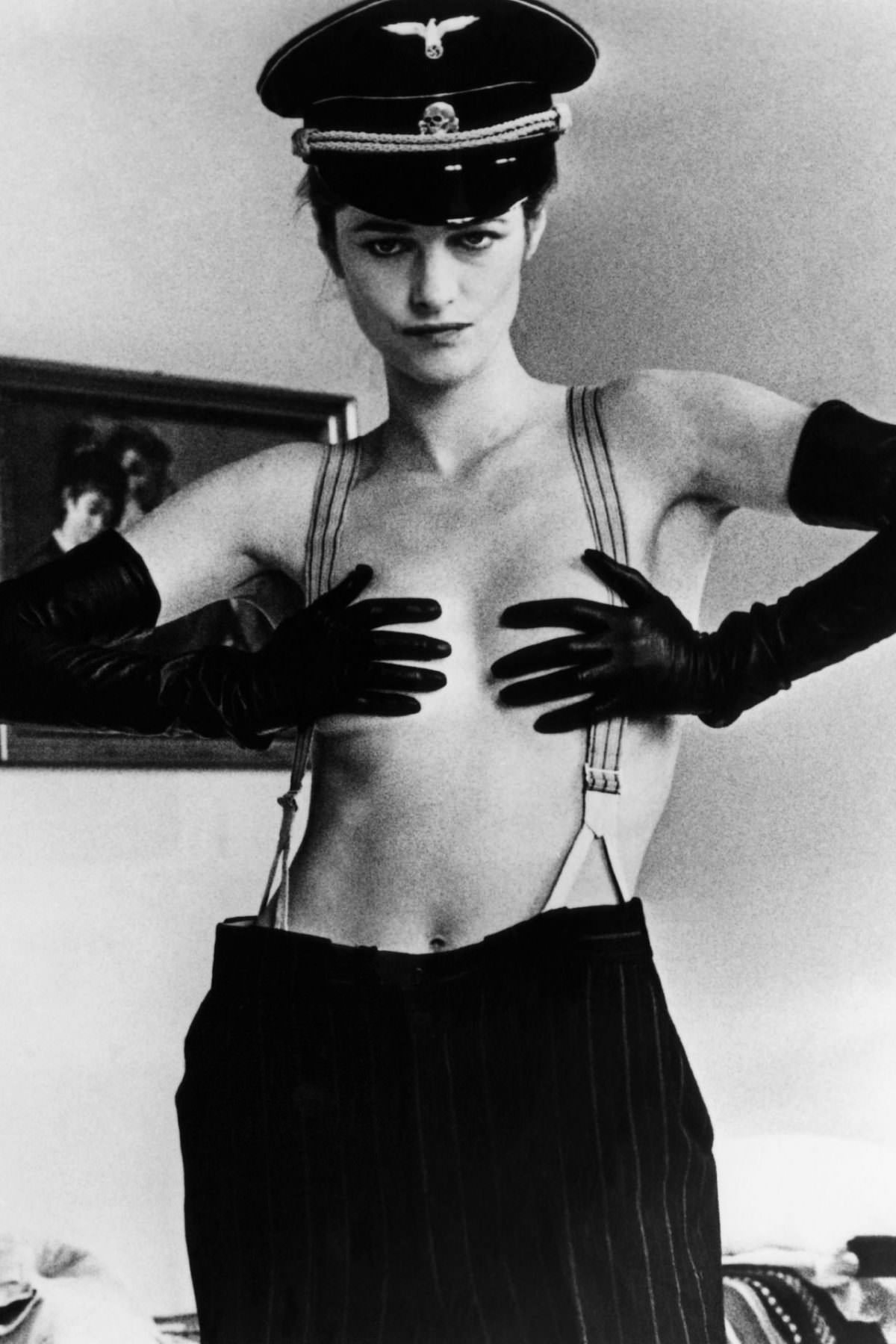
Away from film sets, 1974 was also a year of high-fashion moments. She was photographed in Milan and appeared in major editorial work, including a memorable Yves Saint Laurent campaign.
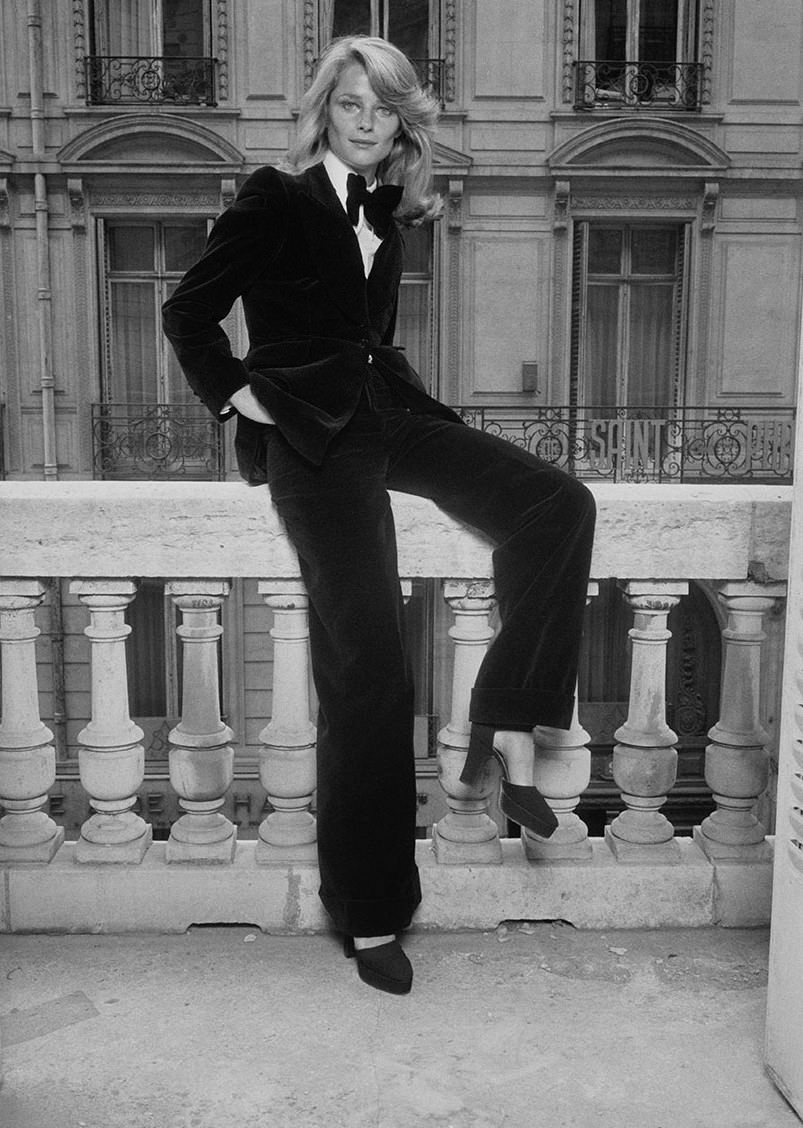
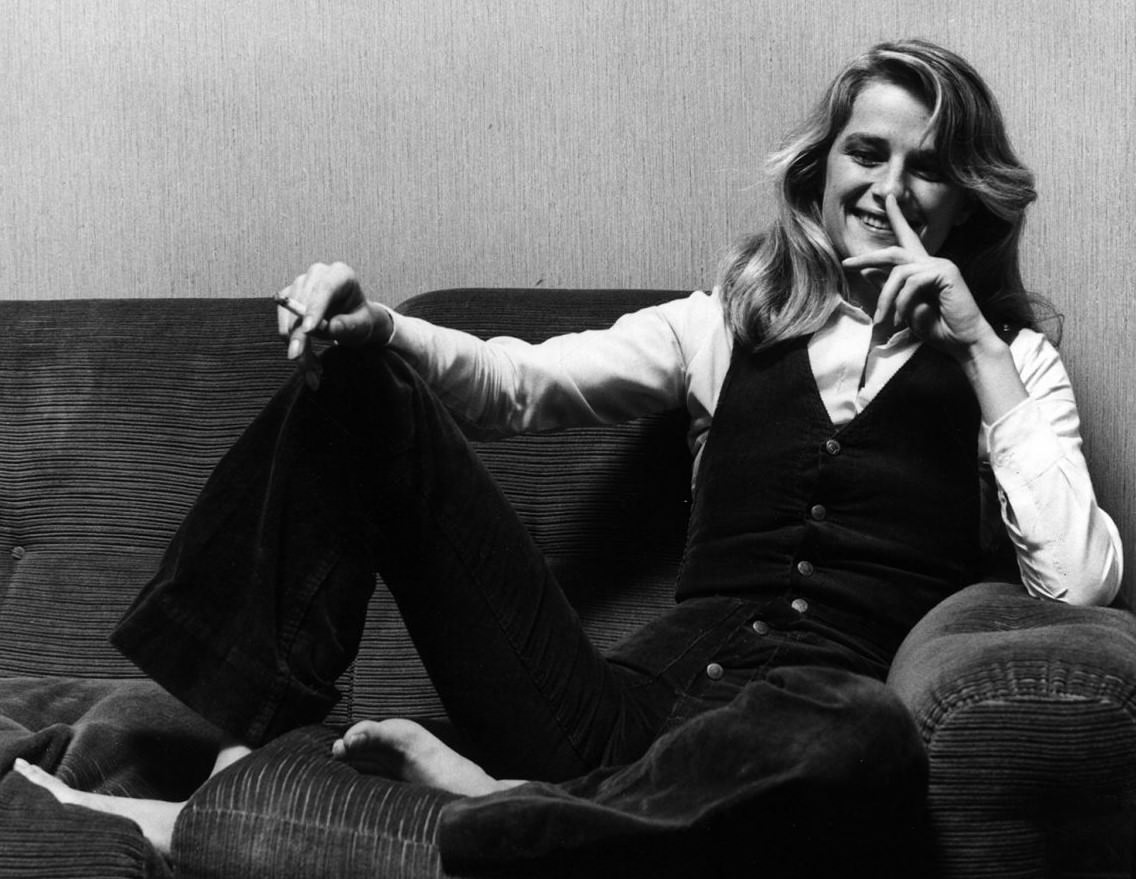
In 1975, Rampling starred in “Farewell, My Lovely,” a neo-noir directed by Dick Richards. She played Helen Grayle, a classic femme fatale, and matched the moody, hardboiled tone of the film with precision. The role proved her range extended well beyond European arthouse drama.
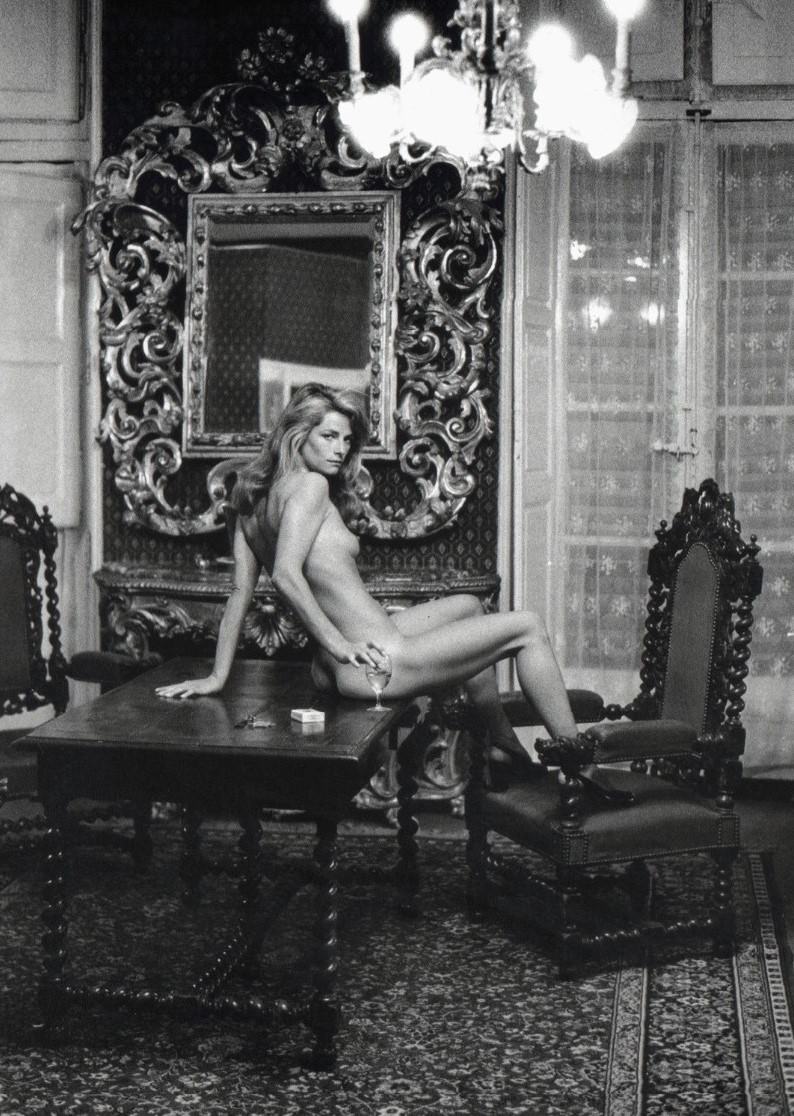
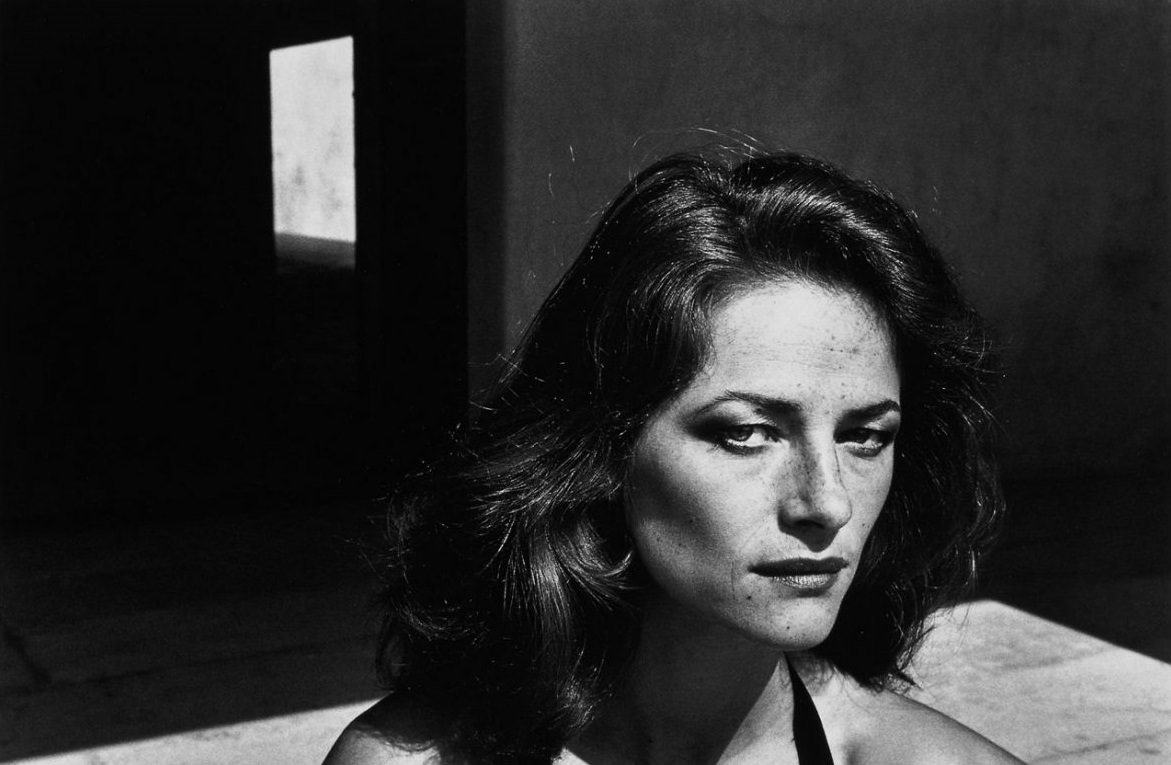
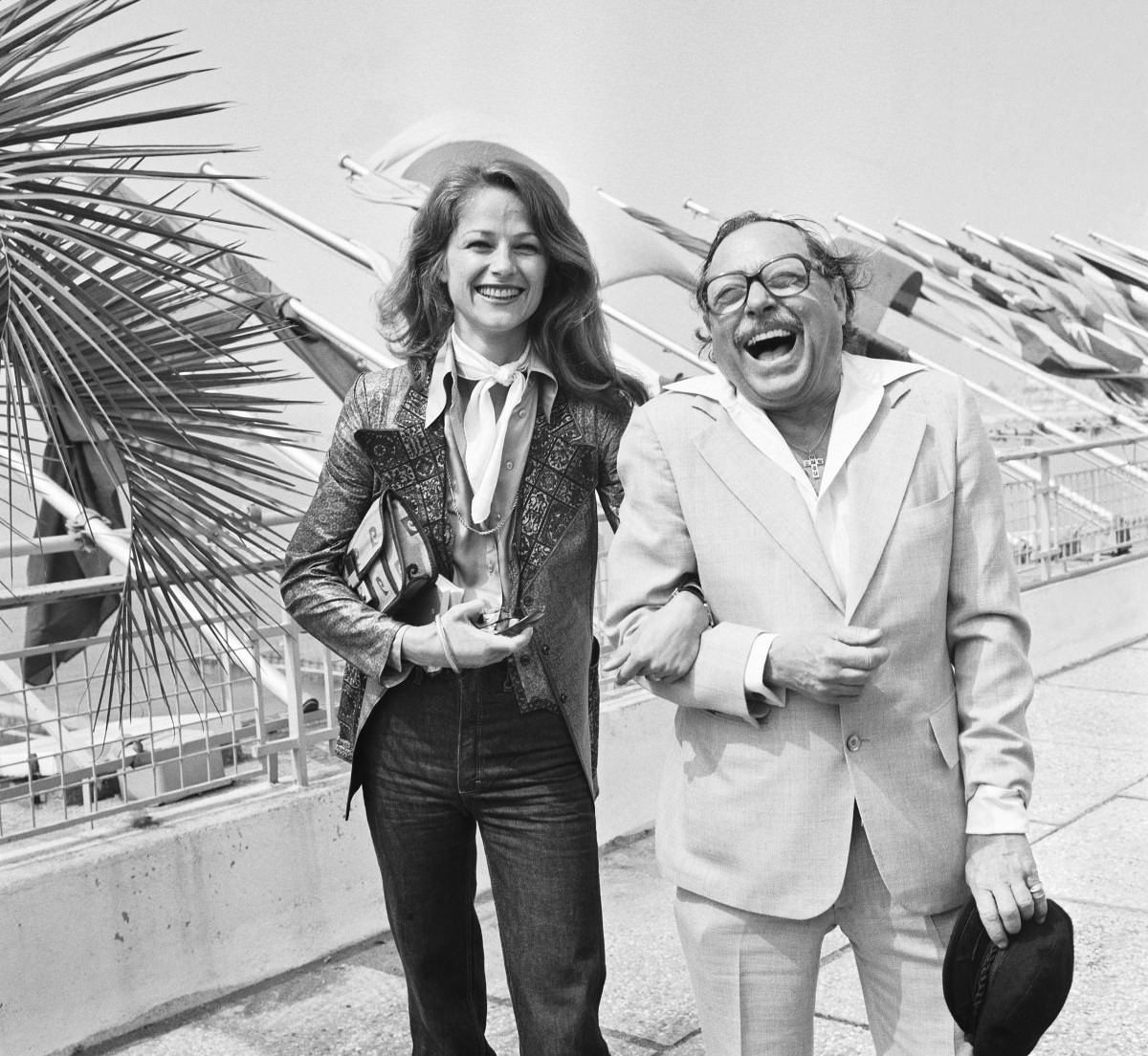
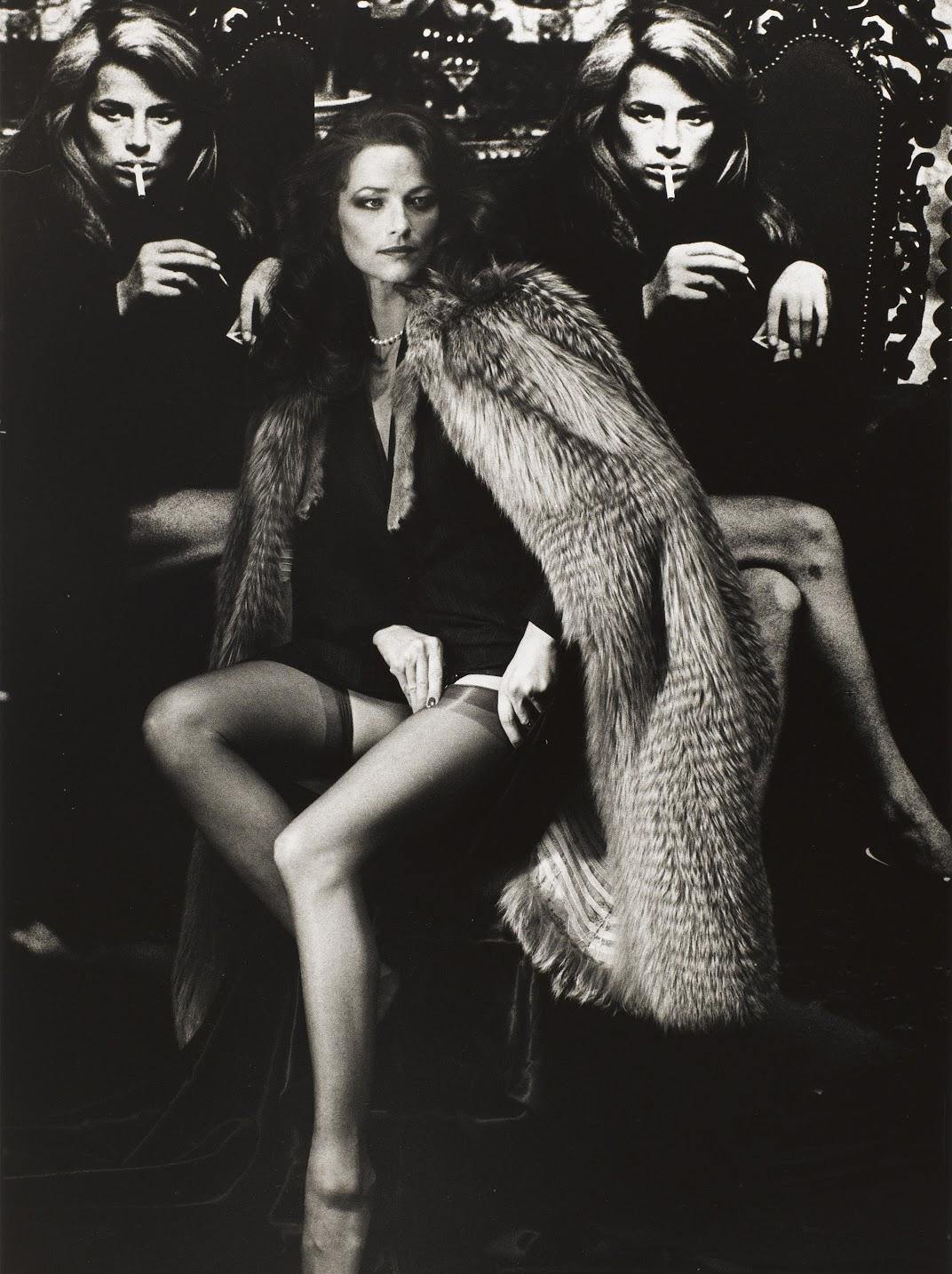
By 1976, Helmut Newton was photographing her for Vogue, producing some of the most striking editorial images of her career. That same year, she was captured alongside playwright Tennessee Williams — two singular creative figures sharing the frame.
In 1972, Rampling married Bryan Southcombe, a New Zealand actor and publicist. They had a son, Barnaby, before divorcing in 1976. Two years later, she married Jean-Michel Jarre, the French electronic music composer. The couple had a son, David, and Rampling also helped raise Jarre’s daughter from a prior relationship. The marriage ended in 1997 after Rampling learned of Jarre’s infidelity through tabloid reports. In 2002, she began a relationship with Jean-Noël Tassez, a French communications executive. Tassez died of cancer in 2015.
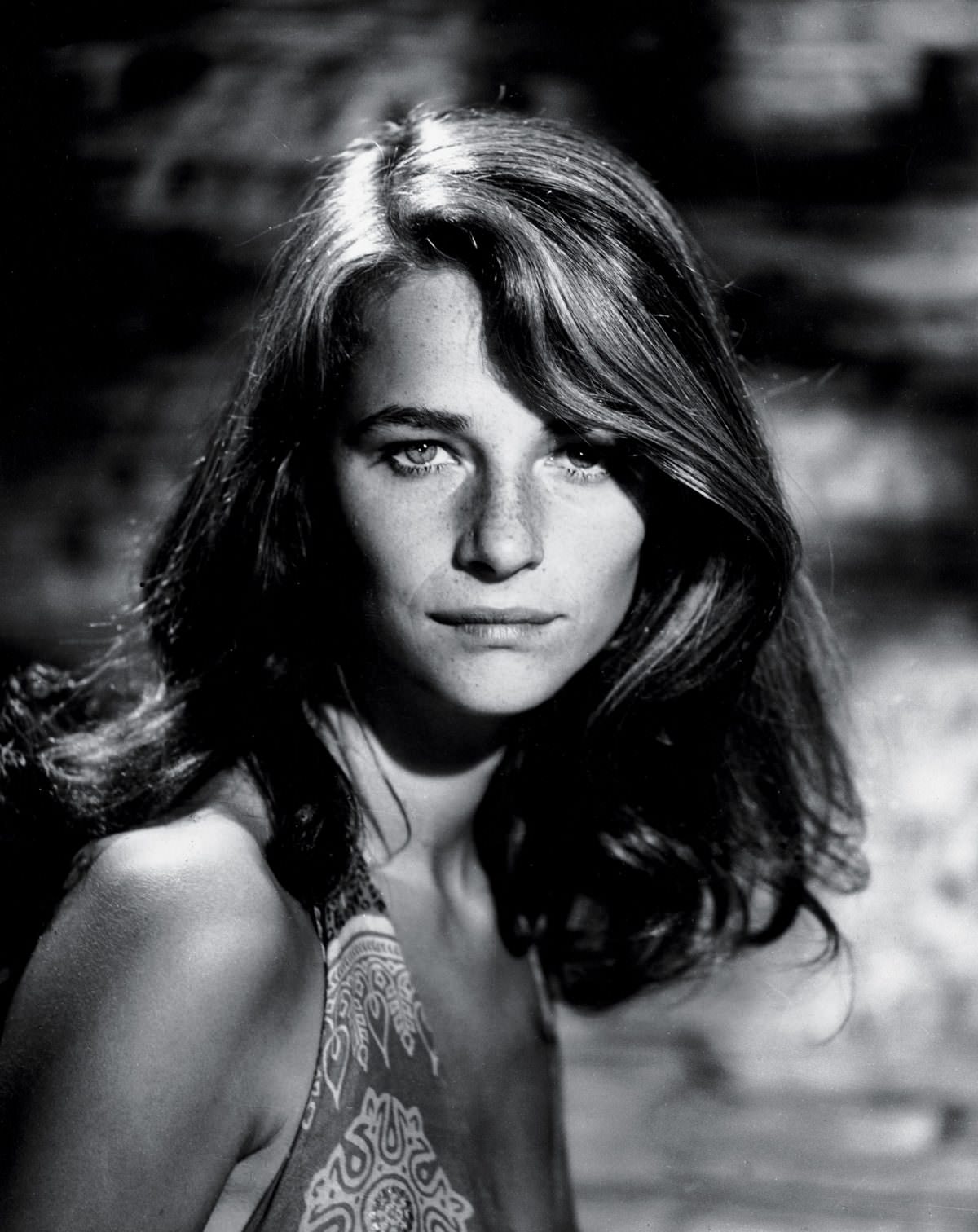

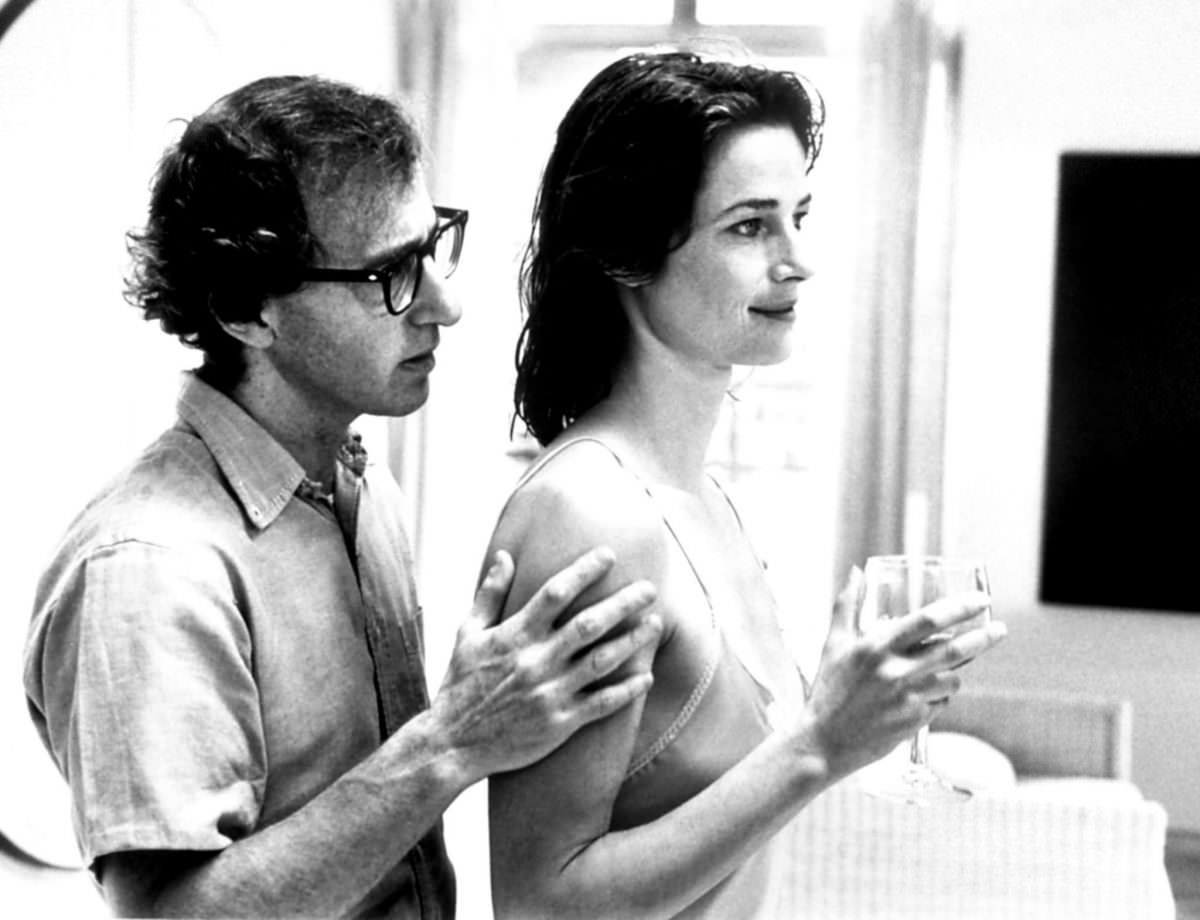
In 1980, Rampling worked with Woody Allen on “Stardust Memories,” playing Dorrie, an enigmatic and emotionally troubled woman. The collaboration showed her comfort across genres — from European political cinema to American auteur filmmaking.
Two years later, she appeared in Sidney Lumet’s “The Verdict” (1982), starring alongside Paul Newman. She played Laura Fischer, a morally complex character whose role in the legal drama added significant tension to the story. The same year, Newton photographed her again in Paris.
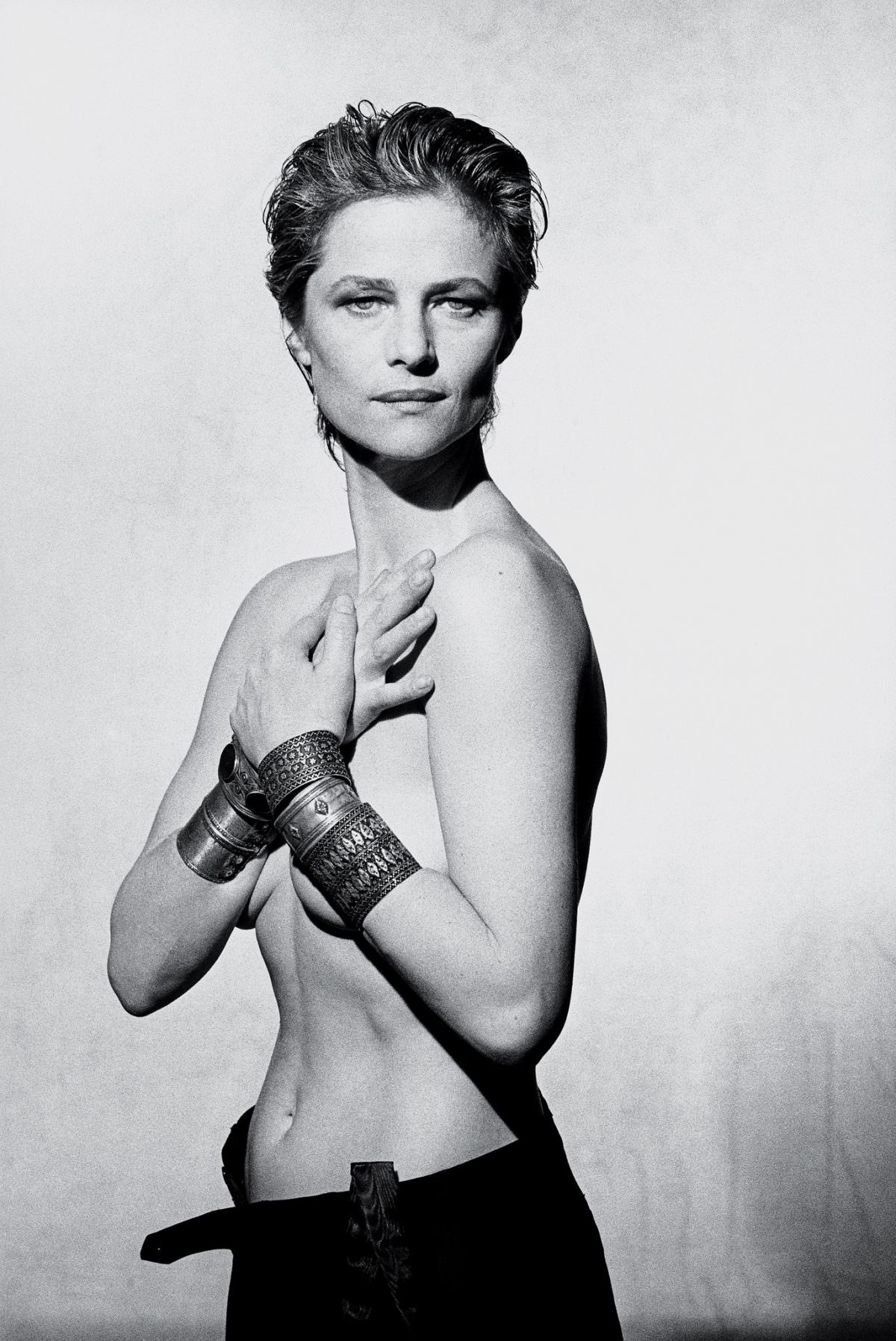
Her fluency in French kept her working steadily in French cinema. In 1986, she starred in Nagisa Oshima’s “Max, Mon Amour,” playing a woman who pursues a relationship with a chimpanzee. The film was strange by design, and Rampling committed to it fully. In 2000, she reunited with French director François Ozon for “Under the Sand” (“Sous le sable”), playing a woman navigating grief after her husband vanishes without explanation. The performance was restrained and deeply felt.
Ozon directed her again in 2003 in “Swimming Pool,” where she played Sarah Morton, a British crime novelist whose working holiday in France spirals into something far more unsettling. Critics praised her control of the role. In 2011, she appeared in Lars von Trier’s “Melancholia” alongside Kirsten Dunst, and that same year was the subject of Angelina Maccarone’s documentary “Charlotte Rampling: The Look.”
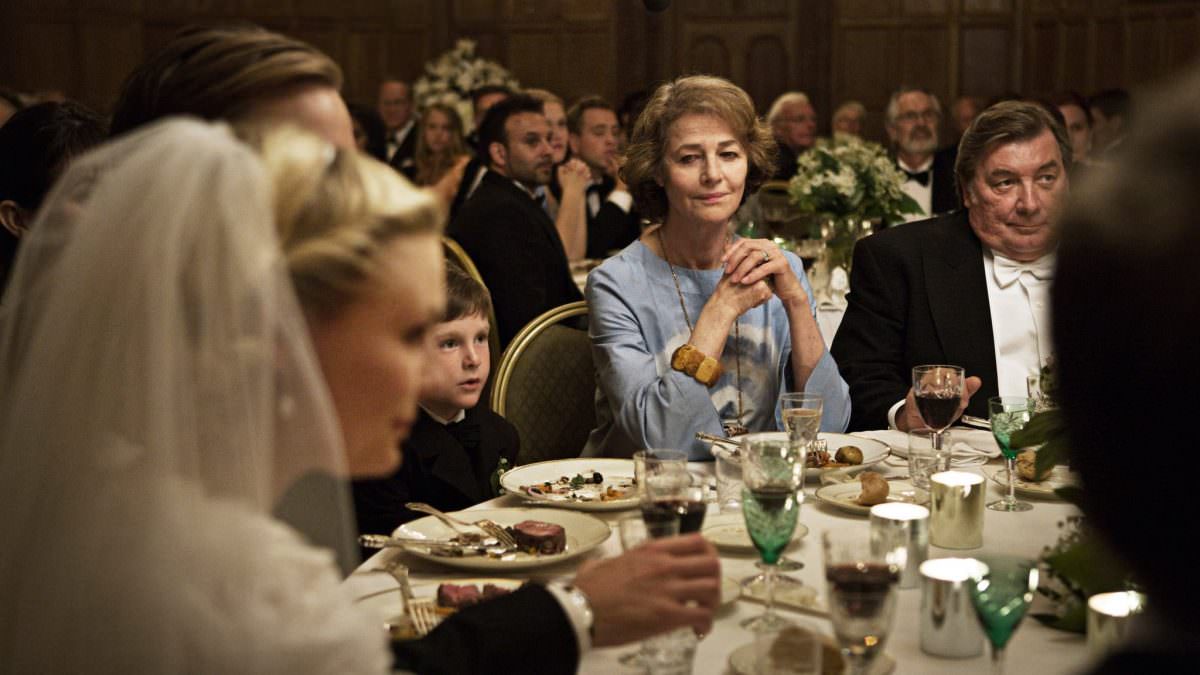
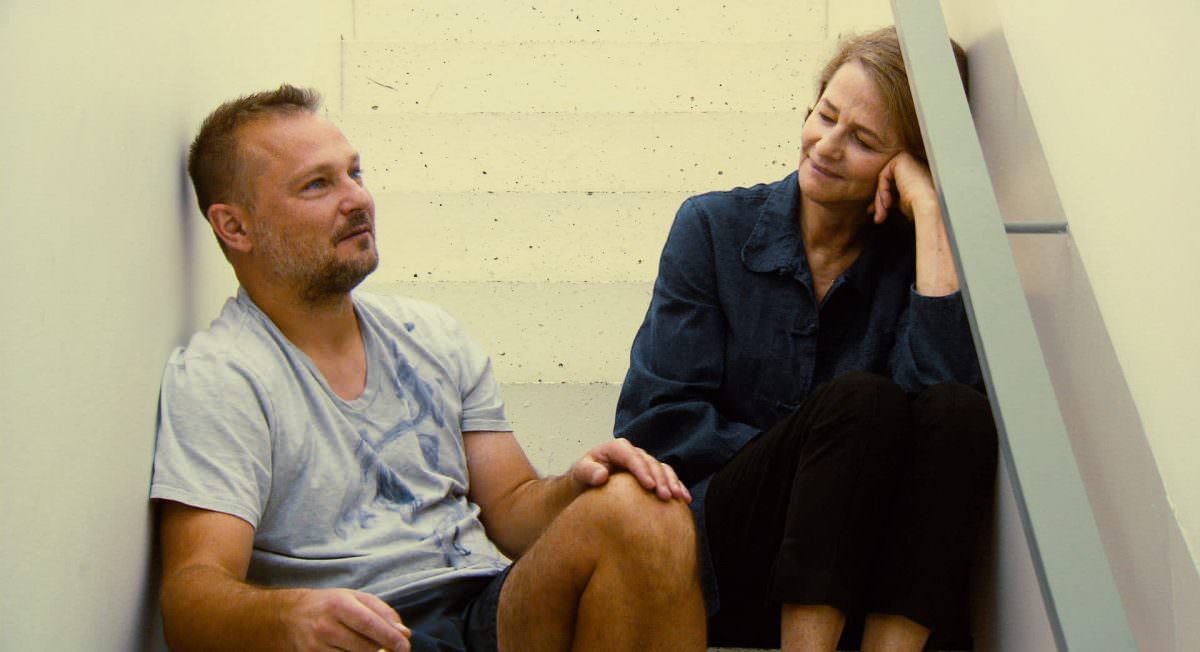
In 2015, Andrew Haigh’s “45 Years” gave Rampling one of her finest roles. She played Kate Mercer, a woman on the eve of her 45th wedding anniversary who discovers a painful secret from her husband’s past. The performance earned her an Academy Award nomination for Best Actress. On television, she played Dr. Evelyn Vogel in the final season of “Dexter” and appeared in the British series “Broadchurch,” reaching audiences who had grown up long after her 1970s heyday.