From the 1900s through the 1940s, America changed fast. Cities grew, roads filled with cars, and daily life looked nothing like it had a generation before. These vintage photos capture real moments — tea parties, farm chores, street corners, and playgrounds — from people who lived through it all.
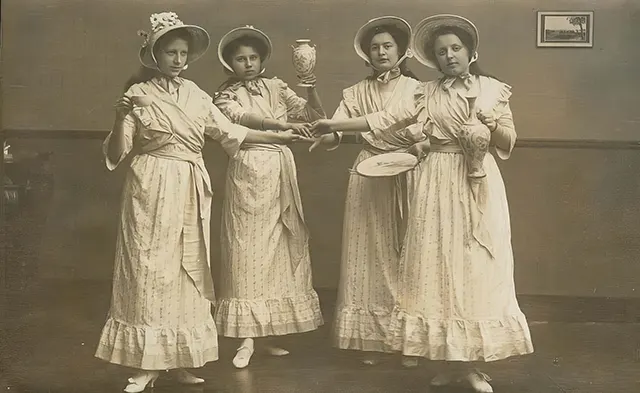
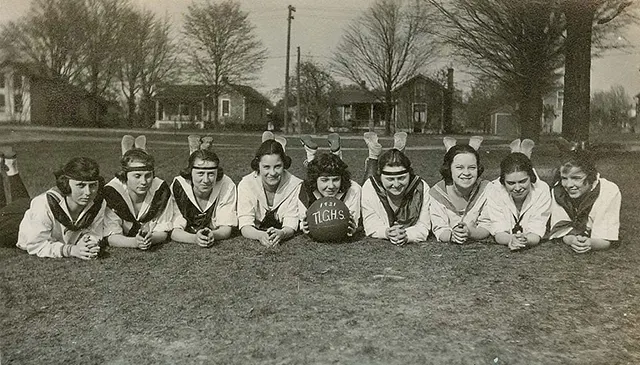
Women’s lives were shifting too. Sports like basketball became popular outlets, and photos from the era show women competing with serious energy.
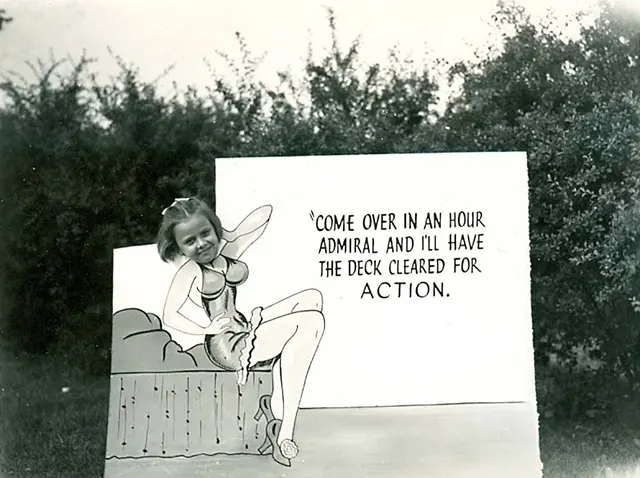
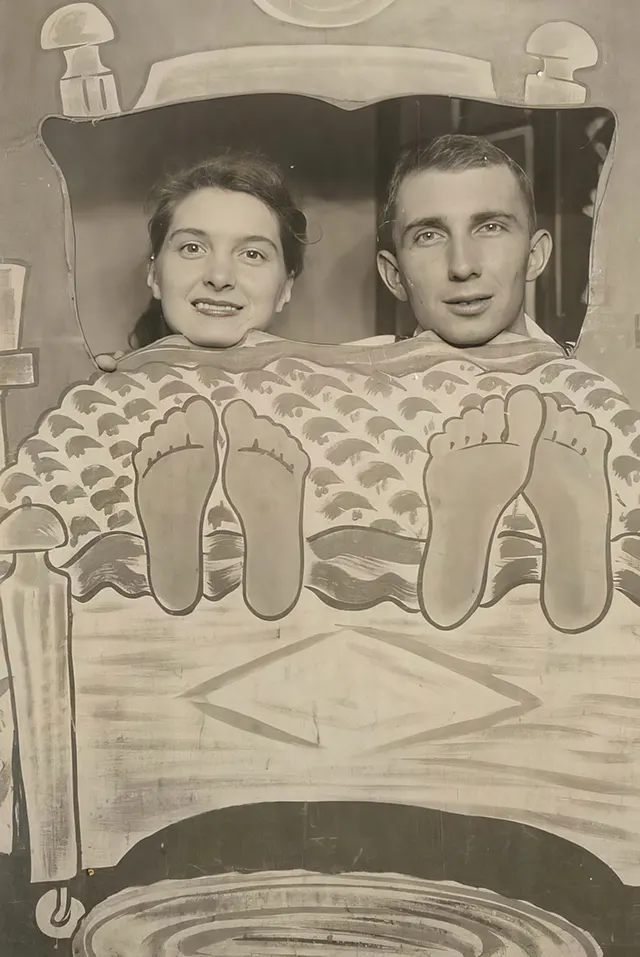
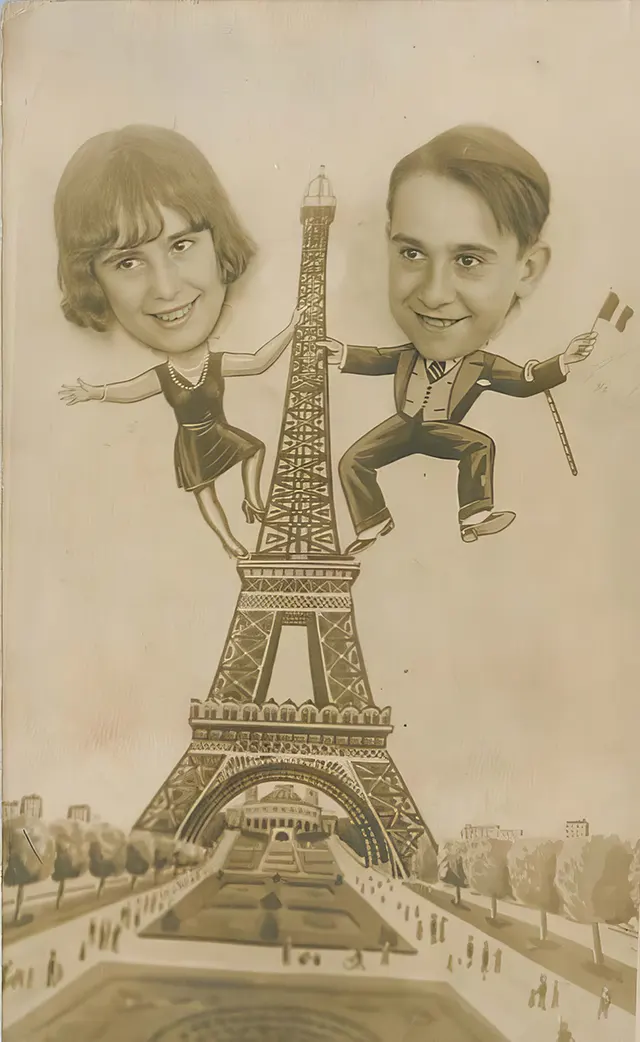
Arcades offered a lighthearted escape. Novelty photo booths let people pose with humorous backdrops — a simple pleasure that drew couples and friends alike.
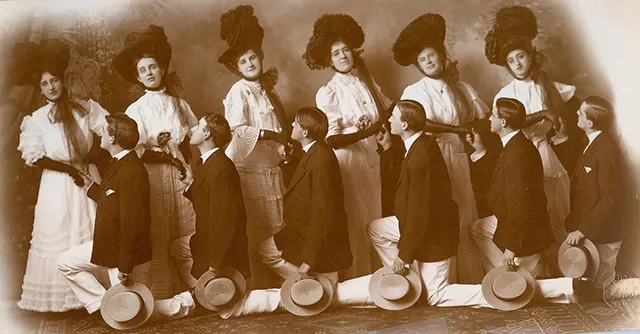
Courtship rituals of the era made for memorable scenes. Proposals were public, formal affairs — and not every woman in the room looked impressed.
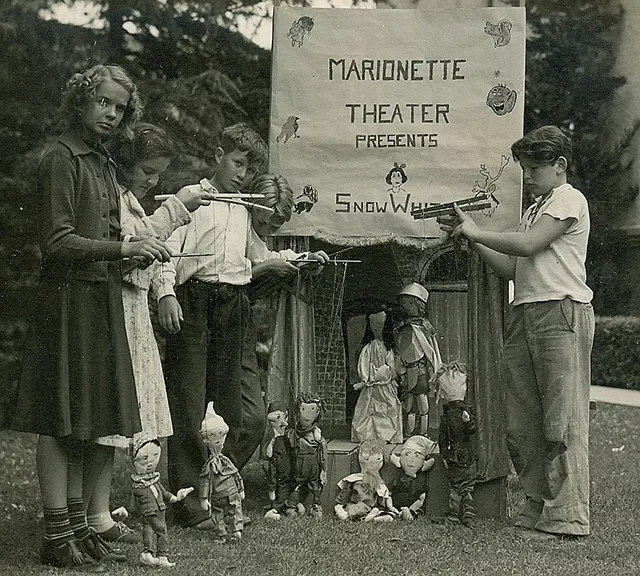
Children found entertainment wherever they could — puppet shows, open lots, and neighborhood games kept them busy without screens or electronics.
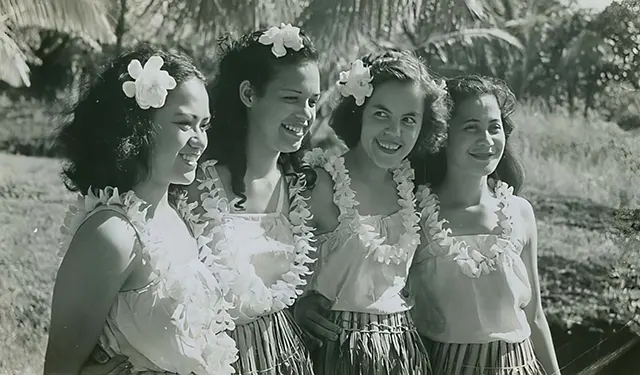
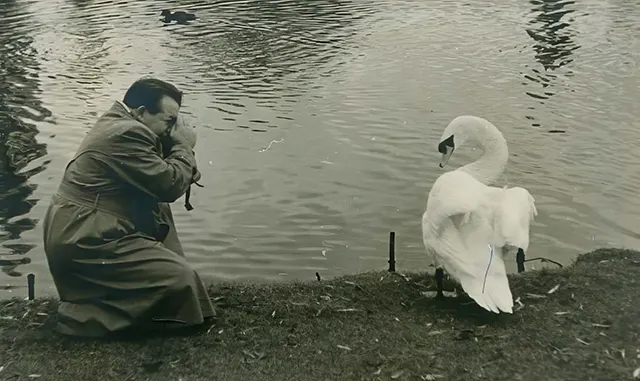
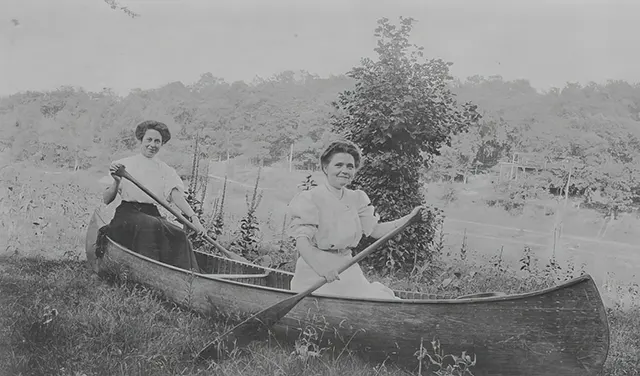
Even a quiet afternoon by the pond was worth documenting. Early camera owners eagerly photographed nature, neighbors, and anything that caught their eye.
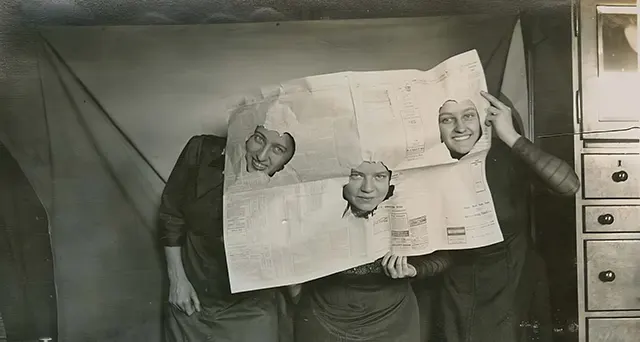
One popular photo trend involved holding a newspaper up to hide or replace a face. It was a widespread gag in the early 1900s that appeared in family albums across the country.
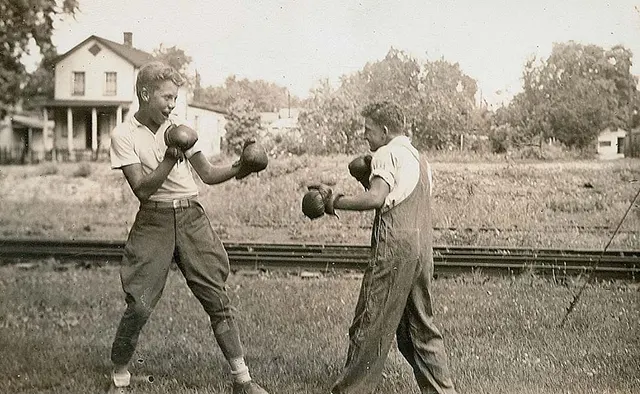
Young men found informal spaces to test their strength. Railroad tracks and back lots became impromptu arenas for friendly bouts.
Arcade photo cutouts offered ordinary people a chance to place themselves in extraordinary scenes — climbing the Eiffel Tower, standing beside celebrities, or touring the world without leaving the fairground.
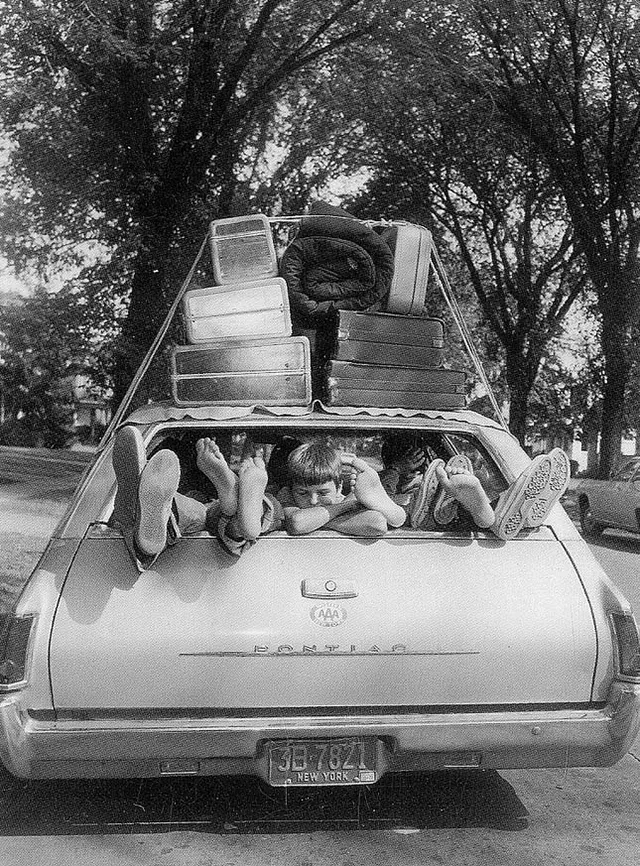
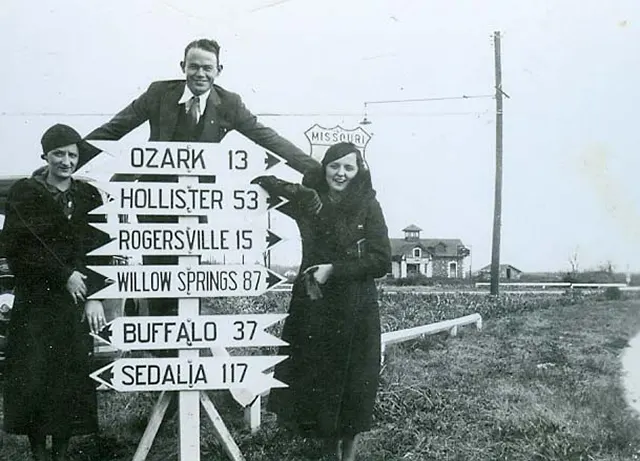
Family road trips became possible as automobiles spread across America. Packing up the car for a long journey was an event in itself.
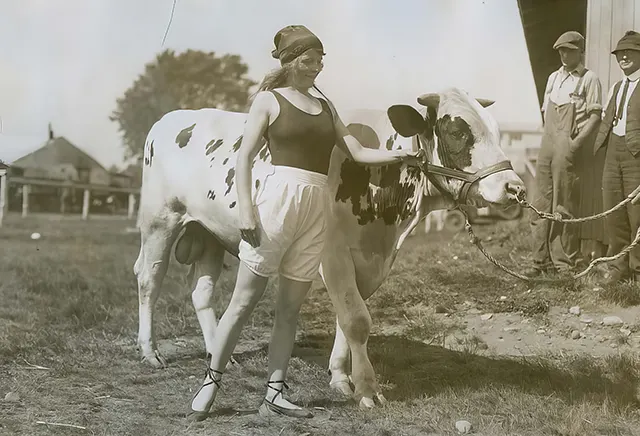
Rural life stayed rooted in farm work. Children grew up alongside livestock, learning the routines of agricultural life from an early age.
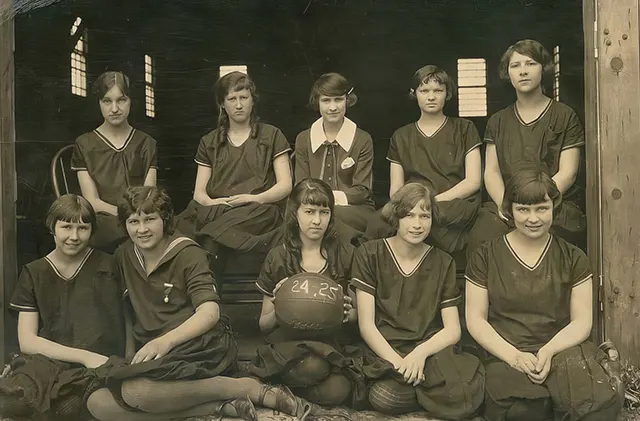
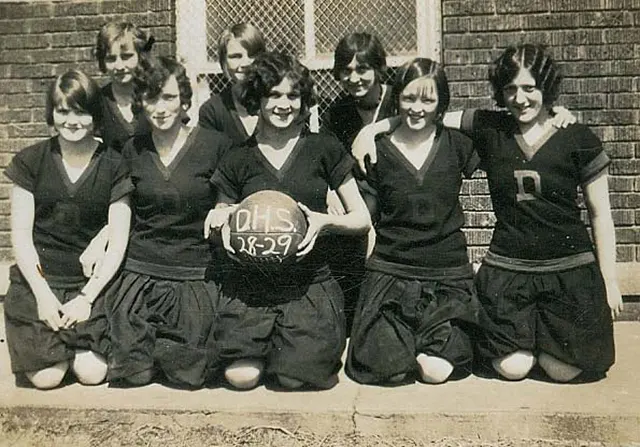
Women’s basketball in the 1920s was physically demanding and often played in restrictive clothing. Teams competed seriously despite limited public recognition.
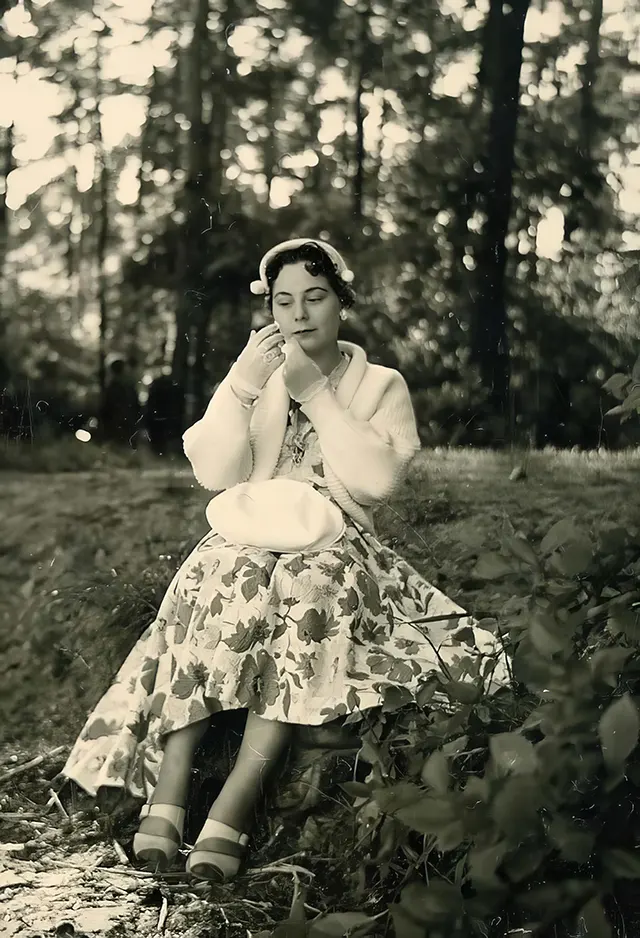
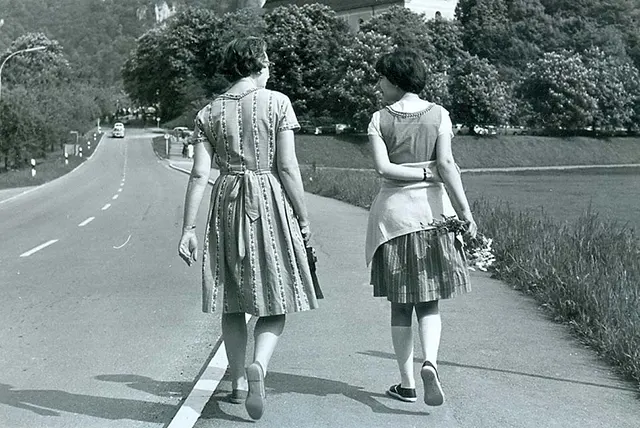
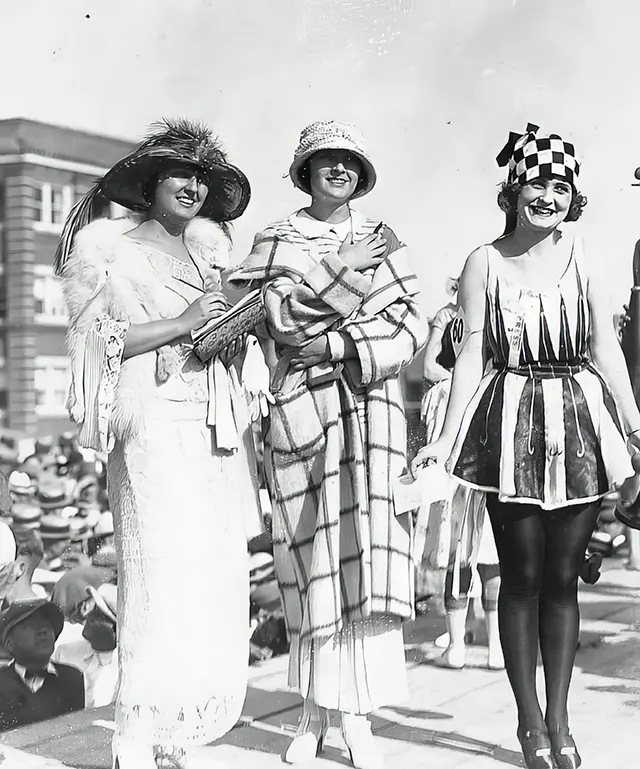
Flappers defined 1920s youth culture. Their fashion, attitude, and love of sport challenged the norms of previous generations.
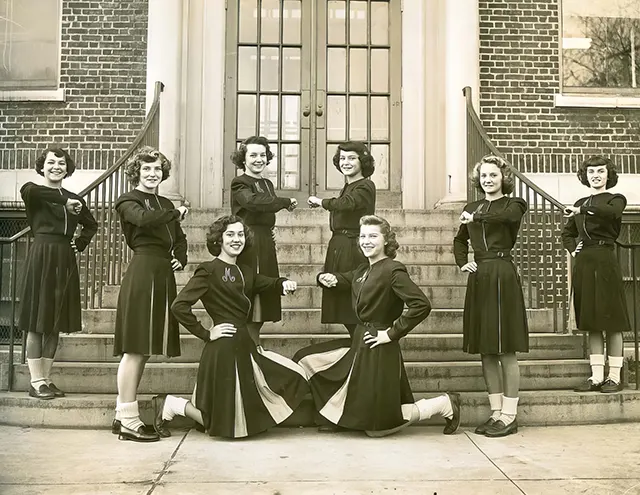
Public events drew large crowds. A fishing contest at the Jefferson Memorial in the 1930s turned a landmark into a lively community gathering spot.
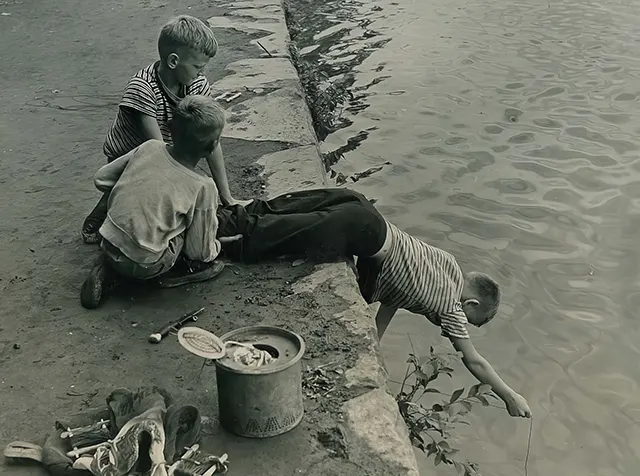
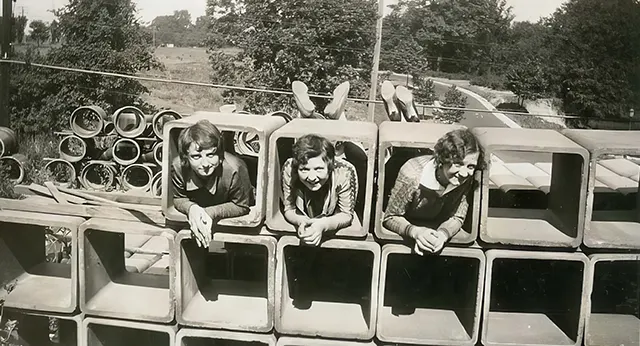
Kids made fun out of whatever was nearby. A construction site, to the right group of children, was as good as any playground.
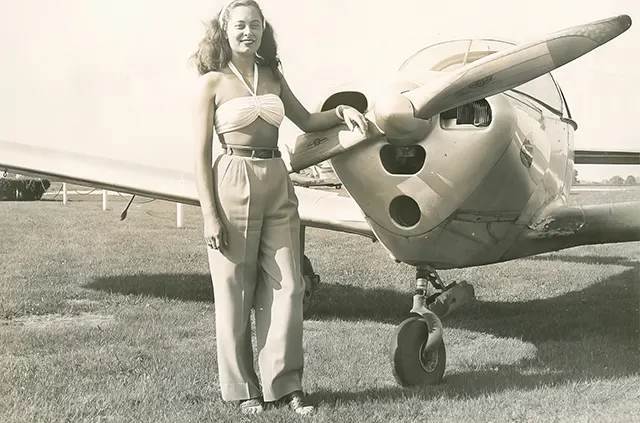
Aviation captured the public’s imagination in the 1940s. Women posed proudly beside aircraft as flying became part of modern American life.
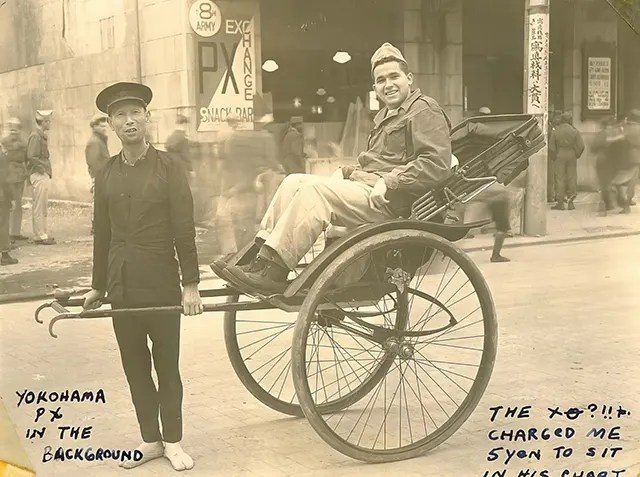
Immigrant vendors shaped city streets across America. Japanese pushcart vendors were a familiar presence in urban neighborhoods at the turn of the century.
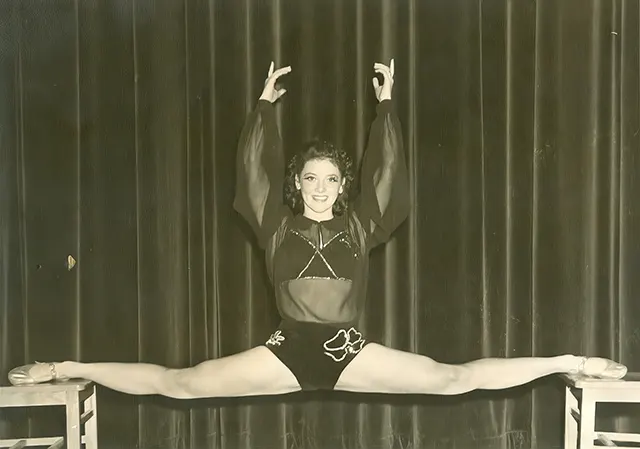
The circus remained one of the most popular forms of public entertainment. Acrobats and performers drew audiences in towns and cities alike.