In the 19th century, the world of medicine changed dramatically. As more people gained access to medical treatments, it opened the door to both helpful advancements and bizarre, sometimes dangerous, quackery. Unqualified individuals sold dubious remedies with no scientific backing, many of which contained addictive or life-threatening ingredients. The products below offer a look at some of the most dangerous and strange medical trends from that era.
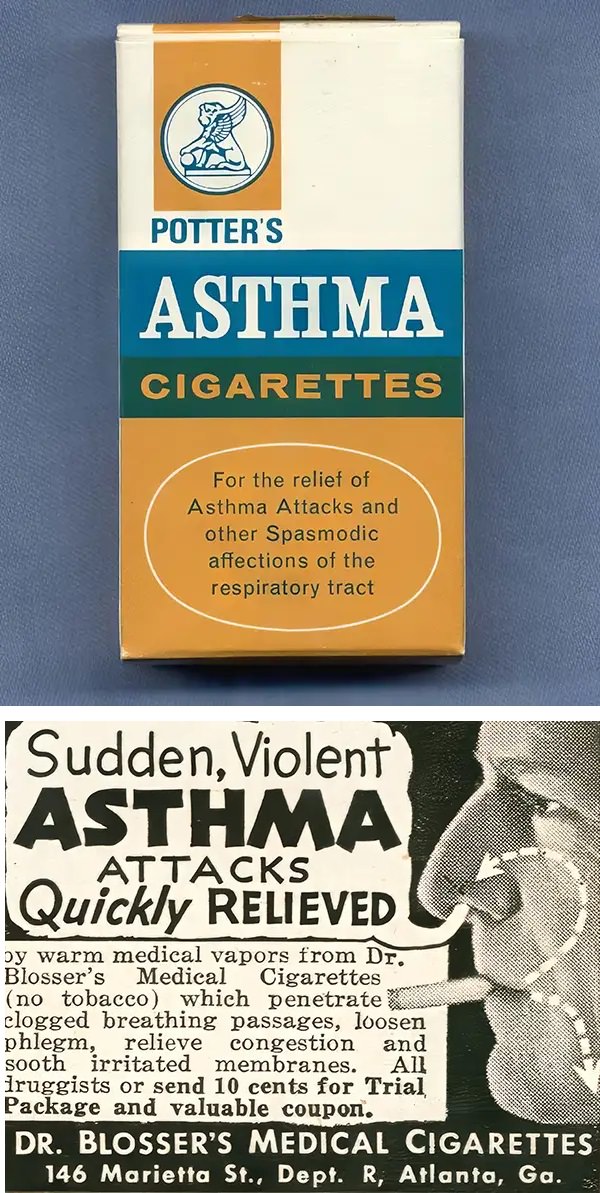
Asthma cigarettes emerged as a peculiar treatment for respiratory ailments in the late 19th and early 20th centuries. These cigarettes contained a mixture of herbs and narcotics, often including atropine. Atropine, while temporarily opening the airways and providing relief from asthma symptoms, also caused unpleasant side effects such as lightheadedness, nausea, hallucinations, and a rapid heart rate. Despite these adverse effects, products like Potter’s Asthma Cigarettes, Himrod’s Cure for Asthma, and Dr. Kellogg’s Asthma Remedy gained popularity. Even renowned figures like Marcel Proust, who suffered from asthma, documented his experiences with these cigarettes, describing the discomfort and relief they brought during his attacks.
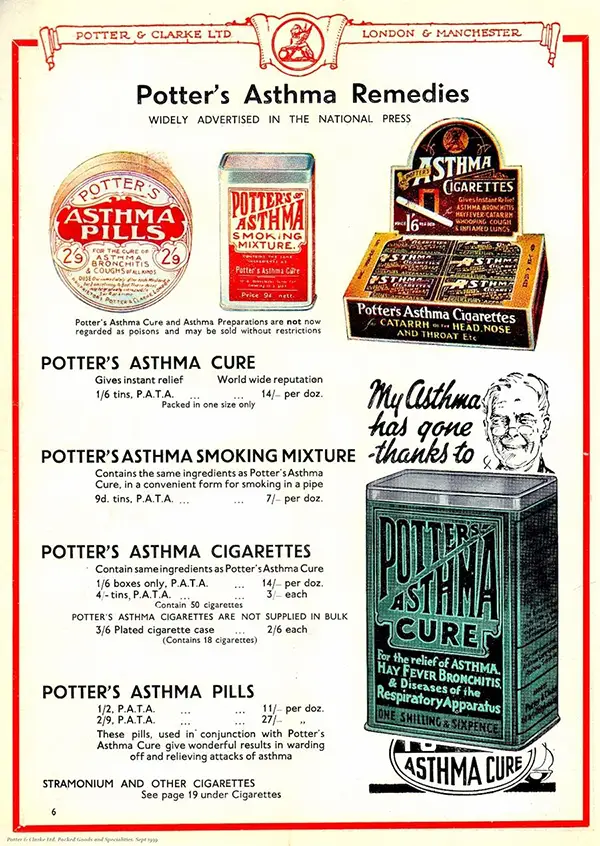
Potter’s Asthma Remedies, a popular product in the late 19th and early 20th centuries, offered a peculiar solution for asthma sufferers. This remedy typically came in the form of a powder containing stramonium, a plant-derived substance with bronchodilator properties. Users would burn the powder and inhale the smoke, aiming to relieve asthma symptoms. However, stramonium also had hallucinogenic effects and could cause adverse reactions like rapid heart rate, dilated pupils, and confusion. Despite these potential risks, Potter’s Asthma Remedies gained popularity due to the perceived relief it provided, highlighting the desperation of individuals seeking solutions for their respiratory ailments in an era of limited medical understanding.
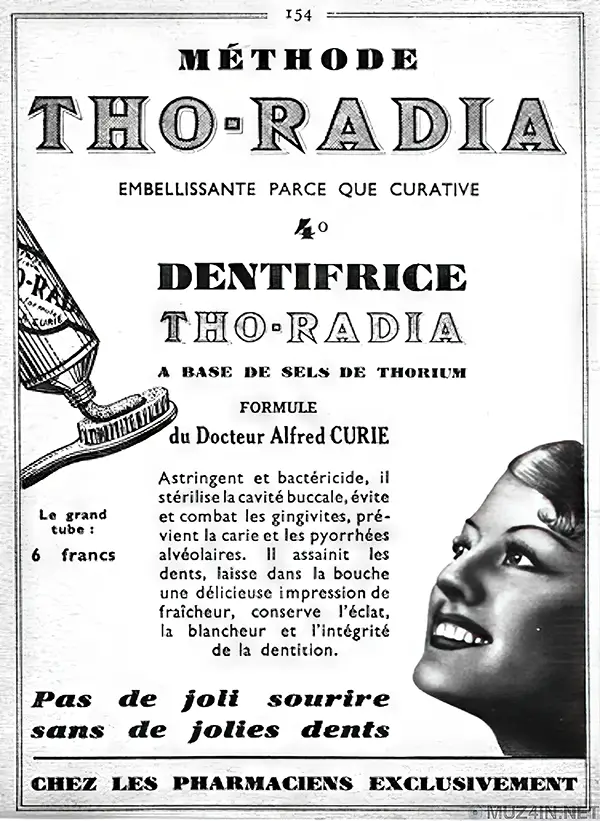
Radioactive toothpaste emerged as a bizarre and dangerous fad in the early 20th century, capitalizing on the then-novel concept of radiation. Proponents believed radiation could kill bacteria and improve oral hygiene. One notorious example, “Thorium Toothpaste,” contained thorium chloride, a radioactive element. This period also saw radioactive elements incorporated into various consumer goods, purportedly enhancing health and beauty. However, the truth was far more sinister. Exposure to radiation led to severe health complications, including anemia, bone fractures, necrosis of the jaw, and ultimately, a painful death.
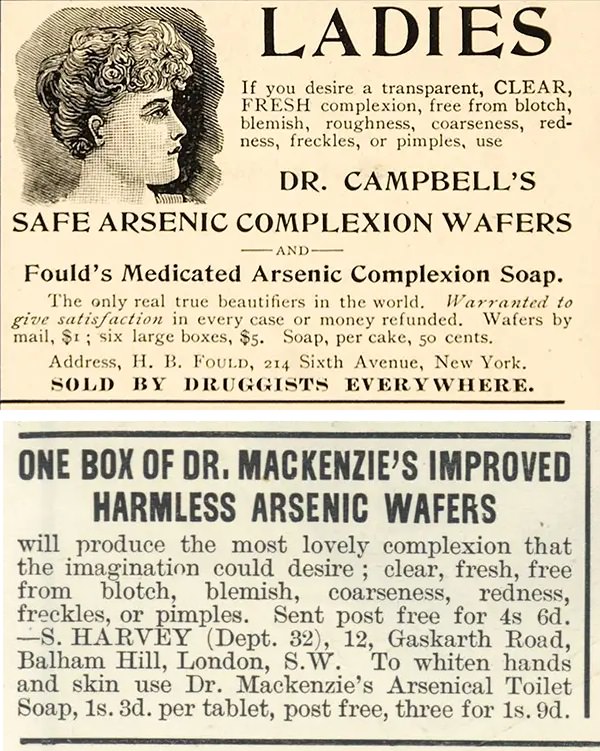
Arsenic soap, a dangerous product from the 19th and early 20th centuries, was built on the misguided belief that arsenic could improve complexion. Marketed as a beauty aid, this soap promised a clear and pale complexion, in line with the fashionable aesthetic of the time. Women, driven by societal pressures and unattainable beauty standards, incorporated this toxic substance into their routines, unaware of the severe health risks it posed. Arsenic, a known poison, led to various ailments, from skin irritations and hair loss to organ damage and even death.
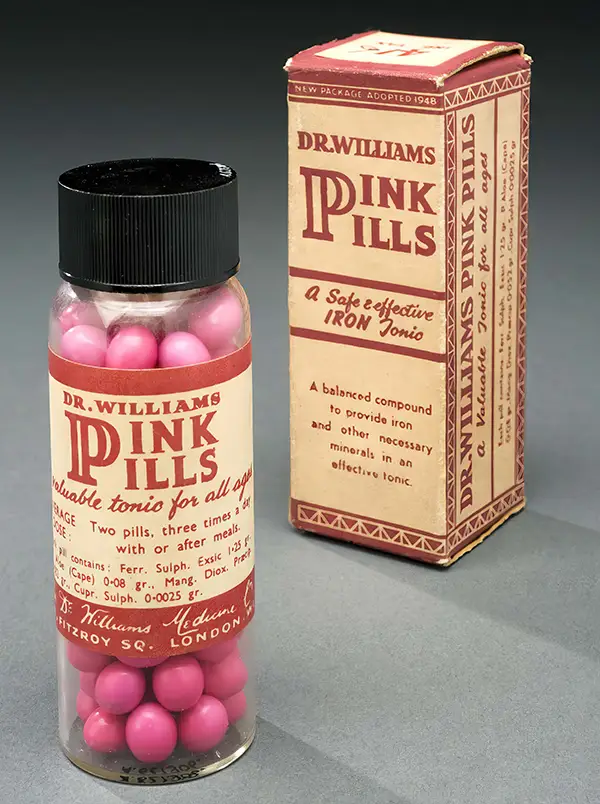
Dr. Williams’ Pink Pills for Pale People, a popular patent medicine, promised a cure-all solution for various ailments. These pink sugar-coated pills, containing ferrous sulfate and magnesium sulfate, were marketed as a remedy for a wide range of conditions, from “St. Vitus’ Dance” (chorea) to fatigue and even pale complexions. The manufacturer, Dr. Williams Medicine Company, heavily promoted the pills through aggressive advertising campaigns, targeting individuals seeking relief. However, a 1909 analysis revealed the pills’ questionable quality, noting careless preparation and oxidized iron sulfate. This discovery highlighted the dubious nature of many patent medicines of the time, which offered false hope and potentially harmful consequences to unsuspecting consumers.
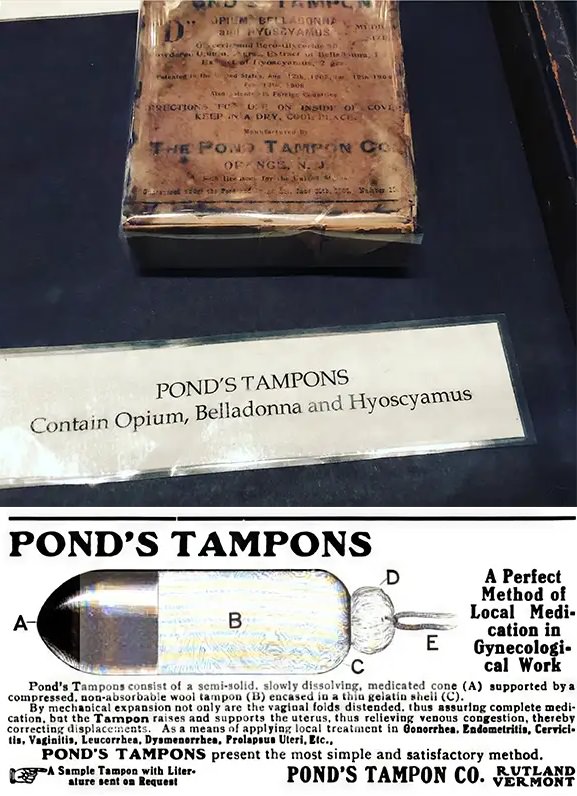
Tampons soaked in opium were a dangerous product marketed as a remedy for various female ailments. These tampons, containing a mixture of opium and other ingredients, were intended for insertion to alleviate menstrual cramps and nervous disorders. Patented in 1902 by a Vermont surgeon, the design included an absorbent material that would expand within the body, releasing the opium. This practice exposed women to the highly addictive and harmful effects of opium. The lack of regulation and understanding of addiction at the time led to widespread misuse and dependence on these products.
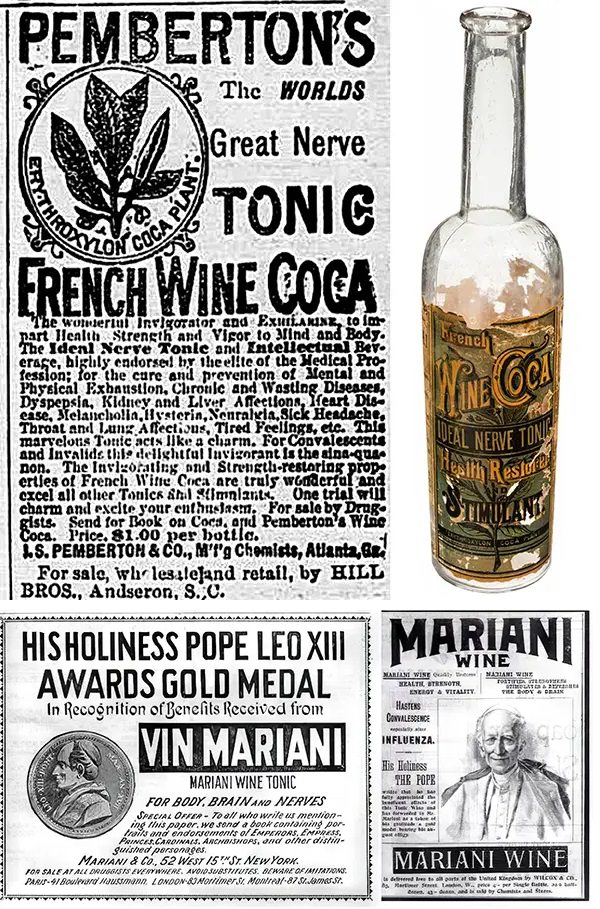
Wine and cocaine cocktails emerged as a dangerous trend in the late 19th and early 20th centuries. These concoctions, often combining wine with cocaine, were promoted for their stimulating and invigorating properties. Cocaine, then considered a wonder drug, was believed to provide an energy boost and alleviate ailments like headaches and fatigue. These cocktails were consumed in social settings and even prescribed by some physicians. However, the addictive nature of cocaine and its harmful health effects were not fully understood at the time. This trend contributed to the growing cocaine epidemic, highlighting the dangers of unregulated substances and the importance of scientific understanding in medical practices.
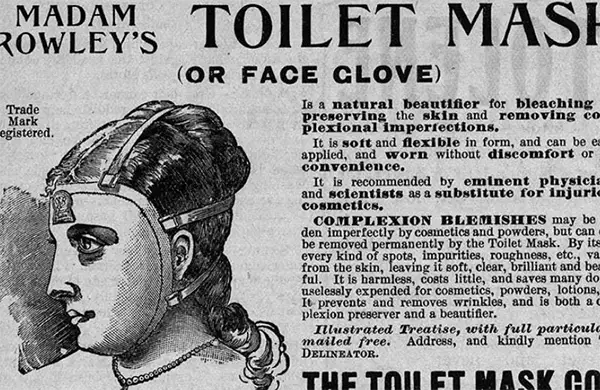
Toilet masks, a peculiar accessory of the Victorian era, were worn by women to protect their faces from the noxious fumes and odors that came from poorly ventilated and inadequately sanitized Victorian bathrooms. These elaborate masks, often adorned with intricate designs, were constructed from fabric, frequently with layers of gauze or other materials, and acted as a basic filter against unpleasant smells that could cause discomfort and nausea. This practice highlights the challenges women faced in maintaining hygiene and comfort in an era of limited sanitation infrastructure.
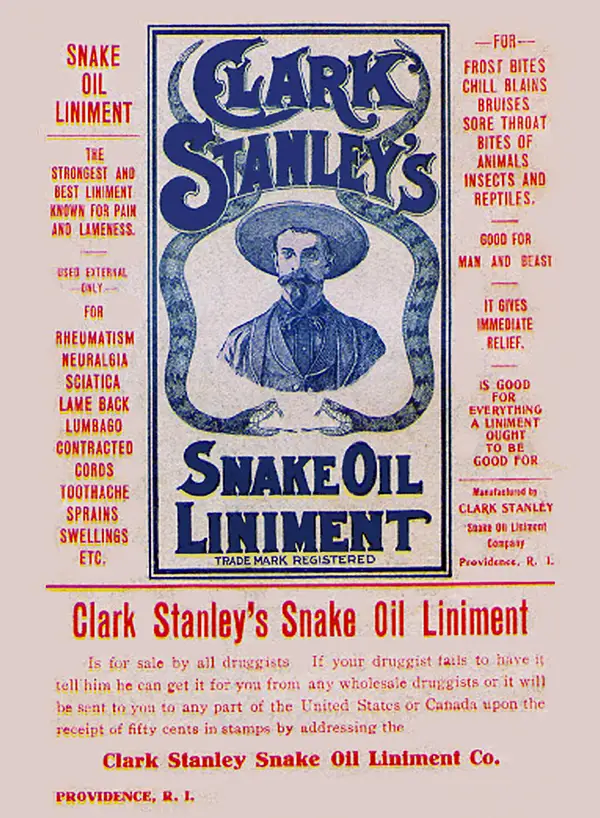
Clark Stanley, the self-proclaimed “Rattlesnake King,” sold his infamous “snake oil” as a cure-all elixir. Claiming to have learned the secrets of snake oil from a Hopi medicine man, Stanley’s concoction drew audiences at medicine shows and the 1893 World’s Columbian Exposition. However, his claims were exposed as fraudulent in 1916 when the Pure Food and Drug Act revealed his snake oil contained no actual snake oil, but rather a mixture of mineral oil, beef fat, red pepper, and turpentine. This revelation tarnished Stanley’s reputation and solidified the term “snake oil salesman” as synonymous with fraudulent and deceptive practices in the medical field.
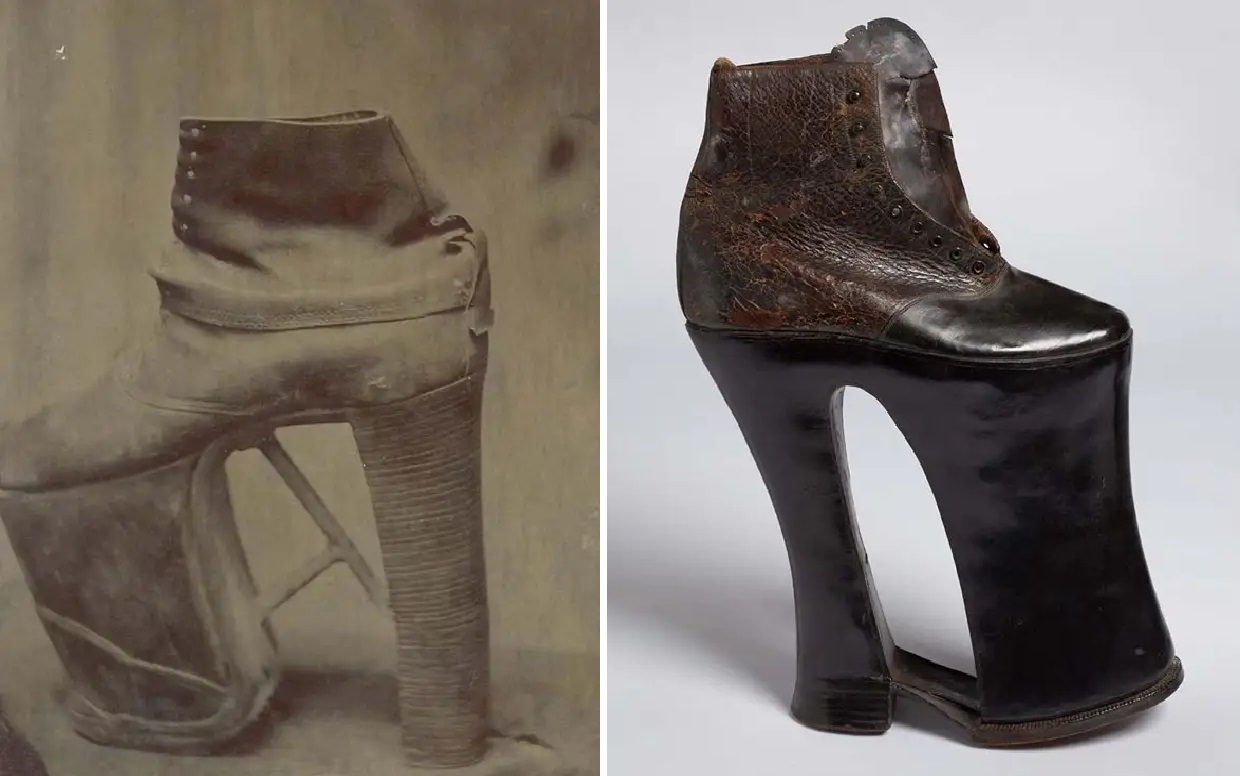
High-heeled orthopedic shoes emerged in the late 1800s as a blend of fashion and pseudo-medical claims. Marketed as “corrective” footwear, these shoes not only added height to complement the era’s heavy dresses but also claimed to improve posture and reshape the foot. With little regulation from the Federal Trade Commission until the 1940s, companies freely labeled their shoes as “scientifically recommended” and “doctor’s best heels,” dismissing the physical strains of high heels as minor inconveniences on the path to better health. These shoes were marketed to individuals with orthopedic issues, featuring elevated soles or heels to address foot deformities or leg length differences. However, some designs were clearly painful and ineffective, highlighting the questionable nature of these “corrective” claims.