In early 1964, America was still grieving the assassination of President Kennedy. The Civil Rights Movement was reshaping the country. Then, on February 9th, four young men from Liverpool stepped onto a television stage and changed everything.
The Beatles made their American TV debut on The Ed Sullivan Show that night. An estimated 73 million viewers tuned in — one of the largest audiences in television history at that point. When John, Paul, George, and Ringo launched into “I Want to Hold Your Hand” and “She Loves You,” the studio erupted. Girls screamed, wept, and fainted.
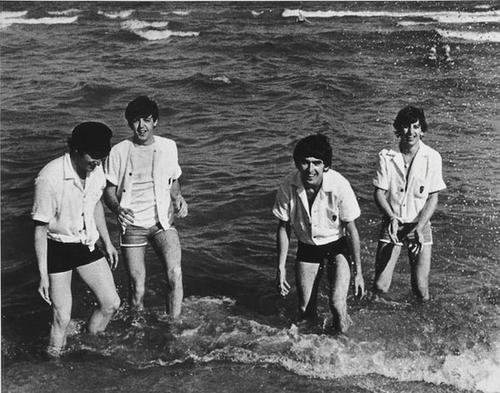
That single broadcast ignited Beatlemania across the United States. The tour that followed hit venues from the Washington Coliseum to the Miami Beach Convention Hall, each stop drawing massive, uncontrollable crowds.
Teenagers camped overnight for tickets. Police struggled to hold back crowds at every venue. Inside the arenas, fan screaming was so loud the band members could not hear themselves play. Girls rushed the stage at nearly every show.
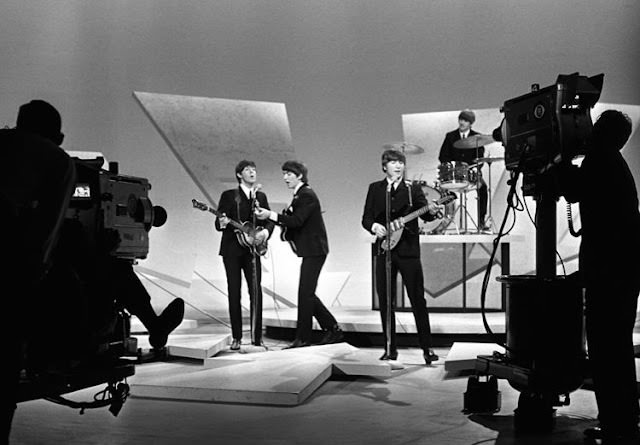
The Beatles wore slim-fit suits, Chelsea boots, and collarless jackets. American teenagers copied the look immediately. Their mop-top haircuts became one of the most imitated styles of the decade.
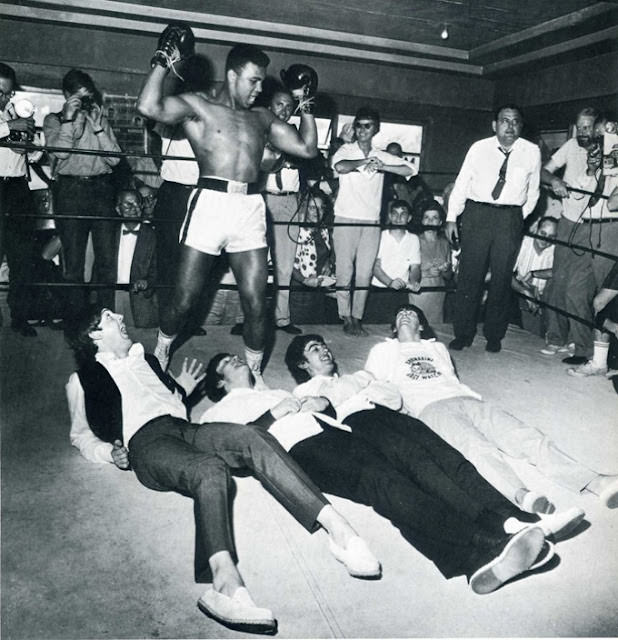
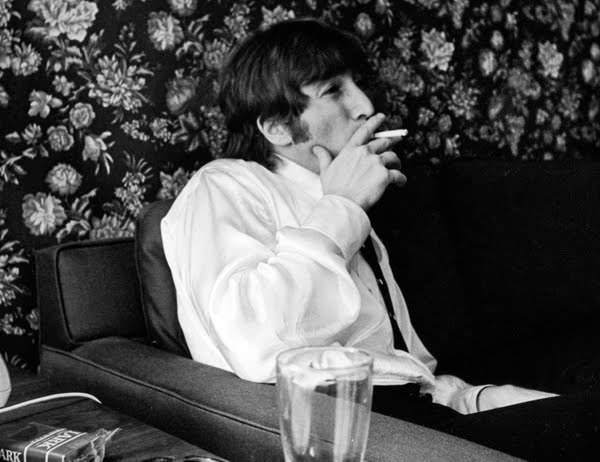
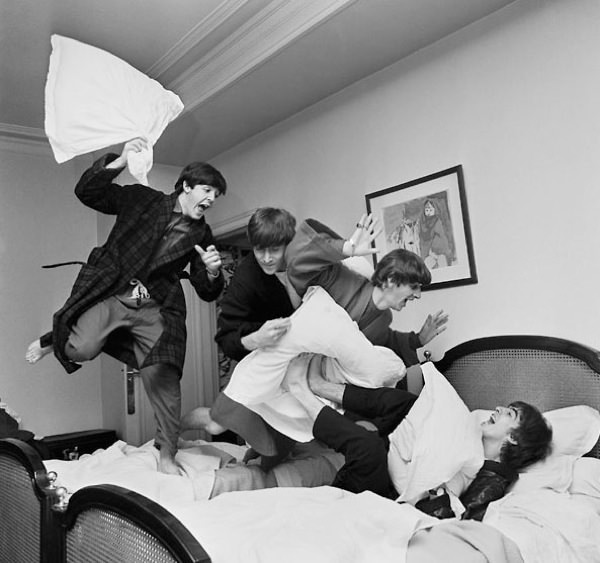
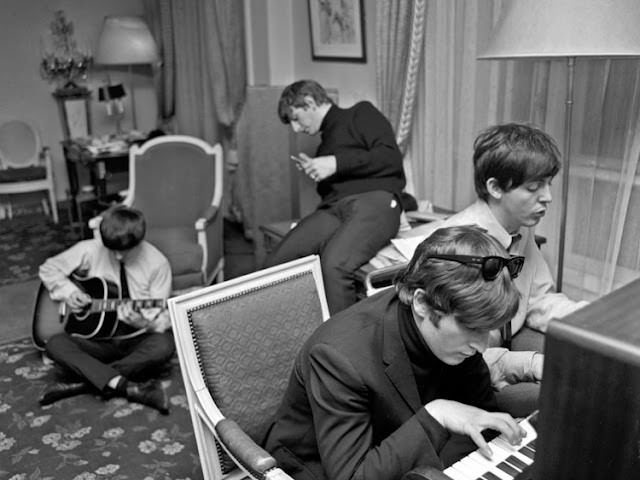
Off stage, life on the road was far from glamorous. The band was frequently confined to hotel rooms to avoid being mobbed. Simple tasks like eating or moving between venues required full police coordination.
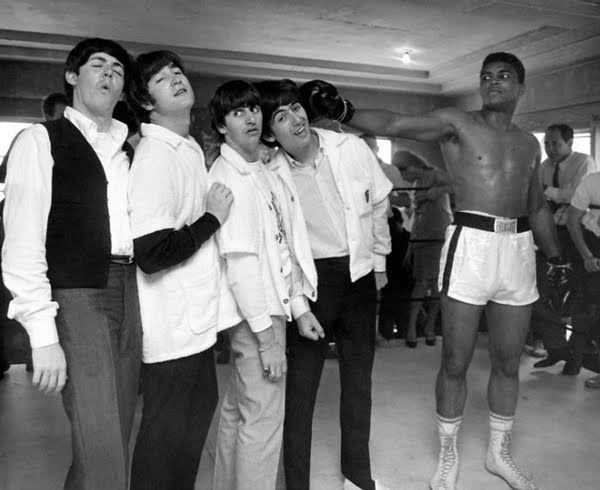
Press conferences were held constantly. Reporters packed into rooms to quiz the four on everything from their hair to their music. The Beatles handled each one with sharp wit and good humor.
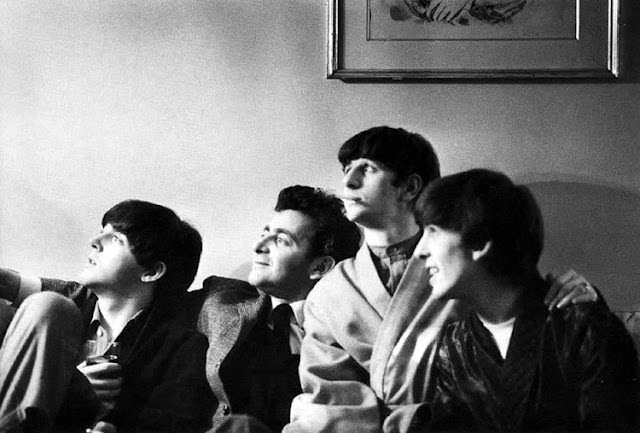
Despite exhaustion and a near-total lack of privacy, the band remained professional throughout. They wrote music during breaks, rehearsed in cramped spaces, and delivered high-energy performances night after night.
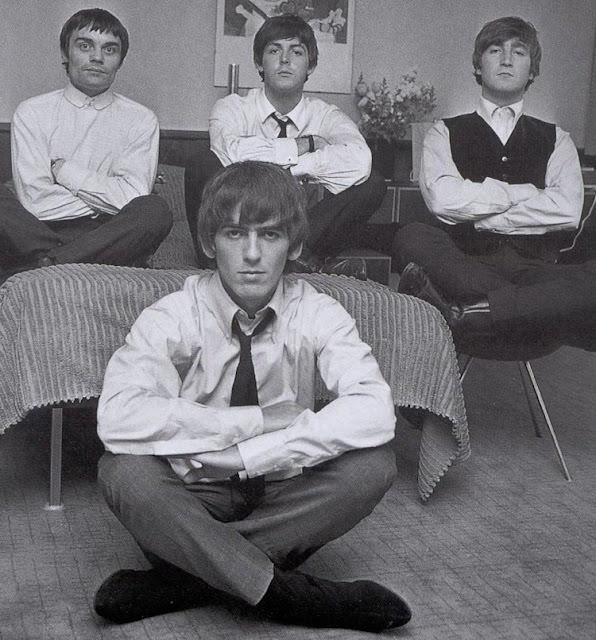
The scale of the media coverage was unlike anything seen before for a music act. Newspapers, radio stations, and early television news all competed to document every move the Fab Four made on American soil.
American fans adopted British slang — words like “fab” and “gear” entered everyday teenage conversation. Stores sold out of British-style clothing within weeks of the tour’s launch.
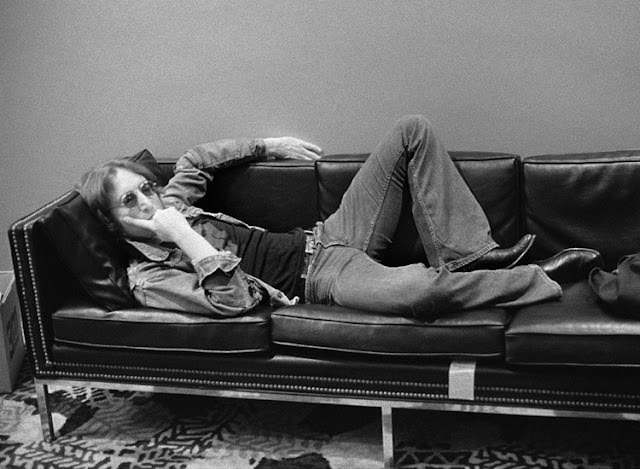
The tour wrapped in late February 1964. In under a month, The Beatles had played sold-out shows across the country, appeared on national television multiple times, and been photographed at nearly every turn.