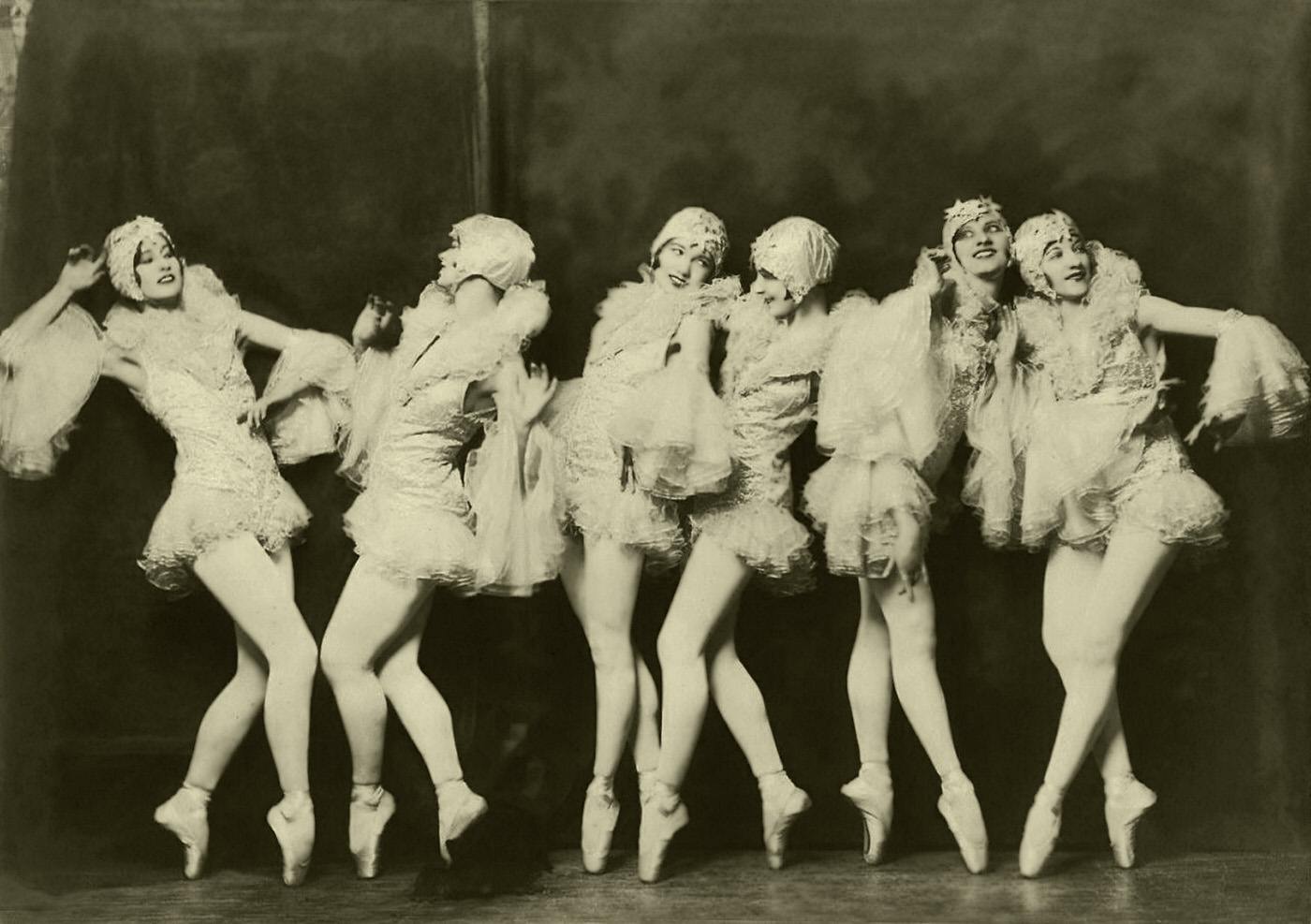

From the 1910s through the 1940s, the Ziegfeld Follies dominated Broadway. Produced by Florenz Ziegfeld Jr., the revues packed New York theaters with music, comedy, and spectacle. Stars like Fanny Brice and Will Rogers drew the headlines. But behind them stood dozens of women whose names were never printed on the marquee — the showgirls.
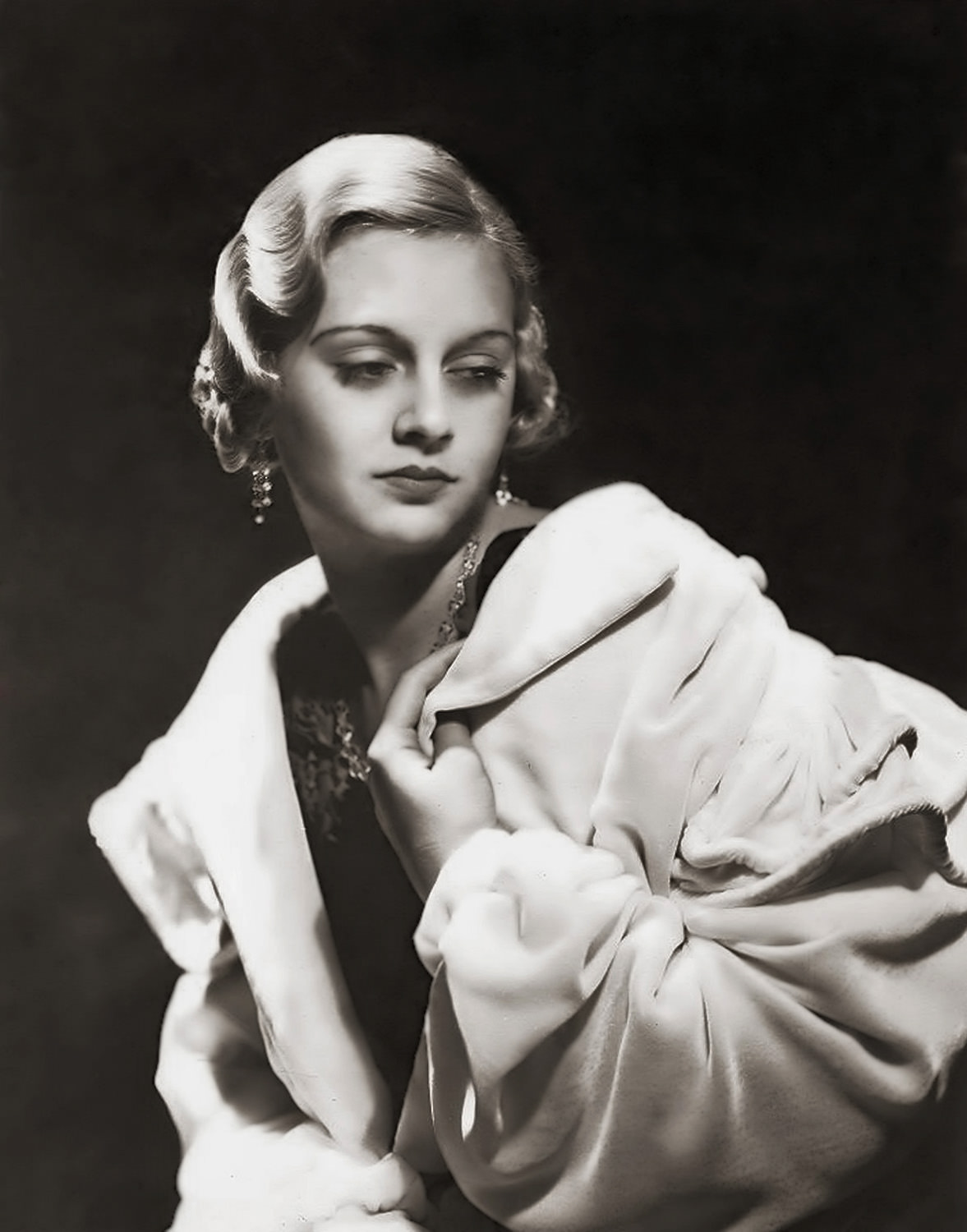
These women came from all walks of life. Some trained as dancers for years before landing a spot in the Follies. Others were aspiring actresses looking for a foothold in show business. Many simply found a community there — a tight group of women who shared the pressures and rewards of performing night after night.
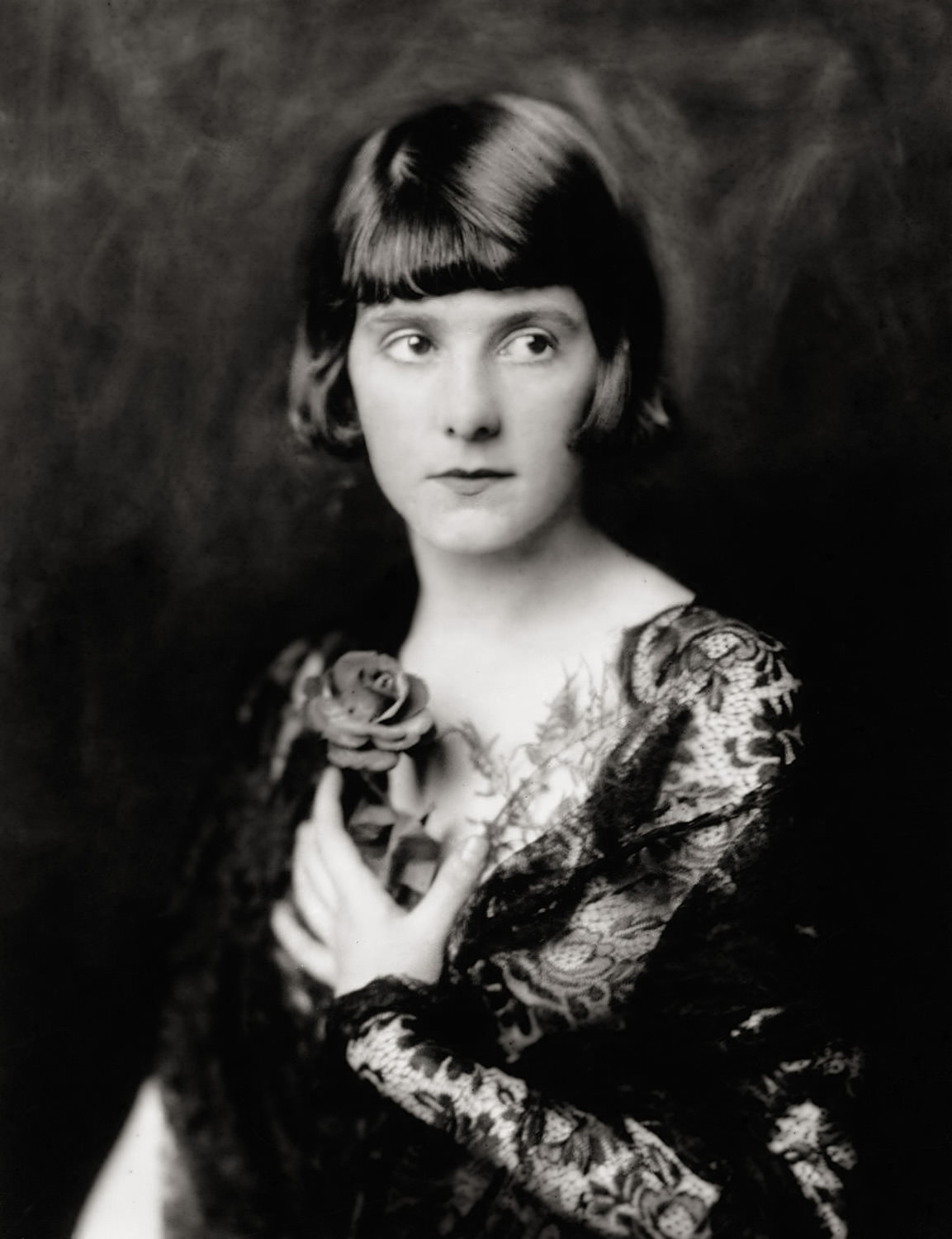
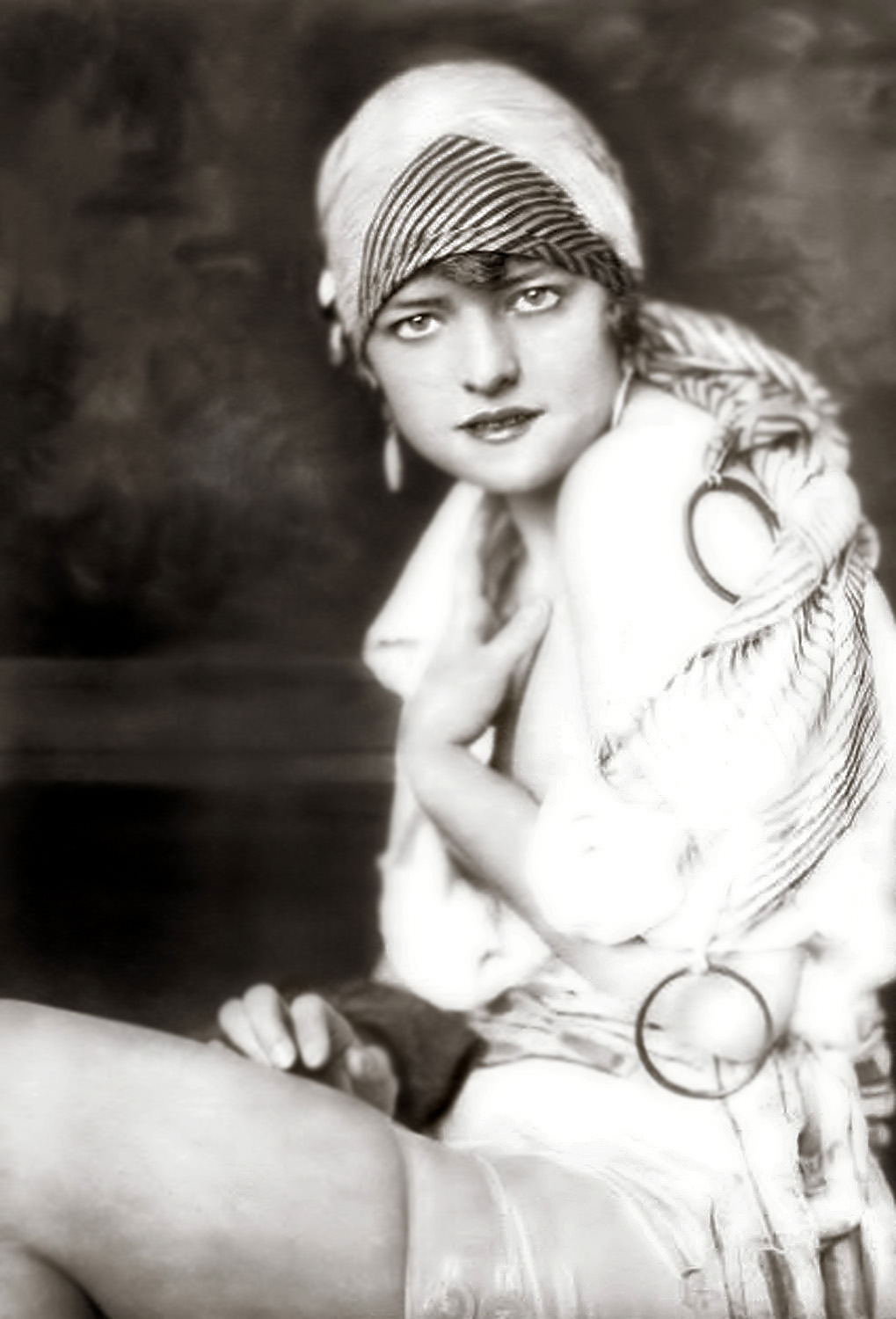
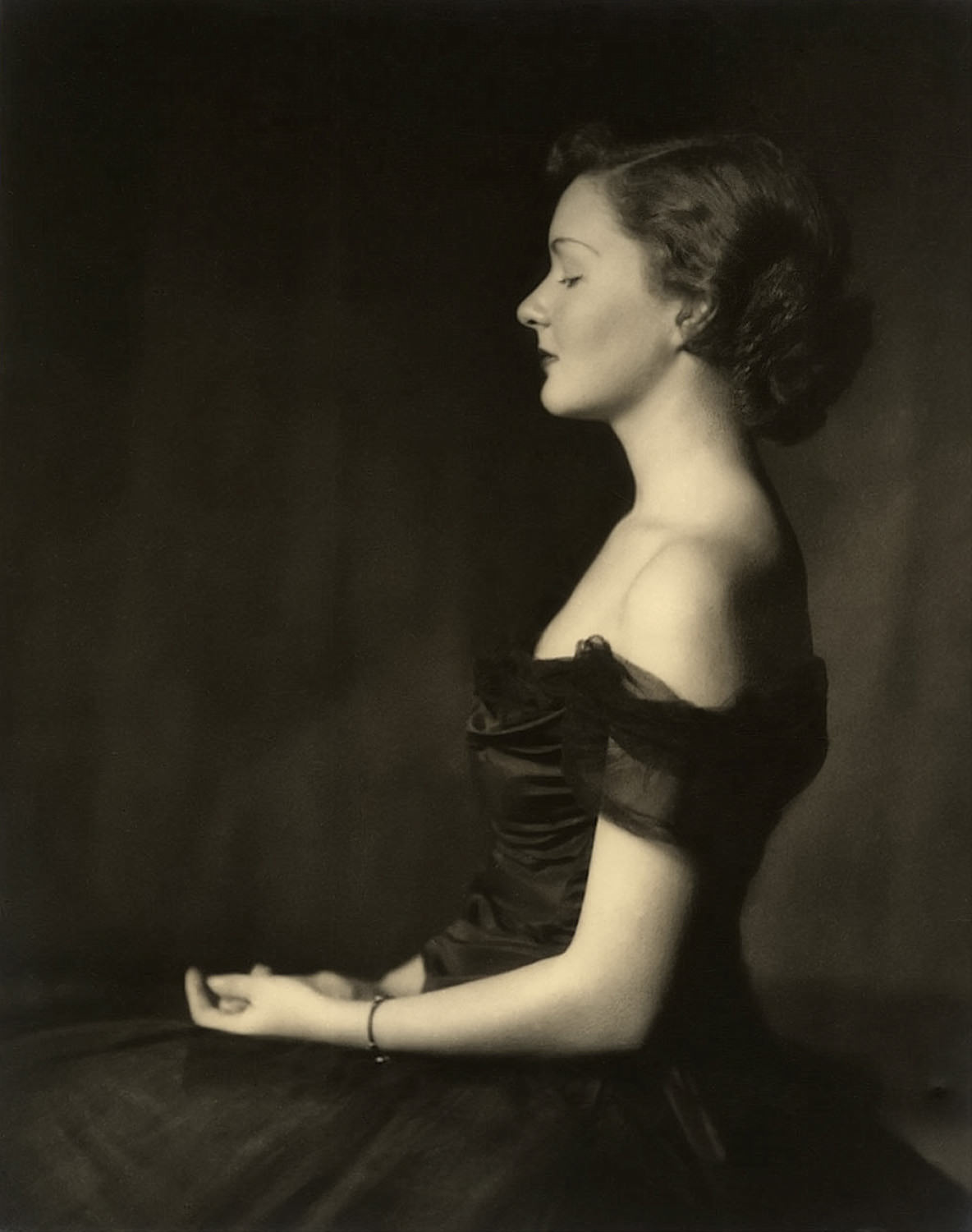
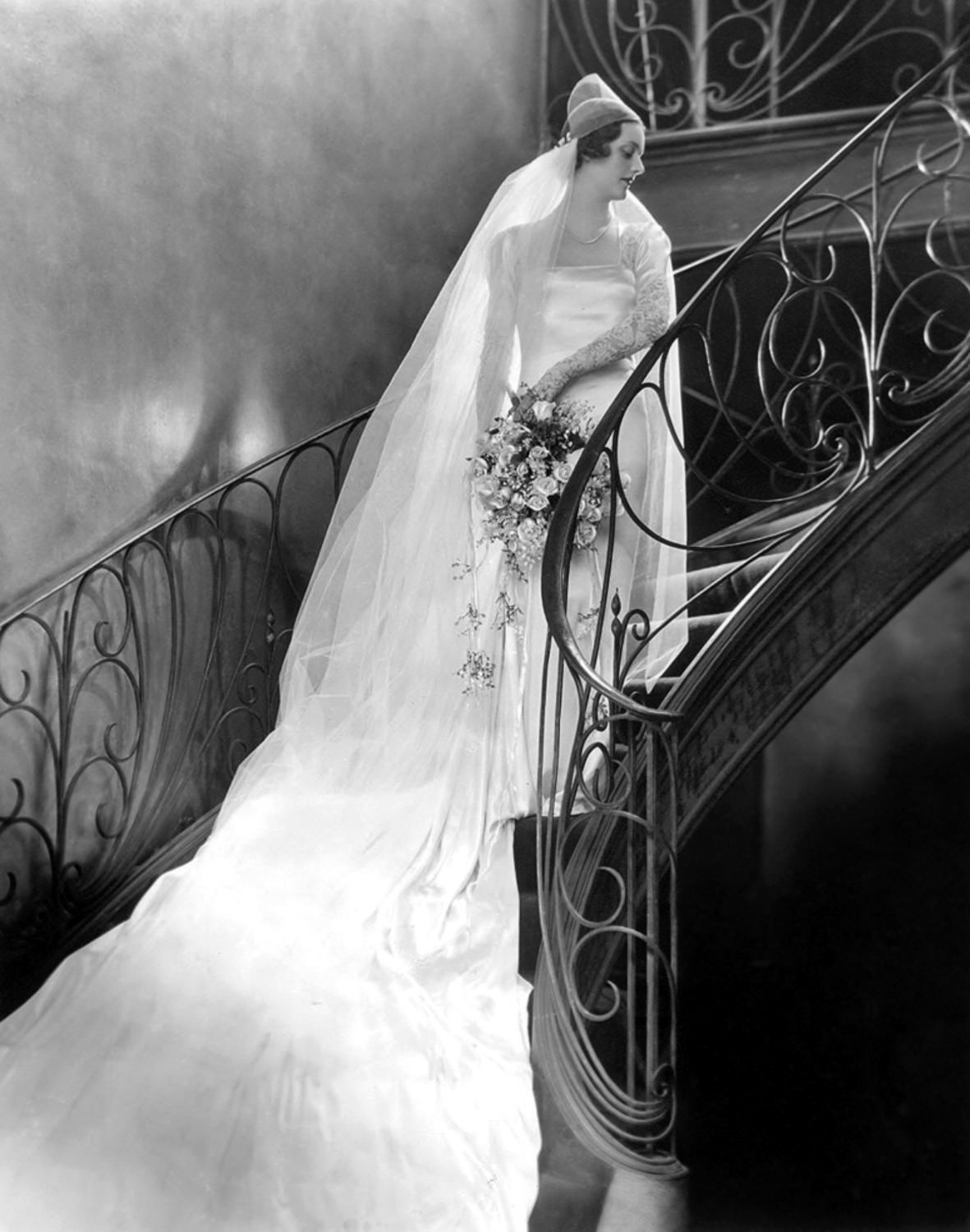
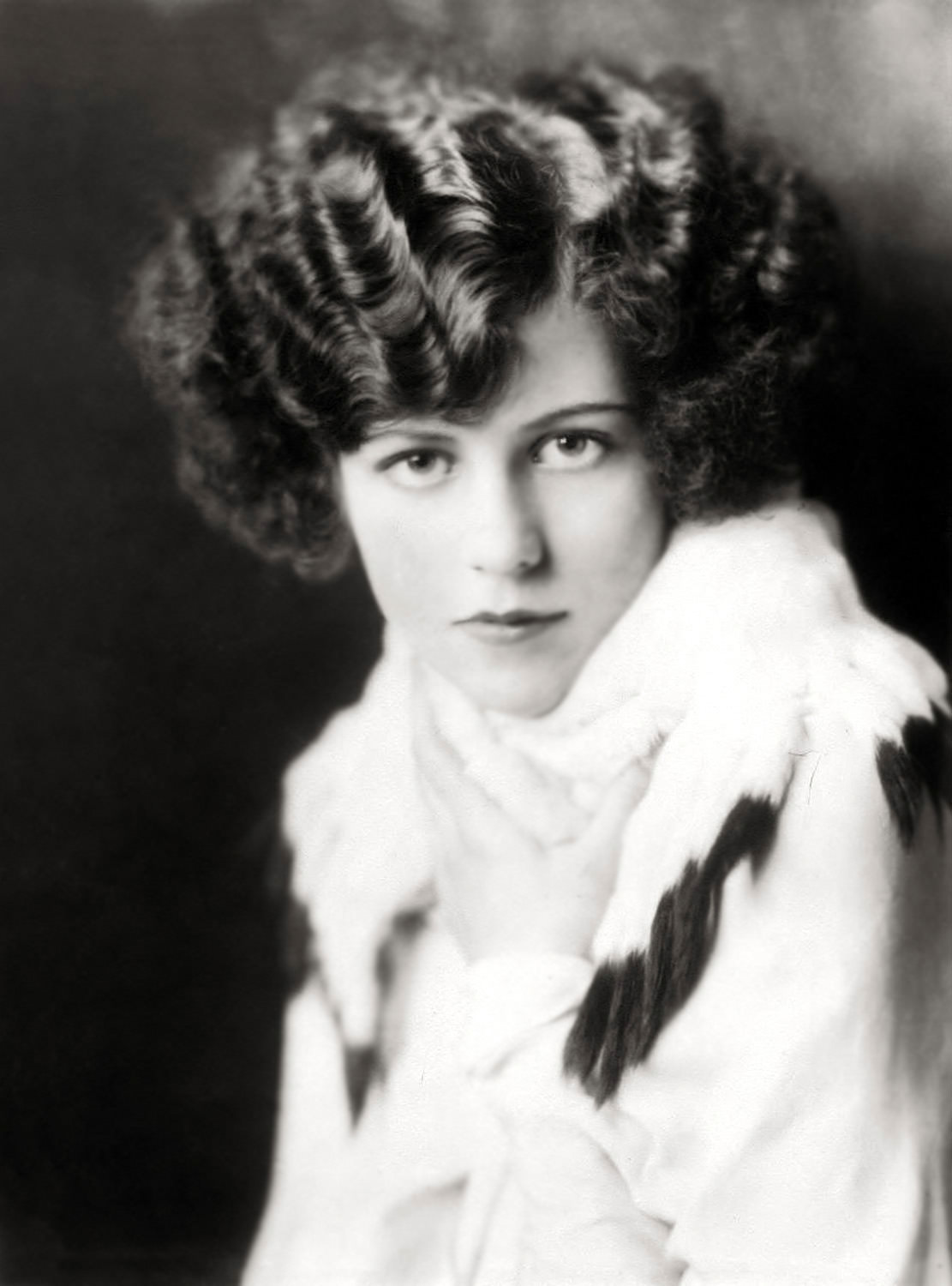
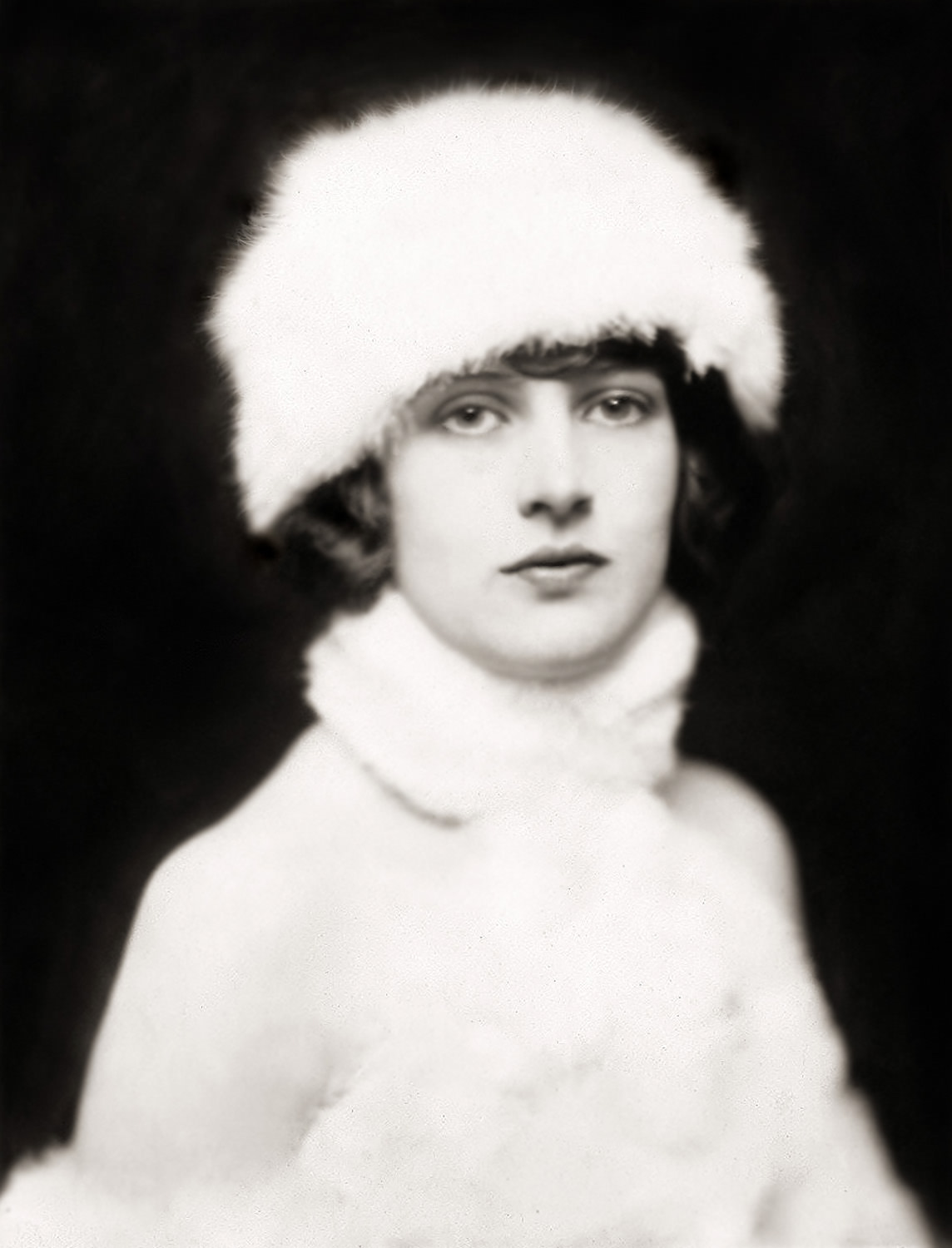
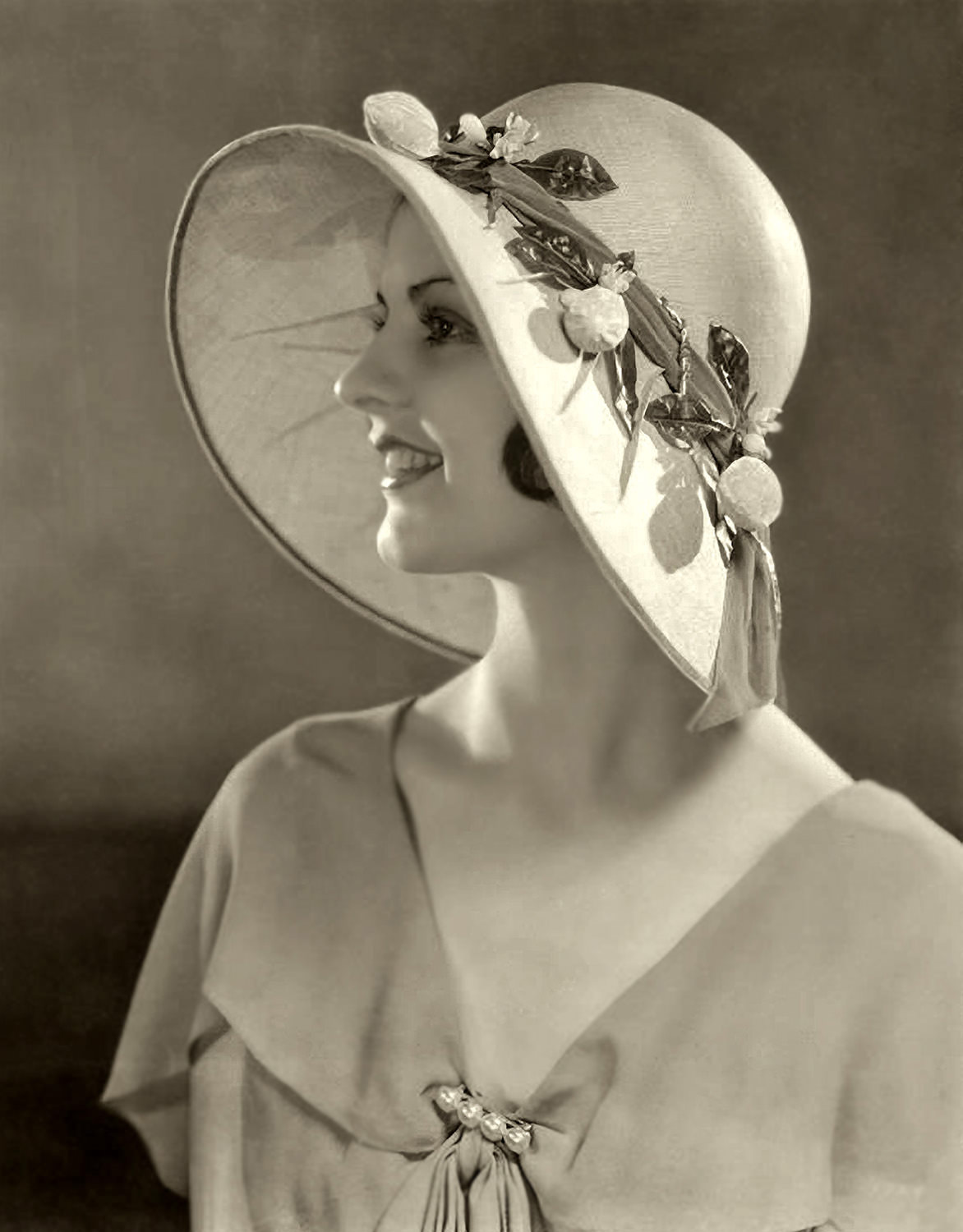
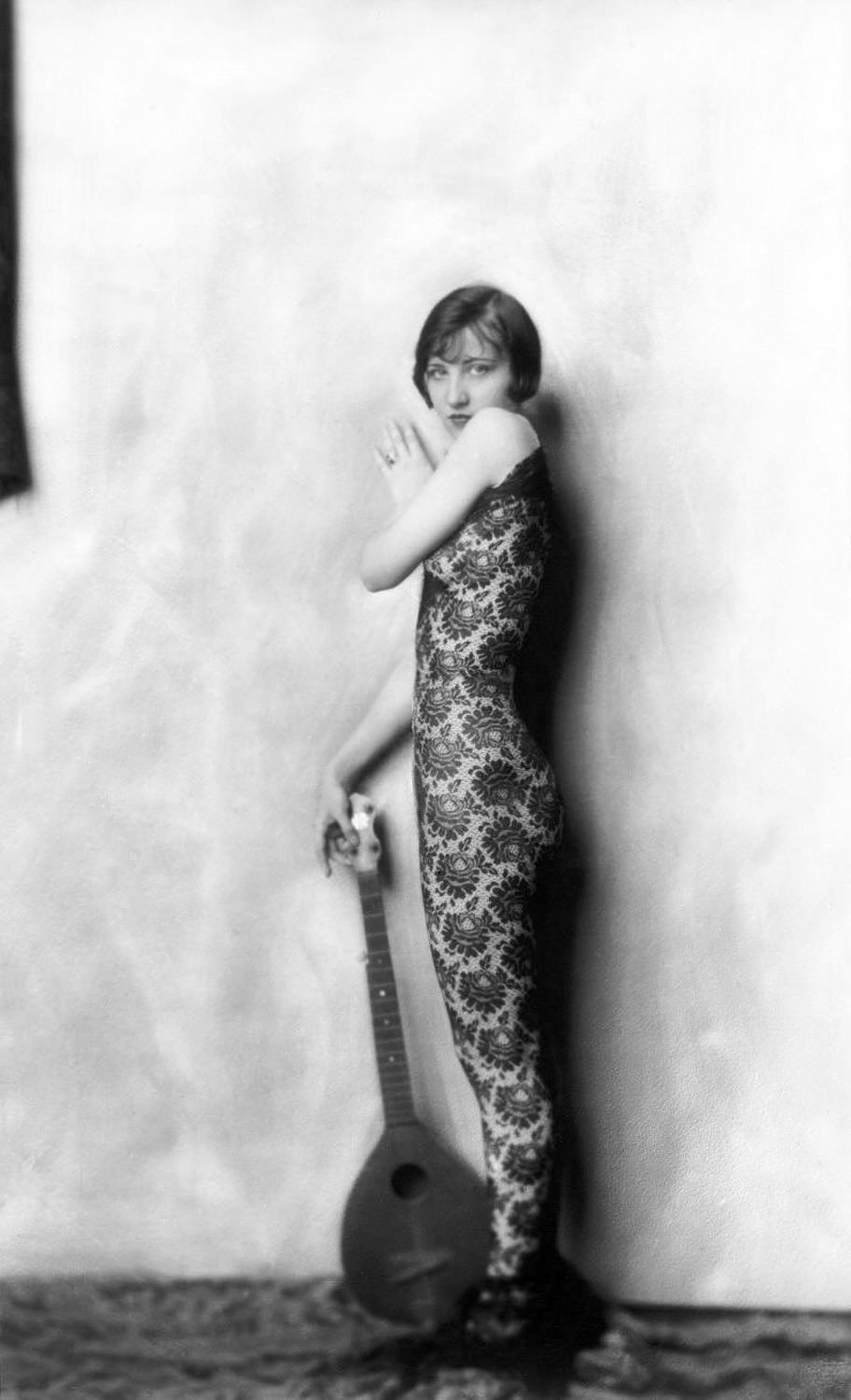
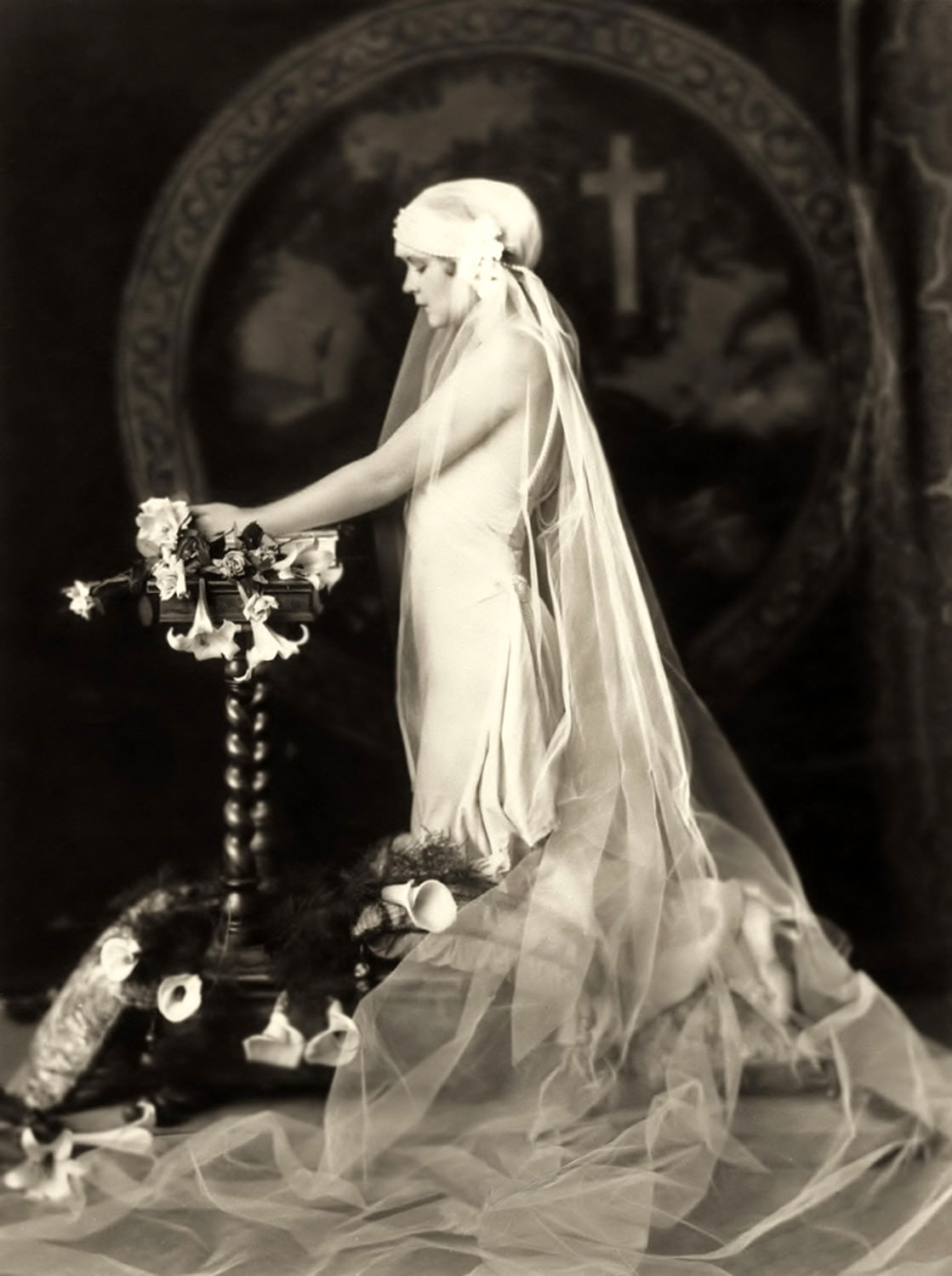
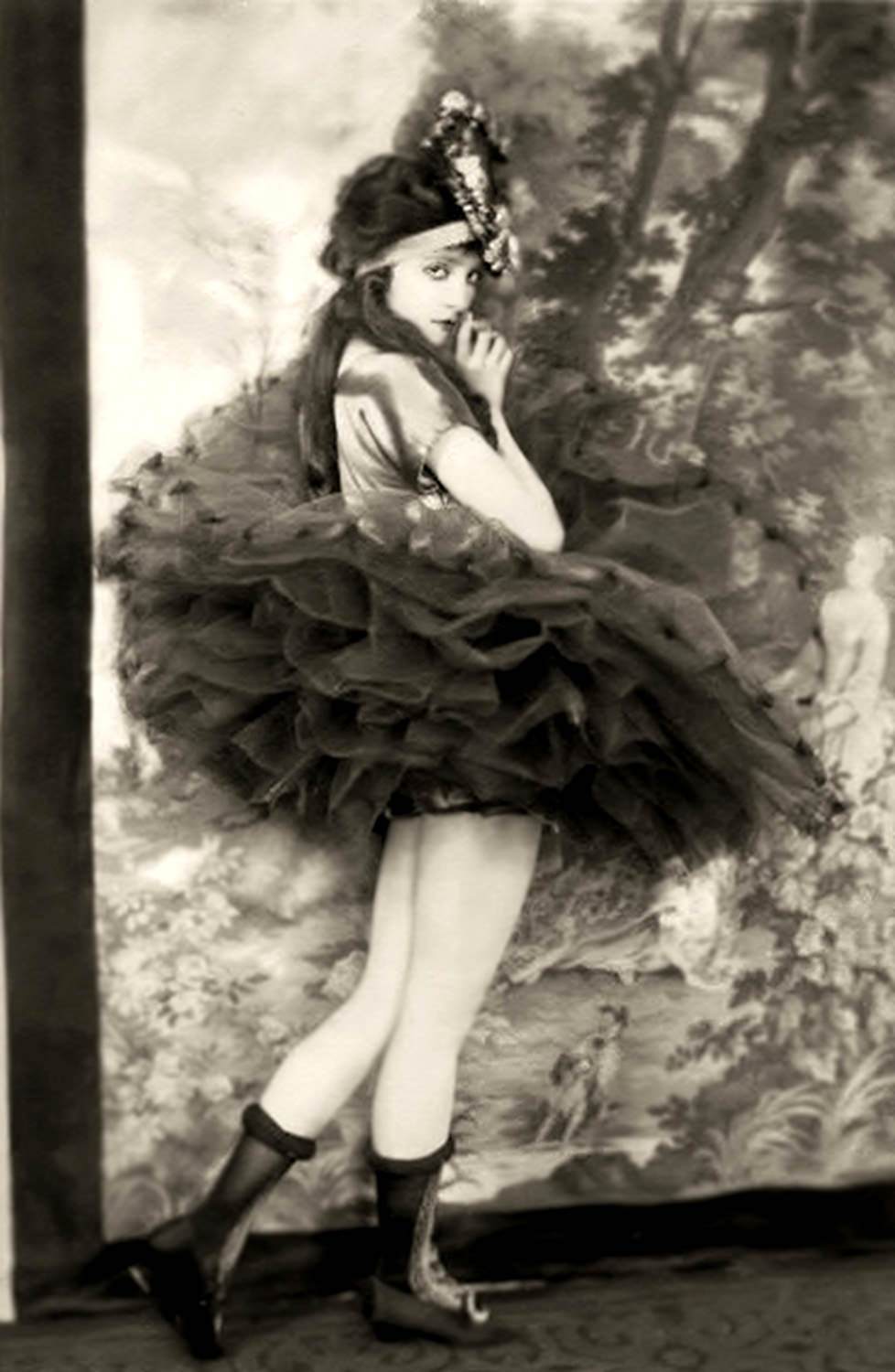
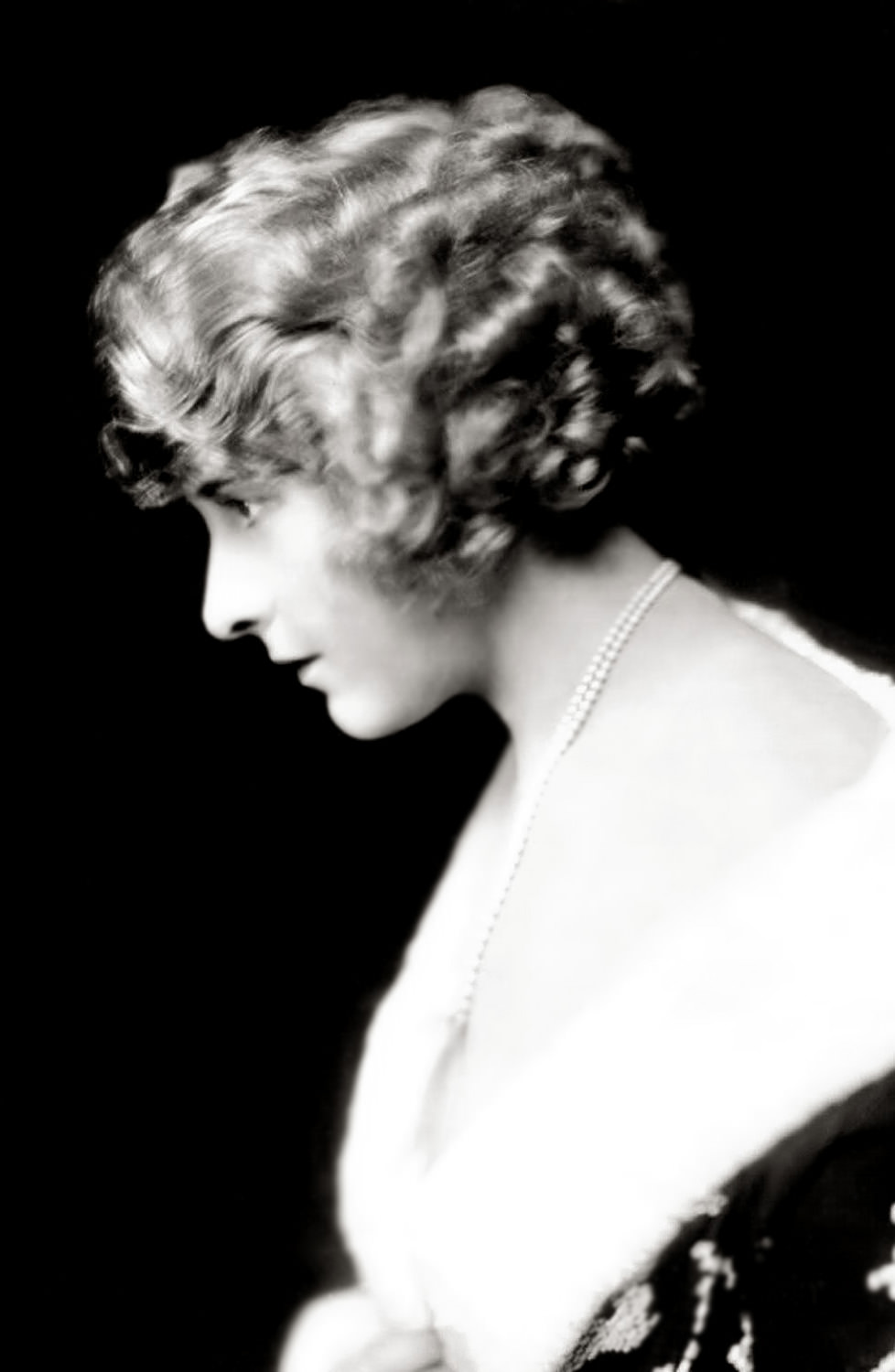
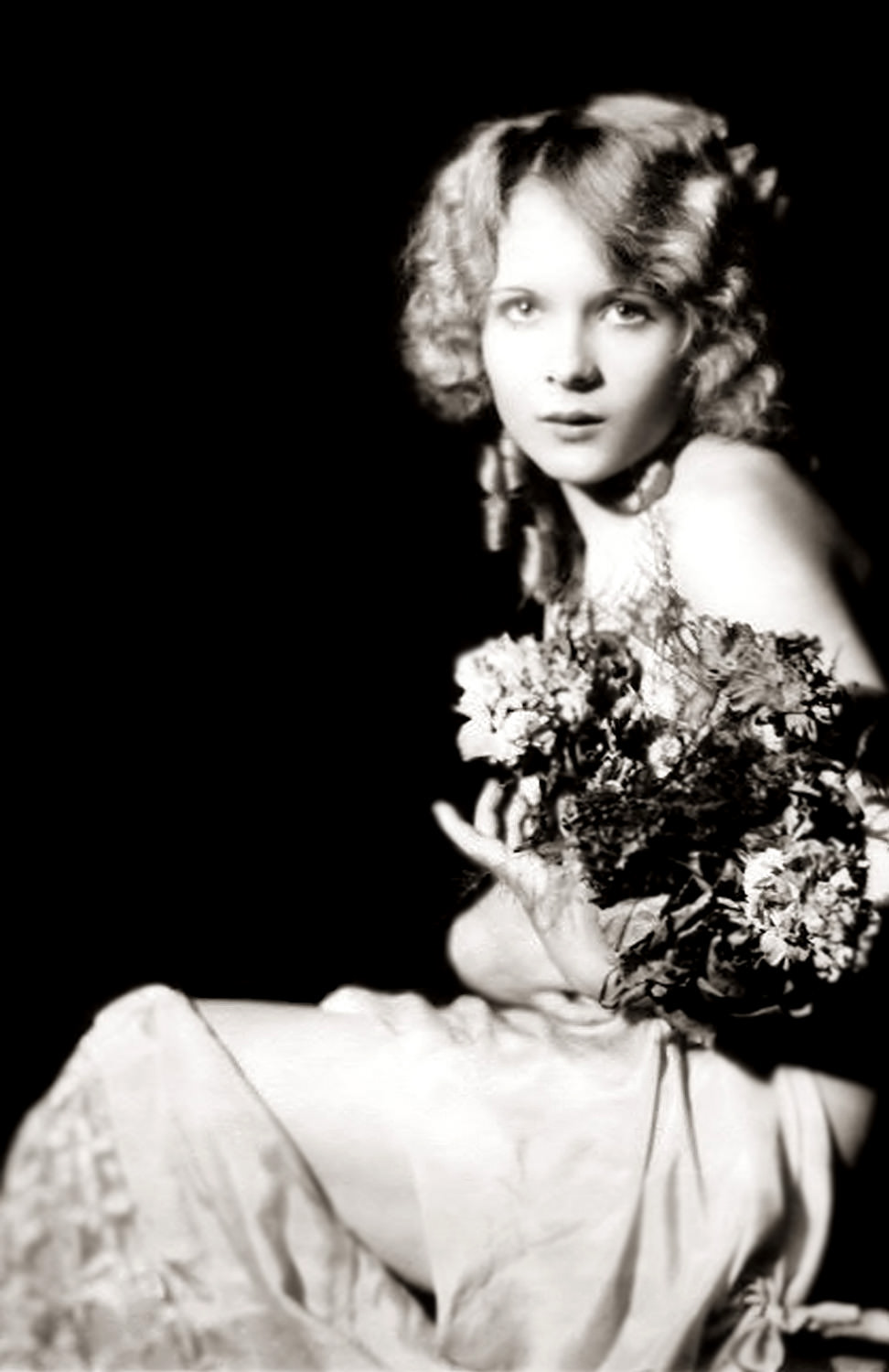
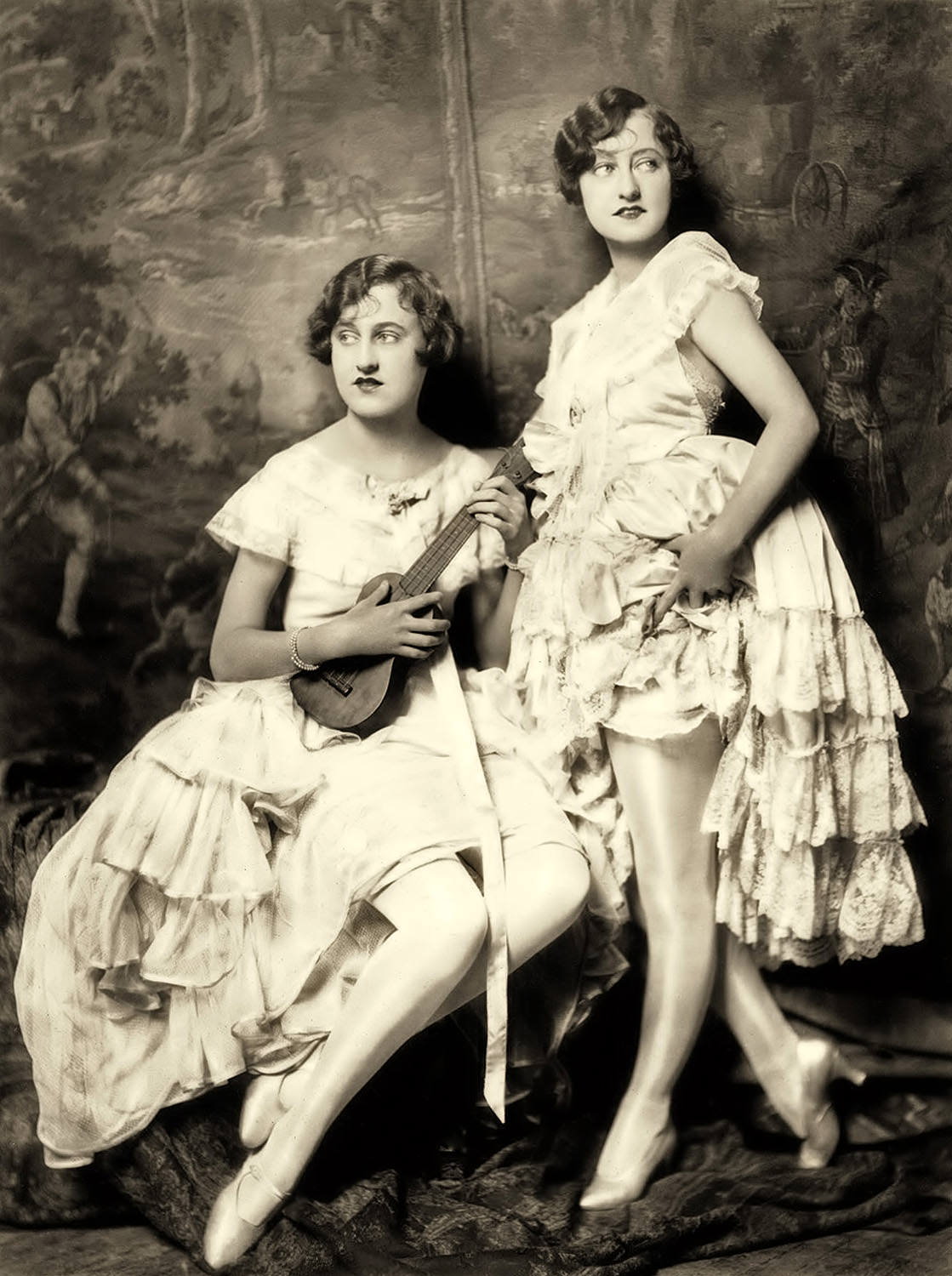
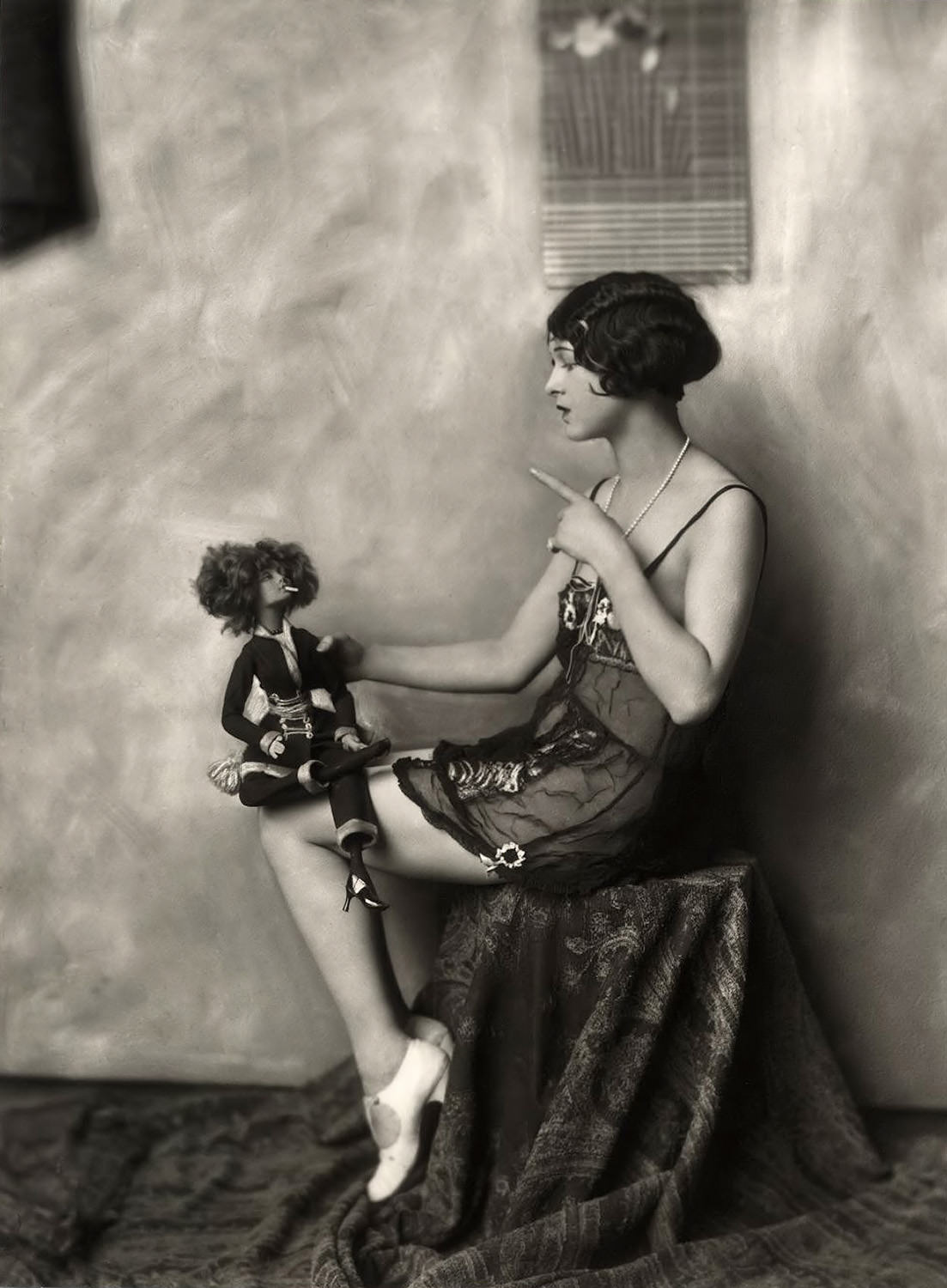
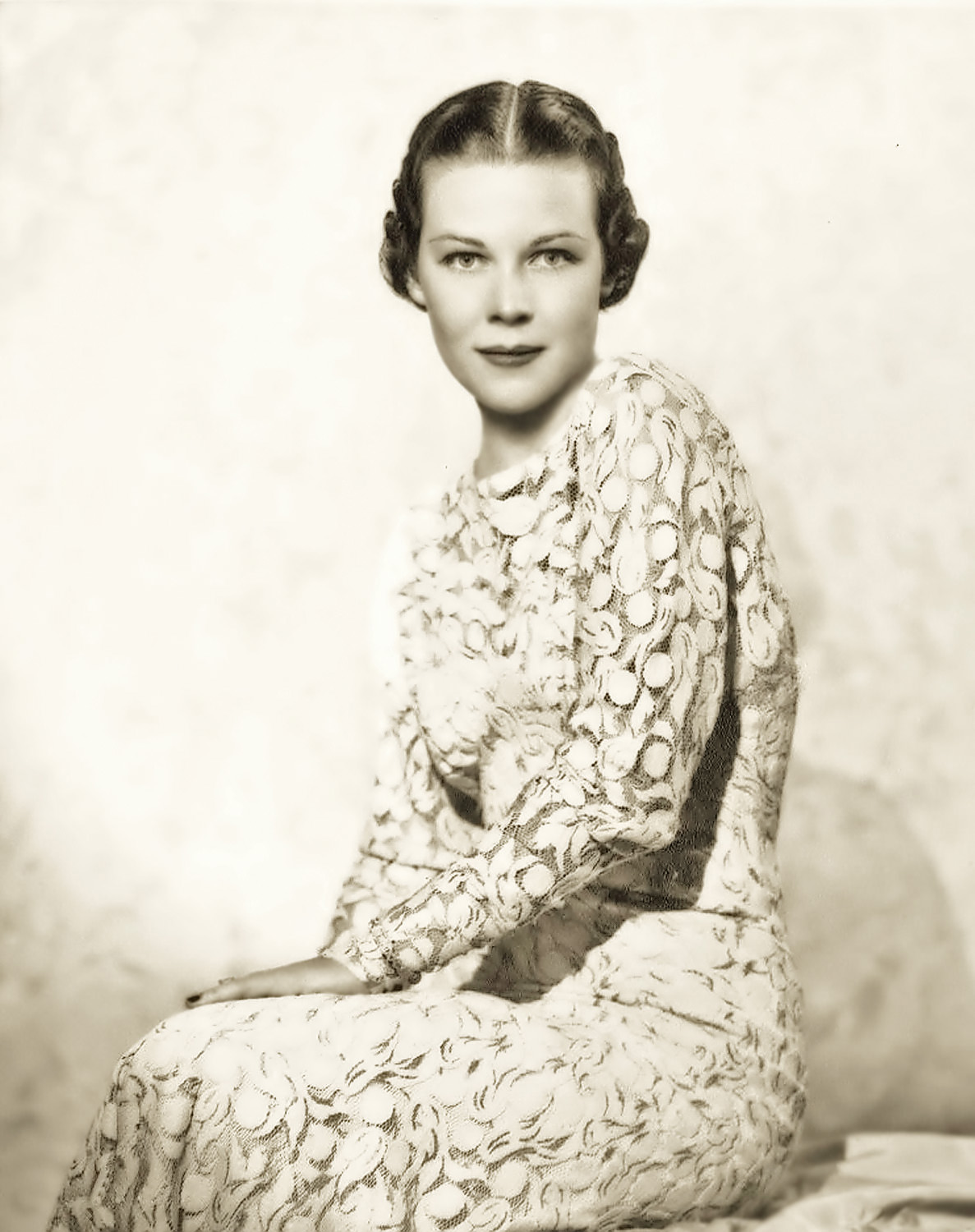
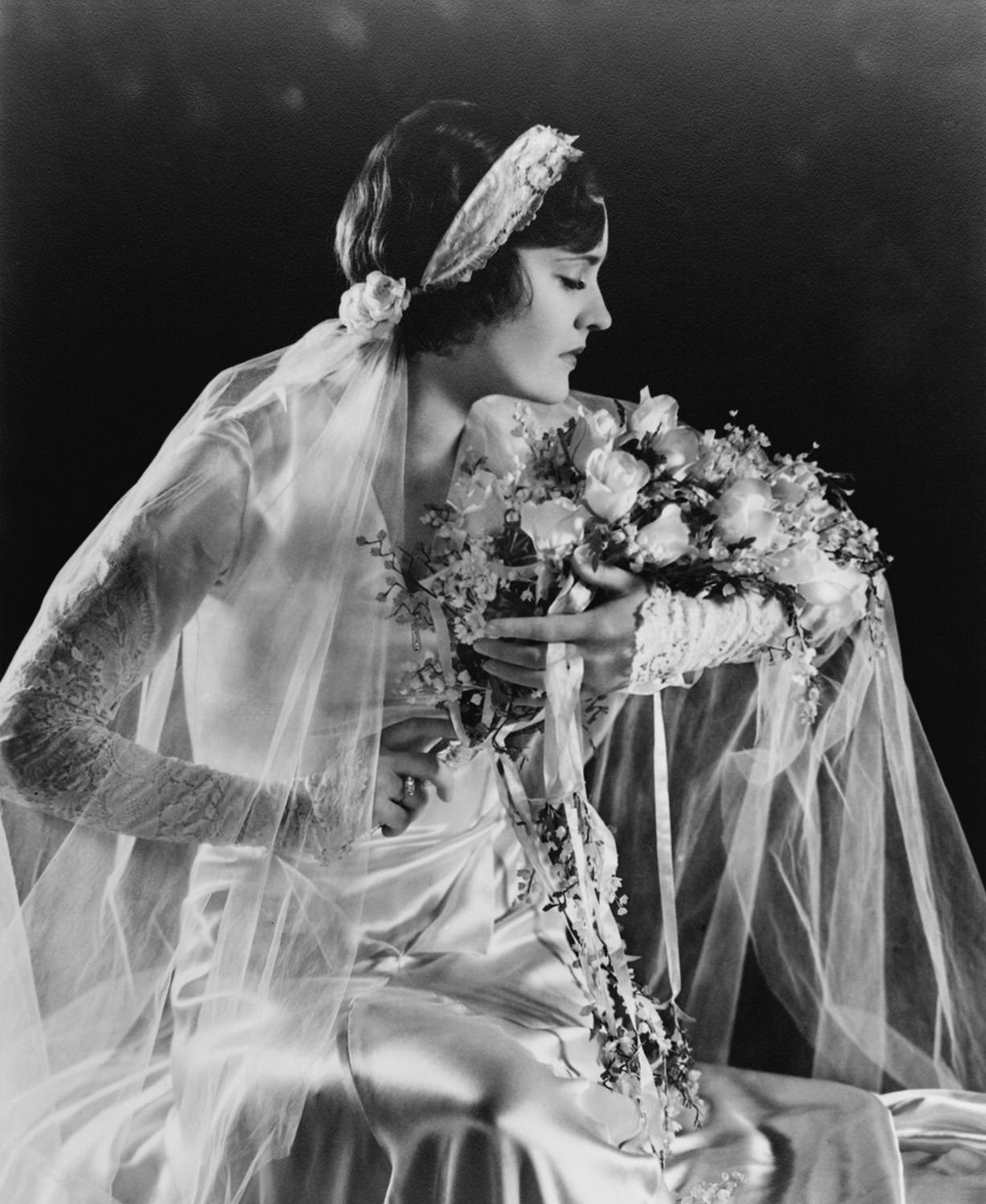
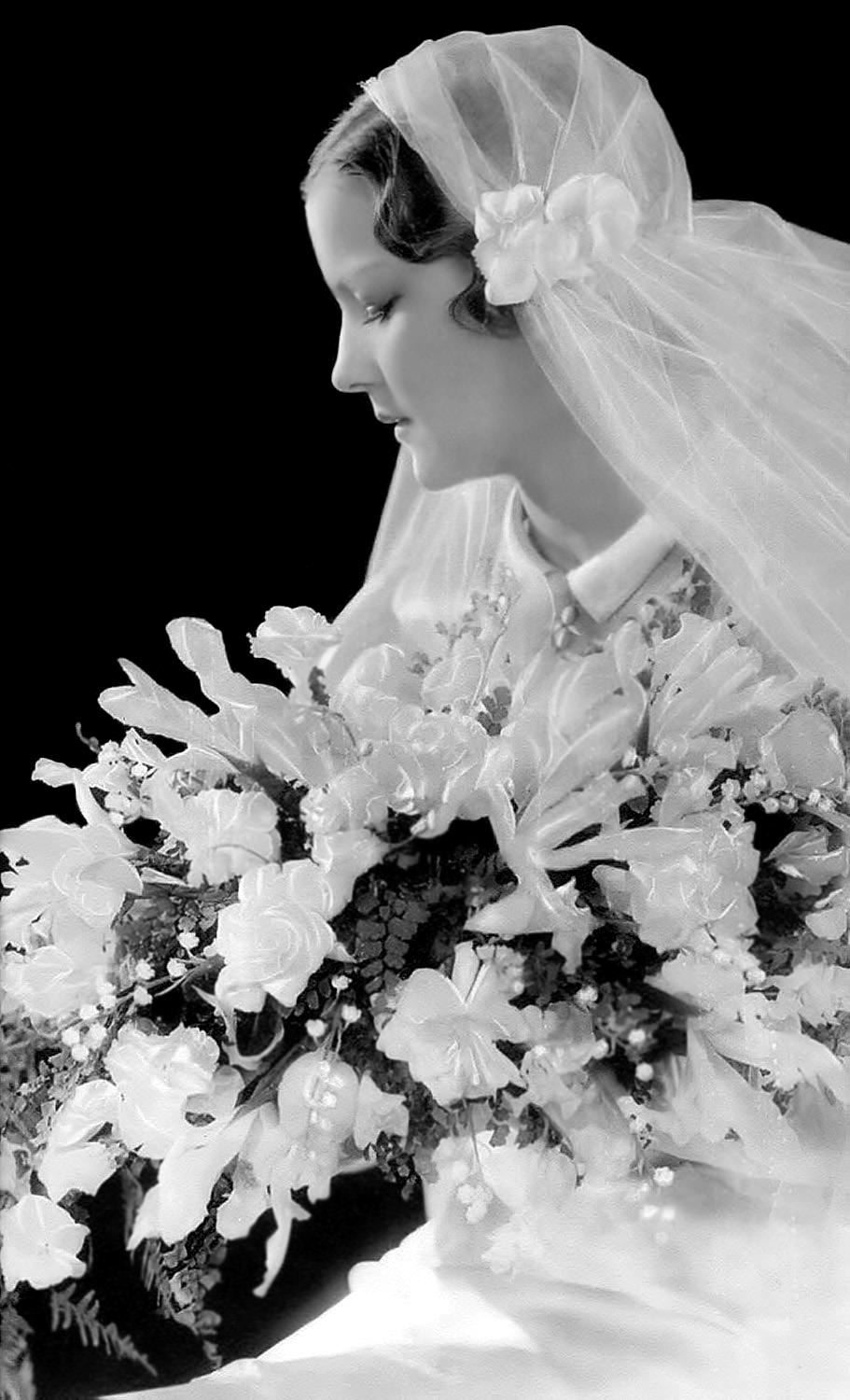
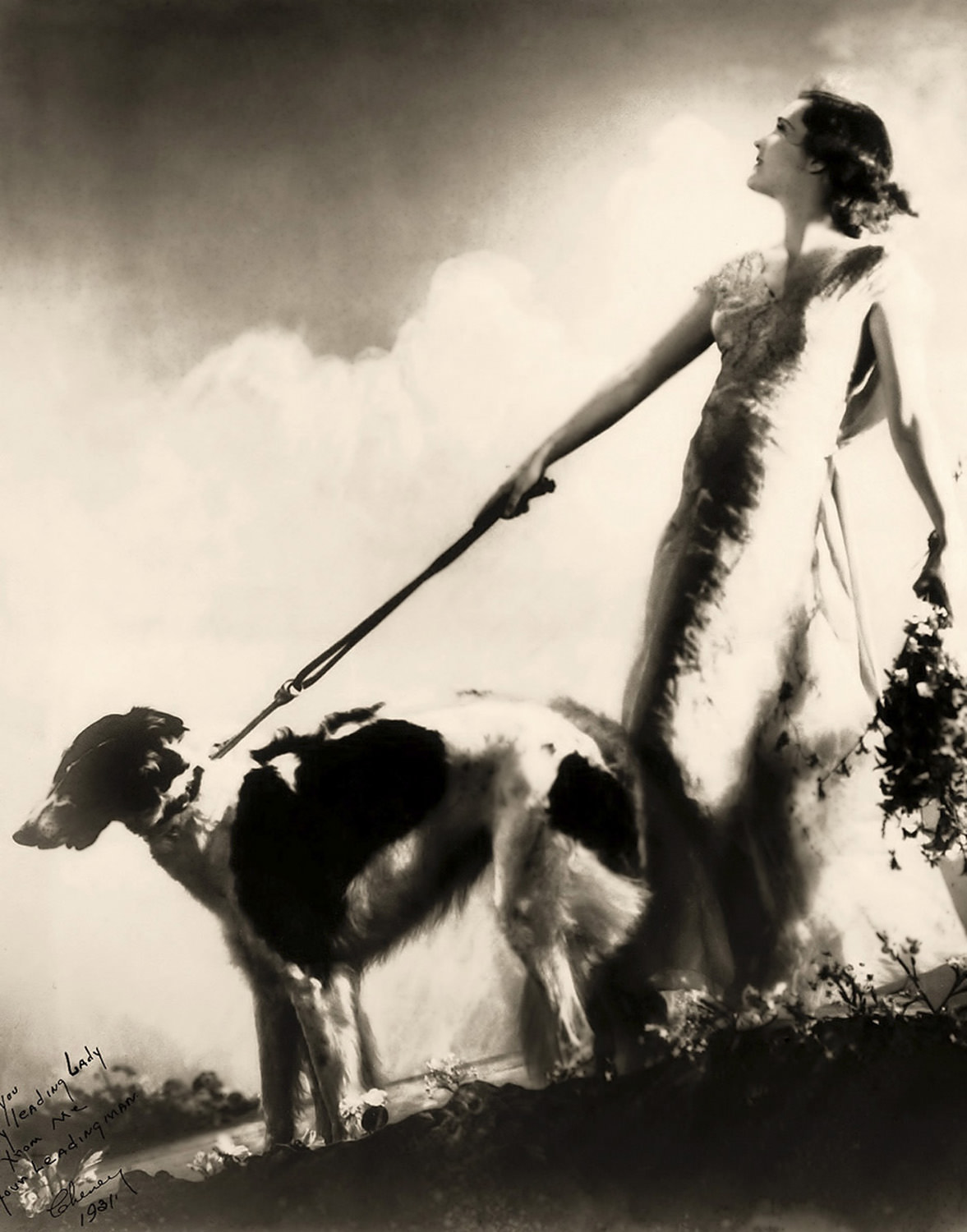
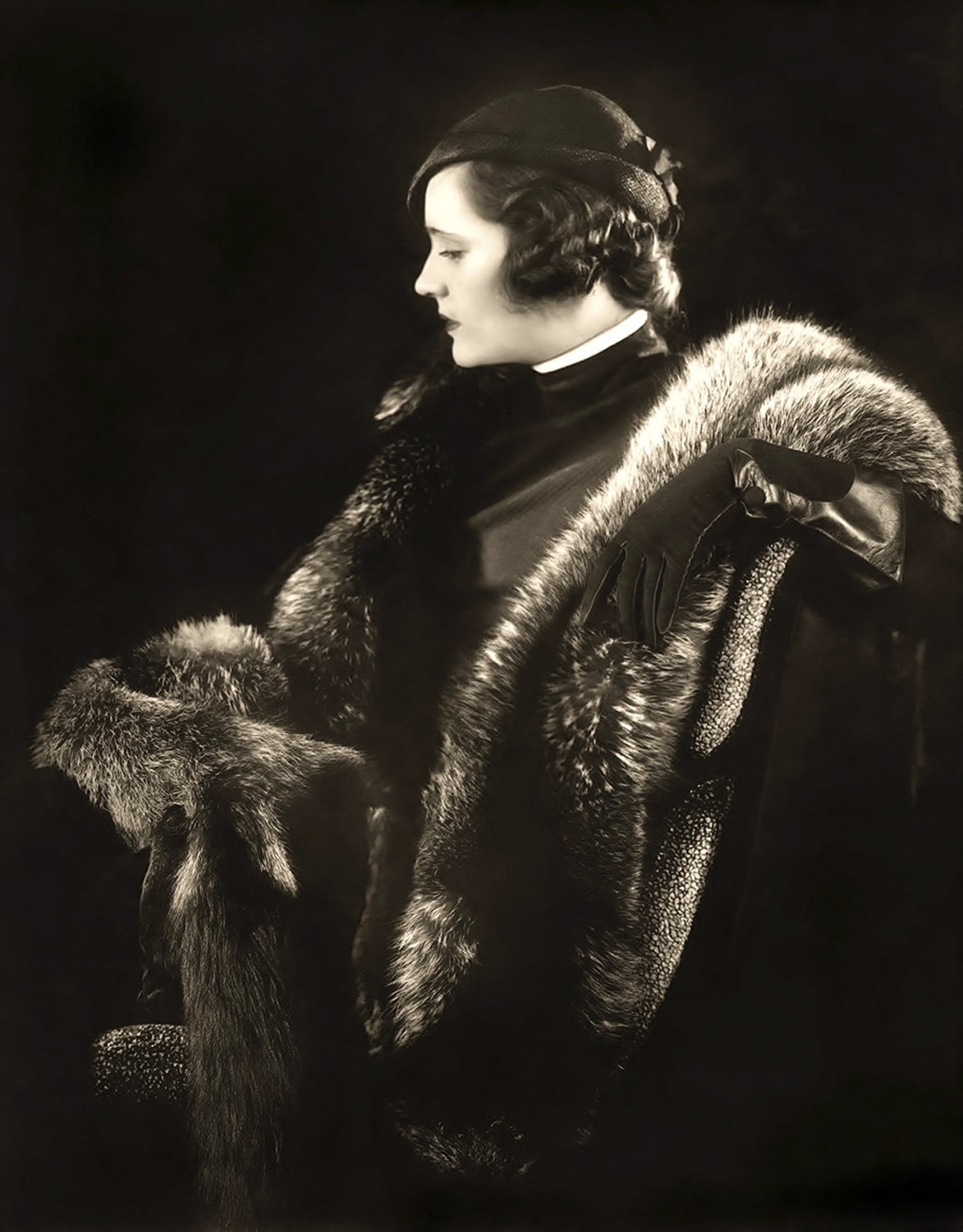
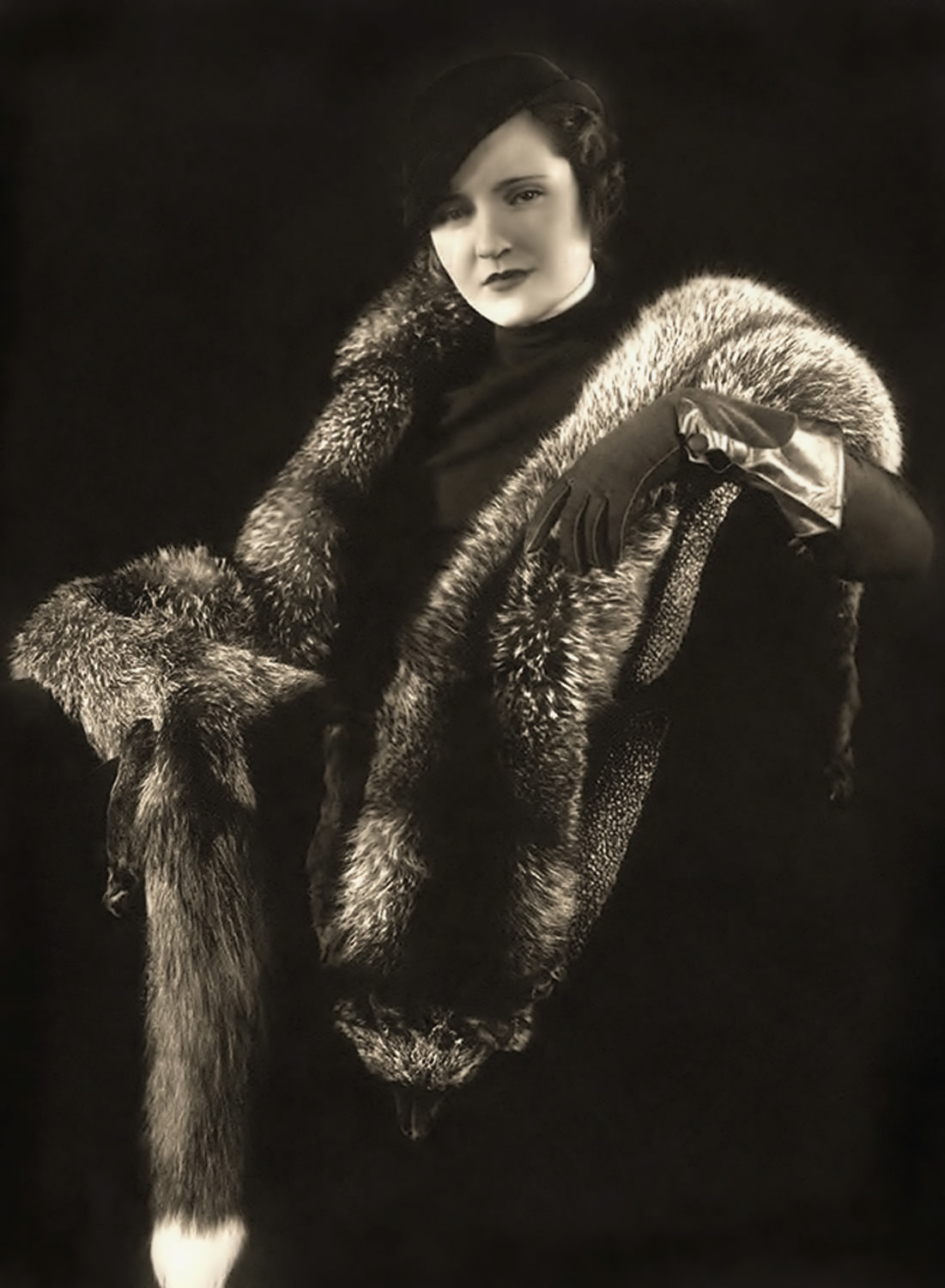
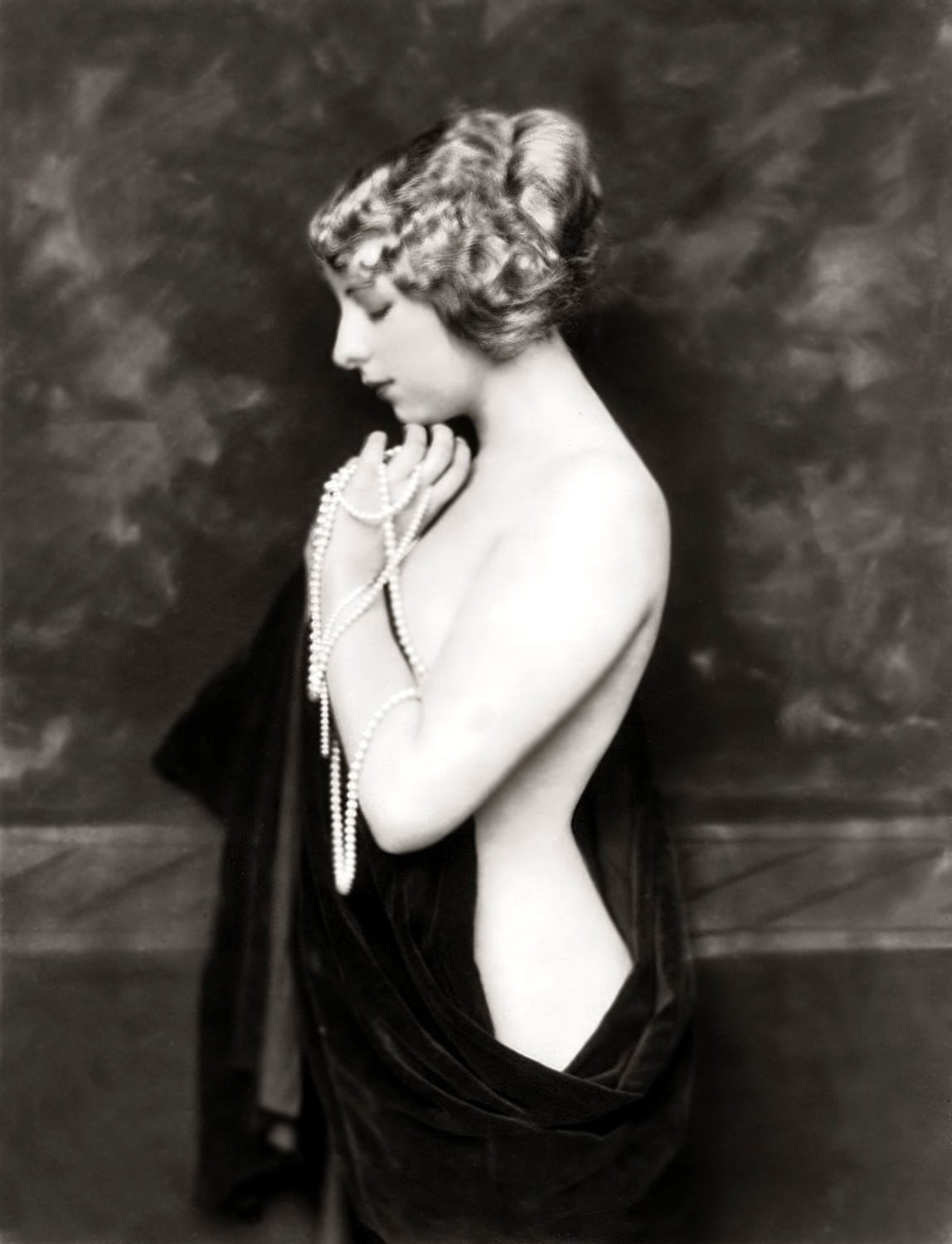
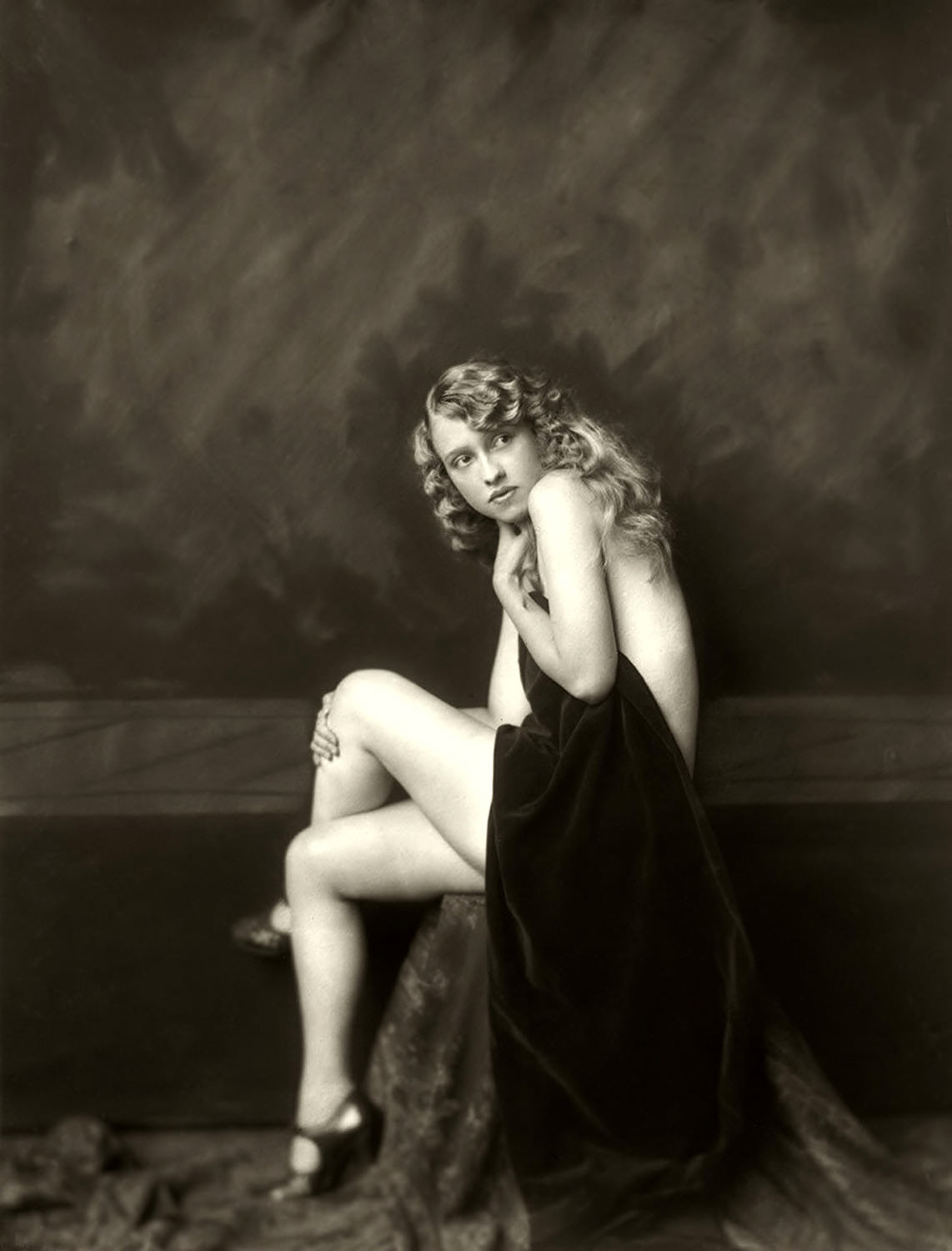
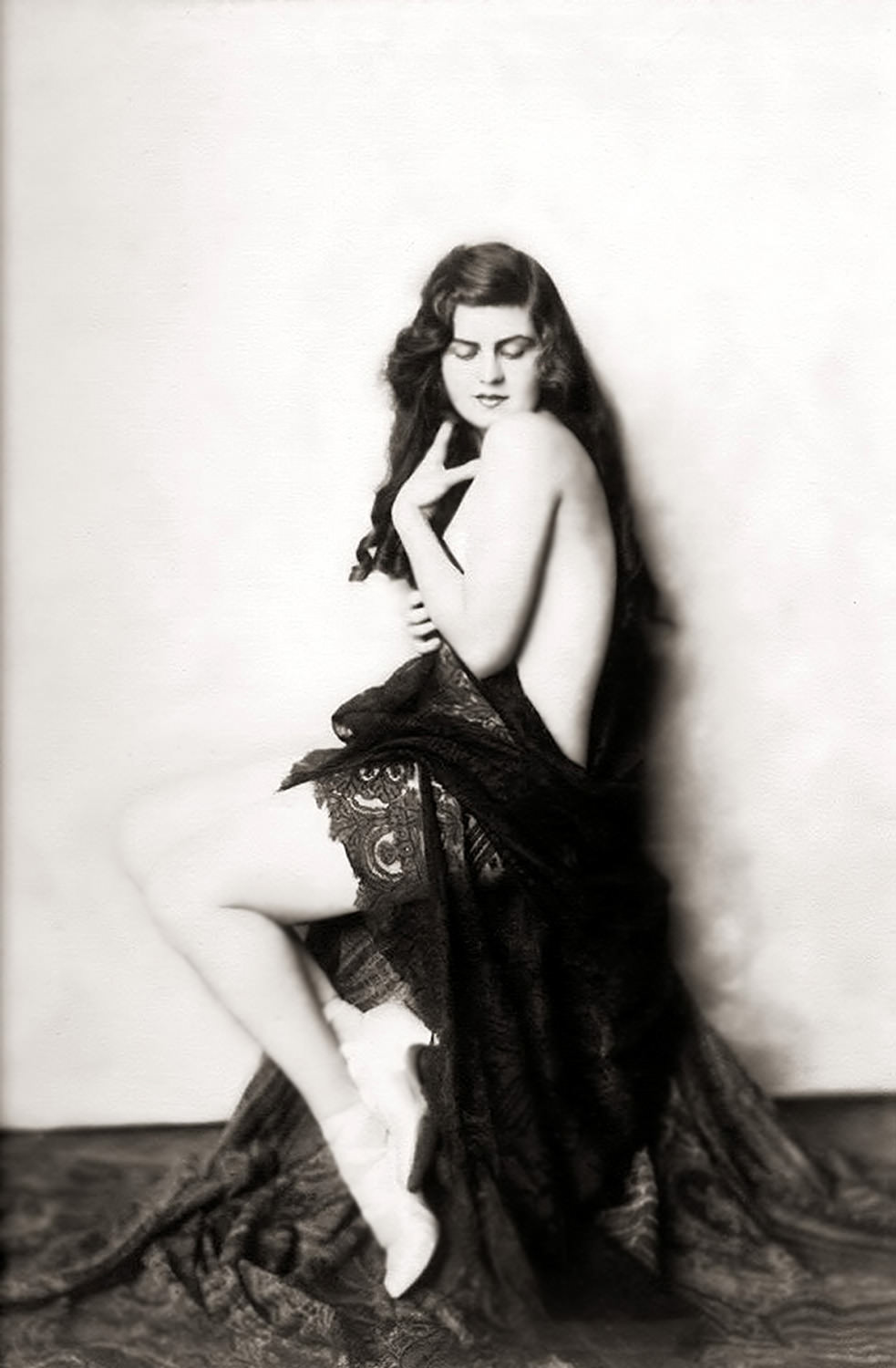
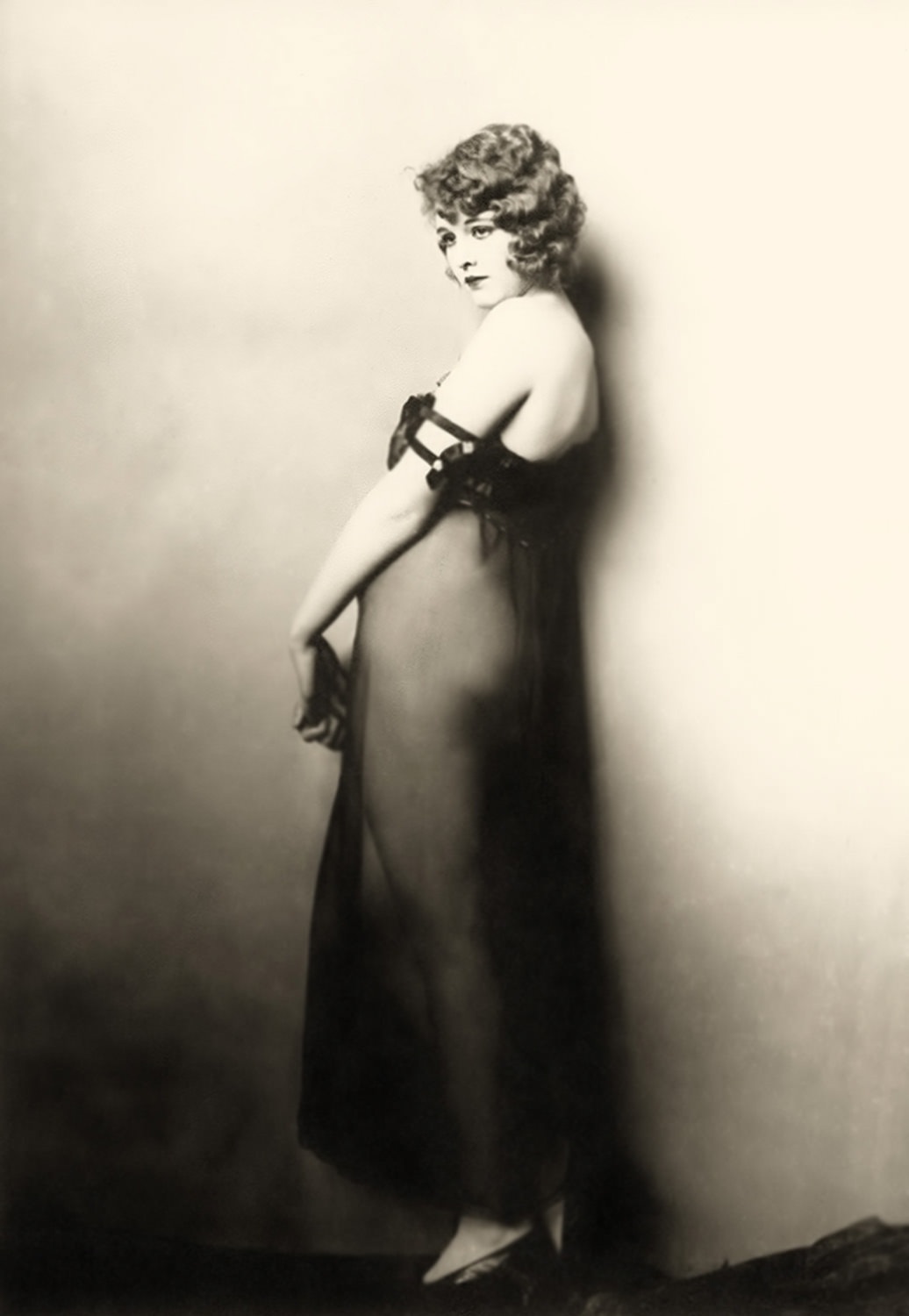
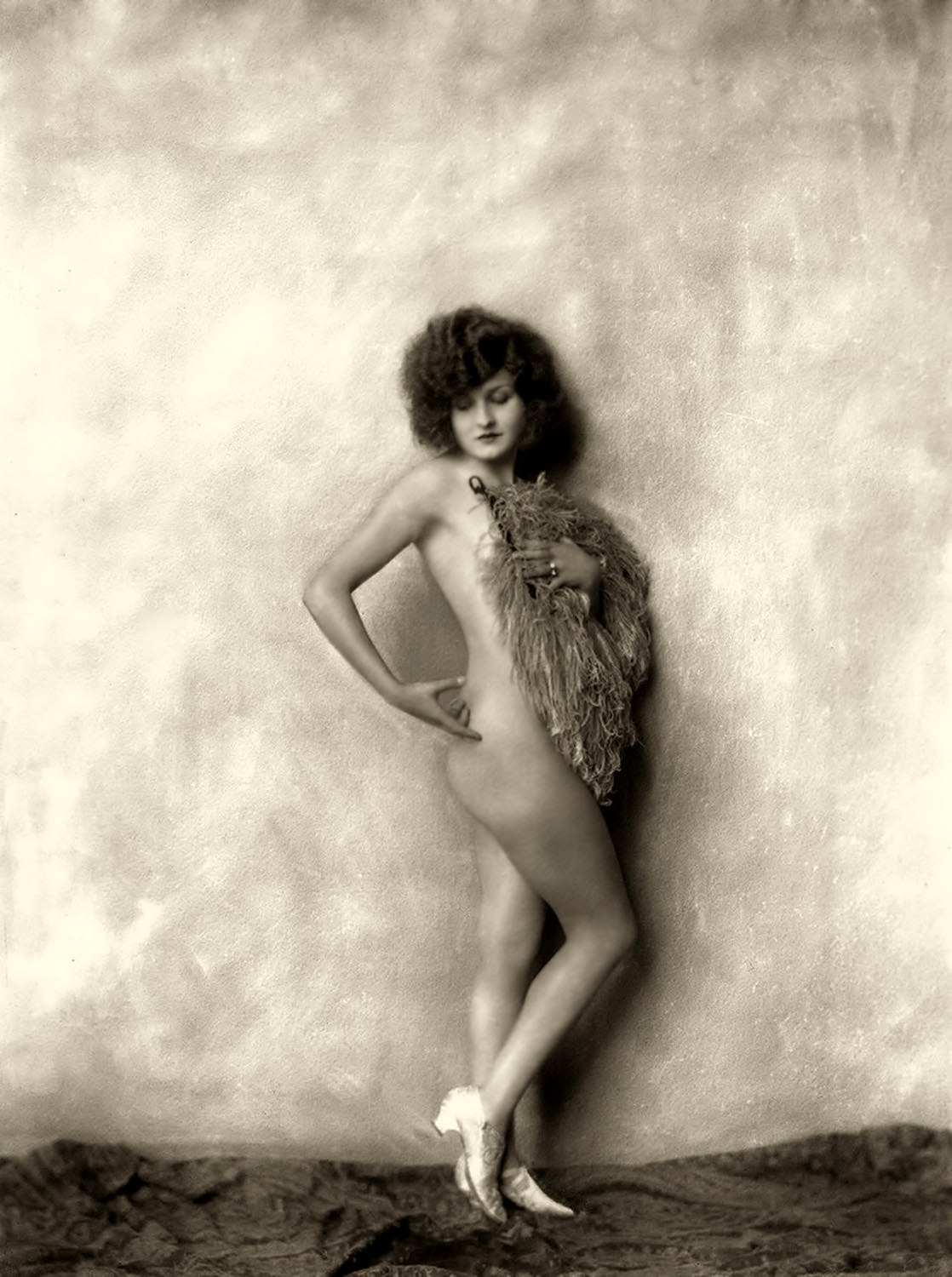
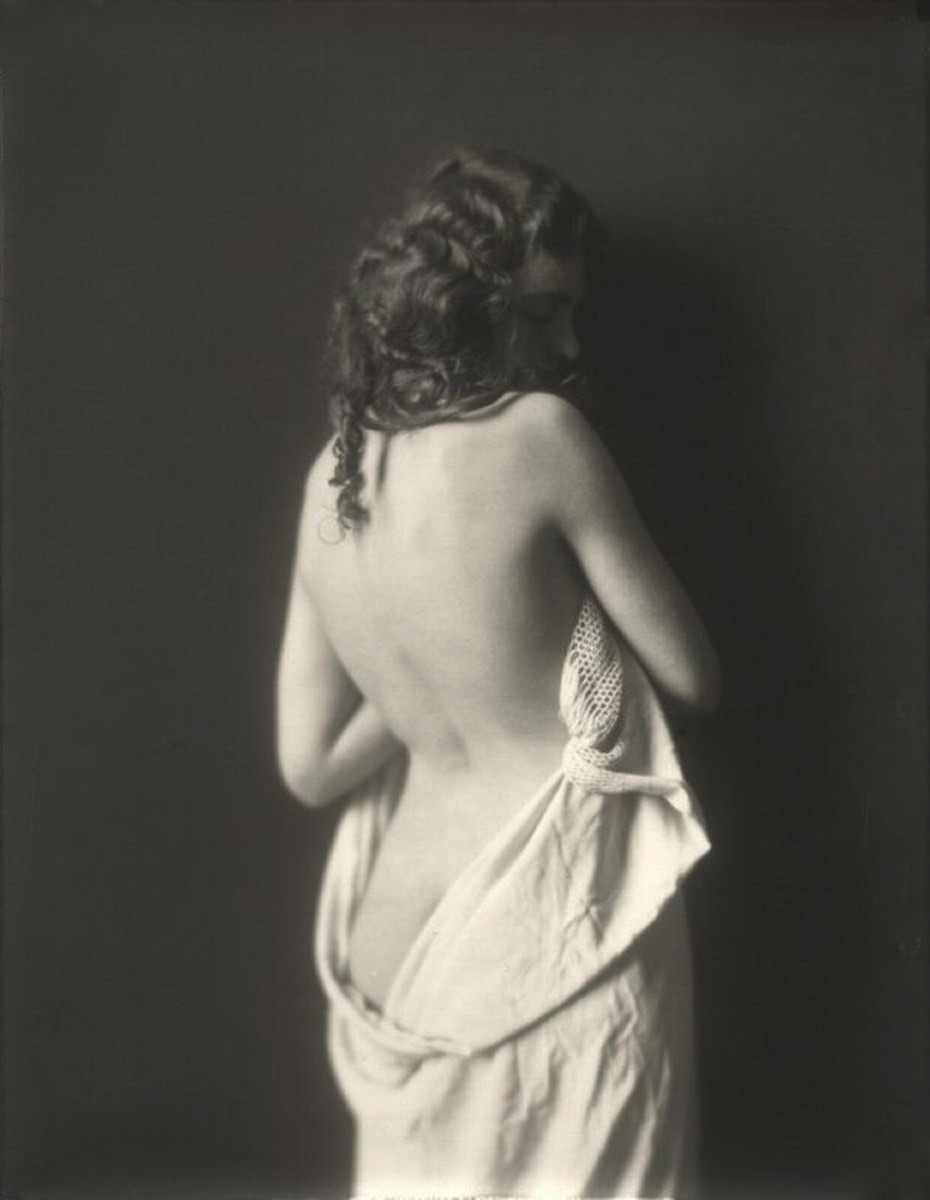
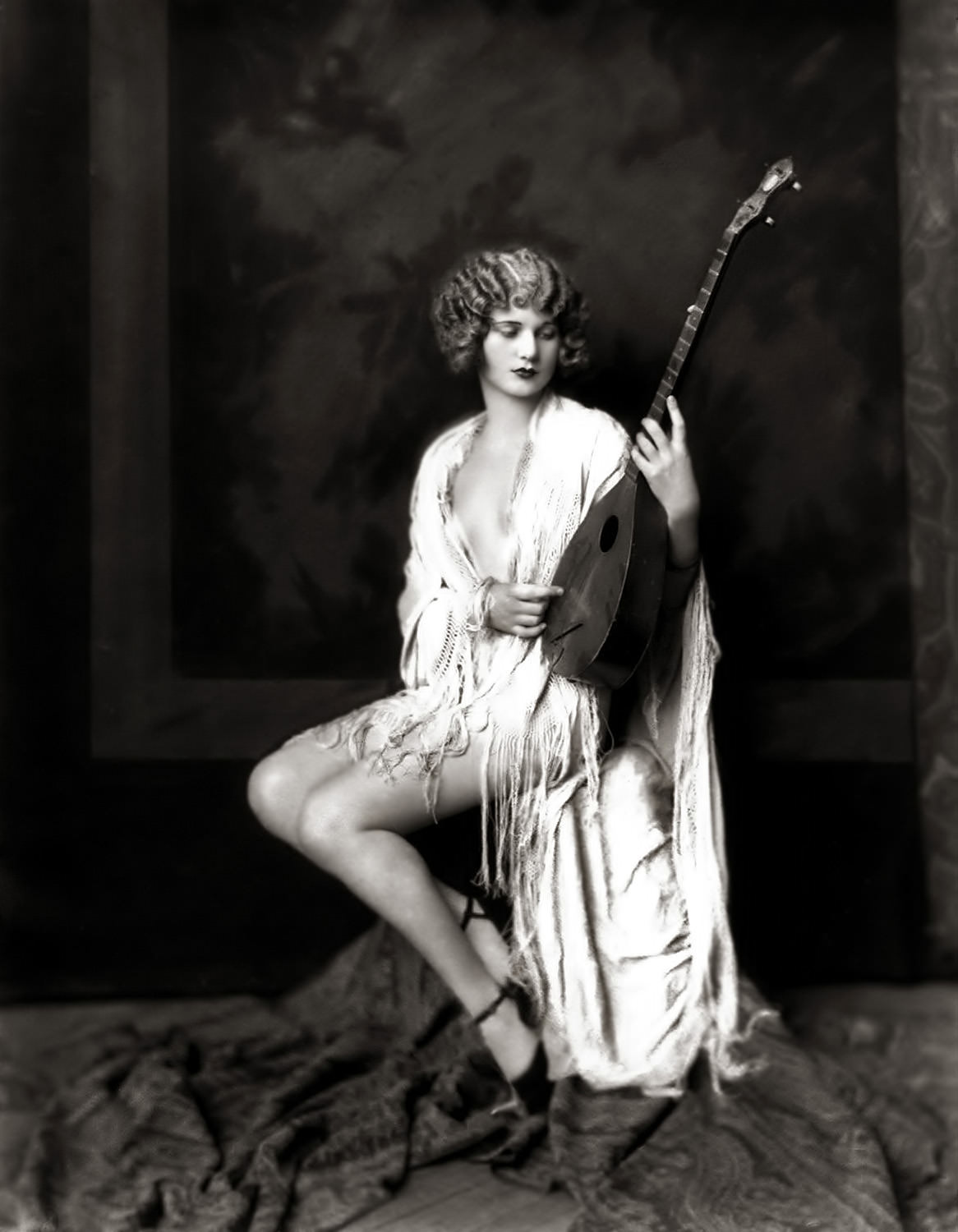
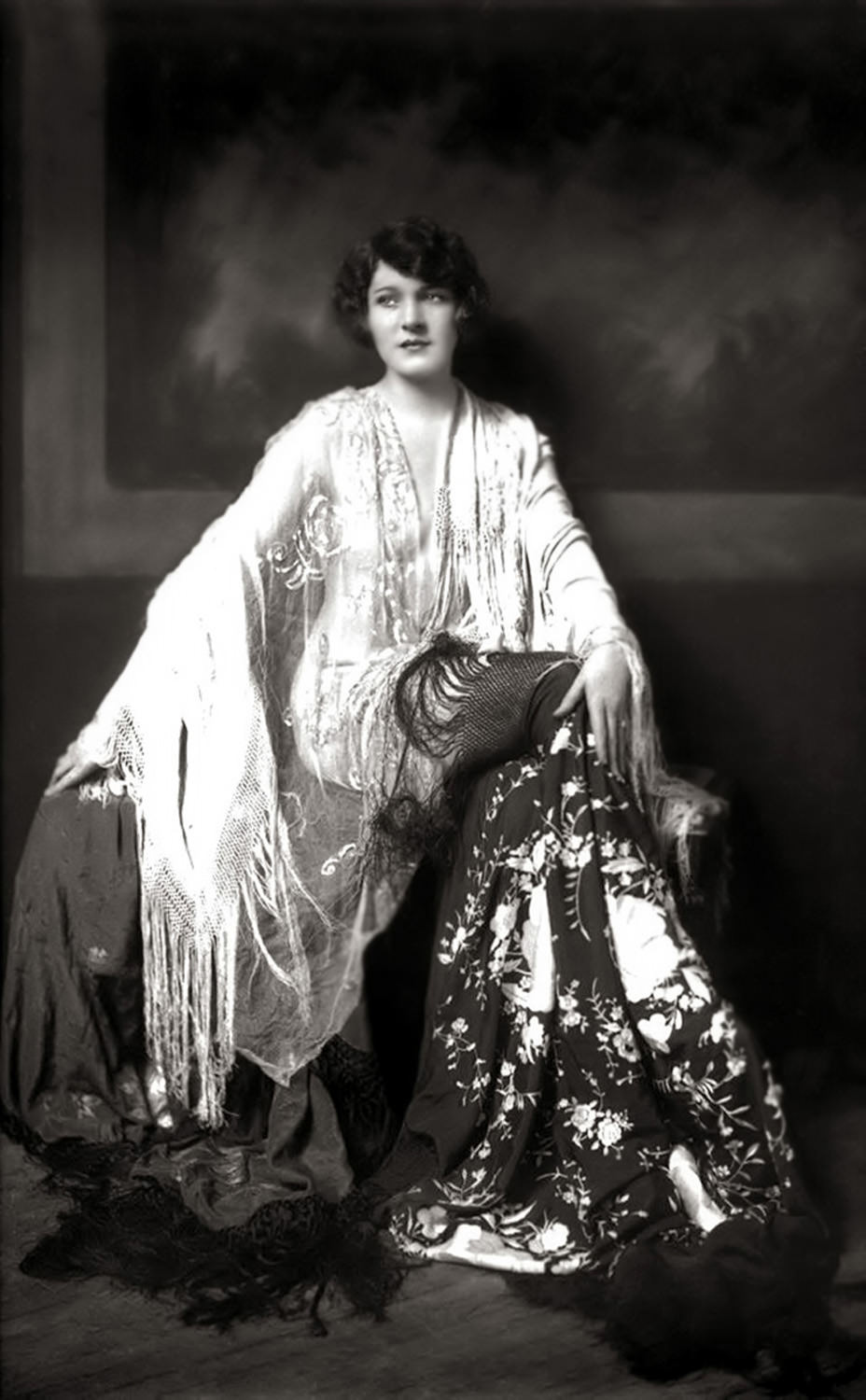
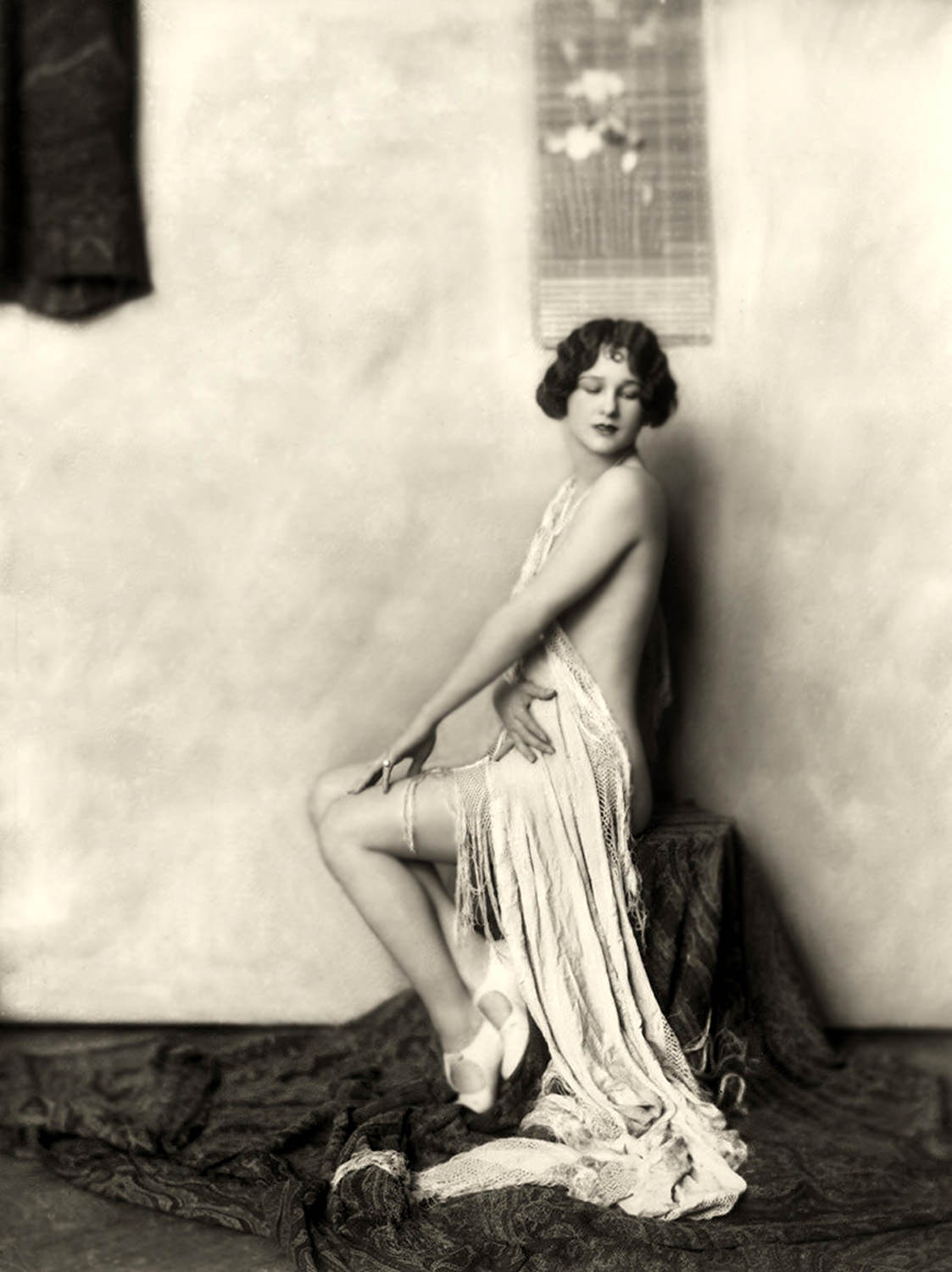
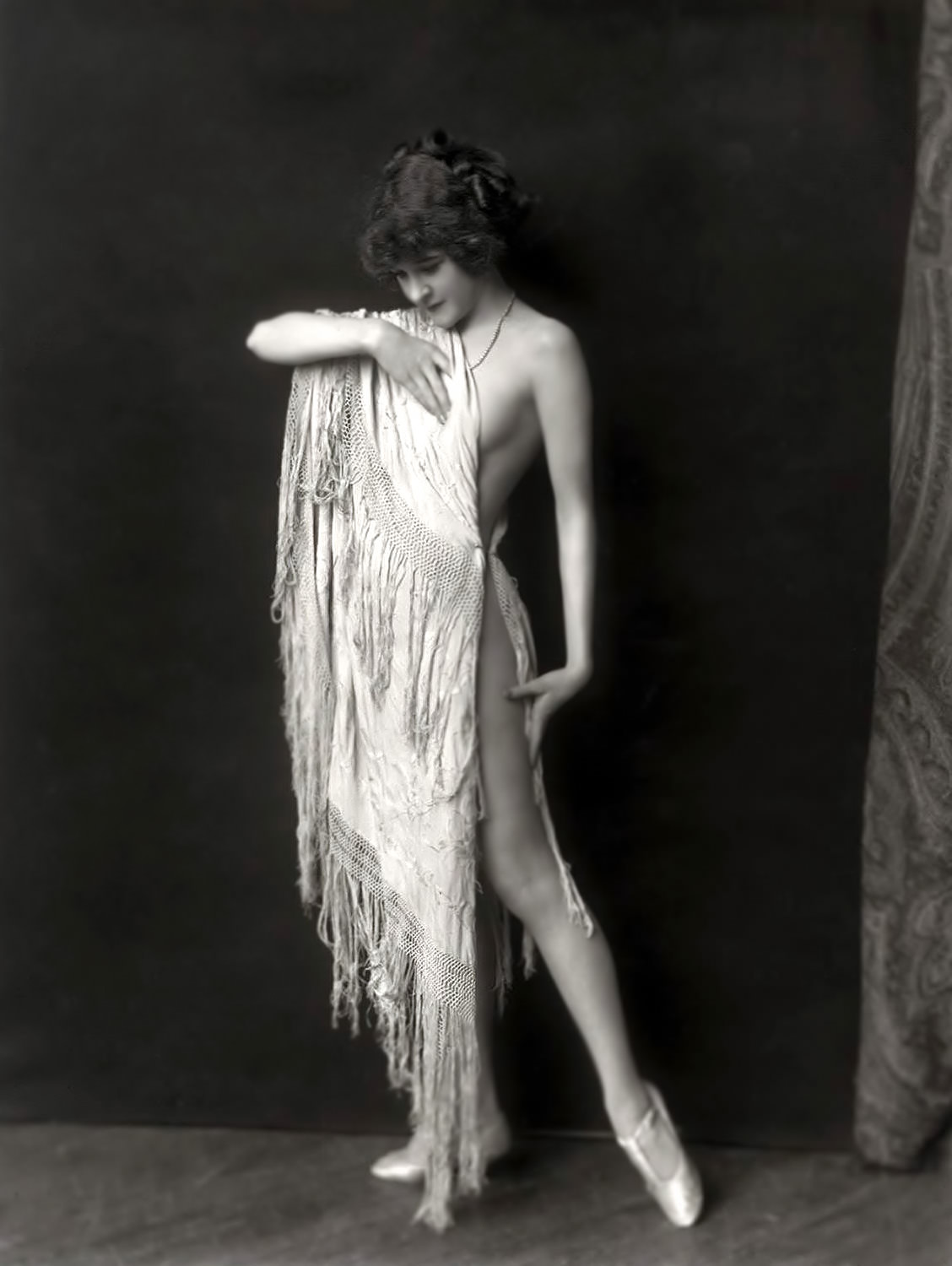
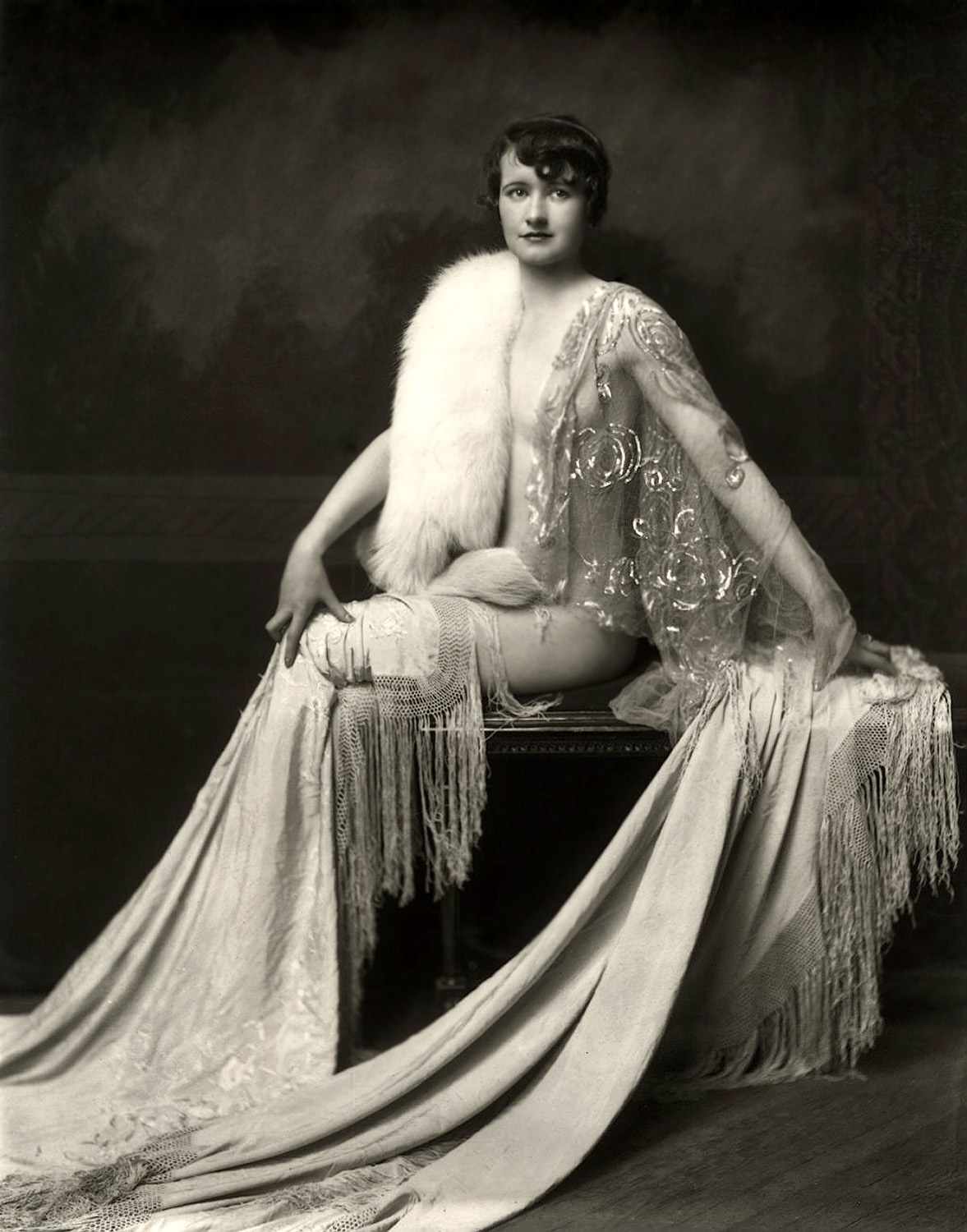
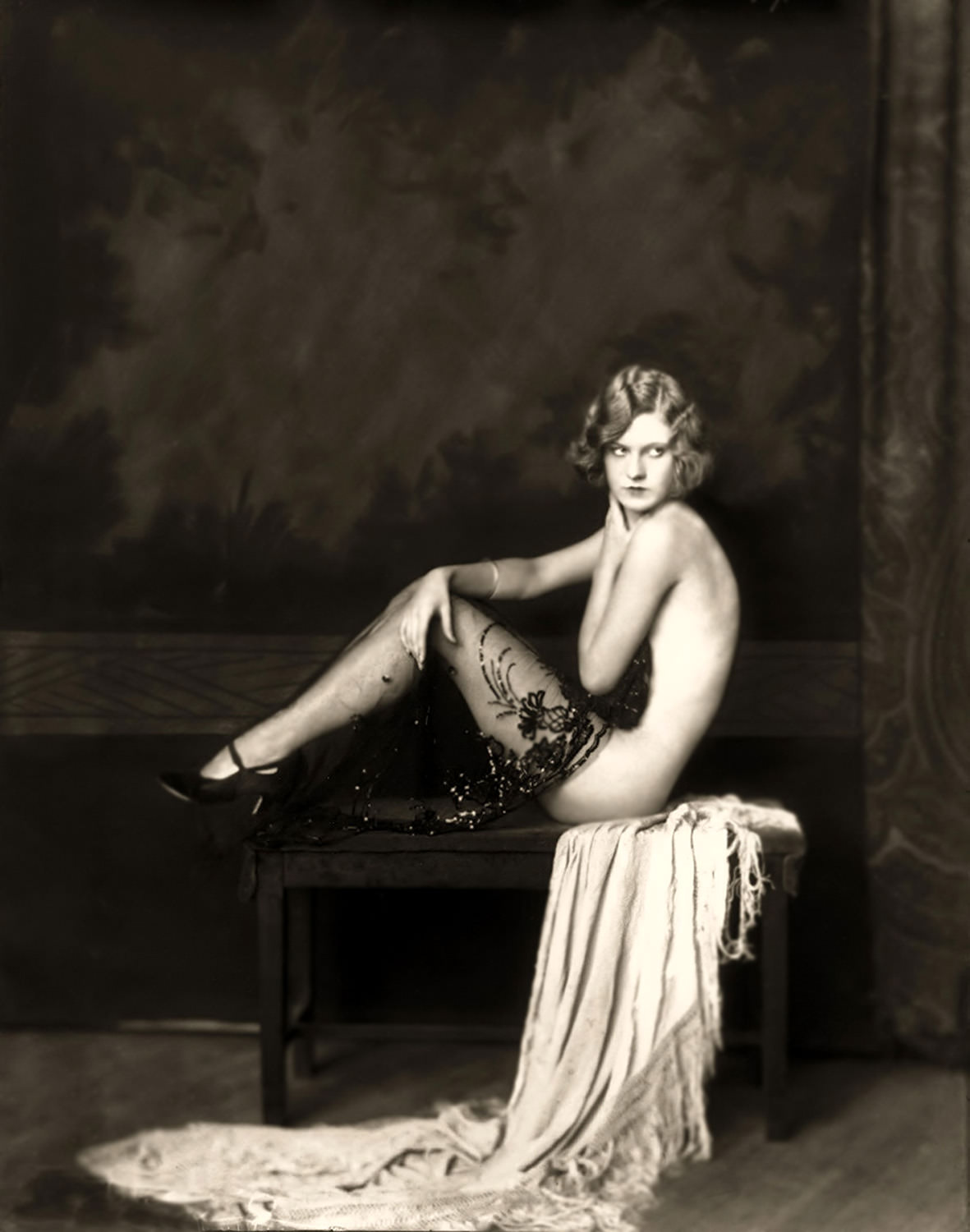
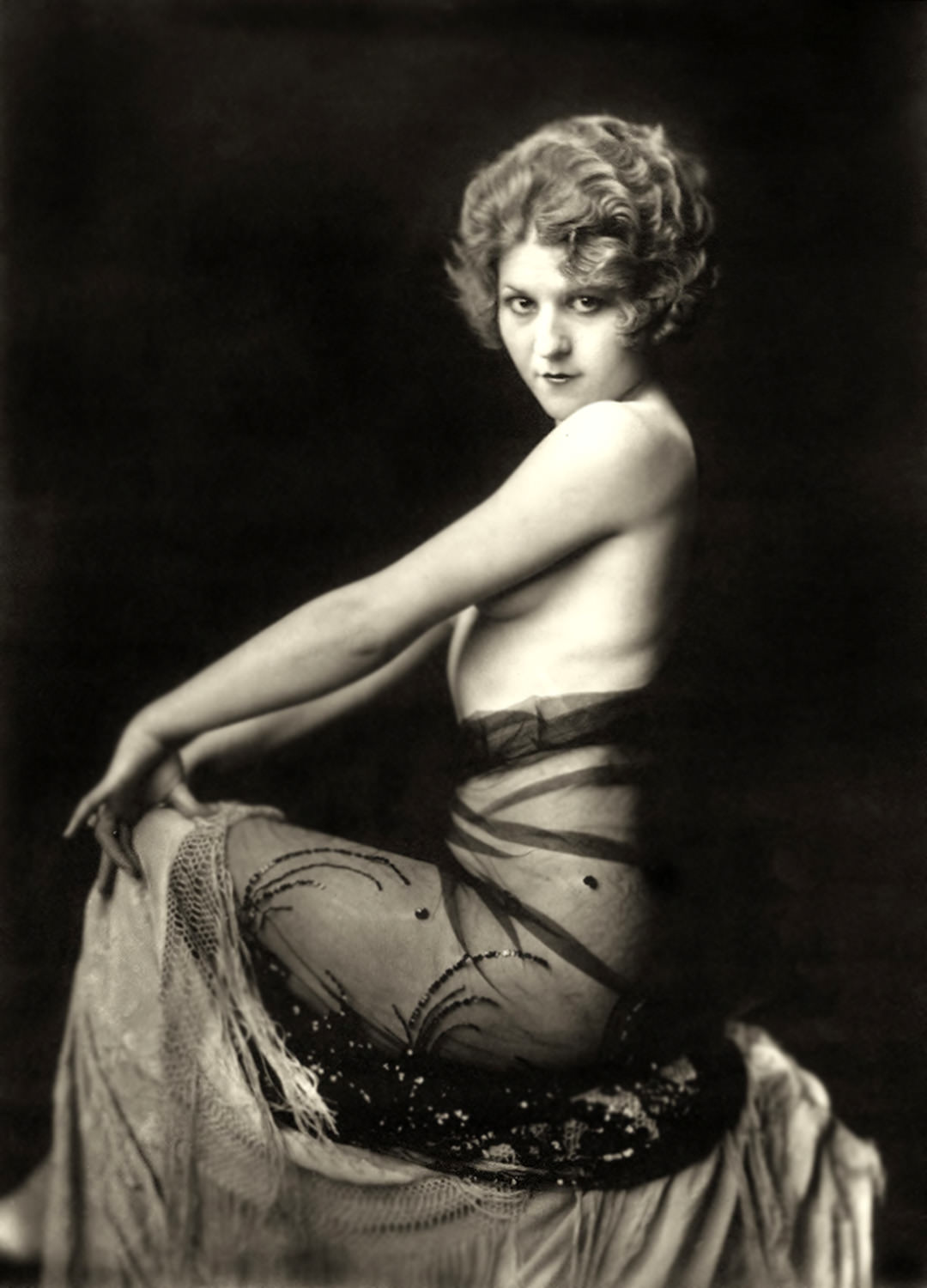
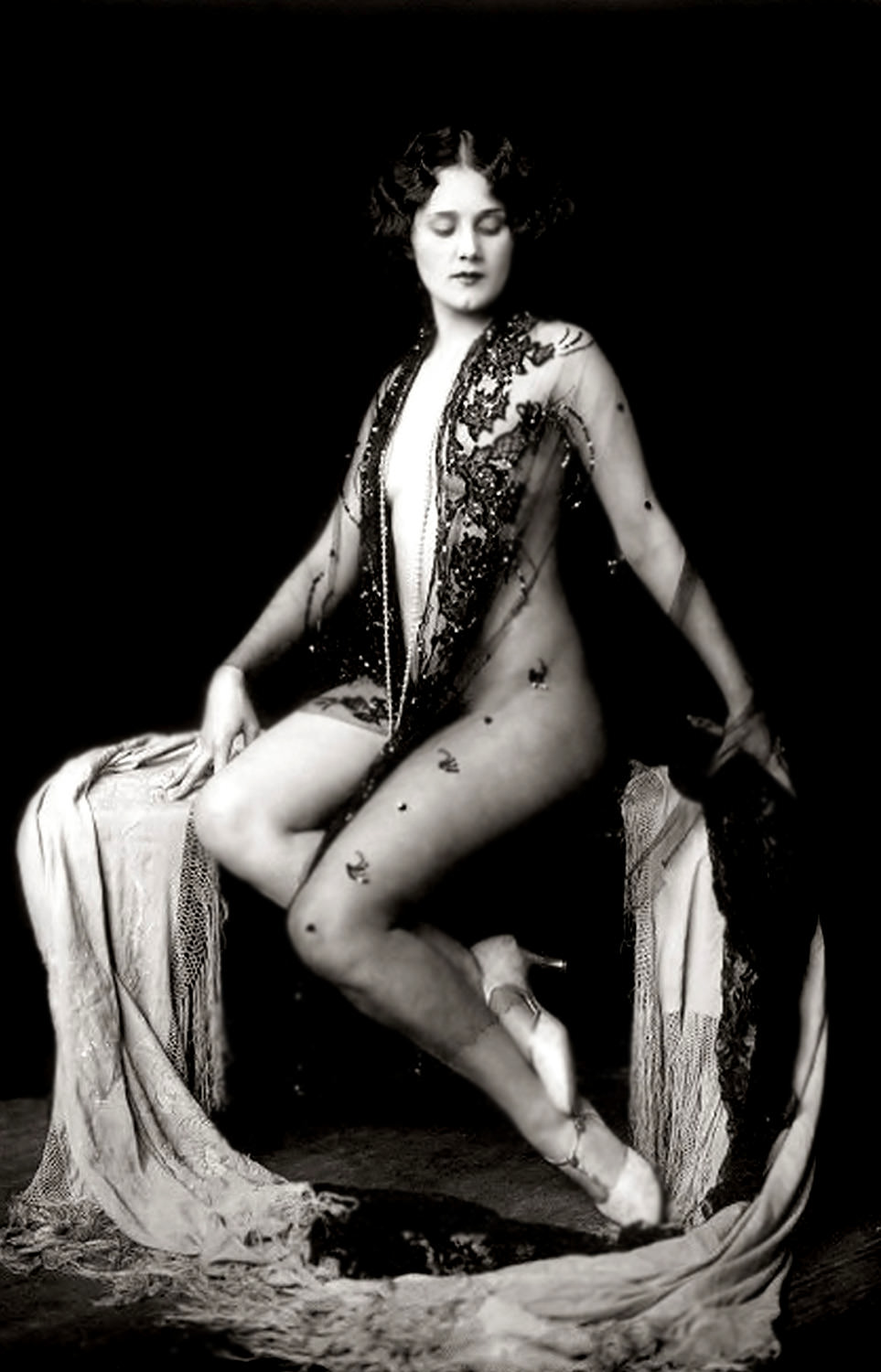
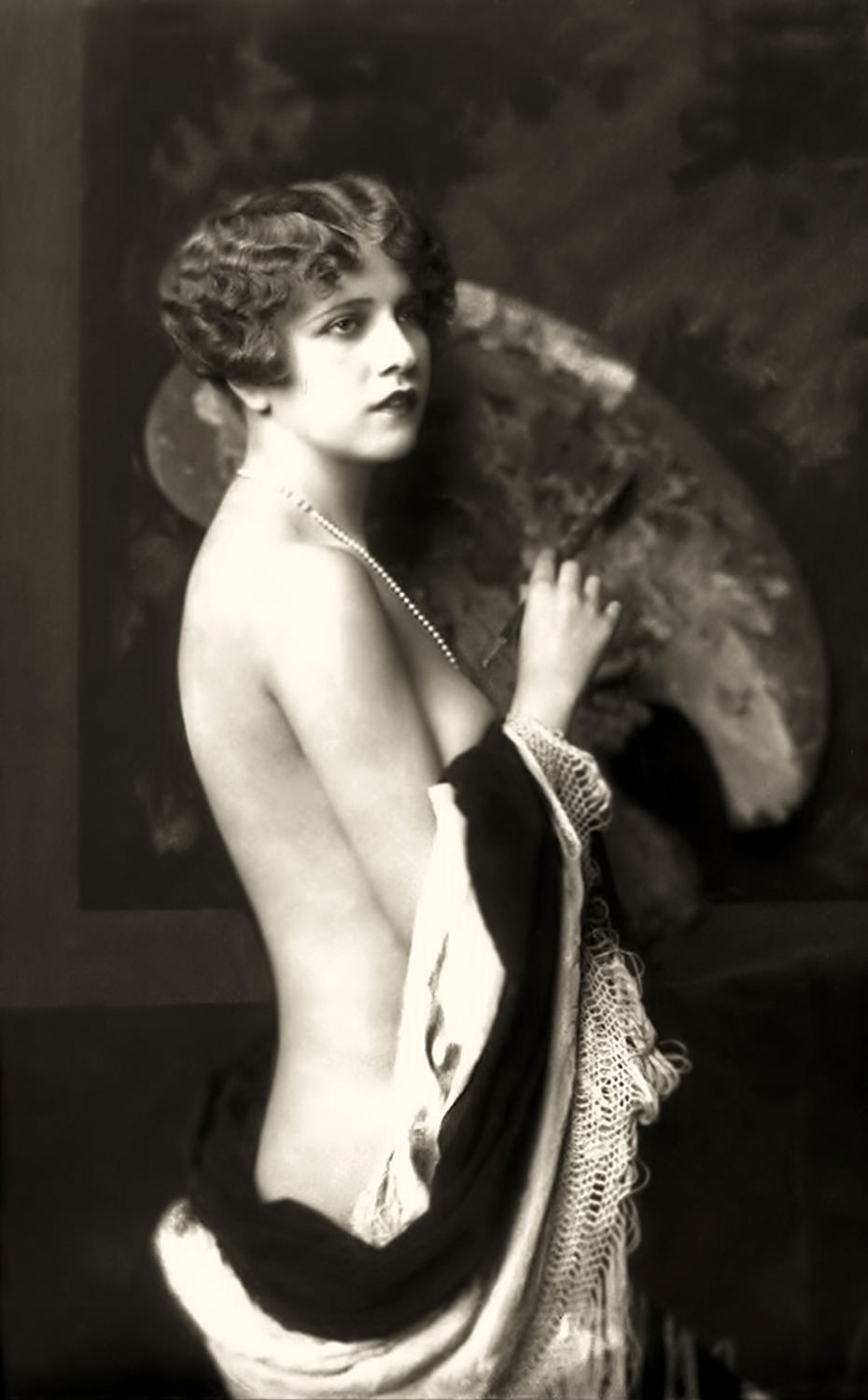
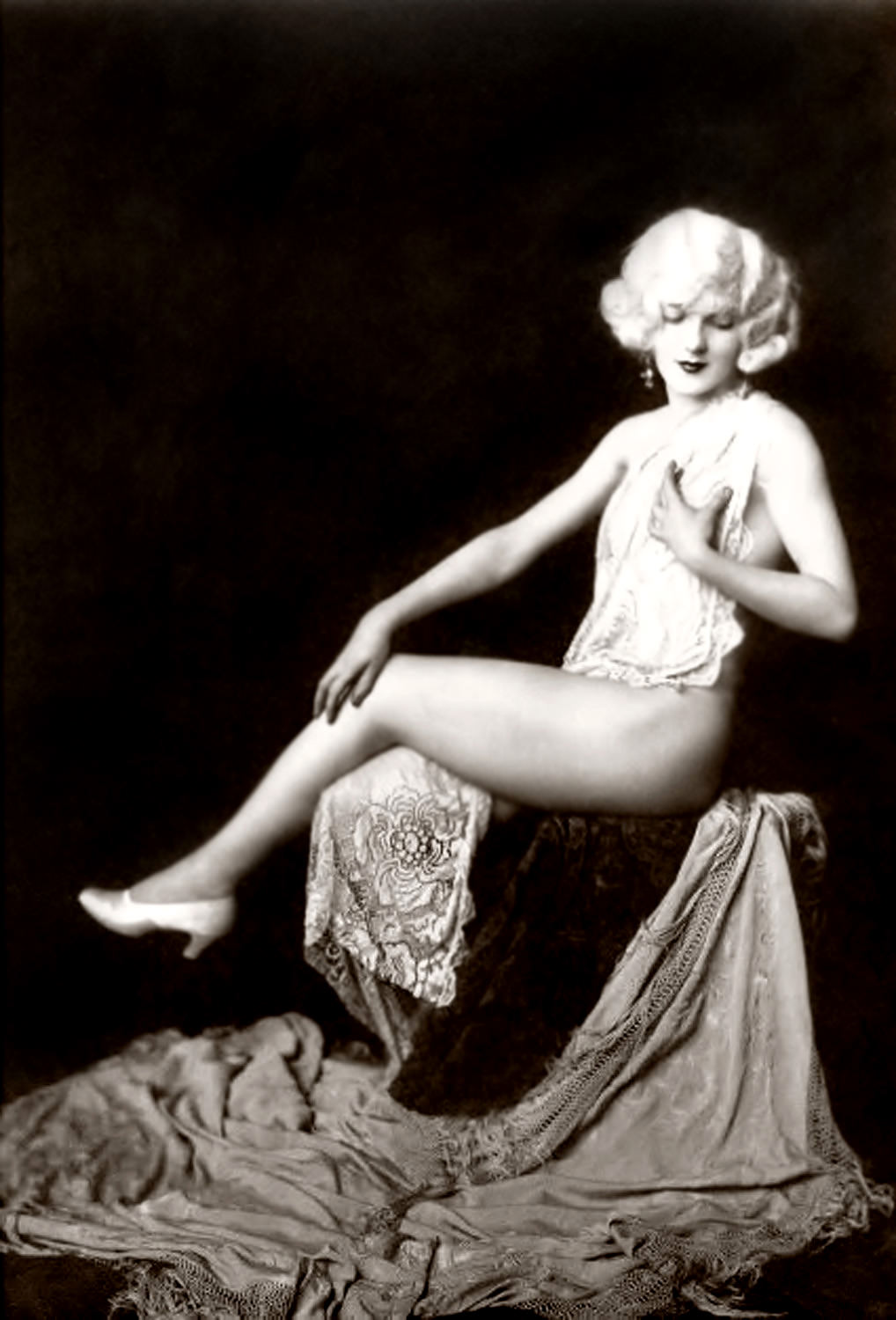
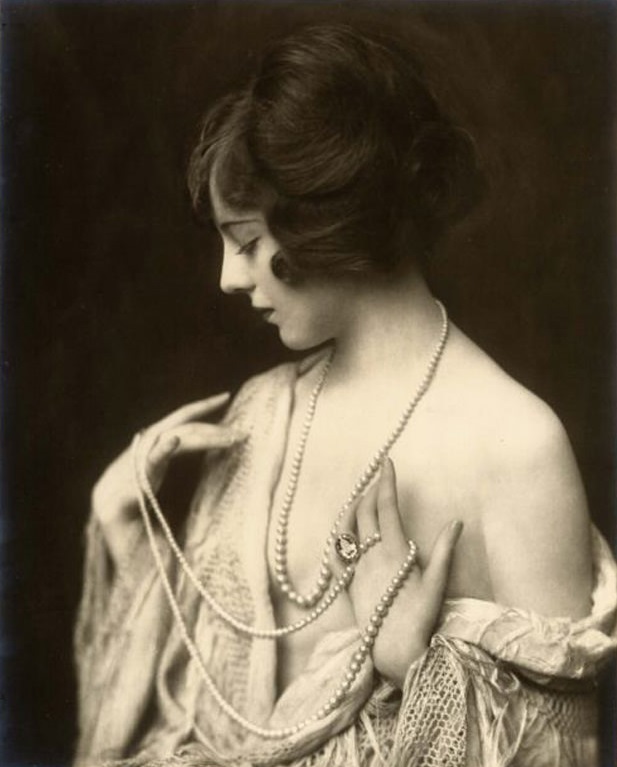
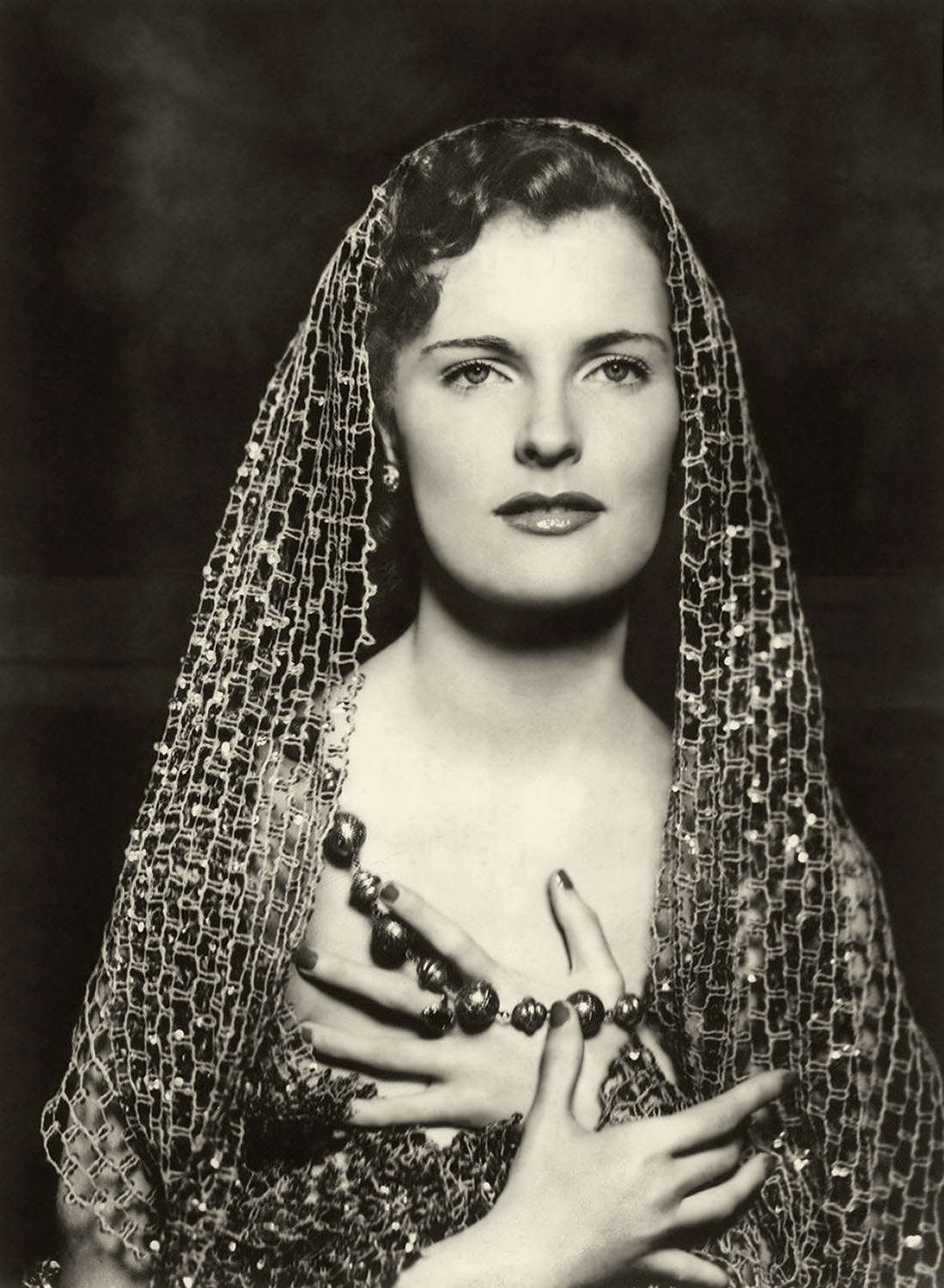
Photographer Alfred Cheney Johnston was given rare access to document them. He worked closely with the Follies and set up studio sessions that went far beyond standard publicity shots. Johnston’s photographs captured the women away from the stage lights — relaxed, expressive, and unguarded.
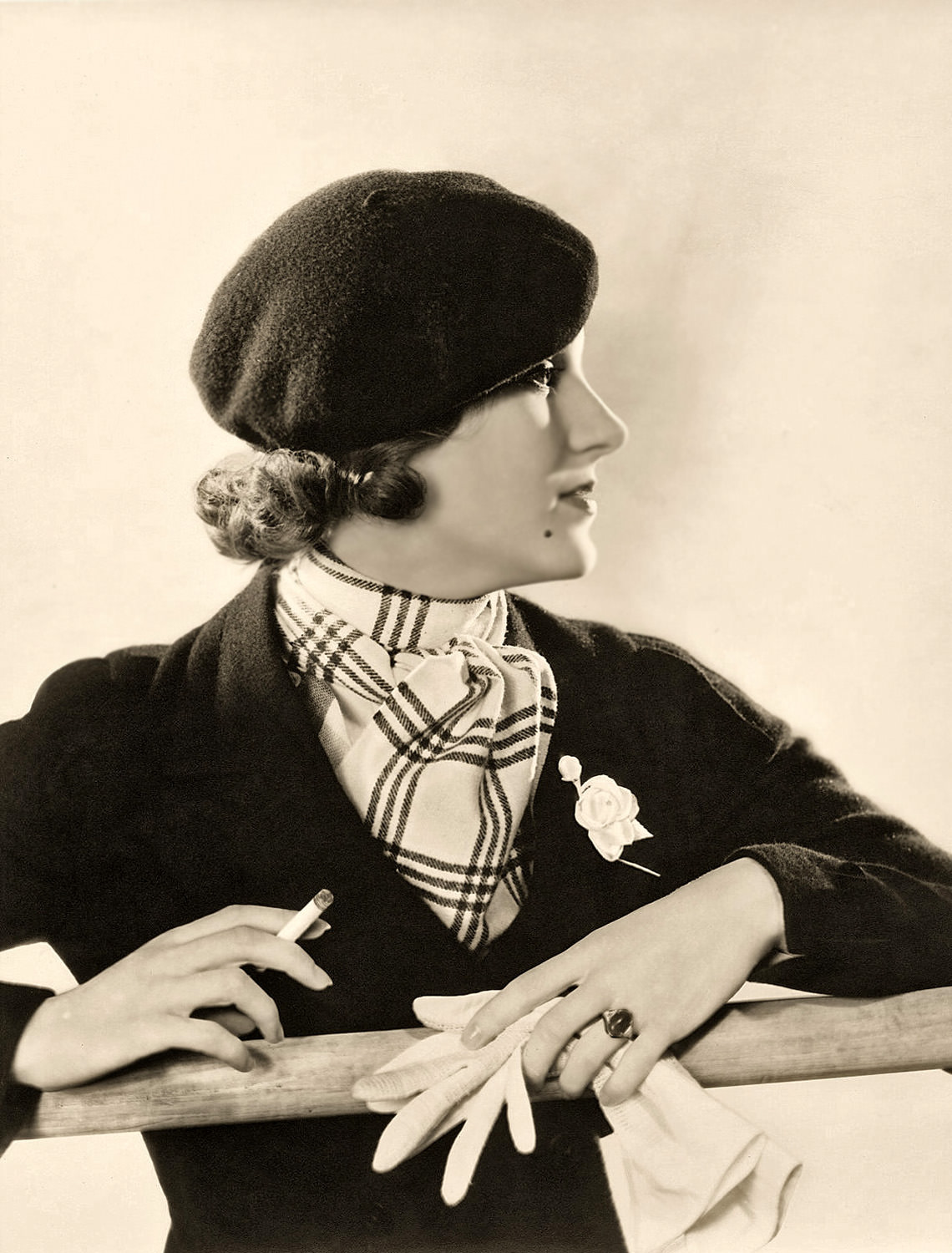
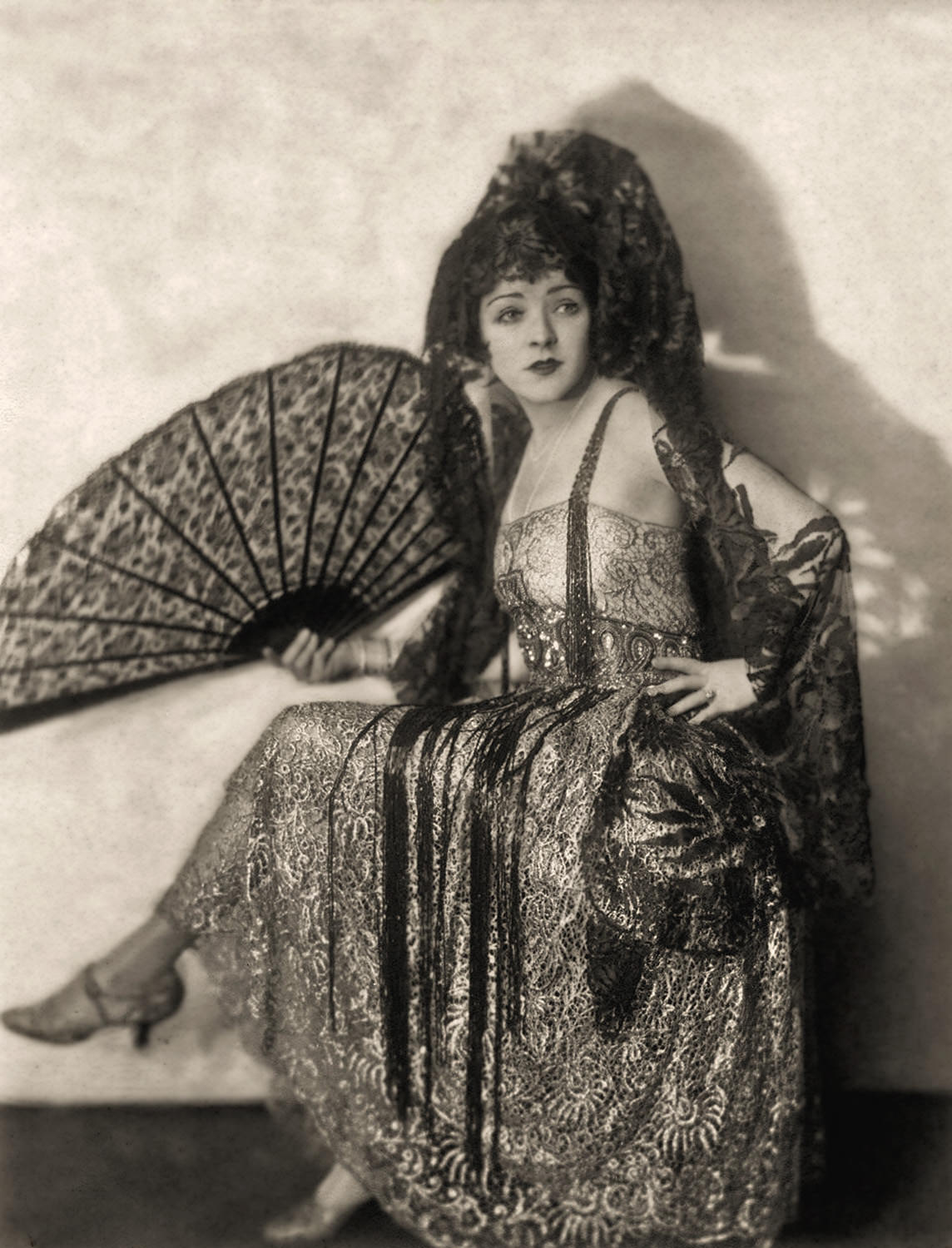
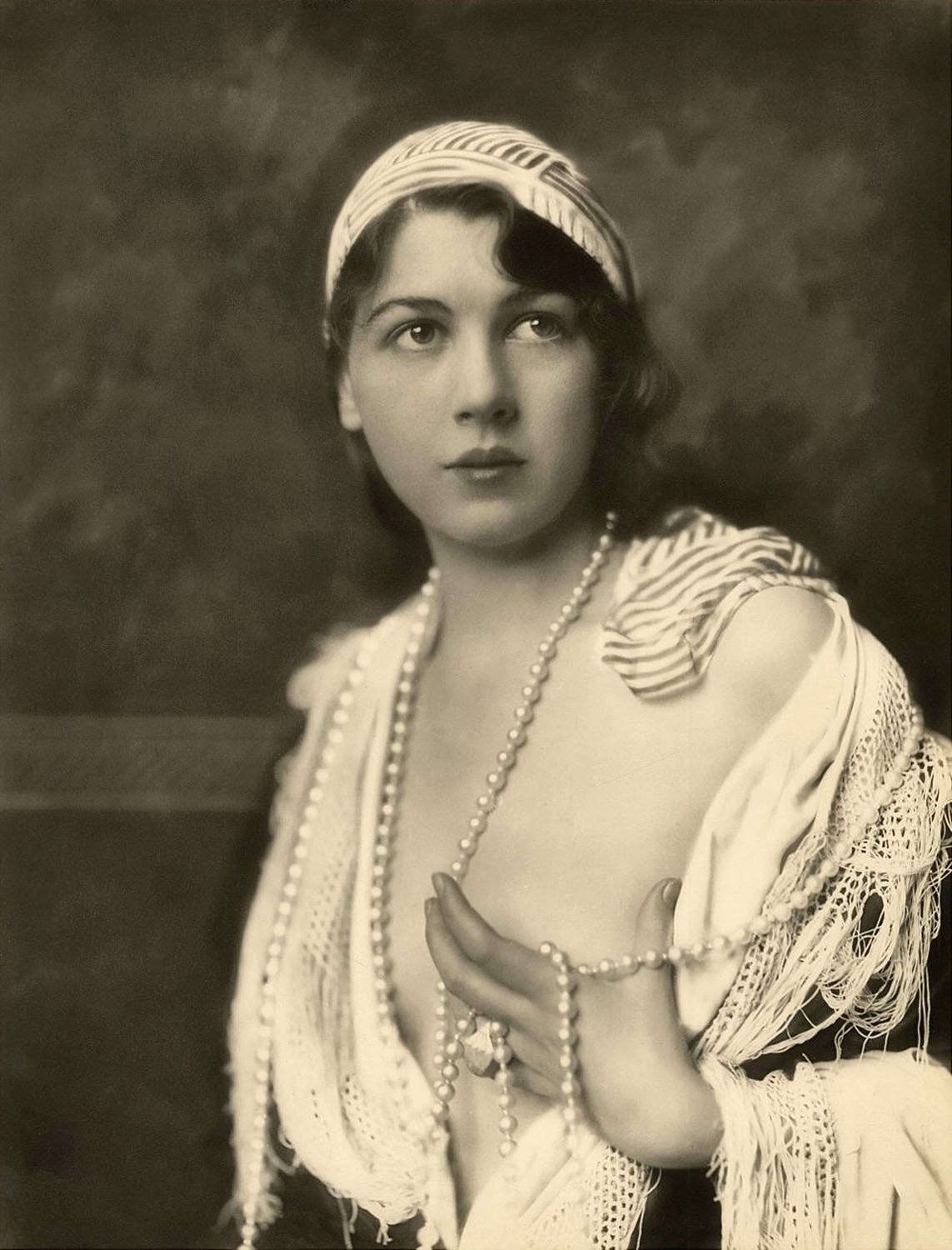
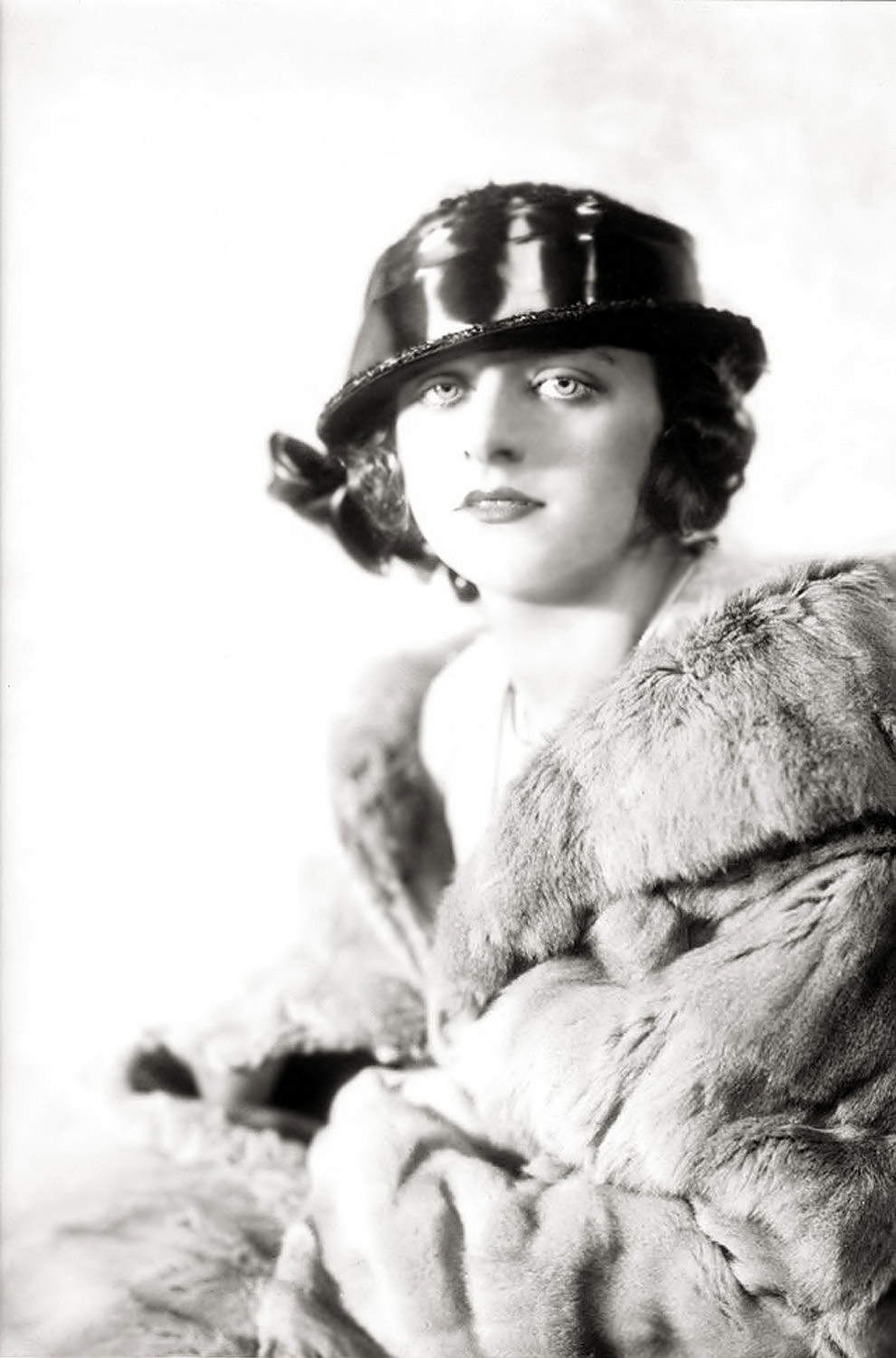
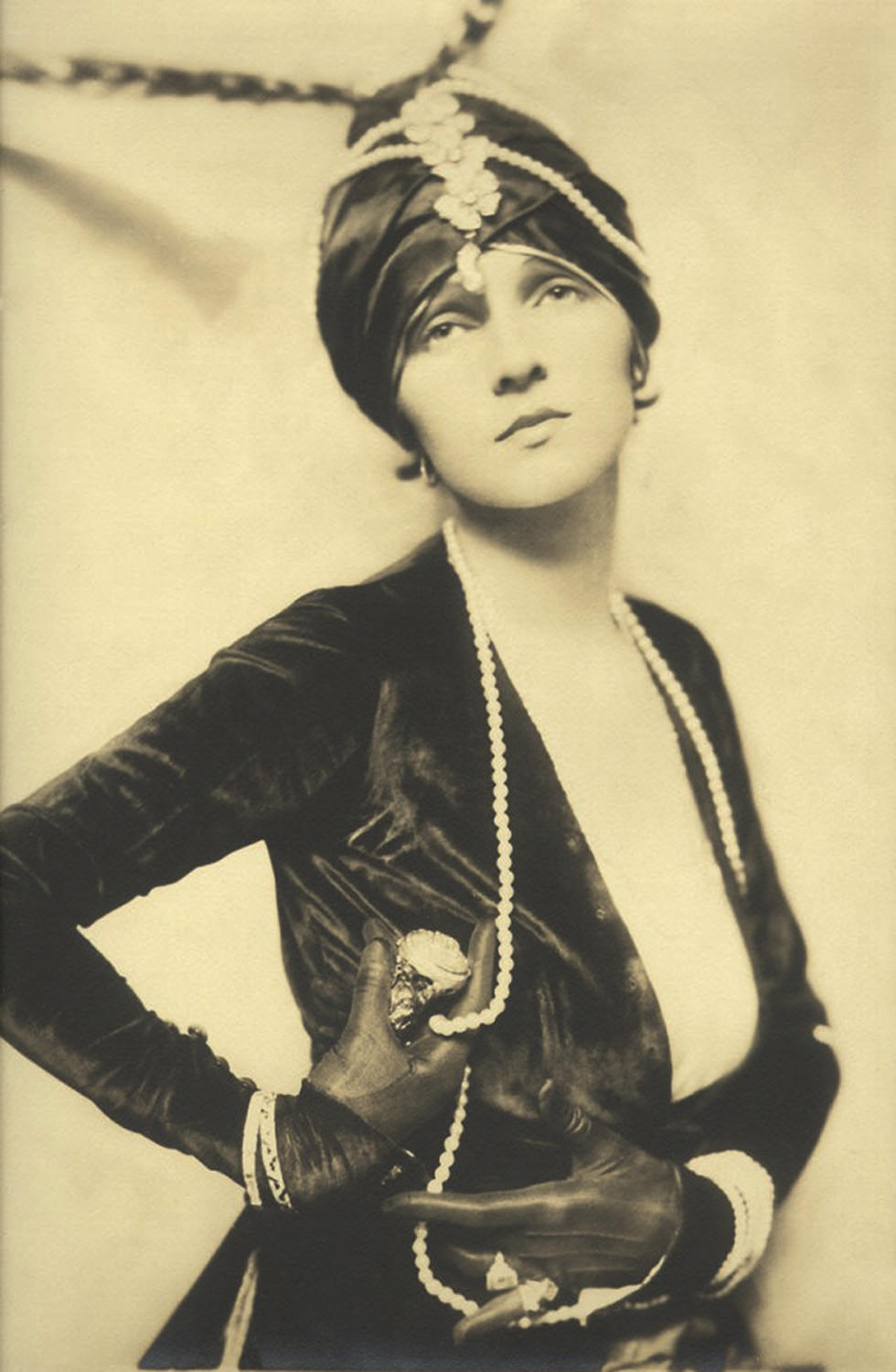
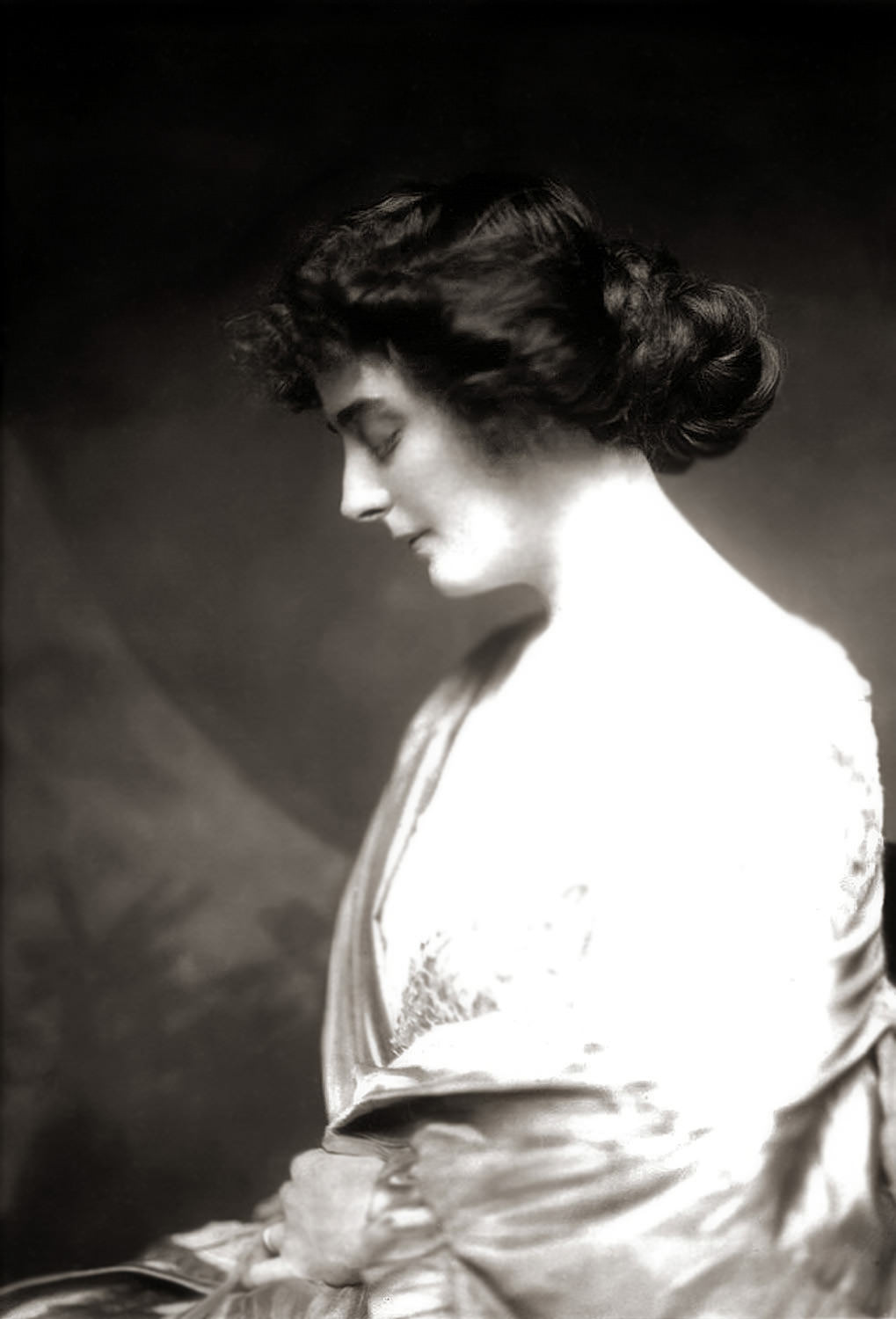
Johnston had a sharp eye for posture, light, and personality. He used soft lighting and careful composition to draw out each subject’s individuality. The results were intimate portraits that showed real people, not just performers in costume.
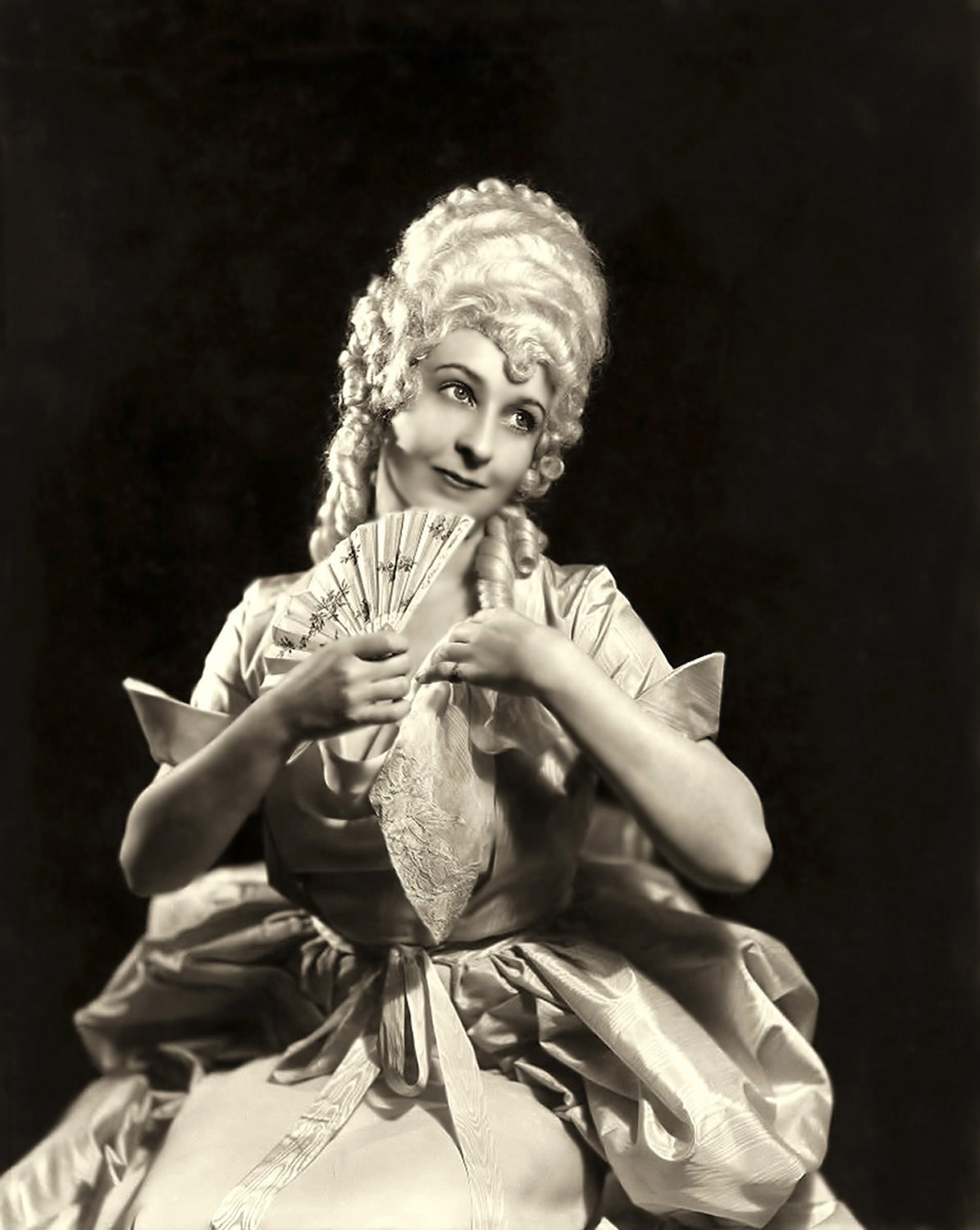
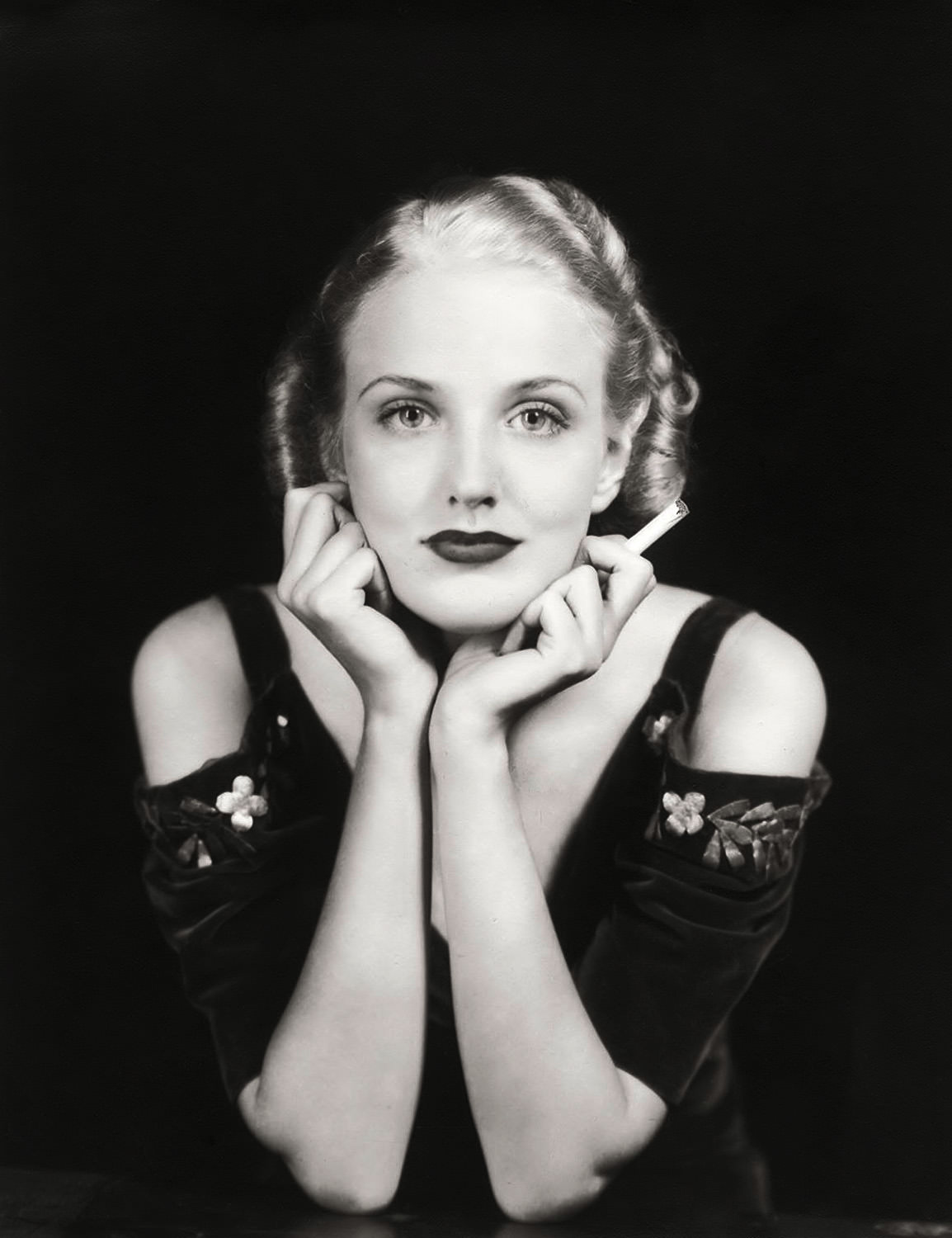
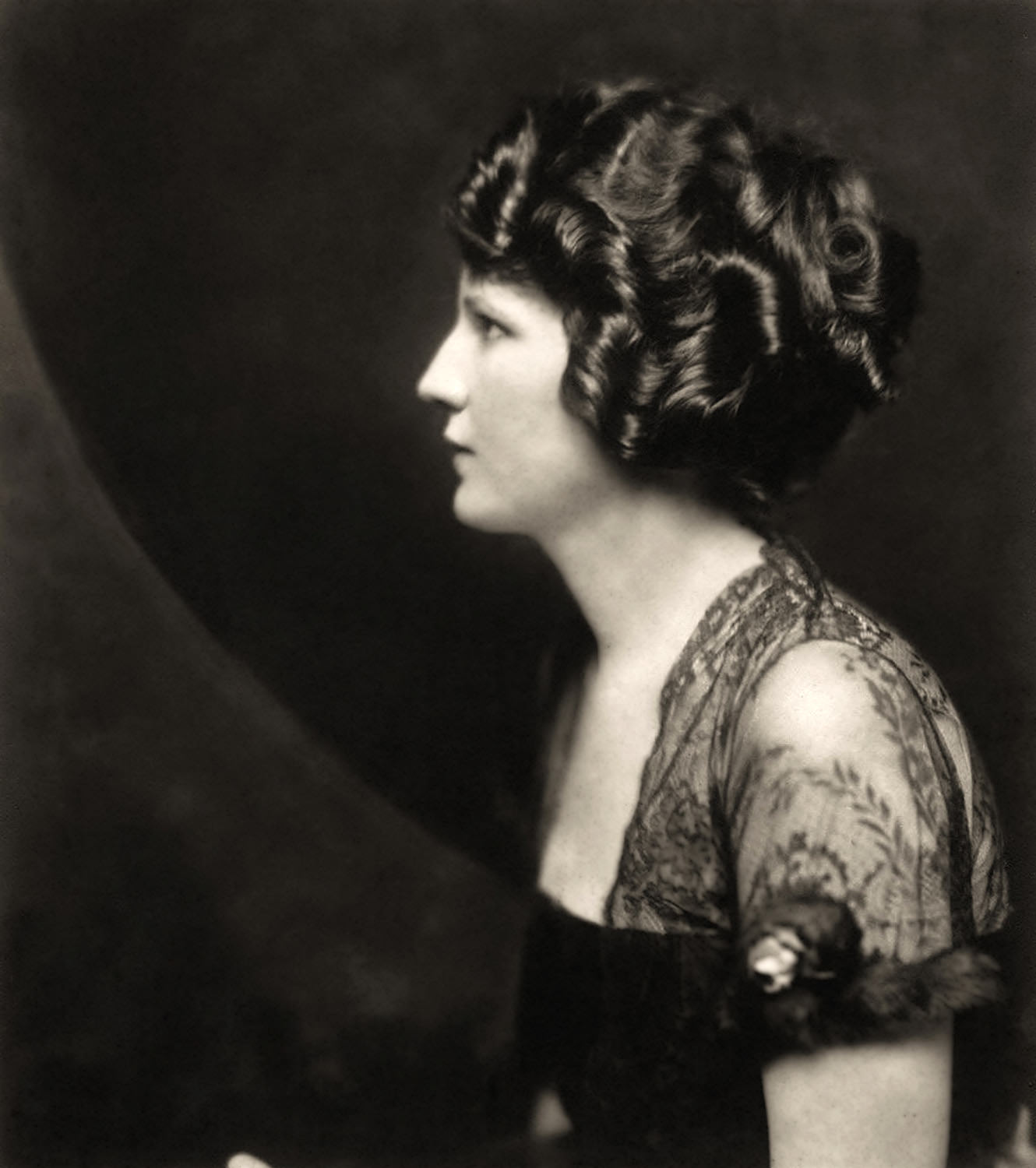
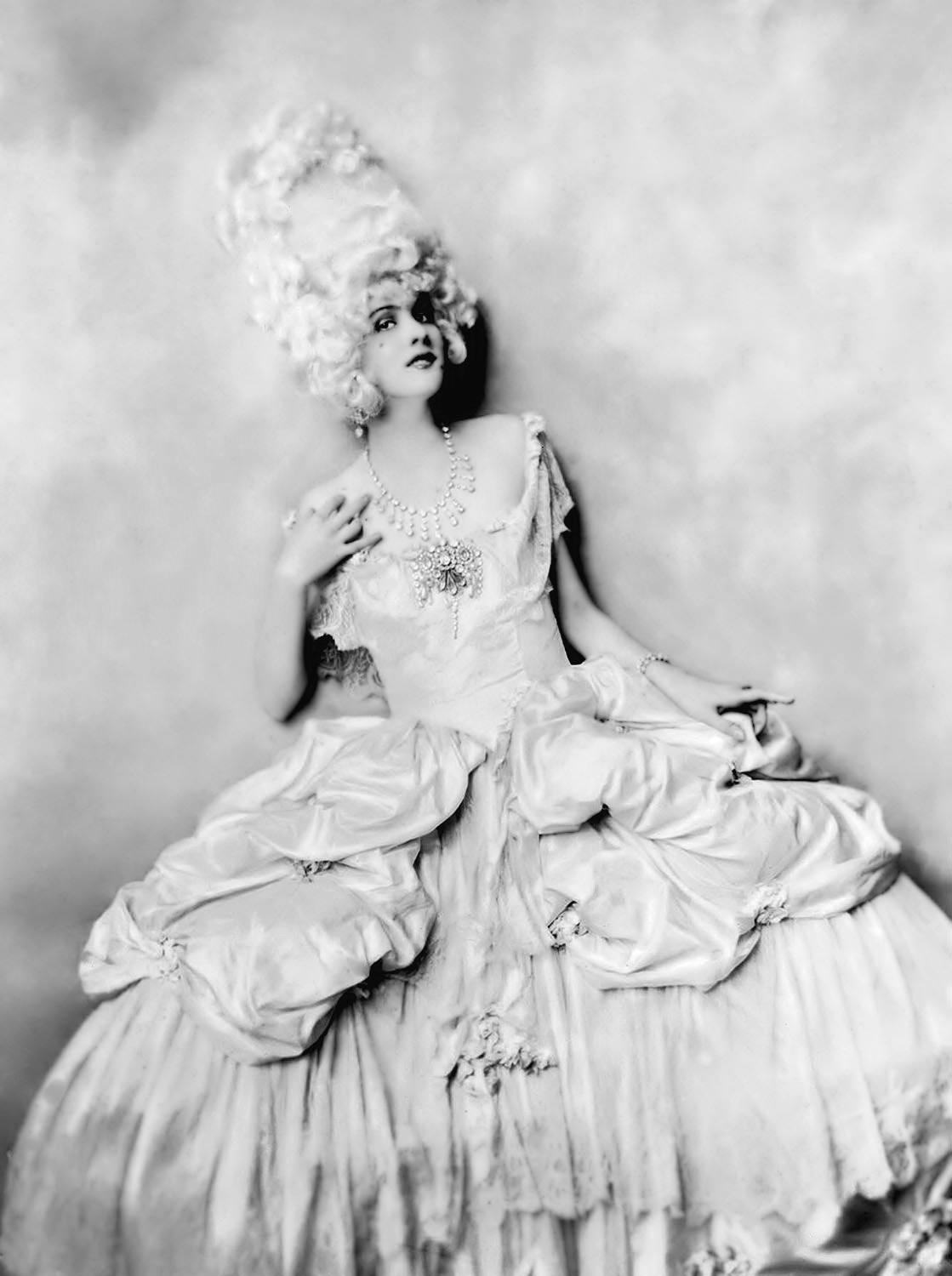
Many of his subjects posed with feathered headdresses, draped fabrics, and elaborate jewelry — the signature visual language of the Follies. Yet Johnston’s framing always kept the focus on the person wearing them, not just the spectacle.
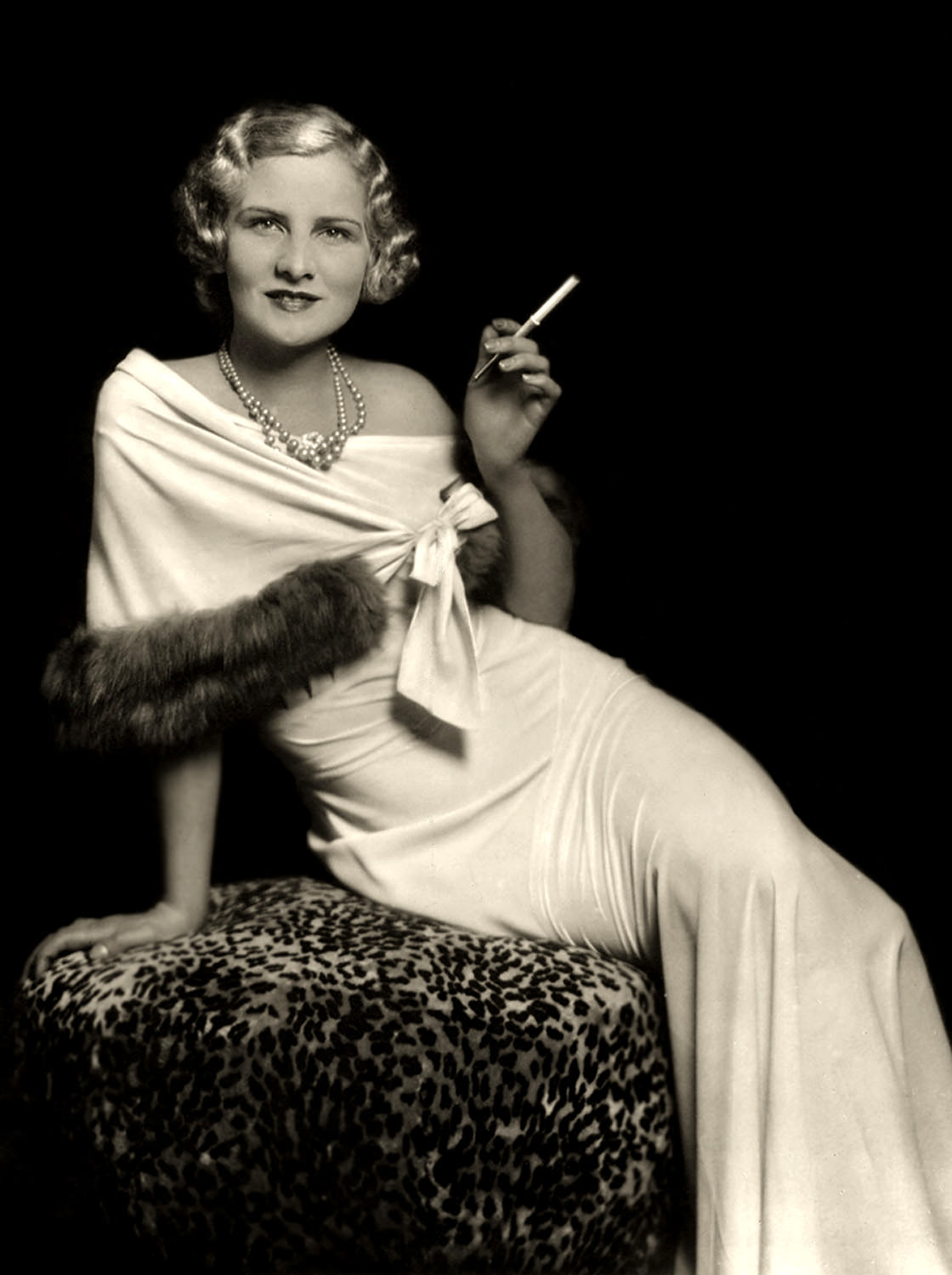
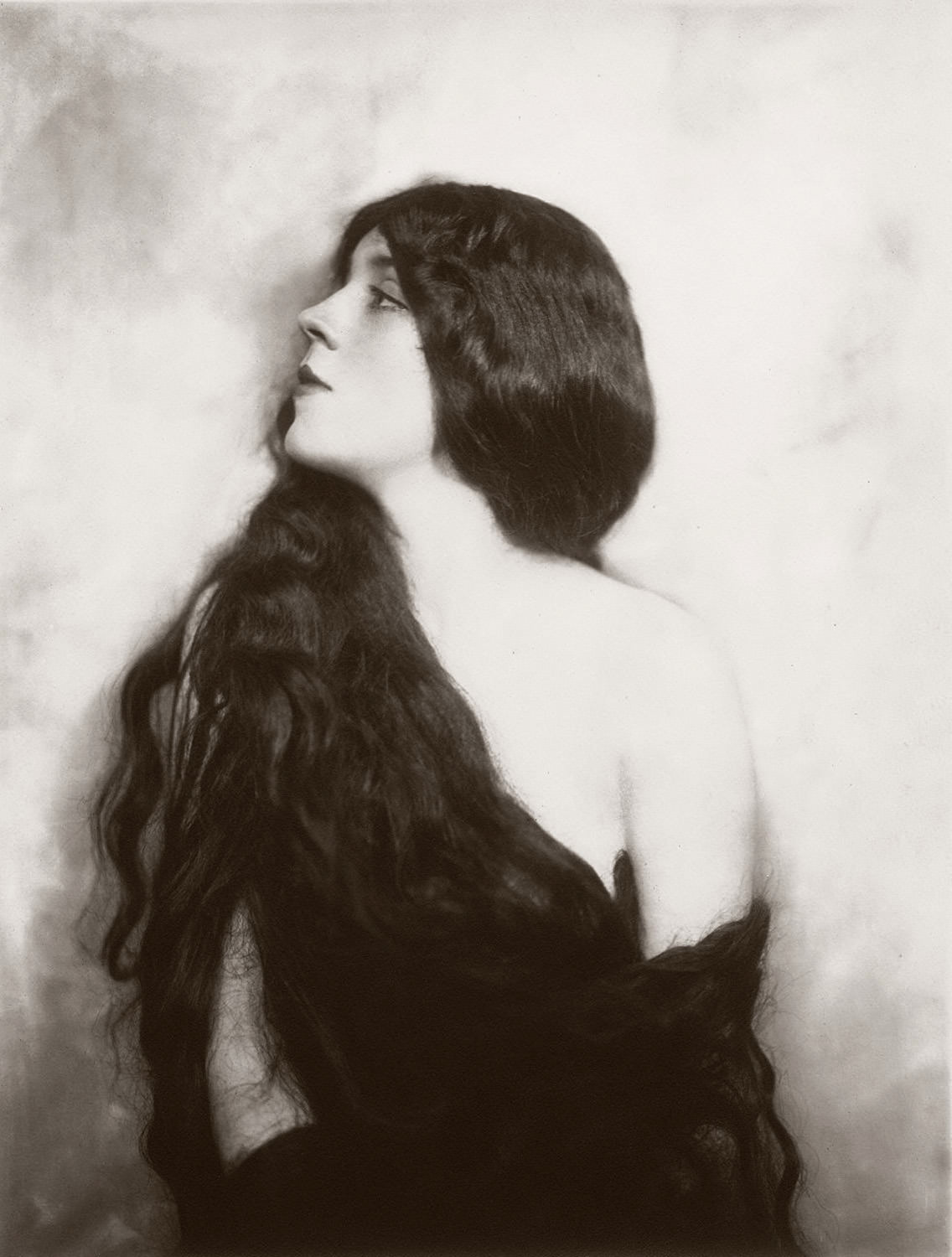
The showgirls’ identities were rarely recorded alongside their images. Most photographs circulated in magazines and promotional materials without names attached. Johnston’s archive preserves their faces, but for many, the names are still unknown.
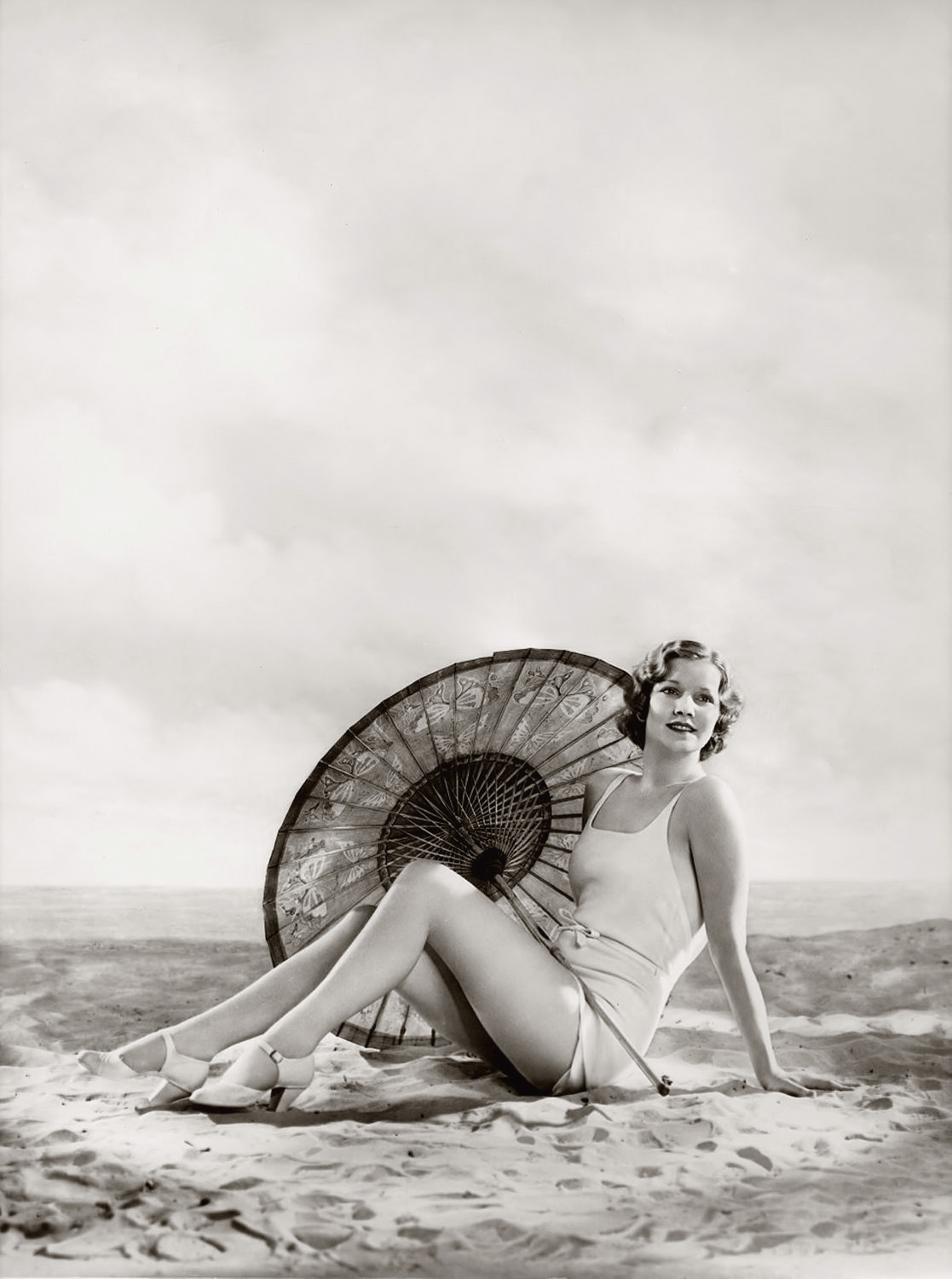
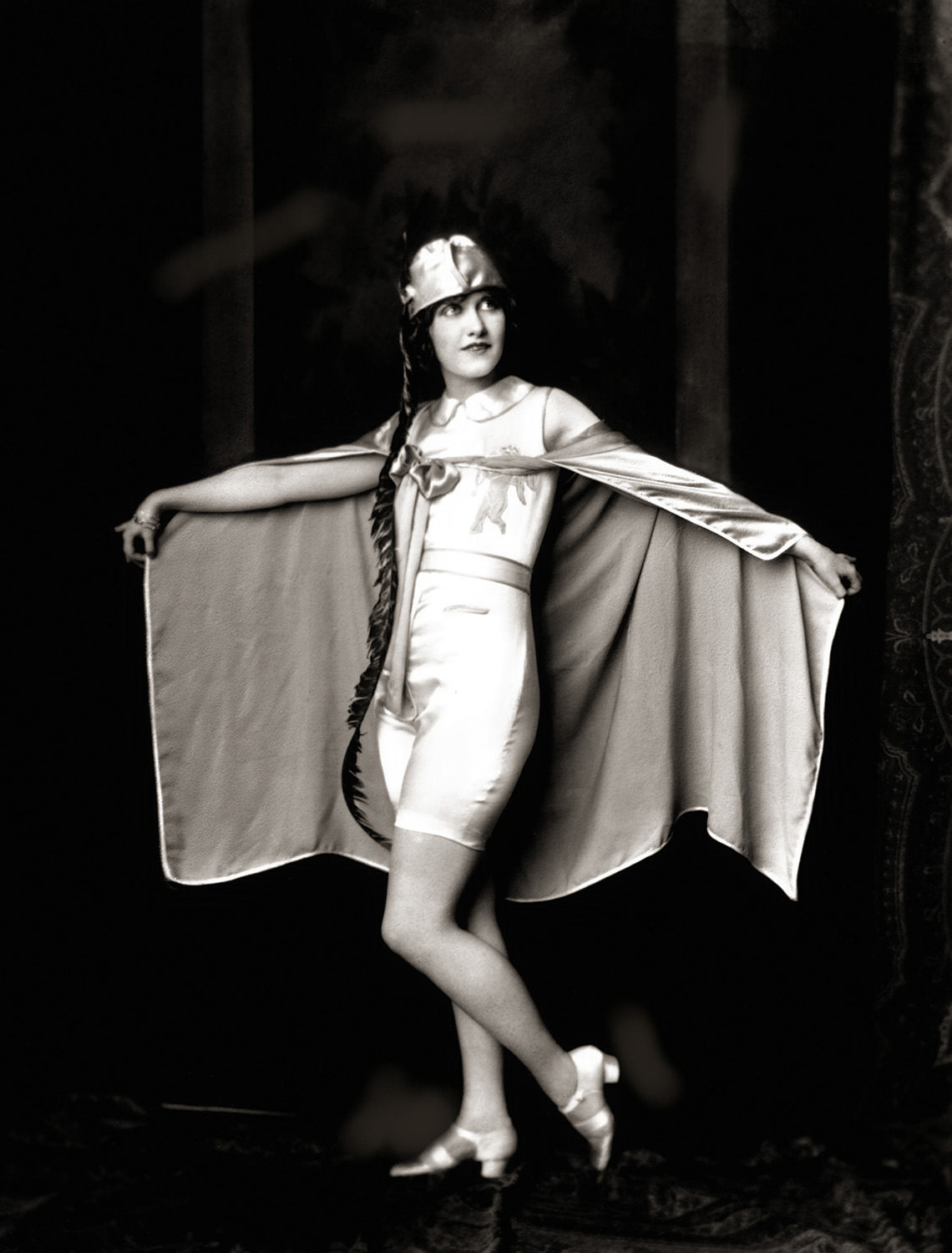
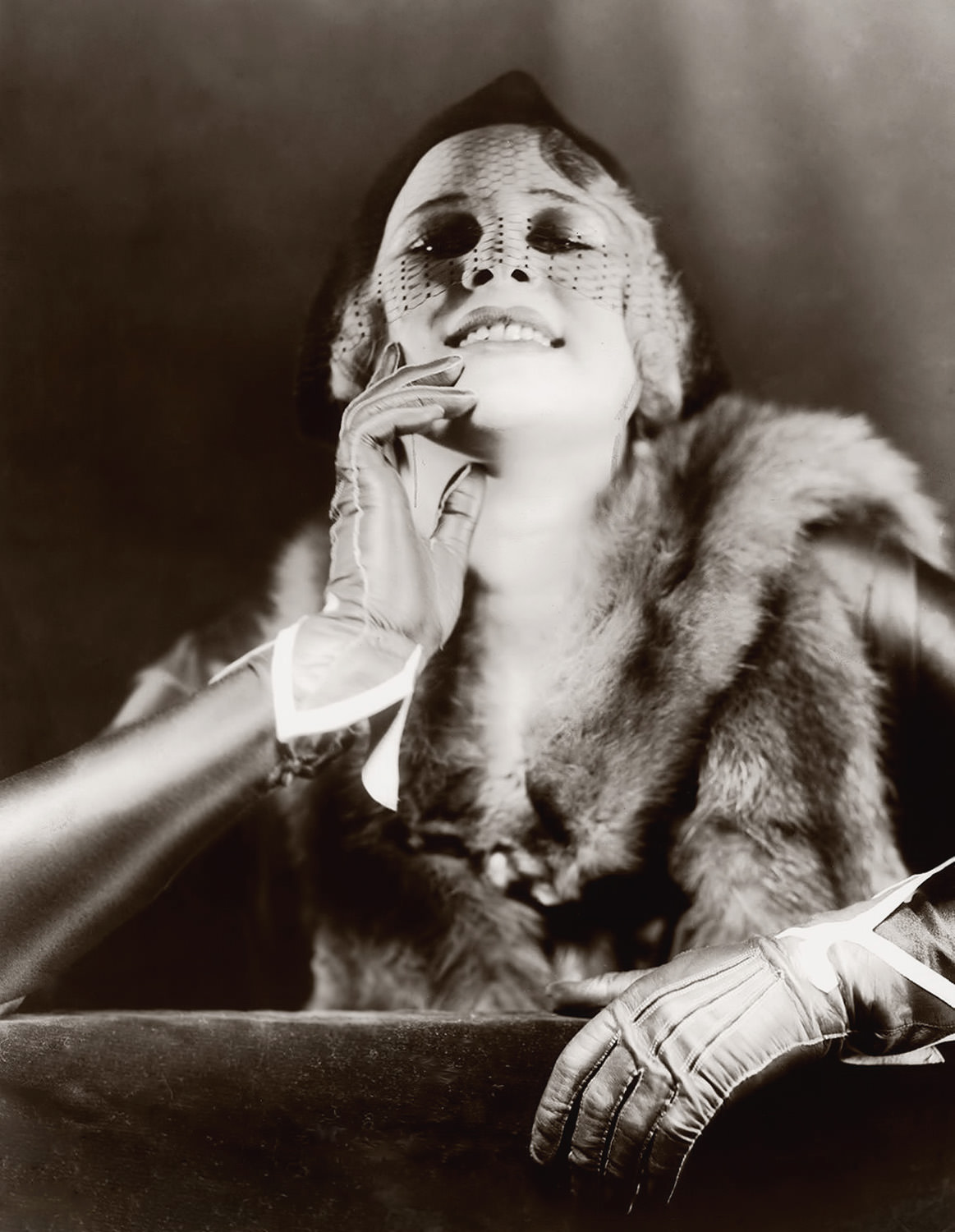
Johnston’s studio sessions gave these women something the stage rarely did — individual attention. On Broadway, they moved in unison, dressed alike, designed to dazzle as a group. In Johnston’s studio, each woman stood alone in front of the lens.
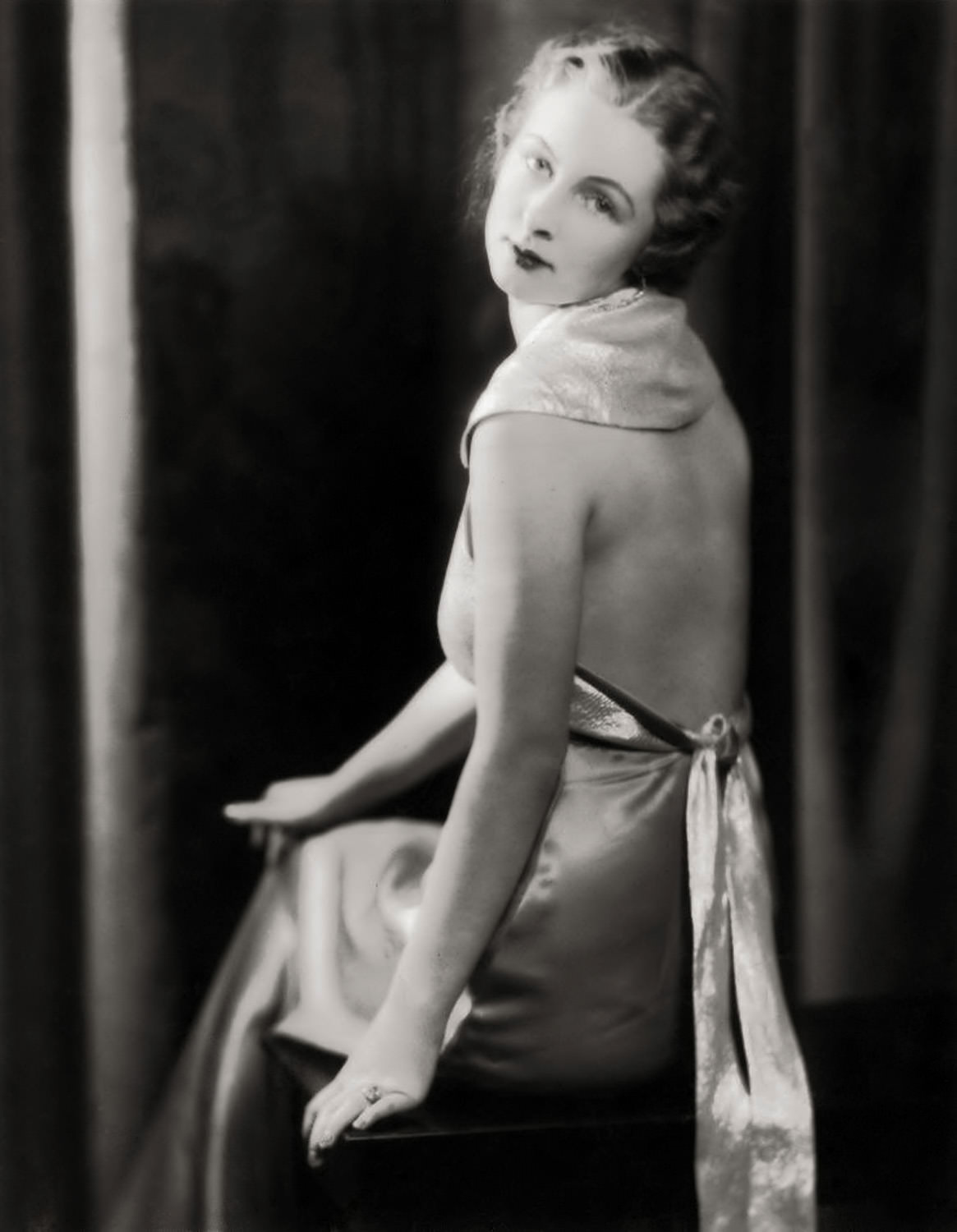
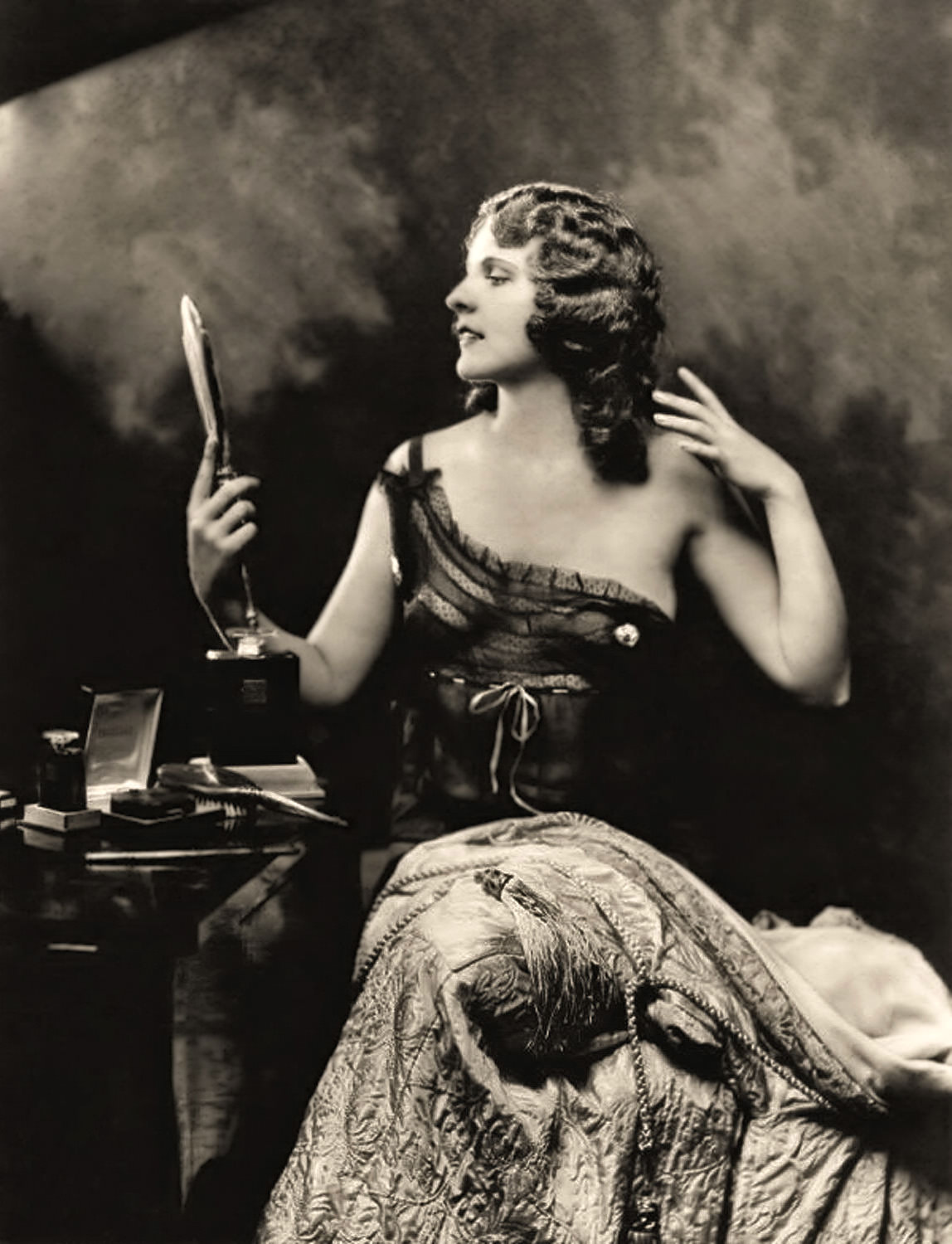
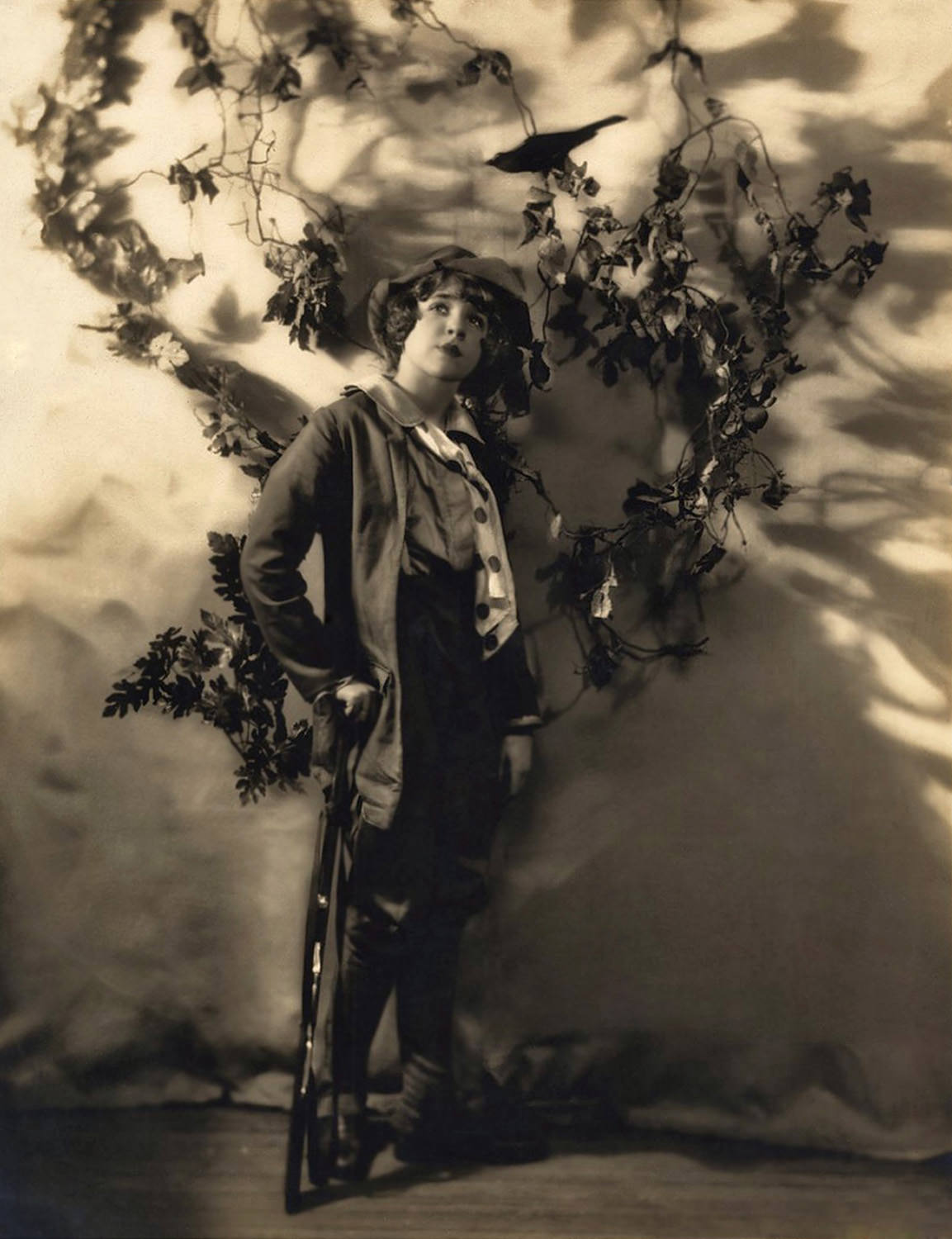
His photographs appeared in publications across the country during the 1920s and 1930s, at the height of the Follies’ popularity. They shaped public perception of what a showgirl looked like — glamorous, poised, and confident.
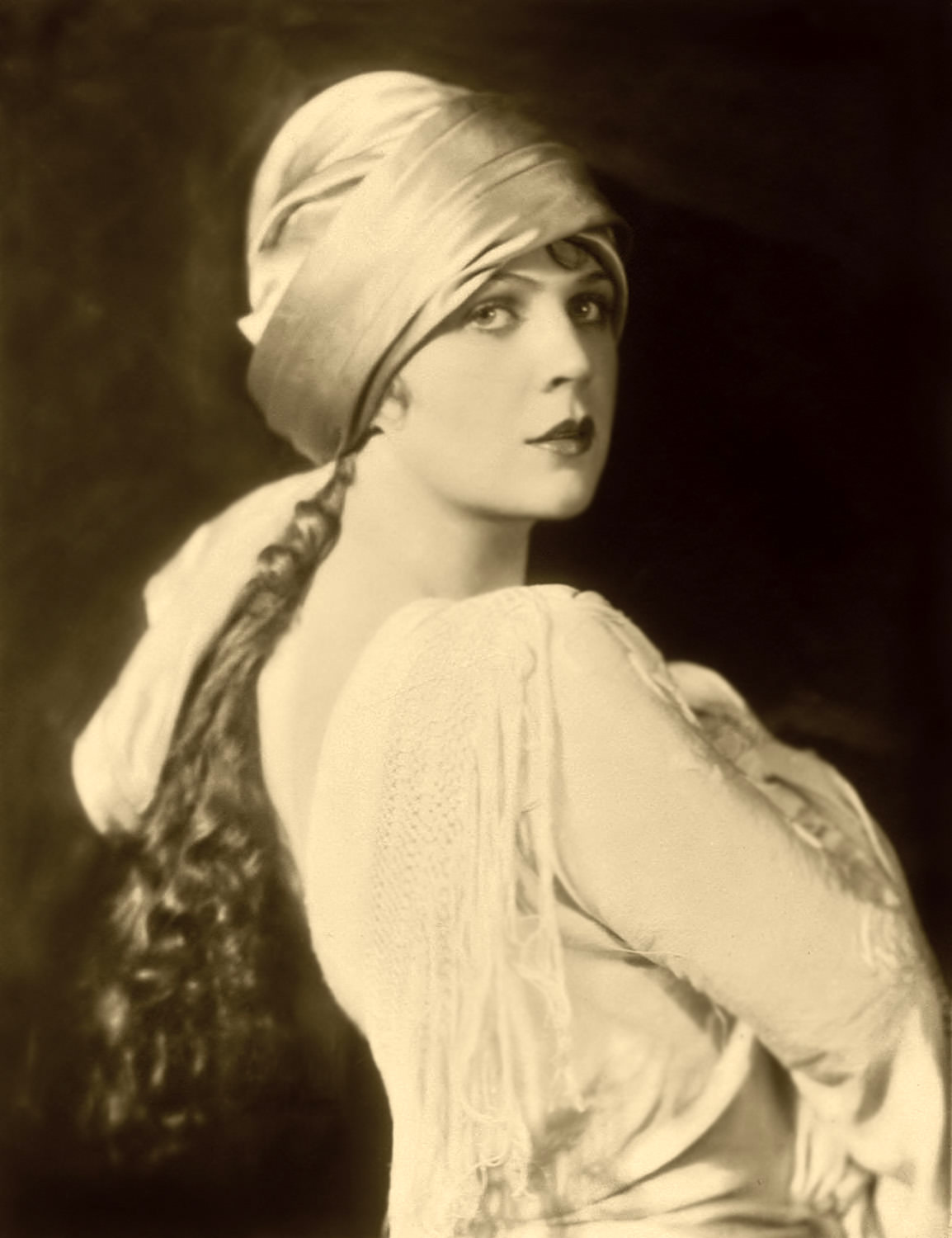
The Ziegfeld Follies ran their final production in 1943. By then, Broadway tastes had shifted and the grand revue format had lost its commercial pull. The era these photographs captured was over. But Johnston’s negatives survived, preserving a detailed record of the women who filled those stages.
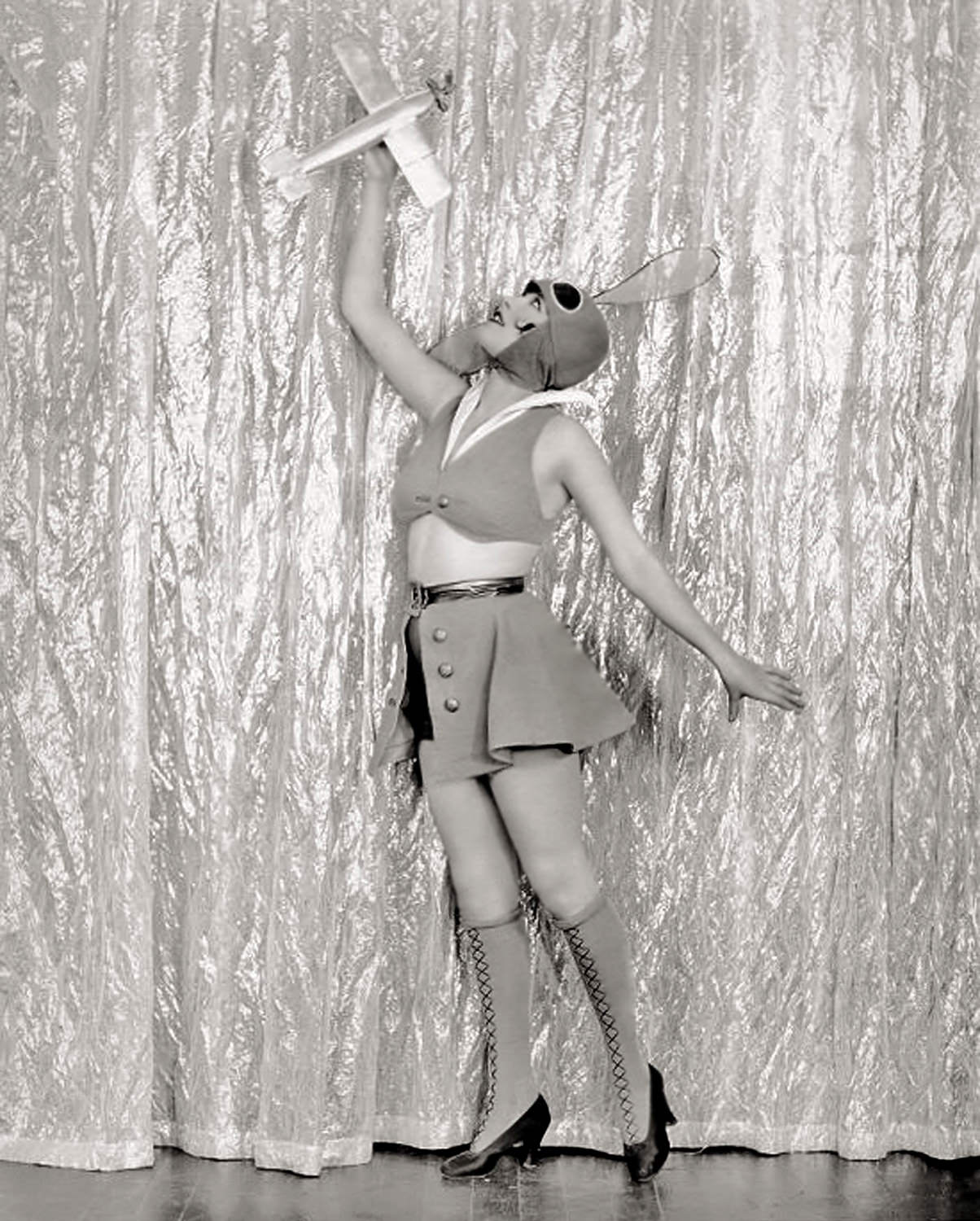
What these photographs offer today is a window into a working world that history largely overlooked. These were professional performers with real careers, real ambitions, and real lives — documented in sharp detail by one of Broadway’s most skilled portrait photographers.