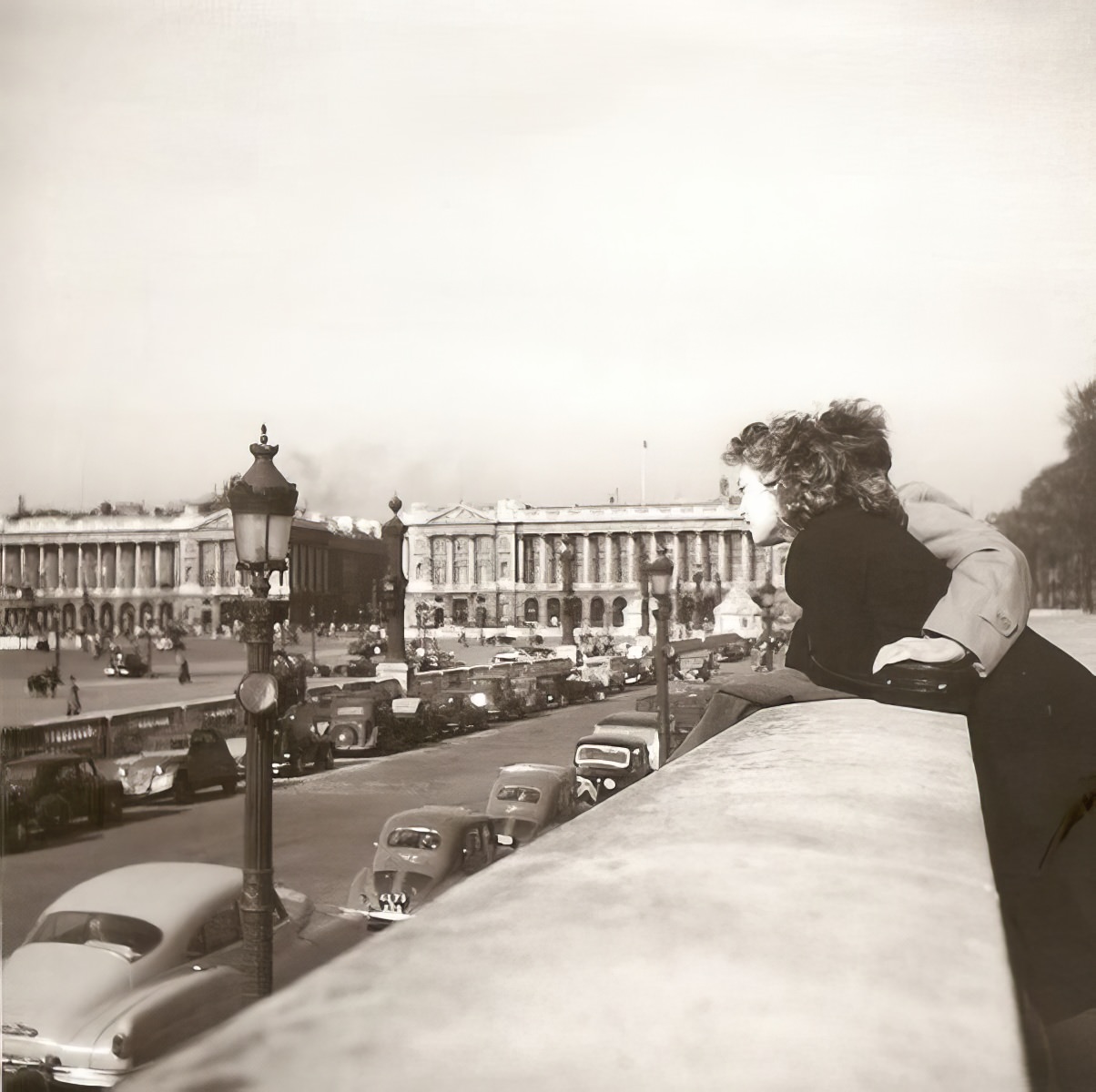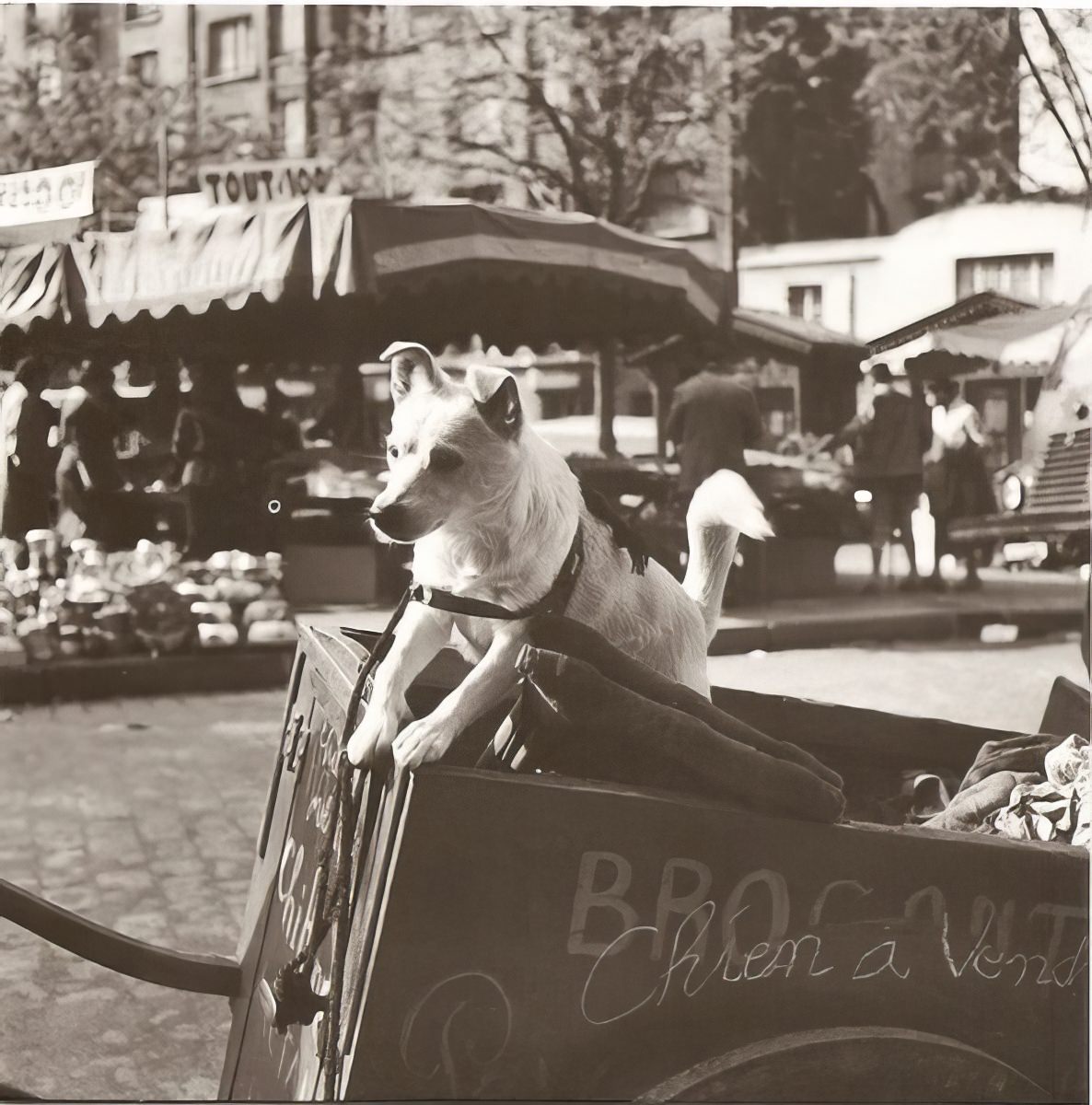

The Roger-Viollet collection is one of the most important photo archives in France. Built over decades, it holds thousands of black-and-white images that document Paris street by street, decade by decade. The 1930s photographs are among the most striking — a city fully alive before the upheaval of World War II.

Paris in this era moved at a different pace. Horse-drawn carts still shared cobblestone streets with early automobiles. The metro was expanding, and working-class neighborhoods buzzed with vendors, market stalls, and café tables spilling onto sidewalks.

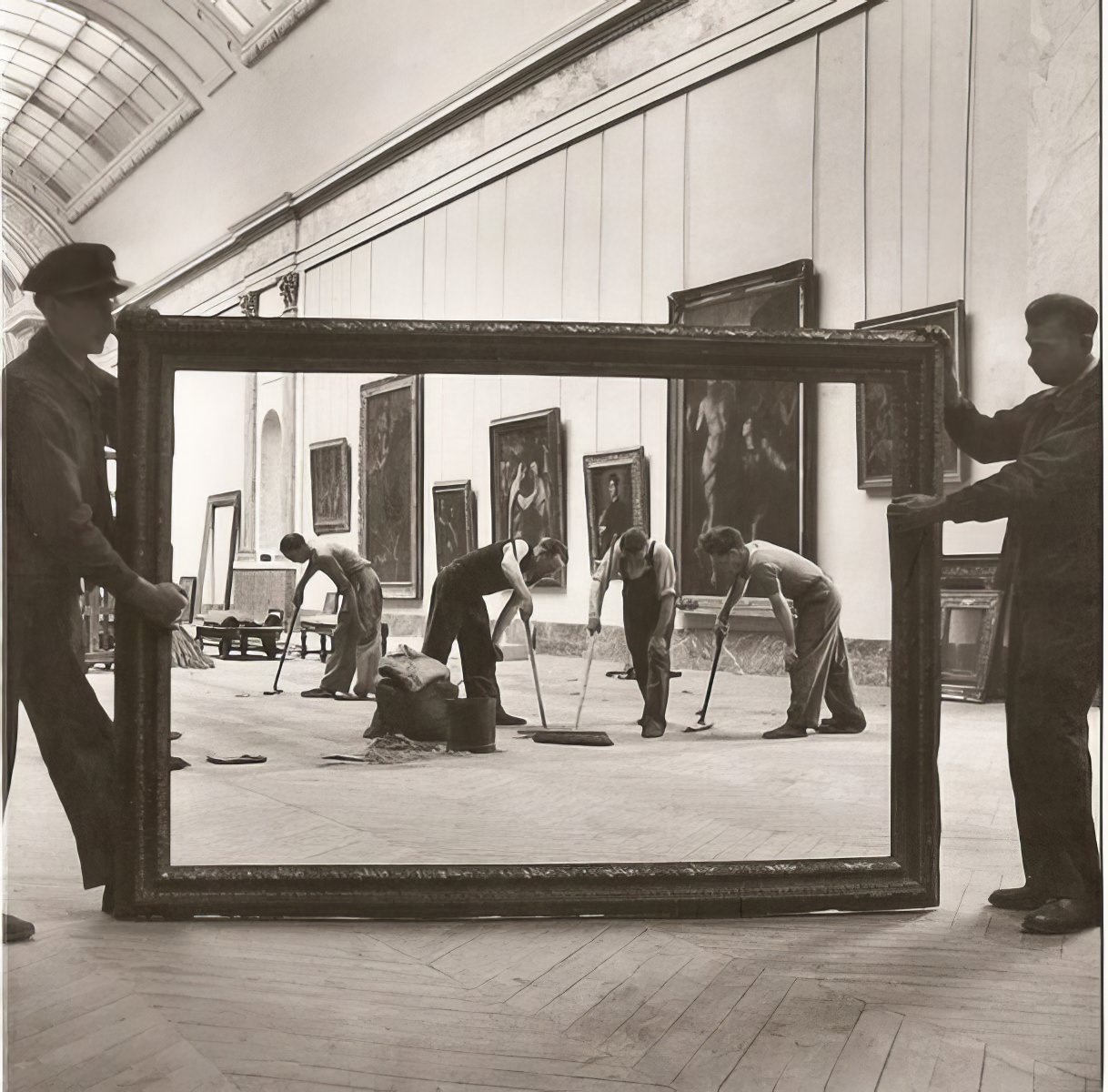
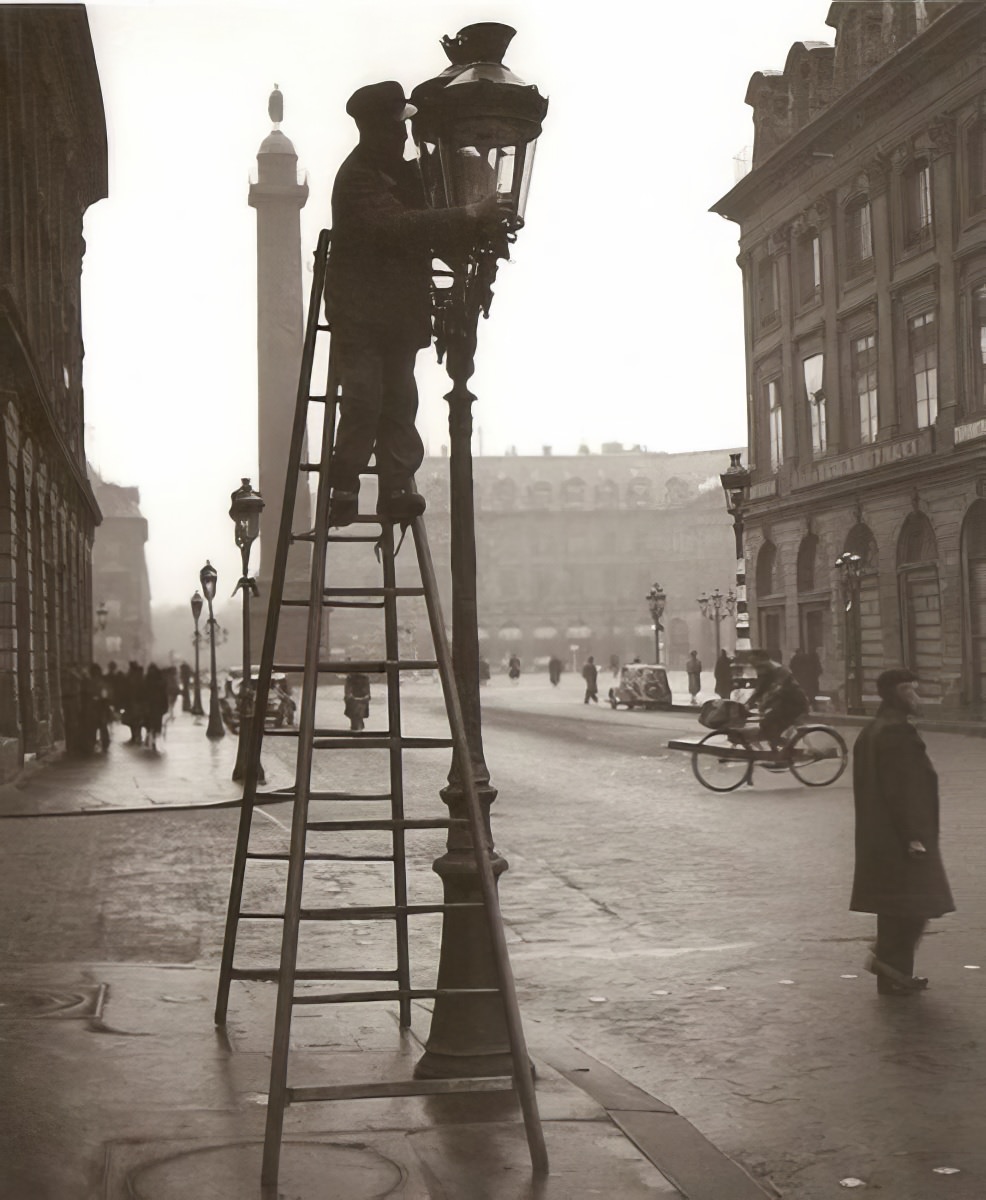
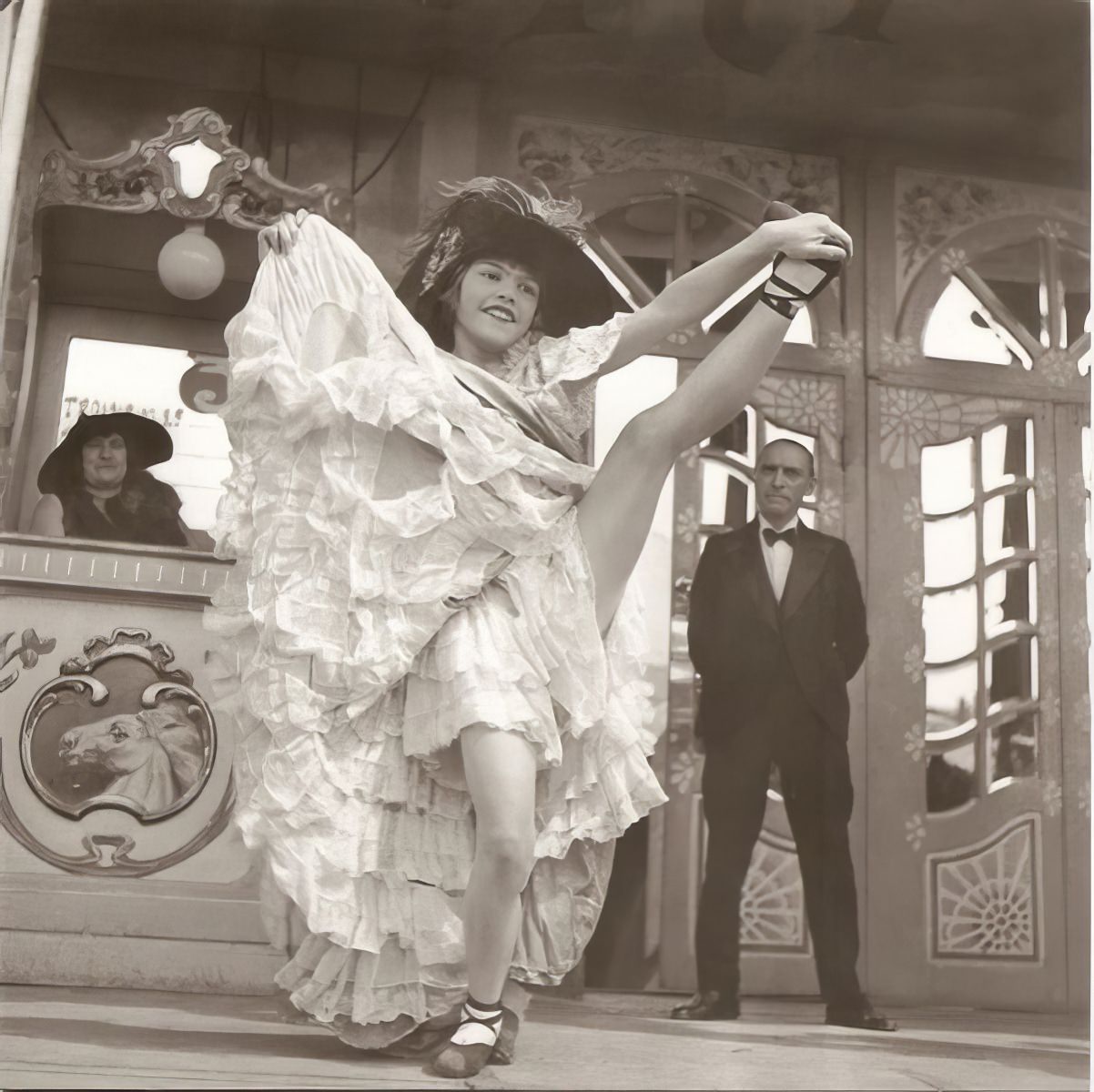
Roger-Viollet’s photographers didn’t just point their cameras at monuments. They documented people — workers, children, couples, street sellers. These are faces of ordinary Parisians going about their days, largely unaware they were being photographed for history.


Fashion in the 1930s was sharp and deliberate. Women wore structured dresses and fitted hats. Men dressed in dark suits with ties, even on casual outings. Children appeared in neat, formal clothes. Every photograph is a small window into the standards and style of the time.


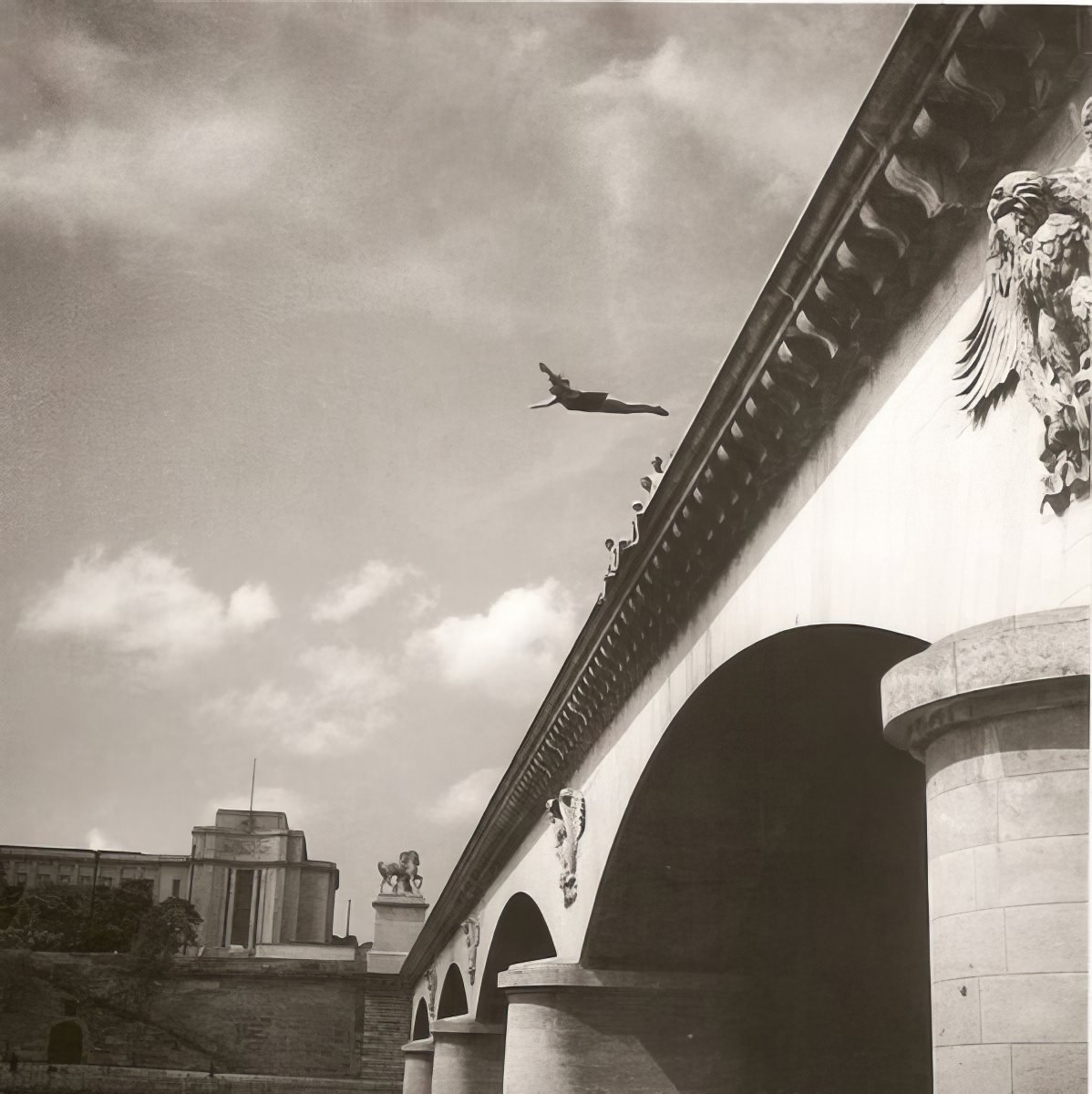
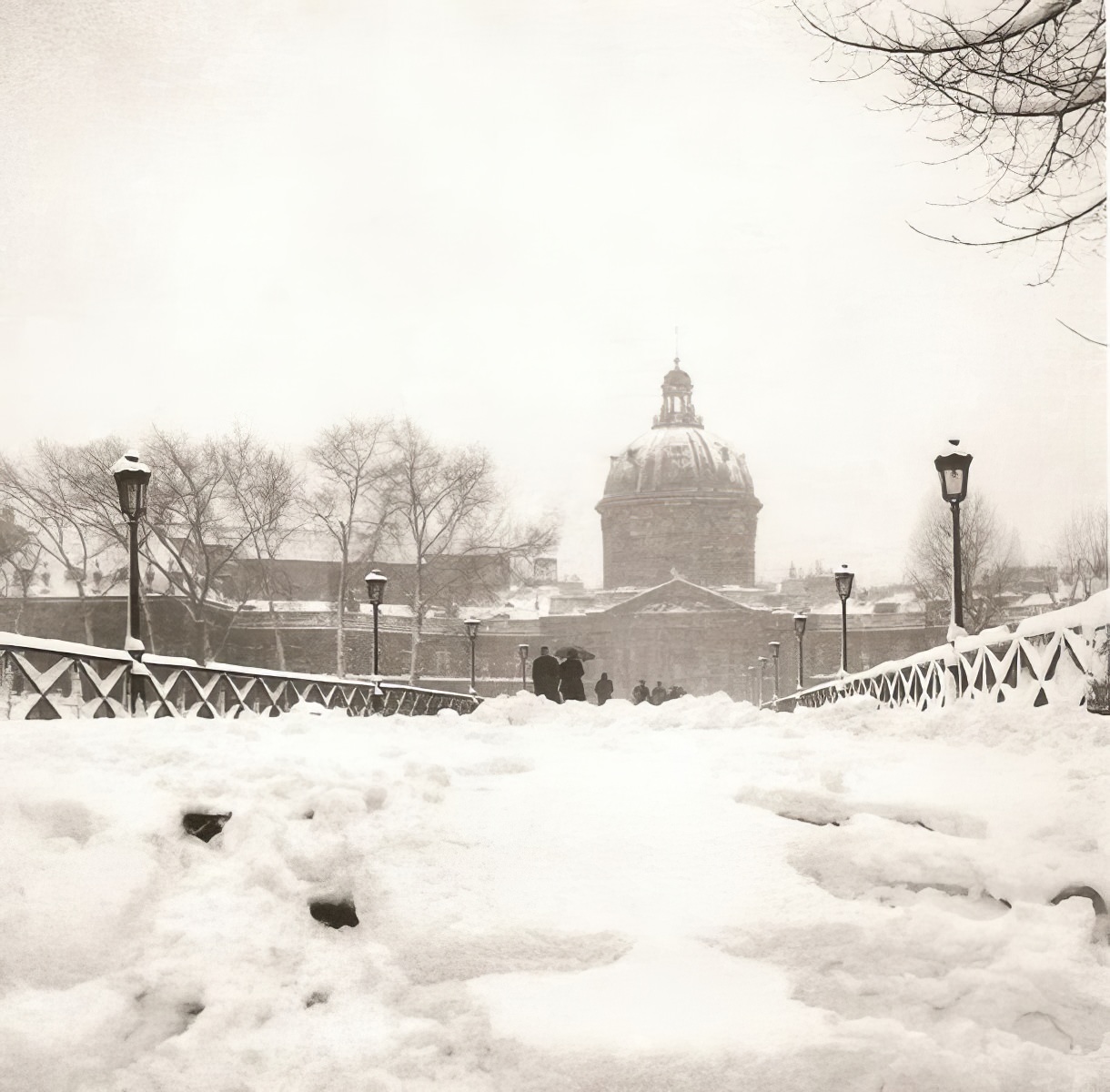
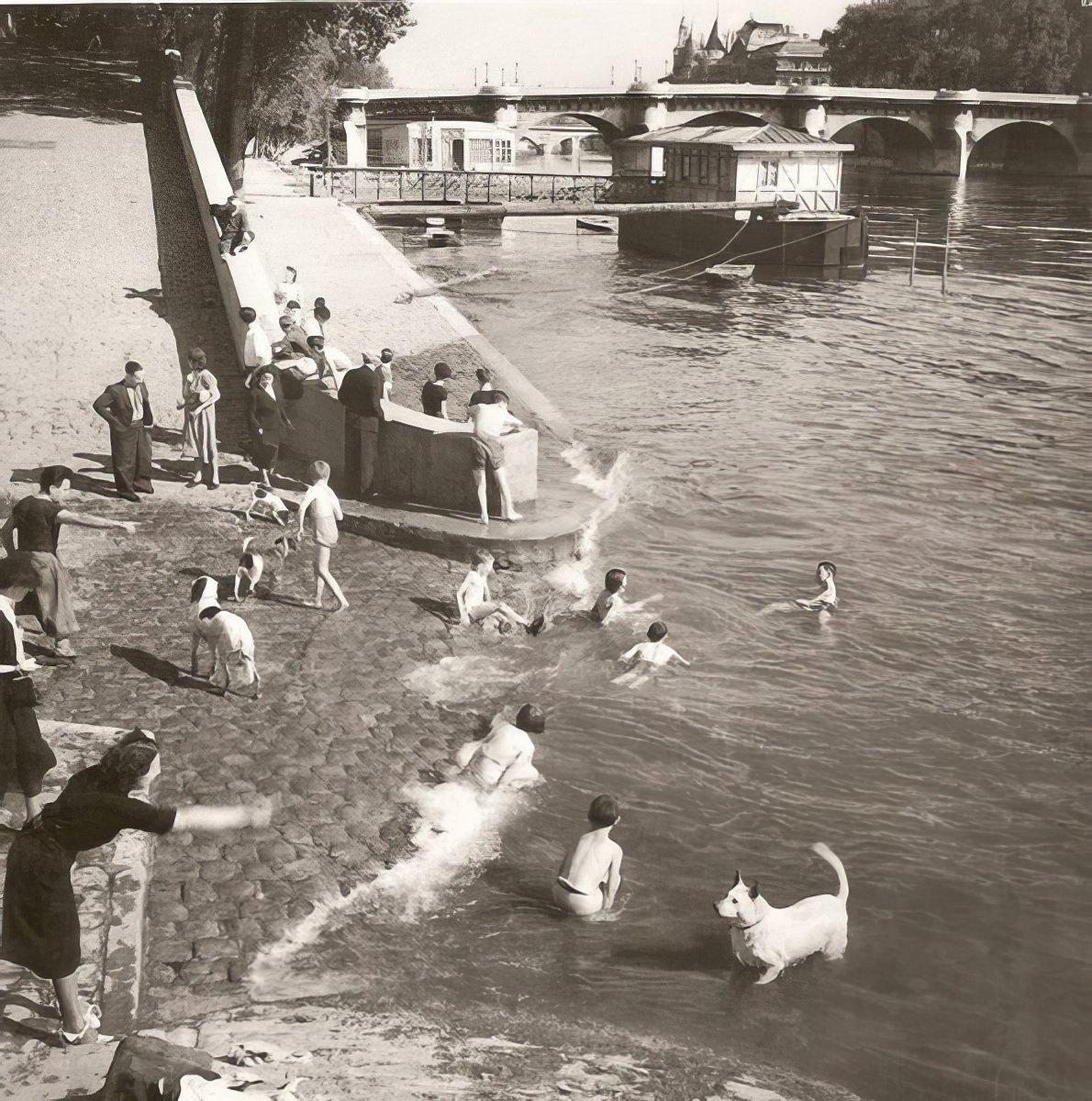
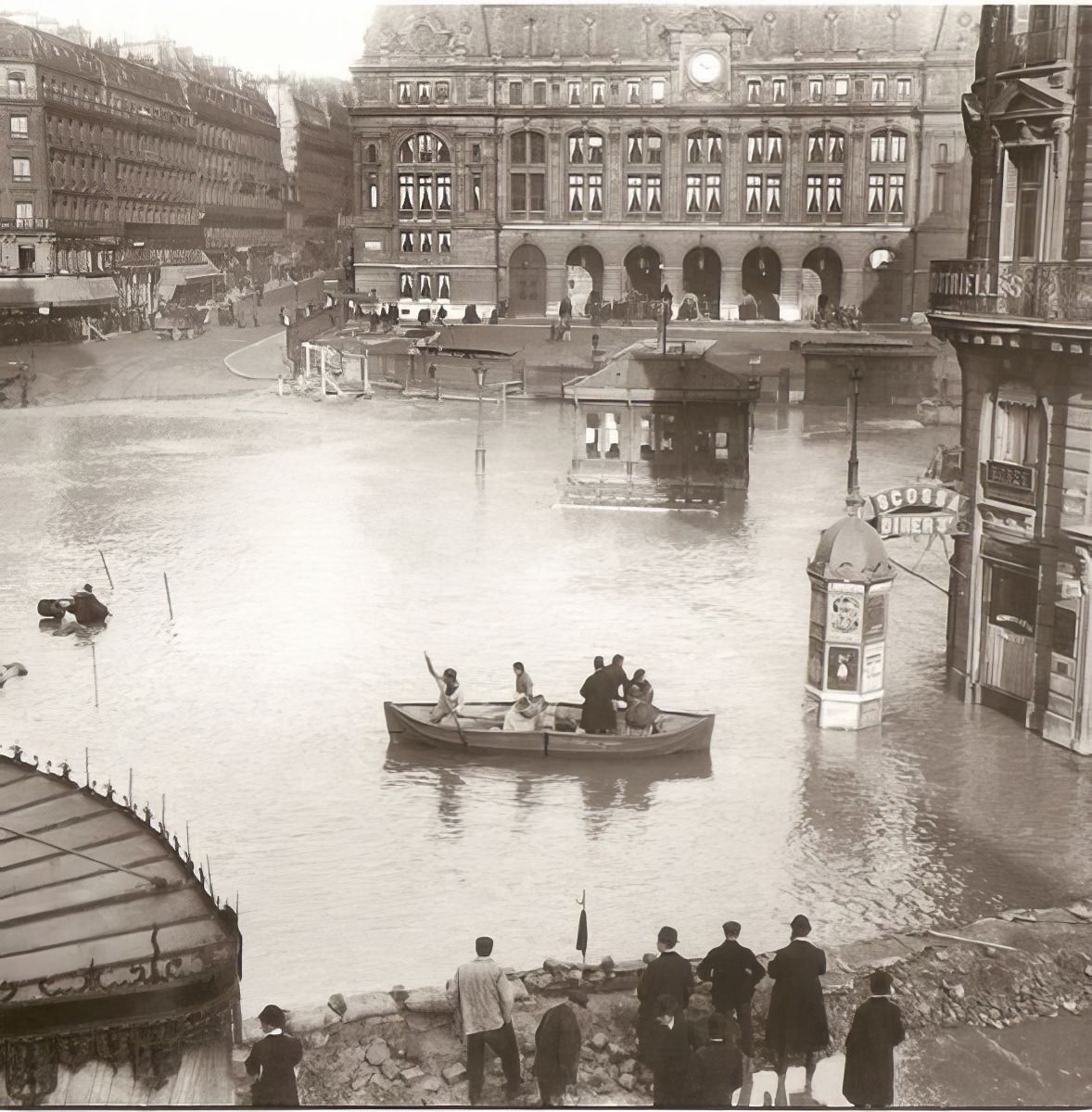
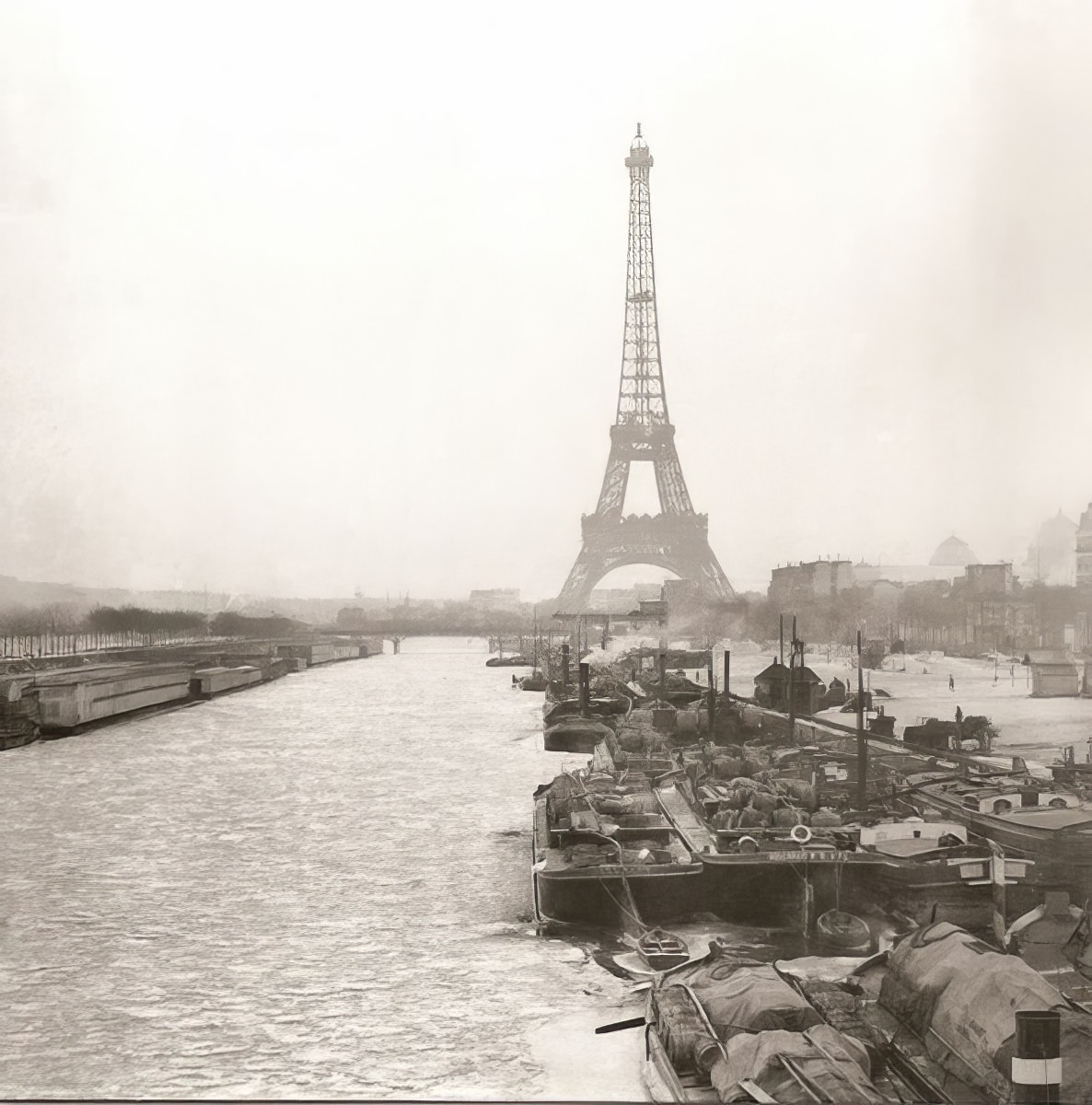
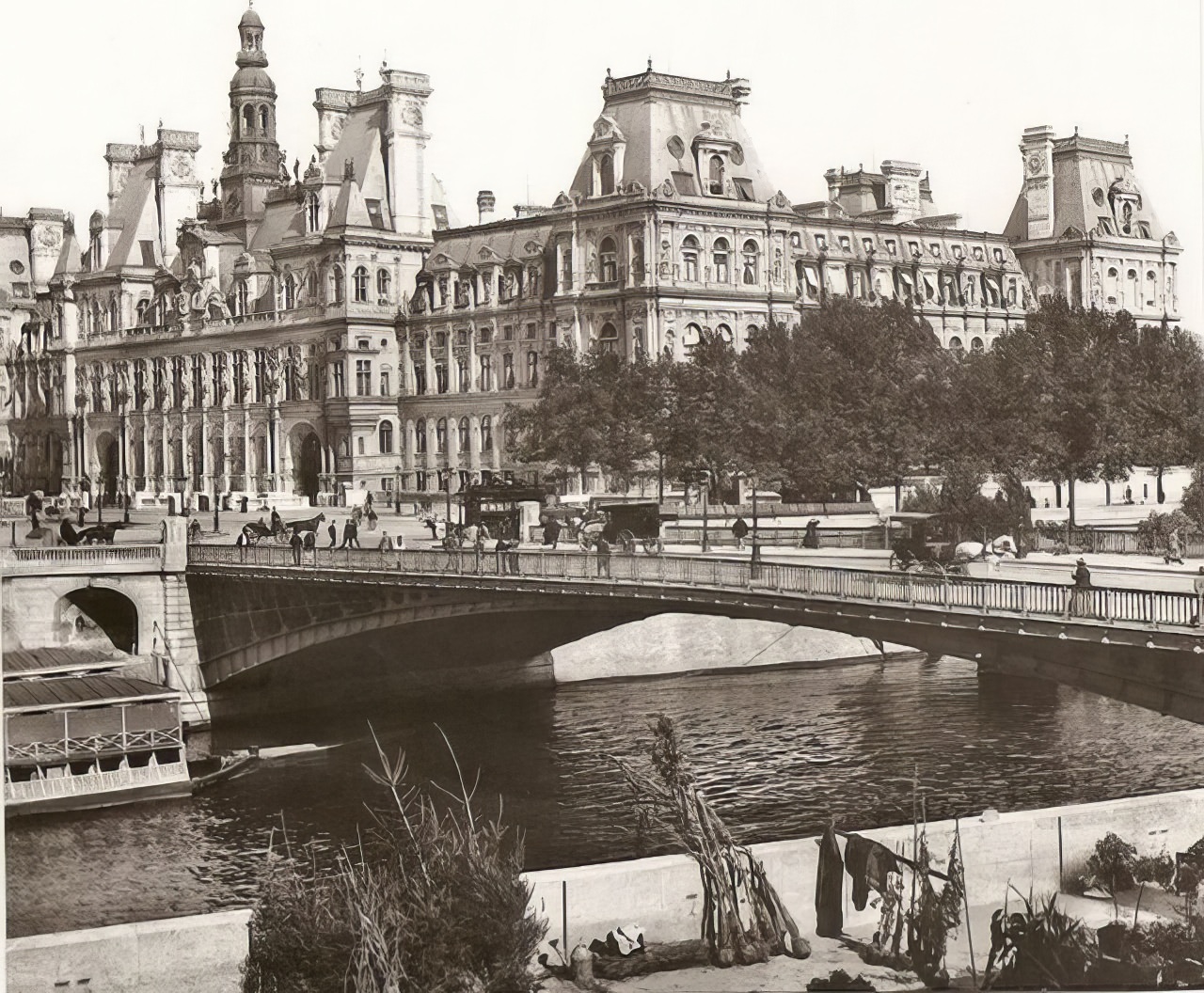
The Seine runs through nearly every version of Paris ever photographed. In the 1930s, its banks were dotted with fishermen, book stalls, and strolling couples. The bridges connecting the Left and Right Banks were daily stages for Parisian life.


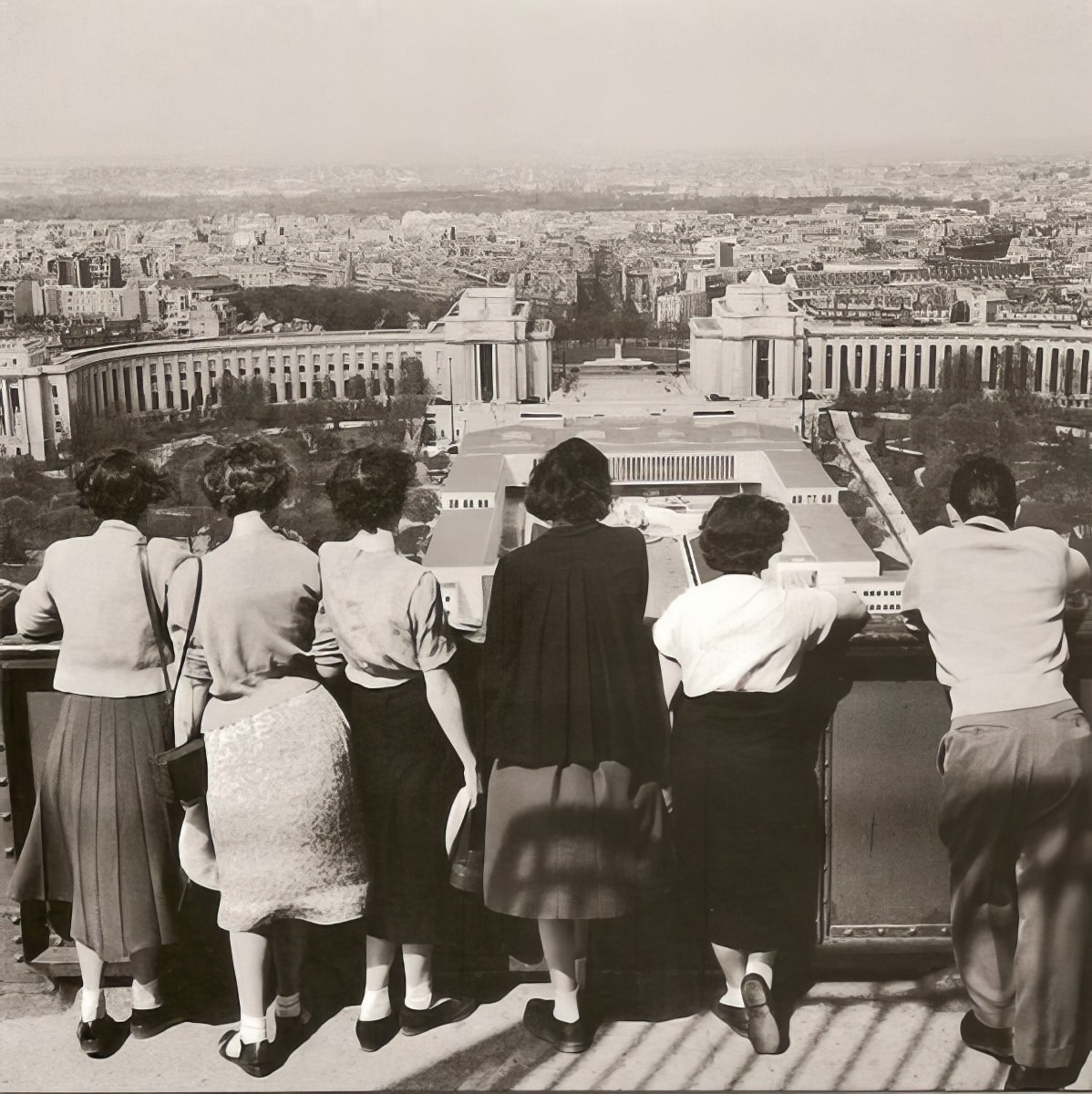
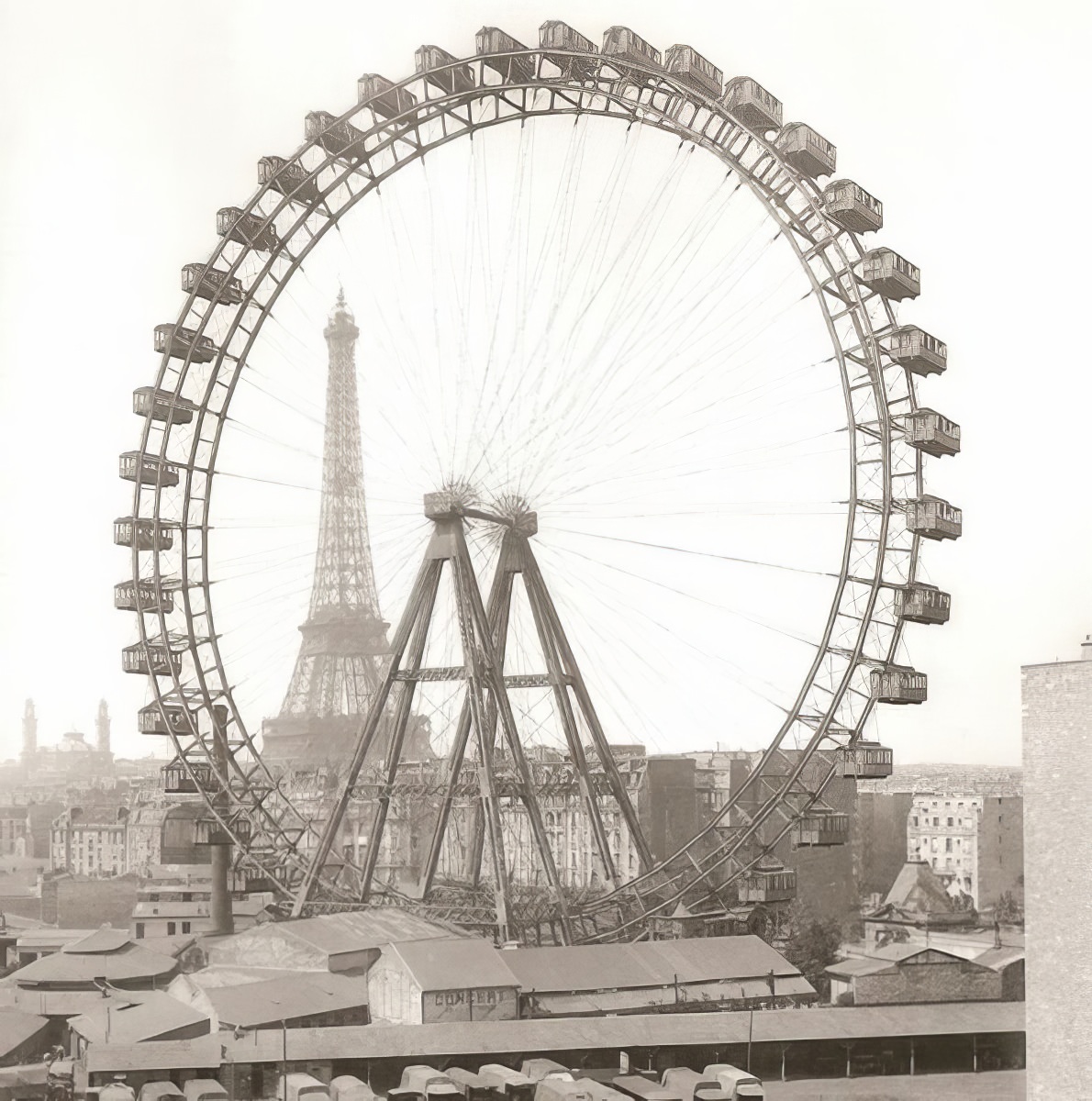
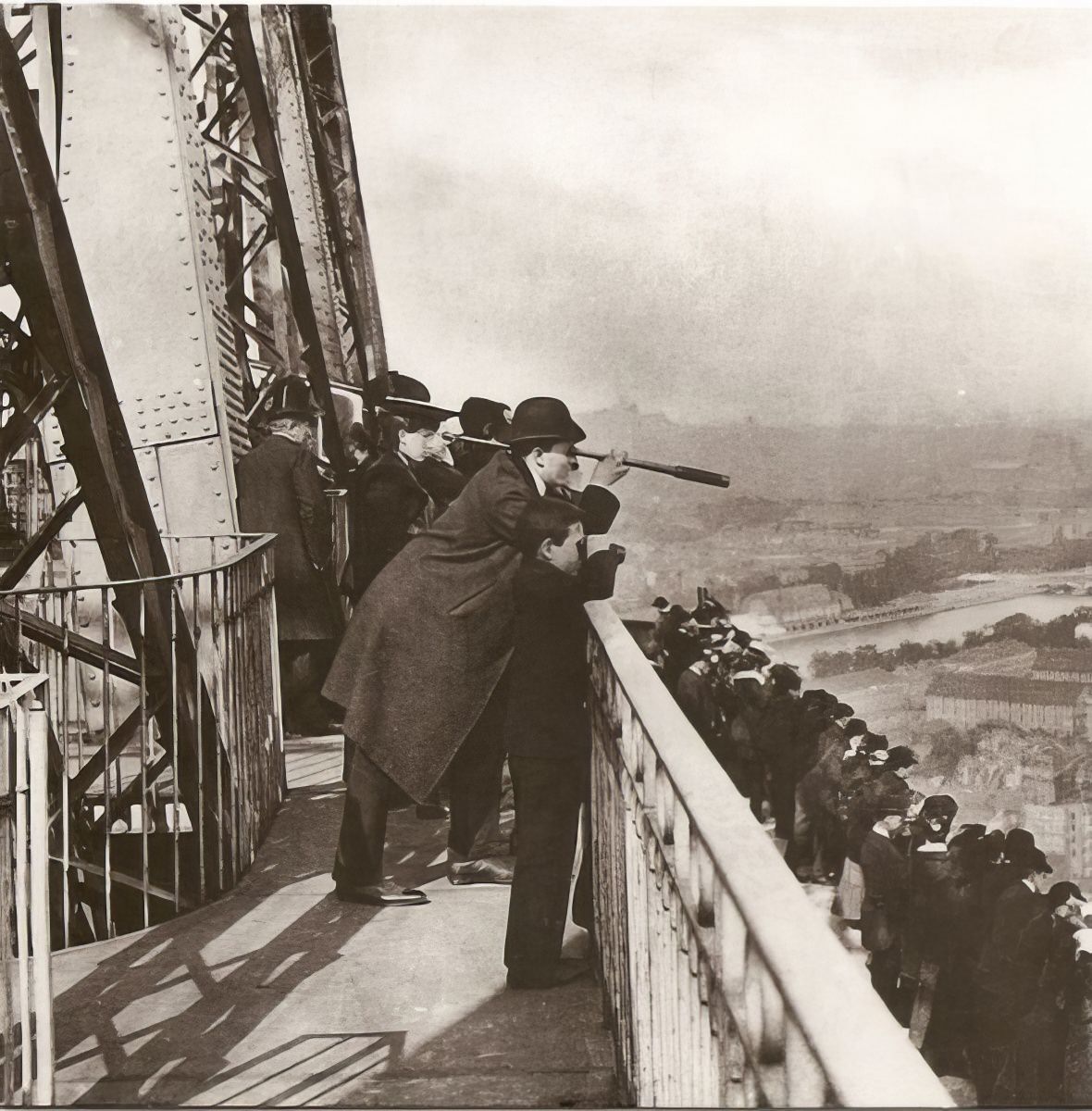
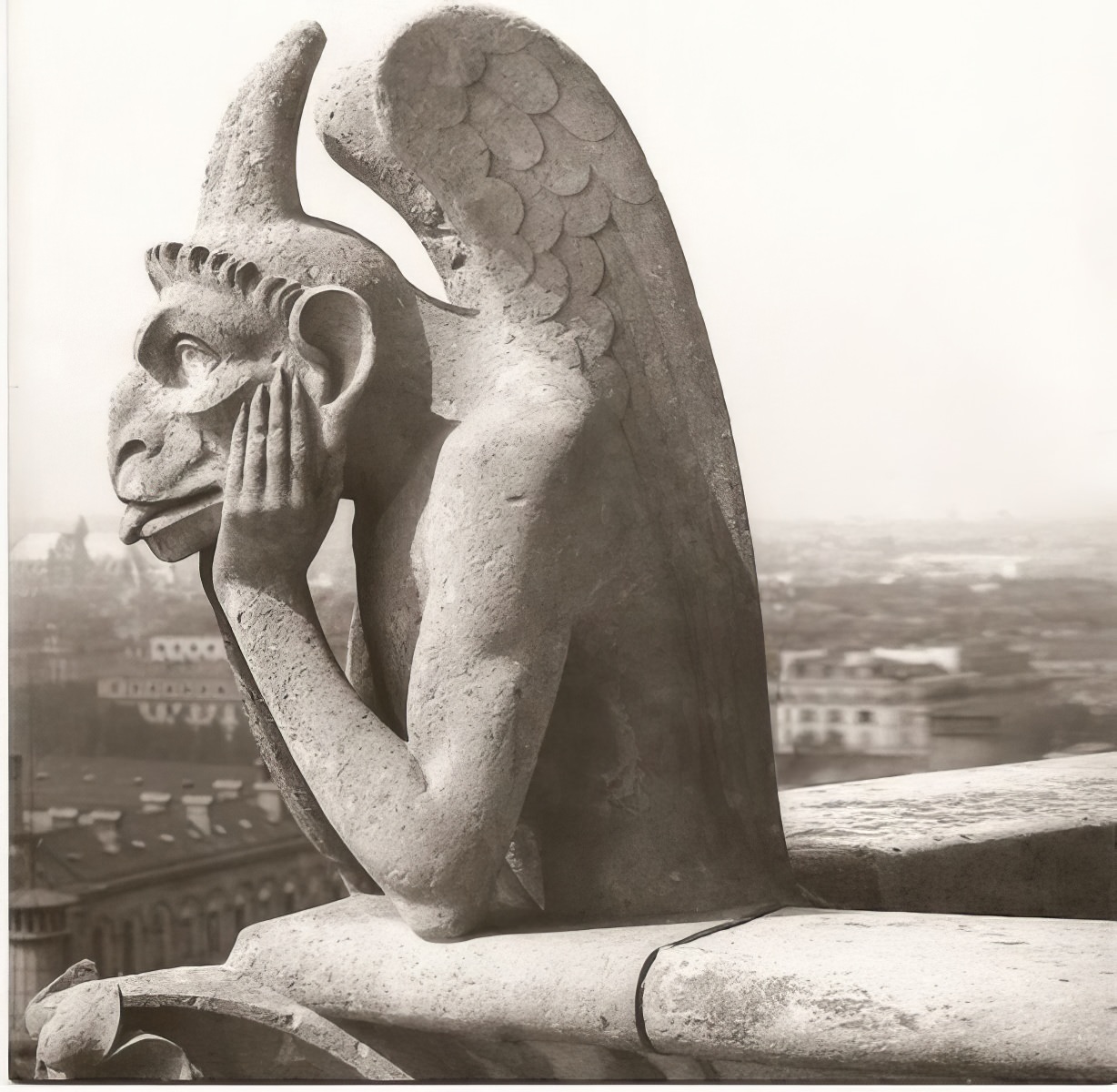
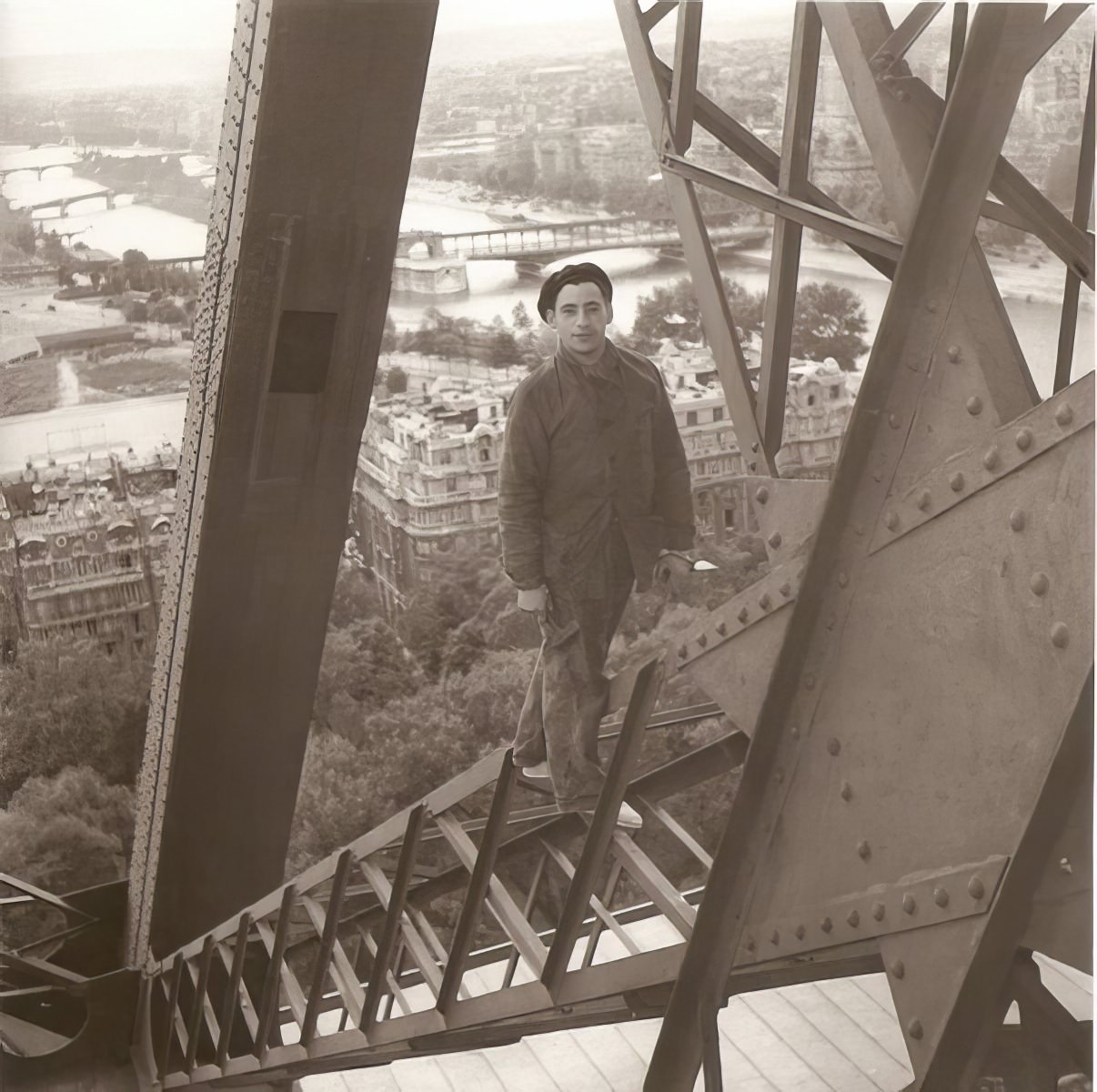
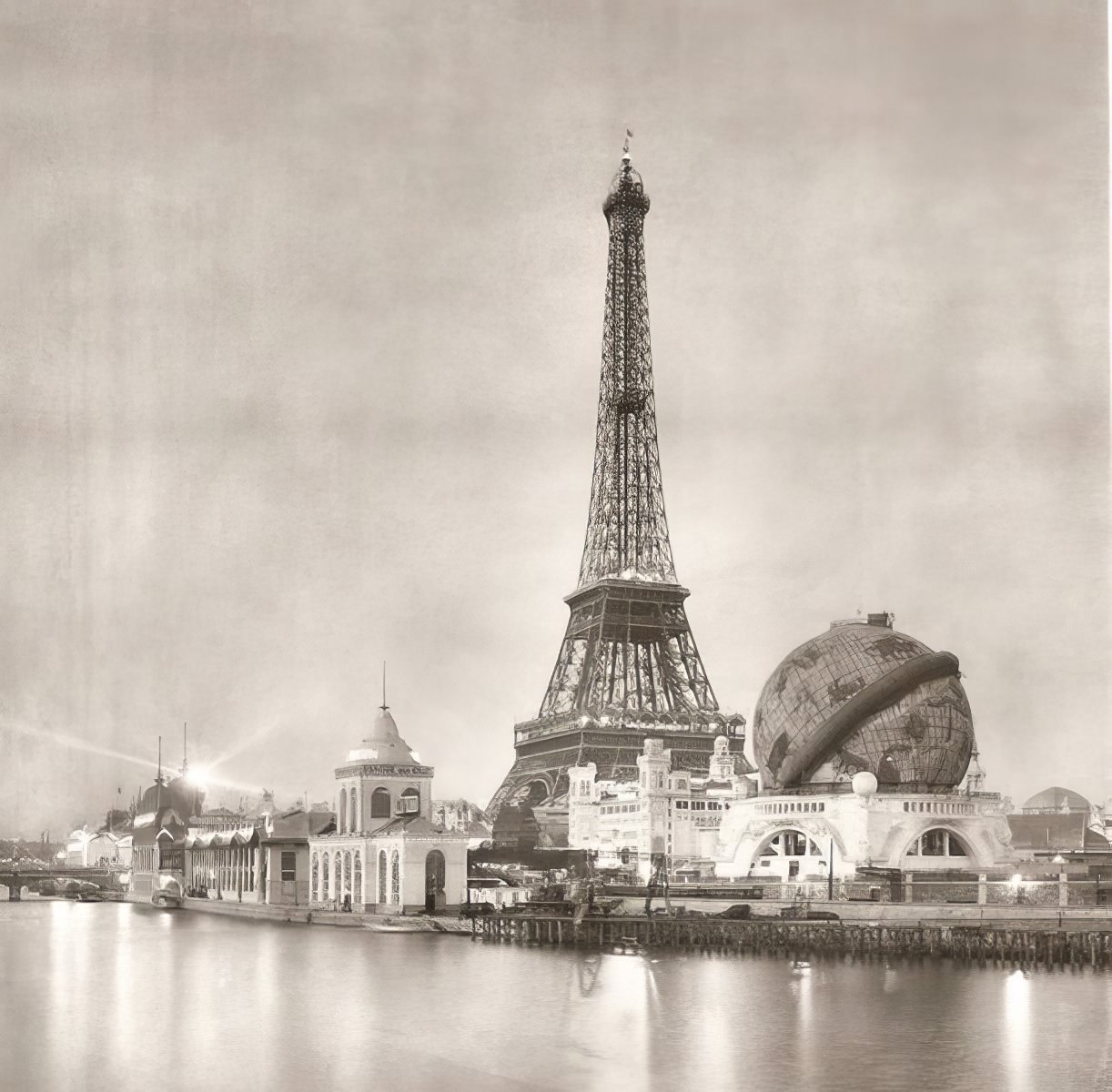
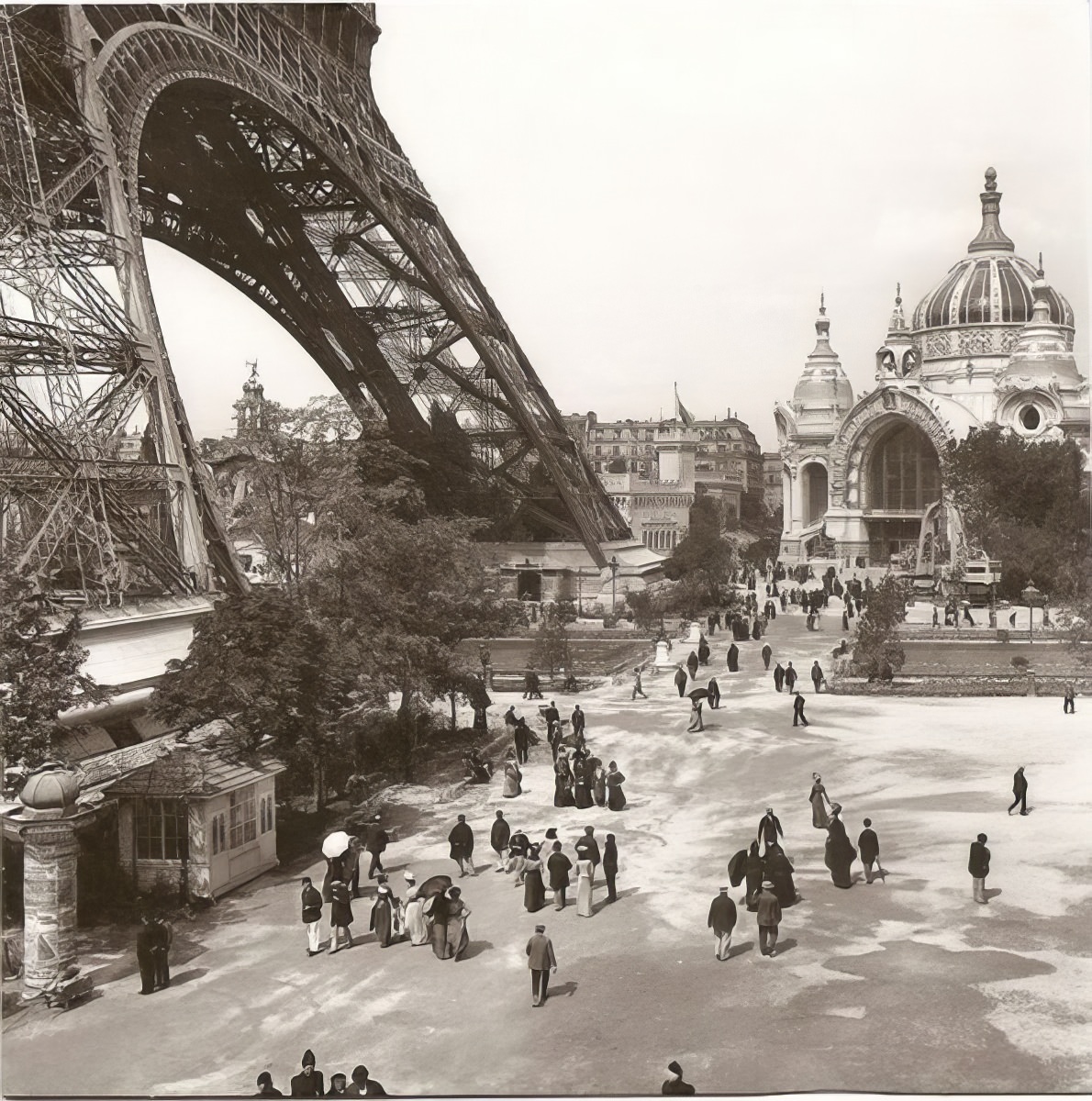
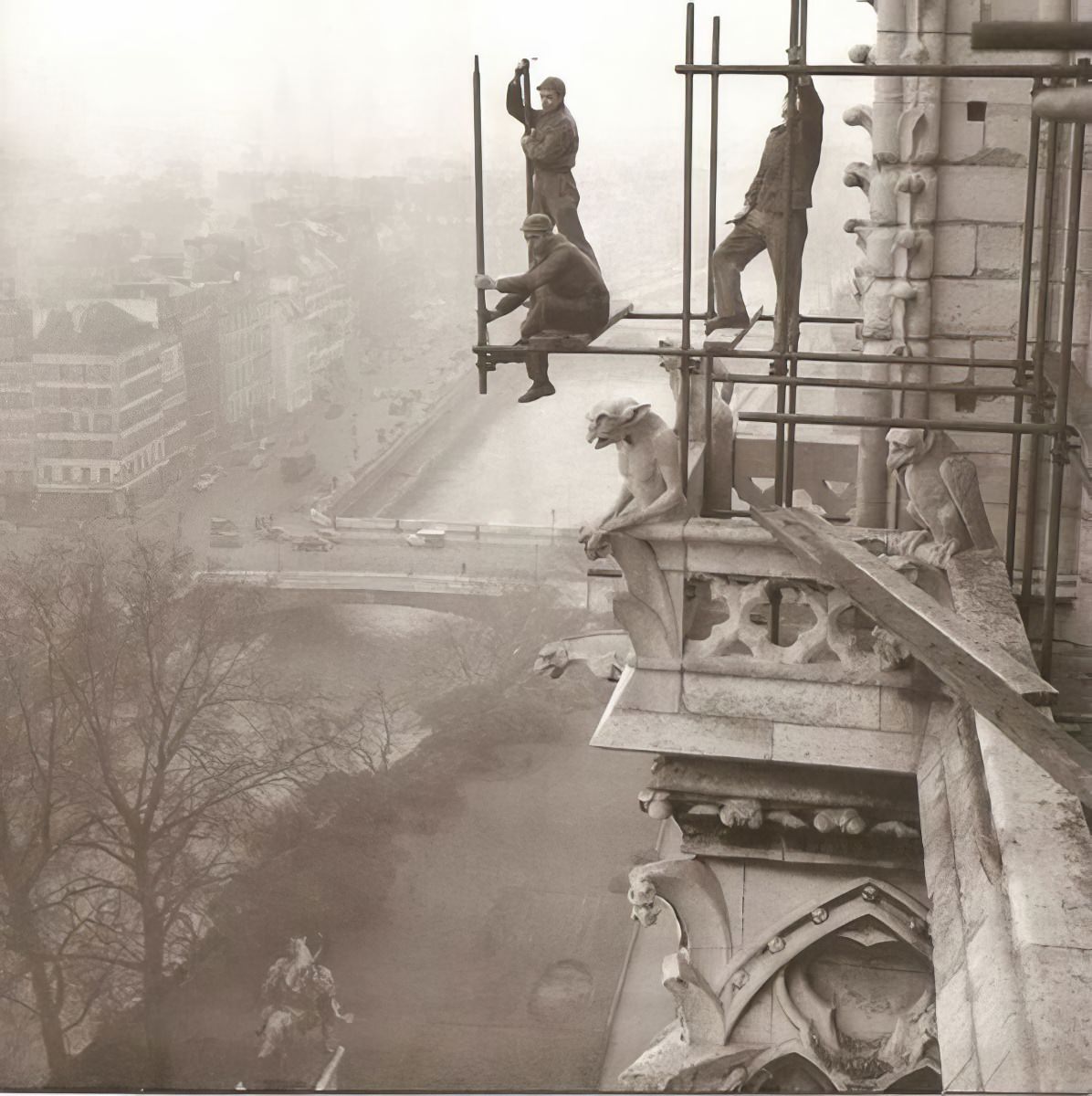
The Eiffel Tower, completed in 1889, was already a fixed part of the skyline by the 1930s. Notre-Dame Cathedral stood as it had for centuries. These landmarks appear in the Roger-Viollet images not as tourist attractions but as backdrops to real, lived moments.


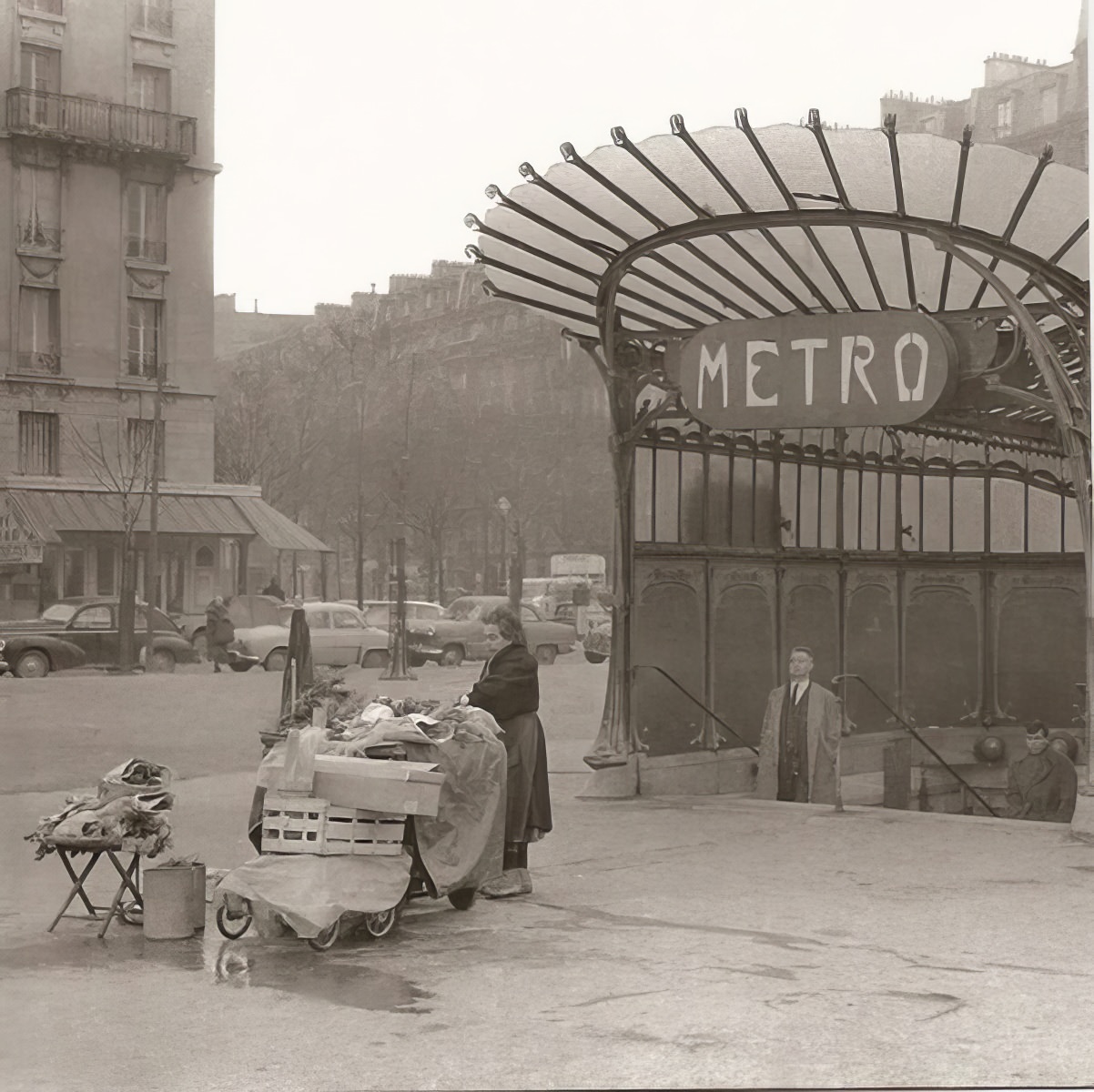
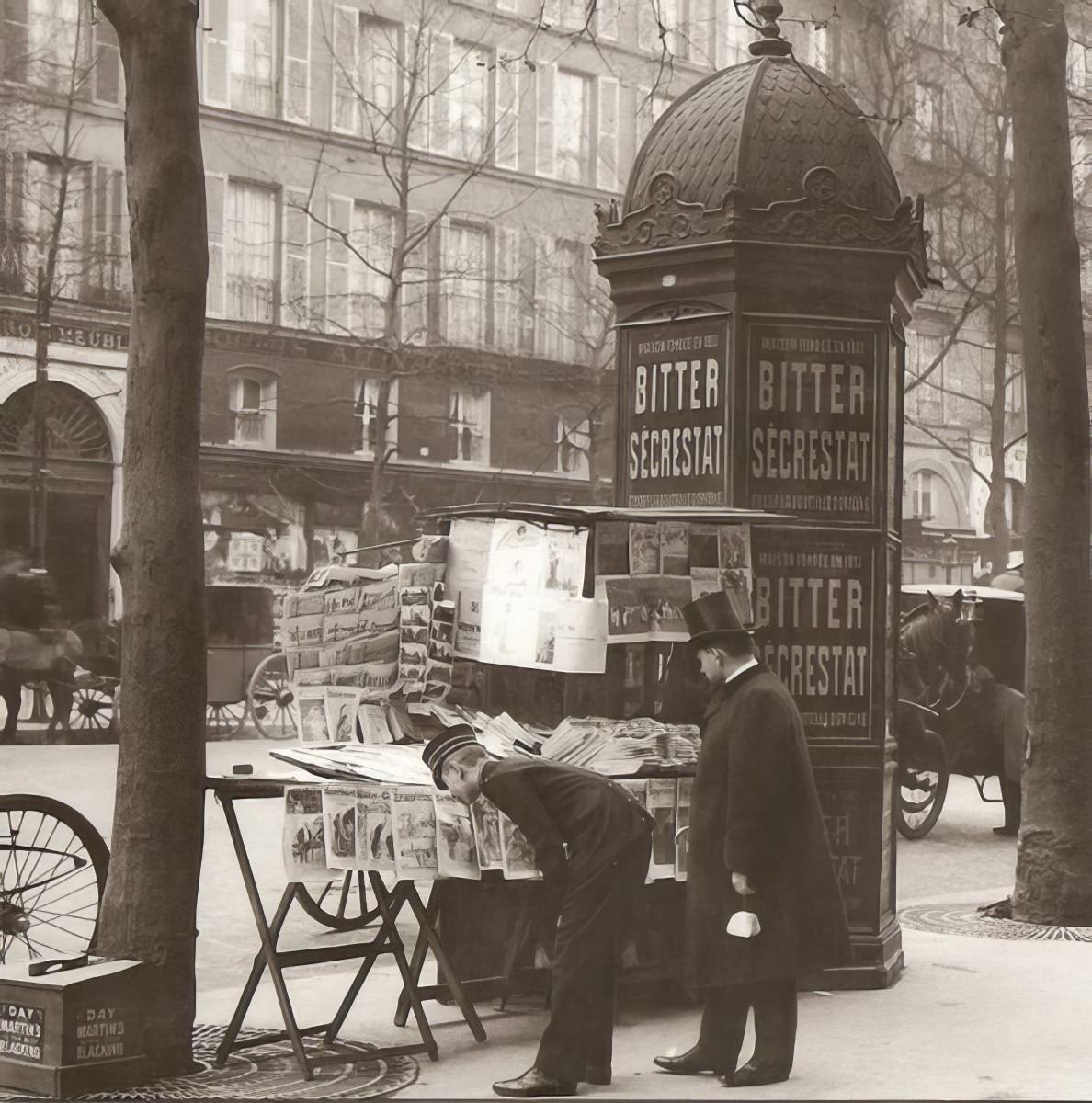
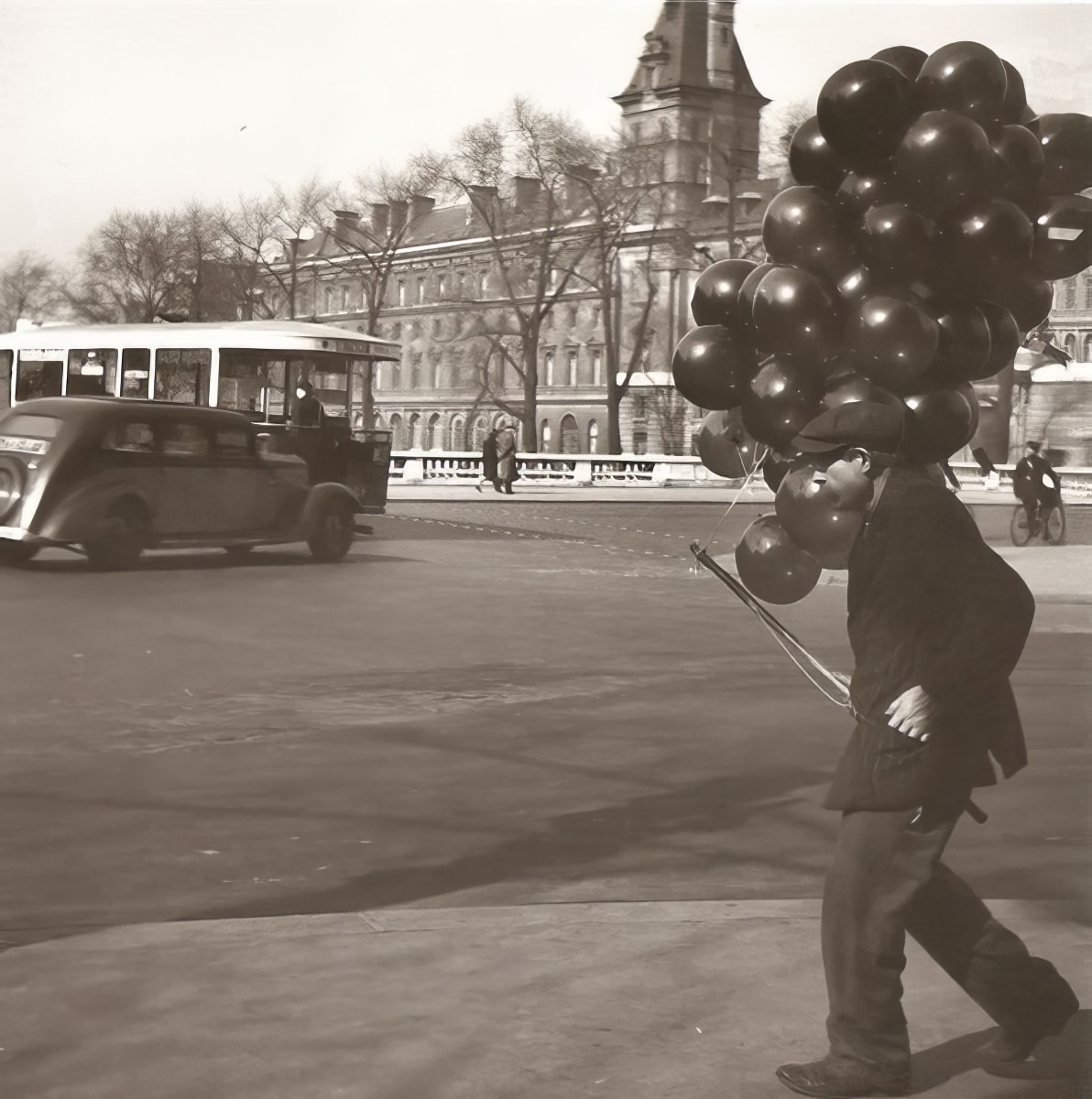
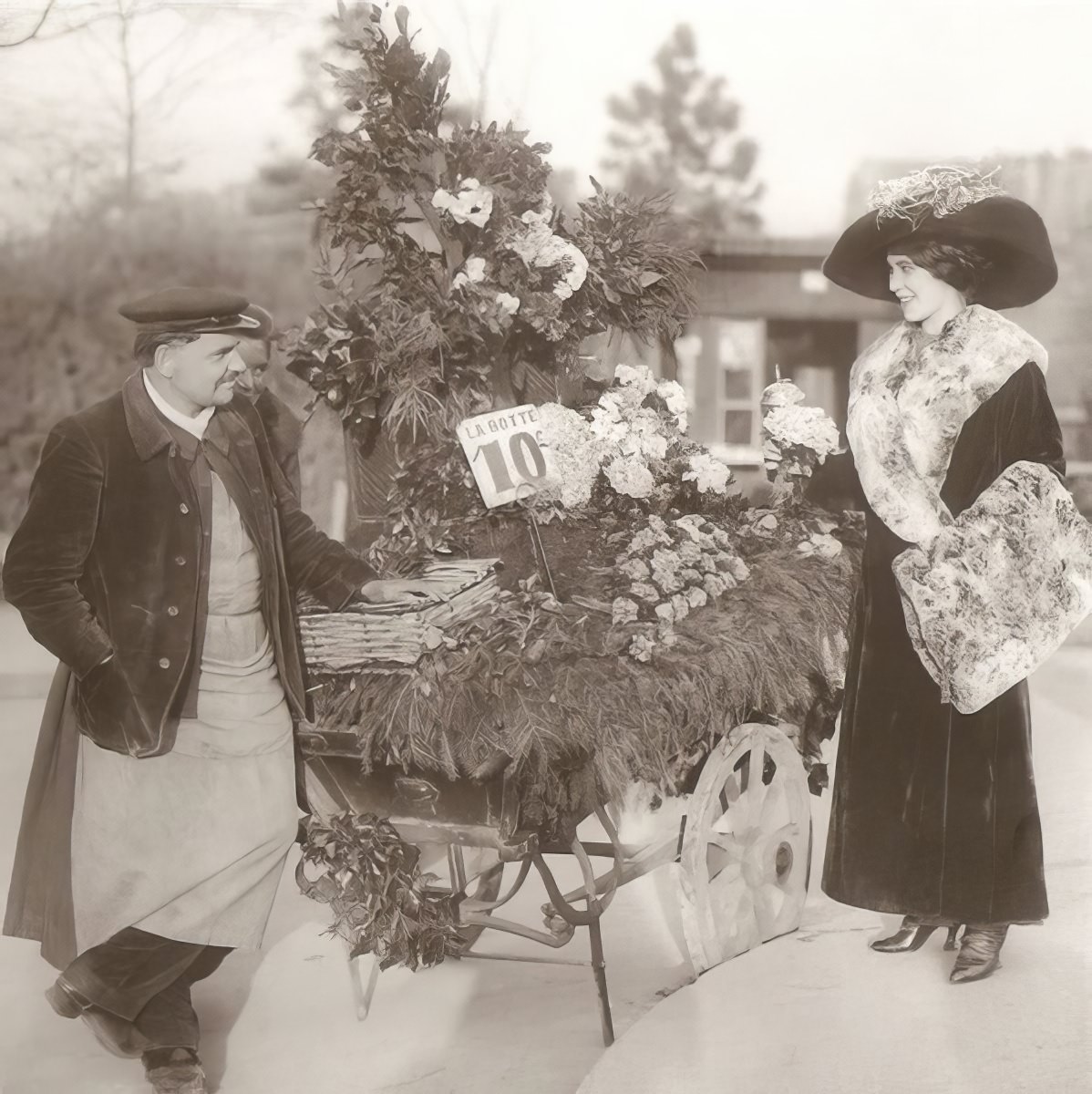
Street vendors were central to daily Parisian commerce. Flower sellers, newspaper boys, and food cart operators occupied fixed corners and routes. The photographs show how much of city life happened outdoors, in plain public view.


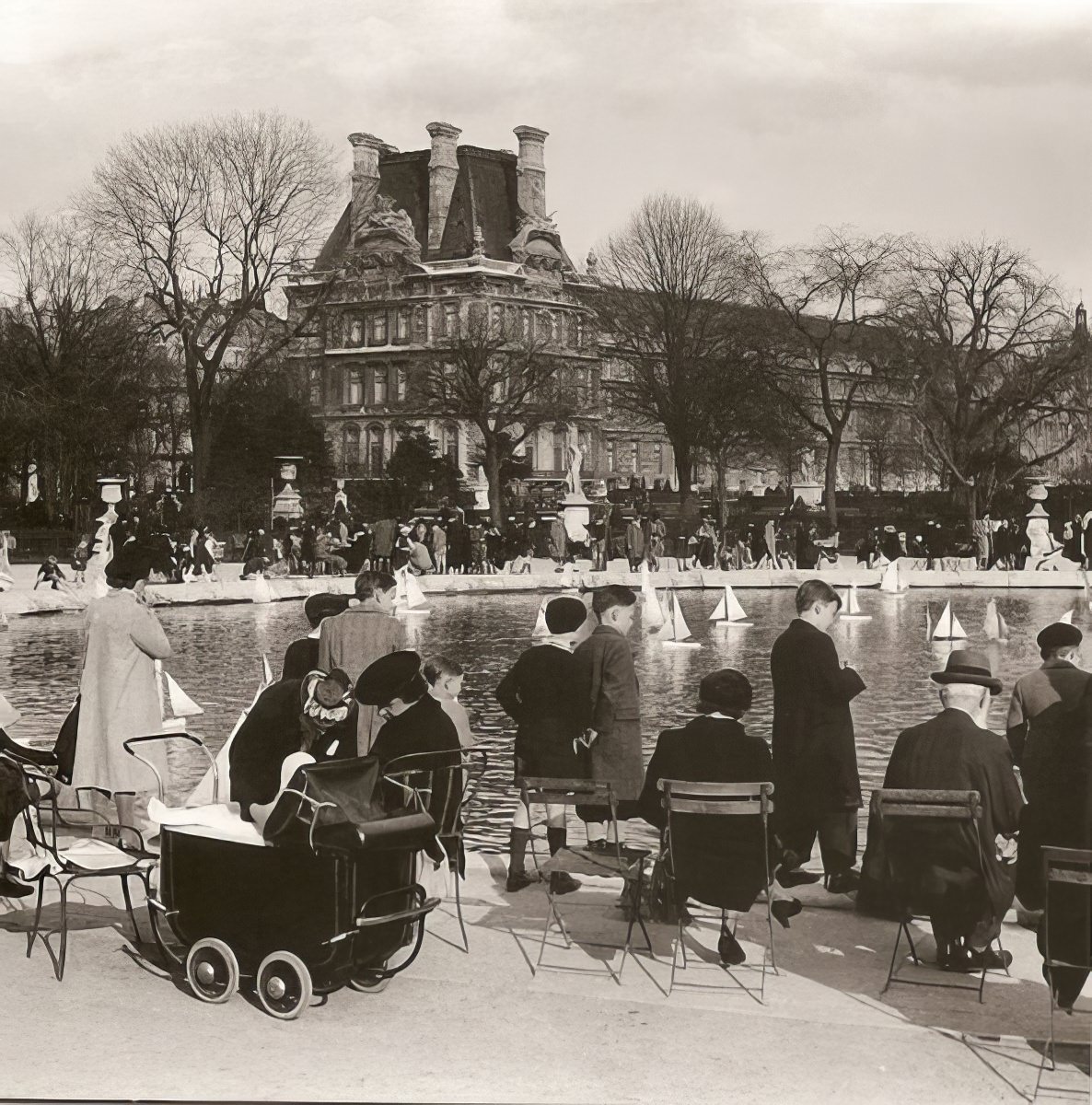
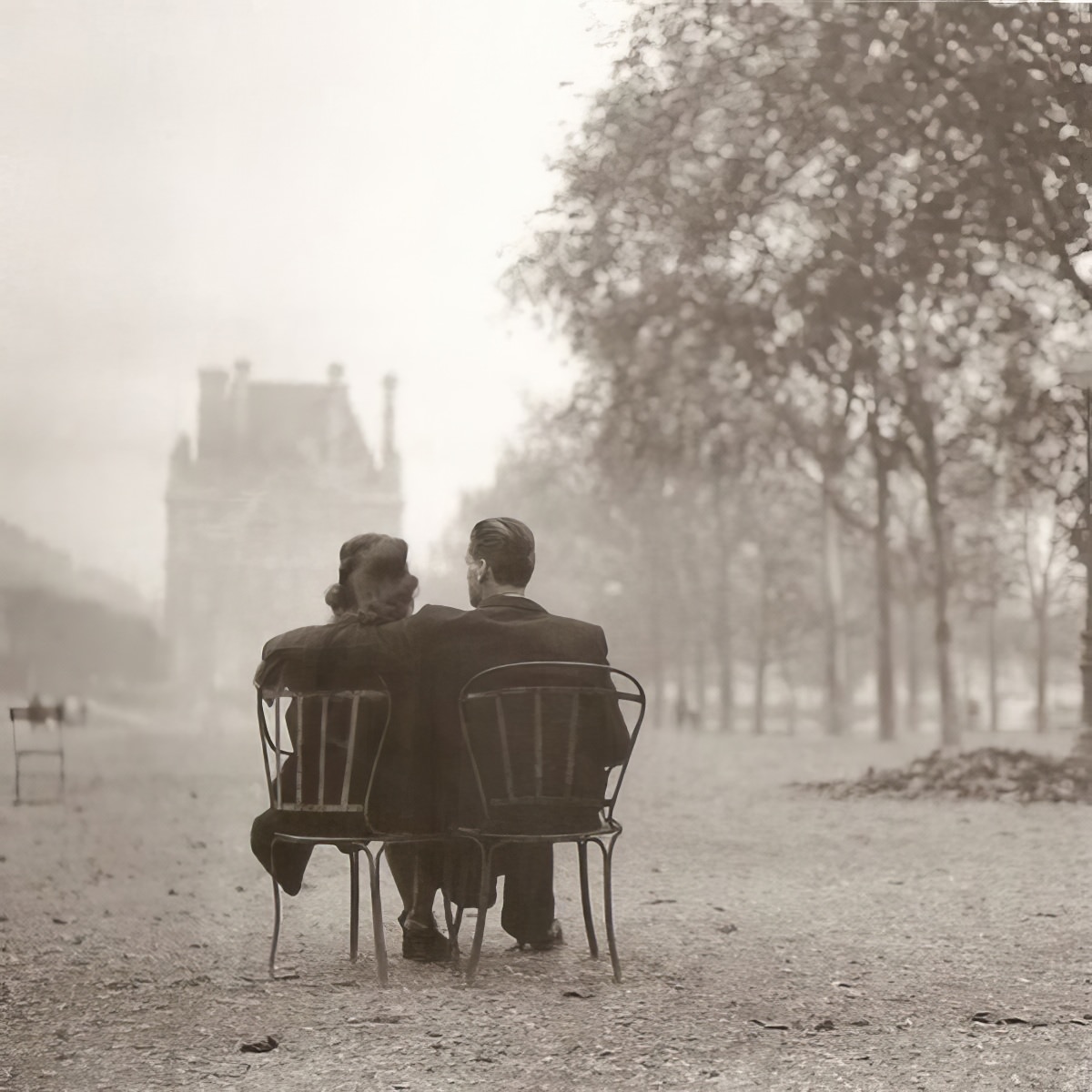
Parks like the Tuileries and Luxembourg Gardens served as gathering points for all classes of Parisians. Children played while their parents sat on iron chairs arranged around fountains. These scenes repeat across many of the collection’s photographs.


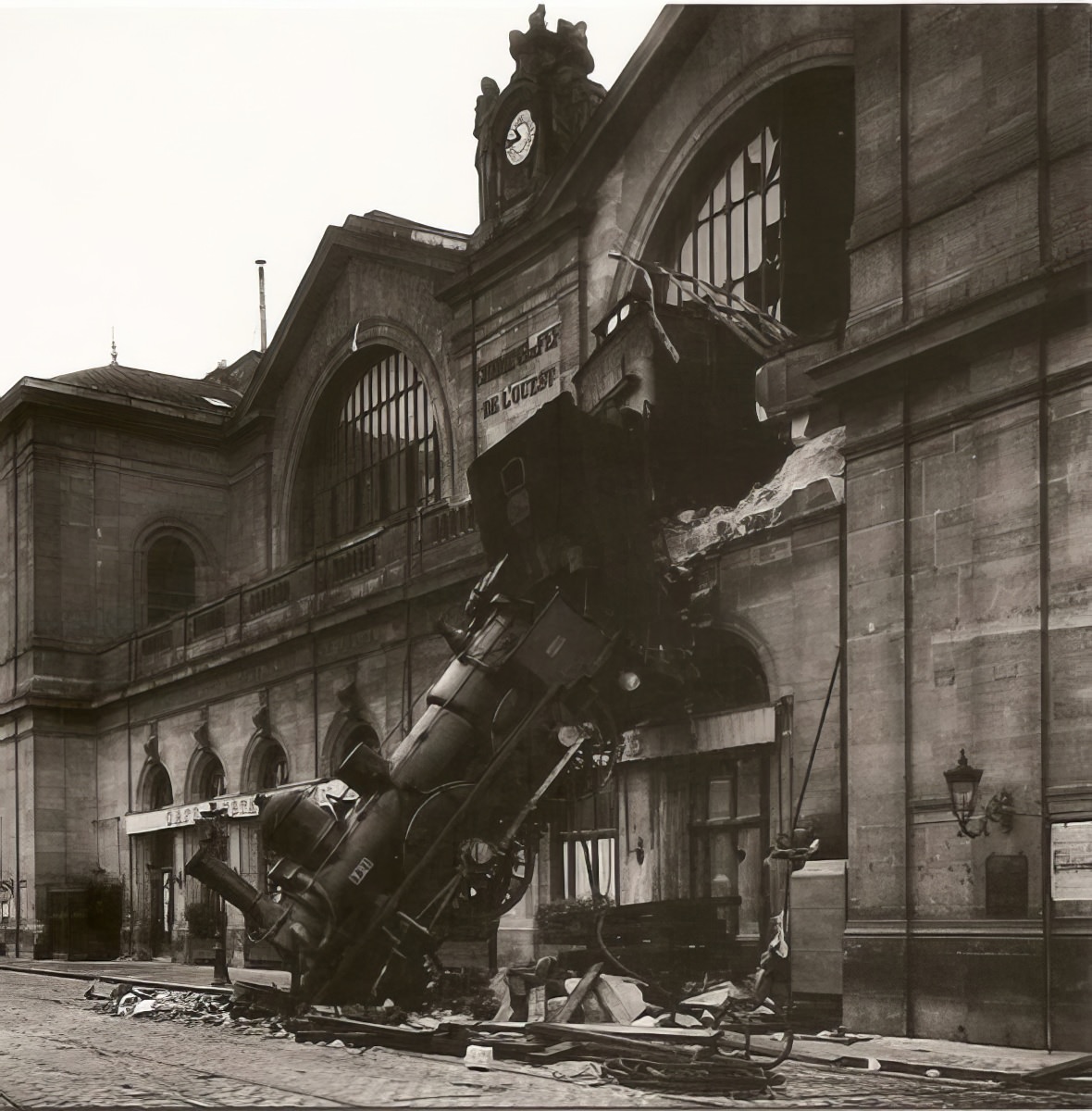
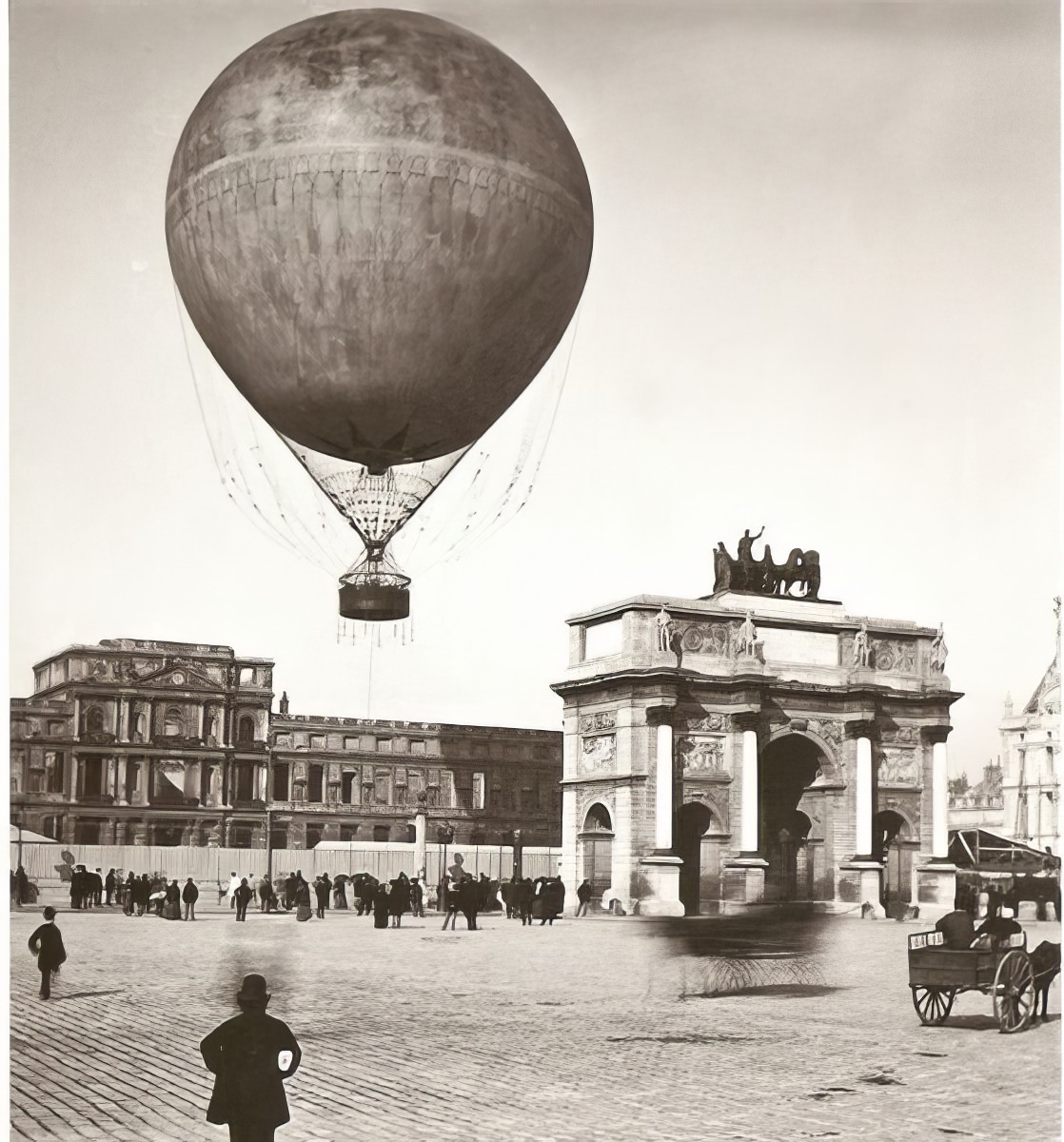
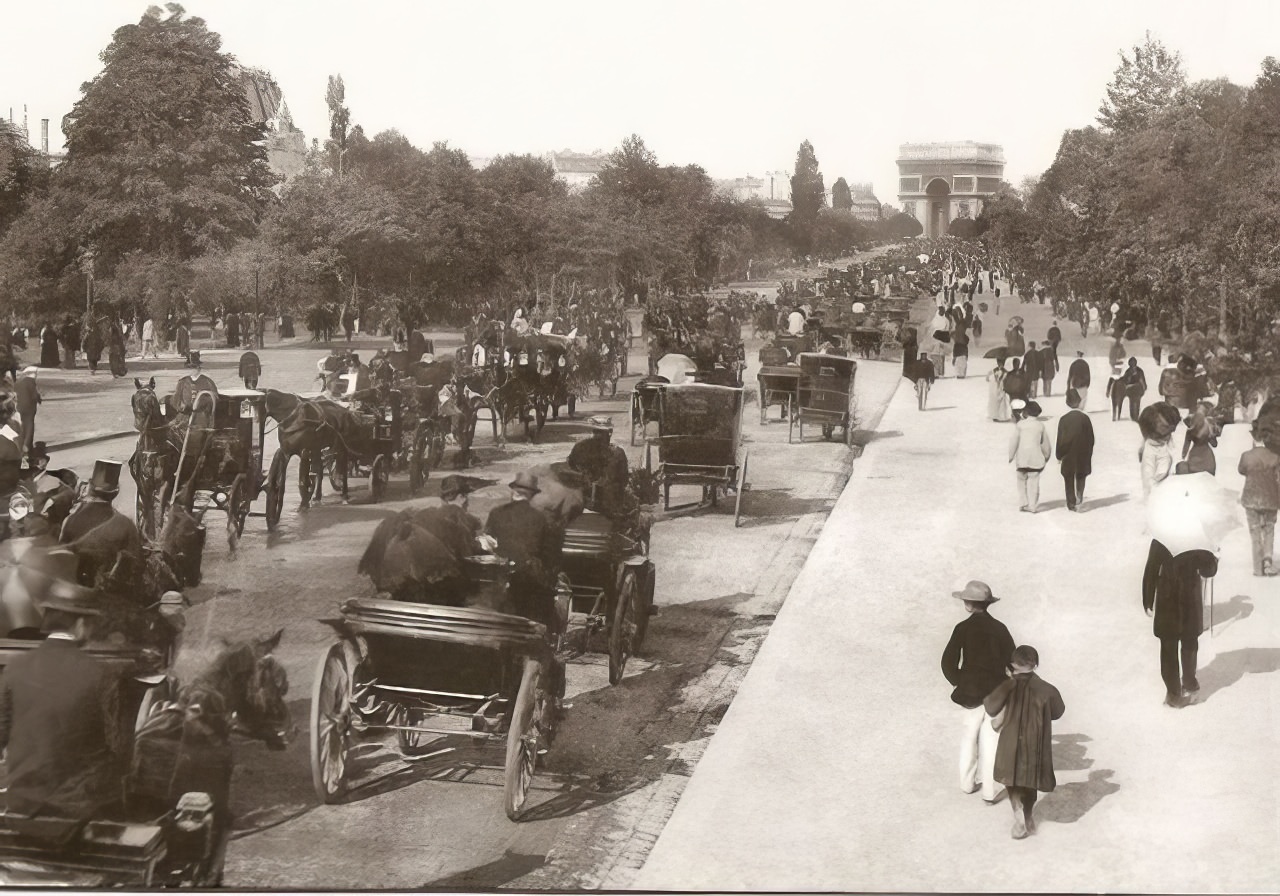
By the 1930s, the automobile had firmly arrived in Paris. Traffic, parking, and the noise of engines had already reshaped the city’s streets. Roger-Viollet’s images capture this transition — old and new existing side by side in the same frame.


Cafés were not just places to eat — they were offices, meeting rooms, and living rooms for many Parisians. Writers, politicians, and tradespeople all shared the same terrace tables. The café culture visible in these photos was a defining feature of the city.


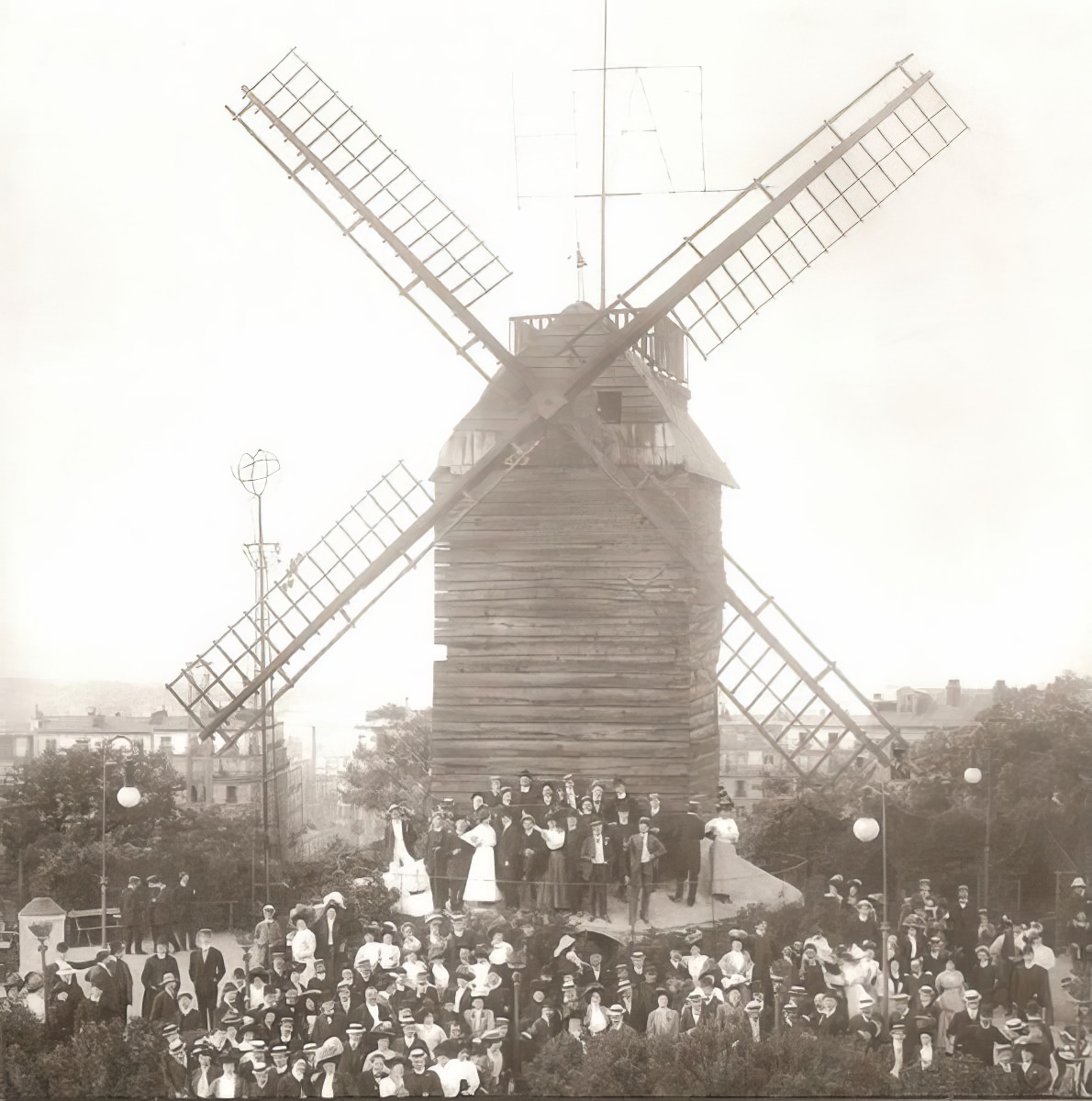
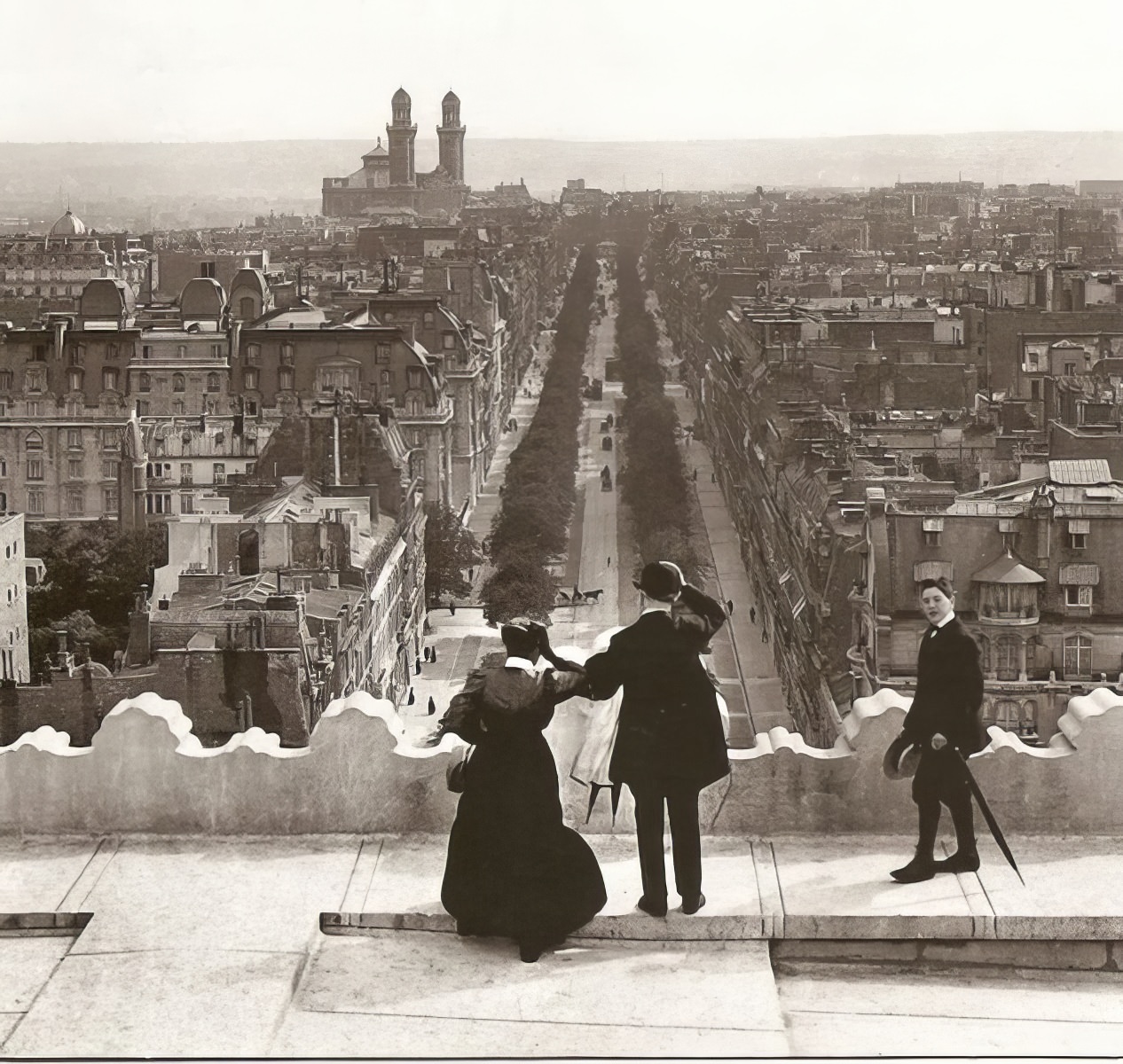
The architecture of Paris in the 1930s reflected both old Haussmann-era grandeur and newer modernist construction. Wide boulevards, uniform stone facades, and wrought-iron balconies defined whole neighborhoods. Some of that fabric remains intact today.


Markets were the heartbeat of working-class Paris. Vendors set up early, crowds arrived by mid-morning, and the transactions — bread, fish, vegetables, fabric — were the basic rhythms of daily survival for thousands of families.


The Metro, expanded significantly in the early 20th century, changed how Parisians navigated their city. Entrance pavilions designed by Hector Guimard became iconic fixtures above ground. Below, the lines carried workers across the city faster than ever before.


Religious life remained visible in the streets of 1930s Paris. Processions, church services, and religious holidays shaped the calendar of neighborhoods. The city’s churches — grand and small — were active community centers, not just architectural landmarks.


Sport and leisure also appear throughout the Roger-Viollet archive. Cycling, boating on the Seine, and watching open-air events were common weekend activities. These photos show that Parisians, even amid the political tensions of the decade, carved out time for enjoyment.


What makes the Roger-Viollet collection so valuable is its range. It doesn’t show only the postcard version of Paris. It shows the city’s back streets, its working people, its contrasts between wealth and poverty, and its unguarded, unposed moments.