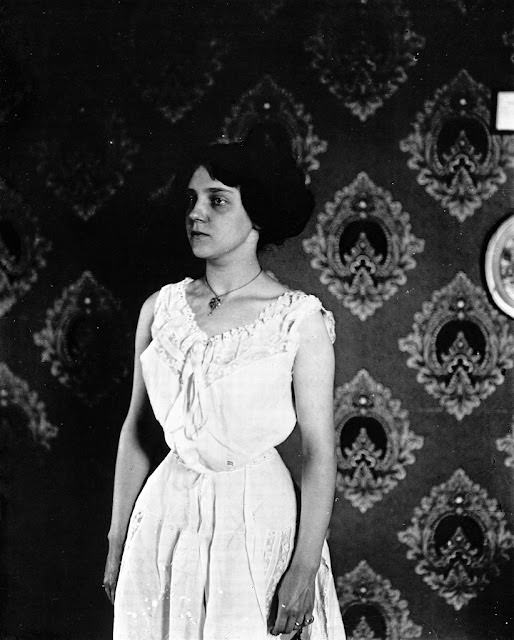
From 1897 to 1917, Storyville was New Orleans’ legally sanctioned red-light district — a 38-block zone where prostitution was permitted and regulated by the city. Brothels ranged from cheap cribs to lavish parlor houses, and the women who worked inside them came from vastly different backgrounds. Some arrived from rural Louisiana, others from northern cities or abroad. What they shared was life inside a district that the rest of the city preferred to keep at arm’s length.
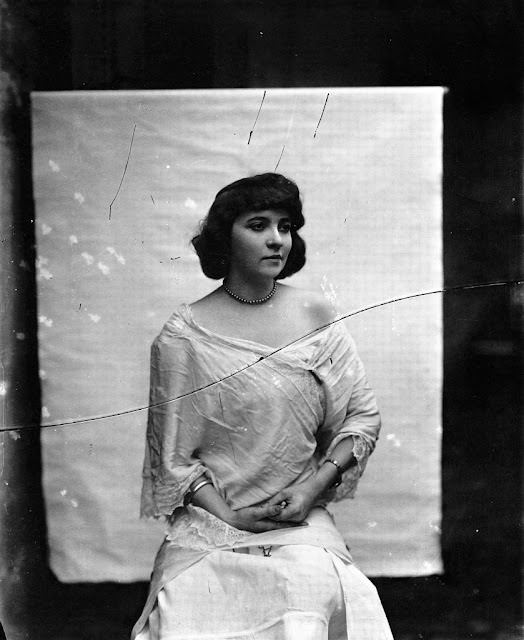
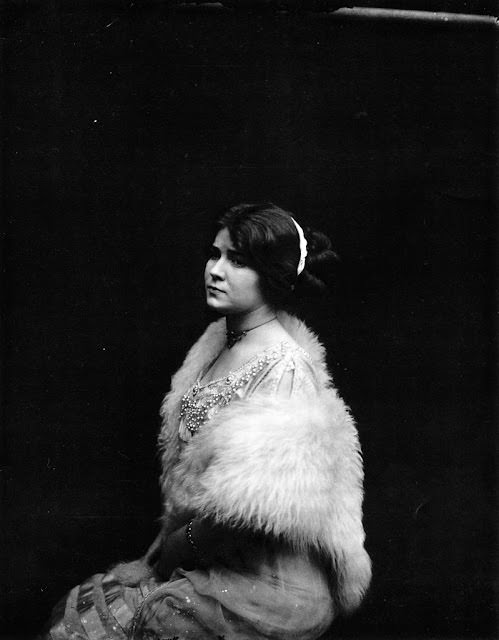
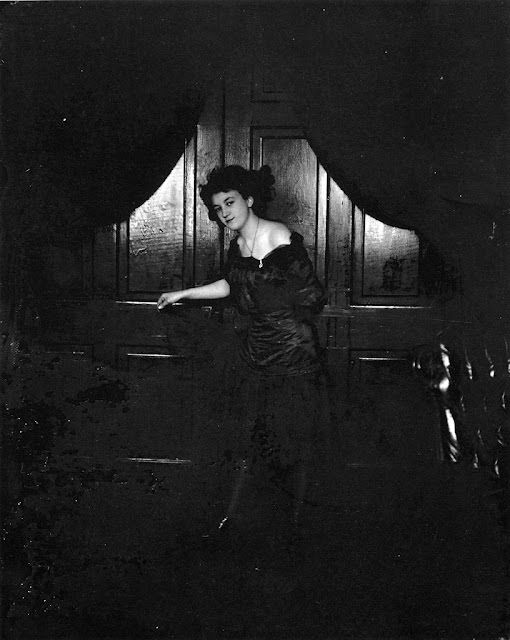
Local commercial photographer E.J. Bellocq documented these women in a way no one else did. He brought his camera directly into the brothels, photographing the women in their own rooms and on their own terms. The resulting images are intimate and unguarded — a sharp contrast to the polished portraits typical of the era.
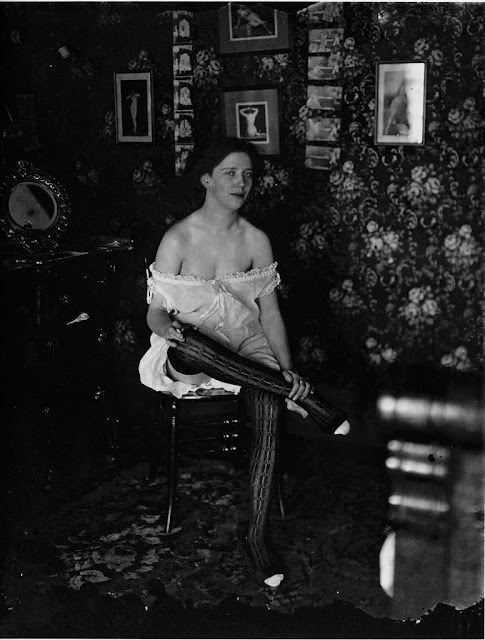
Some women look straight into the lens without flinching. Others turn away or drop their gaze. Their expressions range from calm to defiant to visibly exhausted. Bellocq did not pose them like performers — he photographed them like people.
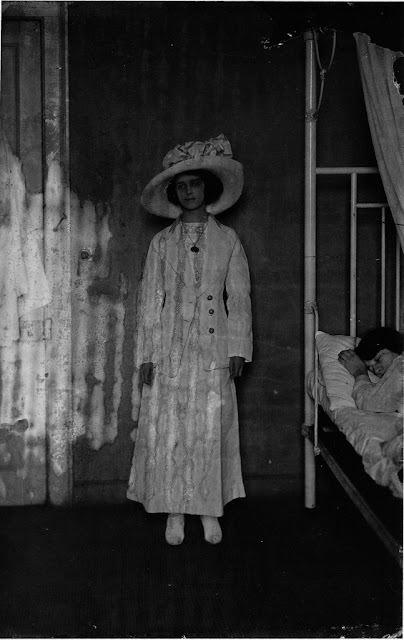
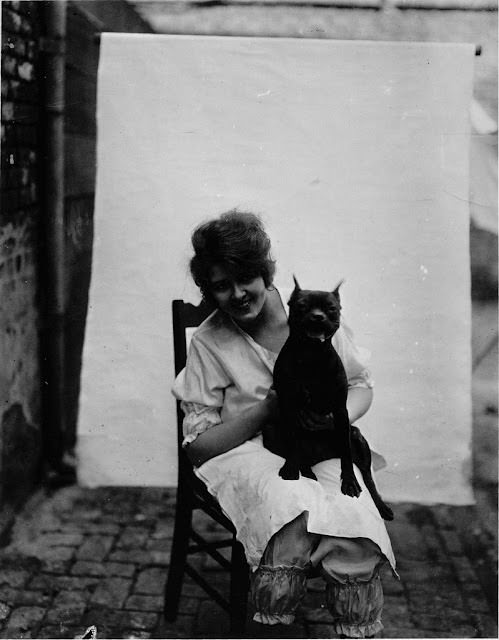
The rooms themselves tell part of the story. Personal items — bottles, photographs, fabric, small decorations — fill the frames. These were not just workspaces. They were the only private spaces many of these women had. Trinkets and keepsakes pinned to walls or set on dressers mark territory that was distinctly theirs.
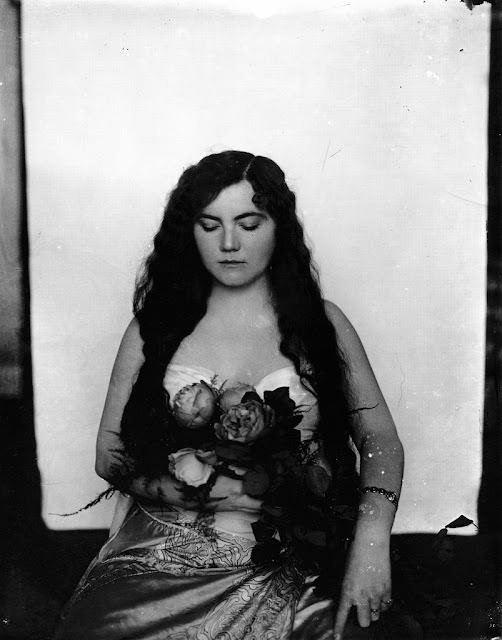
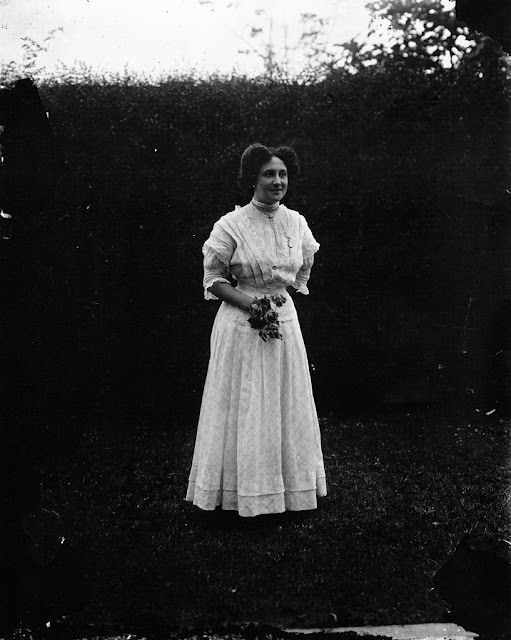
Their clothing varies widely across the photographs. Some women wear plain housedresses, the kind worn for everyday tasks. Others appear in silk or lace, dressed for the business of the brothel. A few are barely dressed at all. The range reflects the economic and social tiers that existed even within Storyville itself.
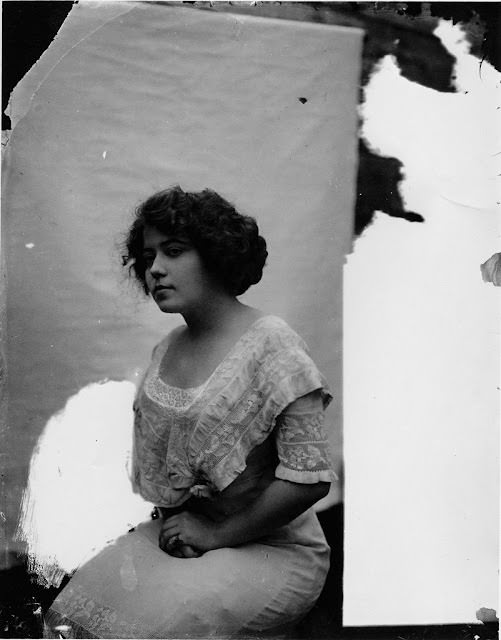
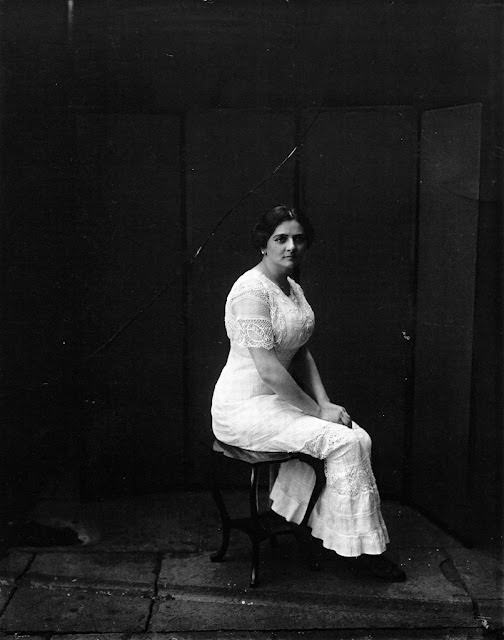
Bellocq captured women reading, sitting quietly, or simply staring past the camera. These moments of stillness give the photographs a weight that posed studio portraits rarely achieve. One woman sits on a bed with her hands folded in her lap, her eyes fixed on something outside the frame — an image of isolation that no staged photograph could manufacture.
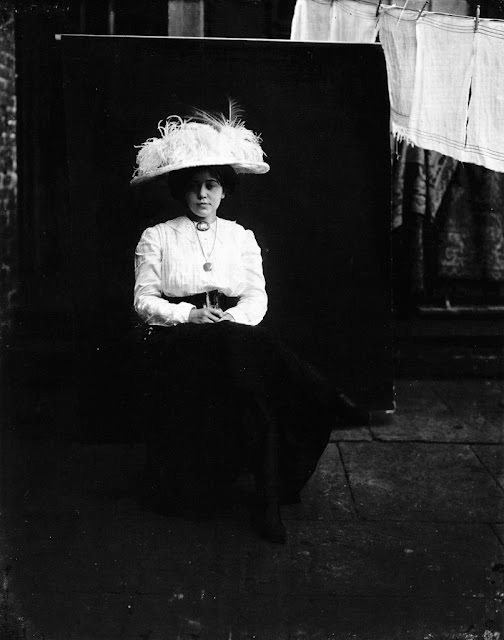
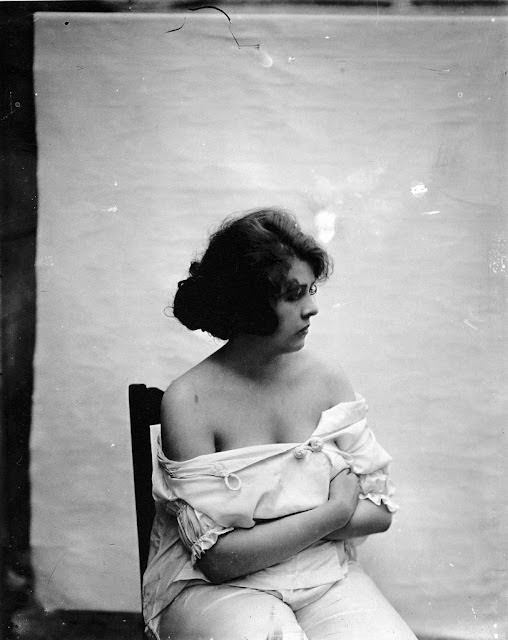
The women of Storyville were not anonymous figures in a vice district. Bellocq’s photographs insist on their individuality. Each face, each room, each gesture is specific — a record of real lives that official histories rarely bothered to document.
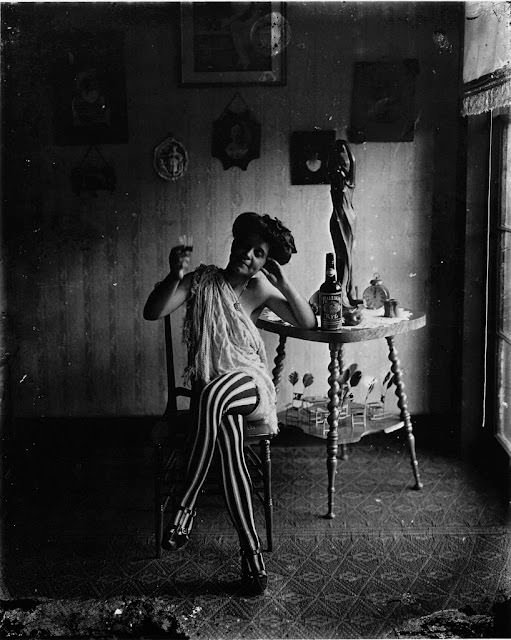
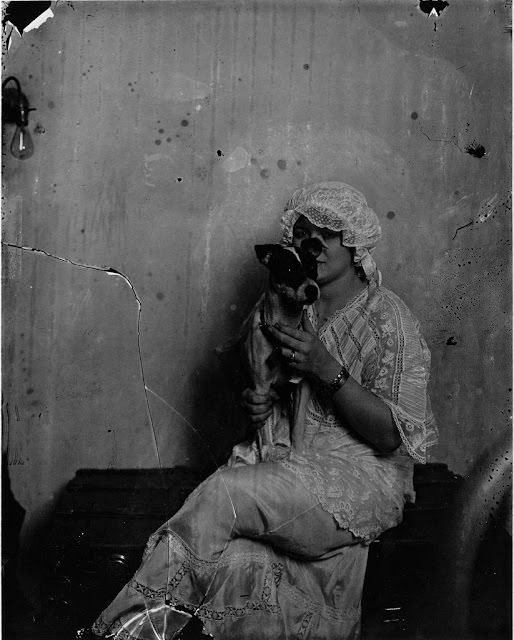
Bellocq made roughly 89 glass-plate negatives of Storyville women. After his death, many were found with faces scratched out — likely by a family member who obtained the plates. The surviving, undamaged images were later printed by photographer Lee Friedlander in the 1970s, bringing them to wide public attention for the first time.
Storyville was shut down in November 1917 under pressure from the U.S. Navy, which objected to its proximity to a military base. The district’s closure scattered its residents overnight. Bellocq’s photographs remain the most direct visual record of who those women were.