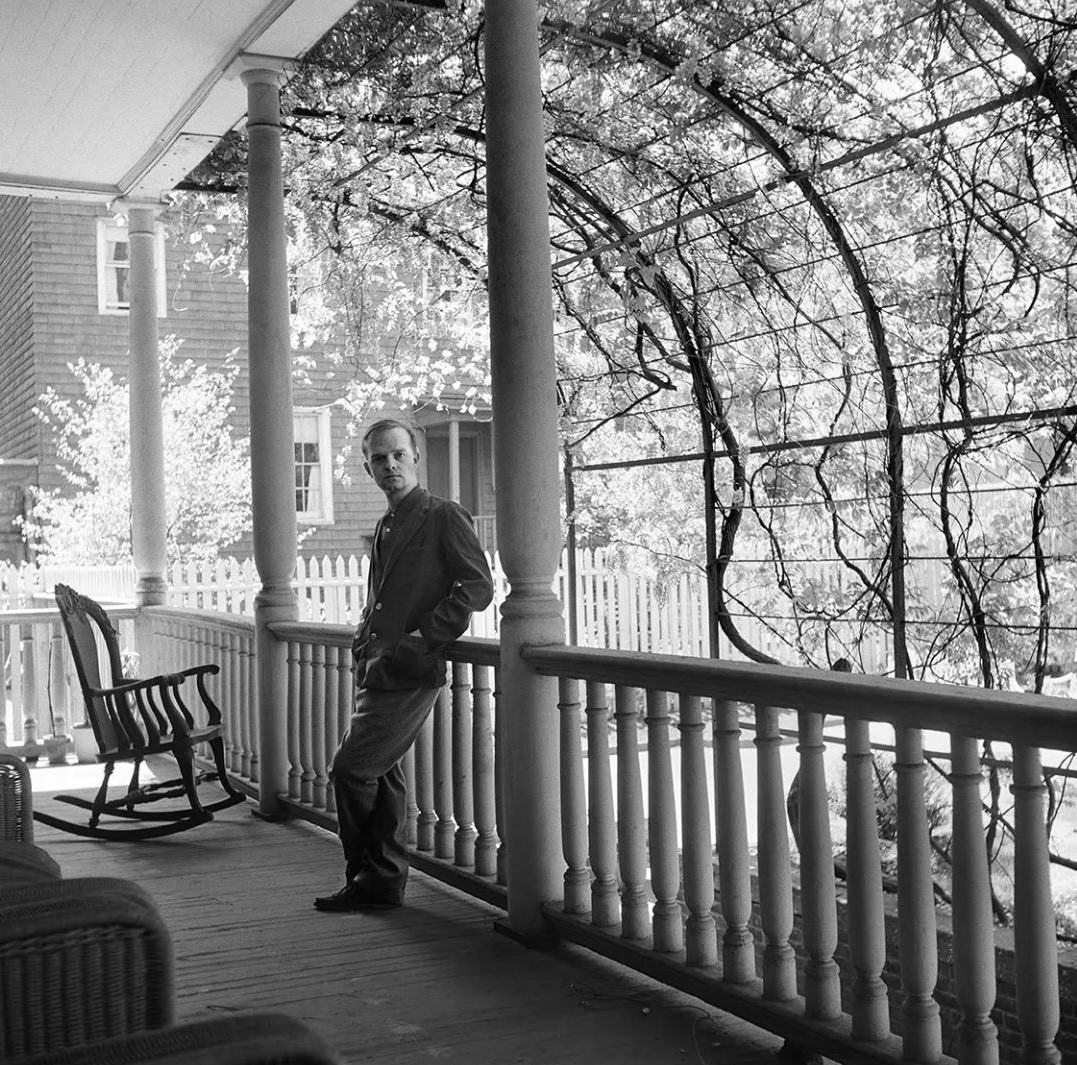
In 1959, Truman Capote wrote an essay called “Brooklyn Heights: A Personal Memoir” for Holiday magazine. It was a rare, honest look at the neighborhood he called home — and he wanted photographs to match. He chose David Attie to shoot them.
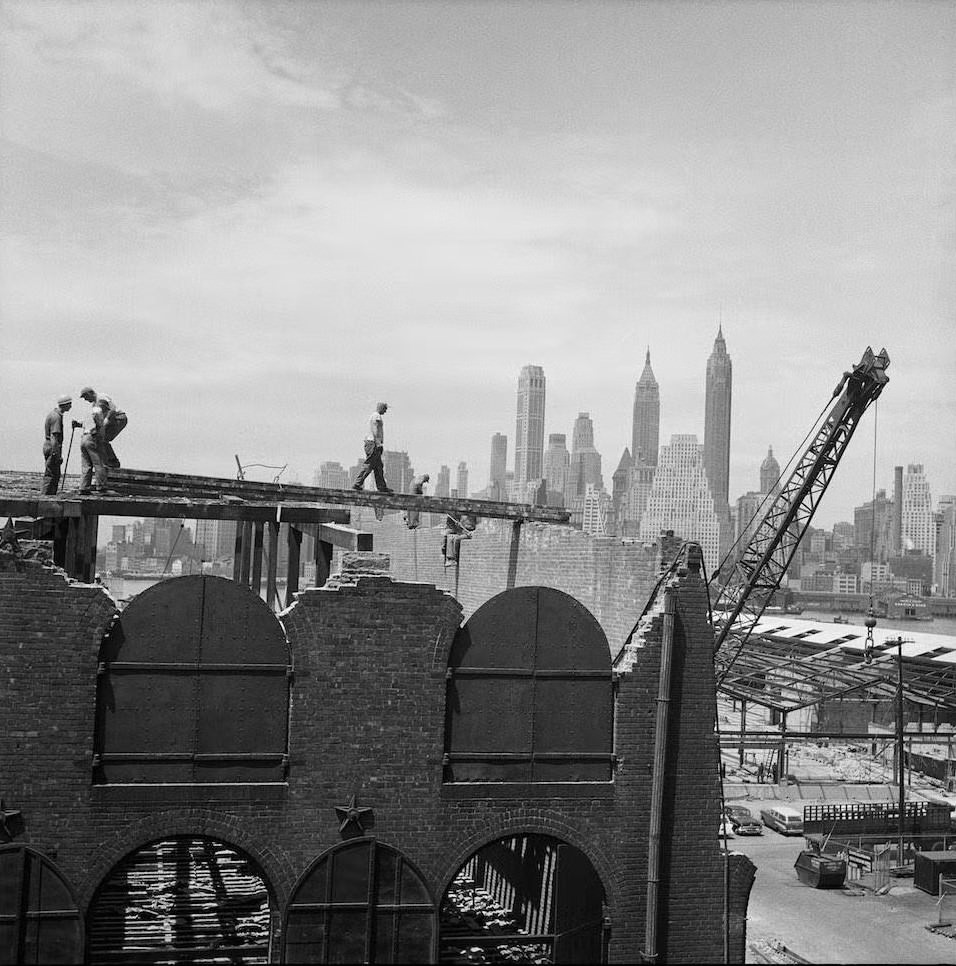
The photos sat unseen for decades. It was Attie’s son, Eli, who eventually found them inside a box. A manila envelope labeled “Holiday, Capote, A3/58” held the negatives and contact sheets from that forgotten session.
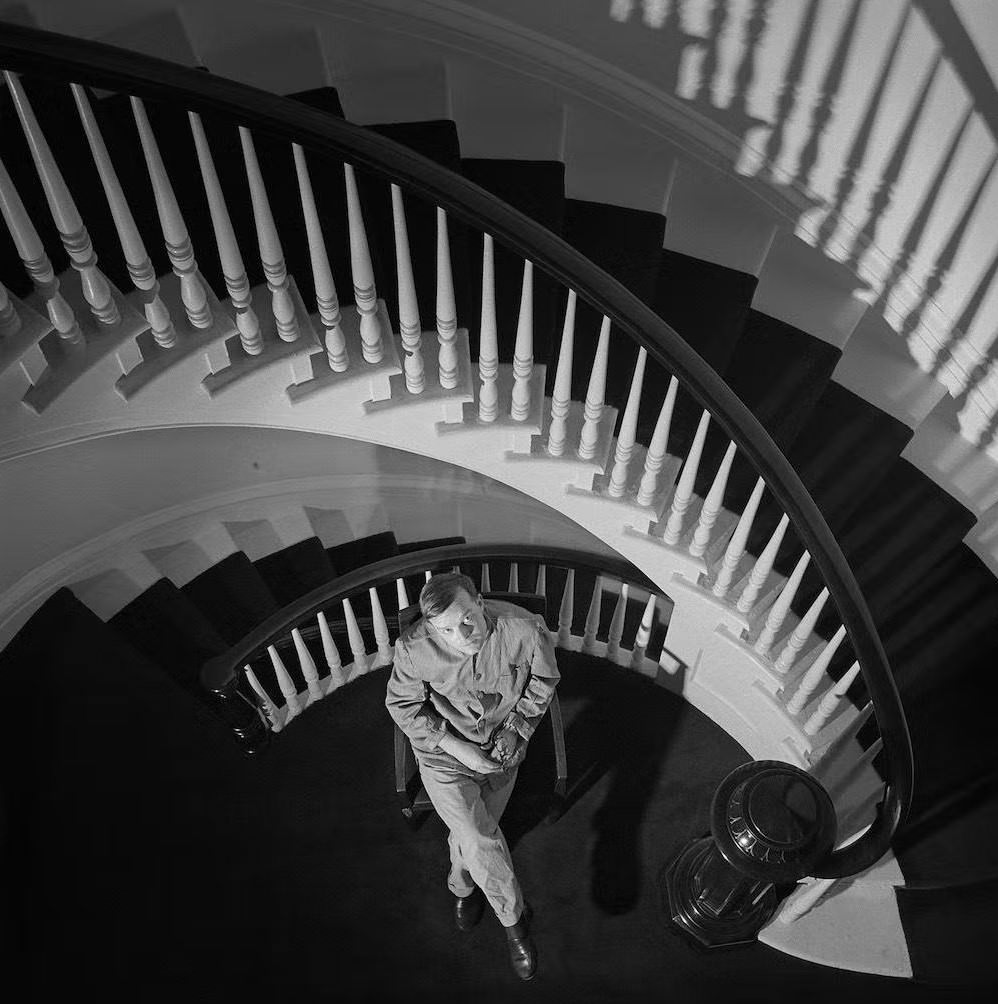
Capote lived at 70 Willow Street from 1955 to 1965, in the basement apartment. He rented it from Oliver Smith, a Broadway set designer whose credits included “West Side Story,” “Guys and Dolls,” and “On the Town.” It was inside that apartment that Capote finished writing “Breakfast at Tiffany’s.”
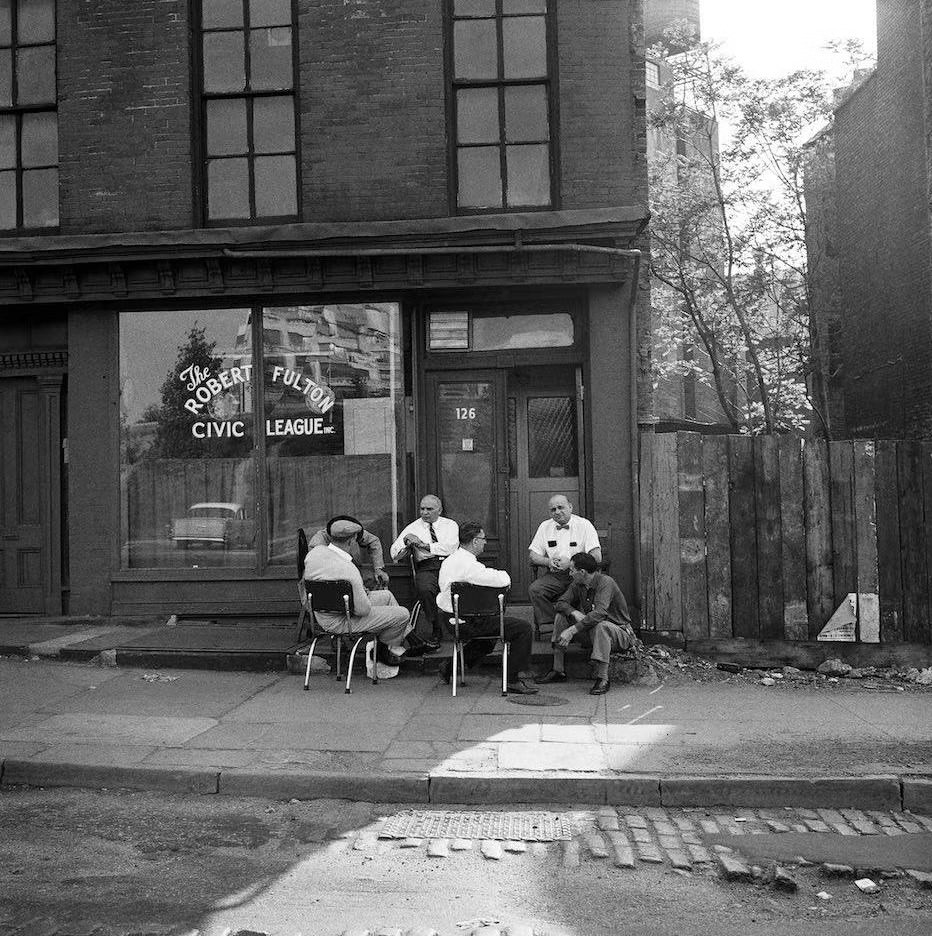
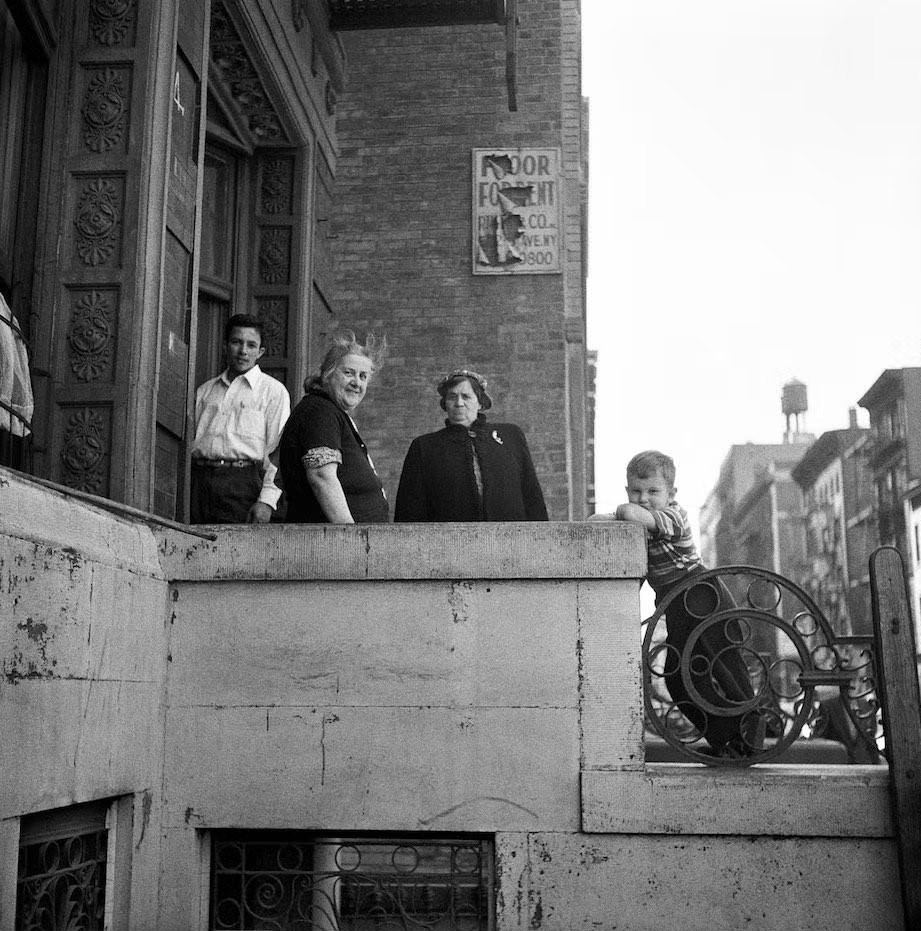
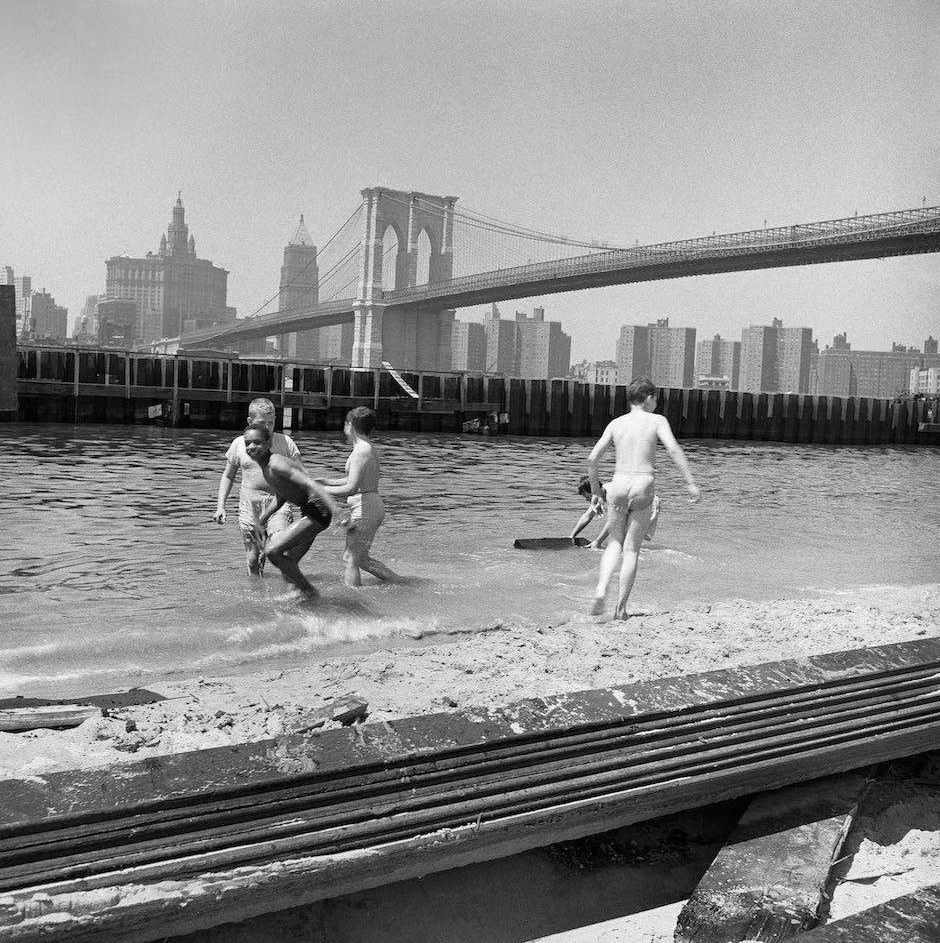
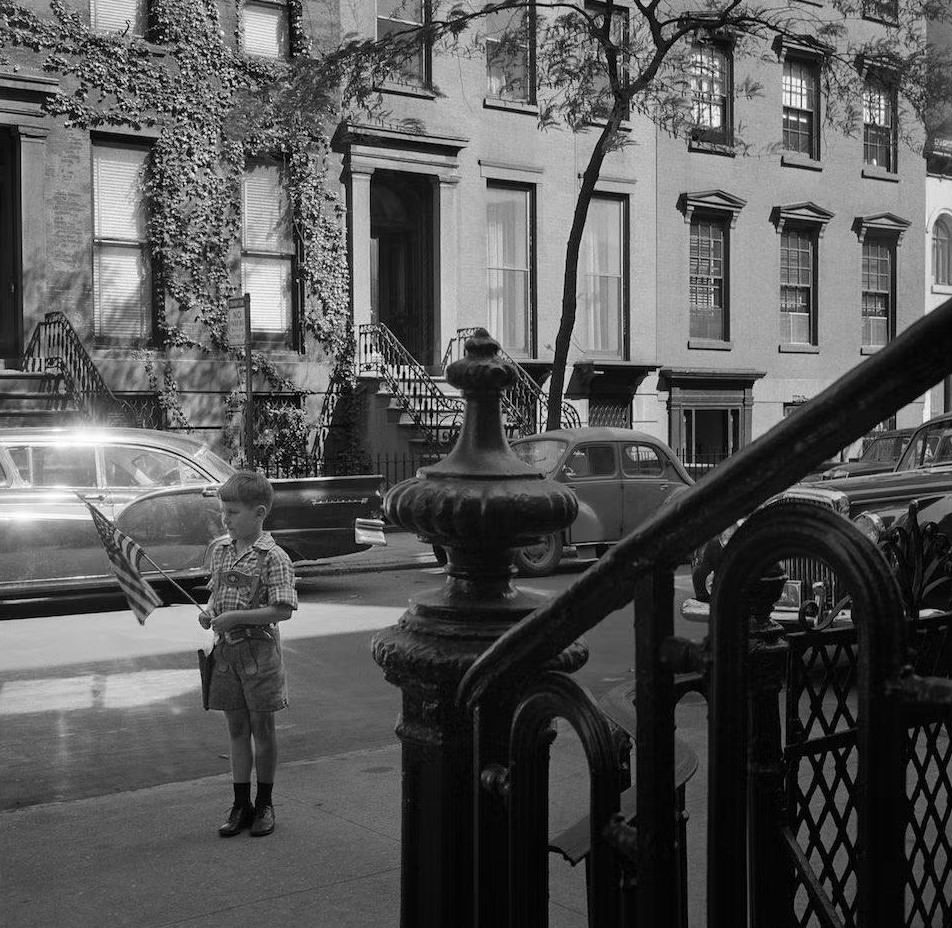
Attie’s photos show Capote moving through Brooklyn Heights at an unhurried pace. He reads on a park bench, stares out at the harbor, and lingers on his stoop. The brownstones and tree-lined streets frame him as a small, calm figure in a familiar world.
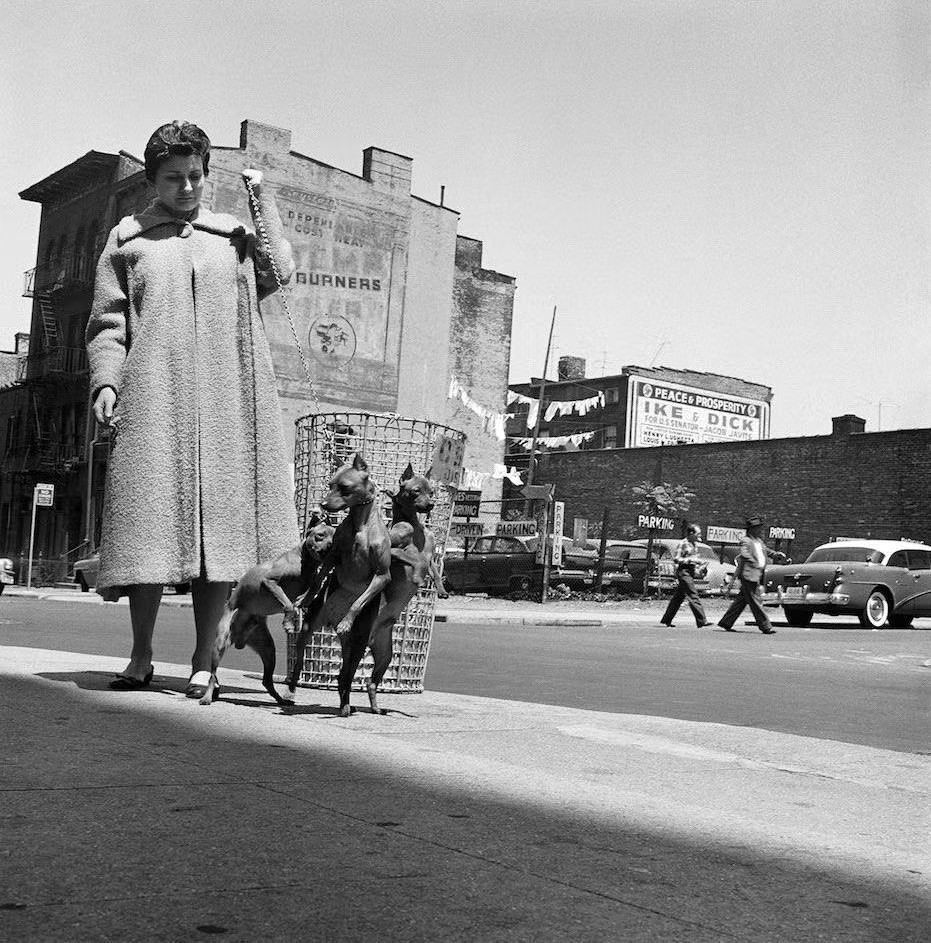
In one shot, Capote stands outside his building wearing a fitted suit, crisp white shirt, and bow tie — his usual look. His hands are in his pockets, and he’s grinning. It’s the kind of photo that captures a person’s personality without trying too hard.
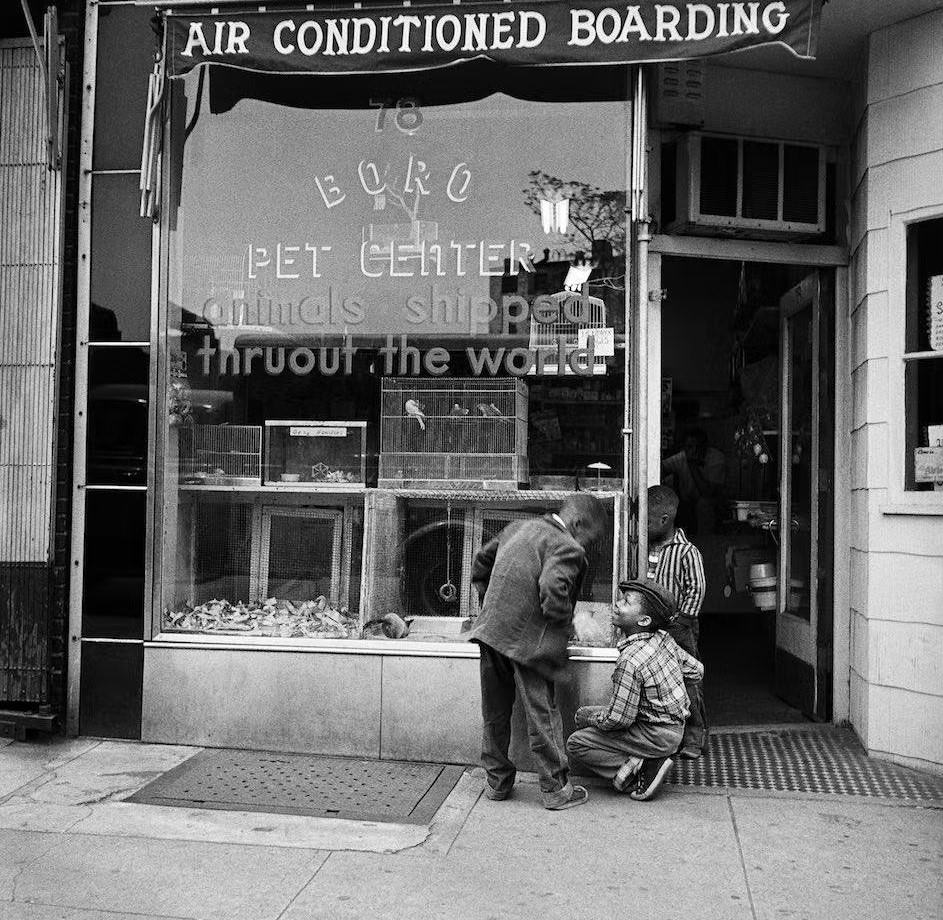
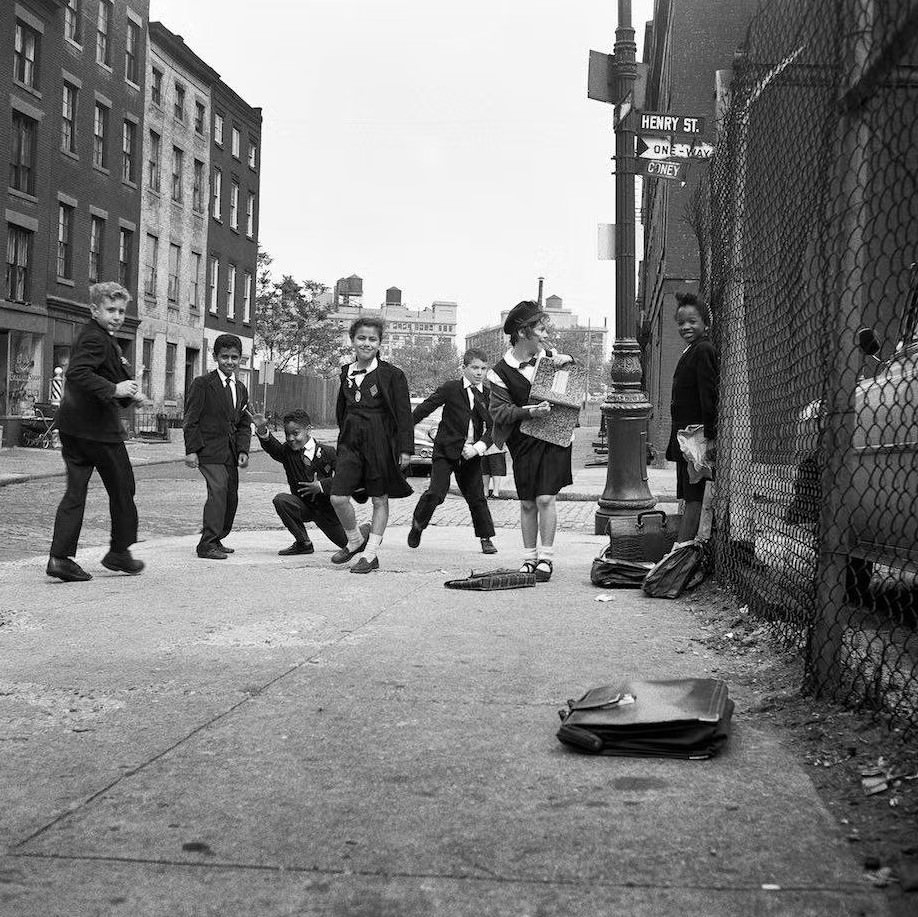
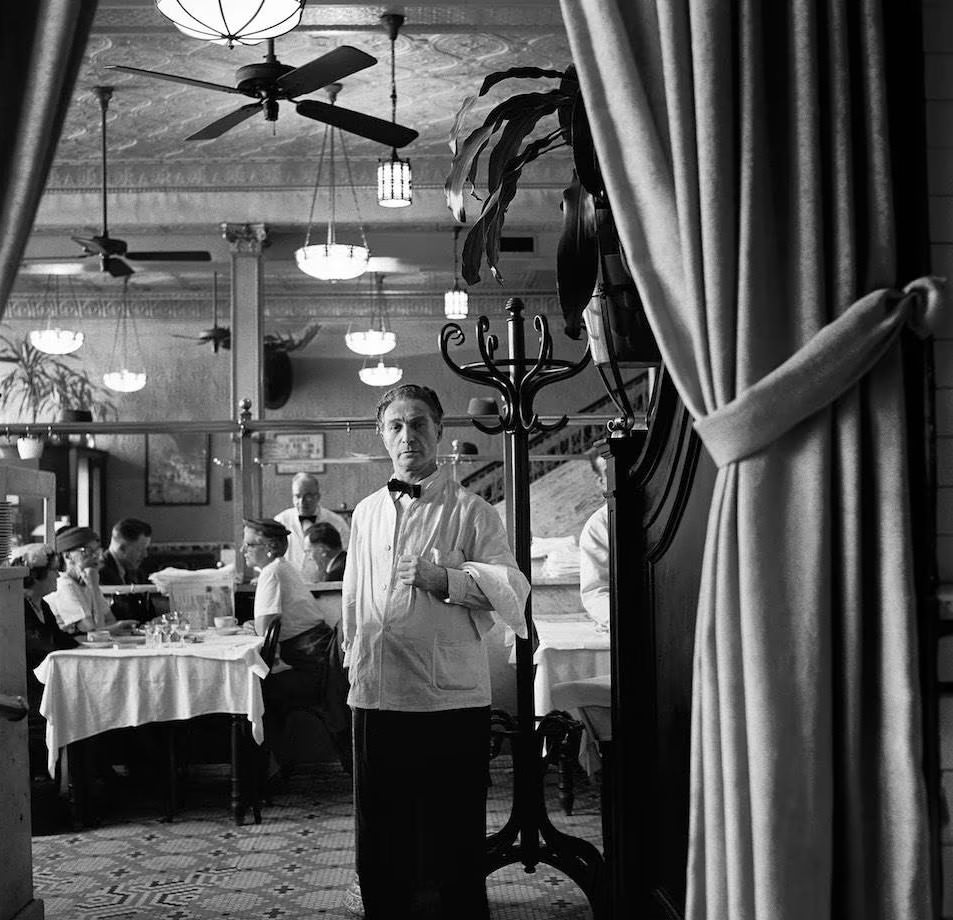
Other frames show him at a local café, deep in conversation with friends. These are louder, more social moments — a side of Capote that balanced out the quiet, solitary work of writing.
Together, the essay and Attie’s photographs build a specific portrait of one writer’s life in one Brooklyn neighborhood at one particular moment in time. The details are precise: the address, the landlord, the book being written, the clothes on his back.