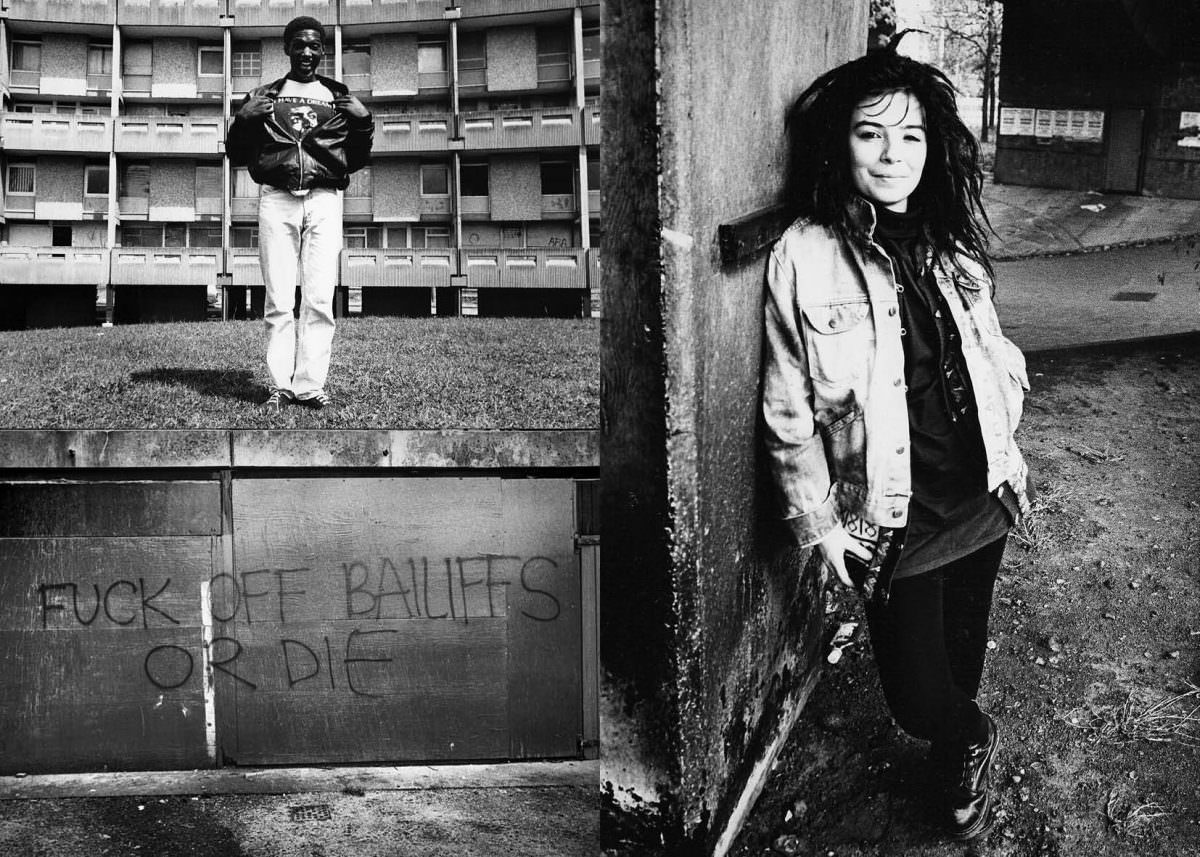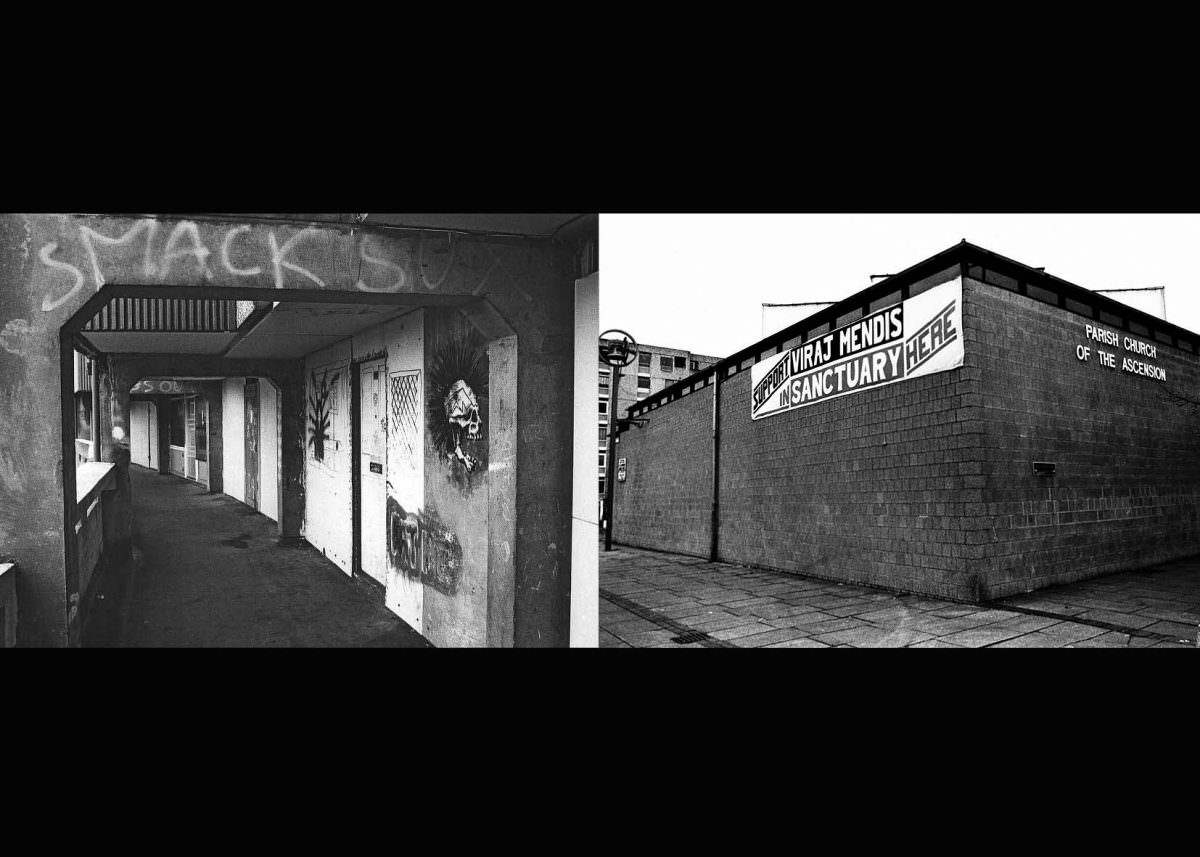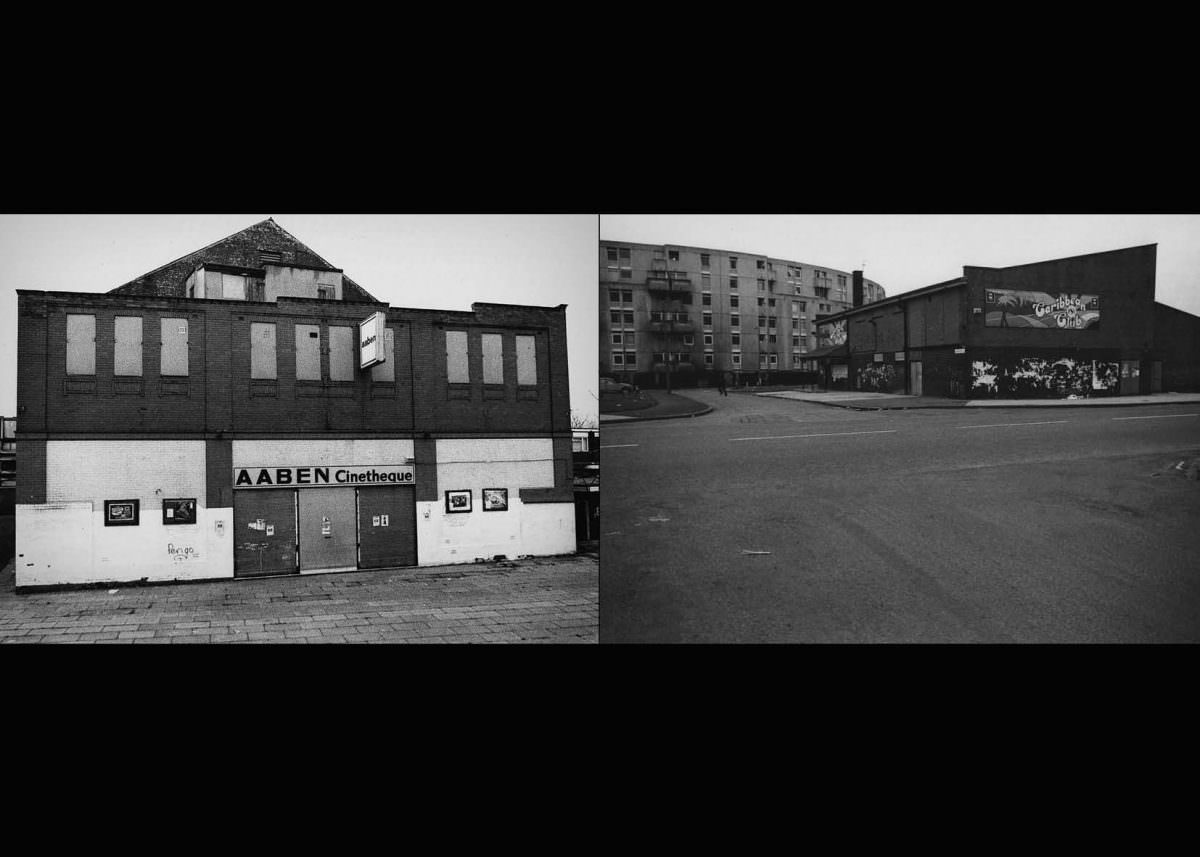
Hulme sat just south of Manchester city center, and in the 1980s and 90s, its reputation kept most people away. “Stay away from there,” was the common warning. Photographer Richard Davis ignored it. He walked the streets of Hulme with a camera and documented what he found — not a wasteland, but a living, breathing district full of people holding their ground.
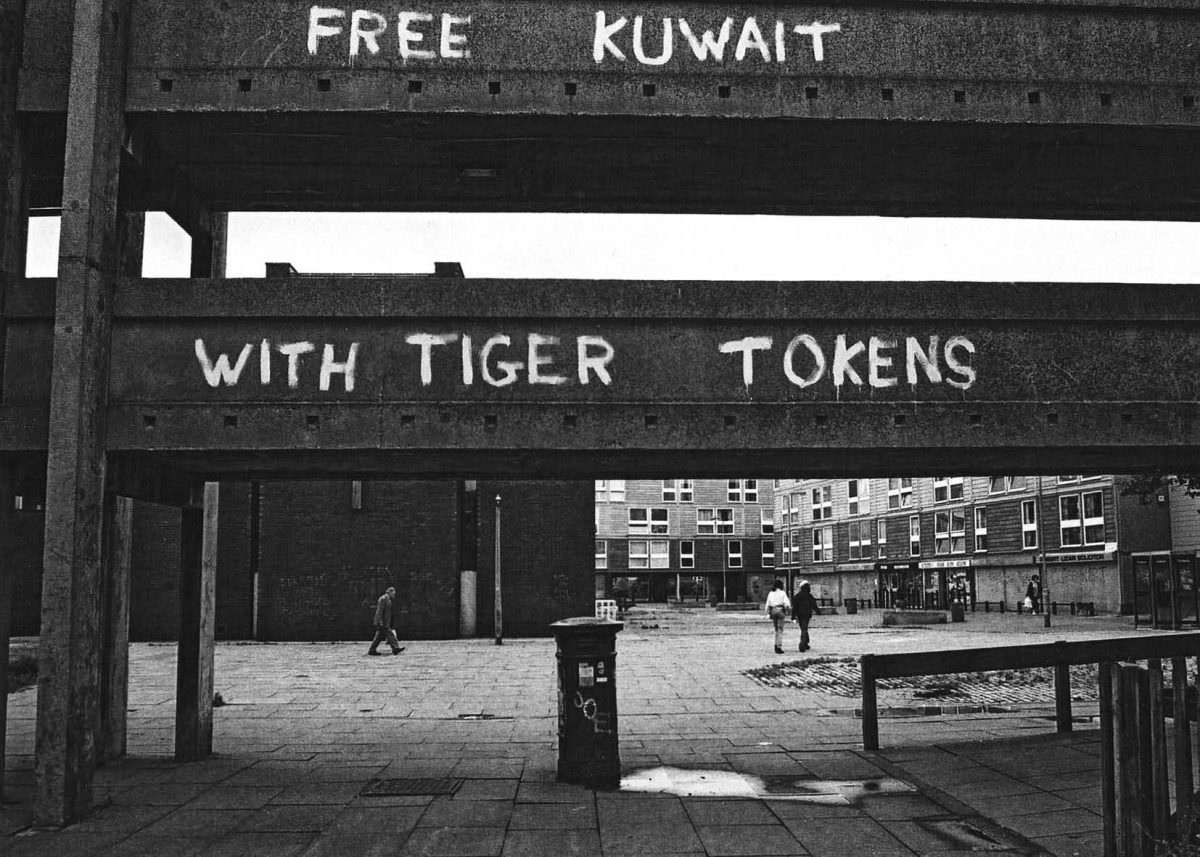
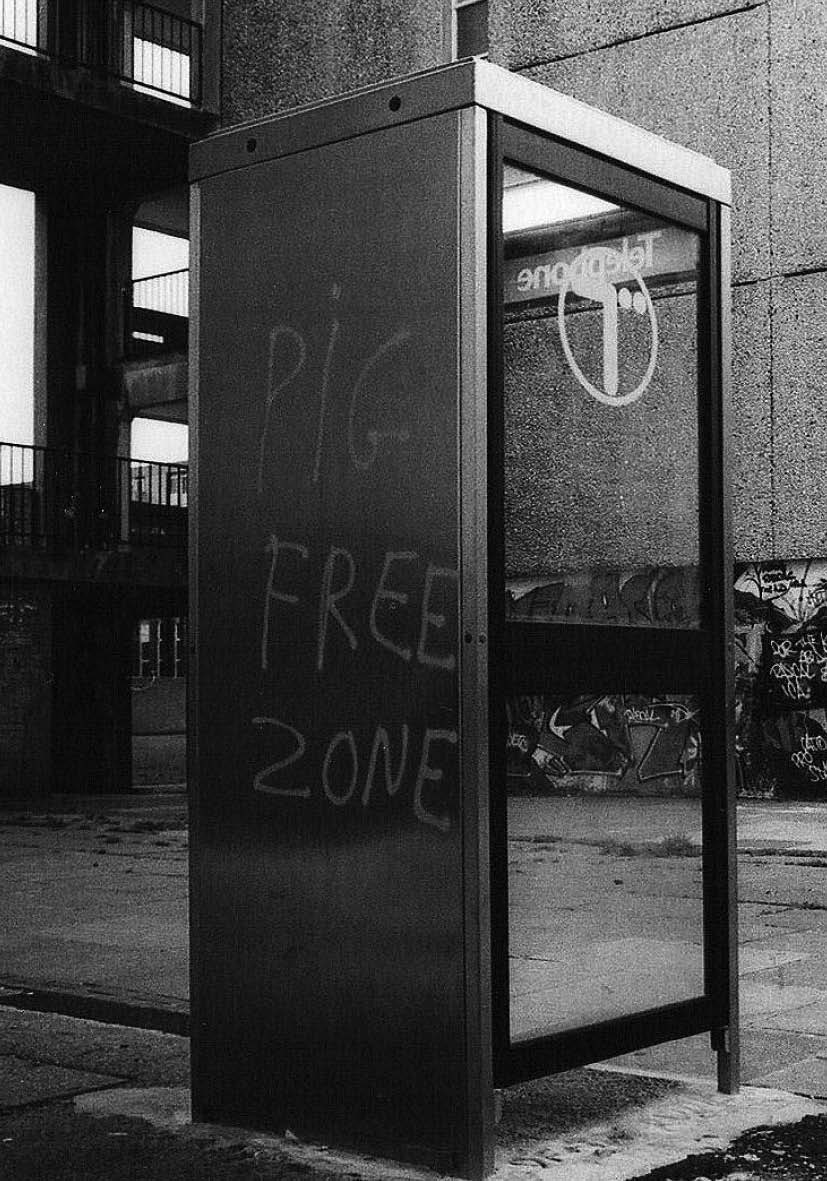
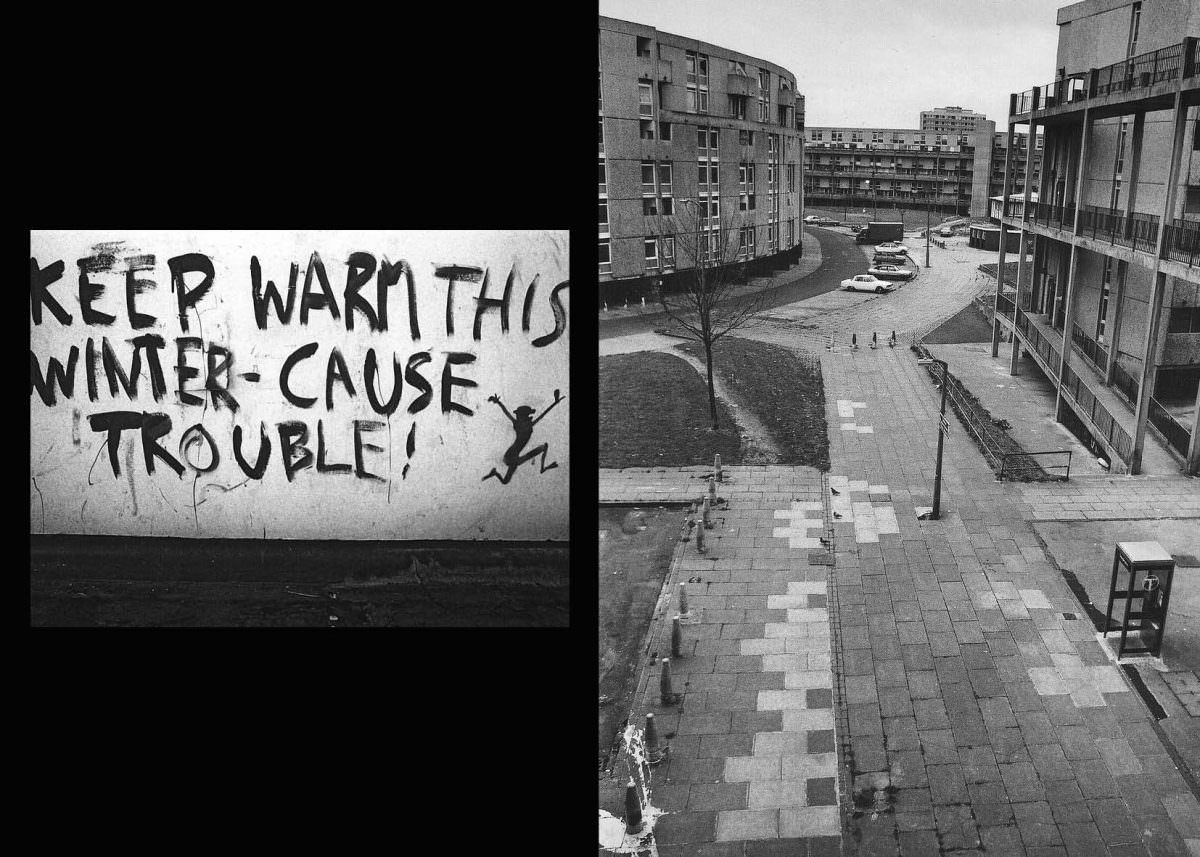
Boarded-up buildings stood next to busy pubs. Graffiti covered the walls. Empty lots became makeshift football pitches where local kids played for hours. The district was rough, but it had a strong sense of community that outsiders rarely saw.
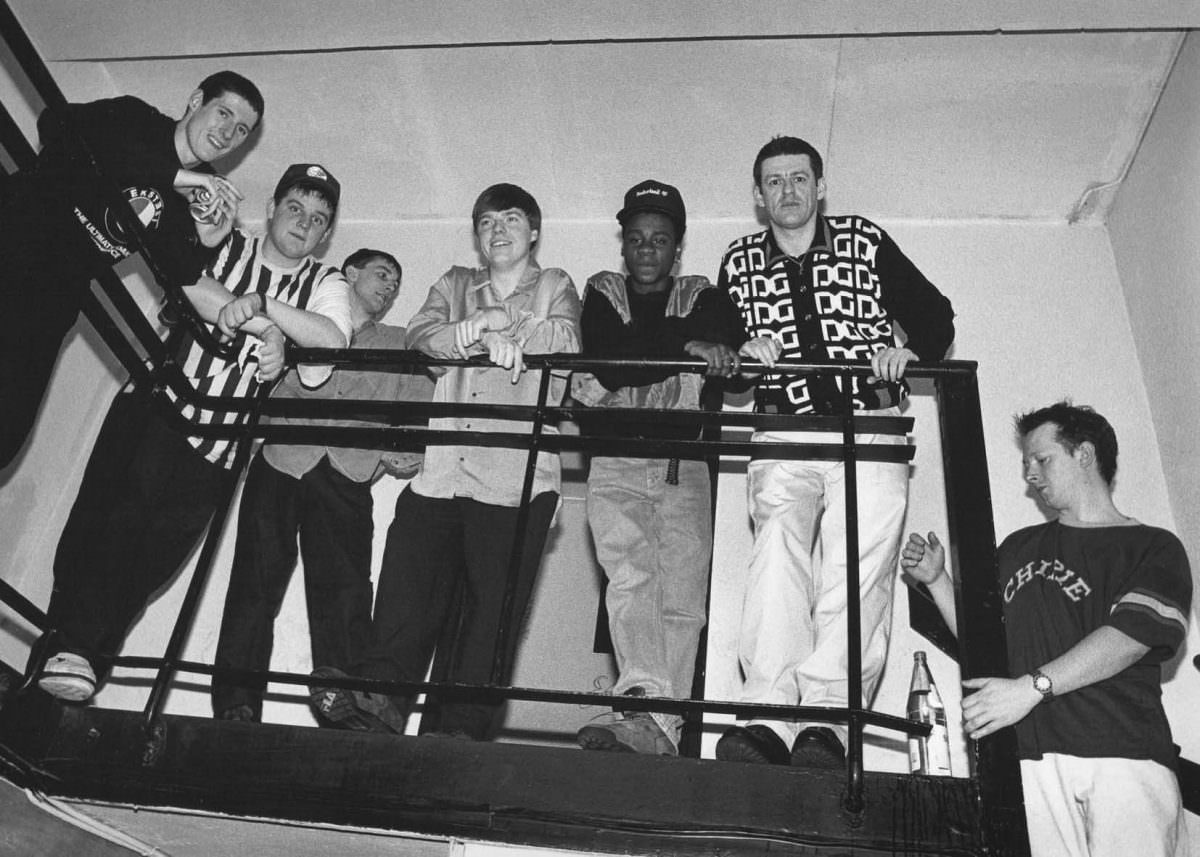
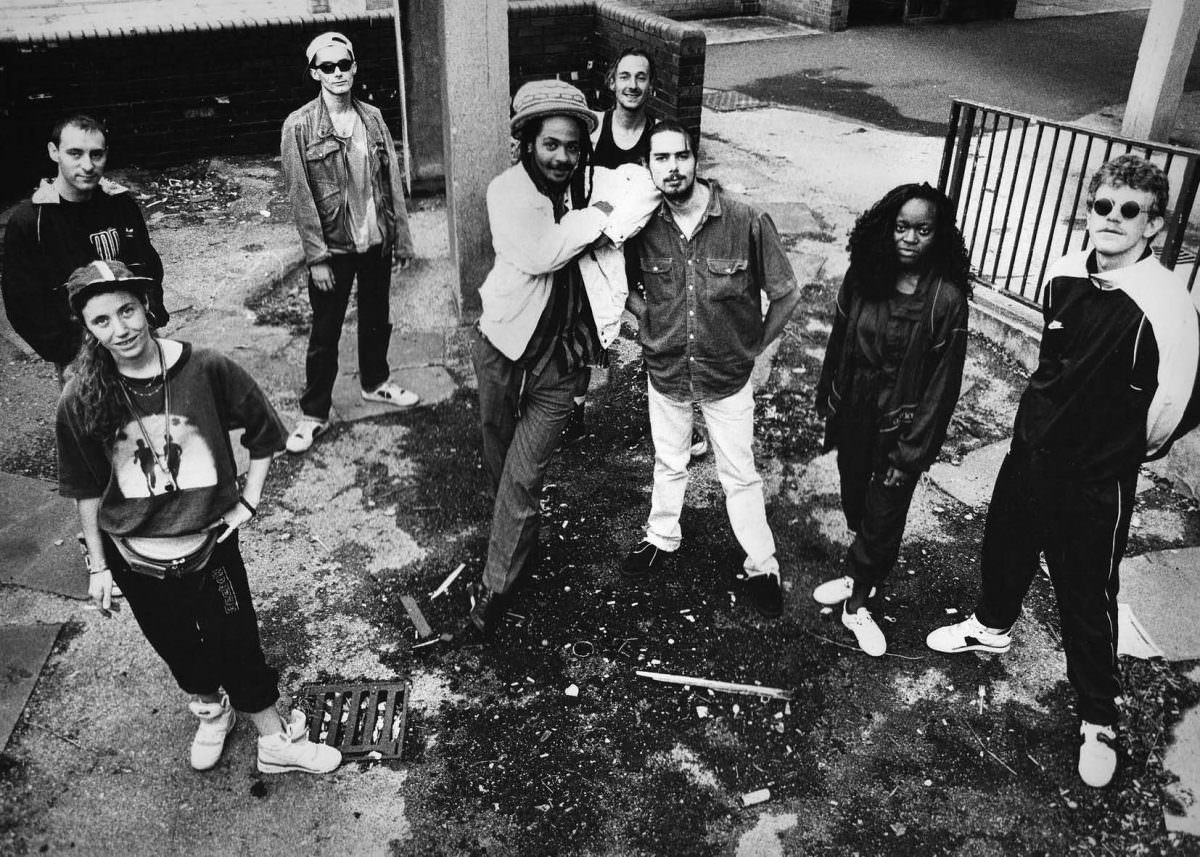
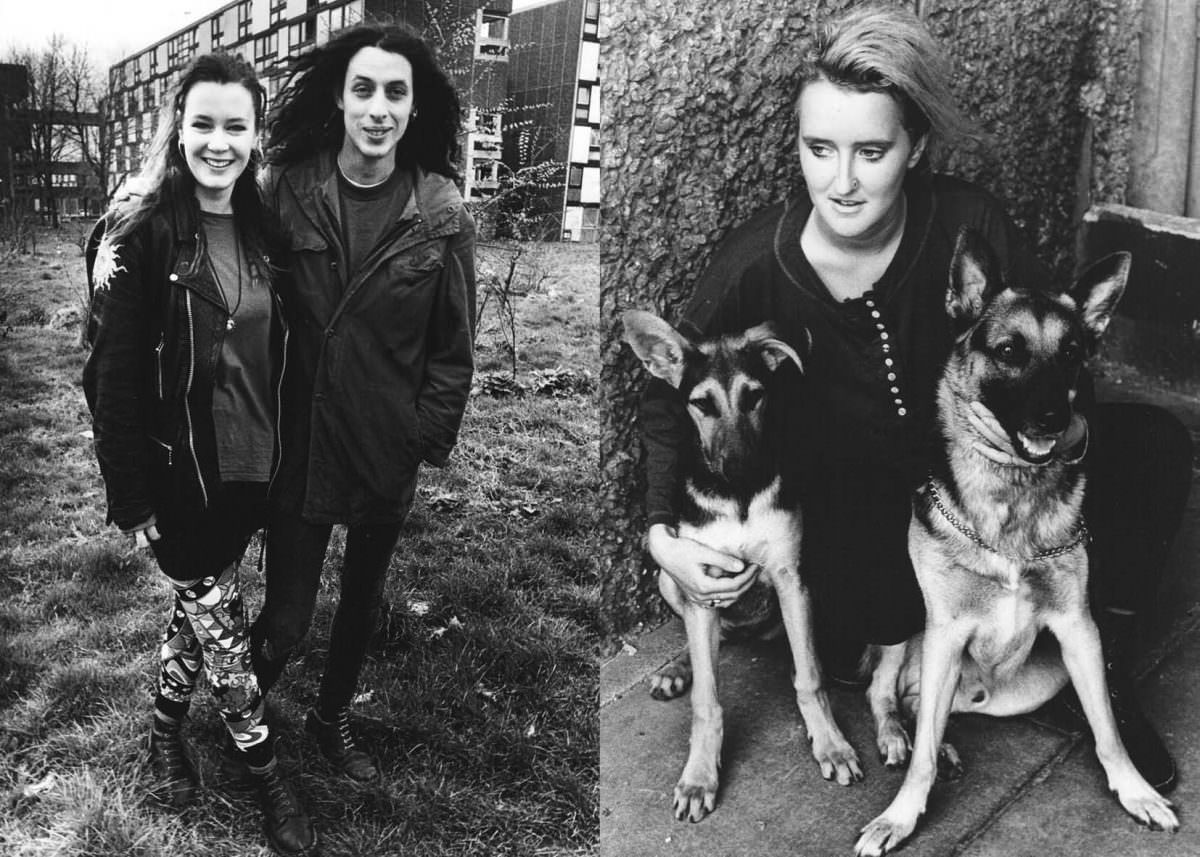
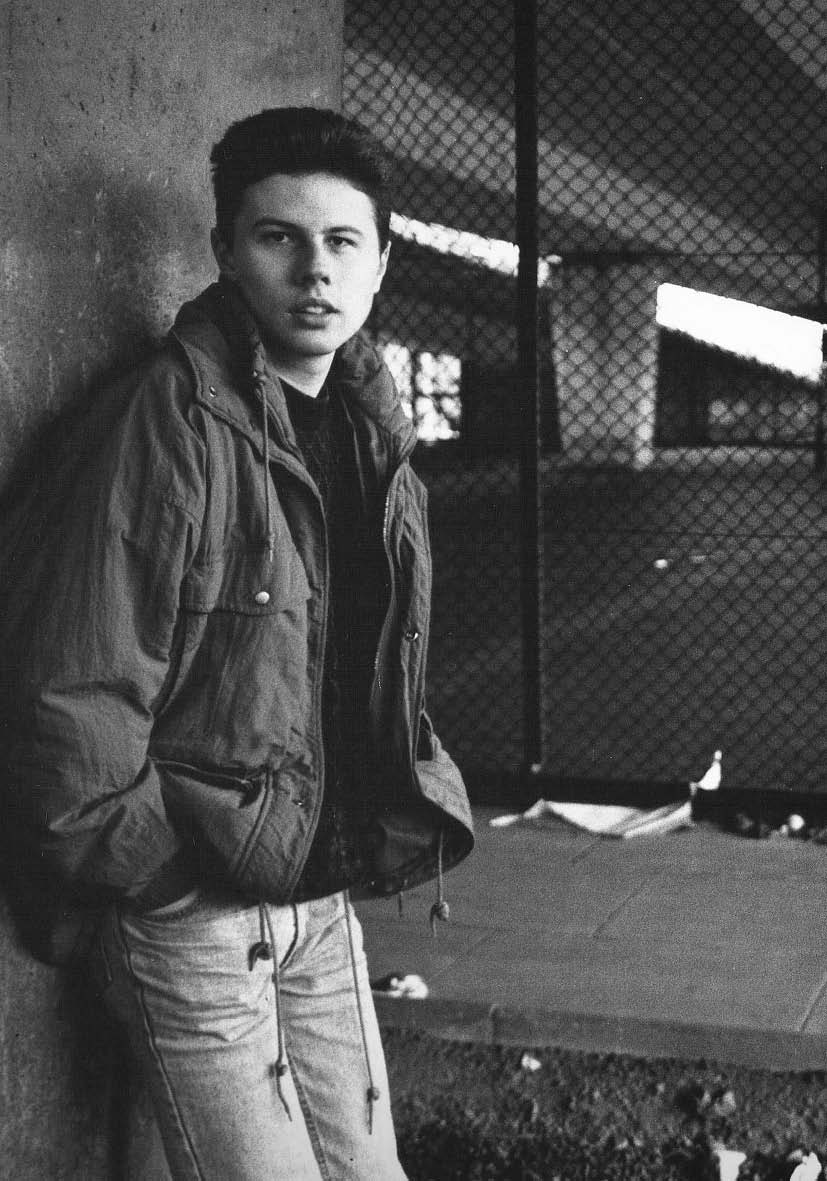
Davis captured families gathered on doorsteps, sharing stories. Kids filled the streets with noise and movement. Teenagers huddled around boomboxes, losing themselves in music. For many residents, music was a genuine escape from the sound of demolition crews and the unease of an uncertain future.
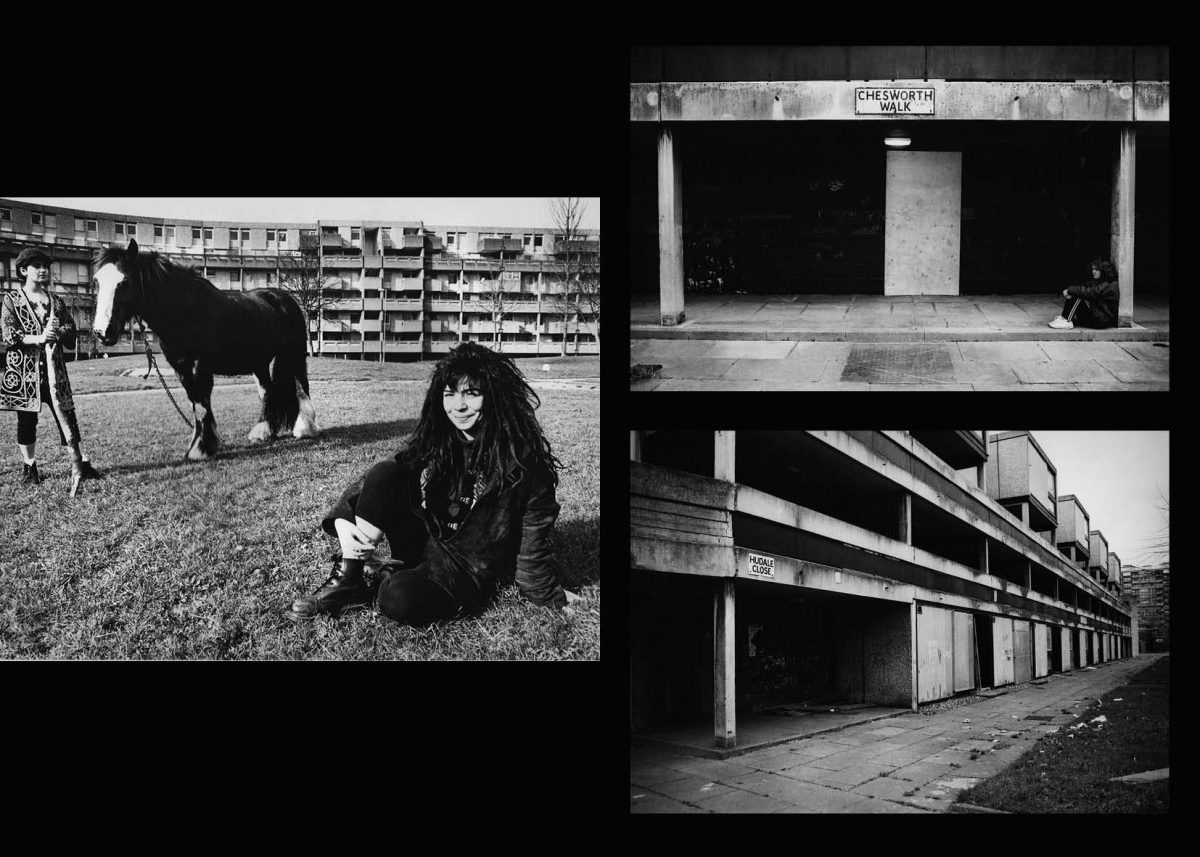
One of Davis’s photos shows a woman sitting alone on her doorstep. Her face carries both exhaustion and defiance. Hulme was not an easy place to live, but it was home — and that meant something real to the people who stayed.
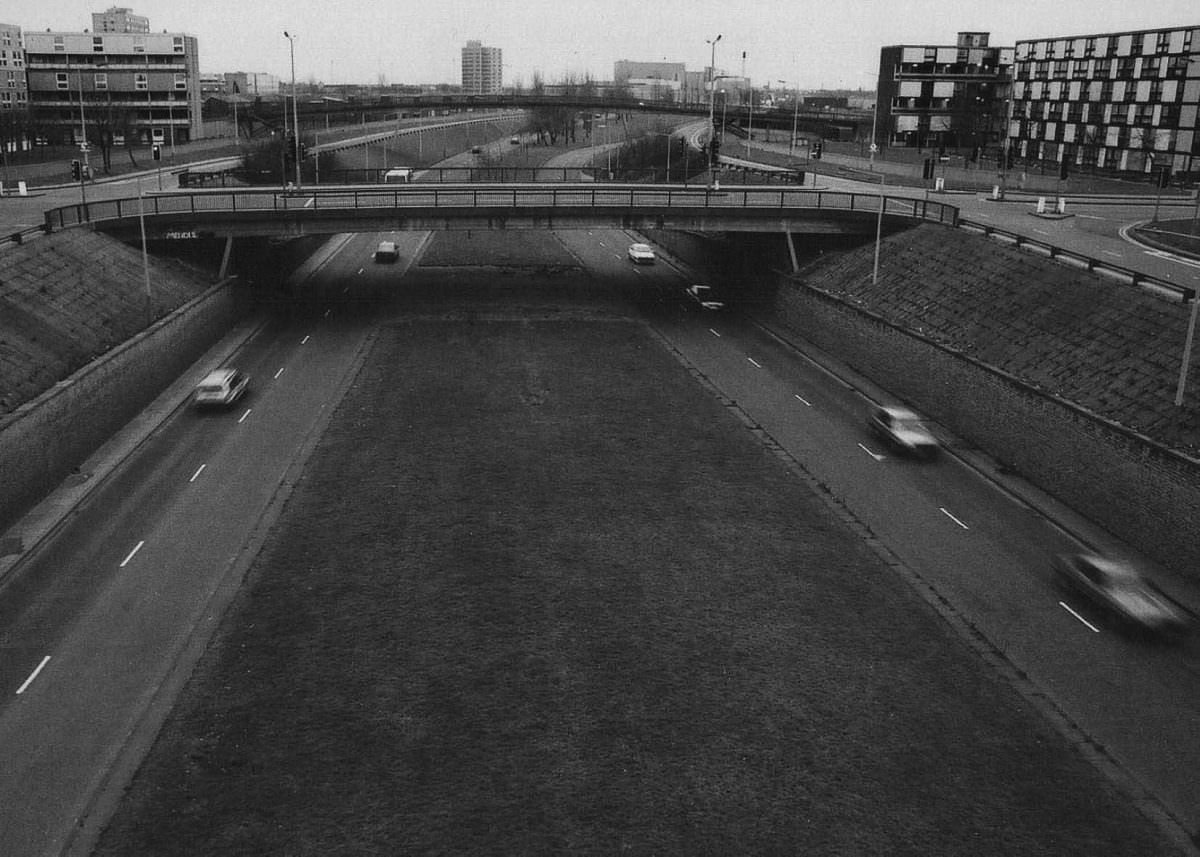
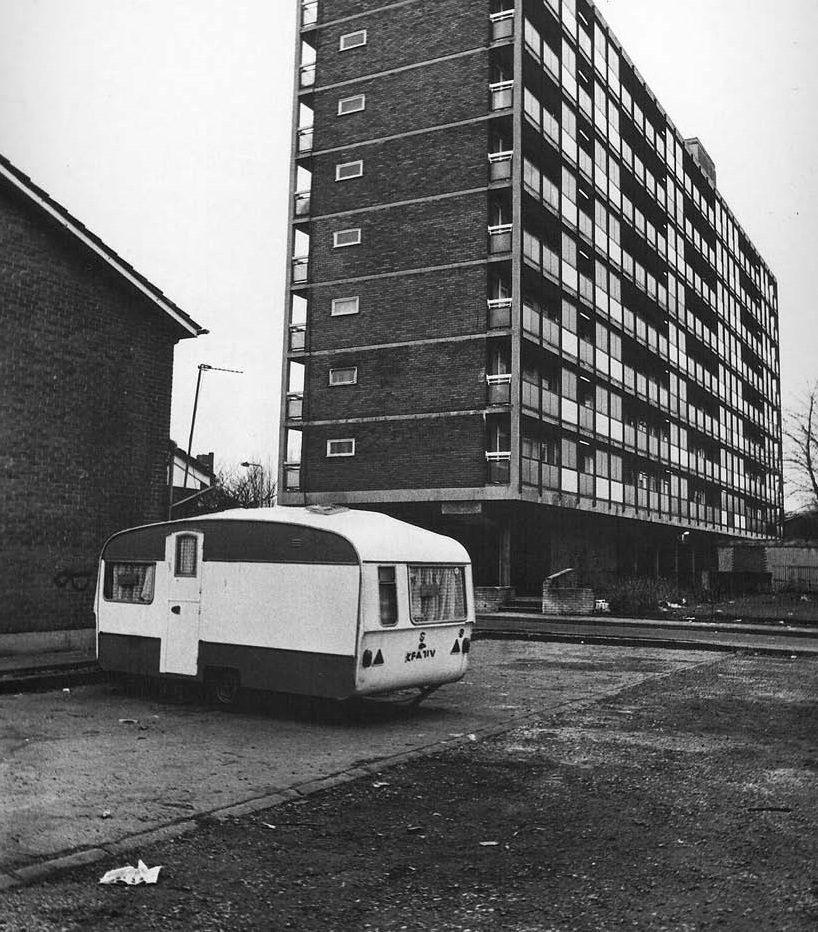
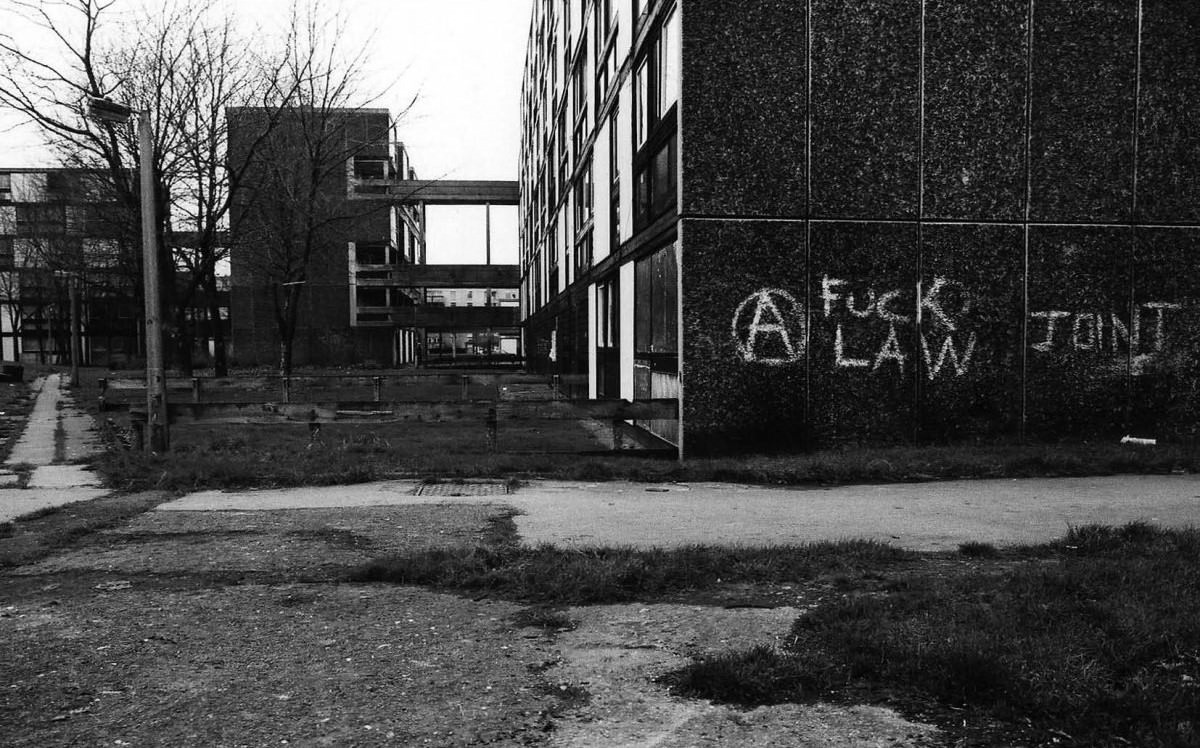
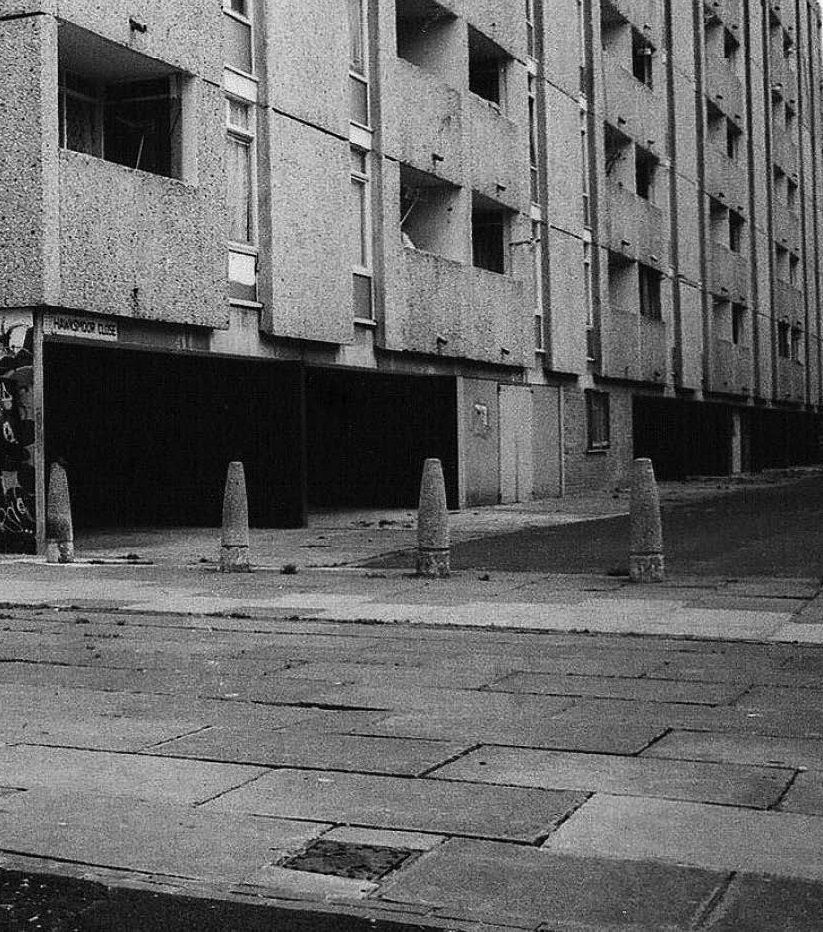
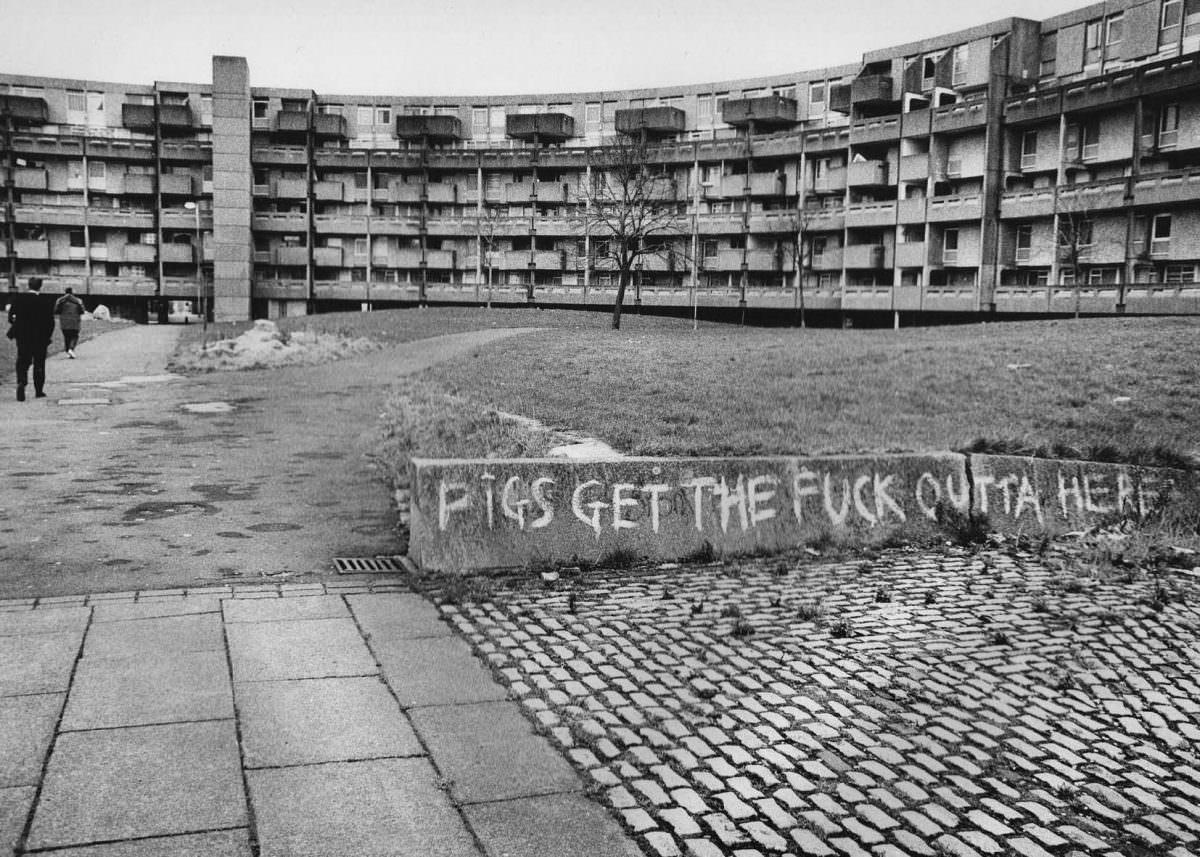
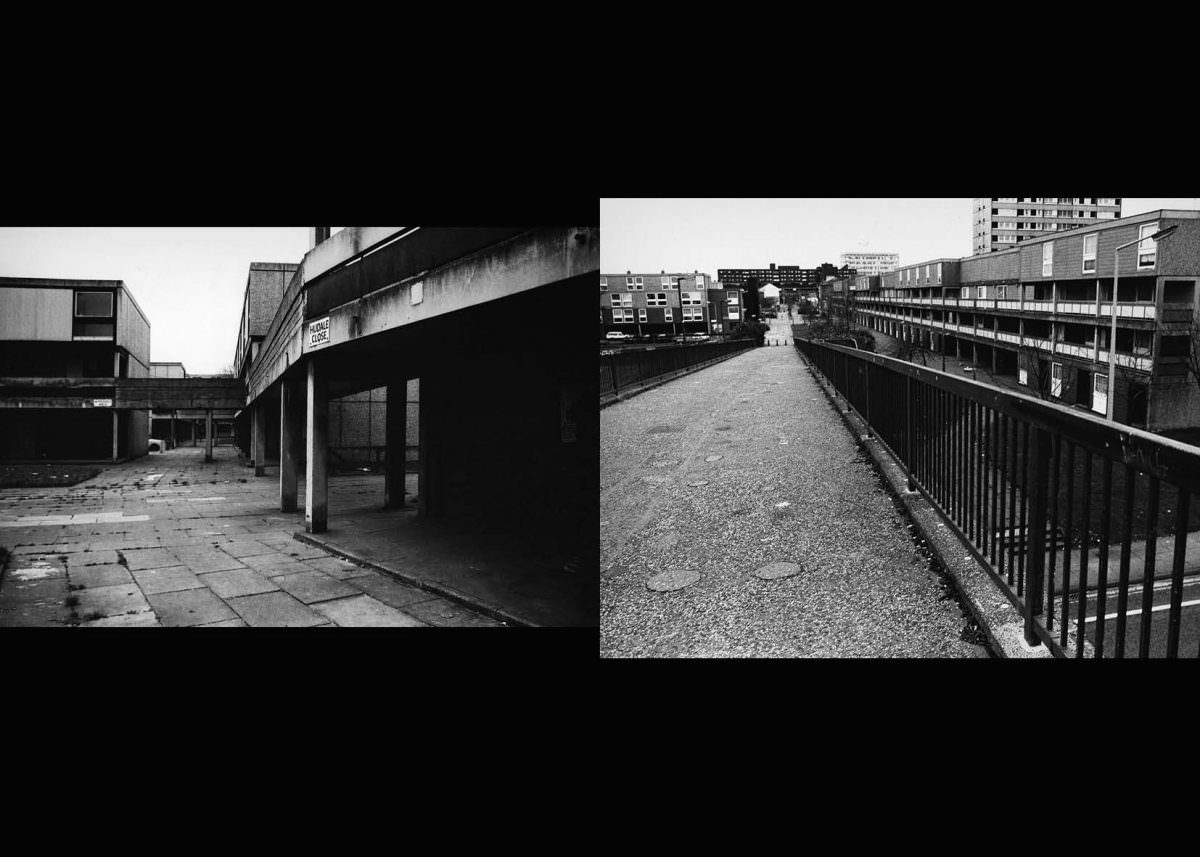
The Crescents loomed over the district during this era. These large, curved housing blocks were built in the late 1960s as a bold vision of modern living. By the 80s, they had become symbols of failure — neglected, half-empty, and falling apart. Davis photographed them standing like hollow shells, waiting to be torn down.
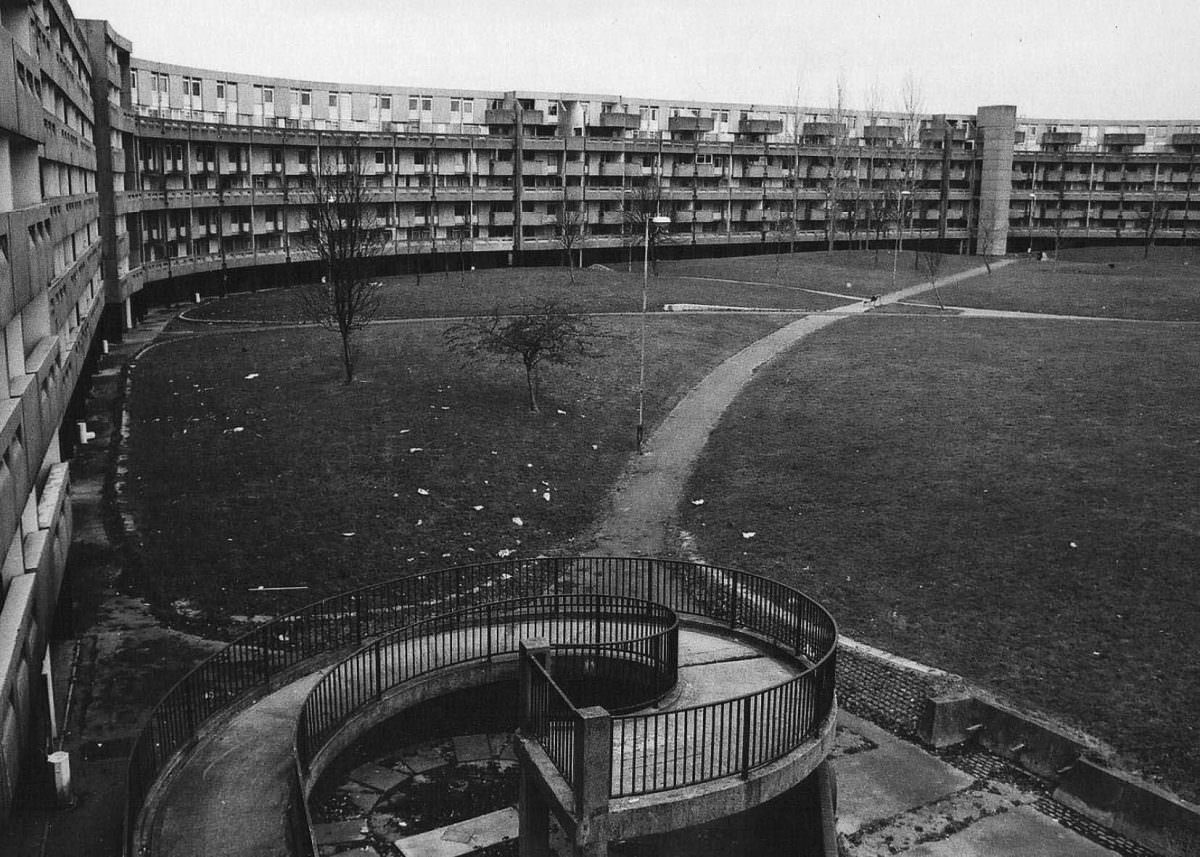
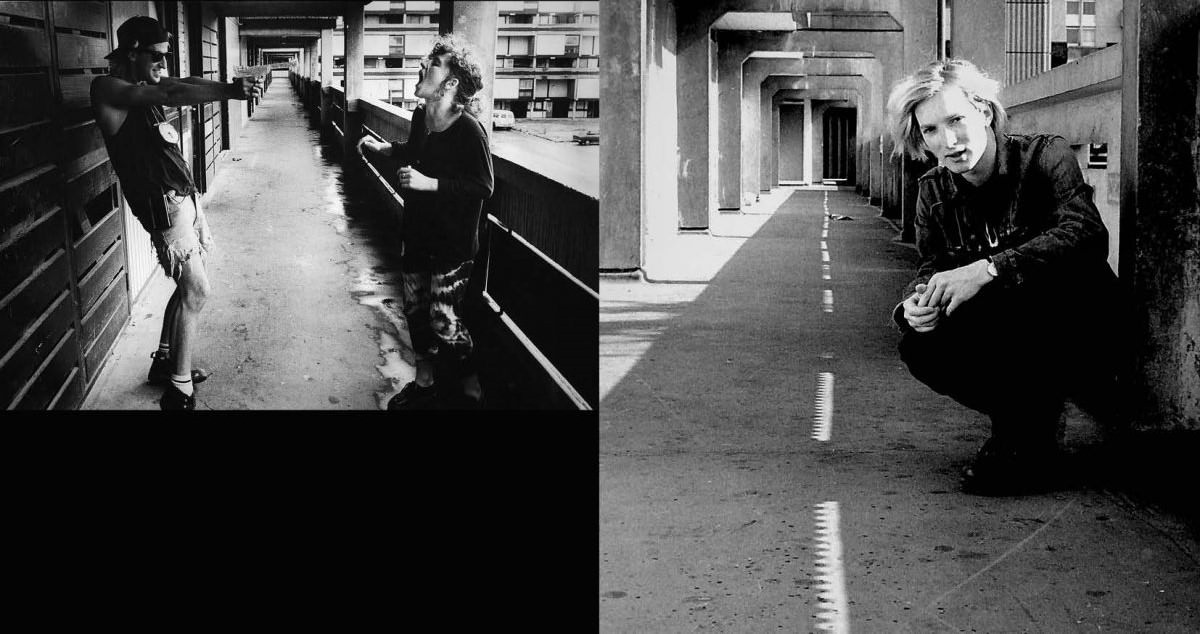
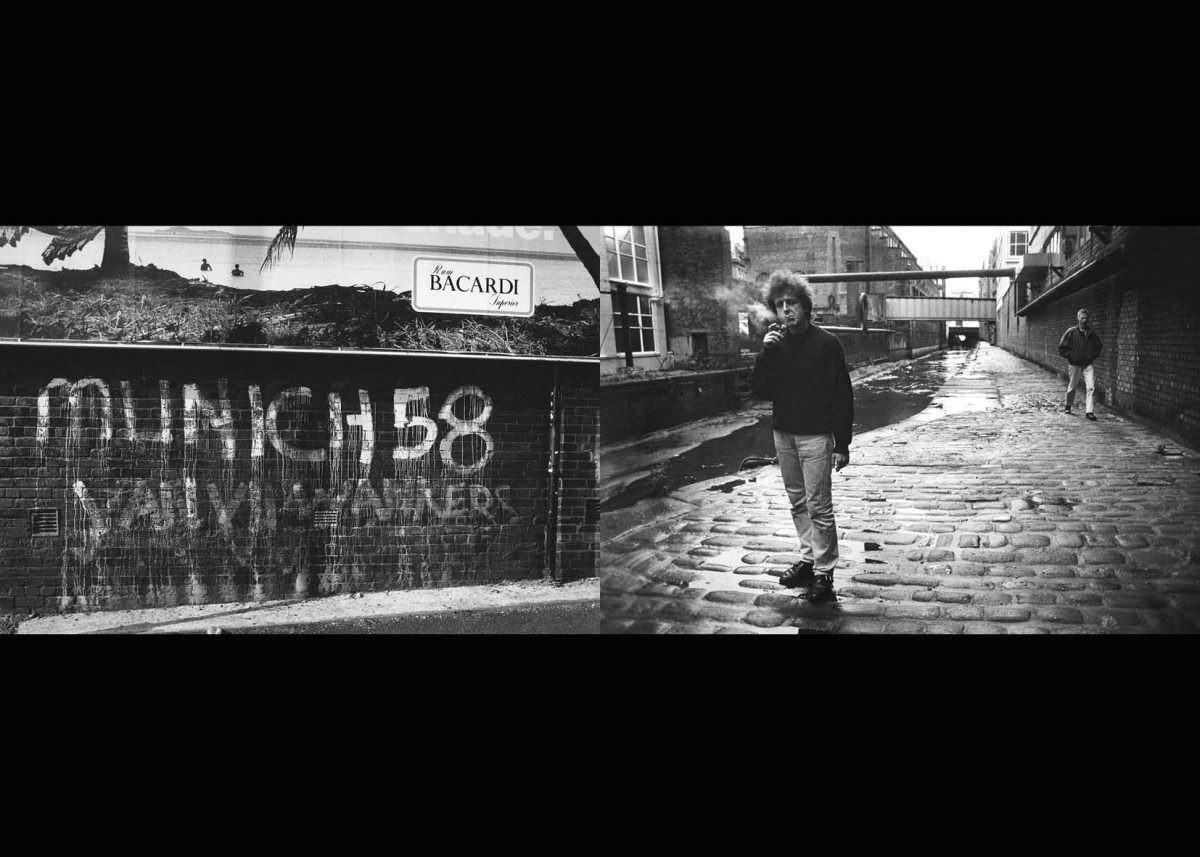
When the Crescents were finally demolished, it marked a turning point. Hulme’s physical landscape was being erased and rebuilt. The crumbling brickwork and worn cobblestone streets that Davis had walked were slowly disappearing.

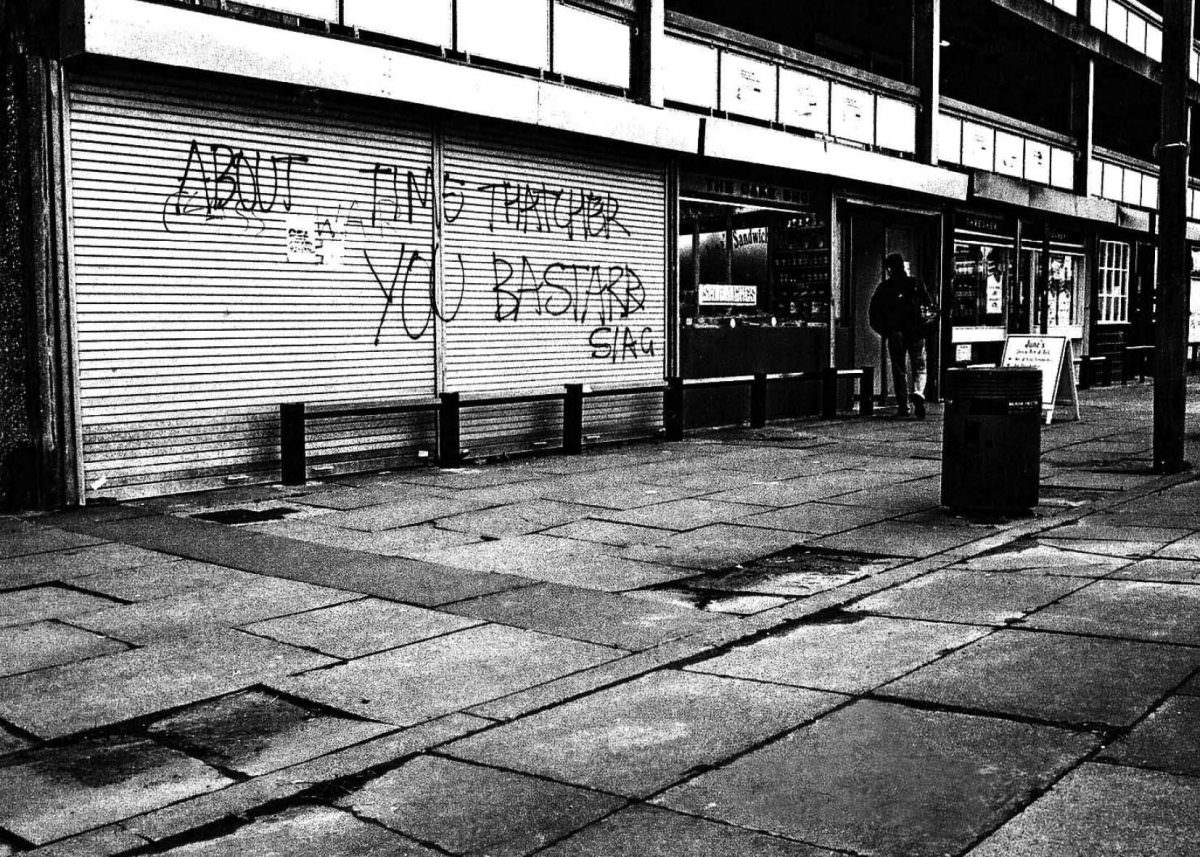
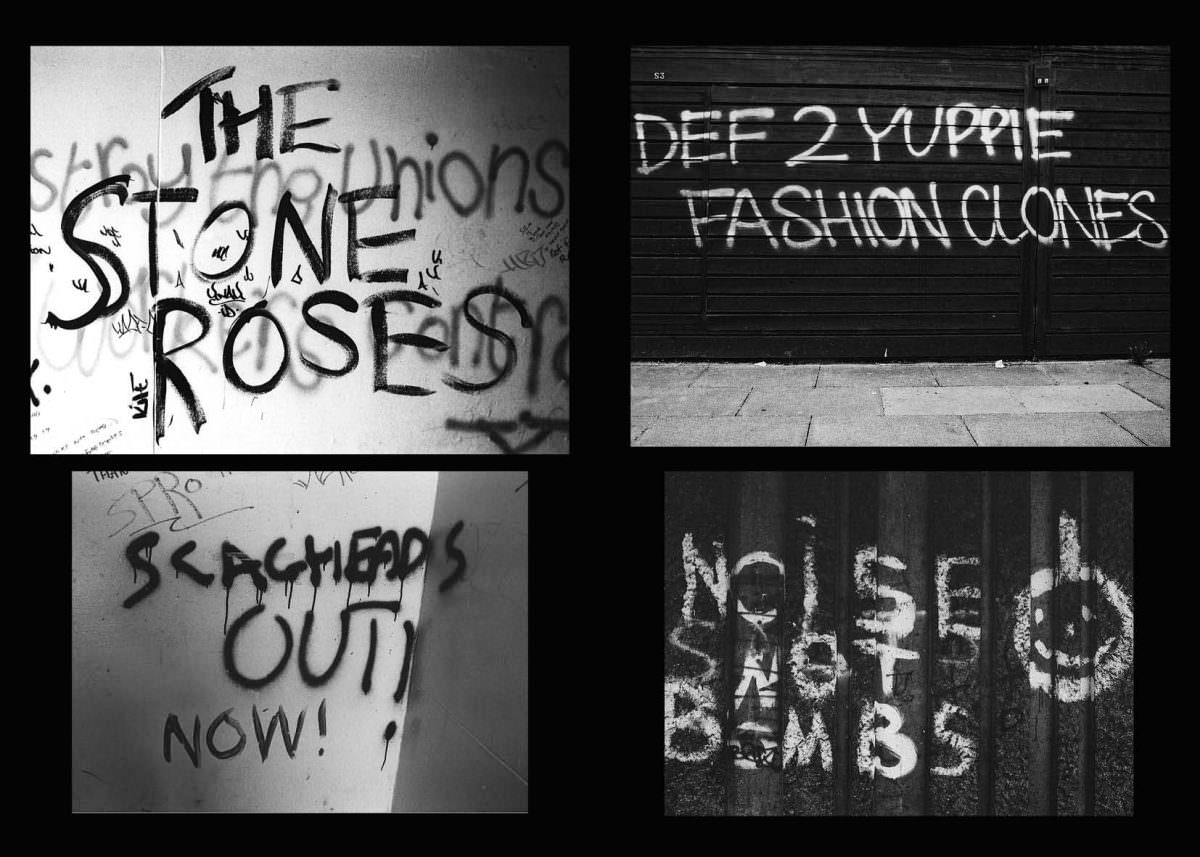
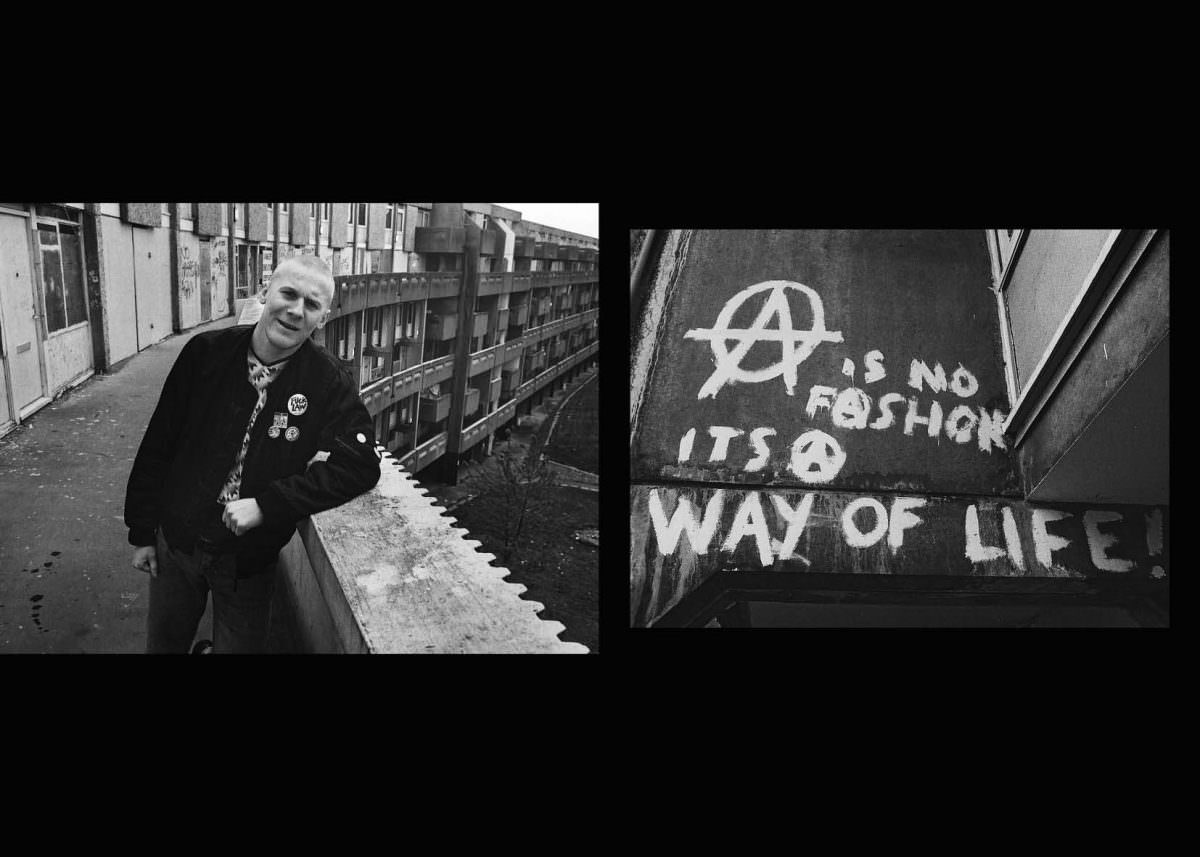
Street art covered many of the district’s walls. What started as graffiti became something closer to public expression — vivid, defiant, and deeply tied to the culture of the area. Davis’s camera caught it all, frame by frame.
The pubs of Hulme served as gathering points. They were loud, warm, and reliable in a neighborhood where much else was not. Local faces filled the same stools year after year, and Davis documented those spaces with the same attention he gave the streets outside.
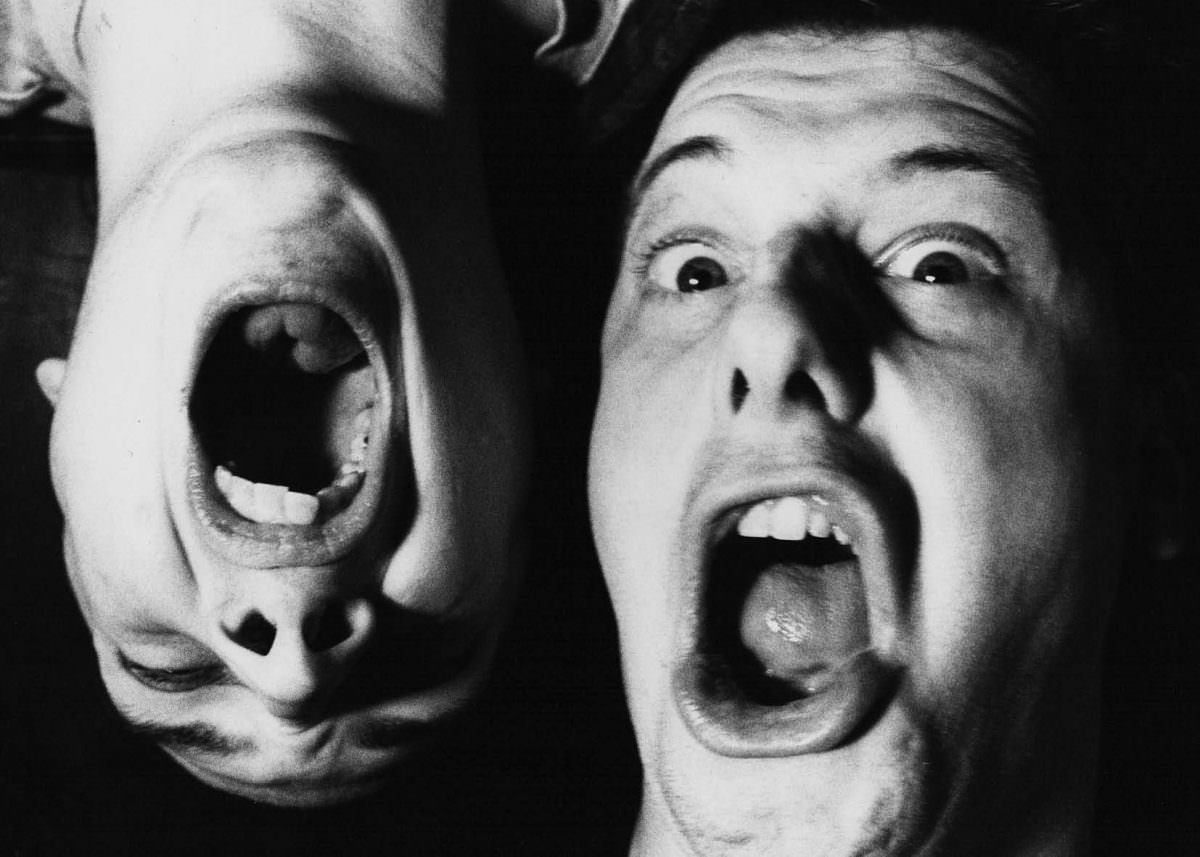
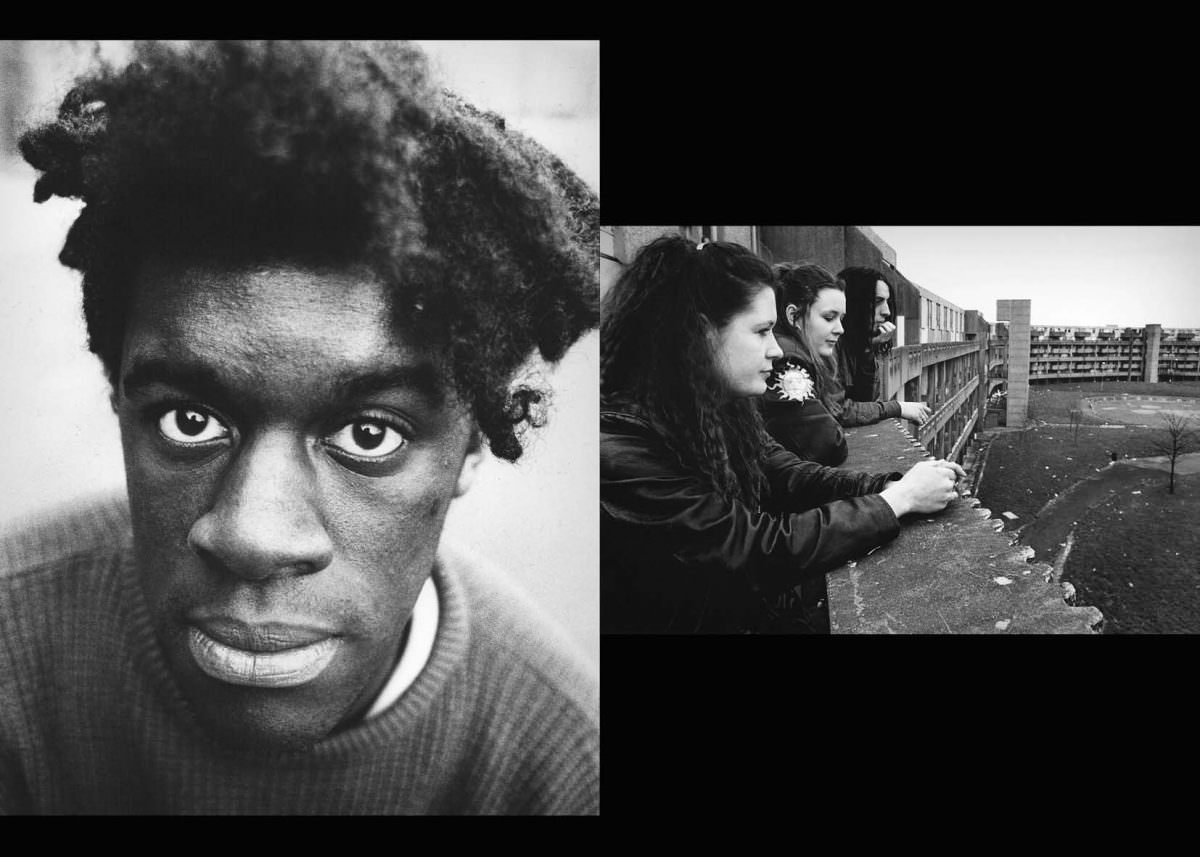
Children were a constant presence in Davis’s photos. They played in spaces that weren’t designed for play — car parks, alleyways, patches of scrubland. Their energy ran through the images like a thread connecting every corner of the district.
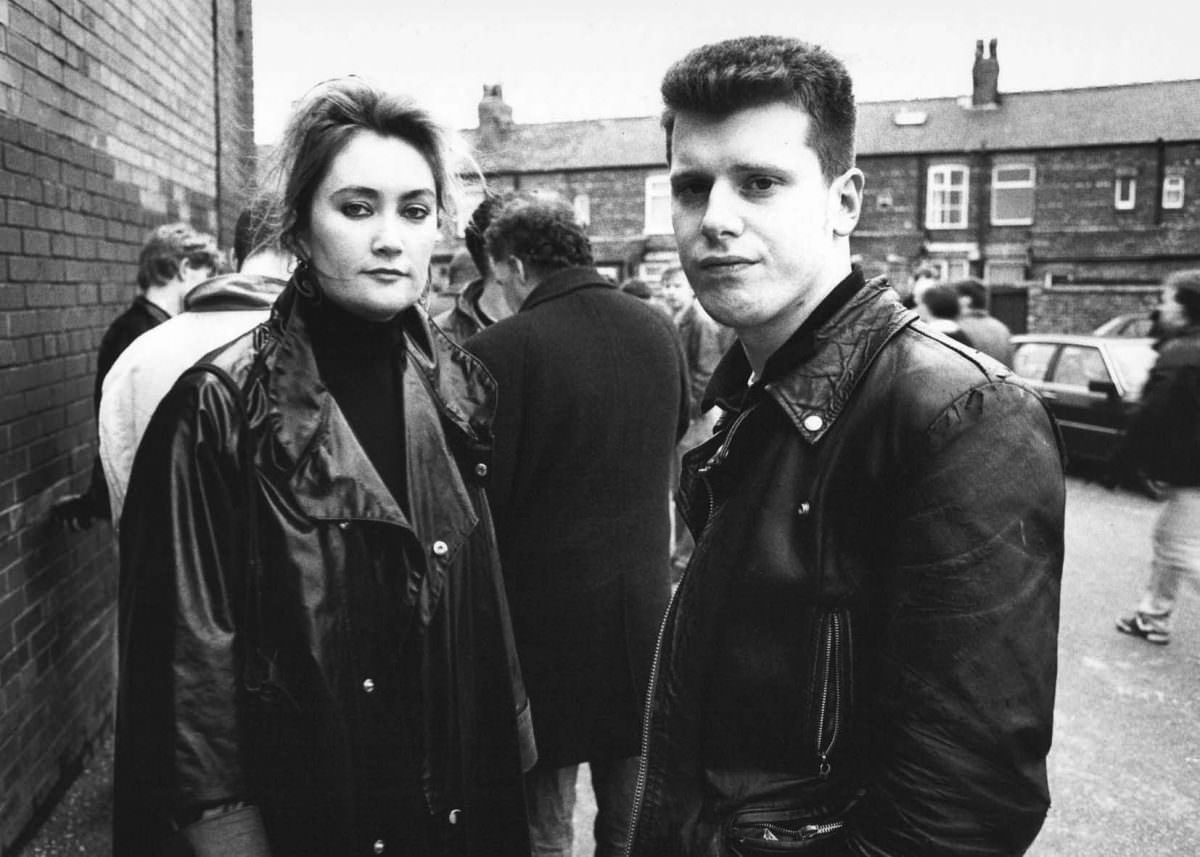

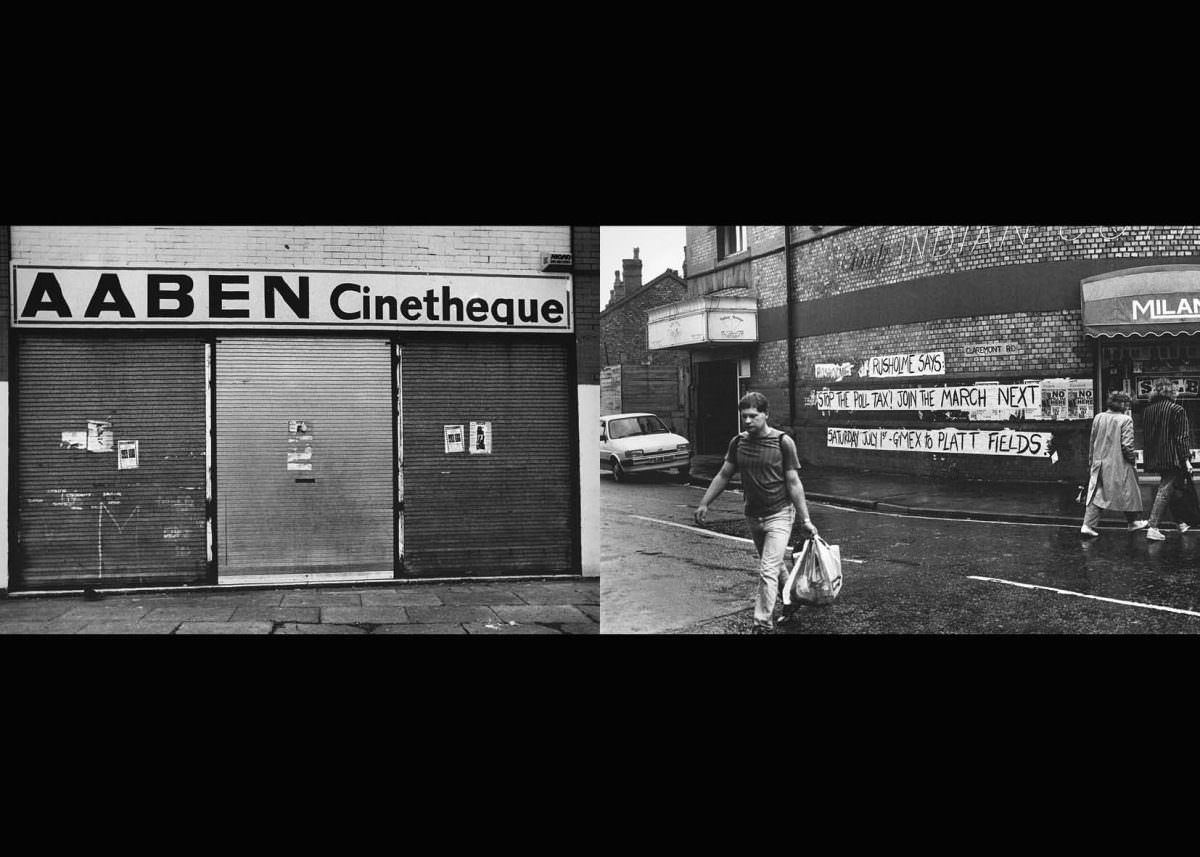
Davis also photographed the quieter moments — an elderly man walking alone, a shopfront with a hand-painted sign, laundry hanging between buildings. These details paint a picture of ordinary life continuing despite the disorder around it.
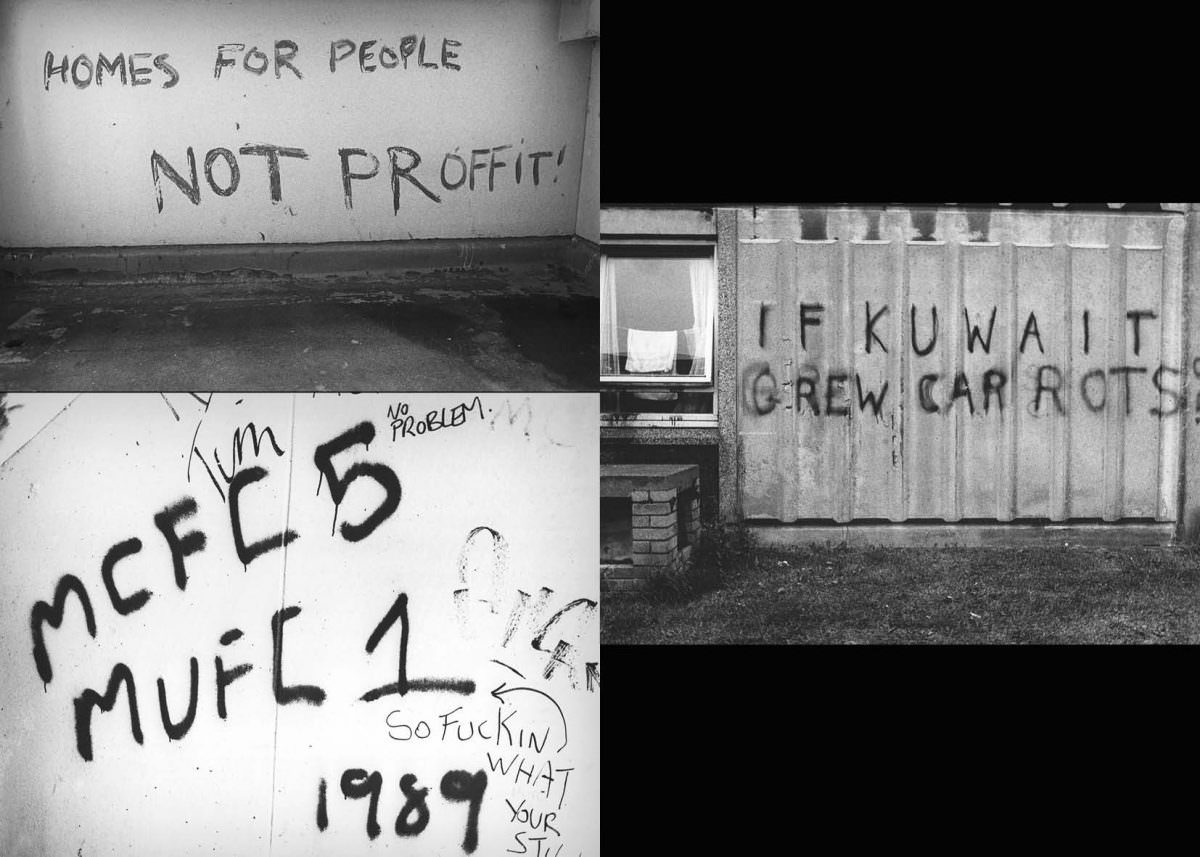
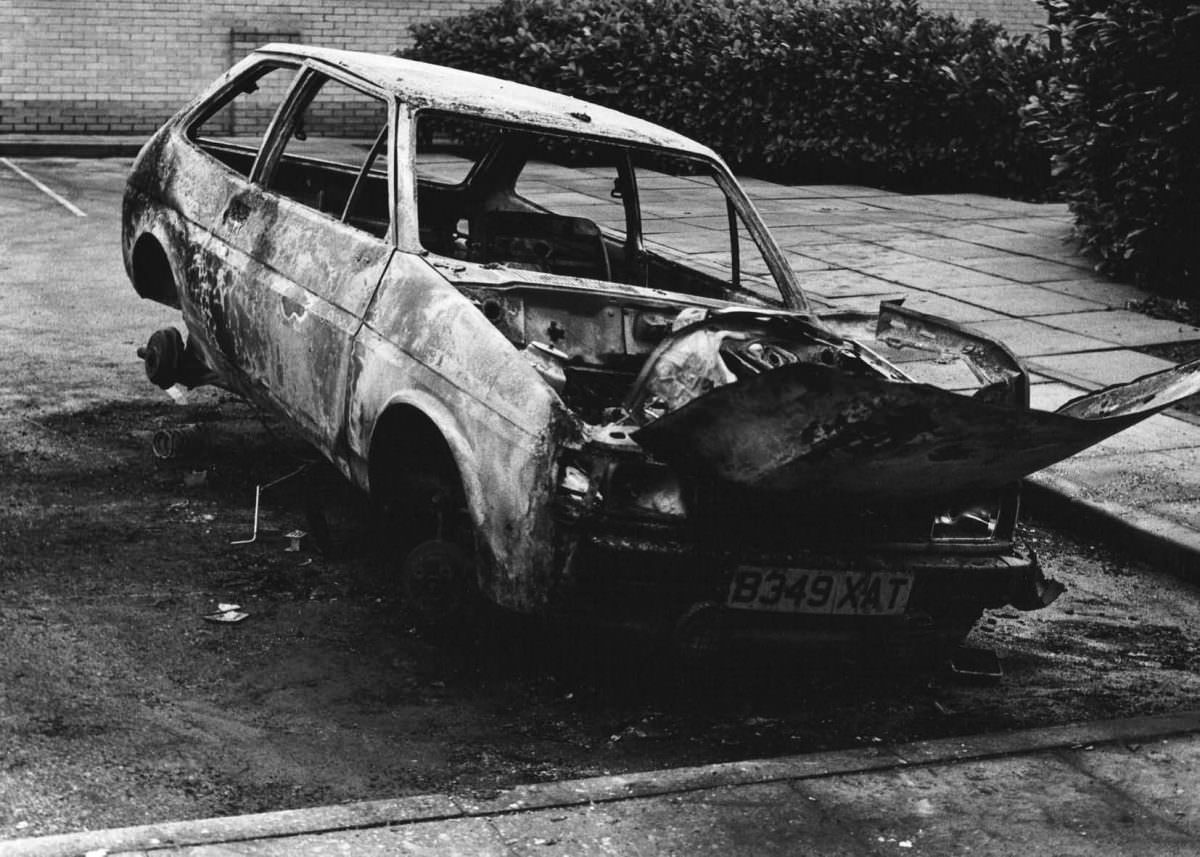
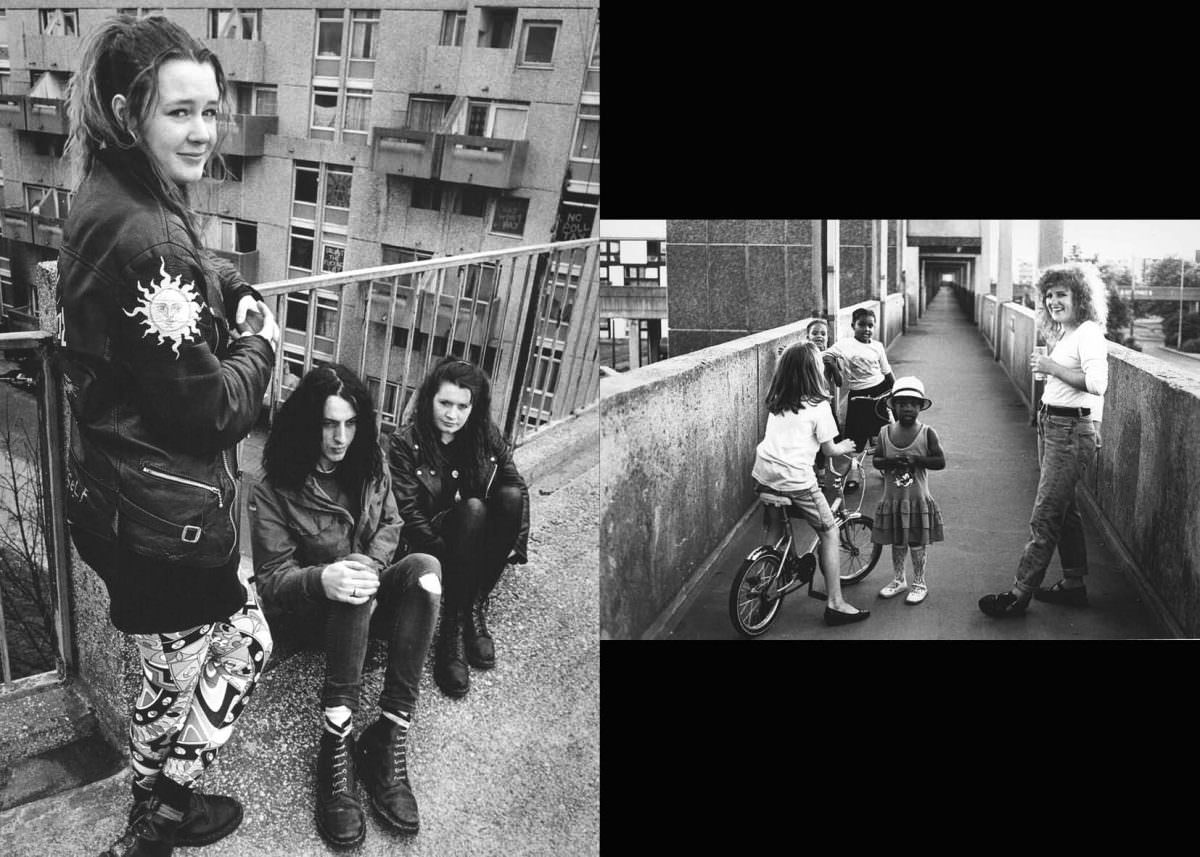
By the 1990s, redevelopment pressure was building. Developers and city planners had plans for Hulme, and longtime residents knew that change was coming whether they welcomed it or not. Davis kept shooting through it all.
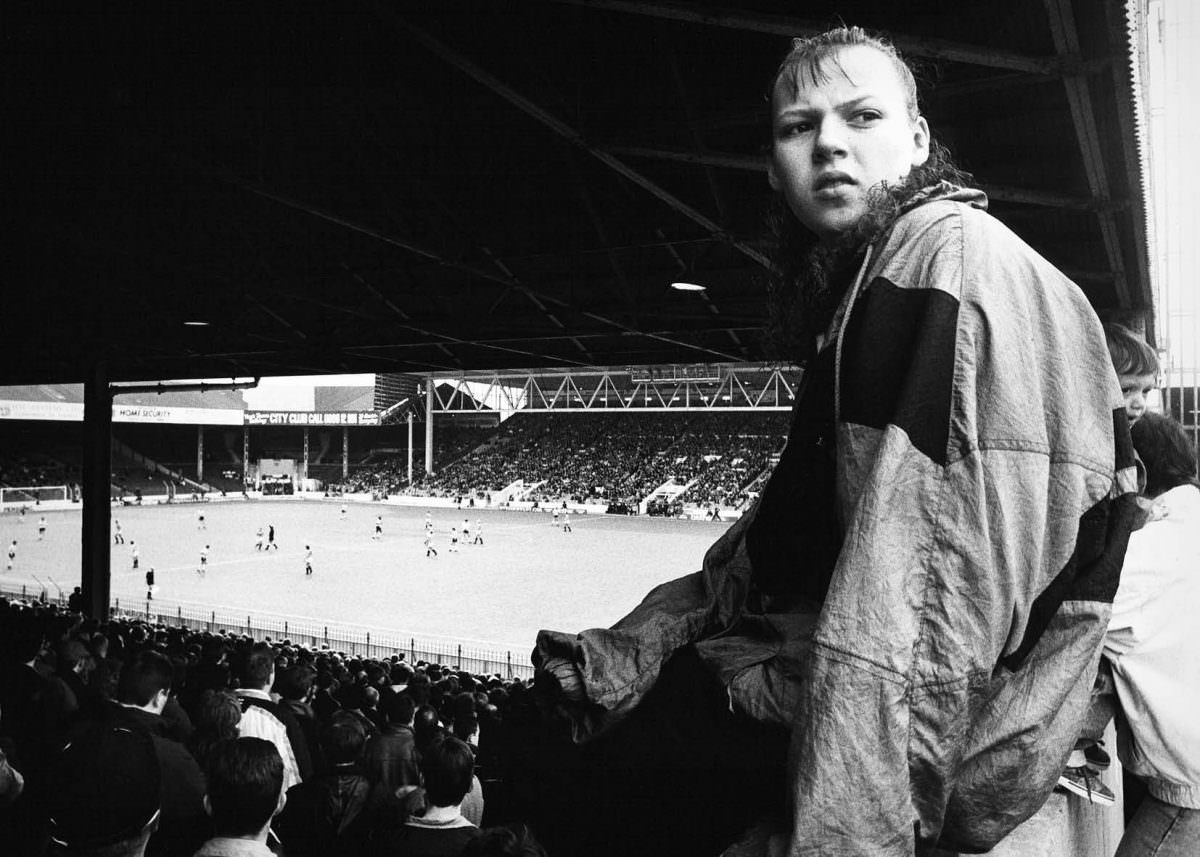
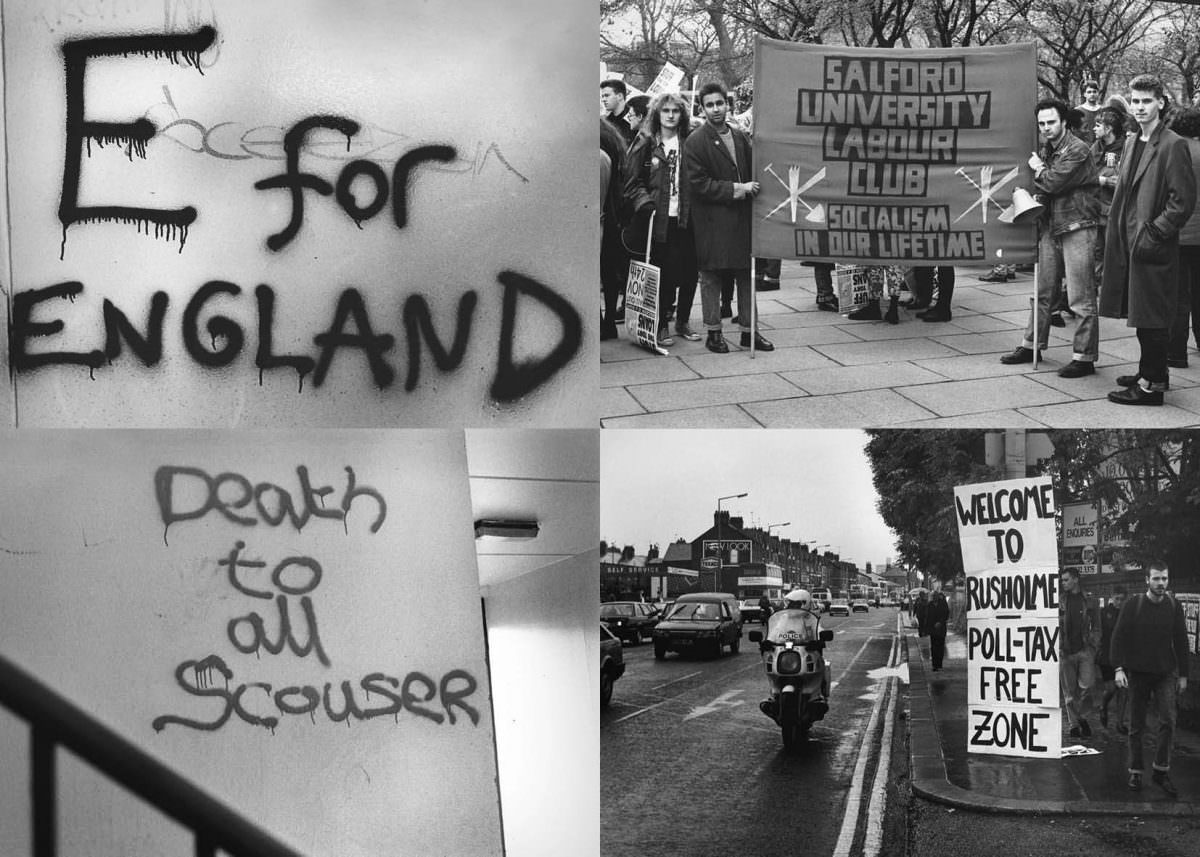
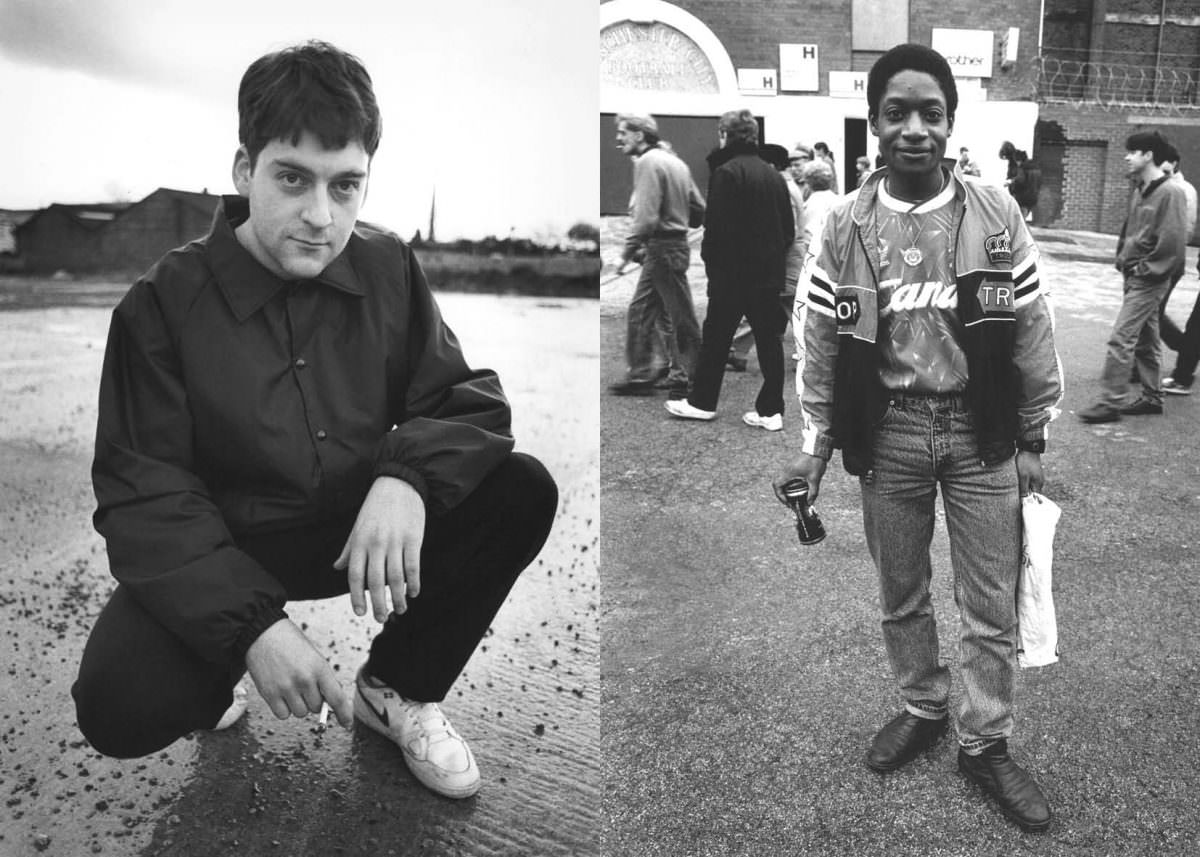
The streets themselves told a history. Worn paving, peeling paint, and scarred walls recorded decades of use and neglect. Walking through Hulme during this period meant moving through layers of time — old terraces next to brutalist concrete, corner shops next to demolition sites.
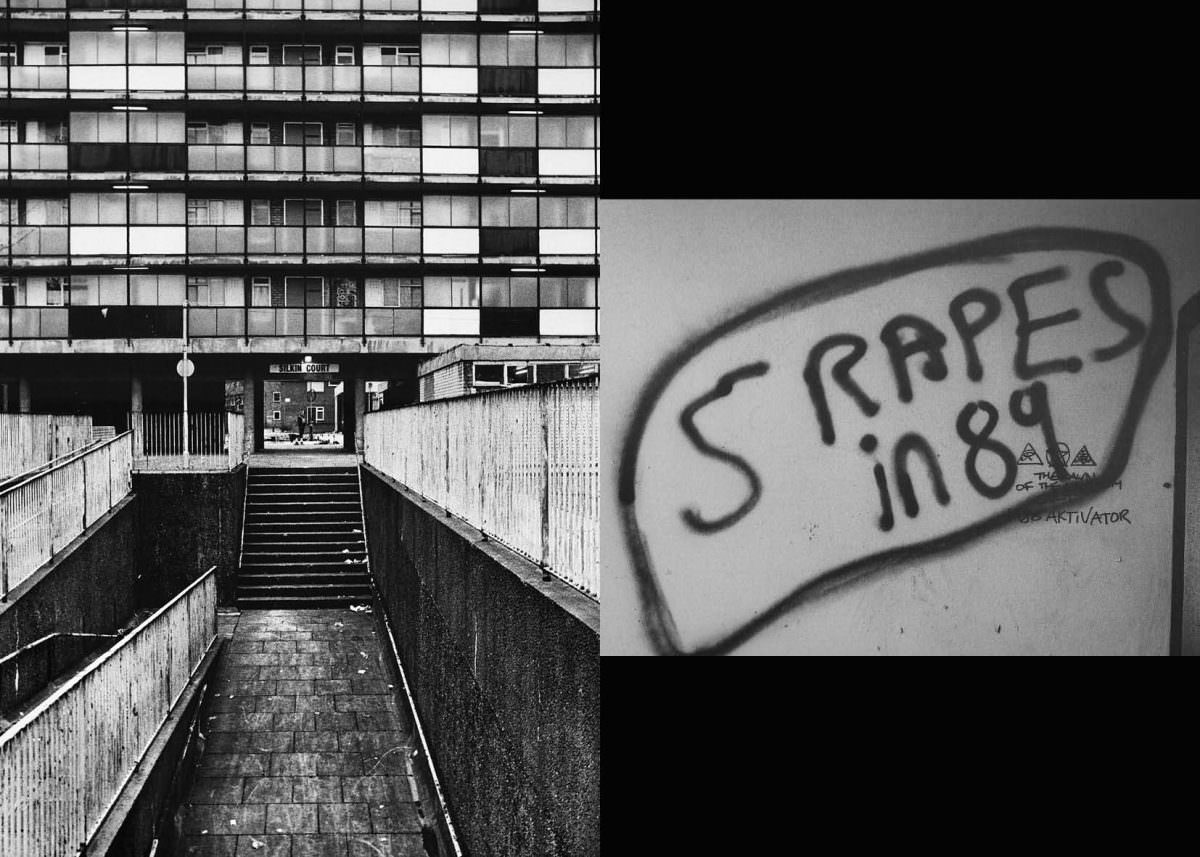
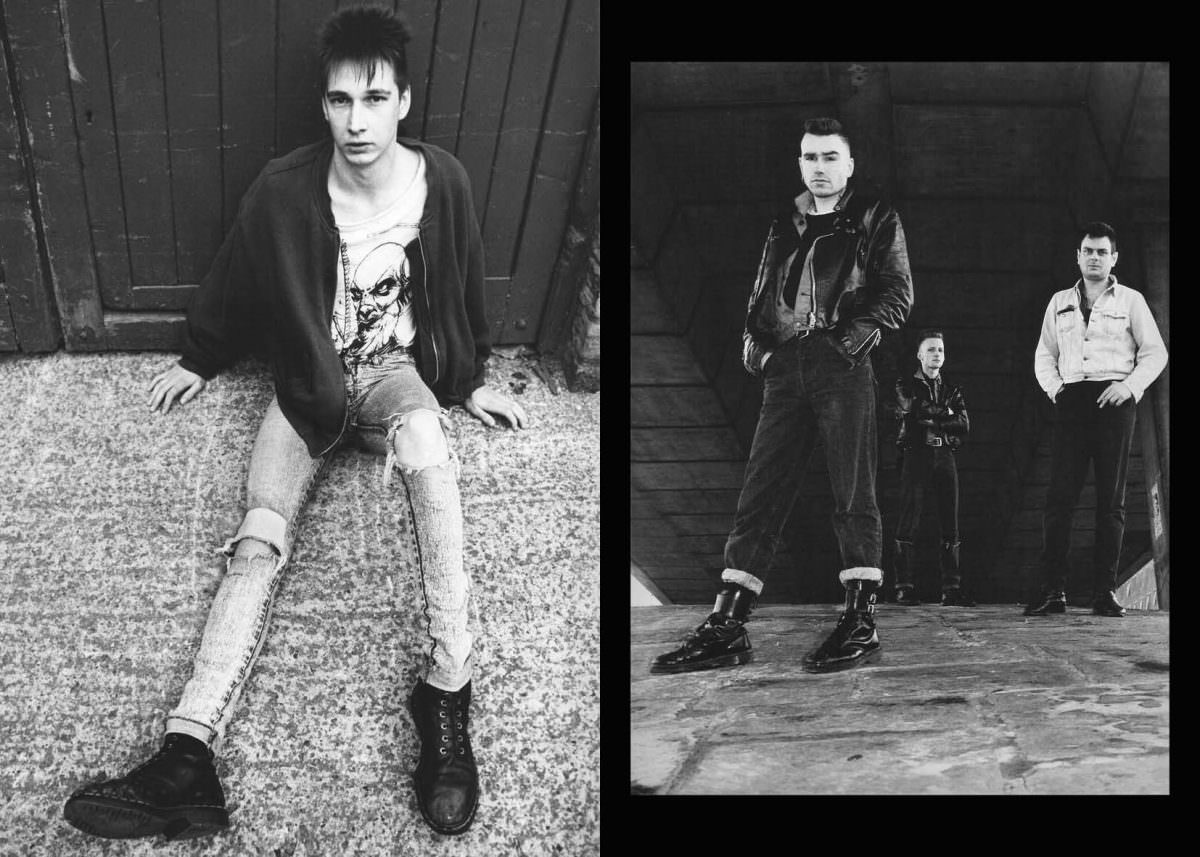
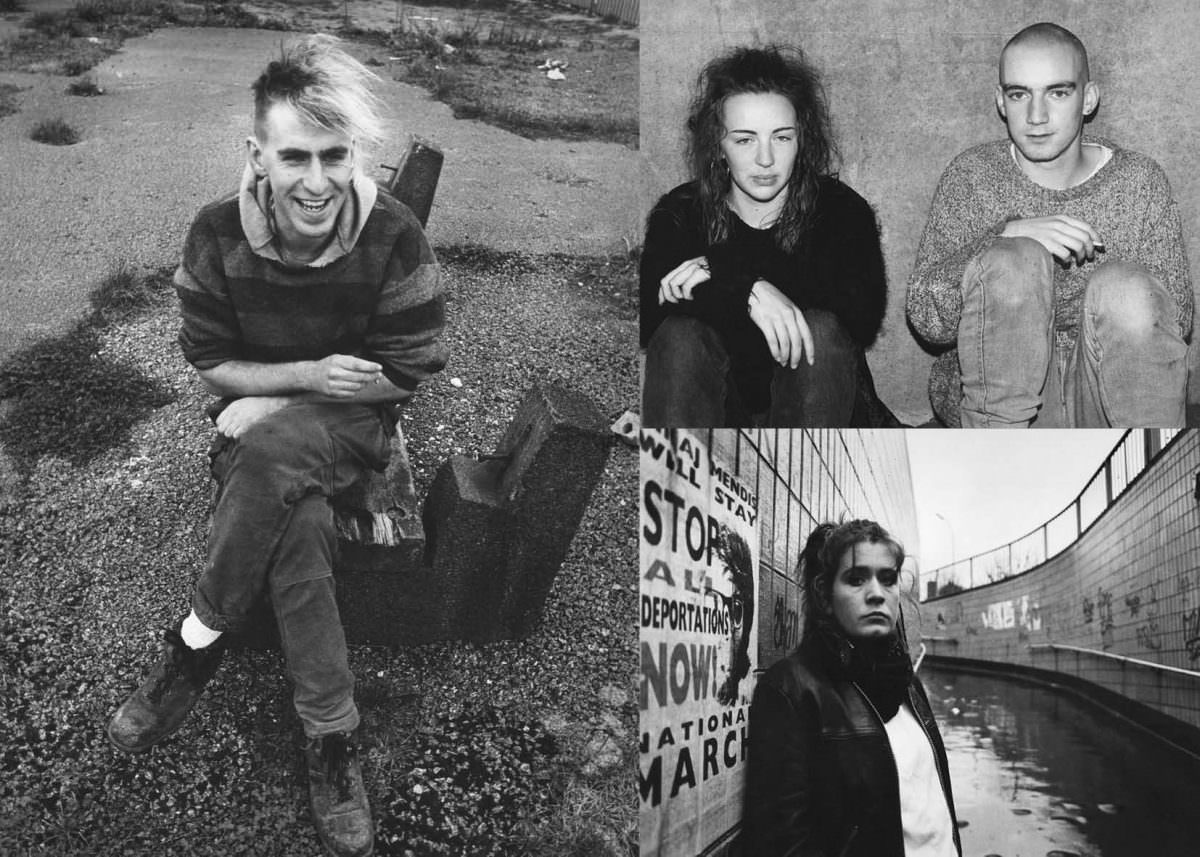
Davis’s collection stands as one of the most detailed visual records of Hulme during its most turbulent decades. His photos don’t flinch from the decay, but they give equal space to the people who made the district what it was.