
Edinburgh’s roots stretch back to the early Middle Ages, when a hillfort was built on what is now Castle Rock. By 1500, the city had grown into a major town with a population of around 12,000. It survived repeated attacks and even pushed through the Great Plague of 1665–1666 to emerge larger and more prosperous by the end of the 17th century.
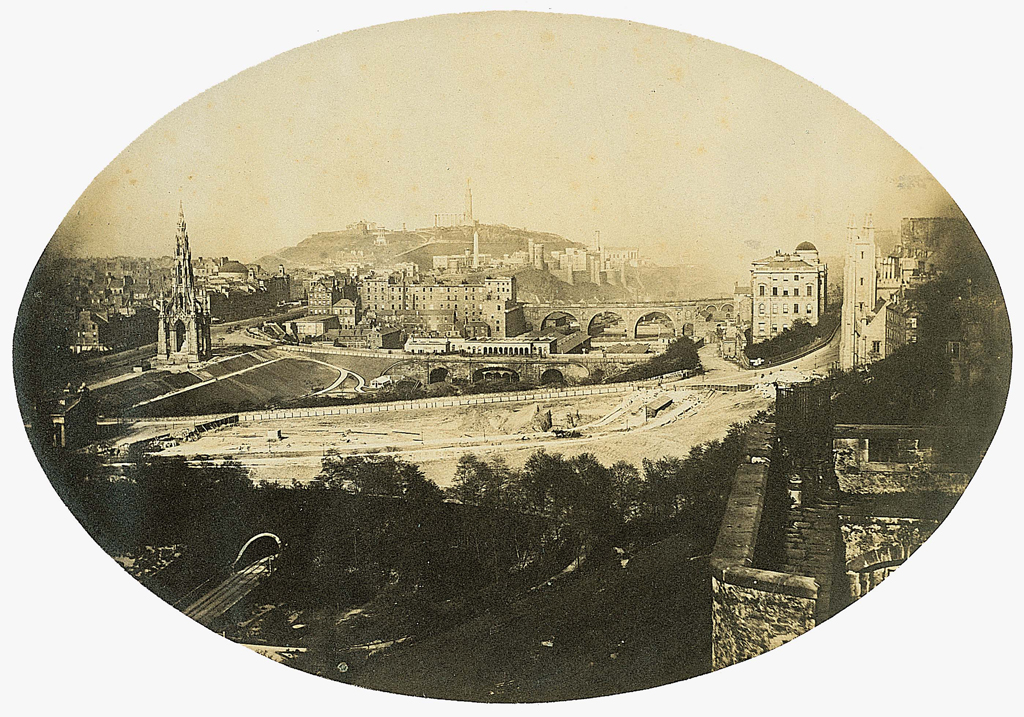
By the 19th century, Edinburgh faced new pressures. Glasgow overtook it as Scotland’s leading city, and Edinburgh became overcrowded and increasingly divided along class lines. It was far less industrialized than cities like Manchester or Birmingham. In the mid-1800s, thousands of Irish immigrants arrived in the city, fleeing the devastation of the Great Famine back home.
Despite these pressures, Edinburgh’s built environment grew significantly during the 19th century. Calton Hill became a defining feature of the skyline. The Scottish National Gallery and the Scott Monument were both constructed during this period, giving the city some of its most recognizable landmarks.
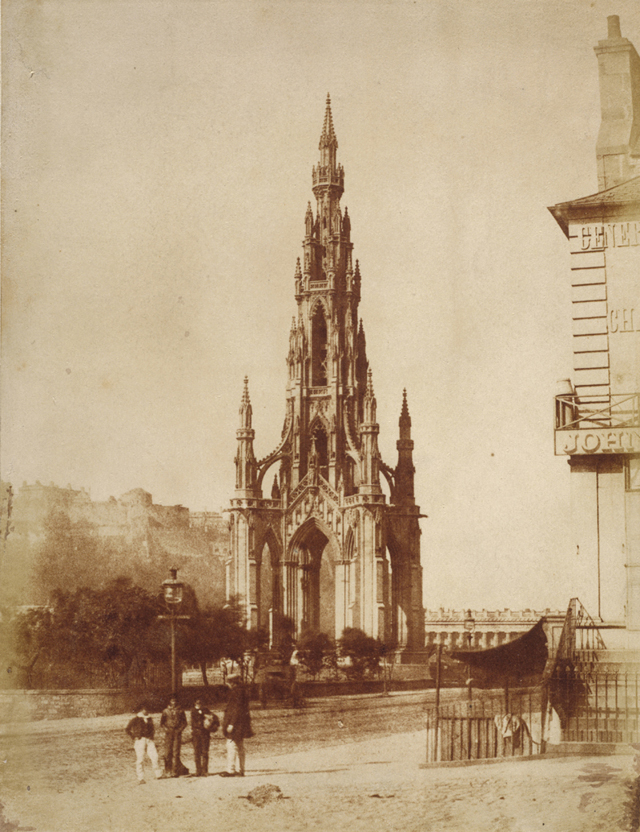
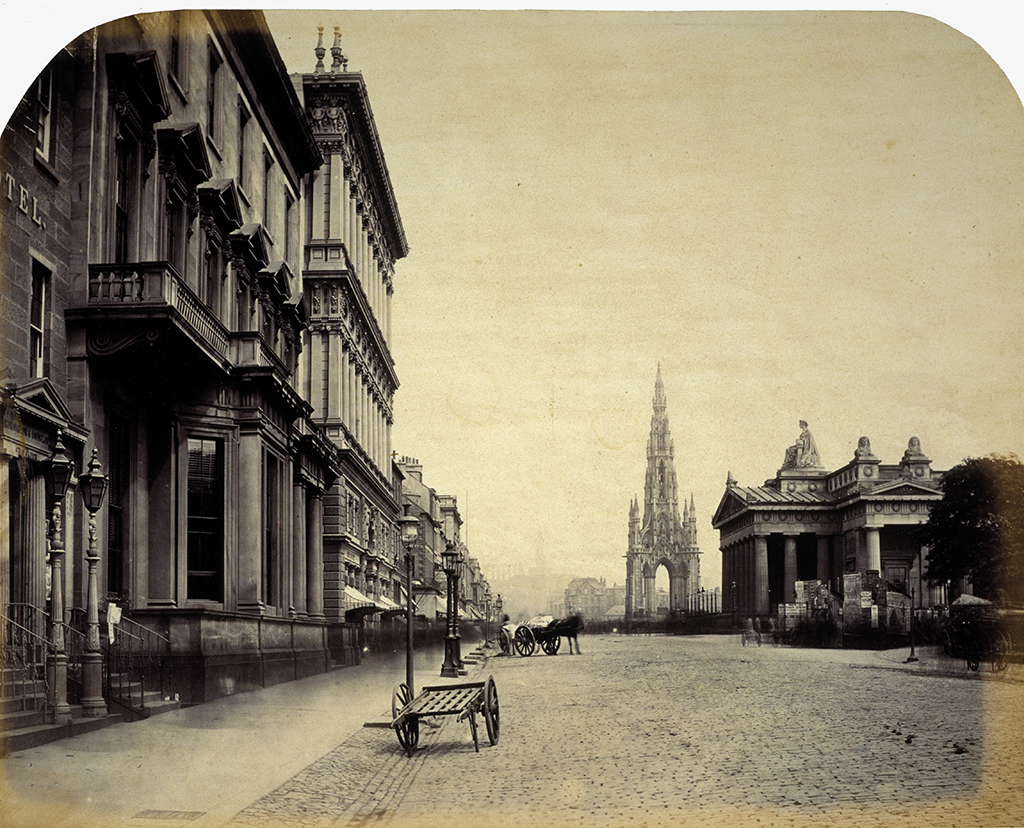
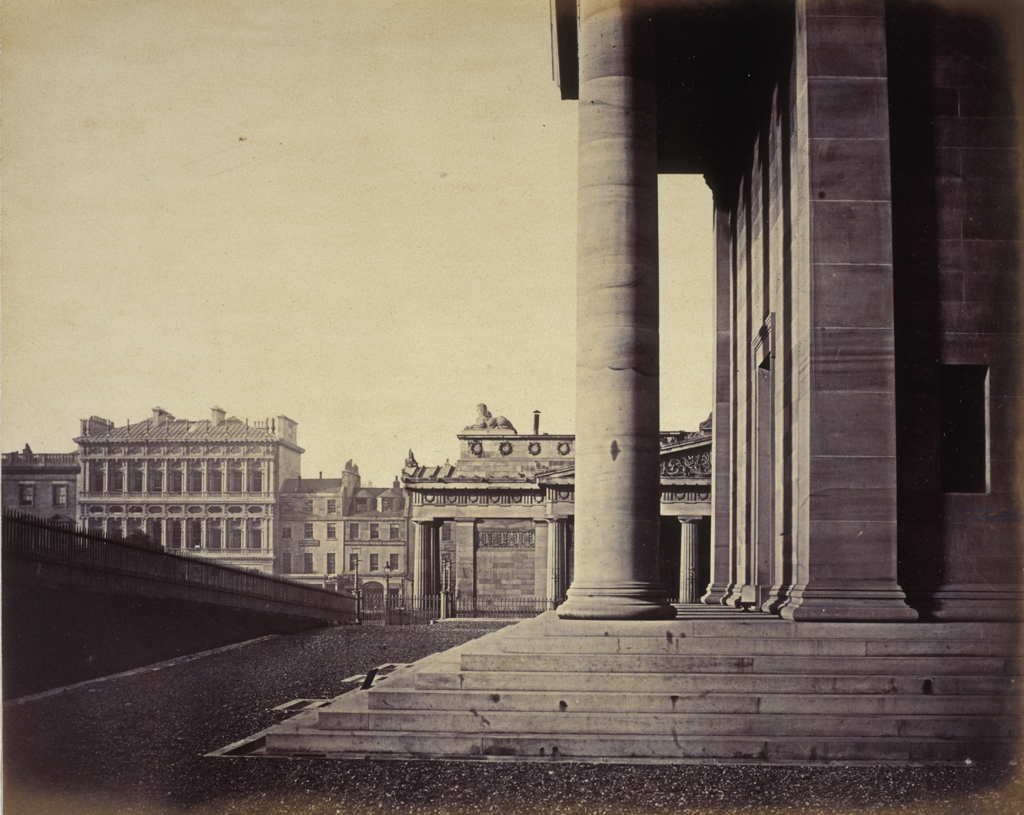
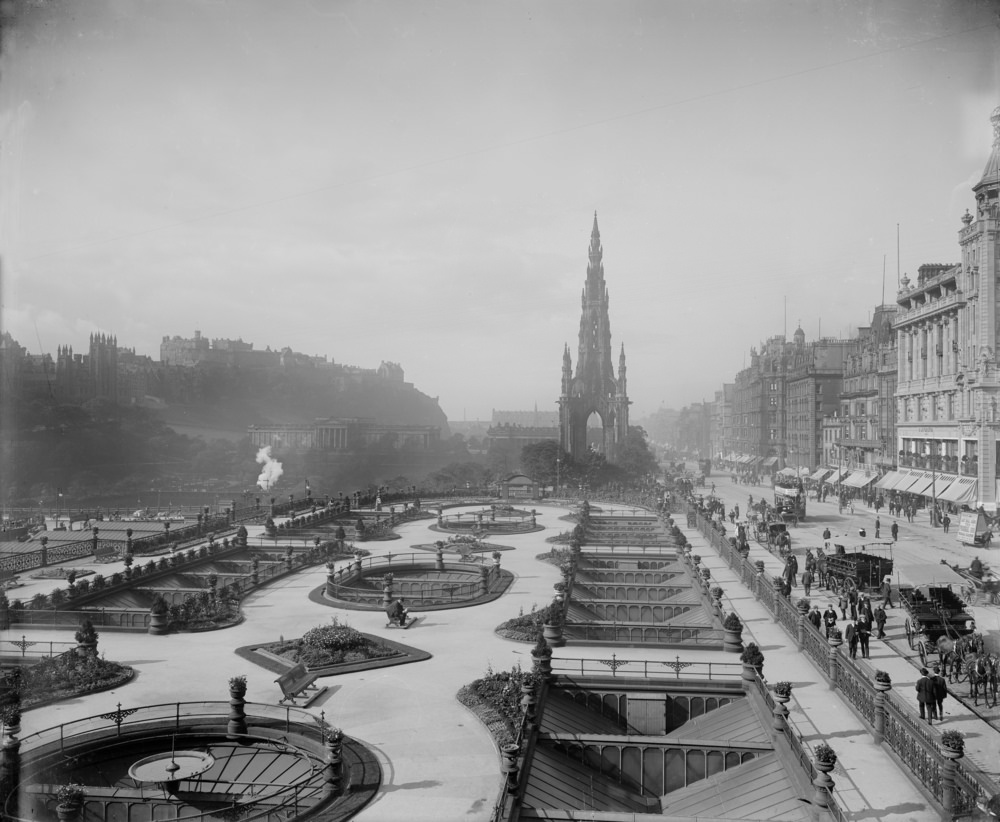
Princes Street was already a bustling artery of city life by the mid-1800s. Alongside the Scott Monument stood the Royal Institution, later known as the Royal Scottish Academy, which anchored the cultural south side of the street.
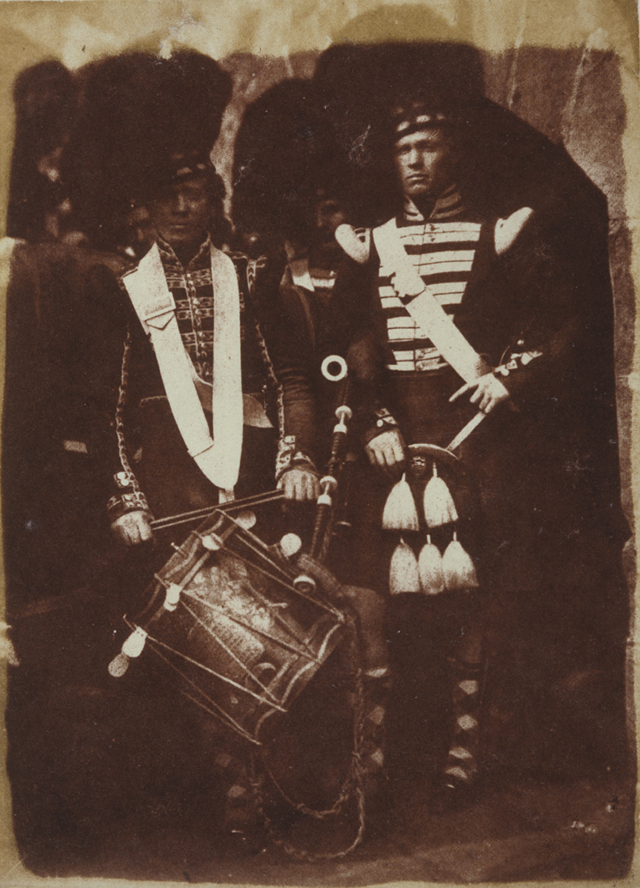
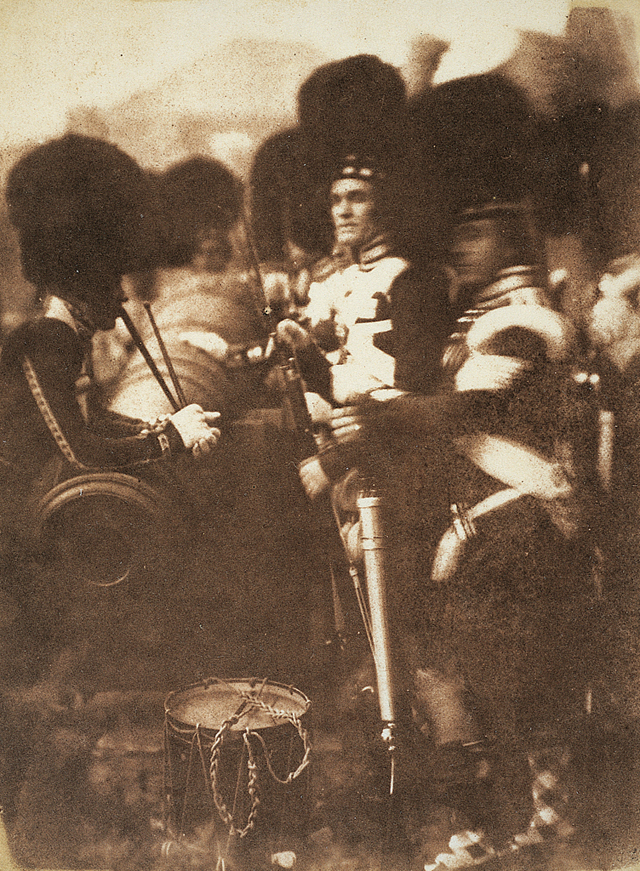
Military life was a visible part of Edinburgh in the 1840s. The 92nd Gordon Highlanders were stationed at Edinburgh Castle in 1846, and photographs from that year capture both the regiment assembled and individual soldiers — a piper and drummer — in their full Highland dress.
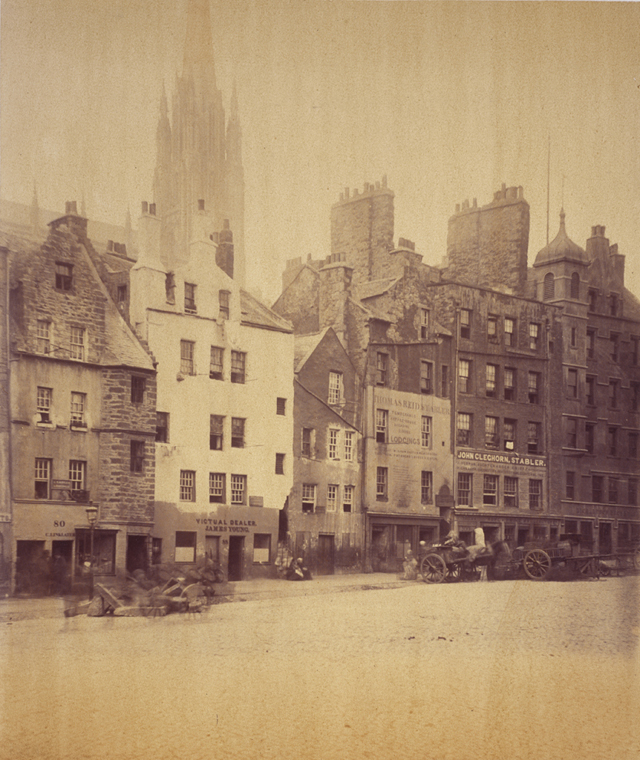
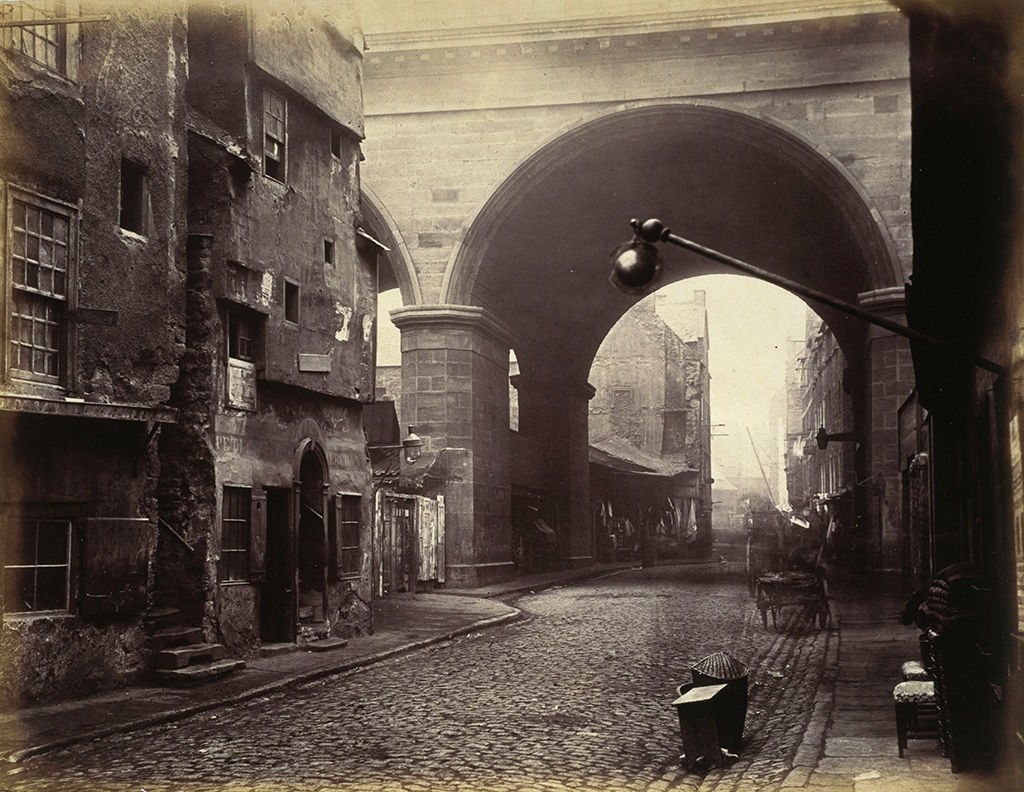
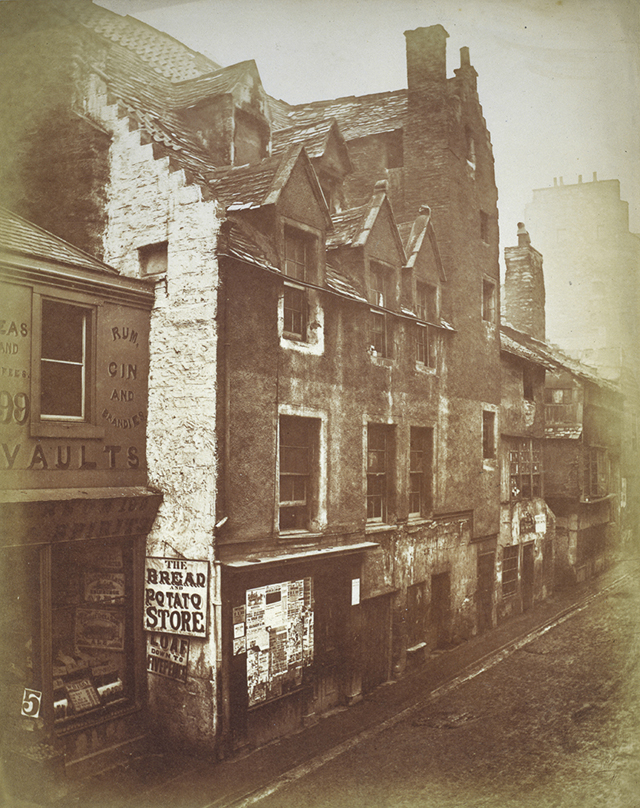
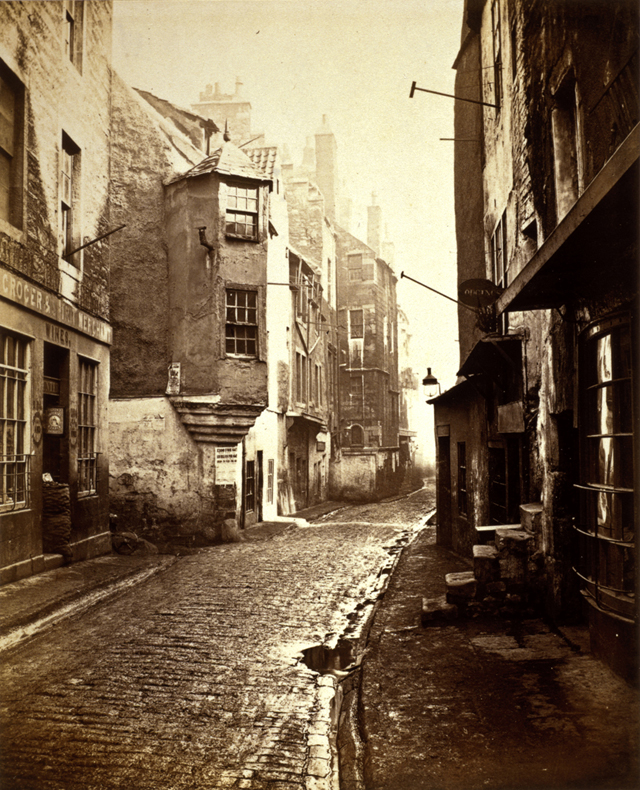
The Old Town’s dense medieval streets offered a sharp contrast to the ordered New Town. The Cowgate ran below the bridges and was one of the city’s most densely packed areas. George IV Bridge arched dramatically over it, and buildings like Cardinal Beaton’s House — dating back centuries — still stood along its length in the 1860s.
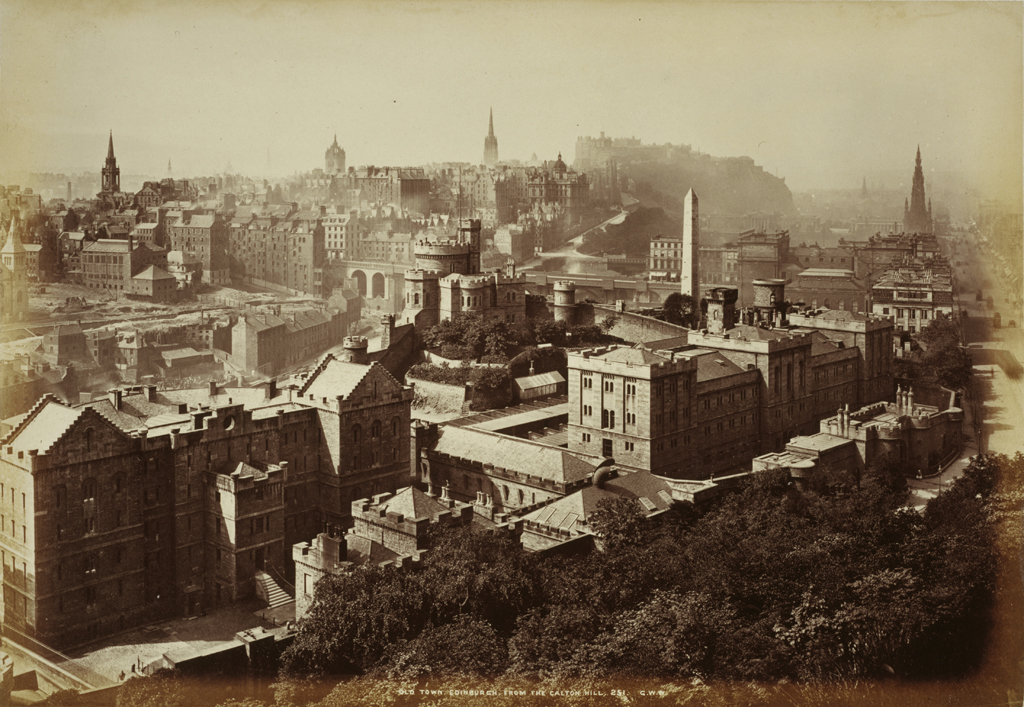
Calton Hill offered some of the finest vantage points over the Old Town. From its summit, the full sweep of Edinburgh’s rooftops, spires, and the Castle itself stretched out across the horizon.
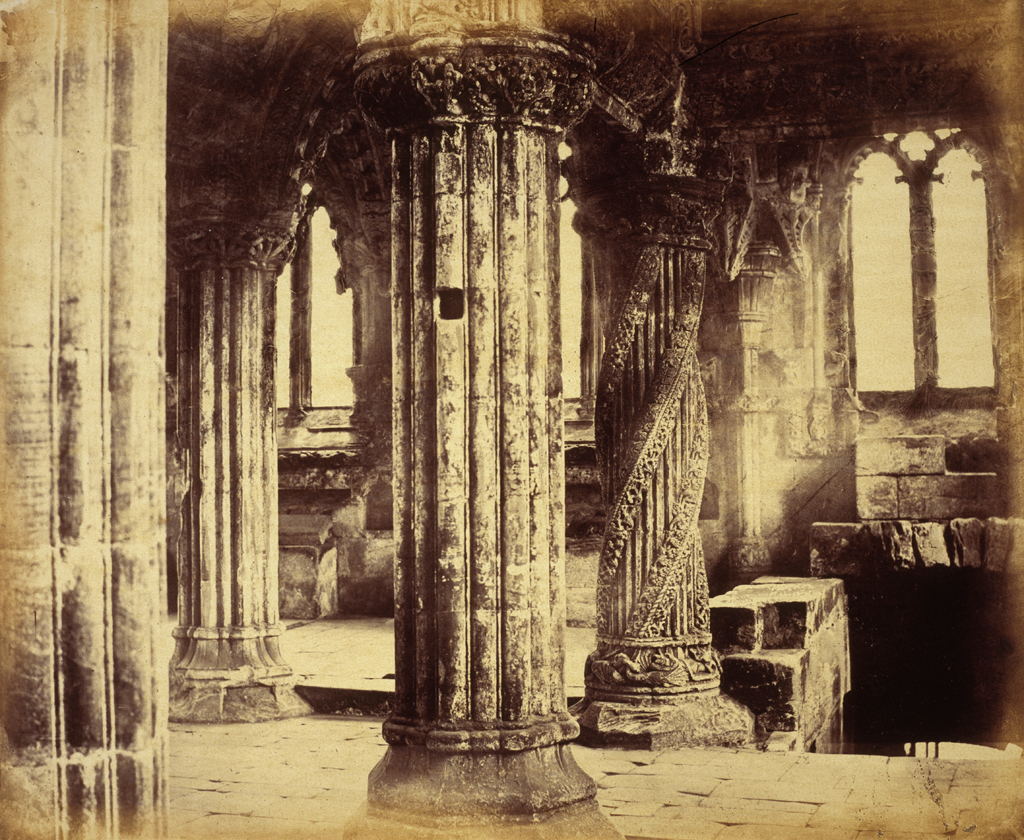
Rosslyn Chapel, located just outside the city, was already drawing visitors by the 1860s. Its Apprentice Pillar — a richly carved column surrounded by legend — was one of the most photographed interior features in Scotland at the time.
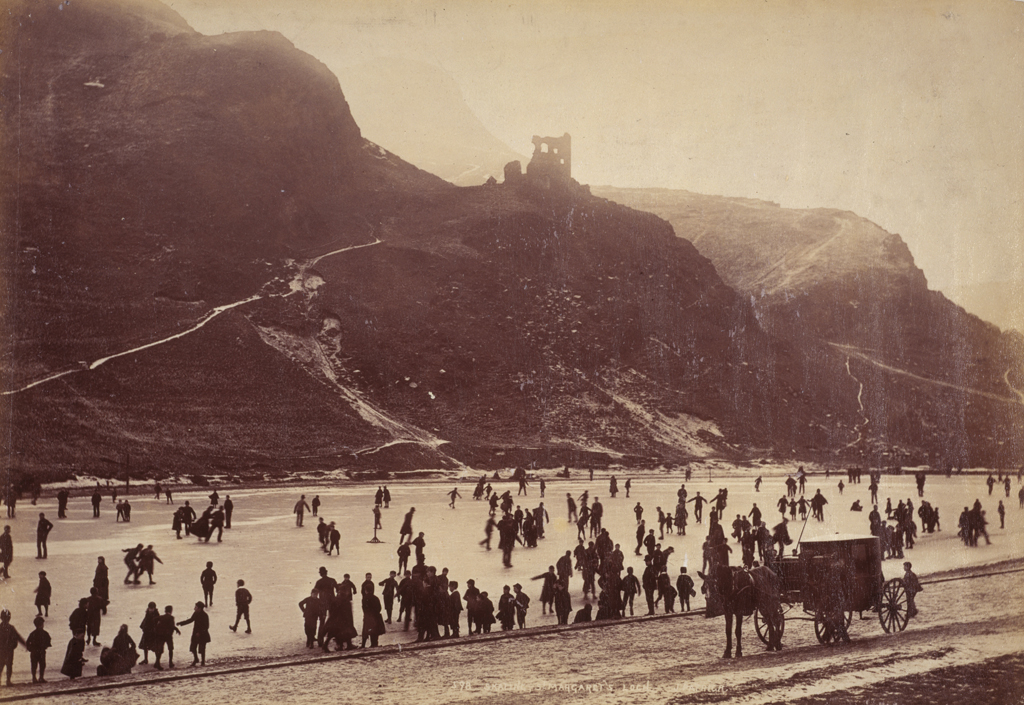
Leisure in Victorian Edinburgh took many forms. In the 1870s, St Margaret’s Loch in Holyrood Park froze over in winter, drawing crowds of skaters from across the city. It was one of the few open recreational spaces available to ordinary Edinburgh residents.
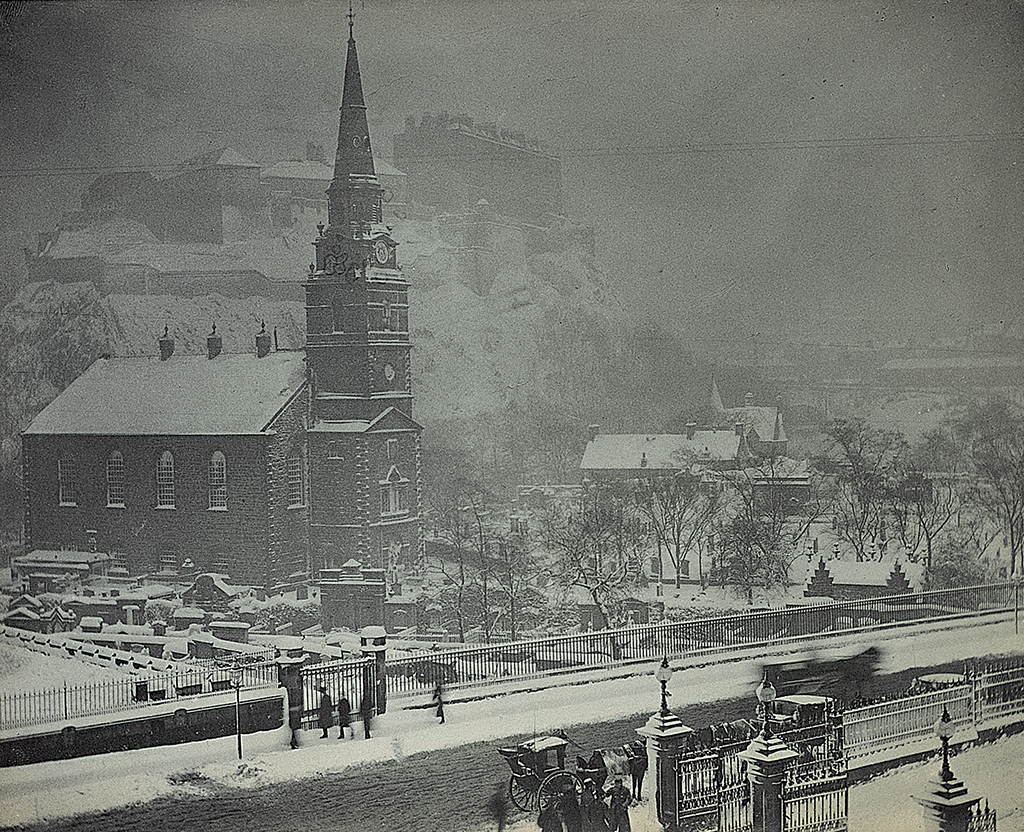
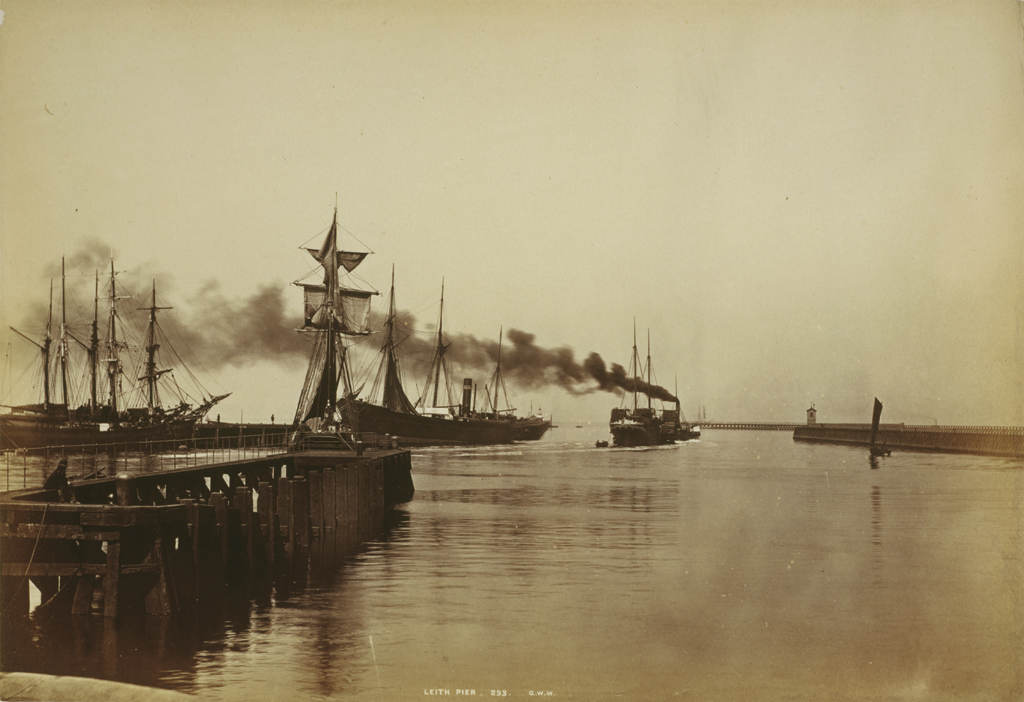
Leith, Edinburgh’s port district, had its own distinct character. The pier and the Shore were working waterfronts, tied to trade, shipbuilding, and the movement of goods and people. Leith operated almost as a separate town, with its own streets and commercial identity.
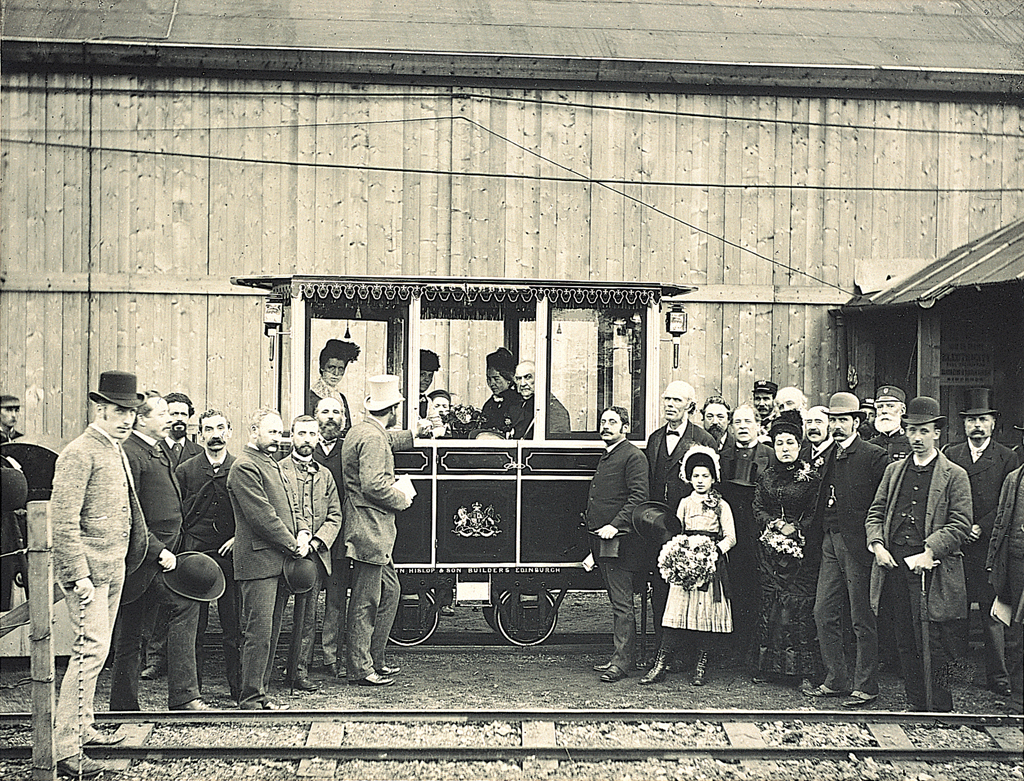
In 1884, former Prime Minister William Ewart Gladstone attended the Edinburgh Exhibition — a large public event that reflected the city’s ambitions at a time when Britain’s political and cultural life were closely tied to such gatherings.
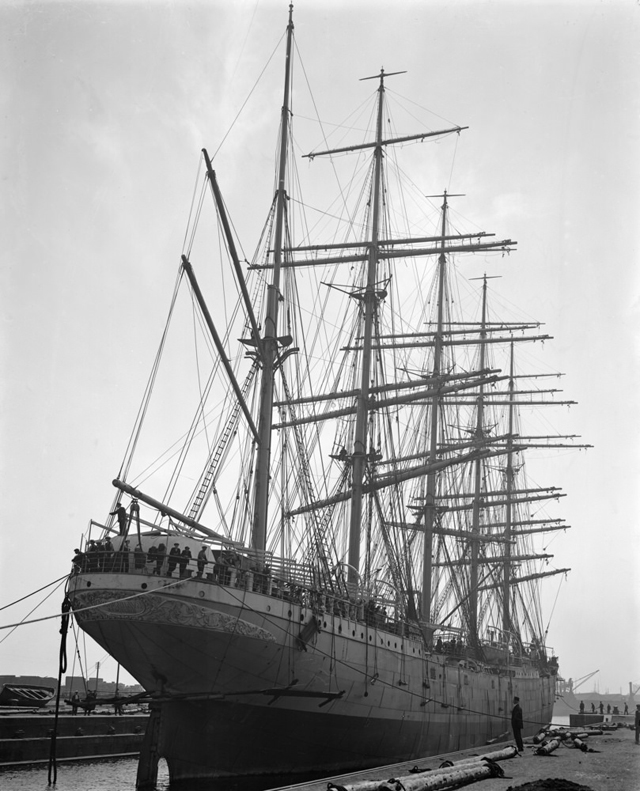
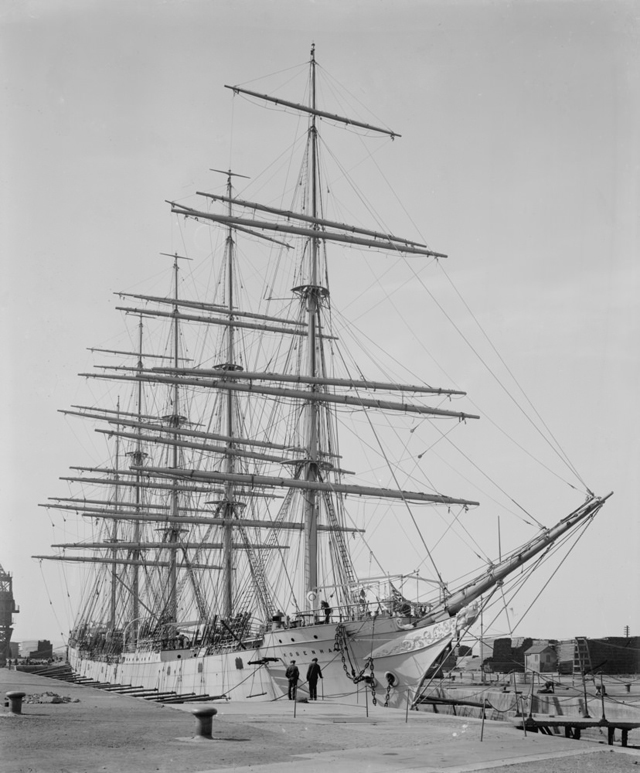
Into the early 20th century, Leith remained a hub of industry. Henry Robb’s shipbuilding yard on the waterfront was one of the area’s major employers. In 1921, the yard was photographed during the construction of the København, a Danish five-masted barque that would later disappear without trace in the South Atlantic in 1928.
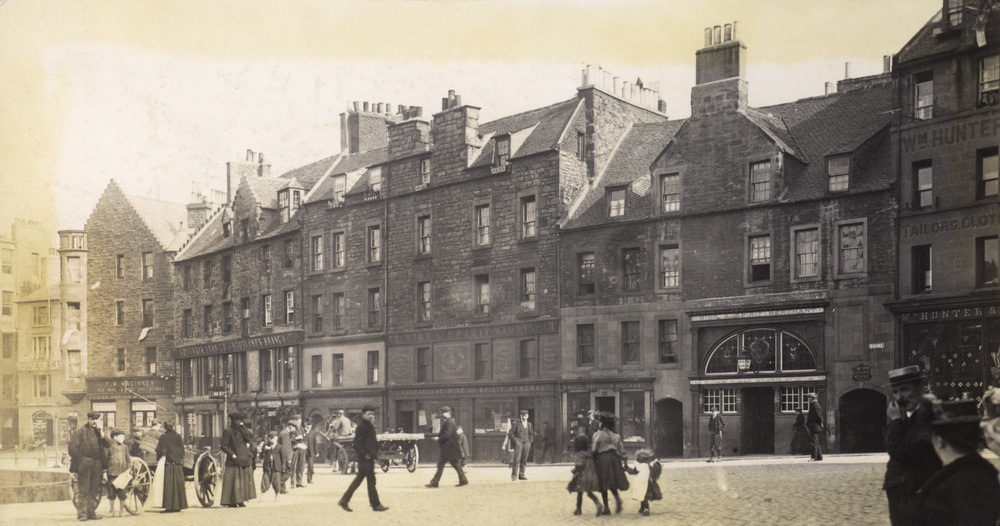
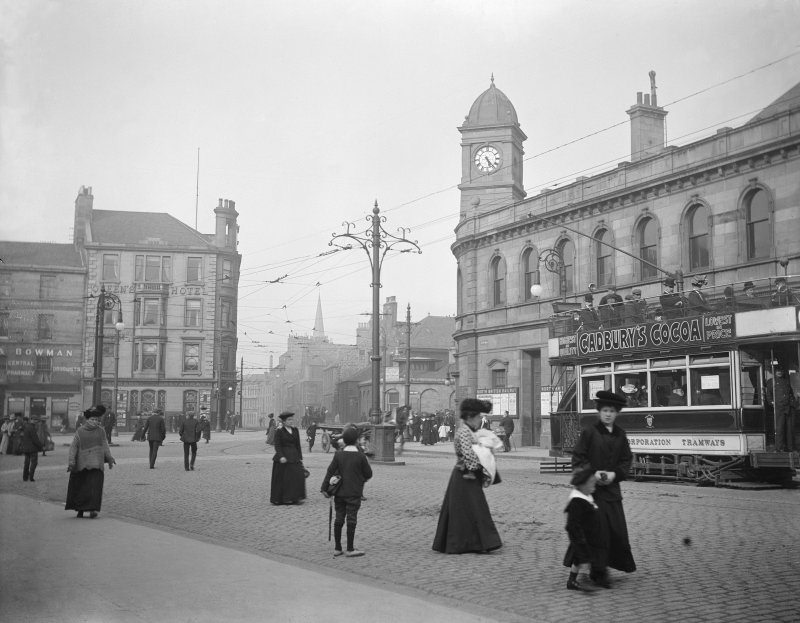
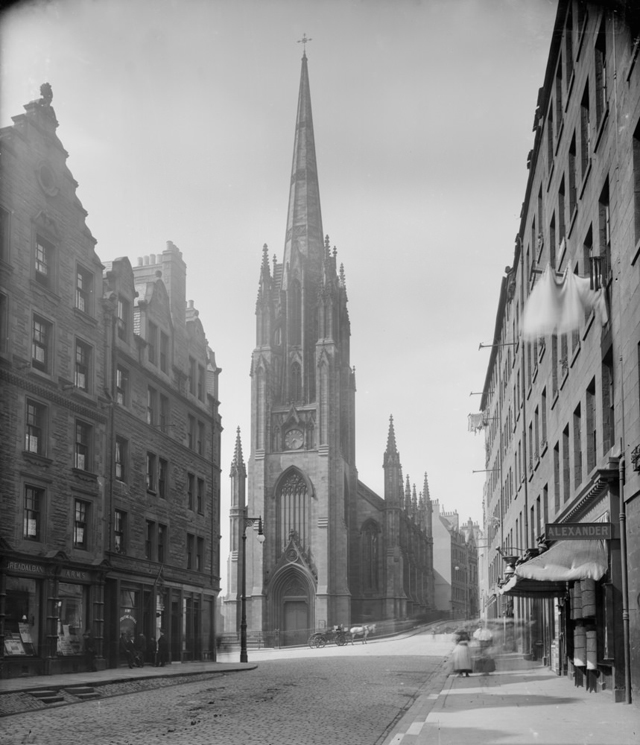
Street-level Edinburgh in the early 1900s shows a city in transition. The Old Town’s historic closes and courtyards sat alongside newer commercial buildings. John Knox’s House on the Royal Mile — one of the oldest surviving structures in the city — still stood as it had for centuries.
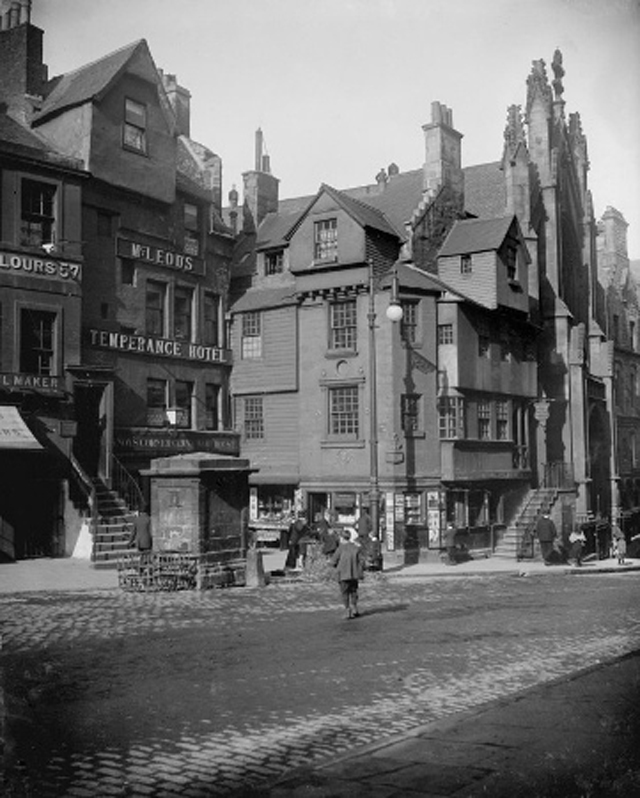
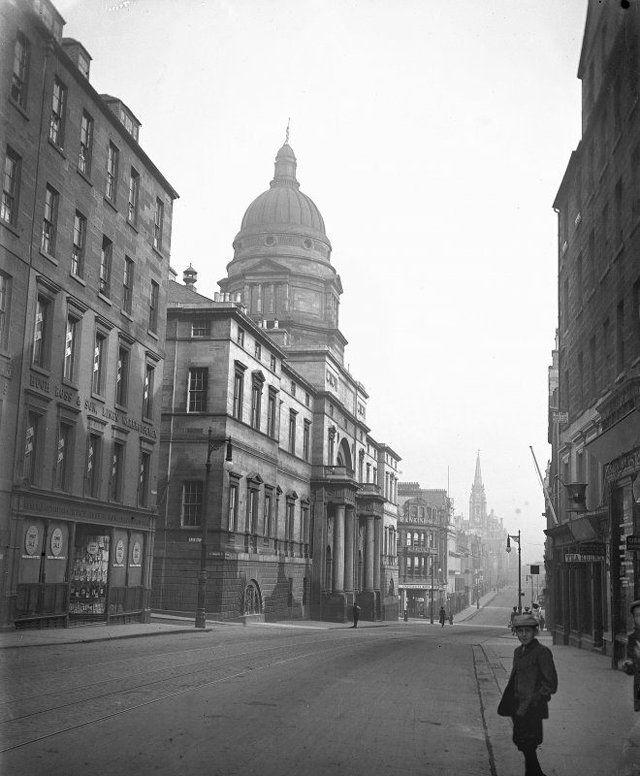
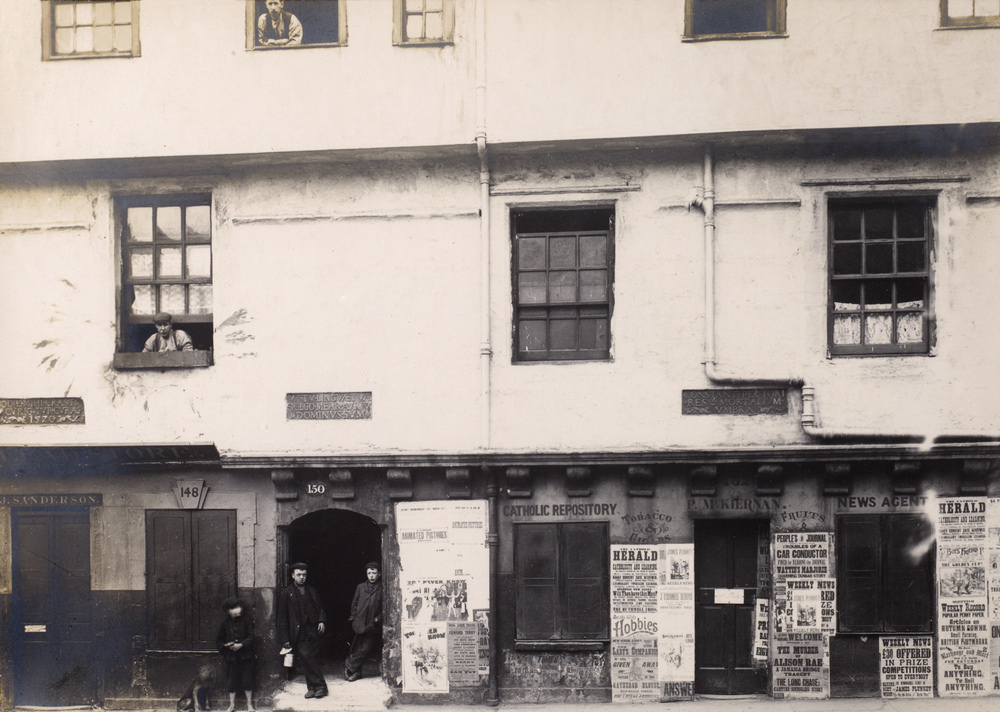
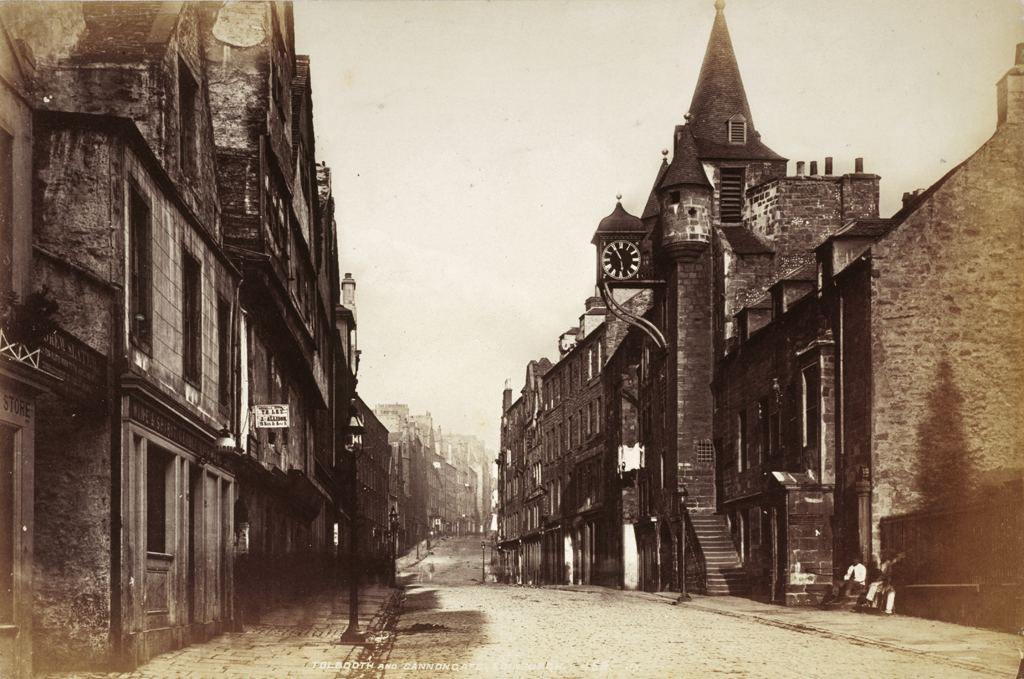
The Canongate, running down the lower end of the Royal Mile, retained much of its old character well into the 20th century. Huntly House, Brown’s Court, and the Tolbooth were all still standing, and local shopkeepers like James Souter kept small businesses running from the same addresses their predecessors had occupied for generations.
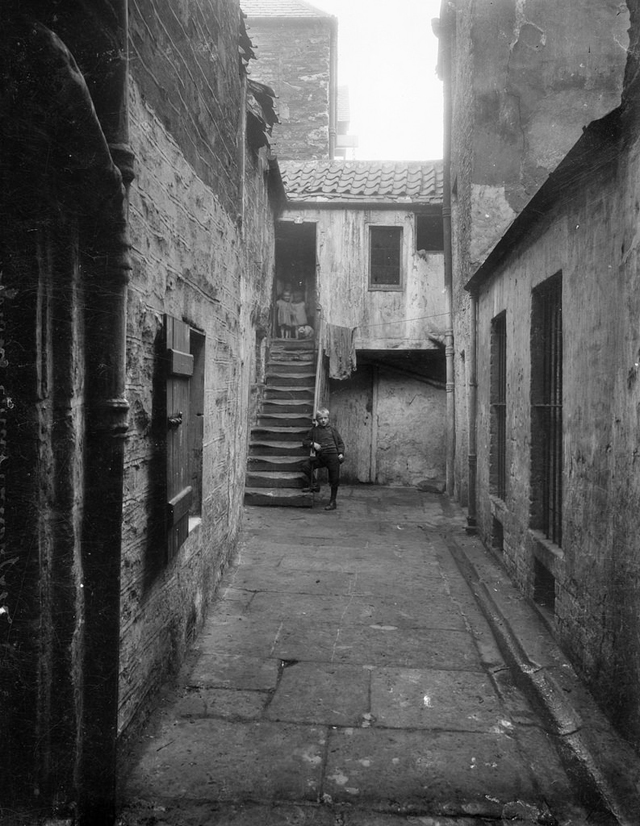
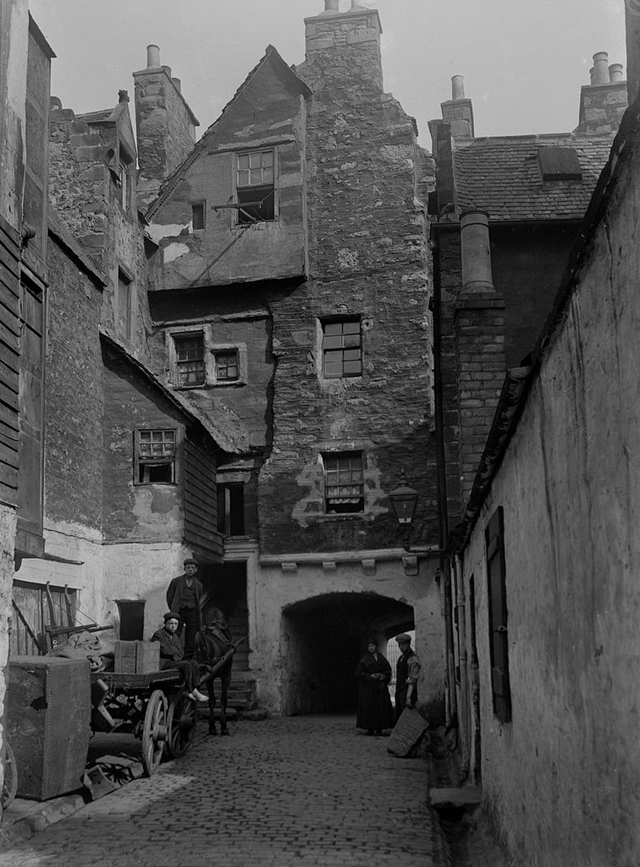
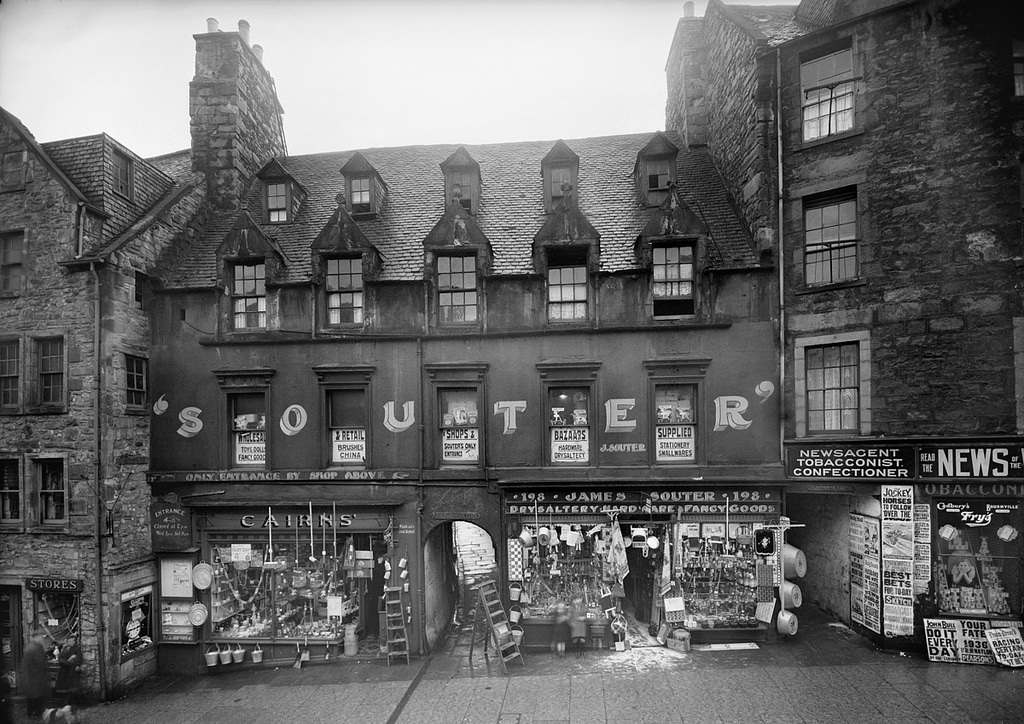
The Grassmarket, long one of Edinburgh’s most storied open spaces, continued to serve as a commercial hub in the early 1900s. Nearby, Candlemaker Row climbed steeply toward George IV Bridge, lined with tradespeople and small shops.
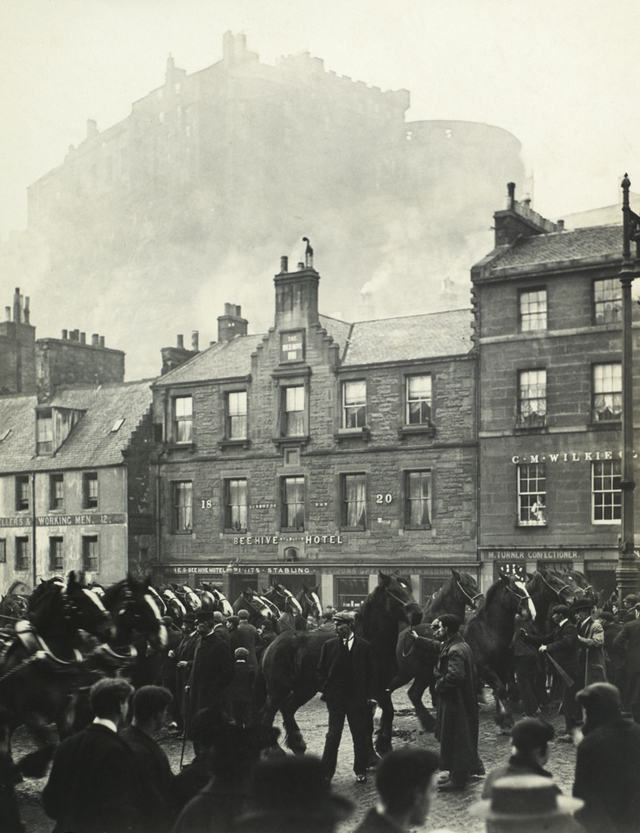
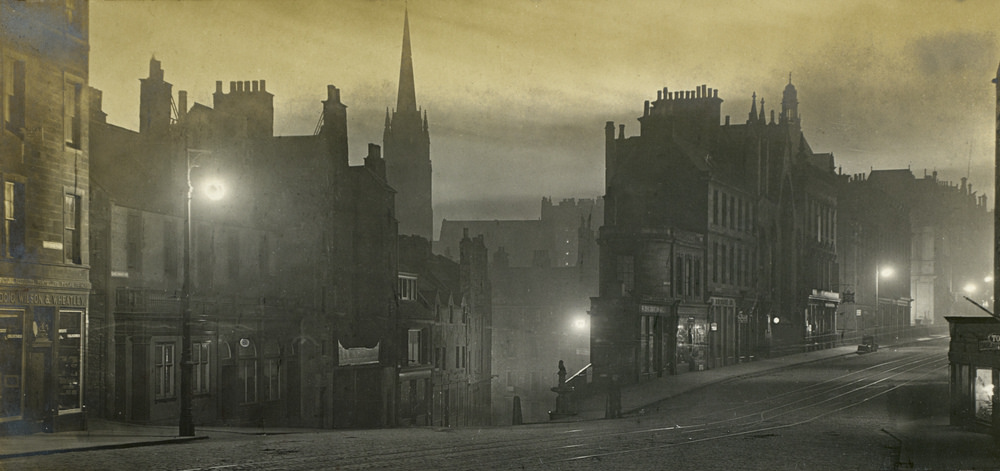
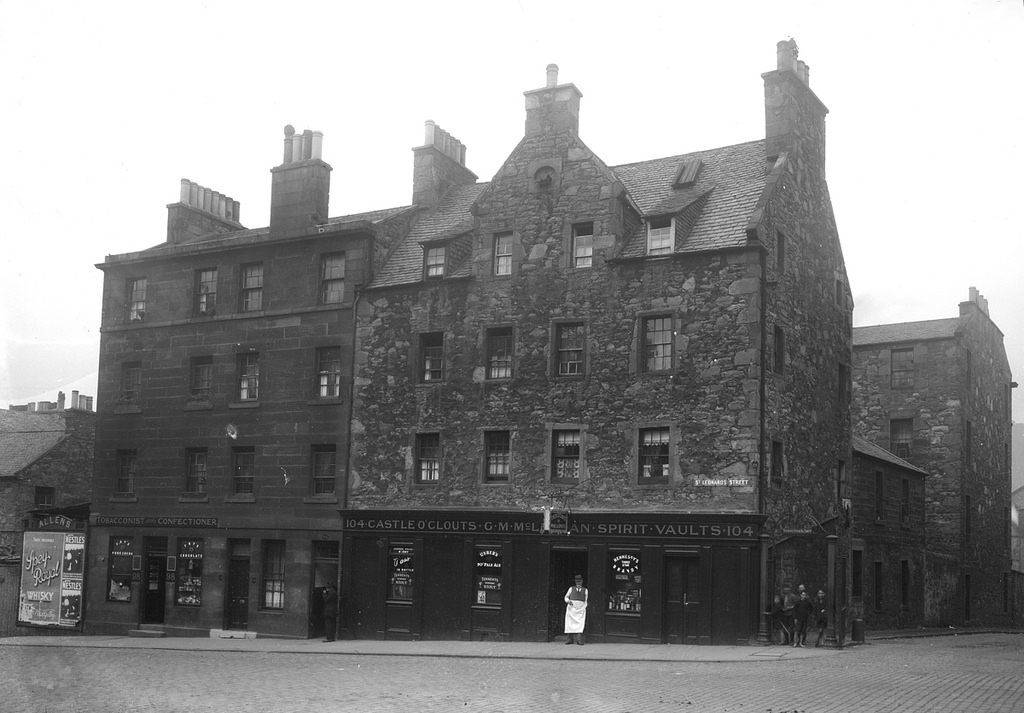
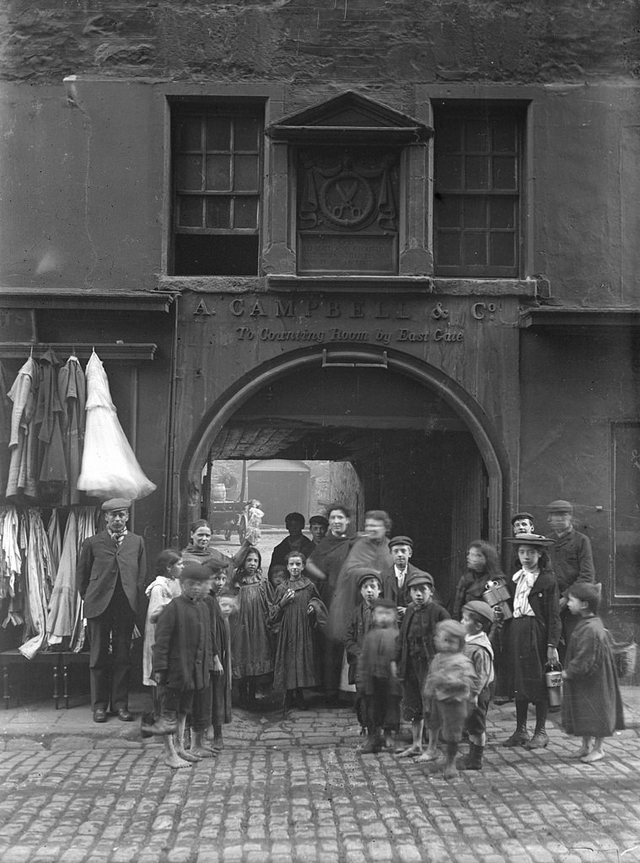
Edinburgh’s Old Town also housed a range of drinking establishments and local traders. The Castle o’ Clouts spirit vaults on St Leonards Street and Tailor’s Hall in the Cowgate were both fixtures of working-class Edinburgh life in the 1910s.
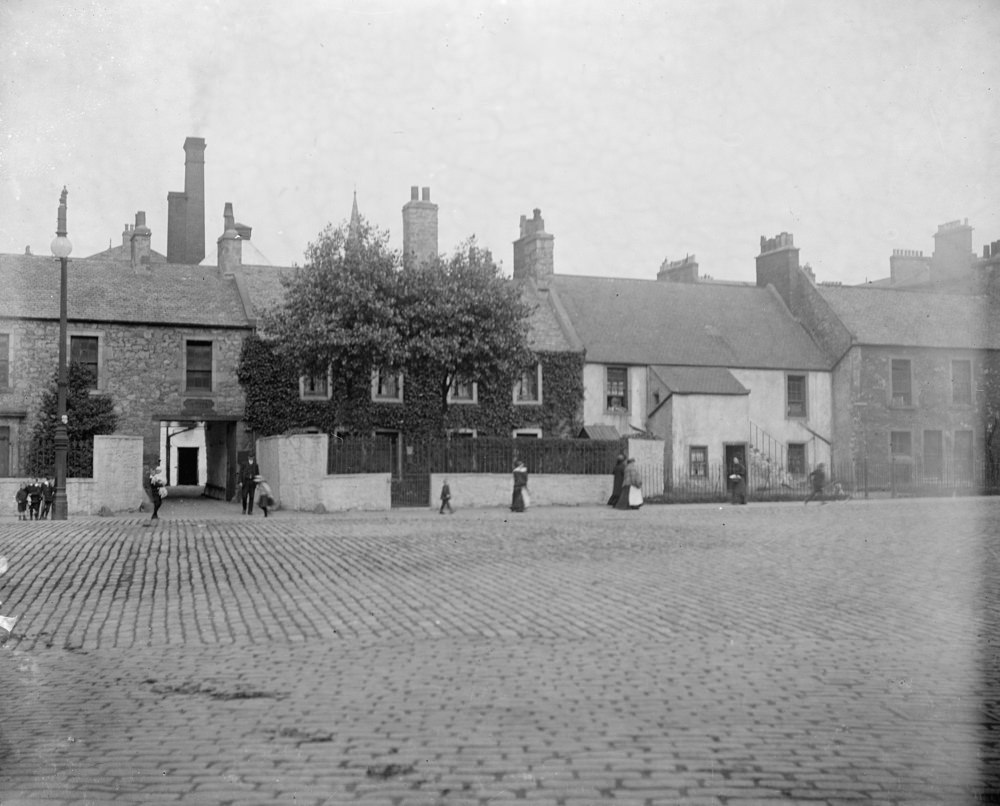
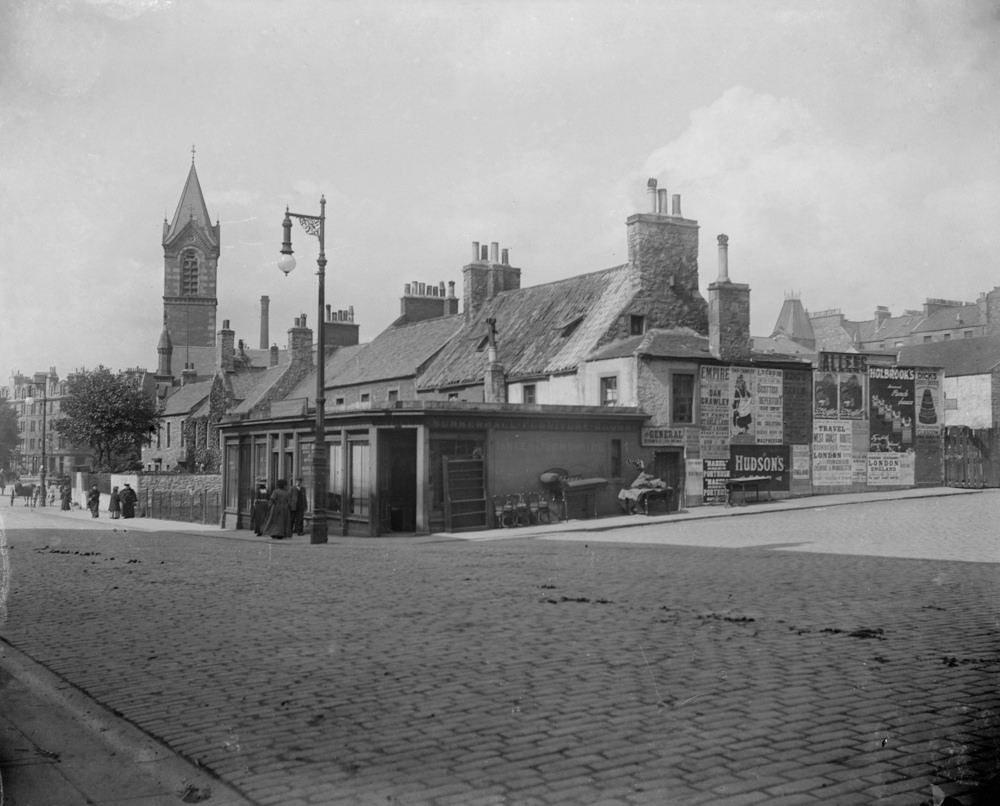
Summerhall, in the south of the city, was photographed in 1910 as its buildings were still in use as part of Edinburgh’s urban fabric — before the site later became home to the Royal (Dick) School of Veterinary Studies.
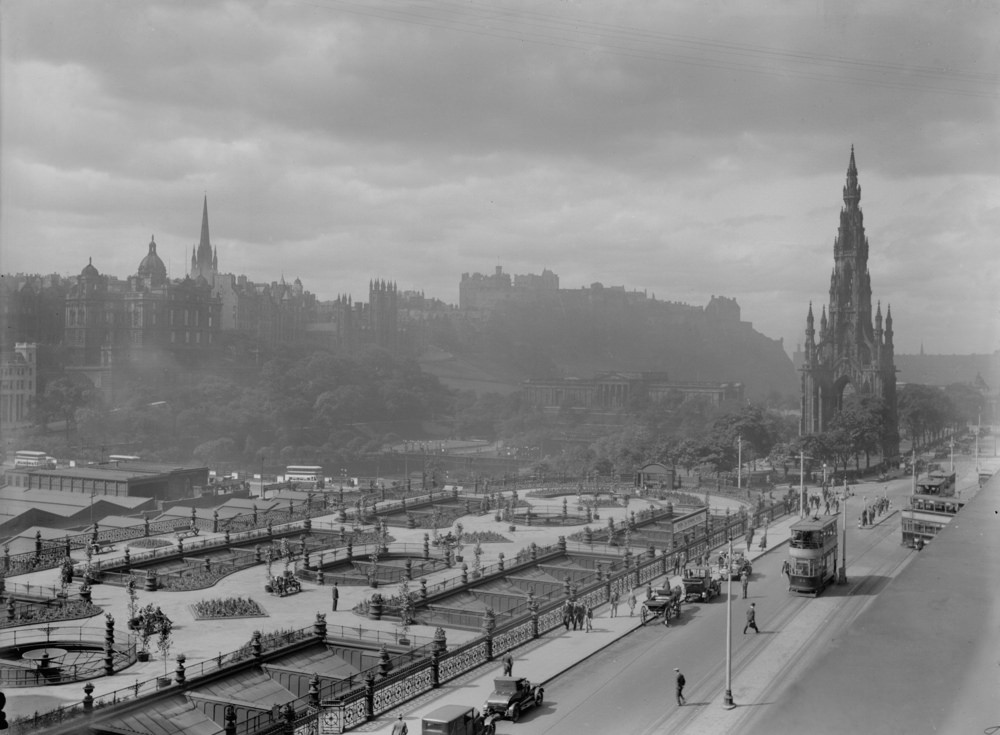
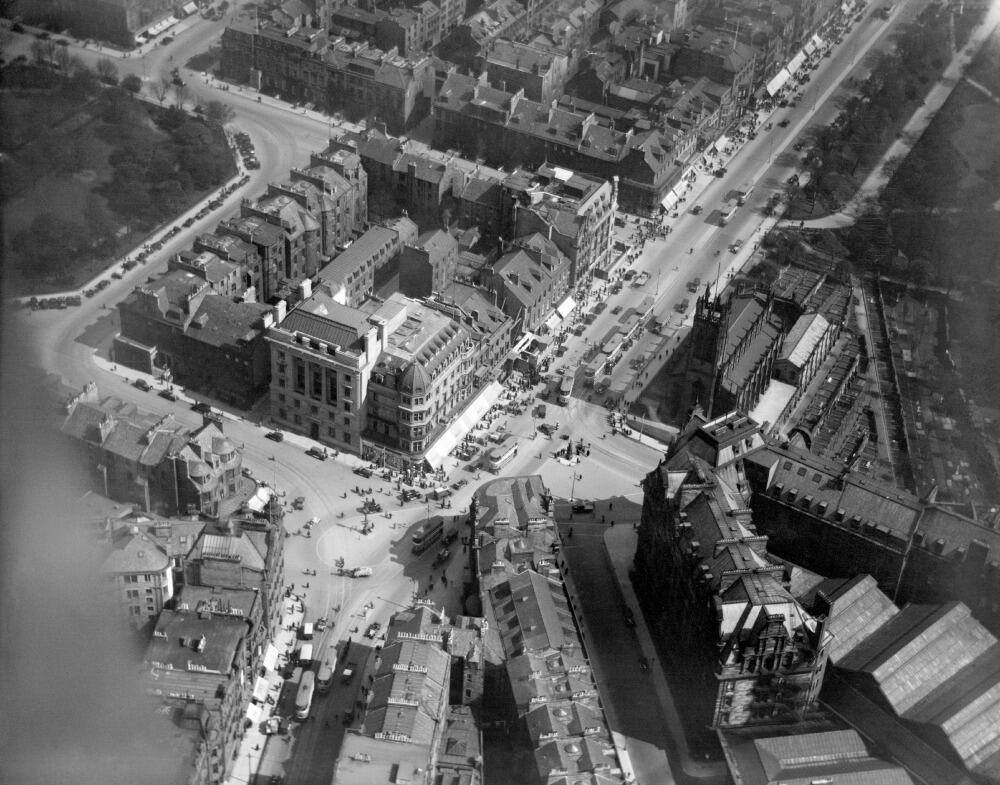
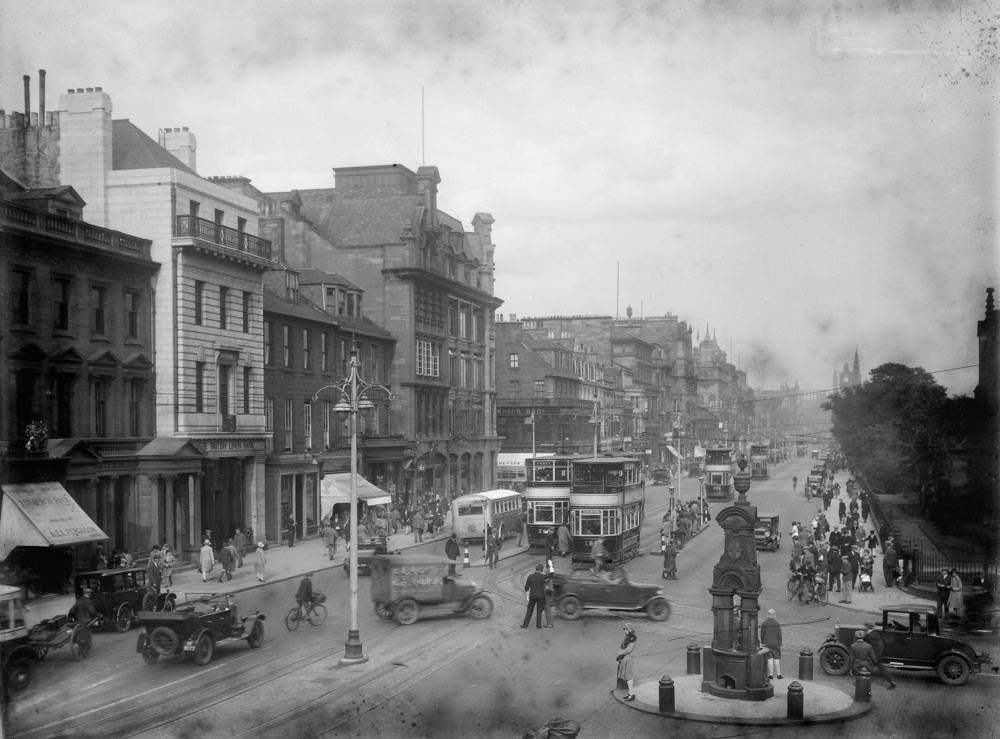
Princes Street continued to evolve through the 1910s and 1920s. By 1912, trams ran its full length, and the street’s south side remained lined with gardens backed by the Castle and the Scott Monument. The North British Station Hotel — later the Balmoral — anchored the east end of the street near Waverley Station.

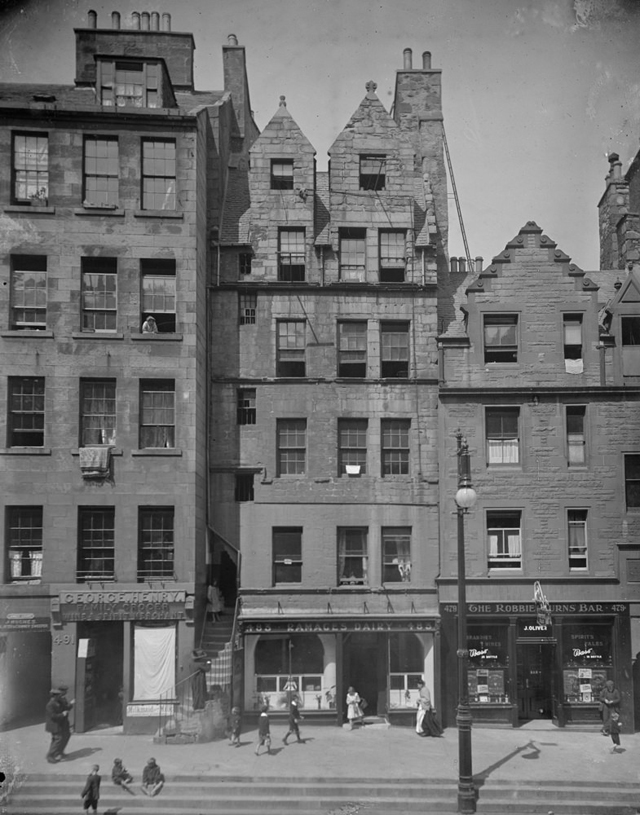
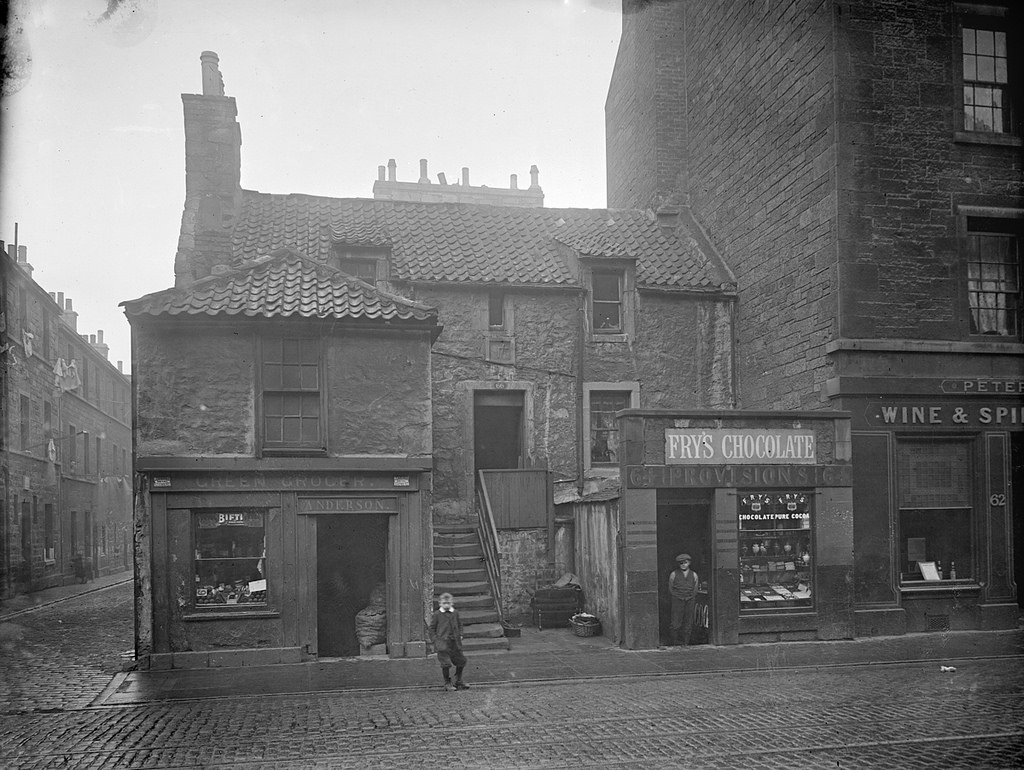
The Lawnmarket, at the upper end of the Royal Mile, remained a busy commercial street in the 1920s. Nearby, a greengrocer and provisions shop on Morrison Street shows the kind of everyday retail life that sustained the city’s residential neighborhoods.
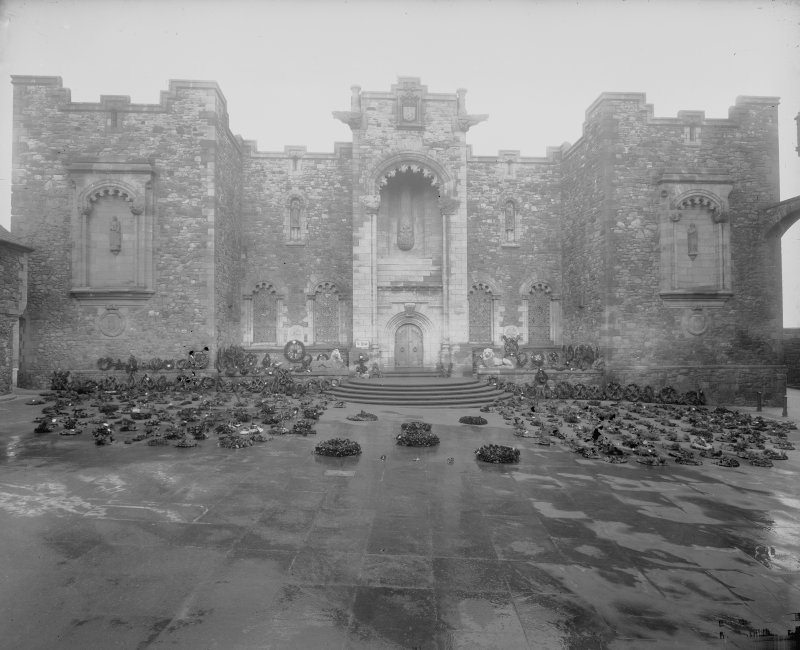
In 1927, wreaths were laid outside the Scottish National War Memorial at Edinburgh Castle, which had opened that same year as a tribute to the Scots who died in the First World War. The memorial was built within the castle walls and became an immediate focal point for public remembrance.
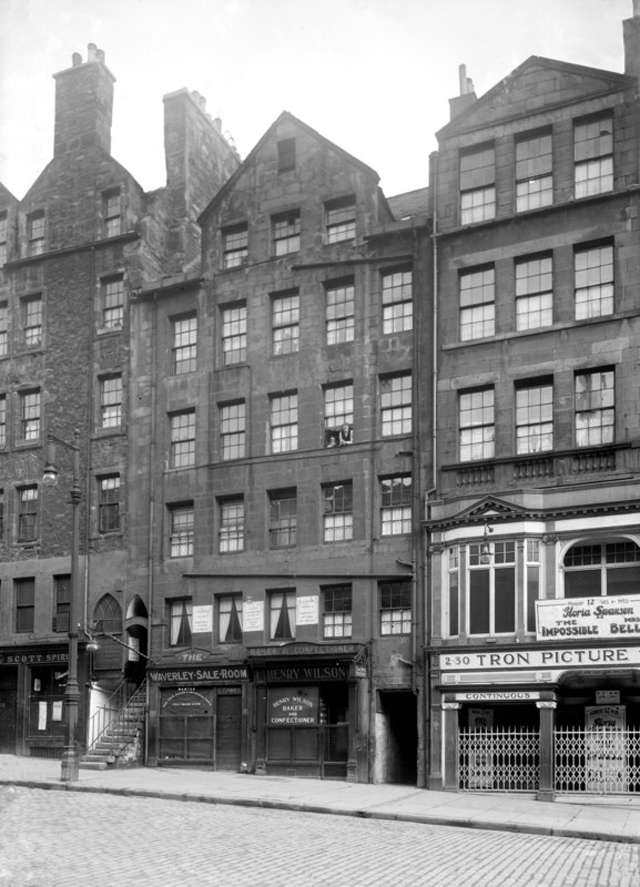
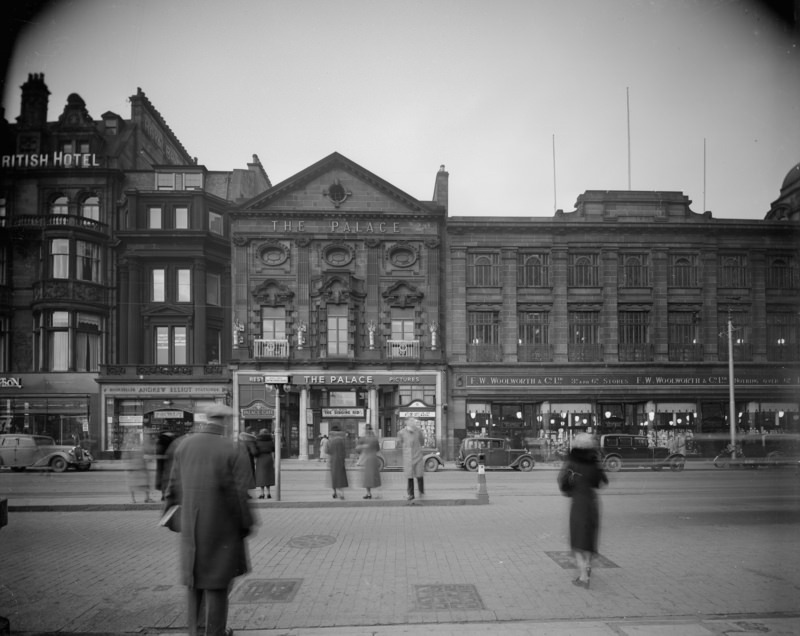
Edinburgh’s entertainment scene grew rapidly in the early decades of the 20th century. The Tron Picture House on the High Street opened as cinema became a mainstream form of entertainment, and by 1939, the Palace Cinema on Princes Street was one of several picture houses competing for the city’s audiences.
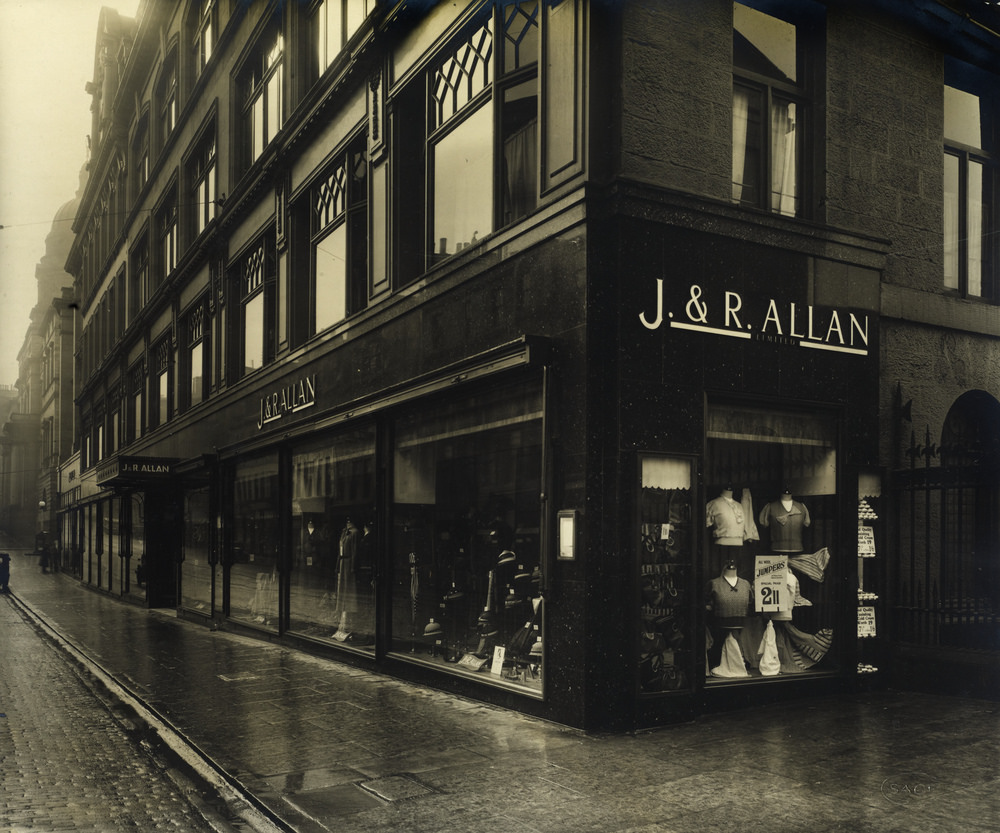
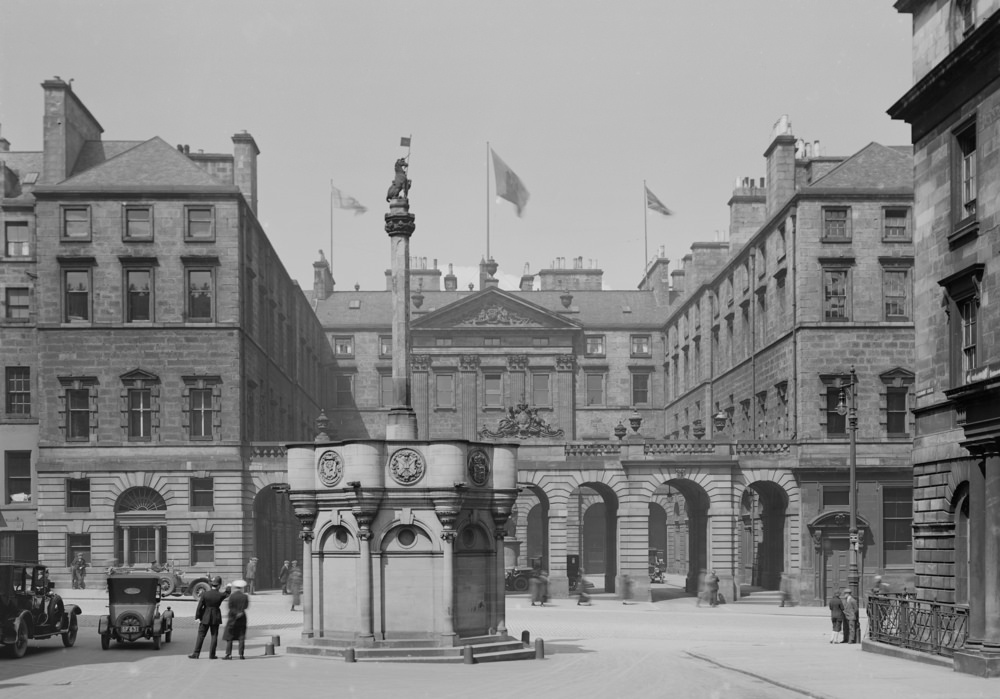
Department stores also established themselves firmly on Edinburgh’s streets by the 1930s. J & R Allan Ltd on South Bridge was one of the city’s well-known retail destinations, while the Old Town’s market cross and City Chambers remained at the civic heart of Edinburgh’s historic core.





There’s something about the old buildings lining the rail yard that exudes more character than many of the structures built nowadays.
During my last visit to Edinburgh, we visited Edinburgh. With no particular destination in mind, we wandered up to the hill on our final morning and were greeted by a stunning view.
Is the old prison located on the far right, with its distinctive towers and other features?
Refreshing to see something other than the typical Instagram shot
I looked at the aerial pic of the West End and thought “Oh! It looks so nice and orderly back then!” then scrolled down to the next pic of it at street level – chaos! (Even more than nowadays).
Nice post, thanks. Picturesque as some of it is, between the blackened buildings and the general air of muck in the street, it makes me glad for the clean air and sewage disposal systems of today.
Ice skating at St Margaret’s Loch! When did that last happen?
There are no cars or very few cars. It must have been so quiet.
I know bits of the city at that time were so densely packed it was fatal, but there’s so much space in some of these. How grand the royal academy looks
Some of the architecture lost in this City is absolutely criminal. I know times and priorities change, but still.
That’s EEN’s next article sorted!
It’s interesting to see Waverley Gardens before it became the dilapidated eyesore it is now, full of fencing and neds swearing at people when they first arrive within Edinburgh. I hope they sort that area out.
The Old College looks absolutely beautiful in pic 14.
In pic 34, I was interested in the history of the “British Linen Bank”.
#10 Get those hooligans off the ice!