Paris in the 1950s was alive with post-war energy and creative freedom. Into this charged city came a group of American teenagers — children of diplomats, businesspeople, and military families — living abroad while the world was still rebuilding. Photographer Gordon Parks documented their daily lives in a candid, documentary style that felt nothing like posed portraiture.
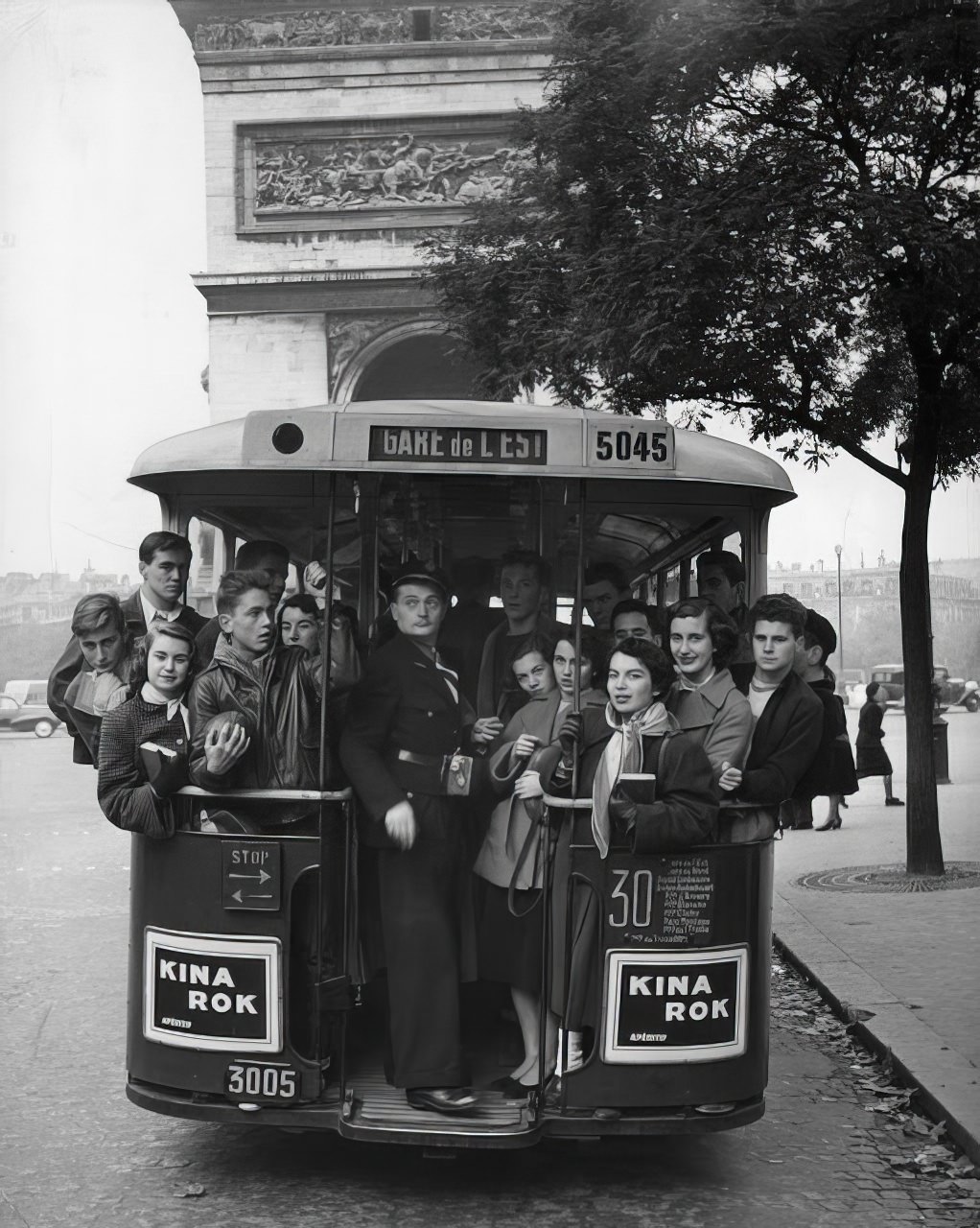
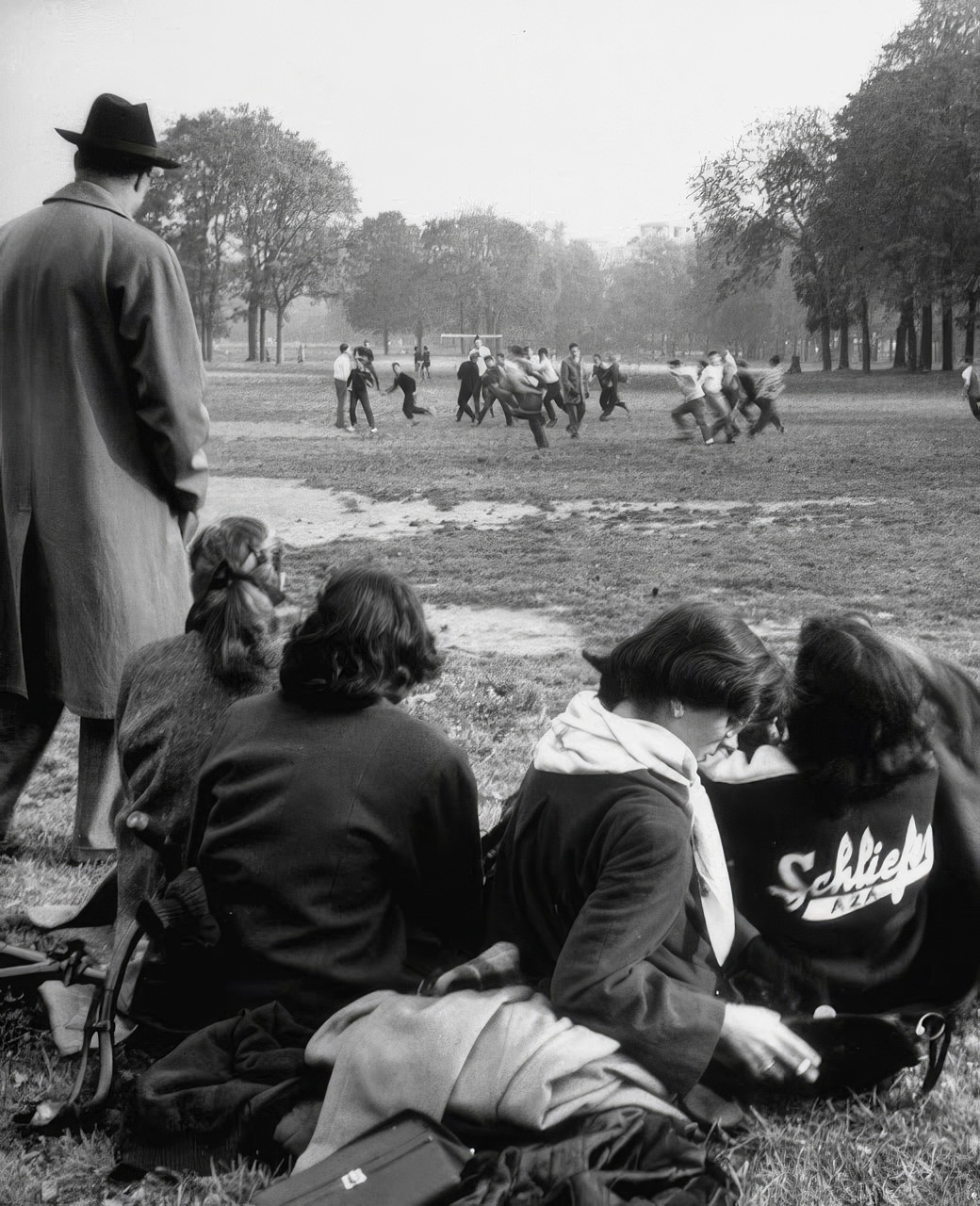
These teenagers moved through Paris on their own terms. Saturday afternoons meant football games in the Bois de Boulogne, Hollywood movies on the Champs-Élysées, and Cokes at a café afterward. Their routines blended American habits with Parisian backdrops in a way that felt entirely natural to them.
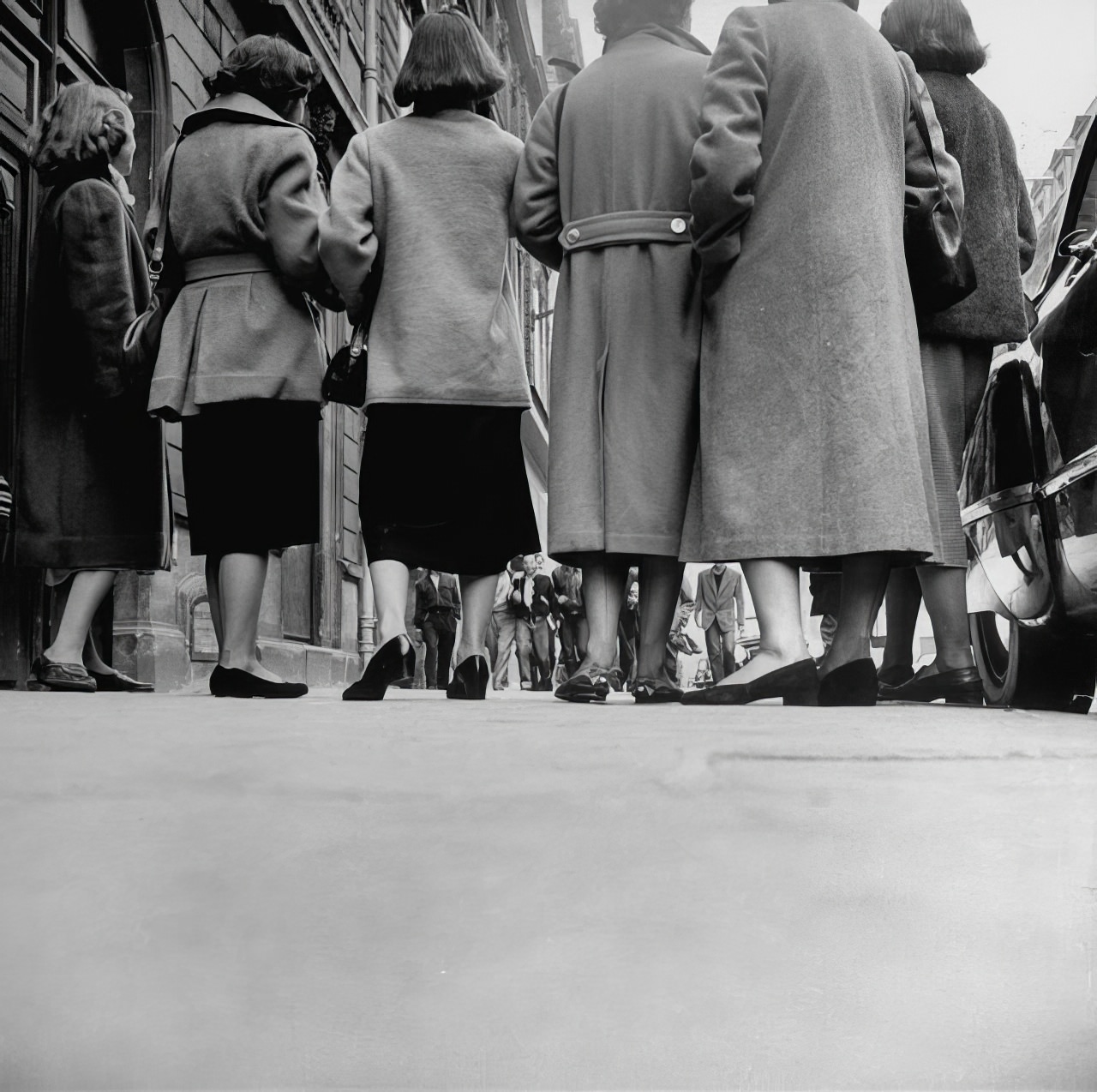
Fashion became a quiet marker of identity. Some girls swapped bobby sox for nylons, bending toward Parisian style. Others held firm. On the Champs-Élysées, seven American girls stopped for Cokes after a Saturday matinee — a scene that could have happened in any American suburb, transplanted to the heart of France.

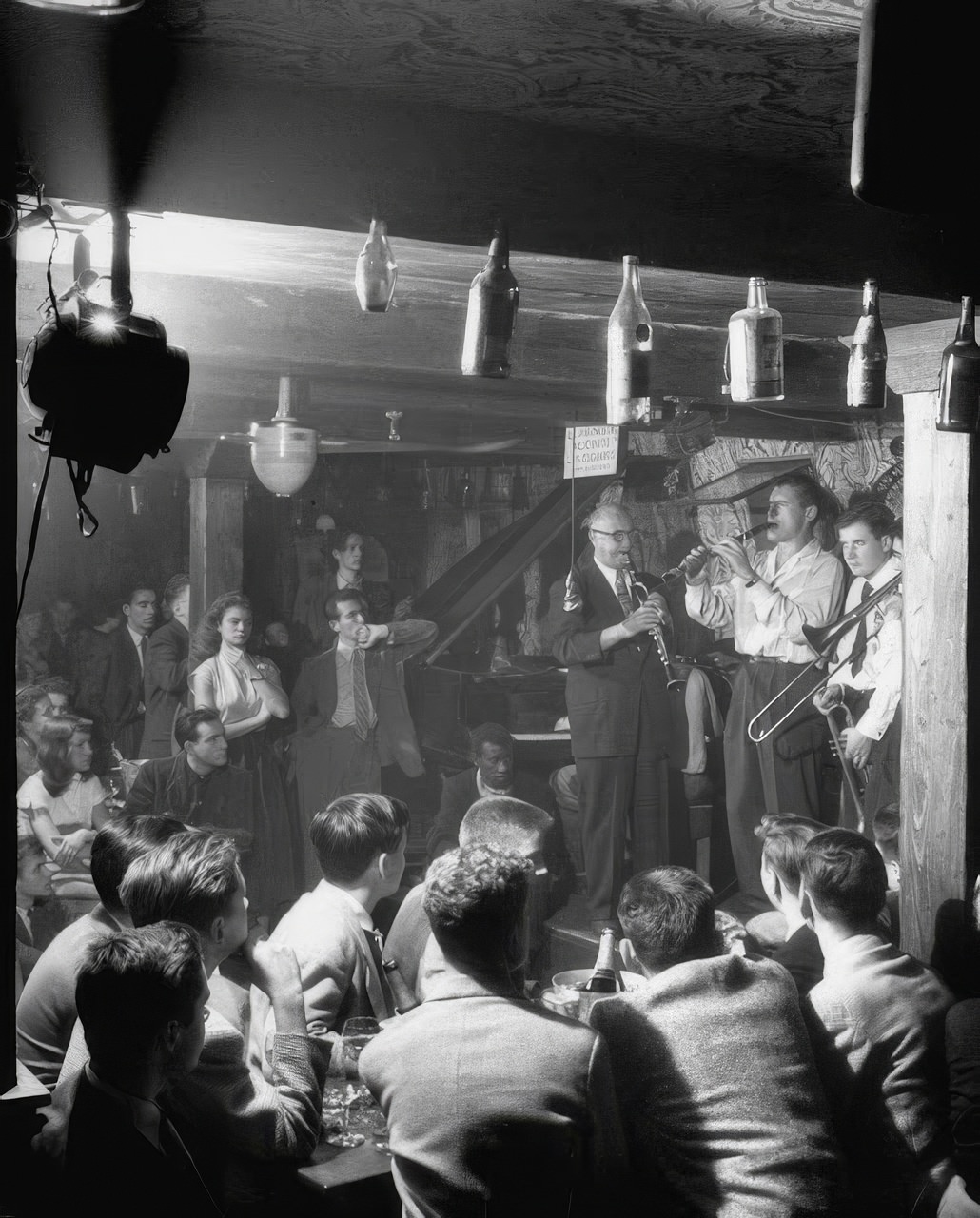
Their music tastes shifted, too. At the Vieux Colombier jazz cellar, American teens packed in to hear clarinetist “Mezz” Mezzrow — a fellow American who had made Paris his home. They dismissed Frank Sinatra and Billy Eckstine records as outdated and instead favored French crooners Charles Trenet and Yves Montand. Their shared favorite song was “Fou de Vous” — “Crazy About You.”
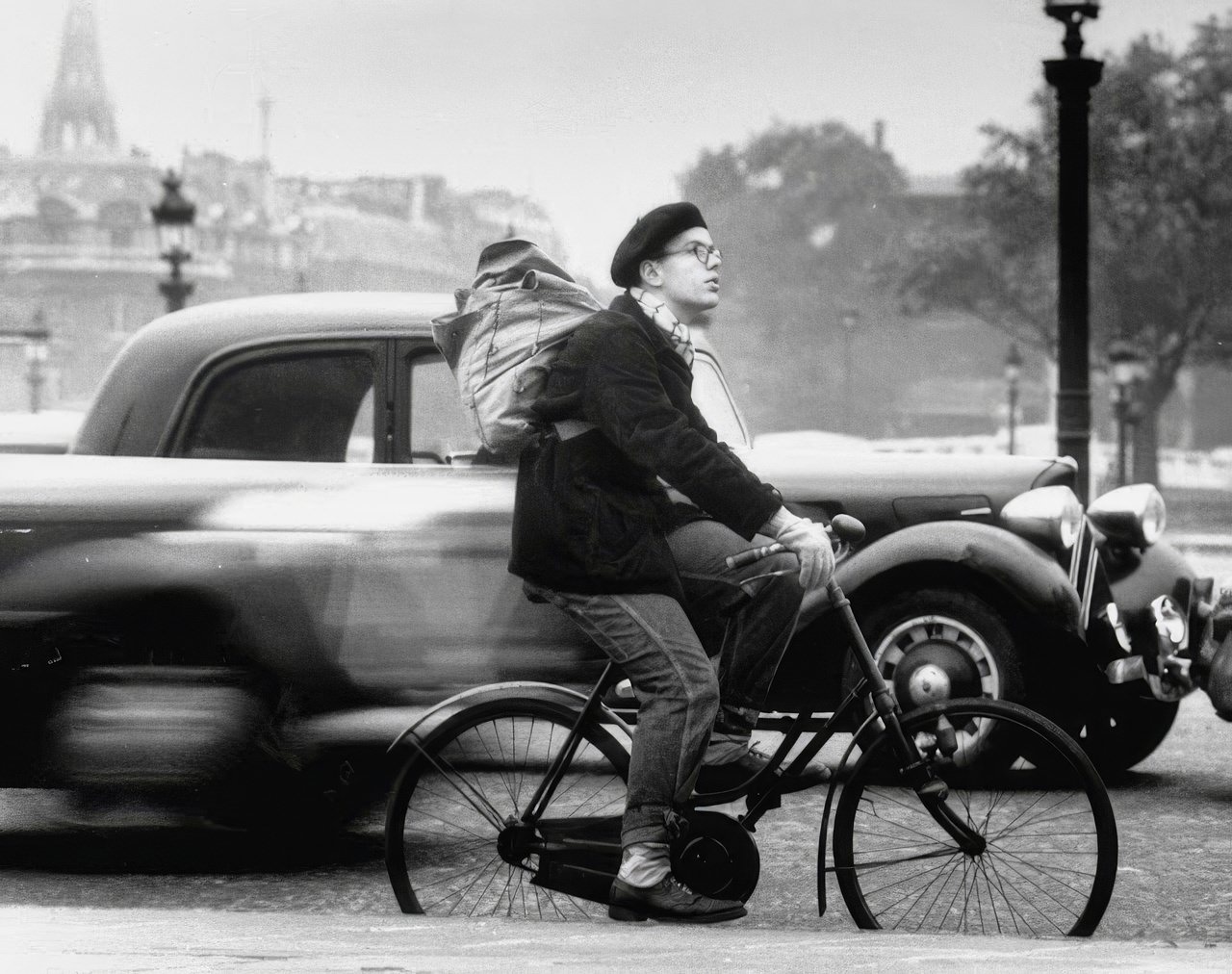
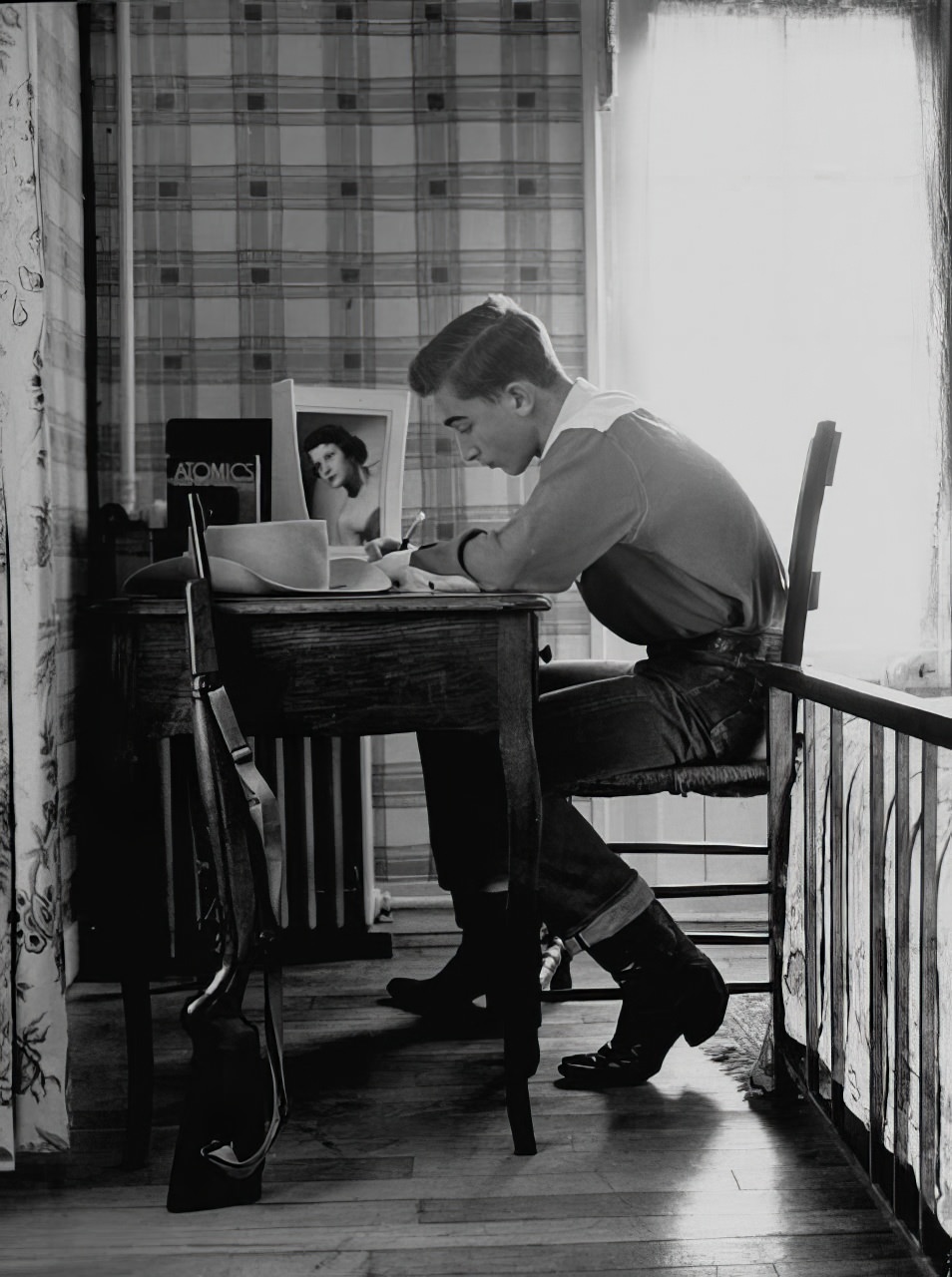
Individual personalities stood out across Parks’s photographs. Ed Perregaux from Connecticut leaned fully into Parisian life — wearing a beret, carrying a pack, and riding a bicycle he bought at the Flea Market. His French look earned him the reputation of being “a character” among his peers. Sixteen-year-old Earl Nesbitt of Wichita Falls, Texas, took the opposite approach. Homesick and unapologetic, he wore his jeans and boots in class and at home alike.
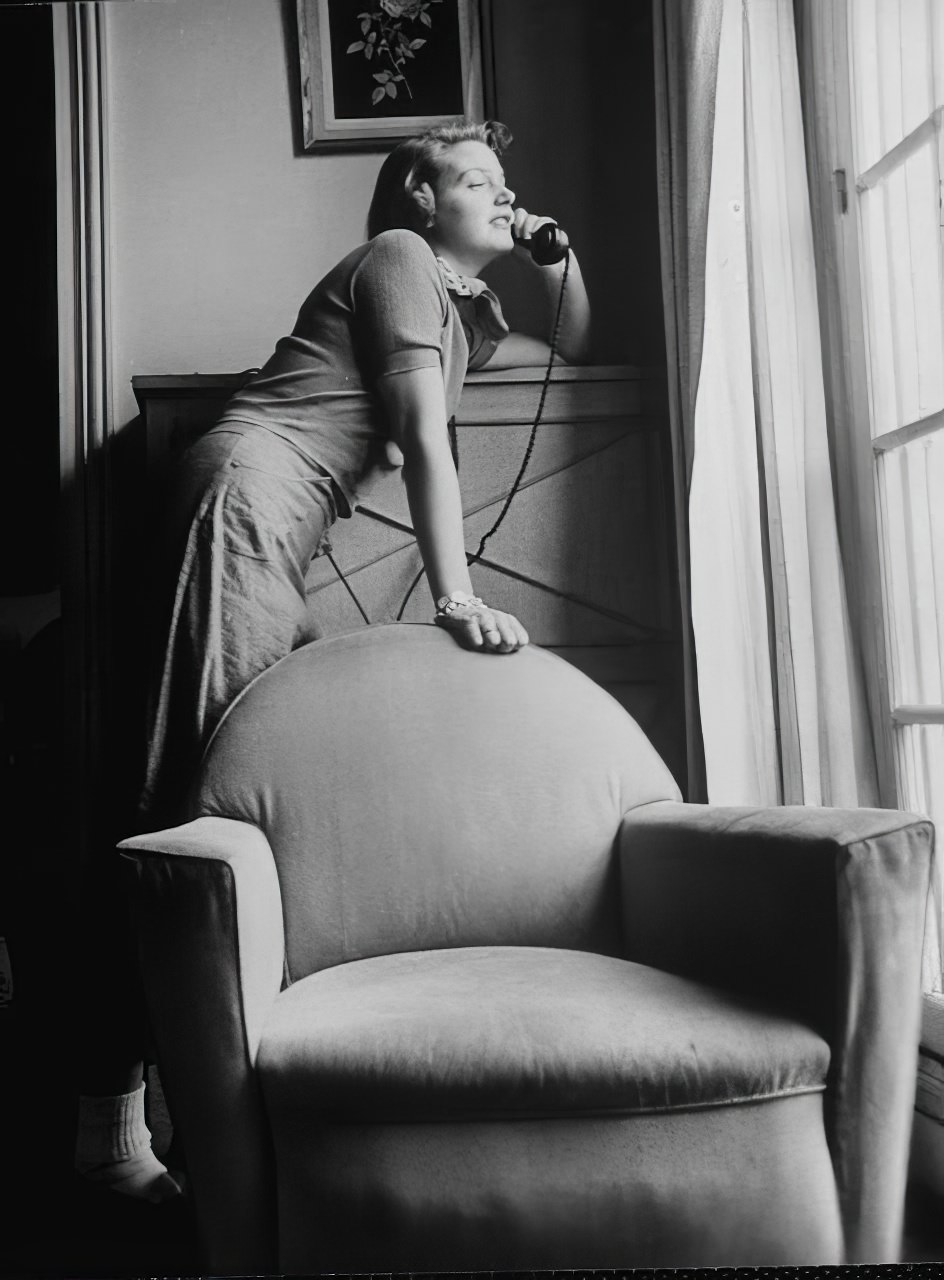
Back at home — or whatever counted as home in Paris — life carried on with recognizable teenage rhythms. Toni Riddleberger tied up the phone talking about a boyfriend, contorting herself in the process just as girls did across the United States.
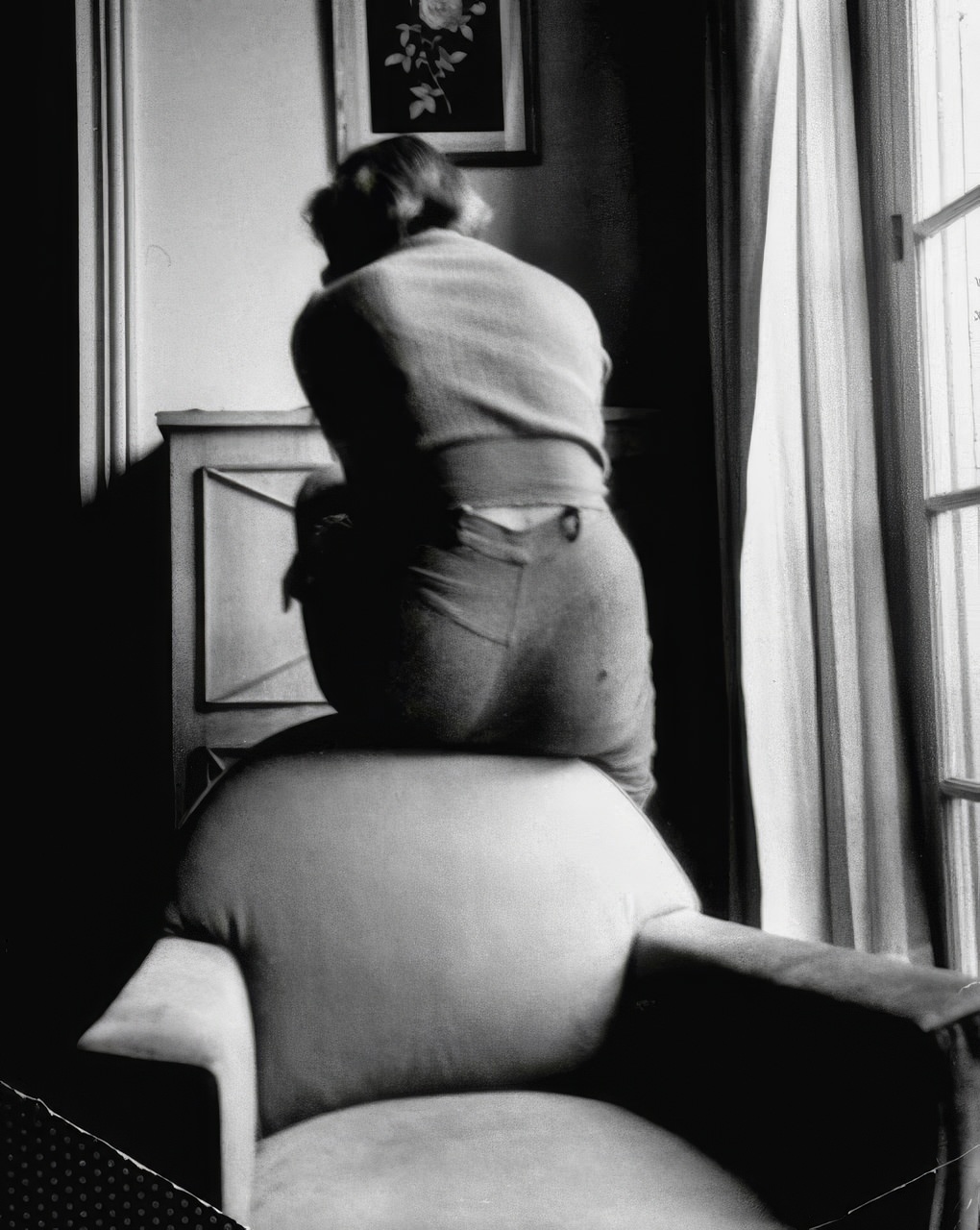
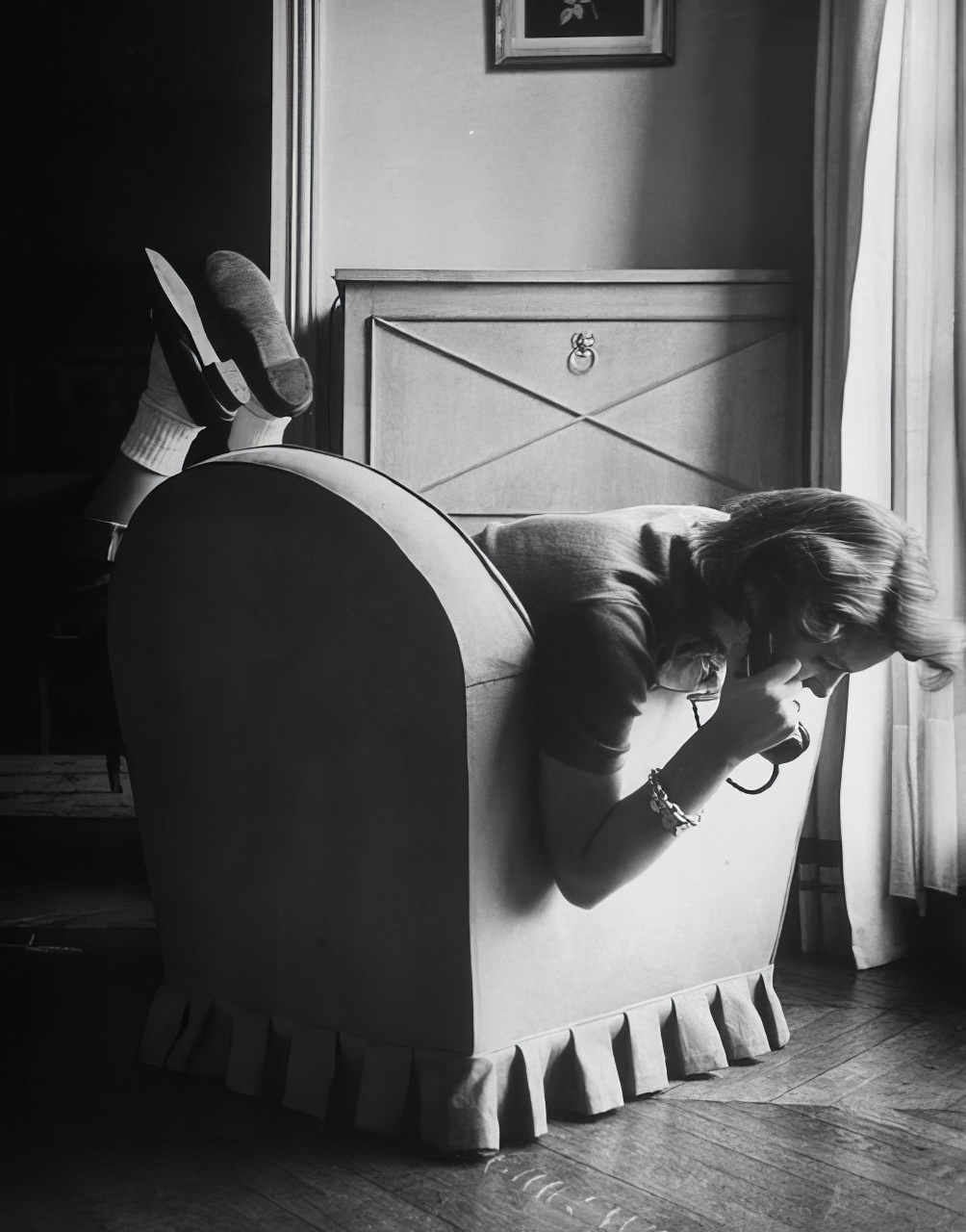
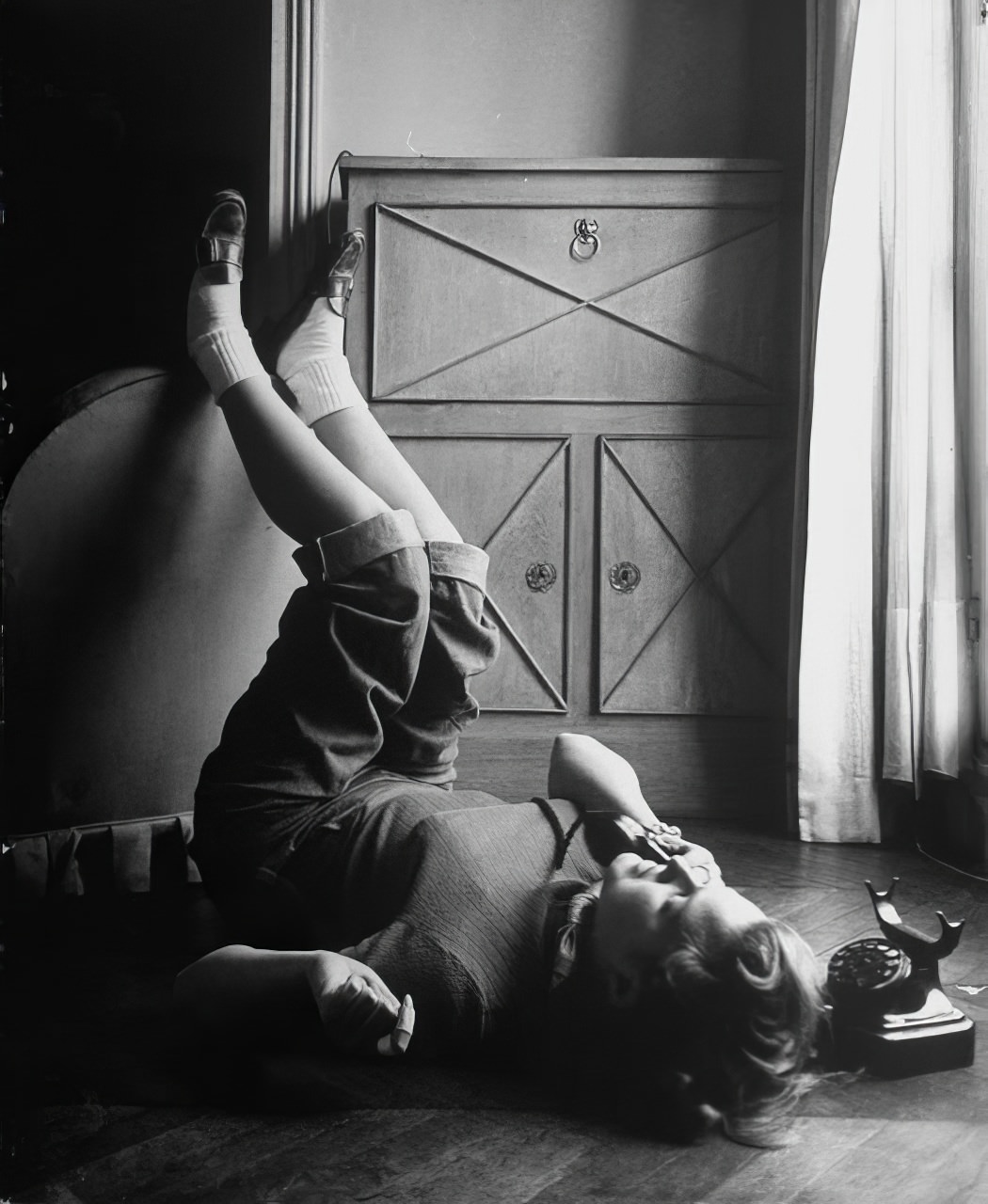
Group rituals gave structure to social life. A monthly “Lemon Squeeze” session had girls sit in a circle and openly analyze each other’s faults — a self-improvement exercise that was as blunt as it sounds. Fifteen-year-old Jackie Wolf sat in the center during one such session, the subject of the group’s scrutiny.
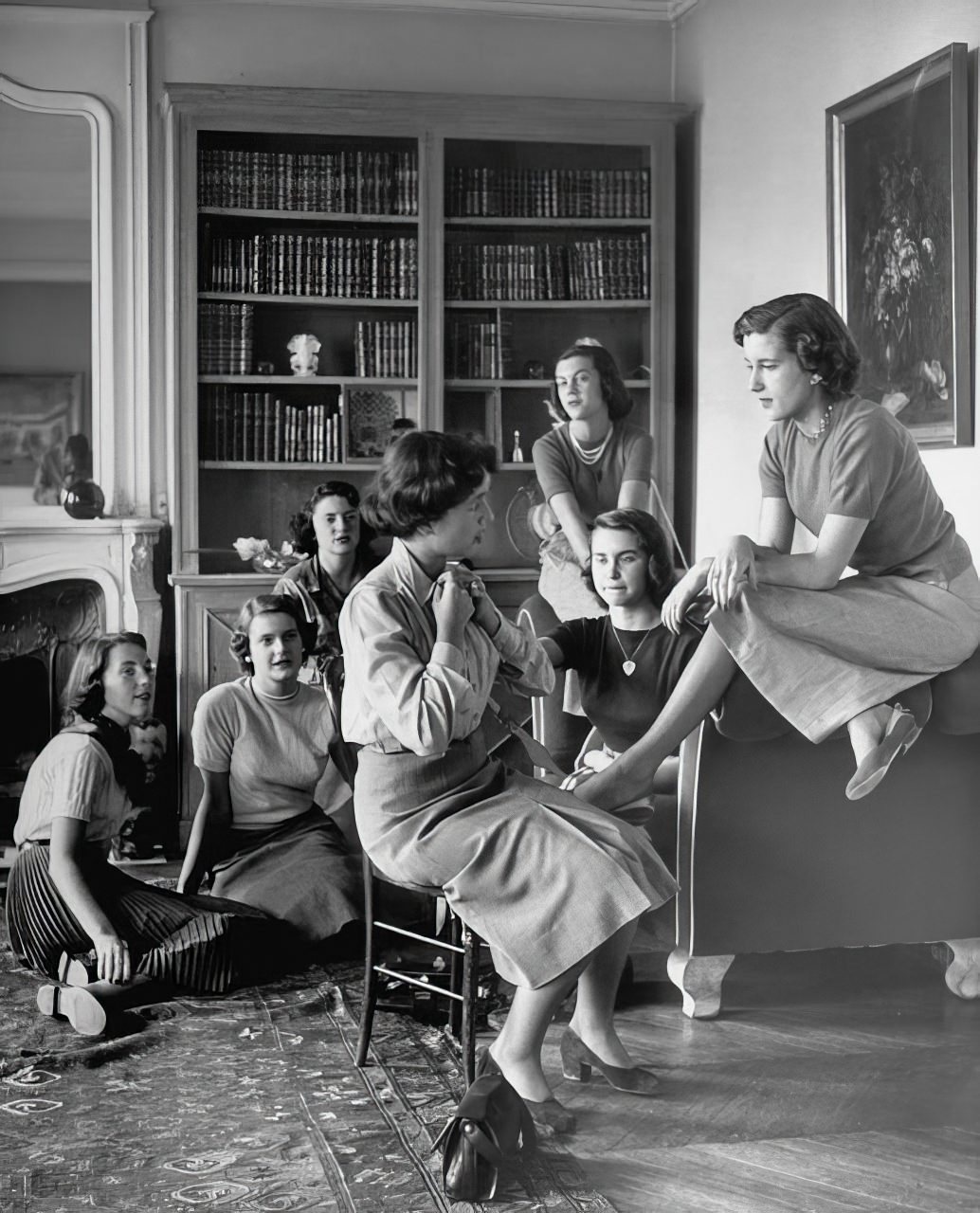
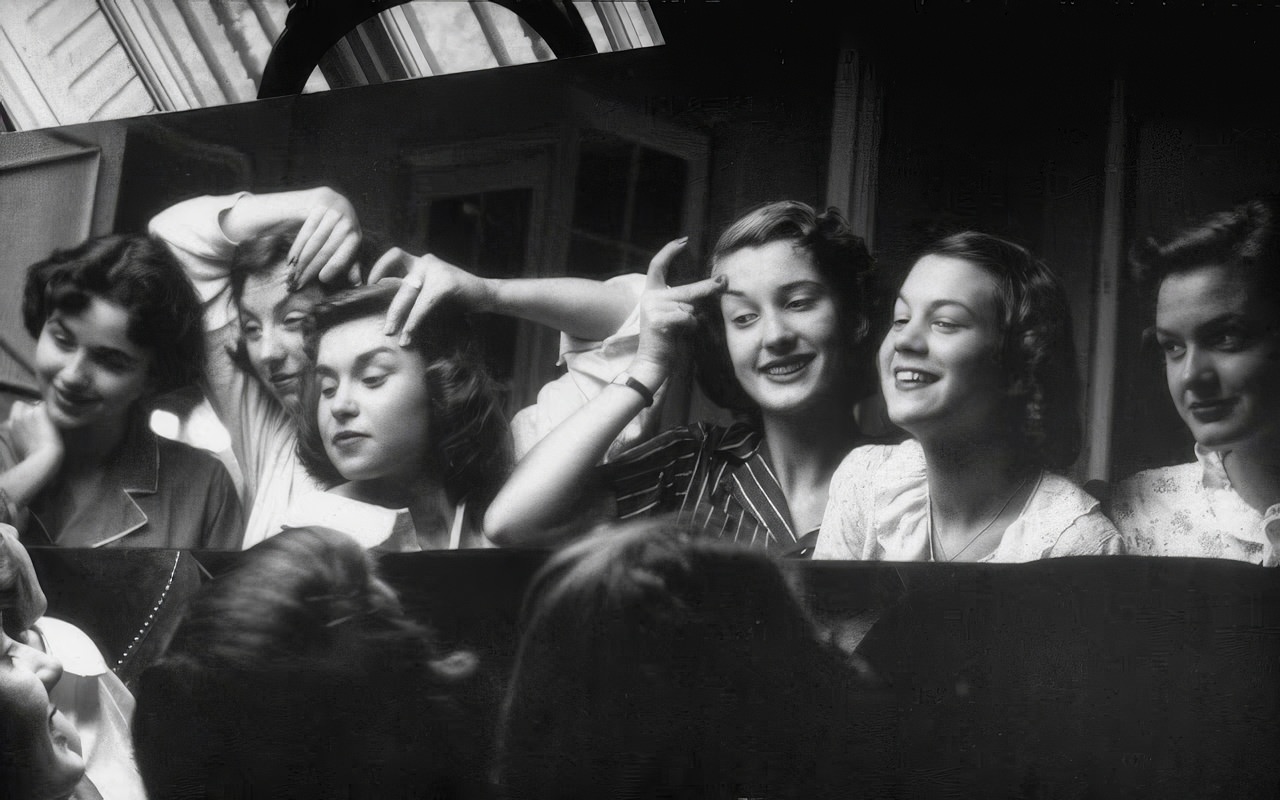
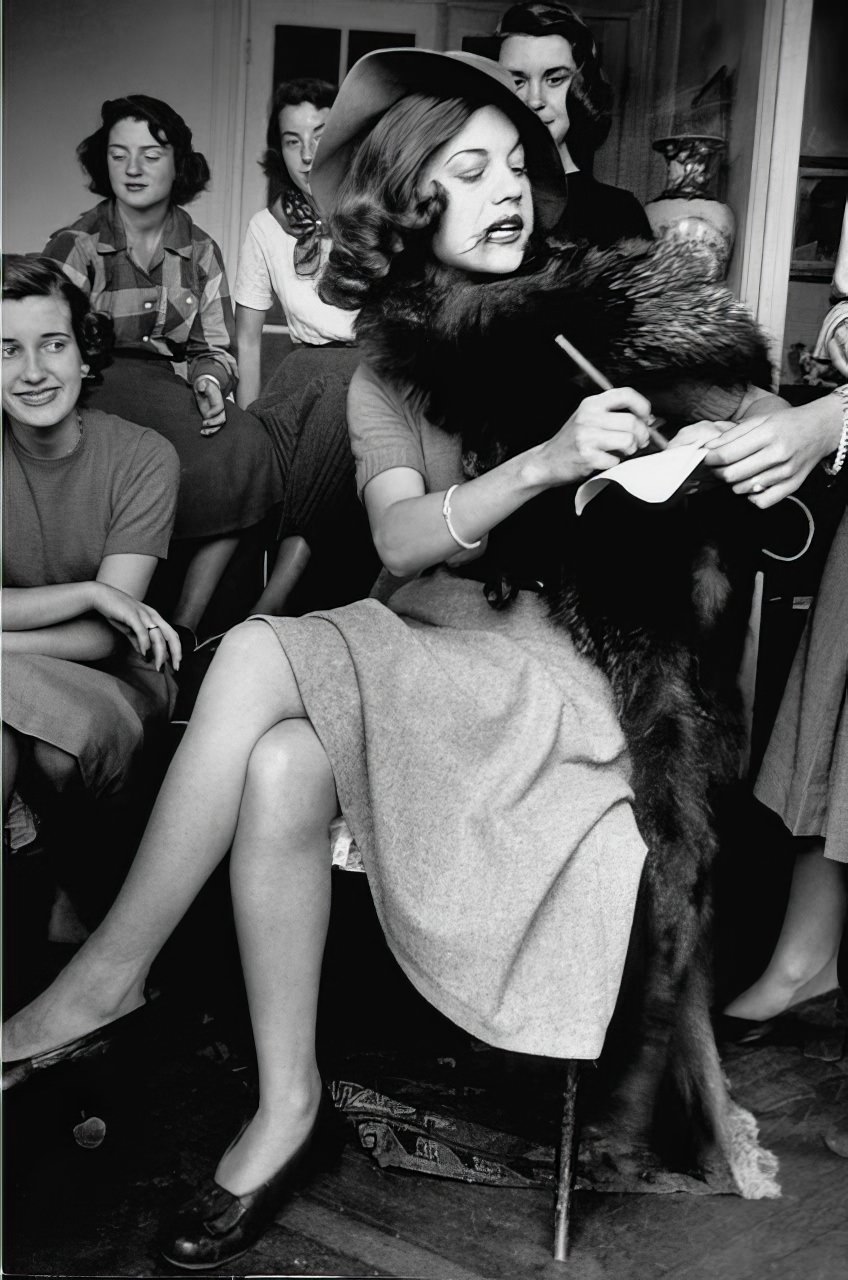
At slumber parties, the “Horrible Six” practiced raising their eyebrows in front of a mirror, convinced the right arched brow gave them mature, Parisian charm. One girl, Anne Montgomery, parodied that sophistication entirely — mimicking Marlene Dietrich signing autographs. Yet the irony didn’t undercut the genuine affection these teenagers had for the city. As one girl put it plainly: “In the States, we were just some more Americans, but here we’re different and it’s a nice feeling.”
For Gordon Parks, Paris carried personal weight. As an African American, he experienced a degree of social freedom in France that was denied to him back home. That experience shaped the warmth and honesty in how he photographed these young people — not as curiosities, but as fully realized individuals navigating life between two worlds.