Dorothy Bohm spent the 1960s and 70s walking through London’s street markets with a Leica camera in hand — the same camera her father gave her as she fled Nazi Germany. What she captured was not simply commerce. It was community life in full swing, loud and unfiltered.
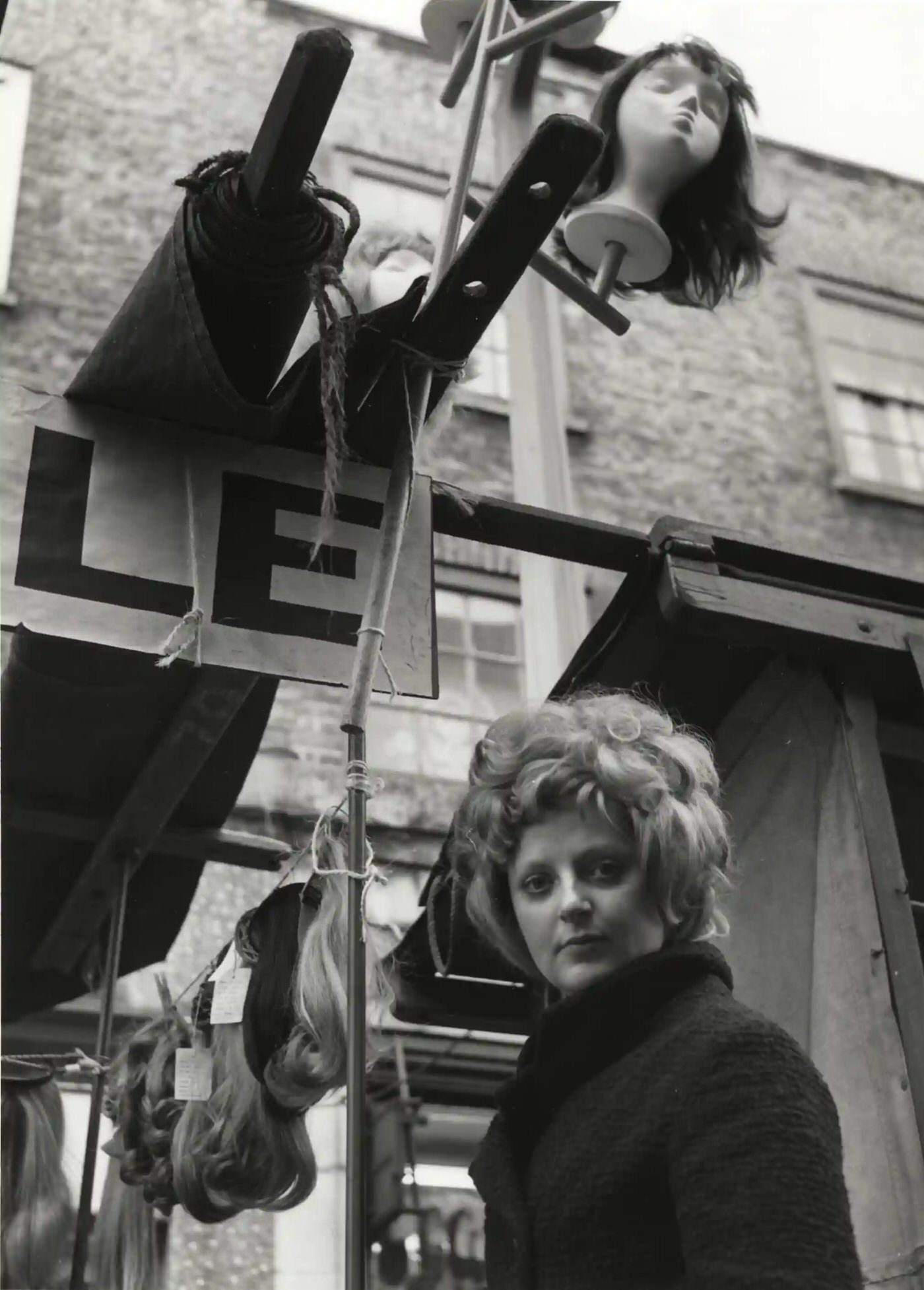
Petticoat Lane in the East End was one of London’s oldest and most chaotic markets. Stalls stretched in every direction, packed with clothing, household goods, and food. Vendors called out to passing crowds, and shoppers moved in dense streams between the rows.
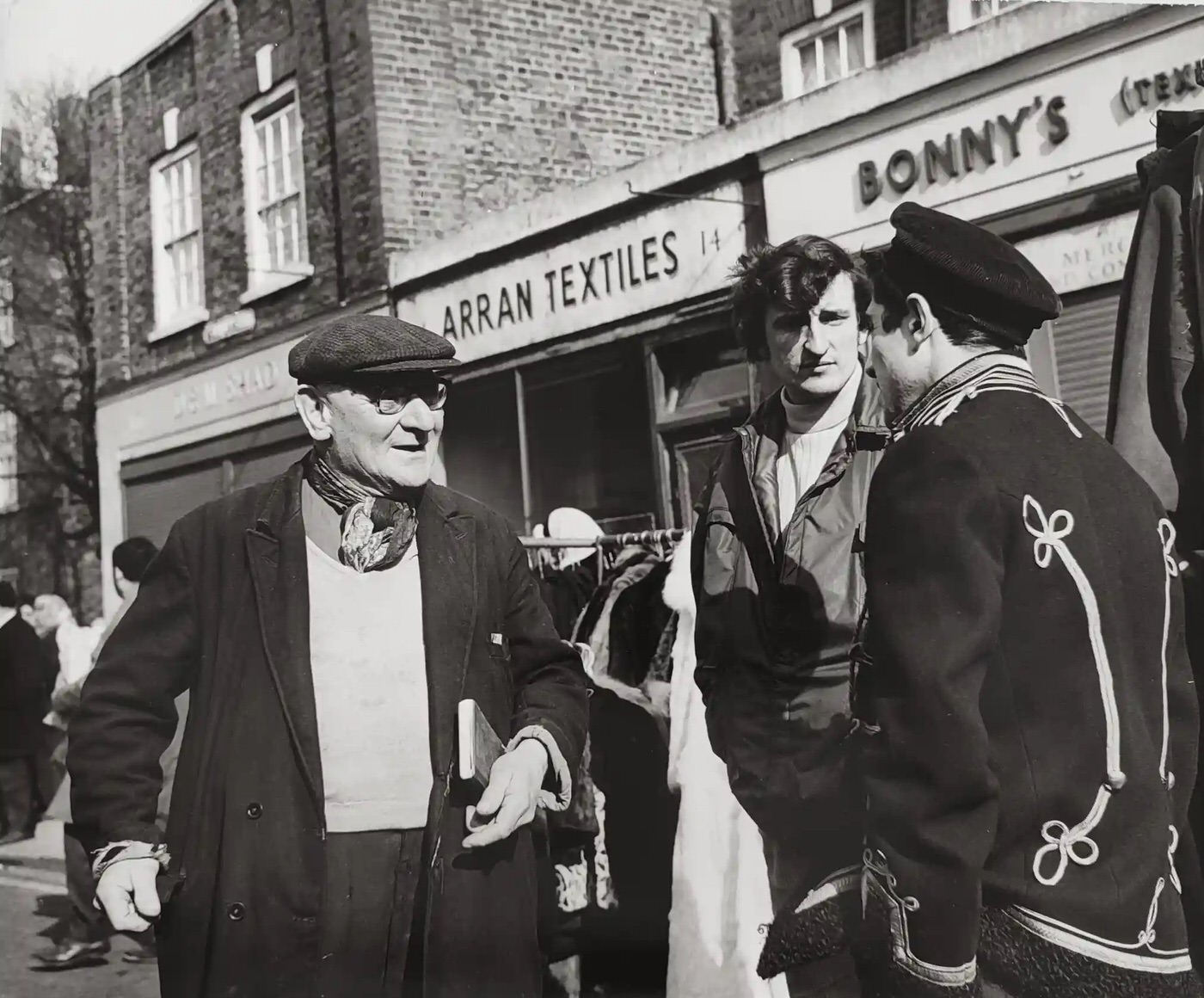
Bohm’s photographs show the full cast of market life. Seasoned bargain hunters haggled with vendors who knew every trick in the trade. Mothers steered young children through the crowds while picking out the week’s groceries. Teenagers flicked through clothing racks, eyeing the latest styles.
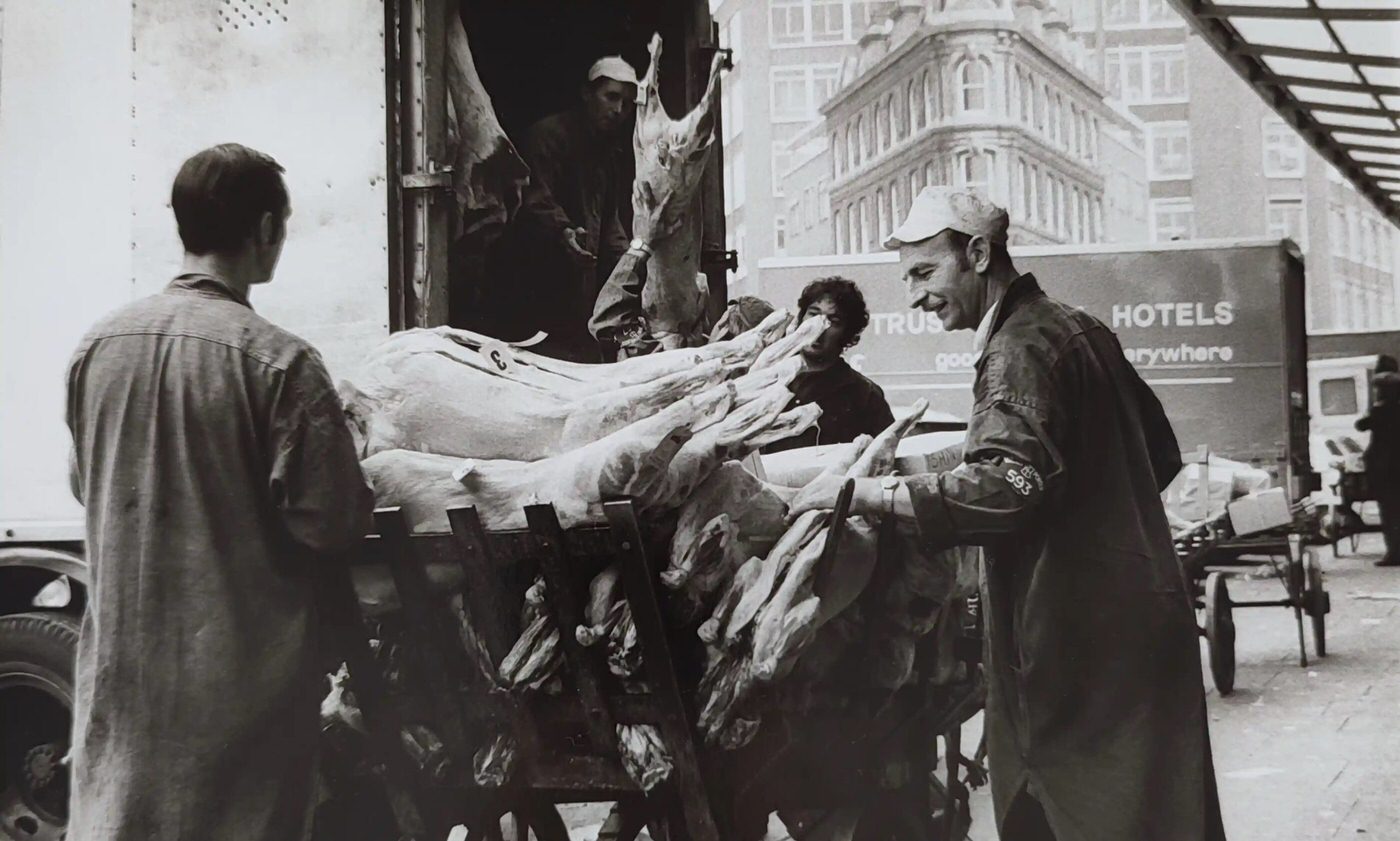
Smithfield Market in the City of London operated as the capital’s main meat market. Butchers worked long shifts in the cold, handling enormous cuts of meat with practiced efficiency. The market ran through the early morning hours, long before most of London was awake.
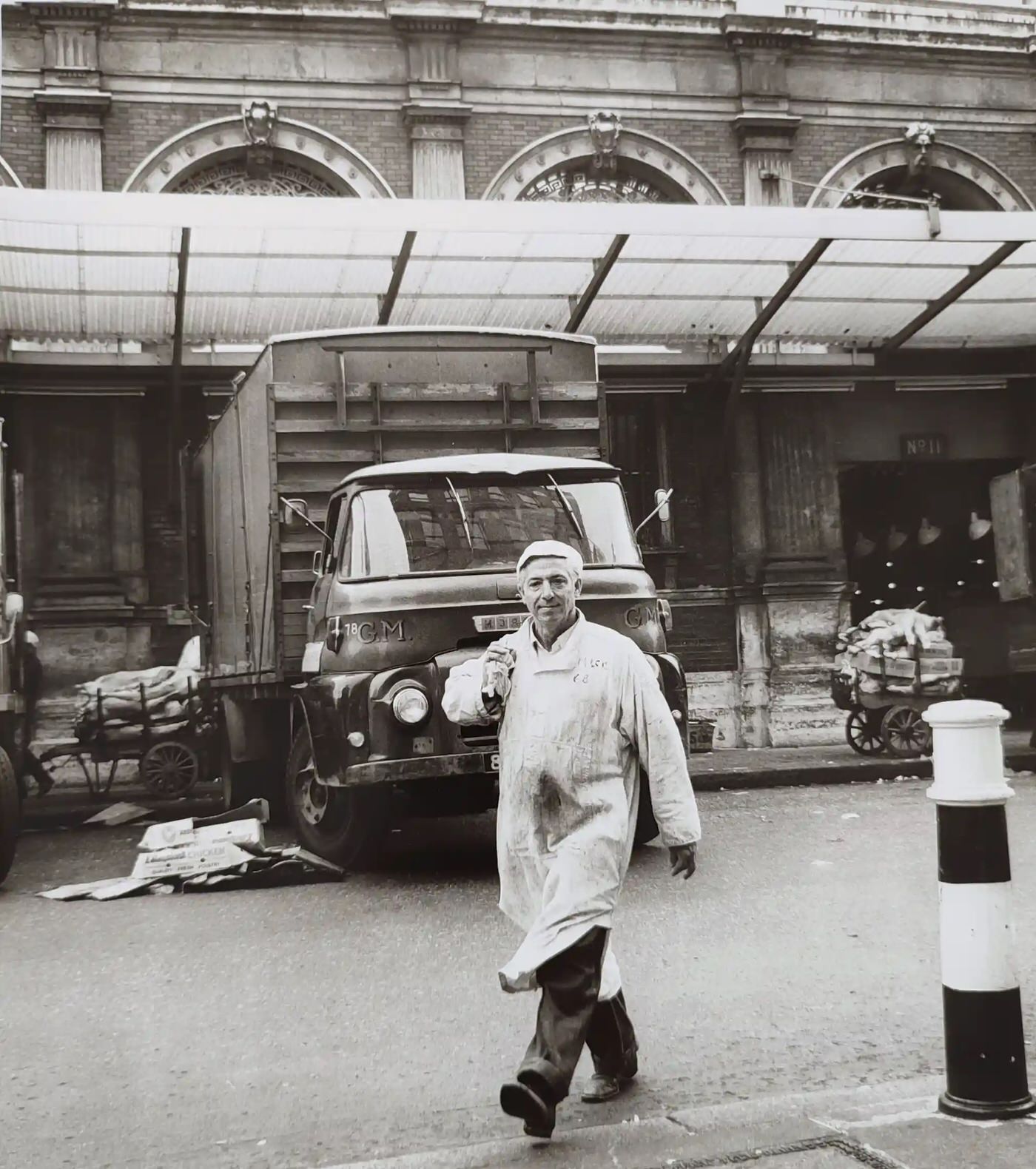
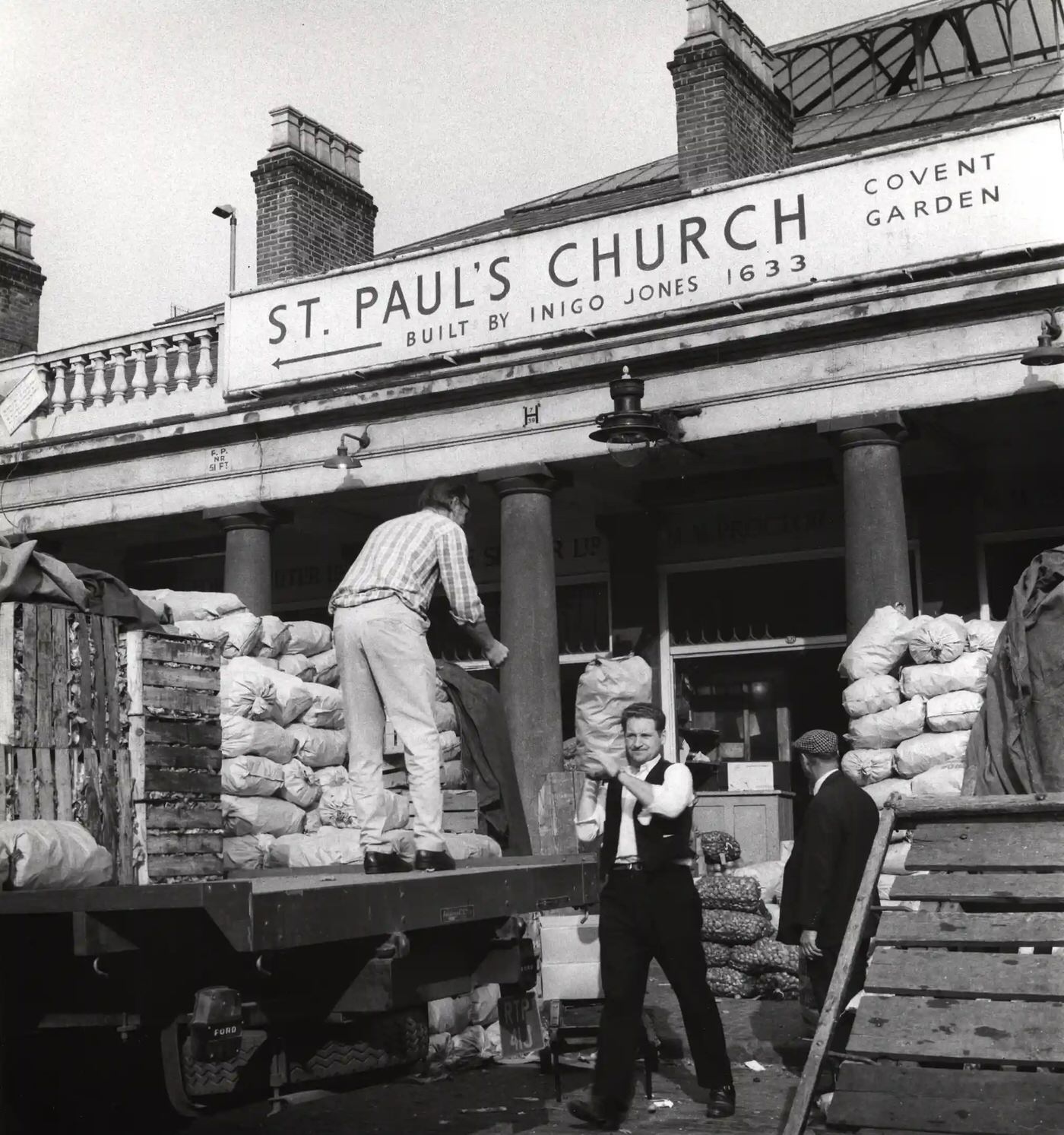
Covent Garden, before its transformation into a tourist destination, still functioned as a working wholesale market for fruit, vegetables, and flowers. Porters hauled heavy loads across the cobblestones each morning, keeping the city’s greengrocers and restaurants stocked.
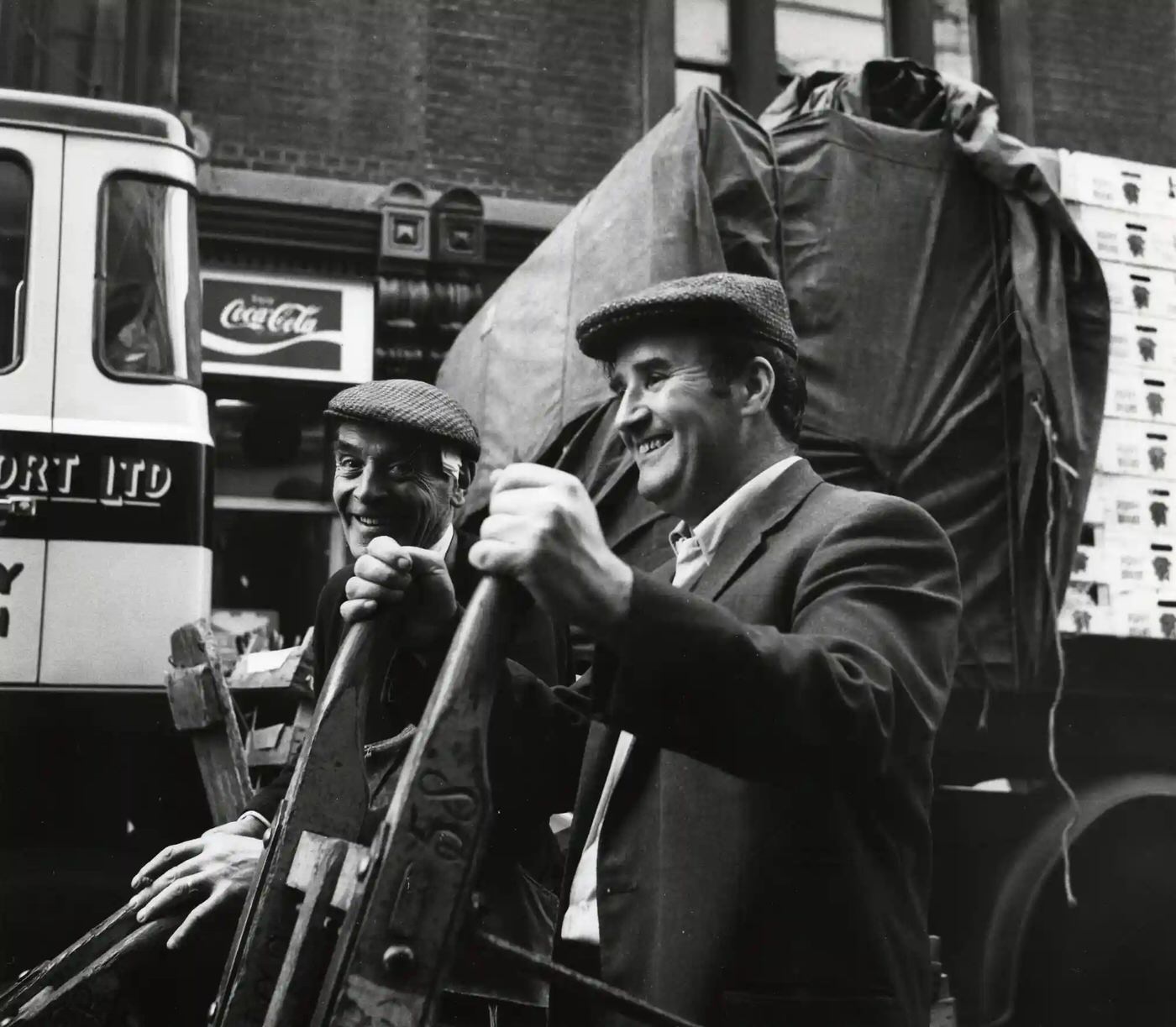
Billingsgate, London’s centuries-old fish market, filled the air with the sharp smell of the sea. Fishmongers arranged their catches on ice-covered slabs while traders arrived early to secure the best stock. It was a world defined by speed, noise, and routine.
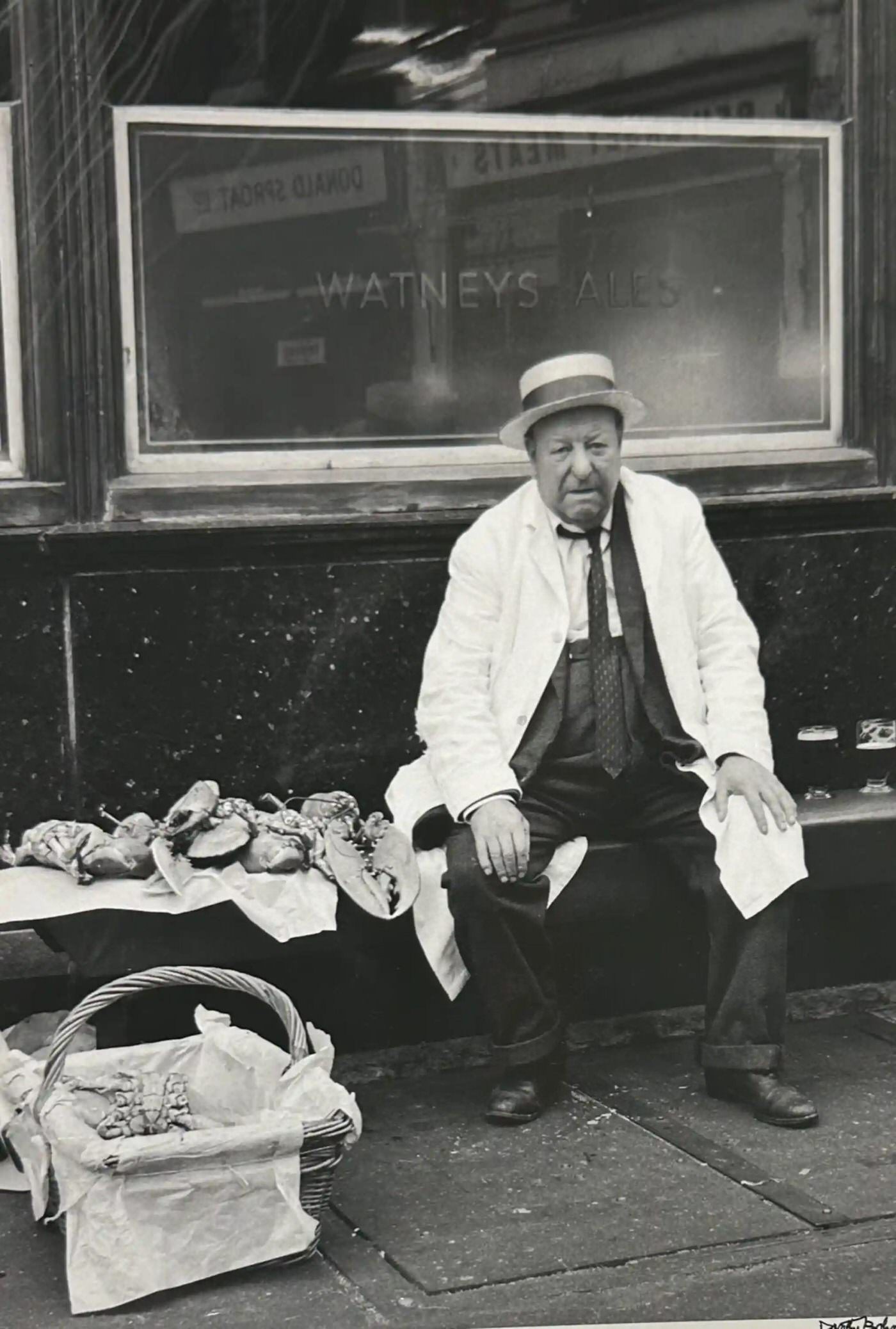
Neighborhood markets like Chapel Market in Islington served a different purpose. These were the places where local residents ran into each other, shared news, and kept up with the rhythms of the area. Stallholders knew their regular customers by name.
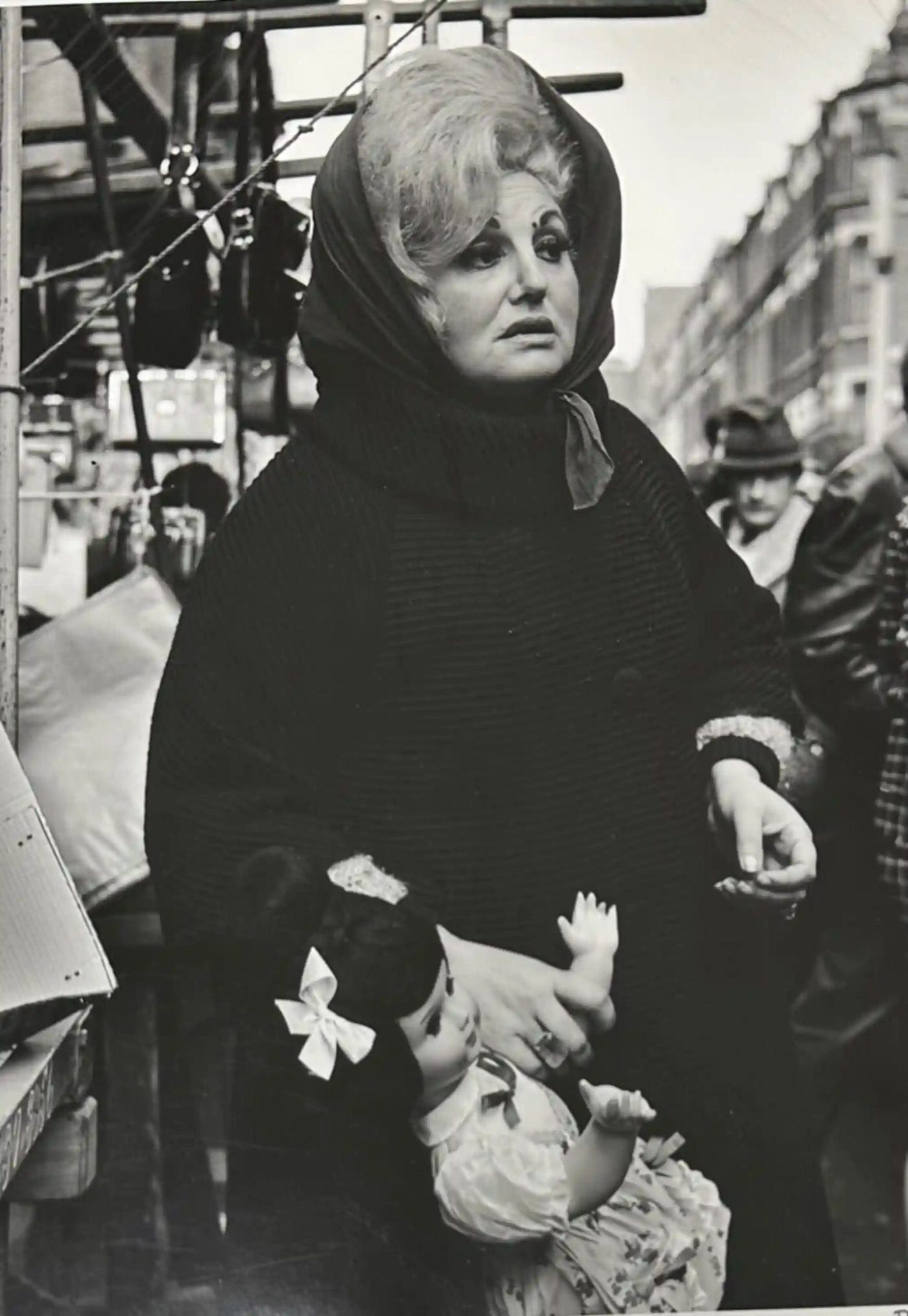
Camden Town’s market reflected the shifting cultural mood of the 1960s. Alongside fresh produce and everyday goods, stalls sold vinyl records, secondhand clothes, and imported items that signaled London’s growing multiculturalism. Old and new sat side by side without friction.
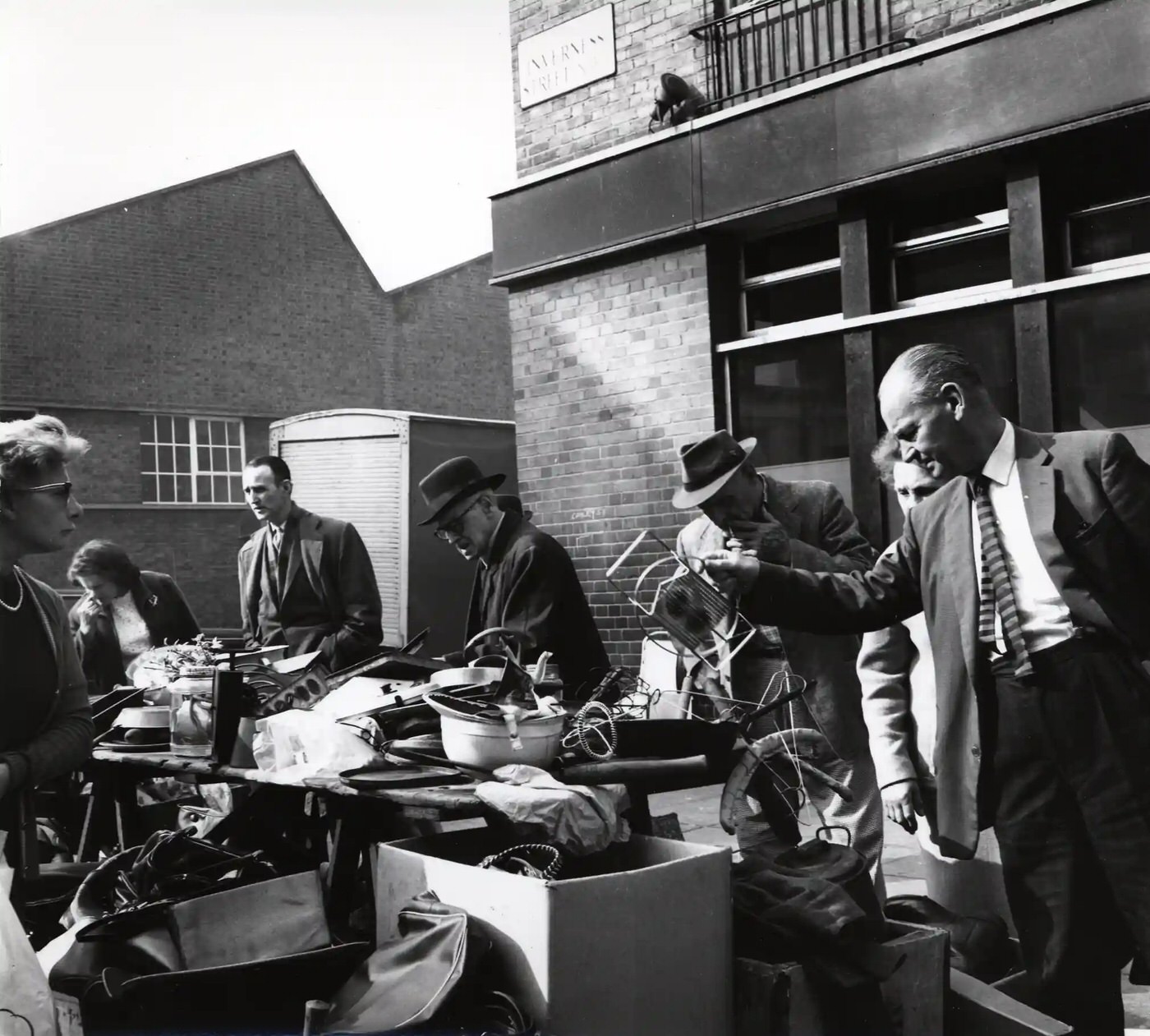
By 1972, outdoor markets along Charing Cross Road drew book lovers and browsers who spent hours combing through stalls of secondhand and antiquarian titles. The road was already known for its bookshops, and the street market extended that culture outdoors.
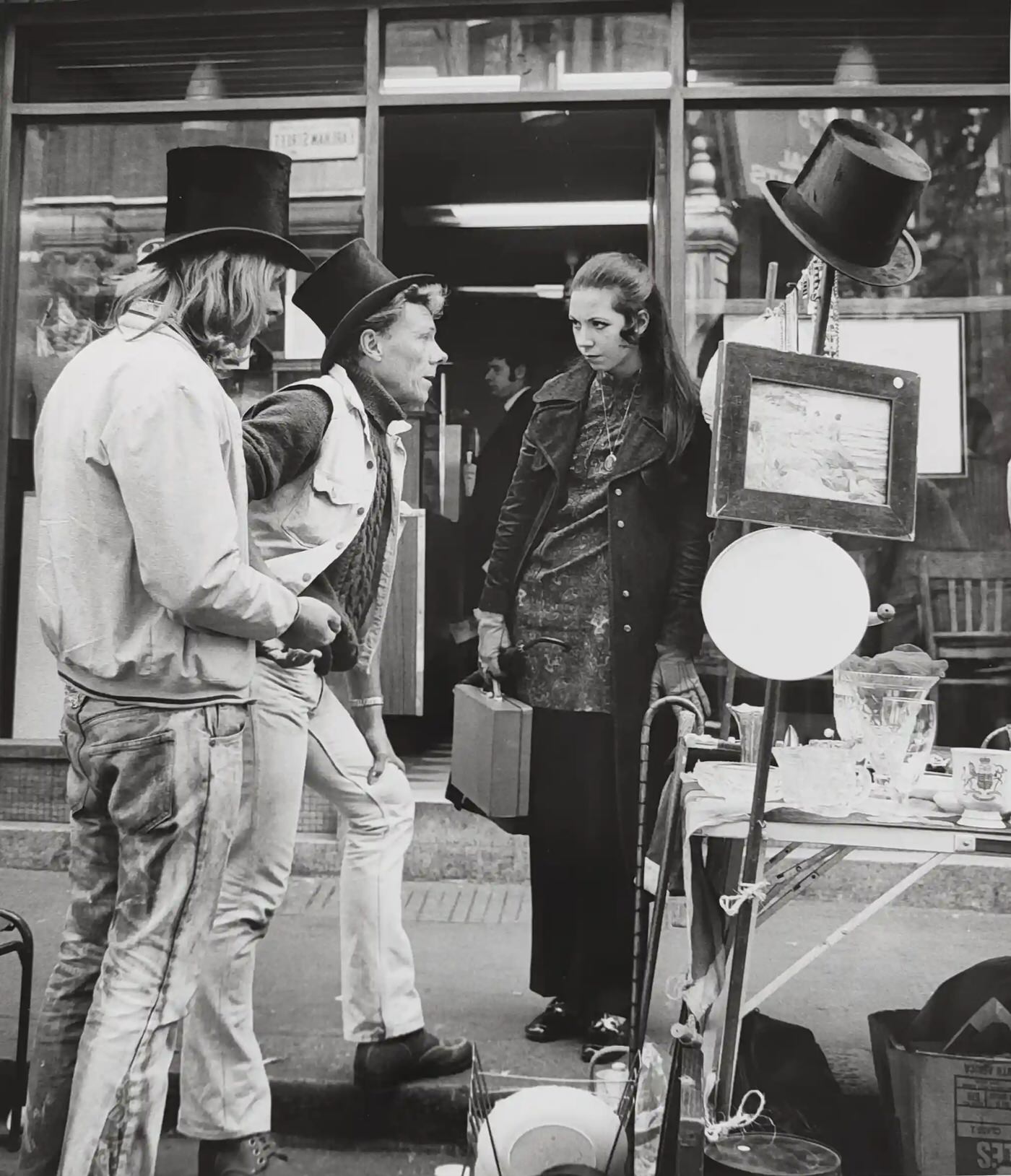
Back at Smithfield, teams of butchers worked in coordination, their white coats standing out against the dark, cavernous interior of the market building. The scale of the operation was immense — thousands of tons of meat passed through its doors every week.
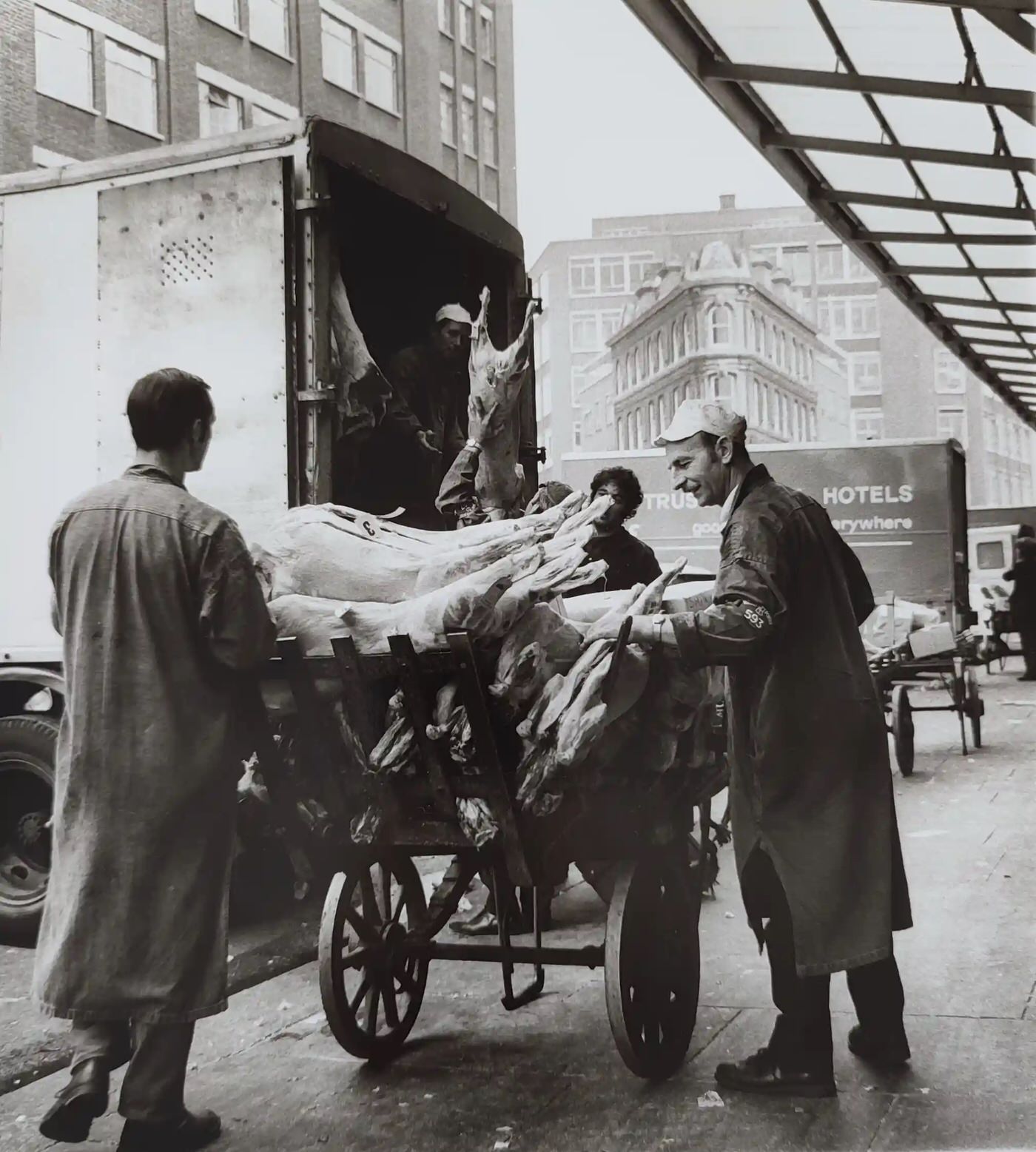
Petticoat Lane remained a fixture across the decade, drawing crowds on Sunday mornings from across the city. Bohm returned to it repeatedly, finding new scenes each time in the same familiar rows of stalls.
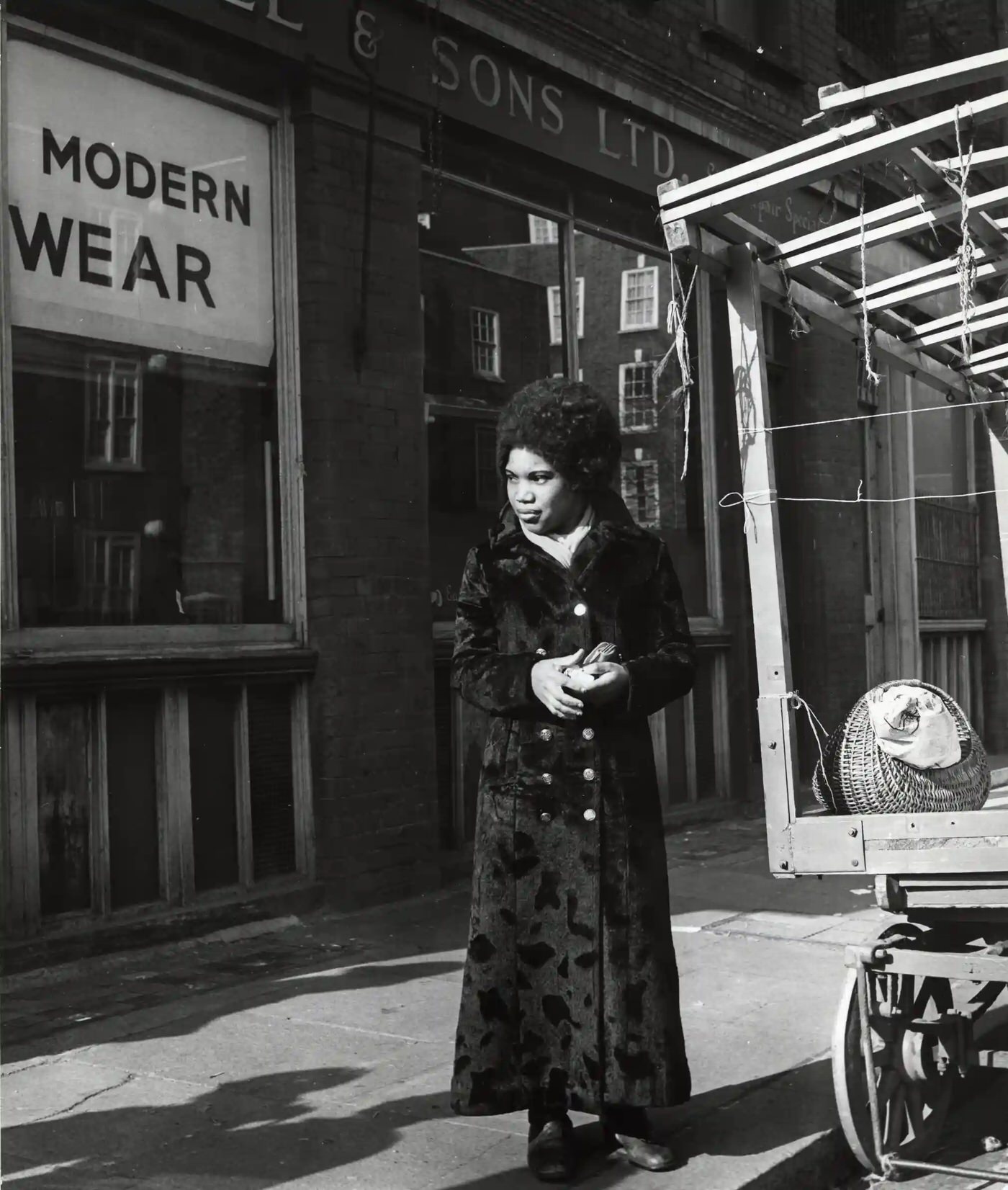
St Paul’s Church in Covent Garden provided a striking backdrop to the market below. Street performers and vendors worked the area around the portico, blending the theatrical with the commercial in a way that defined the Covent Garden of that era.

Bohm’s camera recorded the texture of daily working life across these markets — the worn hands of vendors, the stacked crates, the fleeting expressions of buyers mid-transaction. Each frame is a direct record of a London that existed before redevelopment reshaped so many of these spaces.