
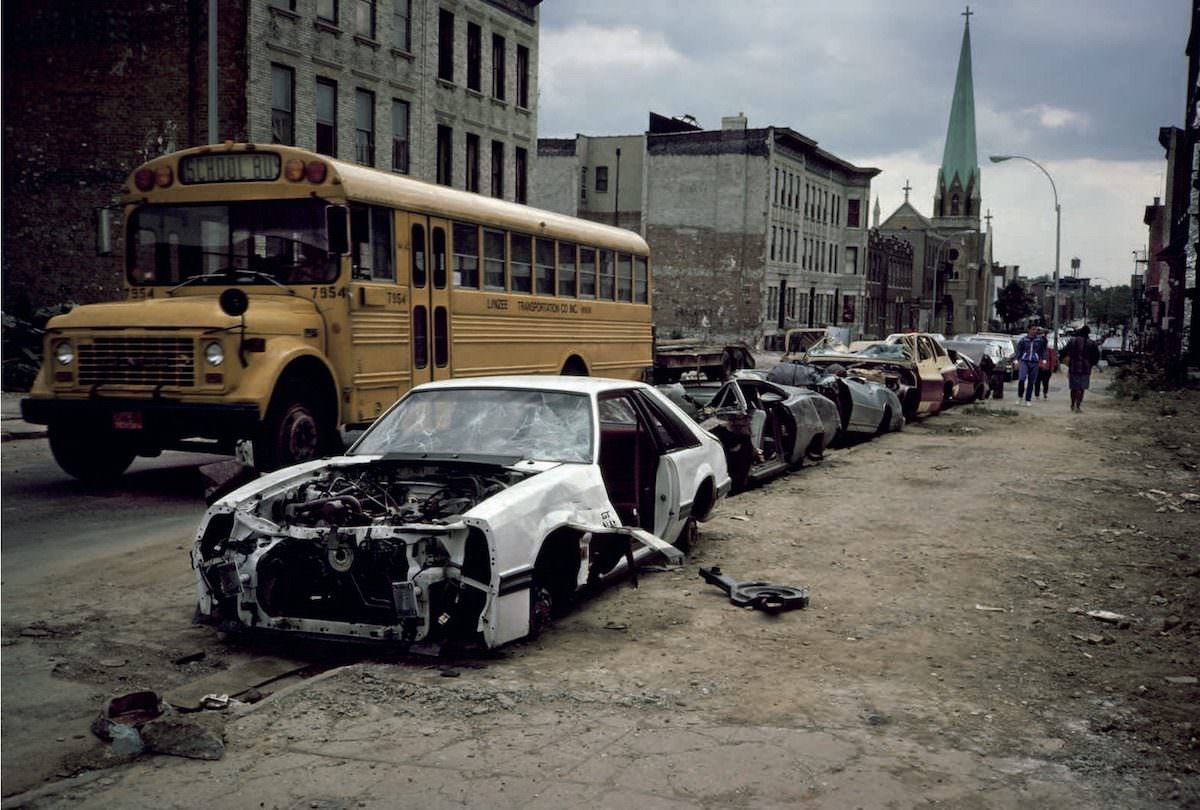
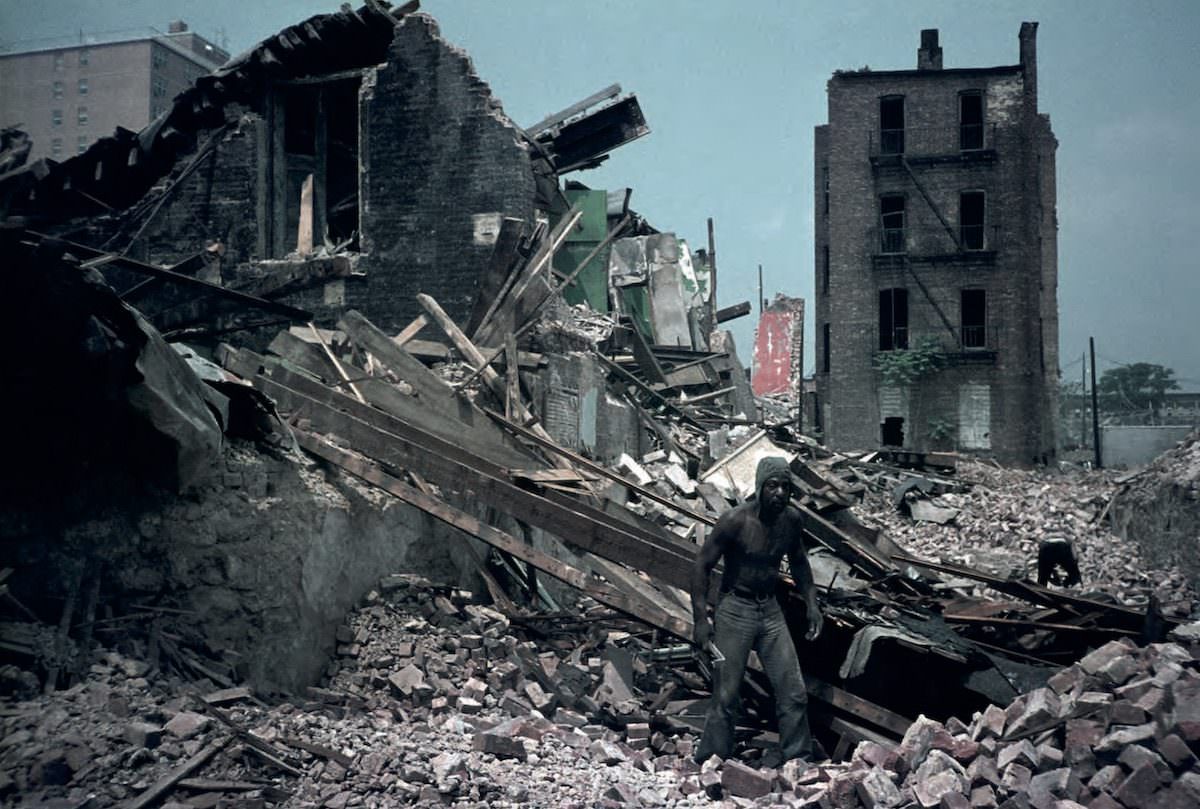
In 1981, photographer Meryl Meisler took a job as an art teacher at Intermediate School 291 in Bushwick, Brooklyn. The neighborhood she arrived in was battered. Abandoned buildings lined the streets, and the area carried the weight of years of poverty and neglect. It was a sharp contrast to the Manhattan disco scene she had been documenting just years before. Rather than turn away, Meisler stayed — and she brought her camera.
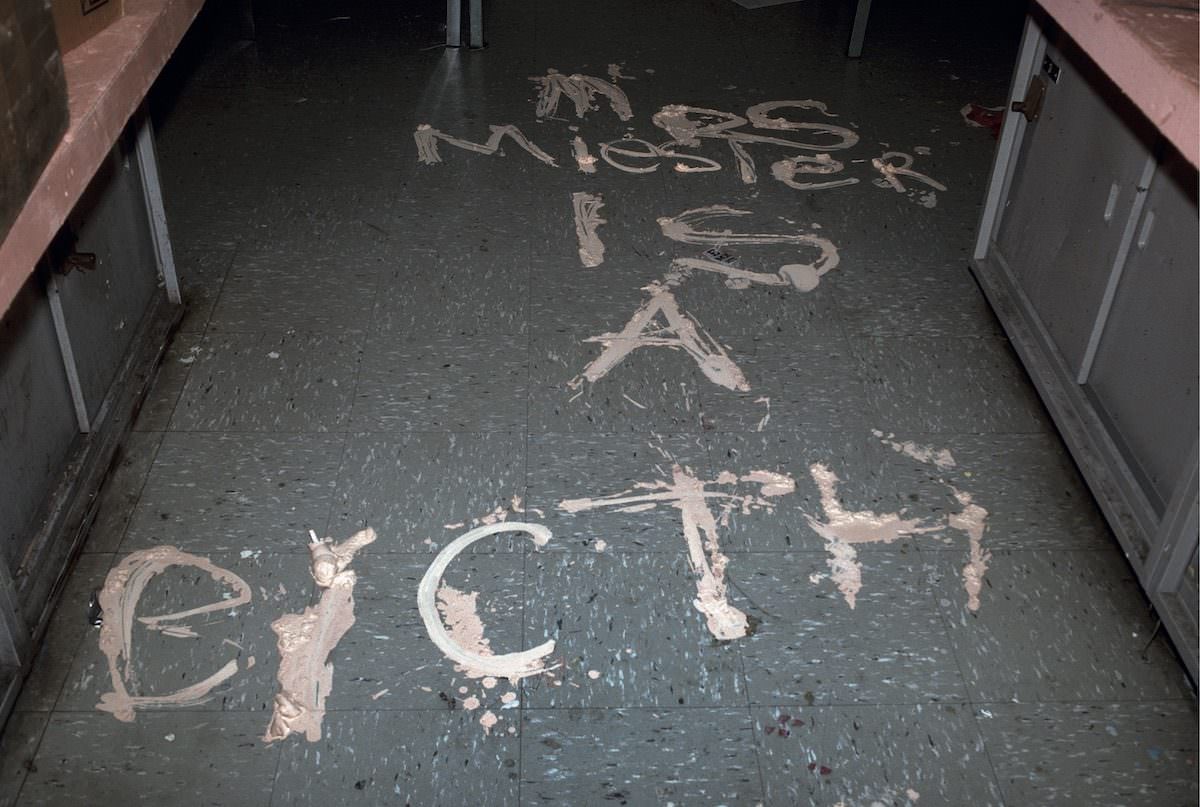
At first, she was cautious. A past theft had made her hesitant to carry expensive equipment through the streets. So she started simple, using a point-and-shoot camera to capture what she saw on her daily walk to and from the subway. Each block had its own rhythm, its own cast of characters, and its own crumbling architecture that seemed to hold stories from decades past.
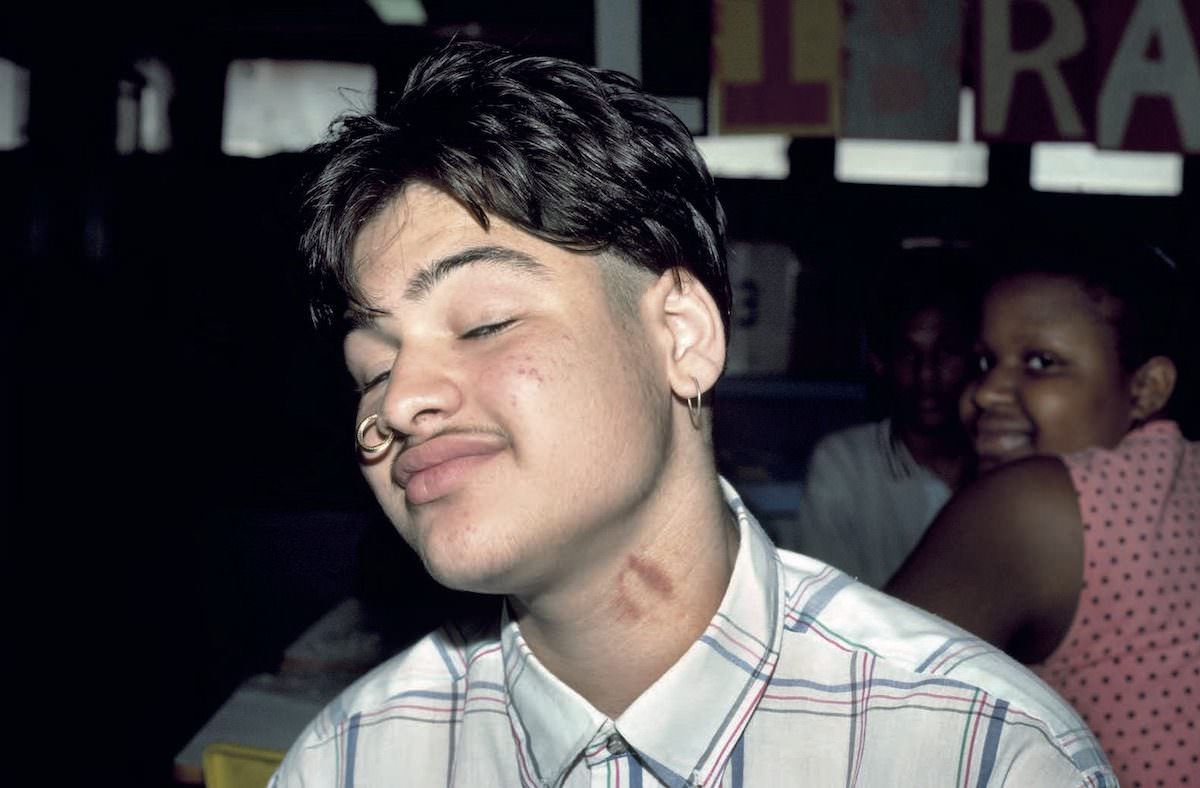
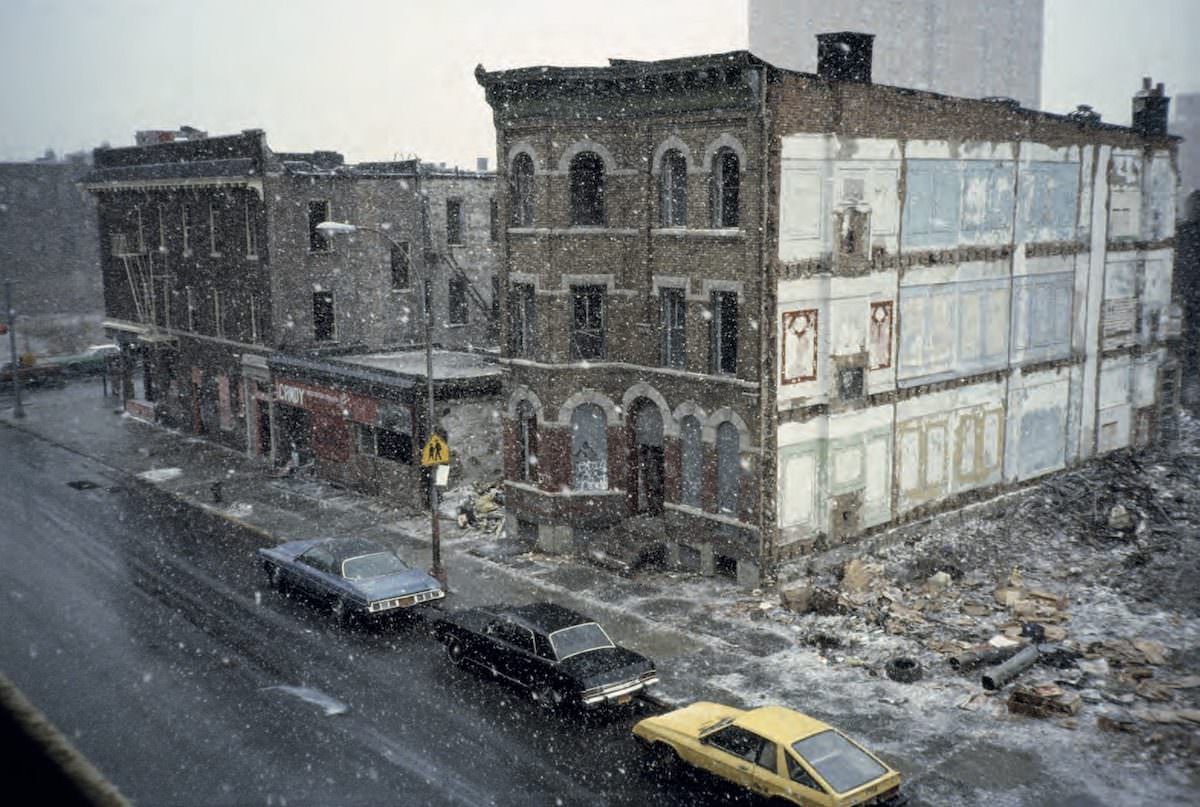
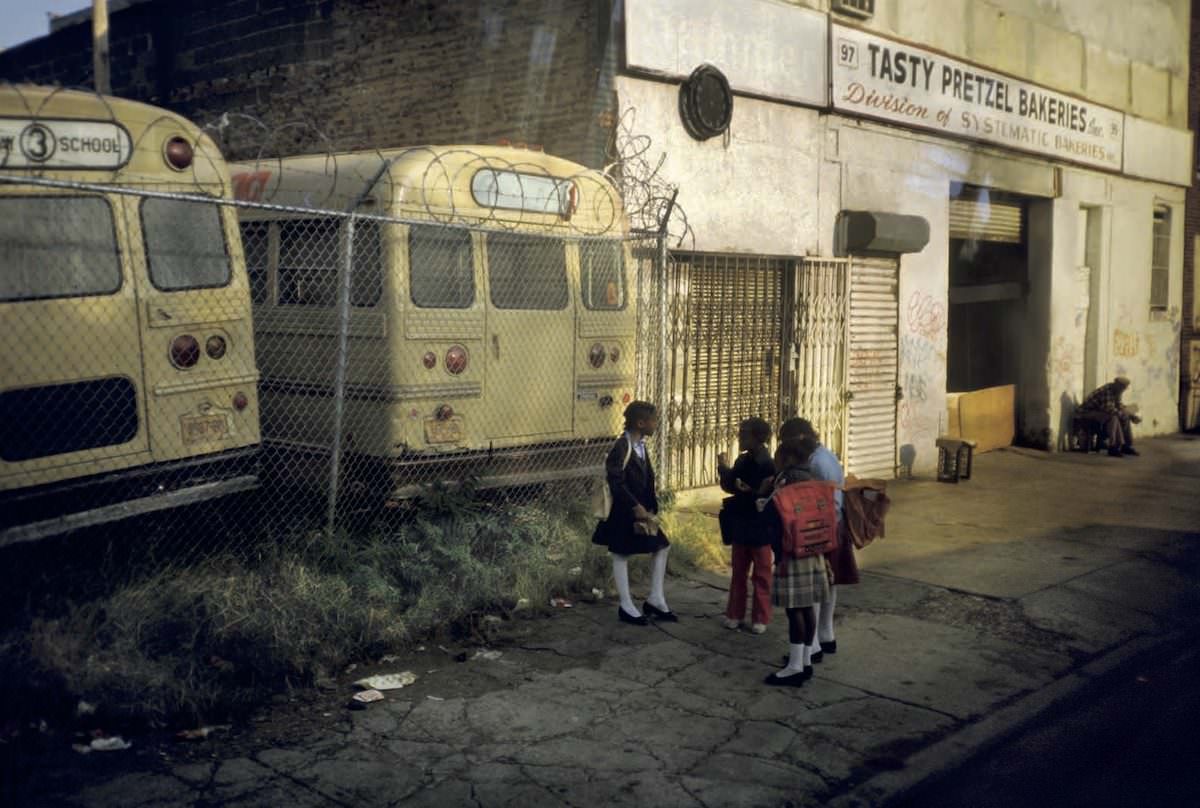
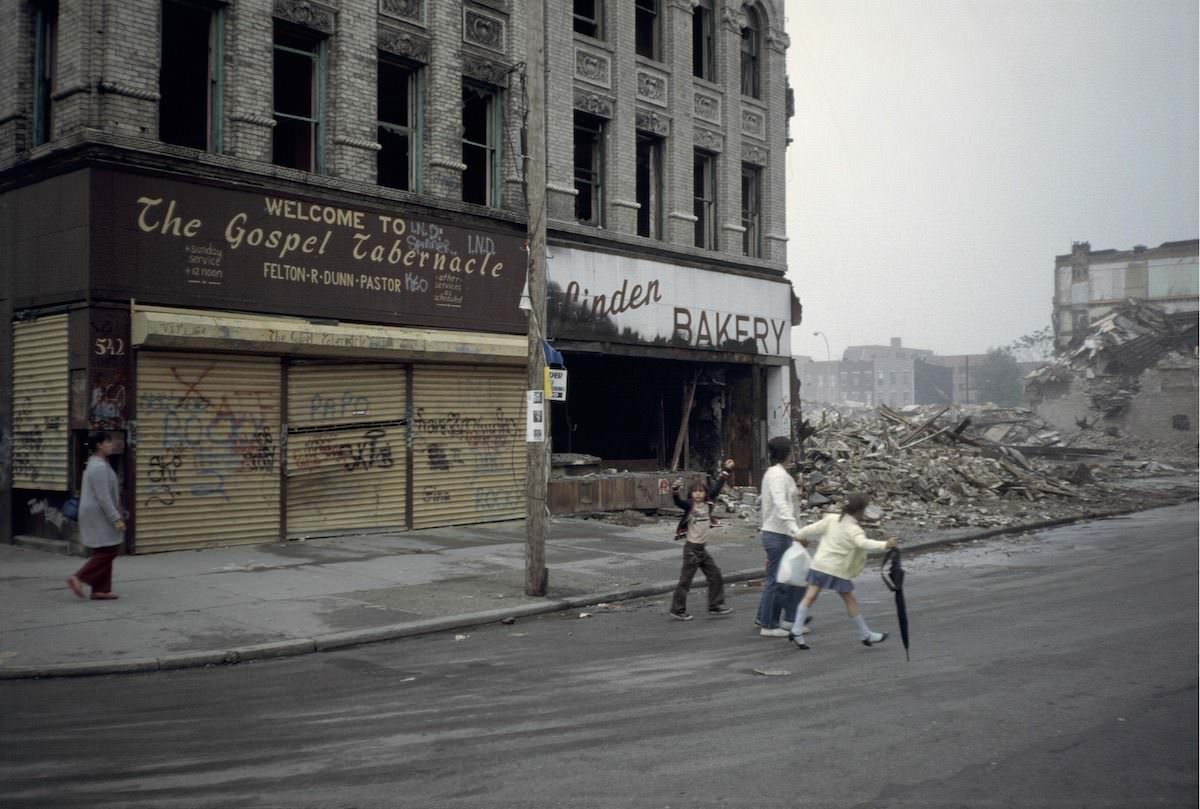
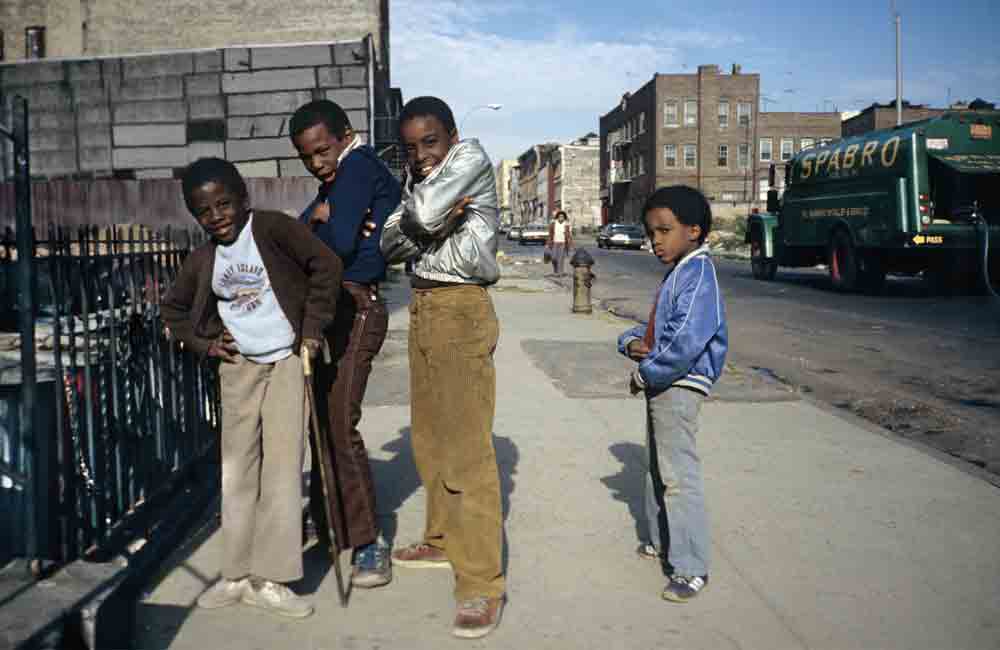
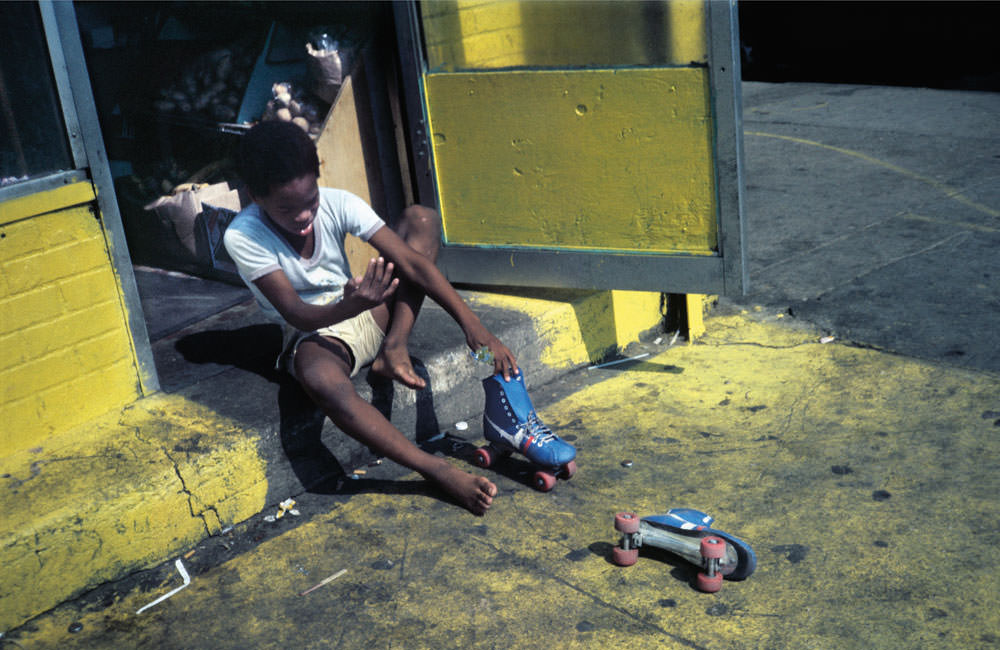
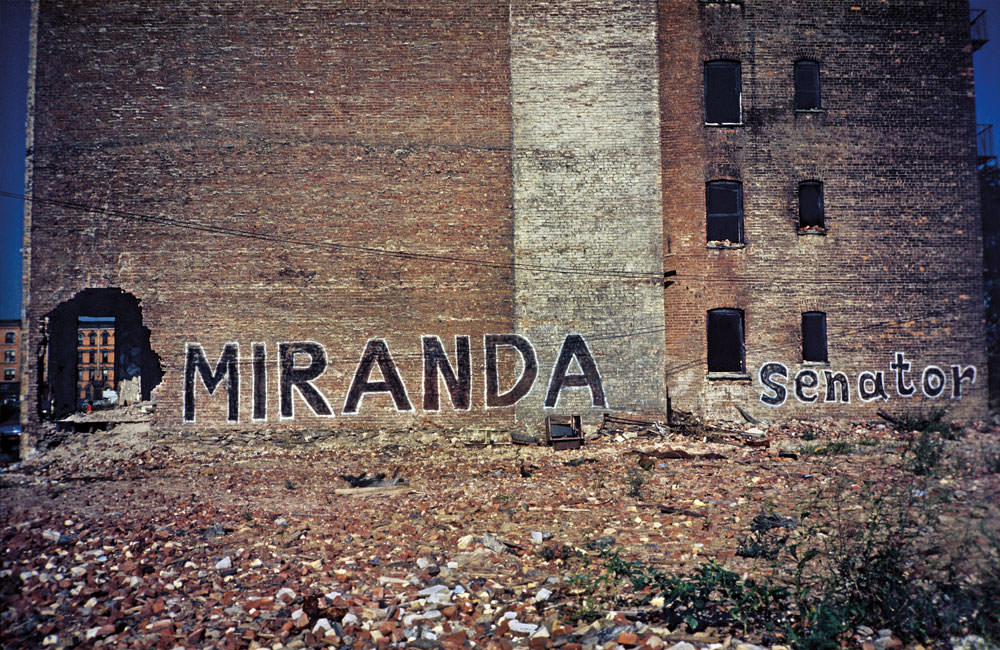
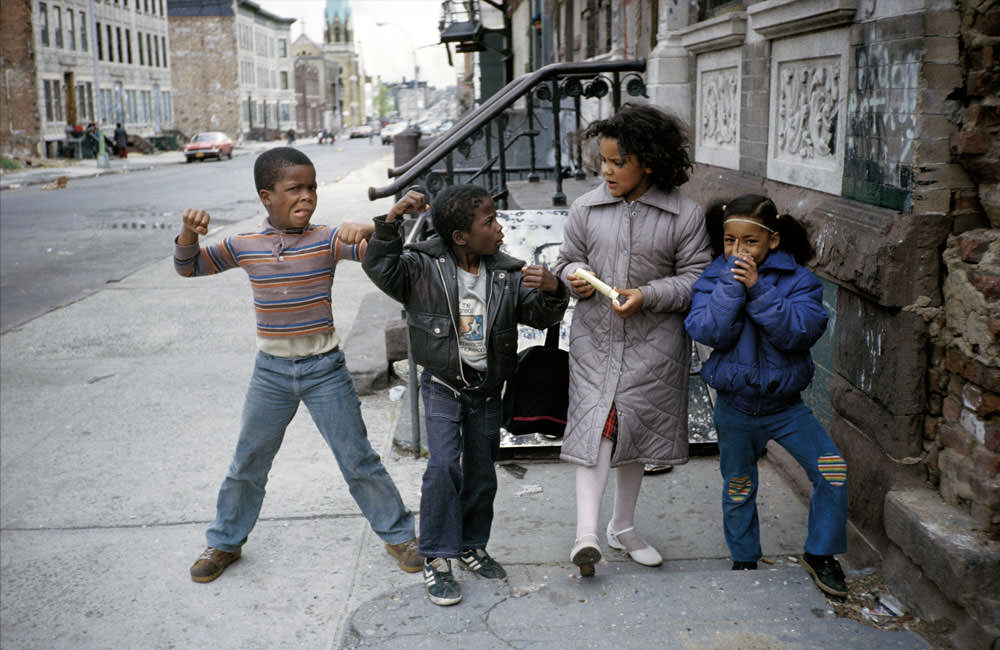
Meisler’s photographs reveal a neighborhood of sharp contrasts. Children played in rubble-strewn lots next to derelict structures. Small businesses, churches, and bakeries held their ground on streets that showed every sign of hard times. The school itself served as more than a place of learning — it was a refuge, a daily constant in an otherwise unpredictable environment.
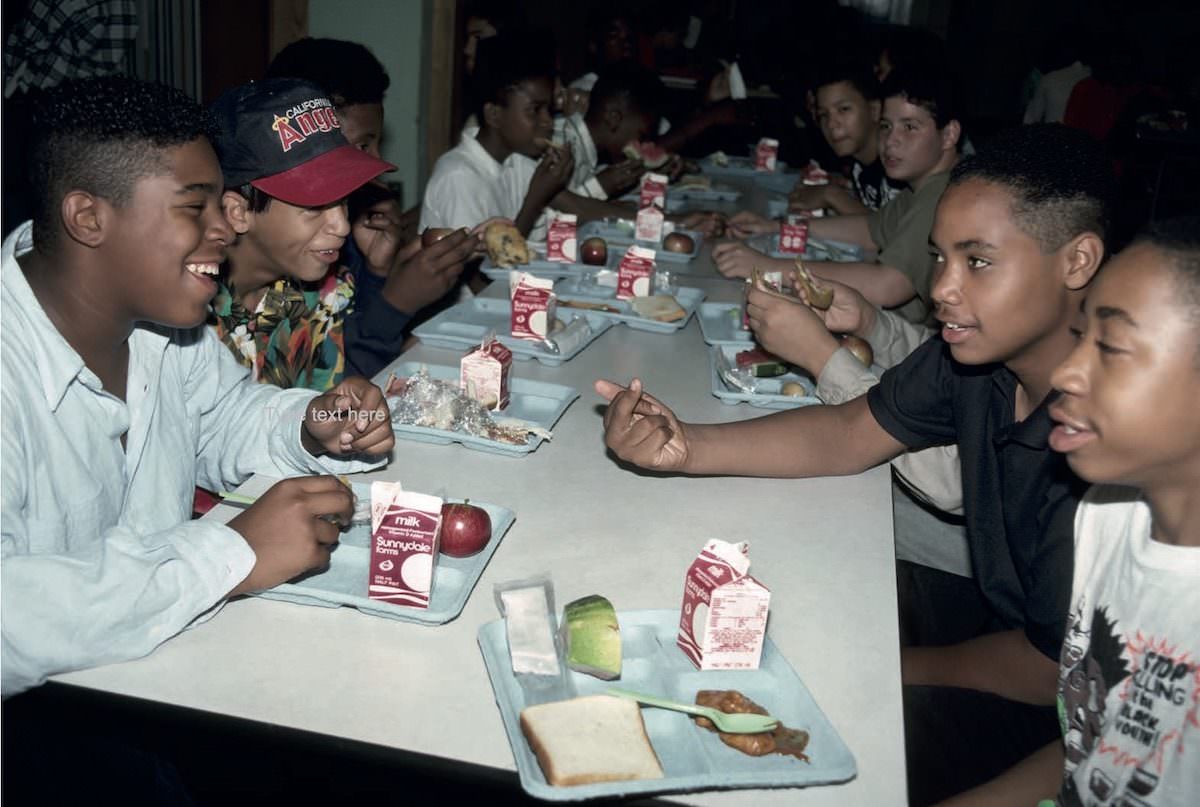
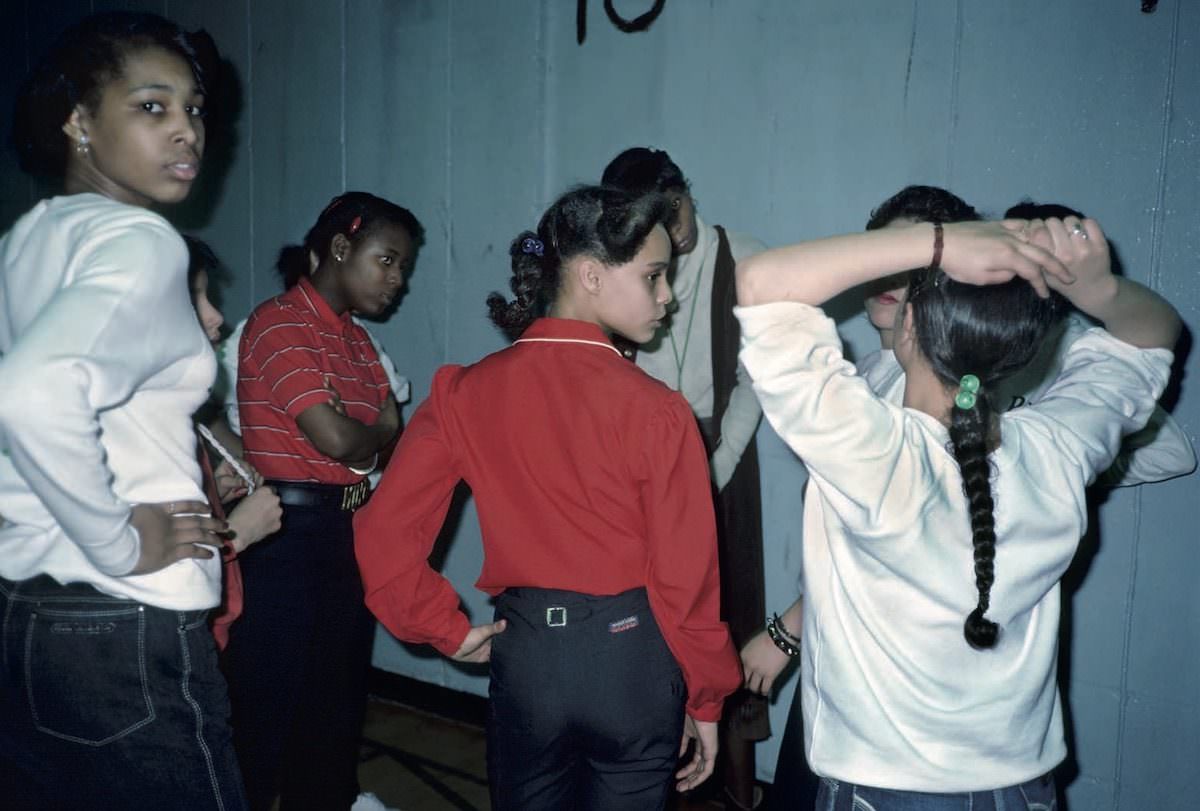
Inside IS 291, Meisler photographed the unguarded moments that defined school life — gym class debates, cafeteria gestures, classroom interactions, and the quiet presence of community volunteers. These images show students not as victims of their surroundings, but as young people living full, expressive lives.
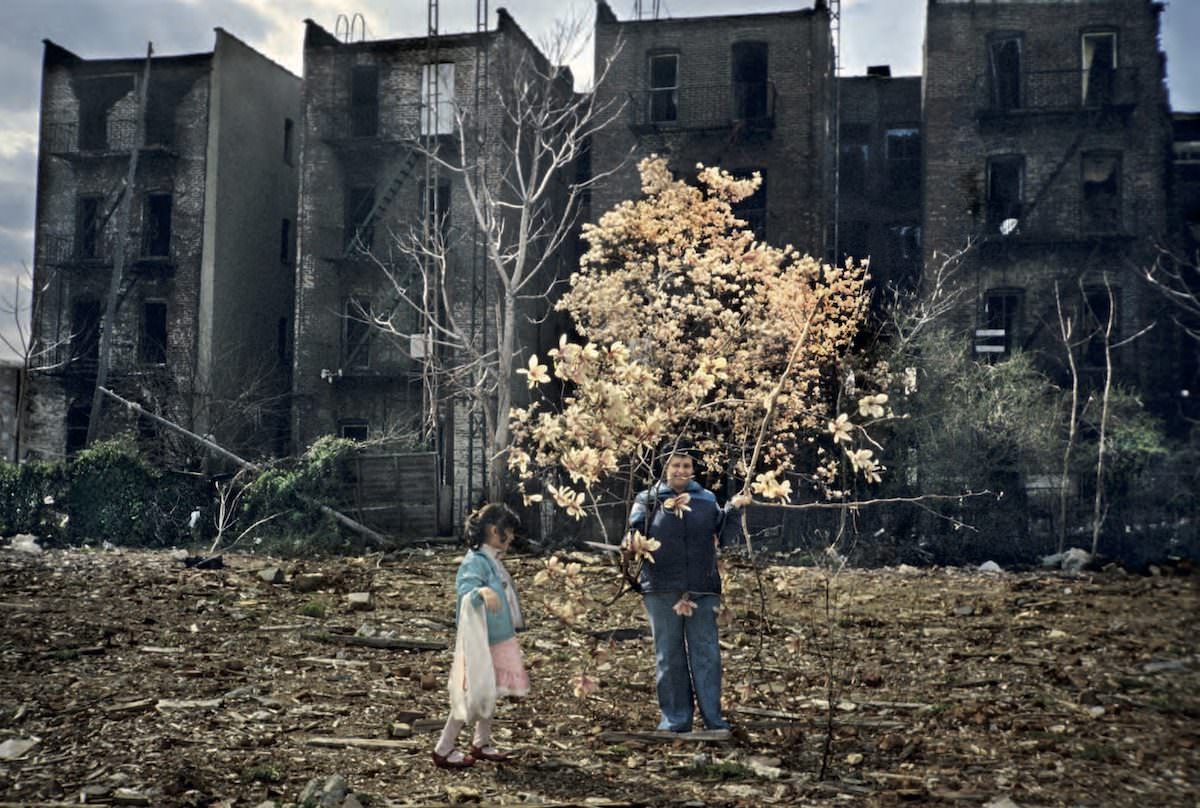
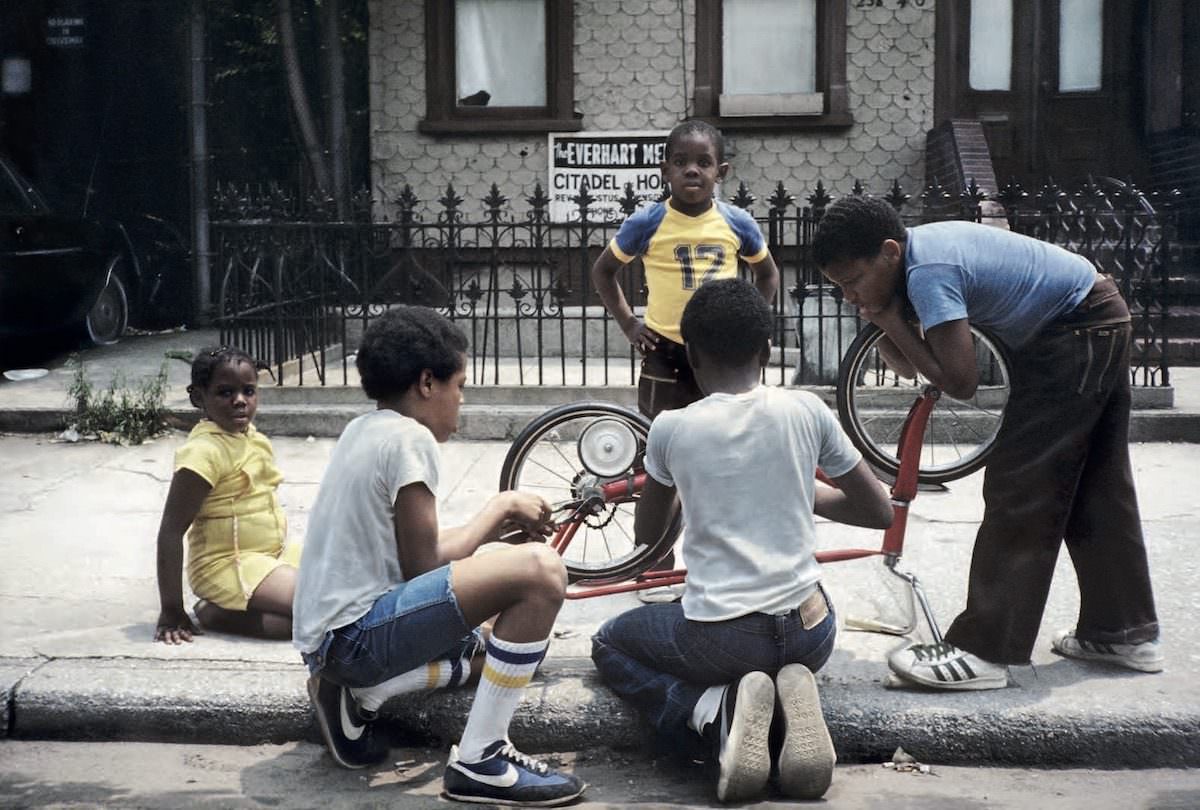
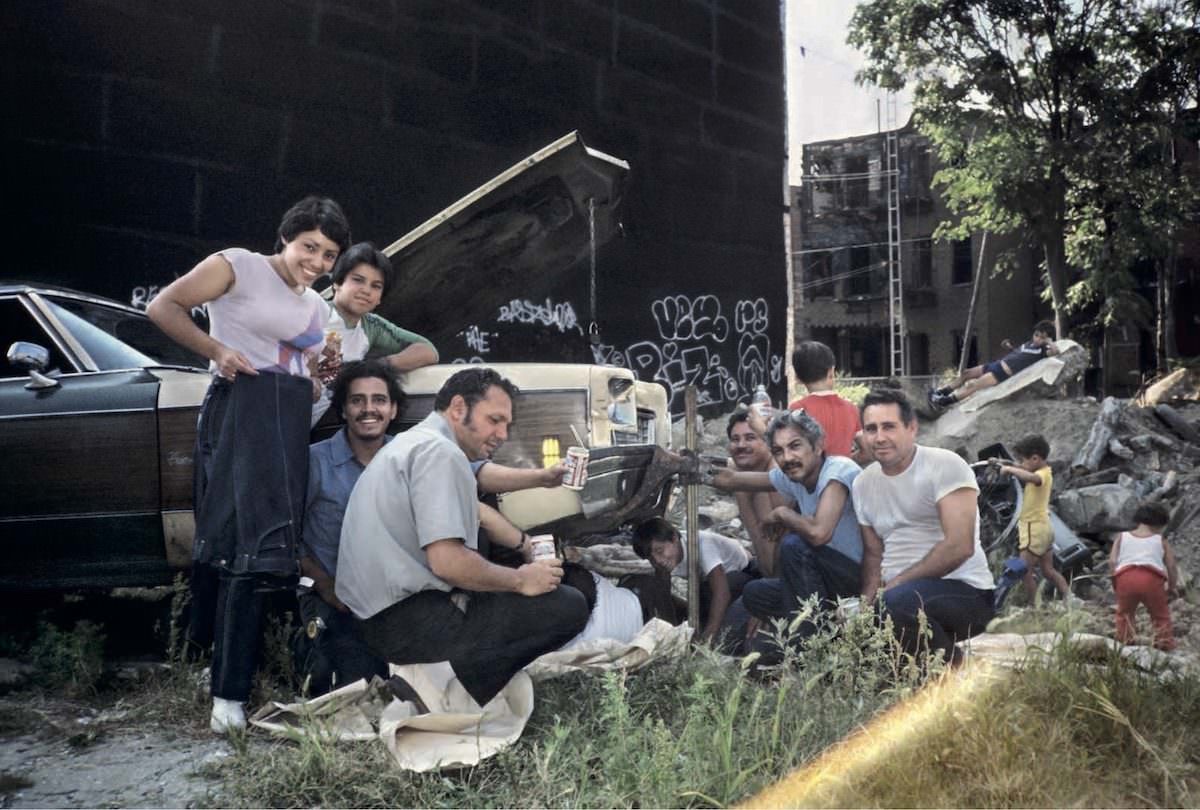
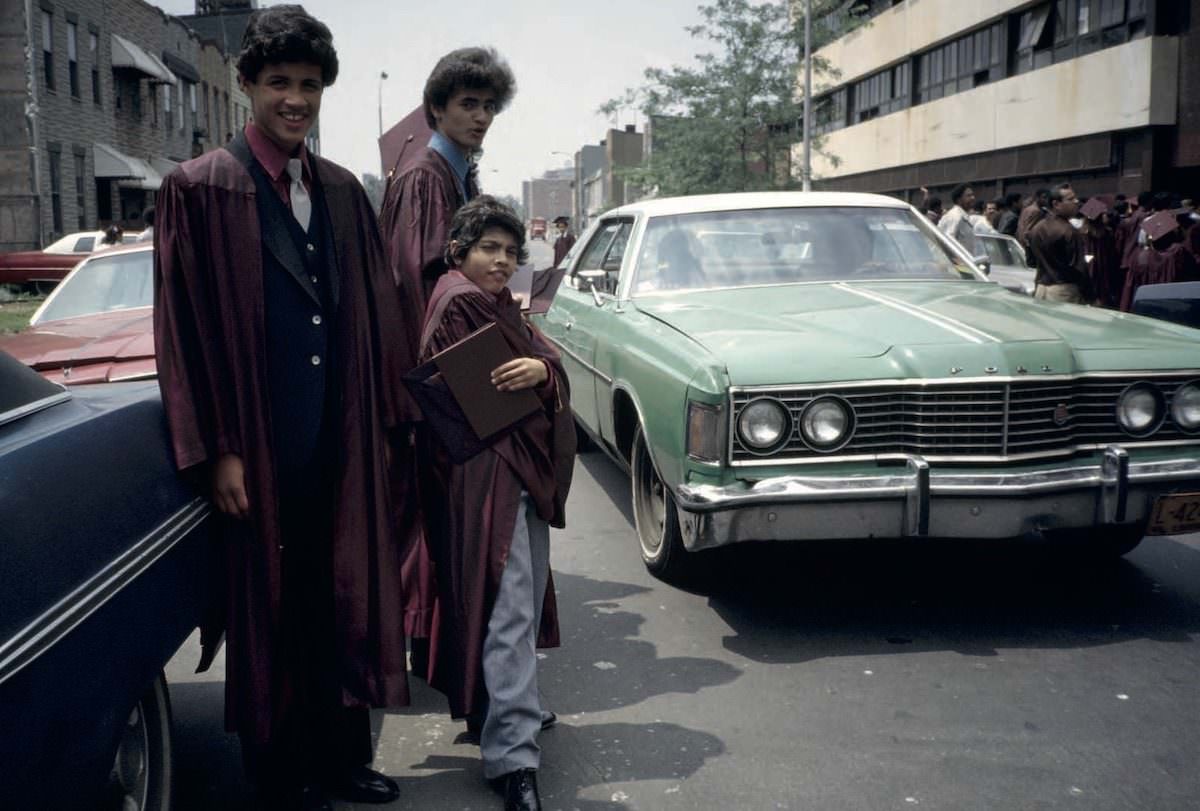
Street life outside the school was equally vivid. Meisler documented neighbors, local figures, and everyday scenes that rarely made it into mainstream news coverage of the area. A man in a hood on Gates Avenue, kids posing near parked cars on Palmetto Street, a handshake caught mid-frame — each photo locked in a moment that would otherwise be lost.
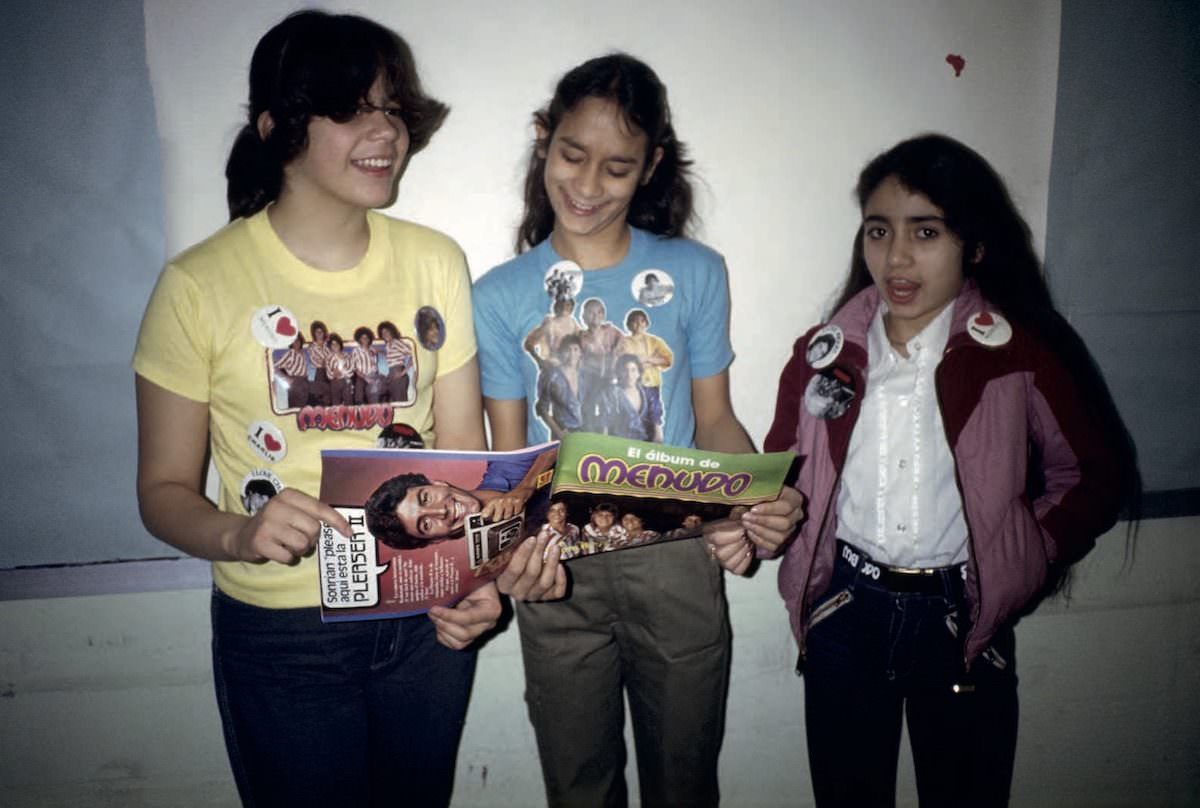
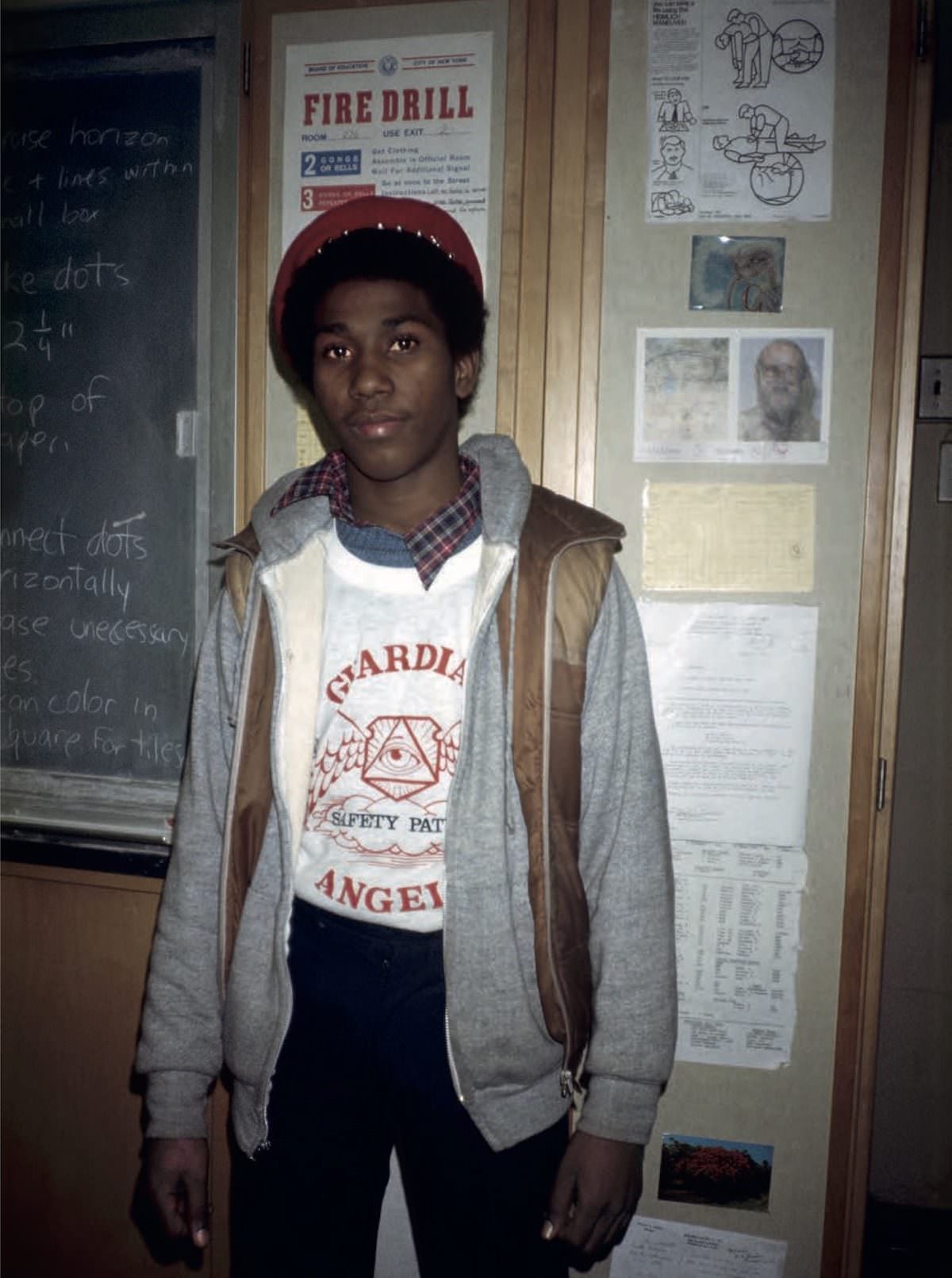
Community groups also appear throughout her work. A Guardian Angel photographed inside her classroom speaks to the organized civilian safety patrols that operated in high-crime New York neighborhoods during this era. Local politicians, performers, and ordinary families all found their way in front of Meisler’s lens.
The collection, showcased in the “Bushwick Chronicle” exhibition, spans roughly a decade of street and school photography. It covers Bushwick at one of its most difficult periods — a time when city services were stretched thin and entire blocks sat abandoned after the arson fires of the 1970s had swept through the borough.
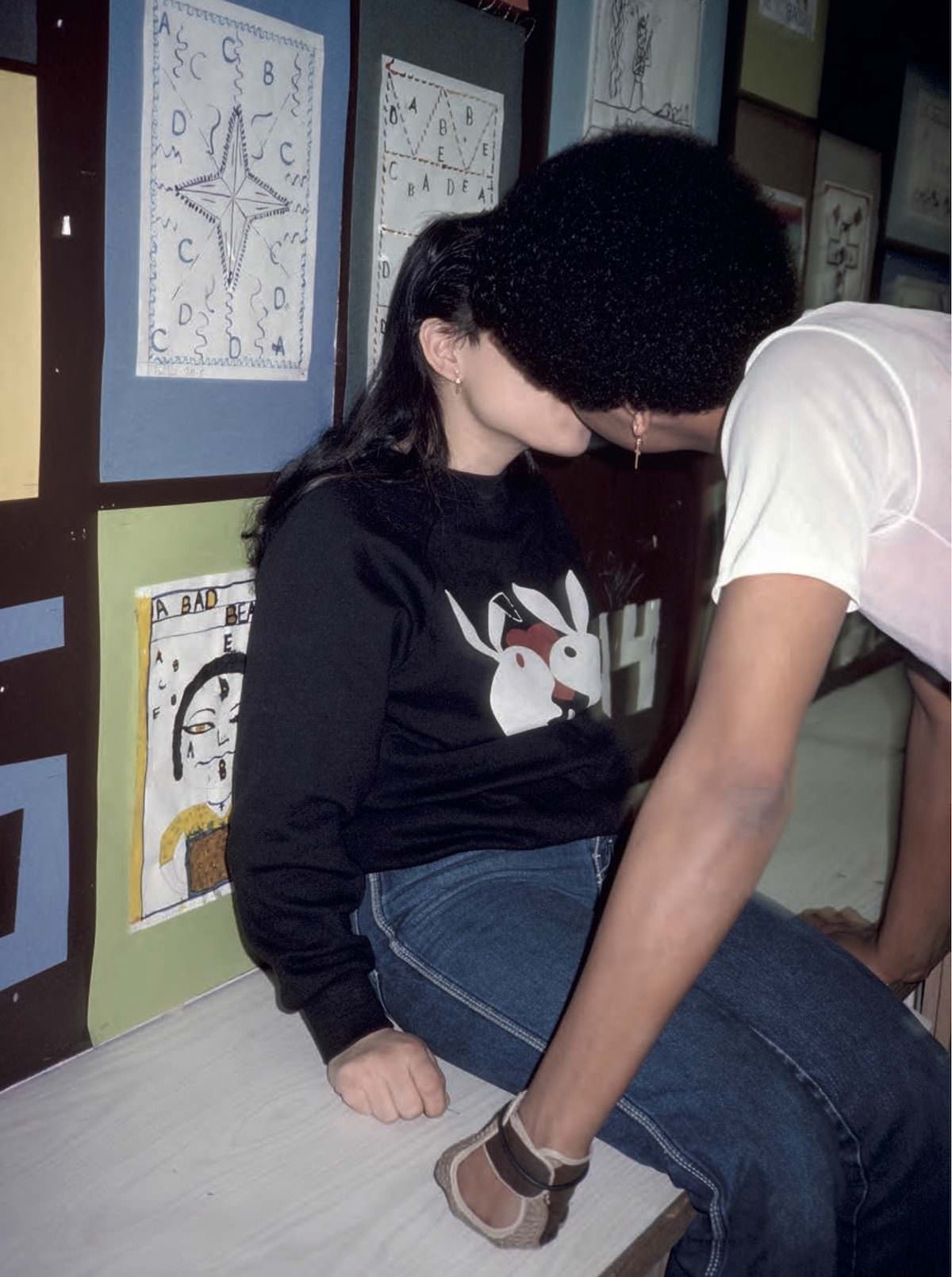
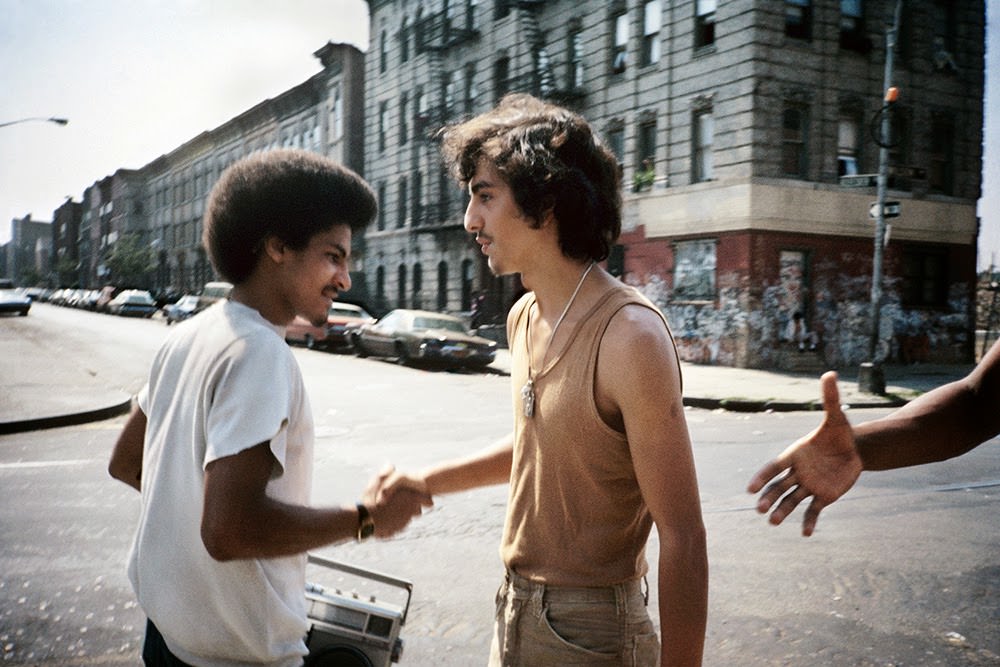
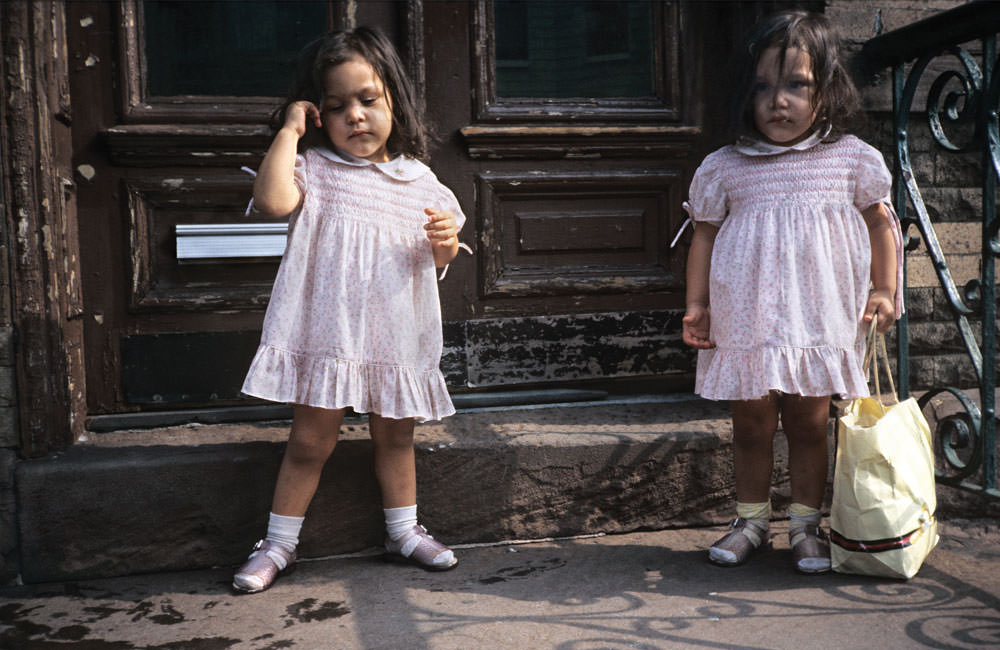
What stands out across the entire body of work is how direct the images are. Meisler didn’t frame Bushwick as a cautionary tale or a crisis zone. She photographed it as a living neighborhood — full of personality, humor, struggle, and community. The people in her photos are present, aware, and fully themselves.
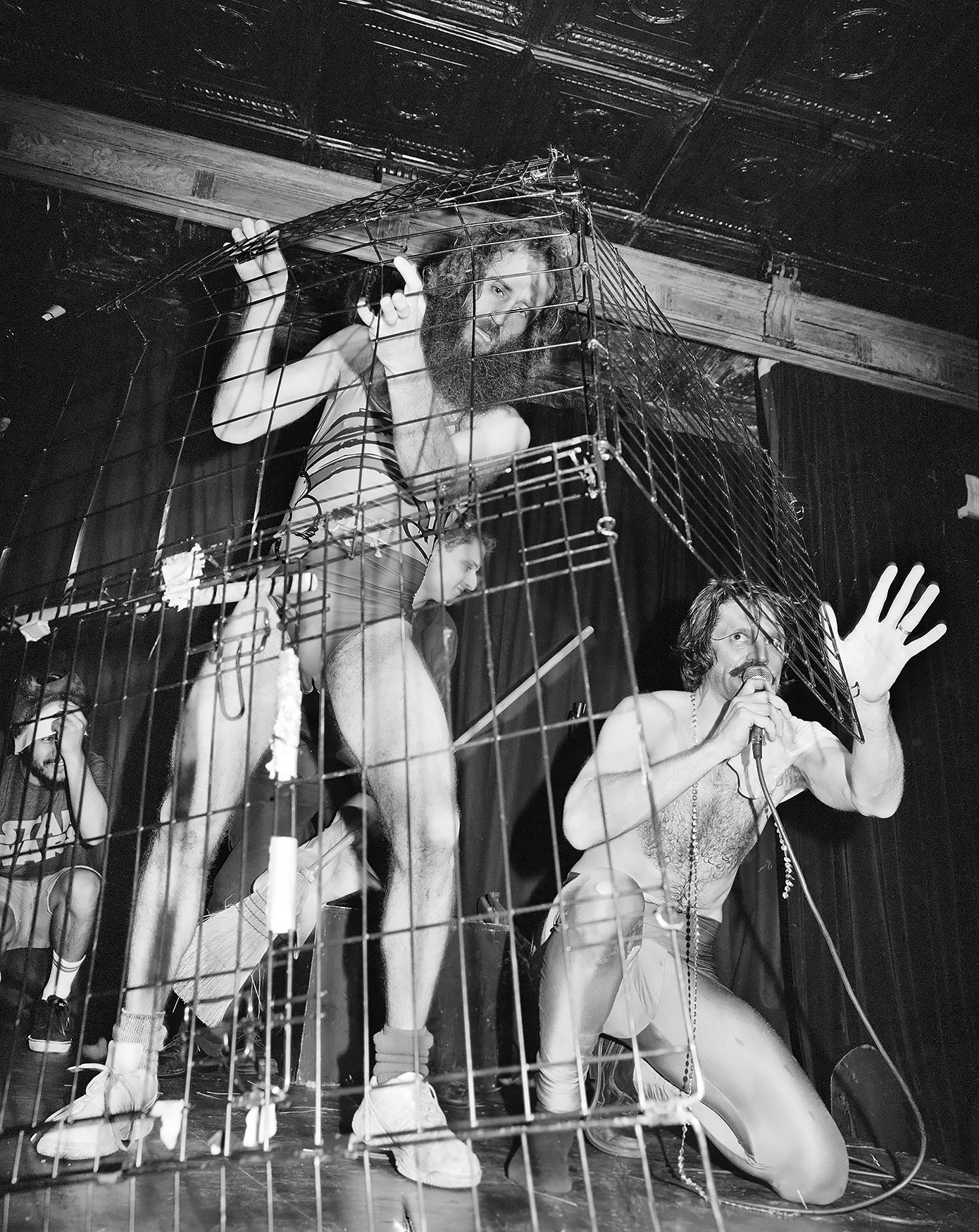
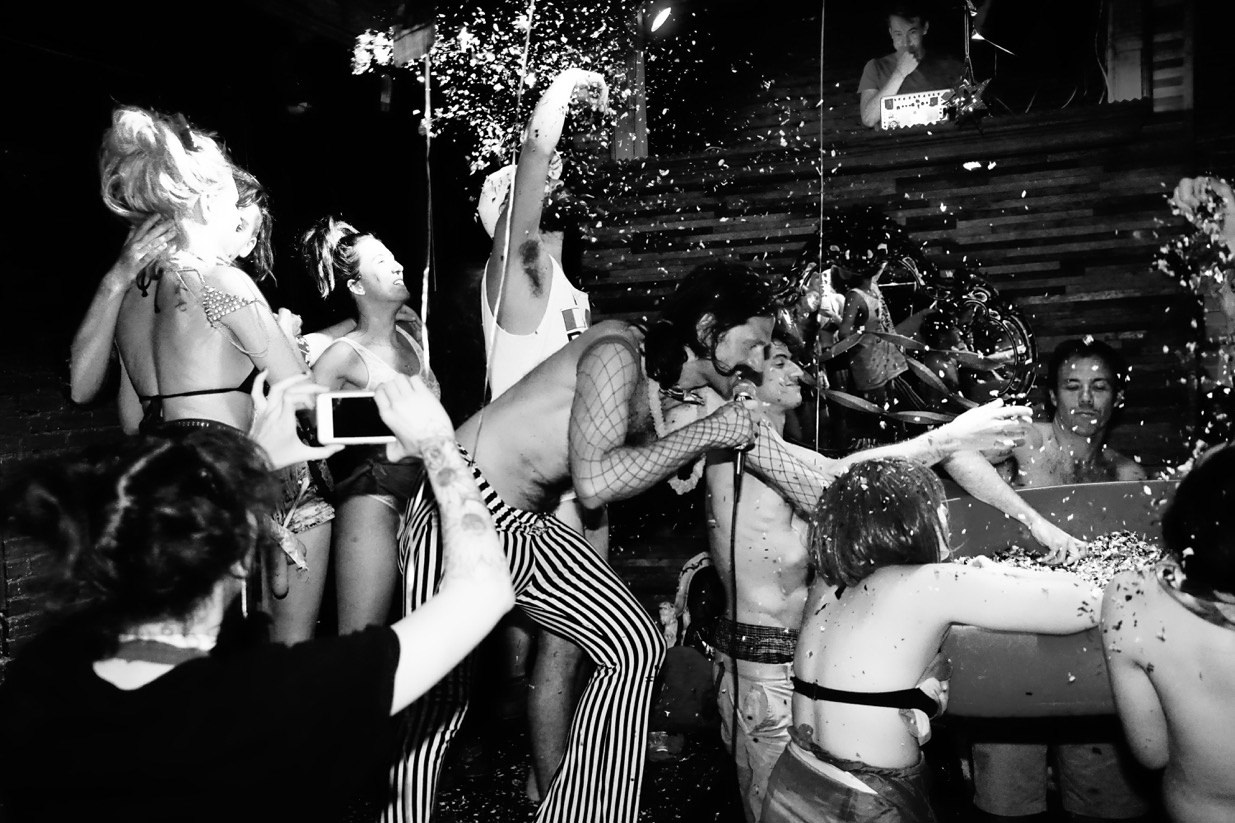
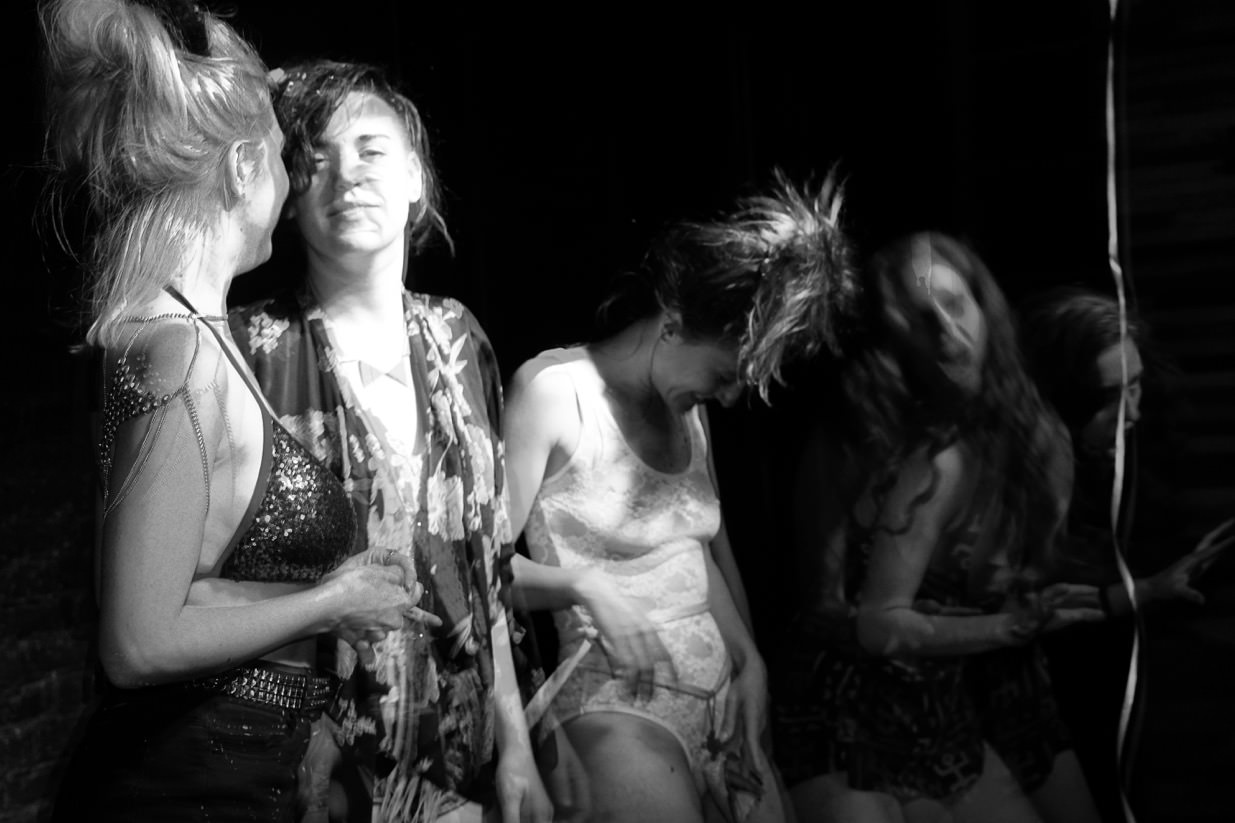

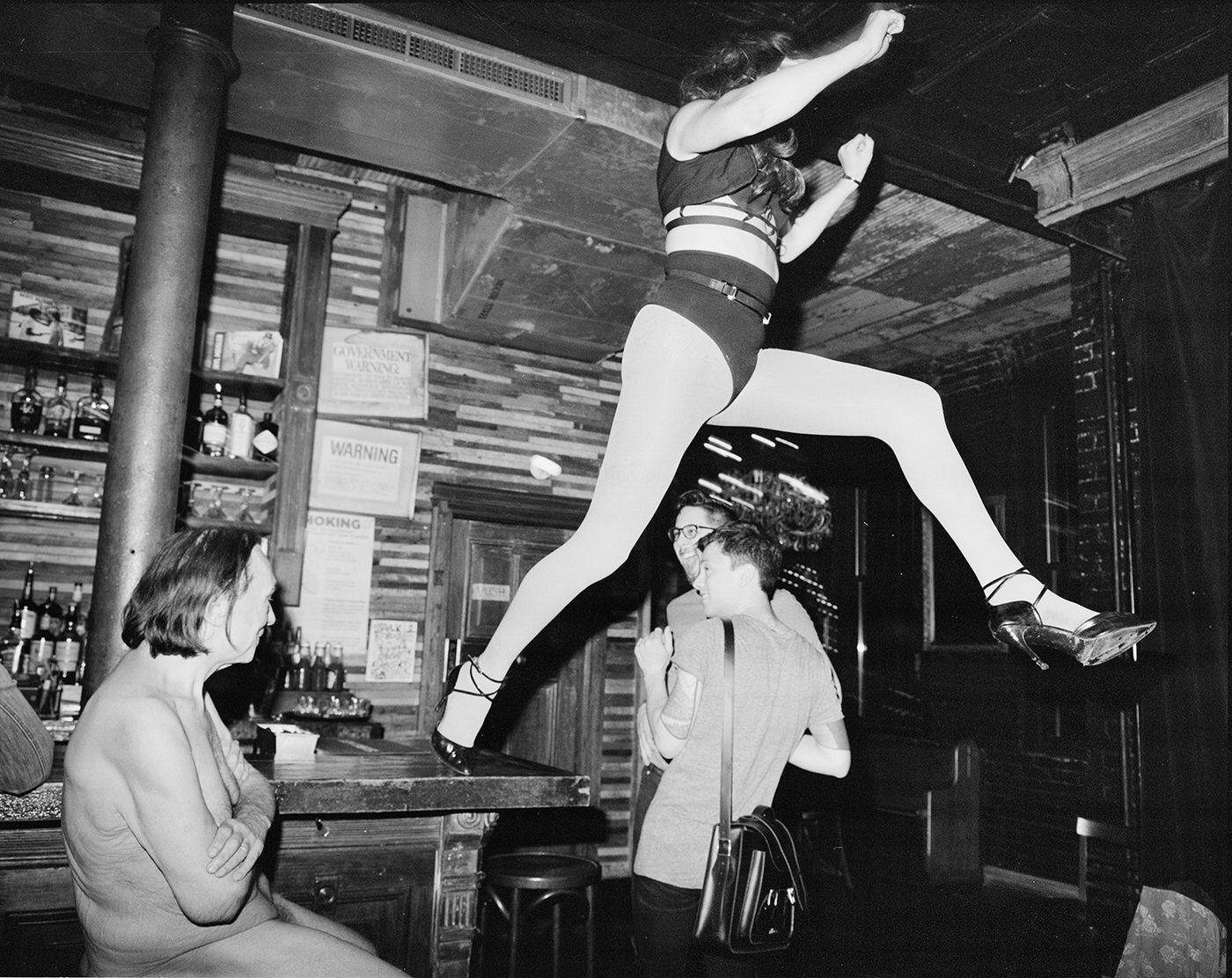
Meisler also documented local events and street performances that brought brief moments of spectacle to the neighborhood. Performers resting on stoops and umbrella dancers performing in open spaces captured the creative energy that persisted even in hard circumstances.
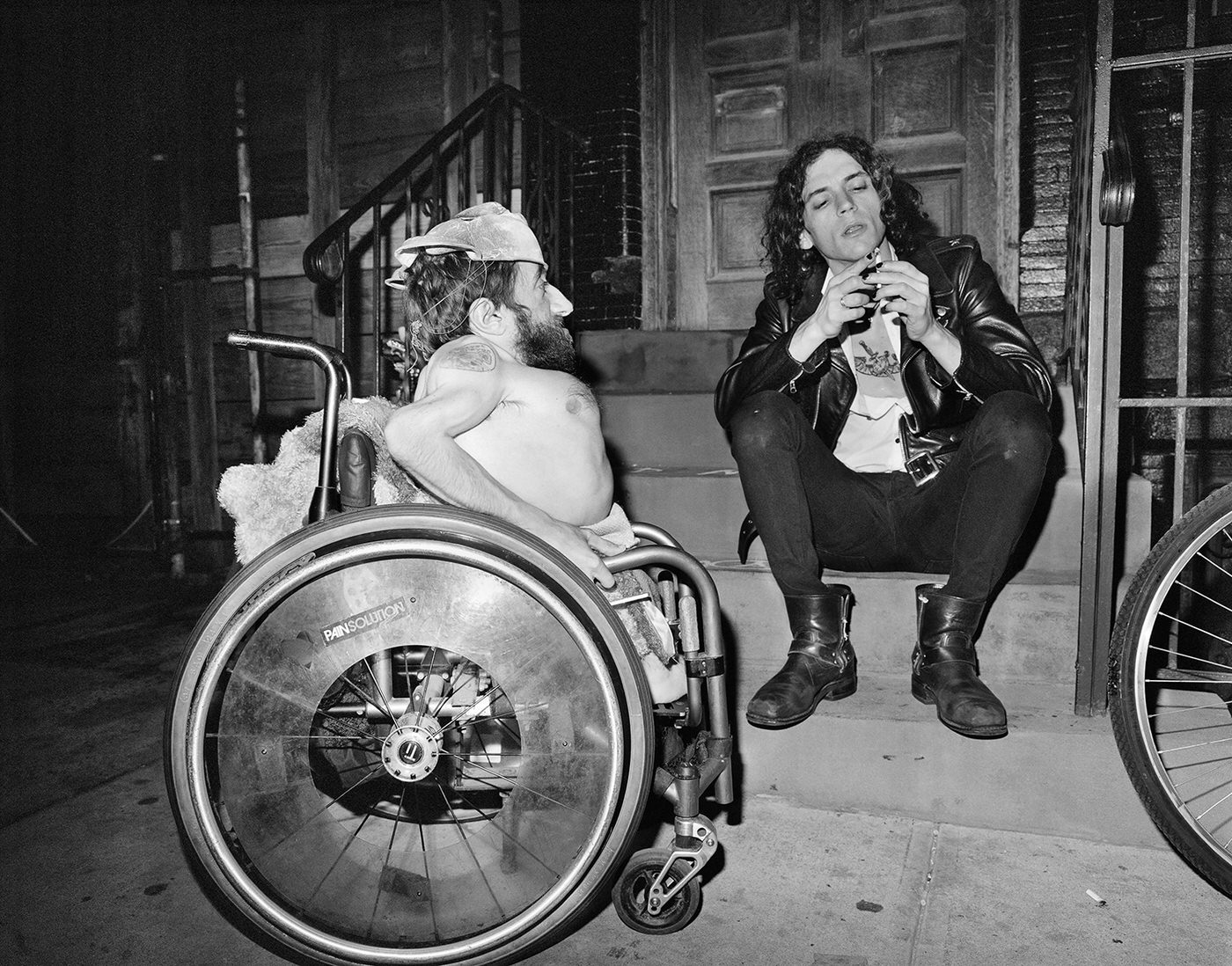
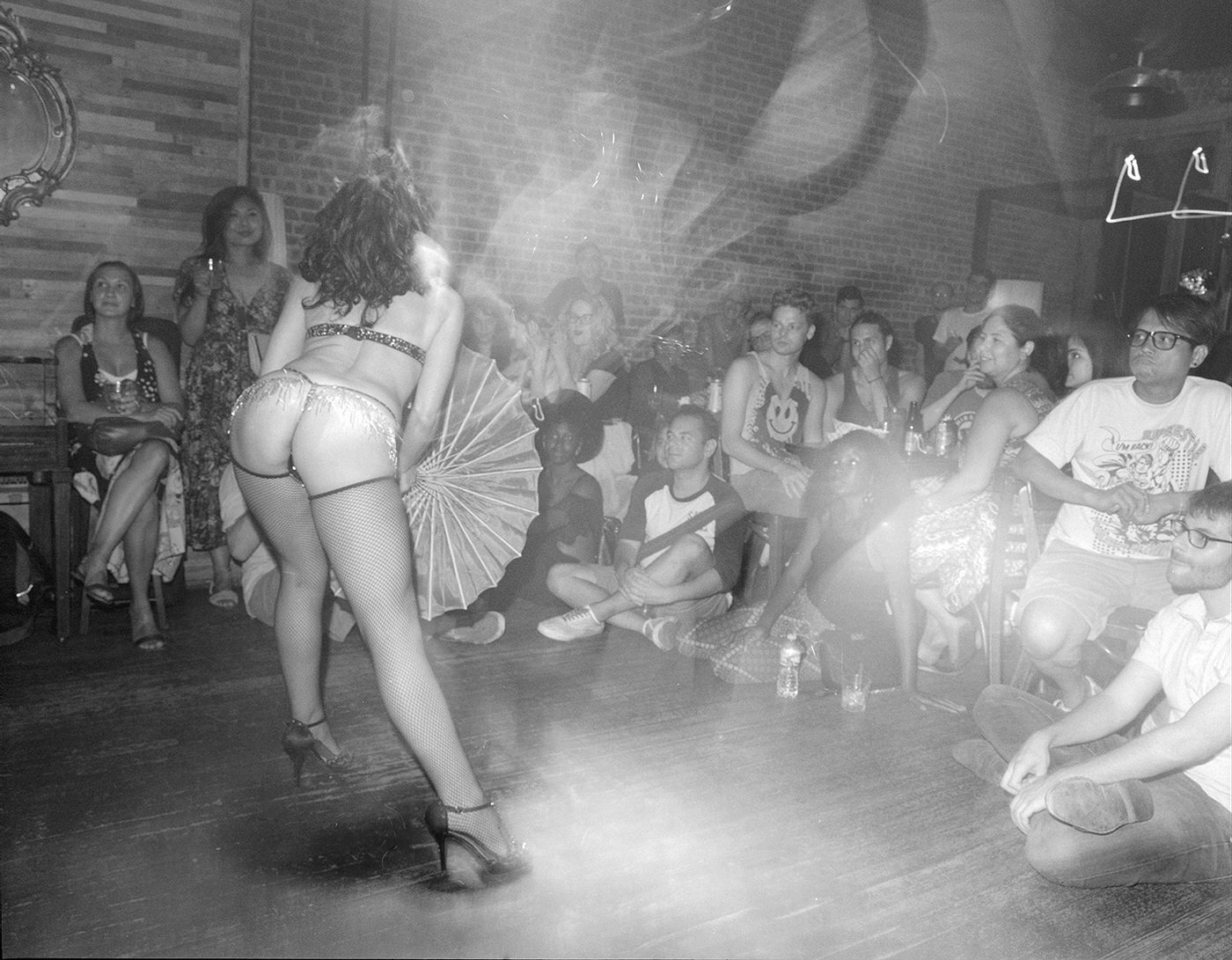
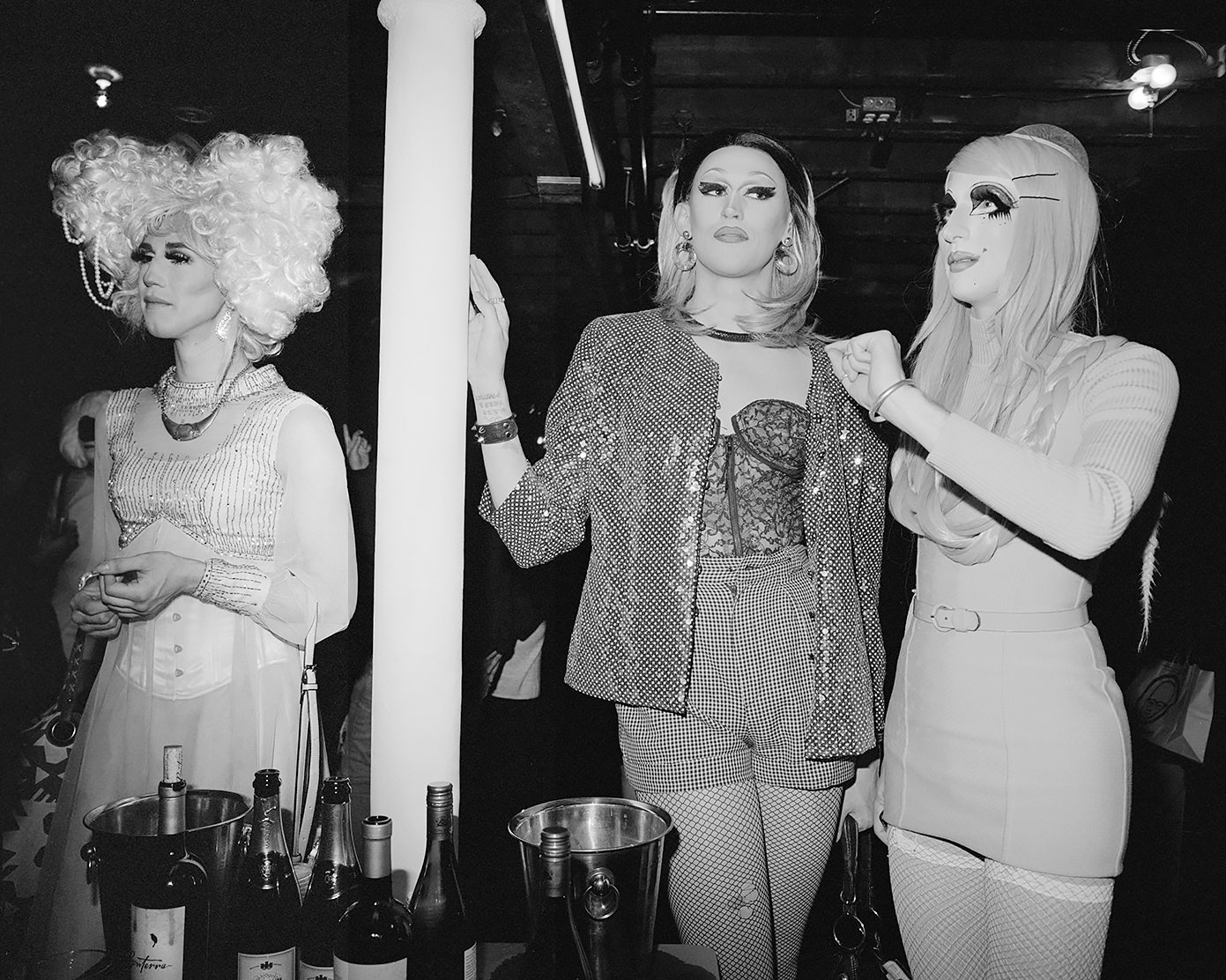
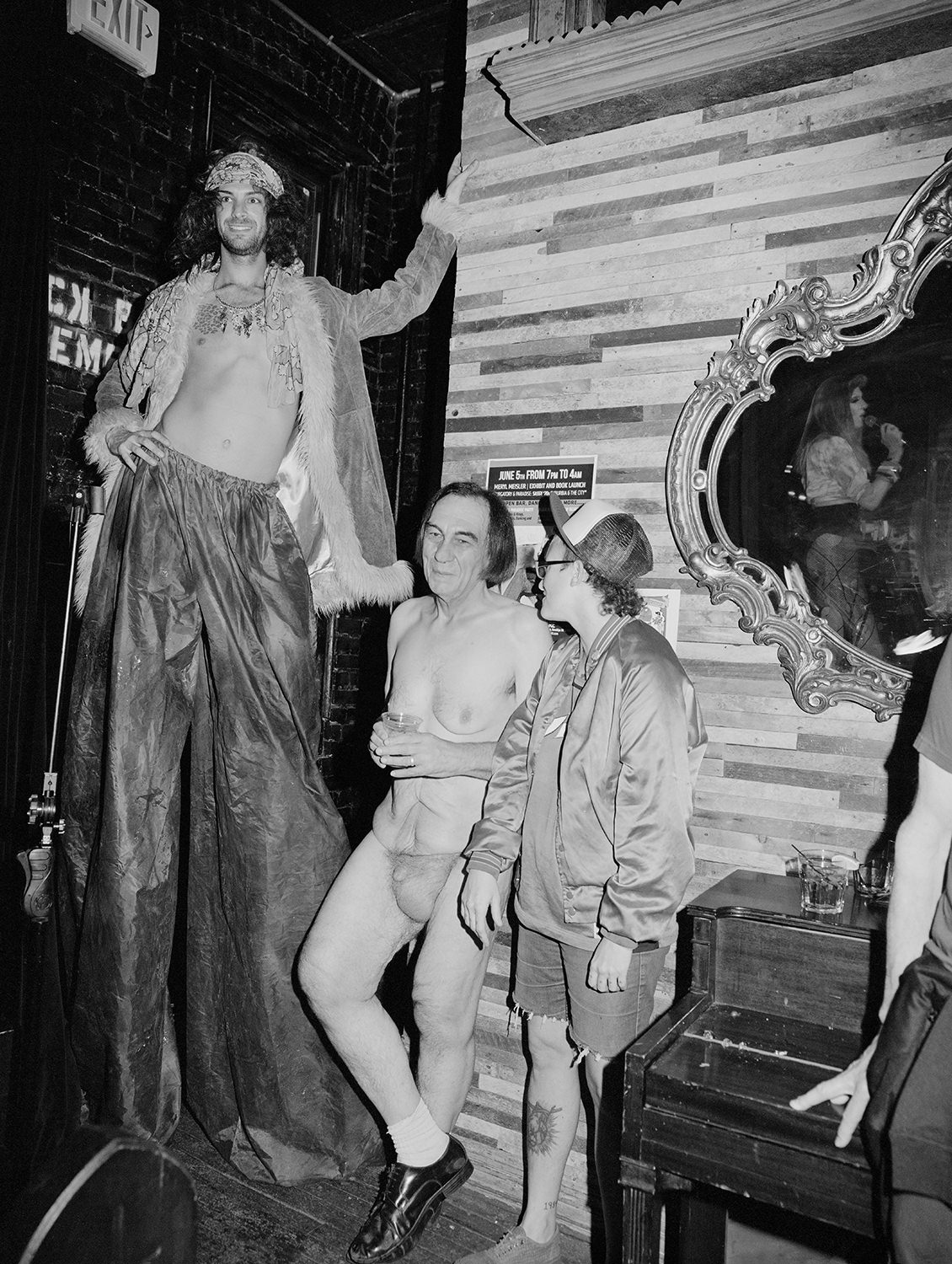





I think the party pics are of places in Manhattan, I’d love to be corrected though and know there was a scene back then in this area. Boy oh boy teach was up to some seediness after class was dismissed.
Some of those aren’t from the 80s and are more recent but cool window into a different time
The style in some of these photos is unparalleledd
Bridgehamton type post
This was pretty cool, but it looks like it jumps to present day at #23 – I can recognize Matthew Silver anywhere…
Yeah, a handful of pictures look like they‘re from bizarre bar when it was still open.
So much rubble and dirt sidewalks
“Ah the good ole days, back when the neighborhood had real community” – Some idiot that’s been living here 18 months
Dogshit collection. I remember Brooklyn in the ‘80s. Dynamic carired place. That slummy garbage is a tiny insignificant sliver.
Looks very much like the Bronx at the same time