Hey There! Before You Go. 😧
Get the best vintage content straight into your inbox!

Don't worry, we don't spam

A Photographic History of New York City from 1930s-1950s through the Lens of Weegee

Usher Fellig — known to the world as Weegee — was not a polished studio photographer. He was a self-taught photojournalist who slept in his car, kept a police scanner on at all times, and raced to crime scenes, fires, and accidents across New York City, often arriving before officers on duty. From the late 1930s through the 1950s, his camera captured a city that was loud, dangerous, joyful, and deeply human all at once.
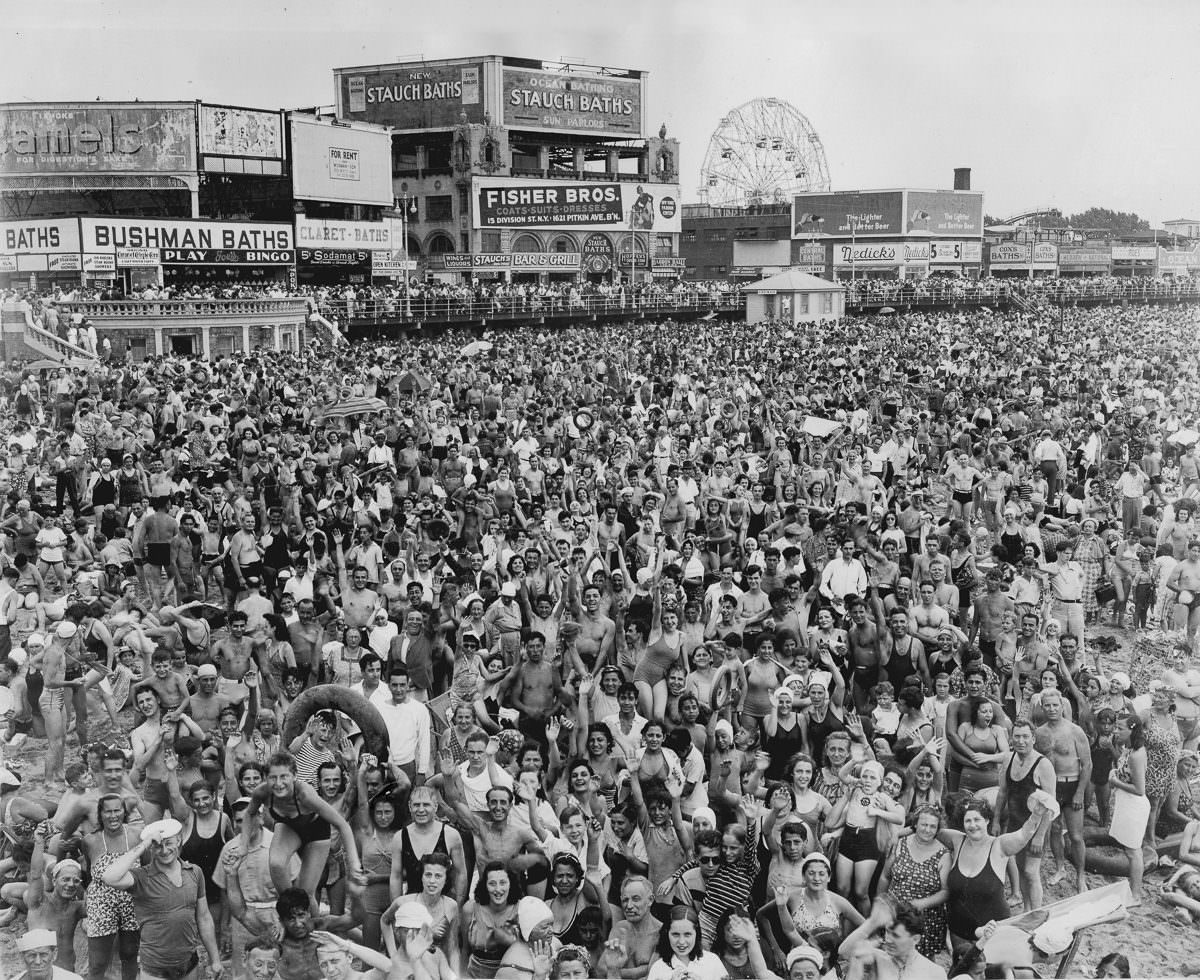
Nobody works on Labor Day, 1939.

Weegee worked the night shift by choice. He installed a darkroom in the trunk of his car and sold his developed photos to New York tabloids by morning. His images ran in papers like PM and the New York Post, putting ordinary New Yorkers — the ones police blotters and society columns both ignored — on the front page.
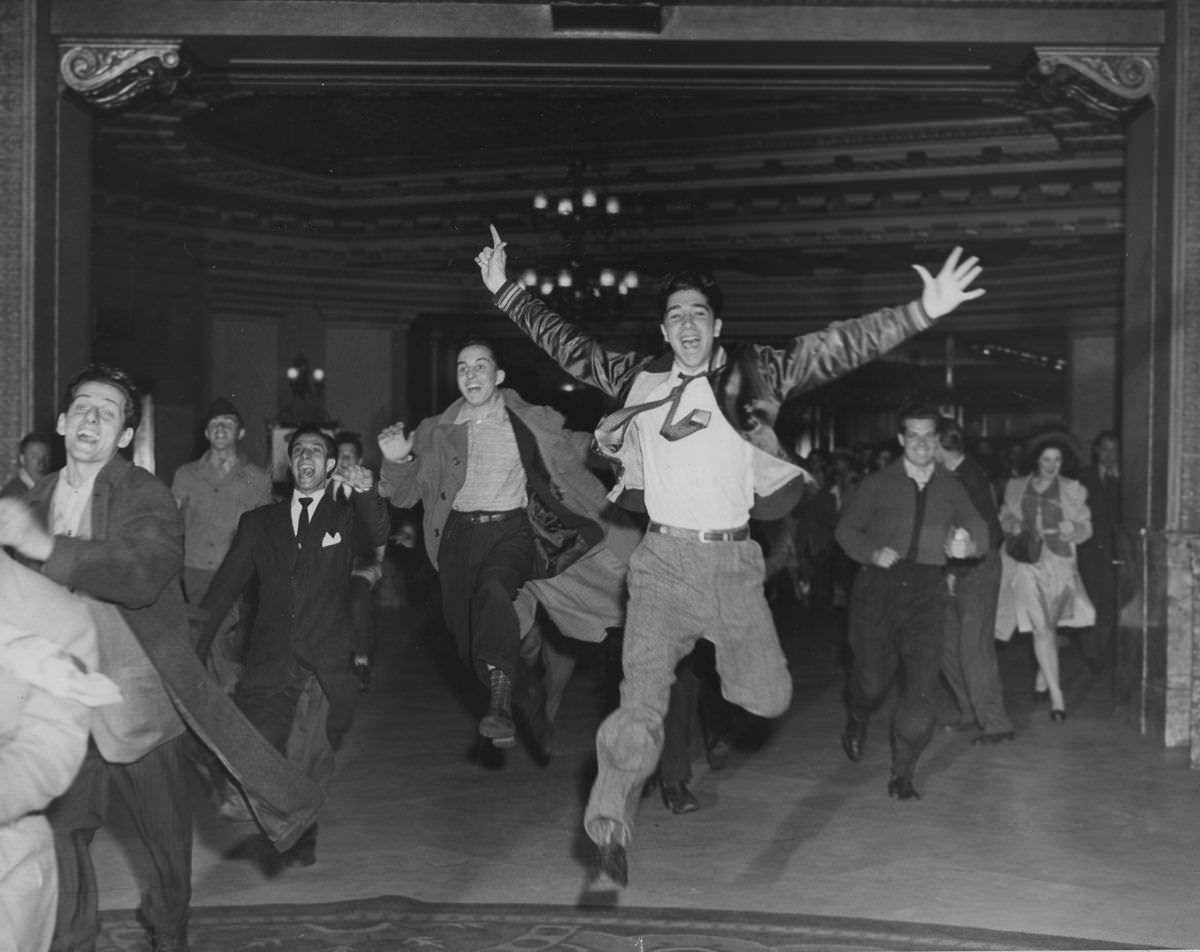
A crowd at a boxing match, 1943.

He photographed New York’s emergencies with unflinching regularity. Fires were a constant subject — tenement buildings burned frequently, and Weegee was almost always there.
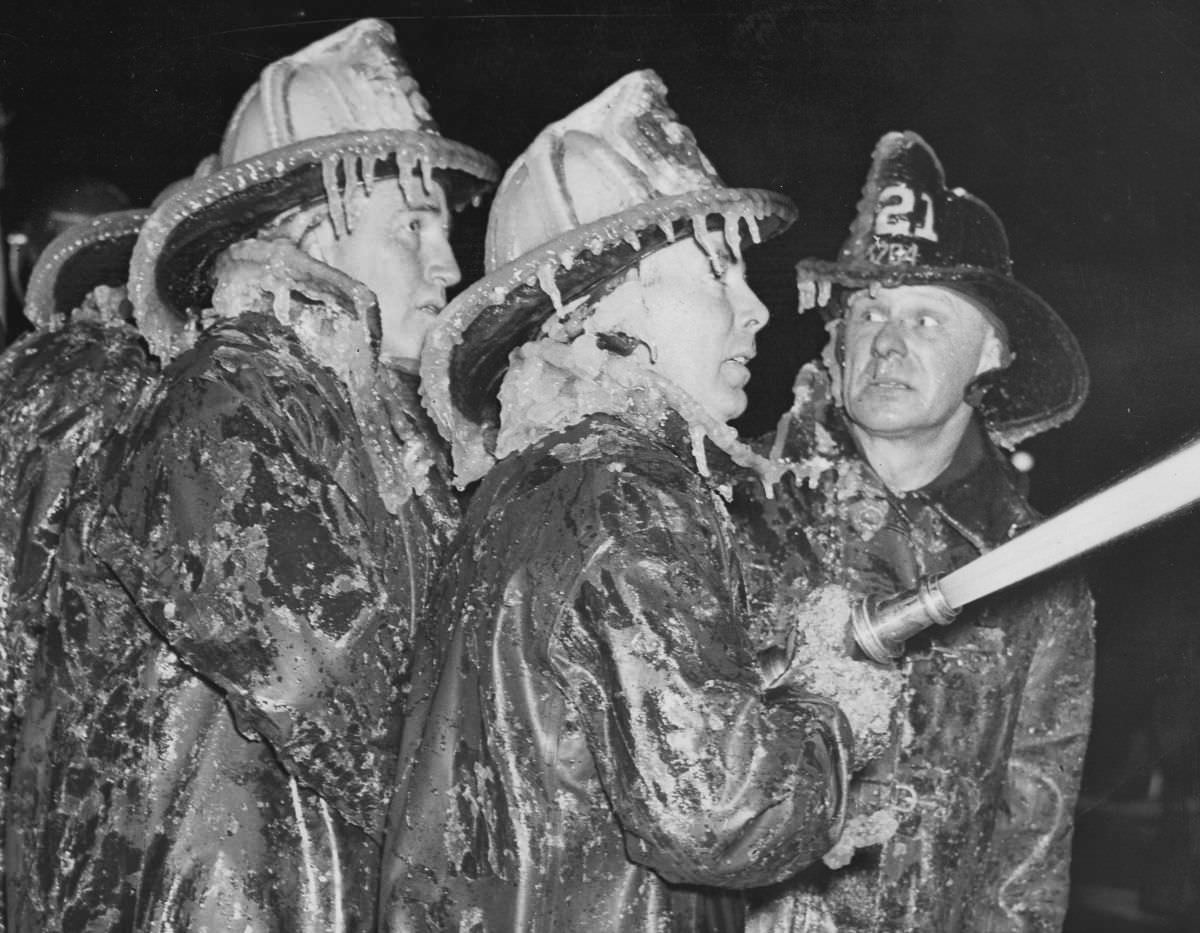
Ice-covered firemen at a Coney Island New Year's Eve fire, 1940.
Ice-covered firemen at a Coney Island New Year’s Eve fire, 1940.

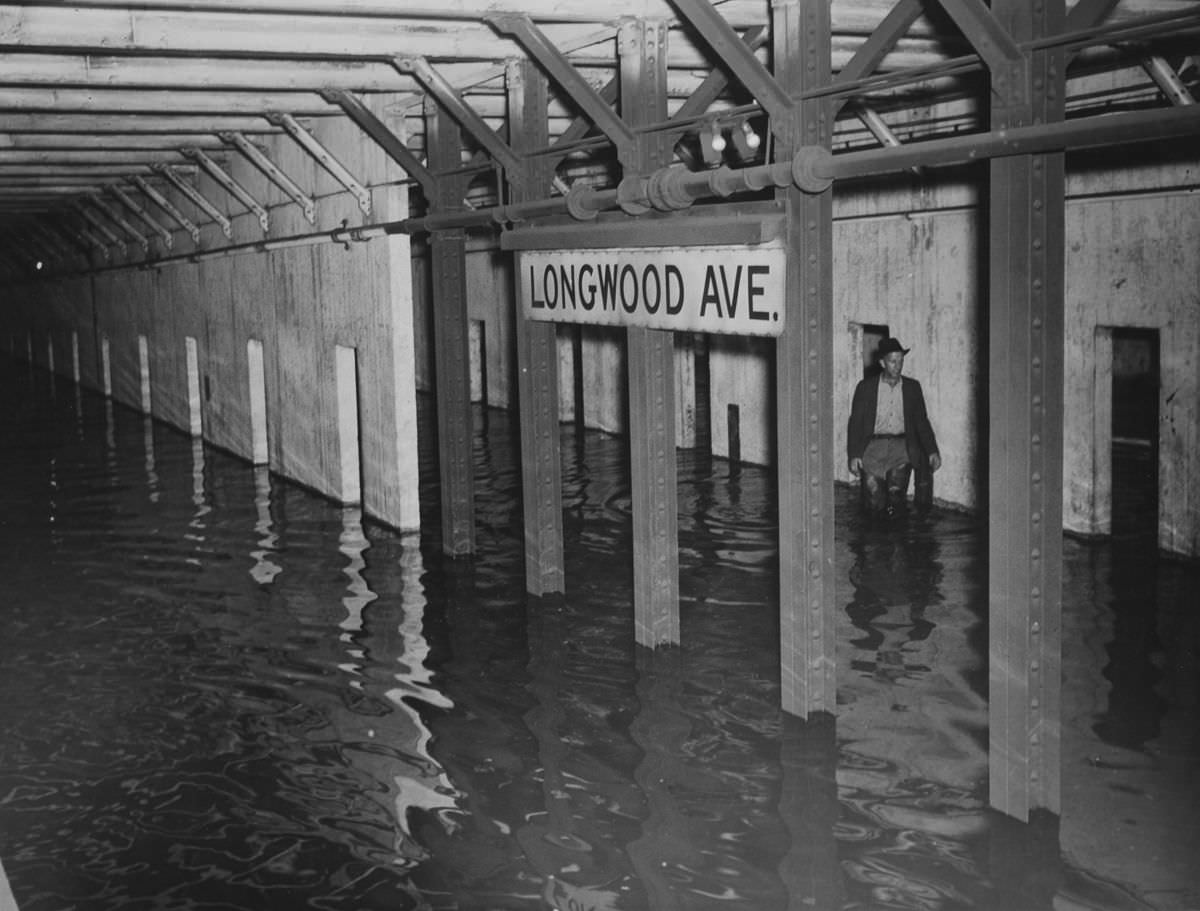
Beyond fires, Weegee documented the full range of the city’s crises — crashes, floods, and near-disasters that disrupted daily life without warning.
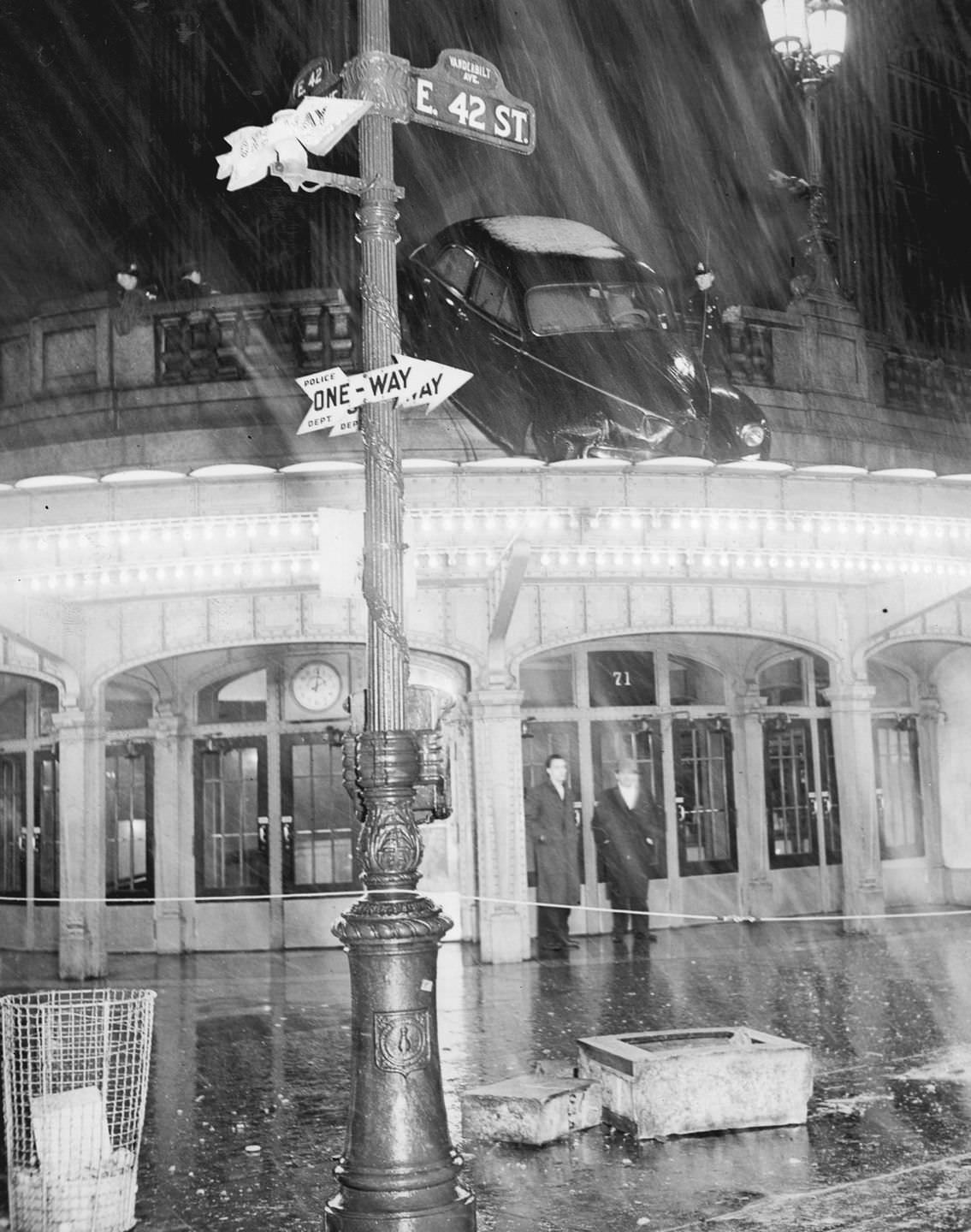
A plane almost takes a nosedive, 1942.
A flood stops the Bronx subway, 1941.

Not every frame was grim. Weegee had a sharp eye for the absurd and the quietly comic moments that New York produced without effort.
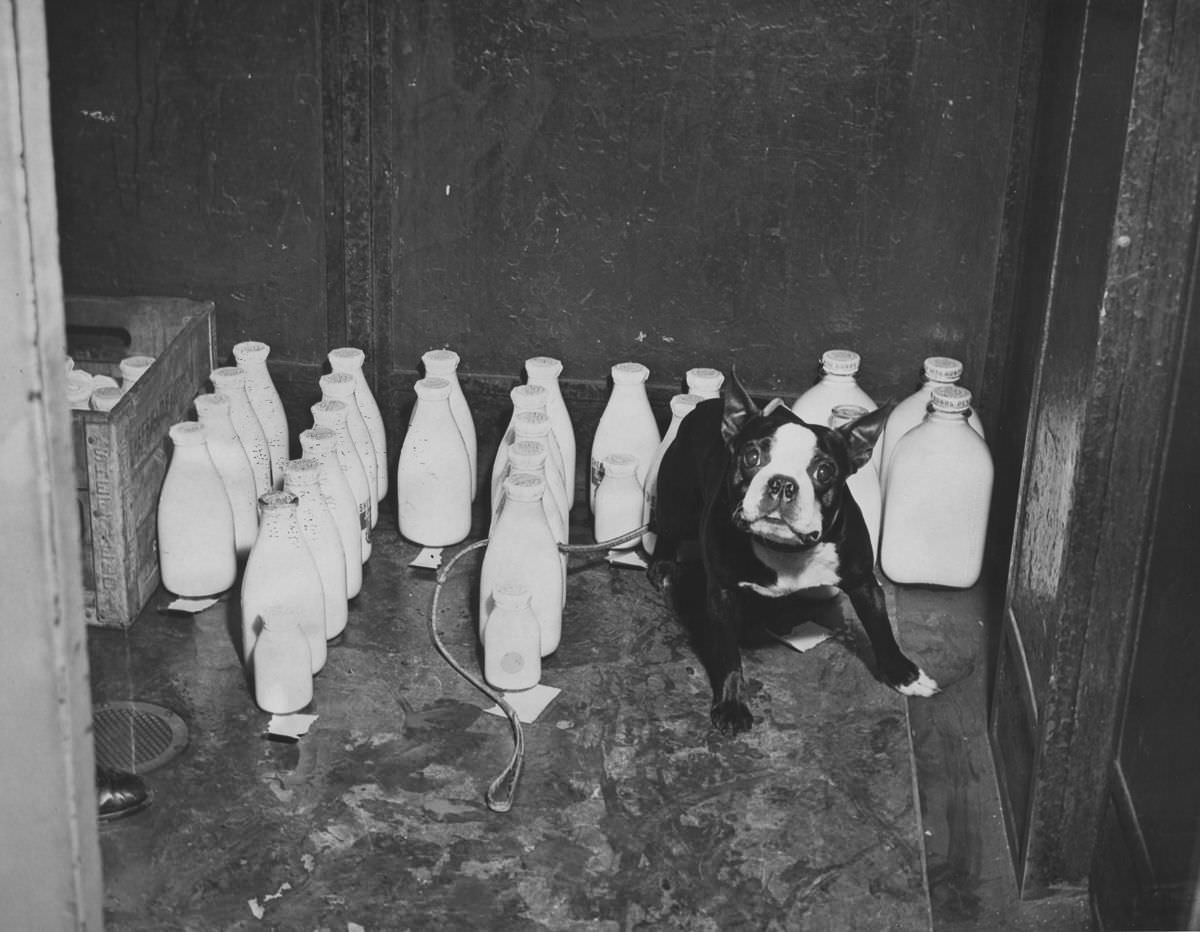
Buddy the bulldog hangs out among the milk bottles in the lobby, 1940.
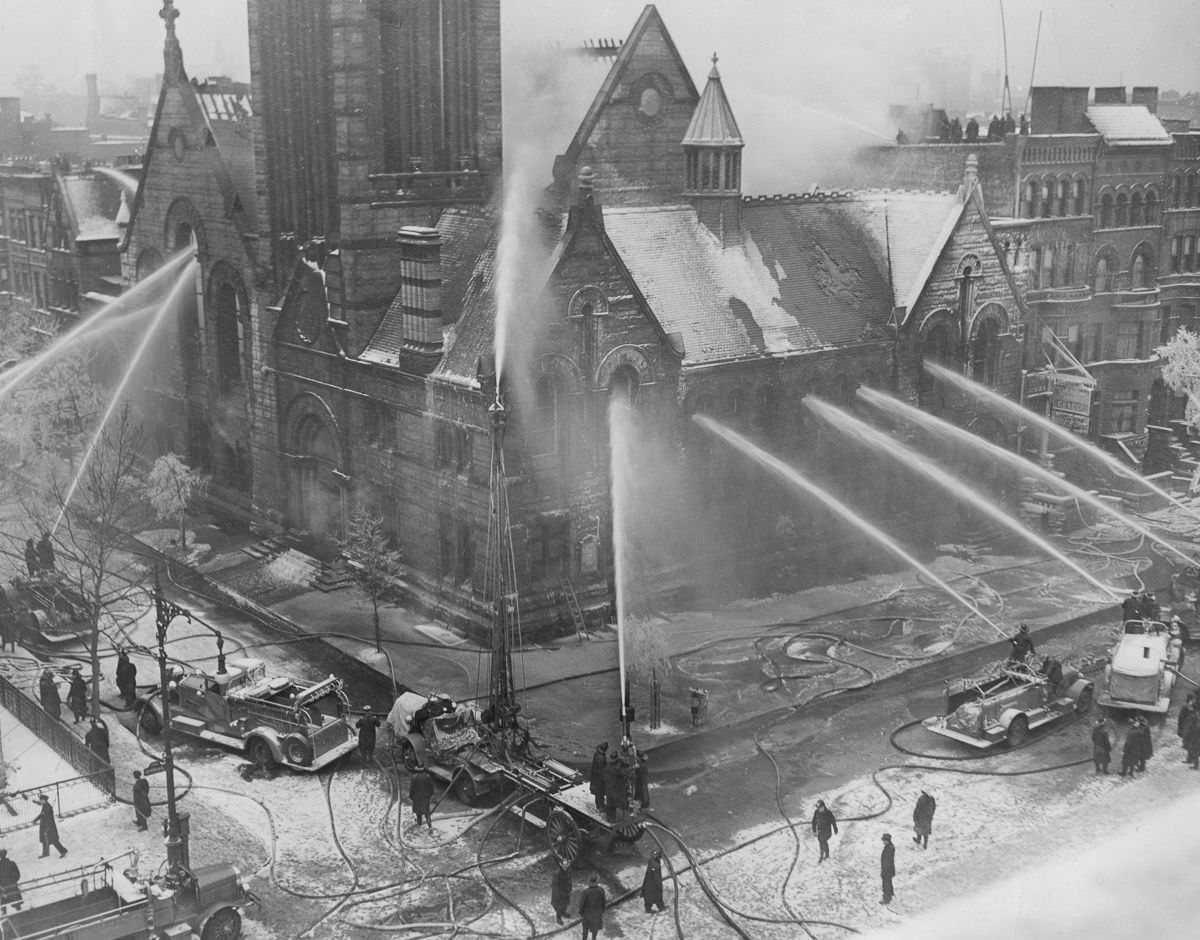
St. Martins Church, 1939.

Religion and community ran through the city’s neighborhoods as strongly as crime and hardship. When disaster struck those spaces, the loss was felt far beyond the physical damage.
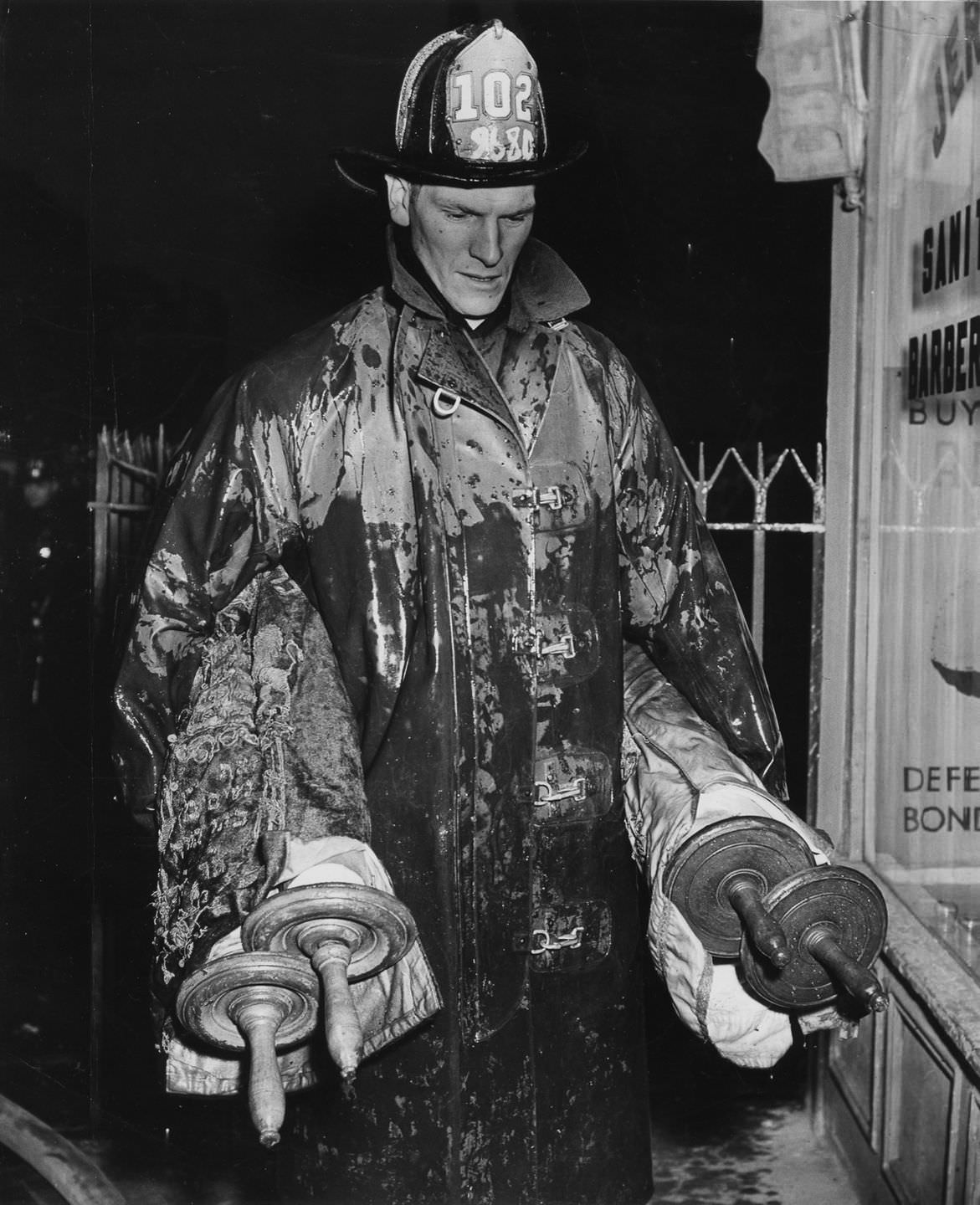
A fireman holding Torahs saved from a fire, 1943.

World War II shaped New York as much as any city in America. Soldiers shipped out from its piers, and civilians felt the tension of wartime on every block. Weegee recorded both the departures and the celebrations when the war finally ended.
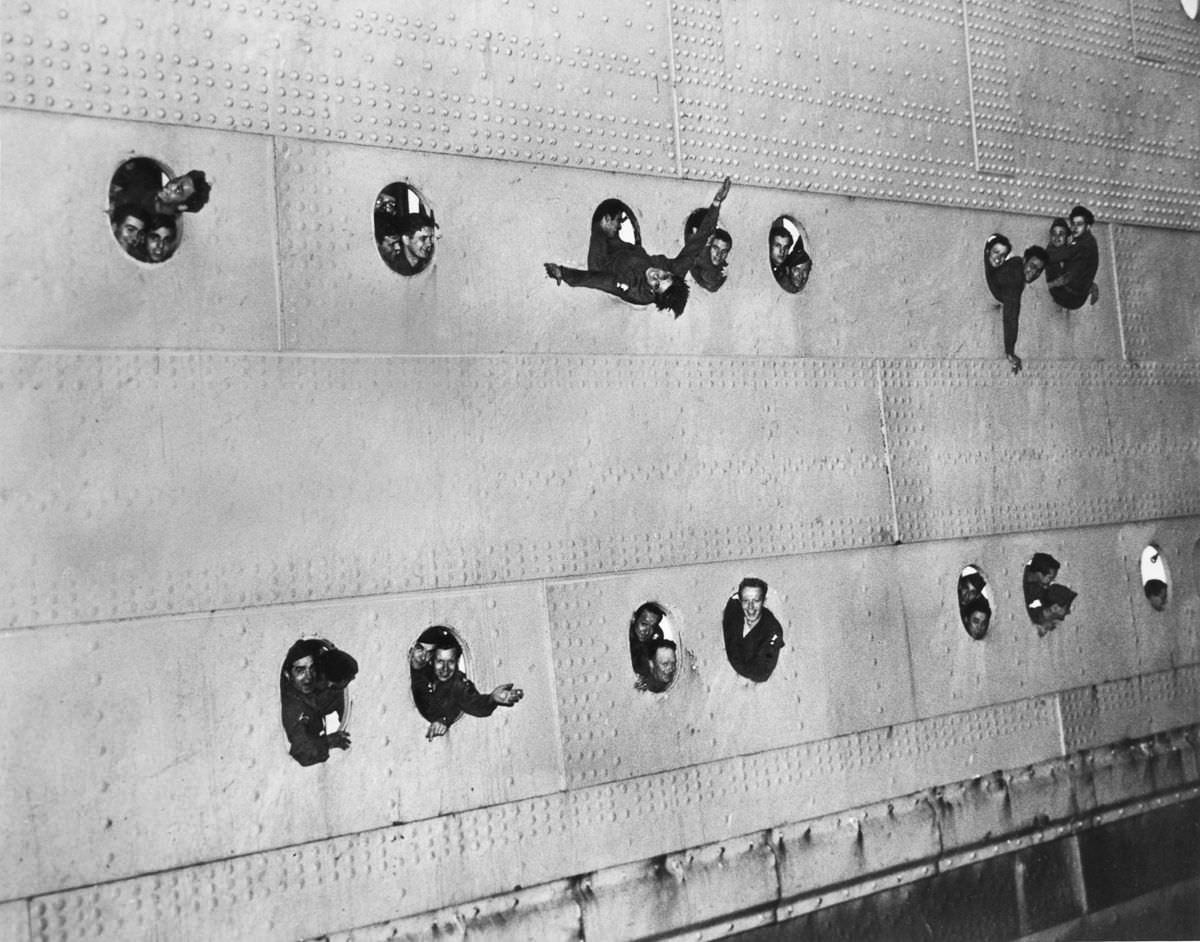
Military personnel wave from the portholes of a ship, 1945.
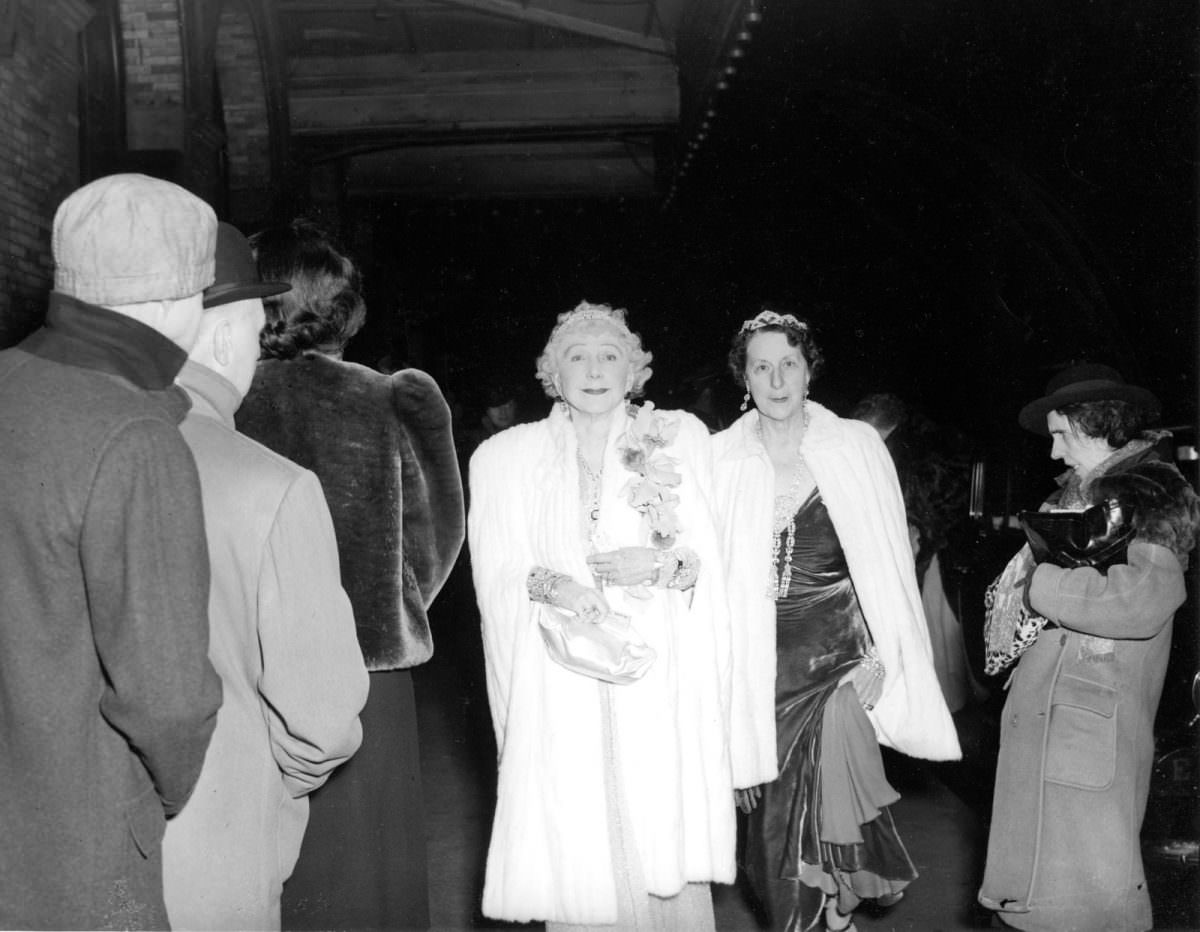
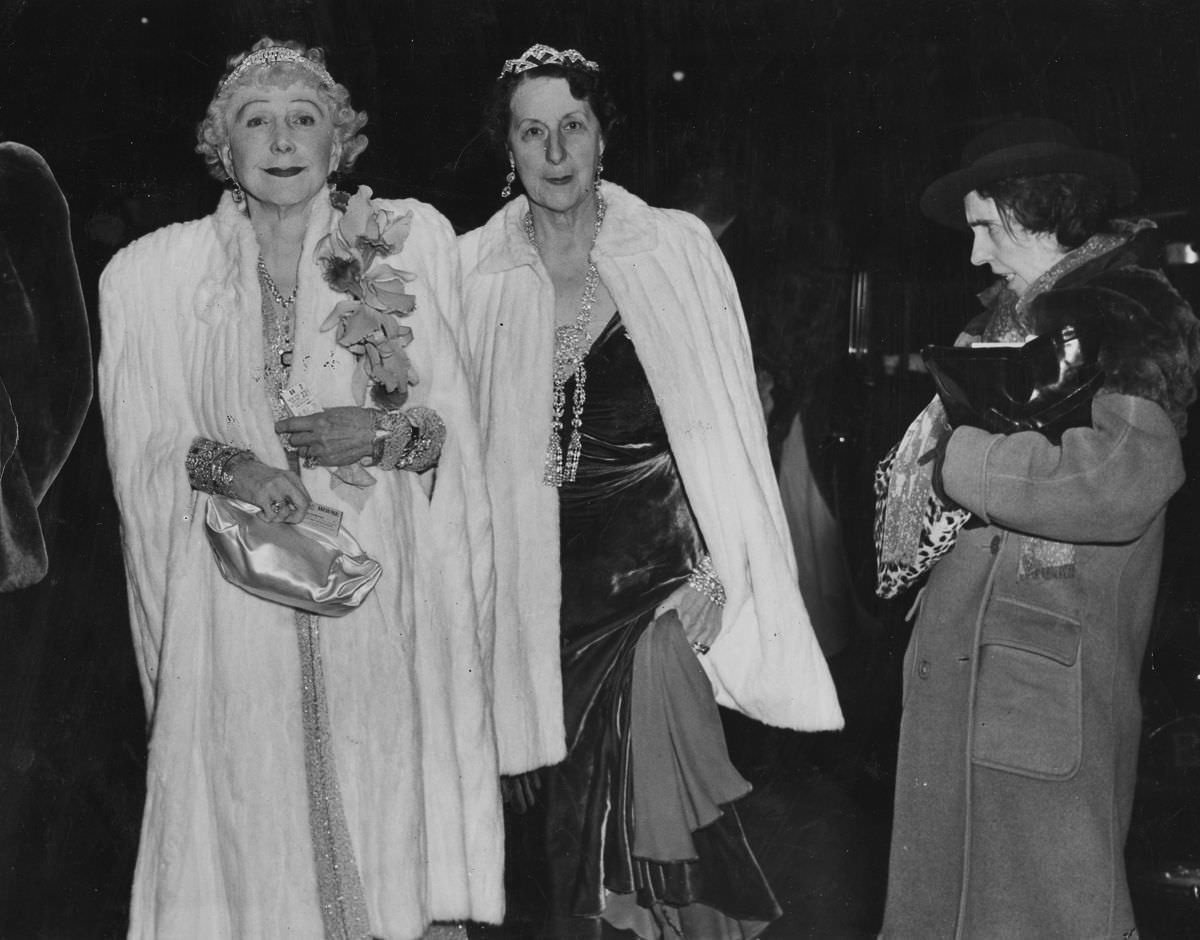
The Critic, 1945.
The Critic, 1945.
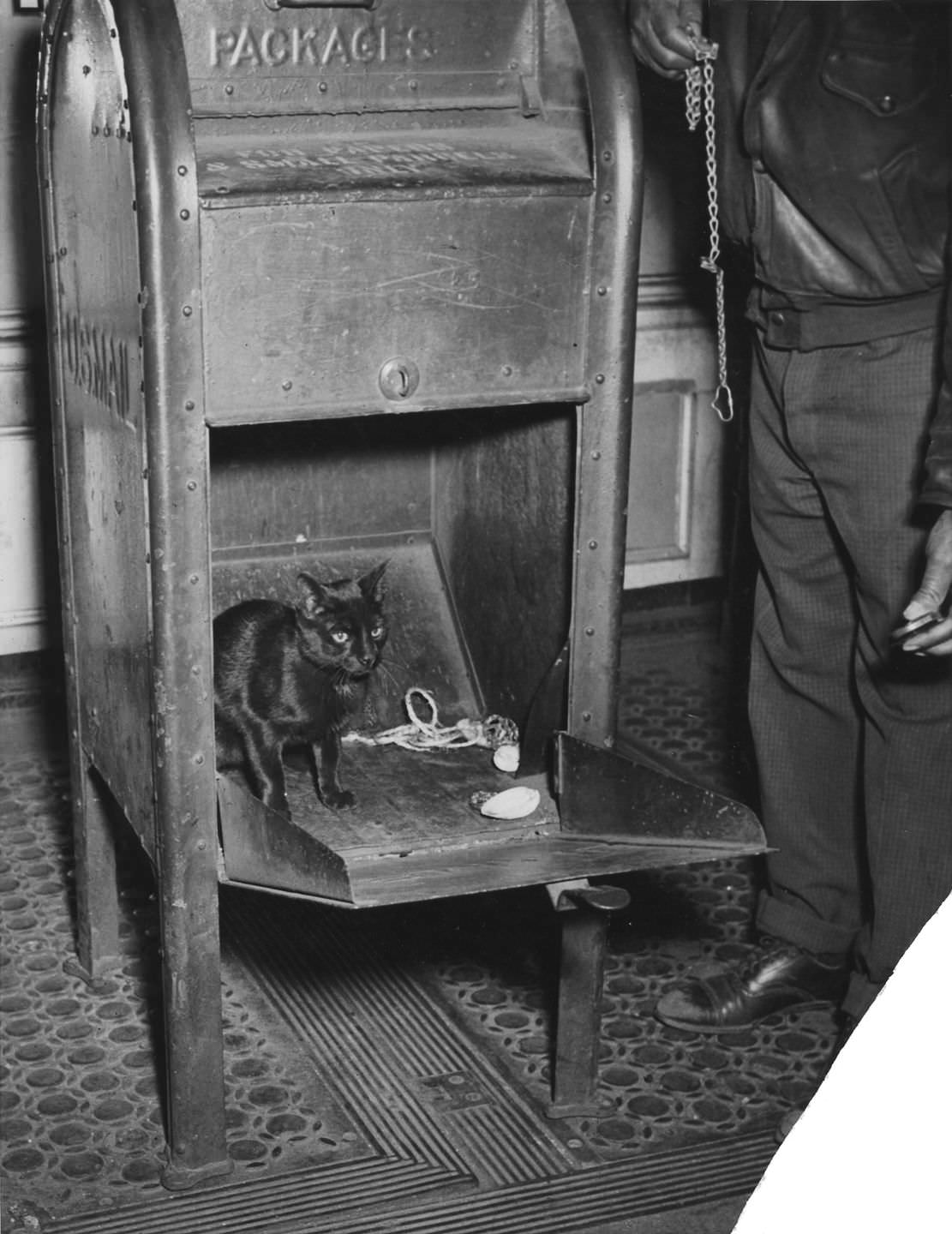
A black cat found in a mailbox with pretzels and clams, 1941.

Summer in New York pushed people out of sweltering apartments and into the streets, parks, and beaches. Weegee photographed how working-class New Yorkers cooled off and found relief wherever they could.
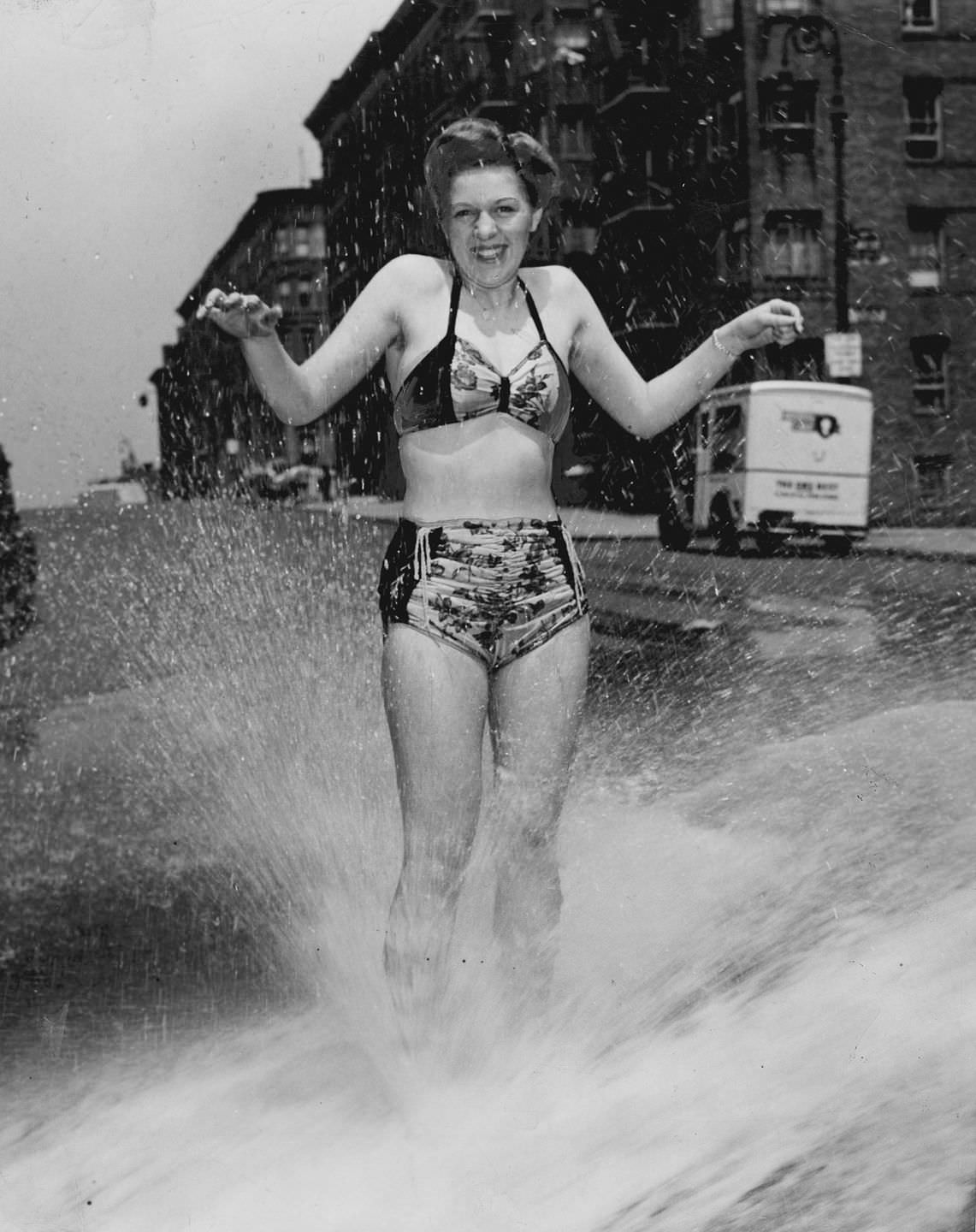
Keeping Cool, 1945.
Keeping Cool, 1945.

Some of his most affecting images show ordinary people in moments of real distress — families displaced by fires, neighbors gathered on sidewalks with nowhere to go.
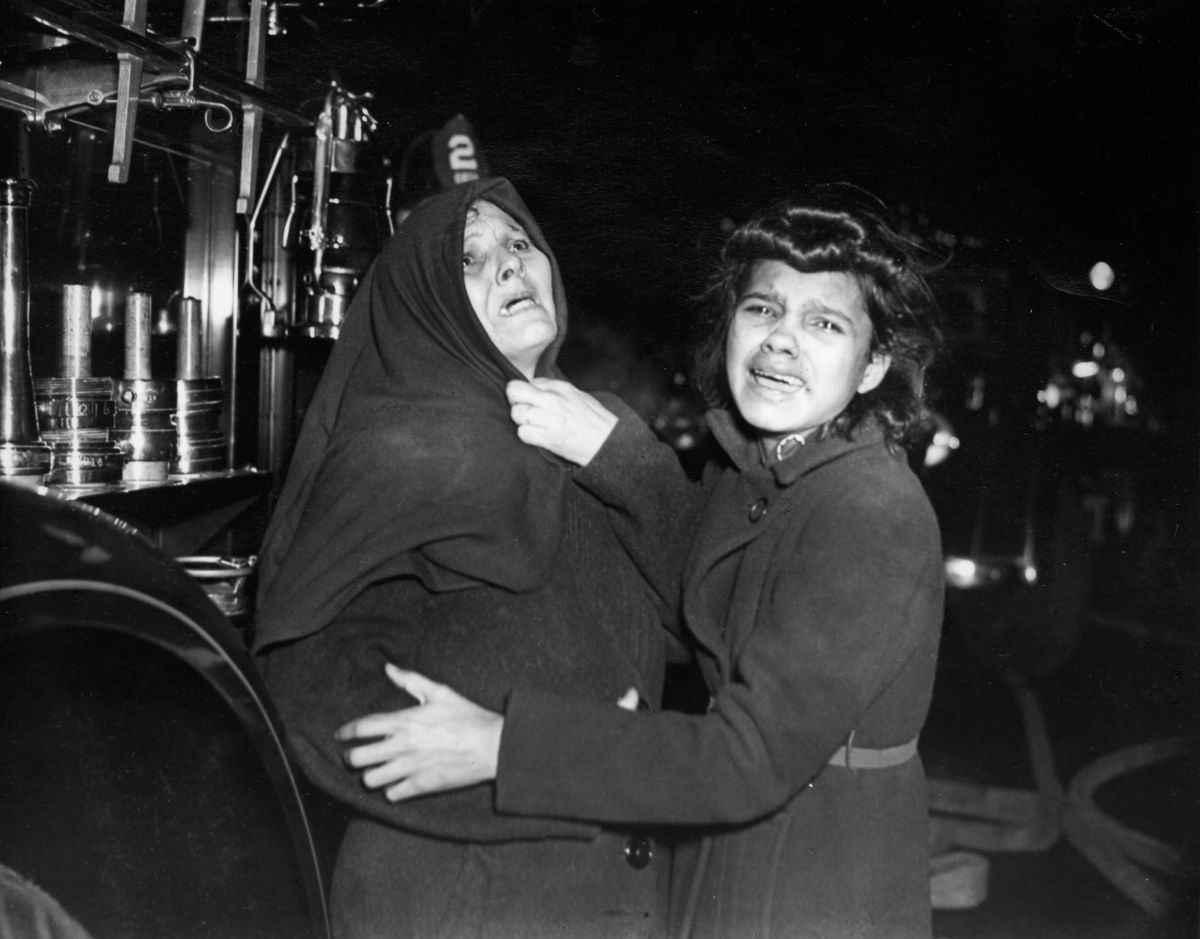
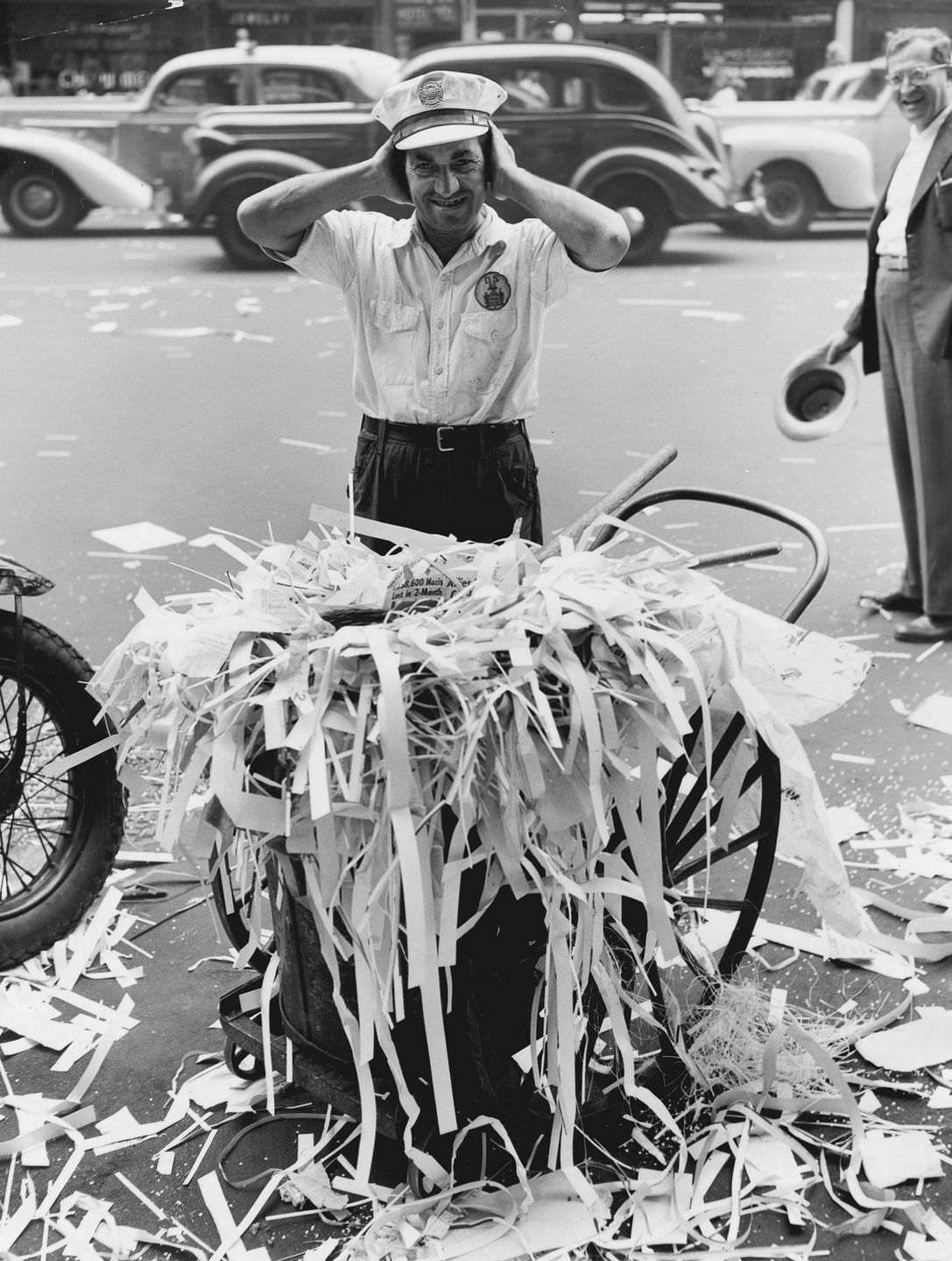
Henrietta Torres and her daughter Ada outside a tenement fire, 1939.
It'll be a Pleasure, 1943.
It’ll be a Pleasure, 1943.

When Japan surrendered in August 1945, New York erupted. VJ Day brought crowds into Times Square and across every borough, and Weegee was in the middle of it all.
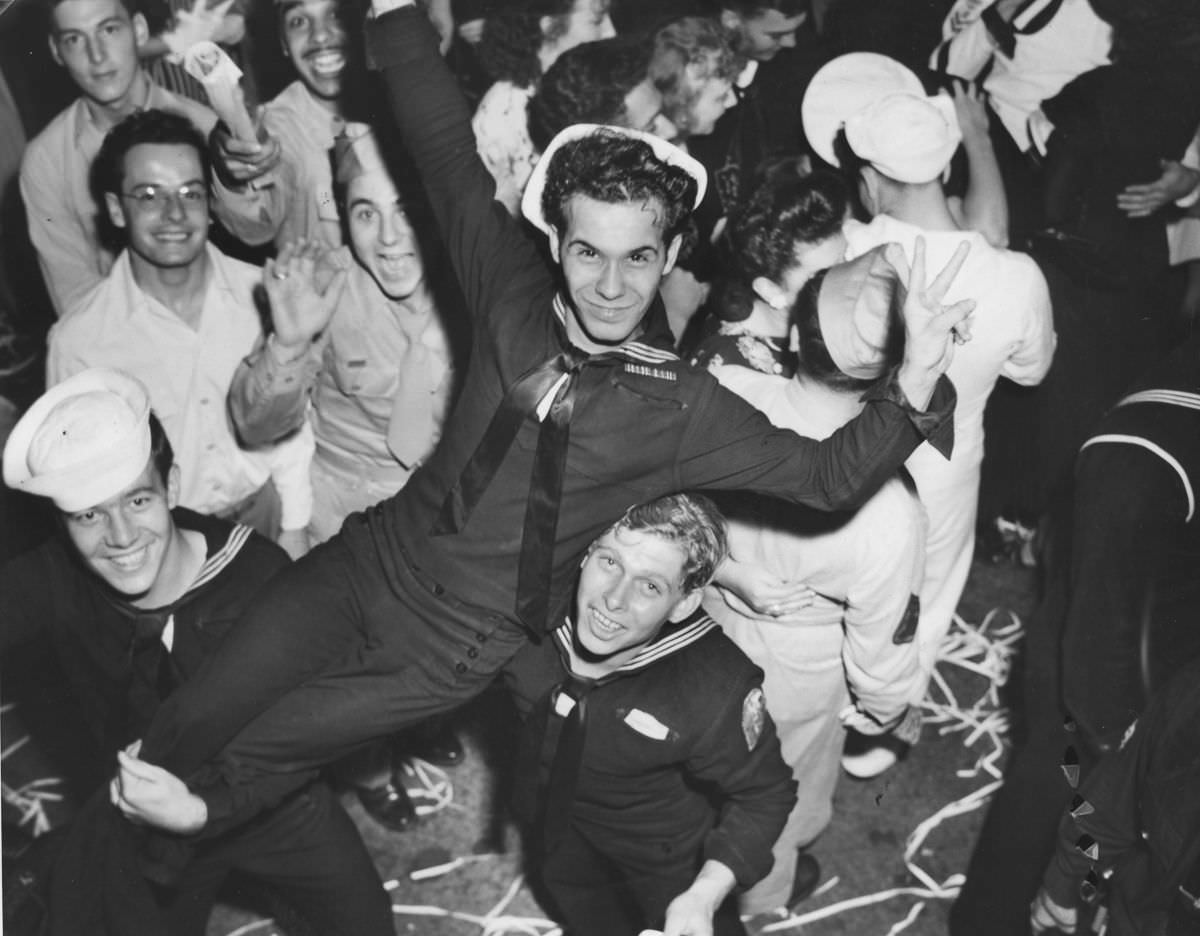
Sailors celebrate VJ Day, 1945.

Alongside celebration, the streets held violence and tragedy. Weegee documented car crashes and crime scenes with the same steady hand he brought to everything else.
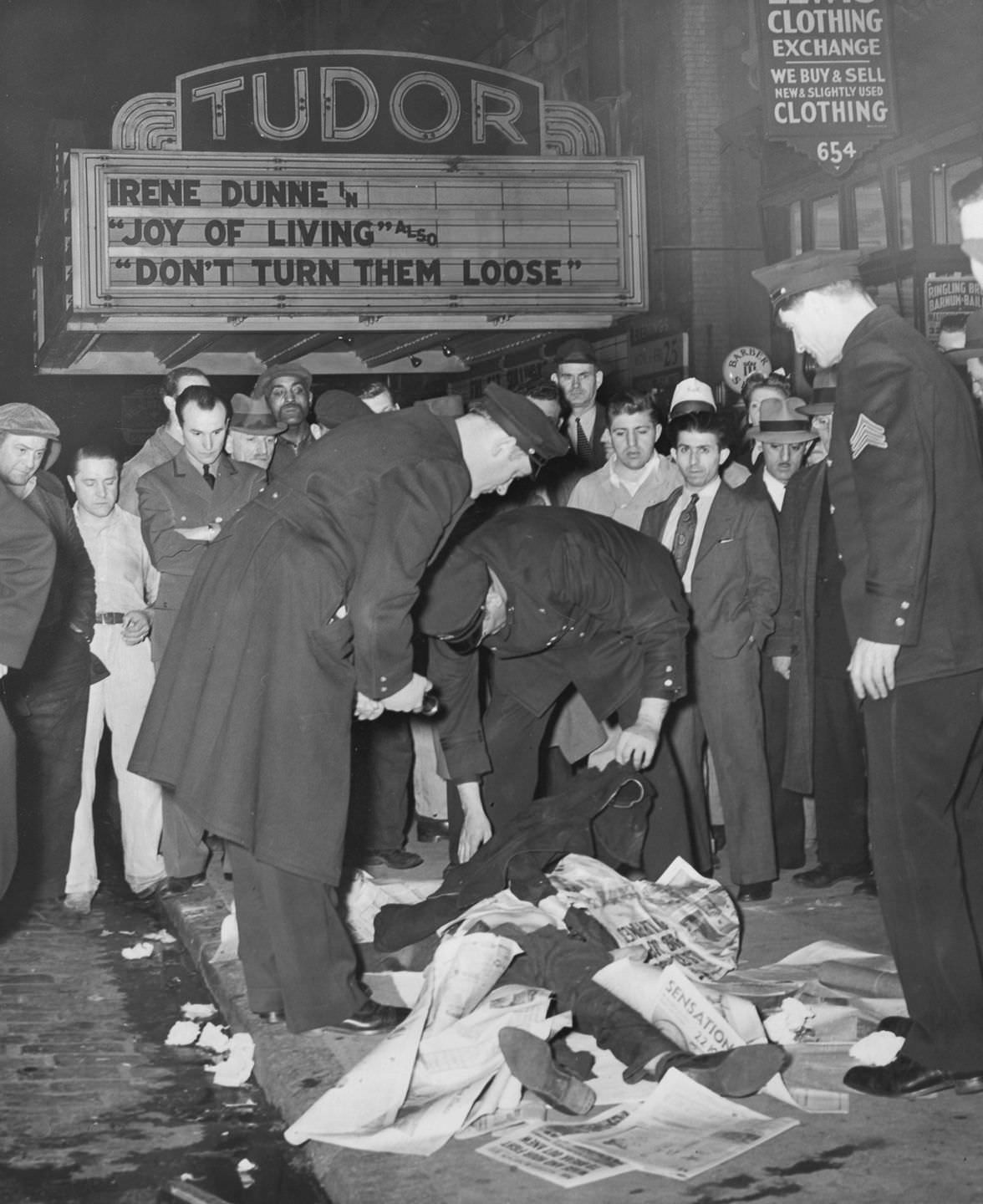
Crash Victim, 1942.
Crash Victim, 1942.
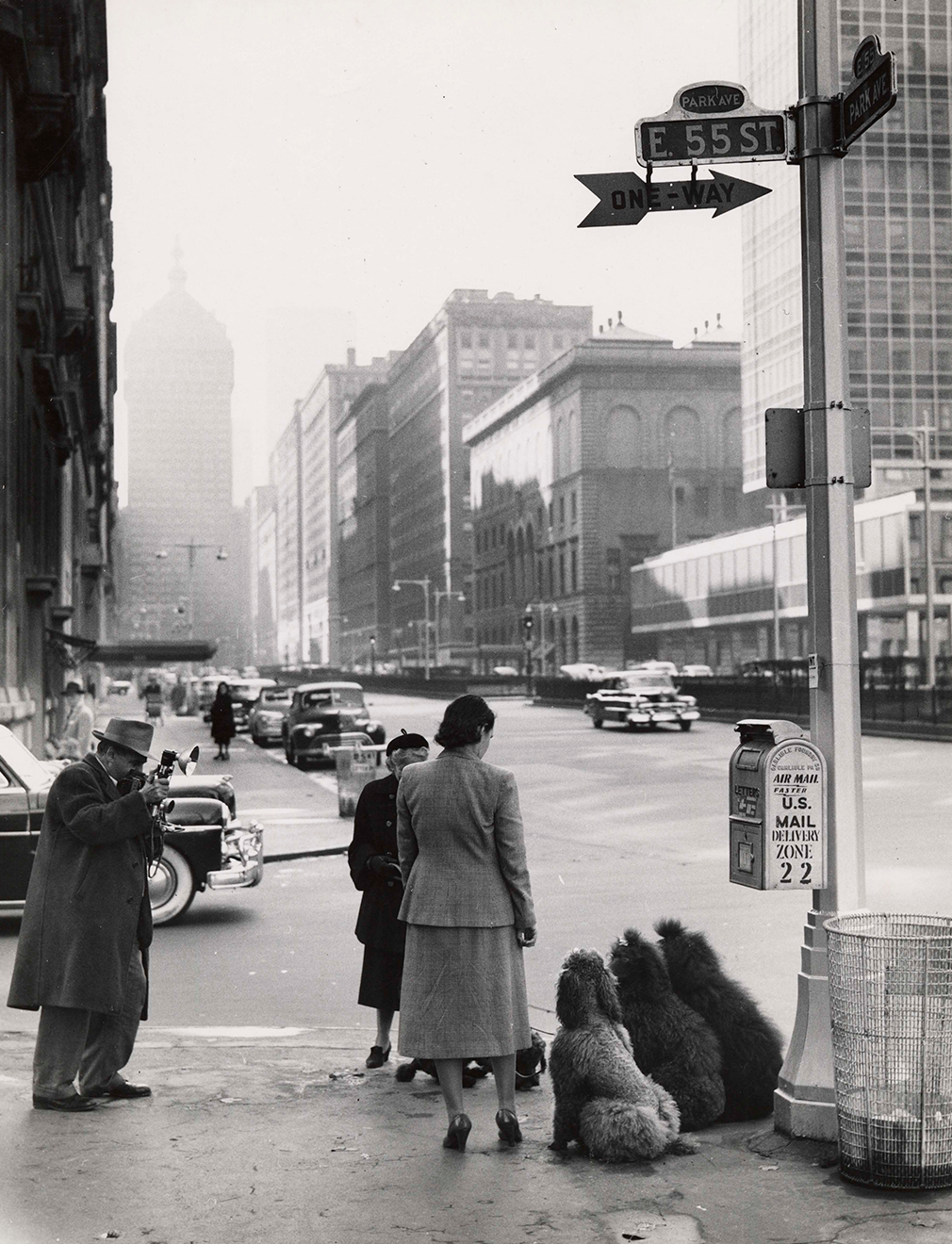
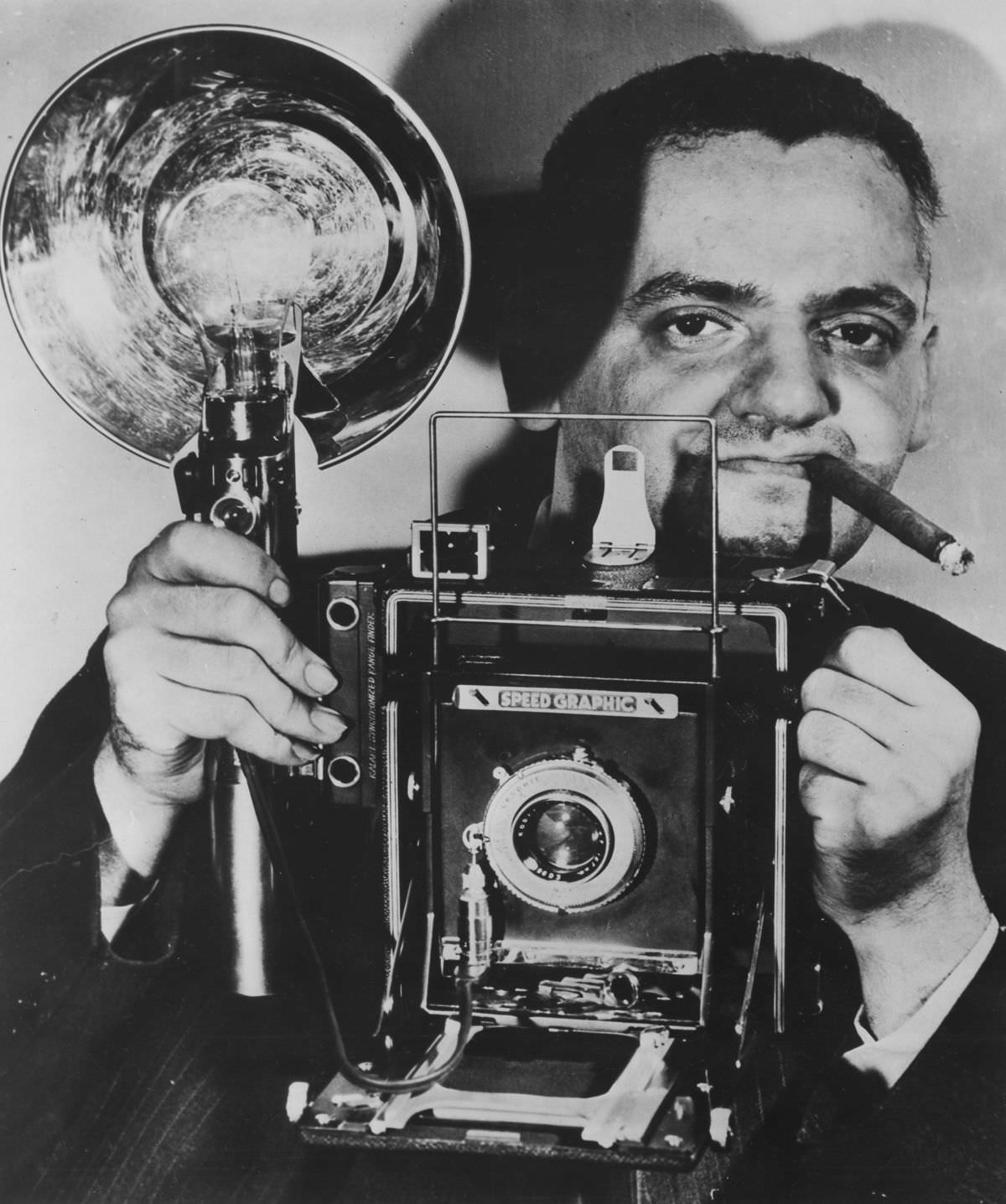
Weegee the Noted Photographer, 1946.
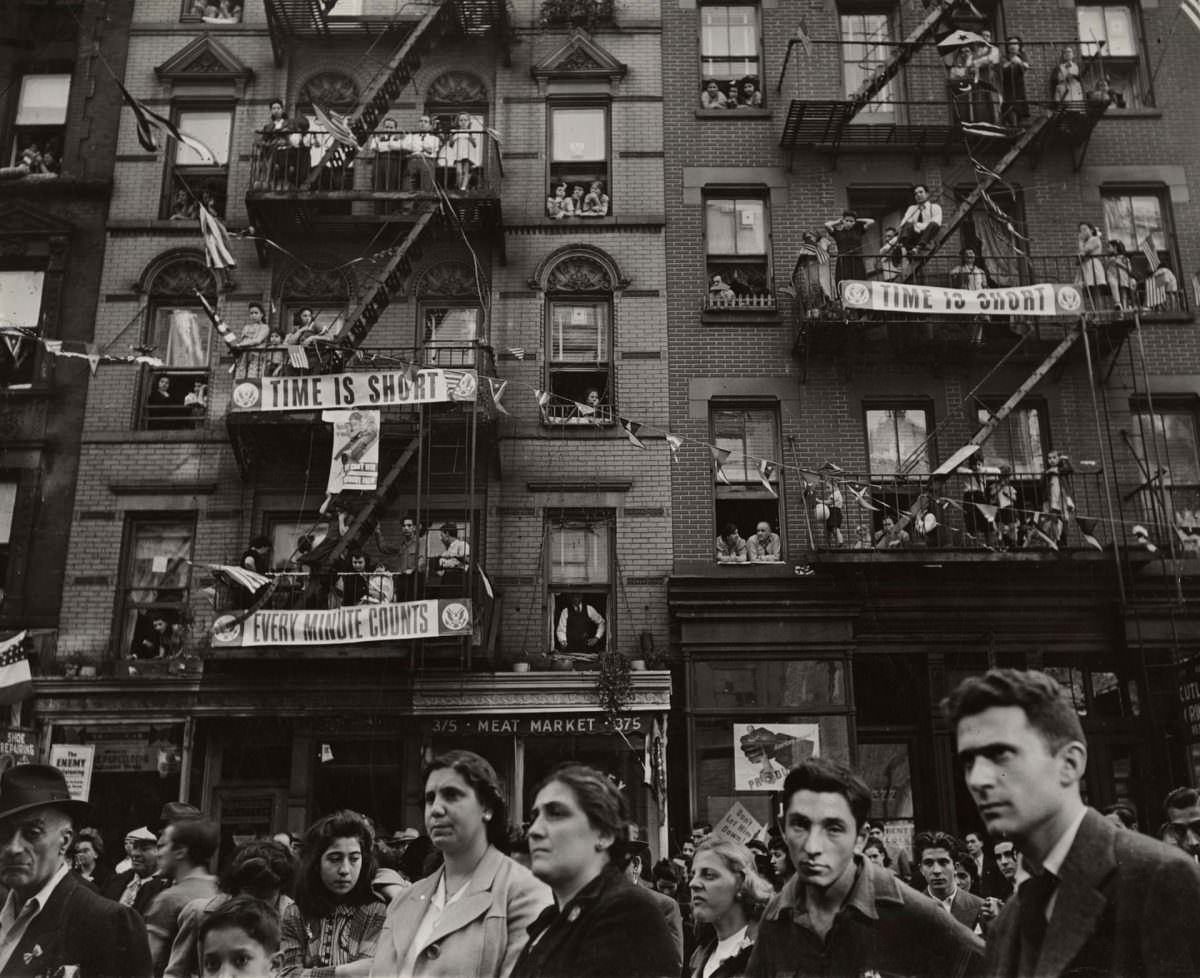
'Time Is Short' in Broome Street, Little Italy, NYC, 1942.
ā€˜Time Is Short’ in Broome Street, Little Italy, NYC, 1942.

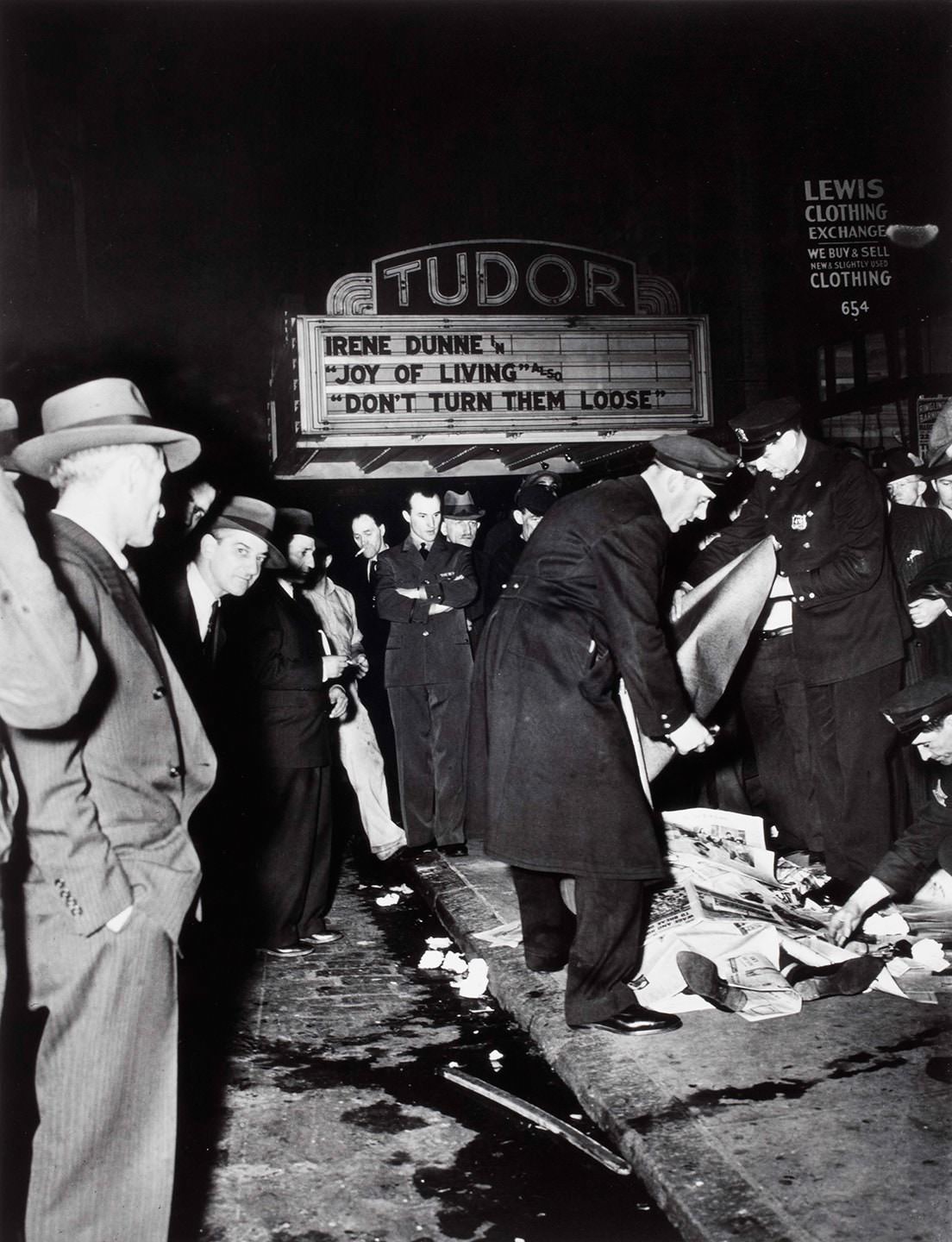
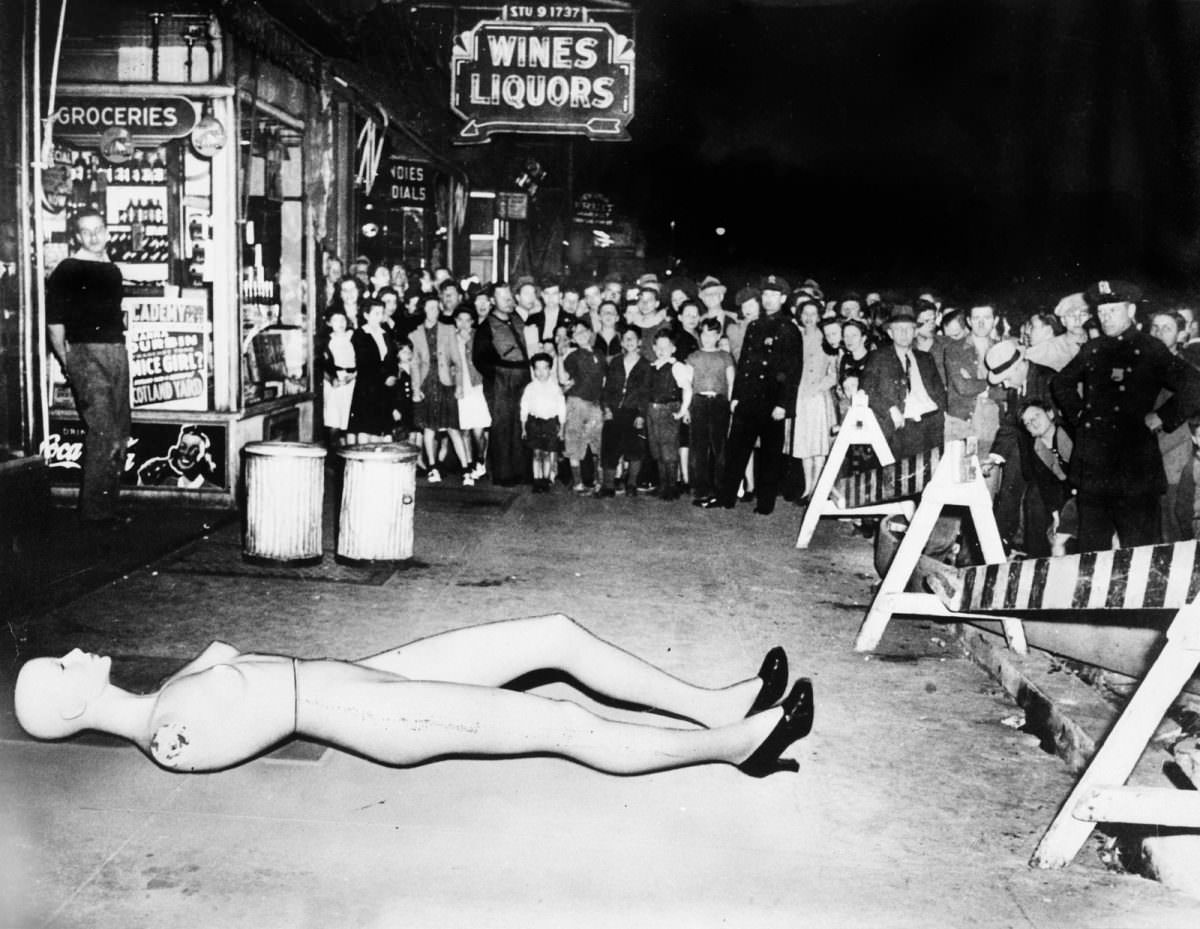
Street violence was a recurring subject. Weegee photographed murder victims in public view, their bodies surrounded by onlookers — images that newspapers ran without hesitation and that reflected how exposed death was in mid-century urban life.
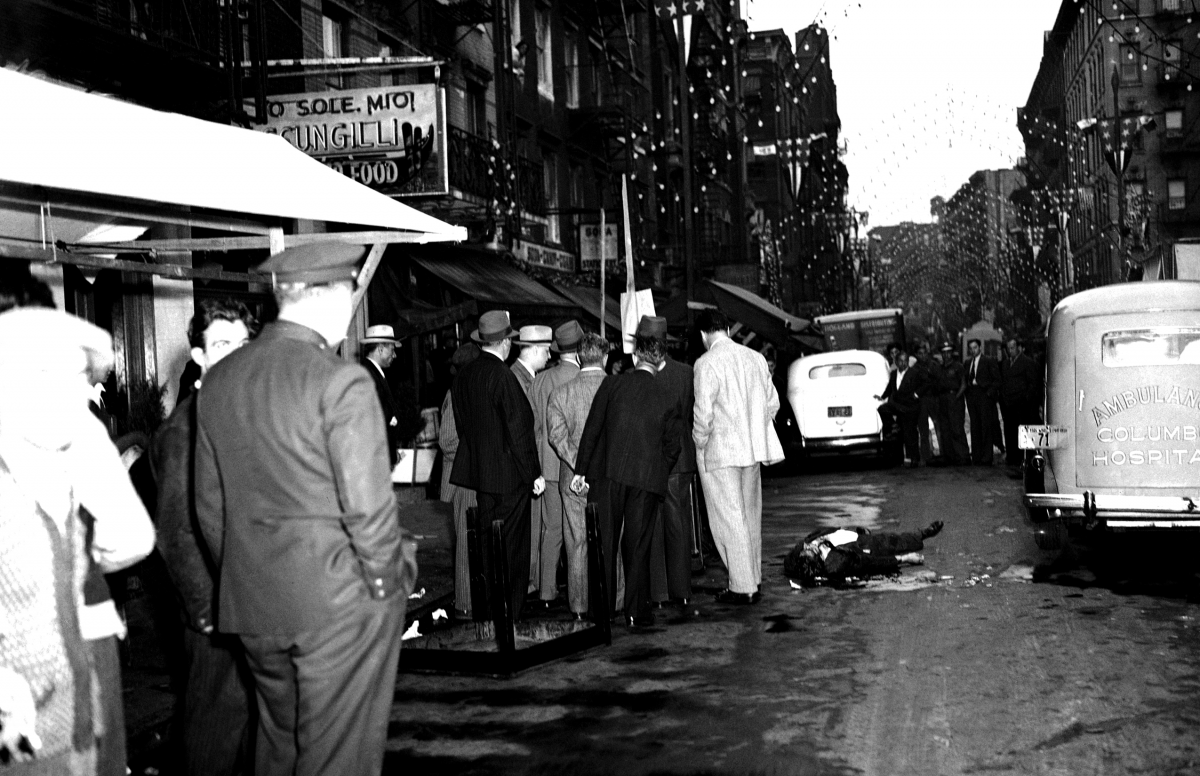
A crowd gathers around the body of a man killed in a fracas, 1939.
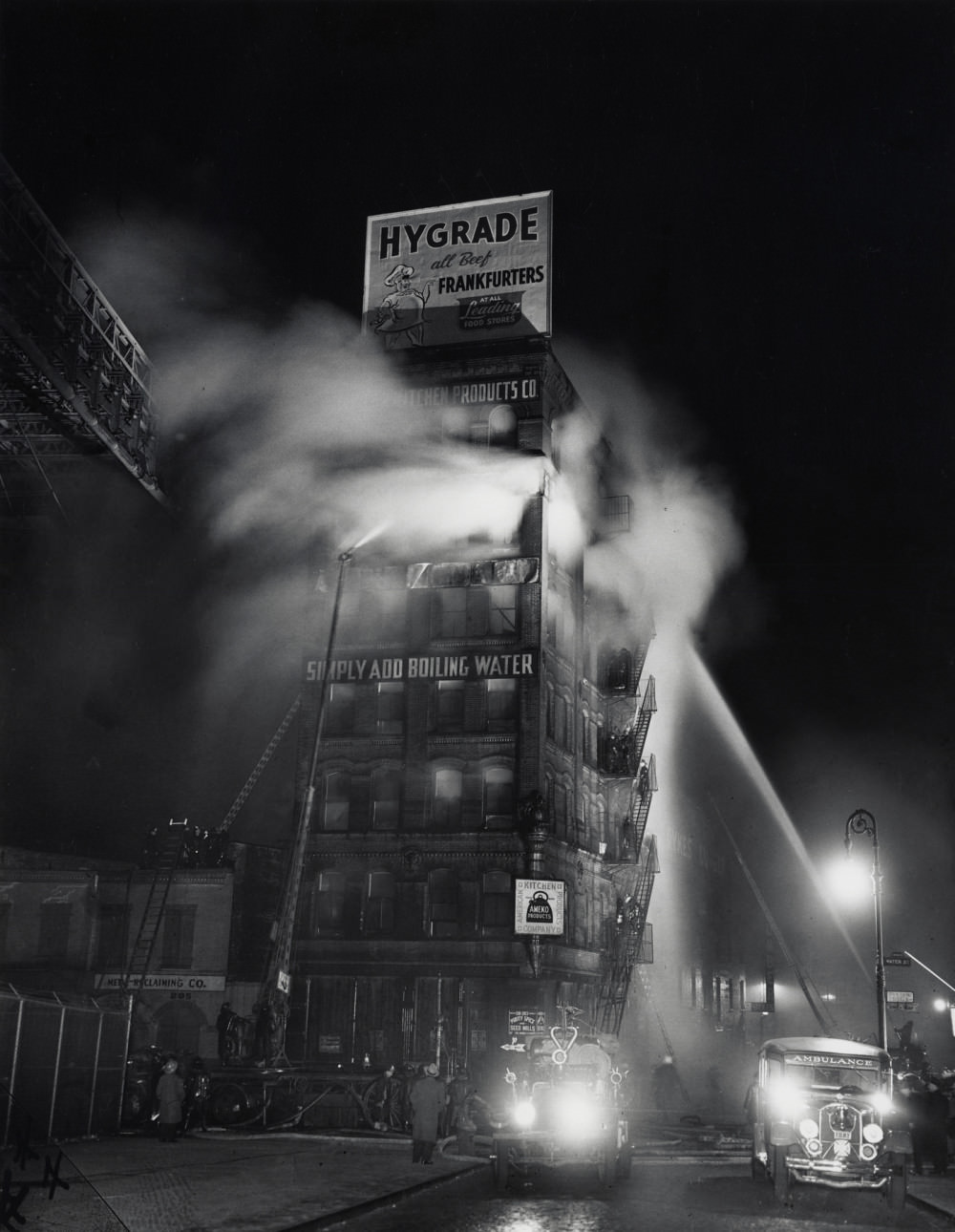
A fire in the Ameko building near Brooklyn Bridge, 1943.

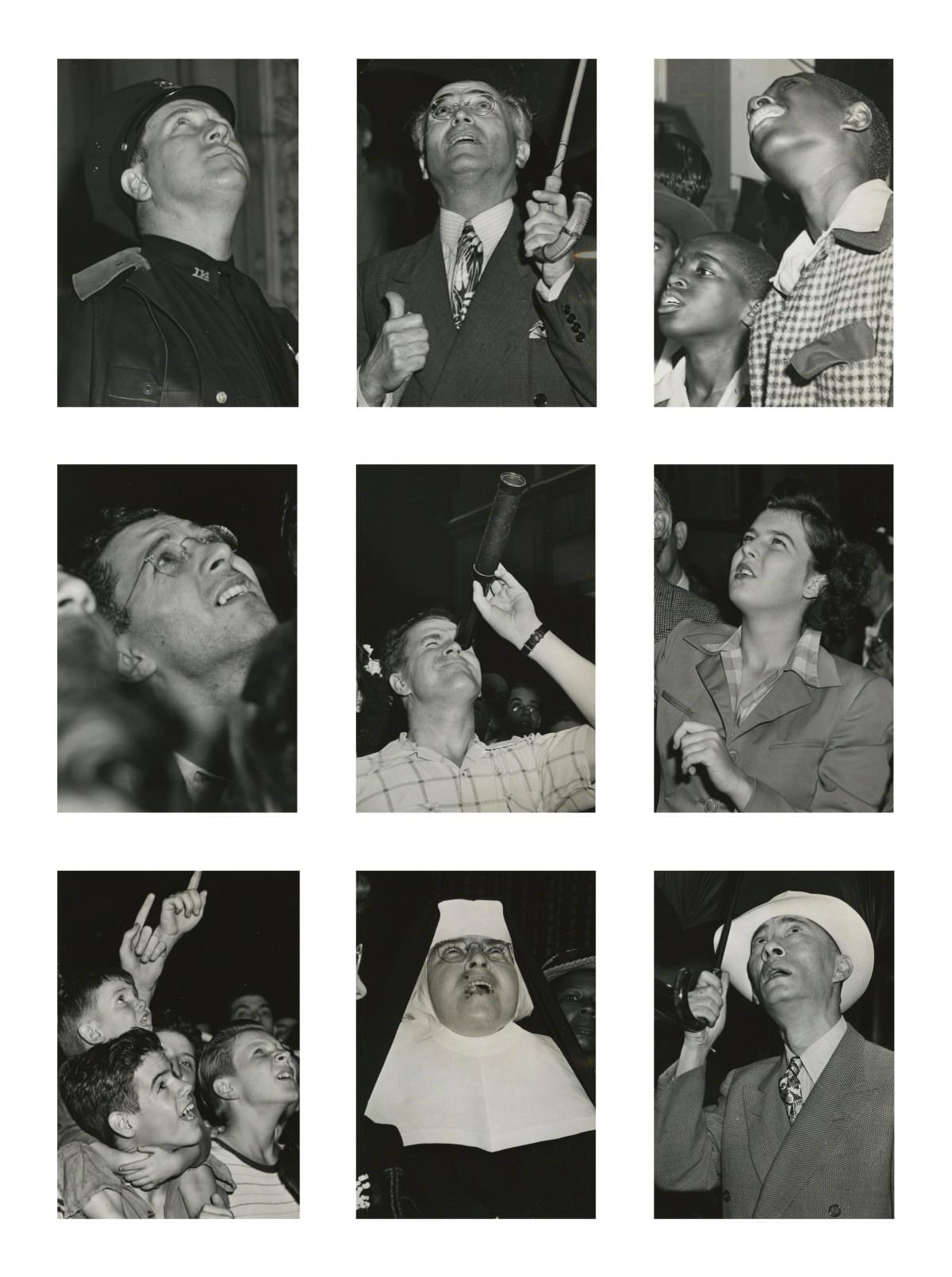
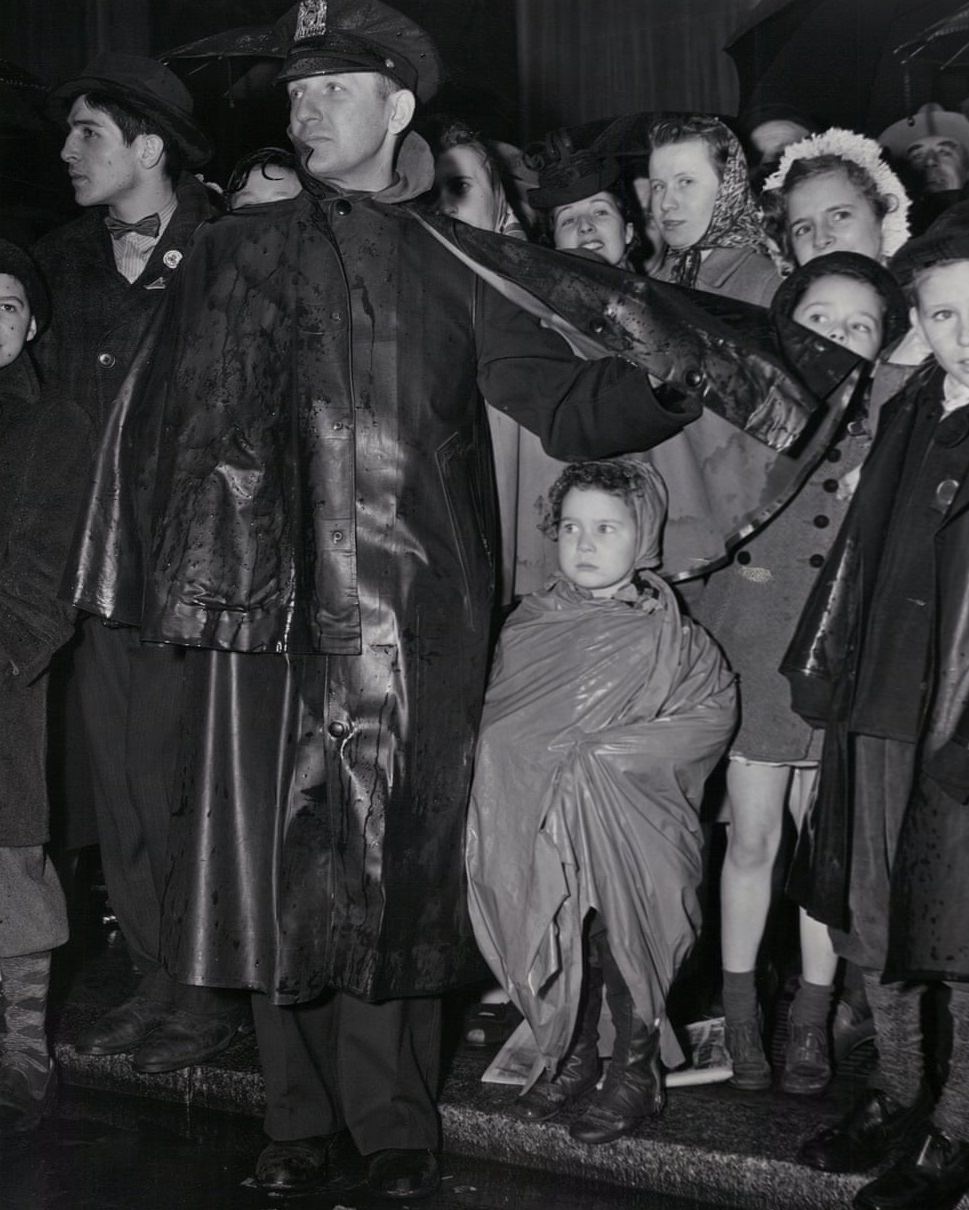
The D-Day landings in June 1944 sent shockwaves through New York. Weegee photographed the faces of people on the street that day — their expressions carrying the full weight of what was happening overseas.
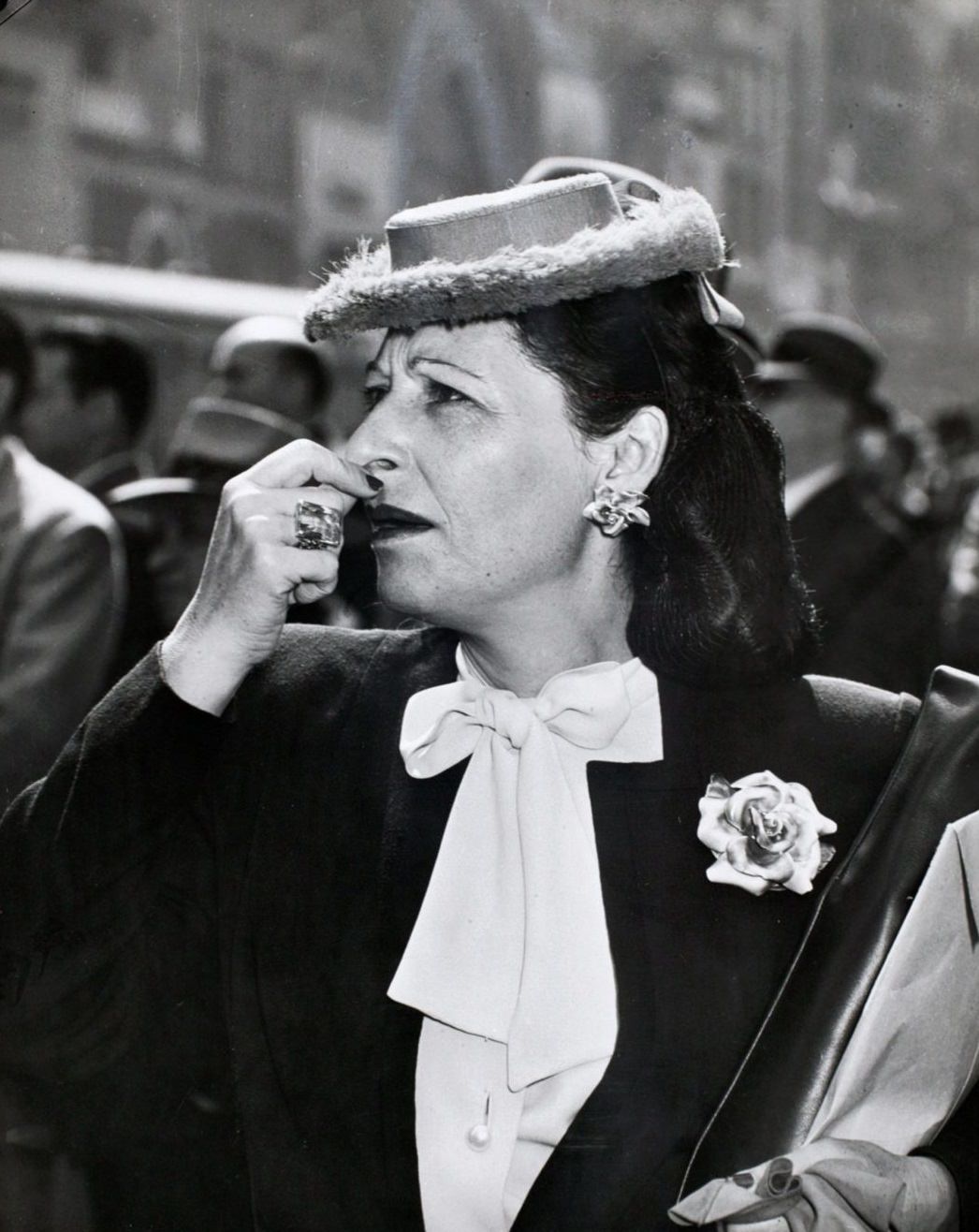
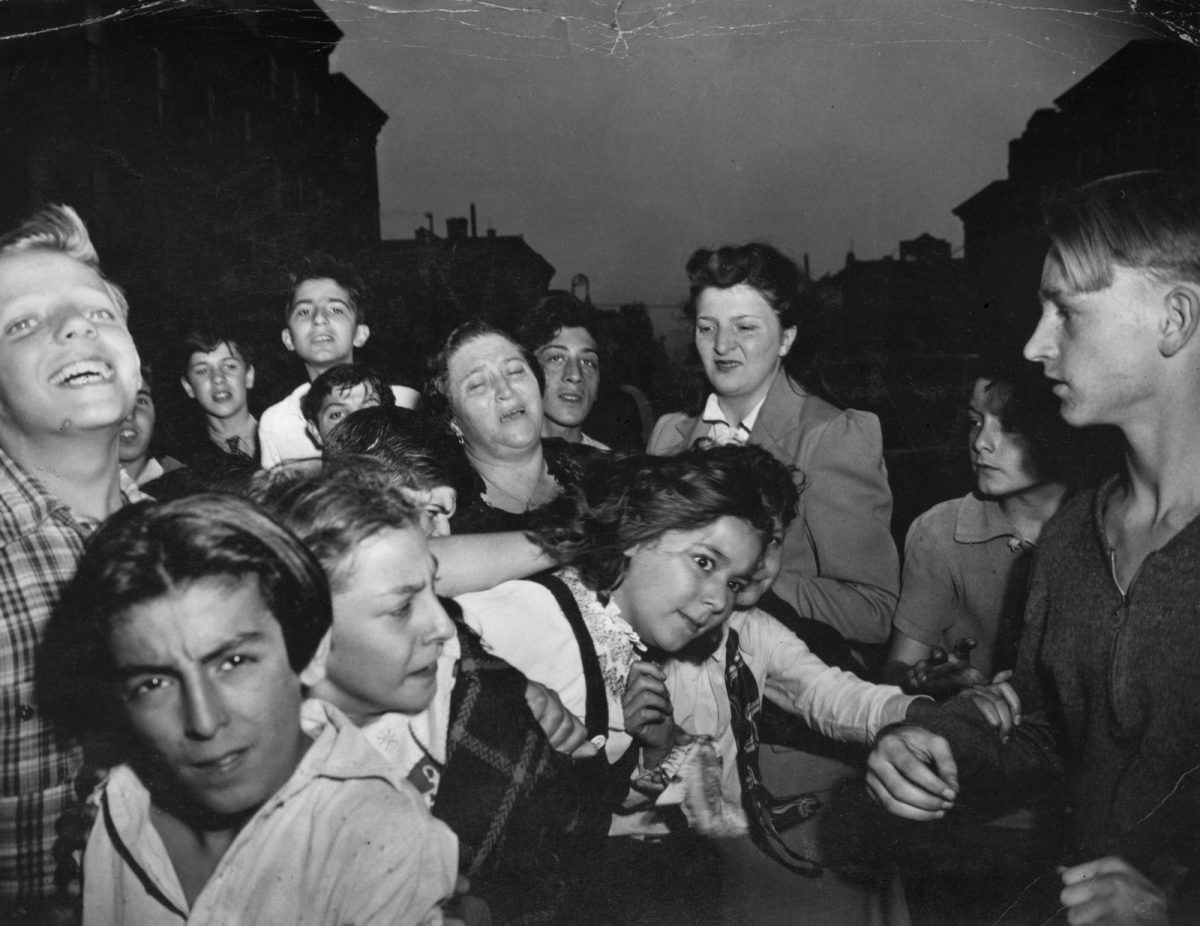
The Face of New York on Invasion Day, 1944.
Brooklyn School Children See Gambler Murdered in Street.
A Photographic History of New York City from 1930s-1950s through the Lens of Weegee

New York’s infrastructure buckled regularly under the pressure of a growing city — burst water mains, overloaded bridges, and collision-prone intersections all gave Weegee material.
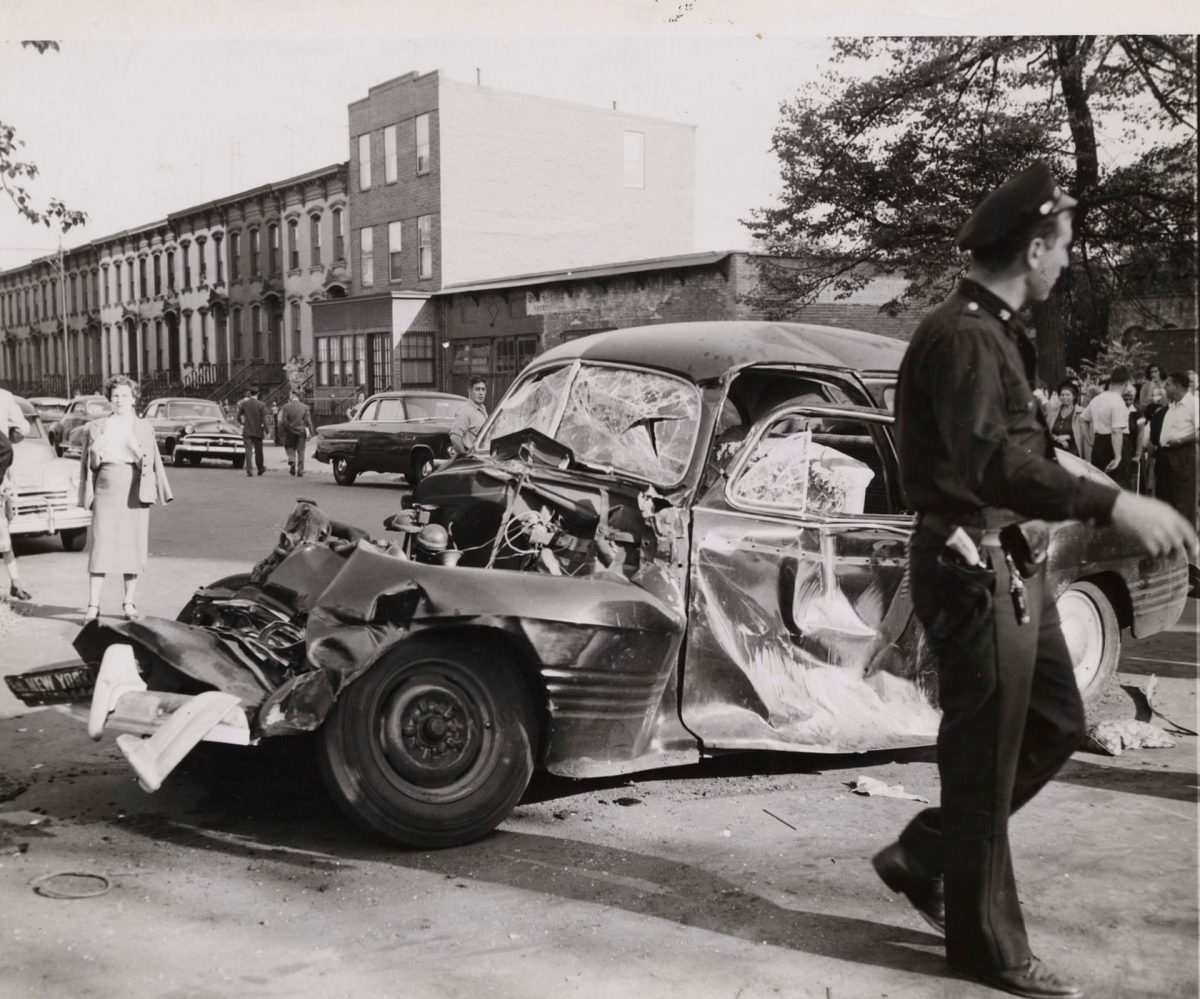
A car and truck collide in Brooklyn, 1947.
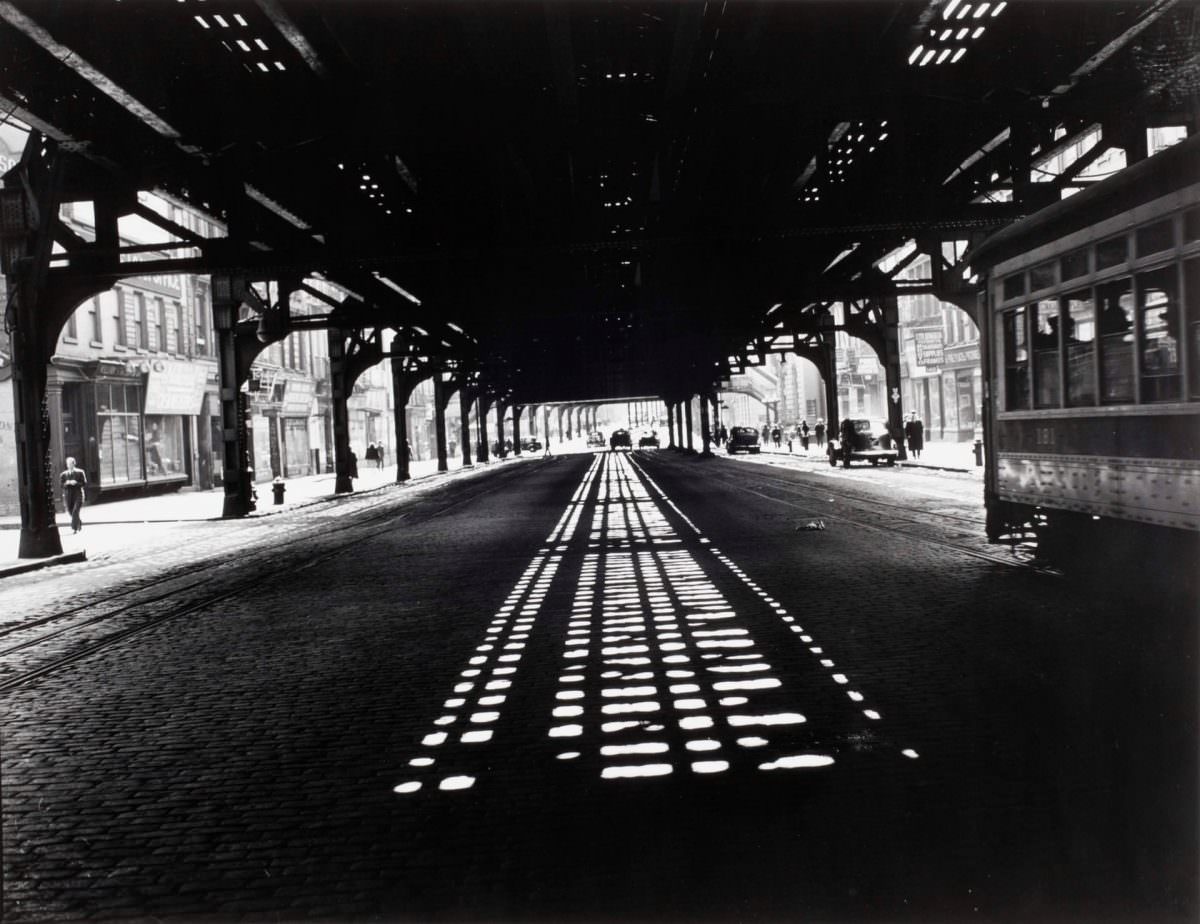
Under the Third Avenue Elevated, 1938.

Gambling raids were a regular feature of NYPD activity in the 1940s. Weegee photographed the arrests with the same matter-of-fact directness he applied to everything — no dramatizing, just the facts on film.
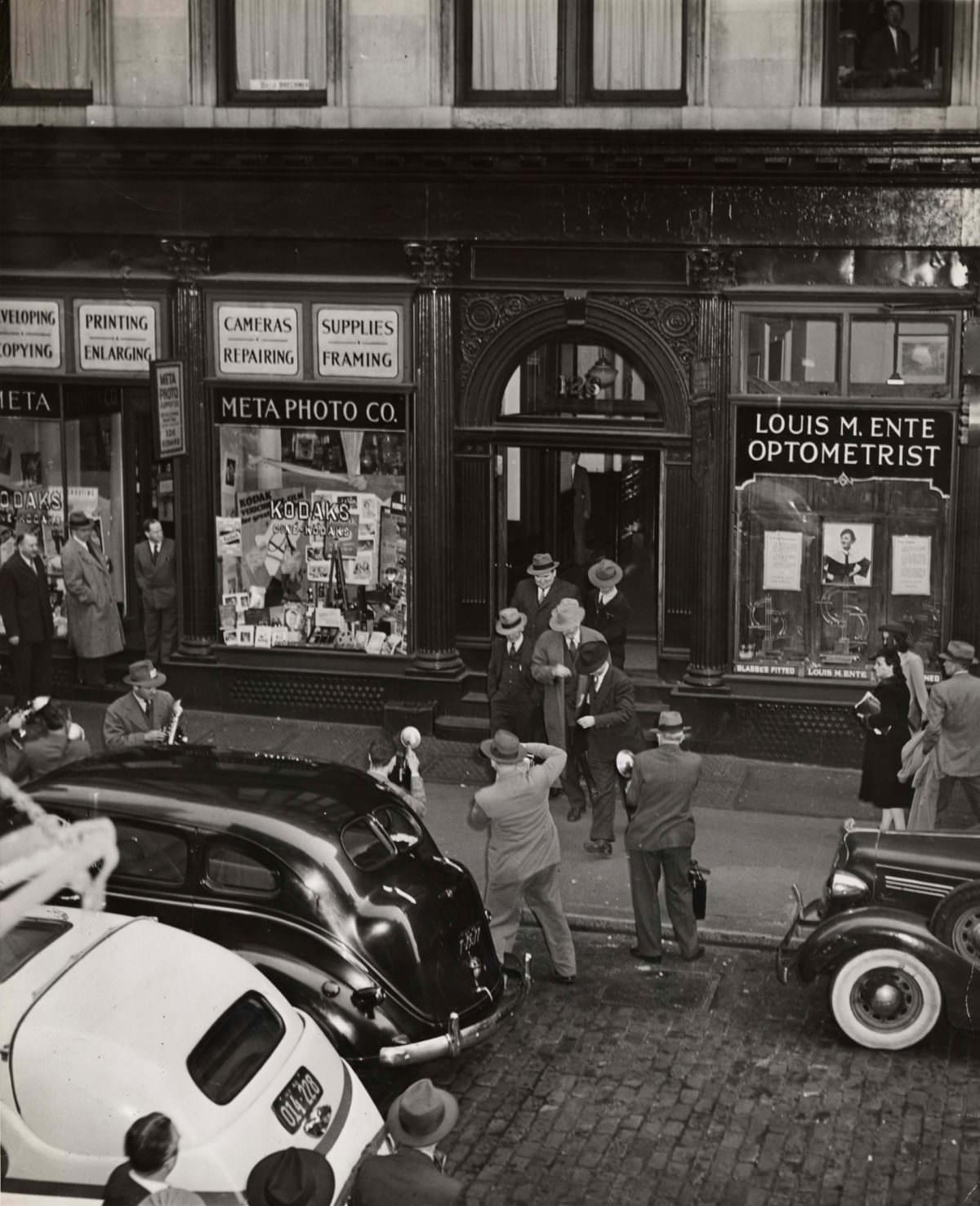
Arrests made during a gambling raid, 1942.
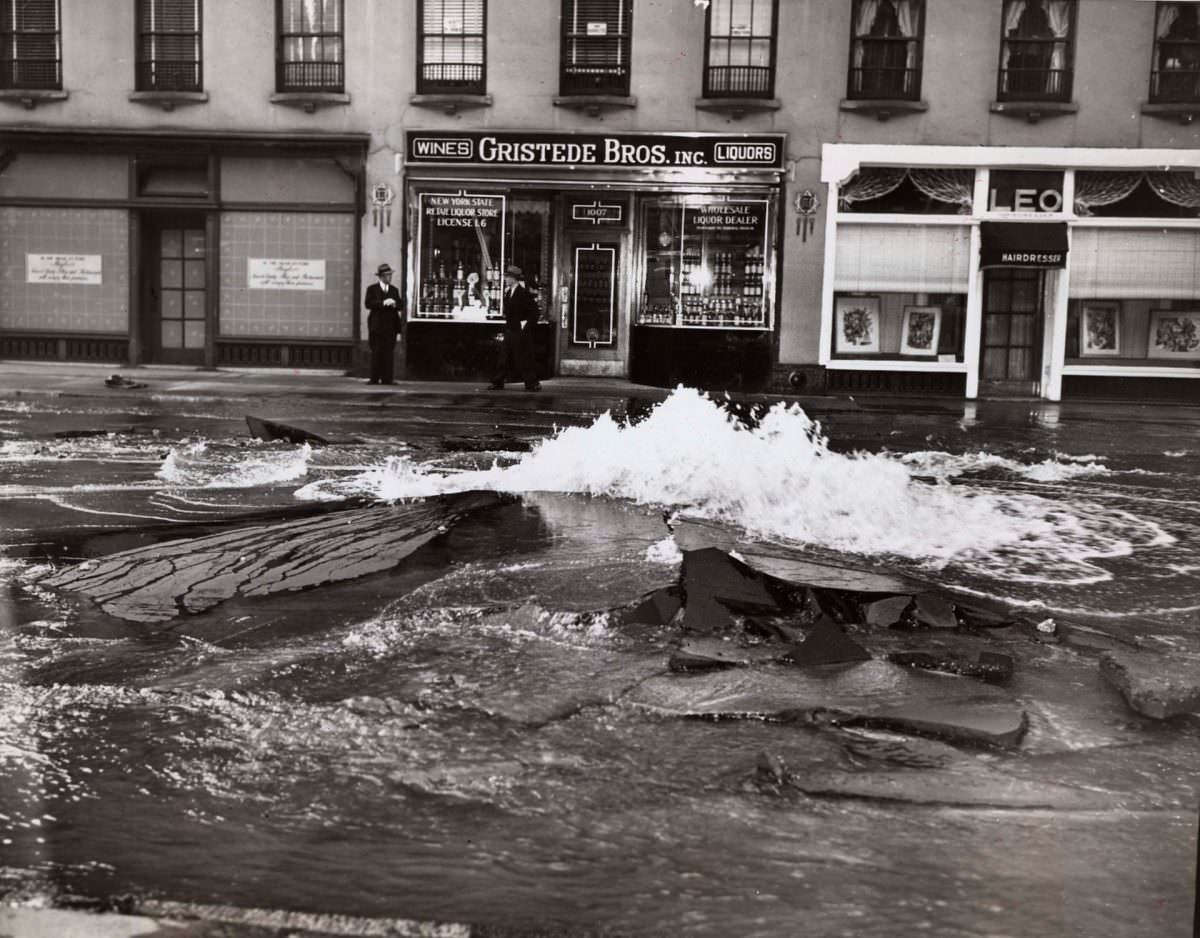
Water main burst uproots Madison Avenue, 1945.

When victory in Europe was declared in May 1945, New York’s ethnic neighborhoods each celebrated in their own way. Chinatown was no exception.
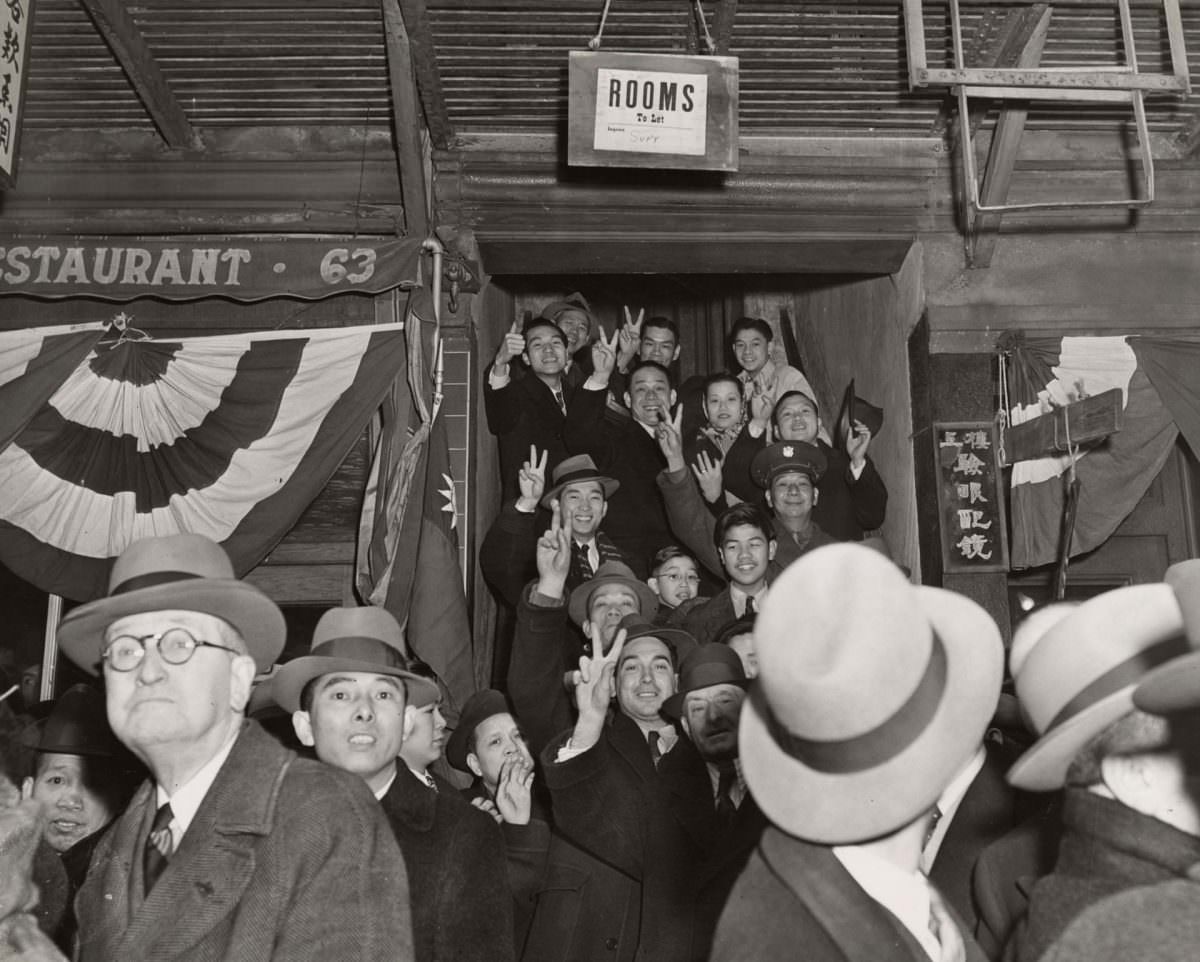
Victory in Europe day celebrated in Chinatown, 1945.
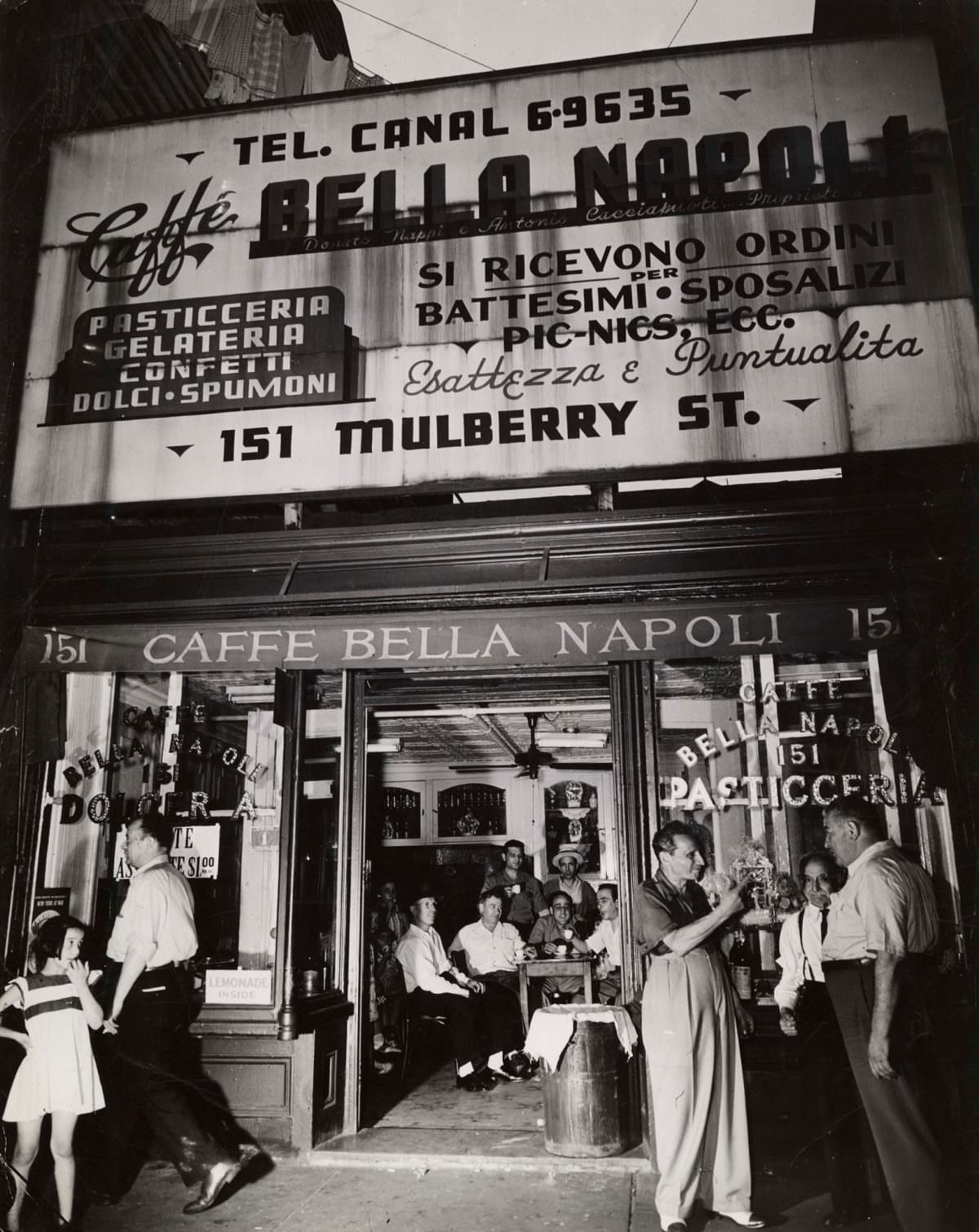
CaffƩ Bella Napoli, Mulberry Street, 1944.

Into the 1950s, Weegee kept shooting. Times Square, Broadway, and the city’s commercial districts gave him new subjects as New York shifted from wartime austerity into postwar energy.
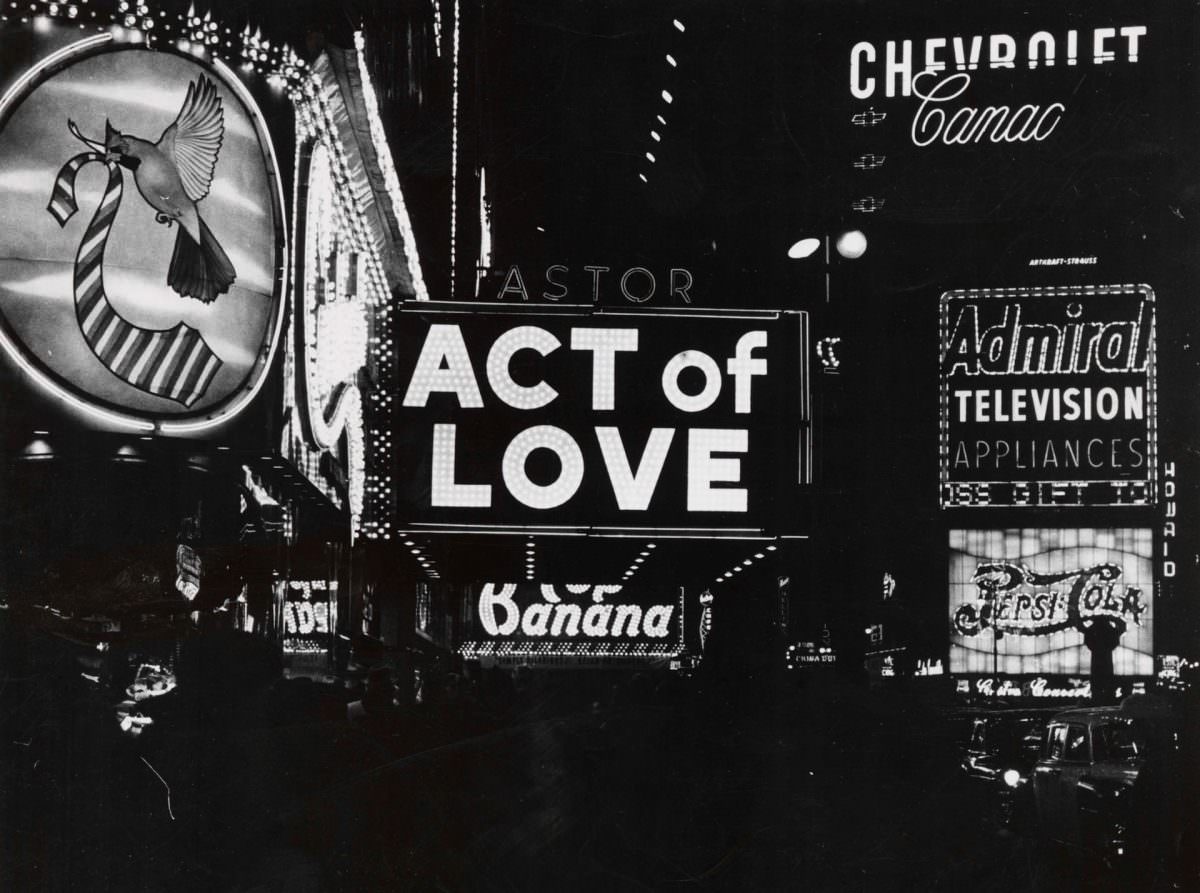
Act of Love at the Astor Theatre, Times Square, 1954.
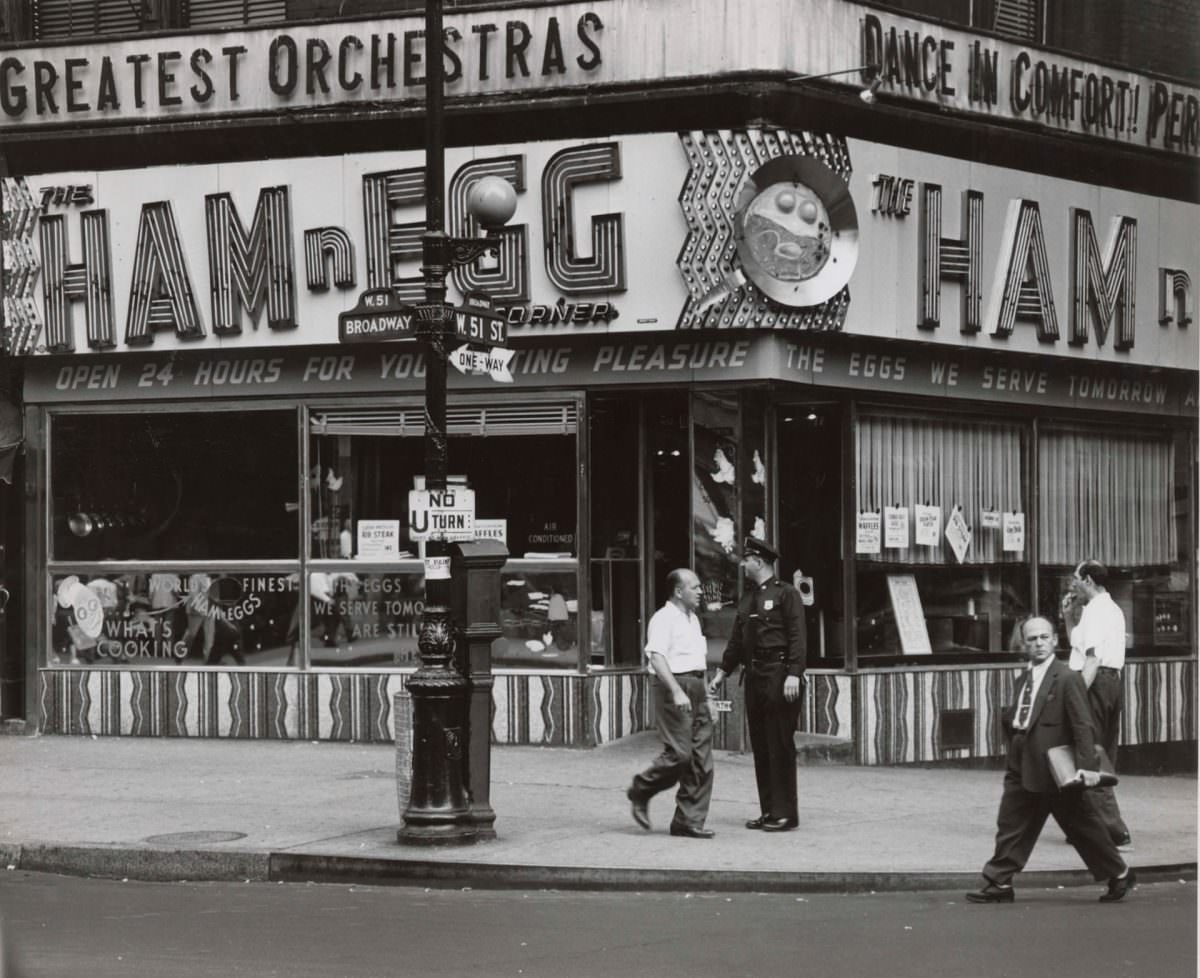
The Ham n Egg on Broadway, 1950s.
The Critic, 1943.
The Critic, 1943.
"Unusual Crime", 1940.
ā€œUnusual Crimeā€, 1940.
Enjoyed this post? Get new ones in your inbox.

Leave a Comment

Your email address will not be published. Required fields are marked *

Share this Post 🄺

Please take a moment to share this content. Your support is greatly appreciated! šŸ™ŒšŸ™

Share this Post 🄺

Please take a moment to share this content. Your support is greatly appreciated! šŸ™ŒšŸ™
Scroll to Top
 
Hey Friend, Before You Go.. Please like & follow for more interesting content