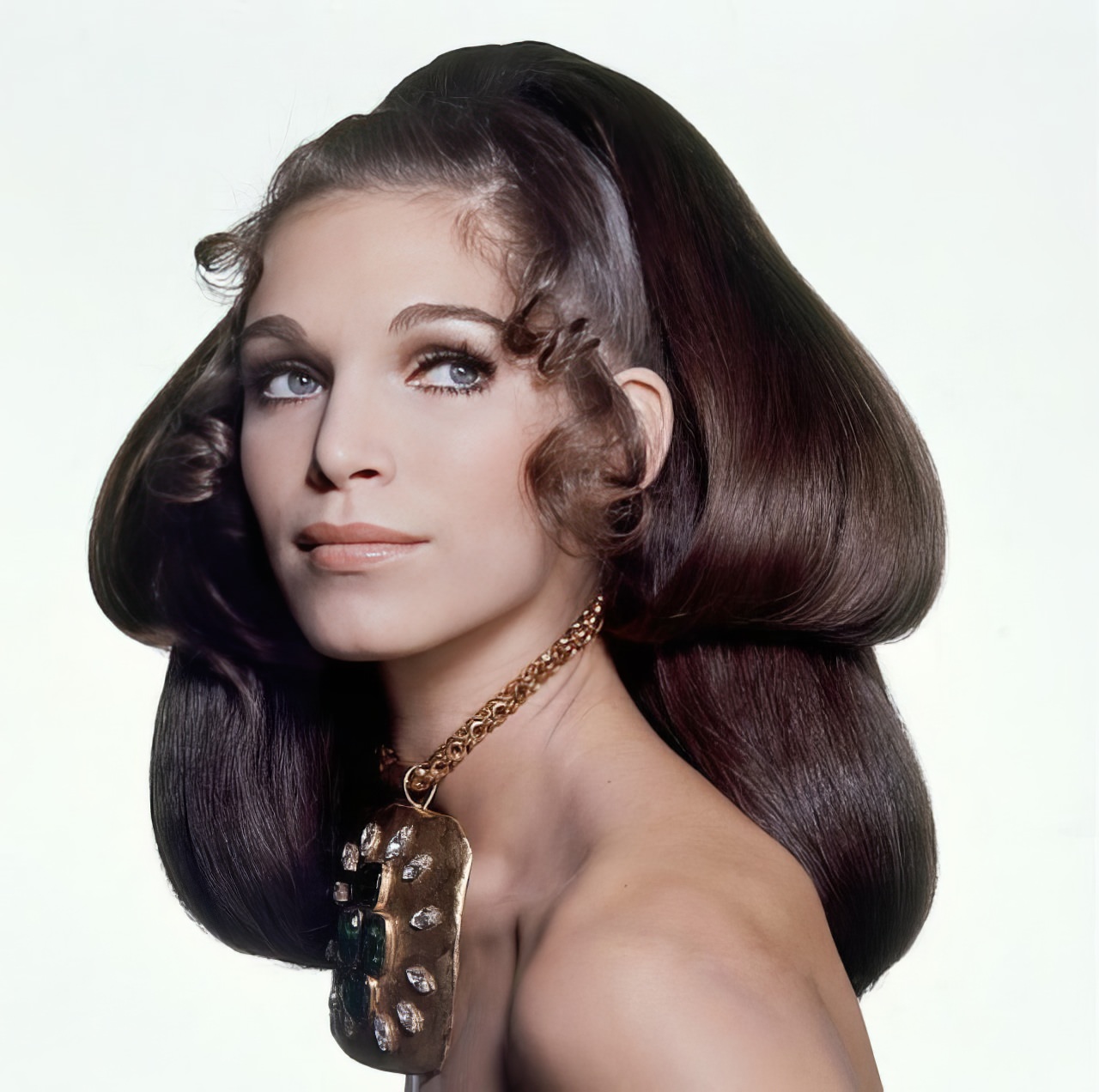
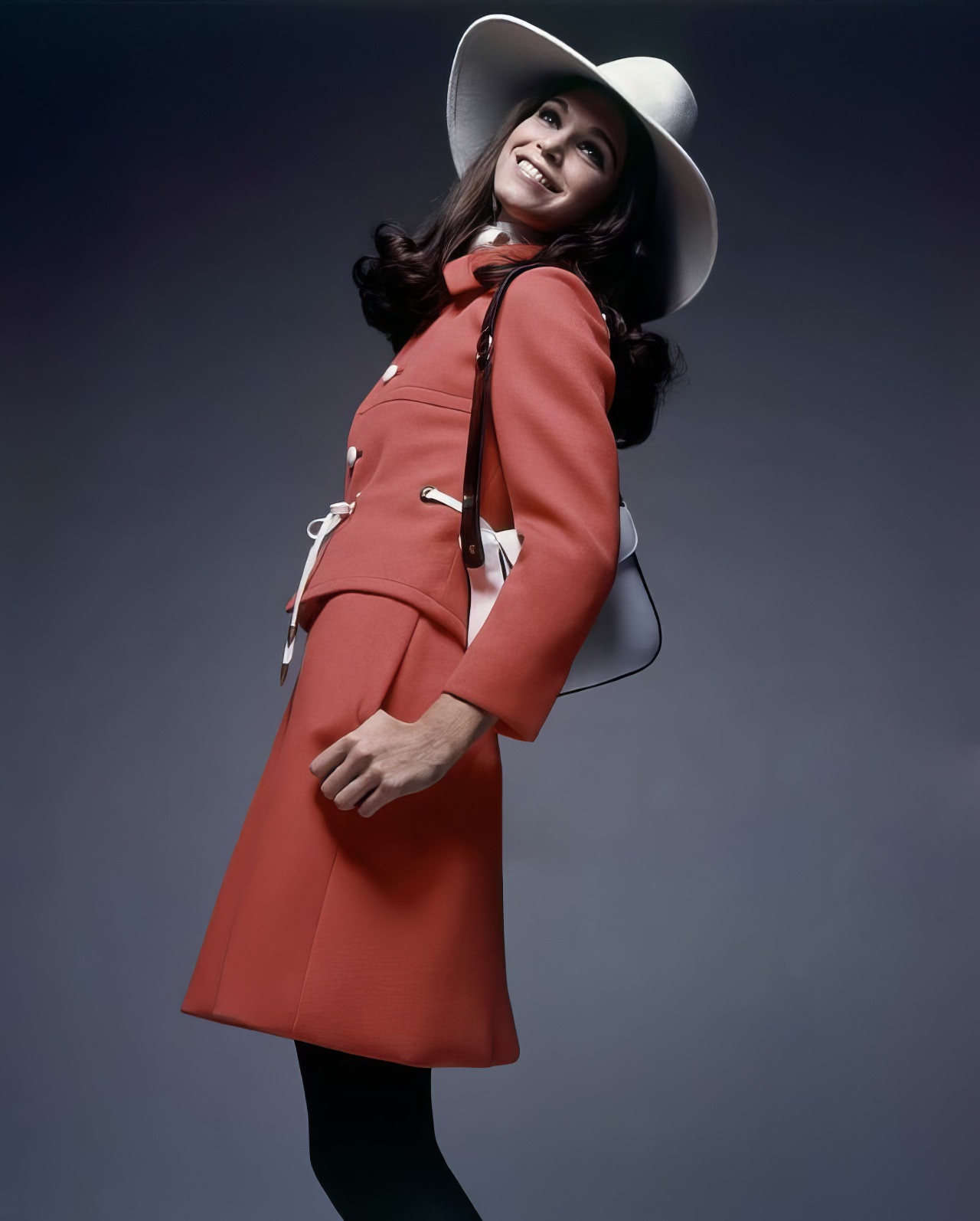
In the late 1960s, New York City was the center of the fashion universe, and its streets had a way of turning unknowns into icons. That’s exactly what happened to Ann Turkel. Walking through the city one day, she caught the eye of Diana Vreeland — the legendary editor-in-chief of Vogue Magazine. Vreeland had a reputation for recognizing raw star power before anyone else did. She didn’t hesitate. Turkel’s tall frame, sharp features, and natural elegance were exactly what high fashion demanded, and within a short time, Turkel was standing in front of some of the world’s best cameras.
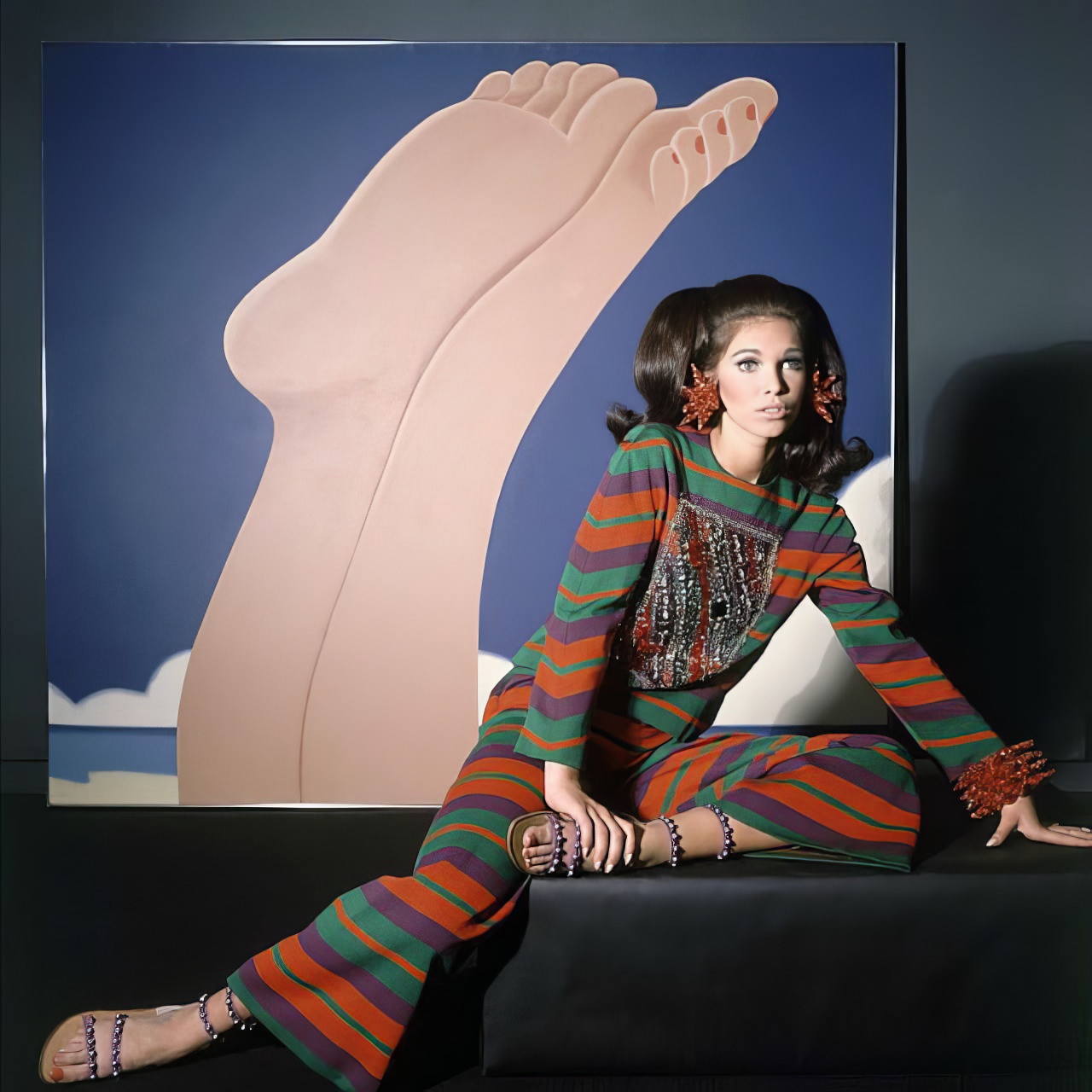
Her early Vogue appearances in 1966 showed a model already comfortable in the spotlight. She wore pieces by some of the most respected designers of the decade — Galanos, Norman Norell, and Lynn Stuart among them. These weren’t casual editorial shots. Each image was a carefully constructed statement about luxury and modern femininity.
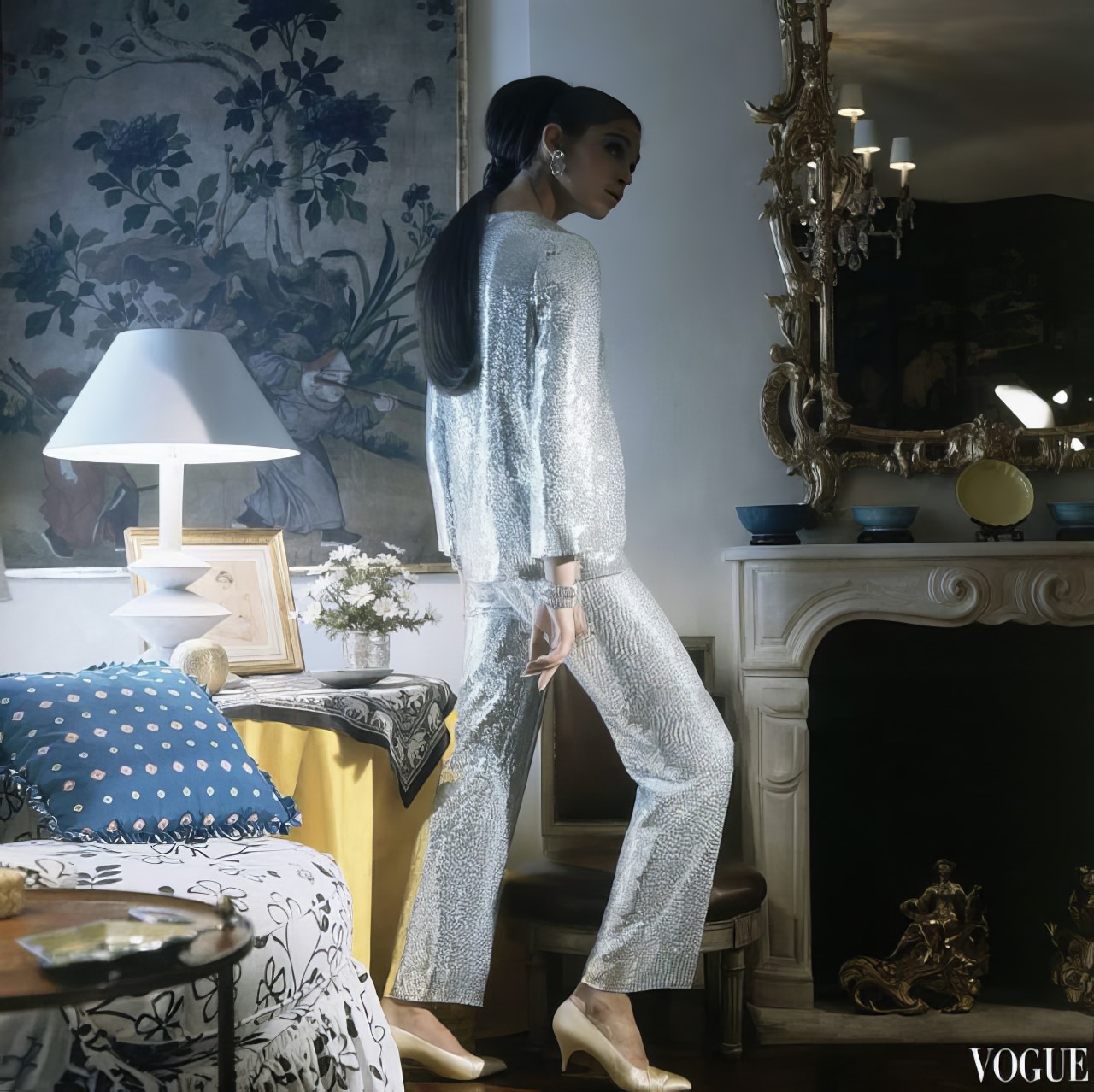
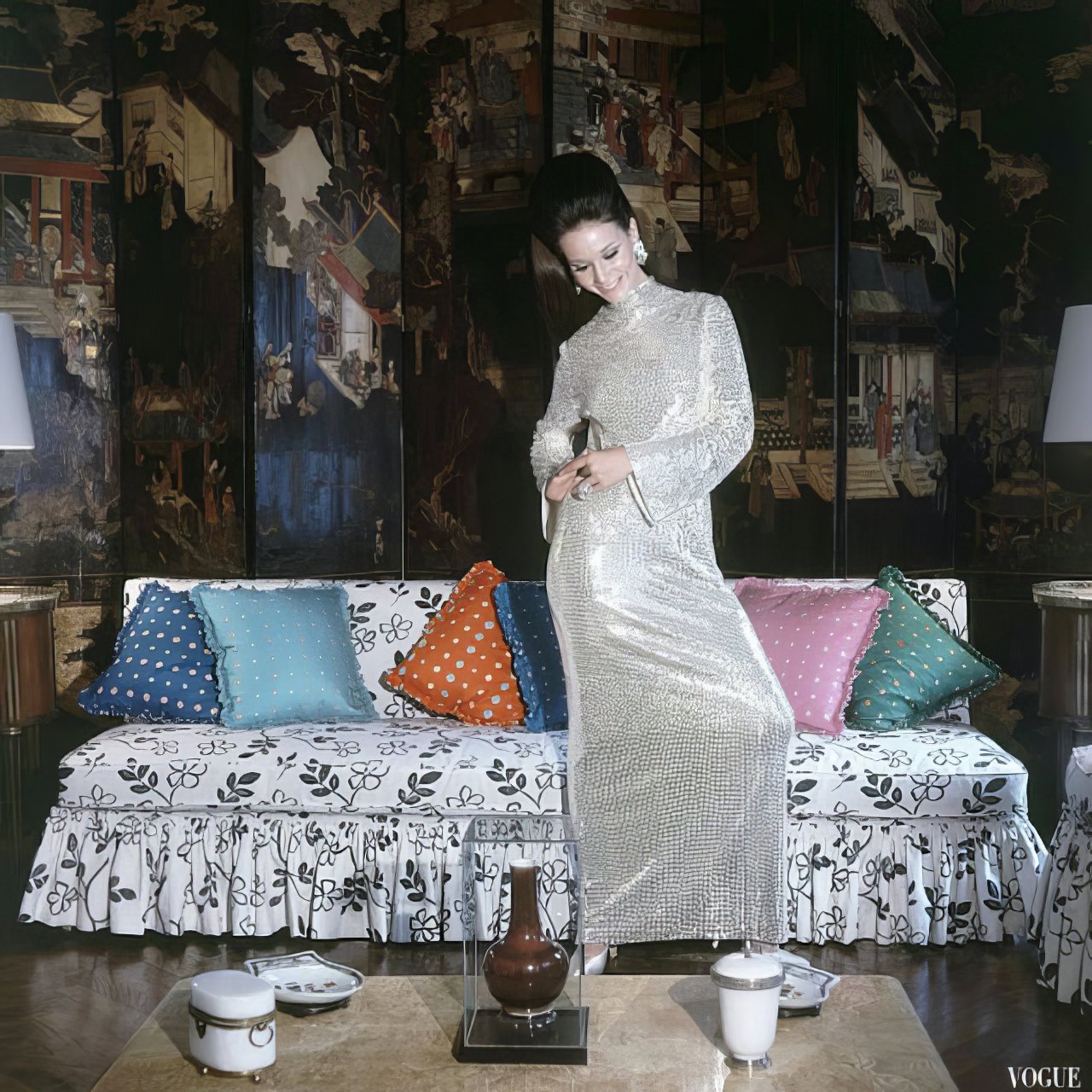
Norman Norell, one of America’s most celebrated couturiers at the time, dressed Turkel in embroidered crepe and shimmering full-length gowns. The silver paillette work was a Norell signature — precise, opulent, and demanding of a model who could wear it with authority. Turkel delivered exactly that.
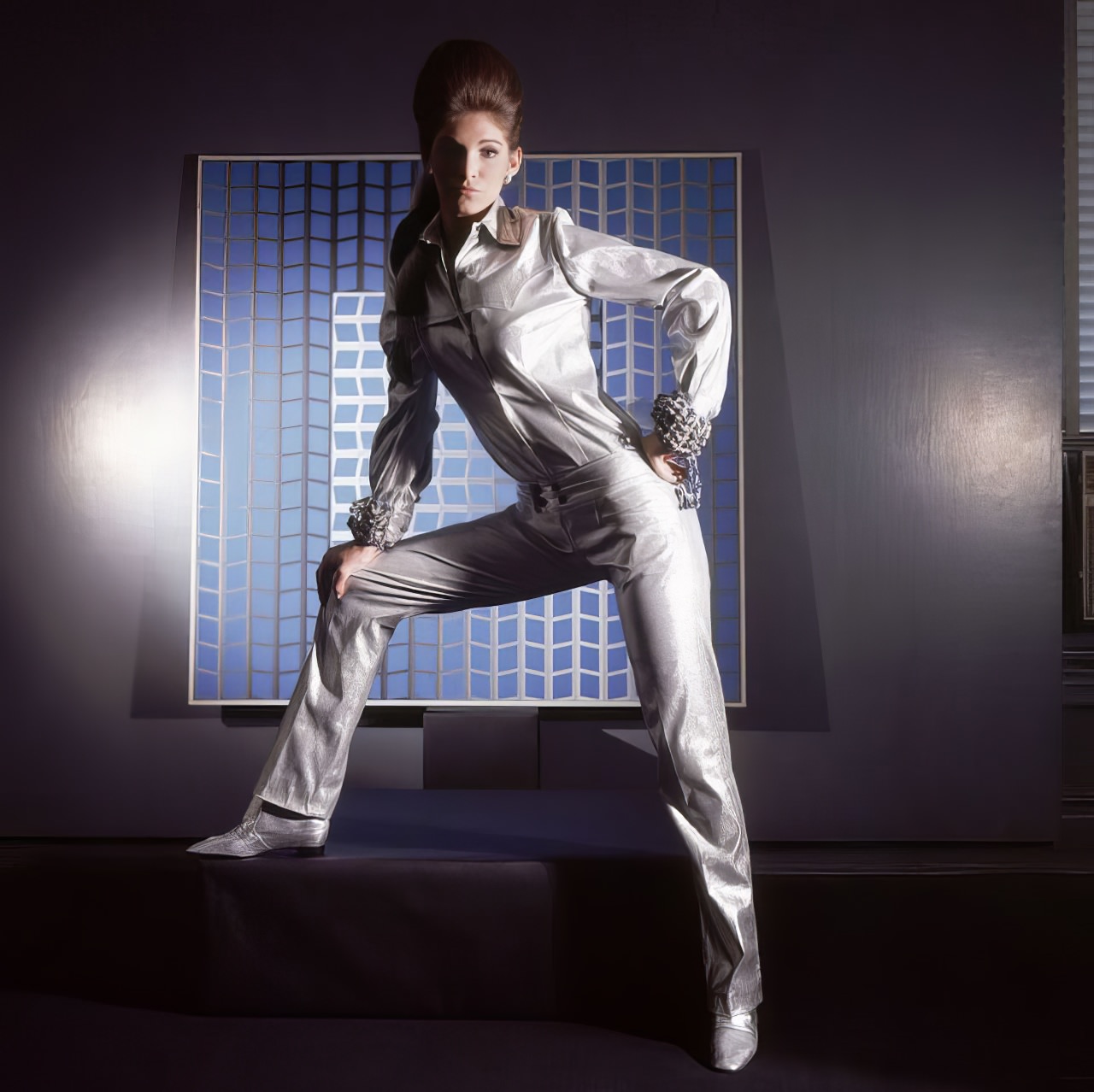
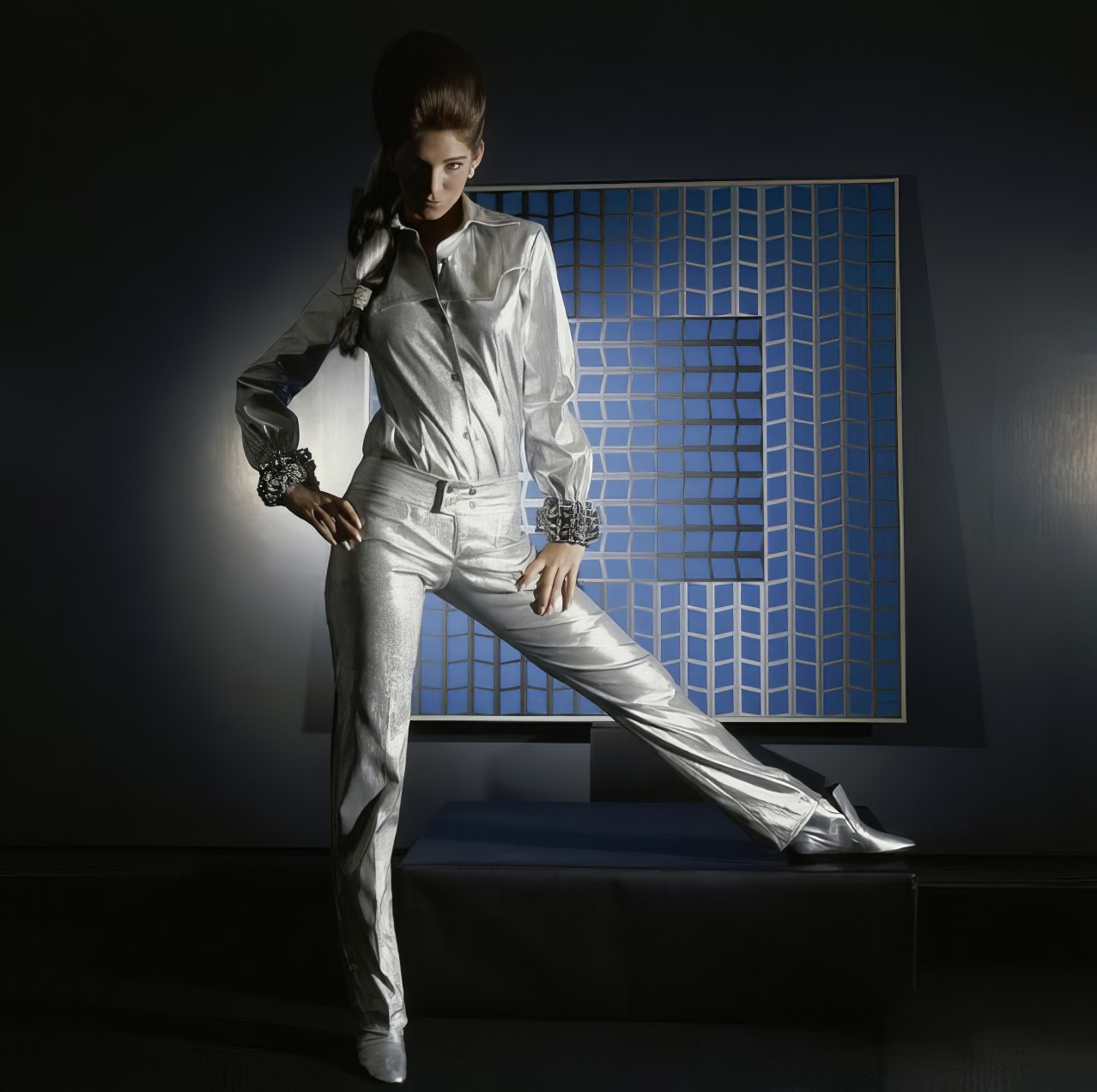
Not every look was floor-length gowns and evening wear. Turkel also modeled casual pieces like Lynn Stuart’s silvered stretch jeans, showing her ability to move fluidly between glamour and ready-to-wear. That versatility made her valuable to photographers and editors alike. She wasn’t locked into a single image.
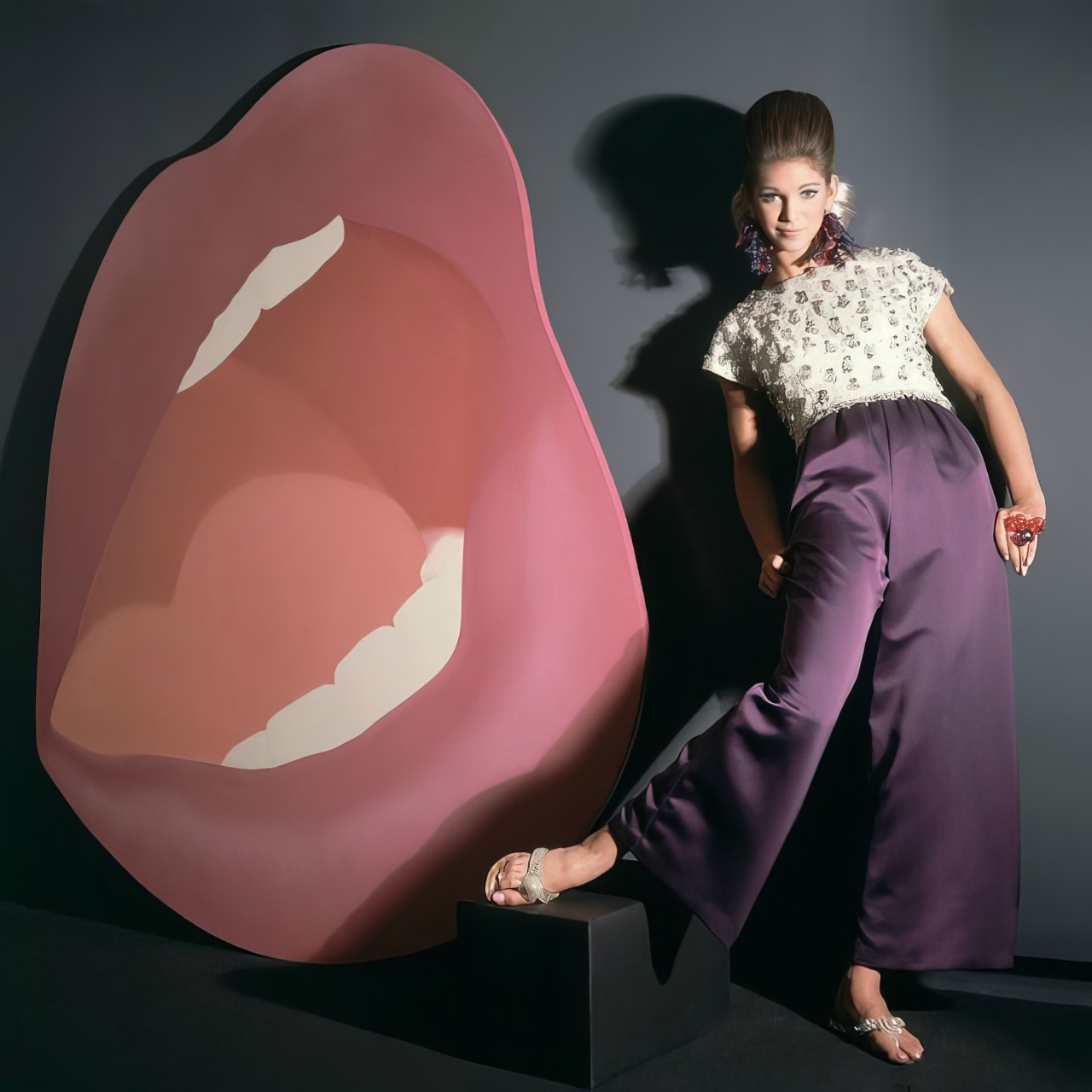
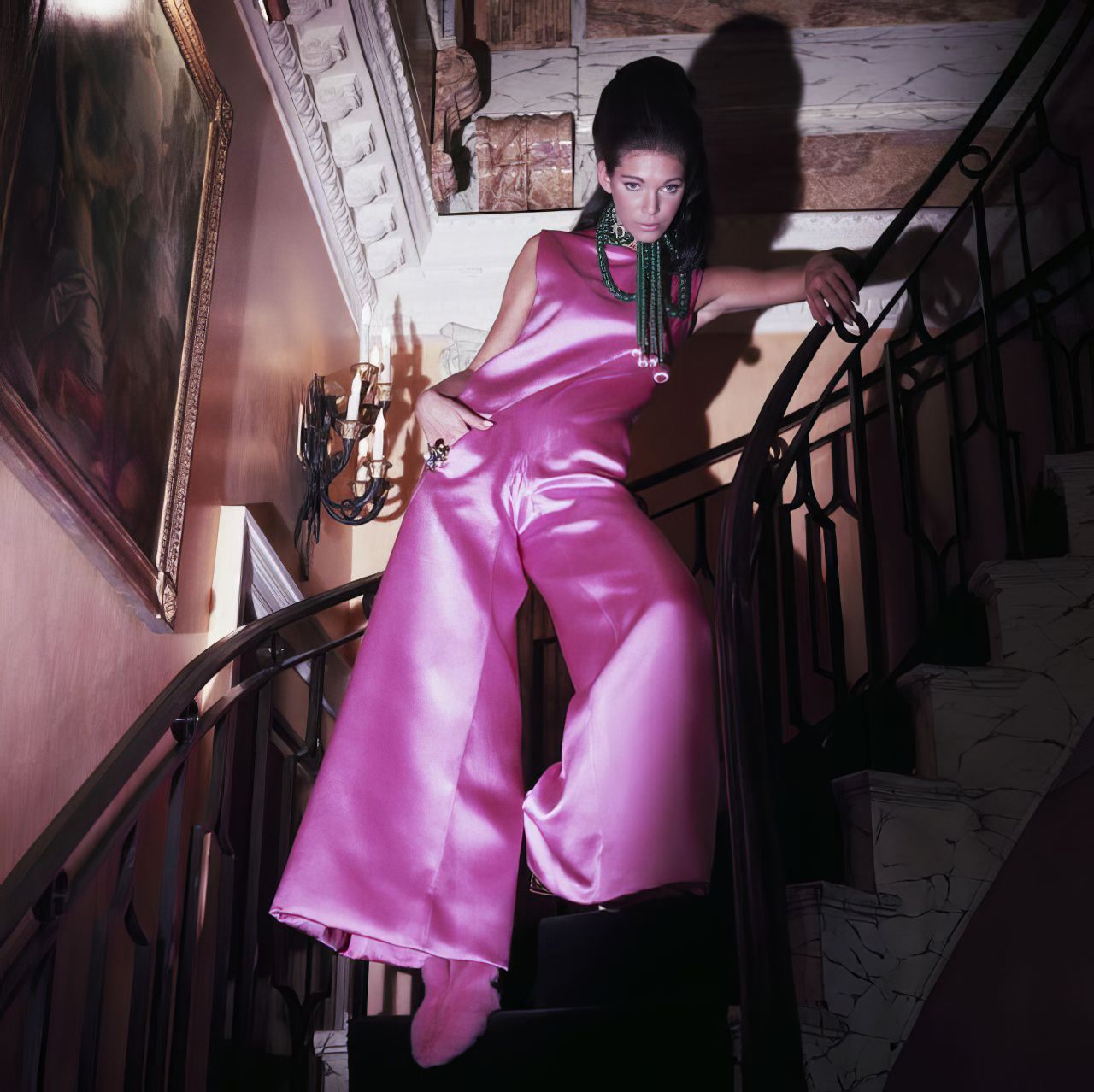
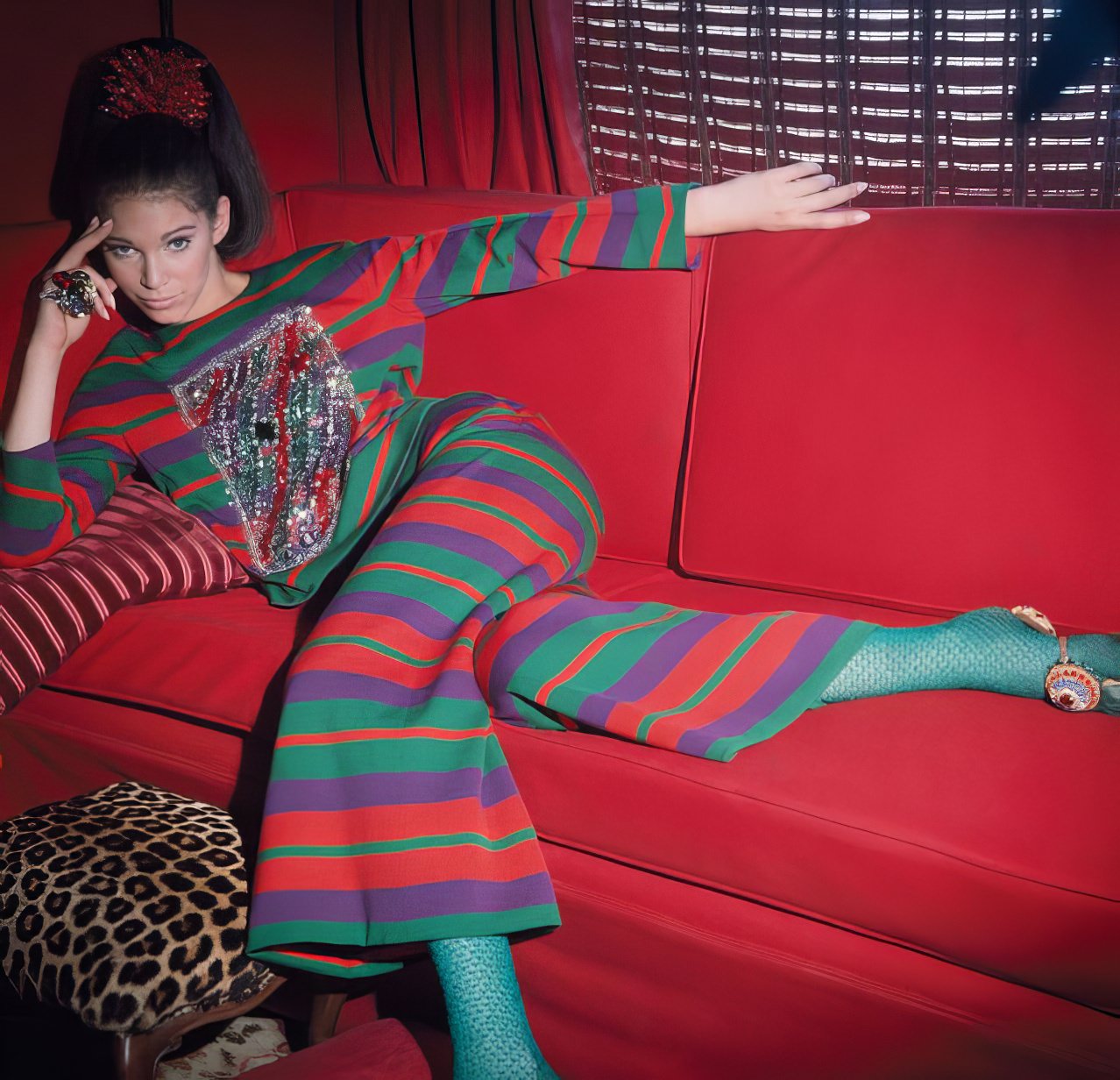
By 1967, Turkel’s career had expanded well beyond New York’s studios. She traveled to Leningrad for a fur editorial — a bold, visually dramatic shoot that placed her against the backdrop of Soviet-era architecture. The series was a sharp contrast to the controlled environments of American fashion shoots, and it reinforced her status as a model trusted enough to anchor major international productions.
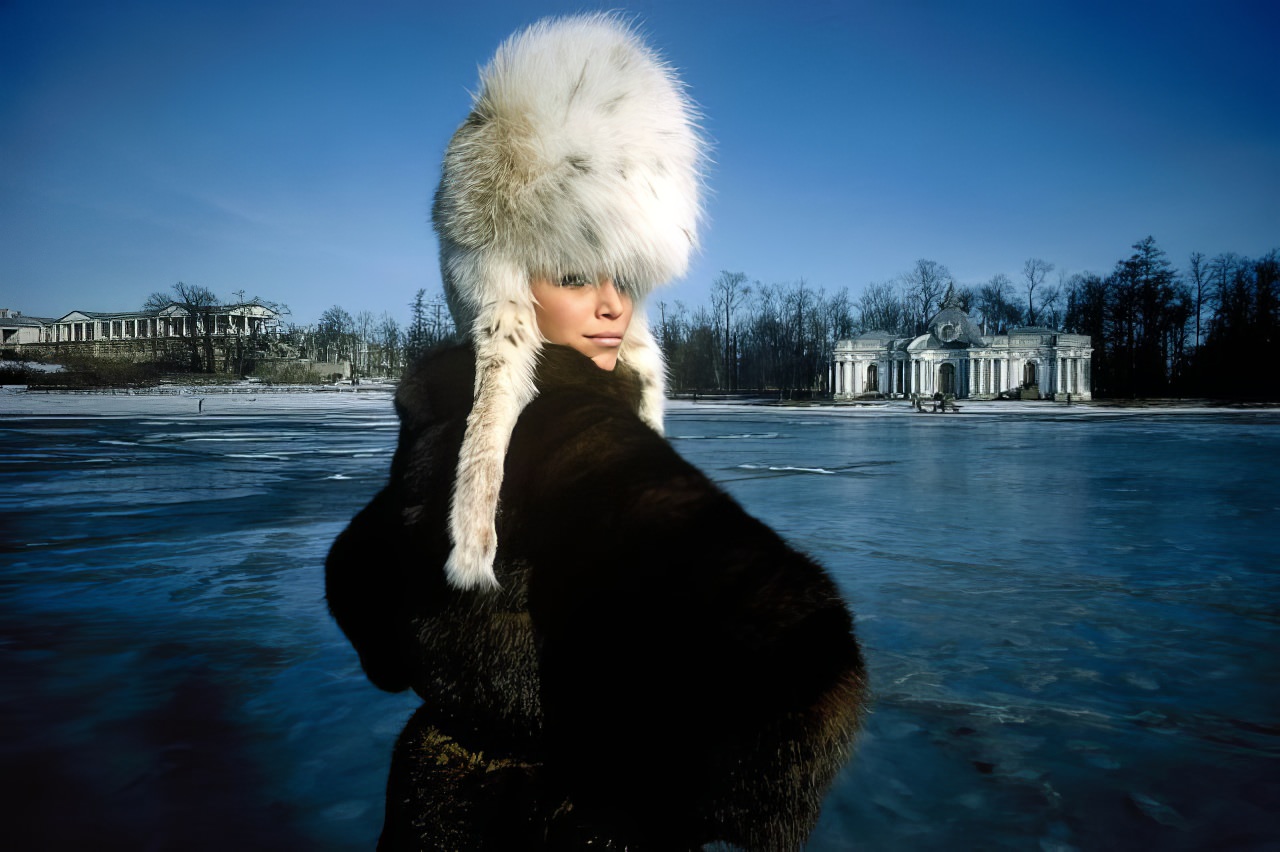
That same year, she modeled for an impressive range of designers. Givenchy, Pierre Cardin, Oscar de la Renta, and Sophie of Saks Fifth Avenue all featured her in their campaigns and editorial work. Each designer brought a different aesthetic, yet Turkel adapted naturally to every one of them — from Givenchy’s structured yellow crêpe jumpsuit to Cardin’s mod crèpe-georgette mini-dress.
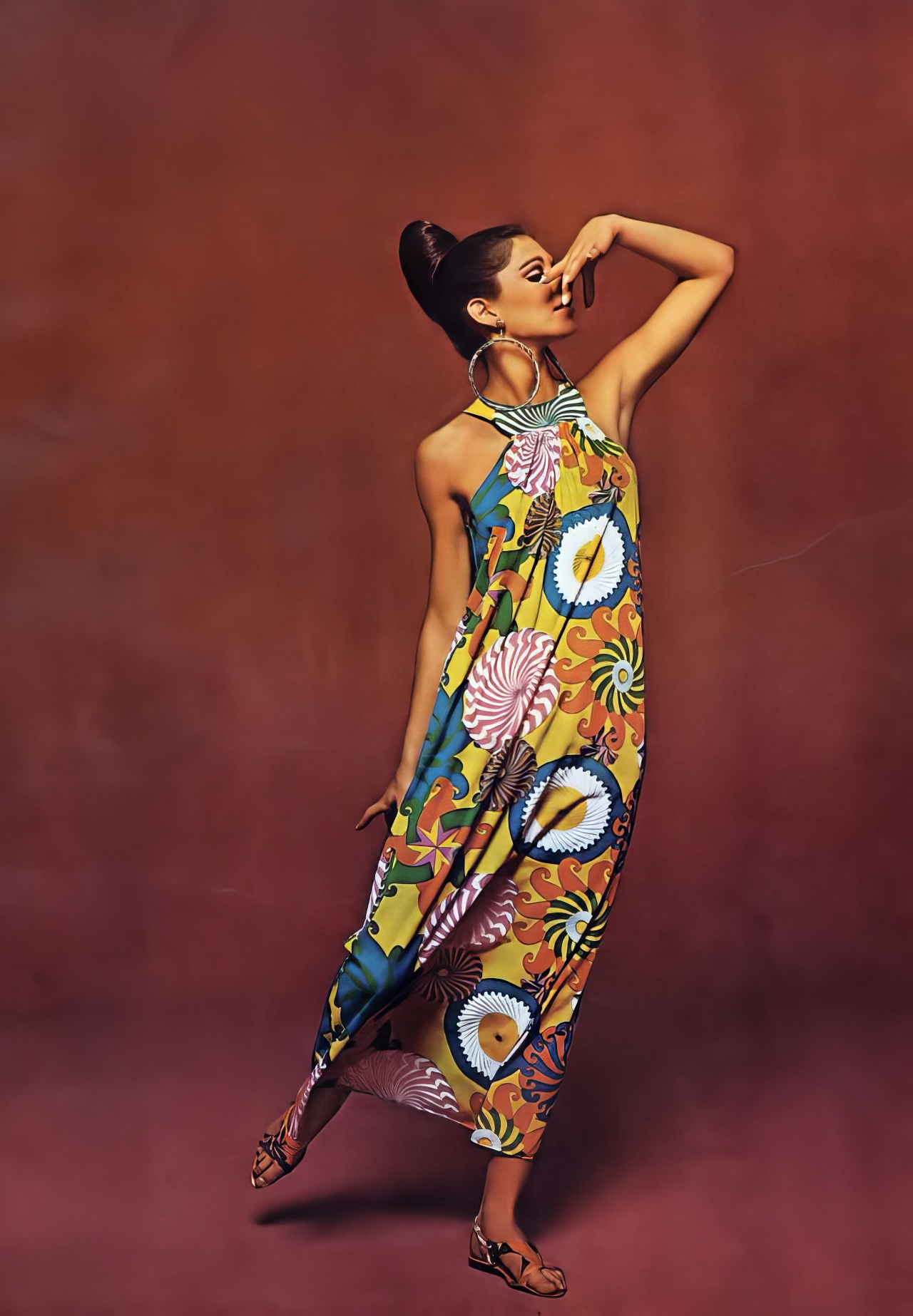
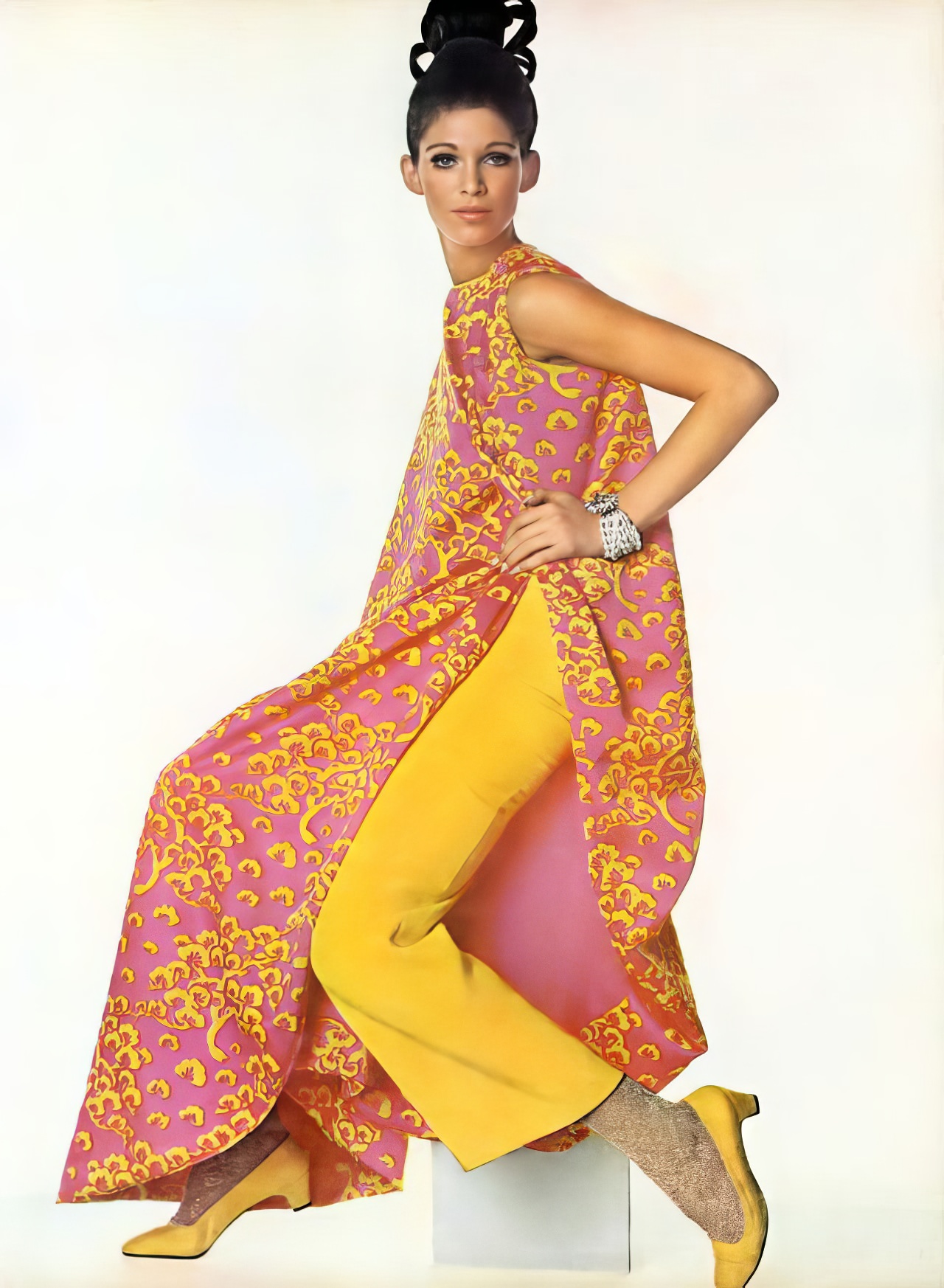
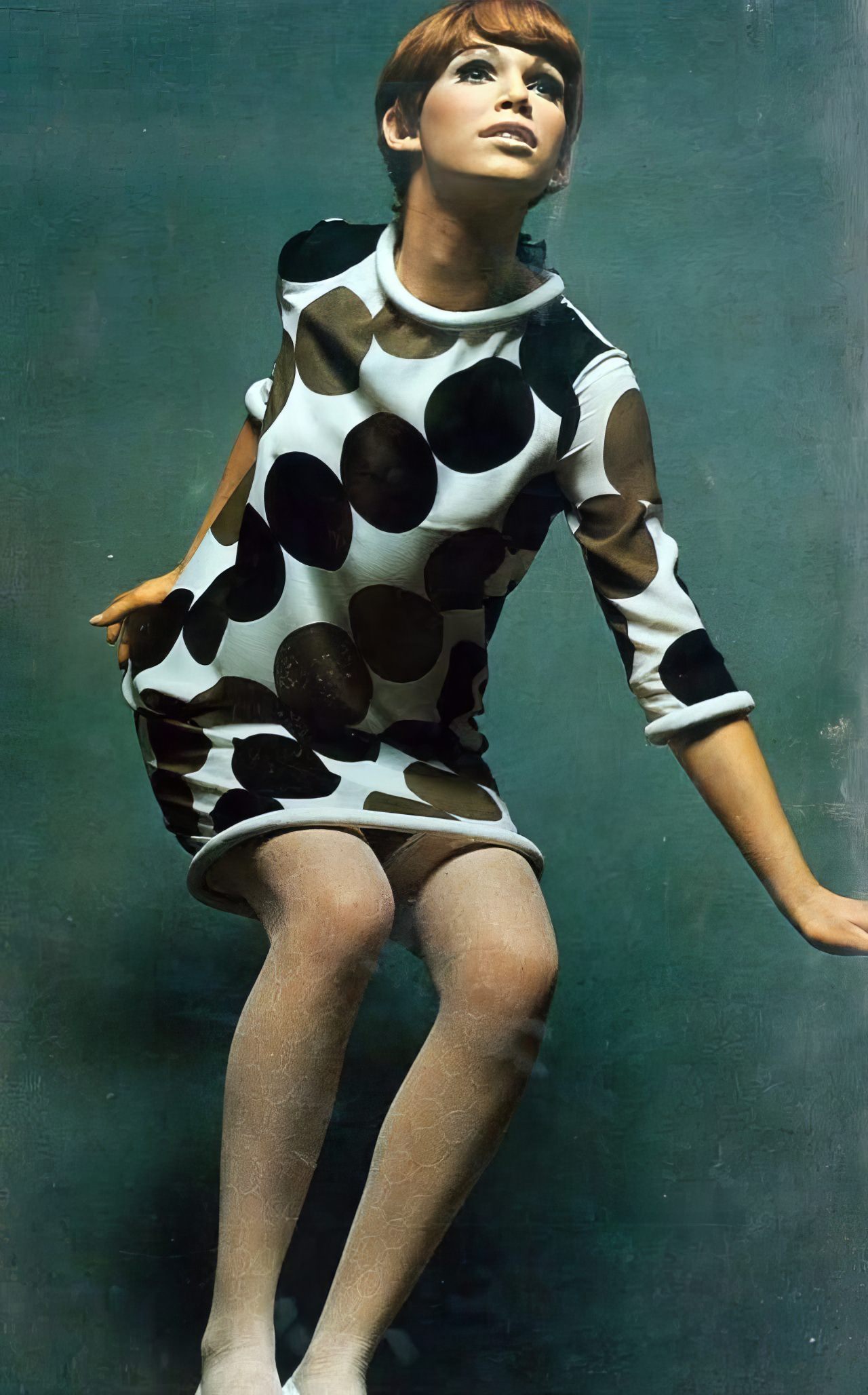
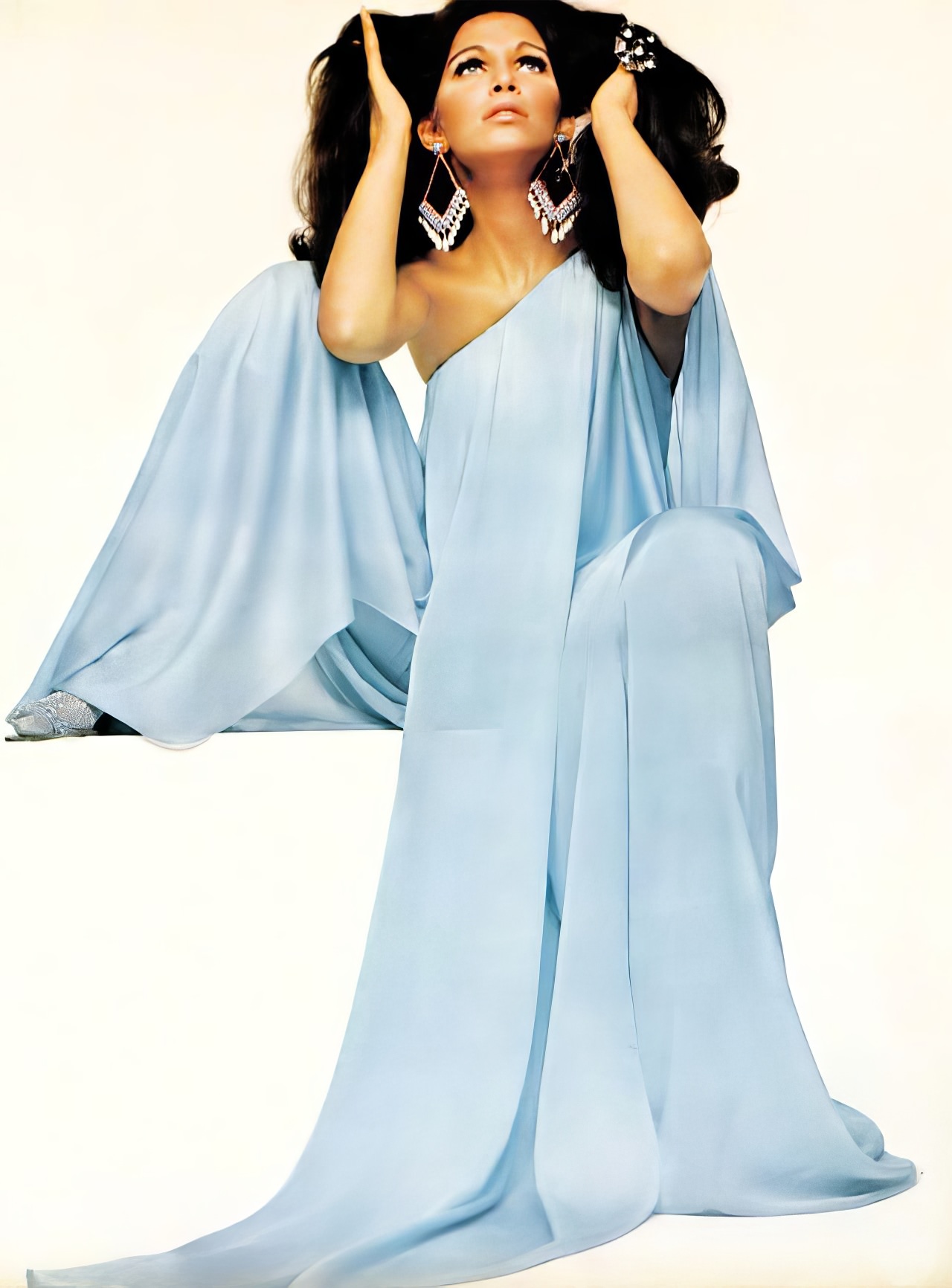
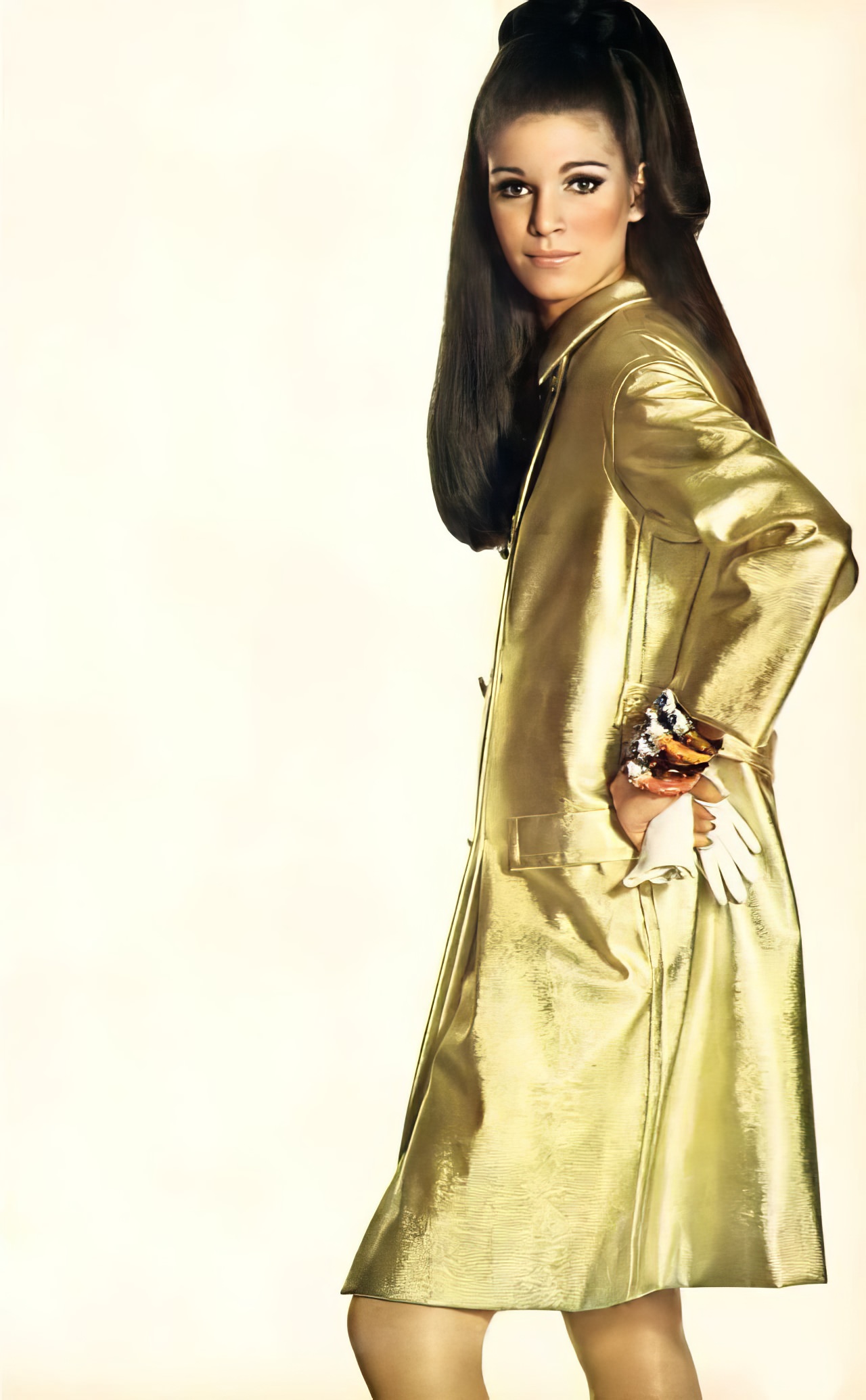
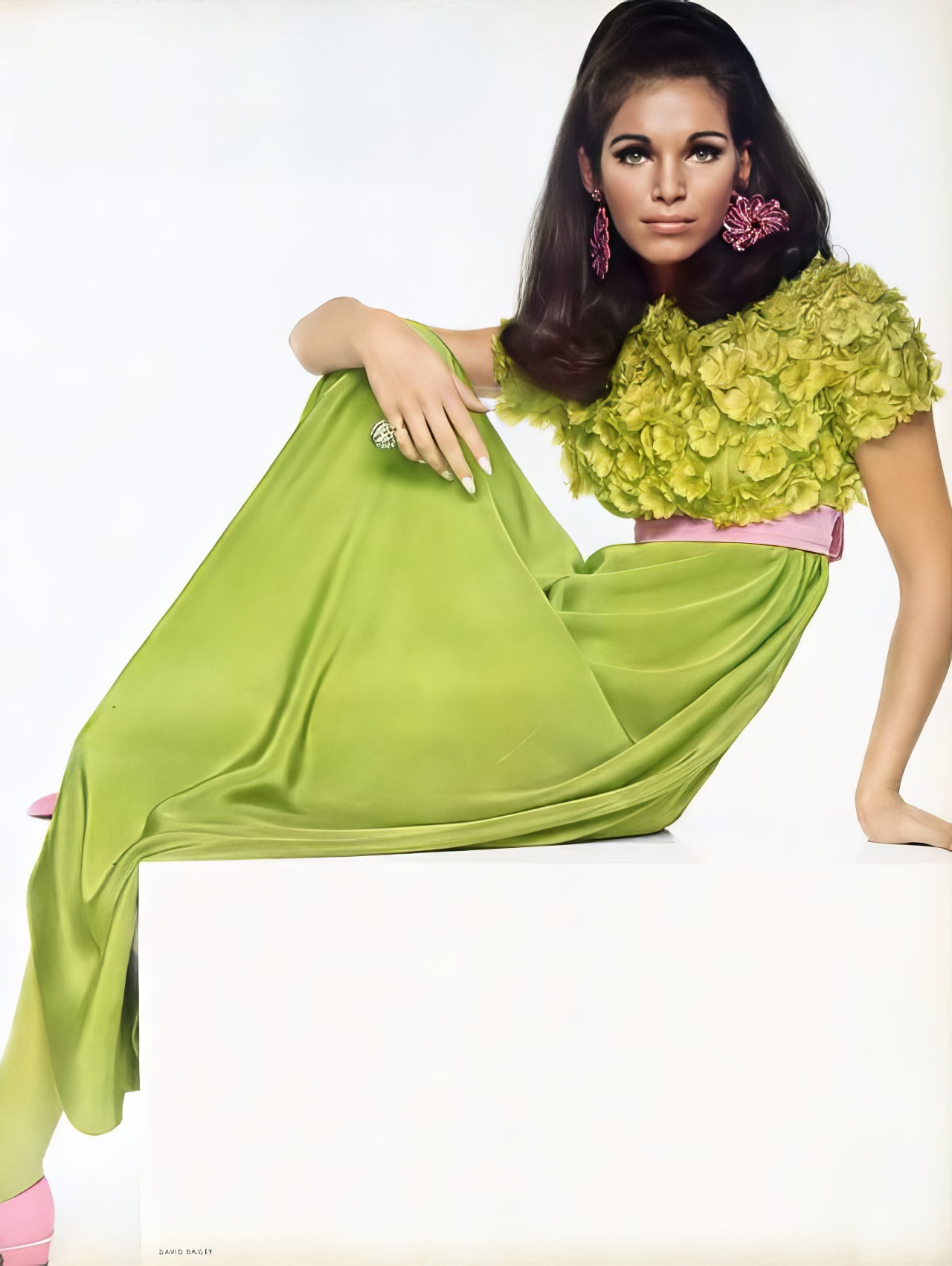
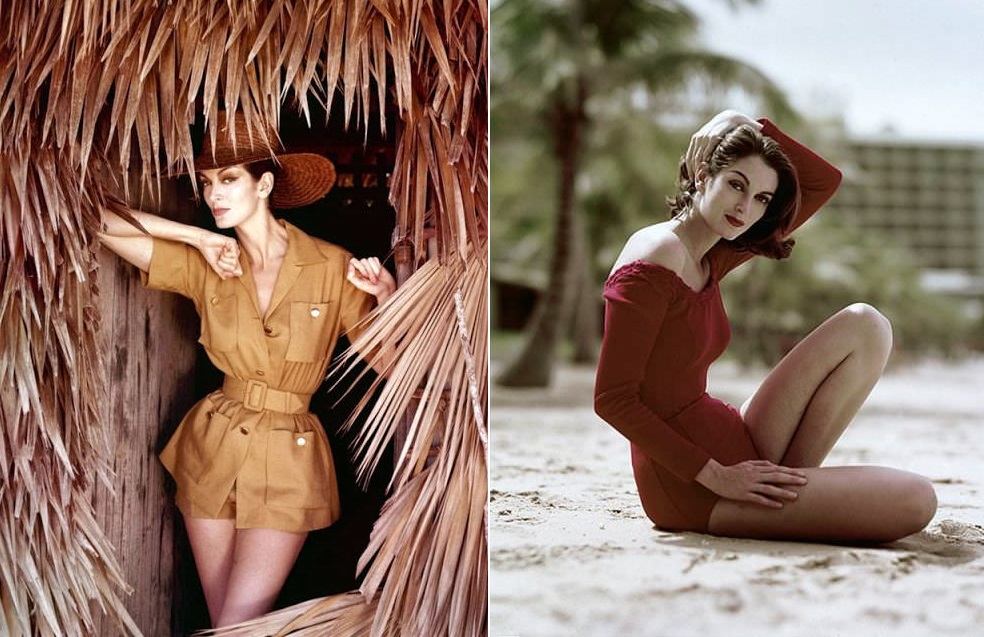
Photographer Patrick Lichfield, known for his work in exotic locations, shot Turkel on location in the Bahamas and Italy. These assignments weren’t just scenic backdrops — they were high-stakes productions that required a model with presence and professionalism. Turkel handled them with ease, and the resulting images helped define the aspirational tone of fashion photography in the late 1960s.
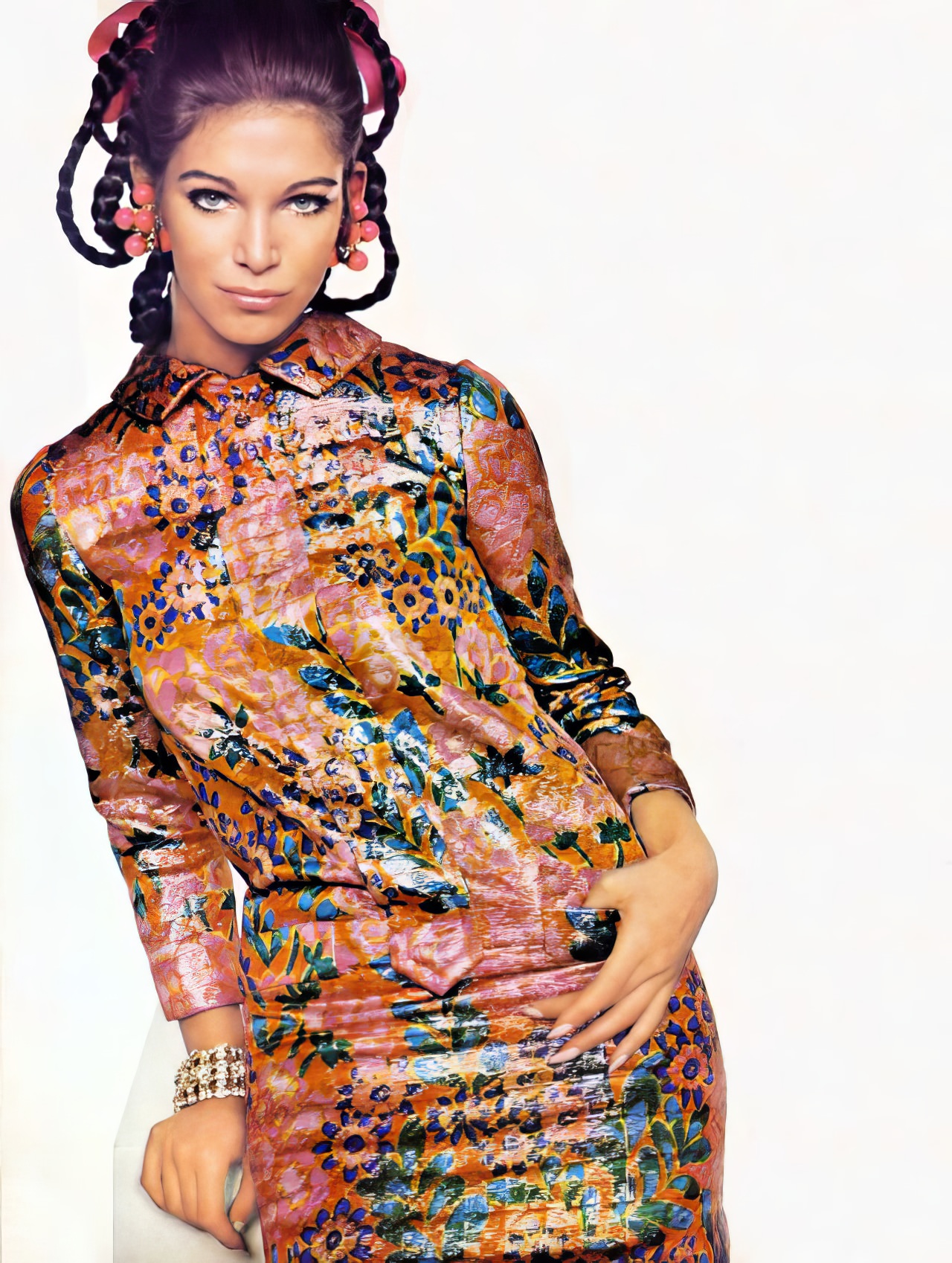
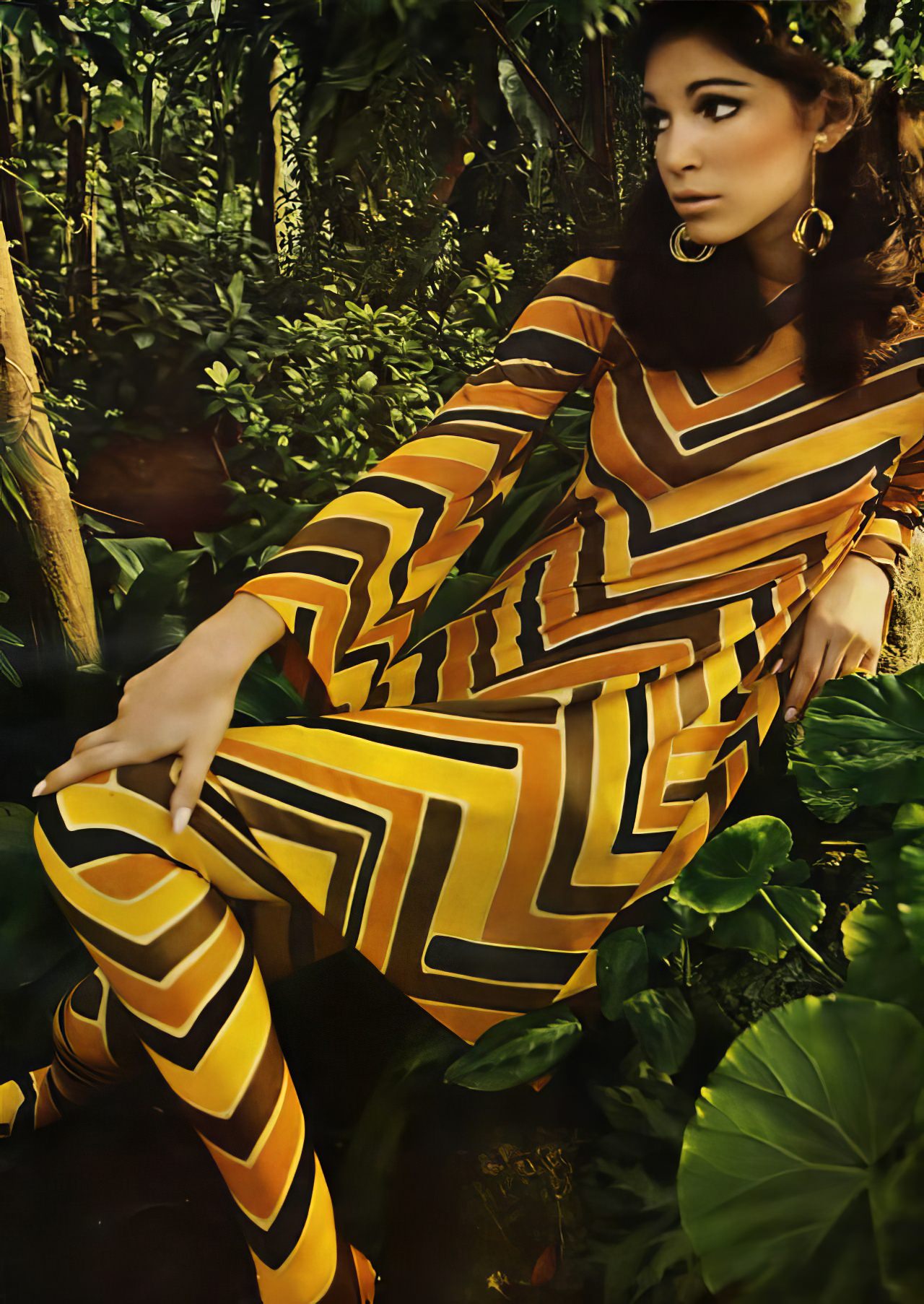
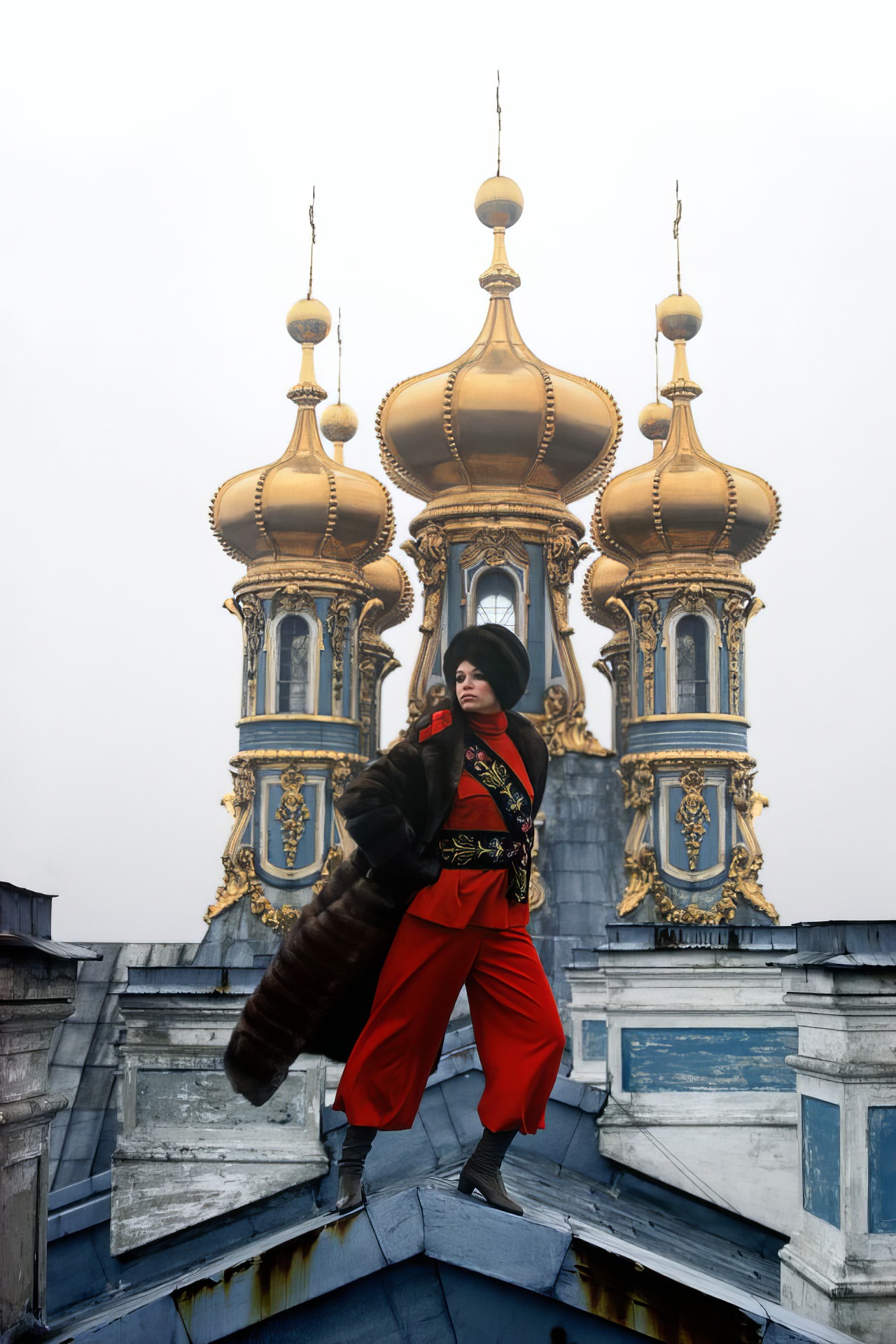
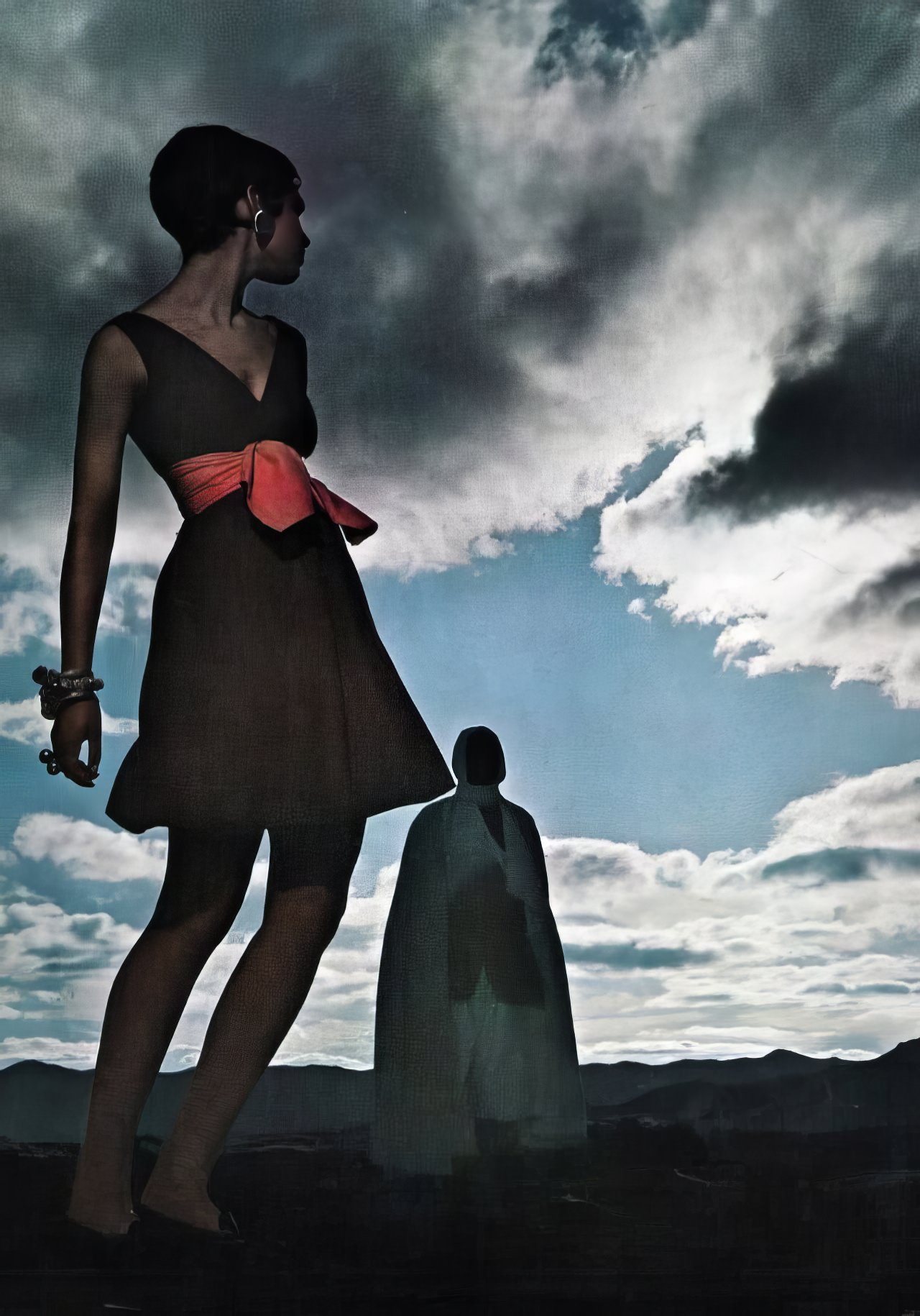
Her appeal reached far beyond American borders. European and Japanese markets were equally drawn to her look, and major cosmetic brands including Max Factor, Revlon, and Chanel all signed her as a campaign face. These weren’t minor endorsements. Representing three of the most competitive names in beauty at the global level placed Turkel in a very small group of models who could command that kind of attention across multiple continents.
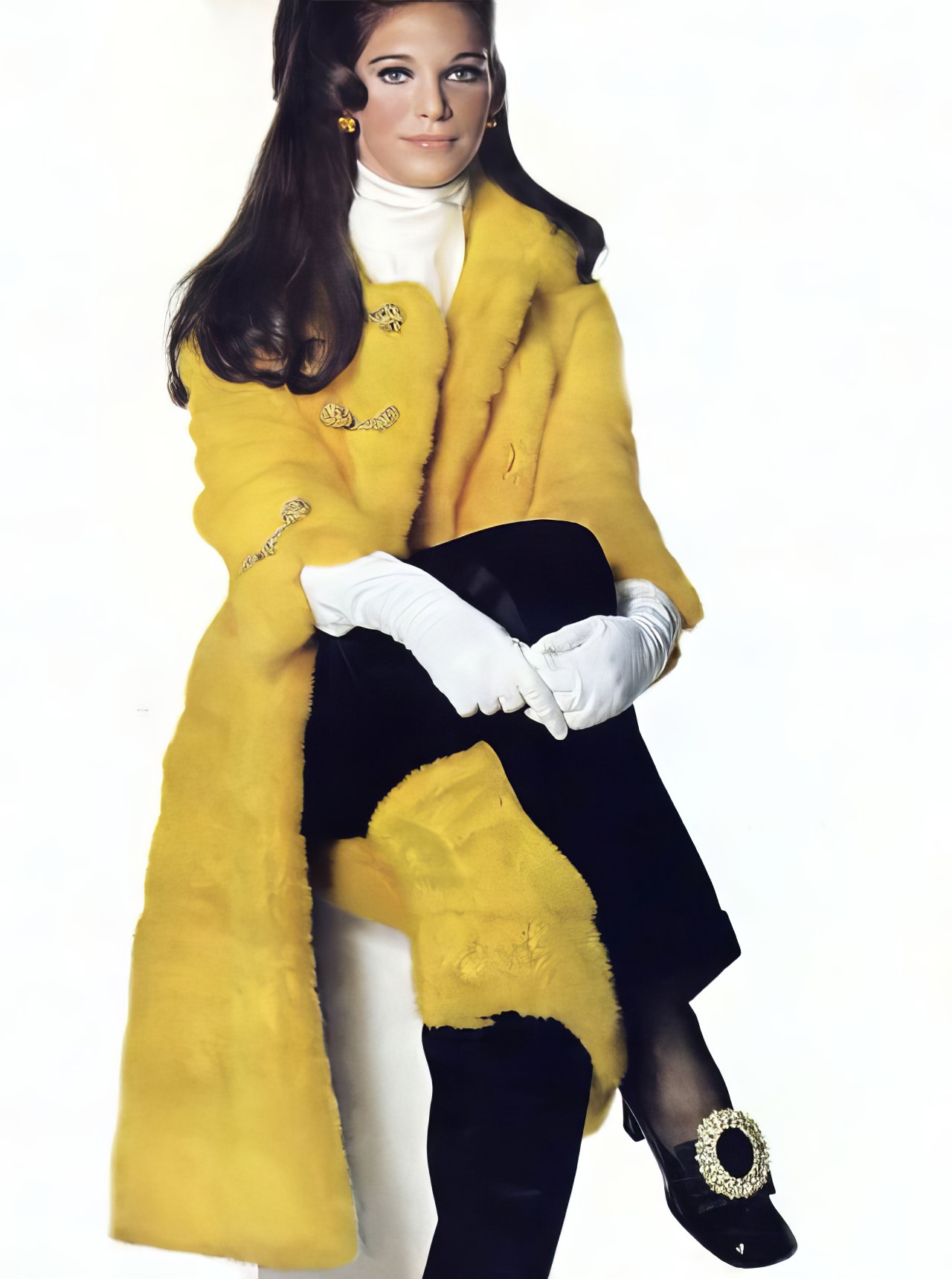
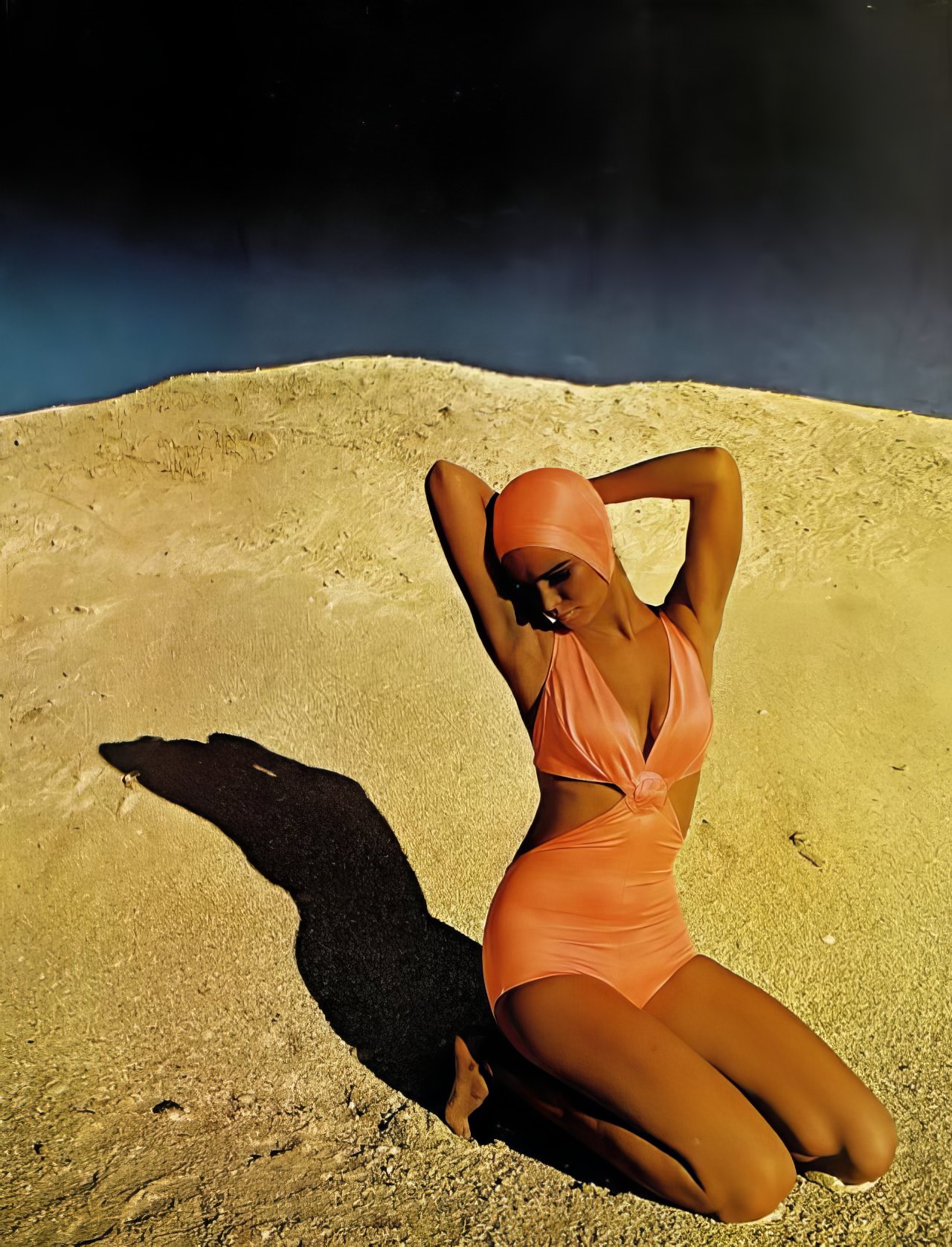
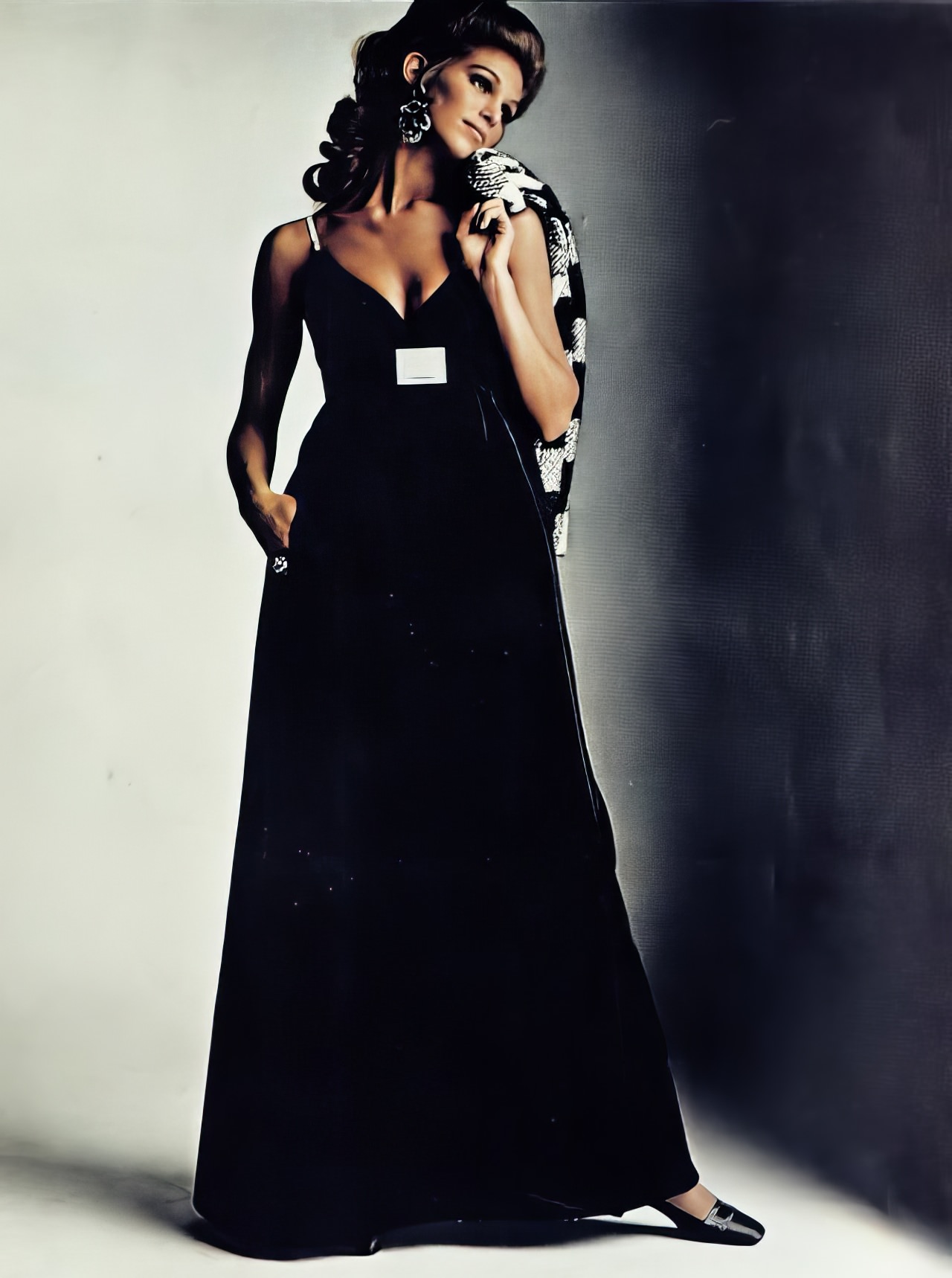
By 1968, her editorial range continued to grow. She wore everything from a chrome-yellow mink coat by Maximilian to a coral bodysuit by De Weese — proof that she remained in demand across both luxury fur campaigns and sportswear-adjacent shoots. The breadth of her work during this period was remarkable for how consistently strong each image was.
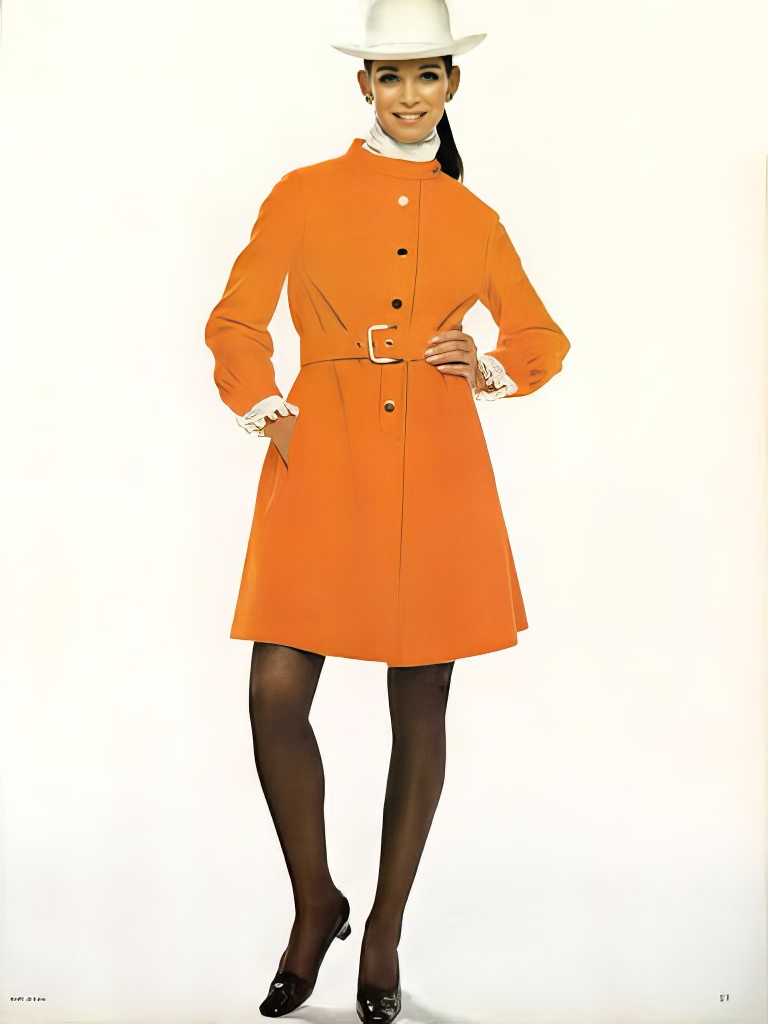
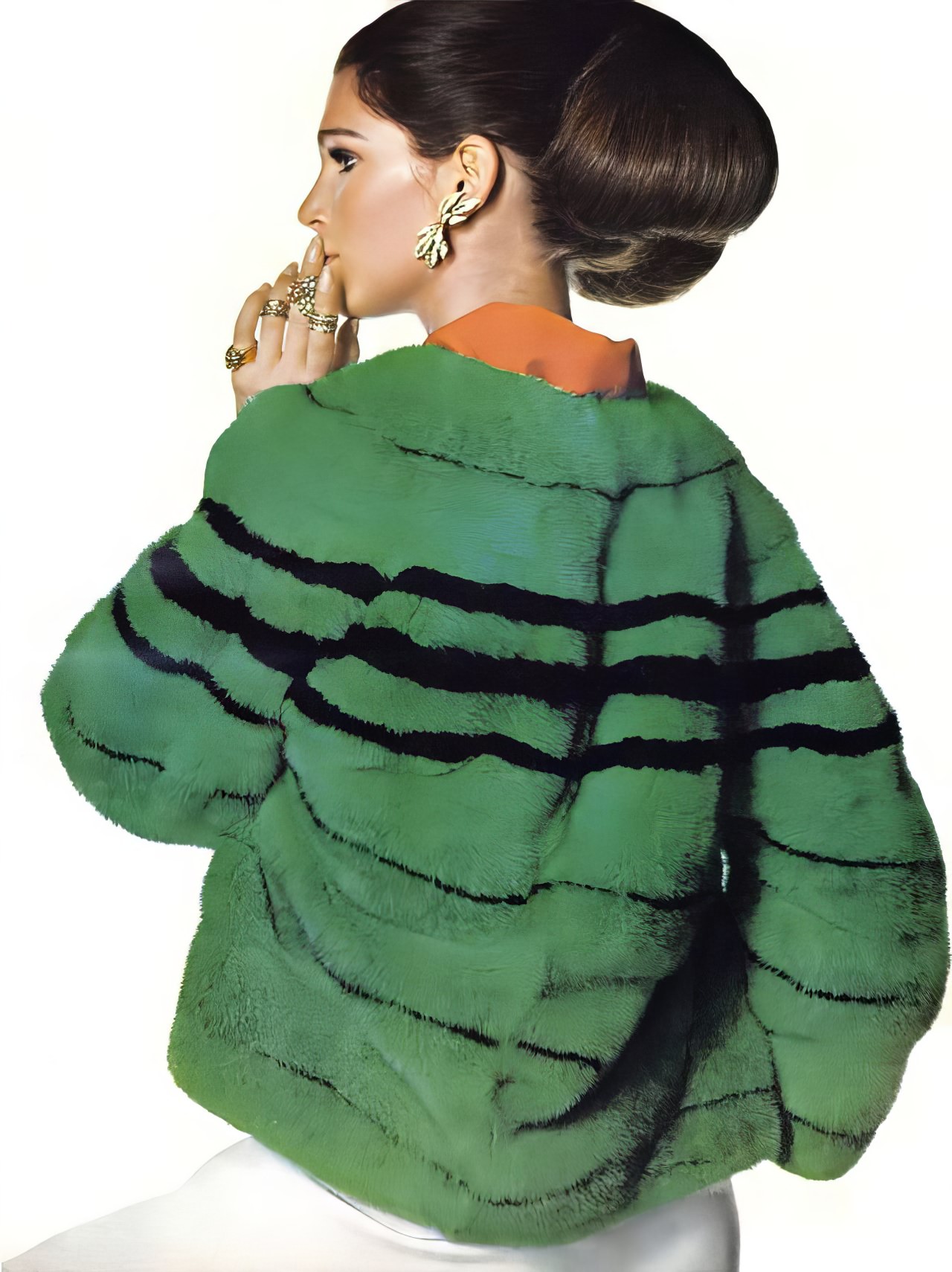
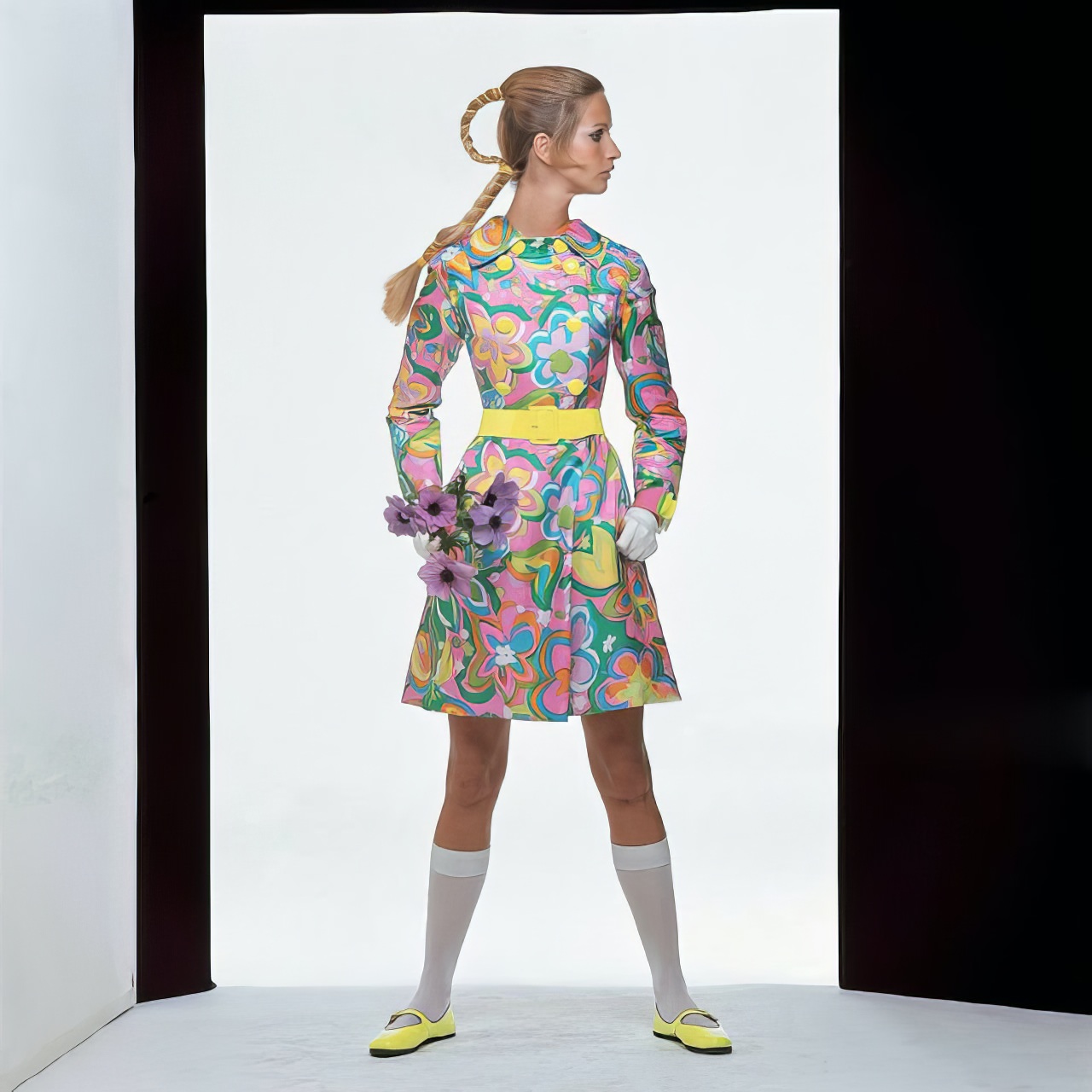
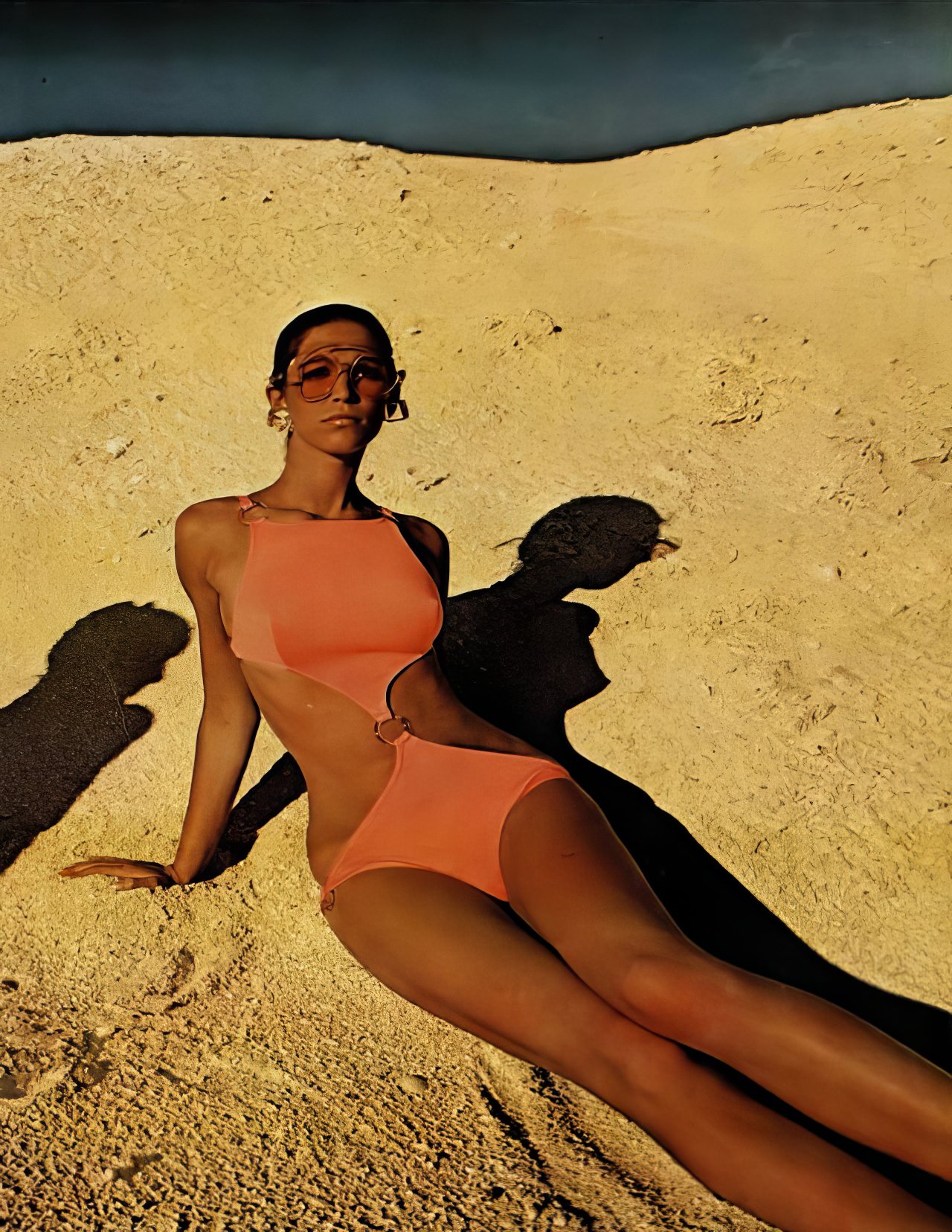
By 1969, Turkel was still a working model, but her trajectory was beginning to shift. Her final known editorial years produced images just as polished as her earliest Vogue work — a Madame Grès gold chain pendant shoot and an Originala look accessorized with a hat by Adolfo showed no sign of a model coasting. At 27, she made the decision to leave modeling for acting, landing a role opposite Richard Harris in the film 99 and 44/100% Dead. She later married Harris. Her modeling career, remarkable in its quality and international reach, had spanned just over three years at the top.