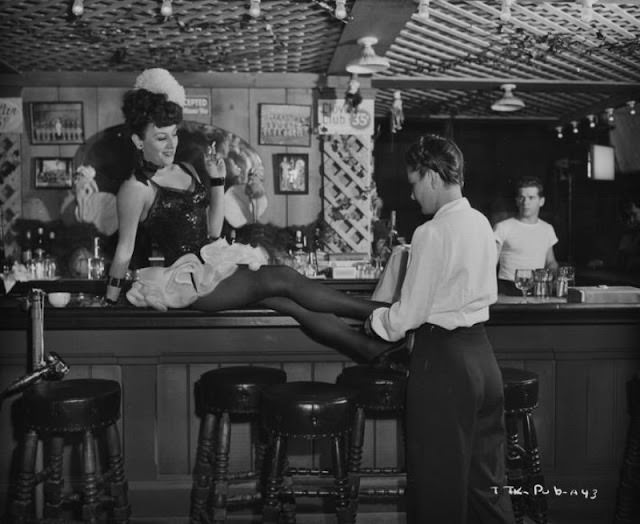

The 1947 noir film The Long Night gives Ann Dvorak one of the most layered roles of her career. She plays Charlene, a woman caught at the center of a tense, slow-burning drama that builds toward a dramatic standoff. Charlene is not a simple character. She links the story’s past and present, and her choices carry real weight in how events unfold.
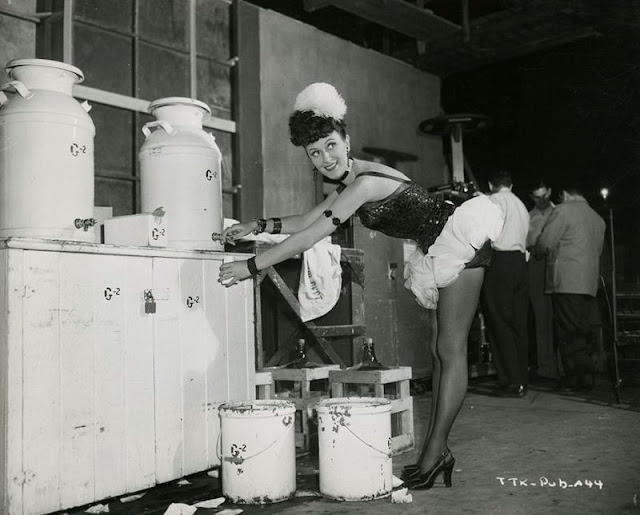
Dvorak brings a quiet but steady force to the role. Charlene is both vulnerable and determined, and Dvorak plays both sides without letting either one take over. She does not reach for dramatic outbursts. Instead, she lets the tension sit beneath the surface, where it feels more real and more dangerous.
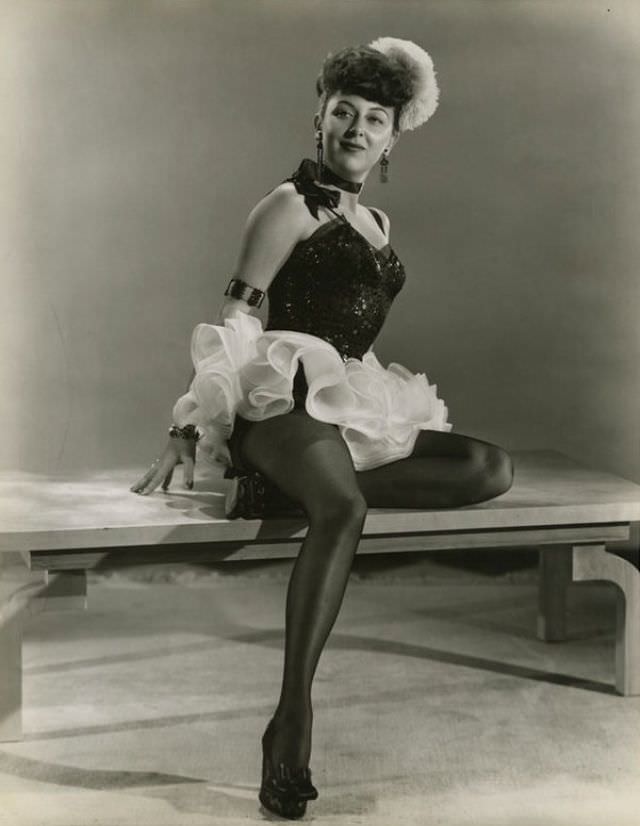
Her scenes alongside Henry Fonda, who plays Joe Adams, crackle with emotional weight. Fonda’s Joe is a man pushed to the edge, and Charlene’s connection to him gives his desperation a personal anchor. Dvorak holds her ground in every frame they share, never fading into the background despite Fonda’s commanding screen presence.
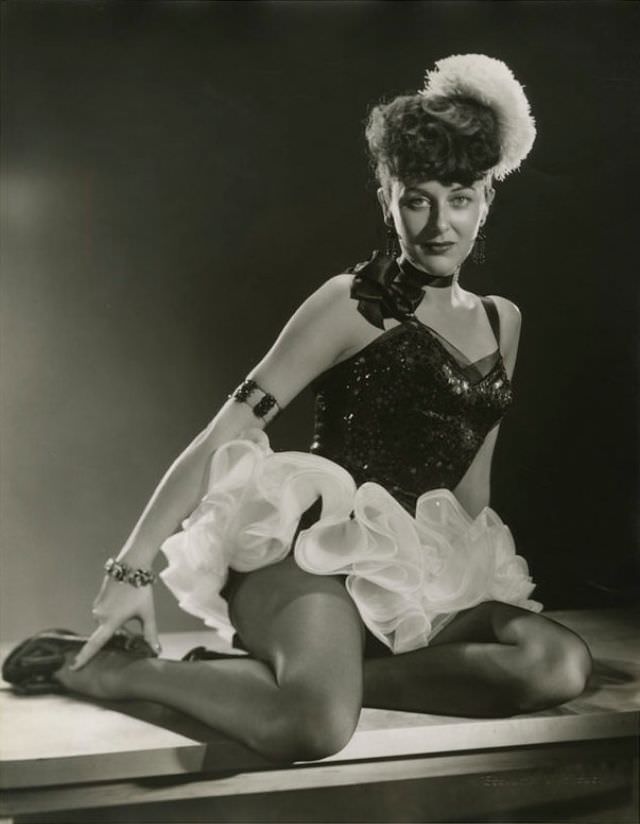
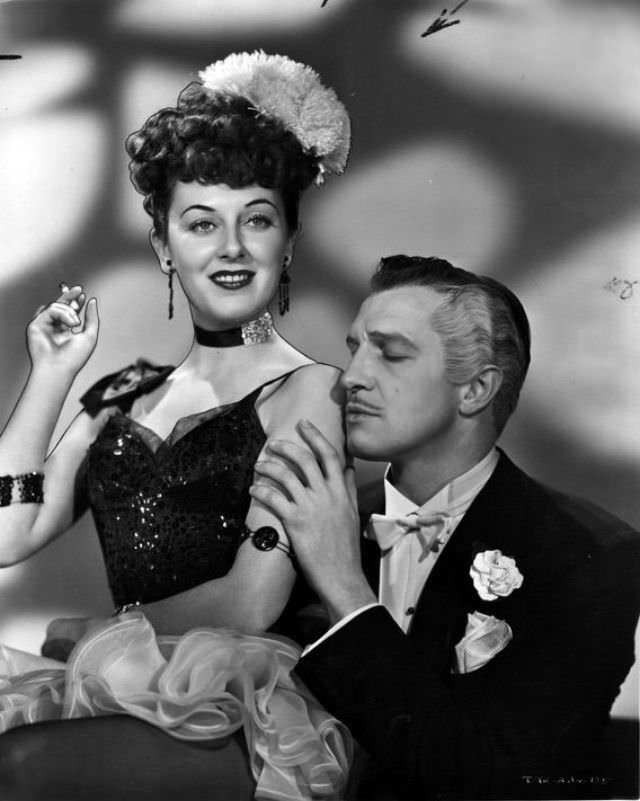
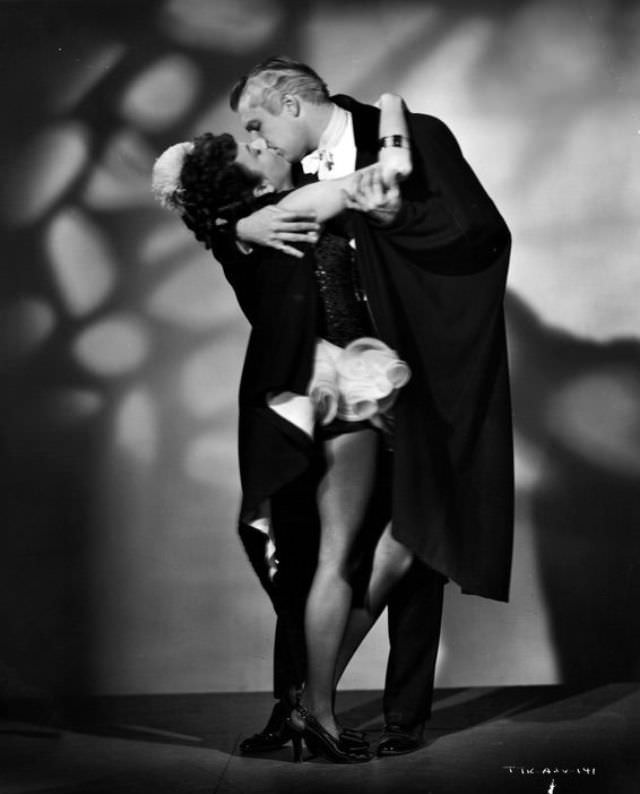
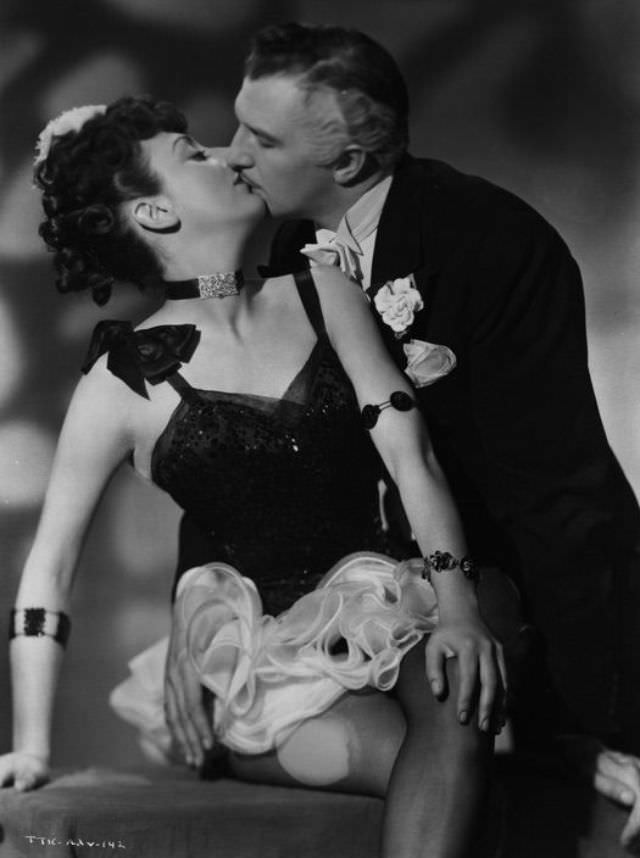
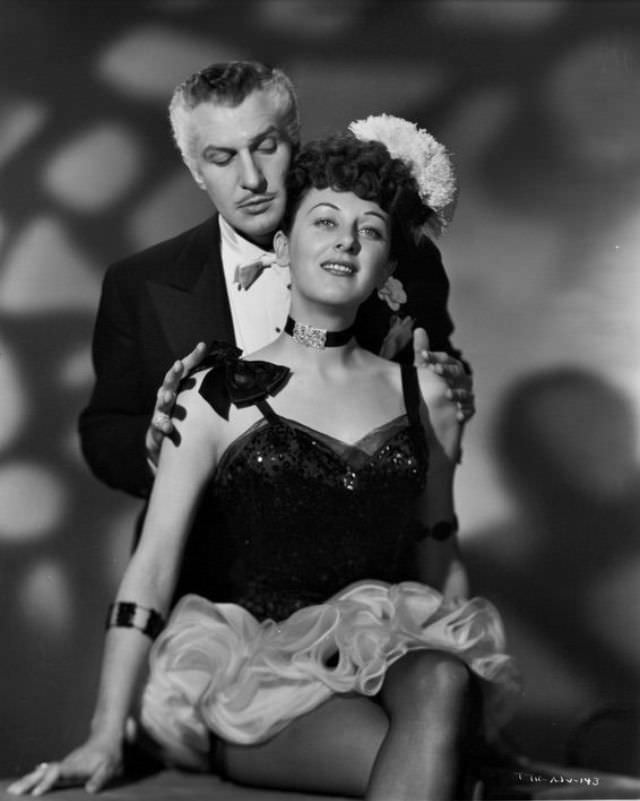
Vincent Price plays Maximilian, and his scenes with Dvorak carry a different kind of tension. Price brings an unsettling charm to the role, and Dvorak’s Charlene has to navigate that carefully. The power dynamic between them is never comfortable, and Dvorak makes sure the audience feels every shift in that balance.
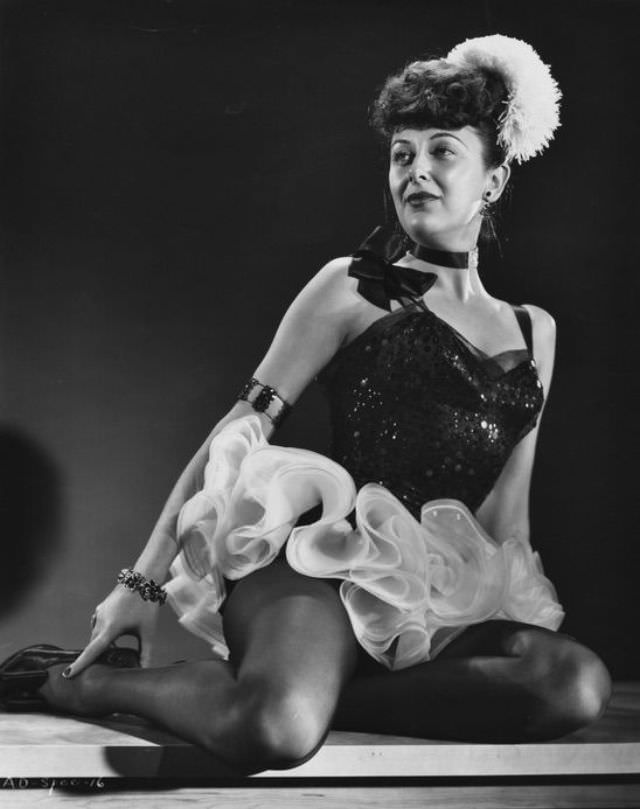
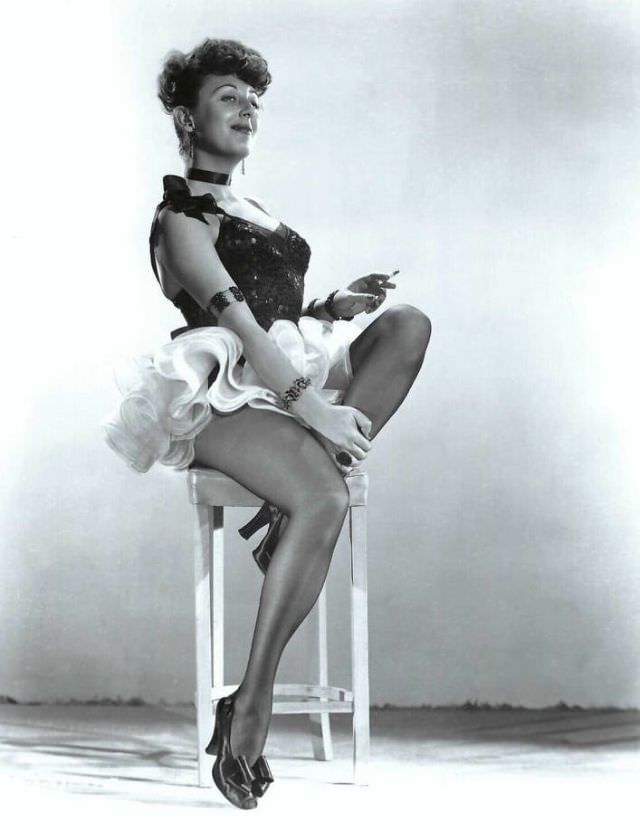
One of the strongest tools in Dvorak’s performance is her use of facial expressions and body language. In a film driven largely by dialogue, she communicates Charlene’s inner life without saying a word. A glance, a pause, a shift in posture — each one tells you exactly where Charlene stands emotionally, even when she keeps her mouth shut.
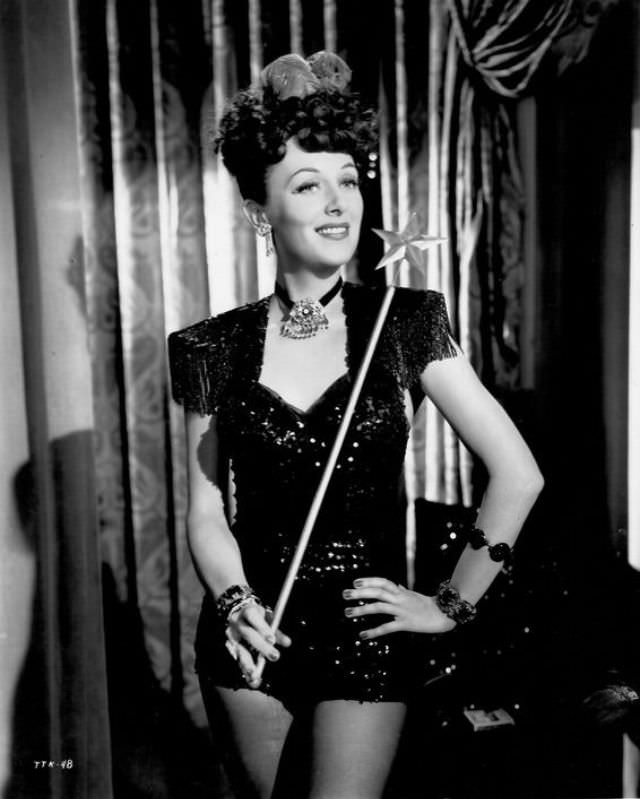
Charlene is a character shaped by her circumstances, but she is not simply a victim. She makes choices — some of them questionable — and Dvorak plays those moments without excusing them or over-explaining them. That honesty makes Charlene feel real in a way that more polished, sympathetic portrayals often miss.
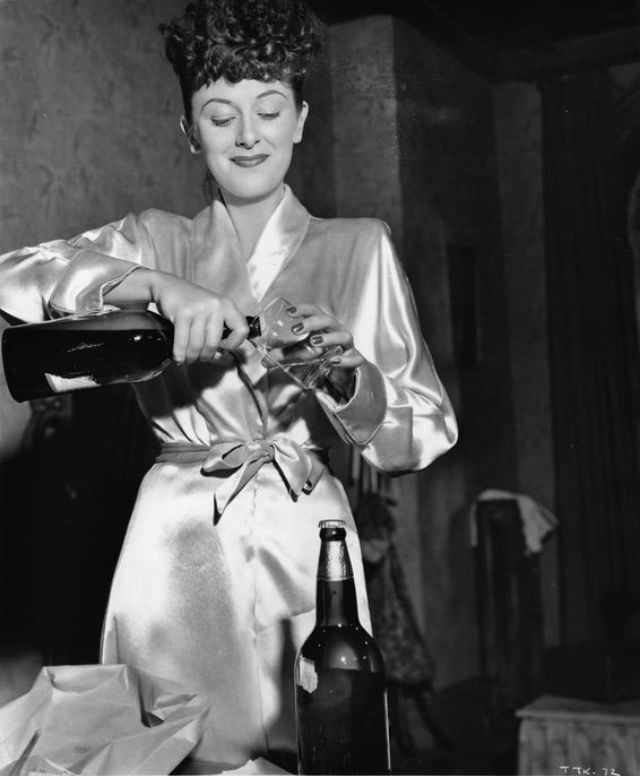
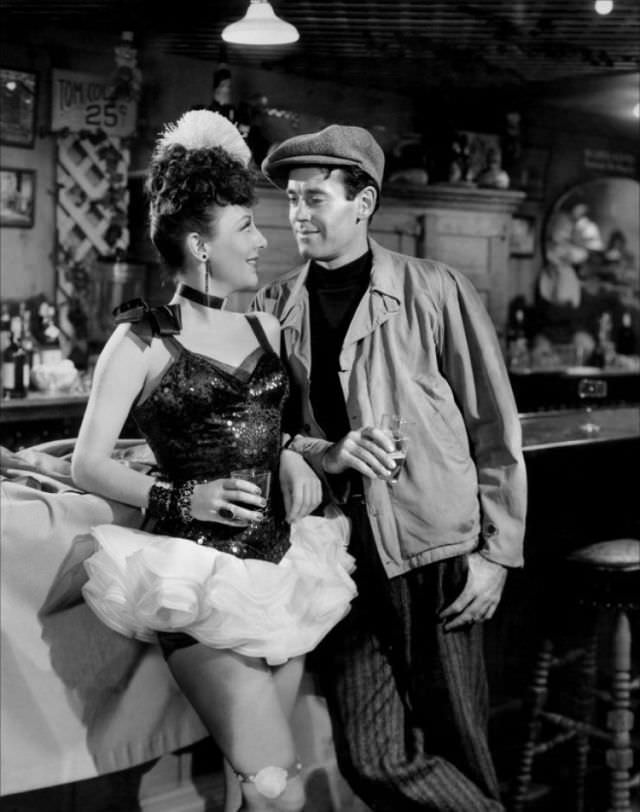
The film deals with themes of love, betrayal, and the consequences of past decisions. Charlene sits at the intersection of all three. Dvorak’s performance makes sure the audience understands what is at stake for her personally, not just in terms of plot mechanics but in human terms.
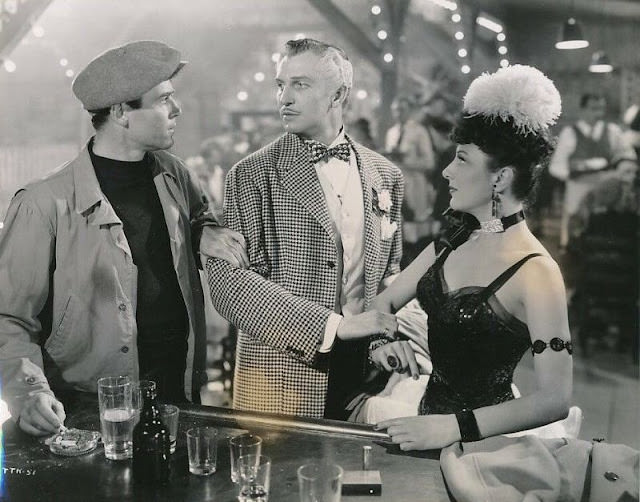
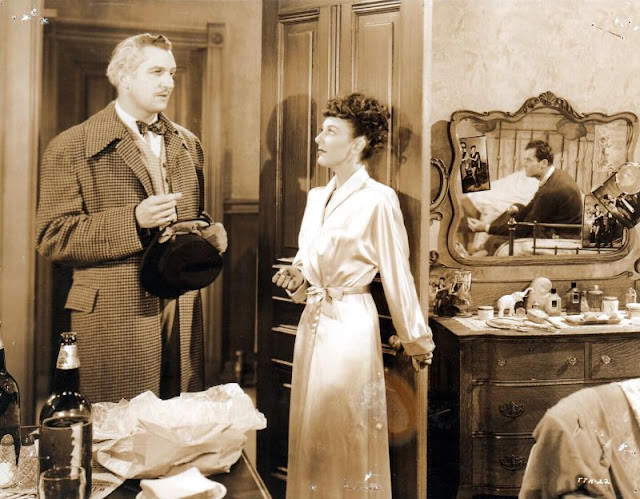
Dvorak’s work here is precise. She knows when to pull back and when to let emotion show. That control is what separates a good performance from a great one, and in The Long Night, she consistently lands on the right side of that line.
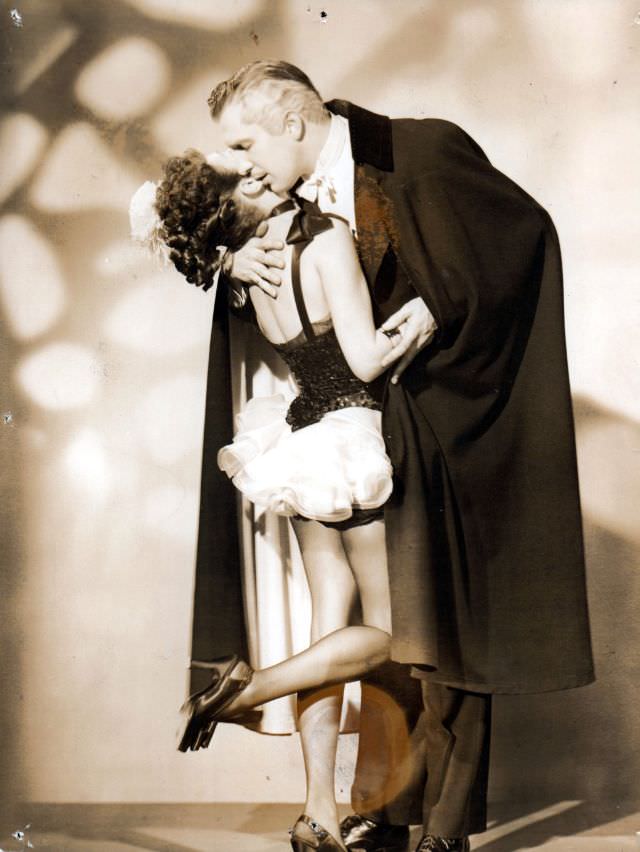
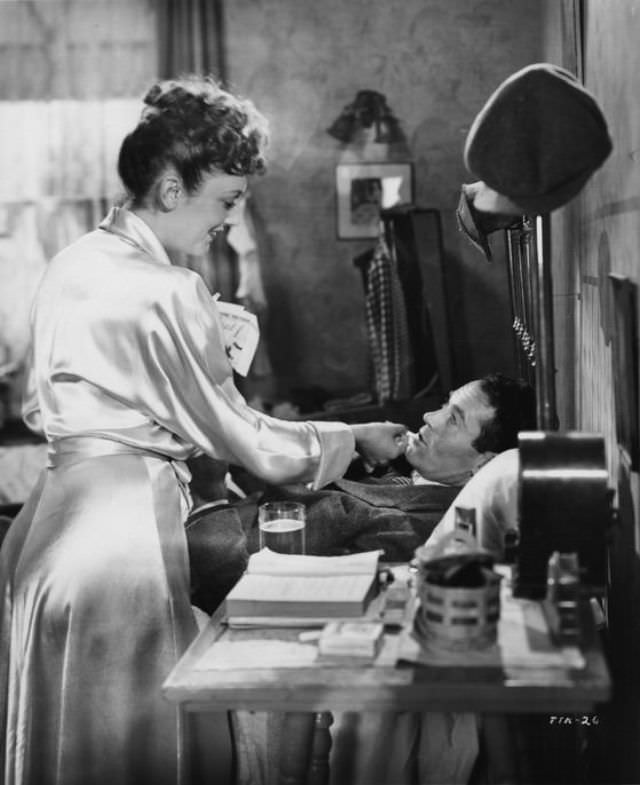
Charlene’s duality — victim and agent of her own fate — is what makes her compelling. Dvorak never lets the character settle into one category. The performance keeps you watching because you are never entirely sure what Charlene will do next or what she truly wants.
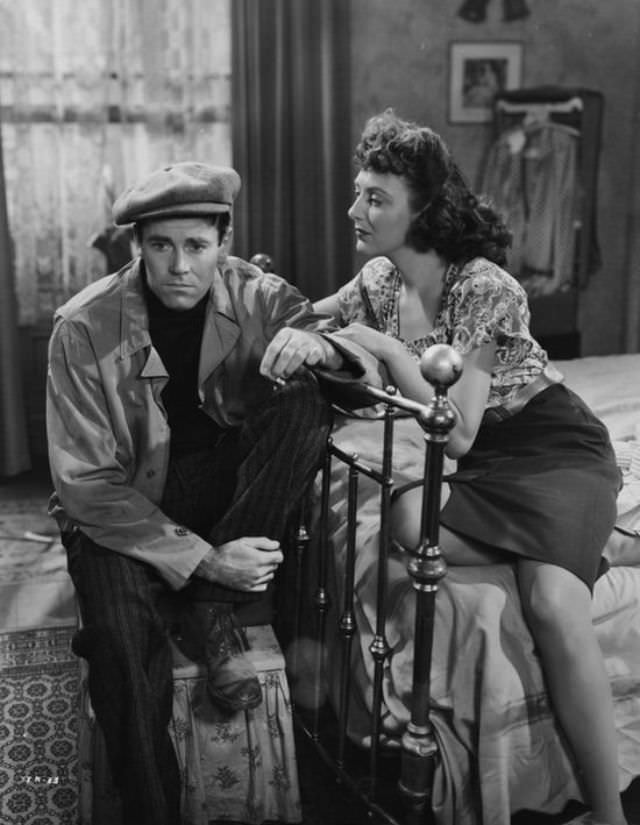
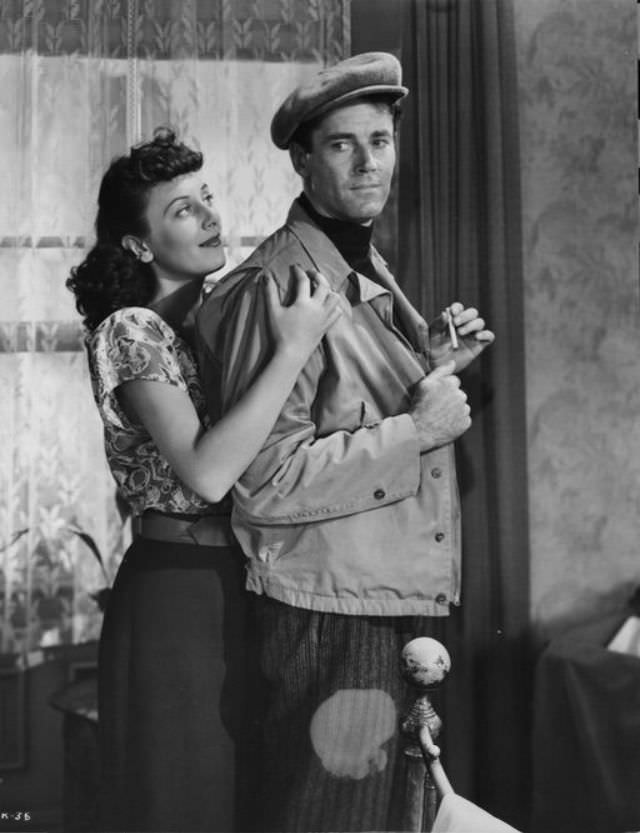
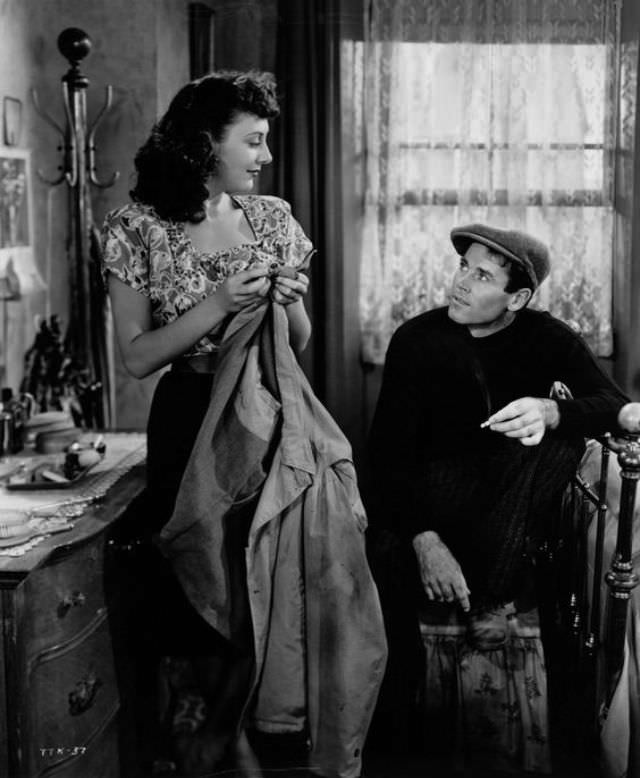
The noir genre often reduces women to a handful of fixed types — the femme fatale, the devoted girlfriend, the passive bystander. Charlene resists all of those labels. Dvorak builds her from the inside out, giving the character a history you sense even when the script does not spell it out.
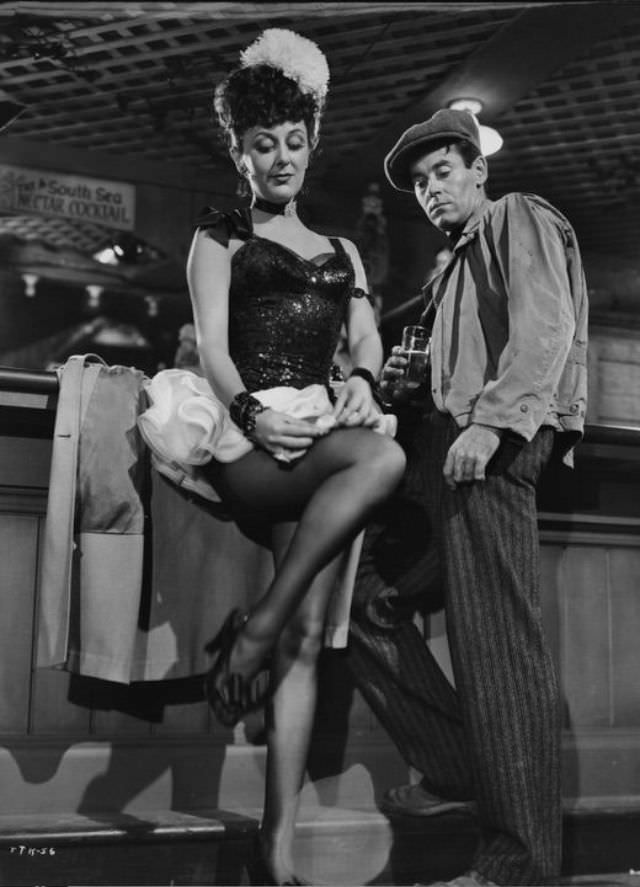
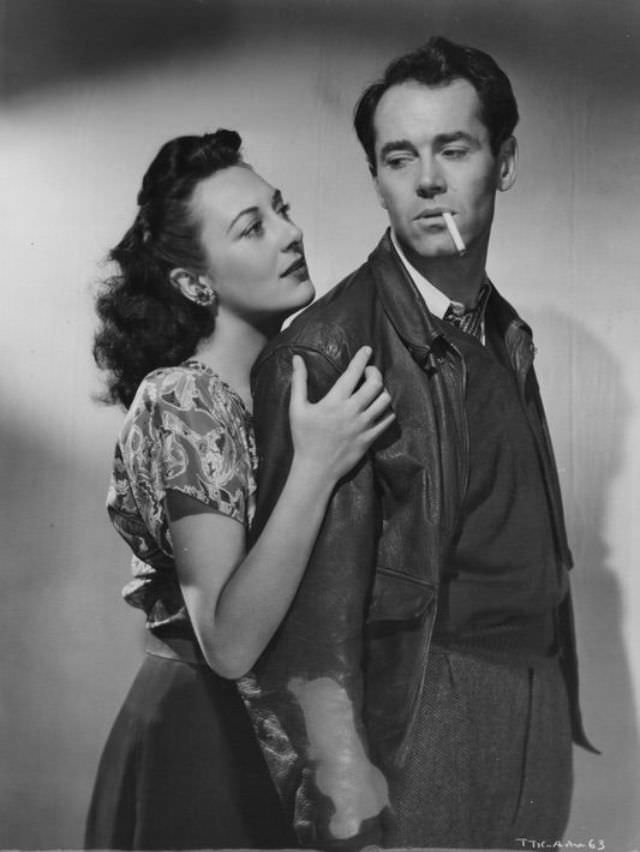
The scenes building toward the film’s climax put maximum pressure on every character, and Charlene feels that pressure acutely. Dvorak does not play it as panic. She plays it as someone who has been carrying a heavy load for a long time and knows this is the moment it all comes due.
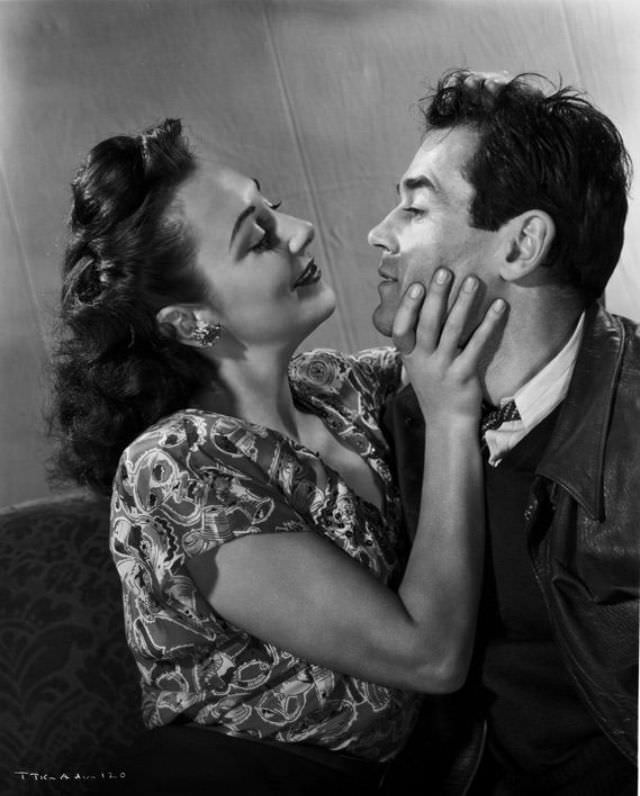
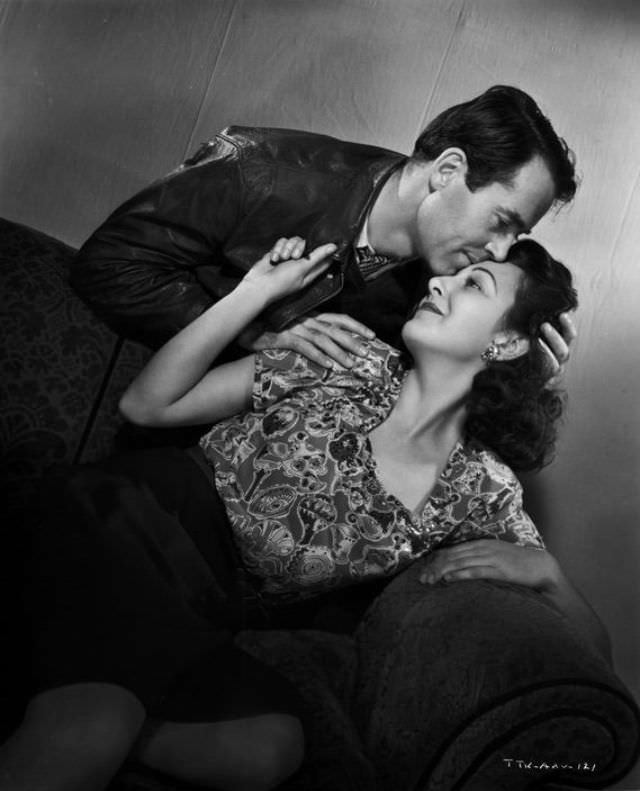
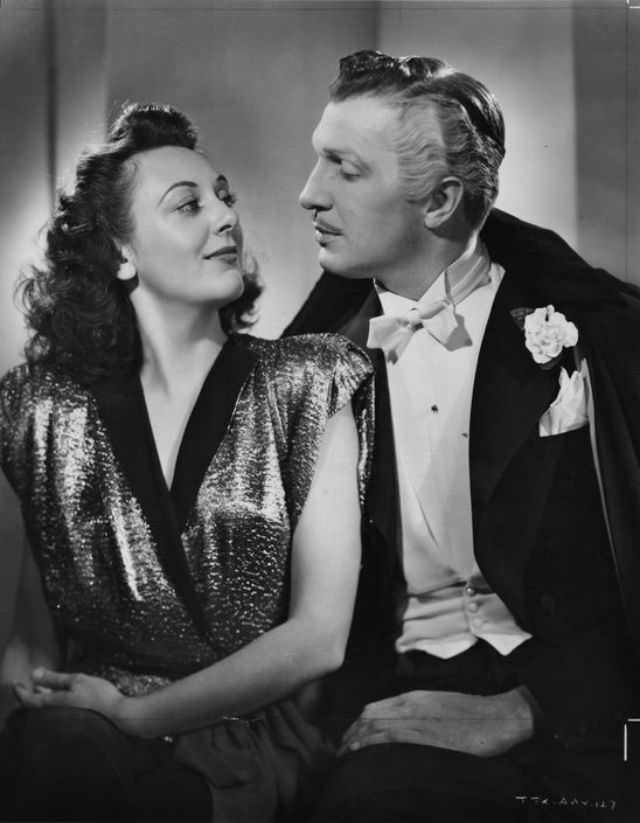
Throughout the film, Dvorak keeps Charlene grounded. Even in the most heightened dramatic moments, the performance never tips into melodrama. That restraint is a deliberate choice, and it pays off every time the camera moves in close on her face.
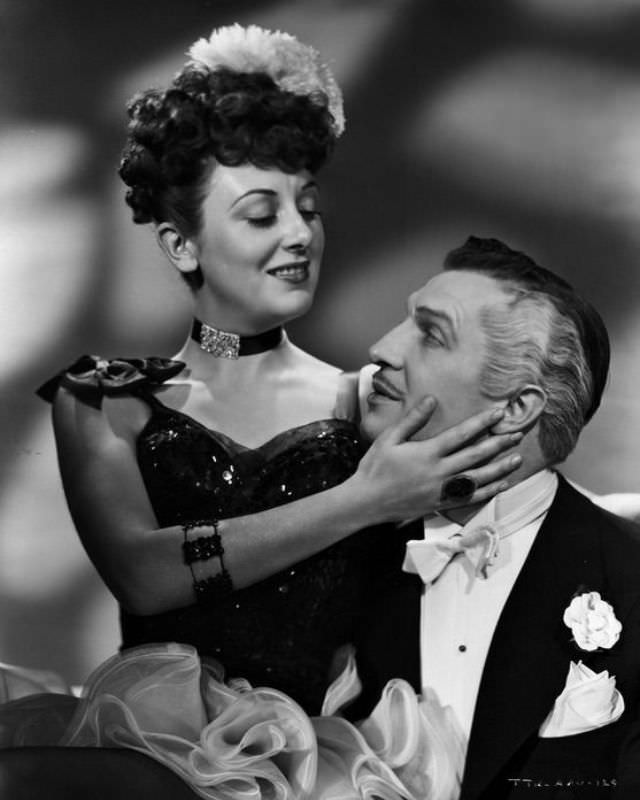
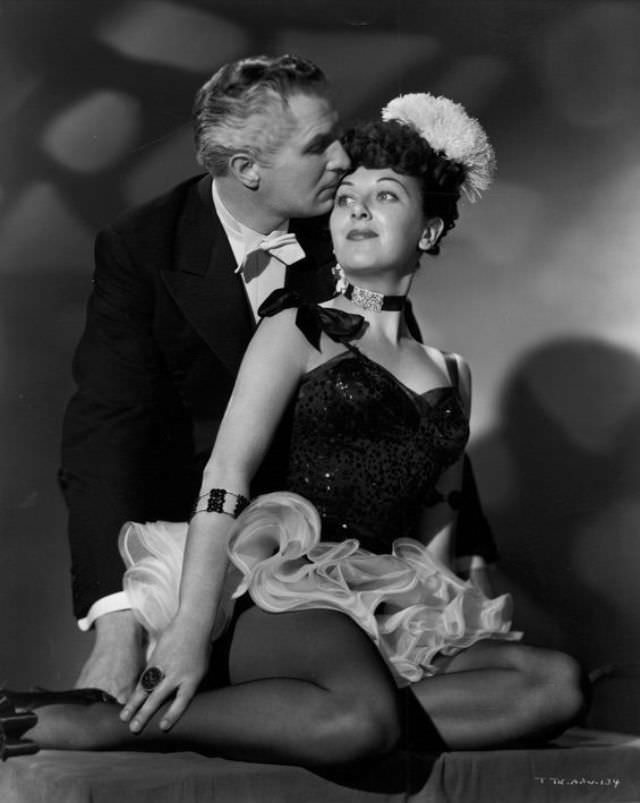
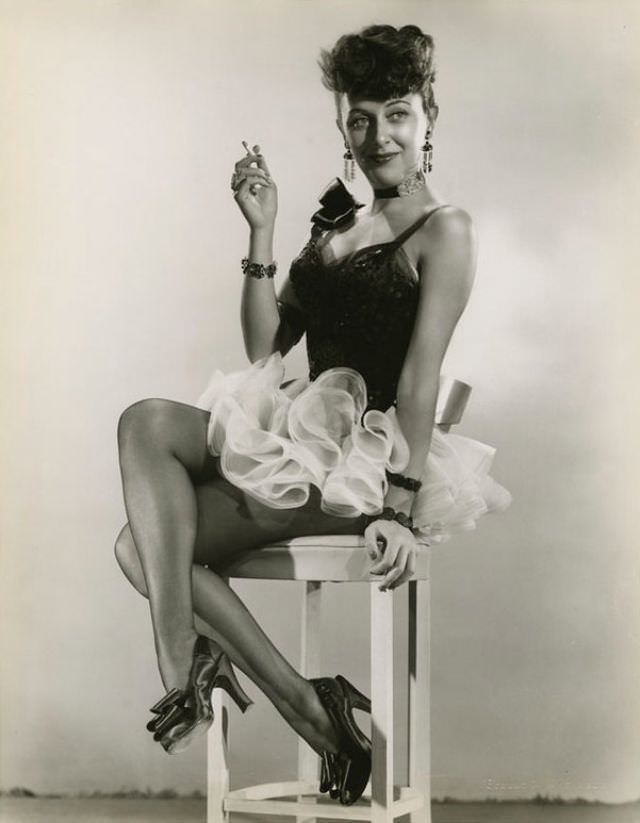
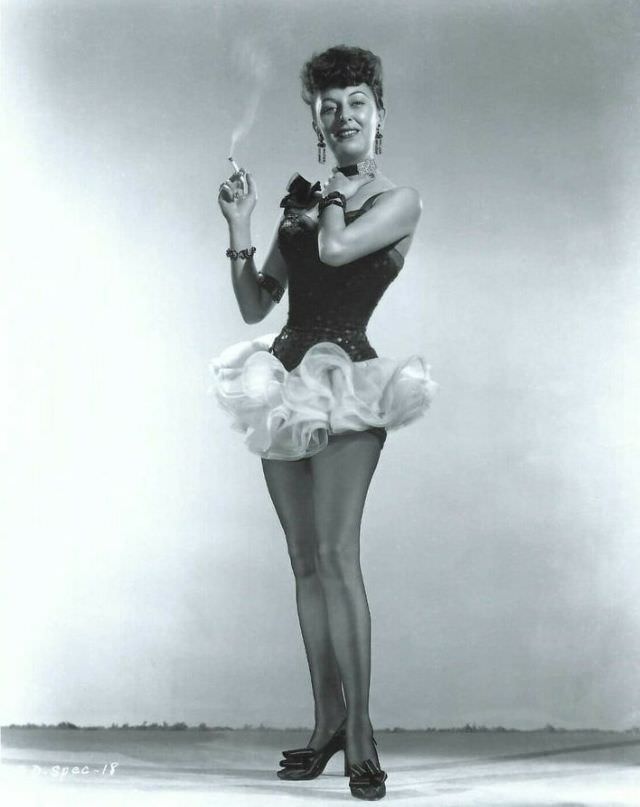
The photos and stills from the film capture what makes the performance so effective. You can read the story in Dvorak’s eyes even without sound or dialogue. Each image carries a specific emotional register — doubt, resolve, fear, longing — and together they document a character portrait built with real skill.