
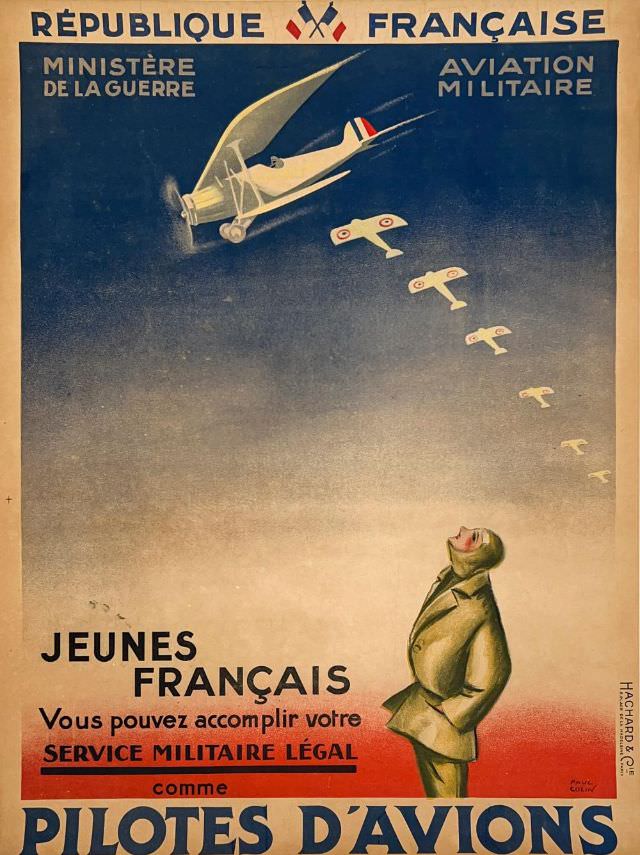
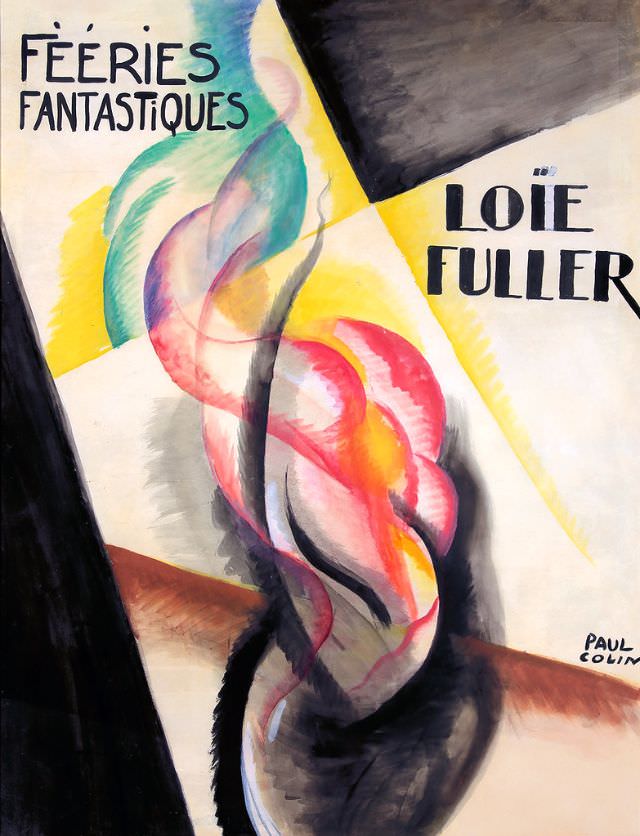
Paul Colin launched his career as a graphic artist in Paris in the early 1920s, and he rose to prominence fast. His posters relied on bold colors, sharp contrasts, and simplified forms rooted in the Art Deco style. He stripped away visual clutter and used a tight color palette to make each image hit hard at a glance. His work spanned theater, music, advertising, and public events — and every subject got the same decisive, confident treatment.
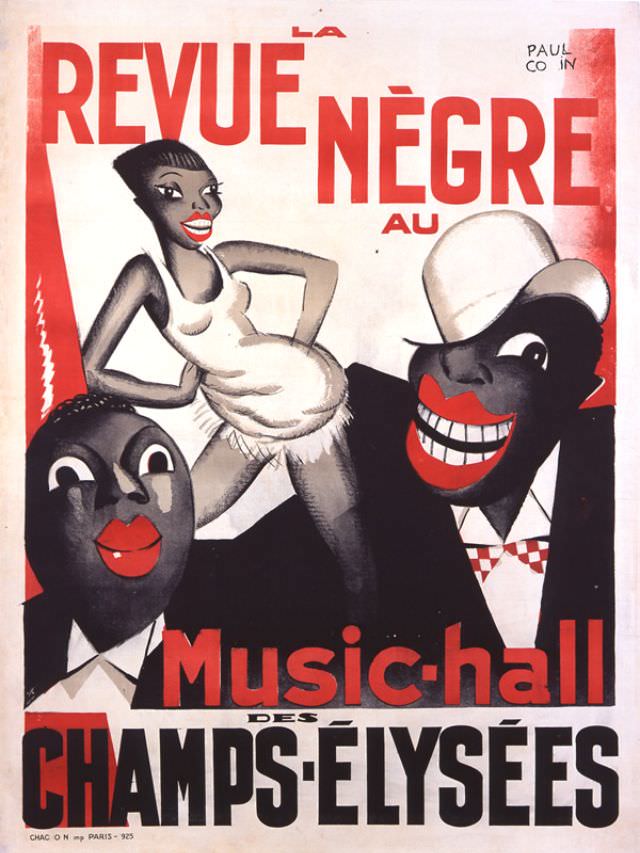
One of Colin’s earliest major commissions was the poster for La Revue Nègre, the 1925 Parisian stage show that introduced Josephine Baker to French audiences. His rendering of Baker was electrifying — all motion and energy, distilled into flat graphic shapes. That same year, his lithograph series Le Tumulte Noir cemented both his reputation and Baker’s status as an international star.
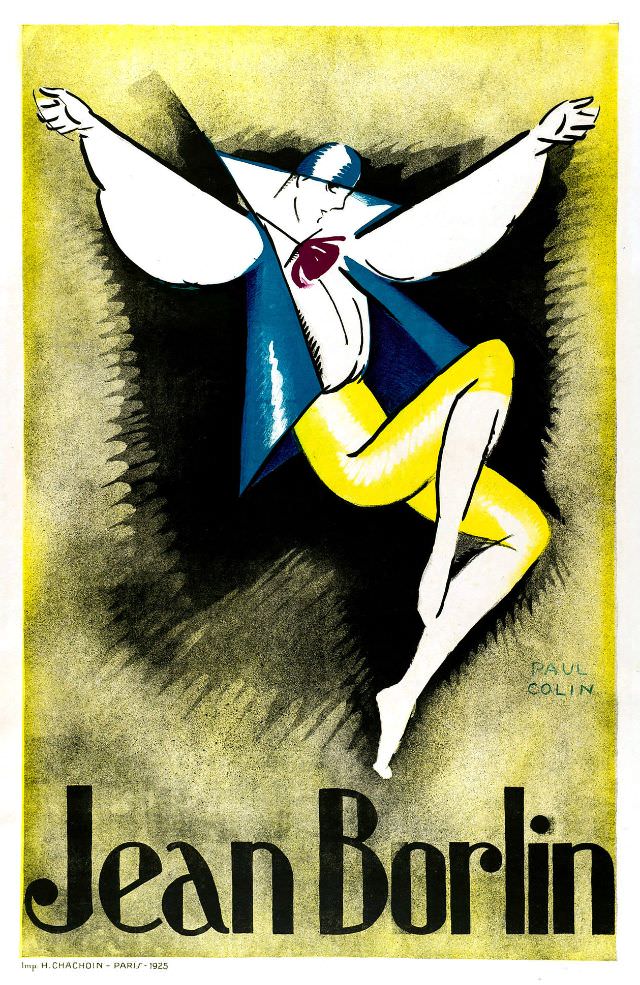
Colin also produced striking portraits of individual performers. His 1925 poster for Swedish dancer Jean Börlin shows the same economy of line he applied everywhere — the figure is immediately recognizable despite minimal detail.
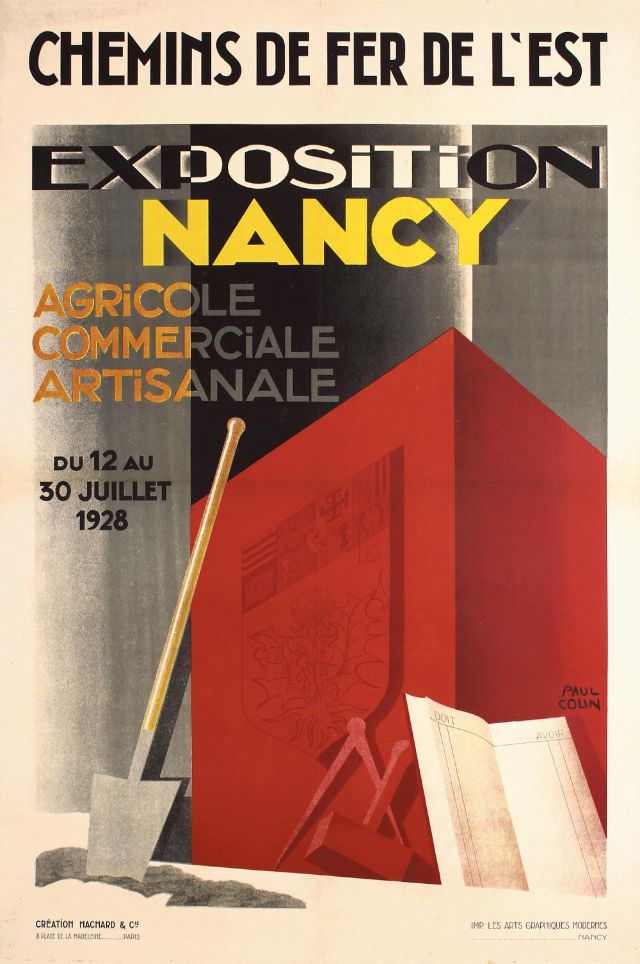
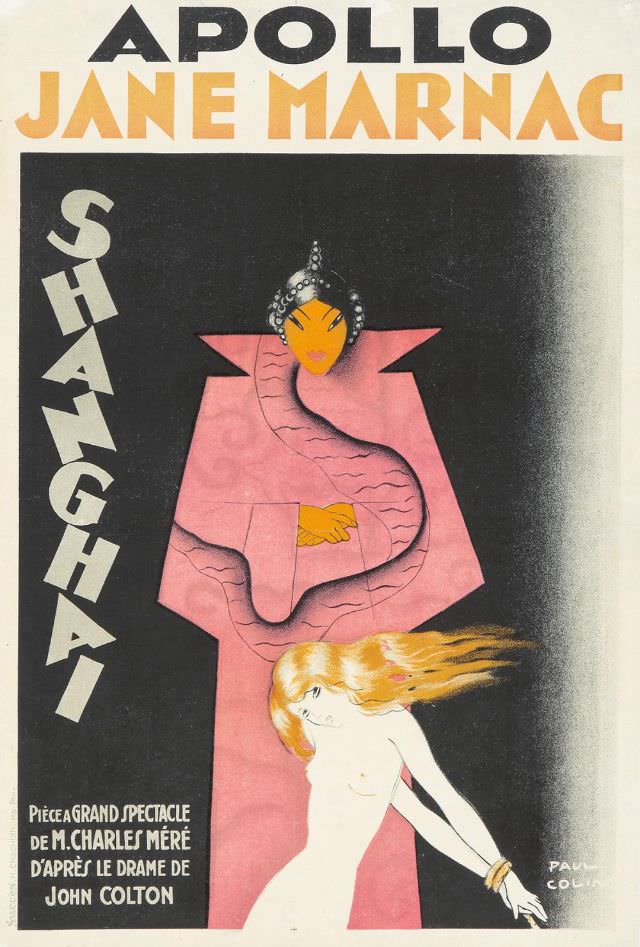
By the late 1920s, Colin was producing work at a remarkable pace. Commissions ranged from Paris dance venues to theater productions and regional exhibitions.
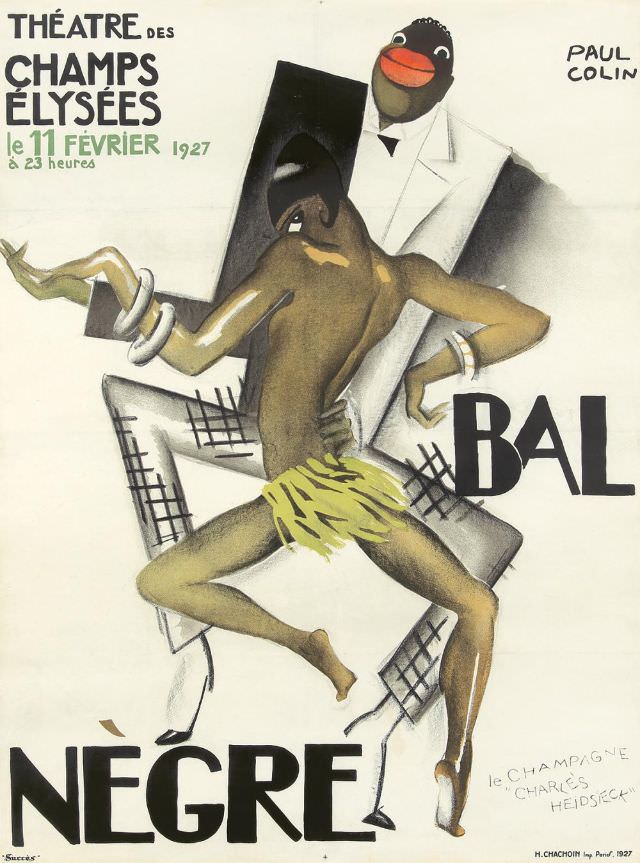
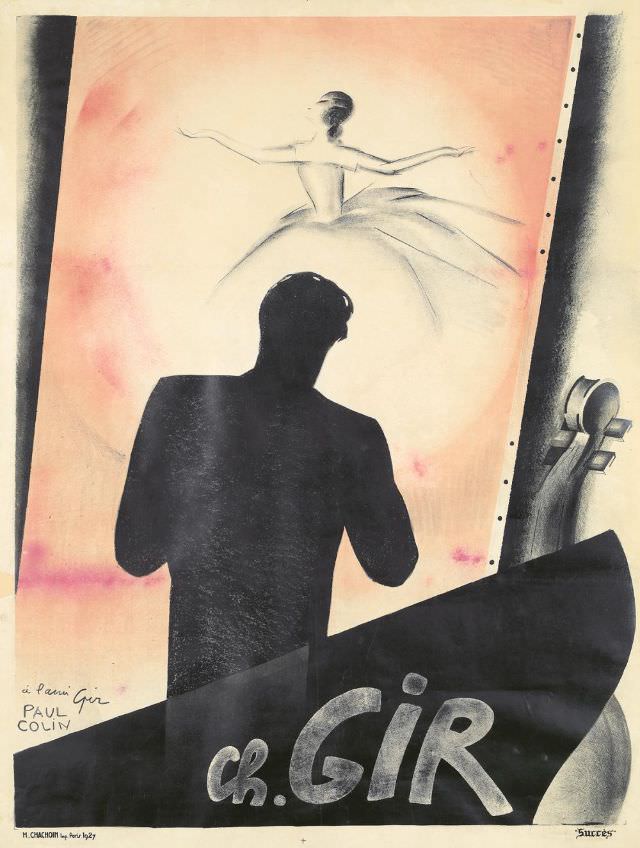
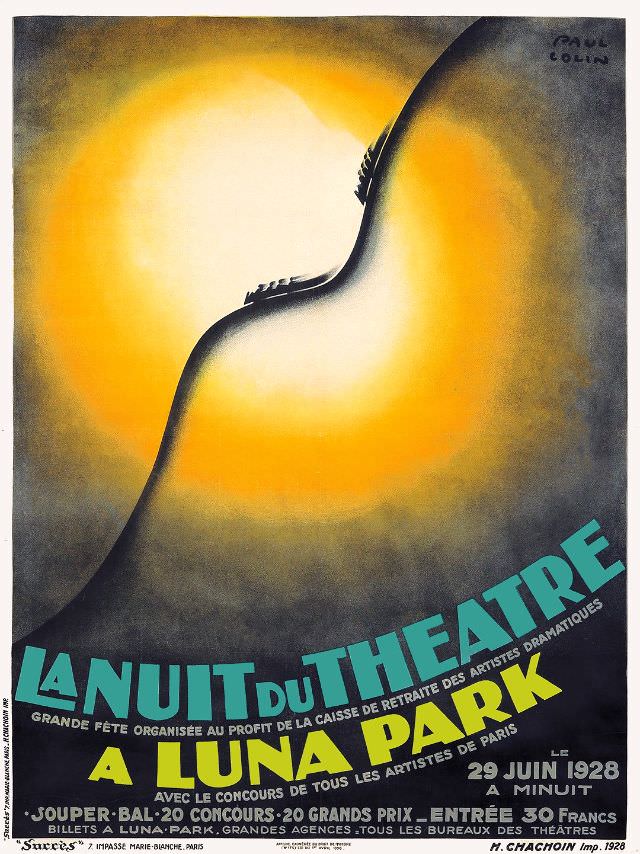
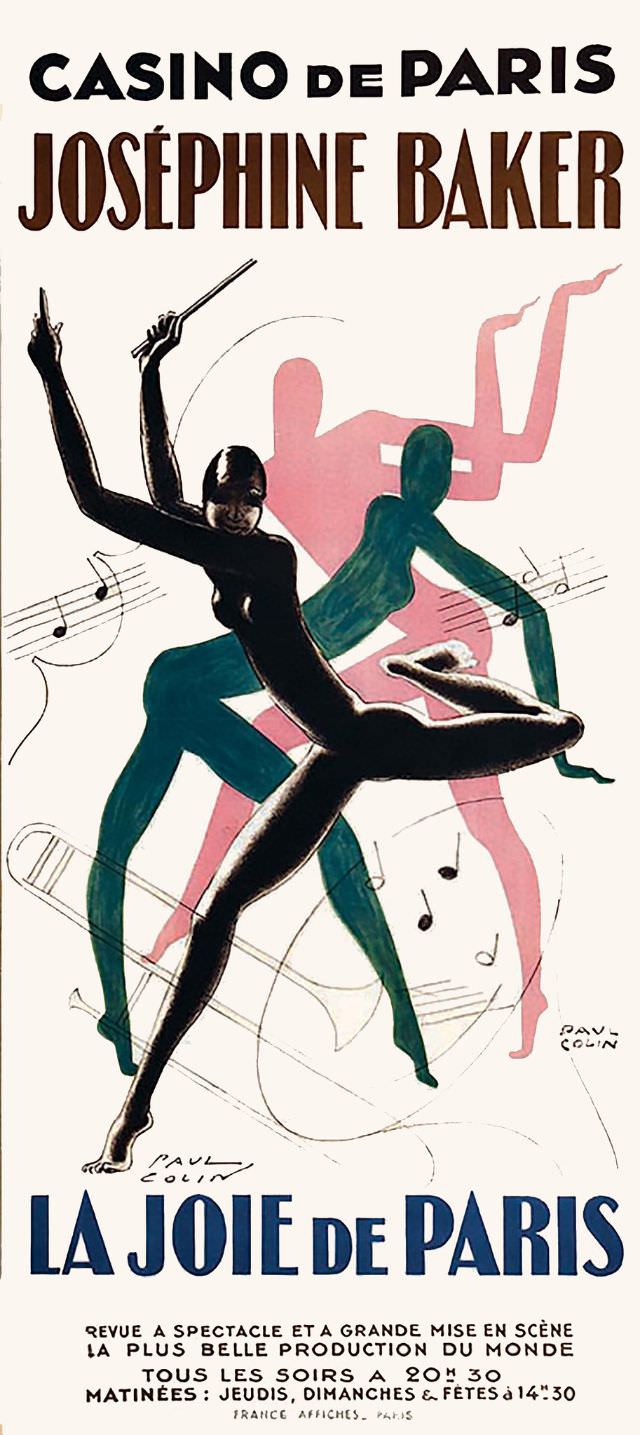
Casino de Paris was a recurring client. Colin designed multiple posters for its variety shows, capturing performers with bold silhouettes and dynamic poses that conveyed the energy of live entertainment.
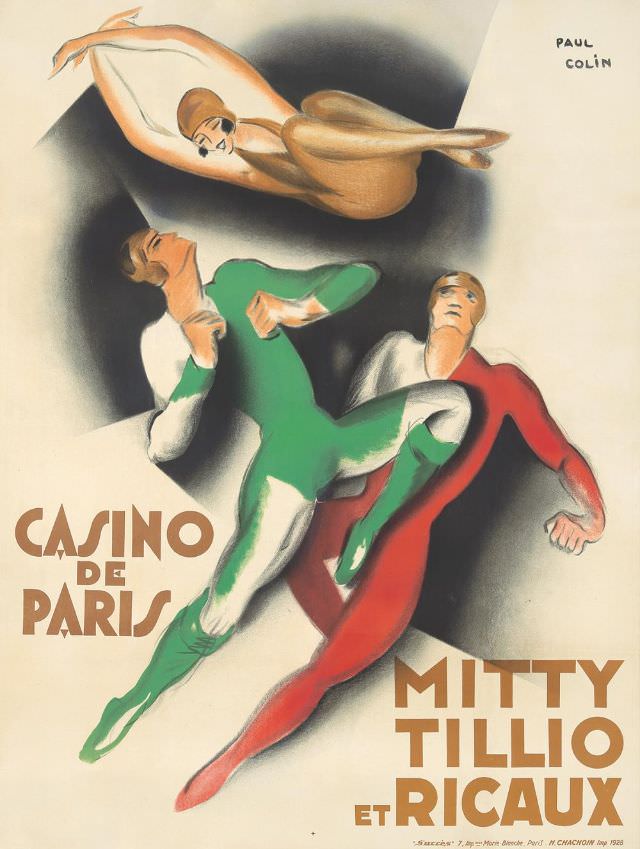
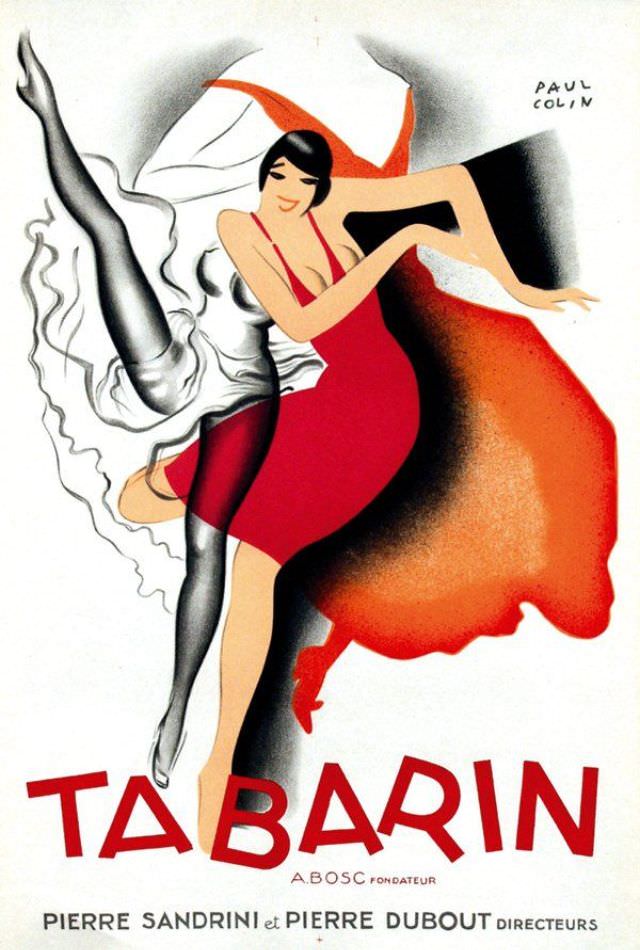
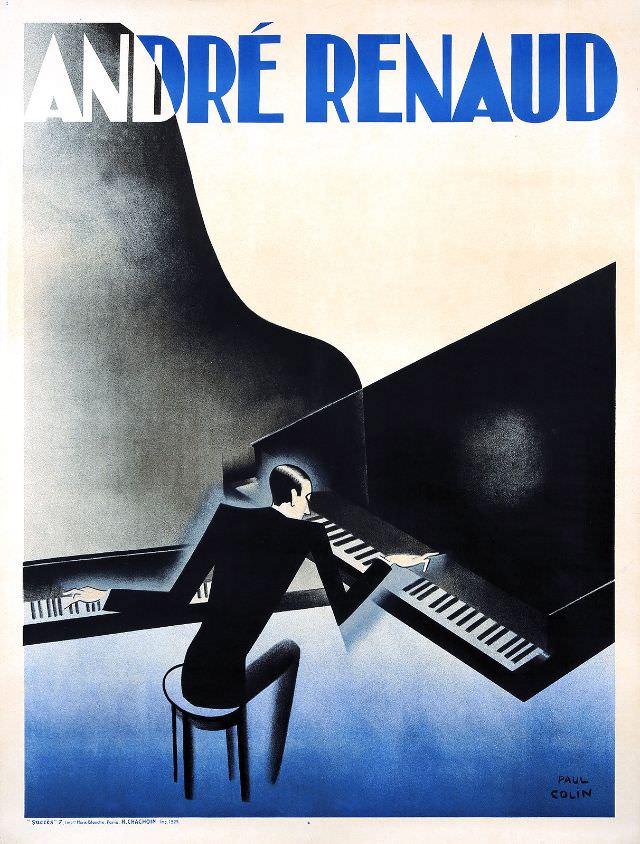
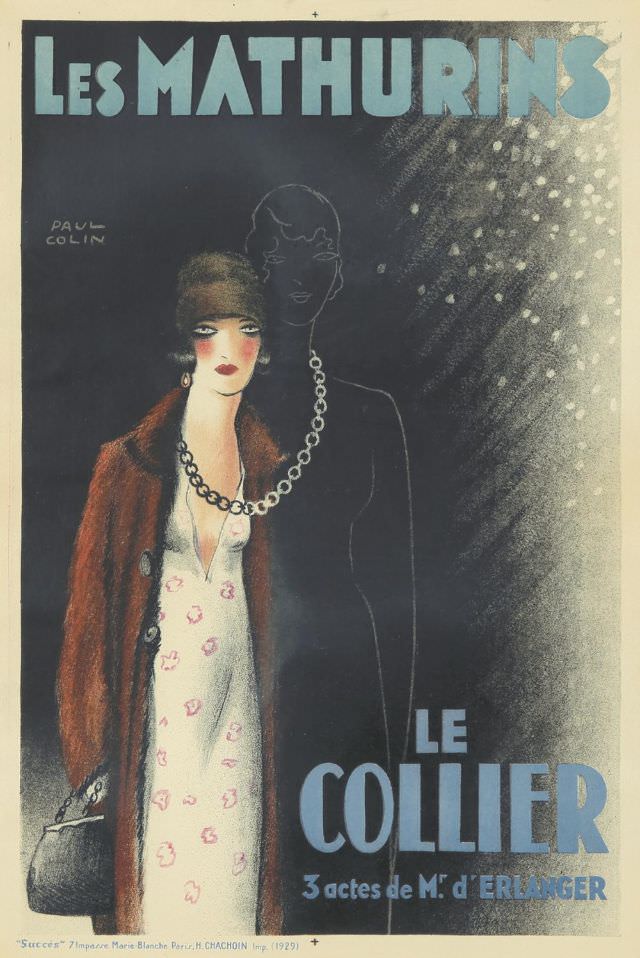
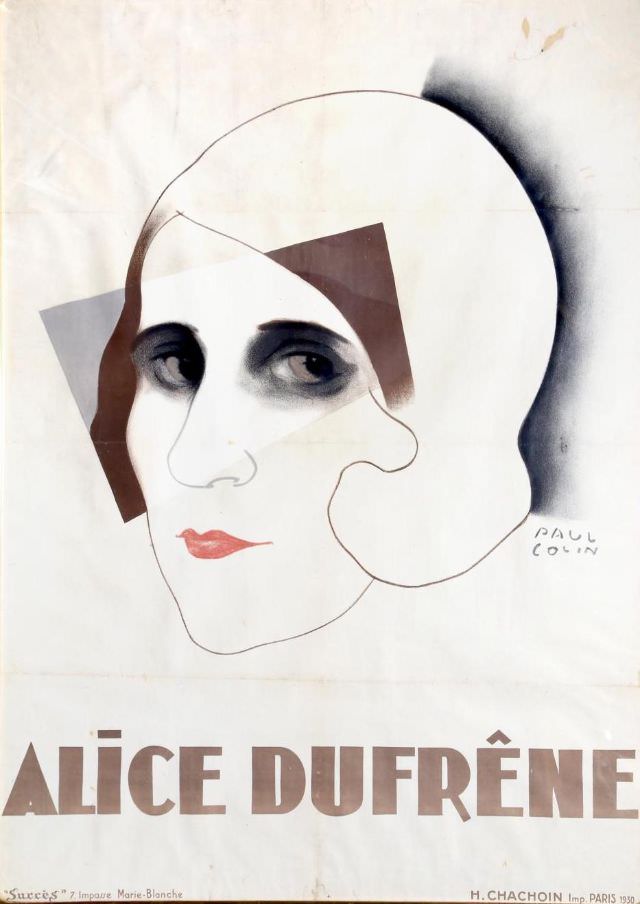
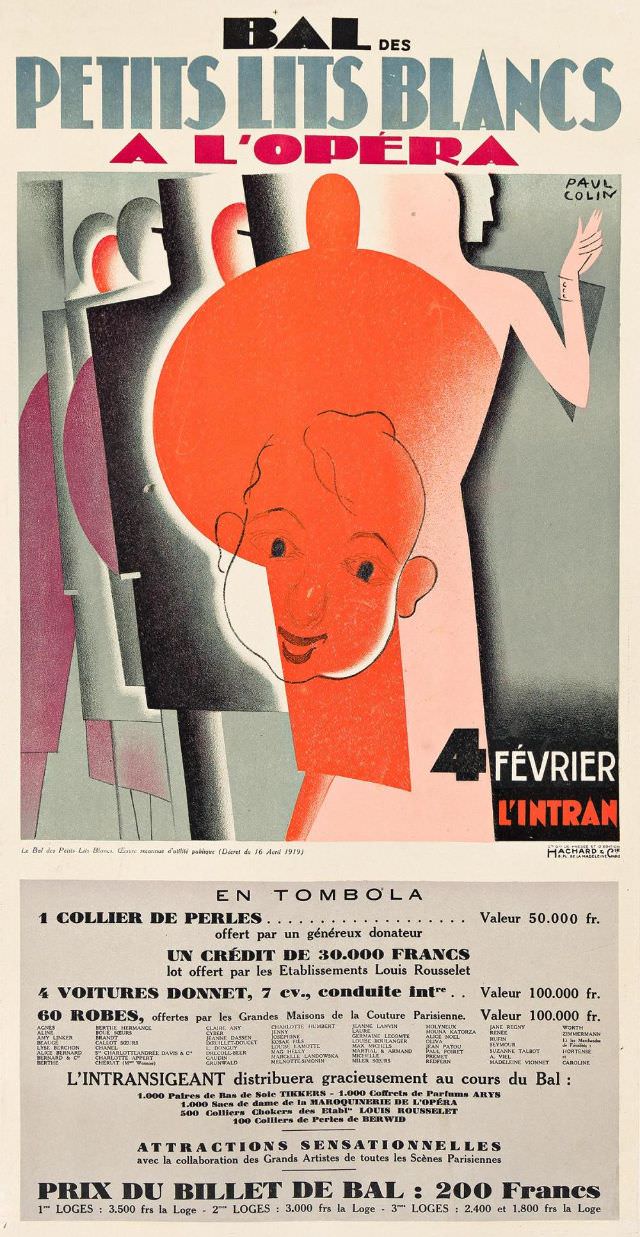
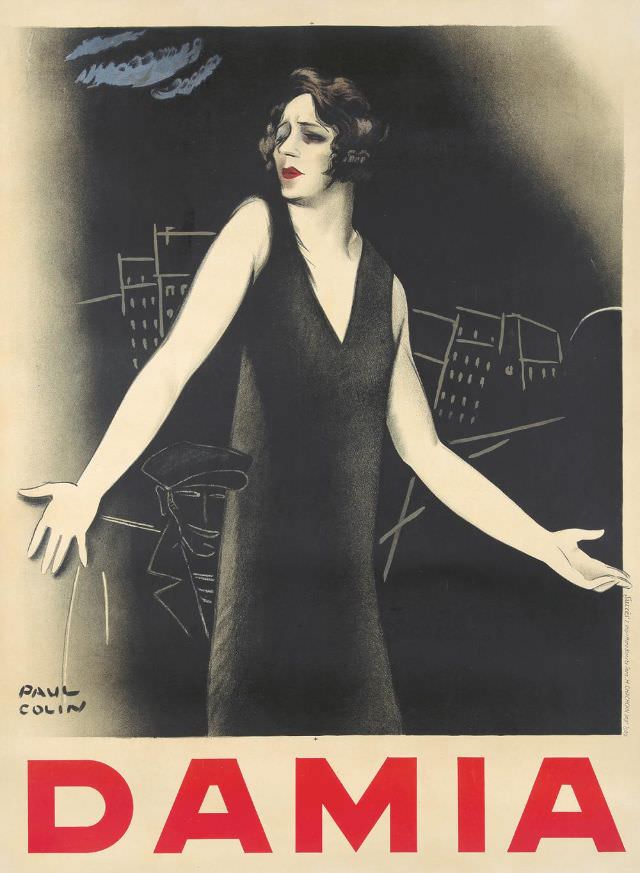
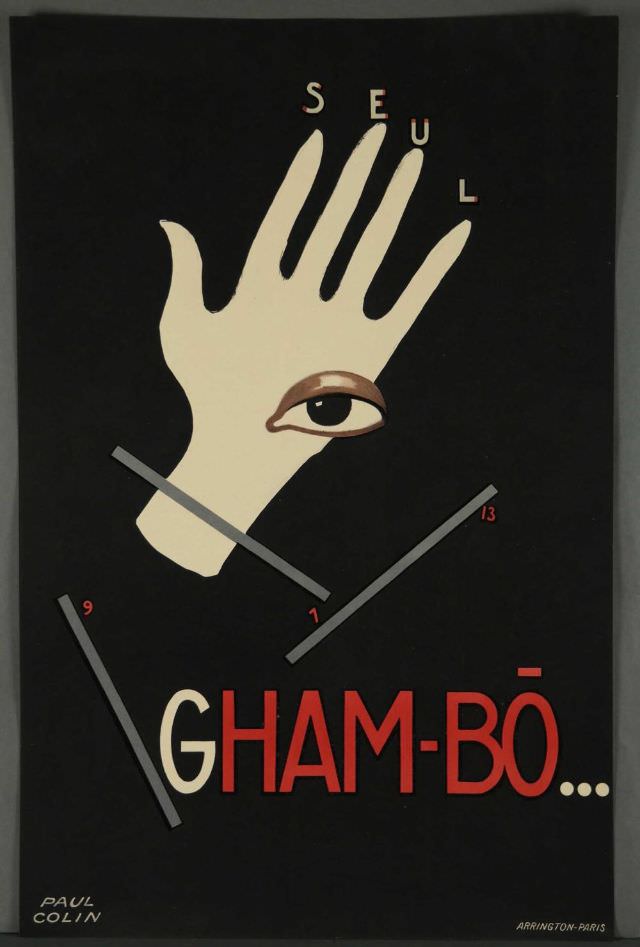
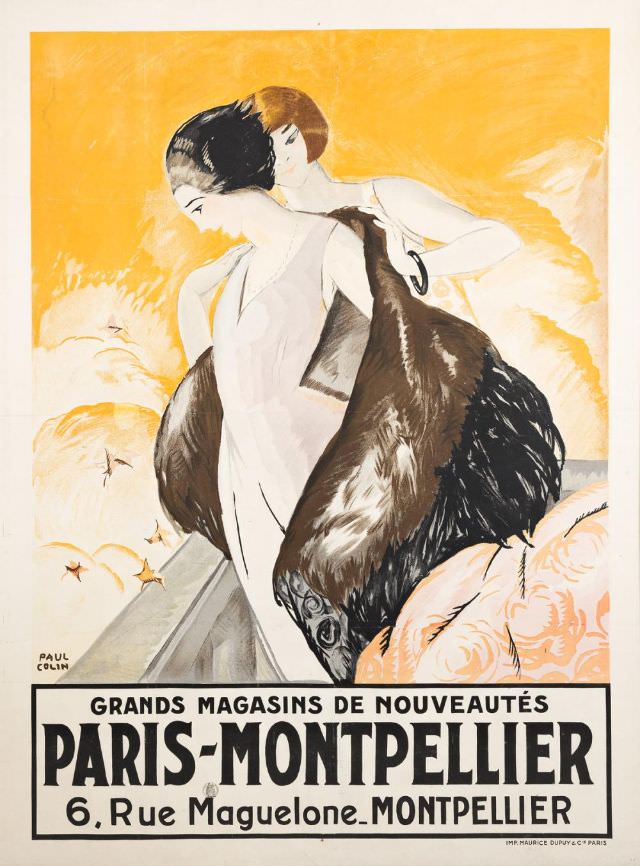
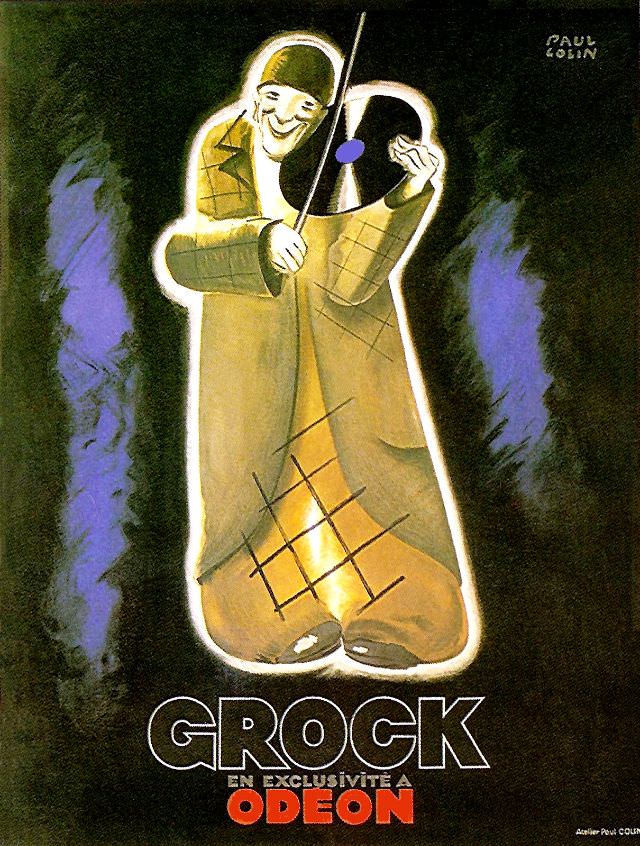
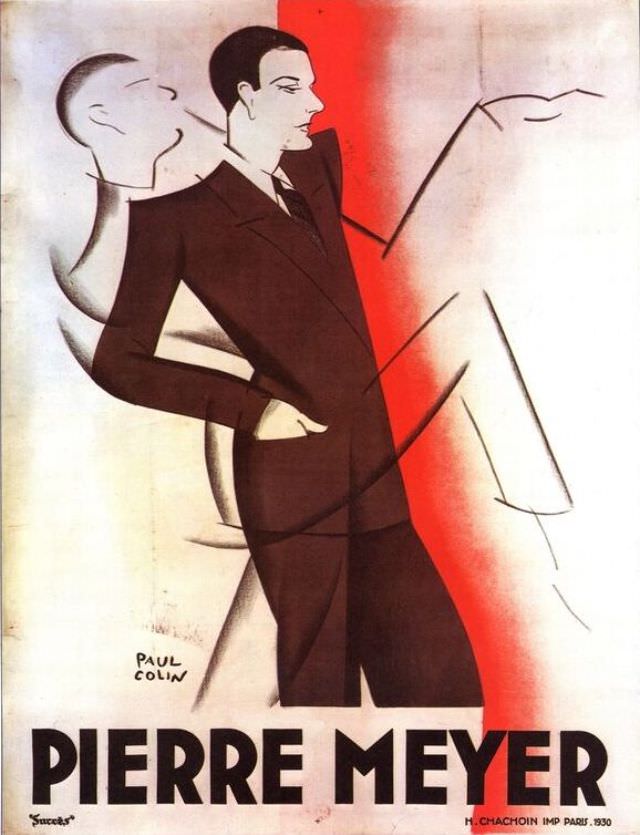
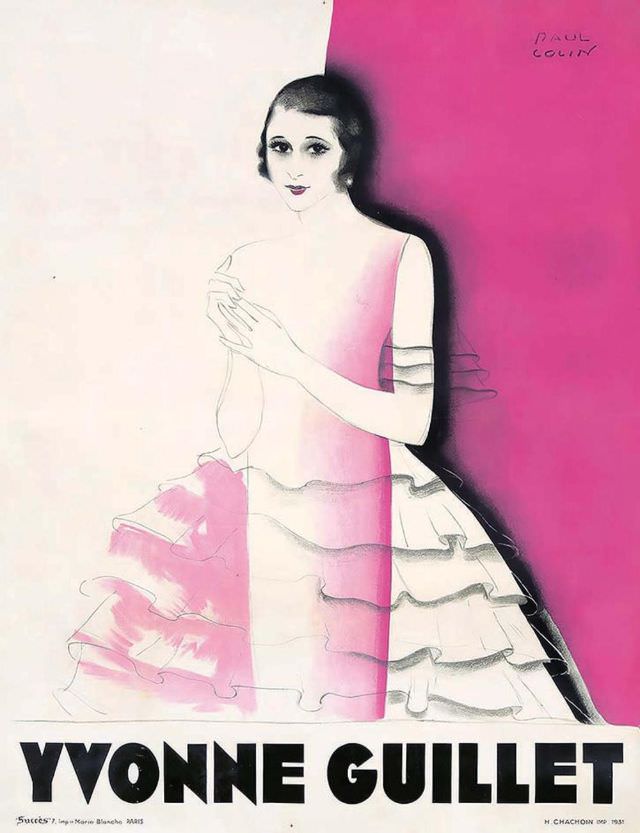
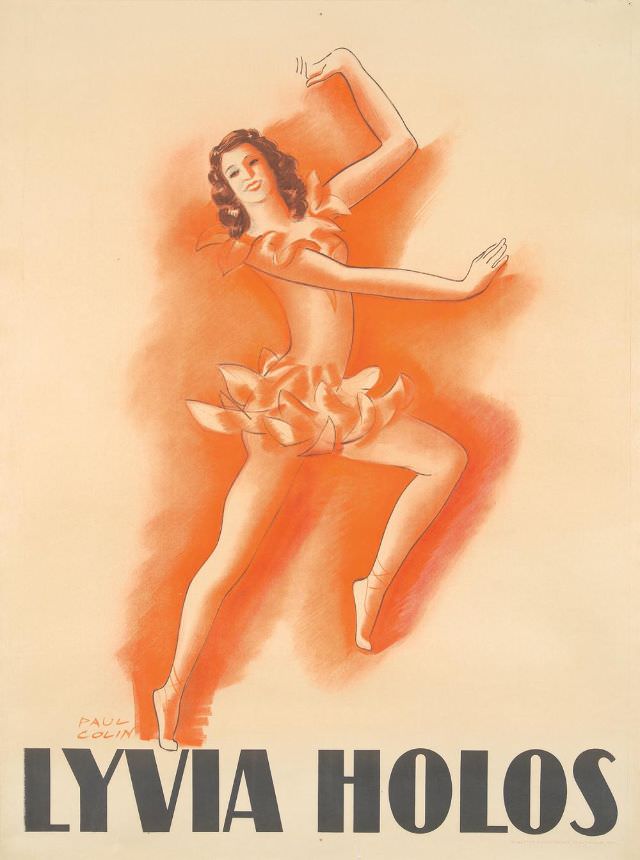
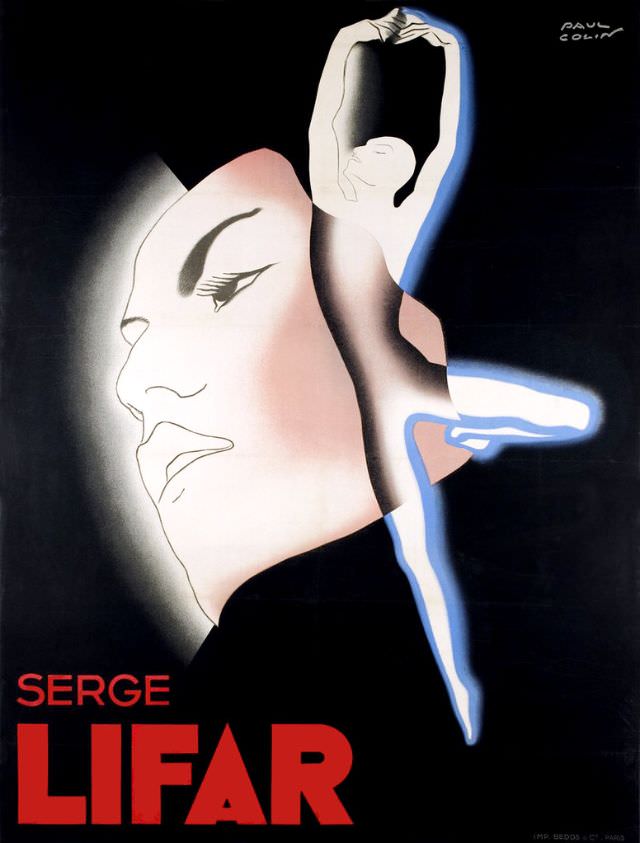
Into the 1930s, Colin’s output grew even more diverse. He designed posters for individual performers, charity balls, luxury goods, and travel — demonstrating that his visual language worked across every commercial category.
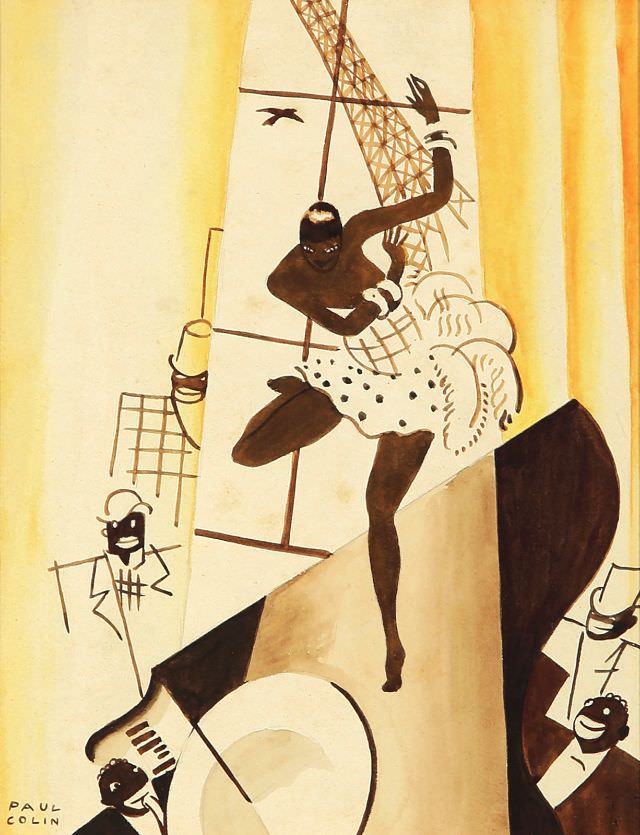
His ongoing collaboration with Josephine Baker continued into the new decade. Sketches and maquettes from around 1930 show him still refining her image, while his 1932 Casino de Paris poster for La Joie de Paris presented her as a polished, fully formed icon of Parisian nightlife.
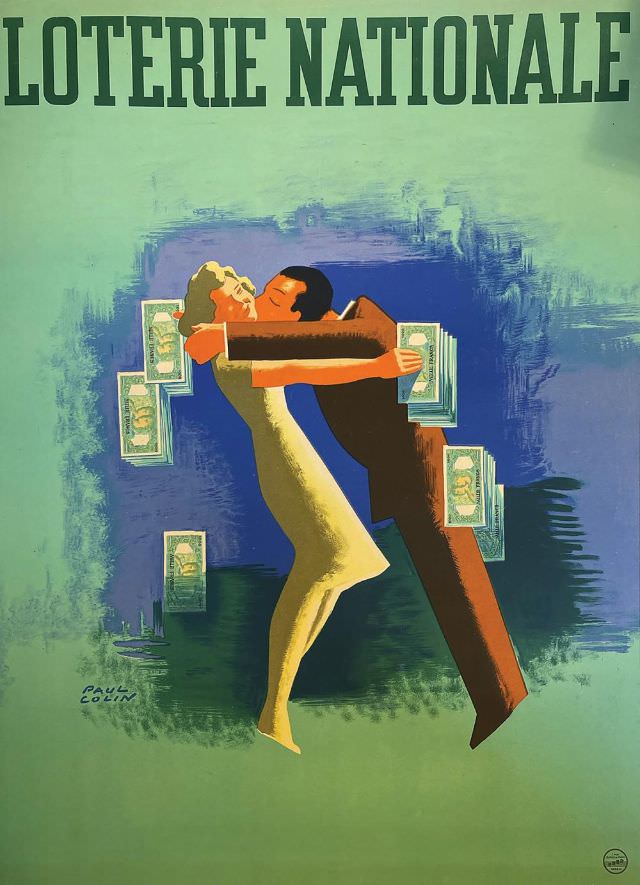
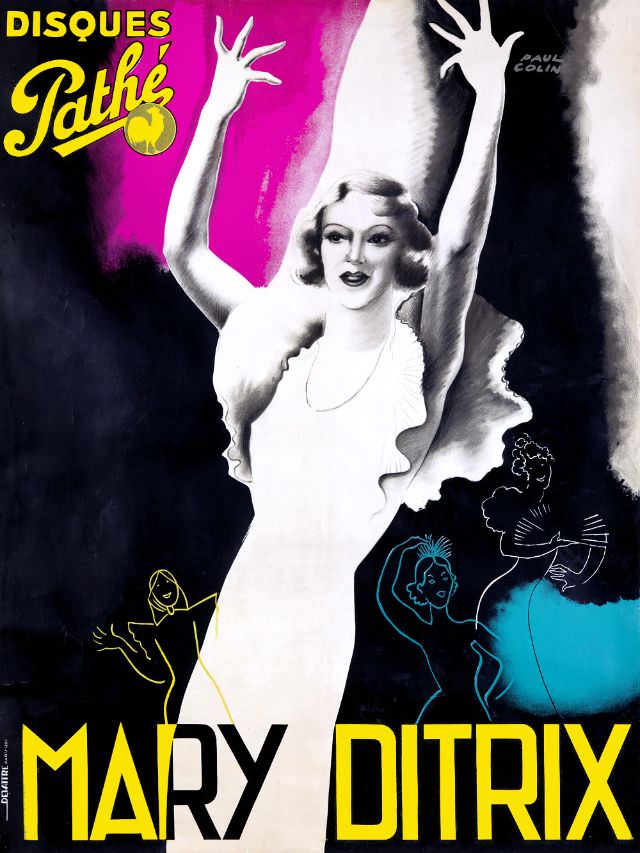
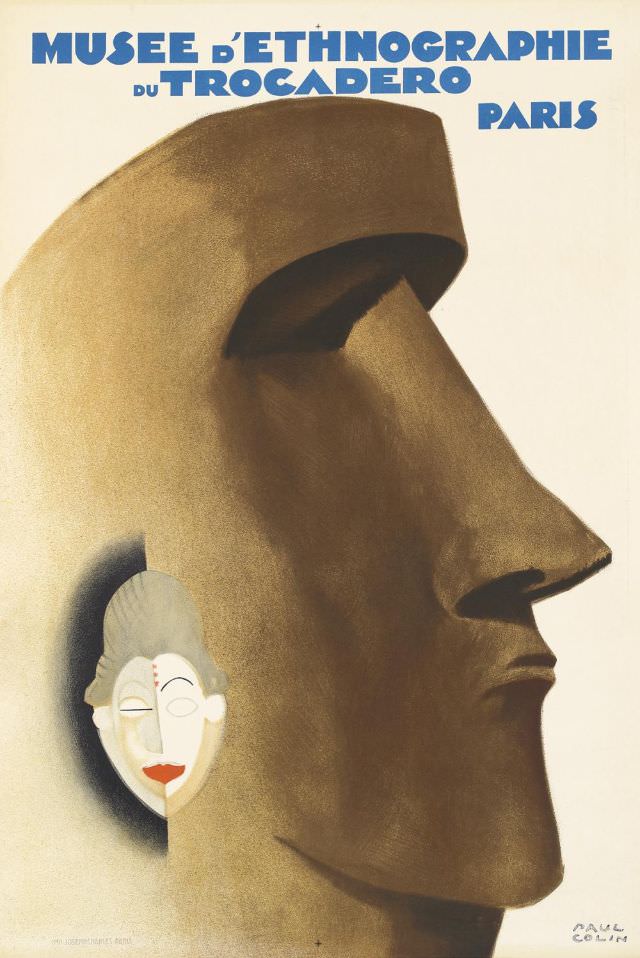
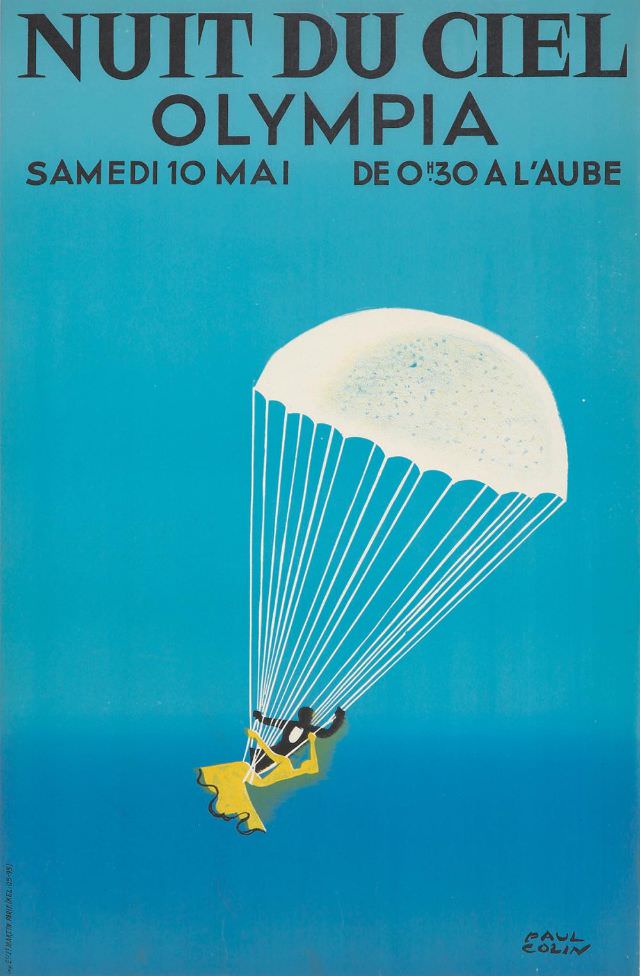
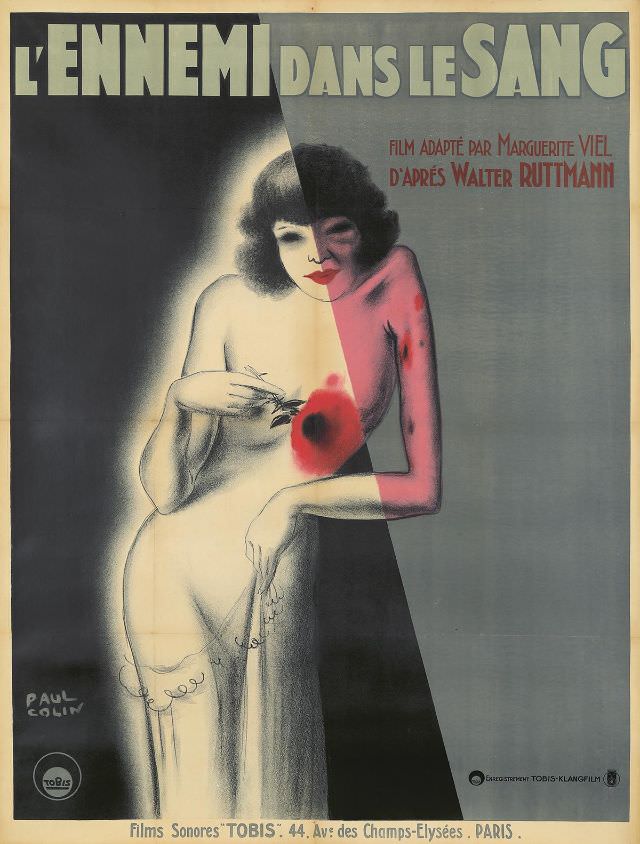
Colin also took on public health and social messaging. His 1931 poster L’Ennemi dans le Sang was a disease-awareness campaign — proof that his graphic intensity translated just as well to serious public service subjects as it did to entertainment.
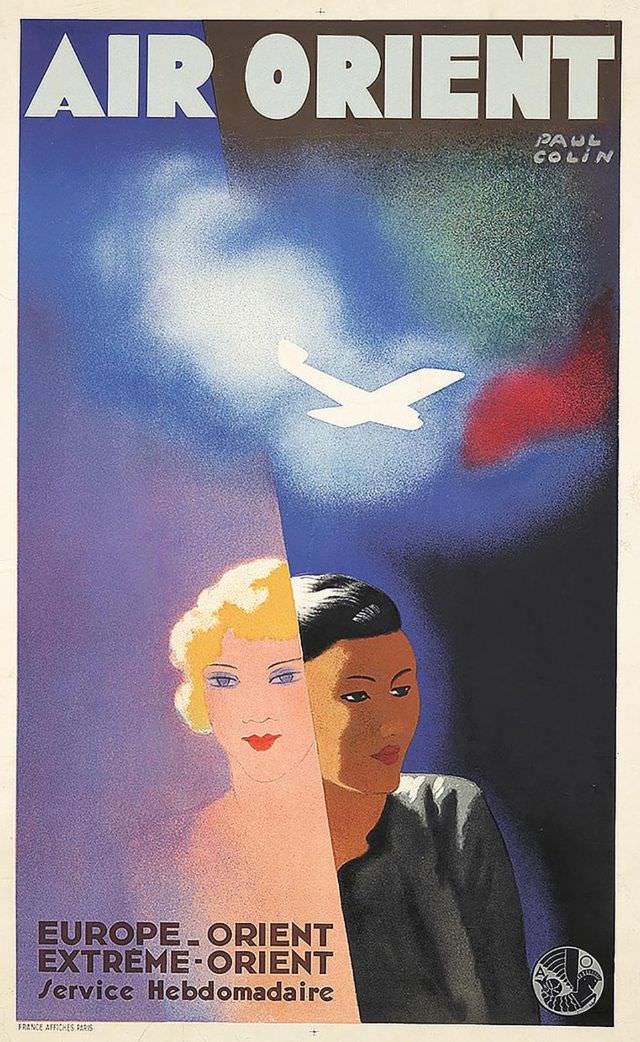
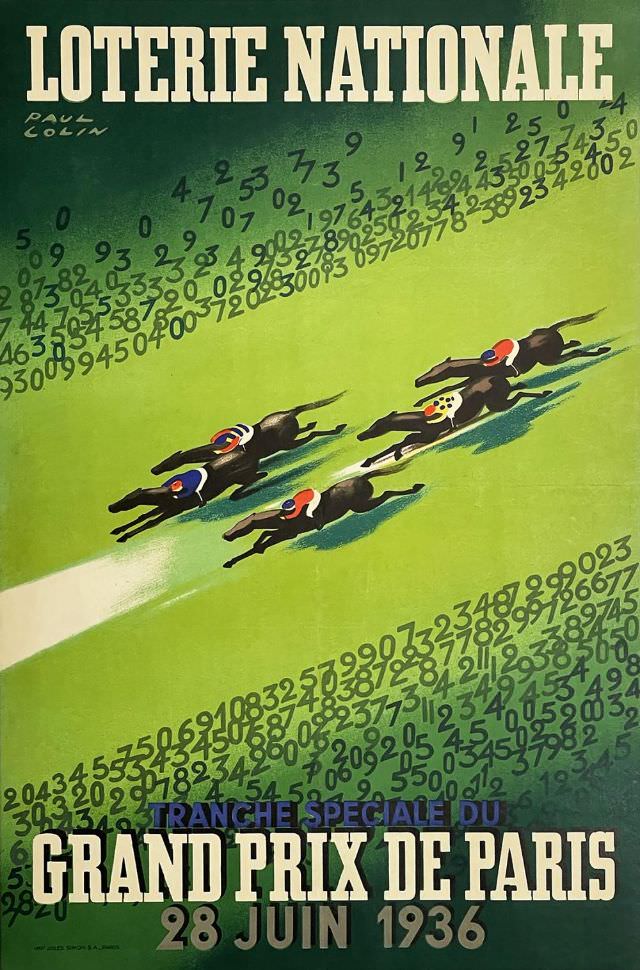
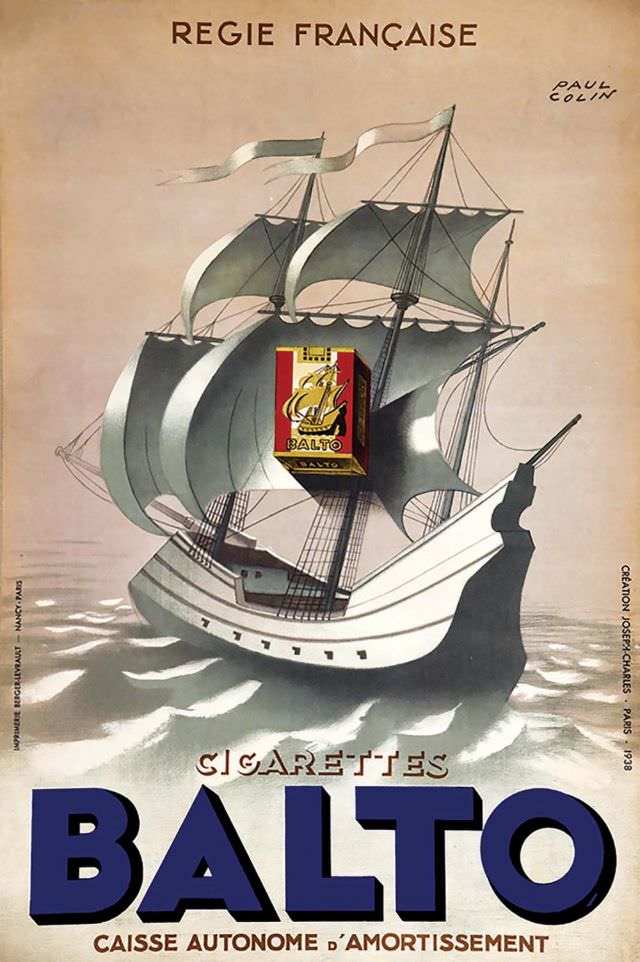
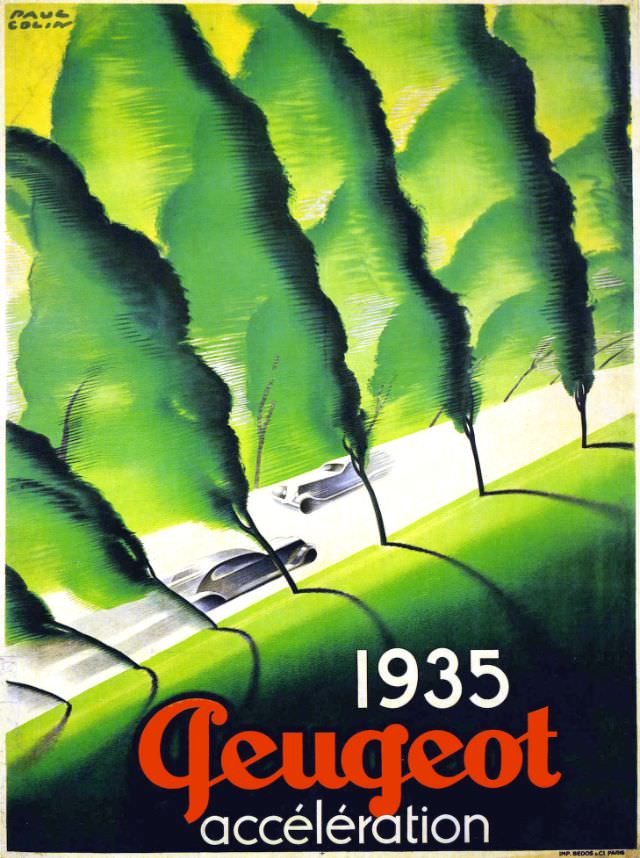
Commercial advertising also formed a significant part of his mid-1930s portfolio. He produced campaigns for cigarette brands, automobiles like Peugeot, and consumer goods — each one carrying his signature compressed energy.
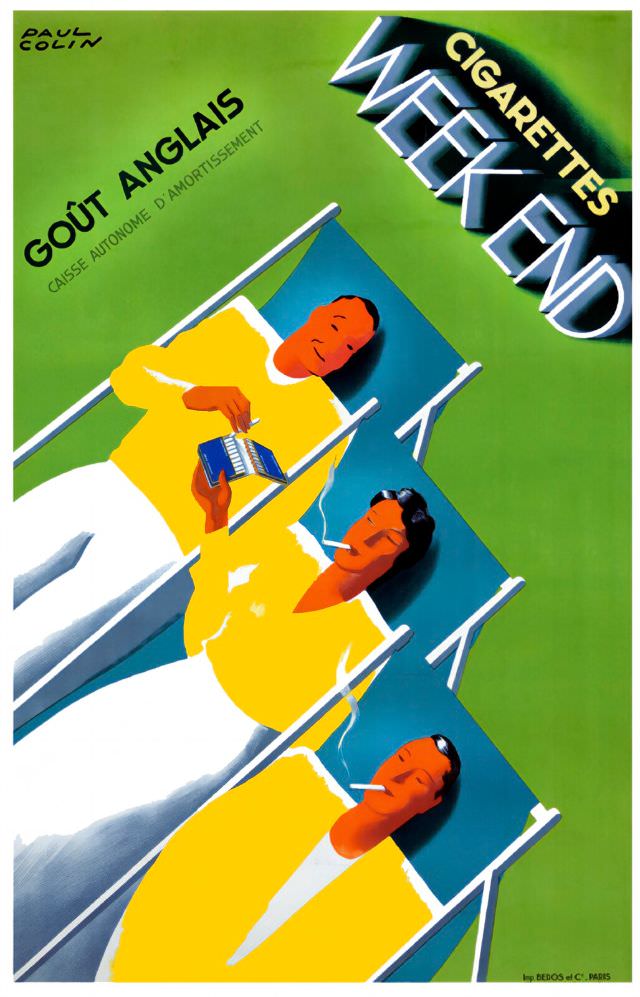
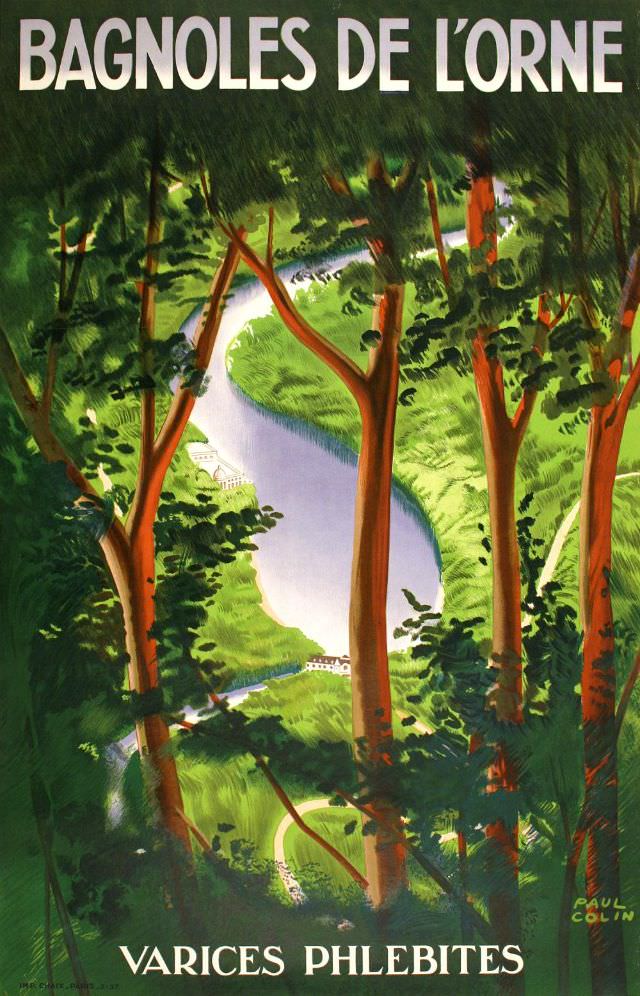
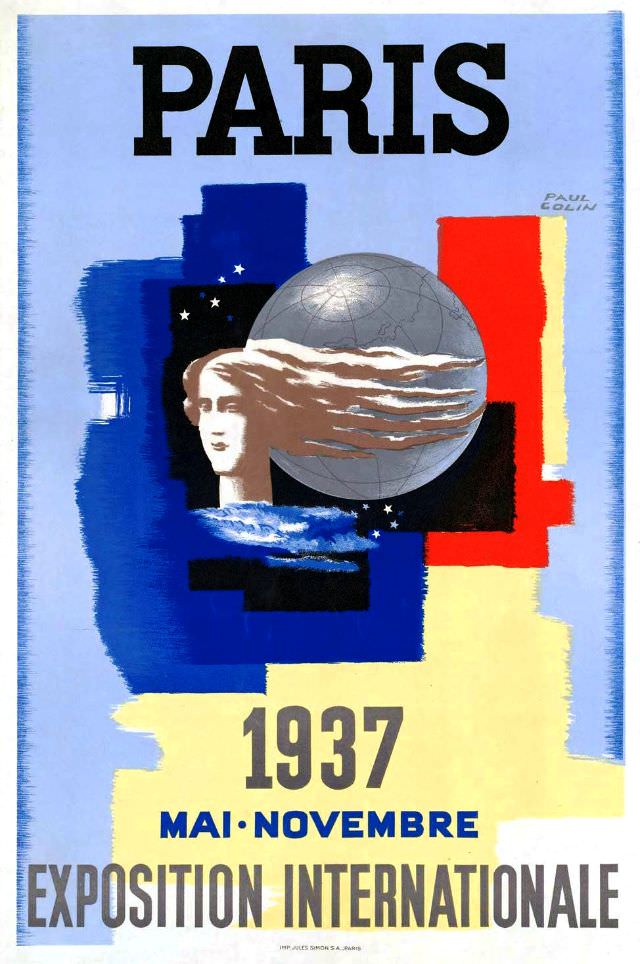
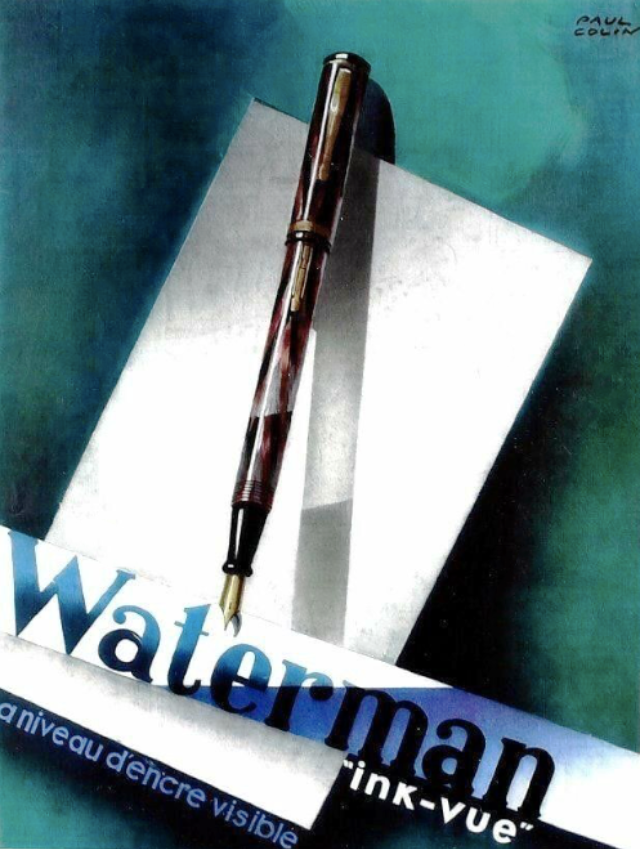
By the late 1930s, Colin was designing for major national events and international expositions, including the 1937 Paris International Exposition. His work for Waterman pens and Balto cigarettes in this period shows how fluidly he moved between cultural prestige and everyday commerce.